Skip to content
Recipes

All recipes

Vegetarian, or something you can't eat? Set your diet once and we'll hide recipes that don't fit.

Tallarines rojosSpaghetti in red sauce with chicken

Tallarines rojos is the Sunday-lunch and weeknight pasta of homes all over Peru, from Lima to Arequipa: spaghetti in a sweet, deep-red sauce of blended tomato, onion and garlic with a little ají panca and oregano, often with pieces of chicken cooked right in it. Children love it, and it is served with a sprinkle of grated cheese and sometimes a spoon of huancaína on the side. The usual mistake is cooking the sauce too briefly, so it tastes of raw onion; let the blended tomato fry until it darkens and the oil shows at the edges. Chef's tip: a bay leaf and a spoon of ají panca paste give the sauce its Peruvian character; paprika will do if you can't find the paste.

by KrazyBadal 0 views

Chicharrón de pescadoCrisp fried fish chunks

Up and down the Peruvian coast, from Chorrillos in Lima to the beaches of Piura, chicharrón de pescado is the crunchy plate ordered alongside ceviche at a long seafood lunch: bite-size chunks of firm white fish marinated briefly in garlic and lime, dusted in flour and fried, then served with fried cassava, salsa criolla and tartar or rocoto sauce. Using frozen peeled cassava keeps it to half an hour. The common mistake is leaving the fish in the lime too long: after about ten minutes the acid starts to 'cook' the outside and the coating slips off. Chef's tip: toss the floured pieces in a sieve to shake off every bit of loose flour; a thin coat fries crisp, a thick one turns pasty.

by KrazyBadal 0 views

TopfengolatschenSweet quark puff pastry squares

A Topfengolatsche is what Viennese office workers grab from the bakery on the way in, and what grandparents order with a Melange in a coffee house on a Sunday afternoon. The corners of a puff pastry square are folded over a lemony, vanilla-scented filling of Topfen (Austrian quark) with plump raisins, and the top gets a thin white glaze. It is flaky, light and not too sweet. Raisins are sometimes soaked in rum; warm water or orange juice works just as well, and the recipe below is alcohol-free. Wet quark is the classic problem, because it turns the filling runny and it leaks out in the oven. Chef's tip: hang the quark in a sieve lined with a clean cloth for an hour, or squeeze it, until it is as thick as soft cream cheese.

by KrazyBadal 0 views

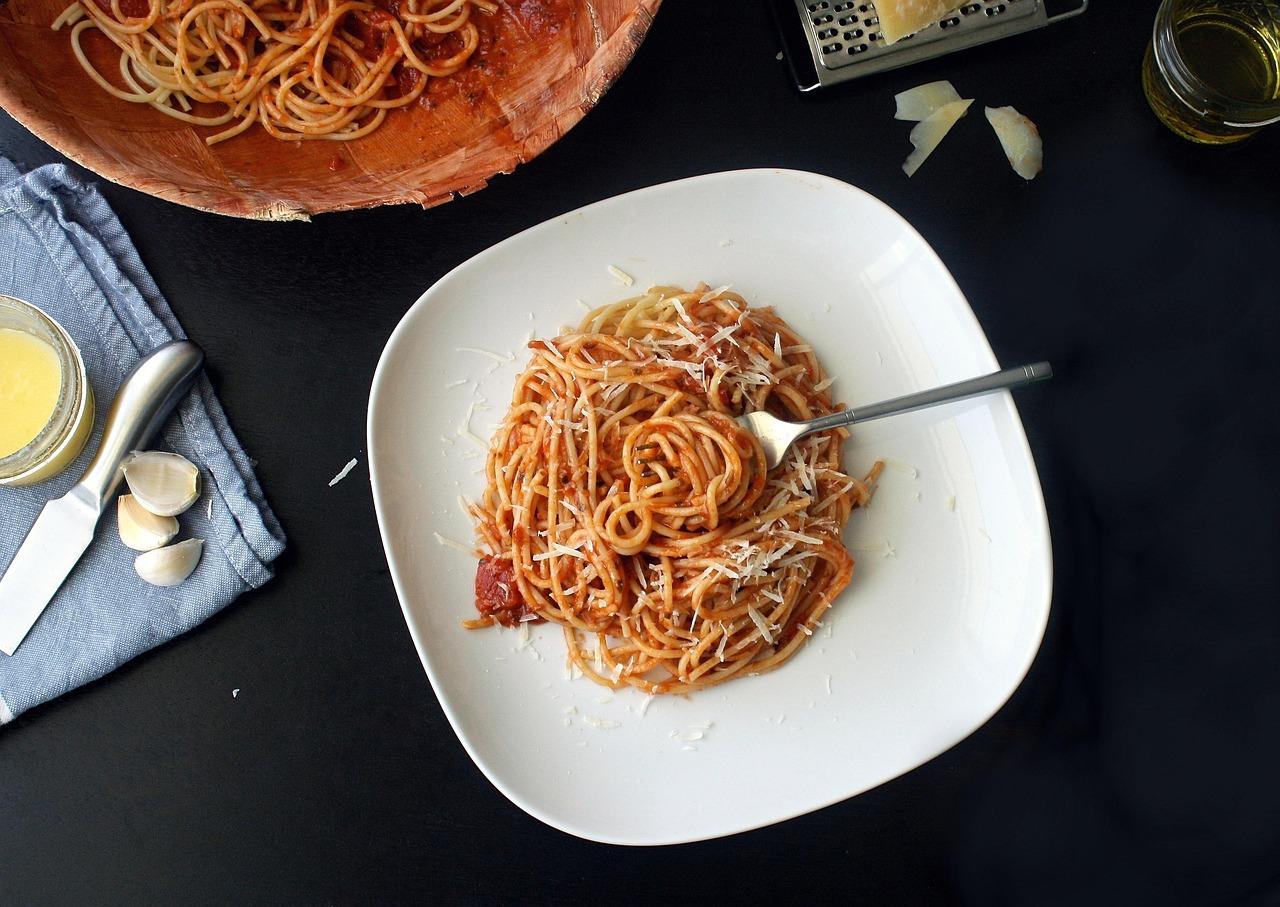
Spaghetti al pomodoroSpaghetti with tomato and basil

From Naples to Turin, spaghetti al pomodoro is what Italian families cook on a Tuesday night when the cupboard holds little more than a tin of tomatoes, a bulb of garlic and a pot of basil on the windowsill. The sauce cooks in the time the pasta boils, turning sweet and glossy as the tomatoes break down in good olive oil. Because there is no cheese in the sauce it is vegan as written, and children love its plain, bright flavour. The most common mistake is burning the garlic: once it turns brown it makes the whole sauce bitter, so keep the heat gentle. Chef's tip: finish the pasta in the sauce pan with a splash of its cooking water for a minute, so the sauce clings instead of sliding off.

by KrazyBadal 0 views

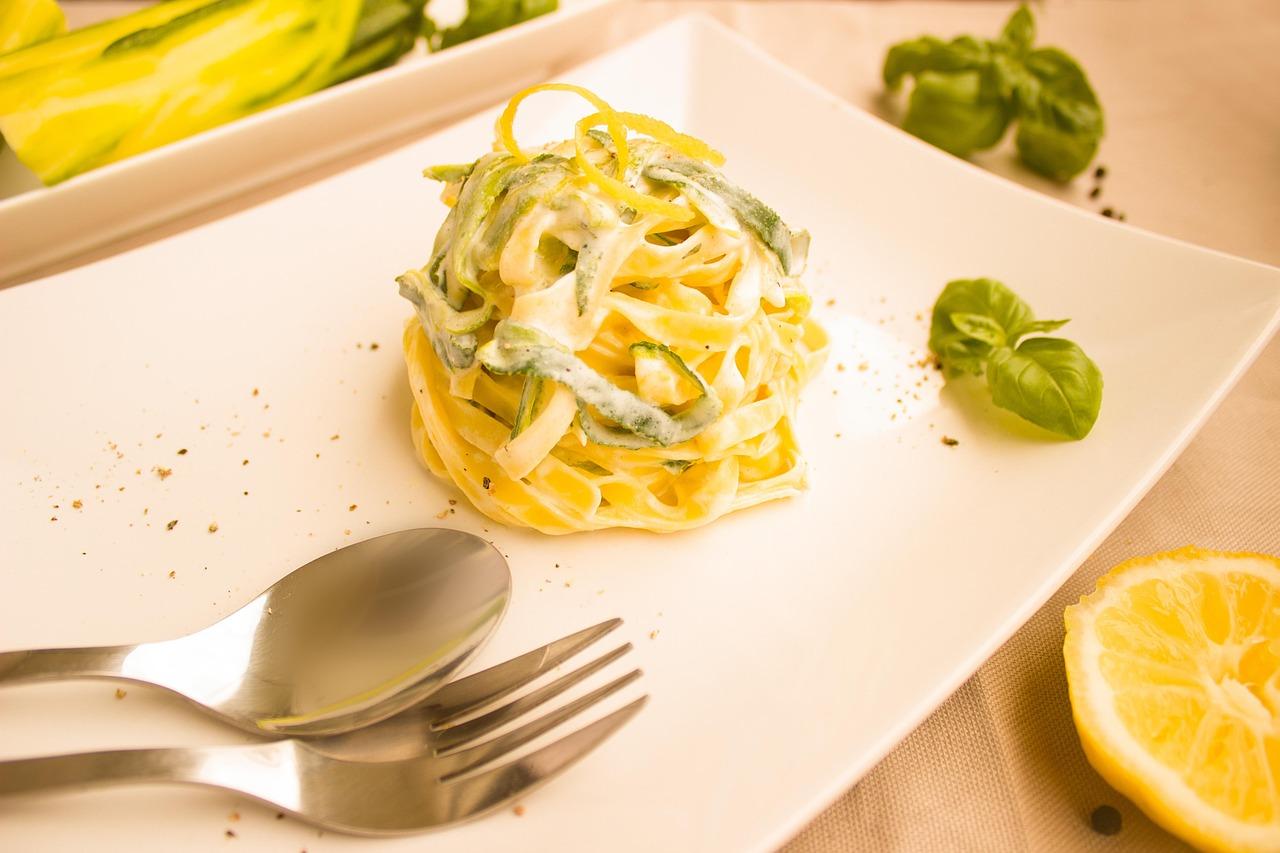
Pasta al limoneLemon butter pasta

On the Amalfi Coast, where knobbly lemons hang over every terrace, pasta al limone is a summer supper made in the time it takes to boil water. Lemon zest, juice, butter and grated cheese melt into the starchy cooking water to make a light, creamy sauce with no cream at all, fragrant and sharp. Parmesan is traditionally made with animal rennet, so use a vegetarian hard cheese if you need the dish to be fully vegetarian. The usual mistake is adding the cheese over high heat, which makes it clump into strings; take the pan off the flame first. Chef's tip: zest the lemons before you juice them, and only the yellow part, as the white pith is bitter.

by KrazyBadal 0 views

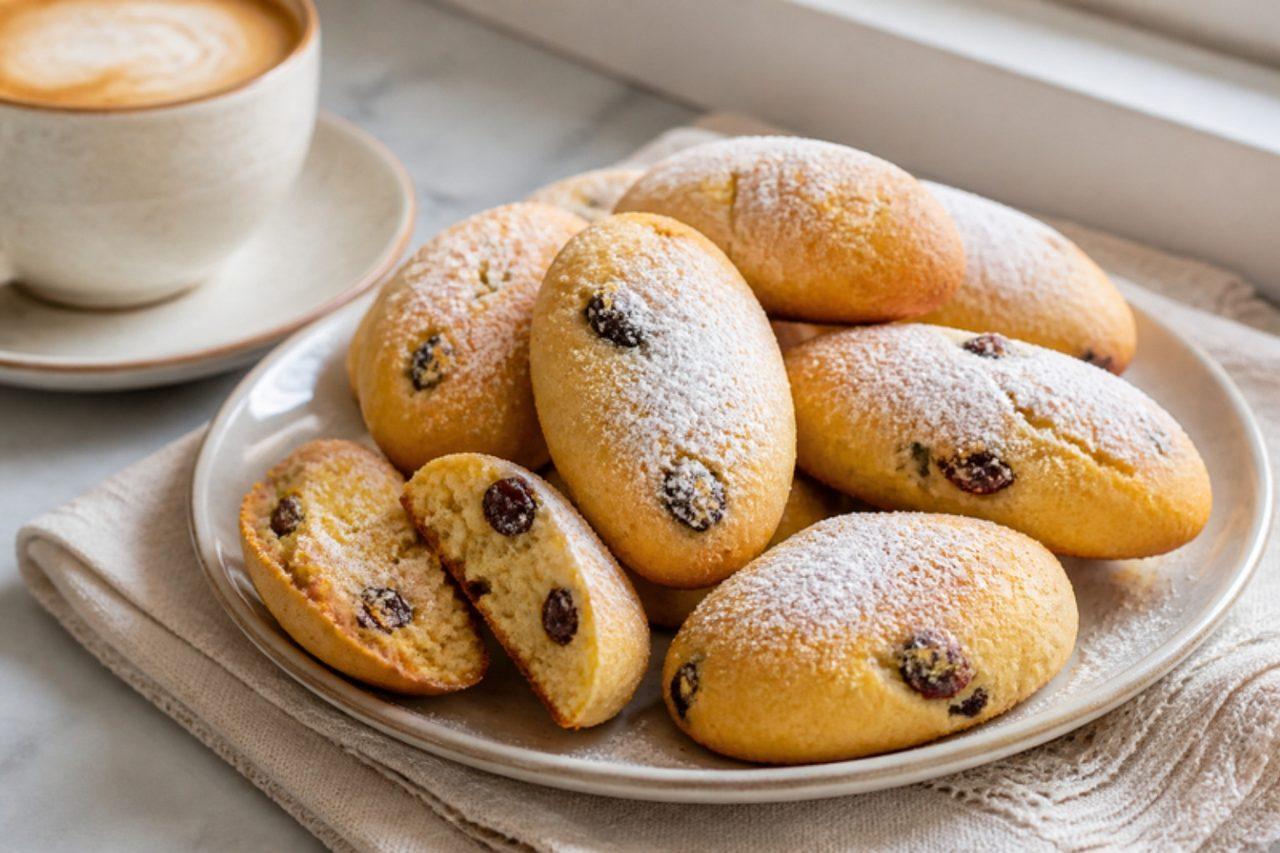
ZaletiCornmeal raisin biscuits

Their name comes from the Venetian word for 'little yellow ones', after the polenta flour that gives them their colour and slightly gritty bite. Bakers in Venice and the Veneto make them all year, though they are especially popular at Carnival, dipped in a glass of sweet wine or eaten with a morning cappuccino. The dough is buttery and lemony, studded with plump raisins. Traditionally the raisins are soaked in grappa or rum; here they are soaked in warm water with a little lemon juice, and the spirit is an option for adults. Chef's tip: use fine cornmeal, not coarse polenta, or the biscuits crumble; and stop mixing as soon as the flour disappears, because overworking makes them dense rather than short.

by KrazyBadal 0 views

Torta de ricotaLemon ricotta tart

Italian families brought ricotta tarts to Buenos Aires and Rosario, and torta de ricota is now as Argentinian as mate: every panadería has one in the window, with a lattice of sweet, crumbly masa frola over a pale, lemon-scented ricotta filling. It is cut into wedges for the merienda, the late-afternoon snack, or for a birthday where nobody wants a heavy cake. The texture is light and slightly grainy rather than silky, and the pastry tastes of butter and vanilla. Wet ricotta is the biggest risk, giving a weeping, soggy tart. Chef's tip: drain the ricotta overnight in the fridge in a sieve lined with a cloth, and add a few raisins only if they have been soaked, or they draw moisture from the filling.

by KrazyBadal 0 views

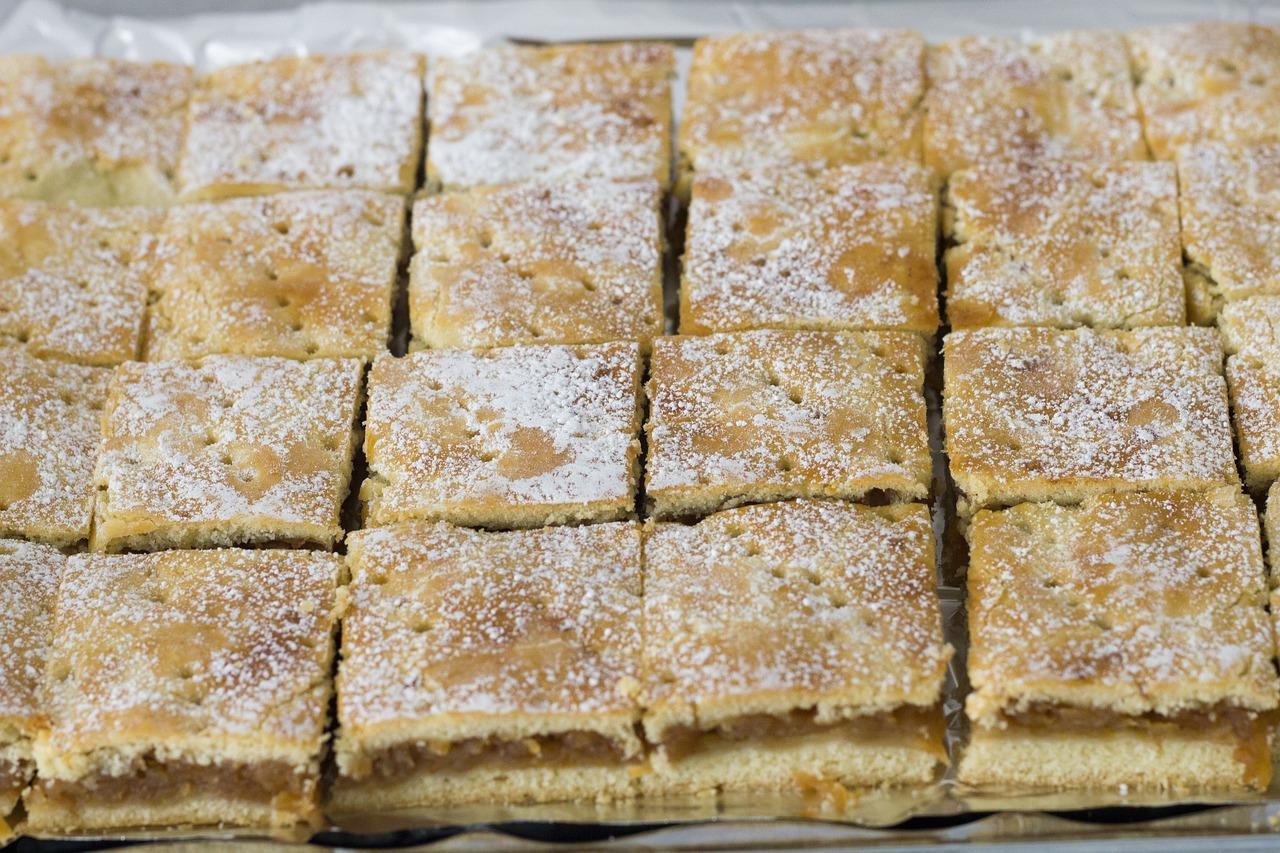
Lenja pitaGrated apple pie

The name means 'lazy pie', and that is the point: unlike the paper-thin pies of Serbia and Bosnia, lenja pita needs no stretching of filo, just two sheets of soft short pastry and a thick layer of grated apple with cinnamon. Home cooks in Belgrade and Sarajevo make a tray of it on autumn weekends, for name days and slava visits, and cut it into squares dusted with icing sugar to serve with Turkish-style coffee. The pastry is tender and crumbly, the apple soft, sweet and sharp. Putting the grated apple straight onto the pastry is the error to avoid: it floods the base, so squeeze it and cook it down first. Chef's tip: mix sour and sweet apples and leave the skins on a few of them for more flavour.

by KrazyBadal 0 views

Pejerrey arrebozadoBattered fish fillets with onion salsa

Pejerrey arrebozado is a Lima classic from the cevicherías and home kitchens of the coast, eaten at lunch on a plate with white rice, a heap of sharp salsa criolla and sometimes boiled potato. The pejerrey, a small silverside, is opened into butterflied fillets, dipped in a light egg-and-flour batter and fried golden. Outside Peru, use small fillets of whiting, sole, haddock or tilapia. The batter here uses sparkling water, not beer, so it is alcohol free. The common mistake is frying in oil that isn't hot enough: the batter drinks the oil and turns greasy, so test with a drop of batter first. Chef's tip: make the salsa criolla first and let the onion sit in lime for ten minutes; it softens its bite and turns a pretty pink.

by KrazyBadal 0 views

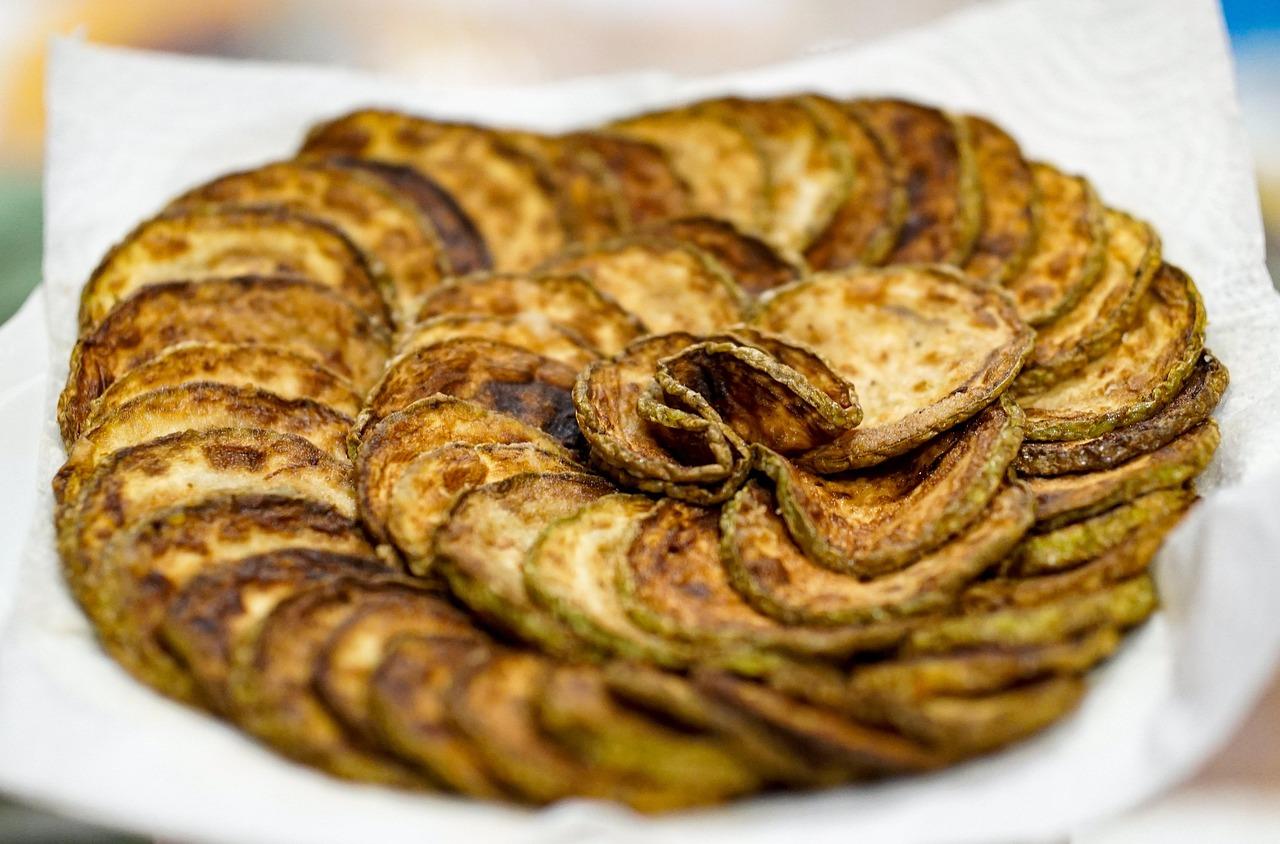
Zucchine trifolateGarlic parsley courgettes

Zucchine trifolate is a contorno cooked all over Italy through the summer glut, when every market stall is piled with courgettes: thin slices sautéed in olive oil with garlic and finished with chopped parsley, the same way Italians cook mushrooms 'trifolati'. They come out golden at the edges and tender in the middle, and go beside eggs, cheese or a plate of beans and bread. It is vegan, gluten free and light. The most common mistake is crowding the pan, which steams the courgettes into a watery mush; cook them in a wide pan or in two batches. Chef's tip: salt only at the end, because salt draws out water and stops the slices browning.

by KrazyBadal 0 views

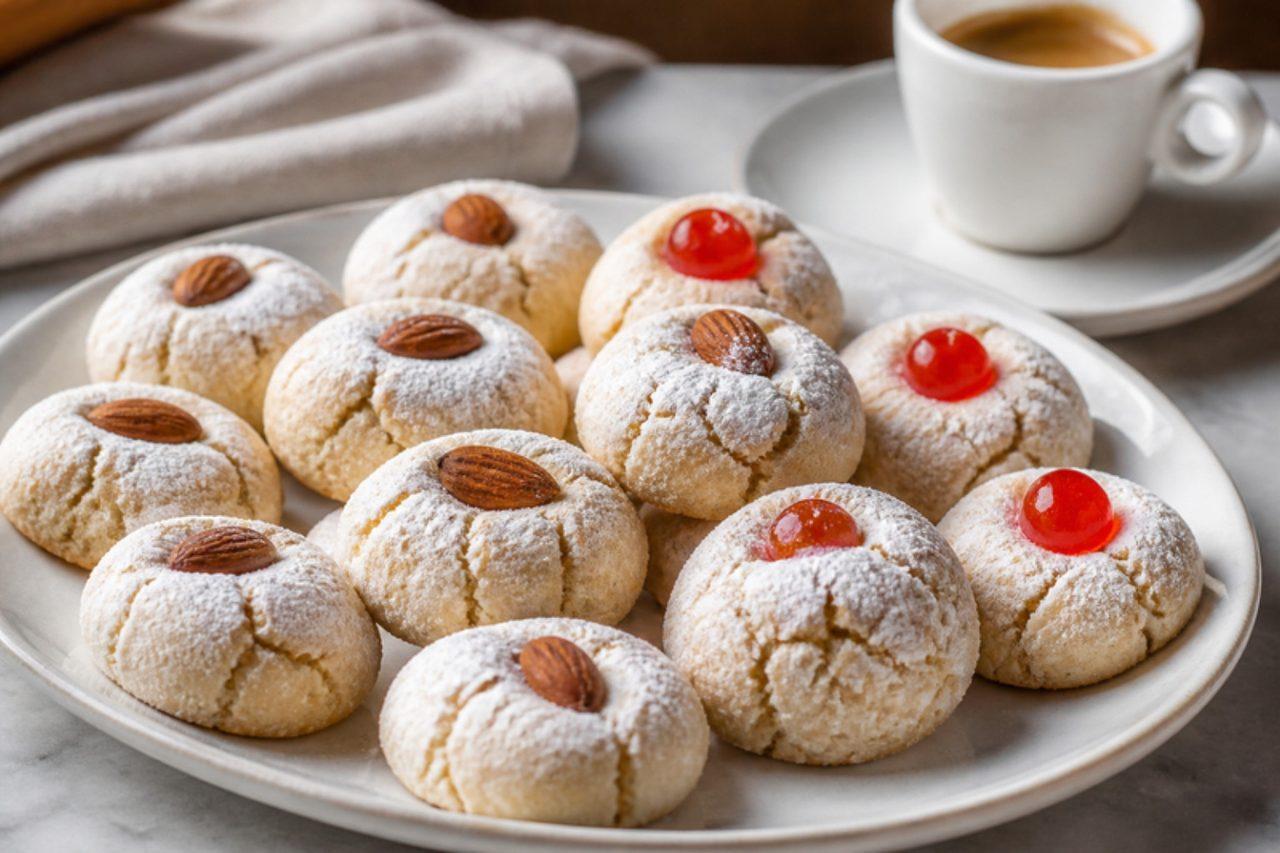
Paste di mandorlaSoft almond paste cookies

Every Sicilian pasticceria keeps a tray of these by the till: small, pale, crackled mounds of almond paste, crisp on the outside and soft and chewy within, each crowned with a whole almond or half a candied cherry. They appear at weddings, christenings and on Sunday trays bought after Mass, and they are wonderful with an espresso or a glass of chilled almond milk. Made from ground almonds, sugar and egg white, they are naturally gluten free and dairy free. A strip of lemon zest and a little honey keep them moist for days. Chef's tip: rest the shaped cookies uncovered for an hour, or overnight in the fridge, so a thin skin forms and they crack attractively in the oven; baking them too long is the classic error, and they turn hard right through.

by KrazyBadal 0 views

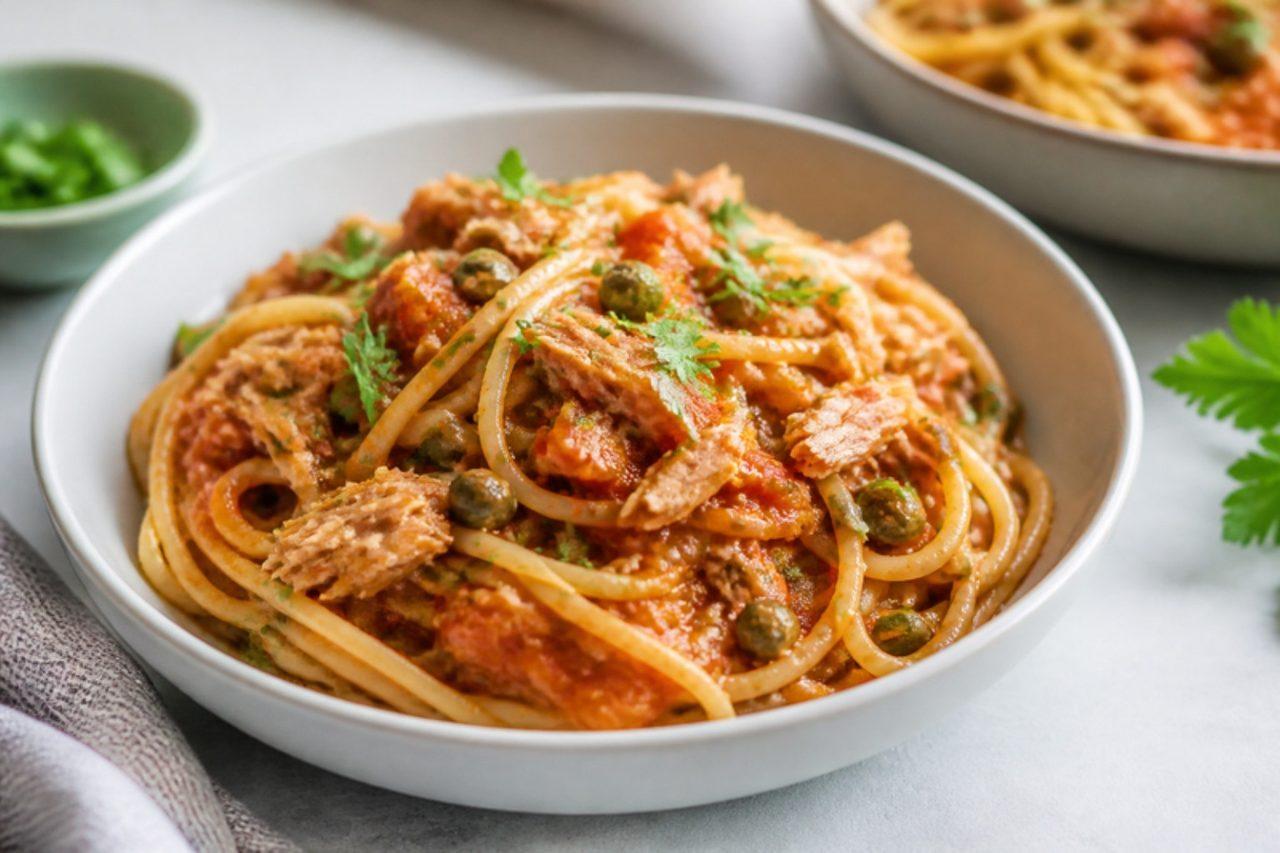
Spaghetti al tonnoSpaghetti with tuna and tomato

Spaghetti al tonno is what families from Naples to Palermo make when the fridge is empty but the cupboard holds a tin of good tuna in olive oil, some tomatoes and a jar of capers. The sauce is ready in the time the pasta boils: garlic warmed in the tuna's own oil, tomatoes simmered briefly, then the tuna folded through in flakes with parsley. The mistake to avoid is boiling the tuna in the sauce for long, which turns it dry and stringy; add it at the end and just warm it. Like most fish pastas in Italy, it is served without cheese. Chef's tip: use the oil from the tin to start the sauce, and save a few big flakes of tuna to put on top of each plate.

by KrazyBadal 0 views

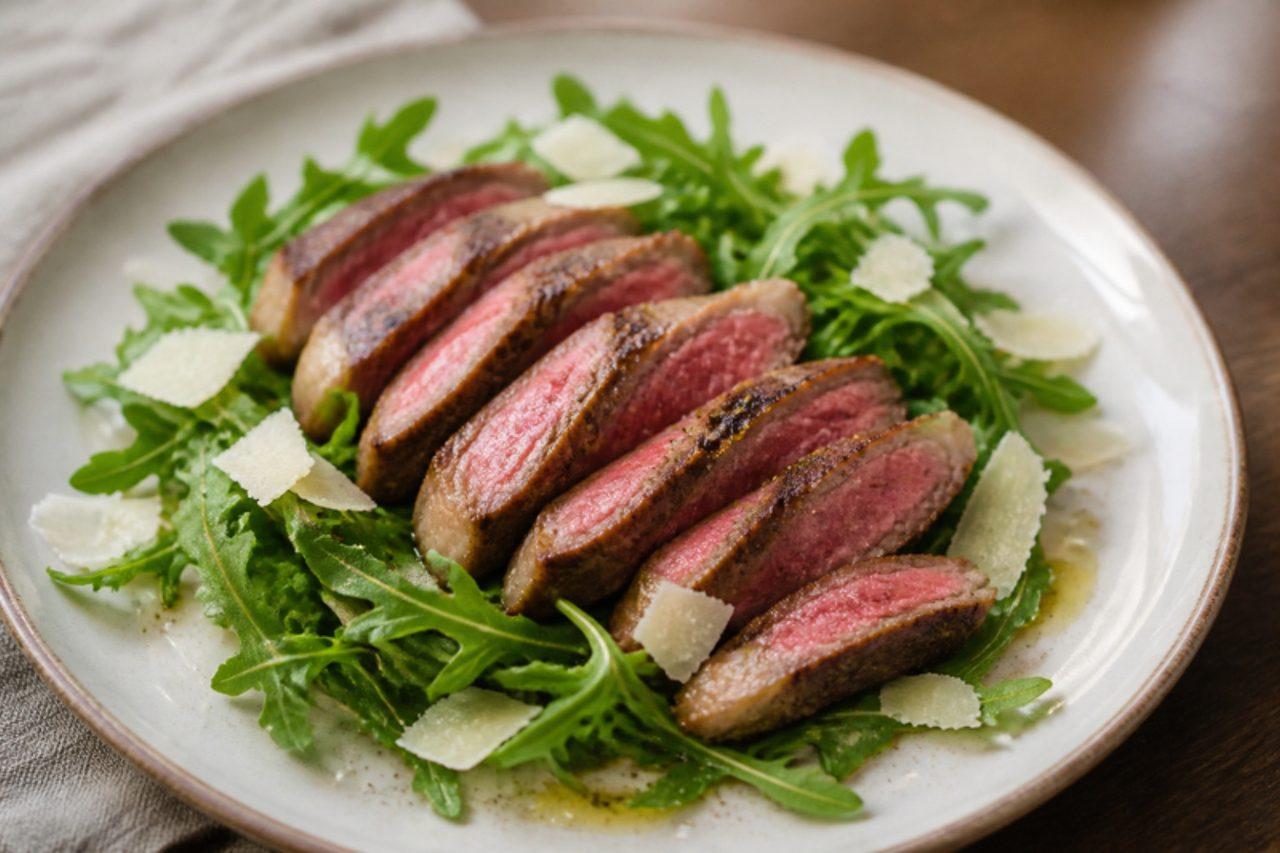
Tagliata di manzoSliced seared steak with rocket

Tagliata simply means 'cut', and in Tuscan trattorie from Florence to the Chianti hills it is a thick steak seared hard, rested, then sliced and fanned over a bed of peppery rocket with shavings of parmesan, olive oil and coarse salt. It is a quick, generous dinner for two or three, and the warm meat juices dress the leaves as you eat. The big mistake is slicing straight from the pan: the juices run out onto the board, so give the steak a proper rest. Rare and medium-rare are safe for a whole-muscle steak because any bacteria sit on the seared surface; for pregnant people, young children or anyone vulnerable, cook it to 63 °C or beyond. Chef's tip: dry the steak well with kitchen paper and salt it 10 minutes before cooking for a deep brown crust.

by KrazyBadal 0 views

Salpicón de aveCold chicken salad

Salpicón de ave is the cold supper of Argentine summers, made in Buenos Aires flats and on estancias alike when it is too hot to cook much, and a favourite way to use the chicken from a puchero or Sunday roast. Shredded chicken is mixed with diced pepper, tomato, spring onion, sweetcorn and boiled egg, bound with mayonnaise sharpened with lemon and mustard, and served chilled with crusty bread or on lettuce. The common mistake is dressing it while the chicken is still hot, which melts the mayonnaise into an oily puddle; let everything cool first. Chef's tip: dress the chicken with the lemon juice and a pinch of salt before the mayonnaise goes in, so the meat itself is seasoned, not just its coating.

by KrazyBadal 0 views

Tarta de coco y dulce de lecheCoconut and dulce de leche tart

Ask Argentinians for their favourite tart at a family birthday and this one often wins: a crisp shortcrust spread thickly with dulce de leche, then covered with a coconut, sugar and egg topping that bakes into a golden, chewy crust. Bakeries from Córdoba to Mar del Plata sell it by the slice for the merienda with mate or a café con leche. It is very sweet, so the slices are thin, and it is a good keeper for a few days. Ordinary spreading dulce de leche is the mistake: it runs and bubbles out at the edges. Use the thicker pastry-style kind, sold in Argentina as 'repostero'. Chef's tip: chill the case with the dulce de leche spread on it for 15 minutes before adding the coconut, so the two layers stay distinct.

by KrazyBadal 0 views

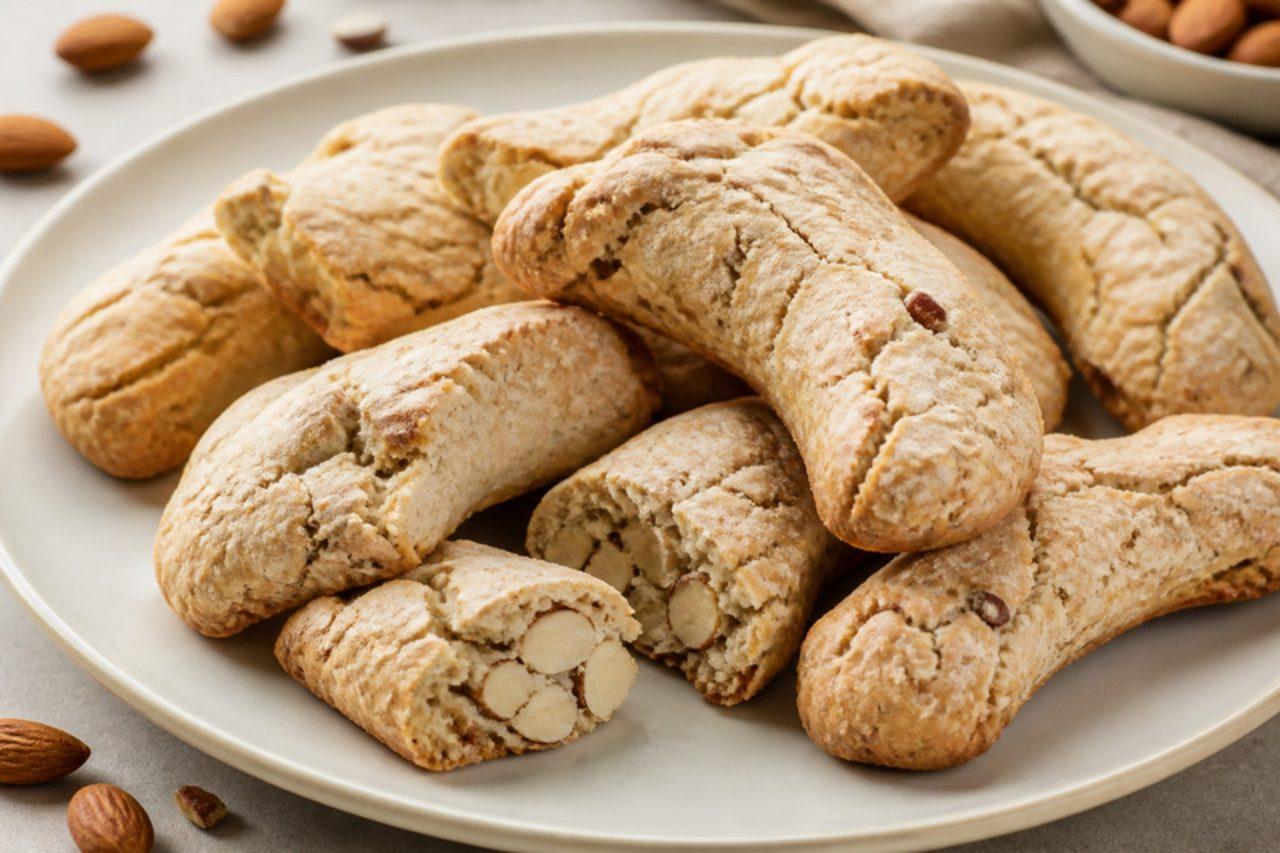
Ossi dei mortiBone-shaped almond biscuits

Italian families remember their dead on 2 November, and in Lombardy, Sicily and much of the country in between, the pastry shops fill with 'bones of the dead'. Shapes and recipes vary from town to town; this is the northern style, a lean dough of egg white, sugar, flour and toasted chopped almonds, scented with cinnamon, clove and lemon and rolled into knobbly bone shapes. They bake very hard and crunchy, made for dunking in coffee, milk or a sweet vin santo-style wine, and they keep for weeks. Sicilian children traditionally find them in a basket left by the departed, together with fruit made of marzipan. Chef's tip: let the shaped bones dry for half an hour before baking, which gives them their pale crust; skipping the rest is the common slip, and the bones spread into flat blobs.

by KrazyBadal 0 views

Fideos con mantecaButtered noodles with cheese

Ask anyone from Buenos Aires to Córdoba what they ate when they came home late or felt poorly as a child, and the answer is often fideos con manteca: short pasta tossed with butter and a snowfall of grated queso rallado. It is the plainest dish in the Argentine home kitchen and the one people cook for themselves on a tired weeknight. The mistake that ruins it is draining the pasta bone-dry and adding cold cheese to a hot empty pan, which leaves greasy strands and clumps; a splash of cooking water makes a light, creamy coating instead. Argentine reggianito and Parmesan are made with animal rennet, so use a vegetarian hard cheese if needed. Chef's tip: grate the cheese very finely, like dust, so it melts on contact.

by KrazyBadal 0 views

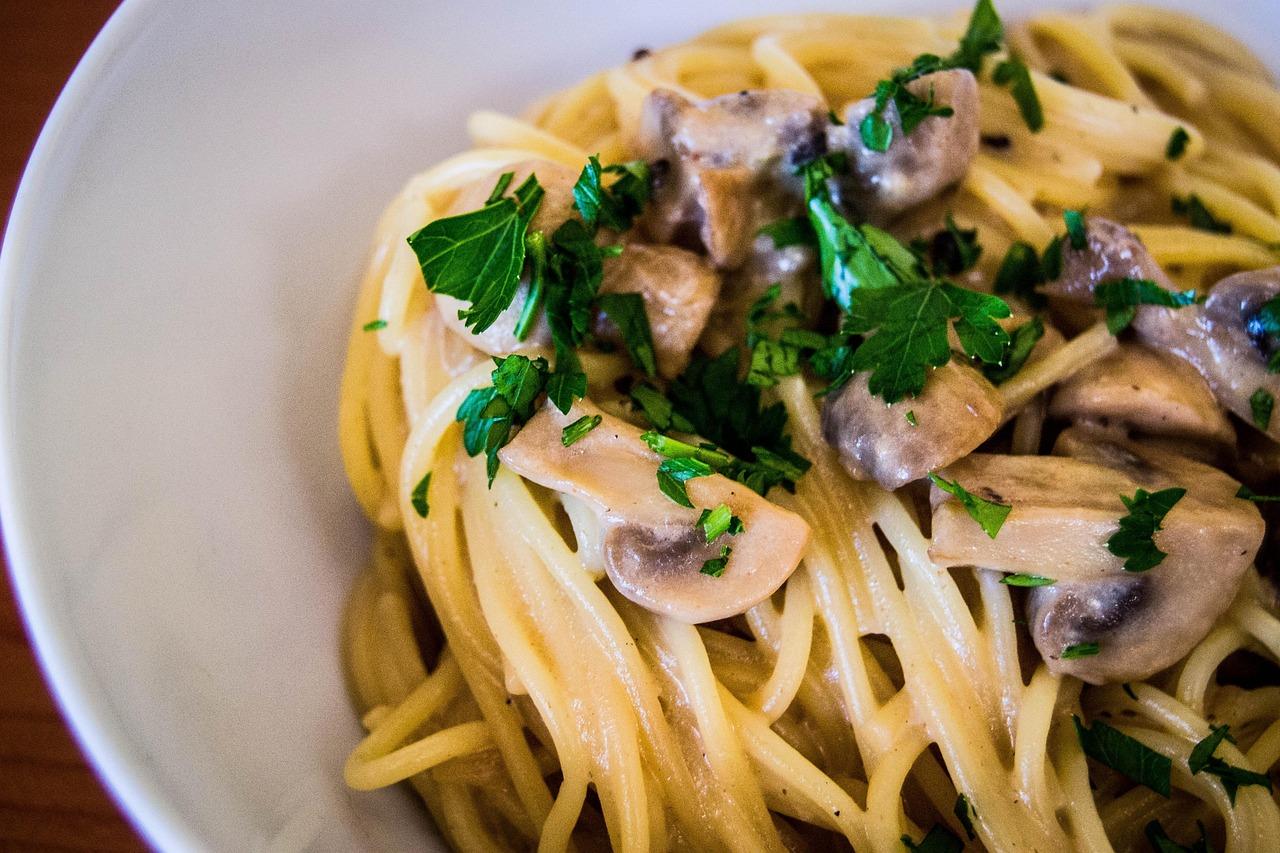
Pasta ai funghiMushroom pasta

Pasta ai funghi is an autumn weeknight standby across Italy, from the porcini woods of Piedmont to the trattorie of Rome, made with whatever mushrooms the market has. The mushrooms are seared until browned and nutty, then tossed with garlic, parsley and pasta water into a silky, oil-based sauce that is vegan as written. Serve it with a green salad. The most common mistake is stirring the mushrooms too early and too often, so they release water and boil grey instead of browning. Chef's tip: a few dried porcini, soaked and chopped, with a spoon of their soaking liquid give ordinary mushrooms a deep, woodland flavour.

by KrazyBadal 0 views

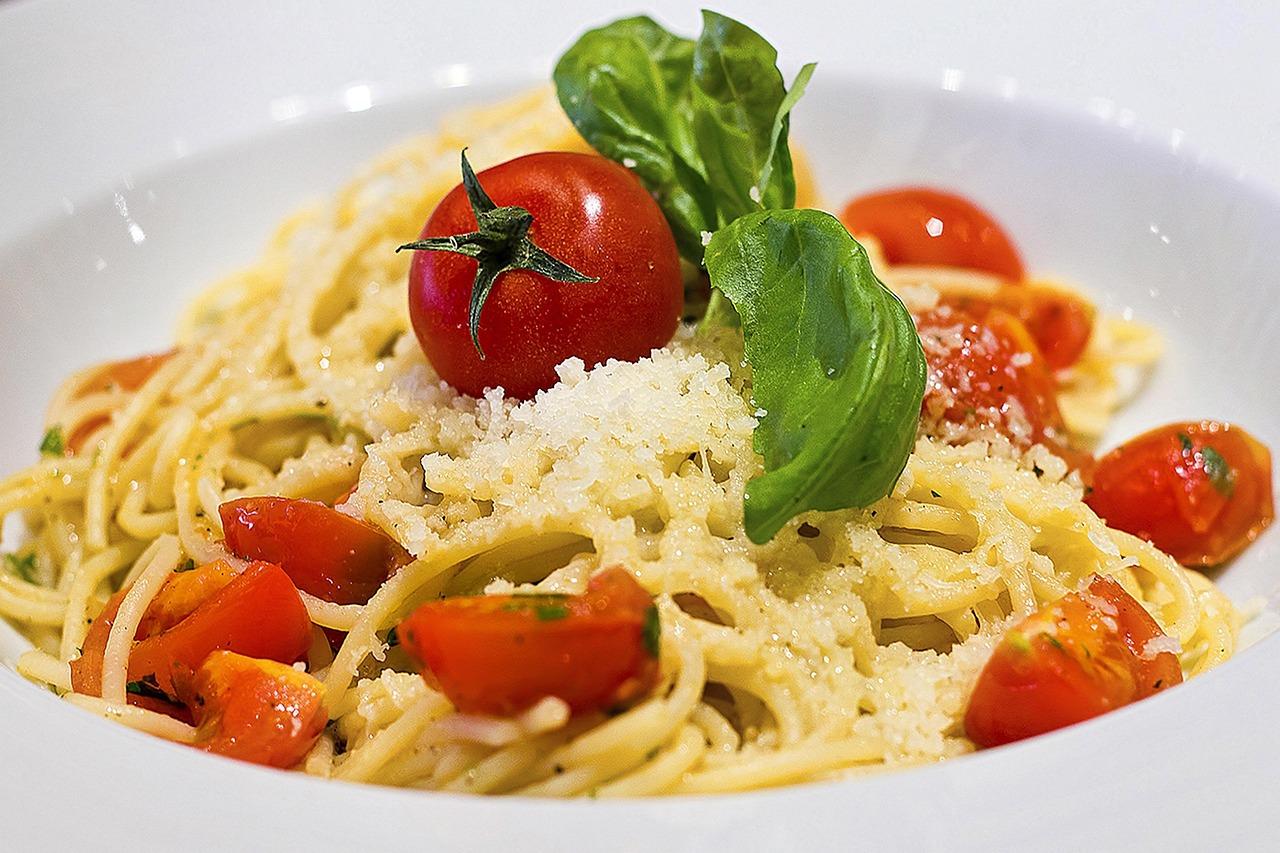
Pasta alla crudaiolaPasta with raw tomatoes and basil

In Puglia, through the hottest weeks of July and August, nobody wants to stand over a simmering sauce, so they make pasta alla crudaiola: ripe tomatoes chopped raw, left to steep with basil, garlic and olive oil, then tossed with hot pasta and salty grated ricotta salata. The heat of the pasta barely warms the tomatoes, so it tastes fresh and juicy. Ricotta salata is usually made with animal rennet; a vegetarian feta-style or hard cheese works well instead. The common mistake is using pale, watery winter tomatoes, which give a bland, thin sauce, so make this only when tomatoes are deep red and fragrant. Chef's tip: salt the chopped tomatoes 15 minutes ahead so they release their juices, which become the sauce.

by KrazyBadal 0 views

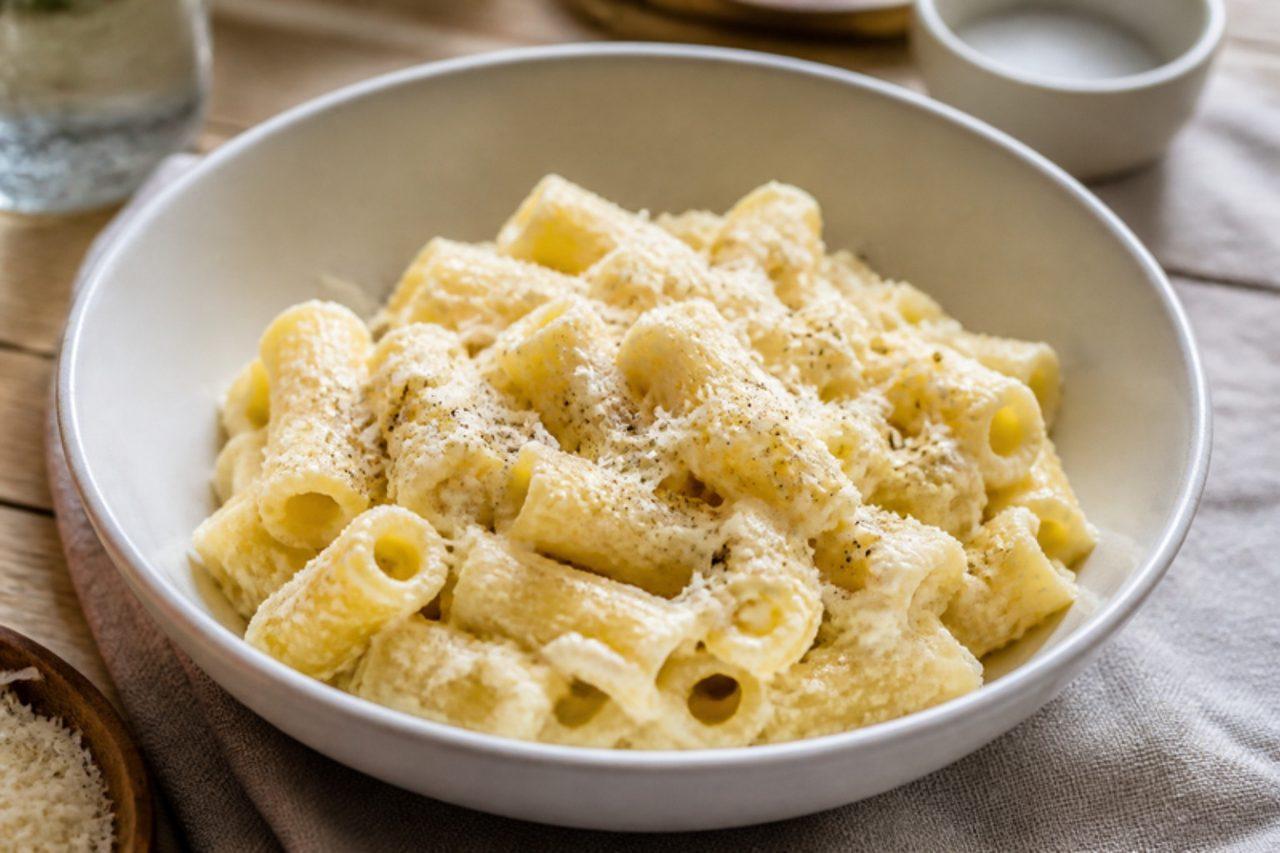
Pasta con la ricotta

Sicilian mothers make pasta con la ricotta on busy evenings and for children home from school: fresh sheep's or cow's milk ricotta is loosened with hot pasta water into a soft, milky sauce, then seasoned with black pepper and a little grated cheese. It is mild, creamy and ready in a quarter of an hour. Ricotta is made without rennet, but parmesan or pecorino usually contain animal rennet, so use a vegetarian hard cheese if needed. The common mistake is spooning cold ricotta straight onto the pasta, where it stays in lumps; whisk it with hot water first. Chef's tip: a little lemon zest or a few mint leaves lifts the sauce without hiding the ricotta.

by KrazyBadal 0 views

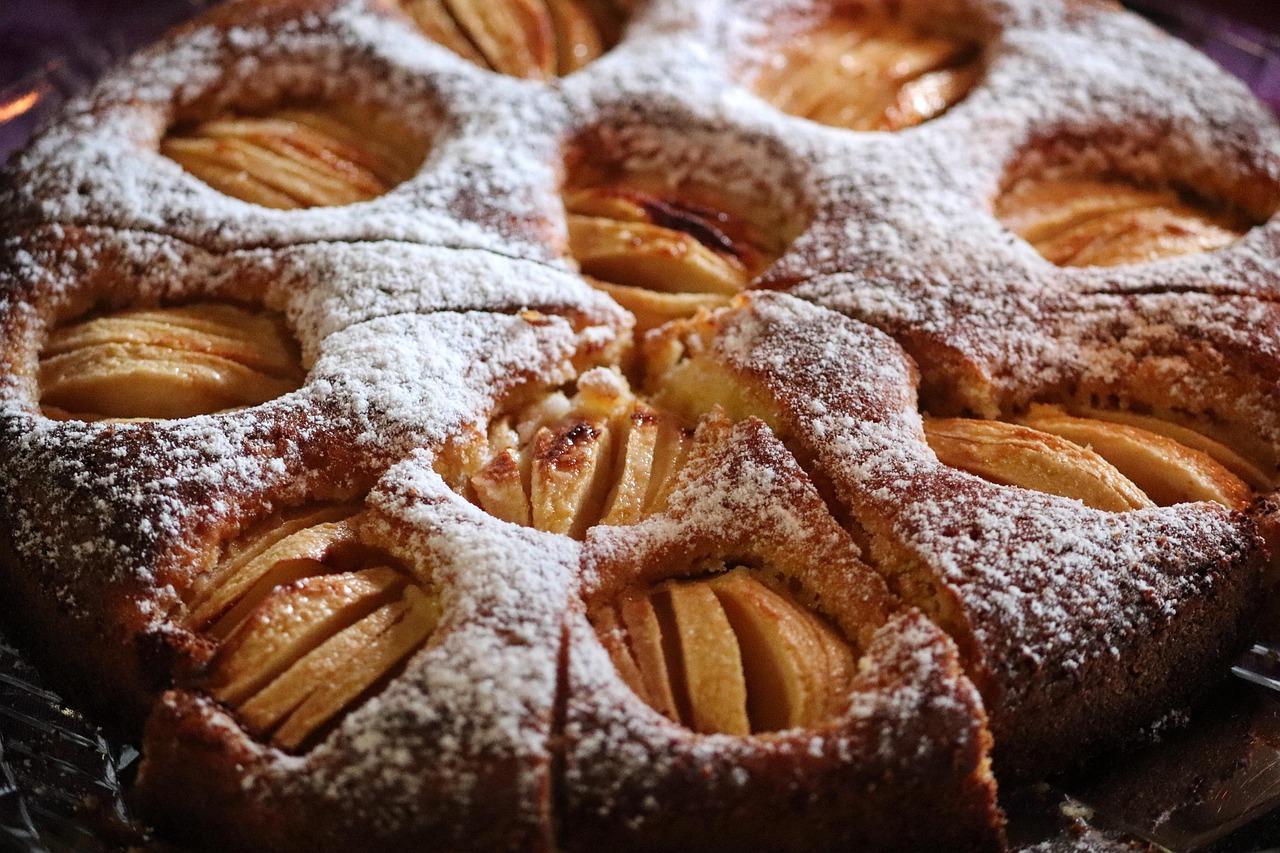
Torta di meleApple cake

Ask anyone in Trentino, Emilia or Piedmont for their nonna's torta di mele and they will describe much the same thing: a plain, lemon-scented batter with thin apple slices sunk all through it and fanned over the top, baked in a round tin on a Sunday and finished at breakfast the next morning with caffè latte. It is soft, moist and only lightly sweet, the apples almost melting into custardy pockets. A slice also makes a good after-school snack. Thick wedges of apple are the usual mistake: they stay hard while the batter overcooks, so slice them 3–4 mm thin. Chef's tip: hold back the prettiest slices for the top and brush them with a little melted butter and sugar, so they caramelise at the edges.

by KrazyBadal 0 views

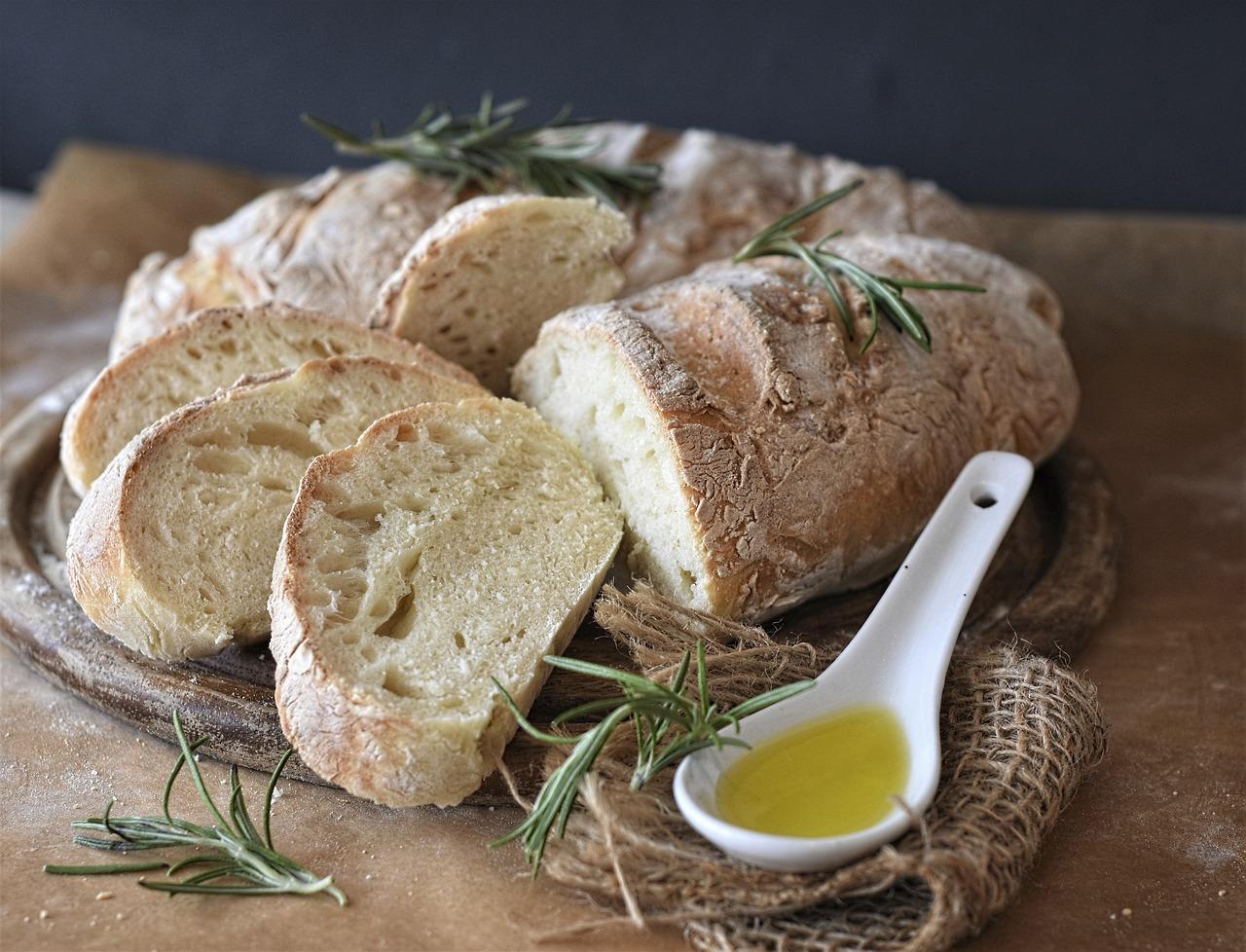
Ciabatta

Surprisingly young for an Italian classic, ciabatta was created in 1982 by a baker near Adria, in the Veneto, as Italy's answer to the French baguettes that were filling sandwich shops. Its name means 'slipper', after its flat, floury, oblong shape. The dough is so wet it is barely shaped at all, which gives a thin, crisp crust and a chewy, glossy crumb full of irregular holes, with a wheaty, slightly tangy flavour from an overnight biga. Split it for panini with grilled vegetables and mozzarella, dip it in good olive oil, or serve it with soup and antipasti. The commonest error is panicking at the sticky dough and working in extra flour; that closes up the crumb, so use wet hands and a scraper instead. Chef's tip: once the dough has risen, don't shape it, just cut it into strips with a floured scraper and flip each one over onto its cloth, so the bubbled underside becomes the top.

by KrazyBadal 0 views

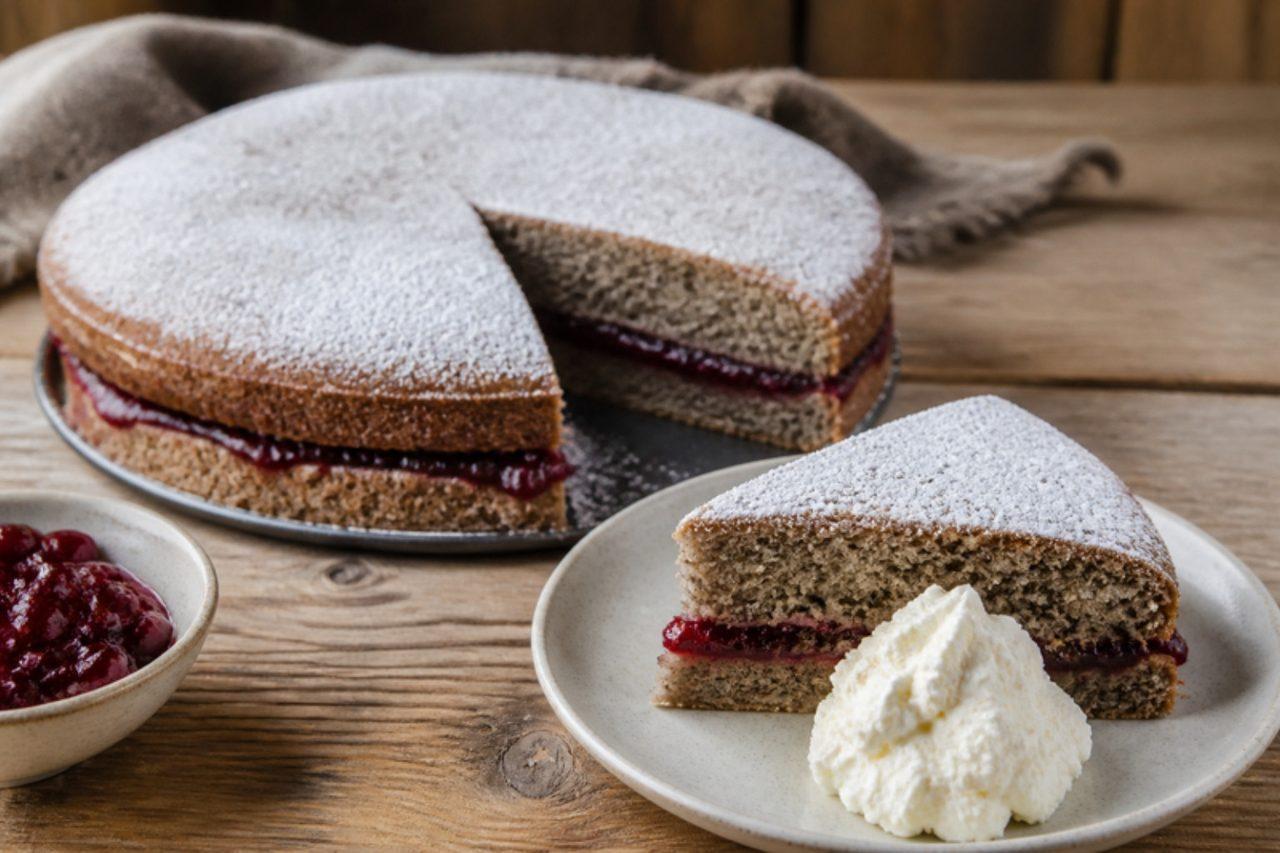
South Tyrolean buckwheat torte

Buckwheat once grew on the terraces of the Vinschgau and Pustertal valleys, and Buchweizentorte, also called torta di grano saraceno, is what South Tyrolean farmhouse kitchens made of it: an earthy grey-brown almond sponge, split and filled with sharp red lingonberry jam. Mountain huts above Merano and Bolzano still serve wedges of it with a cloud of whipped cream after a hike, and it is naturally free of wheat flour. The crumb is tender and nutty, the jam cutting the richness. Overbeating after the flour goes in is the common mistake, as it knocks the air out of the whites and the cake stays flat and dense; fold lightly. Chef's tip: leave the torte a day before splitting it; the crumb firms up, it cuts cleanly and the jam soaks in evenly.

by KrazyBadal 0 views

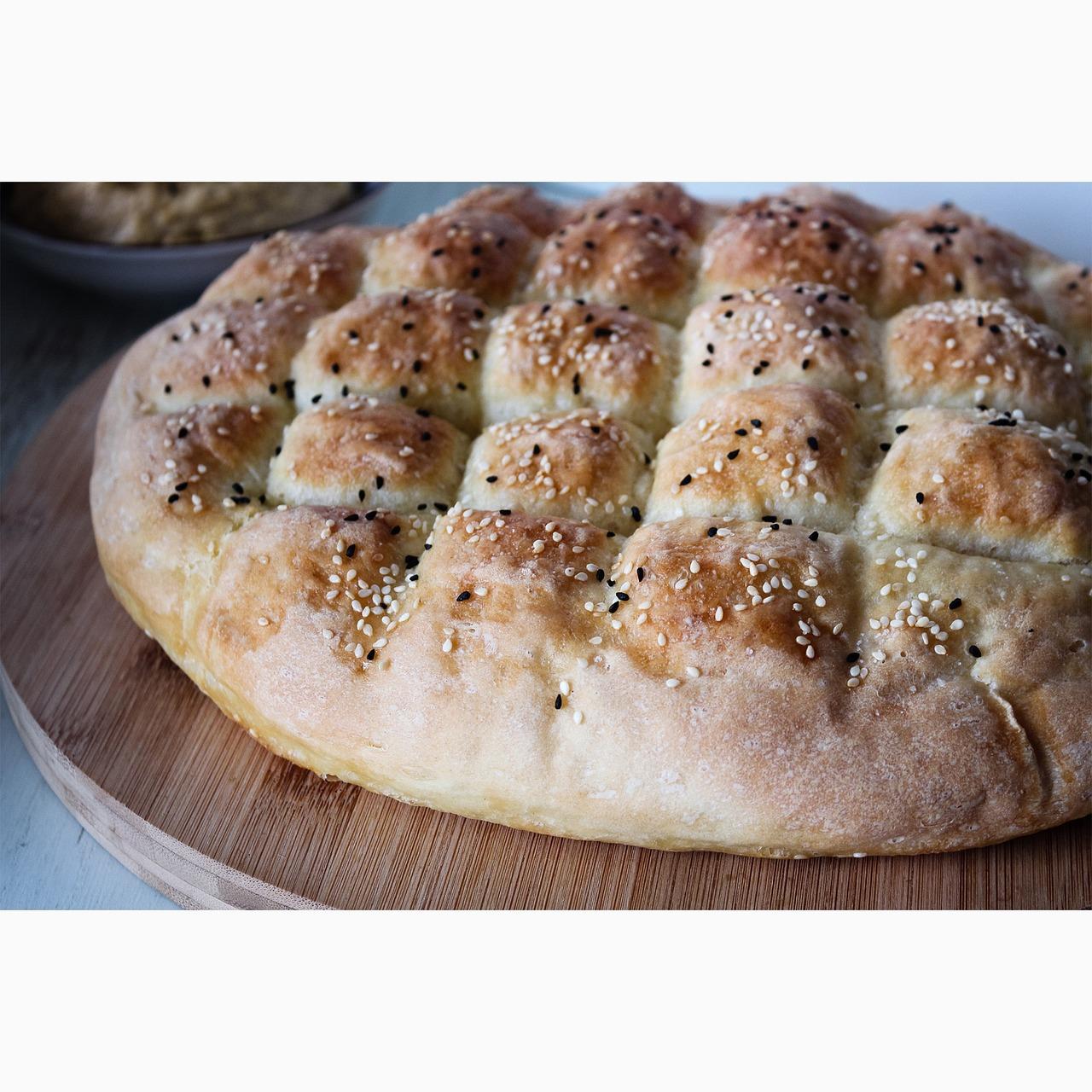
SomunDimpled flatbread

During Ramadan in Sarajevo, queues form outside the Baščaršija bakeries in the last hour before iftar, everyone waiting for somun still warm from the oven. It is a round, pale flatbread about three fingers thick, with a crust so thin it barely crackles and a soft, airy middle, and a criss-cross grid pressed into the top. All year it is split and stuffed with ćevapi and onions at the grill houses; for a meat-free plate, fill it with kajmak, roasted peppers and ajvar or grilled vegetables. Somun should stay pale: leave it in the oven until it is brown and the crust turns hard, which is the commonest mistake. Chef's tip: wrap the loaves in a clean tea towel the moment they come out; the trapped steam softens the crust to that typical pillowy finish.

by KrazyBadal 0 views

Showing 24 of 795 recipes

Show more recipes

Page 1 of 34