Skip to content
Recipes

All recipes

Vegetarian, or something you can't eat? Set your diet once and we'll hide recipes that don't fit.

PečenicaRoast pork

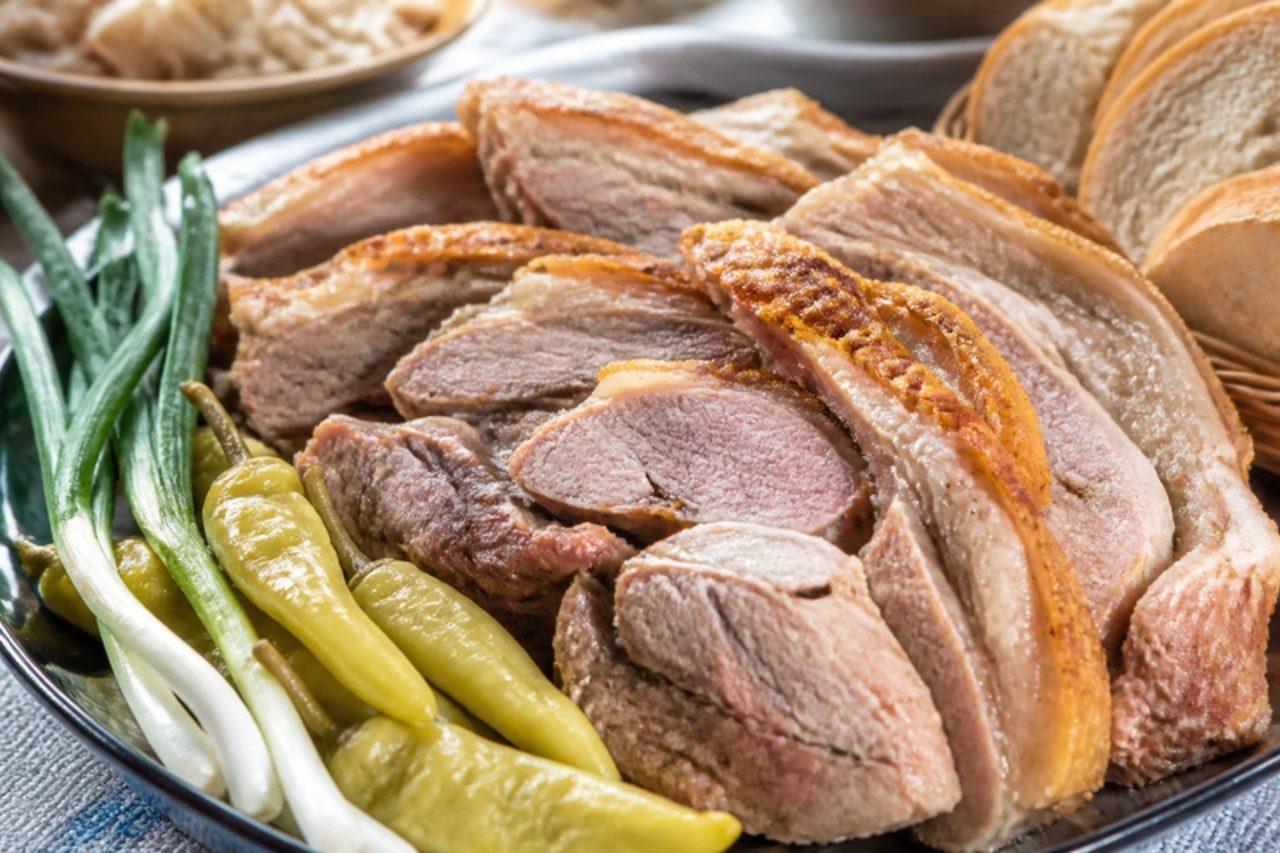
Pečenica is the Christmas Day roast of Serbia and Montenegro: traditionally a whole young pig turned on a spit in the yard from early morning, so that it is ready when the family returns from church and greets each other with 'Hristos se rodi'. This home recipe follows our site's approach of using carved portions rather than a whole animal: bone-in pork shoulder pieces with the skin on are rubbed with salt and slow-roasted until the meat is tender and the skin crackles like the spit-roast. Serve with česnica bread, pickled vegetables and roasted potatoes. Chef's tip: baste the skin with beer, or with cold water for an alcohol-free version, near the end; it helps the crackling blister.

290 minBalkanMeatGluten free
by KrazyBadal 0 views

Pajagua mascadaBeef and cassava patties

Pajagua mascada is a Paraguayan street-food classic that appears on every table for the San Juan festival on 24 June, when bonfires burn and the night is full of games and traditional food. Minced beef is mixed with mashed cassava, onion, garlic and a little egg and flour, shaped into flat patties and fried until crisp. The name comes from Guaraní and refers to the 'chewing' of old Paraguayan cooks, who made it from leftover meat. Chef's tip: dry the boiled cassava well and remove its woody core, which keeps the patties light and crunchy.

by KrazyBadal 0 views

Chipa so'oCheese bread with spiced beef

In Paraguay, families bake chipa in the clay tatakua ovens on Holy Wednesday so there is food for Thursday and Good Friday, when cooking stops. Chipa so'o ('chipa with meat') is a cassava-starch and cheese bread wrapped around a little filling of minced beef cooked with onion and egg, then baked until crisp outside and chewy within. It is naturally gluten free. Chef's tip: knead the dough until it no longer cracks at the edges when pressed; dry dough splits around the filling.

by KrazyBadal 0 views

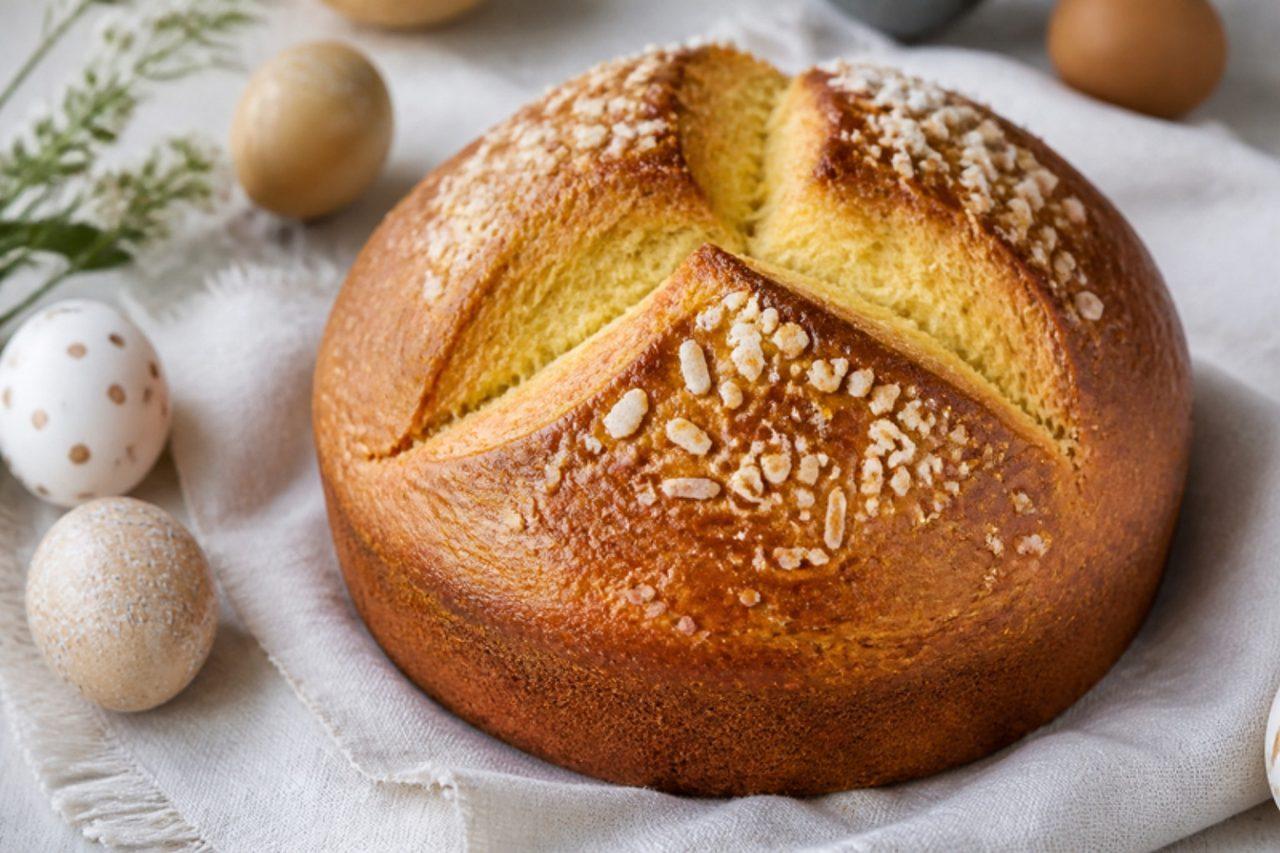
PincaEaster sweet bread

Pinca (or sirnica in Dubrovnik) is the Easter bread of Dalmatia and Istria in Croatia. It is a tall, golden round of rich yeast dough with egg yolks, butter, lemon and orange zest and vanilla, cut with three slashes on top before baking so it opens into a three-pointed cross. It is blessed at church on Holy Saturday with the Easter eggs and ham, and eaten at Easter breakfast. Old recipes add a spoon of rum or prošek wine; this one doesn't. Chef's tip: let the dough rise slowly, even overnight in the fridge, as pinca gets its tender, fragrant crumb from a long rise.

by KrazyBadal 0 views

Sopa teólogaTurkey broth with bread and cheese

Sopa teóloga ('the theologian's soup') goes back to colonial convents in Lima and Arequipa, where it was cooked for feast days, and it is still served at Holy Week and family celebrations. A rich turkey (or chicken) broth is thickened with soaked bread, milk and fresh cheese, with yellow potatoes and shreds of turkey, and finished with a little ají amarillo and chopped huacatay or parsley. It is thick, comforting and filling. Chef's tip: blend part of the soaked bread with broth before adding it, which gives the soup its creamy body without lumps.

by KrazyBadal 0 views

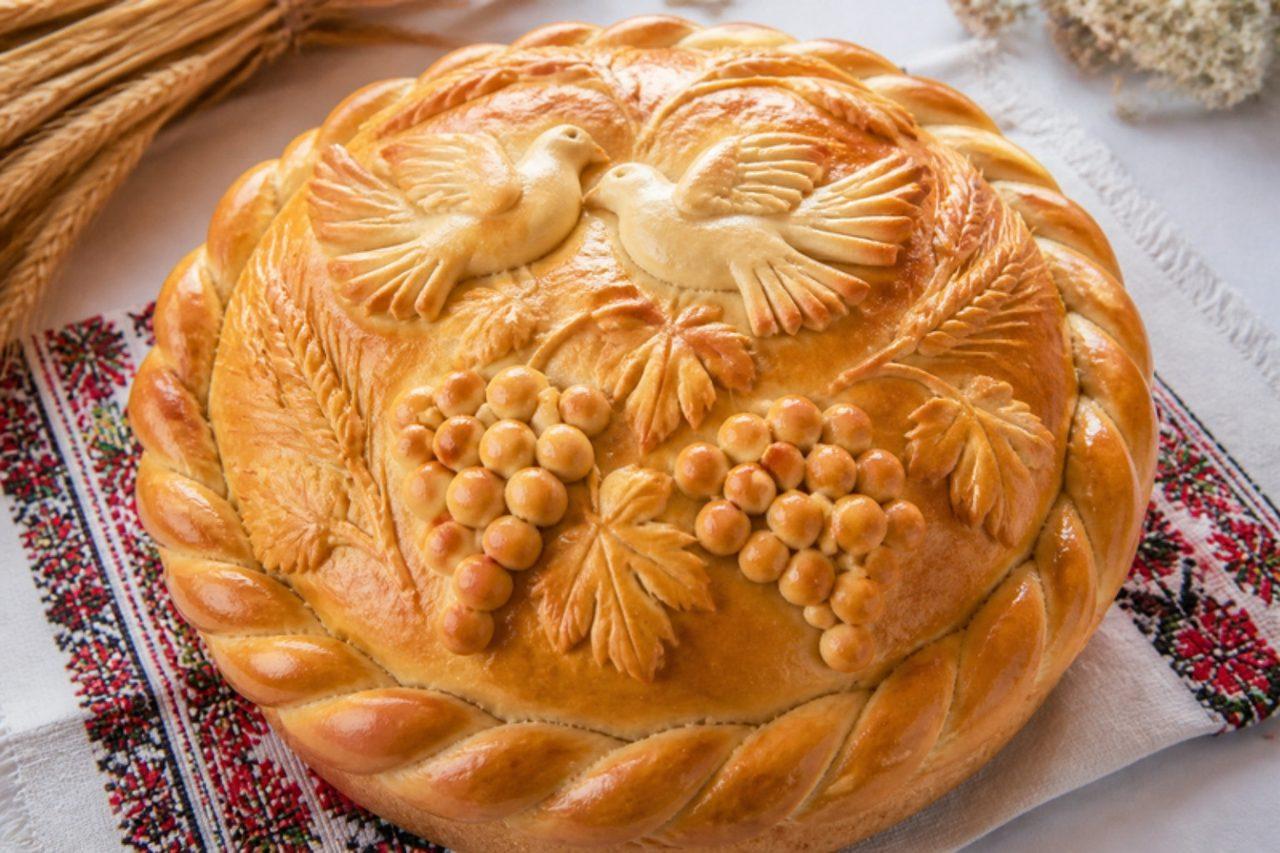
Slavski kolačDecorated ceremonial bread

The slava is a uniquely Serbian Orthodox custom: each family honours its own patron saint on that saint's feast day, passed from father to son, with a lit candle, boiled wheat (žito) and the slavski kolač, a round, decorated bread. The priest blesses it; the family turns it, cuts a cross into its base, pours a little wine into the cuts, and breaks it together. It is decorated with dough crosses, the seal 'IC XC NI KA', doves, wheat ears and grapes. It is a plain, vegan bread. Chef's tip: keep the decorations' dough a little stiffer than the loaf, so they hold their shape.

110 minBalkanBakingVegan
by KrazyBadal 0 views

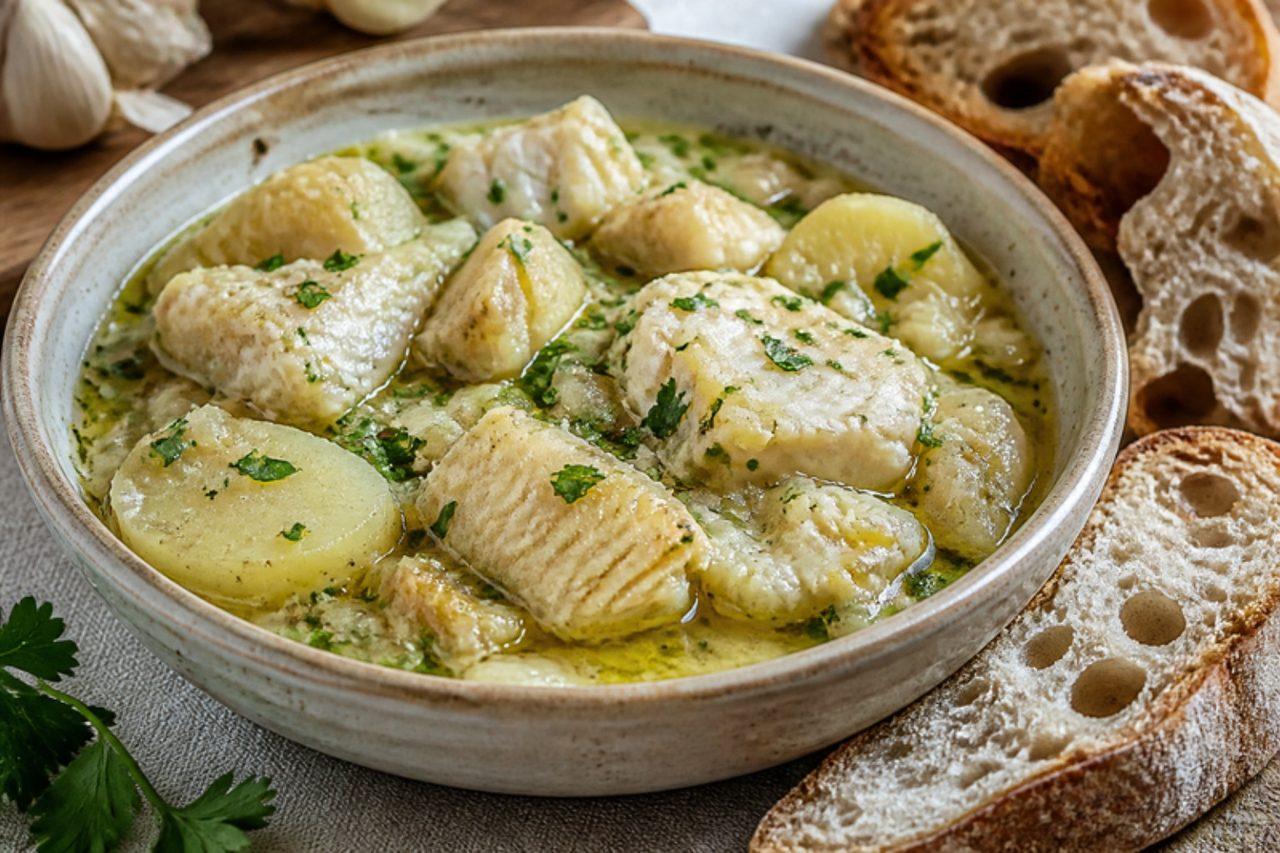
Bakalar na bijeloSalt cod with potatoes and garlic

On Badnjak, Christmas Eve, Croatian families in Dalmatia keep the meal meatless, and bakalar na bijelo ('white salt cod') is the dish that says Christmas. Salt cod is soaked for days, then cooked with potatoes, a lot of garlic, parsley and good olive oil and shaken in the pot until it turns into a creamy, almost spreadable mix. It is served warm with bread and a glass of wine for the adults. Chef's tip: shake the pot rather than stirring it, so the fish breaks into flakes and emulsifies with the oil and potato.

90 minBalkanFishGluten free
by KrazyBadal 0 views

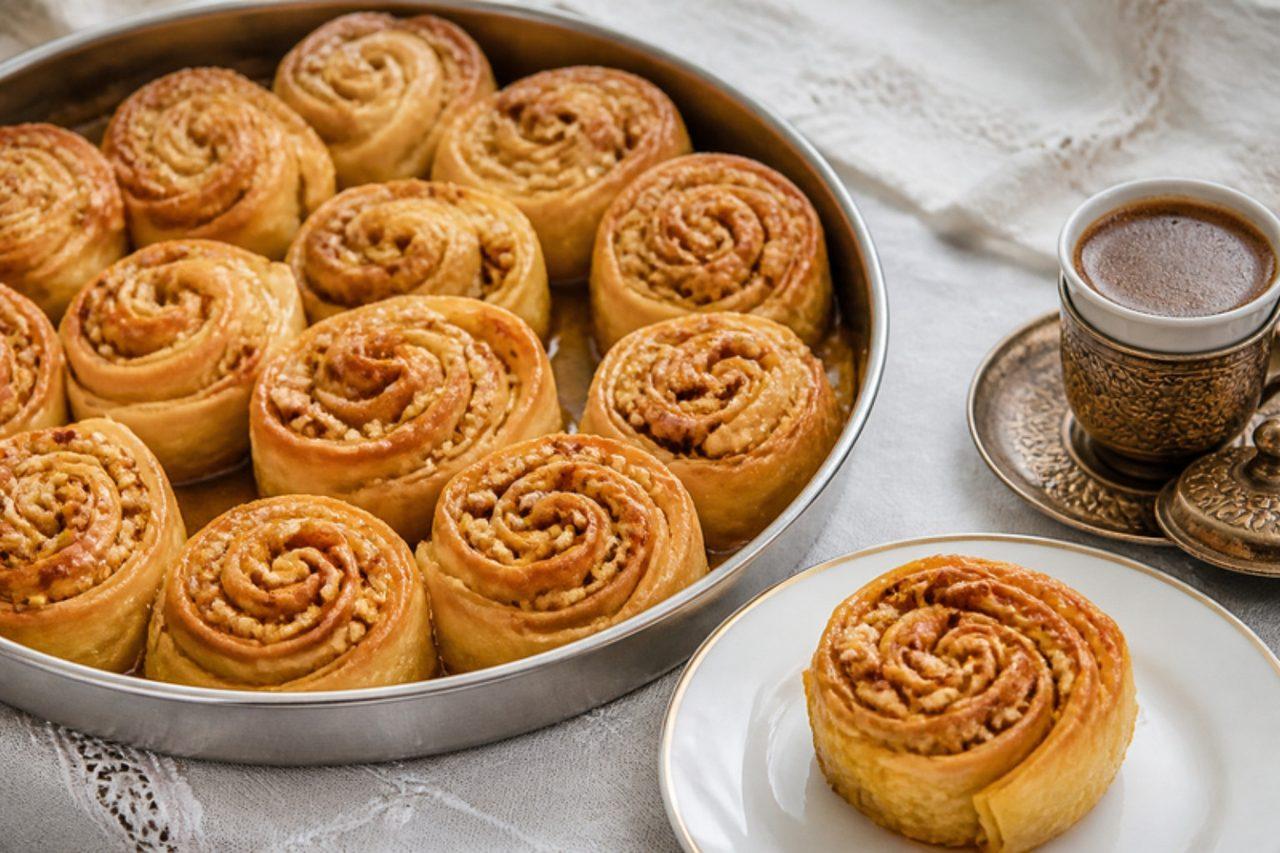
RužiceWalnut pastry roses in syrup

Ružice, meaning 'little roses', are baked for Bajram in Bosnia and Herzegovina, the Eid holidays when trays of syrup-soaked sweets are set out for every guest. Thin sheets of pastry are brushed with butter, scattered with walnuts and rolled up, then sliced so each piece opens like a rose in the oven. The baked roses drink up a cold lemon syrup and turn sticky, crisp on top and soft underneath. Chef's tip: pour cold syrup over hot pastry (or hot over cold), never both the same temperature, or the roses go soggy.

by KrazyBadal 0 views

KaguyjyWhite corn pudding

On the night of 23–24 June, Paraguayans celebrate San Juan with bonfires, games like walking over hot coals and the 'paso de fuego', and a table of traditional foods, and kaguyjy (also mazamorra) is one of them. It is a soft, creamy pudding of cracked white corn (locro) simmered slowly in water and then milk with sugar or honey, sometimes with orange peel. It is eaten warm or cold. It is gluten free. Chef's tip: soak the corn overnight and cook it until each kernel is tender before adding the milk, or it never turns creamy.

by KrazyBadal 0 views

Chitose ame (thousand-year candy)

Chitose ame, "thousand-year candy", are the long red and white sugar sticks that children carry home from the shrine at Shichi-Go-San in November, in Tokyo and now right across Japan. The length of the stick is a wish for a long life, and red and white are the colours of celebration. Pulling the cooling sugar fills it with air, turning it from clear to a silky, opaque white with a soft, almost milky crunch. Boiling sugar reaches more than 150 °C, so wear heatproof gloves, work on a heatproof silicone mat, and keep children well away until the candy has cooled; they can admire the finished sticks. Hard sweets are a choking risk for small children, so break off small pieces for them and stay with them while they eat. Chef's tip: oil your gloves lightly and keep pulling until the candy turns satiny and starts to resist; that is when it sets into sticks.

by KrazyBadal 0 views

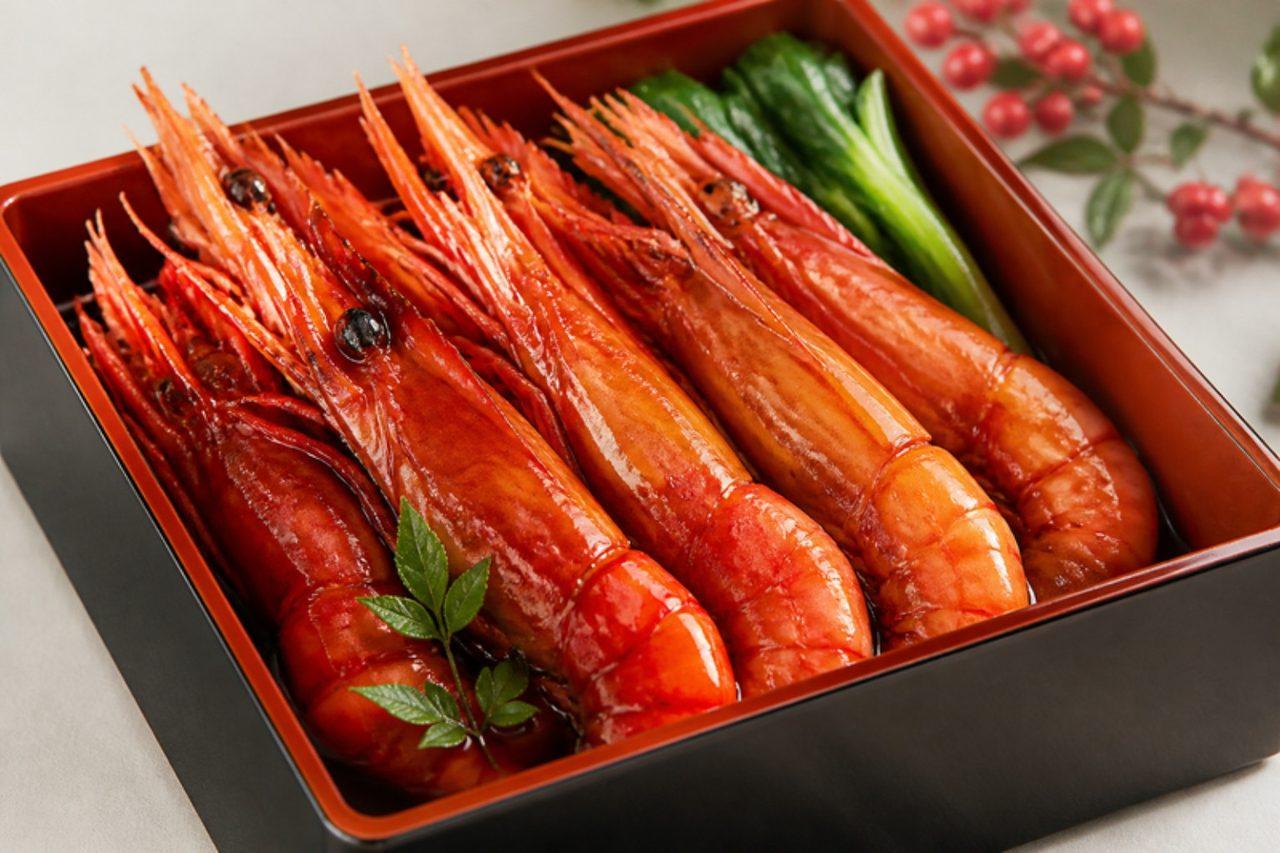
Ebi no umani (simmered prawns)

Bright red prawns curled like a bent back sit in every Shōgatsu osechi box in Japan as a wish to live until your back is bent with age, and their red is the colour of celebration. Simmered briefly in dashi, soy and sugar, they stay plump and juicy, and cooling in the liquid gives them a sweet-savoury flavour right through to the shell. The liquid includes sake and mirin, both rice wines; for no alcohol, replace the sake with extra dashi and the mirin with 3 tbsp water plus 1 tbsp sugar. Use frozen head-on prawns, thawed in the fridge. Serve cold or at room temperature in the osechi box, or warm with rice. Chef's tip: lift the prawns out as soon as they turn pink, reduce the liquid, then return them; this keeps them tender.

by KrazyBadal 0 views

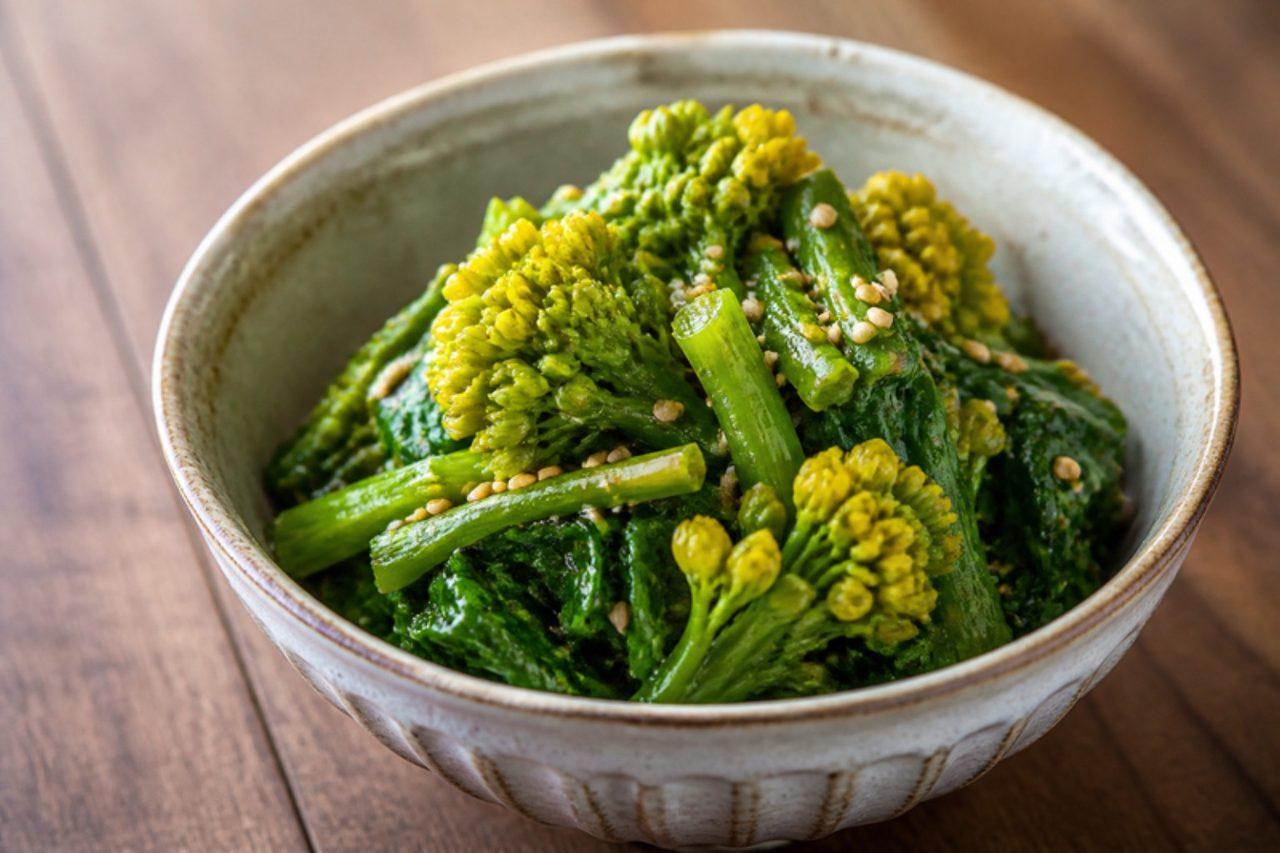
Nanohana karashi-ae (rapeseed blossoms with mustard)

Nanohana, the budding shoots of the rapeseed plant, arrive in Japanese shops at the end of winter, and their little yellow-green flower heads are a sign that spring has come. That makes them a natural side dish for Hinamatsuri on 3 March, next to chirashizushi and clam soup. The greens are blanched just until tender, then dressed with Japanese karashi mustard loosened with soy sauce and kombu dashi: pleasantly bitter, nose-tinglingly hot and very fresh. Outside Japan, tenderstem broccoli or cime di rapa works almost as well. Chef's tip: dress the greens at the last minute, because the soy starts to dull the green colour within half an hour.

by KrazyBadal 0 views

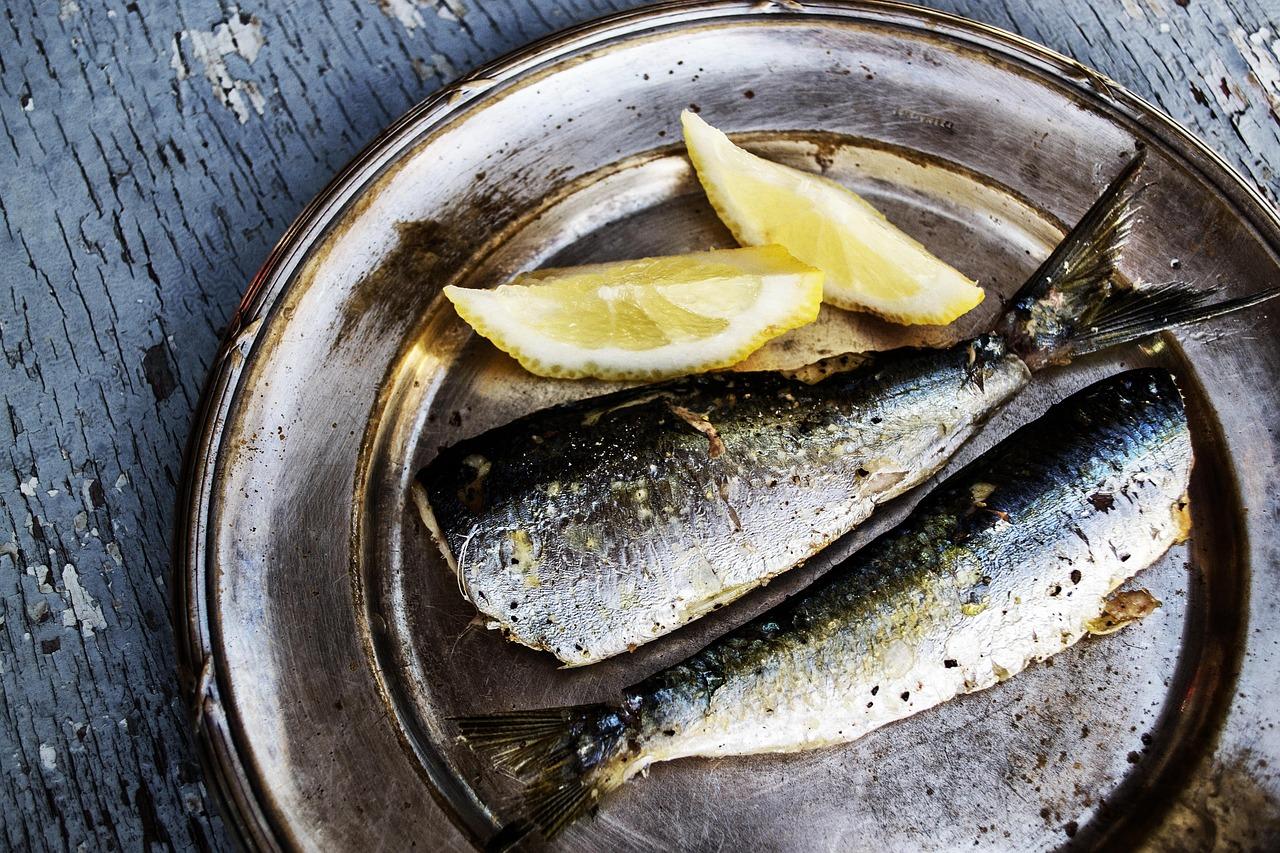
Setsubun iwashi (salt-grilled sardines)

In the Kansai region, Setsubun in early February is the night for grilled sardines: the smoke and strong smell are said to keep demons away, and many homes still fix a sardine head on a sprig of holly by the door (hiiragi iwashi) as a charm. Eating the oily fish is thought to keep you well through the turn of the season. Salt-grilling is the simplest way to cook them: crisp, salty, blistered skin over rich, soft flesh, cut by the cool sharpness of grated daikon and a squeeze of lemon. Serve with plain rice and miso soup. Chef's tip: salt the fish 15 minutes ahead and pat off the beads of moisture before grilling, which takes away the fishy edge and lets the skin crisp.

by KrazyBadal 0 views

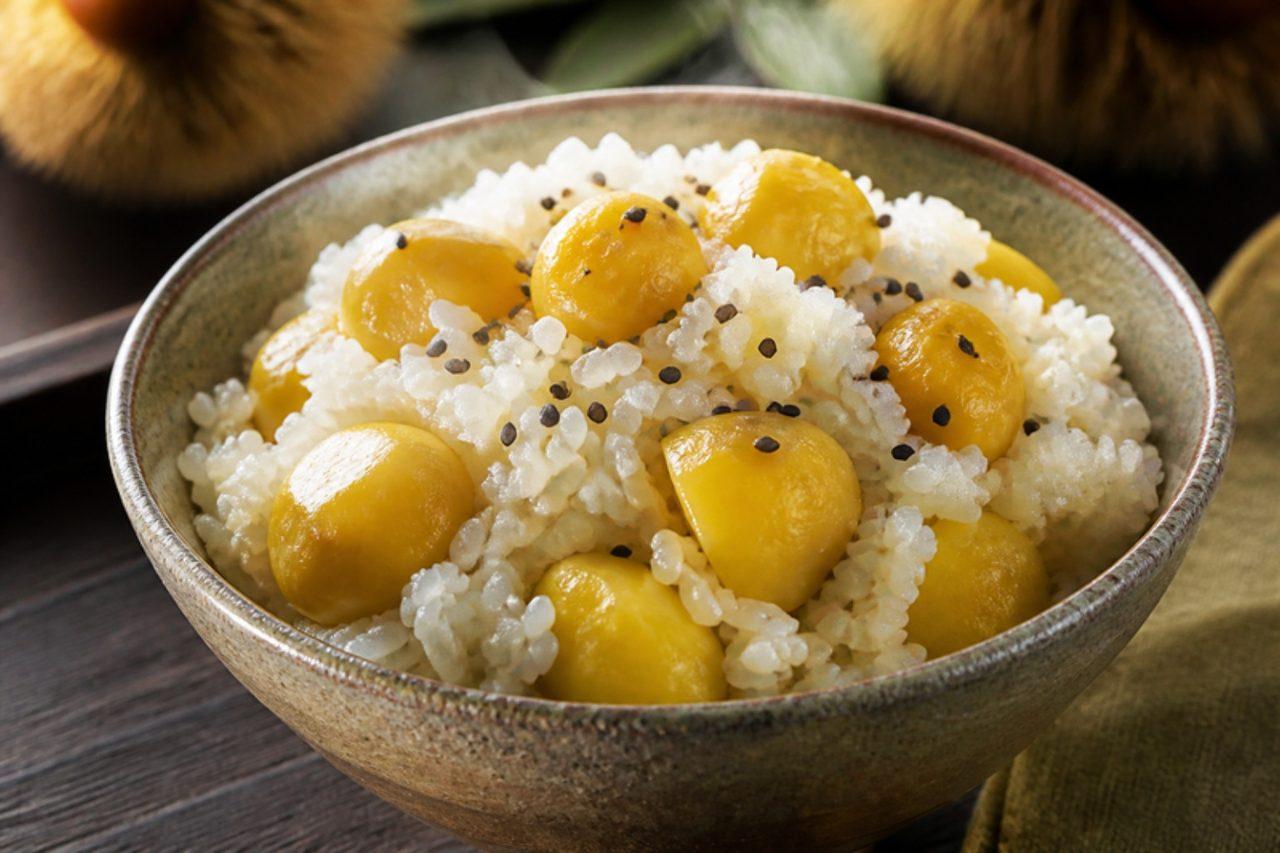
Kuri gohan (chestnut rice)

Kuri gohan is one of the great dishes of the Japanese autumn, made all over the country when fresh chestnuts arrive in September, and it is often eaten around the harvest moon, when chestnuts are offered beside dumplings and taro (the later moon-viewing in October is even nicknamed the "chestnut moon"). Sweet, fluffy chunks of chestnut sit in salty, slightly sticky rice scented with kombu, and the dish is all about the season's bounty. It traditionally uses a spoonful of sake; this is optional, and plain water works perfectly well for an alcohol-free version. Serve with miso soup, pickles and grilled fish, sprinkled with black sesame salt. Chef's tip: soak the chestnuts in hot water for 30 minutes before peeling; the shells soften and the furry inner skin lifts away far more easily.

by KrazyBadal 0 views

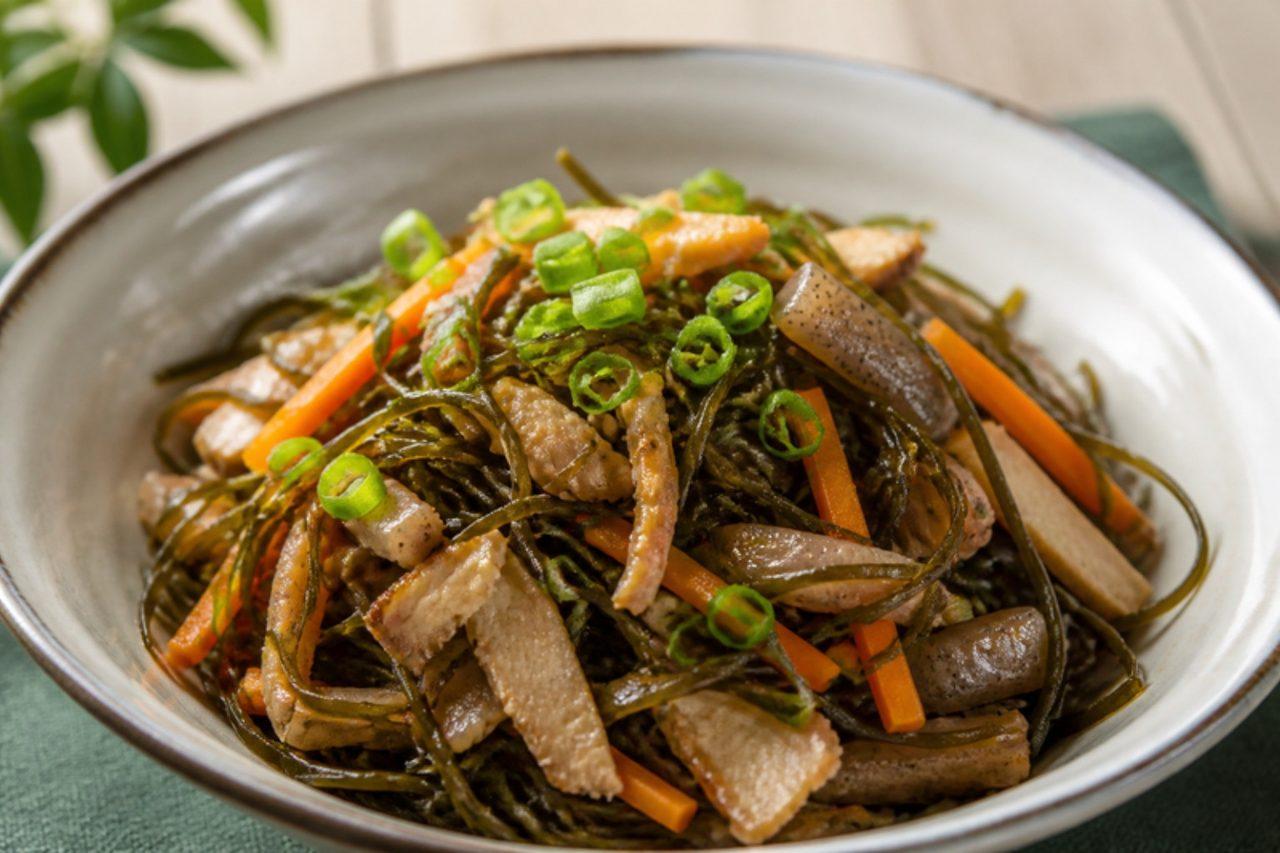
Kubu irichi (Okinawan kombu stir-fry)

In Okinawa, kubu irichi is cooked for Obon (here called Shōmō or Ukui), when families welcome the spirits of their ancestors home with offerings, and it reappears at every big family gathering. Kombu, 'kubu' in the island dialect, sounds like 'yorokobu', to rejoice, and Okinawa has loved it for centuries thanks to the old kelp trade from Hokkaido. Strips of pork belly are stir-fried until their fat runs, then the kelp, konnyaku and carrot simmer in pork-scented stock until the liquid is absorbed, giving a soft, savoury, gently sweet tangle full of the sea. Serve with rice, as part of an Obon spread or a bentō. Chef's tip: keep some of the kombu soaking water; it is the stock that gives the dish its depth.

by KrazyBadal 0 views

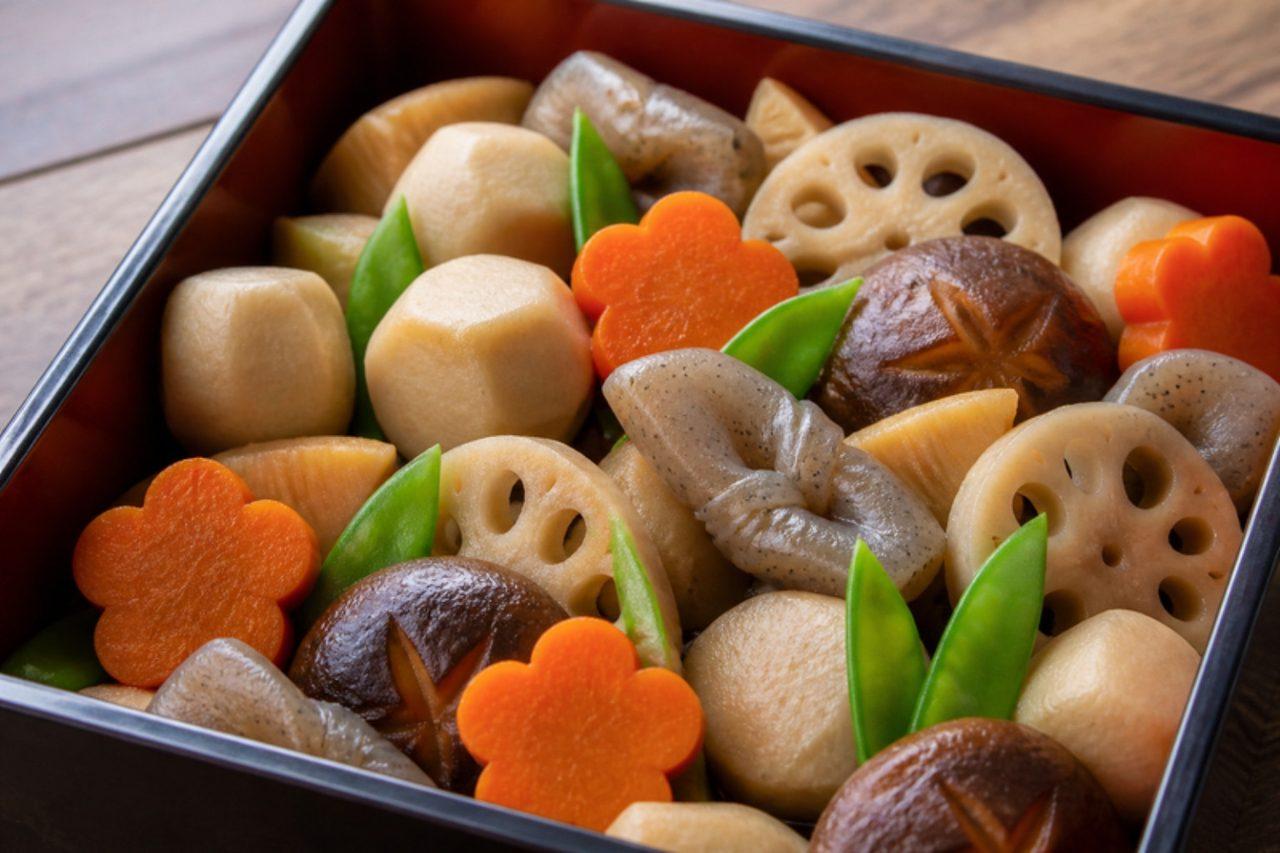
Nishime (simmered root vegetables)

Nishime is the quiet backbone of the Shōgatsu osechi box all over Japan: root vegetables that grow deep and hold together, cooked so the family stays rooted and united through the year. Unlike chikuzenni, nothing is fried first and there is no chicken here; each vegetable is simmered on its own, very gently, until the seasoned dashi has soaked right in and almost vanished from the pan, so the colours stay clean and the flavours distinct. This version is vegan, with a dashi of kombu and dried shiitake, and the sweetness comes from sugar and mirin, a sweet rice wine (for no alcohol, use 1 tbsp water plus 1 tsp sugar for every tbsp of mirin). Serve it at room temperature in the osechi box, beside rice and pickles, or with zōni. Chef's tip: cook the pale vegetables before the dark ones, so the shiitake never stains the taro.

by KrazyBadal 0 views

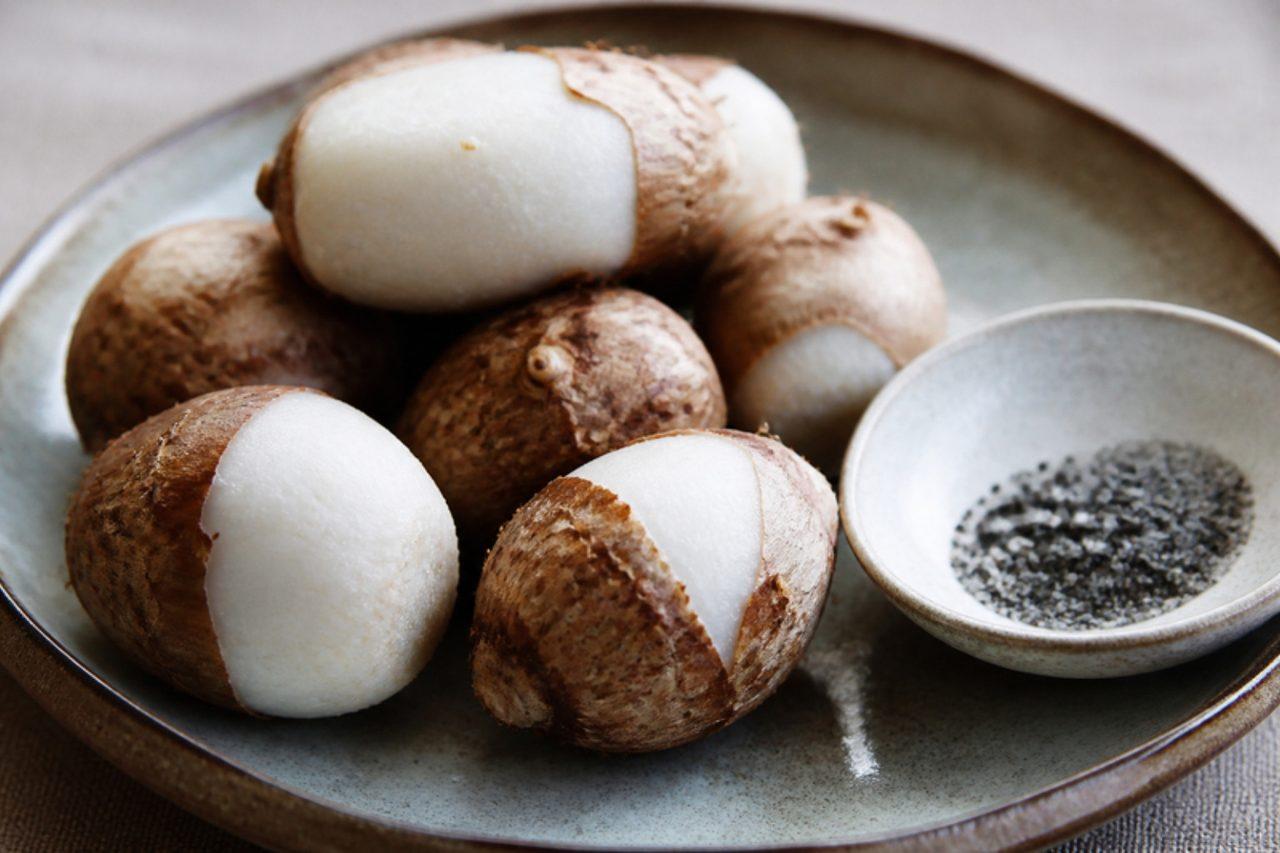
Kinukatsugi (steamed baby taro)

In Kyoto and the Kansai region the harvest moon is also called imo meigetsu, the "potato moon", and steamed baby taro are set out beside the moon-viewing dumplings as thanks for the new crop. The name kinukatsugi recalls the silk veils that court ladies once wore over their heads, because the brown skin is peeled halfway so the white taro peeps out beneath it. Squeeze the base and the soft, slippery, nutty flesh pops out, ready to dip in sesame salt. Serve as a snack with green tea or as a side to grilled fish. Taro must always be cooked through, and its raw skin can make hands itch, so wear gloves while you trim it. Chef's tip: cut a shallow ring round the middle of each taro before steaming, so the top half of the skin lifts off neatly.

by KrazyBadal 0 views

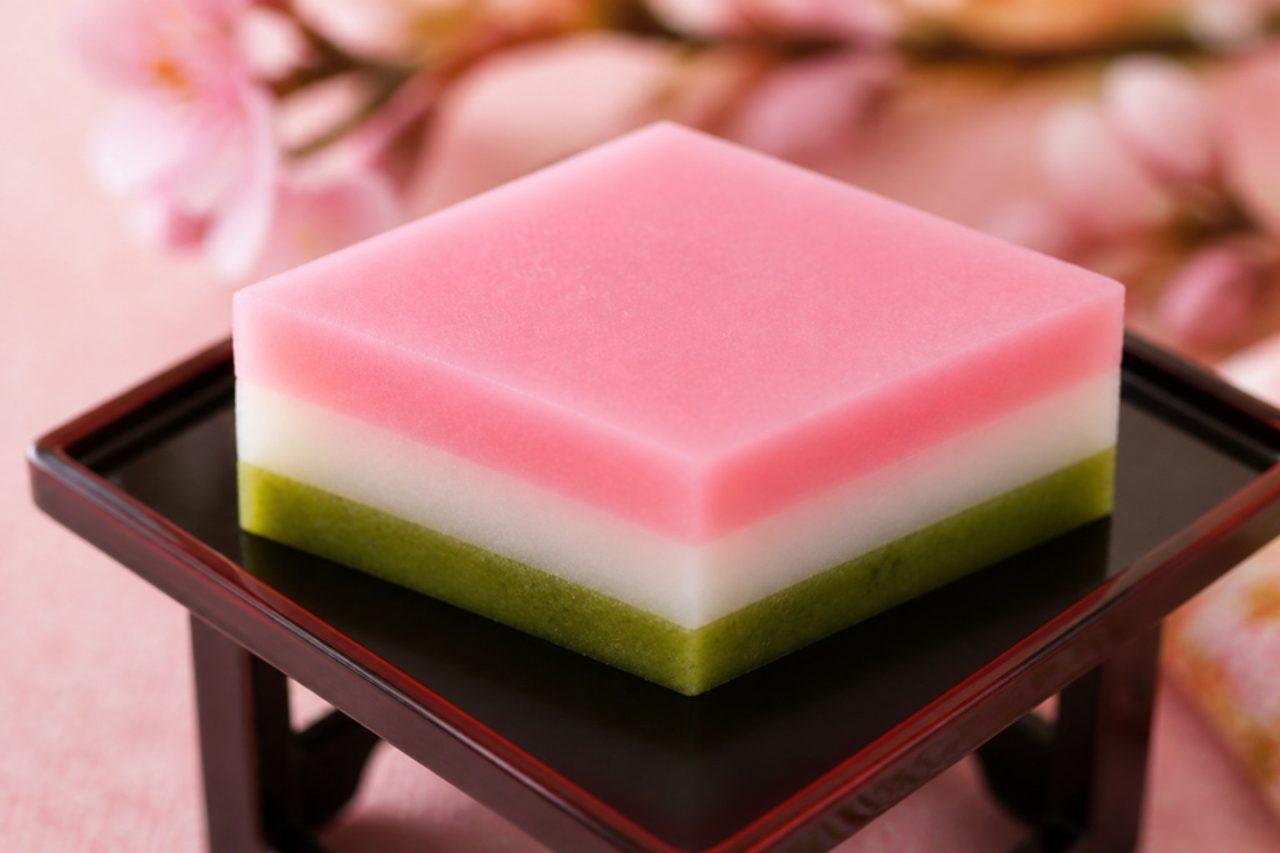
Hishi mochi (diamond rice cakes)

Hishi mochi sit on the tiered doll display for Hinamatsuri, Girls' Day on 3 March, and their colours are a little poem about early spring: green for new grass pushing through, white for the last snow, pink for peach blossom (some families also read them as health, purity and protection from evil). The diamond shape is said to echo the water chestnut and a wish for growth and many children. This home version is made from glutinous rice flour set in a square tin, so the cake is soft, bouncy and only gently sweet, with a grassy hint from matcha. Serve small pieces with green tea, or beside chirashizushi and clam soup at the festival table. Mochi is very sticky: cut it small for young children and older people, and see that they chew well and eat sitting down. Chef's tip: press each layer on while the one below is still warm and tacky, so the three bond into one cake.

by KrazyBadal 0 views

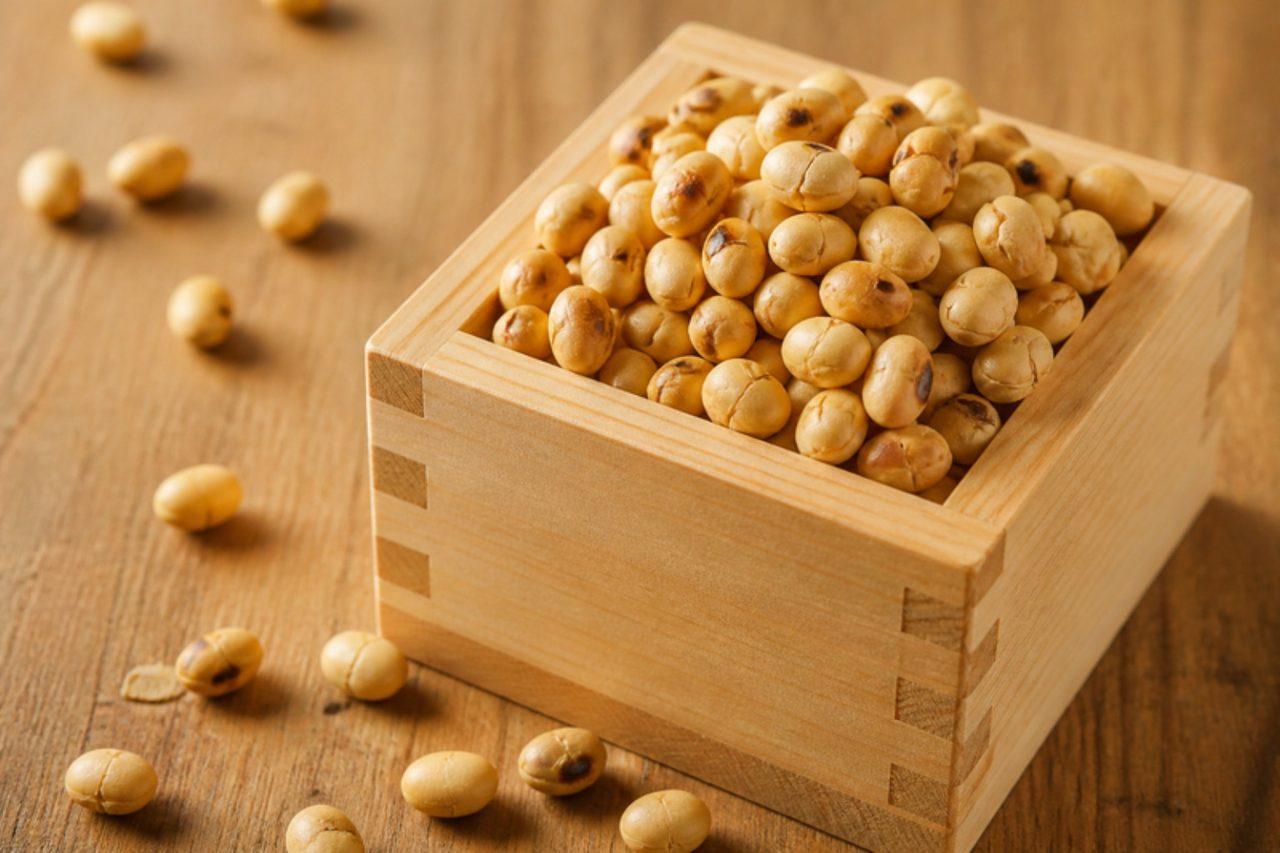
Fukumame (roasted lucky soybeans)

On Setsubun, the eve of spring in early February, households all over Japan fling roasted soybeans out of the door shouting "Oni wa soto! Fuku wa uchi!" (demons out, luck in), then each person eats one bean for every year of their age, plus one for the year ahead. The beans are called fukumame, "fortune beans", and roasting them matters: a raw bean could sprout, and a demon's bean must not take root. Home-roasted ones are nutty, toasty and properly crunchy, far better than the packet kind, and they are good with green tea or scattered over a salad. Whole roasted beans are a choking hazard, so do not give them to children under five; grind theirs to a powder and sprinkle it on rice or yoghurt instead. Chef's tip: let a test bean cool for a minute before you judge it, because hot beans always feel softer than they will be.

by KrazyBadal 0 views

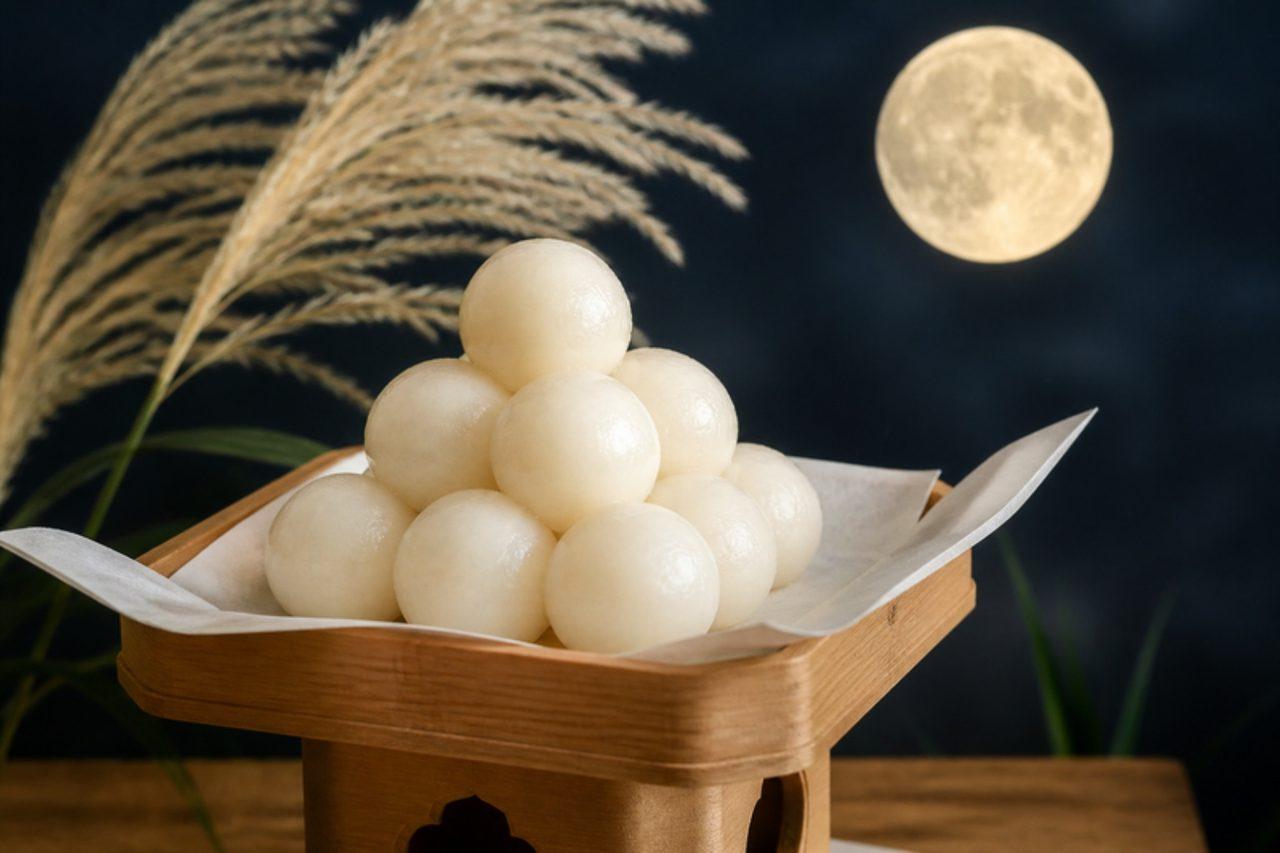
Tsukimi dango (moon-viewing dumplings)

On the night of the harvest moon in September or early October, families across Japan set a tray of plain white dumplings by the window with a vase of pampas grass, as thanks for the harvest and an offering to the full moon. The round white dango stand for the moon itself, and the traditional count is fifteen, for the fifteenth night of the eighth lunar month, stacked nine, four and two. This Kanto-style dough is steamed and then kneaded, which gives a smoother, firmer bite than boiled dango, with a clean rice flavour that loves a dusting of kinako or a spoonful of sweet red bean paste once the moon-viewing is over. Mochi is very sticky: cut the dumplings small for young children and older people, and see that they chew well and eat sitting down. Chef's tip: knead the steamed dough while it is still hot, wrapped in a damp cloth, until it turns satiny.

by KrazyBadal 0 views

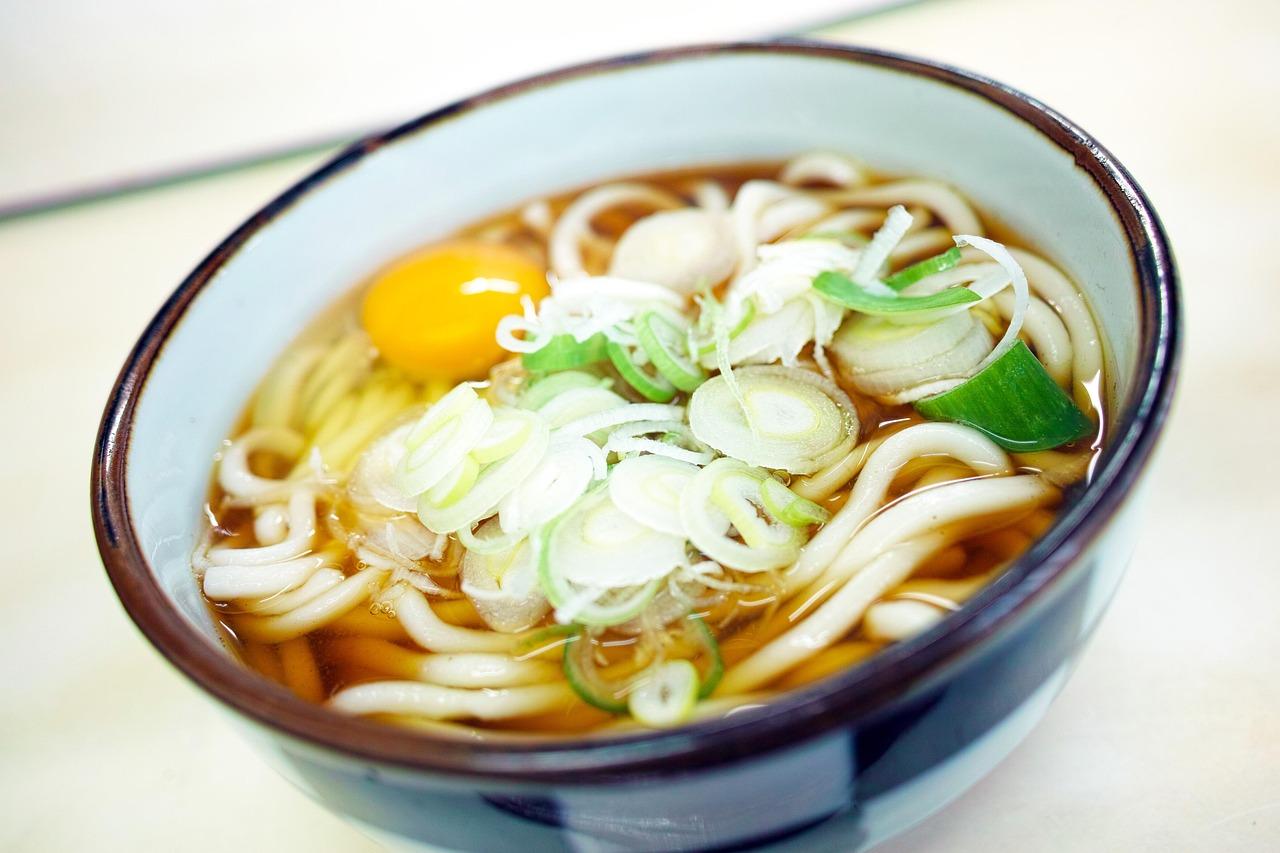
Tsukimi udon (moon-viewing udon)

Tsukimi means moon-viewing, and in noodle shops all over Japan the name is given to any bowl topped with an egg: the yolk is the full harvest moon, the white the clouds drifting round it, and it is a favourite around the September moon festival. Here the broth is a vegetarian kombu and shiitake dashi seasoned with soy, sweetened with a little sugar instead of mirin so it has no alcohol, giving a clean, savoury base for silky thick noodles and a rich yolk you break into the soup. Add spring onions and a pinch of shichimi, and eat at once. Egg safety: use pasteurised eggs or British Lion eggs if the yolk will stay runny, and for pregnant women, young children or anyone with a weakened immune system, poach the egg in the broth until it is firm. Chef's tip: heat the kombu slowly and lift it out before the water boils, which keeps the broth sweet and clear.

by KrazyBadal 0 views

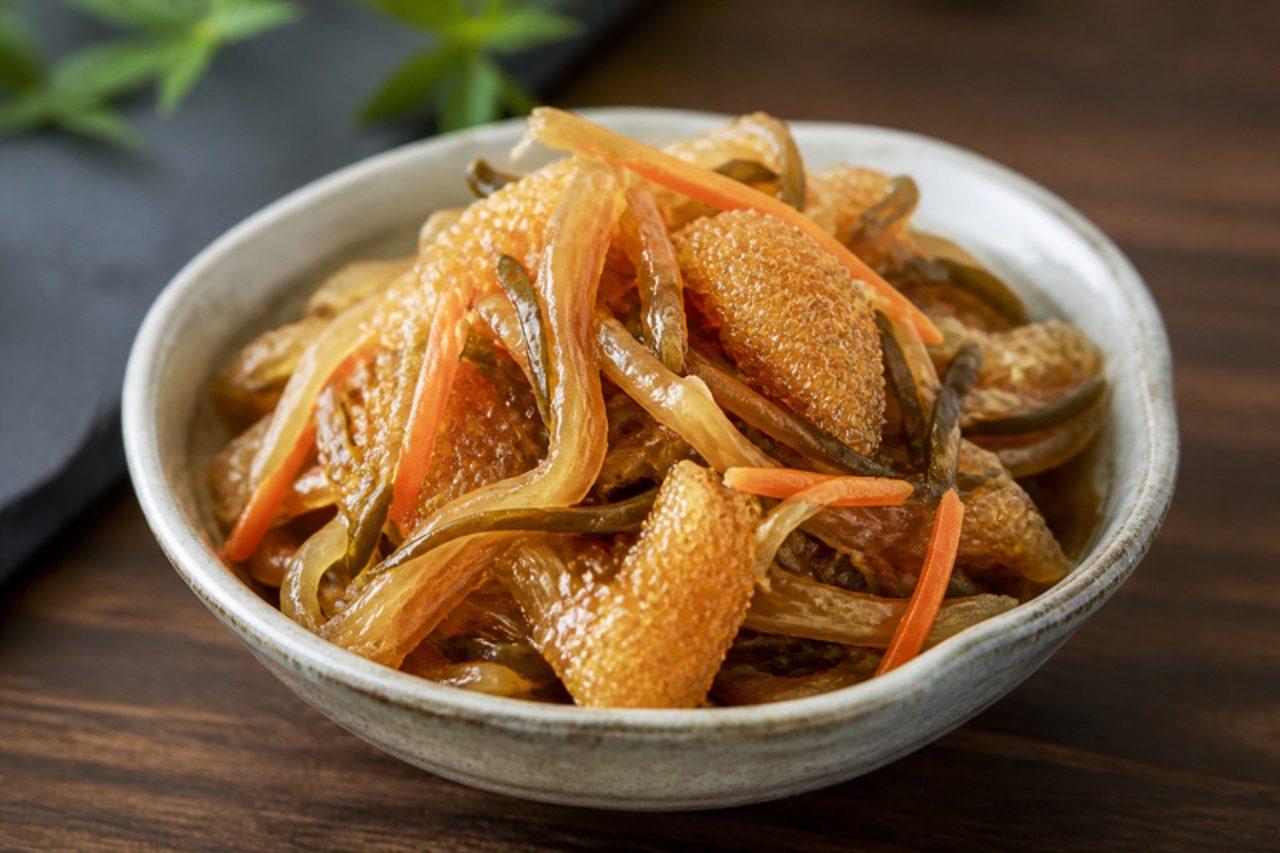
Matsumae-zuke (squid and kelp pickle)

Matsumae-zuke is Hokkaido's gift to the New Year table, named after the old Matsumae domain whose ports traded in dried squid and kombu; families make a big jar at the end of December to eat through Shōgatsu, with kombu ('yorokobu', joy) and herring roe for many children. As it sits, the kelp releases its natural stickiness, so the chewy squid and crisp carrot are bound in a glossy, savoury-sweet, deeply umami dressing. The marinade uses sake and mirin, both rice wines, boiled to drive off most of the alcohol; for none at all, use water instead of the sake and 3 tbsp water plus 1 tbsp sugar instead of the mirin. Serve a spoonful over hot rice or as a nibble with drinks. Chef's tip: cut the squid and kombu with dry kitchen scissors; wet ones stick and tear.

by KrazyBadal 0 views

Rakugan (pressed dry sweets for tea)

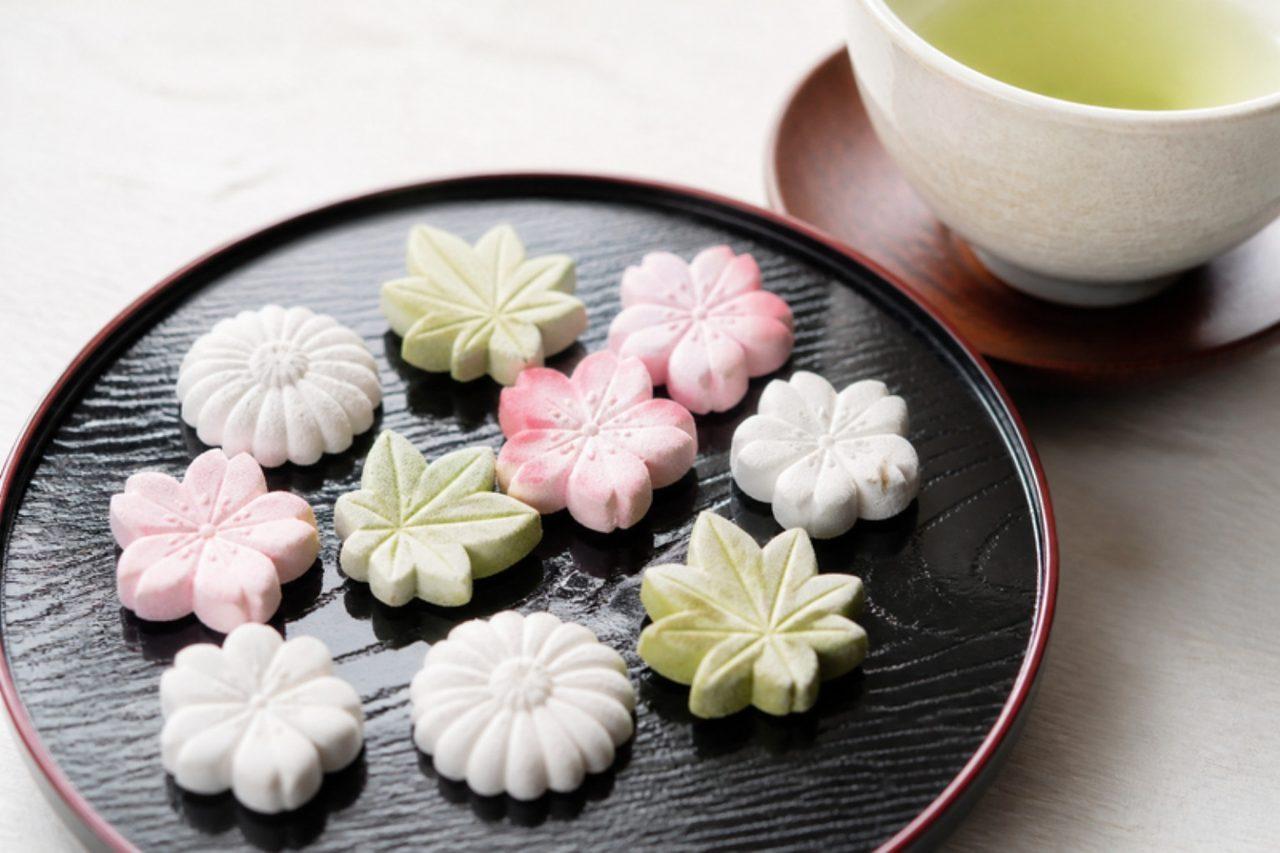
Rakugan are higashi, the dry sweets served before thin matcha at a tea ceremony, and the castle towns of Kanazawa and Matsue, both with a long tea tradition, are famous for them. Fine sugar and roasted rice flour are pressed into carved wooden moulds to make cherry blossoms in spring, maple leaves in autumn and plum flowers in winter; they also appear on Obon altars as offerings. They feel firm in the hand but dissolve on the tongue into a delicate, clean sweetness, which balances the bitterness of the tea. Serve two or three per person with matcha or sencha. They are naturally egg-free: a few drops of water make the fine sugar just damp enough to stick, the roasted rice flour holds the shape, and drying sets it hard. Chef's tip: add water a few drops at a time and stop when the sugar feels like damp sand; the common mistake is too much water, which glues the mixture into the mould.

by KrazyBadal 0 views

Kazunoko (marinated herring roe)

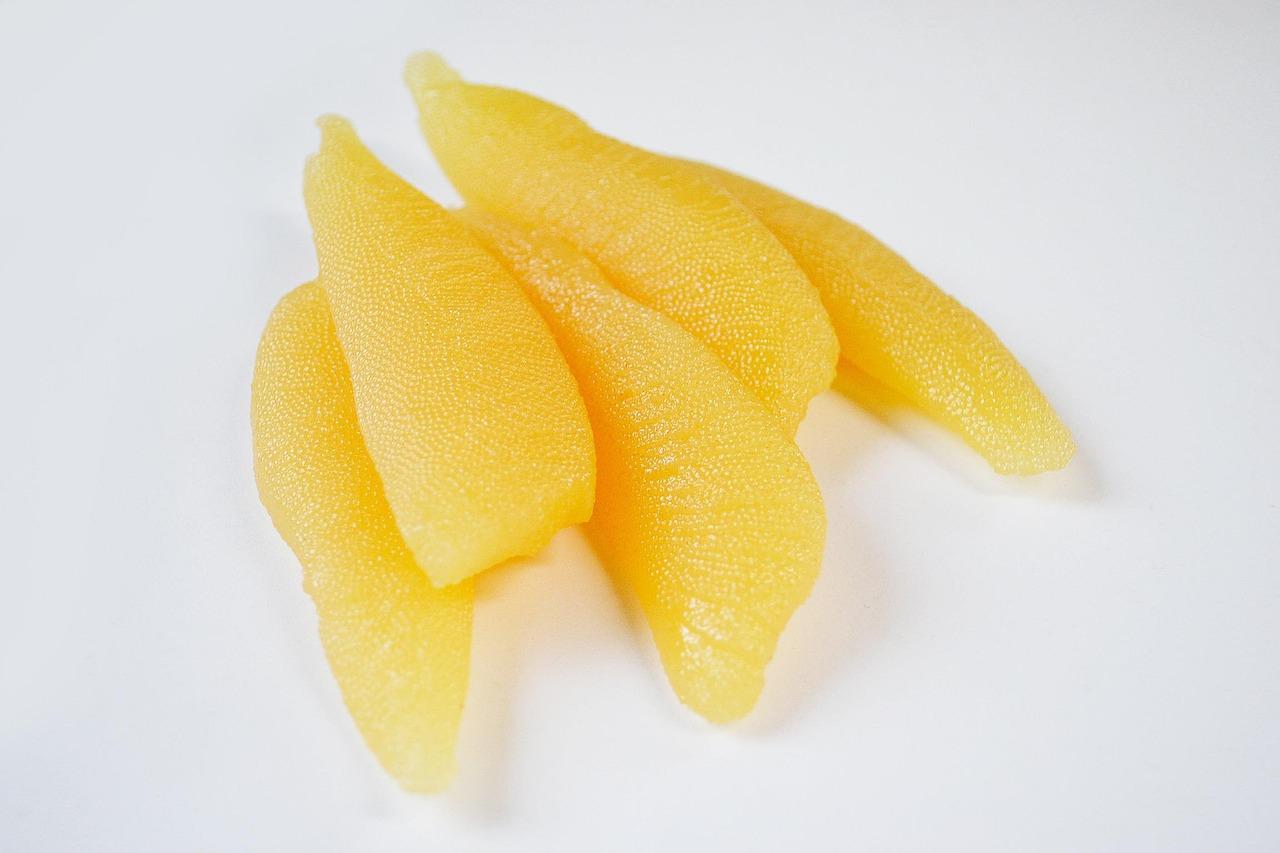
Kazunoko, golden sacs of herring roe, is a jewel of the Shōgatsu osechi box all over Japan: its thousands of tiny eggs ask for many children and a family that keeps growing, and its name hints at 'number of children'. Its charm is texture: each bite pops and crunches, with a clean, mild sea taste carried by a dashi and soy marinade. The marinade includes mirin, a sweet rice wine, which is briefly boiled; for no alcohol, use 1 tbsp water plus 1 tsp sugar. Serve cold in small pieces, topped with katsuobushi flakes, with other osechi dishes or rice. The roe is salt-cured and not cooked, so it is not for pregnant women, young children or anyone with a weakened immune system. Chef's tip: desalt in lightly salted water, not plain water; it draws the salt out evenly without making the roe bitter.

by KrazyBadal 0 views

Showing 24 of 589 recipes

Show more recipes

Page 1 of 25