Skip to content
Recipes

All recipes

Vegetarian, or something you can't eat? Set your diet once and we'll hide recipes that don't fit.

Šakotis

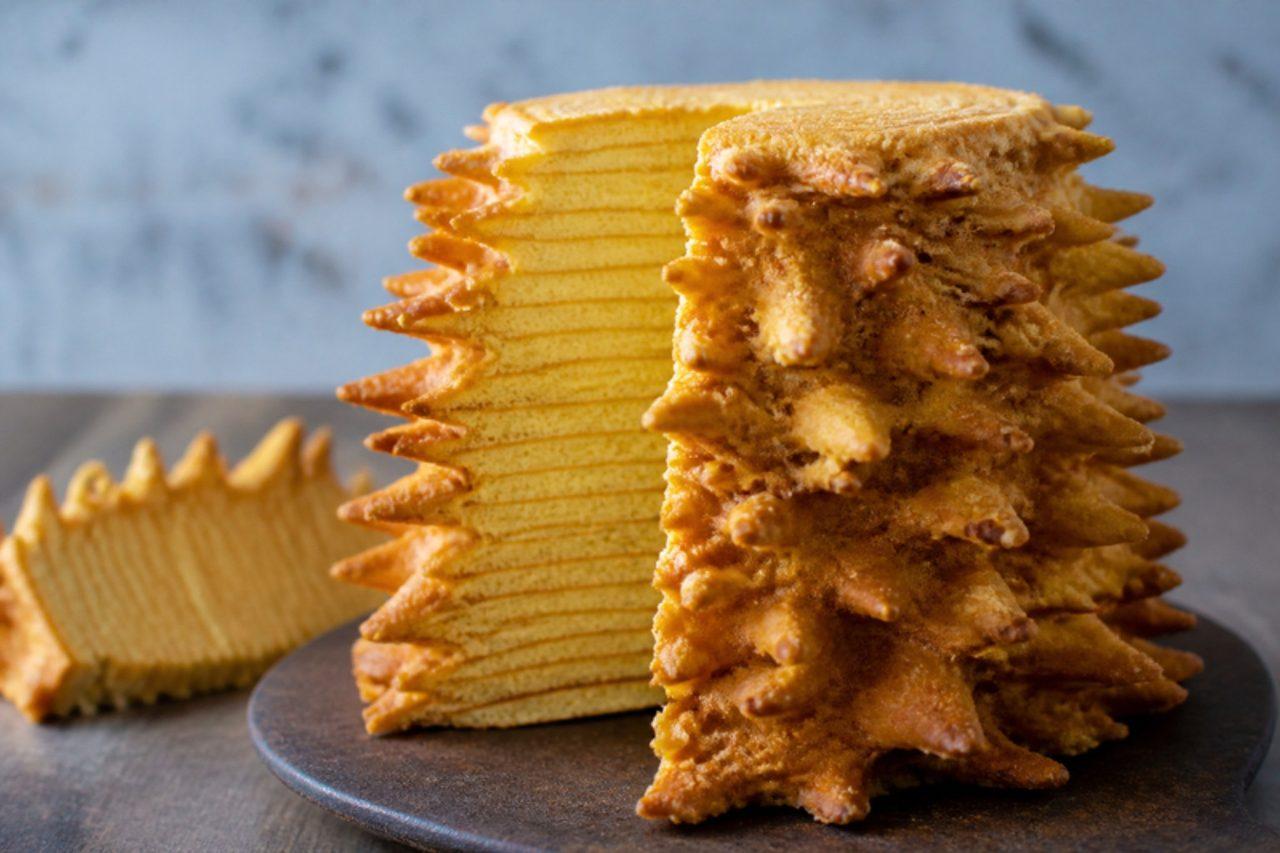
Šakotis, 'branched', is the tall, spiky cake that crowns Lithuanian weddings and christenings: a rich egg batter dripped over a turning spit in front of an open fire, layer after layer, so the drips harden into branches that stick out like a fir tree. Specialist bakers around Druskininkai and Vilnius make them to order. At home, a foil-wrapped rolling pin turned slowly under a hot grill builds a smaller version. A common mistake is a thin batter, which runs off instead of forming spikes. Chef's tip: turn the spit slowly as you ladle on each layer and let the drips set before the next coat; the spikes form where the batter drips and hardens.

280 minBalticBaking
by KrazyBadal 0 views

Kugelis

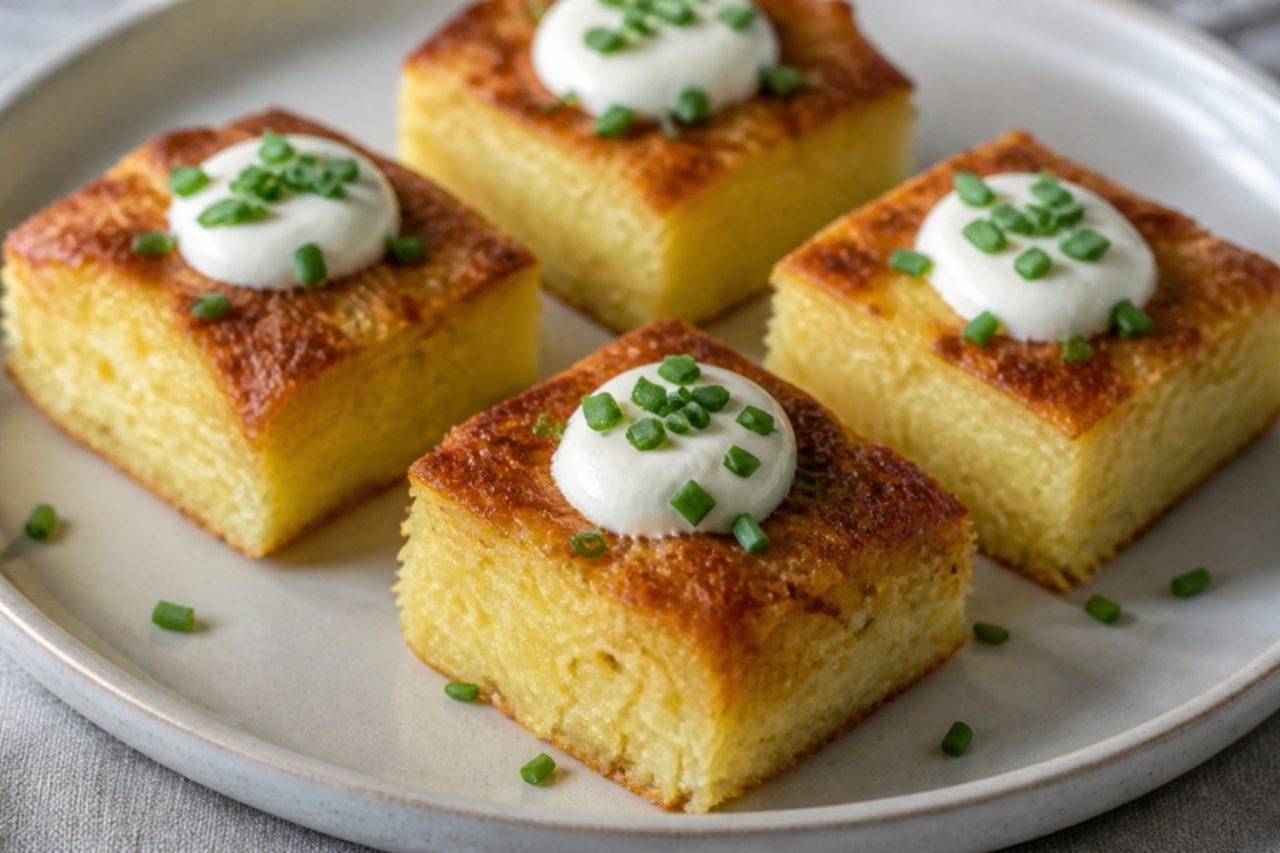
Kugelis is Sunday food all over Lithuania: raw potatoes grated very finely, mixed with eggs, hot milk and fried onion, then baked for over an hour in a deep tin until the top and edges are dark and crisp and the inside is dense and creamy. It is cut into squares and eaten with sour cream. Lithuanian families usually add bacon; this version uses plenty of onion fried in butter. A common mistake is leaving the grated potato to sit, which turns it grey. Chef's tip: pour hot milk over the potatoes as soon as they are grated; it stops them darkening and helps the pudding set.

by KrazyBadal 0 views

Mulgipuder

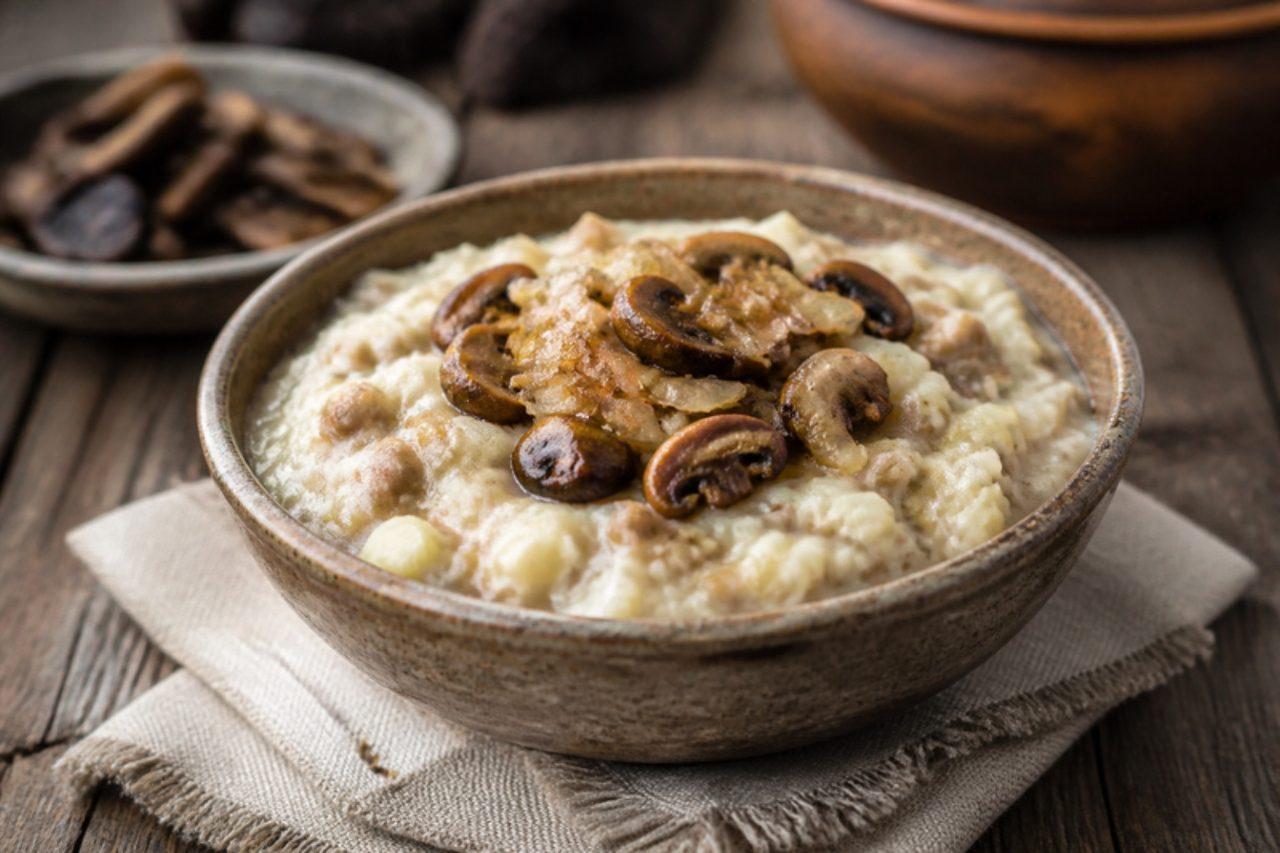
Mulgipuder comes from Mulgimaa, the old farming region of southern Estonia around Viljandi, and it has become one of the country's national dishes: potatoes and barley groats boiled together and mashed into a thick, nutty purée. It is normally topped with fried bacon and onion; this version uses mushrooms and onion fried in butter. It is eaten with sour milk or kefir and pickles. A common mistake is using too little water, so the barley stays hard while the potatoes are already soft. Chef's tip: start the barley first and add the potatoes after 20 minutes, so both are tender at the same moment.

by KrazyBadal 0 views

Kibinai

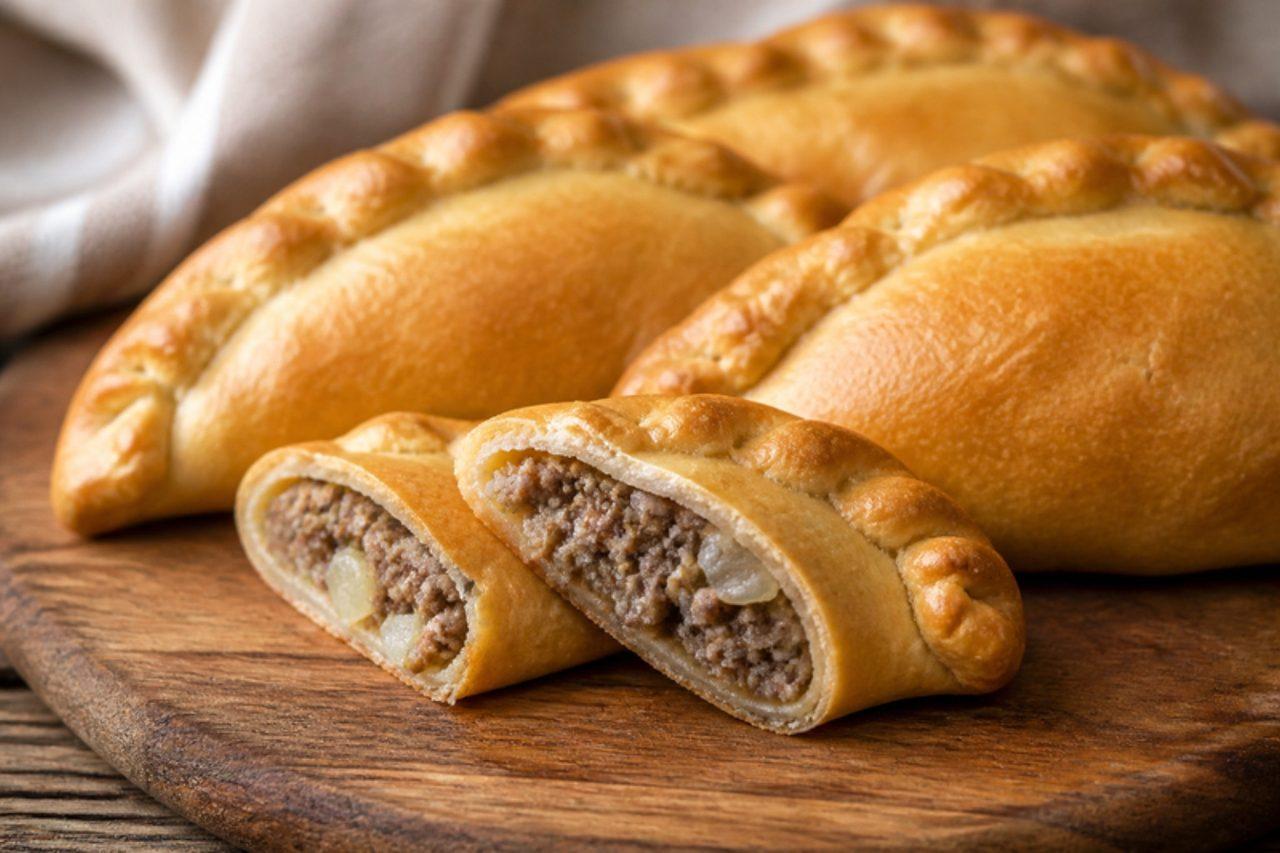
Kibinai are the pastries of the Karaim, a small Turkic community settled in Trakai, the lake-island castle town near Vilnius, since the 14th century. Every café along Karaimų street sells them hot from the oven: half-moon pastries of flaky, buttery dough with a juicy filling of chopped lamb and onion, crimped along the top. A common mistake is mincing the meat; the Karaim chop it into small cubes so the filling stays juicy. Chef's tip: use cold dough and bake hot, so the pastry flakes and the juices stay sealed inside. The filling must reach 71 °C.

by KrazyBadal 0 views

Kama

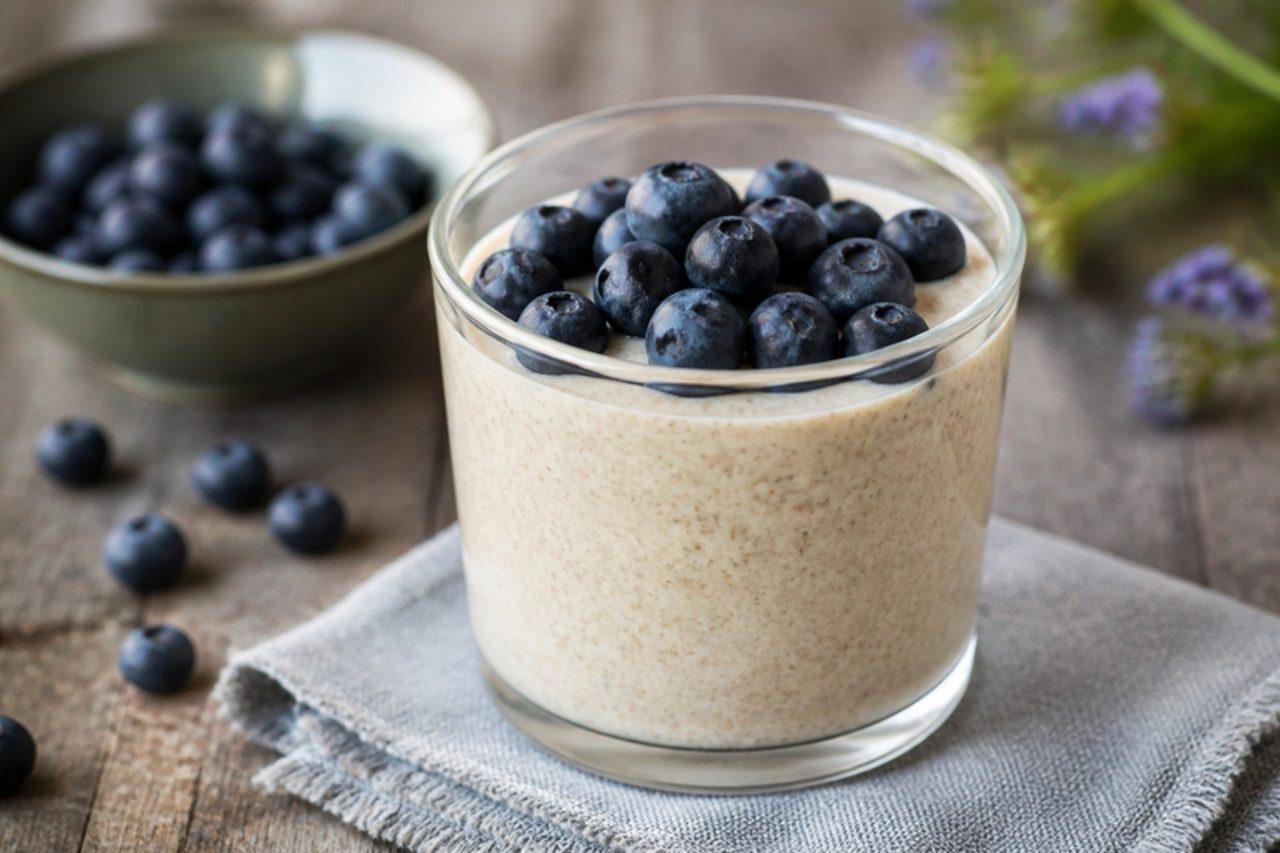
Kama is a uniquely Estonian food: a fine flour of roasted barley, rye, oats and peas, sold in every Tallinn supermarket, stirred into kefir, buttermilk or yogurt with a little sugar or honey and berries. It was once farmers' food for the fields; today it is a fast, filling breakfast and the flavour of Estonian ice creams and sweets. If you can't find kama, roast equal parts barley, rye and oat flour with a little pea flour in a dry pan until nutty. A common mistake is eating it at once; give it a few minutes to thicken. Chef's tip: stir in the kama, leave for 5 minutes, then add the berries, so it thickens like a mousse.

by KrazyBadal 0 views

Sklandrausis

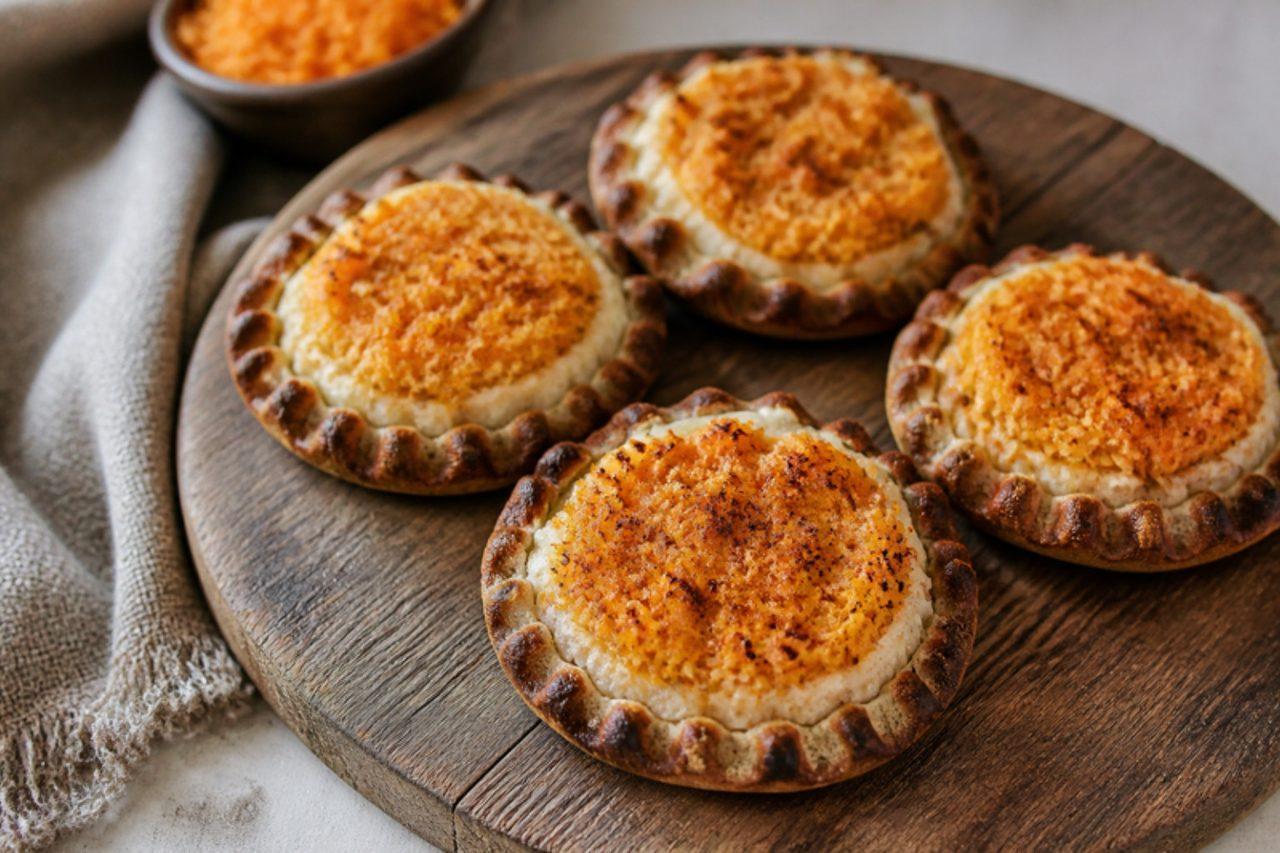
Sklandrausis is the ancient pie of Kurzeme in western Latvia, an EU-protected speciality: a thin, crisp shell of rye pastry filled with a layer of mashed potato and a second layer of sweetened carrot spiced with cinnamon, baked until the carrot caramelises at the edges. It is sweet, earthy and served at midsummer (Jāņi) and folk festivals. A common mistake is rolling the rye dough thick, which makes the shell hard and heavy. Chef's tip: work the dough while warm and roll it thin; rye pastry made with hot water is soft and easy to pinch up into a rim.

by KrazyBadal 0 views

Cepelinai

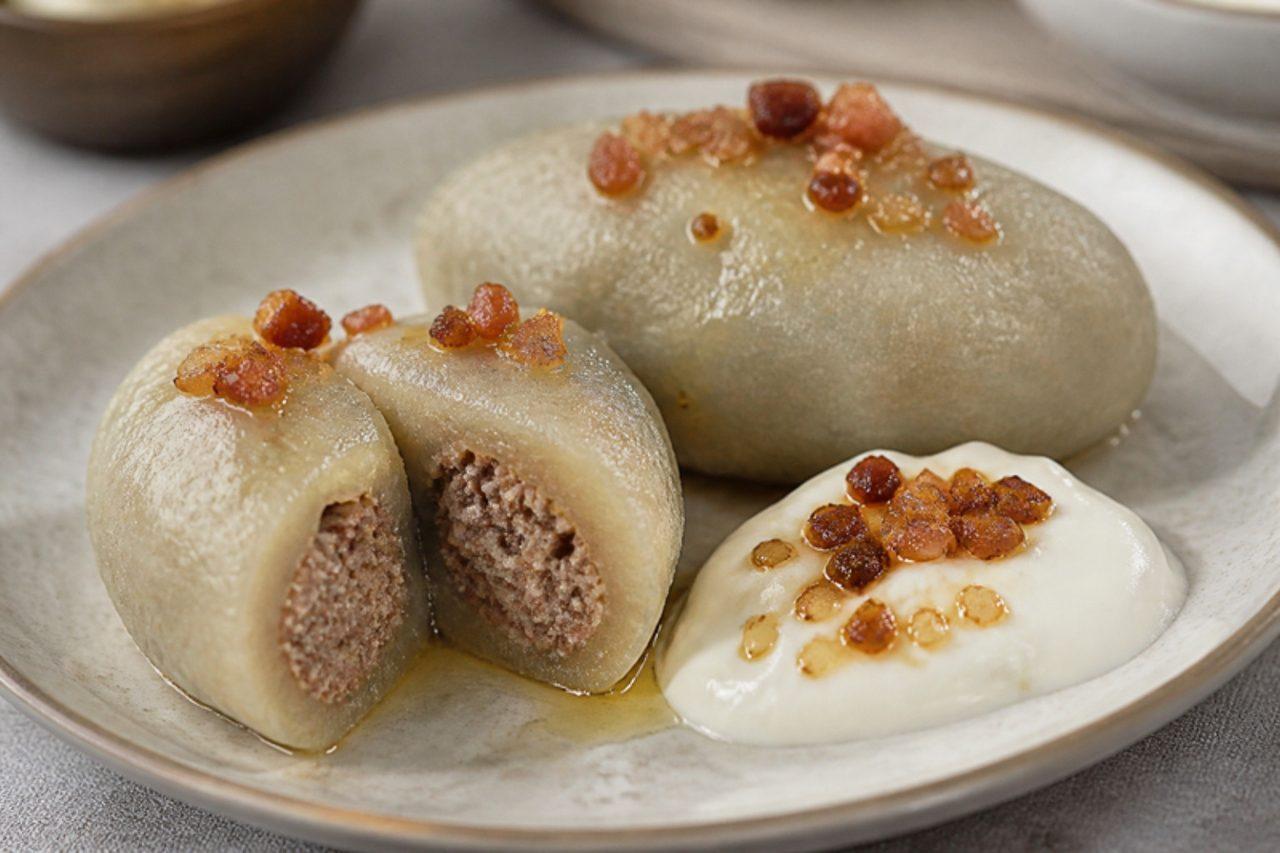
Cepelinai, named after the Zeppelin airships they resemble, are Lithuania's national dish: big oval dumplings of grated raw and boiled potato wrapped around seasoned minced pork, simmered until glossy and served with a sauce of sour cream and fried bacon bits and onion. This dish contains pork. Families in Kaunas and Vilnius make them on weekends and holidays; curd cheese or mushroom fillings are common vegetarian versions. A common mistake is skipping the potato starch; it is what holds the dumplings together. Chef's tip: squeeze the grated potato very dry and stir back the starch that settles from the liquid. Minced pork must reach 71 °C.

100 minBalticMeat
by KrazyBadal 0 views

Maizes zupa

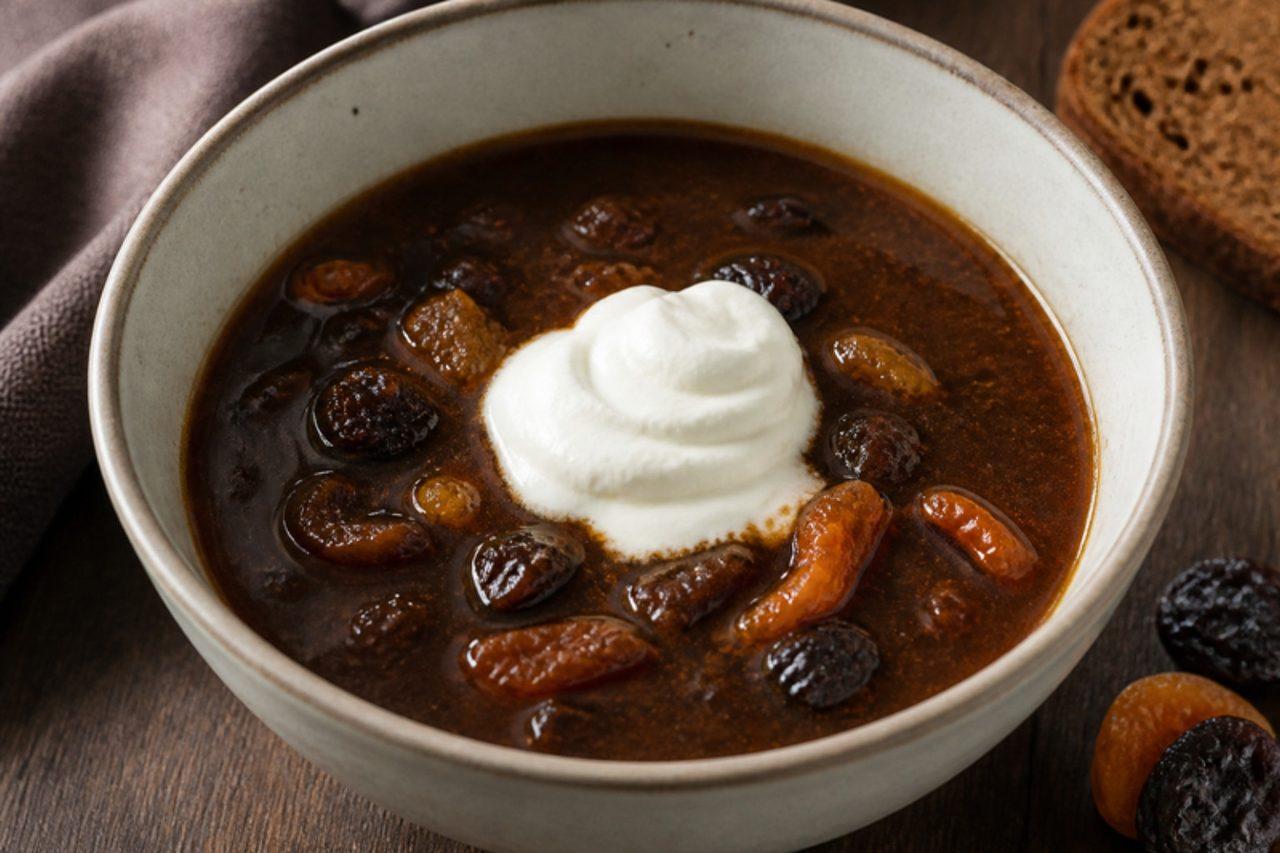
Maizes zupa, 'bread soup', is Latvia's way of using up dark rye bread: the bread is soaked and cooked down with dried fruit, sugar and cinnamon into a thick, sweet, deep-brown pudding, cooled and topped with whipped cream. It is on the menu in Riga's canteen-style restaurants and in school lunches, and every Latvian grandmother has her own version. A common mistake is using light rye; it needs dense, dark Latvian or German-style rye for its malty taste. Chef's tip: add a squeeze of lemon and a spoon of cranberries; their sharpness lifts the sweet, heavy soup.

by KrazyBadal 0 views

Šaltibarščiai

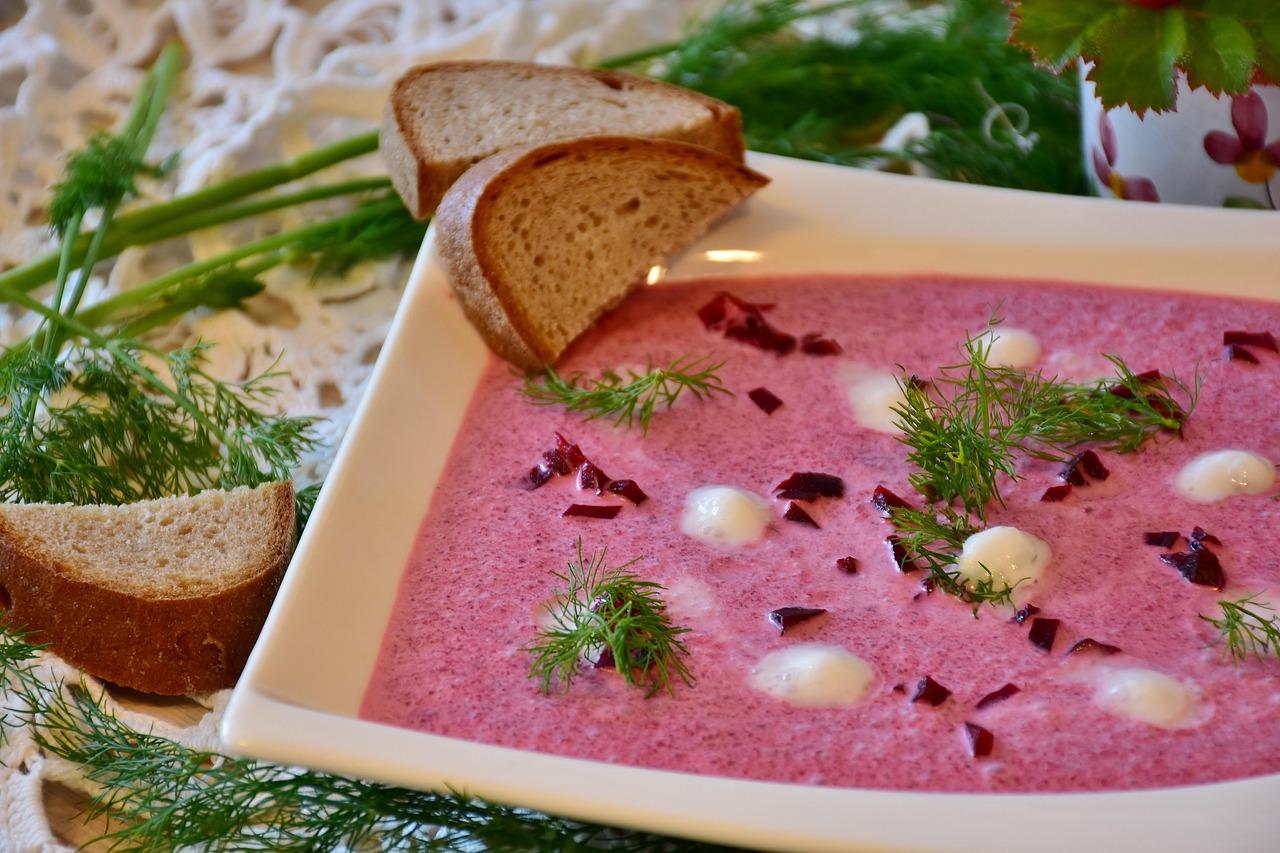
Šaltibarščiai is the shocking-pink soup of Lithuanian summers, so loved that Vilnius holds a pink soup festival every June: cooked or pickled beetroot grated into cold kefir with cucumber, dill, spring onion and boiled egg, served with a plate of hot boiled potatoes on the side. The contrast of icy soup and steaming potatoes is the point. A common mistake is using warm beetroot, which dulls the colour and warms the soup. Chef's tip: grate chilled beetroot into ice-cold kefir and let it stand for 10 minutes; the colour deepens to vivid fuchsia.

by KrazyBadal 0 views

Pelēkie zirņi ar speķi

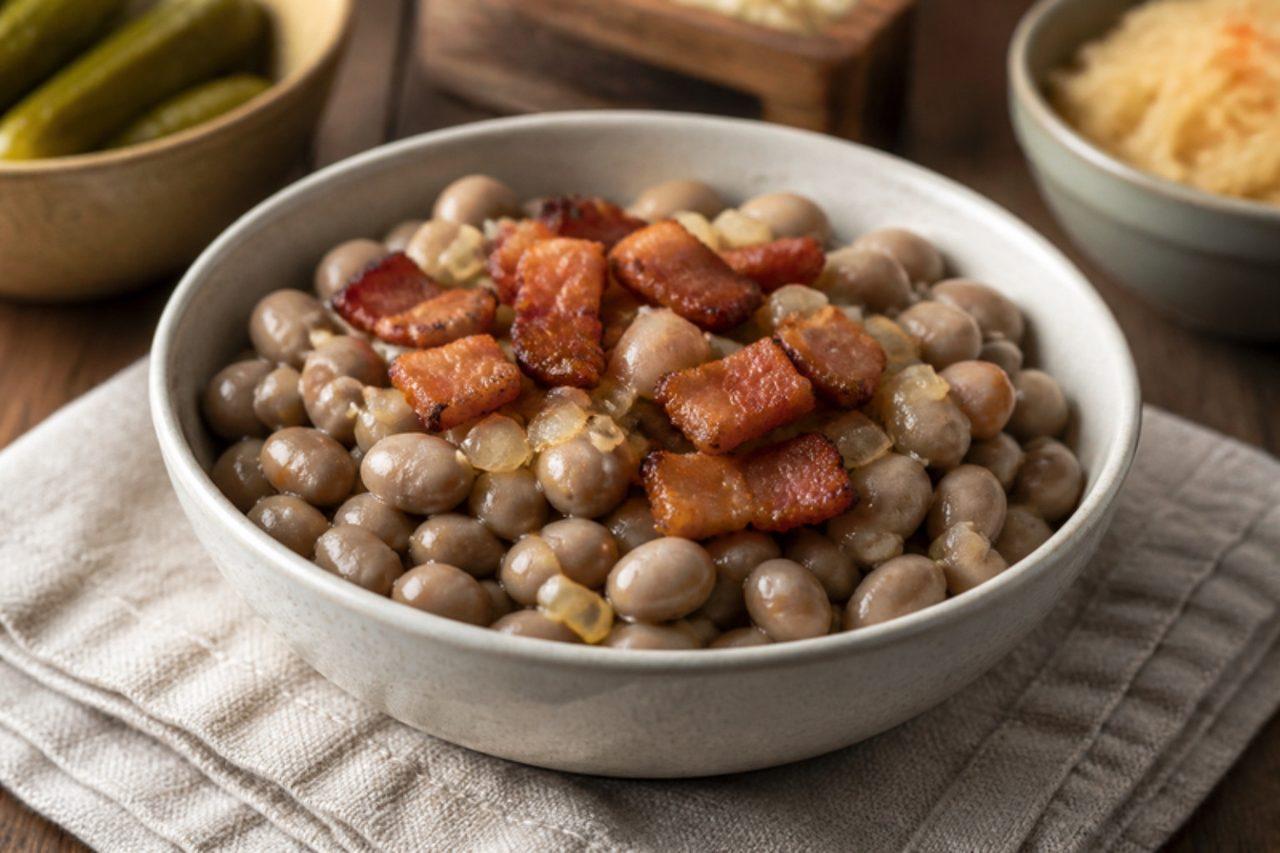
Grey peas with bacon is Latvia's national dish, eaten at Christmas and on the winter solstice and served in Riga's canteens all year: large, earthy grey peas soaked and boiled until soft but whole, then tossed with crisp pieces of fried smoked bacon and onion and served with a glass of cold kefir. This dish contains pork. Grey peas are sold in Baltic shops; carlin peas or brown chickpeas are close. A common mistake is overcooking the peas into mush. Chef's tip: fry the bacon slowly so its fat renders out, then fry the onion in that fat; it coats the peas with flavour.

by KrazyBadal 0 views

Skābeņu zupa

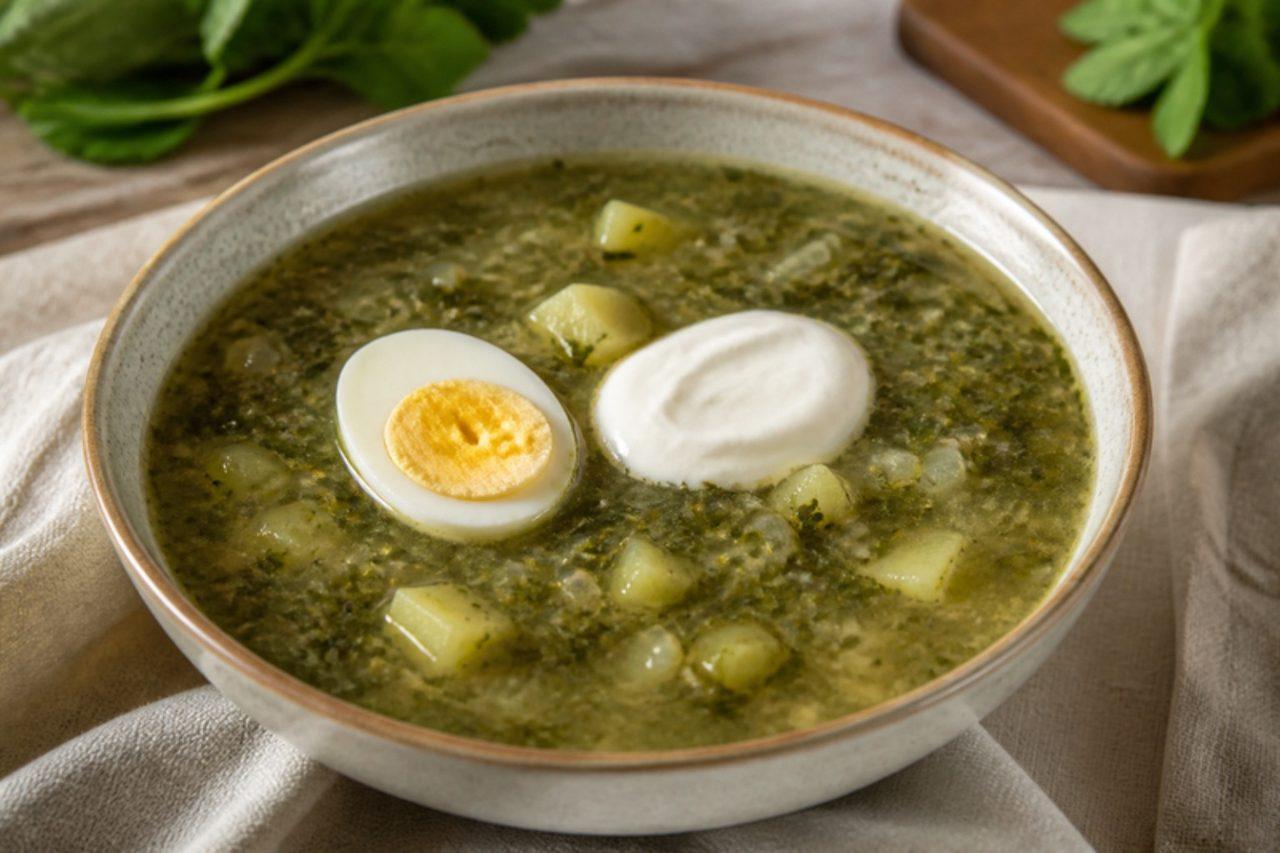
In late spring, Latvian gardens and meadows are full of sorrel, and skābeņu zupa is the first green soup of the year: potatoes simmered with onion and carrot, then a big handful of chopped sorrel added at the end, so the soup turns sour, bright and khaki-green. It is served hot or cold with a halved boiled egg and a spoon of sour cream. Use vegetable stock for a vegetarian soup. A common mistake is cooking the sorrel for long; it turns grey and loses its tang in a minute. Chef's tip: add half the sorrel at the end and the other half raw in the bowl for colour.

by KrazyBadal 0 views

Jāņu siers

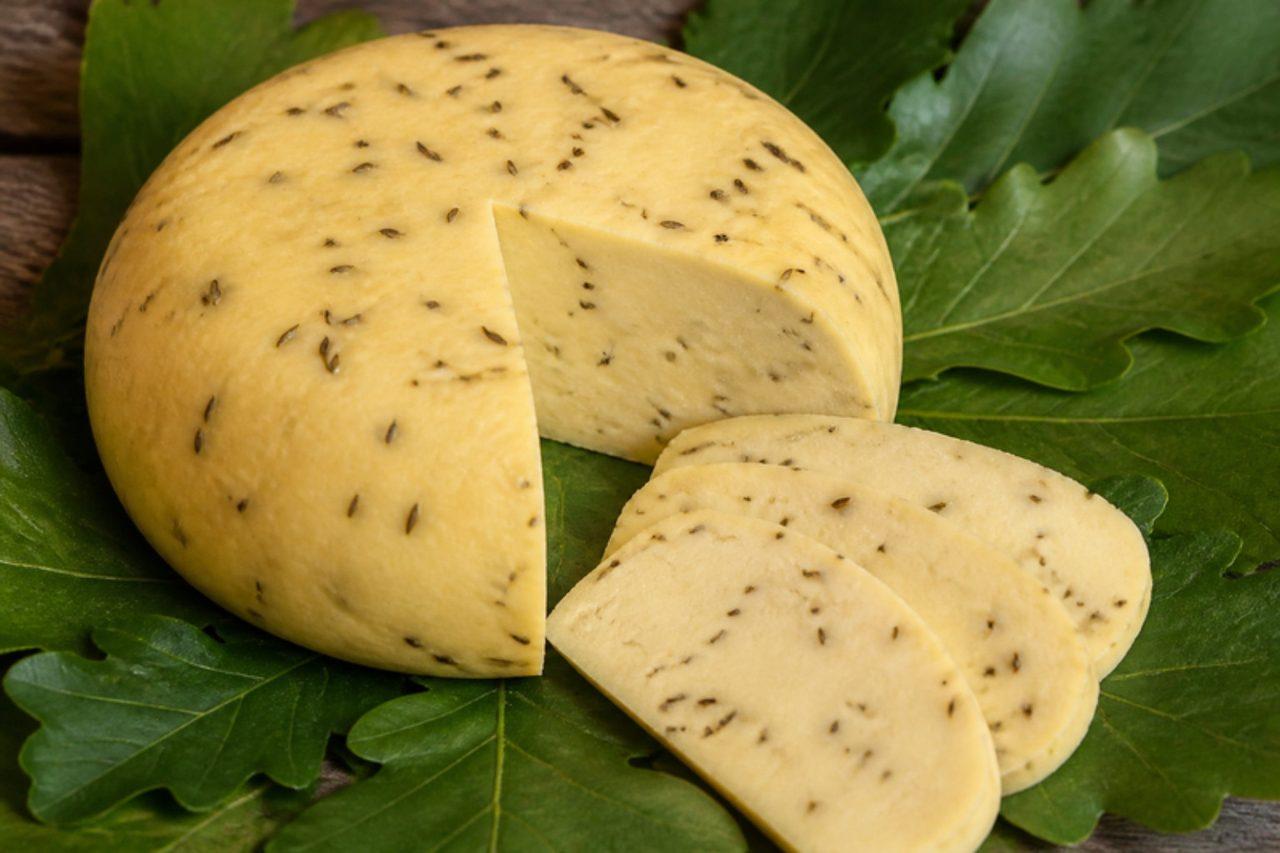
Jāņu siers is the round, golden caraway cheese that Latvians make for Jāņi, the midsummer festival on 23–24 June, when it is eaten with rye bread and honey, and songs, around bonfires. Unlike most cheeses it needs no rennet: fresh curd cheese is cooked with hot milk, eggs, butter and caraway into a smooth mass, then pressed in a cloth and left to set. Its round shape and golden colour stand for the sun. A common mistake is cooking it over a high heat, which makes it grainy and rubbery. Chef's tip: stir constantly over a low heat until it pulls away from the pan in one shiny ball, then press it straight away.

by KrazyBadal 0 views

Estonian kringle

Kringel is the celebration bread of Estonia, baked for birthdays and name days and carried to every visit: a rich yeast dough rolled with cinnamon butter and sugar, sliced lengthways, twisted into a braided wreath so the layers show, and baked until golden. In Tallinn's old-town cafés it is sold by the slice with coffee. A common mistake is cutting the roll with a blunt knife, which squashes the layers. Chef's tip: chill the filled roll for 15 minutes before slicing; it cuts cleanly and twists without the filling escaping.

by KrazyBadal 0 views

Mushabbak

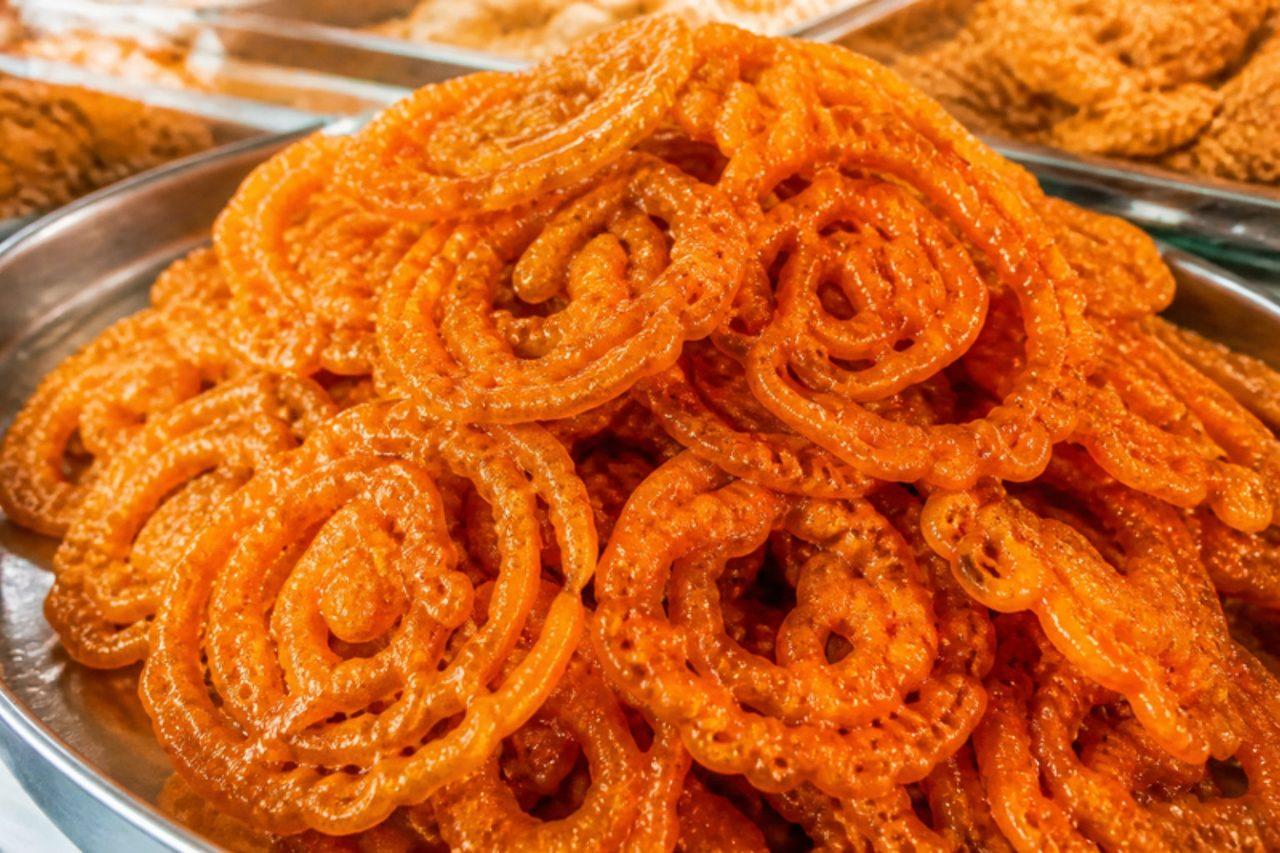
Glass counters in the souks of Nablus and Damascus are stacked with mushabbak, crisp latticed spirals of fried batter dunked in syrup until they glisten. They are bought by the bag for Christian and Muslim feast days, for Ramadan evenings and for no reason at all, and are best eaten within hours while the shells still crack. A lightly fermented batter piped into hot oil gives the hollow, crunchy rings. The mistake to avoid is oil that is not hot enough: the batter soaks up fat and the spirals turn heavy and limp. Chef's tip: the syrup must be cold and the mushabbak hot; dip, count to three and lift, and they stay crisp for hours.

by KrazyBadal 0 views

Msabbaha

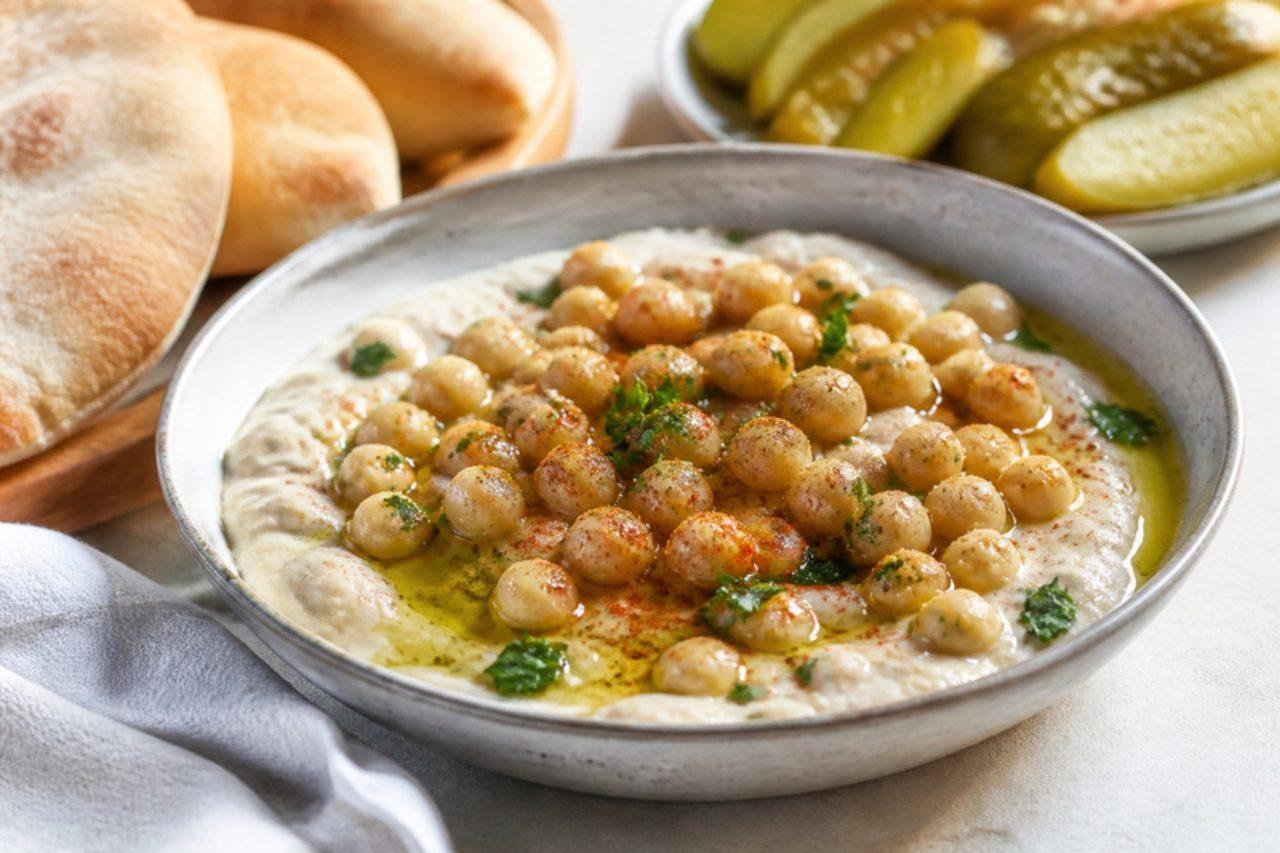
Hummus shops in Jerusalem's Old City and in Nablus open before dawn, and alongside the smooth hummus they ladle out msabbaha: whole, just-cooked chickpeas bathed in a loose, garlicky tahini and lemon sauce, still warm. It is a working breakfast, eaten with raw onion wedges, green chilli and plenty of bread, and it is just as popular in south Lebanon. The texture is the point, soft chickpeas in a creamy pool rather than a purée. The common mistake is making the tahini sauce too thick; it should pour like double cream so it seeps around every chickpea. Chef's tip: crush a handful of the hot chickpeas into the sauce before you spoon it over; it makes the msabbaha richer and creamier.

by KrazyBadal 0 views

Viennese Gugelhupf

In Vienna the Gugelhupf is the Sunday cake of home bakers, set out on the table for afternoon Jause with coffee, and every family has its own fluted copper or ceramic mould. Unlike the yeasted ring cakes of Alsace and southern Germany, the everyday Viennese one is a Rührgugelhupf, a buttery sponge lifted with whisked egg whites, scented with lemon and studded with plump raisins. It is tender, light and keeps moist for several days under a cake dome. A common mistake is a badly greased mould; every ridge needs butter and flour or the cake tears as it comes out. Chef's tip: soak the raisins in hot water for 15 minutes, dry them and toss them in a spoon of flour so they don't sink.

by KrazyBadal 0 views

Kofta bi tahini

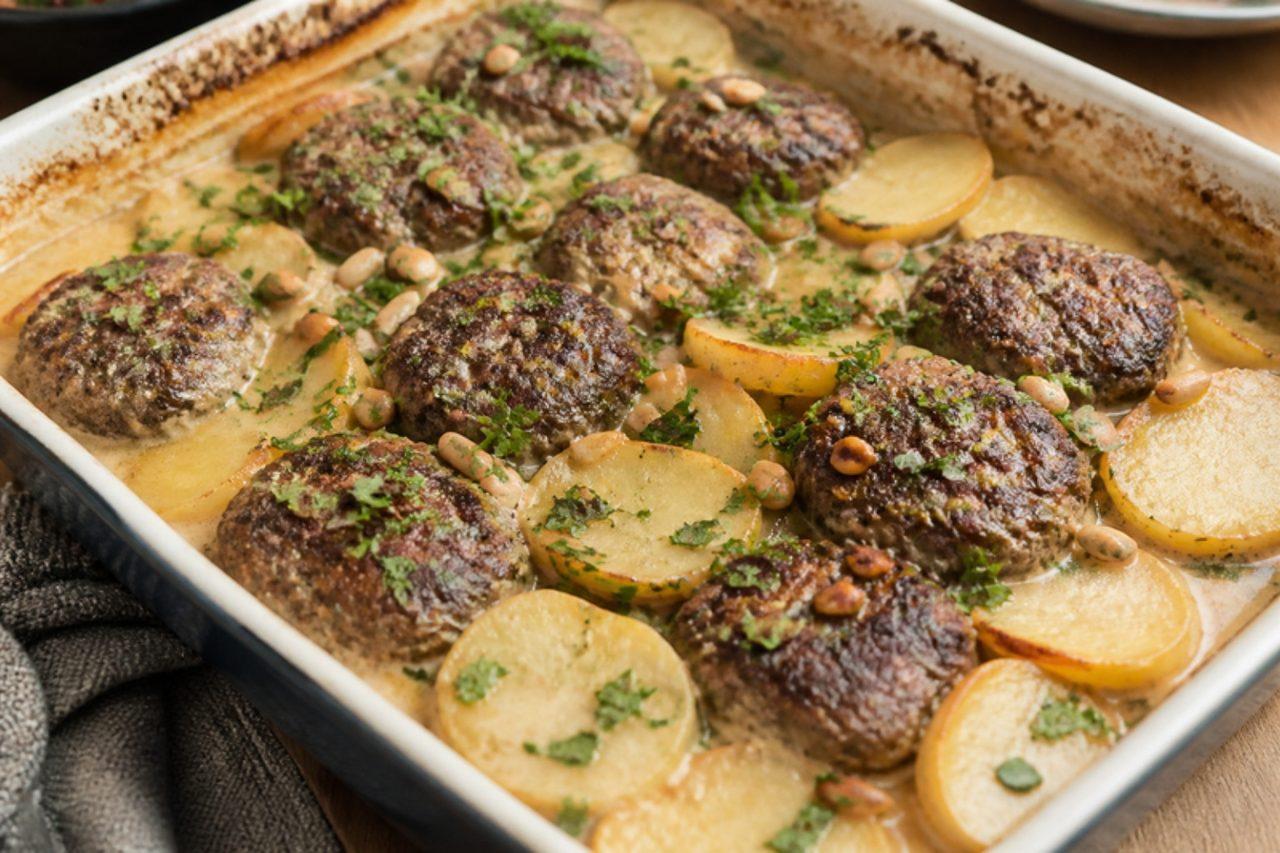
Kofta bi tahini is a family tray-bake from Jerusalem, Nazareth and the West Bank, the kind of dinner that goes into the oven on a weeknight and comes out bubbling and golden: parsley-flecked lamb and beef kofta fingers, sliced potatoes and onions, all covered in a tangy, garlicky tahini sauce. Rice with vermicelli and a chopped salad go alongside. Common mistake: making the tahini sauce too thick; it should pour like single cream, as it thickens a lot in the oven. Chef's tip: brown the kofta and potatoes before they meet the sauce; it keeps the kofta firm and stops the potatoes turning soggy.

by KrazyBadal 0 views

Djaj mahshi

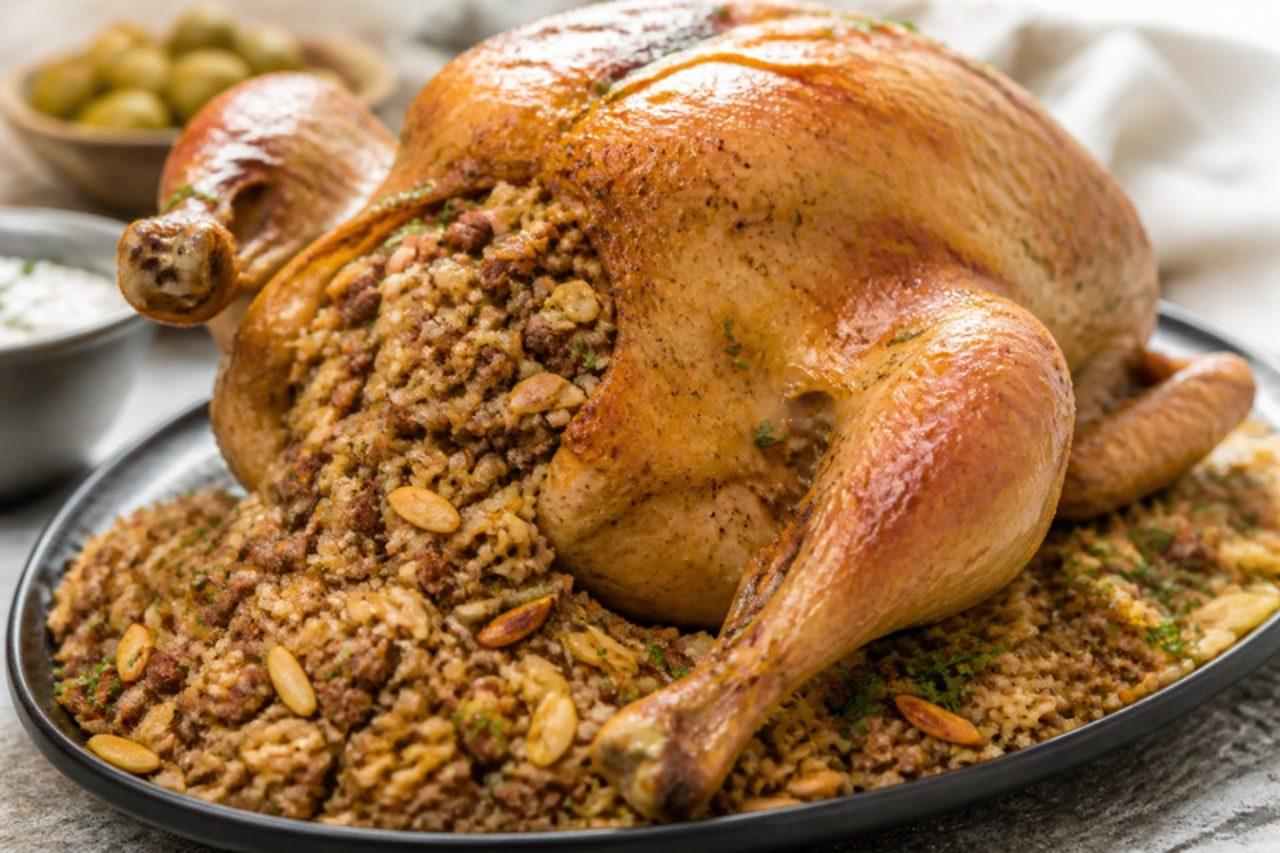
For Eid, Christmas or a wedding lunch in Palestine, a whole chicken stuffed with spiced rice is the centrepiece: the rice cooked with a little minced lamb, seven-spice and cardamom, packed into the bird and roasted until the skin is lacquered brown, then piled on a platter under handfuls of fried almonds and pine nuts. Serve with yoghurt and a chopped salad. Common mistake: packing the cavity tightly with raw rice, which leaves the centre undercooked; part-cook the rice first and stuff loosely. Chef's tip: simmer the chicken briefly in spiced water before roasting, as many Palestinian cooks do; it seasons the meat and keeps it moist.

by KrazyBadal 0 views

Makmoura

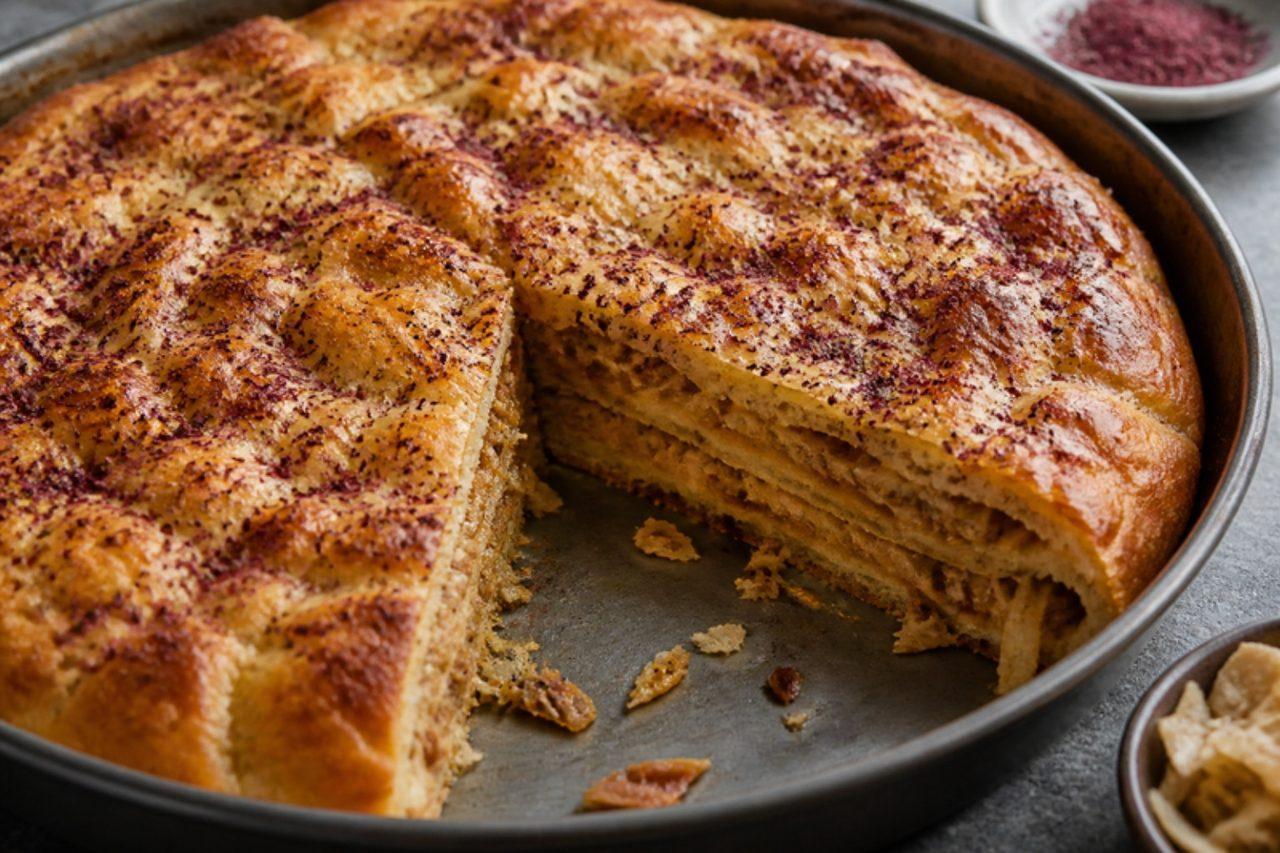
Makmoura (meaning 'buried') is a village dish from around Jenin in the northern West Bank, made in olive harvest season when there is fresh oil to spare: layers of thin bread dough are baked over chicken and a heap of onions slow-cooked in olive oil with sumac and spice, so the bottom soaks up the juices and the top turns crisp. Families tear it apart by hand and eat it with yoghurt and olives. Common mistake: rushing the onions; they need a full half hour to turn sweet and jammy. Chef's tip: use good, fruity olive oil and don't skimp — it is the soul of the dish.

by KrazyBadal 0 views

Germknödel

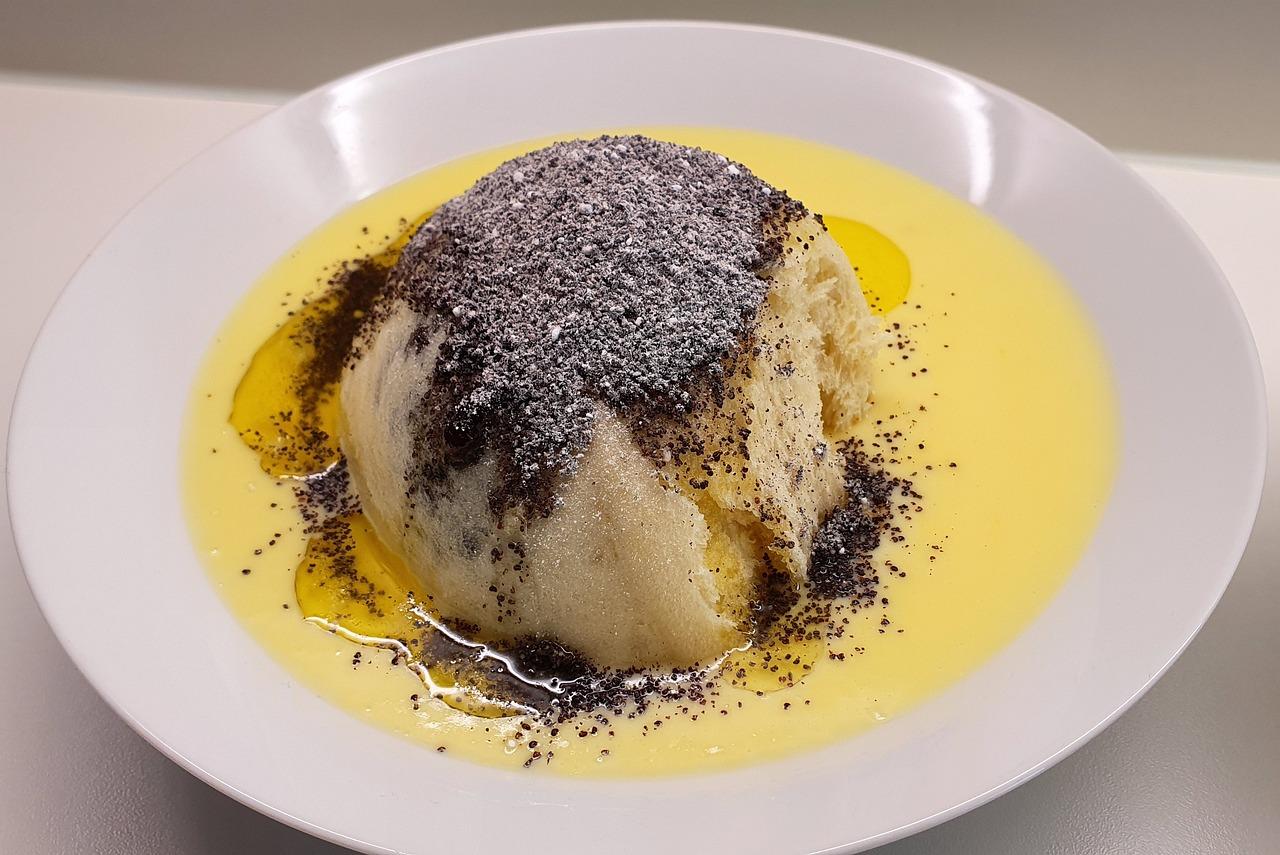
After a morning on the slopes, Austrians head into the mountain huts of Tyrol, Salzburg and Styria for one thing: a Germknödel the size of a fist, steamed until pillowy and split open to reveal dark plum butter. It comes drowned in melted butter, or in vanilla sauce, under a thick snow of ground poppy seeds and icing sugar, and it is eaten as a whole meal. The dough is soft and slightly sweet, and the powidl inside is tart and jammy. A common mistake is lifting the lid while they steam; the dumplings deflate and turn heavy. Chef's tip: seal each dumpling with the seam underneath and let them prove a second time on squares of baking paper, so you can move them without denting them.

by KrazyBadal 0 views

Shai bil maramiya

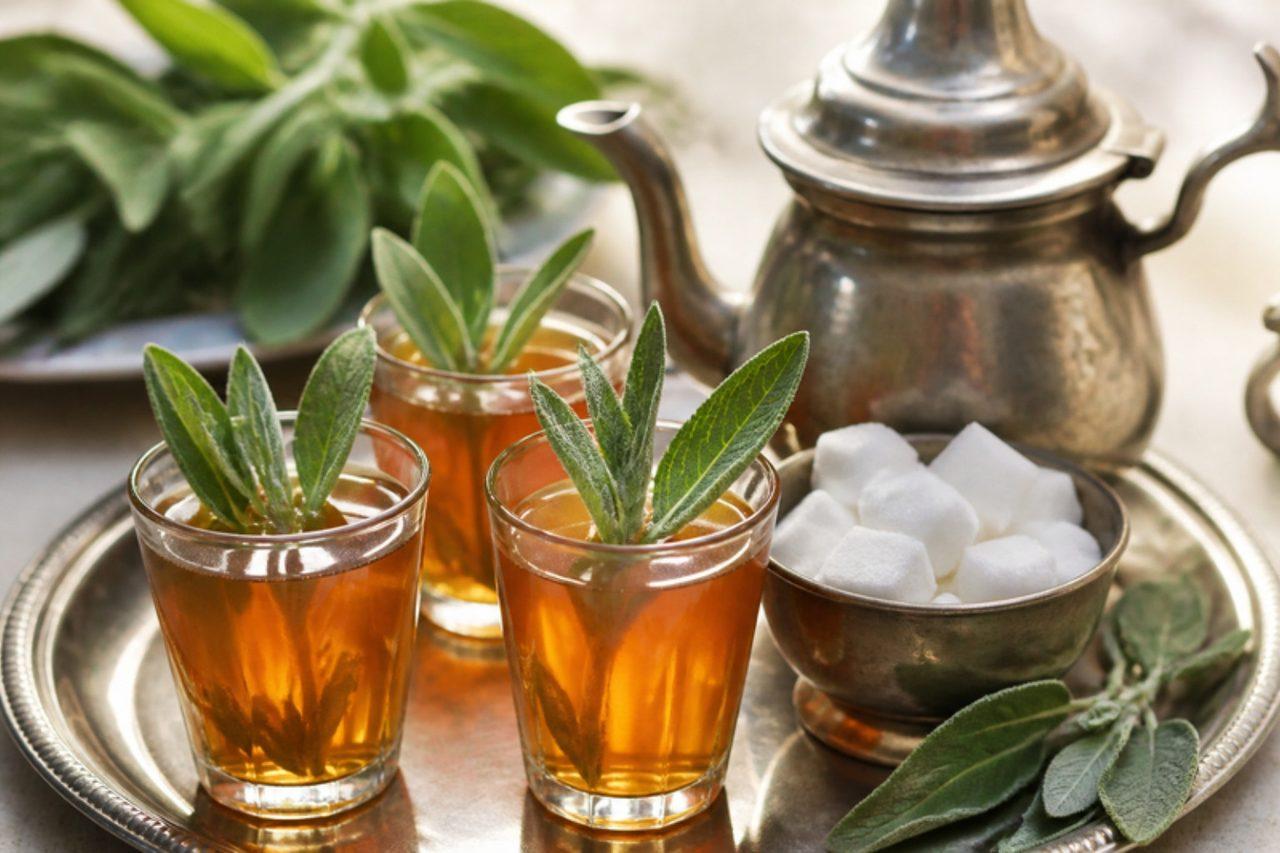
Offer a guest tea in a Palestinian home and it will most likely come in small glasses, sweet, strong and fragrant with maramiya, the soft-leaved sage that grows on every terrace and is said to settle the stomach after a heavy meal. In winter the leaves are dried; in spring they are picked fresh. Common mistake: boiling the sage with the tea, which brings out a medicinal bitterness; it goes in after the heat is off. Chef's tip: bruise the sage leaves between your fingers before dropping them in, and let them steep only 2–3 minutes.

by KrazyBadal 0 views

Kharroub

Through Ramadan, street vendors in Jerusalem's Old City and in Nablus walk the alleys with brass urns of kharroub on their backs, clacking cups to announce the cold carob drink that breaks the fast. Made by soaking crushed carob pods (or more easily from carob molasses), it is dark, chocolatey-caramel in taste, lightly sweet and very refreshing over ice. Common mistake: boiling the pods hard, which makes the drink bitter and cloudy; soak and simmer gently. Chef's tip: a few drops of orange-blossom water just before serving lifts the earthy carob flavour.

by KrazyBadal 0 views

Zibdiyit gambari

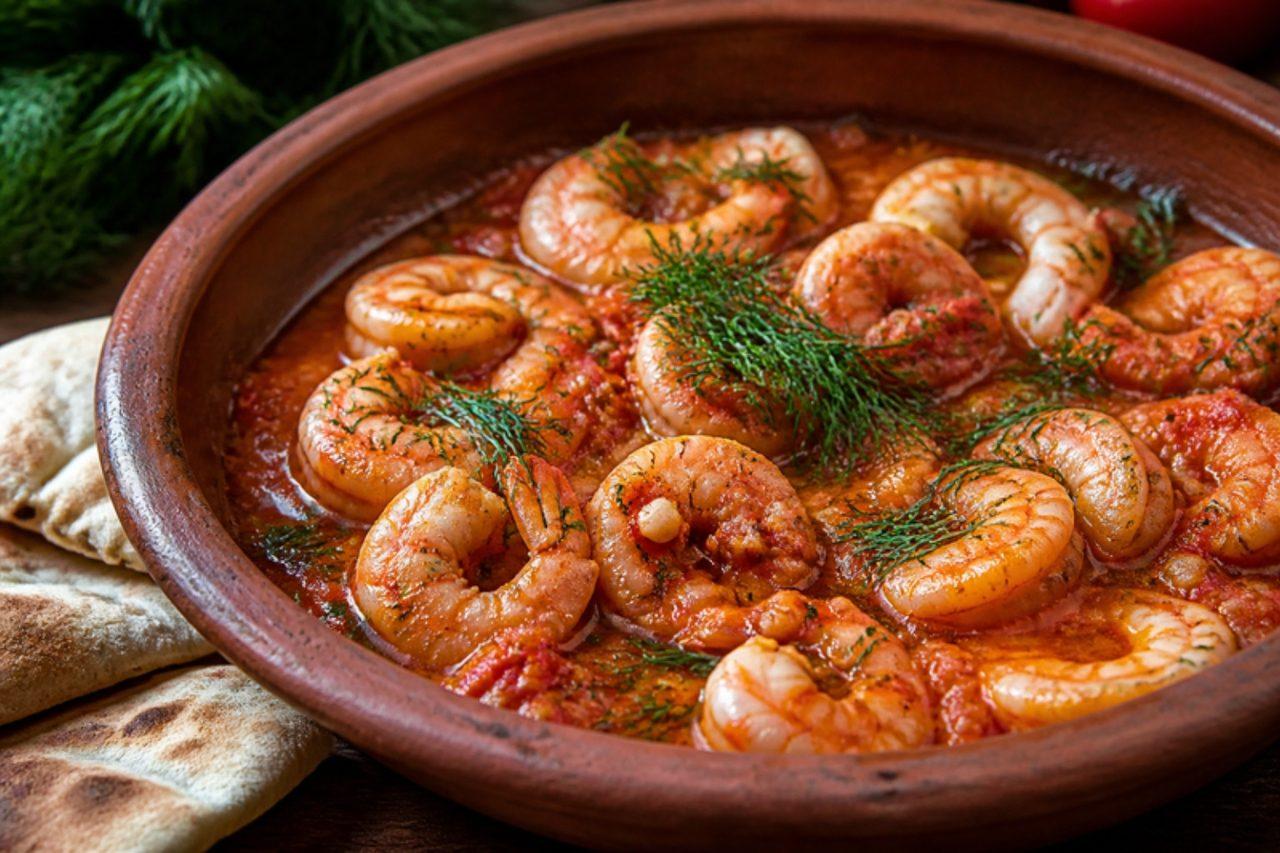
In Gaza's seafront restaurants zibdiyit gambari arrives bubbling in the same clay bowl (zibdiya) in which the sauce was pounded: prawns baked in a fierce tomato sauce full of garlic, green chilli and dill seed, with olive oil pooling at the edges for dipping bread. Families make it at home for special Friday lunches when the catch is good. Common mistake: cooking the prawns as long as the sauce, which makes them tough; they need only a few minutes at the end. Chef's tip: pound the garlic, chilli and dill seed by hand; the rough paste fries into the oil and gives the sauce its punch.

by KrazyBadal 0 views

Sumaghiyyeh

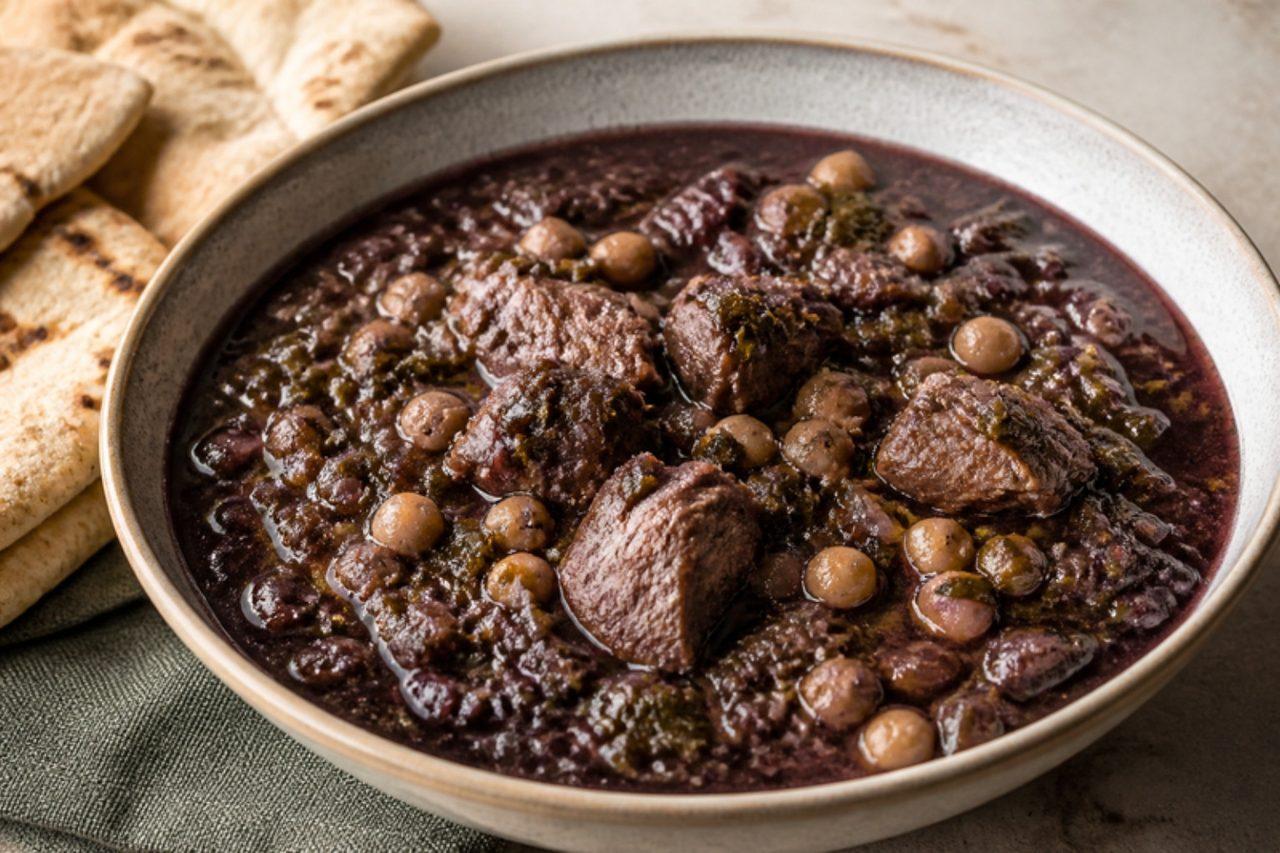
Sumaghiyyeh is Gaza's festive dish, cooked in big pots for Eid al-Fitr and eaten cold the next days with bread: chunks of lamb and chickpeas in a thick, purple-brown sauce of sumac, chard, tahini, garlic, dill and chilli. It tastes sour, nutty and herby all at once and is served at room temperature, sealed under a film of olive oil. Common mistake: using ground sumac straight into the pot, which leaves it gritty; soak the sumac and use the strained liquid. Chef's tip: make it a day ahead; the sauce sets and the flavours deepen, just as Gazan families serve it.

by KrazyBadal 0 views

Showing 24 of 181 recipes

Show more recipes

Page 1 of 8