Skip to content
WhatToEat.Today

All recipes

939

Vegetarian, or something you can't eat? Set your diet once and we'll hide recipes that don't fit.

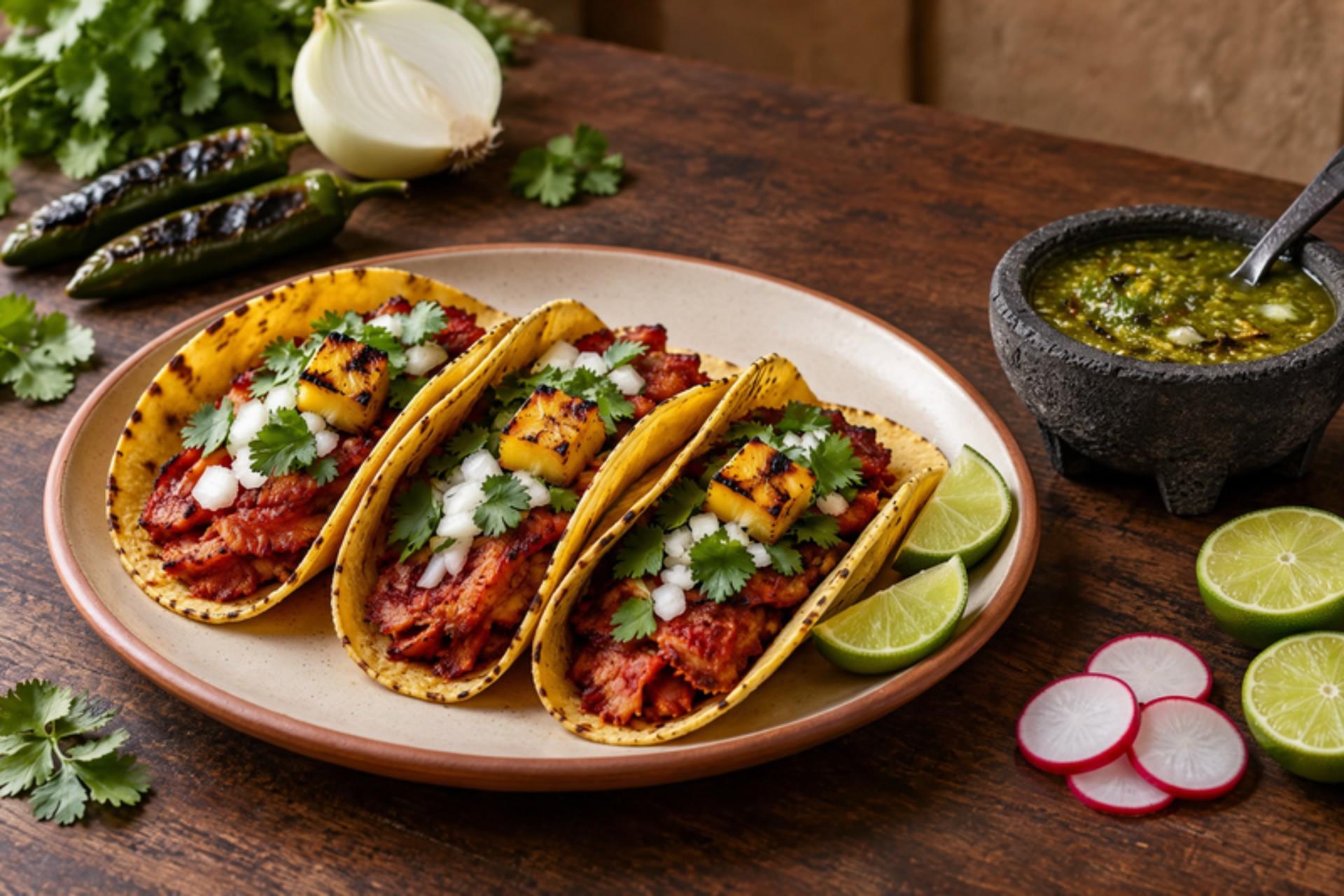
Tacos al pastorSpit-style marinated pork tacos

Tacos al pastor are Mexico City's late-night taco, carved from a spinning vertical spit (trompo) at taquerías from the Centro to Condesa, a dish born from the shawarma brought by Lebanese immigrants in the 1900s. This recipe is made with pork shoulder, marinated in guajillo chilli, achiote, pineapple juice and spices, sliced thin, then roasted and seared at home, and served on small corn tortillas with pineapple, onion, coriander and salsa. Marinate the pork in the fridge, never on the counter. The usual mistake is cutting the meat thick: thick pieces stew instead of caramelising. Slice it about 5 mm thin. The pork is done when the edges are charred and crisp and the thickest pieces reach 71 °C. Chef's tip: freeze the pork for 40 minutes before slicing; firm meat cuts into even, thin sheets with no effort.

by KrazyBadal 0 views

Chiles toreadosBlistered jalapeños with lime

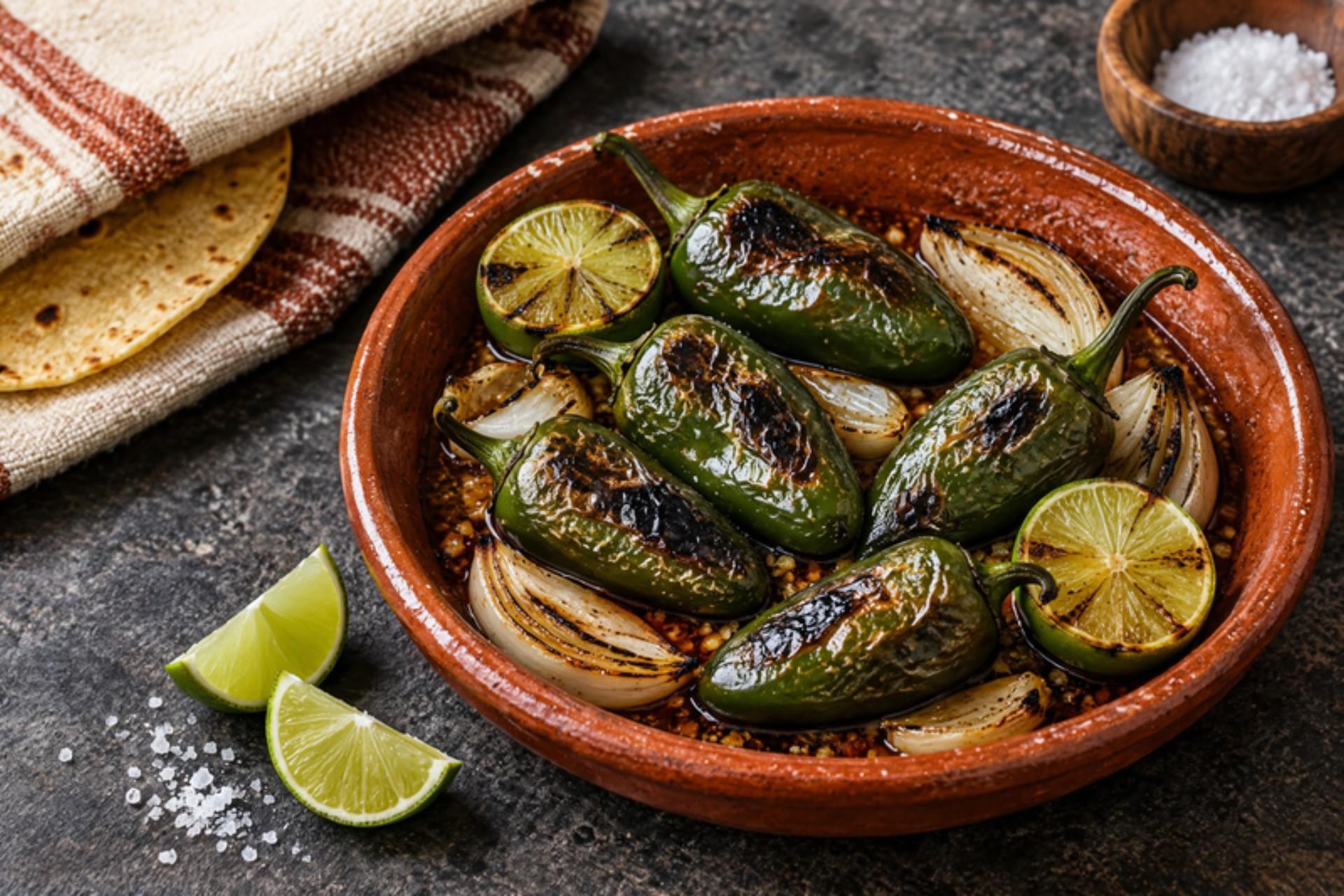
At taquerías in Mexico City and the carne asada stands of the north, a small dish of chiles toreados sits next to the tacos: whole jalapeños 'fought' in a hot pan until blistered and slumped, tossed with sweet charred onion, lime juice and a splash of soy sauce or seasoning sauce, a habit borrowed from Mexico's Chinese-Mexican cooks. Bite one between mouthfuls of taco or grilled steak. The common mistake is moving the chillies too much: they need to sit still on the heat to blister, or they steam and go grey. They are ready when the skins are blackened in patches and the chillies feel soft when squeezed. Soy sauce contains wheat; use tamari for a gluten-free version. Chef's tip: prick each chilli once with a knife tip before cooking so it doesn't burst and spit hot oil at you.

by KrazyBadal 0 views

Tortillas de maízHomemade corn tortillas

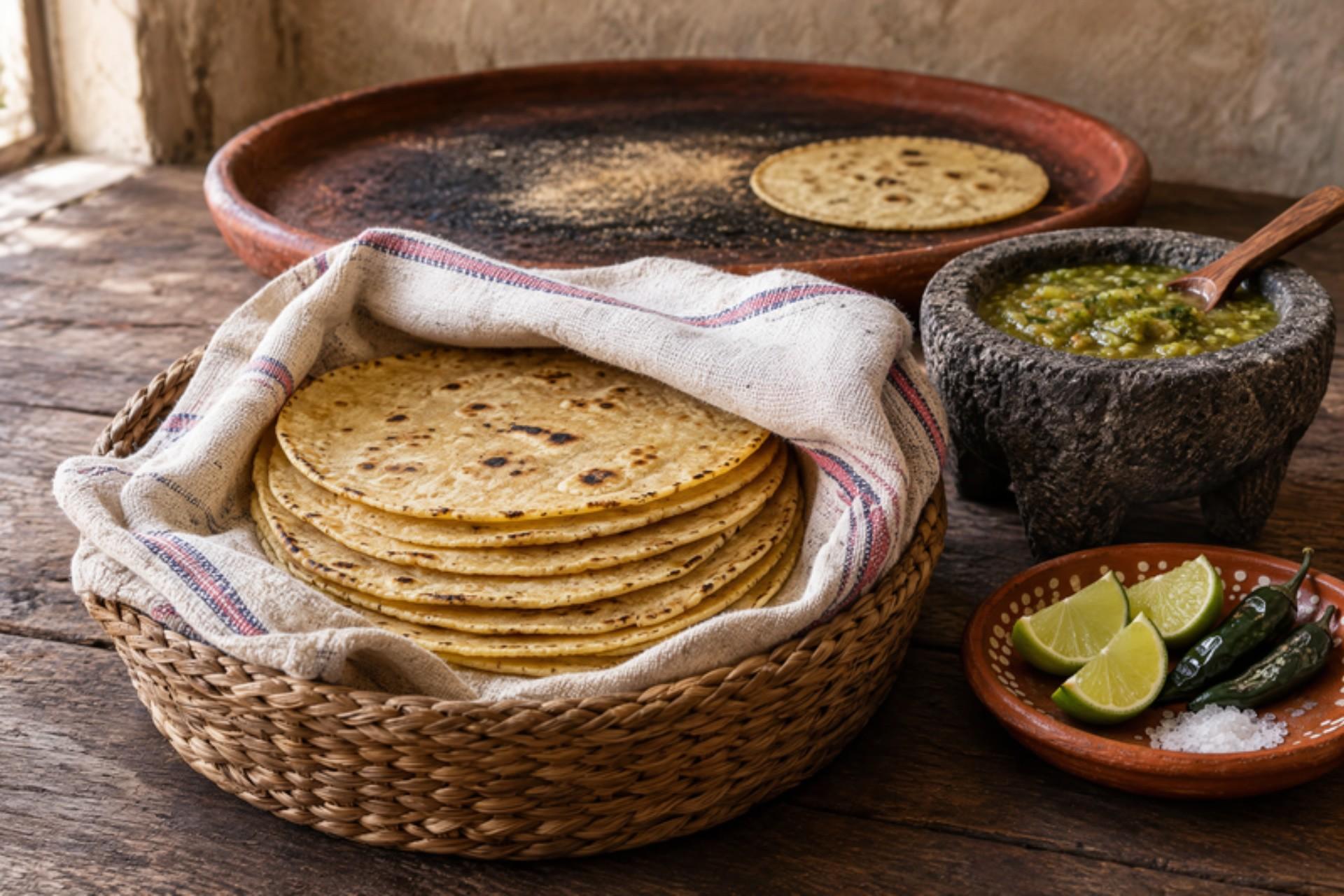
Across Mexico, from Oaxaca market stalls to family kitchens in Guadalajara, warm corn tortillas arrive at every meal of the day, stacked in a cloth-lined basket next to beans, eggs, stews and salsas. Made fresh, they are soft and pliable with a toasty, sweet corn smell that packaged ones never have, and a good one puffs up like a balloon on the comal. You need only masa harina (nixtamalised corn flour, not cornmeal or polenta), warm water and a pinch of salt. The common mistake is a dough that is too dry: the edges crack when pressed and the tortillas turn stiff as cardboard. The dough should feel like soft play dough and not stick to your palm. They are done when both sides have pale brown freckles and the tortilla has puffed. Chef's tip: stack the cooked tortillas in a clean tea towel inside a lidded basket or pot; they steam each other and stay soft for an hour.

by KrazyBadal 0 views

Puerco en salsa verdePork in green tomatillo sauce

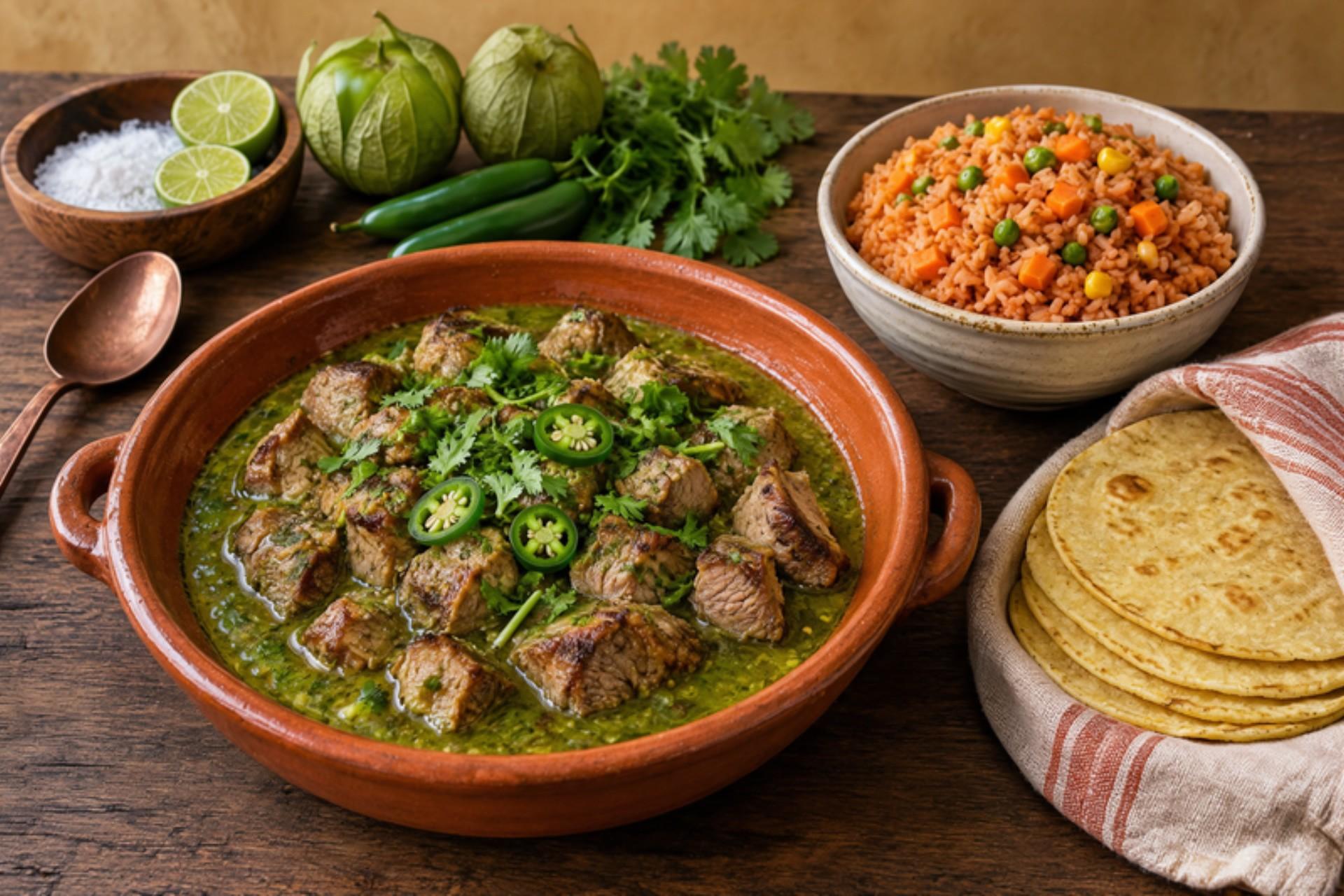
Puerco en salsa verde is a staple of Mexico City fondas and family kitchens, the kind of dish that turns up for a weekday comida with rice, beans and a stack of tortillas, and fills tacos the next day. Chunks of pork shoulder are browned, then braised in a sharp sauce of tomatillos, serrano chillies, garlic and coriander until the meat is spoon-tender and the sauce is thick and glossy. Some cooks add potatoes or nopales to stretch it. The common mistake is crowding the pan when browning: the pork releases water and boils grey instead of browning, which robs the sauce of depth. Brown it in two batches. It is ready when the pork breaks apart with a fork and has passed 71 °C. Chef's tip: boil the tomatillos only until they turn from bright to olive green; if they split, they go sour and watery.

110 minMexicanMeatGluten freeSpicy
by KrazyBadal 0 views

MicheladaSpiced lime beer cocktail

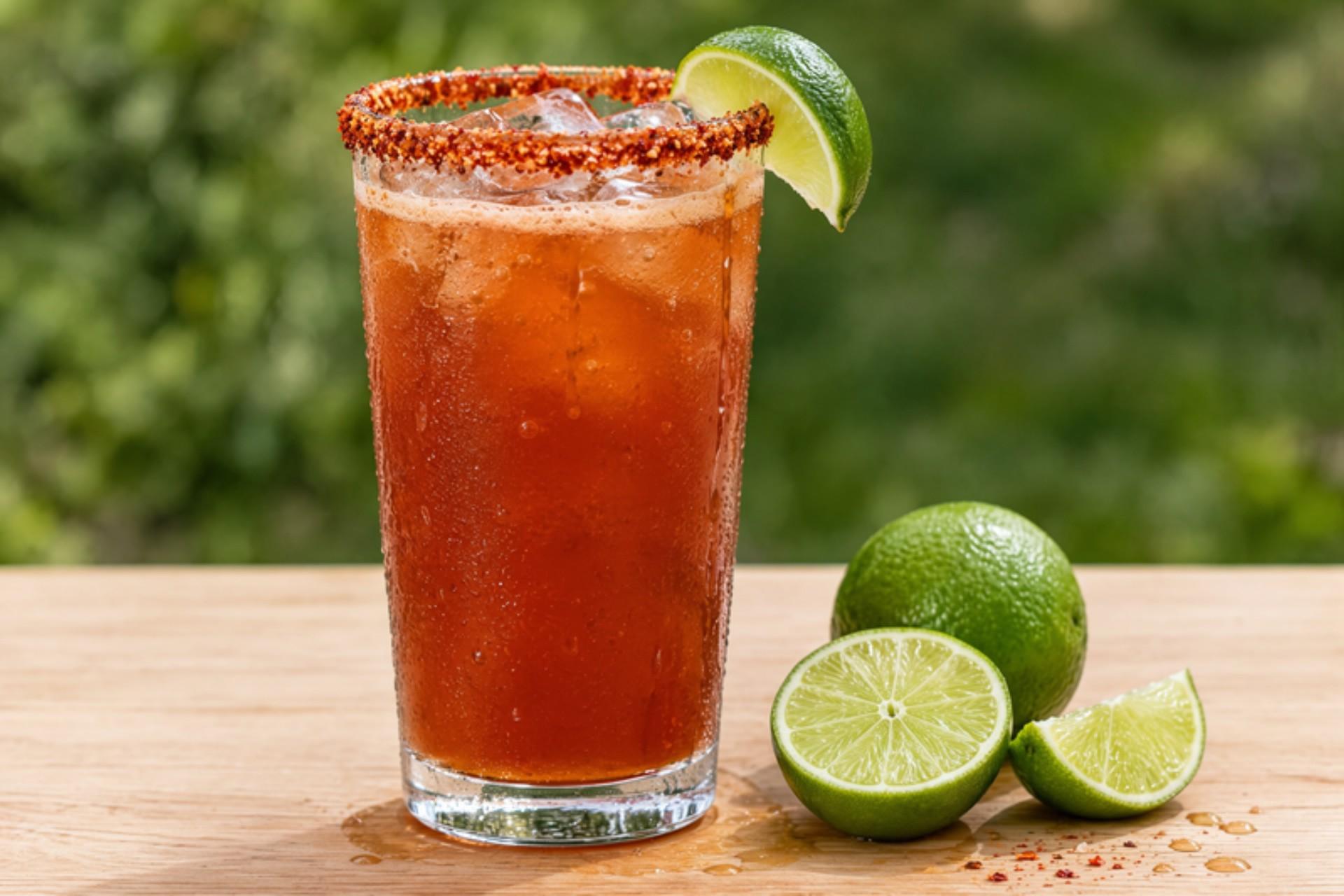
The michelada is the weekend drink of Mexico, poured at beach bars in Mazatlán, cantinas in Mexico City and backyard carne asadas on Sunday afternoons, and it is a drink for adults only. A light Mexican-style lager is mixed with plenty of lime, a dash of hot sauce, a little soy sauce and Worcestershire sauce, over ice in a glass rimmed with chilli salt, so it is sour, salty, savoury and very refreshing. Most Worcestershire sauce contains anchovies, so buy a vegetarian Worcestershire sauce. For an alcohol-free version, use alcohol-free lager or sparkling water with a little tomato juice; it tastes almost the same. The common mistake is adding the beer too fast: it foams up over the seasoning and the glass overflows. Tilt the glass and pour slowly. Drink responsibly. Chef's tip: chill the glass in the freezer for 15 minutes; the rim sets crisply and the drink stays cold to the last sip.

by KrazyBadal 0 views

Fresas con cremaStrawberries and cream

Fresas con crema is sold in plastic cups at juice stands, markets and park carts all over Mexico, especially in Irapuato, Guanajuato, the country's strawberry capital, and kids beg for it on hot afternoons and after school. Ripe strawberries are folded through a cold, silky cream sweetened with condensed milk and vanilla, so the juice bleeds pink into the cream. The usual mistake is mixing it too early: after an hour the berries weep and the cream turns thin and watery. Mix it up to 20 minutes before eating. Use the sweetest, reddest berries you can find; pale ones taste sour however much sugar you add. Chef's tip: chill the bowl and both creams for 30 minutes first, then whisk only briefly; cold cream thickens slightly on its own and clings to the fruit.

by KrazyBadal 0 views

Pastel aztecaLayered tortilla and poblano bake

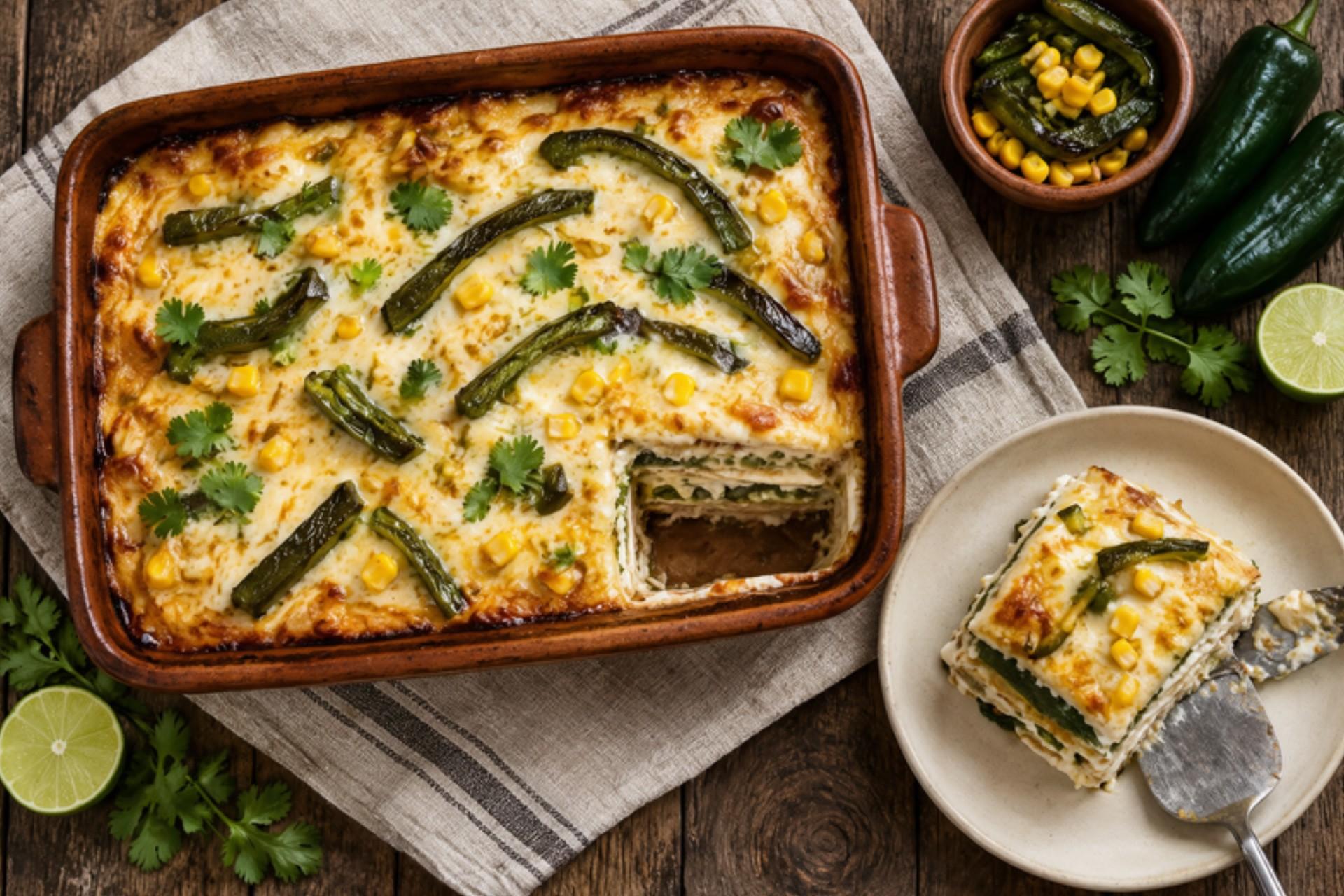
Pastel azteca, also called budín azteca, is the tortilla 'lasagne' of central Mexico, a favourite for family gatherings in Mexico City and Puebla because it can be built the day before and baked when guests arrive. Layers of lightly fried corn tortillas are stacked with roasted poblano strips (rajas), sweetcorn, a cooked tomato sauce, crema and melting cheese, then baked until bubbling, set and golden. Many versions add shredded chicken; this one stays vegetarian. The usual mistake is skipping the quick fry of the tortillas: raw tortillas soak up the sauce and the bake turns to mush. Oaxaca and Chihuahua cheese are often made with animal rennet, so pick a vegetarian mozzarella or melting cheese if needed. It is ready when the edges bubble and a knife slides through the layers easily. Chef's tip: let it rest for 10 minutes before cutting so the layers firm up and slice cleanly.

by KrazyBadal 0 views

Sopa de albóndigasMeatball soup

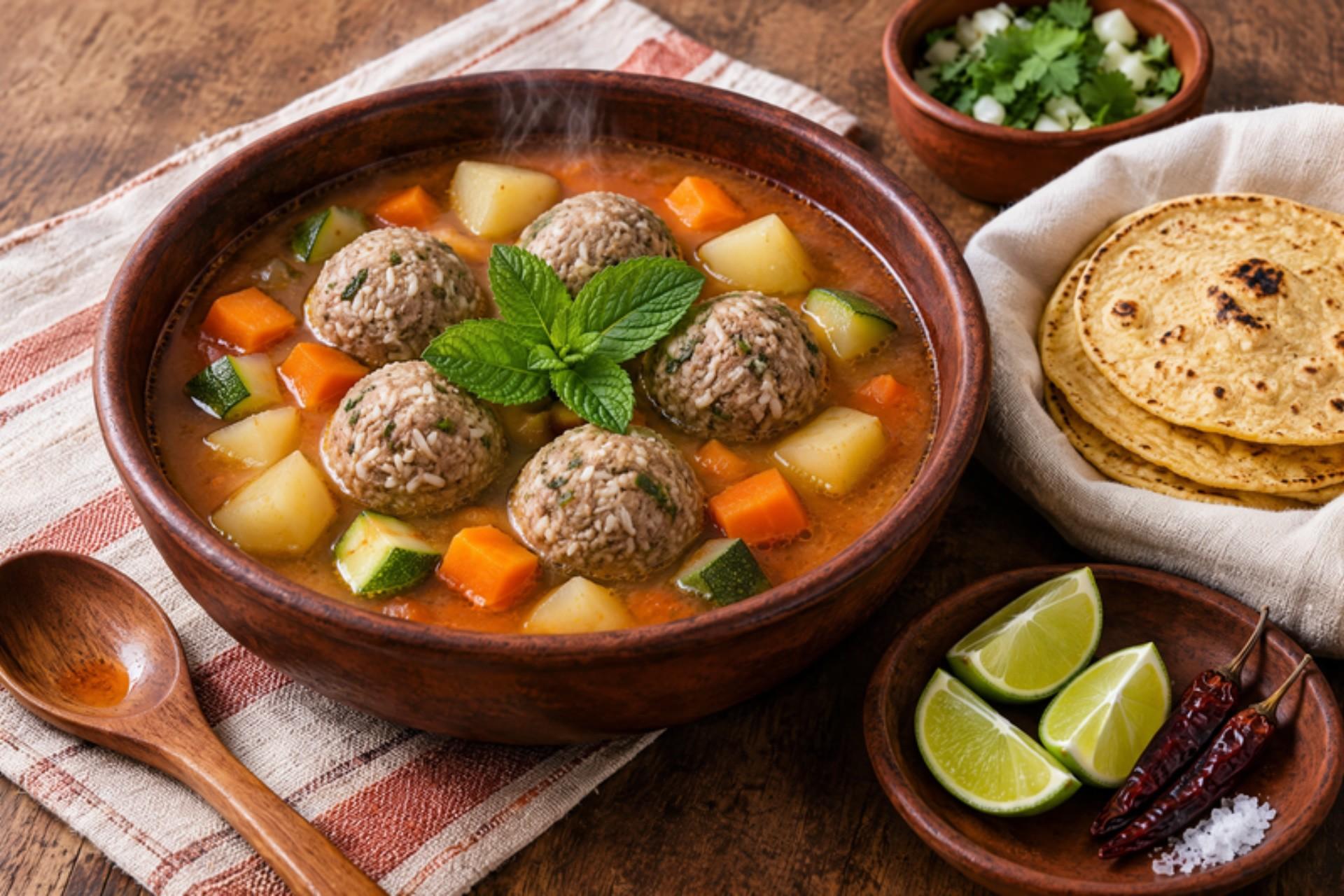
Caldo de albóndigas is comfort food in homes across Mexico, from Sonora to Mexico City, served at Sunday lunch or whenever someone has a cold, with warm tortillas and a squeeze of lime. Soft meatballs of beef and pork mince, studded with raw rice and fresh mint, cook gently in a tomato and chipotle broth with carrots, courgette and potatoes; the rice swells inside so the meatballs stay light. This recipe contains pork. The usual mistake is boiling hard: meatballs fall apart in a rolling boil, so keep the broth at a gentle simmer. They are done when they float, feel firm and reach 71 °C in the centre. Chef's tip: wet your hands before rolling each meatball; the mince doesn't stick and the surface comes out smooth, so they hold together in the broth.

by KrazyBadal 0 views

Tamales verdes de polloChicken tamales in green salsa

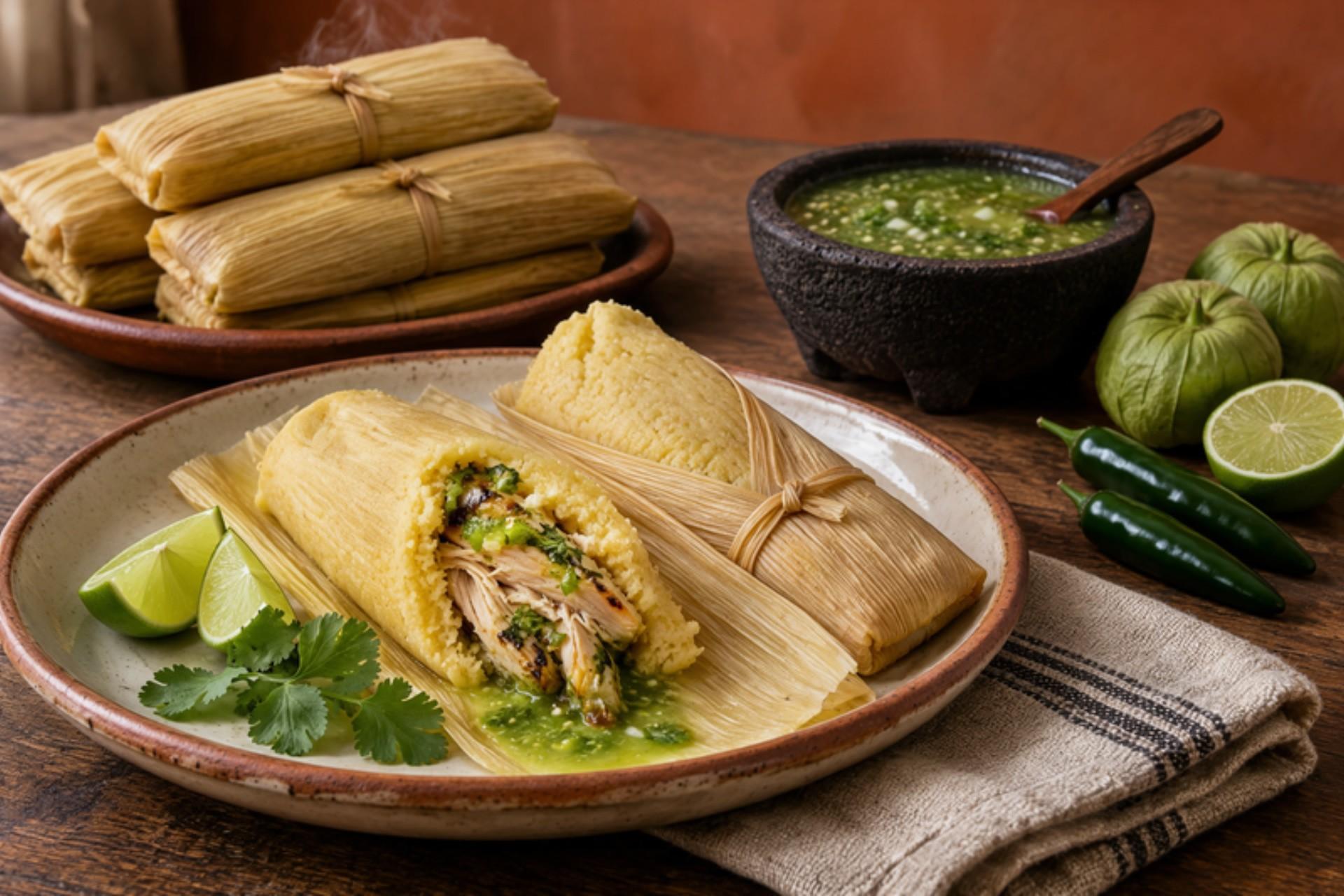
In Mexico City, tamales verdes are breakfast: bought hot from bicycle carts outside metro stations, eaten with a cup of atole, or squeezed into a bolillo roll as a 'guajolota'. Families also make them by the dozen for Candelaria on 2 February and for Christmas. Fluffy corn masa is beaten with fat and broth, spread on soaked corn husks, filled with chicken in a sharp tomatillo and green chilli sauce, then steamed. Fondas often use pork lard; this version uses vegetable shortening. The common mistake is under-beating the masa: it should be light enough that a small ball floats in a glass of cold water. They are done when the husk peels away cleanly from the masa. Cook the chicken to 74 °C before filling. Chef's tip: let the steamed tamales rest in the pot off the heat for 15 minutes; they firm up and stop sticking to the husks.

by KrazyBadal 0 views

Enchiladas rojasCheese enchiladas in red chilli sauce

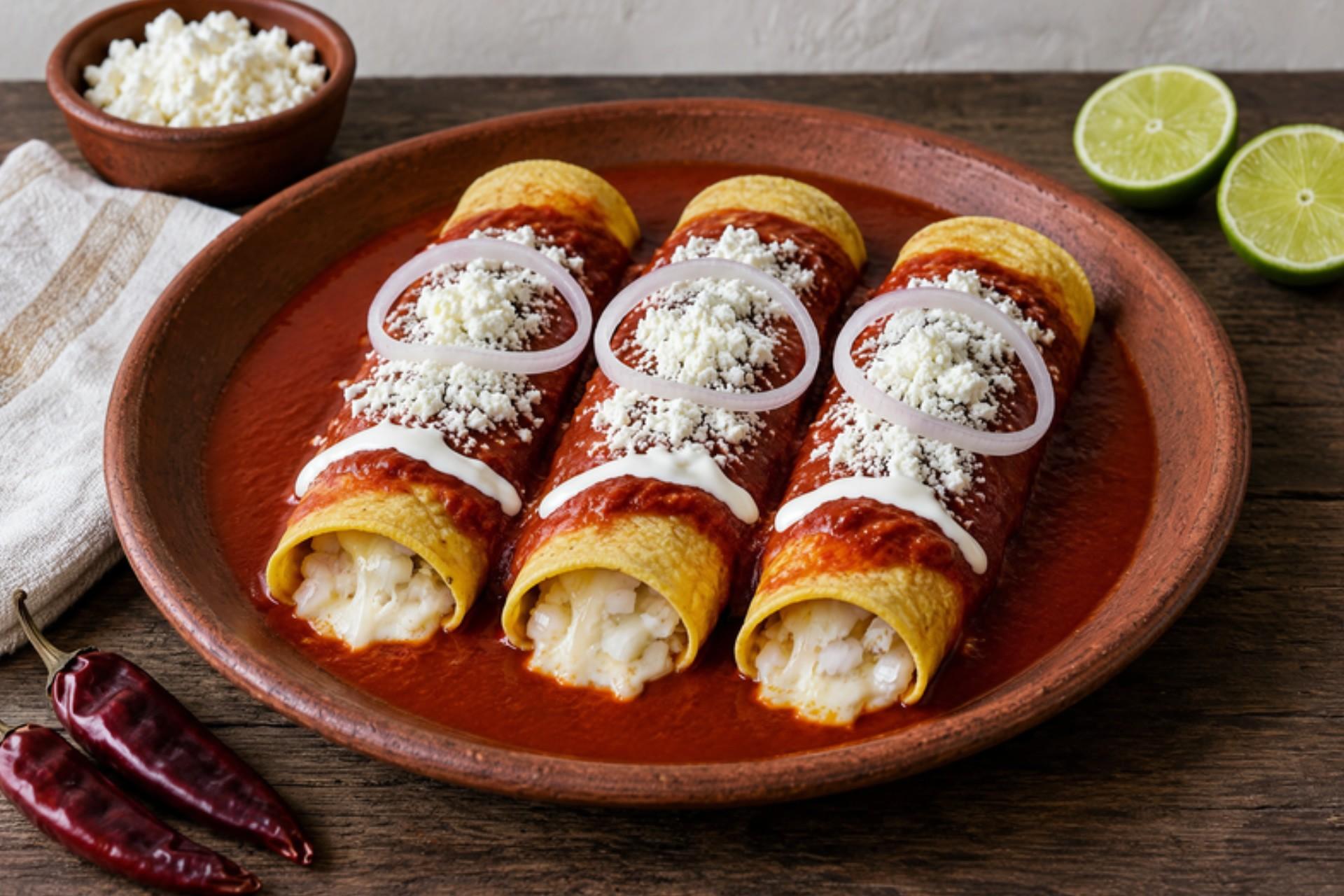
Enchiladas rojas are what a Mexican home cook in San Luis Potosí or Mexico City makes for a weekday lunch or a Sunday supper: corn tortillas dipped in a brick-red sauce of dried guajillo and ancho chillies, quickly fried, rolled round crumbled cheese and chopped onion, then topped with crema, lettuce and radish. The sauce tastes earthy and fruity rather than fiery. The classic mistake is burning the dried chillies when you toast them: they need only seconds per side, and blackened chillies make the whole sauce bitter. Queso fresco and similar cheeses are often made with animal rennet, so choose a vegetarian-labelled fresh cheese or feta if you keep vegetarian. Chef's tip: warm the tortillas in hot oil for a few seconds before dipping them in the sauce; they turn supple, roll without tearing and stay intact rather than going soggy.

by KrazyBadal 0 views

Tinga de polloShredded chipotle chicken

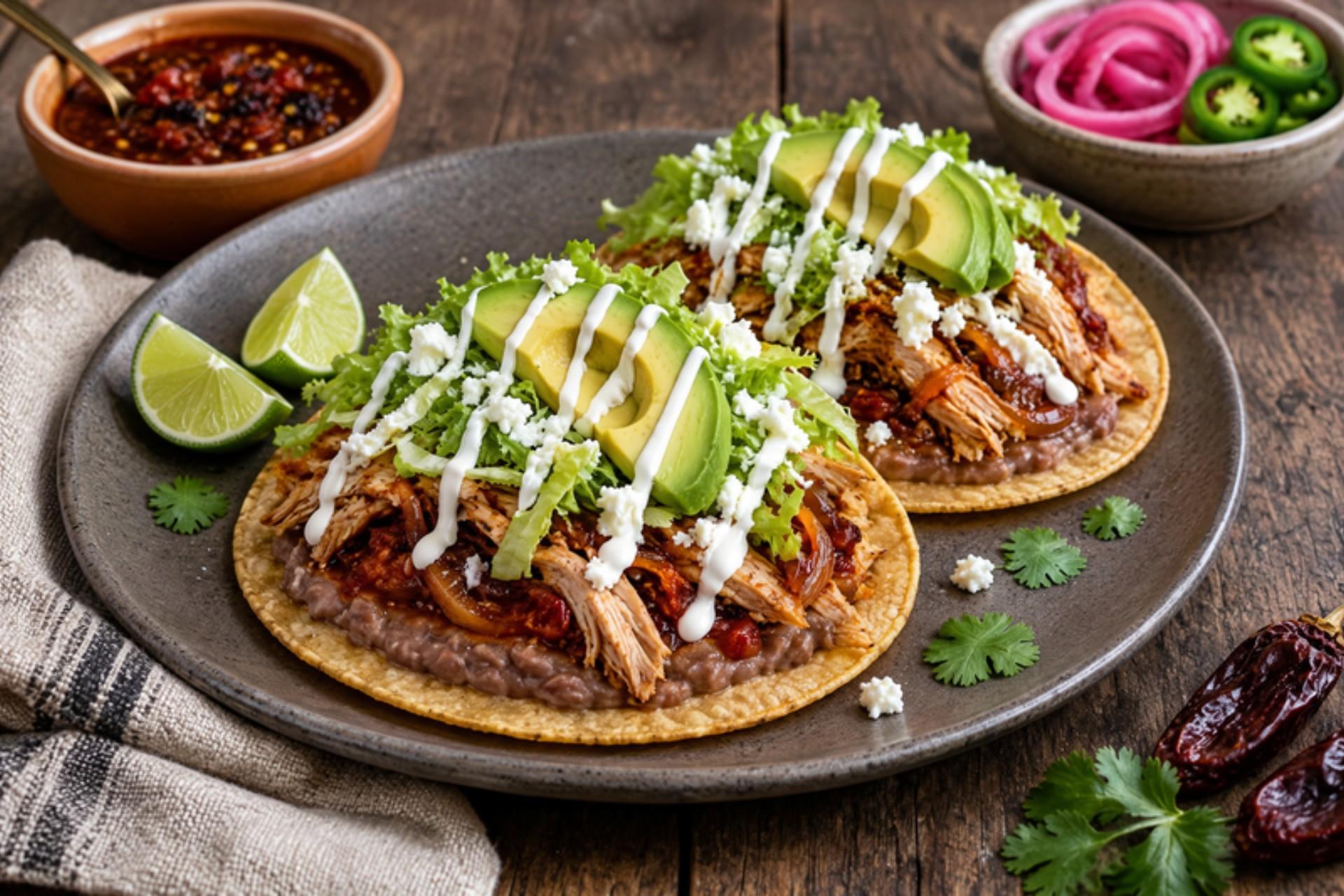
Tinga comes from Puebla, where it is a favourite for weekday lunches, parties and street-side tostada stalls: poached chicken shredded into a sauce of softened onions, tomatoes and smoky chipotle chillies in adobo, until every strand is coated in red. Pile it on crisp tostadas spread with refried beans and top with lettuce, crema, cheese and avocado, or roll it into tacos and quesadillas. The common mistake is adding all the chipotles at once: tins vary a lot in heat, so start with two and taste. The chicken must reach 74 °C in the thickest part before you shred it; it then simmers again in the sauce. Chef's tip: let the onions cook soft and sweet for a full 10 minutes before the tomato goes in; that sweetness balances the smoky heat.

by KrazyBadal 0 views

ArracheraMarinated grilled skirt steak

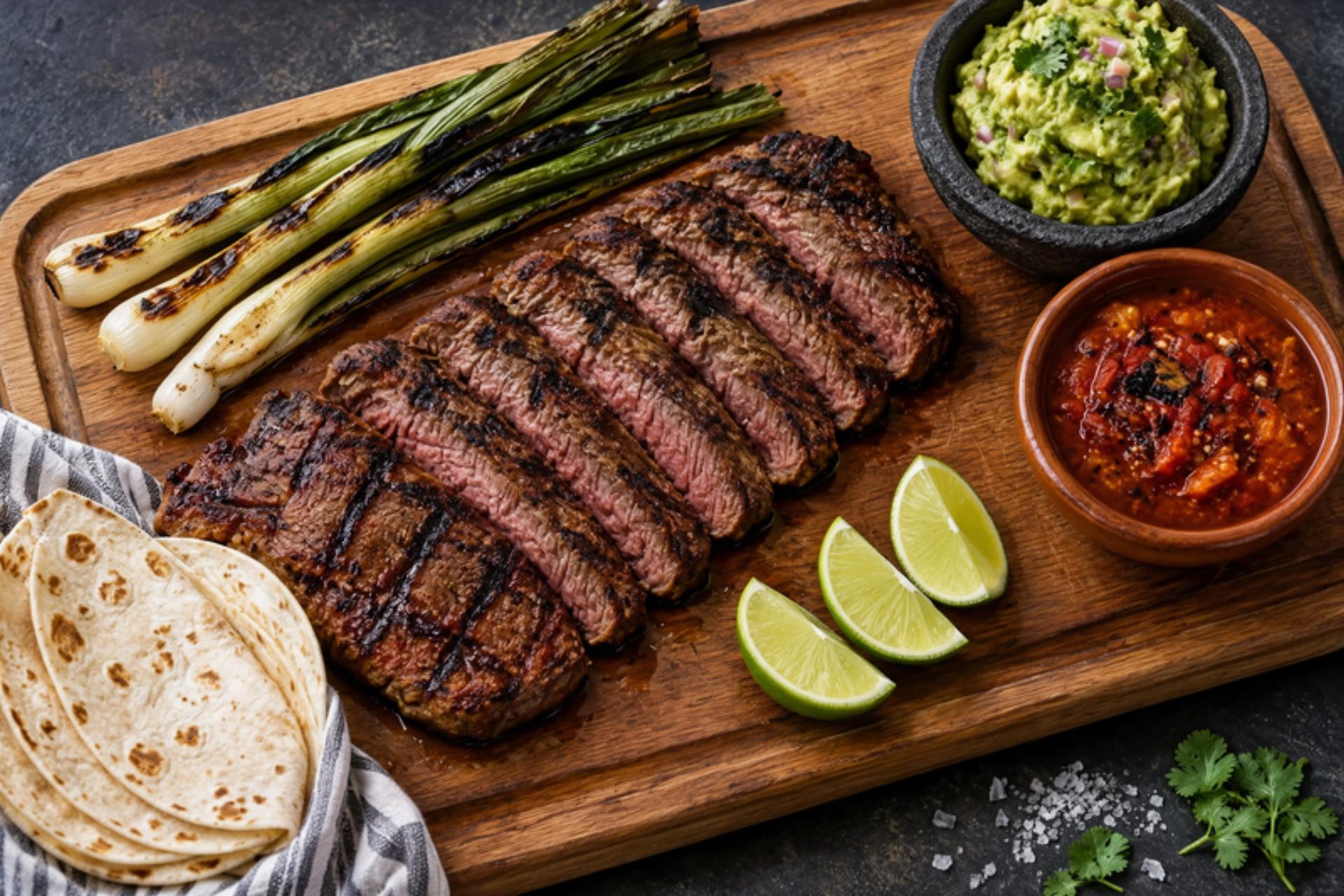
Arrachera is the star of the Sunday carne asada in Monterrey and across Nuevo León, where families gather round the grill in the backyard and eat it straight off the board in warm flour or corn tortillas with grilled onions, guacamole and salsa. Skirt steak is a thin, loose-grained cut full of flavour, and a marinade of orange, lime, garlic, soy and Worcestershire sauce seasons and tenderises it. Always marinate it in the fridge. The common mistake is slicing with the grain: the meat turns stringy and chewy. Cut it across the grain into thin strips. Cook it fast and hot to medium-rare or medium (57–63 °C in the centre) and rest it for 5 minutes. Chef's tip: dry the steak well with kitchen paper before it hits the grill; a wet steak steams instead of charring.

by KrazyBadal 0 views

Tostadas de atúnTuna tostadas

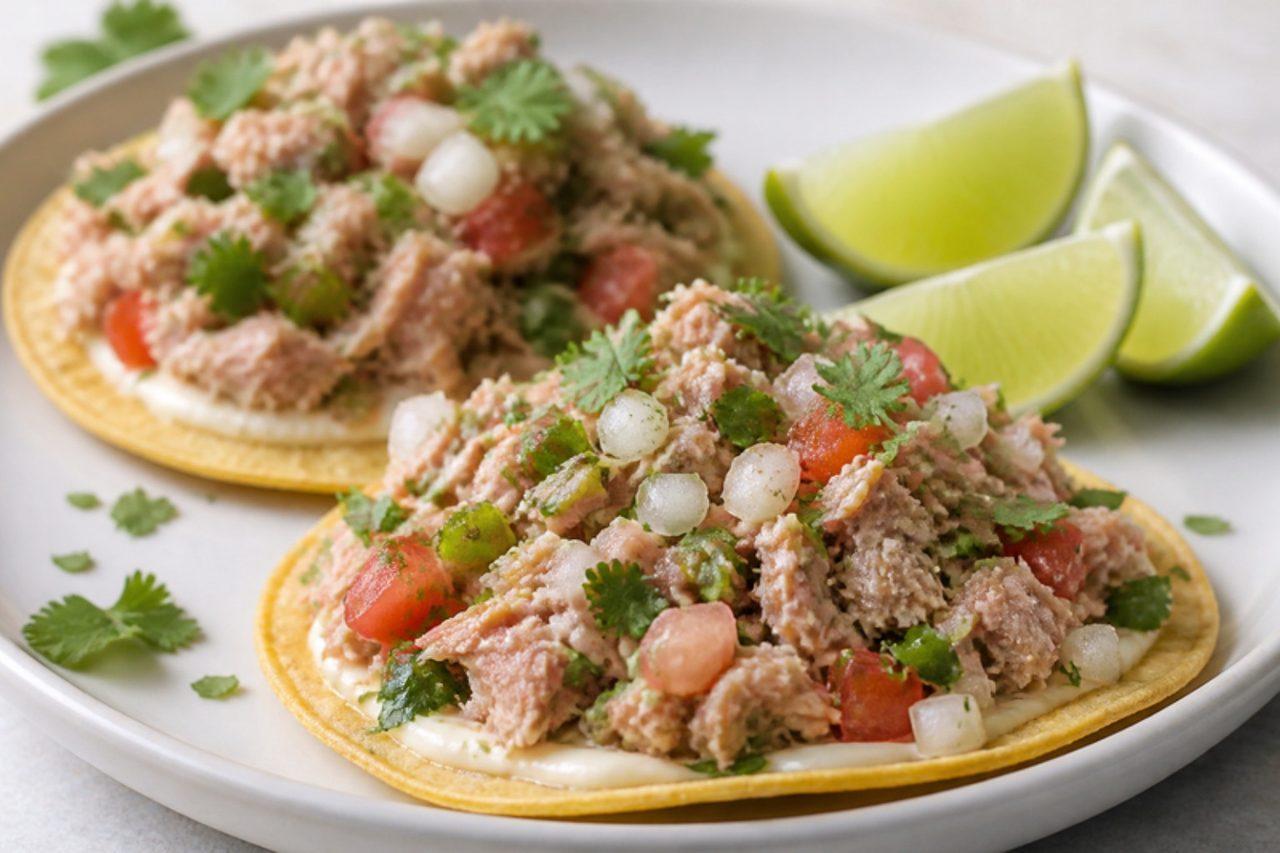
Tostadas de atún are a Lent favourite all over Mexico and an everyday late supper when the cupboard is nearly empty: shop-bought crisp tostadas spread with a little mayonnaise and heaped with canned tuna mixed with onion, tomato, chilli and lime. Nothing is cooked, so it is on the table in ten minutes. The common mistake is piling on watery tomato, which turns the tostada soggy before you can eat it. Chef's tip: squeeze the tuna really dry and add the lime and salt only at the last moment so the mix stays crisp and bright.

by KrazyBadal 0 views

Taco placeroTacos with chicharrón and nopal salad

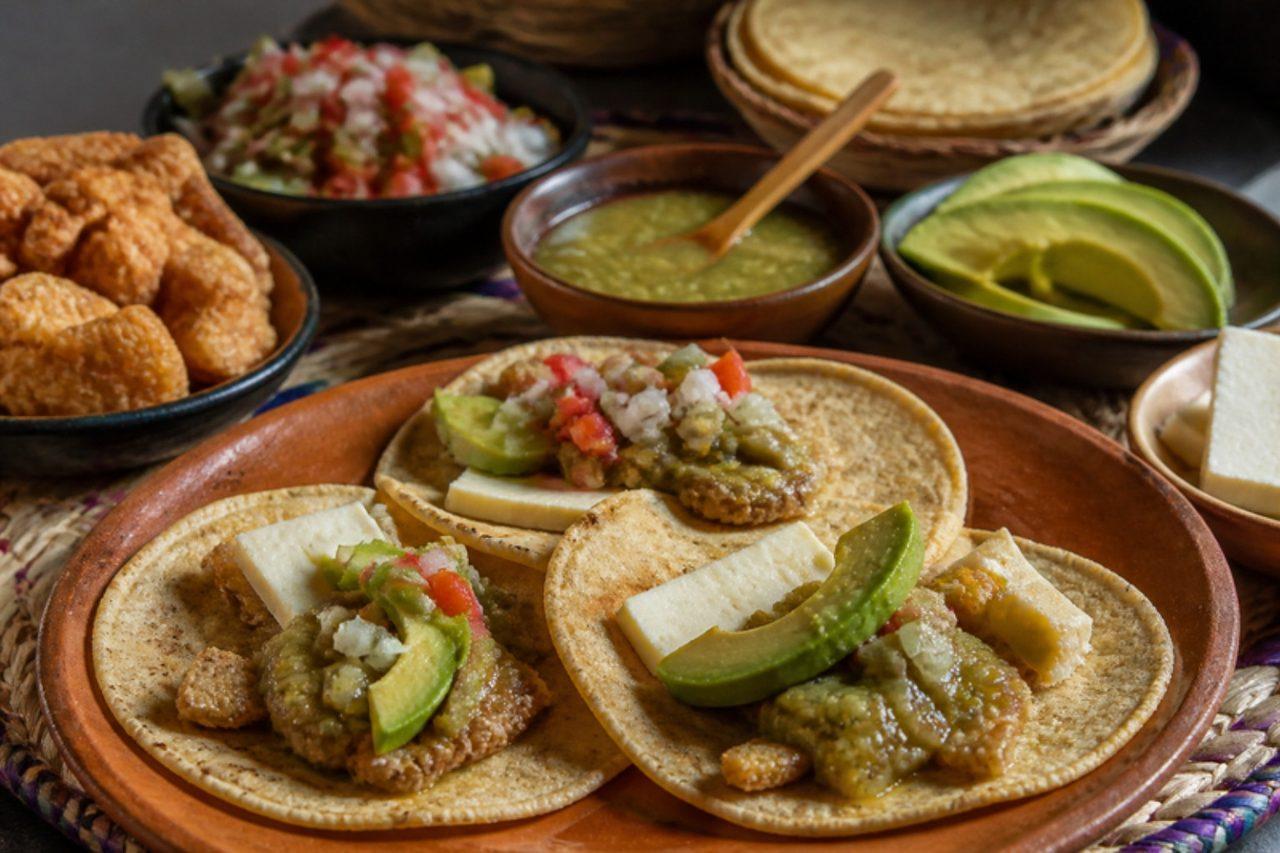
Taco placero is what Mexico City market workers and families put together for a quick supper or a lazy weekend lunch: no cooking, just warm tortillas and a spread of market foods, everyone filling their own. Typical fillings are chicharrón (crisp fried pork skin), fresh panela cheese, avocado, a quick nopal salad and salsa. Chicharrón is pork, so leave it out or swap in fried pumpkin seeds for a meat-free version. The common mistake is serving cold, stiff tortillas, which crack around the fillings. Chef's tip: buy ready-cooked nopales in a jar, rinse them well to get rid of the slime, and dress them with lime and onion so they taste freshly made.

by KrazyBadal 0 views

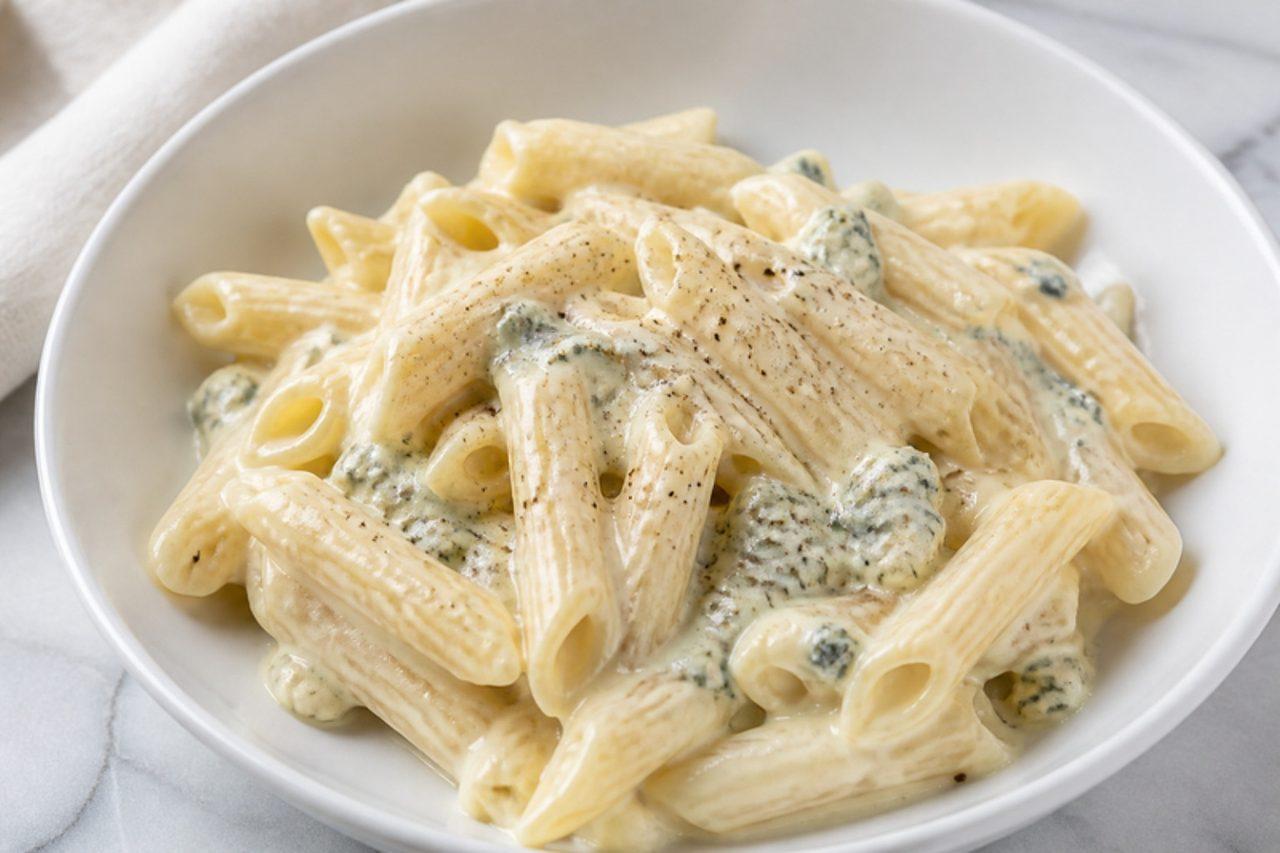
Penne al gorgonzolaPenne with blue cheese sauce

Penne al gorgonzola is the weeknight dinner of Milan and the Piedmontese towns around Novara, where gorgonzola is made: the soft, sweet dolce kind melted with a little butter and milk into a pale, tangy sauce that coats every tube of pasta. It needs only a green salad alongside. Gorgonzola is traditionally made with animal rennet; for a vegetarian dinner choose a soft blue cheese labelled vegetarian. The most common mistake is letting the sauce boil, which splits the cheese into oil and grainy curds. Chef's tip: drain the penne a minute early and let it finish cooking in the sauce, so it drinks up the flavour instead of sitting under it.

by KrazyBadal 0 views

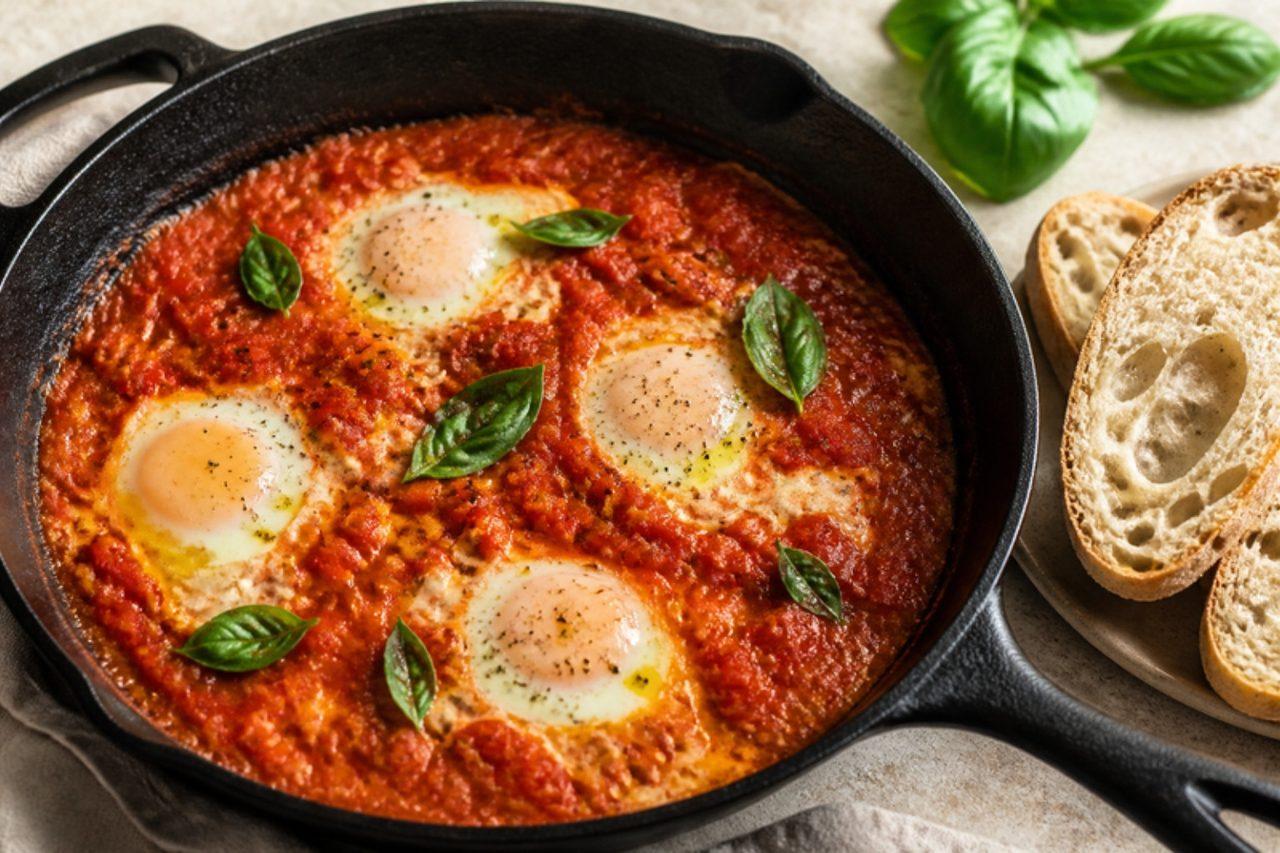
Uova al pomodoroEggs in tomato sauce

Uova al pomodoro, called uova in purgatorio around Naples, is the supper that kitchens from Rome down to Calabria fall back on at the end of the month or on a meatless Friday: a tin of tomatoes, a little garlic and basil, and eggs cooked gently in the sauce until set. The whites turn tender, the sauce goes sweet and thick, and a hunk of bread does the rest. The usual mistake is adding the eggs to a thin, watery sauce; they spread out, poach in pink liquid and the dish turns soupy. Chef's tip: crack each egg into a cup first, then slide it into a well in the sauce so the yolk stays whole and sits exactly where you want it.

by KrazyBadal 0 views

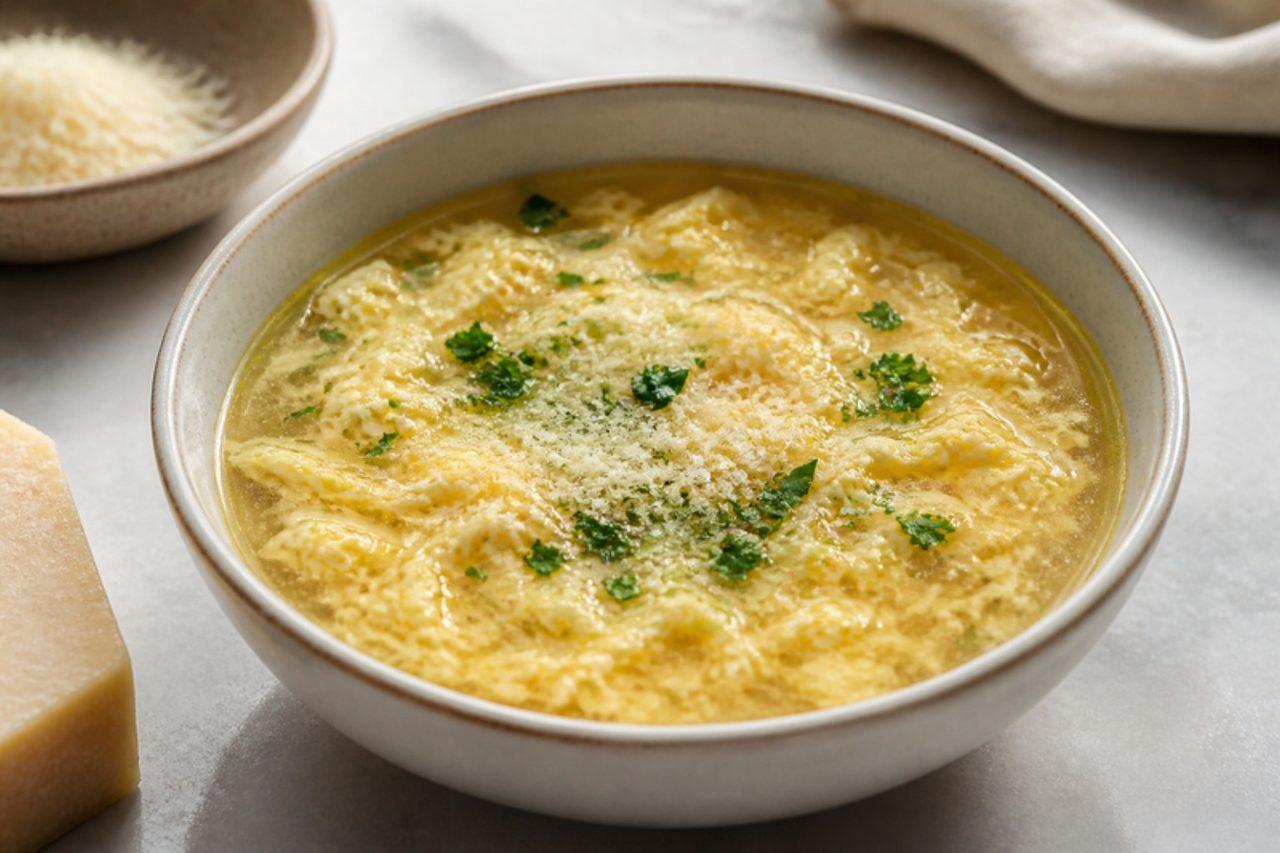
Stracciatella alla romanaEgg and Parmesan broth

In Roman homes stracciatella is the soup of Easter week and of any cold evening when someone needs looking after: a pot of good chicken broth with eggs, Parmigiano and a scrape of nutmeg beaten in so they set into soft, ragged threads. It is light but filling, and takes ten minutes if the broth is already made. The common mistake is pouring the egg into broth at a rolling boil, which turns it into rubbery lumps; a gentle simmer gives fine, silky rags. Chef's tip: beat a spoonful of semolina into the eggs, as many Roman cooks do, so the threads hold together and the soup has a little body.

by KrazyBadal 0 views

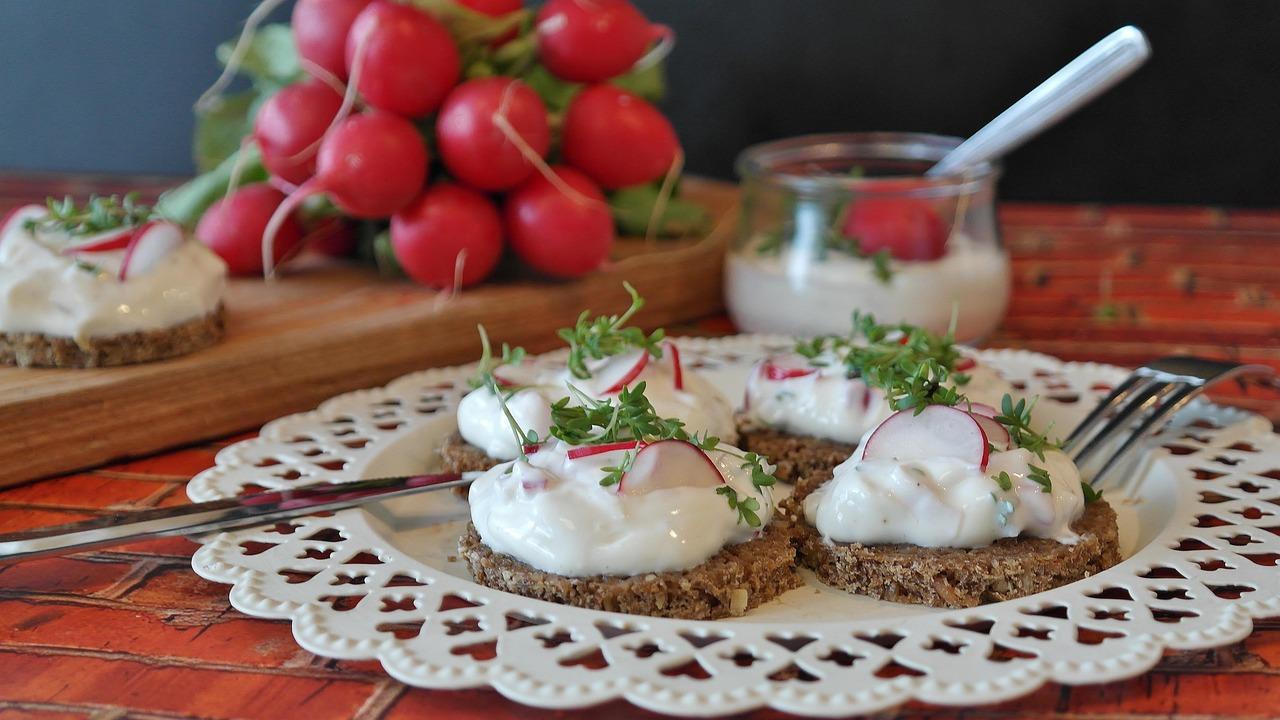
Platte kaas met radijsjesQuark and radish on brown bread

In Flanders the evening meal is often a boterham, a plate of open bread slices, and one of the most loved toppings in Ghent and Antwerp is platte kaas: fresh, soft quark seasoned with chives, salt and pepper, spread thickly on brown bread and covered with crunchy radish slices. It is cool, light and ready in five minutes, a good supper after a big lunch. Some quark and fresh cheeses are set with a little animal rennet, so check the label for a vegetarian one. The common mistake is using thin, low-fat quark straight from the tub, which is watery and slides off the bread; stir it well and drain off any liquid first. Chef's tip: slice the radishes paper-thin and salt them only at the moment you serve, so they stay crisp.

by KrazyBadal 0 views

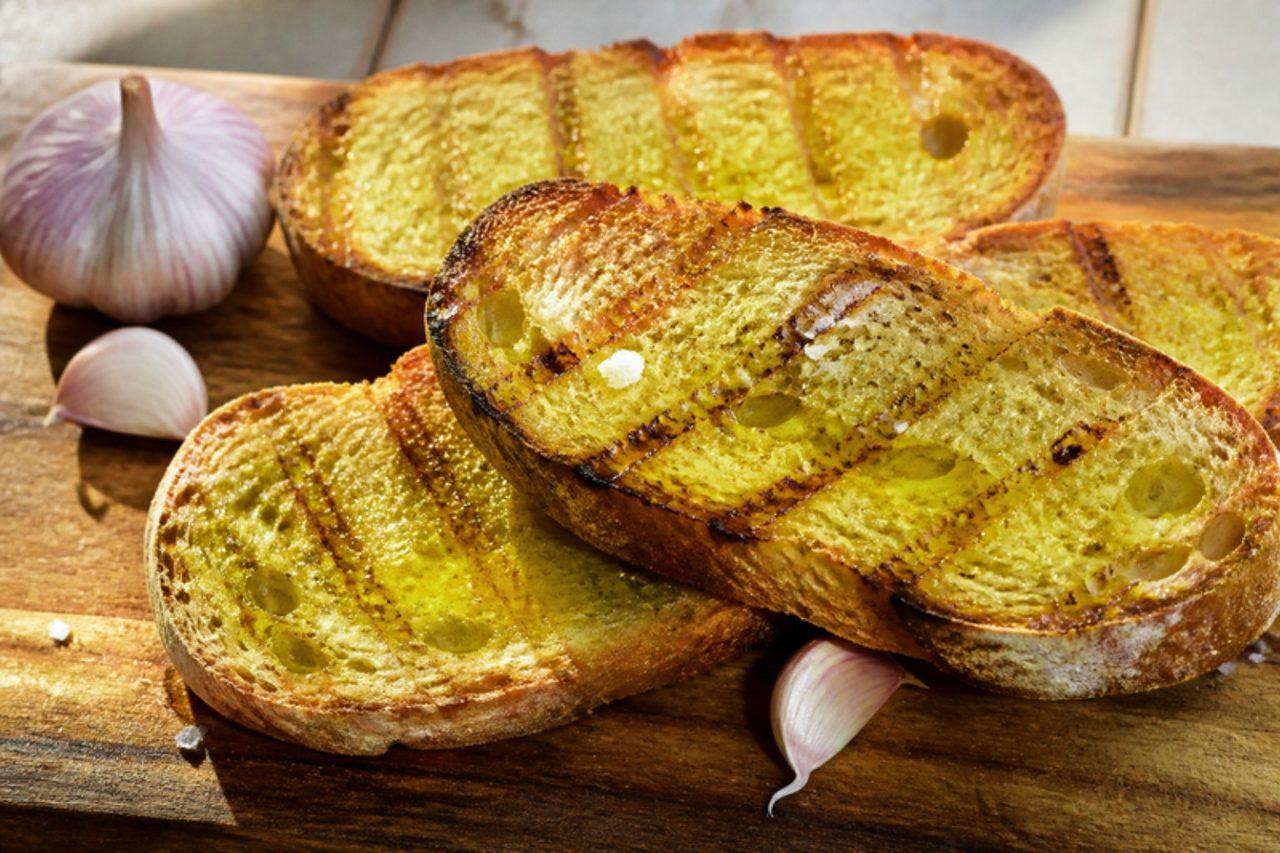
FettuntaGarlic bread with olive oil

In Tuscany fettunta (from 'fetta unta', oiled slice) is the ritual of November, when the olive mills press the new season's oil and families in Florence and the Chianti hills grill thick slices of bread, rub them with garlic and pour the green, peppery oil over. With a bowl of beans or a few leaves of cavolo nero, it is supper. The common mistake is rubbing garlic onto cold or barely toasted bread; it needs a rough, charred, hot surface or the garlic just slides around. Chef's tip: be generous with the oil, so it soaks into the crumb, and salt only at the very end so the flakes stay crunchy.

by KrazyBadal 0 views

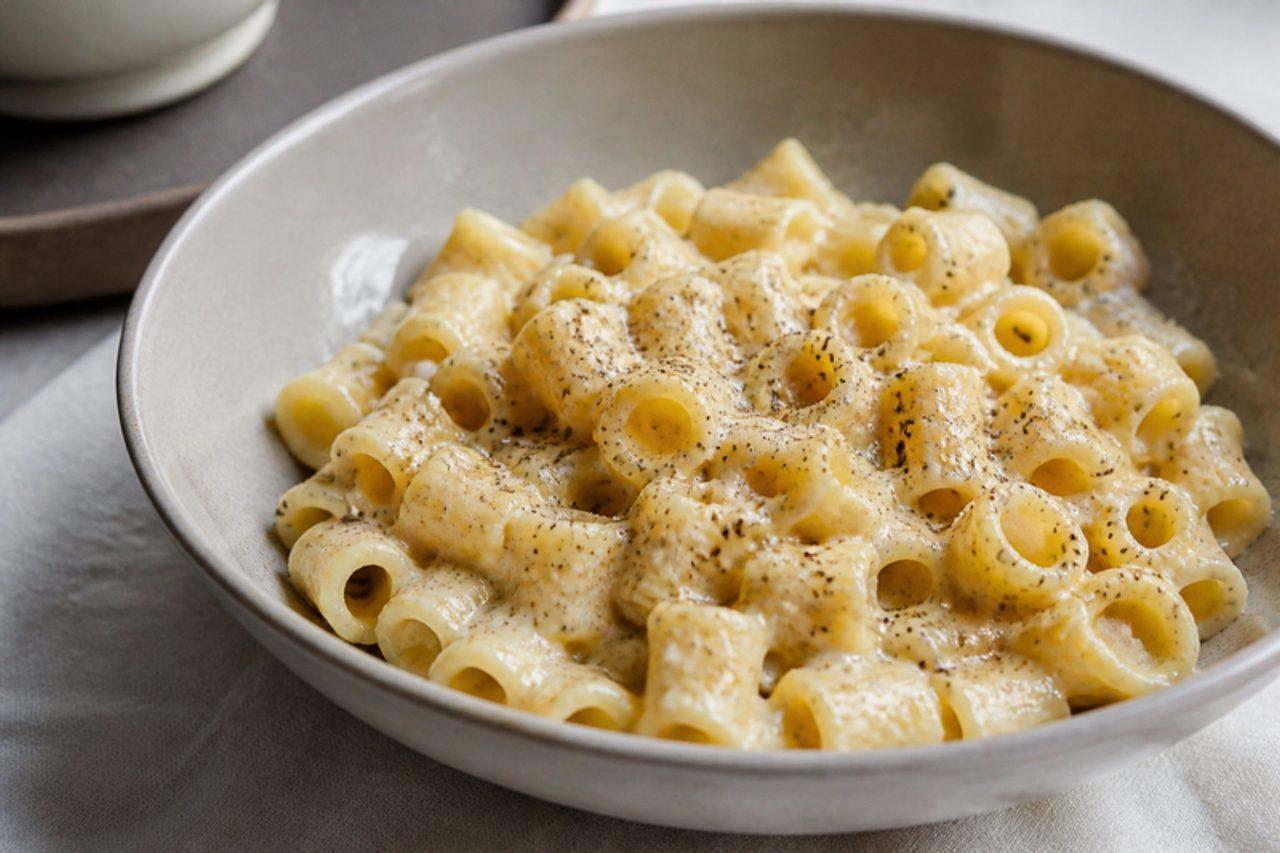
Pasta cacio e ovaPasta with cheese, egg and pepper

In the hill towns of Abruzzo and around Naples, pasta cacio e ova (cheese and egg) is the meatless cousin of carbonara and a classic late supper when the cupboard is nearly bare: short pasta tossed off the heat with eggs beaten with pecorino, Parmigiano and lots of black pepper until it turns into a glossy, golden coating. Children love it. Pecorino and Parmigiano are traditionally made with animal rennet, so choose a vegetarian Italian-style hard cheese if that matters to you. The common mistake is pouring the egg into a pan that is still on a high flame: it scrambles into rubbery bits instead of turning creamy. Chef's tip: keep a mug of the starchy cooking water by the hob; a splash loosens the sauce the moment it starts to tighten.

by KrazyBadal 0 views

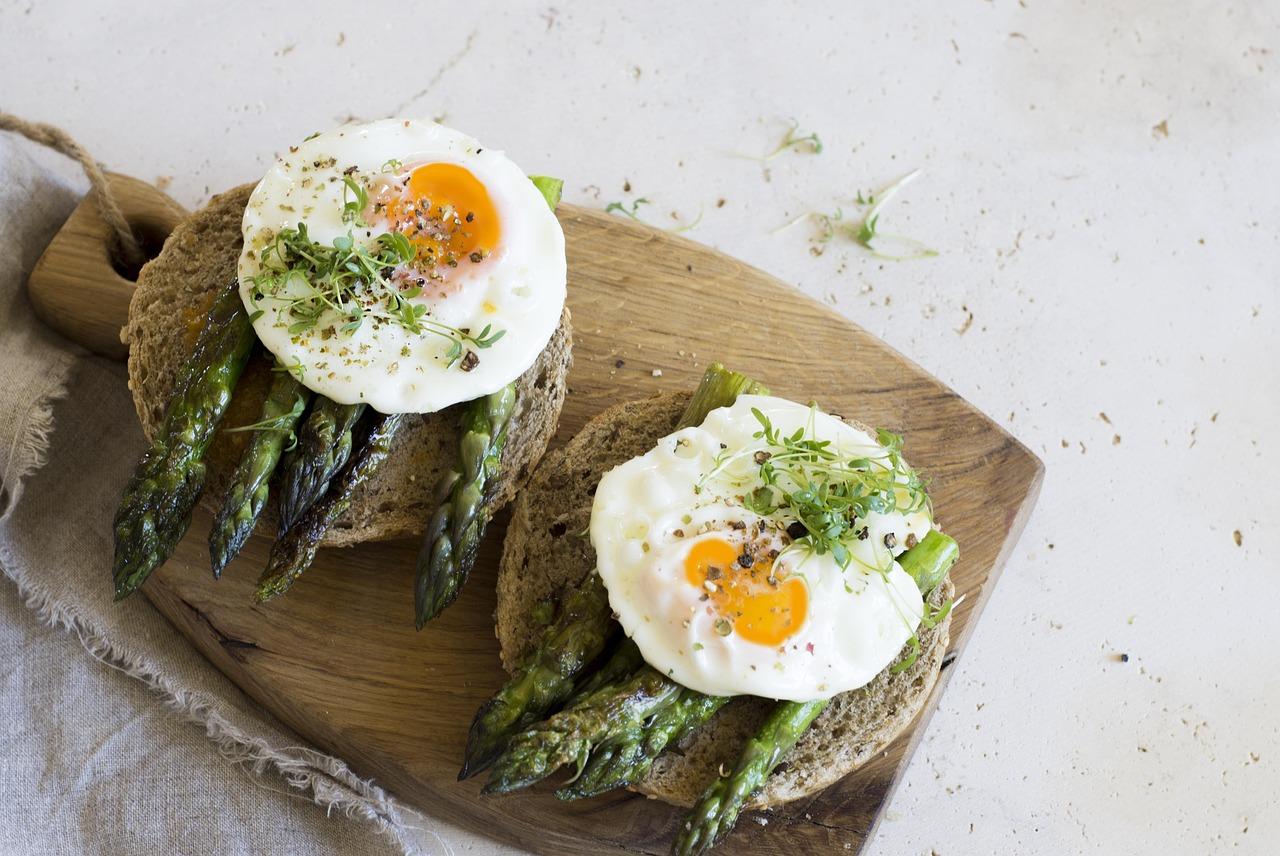
Asparagi alla BismarckAsparagus with fried egg and Parmesan

Asparagi alla Bismarck is how trattorias from the Veneto to Emilia serve the first asparagus of April and May as a light evening meal: just-tender spears laid on a plate, topped with eggs fried in butter, the butter poured over and a snowfall of Parmigiano. Dip the asparagus tips into the yolk and wipe the plate with bread. Parmigiano is always made with animal rennet, so use a vegetarian Italian-style hard cheese for a vegetarian plate. The mistake to avoid is overcooking the asparagus until it droops; it should still stand up straight when you lift a spear by its base. Chef's tip: let the butter foam until it turns hazelnut brown and smells nutty before you spoon it over, which makes the whole dish taste richer.

by KrazyBadal 0 views

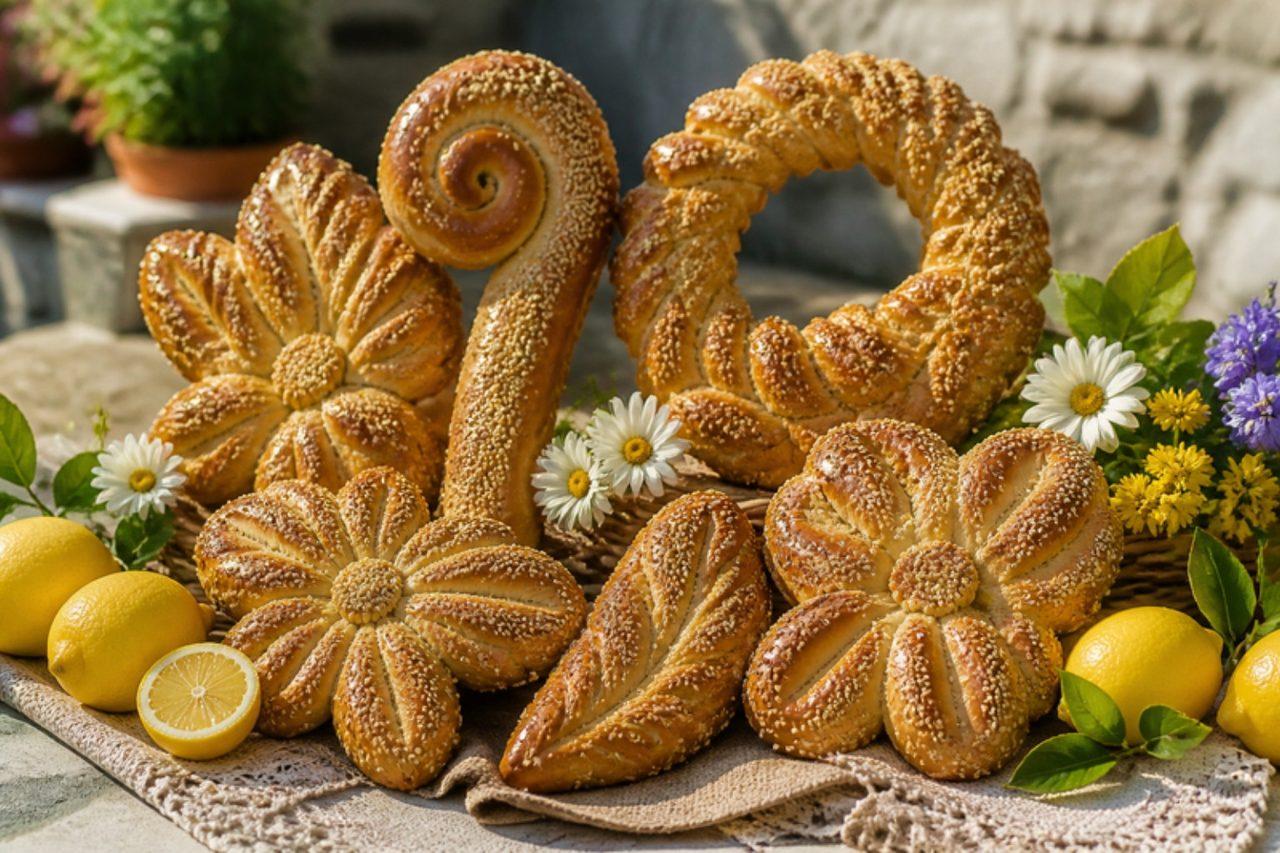
Pane di San GiuseppeSculpted festival breads

For St Joseph's Day on 19 March, families in western Sicily (Salemi, Trapani, Marsala) build 'tavolate' or altars to the saint, laden with ornate, sculpted breads: beards for Joseph, a staff, flowers, birds, fish and the hand of God. The breads are later given to the poor and to guests. The dough is a firm, plain semolina bread, so it holds fine detail, brushed with egg and scattered with sesame. Shape a few simple ones first; they are as much decoration as food. It is vegan, glazed with water rather than the egg some bakers use. Chef's tip: keep the dough firm and rest it so it doesn't spring back; soft dough loses its shapes in the oven.

by KrazyBadal 0 views

AllerheiligenstriezelBraided sweet loaf

In Bavaria and Austria, godparents give their godchildren an Allerheiligenstriezel on All Saints' Day, 1 November: a large braided loaf of sweet yeast dough, brushed with egg and scattered with almonds or pearl sugar. The braid is said to recall the old custom of cutting a plait of hair in mourning, and the size of the loaf once showed how generous the godparent was. It is lightly sweet, with lemon and vanilla, and is eaten sliced with butter or jam. Some recipes add rum-soaked raisins; these are soaked in warm water instead. Chef's tip: braid four strands for an impressive, high loaf.

by KrazyBadal 0 views

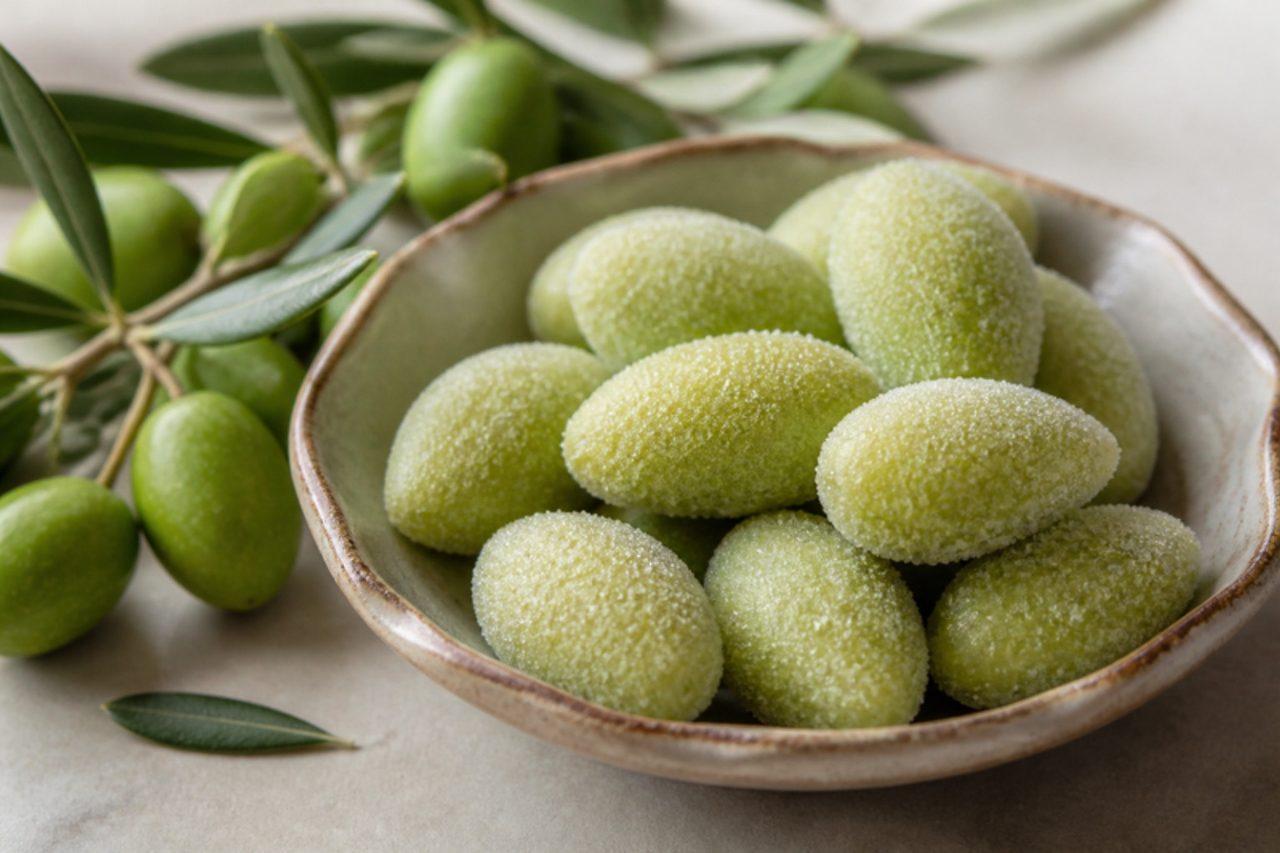
Olivette di Sant'AgataAlmond paste olives

Olivette are tiny green 'olives' of almond paste rolled in sugar, sold in Catania for the feast of St Agatha in early February. A legend tells that as the young saint was led to her trial she stopped to tie her shoe, and a wild olive tree sprang up on the spot and fed her. The sweets are made from ground almonds, sugar and a little water, coloured green and shaped in the palm. They are gluten free and dairy free, and children love to help shape them. Use a natural green such as matcha or spinach powder if you prefer. Chef's tip: knead the paste only until smooth, as overworking draws out the almond oil and it turns greasy.

by KrazyBadal 0 views

Showing 24 of 939 recipes

Show more recipes

Page 1 of 40