Skip to content
Recipes

All recipes

Vegetarian, or something you can't eat? Set your diet once and we'll hide recipes that don't fit.

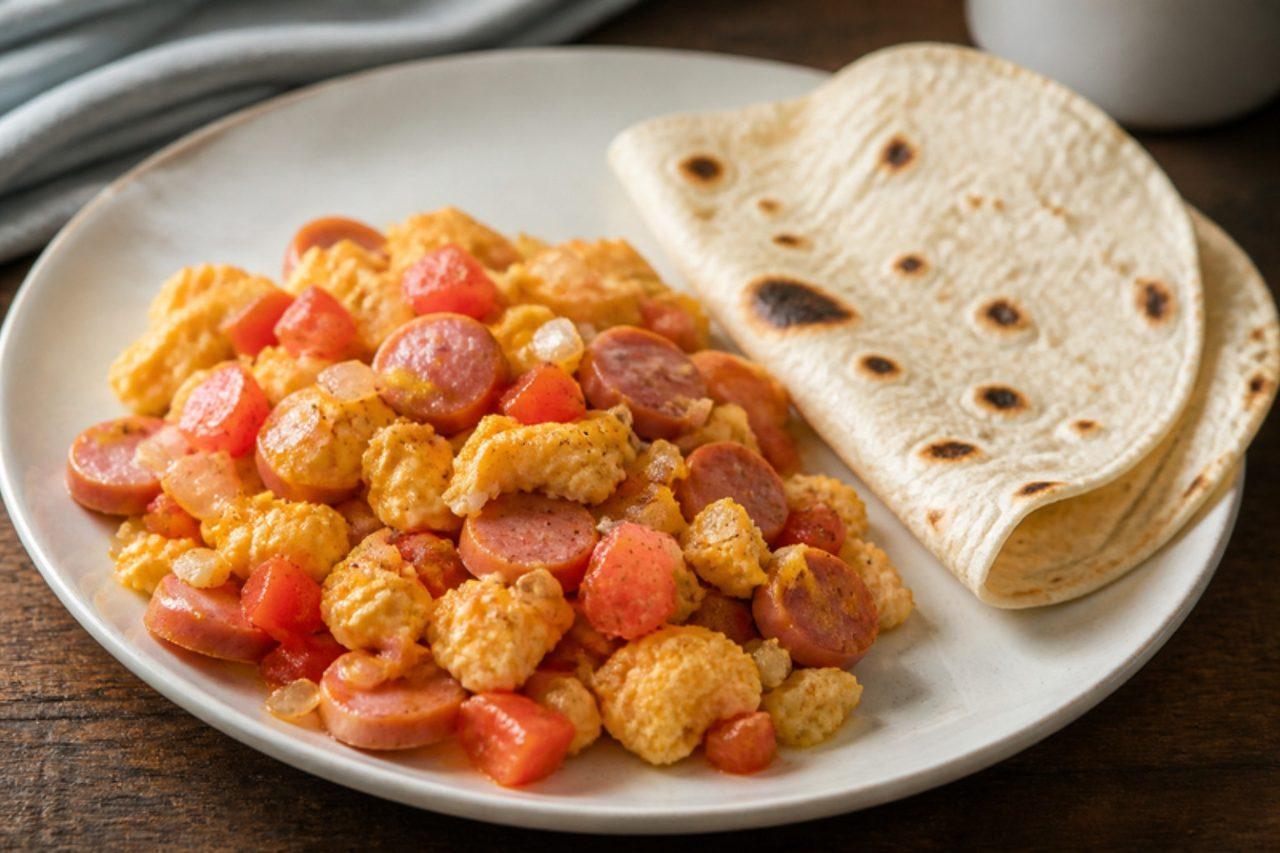
Huevos con salchichaScrambled eggs with sausage

All over Mexico, from Monterrey kitchens to Mexico City fondas, huevos con salchicha is what a parent makes when breakfast or a late supper has to be on the table in a quarter of an hour. Coins of frankfurter are browned until their edges curl, then soft eggs are folded through with a little tomato, onion and green chile, and the whole pan is scooped up with warm corn tortillas and a spoon of refried beans. Most supermarket frankfurters are pork or a pork and beef mix, so check the packet if you need a pork-free version; chicken or turkey frankfurters work just as well. The usual mistake is adding the eggs to a wet pan: cook the tomato down first, or the eggs turn watery and grey. Chef's tip: take the pan off the heat while the eggs still look a little glossy; they finish setting on the way to the plate.

by KrazyBadal 0 views

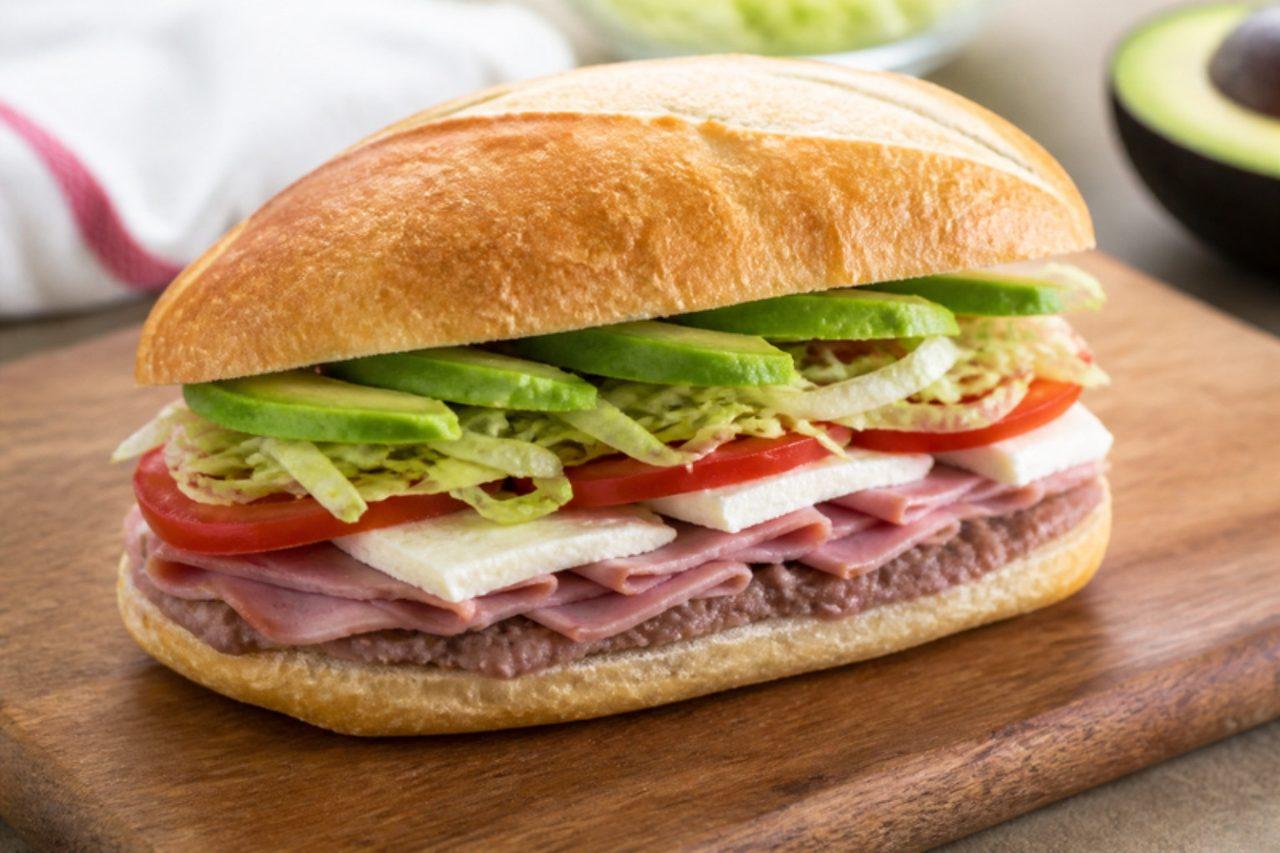
Torta de jamón (Mexican ham sandwich)

The torta de jamón is the classic recreo (school break) sandwich across Mexico, sold at school gates and made at home before the morning rush: a crusty bolillo roll, toasted on the griddle, spread with refried beans, then layered with ham, fresh cheese, avocado and tomato. Grown-ups add pickled jalapeños. It contains gluten (wheat), milk and egg (mayonnaise). Chef's tip: spread the beans right to the edges of the bottom half; they act as a barrier so tomato juice doesn't soak the bread.

by KrazyBadal 0 views

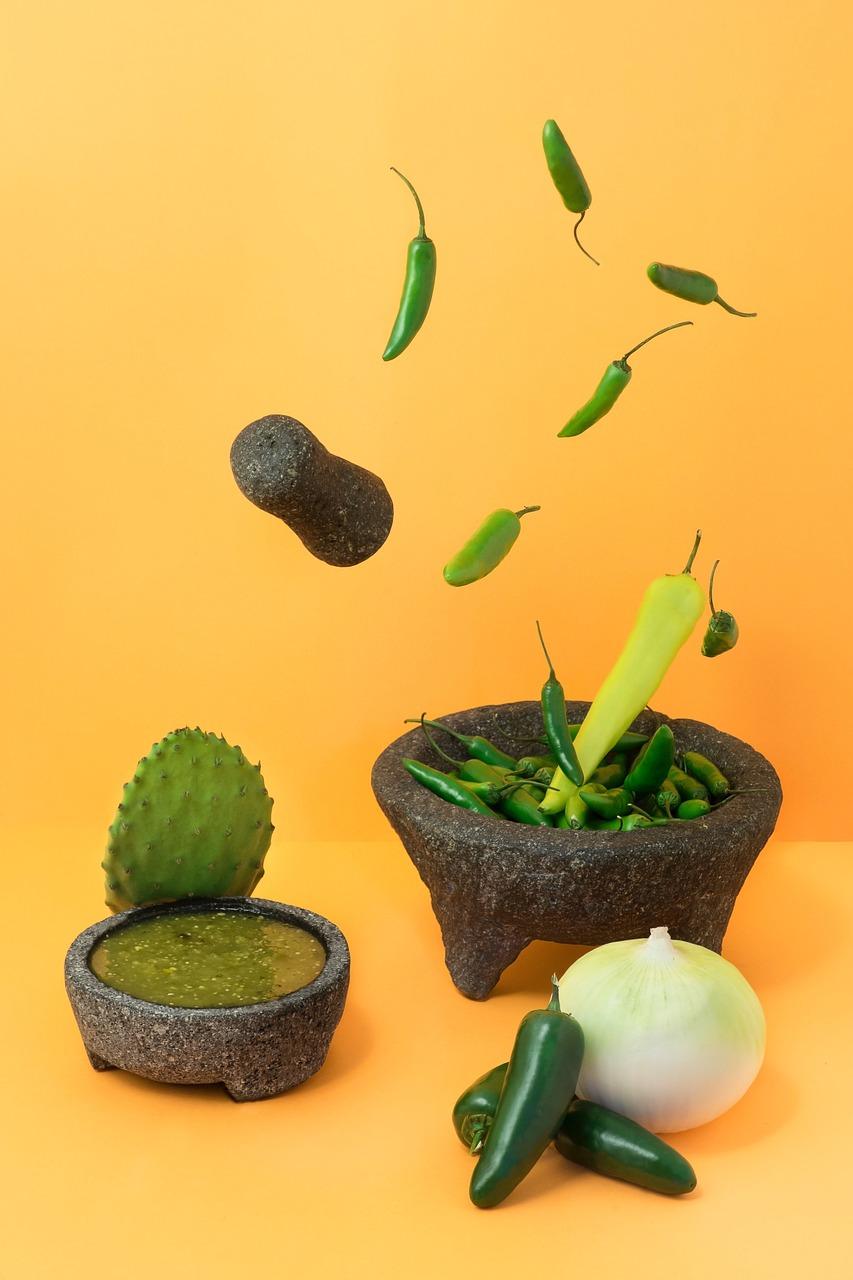
Salsa verde crudaRaw tomatillo salsa

Raw green salsa sits in a bowl on nearly every taquería counter from Toluca to Mexico City, and families blend a fresh jar most mornings to spoon over eggs, tacos de guisado and grilled meat. Because the tomatillos are not cooked, it tastes sharp, grassy and almost citrusy, with a clean serrano bite. It takes ten minutes and keeps three days in the fridge, thickening slightly as the tomatillo pectin sets. Chef's tip: choose firm, bright green tomatillos that have split their papery husks; yellowing ones are sweeter and make a dull salsa.

by KrazyBadal 0 views

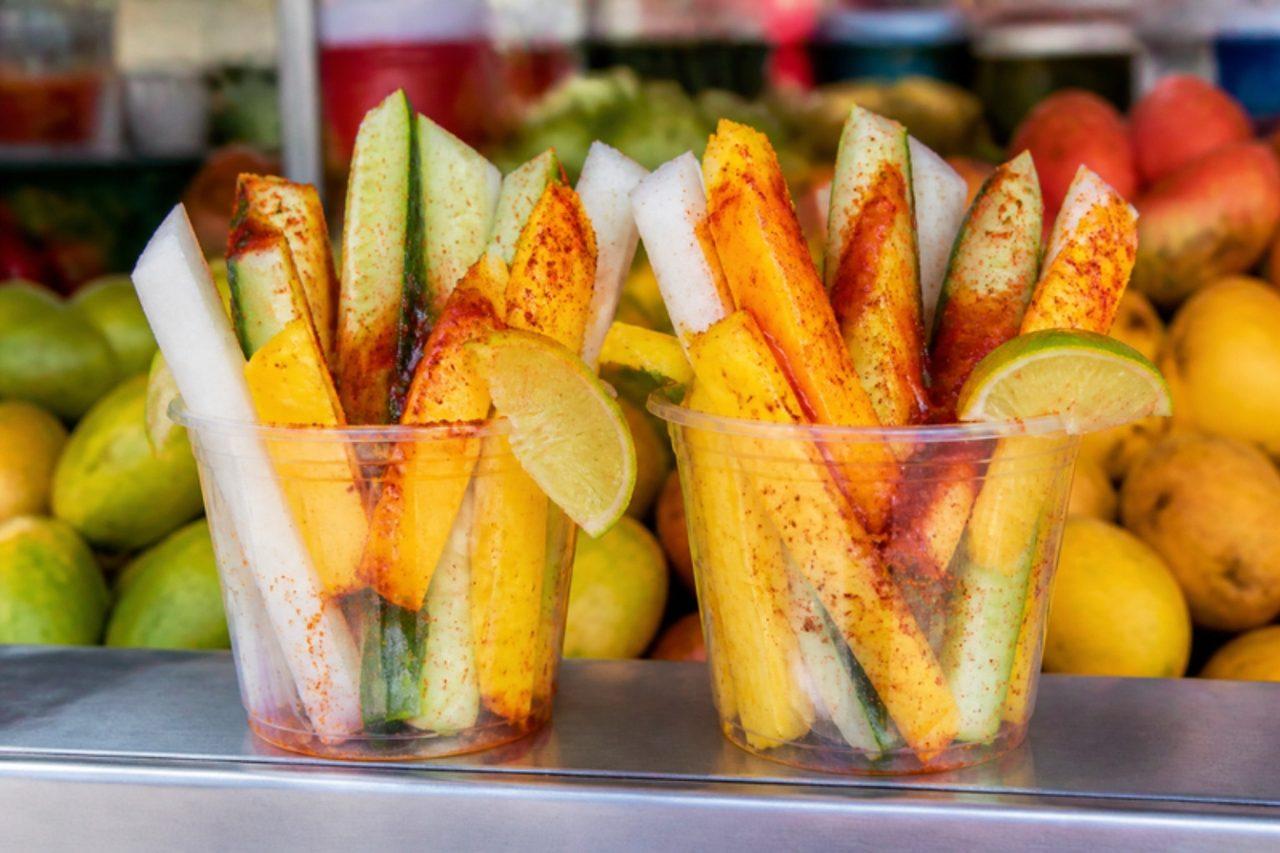
Fruta con chileFruit with chile and lime

Every plaza in Mexico City seems to have a fruit cart with a glass case of jícama, cucumber, mango and pineapple, cut to order into tall sticks and packed into a cup. The vendor squeezes over lime and shakes on chile-lime salt, and you eat it with a toothpick on a hot afternoon. It's juicy, crunchy, sour and only a little hot. Chef's tip: chill the fruit well first; cold fruit and sharp chile make the contrast.

by KrazyBadal 0 views

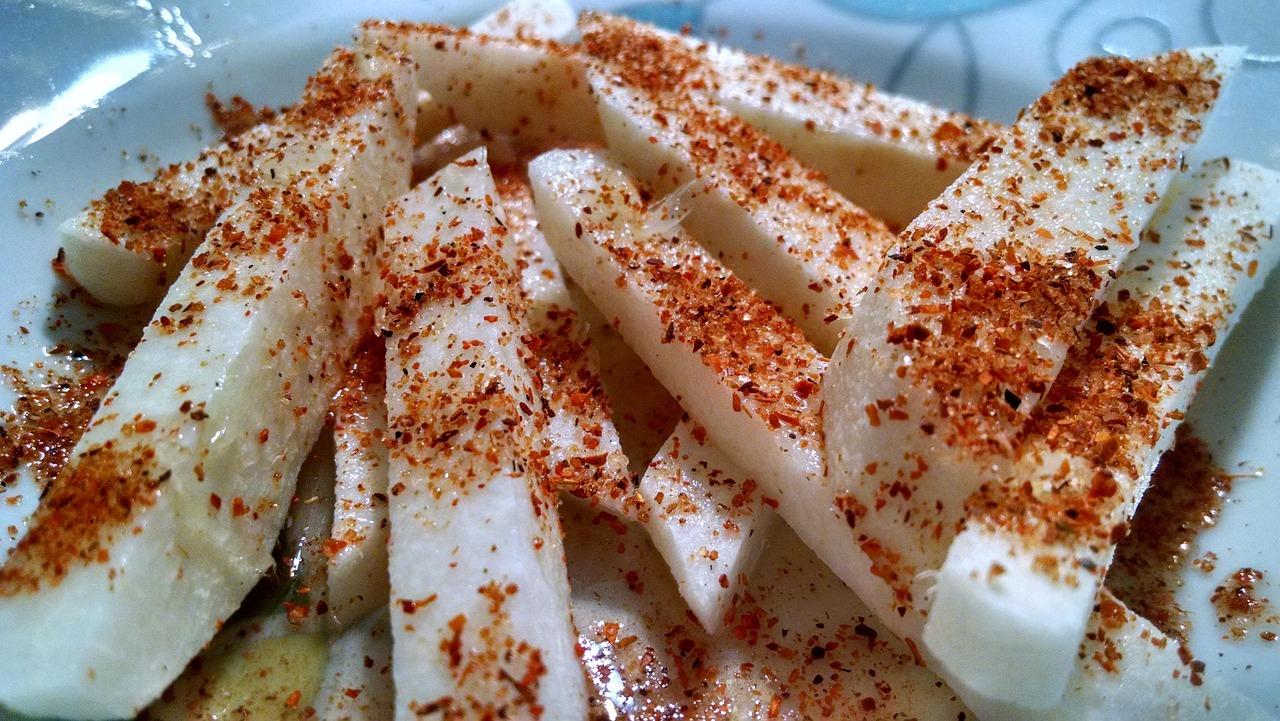
Jícama con chile y limónJícama with chile and lime

Few snacks are as simple or as refreshing as this one, sold in bags from street carts and made at home all over Mexico as an after-school or pre-lunch nibble. Jícama tastes like a cross between apple and water chestnut: crisp, juicy and barely sweet. Lime, salt and chile powder are all it needs. Chef's tip: a short soak in iced water makes the sticks extra crisp.

by KrazyBadal 0 views

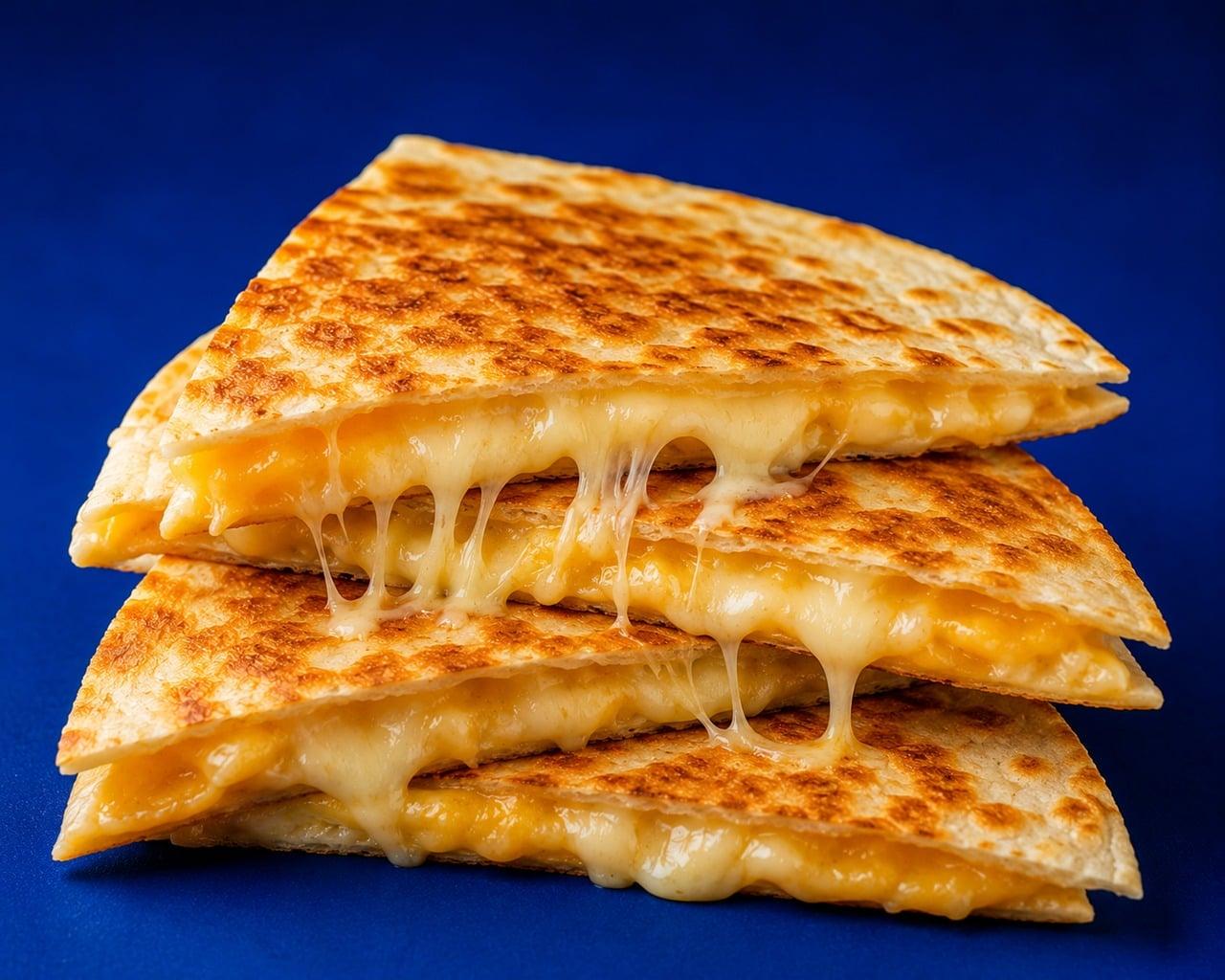
SincronizadasHam and cheese tortilla sandwiches

Found on cafeteria menus and in school lunchboxes from Monterrey to Mérida, sincronizadas are two flour tortillas 'synchronised' around cooked ham (pork) and melting cheese, then toasted on the griddle until the cheese runs. Cut into wedges and served with guacamole or salsa, they're a ten-minute supper that children love. Chef's tip: keep the heat at medium, so the cheese melts before the tortillas scorch.

by KrazyBadal 0 views

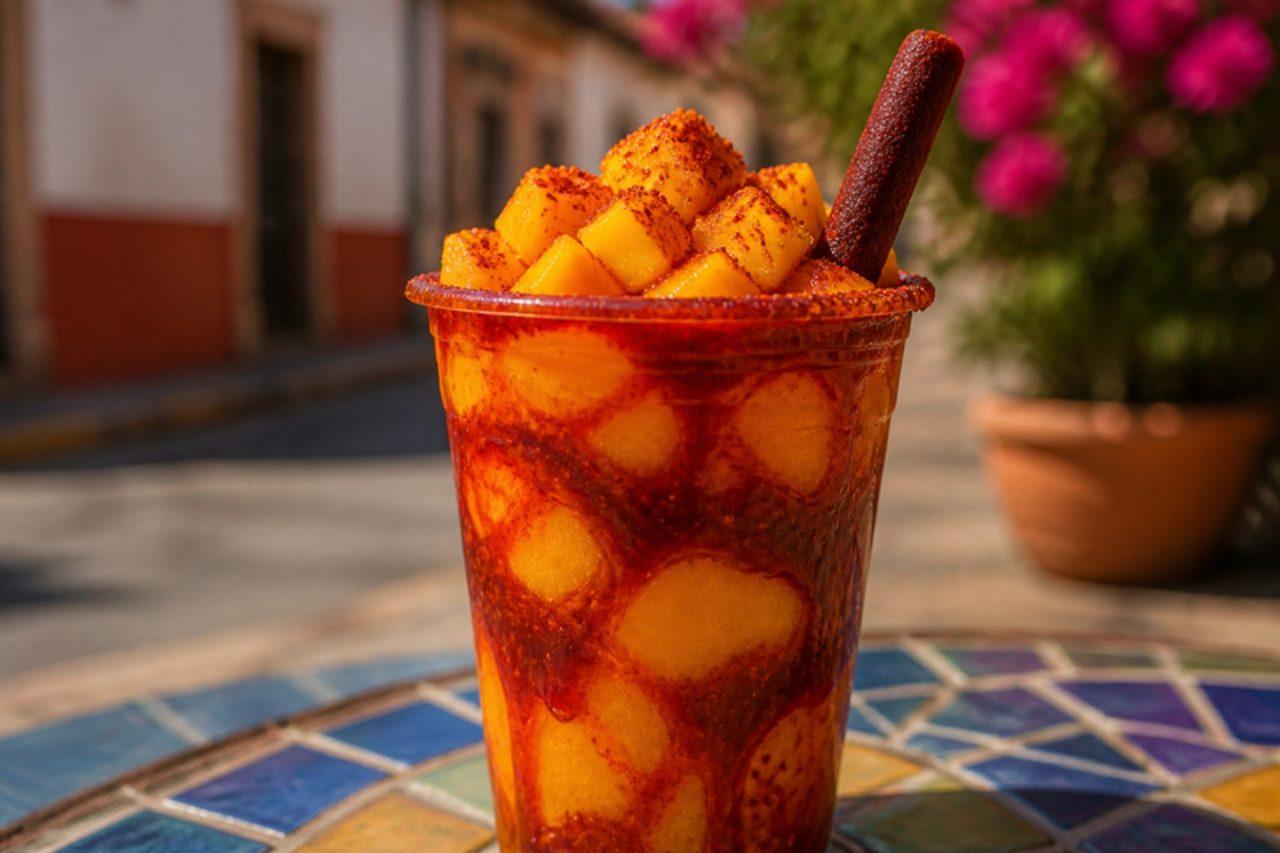
MangonadaMango sorbet with chamoy

Mangonadas, also called chamoyadas, are a Mexican street sweet sold by neverías and fruit stands from Guadalajara to the US border: thick frozen mango blended to a slush, layered in a tall cup with sticky red chamoy and chile-lime salt and crowned with fresh mango cubes. Sweet, sour, salty and hot at once, it comes with a chewy tamarind-candy straw for stirring. Chef's tip: freeze the mango in cubes beforehand, so you get a thick spoonable slush without watering it down with ice.

by KrazyBadal 0 views

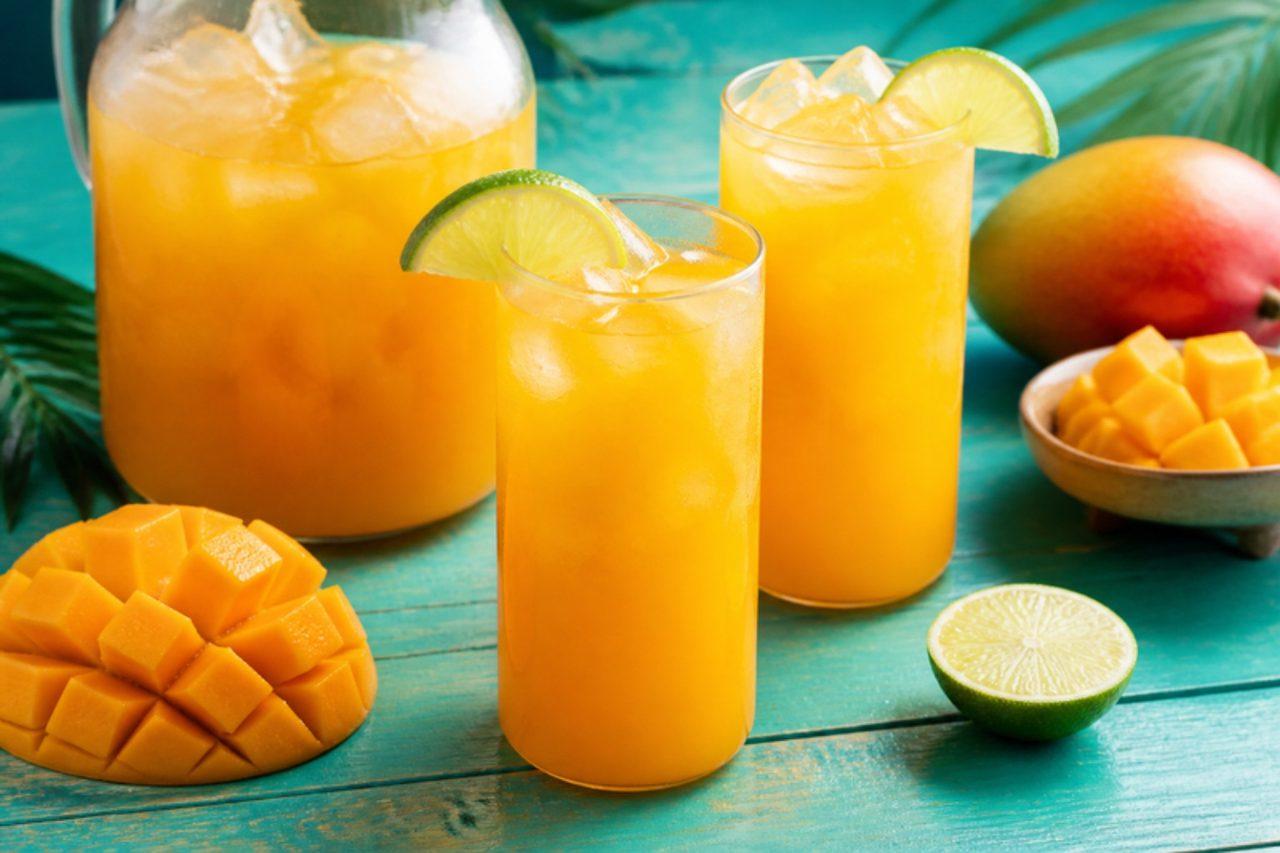
Agua de mangoMango drink

In April and May, when Ataulfo mangoes from Chiapas and Manila mangoes from Veracruz flood the markets, agua de mango becomes the drink of every comida corrida. It is thick, golden and very fruity, sharpened with lime. Chef's tip: use soft, fully ripe yellow mangoes with wrinkled skin; they need far less sugar and give a smooth, fibre-free drink.

by KrazyBadal 0 views

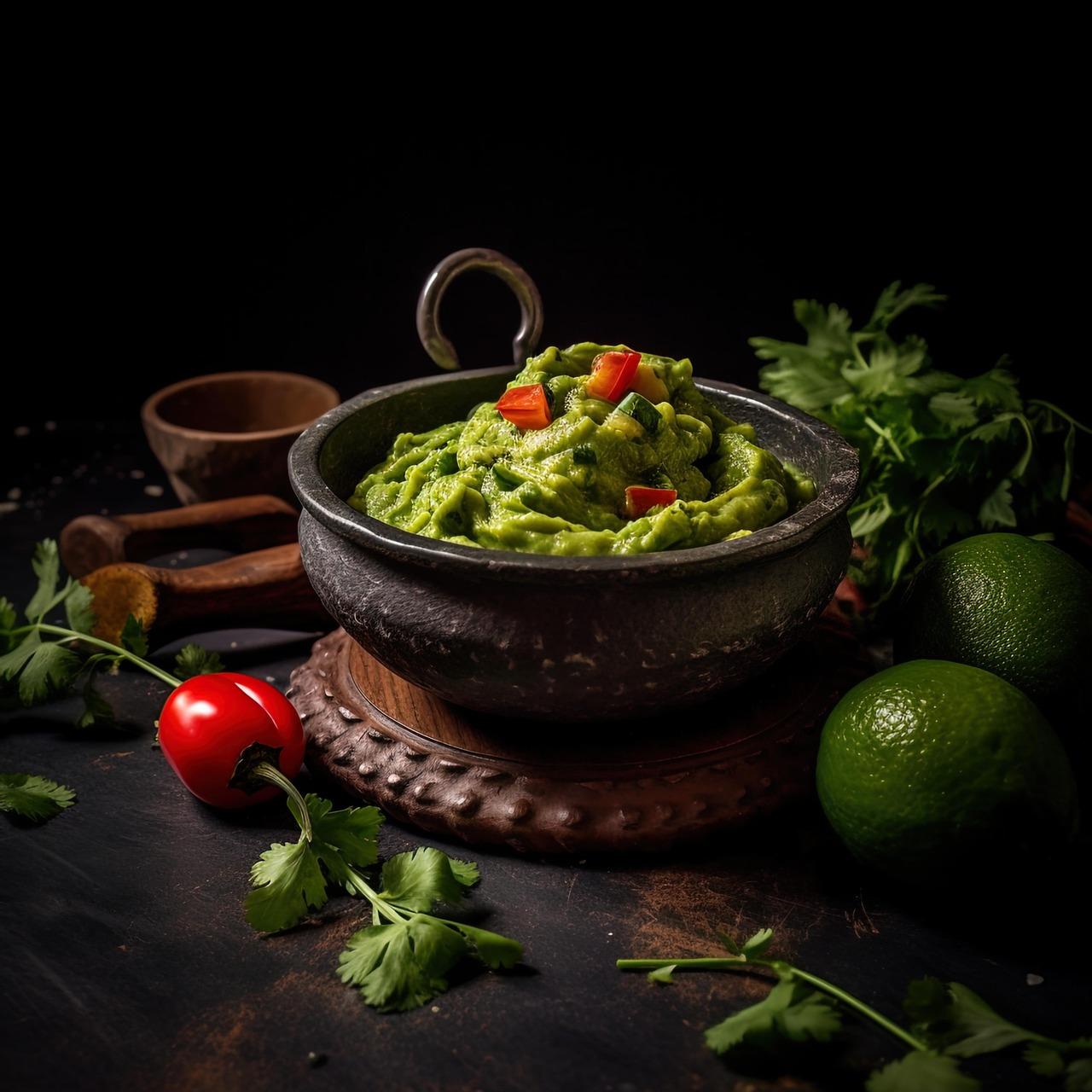
Guacamole

In fondas around Mexico City and at Sunday carne asada gatherings across Puebla and the Bajío, guacamole is pounded to order in a basalt molcajete and carried to the table still in the stone. No sour cream, no garlic powder: just ripe avocado crushed over a paste of onion, serrano chile, cilantro and salt, sharpened with lime. It is a dip for warm totopos, a topping for tacos and a side for grilled meat, and it is best eaten within the hour. Chef's tip: grind the chile, onion and salt to a wet paste first, so the heat spreads through every bite instead of sitting in chunks.

by KrazyBadal 0 views

Chicharrones de harinaPuffed wheat snacks

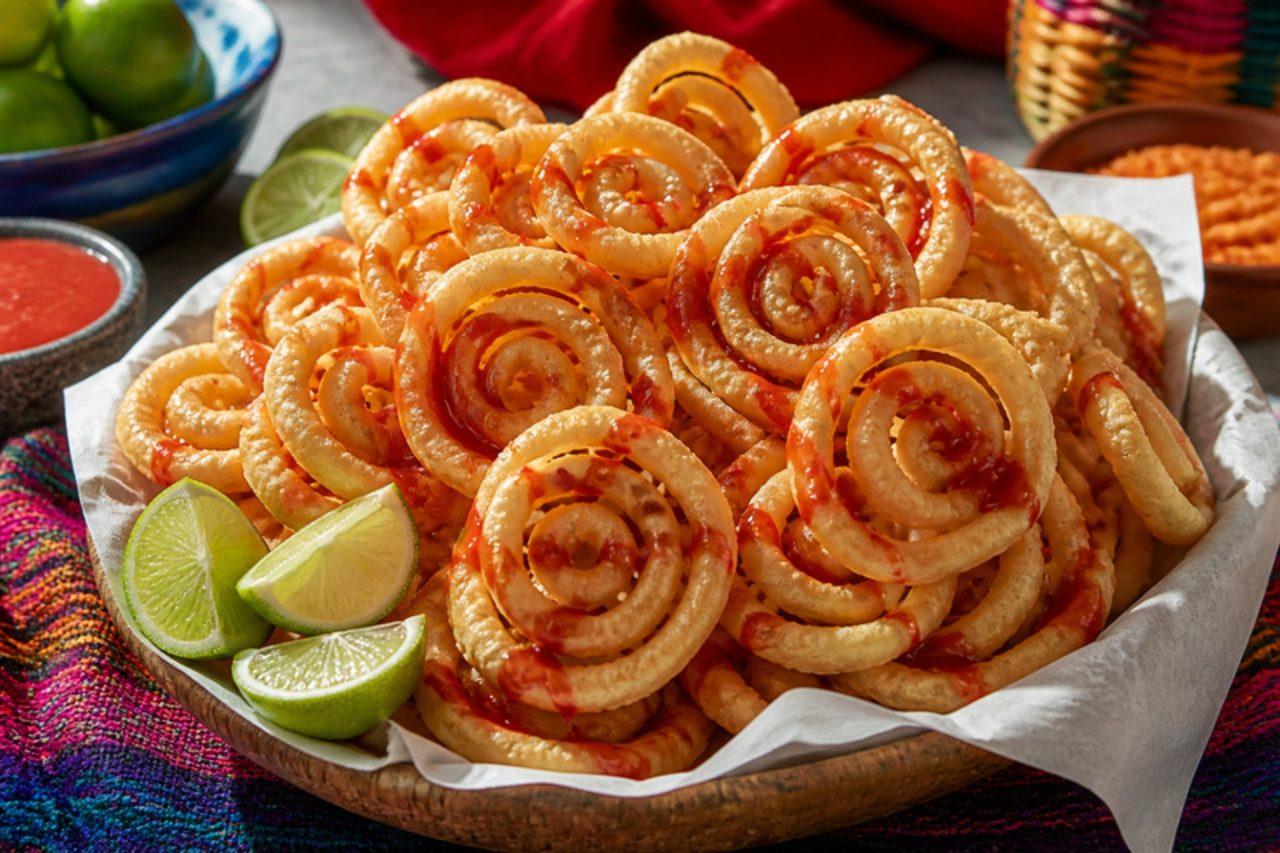
Outside Mexican schools and parks, vendors fry little dried wheels and rectangles of wheat dough until they balloon into airy, crackly chicharrones de harina, also called duritos. They're handed over in a plastic bag drenched in lime juice and bottled hot sauce. At home you can buy the dried pellets (duros) at Latin grocers, and they puff in seconds. Chef's tip: fry just a small handful at a time; they triple in size.

by KrazyBadal 0 views

Agua de pepino con limónCucumber lime drink

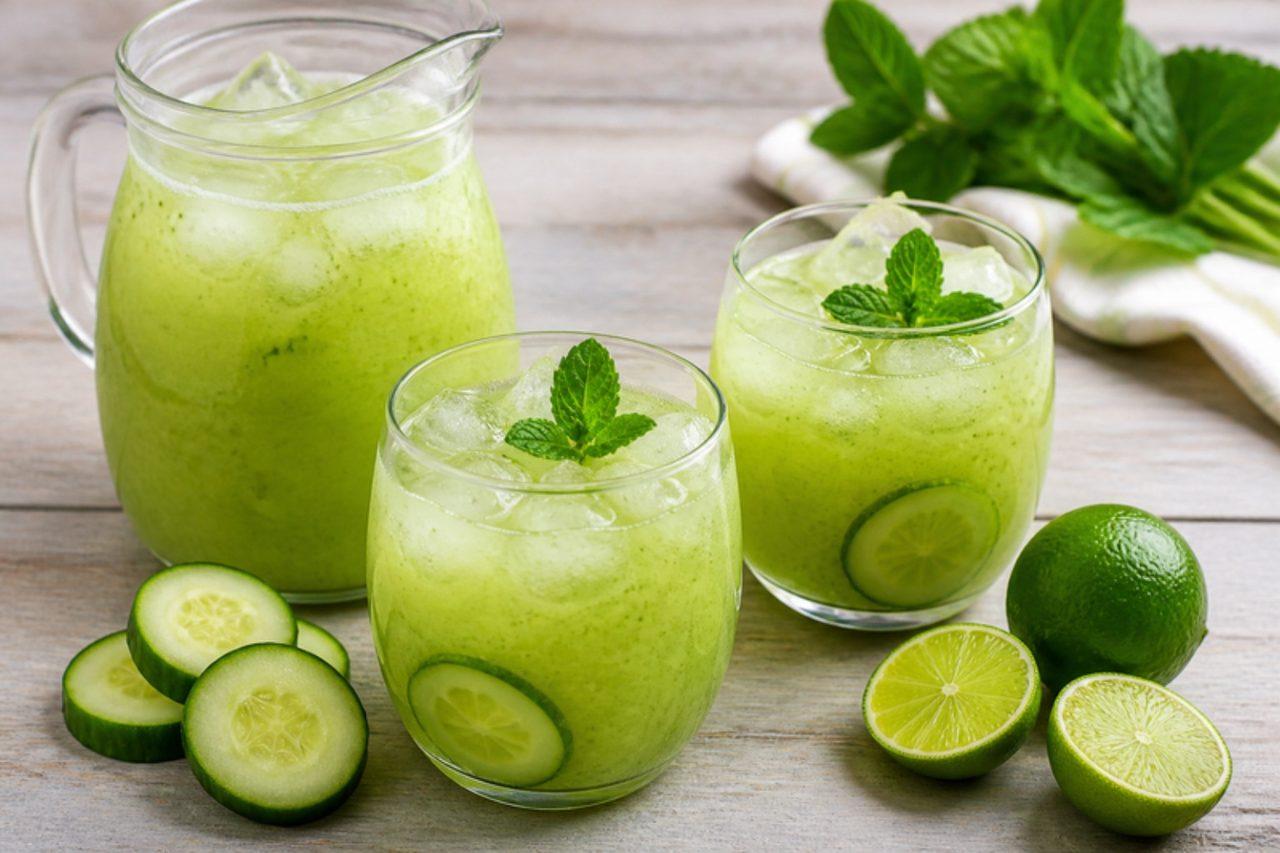
Pale green and very refreshing, agua de pepino is the cooler sold from market juice stands in Mexico City and Oaxaca when the afternoon heat builds, and families blend a jug for comida on hot days. Cucumber, lime and a few mint leaves give a clean, light taste with very little sugar. Chef's tip: leave some of the peel on the cucumber for colour, but strain the drink so it stays silky.

by KrazyBadal 0 views

BiónicoFruit cup with cream

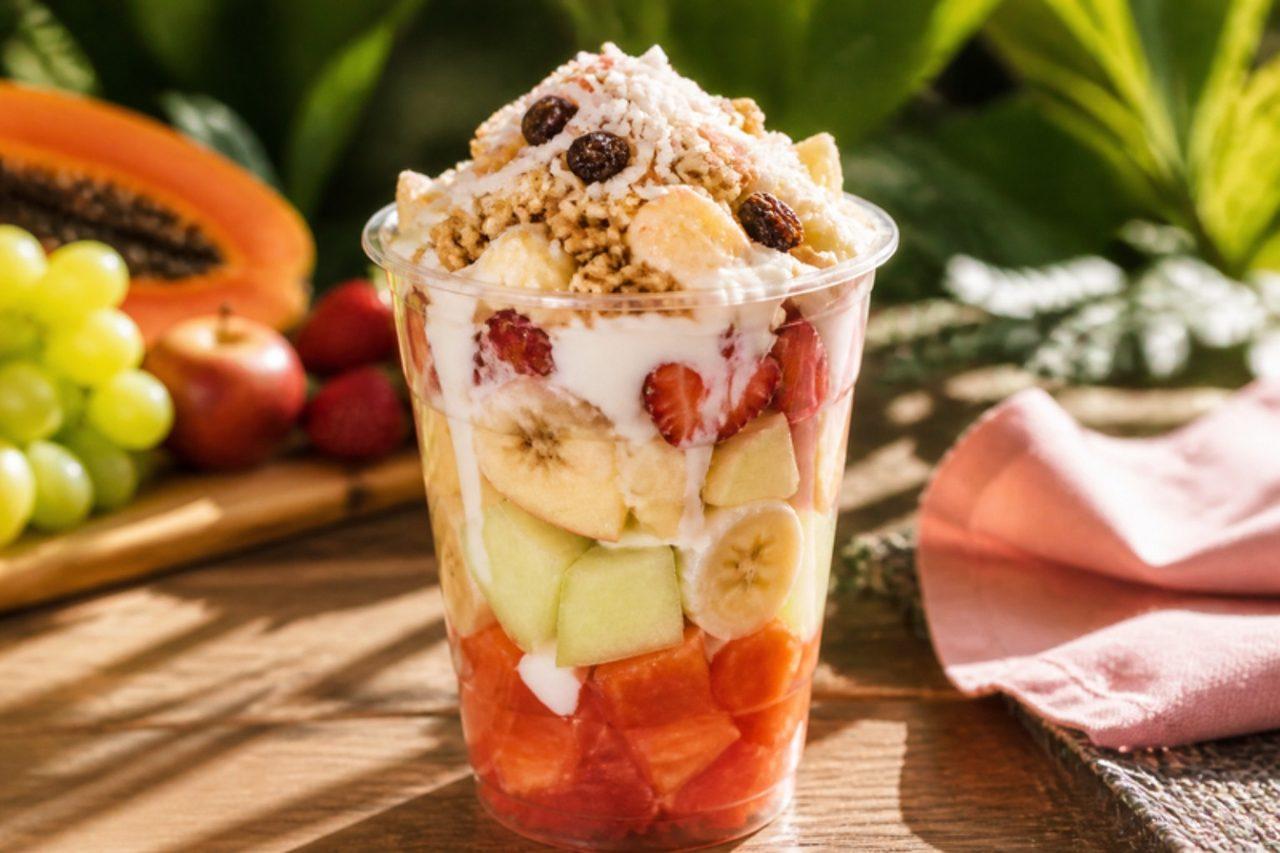
Born in the 1990s at a juice stand in Guadalajara, Jalisco, the biónico is now the city's favourite breakfast on the go: a tall cup of chopped papaya, melon, apple, banana and strawberries drenched in a sweet cream of yoghurt, soured cream and condensed milk, then scattered with granola, coconut and raisins. Kids adore it and it takes fifteen minutes. Chef's tip: cut the banana last and fold it straight into the cream, so it stays pale.

by KrazyBadal 0 views

Agua de melónCantaloupe drink

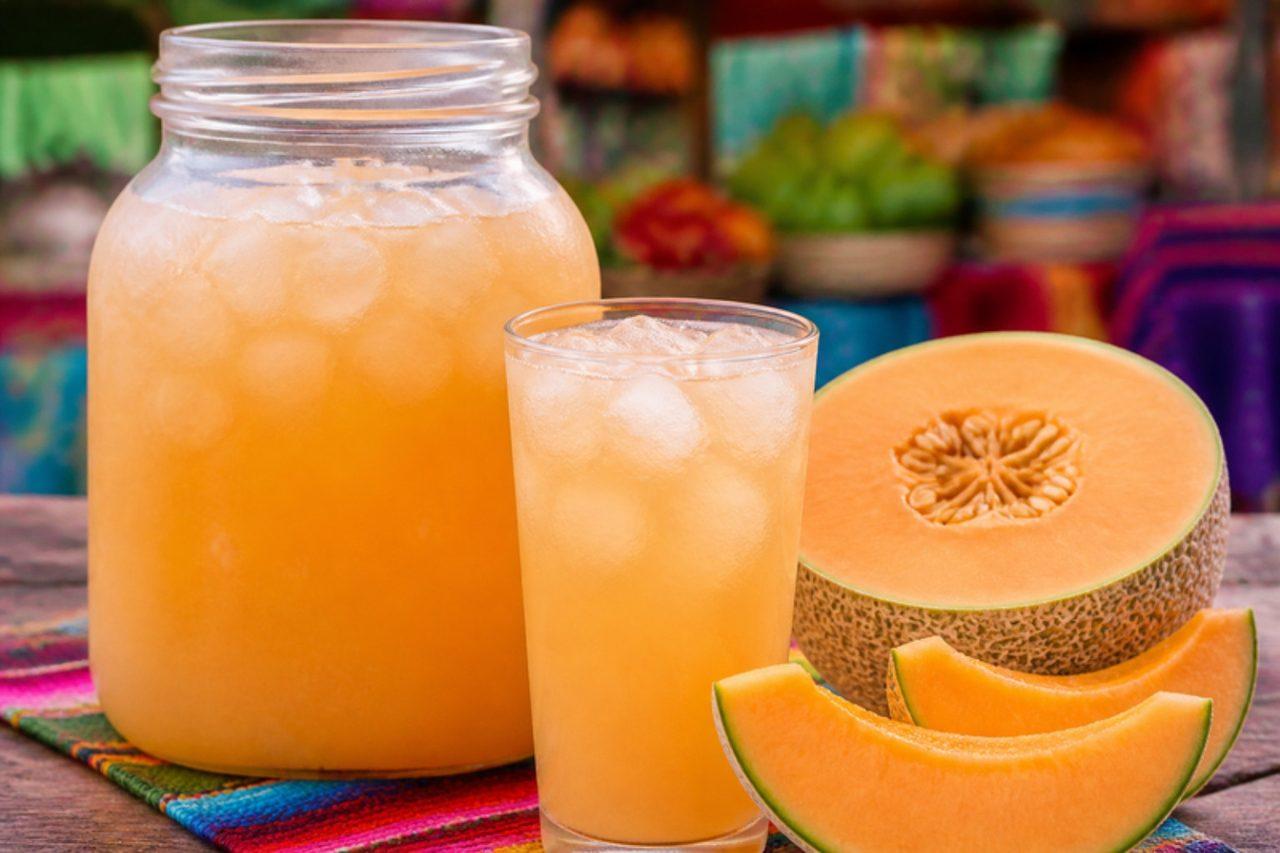
Mexican market juice stalls make agua de melón with the ripest, most fragrant cantaloupes, and many cooks blend in the seeds and the soft pulp around them, which adds a creamy body and a nutty flavour. It's served in tall glasses on hot afternoons from Guanajuato to Veracruz and is a favourite with kids. Chef's tip: smell the stalk end of the melon before you buy it; if it smells sweet, the drink will too.

by KrazyBadal 0 views

Agua de sandíaWatermelon drink

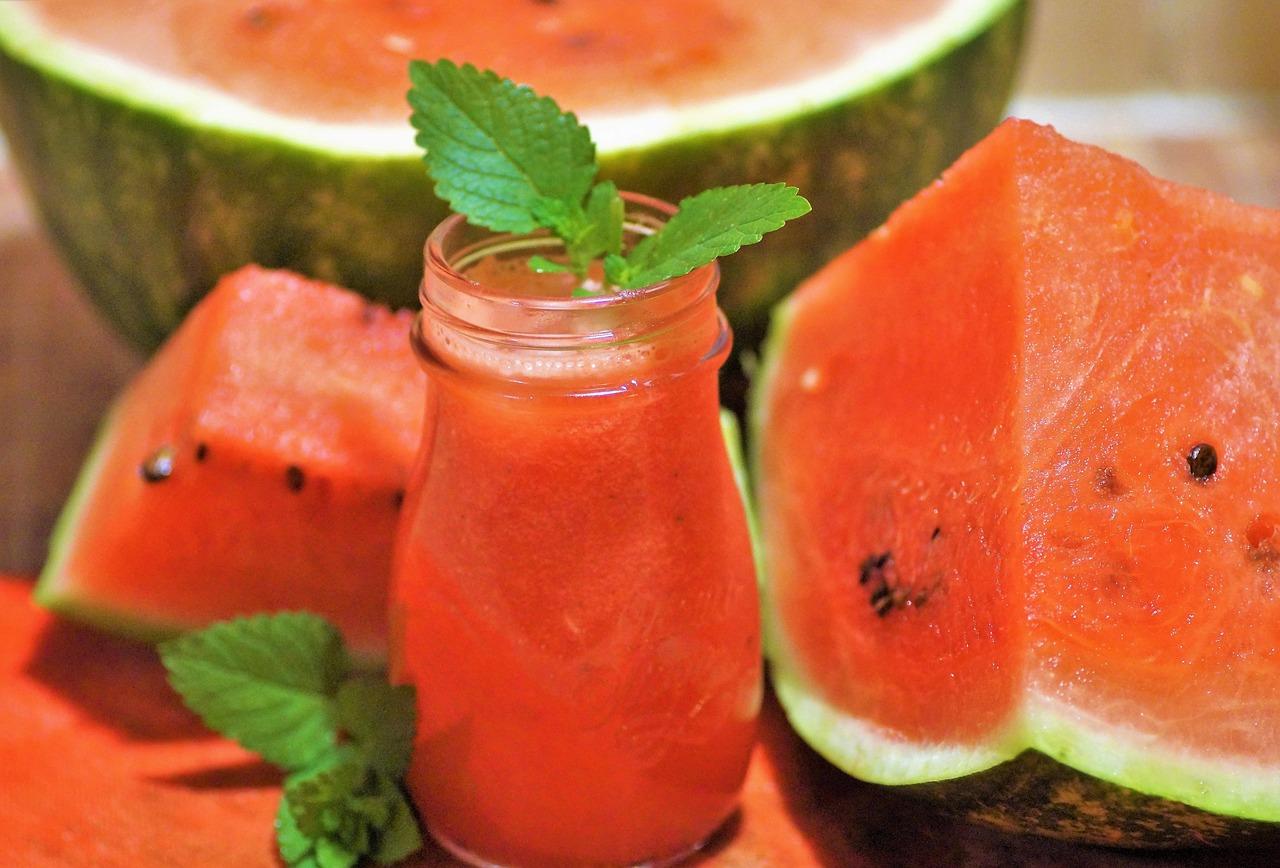
When watermelons are piled high in the markets of Jalisco and Sonora in summer, almost every taquería has a jar of bright pink agua de sandía next to the horchata. It needs only ripe watermelon, water, a squeeze of lime and a touch of sugar, and children love it. Chef's tip: a very ripe melon may need no sugar at all, so taste before you sweeten.

by KrazyBadal 0 views

Paloma

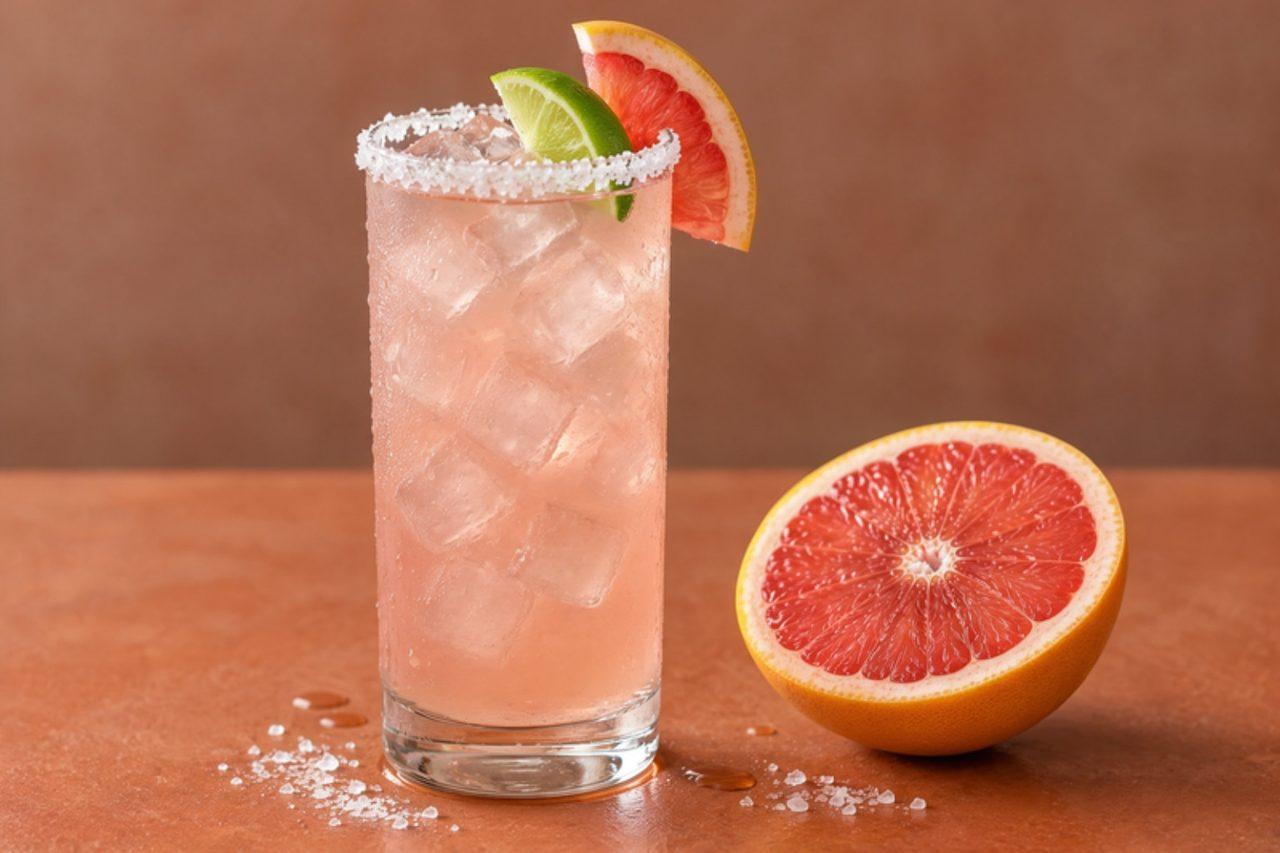
Ask for a drink in a Guadalajara cantina or a family patio in the town of Tequila and you are more likely to get a paloma than a margarita. It is the easy Sunday drink of Jalisco, poured alongside birria, tortas ahogadas and plates of peanuts with chilli, and like every cocktail here it is for adults only. A paloma is tall, cold and fizzy: bitter-sweet grapefruit, a sharp hit of lime, the earthy agave of the tequila and a pinch of salt that makes the citrus pop. The common mistake is pouring the soda in hard and stirring like mad, which knocks out the bubbles and leaves a flat, sweet drink. Build it over plenty of ice, pour the soda down the side of the glass and lift once with a spoon. It is ready when the glass is beaded with cold, the salt rim is still crisp and the drink is still fizzing loudly. Keep a glass of water alongside and drink responsibly. If you cannot find Mexican grapefruit soda, use fresh pink grapefruit juice topped up with soda water and a little sugar syrup. Chef's tip: add a tiny pinch of salt to the drink itself, not just the rim; it softens the bitterness of the grapefruit.

by KrazyBadal 0 views

Jugo de macaWarm maca drink

Before dawn at markets in Huancayo, Cusco and Lima, juice ladies ladle hot jugo de maca from big pots for workers on their way in: maca root, a turnip relative grown above 4,000 metres in the Junín highlands, simmered with milk, cinnamon and cloves and sweetened with honey or sugar. It tastes malty and toasty, a bit like butterscotch. The common mistake is stirring the powder straight into hot milk, which leaves gritty lumps; whisk it into a little cold milk first. Maca is not usually advised in pregnancy, so ask your doctor first if you are pregnant. Chef's tip: use gelatinised (cooked) maca powder if you can find it; it dissolves smoothly and is gentler on the stomach.

by KrazyBadal 0 views

Jugo surtidoMixed fruit juice

Step up to any juguería in Lima's Mercado de Surquillo or a barrio market at breakfast time and order a surtido: the juicer drops papaya, banana, pineapple and freshly squeezed orange into a tall blender, sometimes a slice of cooked beetroot for colour or a splash of milk, and pours you a big glass with the rest left in the jug for your 'yapa', the free refill. It is thick but still pourable, sweet from ripe fruit with a sharp orange edge, the kind of drink that stands in for breakfast before a long day. The common mistake is adding lots of ice and water, which makes it thin and frothy rather than velvety. Use cold fruit and freshly squeezed orange juice as the liquid. It is ready when it coats the glass and no lumps of banana are left. This version is fruit only; stalls also make it with milk if you prefer. Drink it straight away: papaya and banana go brown and bitter within half an hour. Chef's tip: use very ripe papaya with orange flesh; under-ripe papaya tastes of nothing and gives a faintly bitter aftertaste.

by KrazyBadal 0 views

Agua de tuna (prickly pear drink)

Late summer is tuna season across the central highlands, from Hidalgo and the Estado de México down to Puebla's Teotihuacán valley, and that is when the big vitroleros in markets and taquerías turn shocking pink. Agua de tuna is just the cactus fruit blended with water, lime and a little sugar, strained, and poured over ice with lunch. Red tunas give a vivid colour and a taste between watermelon and pear; green ones make a paler, more herbal drink. It should be light and thirst-quenching, never syrupy. The commonest mistake is blending too long: the hard seeds crack and the agua turns gritty and slightly bitter. Pulse briefly, just enough to free the pulp, then strain well. It is ready when the liquid runs smooth through the sieve and tastes clearly of fruit with only a lift of lime. Handle unpeeled tunas with tongs or gloves: even 'cleaned' ones keep tiny glochids. Chef's tip: chill the peeled fruit before blending; cold pulp keeps its colour bright and needs less ice to dilute it.

by KrazyBadal 0 views

PinoleToasted corn drink

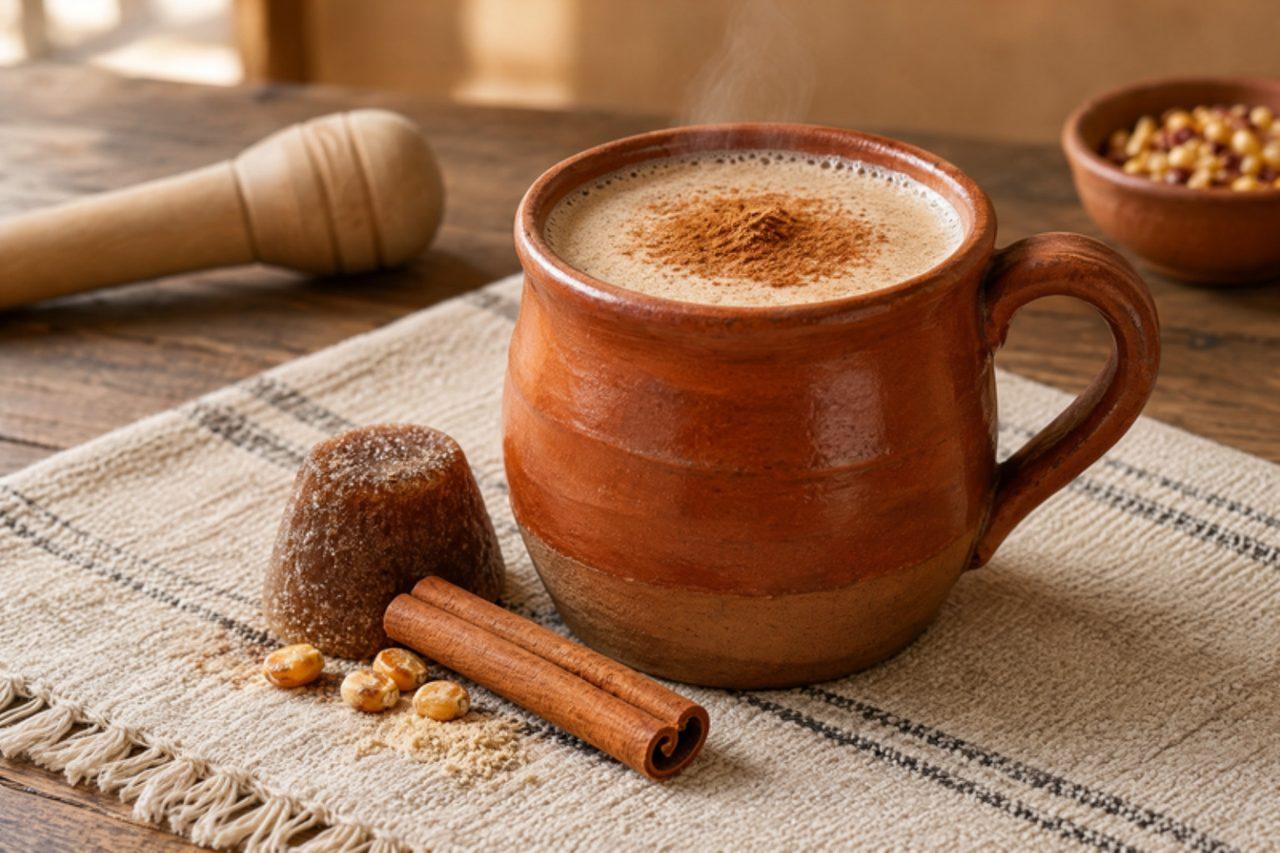
In the canyons of the Sierra Tarahumara in Chihuahua, Rarámuri runners set off at dawn carrying a pouch of pinole, corn kernels toasted on a clay comal and ground fine, to stir into cold water along the trail. Across northern Mexico it is still a breakfast drink, sweetened with piloncillo and cinnamon and stirred into water or warm milk. This version toasts coarse cornmeal at home for the same nutty, popcorn-like flavour. The common mistake is toasting over a high heat: the outside burns and turns bitter before the inside goes golden. Chef's tip: toast a big batch and keep it in a jar, so a morning cup is just two spoonfuls stirred into water.

by KrazyBadal 0 views

Margarita

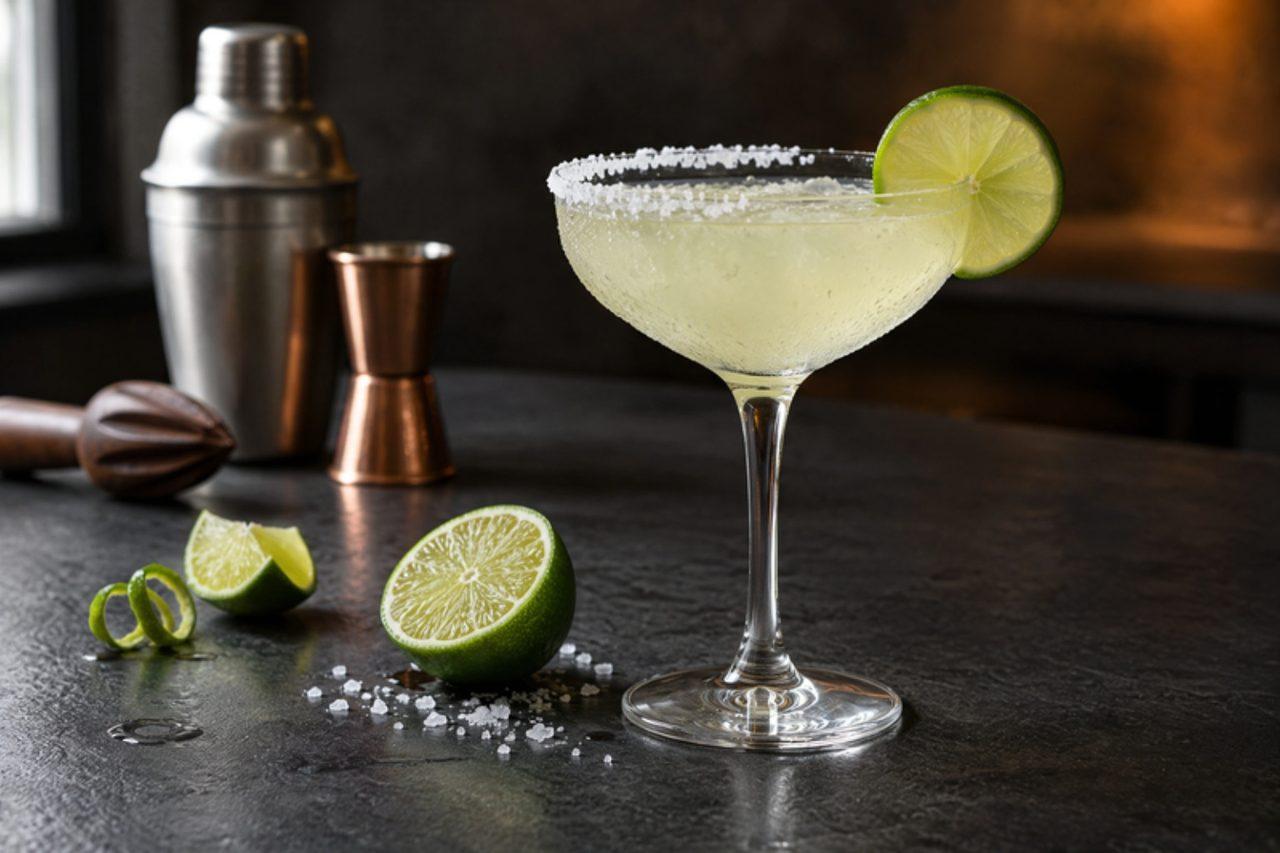
Several towns along Mexico's northern border, from Tijuana and Ensenada to Ciudad Juárez, claim the margarita as their own, born in the 1930s and 40s when visitors crossed over for tequila and tacos. Today it is the Friday-evening drink of norteño restaurants and family parties, poured beside carne asada and guacamole. This version is for adults only and it is simple: good 100% agave blanco tequila, fresh lime and orange liqueur. It should be bright and tart first, then gently sweet, with the salt on the rim making the lime taste even sharper. The usual mistake is reaching for bottled lime juice or ready-made sour mix, which gives a flat, sugary drink with a chemical bite. Squeeze limes just before shaking. A second slip is salting the whole rim inside and out; salt only the outside of half the rim so each sip is your choice. It is ready when the shaker is too cold to hold comfortably and a thin layer of ice crystals floats on top. Enjoy one slowly and drink responsibly. Chef's tip: use coarse sea salt mixed with a little grated lime zest for the rim; it sticks better and smells of lime.

by KrazyBadal 0 views

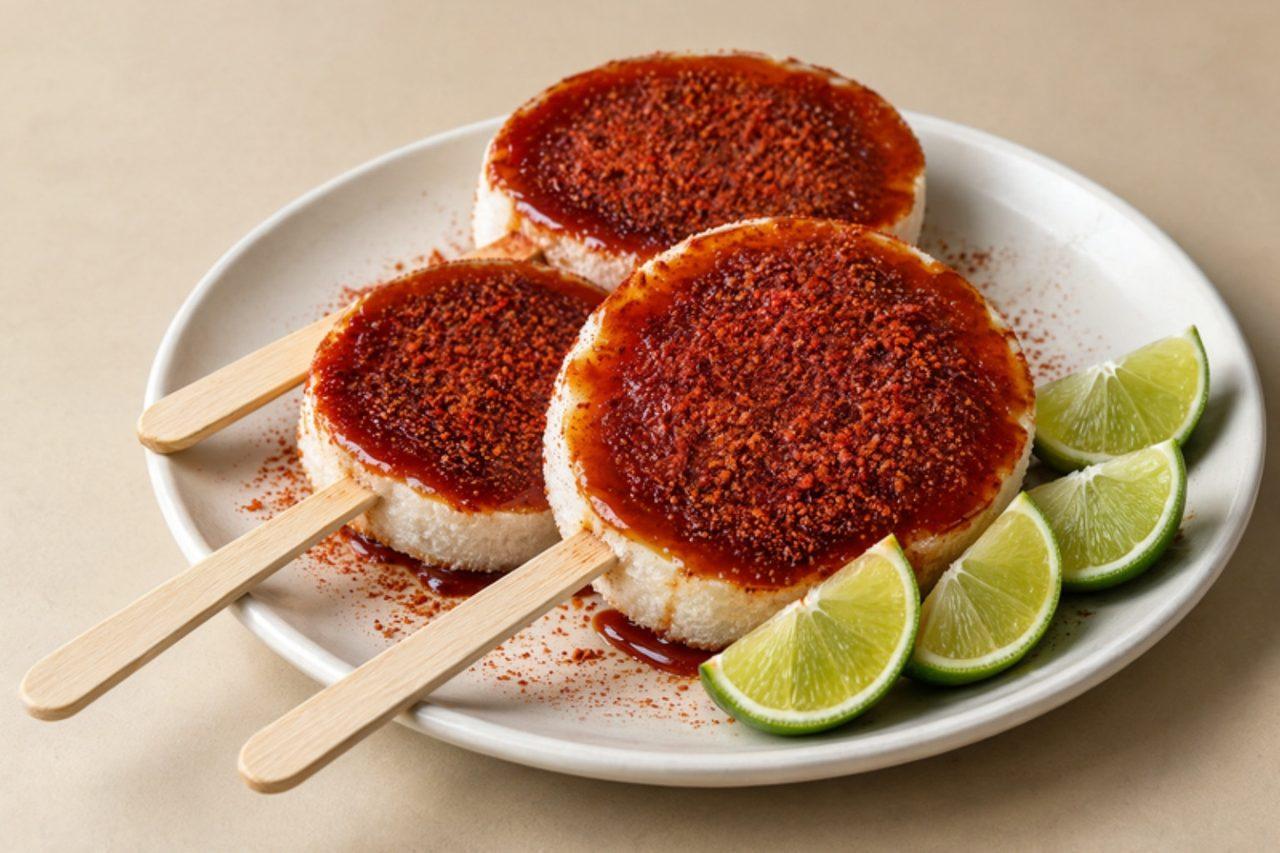
Jicaletas (jícama lollipops with chamoy)

At home time outside primary schools in Mexico City's Coyoacán and Narvarte, carts sell jicaletas, thick rounds of jícama pushed onto a stick like a giant lollipop and painted bright red with sweet-sour chamoy. They are crunchy, juicy and cold, with salty, sour and spicy layers on the outside, and make a light afternoon snack on a hot day. Chef's tip: cut the slices at least 1.5 cm thick, otherwise they snap off the stick at the first bite.

by KrazyBadal 0 views

Pisco sour

Lima drinks its pisco sour as the aperitif before a long ceviche lunch, and celebrates it every year on the first Saturday of February; the recipe took shape in the city's bars in the 1920s. It is for adults only and stronger than its pillowy look suggests. Underneath a thick white foam you get sharp Peruvian lime, a clean sweetness and the floral, grapey warmth of quebranta pisco, with the bitters adding a spicy smell to every sip. The texture should be silky, almost creamy, never thin. The classic mistake is squeezing the limes too hard or too early: the oil from the pith turns the drink bitter within half an hour. Halve the limes, press each half gently by hand just before mixing and stop when the juice slows. The egg white is raw, so use pasteurised egg white for anyone pregnant, for babies, older people or anyone unwell, or swap in 30 ml aquafaba. It is ready when the foam stands about 1 cm high and is firm enough to hold the drops of bitters on its surface. Sip one slowly and drink responsibly. Chef's tip: shake once without ice first to whip the egg white, then again with ice; the foam will be twice as thick.

by KrazyBadal 0 views

Chilcano de piscoPisco and ginger ale highball

When Lima's grey winter finally lifts and summer reaches the beaches south of the city, the chilcano takes over from the pisco sour: lighter, longer and made for an afternoon. Peru even gives it a Semana del Chilcano each January, and it is poured at weekend lunches with chifa or fried fish. This is a highball for adults only: pisco poured over a tall glass of ice with fresh lime and ginger ale, finished with a few drops of bitters. It should taste crisp and fizzy, with the ginger and lime lifting the floral grape notes of the pisco rather than hiding them. The common mistake is using too little ice and warm ginger ale, which gives a sweet, diluted drink that goes flat in minutes. Fill the glass to the top with ice and keep the ginger ale in the fridge until the last second. It is ready when the glass is frosty, the bubbles race up the sides and the bitters drift through the top as a pink haze. Light it may be, but drink responsibly. Chef's tip: try a fruit-infused pisco, made by steeping passion fruit or mandarin peel in the bottle for a few days; Limeños love a chilcano de maracuyá.

by KrazyBadal 0 views

Mate de muñaAndean mint tea

Muña is the minty shrub that grows wild on the slopes around Cusco, Puno and the Sacred Valley, and highland cooks reach for it after a heavy meal of chicharrón or when visitors are struggling with the altitude. Market herb sellers sell it in fresh bunches, and hotels and homes leave it in a flask for anyone coming in from the cold evenings. Steeped simply in hot water, it smells somewhere between spearmint, oregano and pennyroyal, with a cooling, slightly peppery taste and a pale green-gold colour. It is traditionally drunk to settle the stomach. The usual mistake is boiling the leaves hard for a long time, which turns the tea brown and bitter. Pour water just off the boil over the sprigs, cover, and let it steep. It is ready when the cup is pale gold and the aroma rises as soon as you lift the lid. Outside Peru, look for dried muña in Latin shops; failing that, use mostly spearmint with a little fresh oregano. Muña is strong: avoid large amounts in pregnancy, and check with a doctor if you take regular medication. Chef's tip: cover the cup while it steeps so the scented oils stay in the tea.

by KrazyBadal 0 views

Showing 24 of 62 recipes

Show more recipes

Page 1 of 3