Skip to content
Recipes

All recipes

Vegetarian, or something you can't eat? Set your diet once and we'll hide recipes that don't fit.

Kalach

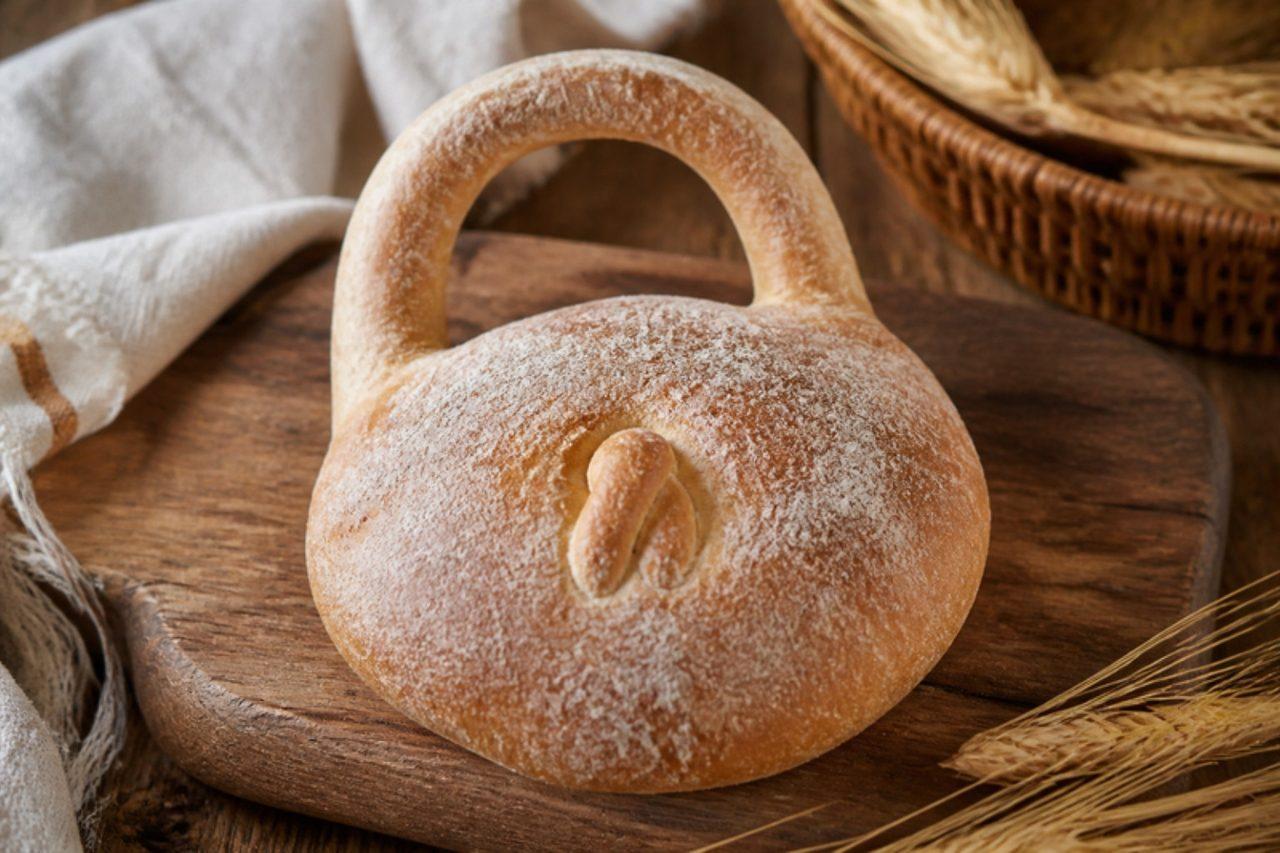
Street sellers in nineteenth-century Moscow shouted for kalachi hot from the oven, and the town of Murom near Vladimir had its own famous version. The loaf is shaped like a padlock with a thin arched handle; carters and labourers held it by the handle with grimy hands, ate the plump body and, so the story goes, left the handle for the poor, which gave Russian the phrase 'to come to the handle' for hitting rock bottom. The dough is lean and vegan, just flour, water, yeast and salt, kneaded firm and chilled, so the crumb comes out white, chewy and close under a thin crisp shell. Eat it warm with soup, or tear it with tea and jam. A common mistake is a slack dough; it must feel firm, or the handle loses its shape. Chef's tip: pour hot water into a tin on the oven floor as the bread goes in; the steam gives the glossy, pale crust.

by KrazyBadal 0 views

Blini

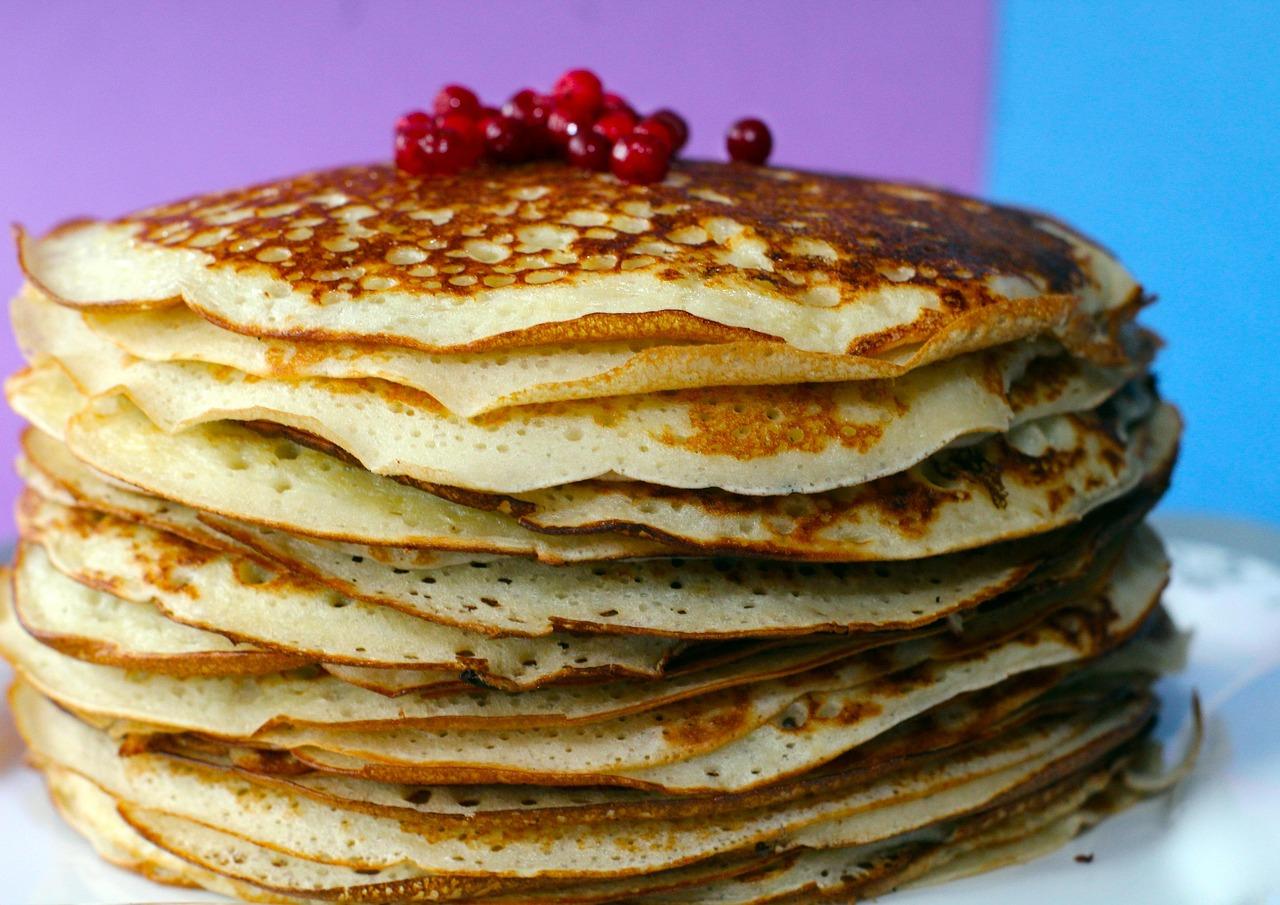
Maslenitsa, the week of butter before Lent, is when Russia makes blini by the stack: thin, lacy, slightly sour pancakes raised with yeast and fried one after another in a hot pan, each brushed with melted butter. Old Moscow recipes used buckwheat, and a share of it here gives a nutty, earthy flavour and a speckled grey-gold colour. Eat them folded into quarters with sour cream, jam, honey or condensed milk; red caviar is the festive classic, but this version stays vegetarian. The usual slip is a pan that is not hot enough, which makes thick, pale blini that stick; the first one is always a test. A splash of boiling water whisked in at the end gives the lacy holes. Chef's tip: stack the blini on a plate and cover with a bowl as you go; the steam keeps them soft and supple.

by KrazyBadal 0 views

Kulich

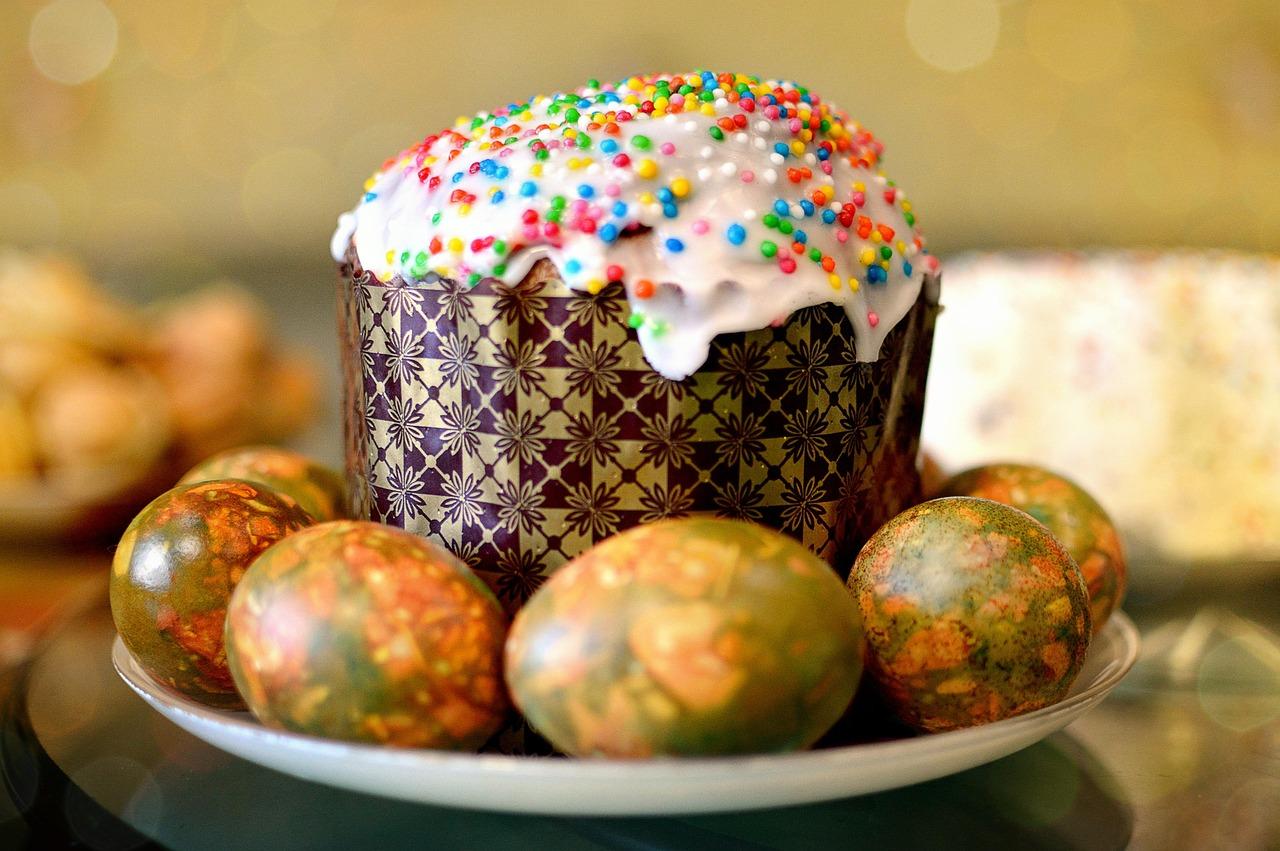
Easter Saturday queues outside Russian churches are full of baskets holding a tall kulich, a few dyed eggs and a pot of paskha, all waiting for the priest's blessing; the bread is then cut in rounds at breakfast after the night service. The crumb is rich with butter and yolks, scented with cardamom, vanilla and lemon zest and dotted with raisins and candied orange, under a white cap of icing and coloured sprinkles. Many families plump the raisins in rum; here they soak in hot tea, so the loaves are alcohol-free. The usual slip is underbaking: the tall tops brown early, so tent them with foil and test with a long skewer. Chef's tip: cool the baked loaves lying on their sides on a folded towel, turning now and then, so the soft crowns do not sink.

by KrazyBadal 0 views

Tvorozhnaya zapekanka

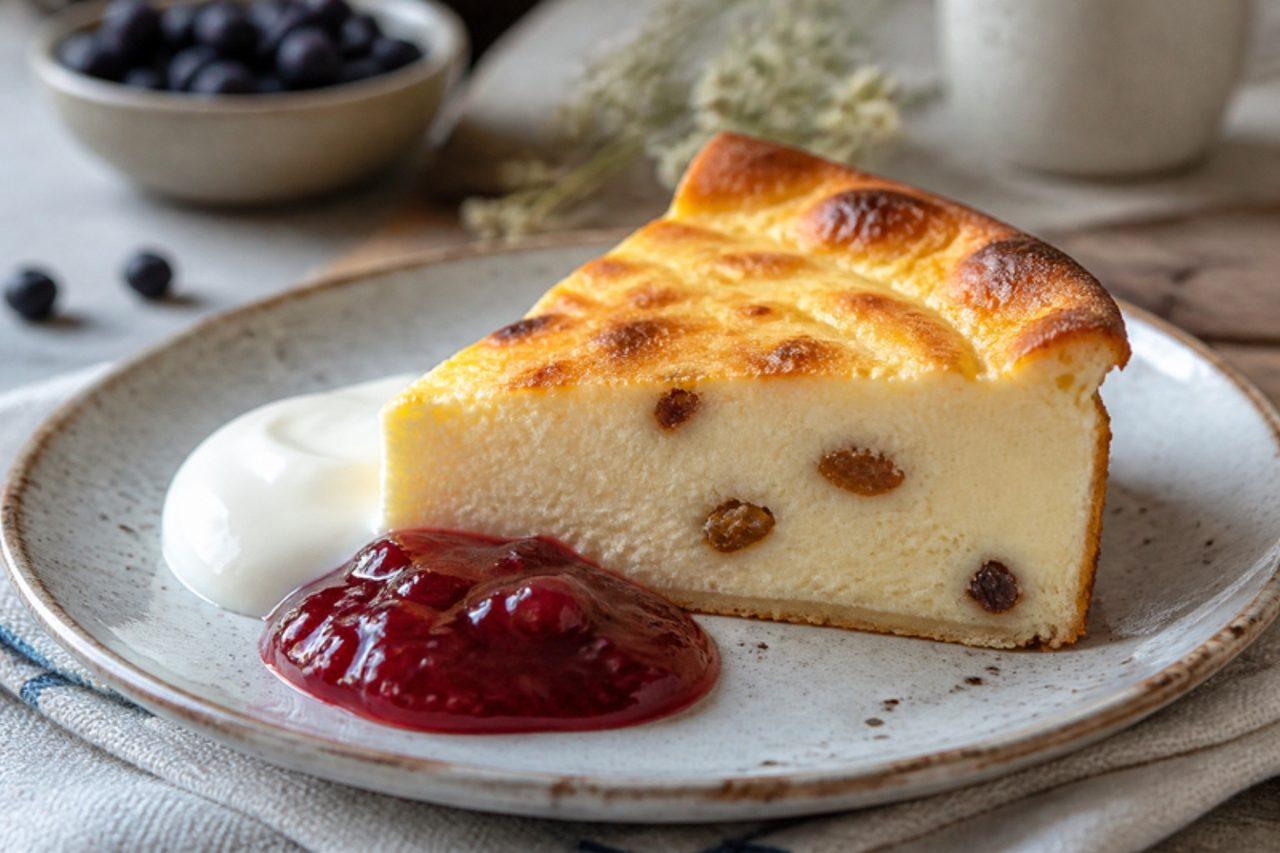
Anyone who went to a Soviet kindergarten remembers the warm yellow square of curd bake handed out at breakfast, and Russian parents still make it on weekend mornings because children eat it without a fuss. Tvorog is beaten with eggs, sugar and sour cream, thickened with semolina and dotted with raisins, then baked into a soft, gently sweet pudding somewhere between a cheesecake and a soufflé. Serve it warm or cold with sour cream, jam or condensed milk. Tvorog is usually made without rennet, but check the label if that matters to you. A common mistake is baking straight after mixing: give the semolina 15 minutes to swell, or the bake turns out gritty and loose. Chef's tip: brush a thin layer of sour cream over the top before baking for a glossy, deep golden crust.

by KrazyBadal 0 views

Kystybyy

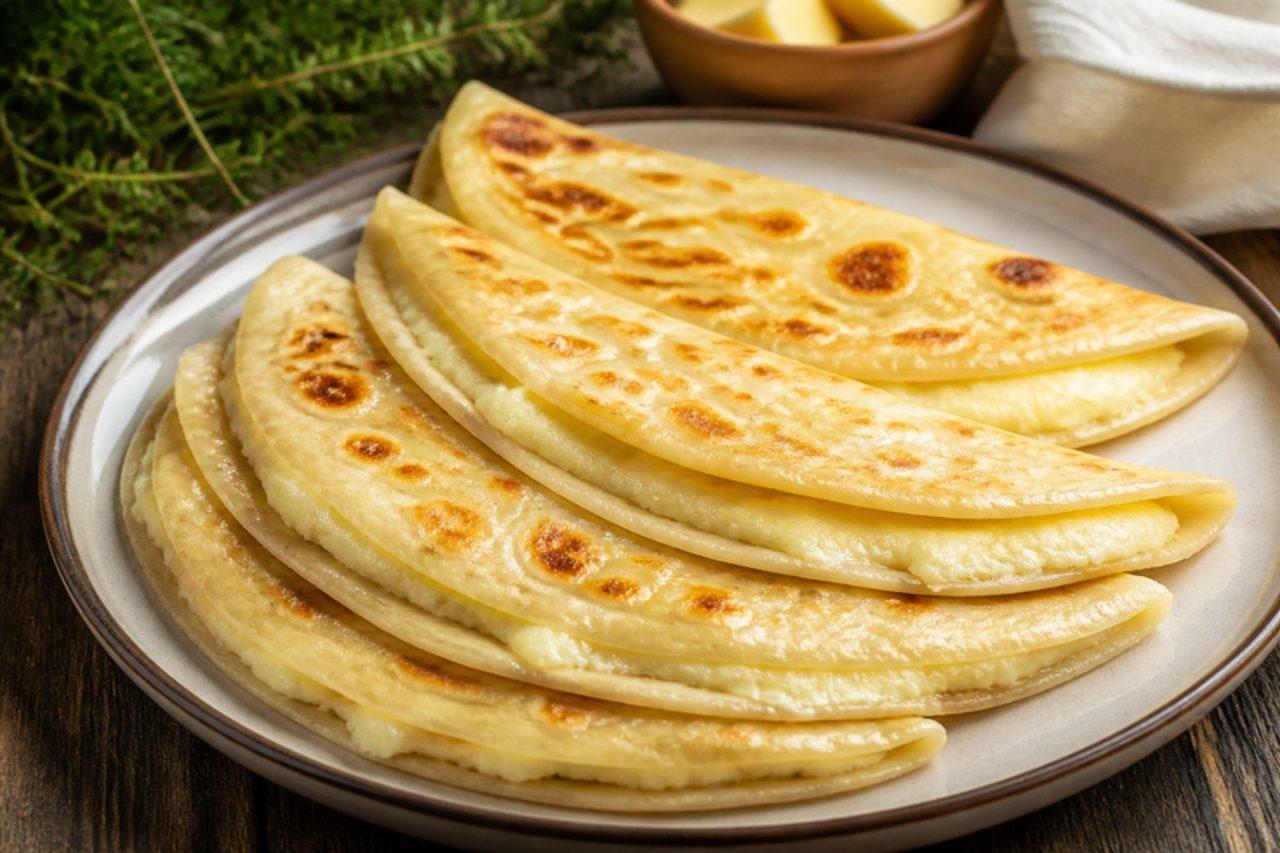
Ask anyone in Kazan what they ate after school and many will say kystybyy, the folded Tatar flatbread sold warm in canteens and kiosks all over Tatarstan. Paper-thin rounds of unleavened dough are dry-cooked in a hot pan, filled while soft with mashed potato whipped with milk, butter and fried onion, folded into a half-moon and brushed with more butter. In older Tatar village kitchens the filling was millet porridge, which works just as well. Serve with tea, a bowl of soup or a glass of katyk, the Tatar soured milk. A common mistake is leaving the cooked flatbreads uncovered; they dry out and crack when folded, so stack them under a towel. Chef's tip: keep the pan dry and hot; 30–40 seconds a side gives brown freckles without stiffening the bread.

by KrazyBadal 0 views

Cheremsha salad

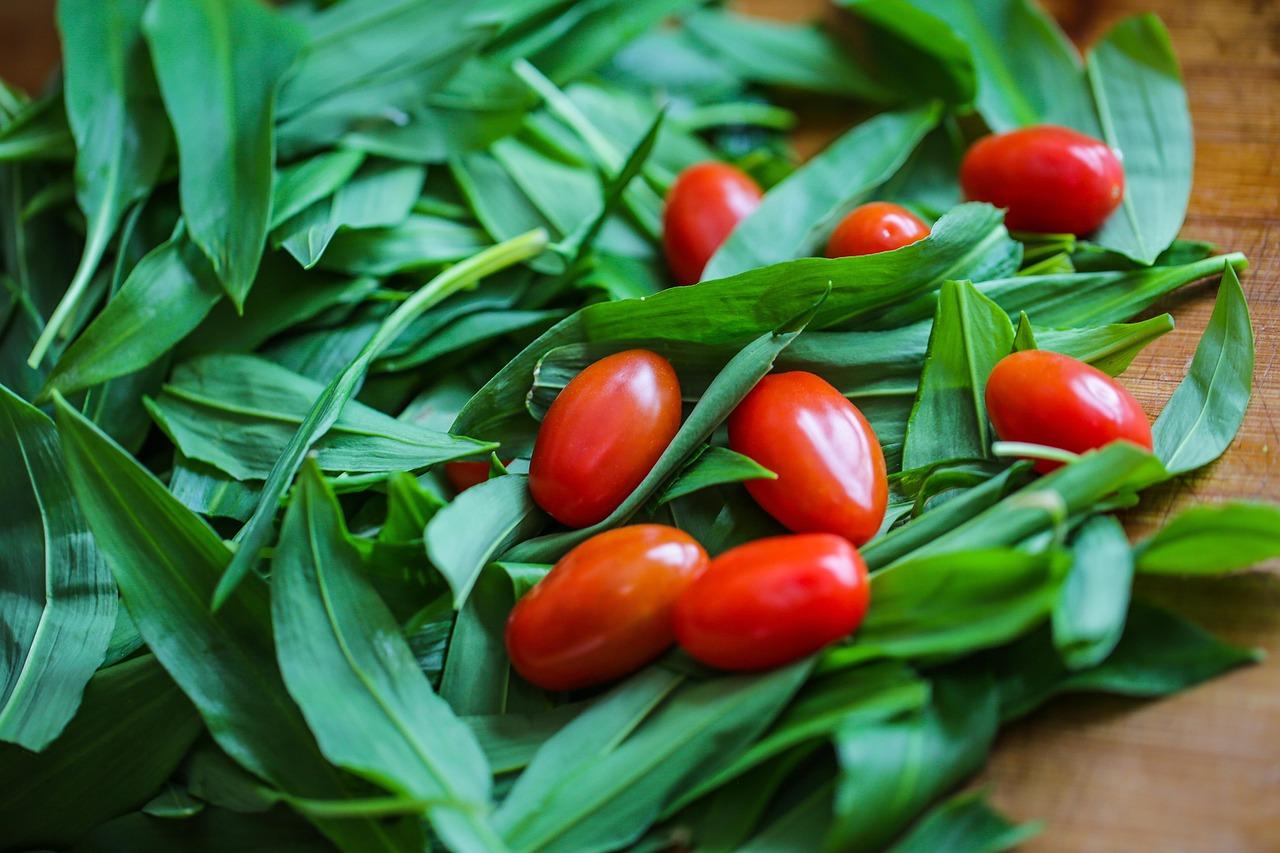
Late April in Novosibirsk and Tomsk brings bunches of cheremsha to every market stall and roadside bucket: the first green vitamins after a long Siberian winter. The broad leaves and juicy stems of wild garlic taste of sweet, mild garlic with a peppery bite, and Siberians eat them simply, chopped with salt and fragrant unrefined sunflower oil, beside boiled potatoes and black bread. Some cooks add chopped egg or sour cream; this vegan version sticks to oil, with cucumber for crunch. Forage only with someone who knows the plant, or buy it: wild garlic has poisonous lookalikes such as lily of the valley, and real leaves smell strongly of garlic when crushed. Where most people go wrong is dressing it too early, so the leaves wilt and weep. Chef's tip: salt the chopped stems first and rub them for a few seconds; it softens their bite and draws out juice that becomes part of the dressing.

by KrazyBadal 0 views

Elesh

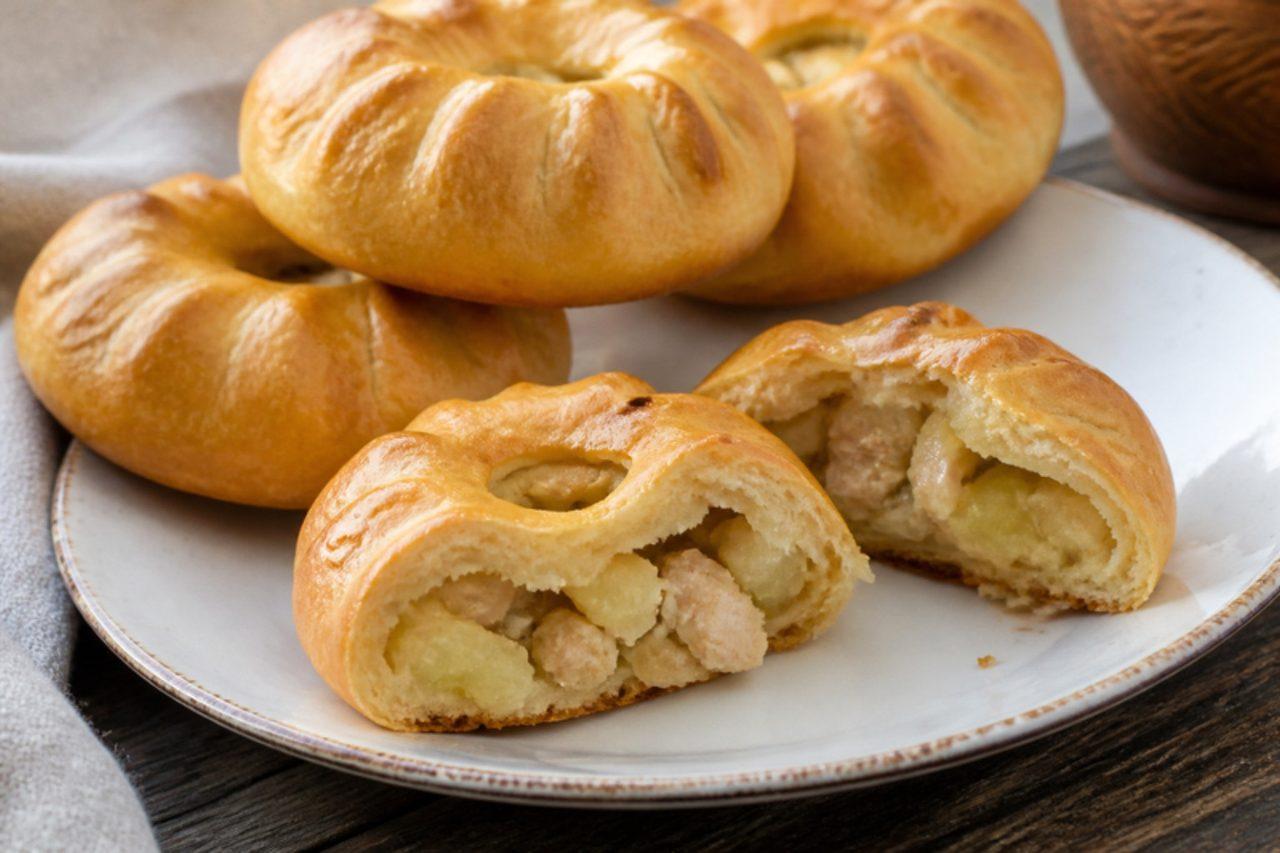
At Tatar weddings in the villages east of Kazan, elesh come to the table early, little pleated pies about the size of a fist, each filled with chopped chicken and potato and baked until the tops glow. The meat goes in raw with onion and butter, so it cooks in its own juices inside the sealed pastry and stays moist; a spoon of broth is added through a tiny vent halfway through. The pastry is rich with butter and sour cream and goes soft under a cloth after baking. A common mistake is leaving the chicken in big chunks; cut it small or the potato is done long before the meat. Chef's tip: use thigh rather than breast, it stays juicy through the long bake.

by KrazyBadal 0 views

Parenaya repa

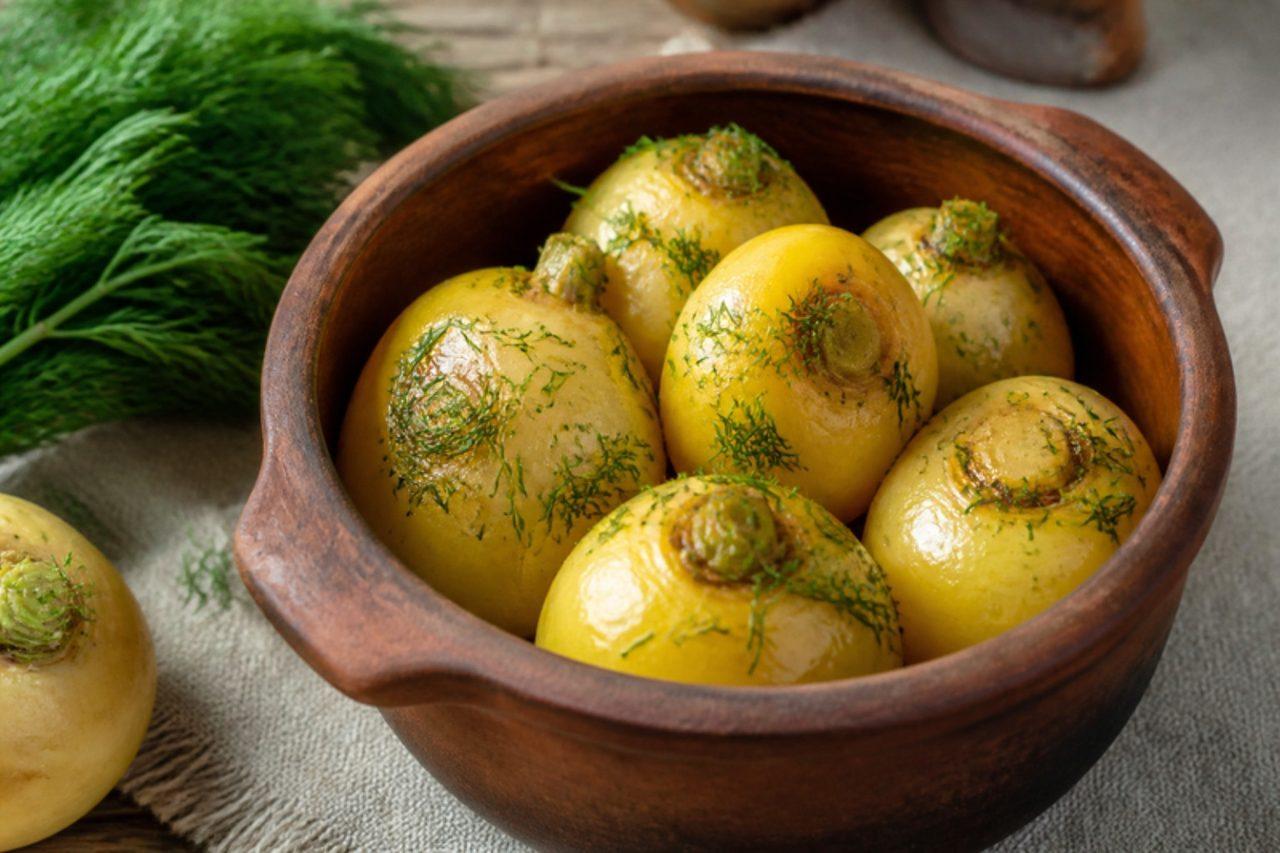
'Simpler than steamed turnip' is how Russians describe anything easy, and before potatoes arrived this was what northern peasants ate most days, set in a sealed clay pot in the cooling stove after the bread came out. Cooked slowly in just a splash of water, the turnip loses its sharp, mustardy bite and turns tender, amber and honey-sweet. Serve it as a side with mushrooms, buckwheat or a roast, or on its own drizzled with sunflower oil and dill. The usual slip is boiling it; turnip cooked in lots of water goes watery and bitter, while steaming in its own juices concentrates the sugar. Chef's tip: choose small, heavy turnips with smooth skins; large woody ones never go fully soft however long they cook.

by KrazyBadal 0 views

Guryev kasha

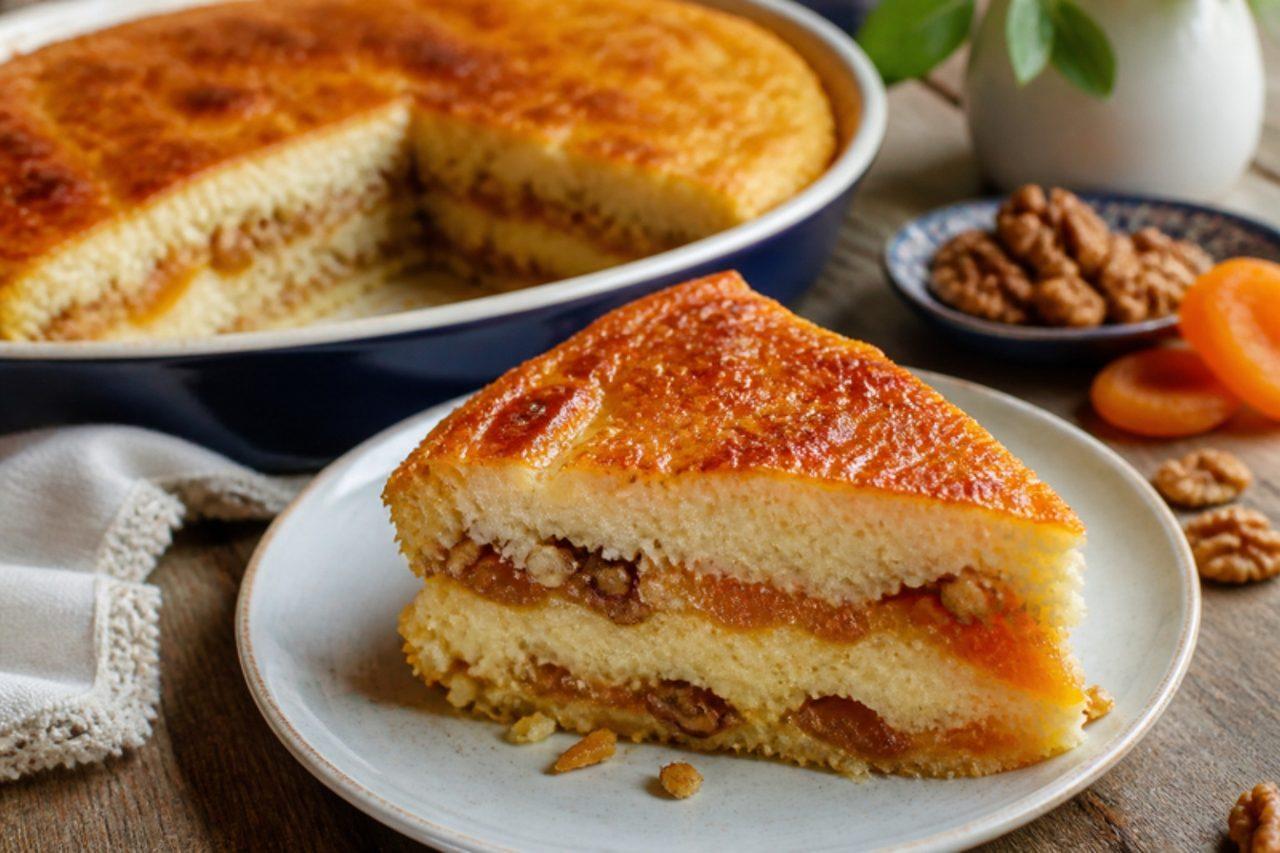
Named after Count Guryev, a nineteenth-century Russian finance minister, this pudding was the showpiece of Moscow merchant tables and grand restaurant menus, and it still appears at name-day lunches and during Maslenitsa week. Behind the humble word kasha sits a rich dessert: soft vanilla semolina layered with crackly sugared walnuts, thin golden skins lifted from baked milk and cream, and spoonfuls of apricot jam, then baked until bubbling. Serve it warm in small portions with strong black tea. Where most people go wrong is hurrying the skins; the milk needs a hot oven and patience so each skin turns golden before you lift it off. Chef's tip: use the widest shallow ovenproof dish you own for the milk, because more surface gives you more skins in the same time.

by KrazyBadal 0 views

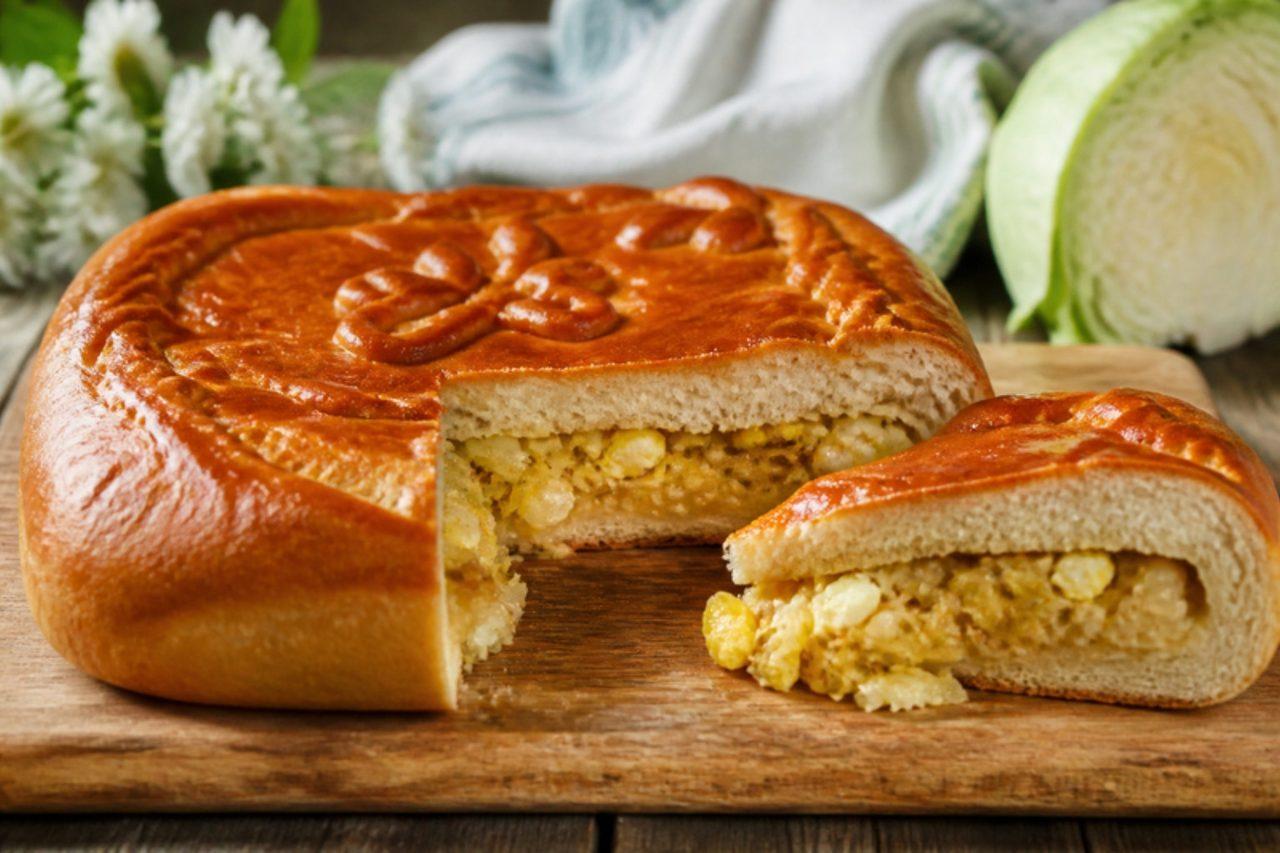
Pirog s kapustoi

Sunday baking in a Russian village house often meant a long rectangular pie like this, cut into thick slabs and carried warm to the table with a bowl of soup or a glass of kefir. Soft milk dough wraps white cabbage braised slowly in butter with onion until sweet and pale gold, folded through chopped hard-boiled egg and dill. Leftover slices are just as good cold the next day, which is why it ends up in lunch boxes and on train journeys. Where most people go wrong is a wet filling that steams the crust soggy from inside: cook the cabbage until the pan is dry and let it cool completely. Chef's tip: brush the hot crust with butter and cover it with a clean tea towel for ten minutes, so the top softens the way Russian grandmothers like it.

by KrazyBadal 0 views

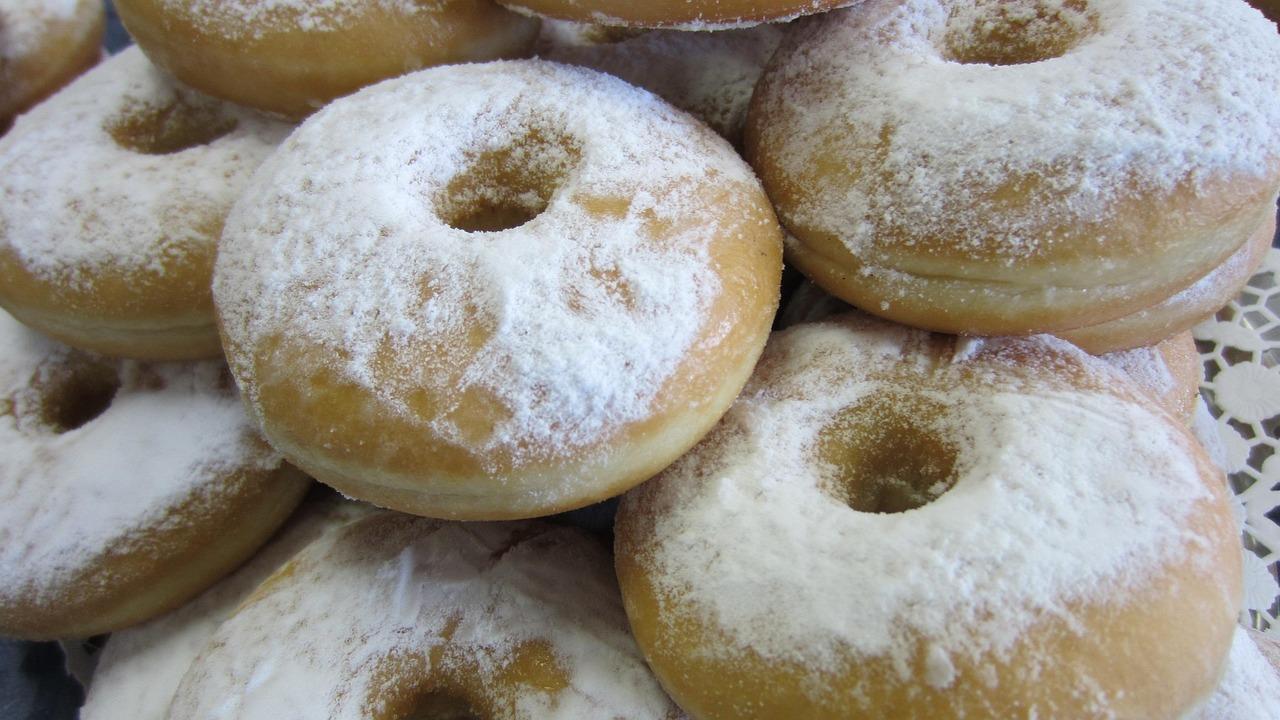
Pyshki

On Bolshaya Konyushennaya street in St Petersburg a small pyshechnaya has been frying these since the 1950s, and locals will tell you firmly that a pyshka is not a ponchik, the filled Moscow doughnut. They come in a paper bag five or six at a time, so hot that the icing sugar melts at the edges, with a glass of sweet milky coffee from a big urn. The soft, fairly wet yeast dough gives a light, open crumb inside a thin golden shell. The usual slip is oil that is too cool: the rings soak it up and turn heavy, so keep a thermometer in the pan at 175 °C. Chef's tip: set each shaped ring on its own small square of baking paper and lower the paper into the oil with it; the paper slips off after a few seconds and the ring stays perfectly round.

by KrazyBadal 0 views

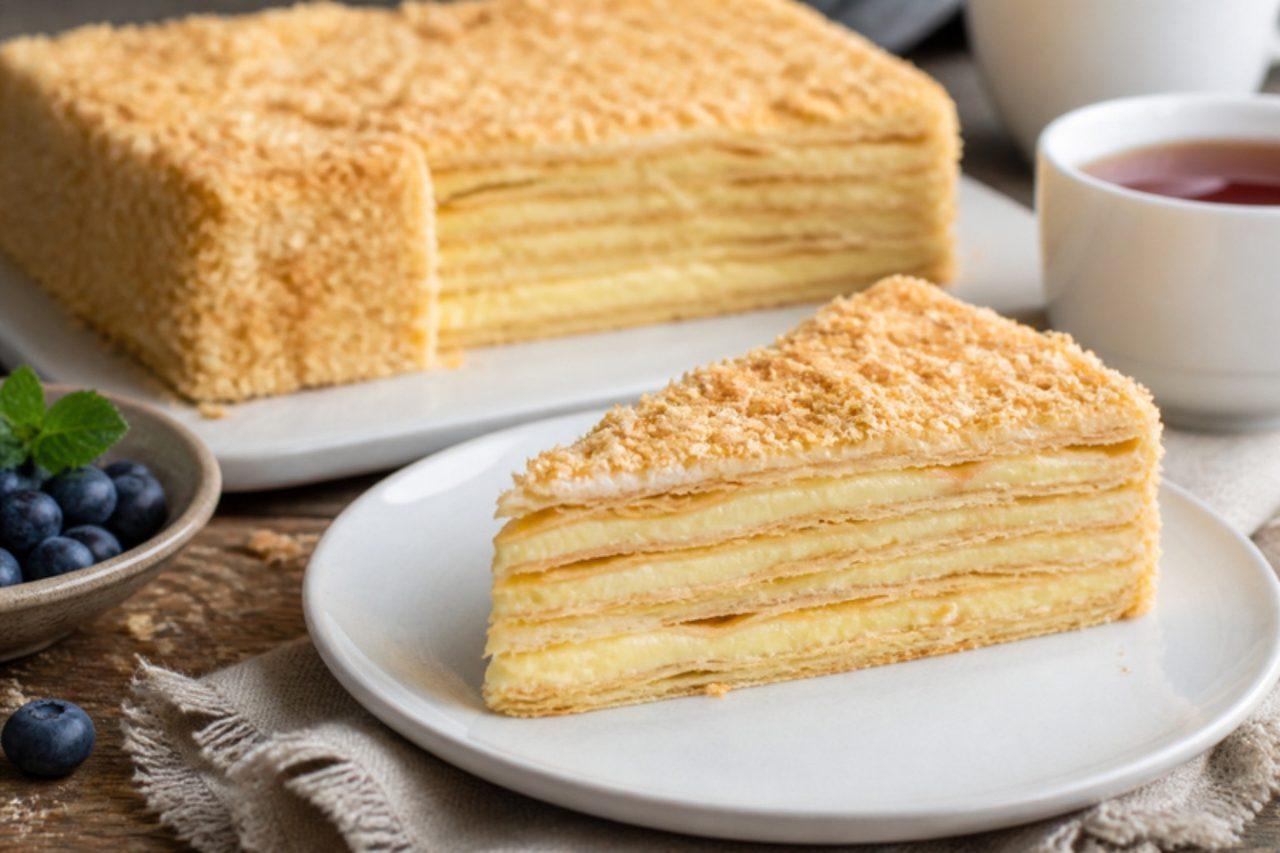
Napoleon cake

Legend links this cake to 1912, the centenary of Napoleon's retreat from Moscow, when St Petersburg confectioners cut triangular pastries shaped like his hat. By Soviet times it had grown into the tall round cake every family baked for birthdays and New Year's Eve. Eight wafer-thin rounds of quick flaky pastry are stacked with vanilla custard enriched with butter, then left overnight so the layers soften into something between a mille-feuille and a tender sponge; crushed trimmings give the snowy finish. Where most people go wrong is serving it the same day; without the long rest in the fridge it is crisp and dry instead of melting. Chef's tip: roll each piece of pastry straight onto baking paper and trim it around a 24 cm plate before baking, so you never have to lift thin raw dough.

by KrazyBadal 0 views

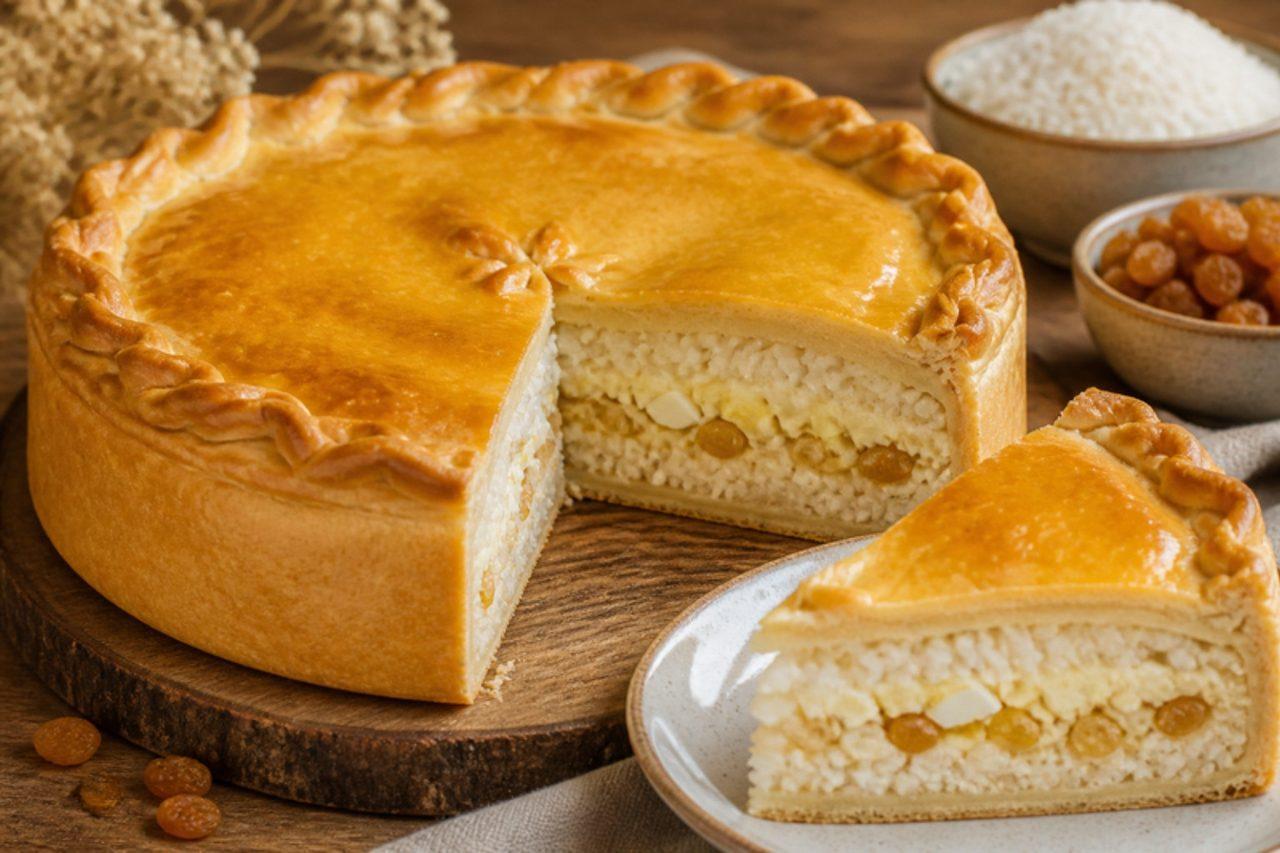
Gubadia

Weddings, Eid and the arrival of honoured guests in Tatarstan call for gubadia, a high round pie that is cut at the table like a cake and served with tea. Inside sit neat layers of buttery rice, kort – Tatar curd cooked down until rosy and fudge-sweet – raisins and chopped hard-boiled egg, under a domed lid of soft yeast dough. Many families add a layer of minced meat with onion; this is the meat-free version, as many sweet tea-table gubadias are. Kort is hard to buy outside the region, so you make it here from tvorog (check the label if you need it rennet-free). Where most people go wrong is a dry pie: every layer needs its share of melted butter. Chef's tip: let the baked pie stand for twenty minutes before cutting so the layers settle and come away in clean wedges.

by KrazyBadal 0 views

Shangi

From the Urals across to Siberia, shangi turn up on Sunday breakfast tables, at village markets and in the lunch bags of fishermen and hunters. They are flat rounds of soft yeast dough topped, not filled, with a thick swirl of buttery mashed potato beaten with egg, then brushed with sour cream so the top bakes into golden, slightly crisp peaks. Eat them warm with tea, milk or a bowl of mushroom soup. Older northern versions used barley dough or a millet topping, and sweet shangi carry tvorog instead. The usual slip is spreading the potato right to the edge; leave a rim so the dough rises around it like a frame. Chef's tip: brush the baked shangi with melted butter and stack them in a covered pot for ten minutes, which keeps them soft the way Siberians like them.

by KrazyBadal 0 views

Garnaalkroketten

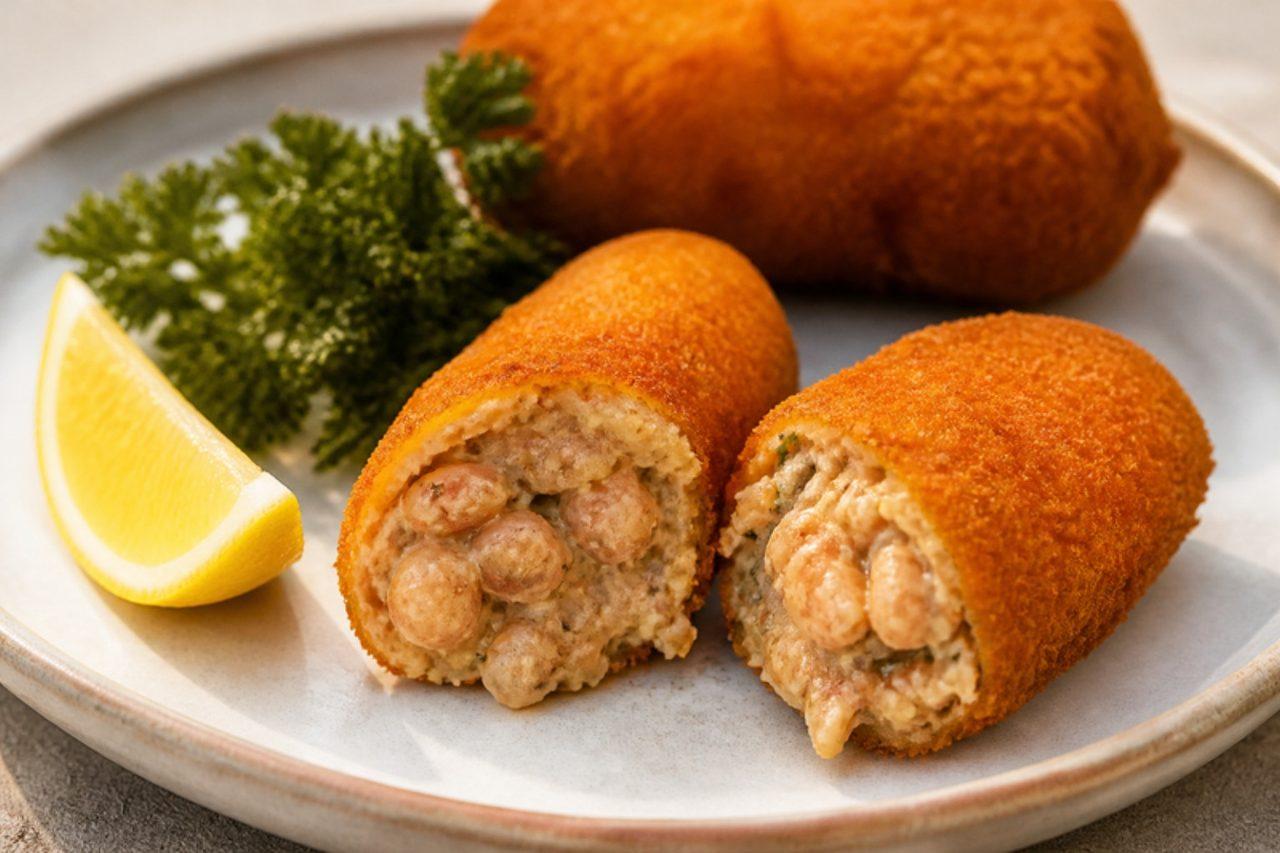
Along the Flemish coast, from De Panne to Knokke, the North Sea grey shrimp is king, and garnaalkroketten are the dish every seaside restaurant is judged by: a molten, creamy shrimp-flavoured béchamel packed with little brown shrimps, set firm, crumbed and fried until golden, served with fried parsley and lemon. In Oostduinkerke, shrimp fishers on horseback still drag their nets through the shallows. A common mistake is a béchamel that isn't thick enough, so the croquettes burst in the oil. Chef's tip: make a strong shrimp stock from the shells, if you have them, for the béchamel, and chill the mix overnight so it is firm to shape. The shrimp are already cooked; fry until golden and hot through.

by KrazyBadal 0 views

Escavèche

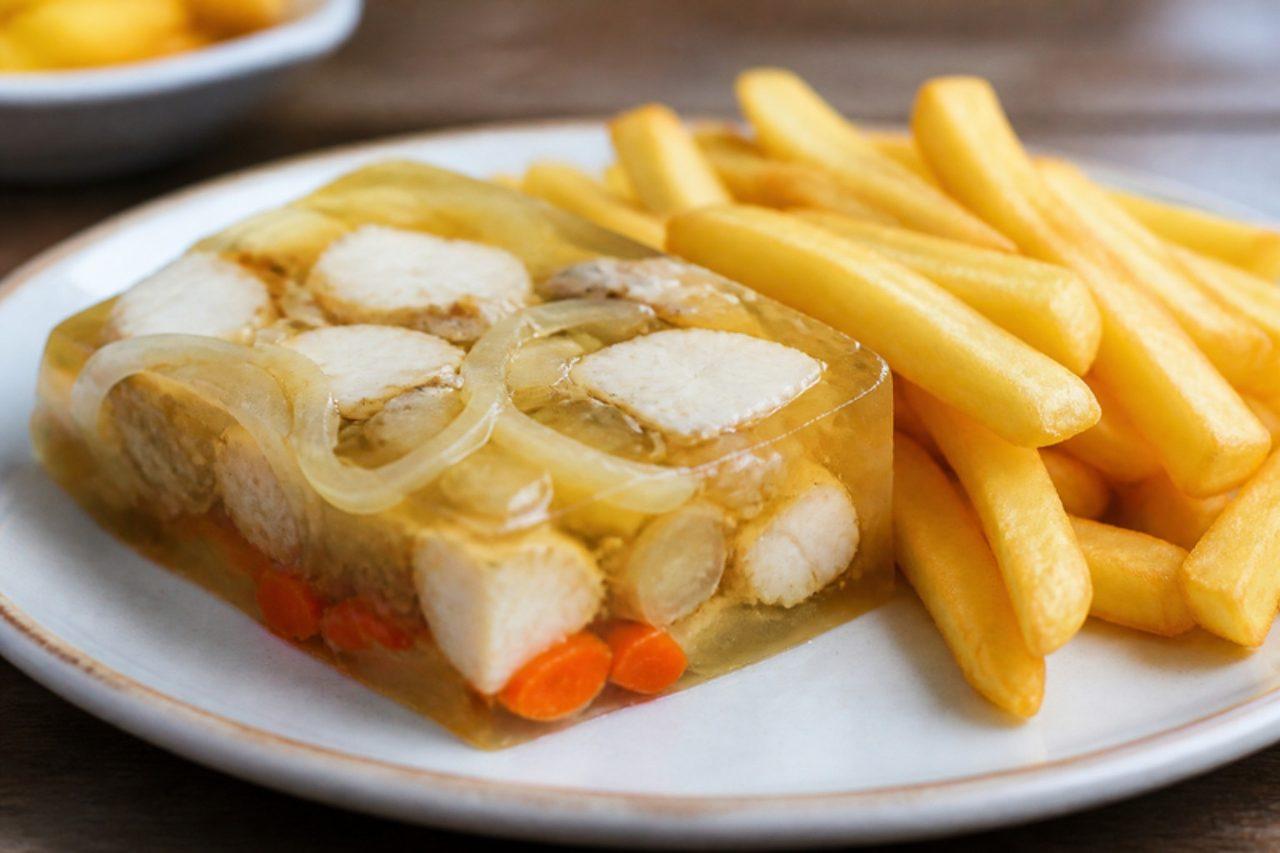
Escavèche is a speciality of the Chimay and Couvin area in southern Wallonia, a legacy of Spanish rule in the 16th century: fish fillets, traditionally eel or pike, fried and then covered with a hot marinade of vinegar, onion, thyme and bay that sets into a clear, tangy jelly as it cools. It is eaten cold, sliced, with crisp fries, in the brasseries of the Botte du Hainaut. A common mistake is not cooking the fish through before it goes into the marinade; cold marinade does not cook it. Chef's tip: let it set for at least 12 hours in the fridge; the vinegar mellows and the jelly firms. The fish should be opaque and flaking before marinating.

by KrazyBadal 0 views

Khuplu

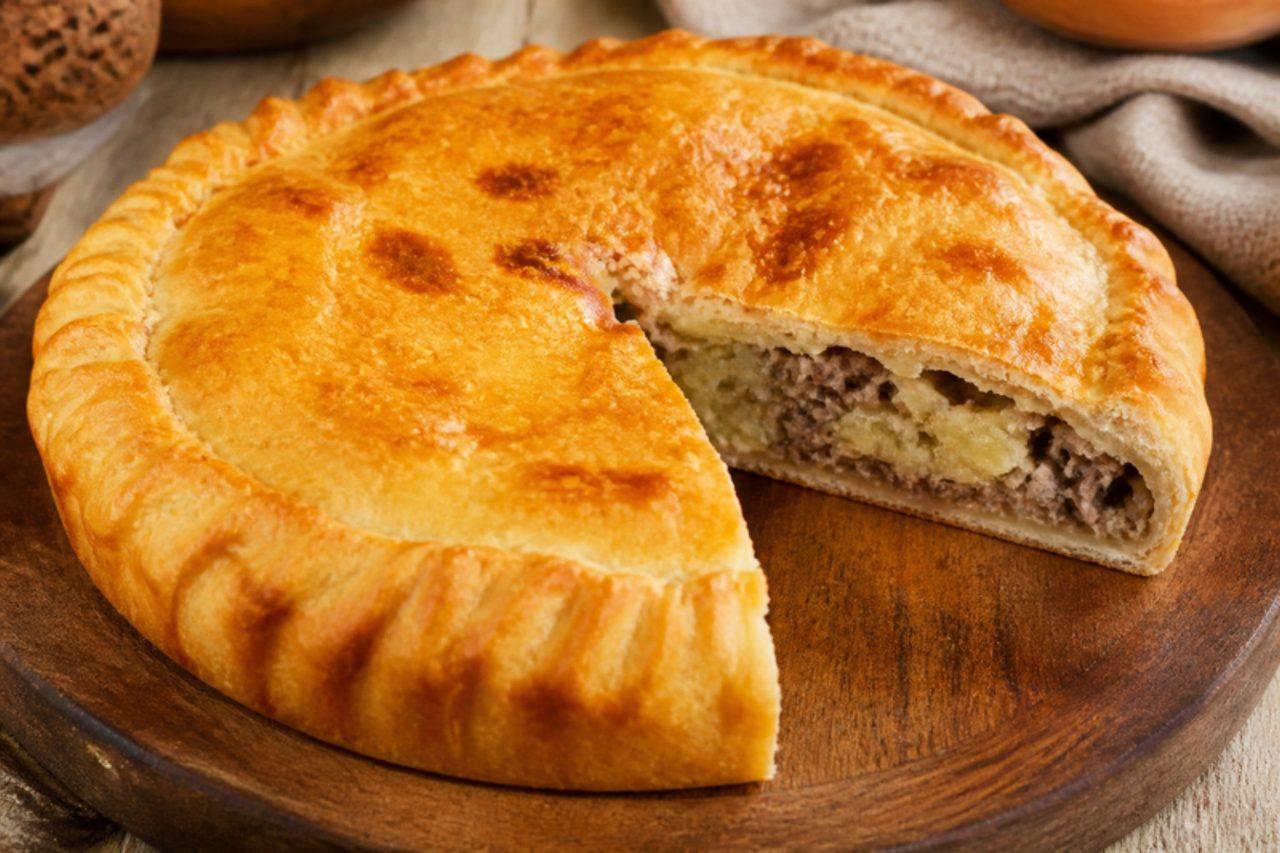
The Chuvash people of the middle Volga bake khuplu for harvest festivals and to welcome guests: one large, round, closed pie with a thin yeast crust and a deep filling of diced meat, potato and onion, traditionally with a little vent on top and a ring of dough to decorate it. Cut at the table, it spills meaty juice into the potatoes, and it is eaten warm with a glass of cold buttermilk or a bowl of soup. The usual slip is under-baking; a pie this deep needs well over an hour and a thermometer check. Chef's tip: lay the potatoes at the bottom and the meat on top, so the potatoes drink the juices and the base does not go soggy.

150 minRussianMeat
by KrazyBadal 0 views

Mochenaya brusnika

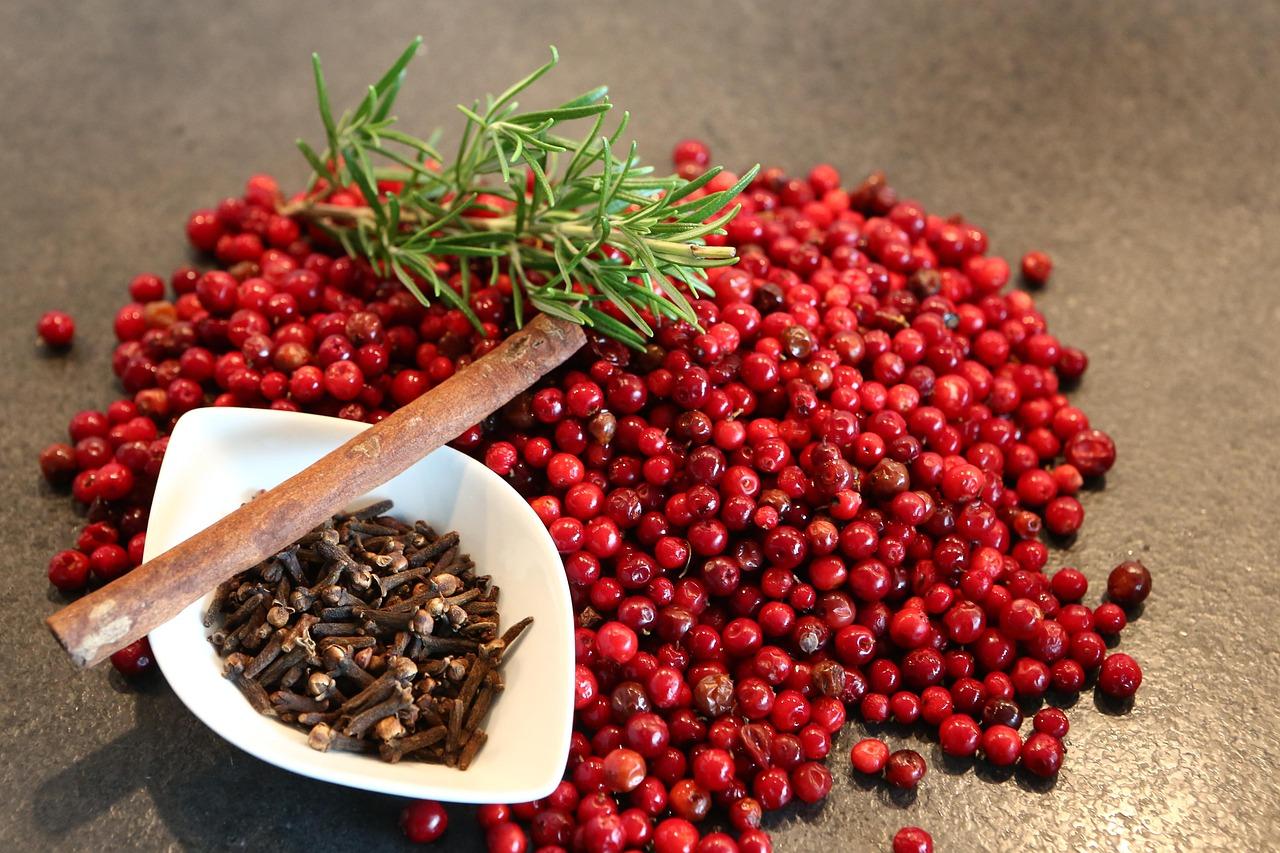
In Siberian and northern villages a barrel of lingonberries standing in water was the winter larder, ladled out to sit beside roast game or meat, a plate of potatoes and mushrooms, or a bowl of porridge. The tart ruby berries keep thanks to their own natural acidity and only a light syrup; after a few weeks they turn faintly fizzy, sweet-sour and refreshing, and the pink liquid is drunk cold as a drink. This is a fridge version: cooled spiced syrup is poured over clean berries in a jar, which then waits three to four weeks before opening. A common mistake is pouring the syrup on hot, which cooks the berries so they burst and turn dull. Chef's tip: frozen lingonberries work well too, and an apple cut in wedges and tucked into the jar soaks up the flavour and is a treat of its own.

by KrazyBadal 0 views

Vatrushka

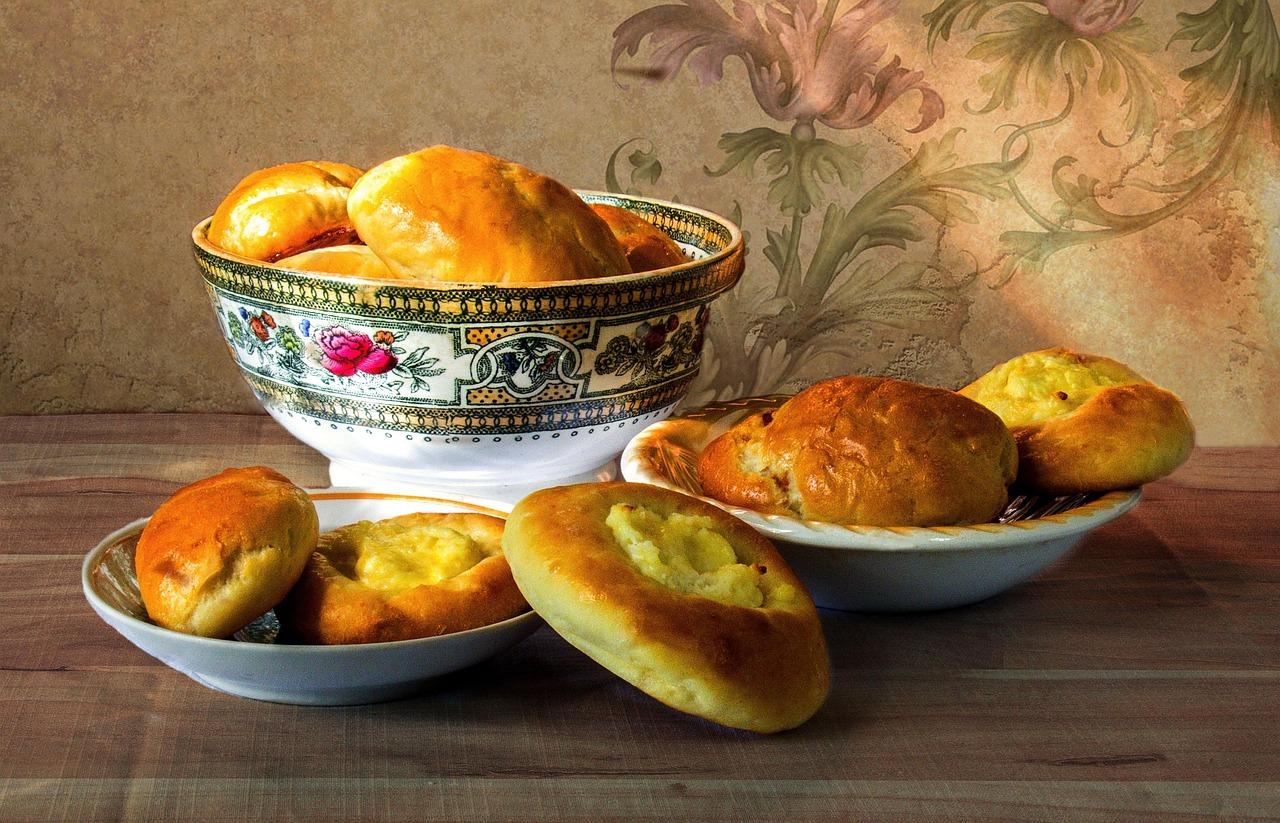
Bakery counters from Moscow to small Ryazan towns stack these golden rounds beside the tea urn, and a warm one with a glass of milk is the classic after-school snack. The soft, lightly sweet enriched dough is pressed into a deep well and filled with tvorog beaten with yolk, sugar and vanilla, which bakes into a set, creamy centre with a gentle tang. Tvorog is usually acid-set, but check the label if you need it rennet-free; a well-drained curd cheese works too. The usual slip is a wet filling: watery curd bubbles over the rim and leaves a hollow bun, so drain it well and add the spoon of semolina. Chef's tip: press the well with the base of a small floured glass, so the walls stay even and the rim rises tall around the cheese.

by KrazyBadal 0 views

Kletskoppen

Kletskoppen are the lacy, crackly biscuits of Bruges, sold in the old city's bakeries and served with coffee in the cafés around the Markt: brown sugar, butter and chopped almonds with very little flour (this version uses none), baked until they spread into thin, see-through, toffee-flavoured lace. A common mistake is putting them too close on the tray; they spread enormously and join up. Chef's tip: let them cool for a minute on the tray before lifting, and drape them over a rolling pin while still warm if you want curved tuiles.

by KrazyBadal 0 views

Kartoshka cake

Soviet cafés and school canteens sold these knobbly brown 'potatoes' for a few kopecks, and they began as a thrifty way to use up sponge and biscuit trimmings at the bakery. Crumbs are bound with butter and sweetened condensed milk, flavoured with cocoa and vanilla, shaped into little potatoes, rolled in cocoa and finished with two dabs of pale butter cream for the sprouts. They are fudgy and dense like a brownie truffle, need no oven, and children love making them. Traditional bakers added a spoonful of rum, an optional extra for adult batches only; this version is alcohol-free with vanilla. The usual slip is coarse crumbs, which make the potatoes crack, so blitz them as fine as sand. Chef's tip: chill the shaped potatoes for at least 20 minutes so they hold their shape and slice cleanly.

by KrazyBadal 2 views

Tula pryanik

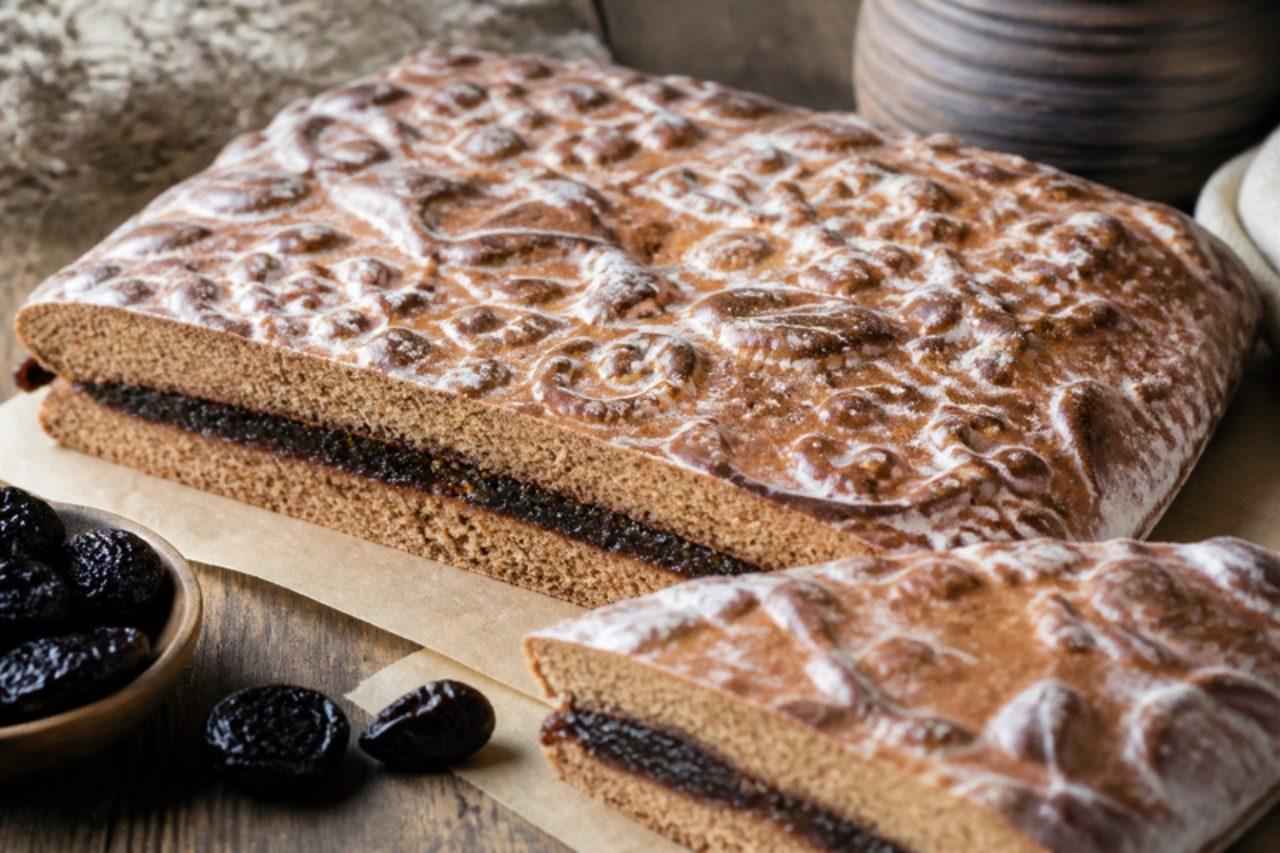
Tula, a few hours south of Moscow, has pressed these slabs in carved wooden boards since the seventeenth century, and a pryanik stamped with the town's crest or a samovar is still the souvenir every visitor carries home. It is made from a cooked dough: honey, sugar and butter are warmed with cinnamon, cardamom, ginger and clove, then flour is beaten in, giving a dense, soft and fragrant cake. A layer of thick plum jam runs through the middle and a thin sugar glaze sets white and crisp on top. Cut it into fingers and serve with black tea. The usual slip is a runny jam that leaks from the seams, so use a stiff jam or cook it down first. Chef's tip: wrap the glazed cake and leave it overnight; it softens and the spice deepens, which is why Tula bakers never sell it warm.

by KrazyBadal 0 views

Paskha

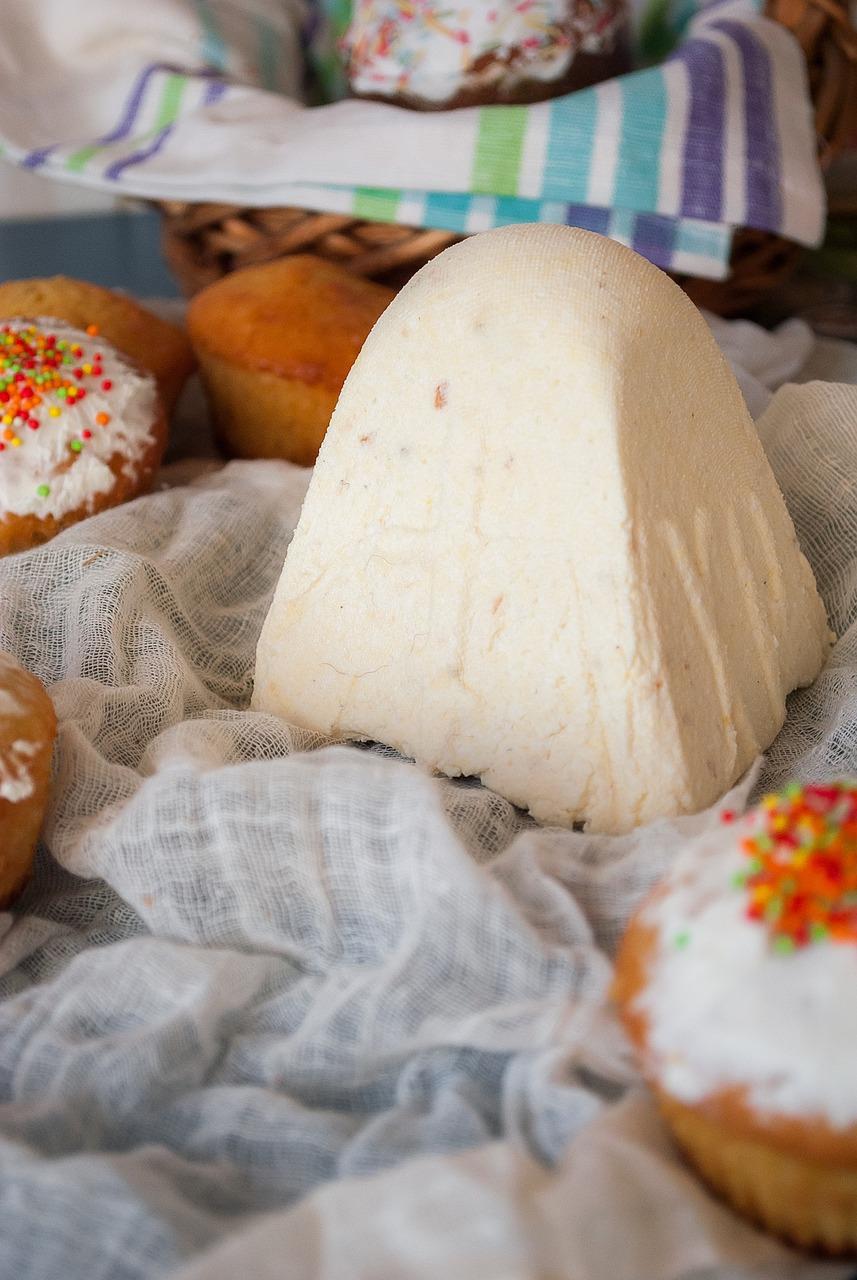
Next to the kulich on every Russian Easter table stands a white pyramid stamped with the letters ХВ, for 'Christ is risen', cut into thin wedges and spread on slices of the sweet bread. Old recipes stir raw yolks and cream straight into the curd; this is a cooked paskha (zavarnaya), where yolks, cream and sugar are first heated into a custard, which is safer and keeps longer. Use pasteurised tvorog, cream and eggs, and check the tvorog label if you want it rennet-free. The texture is dense and smooth like a firm cheesecake filling, sweet with vanilla, raisins, candied peel and almonds. Where most people go wrong is skipping the sieving; unsieved curd stays grainy whatever else you do. Chef's tip: no pyramid mould? A new, clean flowerpot or a sieve lined with muslin works, with a weight on top overnight in the fridge.

by KrazyBadal 0 views

Sbiten

Long before tea reached Russia, street sellers wrapped in shawls carried copper urns of sbiten through winter markets, pouring steaming glasses of spiced honey water for traders and coachmen. It comes back every Maslenitsa at fairs in Moscow and Suzdal, drunk beside blini. The taste is warming and sweet, with the bite of ginger, a bitter edge of bay and clove, and a resinous note from St John's wort or mint. Where most people go wrong is boiling the honey hard, which dulls its perfume; simmer the spices first and dissolve the honey off the boil. Honey should not be given to babies under one year old. Chef's tip: make the spiced base ahead and keep it in the fridge, then reheat a glass at a time and finish with a squeeze of lemon.

by KrazyBadal 0 views

Showing 24 of 252 recipes

Show more recipes

Page 1 of 11