Skip to content
Recipes

All recipes

Vegetarian, or something you can't eat? Set your diet once and we'll hide recipes that don't fit.

DubulanHoney-drizzled dough spirals

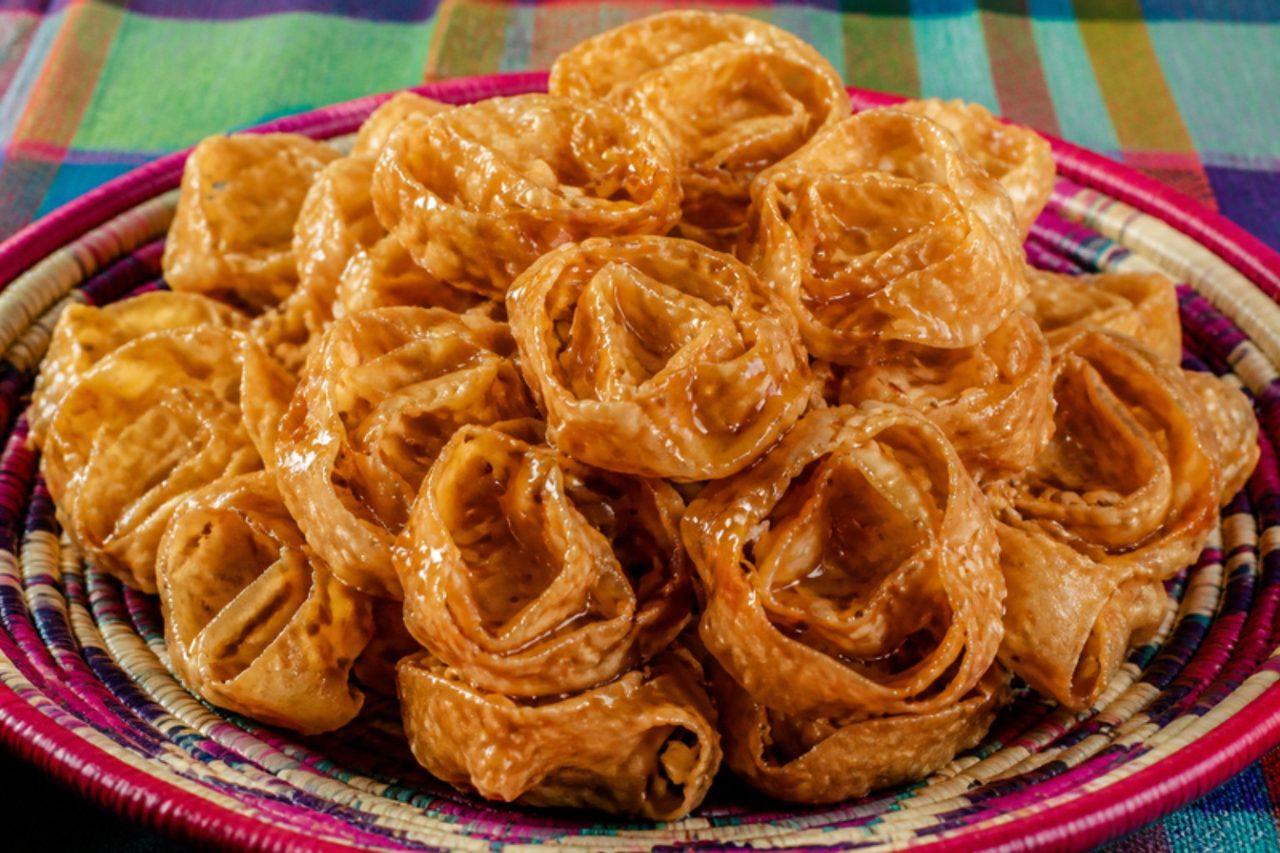
Dubulan are crisp spirals of thin fried dough from northern Nigeria, piled onto trays for Eid al-Fitr, known locally as Sallah, and for weddings among Hausa and Kanuri families. Each ribbon of rolled-out egg dough is wound loosely around a fork as it fries, so it sets into a light, crackly rosette, then honey or syrup is trickled over the top. They keep well in a tin for visitors through the festival days. Chef's tip: roll the dough so thin you can almost see through it; thick ribbons stay hard instead of shattering.

by KrazyBadal 0 views

Sopa teólogaTurkey broth with bread and cheese

Sopa teóloga ('the theologian's soup') goes back to colonial convents in Lima and Arequipa, where it was cooked for feast days, and it is still served at Holy Week and family celebrations. A rich turkey (or chicken) broth is thickened with soaked bread, milk and fresh cheese, with yellow potatoes and shreds of turkey, and finished with a little ají amarillo and chopped huacatay or parsley. It is thick, comforting and filling. Chef's tip: blend part of the soaked bread with broth before adding it, which gives the soup its creamy body without lumps.

by KrazyBadal 0 views

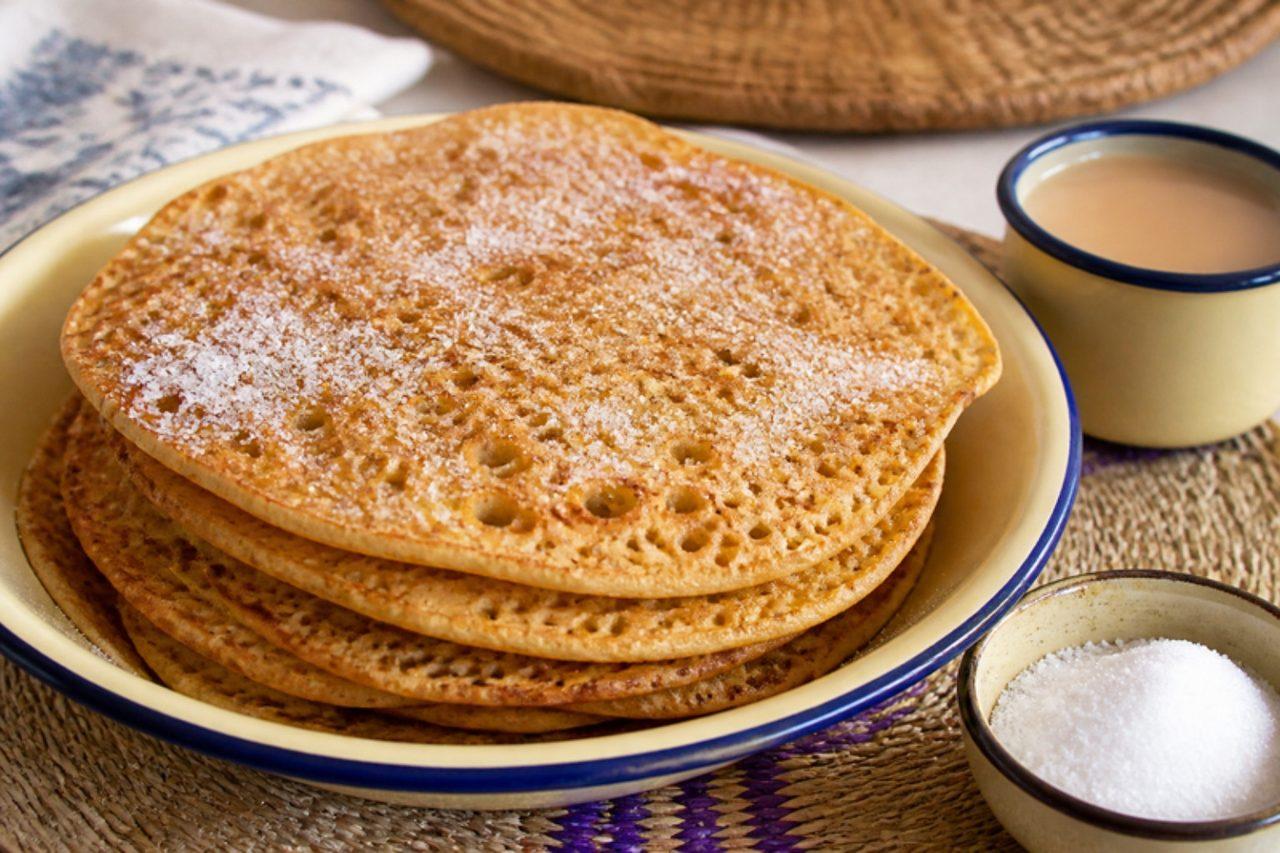
FunkasoFermented wheat pancakes

Funkaso is a Hausa pancake from northern Nigeria, made from a wheat batter left to ferment until bubbly and fried into soft, spongy rounds with crisp edges. Families cook stacks of it for the pre-dawn sahur and the evening meal during Ramadan, and again on Sallah morning for visitors. It is eaten simply, sprinkled with sugar, or dipped in a hot pepper sauce, with hot kunun or tea. Chef's tip: the batter should be as thick as double cream; too runny and the pancakes spread thin and lose their spongy middle.

by KrazyBadal 0 views

KaguyjyWhite corn pudding

On the night of 23–24 June, Paraguayans celebrate San Juan with bonfires, games like walking over hot coals and the 'paso de fuego', and a table of traditional foods, and kaguyjy (also mazamorra) is one of them. It is a soft, creamy pudding of cracked white corn (locro) simmered slowly in water and then milk with sugar or honey, sometimes with orange peel. It is eaten warm or cold. It is gluten free. Chef's tip: soak the corn overnight and cook it until each kernel is tender before adding the milk, or it never turns creamy.

by KrazyBadal 0 views

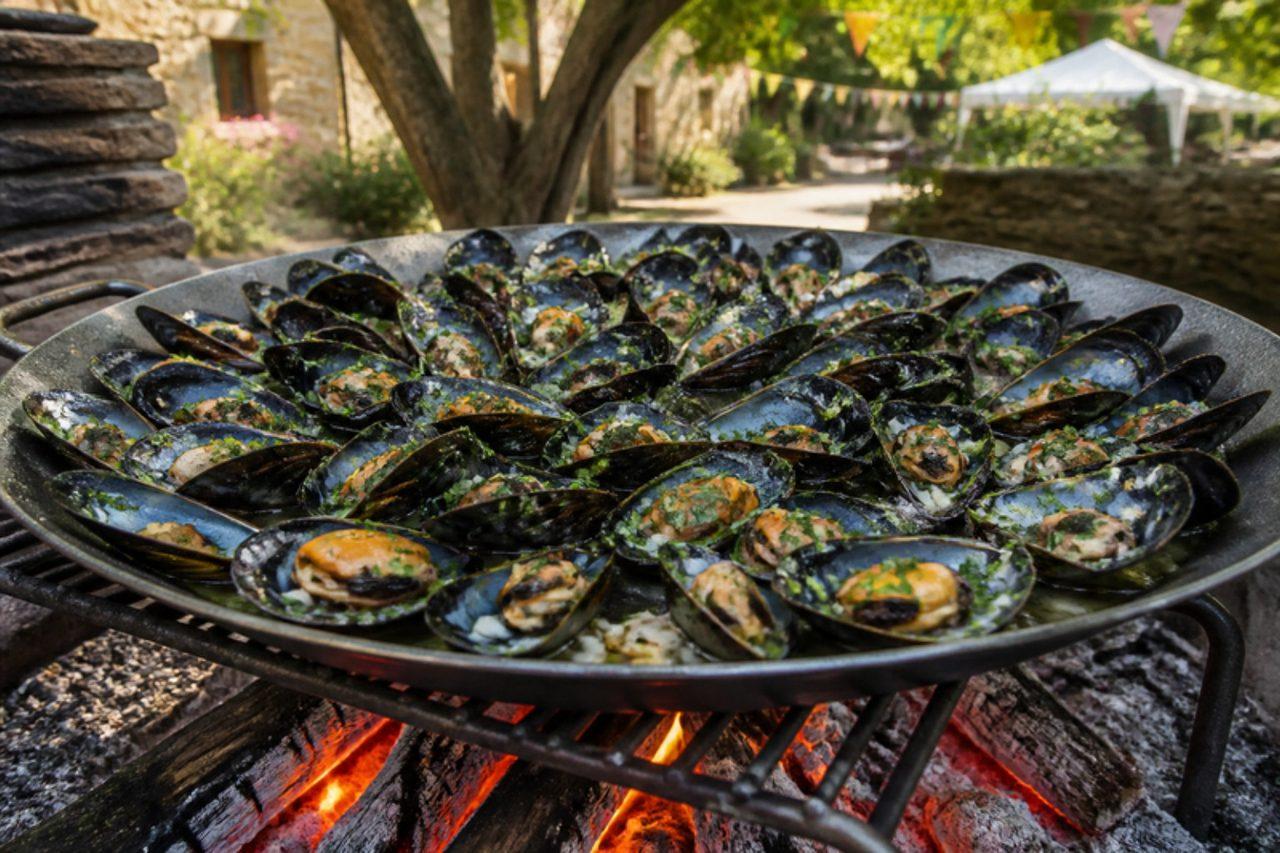
BrasucadeGrilled mussels with garlic and parsley

At village fêtes around the étang de Thau in Languedoc, and on beaches in summer, people gather round a brasucade: mussels piled into a large pierced pan over a fire of vine prunings until they open, then doused with a garlicky oil of parsley and a little chilli and tossed. It is smoky, juicy and eaten by hand with bread. A barbecue grill works at home. Chef's tip: use a lid or a sheet of foil over the pan; the trapped steam opens the mussels evenly while the fire adds smoke.

25 minFrenchFish
by KrazyBadal 0 views

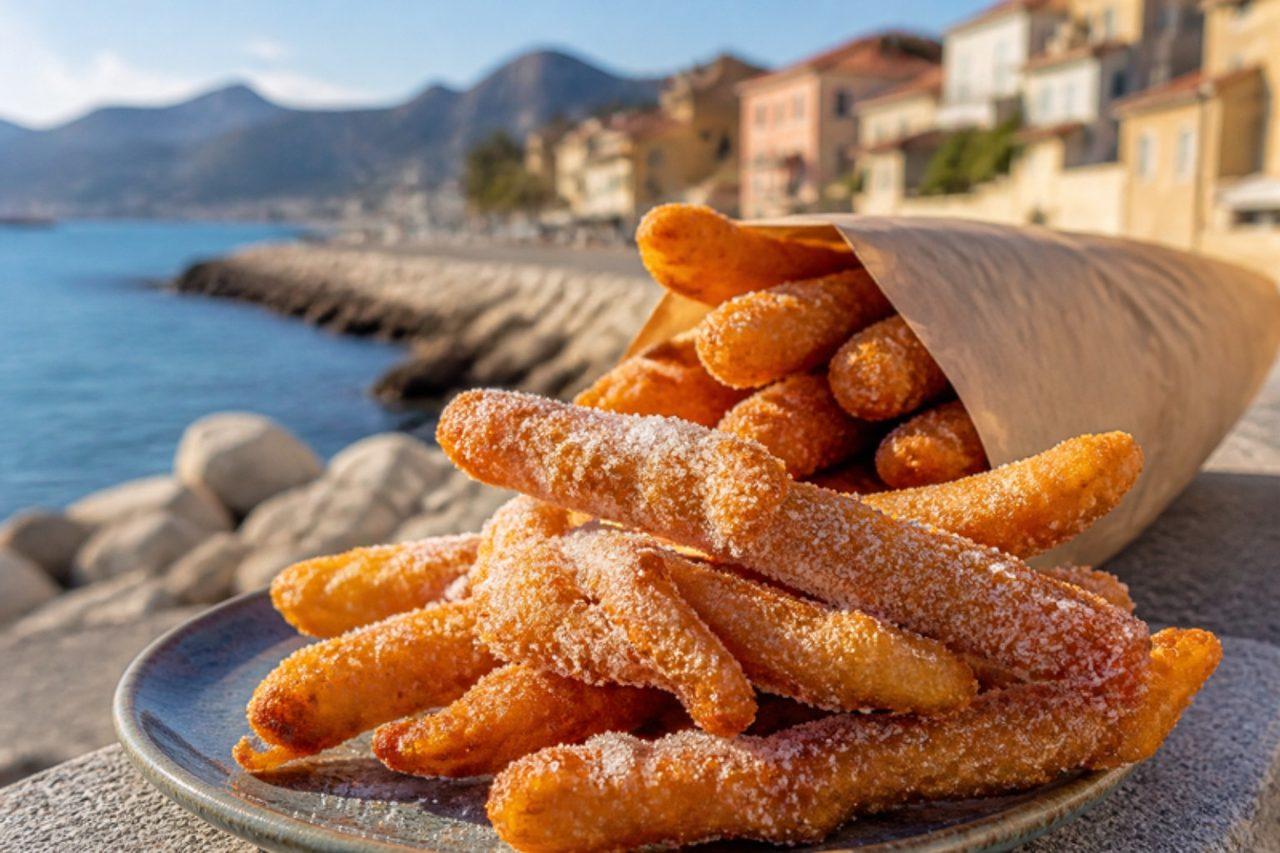
Chichi frégiChickpea flour fritters in sugar

On the seafront at L'Estaque, the old fishing quarter of Marseille, and at summer fêtes all along the coast, kiosks fry chichi frégi: long, ridged fritters of wheat and chickpea flour, rolled hot in sugar and eaten in a paper cone. The dough is a yeasted, egg-free batter piped straight into the oil, crisp outside and soft inside, with a faint nutty taste from the chickpea flour and a hint of orange flower. Chef's tip: keep the oil at 175 °C; cooler and the fritters soak up fat, hotter and they burn before the middle cooks.

by KrazyBadal 0 views

AllerheiligenstriezelBraided sweet loaf

In Bavaria and Austria, godparents give their godchildren an Allerheiligenstriezel on All Saints' Day, 1 November: a large braided loaf of sweet yeast dough, brushed with egg and scattered with almonds or pearl sugar. The braid is said to recall the old custom of cutting a plait of hair in mourning, and the size of the loaf once showed how generous the godparent was. It is lightly sweet, with lemon and vanilla, and is eaten sliced with butter or jam. Some recipes add rum-soaked raisins; these are soaked in warm water instead. Chef's tip: braid four strands for an impressive, high loaf.

by KrazyBadal 0 views

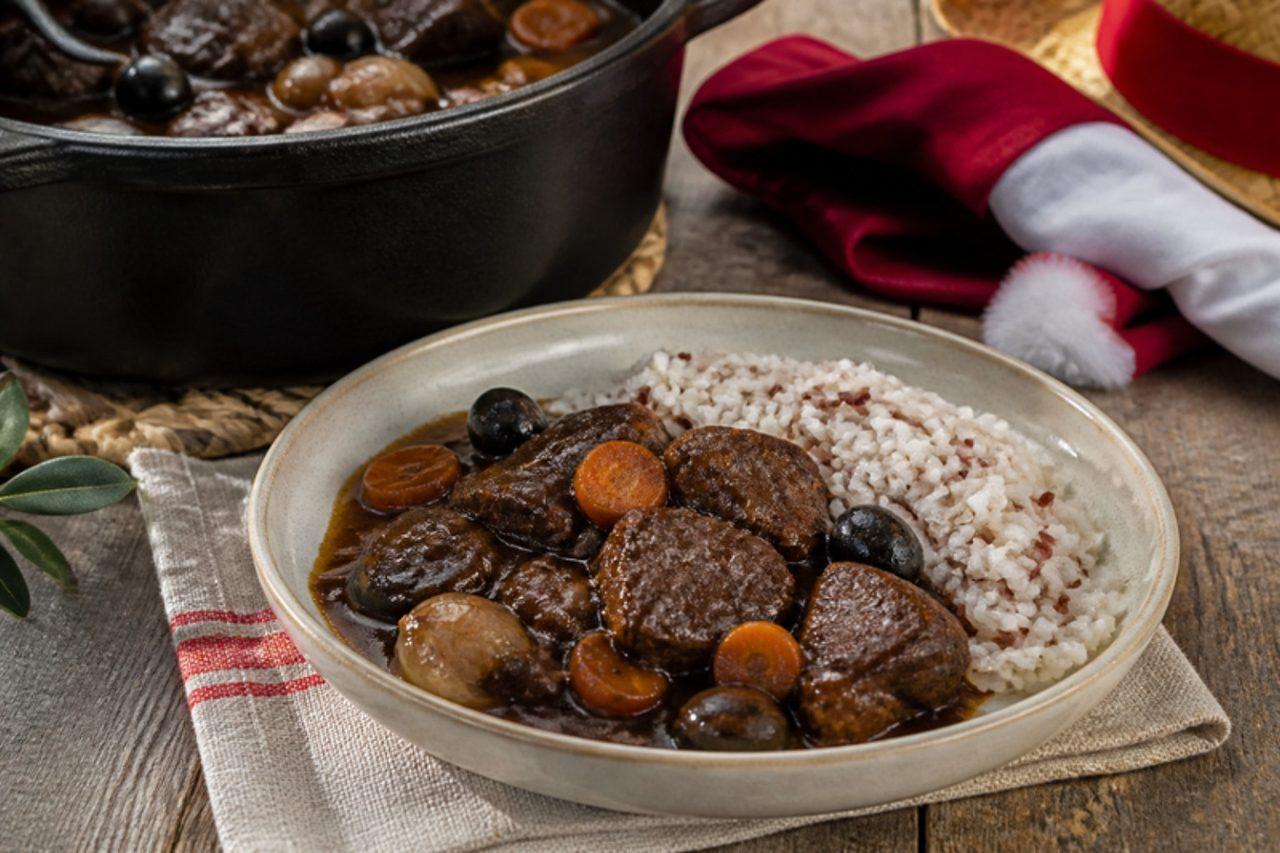
Gardianne de taureauBull beef braised in red wine

Gardianne is named after the gardians, the mounted herdsmen who raise black bulls on the marshes of the Camargue, and it is served at the summer ferias and village fêtes of Arles and Saintes-Maries-de-la-Mer with nutty Camargue red rice. Taureau (bull meat) is lean and deeply flavoured, braised slowly in red wine with onions, garlic, herbes de Provence and black olives until dark and tender; beef shin or chuck makes a fine substitute. This recipe contains alcohol: for an alcohol-free version, replace the wine with the same amount of beef stock plus 2 tbsp red wine vinegar and 1 tbsp grape juice. Chef's tip: marinate the meat overnight in the fridge for the deepest flavour.

235 minFrenchMeat
by KrazyBadal 0 views

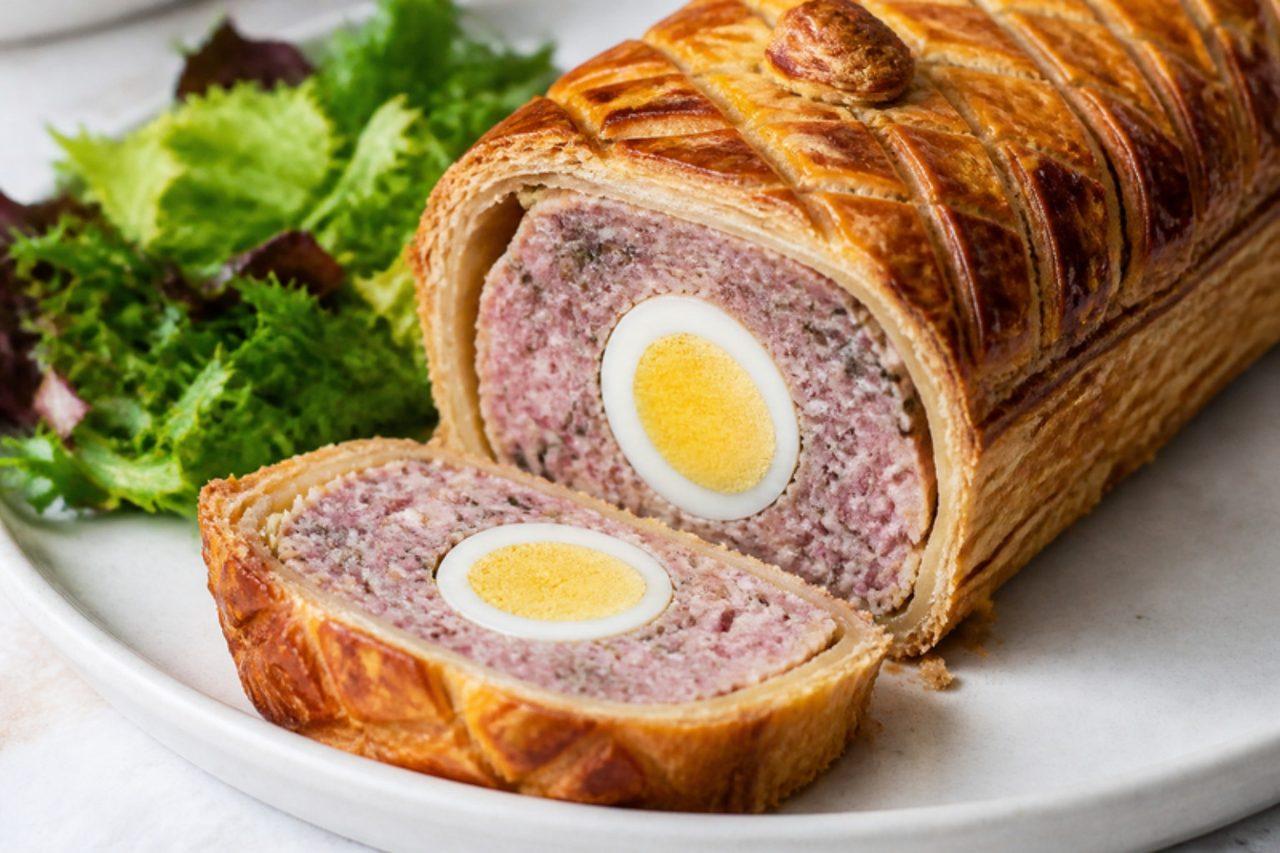
Pâté de Pâques berrichonPork, veal and egg pastry loaf

In the Berry region of central France (around Bourges and Châteauroux), Easter Sunday lunch begins with pâté de Pâques: a long loaf of puff pastry filled with seasoned minced pork and veal around a row of whole hard-boiled eggs, so every slice shows a golden yolk in the middle. It is eaten warm or cold with a green salad. Some cooks marinate the meat in white wine or Cognac; this recipe uses no alcohol. Chef's tip: cut a chimney in the top crust and keep it open with a roll of card, so steam escapes and the pastry stays crisp.

110 minFrenchMeat
by KrazyBadal 0 views

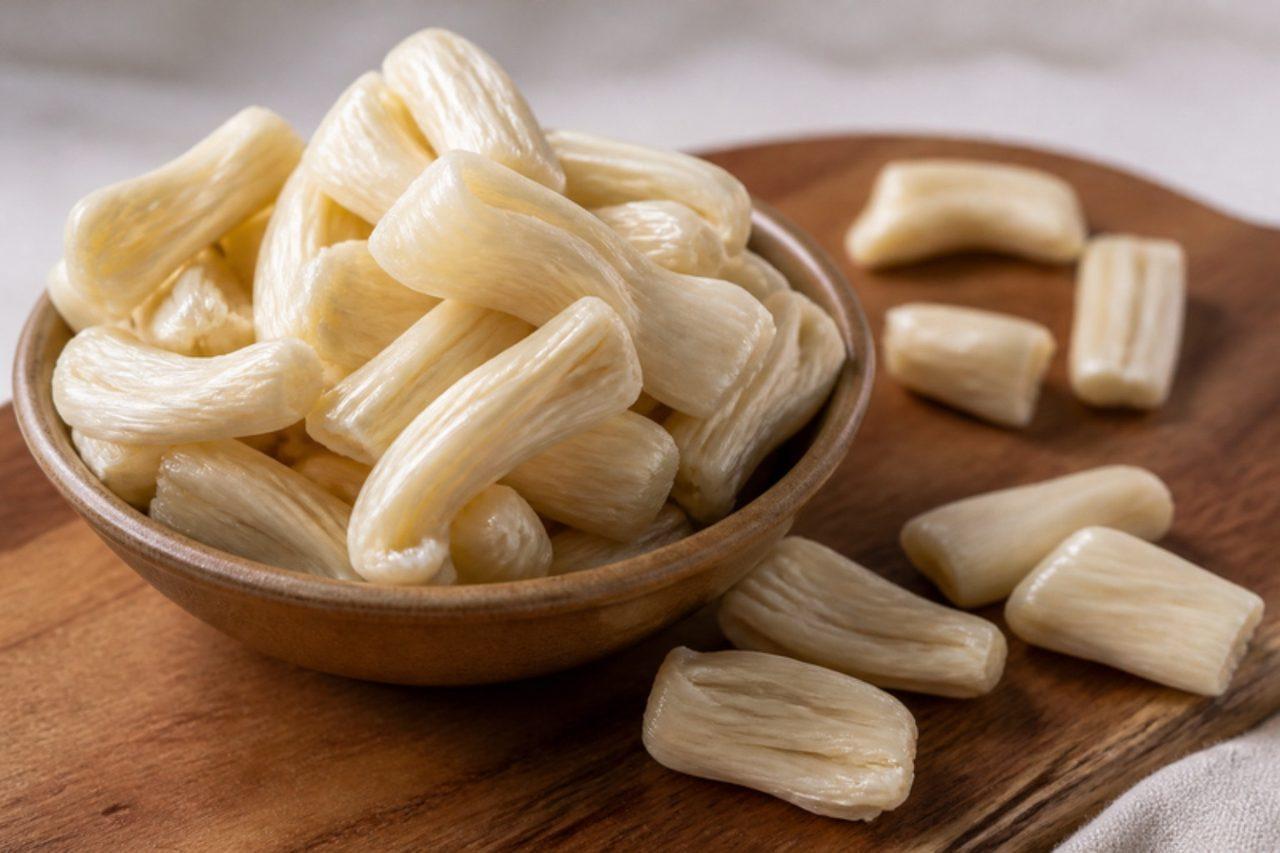
AlewaPulled sugar sweets

Alewa is the chewy pulled sugar sweet of Hausa northern Nigeria, cooked from just sugar, water and a squeeze of lime, then stretched by hand until it turns pale and satiny. Pocketfuls are given to children on Sallah, the Eid al-Fitr holiday, as they go from house to house in new clothes. The taste is clean caramel with a little sharpness from the lime. An adult should do the hot pulling. Chef's tip: oil your hands and the worktop well and pull while the sugar is still hot enough to bend; once it cools it sets hard and won't stretch.

by KrazyBadal 0 views

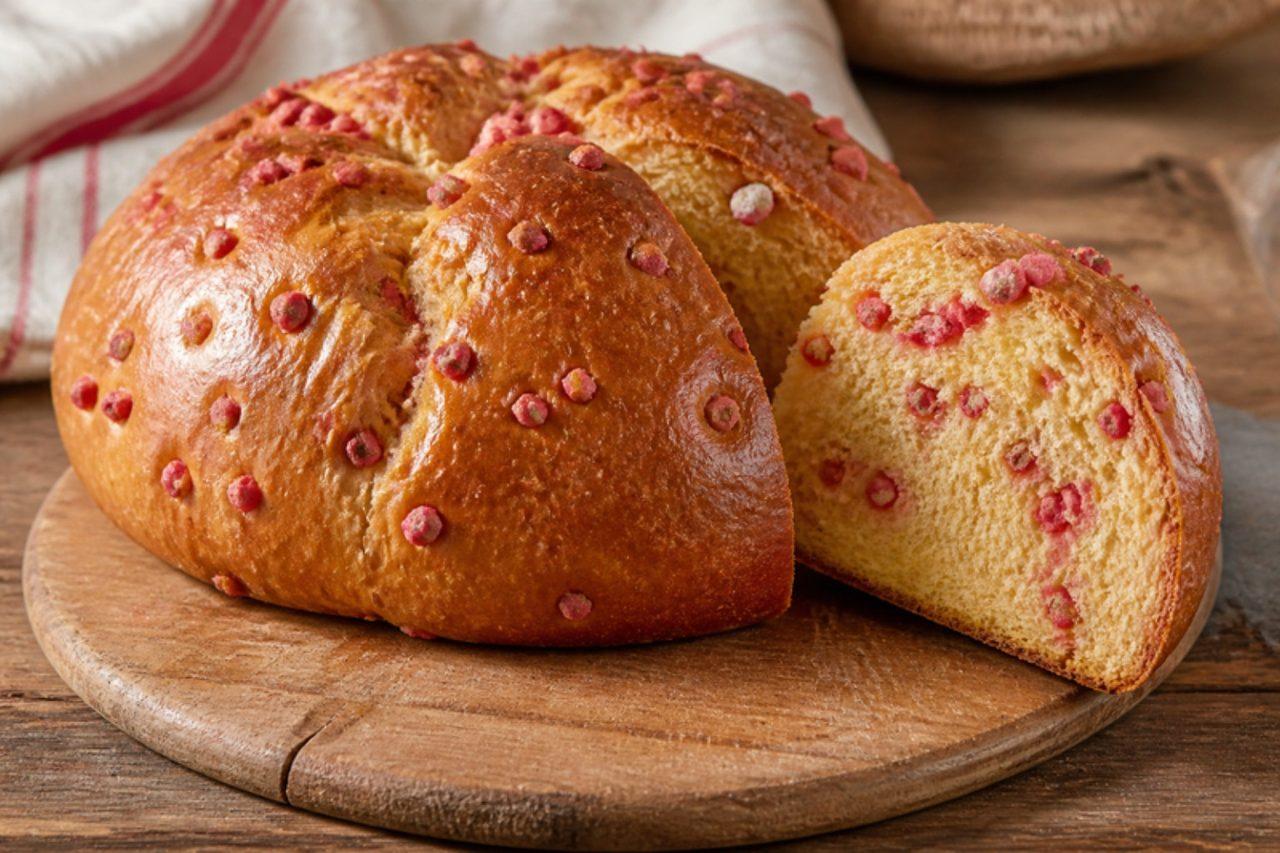
Brioche de Saint-GenixPink praline brioche

In Saint-Genix-sur-Guiers, in Savoie, this round brioche dotted with bright pink sugared almonds is baked for the feast of Saint Agatha on 5 February, and its shape is said to recall the saint's martyrdom. Today it is sold all year in the bakeries of the Savoie and Lyon, rich and buttery, with the pralines melting into sticky pink pockets. The dough rests overnight in the fridge, so start the day before. Chef's tip: crush the pralines roughly and fold them in at the very end, or they dissolve and stain the whole dough pink.

595 minFrenchBaking
by KrazyBadal 0 views

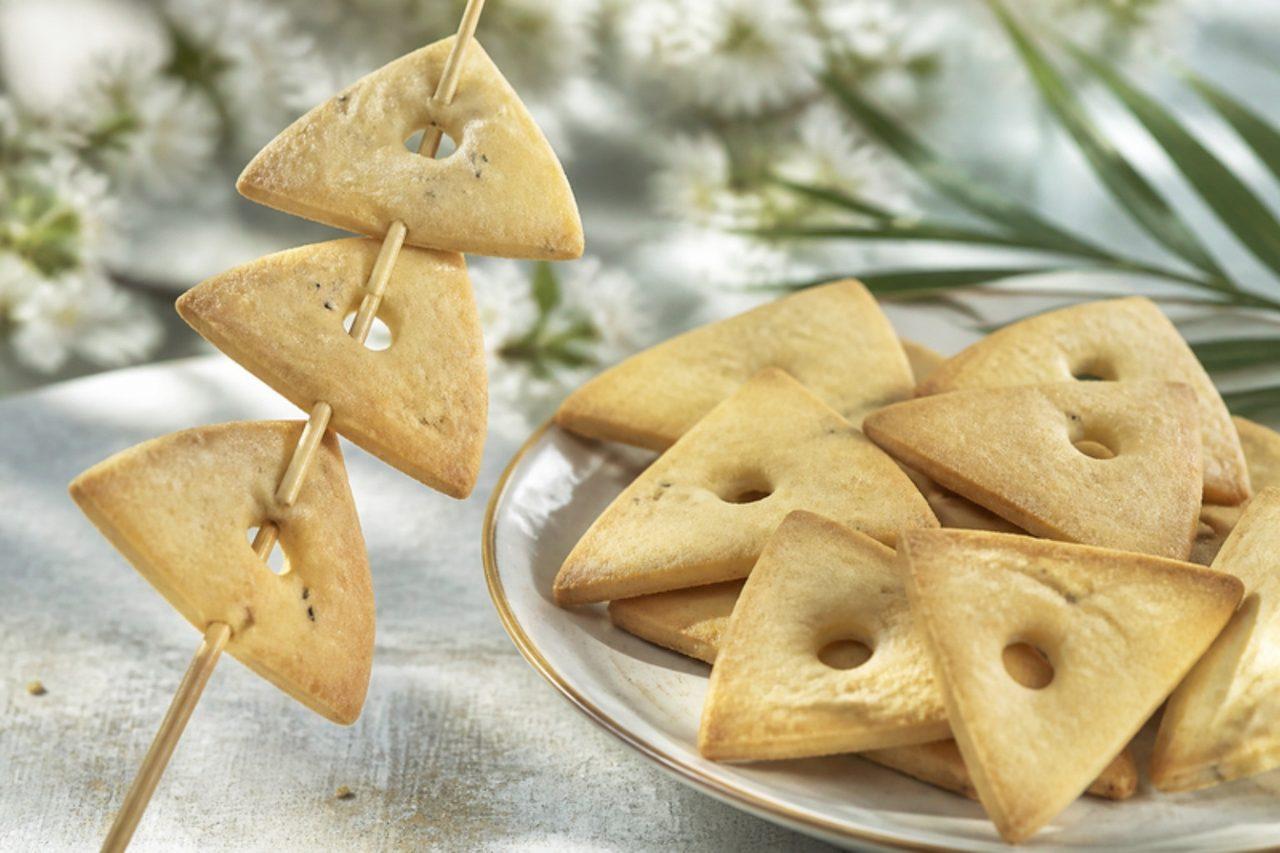
CornuellesAniseed biscuits

On Palm Sunday in Villebois-Lavalette, in Charente, stalls sell cornuelles, hard triangular biscuits with a hole in the middle, threaded onto a stick or a sprig of blessed box. The three points are said to stand for the Trinity, and children carry them home from church. They are crisp and scented with aniseed, glazed with a thin sugar icing. Chef's tip: roll the dough thin and even, about 5 mm, so every biscuit bakes through crisp without burning at the points.

by KrazyBadal 0 views

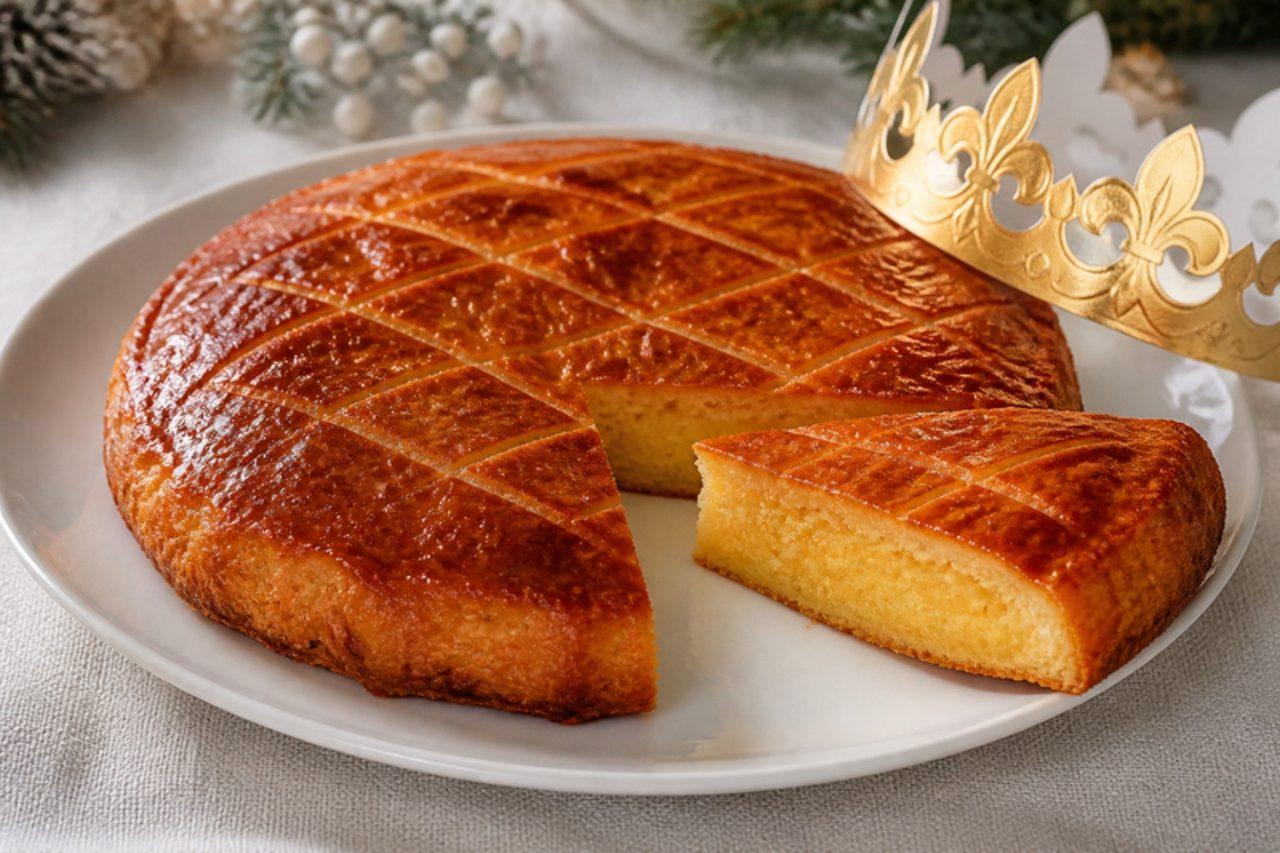
Galette comtoiseChoux king cake

While most of France eats a puff-pastry galette des rois at Epiphany in January, Franche-Comté has its own: a flat golden cake made from a choux-like dough, tender and slightly custardy inside and scented with orange-flower water. As elsewhere, a fève (a little charm or a dried bean) is hidden inside, the youngest child under the table calls out who gets each slice, and whoever finds the fève is crowned king or queen. Chef's tip: let the cooked paste cool for a few minutes before beating in the eggs, or they scramble.

by KrazyBadal 0 views

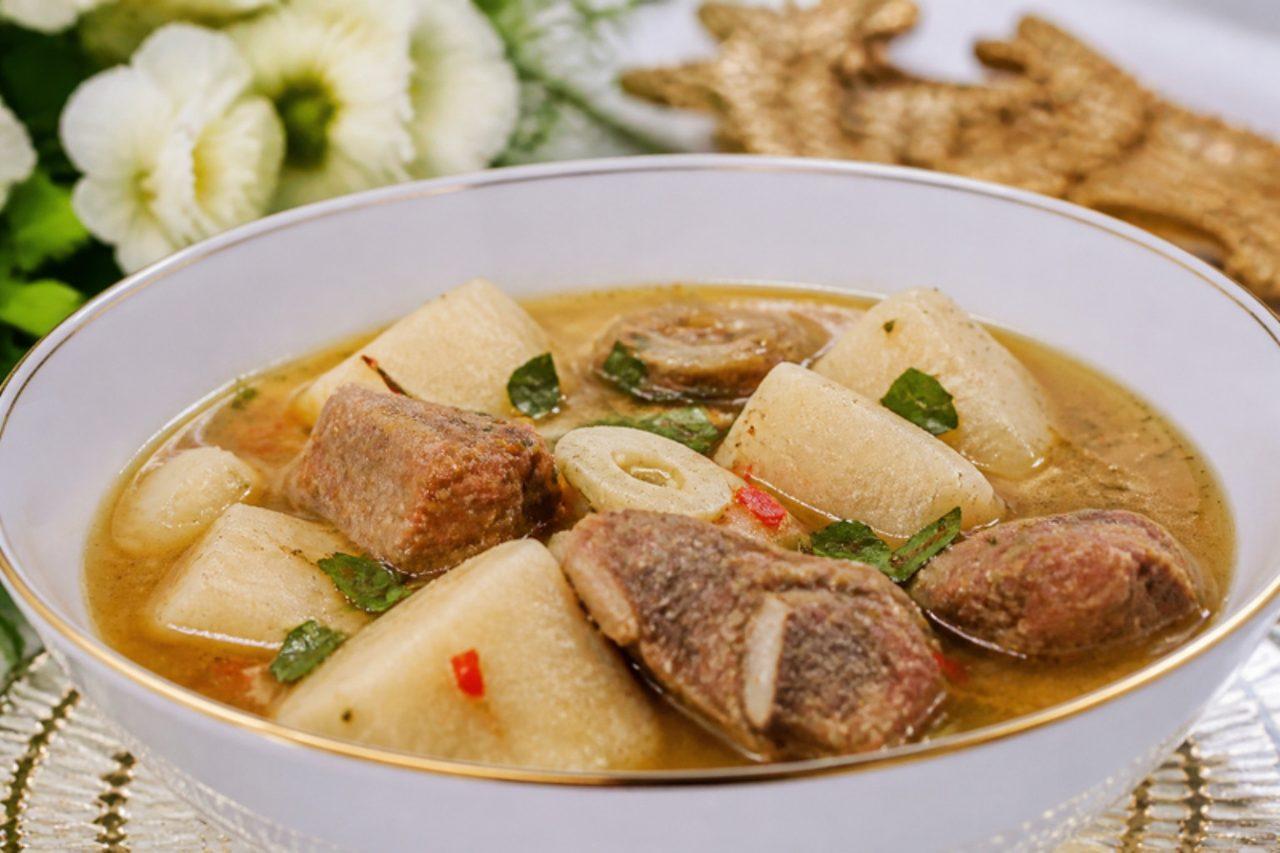
UkodoYam pepper soup with goat

Ukodo is the Urhobo celebration soup of Delta State, served at weddings, at Christmas and on the morning after a big party, when guests are fed bowls of yam swimming in a fiery, fragrant broth. Goat is simmered with lemongrass, scent leaves and pepper soup spice, then chunks of yam cook in the broth and thicken it slightly, with dried fish for depth. It is light, hot and comforting. Chef's tip: add the yam only when the goat is nearly tender, or it collapses into mush before the meat is done.

by KrazyBadal 0 views

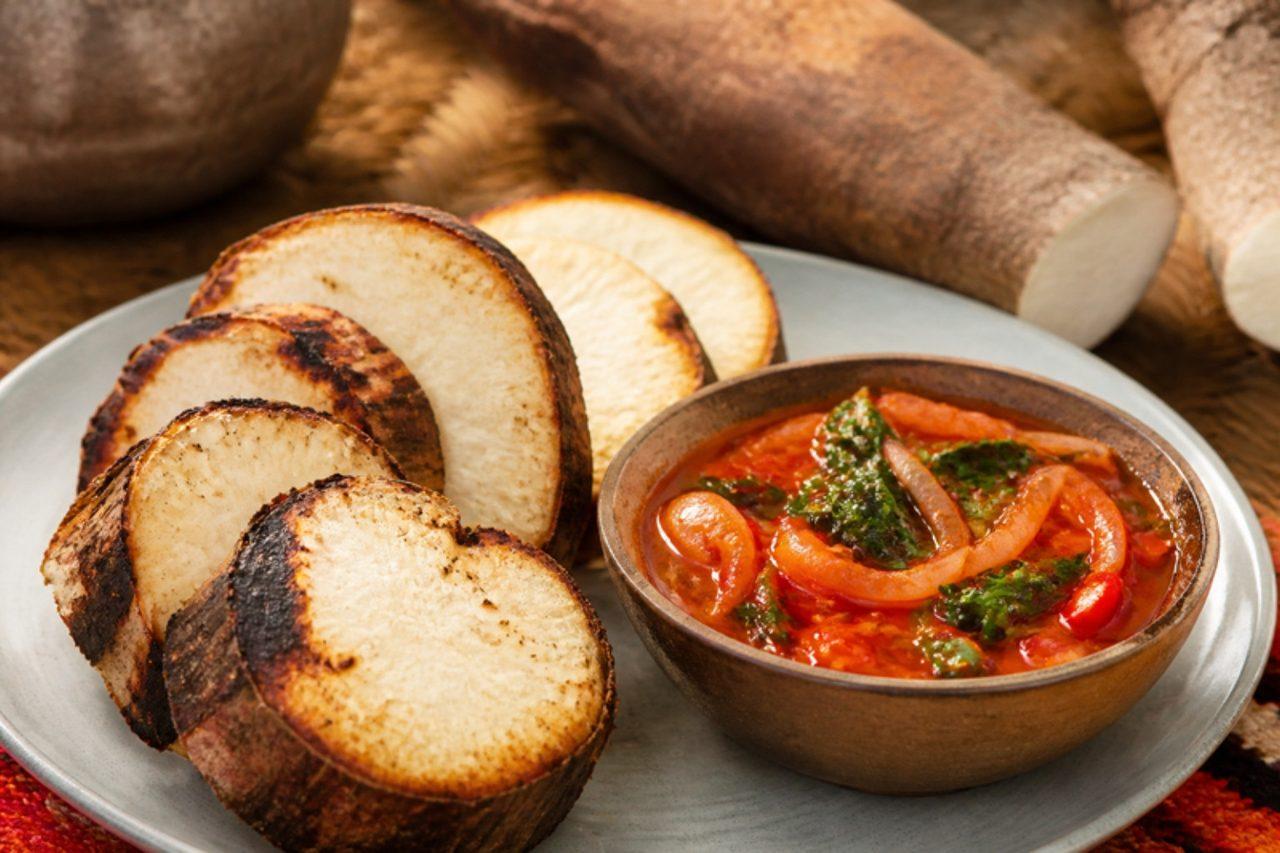
Roasted new yam with palm-oil sauce

At Iri Ji, the New Yam festival held across Igboland in August, the first yams of the harvest are offered with thanks, and the chief or eldest man eats the first piece before anyone else may taste the new crop. Often that first yam is simply roasted in the embers until the skin is charred, then dipped into a sauce of red palm oil, raw onion, ground pepper and bitter utazi leaf. The inside is fluffy and sweet, the sauce rich and fiery. Chef's tip: use real West African yam, not sweet potato; it roasts dry and floury and soaks up the oil.

by KrazyBadal 0 views

Chipa so'oCheese bread with spiced beef

In Paraguay, families bake chipa in the clay tatakua ovens on Holy Wednesday so there is food for Thursday and Good Friday, when cooking stops. Chipa so'o ('chipa with meat') is a cassava-starch and cheese bread wrapped around a little filling of minced beef cooked with onion and egg, then baked until crisp outside and chewy within. It is naturally gluten free. Chef's tip: knead the dough until it no longer cracks at the edges when pressed; dry dough splits around the filling.

by KrazyBadal 0 views

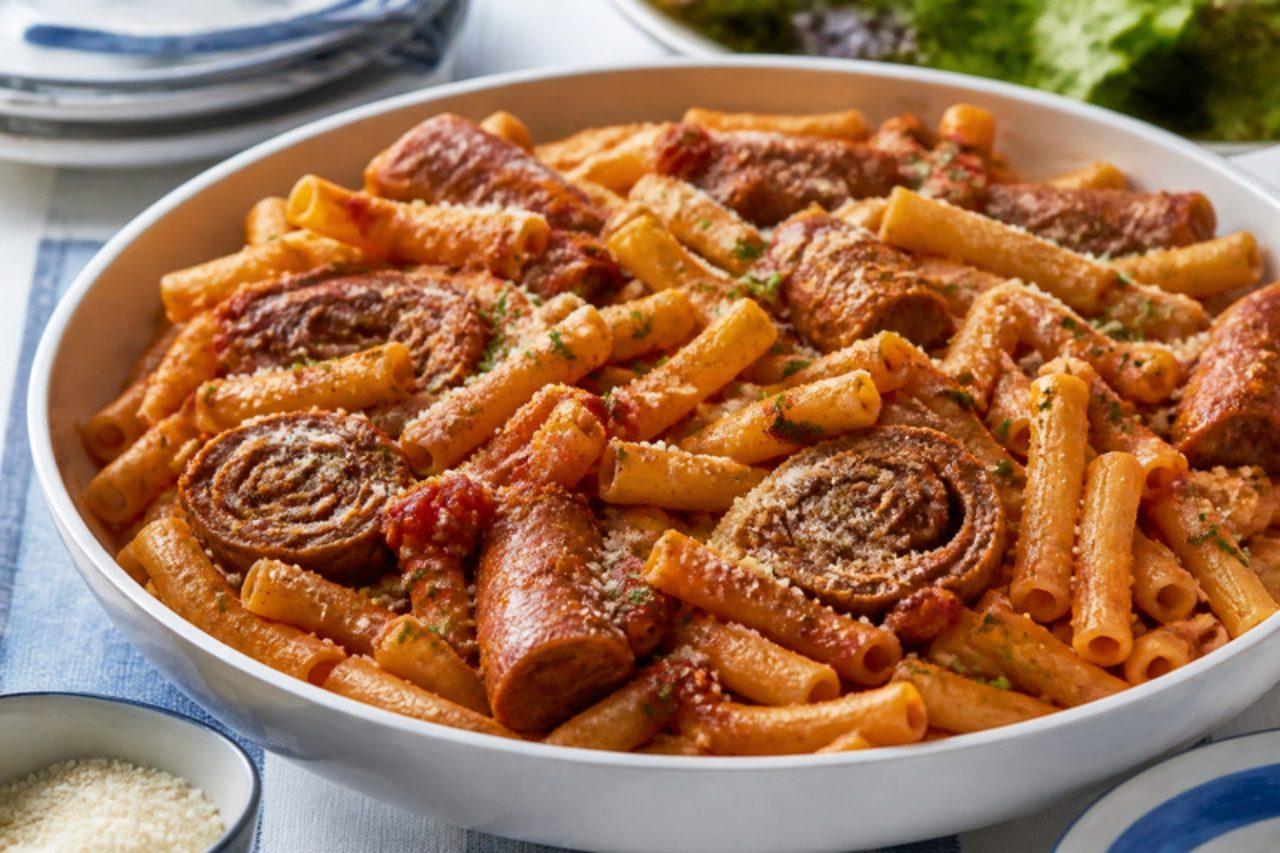
Macaronade sétoisePasta with beef rolls and sausage

In Sète, on the Languedoc coast, families of Italian origin cook macaronade for Sunday lunch and above all for the Saint-Louis festival in August, when the harbour hosts its famous water-jousting. Thin slices of beef are rolled around garlic and parsley (braciole), browned with Toulouse-style pork sausage and simmered for hours in a tomato sauce, which then dresses thick pasta. Traditionally a splash of white wine goes into the sauce; it is optional here, and stock works just as well. Chef's tip: simmer the sauce very gently, with the lid ajar; the beef rolls need time to turn tender, not fast boiling.

by KrazyBadal 0 views

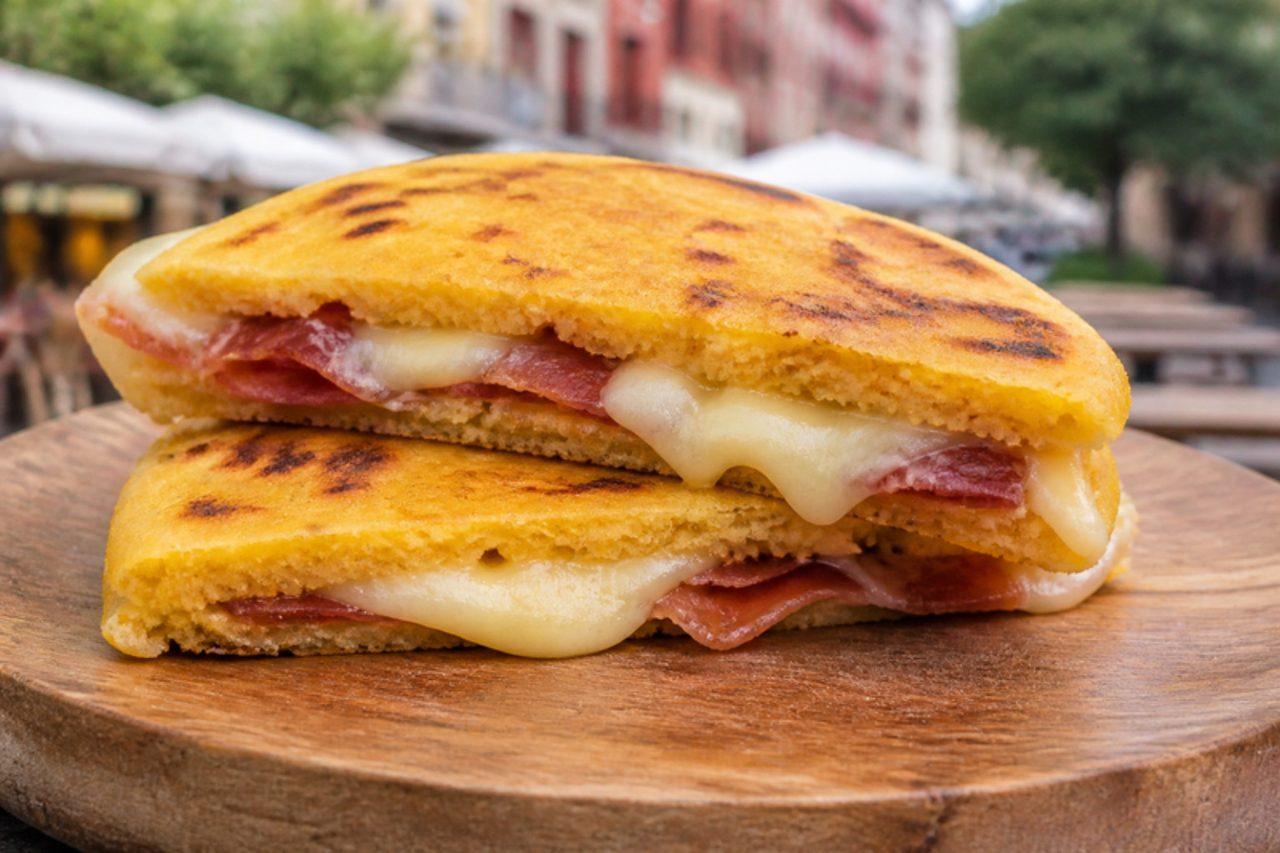
TaloaMaize flatbread with ham and cheese

During the Fêtes de Bayonne in July, when the whole town dresses in white with red scarves, stalls in the Pays Basque sell taloa: thick flatbreads of maize and wheat flour cooked on a hot griddle and folded around fillings. The classic is with jambon de Bayonne (a cured pork ham), with sheep's cheese or with ventrèche (cured pork belly), and it's eaten hot in the street. Cheese alone makes a good vegetarian version. Chef's tip: cook the taloa on a dry, very hot pan; it should blister and puff in patches like a tortilla.

by KrazyBadal 0 views

Lengua a la vinagretaBeef tongue with vinaigrette

Argentina's Nochebuena is a hot summer night, so the table is full of cold dishes, and lengua a la vinagreta is one of the classics: beef tongue simmered until tender, peeled, sliced and covered with a sharp vinaigrette of parsley, garlic, red pepper, onion and chopped hard-boiled egg. It is made a day ahead and served chilled with vitel toné and Russian salad. Chef's tip: peel the tongue while it is still hot, as the skin comes away easily then and clings once it cools.

by KrazyBadal 0 views

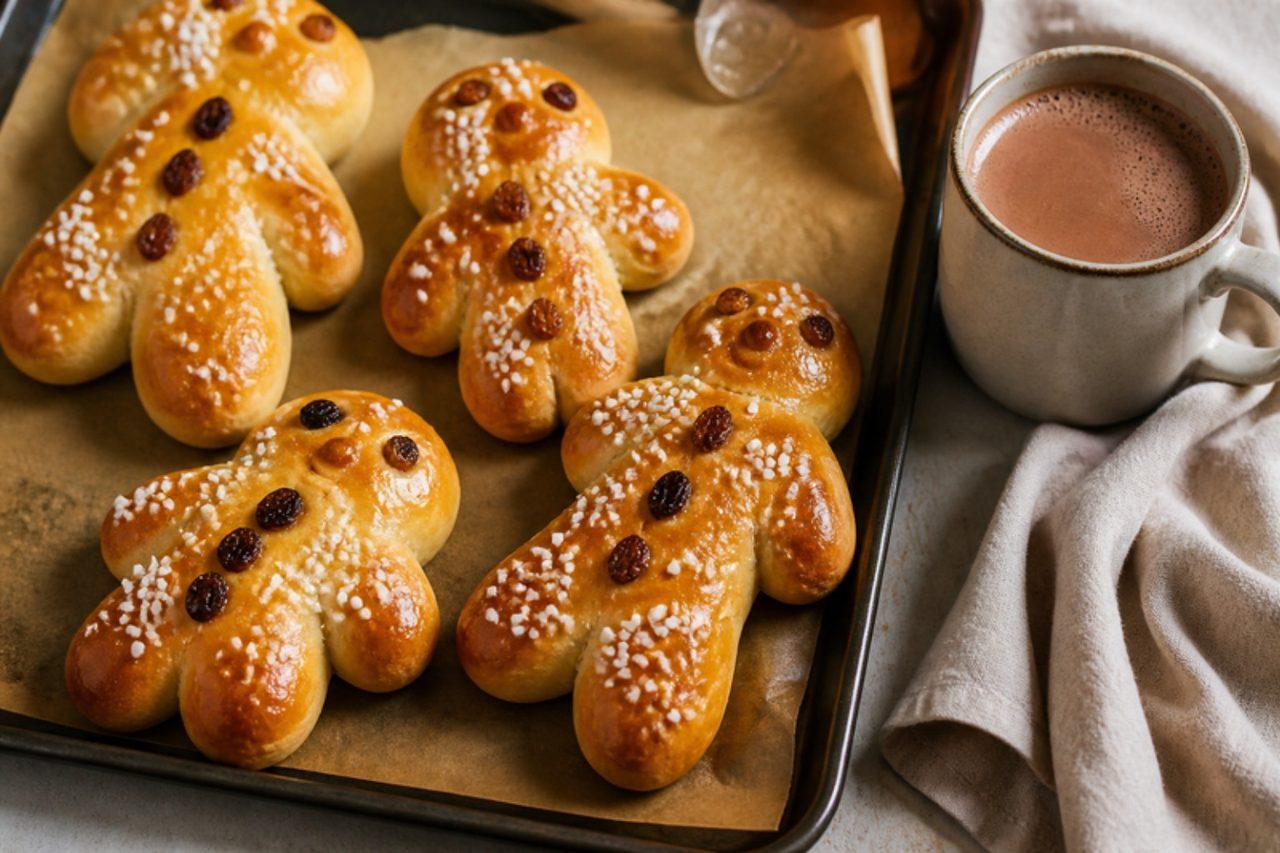
ManalaBrioche men

On 6 December, St Nicholas' Day, Alsatian bakeries fill with manala (also mannele): little brioche men with raisin eyes and buttons and a snipped belt, given to children by St Nicolas, who brings treats to good children. They are eaten for breakfast or an after-school snack, dipped in hot chocolate. The dough is a soft, buttery milk brioche. Chef's tip: shape the figures loosely and well apart, because they double as they rise and bake, and thin arms that touch become one blob.

by KrazyBadal 0 views

Pajagua mascadaBeef and cassava patties

Pajagua mascada is a Paraguayan street-food classic that appears on every table for the San Juan festival on 24 June, when bonfires burn and the night is full of games and traditional food. Minced beef is mixed with mashed cassava, onion, garlic and a little egg and flour, shaped into flat patties and fried until crisp. The name comes from Guaraní and refers to the 'chewing' of old Paraguayan cooks, who made it from leftover meat. Chef's tip: dry the boiled cassava well and remove its woody core, which keeps the patties light and crunchy.

by KrazyBadal 0 views

OsterpinzeEaster anise brioche

Osterpinze is the Easter bread of Styria, Carinthia and the area around Trieste, a soft, golden brioche dome with three deep cuts on top for the Holy Trinity, so that it opens into a crown as it bakes. The dough is rich with egg yolks and butter and flavoured with anise and lemon; old recipes add a splash of white wine, left out here. It is blessed in the Easter basket on Holy Saturday and eaten on Easter morning with ham, horseradish and eggs, or with butter and jam. Chef's tip: make the three cuts with scissors just before baking, deep enough to reach halfway down, so the crown opens wide.

by KrazyBadal 0 views

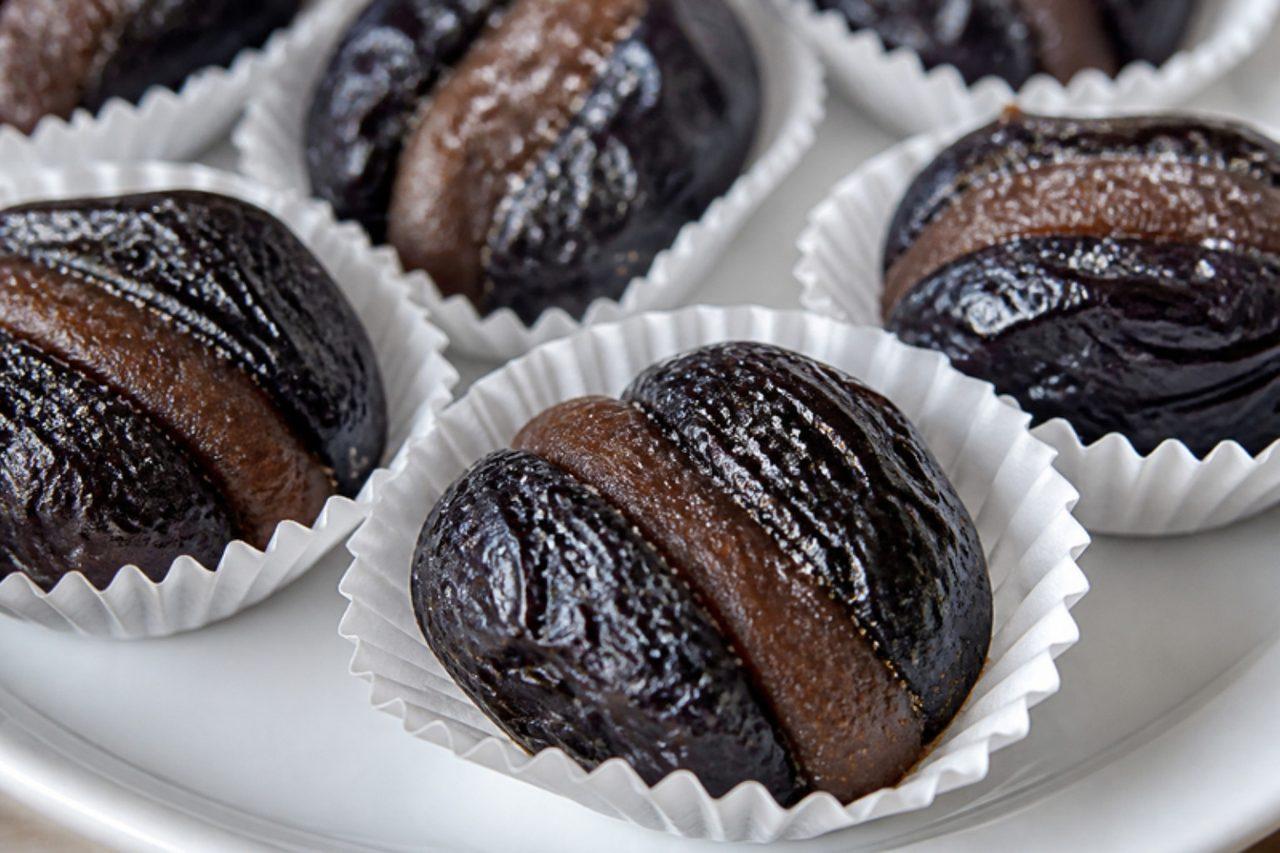
Pruneaux d'Agen fourrés (stuffed Agen prunes)

Agen, on the Garonne in south-west France, has dried its plums into prunes for centuries, and its confectioners stuff the best ones with a paste of more prunes and almonds. Boxes of pruneaux fourrés are a Christmas present across the south-west and a speciality of the town's prune festival at the end of August. Each one is glossy and plump, with a soft, sticky skin and a dense, mellow filling that tastes of fruit, almond and a little orange. Serve them with coffee or tea, or as part of a cheese plate. The filling is a kind of almond paste, held together by the sticky prune purée and sugar, so it is egg-free like the rest of the sweet; some versions add a little brandy, and orange juice takes its place here. Chef's tip: if the prunes are dry, steam them for 5 minutes first; the common mistake is forcing filling into stiff prunes, which split.

by KrazyBadal 0 views

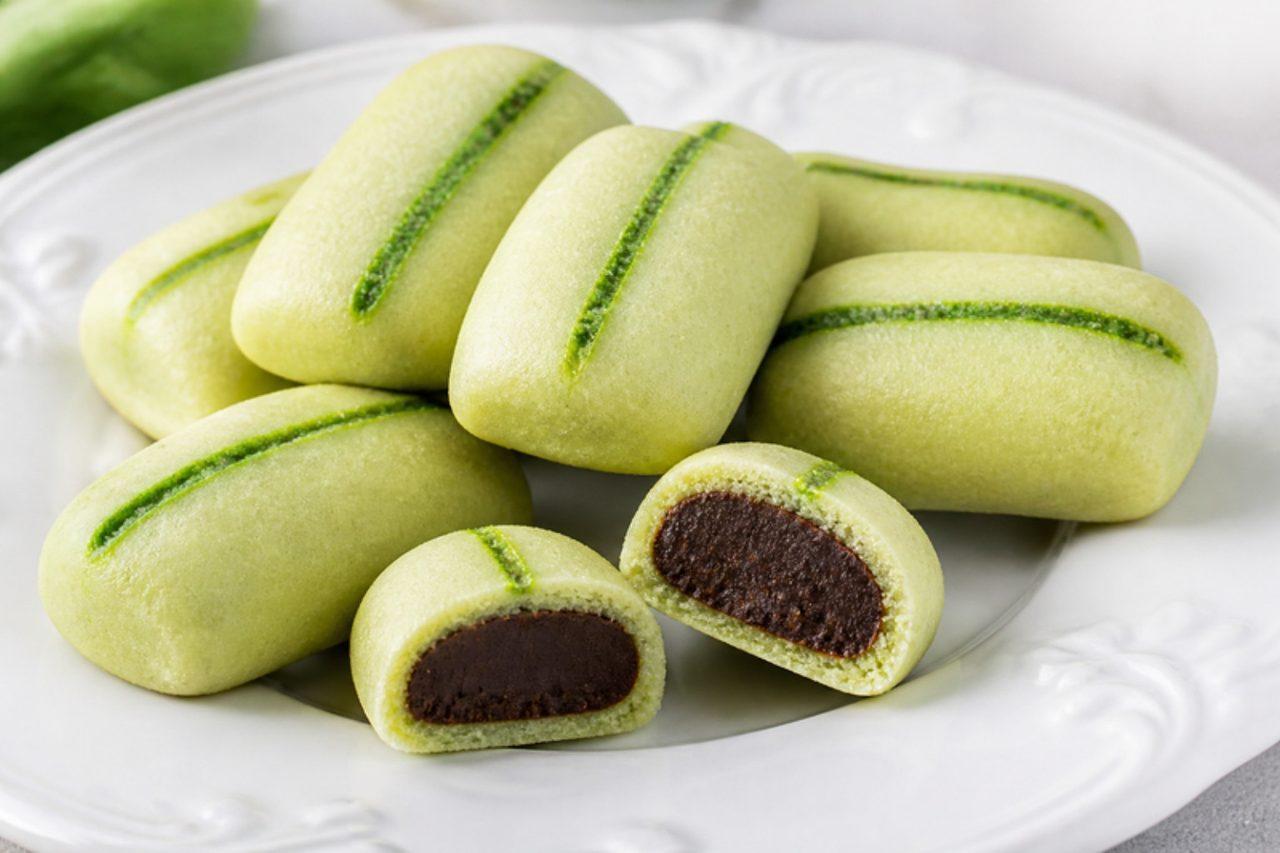
Coussin de Lyon (green almond-paste cushions with chocolate ganache)

Lyon's sweet emblem recalls the city's plague vow of 1643, when the aldermen carried a candle and gold coins on a silk cushion to the chapel of Fourvière. Chocolatiers turned that cushion into a confection in the 1960s and it is now the gift Lyonnais bring at Christmas and New Year, or for a host on a Sunday visit. A soft, almond-sweet shell of pale green paste, marked with a darker green stripe, hides a melting dark chocolate ganache scented with orange. Serve two or three with coffee after dinner. The classic ganache is laced with orange liqueur; here fresh orange juice and zest give the flavour without alcohol. Shop marzipan is not always egg-free, so this almond paste is bound with sugar syrup cooked to the soft-ball stage, which coats the ground almonds and sets them firm as it cools. Chef's tip: chill the ganache until it holds a line before shaping; the common mistake is using it soft, so it squeezes out of the seams.

by KrazyBadal 0 views

Showing 24 of 898 recipes

Show more recipes

Page 1 of 38