Skip to content
Recipes

All recipes

Vegetarian, or something you can't eat? Set your diet once and we'll hide recipes that don't fit.

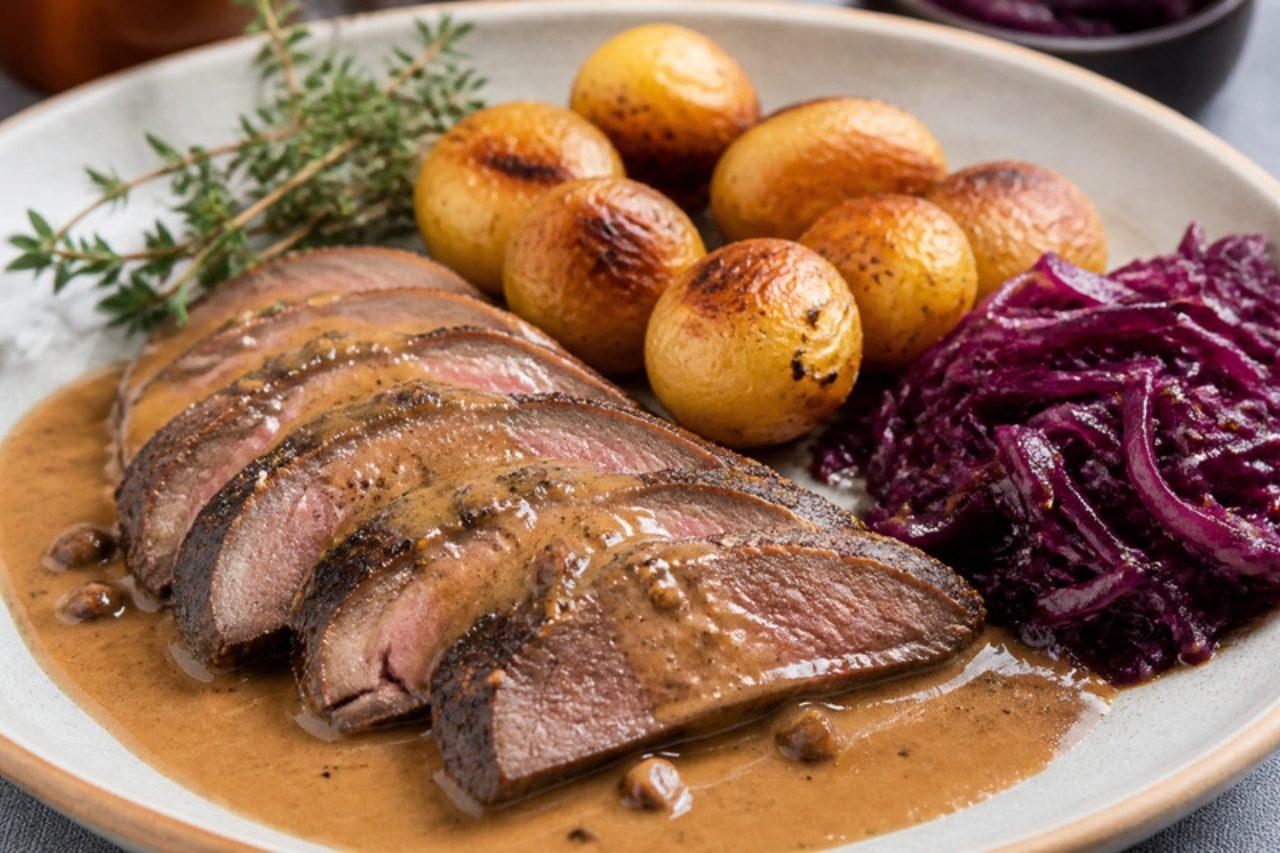
RjúpurPtarmigan in cream sauce

For many Icelandic families, rjúpa (rock ptarmigan) is the true Christmas Eve dish, a small wild bird with dark, gamey meat that is hunted in autumn under strict seasonal limits and kept frozen for the holiday. The breasts are browned, then braised gently in stock made from the legs and carcass, and the sauce is finished with cream and a spoon of redcurrant jelly. Serve with caramelised potatoes and red cabbage. Outside Iceland, use partridge, pigeon or pheasant breasts. Chef's tip: make the stock from the legs and carcasses the day before; it is what gives the sauce its deep game flavour.

by KrazyBadal 0 views
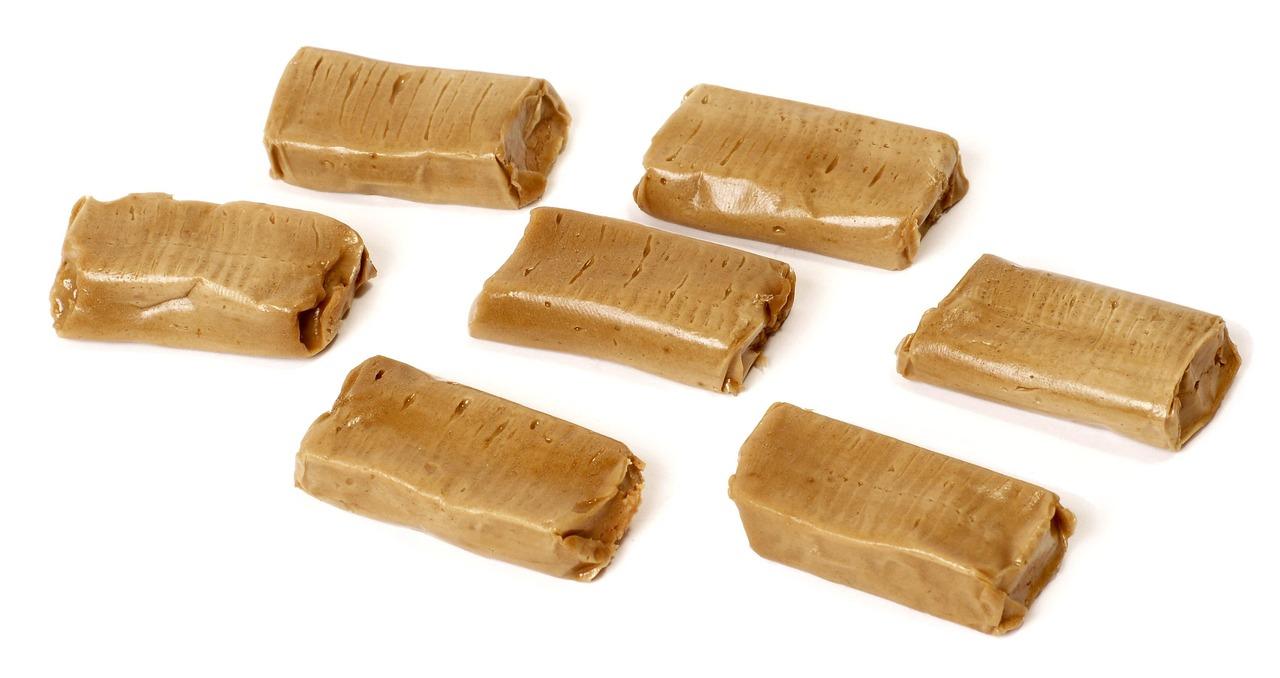

Krówki (Polish milk fudge)

Krówki, 'little cows', are the sweets Polish children grow up with: wrapped in paper with a cow on it, handed out at name days and school parties, and bought by the bag all year round. Fresh ones have a thin, sugary crust that crumbles at the edges while the middle stays soft and almost runny, with a deep taste of cooked milk and butter, close to dulce de leche. Eat them with black tea or coffee, or chop them into ice cream. They are naturally egg-free: milk and cream are boiled with sugar until the milk solids caramelise and the mixture reaches the soft-ball stage, then beating it as it cools starts fine sugar crystals that set the fudge and give that crumbly crust. A spoonful of honey adds its own flavour and keeps the centre soft. Chef's tip: stop beating as soon as the mixture loses its shine and starts to thicken; beating too long is the common mistake, and the fudge then sets in the pan before you can pour it.

by KrazyBadal 0 views

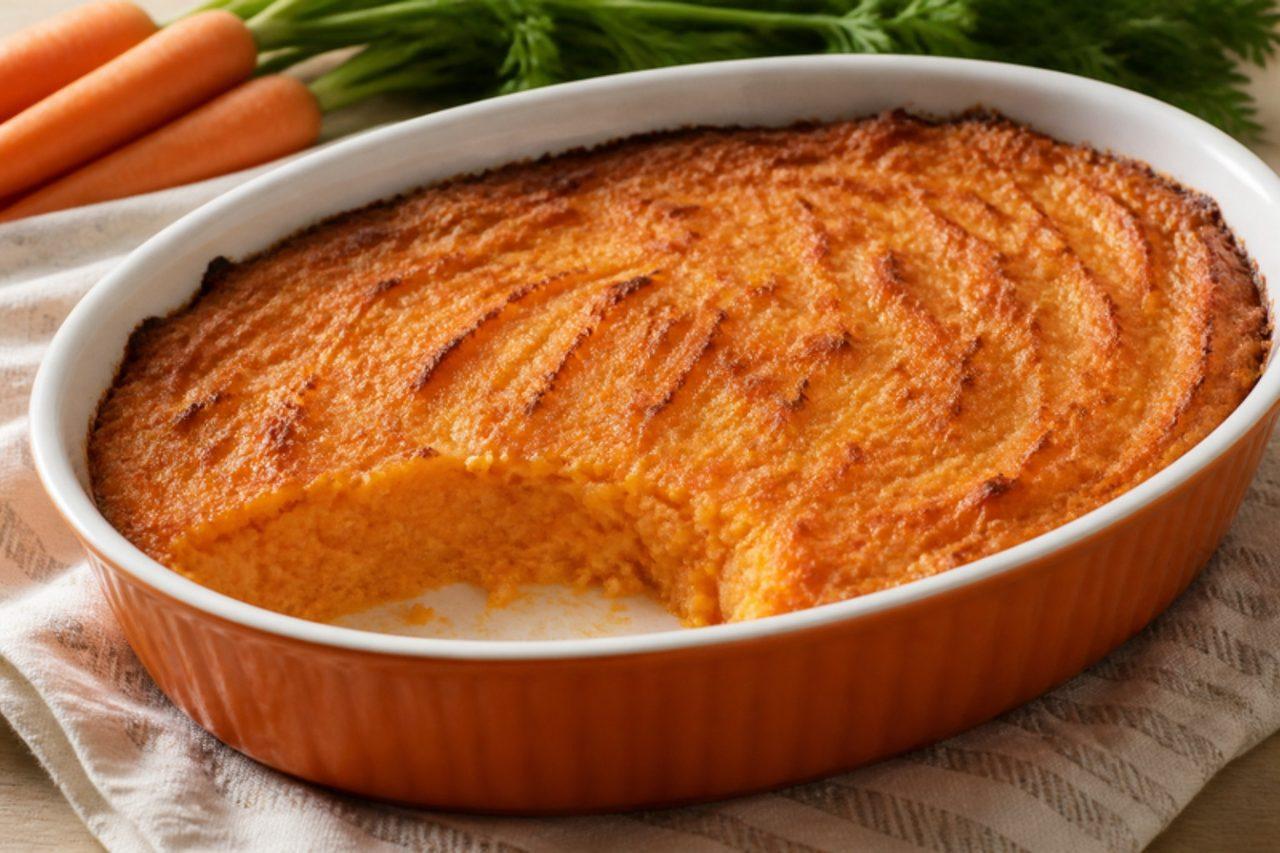
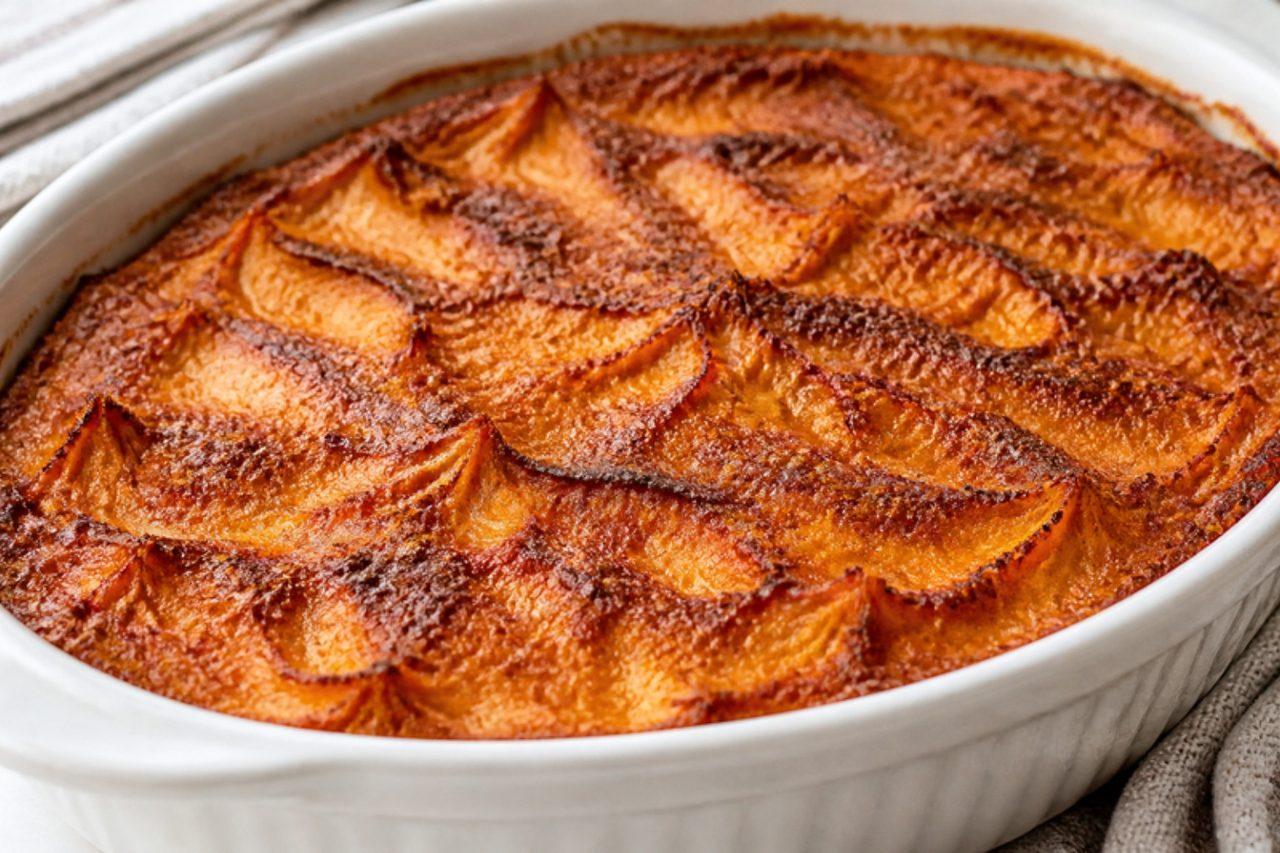
PorkkanalaatikkoCarrot and rice casserole

A Finnish Christmas Eve table is set with a row of oven-baked casseroles called laatikot, and porkkanalaatikko, the carrot one, is the children's favourite. Grated carrots are folded into soft rice porridge with milk, egg and a spoon of golden syrup, then baked until the top is caramel-brown with a ring of crisp edge. It is served hot beside the ham or, in vegetarian homes, with beetroot salad and potatoes. It can be made a day ahead and reheated. Chef's tip: use the rice porridge cold, so it holds the egg mixture and the casserole sets into soft, sliceable layers instead of a runny mash.

by KrazyBadal 0 views

SandkakerAlmond butter tartlet biscuits

Sandkaker ('sand cakes') are small, crumbly almond and butter biscuits pressed into fluted tins, and they are a fixture among the seven Norwegian Christmas biscuits. The dough is short and rich with ground almonds and a few bitter almonds or almond extract, and the shells are served upside-down as they are, or filled with whipped cream and berries. You need small fluted tartlet tins (sandkake forms). Chef's tip: press the dough as thin as you can against the tin sides, because thick shells stay doughy in the middle and won't release cleanly.

by KrazyBadal 0 views

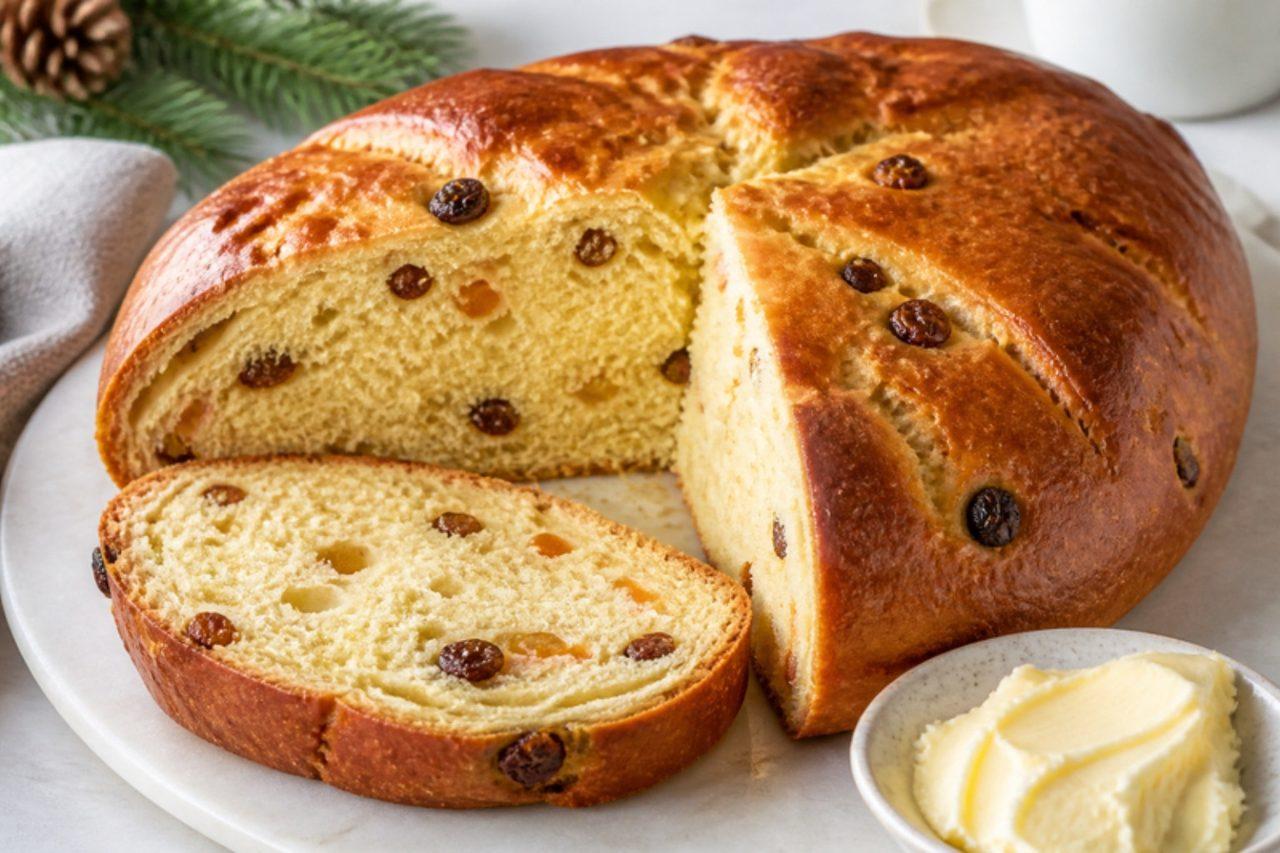
JulekakeCardamom raisin Christmas bread

Julekake is the Christmas bread of Norway, baked in the days before Christmas Eve and eaten for breakfast on Christmas morning, sliced and spread with butter and brown goat's cheese (brunost). It is a soft, round, golden loaf enriched with milk and butter, perfumed with freshly ground cardamom and dotted with raisins and candied citrus peel. It is plain enough to enjoy every day of the holidays, and leftovers make wonderful toast. Chef's tip: crush whole cardamom seeds yourself just before baking; ready-ground cardamom loses its scent within weeks.

by KrazyBadal 0 views

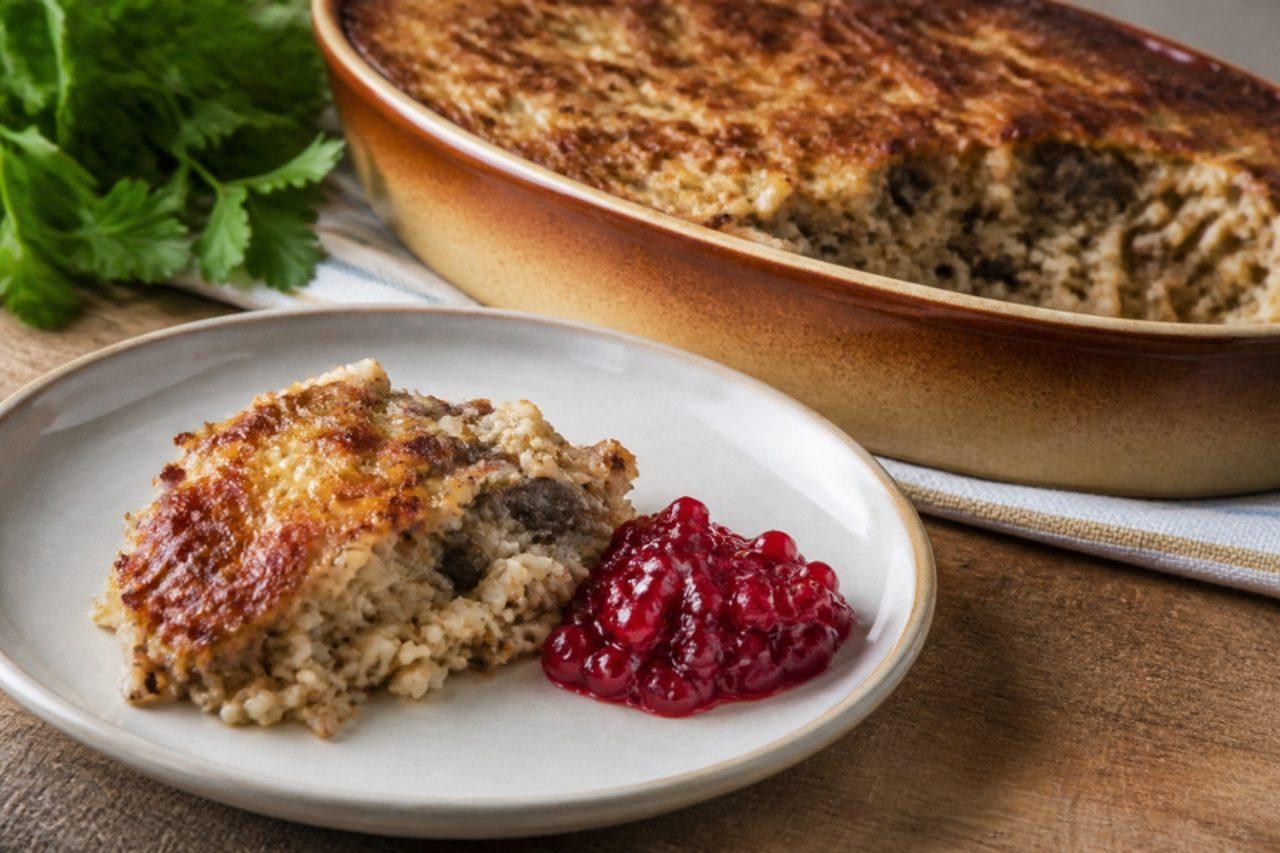
MaksalaatikkoLiver and rice casserole

Maksalaatikko is a baked casserole of rice, milk, minced liver, onion, raisins and a little syrup, and it is one of the old dishes on the Finnish Christmas table, eaten all year too. It sounds unusual, but the liver softens into a mild, savoury custard and the raisins and syrup give a gentle sweetness, all cut by sharp lingonberry jam. This version uses pork or calf's liver, minced or very finely chopped; pork liver is the most traditional. Chef's tip: soak the minced liver in milk while the rice cooks, which mellows the flavour.

by KrazyBadal 0 views

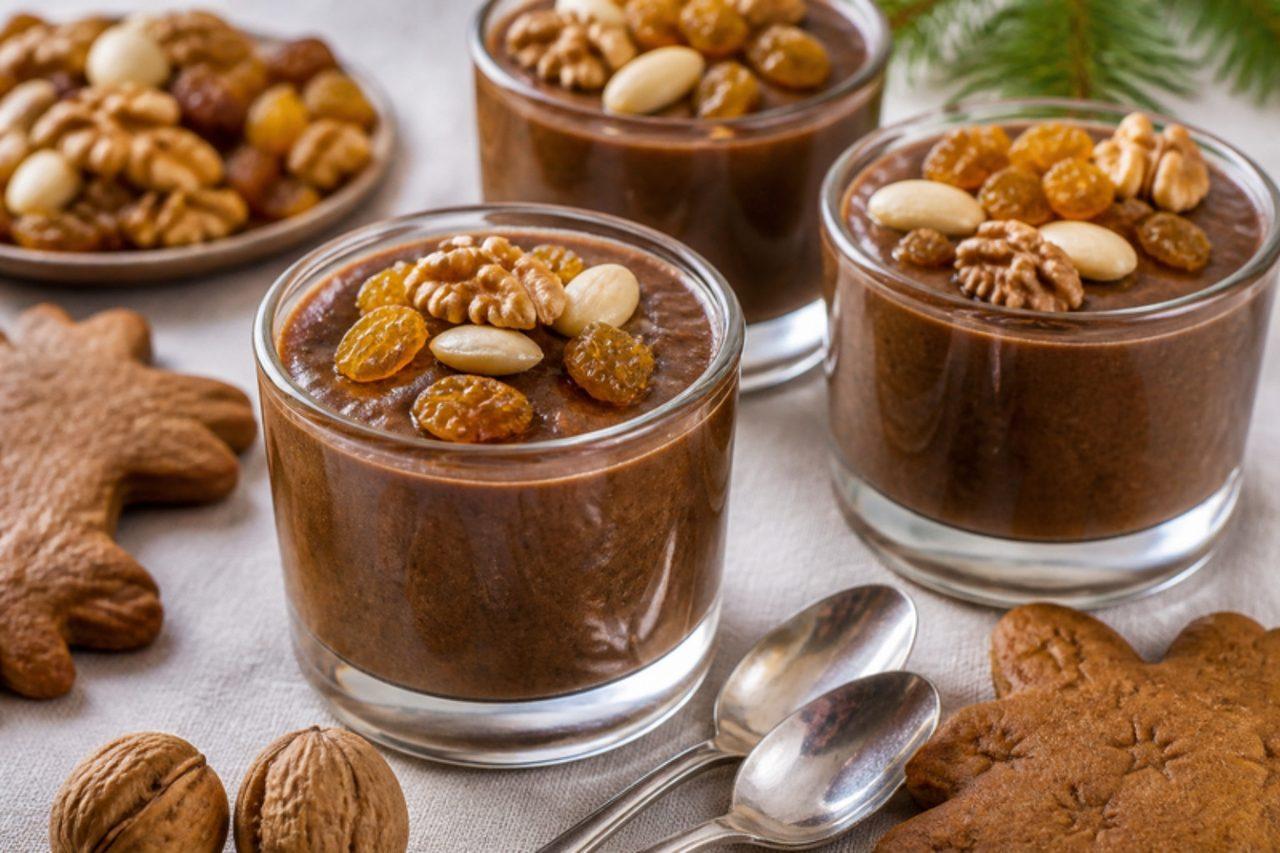
MoczkaGingerbread in dried fruit compote

Moczka is the Christmas Eve dessert of Upper Silesia in southern Poland, a thick, dark, spiced mixture of honey gingerbread dissolved in dried-fruit compote, then loaded with almonds, walnuts, raisins, figs and prunes. Each family has its own version; many add dark beer to the base, which this one leaves out, but adults may stir 100 ml dark beer into the compote while it simmers. It is eaten cold from small bowls and keeps for several days. Chef's tip: use dry, slightly stale gingerbread, which dissolves into a smooth sauce, while fresh cake turns to lumps.

by KrazyBadal 0 views

VörtbrödDark Christmas rye bread

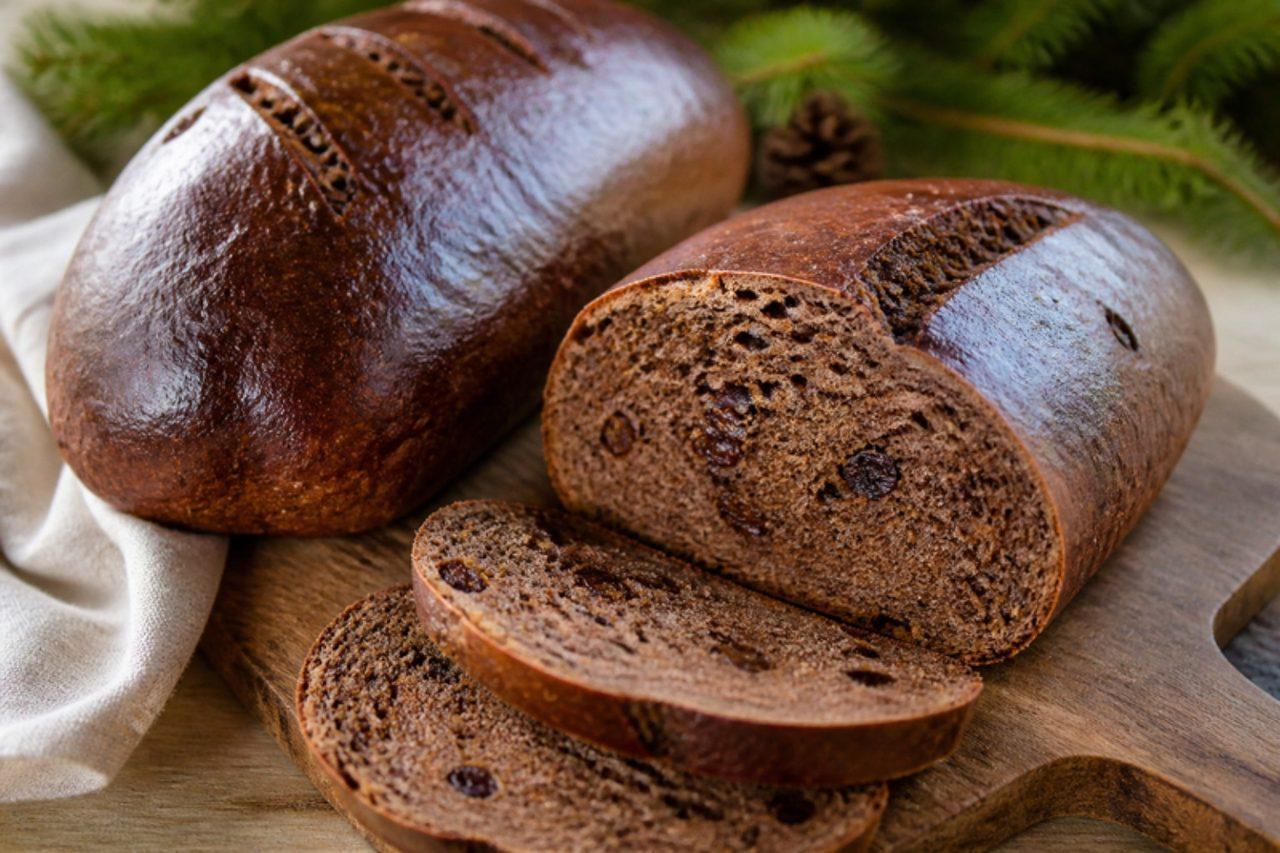
In Sweden the Christmas smörgåsbord (julbord) is never without vörtbröd, a dark, soft, slightly sticky rye loaf flavoured with wort, the sweet malty liquid brewers start beer from, plus dark syrup, orange peel, clove and ginger. It is sliced, buttered and eaten with the Christmas ham or with cheese. Many home bakers use dark beer, which contains alcohol; this recipe uses a non-alcoholic dark malt drink, which gives the same malty depth. It keeps for 4 days, and freezes well. Chef's tip: rye dough is sticky and never feels smooth like wheat; resist adding lots of extra flour or the loaf will be dry.

by KrazyBadal 0 views

KrumkakeThin wafer cones

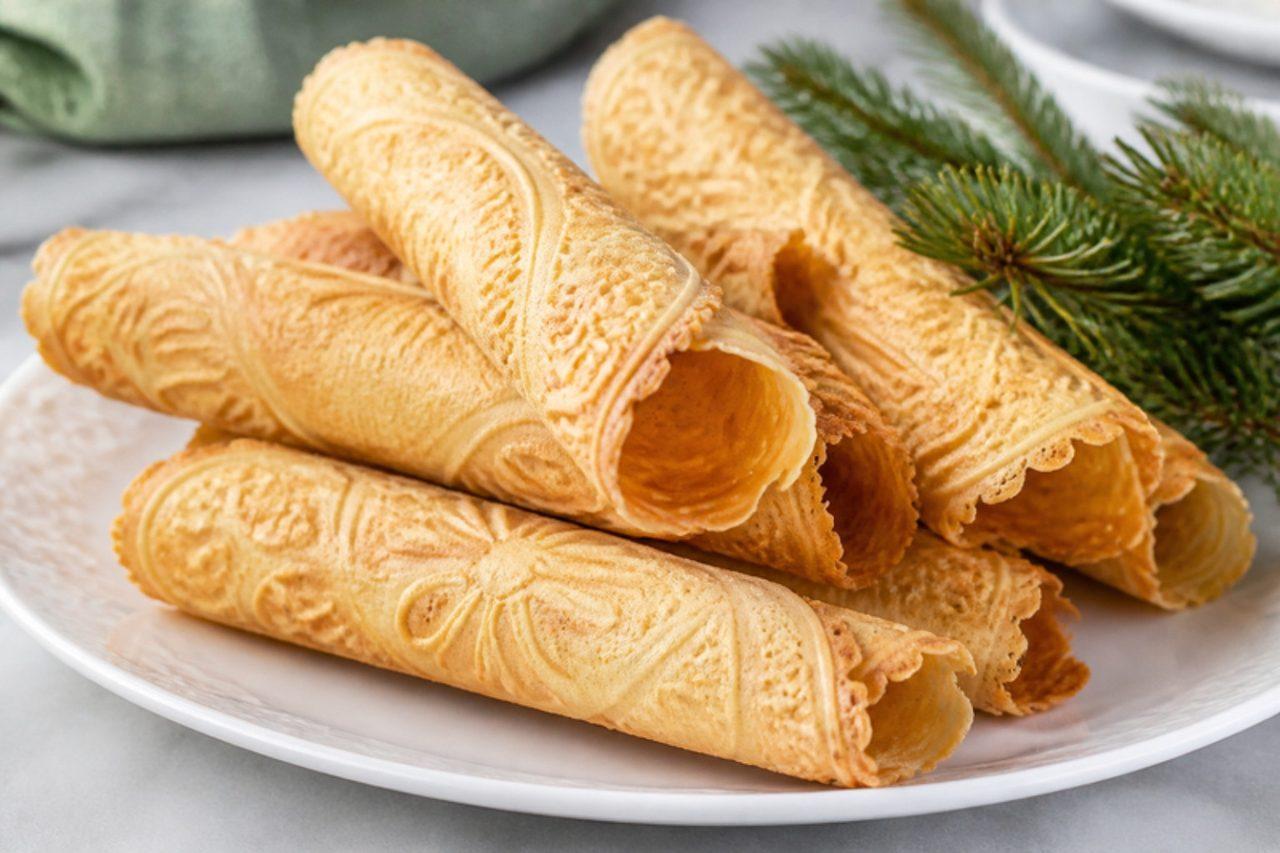
Krumkake are one of the 'syv slag', the seven kinds of biscuit a Norwegian household traditionally bakes for Christmas. A thin, buttery batter is pressed between the plates of a patterned krumkake iron, then each lacy wafer is rolled round a wooden cone while still hot and pliable. They are served plain, or filled at the table with whipped cream and cloudberries or other berries. You do need the electric or stovetop krumkake iron. Chef's tip: roll each wafer within seconds of lifting it off the iron, as it sets crisp almost at once.

by KrazyBadal 0 views

RosettbakkelsFried rosette biscuits

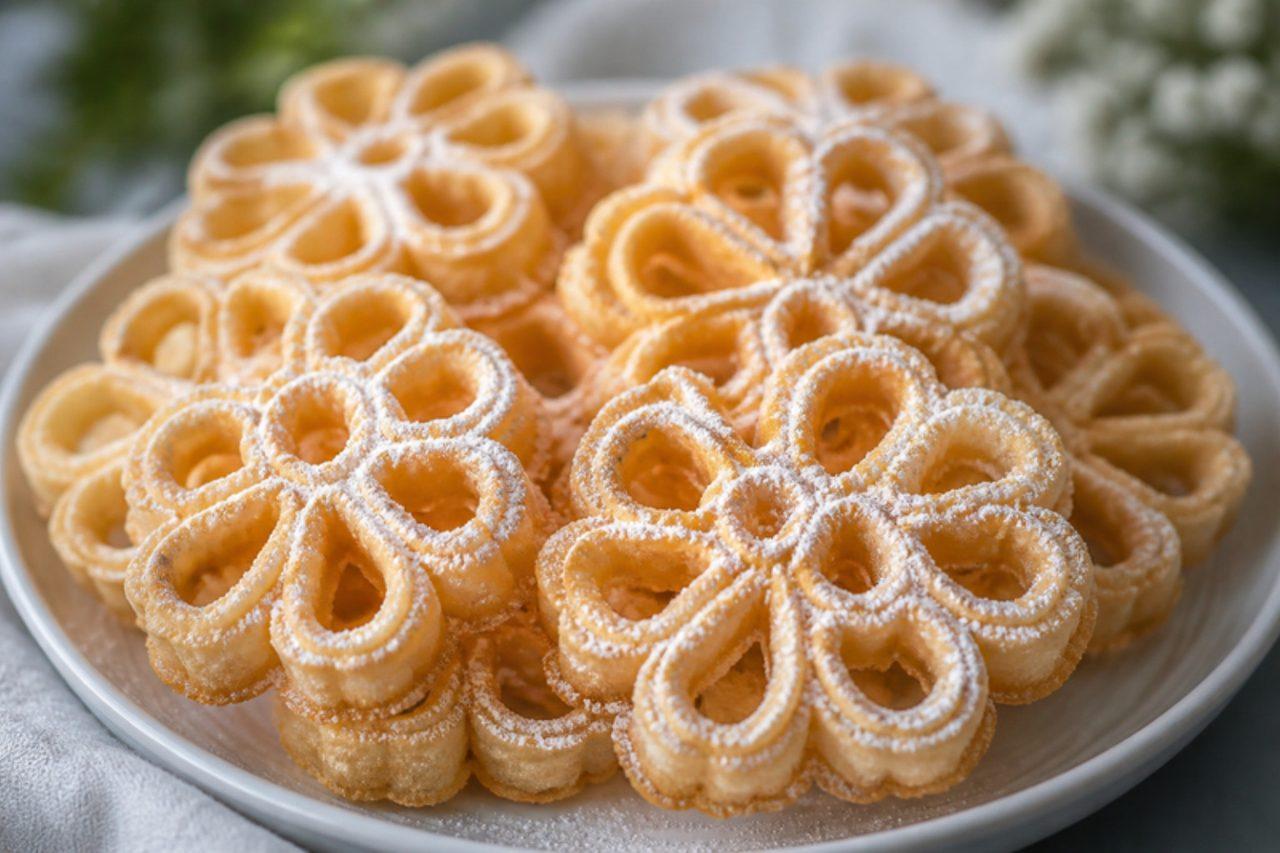
Rosettbakkels are another of Norway's seven traditional Christmas biscuits, delicate fried flowers made by dipping a heated metal rosette iron into thin batter and then into hot oil, where the batter puffs, crisps and drops off as a lacy rosette. They are dusted with icing sugar and kept in tins for the Christmas visitors. You need a rosette iron, sold in kitchen shops at Christmas. Chef's tip: dip the iron into the batter only three-quarters of the way up, as batter over the top locks the rosette onto the iron.

by KrazyBadal 0 views

SerinakakerAlmond and pearl sugar butter biscuits

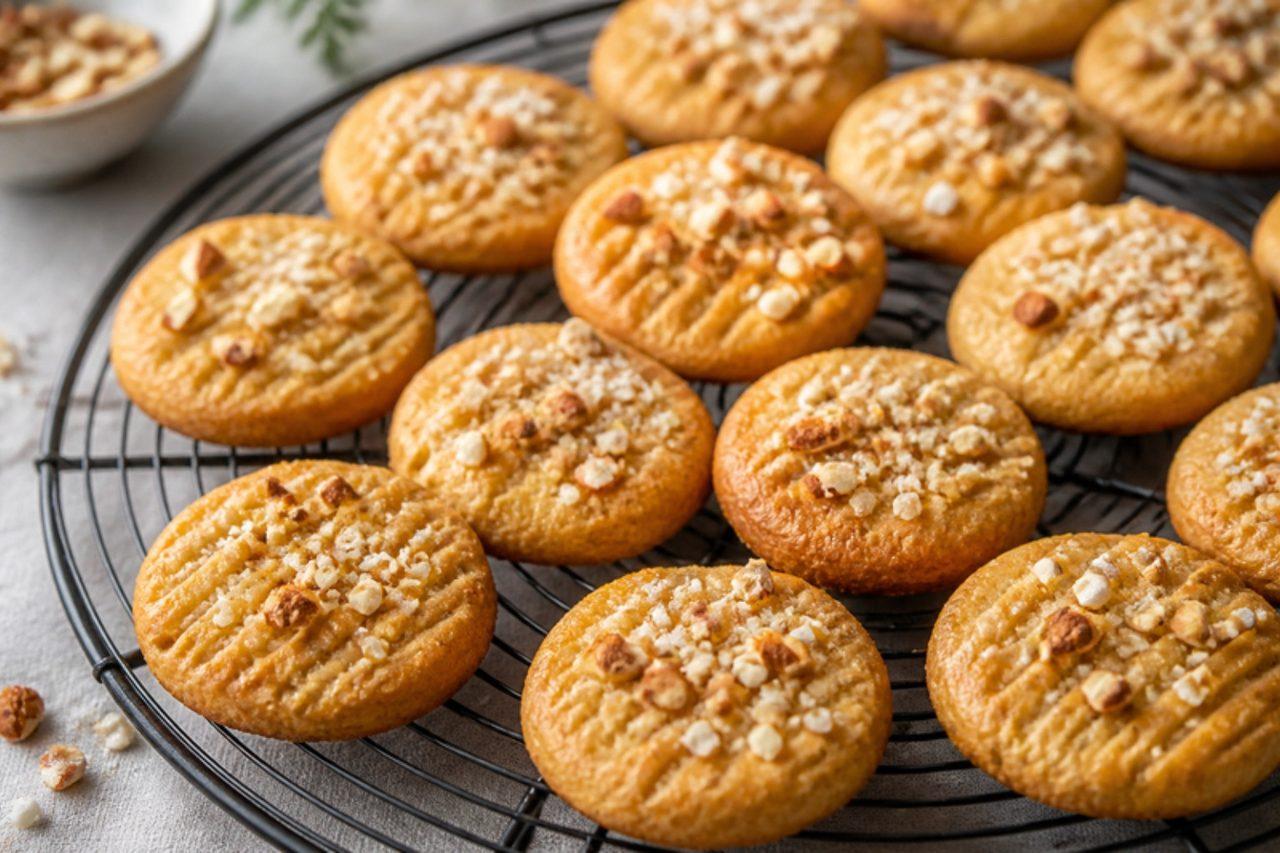
Serinakaker are the easiest of the Norwegian seven Christmas biscuits, so they are often the first one children help to bake in Advent. Small balls of rich butter dough are flattened with a fork, brushed with egg and topped with chopped almonds and pearl sugar, then baked until the edges just colour. They taste of butter and vanilla, with a crunch on top. Chef's tip: use baker's ammonia (hjortetakksalt) if you can find it for the traditional crisp-light snap; baking powder works too but gives a softer biscuit.

by KrazyBadal 0 views

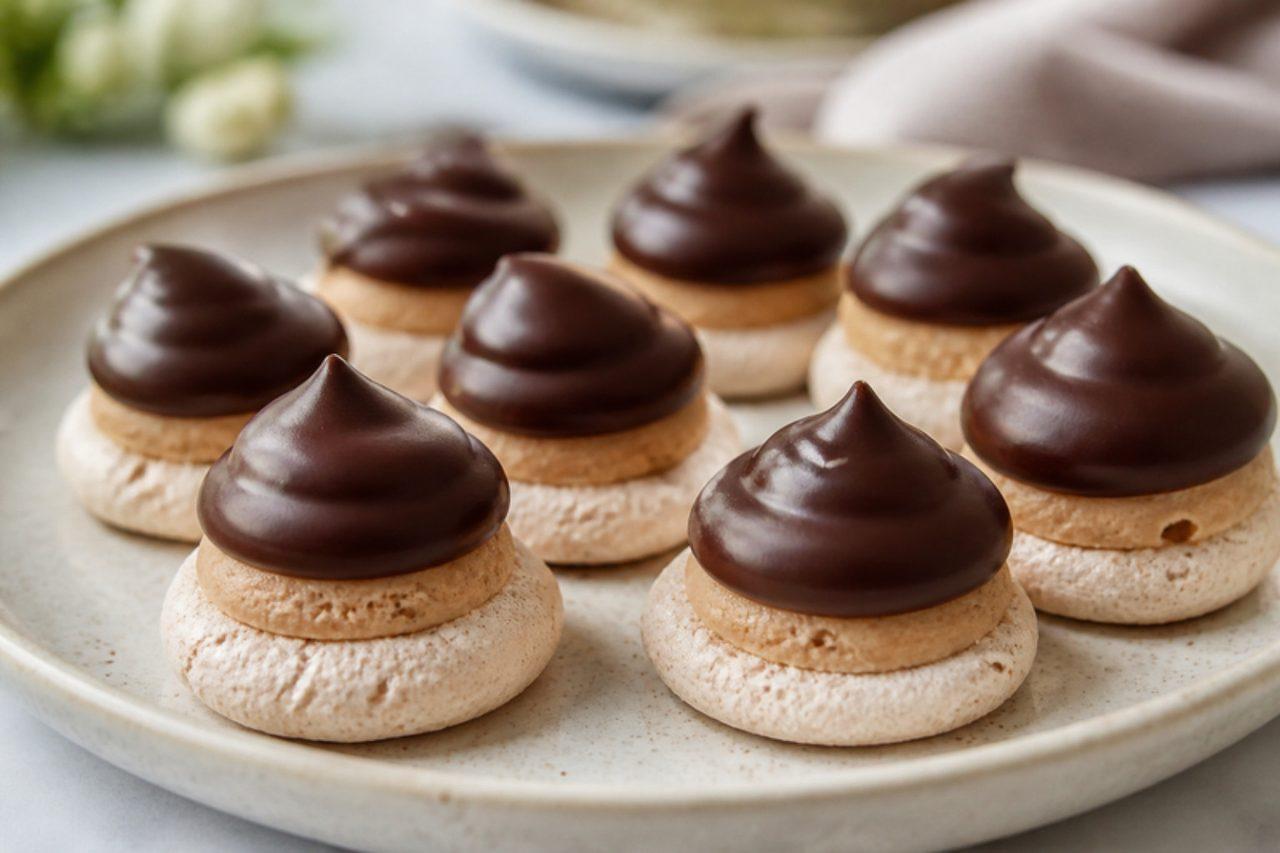
SörurAlmond meringue cookies with buttercream

Sörur are Iceland's most loved Christmas cookie, named after the French actress Sarah Bernhardt and adapted from a Danish pastry. Icelandic families bake them in batches through Advent and keep them in the freezer, where they are eaten straight from frozen. A chewy-crisp almond meringue disc is spread with silky coffee buttercream made on egg yolks and dipped in dark chocolate. The yolks are cooked by a hot sugar syrup; for anyone pregnant, very young or vulnerable, use pasteurised egg yolks. They are gluten free. Chef's tip: grind the almonds with the sugar, which stops them turning oily, for a finer meringue.

by KrazyBadal 0 views

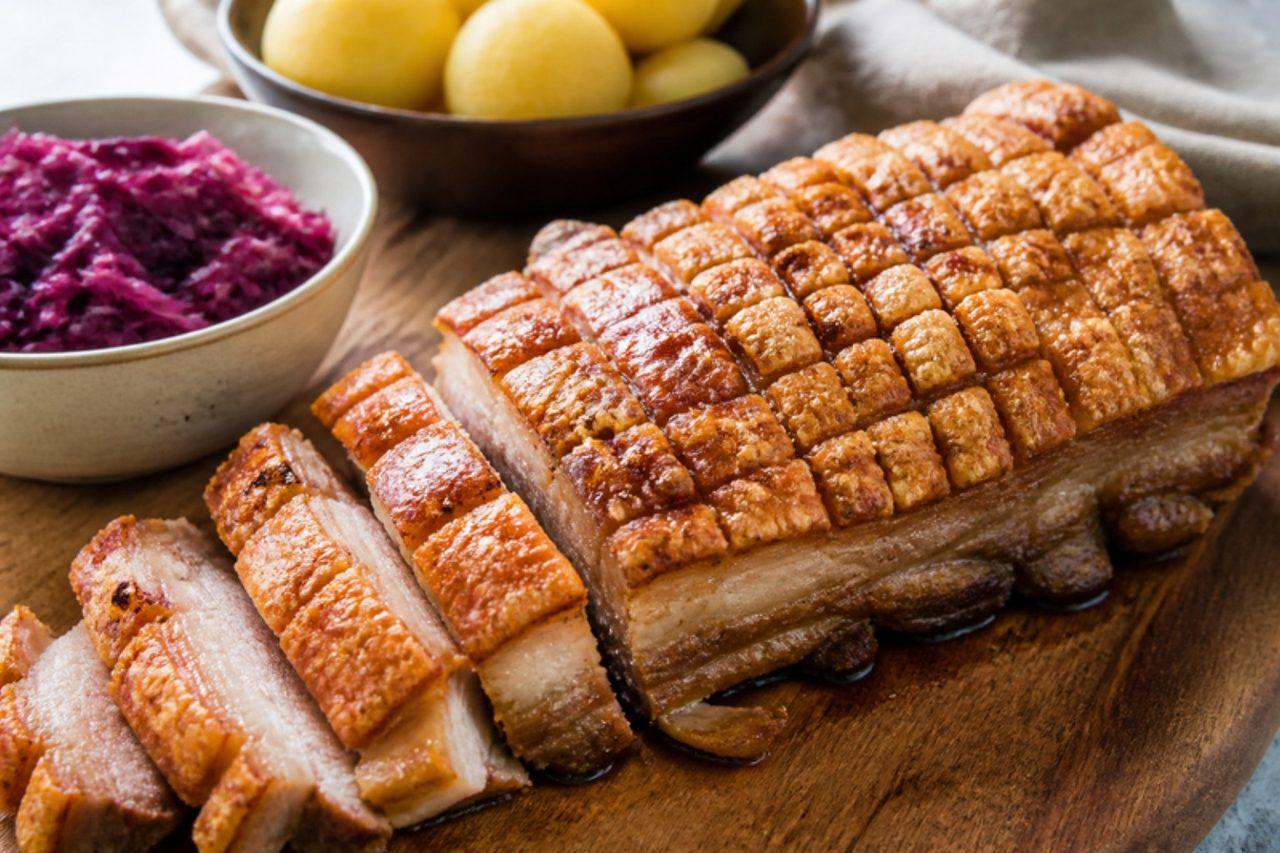
JuleribbeRoast pork belly with crackling

In much of Norway, Christmas Eve means ribbe: a slab of pork belly with the ribs left in, roasted until the scored rind puffs into crackling and the meat beneath is soft and juicy. It is served with medisterkaker, tangy caraway sauerkraut, red cabbage, boiled potatoes and gravy from the pan. Butchers sell ribbe ready scored in squares at Christmas. Chef's tip: salt the rind and leave it uncovered in the fridge for 1–2 days; a dry rind is the secret of the crackling.

by KrazyBadal 0 views

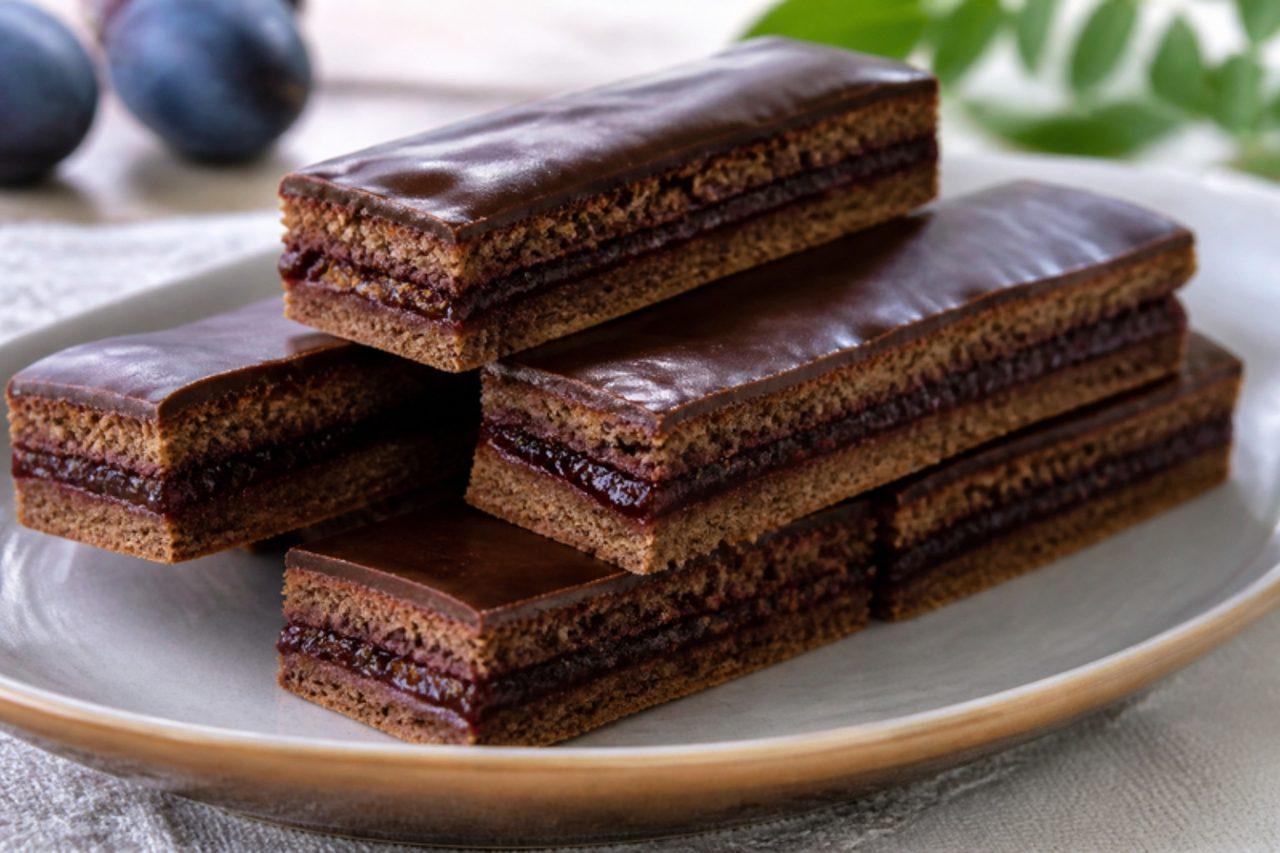
Piernik staropolskiHoney spice cake with plum jam

Piernik staropolski is the grand Polish Christmas gingerbread, and the old tradition is to mix the honey dough in November (once even at a child's birth) and leave it to mature for weeks in a cool place, which deepens the spice and makes the cake tender. It is baked a few weeks before Christmas, split into layers with powidła (thick plum butter), glazed with chocolate and left to soften again. This home version rests the dough for at least 3 days. Chef's tip: wrap the baked layers and let them sit for 3 days before filling; fresh piernik is hard, and it softens as it absorbs moisture from the jam.

by KrazyBadal 0 views

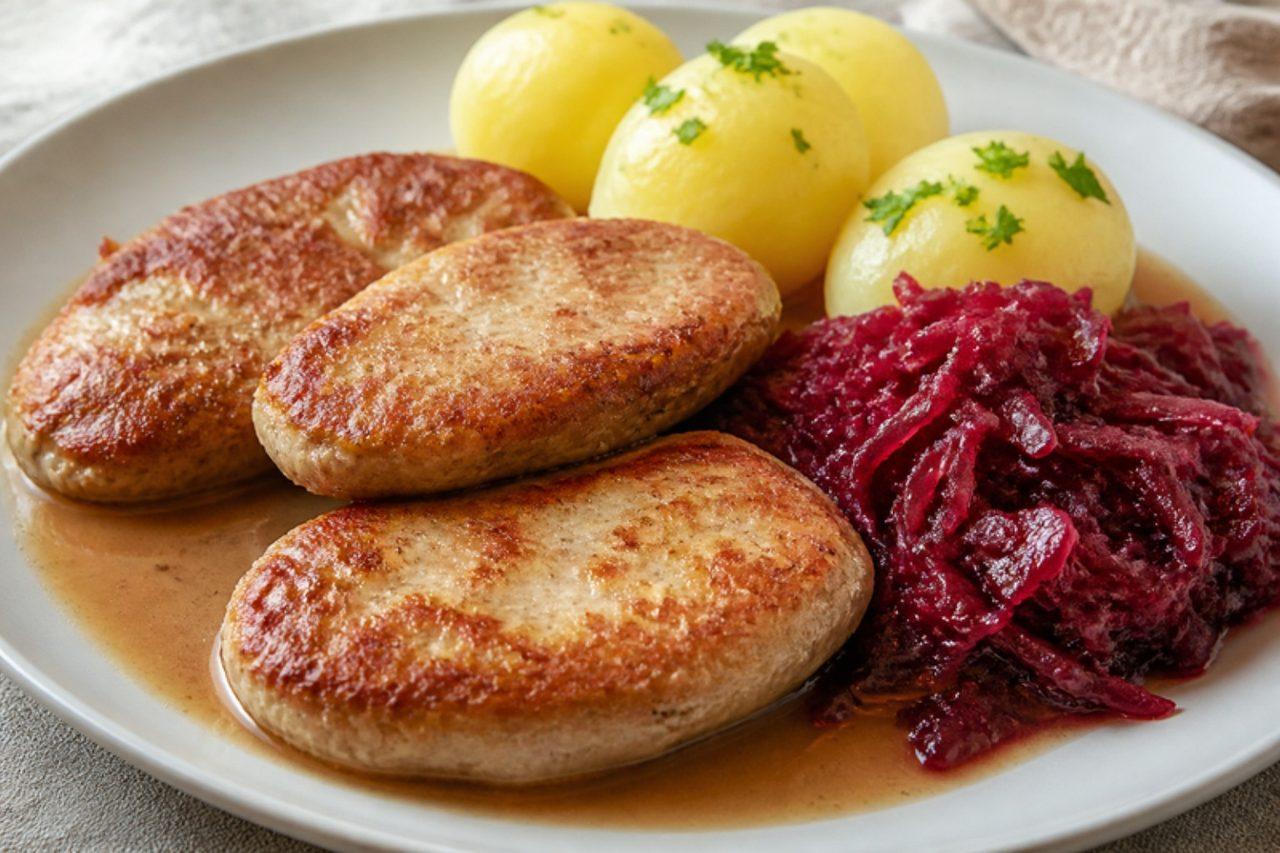
MedisterkakerSpiced pork patties

On Christmas Eve in eastern Norway the main dish is ribbe, crackling pork belly, and on the same platter come medisterkaker: soft, pale pork patties seasoned with nutmeg, ginger and white pepper, fried in butter and then simmered gently in the ribbe juices. They are made from medisterfarse, a fine pork mince lightened with milk and potato starch, and are just as popular on ordinary weeknights with brown gravy. Chef's tip: beat the mince with the milk a little at a time until light and sticky, as this is what makes the patties so tender.

by KrazyBadal 0 views

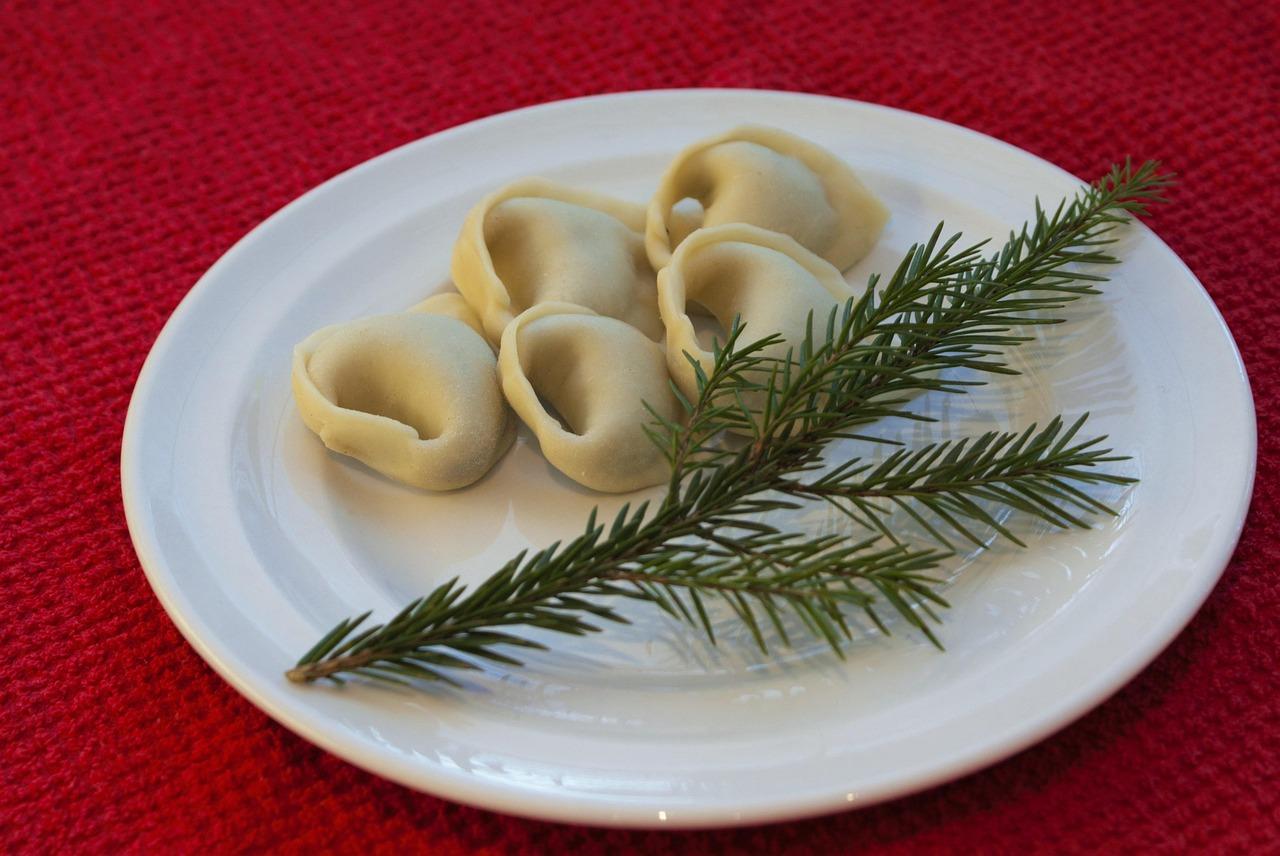
Uszka z grzybamiMushroom dumplings

Wigilia, the Polish Christmas Eve supper, starts when the first star appears and is traditionally meatless, and its first course is clear red barszcz with uszka floating in it. These are tiny dumplings folded into 'little ears' and filled with dried forest mushrooms (usually ceps) and fried onion. They are fiddly, so families make them together in the days before and freeze them. Serve 6–8 in each bowl of hot beetroot broth. Chef's tip: save the mushroom soaking water and add it to the barszcz, as it carries much of the forest flavour.

by KrazyBadal 0 views

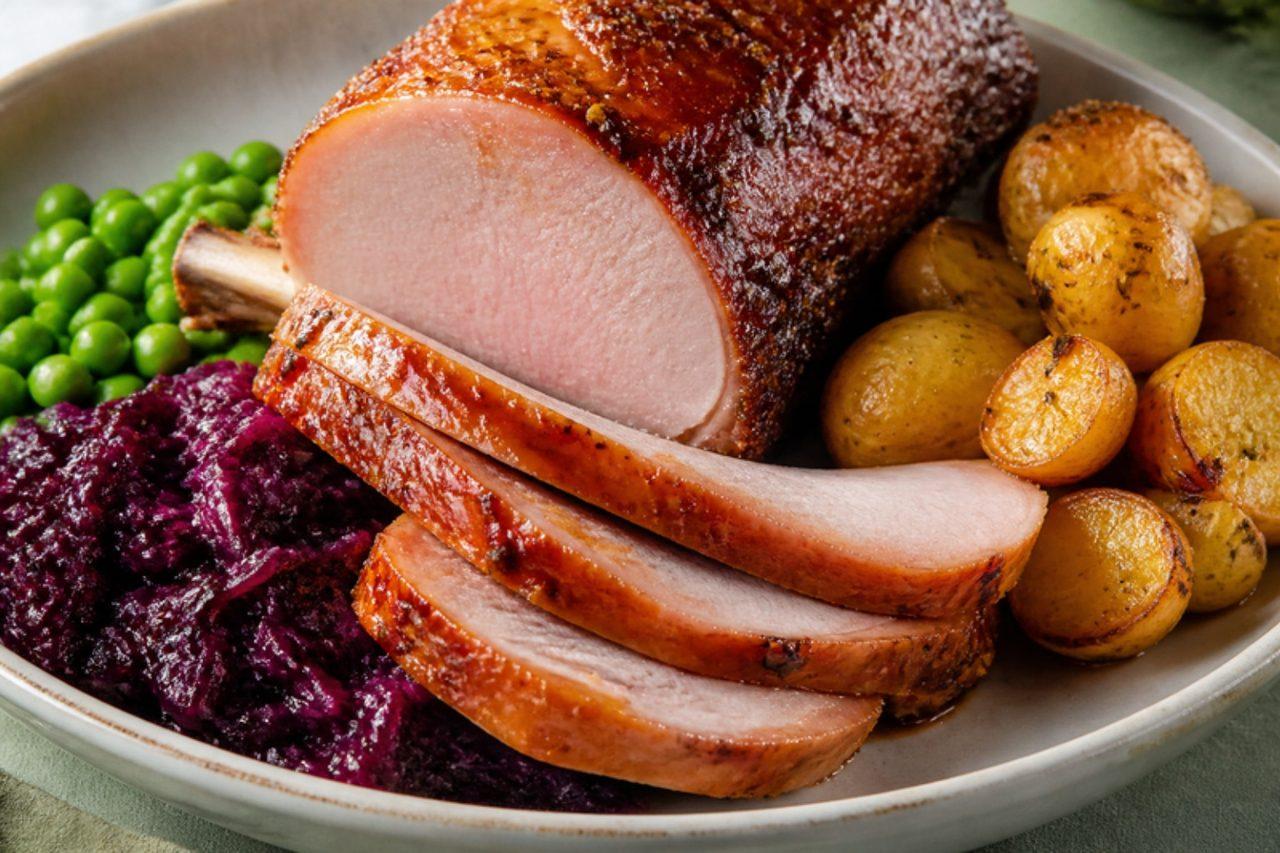
HamborgarhryggurGlazed smoked pork loin

Hamborgarhryggur, 'Hamburg-style loin', is the most common Christmas Eve centrepiece in Iceland, served at six o'clock when the church bells ring Christmas in. It is a cured and lightly smoked pork loin on the bone, simmered gently, then glazed with brown sugar and mustard and baked until shiny. It comes to the table with caramelised potatoes, red cabbage, green peas and a creamy sauce. Use a smoked pork loin (Kassler) from a butcher. Chef's tip: keep the poaching water just trembling, not boiling, so the cured meat stays juicy.

by KrazyBadal 0 views

Imelletty perunalaatikkoSweet baked potato casserole

Imelletty perunalaatikko is the most traditional of the Finnish Christmas casseroles, made in the days before Christmas Eve. Mashed potato is mixed with a little flour and left warm for hours, so the potatoes' own enzymes turn starch into sugar ('imelletty' means sweetened), and then it is baked slowly until the top is a deep caramel brown. The result tastes gently sweet with no added sugar and is eaten with ham, herring or, on a vegetarian table, with mushroom salad and beetroot. Chef's tip: keep the mash at hand-warm (about 55 °C) while it sweetens; too hot and the enzymes die, too cool and nothing happens.

by KrazyBadal 0 views

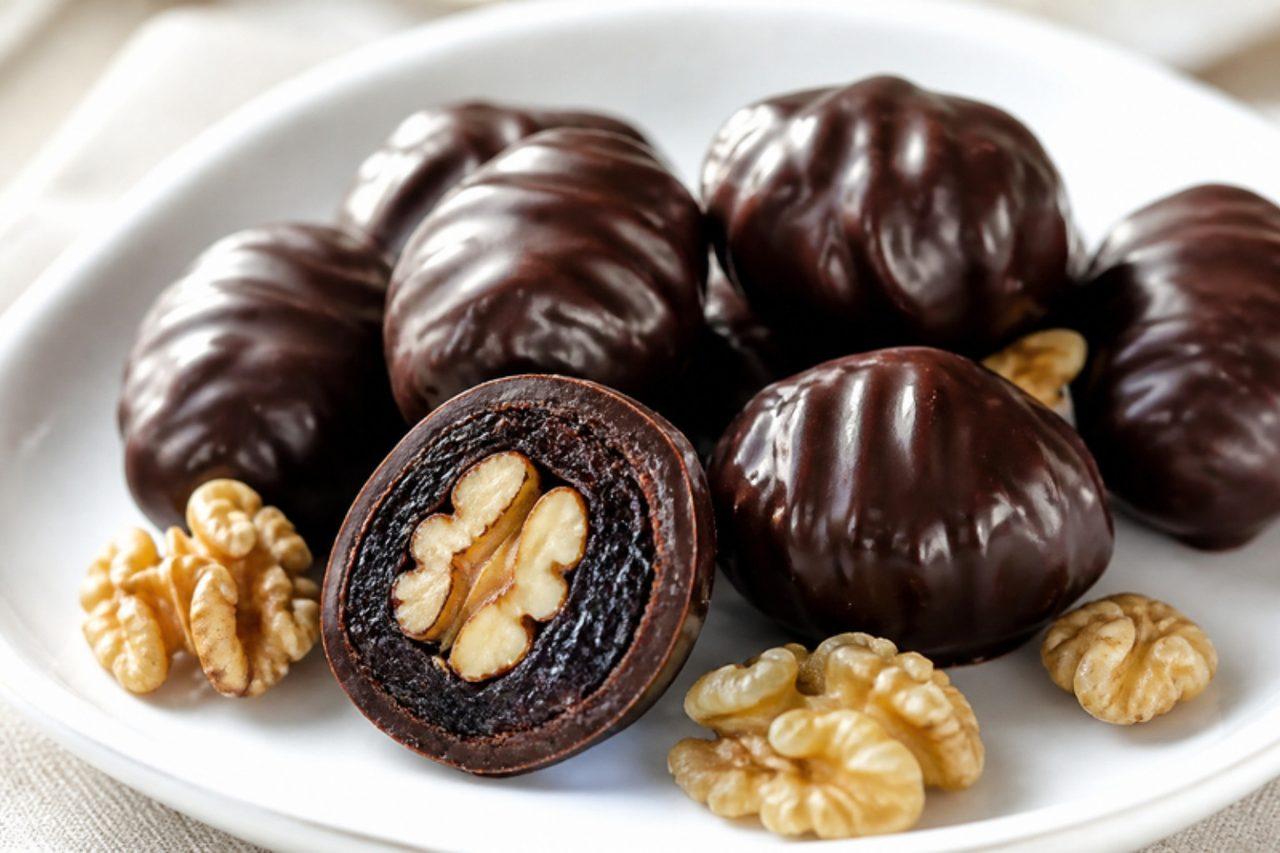
Śliwki w czekoladzie (chocolate-coated prunes with walnuts)

Boxes of chocolate prunes are a classic Polish gift: brought to grandmothers at Christmas, set out on the Wigilia table among the twelve dishes, and passed round on name days. Plump smoked or soft prunes from the south of the country are best. Each one hides a walnut half, so you get chewy, slightly tart fruit, a crunchy bitter nut and a snap of dark chocolate in one bite. Serve them with coffee or tea after a big meal. Nothing here ever needed egg: the prune itself holds the nut, and chocolate sets around it as it cools. Older recipes soak the prunes in spirits; here they are alcohol-free, plumped in warm orange juice instead, which also brightens the flavour. Use a dark chocolate made without milk and the sweets are vegan. Chef's tip: dry the soaked prunes very well before dipping; the common mistake is leaving them damp, and even a few drops of juice will make melted chocolate seize and turn grainy.

by KrazyBadal 0 views

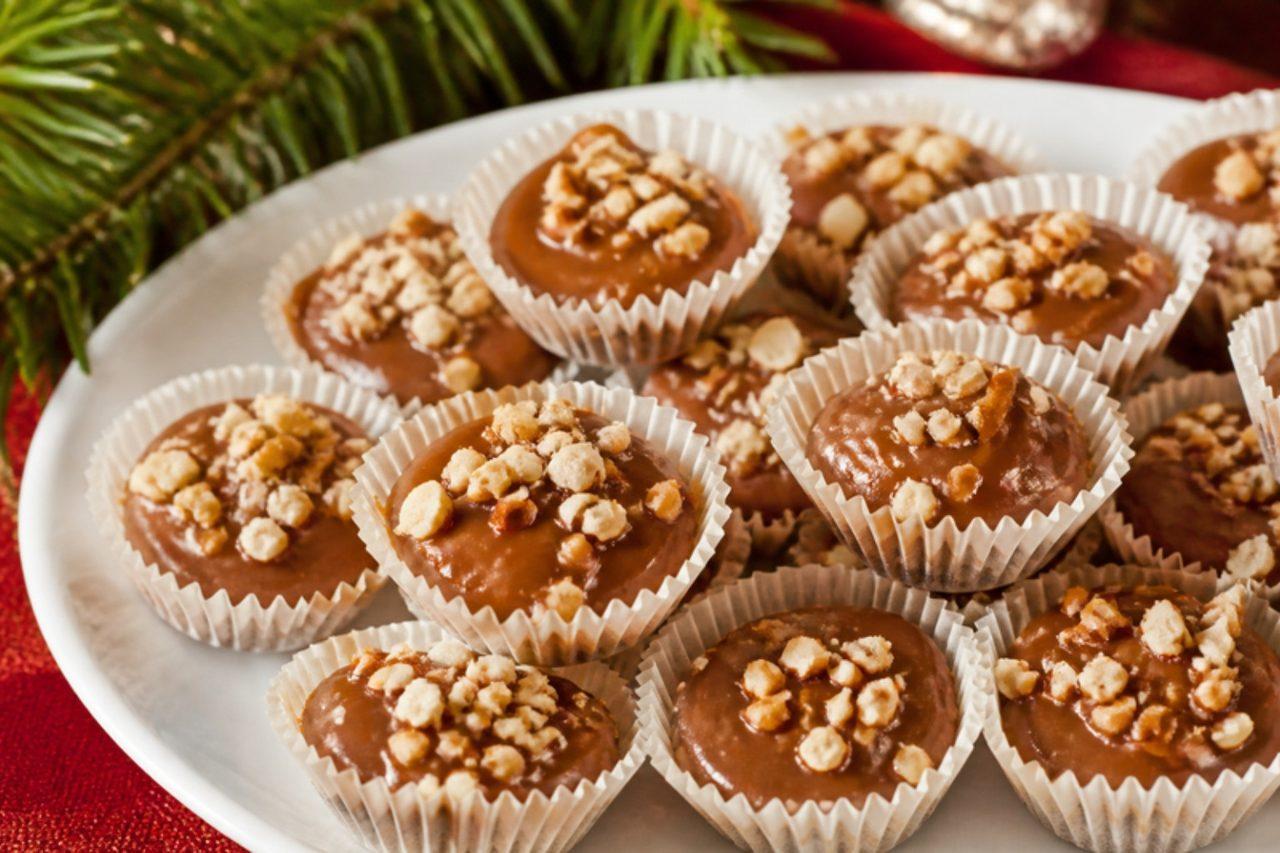
Knäck (Swedish Christmas toffee)

No Swedish julbord is complete without knäck. Families make it in the weeks before Christmas Eve, often with children filling the little paper cases, and it sits on the table beside saffron buns, gingersnaps and ischoklad. Equal parts of cream, golden syrup and sugar boil down into a deep caramel that sets glossy and firm, then gives way to a pleasant chew; chopped almonds add crunch. It is lovely with strong coffee or glögg made from berry juice. Knäck has never contained egg: the cream is boiled until its milk sugars caramelise and the mixture reaches the hard-ball stage, so the sugar itself sets the toffee. Some cooks stir in breadcrumbs; they are left out here so the toffee stays gluten free. Chef's tip: test the toffee by dropping a little into cold water rather than trusting the clock alone; the common mistake is stopping too early, which leaves knäck that sticks to your teeth and to its paper.

by KrazyBadal 0 views

Polkagris (Gränna peppermint candy sticks)

Gränna, a small town on the shore of Lake Vättern, has been pulling polkagris since the 1850s, and visitors still stand at shop windows watching the sugar being stretched and twisted on marble tables. The sticks are sold all year but are a favourite in summer, when the town fills with tourists, and again at Christmas. Pulled properly, the white part turns satiny and slightly airy, so the candy is crisp on the outside and almost chalky-soft as it melts, with a clean, cooling peppermint flavour and a thin red spiral. Eat them as they are, crush them over ice cream or hang them on the tree. Polkagris is naturally egg-free: nothing but sugar boiled to the hard-crack stage holds it together, and the pulling, not any added protein, gives the pale, opaque texture. Chef's tip: work in a dry kitchen with oiled gloves and have every tool ready before the sugar reaches temperature; the common mistake is letting the mass cool too far before pulling, at which point it cracks instead of stretching.

by KrazyBadal 0 views

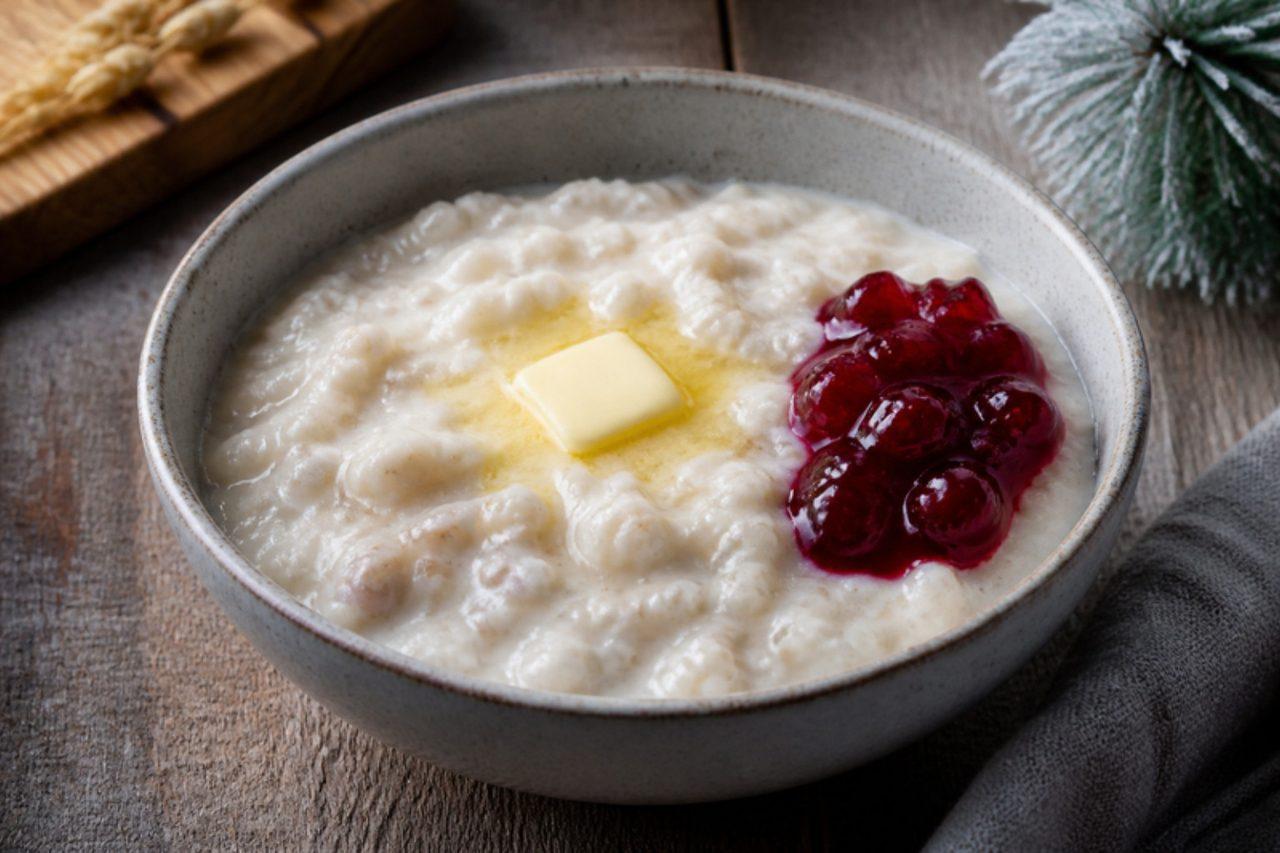
OhrapuuroBarley porridge

Ohrapuuro is the comfort food of Finnish farmhouses: pearl barley cooked slowly in plenty of milk until it turns creamy, pale and faintly sweet, then served with a knob of butter melting in the middle and a spoon of lingonberry or berry kissel. It is a breakfast for winter mornings and a supper for Christmas Eve in many families, and the oven version used to cook overnight in the cooling bread oven. A bowl gives about 14 g of protein from the milk and barley, so it is filling, but not a high-protein dish. The common mistake is cooking it too fast on a high heat; the milk catches and burns on the bottom, so keep it at a bare simmer and stir often. Chef's tip: soak the barley in water overnight if you can; it cuts the cooking time to about an hour and the grains cook more evenly.

by KrazyBadal 0 views

Aguadito de polloCoriander chicken rice soup

Aguadito is the soup Lima serves in the small hours: at the end of a wedding, after New Year's Eve and at weekend family lunches, it is ladled out thick and steaming to revive everyone. Rice simmers in chicken broth coloured deep green with blended coriander and warmed with yellow ají amarillo, along with peas, carrot, pepper, sweetcorn and potato. A portion gives about 24 g of protein, from the chicken with a little from the rice and peas, for around 480 kcal. The common mistake is adding the coriander purée too early: cooked for long it turns khaki and loses its fresh taste, so stir it in for the last 10 minutes. The chicken must reach 74 °C at the bone. Chef's tip: blend a handful of spinach with the coriander; it keeps the colour vivid green without changing the flavour.

by KrazyBadal 0 views

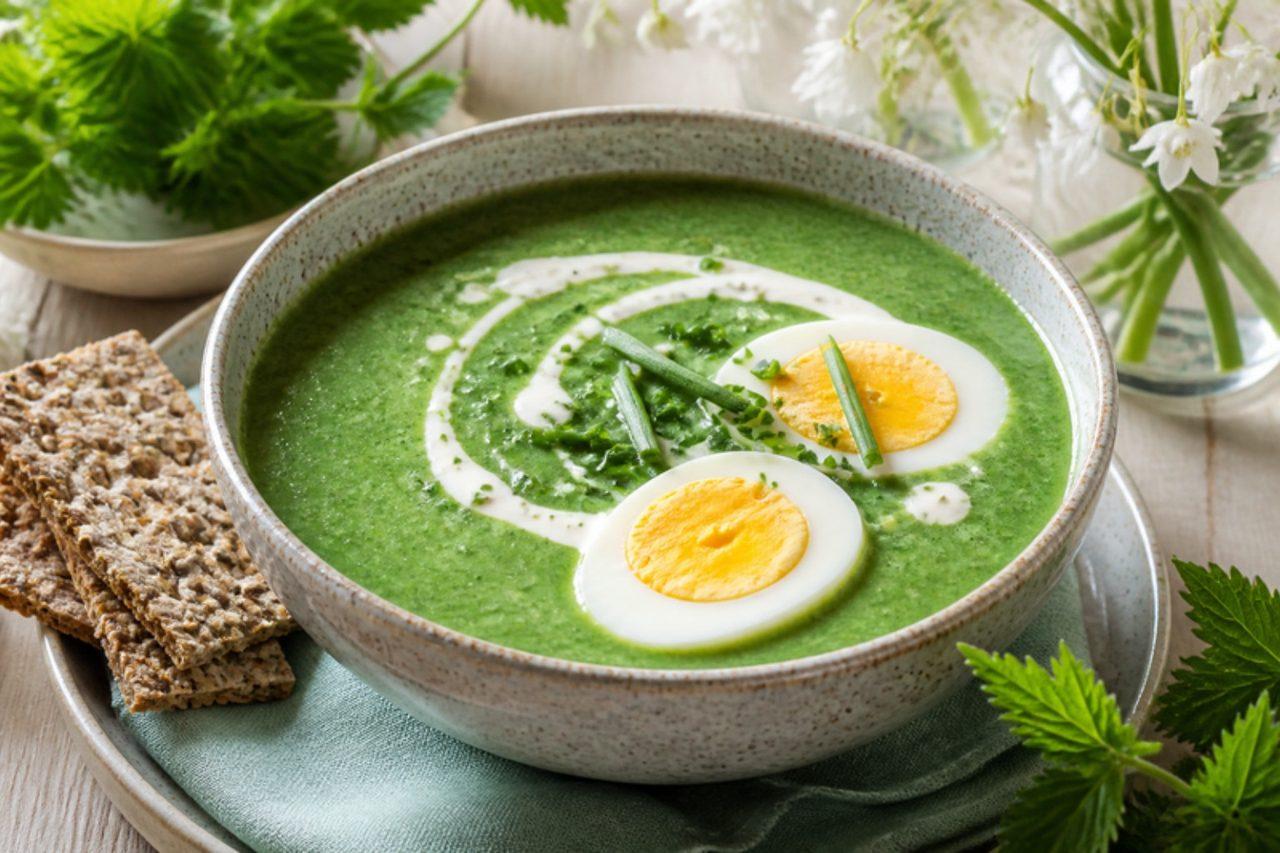
NässelsoppaNettle soup

In Sweden the first young nettles of April and May go straight into nässelsoppa, a smooth, grassy green soup often served at Easter or on Walpurgis Night with halved boiled eggs. It tastes a little like spinach with a mineral edge, and is eaten with crispbread and butter. A bowl with one egg gives about 10 g of protein, so it is a light soup, not a high-protein meal; add a second egg each if you want it more filling. Wear gloves to pick and wash nettles: blanching removes the sting completely. The most common mistake is cooking the nettles too long, which turns the soup khaki and dull; add them at the end and blend straight away. Chef's tip: pick only the top four to six leaves of young plants before they flower; older leaves are tough and gritty.

by KrazyBadal 0 views

Showing 24 of 633 recipes

Show more recipes

Page 1 of 27