Skip to content
WhatToEat.Today

All recipes

353

Vegetarian, or something you can't eat? Set your diet once and we'll hide recipes that don't fit.

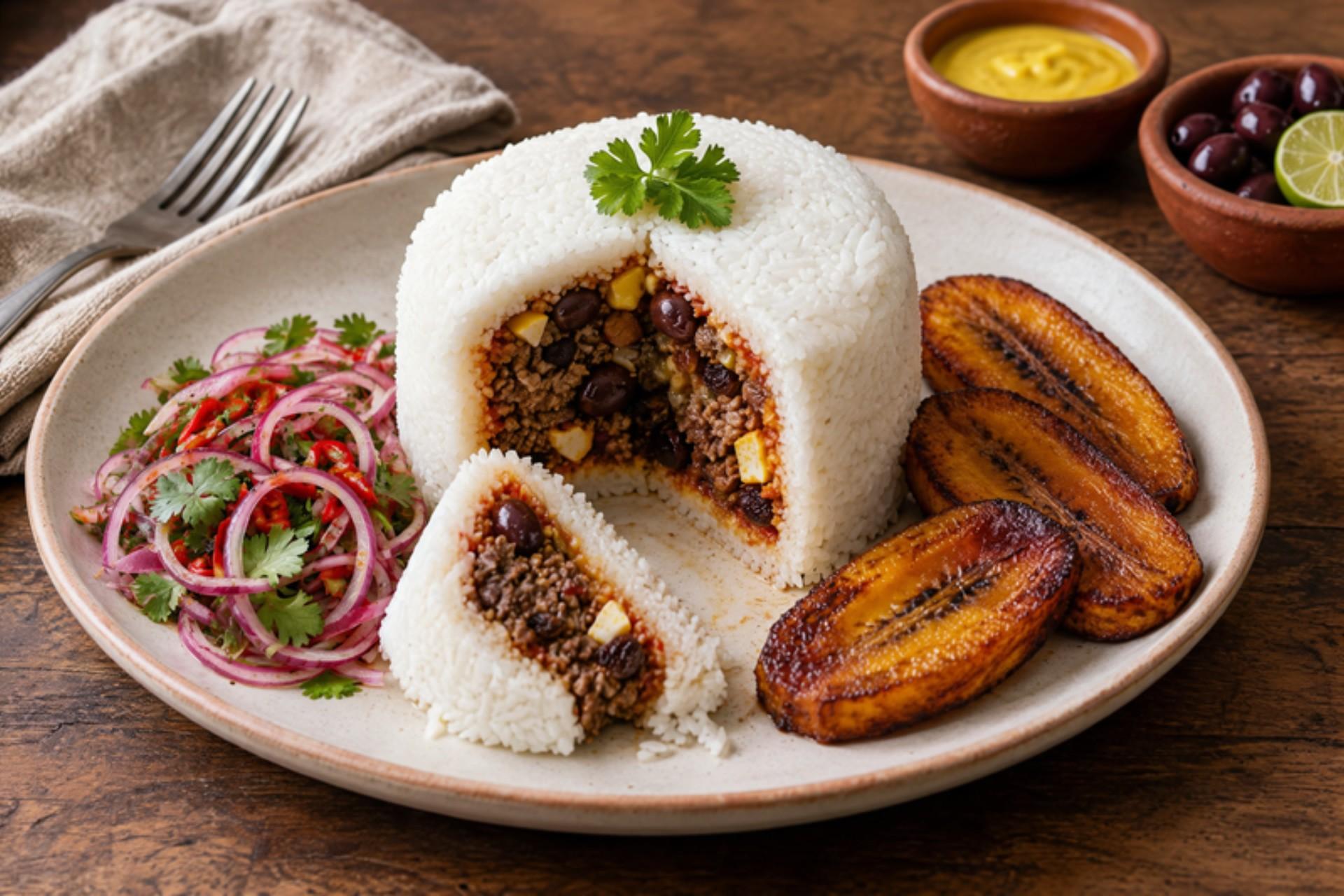
Arroz tapadoRice dome with beef filling

Arroz tapado means covered rice, and it is the thrifty weekday lunch of Lima homes and school canteens: garlic rice pressed into a bowl, filled with a sweet-savoury beef mince and turned out like a dome. The filling of minced beef with onion, ají panca, raisins, black olives and hard-boiled egg is the same picadillo that goes into papas rellenas. The usual mistake is leaving the filling wet: the dome collapses and the rice turns soggy. Simmer it until the pan is almost dry. Minced beef must reach 71 °C, so cook it until no pink remains. Serve with a spoonful of salsa criolla. Chef's tip: brush the bowl with a little oil and pack the rice firmly with the back of a spoon; a well-pressed dome holds its shape on the plate.

by KrazyBadal 0 views

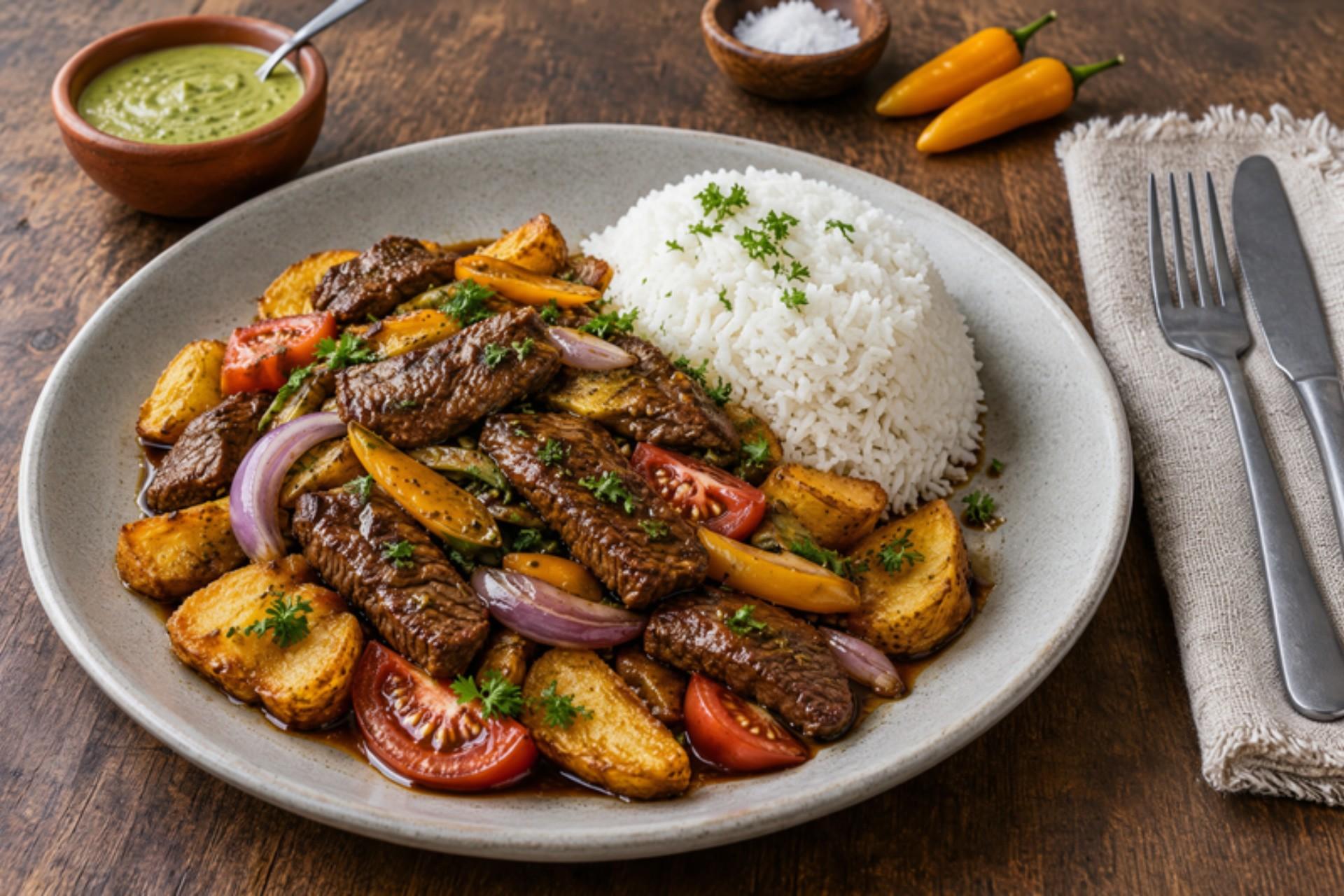
Lomo saltadoBeef stir-fry with chips

Lomo saltado was born in the chifas of central Lima, where Chinese cooks met Peruvian ingredients, and today it is the lunch every Peruvian family makes when they want something fast and a little indulgent. Strips of beef are seared in a smoking-hot wok with red onion, tomato and yellow chilli, splashed with soy sauce and vinegar, then tossed with chips and served beside white rice, so you get both starches on one plate. The common mistake is crowding the wok: the beef stews in its juices and turns grey and chewy instead of charring. Cook it in two batches over the highest heat you have. Chef's tip: add the chips at the very last second, or serve them on the side, so they soak up a little sauce but stay crisp.

by KrazyBadal 0 views

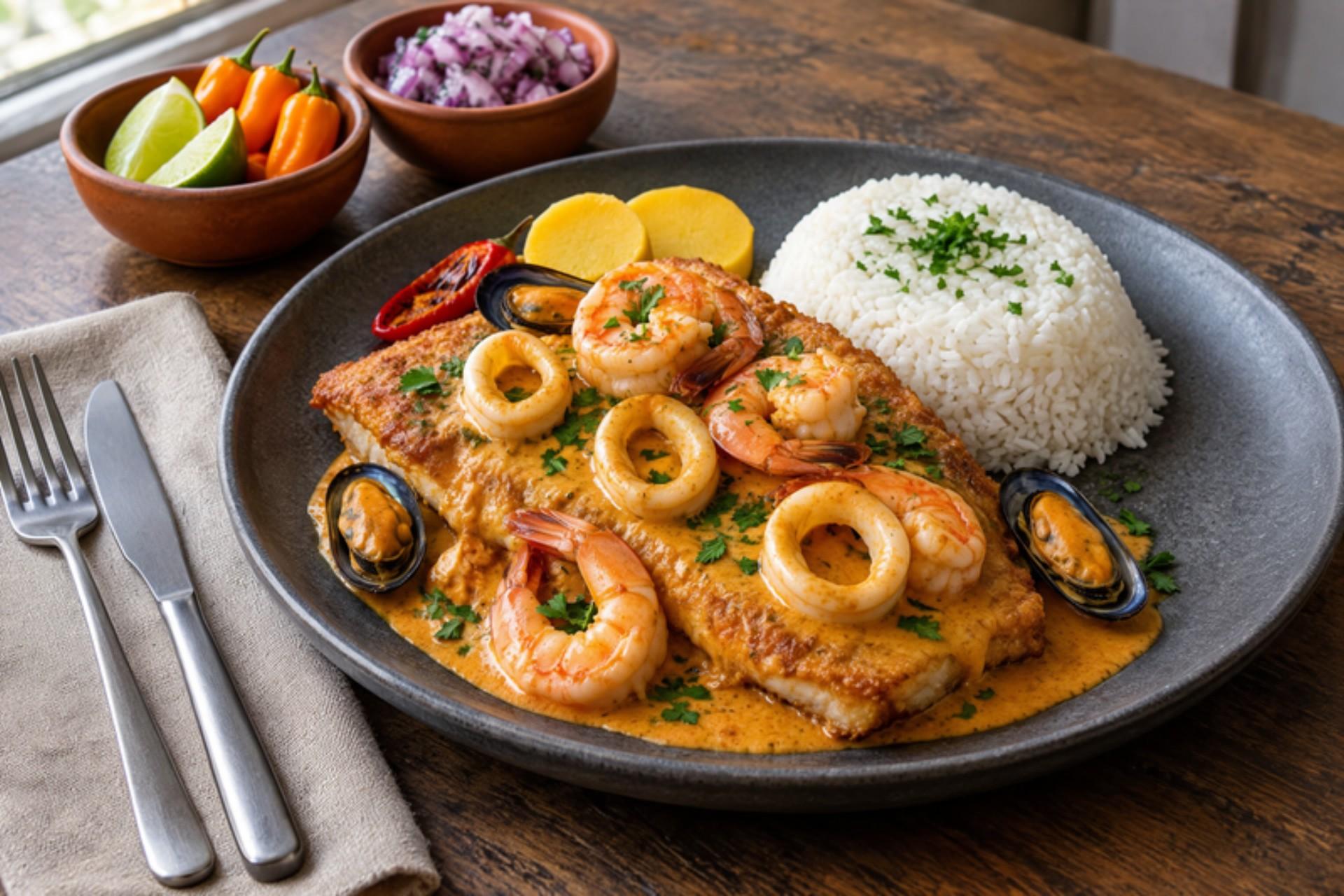
Pescado a lo machoFried fish in spicy seafood sauce

Pescado a lo macho is a classic of Lima's seafood restaurants, the dish people order for a long Sunday lunch near the sea in Chorrillos: a fillet of fried white fish smothered in a thick, spicy sauce of ají panca and ají amarillo packed with prawns, squid and mussels. The name boasts that you need to be brave for the chilli, but you can turn it down. The common mistake is overcooking the seafood while the sauce reduces; add it only when the sauce is already thick. Discard mussels that are open and do not close when tapped, and any that stay shut after cooking. Chef's tip: dust the fish in flour seasoned with cumin and fry it last, so it reaches the table crisp under the sauce.

by KrazyBadal 0 views

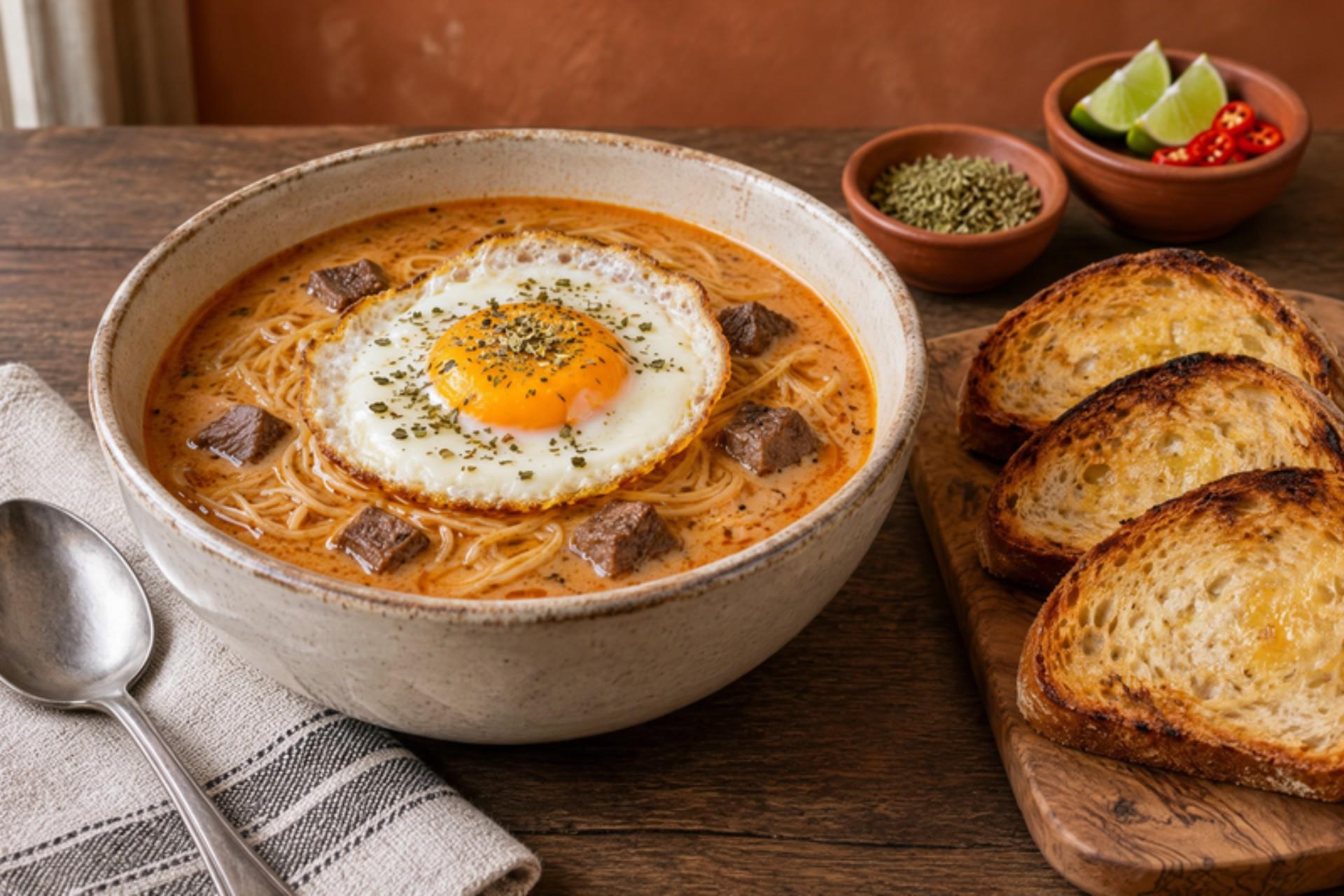
Sopa criollaCreamy beef noodle soup

Sopa criolla is the soup Lima turns to on grey winter evenings, when the garúa mist hangs over the city: a beef broth reddened with ají panca, full of thin noodles and strips of beef, enriched with evaporated milk and finished with a poached egg. It arrives with toasted bread for dunking. The common mistake is boiling the soup after adding the milk; it splits into specks. Lower the heat first and stir it in gently. The beef strips are thin, so they cook through in a few minutes. Chef's tip: crack the eggs straight into the barely simmering soup and leave them alone for three minutes; the whites set into soft ribbons that thicken the broth.

by KrazyBadal 0 views

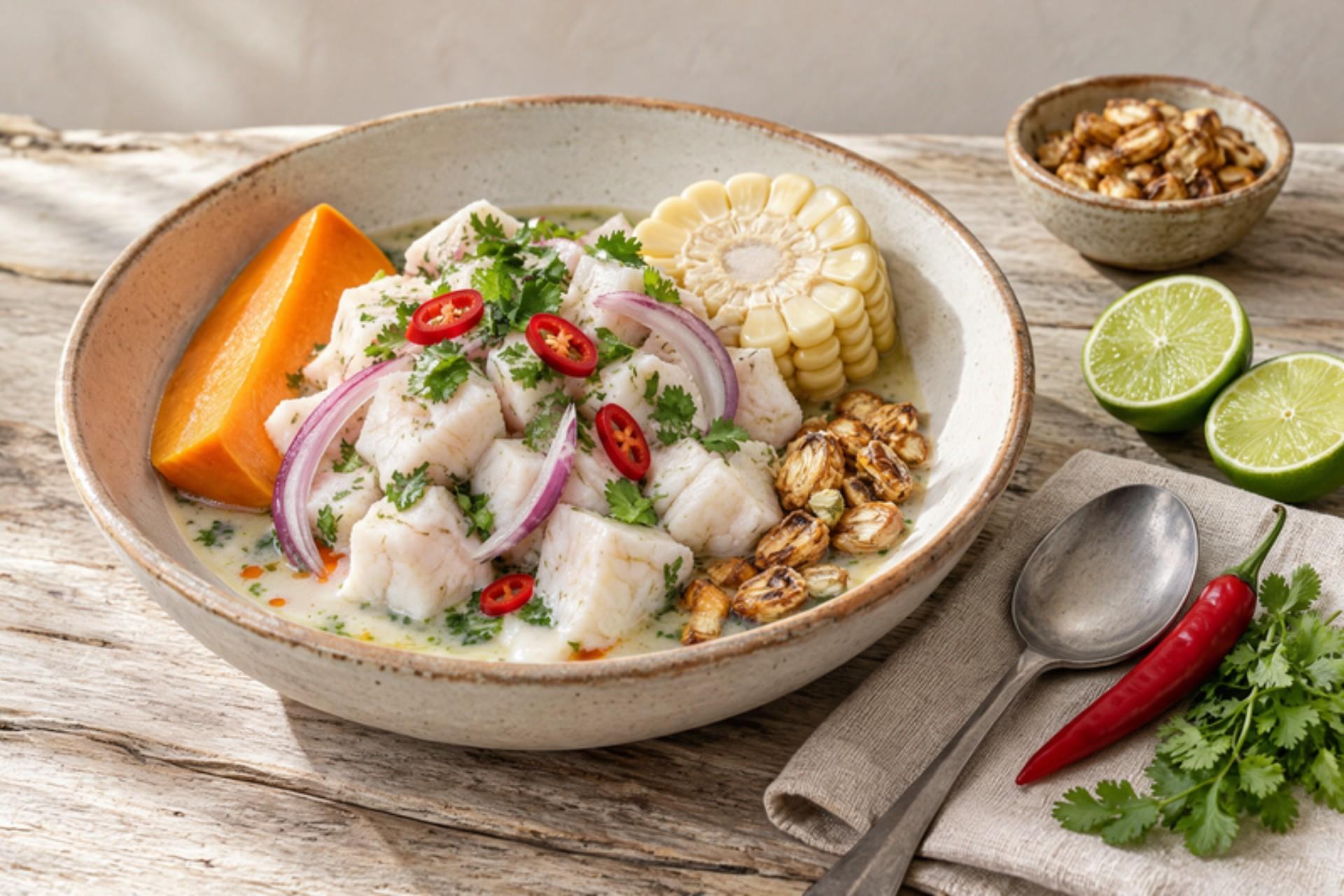
Ceviche peruanoLime-cured white fish

Ceviche is Peru's national dish, eaten at lunchtime in the cevicherías of Lima's Surquillo and Chorrillos markets, because the fish must be fresh off the morning boats and cevicherías traditionally close in the afternoon. The classic is raw white fish 'cooked' in lime juice with red onion, chilli and coriander, served with sweet potato and corn. Lime juice does not kill bacteria or parasites, so this version first poaches the fish for a minute until just opaque, then dresses it, which keeps the classic flavour and texture far safer. Even so, it is not for pregnant women, young children or anyone with a weakened immune system. The usual mistake is leaving the fish in the lime for an hour: it turns chalky and the juice goes bitter. Chef's tip: squeeze the limes gently by hand and stop before the pith; over-squeezed limes make bitter leche de tigre.

by KrazyBadal 0 views

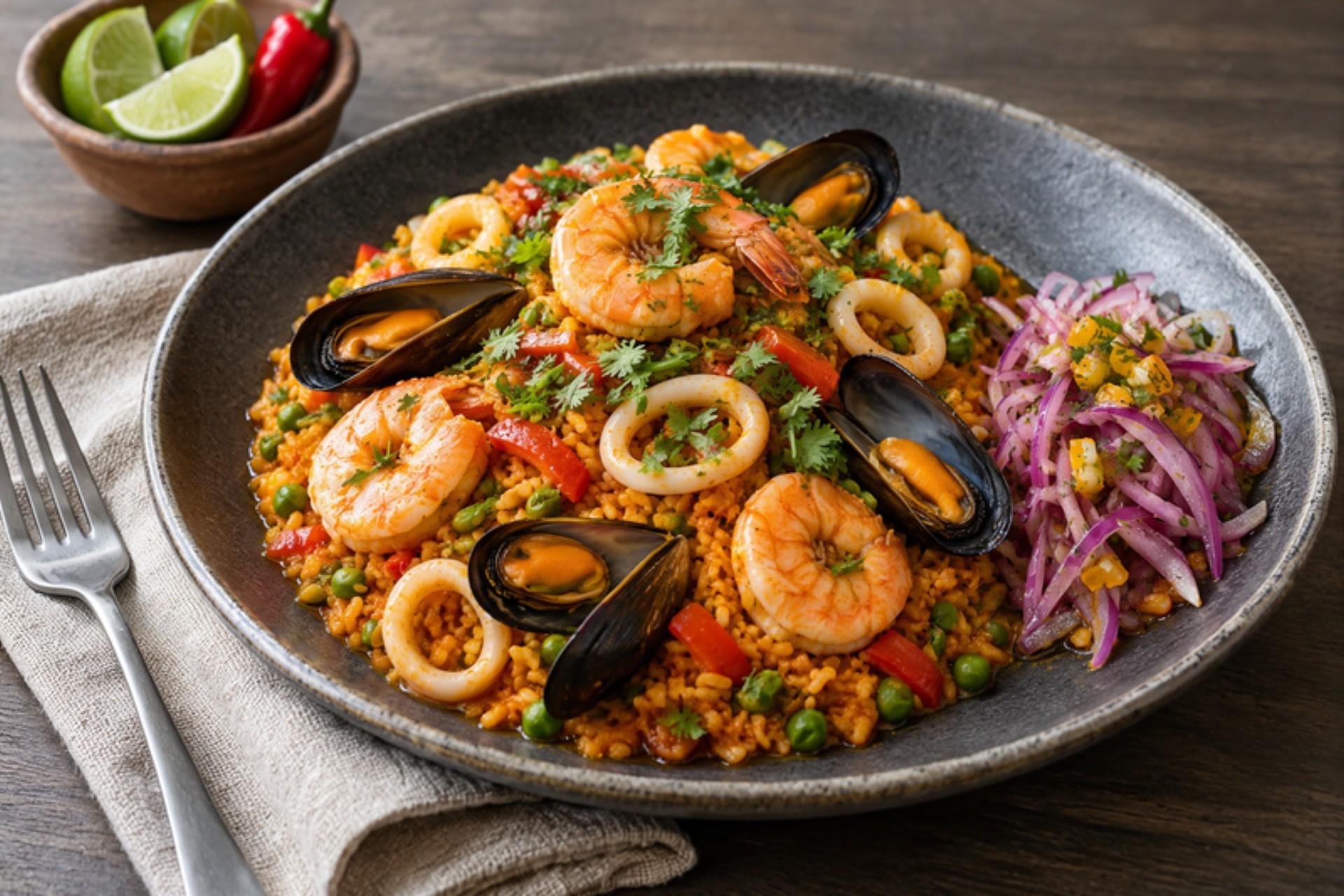
Arroz con mariscosSeafood rice

Arroz con mariscos is the weekend dish of Callao and the beach towns south of Lima, served in cevicherías as the hot partner to a cold ceviche. It is moister than a paella, closer to a risotto, coloured with ají panca and ají amarillo and finished with peas and a little Parmesan-style cheese, as many Lima cooks do. The common mistake is adding all the seafood at the start: the squid turns rubbery and the prawns shrink to nothing. Cook the rice first and add the shellfish only for the final minutes. Discard any mussels that are open before cooking and do not close when tapped, and any that stay shut after cooking. The cheese is often made with animal rennet; use a vegetarian hard cheese if you prefer. Chef's tip: simmer the prawn shells in the stock for 10 minutes; they give the rice its deep seafood taste.

by KrazyBadal 0 views

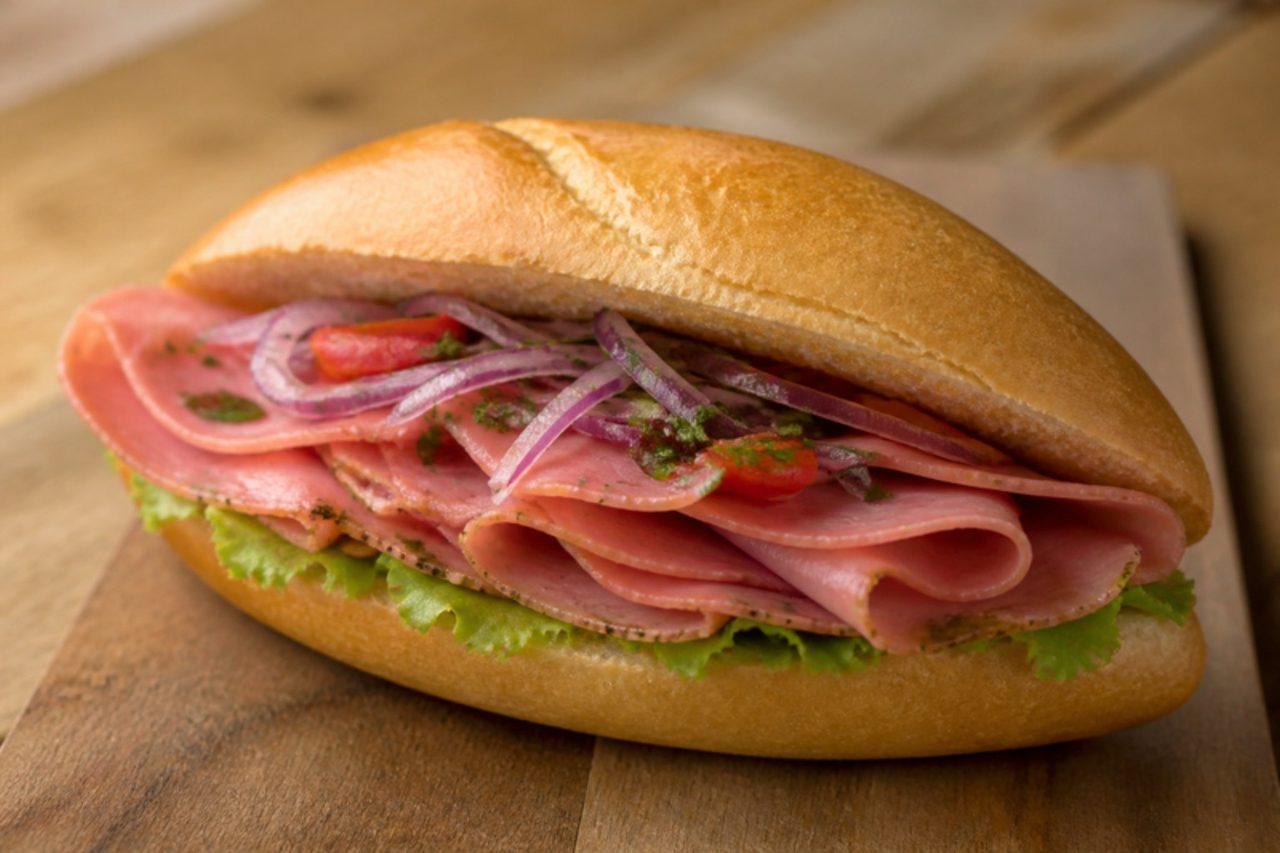
Pan con butifarraHam roll with onion salsa

Pan con butifarra is Lima's evening sandwich, sold in old-school sangucherías and made at home for a light dinner with coffee: a crusty roll filled with jamón del país, a spiced Peruvian pork ham, under a heap of salsa criolla, red onion sliced thin and soaked in lime with chilli. Outside Peru, use a good cooked pork ham. The common mistake is leaving the onion harsh; give it a quick rinse in salted water before dressing it. Chef's tip: a leaf of lettuce under the ham stops the lime juice soaking straight into the bread.

by KrazyBadal 0 views

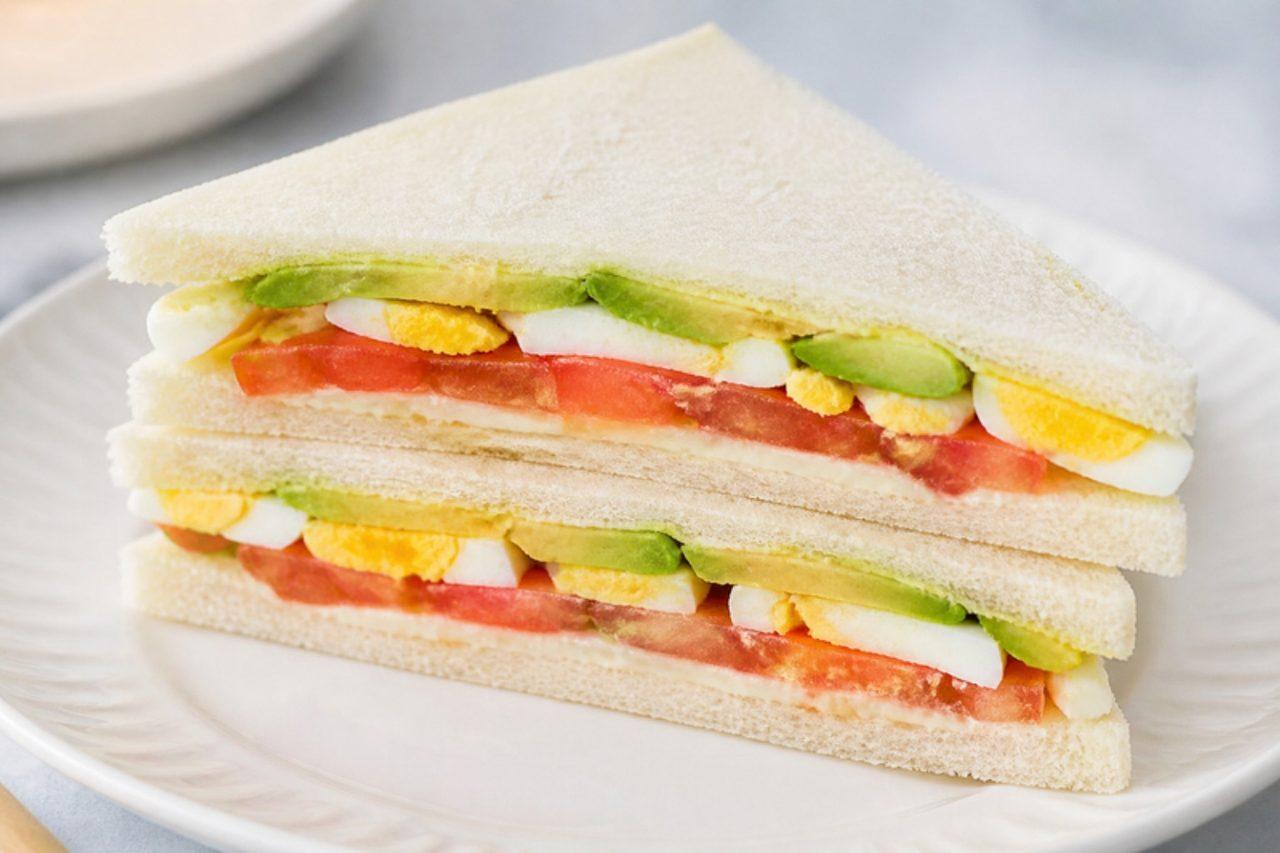
TripleAvocado, tomato and egg sandwich

The triple is the soft, layered sandwich of Lima's cafés and bakeries, eaten at lonche, the Peruvian late-afternoon meal, or as a light supper: three slices of crustless white bread layered with avocado, tomato and sliced hard-boiled egg, all held together with mayonnaise. It looks neat, tastes fresh and is loved by children. Shop-bought mayonnaise is made with pasteurised egg, so it is safe for everyone. The common mistake is letting wet tomato touch the bread, which turns it soggy within minutes. Chef's tip: pat the tomato dry and sit it between the avocado and egg, then press the sandwich under a board for a minute before cutting.

by KrazyBadal 0 views

Pajagua mascadaBeef and cassava patties

Pajagua mascada is a Paraguayan street-food classic that appears on every table for the San Juan festival on 24 June, when bonfires burn and the night is full of games and traditional food. Minced beef is mixed with mashed cassava, onion, garlic and a little egg and flour, shaped into flat patties and fried until crisp. The name comes from Guaraní and refers to the 'chewing' of old Paraguayan cooks, who made it from leftover meat. Chef's tip: dry the boiled cassava well and remove its woody core, which keeps the patties light and crunchy.

by KrazyBadal 0 views

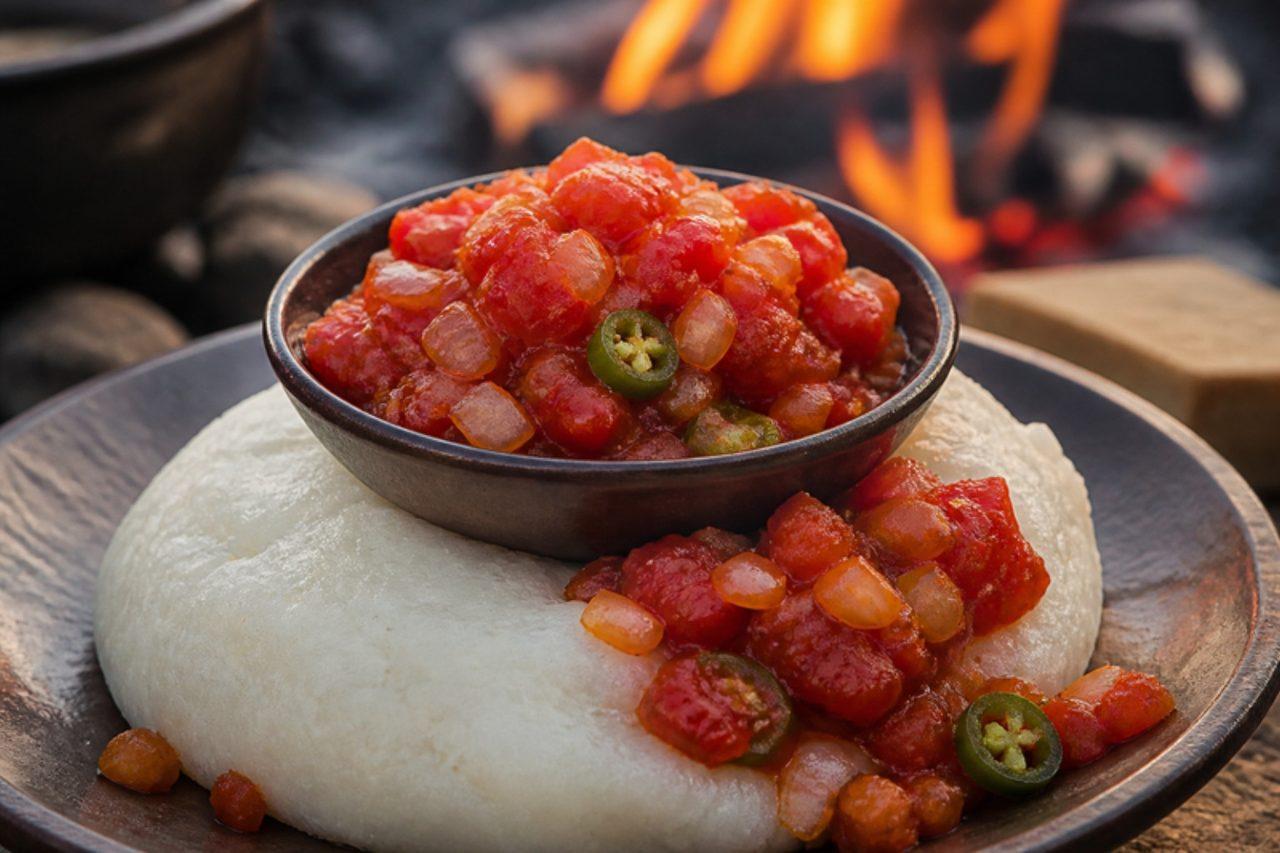
ShebaTomato and onion relish

On 24 September, Heritage Day, South Africans light the braai, and next to the boerewors and chops there is always a pot of stiff pap with sheba spooned over it. Sheba is the everyday township relish of onions and tomatoes cooked down with chilli and curry powder until thick and jammy, sweet, sour and gently hot. It keeps well, so many families make a big pot the day before. Chef's tip: cook the onions slowly first; their sweetness is what balances the sharp tomatoes.

by KrazyBadal 0 views

Three-bean salad

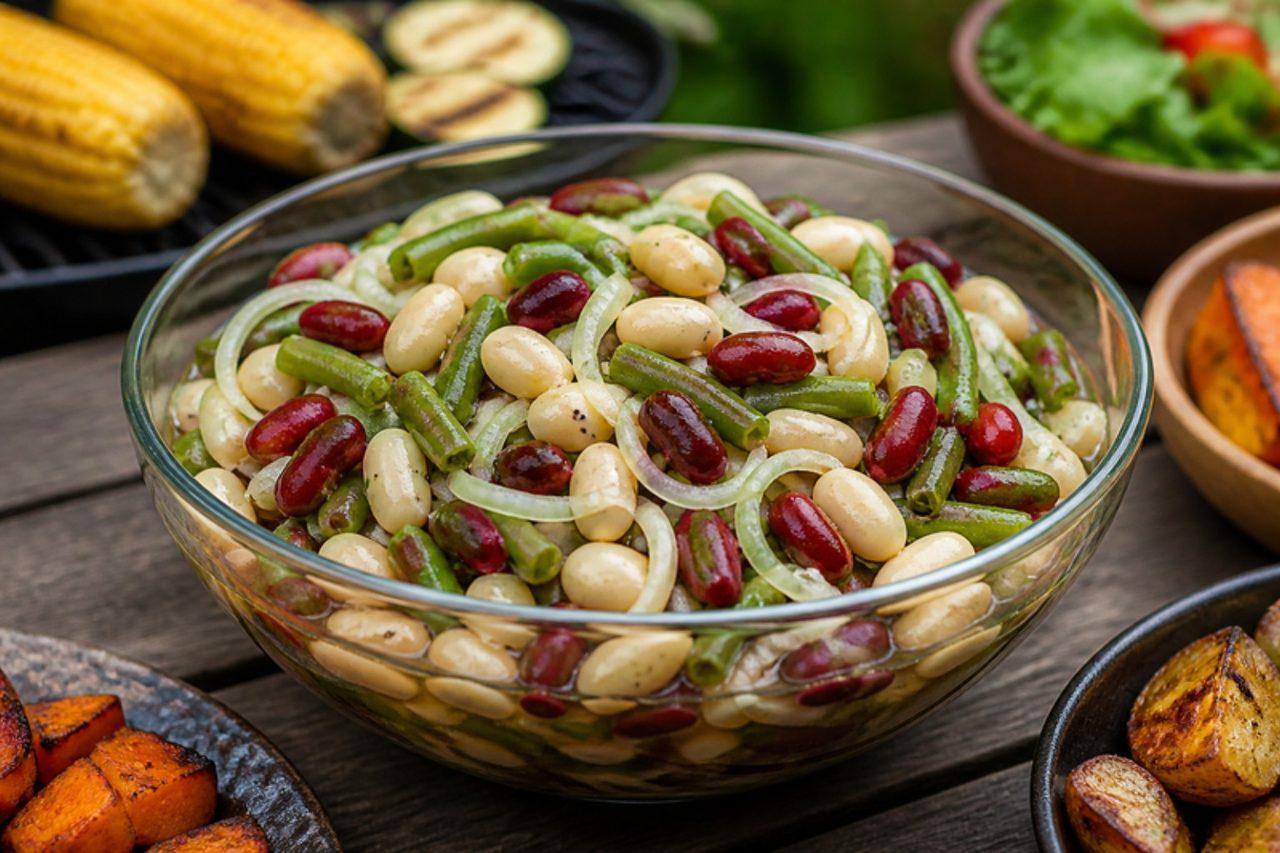
No Heritage Day braai is complete without a row of salads on the table, and the sweet-sour three-bean salad is one of the oldest, handed down in Afrikaner and Cape kitchens and usually made the night before. Crisp green beans, creamy butter beans and red kidney beans soak in a sharp vinegar and sugar dressing with thin onion rings until they pickle lightly. It cuts through rich grilled meat or a vegetarian braai of mielies and halloumi. Chef's tip: dress the beans while the green beans are still warm so they drink up the dressing.

by KrazyBadal 0 views

Umphokoqo with amasiCrumbly maize pap with soured milk

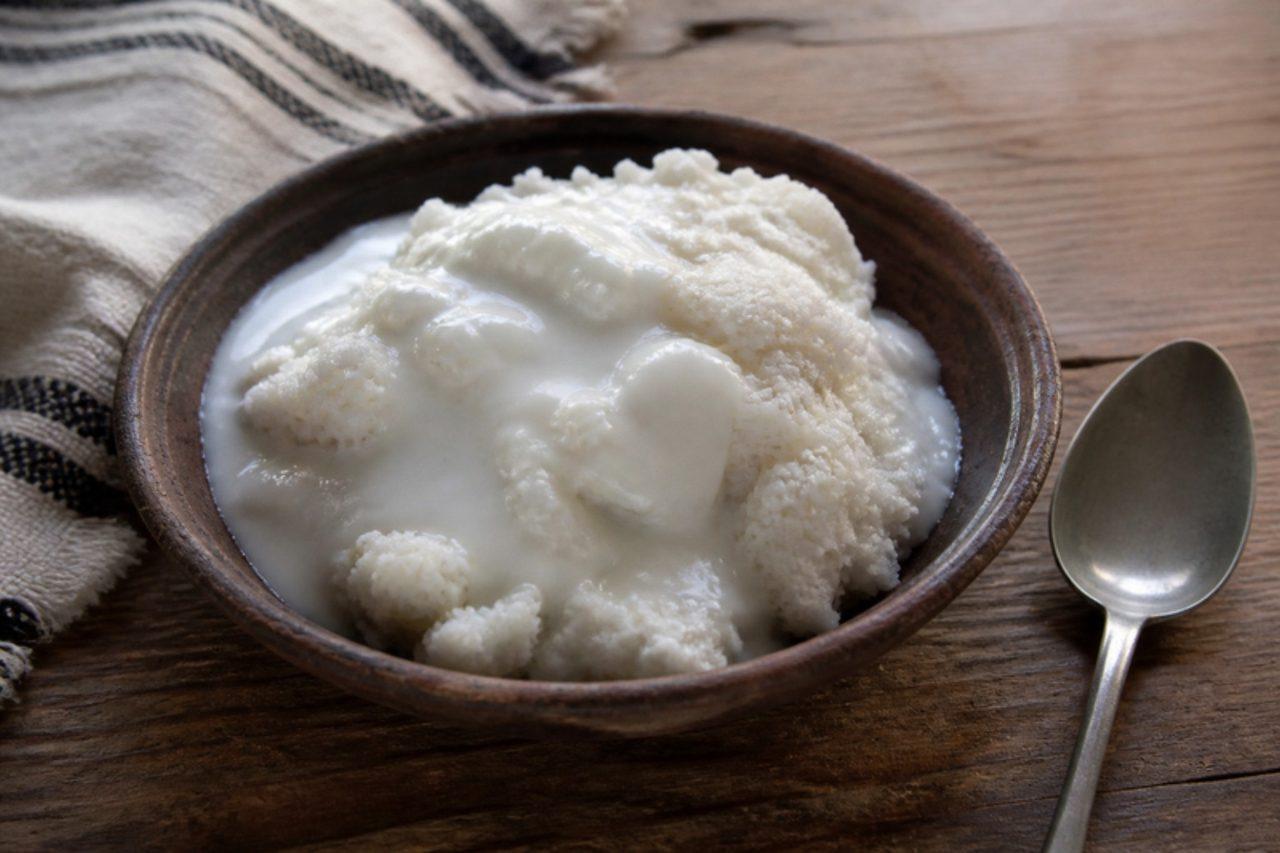
Umphokoqo is the dry, crumbly pap of the Eastern Cape, beloved at Xhosa family gatherings and often brought out on Heritage Day as a taste of home. Instead of the stiff pap stirred into a smooth mound, the maize meal is steamed in a little water and broken up with a fork until it falls into fine, fluffy crumbs. It is served cold or at room temperature, with chilled amasi (thick soured milk) poured over, sour, cool and filling, or warm beside braai meat and chakalaka. Chef's tip: don't stir in circles like ordinary pap; cut and fluff with a fork so it stays crumbly.

by KrazyBadal 0 views

Krathong thong (crispy golden cups with chicken)

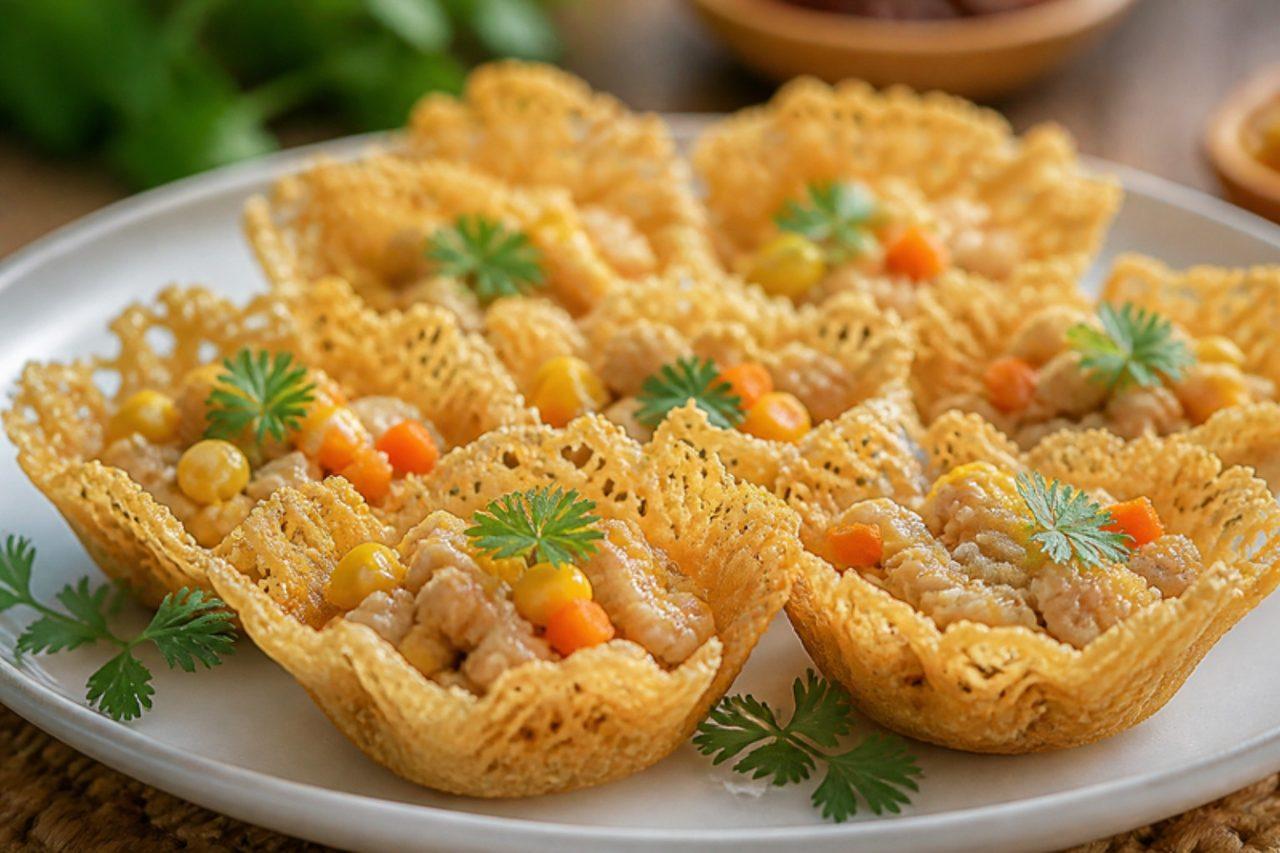
Krathong thong, "golden baskets", are named after the little floating krathong set on the rivers at Loy Krathong in Central Thailand, and their golden colour makes them a party bite for wishing wealth at festivals and New Year gatherings. A thin rice-flour batter is fried on a hot flower-shaped mould into crisp, delicate cups that shatter at the first bite. The filling is minced chicken cooked with sweetcorn, carrot, garlic and a little sugar, so it is gently sweet and savoury, which children love. Serve them as a starter with a sweet chilli dip, filling the cups just before serving so they stay crisp. Chef's tip: the cups keep for a week in an airtight tin, so fry them a day ahead and only cook the filling on the day.

by KrazyBadal 0 views

Kluay chuam (Thai bananas in palm-sugar syrup)

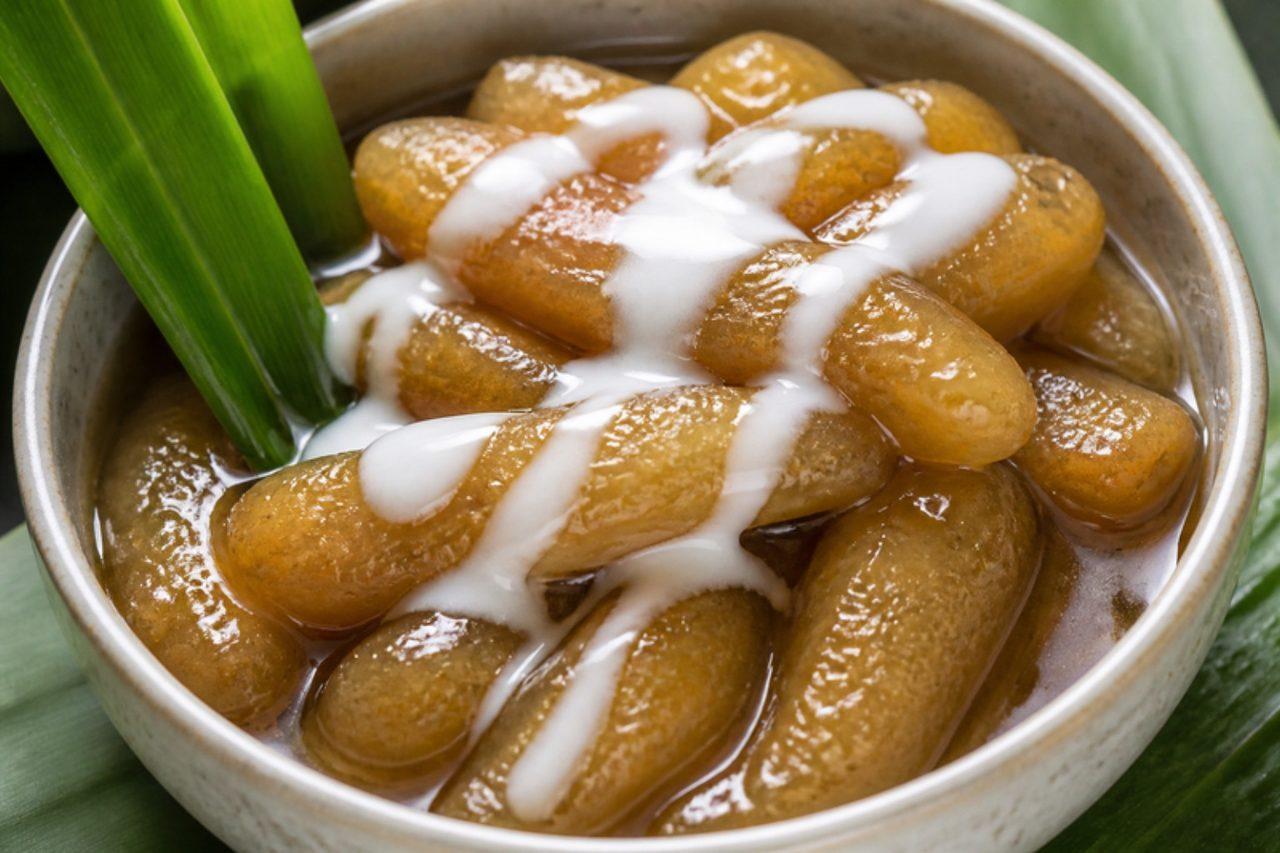
Kluay chuam is a market dessert of central Thailand, cooked in big brass pans and sold by the bag year round, and it is a common sweet to offer monks at merit-making. Small, starchy nam wa bananas are simmered slowly in palm-sugar syrup until they turn translucent and amber, soft and chewy rather than mushy, then served with thick, salty coconut cream poured over. The flavour is deep caramel and banana, cut by the salt. Serve at room temperature in small bowls. Being egg-free by nature, it relies on the long simmer in syrup firms the bananas and a little rice flour thickens the coconut topping. Chef's tip: keep the syrup at the gentlest simmer and don't stir; the common mistake is a fast boil and a spoon, which break the bananas before they have time to turn glassy.

by KrazyBadal 0 views

Chilcano de pescadoClear fish broth

In the fishermen's terminals of Chorrillos and Callao, chilcano is what you drink on a Sunday morning after a long night: a clear, gingery broth made from the heads and bones left over from cleaning fish for ceviche, with chunks of fish, red onion, chilli and a squeeze of lime in the bowl. It is light and warming, around 160 kcal a bowl, and still gives about 24 g of protein from the fish fillet and the broth. The common mistake is squeezing the lime into the pot while it boils, which turns it bitter; add it to each bowl at the table. Don't boil the bones for more than 30 minutes either, or the broth turns cloudy and harsh. Chef's tip: ask the fishmonger for heads and frames from mild white fish like sea bass or cod, and leave out oily fish such as mackerel, which makes the broth strong and fishy.

by KrazyBadal 0 views

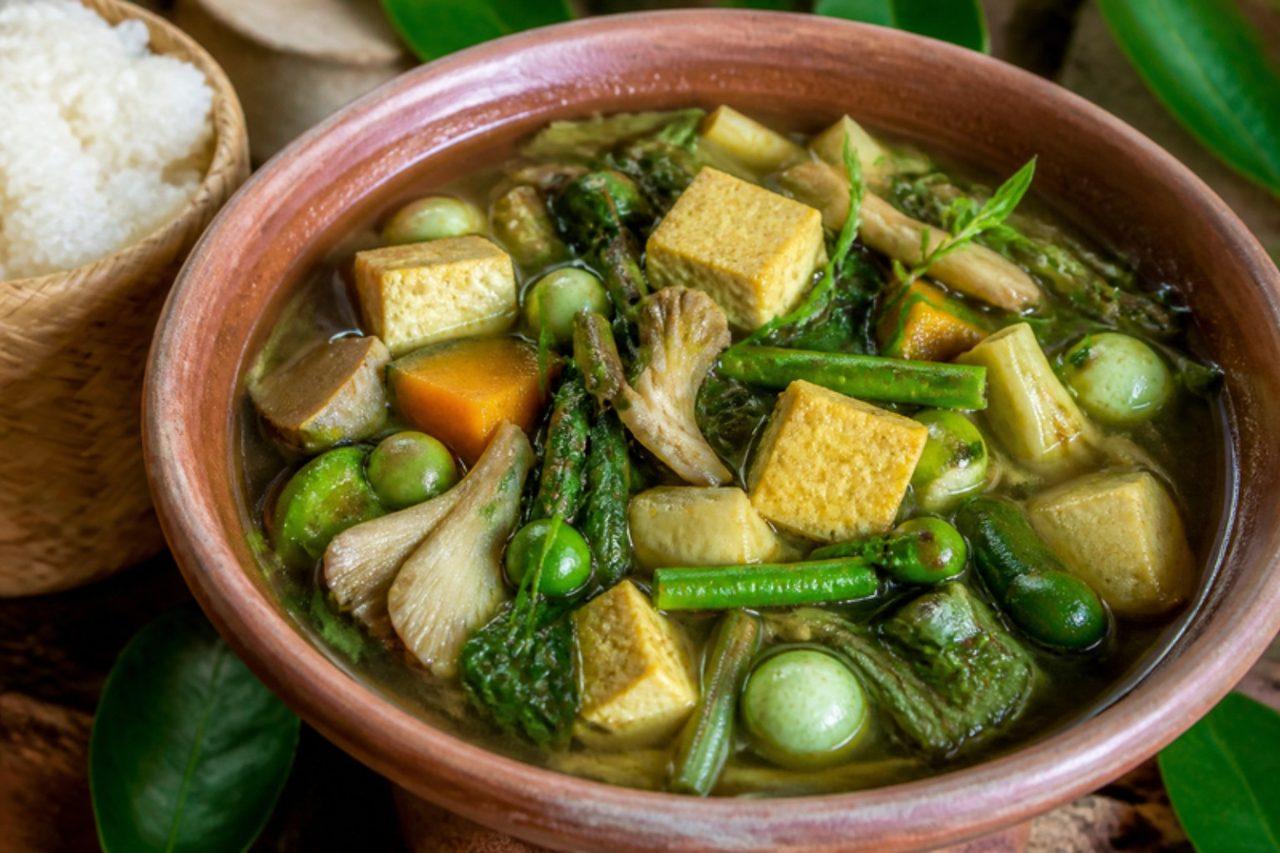
Kaeng khae with tofu and mushroomsHerb curry with tofu and mushrooms

Kaeng khae comes from the hills around Chiang Mai and Lampang, where it is cooked through the rainy season with whatever the garden and forest give: pea aubergines, long beans, pumpkin tips, acacia shoots and handfuls of leaves, in a brothy, coconut-free curry scented with lemongrass and the peppery prickly ash called makhwaen. In northern homes it is a lunch dish eaten with sticky rice. It is normally cooked with chicken, frog or fish and seasoned with fermented fish; this vegetarian version uses firm tofu, oyster mushrooms, soy sauce and a little salted soybean paste. With the tofu a portion has about 11 g of protein, so it is light rather than high protein. The common mistake is adding all the vegetables at once: the leaves are done in a minute while the beans and aubergines need five. Chef's tip: dry-fry the curry paste in a spoon of oil until it smells toasty before adding water; it gives the broth its depth without any fish.

by KrazyBadal 0 views

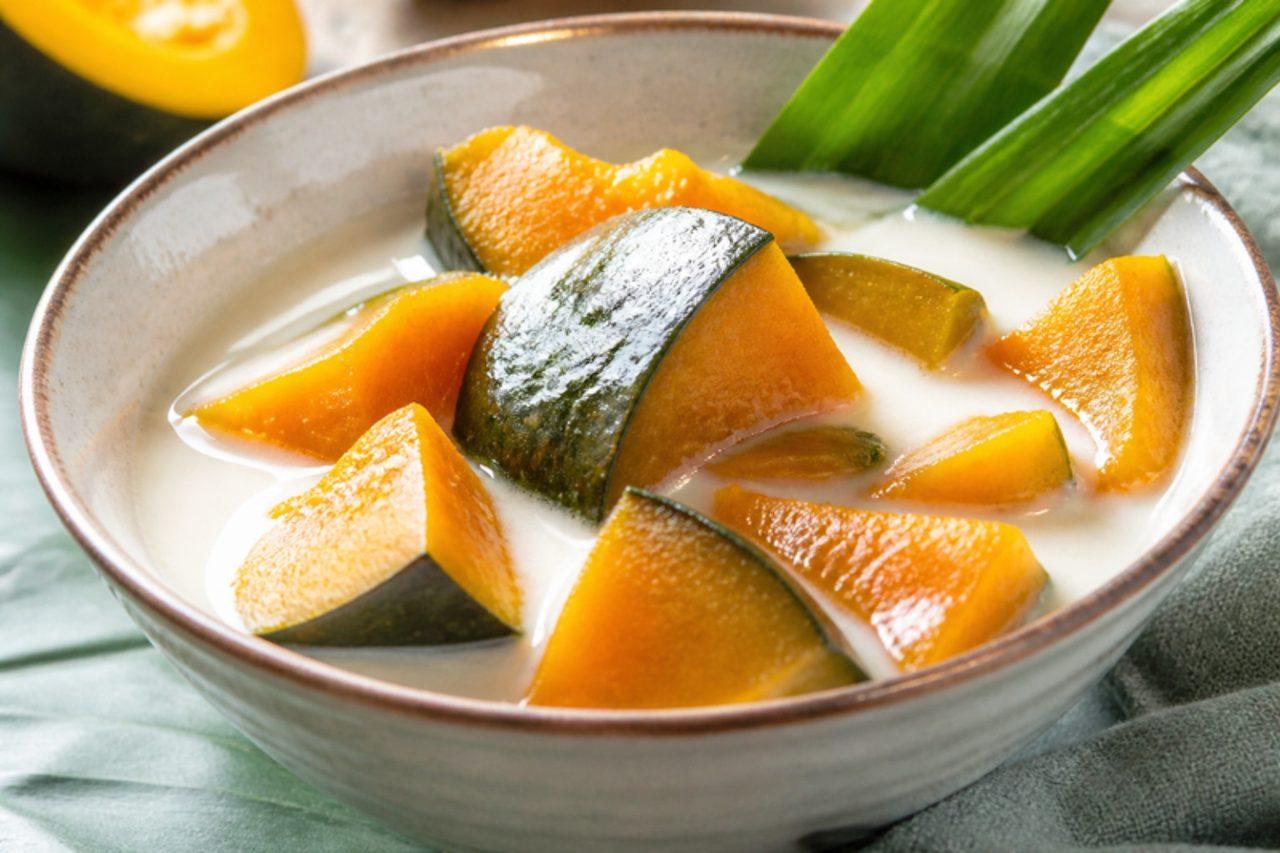
Fak thong kaeng buat (Thai pumpkin in coconut milk)

When the rains end and pumpkins pile up in the markets of central Thailand, kaeng buat is what cooks make with them: chunks of dense kabocha simmered in coconut milk sweetened with palm sugar and sharpened with a pinch of salt. It is a homely, everyday dessert, sold warm from big pots at markets in the afternoon and also cooked at Ok Phansa, the end of Buddhist Lent. The pumpkin turns velvety but keeps its shape, and the thin, creamy, caramel-scented broth is meant to be drunk from the spoon. Eat it warm or at room temperature, in small bowls. There is no egg in it and never was: nothing needs setting or binding, as the pumpkin's own starch gives the coconut milk a light body as it cooks. Chef's tip: pick a dry, orange-fleshed kabocha and keep the coconut milk at a bare simmer; letting it boil hard is the common mistake that splits the milk and breaks the pumpkin into mush.

by KrazyBadal 0 views

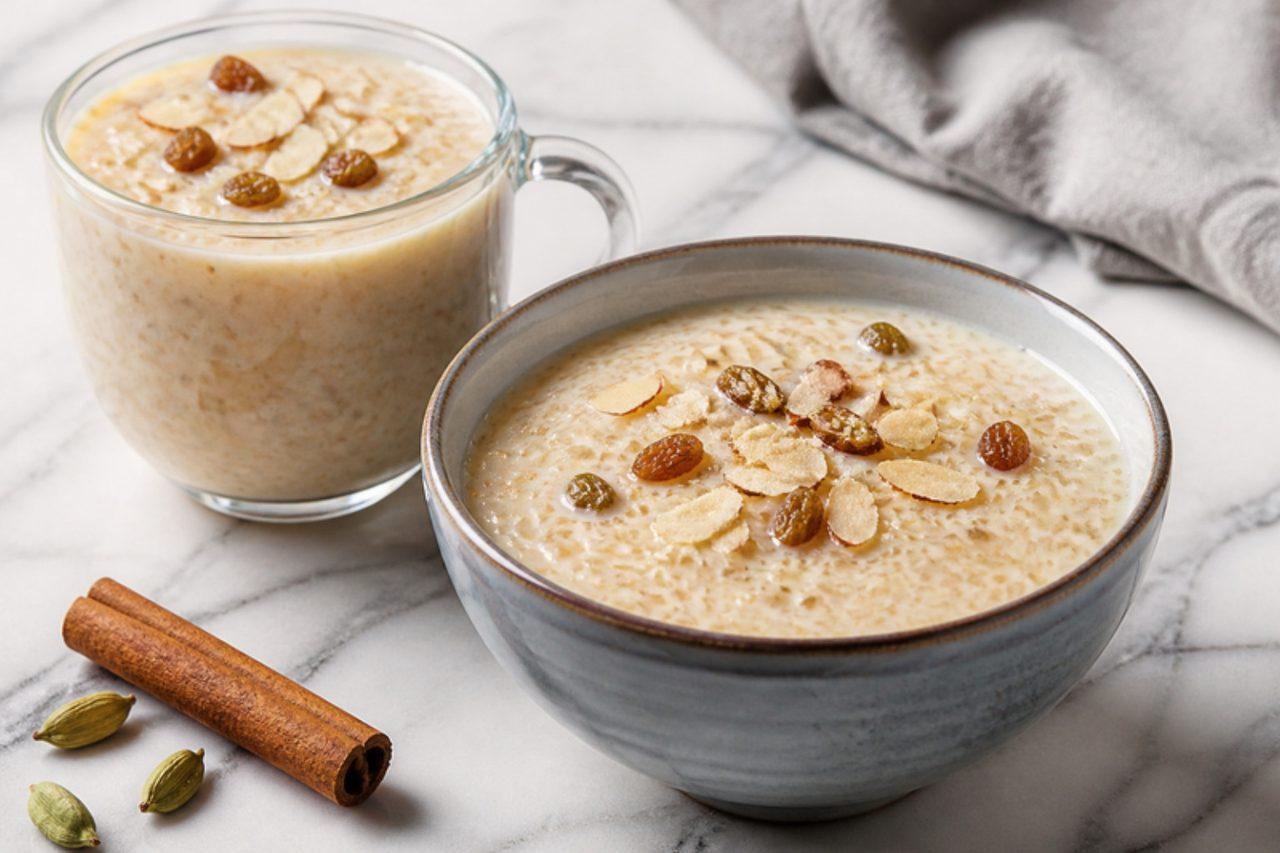
Boeber (Cape Malay vermicelli and sago milk pudding)

In Cape Town's Cape Malay homes, the fifteenth night of Ramadan is Boeber night, when big pots of this warm, sweet milk are cooked and shared with neighbours and the mosque after the fast is broken. It also turns up on cold winter evenings. Boeber is halfway between a drink and a pudding: toasted vermicelli and pearls of sago swim in milk spiced with cardamom and cinnamon, scented with rose water and finished with almonds and sultanas. It is creamy, fragrant and thick enough to need a spoon. Serve it hot in mugs or bowls. Boeber has never needed egg; the sago pearls release their starch as they cook and thicken the milk, while a little butter gives it a rich finish. Chef's tip: toast the vermicelli in the butter until golden before any milk goes in, for a nutty flavour; the common mistake is to stop stirring once the sago goes in, and it sinks and sticks to the base of the pot.

by KrazyBadal 0 views

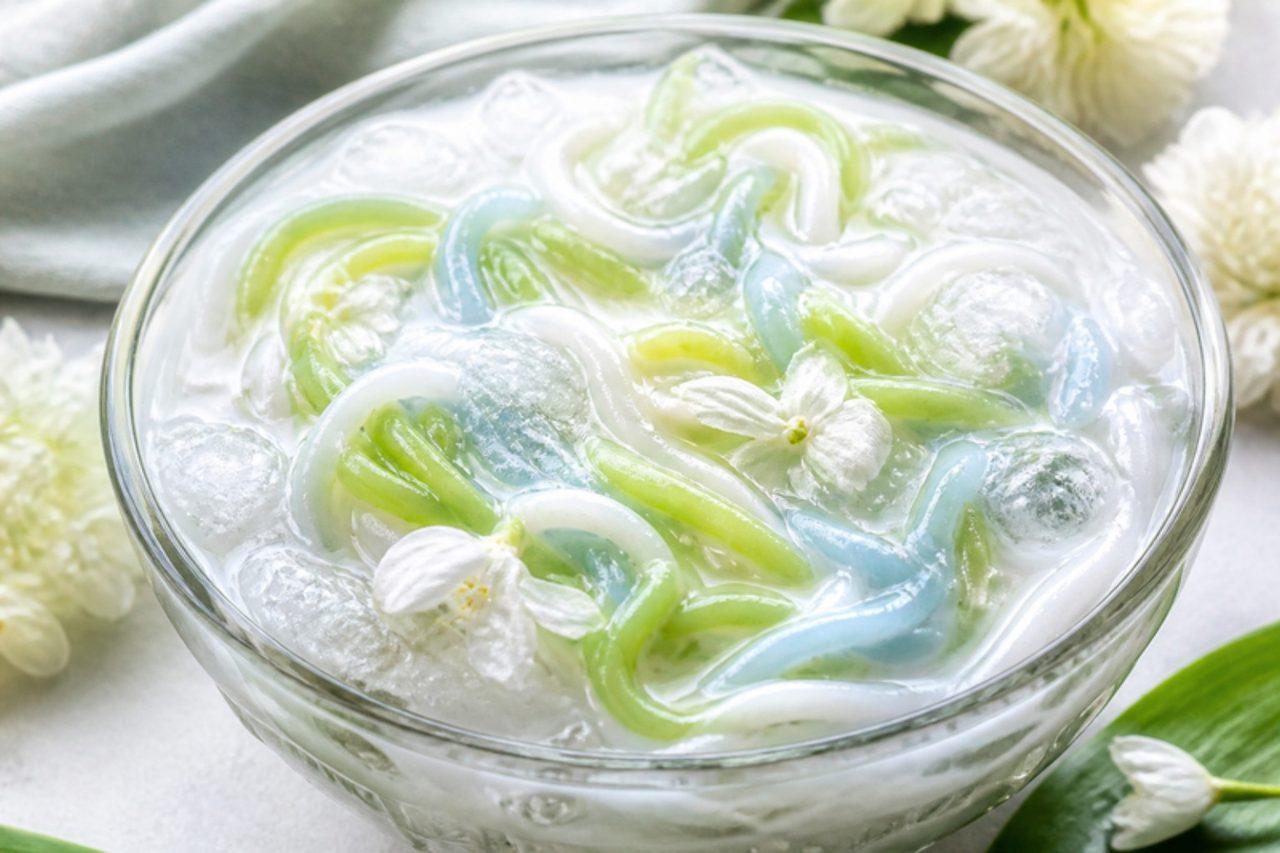
ซาหริ่ม (Sarim, mung bean noodles in coconut syrup)

Sarim is an old dessert of central Thailand, served at temple fairs and in market dessert shops on sweltering afternoons: thin, slippery strands in pastel green, blue and white, floating in a pale coconut syrup over a mound of crushed ice. The strands are almost flavourless and very soft, so the syrup does the work; in Thailand it is scented with jasmine flowers or the smoke of a scented candle, and here with pandan and optional fresh jasmine. It is naturally egg-free: the strands are pure mung bean starch cooked with water into a clear, thick paste, which sets into a soft gel the moment it hits ice water. Pandan juice and butterfly pea flowers give the colours, so there is no need for dyes. Serve it straight away, as a light end to a spicy meal. Chef's tip: cook the paste until it turns fully glossy and see-through; the common mistake is stopping while it is still milky, which gives strands that break and taste floury.

by KrazyBadal 0 views

Tallarines rojosSpaghetti in red sauce with chicken

Tallarines rojos is the Sunday-lunch and weeknight pasta of homes all over Peru, from Lima to Arequipa: spaghetti in a sweet, deep-red sauce of blended tomato, onion and garlic with a little ají panca and oregano, often with pieces of chicken cooked right in it. Children love it, and it is served with a sprinkle of grated cheese and sometimes a spoon of huancaína on the side. The usual mistake is cooking the sauce too briefly, so it tastes of raw onion; let the blended tomato fry until it darkens and the oil shows at the edges. Chef's tip: a bay leaf and a spoon of ají panca paste give the sauce its Peruvian character; paprika will do if you can't find the paste.

by KrazyBadal 0 views

Chicharrón de pescadoCrisp fried fish chunks

Up and down the Peruvian coast, from Chorrillos in Lima to the beaches of Piura, chicharrón de pescado is the crunchy plate ordered alongside ceviche at a long seafood lunch: bite-size chunks of firm white fish marinated briefly in garlic and lime, dusted in flour and fried, then served with fried cassava, salsa criolla and tartar or rocoto sauce. Using frozen peeled cassava keeps it to half an hour. The common mistake is leaving the fish in the lime too long: after about ten minutes the acid starts to 'cook' the outside and the coating slips off. Chef's tip: toss the floured pieces in a sieve to shake off every bit of loose flour; a thin coat fries crisp, a thick one turns pasty.

by KrazyBadal 0 views

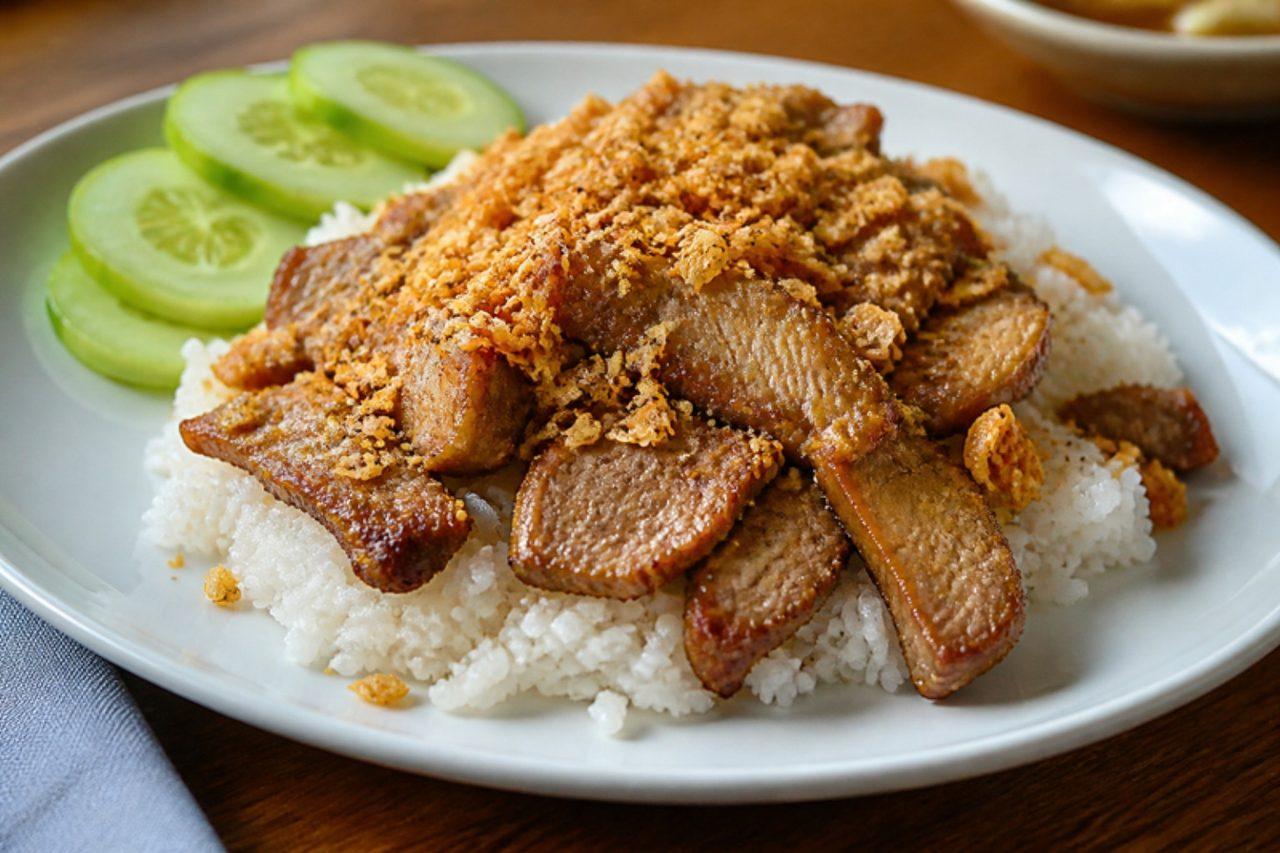
Moo tod kratiem (Thai garlic pepper pork)

Moo tod kratiem is a one-plate dinner sold at made-to-order stalls across Bangkok and the rest of Thailand: slices of pork marinated in garlic, white pepper and soy, fried until the edges caramelise, then showered with crisp golden garlic and served over rice with a fried egg and cucumber. This is a pork dish. The mistake is frying the garlic on high heat; it burns in seconds and turns bitter, so fry it gently and take it out when it is pale gold. Chef's tip: pound the garlic, pepper and coriander root together rather than chopping, so the paste clings to the meat.

22 minThaiMeat
by KrazyBadal 0 views

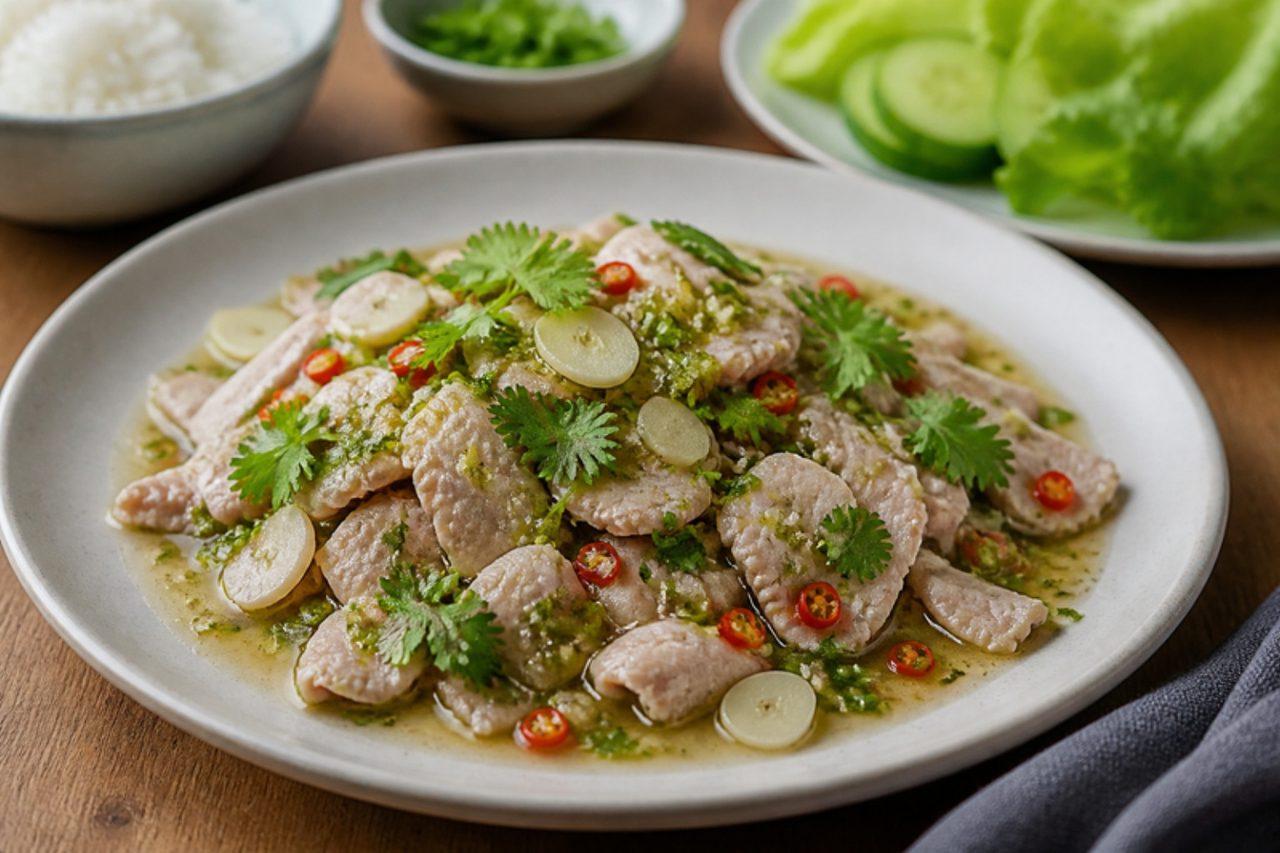
Moo manao (pork in lime and chilli dressing)

Moo manao is a drinking snack and dinner side from central Thailand, served in Bangkok bars and at home with sticky rice: thin slices of pork, blanched until just cooked, laid on ice-cold cabbage or lettuce and drowned in a fierce dressing of lime, raw garlic, bird's eye chilli and fish sauce. This is a pork dish. The mistake is boiling the pork for too long, which makes the thin slices tough and dry; poach them only until they turn white all through. Chef's tip: plunge the cooked slices into iced water for a few seconds, so they stay tender and take the dressing well.

17 minThaiMeatGluten freeSpicy
by KrazyBadal 0 views

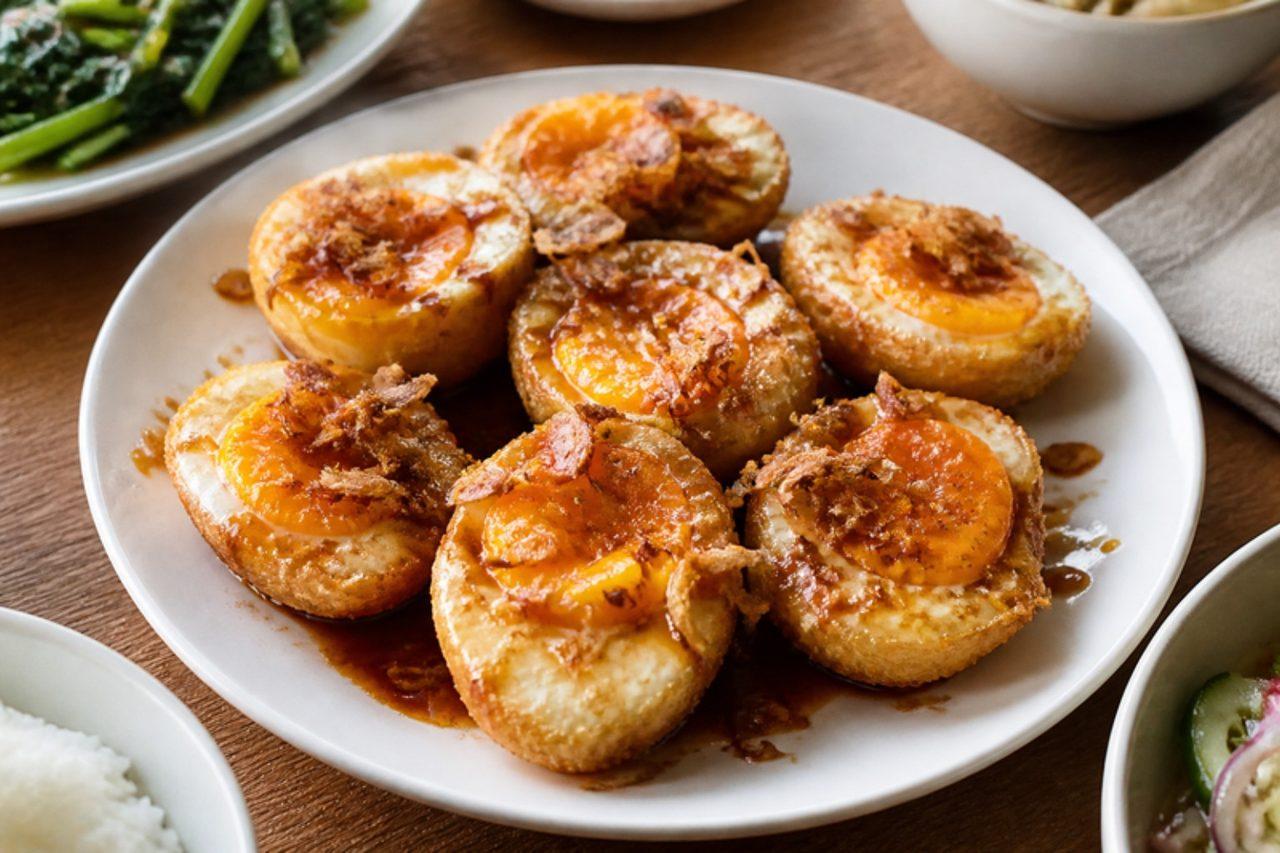
Khai luk khoei (son-in-law eggs)

Khai luk khoei, son-in-law eggs, is a central Thai dish made for family meals and temple fairs, and a favourite way to turn a few eggs into dinner: boiled eggs fried until blistered and golden, halved and spooned over with a sticky tamarind, palm sugar and fish sauce sauce, then finished with crisp shallots and chilli. It contains fish sauce, so it is not vegetarian. The mistake is frying wet eggs in oil that isn't hot enough; dry them well and the skin puffs and crisps instead of spitting. Chef's tip: boil the eggs for 7 minutes for a jammy centre; give 10 minutes and fully set yolks for anyone pregnant, very young, older or vulnerable.

by KrazyBadal 0 views

Showing 24 of 353 recipes

Show more recipes

Page 1 of 15