Skip to content
Recipes

All recipes

Vegetarian, or something you can't eat? Set your diet once and we'll hide recipes that don't fit.

Pajagua mascadaBeef and cassava patties

Pajagua mascada is a Paraguayan street-food classic that appears on every table for the San Juan festival on 24 June, when bonfires burn and the night is full of games and traditional food. Minced beef is mixed with mashed cassava, onion, garlic and a little egg and flour, shaped into flat patties and fried until crisp. The name comes from Guaraní and refers to the 'chewing' of old Paraguayan cooks, who made it from leftover meat. Chef's tip: dry the boiled cassava well and remove its woody core, which keeps the patties light and crunchy.

by KrazyBadal 0 views

Bánh in (pressed rice-flour cakes)

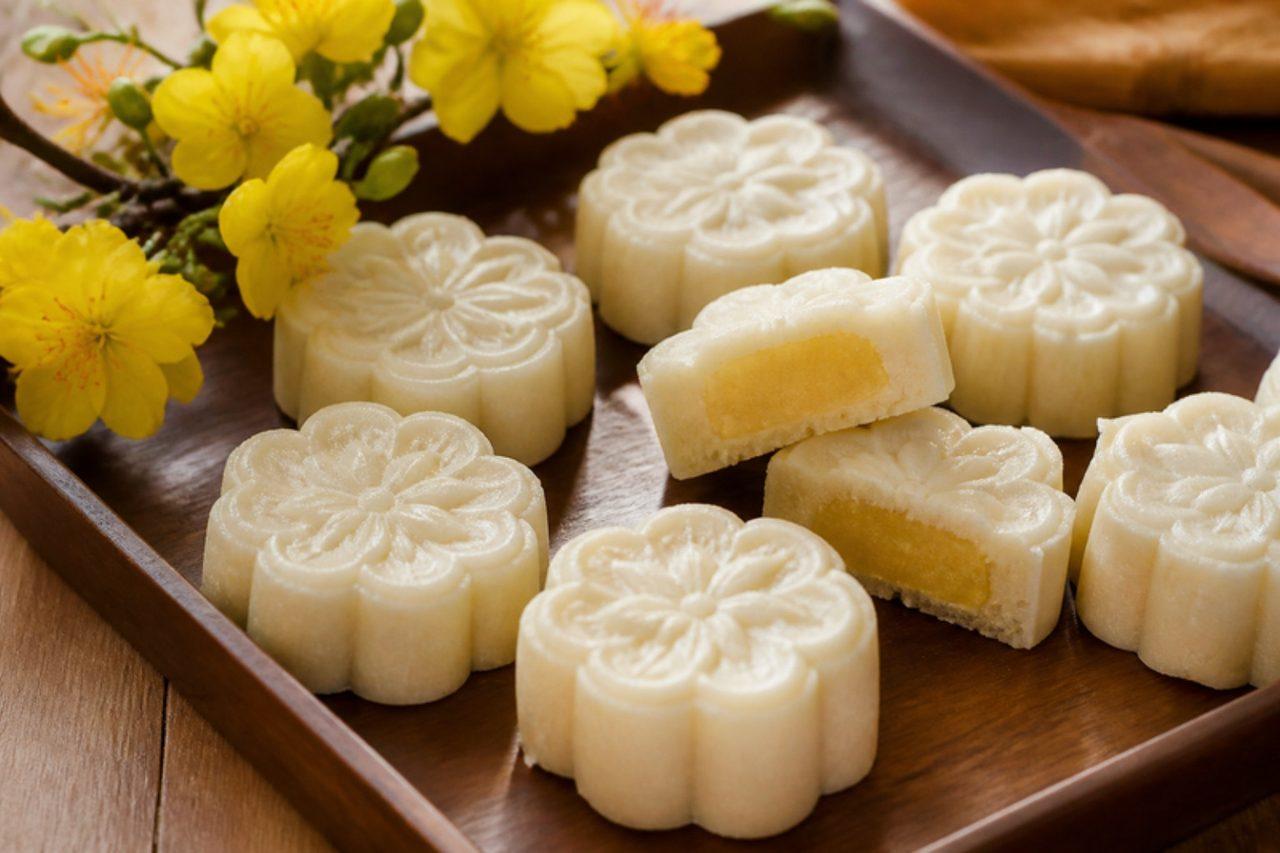
Bánh in, literally 'printed cakes', come from Huế and central Vietnam, where they are stacked on the Tết altar for the ancestors and later shared with guests; the moulds stamp flowers or the characters for luck and longevity into each cake. The dough is just toasted glutinous rice flour bound with fragrant syrup, so the cakes are crumbly-soft, melt in the mouth and taste nutty, with a smooth mung bean heart. Serve them with jasmine or artichoke tea. Any wooden or plastic mooncake mould of about 40 g works. Chef's tip: let the pressed cakes rest overnight in a closed tin; they firm up and the flavour of the toasted flour deepens.

by KrazyBadal 0 views

Bánh thuẫn (Tết sponge cakes)

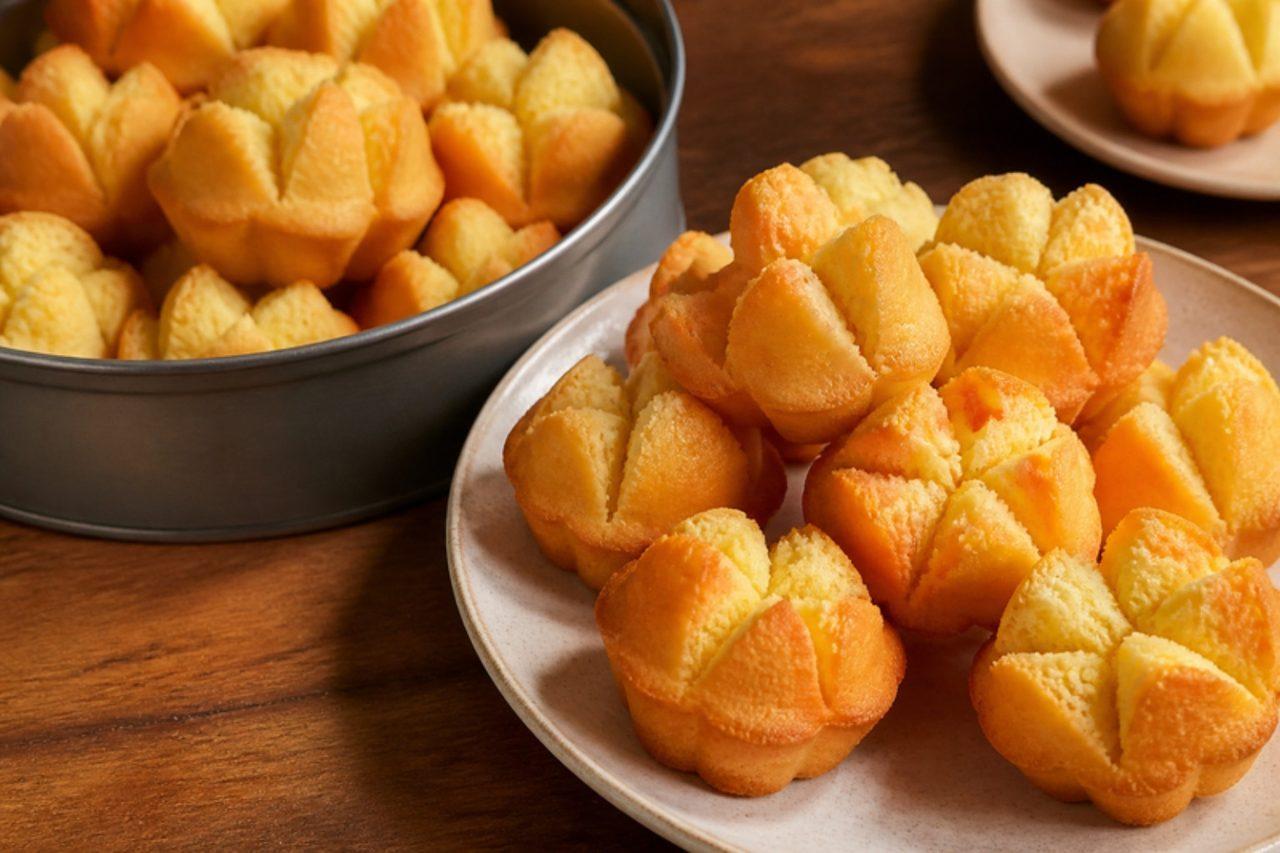
In Huế and across the south, bánh thuẫn are baked in small flower-shaped moulds for the Tết table and ancestor offerings; the top splits open like a blossom as it bakes, and a well-cracked cake is said to bring a year that blooms. They are dairy-free, made only of eggs, sugar and flour, so the texture is springy inside with a golden, crisp rim, a little like a madeleine but airier. Children love them, and they keep in a tin for days, ready for visitors with tea. Chef's tip: heat the oiled moulds in the oven before filling; the batter hitting hot metal is what makes the tops crack into petals.

by KrazyBadal 0 views

Kẹo dừa (Bến Tre coconut candy)

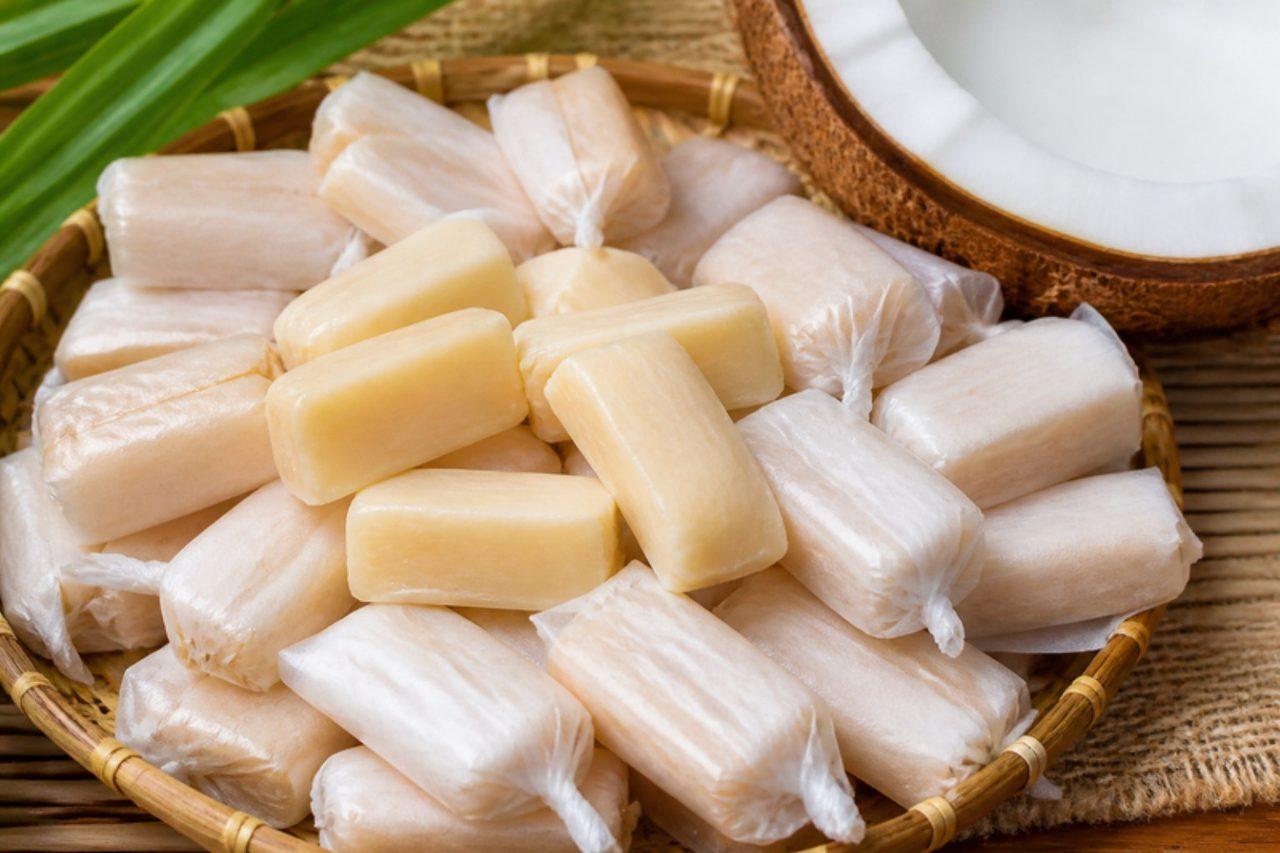
Bến Tre, in the Mekong Delta, is coconut country, and its workshops turn out mountains of kẹo dừa, the chewy coconut candy that Vietnamese families put on the Tết tray and bring home as a souvenir from the south. Thick coconut milk is boiled with sugar and rice malt syrup until it becomes a soft, pale caramel that tastes of toasted coconut and a little salt. Each piece is cut into a small bar and wrapped in a sheet of paper-thin edible rice paper, which melts on the tongue. Offer them with green tea, or at the end of a family meal. The candy is naturally egg-free: the long boil reduces the coconut milk until its own fat and solids, with the malt syrup, set it to a chew. Chef's tip: use a wide heavy pan and stir right across the base without stopping; the common mistake is walking away, which scorches the coconut solids and leaves brown specks and a bitter edge.

by KrazyBadal 0 views

Dưa hành (pickled shallots)

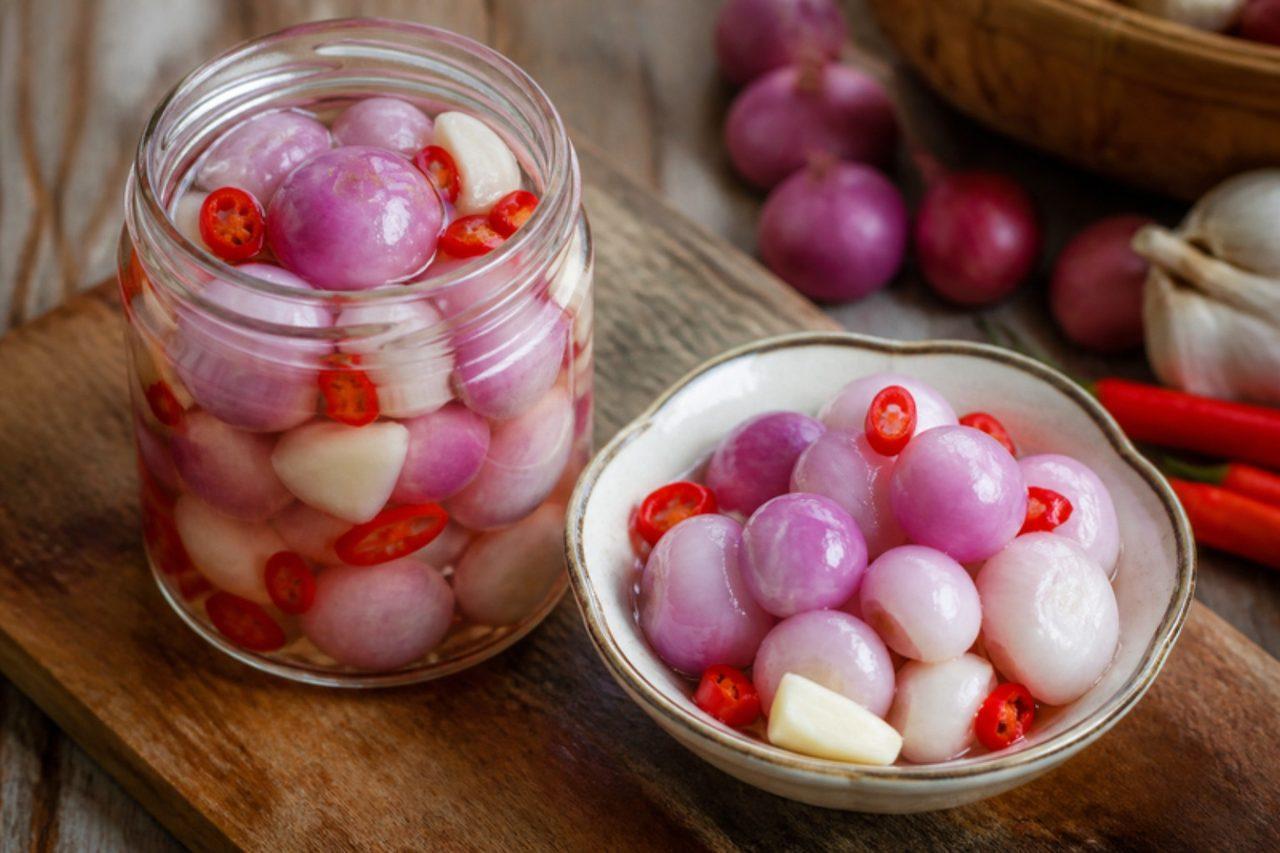
In northern Vietnam the saying goes that fatty pork, pickled shallots and red couplets make Tết, and dưa hành is that pickled shallot. It is not the same thing as southern củ kiệu: kiệu are slim scallion bulbs pickled sweet and mild, while dưa hành uses round purple shallots (hành tím) that sit in a salty brine for a few days, turning faintly sour, crunchy and pleasantly pungent. Their bite cuts through sticky bánh chưng, pork in aspic and pressed pork rolls, which is exactly why every northern family makes a jar. Chef's tip: soak the unpeeled shallots in warm water first; the skins then slip off in seconds and your eyes stay dry.

by KrazyBadal 0 views

Kẹo cu đơ (Hà Tĩnh peanut and ginger candy)

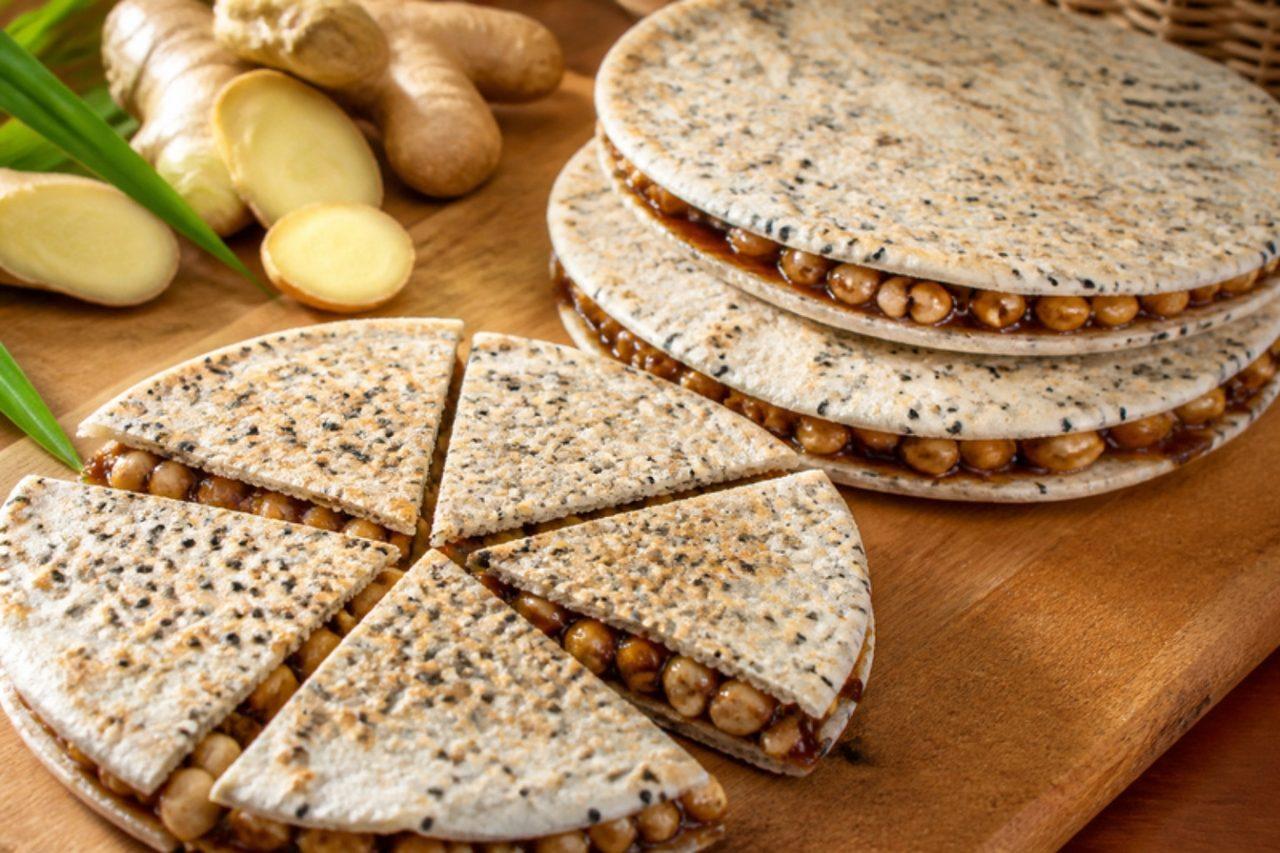
Kẹo cu đơ belongs to Hà Tĩnh province in north-central Vietnam, where it is chewed slowly with a cup of strong green tea, especially on cold mornings and during Tết visits. Roasted peanuts are folded into a dark, sticky toffee of sugarcane molasses and malt syrup, sharpened with fresh ginger, and the hot mass is sandwiched between two crisp, toasted sesame rice papers. Every bite gives a crackle of rice paper, then a chewy, slightly smoky sweetness and a warm ginger finish. Cut it into wedges and serve it with tea rather than as a pudding. It is naturally egg-free: the molasses and malt syrup are cooked to the hard-ball stage, which is what sets the candy and binds the nuts. Chef's tip: toast the rice papers until they are completely puffed and blistered; the common mistake is under-toasting them, which leaves them leathery once the hot toffee goes on.

by KrazyBadal 0 views

Nộm su hào (kohlrabi and carrot salad)

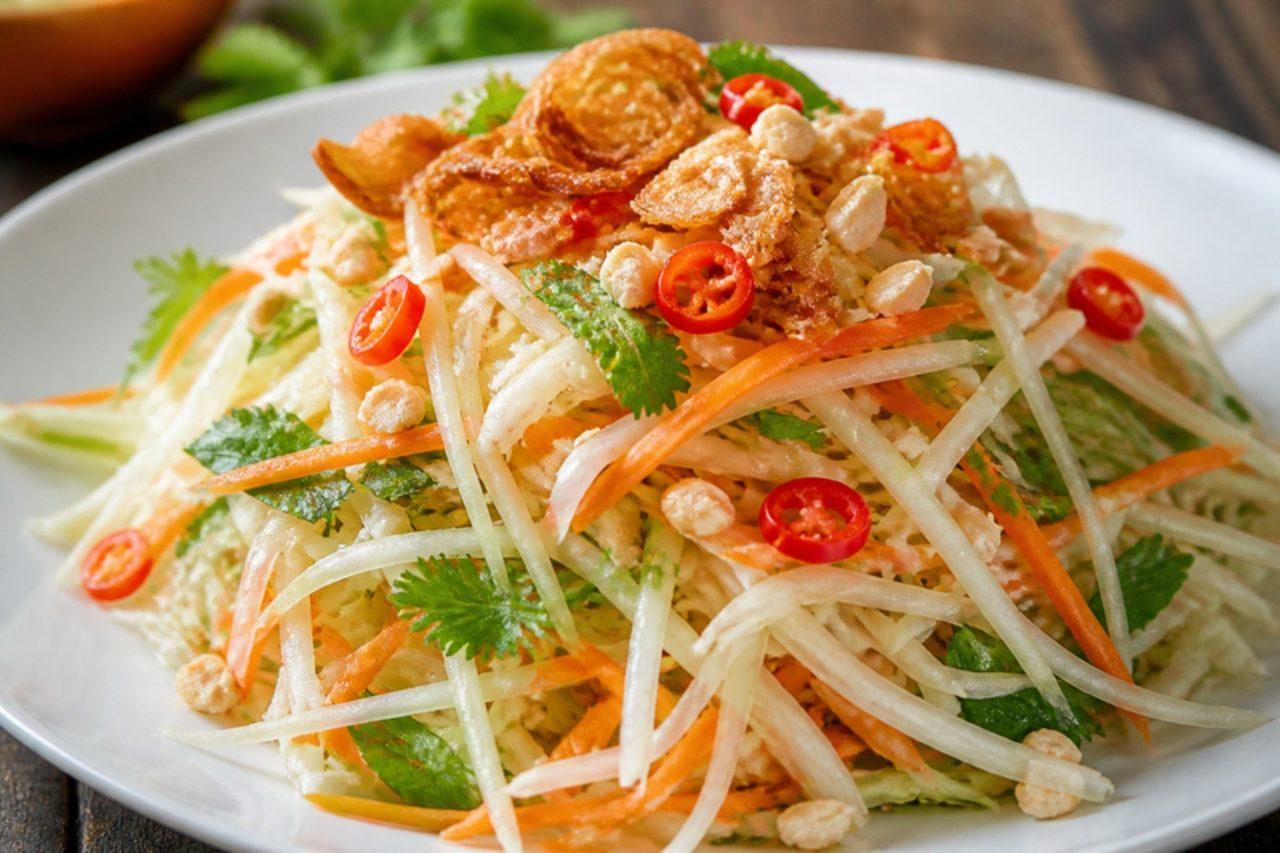
When the Tết table in northern Vietnam fills with sticky rice cakes, pork in aspic and boiled chicken, a plate of nộm su hào brings freshness and balance, and its bright colours are a cheerful sign for the new year. Kohlrabi is at its sweetest in the northern winter, so it is shredded with carrot, salted to draw out water and dressed with fish sauce, lime, sugar, garlic and chilli, then finished with roasted peanuts and Vietnamese herbs. It is crisp, juicy and tangy; serve it beside rich meats or bánh chưng. For a vegetarian version, a soy dressing is given in the last step. Chef's tip: squeeze the salted vegetables really dry, or the dressing turns watery and dull.

by KrazyBadal 0 views

Chilcano de pescadoClear fish broth

In the fishermen's terminals of Chorrillos and Callao, chilcano is what you drink on a Sunday morning after a long night: a clear, gingery broth made from the heads and bones left over from cleaning fish for ceviche, with chunks of fish, red onion, chilli and a squeeze of lime in the bowl. It is light and warming, around 160 kcal a bowl, and still gives about 24 g of protein from the fish fillet and the broth. The common mistake is squeezing the lime into the pot while it boils, which turns it bitter; add it to each bowl at the table. Don't boil the bones for more than 30 minutes either, or the broth turns cloudy and harsh. Chef's tip: ask the fishmonger for heads and frames from mild white fish like sea bass or cod, and leave out oily fish such as mackerel, which makes the broth strong and fishy.

by KrazyBadal 0 views

Hoa quả dầm (Hanoi fruit cup with yoghurt and condensed milk)

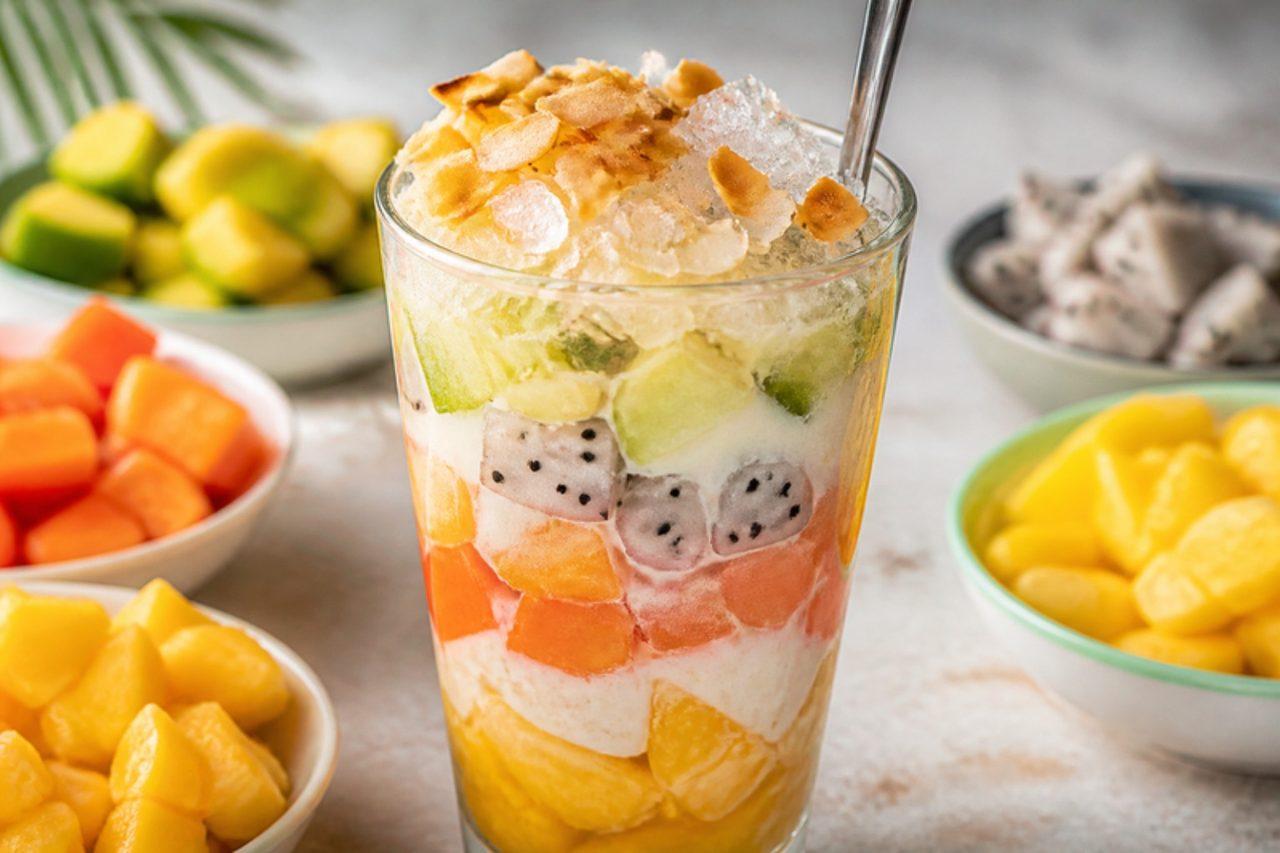
On sticky summer afternoons, Hanoi's young people pack the little stools along streets near Hoàn Kiếm Lake for hoa quả dầm, a cup of diced fruit buried in crushed ice, plain yoghurt and condensed milk. The fruit follows the season, usually mango, papaya, jackfruit, dragon fruit and avocado, and the whole thing is stirred together before eating, so it turns cold, creamy, tangy and sweet at once. Serve it immediately, with a long spoon and toasted coconut on top if you like. No cooking and no egg here: condensed milk and yoghurt dress and bind the fruit, and the crushed ice chills it, so there is nothing to set. Chef's tip: dice everything to the same small size, about 1.5 cm, so each spoonful gets a mix; the common mistake is adding the ice too early, which melts and floods the cup before it reaches the table.

by KrazyBadal 0 views

Bông bí xào tỏiGarlic stir-fried pumpkin flowers

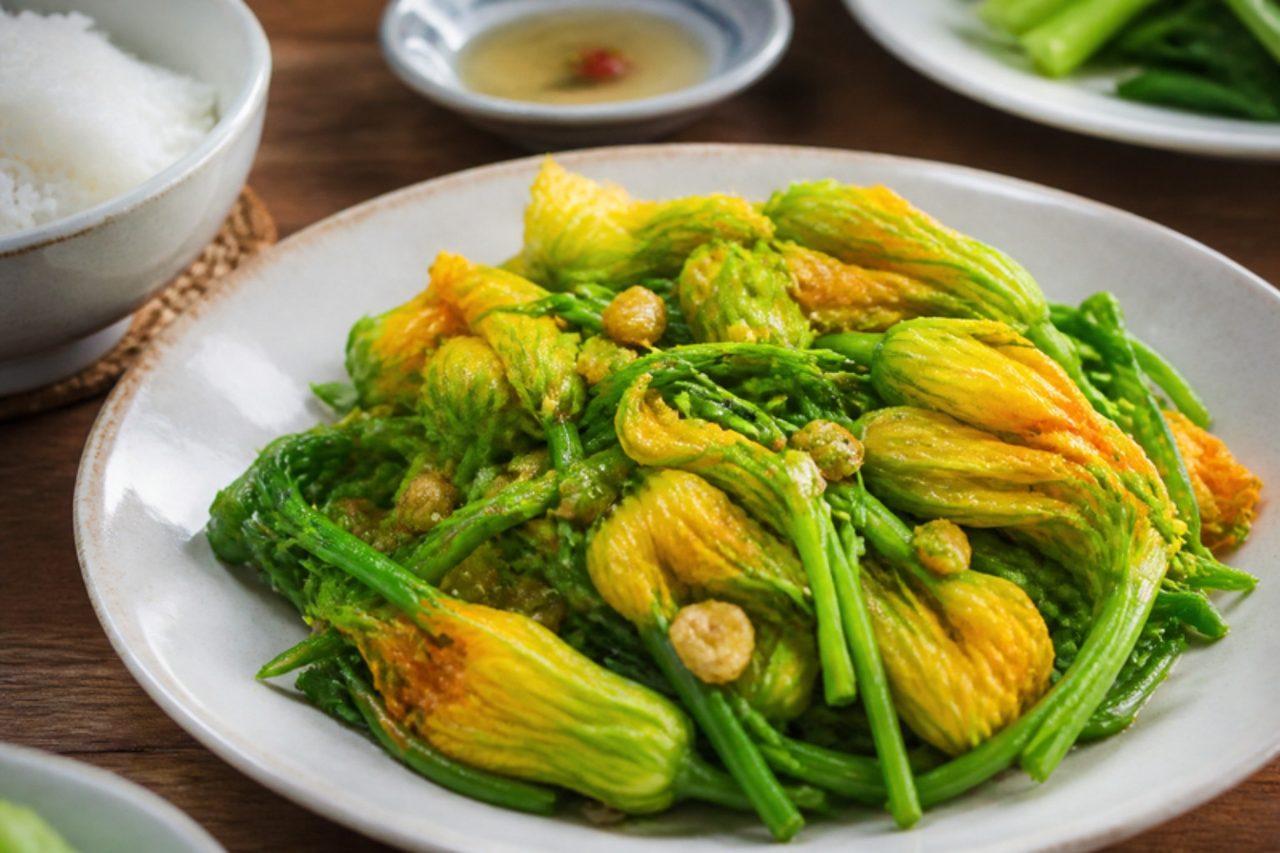
From the Mekong Delta to the market gardens outside Hanoi, pumpkin vines are picked for their flowers and tender shoots, and bông bí xào tỏi is the everyday way to cook them: a few minutes in a hot wok with lots of garlic, served beside rice and a bowl of soup at family dinners. The flowers are soft and sweet and the shoots slightly crunchy. Some cooks add a splash of fish sauce; this version is seasoned with salt and a little soy, so it is vegan. It is a light side with about 3 g of protein per portion. The common mistake is leaving the stamens and the stringy skin on the shoots: both make the dish bitter and tough. Courgette flowers work well instead. Chef's tip: put the shoots in first and the flowers only for the last 30 seconds, so the delicate petals don't collapse into mush.

by KrazyBadal 0 views

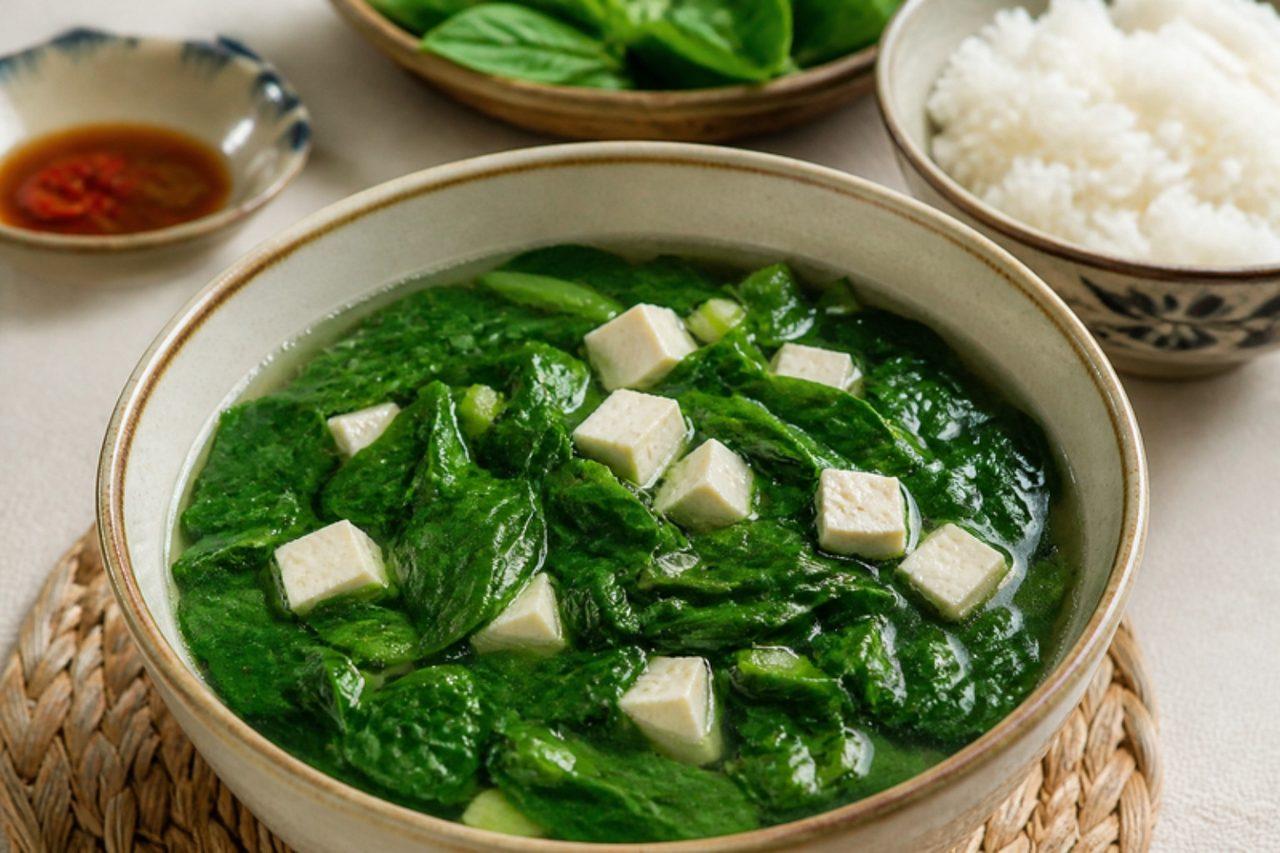
Canh rau ngot with tofuKatuk leaf and tofu soup

Canh rau ngot is one of the plainest and most loved soups on a Vietnamese family table, served at dinner in Hanoi and the Mekong Delta alike, in a shared bowl beside rice, a braised dish and a dipping sauce. The leaves of the katuk shrub are bruised and simmered briefly until soft and sweet. It is usually made with minced pork or dried shrimp; this vegetarian version uses cubes of tofu and a little fried shallot for savouriness. Each bowl has about 110 kcal and roughly 10 g of protein, from the tofu, so it is a light side soup. Katuk can be found frozen in Asian shops; young spinach is the nearest stand-in. The common mistake is overcooking the leaves, which turn khaki and slimy. Chef's tip: rub the leaves between your palms before cooking; bruising them lets them release their sweetness in just a few minutes.

by KrazyBadal 0 views

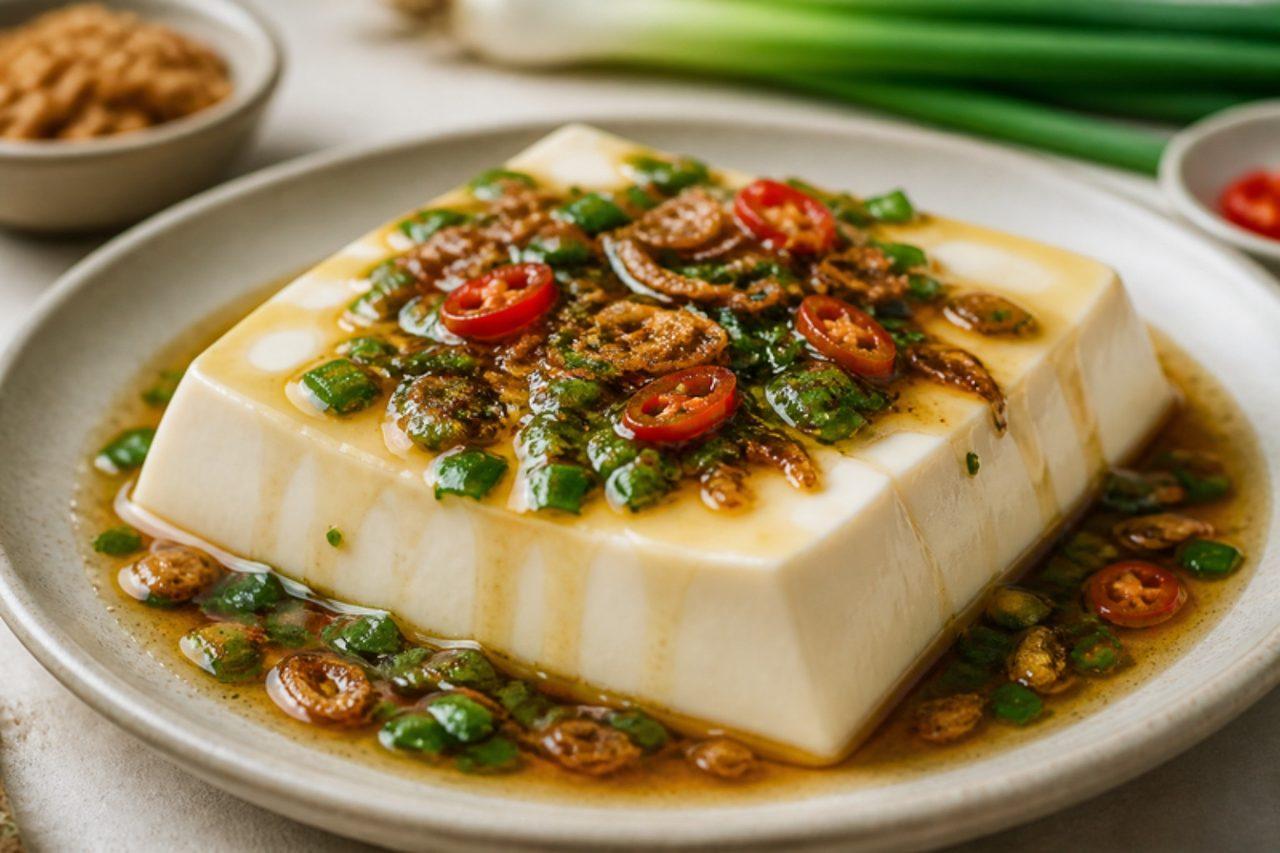
Dau hu non hapSteamed silken tofu

Steamed silken tofu is a fast, gentle dish cooked in homes from Hanoi to Saigon, especially on vegetarian days at the start and middle of the lunar month, when many families eat chay. A whole block of silken tofu is steamed until wobbling and hot, then topped with sizzling spring onion oil, a light soy dressing, chilli and crisp fried shallots. It is soft and savoury, and goes with rice and a stir-fried green. Each portion has about 150 kcal and roughly 10 g of protein, from the silken tofu, so it is a light dish rather than a high-protein one. The common mistake is turning the block out roughly so it cracks; slide it gently onto the plate. Chef's tip: pour off the water that gathers on the plate after steaming, or it thins the sauce.

by KrazyBadal 0 views

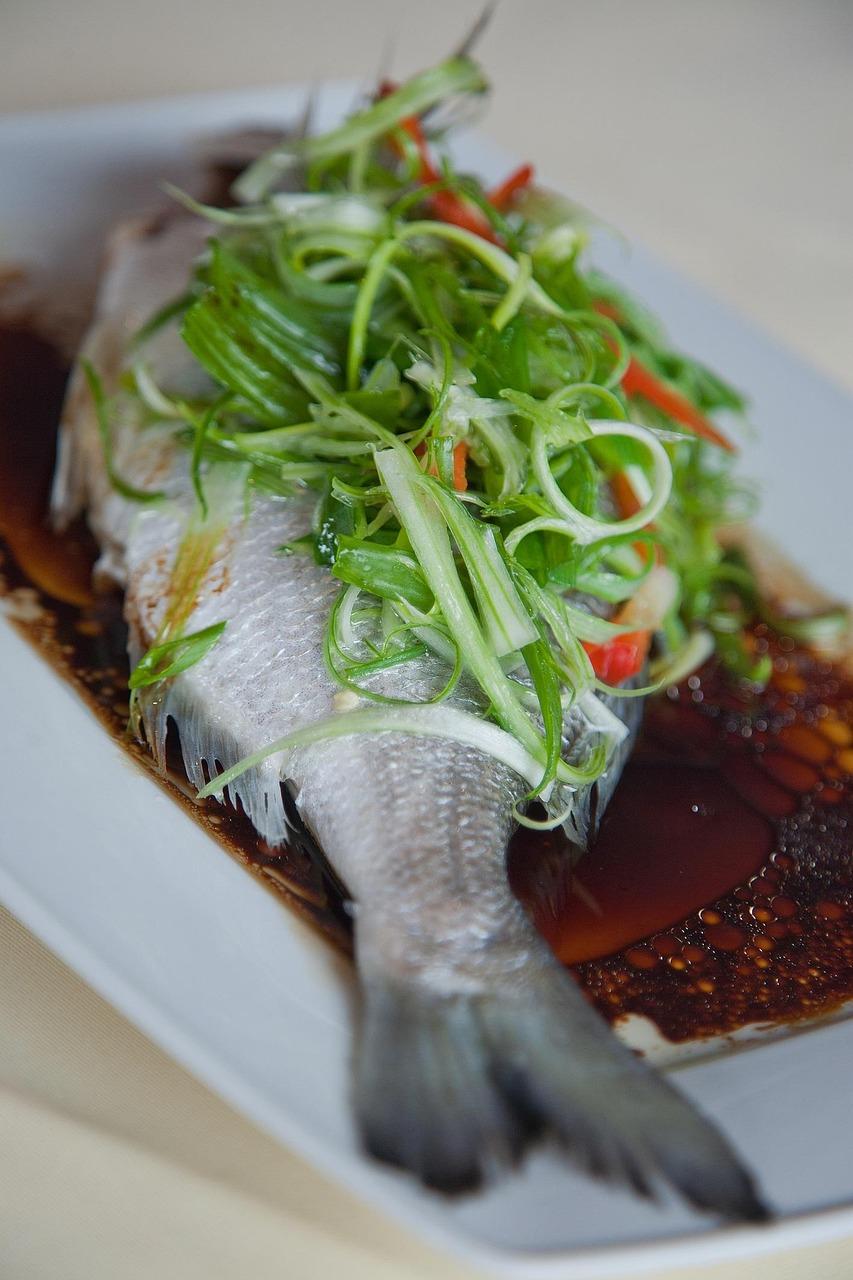
Cá hấp gừngGinger steamed whole fish

Cá hấp gừng is a family dish across Vietnam, from Hanoi to the Mekong Delta, put in the middle of the table for a weekend lunch or a Tết dinner and shared with rice and greens. A whole fish is steamed over ginger, then heaped with ginger and spring onion shreds and dressed with sizzling oil and a light soy and fish sauce. The flesh comes out silky and delicate. A portion has about 25 g of protein from the fish. The common mistake is oversteaming: thin parts go dry and woolly. Take it off as soon as the flesh at the thickest point pulls cleanly from the bone. Chef's tip: score the fish to the bone on both sides so it cooks evenly and the sauce gets in.

by KrazyBadal 0 views

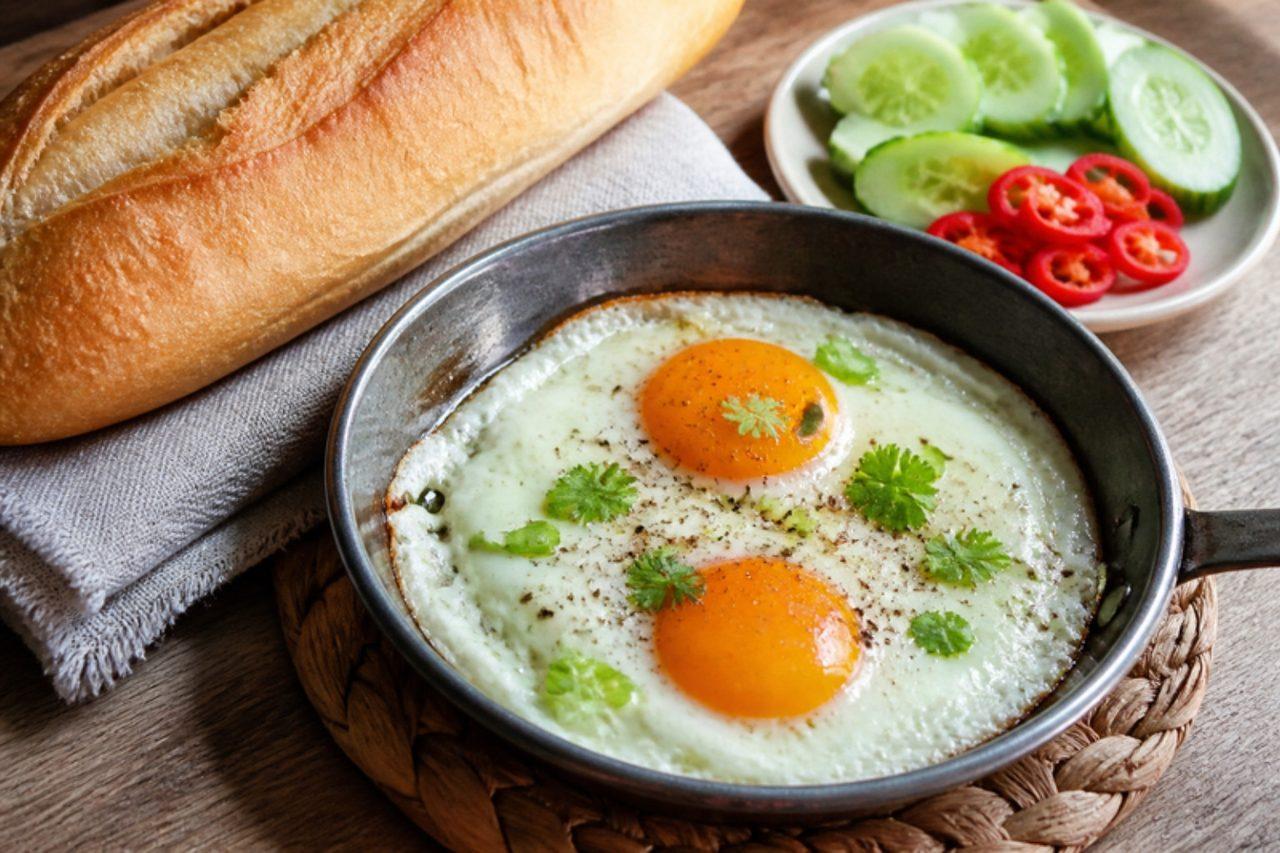
Bánh mì ốp la (Vietnamese fried eggs with baguette)

All over Saigon and Hanoi, street stalls serve bánh mì ốp la for breakfast: two or three eggs fried in a little iron pan, brought to the table sizzling, with a split baguette for scooping and a splash of dark seasoning sauce on top. The whites go lacy and crisp at the edges while the yolks stay soft, and the cucumber and chilli on the side keep it fresh. The usual mistake is frying the eggs on a fierce heat until the bottoms burn before the whites on top have set; a medium heat and a lid fix that. For pregnant people, young children, older or vulnerable people, cook the yolks until fully set. Chef's tip: warm the baguette in a hot oven for 3 minutes first so the crust shatters the way it does at the stall.

by KrazyBadal 0 views

Tôm rim (caramelised prawns)

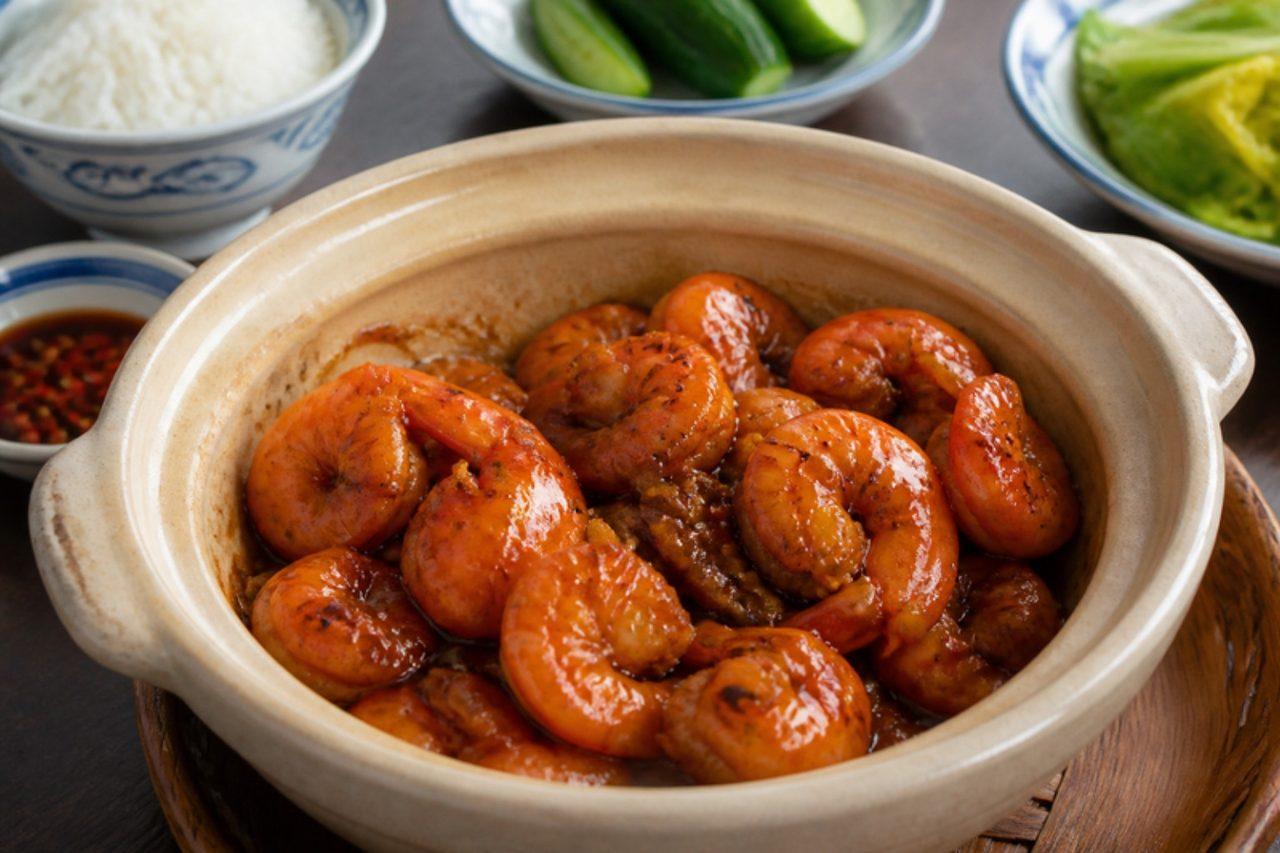
Tôm rim is a homely dish cooked in kitchens from Hanoi to the Mekong Delta and eaten at the family rice tray with boiled greens and a clear soup: prawns simmered down in fish sauce, sugar and shallot until the liquid turns to a sticky, salty-sweet glaze. The mistake is walking away in the last few minutes, when the sauce goes from glaze to burnt very quickly. Chef's tip: leave the shells on if your prawns are small, as many Vietnamese cooks do; they turn crisp and caramelised and add flavour.

by KrazyBadal 0 views

Mì xào rau (Vietnamese stir-fried noodles with vegetables)

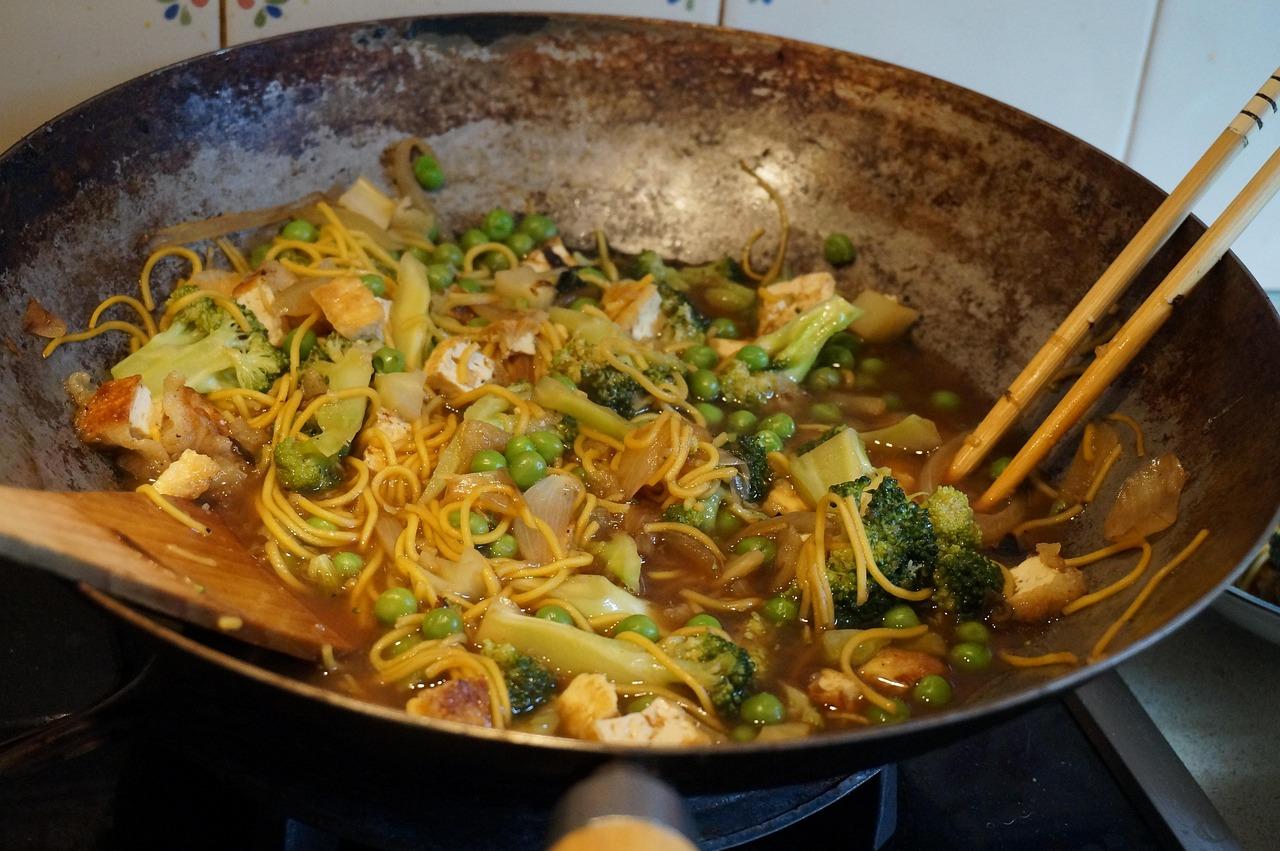
Mì xào rau is what Hanoi and Saigon households cook when there is a packet of egg noodles in the cupboard and a few greens in the fridge: a fast, smoky plate for a weeknight dinner or a late lunch. The noodles turn slightly crisp at the edges, the cabbage stays sweet and crunchy, and a light soy glaze holds it all together. The most common mistake is dumping everything into a lukewarm pan at once, which steams the vegetables and leaves the noodles soggy and clumped. Serve it with a dish of sliced chilli in soy sauce and a fried egg if you want more protein. Chef's tip: loosen the cooked noodles with a teaspoon of oil while they drain, so they hit the wok as separate strands instead of a block.

by KrazyBadal 0 views

Bò xào cần tây (beef and celery stir-fry)

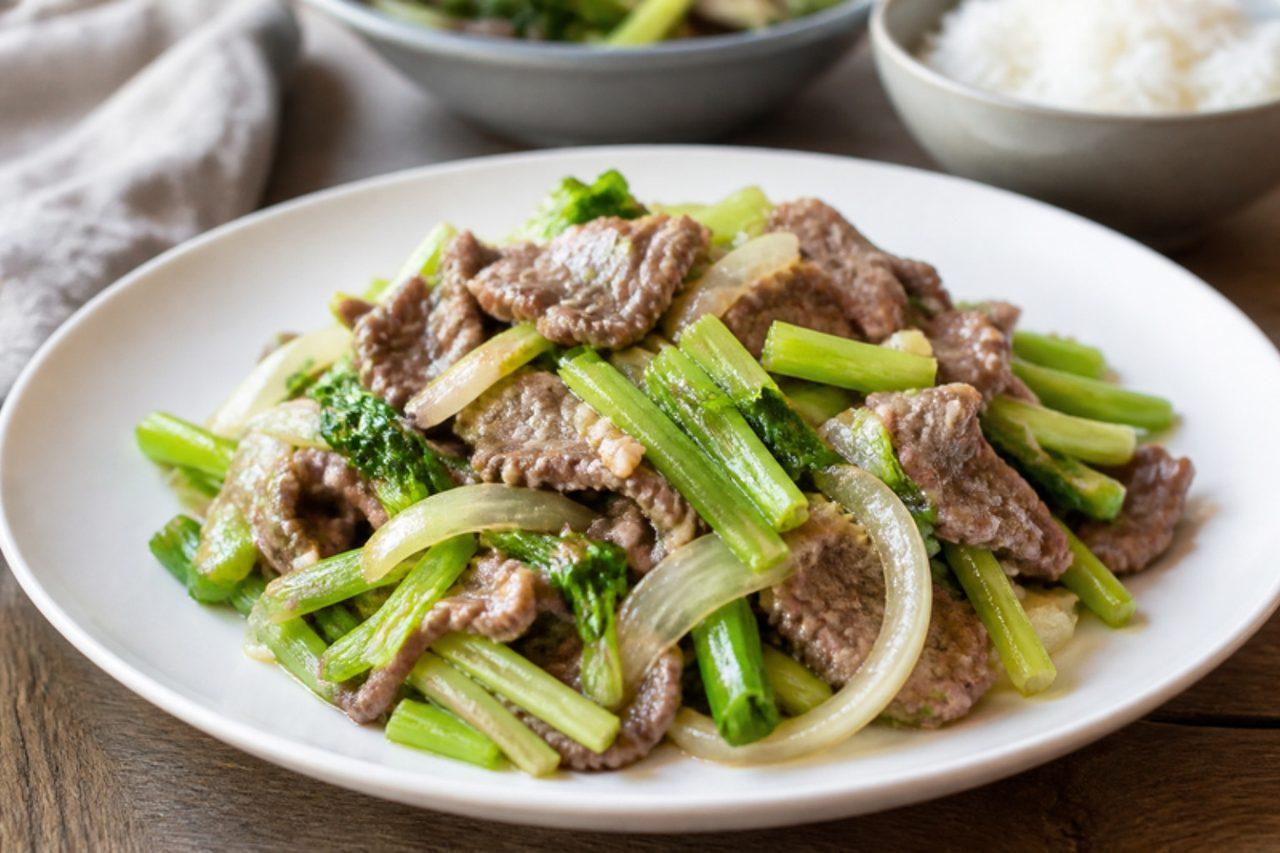
Bò xào cần tây is a weeknight stir-fry found on family tables all over Vietnam: thin slices of beef, seasoned with fish sauce and pepper, flashed in a hot wok with crunchy celery, onion and plenty of garlic, then eaten with rice. The usual mistake is cooking the beef and celery together from the start, so the beef stews while the celery softens; sear the beef first, take it out, and add it back at the end. Chef's tip: slice the beef across the grain and as thin as you can, so it is tender after only a minute in the pan.

by KrazyBadal 0 views

Pejerrey arrebozadoBattered fish fillets with onion salsa

Pejerrey arrebozado is a Lima classic from the cevicherías and home kitchens of the coast, eaten at lunch on a plate with white rice, a heap of sharp salsa criolla and sometimes boiled potato. The pejerrey, a small silverside, is opened into butterflied fillets, dipped in a light egg-and-flour batter and fried golden. Outside Peru, use small fillets of whiting, sole, haddock or tilapia. The batter here uses sparkling water, not beer, so it is alcohol free. The common mistake is frying in oil that isn't hot enough: the batter drinks the oil and turns greasy, so test with a drop of batter first. Chef's tip: make the salsa criolla first and let the onion sit in lime for ten minutes; it softens its bite and turns a pretty pink.

by KrazyBadal 0 views

Tallarines rojosSpaghetti in red sauce with chicken

Tallarines rojos is the Sunday-lunch and weeknight pasta of homes all over Peru, from Lima to Arequipa: spaghetti in a sweet, deep-red sauce of blended tomato, onion and garlic with a little ají panca and oregano, often with pieces of chicken cooked right in it. Children love it, and it is served with a sprinkle of grated cheese and sometimes a spoon of huancaína on the side. The usual mistake is cooking the sauce too briefly, so it tastes of raw onion; let the blended tomato fry until it darkens and the oil shows at the edges. Chef's tip: a bay leaf and a spoon of ají panca paste give the sauce its Peruvian character; paprika will do if you can't find the paste.

by KrazyBadal 0 views

Chicharrón de pescadoCrisp fried fish chunks

Up and down the Peruvian coast, from Chorrillos in Lima to the beaches of Piura, chicharrón de pescado is the crunchy plate ordered alongside ceviche at a long seafood lunch: bite-size chunks of firm white fish marinated briefly in garlic and lime, dusted in flour and fried, then served with fried cassava, salsa criolla and tartar or rocoto sauce. Using frozen peeled cassava keeps it to half an hour. The common mistake is leaving the fish in the lime too long: after about ten minutes the acid starts to 'cook' the outside and the coating slips off. Chef's tip: toss the floured pieces in a sieve to shake off every bit of loose flour; a thin coat fries crisp, a thick one turns pasty.

by KrazyBadal 0 views

TopfengolatschenSweet quark puff pastry squares

A Topfengolatsche is what Viennese office workers grab from the bakery on the way in, and what grandparents order with a Melange in a coffee house on a Sunday afternoon. The corners of a puff pastry square are folded over a lemony, vanilla-scented filling of Topfen (Austrian quark) with plump raisins, and the top gets a thin white glaze. It is flaky, light and not too sweet. Raisins are sometimes soaked in rum; warm water or orange juice works just as well, and the recipe below is alcohol-free. Wet quark is the classic problem, because it turns the filling runny and it leaks out in the oven. Chef's tip: hang the quark in a sieve lined with a clean cloth for an hour, or squeeze it, until it is as thick as soft cream cheese.

by KrazyBadal 0 views

Bò lúc lắc (Vietnamese shaking beef)

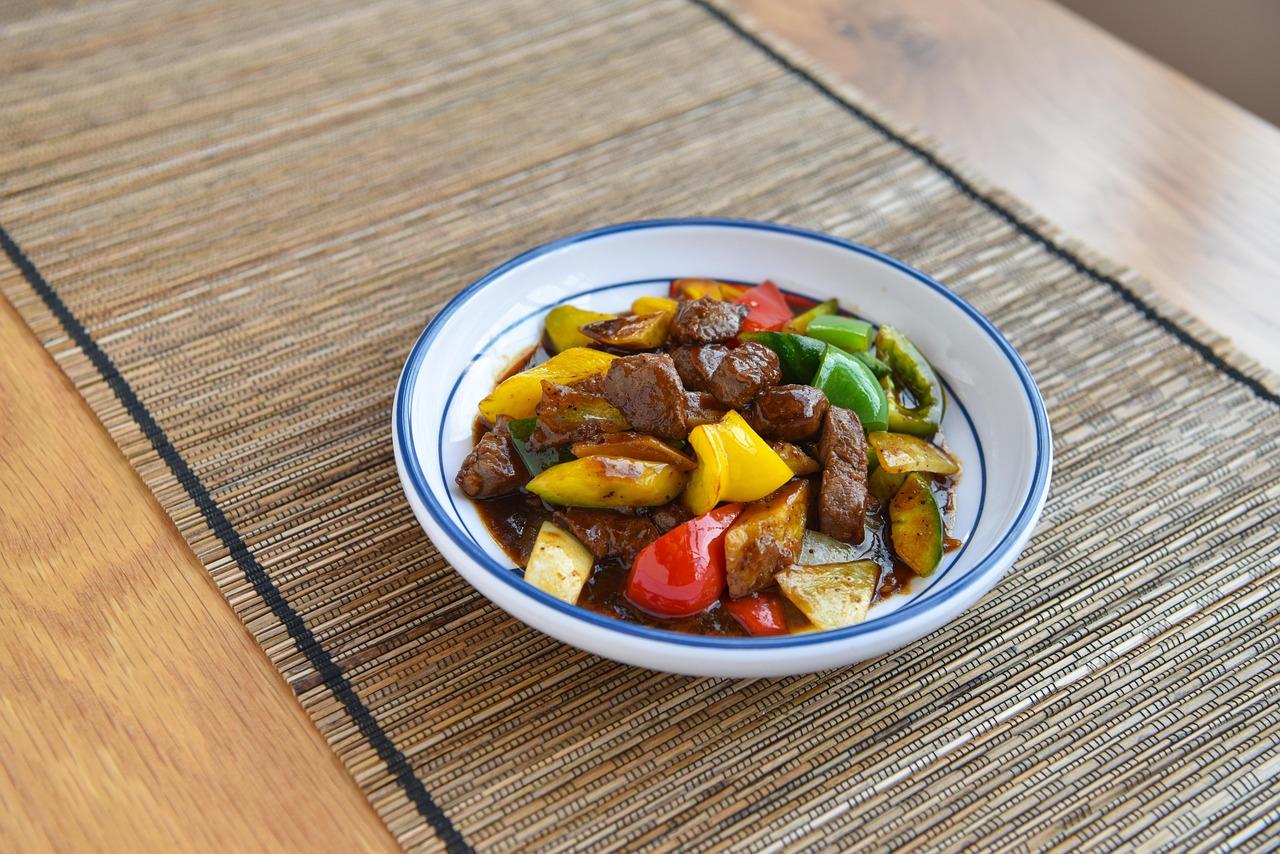
Bò lúc lắc, shaking beef, is a Saigon dish from the French-influenced south, ordered at family dinners and celebrations: cubes of tender steak seared in a smoking pan and shaken with garlic and onion, then tipped over peppery watercress and tomato with a lime, salt and pepper dip. The mistake almost everyone makes is crowding the pan, which boils the meat grey instead of searing it; cook in two batches. Chef's tip: let the cubes sit untouched for a full minute before the first shake to build a dark crust.

by KrazyBadal 0 views

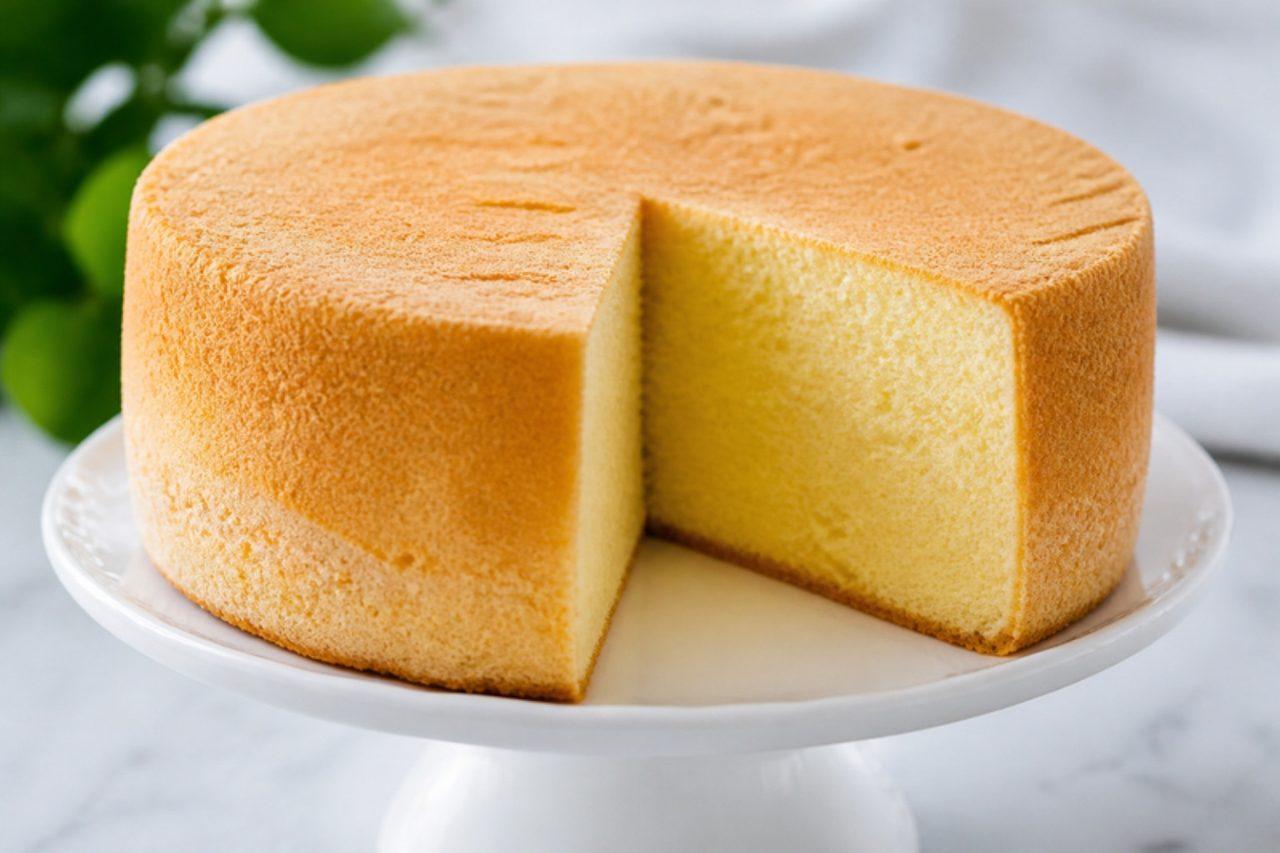
Bánh bông lan (Vietnamese sponge cake)

Bánh bông lan is the soft, golden sponge sold in every Vietnamese bakery, eaten with coffee or as an after-school snack, and it is also the cake under the cream and fruit at most children's birthdays from Hanoi to Saigon. Made with oil instead of butter, it stays moist and springy for days and is free of milk. It contains egg and gluten. Chef's tip: whisk the whites in a spotlessly clean bowl; a trace of yolk or grease stops them rising.

by KrazyBadal 0 views

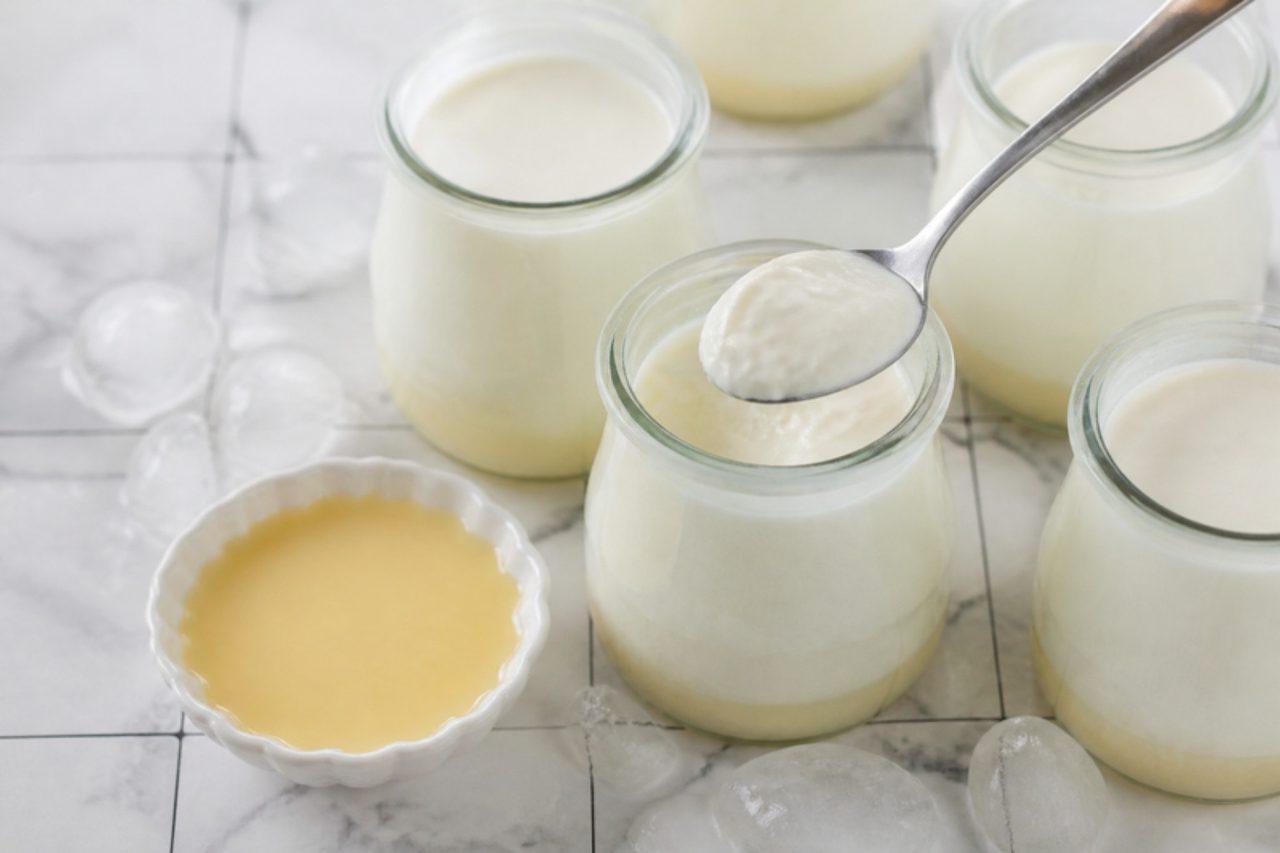
Sữa chua (Vietnamese set yogurt)

In Vietnamese homes, sữa chua is made in a row of small jars and kept in the fridge or freezer, and children in Hanoi and Saigon eat it after school straight from the cup, sometimes frozen hard like ice cream. The condensed milk gives it a mild caramel sweetness and a smooth, firm set that is less sharp than plain yogurt. It is sweetened, so this version uses less condensed milk than the street-stall kind. It contains milk. Chef's tip: keep the milk at blood heat, about 43 °C; hotter kills the yogurt culture and cooler sets slowly and sour.

by KrazyBadal 0 views

Showing 24 of 447 recipes

Show more recipes

Page 1 of 19