Skip to content
Recipes

All recipes

Vegetarian, or something you can't eat? Set your diet once and we'll hide recipes that don't fit.

Asham (Jamaican parched-corn sweet)

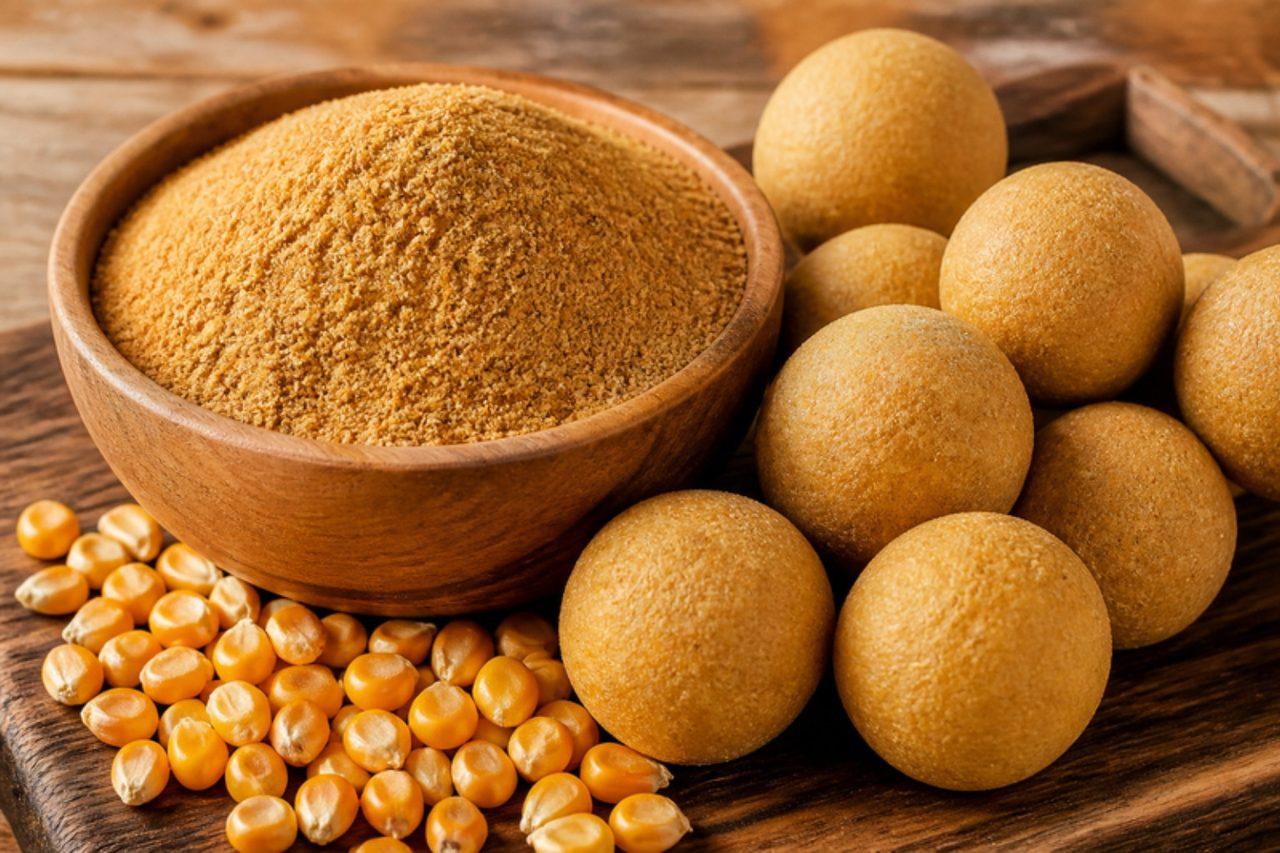
Asham is one of rural Jamaica's oldest treats, a sweet carried over from West African parched-grain foods and still made in country districts of St Elizabeth, Clarendon and St Ann. Children ate it after school from a twist of paper, and it reappears at heritage fairs around Emancipation Day and Independence in early August. Dried corn is parched until toasty and golden, ground to a fine, sandy powder and mixed with dark sugar: nutty, faintly smoky and melting slowly on the tongue. Eat it by the pinch, press it into little balls, or stir a spoonful into warm milk or water as a drink. It is naturally egg-free; the powder needs no binder at all, and for balls a sprinkle of water and the sticky brown sugar hold it together. Chef's tip: eat the loose powder in small pinches and don't breathe in as you eat it; it is famous for making people cough. In the pot, keep the corn moving, as scorching is the common mistake and turns it bitter.

by KrazyBadal 0 views

Mont let saung (Burmese sago in coconut milk and jaggery)

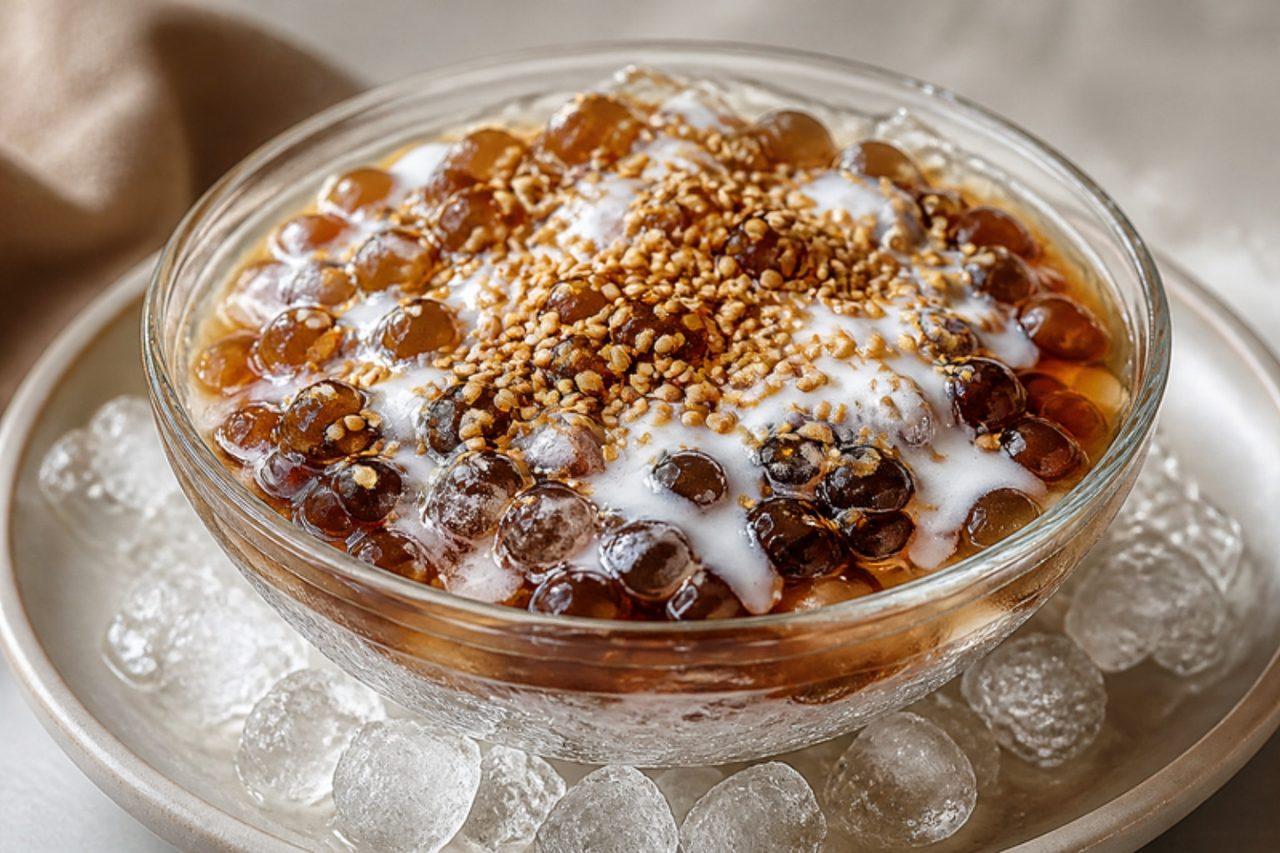
During Thingyan, the Burmese water festival that ends the old year in mid-April, stalls across Myanmar hand out free food and cold drinks as a way of making merit, and mont let saung is one of the best loved. Chewy, glassy sago pearls (or short white rice-flour threads in some towns) sit on crushed ice, soaked in dark jaggery syrup and lightly salted coconut milk, with toasted sesame on top. It is cool, sweet and gently smoky from the jaggery, exactly what you want after a day of being splashed with water. Serve it in glasses or bowls as soon as it is assembled. Chef's tip: a pinch of salt in the coconut milk is what makes the jaggery taste rounder, so don't skip it.

by KrazyBadal 0 views

Stagga back (Jamaican molasses ginger cookies)

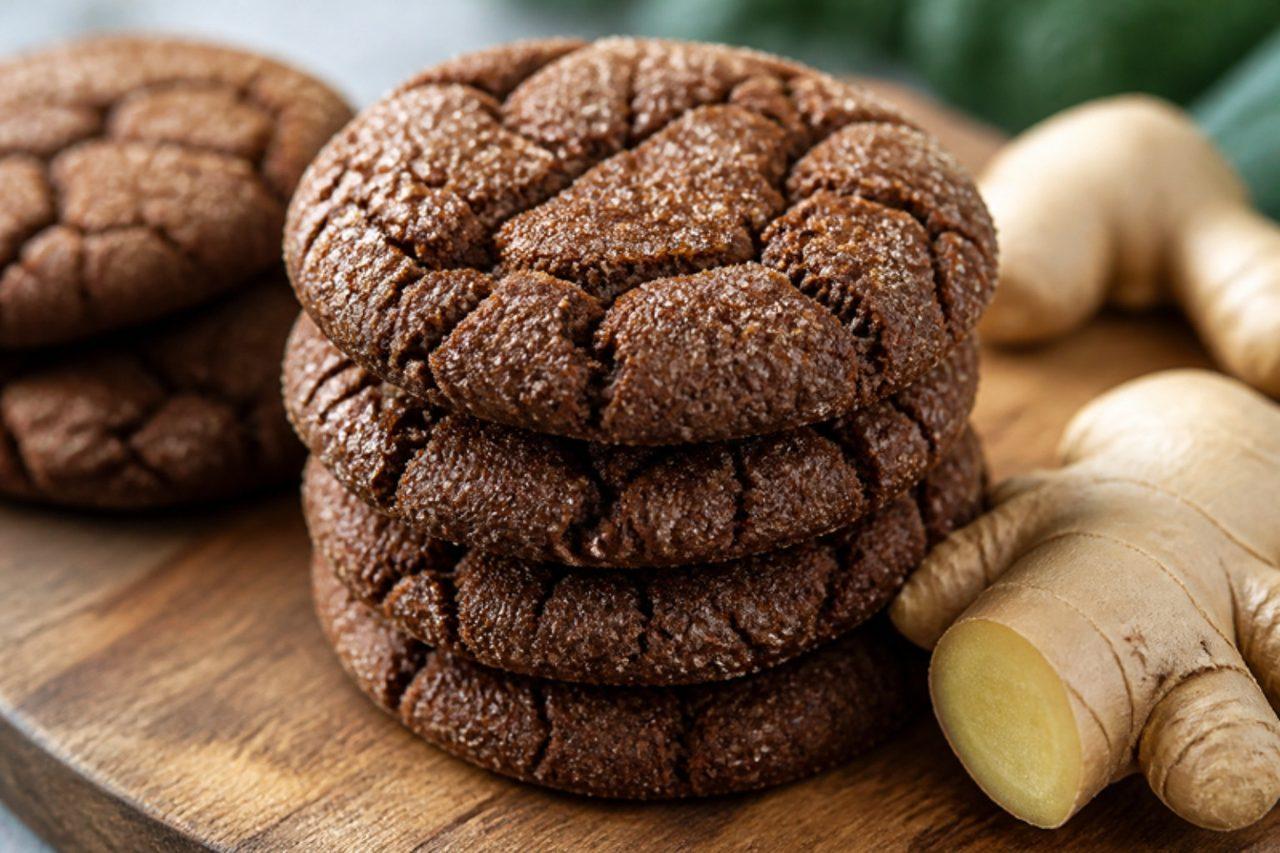
Stagga back are the dark, chewy cookies that sat in glass jars on the counters of Jamaican country shops, sold singly to schoolchildren on the way home and to anyone wanting something sweet with a cold drink in the heat of the afternoon. They are made with plenty of molasses, brown sugar and both dried and fresh ginger, with a little nutmeg and allspice, so they taste deep, almost smoky, and warm at the back of the throat. The texture should bend before it snaps: firm edges, soft and toffee-like in the middle. Eat them with a cup of mint or ginger tea, or a glass of cold coconut water. They are naturally egg-free: the thick molasses and the oil bind the flour on their own, and bicarbonate of soda reacting with the acidic molasses gives them their lift and crackled tops. This version uses oil instead of butter, so it is vegan. Chef's tip: take them out while the centres still look a little underdone; the common mistake is baking until they feel firm in the oven, and then they cool into rock-hard discs.

by KrazyBadal 0 views

Hin gyoLight clear gourd soup

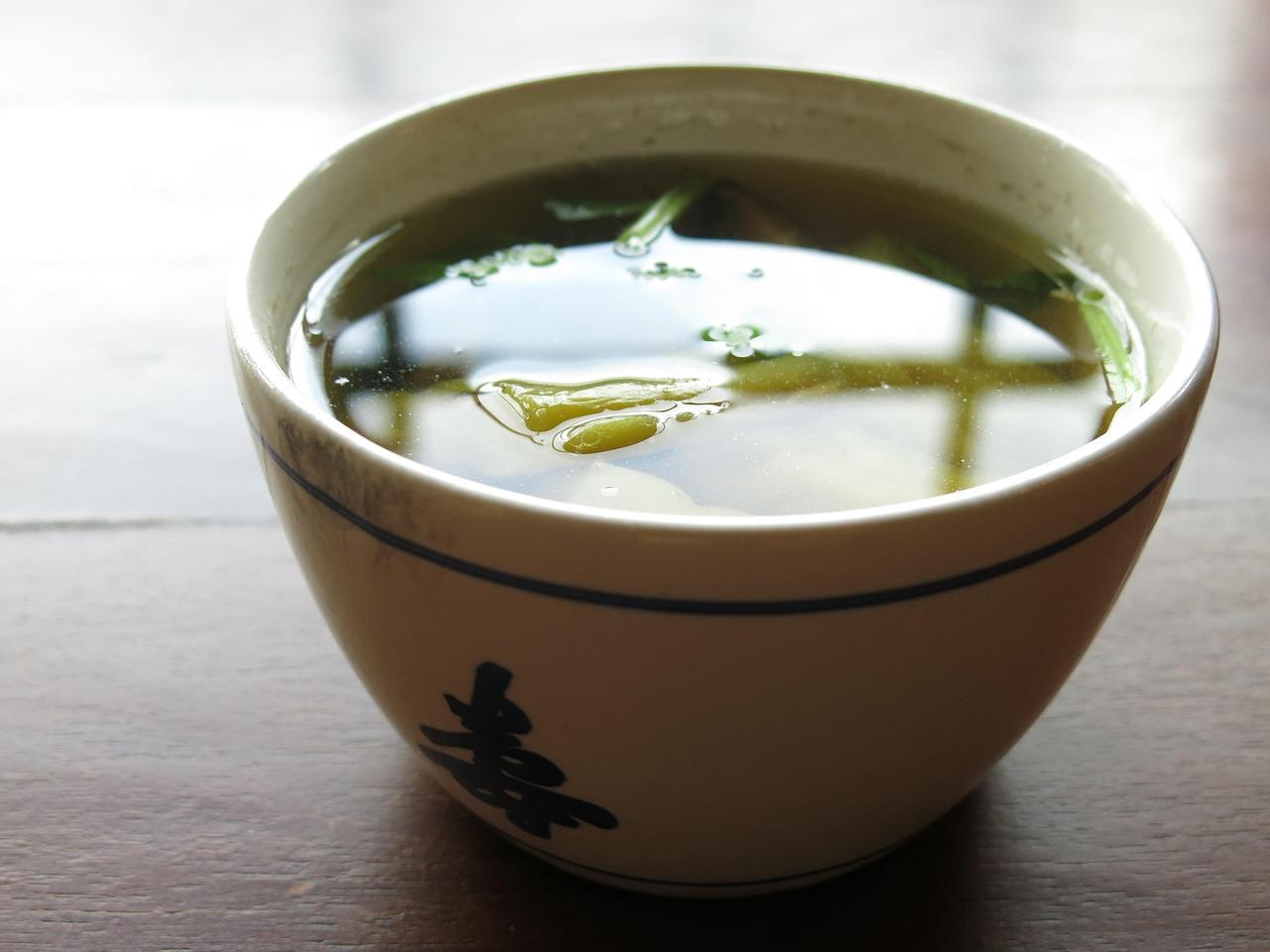
In Myanmar, no curry lunch or dinner, in Yangon or a village in the Shan hills, is complete without a bowl of hin gyo: a mild, clear 'sweet soup' sipped between mouthfuls of rich, oily curry to refresh the palate. This one uses bottle gourd, simmered with onion, garlic and plenty of black pepper. Homes often season it with dried shrimp or fish sauce; this vegetarian version gets its savoury depth from fried garlic and a little soy sauce instead. It is very light, with about 2 g of protein per bowl. The common mistake is overcooking the gourd until it collapses; take it off when it is translucent but still holds its shape. Chef's tip: crush the peppercorns coarsely just before adding them, because the pepper is the soul of this soup.

by KrazyBadal 0 views

Chin baung kyawStir-fried roselle leaves

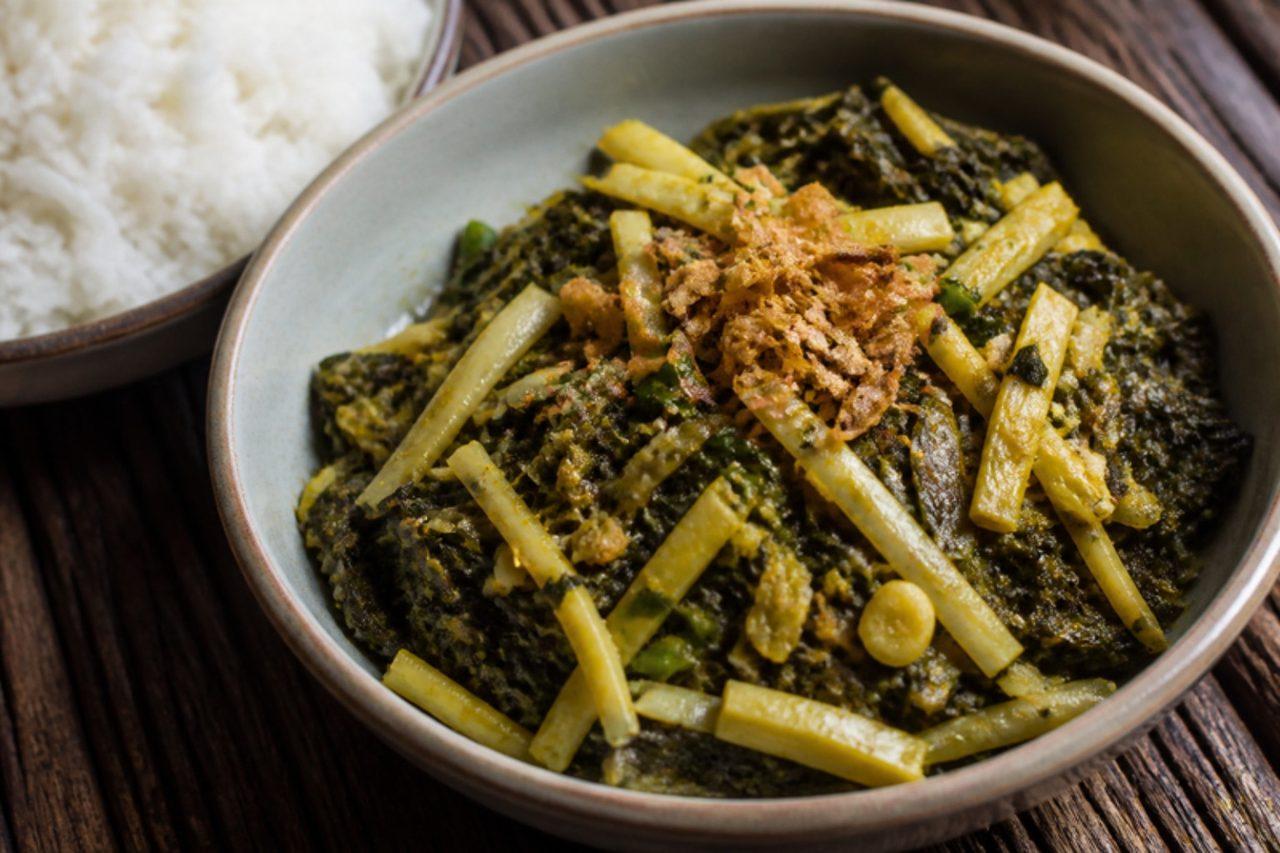
Chin baung, the tart leaf of the roselle plant, is so loved in Myanmar that it is sometimes called the national vegetable, and chin baung kyaw is cooked in homes from Yangon to Mandalay as a sharp, garlicky side for rice and a bowl of light soup. The leaves collapse into a dark, tangy, almost jammy relish with bamboo shoot and chilli. The usual version has dried shrimp or a little fish sauce; this one is vegetarian, using fried shallots and a pinch of salt for savour. It is a side with about 3 g of protein per portion. The common mistake is under-cooking: the leaves should be fried until the liquid has gone and the oil separates, or the sourness tastes raw. If you can't find roselle leaves, use sorrel or spinach with a squeeze of lime. Chef's tip: let the garlic and shallots turn properly golden before the leaves go in; their sweetness balances the sourness.

by KrazyBadal 0 views

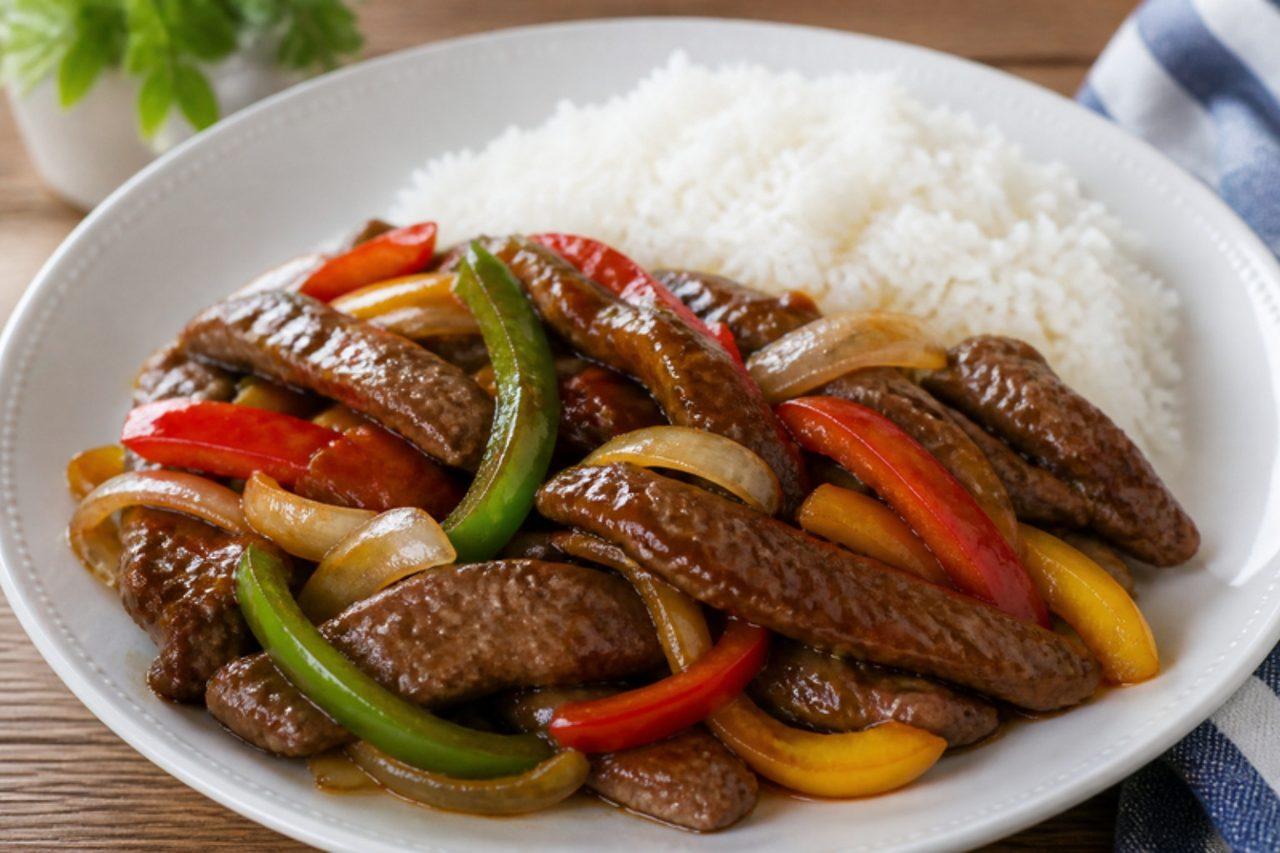
Jamaican pepper steak

Pepper steak came to Jamaica with the Hakka Chinese families who opened groceries and restaurants in Kingston, and it is now a takeaway favourite and a fast weeknight dinner across the island, eaten over white rice or rice and peas. Thin strips of beef are seared hard, then tossed with bell peppers and onion in a glossy soy, ginger and garlic sauce, with a little Scotch bonnet for warmth. The common mistake is crowding the pan, which steams the beef grey and tough; sear it in two batches over a high heat. Chef's tip: slice the beef across the grain while it is very cold or half-frozen; you'll get thin, even strips that stay tender.

by KrazyBadal 0 views

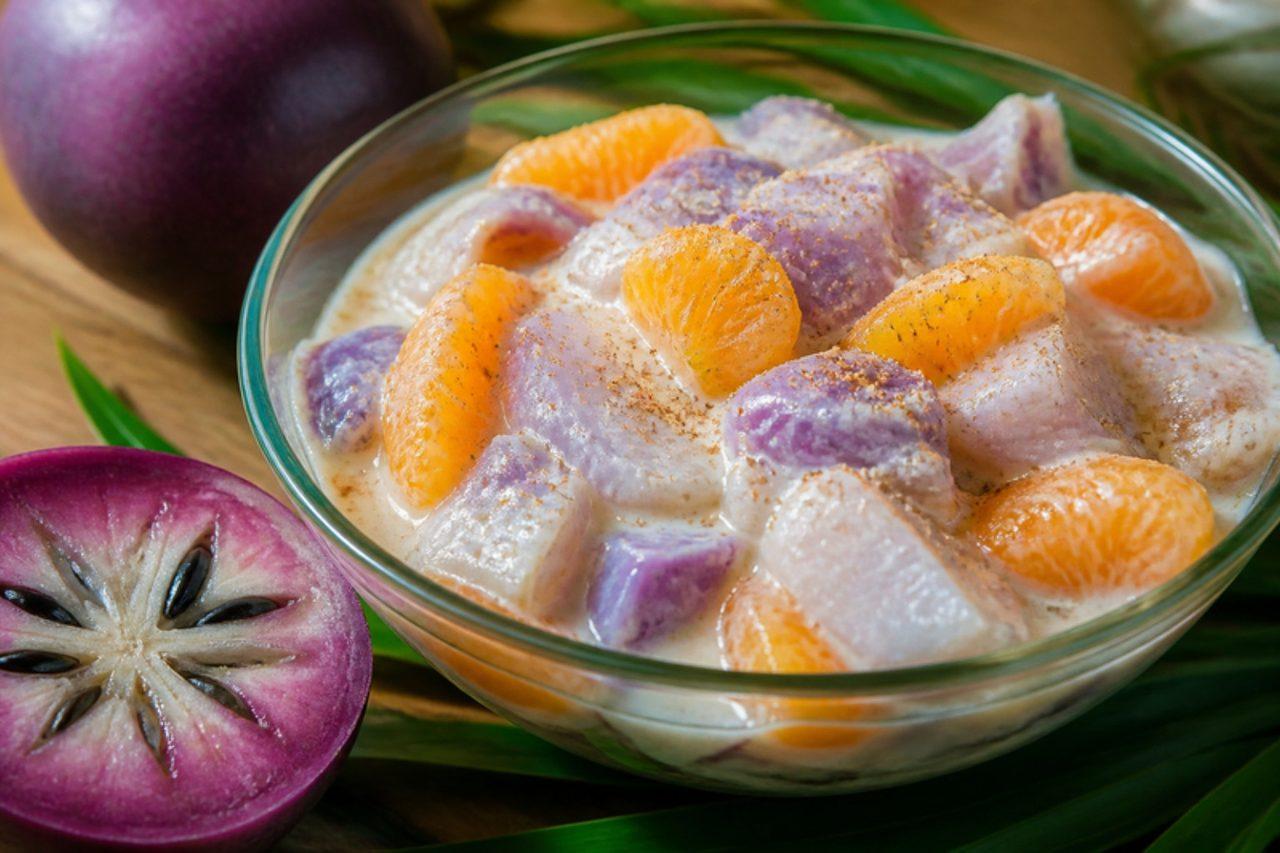
Matrimony (Jamaican star apple and orange with condensed milk)Star apple and orange dessert

Jamaica's star apples ripen in winter, so matrimony, the 'marriage' of star apple and orange, is a Christmas dessert, eaten cold after the big meal on Christmas Day. The purple star apples are scooped from their skins, their sweet, milky, jelly-like pulp mixed with juicy orange segments and dressed with condensed milk and freshly grated nutmeg. It is cool, sweet and fragrant, soft and a little jelly-like from the fruit. Serve it straight from the bowl or in glasses, as the last sweet thing of the Christmas meal. It is naturally egg-free and uncooked: condensed milk gives it body and binds the fruit into a creamy dessert, and nothing needs setting. Chef's tip: scrape the pulp only, never the skin; the common mistake is digging too close to the purple rind, whose sticky latex is bitter and gums up the spoon.

by KrazyBadal 0 views

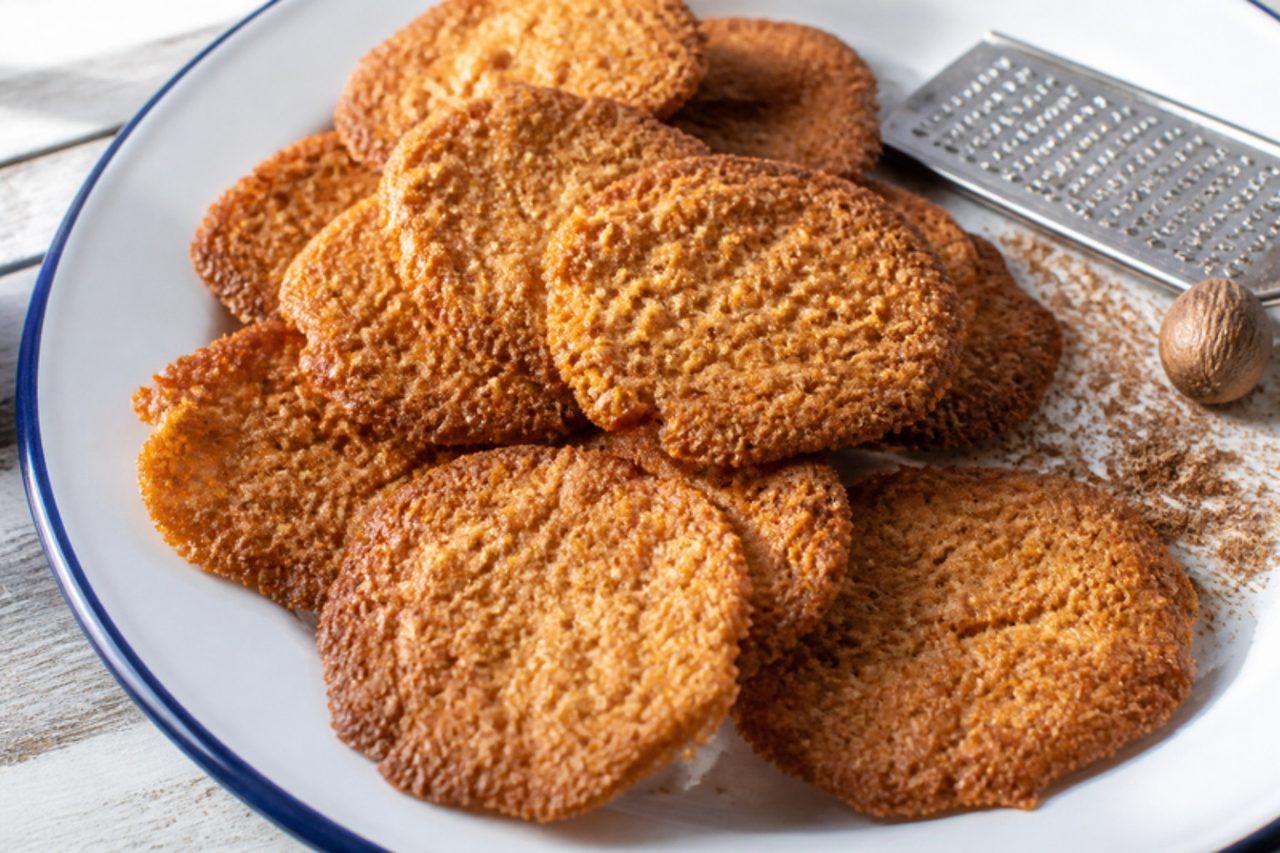
Jackass corn (Jamaican hard coconut biscuits)

Jackass corn is one of the hard little biscuits of old Jamaica, sold in paper bags at roadside stalls and corner shops and packed for long journeys because it keeps for weeks. The name is usually explained as a joke about how much chewing it takes. It is made from plenty of grated coconut, brown sugar, flour and a good grating of nutmeg, rolled out very thin and baked until crisp right through, so every bite cracks and then turns sweet and nutty with toasted coconut. Have it with hot cocoa tea, mint tea or a glass of cold sorrel juice, or break it over ice cream. There has never been egg in it: coconut oil and water hold the dough together, and the coconut's own fat and the melted sugar set it hard as it bakes and cools. Chef's tip: roll it as thin as you dare, about 3 mm; the common mistake is leaving it thick, which gives a biscuit that is soft in the middle and goes stale instead of staying crunchy.

by KrazyBadal 0 views

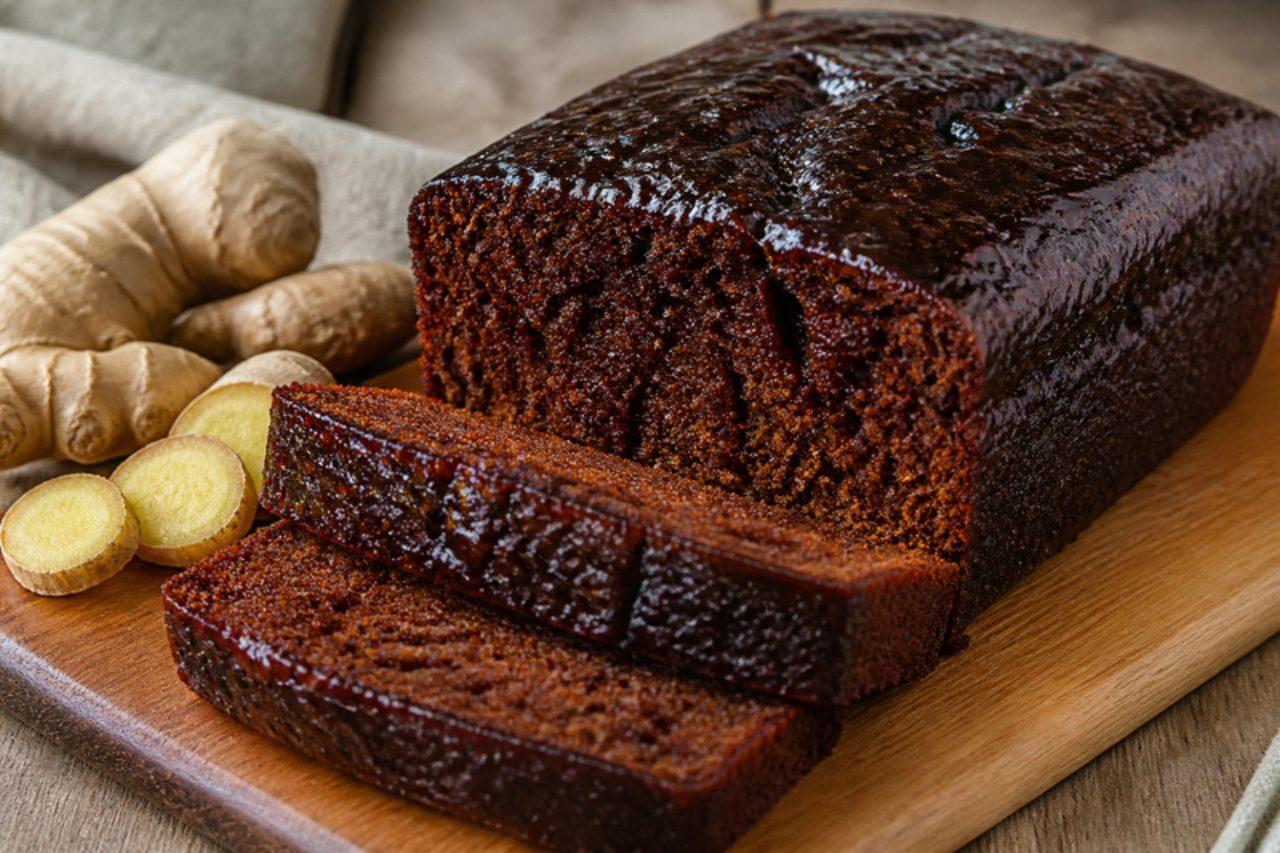
Jamaican ginger cake

Jamaica grows some of the world's most pungent ginger in the hills of Clarendon and St Mary, and island ginger cake shows it off: a dark, sticky loaf made with molasses, a big knob of freshly grated root, and allspice (pimento), another Jamaican crop. Corner shops sell it in wrapped slabs for school lunches and road trips, and at home it comes out with afternoon tea or a cup of hot cocoa. The heat is real but warm, not harsh. Overbaking is the easy mistake: a few minutes too long and it loses its stickiness, so take it out once a skewer comes out clean even if the top still feels slightly tacky. Chef's tip: wrap the cooled cake and leave it a day before slicing; the top turns properly sticky and the ginger mellows.

by KrazyBadal 0 views

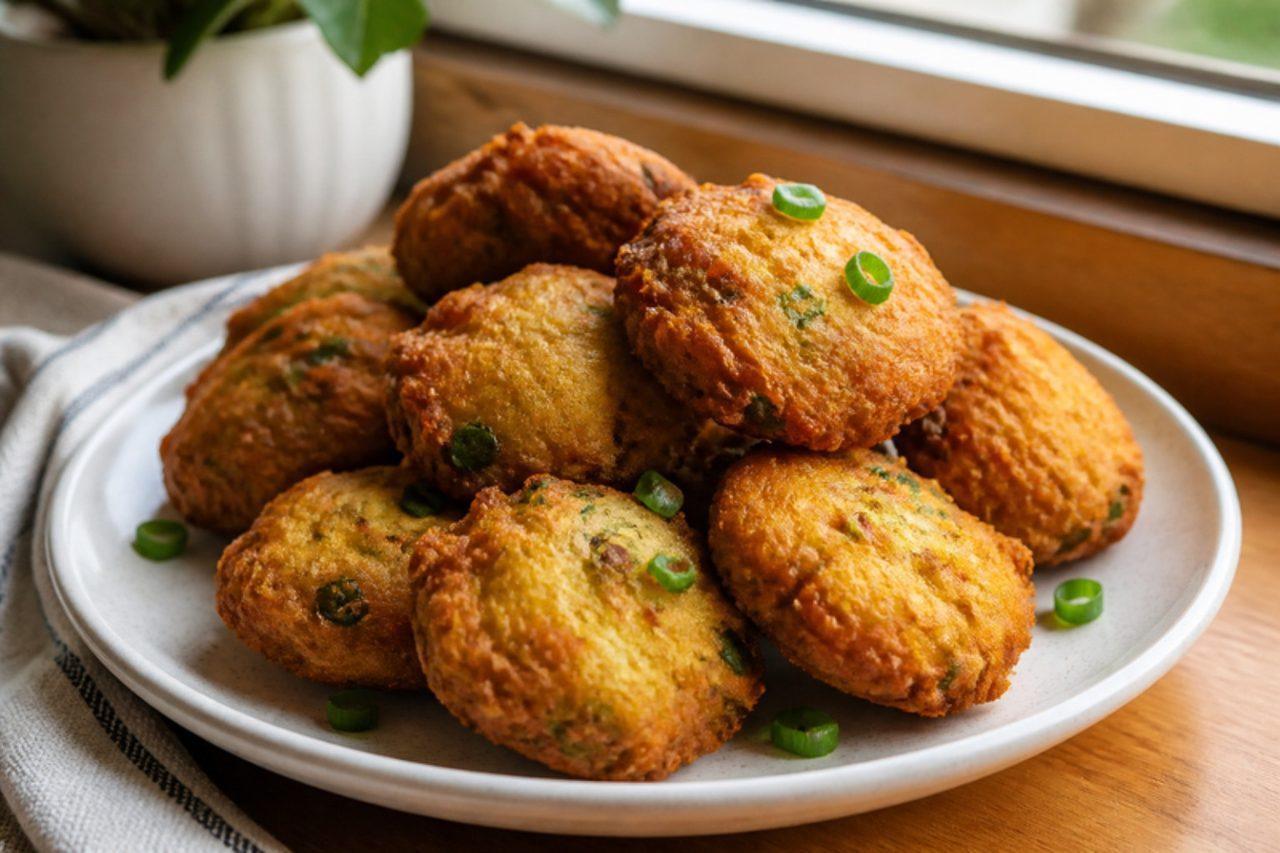
Stamp and goCrisp saltfish fritters

Stamp and go are the thin, lacy saltfish fritters sold from roadside stalls and bus-stop cookshops across Jamaica, and fried at home for breakfast or an evening snack with hard dough bread and a cold drink; the name is said to come from hurrying customers who would 'stamp and go'. Flaked salt cod is beaten into a loose flour batter with scallion, thyme and Scotch bonnet and fried in spoonfuls until crisp. The salt cod has to be desalted first, which is why this isn't a true 30-minute recipe: soak it overnight in the fridge, or use the quick double-boil method below. The common mistake is skipping the desalting, which makes fritters too salty to eat. Chef's tip: keep the batter loose enough to spread in the pan; thin fritters are the crisp ones.

by KrazyBadal 0 views

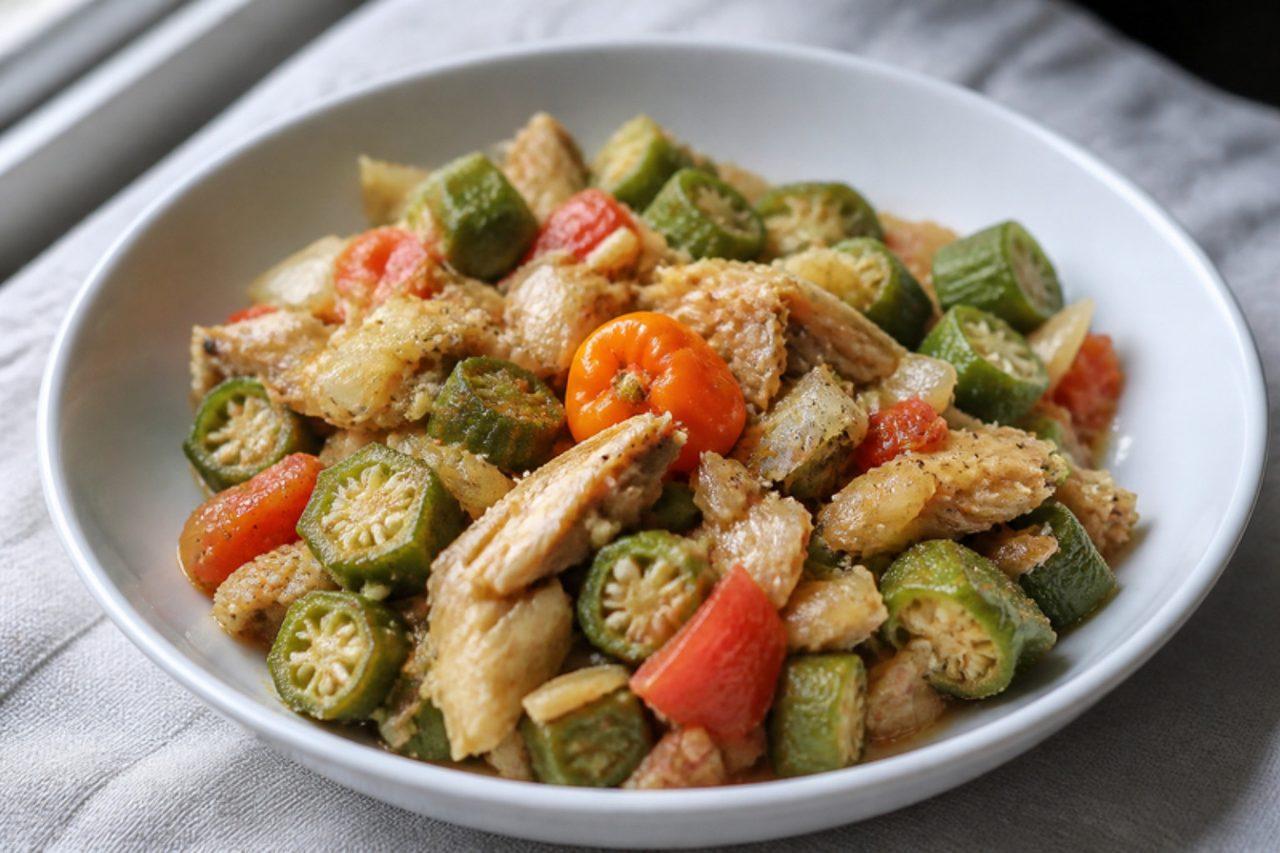
Okra and saltfish

Okra and saltfish is a Jamaican home breakfast and quick dinner, cooked in kitchens from Kingston to Montego Bay and eaten with boiled green bananas, fried dumplings, yam or white rice. Rounds of okra are sautéed with onion, garlic, tomato, thyme and Scotch bonnet, then the flaked salt cod is folded through. The cod needs desalting first, so allow overnight soaking or the quick double-boil method; that is why the total time is honestly over half an hour. The usual mistake is stirring the okra too much and covering the pan, which turns it slimy; cook it in an open pan and keep stirring gentle. Chef's tip: a squeeze of lime at the end cuts through the okra and brightens the whole pan.

by KrazyBadal 0 views

Mandi'o chyryryFried cassava with onion and egg

Mandi'o chyryry means 'fried cassava' in Guaraní, and it is what rural Paraguayan families make from yesterday's boiled mandi'o: chunks crushed and fried in a big pan with onion until crisp in places, then scrambled with eggs. It comes out for breakfast with cocido or for a quick supper, and costs next to nothing. Use sweet cassava, the kind sold in supermarkets. The mistake is stirring constantly, which turns it to mush; let the cassava sit and brown. Chef's tip: the best chyryry starts with cold, day-old boiled cassava, which fries crisper than freshly boiled.

by KrazyBadal 0 views

Ka'i ladrilloPeanut molasses bricks

Ka'i ladrillo — 'monkey brick' in Guaraní — is the sweet sold by vendors on Asunción buses and at country fiestas: roasted peanuts bound in boiled cane molasses and set in brick-shaped blocks, crunchy and dark with a slightly smoky toffee taste. It contains peanuts, so keep it away from anyone with a peanut allergy. The common mistake is taking the syrup off too soon, so the bricks stay sticky and never set. Chef's tip: test the syrup by dropping a little into cold water; it is ready when it sets into a brittle thread that snaps.

by KrazyBadal 0 views

LampreadoCassava starch cheese fritters

Paraguayan grandmothers fry lampreado on Sunday evenings to eat with a mug of cocido, the toasted yerba mate drink: small pan-fried cakes of cassava starch, egg, milk and grated cheese with a little onion, crisp at the edges and stretchy inside. Some families also make it with leftover meat, but this version is all cheese. Queso Paraguay is set with animal rennet; a vegetarian Parmesan-style cheese plus mozzarella works well. The trap is a batter that is too thick, which gives heavy, gluey cakes. Chef's tip: the batter should drop slowly off a spoon like thick pancake batter; add milk a spoonful at a time until it does.

by KrazyBadal 0 views

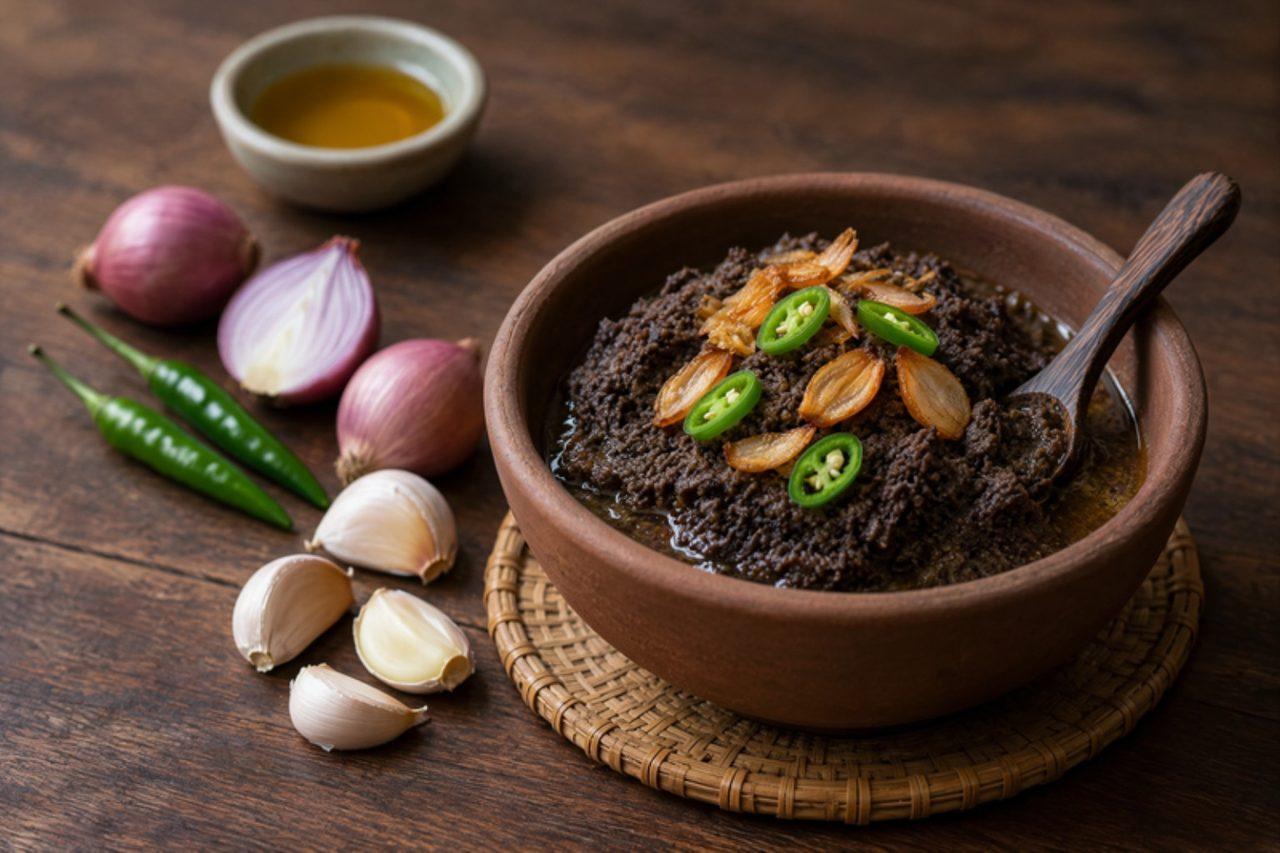
Pon ye gyiFermented bean sauce

Bagan, among its thousands of temples, is just as known in Myanmar for pon ye gyi, the thick, glossy black bean paste sold in clay pots at Nyaung-U market. Workshops there boil beans, ferment them under cloth, steep them in brine and boil the dark liquid down for hours. At home it is a seasoning rather than a dip: fried with garlic, onion and chilli as pon ye gyi kyaw, it becomes the savoury base for pork or chicken curries and for stir-fried greens, and is eaten with rice and raw vegetables through the hot dry season. The taste is deeply salty, savoury and slightly sweet-bitter, with a soft funk like miso and black bean sauce combined, and a texture like thick molasses. Common mistake: stopping the reduction too soon; a thin brown sauce will not keep and lacks depth, so cook it until it is black, glossy and falls from the spoon in ribbons. Bagan makers use different beans; this home method uses soybeans with a Bacillus-style ferment like thua nao. It is ready when a spoonful sets into a thick gloss on a cold plate. Chef's tip: stir more often near the end, when it can catch.

by KrazyBadal 0 views

Capeletis a la CarusoStuffed pasta in cream sauce

Capeletis a la Caruso were created in a Montevideo restaurant in the 1950s and named after the great tenor, and they are still a Sunday lunch favourite in Uruguayan homes: little stuffed pasta hats in a rich sauce of cream, cooked ham (pork), mushrooms and onion, finished with grated cheese. Buy good fresh capeletis or tortellini; the sauce is what you make. The usual mistake is boiling the cream sauce hard, which makes it oily and grainy. Chef's tip: cook the mushrooms in a dry hot pan first until they squeak and brown, before any butter goes in, for a deeper taste.

by KrazyBadal 0 views

BusecaTripe and white bean stew

Buseca arrived in Montevideo with Italian immigrants from Lombardy and became a classic winter dish of Uruguayan bodegones and family kitchens, eaten on cold June and July days. Honeycomb tripe is simmered until tender, then stewed with white beans, pork chorizo, bacon, peppers, tomato and paprika into a thick, warming stew served with crusty bread. Buy tripe that is already cleaned and blanched (dressed). The usual mistake is undercooking the tripe: it needs a full 2 hours, until it's soft enough to cut with a spoon. Slow-cooker option: after step 4, cook on low for 8 hours. Chef's tip: a little grated lemon zest and parsley stirred in at the end lifts the rich, gelatinous sauce.

by KrazyBadal 0 views

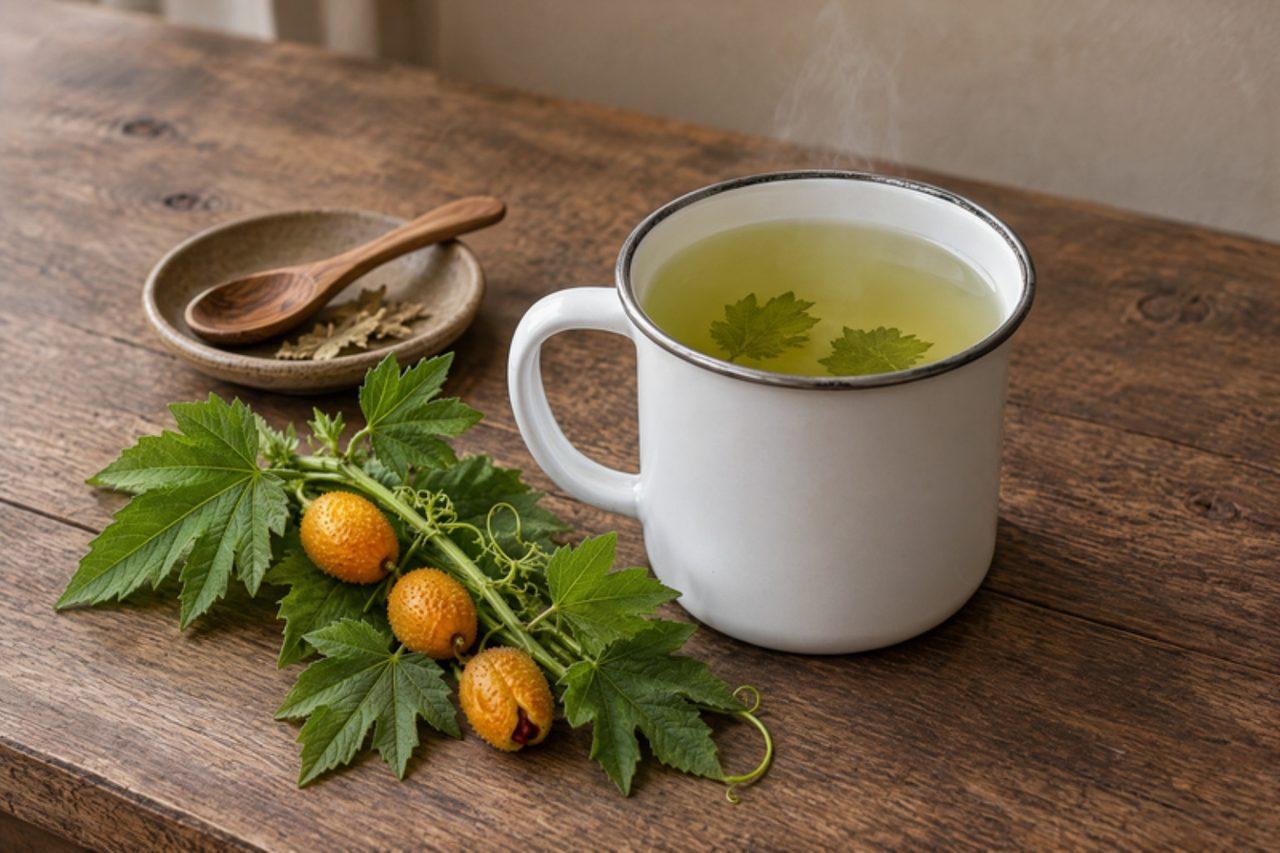
Cerasee teaBitter melon vine tea

Cerasee grows wild on fences and roadsides all over Jamaica, a thin vine with lacy leaves, yellow flowers and small warty orange fruit. It is the best known of the island's bush teas: generations of Jamaican children were given a cup at the end of the summer holidays, before going back to school, as a wash-out, and adults still drink it now and then as a cleansing and cooling tonic, or for the skin. The tea is pale green-gold and seriously bitter, with a grassy, slightly vegetal taste; some add sugar or lime. The common mistake is boiling the vine hard for a long time, which makes the tea far harsher than it needs to be. Pour boiling water over it and let it steep instead, and leave out any ripe fruit and seeds. It is ready when the water is light green-gold and smells green and herbal. Do not drink it if you are pregnant, breastfeeding or trying to conceive, do not give it to young children, and check with a doctor if you have diabetes or take medication, as it may lower blood sugar. Chef's tip: dried cerasee from Caribbean shops works well; use a little less.

by KrazyBadal 0 views

Lahpet yay (Burmese milk tea)

Yangon runs on lahpet yay. From before dawn, crowded teashops set out tiny plastic stools on the pavement, and the tea comes with mohinga, palata or a plate of samusa; people linger again at four in the afternoon to talk. The tea is a dark, very strong brew of cheap black leaf that has been boiled and kept hot in a kettle, mixed in the cup with condensed milk and evaporated milk. Regulars order in code: cho seint is sweet and creamy, kya seint is strong and less sweet, pawsein is the standard. It should be thick, silky, sweet, faintly smoky and bitter underneath. The common mistake is brewing it like ordinary tea: it ends up thin and the condensed milk just tastes of sugar. Boil the leaves hard and then let them stand so the liquor is almost black; the bitterness is needed to stand up to the milk. It is ready when the tea poured from height into the cup has a light froth and the colour of milk chocolate. It is strongly caffeinated, so not one for children or late evenings. Chef's tip: pour the finished tea between two jugs a few times to cool it slightly and give it the teashop froth.

by KrazyBadal 0 views

Bissy tea (kola nut tea)

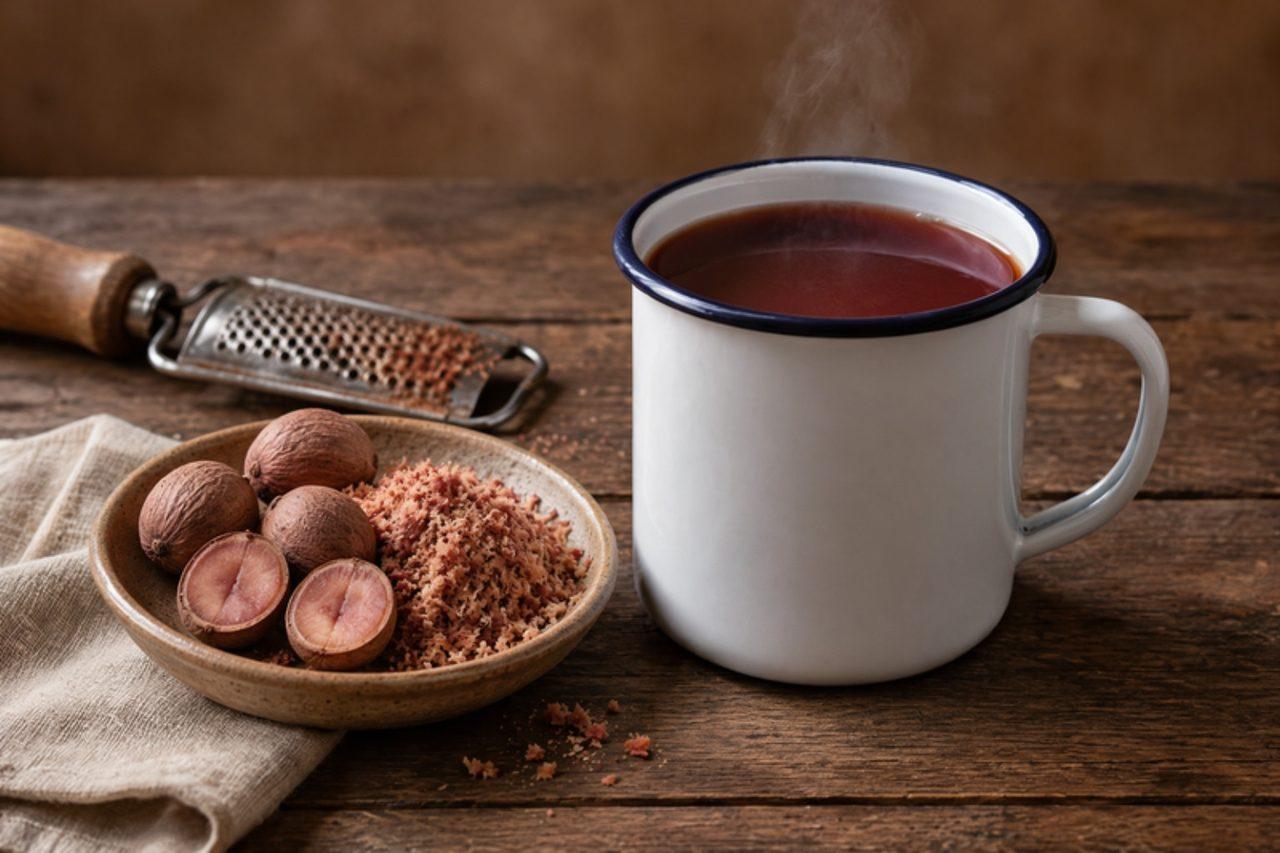
Kola trees came to Jamaica with enslaved West Africans, and the nut, called bissy on the island, has stayed in country medicine ever since. Older people in St Mary, St Elizabeth and the hills of Clarendon still keep a dried bissy in the kitchen and grate some into boiling water when the stomach is upset or after eating something that disagreed with them,. Parched in a dry pan first, the grated nut gives a reddish-brown tea that smells faintly of cocoa and tastes bitter and astringent, softened by plenty of sugar. The common mistake is boiling raw, ungrated nut and expecting much flavour: whole pieces give little. Grate it finely, parch it until it darkens and smells like toasted cocoa, then boil. It is ready when the tea is a deep reddish-brown and coats the tongue with bitterness. Kola nut is very high in caffeine, as strong as a big mug of coffee or more, so drink one cup, not late in the day, and keep it away from children, pregnant people and anyone sensitive to caffeine or with heart trouble. Chef's tip: strain it through a fine cloth; the grated nut leaves a gritty sediment that a sieve lets through.

by KrazyBadal 0 views

Scotch bonnet pepper sauce

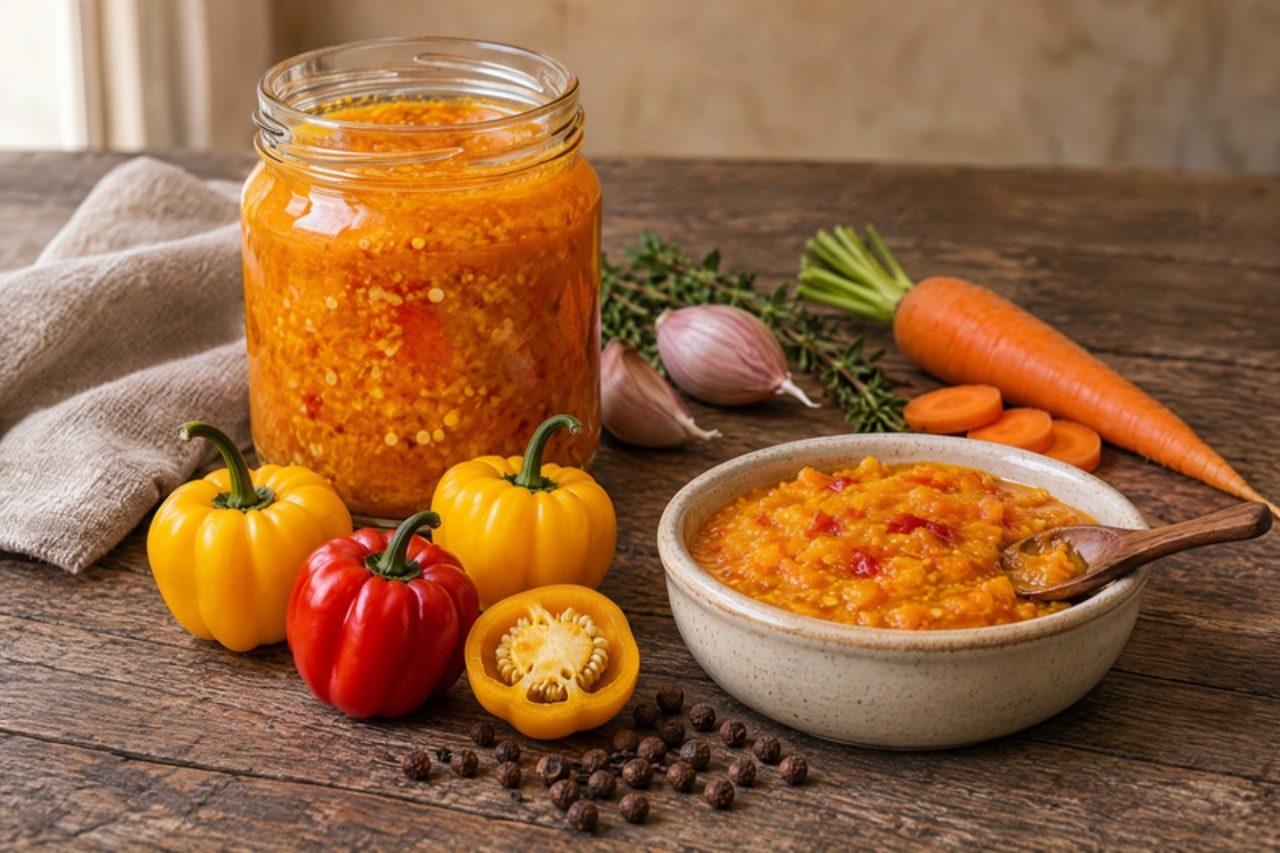
On a Jamaican Sunday dinner table the bottle of pepper sauce sits next to the salt, shaken over rice and peas, brown stew chicken, escovitch fish and the beef patty from the corner shop. Home versions differ from yard to yard, but most cook scotch bonnets briefly in vinegar with onion, carrot, garlic and the island's own pimento (allspice) berries, then blend them smooth. The result is a pourable, bright orange sauce: fruity, floral heat first, then the sweetness of carrot and the warm clove note of pimento, with a clean vinegar finish. A few drops are plenty. Wear gloves, open a window and never lean over the pot or blender; the fumes sting. Common mistake: blending raw peppers with too little vinegar and leaving the bottle on the counter; keep the full amount of vinegar (at least 5% acidity) and store it in the fridge. It is ready when the carrot is soft and the sauce is smooth and pourable; the flavour mellows and rounds after two days. Chef's tip: for a milder sauce, cut out the seeds and white ribs from half the peppers before cooking.

by KrazyBadal 1 views

Hsi htaminTurmeric sticky rice with sesame

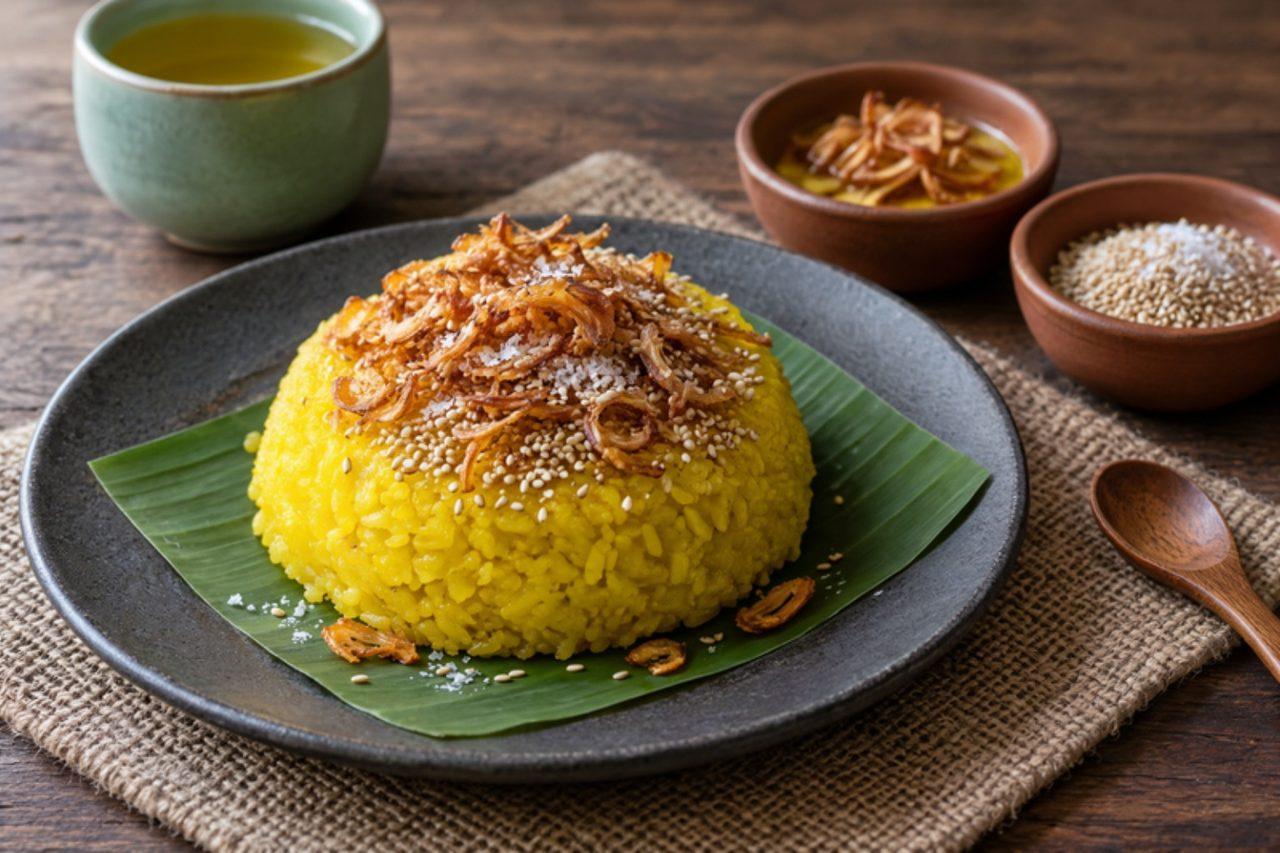
Hsi htamin, "oil rice", is a breakfast sold wrapped in banana leaf by morning vendors in Yangon and Mandalay: glutinous rice steamed golden with turmeric and oil, then topped with toasted sesame mixed with salt and a heap of crisp fried shallots. It is often paired with boiled yellow peas. The mistake is under-soaking the rice; it needs at least 4 hours, or overnight, to steam evenly. Chef's tip: fry the shallots first and use their fragrant oil in the rice; that oil is the soul of the dish.

by KrazyBadal 0 views

Laphet yayBurmese milk tea

Burmese teashops, from the busy corners of Yangon to small-town Shan State, run on laphet yay: very strong black tea poured over condensed and evaporated milk, and customers order it by sweetness, from "pan pyar" (less sweet) to "cho seint" (extra sweet and creamy). It comes with samusa, palata or a bowl of mohinga. The mistake is weak tea: it must be brewed long and dark so it stands up to all that milk. Chef's tip: pour the finished tea from one jug to another from a height a few times; it cools slightly and gets the frothy top teashops are proud of.

by KrazyBadal 0 views

Buñuelos de algasSea lettuce fritters

On the beaches of Rocha, from La Paloma to Punta del Diablo, vendors walk the sand with baskets of hot buñuelos de algas: puffy, salty fritters speckled green with sea lettuce, eaten with a squeeze of lemon. Use dried sea lettuce or mixed seaweed flakes from a shop, or fresh sea lettuce only from a seller who harvests clean water; never pick it from a harbour or near drains. The usual mistake is frying in oil that isn't hot enough, so the fritters soak it up and turn greasy. Chef's tip: rest the batter for 15 minutes so the seaweed softens and the fritters puff more.

by KrazyBadal 0 views

Showing 24 of 179 recipes

Show more recipes

Page 1 of 8