Skip to content
Recipes

All recipes

Vegetarian, or something you can't eat? Set your diet once and we'll hide recipes that don't fit.

ErdäpfelstrudelSavoury potato strudel

Austrians, especially in the Mühlviertel of Upper Austria and the Waldviertel, make savoury strudels as often as sweet ones, and Erdäpfelstrudel is a farmhouse favourite for a meatless Friday or a cold evening. Thin pastry wraps a filling of potatoes, fried onion, sour cream, marjoram and parsley, baked until crisp and golden and sliced with a green salad or a dill and sour-cream dip. Bought filo makes it easy at home. The mistake to avoid is a wet filling, which turns the pastry soggy underneath. Chef's tip: cool the filling completely before rolling; warm filling makes the layers stick and tear.

by KrazyBadal 0 views

Nangua bing (pumpkin sticky rice cakes)

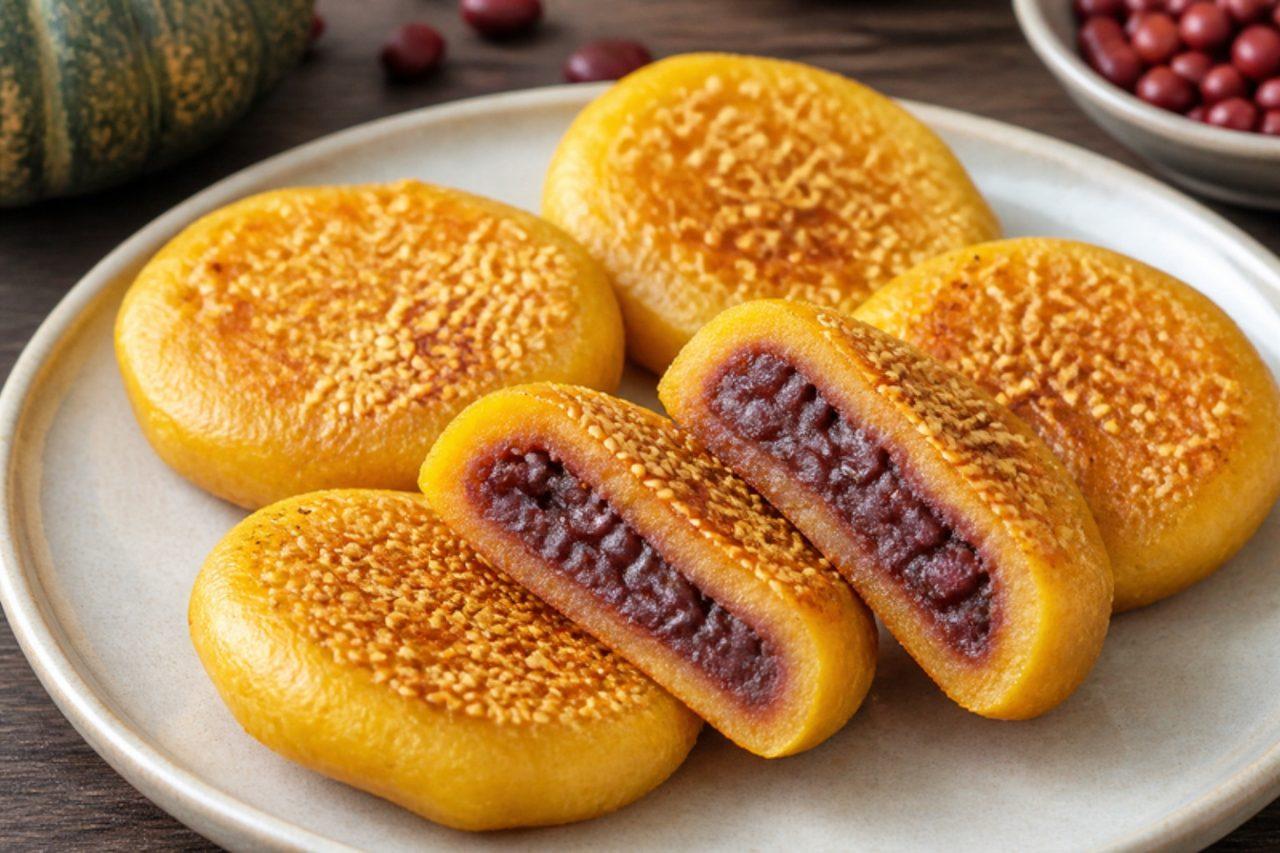
Every family restaurant from Zhejiang to Sichuan has a plate of these little golden pumpkin cakes on the menu, and grandmothers make them at home in autumn when pumpkins pile up at the market: steamed pumpkin is kneaded with glutinous rice flour into a soft orange dough, wrapped round a spoonful of red bean paste, pressed flat and fried until crisp outside and chewy inside. Children love them for dessert or as an afternoon snack. The common mistake is adding all the flour at once; pumpkins vary in moisture, so add it gradually until the dough is soft like earlobes and no longer sticky. Chef's tip: fry them on a medium-low heat with the lid on for the first side, so the centre steams through before the outside darkens.

by KrazyBadal 0 views

Homemade hoisin sauce

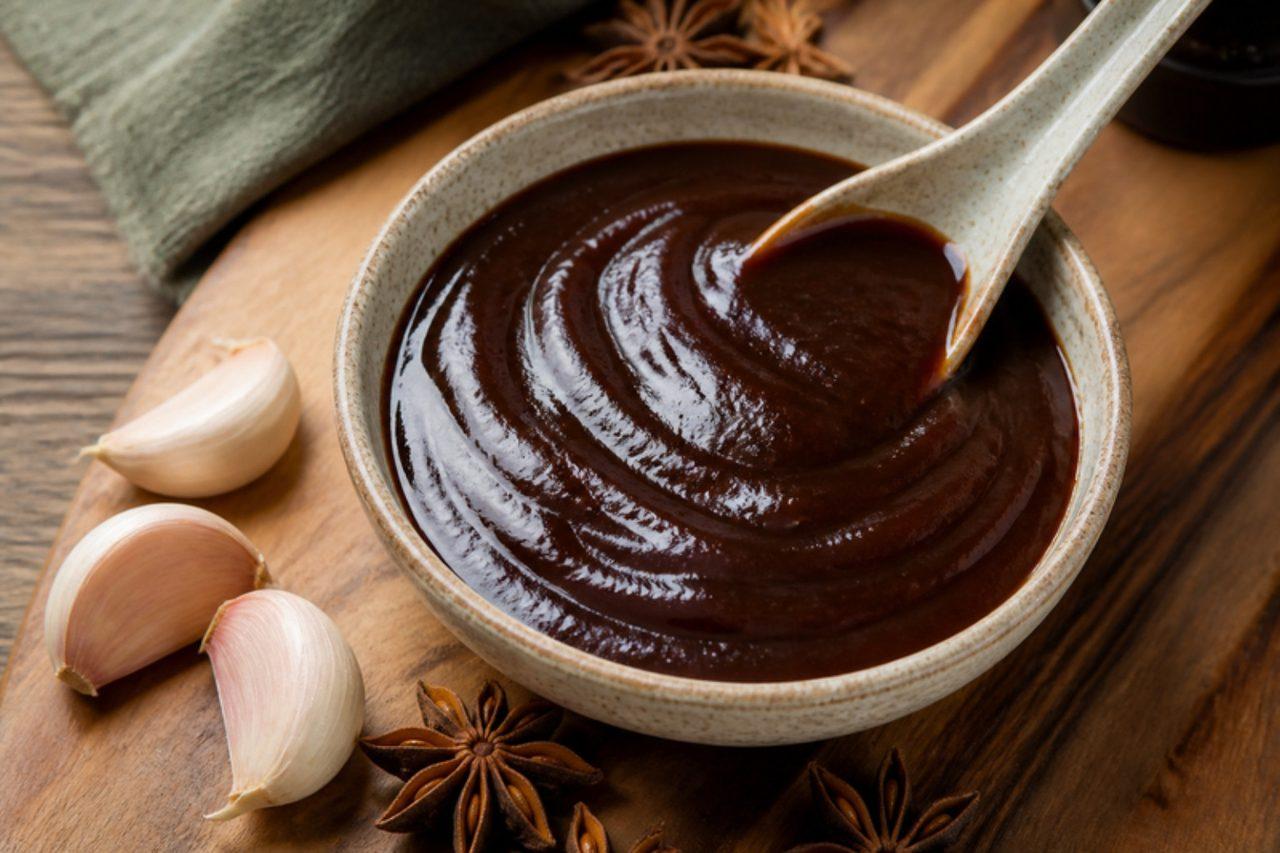
Cantonese cooks in Guangzhou and Hong Kong brush hoisin over char siu, stir it into noodles and put a dish of it on the table with roast duck and spring rolls. Despite the name, which means 'seafood sauce', it contains no seafood at all. Making it yourself takes fifteen minutes and gives a fresher, less sticky sauce that is sweet, salty, garlicky and gently spiced, without thickeners or colourings. Use it for dipping, glazing tofu or vegetables, and in marinades. The usual mistake is boiling it hard, which scorches the sugar and turns it bitter; keep it at a lazy bubble. Chef's tip: fermented yellow soybean paste (huang dou jiang) gives the closest flavour, but white miso works too if that is what you have.

by KrazyBadal 0 views

Hong you (Sichuan red chilli oil)

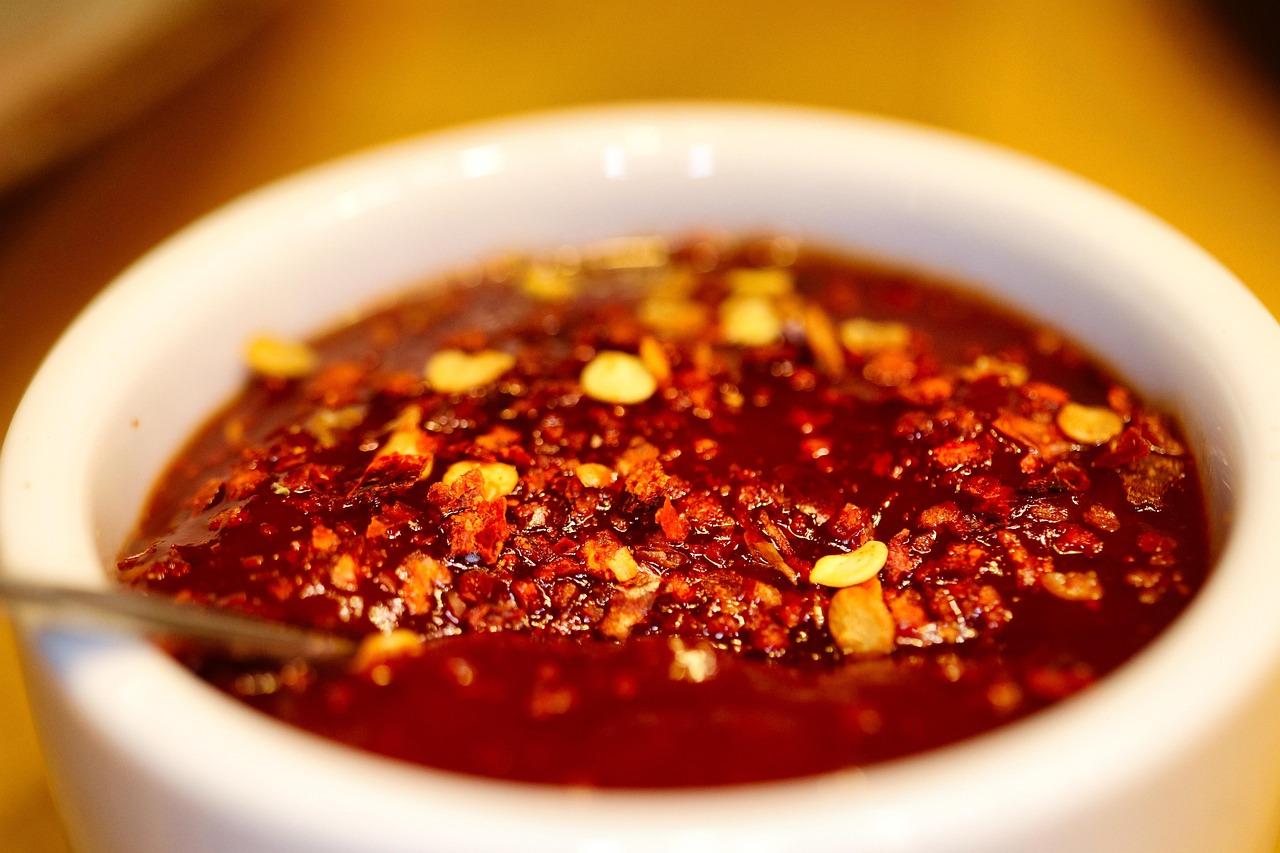
In Chengdu kitchens, a jar of hong you sits next to the stove and goes into almost everything cold: wontons in red oil, cucumber salads, cold noodles and the dressing for liang mian. Good chilli oil is a deep ruby colour, fragrant rather than burnt, with a warm, rounded heat and the tingle of Sichuan pepper. It is poured in two stages, hot then warm, so you get both toasted and bright chilli flavours. The mistake most people make is pouring smoking oil onto the flakes, which turns them black and bitter in a second; check the temperature. Chef's tip: mix coarse and fine chilli flakes, the fine for colour and the coarse for crunch and flavour, and let the oil sit overnight before using.

by KrazyBadal 0 views

Bingtang xueli (rock sugar stewed pears)

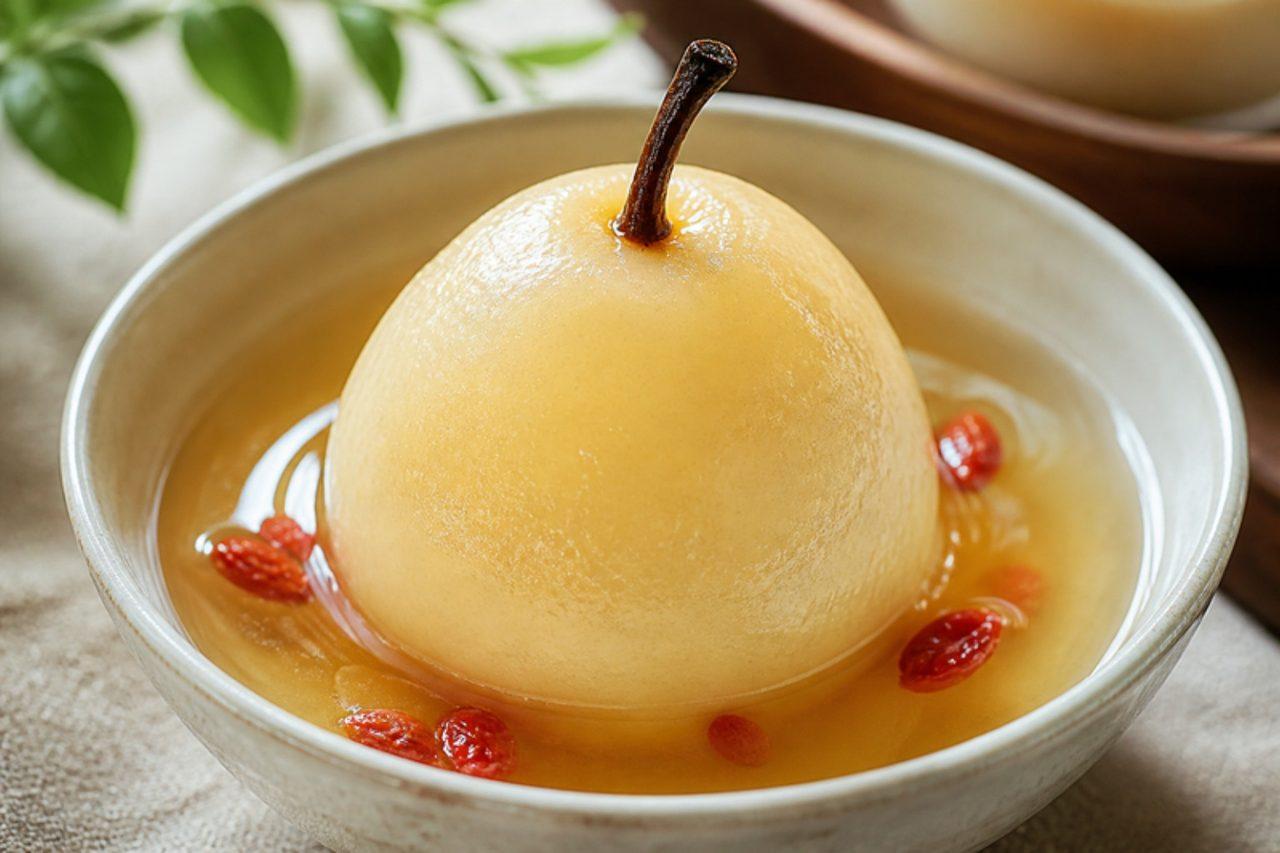
When the dry winds of a northern winter bring on sore throats, grandmothers in Beijing and Shandong set a bowl of pear and rock sugar in the steamer, and it is now served as a soothing dessert all over China. Whole Asian pears, hollowed and filled with rock sugar, are slowly stewed until translucent and swimming in their own light syrup. The common mistake is choosing a Western pear that collapses; crisp Asian (nashi or Ya) pears hold their shape and give plenty of juice. Chef's tip: slice off the top as a lid and stew it with the pear; serving the pear with its lid back on is how it is presented at the table.

by KrazyBadal 0 views

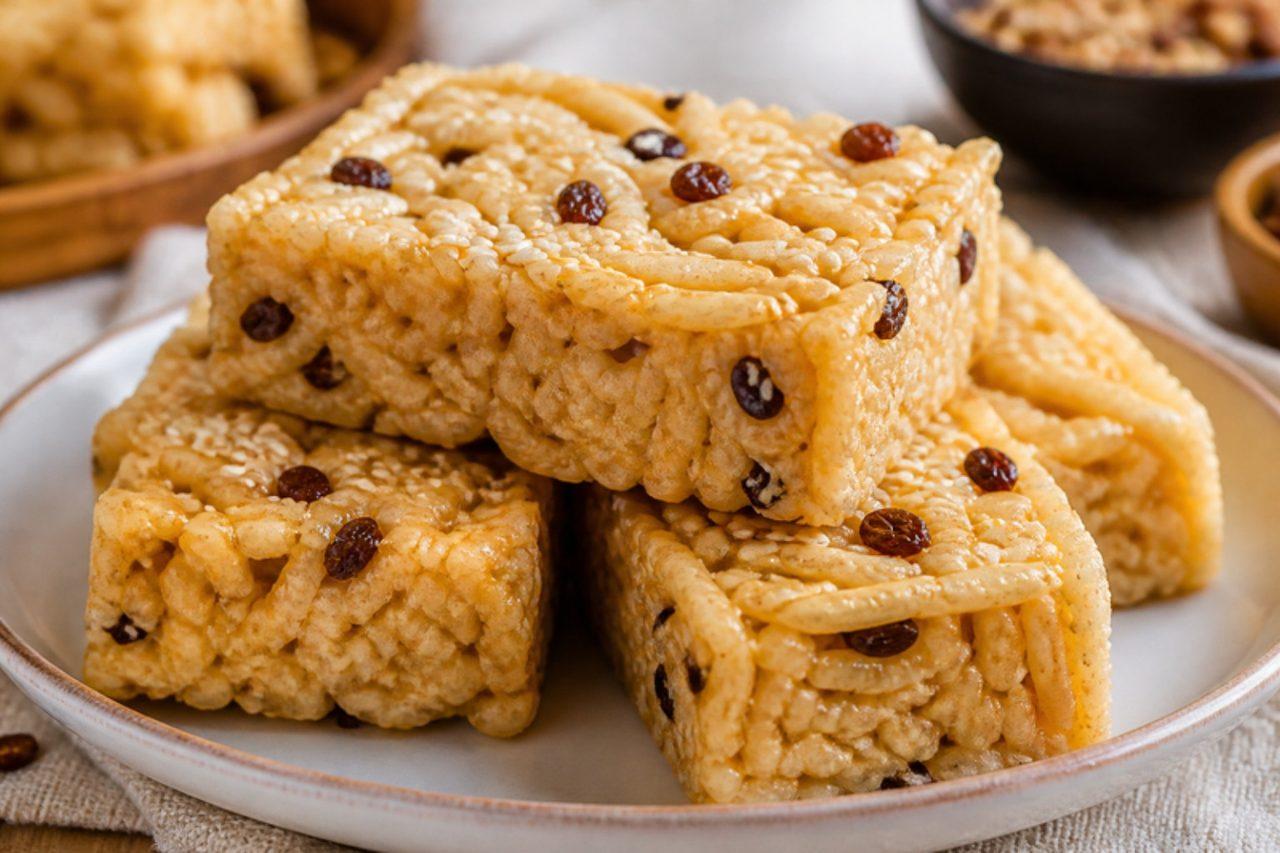
Sachima (honeyed egg-noodle bars)

Sachima came to Beijing with the Manchus, and old-fashioned bakeries in the north still sell it in big trays: thin strands of egg dough are fried pale gold, tossed in a sticky syrup, pressed into a block and cut into fluffy, sweet squares. Children in China and in Chinese communities abroad grow up with the wrapped supermarket kind, but homemade is lighter and softer. The common mistake is overcooking the syrup; take it too far and the bars set rock hard instead of chewy. It should only reach the thread stage, about 112 °C. Chef's tip: fry the strands only until pale straw-coloured, not brown; they keep cooking for a moment once lifted from the oil.

by KrazyBadal 0 views

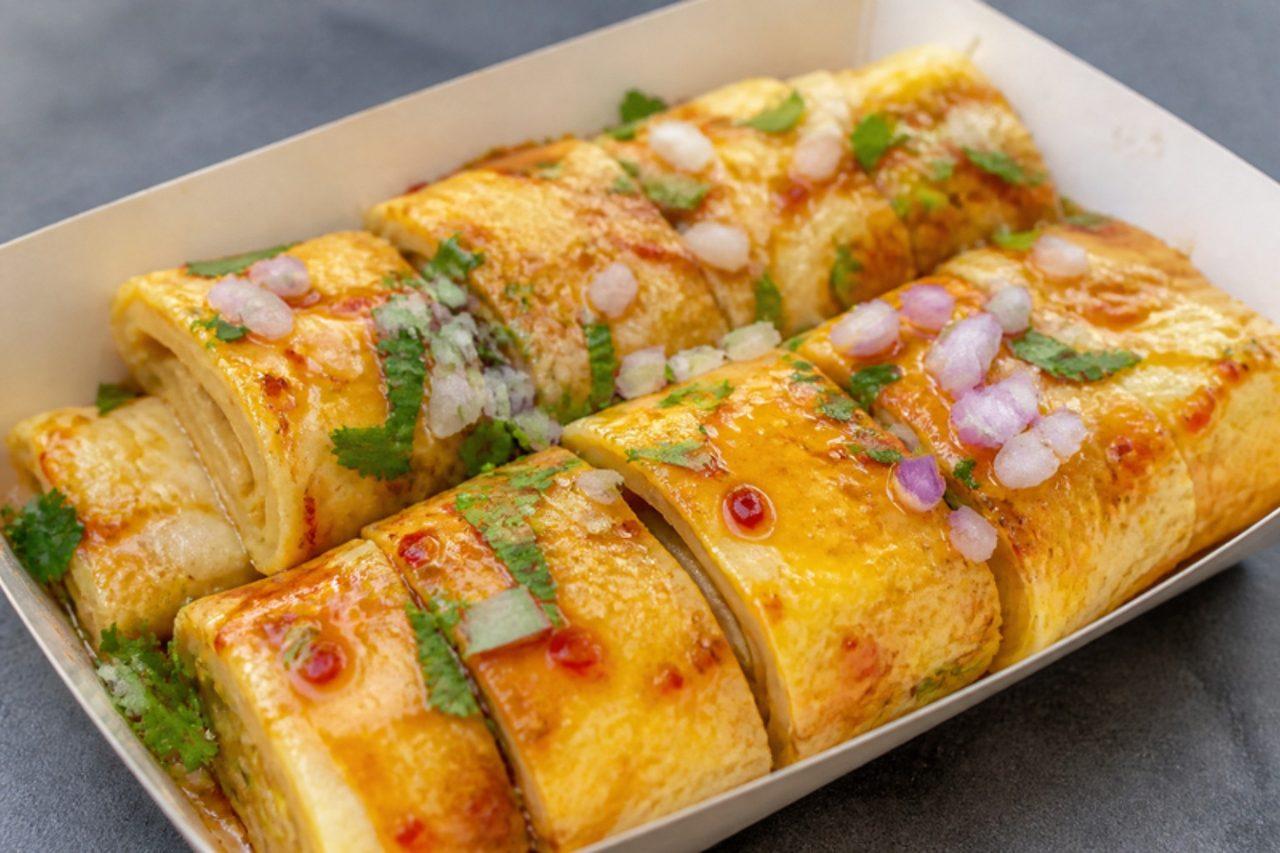
Kao leng mian (grilled cold noodle sheets)Griddled noodle sheet wrap

On winter nights outside schools and night markets in Harbin, Heilongjiang, vendors slap thin sheets of pressed cold noodle onto a flat griddle, crack an egg over them, flip, paint them with a sweet-and-hot sauce and fold them around raw onion and coriander. It is a snack from the 1990s that spread across the north-east and now turns up at night markets all over China. The sheet should be chewy with crisp, lacy edges, and the egg should cling to it rather than slide off. The usual mistake is putting the egg on a sheet that is still dry and stiff: sprinkle it with water first so it softens and the egg can grip it. Packets of ready-made kao leng mian sheets are sold in Chinese supermarkets, in the chilled or dried noodle aisle. Chef's tip: keep the heat medium, not high; the sauce has sugar in it and burns long before the egg is set.

by KrazyBadal 0 views

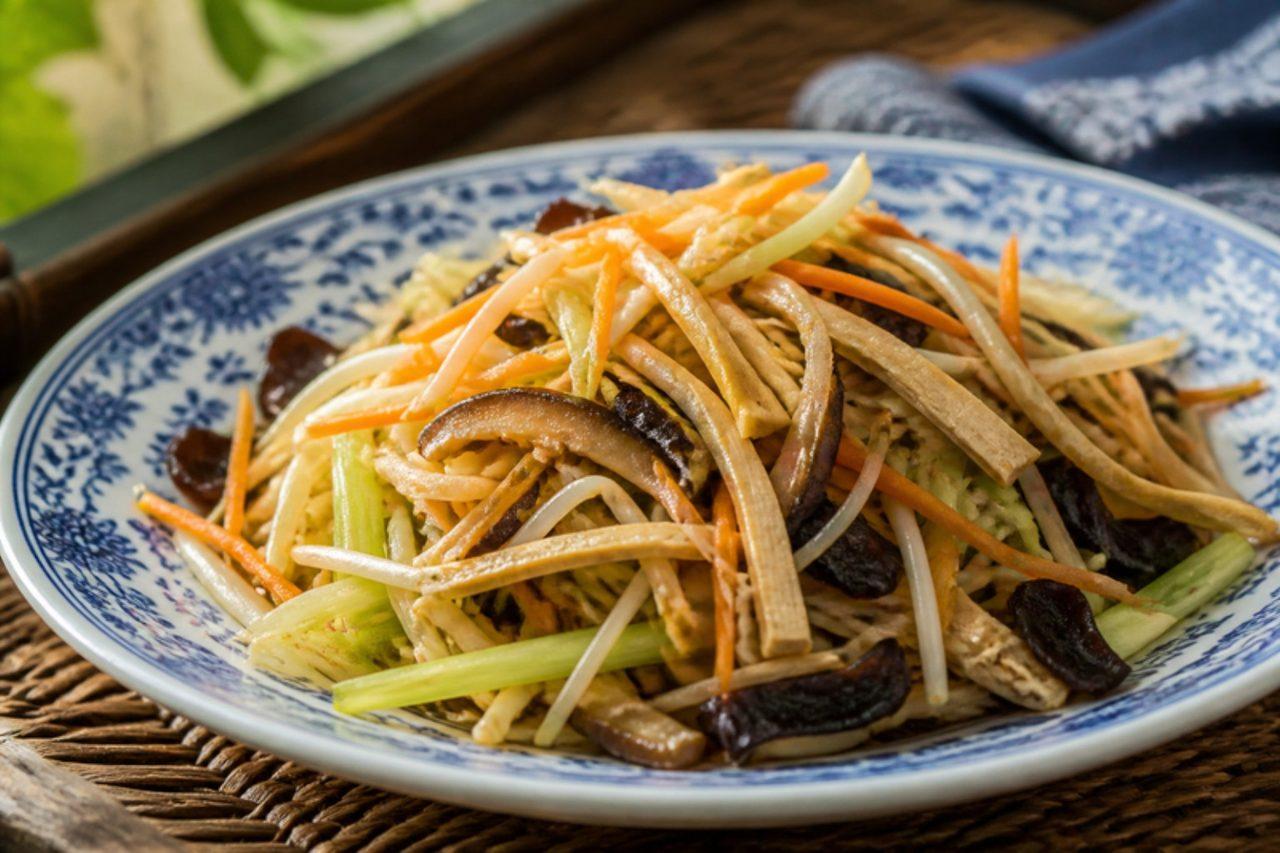
Shi xiang cai (ten-treasure vegetables)

Shanghai families make a big tub of shi xiang cai on the last days of the old year, and it sits on the table, cold, through the first fortnight of New Year as a fresh, crunchy counterweight to all the braised meat. Ten ingredients, each shredded as fine as matchsticks and stir-fried separately, are tossed together with soy, sugar and sesame oil: soybean sprouts, carrot, celery, wood ear, shiitake, lily buds, bamboo, pressed tofu, preserved mustard tuber and red pepper. Throwing everything into the wok at once is the mistake; each vegetable cooks at its own speed, and only separate frying keeps them crisp. Chef's tip: the finer and more even the shreds, the more it tastes like the real thing.

by KrazyBadal 0 views

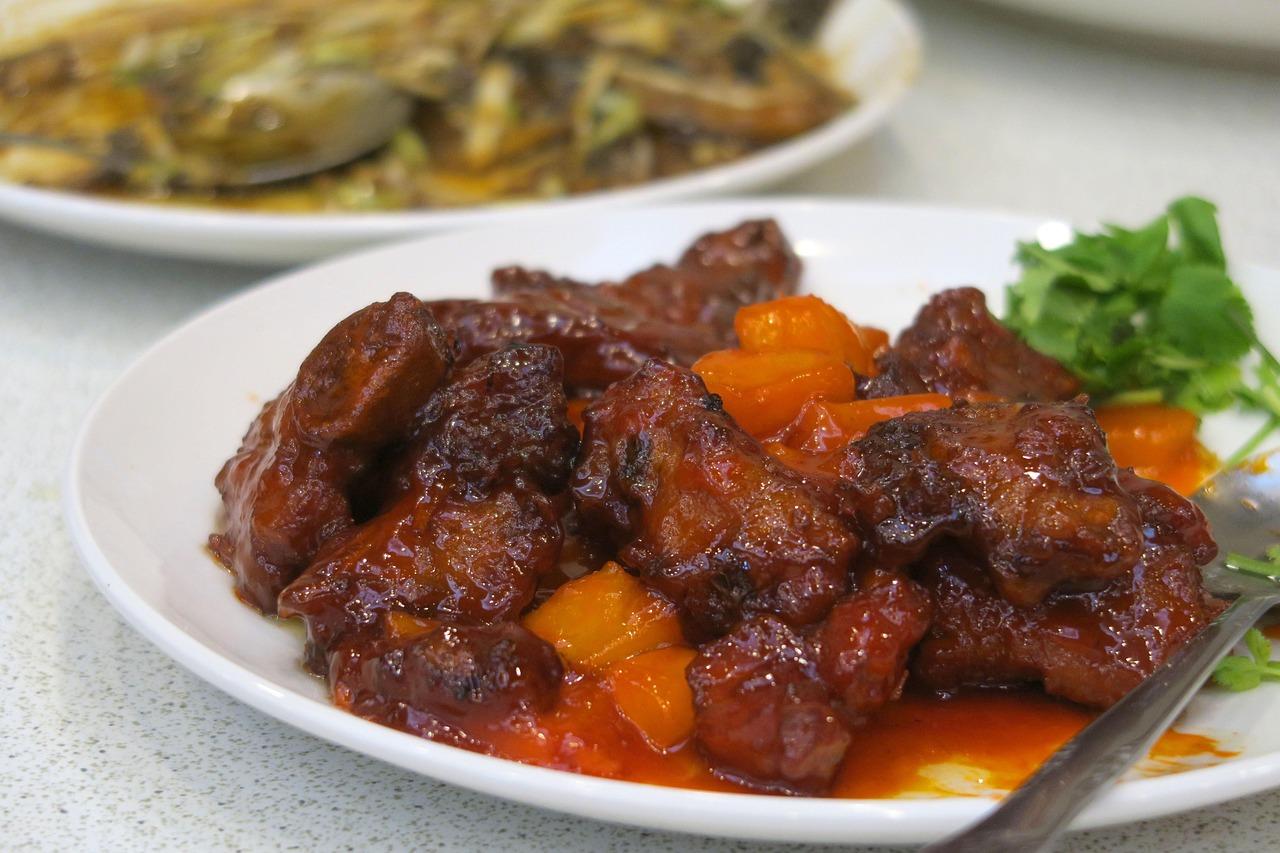
Tang cu pai gu (sweet and sour pork ribs)

In Shanghai and nearby Wuxi, these small, dark, lacquered pork ribs come to the table at room temperature as one of the cold starters at a banquet, though at home they are just as good hot with rice. The pork ribs are simmered until tender, fried, then reduced with sugar and Chinkiang black vinegar into a sticky glaze that clings to every piece. A splash of Shaoxing rice wine goes into the simmer; it cooks off completely, and you can use water instead. The mistake is pulling them off the heat while the sauce is still thin; keep reducing until it coats the ribs and bubbles in big, slow bubbles. Pork should reach at least 71 °C, well past that after the long simmer. Chef's tip: add a final dash of vinegar just before serving to bring back its sharp, fresh edge.

by KrazyBadal 0 views

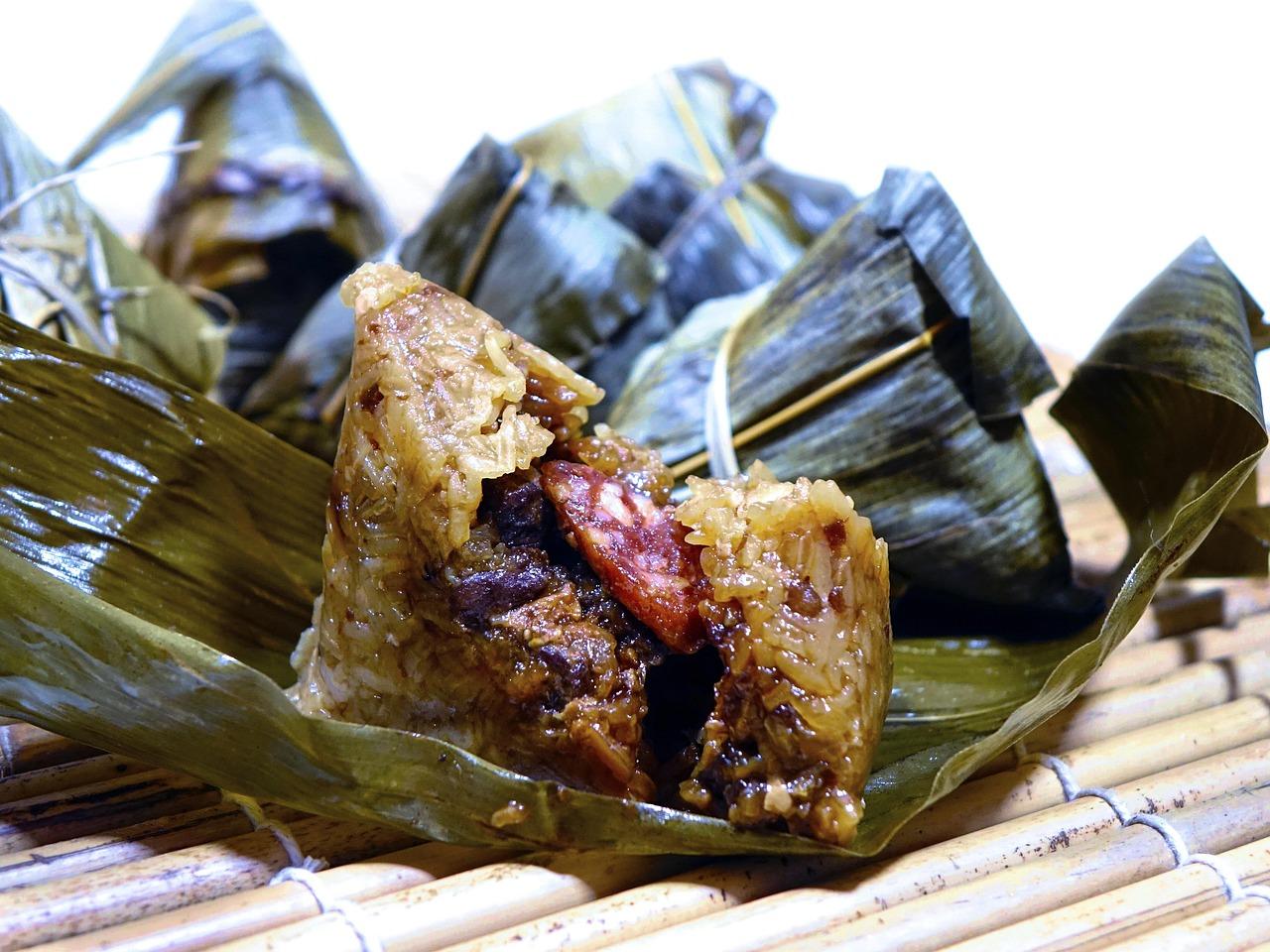
Jiaxing zongzi (pork belly rice dumplings)

Jiaxing in Zhejiang, an hour south-west of Shanghai, is China's zongzi capital: at the Dragon Boat Festival, and all year round at the station kiosks, people buy long pillow-shaped parcels of soy-brown sticky rice wrapped round a chunk of pork belly that melts into the grains during hours of boiling. The rice and pork marinate separately, overnight in the fridge. The mistake is lean pork: it turns dry and stringy, while belly bastes the rice from inside. The pork is fully cooked after the long boil, well over 71 °C. A little Shaoxing rice wine goes in the pork marinade; it cooks away, and you can leave it out. Chef's tip: tie them firmly; loose zongzi let water in and the rice turns mushy.

by KrazyBadal 0 views

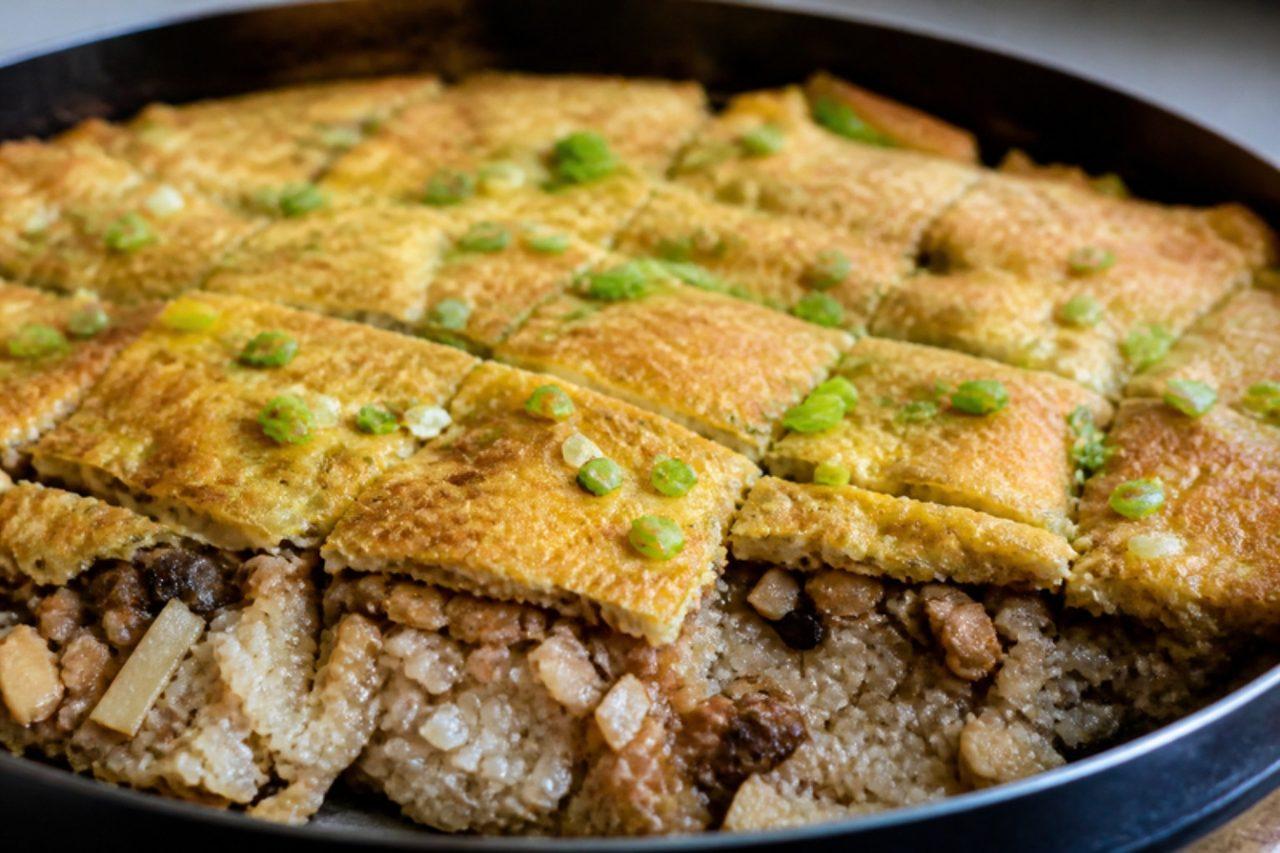
Doupi (Wuhan sticky rice crêpe)

Doupi is the other great Wuhan breakfast besides hot dry noodles: in the early-morning stalls of Hubu Alley, cooks spread a huge, thin batter skin of mung bean and rice flour on a griddle, brush it with egg, flip it, pile on steamed sticky rice and a savoury filling of diced pork belly, mushrooms, bamboo and dried tofu, then flip it again and cut it into crisp, golden squares. This home version is made in a large frying pan. The mistake is a thick batter skin; it should be thin enough to crisp. The pork filling is cooked first, to at least 71 °C. Chef's tip: press the rice layer down hard with a spatula so the squares hold together when cut.

by KrazyBadal 0 views

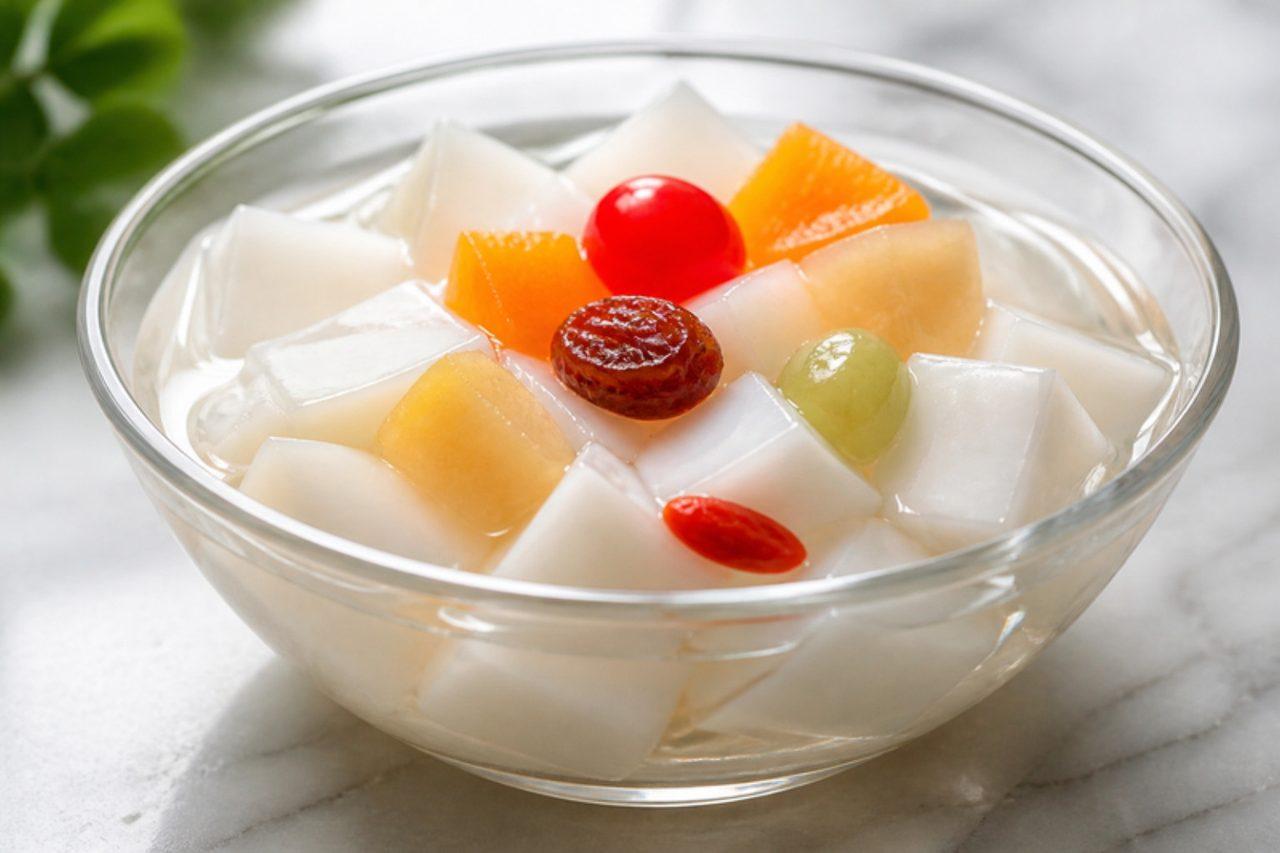
Almond tofu (xingren doufu)

Almond tofu has nothing to do with soybeans: it is a soft, white jelly of sweetened almond milk, cut into cubes like tofu and floated in cold syrup with fruit. It was once a palace dessert in Beijing and is now on dim sum menus in Guangzhou and Hong Kong in summer. The traditional flavour comes from southern apricot kernels (nan xing ren); this home version uses blanched almonds with a few drops of almond extract, and agar, so it is fully vegetarian. The common mistake is using too much agar, which makes it firm and rubbery; it should only just hold its shape and wobble on the spoon. Chef's tip: bring the agar to a full boil for 2 minutes before adding the milk, or it won't set at all.

by KrazyBadal 0 views

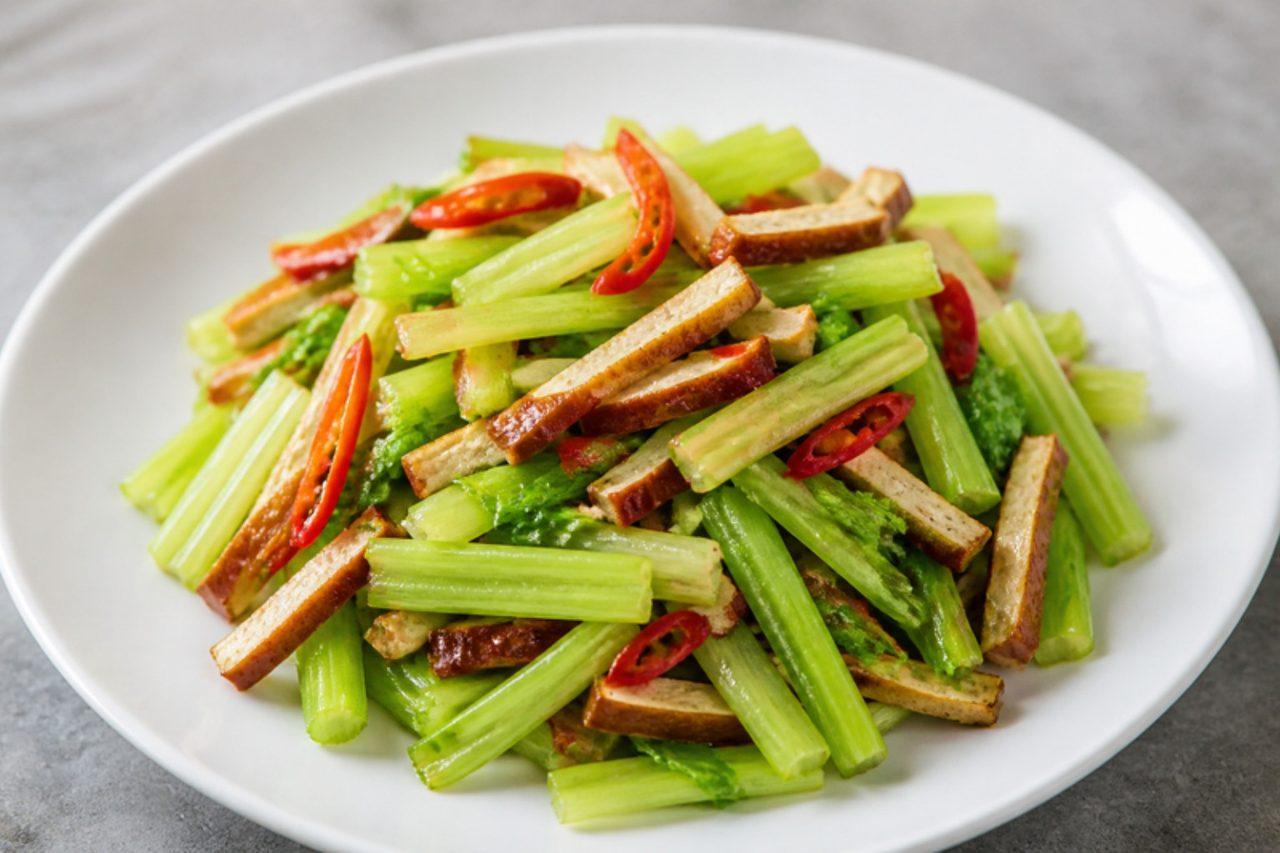
Celery with smoked tofu

Market stalls in Changsha and Nanjing sell slabs of xiang gan, pressed tofu smoked or braised until brown and dense, and the most common way to cook it at home is with thin Chinese celery. The celery stays juicy and crunchy with a strong, almost herbal flavour, the tofu is chewy and smoky, and a little fresh chilli gives it a Hunan edge. It is an everyday side for rice in Hunan and Jiangsu canteens. The usual mistake is cutting the tofu too thick so it never picks up the seasoning; slice it as thin as the celery. Chef's tip: if you can only find thick Western celery, peel the strings off the back with a vegetable peeler and slice it on the diagonal.

by KrazyBadal 0 views

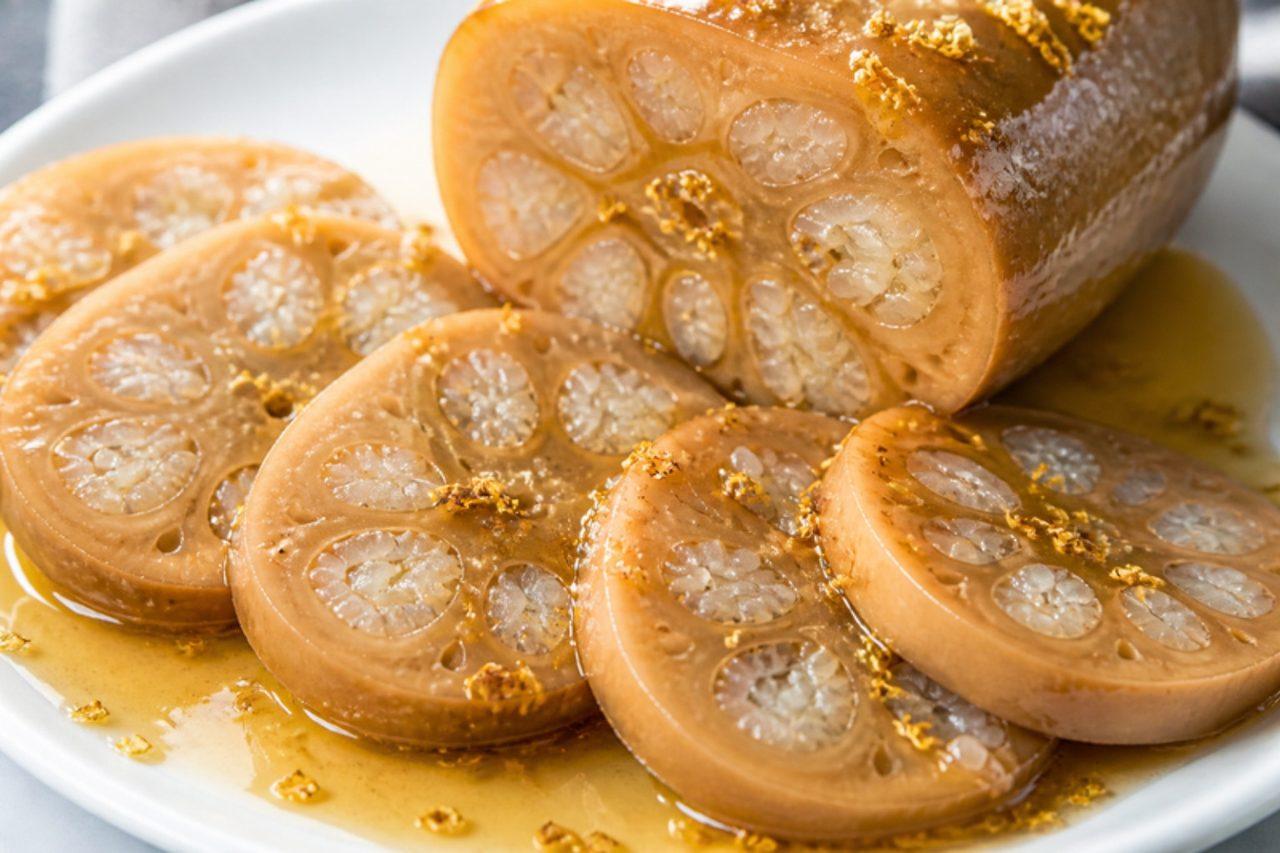
Guihua nuomi ou (sticky rice lotus root with osmanthus)

Around West Lake in Hangzhou, lotus roots are pulled from the mud in autumn just as the osmanthus trees bloom, and the two meet in this Jiangnan dessert: the hollow channels of the root are packed with soaked glutinous rice, then the whole root is simmered for hours in brown sugar until it turns rosy brown and soft. It is served cold or warm in slices, the rice showing as white dots, with a drizzle of osmanthus syrup. The common mistake is packing the rice in tight; it swells as it cooks and needs room, or the slices crack and the middle stays hard. Chef's tip: let the root cool in its syrup overnight before slicing; it firms up, cuts cleanly and soaks up more colour.

by KrazyBadal 0 views

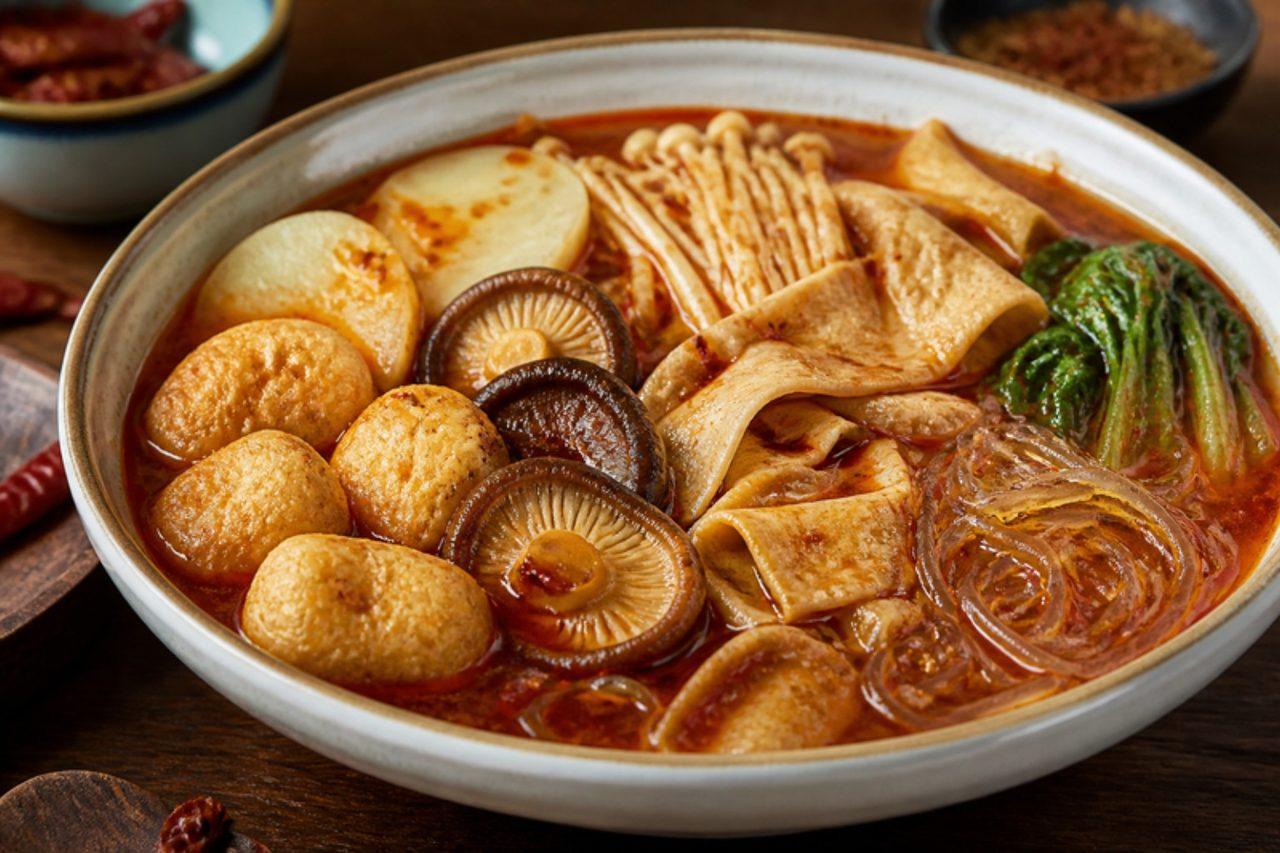
Vegetarian malatangSpicy numbing hot pot

Malatang began on the streets of Leshan and Chengdu as a cheap pot where everything was boiled together, and today it is a lunchtime habit for students and office workers across China: you fill a basket from fridges of skewers and vegetables, and the cook boils it in a numbing, chilli-red broth and hands it back in a big bowl. This home version makes a fully vegan broth from chilli bean paste, dried chillies and Sichuan pepper, with no beef tallow. Choose about six things: tofu puffs, frozen tofu, enoki, wood ear, potato slices, lotus root, greens and sweet potato noodles are classic. The common mistake is to cook everything for the same time; put dense things in first and leafy things last so nothing turns to mush. Chef's tip: a spoonful of sesame paste stirred into each bowl at the end softens the heat and is how many Chengdu shops serve it.

by KrazyBadal 0 views

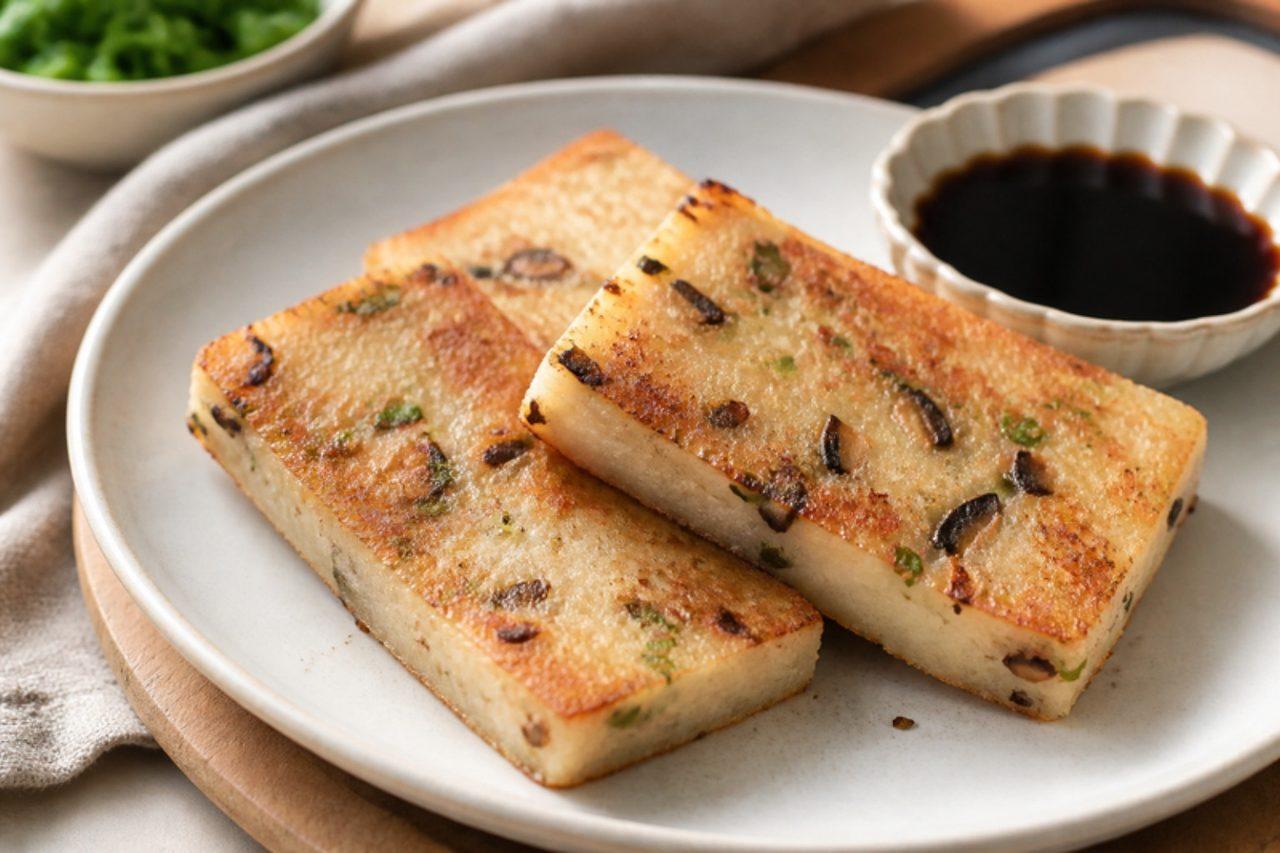
Vegetarian turnip cake (lo bak go)

Every Cantonese dim sum trolley in Guangzhou and Hong Kong carries lo bak go, and families steam a big tray of it in the week before Chinese New Year, because 'turnip' (really daikon) sounds like good fortune. This version keeps the soft, savoury radish cake and its crisp golden crust but leaves out the usual Chinese sausage and dried shrimp, getting its depth from soaked shiitake and their soaking liquid instead. Serve the slices hot with chilli sauce or hoisin. The most common mistake is slicing the cake while it is warm: it smears and falls apart, so chill it overnight first. Chef's tip: squeeze nothing out of the grated daikon; its juice is the liquid that sets the cake.

by KrazyBadal 0 views

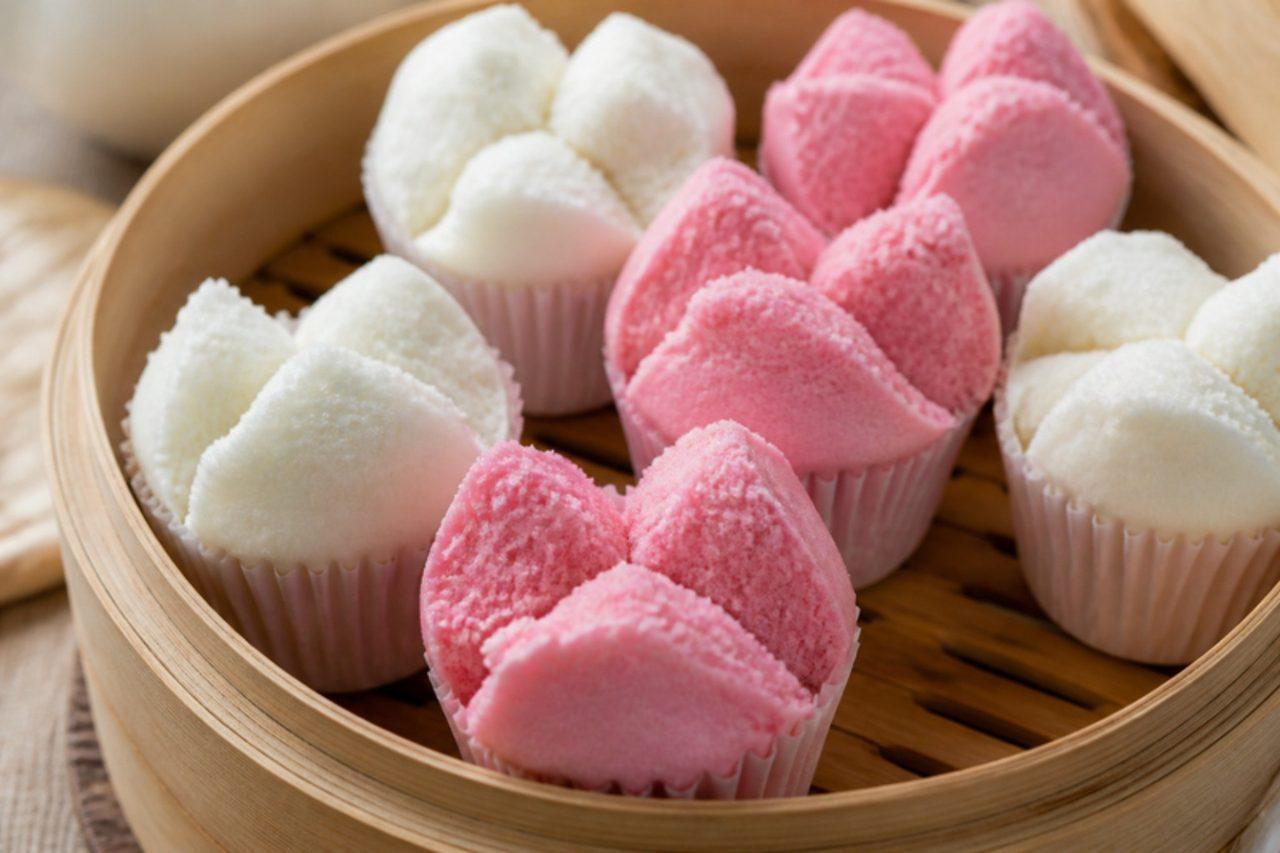
Fa gao (prosperity cakes)Steamed rice flour cakes

Fa gao is the little cake on every Cantonese New Year altar in Guangzhou and in Chinatowns from Kuala Lumpur to London: the word 'fa' means both 'rise' and 'prosper', and the deeper the cross-shaped crack on top, the luckier the year. This quick version uses rice flour, a little wheat flour and baking powder, steamed hard so the tops burst open, and it is egg- and dairy-free. The mistake that stops them smiling is a gentle steamer; the water must be at a fierce rolling boil before the cups go in. Chef's tip: fill the cups right to the brim, so the batter has to split as it rises.

by KrazyBadal 0 views

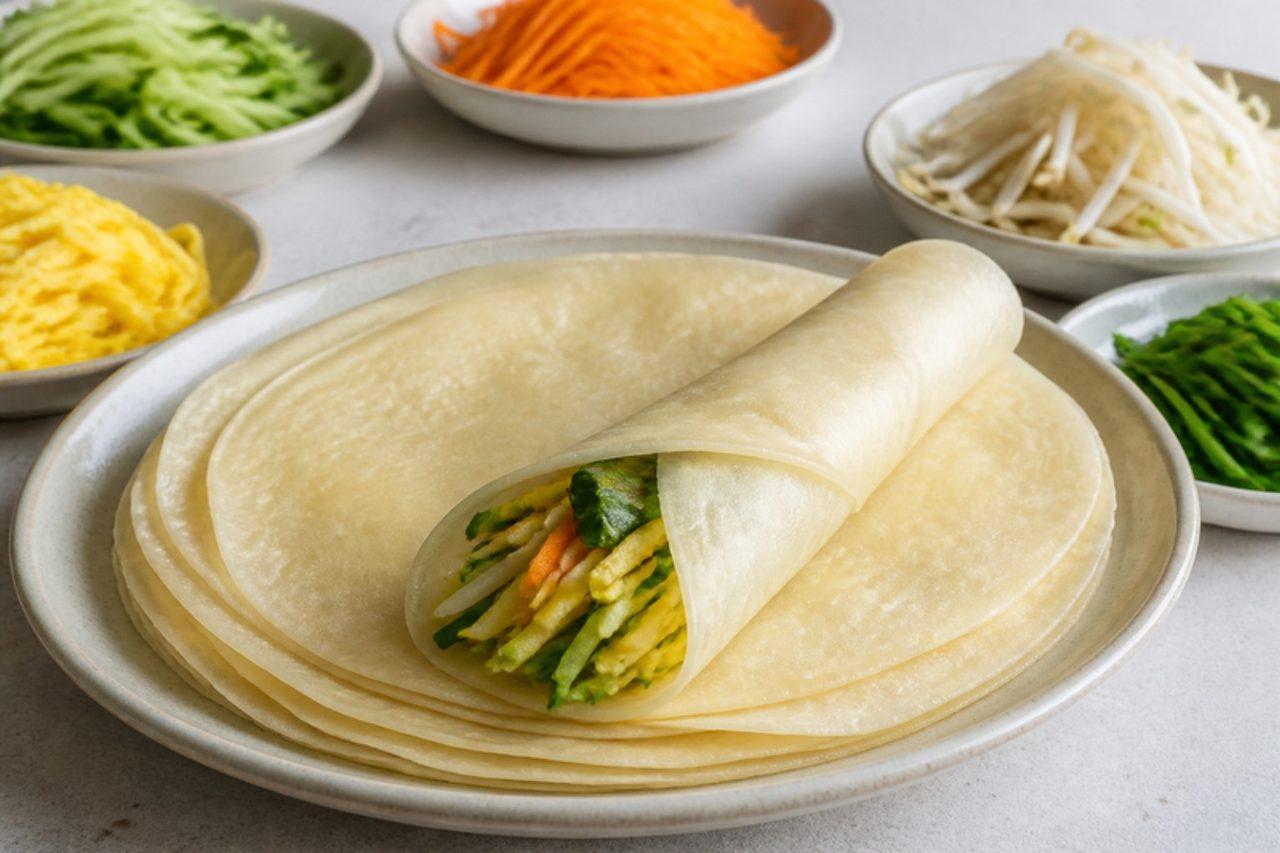
Spring pancakes (chun bing)

On Lichun, the first day of spring in the lunar calendar, Beijing families 'bite the spring' by rolling paper-thin pancakes around platters of quick stir-fries: shredded potato, bean sprouts with chives, egg, and a smear of sweet bean sauce. The pancakes are made in pairs, two discs oiled and rolled together, then peeled apart after cooking, so each one is soft and almost translucent. The mistake is rolling them too thick; they should be thin enough to see the light through. Chef's tip: stack the cooked pancakes under a clean tea towel so the steam keeps them supple.

by KrazyBadal 0 views

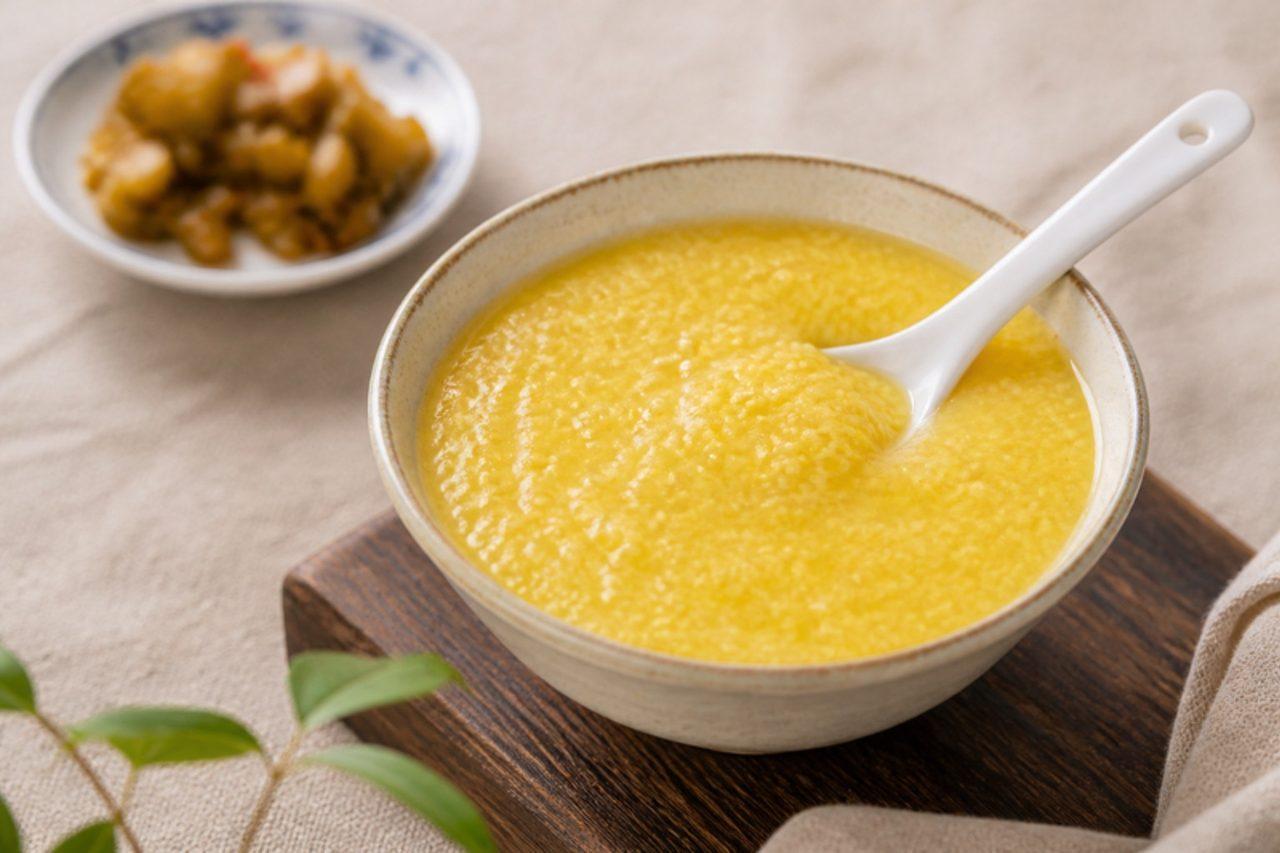
Xiaomi zhou (golden millet porridge)

In Shanxi, Hebei and the rest of the north, where rice was once a luxury, a pot of golden foxtail millet porridge is breakfast with steamed buns and pickles, a light supper, and the first food given to new mothers and anyone who is unwell. It needs just millet and water, cooked until a thin, silky layer called mi you, 'rice oil', forms on top. The common mistake is to stir it constantly or add the millet to cold water; start with boiling water and let it simmer gently and it turns creamy without catching. Serve it plain, or with a few red dates or cubes of pumpkin simmered in. Chef's tip: toast the rinsed millet in a dry pan for a minute before boiling for a deeper, nutty flavour.

by KrazyBadal 0 views

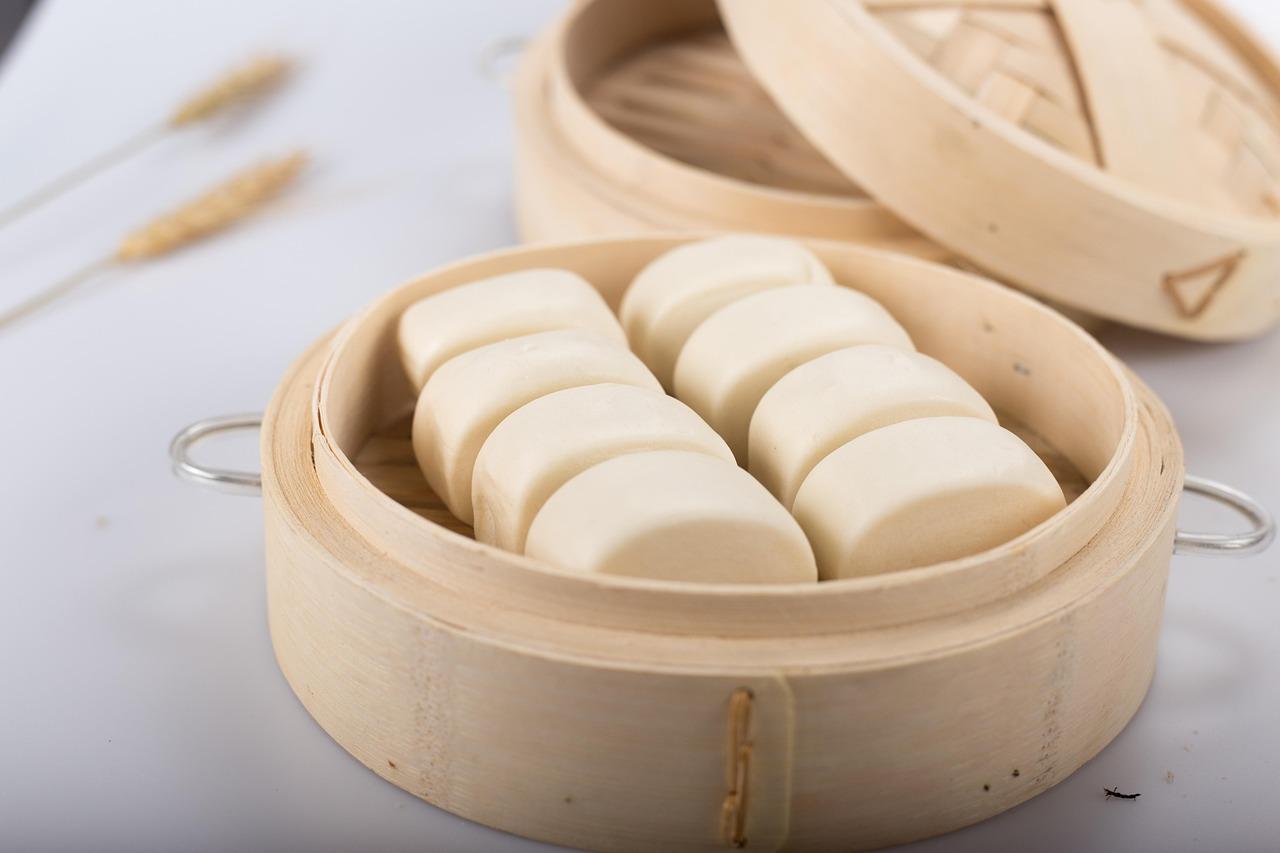
Mantou (plain steamed buns)

From Shandong to Shaanxi, mantou are what bread is elsewhere: plain, slightly sweet steamed wheat buns bought by the bagful each morning and eaten with porridge, pickles, braised dishes or a fried egg. A good one is snowy white, smooth-skinned and springy, with a fine, close crumb that tears in soft layers. The common mistake is lifting the lid the moment the heat goes off: the sudden cold air makes the skins wrinkle and collapse, so let them stand covered for 5 minutes first. Leftovers are sliced and pan-fried, or split and filled with anything from braised tofu to chilli sauce. Chef's tip: knead much longer than you think, then knead again after the rise; the second knead pushes out the big air bubbles and gives that silky skin.

by KrazyBadal 0 views

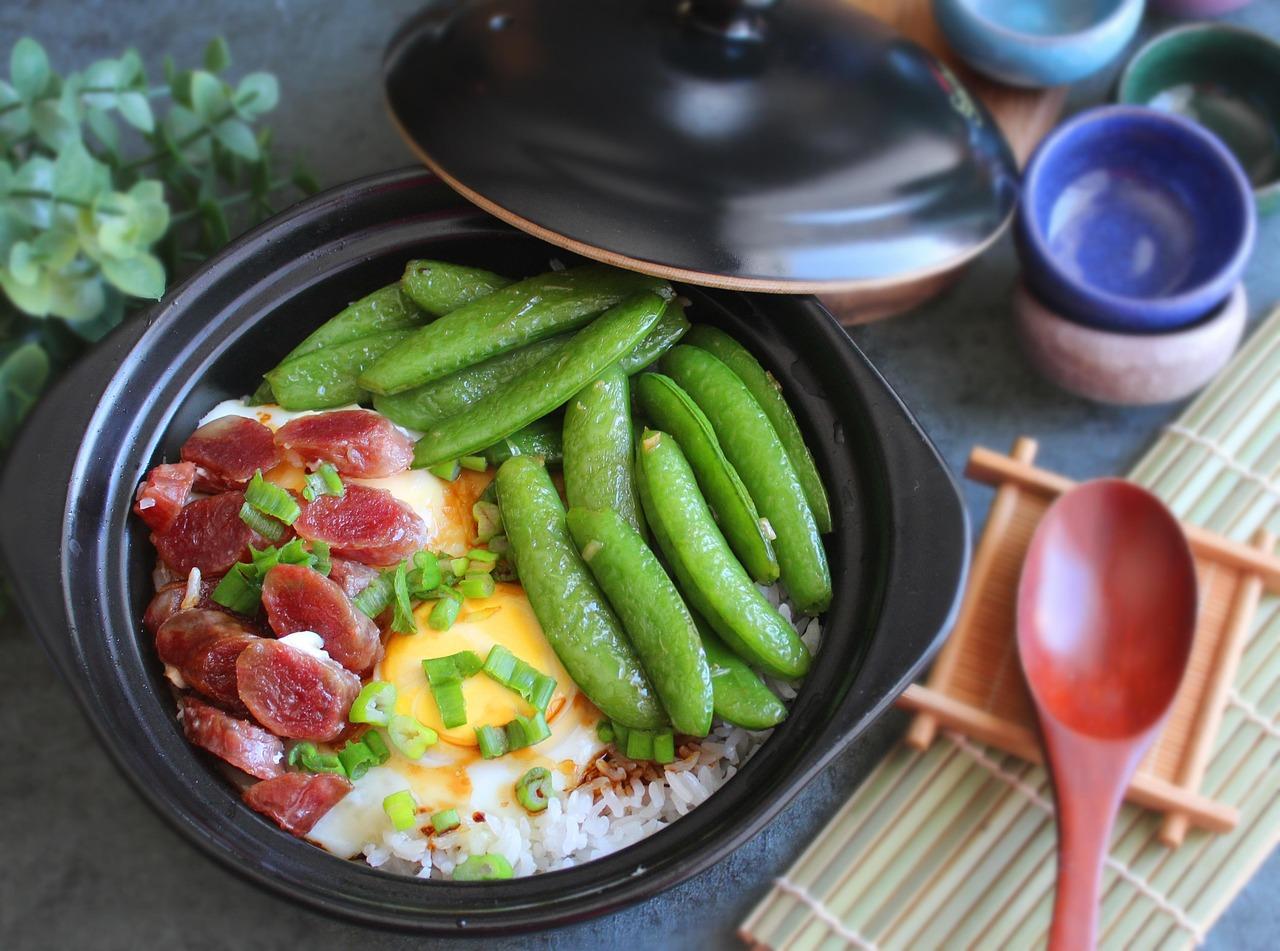
Lap mei fan (cured sausage rice)

When the cold north wind blows into Guangdong in winter, the butchers hang strings of lap cheong (sweet pork sausage) and lap yuk (soy-cured pork belly) to dry, and families cook them on top of rice so the fat and juices soak into every grain. It's a one-pot supper made in a claypot, a heavy pan or a rice cooker, finished with sweet soy and a heap of greens. The mistake is slicing the cured pork thickly: it stays chewy, so cut it thinly on the slant. Cook until the sausage is piping hot through, at least 71 °C. Chef's tip: in a claypot or heavy pan, leave it on a low heat for the last few minutes to form a crisp, golden rice crust.

by KrazyBadal 0 views

Moo shu pork (mu xu rou)

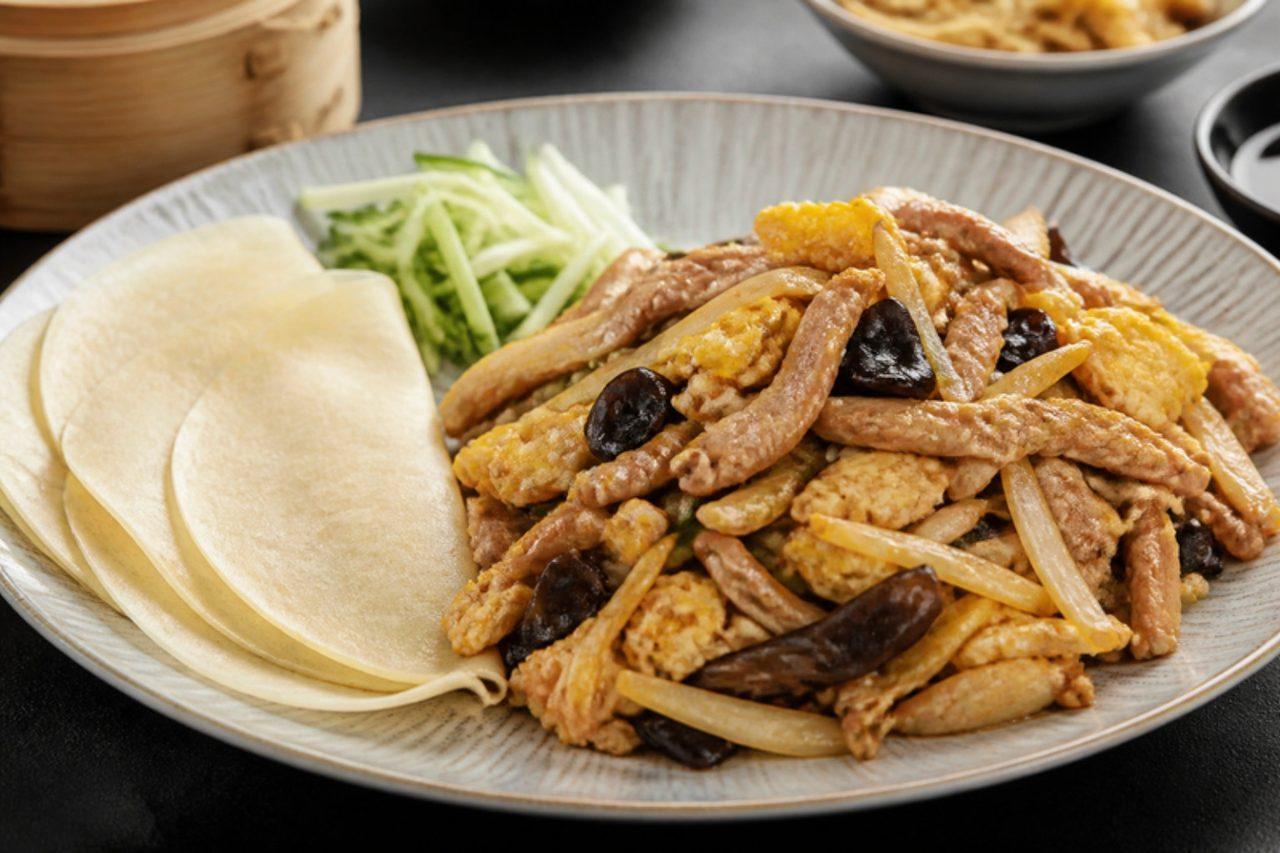
Mu xu rou began in Shandong and became a Beijing home-cooking staple, a weeknight stir-fry of thin pork strips with fluffy egg, crunchy wood ear and slightly sweet dried lily buds; the name refers to the yellow egg pieces looking like osmanthus blossom. In Beijing it is eaten with rice; Americans know it rolled in thin pancakes with hoisin, and both are good. A little Shaoxing rice wine goes into the pork marinade and evaporates in the hot wok; leave it out for an alcohol-free version. The mistake is overcooking the egg at the start, so it goes rubbery; take it out while still soft. Cook the pork until no pink remains, at least 71 °C. Chef's tip: cut off the hard tips of the lily buds after soaking, or they stay woody.

by KrazyBadal 0 views

Laba congeeMixed grain and bean porridge

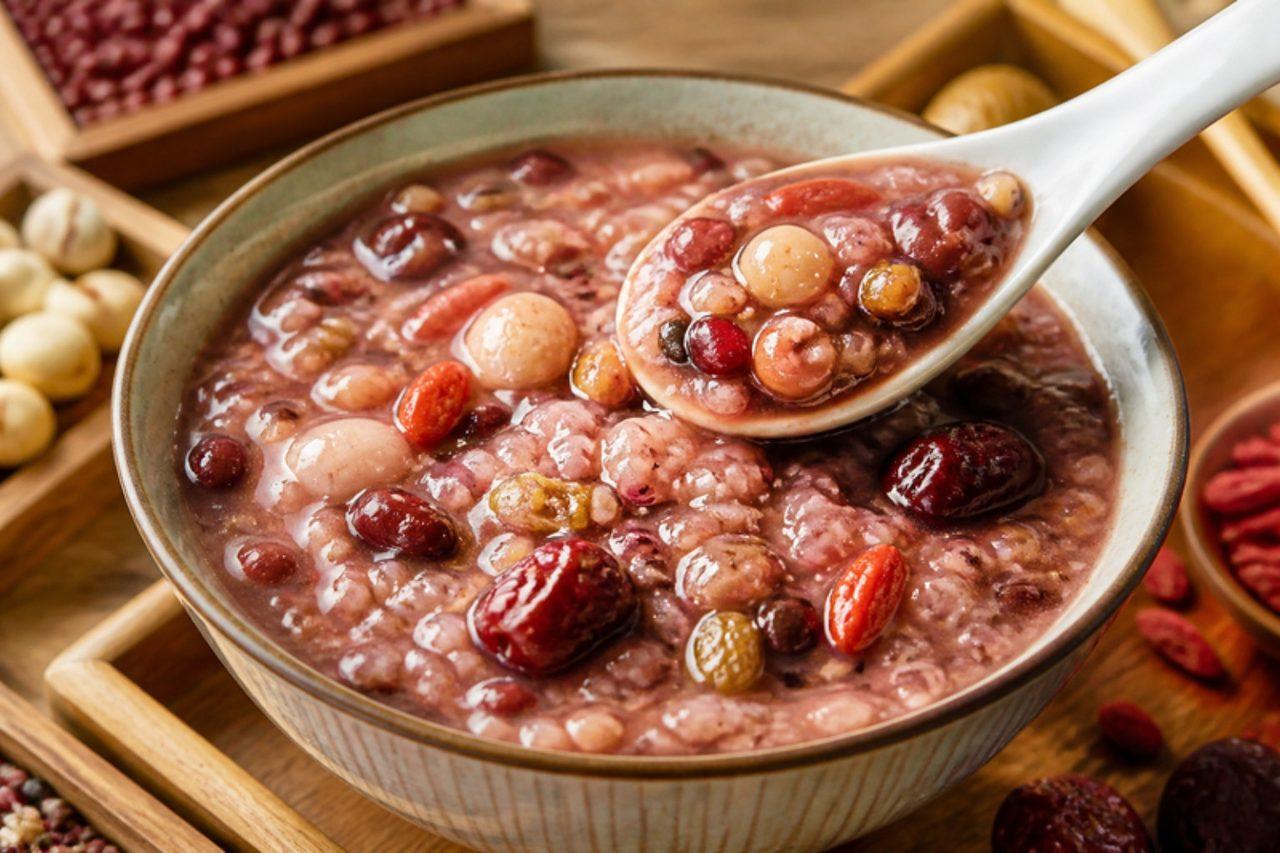
On Laba, the eighth day of the twelfth lunar month, Buddhist temples across China from Beijing's Yonghe Temple to Hangzhou's Lingyin hand out bowls of this porridge to everyone who queues, marking the day the Buddha is said to have reached enlightenment. Families cook it at home the same morning, and it signals that the New Year is on its way. It is thick, gently sweet and full of different textures: chewy black rice, soft red beans, creamy lotus seeds and sticky dates. A common mistake is putting everything in at once; the beans need a head start or they stay hard while the rice turns to glue. Chef's tip: soak the beans and black rice overnight, and cook the porridge low and slow with the lid ajar so it does not boil over.

by KrazyBadal 0 views

Hua juan (scallion flower rolls)

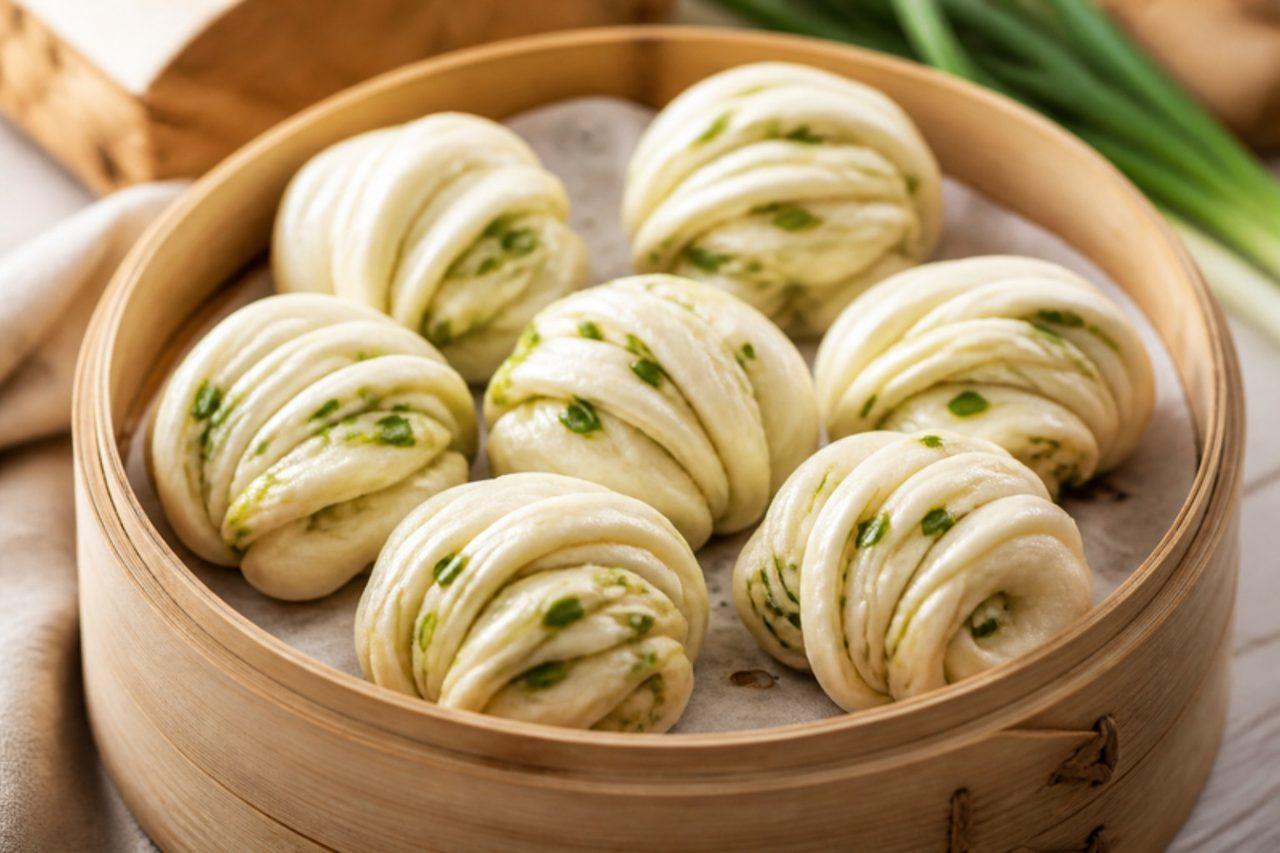
Hua juan, 'flower rolls', are what a northern Chinese household makes when plain mantou feel too plain: the same dough is rolled out, spread with spring onion, salt and a little oil, then cut and twisted so the layers open into petals as it steams. Families in Hebei, Beijing and Shandong eat them for breakfast with millet porridge or with a stew for supper. The common mistake is spreading the filling to the very edge and pressing too hard while twisting, which squashes the layers together so you lose the flower. Chef's tip: dust the oiled surface with a little flour before rolling it up; it keeps the layers separate so they peel apart after steaming.

by KrazyBadal 0 views

Showing 24 of 419 recipes

Show more recipes

Page 1 of 18