Skip to content
Recipes

All recipes

Vegetarian, or something you can't eat? Set your diet once and we'll hide recipes that don't fit.

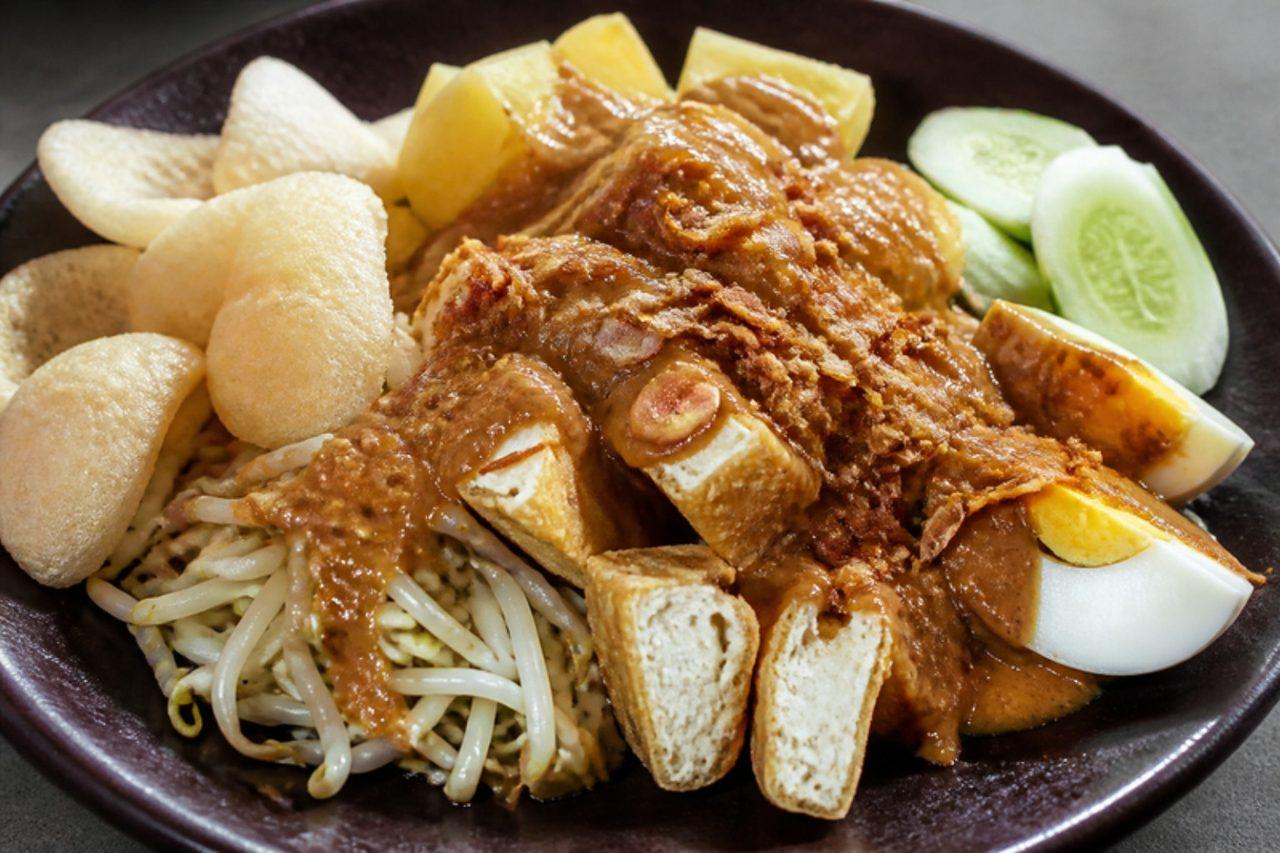
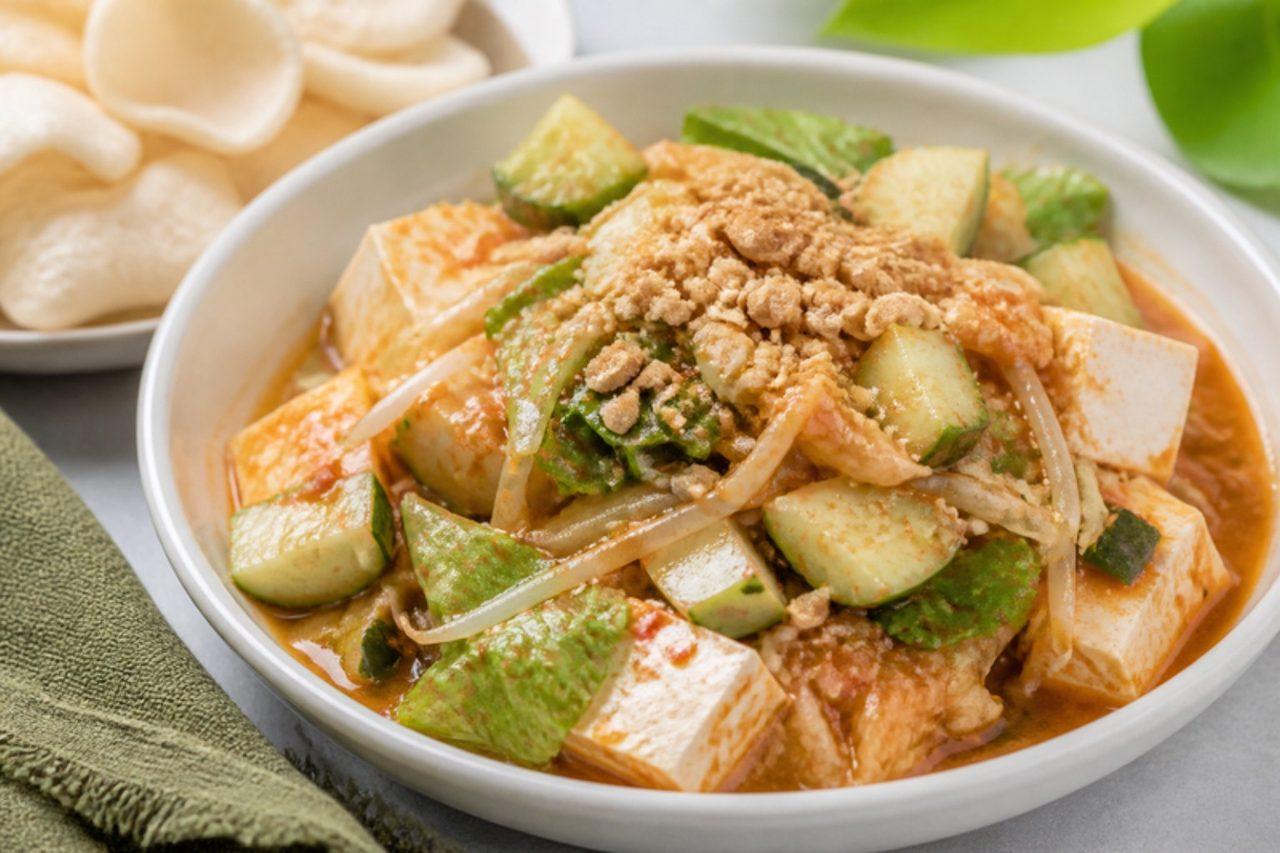
Asinan BetawiPickled vegetable and tofu salad

Asinan Betawi is the cooling salad of old Jakarta, sold from glass-sided carts and eaten mid-afternoon in the heat or brought out at family gatherings in big tubs. Quick-pickled cabbage, cucumber and bean sprouts are piled with cubes of tofu, then soaked in a thin, tangy sauce of chilli, vinegar, palm sugar and ground peanuts. It is crunchy, sour, sweet and spicy all at once. A portion has about 300 kcal and roughly 17 g of protein, from the tofu and peanuts, so it is a light meal rather than a high-protein one. The common mistake is dressing it too early; the vegetables go limp within an hour. Street versions often scatter shrimp crackers on top, so use plain rice or cassava crackers to keep it vegetarian. Chef's tip: chill the sauce well before serving; asinan should be served cold enough to fog the bowl.

by KrazyBadal 0 views

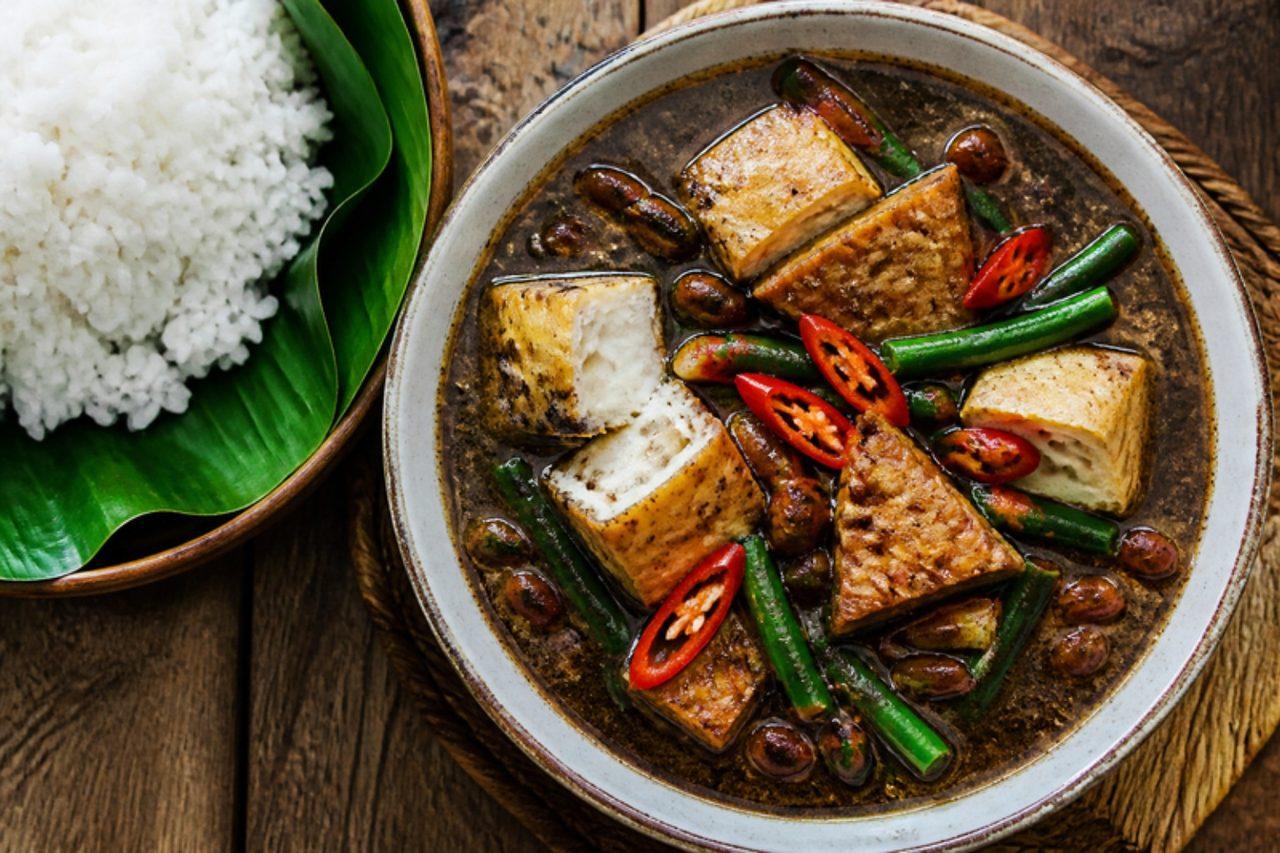
Brongkos with tofu and tempehTofu and tempeh black nut stew

Brongkos is one of Yogyakarta's old royal-kitchen dishes, a near-black stew of keluak nut paste and coconut milk eaten at lunch with rice, often alongside gudeg. The classic pot holds beef with tofu and cowpeas; this is a vegetarian version, using tofu, tempeh and red cowpeas only, which many Jogja families also cook. The keluak gives a deep, earthy, almost chocolatey flavour, softened by coconut milk and a little palm sugar. A portion gives about 29 g of protein, from the tofu, tempeh and cowpeas. The dried cowpeas need soaking for 8 hours or overnight first, which is not counted in the times. The common mistake is using keluak that has gone bad: crack each nut and smell it; the flesh should be dark and smell earthy, never sour or mouldy. Chef's tip: brongkos is better the next day, when the beans and tofu have soaked up the sauce.

by KrazyBadal 0 views

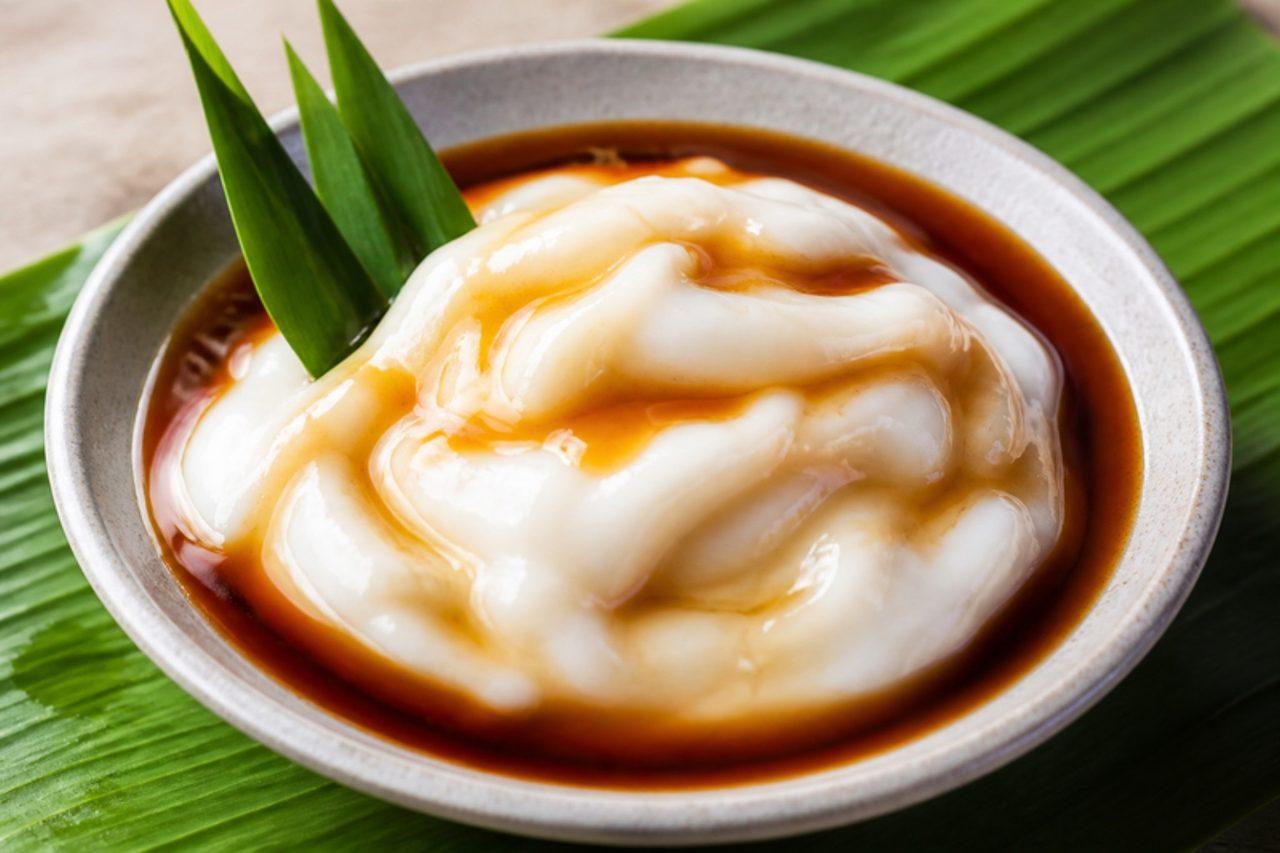
Bubur sumsum (Javanese rice-flour pudding with palm-sugar syrup)

Bubur sumsum, named after bone marrow for its colour and softness, is one of Java's best-loved jajan pasar, sold from carts in the morning and in the late afternoon as a sweet bite. In Javanese custom it is also cooked after a wedding or a big celebration to thank those who helped, as a gentle food for tired bodies. The pudding is pure white, silky and barely salty, and it comes drenched in kinca, a warm syrup of palm sugar and pandan. Serve it warm or at room temperature in small bowls, on a banana leaf if you have one. It is naturally egg-free: rice flour cooked in coconut milk swells and sets it to a soft, spoonable pudding, the way cornflour sets a blancmange. Chef's tip: whisk the rice flour into cold coconut milk before it goes on the heat; adding it to hot liquid is the common mistake that leaves lumps you can't whisk out.

by KrazyBadal 0 views

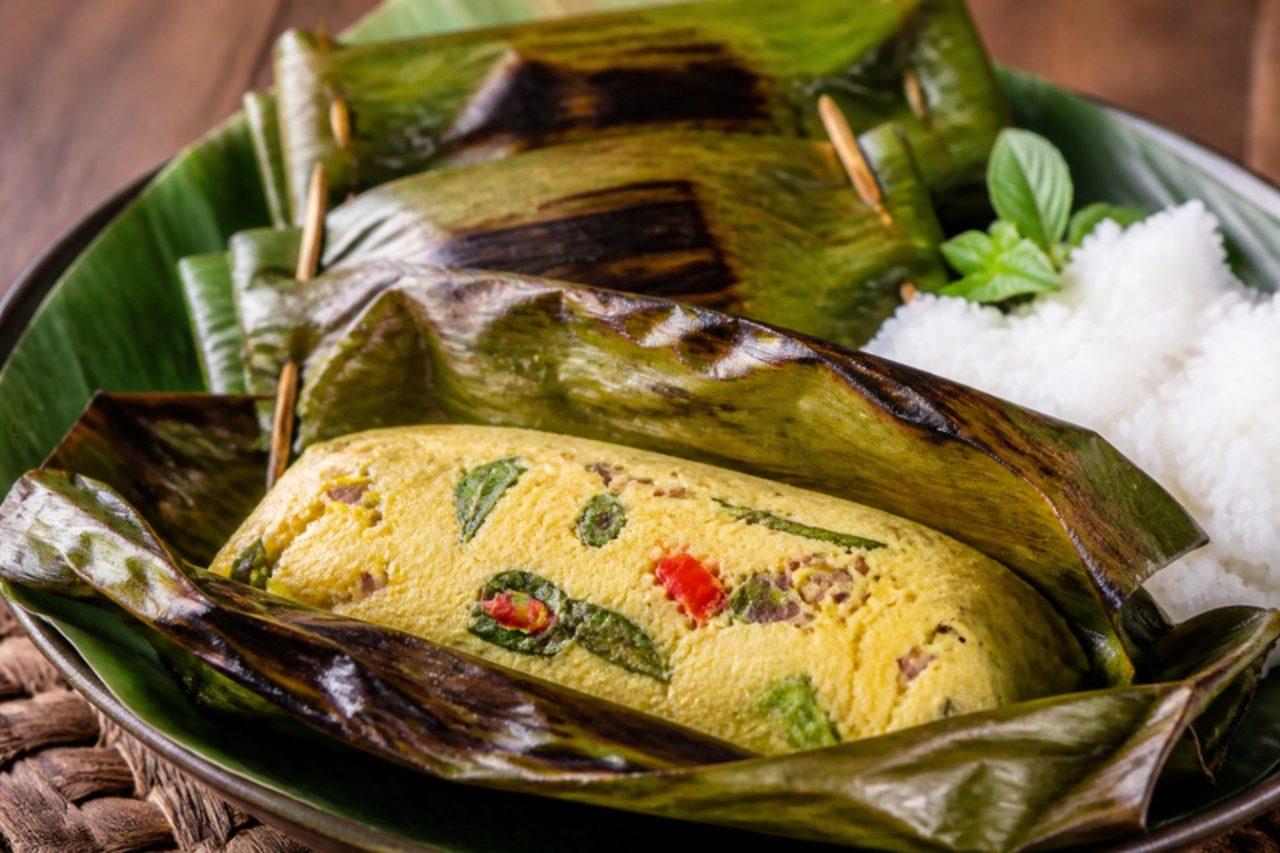
Pepes tahuTofu and basil in banana leaf

In Bandung and the hills of West Java, pepes means anything wrapped in banana leaf, steamed and then charred over coals, and pepes tahu is the everyday meat-free one, eaten at lunch with rice, raw vegetables and sambal. Mashed tofu is bound with egg, shallot, chilli, lemon basil and lime leaf, so it sets into a soft, fragrant, smoky cake inside its leaf. Each portion has about 150 g of tofu and most of an egg, giving roughly 24 g of protein, from the tofu and eggs. The common mistake is skipping the steaming and going straight to the grill: the outside burns while the egg in the middle stays raw. Chef's tip: steam first until the filling is firm right through, then grill only to scorch the leaf and add smoke.

by KrazyBadal 0 views

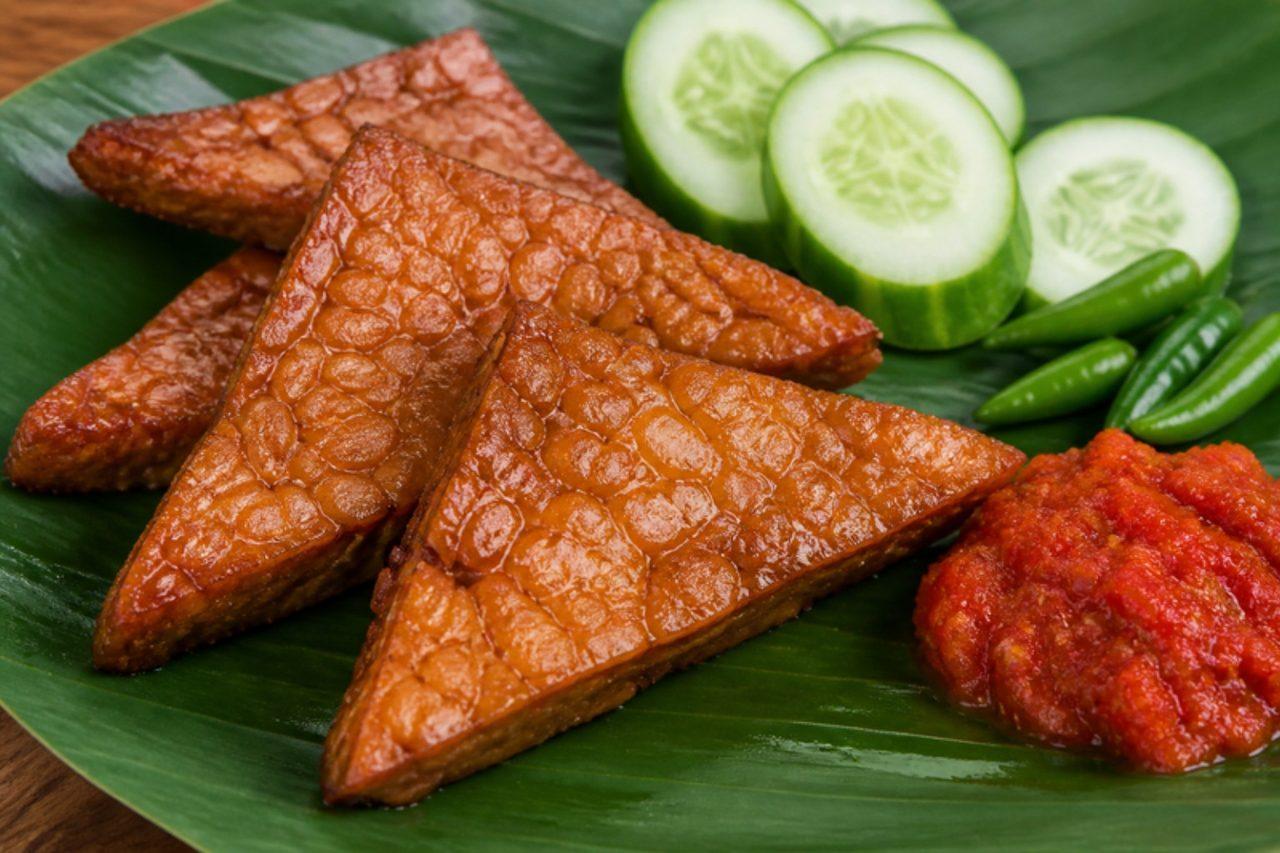
Tempe bacemSweet braised tempeh

Every warung in Yogyakarta and Solo has a tray of tempe bacem on the counter, dark, sticky and sweet, eaten at lunch with rice, sambal and a few raw cucumber slices, or packed for journeys because it keeps so well. The tempeh is simmered slowly in coconut water with palm sugar, galangal, coriander seed and bay leaf until the liquid has gone and every slab is glazed, then seared briefly so the edges caramelise. A portion of about 150 g of tempeh gives roughly 28 g of protein, nearly all from the fermented soybeans. The common mistake is turning the heat up to hurry the braise: the sugar catches and turns bitter before the tempeh has soaked anything up. Chef's tip: make it a day ahead; bacem tastes deeper after a night in the fridge and sears better cold.

by KrazyBadal 0 views

Tahu tekFried tofu with peanut sauce

After dark in Surabaya, the tahu tek seller's cart is easy to find: listen for the tek-tek-tek of scissors snipping fried tofu, potato and egg into bite-sized pieces straight onto the plate, before it all disappears under bean sprouts, cucumber and a thick peanut sauce. It is a supper dish, filling and saucy. The street version stirs petis, a black shrimp paste, into the sauce; this vegetarian version leaves it out and gets its depth from sweet soy, tamarind and fried garlic instead. A portion gives about 32 g of protein, from the tofu, egg and peanuts. The common mistake is making the sauce too thin; it should be thick enough to sit on top of the tofu. Chef's tip: grind the peanuts with the garlic and chilli while the fried peanuts are still warm, so the oil releases and the sauce turns creamy.

by KrazyBadal 0 views

Aguadito de polloCoriander chicken rice soup

Aguadito is the soup Lima serves in the small hours: at the end of a wedding, after New Year's Eve and at weekend family lunches, it is ladled out thick and steaming to revive everyone. Rice simmers in chicken broth coloured deep green with blended coriander and warmed with yellow ají amarillo, along with peas, carrot, pepper, sweetcorn and potato. A portion gives about 24 g of protein, from the chicken with a little from the rice and peas, for around 480 kcal. The common mistake is adding the coriander purée too early: cooked for long it turns khaki and loses its fresh taste, so stir it in for the last 10 minutes. The chicken must reach 74 °C at the bone. Chef's tip: blend a handful of spinach with the coriander; it keeps the colour vivid green without changing the flavour.

by KrazyBadal 0 views

Chilcano de pescadoClear fish broth

In the fishermen's terminals of Chorrillos and Callao, chilcano is what you drink on a Sunday morning after a long night: a clear, gingery broth made from the heads and bones left over from cleaning fish for ceviche, with chunks of fish, red onion, chilli and a squeeze of lime in the bowl. It is light and warming, around 160 kcal a bowl, and still gives about 24 g of protein from the fish fillet and the broth. The common mistake is squeezing the lime into the pot while it boils, which turns it bitter; add it to each bowl at the table. Don't boil the bones for more than 30 minutes either, or the broth turns cloudy and harsh. Chef's tip: ask the fishmonger for heads and frames from mild white fish like sea bass or cod, and leave out oily fish such as mackerel, which makes the broth strong and fishy.

by KrazyBadal 0 views

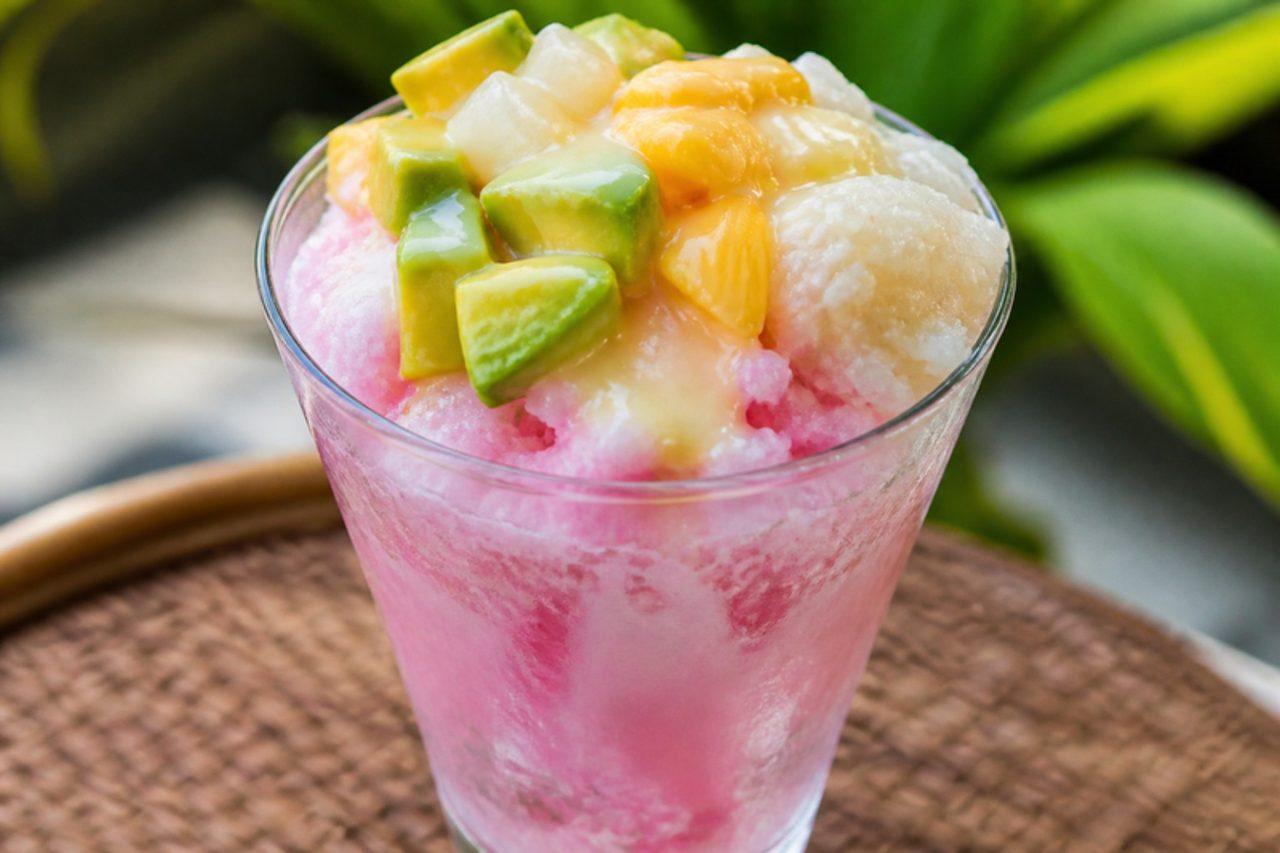
Es doger (Bandung pink coconut shaved ice)

Es doger began on the streets of Bandung in West Java, where carts painted with bright patterns still sell it through the afternoon heat. The base is coconut milk and milk, coloured pink with red syrup and frozen or blended with ice into a soft slush, then piled into glasses with whatever the vendor has: cassava, avocado, jackfruit, sticky rice, tapioca pearls, and a ribbon of condensed milk over the top. It is sweet, creamy and cool, more a drink you eat with a spoon. It is naturally egg-free: the coconut milk gives body, the condensed milk binds it into a creamy slush, and the fruit and starchy cassava fill it out. Street versions use fermented cassava, which is lightly alcoholic; this recipe uses plain steamed cassava with sugar instead. Chef's tip: blend the ice in short bursts; the common mistake is running the blender until the slush melts into a milky drink.

by KrazyBadal 0 views

Es pisang ijo (Makassar green banana dessert)

Es pisang ijo, green banana ice, is the pride of Makassar in South Sulawesi. It is everywhere during Ramadan as the sweet that breaks the fast at sunset, and sold year-round from stalls by the Losari waterfront. A whole steamed banana is wrapped in a thin, soft jacket of pandan-green rice-flour dough, sliced, laid on a pool of warm salty coconut porridge sauce, then buried under shaved ice and a sharp pink syrup. Cold, warm, salty, sweet and fragrant, all in one bowl. It is naturally egg-free: rice flour cooked with coconut milk and pandan juice makes a smooth, pliable dough that binds without any egg, and a little more rice flour thickens the sauce. Chef's tip: use firm but ripe bananas with a few freckles; the common mistake is very soft ones, which turn to mush inside the dough while steaming.

by KrazyBadal 0 views

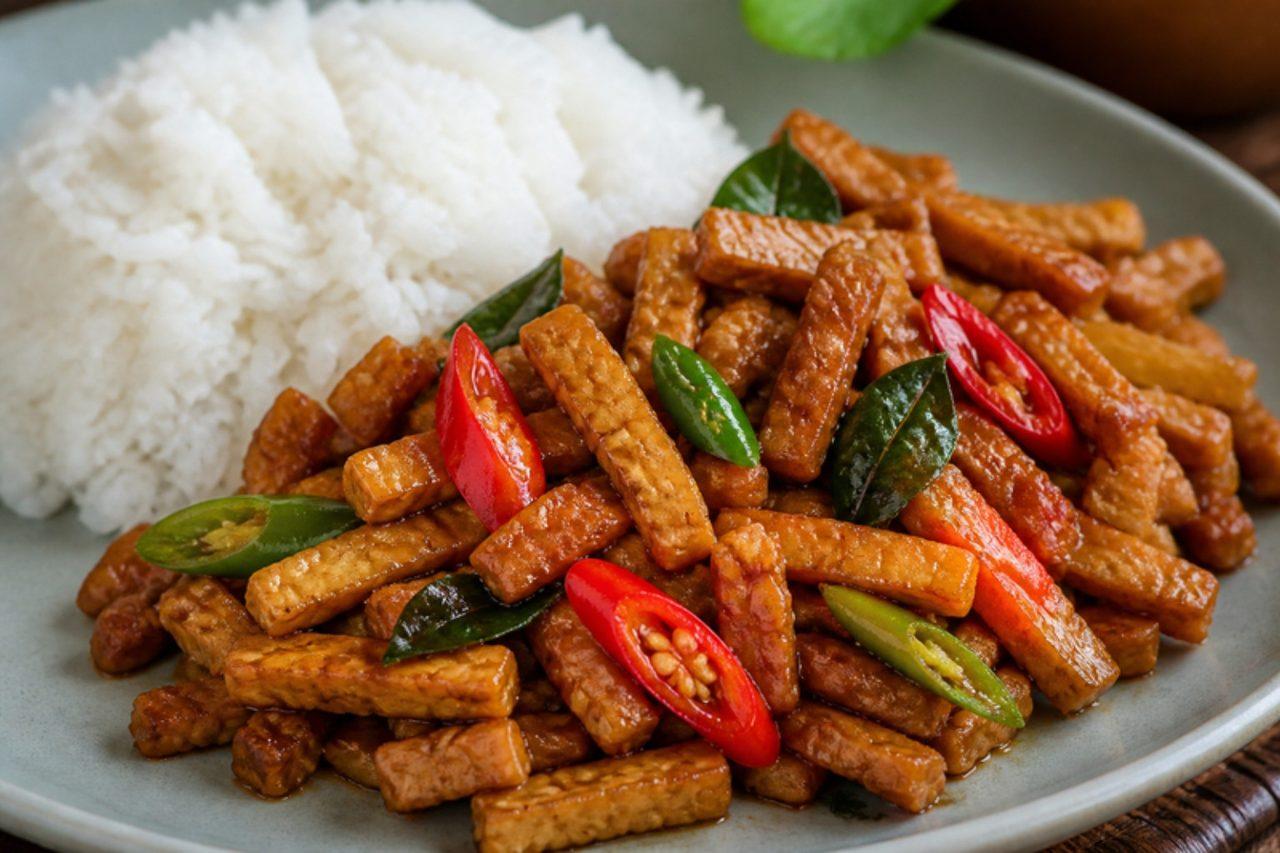
Oseng tempeStir-fried tempeh with chilli

Oseng tempe is the quick fix of Javanese home cooking, made in Semarang, Surabaya and every student boarding house in between for weekday lunch or dinner with plain rice. Thin matchsticks of tempeh are fried until crisp-edged, then tossed with shallot, garlic, sliced chilli, galangal and bay leaf in sweet soy sauce until sticky, sweet, salty and hot. A portion with about 125 g of tempeh gives roughly 24 g of protein, almost all from the tempeh. The common mistake is adding the sweet soy too early, before the tempeh has browned: it soaks in, burns and turns the strips soft. Chef's tip: fry the tempeh separately first, then build the sauce and return it at the end, so every strip stays a little crunchy.

by KrazyBadal 0 views

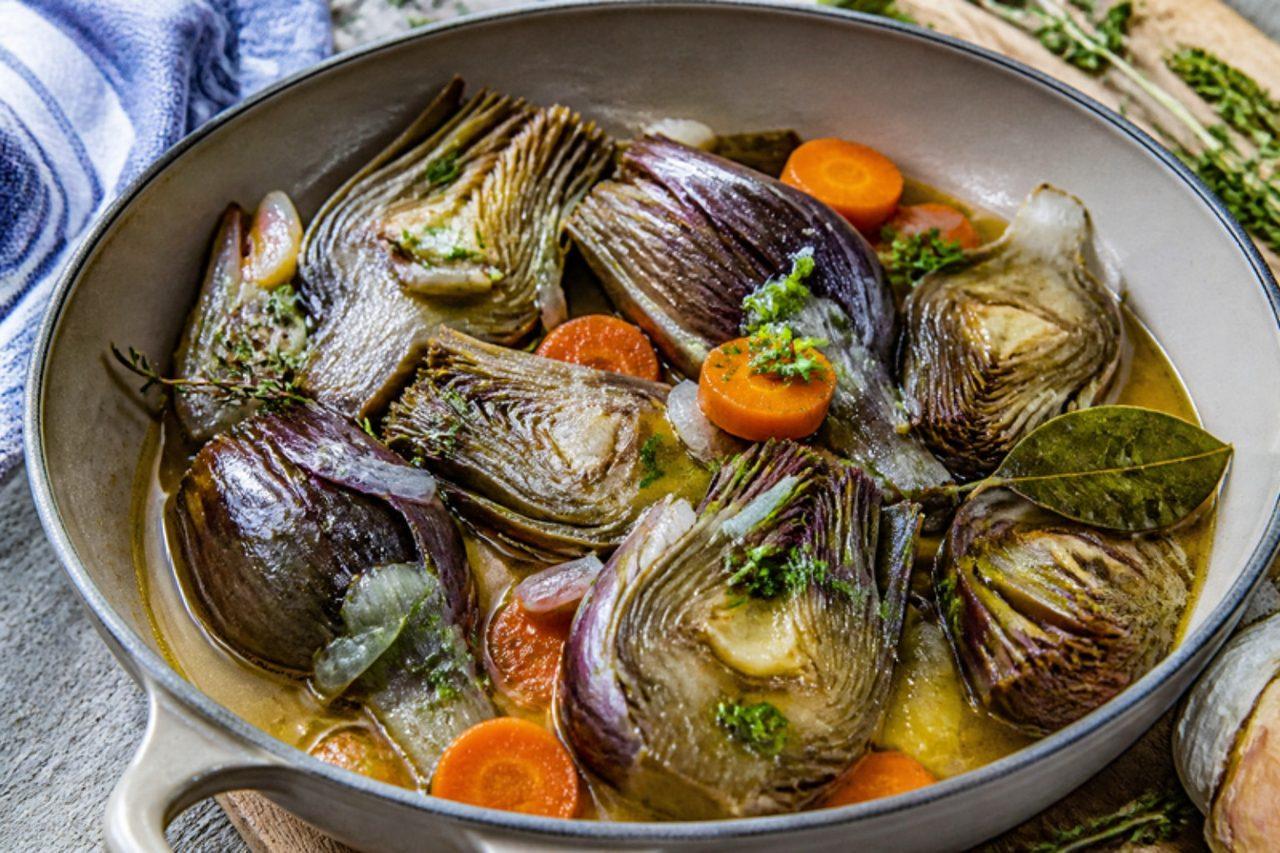
Artichauts à la barigouleBraised artichokes

In Provence, artichauts à la barigoule is cooked in spring when the small violet artichokes come into the markets of Aix, Avignon and Marseille, and it is served warm as a starter or as a light main with bread. The trimmed artichokes are braised in olive oil with carrot, onion, garlic and herbs until tender in a fragrant, slightly tart liquor. The traditional braise uses white wine; this version is alcohol-free, using vegetable stock sharpened with white wine vinegar and lemon. It is vegan, with about 5 g of protein per portion, from the artichokes. The common mistake is trimming too timidly: any dark green leaf left on stays tough and stringy, so keep going until only the pale, tender leaves remain. Chef's tip: rub each artichoke with lemon as you trim and drop it straight into lemon water, or it will go brown within minutes.

by KrazyBadal 0 views

Tahu bacemSweet braised tofu

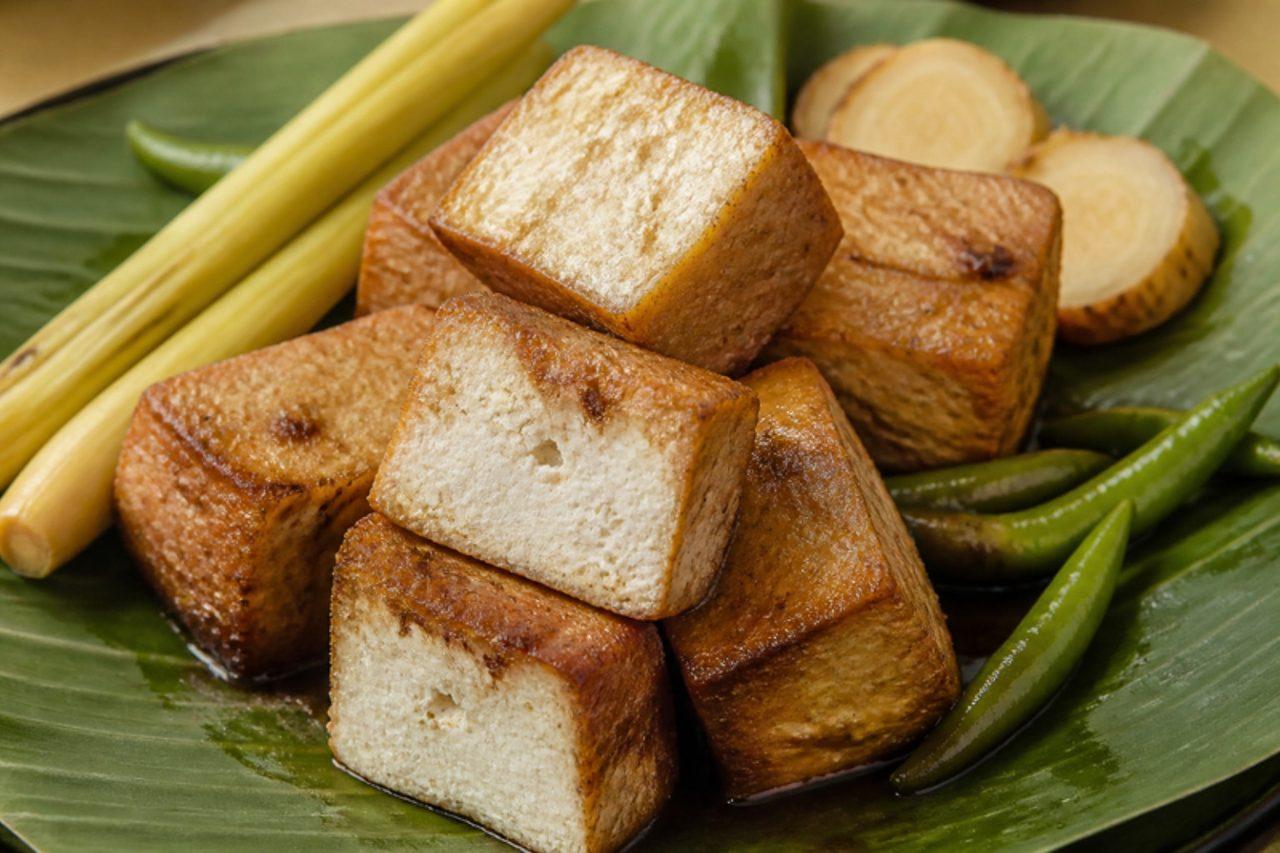
Tahu bacem is tempe bacem's softer sister, sold side by side on the gudeg stalls of Yogyakarta and Klaten and cooked at home on Sundays to see the family through the week. Firm tofu soaks up a braise of coconut water, palm sugar, coriander and galangal until it turns the colour of caramel all the way through, and a quick sear gives it a thin, chewy skin. A portion of about 200 g of tofu gives roughly 26 g of protein, from the soybeans in the tofu. The usual mistake is using silken or soft tofu, which breaks apart during the long simmer; buy firm or extra-firm. Chef's tip: press the tofu for 15 minutes before braising; the drier it is, the more of the sweet, spiced liquid it drinks in.

by KrazyBadal 0 views

Botok tempeTempeh and coconut in banana leaf

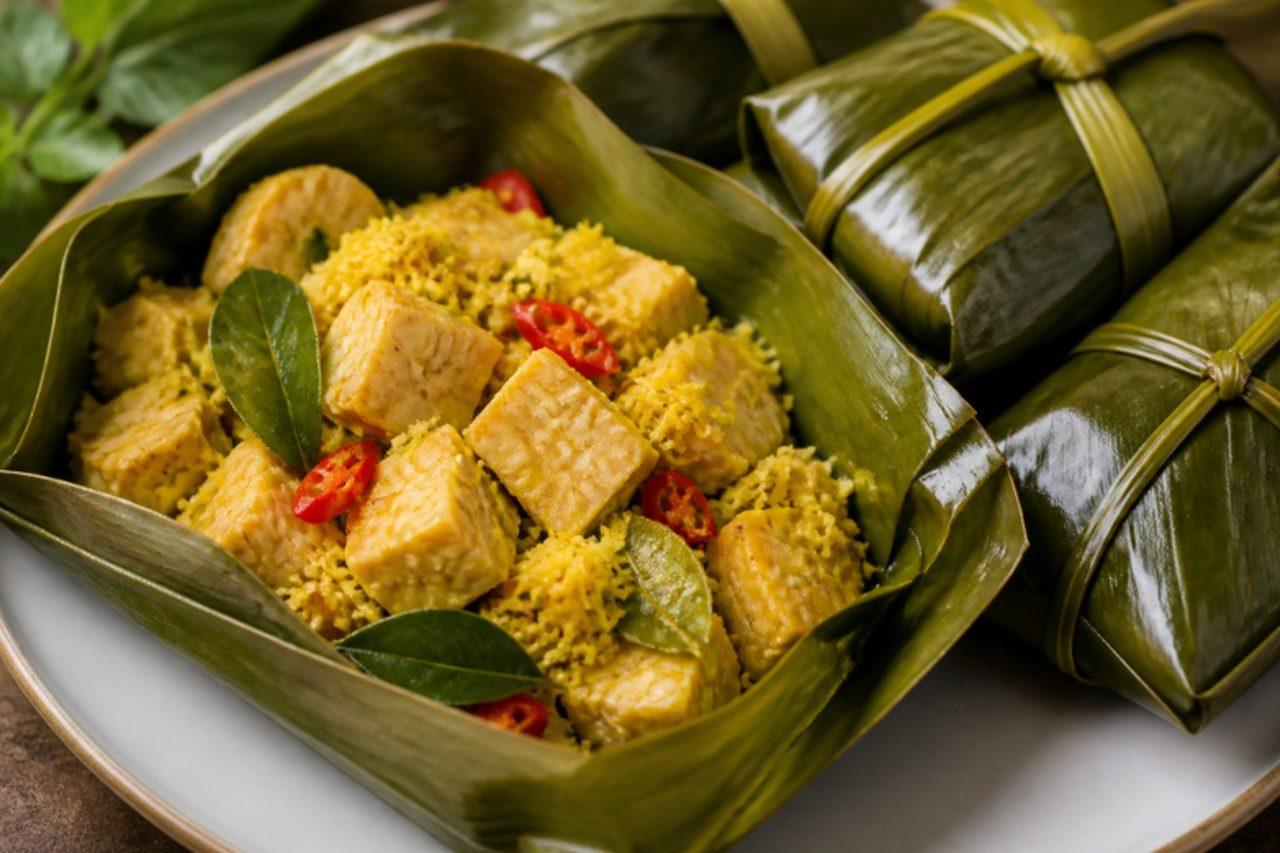
In village kitchens of Central and East Java, from Klaten to Kediri, botok is a weekday parcel dish: crumbled tempeh mixed with freshly grated coconut, chilli, galangal and a little palm sugar, wrapped in banana leaf with a bay leaf and steamed until set. It comes to the table at lunch, unwrapped beside rice, and tastes of toasted coconut and bay, moist and crumbly rather than saucy. Each portion has about 125 g of tempeh plus coconut, giving roughly 24 g of protein, mainly from the tempeh. The common mistake is wrapping the parcels loosely, so steam gets in and the filling turns wet; fold them snugly and pin them shut. Chef's tip: squeeze a little of the coconut through your fingers before mixing; if it feels dry, add a spoon or two of water so the botok binds when it steams.

by KrazyBadal 0 views

Salade d'endives aux noixChicory, walnut and apple salad

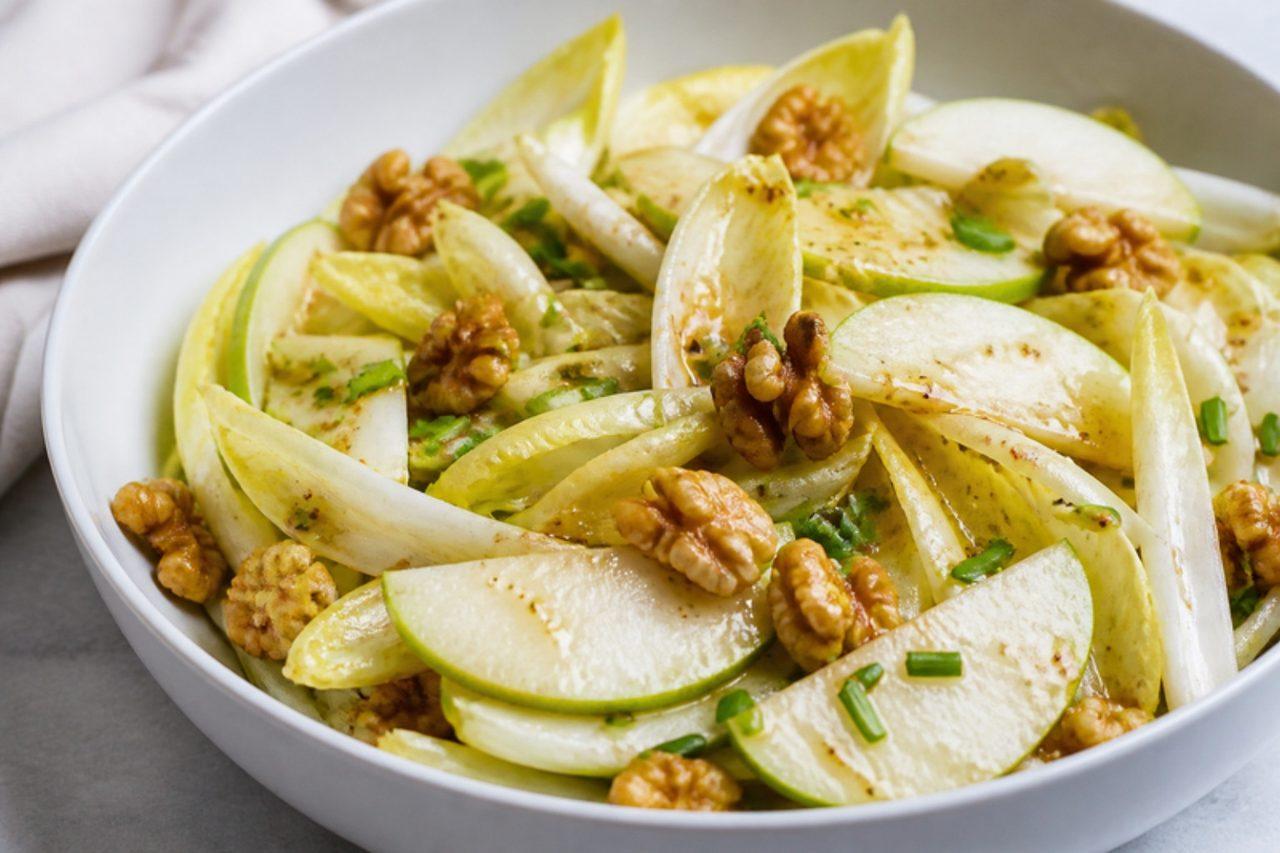
Across Picardy and the Nord, and over the border in Belgium, Belgian endive (chicory) is the winter salad, and this one appears after the main course at Sunday lunch or as a light supper from November to March. The pale, crisp leaves are cut into rings and tossed with sweet apple, toasted walnuts and a sharp mustard vinaigrette, so you get bitter, sweet and nutty in every mouthful. Many bistros add Roquefort; this version is vegan, and if you add cheese, note that Roquefort is made with animal rennet. A portion gives about 4 g of protein from the walnuts, so it is a side or starter. The most common mistake is slicing the endive too early: it browns at the cut edges, so dress it within 10 minutes of cutting. Chef's tip: cut out the small cone of core at the base of each endive; it holds most of the bitterness.

by KrazyBadal 0 views

Salade de pissenlitsDandelion salad with warm vinaigrette

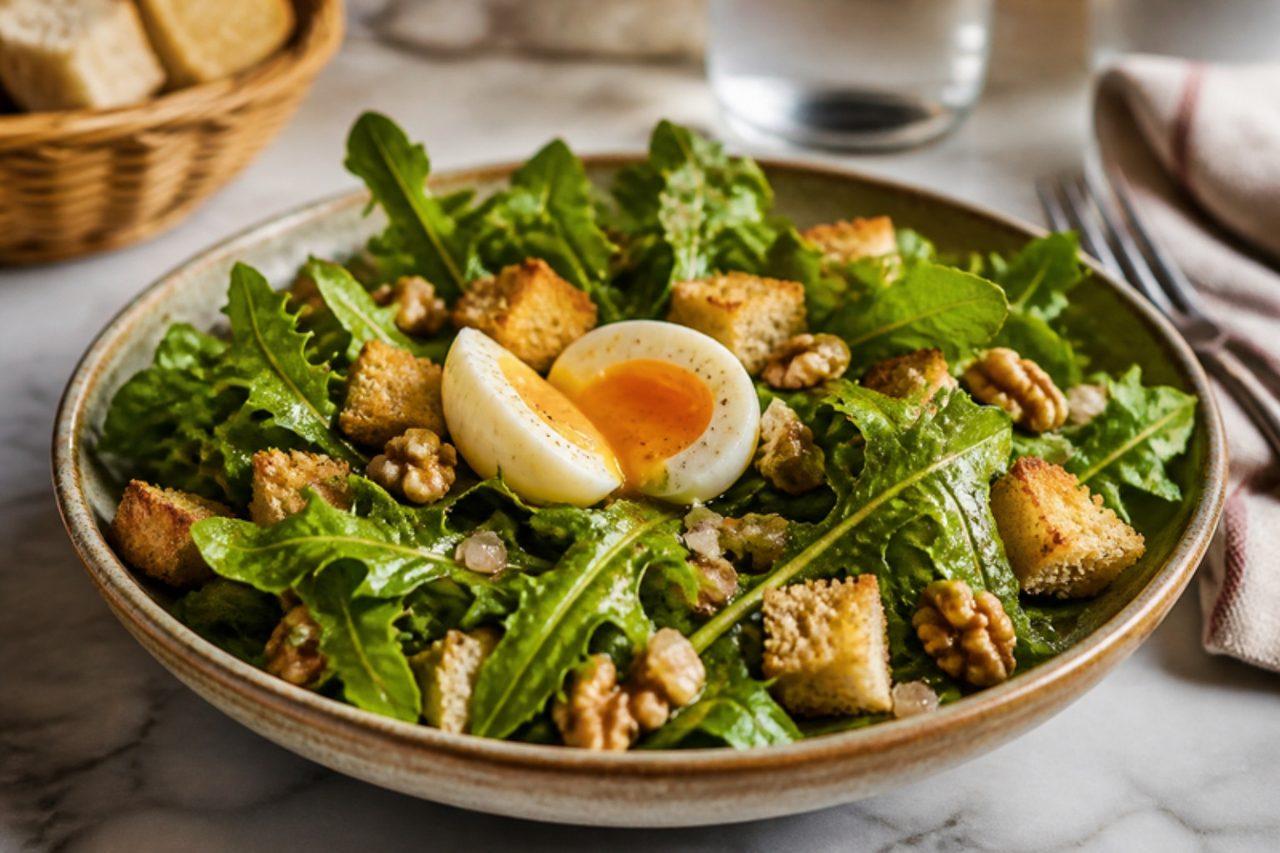
In Lorraine and around Lyon, the first tender dandelion leaves of March and April are gathered from meadows (or bought in bunches at the market) for a salad that marks the end of winter. The leaves are pleasantly bitter, and a hot vinaigrette poured over them wilts them slightly, with soft eggs to make it a light supper. The traditional version has crisp lardons; this vegetarian version uses toasted walnuts and a little of their oil for the same richness. A plate gives about 15 g of protein from the eggs and walnuts, so it is not a high-protein dish. The yolks stay runny, so use pasteurised eggs for anyone pregnant, very young, older or vulnerable, or boil the eggs for 10 minutes instead. The mistake to avoid is using big, old leaves from flowering plants; they are tough and harshly bitter. Chef's tip: soak the leaves in cold water for 30 minutes before drying them; it crisps them and tames some of the bitterness.

by KrazyBadal 0 views

BohémienneAubergine and tomato stew

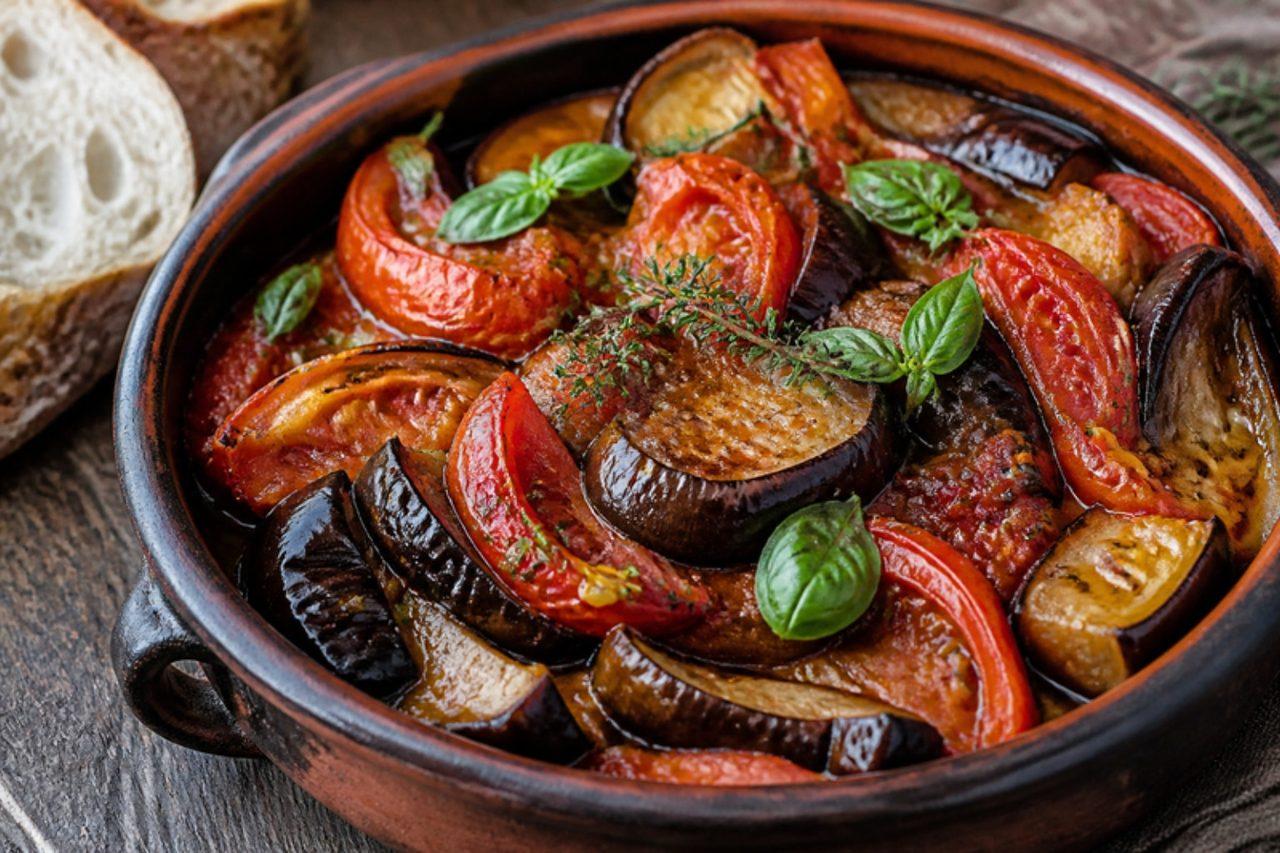
Bohémienne is the older, simpler cousin of ratatouille, cooked in Avignon and the Vaucluse villages at the end of summer when aubergines and tomatoes are cheap and ripe. Just those two vegetables, with onion, garlic and plenty of olive oil, are stewed slowly until they melt into a soft, jammy confit that is eaten warm with bread, cold on toast, or beside an omelette. It is vegan and light, with about 3 g of protein per portion. The common mistake is hurrying it over a high heat: the aubergine catches before it softens, so keep the heat low and stir gently. Chef's tip: salt the aubergine cubes for 20 minutes and pat them dry; they then take up less oil and keep a silky texture.

by KrazyBadal 0 views

Fontainebleau (fromage blanc and whipped cream mousse)

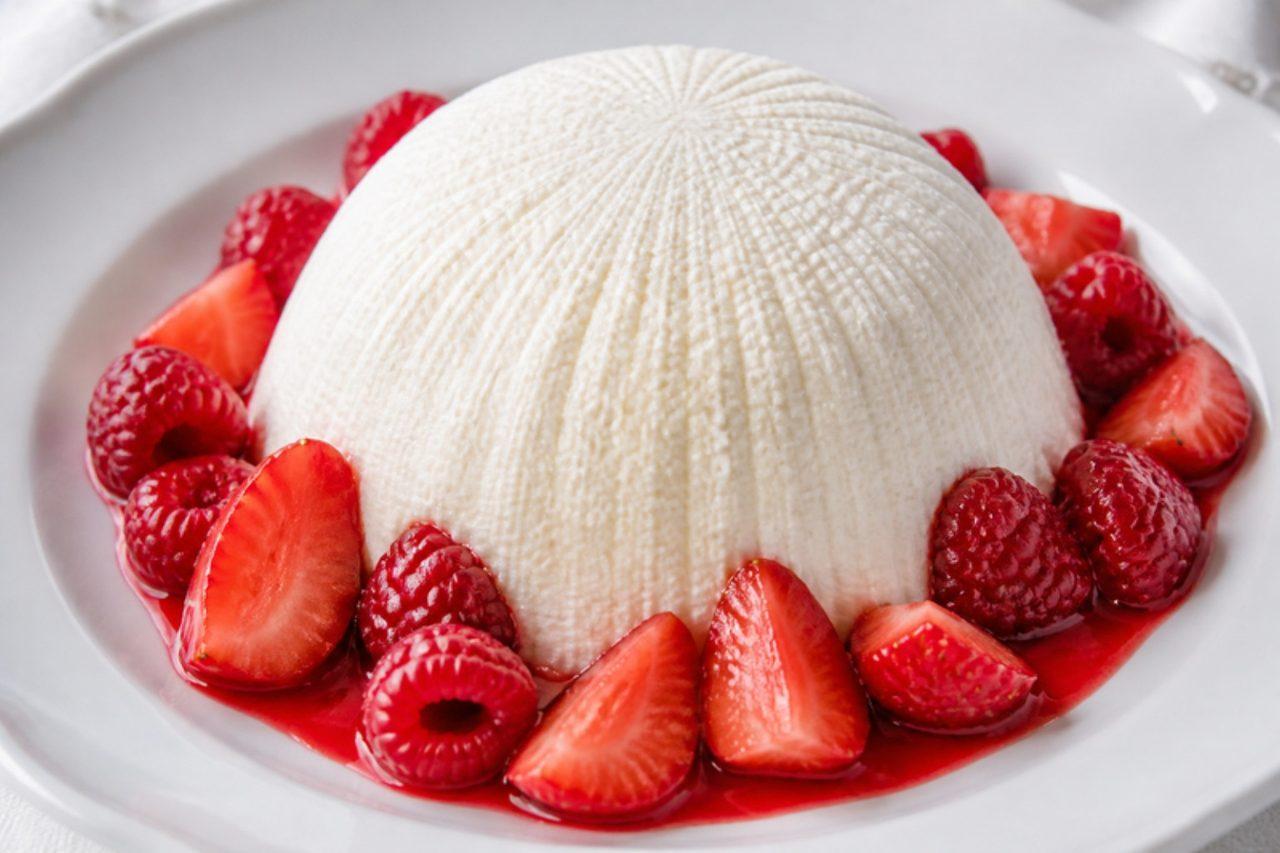
Fontainebleau takes its name from the town south of Paris, whose cheese shops sold it in little muslin-wrapped pots for the weekend. It is a fresh-cheese dessert for late spring and summer, best when the first strawberries and raspberries arrive. Fromage blanc and whipped cream are folded together and left to drain in muslin, so the mousse firms up into a light, cloud-soft mound that tastes of fresh milk with a gentle tang. Serve it chilled with berries or a spoonful of red-fruit coulis, and a little extra sugar on the side. Some recipes fold in whisked whites; this one leaves them out entirely, because firmly whipped cream alone holds the air, and draining away the whey gives the mousse its shape. Chef's tip: drain the fromage blanc before you start; the common mistake is folding in a wet, runny cheese, which collapses the cream and leaves a puddle in the dish.

by KrazyBadal 0 views

ParihuelaSpicy seafood soup

Parihuela is the big weekend seafood soup of Callao and the Peruvian coast, eaten at long Sunday lunches in cevicherías and praised as a cure for tiredness and late nights. A deep red broth of ají panca, ají amarillo, tomato and fish stock is loaded with chunks of fish, prawns, squid and mussels. A portion gives about 30 g of protein, from the fish and shellfish, for roughly 300 kcal. Some cooks add chicha de jora or beer; this version has none. The common mistake is adding all the seafood at once: squid and prawns turn rubbery while the fish cooks, so they go in last. Before cooking, discard any mussels that stay open when tapped, and after cooking discard any that stay shut. Chef's tip: fry the chilli pastes in the oil until they darken and smell sweet; that toasted ají is what gives parihuela its depth.

by KrazyBadal 0 views

Ikan kuah asamFish in clear sour broth

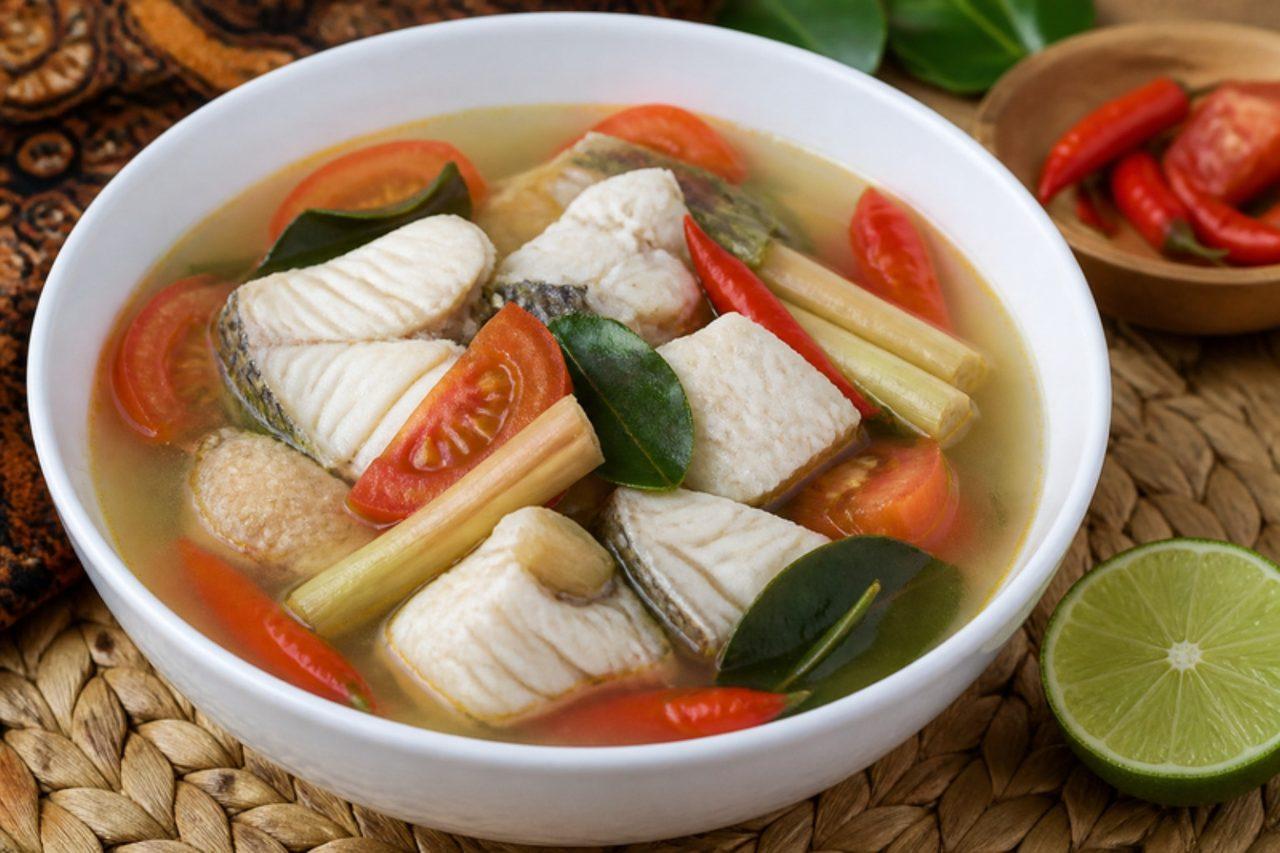
Across Ambon in Maluku and the coasts of North Sulawesi, ikan kuah asam is the soup families eat almost daily with papeda or rice, made from whatever fish came in that morning. The broth is thin and clear, bright with lime and tomato, warm with chilli and lemongrass, with chunks of fish poached just until they flake. It is light but filling, with about 28 g of protein a portion from the fish. The common mistake is adding the lime juice too early and boiling it: it turns bitter, so squeeze it in at the end. Chef's tip: use a firm, meaty fish such as tuna, mackerel or snapper, cut into large chunks, so it holds together in the broth.

by KrazyBadal 0 views

Potage cultivateurFarmer's vegetable soup

Potage cultivateur is the farmhouse soup of France, made in kitchens from Normandy to the Auvergne on cold evenings and eaten as a light supper with bread. The vegetables are cut into small, thin squares (the 'paysanne' cut), sweated slowly in butter, then simmered in water, so the broth stays clear and every spoonful has carrot, turnip, leek and potato. The old versions add bacon; this one is vegetarian. It is light, with about 4 g of protein per bowl; add a handful of white beans or serve with cheese on toast for more (choose a vegetarian cheese if you avoid animal rennet). The most common mistake is browning the vegetables: they should sweat gently until soft and shiny, never coloured. Chef's tip: cut every vegetable the same size, about 1 cm square and 3 mm thick, so they all cook in the same time.

by KrazyBadal 0 views

Garang asemChicken and starfruit in banana leaf

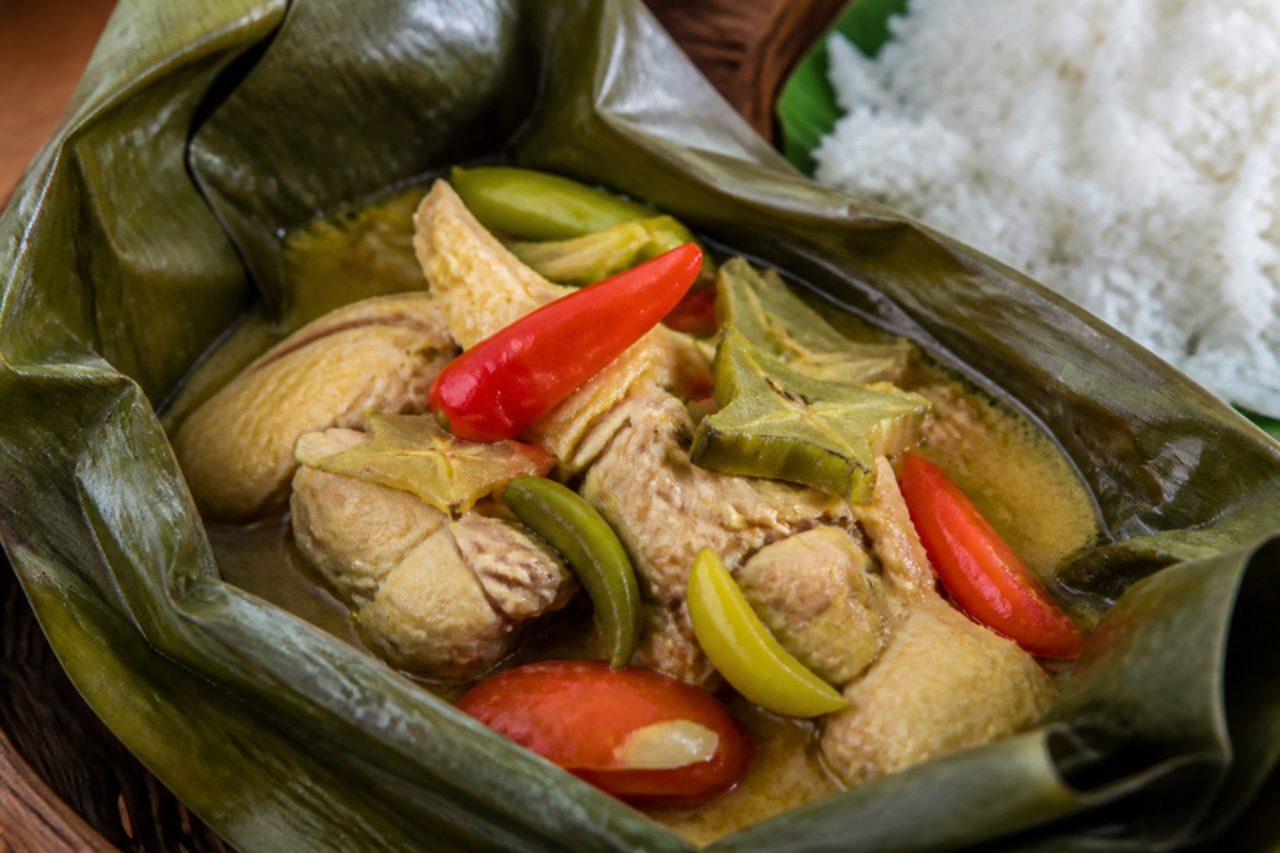
Garang asem is a dish from Kudus and Demak on the north coast of Central Java, where it is cooked for family lunches and sold at warungs by midday. Bone-in chicken is packed into banana-leaf parcels with sour starfruit, tomato, whole chillies and a little thin coconut milk, then steamed until the juices turn into a light, tangy, peppery broth. It is clean-tasting rather than rich, and a portion has about 32 g of protein from the chicken; serve it with steamed rice. The common mistake is wrapping the parcels loosely so the broth runs out; fold the leaves in two layers and pin them tight. Chef's tip: if you can't find belimbing wuluh (sour starfruit), use green tomatoes and a spoon of tamarind water for the same sharpness.

by KrazyBadal 0 views

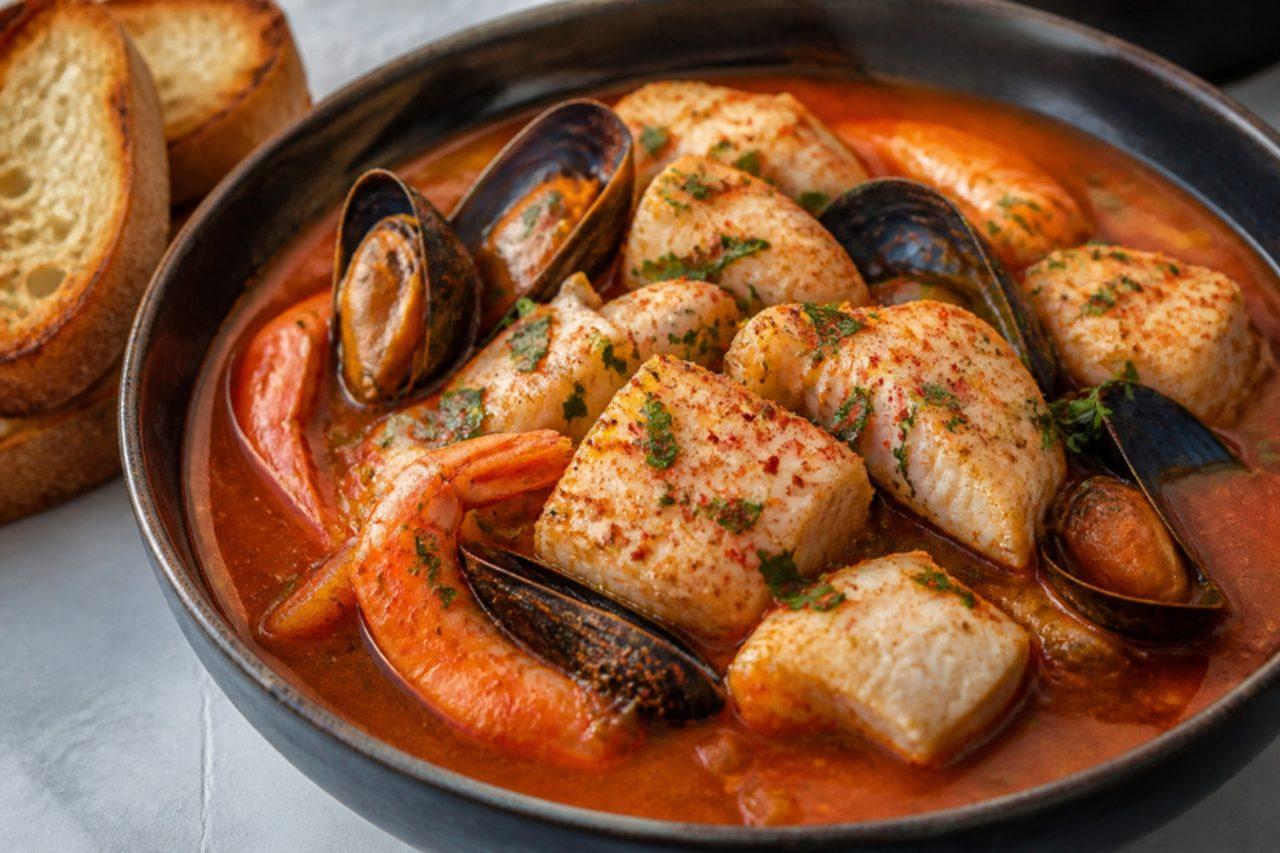
TtoroBasque fish soup

Ttoro was the meal Basque fishermen in Saint-Jean-de-Luz and Ciboure made from the part of the catch they couldn't sell, and the town still holds a ttoro festival every autumn. A deep red broth of peppers, tomato and Espelette pepper is poured over pieces of hake and monkfish, mussels and prawns, with garlic toast on the side for dunking (use gluten-free bread if needed). A portion gives about 32 g of protein, from the fish and shellfish, for around 360 kcal. The common mistake is boiling the fish in the broth: it breaks into flakes, so the pieces are seared first and then only poached gently on top for a few minutes. Discard any mussel that stays open when tapped before cooking or stays shut after. Chef's tip: dust the fish in rice flour before searing; the light crust protects the fish in the broth and thickens it slightly.

70 minFrenchFishGluten free
by KrazyBadal 0 views

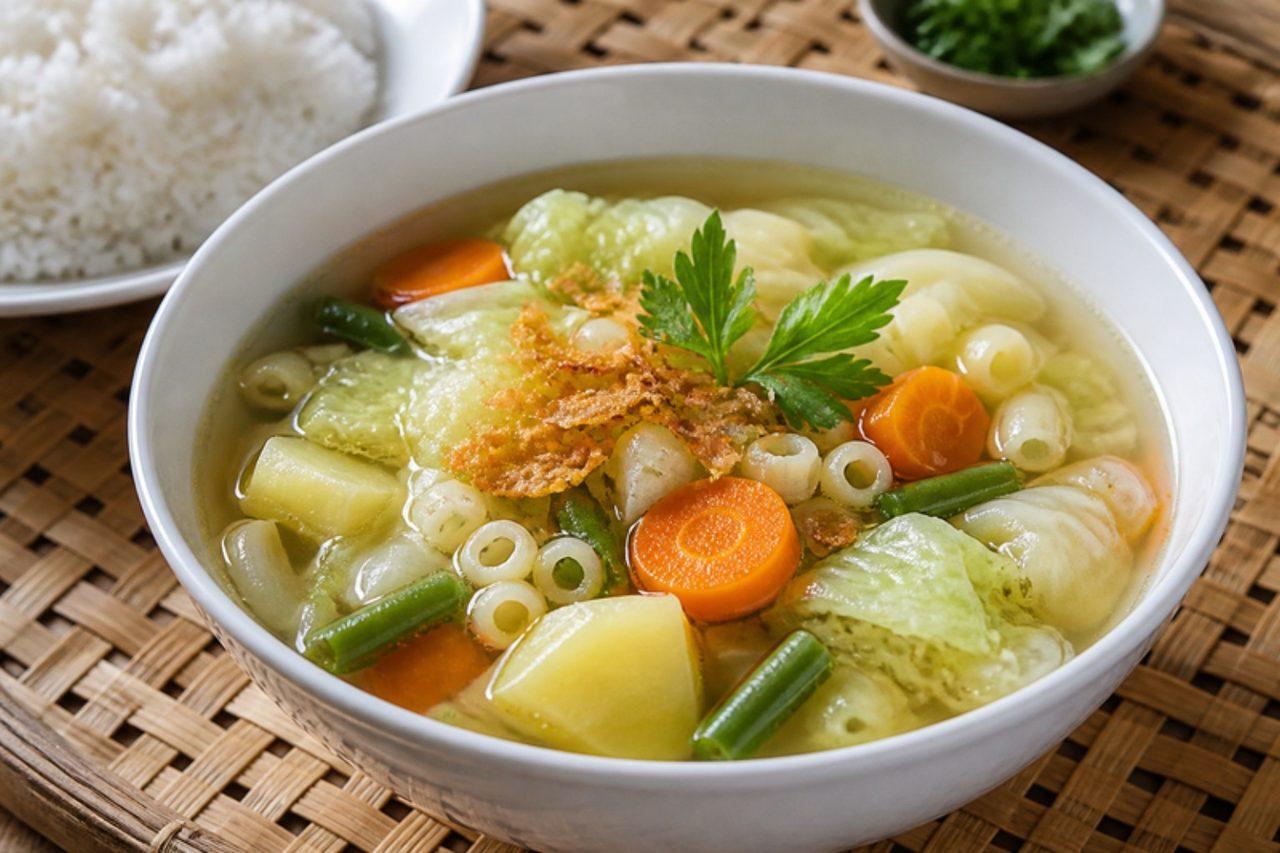
Sayur sopClear vegetable soup

Sayur sop is the clear vegetable soup cooked in homes all over Indonesia, from Medan to Surabaya, on any ordinary weeknight and whenever a child is poorly; it is spooned over rice beside fried tofu or tempeh. Most families make it with chicken stock, so this is the vegetarian version, built on vegetable stock with fried shallots and celery leaf for depth. It is gentle, savoury and fragrant with nutmeg and white pepper, and children love it. It has about 4 g of protein per portion, from the vegetables and macaroni; add cubes of firm tofu for more. The common mistake is boiling it hard, which clouds the broth and breaks the potato; keep it at a lazy simmer. Chef's tip: fry the garlic and shallot in a little oil before they go in, rather than adding them raw, for a broth that tastes much richer than it is.

by KrazyBadal 0 views

Showing 24 of 790 recipes

Show more recipes

Page 1 of 33