Skip to content
Recipes

All recipes

Vegetarian, or something you can't eat? Set your diet once and we'll hide recipes that don't fit.

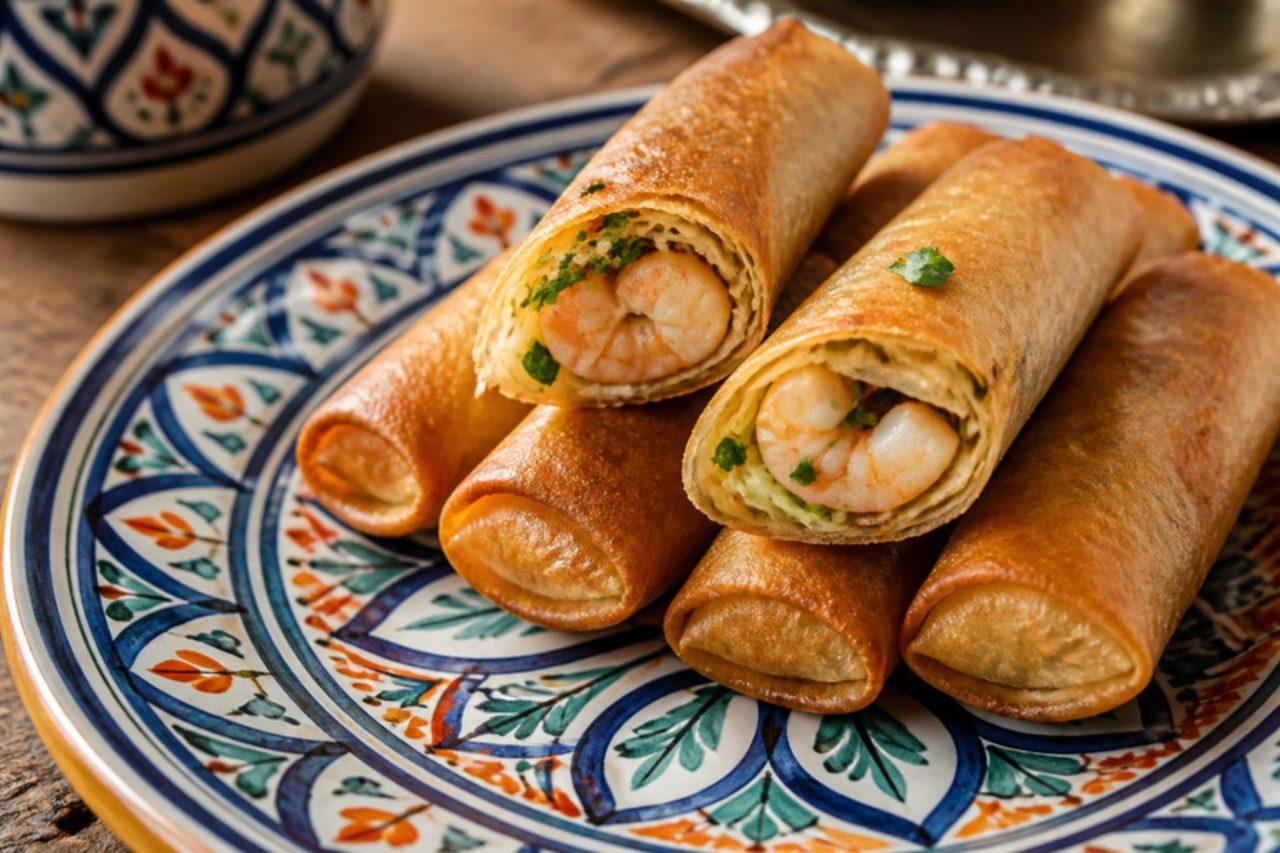
Shrimp and vermicelli briouats

In coastal cities like Agadir and El Jadida, the festive version of briouats is filled with prawns and rice vermicelli tossed in chermoula — a filling borrowed from seafood pastilla, but in a size you can eat in two bites. They come out at weddings, Eid lunches and Ramadan iftars, hot and crackling, with lemon. The usual mistake is a wet filling: cooked prawns and soaked noodles release water, so drain everything well and dry-fry the mix for a minute. Chef's tip: snip the soaked vermicelli into short lengths with scissors so the rolls fill evenly. Contains shellfish, wheat and egg.

by KrazyBadal 0 views

Moroccan party rice salad (shlada rouz)

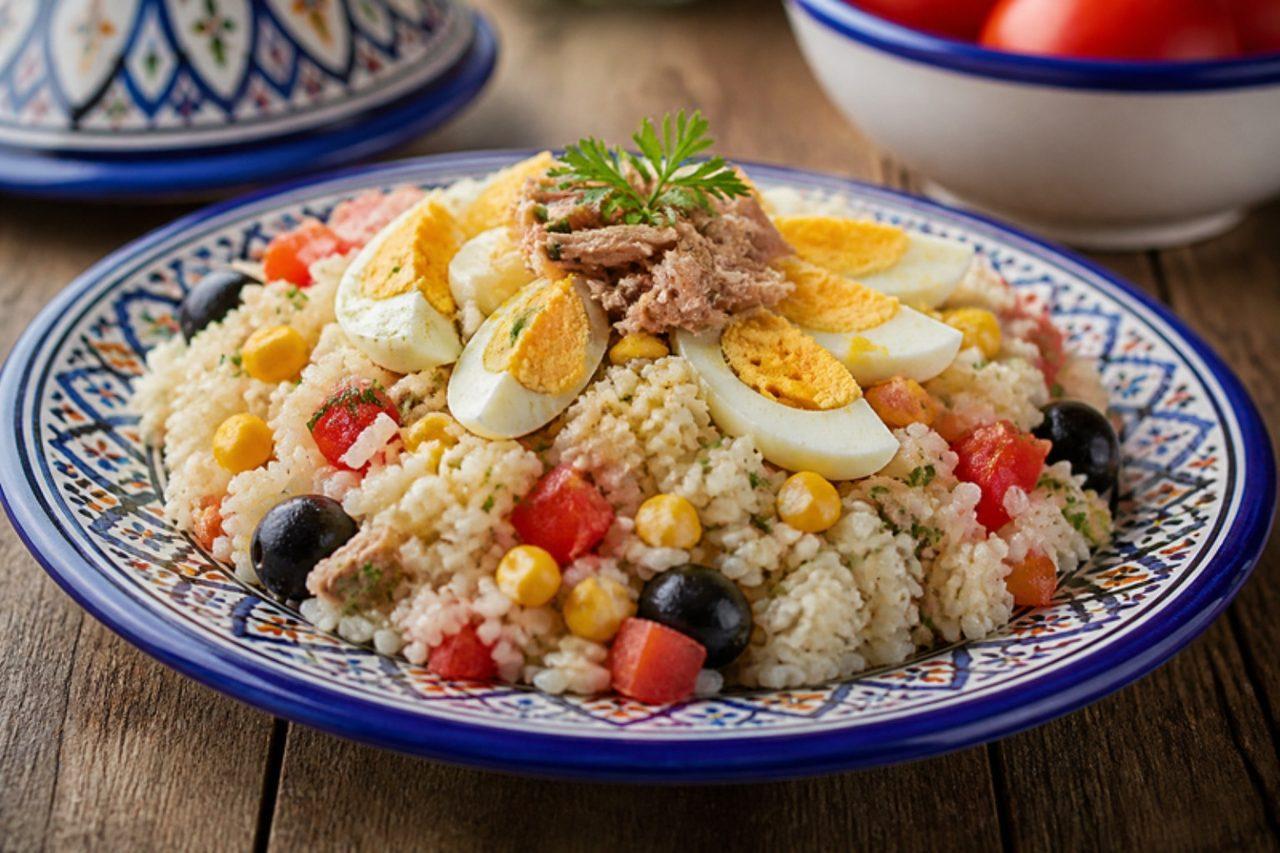
Moroccan weddings, birthday parties and summer picnics in Rabat and Casablanca nearly always have a big platter of shlada rouz, the rice salad decorated in stripes and rings like a mosaic: tomato, sweetcorn, green olives, beetroot, boiled egg and flaked tuna on a bed of lemon-dressed rice. It's eaten cold as a starter. Rice cooked too soft turns to paste once dressed, so drain it while it still has a slight bite. Chef's tip: dress the rice while it's still a little warm; it soaks up the vinaigrette much better.

by KrazyBadal 0 views

Potato briouats (briwat batata)

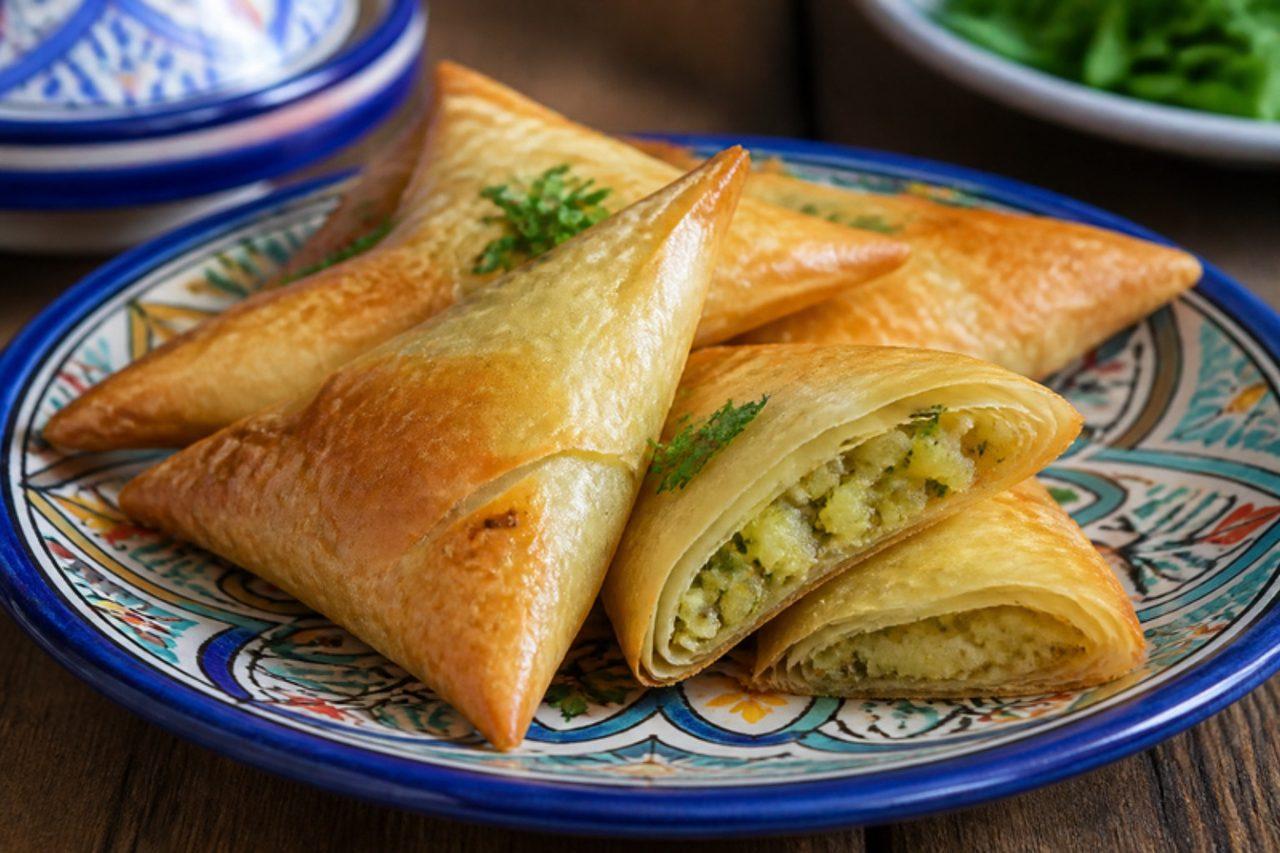
During Ramadan, the iftar tables of Casablanca and Marrakech are crowded with little fried pastries, and potato briouats are the budget-friendly favourite. A mash of potato, parsley, coriander, cumin and a little grated cheese is folded into warqa or filo triangles and fried until crackling. Serve them hot with harira or mint tea. The common mistake is a wet, warm filling, which makes the pastry soggy and tear; let the mash cool completely. Chef's tip: seal each triangle with a dab of egg yolk or flour paste; they won't open in the oil. Check cheese labels: some is made with animal rennet. Contains wheat, egg and milk.

by KrazyBadal 0 views

Chorba khodra (light Moroccan vegetable soup)

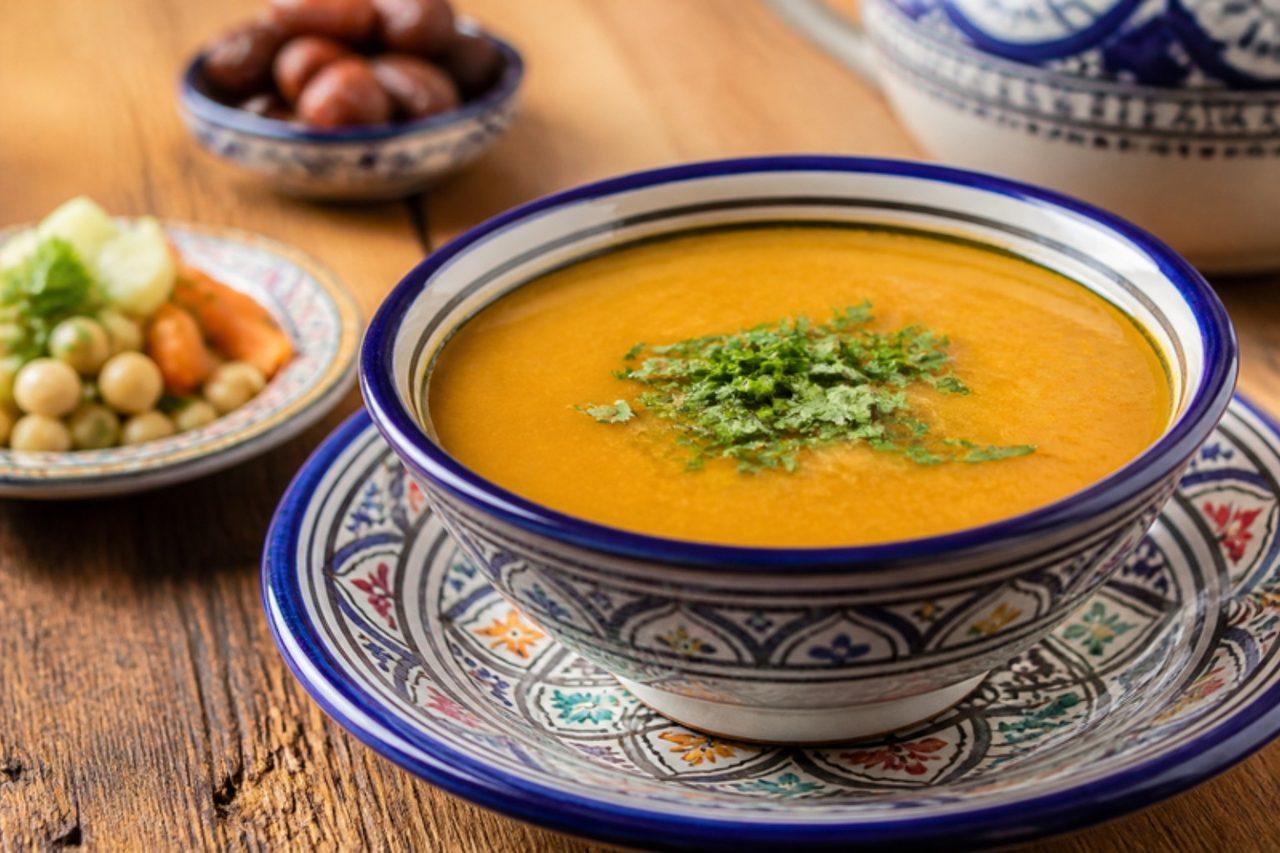
Chorba khodra is the everyday soup of Moroccan homes from Tangier to Agadir, served for supper on cold evenings and to anyone feeling unwell. Carrots, courgettes, potato, turnip and celery simmer with onion, tomato, coriander, parsley, ginger and a little turmeric, then get blended into a smooth, light orange soup thickened with a spoon of fine vermicelli or semolina. Serve with bread and a lemon wedge. Most people boil it too long so the herbs turn dull; add the fresh herbs in the last 10 minutes. Chef's tip: a teaspoon of smen or olive oil stirred in right before serving gives it the roundness of the restaurant version. Contains wheat (vermicelli).

by KrazyBadal 0 views

Shlada batata (Moroccan cumin potato salad)

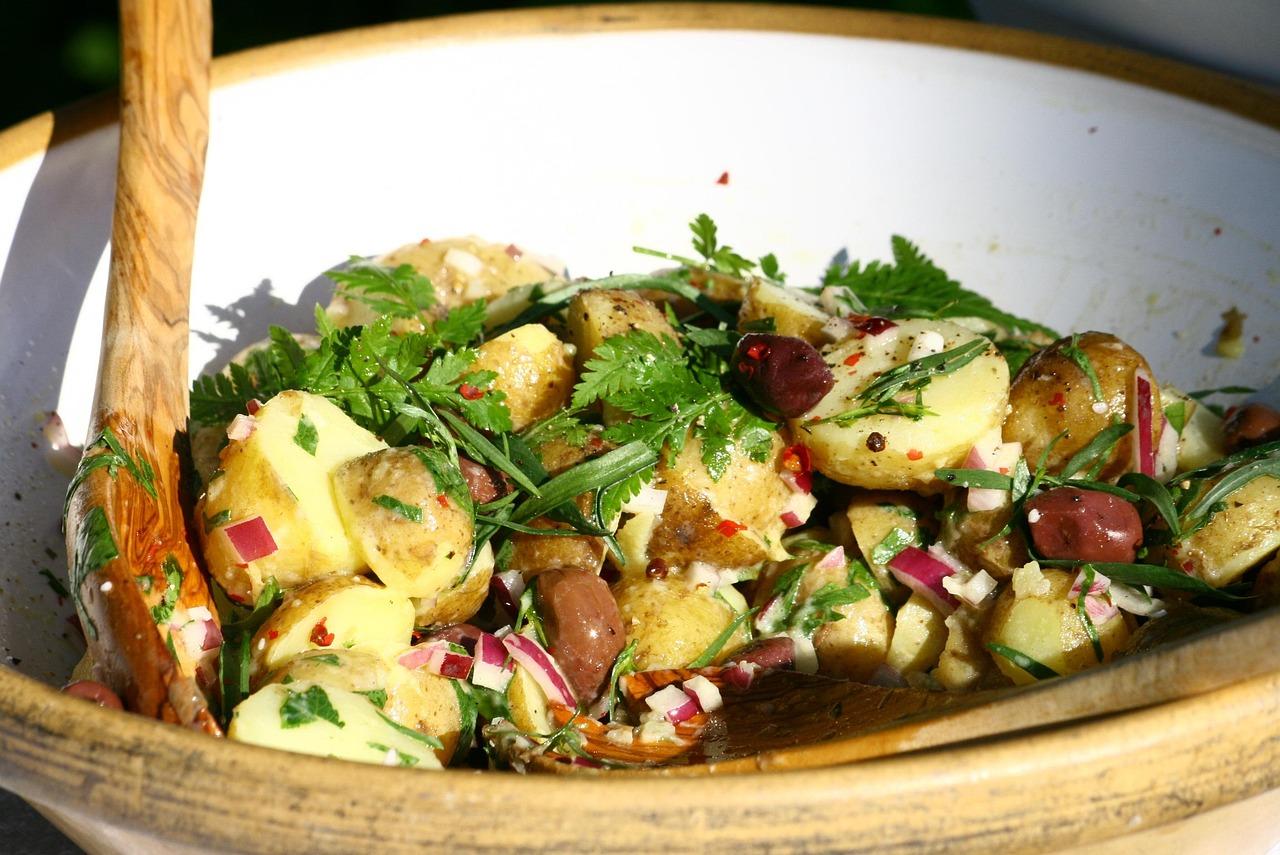
Shlada batata is one of the cooked salads that line up on a Moroccan table before Friday couscous, in Rabat as much as in the Rif: boiled potato chunks dressed while warm with olive oil, lemon, cumin, paprika, garlic and plenty of parsley, with no mayonnaise at all. It's eaten at room temperature with bread, or with grilled sardines. Dressing cold potatoes is the common mistake; they don't absorb the flavours, so toss them while they're still steaming. Chef's tip: a few slivers of preserved lemon peel make it unmistakably Moroccan.

by KrazyBadal 0 views

Shlada khiar (grated cucumber salad with oregano)

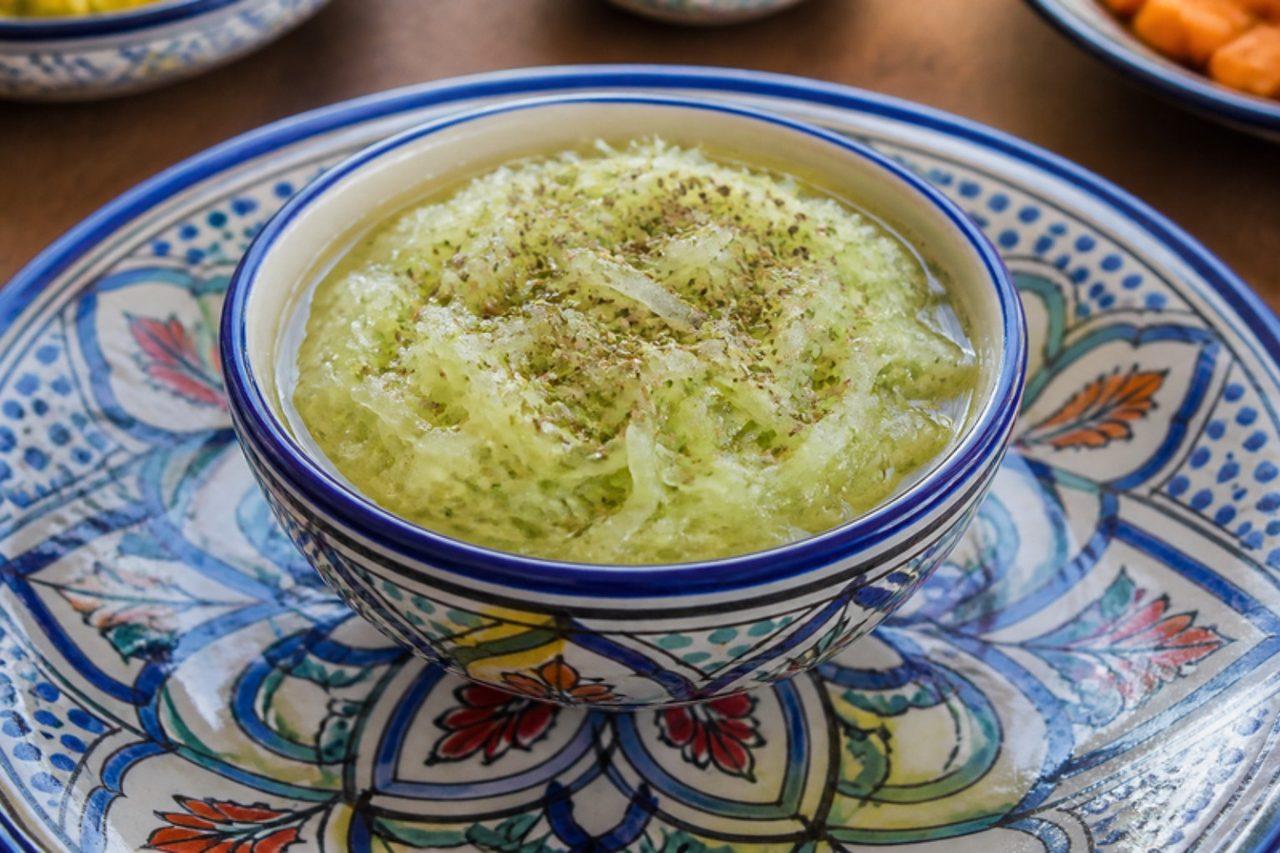
In the heat of a Fes or Marrakech summer, this ice-cold grated cucumber salad is served in bowls with spoons, half salad, half drink, alongside rich tagines or a plate of fried fish. Cucumber is grated and loosened with water, vinegar and a little sugar, then perfumed with crushed dried oregano or zaatar. Grating ahead and leaving it to sit in salt is the usual slip; the cucumber goes limp and bitter. Chef's tip: rub the oregano between your palms over the bowl to wake its oils.

by KrazyBadal 0 views

Cheese briouats (briwat bel fromage)

Cheese briouats are the cigars that disappear first from Ramadan tables in Rabat and Tangier: fresh, salty cheese mixed with egg, parsley and a pinch of chilli, rolled tight in warqa and fried until the pastry shatters. They're served hot, at iftar or with mint tea for afternoon guests. Overfilled cigars burst and leak cheese into the oil; a level tablespoon each is enough. Chef's tip: a little grated hard cheese in the mix stops the fresh cheese from going watery. Traditional fresh cheese like jben is made with animal rennet; choose a vegetarian one if needed. Contains milk, egg and wheat.

by KrazyBadal 0 views

Moroccan fried cauliflower in cumin batter

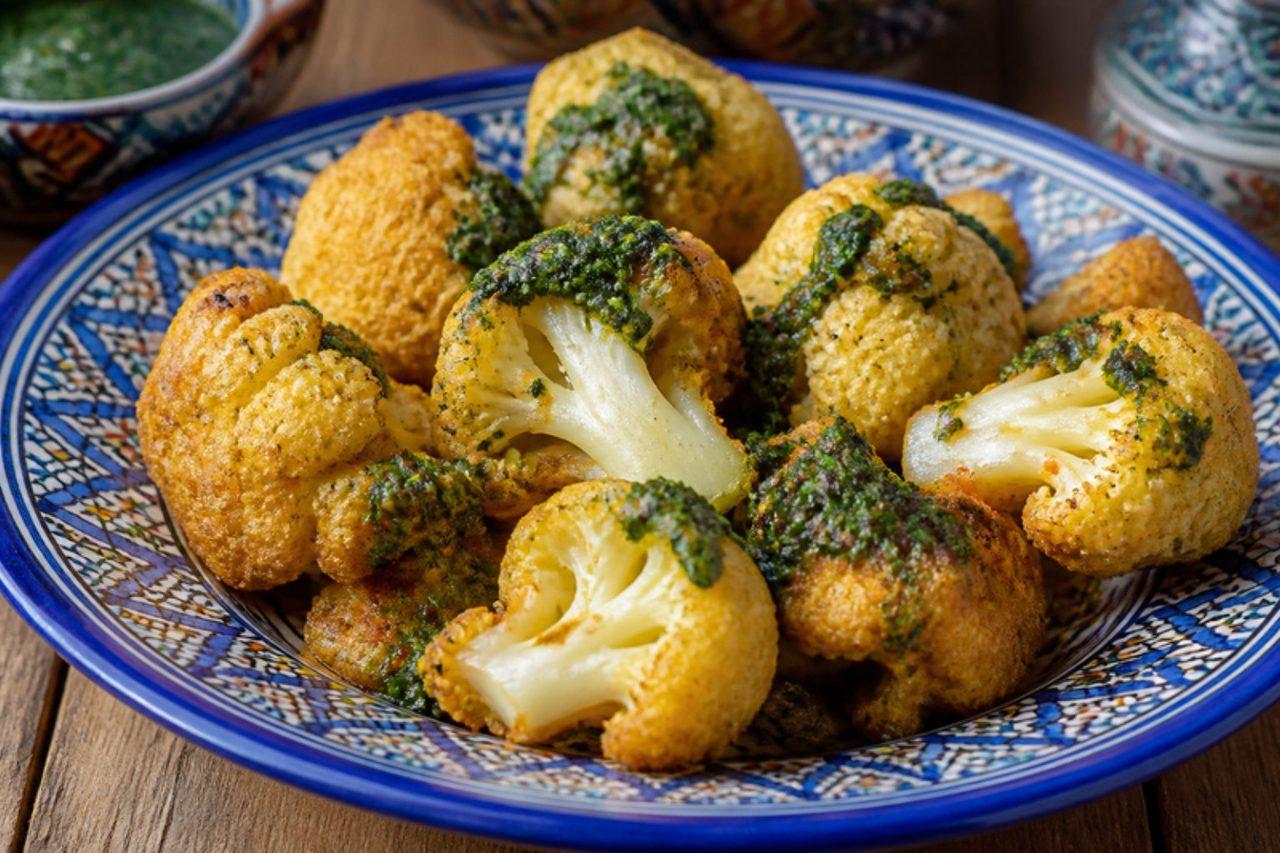
Casablanca home cooks fry cauliflower this way for Ramadan tables and family lunches alike: parboiled florets dipped in an egg batter heavy with cumin, paprika and parsley, then fried until puffed and golden. They're eaten hot with a squeeze of lemon or a spoon of chermoula, as a side to a tagine or on their own with bread. The common mistake is frying wet cauliflower; the batter slides off and spits, so dry the florets well after boiling. Chef's tip: keep the florets bite-sized and with a bit of stalk, so you can dip them by hand. Contains egg and wheat.

by KrazyBadal 0 views

Kefta briouats (spiced beef triangles)

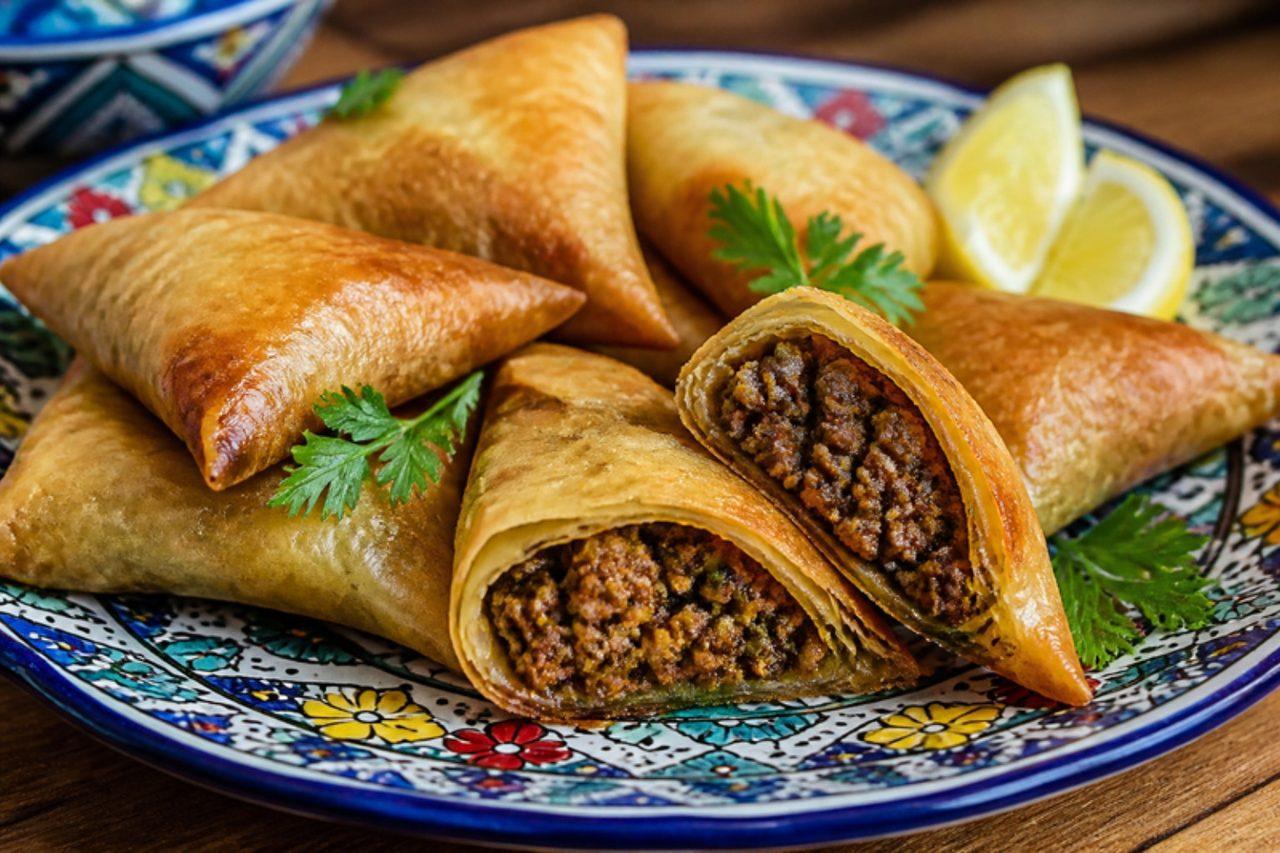
Kefta briouats are the savoury star of Moroccan party trays, from Tetouan weddings to Ramadan iftars in Casablanca: minced beef cooked with onion, cumin, paprika and cinnamon, bound with a little egg and folded into crisp warqa triangles. Serve them hot with a wedge of lemon and mint tea. People often fill the pastry with raw kefta and rely on frying to cook it; the meat won't get hot enough in a minute in the oil, so cook the filling fully first. Chef's tip: a beaten egg stirred into the hot meat right at the end sets into a binder and stops the filling crumbling. Contains wheat and egg.

by KrazyBadal 0 views

Shlada gar'a (cooked courgette salad with cumin)

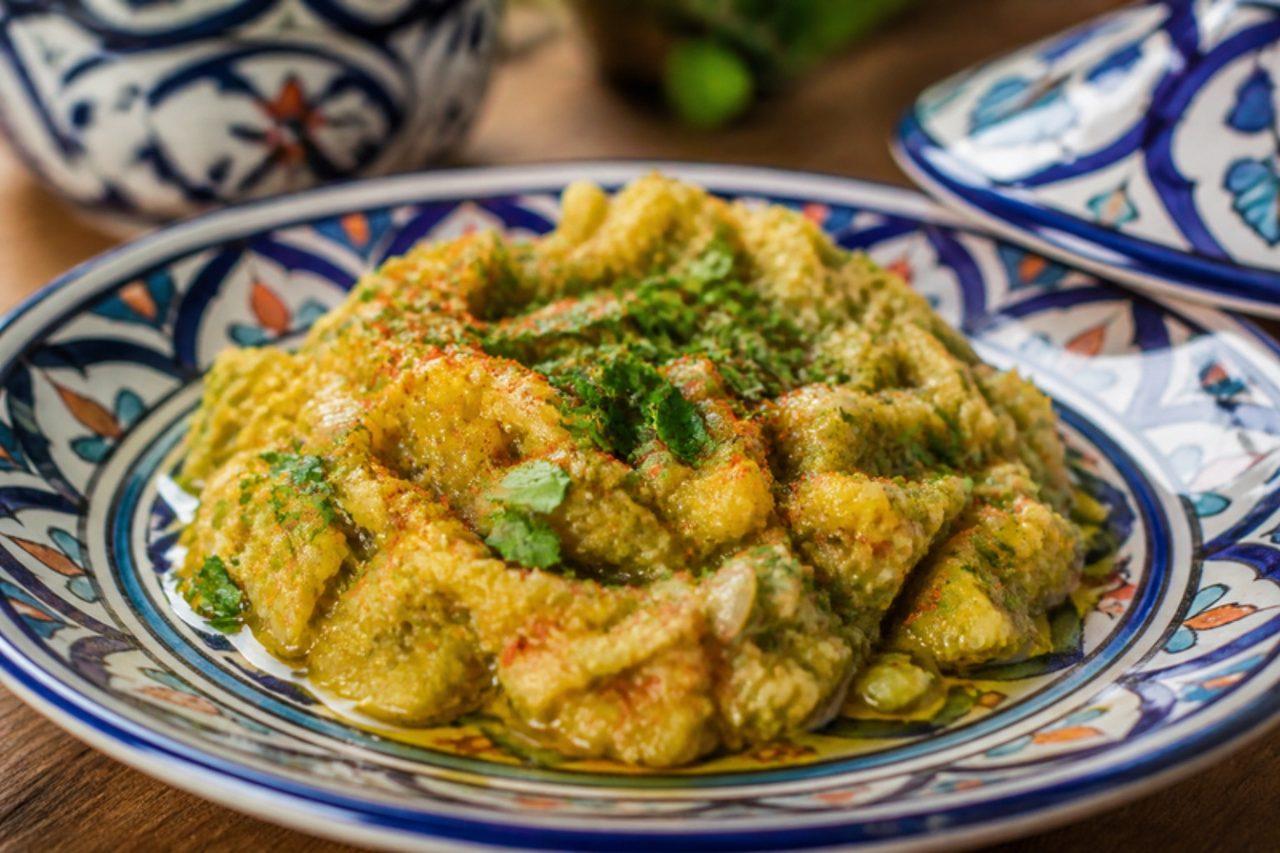
In Meknes and Casablanca the pale courgettes of early summer are cooked down into this soft, spiced salad, one of several little dishes set out with bread before the main course. The courgettes are steamed with garlic, then crushed lightly with olive oil, cumin, paprika and lemon until spoonable but still chunky. Serve it cool with bread or alongside grilled fish. Watery courgettes are the usual problem; cook off all the liquid before seasoning. Chef's tip: add a handful of chopped coriander only at the end so it stays bright.

by KrazyBadal 0 views

Shlada beldia (Moroccan tomato and cucumber salad)

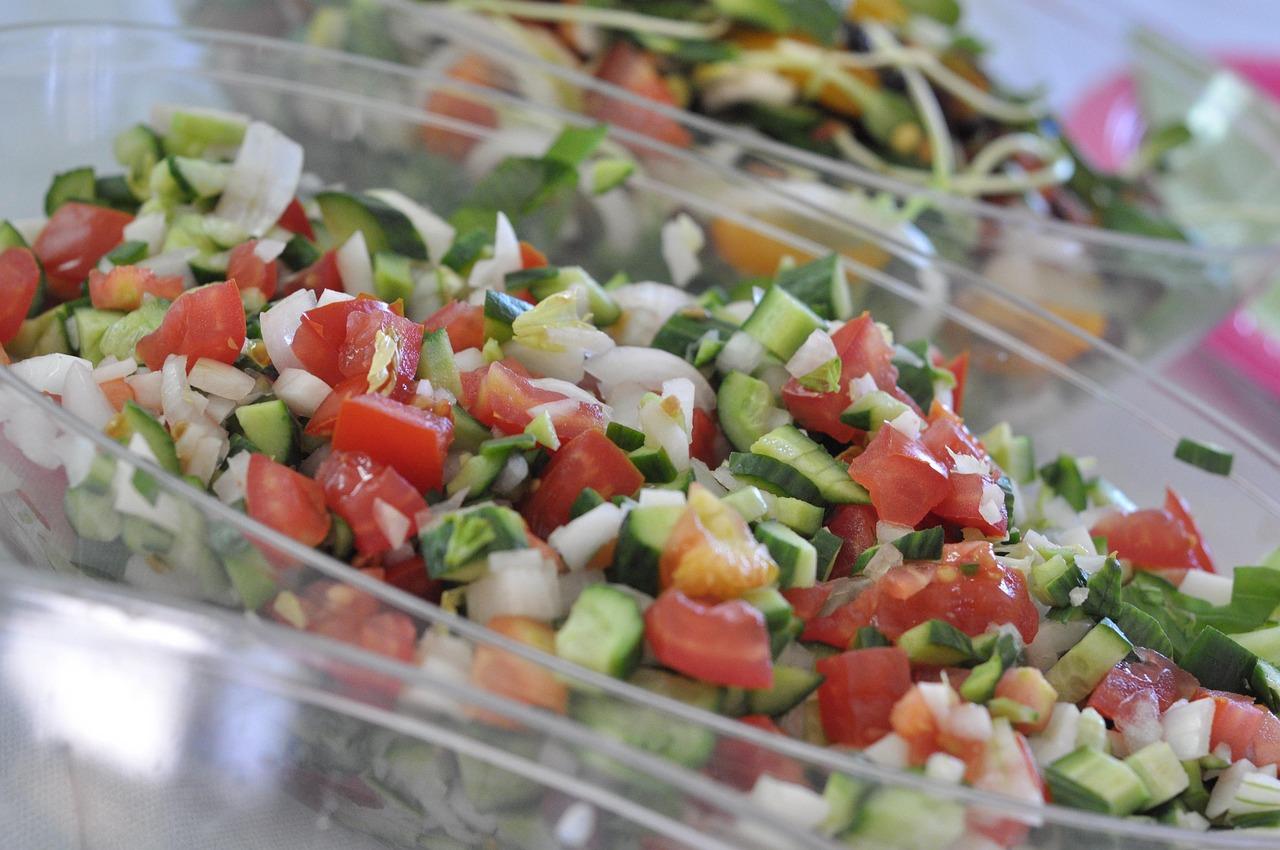
Shlada beldia, "country salad", sits next to the bread on almost every Moroccan table, from Marrakech grill stalls to a Tuesday family lunch in Oujda. Tomato, cucumber, onion and green pepper are diced as small as lentils, then dressed with lemon, olive oil, parsley and a pinch of cumin, so it eats like a fresh relish with grilled meat, tagines or eggs. The common mistake is dressing it too early: the tomatoes weep and it turns to soup, so salt it just before serving. Chef's tip: dice everything to the same tiny size; that's what makes it taste Moroccan rather than like a chopped salad.

by KrazyBadal 0 views

Moroccan sweet pumpkin salad

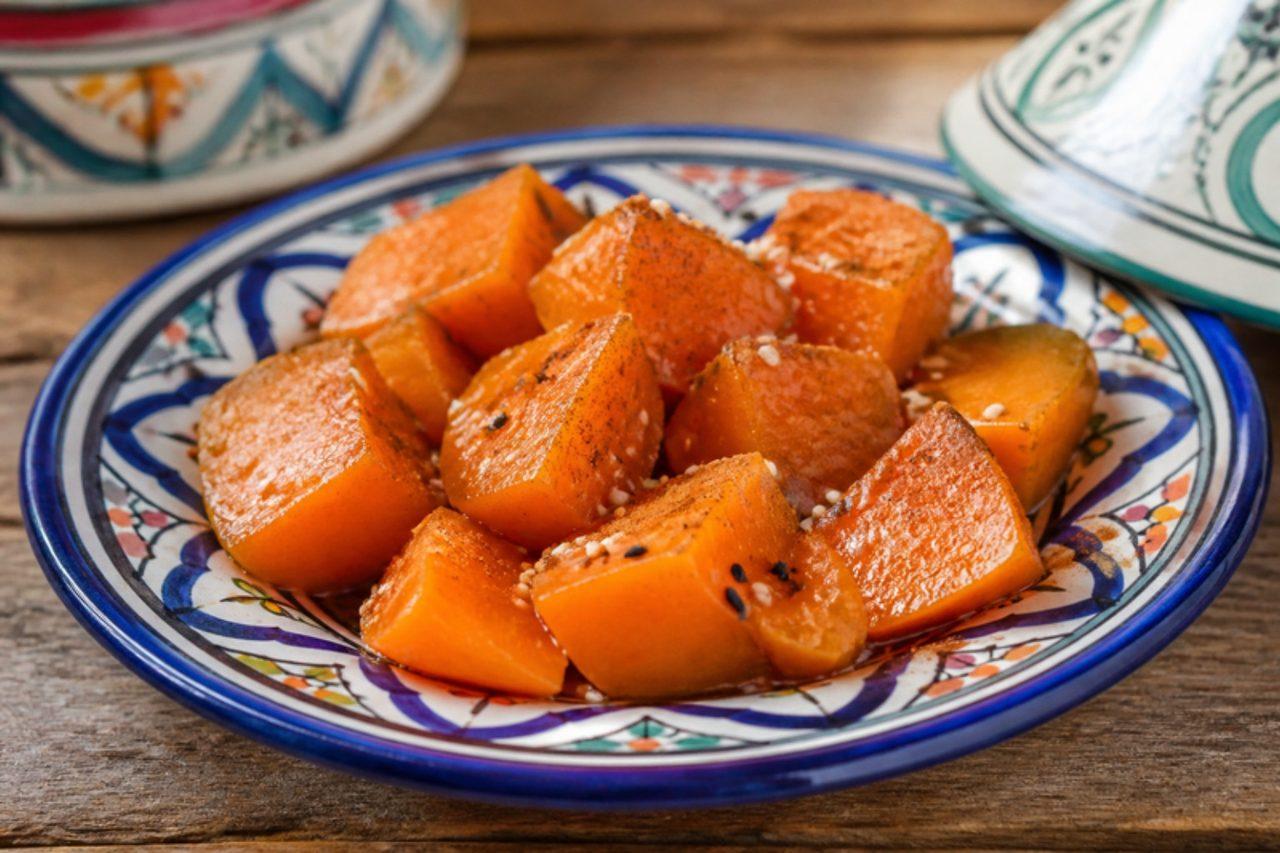
In Fes and Meknes no Friday couscous lunch starts without a ring of little cooked salads, and the sweet red pumpkin one is the children's favourite. Chunks of pumpkin are softened with a little oil, then cooked down with honey, cinnamon and a pinch of ginger until they collapse into a glossy, jammy mash with a few chunks left. Serve it at room temperature with bread, alongside sharper salads like zaalouk or carrots with cumin. Cooks often add too much water and end up with soup; the pumpkin gives off its own juice, so start almost dry. Chef's tip: scatter toasted sesame seeds over just before serving for crunch against the sweetness.

by KrazyBadal 0 views

Tartare d'alguesSeaweed tartare

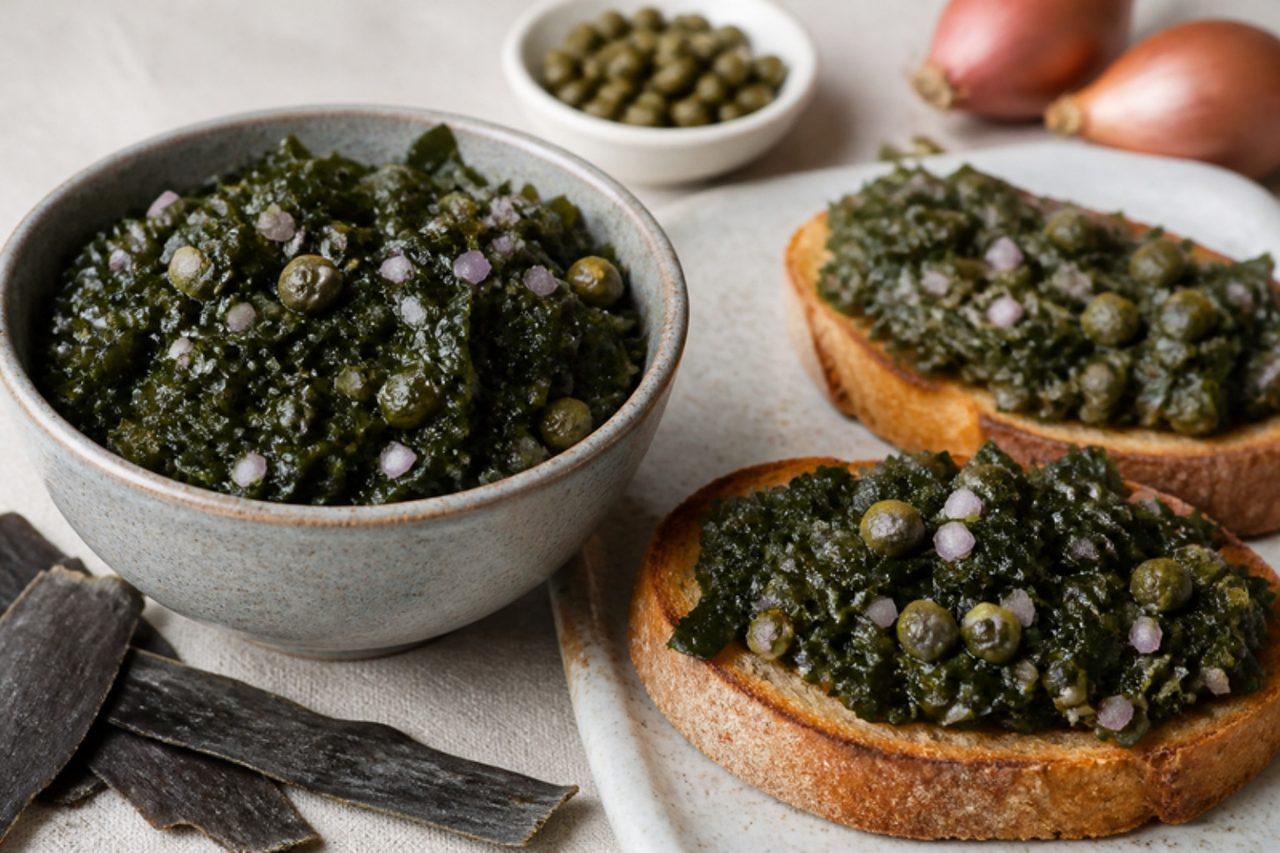
Tartare d'algues is a modern Breton classic, a dark green, salty spread of chopped seaweed with capers, shallots, gherkins and lemon, sold in jars at markets in Roscoff and Saint-Malo and spread on toast or blinis at the apéro. Brittany harvests more seaweed than anywhere else in Europe. The common mistake is not rinsing salted seaweed well enough, so it is far too salty. Chef's tip: rinse the seaweed in two changes of cold water, then taste a piece before chopping.

by KrazyBadal 0 views

AnchoïadeAnchovy dip

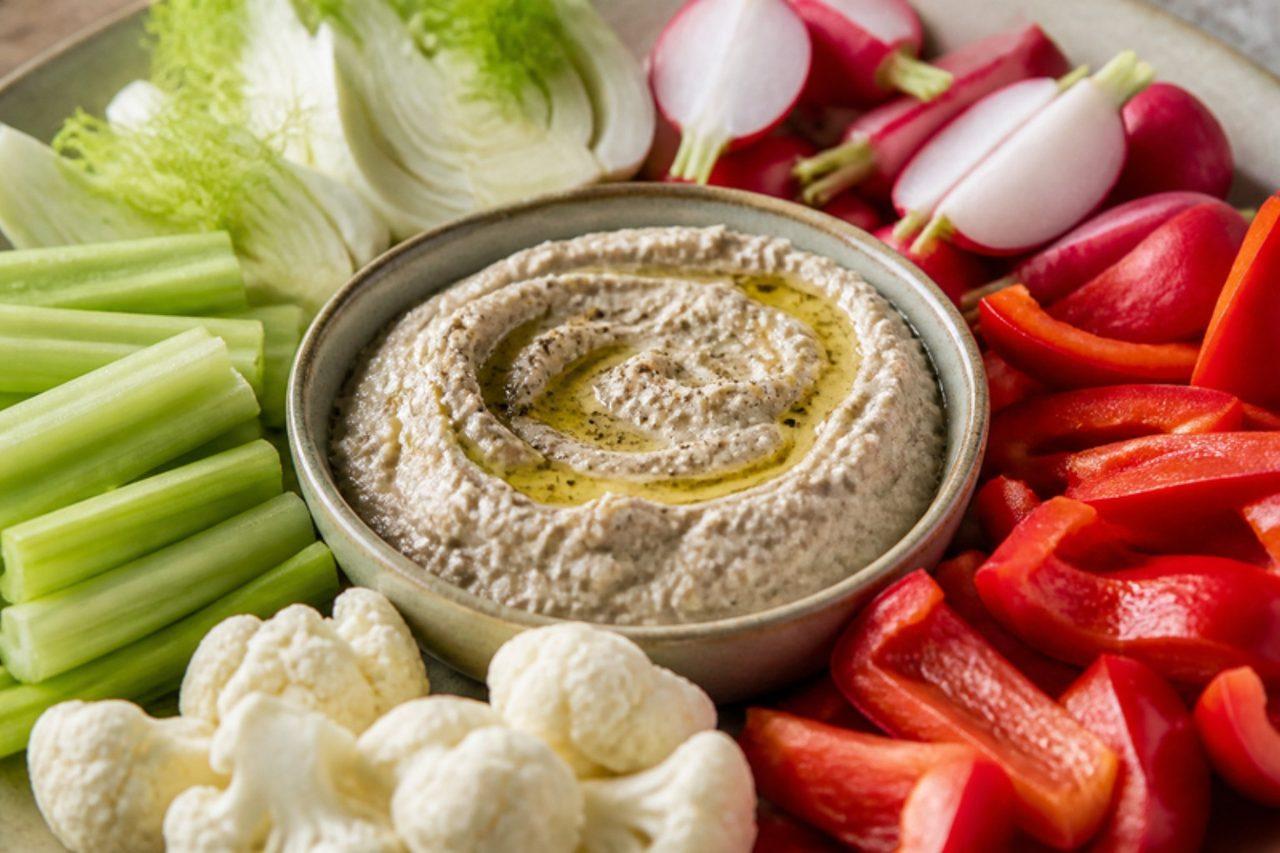
Anchoïade is the anchovy dip of Provence, pounded with garlic and olive oil and served at the apéro or as a summer starter with a big basket of raw vegetables, celery, fennel, radishes, peppers and cauliflower, for everyone to dip; in Marseille and Nice it is also spread on toast. It uses salted (cured) anchovies, which are not cooked: cured fish is not for pregnant women, young children or anyone with a weakened immune system; for a safer version, warm the finished anchoïade gently in a small pan for 3–4 minutes until steaming hot before serving. The common mistake is adding the oil too fast, so it splits. Chef's tip: soak the salted anchovies in milk or water for 10 minutes to soften their saltiness.

by KrazyBadal 0 views

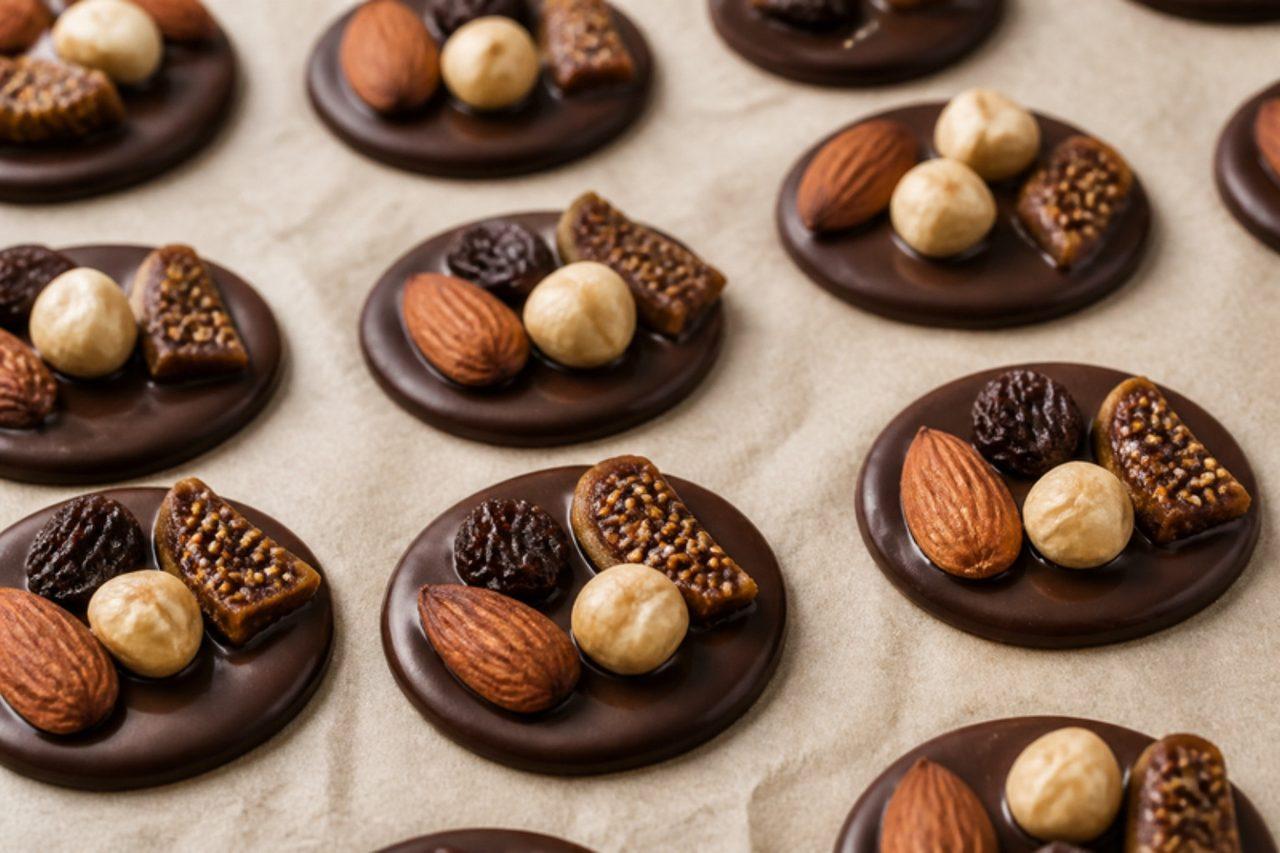
MendiantsChocolate nut and fruit discs

Mendiants are little discs of chocolate topped with an almond, a hazelnut, a raisin and a dried fig, the four "beggars" of the Provençal Christmas, whose colours were said to match the robes of the four mendicant orders of monks; they are part of the thirteen desserts and a favourite home-made Christmas gift. The common mistake is letting the chocolate set before adding the toppings, so they fall off. Chef's tip: pipe only six discs at a time and top them straight away.

by KrazyBadal 0 views

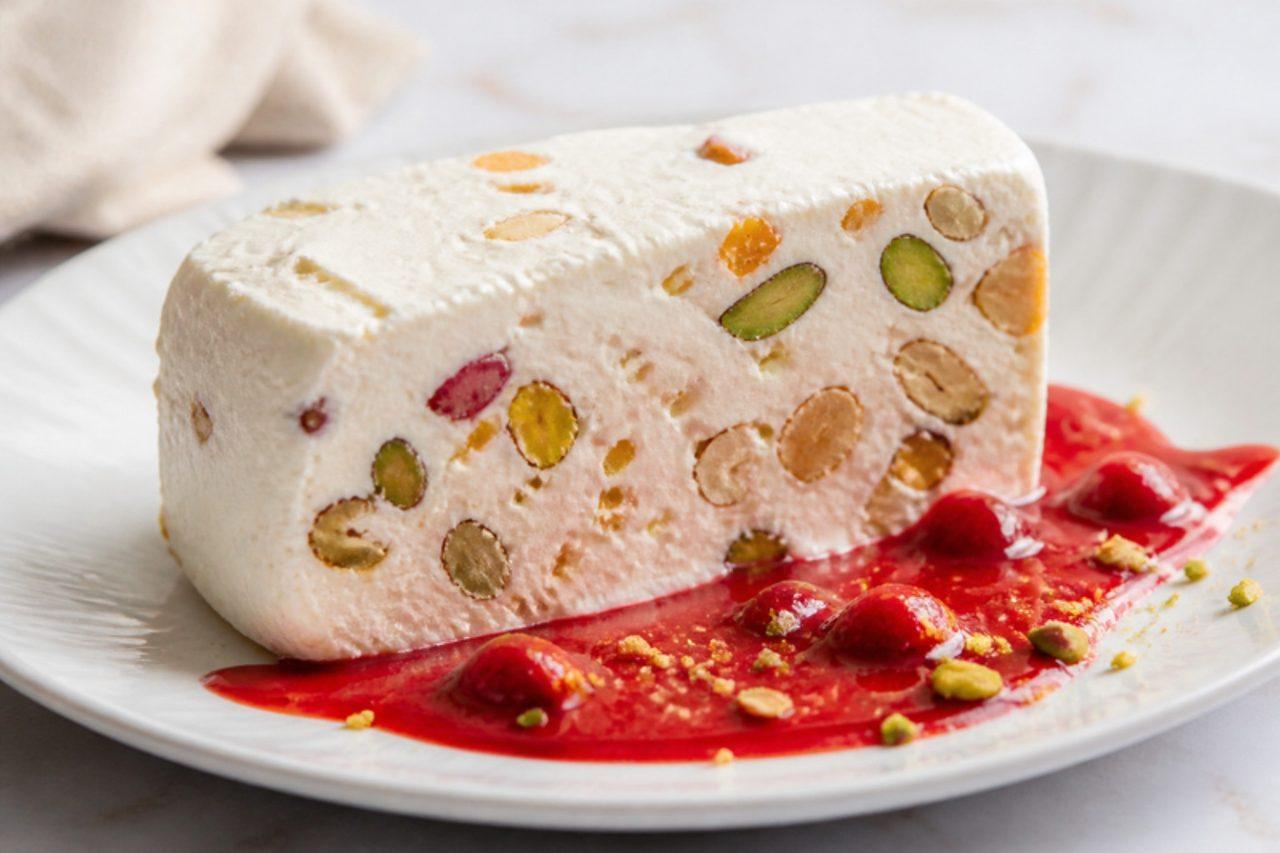
Nougat glacéFrozen nougat parfait

Nougat glacé is the frozen dessert of Provence, inspired by the white nougat of Montélimar: an airy parfait of whipped cream and honey meringue, studded with caramelised almonds, pistachios and candied fruit, served in slices with a red berry sauce at summer dinners. It needs no ice-cream machine. The common mistake is folding in the cream too hard, so it freezes icy instead of light. Chef's tip: take it out of the freezer 10 minutes before slicing.

by KrazyBadal 0 views

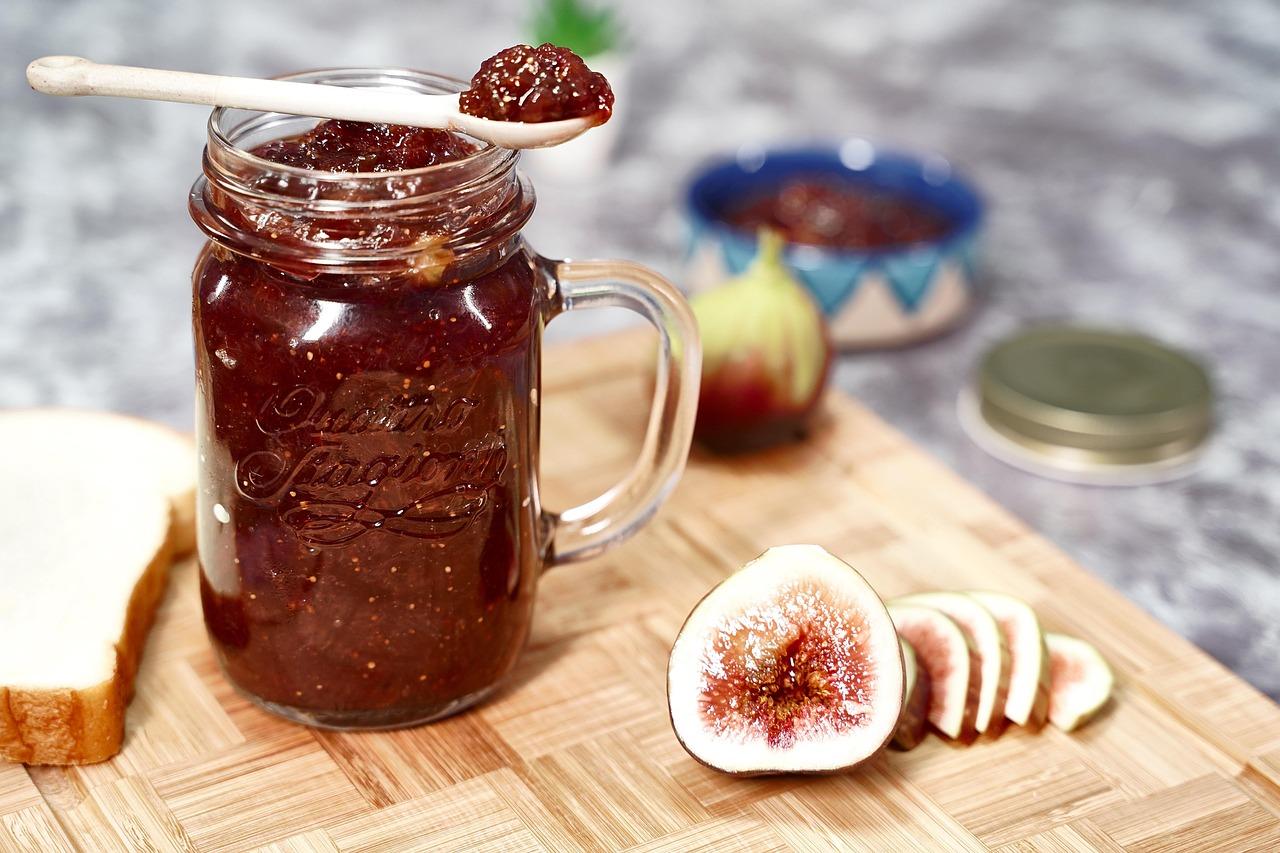
Confiture de figuesFig jam

Fig jam is made in late summer in Provence and the south-west, when the trees are heavy with violet figs, and it is served with breakfast and, very often, with cheese, especially goat's cheese and ewe's cheese from the Pyrenees. The figs are cooked with lemon and vanilla until thick and glossy. The common mistake is undercooking it, so it stays runny. Chef's tip: figs are low in pectin, so add a grated apple or use jam sugar.

by KrazyBadal 0 views

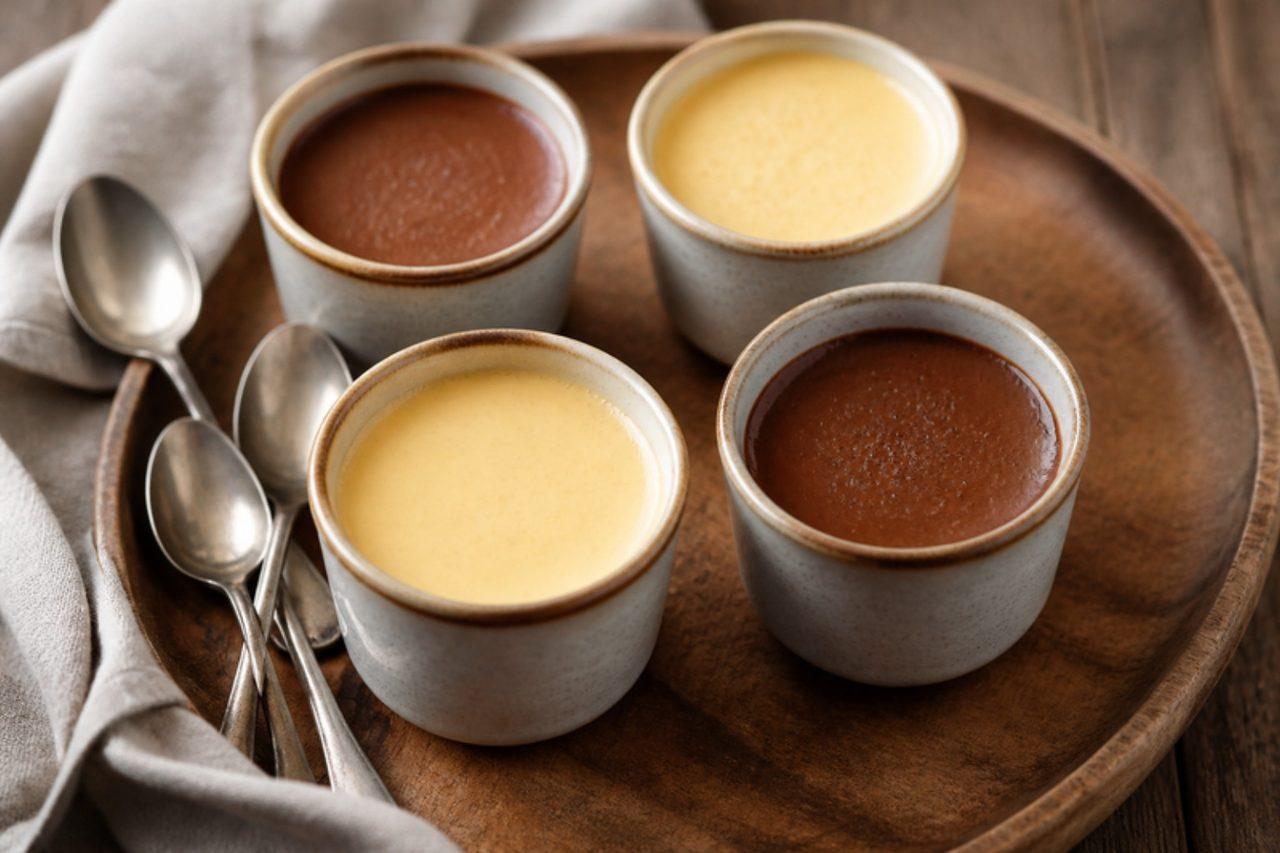
Petits pots de crèmeBaked custard pots

Petits pots de crème are little baked custards in individual pots, a classic dessert of French home cooking and old Paris bistros, often served in a pair: one vanilla, one chocolate. They are richer and softer than crème caramel, set in a gentle water bath. The common mistake is baking them too hot, which leaves bubbles and a grainy texture. Chef's tip: take them out while the centres still wobble; they firm up in the fridge.

by KrazyBadal 0 views

Crème de marronsSweet chestnut spread

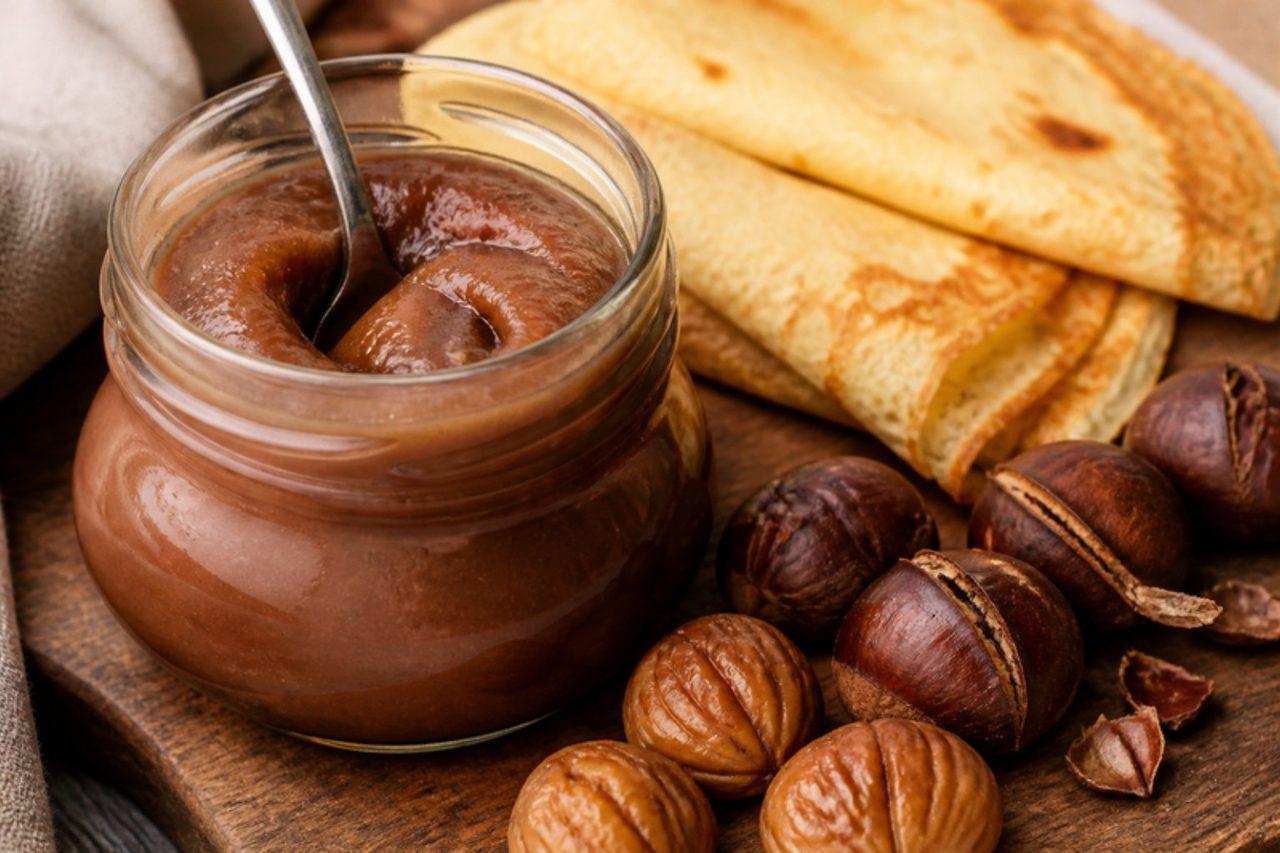
Crème de marrons, sweet chestnut cream, was invented in Privas in the Ardèche in the 1880s to use up broken chestnuts from making marrons glacés, and it is now a French store-cupboard classic: spread on crêpes at Candlemas, stirred into fromage blanc, or piled into a Mont Blanc dessert. This home version uses cooked, peeled chestnuts. The common mistake is not blending it smooth enough. Chef's tip: blend while still warm, and push it through a sieve for a silky finish.

by KrazyBadal 0 views

Poires au vinPears in red wine

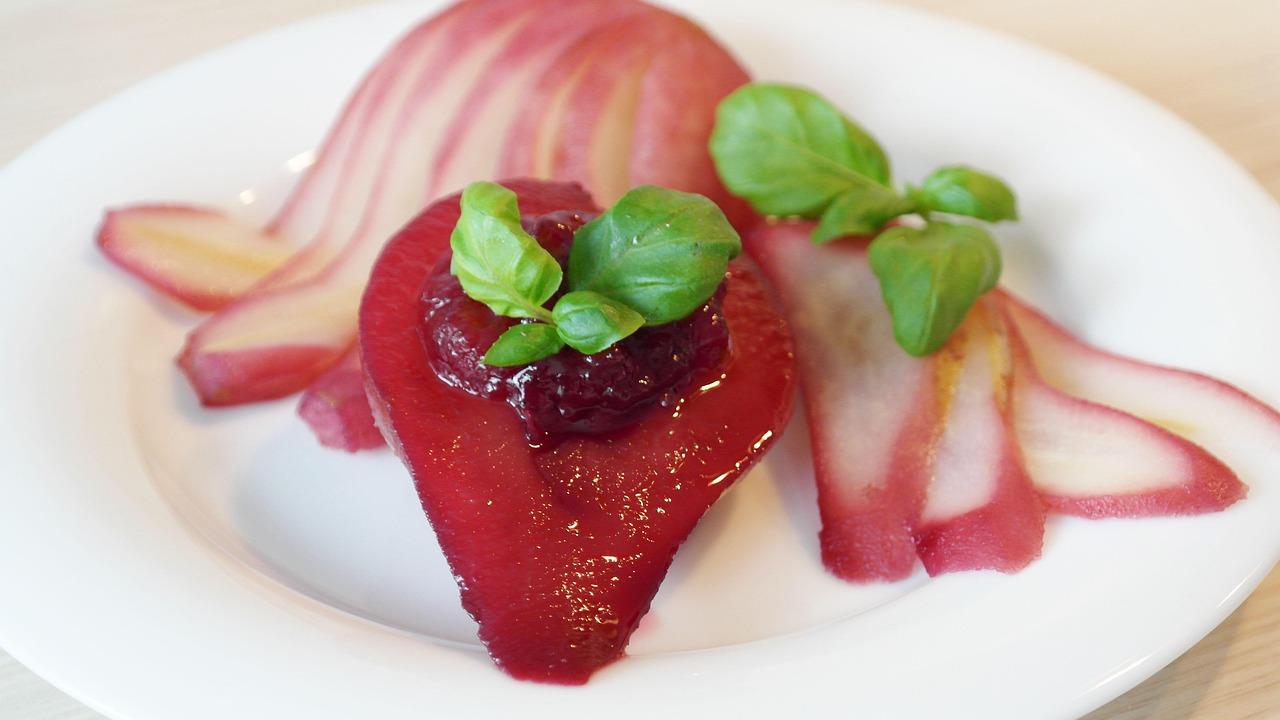
Poires au vin are a simple winter dessert from Burgundy and the Loire, whole pears poached in red wine with sugar, cinnamon, orange and cloves until they turn a deep ruby, then served cold in their reduced syrup. The red wine version is made with alcohol, and most but not all of it cooks off; for children, pregnant guests or anyone avoiding alcohol, use red grape juice with less sugar and a squeeze of lemon. The common mistake is not turning the pears, so they colour unevenly. Chef's tip: leave the pears in the syrup overnight for the deepest colour.

by KrazyBadal 0 views

Gâteau marbréMarble loaf cake

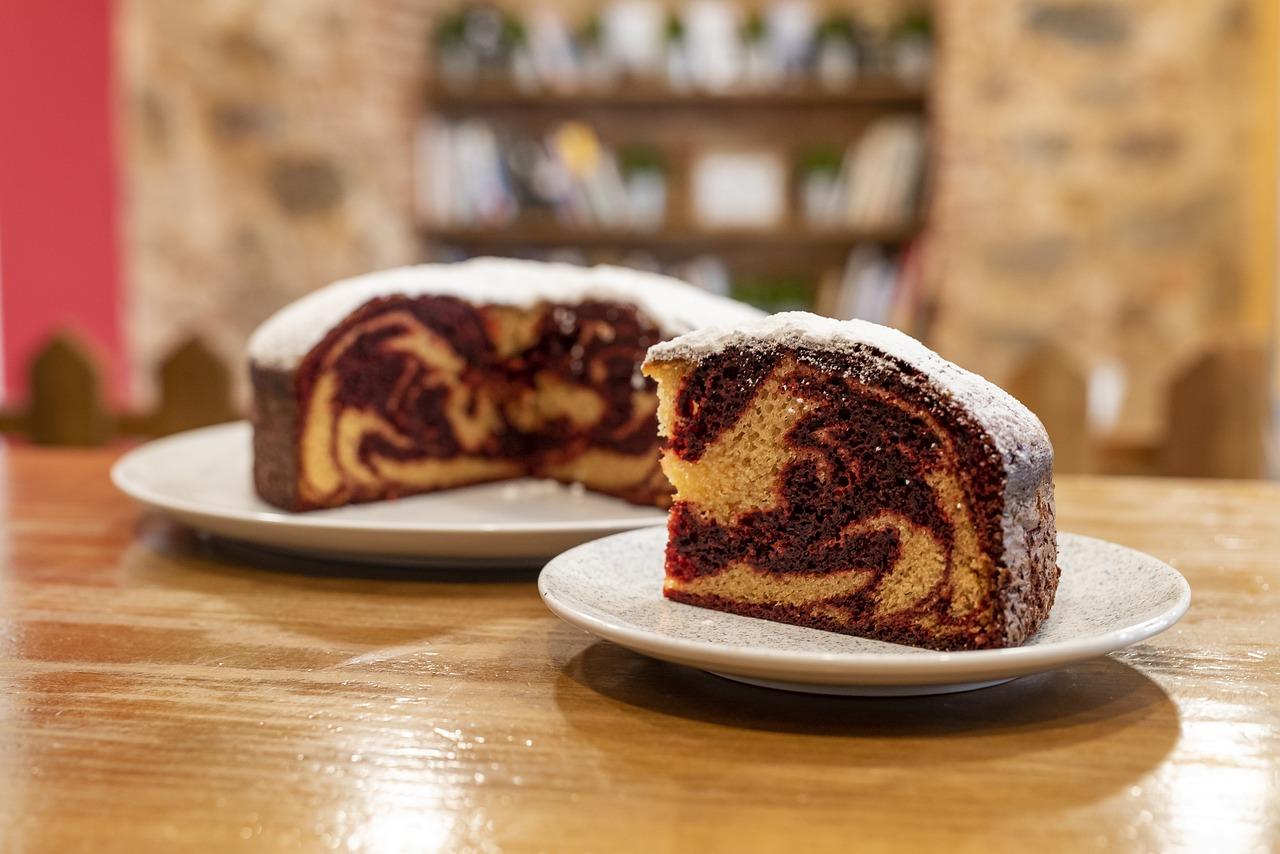
Gâteau marbré is the marble cake of French childhood, a vanilla and chocolate loaf with swirls through every slice, packed in school bags for goûter and sold in supermarkets everywhere as a lunchbox cake. Homemade, it is soft, buttery and quick. The common mistake is swirling too much, which turns the cake brown all through. Chef's tip: layer the two batters in the tin and drag a knife through just two or three times.

by KrazyBadal 0 views

Nougat blancWhite honey nougat

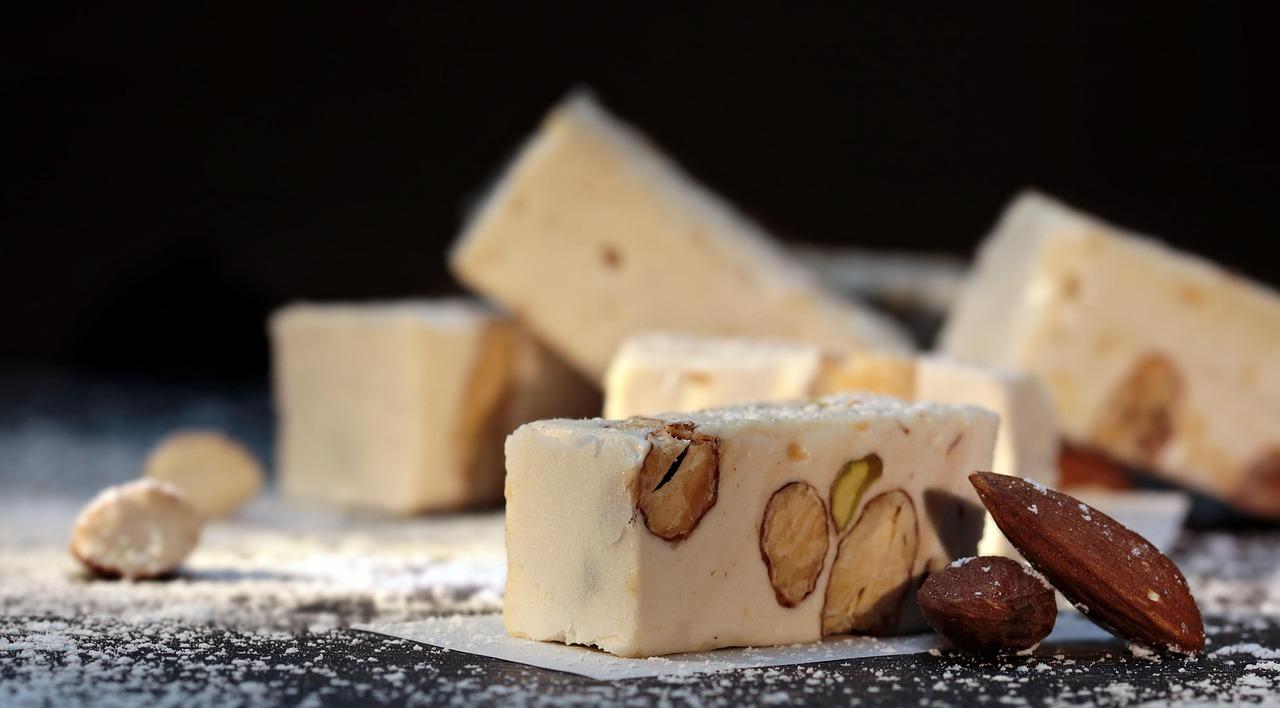
White nougat is the most famous sweet of Montélimar in the Drôme, made with lavender honey, whisked egg white and plenty of almonds and pistachios, and it is one of the thirteen desserts on every Provençal Christmas Eve table. It needs a sugar thermometer, but no special skill. The common mistake is undercooking the syrup, so it never sets firm. Chef's tip: work quickly once the nuts are in, and press the nougat flat with an oiled sheet of baking paper.

by KrazyBadal 0 views

Crêpes dentelleCrisp lace crêpe biscuits

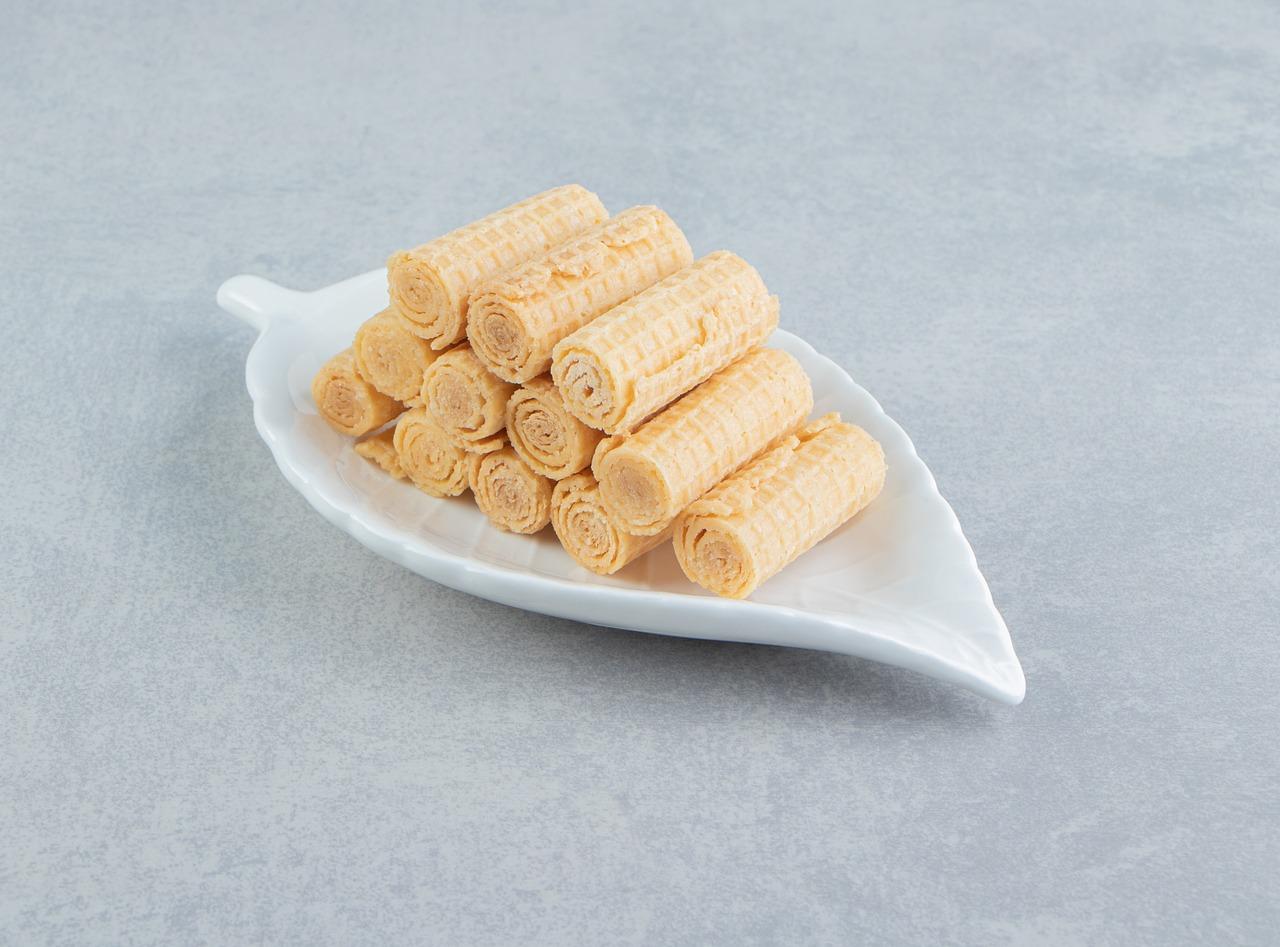
Crêpes dentelle, "lace crêpes", are a speciality of Quimper in Brittany, said to have been invented by a baker there in 1886 who burnt a crêpe and rolled it up; they are wafer-thin, crisp, buttery rolled biscuits, sold in tins all over Brittany and eaten with coffee or crumbled over ice cream. The common mistake is spreading the batter too thick, so they will not crisp. Chef's tip: spread the batter so thin you can see the tray through it, and roll each one as soon as it comes out of the oven.

by KrazyBadal 0 views

Pets-de-nonneFried choux puffs

Pets-de-nonne are tiny fried choux puffs, light as air, rolled in sugar and eaten warm at carnival time, Mardi Gras and in winter markets in Alsace, Lorraine and the Franche-Comté. Spoonfuls of choux dough swell and turn themselves over in the hot oil. The common mistake is frying too hot, so they brown before they puff and stay raw inside. Chef's tip: keep the oil at 170 °C and fry only a few at a time; they turn over by themselves when ready.

by KrazyBadal 0 views

Showing 24 of 314 recipes

Show more recipes

Page 1 of 14