Skip to content
WhatToEat.Today

All recipes

843

Vegetarian, or something you can't eat? Set your diet once and we'll hide recipes that don't fit.

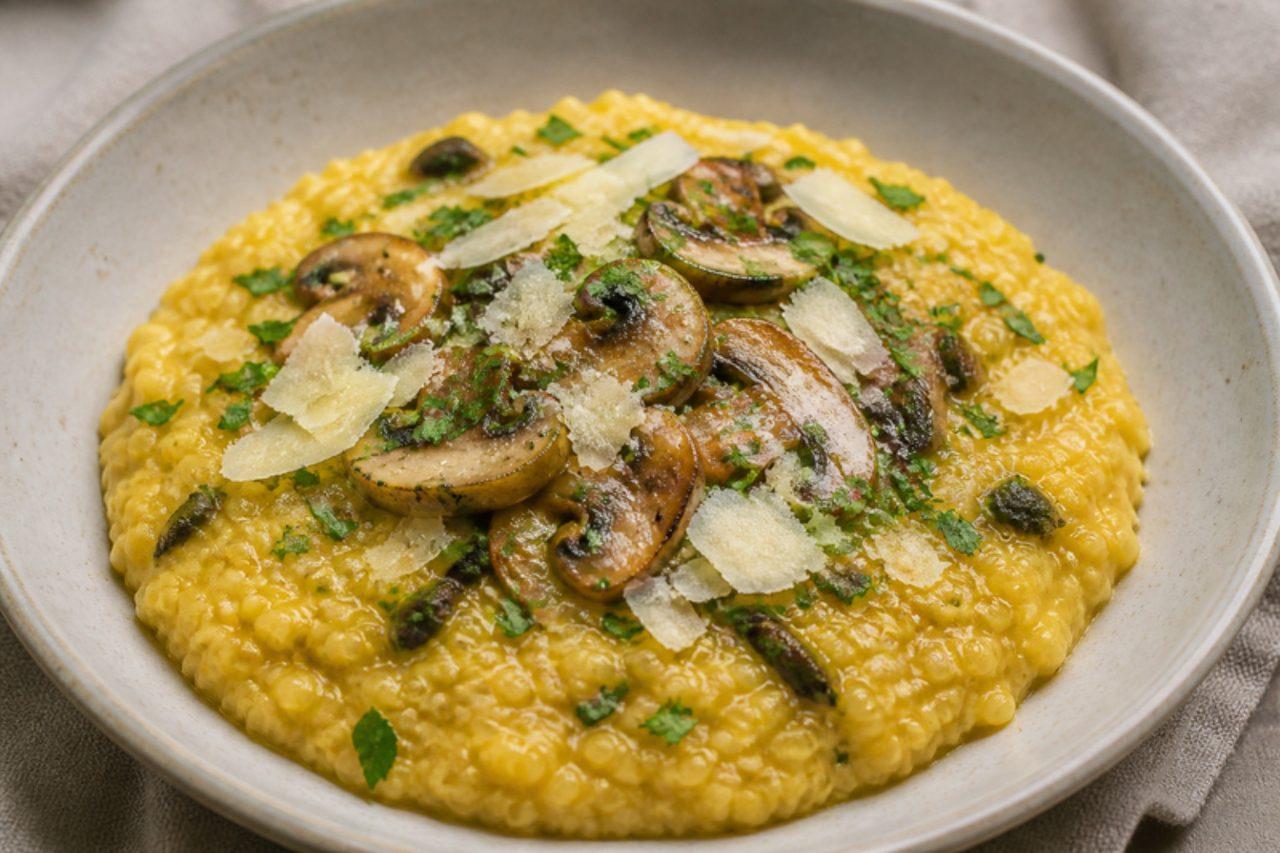
QuinottoCreamy quinoa with mushrooms

Quinotto is quinoa cooked like a risotto, a dish from the new Andean cooking of Cusco and Lima that marries Italian technique with the grain of the high Andes. Quinoa is toasted with onion and garlic, simmered in stock with white wine, then finished with mushrooms, butter, cream and grated cheese until creamy and loose. It has a pleasant pop and nutty flavour that rice never has, and a gentle warmth from ají amarillo. Serve it as a main with a green salad. Use a hard cheese made with vegetarian rennet. Chef's tip: quinoa has little starch, so the creaminess comes at the end; stir in the butter, cheese and cream off the heat and serve straight away while it still flows.

by KrazyBadal 0 views

Tempe mendoanBattered fried tempeh

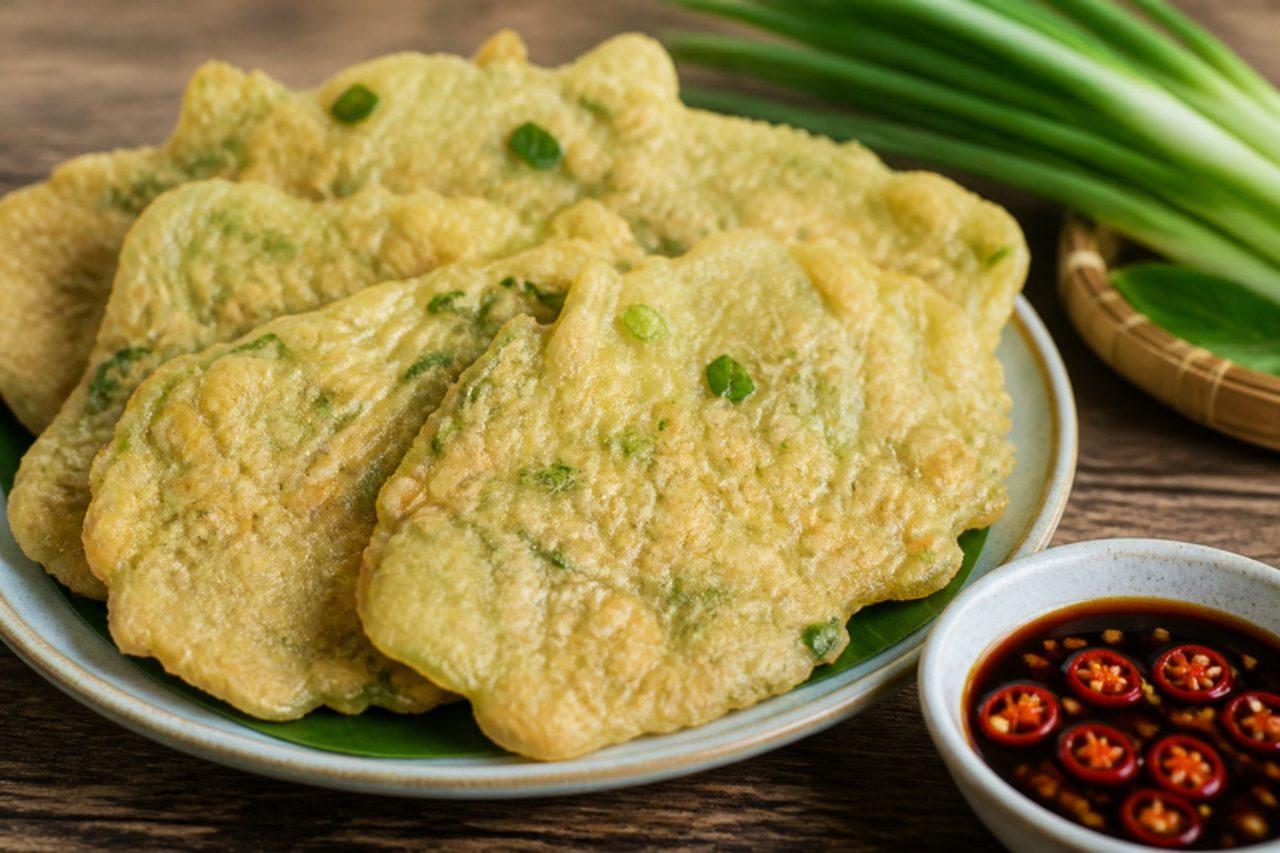
Mendoan comes from Banyumas in Central Java, and in Purwokerto it's sold by the stack at every roadside stall, eaten warm with a raw bird's eye chilli bitten between mouthfuls or dunked in sweet soy. The name comes from the Banyumas word mendo, meaning half-cooked: the batter is deliberately fried only until set and pale, so it stays soft and bendy rather than crisp. Make it with thin, wide tempeh slices so each one is mostly batter and herbs. Chef's tip: fry for barely a minute a side in very hot oil and pull the slices out while they're still pale gold and floppy — that limp, tender texture is the whole point.

by KrazyBadal 0 views

Tempe orekSweet crisp tempeh

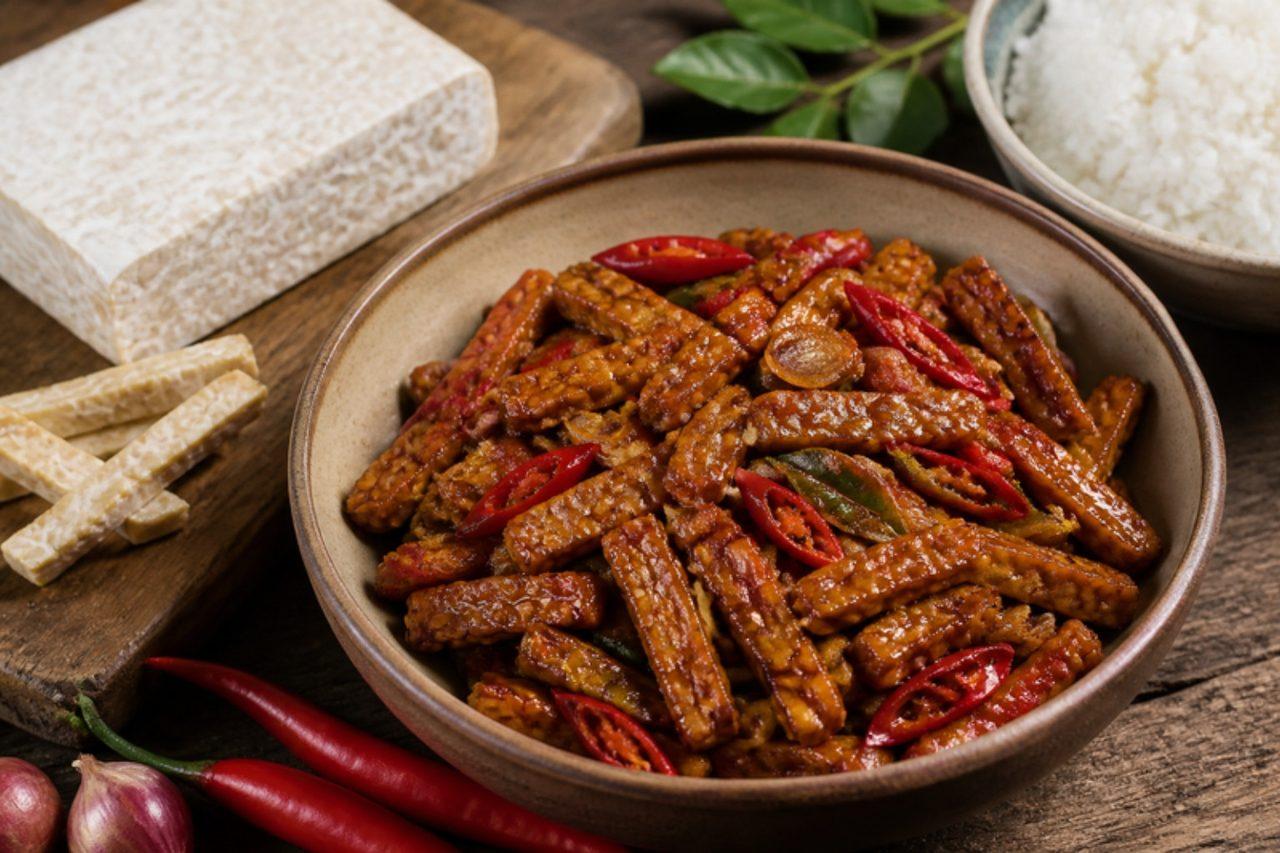
Across Java, tempe orek is the side dish every household keeps in a tub: crisp sticks of tempeh fried and then tossed in a sweet-salty glaze of kecap manis, palm sugar, garlic and chilli. It goes into lunch boxes with plain rice, onto nasi campur plates, and lasts several days without losing its chew, which is why student boarding houses and office canteens rely on it. Some cooks add peanuts or green beans; this version stays classic. Chef's tip: fry the tempeh sticks properly crisp before glazing and keep the glaze to a thick syrup, so the tempeh stays crunchy rather than going soft.

by KrazyBadal 0 views

RawonBlack beef soup

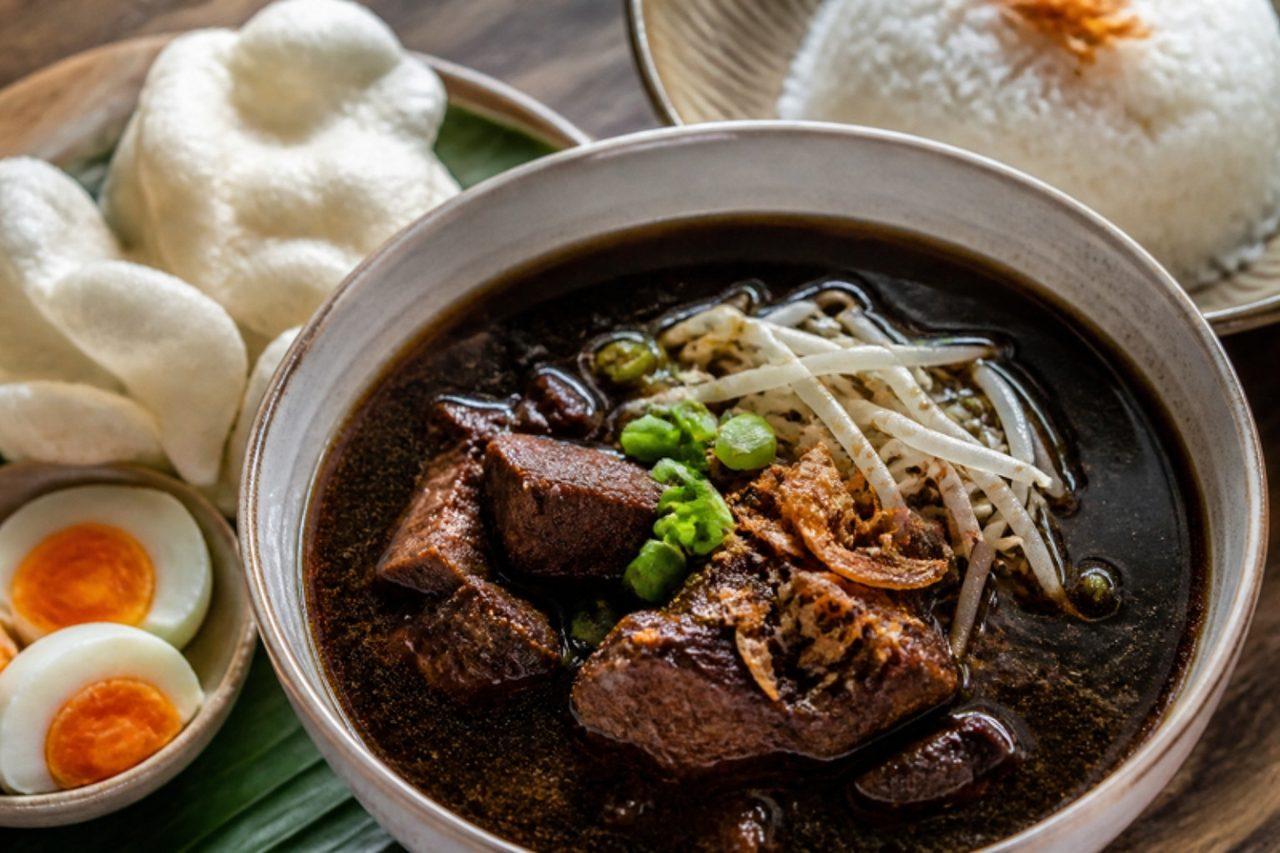
Nothing else on the table looks like rawon: a beef soup as dark as strong coffee, served in Surabaya from breakfast through to the late-night warungs that stay open after the football. Its colour and flavour come from keluak (kluwek), the fermented kernel of a tropical tree nut, which tastes earthy and faintly bitter, somewhere between black olive, cocoa and mushroom. Tender beef cubes swim in the broth, and it's served with rice, short crunchy bean sprouts, a salted duck egg and prawn crackers for crunch. Raw keluak contains a natural poison and is only safe after long processing, so always buy ready-prepared kluwek nuts from an Asian grocer. Chef's tip: crack one nut first and taste a crumb; good flesh is moist, black and smells chocolatey, while sour or dry, pale flesh should be thrown away.

by KrazyBadal 0 views

Mushroom bourguignon

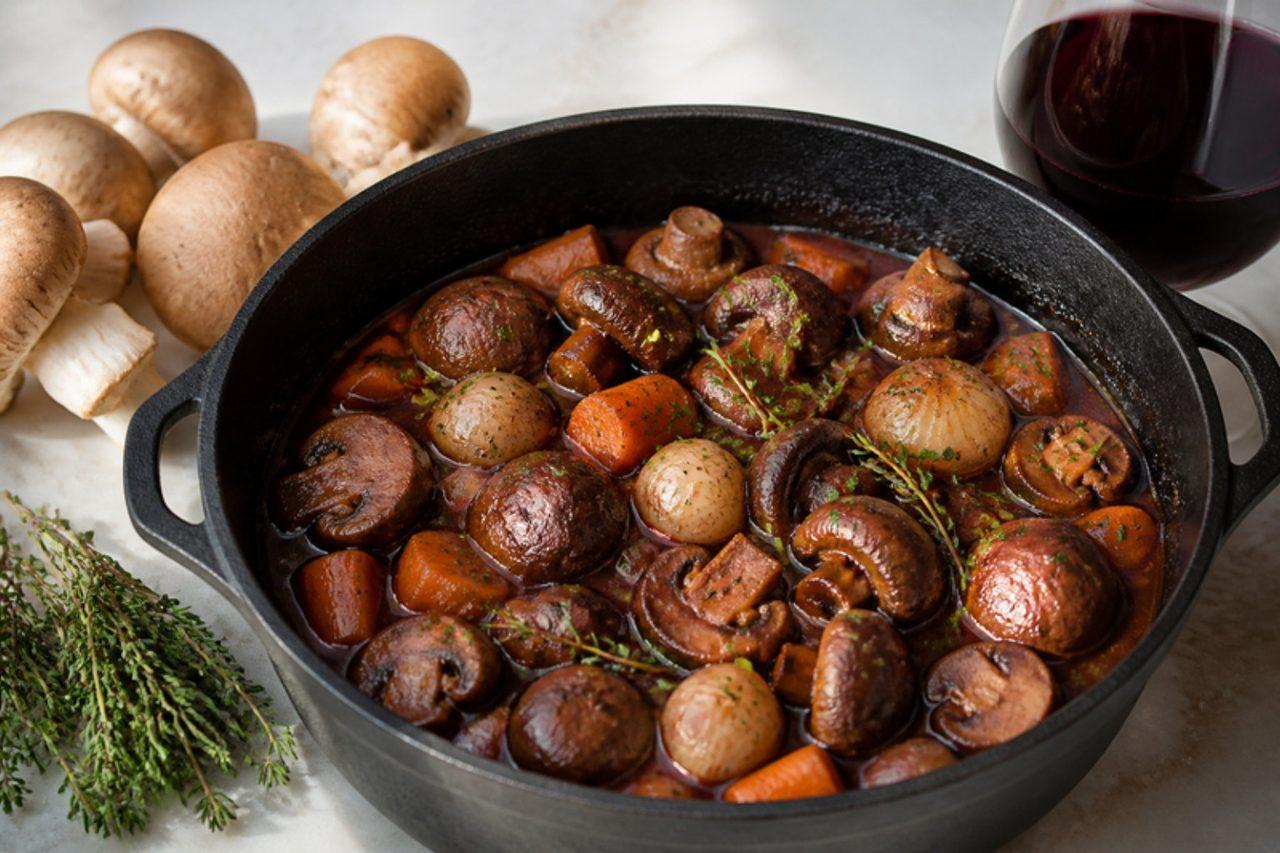
Burgundy's famous stew is traditionally made with beef, but the flavours that make it special are all in the sauce: red wine from the region's vineyards, small whole onions, carrots, thyme and mushrooms. This meat-free version gives the mushrooms the starring role, browned hard so they turn meaty and dark, then simmered in a glossy wine sauce. It is a winter dinner in French homes, served over creamy mashed potatoes, buttered noodles or with a crusty baguette. Pick a vegan-friendly wine if that matters to you. Chef's tip: brown the mushrooms in a hot pan in batches until the liquid they release has evaporated; adding them all at once is the common mistake and they boil instead of browning.

by KrazyBadal 0 views

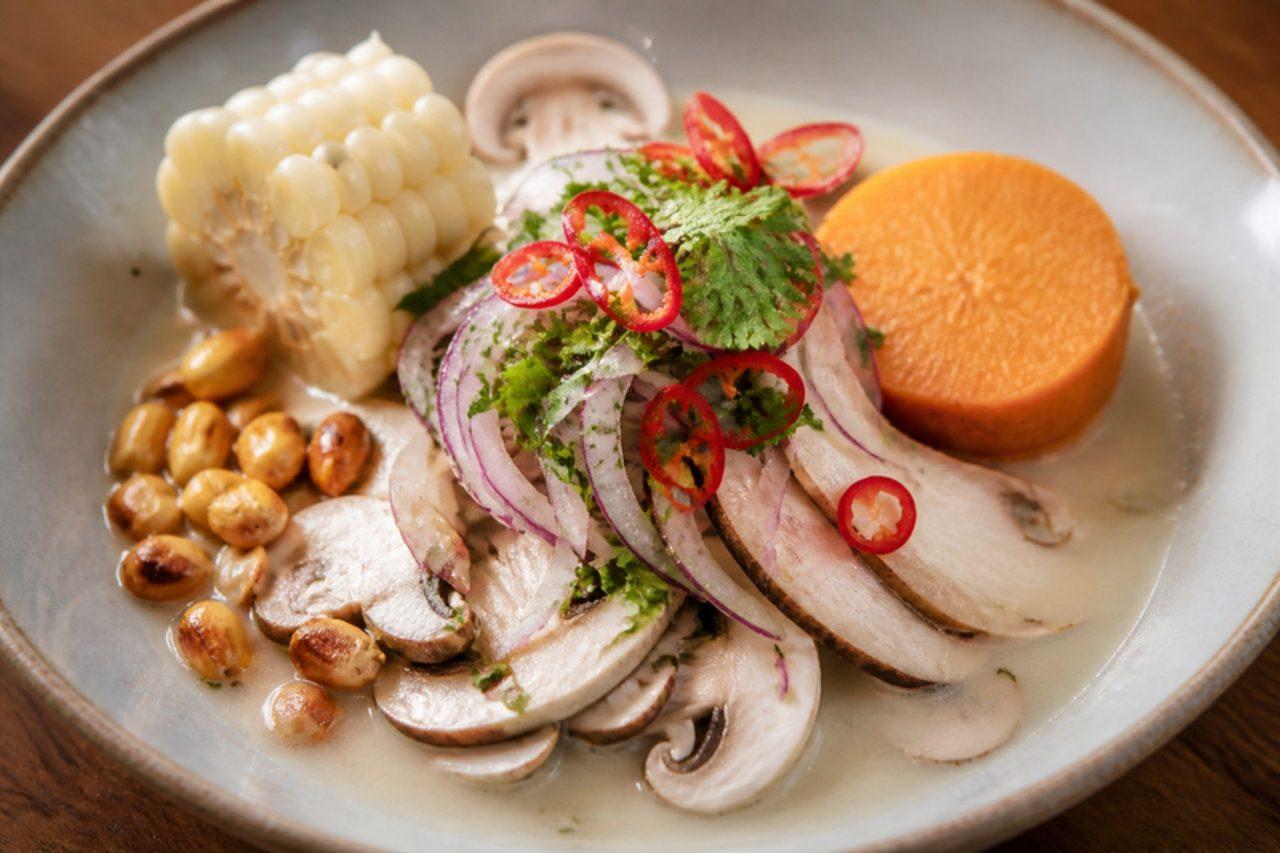
Mushroom ceviche

Ceviche is Lima's great obsession, eaten at lunchtime in cevicherías all along the coast; this vegetarian ceviche de champiñones keeps everything that makes it thrilling except the fish. Raw mushrooms are sliced thin and tossed at the last minute in leche de tigre, the bright, peppery marinade of lime, garlic, ginger, celery and ají limo, so they turn silky but still bite back. Red onion brings crunch, coriander freshness, and on the plate it gets the classic Lima company: a slice of sweet potato, a wedge of corn on the cob and a handful of toasted cancha. Serve it as a starter on a hot day, straight away. Chef's tip: squeeze the limes gently by hand and stop before the pith; pressing hard or using a squeezer that crushes the peel makes the leche de tigre bitter.

by KrazyBadal 0 views

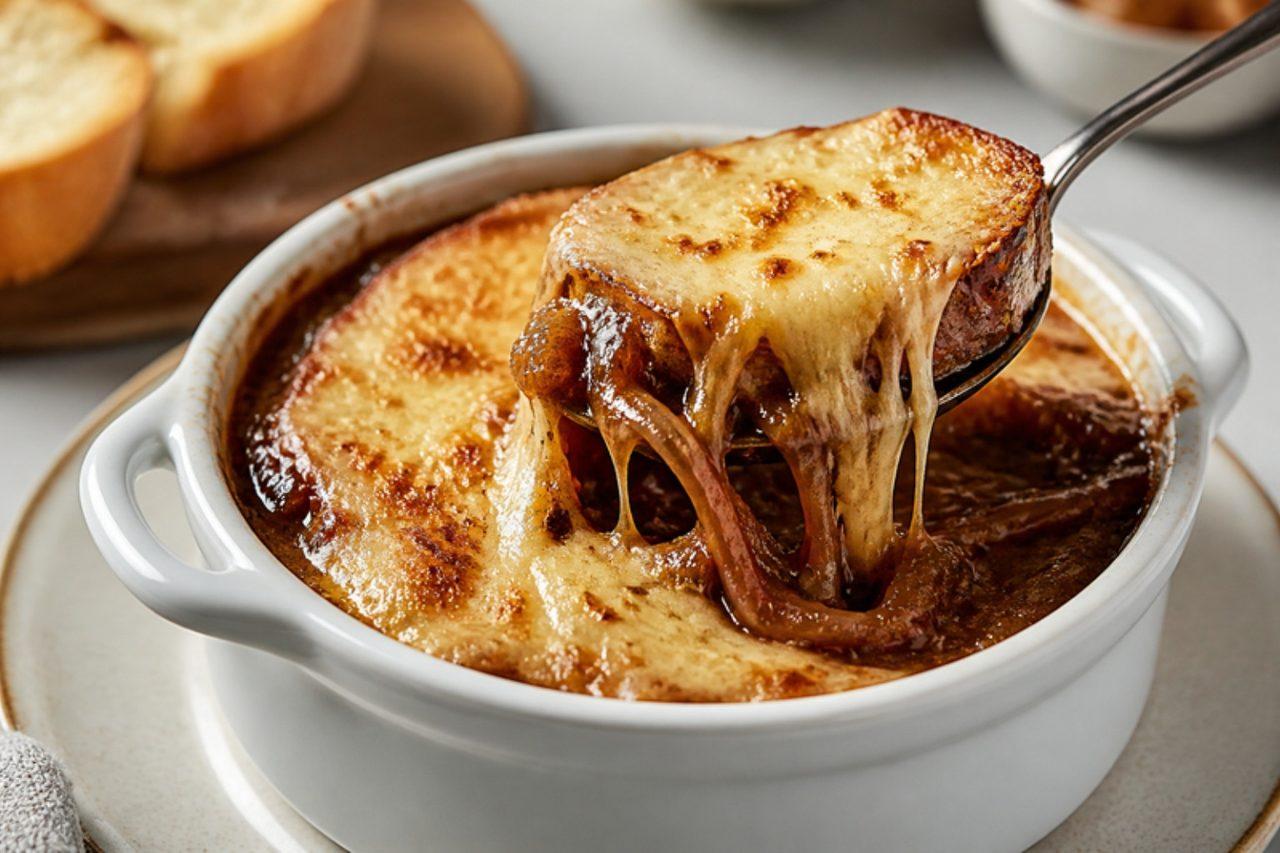
French onion soup

Soupe à l'oignon gratinée was the late-night meal of Les Halles, the old Paris food market, where porters and party-goers ate it at dawn; in Lyon, the city of onions, it's a winter bistro classic. Onions are cooked very slowly in butter until they turn a deep mahogany brown, then simmered in stock with a splash of wine and topped with toasted bread and melted cheese under the grill. The traditional soup uses beef stock; this version uses a rich vegetable stock and lets the deeply browned onions carry the flavour. Gruyère and Comté are made with animal rennet, so use a vegetarian alternative. Chef's tip: give the onions a full hour on a low heat; rushing them over a high heat is the common mistake and they burn before they sweeten.

by KrazyBadal 0 views

Rocoto rellenoStuffed rocoto peppers

Rocoto relleno is the pride of Arequipa's picanterías: fiery rocoto peppers stuffed with a sweet-savoury filling, topped with cheese and baked over sliced potato in an egg and milk custard. The traditional filling is minced beef; this vegetarian version uses mushrooms and lentils fried with ají panca, cumin, peanuts, raisins, olives and boiled egg, which gives the same rich, spiced, slightly sweet bite. The peppers are first blanched several times in fresh water with sugar and vinegar to tame their heat, which is the real skill of the dish. If you can't find rocotos, use small red bell peppers and add a little habanero to the filling. Chef's tip: taste a sliver of rocoto after the second blanching; stop when it is hot but pleasant, and blanch once more if it still burns.

by KrazyBadal 0 views

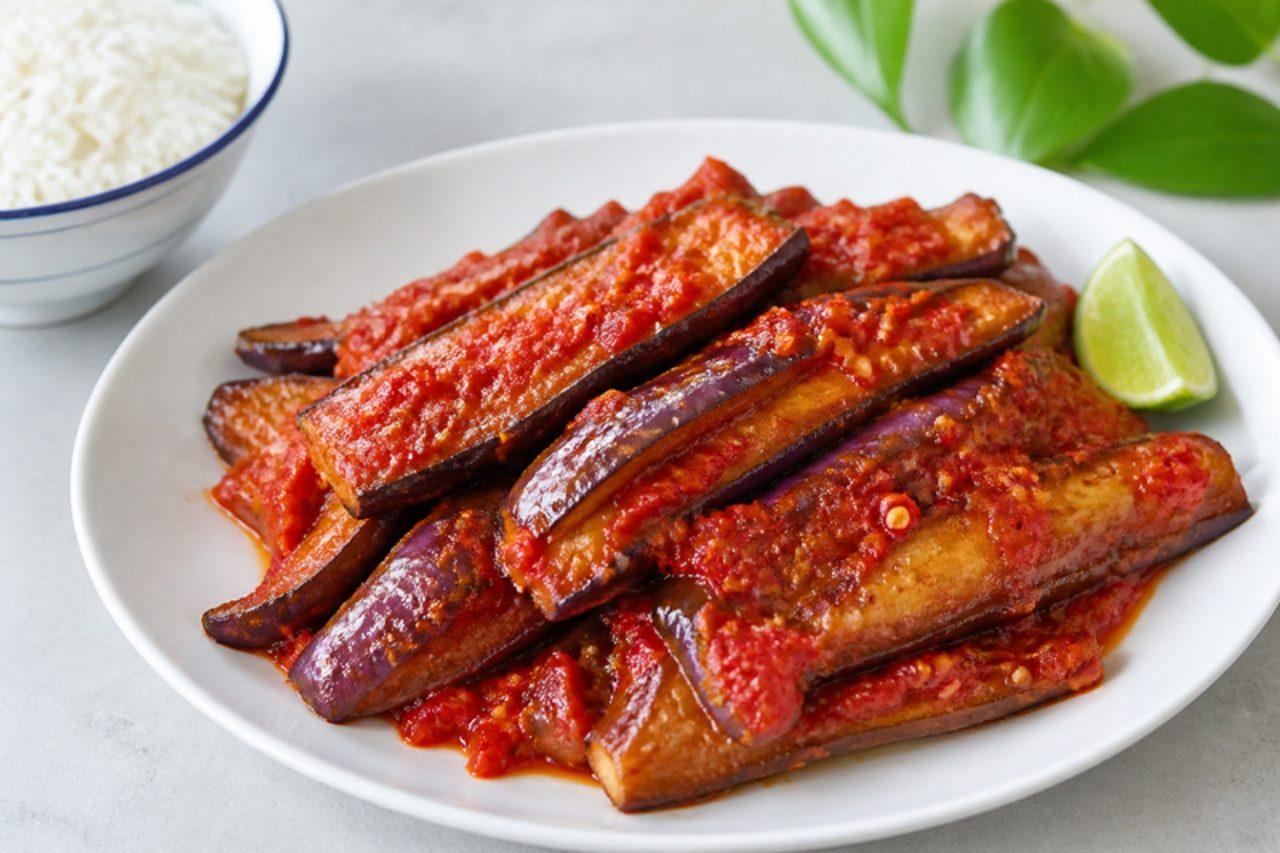
Terong baladoFried aubergine in chilli sambal

Balado is the Minangkabau way of smothering fried food in a coarse, shiny red chilli sambal, and in West Sumatra the aubergine version is a daily home dish as much as a restaurant one. The aubergine is fried until soft and creamy inside, then folded into a sambal of red chillies, shallots and tomato cooked down until sweet. Serve it at room temperature with rice and fried tofu. Chef's tip: grind the chillies coarsely rather than to a purée; Padang cooks want flecks of skin and seed in a balado.

by KrazyBadal 0 views

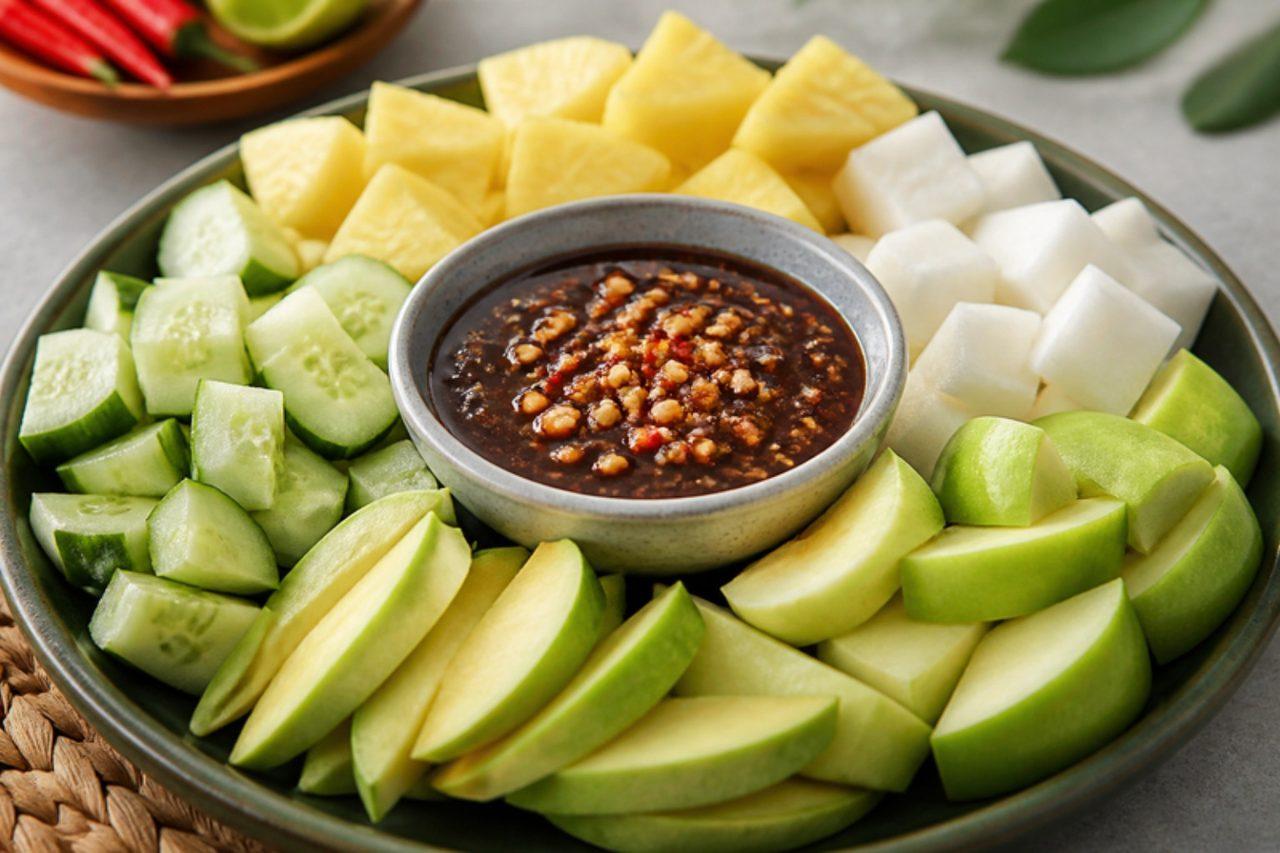
Rujak buahFruit salad with tamarind dip

Across Java, rujak buah is the afternoon snack that office workers share from a paper cone: crisp green mango, jicama, pineapple and cucumber dragged through a dark, sticky sauce of palm sugar, tamarind and crushed chilli. Hawkers usually add shrimp paste; many make a version without, which is what this is, with a few roasted peanuts for body. The mix of sour fruit and hot, sweet sauce wakes you up on a humid day. Chef's tip: chill the fruit but keep the sauce at room temperature, so it stays loose enough to cling.

by KrazyBadal 0 views

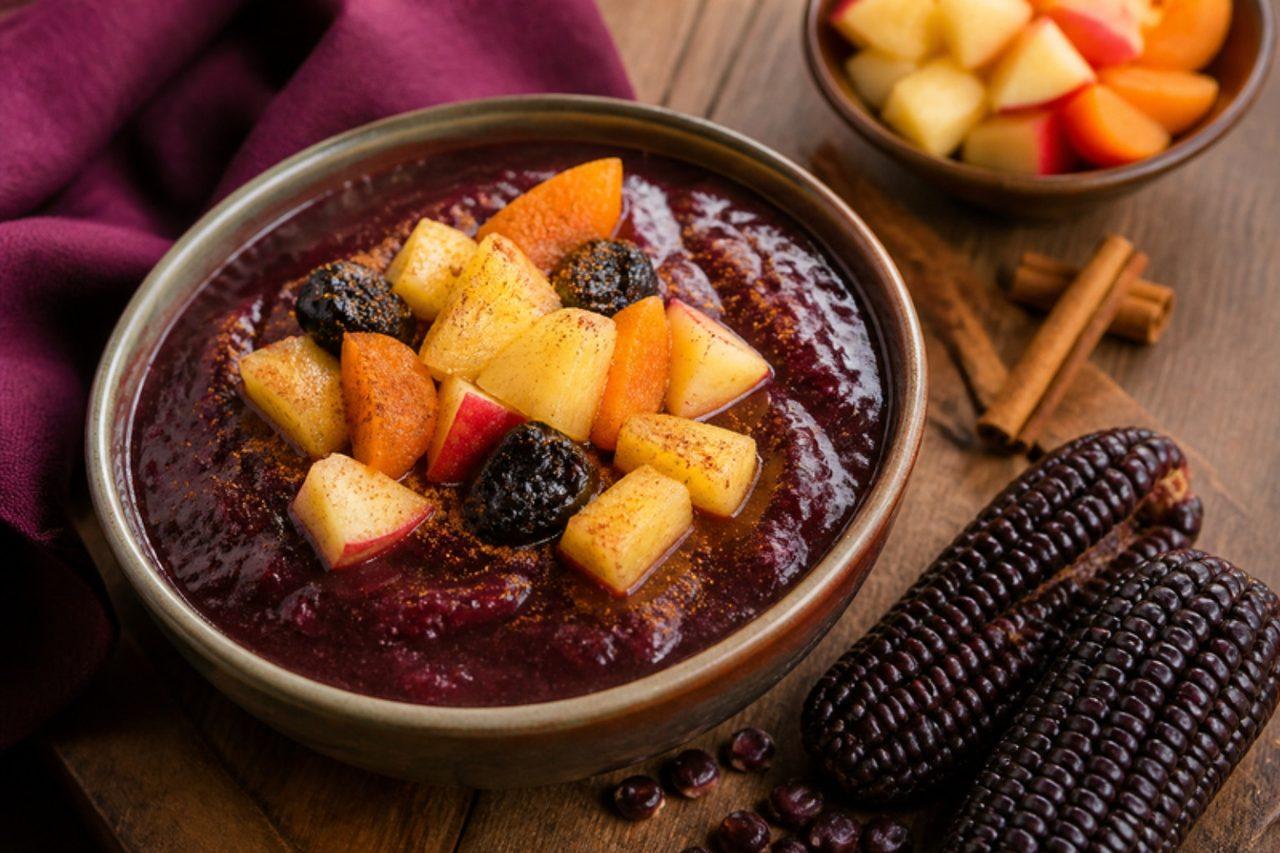
Mazamorra moradaPurple corn pudding

Mazamorra morada is a deep purple pudding from Lima, made by boiling Andean purple corn with pineapple peel and spices and then thickening the dark juice with sweet potato starch and fruit. It is sold in little cups at markets and street carts, and in Lima it is eaten all year but above all in October, often spooned into the same bowl as rice pudding, a combination called el clásico. It is fruity, gently spiced and wobbly, like a thick jam pudding. Dried purple corn (maíz morado) is sold in Latin shops and online; purple corn powder works too. Chef's tip: dissolve the starch in cold water and stir it in off the boil; tipping it into a bubbling pan makes lumps that never smooth out.

by KrazyBadal 0 views

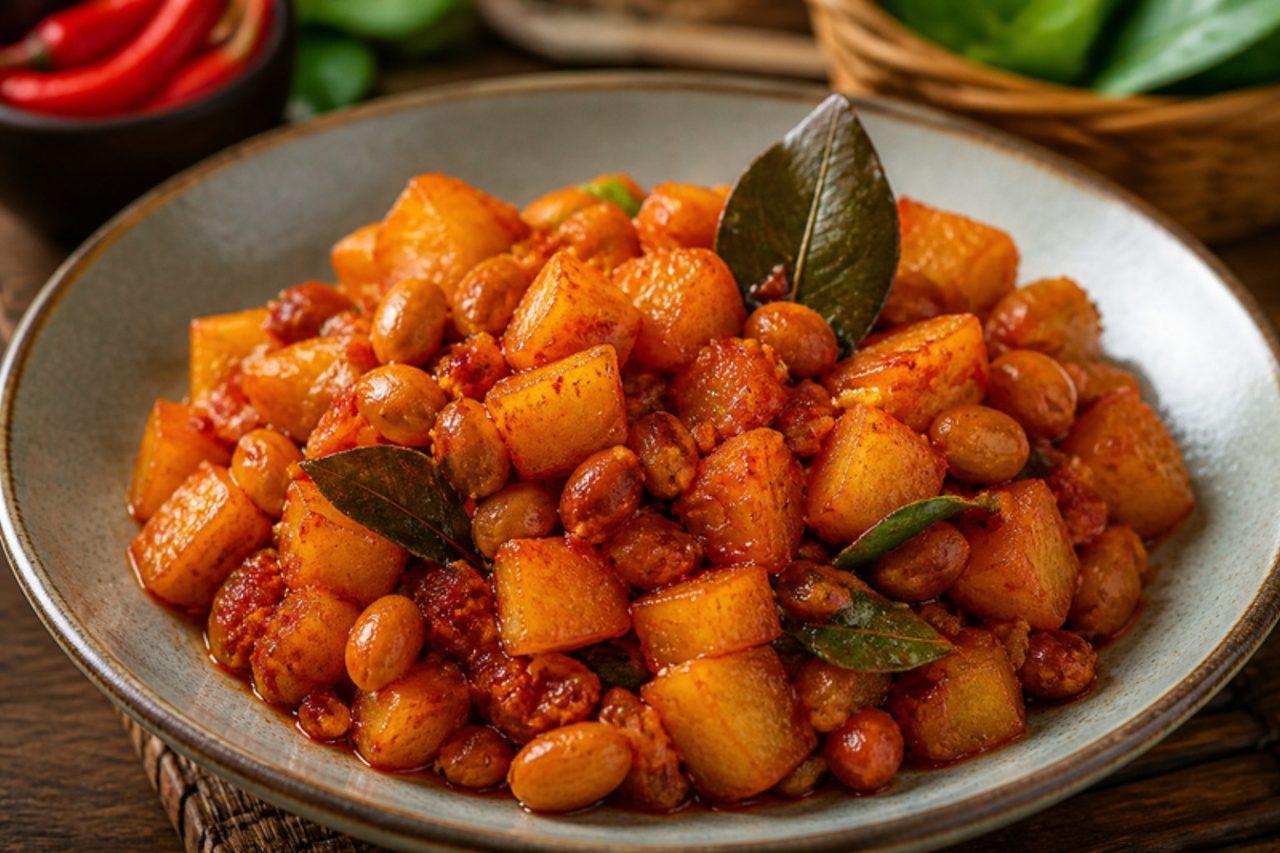
Sambal goreng kentangFried potatoes in sweet-hot sambal

Sambal goreng kentang turns up wherever there's a celebration in Java and Sumatra: on Lebaran tables next to ketupat and opor, in wedding buffets, and in boxes of nasi kotak handed out at gatherings. The potatoes are cut small, fried until crisp and golden, then tossed through a red chilli and shallot sambal sweetened with palm sugar and sharpened with tamarind, so each cube is coated and chewy at the edges. It keeps well and is eaten at room temperature with rice. Chef's tip: soak and dry the potato cubes thoroughly before frying; damp potatoes spit, steam and never crisp up.

by KrazyBadal 0 views

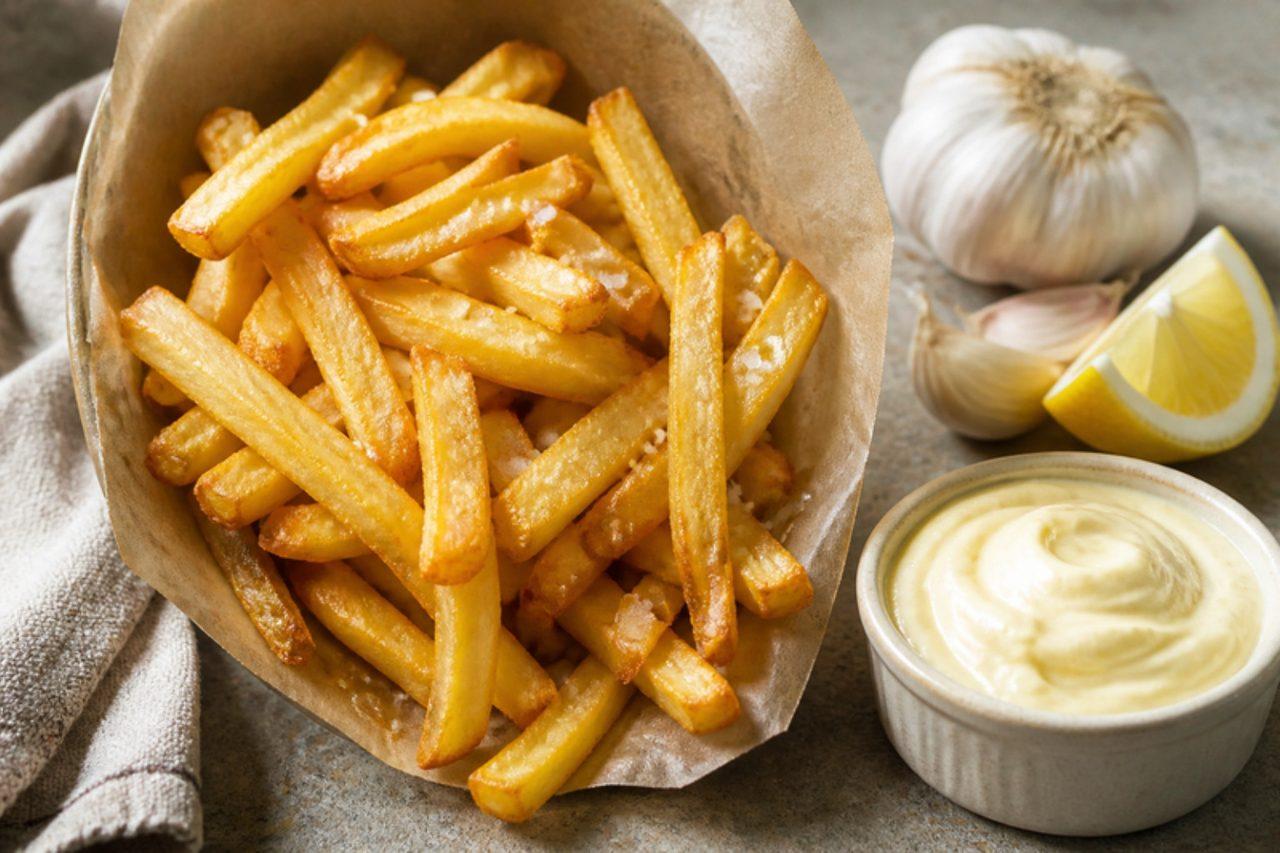
Frites with aïoliChips with garlic mayonnaise

Frites are a fixture of French brasseries and street stalls, served in paper cones at markets and beside every omelette and salad in Paris cafés. The secret is frying twice: once gently to cook them through, then hot to make them crisp. In Provence, the dip would be aïoli, a thick, garlicky sauce that gave its name to the region's Friday feast. Our aïoli is made the old-fashioned egg-free way, with a little boiled potato to hold the garlic and olive oil together. Children usually prefer it with less garlic. Chef's tip: dry the cut potatoes thoroughly before frying; wet chips are the common mistake that make the oil spit and leave the chips soft.

by KrazyBadal 0 views

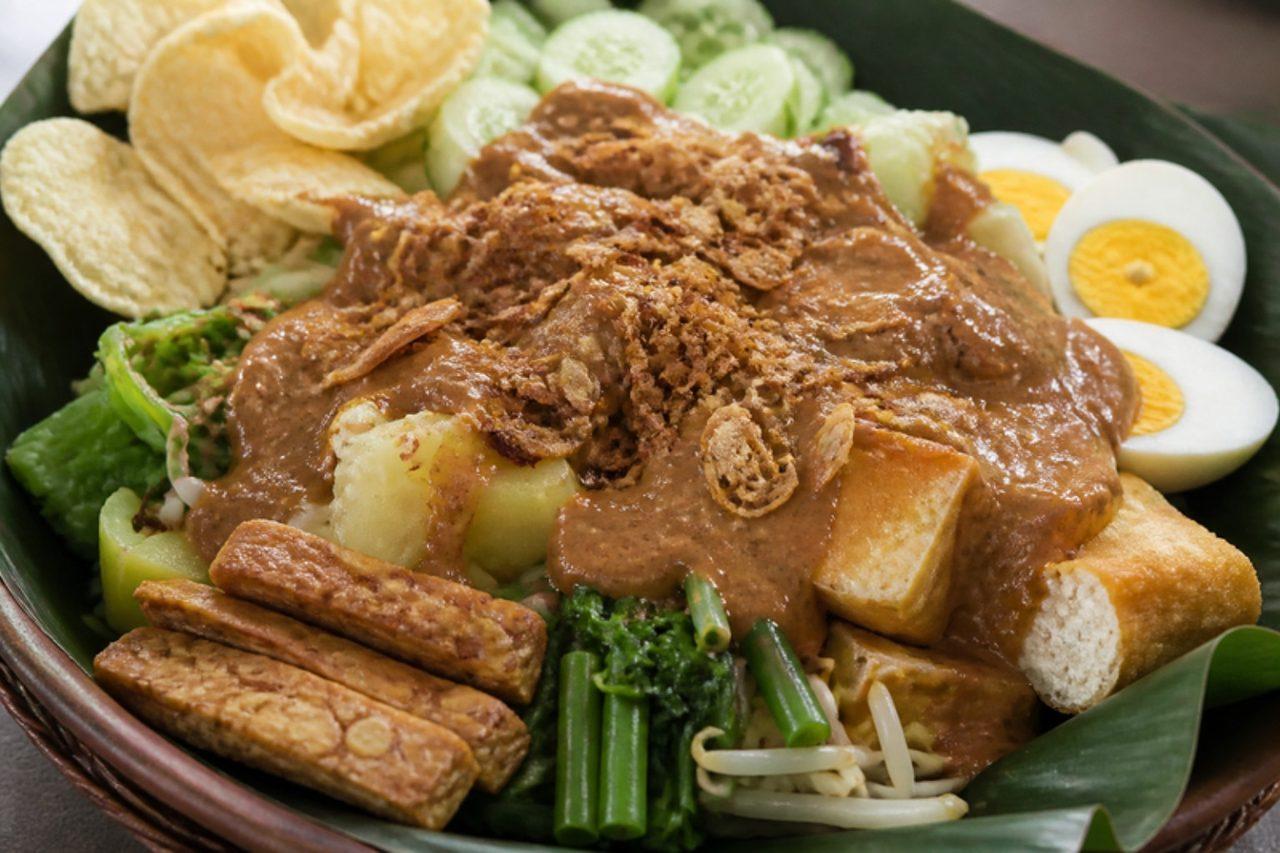
Gado-gadoVegetable salad with peanut sauce

In Jakarta, gado-gado is lunch from a pushcart: the Betawi seller grinds the peanut sauce to order on a stone ulekan, then tips blanched greens, potato, tofu, tempeh and egg into it and mixes everything by hand. The name roughly means "mix-mix", and that is how it's eaten, with every vegetable coated in a sauce that's nutty, sweet from palm sugar, sour from tamarind and as hot as you ask for. It's a full meal on its own, crunchy with emping or rice crackers on top. Chef's tip: loosen the peanut sauce with warm water only at the end and stop when it coats a spoon like custard; too thin and it slides off the vegetables and pools on the plate.

by KrazyBadal 0 views

Sambal matahRaw shallot and lemongrass relish

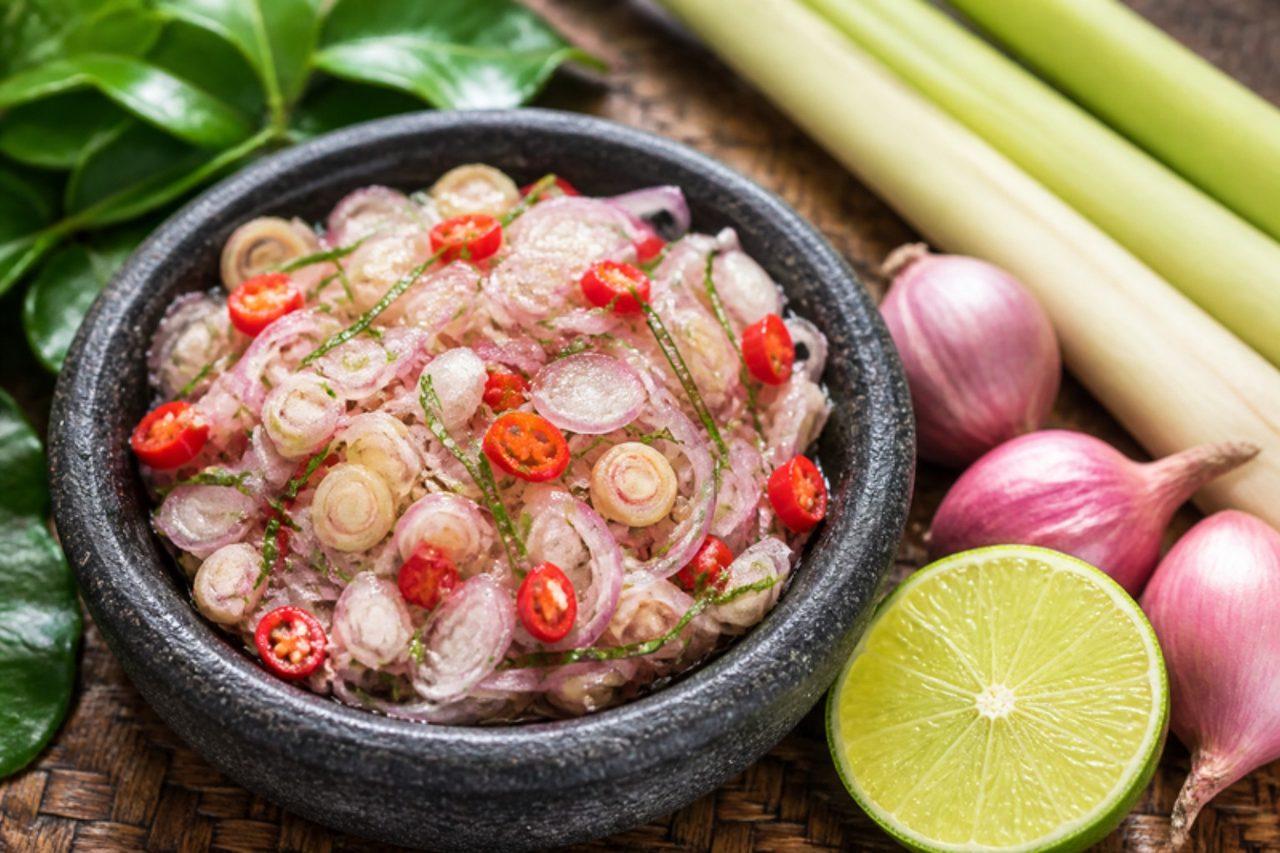
Matah means raw in Balinese, and this sambal is nothing more than finely sliced shallots, chillies, lemongrass and lime leaf, squeezed with lime and dressed with hot coconut oil. It is the fresh, sharp counterpart to grilled tempeh, tofu, corn fritters and plain rice in warungs across Bali. Village cooks rub in a little toasted shrimp paste; this vegetarian version gets its savoury edge from salt and a touch of sugar. Chef's tip: squeeze the salted shallots with your fingers before adding the oil; they soften and release juice that carries the flavour.

by KrazyBadal 0 views

Sambal oelekFresh chilli paste

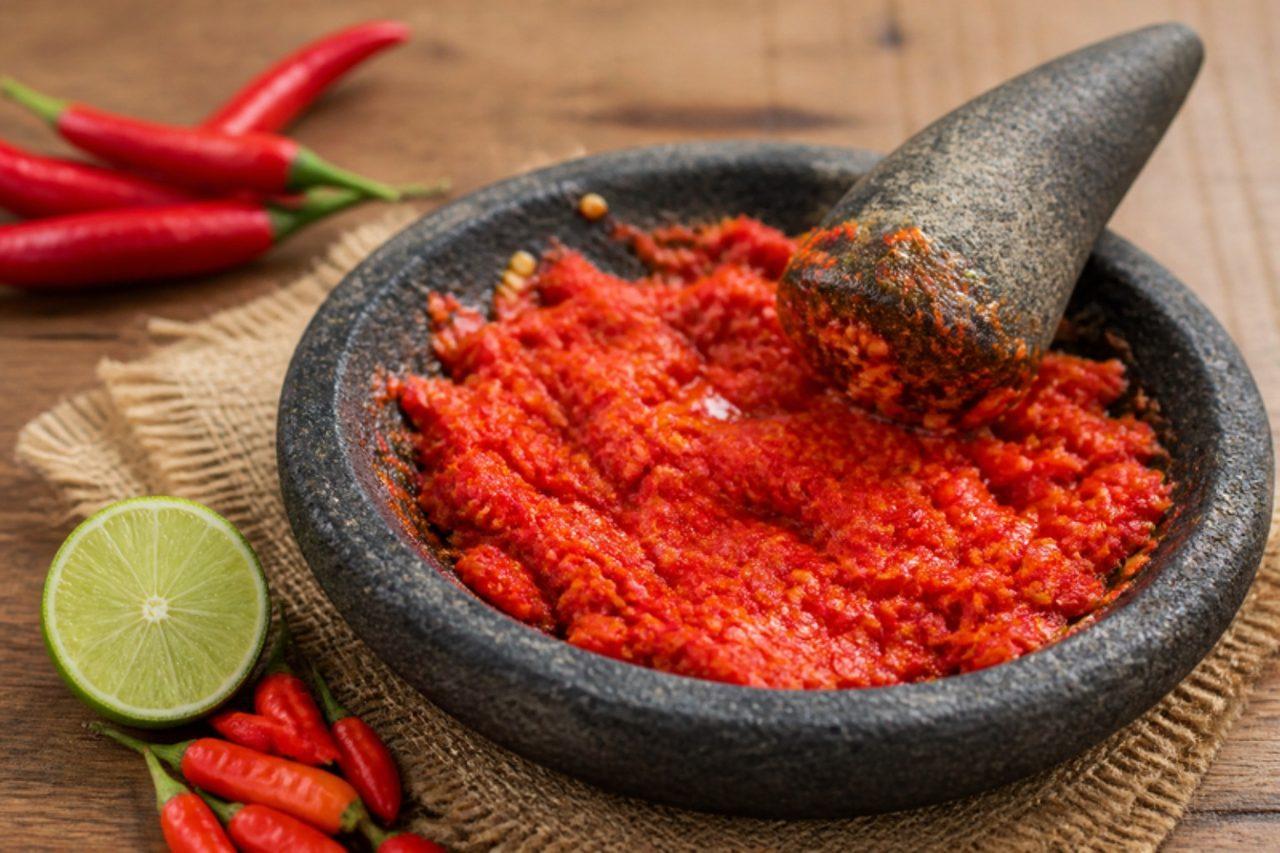
Every Indonesian kitchen has an ulekan, the flat stone mortar that gives sambal oelek its name, and this is the most basic thing ground in it: fresh red chillies and salt, pounded to a coarse, wet, fiery mash. It's the foundation many cooks start from, stirred into fried rice and soups, spooned beside every meal at warung tables nationwide, and the base for more complex cooked sambals. Making it fresh tastes brighter and fruitier than any jar. Chef's tip: wear gloves and pound rather than blitz if you can — crushing releases the oils and gives a juicier, more fragrant sambal than chopping blades.

by KrazyBadal 1 views

Sambal terasiShrimp paste chilli sambal

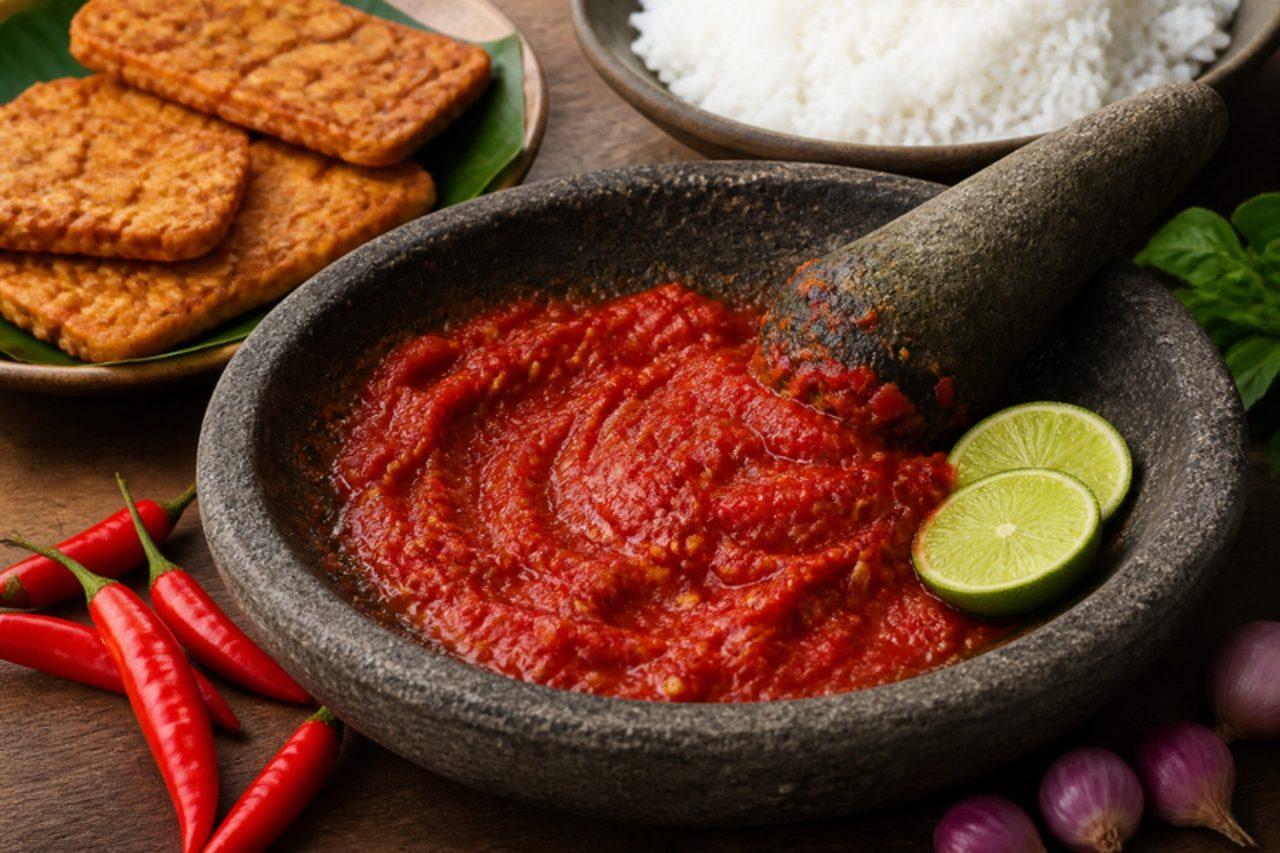
Almost every Indonesian kitchen keeps a stone mortar, the cobek, and the sambal pounded in it most often is this one. Toasted shrimp paste gives it a deep, savoury funk, fried chillies and shallots add sweetness and heat, and a squeeze of lime at the end wakes everything up. Spoon it beside fried chicken, grilled fish, fried tempeh or a plate of raw lalapan vegetables, or stir a little into fried rice. Chef's tip: pound rather than blend if you can; a coarse, slightly juicy texture tastes fresher than a smooth purée.

by KrazyBadal 0 views

SambuusCrisp beef pastries

Sambuus are the triangles of crisp pastry Somali families fry by the hundred during Ramadan, filling them with minced beef, onion, green chilli, coriander and xawaash; trays of them sit on every iftar table from Hargeisa to Toronto. The filling must be dry, and the pastry thin. The mistake is a wet filling, which steams the pastry from the inside and makes it soggy; cook the mince until all the liquid has gone. Chef's tip: shop-bought spring roll pastry, cut into strips, makes good thin sambuus at home.

by KrazyBadal 0 views

XawaashSomali spice blend

Xawaash (pronounced 'ha-wash') is the spice mix every Somali kitchen keeps in a jar, used in rice, soups, stews, sambuusa fillings and even tea. Families toast and grind their own, often in quantity before Ramadan, and the balance of warm cumin, earthy coriander and sweet cardamom and cinnamon varies from house to house. It is different from Yemeni hawaij and Ethiopian berbere: there is no chilli in it. Chef's tip: toast each spice only until it darkens a shade and smells warm; burnt cumin turns the whole jar bitter.

by KrazyBadal 0 views

Sate lilitMinced fish skewers

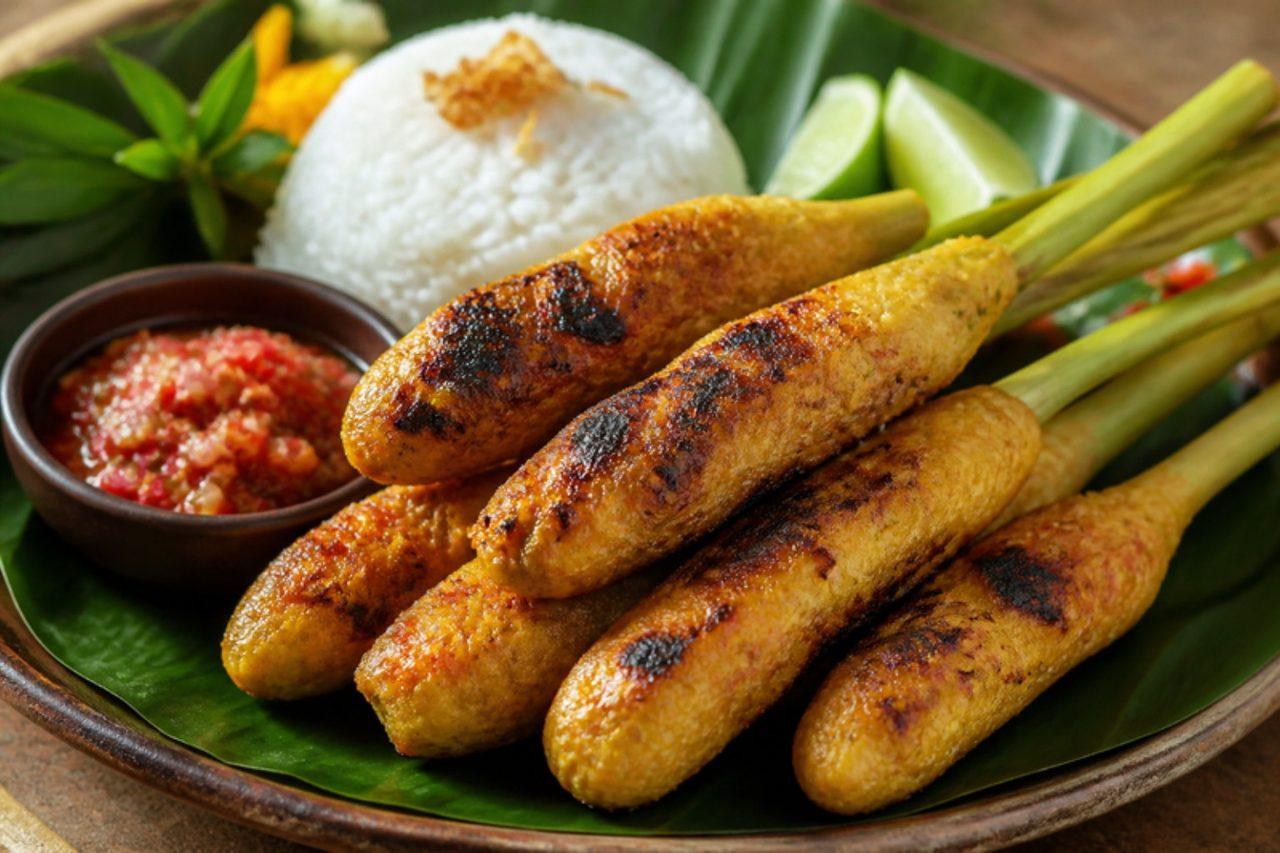
When a Balinese village gets ready for a temple festival, the men gather the night before to chop, pound and mix sate lilit, while the women prepare the offerings. 'Lilit' means to wrap: instead of threaded chunks, a soft mixture of minced fish, grated coconut and base genep spice paste is moulded around lemongrass stalks or flat bamboo sticks and grilled over coconut-husk embers. The result is tender and lightly springy inside, browned and smoky outside, with the lemongrass perfuming every bite. Eat them hot with rice, sambal matah and a wedge of lime. Chef's tip: knead the mixture firmly until it feels sticky and chill it before shaping, or it will slide off the sticks on the grill.

by KrazyBadal 0 views

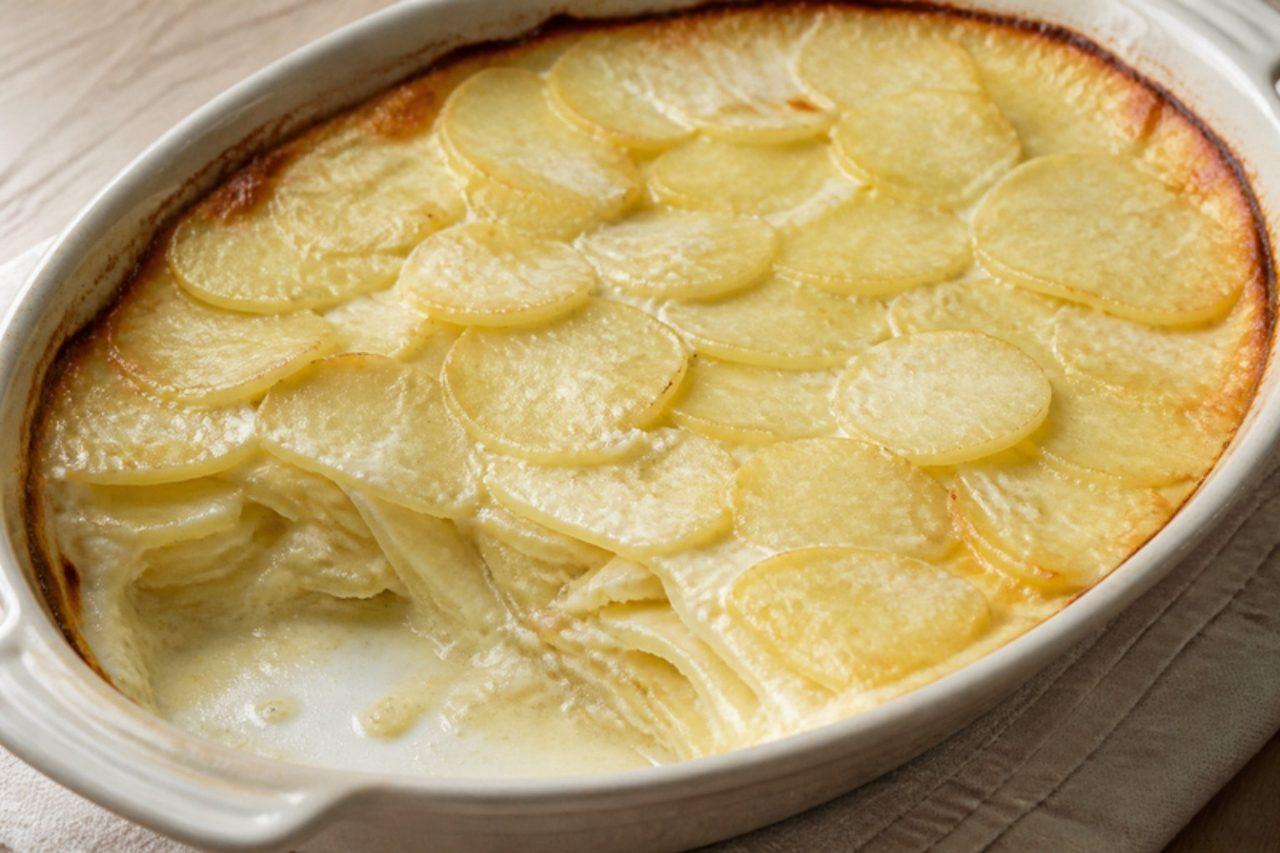
Gratin dauphinoisPotato and cream gratin

Gratin dauphinois comes from the Dauphiné, the mountain region around Grenoble, where it has been made since at least the 1700s. Thinly sliced potatoes are simmered in milk and cream with garlic and nutmeg, then baked slowly until the top is golden and blistered and the inside is soft and creamy enough to cut with a spoon. Purists in the Dauphiné insist there is no cheese; the crust comes from the cream itself. It is a side for Sunday lunch and festive meals, especially good with a green salad or roasted mushrooms. Chef's tip: don't rinse the potato slices; washing off the starch is the common mistake that leaves the cream thin and watery.

by KrazyBadal 0 views

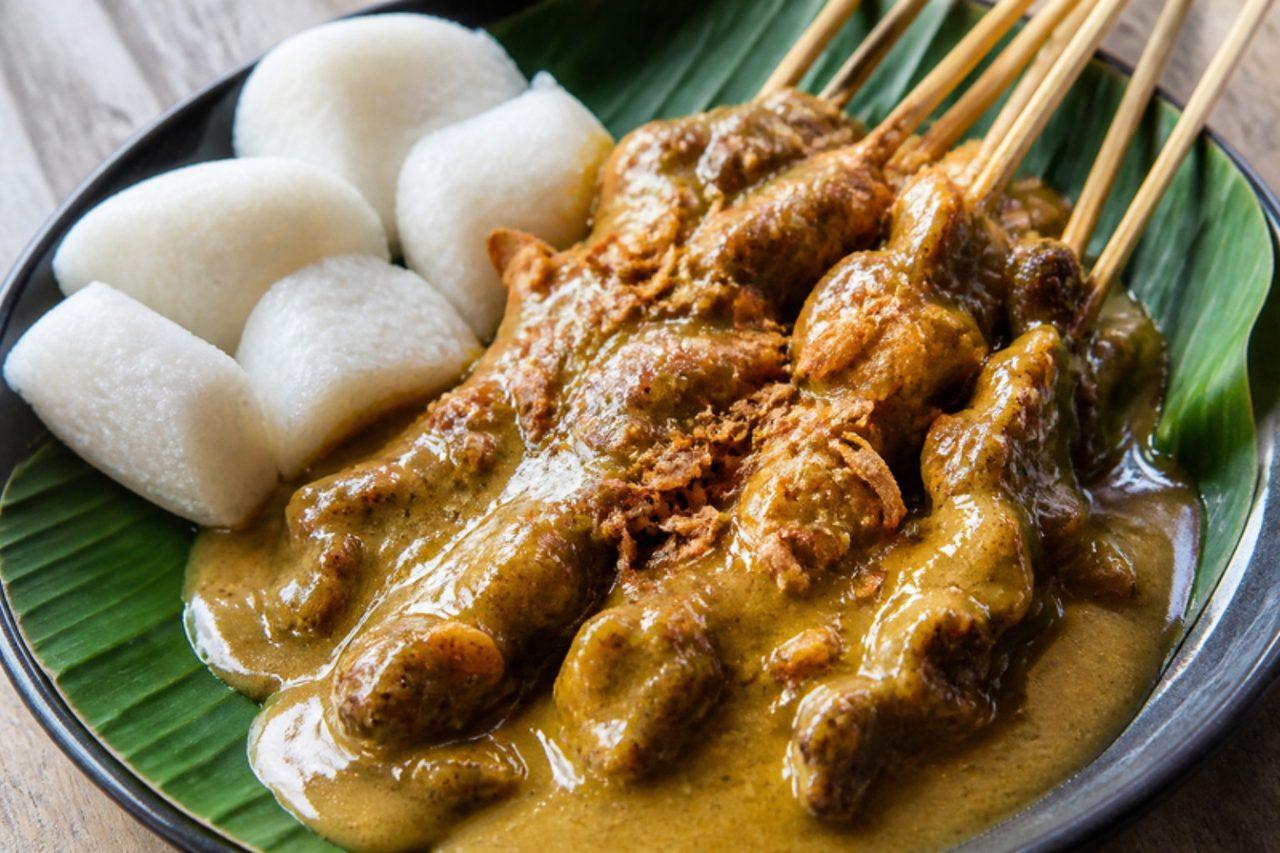
Sate PadangBeef skewers in spiced sauce

Night-time in Padang and Bukittinggi brings out the sate carts, fanning charcoal under skewers of beef that were already simmered tender in spices before they ever met the grill. That two-stage cooking is what sets West Sumatra's satay apart, and so is the sauce: no peanuts at all, but the spiced cooking broth thickened with rice flour into a smooth, glossy, turmeric-yellow gravy with plenty of chilli and ginger. It is ladled generously over the skewers and over slices of ketupat rice cake on a banana leaf, then finished with fried shallots and a crisp cracker. Chef's tip: keep the cooking broth; it's the base of the sauce, and the deeper it tastes, the better your sate.

by KrazyBadal 0 views

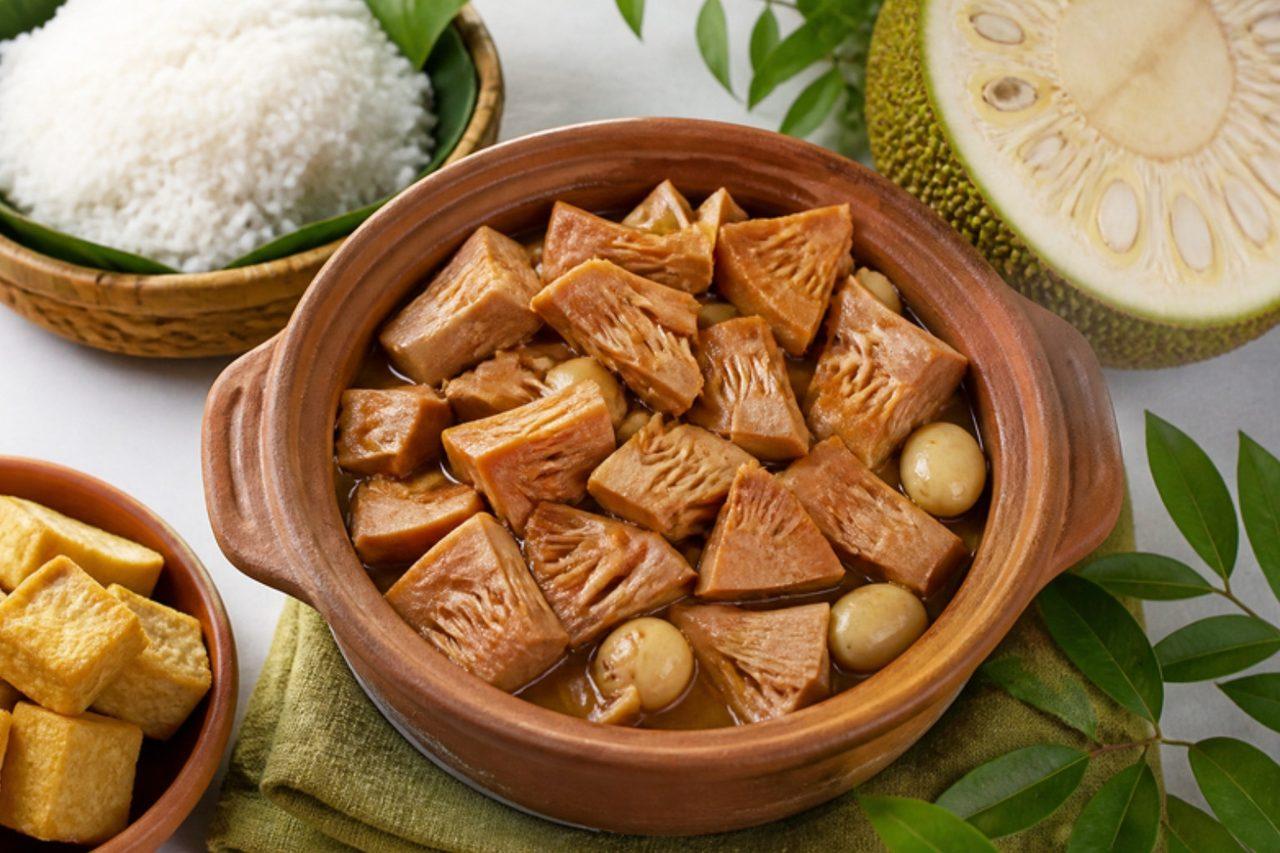
GudegYoung jackfruit stew

Gudeg is the signature of Yogyakarta: whole streets around Wijilan are lined with stalls selling it from dawn, and visitors carry it home in clay pots or woven baskets. Unripe jackfruit is cooked for hours with palm sugar, coconut milk, galangal and salam leaves until it turns reddish-brown, soft as pulled meat, and deeply sweet and savoury. The classic plate adds chicken, egg and spicy cattle-skin stew; this vegan plate pairs it with sticky-sweet tempeh and tofu and a sharp sambal to cut the sweetness. Chef's tip: let the pot cook down slowly until almost all the liquid is gone — drier gudeg keeps for days and tastes better on the second.

by KrazyBadal 0 views

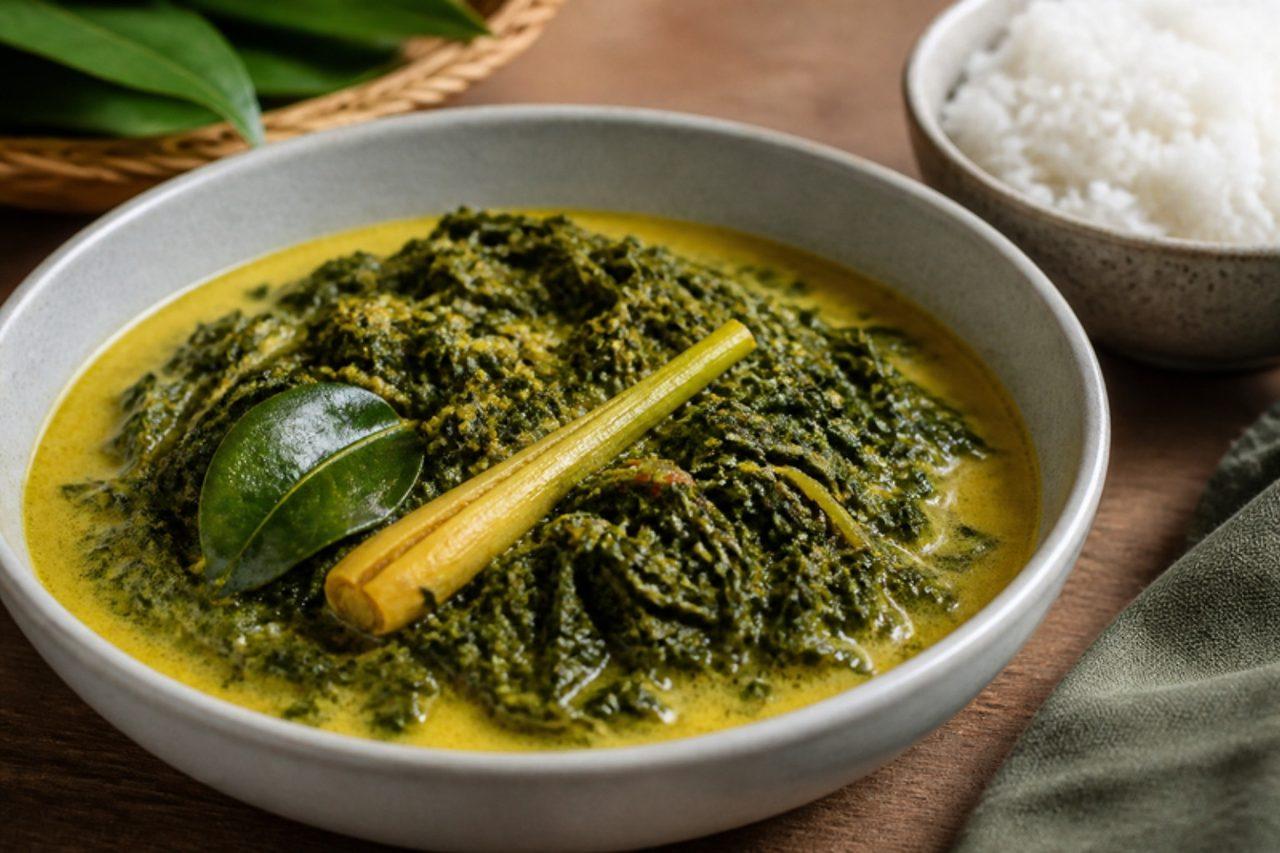
Gulai daun singkongCassava leaves in coconut gravy

No Padang restaurant in West Sumatra is complete without a dish of gulai daun singkong: dark cassava leaves simmered until silky in a yellow coconut gravy fragrant with lemongrass, turmeric leaf and galangal. It is the cooling green on a table of rich, fiery plates, ladled over rice with sambal hijau. Restaurants sometimes add dried anchovies; this version doesn't. Frozen cassava leaves from Asian shops work well; kale is the best stand-in. Chef's tip: squeeze the boiled leaves hard before adding them, or the gravy goes thin and grassy.

by KrazyBadal 0 views

Showing 24 of 843 recipes

Show more recipes

Page 34 of 36