Skip to content
Recipes

All recipes

Vegetarian, or something you can't eat? Set your diet once and we'll hide recipes that don't fit.

Sate buntelMinced goat skewers

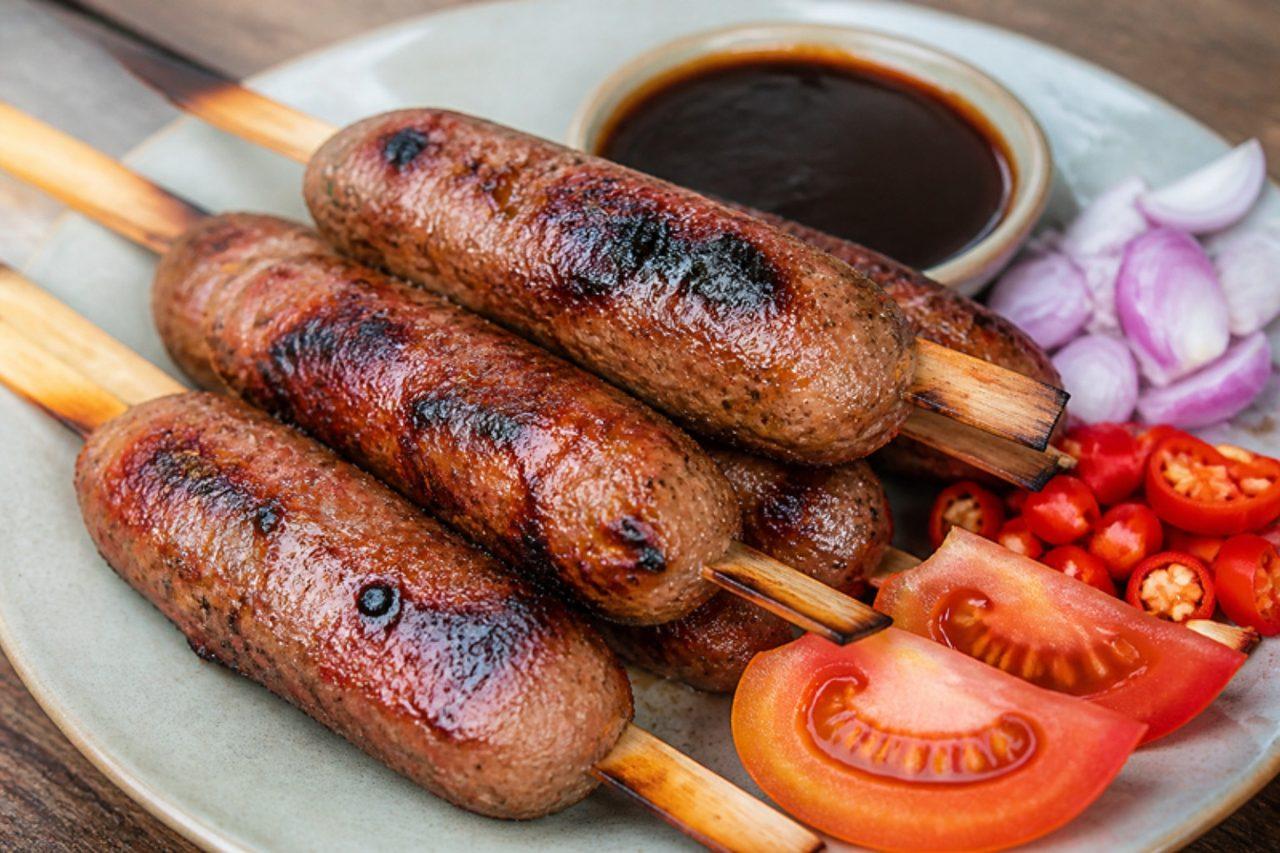
Sate buntel is the grand satay of Solo, Central Java: minced goat seasoned with garlic, shallot and pepper, wrapped in a thin lace of caul fat around a flat skewer and grilled until crisp outside and juicy inside. At Idul Adha, when families have plenty of goat from the sacrifice, sate buntel is the special-occasion dish, served with sweet soy, raw shallots, chilli and cabbage. Chef's tip: chill the wrapped skewers for 30 minutes before grilling so the caul fat holds tight and doesn't slip off.

by KrazyBadal 0 views

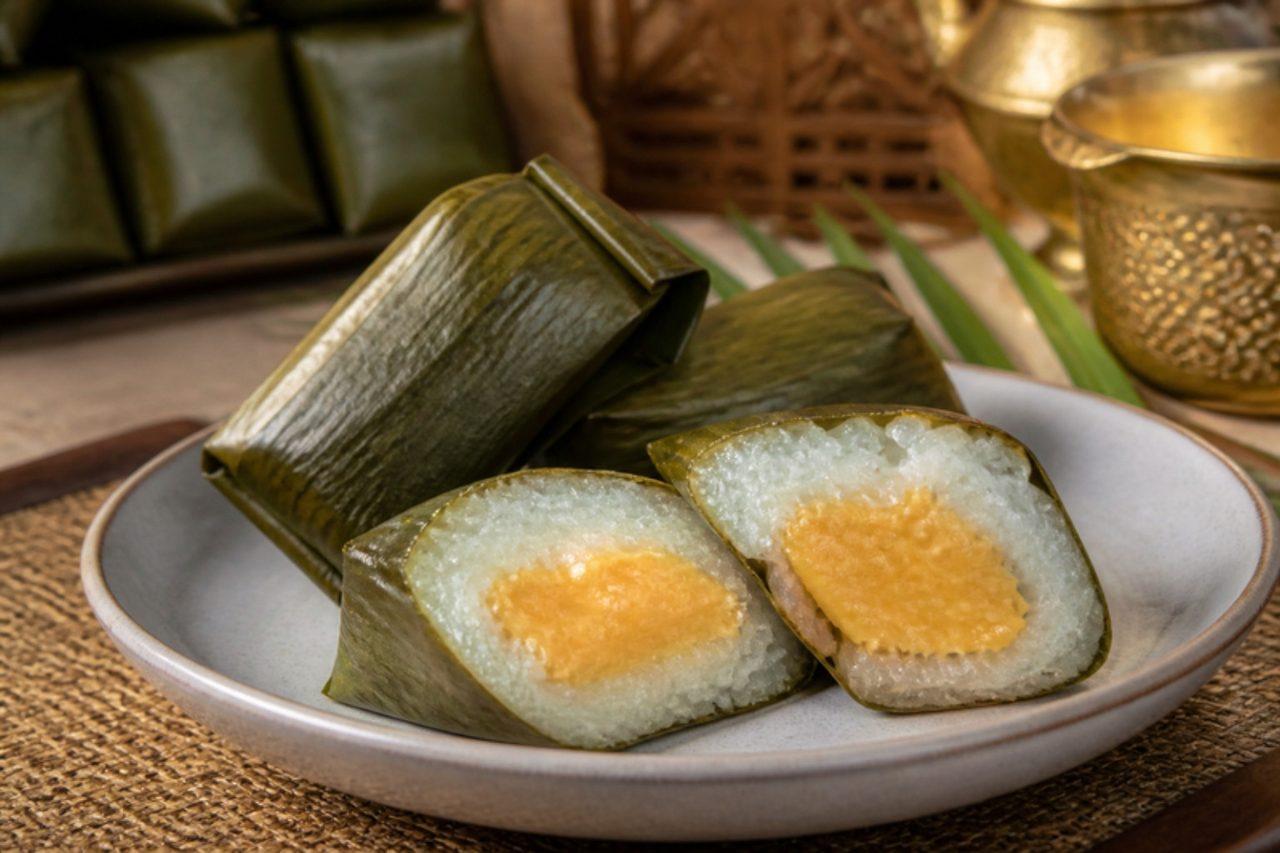
TimphanBanana sticky rice parcels with custard

Timphan is the pride of Aceh's Lebaran table: soft, chewy parcels of mashed banana and glutinous rice flour wrapped around a thick coconut and egg custard called srikaya, then steamed in banana leaves. Acehnese families make dozens before Eid to serve to guests, and they are also carried home after the holiday as gifts. The dough is sweet and fragrant, the filling silky and caramel-like. Chef's tip: cook the srikaya until it is very thick and cool it before filling, as runny custard leaks out of the parcels while they steam.

by KrazyBadal 0 views

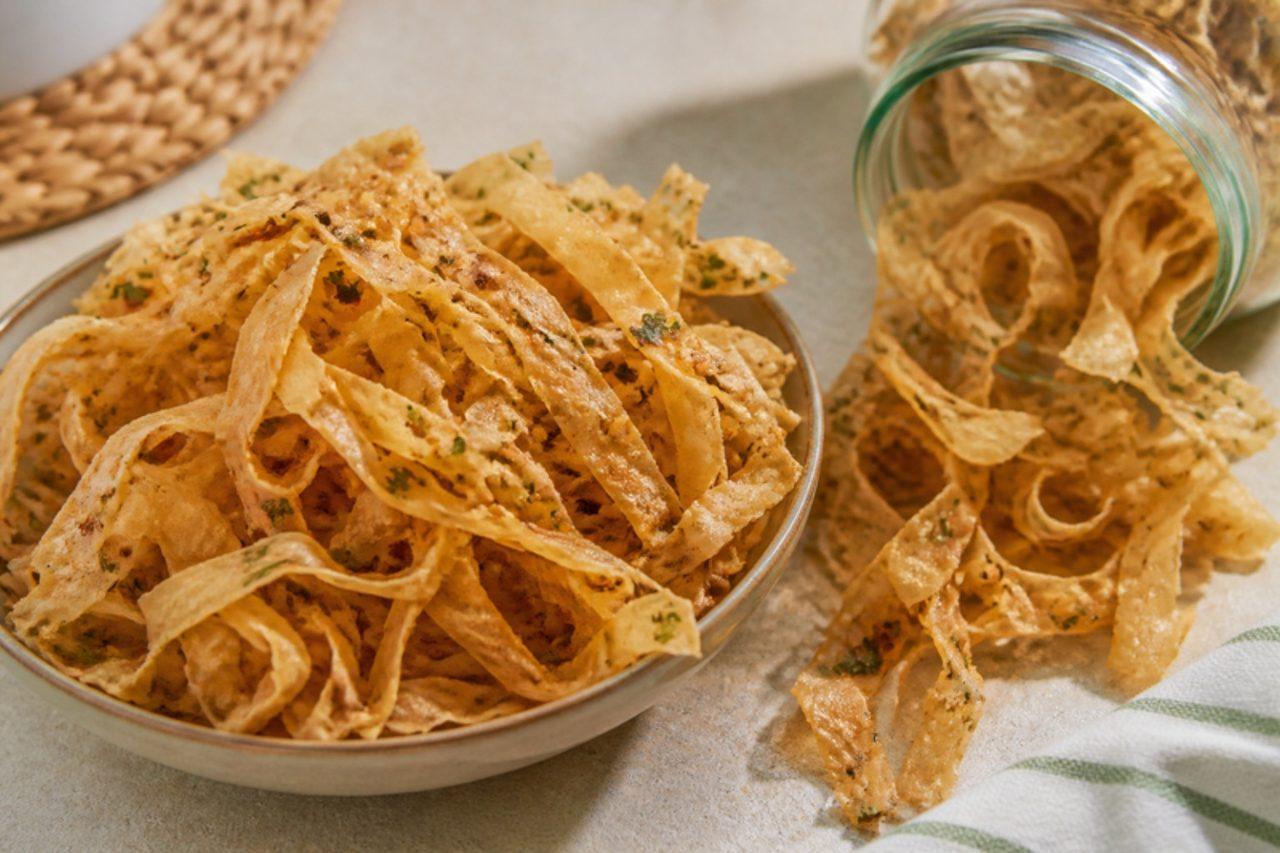
Kue bawangFried shallot ribbons

Kue bawang, 'onion cookies', are the salty partner to all the sweet things on an Indonesian Lebaran table. Thin ribbons of dough scented with shallot, garlic and chopped celery leaf are fried until they crackle, and families nibble them from jars while visiting each other during the Eid holidays. They are crisp, savoury and very moreish with sweet tea. Chef's tip: roll the dough so thin you can almost see the worktop through it; thick ribbons stay hard rather than shattering.

by KrazyBadal 0 views

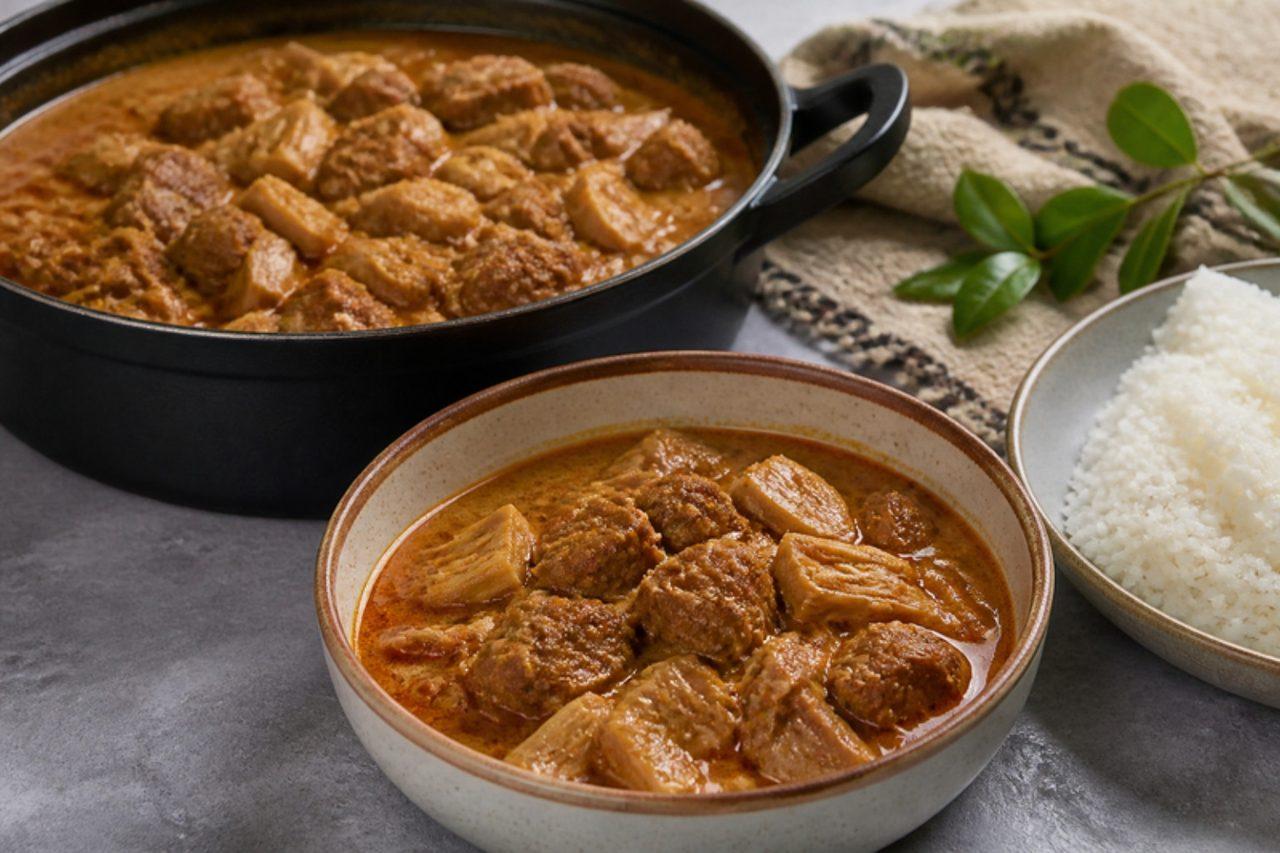
Kuah beulangongGoat and young jackfruit curry

In Aceh, the days of Meugang before Ramadan and Idul Adha are marked by men cooking kuah beulangong in huge cauldrons (beulangong) in the village square, so that every household, rich or poor, eats meat at the feast. Goat or beef is cooked with young jackfruit in a dark, nutty curry thickened with roasted coconut paste (u neulheu) and plenty of chilli and spice. This version scales the cauldron down to a family pot. Chef's tip: roast the coconut slowly until it is the colour of dark chocolate, because the deep toasted flavour is what makes this curry Acehnese.

by KrazyBadal 0 views

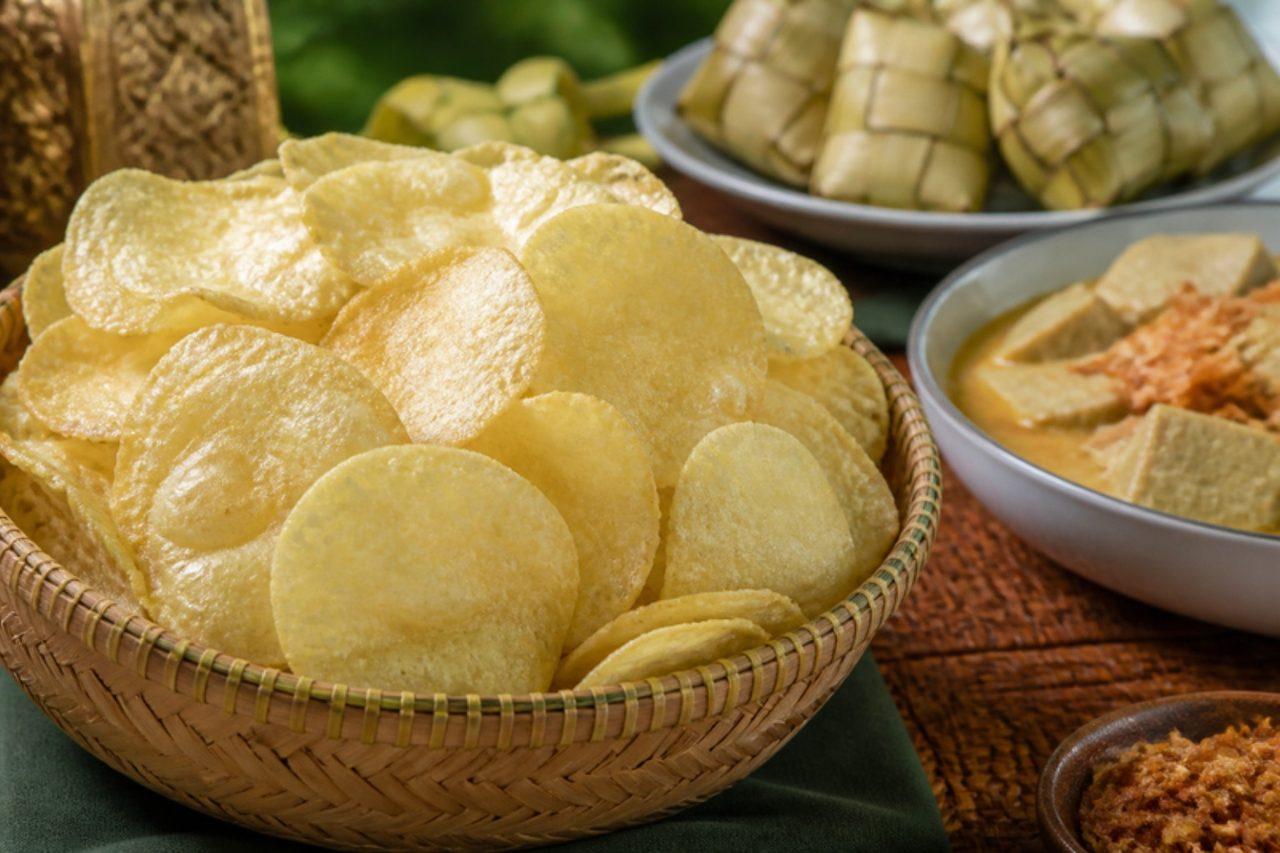
Emping melinjoMelinjo nut crackers

Emping are pale, crisp crackers from Banten and Java, made by cracking melinjo nuts, flattening them with a hammer and drying them; at Lebaran a bowl of fried emping sits beside the opor ayam and ketupat. They taste lightly bitter and nutty, and a sweet-spicy coating is popular for the snack jars. Most cooks buy dried raw emping and fry them at home, which is what this recipe does, with the hand-pressing method for anyone who finds fresh nuts. Chef's tip: fry only a handful at a time and lift them out the moment they puff; emping go from perfect to burnt in seconds.

by KrazyBadal 0 views

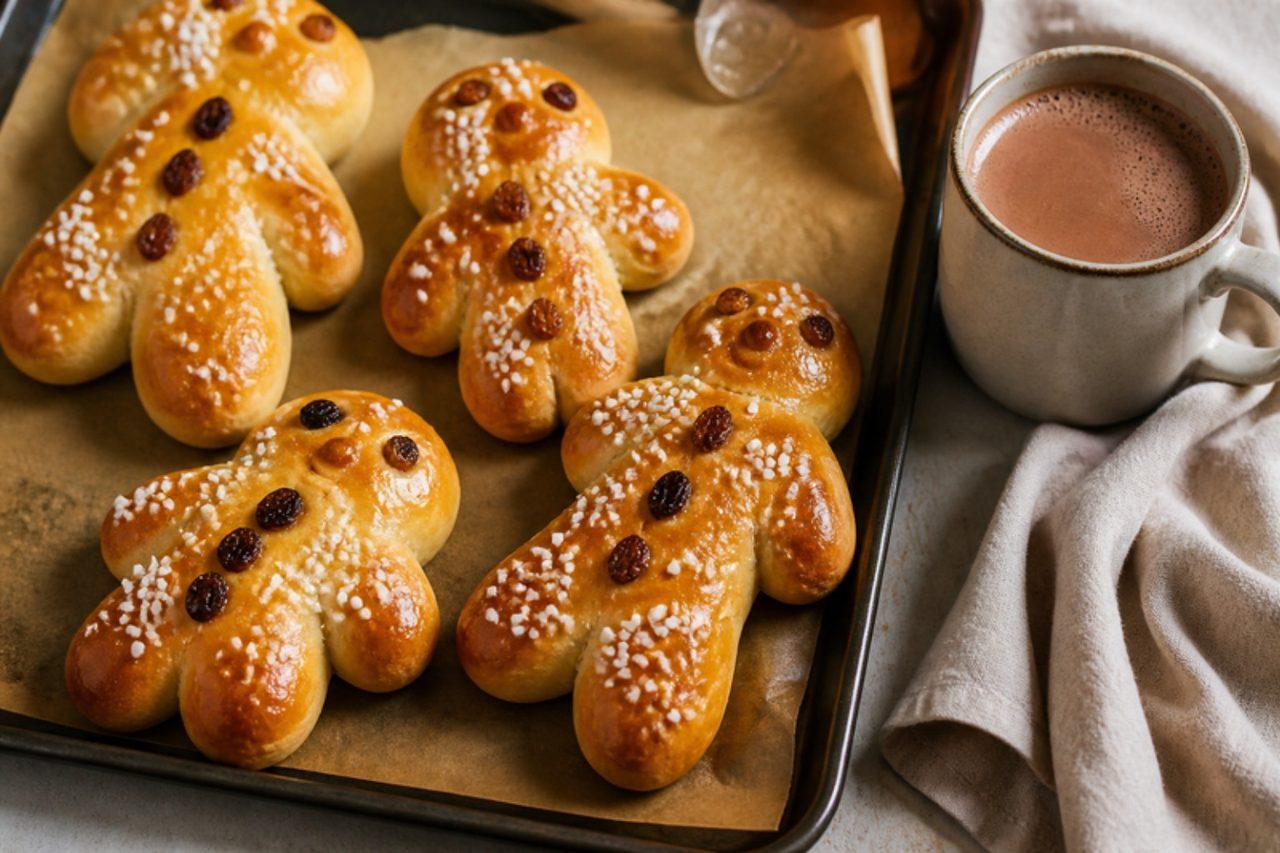
ManalaBrioche men

On 6 December, St Nicholas' Day, Alsatian bakeries fill with manala (also mannele): little brioche men with raisin eyes and buttons and a snipped belt, given to children by St Nicolas, who brings treats to good children. They are eaten for breakfast or an after-school snack, dipped in hot chocolate. The dough is a soft, buttery milk brioche. Chef's tip: shape the figures loosely and well apart, because they double as they rise and bake, and thin arms that touch become one blob.

by KrazyBadal 0 views

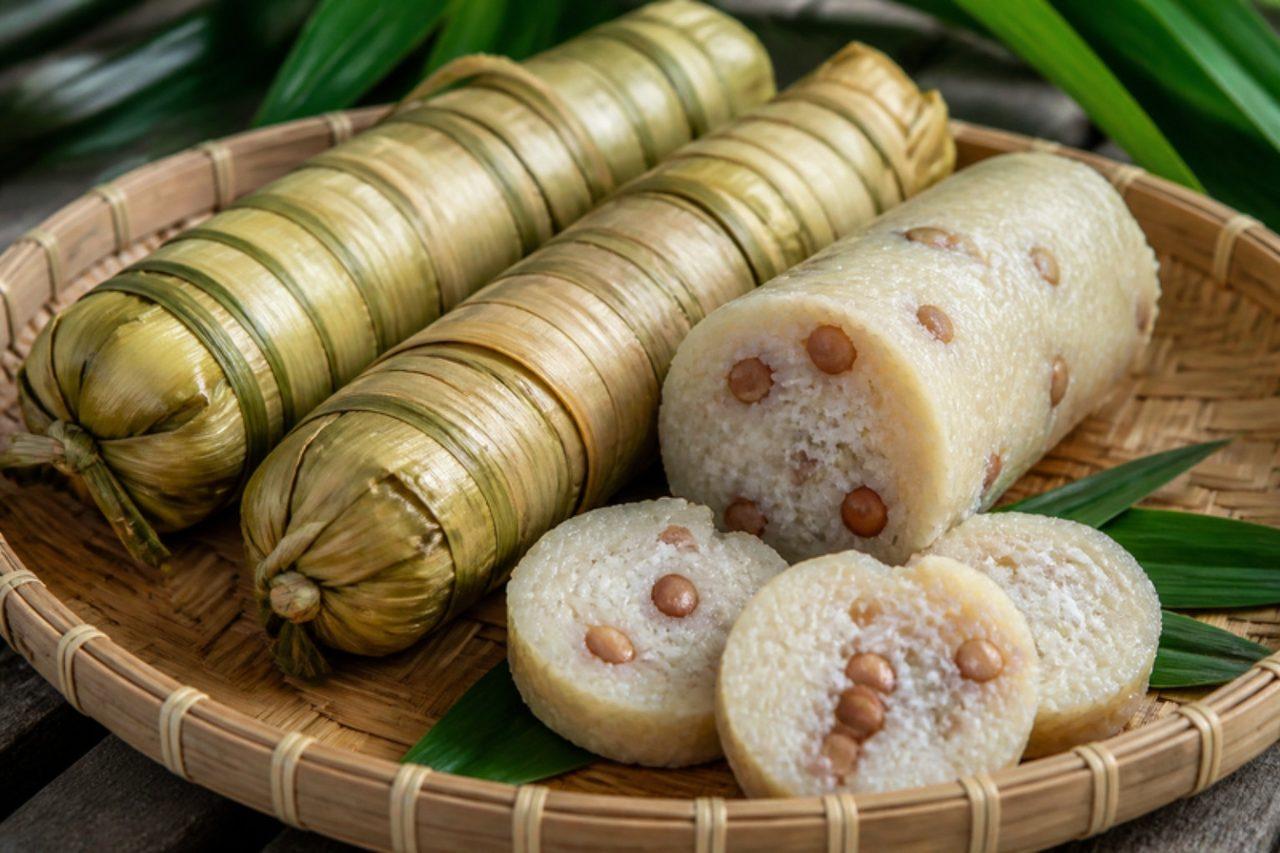
LepetSticky rice and peanut logs

Lepet is the companion of ketupat on a Javanese Lebaran morning: glutinous rice and peanuts mixed with grated coconut, rolled in spiralled young coconut leaves and boiled for hours into dense, savoury logs. In Javanese tradition the sticky rice is a reminder to forgive and hold together after Ramadan, so it is shared with neighbours and family. It tastes nutty, salty and rich and is eaten with opor or simply on its own. Banana leaves and string work well where coconut leaves are hard to find. Chef's tip: roll each log loosely, about three-quarters full, so the swelling rice turns soft rather than hard and chalky.

by KrazyBadal 0 views

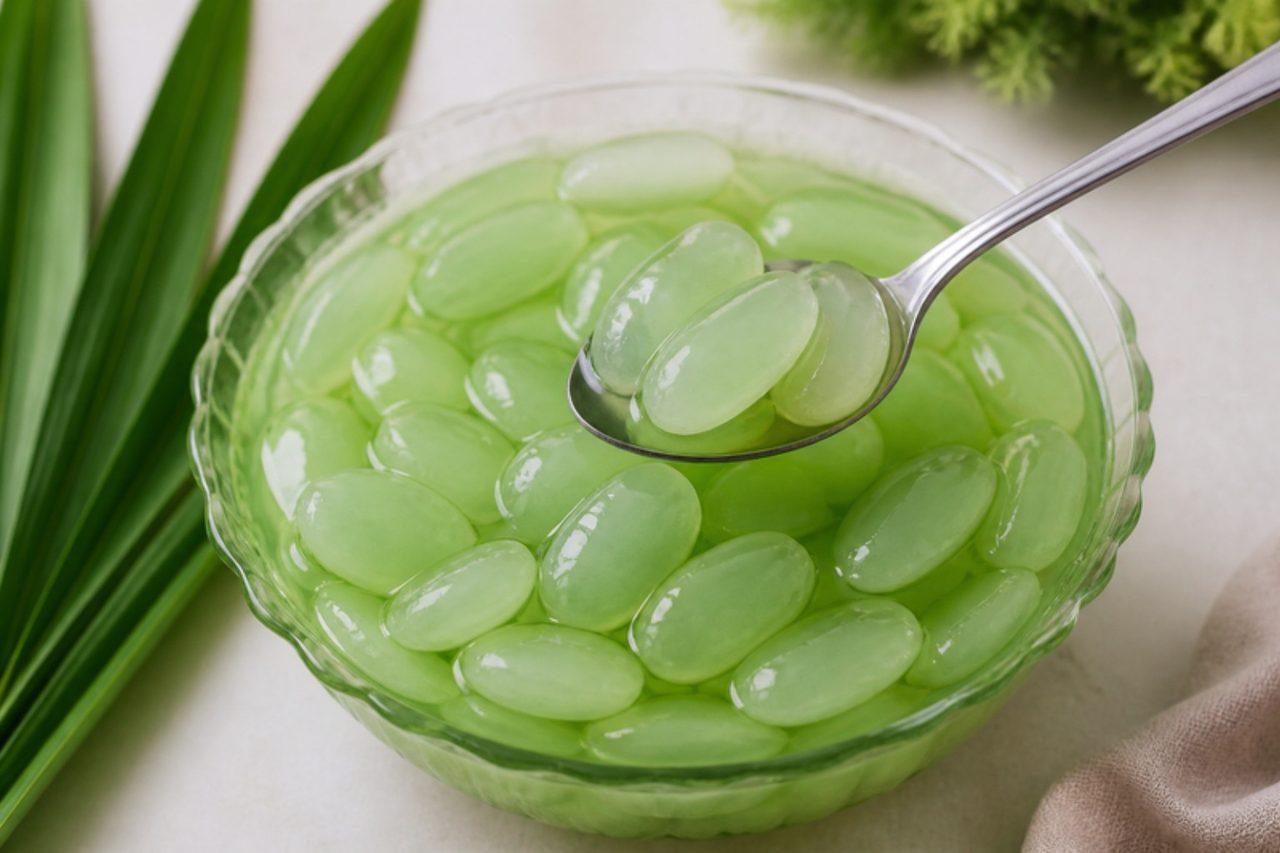
Manisan kolang-kalingSugar palm fruit in pandan syrup

Kolang-kaling are the chewy, translucent seeds of the sugar palm, and in Indonesia they are a sure sign of Ramadan, piled in buckets at markets and simmered in syrup to go into iftar drinks, kolak and es buah. They have a soft, jelly-like bite and soak up whatever colour and flavour they are cooked in: green for pandan, red for rose syrup. Chef's tip: simmer them slowly and leave them in the syrup overnight; rushing gives pale fruit with a watery middle.

by KrazyBadal 0 views

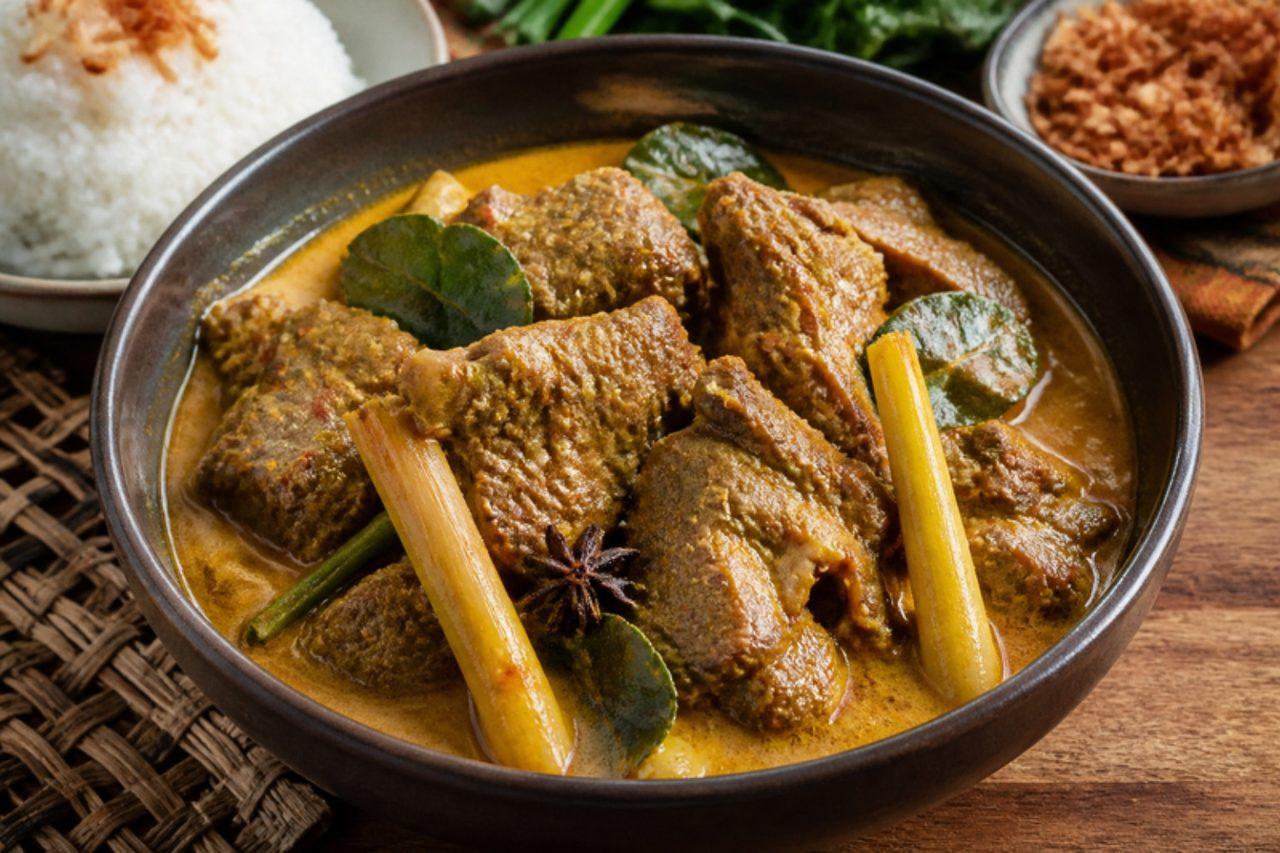
Gulai kambingGoat in yellow coconut curry

When the sacrifice of Idul Adha is shared out in Sumatran and Javanese neighbourhoods, many kitchens turn their portion of goat into gulai kambing: chunks of meat simmered slowly in a golden coconut gravy perfumed with turmeric, lemongrass, kaffir lime and whole spices. The sauce is rich, fragrant and only gently hot, and it is eaten with plain rice, sambal and fried shallots, often by families who rarely eat goat the rest of the year. Chef's tip: blanch the goat first and throw that water away, which removes the strong smell and gives a cleaner gravy.

by KrazyBadal 0 views

Kue satuMung bean flour sweets

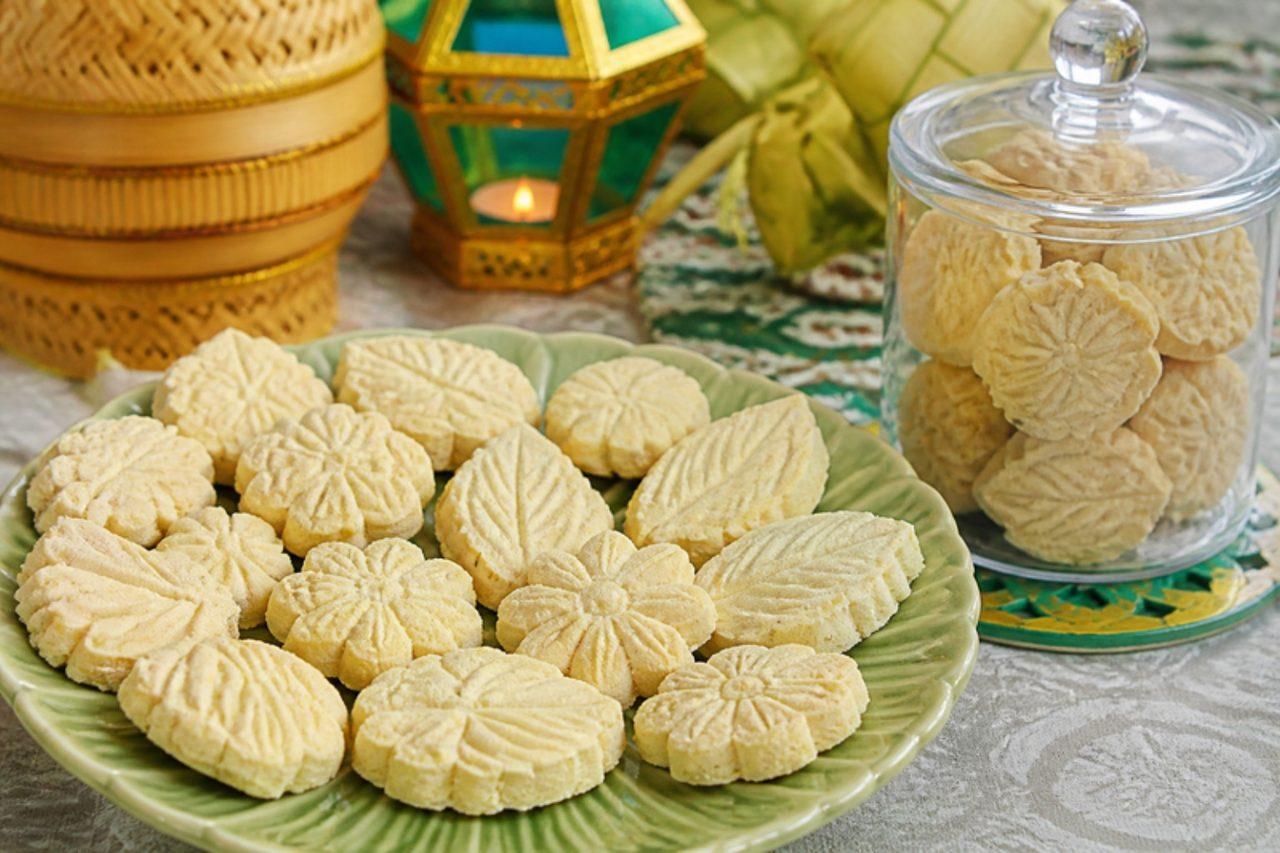
Kue satu are the little pale sweets that fill glass jars on Javanese and Sumatran tables when families open their doors for Lebaran visits at the end of Ramadan. Mung-bean flour is dry-toasted until it smells nutty, mixed with icing sugar and a whisper of pandan, then pressed into carved wooden moulds of flowers and leaves and left to dry until crumbly. They melt on the tongue with a sweet, beany, vanilla-like flavour and are offered with tea to every guest. Chef's tip: toast the flour until it is a shade darker and smells like popcorn, because raw-tasting flour is the most common reason kue satu taste flat.

by KrazyBadal 0 views

Es timun suriIced cucumber melon drink

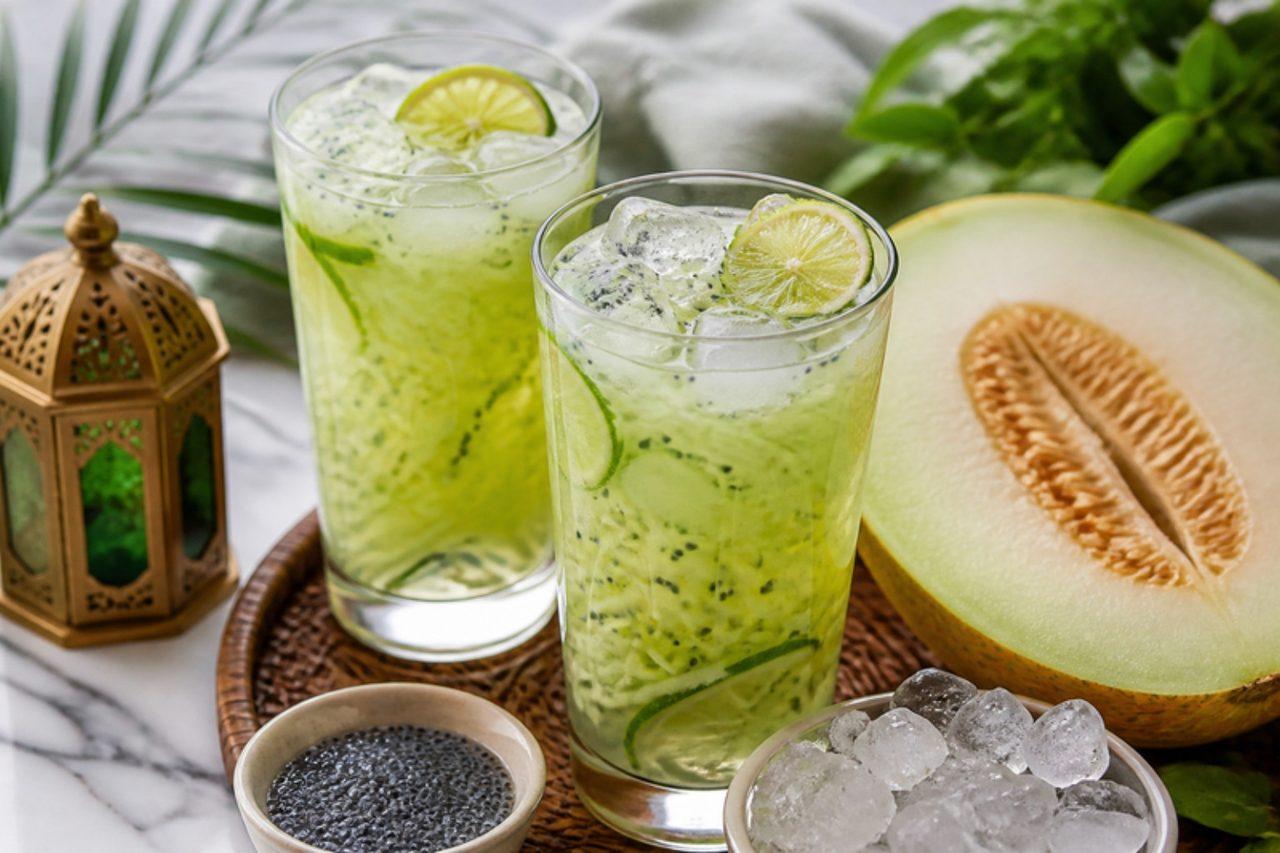
Timun suri, a large cucumber-melon, appears in Indonesian markets only during Ramadan, piled high at roadside stalls for families to buy before iftar. Scraped into strands and floated in iced syrup with basil seeds and lime, it makes es timun suri, one of the most refreshing ways to break the fast. It tastes gently sweet, melony and cool. Cantaloupe or galia melon is a good stand-in outside Indonesia. Chef's tip: soak the basil seeds fully before adding them, as dry seeds clump into hard lumps in cold syrup.

by KrazyBadal 0 views

Pâté de Pâques berrichonPork, veal and egg pastry loaf

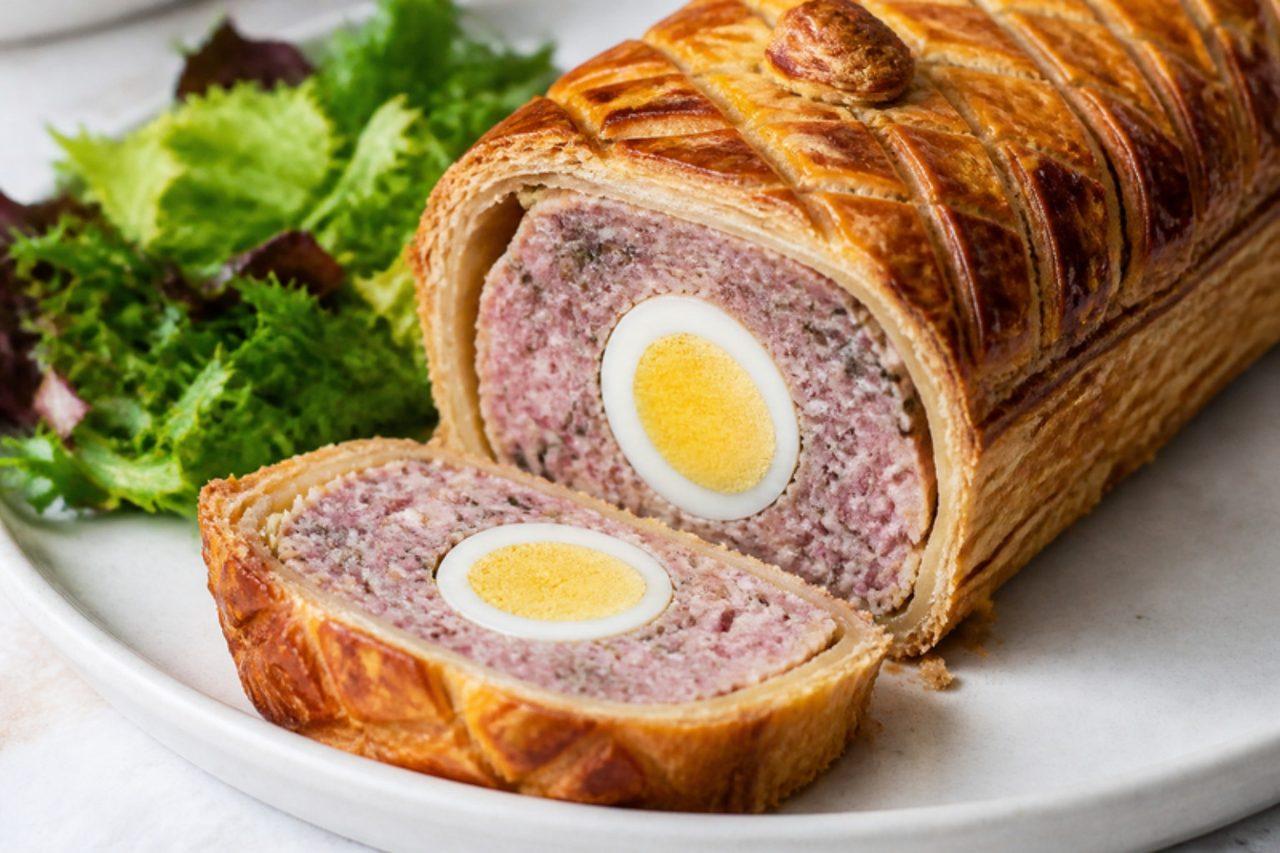
In the Berry region of central France (around Bourges and Châteauroux), Easter Sunday lunch begins with pâté de Pâques: a long loaf of puff pastry filled with seasoned minced pork and veal around a row of whole hard-boiled eggs, so every slice shows a golden yolk in the middle. It is eaten warm or cold with a green salad. Some cooks marinate the meat in white wine or Cognac; this recipe uses no alcohol. Chef's tip: cut a chimney in the top crust and keep it open with a roll of card, so steam escapes and the pastry stays crisp.

110 minFrenchMeat
by KrazyBadal 0 views

TaloaMaize flatbread with ham and cheese

During the Fêtes de Bayonne in July, when the whole town dresses in white with red scarves, stalls in the Pays Basque sell taloa: thick flatbreads of maize and wheat flour cooked on a hot griddle and folded around fillings. The classic is with jambon de Bayonne (a cured pork ham), with sheep's cheese or with ventrèche (cured pork belly), and it's eaten hot in the street. Cheese alone makes a good vegetarian version. Chef's tip: cook the taloa on a dry, very hot pan; it should blister and puff in patches like a tortilla.

by KrazyBadal 0 views

Gardianne de taureauBull beef braised in red wine

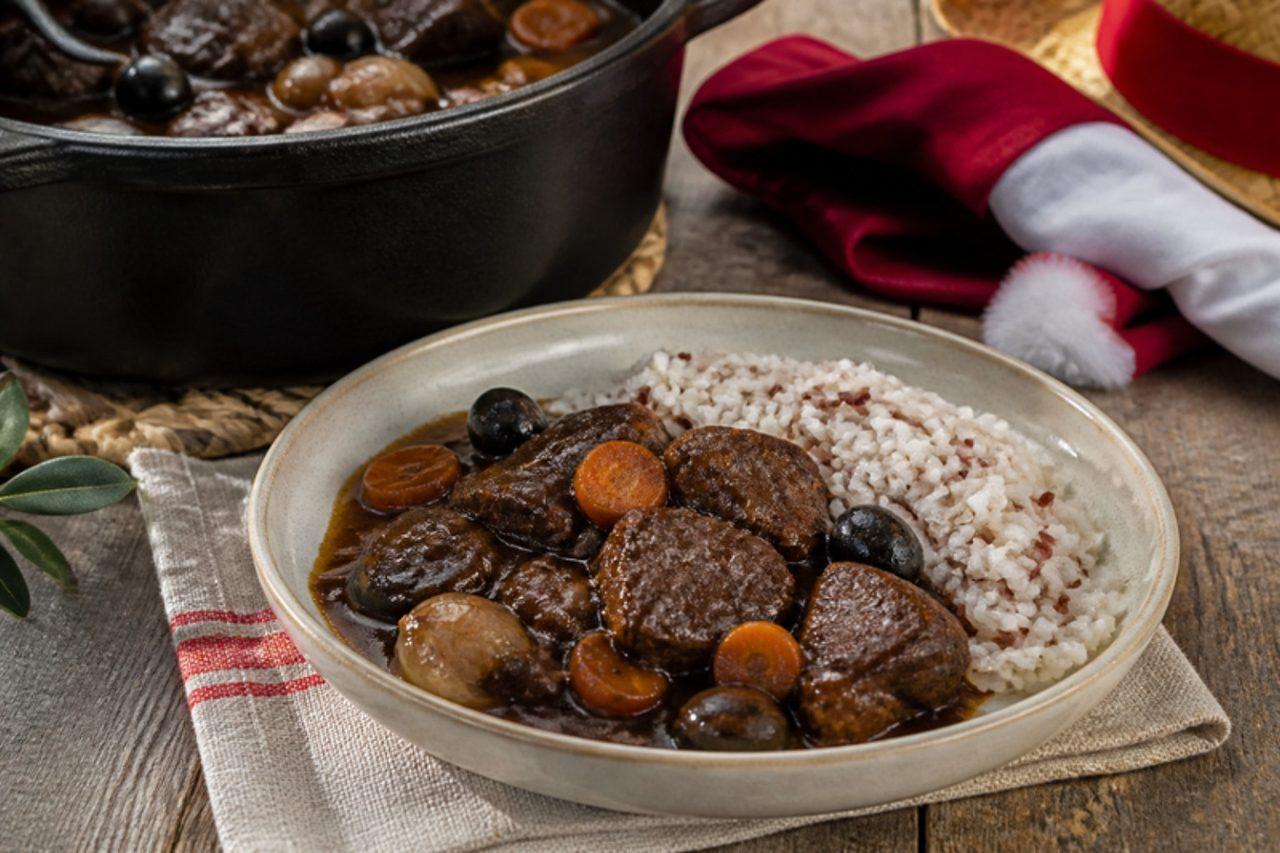
Gardianne is named after the gardians, the mounted herdsmen who raise black bulls on the marshes of the Camargue, and it is served at the summer ferias and village fêtes of Arles and Saintes-Maries-de-la-Mer with nutty Camargue red rice. Taureau (bull meat) is lean and deeply flavoured, braised slowly in red wine with onions, garlic, herbes de Provence and black olives until dark and tender; beef shin or chuck makes a fine substitute. This recipe contains alcohol: for an alcohol-free version, replace the wine with the same amount of beef stock plus 2 tbsp red wine vinegar and 1 tbsp grape juice. Chef's tip: marinate the meat overnight in the fridge for the deepest flavour.

235 minFrenchMeat
by KrazyBadal 0 views

CornuellesAniseed biscuits

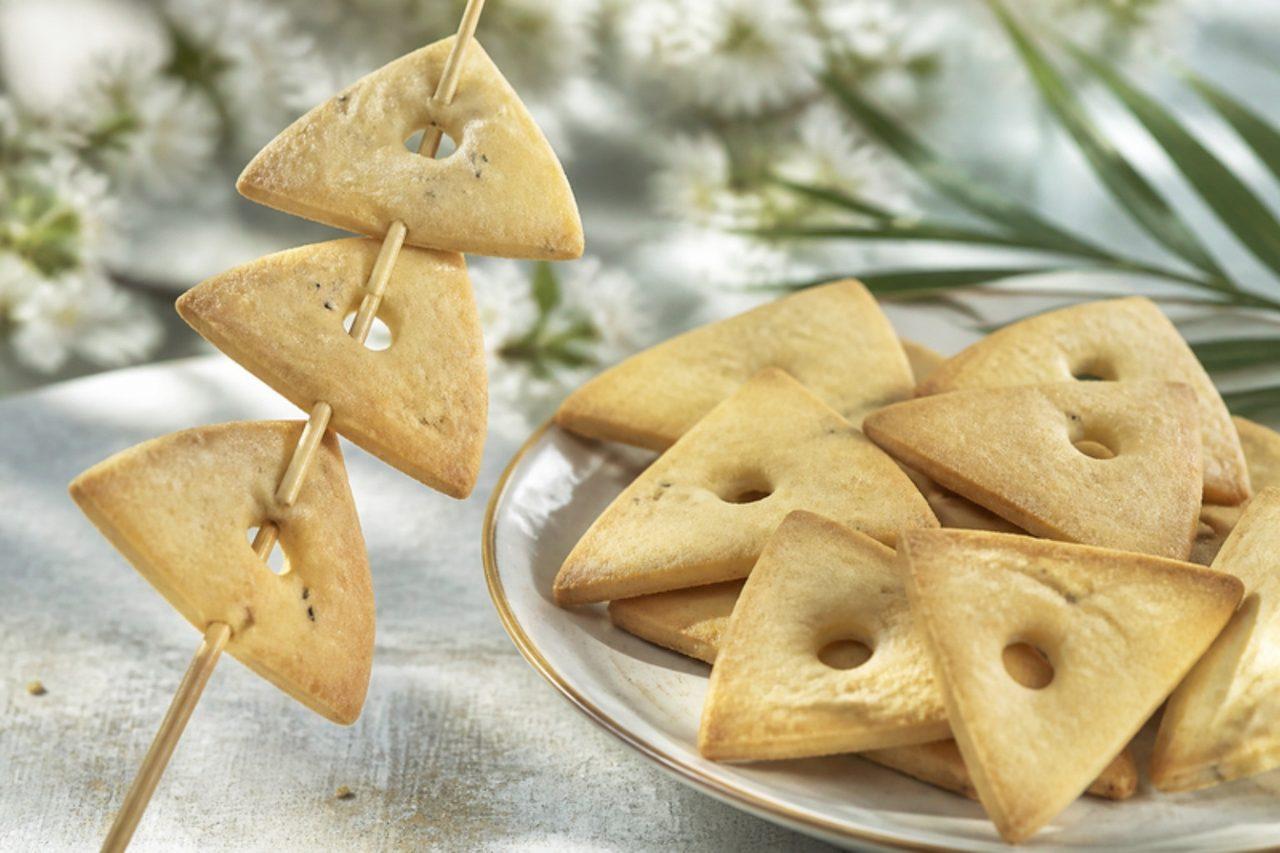
On Palm Sunday in Villebois-Lavalette, in Charente, stalls sell cornuelles, hard triangular biscuits with a hole in the middle, threaded onto a stick or a sprig of blessed box. The three points are said to stand for the Trinity, and children carry them home from church. They are crisp and scented with aniseed, glazed with a thin sugar icing. Chef's tip: roll the dough thin and even, about 5 mm, so every biscuit bakes through crisp without burning at the points.

by KrazyBadal 0 views

Chichi frégiChickpea flour fritters in sugar

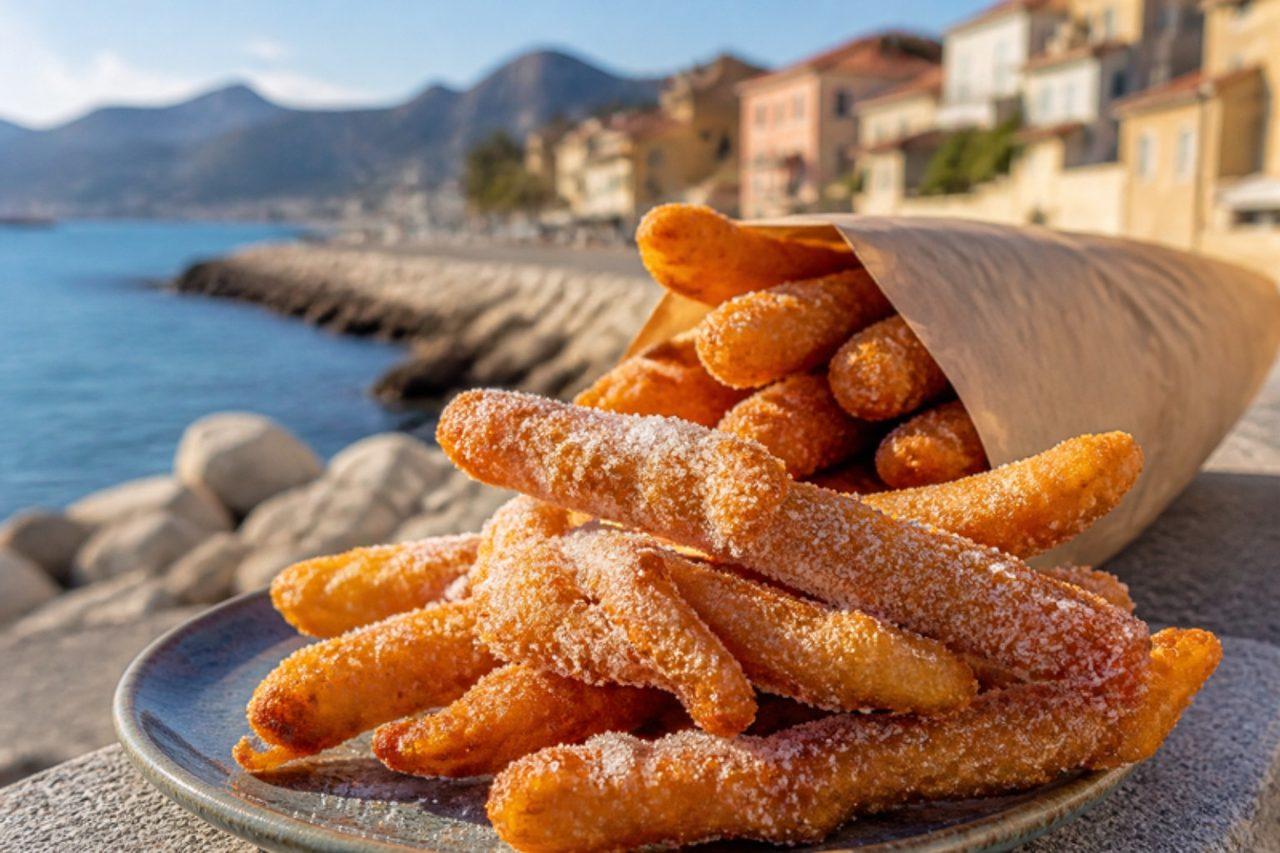
On the seafront at L'Estaque, the old fishing quarter of Marseille, and at summer fêtes all along the coast, kiosks fry chichi frégi: long, ridged fritters of wheat and chickpea flour, rolled hot in sugar and eaten in a paper cone. The dough is a yeasted, egg-free batter piped straight into the oil, crisp outside and soft inside, with a faint nutty taste from the chickpea flour and a hint of orange flower. Chef's tip: keep the oil at 175 °C; cooler and the fritters soak up fat, hotter and they burn before the middle cooks.

by KrazyBadal 0 views

Galette comtoiseChoux king cake

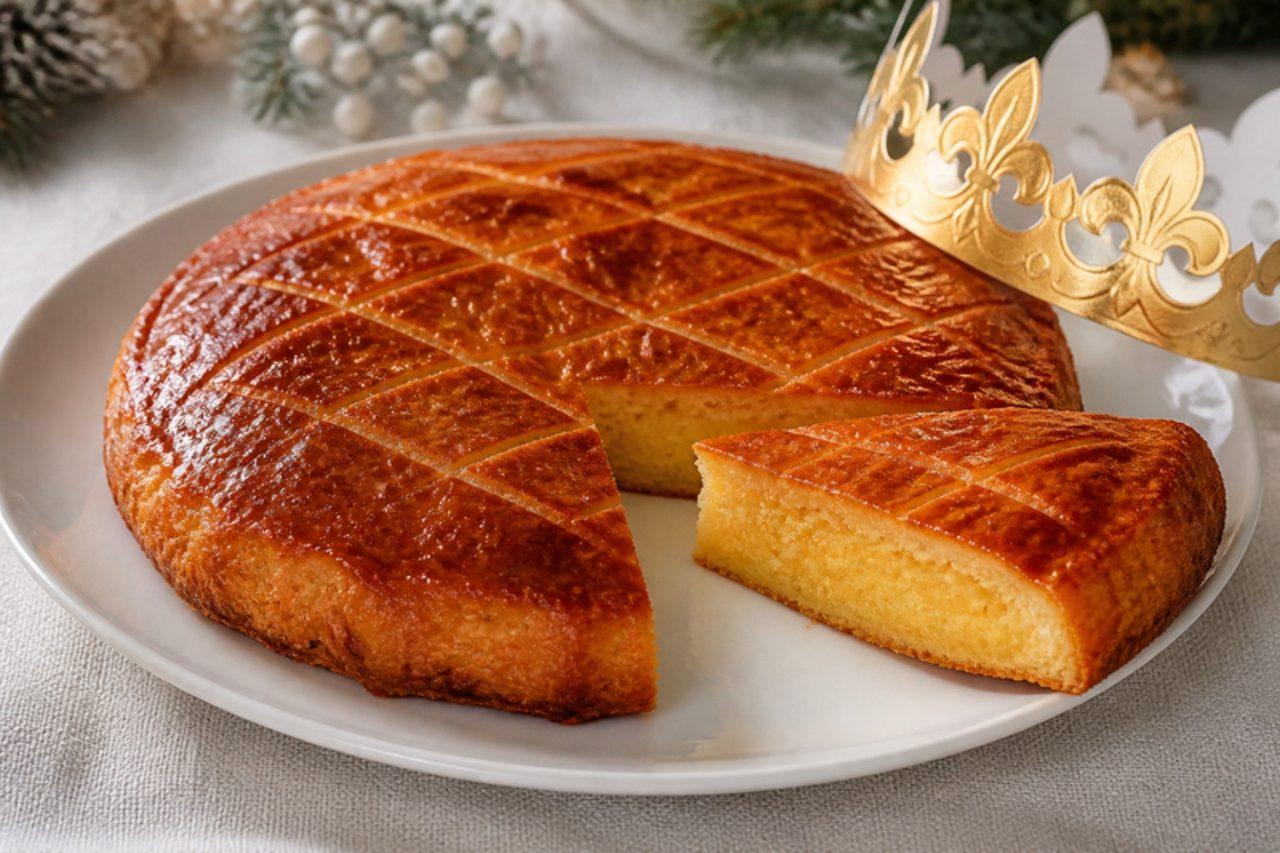
While most of France eats a puff-pastry galette des rois at Epiphany in January, Franche-Comté has its own: a flat golden cake made from a choux-like dough, tender and slightly custardy inside and scented with orange-flower water. As elsewhere, a fève (a little charm or a dried bean) is hidden inside, the youngest child under the table calls out who gets each slice, and whoever finds the fève is crowned king or queen. Chef's tip: let the cooked paste cool for a few minutes before beating in the eggs, or they scramble.

by KrazyBadal 0 views

BrasucadeGrilled mussels with garlic and parsley

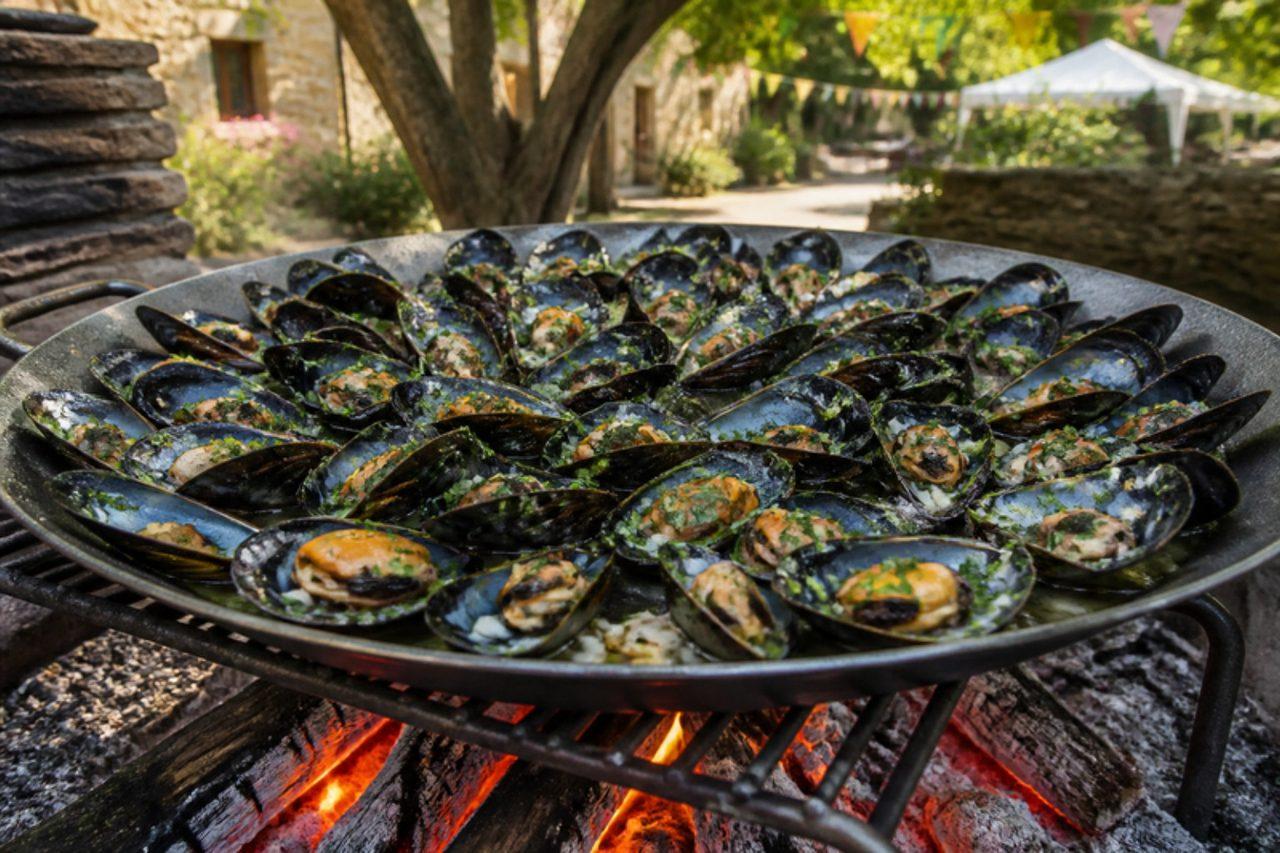
At village fêtes around the étang de Thau in Languedoc, and on beaches in summer, people gather round a brasucade: mussels piled into a large pierced pan over a fire of vine prunings until they open, then doused with a garlicky oil of parsley and a little chilli and tossed. It is smoky, juicy and eaten by hand with bread. A barbecue grill works at home. Chef's tip: use a lid or a sheet of foil over the pan; the trapped steam opens the mussels evenly while the fire adds smoke.

25 minFrenchFish
by KrazyBadal 0 views

KrengsenganGoat stir-fried with sweet soy

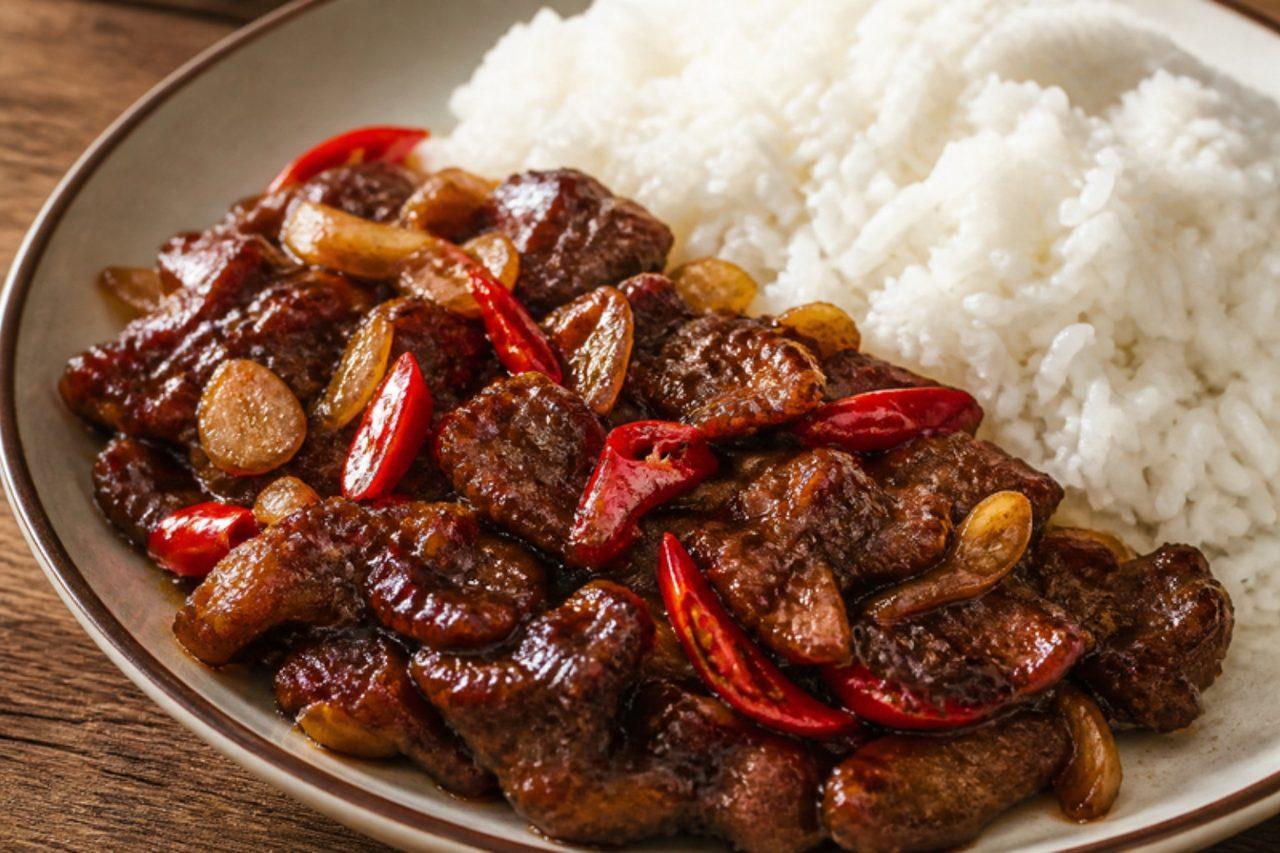
Krengsengan is how many East Javanese households in Surabaya and Malang cook their share of Idul Adha goat or beef: thin slices stir-fried with shallots, garlic and chilli, then cooked down with sweet soy and a little petis (dark shrimp paste) until sticky and glossy. It is sweet, savoury and fiery, best with hot rice and cucumber. Petis is optional for anyone who prefers not to use shrimp. Chef's tip: slice the meat thinly across the grain, which keeps it tender in a quick cook.

by KrazyBadal 0 views

TengklengGoat rib and bone soup

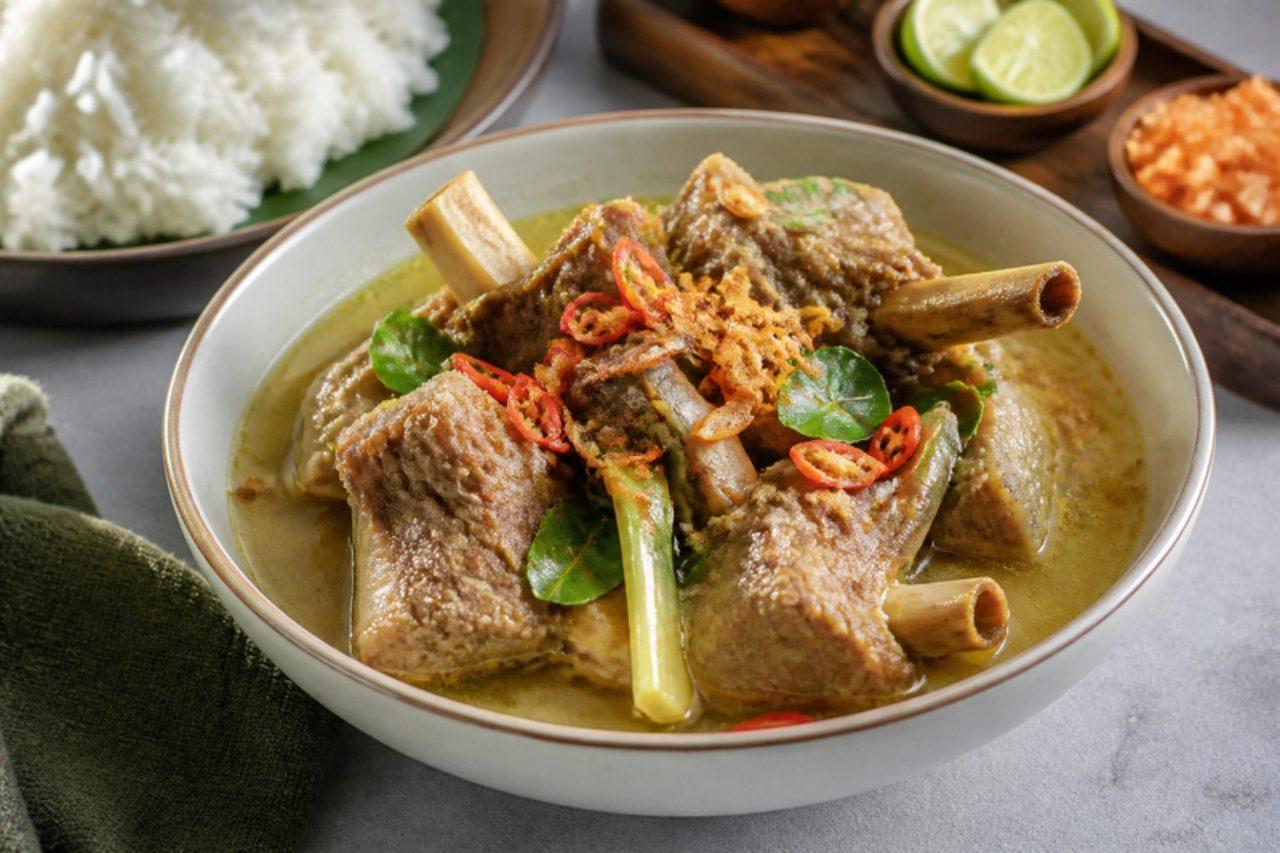
Tengkleng was born in Solo, Central Java, as a way of using every part of the goat, and it comes into its own at Idul Adha, when the ribs and bones from the sacrifice go into a big pot of thin, turmeric-yellow broth. Diners pick the bones up by hand and suck out the meat and marrow, then spoon the light, aromatic soup over rice. It is less rich than gulai, warmer and sharper with ginger and pepper. Chef's tip: simmer gently with the lid ajar; a fierce boil clouds the broth and toughens the meat on the bones.

by KrazyBadal 0 views

Brioche de Saint-GenixPink praline brioche

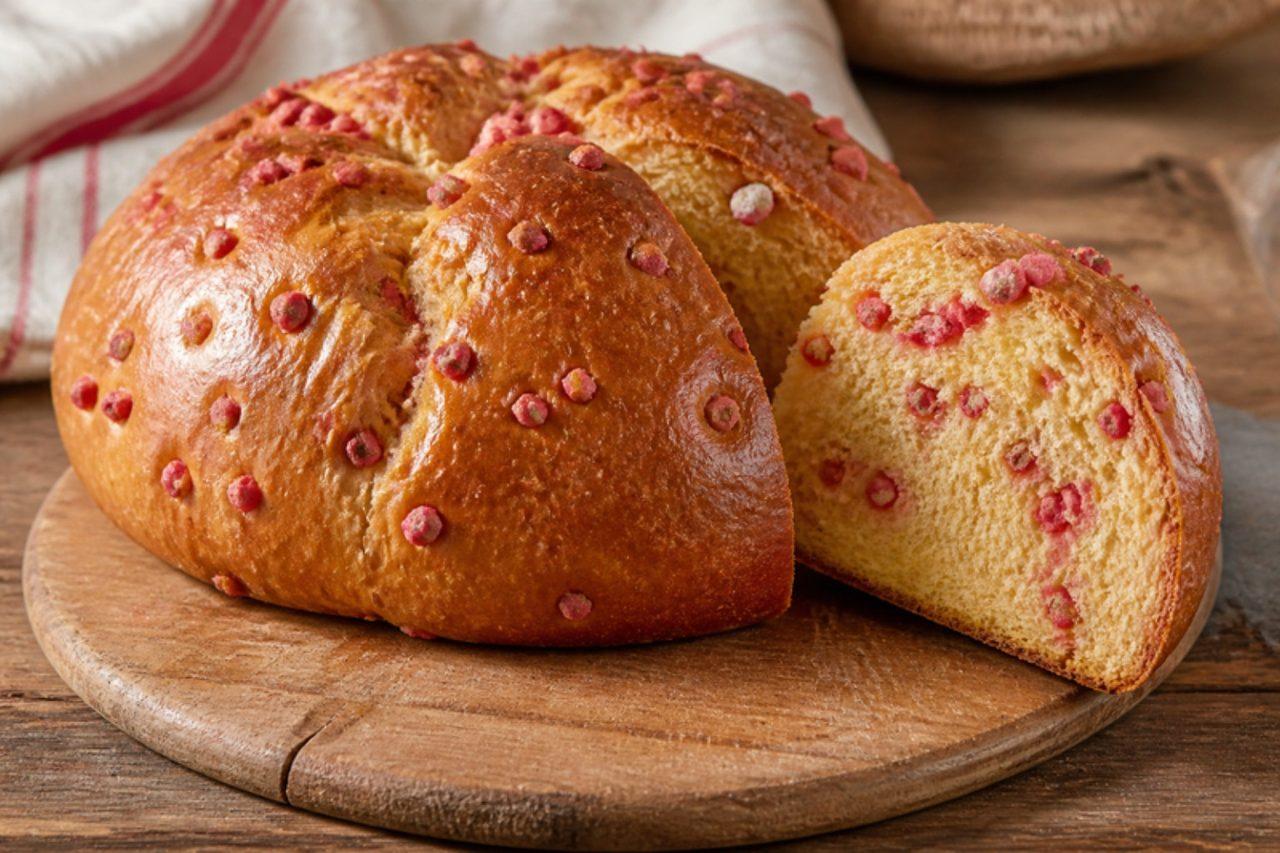
In Saint-Genix-sur-Guiers, in Savoie, this round brioche dotted with bright pink sugared almonds is baked for the feast of Saint Agatha on 5 February, and its shape is said to recall the saint's martyrdom. Today it is sold all year in the bakeries of the Savoie and Lyon, rich and buttery, with the pralines melting into sticky pink pockets. The dough rests overnight in the fridge, so start the day before. Chef's tip: crush the pralines roughly and fold them in at the very end, or they dissolve and stain the whole dough pink.

595 minFrenchBaking
by KrazyBadal 0 views

Tongseng kambingGoat in curry broth with cabbage

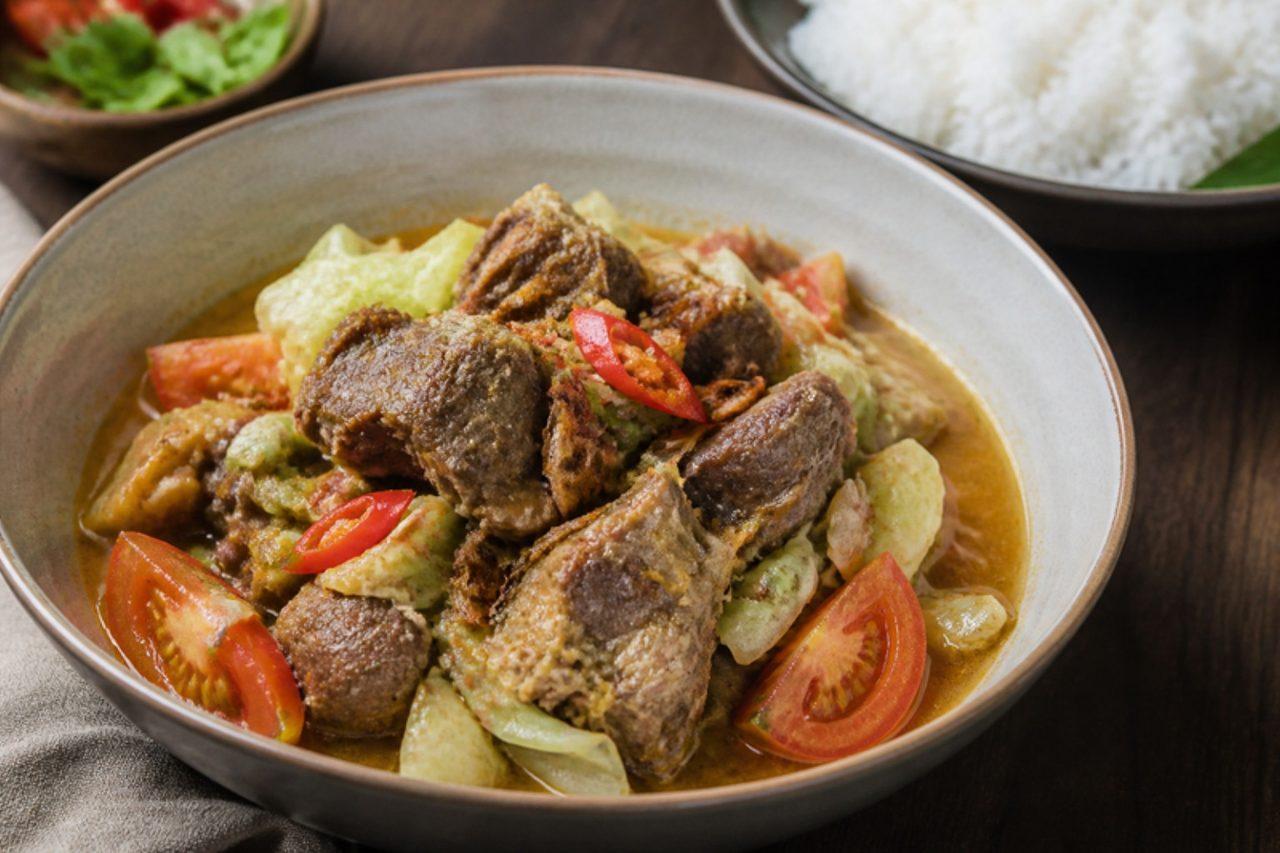
After the Idul Adha sacrifice in Solo, Central Java, the neighbourhood warung and home kitchens turn bite-sized goat into tongseng: meat quickly stir-cooked in a thin, spiced coconut curry with cabbage, tomato and a generous pour of sweet soy sauce. The result is sweet, peppery and a little hot, served with rice and eaten the same day the meat is shared out. Chef's tip: add the cabbage at the very end so it stays crisp-tender and bright.

by KrazyBadal 0 views

Macaronade sétoisePasta with beef rolls and sausage

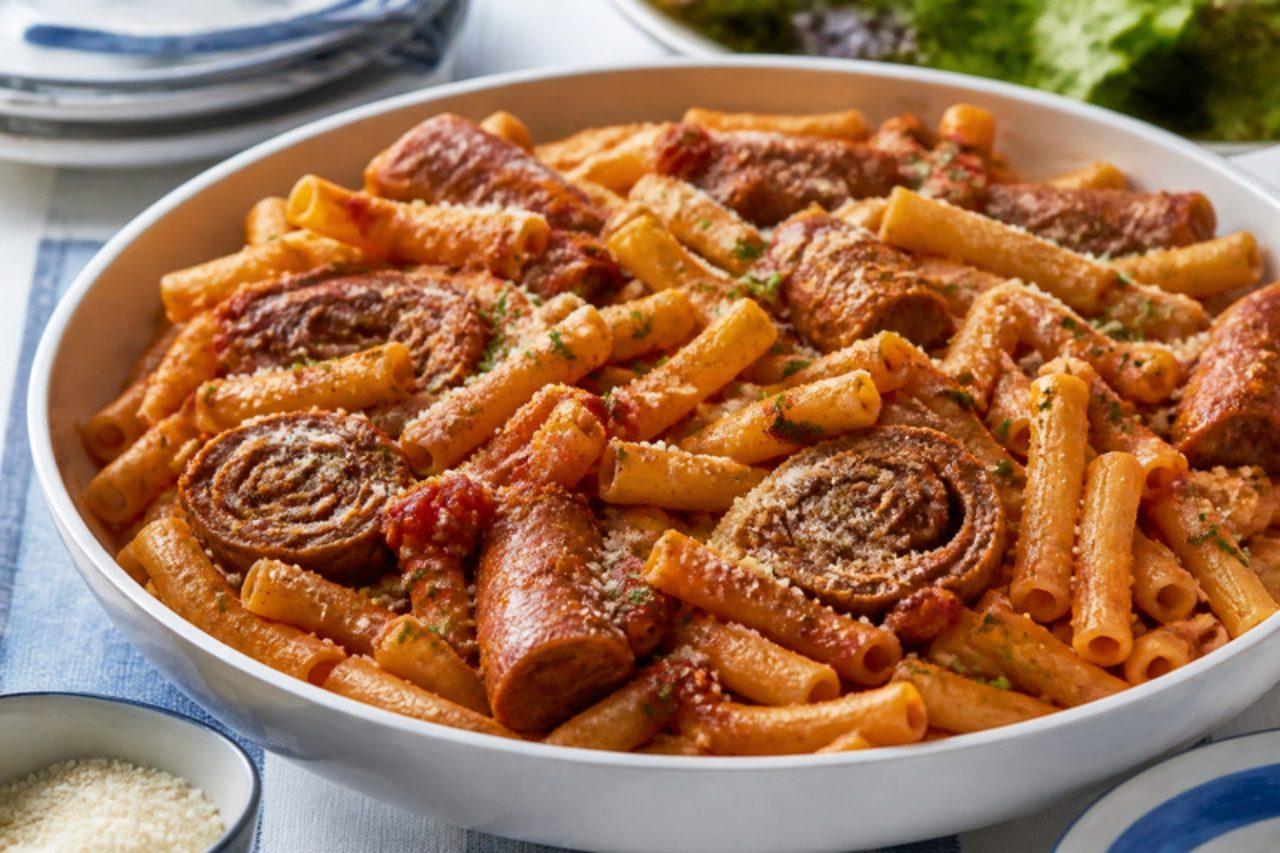
In Sète, on the Languedoc coast, families of Italian origin cook macaronade for Sunday lunch and above all for the Saint-Louis festival in August, when the harbour hosts its famous water-jousting. Thin slices of beef are rolled around garlic and parsley (braciole), browned with Toulouse-style pork sausage and simmered for hours in a tomato sauce, which then dresses thick pasta. Traditionally a splash of white wine goes into the sauce; it is optional here, and stock works just as well. Chef's tip: simmer the sauce very gently, with the lid ajar; the beef rolls need time to turn tender, not fast boiling.

by KrazyBadal 0 views

BurasaCoconut rice cakes in banana leaf

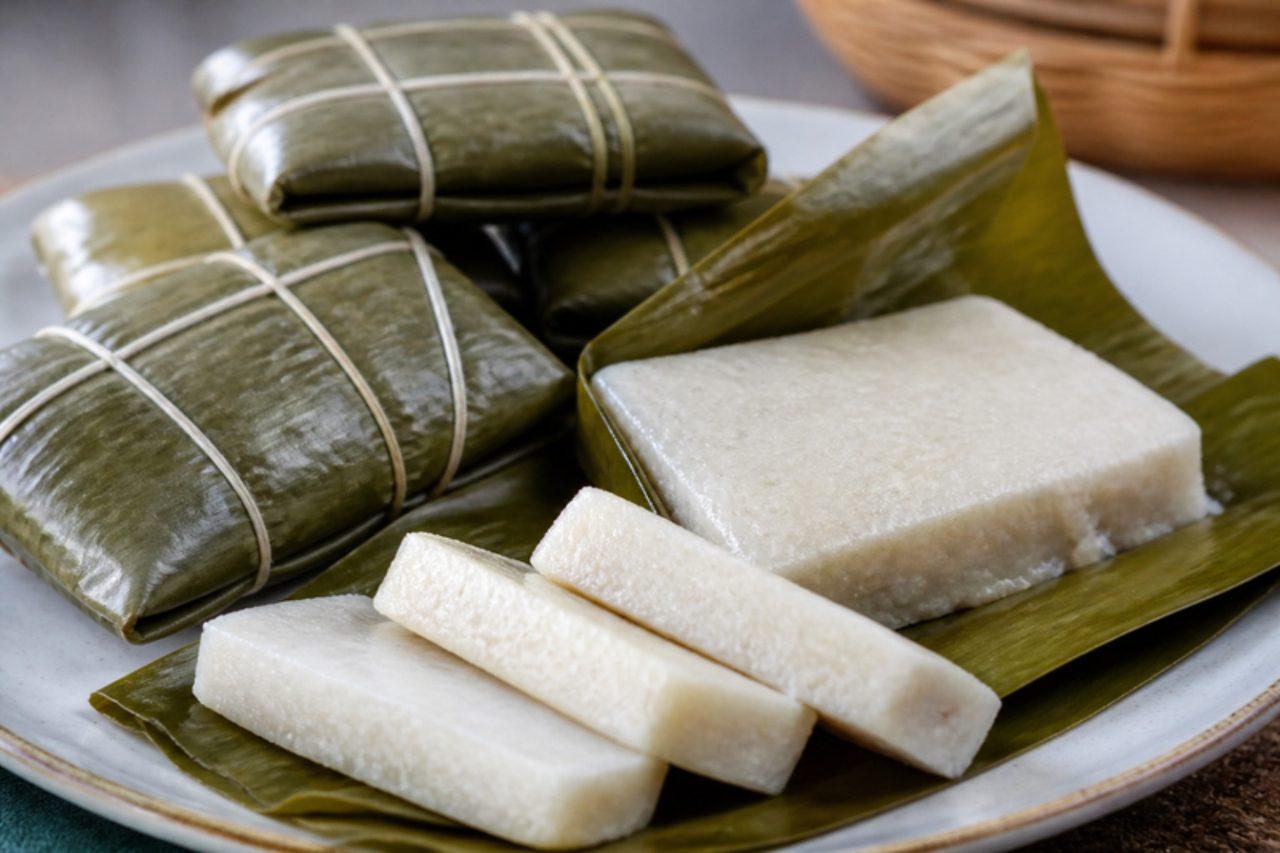
Burasa is the Lebaran rice cake of the Bugis and Makassar people of South Sulawesi: rice half-cooked in salted coconut milk, wrapped in banana leaves, tied in pairs and boiled for hours until it sets firm and rich. On Eid morning it is sliced and eaten with coto Makassar, opor or a spicy beef dish, and it travels well for visits to relatives. Chef's tip: wrap the parcels only half full and tie them firmly, because the rice swells and a full parcel bursts open in the pot.

by KrazyBadal 0 views

Showing 24 of 696 recipes

Show more recipes

Page 1 of 29