Skip to content
Recipes

All recipes

Vegetarian, or something you can't eat? Set your diet once and we'll hide recipes that don't fit.

Asam pedas ikanSour spicy tamarind fish

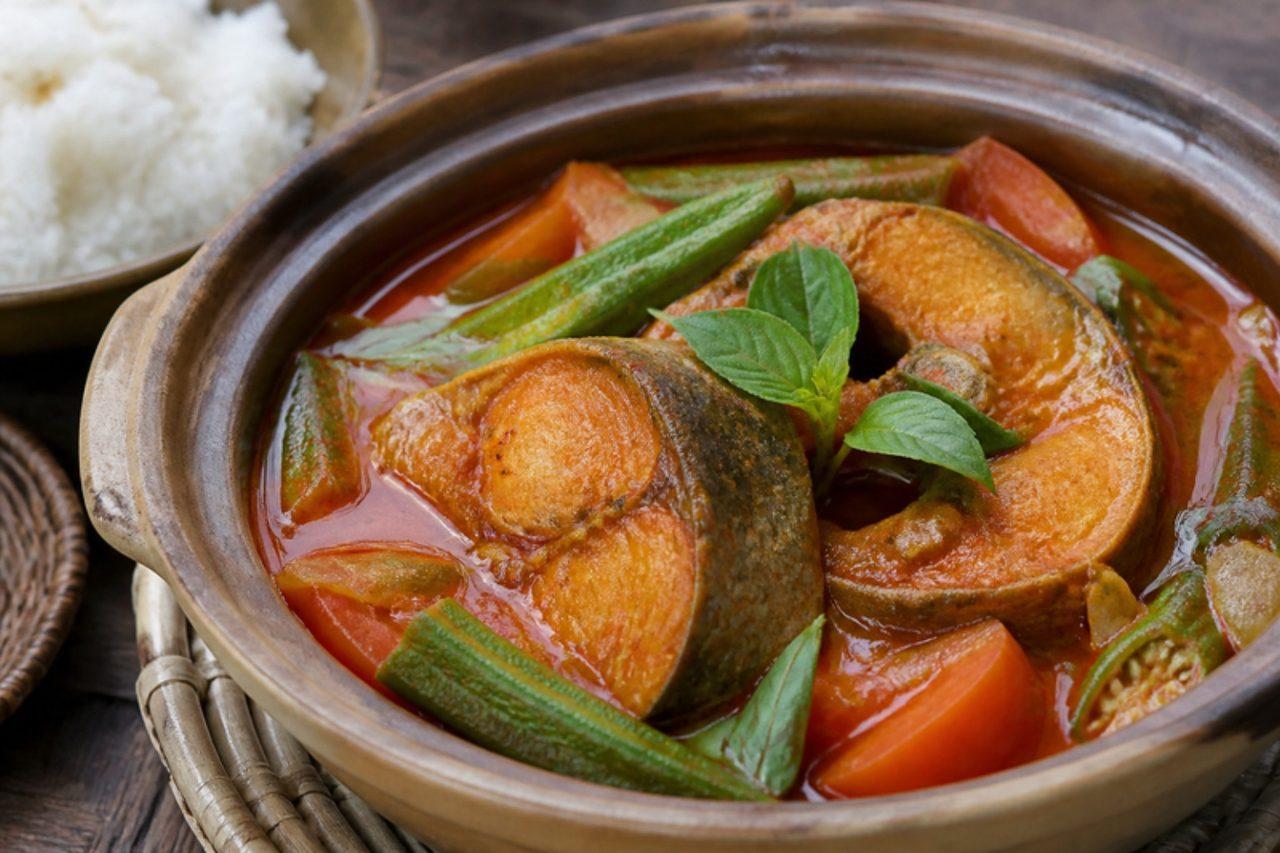
Asam pedas, "sour and spicy", is the pride of Malay kitchens in Melaka and Johor, cooked for everyday lunches and sold at rice stalls with a dozen other dishes. Fish steaks simmer in a thin, brick-red gravy of dried chilli, shallot and belacan soured with tamarind, with okra and tomato soaking up the sauce and Vietnamese mint scenting it. It is fiery, tangy and light, with about 29 g of protein a portion from the fish; eat it with plenty of plain rice. The common mistake is rushing the chilli paste: if it isn't fried until the oil separates, the gravy tastes raw and harsh. Chef's tip: use oily, firm fish such as Spanish mackerel or stingray, which stand up to the sour broth.

by KrazyBadal 0 views

Chilcano de pescadoClear fish broth

In the fishermen's terminals of Chorrillos and Callao, chilcano is what you drink on a Sunday morning after a long night: a clear, gingery broth made from the heads and bones left over from cleaning fish for ceviche, with chunks of fish, red onion, chilli and a squeeze of lime in the bowl. It is light and warming, around 160 kcal a bowl, and still gives about 24 g of protein from the fish fillet and the broth. The common mistake is squeezing the lime into the pot while it boils, which turns it bitter; add it to each bowl at the table. Don't boil the bones for more than 30 minutes either, or the broth turns cloudy and harsh. Chef's tip: ask the fishmonger for heads and frames from mild white fish like sea bass or cod, and leave out oily fish such as mackerel, which makes the broth strong and fishy.

by KrazyBadal 0 views

Nasi ulamHerb rice

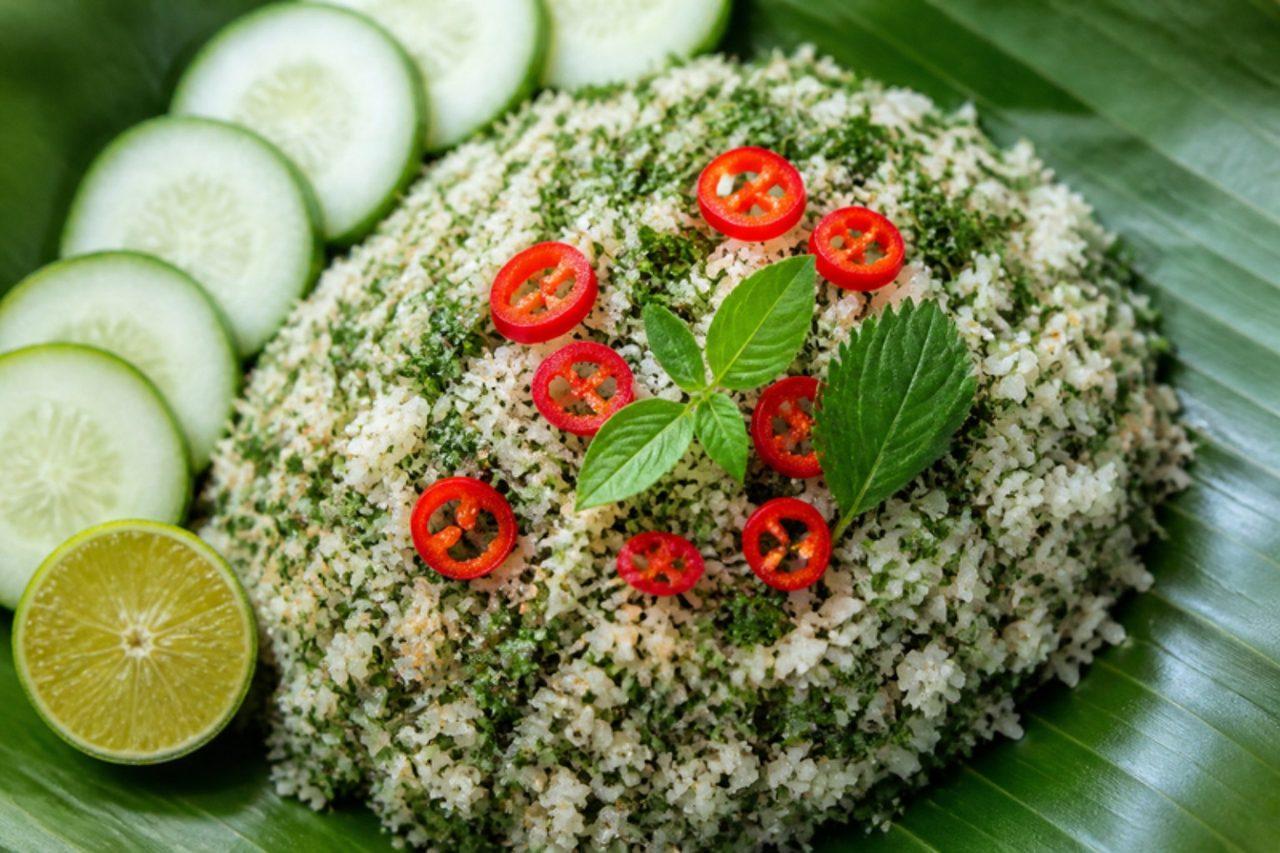
In Kelantan and Terengganu on Malaysia's east coast, nasi ulam is the cool, fragrant rice eaten at lunch in the heat: day-old rice tossed with a heap of hair-thin raw herbs (ulam), lemongrass, lime leaf, shallots and dry-toasted coconut. It is traditionally mixed with flaked salted or dried fish; this is a vegetarian version that leaves the fish out and leans on the toasted coconut and a squeeze of lime for depth. It is a light meal of about 340 kcal, with around 7 g of protein, so it is not high in protein; serve it with fried tofu or tempeh. The common mistake is using hot rice, which wilts the herbs into a dark mush; the rice must be cold. Chef's tip: stack the leaves, roll them into a tight cigar and slice across as thinly as you can; the finer the herbs, the more perfume.

by KrazyBadal 0 views

Pejerrey arrebozadoBattered fish fillets with onion salsa

Pejerrey arrebozado is a Lima classic from the cevicherías and home kitchens of the coast, eaten at lunch on a plate with white rice, a heap of sharp salsa criolla and sometimes boiled potato. The pejerrey, a small silverside, is opened into butterflied fillets, dipped in a light egg-and-flour batter and fried golden. Outside Peru, use small fillets of whiting, sole, haddock or tilapia. The batter here uses sparkling water, not beer, so it is alcohol free. The common mistake is frying in oil that isn't hot enough: the batter drinks the oil and turns greasy, so test with a drop of batter first. Chef's tip: make the salsa criolla first and let the onion sit in lime for ten minutes; it softens its bite and turns a pretty pink.

by KrazyBadal 0 views

Biskut dahliaPiped flower butter cookies

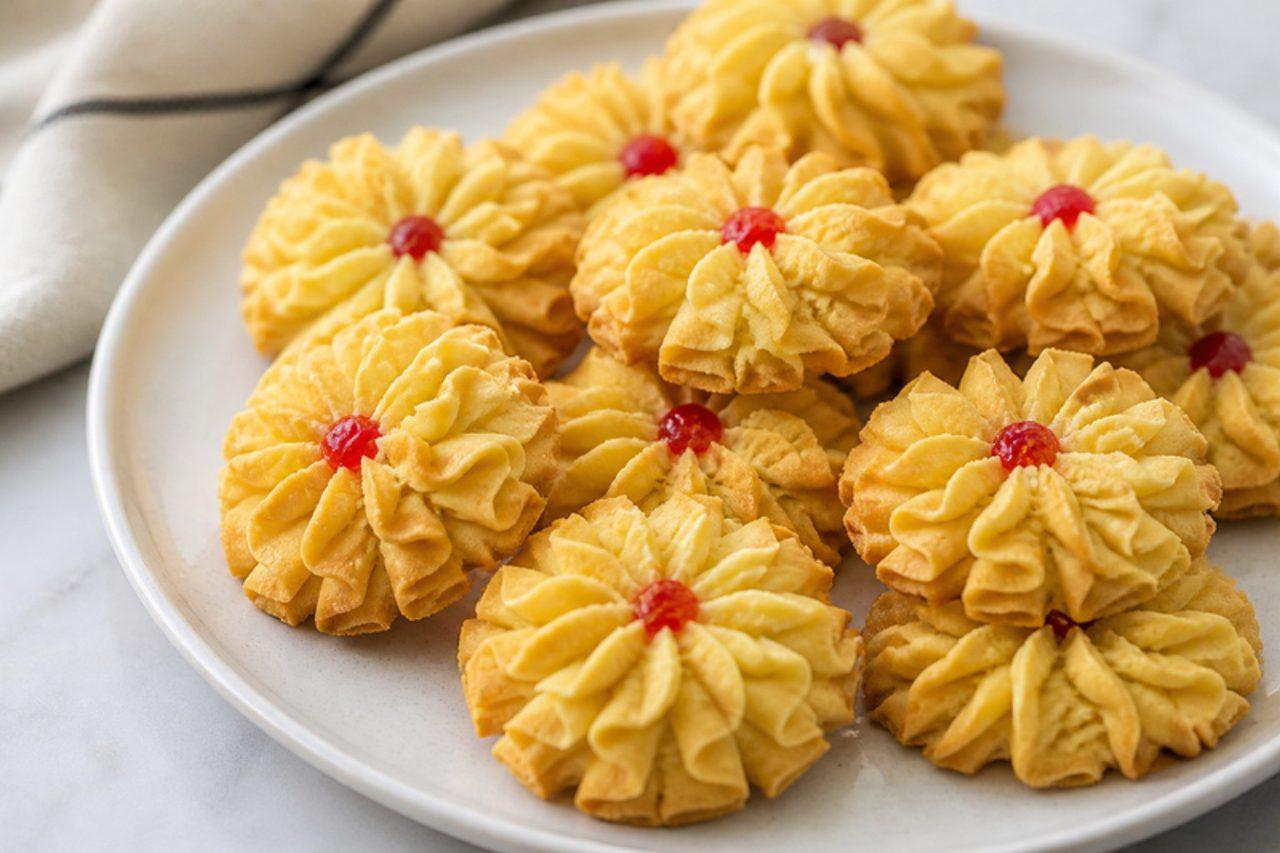
In the last days of Ramadan, Malaysian kitchens from Johor to Kedah turn into small factories of kuih raya, and biskut dahlia is one of the easiest and prettiest: soft buttery dough piped through a star nozzle into ruffled flowers, each with a bit of glacé cherry or a chocolate chip in the centre. They are crisp at the edges and tender inside, with a vanilla-milky flavour from custard powder and milk powder, and they fill the jars set out for open-house visitors at Hari Raya Aidilfitri. This version uses one egg yolk; for an eggless batch, replace it with 2 tablespoons of milk. Dough that is too stiff is the usual problem, as it will not go through the nozzle; beat the butter well and keep the kitchen warm. Chef's tip: chill the piped trays for 15 minutes before baking so the petals hold their sharp ridges.

by KrazyBadal 0 views

TopfengolatschenSweet quark puff pastry squares

A Topfengolatsche is what Viennese office workers grab from the bakery on the way in, and what grandparents order with a Melange in a coffee house on a Sunday afternoon. The corners of a puff pastry square are folded over a lemony, vanilla-scented filling of Topfen (Austrian quark) with plump raisins, and the top gets a thin white glaze. It is flaky, light and not too sweet. Raisins are sometimes soaked in rum; warm water or orange juice works just as well, and the recipe below is alcohol-free. Wet quark is the classic problem, because it turns the filling runny and it leaks out in the oven. Chef's tip: hang the quark in a sieve lined with a clean cloth for an hour, or squeeze it, until it is as thick as soft cream cheese.

by KrazyBadal 0 views

Telur dadar (Malaysian fluffy omelette)

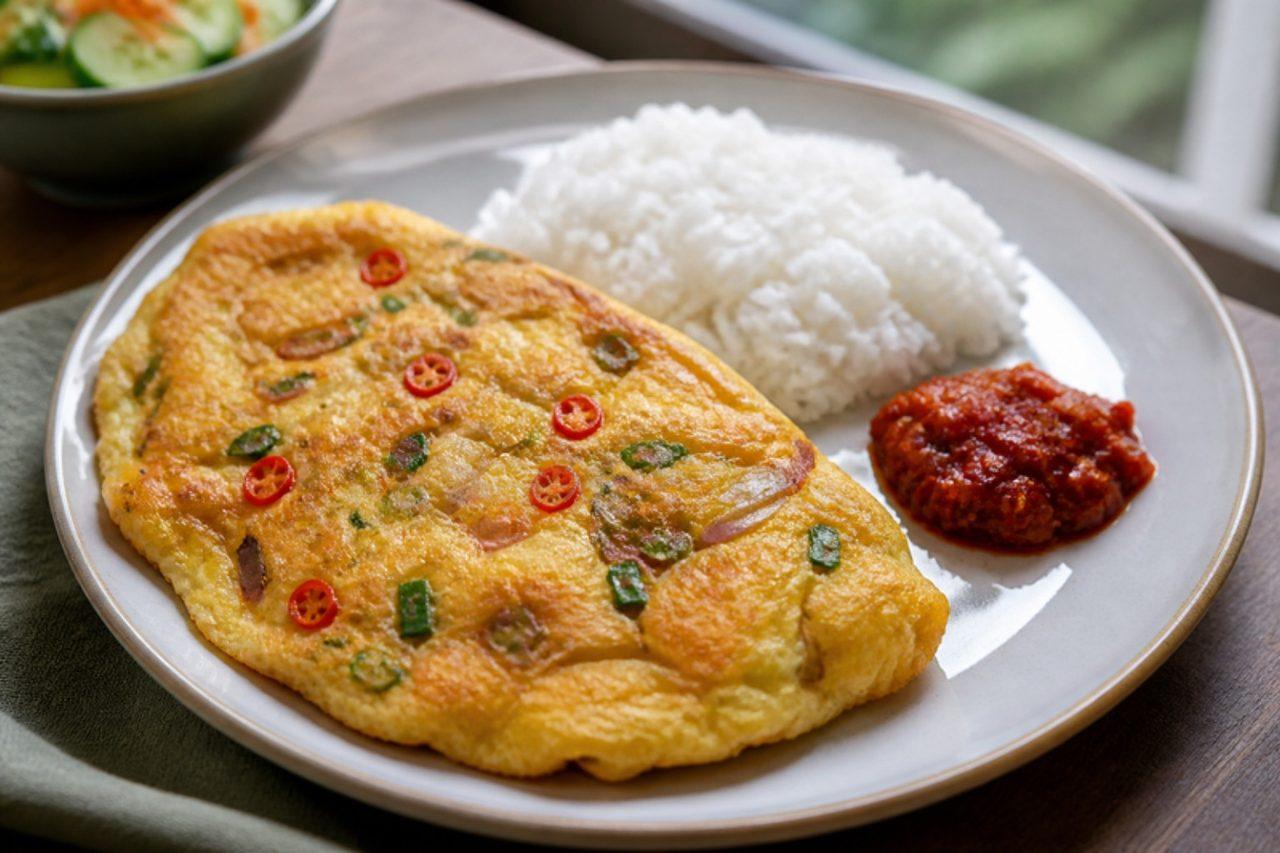
Telur dadar turns up on Malaysian tables from Penang to Johor at almost any meal: next to nasi lemak for breakfast, in a nasi campur spread at lunch, or with plain rice, soy sauce and sambal on a night when there is no time to cook. It is thicker and puffier than a French omelette, with crisp brown edges and pockets of soft onion and chilli. The common mistake is pouring the eggs into oil that isn't hot enough, so they spread thin and turn rubbery instead of puffing up. Chef's tip: beat the eggs hard with a fork until frothy just before they go in, and use a small pan so the omelette stays thick.

by KrazyBadal 0 views

Tallarines rojosSpaghetti in red sauce with chicken

Tallarines rojos is the Sunday-lunch and weeknight pasta of homes all over Peru, from Lima to Arequipa: spaghetti in a sweet, deep-red sauce of blended tomato, onion and garlic with a little ají panca and oregano, often with pieces of chicken cooked right in it. Children love it, and it is served with a sprinkle of grated cheese and sometimes a spoon of huancaína on the side. The usual mistake is cooking the sauce too briefly, so it tastes of raw onion; let the blended tomato fry until it darkens and the oil shows at the edges. Chef's tip: a bay leaf and a spoon of ají panca paste give the sauce its Peruvian character; paprika will do if you can't find the paste.

by KrazyBadal 0 views

Ikan goreng kunyit (turmeric fried fish)

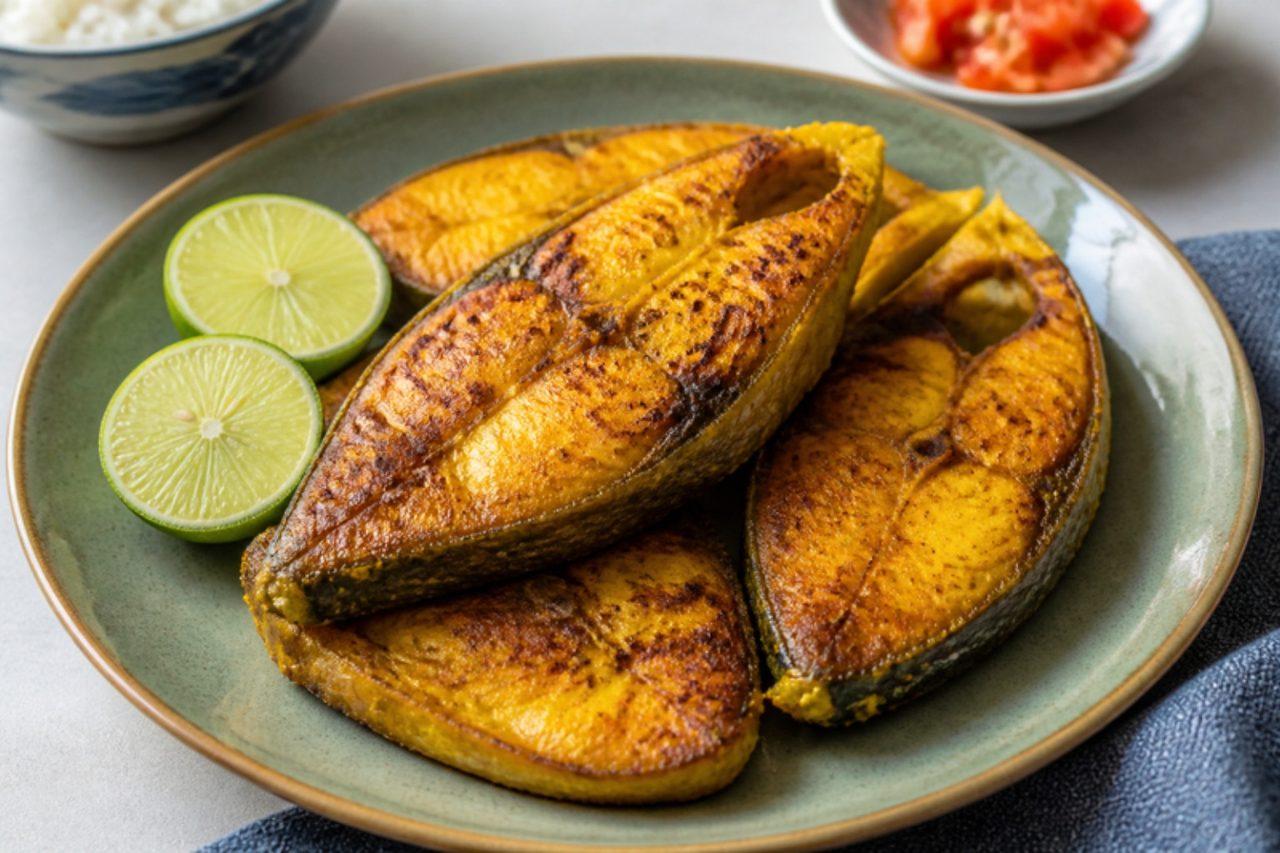
Ikan goreng kunyit is cooked in Malay kampung kitchens and city flats alike for a simple lunch or dinner with rice, sambal and vegetables: small whole fish or thick steaks rubbed with turmeric, salt and a little chilli, then fried until golden and crisp at the edges. The mistake is moving the fish too soon; leave it until it releases from the pan on its own, or the crust tears and sticks. Chef's tip: score the fish to the bone so the turmeric seasons the flesh and it cooks evenly.

by KrazyBadal 0 views

Chicharrón de pescadoCrisp fried fish chunks

Up and down the Peruvian coast, from Chorrillos in Lima to the beaches of Piura, chicharrón de pescado is the crunchy plate ordered alongside ceviche at a long seafood lunch: bite-size chunks of firm white fish marinated briefly in garlic and lime, dusted in flour and fried, then served with fried cassava, salsa criolla and tartar or rocoto sauce. Using frozen peeled cassava keeps it to half an hour. The common mistake is leaving the fish in the lime too long: after about ten minutes the acid starts to 'cook' the outside and the coating slips off. Chef's tip: toss the floured pieces in a sieve to shake off every bit of loose flour; a thin coat fries crisp, a thick one turns pasty.

by KrazyBadal 0 views

Telur masak kicap (Malaysian eggs in sweet soy sauce)

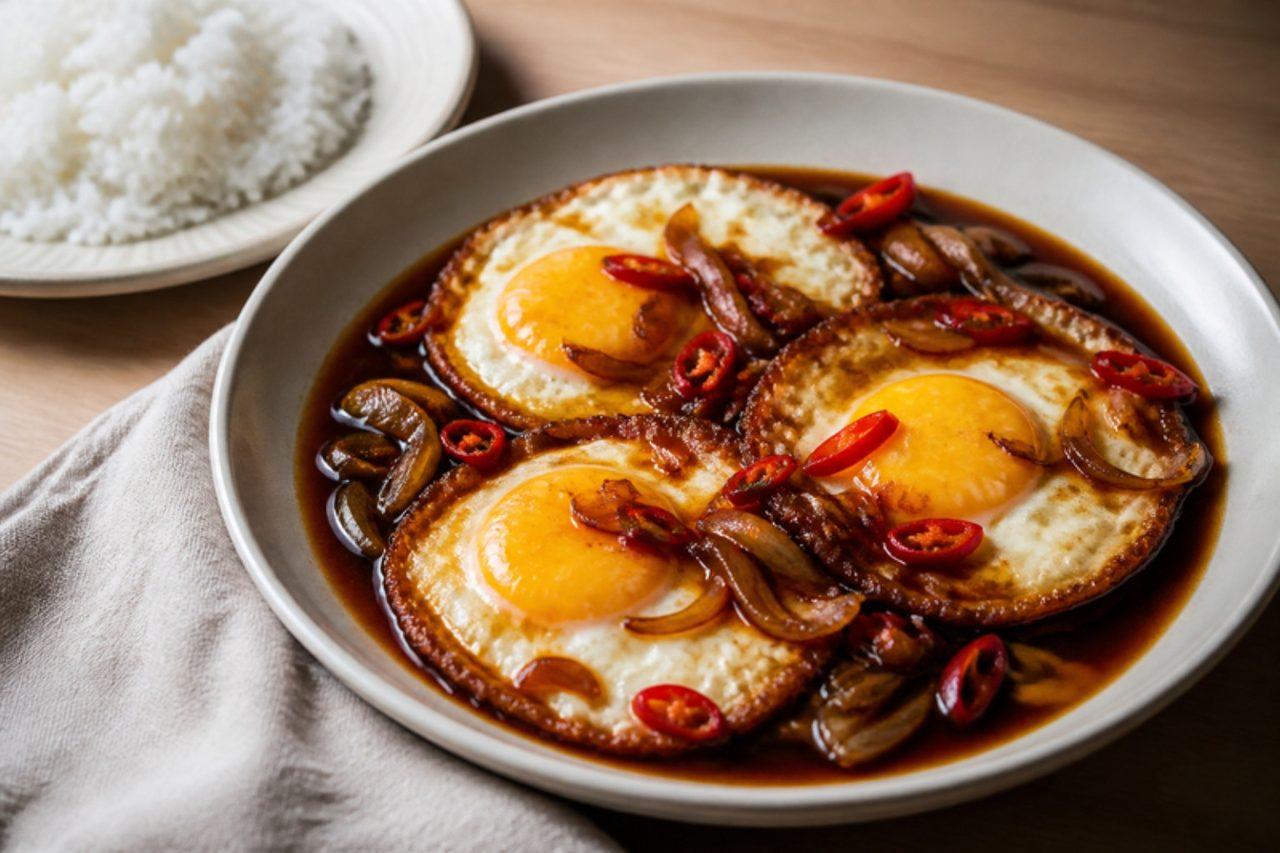
Telur masak kicap is the kind of dish Malaysian mothers make on a busy school night, and children across Selangor and beyond grow up loving it: fried eggs with crisp, frilly edges, bathed in a sweet-salty soy sauce with soft onions, spooned over hot rice. The sauce soaks into the browned whites while the yolks stay creamy. The mistake to avoid is boiling the sauce hard after the eggs go back in, which makes the whites tough and the sauce bitter. Leave out the chilli for small children. For pregnant people, young children, older or vulnerable people, fry the yolks until fully set. Chef's tip: fry the eggs in plenty of hot oil and baste the tops, so the edges go brown and lacy; that crisp skin is what holds the sauce.

by KrazyBadal 0 views

Sambal udang (prawns in chilli sambal)

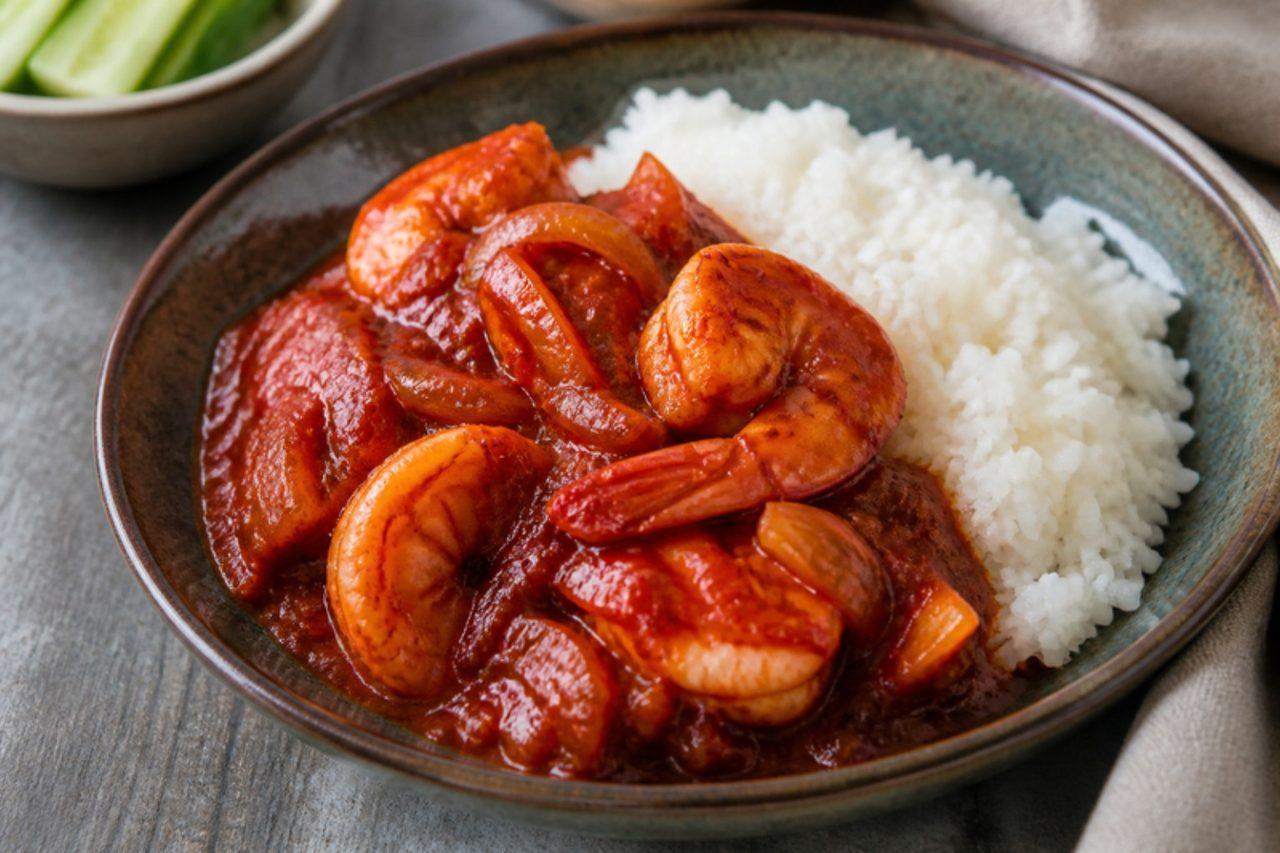
Sambal udang is a Malay home dish cooked for everyday rice meals and dished up at nasi lemak stalls from Kuala Lumpur to Penang: prawns cooked in a deep red paste of dried chilli, shallot and garlic, soured with tamarind and sweetened with a little sugar. This version leaves out belacan (shrimp paste) as optional. The mistake is not frying the chilli paste for long enough; it needs to cook until the oil separates and turns red, or it tastes raw and harsh. Chef's tip: soak the dried chillies in just-boiled water while you peel the prawns and the paste blends silky smooth.

by KrazyBadal 0 views

Teh O ais limauIced black tea with lime

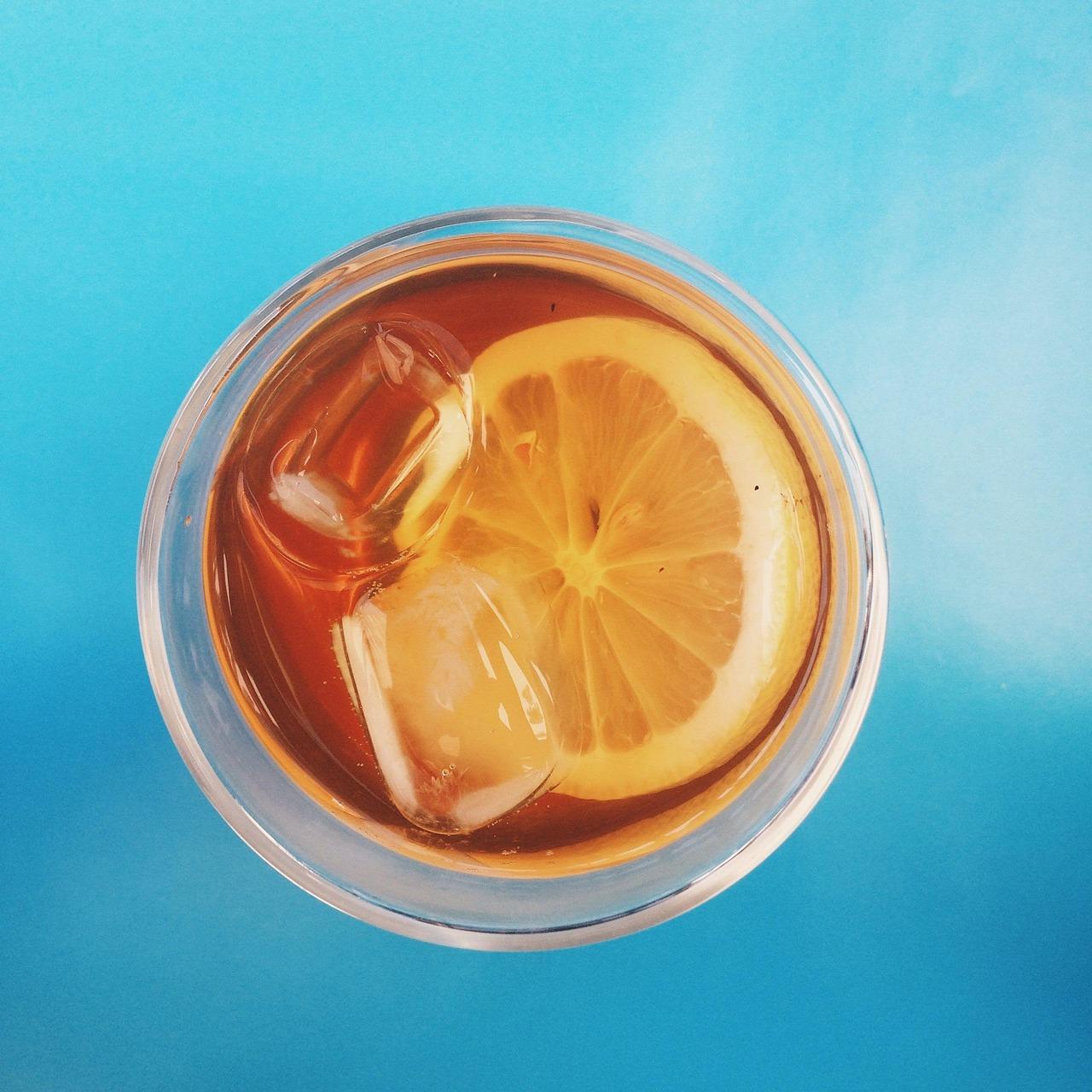
In kopitiam shorthand, 'teh' is tea with milk, 'O' means no milk, 'ais' is iced and 'limau' adds lime, so this is the order Malaysians shout across the counter on a sticky afternoon in Penang or Kuala Lumpur. Strong, sweetened black tea is cooled over ice and squeezed with lime until it tastes like a sharper, less perfumed iced lemon tea. It goes with fried noodles and roti. Chef's tip: pouring hot tea straight onto a glass of ice dilutes it into weak tea; brew it double strength, or chill it first.

by KrazyBadal 0 views

Roti jalaLacy net crêpes

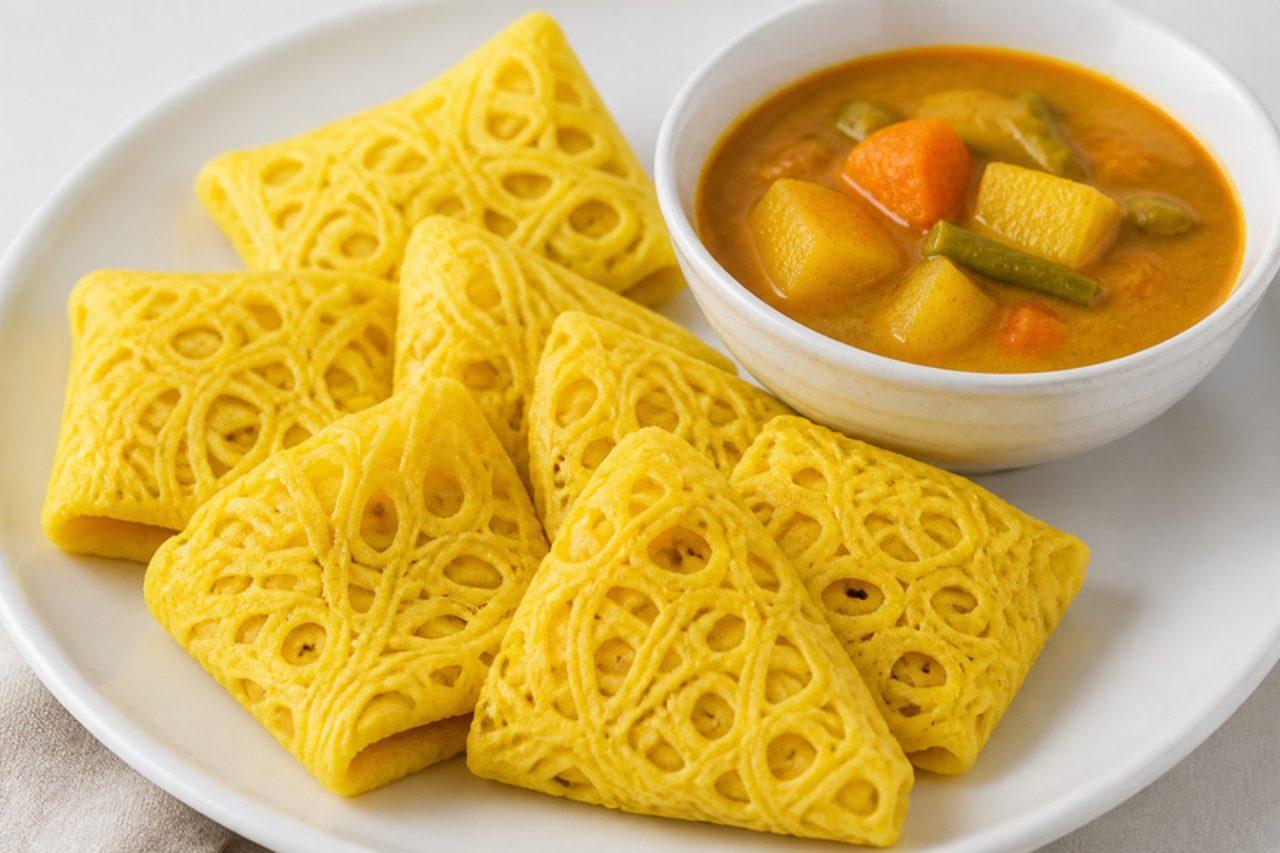
During Ramadan, bazaar stalls in Kuala Lumpur and Shah Alam sell roti jala in folded stacks beside pots of chicken curry, and Malay families make it at home for Hari Raya open houses. A thin egg and coconut-milk batter tinted with turmeric is trickled from a five-spouted cup in loops, so each crêpe becomes a soft, yellow net that soaks up curry gravy. A squeeze bottle with a fine nozzle does the job if you have no roti jala cup. Serve with any curry; it is lovely with a potato or chickpea kari for a vegetarian meal. Chef's tip: a lumpy batter clogs the spouts, so always strain it and let it rest before you start.

by KrazyBadal 0 views

Nasi goreng pattayaFried rice in omelette

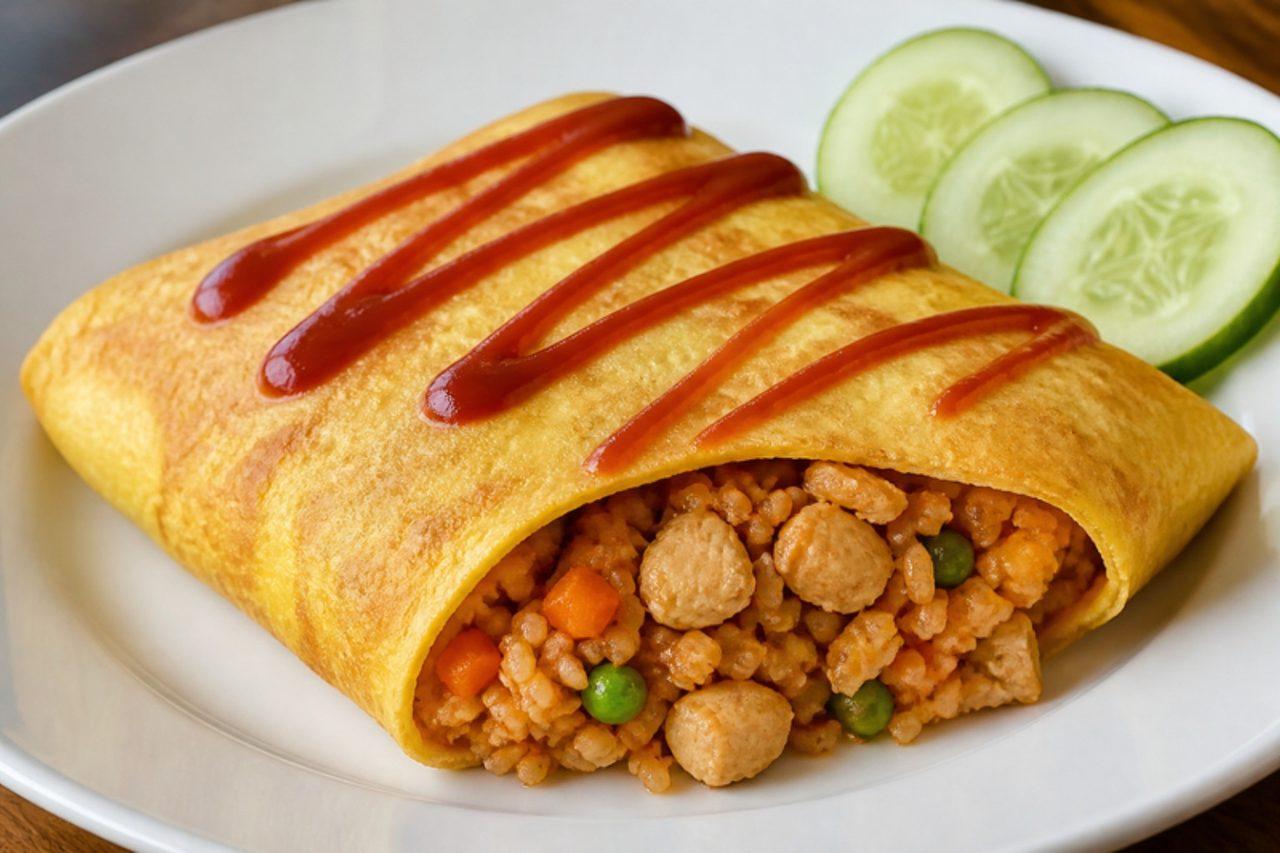
Despite the Thai beach in its name, nasi goreng pattaya is a Malaysian mamak and warung favourite, ordered at midnight in Kuala Lumpur or for a Sunday lunch in Johor: chilli-red chicken fried rice parcelled in a thin, golden omelette, then zigzagged with ketchup and chilli sauce. Children love cutting into it to find the rice. The rice can be made with mixed vegetables instead of chicken. Chef's tip: freshly cooked rice turns to mush in the wok; use rice cooked the day before and kept in the fridge.

by KrazyBadal 0 views

Air katiraBasil seed and gum drink

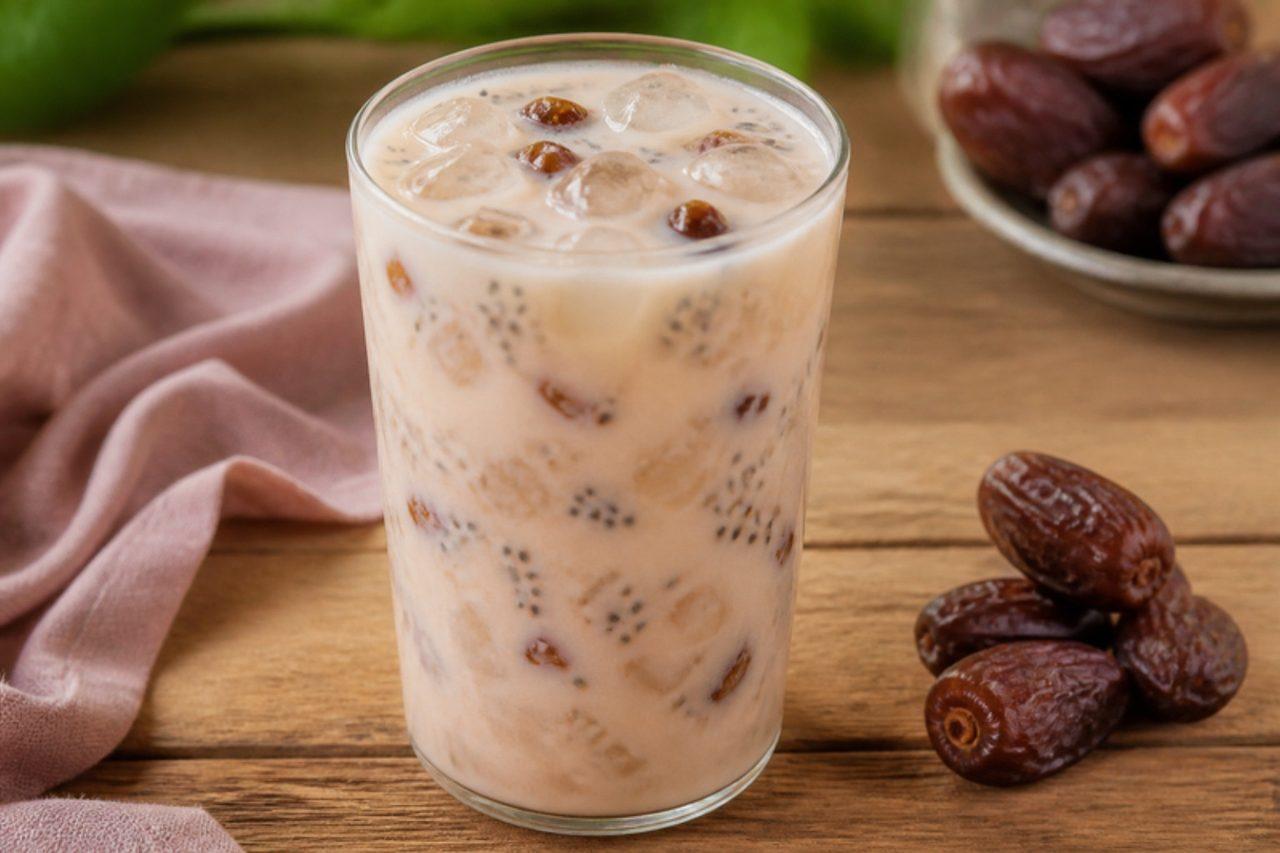
Air katira comes out at Kelantan's Ramadan bazaars in Kota Bharu, sold in bags of milky drink full of soft, jelly-like katira gum and speckled basil seeds, often with slivers of date. Katira is tragacanth gum, soaked overnight until it swells into translucent, wobbly crystals; it is believed to cool the body after a day of fasting. Find it at Indian or Middle Eastern grocers as 'gond katira'. Chef's tip: not soaking the katira long enough is the usual mistake; hard centres crunch unpleasantly, so give it at least 8 hours in plenty of water.

by KrazyBadal 0 views

Air mata kucingLongan and winter melon drink

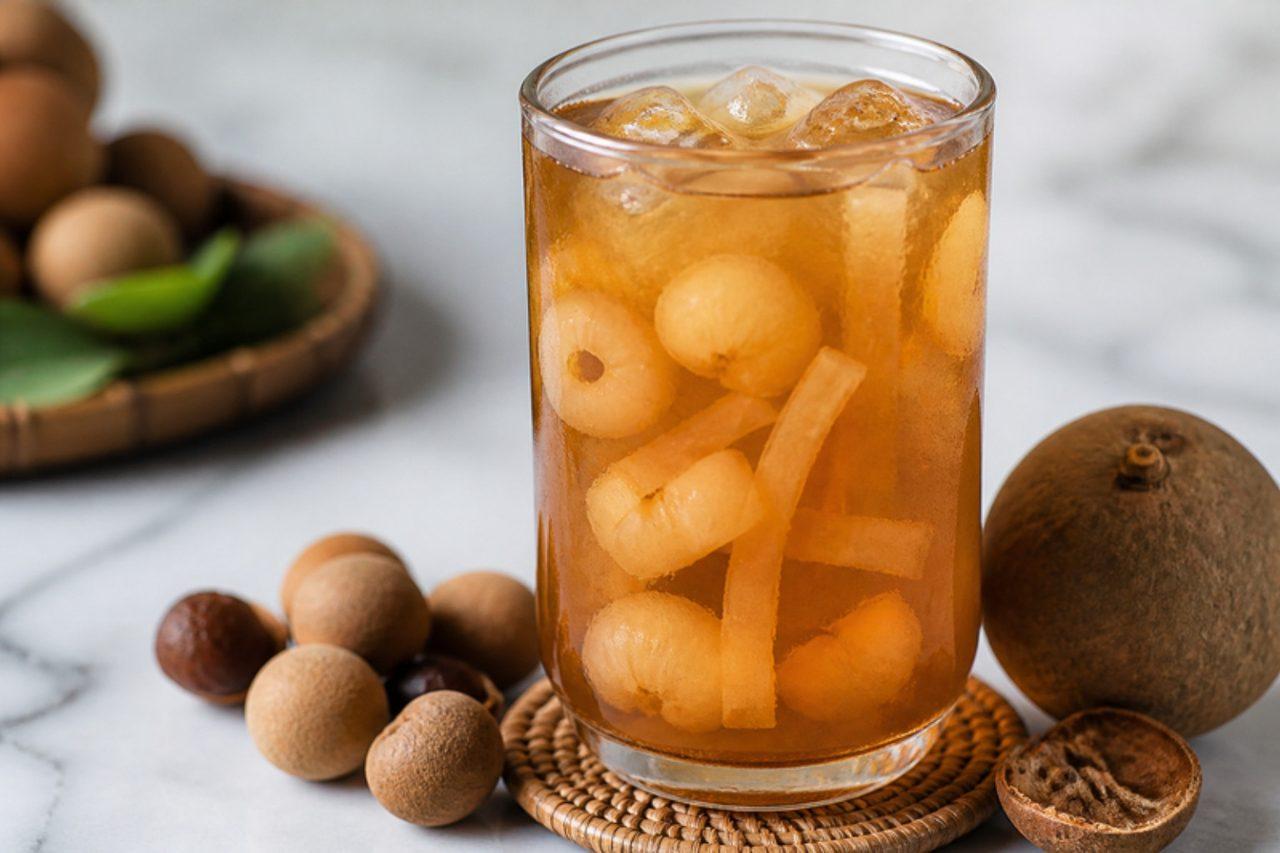
Petaling Street in Kuala Lumpur's Chinatown has a stall that has sold little else for decades, and on a hot afternoon the queue for its iced air mata kucing, 'cat's eye water', stretches down the lane. The 'cat's eyes' are dried longan, simmered with monk fruit, candied winter melon and rock sugar into a sweet, smoky, caramel-like brew that Chinese Malaysians drink to cool the body. Look for the dried ingredients in Chinese grocers. Chef's tip: boiling hard for too long makes it bitter from the monk fruit shell; keep it at a gentle simmer.

by KrazyBadal 0 views

Cucur udangPrawn fritters

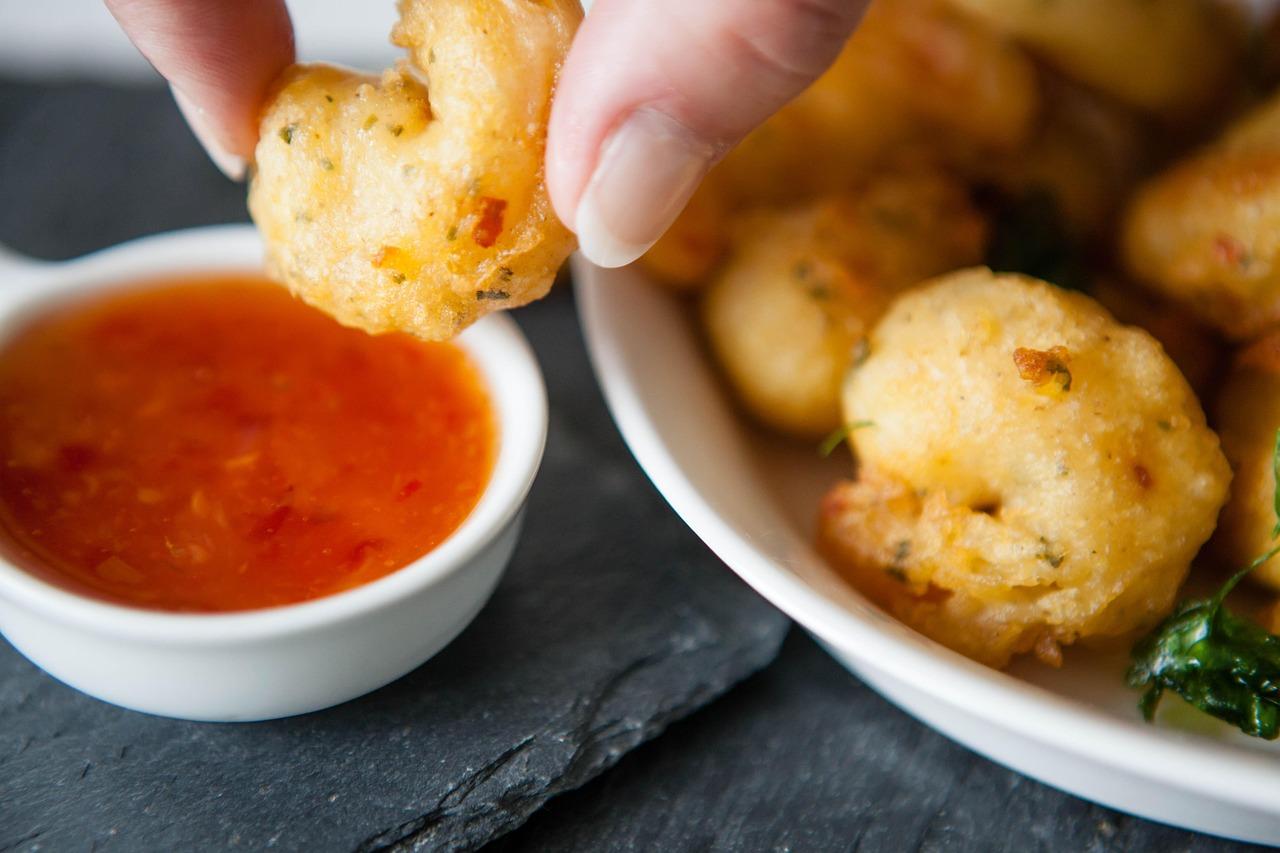
Cucur udang come straight from the wok at roadside stalls across Malaysia in the late afternoon, sold in paper bags with a tub of sweet chilli sauce, and they are one of the busiest items at Ramadan bazaars. Each fritter is a craggy, crunchy cluster of batter, bean sprouts and chives with a whole prawn pressed on top. A mix of plain and rice flour keeps them crisp for longer. Chef's tip: overcrowding the wok drops the oil temperature and gives greasy, pale fritters; fry no more than four or five at a time.

by KrazyBadal 0 views

Roti tisuPaper-thin crisp flatbread

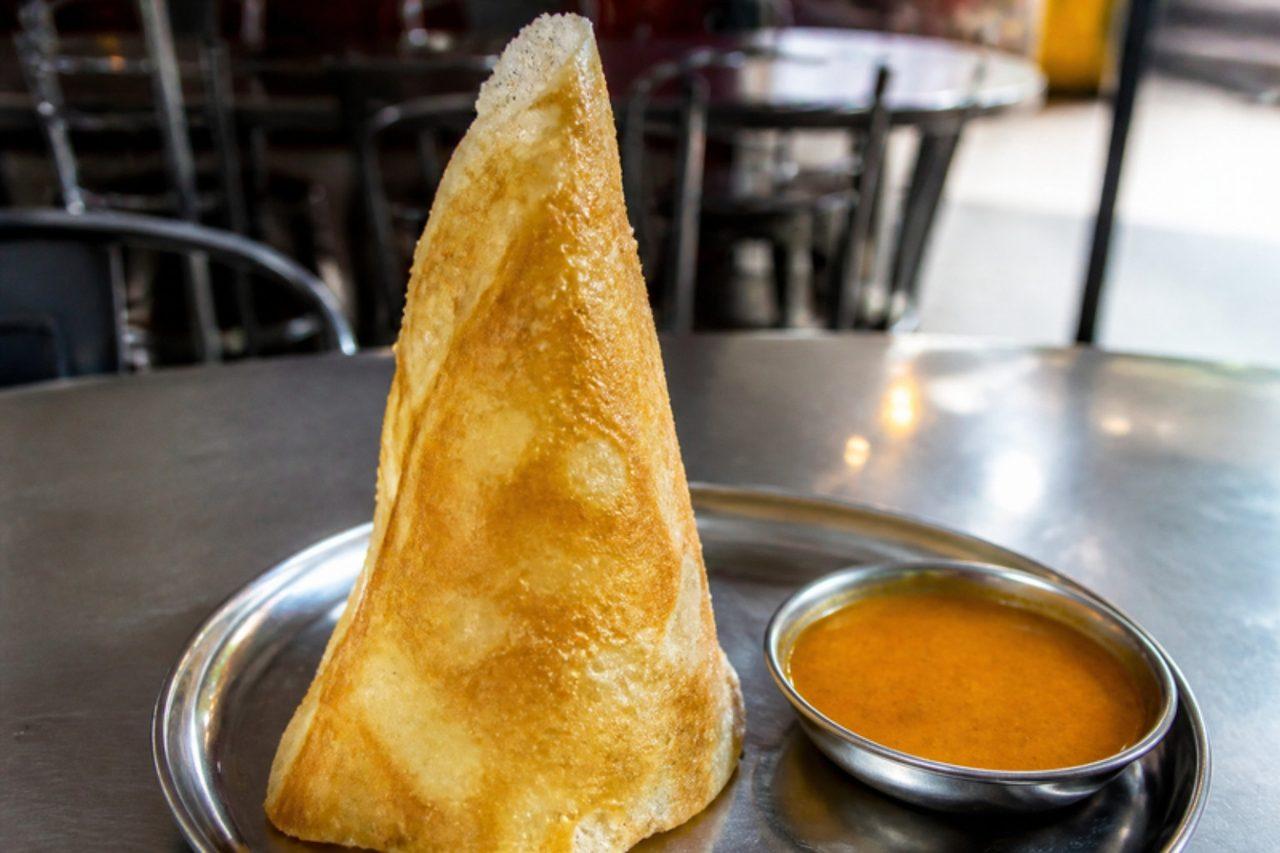
Late at night in Kuala Lumpur's 24-hour mamak restaurants, someone at the next table will order roti tisu and a towering golden cone arrives, as tall as a teh tarik glass, brushed with butter and sugar. The dough is the same as roti canai, but stretched on the oiled counter until you can read a newspaper through it, then griddled into a single crisp sheet. Kids break it from the top down; adults dip it in dhal. It takes practice, so expect the first one or two to tear. Chef's tip: the dough must rest at least 6 hours, better overnight, in plenty of oil; rushed dough snaps back and tears instead of stretching thin.

by KrazyBadal 0 views

Kuih cara manisMini pandan pancakes

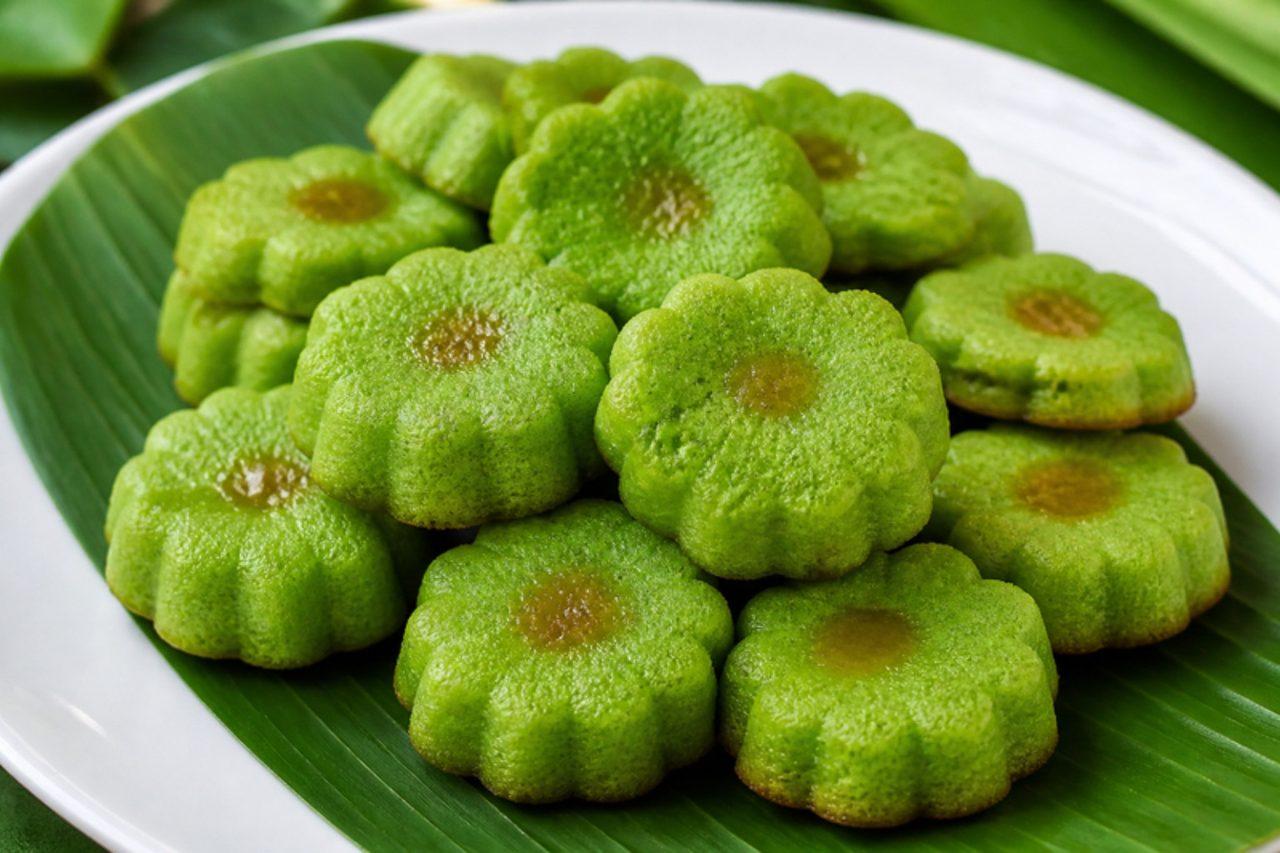
Kuih cara manis are cooked in a cast-iron pan of shallow flower-shaped cups, the same pan used for the savoury kuih cara berlauk, and Malay families make both for breakfast or teatime, especially on weekend mornings in Pahang and Negeri Sembilan. A thin pandan coconut batter sets into soft little flowers, and a pinch of sugar dropped into each centre melts into a glossy pool. They take minutes and are best eaten warm. An aebleskiver or takoyaki pan works if you have no kuih cara mould. Chef's tip: adding the sugar too soon makes it sink and burn; wait until the batter edges have set but the middle is still wet.

by KrazyBadal 0 views

Kuih keriaSweet potato doughnuts

Afternoon kuih sellers in Kuala Lumpur and Ipoh pile kuih keria on trays still warm, each ring wearing a thin white shell of crystallised sugar that crackles when you bite. The dough is mostly mashed sweet potato with just enough flour to hold it, so the inside is soft and almost creamy. Orange-fleshed sweet potato gives a sunny colour; the yellow or purple ones are used too. Chef's tip: adding the sugar to syrup that isn't boiled long enough leaves the doughnuts sticky; it must reach the point where a drop turns cloudy and grainy on a cold plate.

by KrazyBadal 0 views

Tepung pelitaPandan pudding with coconut cream

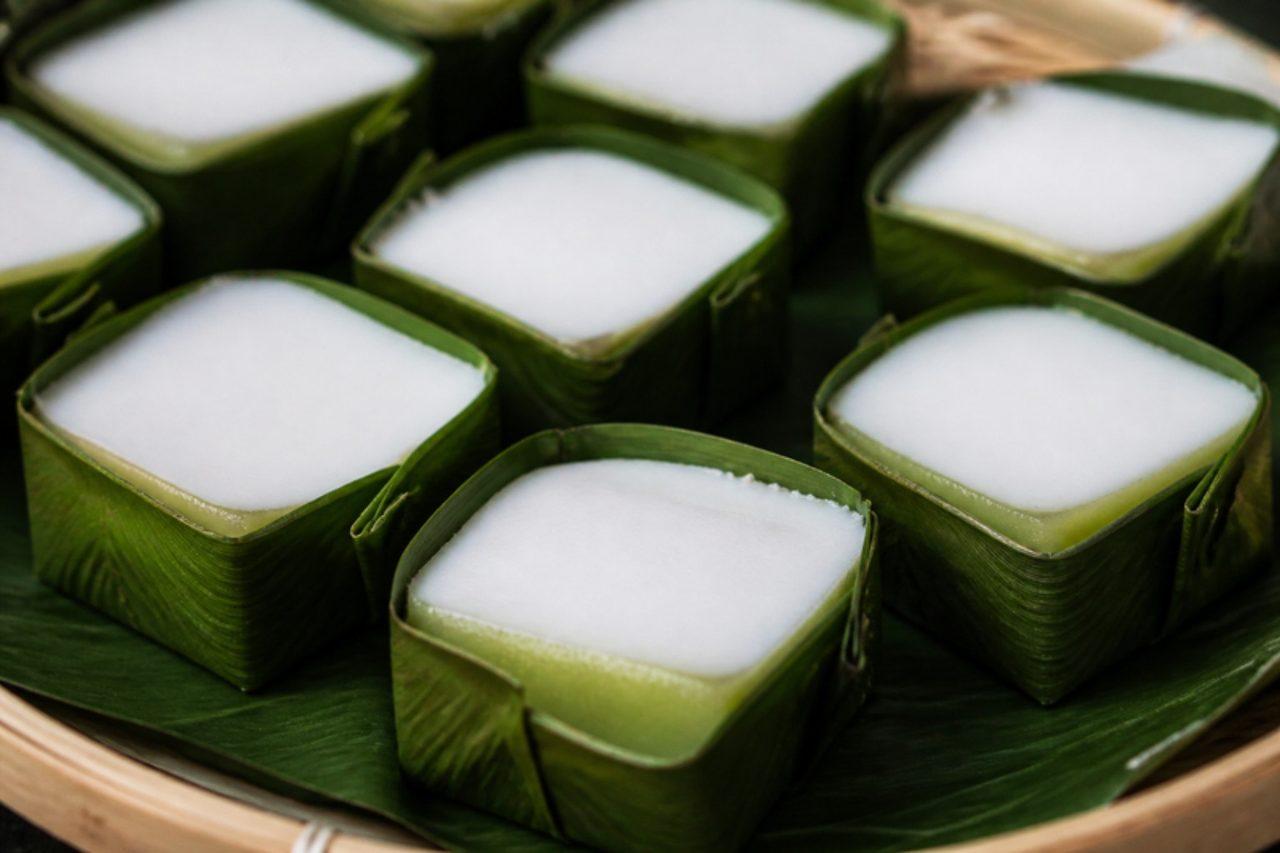
Tepung pelita, 'lamp' kuih, gets its name from the little square banana-leaf boxes it is set in, which look like old oil lamps, and every Ramadan bazaar from Melaka to Penang has trays of them chilling on ice. Each cup holds a soft green pandan layer under a thick, salty-sweet white coconut layer; you eat it with a spoon or straight from the leaf. Small ramekins or silicone cups work if you have no banana leaves. Chef's tip: pour the white layer only once the green one has set a skin, or the two colours bleed into each other.

by KrazyBadal 0 views

Sirap limauRose syrup lime drink

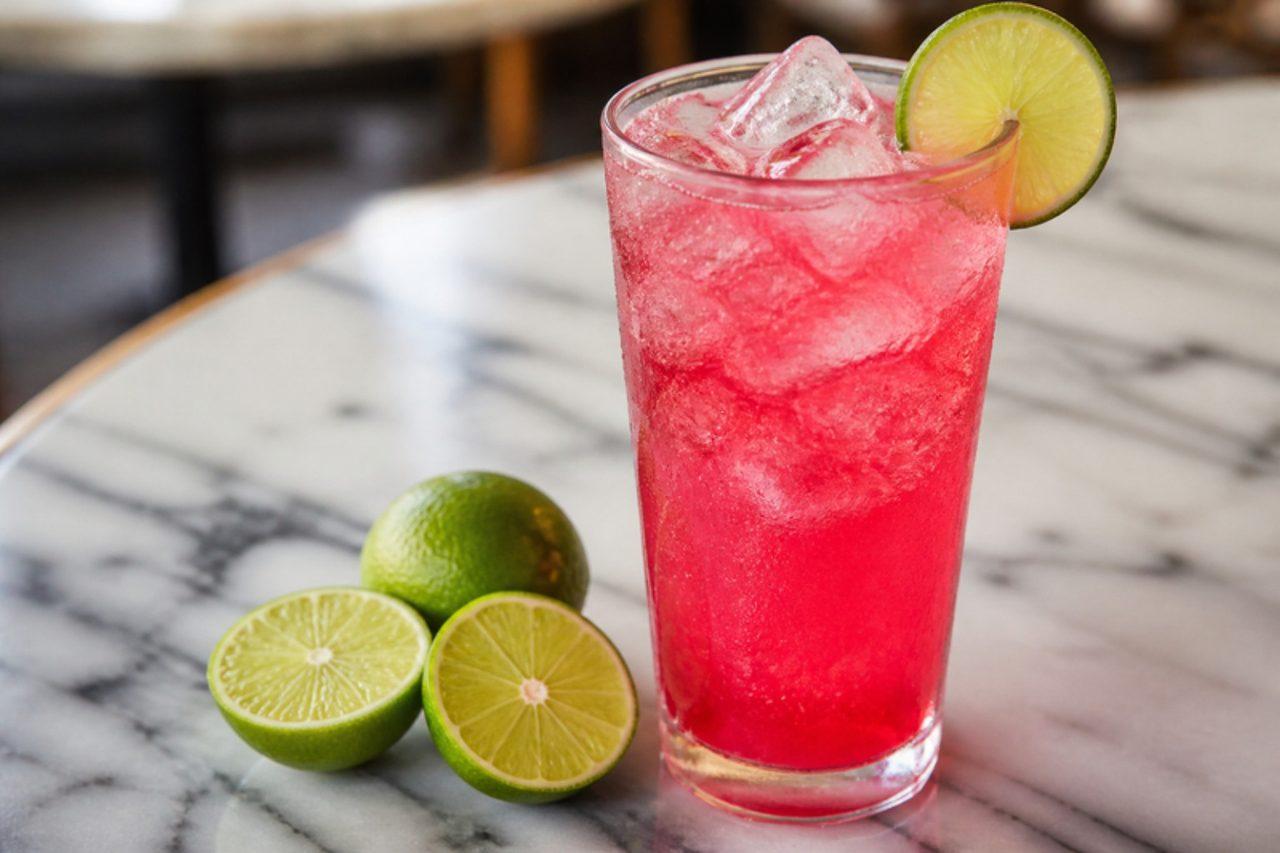
Order a sirap limau at any kopitiam or warung from Johor to Kedah and a tall glass of shocking pink arrives, sweet with rose syrup and sharpened with fresh lime; it is the drink that goes with nasi lemak at lunch and fried snacks after school. The rose syrup, 'sirap', is easy to make at home and keeps for weeks. Chef's tip: squeezing the limes hours ahead makes the drink taste flat and bitter; squeeze them just before you pour.

by KrazyBadal 0 views

Ayam goreng berempahSpiced fried chicken

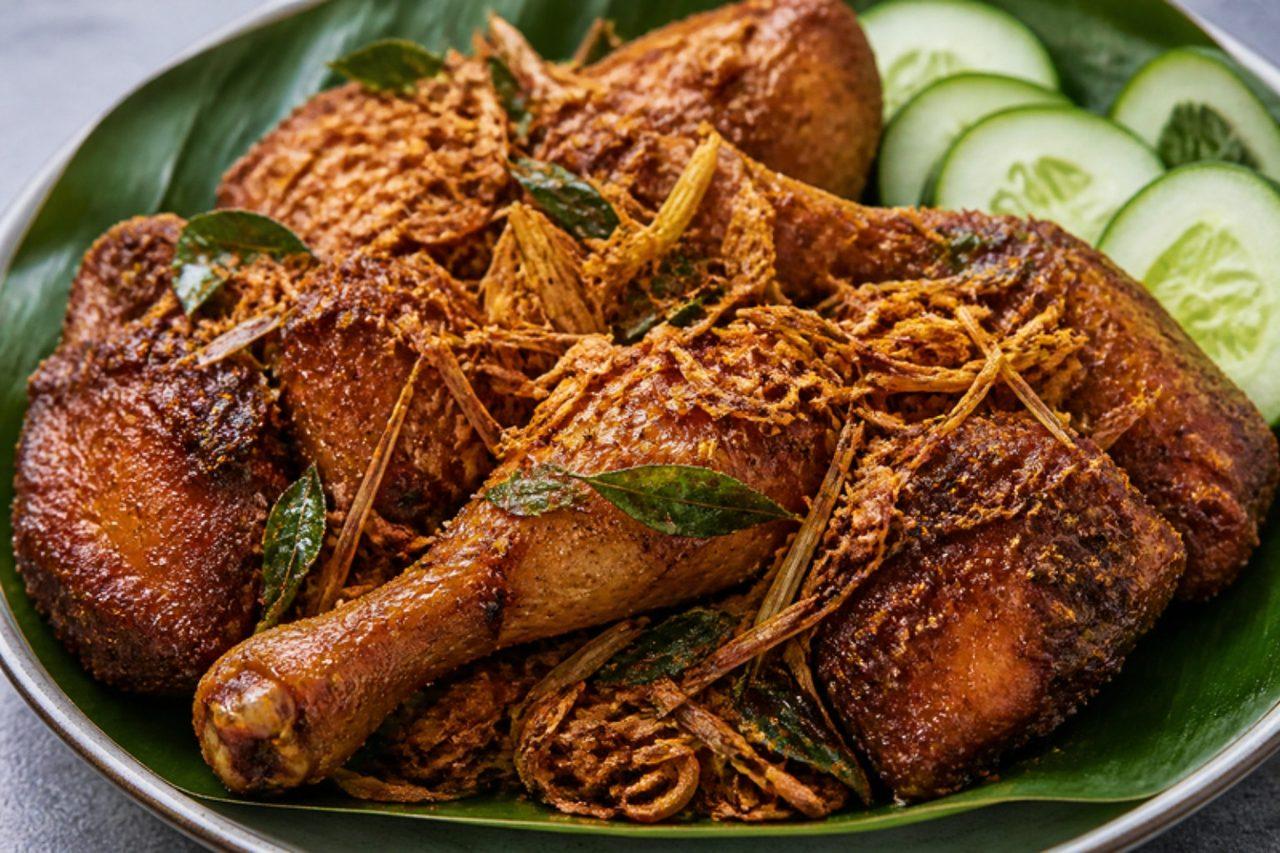
Ayam goreng berempah is what Malaysians pile beside nasi lemak at breakfast stalls in Kampung Baru and buy by the piece at Ramadan bazaars: chicken marinated in turmeric, lemongrass, galangal and ginger, fried until the skin is deep mahogany, then showered with the crunchy fried spice paste and curry leaves from the wok. Chef's tip: frying on too high a heat burns the spice coating before the meat near the bone is cooked; keep the oil at a steady 165 °C and check the thickest piece with a thermometer.

by KrazyBadal 0 views

Showing 24 of 193 recipes

Show more recipes

Page 1 of 9