Skip to content
Recipes

All recipes

Vegetarian, or something you can't eat? Set your diet once and we'll hide recipes that don't fit.

Jiu hu char (dried cuttlefish and jicama stir-fry)

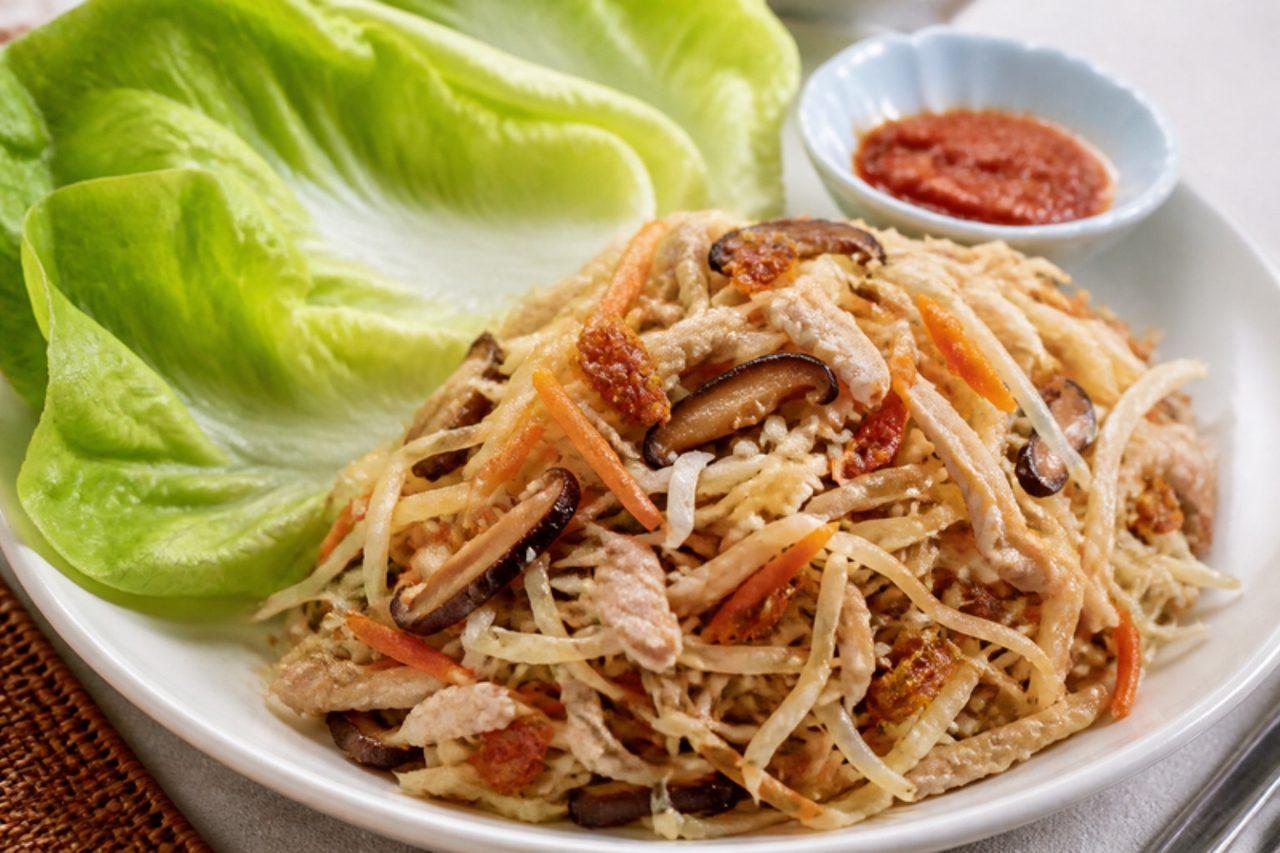
Jiu hu char is a Penang Nyonya dish cooked in big batches for Chinese New Year, when it is passed round as a gift and kept on hand for visitors; its long, fine shreds stand for long life, and the abundance of the pot for a full year. Shredded jicama (yam bean), carrot and cabbage are fried slowly with strips of dried cuttlefish, a little pork and shiitake until sweet, soft and full of the savoury, slightly smoky flavour of the cuttlefish. Wrap spoonfuls in crisp lettuce with a dab of sambal belacan. Chef's tip: cut the vegetables into very fine, even matchsticks; this is what gives the dish its silky texture.

by KrazyBadal 0 views

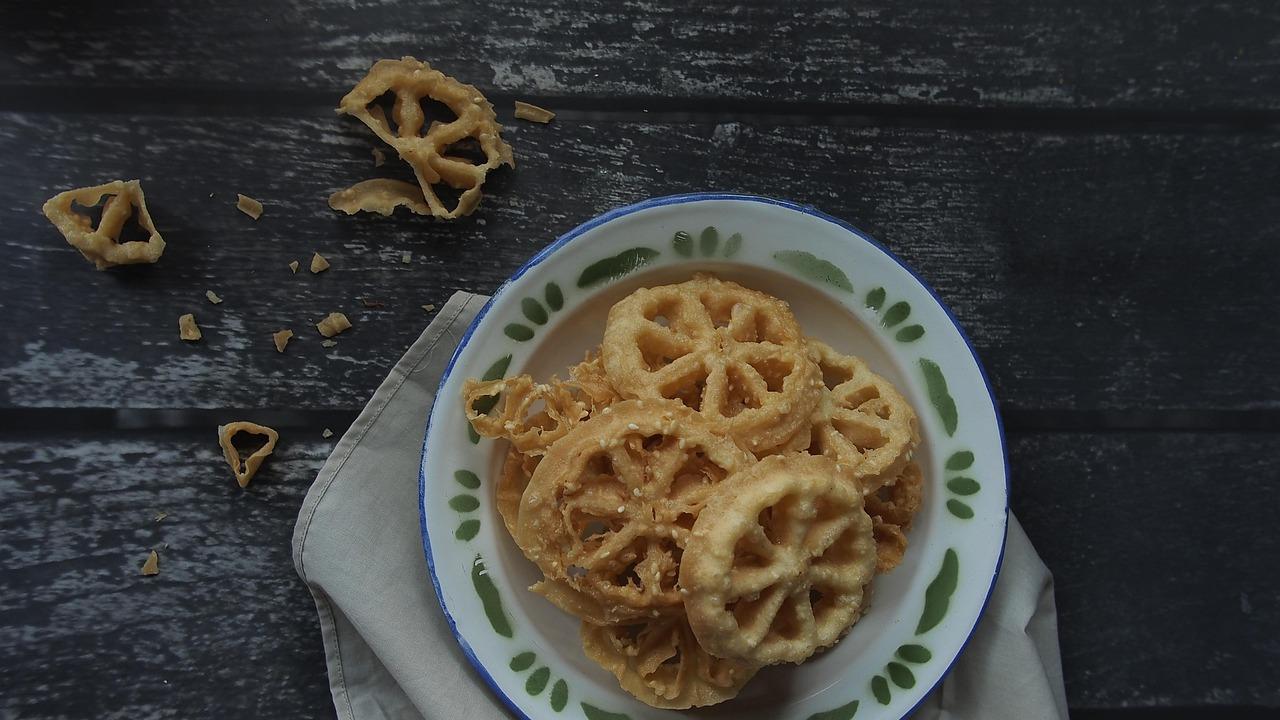
Kuih loyang (honeycomb rosette cookies)

Kuih loyang, also called kuih rose or honeycomb cookies, are made in Malaysia for Chinese New Year and Hari Raya alike, so a jar of them is a small sign of the country's shared festive table. The flower shape stands for blossoming luck in the new year. A thin batter of eggs, coconut milk and rice flour clings to a hot brass or iron mould, and when it is dipped in hot oil it puffs into a lacy flower that shatters at the bite and tastes gently of coconut and sesame. Serve them with tea or coffee. Chef's tip: heat the empty mould in the oil before every cookie; a cold mould means the batter won't stick, and an overheated one makes it slide off.

by KrazyBadal 0 views

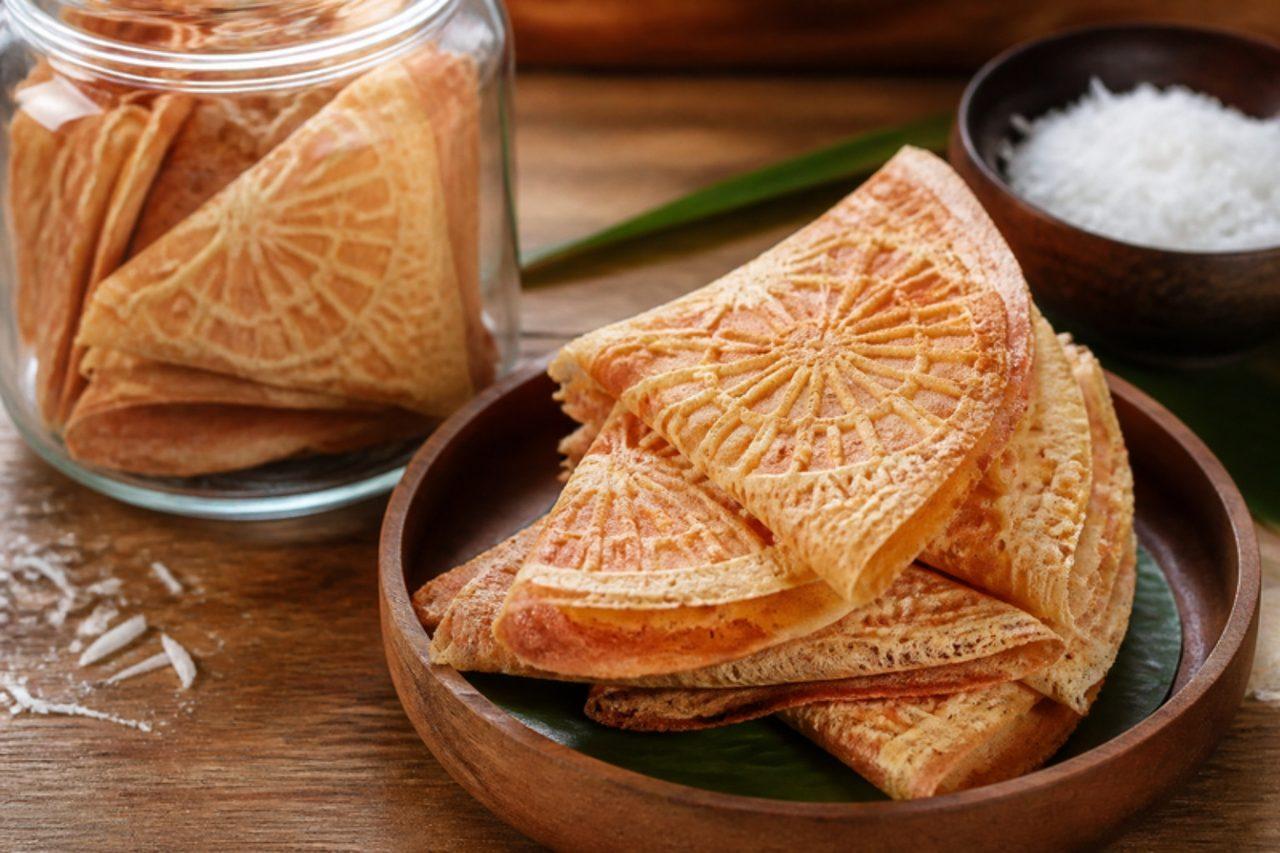
Kuih kapit (love letters)

Kuih kapit, known in English as love letters, are the crisp coconut wafers that fill tins on coffee tables across Malaysia, especially in Penang, at Chinese New Year. Their folded shape is said to hold a sweet secret message, and the patterned moulds often carry lucky symbols, so a tin of them is a wish for a sweet, happy year. Each one is a thin batter of coconut milk, eggs, sugar and rice flour cooked between hot patterned irons and folded quickly while soft, cooling into a light, shattering wafer that tastes of toasted coconut and caramel. Serve with tea, and keep the tin tightly closed. Chef's tip: the first few wafers are always for testing; adjust the heat until each one is pale gold in about 30 seconds a side.

by KrazyBadal 0 views

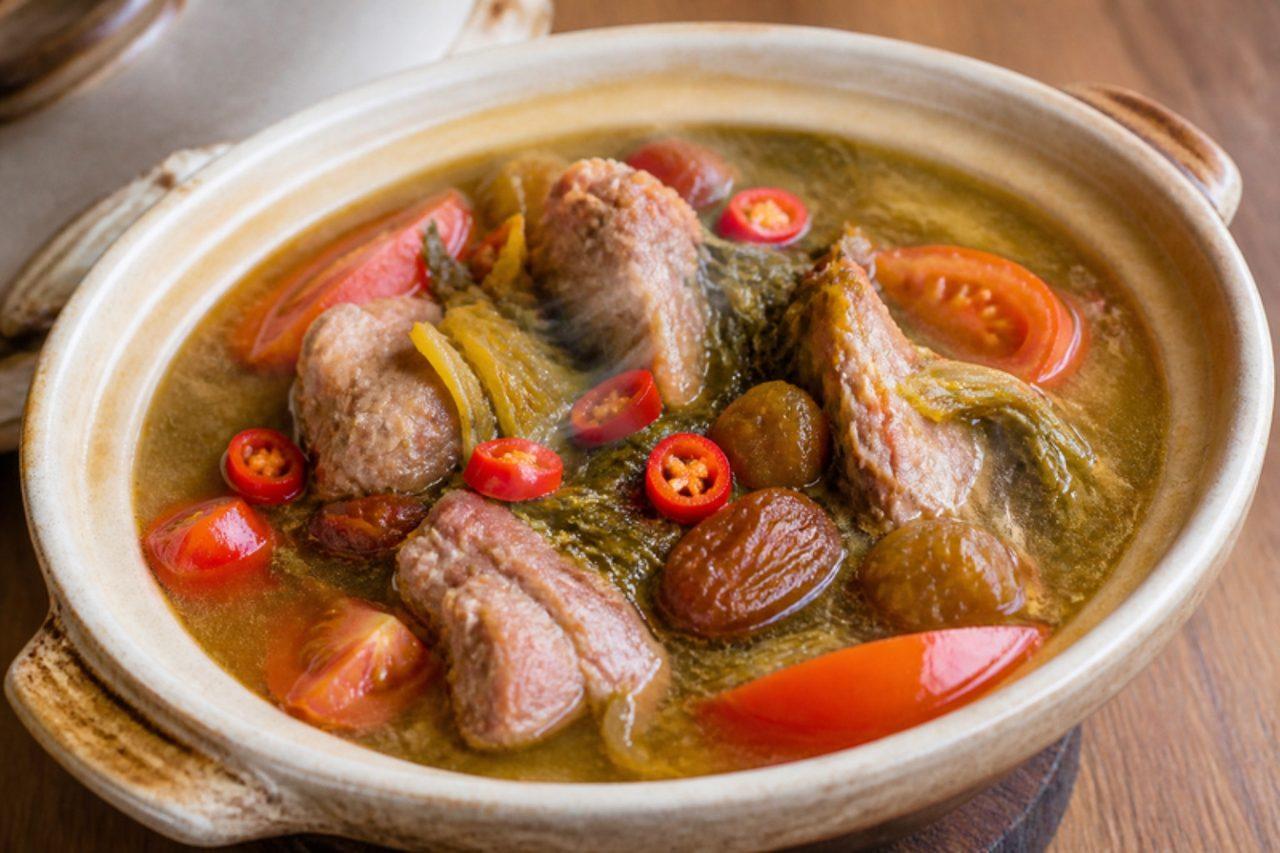
Kiam chye ark (salted vegetable duck soup)

Kiam chye ark is the soup Penang Nyonya families make around Chinese New Year, traditionally to use up roast duck from the reunion dinner; its sour, salty broth is said to settle the stomach after the feasting. This version starts from a fresh jointed duck. Duck is simmered with salted mustard greens (kiam chye), tomatoes, tamarind skins, preserved sour plums and a little ginger until the meat is falling-apart tender and the broth is clear, tangy and savoury. Serve it piping hot with plain rice and a dish of sliced chilli in soy. Chef's tip: soak and taste the salted greens first; some brands are fiercely salty and need a second soak.

by KrazyBadal 0 views

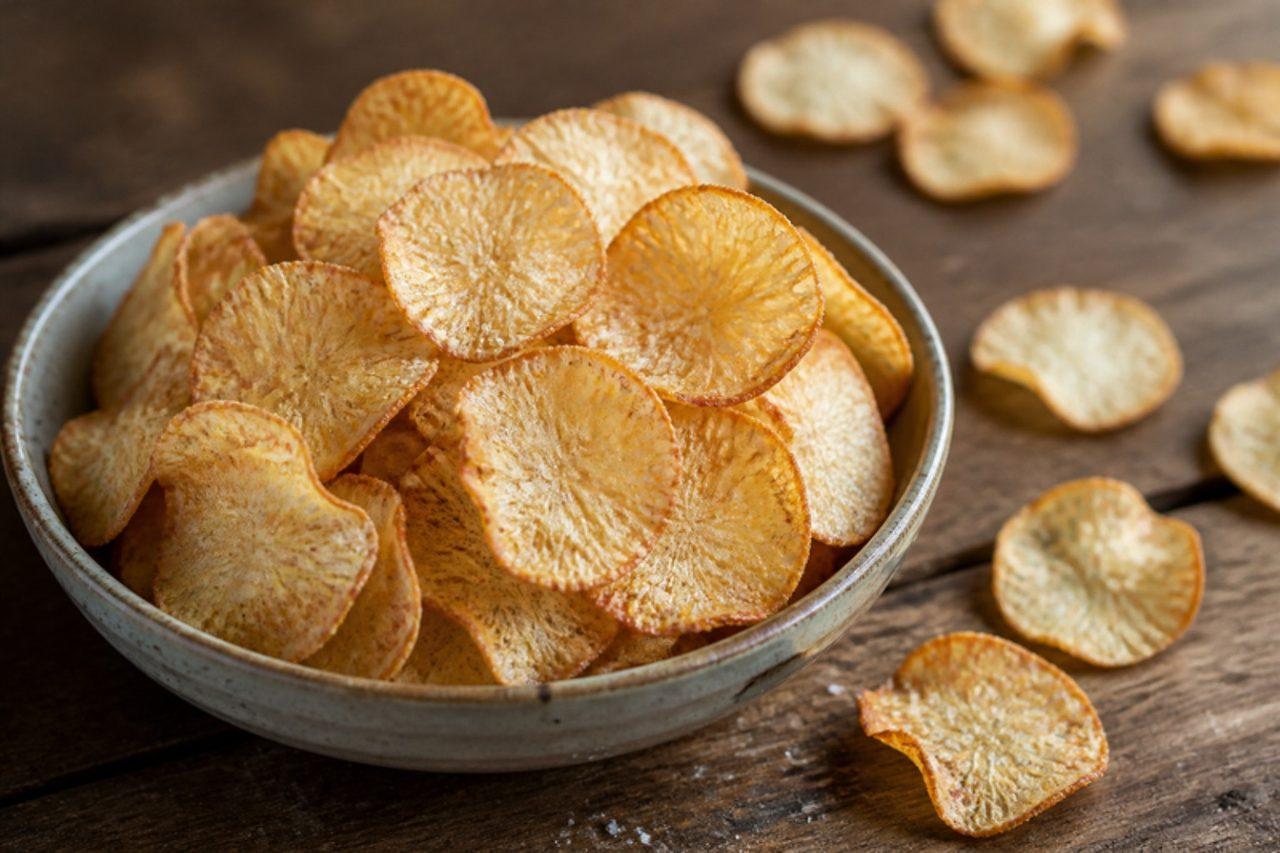
Arrowhead chips (nga gu chips)

Arrowhead (nga gu, or ngaku) is a small aquatic tuber that only shows up in Malaysian markets in the weeks before Chinese New Year, and frying it into chips is a family job. Its curved sprout looks like a shoot rising from the root, so it stands for growth and many descendants in the year ahead. Sliced thin and fried, the chips are crisp and nutty like potato crisps, with a gentle bitterness that keeps you reaching for more. Put them out in jars with peanuts and love letters for visitors. Chef's tip: soak the slices and dry them very well; wet slices make the oil spit and fry up chewy instead of crisp.

by KrazyBadal 0 views

Aiskrim potong (Malaysian red bean ice-cream bars)

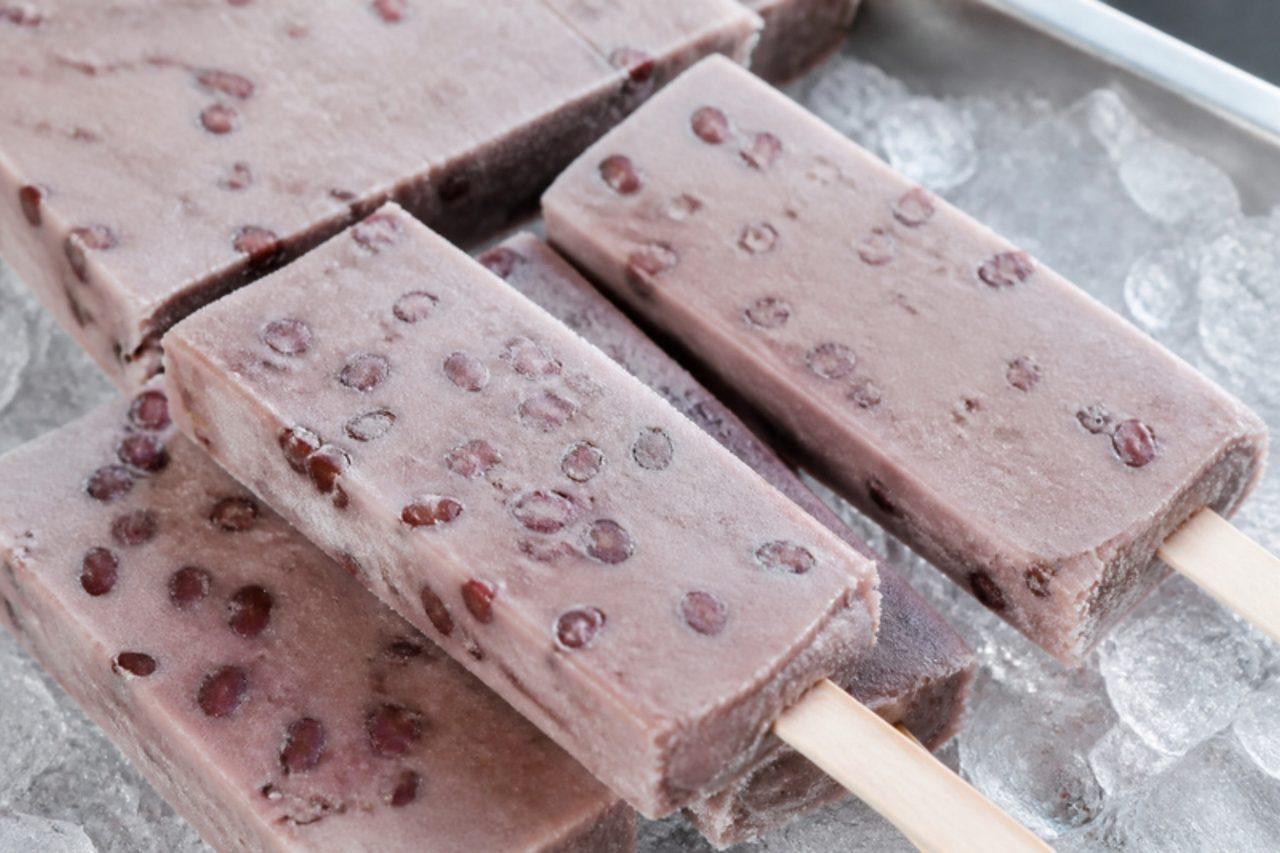
Aiskrim potong, literally cut ice cream, comes from the days when Malaysian factories froze long blocks of dense ice cream that vendors sliced into bars to order. It is still sold nationwide from motorbike freezers and kampung shops, especially in the afternoon heat after school, in flavours like coconut, sweet corn, yam and durian, with red bean as the classic. It is firmer and denser than scooped ice cream and melts slowly in the hand. There is no egg: the base is cornflour cooked into coconut milk and milk, with a little condensed milk. The cooked starch gives the bars their chewy, close bite and keeps them smooth because it ties up the water before it can form big crystals. Chef's tip: stir the half-frozen block once so the beans don't all sink; the common mistake is pouring and leaving it, which gives a bean-heavy bottom and a plain top.

by KrazyBadal 0 views

Asam pedas ikanSour spicy tamarind fish

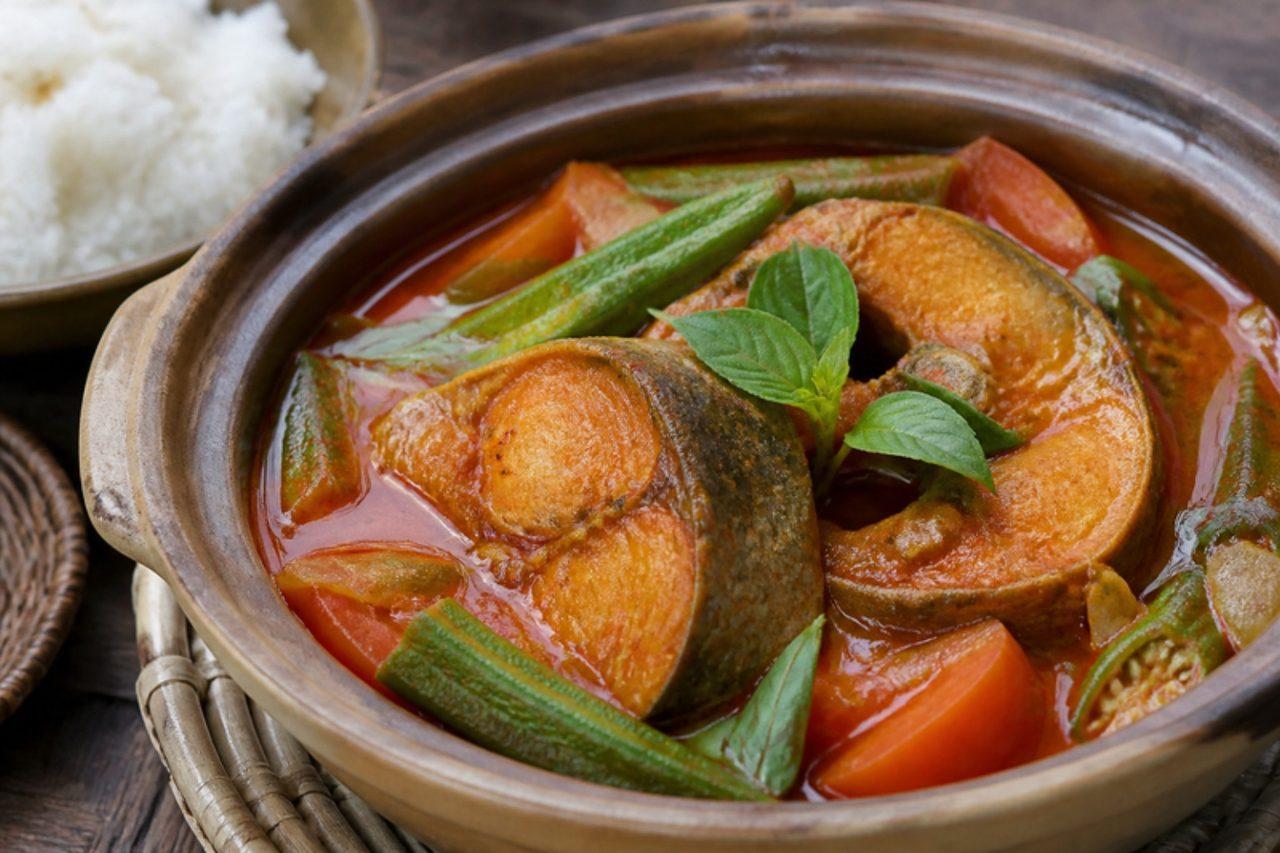
Asam pedas, "sour and spicy", is the pride of Malay kitchens in Melaka and Johor, cooked for everyday lunches and sold at rice stalls with a dozen other dishes. Fish steaks simmer in a thin, brick-red gravy of dried chilli, shallot and belacan soured with tamarind, with okra and tomato soaking up the sauce and Vietnamese mint scenting it. It is fiery, tangy and light, with about 29 g of protein a portion from the fish; eat it with plenty of plain rice. The common mistake is rushing the chilli paste: if it isn't fried until the oil separates, the gravy tastes raw and harsh. Chef's tip: use oily, firm fish such as Spanish mackerel or stingray, which stand up to the sour broth.

by KrazyBadal 0 views

Nasi ulamHerb rice

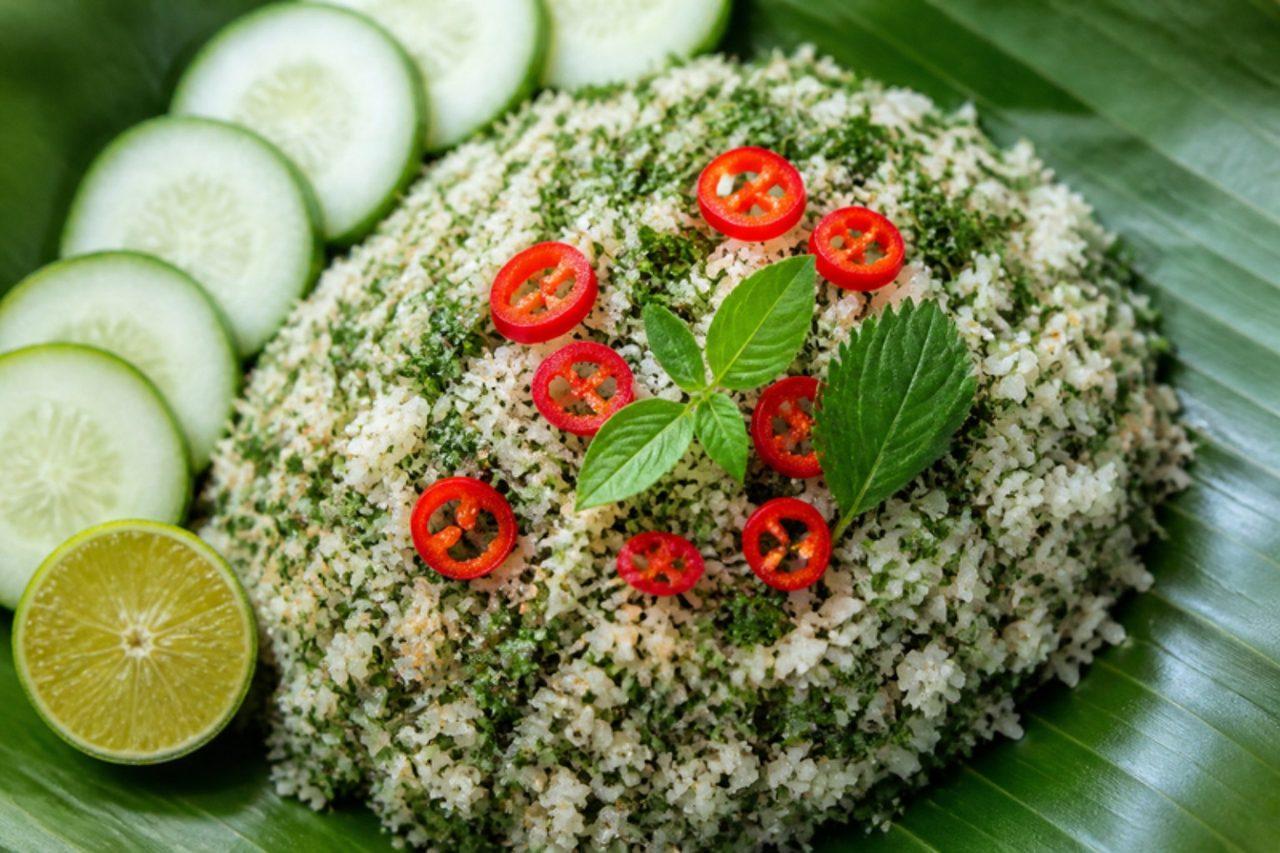
In Kelantan and Terengganu on Malaysia's east coast, nasi ulam is the cool, fragrant rice eaten at lunch in the heat: day-old rice tossed with a heap of hair-thin raw herbs (ulam), lemongrass, lime leaf, shallots and dry-toasted coconut. It is traditionally mixed with flaked salted or dried fish; this is a vegetarian version that leaves the fish out and leans on the toasted coconut and a squeeze of lime for depth. It is a light meal of about 340 kcal, with around 7 g of protein, so it is not high in protein; serve it with fried tofu or tempeh. The common mistake is using hot rice, which wilts the herbs into a dark mush; the rice must be cold. Chef's tip: stack the leaves, roll them into a tight cigar and slice across as thinly as you can; the finer the herbs, the more perfume.

by KrazyBadal 0 views

Bubur gandum (wheat pudding with coconut milk and palm sugar)

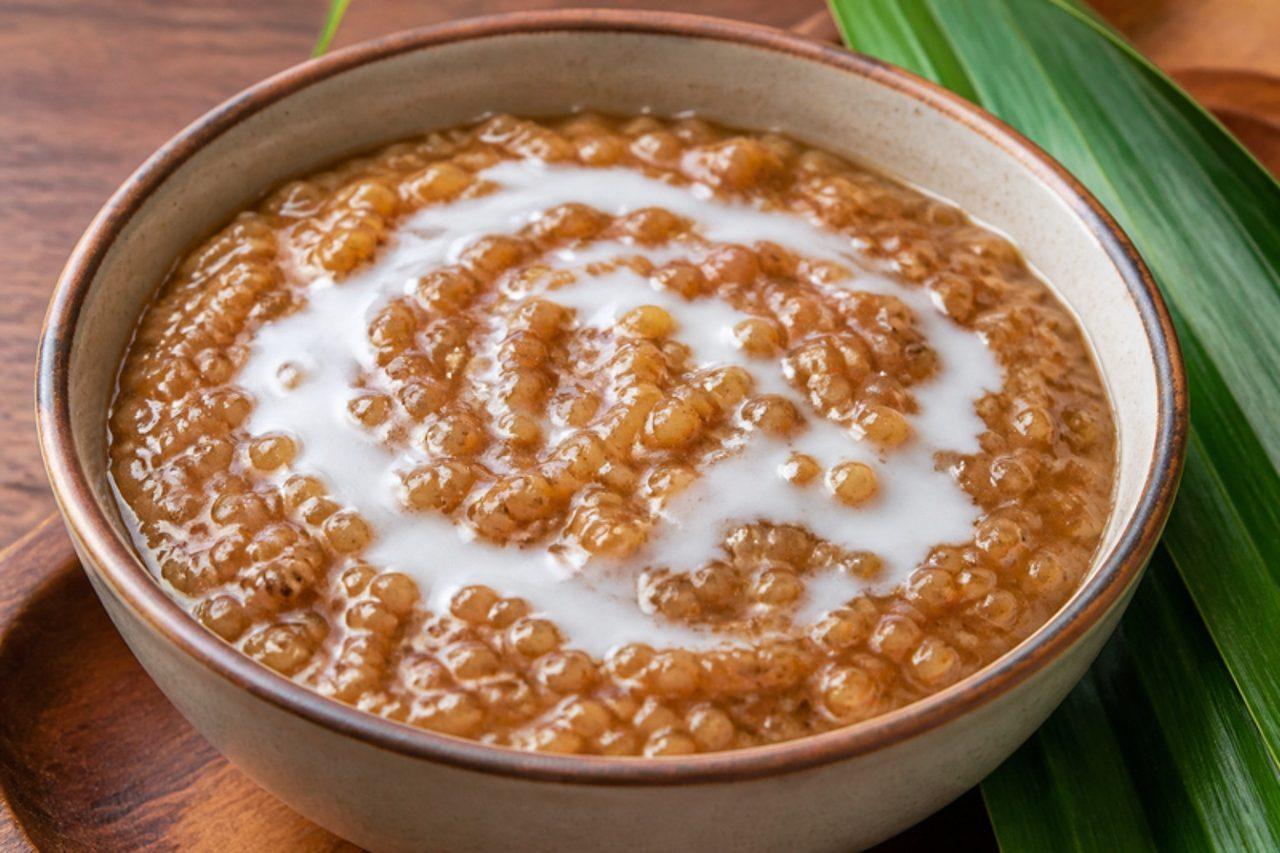
In Malaysia bubur gandum belongs to Ramadan: it is ladled out at the bazaars that open before sunset and cooked in giant pots at mosques for breaking the fast, and it appears again at Hari Raya open houses. Pearled wheat is simmered until the grains burst and turn chewy, then cooked with gula Melaka, pandan and coconut milk into a thick, toffee-brown porridge. The texture is somewhere between rice pudding and soft barley, with a sweet, smoky, coconut flavour. Serve it warm, or at room temperature on a hot evening. The pudding has always been egg-free, because the starch released by the wheat thickens the coconut milk as it simmers, so nothing else is needed to bind it. Chef's tip: cook the wheat in water until fully soft before adding the sugar and coconut milk; the common mistake is adding them too early, which keeps the grains hard however long you cook them.

by KrazyBadal 0 views

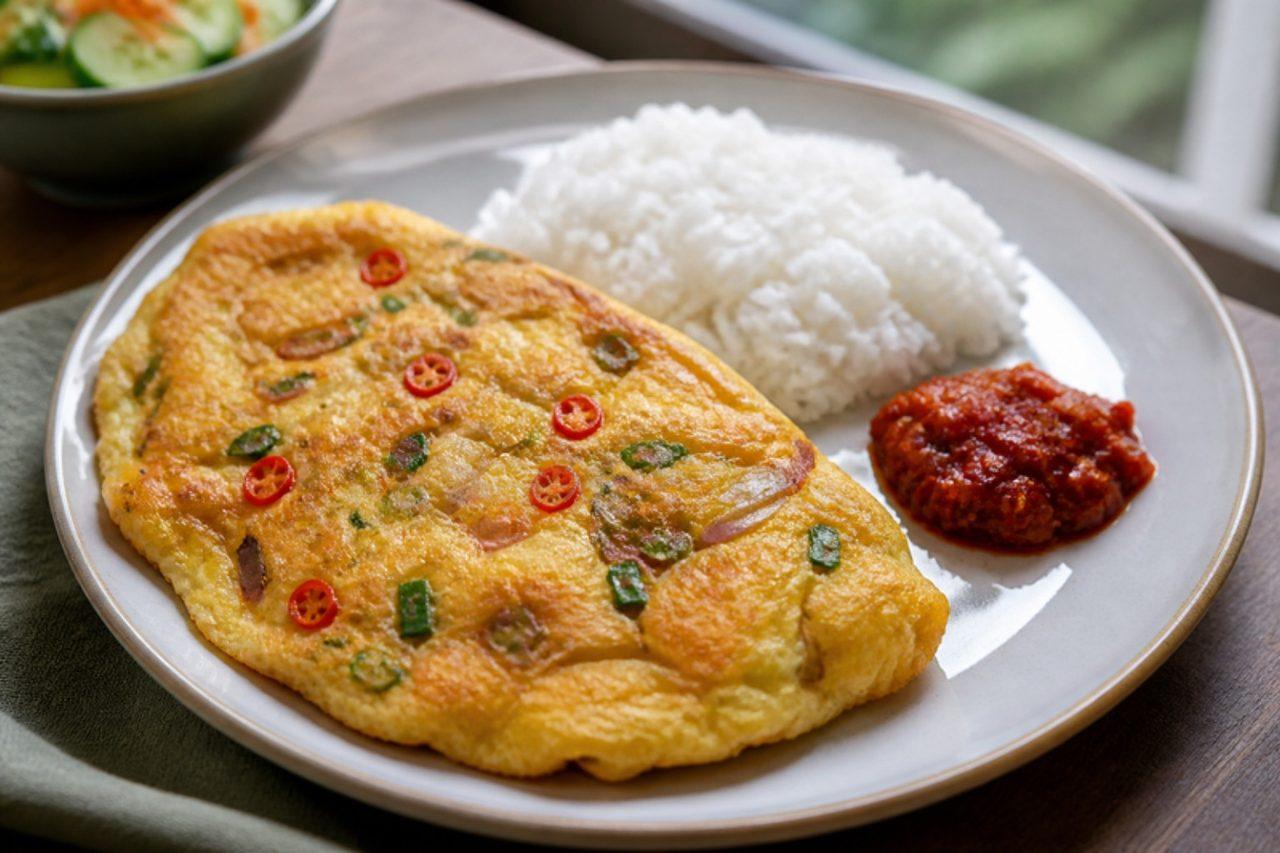
Telur dadar (Malaysian fluffy omelette)

Telur dadar turns up on Malaysian tables from Penang to Johor at almost any meal: next to nasi lemak for breakfast, in a nasi campur spread at lunch, or with plain rice, soy sauce and sambal on a night when there is no time to cook. It is thicker and puffier than a French omelette, with crisp brown edges and pockets of soft onion and chilli. The common mistake is pouring the eggs into oil that isn't hot enough, so they spread thin and turn rubbery instead of puffing up. Chef's tip: beat the eggs hard with a fork until frothy just before they go in, and use a small pan so the omelette stays thick.

by KrazyBadal 0 views

TopfengolatschenSweet quark puff pastry squares

A Topfengolatsche is what Viennese office workers grab from the bakery on the way in, and what grandparents order with a Melange in a coffee house on a Sunday afternoon. The corners of a puff pastry square are folded over a lemony, vanilla-scented filling of Topfen (Austrian quark) with plump raisins, and the top gets a thin white glaze. It is flaky, light and not too sweet. Raisins are sometimes soaked in rum; warm water or orange juice works just as well, and the recipe below is alcohol-free. Wet quark is the classic problem, because it turns the filling runny and it leaks out in the oven. Chef's tip: hang the quark in a sieve lined with a clean cloth for an hour, or squeeze it, until it is as thick as soft cream cheese.

by KrazyBadal 0 views

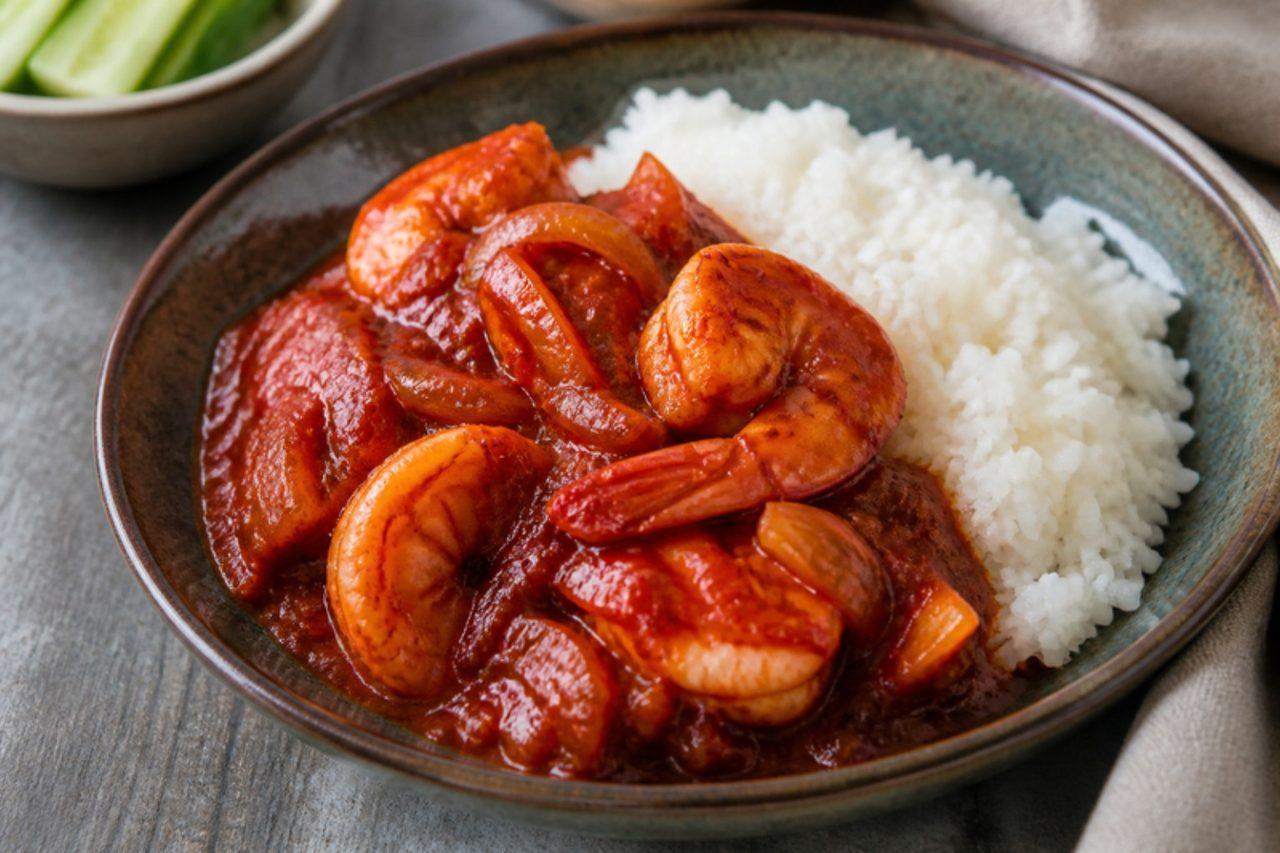
Sambal udang (prawns in chilli sambal)

Sambal udang is a Malay home dish cooked for everyday rice meals and dished up at nasi lemak stalls from Kuala Lumpur to Penang: prawns cooked in a deep red paste of dried chilli, shallot and garlic, soured with tamarind and sweetened with a little sugar. This version leaves out belacan (shrimp paste) as optional. The mistake is not frying the chilli paste for long enough; it needs to cook until the oil separates and turns red, or it tastes raw and harsh. Chef's tip: soak the dried chillies in just-boiled water while you peel the prawns and the paste blends silky smooth.

by KrazyBadal 0 views

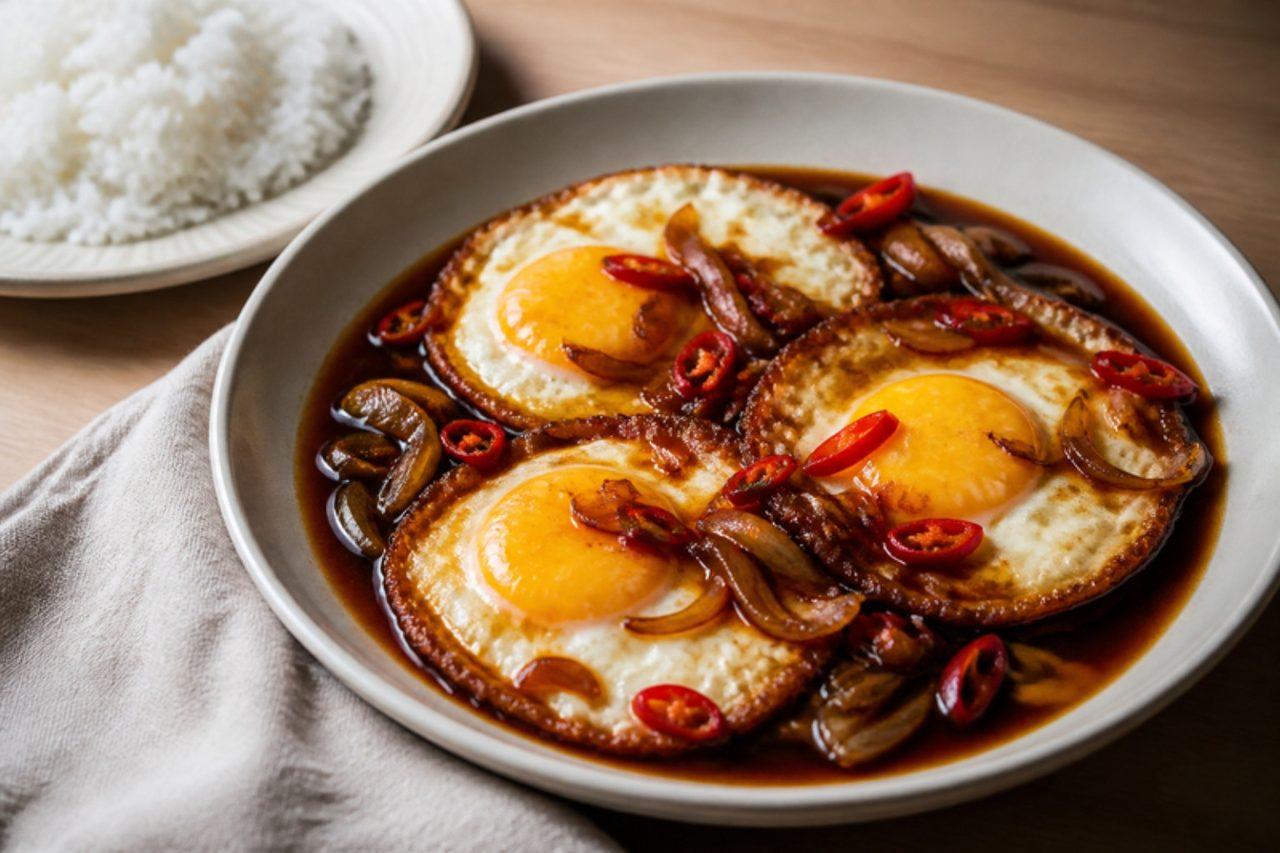
Telur masak kicap (Malaysian eggs in sweet soy sauce)

Telur masak kicap is the kind of dish Malaysian mothers make on a busy school night, and children across Selangor and beyond grow up loving it: fried eggs with crisp, frilly edges, bathed in a sweet-salty soy sauce with soft onions, spooned over hot rice. The sauce soaks into the browned whites while the yolks stay creamy. The mistake to avoid is boiling the sauce hard after the eggs go back in, which makes the whites tough and the sauce bitter. Leave out the chilli for small children. For pregnant people, young children, older or vulnerable people, fry the yolks until fully set. Chef's tip: fry the eggs in plenty of hot oil and baste the tops, so the edges go brown and lacy; that crisp skin is what holds the sauce.

by KrazyBadal 0 views

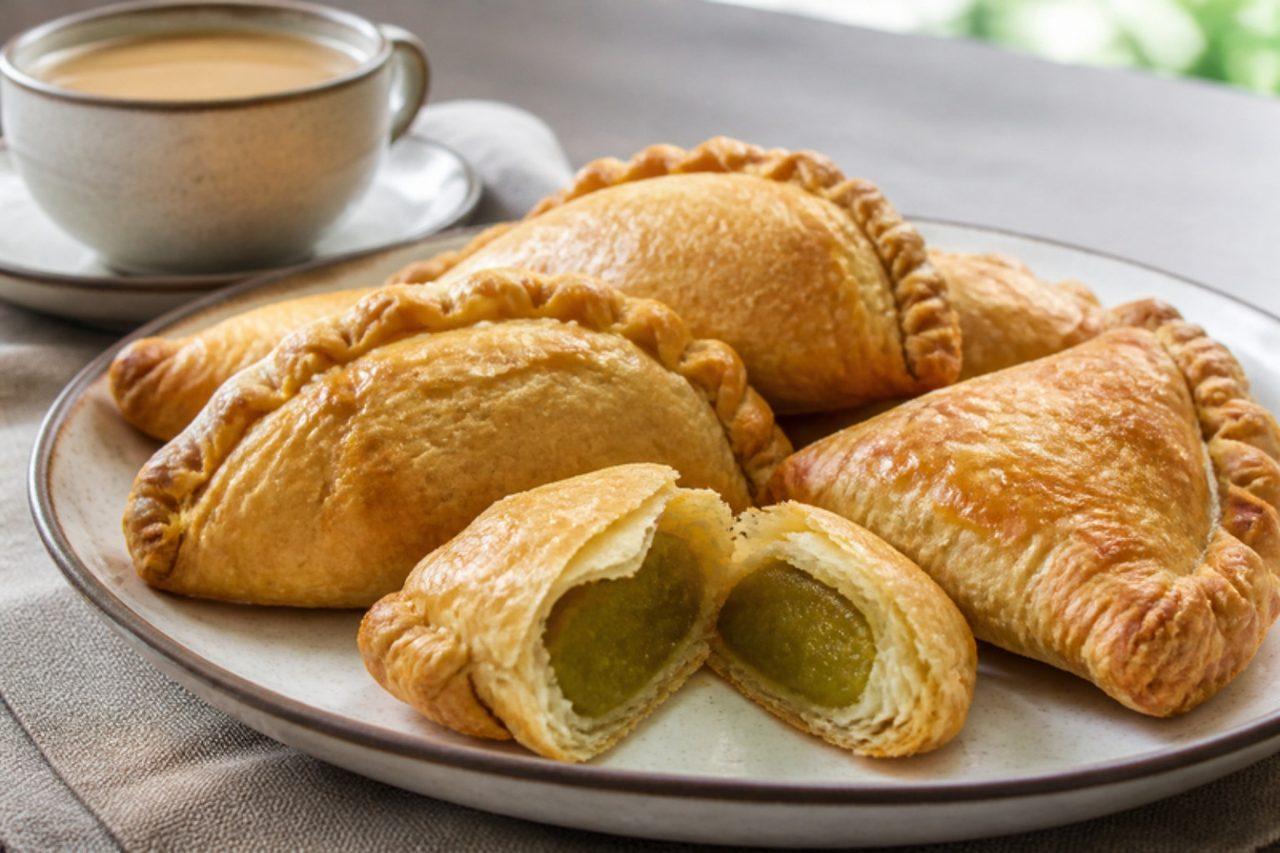
Kaya puffsCoconut jam puff pastries

Malaysian kopitiams spread kaya, a silky jam of coconut milk, eggs, sugar and pandan, on toast for breakfast; bakeries in Kuala Lumpur and Melaka fold the same jam into crisp puff pastry half-moons sold warm from the oven, often alongside curry puffs. They are a school-holiday treat and a favourite at tea time with teh tarik. This recipe makes a small batch of pandan kaya on the stove and uses ready-made all-butter puff pastry, so it fits into an afternoon. Overfilling is the trap, as the kaya bubbles out and burns on the tray. Chef's tip: chill the kaya until firm and keep the pastry cold; cold pastry puffs into crisp layers, while warm pastry stays flat and greasy.

by KrazyBadal 0 views

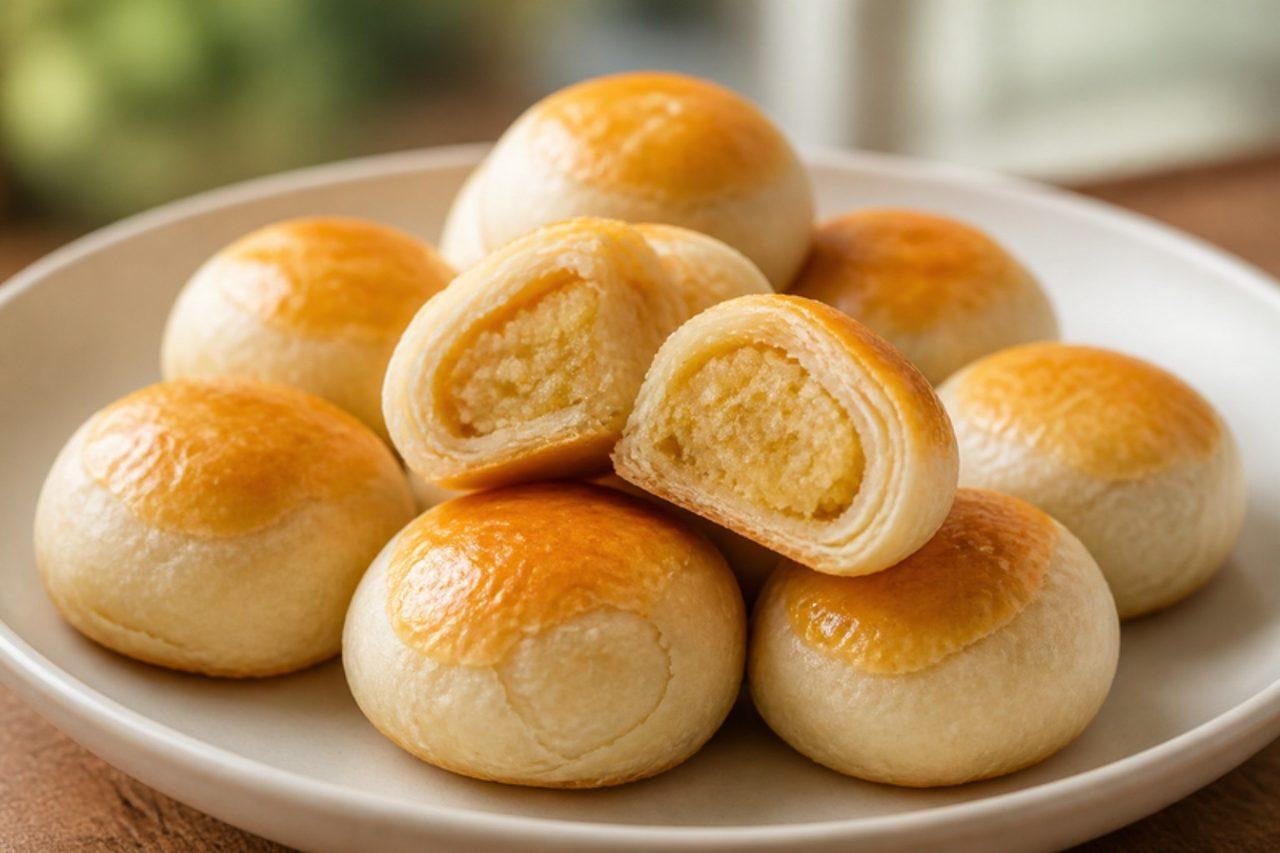
Tau sar piahMung bean pastries

Old biscuit shops in George Town, Penang, still bake tau sar piah in big trays every morning, and tourists leave with stacks of plastic tubs. The pastries are only a couple of bites each: a tender, flaky shell, glazed golden, around a fluffy mung bean filling. Penang bakers sell two kinds, sweet, and a savoury-sweet one with fried shallots and white pepper, which is what many locals prefer; this recipe gives the sweet filling with the savoury twist as an option. The pastry is traditionally made with lard; this version uses vegetable shortening and keeps them vegetarian. Chef's tip: leave a small, unfloured patch at the seam when wrapping, because floury edges won't stick together and the pastries split open as they bake.

by KrazyBadal 0 views

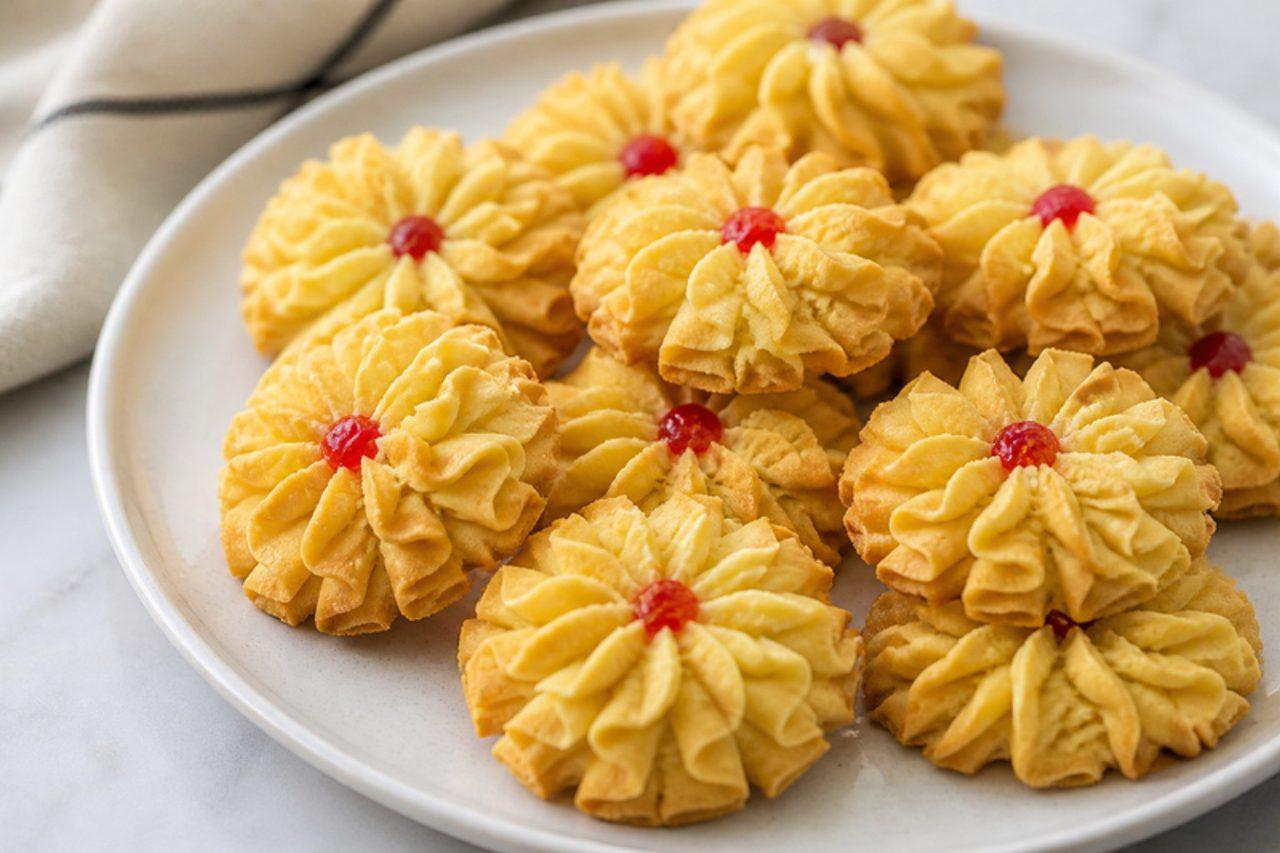
Biskut dahliaPiped flower butter cookies

In the last days of Ramadan, Malaysian kitchens from Johor to Kedah turn into small factories of kuih raya, and biskut dahlia is one of the easiest and prettiest: soft buttery dough piped through a star nozzle into ruffled flowers, each with a bit of glacé cherry or a chocolate chip in the centre. They are crisp at the edges and tender inside, with a vanilla-milky flavour from custard powder and milk powder, and they fill the jars set out for open-house visitors at Hari Raya Aidilfitri. This version uses one egg yolk; for an eggless batch, replace it with 2 tablespoons of milk. Dough that is too stiff is the usual problem, as it will not go through the nozzle; beat the butter well and keep the kitchen warm. Chef's tip: chill the piped trays for 15 minutes before baking so the petals hold their sharp ridges.

by KrazyBadal 0 views

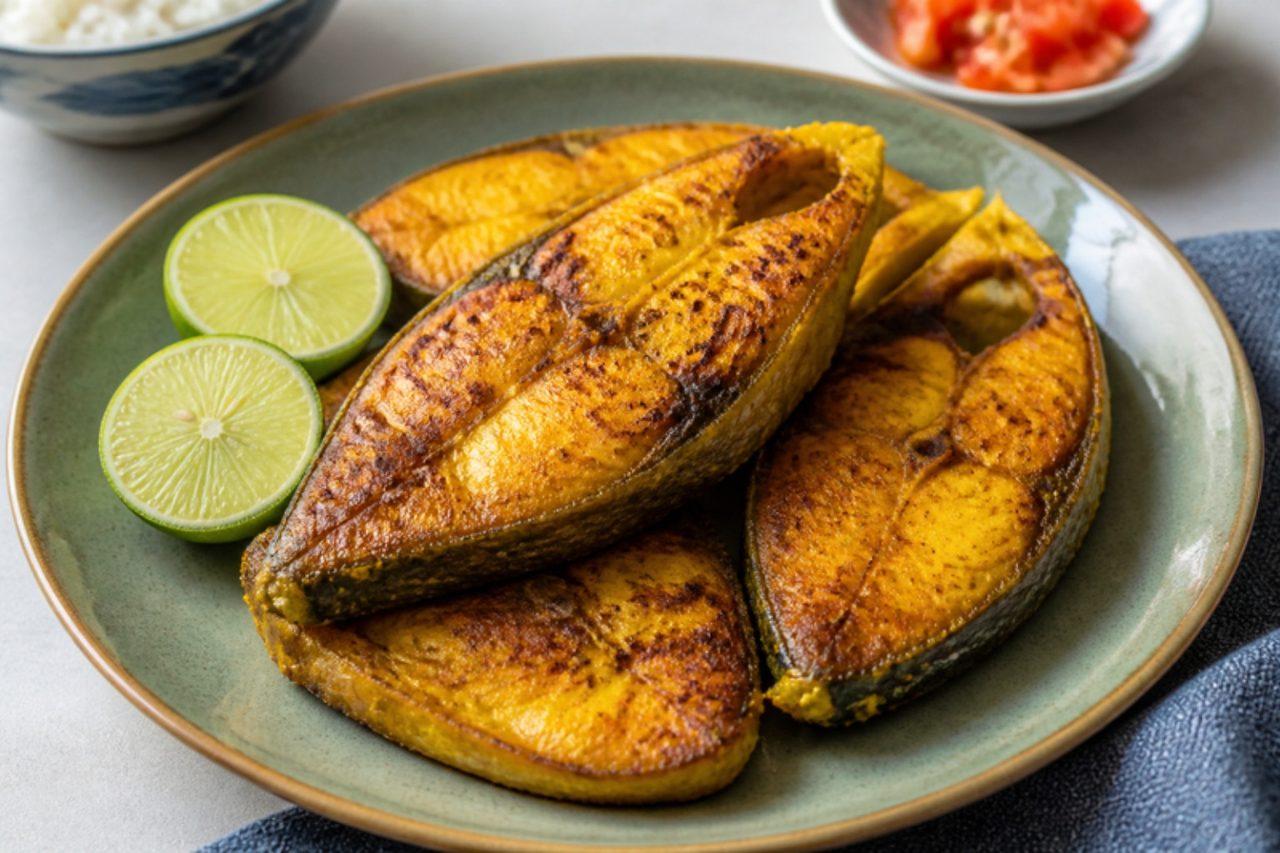
Ikan goreng kunyit (turmeric fried fish)

Ikan goreng kunyit is cooked in Malay kampung kitchens and city flats alike for a simple lunch or dinner with rice, sambal and vegetables: small whole fish or thick steaks rubbed with turmeric, salt and a little chilli, then fried until golden and crisp at the edges. The mistake is moving the fish too soon; leave it until it releases from the pan on its own, or the crust tears and sticks. Chef's tip: score the fish to the bone so the turmeric seasons the flesh and it cooks evenly.

by KrazyBadal 0 views

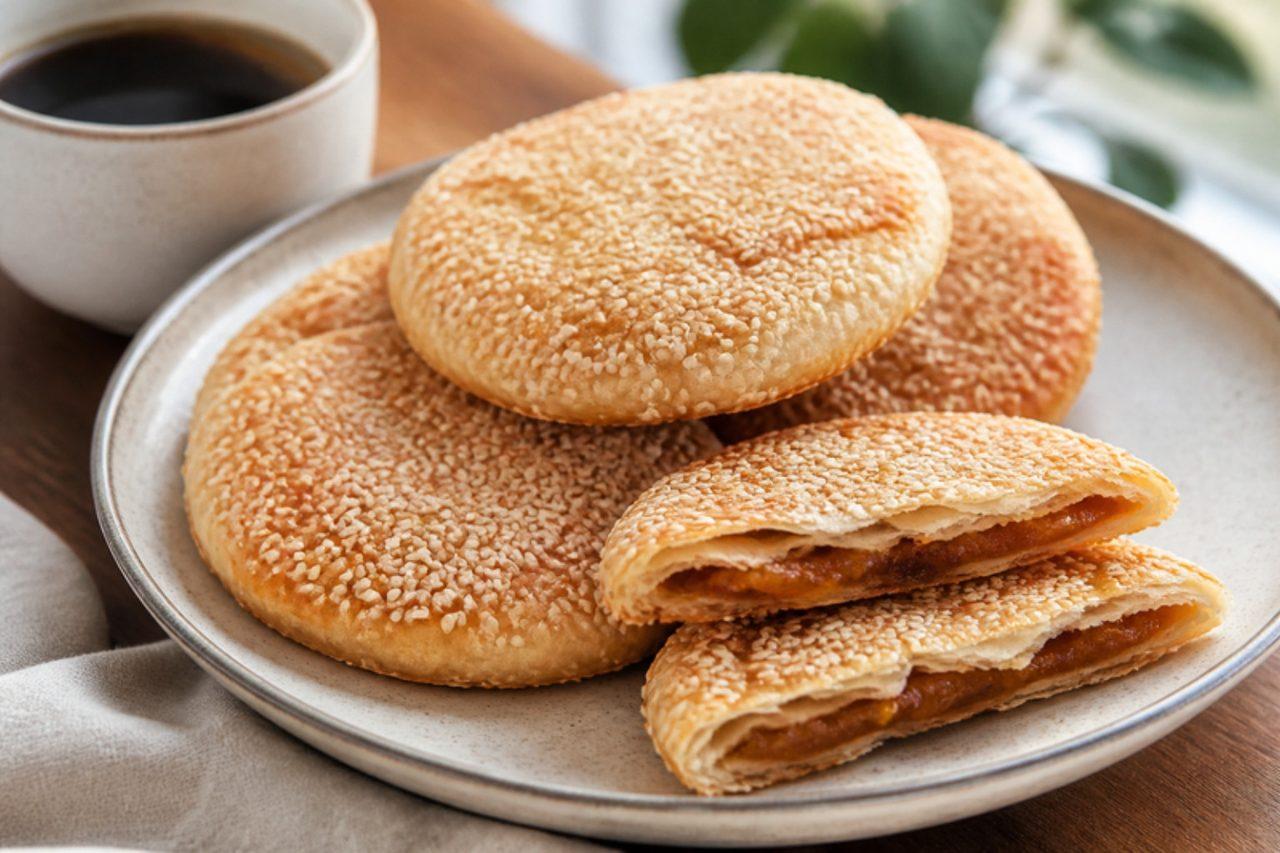
Heong pengSesame maltose biscuits

Ipoh, the old tin-mining city in Perak, is famous for heong peng ('fragrant biscuits'), and visitors buy them by the bag along with white coffee. They are flat, round pastries with a crisp, flaky shell coated in sesame seeds, filled with a sticky, chewy layer of maltose mixed with shallot oil and fried shallots: sweet, savoury and deeply aromatic at once. Locals eat them with a cup of kopi in the morning or as a snack on the road. The pastry is traditionally made with lard; this recipe uses vegetable shortening and keeps the shallot oil, so it is vegan. Chef's tip: warm the maltose jar in hot water before measuring, then chill the finished filling until firm, because maltose softens fast and a runny filling leaks out and burns on the tray.

by KrazyBadal 0 views

Kärntner ReindlingCinnamon raisin yeast cake

Carinthia's Easter loaf takes its name from the Reindl, the round, deep pan it is baked in, and in southern Austria no Easter basket goes to church without one. Inside the golden yeast crust is a spiral of butter, cinnamon sugar and plump raisins, so every slice shows a dark swirl. Locals eat it two ways: sweet with coffee on Easter morning, or alongside the savoury Easter platter with horseradish. Many bakers soak the raisins in rum overnight; warm water or tea works just as well and keeps it alcohol-free. A dry, crumbly Reindling usually means too much flour went in during kneading, so keep the dough soft and only lightly floured. Chef's tip: butter the pan well and dust it with sugar, which caramelises into a thin crunchy shell.

by KrazyBadal 0 views

ErdäpfelstrudelSavoury potato strudel

Austrians, especially in the Mühlviertel of Upper Austria and the Waldviertel, make savoury strudels as often as sweet ones, and Erdäpfelstrudel is a farmhouse favourite for a meatless Friday or a cold evening. Thin pastry wraps a filling of potatoes, fried onion, sour cream, marjoram and parsley, baked until crisp and golden and sliced with a green salad or a dill and sour-cream dip. Bought filo makes it easy at home. The mistake to avoid is a wet filling, which turns the pastry soggy underneath. Chef's tip: cool the filling completely before rolling; warm filling makes the layers stick and tear.

by KrazyBadal 0 views

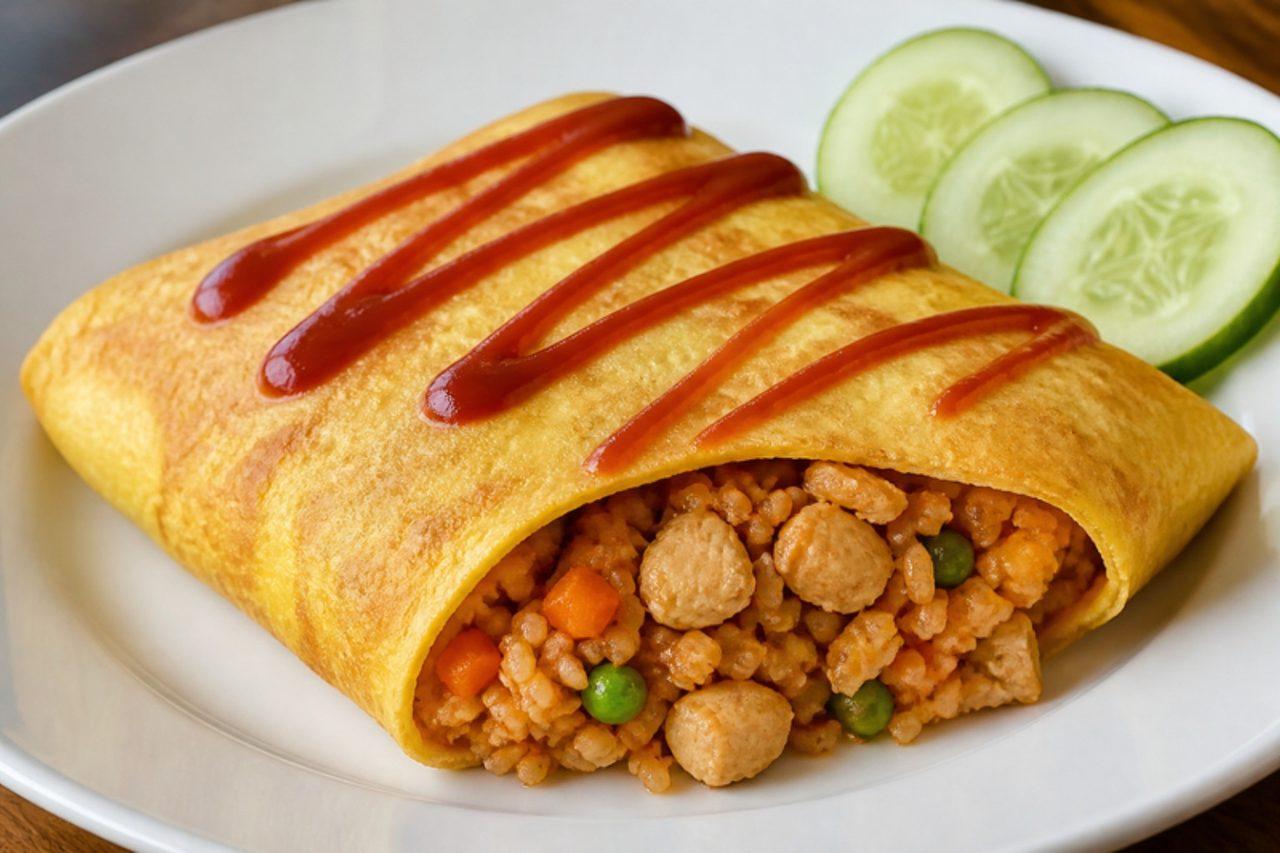
Nasi goreng pattayaFried rice in omelette

Despite the Thai beach in its name, nasi goreng pattaya is a Malaysian mamak and warung favourite, ordered at midnight in Kuala Lumpur or for a Sunday lunch in Johor: chilli-red chicken fried rice parcelled in a thin, golden omelette, then zigzagged with ketchup and chilli sauce. Children love cutting into it to find the rice. The rice can be made with mixed vegetables instead of chicken. Chef's tip: freshly cooked rice turns to mush in the wok; use rice cooked the day before and kept in the fridge.

by KrazyBadal 0 views

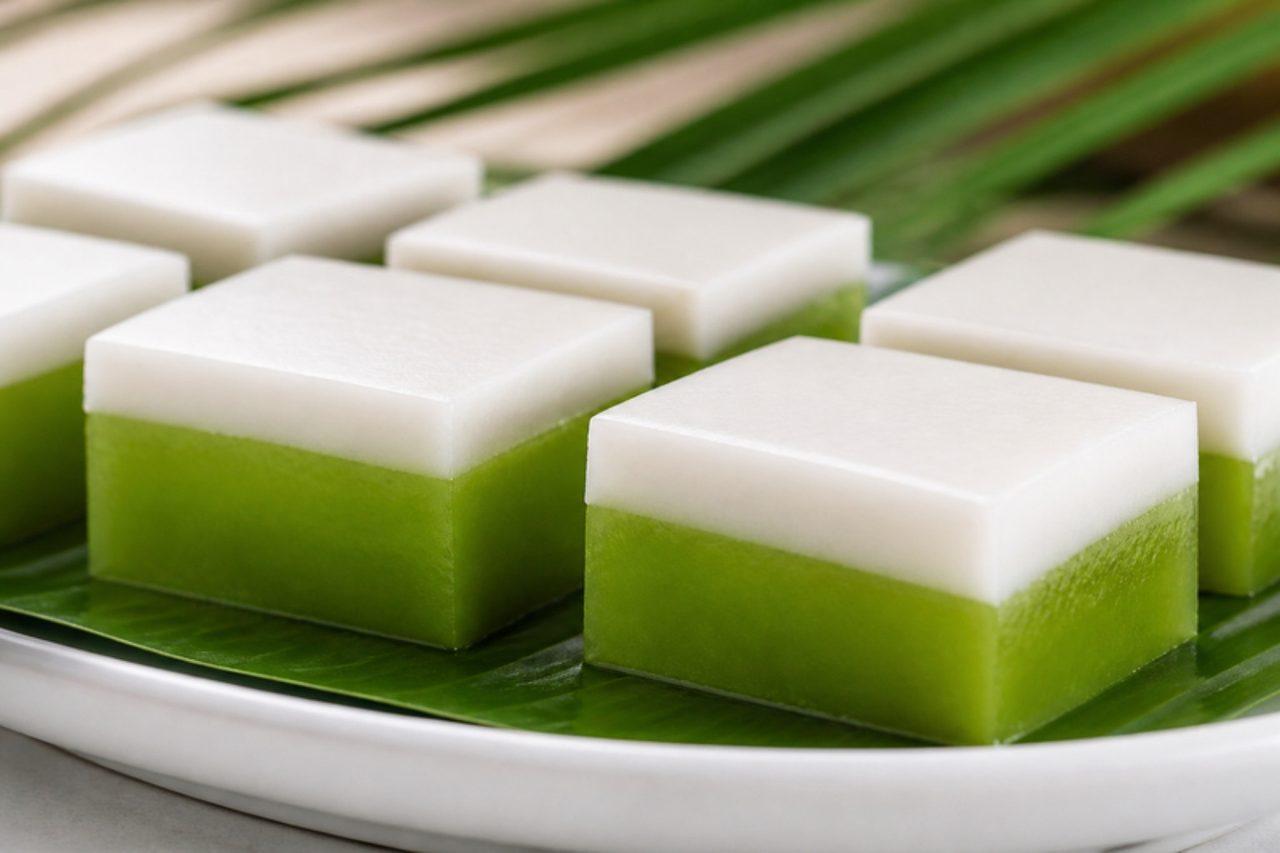
Kuih talamPandan coconut layer cake

Trays of kuih talam sit on almost every kuih stall from Johor Bahru to Alor Setar, cut into neat green-and-white squares that office workers pick up with their morning kopi. The bottom layer is a springy pandan jelly of rice flour and tapioca; the top is a soft, slightly salty coconut layer that melts against it. It needs a 20 cm square tin and a wok or steamer with a lid, and it slices best the next morning. Chef's tip: wrap the steamer lid in a cloth; condensation dripping onto the white layer leaves pockmarks and a watery top.

by KrazyBadal 0 views

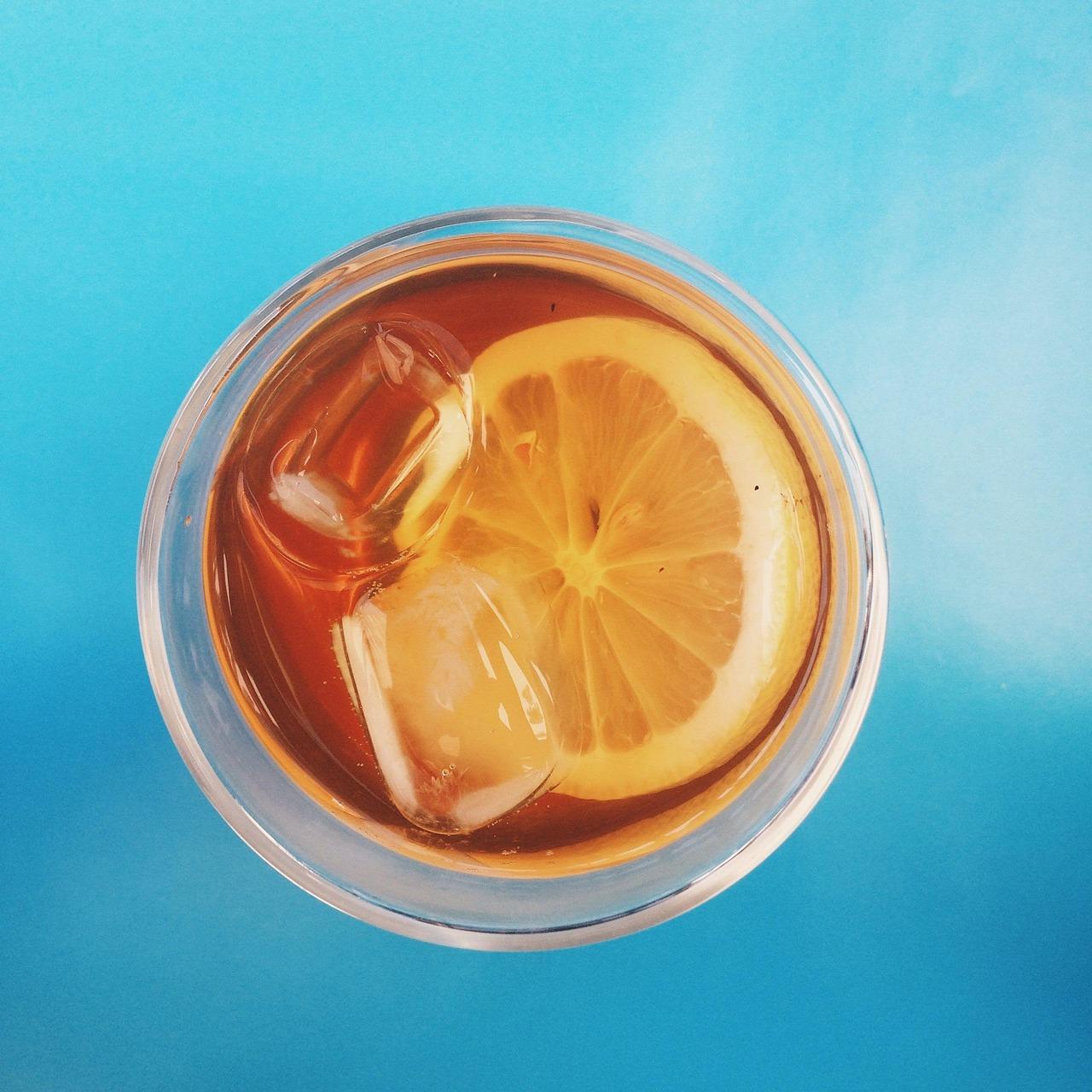
Teh O ais limauIced black tea with lime

In kopitiam shorthand, 'teh' is tea with milk, 'O' means no milk, 'ais' is iced and 'limau' adds lime, so this is the order Malaysians shout across the counter on a sticky afternoon in Penang or Kuala Lumpur. Strong, sweetened black tea is cooled over ice and squeezed with lime until it tastes like a sharper, less perfumed iced lemon tea. It goes with fried noodles and roti. Chef's tip: pouring hot tea straight onto a glass of ice dilutes it into weak tea; brew it double strength, or chill it first.

by KrazyBadal 0 views

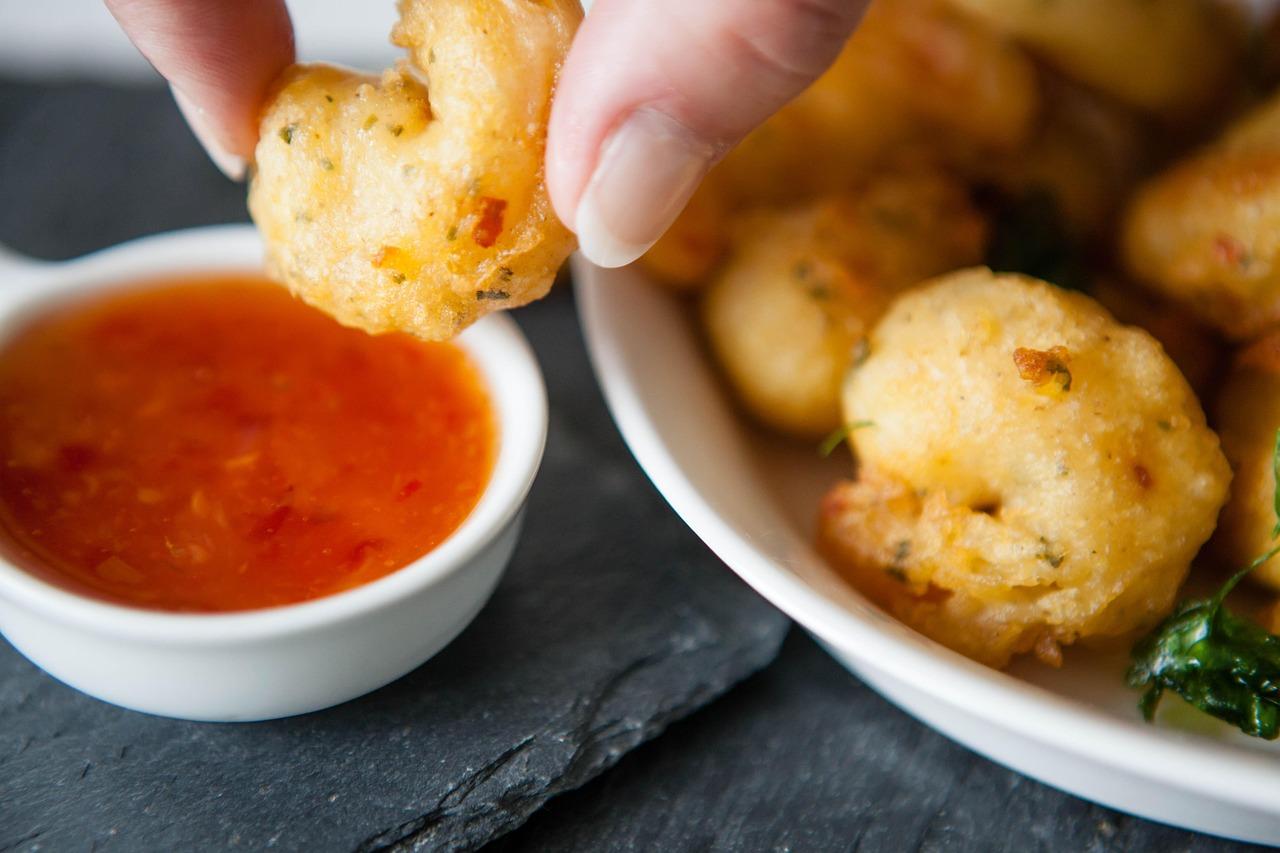
Cucur udangPrawn fritters

Cucur udang come straight from the wok at roadside stalls across Malaysia in the late afternoon, sold in paper bags with a tub of sweet chilli sauce, and they are one of the busiest items at Ramadan bazaars. Each fritter is a craggy, crunchy cluster of batter, bean sprouts and chives with a whole prawn pressed on top. A mix of plain and rice flour keeps them crisp for longer. Chef's tip: overcrowding the wok drops the oil temperature and gives greasy, pale fritters; fry no more than four or five at a time.

by KrazyBadal 0 views

Showing 24 of 219 recipes

Show more recipes

Page 1 of 10