Skip to content
WhatToEat.Today

All recipes

173

Vegetarian, or something you can't eat? Set your diet once and we'll hide recipes that don't fit.

Three-bean salad

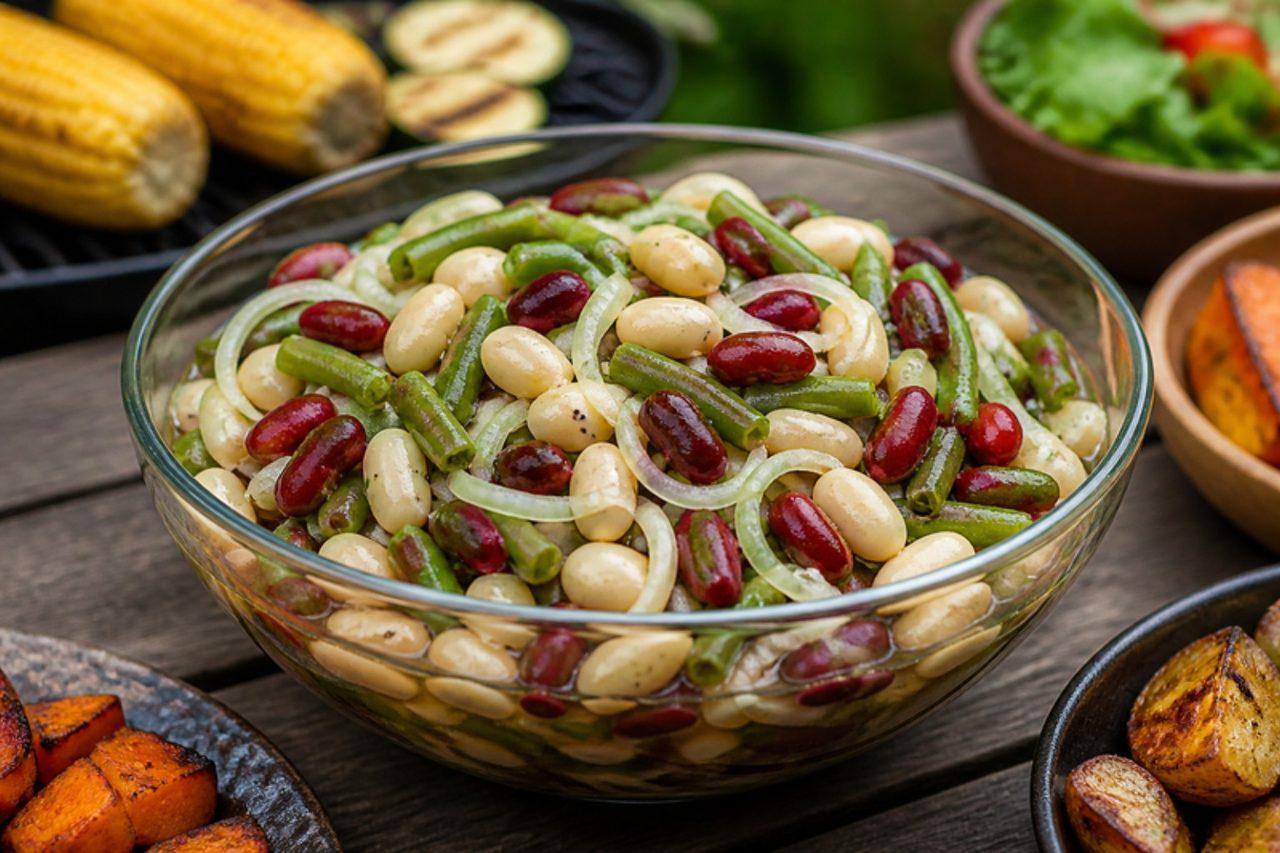
No Heritage Day braai is complete without a row of salads on the table, and the sweet-sour three-bean salad is one of the oldest, handed down in Afrikaner and Cape kitchens and usually made the night before. Crisp green beans, creamy butter beans and red kidney beans soak in a sharp vinegar and sugar dressing with thin onion rings until they pickle lightly. It cuts through rich grilled meat or a vegetarian braai of mielies and halloumi. Chef's tip: dress the beans while the green beans are still warm so they drink up the dressing.

by KrazyBadal 0 views

KaguyjyWhite corn pudding

On the night of 23–24 June, Paraguayans celebrate San Juan with bonfires, games like walking over hot coals and the 'paso de fuego', and a table of traditional foods, and kaguyjy (also mazamorra) is one of them. It is a soft, creamy pudding of cracked white corn (locro) simmered slowly in water and then milk with sugar or honey, sometimes with orange peel. It is eaten warm or cold. It is gluten free. Chef's tip: soak the corn overnight and cook it until each kernel is tender before adding the milk, or it never turns creamy.

by KrazyBadal 0 views

KalanehWild leek stuffed flatbread

In Kurdistan and Kermanshah, Newroz arrives with the first spring greens on the hillsides, and families gather wild leeks to fold into kalaneh, thin griddle breads cooked over a fire or a hot pan and soaked in melted butter. The dough is plain and soft, rolled very thin around a pile of chopped leek or chives with a little salt and pepper, so the greens steam inside as the bread blisters. Eat it hot, torn into strips, with yogurt and tea at a Newroz picnic. The common mistake is wet greens, which turn the dough soggy and make it tear; dry them well after washing. Chef's tip: brush the butter on the moment the bread leaves the pan so it soaks right in.

by KrazyBadal 0 views

Umphokoqo with amasiCrumbly maize pap with soured milk

Umphokoqo is the dry, crumbly pap of the Eastern Cape, beloved at Xhosa family gatherings and often brought out on Heritage Day as a taste of home. Instead of the stiff pap stirred into a smooth mound, the maize meal is steamed in a little water and broken up with a fork until it falls into fine, fluffy crumbs. It is served cold or at room temperature, with chilled amasi (thick soured milk) poured over, sour, cool and filling, or warm beside braai meat and chakalaka. Chef's tip: don't stir in circles like ordinary pap; cut and fluff with a fork so it stays crumbly.

by KrazyBadal 0 views

Pajagua mascadaBeef and cassava patties

Pajagua mascada is a Paraguayan street-food classic that appears on every table for the San Juan festival on 24 June, when bonfires burn and the night is full of games and traditional food. Minced beef is mixed with mashed cassava, onion, garlic and a little egg and flour, shaped into flat patties and fried until crisp. The name comes from Guaraní and refers to the 'chewing' of old Paraguayan cooks, who made it from leftover meat. Chef's tip: dry the boiled cassava well and remove its woody core, which keeps the patties light and crunchy.

by KrazyBadal 0 views

Chipa so'oCheese bread with spiced beef

In Paraguay, families bake chipa in the clay tatakua ovens on Holy Wednesday so there is food for Thursday and Good Friday, when cooking stops. Chipa so'o ('chipa with meat') is a cassava-starch and cheese bread wrapped around a little filling of minced beef cooked with onion and egg, then baked until crisp outside and chewy within. It is naturally gluten free. Chef's tip: knead the dough until it no longer cracks at the edges when pressed; dry dough splits around the filling.

by KrazyBadal 0 views

Dowina (Kurdish yogurt soup)

Dowina, called ash-e doogh in Persian, is warming spring food in Kurdish homes around Newroz, when yogurt is plentiful and the first herbs are cut from the garden. Rice and chickpeas simmer in a tangy, lightly thickened yogurt broth, finished with fresh dill, coriander and a sizzle of dried mint in oil. It is eaten warm, never boiling hot, with flatbread. The common mistake is to heat the yogurt too fast without stirring, which makes it split into grainy curds. Chef's tip: whisk an egg yolk and a spoonful of rice flour into the yogurt before it goes on the heat; it holds the soup smooth all the way to the simmer.

by KrazyBadal 0 views

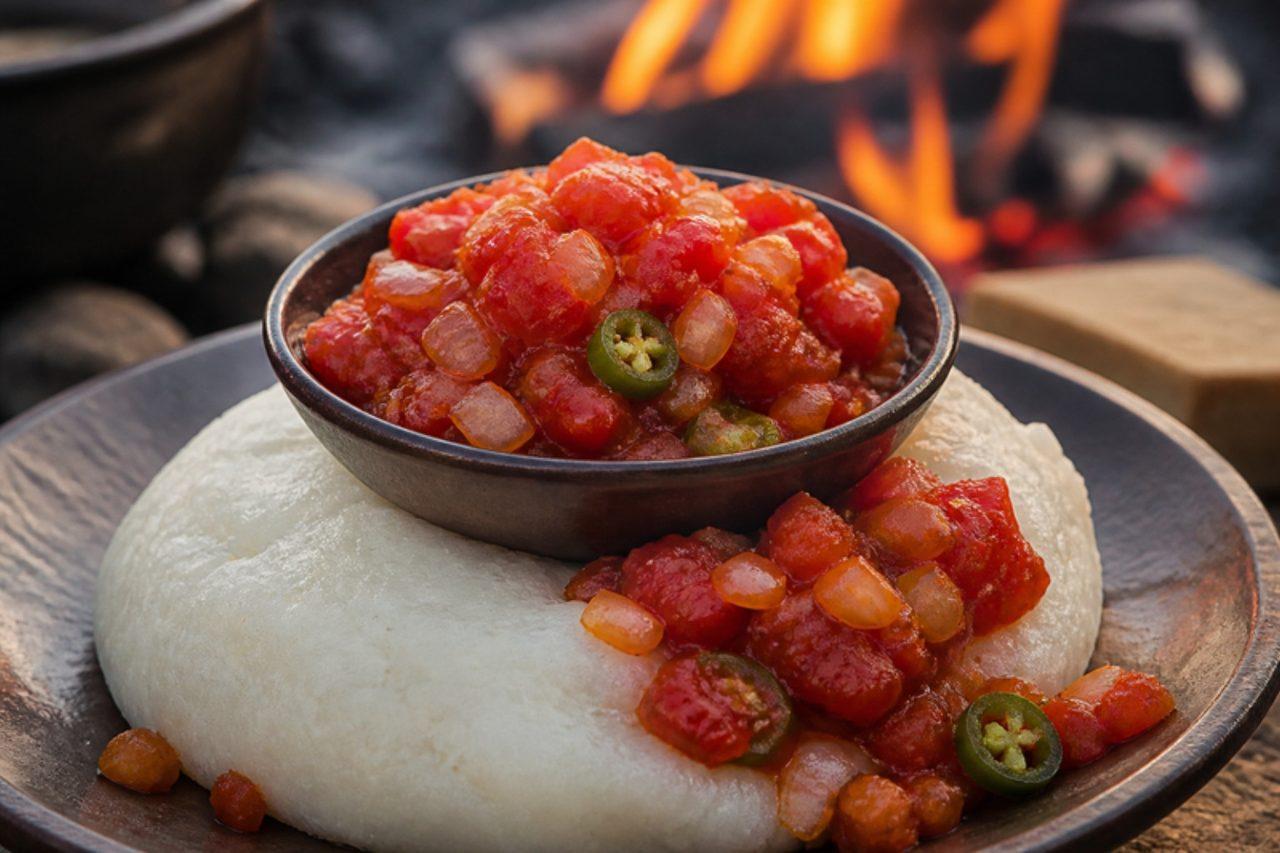
ShebaTomato and onion relish

On 24 September, Heritage Day, South Africans light the braai, and next to the boerewors and chops there is always a pot of stiff pap with sheba spooned over it. Sheba is the everyday township relish of onions and tomatoes cooked down with chilli and curry powder until thick and jammy, sweet, sour and gently hot. It keeps well, so many families make a big pot the day before. Chef's tip: cook the onions slowly first; their sweetness is what balances the sharp tomatoes.

by KrazyBadal 0 views

Cape Malay half-moonsCurried beef mince pastries

In Cape Town's Bo-Kaap and across the Cape Malay community, the weeks of Ramadan mean freezer boxes of half-moons, samoosas and pies, fried just before sunset and sent to neighbours as part of the custom of sharing boeka treats. Half-moons are soft pastry rounds folded over curried beef mince, dipped in egg and breadcrumbs and fried until crunchy, and they are eaten with a cup of tea when the fast is broken. A potato-and-pea version is a variation to add later. Chef's tip: cool the filling completely before you fill the pastry, as warm mince makes the dough tear and leak.

by KrazyBadal 0 views

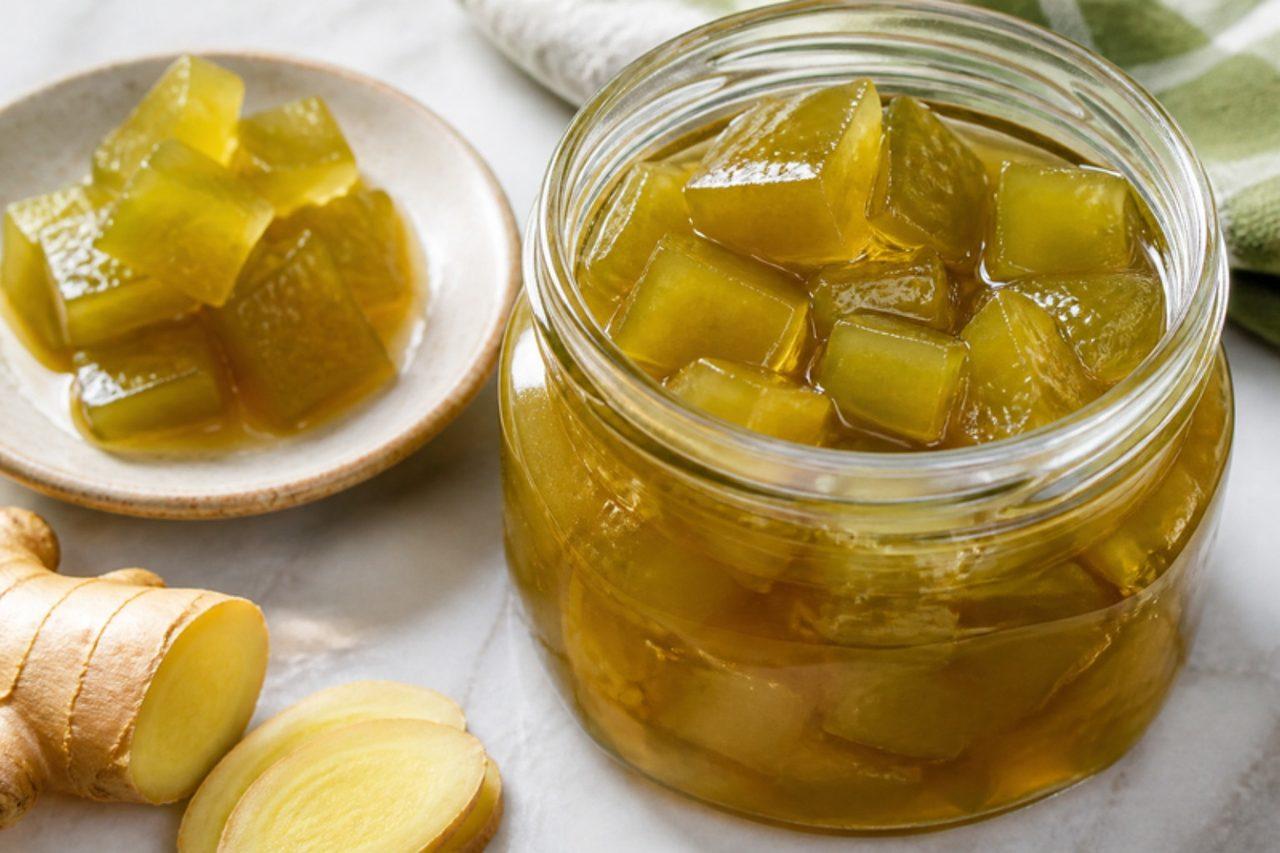
Waatlemoenkonfyt (Cape watermelon-rind preserve)

In the farm kitchens of the Western Cape, late summer meant turning the pale rind of big watermelons into jars of konfyt, a preserve that then came out all winter. The pieces are translucent green, firm and almost crunchy at the edge, soaked through with a ginger-spiked syrup. It is served with a wedge of mature cheese, on buttered bread or toast, beside coffee when visitors arrive, and in little dishes on the table at Christmas. Like all Cape konfyt it is naturally egg-free: a soak in food-grade pickling lime lets calcium firm the rind's own pectin so the pieces keep their shape, and the long simmer in sugar syrup preserves and sets them. Start two days ahead; the rind needs an overnight soak and a night resting in the syrup. Chef's tip: rinse the rind in several changes of water after the lime soak; the common mistake is rushing this, which leaves the konfyt tasting chalky.

by KrazyBadal 0 views

Mebos (Karoo salted apricot sweets)

Mebos belongs to the dry Karoo and the orchards of the Western Cape, where summer apricots were salted, sun-dried and pounded into a paste that lasted the year. Today it is a car-trip and school-holiday treat, bought from farm stalls and passed around with afternoon tea. The flavour is bright and tart, then sweet, with a little salt that makes the apricot taste even stronger; the texture is dense and chewy, like a soft fruit leather. Eat it on its own, with a cup of rooibos, or chopped over plain yoghurt. This version starts from dried apricots, so it can be made at any time of year. It is naturally egg-free: the apricots' own pectin and fibre, thickened with sugar in the pan, hold the paste together with no other binder. Chef's tip: measure the salt; the common mistake is adding it by feel, which turns a sweet-sour sweet into a salty one.

by KrazyBadal 0 views

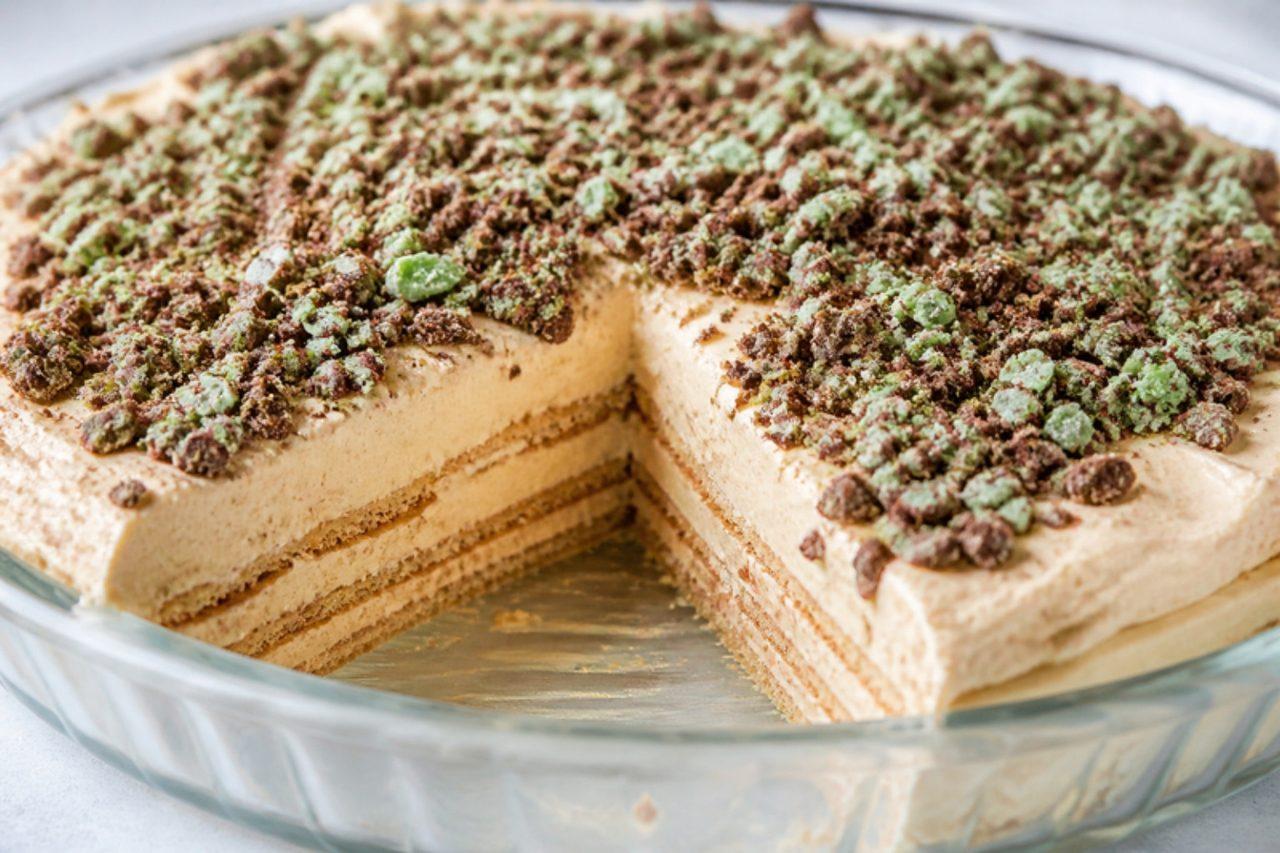
Peppermint crisp tert (South African mint-chocolate fridge tart)

Few desserts say South African Sunday lunch, braai afternoon or church bring-and-share quite like this fridge tart, found on tables from Cape Town to Limpopo and at nearly every Christmas spread. Plain tea biscuits are layered with a thick caramel whipped into cream, then buried under grated mint chocolate with a crunchy centre. Overnight the biscuits soften into something close to sponge, the caramel cream turns silky and the mint gives a cool, crackly finish. Serve it cold, in squares, with strong coffee or rooibos. The tart is egg-free by nature: condensed milk, cooked down into caramel, gives body and binds the cream so it holds its shape when sliced, and chilling does the setting. Many shop biscuits are egg-free, but check the packet and buy eggless tea biscuits. Chef's tip: let the caramel cool until barely warm before it meets the cream; folding in hot caramel is the common mistake that melts the cream into a runny puddle.

by KrazyBadal 0 views

Boeber (Cape Malay vermicelli and sago milk pudding)

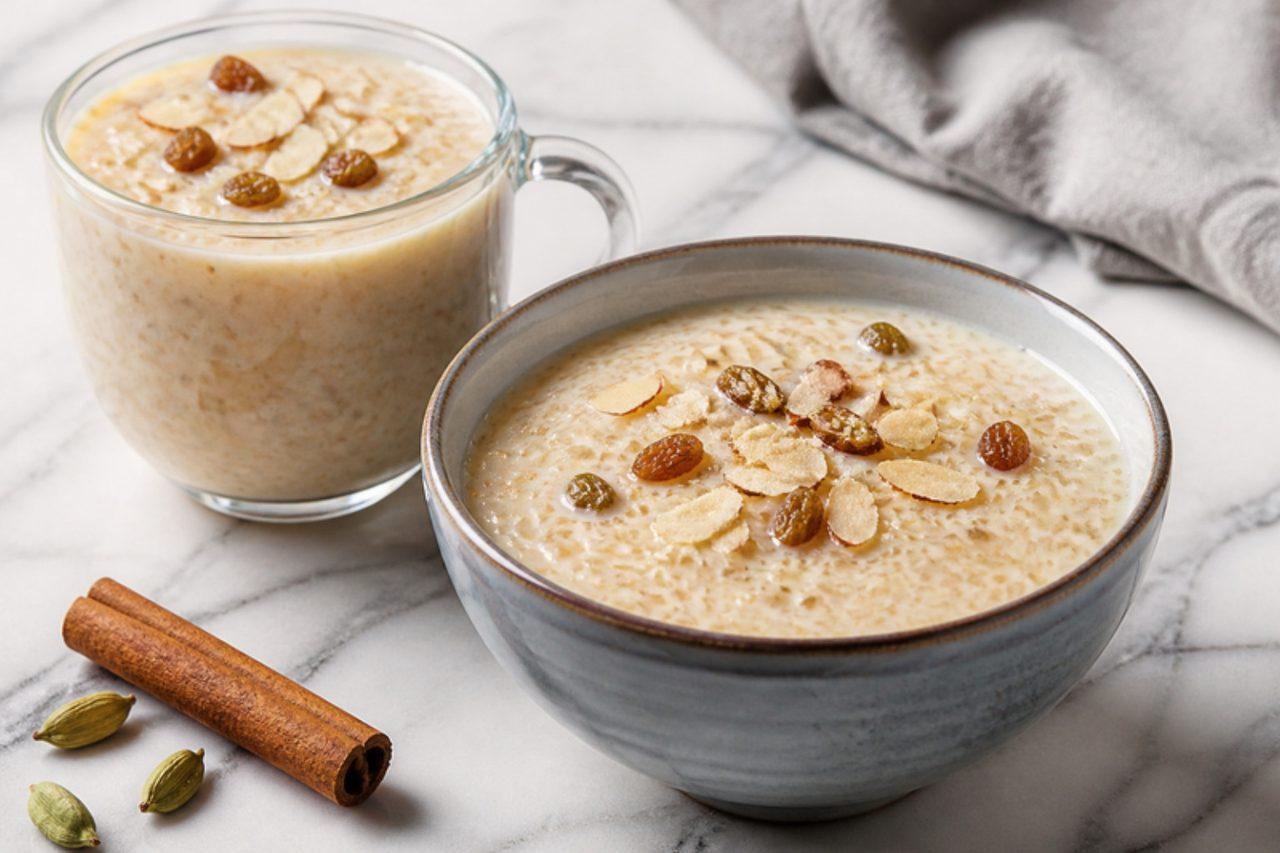
In Cape Town's Cape Malay homes, the fifteenth night of Ramadan is Boeber night, when big pots of this warm, sweet milk are cooked and shared with neighbours and the mosque after the fast is broken. It also turns up on cold winter evenings. Boeber is halfway between a drink and a pudding: toasted vermicelli and pearls of sago swim in milk spiced with cardamom and cinnamon, scented with rose water and finished with almonds and sultanas. It is creamy, fragrant and thick enough to need a spoon. Serve it hot in mugs or bowls. Boeber has never needed egg; the sago pearls release their starch as they cook and thicken the milk, while a little butter gives it a rich finish. Chef's tip: toast the vermicelli in the butter until golden before any milk goes in, for a nutty flavour; the common mistake is to stop stirring once the sago goes in, and it sinks and sticks to the base of the pot.

by KrazyBadal 0 views

South African crunchiesOat and coconut tray-bake squares

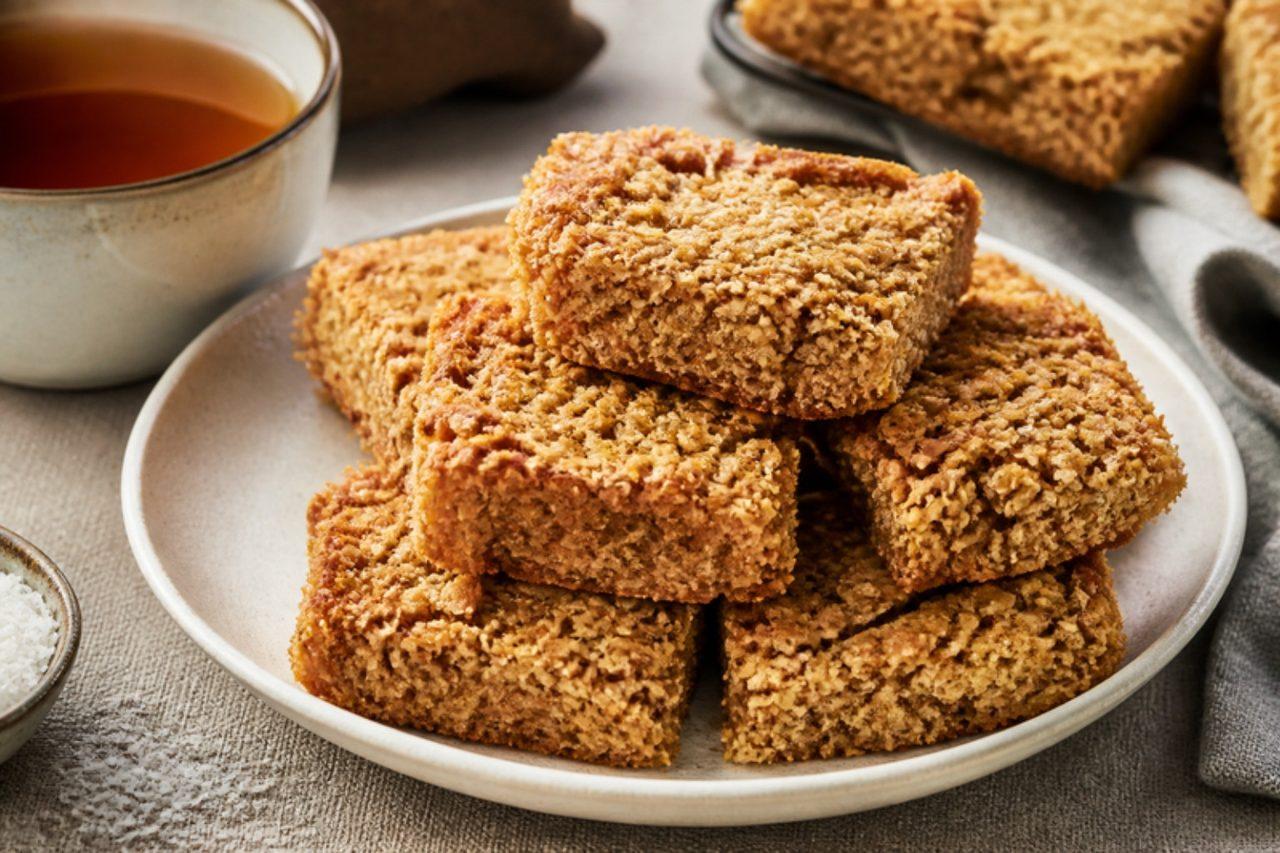
Crunchies are the tray-bake South African home bakers turn to when the biscuit tin is empty: oats, coconut, flour and sugar stirred into butter melted with golden syrup, pressed into a tin and cut into squares while still warm. Unlike Australian Anzac biscuits, which are rolled into individual rounds, crunchies are baked in one slab, then sliced into chewy-centred, crisp-edged bars. They sell at school tuck shops and church bake sales, go into lunch boxes, and are a natural partner for a mug of rooibos. There is no egg in them, and they keep for a week. Chef's tip: score the squares as soon as the tin comes out of the oven and leave them to cool before lifting; waiting until the slab is cold to cut is the common mistake, and it shatters instead of slicing cleanly.

by KrazyBadal 0 views

KrakelingeFigure-eight butter biscuits

These twisted figure-of-eight biscuits came to the Western Cape with Dutch settlers and have stayed a fixture of Cape kitchens ever since, especially in older Afrikaans and Cape Malay households. You will find them in Boland towns at church bazaars and on Christmas tea tables, and they suit an afternoon pot of tea perfectly. The dough is rich and short; the tops are dipped in egg white and then in sugar mixed with chopped almonds and cinnamon, so they bake to a crackly, sparkling crust. The dip is an egg glaze; milk works too, with a little less shine. Chef's tip: roll the ropes on an unfloured surface, because a dusting of flour makes them slide and crack when you twist them; if the dough is too cold it snaps, so let it soften for a few minutes first.

by KrazyBadal 0 views

Mabele porridge for babies

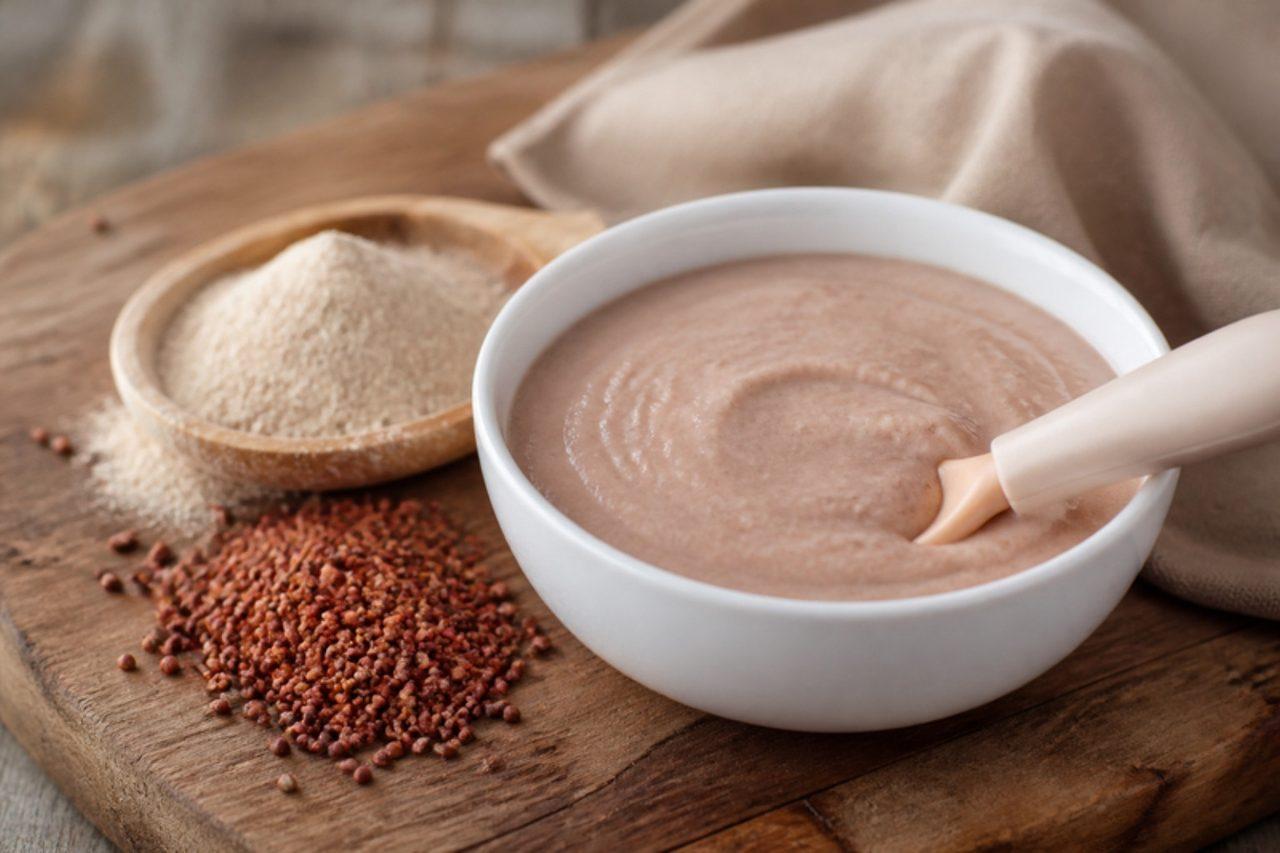
Mabele, sorghum meal, has fed families across South Africa, Botswana and Lesotho for centuries, and a smooth, soft version is a traditional first porridge for babies, especially in Sotho and Tswana homes where the grown-ups eat it for breakfast. It is a warm pinkish-brown, with a faintly nutty, slightly sour taste. For under-ones it is cooked plain, without the sugar older children like. Sorghum is naturally gluten free, and the porridge contains none of the common allergens (milk, egg, gluten, peanut, tree nuts, soya, sesame, fish). Chef's tip: mix the meal into cold water first; poured straight into boiling water, it forms lumps that never cook through.

by KrazyBadal 0 views

MieliebroodSweetcorn loaf

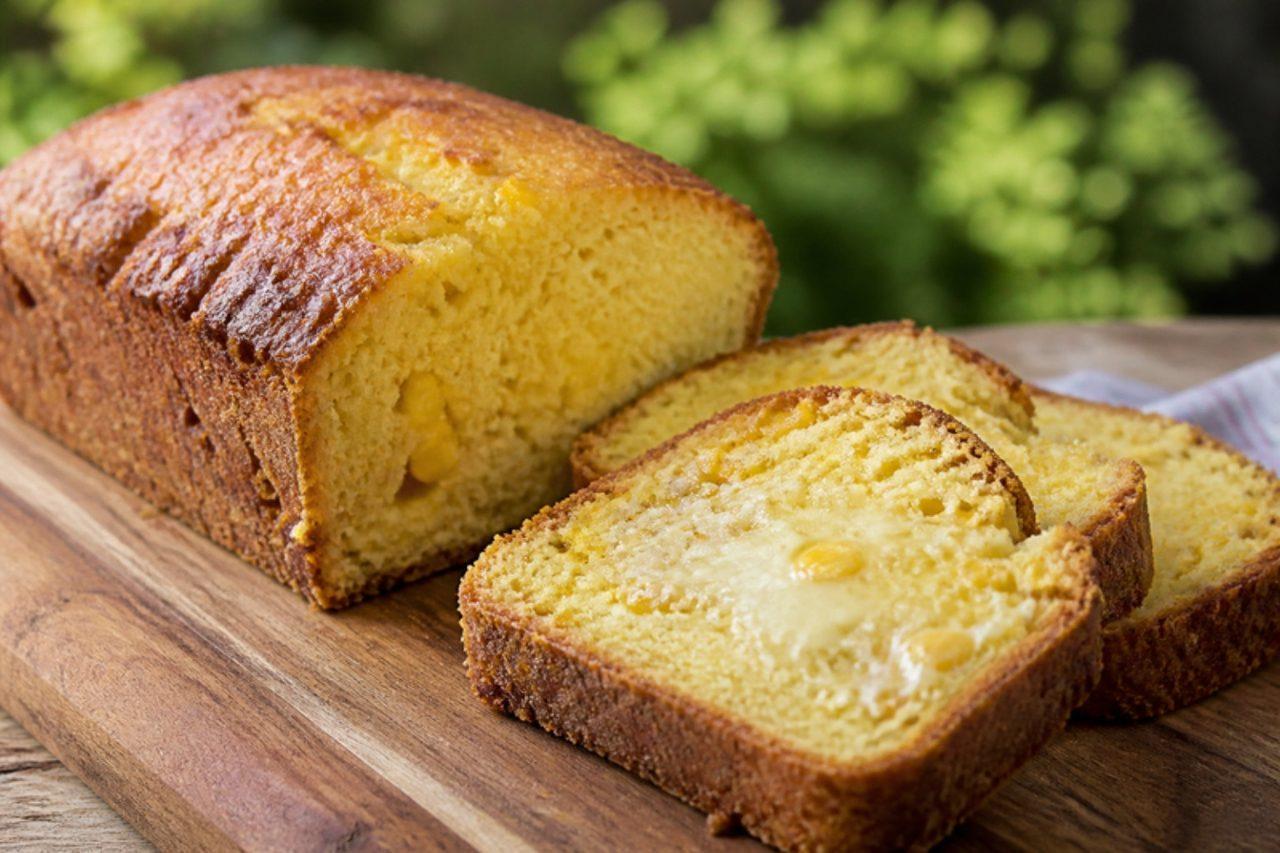
Bring a mieliebrood to a South African braai and it disappears before the boerewors is off the fire. This moist, golden loaf is made with creamed sweetcorn and whole kernels, so every slice is soft and sweet-savoury with little bursts of corn. Older recipes steam it in a covered tin in a pot of simmering water for about 1½ hours, which gives an even moister, pudding-like loaf; baking is quicker and gives a golden crust. Serve it thickly sliced and buttered with chakalaka, braaied mielies and salads, or toasted the next day. Overmixing is the mistake that gives a tough, rubbery loaf with tunnels, so stir only until no dry flour shows. Chef's tip: let it cool for at least 15 minutes before slicing, then reheat thick slices on the braai grid until lightly charred.

by KrazyBadal 0 views

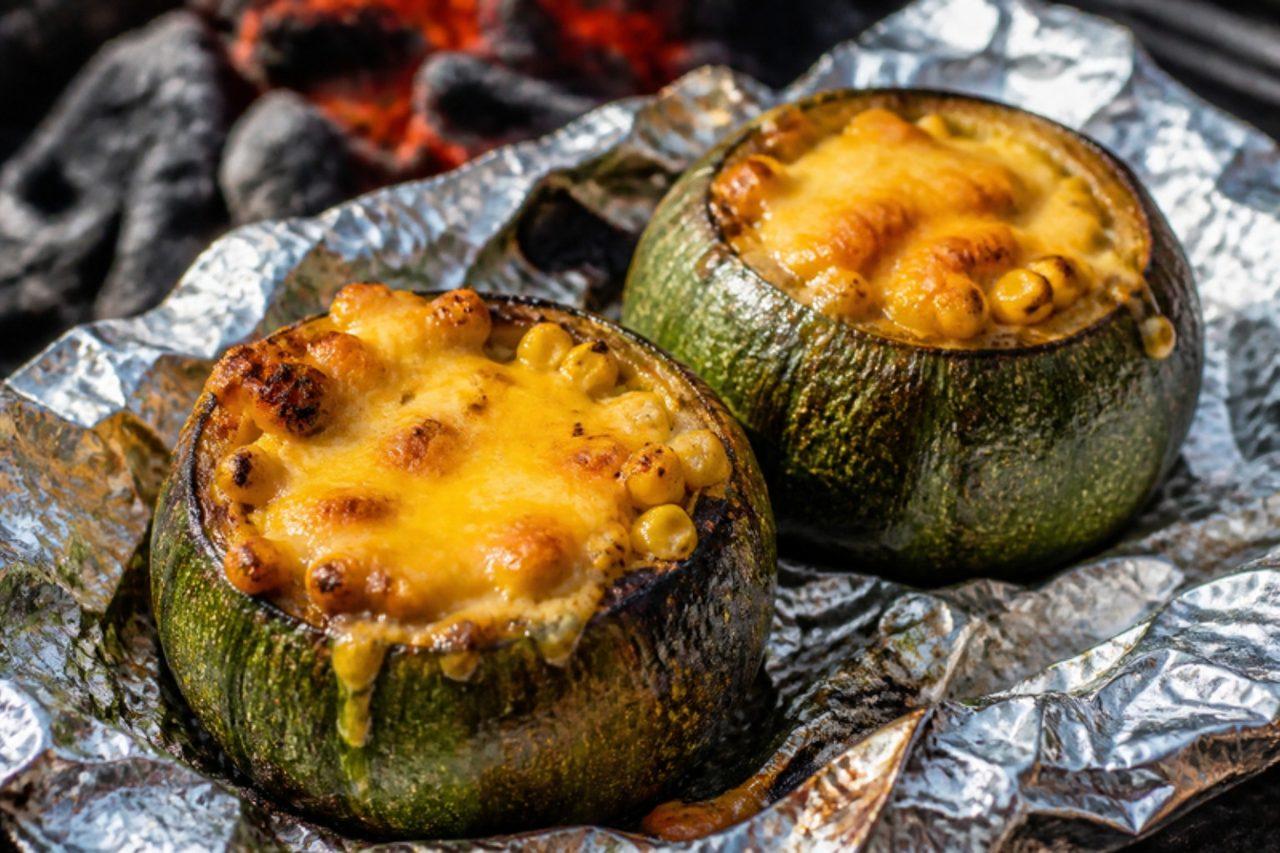
Braaied gem squashGem squash with sweetcorn and cheese

Small, round and dark green, gem squash is the vegetable South African children grow up scooping from the shell with a teaspoon, and at a weekend braai it goes into the coals wrapped in foil alongside the potatoes. The halves steam in their own juice until the orange flesh is tender and sweet, with a pool of melted butter, golden corn and cheese in the hollow. Serve them as a side for anything from the grid, or make a plate of them with pap tert and a tomato salad for a meat-free braai. Indoors, an oven gives the same result. Putting them straight onto flaming wood is the mistake: they char outside and stay hard inside, so wait for grey, glowing coals. Choose a vegetarian cheddar, since many are made with animal rennet. Chef's tip: trim a thin slice off the round base of each half so it sits flat and holds its filling.

by KrazyBadal 0 views

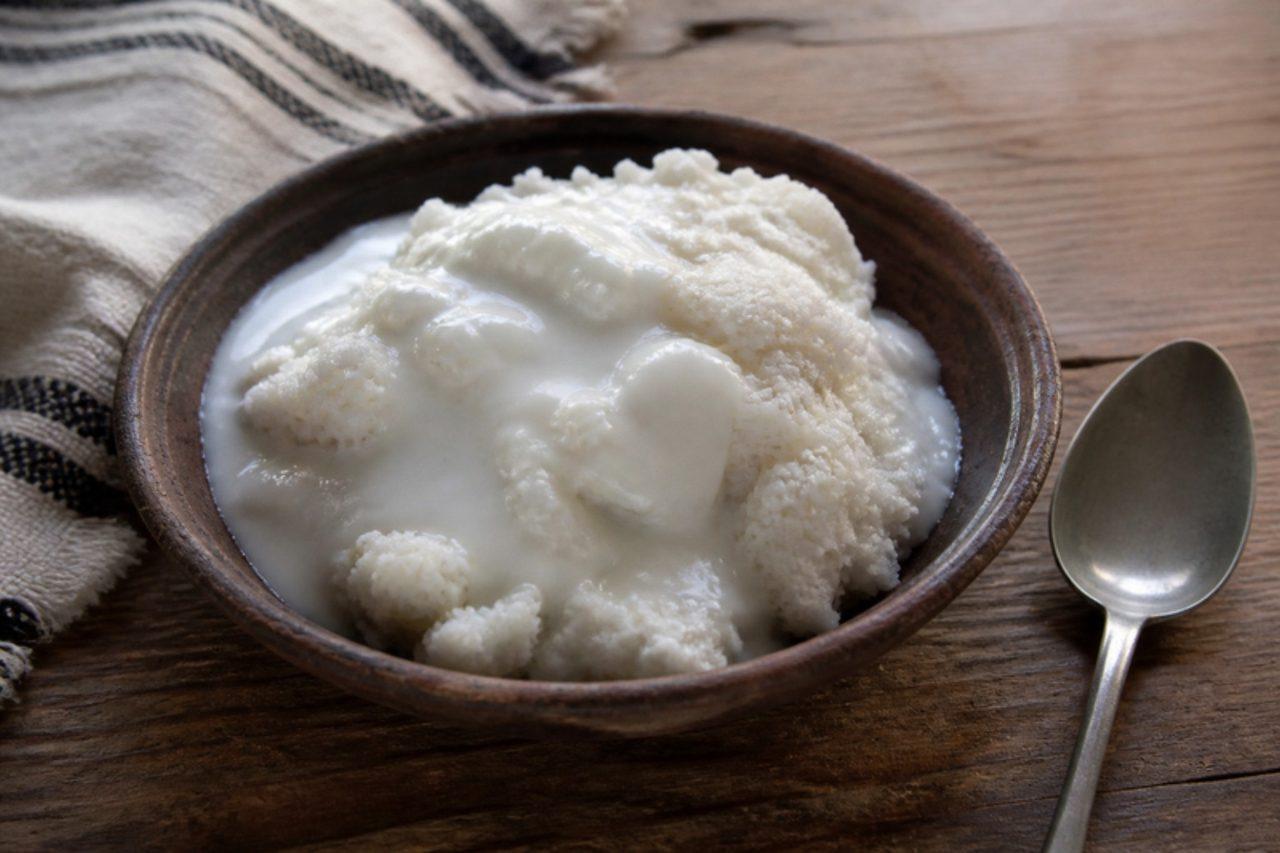
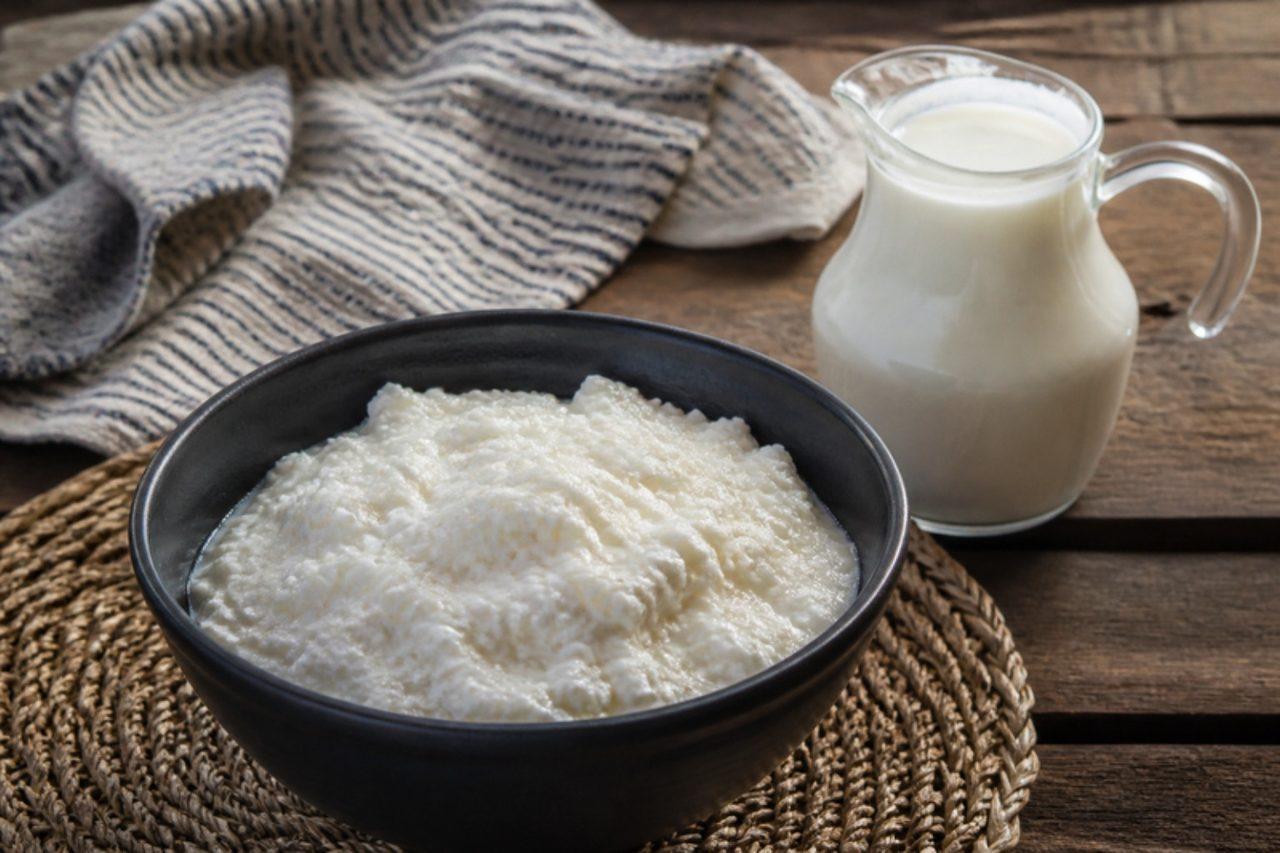
AmasiFermented milk with crumbly pap

Thick, tangy amasi was once soured in calabashes in Zulu and Xhosa homesteads, and it is still the drink-cum-meal that many South Africans crave on a hot afternoon, poured over crumbly pap as umvubo. At home it is easy and safe with pasteurised full-fat milk and a spoon of live cultured buttermilk as the starter; never use raw milk. Expect something like a pourable, sharper yoghurt with soft curds, cooling against the dry, crumbly maize. The common mistake is fermenting somewhere too warm, which makes the milk separate into watery whey and rubbery lumps. Chef's tip: once it has set, chill it for a few hours before eating; the cold firms the curd and rounds out the sourness.

by KrazyBadal 1 views

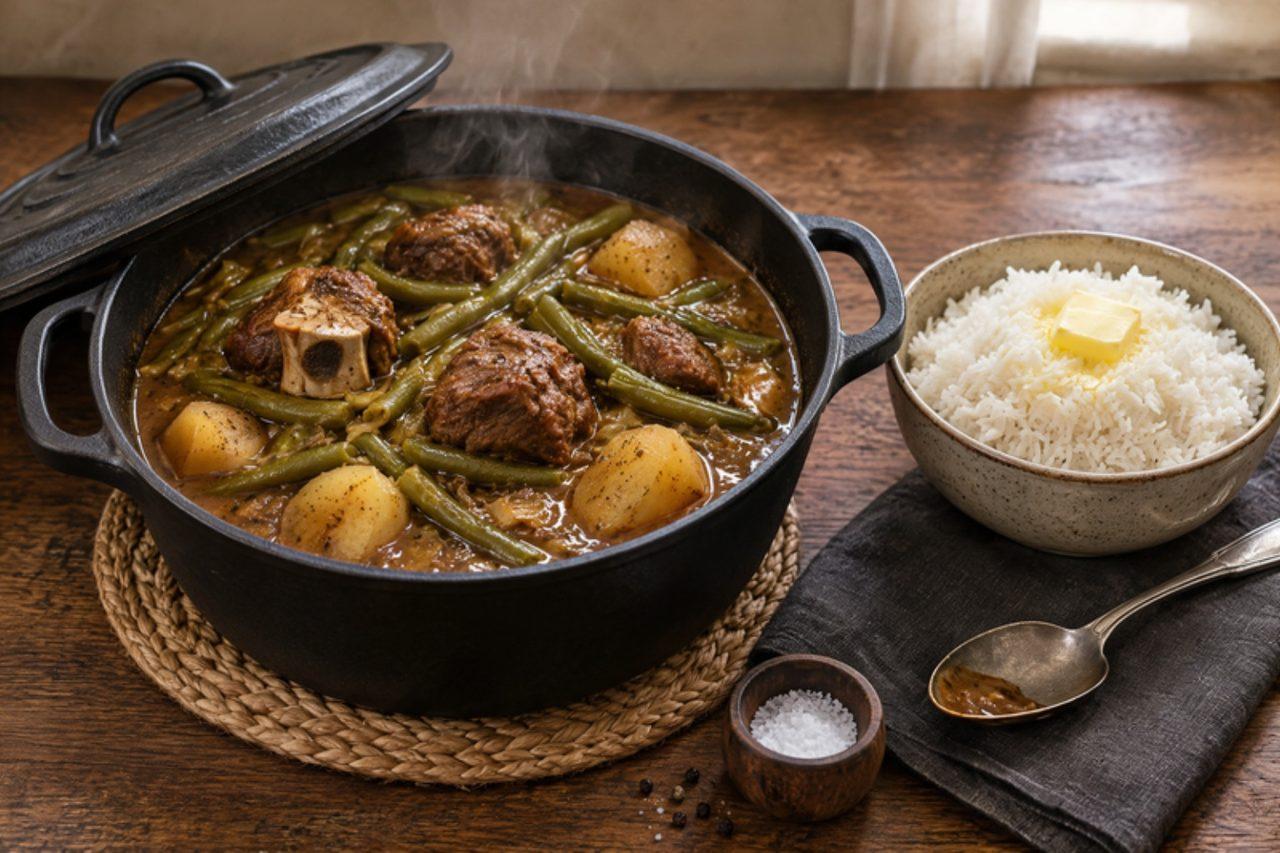
GroenboontjiebredieLamb and green bean stew

Groenboontjiebredie is one of the old bredies of the Western Cape, the slow stews Cape families have cooked for generations, usually for Sunday lunch with white rice and a sweet beetroot salad. Lamb on the bone is browned with onions, then simmered for hours with sliced green beans and potatoes until the beans soften completely and the potatoes break down to thicken the sauce. The usual mistake is treating the beans like a crisp vegetable: here they should be soft and olive green. Slow-cooker: after browning, cook on low for 8 hours. Chef's tip: grate a little nutmeg in at the end; it is the classic Cape seasoning for a green bean bredie.

by KrazyBadal 0 views

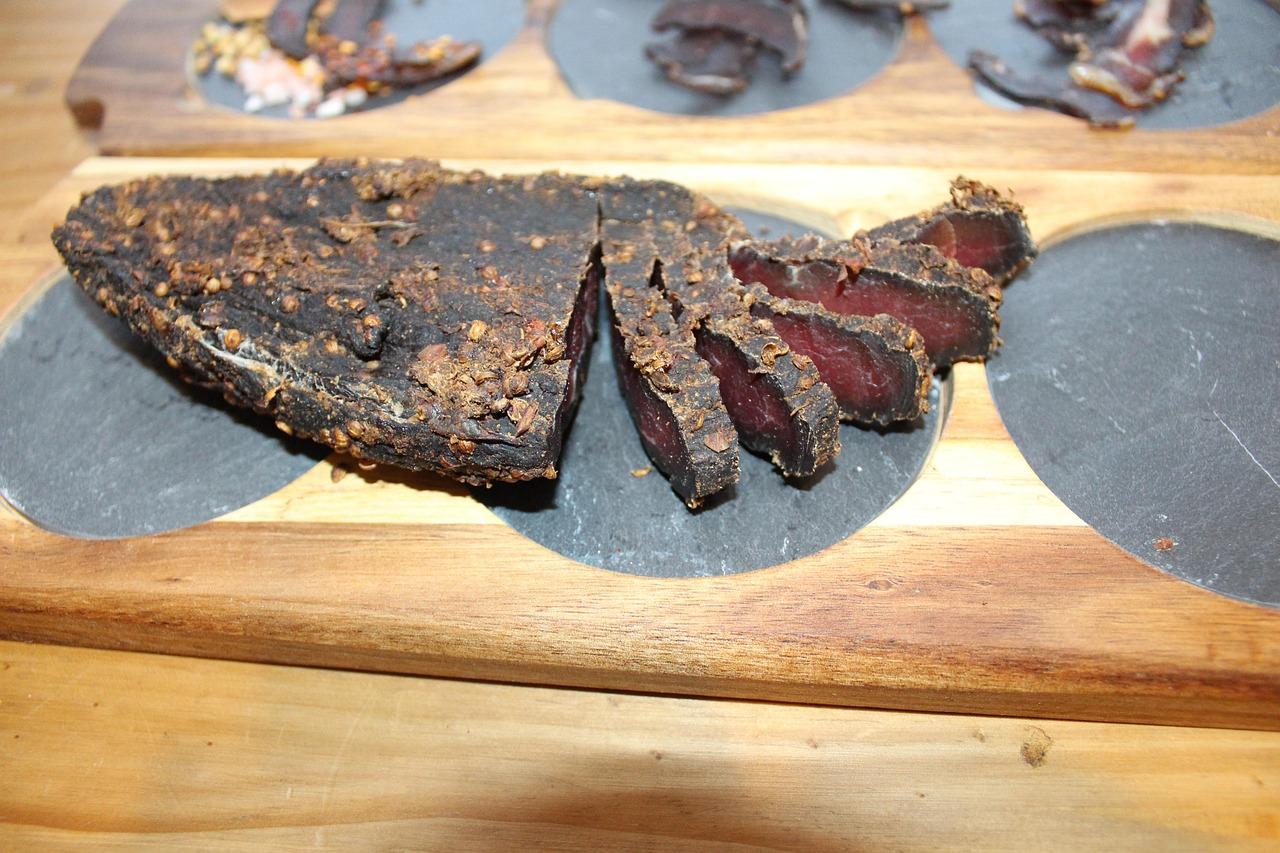
Biltong

Rugby on the television, a paper bag of biltong passed round the room: few snacks say South Africa so plainly. Thick strips of beef are cured with vinegar, toasted coriander, salt and pepper, then dried until the outside is dark and firm and the inside still a little moist, ready to be sliced thin with a sharp knife. Farmers once hung it in the cold winter wind; this home method first heats the cured strips to 71 °C in a hot oven to make them safe, then dries them low and slow in the oven or a biltong box. Even so, home-dried meat is not for pregnant women, young children or anyone with a weakened immune system. The classic mistake is cutting the strips across the grain, so they crumble when you slice them. Chef's tip: toast the coriander seeds until they smell like orange peel before crushing them; that warm, citrusy note is what makes biltong taste right.

by KrazyBadal 0 views

Braaied lamb chops

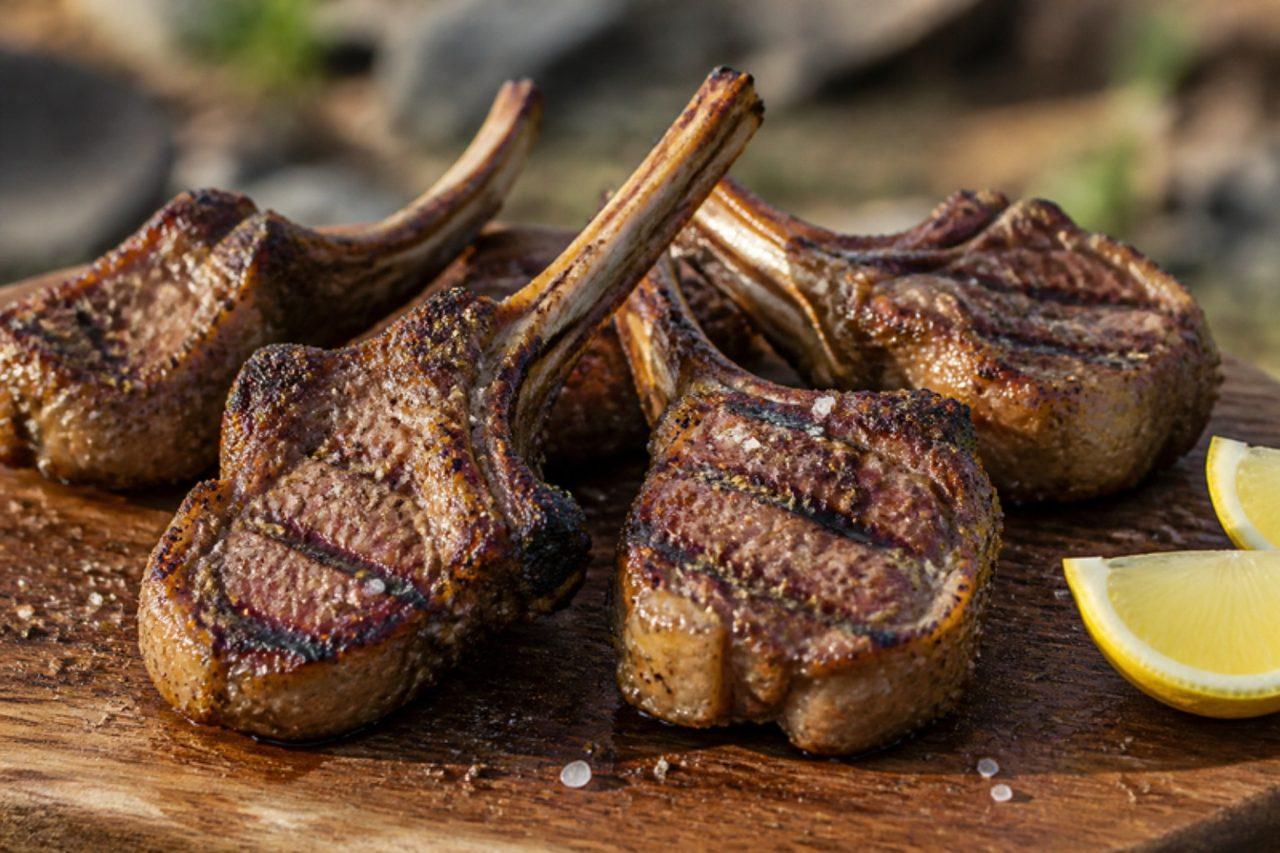
Ask a Karoo farmer for a braai rub and you will be handed the salt grinder: good lamb chops off the veld need salt, pepper and wood coals, and nothing else. On a Saturday evening in Colesberg or Cradock the chops go on last, after the boerewors, and come off with crisp, smoky fat and juicy, rosy meat. Pile them on a board with pap and tomato smoor, a potato salad and a braaibroodjie or two. Chops cut too thin, under 2 cm, dry out before the fat crisps, so ask the butcher for thick ones. Chef's tip: stand the chops upright on their fat edge for the first few minutes, held together with tongs, so the fat renders and crisps before the meat goes flat on the grid.

by KrazyBadal 0 views

Durban mutton curry

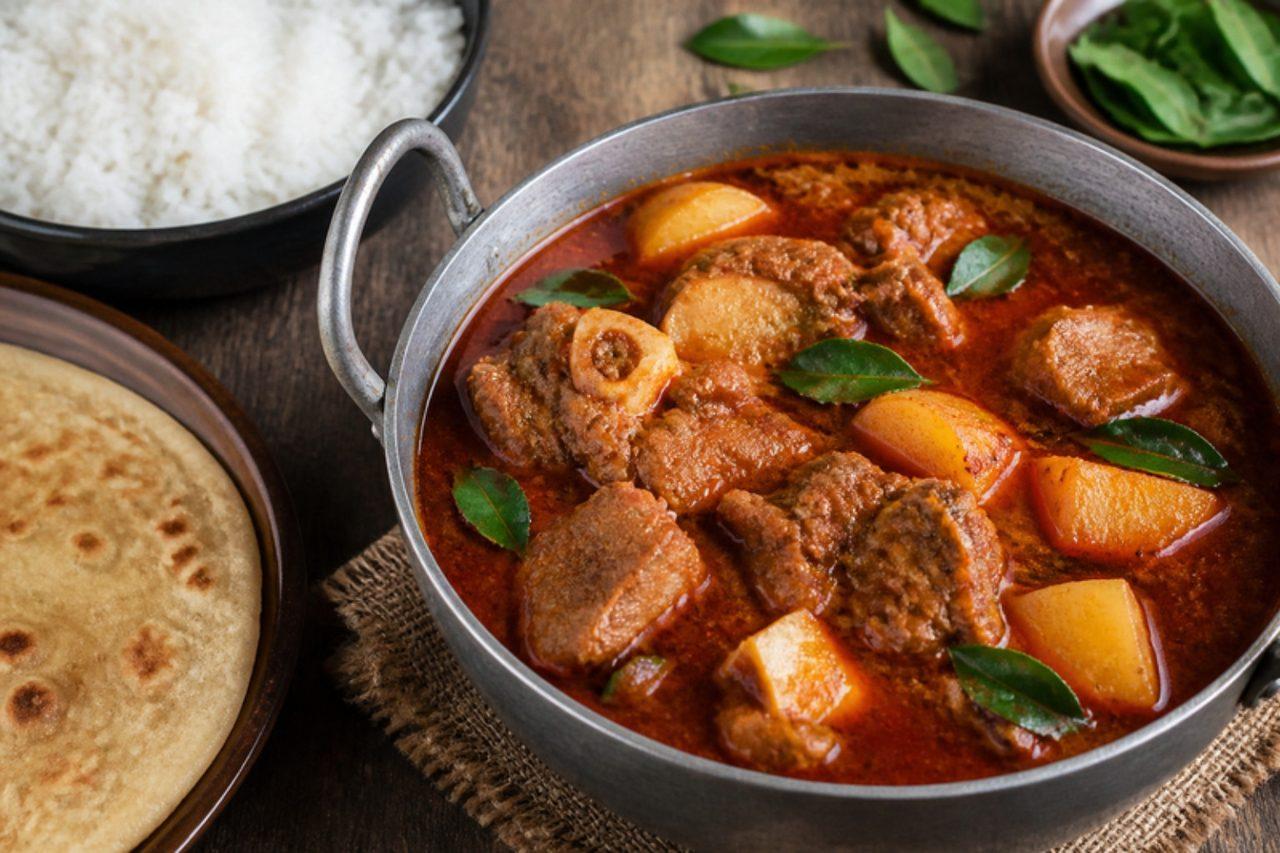
Grey Street spice shops in Durban blend their own red masalas, and this is the curry they are meant for: bone-in mutton cooked slowly until the gravy turns deep brick red and oily, with potatoes that drink up the chilli. Families in Chatsworth and Phoenix put it on the table for Sunday lunch and at weddings, with white rice or rotis, carrot-and-chilli salad and a bowl of tomato-and-onion sambal to cool things down. It is properly hot, but warm whole spices and curry leaves keep it from tasting only of chilli. Burning the masala is the commonest mistake, so add a splash of water the moment it starts to stick. Chef's tip: wait until the mutton is almost soft before adding the potatoes, or they will crumble into the gravy before the meat is ready.

by KrazyBadal 0 views

Durban prawn curry

Durban's beachfront takeaways and Indian family kitchens along the North Coast make prawn curry fast: the gravy of tomato, red masala, mustard seeds and curry leaves is cooked first, and the prawns go in only for the last few minutes. The result is a tangy, fiery red sauce with sweet, juicy prawns, lighter and sharper than a slow meat curry. Serve it with white rice or soft rotis and a wedge of lemon. Overcooking is the big mistake: prawns turn rubbery within a minute or two of being done, so take the pot off as soon as they are pink and opaque all the way through. Chef's tip: thaw frozen prawns overnight in the fridge and pat them very dry, or their water thins the gravy.

by KrazyBadal 0 views

Showing 24 of 173 recipes

Show more recipes

Page 1 of 8