Skip to content
WhatToEat.Today

All recipes

78

Vegetarian, or something you can't eat? Set your diet once and we'll hide recipes that don't fit.

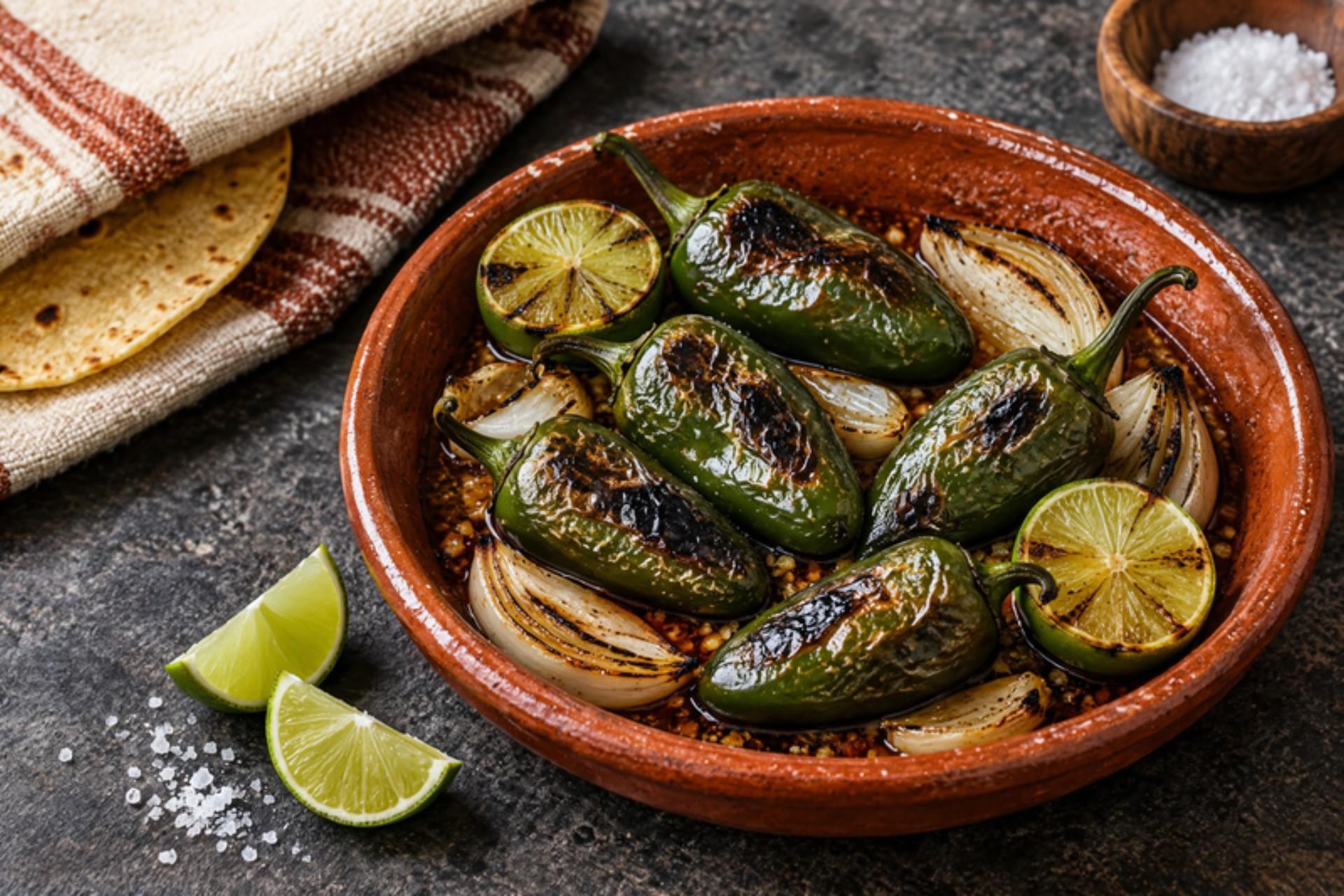
Chiles toreadosBlistered jalapeños with lime

At taquerías in Mexico City and the carne asada stands of the north, a small dish of chiles toreados sits next to the tacos: whole jalapeños 'fought' in a hot pan until blistered and slumped, tossed with sweet charred onion, lime juice and a splash of soy sauce or seasoning sauce, a habit borrowed from Mexico's Chinese-Mexican cooks. Bite one between mouthfuls of taco or grilled steak. The common mistake is moving the chillies too much: they need to sit still on the heat to blister, or they steam and go grey. They are ready when the skins are blackened in patches and the chillies feel soft when squeezed. Soy sauce contains wheat; use tamari for a gluten-free version. Chef's tip: prick each chilli once with a knife tip before cooking so it doesn't burst and spit hot oil at you.

by KrazyBadal 0 views

Fresas con cremaStrawberries and cream

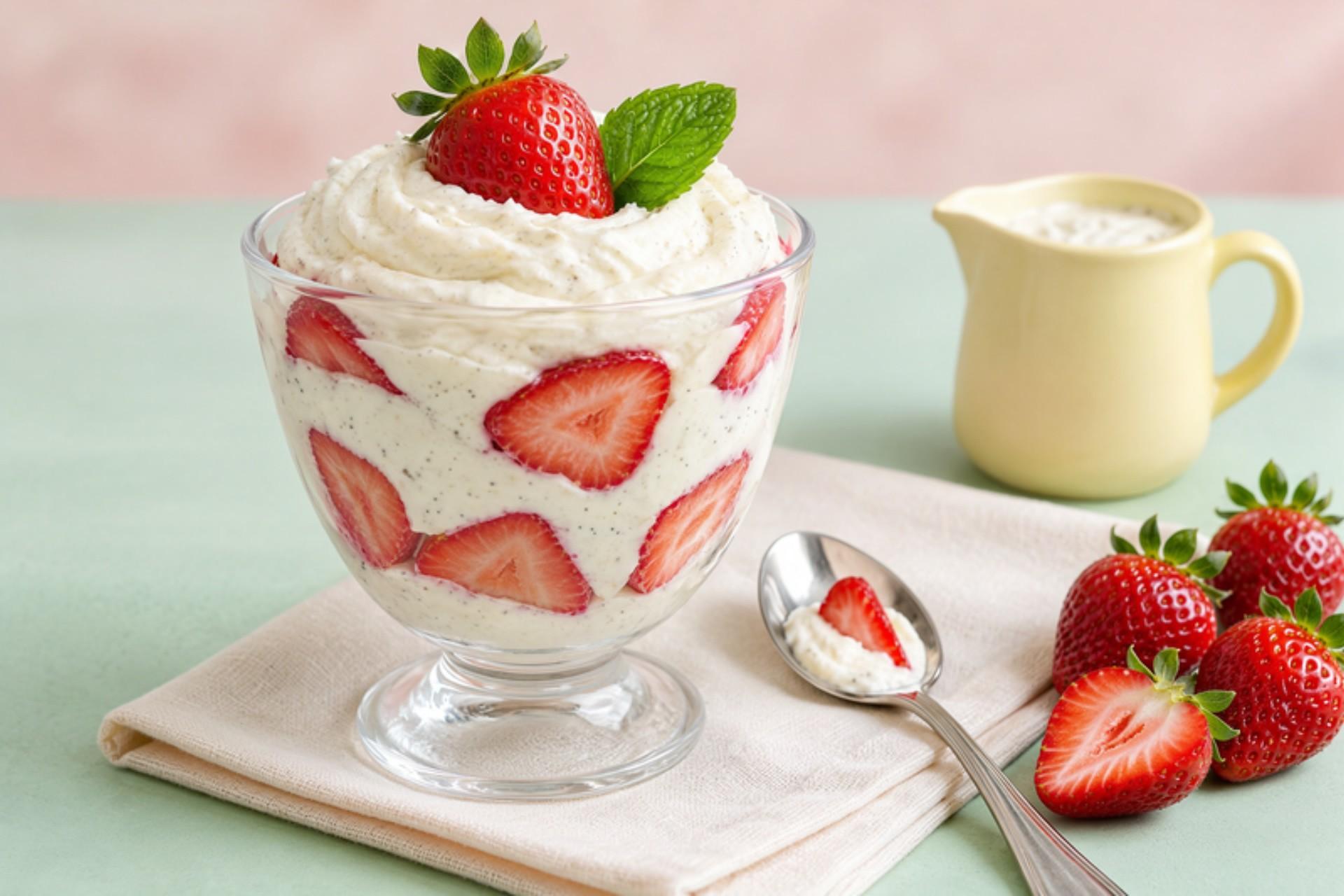
Fresas con crema is sold in plastic cups at juice stands, markets and park carts all over Mexico, especially in Irapuato, Guanajuato, the country's strawberry capital, and kids beg for it on hot afternoons and after school. Ripe strawberries are folded through a cold, silky cream sweetened with condensed milk and vanilla, so the juice bleeds pink into the cream. The usual mistake is mixing it too early: after an hour the berries weep and the cream turns thin and watery. Mix it up to 20 minutes before eating. Use the sweetest, reddest berries you can find; pale ones taste sour however much sugar you add. Chef's tip: chill the bowl and both creams for 30 minutes first, then whisk only briefly; cold cream thickens slightly on its own and clings to the fruit.

by KrazyBadal 0 views

MicheladaSpiced lime beer cocktail

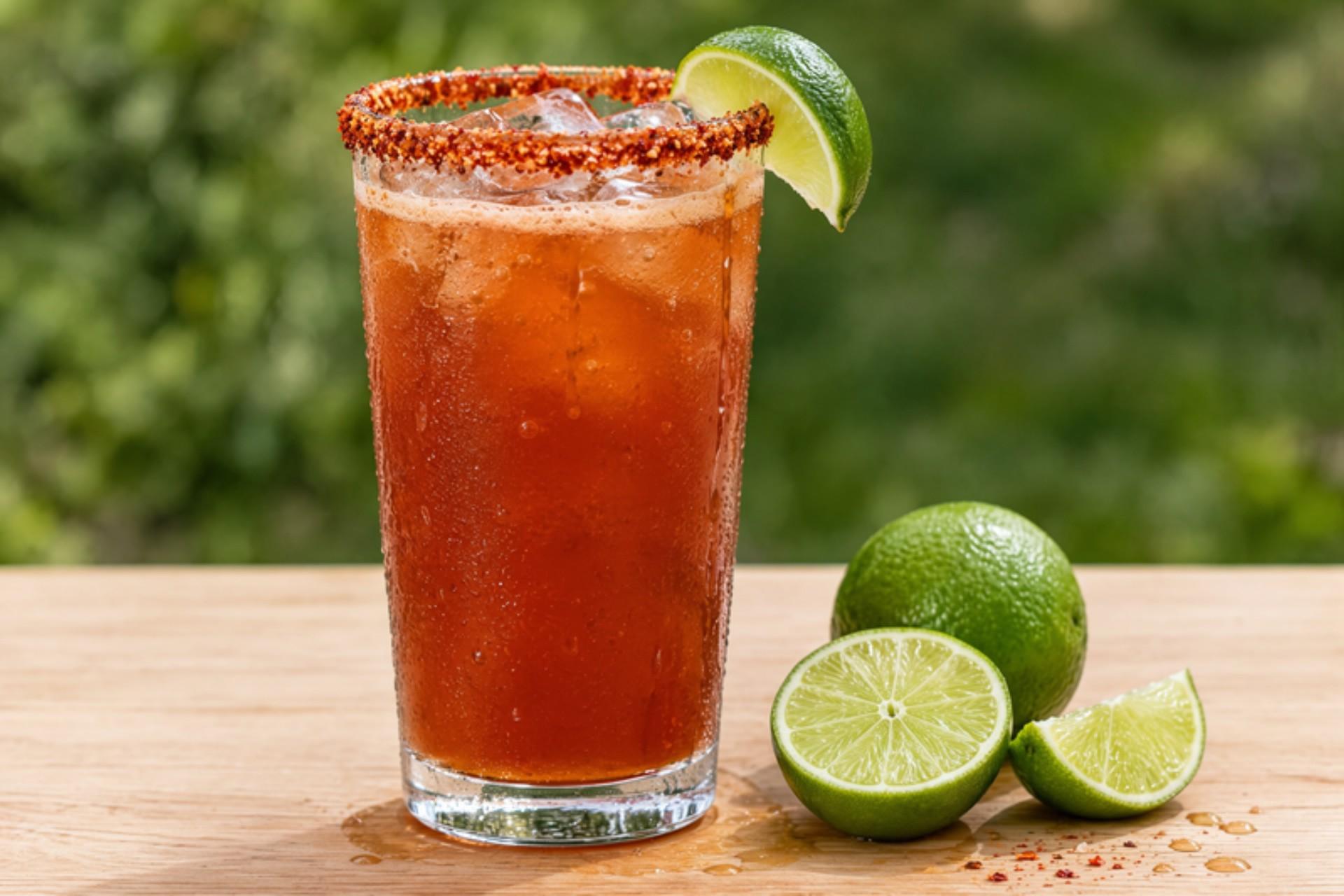
The michelada is the weekend drink of Mexico, poured at beach bars in Mazatlán, cantinas in Mexico City and backyard carne asadas on Sunday afternoons, and it is a drink for adults only. A light Mexican-style lager is mixed with plenty of lime, a dash of hot sauce, a little soy sauce and Worcestershire sauce, over ice in a glass rimmed with chilli salt, so it is sour, salty, savoury and very refreshing. Most Worcestershire sauce contains anchovies, so buy a vegetarian Worcestershire sauce. For an alcohol-free version, use alcohol-free lager or sparkling water with a little tomato juice; it tastes almost the same. The common mistake is adding the beer too fast: it foams up over the seasoning and the glass overflows. Tilt the glass and pour slowly. Drink responsibly. Chef's tip: chill the glass in the freezer for 15 minutes; the rim sets crisply and the drink stays cold to the last sip.

by KrazyBadal 0 views

Tostadas de atúnTuna tostadas

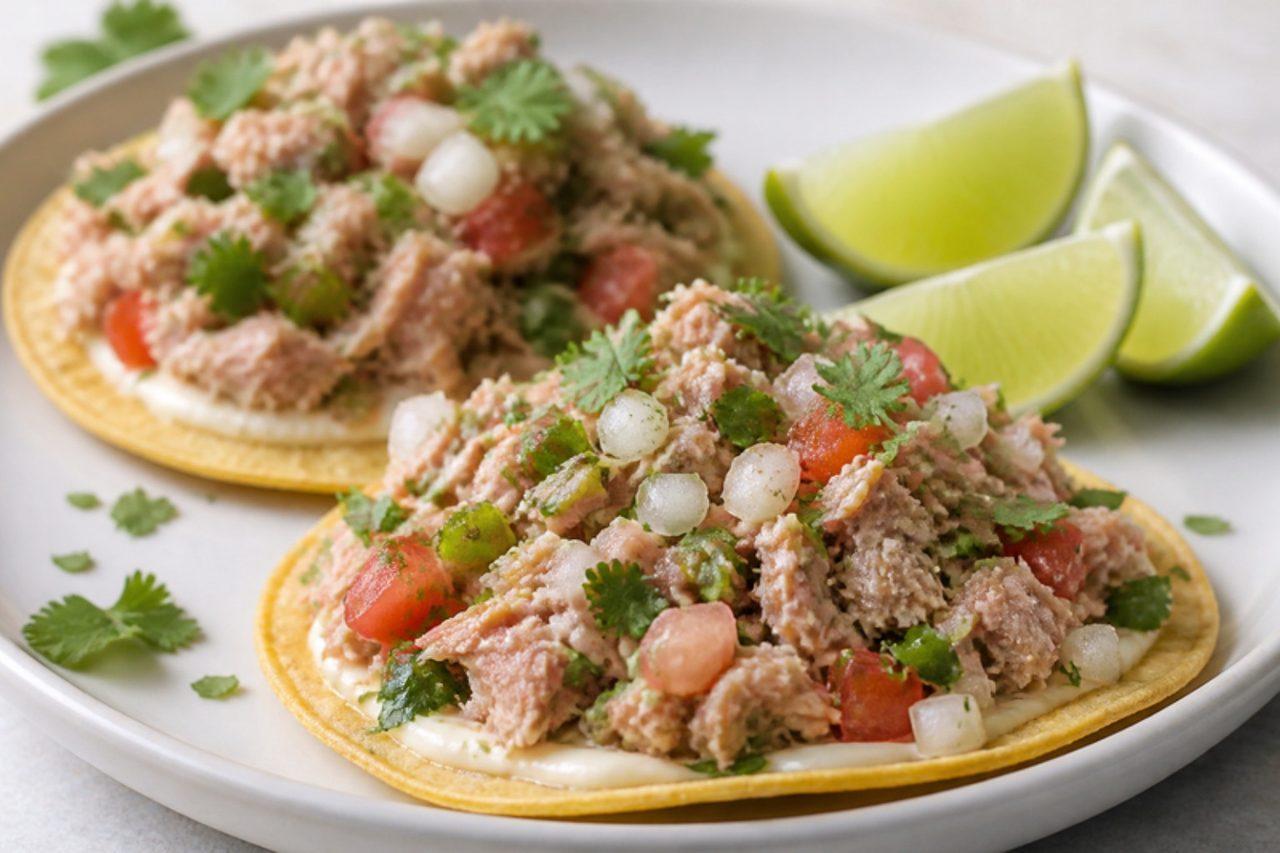
Tostadas de atún are a Lent favourite all over Mexico and an everyday late supper when the cupboard is nearly empty: shop-bought crisp tostadas spread with a little mayonnaise and heaped with canned tuna mixed with onion, tomato, chilli and lime. Nothing is cooked, so it is on the table in ten minutes. The common mistake is piling on watery tomato, which turns the tostada soggy before you can eat it. Chef's tip: squeeze the tuna really dry and add the lime and salt only at the last moment so the mix stays crisp and bright.

by KrazyBadal 0 views

Taco placeroTacos with chicharrón and nopal salad

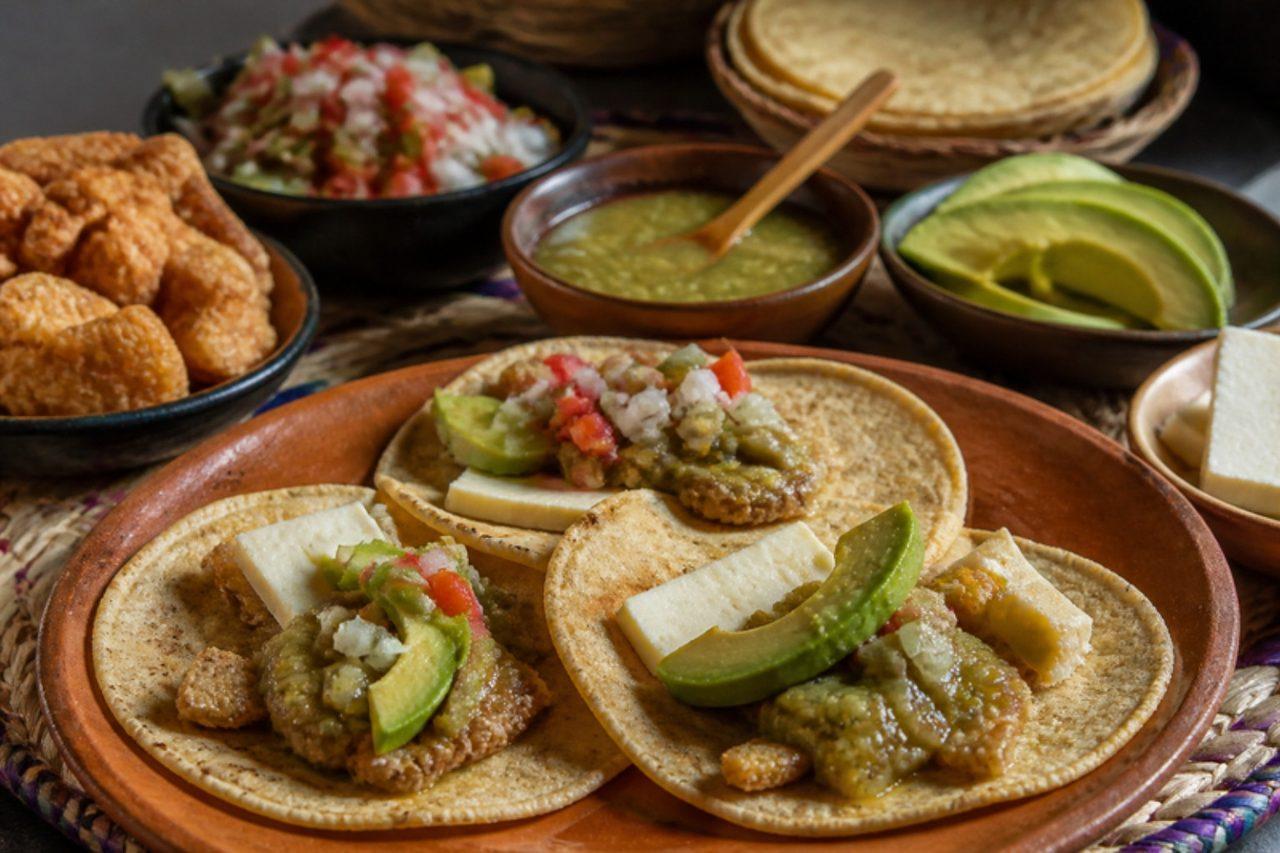
Taco placero is what Mexico City market workers and families put together for a quick supper or a lazy weekend lunch: no cooking, just warm tortillas and a spread of market foods, everyone filling their own. Typical fillings are chicharrón (crisp fried pork skin), fresh panela cheese, avocado, a quick nopal salad and salsa. Chicharrón is pork, so leave it out or swap in fried pumpkin seeds for a meat-free version. The common mistake is serving cold, stiff tortillas, which crack around the fillings. Chef's tip: buy ready-cooked nopales in a jar, rinse them well to get rid of the slime, and dress them with lime and onion so they taste freshly made.

by KrazyBadal 0 views

Pan con butifarraHam roll with onion salsa

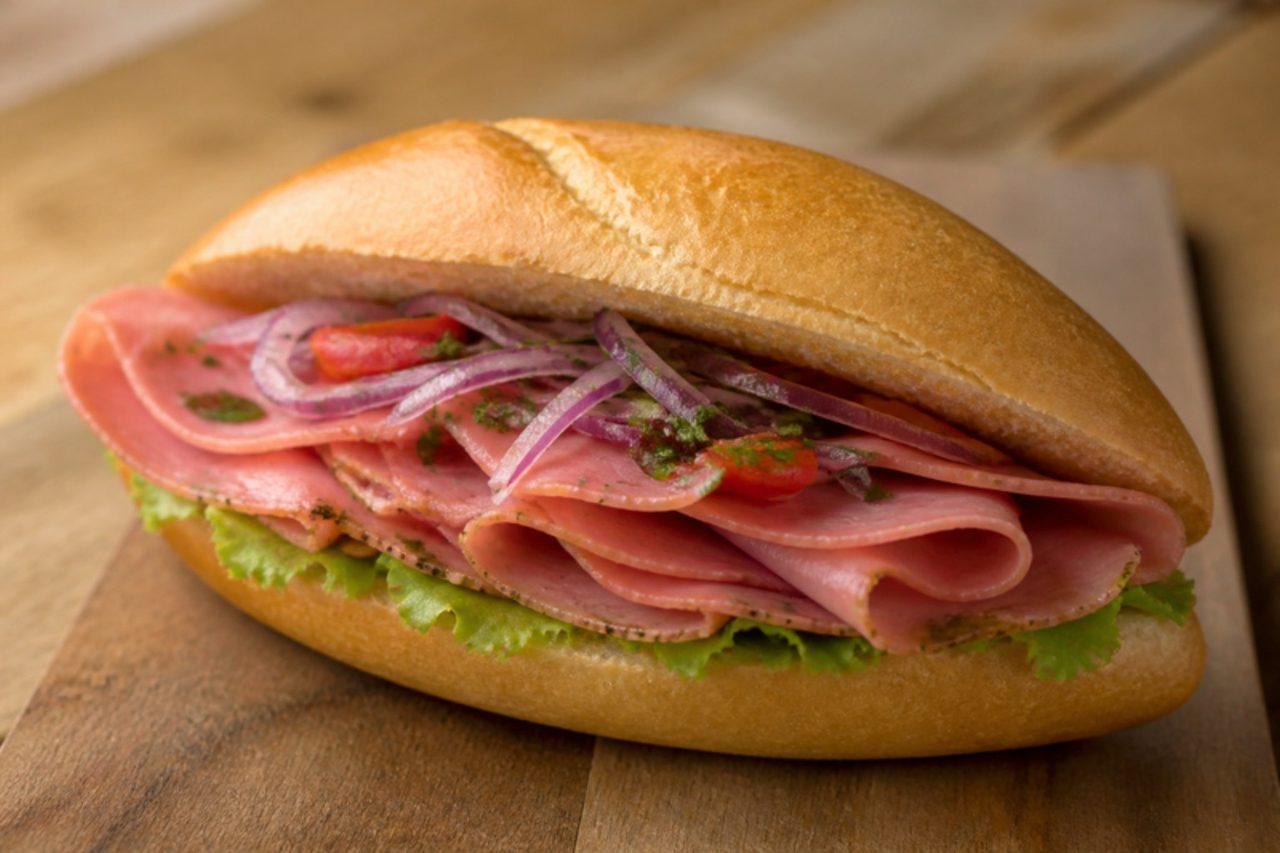
Pan con butifarra is Lima's evening sandwich, sold in old-school sangucherías and made at home for a light dinner with coffee: a crusty roll filled with jamón del país, a spiced Peruvian pork ham, under a heap of salsa criolla, red onion sliced thin and soaked in lime with chilli. Outside Peru, use a good cooked pork ham. The common mistake is leaving the onion harsh; give it a quick rinse in salted water before dressing it. Chef's tip: a leaf of lettuce under the ham stops the lime juice soaking straight into the bread.

by KrazyBadal 0 views

TripleAvocado, tomato and egg sandwich

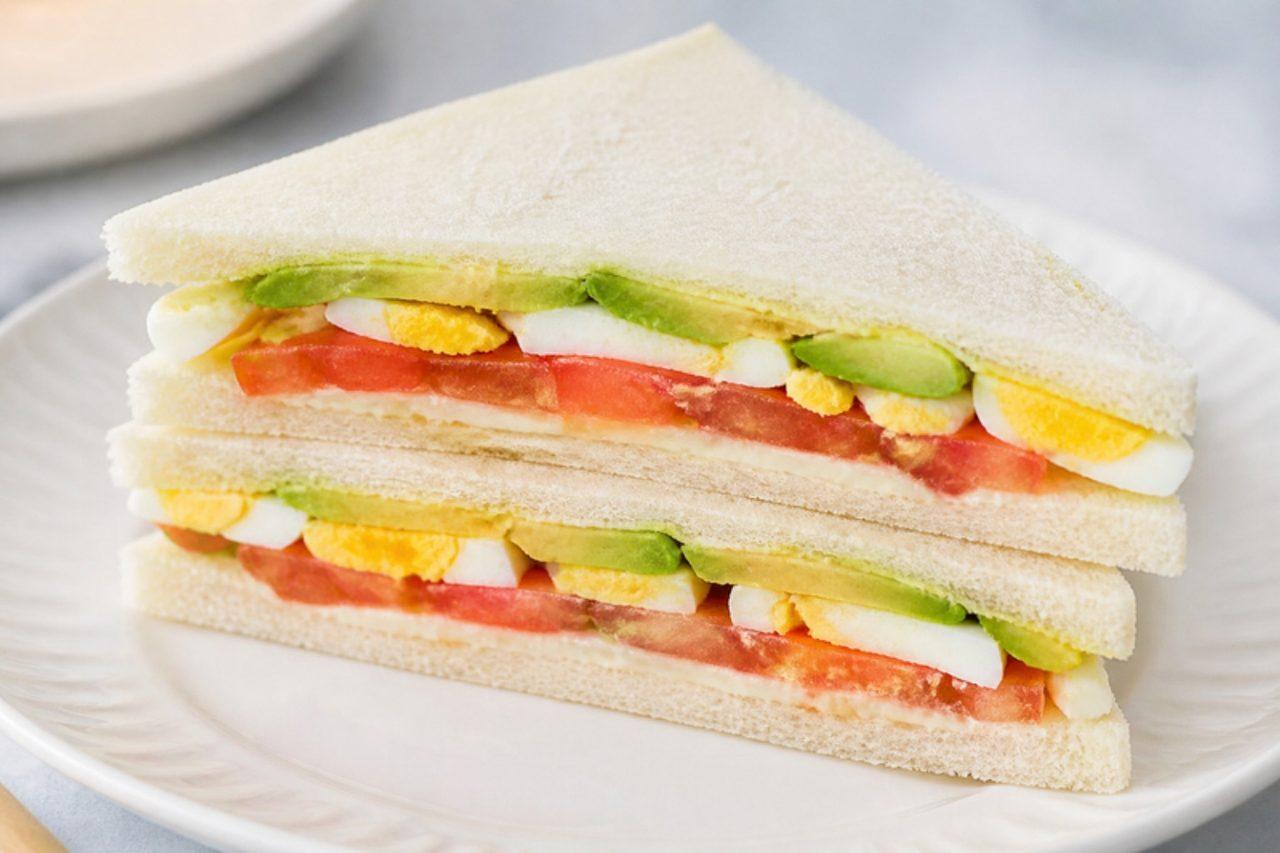
The triple is the soft, layered sandwich of Lima's cafés and bakeries, eaten at lonche, the Peruvian late-afternoon meal, or as a light supper: three slices of crustless white bread layered with avocado, tomato and sliced hard-boiled egg, all held together with mayonnaise. It looks neat, tastes fresh and is loved by children. Shop-bought mayonnaise is made with pasteurised egg, so it is safe for everyone. The common mistake is letting wet tomato touch the bread, which turns it soggy within minutes. Chef's tip: pat the tomato dry and sit it between the avocado and egg, then press the sandwich under a board for a minute before cutting.

by KrazyBadal 0 views

Huevos con salchichaScrambled eggs with sausage

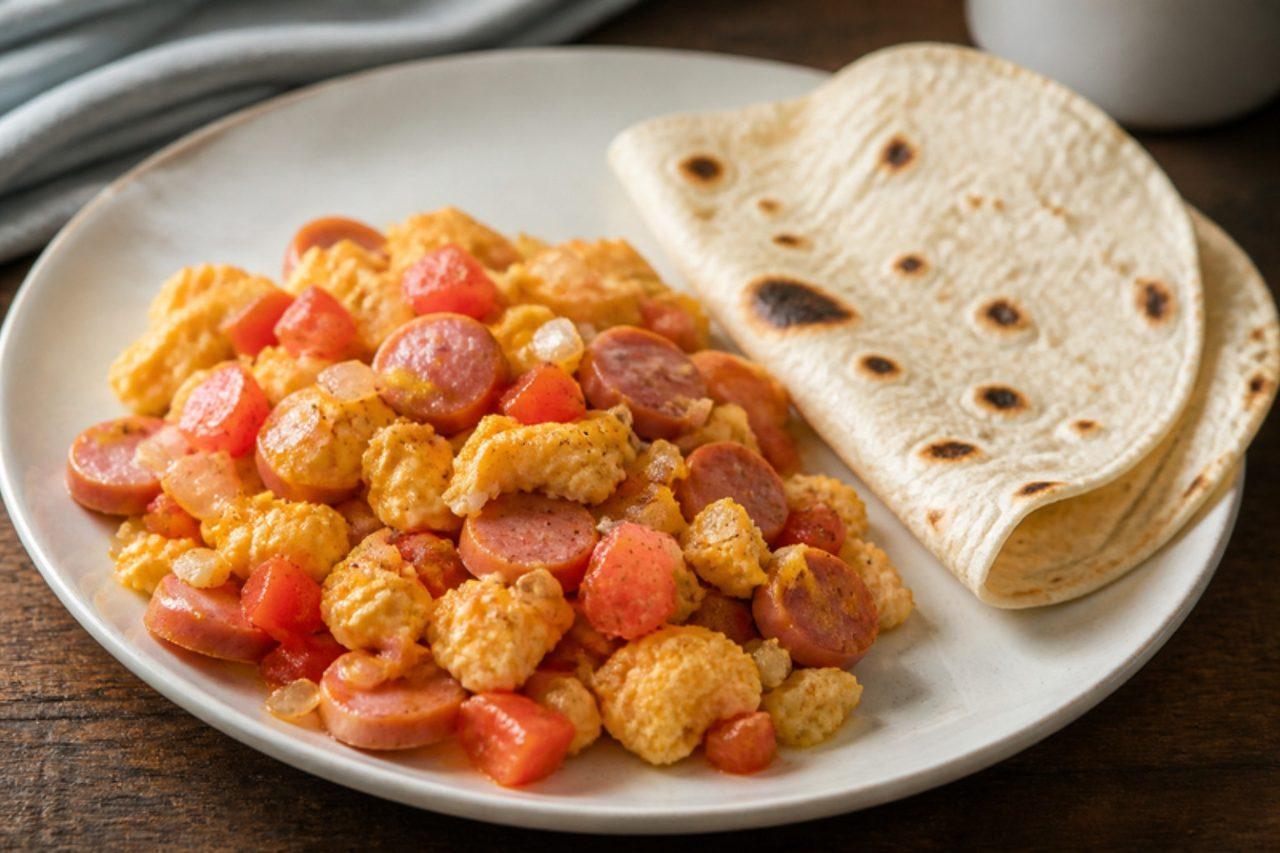
All over Mexico, from Monterrey kitchens to Mexico City fondas, huevos con salchicha is what a parent makes when breakfast or a late supper has to be on the table in a quarter of an hour. Coins of frankfurter are browned until their edges curl, then soft eggs are folded through with a little tomato, onion and green chile, and the whole pan is scooped up with warm corn tortillas and a spoon of refried beans. Most supermarket frankfurters are pork or a pork and beef mix, so check the packet if you need a pork-free version; chicken or turkey frankfurters work just as well. The usual mistake is adding the eggs to a wet pan: cook the tomato down first, or the eggs turn watery and grey. Chef's tip: take the pan off the heat while the eggs still look a little glossy; they finish setting on the way to the plate.

by KrazyBadal 0 views

Pad thua ngok tao hoo (Thai bean sprouts and tofu stir-fry)

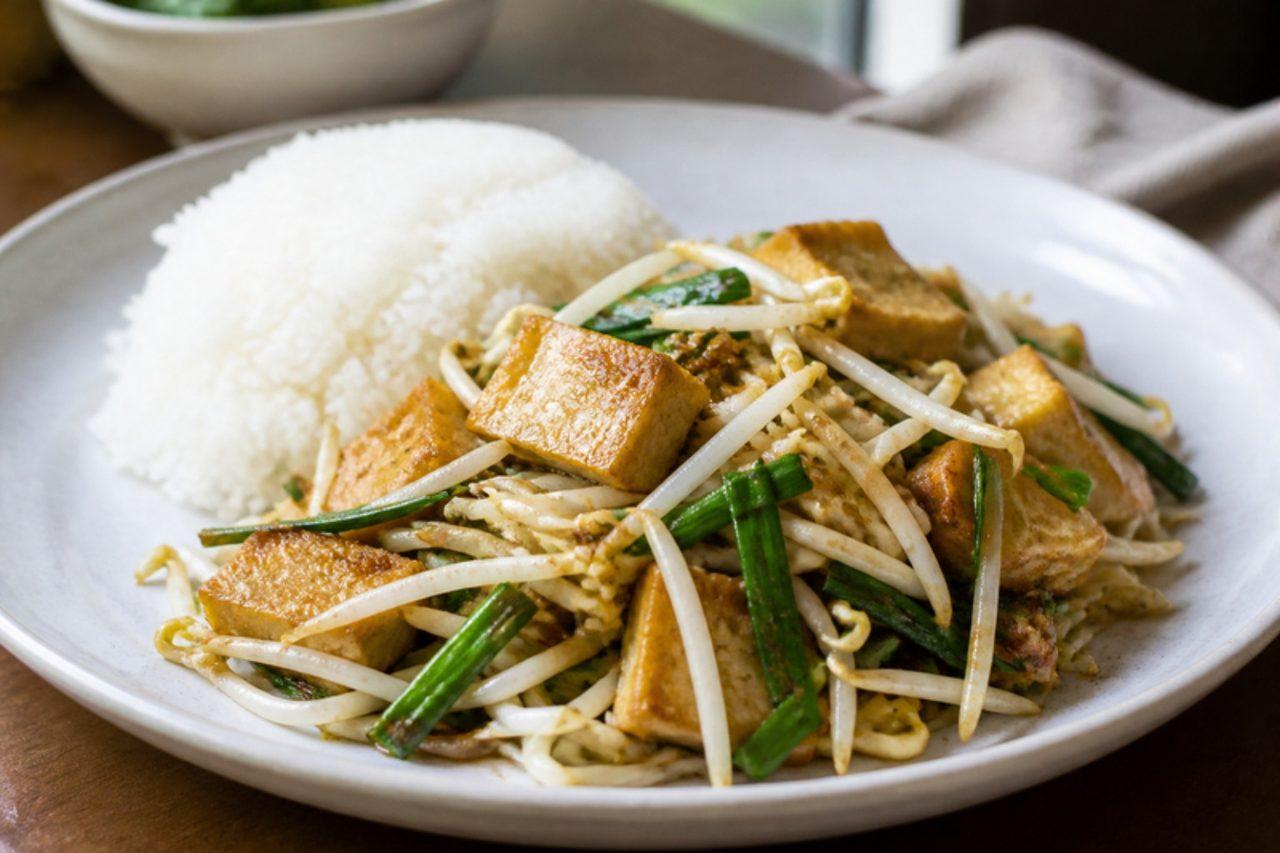
This plain, fast stir-fry is a fixture of home kitchens and made-to-order rice stalls across central Thailand, where it is eaten as one of two or three dishes shared over jasmine rice at dinner. Firm tofu is browned first, then the sprouts go in for barely a minute so they stay juicy and snap when you bite them. Thai cooks often season it with oyster sauce and fish sauce; this version uses soy and a mushroom-based sauce so it is vegan. The mistake almost everyone makes is cooking the sprouts too long, which turns them limp and watery. Chef's tip: pick off the stringy tails of the sprouts if you have five spare minutes; it makes the dish noticeably crisper.

by KrazyBadal 0 views

Torta de jamón (Mexican ham sandwich)

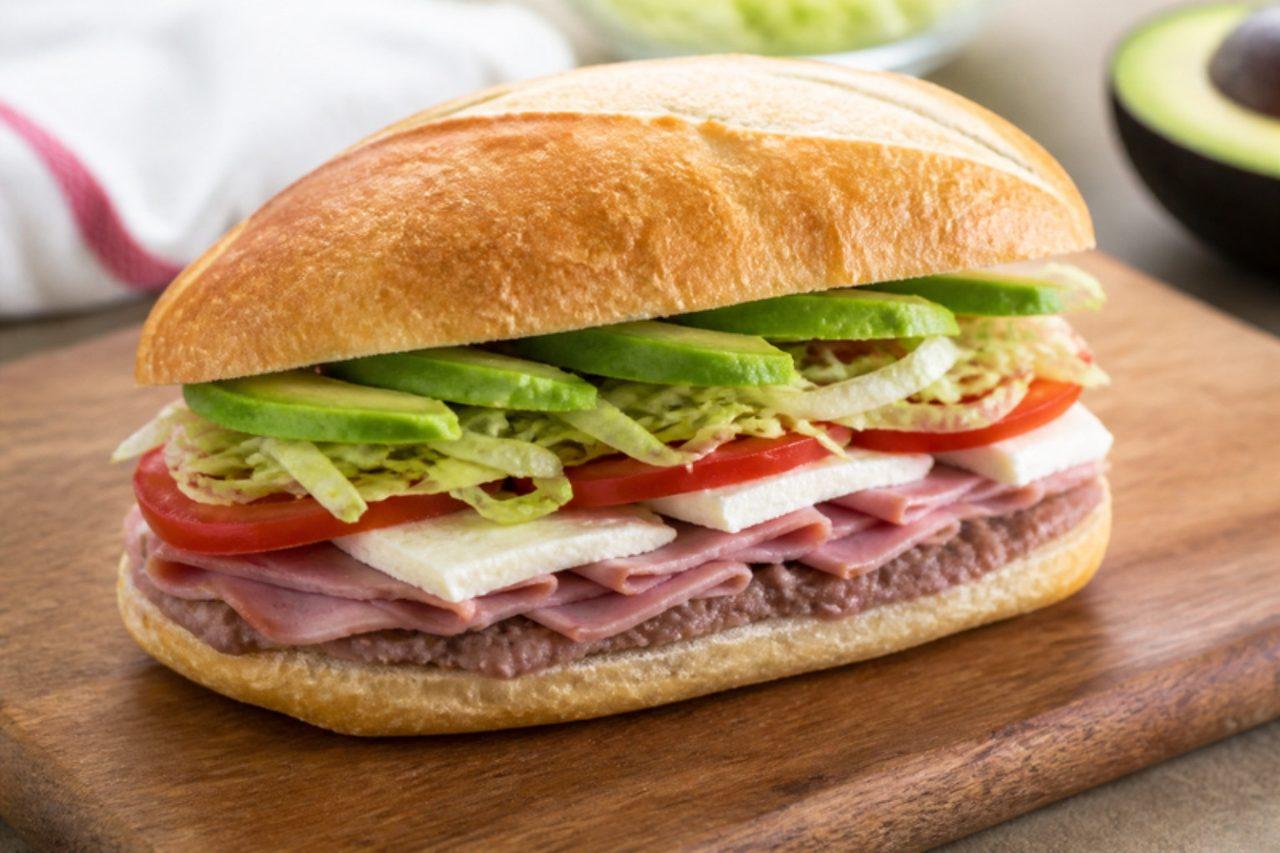
The torta de jamón is the classic recreo (school break) sandwich across Mexico, sold at school gates and made at home before the morning rush: a crusty bolillo roll, toasted on the griddle, spread with refried beans, then layered with ham, fresh cheese, avocado and tomato. Grown-ups add pickled jalapeños. It contains gluten (wheat), milk and egg (mayonnaise). Chef's tip: spread the beans right to the edges of the bottom half; they act as a barrier so tomato juice doesn't soak the bread.

by KrazyBadal 0 views

Mashed nam wa banana (kluay nam wa bod)

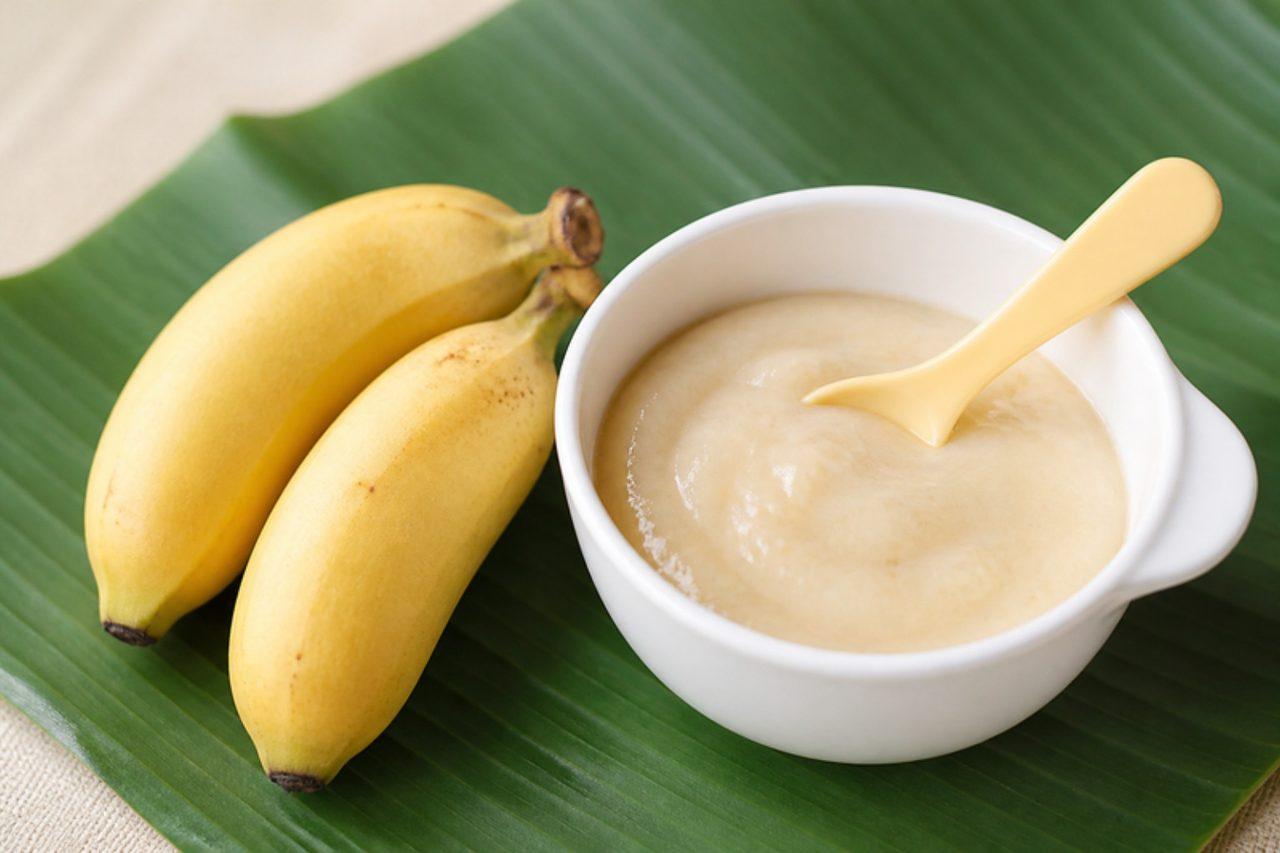
Ask a Thai grandmother about first foods and she will talk about kluay nam wa, the short, plump banana that grows in nearly every garden in Thailand. Ripe ones are steamed, which softens the slightly astringent edge, then scraped and mashed for a baby's first taste, often in the afternoon. It is sweet, creamy and needs nothing added. There are no common allergens (milk, egg, gluten, peanut, tree nuts, soya, sesame, fish). If you can't find nam wa, use a small, very ripe ordinary banana. Chef's tip: steam the banana in its skin; it keeps the flesh moist and stops it browning.

by KrazyBadal 0 views

Agua de melónCantaloupe drink

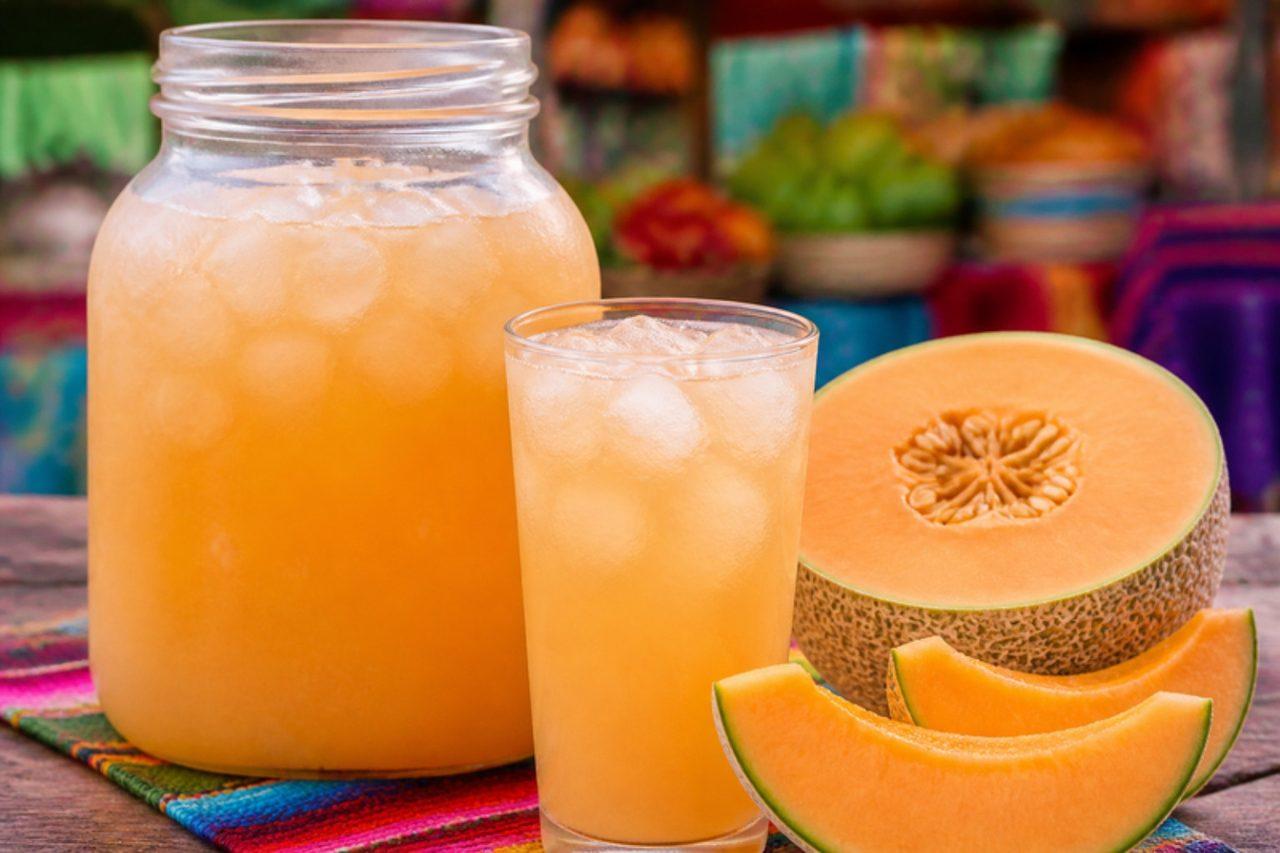
Mexican market juice stalls make agua de melón with the ripest, most fragrant cantaloupes, and many cooks blend in the seeds and the soft pulp around them, which adds a creamy body and a nutty flavour. It's served in tall glasses on hot afternoons from Guanajuato to Veracruz and is a favourite with kids. Chef's tip: smell the stalk end of the melon before you buy it; if it smells sweet, the drink will too.

by KrazyBadal 0 views

SincronizadasHam and cheese tortilla sandwiches

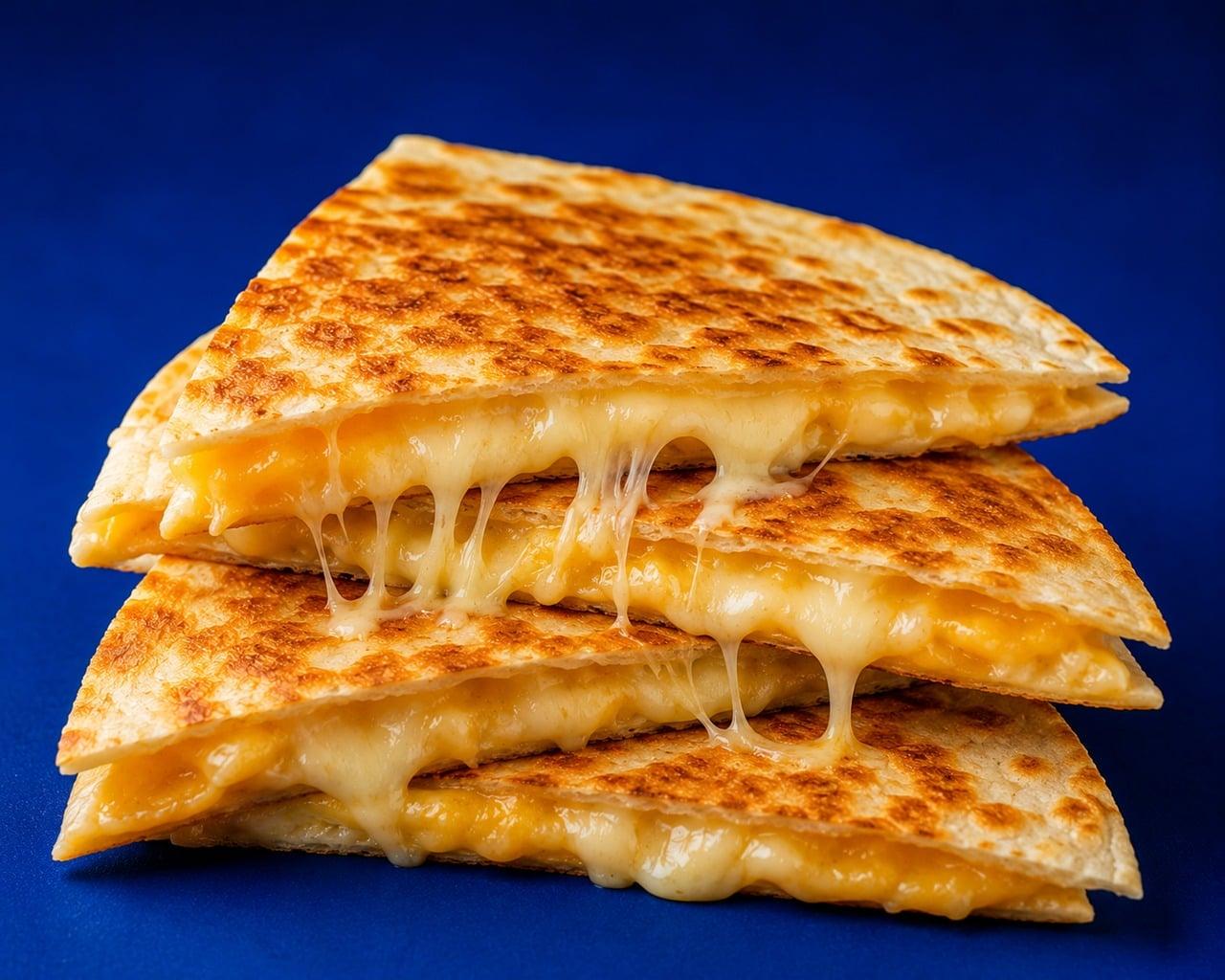
Found on cafeteria menus and in school lunchboxes from Monterrey to Mérida, sincronizadas are two flour tortillas 'synchronised' around cooked ham (pork) and melting cheese, then toasted on the griddle until the cheese runs. Cut into wedges and served with guacamole or salsa, they're a ten-minute supper that children love. Chef's tip: keep the heat at medium, so the cheese melts before the tortillas scorch.

by KrazyBadal 0 views

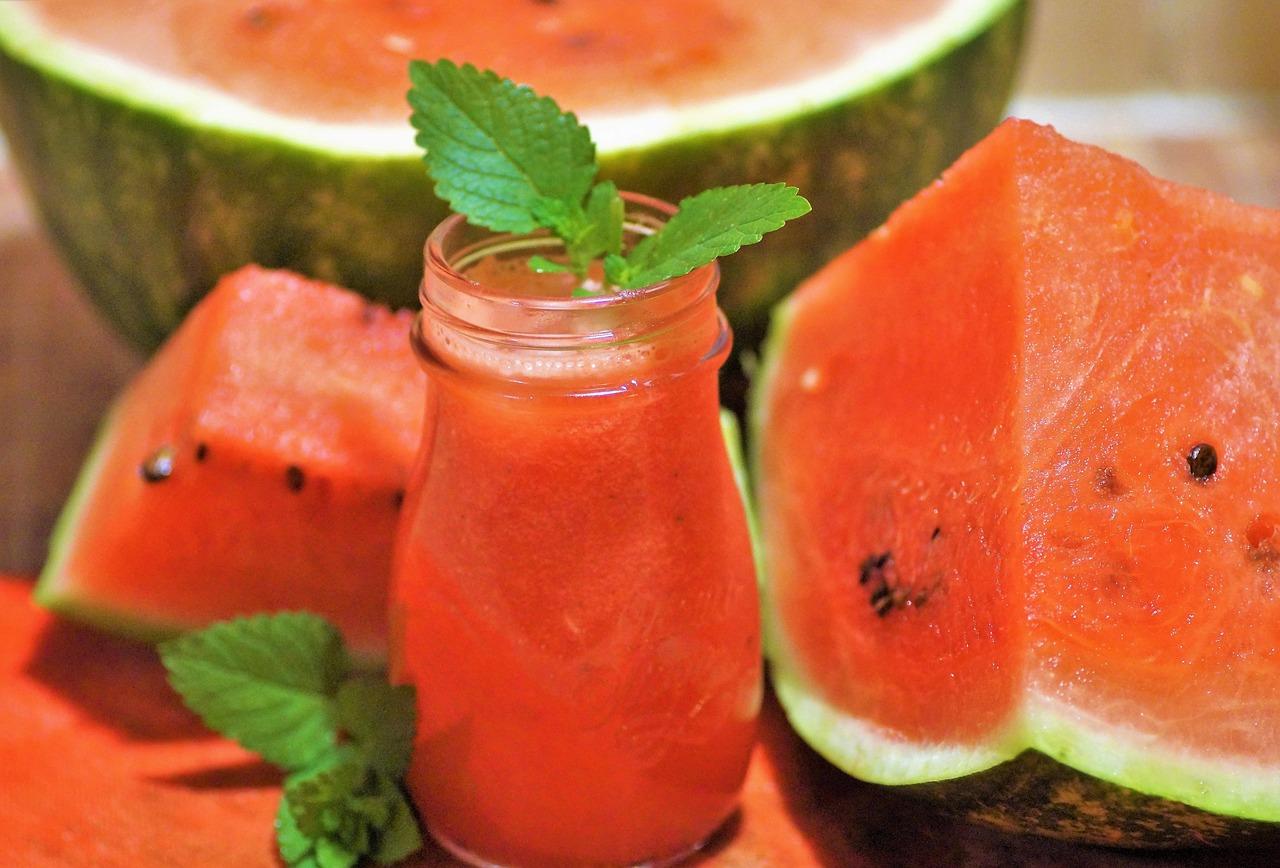
Agua de sandíaWatermelon drink

When watermelons are piled high in the markets of Jalisco and Sonora in summer, almost every taquería has a jar of bright pink agua de sandía next to the horchata. It needs only ripe watermelon, water, a squeeze of lime and a touch of sugar, and children love it. Chef's tip: a very ripe melon may need no sugar at all, so taste before you sweeten.

by KrazyBadal 0 views

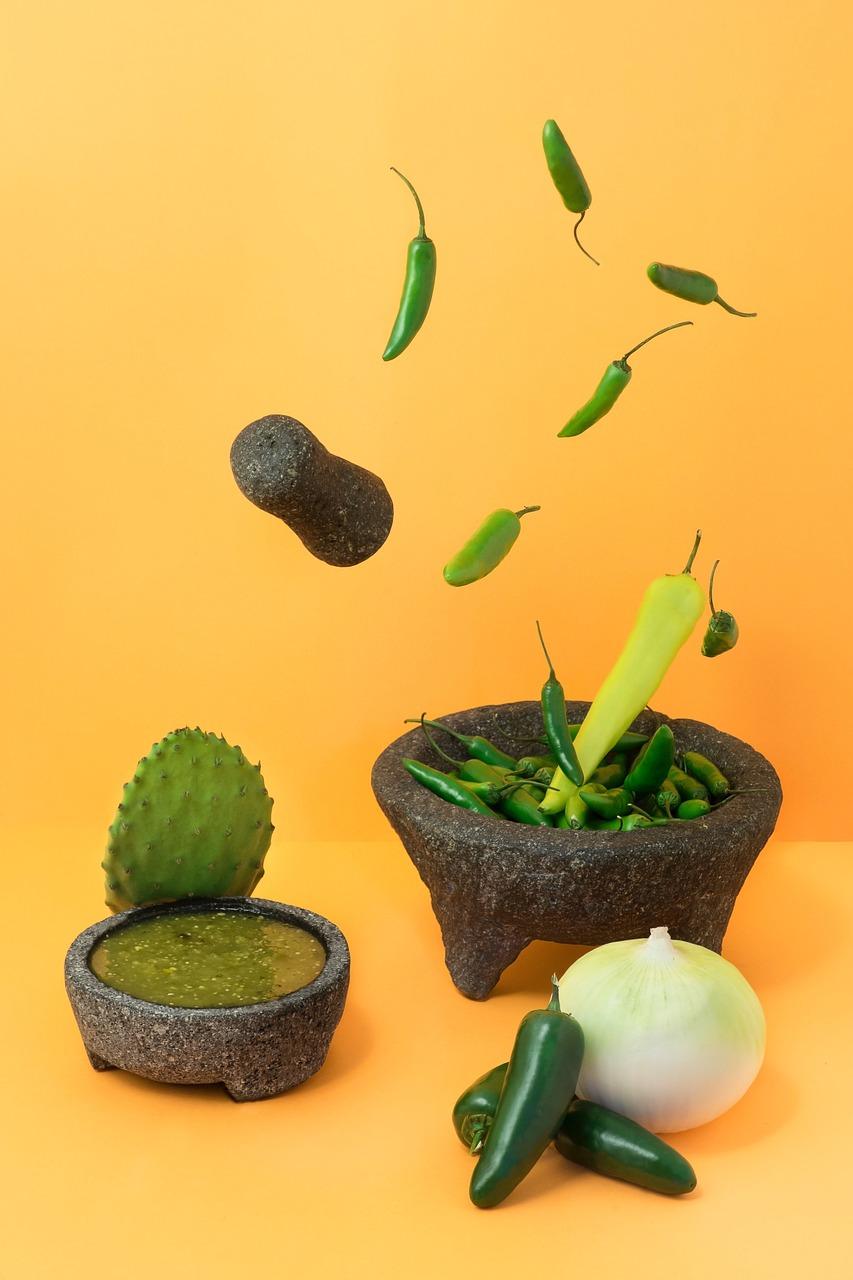
Salsa verde crudaRaw tomatillo salsa

Raw green salsa sits in a bowl on nearly every taquería counter from Toluca to Mexico City, and families blend a fresh jar most mornings to spoon over eggs, tacos de guisado and grilled meat. Because the tomatillos are not cooked, it tastes sharp, grassy and almost citrusy, with a clean serrano bite. It takes ten minutes and keeps three days in the fridge, thickening slightly as the tomatillo pectin sets. Chef's tip: choose firm, bright green tomatillos that have split their papery husks; yellowing ones are sweeter and make a dull salsa.

by KrazyBadal 0 views

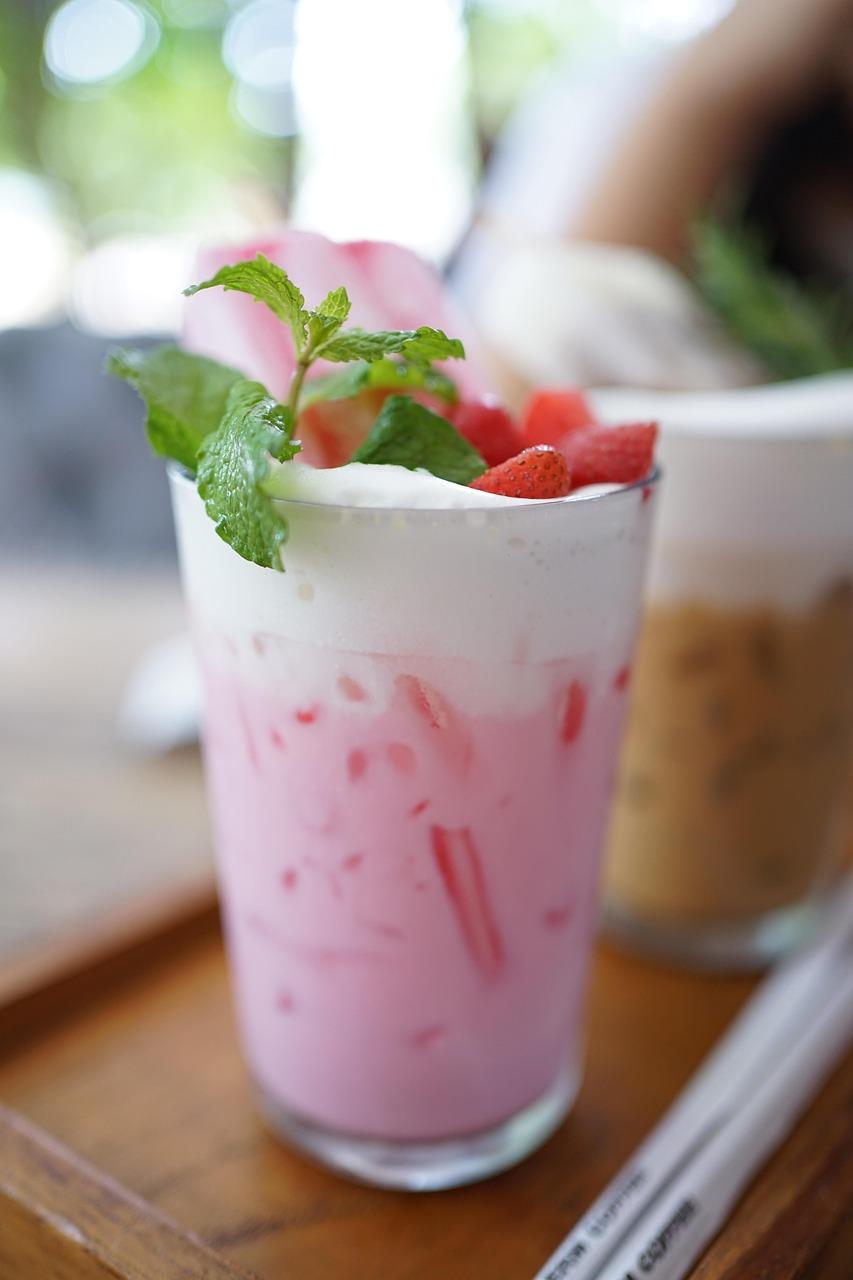
Nom yen (pink milk)Pink iced milk

Thai drink stalls outside schools and markets keep a bottle of red sala syrup next to the condensed milk for this sweet, bubblegum-pink milk, a favourite of children from Bangkok to Hat Yai. Sala is a tangy palm fruit, and the syrup tastes of it lightly, almost like cream soda; any red sala-flavoured syrup from an Asian shop works. Shake it with ice until frothy. Chef's tip: the mistake is too much syrup, which turns it lurid and cloying; start with a tablespoon per glass and add more to taste.

by KrazyBadal 0 views

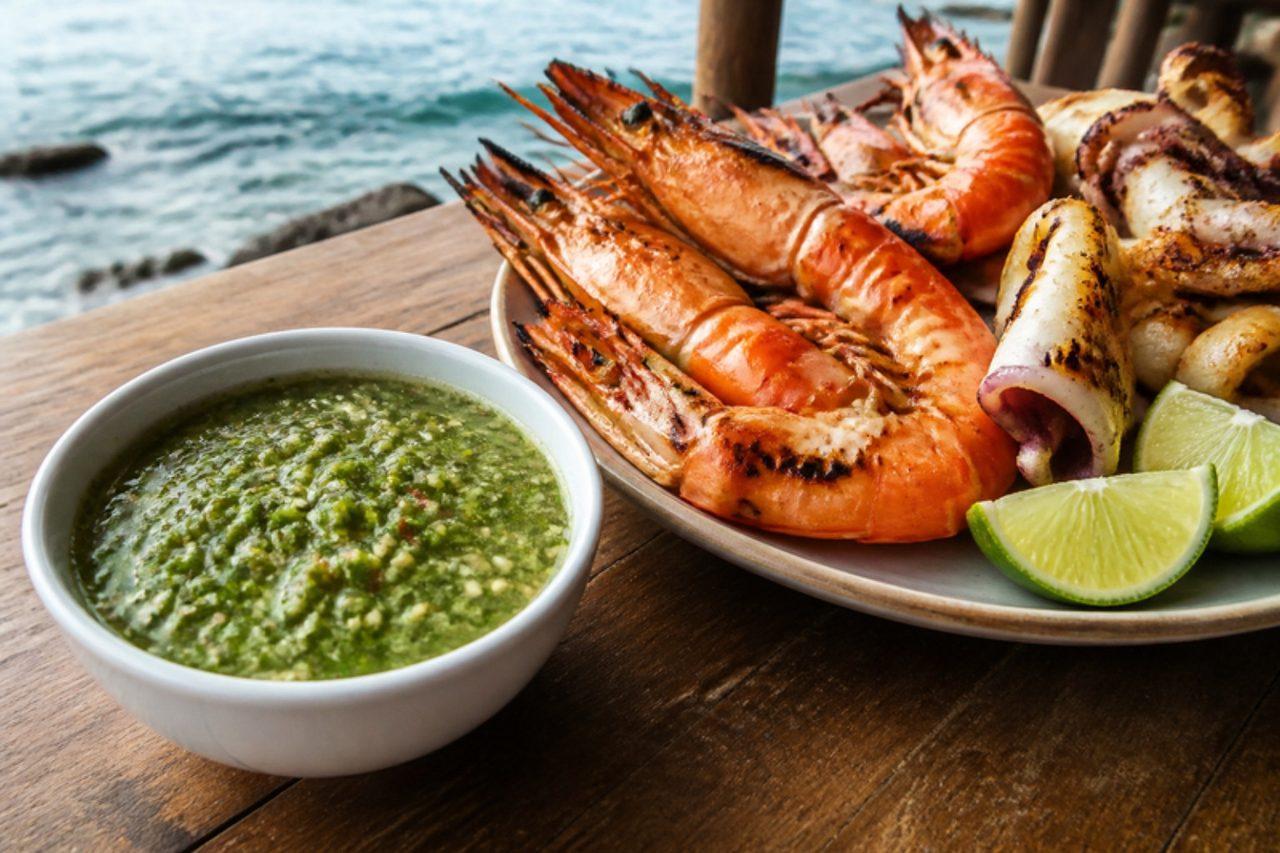
Nam jim seafood (green chilli-lime dipping sauce)

Seafood grills along the beach at Bang Saen and Hua Hin set a little bowl of this bright green sauce by every plate of grilled prawns, squid and crab. It is pounded, not blended, from garlic, green bird's-eye chillies and coriander root, then loosened with lime and fish sauce until it is sharp, salty, hot and barely sweet. Make it no more than a few hours ahead. For a vegetarian version to eat with grilled vegetables and tofu, use 2½ tbsp light soy sauce instead of the fish sauce. Chef's tip: don't use bottled lime juice; its flat, bitter edge takes over a sauce this simple.

by KrazyBadal 0 views

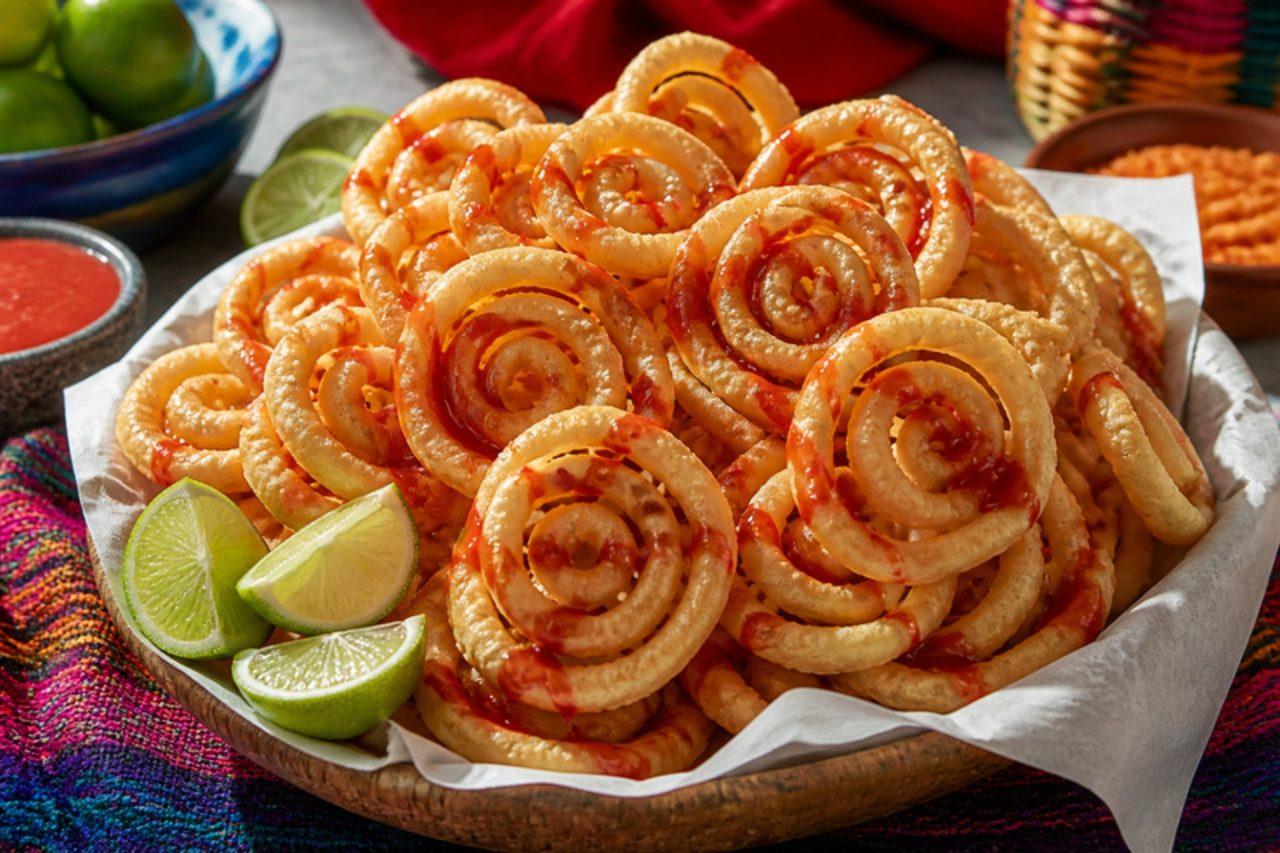
Chicharrones de harinaPuffed wheat snacks

Outside Mexican schools and parks, vendors fry little dried wheels and rectangles of wheat dough until they balloon into airy, crackly chicharrones de harina, also called duritos. They're handed over in a plastic bag drenched in lime juice and bottled hot sauce. At home you can buy the dried pellets (duros) at Latin grocers, and they puff in seconds. Chef's tip: fry just a small handful at a time; they triple in size.

by KrazyBadal 0 views

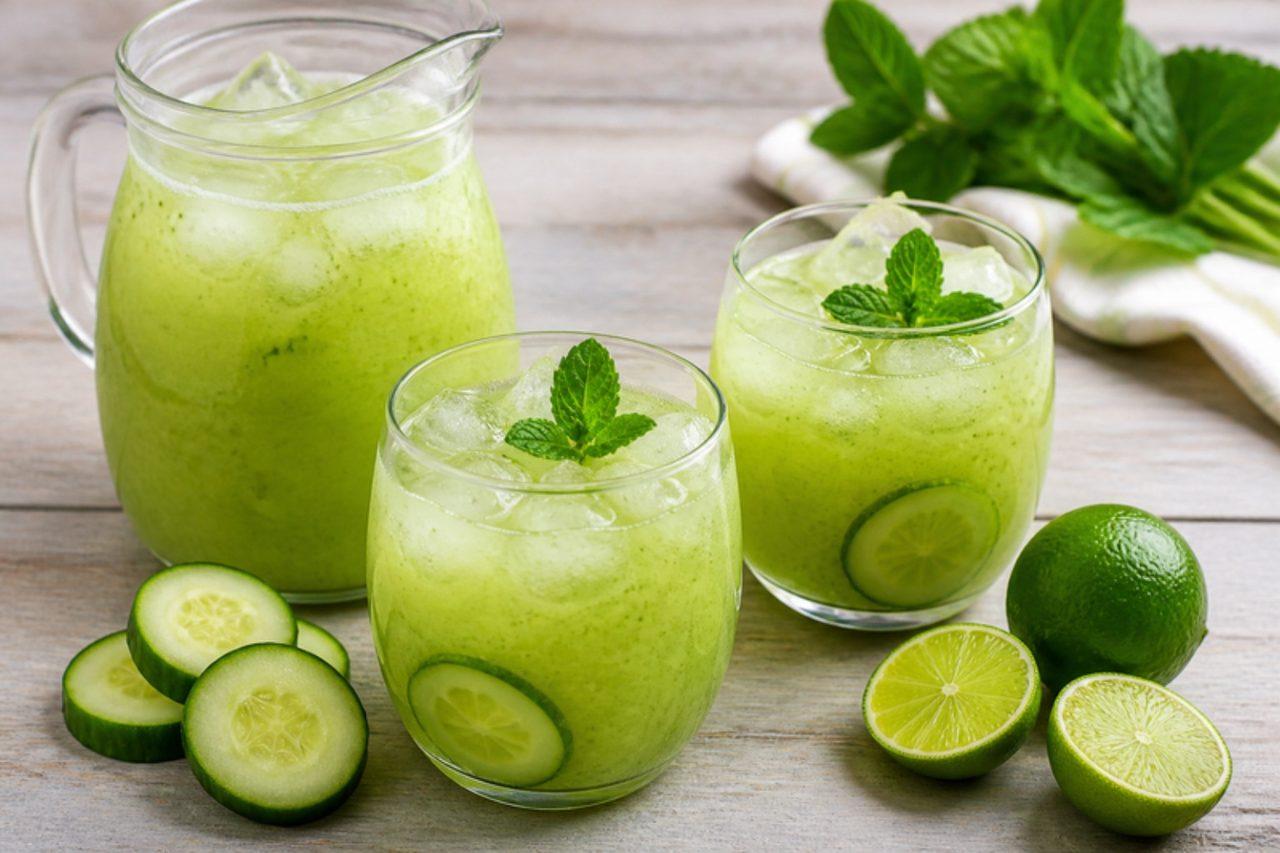
Agua de pepino con limónCucumber lime drink

Pale green and very refreshing, agua de pepino is the cooler sold from market juice stands in Mexico City and Oaxaca when the afternoon heat builds, and families blend a jug for comida on hot days. Cucumber, lime and a few mint leaves give a clean, light taste with very little sugar. Chef's tip: leave some of the peel on the cucumber for colour, but strain the drink so it stays silky.

by KrazyBadal 0 views

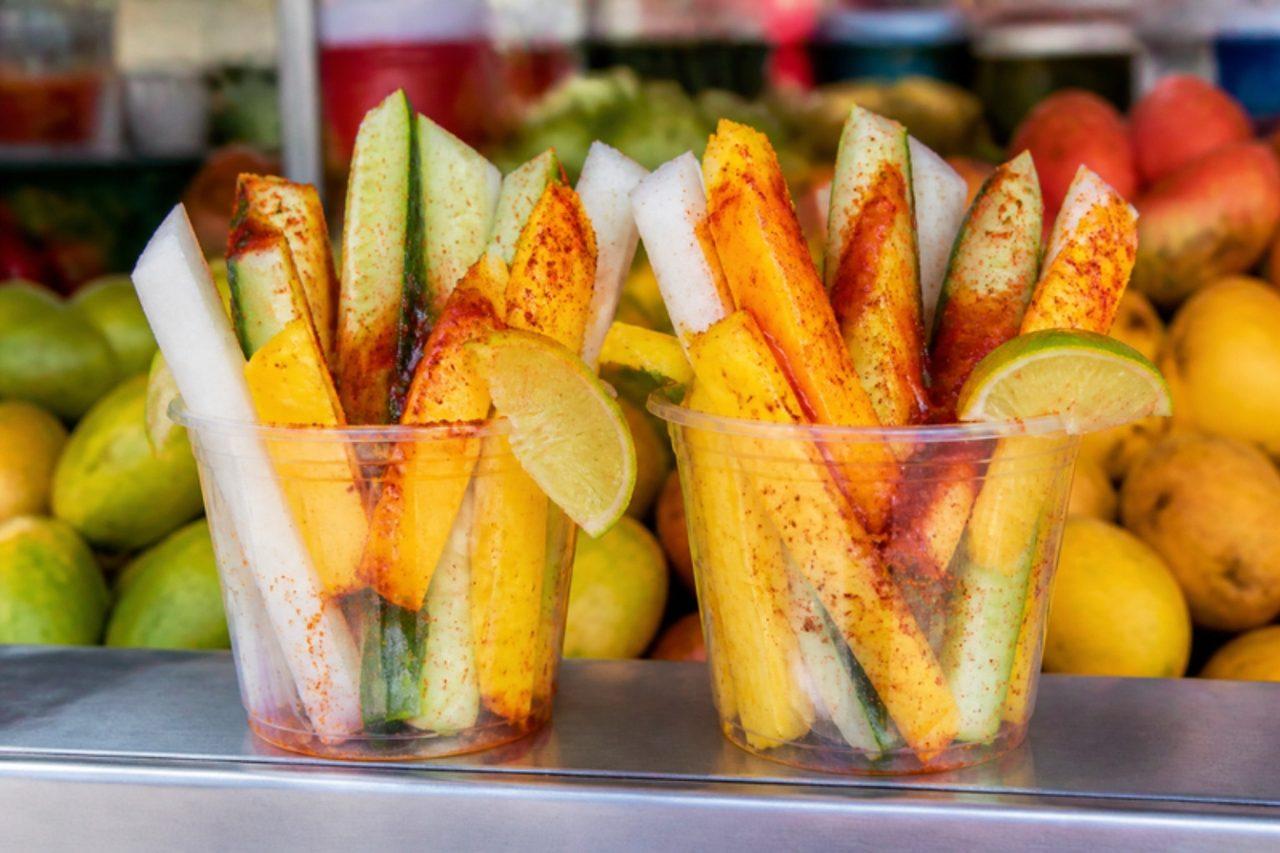
Fruta con chileFruit with chile and lime

Every plaza in Mexico City seems to have a fruit cart with a glass case of jícama, cucumber, mango and pineapple, cut to order into tall sticks and packed into a cup. The vendor squeezes over lime and shakes on chile-lime salt, and you eat it with a toothpick on a hot afternoon. It's juicy, crunchy, sour and only a little hot. Chef's tip: chill the fruit well first; cold fruit and sharp chile make the contrast.

by KrazyBadal 0 views

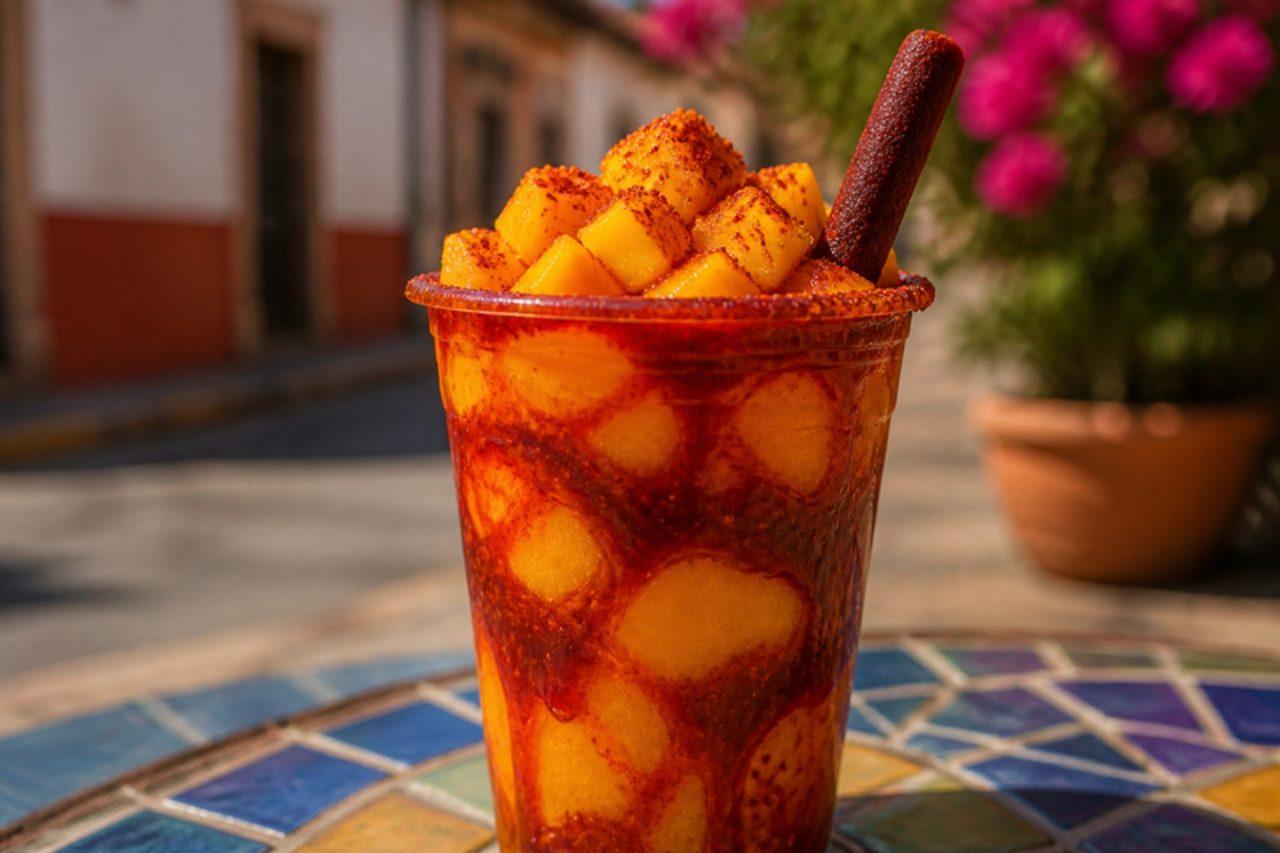
MangonadaMango sorbet with chamoy

Mangonadas, also called chamoyadas, are a Mexican street sweet sold by neverías and fruit stands from Guadalajara to the US border: thick frozen mango blended to a slush, layered in a tall cup with sticky red chamoy and chile-lime salt and crowned with fresh mango cubes. Sweet, sour, salty and hot at once, it comes with a chewy tamarind-candy straw for stirring. Chef's tip: freeze the mango in cubes beforehand, so you get a thick spoonable slush without watering it down with ice.

by KrazyBadal 0 views

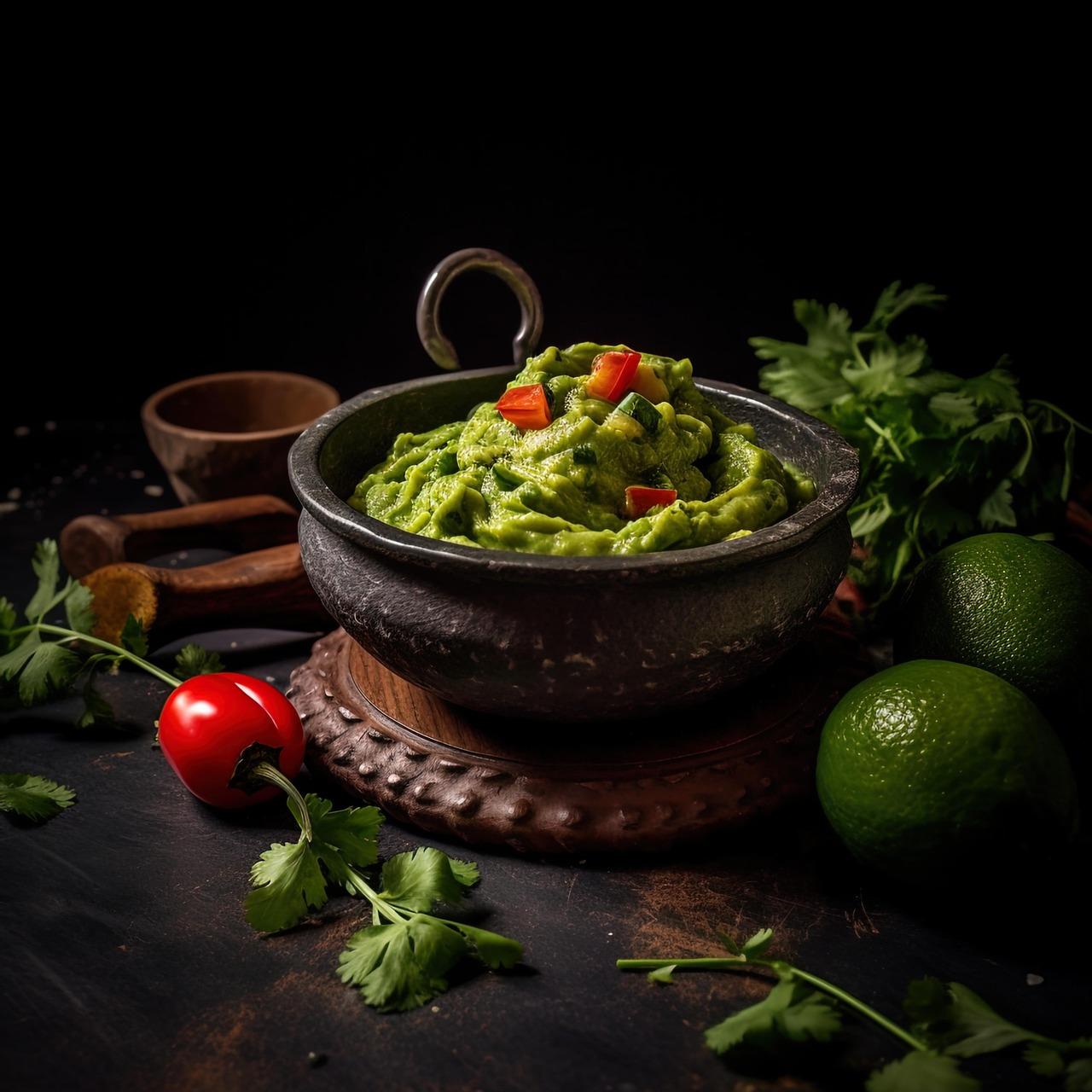
Guacamole

In fondas around Mexico City and at Sunday carne asada gatherings across Puebla and the Bajío, guacamole is pounded to order in a basalt molcajete and carried to the table still in the stone. No sour cream, no garlic powder: just ripe avocado crushed over a paste of onion, serrano chile, cilantro and salt, sharpened with lime. It is a dip for warm totopos, a topping for tacos and a side for grilled meat, and it is best eaten within the hour. Chef's tip: grind the chile, onion and salt to a wet paste first, so the heat spreads through every bite instead of sitting in chunks.

by KrazyBadal 0 views

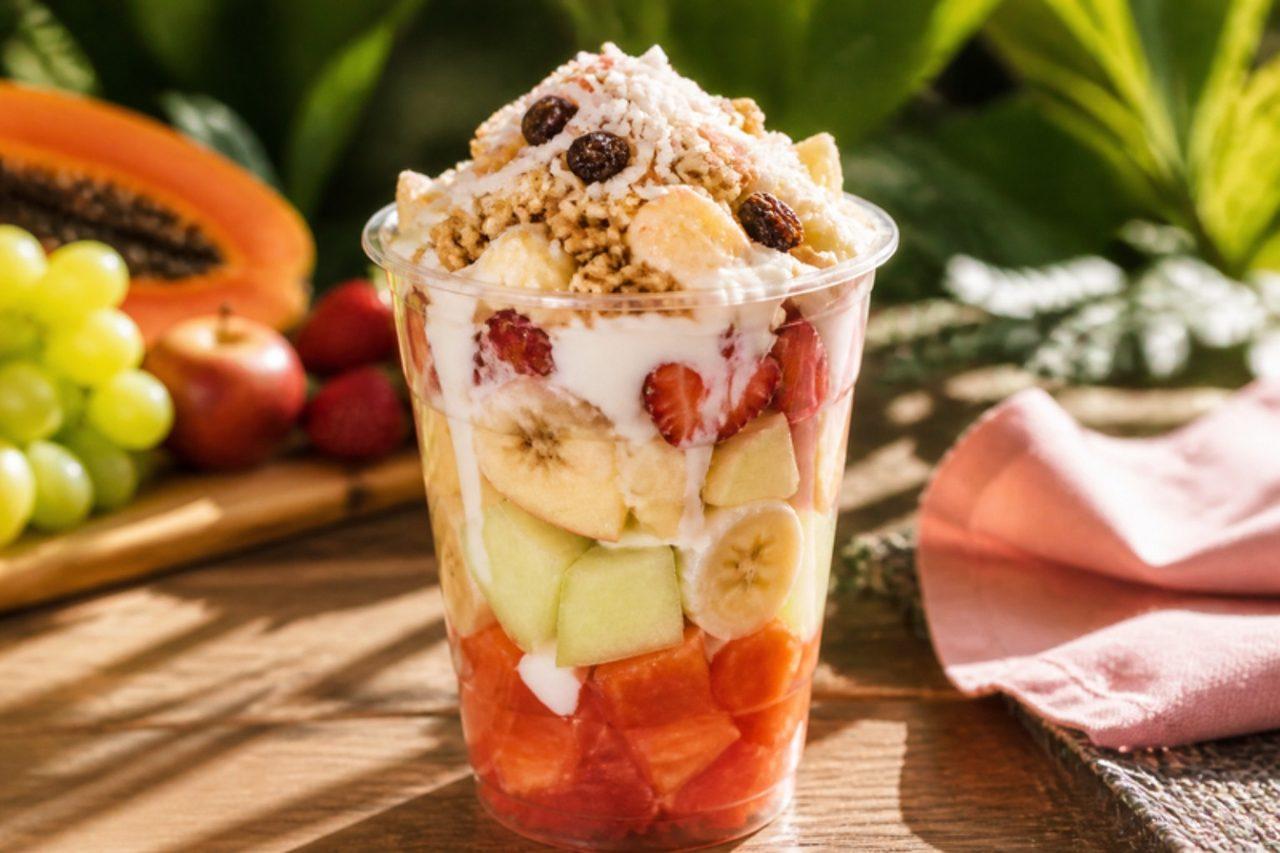
BiónicoFruit cup with cream

Born in the 1990s at a juice stand in Guadalajara, Jalisco, the biónico is now the city's favourite breakfast on the go: a tall cup of chopped papaya, melon, apple, banana and strawberries drenched in a sweet cream of yoghurt, soured cream and condensed milk, then scattered with granola, coconut and raisins. Kids adore it and it takes fifteen minutes. Chef's tip: cut the banana last and fold it straight into the cream, so it stays pale.

by KrazyBadal 0 views

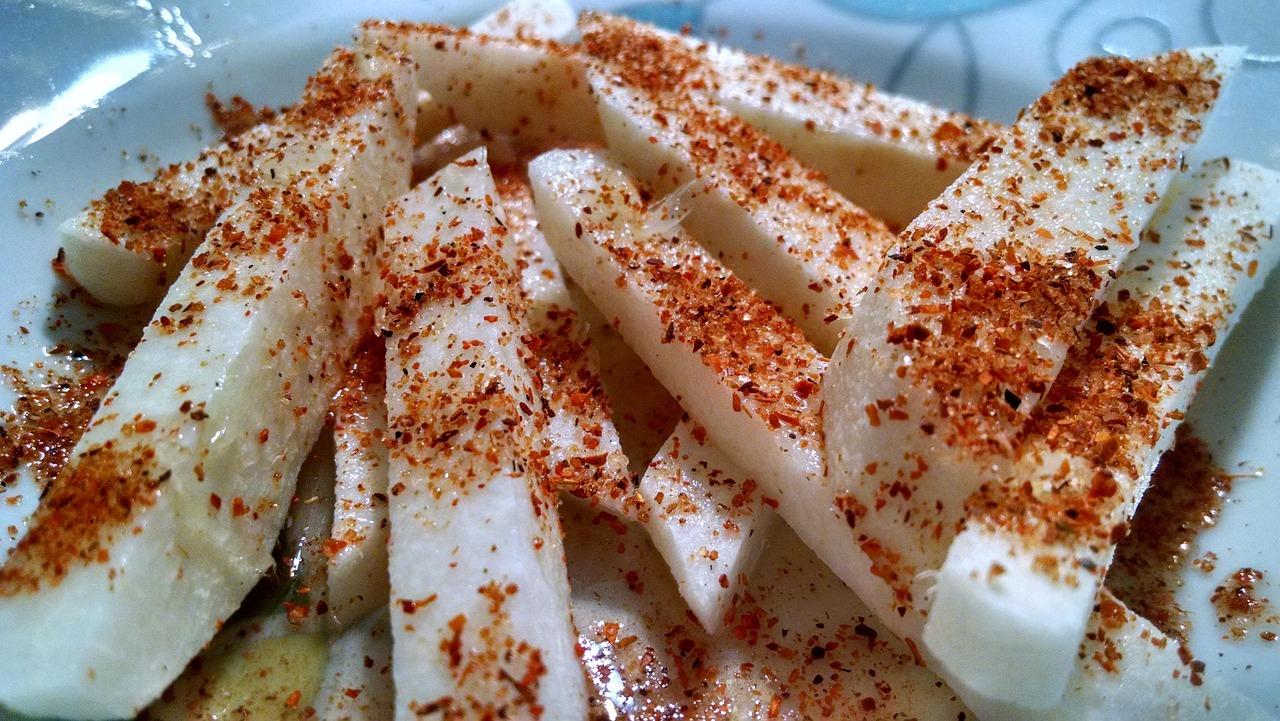
Jícama con chile y limónJícama with chile and lime

Few snacks are as simple or as refreshing as this one, sold in bags from street carts and made at home all over Mexico as an after-school or pre-lunch nibble. Jícama tastes like a cross between apple and water chestnut: crisp, juicy and barely sweet. Lime, salt and chile powder are all it needs. Chef's tip: a short soak in iced water makes the sticks extra crisp.

by KrazyBadal 0 views

Showing 24 of 78 recipes

Show more recipes

Page 1 of 4