Skip to content
Recipes

All recipes

Vegetarian, or something you can't eat? Set your diet once and we'll hide recipes that don't fit.

Gzik (Poznań quark with radish and chives)

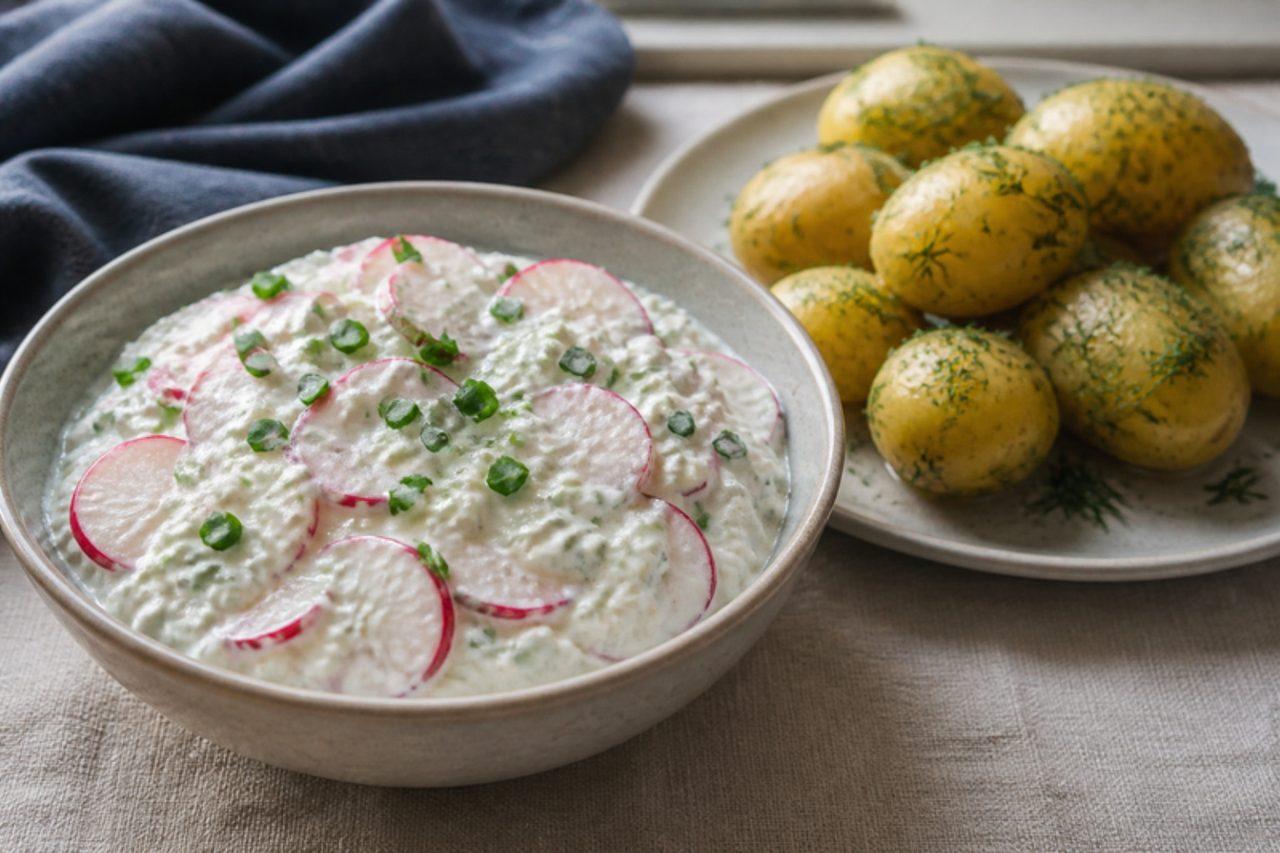
Gzik is a Poznań favourite, so much a part of Greater Poland that the region's potato-and-quark supper, pyry z gzikiem, has its own festival. Soft white quark is beaten with sour cream, then mixed with chopped radish, onion and chives into a cool, tangy, crunchy spread that is spooned over hot boiled potatoes in their skins, or onto rye bread for breakfast. The most common mistake is using dry, crumbly quark without loosening it, which gives a pasty gzik; it should be smooth and just spoonable. Quark and sour cream are made without rennet, so this is a good vegetarian choice. Chef's tip: salt the chopped radish and onion only at the last minute, so they stay crisp instead of weeping into the cheese.

by KrazyBadal 0 views

Shimla mirch alooPepper and potato stir-fry

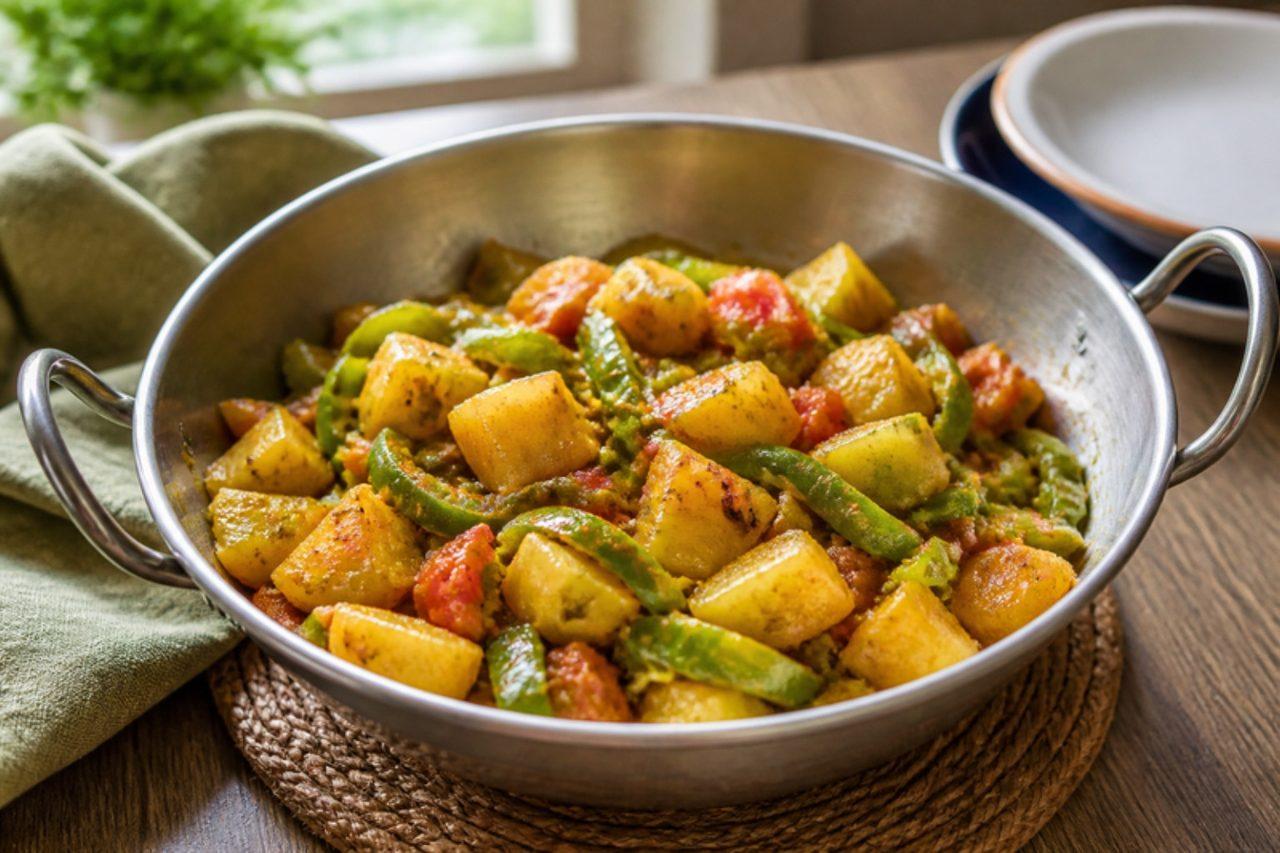
Shimla mirch aloo is everyday Punjabi home cooking from both sides of the border, the sabzi that fills a lunchbox paratha or sits next to dal on a weeknight in Rawalpindi. Potato cubes go soft and golden first, then strips of green pepper are tossed in just long enough to soften while keeping a little bite, all held together by a dry tomato-chilli masala. The classic mistake is adding the peppers with the potatoes: they collapse, turn khaki and lose their fresh, slightly bitter flavour. Chef's tip: a pinch of amchur at the end lifts the whole pan without adding any extra liquid.

by KrazyBadal 0 views

Aloo palakPotato and spinach

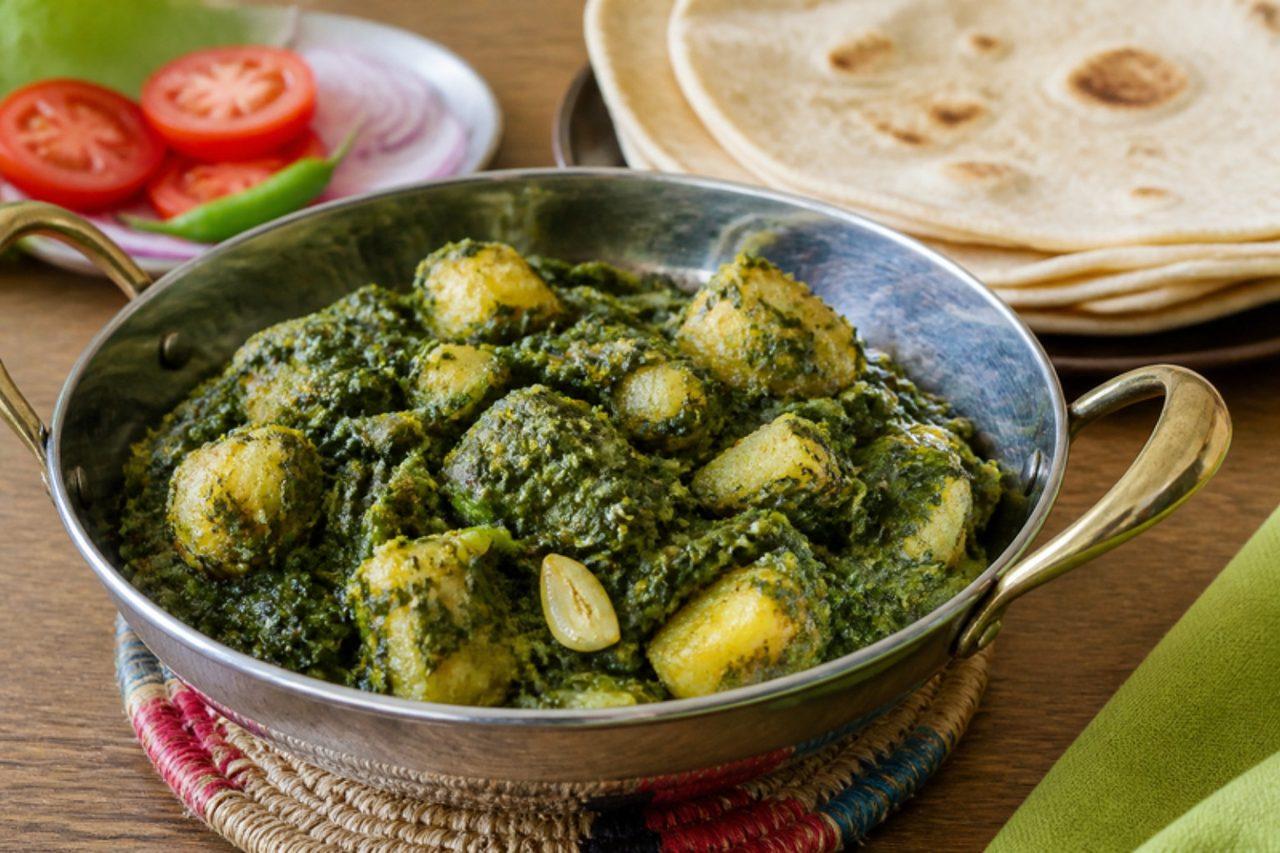
In Lahore and the villages of Pakistani Punjab, aloo palak is the dish that turns up on a weekday when the spinach at the sabzi stall looks good and nobody has time for a long curry. Small cubes of potato cook in a garlicky cumin masala, then a mountain of chopped spinach wilts down over them into a soft, dark green coat. Eat it with hot chapati or plain rice and a spoon of yogurt on the side. The usual mistake is cutting the potatoes too big: they are still hard when the spinach is done, and by the time they soften the greens have gone grey. Chef's tip: keep the lid off once the spinach goes in, so the water cooks away and the leaves stay bright.

by KrazyBadal 0 views

Placki z cukinii (Polish courgette fritters)

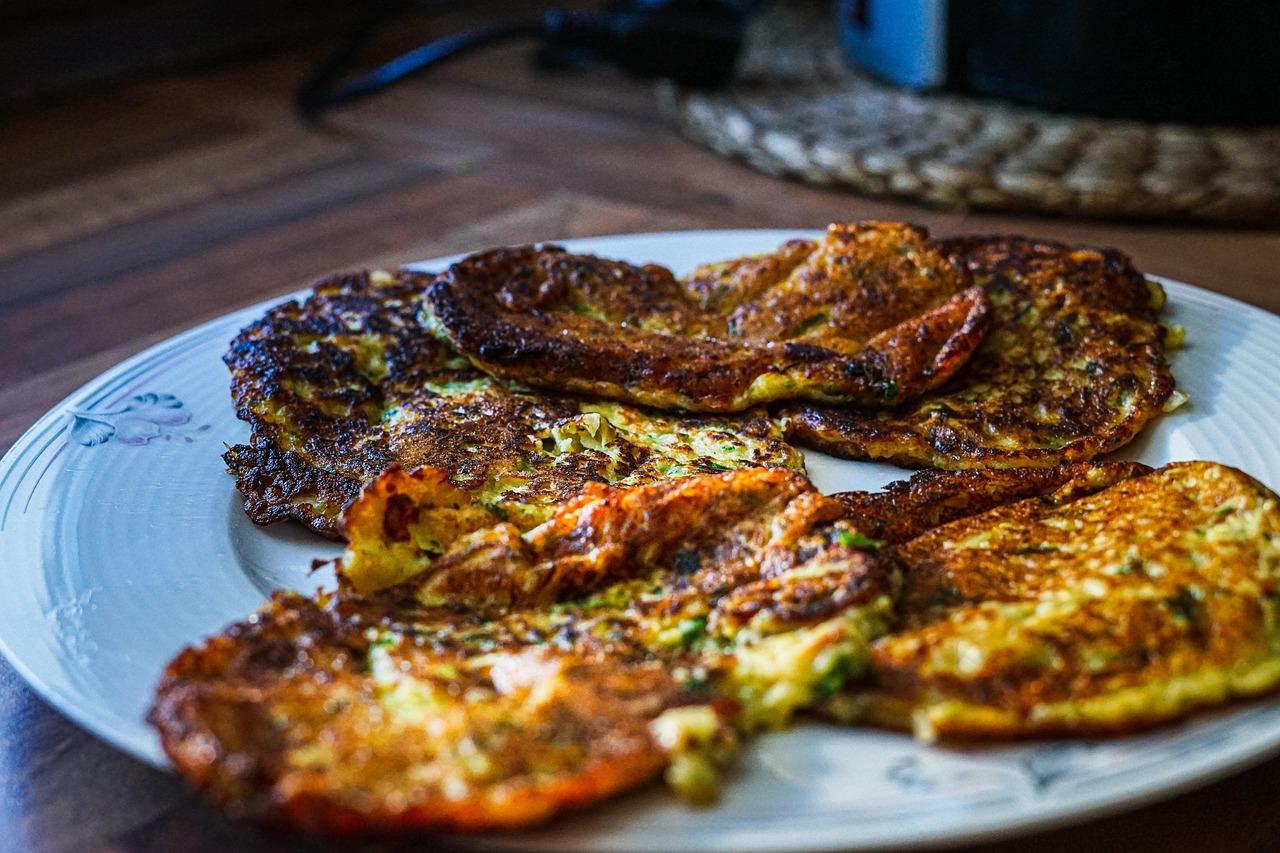
Every Polish allotment produces more courgettes in August than anyone can eat, and placki z cukinii is how the glut becomes a weeknight dinner: grated courgette bound with egg, a little flour and plenty of dill, fried into golden, soft-centred fritters. They are eaten hot with a spoon of sour cream or a garlicky yogurt dip, and leftovers go into lunchboxes the next day. The mistake that ruins them is skipping the squeeze: courgette is mostly water, and unwrung it makes a loose batter that spits in the pan and fries up soggy. Chef's tip: salt the grated courgette and leave it for 10 minutes while you get everything else ready, then wring it hard in a clean tea towel.

by KrazyBadal 0 views

TopfengolatschenSweet quark puff pastry squares

A Topfengolatsche is what Viennese office workers grab from the bakery on the way in, and what grandparents order with a Melange in a coffee house on a Sunday afternoon. The corners of a puff pastry square are folded over a lemony, vanilla-scented filling of Topfen (Austrian quark) with plump raisins, and the top gets a thin white glaze. It is flaky, light and not too sweet. Raisins are sometimes soaked in rum; warm water or orange juice works just as well, and the recipe below is alcohol-free. Wet quark is the classic problem, because it turns the filling runny and it leaks out in the oven. Chef's tip: hang the quark in a sieve lined with a clean cloth for an hour, or squeeze it, until it is as thick as soft cream cheese.

by KrazyBadal 0 views

Qeema matarMinced meat and pea curry

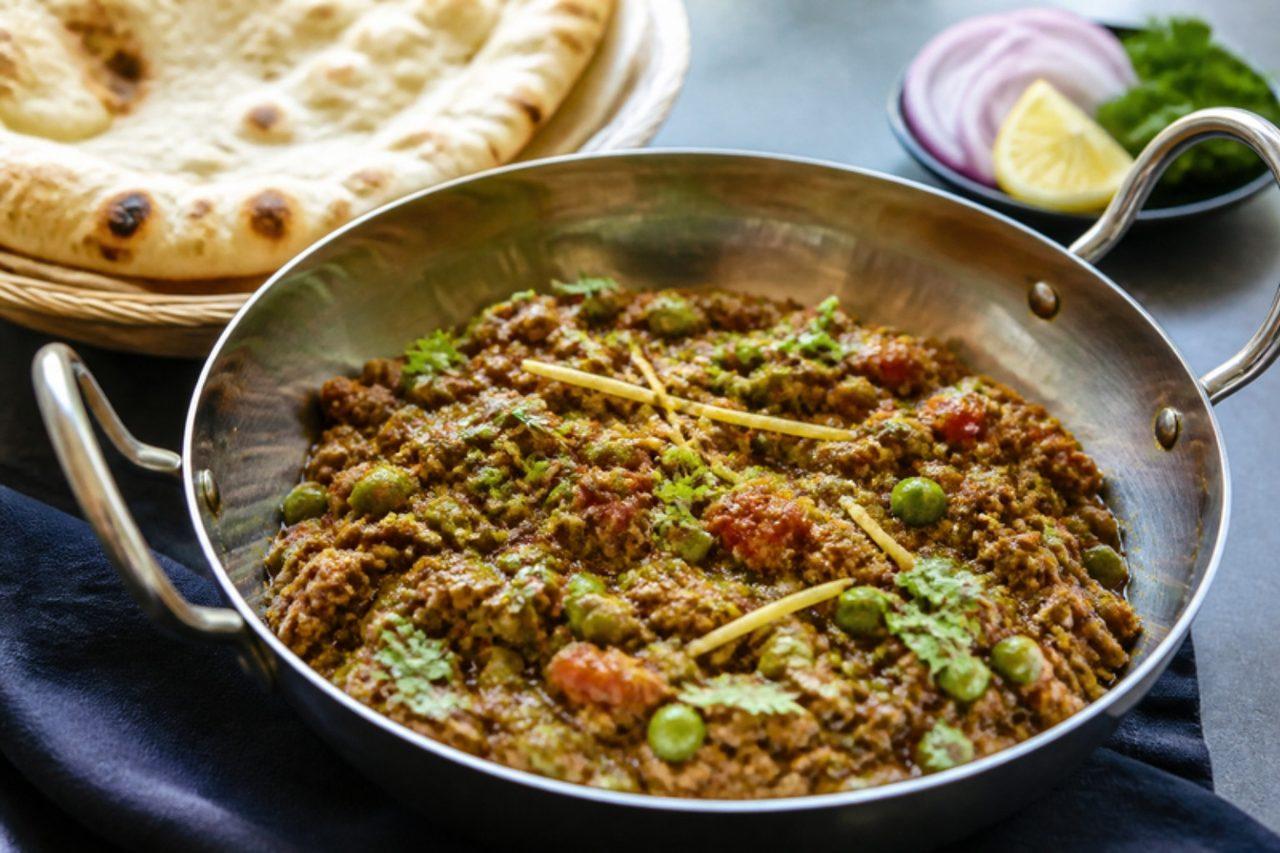
In Lahore and across Pakistani Punjab, qeema matar is the mince dish that appears on a Tuesday when nobody has time for a slow salan: minced mutton or beef browned hard, cooked down with tomato, ginger and garlic, then studded with sweet green peas. It is dry enough to scoop with a hot roti or paratha, with a little sliced onion and lemon on the side. The usual mistake is adding the tomatoes before the mince has lost its raw, wet look, which leaves it boiled and grey instead of rich and brown. Chef's tip: break the mince up with the back of a spoon while it fries, so it cooks into fine crumbs rather than lumps.

by KrazyBadal 0 views

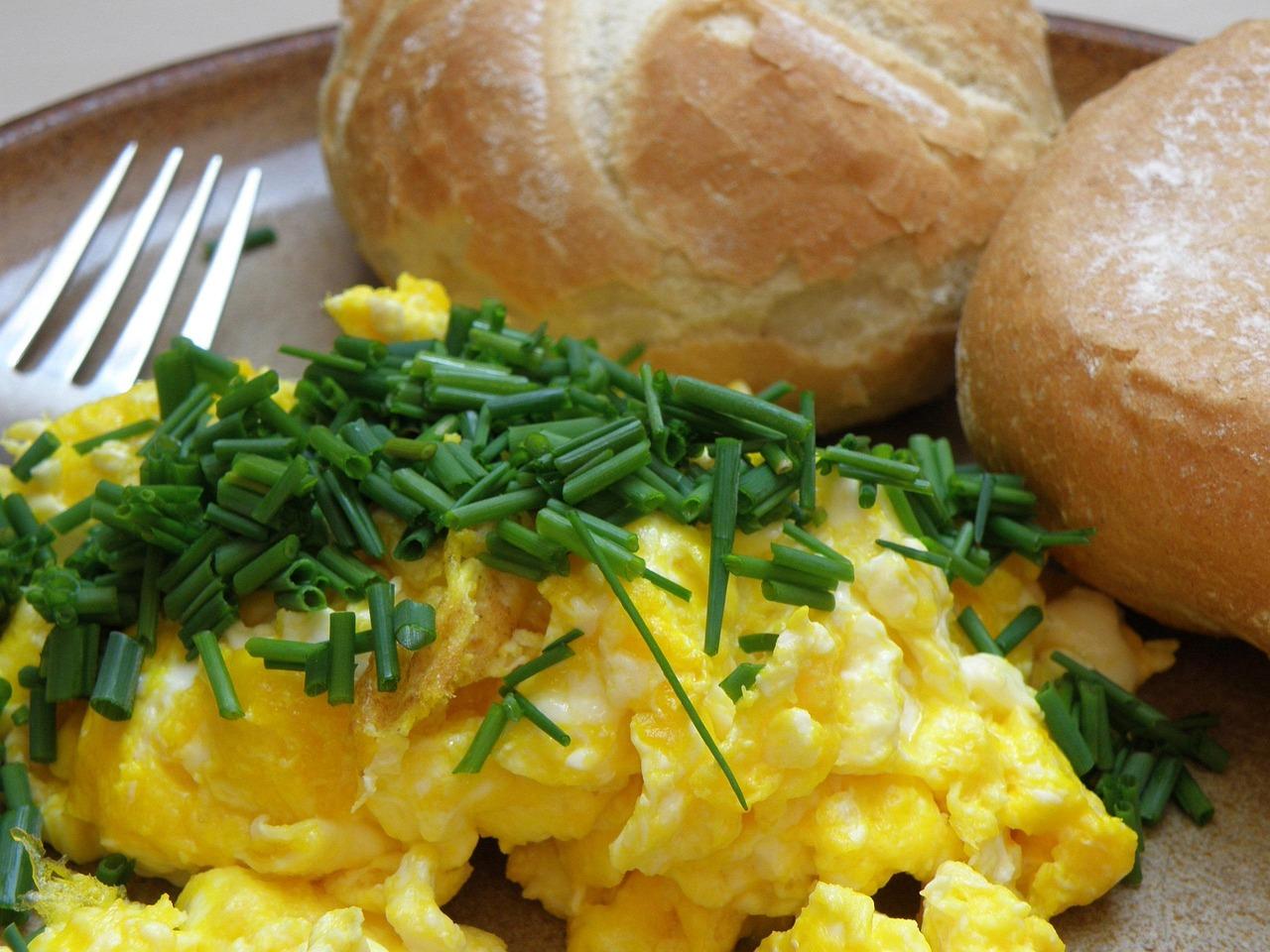
Jajecznica (Polish scrambled eggs)

Jajecznica is what a Polish household cooks when there are ten minutes and a box of eggs: soft, large curds stirred slowly in plenty of butter, sometimes with a little onion softened first and always with a shower of chives. It turns up at weekend breakfasts with bread and sliced tomato, and just as often as a light supper after work. The usual mistake is a pan that is too hot, which turns the eggs rubbery and weepy before they have had a chance to go creamy. If you are cooking for anyone pregnant, very young, older or otherwise vulnerable, cook the curds until no liquid egg remains. Chef's tip: take the pan off the heat while the eggs still look slightly underdone; they finish setting on the way to the plate.

by KrazyBadal 0 views

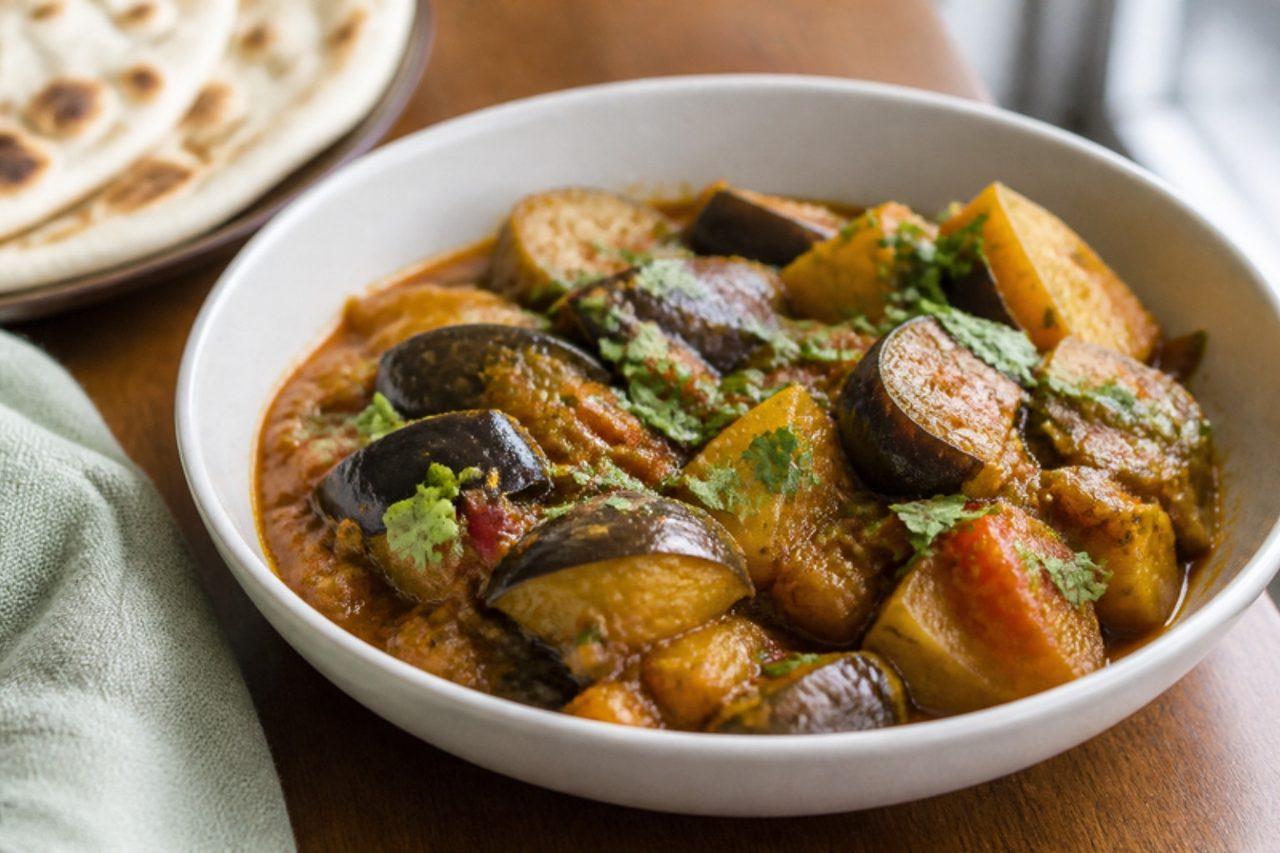
Aloo bainganPotato and aubergine

From Multan to Hyderabad in Sindh, aloo baingan is the humble pairing that makes a summer glut of aubergines go a long way: potatoes give body, aubergine melts into a jammy, smoky-sweet tomato masala. It is eaten with chapati at dinner, often next to a bowl of daal and some sliced onion. The most common mistake is stirring hard once the aubergine softens, which mashes everything into a grey purée; fold it gently and let the pan do the work. Chef's tip: give the aubergine a few minutes on its own in the hot oil before the masala goes in, so its edges catch and brown.

by KrazyBadal 0 views

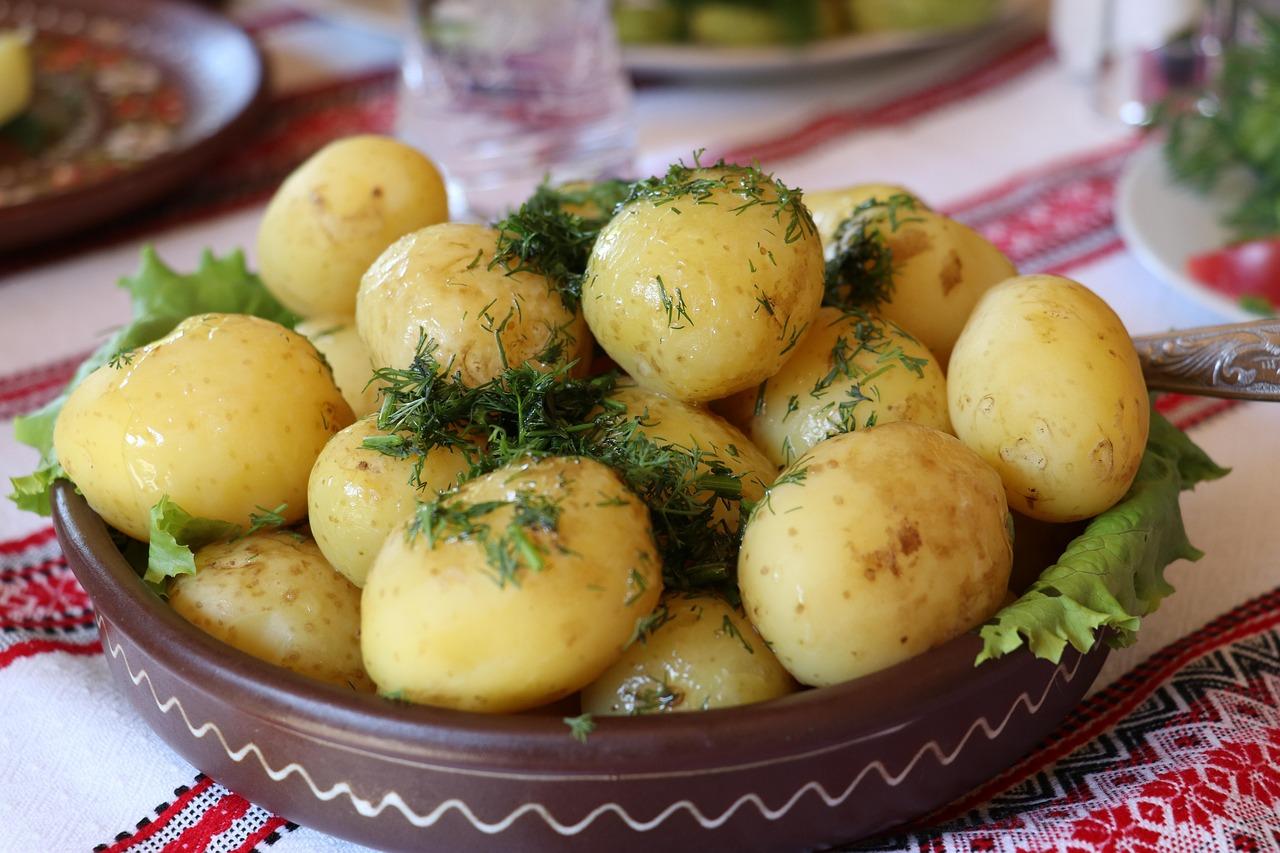
Młode ziemniaki z koperkiem (new potatoes with dill)

In June, when the first new potatoes reach Polish markets, many families make a whole supper of them: thin-skinned potatoes boiled, tossed in melted butter and a fistful of chopped dill, with a glass or bowl of cold kefir or buttermilk alongside. It is simple, early-summer country food, and it also sits next to fried eggs or cucumber salad. The common mistake is peeling them or boiling them hard; new potatoes should be scrubbed only and simmered gently, or they split and go watery. Chef's tip: add the dill only once the potatoes are off the heat, so it stays bright green and fresh-tasting.

by KrazyBadal 0 views

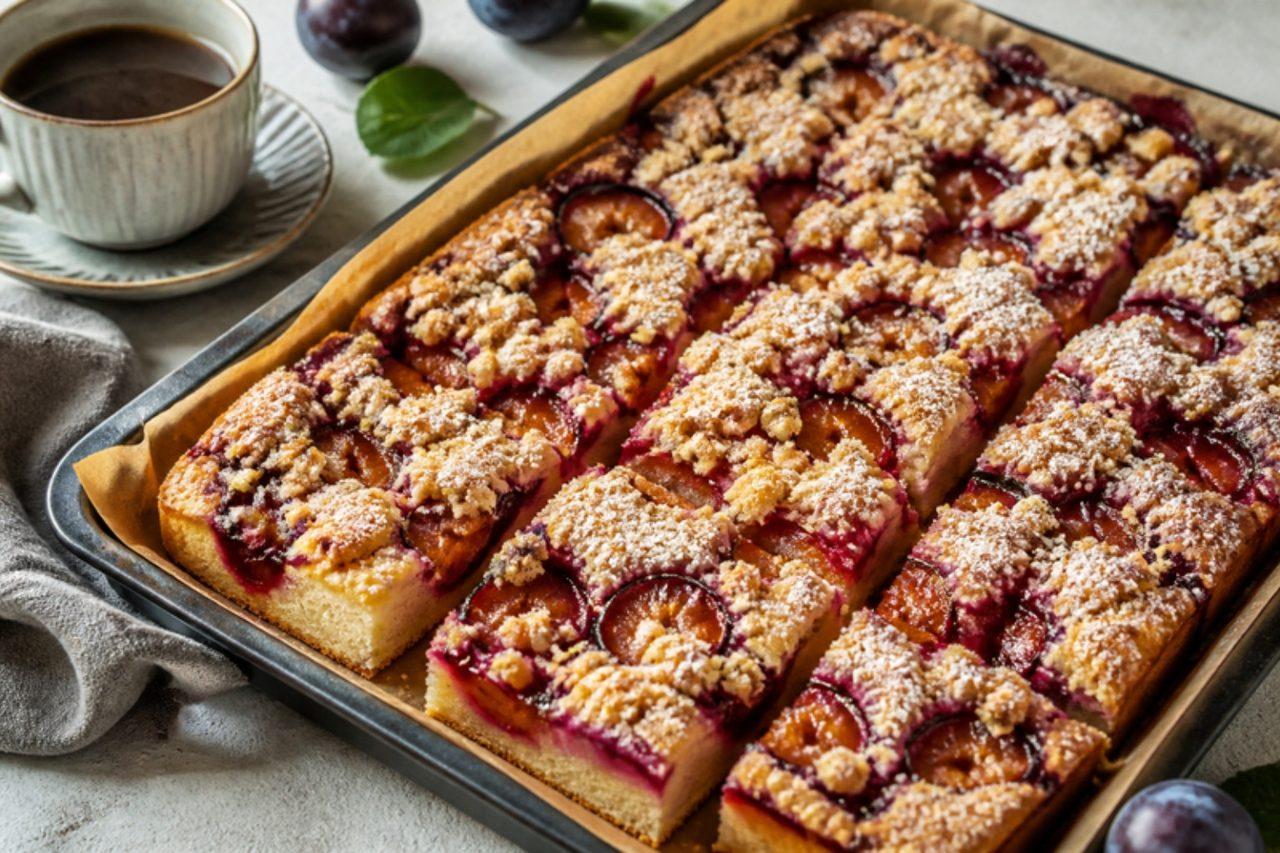
Placek ze śliwkamiPlum and crumble yeast cake

When the węgierki plums ripen in late August, Polish grandmothers from Kraków to Gdańsk bake placek ze śliwkami on the big oven tray and cut it into squares for Sunday coffee or for the neighbours. Under a buttery kruszonka crumble the plums melt into jammy, sharp pools on a soft, slightly sweet yeast dough. It is best on the day, still faintly warm, with a mug of coffee or a dollop of whipped cream. Laying the plums skin side down is the classic mistake: the juice floods the dough and leaves it raw, so set them cut side up and close together. Chef's tip: toss the plum halves with a spoonful of semolina or breadcrumbs before arranging; it soaks up the juice and keeps the base light.

150 minPolishBaking
by KrazyBadal 0 views

JagodziankiBlueberry crumble buns

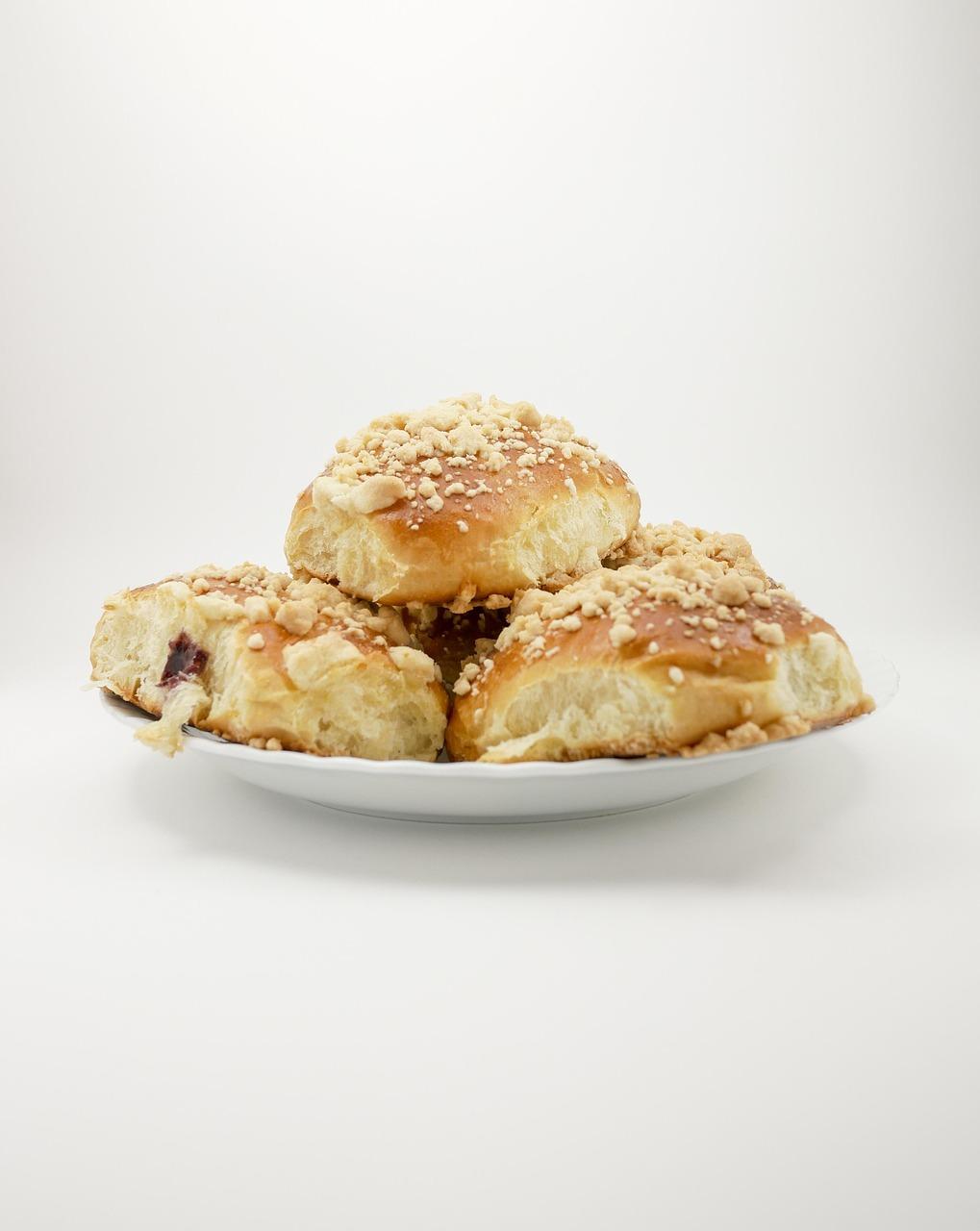
When the forest blueberries (jagody) arrive in July, Polish bakeries start selling jagodzianki by the trayful, and queues form for them warm. Each oval bun is soft, buttery yeast dough wrapped around a juicy pocket of blueberries, topped with a crunchy butter crumble and sometimes a drizzle of icing. They are a summer treat for the beach, the train or an afternoon with coffee, and children eat them by the bagful, staining their fingers purple. Berries tossed in sugar alone burst through the seams; the potato starch thickens the juice so it stays inside. Chef's tip: pinch the seams very firmly and set the buns seam side down, then press the crumble on with your palm so it sticks to the egg wash.

145 minPolishBaking
by KrazyBadal 0 views

Kisiel (Polish fruit jelly drink)

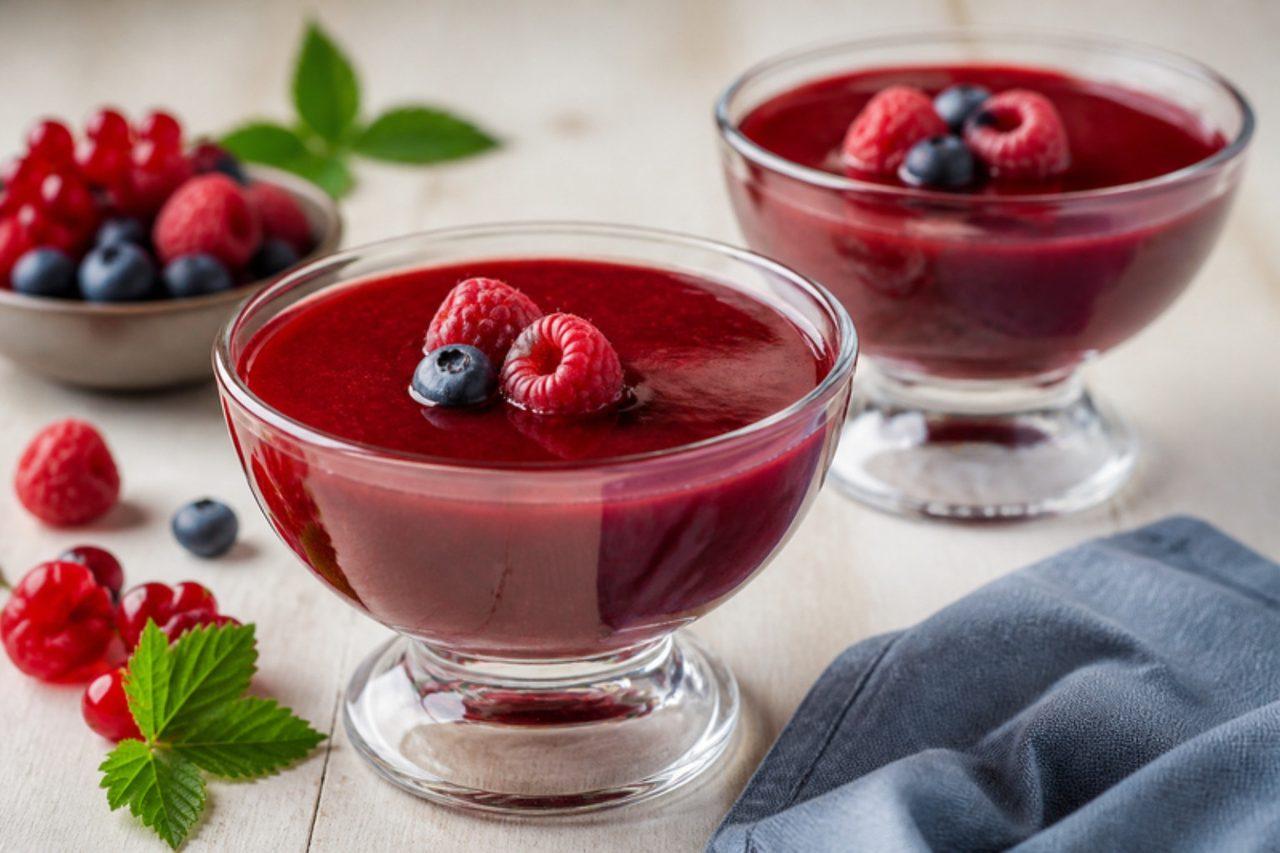
Kisiel is a Polish childhood staple served in school canteens and at home after school, warm in winter and chilled in summer, somewhere between a thick drink and a soft jelly. Home-made versions use fruit or juice thickened with potato starch, without the bright colours of packet mixes. This one uses mixed berries and only a little sugar. None of the common allergens are in it. Chef's tip: always mix the starch with cold water first and pour it into the boiling fruit while stirring; added dry, it forms lumps that never dissolve.

by KrazyBadal 0 views

Cebularz lubelskiOnion and poppy seed flatbread

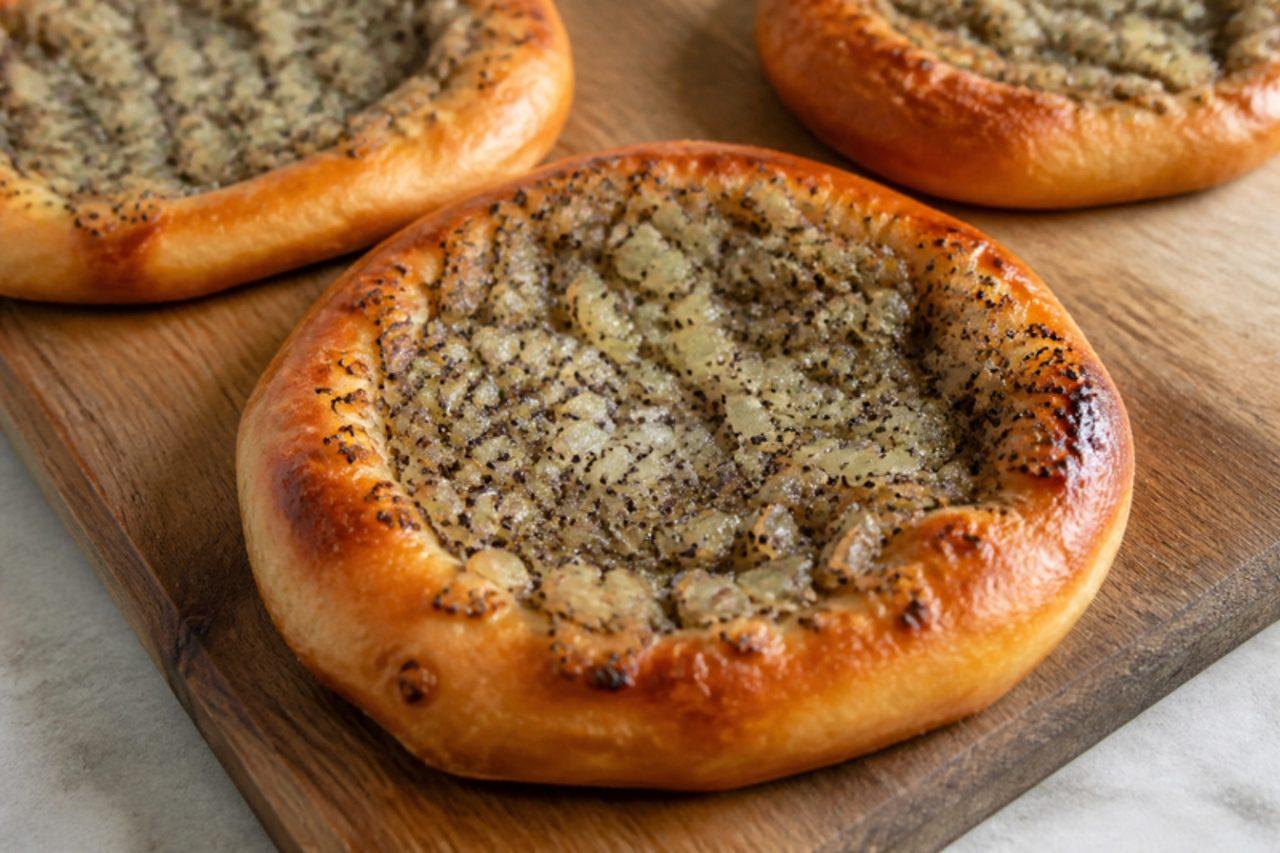
Lublin's bakers have topped flat rounds of yeast dough with onion and poppy seed since at least the nineteenth century, when the city's Jewish bakeries sold them as "cebulnik"; today cebularz lubelski is a protected regional speciality and a street snack sold warm from bakery windows across eastern Poland. The base is a soft, slightly sweet enriched dough, the centre thin and the rim puffed, and the onion bakes until tender, sweet and just catching at the edges. Eat one warm on its own, with a glass of kefir, or alongside a bowl of soup. Wet onion is the downfall here: salt it, wait, then squeeze out the juice, or the middle turns soggy. Chef's tip: press the centres really thin with your fingertips just before topping; if they puff back up, the onion slides off.

by KrazyBadal 0 views

Kärntner ReindlingCinnamon raisin yeast cake

Carinthia's Easter loaf takes its name from the Reindl, the round, deep pan it is baked in, and in southern Austria no Easter basket goes to church without one. Inside the golden yeast crust is a spiral of butter, cinnamon sugar and plump raisins, so every slice shows a dark swirl. Locals eat it two ways: sweet with coffee on Easter morning, or alongside the savoury Easter platter with horseradish. Many bakers soak the raisins in rum overnight; warm water or tea works just as well and keeps it alcohol-free. A dry, crumbly Reindling usually means too much flour went in during kneading, so keep the dough soft and only lightly floured. Chef's tip: butter the pan well and dust it with sugar, which caramelises into a thin crunchy shell.

by KrazyBadal 0 views

Zupa nicVanilla milk with meringue

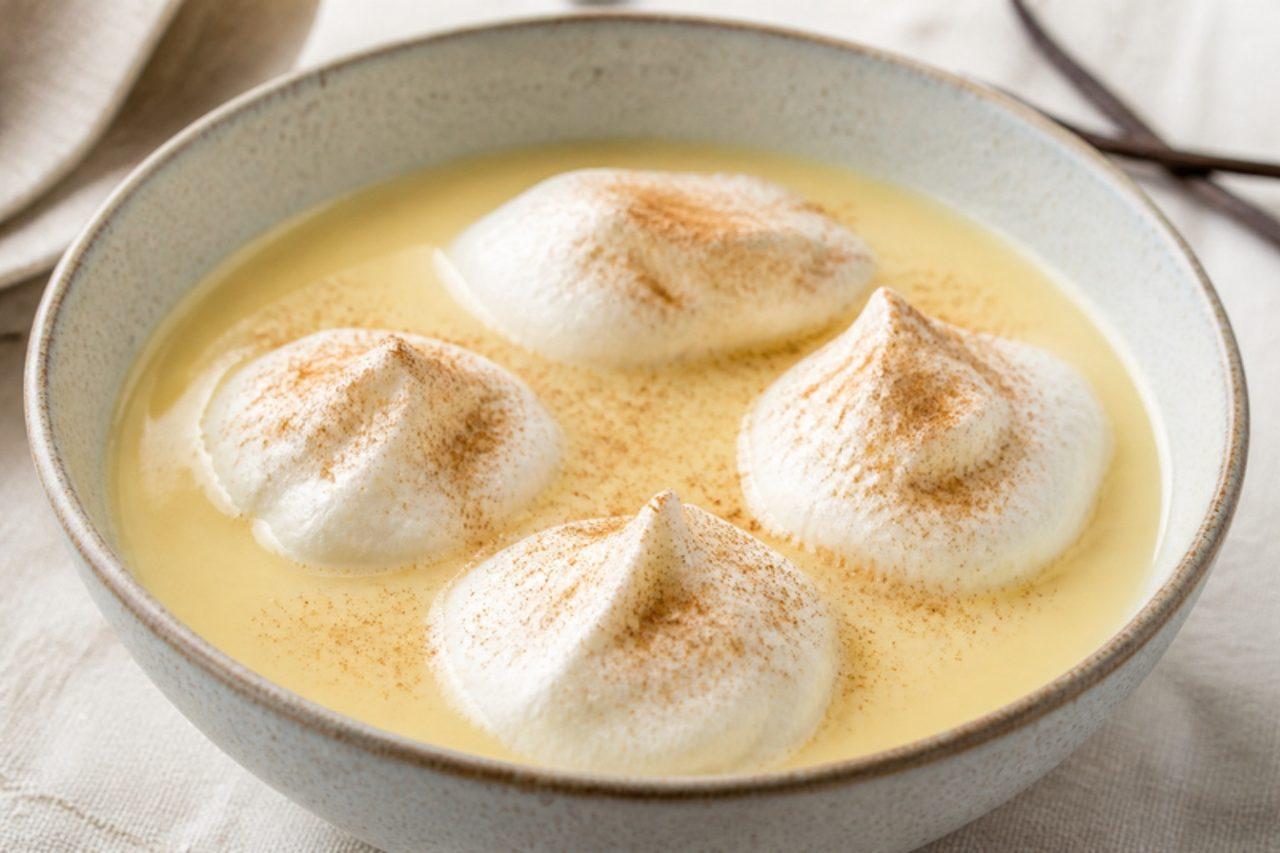
Zupa nic means 'nothing soup', and Polish grandmothers in Silesia and Greater Poland made it from almost nothing: milk, eggs, sugar and vanilla. Spoonfuls of whipped egg white are poached in the milk like little clouds, then the milk is thickened with the yolks into a thin custard and poured round them. It is eaten warm on a winter evening or chilled in summer, and children love it. A common mistake is boiling the custard after the yolks go in, which scrambles them. Chef's tip: poach the clouds for only a minute on each side; any longer and they puff up, then shrink and turn rubbery.

by KrazyBadal 0 views

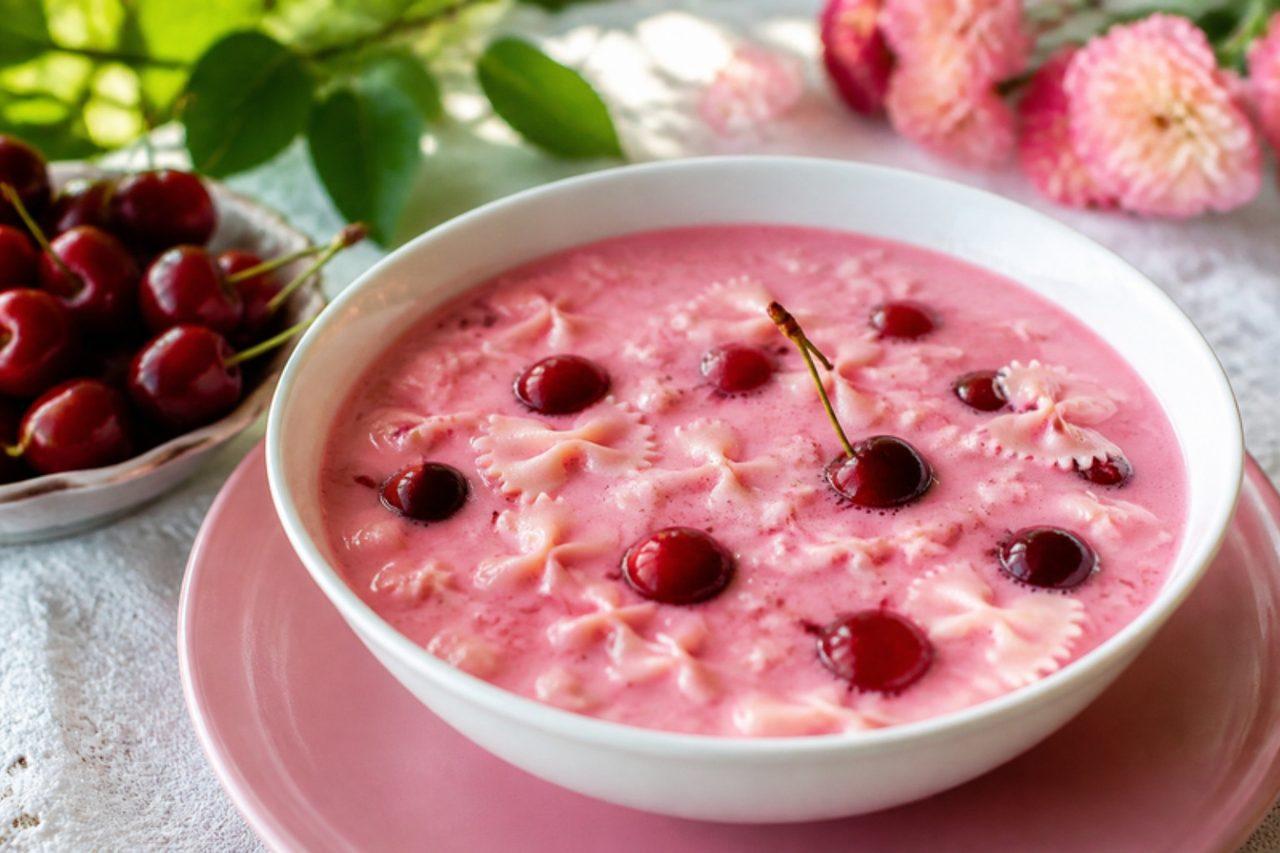
Zupa owocowaFruit soup with pasta

On a hot July afternoon in a Mazurian village or a Warsaw allotment, a pot of zupa owocowa sits cooling on the windowsill: sour cherries or strawberries simmered with sugar, lightly thickened, and served cold over little pasta shells or bow ties. Polish children often get it as the first course of a summer lunch, and it tastes like a drinkable fruit compote. A common mistake is thickening it too much, so it sets into jelly in the fridge; it should stay pourable. Chef's tip: stir a spoon of soured cream into each bowl, not the pot, so the colour stays bright.

by KrazyBadal 0 views

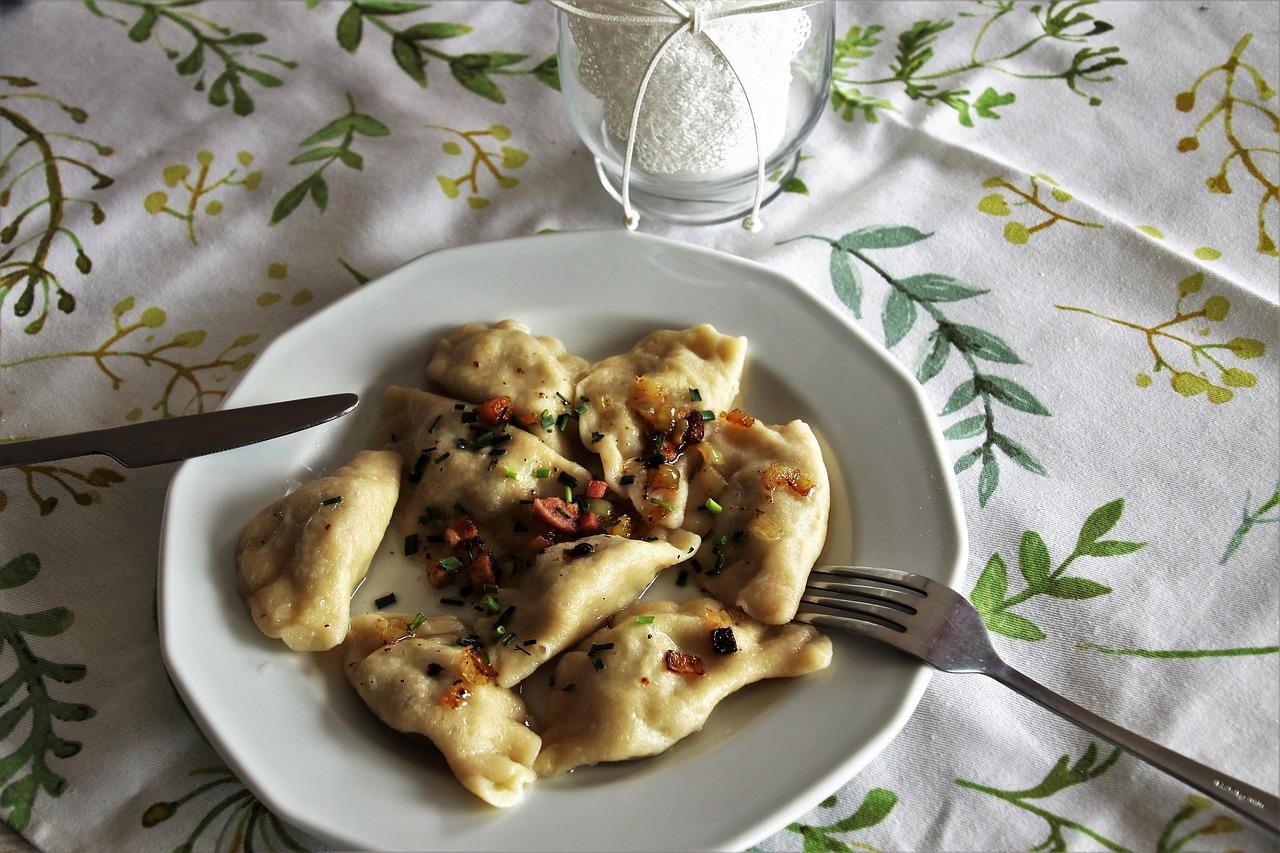
Pierogi z mięsemMeat dumplings

Pierogi z mięsem are the thrifty heart of Polish cooking: the meat left from Sunday rosół or a pot roast is minced with fried onion and folded into soft dough. In Lublin and Podlasie families make a hundred at once for Christmas week or a name day and freeze the rest, and milk bars serve them topped with onion fried in butter or crisp skwarki. This version uses pork shoulder and beef, cooked first, then minced. A common mistake is a dry, crumbly filling; moisten it with a few spoons of broth so it holds together. Chef's tip: pinch the edges twice, once to seal and once to crimp, and the pierogi won't burst in the pot.

150 minPolishMeat
by KrazyBadal 0 views

Krokiety z kapustą i grzybamiCabbage and mushroom croquettes

In Kraków's milk bars krokiety are ordered with a mug of hot clear barszcz to dip them in, and at Christmas Eve tables across Lesser Poland the same rolls sit beside the beetroot soup. Thin pancakes are wrapped around a filling of chopped sauerkraut, fried onion and dried and fresh mushrooms, then dipped in egg and breadcrumbs and fried until crunchy. If you use wild mushrooms, buy from a reliable source only. A common mistake is leaving the sauerkraut wet, which steams the rolls from inside and makes the crumb soggy. Chef's tip: make the pancakes a little thicker than for sweet naleśniki and fold the ends in firmly so no filling leaks into the oil.

by KrazyBadal 0 views

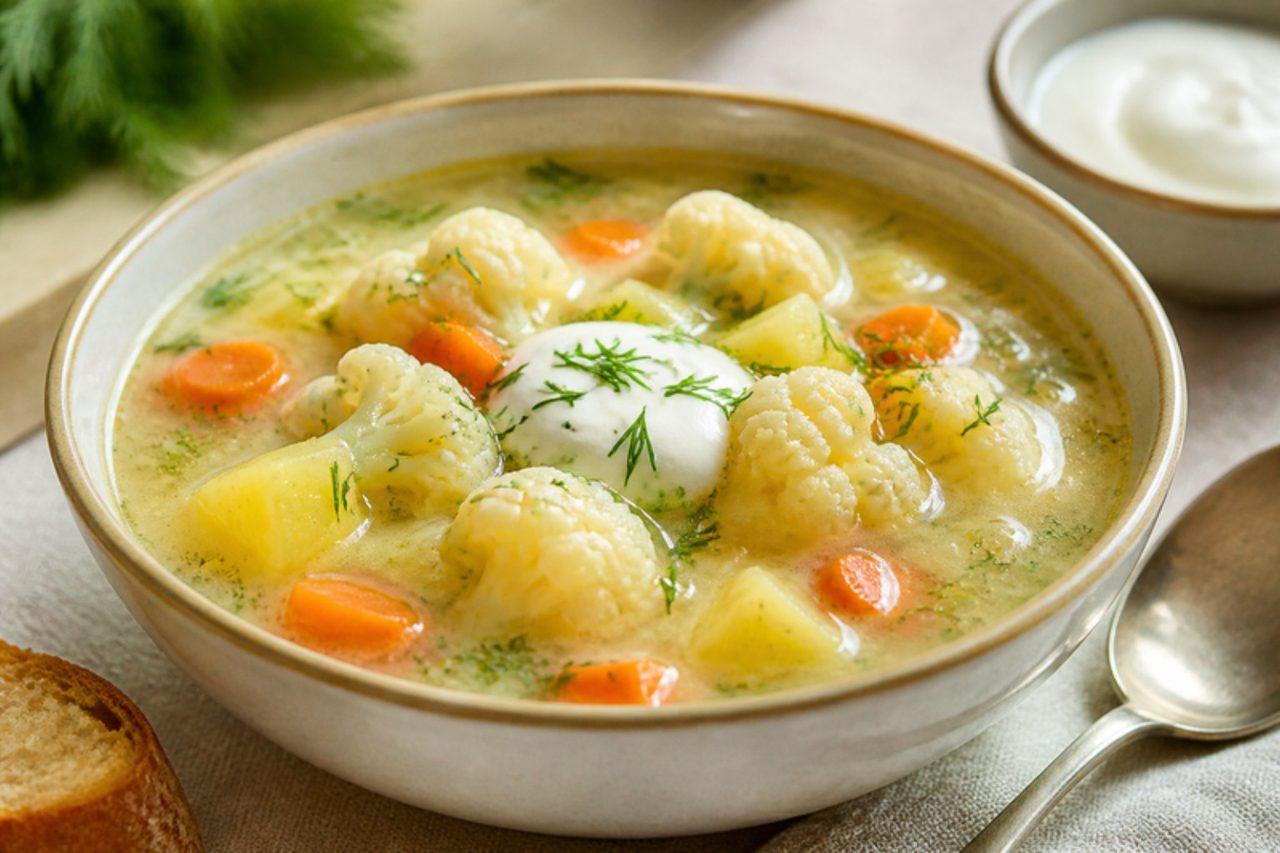
Zupa kalafiorowaCauliflower soup

Late-summer cauliflowers from the market gardens around Kalisz and Poznań end up in zupa kalafiorowa, a chunky, comforting soup that Polish families eat on a September weekday with fresh bread. Small florets, potato and carrot simmer in broth, and soured cream and dill turn it creamy and fresh at the end. It is not blended: the pleasure is in the soft florets. A common mistake is adding the cauliflower with the potatoes, so it falls apart into mush. Chef's tip: simmer the cauliflower stalk with the potatoes for flavour and add the florets for only the last 8–10 minutes.

by KrazyBadal 0 views

ErdäpfelstrudelSavoury potato strudel

Austrians, especially in the Mühlviertel of Upper Austria and the Waldviertel, make savoury strudels as often as sweet ones, and Erdäpfelstrudel is a farmhouse favourite for a meatless Friday or a cold evening. Thin pastry wraps a filling of potatoes, fried onion, sour cream, marjoram and parsley, baked until crisp and golden and sliced with a green salad or a dill and sour-cream dip. Bought filo makes it easy at home. The mistake to avoid is a wet filling, which turns the pastry soggy underneath. Chef's tip: cool the filling completely before rolling; warm filling makes the layers stick and tear.

by KrazyBadal 0 views

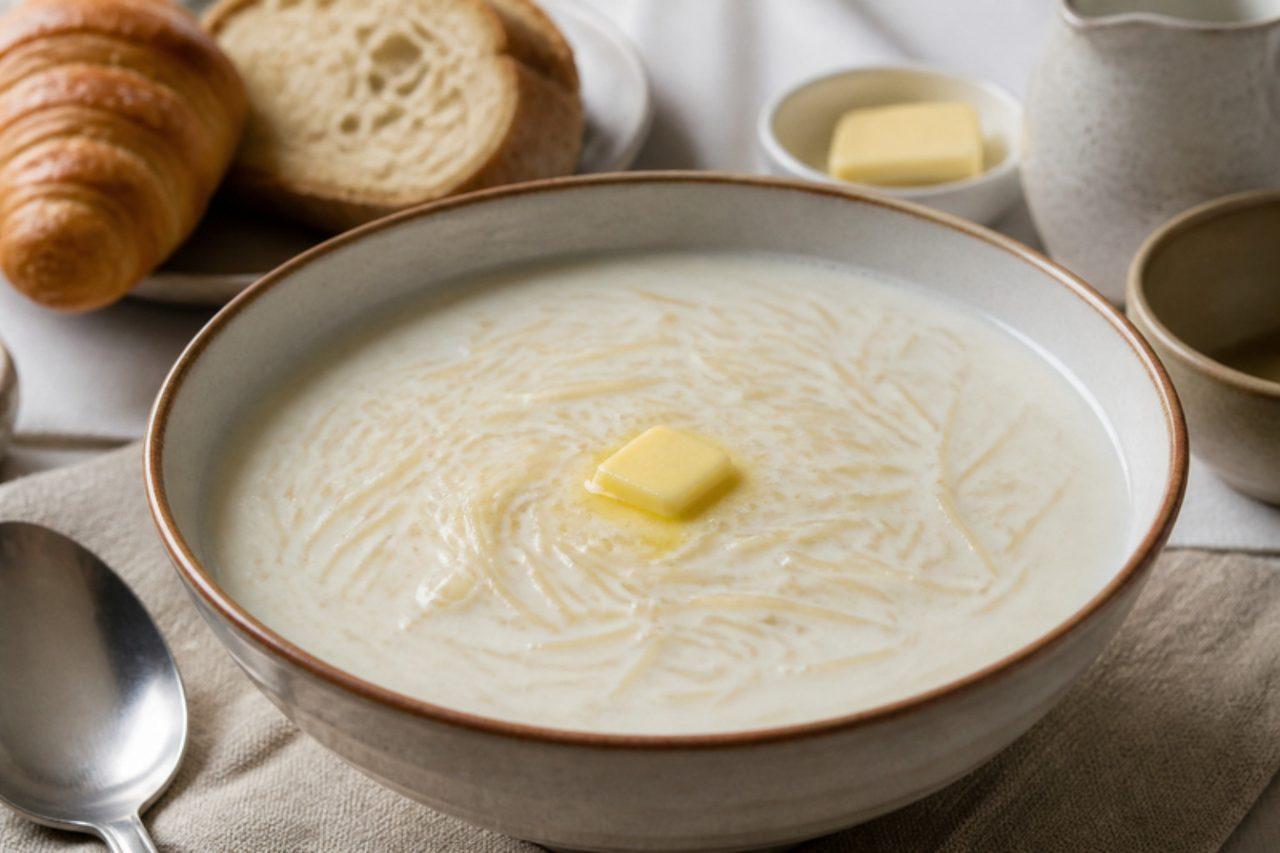
Zupa mlecznaMilk soup with noodles

Ask anyone who grew up in Poland about zupa mleczna and you will hear about winter mornings before school, or about the steaming bowls ladled out at breakfast in Warsaw milk bars long before cafés served porridge. It is simply warm milk with small noodles or rice, sweetened lightly and sometimes finished with a knob of butter or cinnamon. Kids like it with lane kluski, egg drops poured straight into the milk. A common mistake is boiling the noodles in the milk over a high heat, so it catches and tastes scorched; cook them in water first. Chef's tip: warm the milk with a strip of lemon peel and a pinch of salt, which makes it taste rounder without adding more sugar.

by KrazyBadal 0 views

Naleśniki z seremSweet cheese crêpes

Order naleśniki z serem at a bar mleczny on Warsaw's Nowy Świat and they arrive two to a plate, folded into tight parcels, browned in butter and finished with a spoon of soured cream and a dusting of sugar. Students, pensioners and office workers have eaten them this way since the 1950s, and at home they are a Friday supper or an after-school treat. The filling is twaróg, Polish curd cheese, beaten with egg yolk, sugar and vanilla, so it stays soft and a little tangy inside the thin pancake. A common mistake is a thick, rubbery batter: it should pour like single cream and coat the pan in one thin swirl. Chef's tip: rest the batter for 20 minutes so the flour softens and the first pancake doesn't tear.

by KrazyBadal 0 views

Zupa jarzynowaMixed vegetable soup

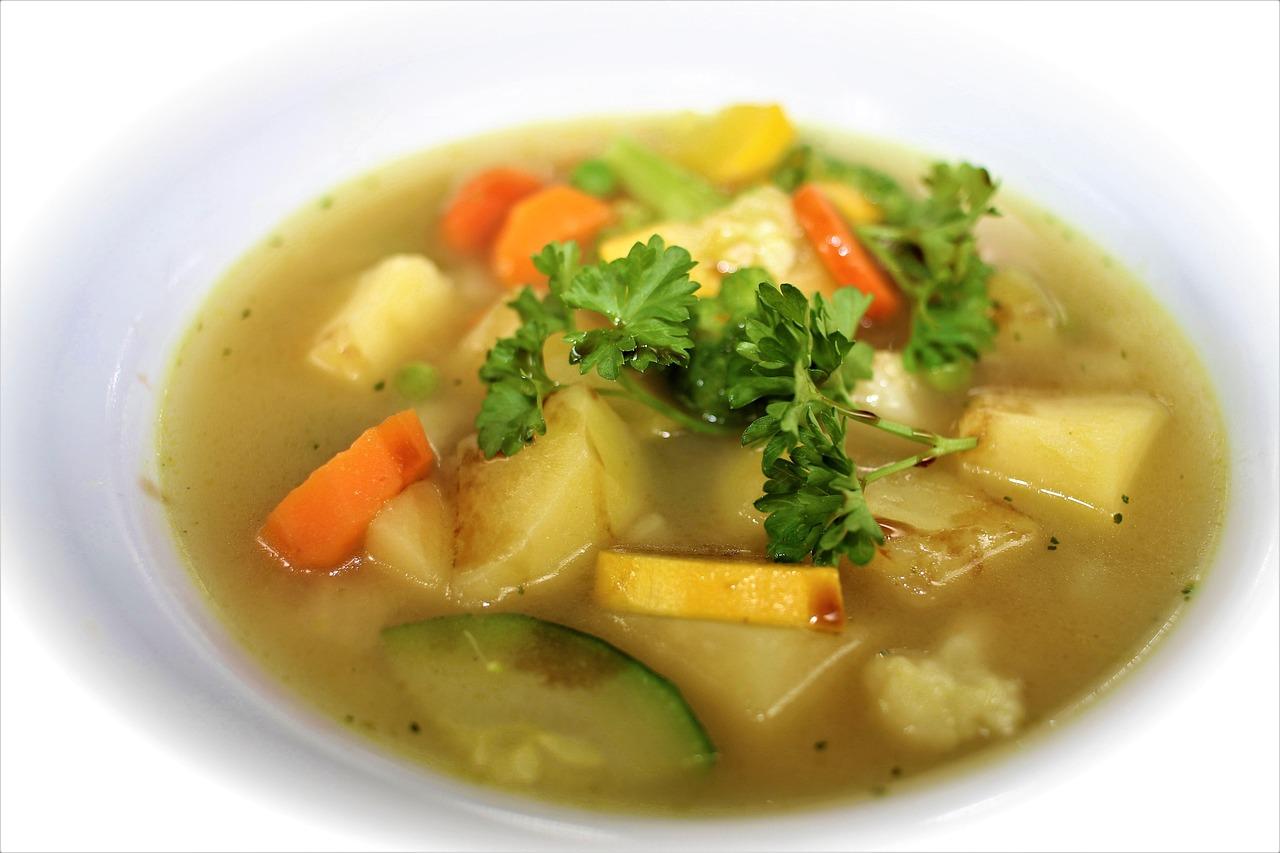
Zupa jarzynowa is what a Polish kitchen makes when the vegetable drawer needs clearing: carrots, parsley root, celeriac, potatoes, cauliflower, green beans and peas, all diced small and simmered in one pot. From Białystok to Szczecin it is the Monday soup, the canteen soup and the soup for anyone off their food, and it is eaten with bread and a swirl of soured cream. A common mistake is putting everything in at once, so the beans and peas turn khaki and soft. Chef's tip: add the vegetables in stages, roots first, green things last, and every spoonful has a bit of bite.

by KrazyBadal 0 views

FasolówkaWhite bean soup

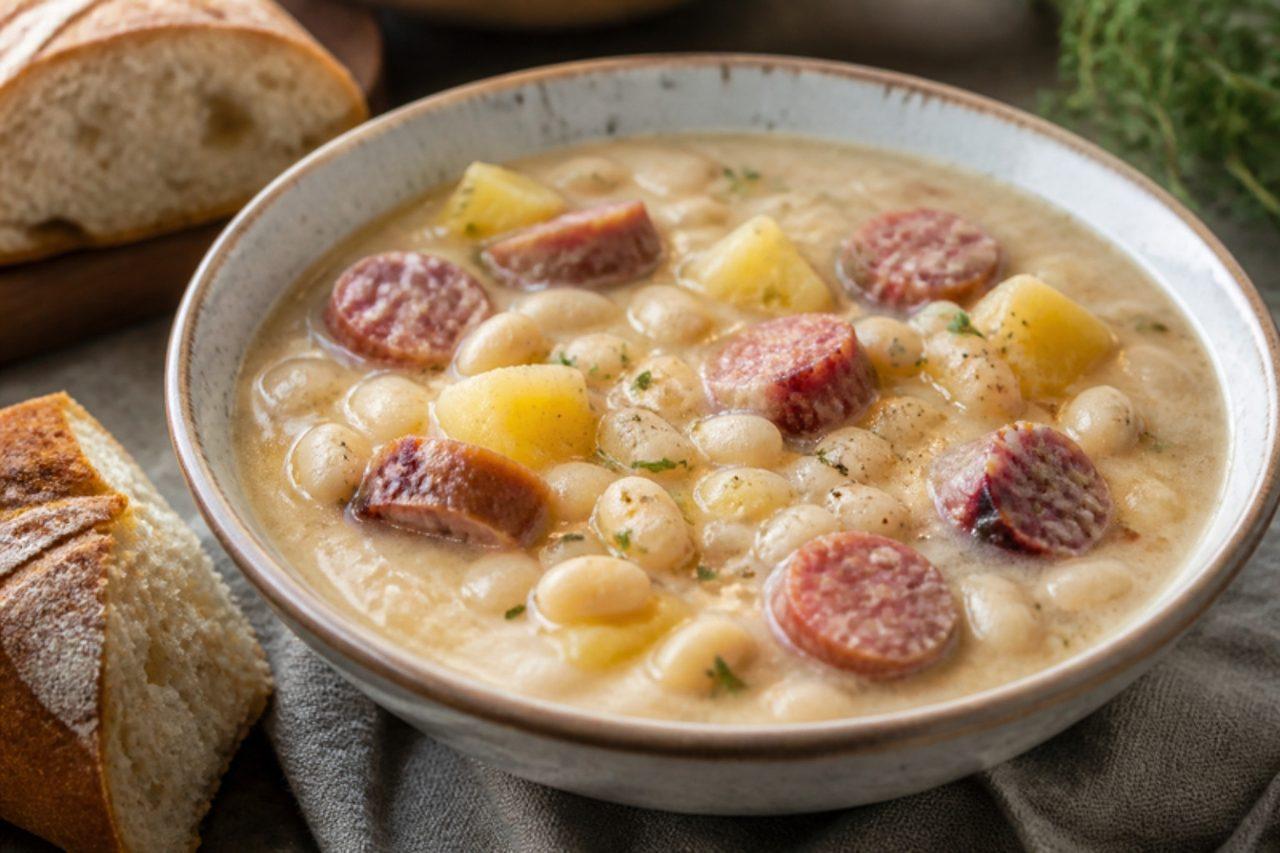
Fasolówka warms up Podhale farmhouses and Lublin kitchens through the cold months: dried white beans cooked until creamy with smoked pork ribs or smoked bacon, potatoes, carrot and a big pinch of marjoram. It is a meal in a bowl for a winter Saturday, served with rye bread. For a vegetarian pot, leave out the pork, use vegetable stock and add 1 tsp smoked paprika and a little more oil. A common mistake is salting the beans at the start, which keeps the skins tough. Chef's tip: mash a ladle of the cooked beans against the side of the pot; it thickens the soup naturally without flour.

120 minPolishSoupsGluten free
by KrazyBadal 0 views

Showing 24 of 388 recipes

Show more recipes

Page 1 of 17