Skip to content
WhatToEat.Today

All recipes

622

Vegetarian, or something you can't eat? Set your diet once and we'll hide recipes that don't fit.

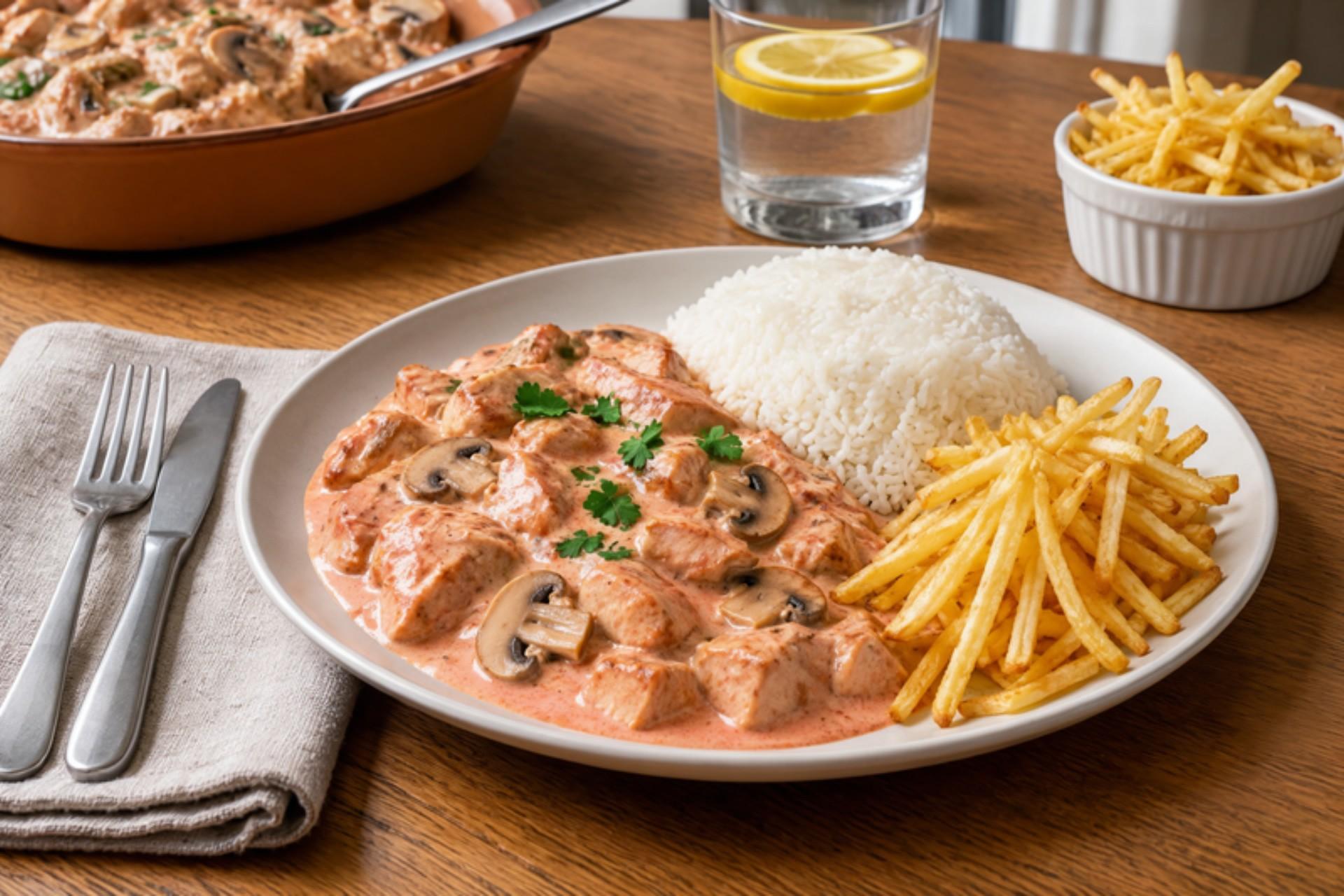
Strogonoff de frangoCreamy chicken stroganoff

Brazil adopted Russia's stroganoff and made it its own: strogonoff de frango is everyday family food in São Paulo, Rio and all over the country, cooked for weeknight dinners and Sunday lunch and served with fluffy white rice and a pile of crunchy potato sticks (batata palha) on top. Strips of chicken are seared, then simmered in a pink, gently tangy sauce of tomato, ketchup, mustard and mushrooms, finished with cream. It is mild, so children love it. The common mistake is boiling the sauce after adding the cream: it can split and turn grainy. Stir it in at the end over a low heat. The chicken is done when no pink remains and the thickest piece reaches 74 °C. Chef's tip: brown the chicken in two batches in a very hot pan; the golden bits on the bottom dissolve into the sauce and give it real depth.

by KrazyBadal 0 views

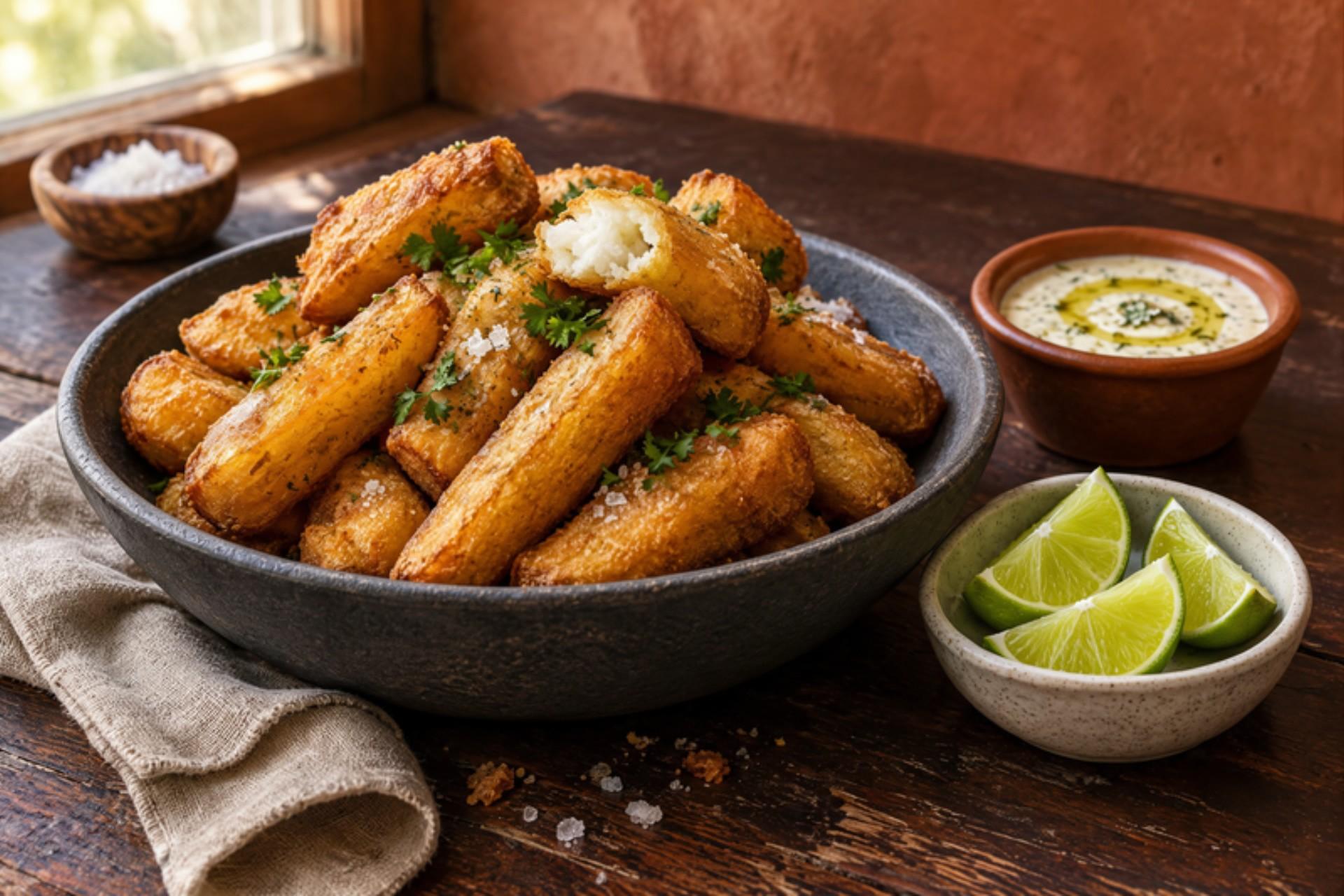
Mandioca fritaFried cassava

Mandioca frita, called aipim in Rio and macaxeira in the Northeast, is a must at Brazilian botecos (neighbourhood bars), served in a basket with lime and a little hot sauce on Friday nights, or alongside picanha at a Sunday churrasco. Fat cassava batons are boiled until tender, then fried until the outside crackles and the inside is fluffy, like the best chips you have ever had. Cassava must never be eaten raw: peel off all the brown bark and pink layer and boil it until completely soft right through. The usual mistake is frying it before it is fully tender; it stays hard and woody in the middle. Boil until a knife meets no resistance and the batons start to split. Chef's tip: let the boiled cassava cool and dry completely on a rack, or even chill it overnight; dry cassava fries crisper and splatters less.

by KrazyBadal 0 views

X-tudoBurger with everything

The x-tudo (say 'shee-TOO-doo'; 'x' sounds like 'cheese' in Portuguese) is the late-night king of Brazilian lanchonetes (snack bars) and street food trailers in São Paulo, Curitiba and Rio, eaten after football or a night out. A soft bun is stacked with a beef patty, melted cheese, ham, bacon, a fried egg, lettuce, tomato, sweetcorn and crunchy potato sticks, all held together with mayonnaise. It contains pork (ham and bacon) and egg. The common mistake is building it on a cold bun: toast the cut sides in the burger fat so they don't go soggy under all the fillings. The patty is done when there's no pink in the middle and it reaches 71 °C. Cook the egg until the white is fully set; for anyone pregnant, a young child or older or vulnerable people, cook the yolk firm too. Chef's tip: press the bun flat on the hot plate with a spatula for 20 seconds once built, the way lanchonetes do; it melts everything together.

by KrazyBadal 0 views

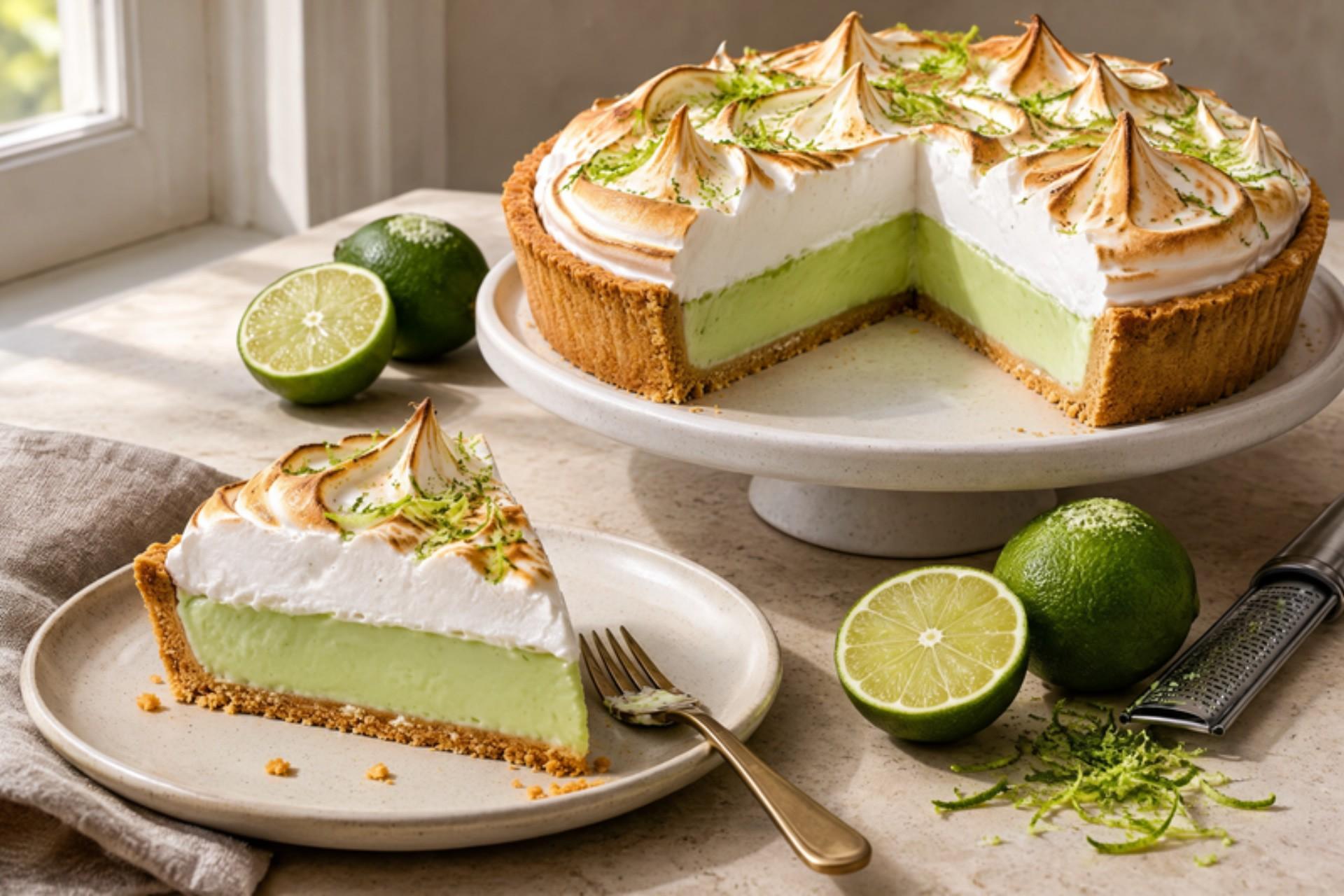
Torta de limãoLime meringue pie

Torta de limão is one of Brazil's best-loved desserts, made in home kitchens from São Paulo to Belo Horizonte for birthdays and Sunday lunch, and sold by the slice in padarias (bakeries). A crumbly crust of butter biscuits holds a no-cook filling of condensed milk and plenty of lime juice that thickens like magic, topped with a cloud of glossy meringue that is browned in the oven. Brazilian limes (limão taiti) are juicy and very sharp, so use fresh limes, never bottled juice. The usual mistake is adding all the lime juice at once: pour it in gradually while whisking, or the filling can turn grainy. The meringue is done when the peaks are golden brown. For anyone pregnant, very young, older or with a weakened immune system, make sure the meringue is well browned and the egg whites cooked. Chef's tip: grate the zest over the filling just before the meringue goes on; the fragrant oils stay bright.

by KrazyBadal 0 views

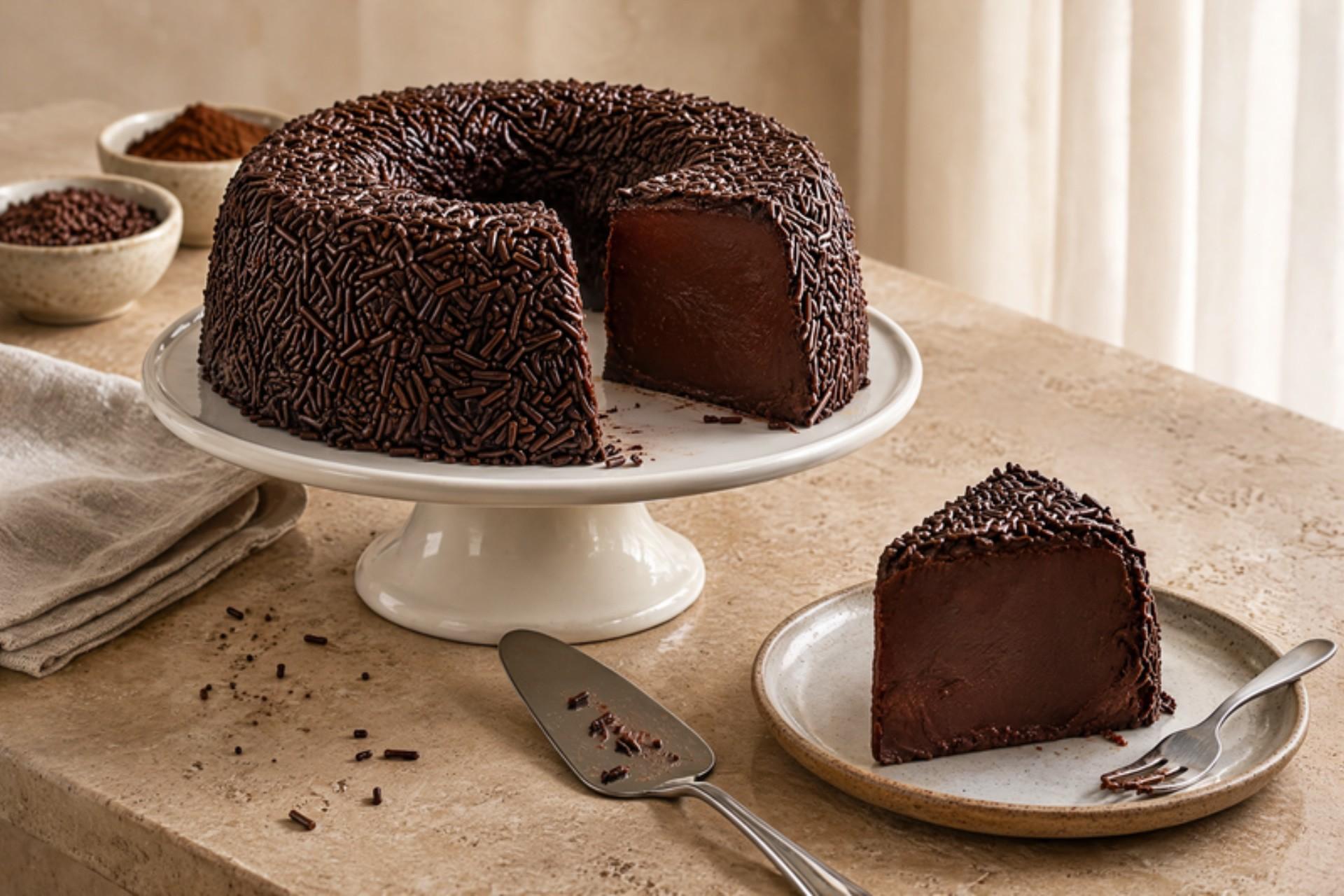
BrigadeirãoBaked chocolate fudge pudding

Brigadeirão is the big, sliceable version of the brigadeiro, the chocolate fudge ball found at every Brazilian children's birthday party. Home cooks in São Paulo and Rio bake it in a ring tin in a water bath for Sunday lunch desserts and family parties: condensed milk, cocoa, eggs, cream and butter set into a dense, fudgy, truffle-like pudding, then it is turned out and showered with chocolate sprinkles. The common mistake is unmoulding it warm: it tears and slumps. It needs at least 4 hours in the fridge to firm up. It is done when the edges are set, the centre wobbles only slightly, and a skewer comes out with moist crumbs, not liquid. The eggs are fully baked. It contains milk and egg. Chef's tip: wrap the outside of the tin in foil and use hot, not boiling, water in the bath; it stops the pudding curdling into bubbles at the edges.

by KrazyBadal 0 views

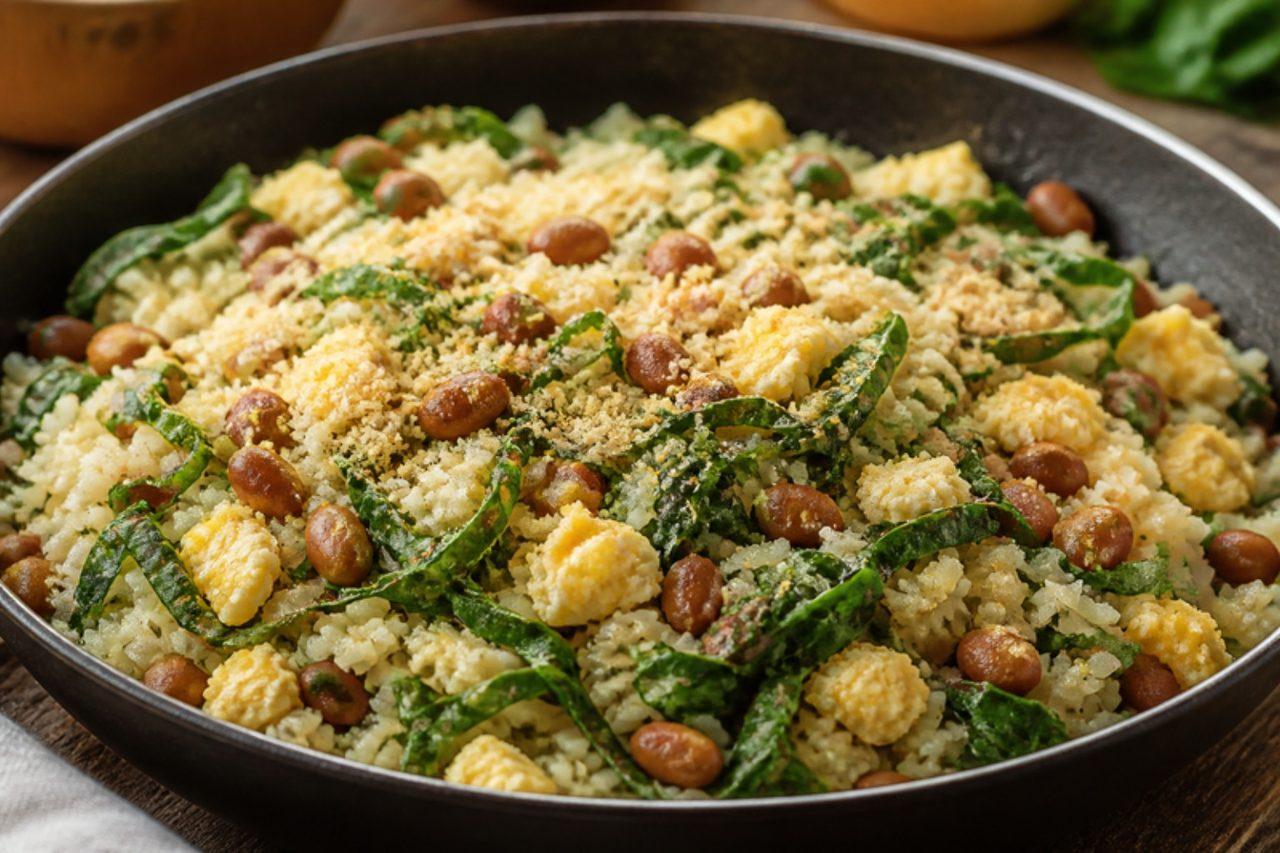
MexidãoRice and beans scrambled with egg

Mexidão, the 'big mix-up', is a late-night favourite in Belo Horizonte and the farm kitchens of Minas Gerais: yesterday's rice and beans fried in one pan with onion and garlic, scrambled with egg, tossed with finely shredded couve and finished with toasted cassava flour. Many versions add bacon or sausage; this one stays vegetarian and is just as satisfying. Leftover rice is only safe if it was cooled within an hour of cooking and kept in the fridge, and it must be reheated until piping hot. The common mistake is piling everything into a cold, crowded pan so it turns mushy instead of crisping at the edges. Chef's tip: toast the cassava flour in the pan until it smells a little like popcorn before adding it.

by KrazyBadal 0 views

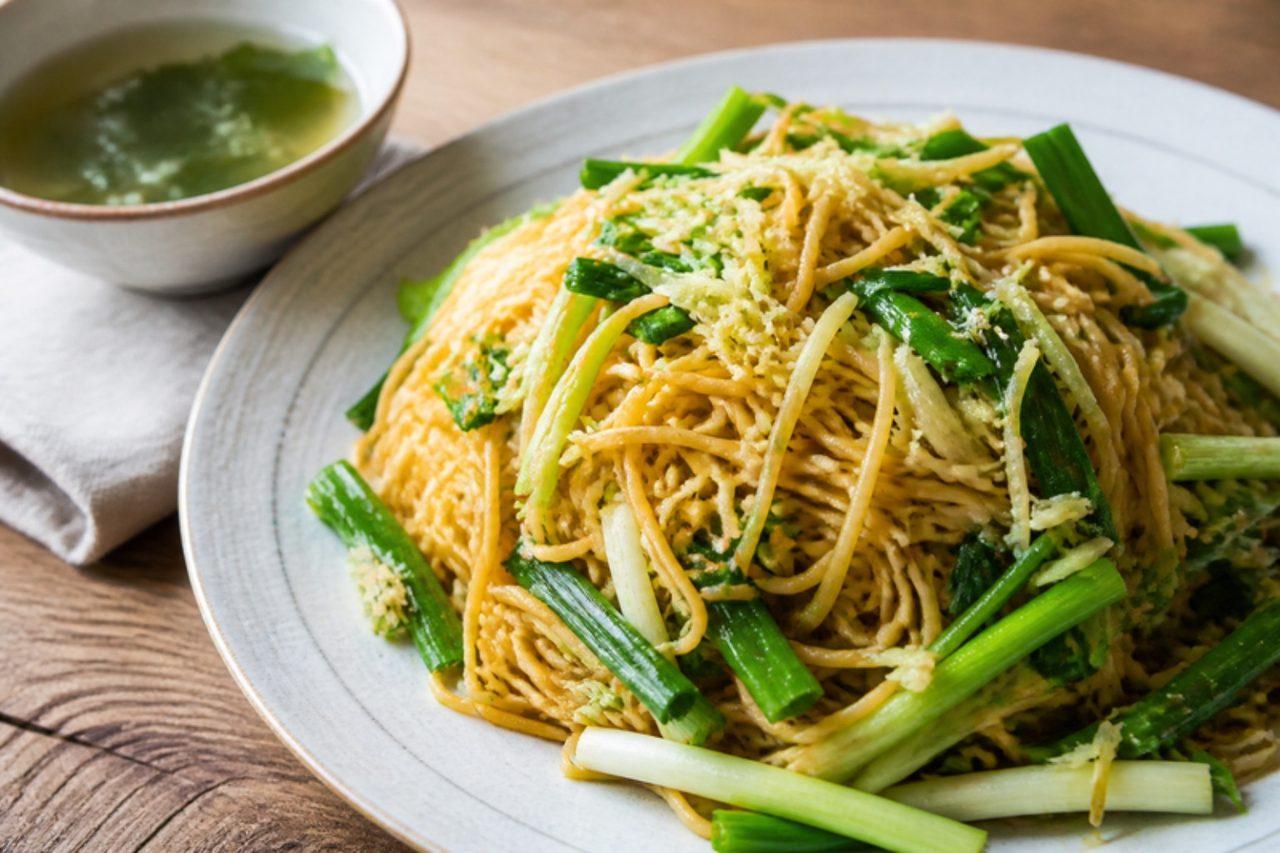
Ginger and scallion lo mein

Geung chung lo mein is a Hong Kong noodle-shop classic, ordered at lunch or as a cheap late supper: springy thin egg noodles tossed dry in ginger and spring onion oil and soy, with a bowl of hot broth on the side to sip between mouthfuls. Shops season it with oyster sauce and serve a prawn or pork broth; here vegan oyster-style sauce (or extra soy) and a simple vegetable broth keep it vegetarian. The common mistake is cooking the ginger and spring onion to brown; they should only be scalded by the hot oil so they stay bright and sharp. Chef's tip: rinse the cooked noodles under cold water, then dip them back into the boiling water for ten seconds, so they are springy, not soft.

by KrazyBadal 0 views

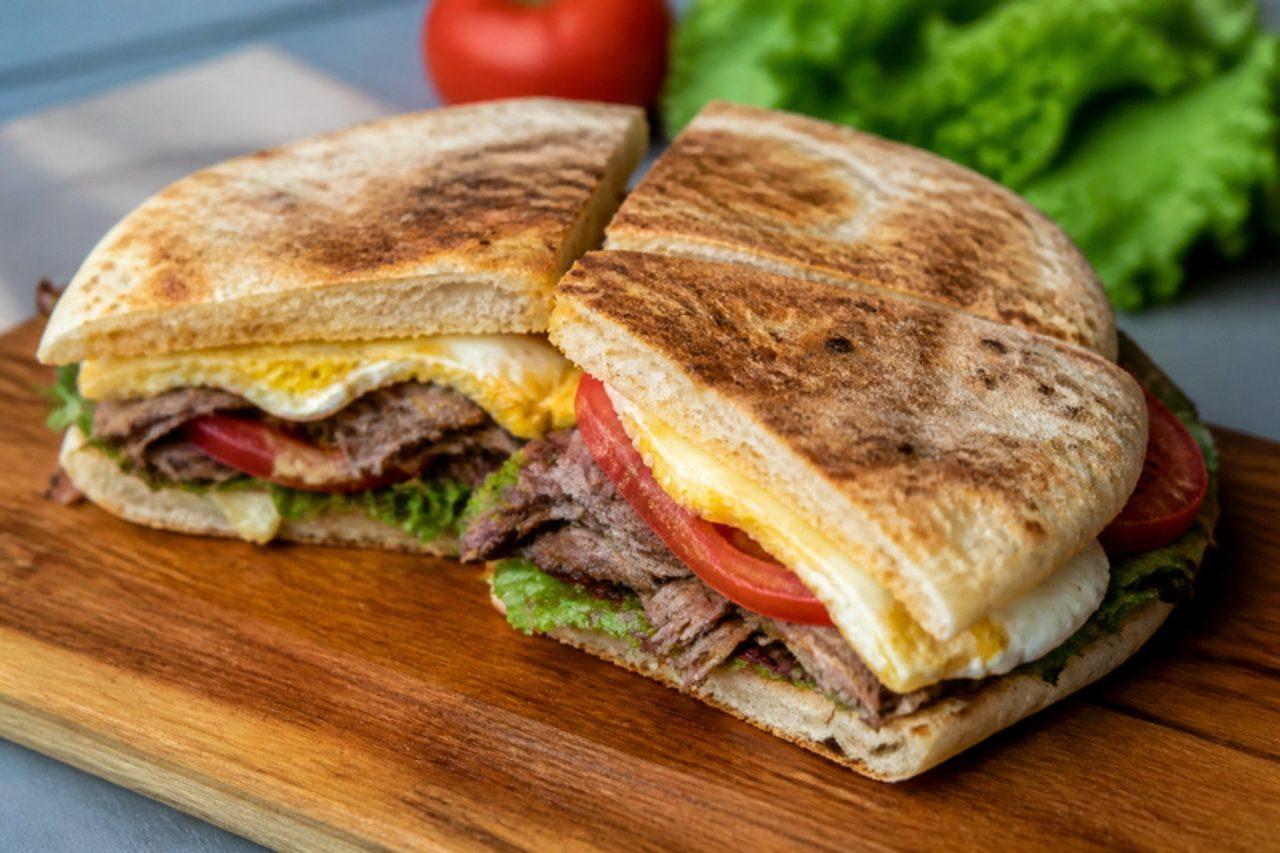
BeiruteRoast beef and egg pita sandwich

The beirute was born in São Paulo's Lebanese-run lanchonetes and is now a late-night dinner order all over the city: a whole pita split, filled with thin roast beef, melting cheese, tomato, lettuce and a fried egg, toasted on the griddle and cut into wedges with a sprinkle of za'atar or oregano. The common mistake is overloading it with wet lettuce and tomato before toasting, which steams the bread soft; add them after. Chef's tip: toast the pita cut-side down in the pan first so the inside is crisp and keeps the juices out.

by KrazyBadal 0 views

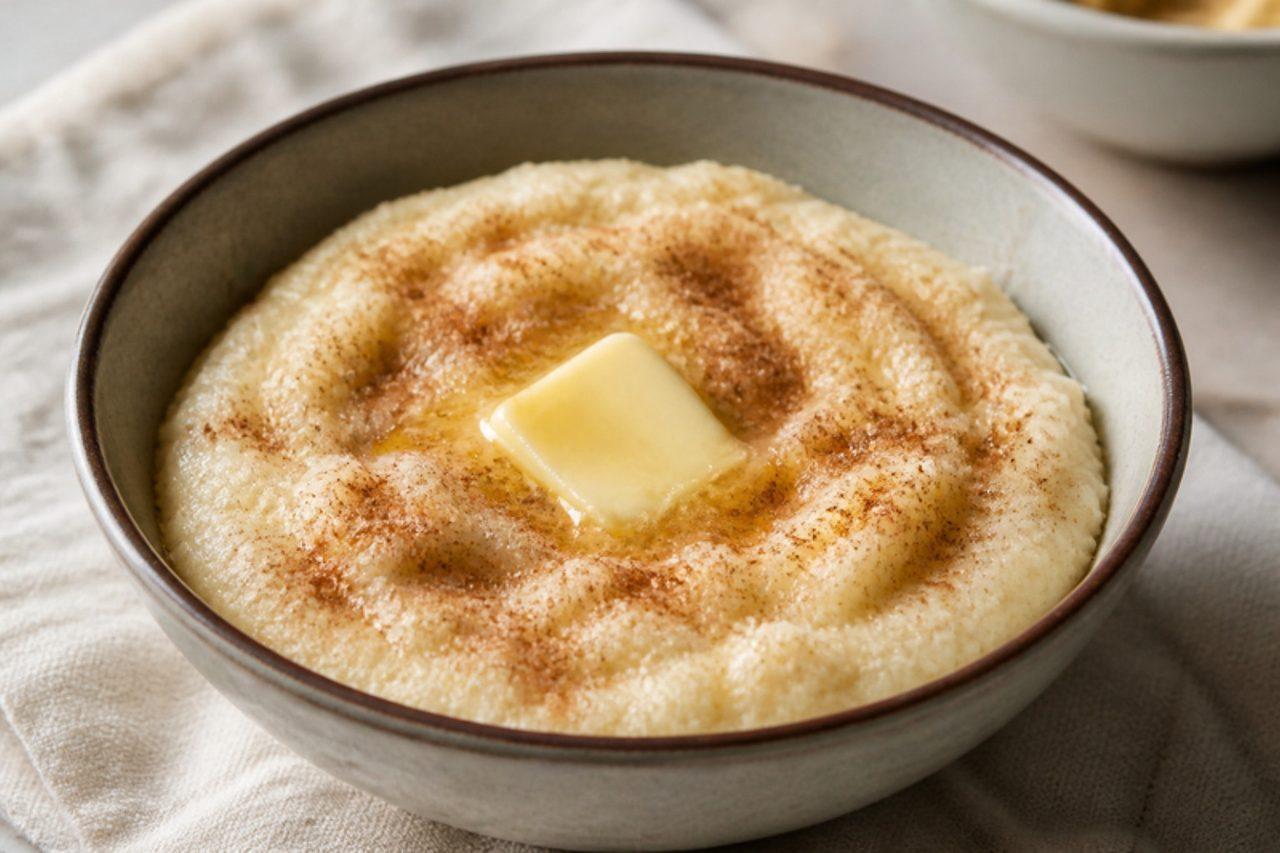
GrießbreiSemolina porridge

Grießbrei is the soft, sweet semolina pudding that German and Austrian families from Bavaria to Vienna eat warm as a light supper on cold evenings, especially when children are tired or someone is under the weather. Semolina is rained into hot milk and stirred until thick and velvety, then topped with cinnamon sugar, a knob of butter or stewed fruit. The classic mistake is tipping the semolina in all at once, which makes lumps that never smooth out. Chef's tip: take it off the heat while it still looks a little runny, because it keeps thickening on the plate.

by KrazyBadal 0 views

MutzenmandelnQuark fritters in sugar

In Cologne and the rest of the Rhineland, bakeries pile their counters with Mutzenmandeln from Weiberfastnacht to Shrove Tuesday, and families fry them at home for carnival parties. A quick, soft dough of quark, egg, sugar and flour is rolled out, cut with a small almond-shaped cutter and fried until puffed and golden, then tossed in sugar while still warm. The common mistake is oil that is too hot, which leaves them raw and doughy in the middle. Chef's tip: a few drops of bitter almond extract or a little lemon zest gives them the classic bakery flavour.

by KrazyBadal 0 views

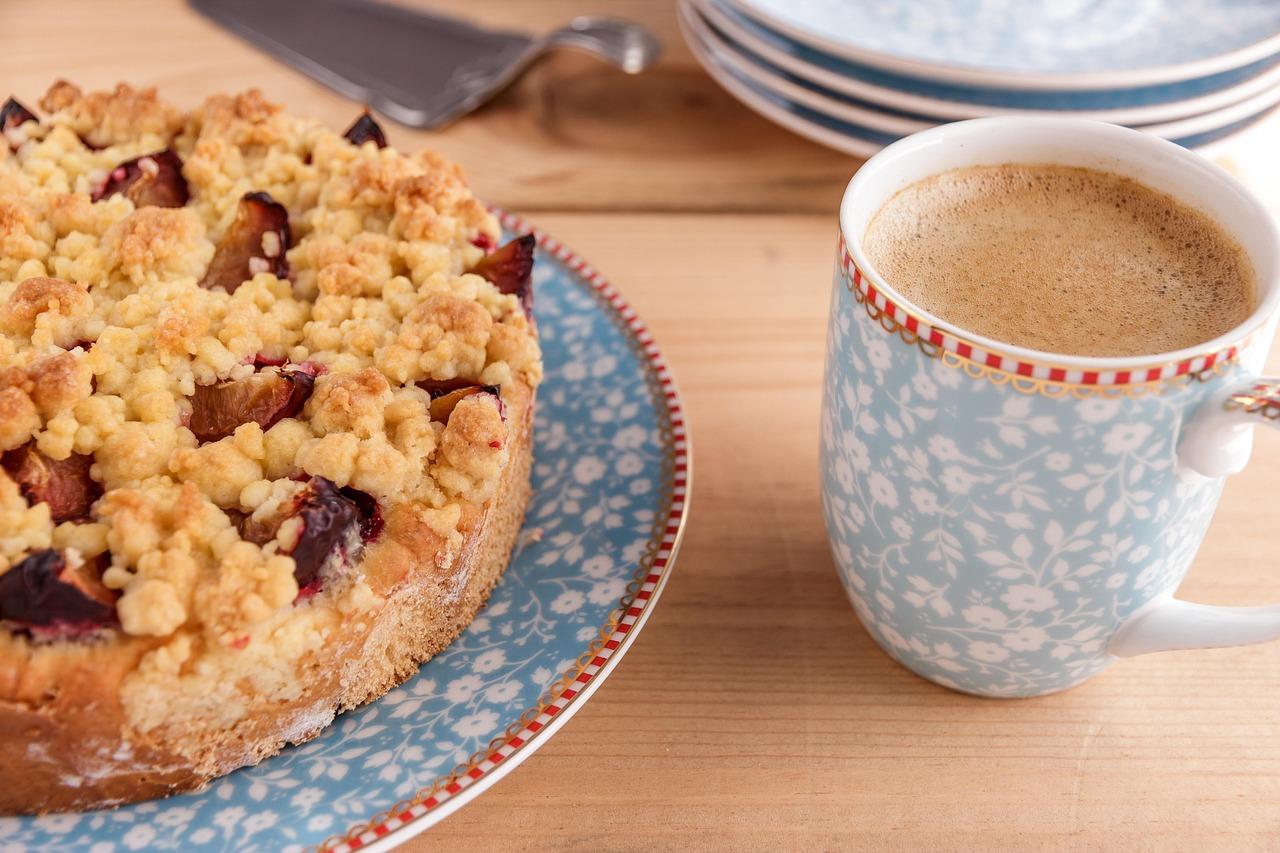
KirmeskuchenPlum streusel yeast cake

When the Kirmes, the yearly fair for a village church's patron saint, comes to the Rhineland and Hesse, families bake enormous trays of Kirmeskuchen to share with the relatives who come home for the fun-fair, the dancing and the procession. This version is the most loved: a soft, buttery yeast dough covered edge to edge with tightly packed plum halves and a thick, crumbly streusel. Cut it into squares and serve it with whipped cream and coffee in the afternoon. Chef's tip: stand the plum halves upright, cut side up and overlapping like roof tiles, so the juice stays in the fruit instead of soaking the dough.

by KrazyBadal 0 views

ApfelkrautApple syrup

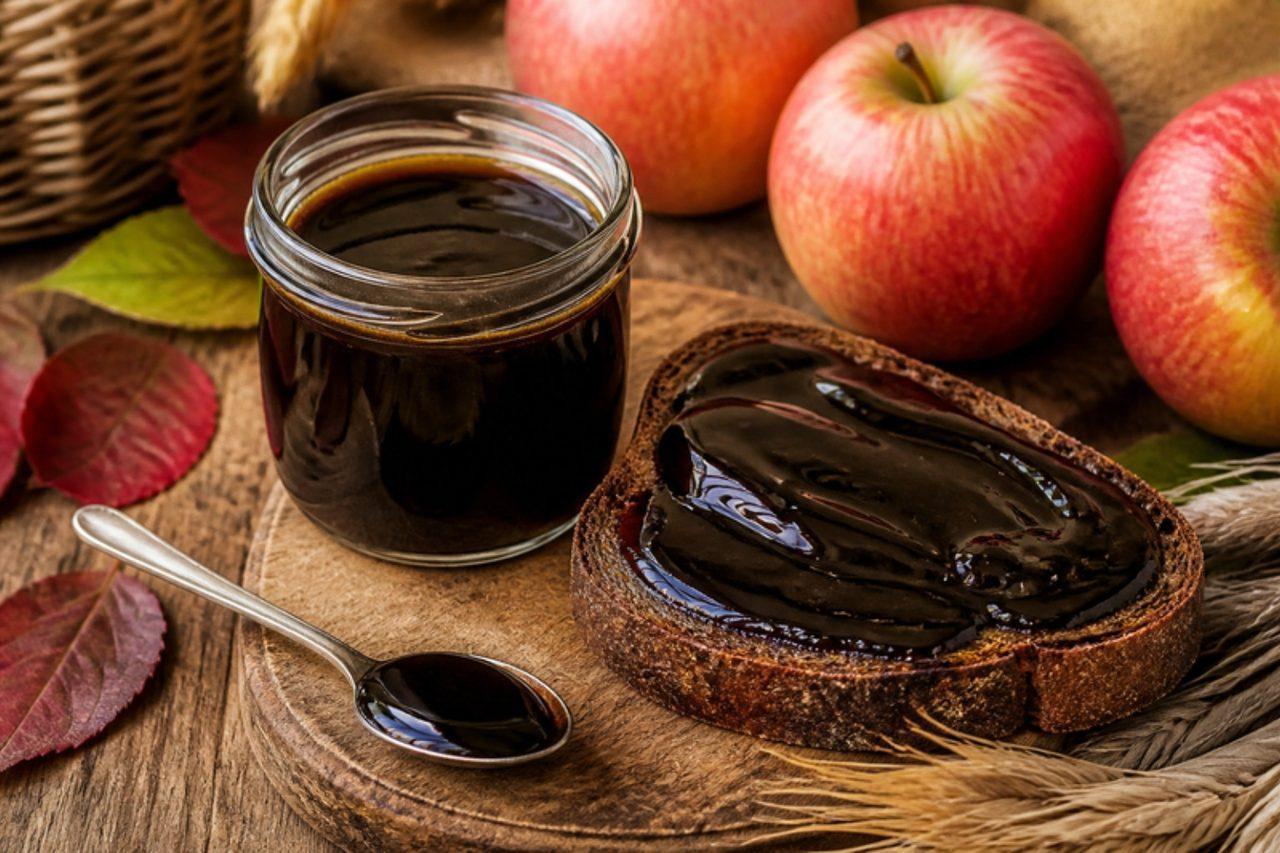
In the Rhineland, apples from the autumn harvest are pressed and boiled for hours in copper cauldrons into Apfelkraut, a dark, glossy, sweet-sour syrup that is spread on Schwarzbrot with butter and quark, and that families bring to the Erntedank harvest thanksgiving in October. It needs no added sugar at all: the apples' own sugar and pectin concentrate until the juice is as thick as treacle and tastes like baked apple and caramel. Eat it on rye bread, with potato pancakes (Reibekuchen) or in a sauce for Sauerbraten. Chef's tip: use a mix of sweet and tart apples; the tart ones give the tang and the pectin that makes it set.

by KrazyBadal 0 views

SchwenkbratenMarinated grilled pork neck steaks

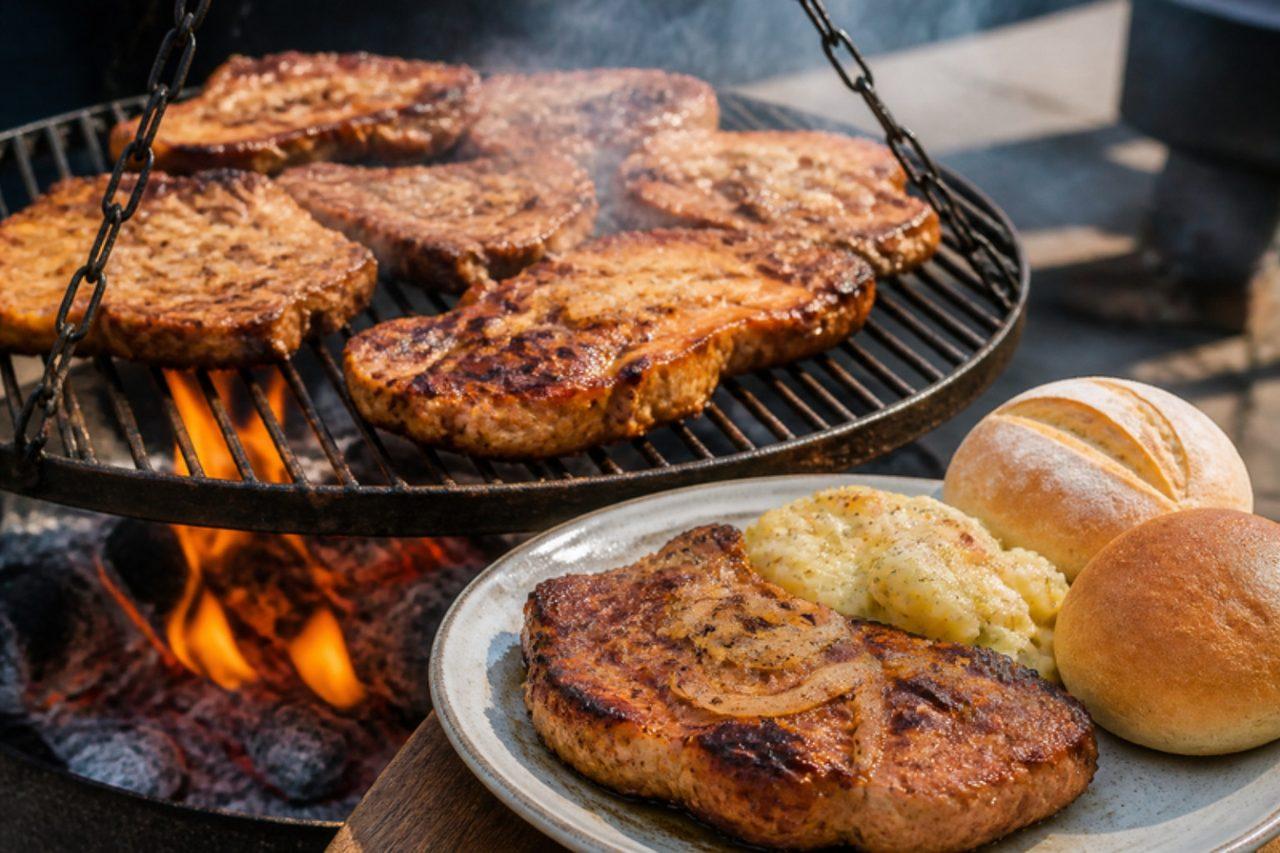
Schwenkbraten is the pride of the Saarland, where every village fair, football club party and summer Kirmes has a Schwenker: a round grill hung from a tripod and swung gently over a beech-wood fire. The meat is pork neck steaks marinated overnight with heaps of onion, garlic, marjoram and paprika, and they come off juicy, smoky and slightly charred. Locals often add beer to the marinade, but this recipe leaves it out, so no alcohol is involved. Serve with bread rolls, potato salad and mustard. Chef's tip: pork neck has fine marbling, so it stays moist; do not swap it for lean pork loin, which dries out on the grill.

35 minGermanMeatGluten free
by KrazyBadal 0 views

SkābputraSoured barley porridge drink

Skābputra, 'sour porridge', is one of the oldest Latvian foods, and at Jāņi, Midsummer on 23–24 June, it is served cold alongside caraway cheese, pīrāgi and wreaths of flowers. Pearl barley is cooked soft, then soured with buttermilk or kefir for a day or two until it is tangy and fresh-tasting, and it is thinned with milk into a thick, cooling drink sipped or eaten with a spoon on hot summer days. This home version uses bought live buttermilk to start the souring safely. Chef's tip: use clean jars and utensils, and taste it each day; once it is pleasantly sour, chill it so it stops souring.

by KrazyBadal 0 views

MartinshörnchenMarzipan crescent pastries

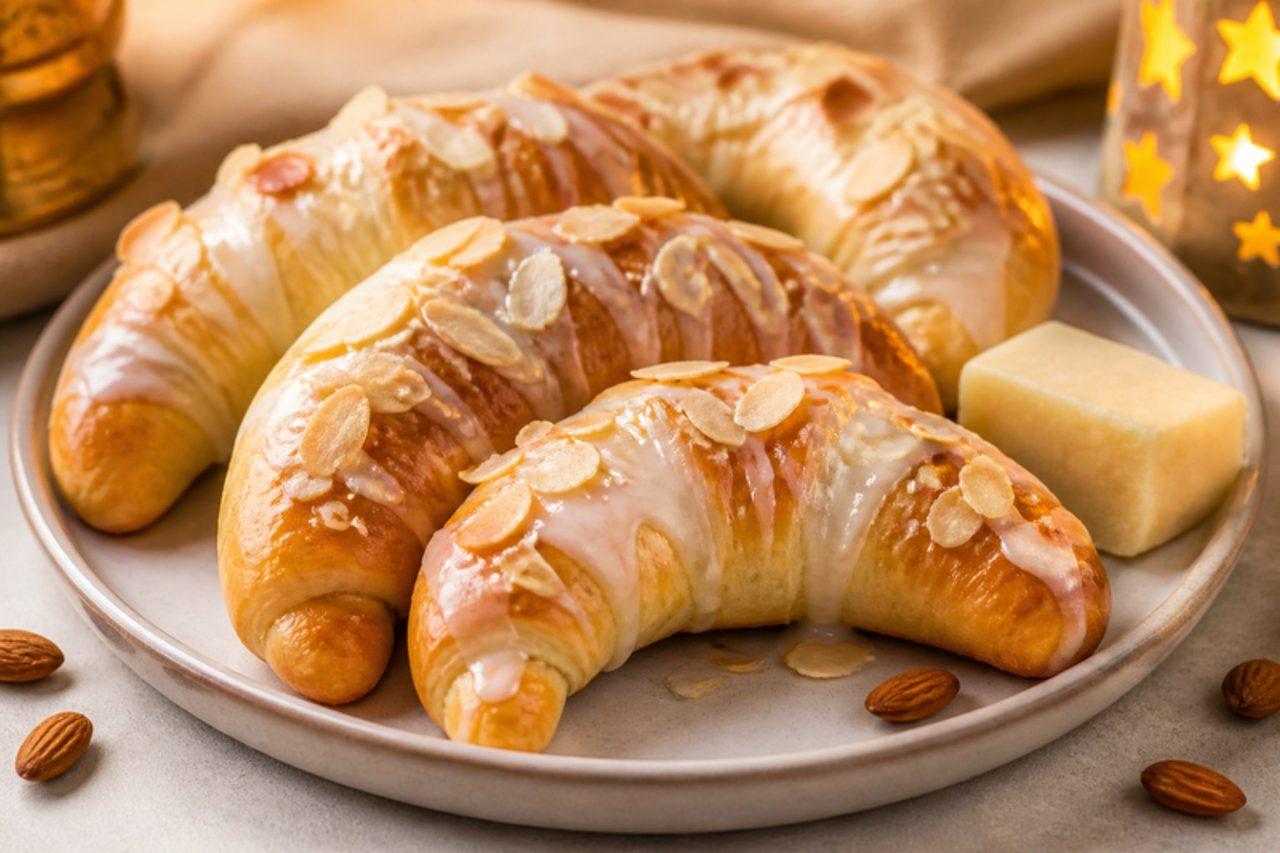
On 11 November children in Lower Saxony, Saxony and much of Germany walk through the dark streets with paper lanterns, singing songs for St Martin, the soldier who cut his cloak in half to share it with a beggar. Bakeries sell Martinshörnchen, sweet crescent-shaped yeast pastries, and many families break them in half to share, as St Martin did. This version is filled with soft marzipan and ground almonds and finished with a thin lemon glaze. Chef's tip: roll each wedge from the wide end with a gentle tug so you get at least three turns of dough, which gives the crescents their shape.

by KrazyBadal 0 views

NonnenfürzleSugared choux puffs

Nonnenfürzle, the cheeky 'nuns' puffs', are a Swabian Fasnet treat, fried in kitchens from Rottweil to Stuttgart in the days before Lent when butter, eggs and fat had to be used up. A choux-style dough is cooked in the pan, beaten with eggs and dropped by the spoonful into hot fat, where the little balls puff up and turn themselves over. Dusted with cinnamon sugar, they are crisp outside and hollow and custardy inside. The common mistake is adding the eggs while the dough is still hot, which scrambles them and stops the puffs rising. Chef's tip: dip the spoon in the hot oil before each scoop so the dough slides off cleanly.

by KrazyBadal 0 views

Afogado do DivinoBeef and potato stew

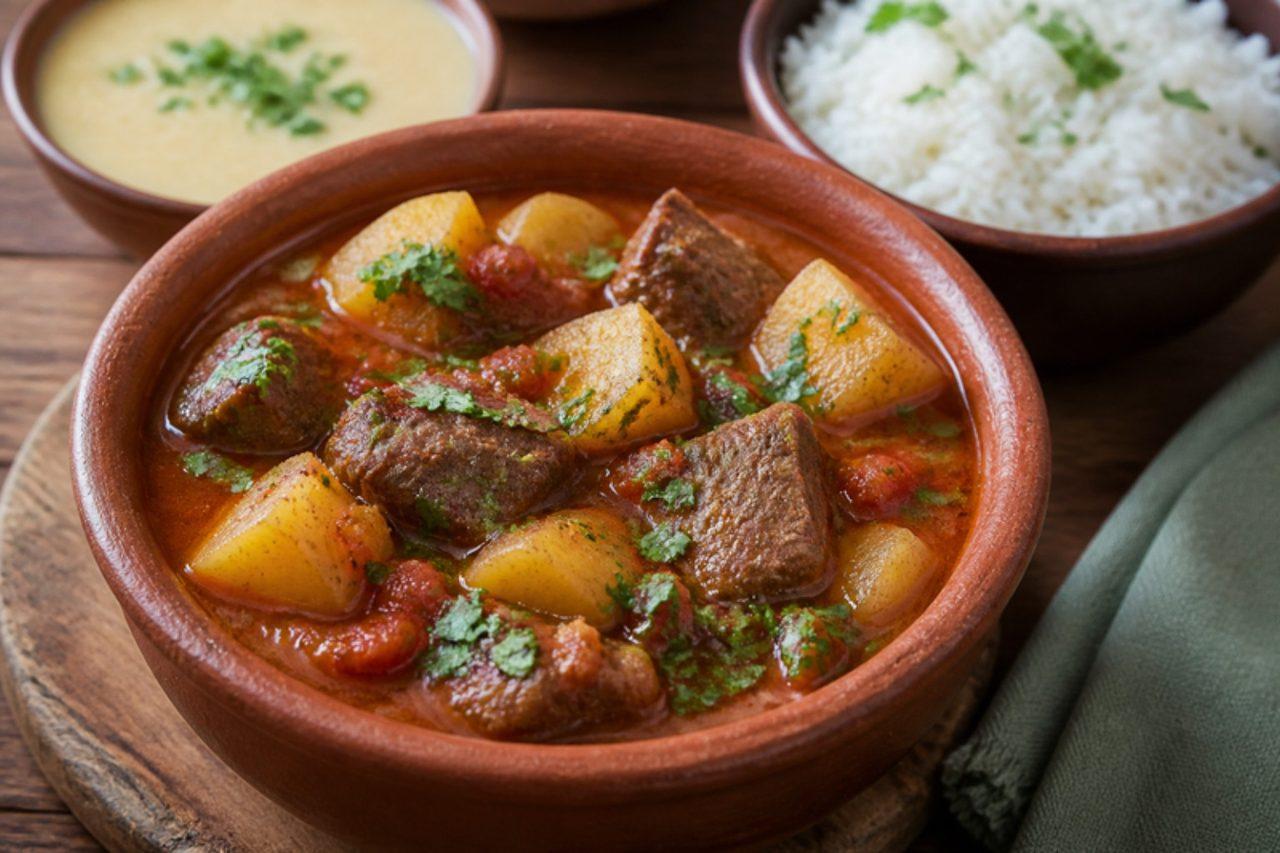
In São Luiz do Paraitinga in the hills of São Paulo state, the Festa do Divino Espírito Santo at Pentecost ends with a meal for everyone: huge pots of afogado, beef 'drowned' in a rich broth with potatoes, tomato, onion, garlic and herbs, served with pirão (a cassava-flour porridge made from the broth) and rice. Volunteers cook it in the town's kitchens through the night, and anyone who comes is fed. Chef's tip: brown the beef in small batches so it sears rather than stews, which gives the broth its deep colour.

by KrazyBadal 0 views

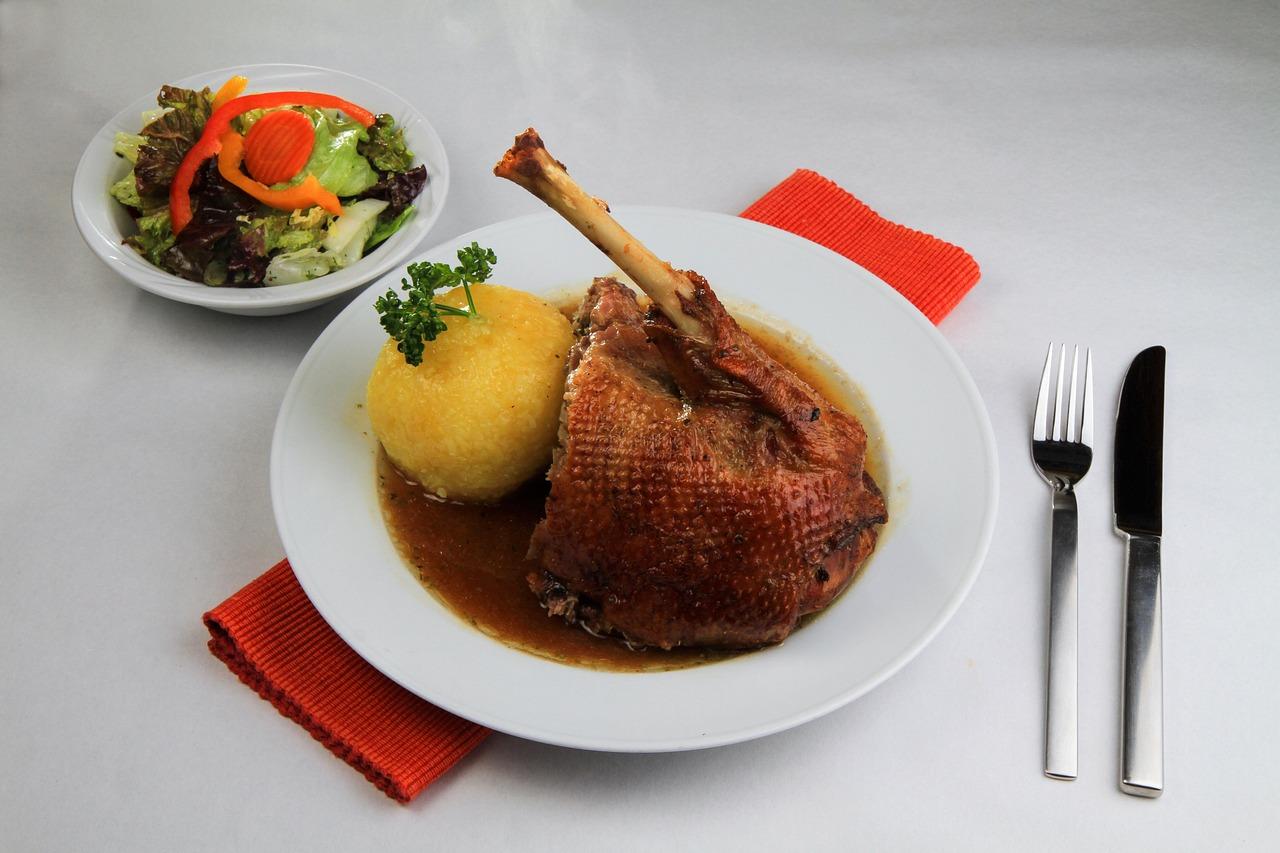
MartinsgansRoast goose with red cabbage

On 11 November, St Martin's Day, children in Germany and Austria walk in lantern processions, and families and restaurants serve the Martinsgans: a goose roasted slowly with apples, onion and mugwort or marjoram until the skin is crisp and the meat tender, with red cabbage, potato dumplings and a rich gravy. Legend says the geese's cackling gave away St Martin when he hid to avoid being made bishop. Goose gives off a lot of fat; save it for roast potatoes. Chef's tip: prick the skin all over (not the meat) and roast on a rack so the fat drains and the skin crisps.

270 minGermanMeat
by KrazyBadal 0 views

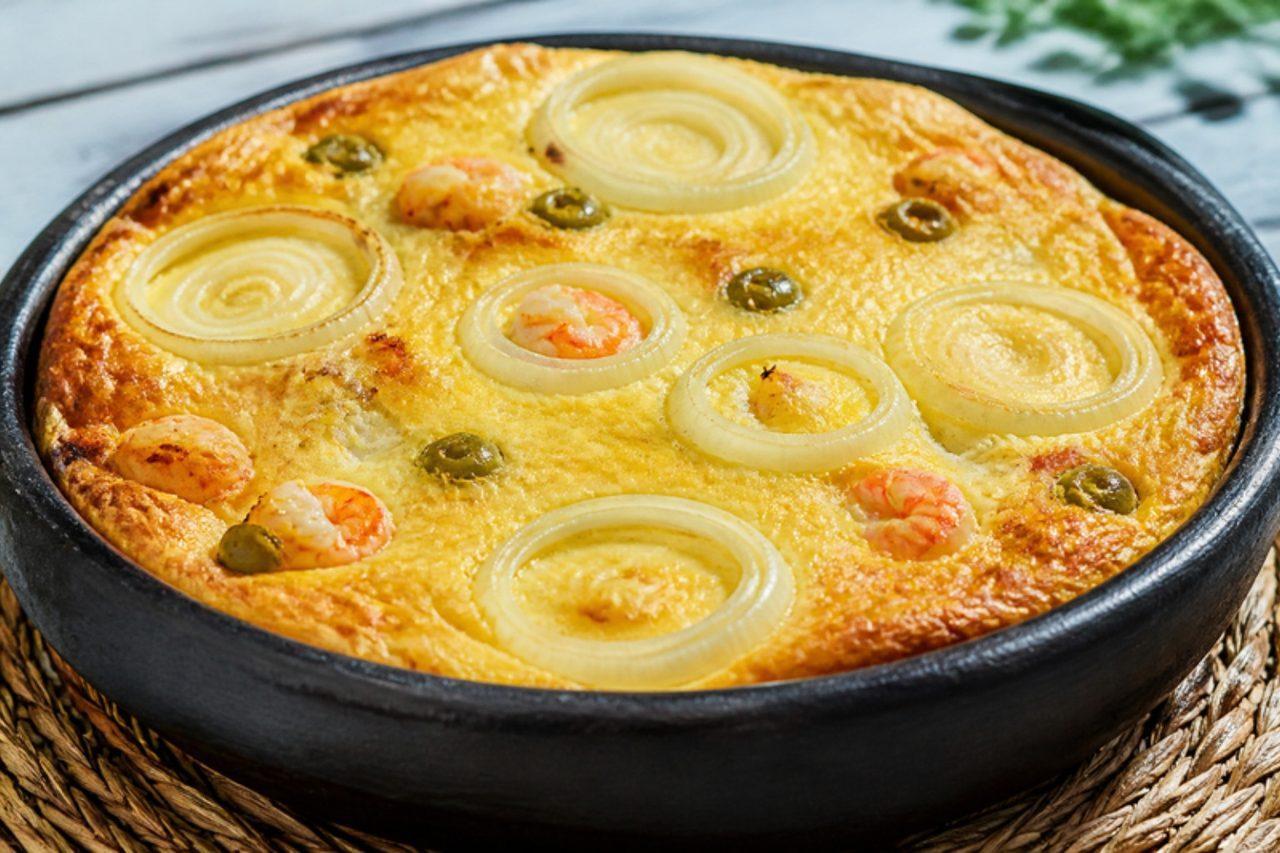
Torta capixabaSeafood and palm heart pie

Torta capixaba is the Good Friday dish of Espírito Santo in south-east Brazil, cooked in the region's black clay pans (panelas de barro). Soaked salt cod, crab meat, prawns, palm hearts and olives are cooked with tomato, onion, coriander and annatto, then bound with beaten egg and baked until puffed and golden under a lid of egg and onion rings. It is served hot or warm with rice. Any ovenproof dish works. Chef's tip: fold in the egg whites last and gently, as they give the torta its light, set texture.

by KrazyBadal 0 views

KaguyjyWhite corn pudding

On the night of 23–24 June, Paraguayans celebrate San Juan with bonfires, games like walking over hot coals and the 'paso de fuego', and a table of traditional foods, and kaguyjy (also mazamorra) is one of them. It is a soft, creamy pudding of cracked white corn (locro) simmered slowly in water and then milk with sugar or honey, sometimes with orange peel. It is eaten warm or cold. It is gluten free. Chef's tip: soak the corn overnight and cook it until each kernel is tender before adding the milk, or it never turns creamy.

by KrazyBadal 0 views

Pajagua mascadaBeef and cassava patties

Pajagua mascada is a Paraguayan street-food classic that appears on every table for the San Juan festival on 24 June, when bonfires burn and the night is full of games and traditional food. Minced beef is mixed with mashed cassava, onion, garlic and a little egg and flour, shaped into flat patties and fried until crisp. The name comes from Guaraní and refers to the 'chewing' of old Paraguayan cooks, who made it from leftover meat. Chef's tip: dry the boiled cassava well and remove its woody core, which keeps the patties light and crunchy.

by KrazyBadal 0 views

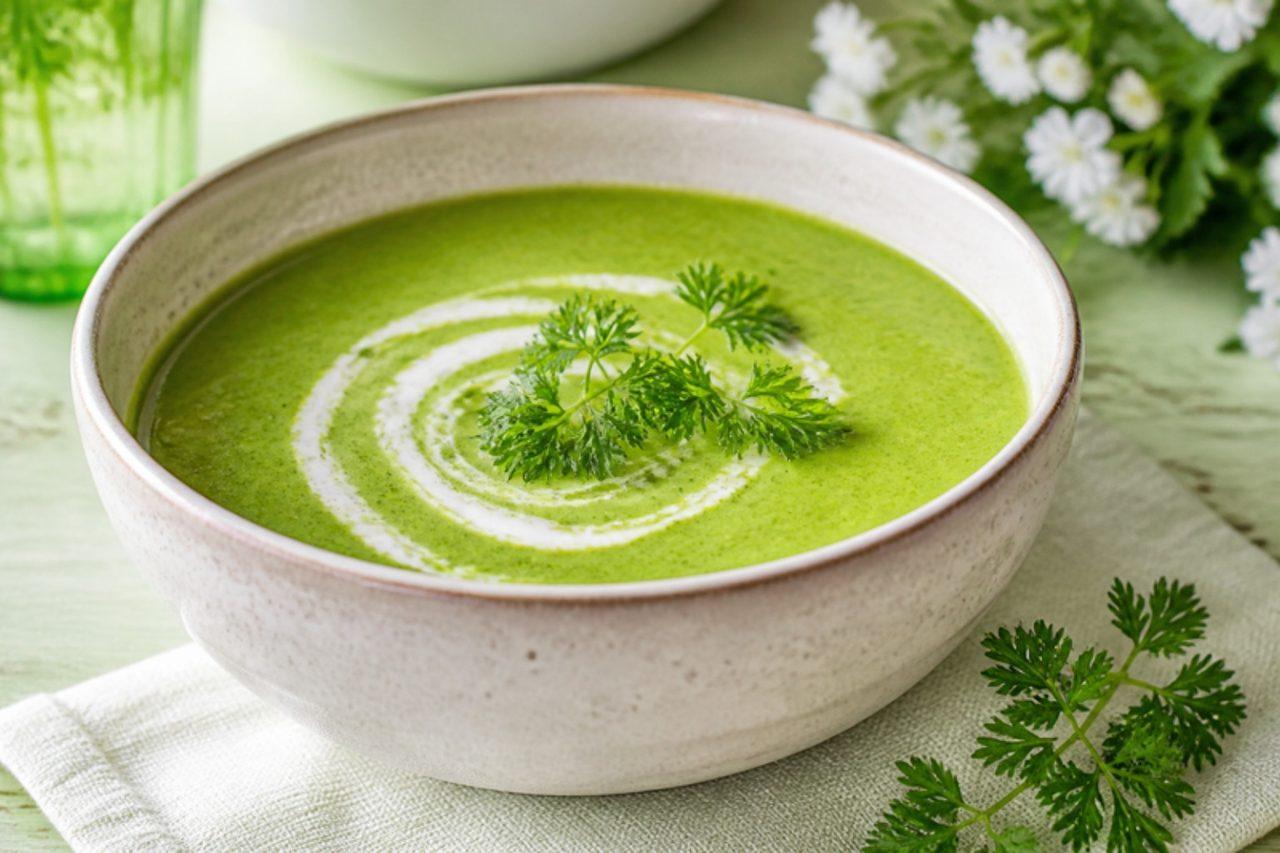
KerbelsuppeChervil soup

In Germany, Maundy Thursday is called Gründonnerstag, 'green Thursday', and many families eat something green that day for health in the coming year: spinach with eggs, herb soup or this creamy chervil soup. Chervil is one of the first herbs of spring, with a delicate taste of aniseed and parsley, and the soup is simply potato, shallot and vegetable stock blended with a big bunch of fresh chervil and finished with cream. It is ready in half an hour and gluten free. Chef's tip: add the chervil only at the very end and blend straight away, because heat quickly dulls its colour and flavour.

by KrazyBadal 0 views

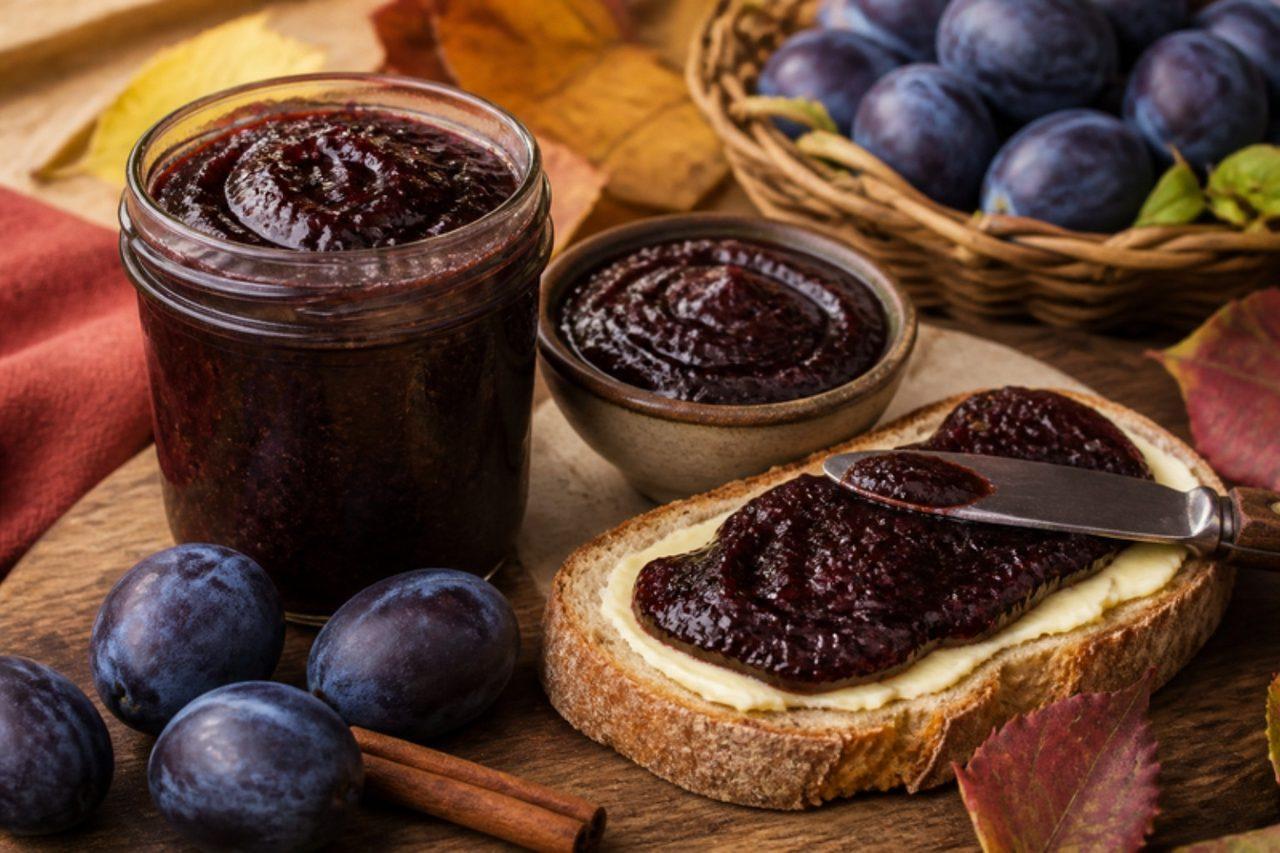
PflaumenmusOven-baked plum butter

When the late damson plums (Zwetschgen) ripen in September, German kitchens fill trays with them for Pflaumenmus, and jars of it stand on the decorated altar at Erntedank, the harvest thanksgiving in early October. Unlike jam, it uses little sugar and no pectin: the halved plums are baked slowly, uncovered, until they collapse and darken into a thick, almost black spread that tastes of plums and spice rather than sugar. Spread it on rye bread with butter, fill Dampfnudeln with it or stir a spoonful into quark. Chef's tip: bake it in the widest roasting tin you have, because the more surface, the faster the water steams off.

by KrazyBadal 0 views

QuittengeleeQuince jelly

Quinces are too hard and sour to eat raw, so in Germany they are turned into Quittengelee, one of the jewel-coloured jars set out with the pumpkins and sheaves of wheat for Erntedank, the October harvest thanksgiving. The fruit is simmered whole in pieces, the juice drips through a cloth overnight, and then it is boiled with sugar until it sets into a clear jelly the colour of rosé, with a perfume like pear, honey and roses. Eat it on bread rolls, with cheese, or melted as a glaze for apple tart. Chef's tip: quince skin and cores are full of natural pectin, so cook them in with the flesh rather than peeling.

by KrazyBadal 0 views

Showing 24 of 622 recipes

Show more recipes

Page 1 of 26