Skip to content
Recipes

All recipes

Vegetarian, or something you can't eat? Set your diet once and we'll hide recipes that don't fit.

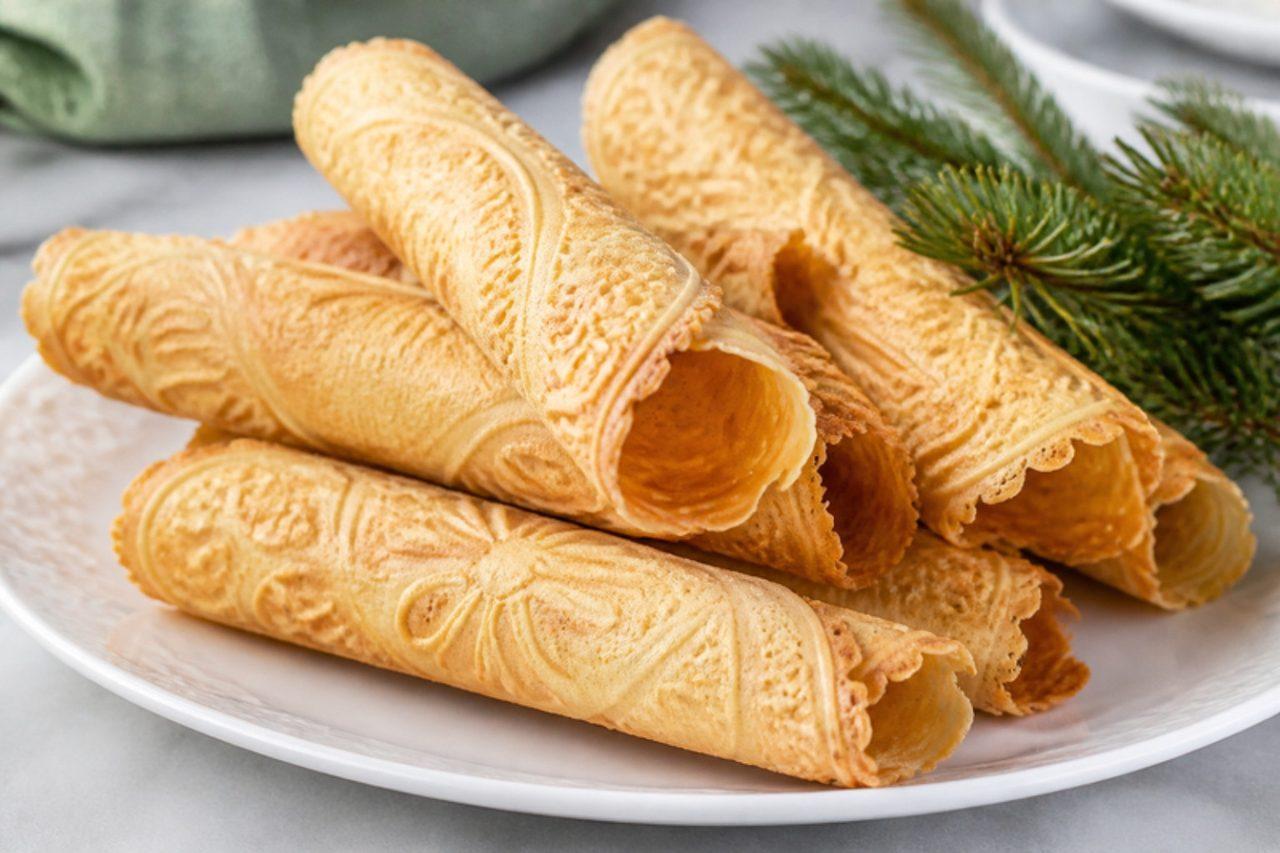
KrumkakeThin wafer cones

Krumkake are one of the 'syv slag', the seven kinds of biscuit a Norwegian household traditionally bakes for Christmas. A thin, buttery batter is pressed between the plates of a patterned krumkake iron, then each lacy wafer is rolled round a wooden cone while still hot and pliable. They are served plain, or filled at the table with whipped cream and cloudberries or other berries. You do need the electric or stovetop krumkake iron. Chef's tip: roll each wafer within seconds of lifting it off the iron, as it sets crisp almost at once.

by KrazyBadal 0 views
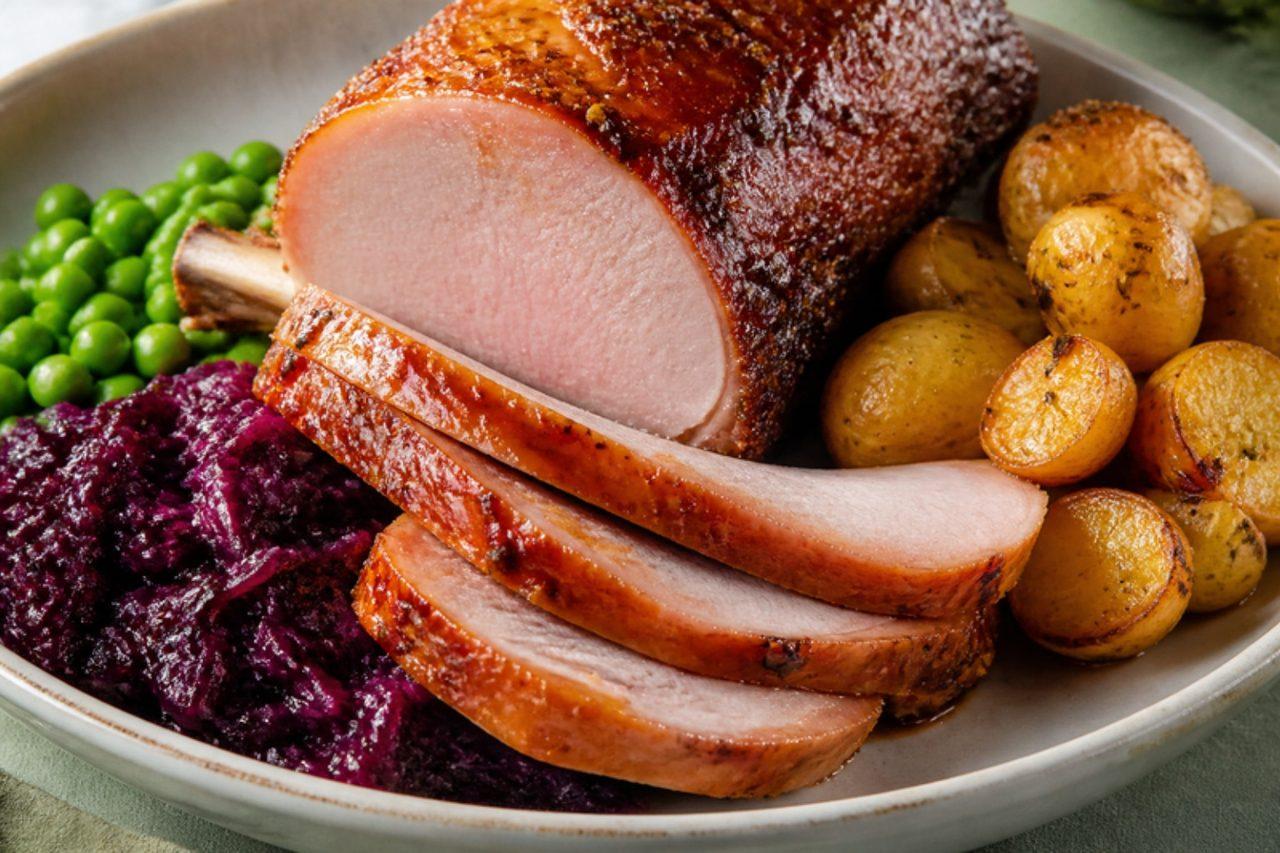
HamborgarhryggurGlazed smoked pork loin

Hamborgarhryggur, 'Hamburg-style loin', is the most common Christmas Eve centrepiece in Iceland, served at six o'clock when the church bells ring Christmas in. It is a cured and lightly smoked pork loin on the bone, simmered gently, then glazed with brown sugar and mustard and baked until shiny. It comes to the table with caramelised potatoes, red cabbage, green peas and a creamy sauce. Use a smoked pork loin (Kassler) from a butcher. Chef's tip: keep the poaching water just trembling, not boiling, so the cured meat stays juicy.

by KrazyBadal 0 views

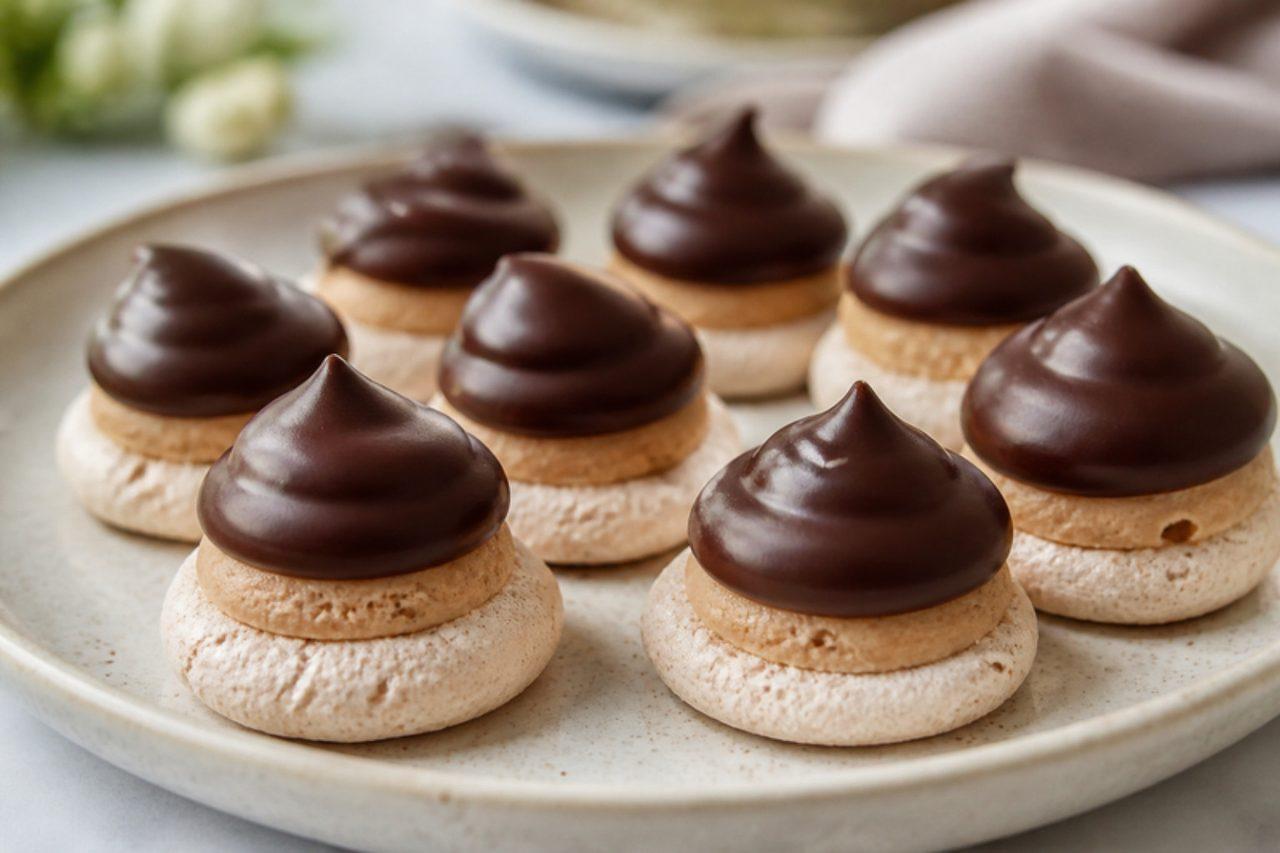
SörurAlmond meringue cookies with buttercream

Sörur are Iceland's most loved Christmas cookie, named after the French actress Sarah Bernhardt and adapted from a Danish pastry. Icelandic families bake them in batches through Advent and keep them in the freezer, where they are eaten straight from frozen. A chewy-crisp almond meringue disc is spread with silky coffee buttercream made on egg yolks and dipped in dark chocolate. The yolks are cooked by a hot sugar syrup; for anyone pregnant, very young or vulnerable, use pasteurised egg yolks. They are gluten free. Chef's tip: grind the almonds with the sugar, which stops them turning oily, for a finer meringue.

by KrazyBadal 0 views

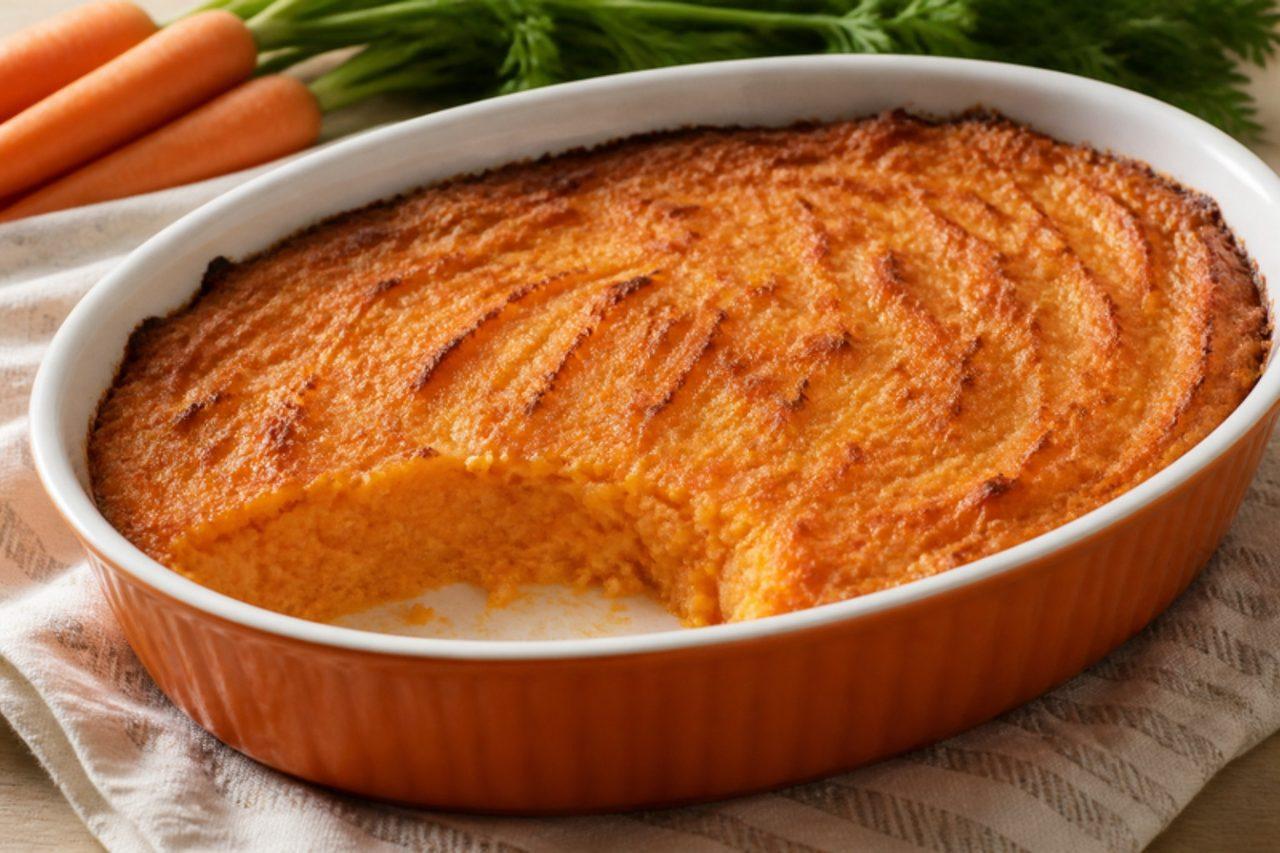
PorkkanalaatikkoCarrot and rice casserole

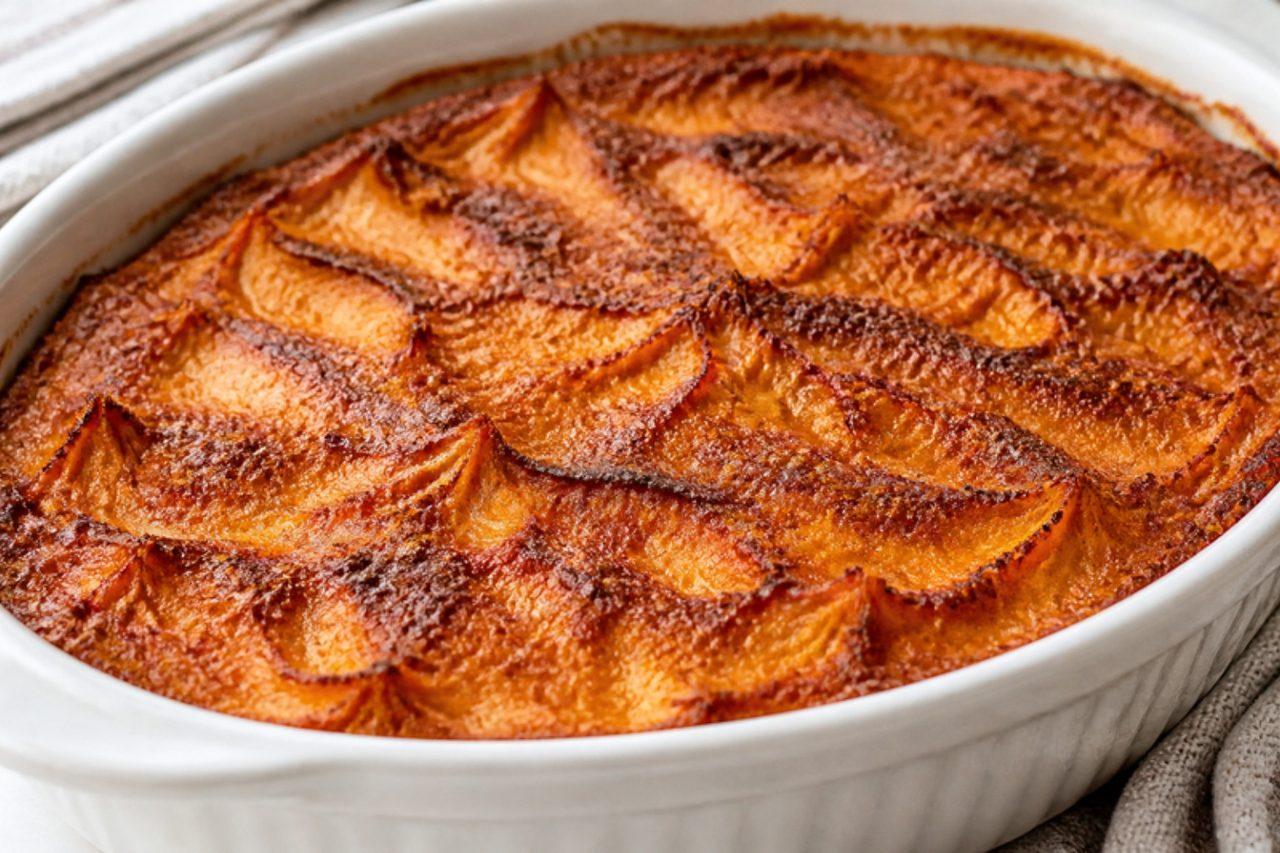
A Finnish Christmas Eve table is set with a row of oven-baked casseroles called laatikot, and porkkanalaatikko, the carrot one, is the children's favourite. Grated carrots are folded into soft rice porridge with milk, egg and a spoon of golden syrup, then baked until the top is caramel-brown with a ring of crisp edge. It is served hot beside the ham or, in vegetarian homes, with beetroot salad and potatoes. It can be made a day ahead and reheated. Chef's tip: use the rice porridge cold, so it holds the egg mixture and the casserole sets into soft, sliceable layers instead of a runny mash.

by KrazyBadal 0 views

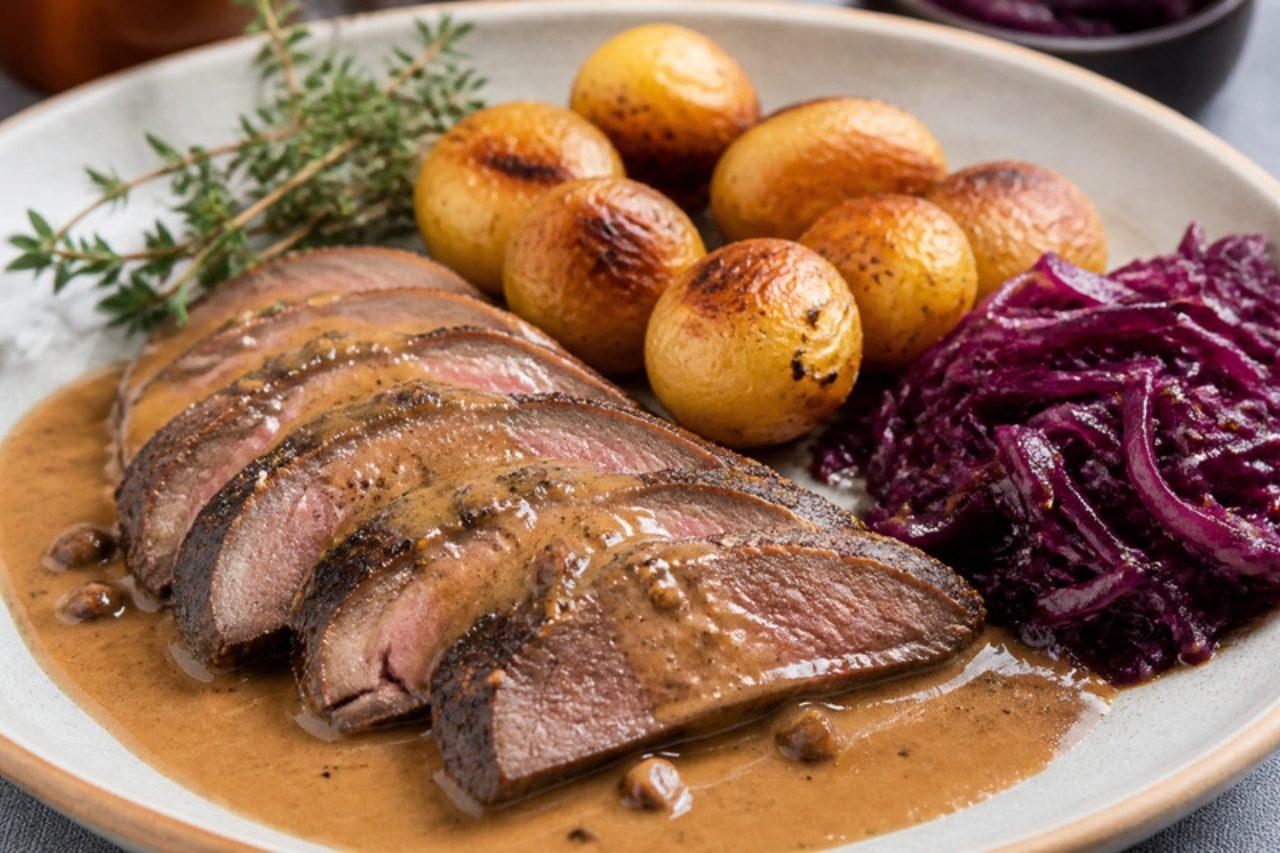
RjúpurPtarmigan in cream sauce

For many Icelandic families, rjúpa (rock ptarmigan) is the true Christmas Eve dish, a small wild bird with dark, gamey meat that is hunted in autumn under strict seasonal limits and kept frozen for the holiday. The breasts are browned, then braised gently in stock made from the legs and carcass, and the sauce is finished with cream and a spoon of redcurrant jelly. Serve with caramelised potatoes and red cabbage. Outside Iceland, use partridge, pigeon or pheasant breasts. Chef's tip: make the stock from the legs and carcasses the day before; it is what gives the sauce its deep game flavour.

by KrazyBadal 0 views

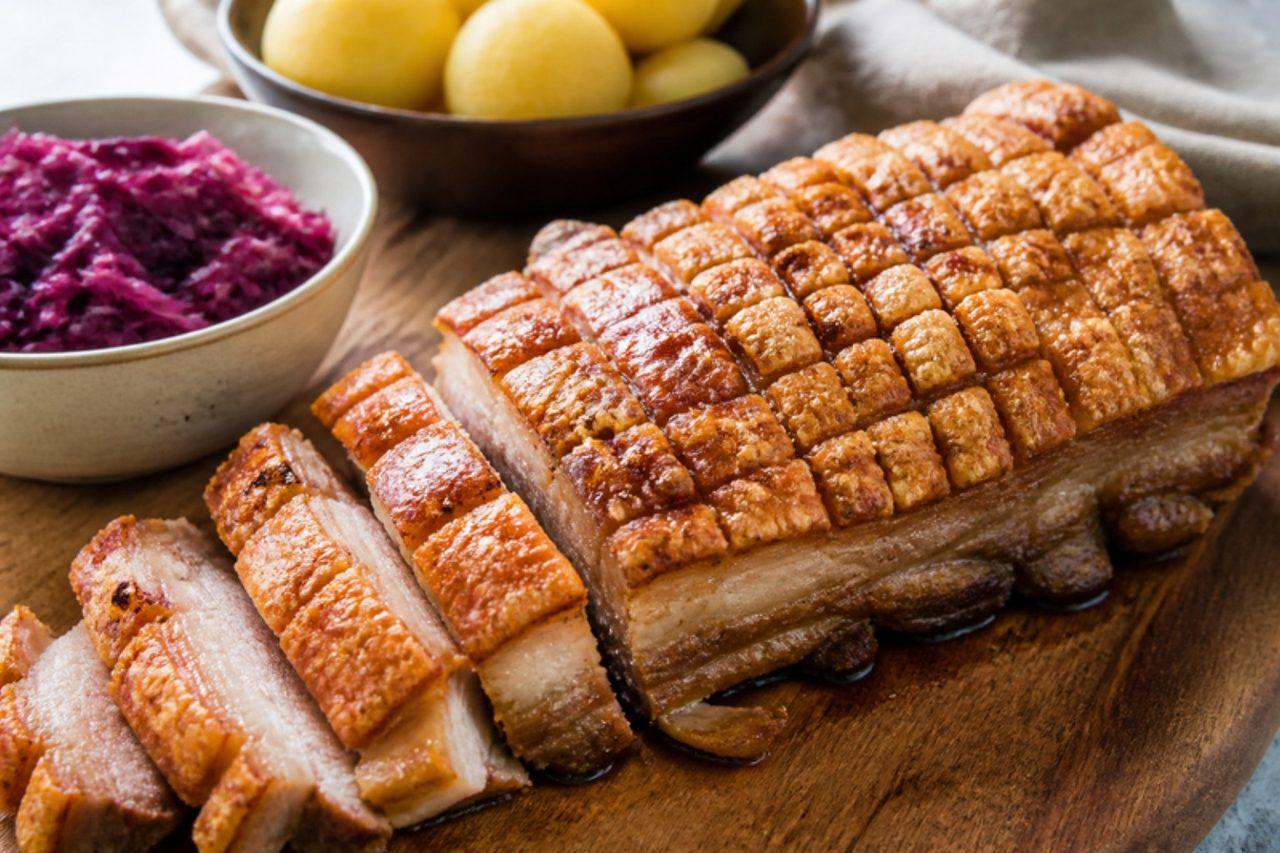
JuleribbeRoast pork belly with crackling

In much of Norway, Christmas Eve means ribbe: a slab of pork belly with the ribs left in, roasted until the scored rind puffs into crackling and the meat beneath is soft and juicy. It is served with medisterkaker, tangy caraway sauerkraut, red cabbage, boiled potatoes and gravy from the pan. Butchers sell ribbe ready scored in squares at Christmas. Chef's tip: salt the rind and leave it uncovered in the fridge for 1–2 days; a dry rind is the secret of the crackling.

by KrazyBadal 0 views

Knäck (Swedish Christmas toffee)

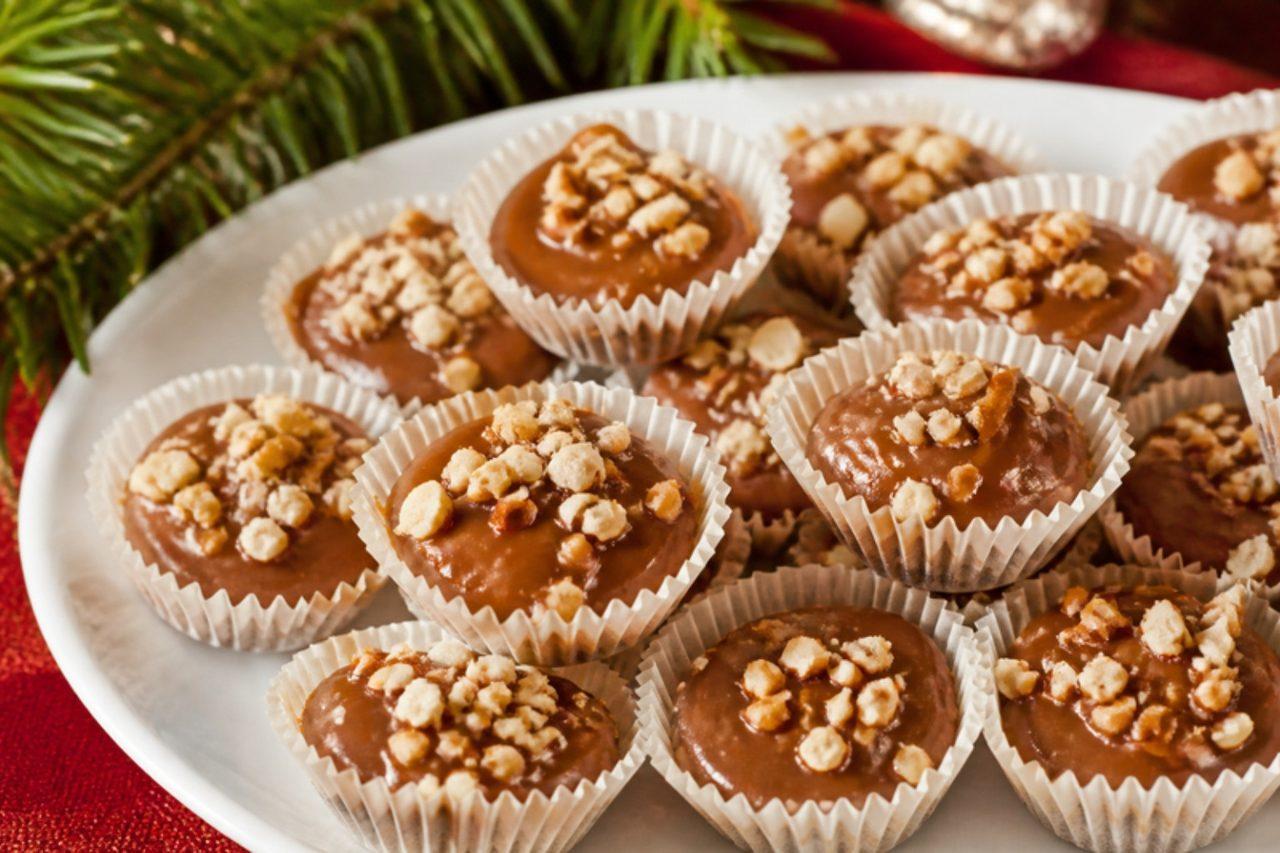
No Swedish julbord is complete without knäck. Families make it in the weeks before Christmas Eve, often with children filling the little paper cases, and it sits on the table beside saffron buns, gingersnaps and ischoklad. Equal parts of cream, golden syrup and sugar boil down into a deep caramel that sets glossy and firm, then gives way to a pleasant chew; chopped almonds add crunch. It is lovely with strong coffee or glögg made from berry juice. Knäck has never contained egg: the cream is boiled until its milk sugars caramelise and the mixture reaches the hard-ball stage, so the sugar itself sets the toffee. Some cooks stir in breadcrumbs; they are left out here so the toffee stays gluten free. Chef's tip: test the toffee by dropping a little into cold water rather than trusting the clock alone; the common mistake is stopping too early, which leaves knäck that sticks to your teeth and to its paper.

by KrazyBadal 0 views

MedisterkakerSpiced pork patties

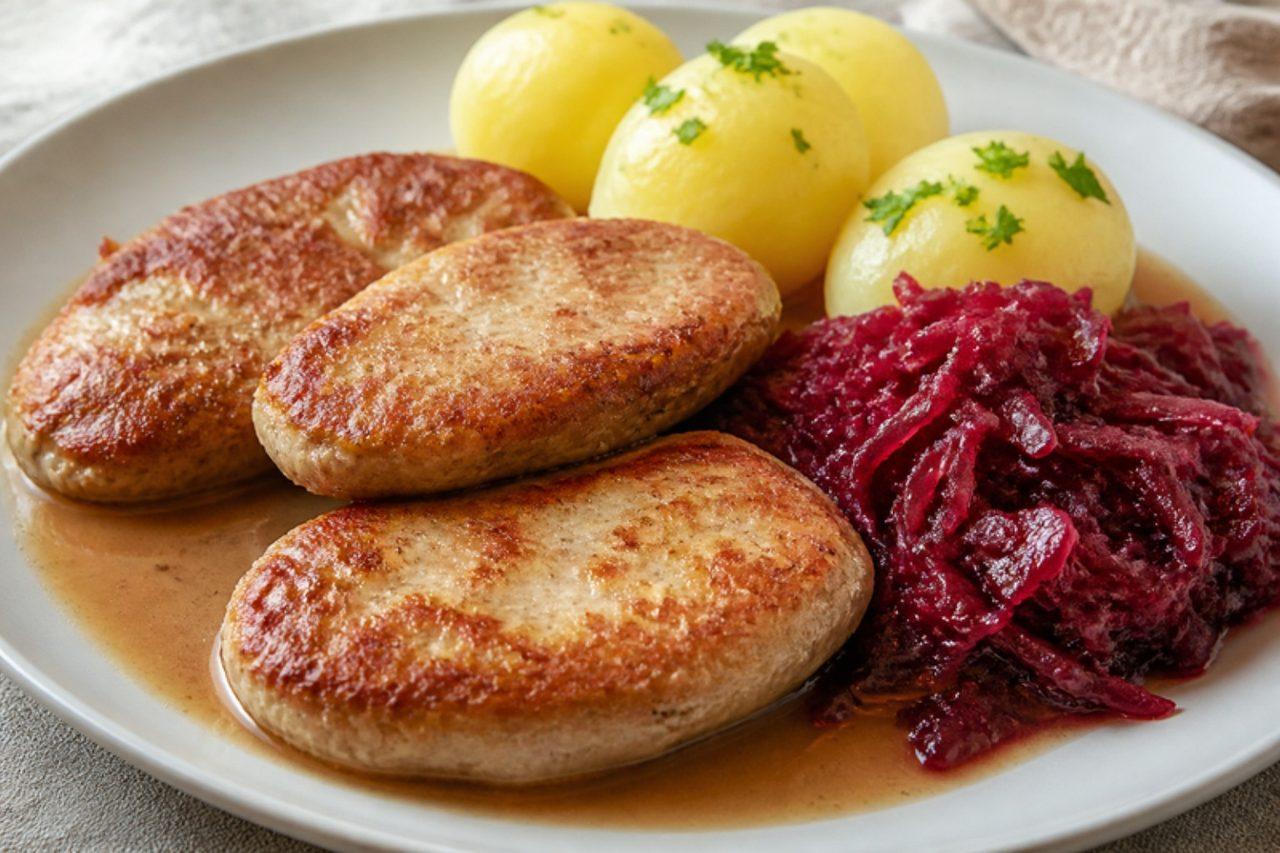
On Christmas Eve in eastern Norway the main dish is ribbe, crackling pork belly, and on the same platter come medisterkaker: soft, pale pork patties seasoned with nutmeg, ginger and white pepper, fried in butter and then simmered gently in the ribbe juices. They are made from medisterfarse, a fine pork mince lightened with milk and potato starch, and are just as popular on ordinary weeknights with brown gravy. Chef's tip: beat the mince with the milk a little at a time until light and sticky, as this is what makes the patties so tender.

by KrazyBadal 0 views

Imelletty perunalaatikkoSweet baked potato casserole

Imelletty perunalaatikko is the most traditional of the Finnish Christmas casseroles, made in the days before Christmas Eve. Mashed potato is mixed with a little flour and left warm for hours, so the potatoes' own enzymes turn starch into sugar ('imelletty' means sweetened), and then it is baked slowly until the top is a deep caramel brown. The result tastes gently sweet with no added sugar and is eaten with ham, herring or, on a vegetarian table, with mushroom salad and beetroot. Chef's tip: keep the mash at hand-warm (about 55 °C) while it sweetens; too hot and the enzymes die, too cool and nothing happens.

by KrazyBadal 0 views

SpringerleAnise biscuits

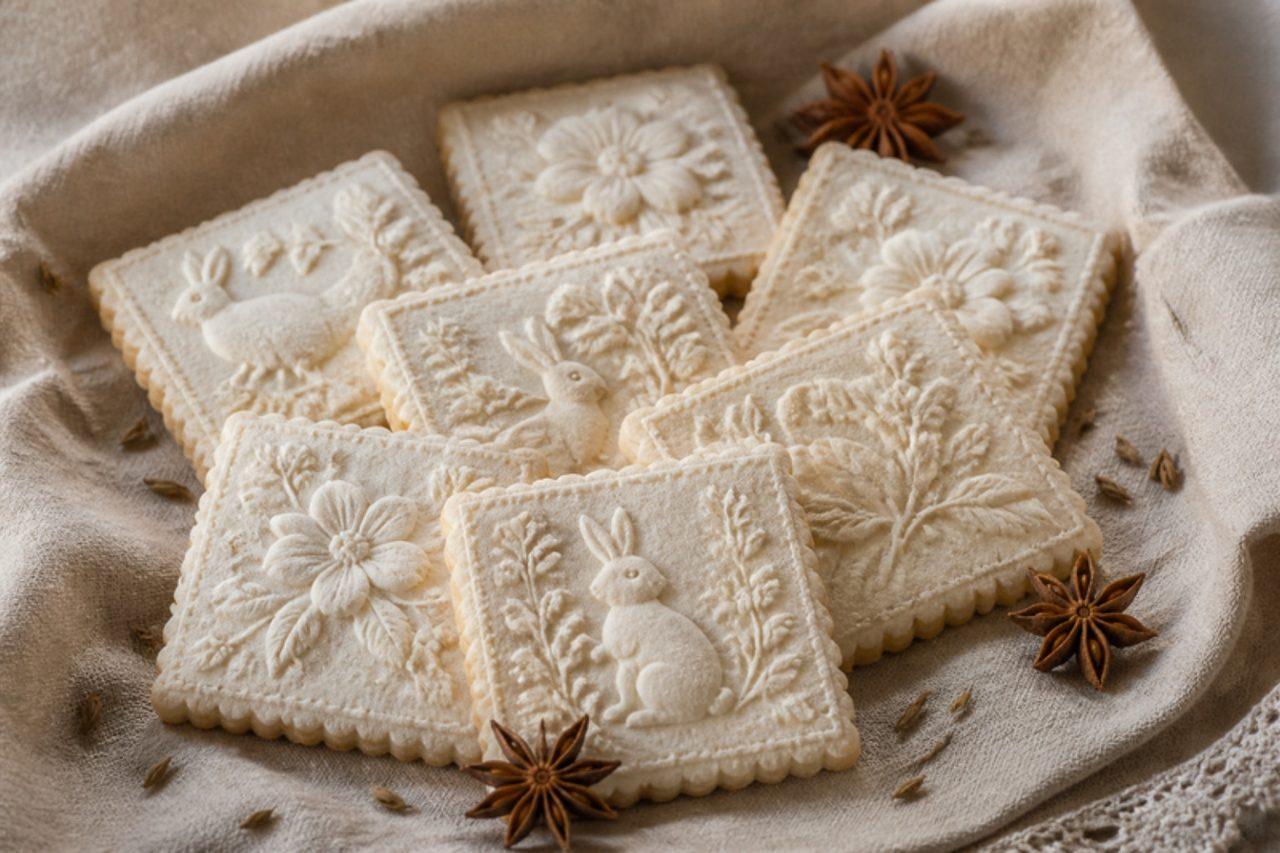
Springerle are among the oldest Christmas biscuits of Swabia and Baden in south-west Germany, made in Advent with carved wooden moulds and boards handed down in families, which print scenes of angels, animals and flowers onto the dough. The dough is only eggs, sugar and flour with aniseed underneath. The pressed biscuits are left to dry overnight, so that in the oven the picture stays sharp on top while a little 'foot' rises underneath. They are hard when fresh and soften in a tin after a week. Chef's tip: dust the mould with flour and tap out the excess every time, or the dough sticks and the picture blurs.

by KrazyBadal 0 views

RosettbakkelsFried rosette biscuits

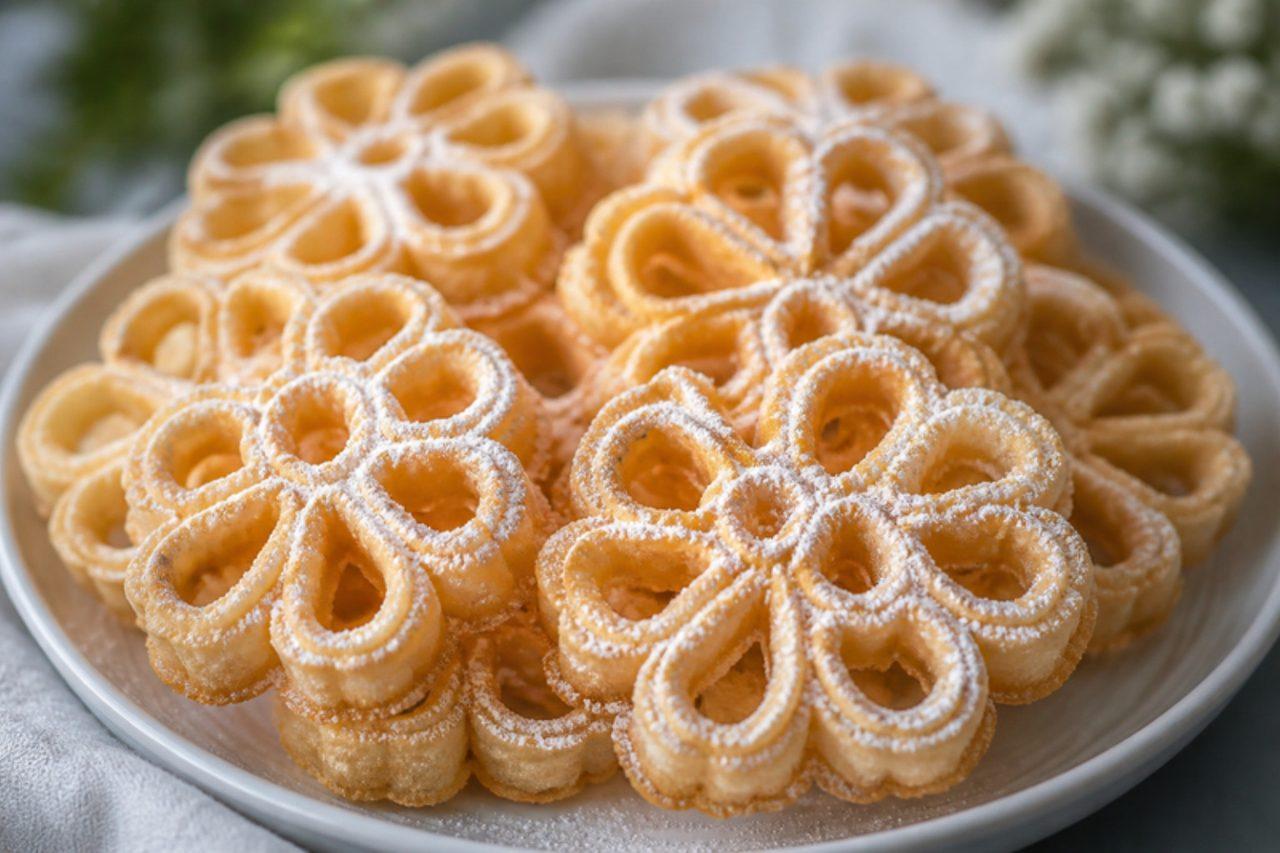
Rosettbakkels are another of Norway's seven traditional Christmas biscuits, delicate fried flowers made by dipping a heated metal rosette iron into thin batter and then into hot oil, where the batter puffs, crisps and drops off as a lacy rosette. They are dusted with icing sugar and kept in tins for the Christmas visitors. You need a rosette iron, sold in kitchen shops at Christmas. Chef's tip: dip the iron into the batter only three-quarters of the way up, as batter over the top locks the rosette onto the iron.

by KrazyBadal 0 views

SandkakerAlmond butter tartlet biscuits

Sandkaker ('sand cakes') are small, crumbly almond and butter biscuits pressed into fluted tins, and they are a fixture among the seven Norwegian Christmas biscuits. The dough is short and rich with ground almonds and a few bitter almonds or almond extract, and the shells are served upside-down as they are, or filled with whipped cream and berries. You need small fluted tartlet tins (sandkake forms). Chef's tip: press the dough as thin as you can against the tin sides, because thick shells stay doughy in the middle and won't release cleanly.

by KrazyBadal 0 views

Marzipankartoffeln (German marzipan potatoes)

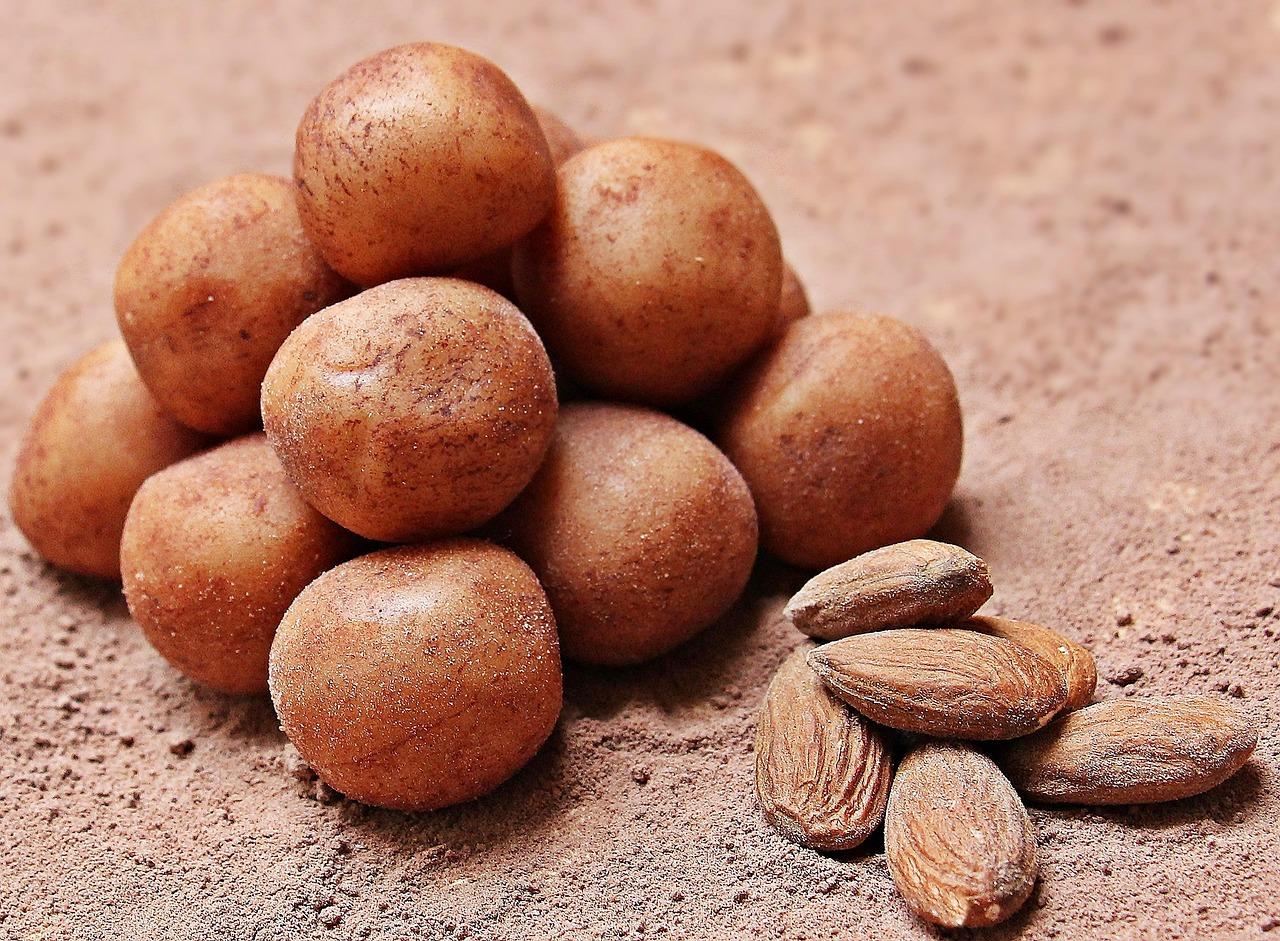
In Germany the run-up to Christmas is when these appear, piled in paper bags at the markets and in bowls on the Advent table; Lübeck, the city most famous for marzipan, makes them by the tonne. They are simply small balls of marzipan dusted in cocoa until they look like freshly dug new potatoes, sometimes with a few pricked 'eyes'. The inside is soft, sweet and fragrant with almond and a hint of rosewater; the cocoa coat is bitter and dry, which keeps the sweetness in check. Serve them with coffee, tuck them into a cookie tin or wrap them as small gifts. Shop marzipan sometimes contains egg white, so this one is made from scratch: a sugar syrup cooked to the soft-ball stage binds the ground almonds into a smooth, pliable paste, doing the job egg white does in some commercial pastes, and the result is naturally egg-free. Chef's tip: the common mistake is kneading the warm paste too long, which squeezes oil out of the almonds and makes it greasy; knead only until it comes together, then let it cool.

by KrazyBadal 0 views

VörtbrödDark Christmas rye bread

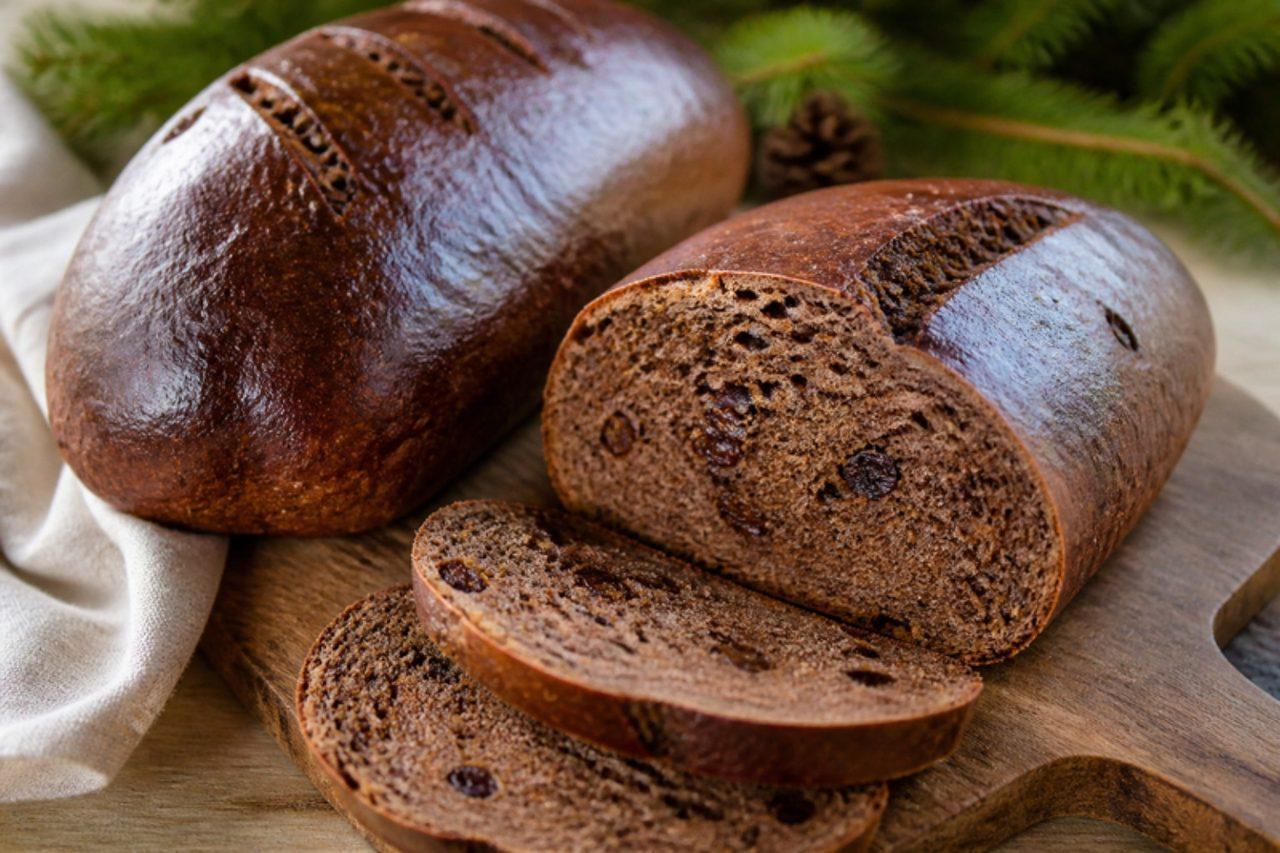
In Sweden the Christmas smörgåsbord (julbord) is never without vörtbröd, a dark, soft, slightly sticky rye loaf flavoured with wort, the sweet malty liquid brewers start beer from, plus dark syrup, orange peel, clove and ginger. It is sliced, buttered and eaten with the Christmas ham or with cheese. Many home bakers use dark beer, which contains alcohol; this recipe uses a non-alcoholic dark malt drink, which gives the same malty depth. It keeps for 4 days, and freezes well. Chef's tip: rye dough is sticky and never feels smooth like wheat; resist adding lots of extra flour or the loaf will be dry.

by KrazyBadal 0 views

SerinakakerAlmond and pearl sugar butter biscuits

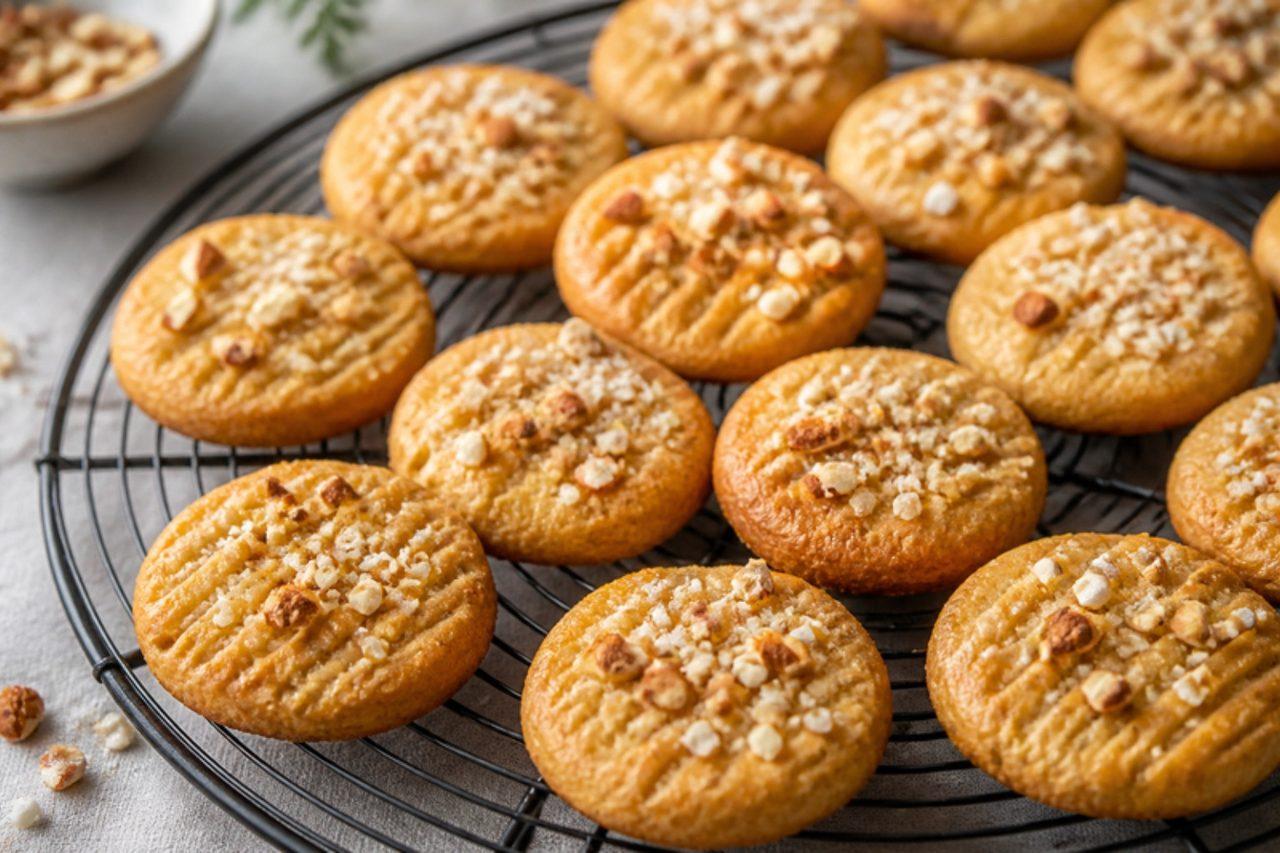
Serinakaker are the easiest of the Norwegian seven Christmas biscuits, so they are often the first one children help to bake in Advent. Small balls of rich butter dough are flattened with a fork, brushed with egg and topped with chopped almonds and pearl sugar, then baked until the edges just colour. They taste of butter and vanilla, with a crunch on top. Chef's tip: use baker's ammonia (hjortetakksalt) if you can find it for the traditional crisp-light snap; baking powder works too but gives a softer biscuit.

by KrazyBadal 0 views

Polkagris (Gränna peppermint candy sticks)

Gränna, a small town on the shore of Lake Vättern, has been pulling polkagris since the 1850s, and visitors still stand at shop windows watching the sugar being stretched and twisted on marble tables. The sticks are sold all year but are a favourite in summer, when the town fills with tourists, and again at Christmas. Pulled properly, the white part turns satiny and slightly airy, so the candy is crisp on the outside and almost chalky-soft as it melts, with a clean, cooling peppermint flavour and a thin red spiral. Eat them as they are, crush them over ice cream or hang them on the tree. Polkagris is naturally egg-free: nothing but sugar boiled to the hard-crack stage holds it together, and the pulling, not any added protein, gives the pale, opaque texture. Chef's tip: work in a dry kitchen with oiled gloves and have every tool ready before the sugar reaches temperature; the common mistake is letting the mass cool too far before pulling, at which point it cracks instead of stretching.

by KrazyBadal 0 views

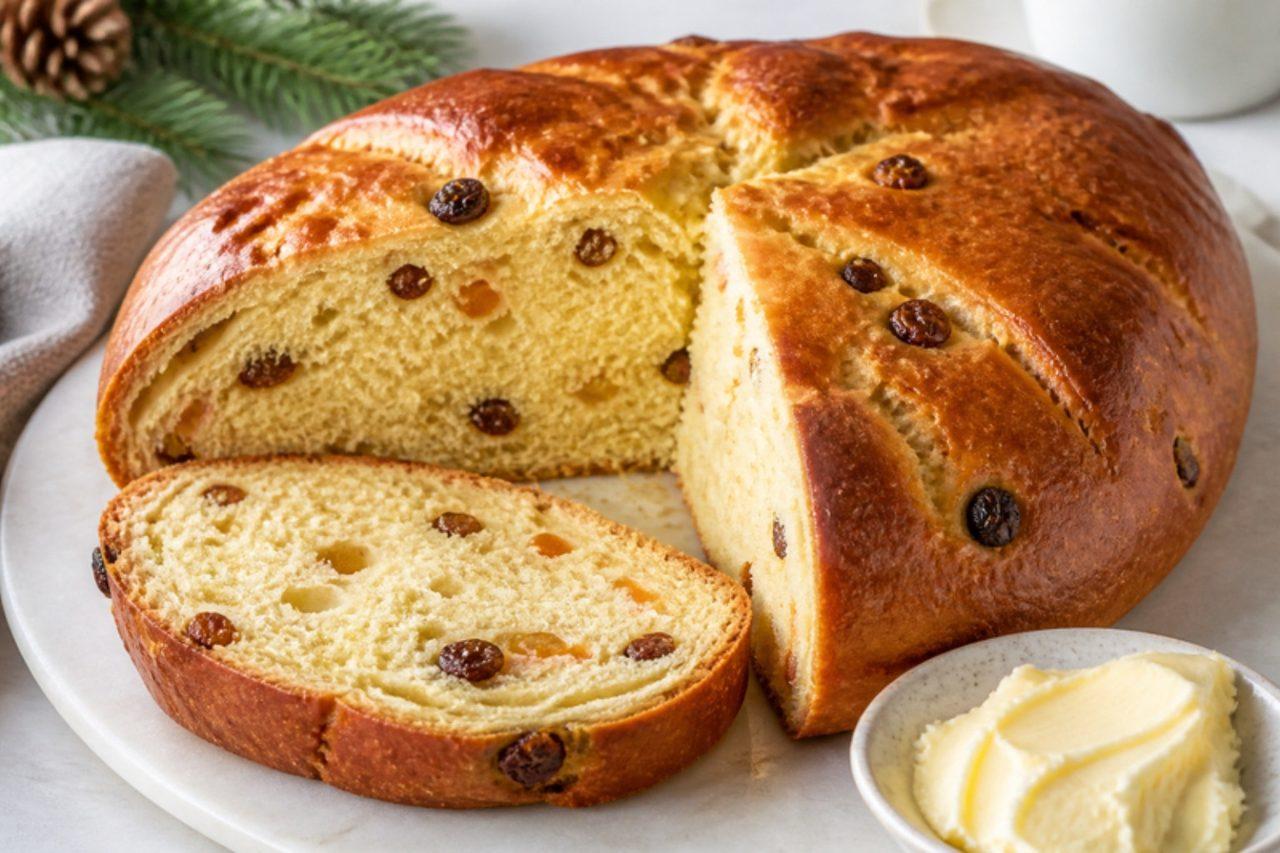
JulekakeCardamom raisin Christmas bread

Julekake is the Christmas bread of Norway, baked in the days before Christmas Eve and eaten for breakfast on Christmas morning, sliced and spread with butter and brown goat's cheese (brunost). It is a soft, round, golden loaf enriched with milk and butter, perfumed with freshly ground cardamom and dotted with raisins and candied citrus peel. It is plain enough to enjoy every day of the holidays, and leftovers make wonderful toast. Chef's tip: crush whole cardamom seeds yourself just before baking; ready-ground cardamom loses its scent within weeks.

by KrazyBadal 0 views

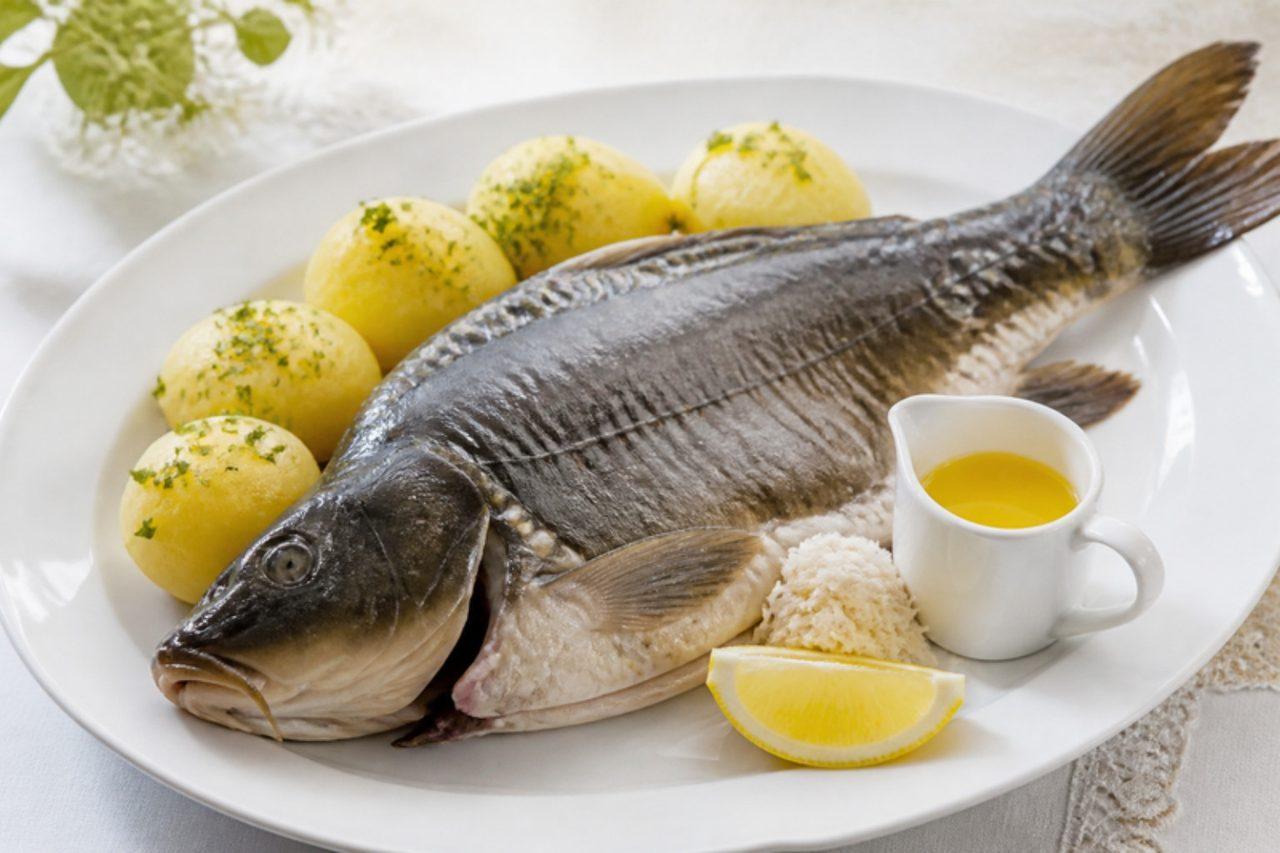
Karpfen blauCarp poached in vinegar stock

In Franconia and Bavaria, Christmas Eve supper is often carp, and the old way is 'blau': the fish is poached in a sharp vinegar stock that turns its natural skin slime a striking slate blue. It is served with melted butter, freshly grated horseradish and boiled potatoes, and many families keep a carp scale in their wallet for good luck in the year ahead. Buy carp already killed and gutted by the fishmonger, and ask for it unscaled and handled as little as possible, or the blue colour won't appear. Chef's tip: never rinse or wipe the carp skin, because the slime is what turns blue.

60 minGermanFishGluten free
by KrazyBadal 0 views

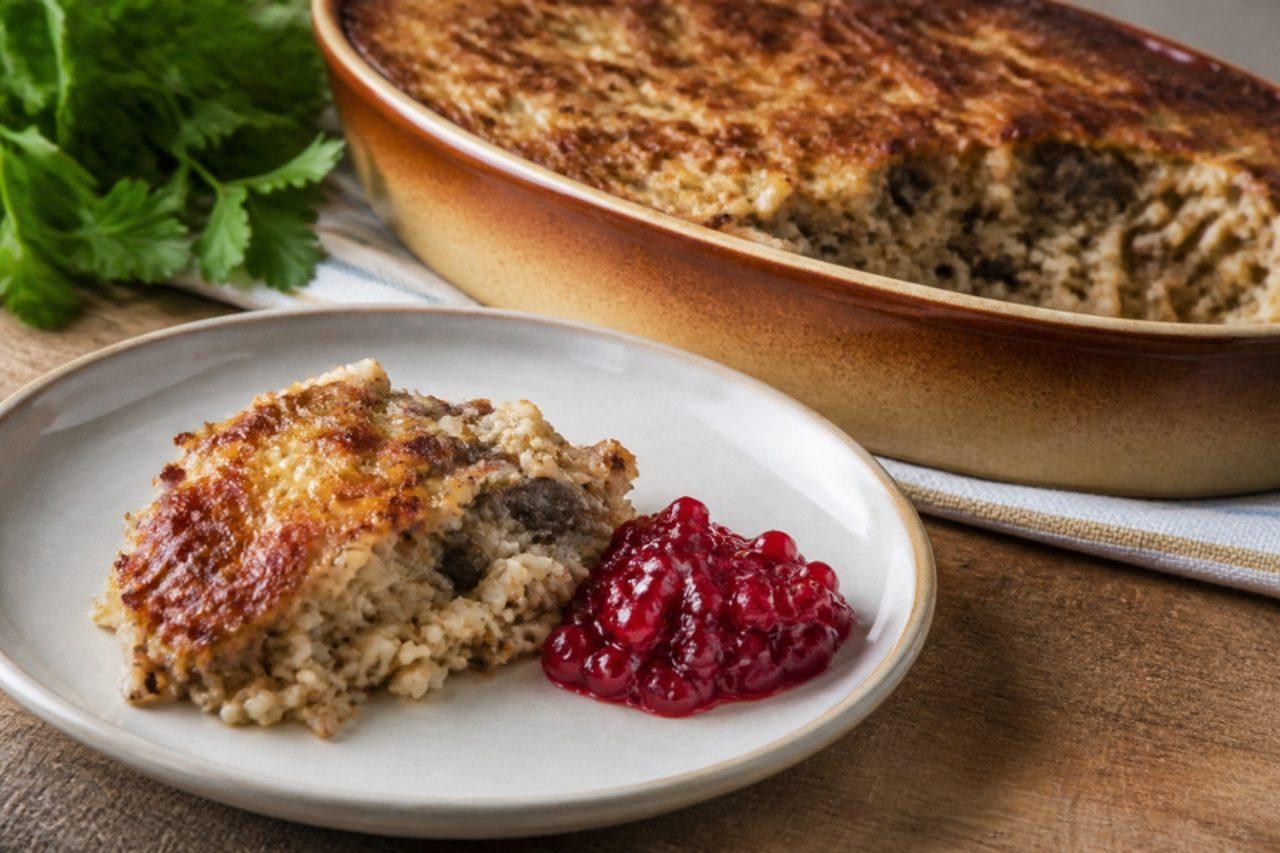
MaksalaatikkoLiver and rice casserole

Maksalaatikko is a baked casserole of rice, milk, minced liver, onion, raisins and a little syrup, and it is one of the old dishes on the Finnish Christmas table, eaten all year too. It sounds unusual, but the liver softens into a mild, savoury custard and the raisins and syrup give a gentle sweetness, all cut by sharp lingonberry jam. This version uses pork or calf's liver, minced or very finely chopped; pork liver is the most traditional. Chef's tip: soak the minced liver in milk while the rice cooks, which mellows the flavour.

by KrazyBadal 0 views

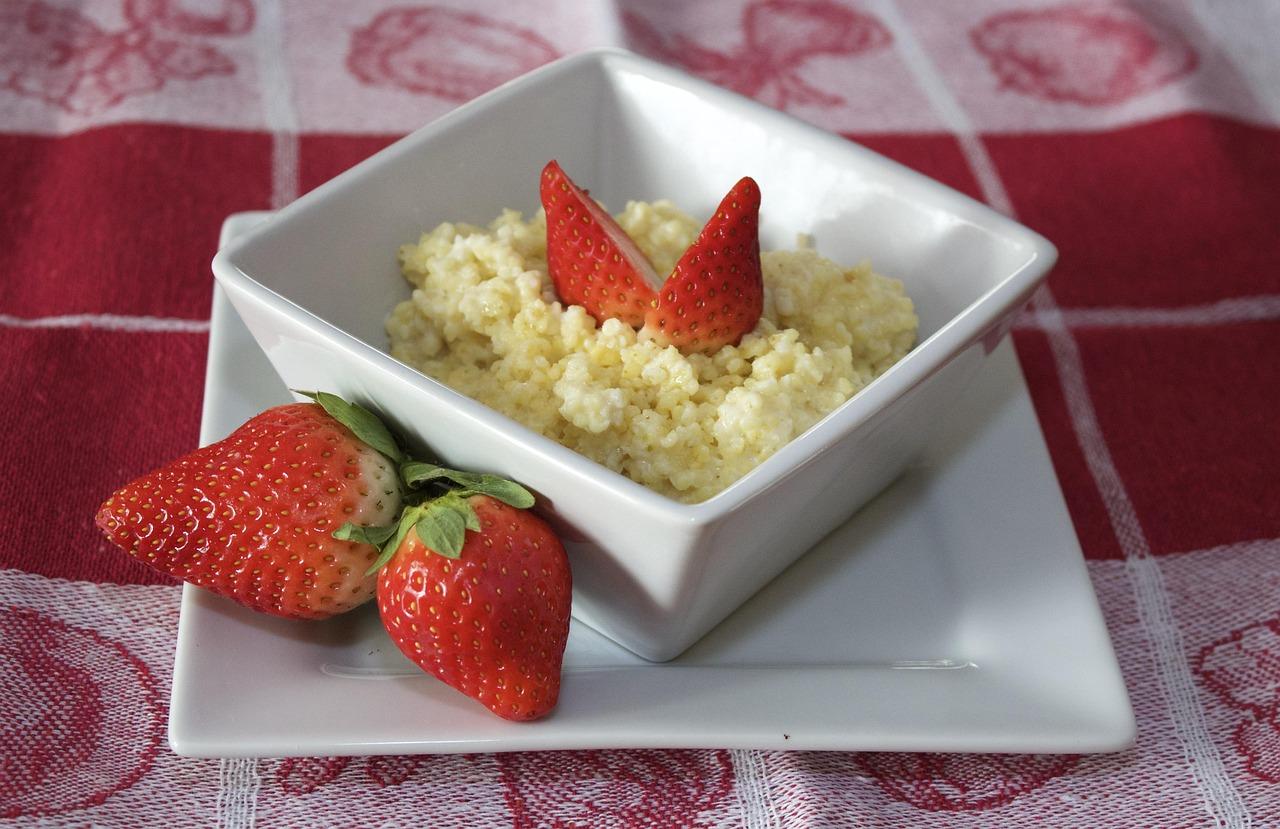
HirsebreiMillet porridge

Hirsebrei is one of the oldest dishes in German cooking, the millet porridge of fairy tales, and it is still made in homes across the country as a warm breakfast or a sweet supper for children on cold evenings. Golden millet is rinsed, then simmered in milk until creamy and soft, and served with stewed apple, berries and a dusting of cinnamon. A bowl gives about 12 g of protein from the milk and millet; stir in a spoon of quark or top with chopped almonds if you want more. The usual mistake is skipping the rinse: unrinsed millet tastes bitter and soapy, so rinse it in hot water until the water runs clear. Chef's tip: toast the rinsed millet in the dry pan for a minute before adding milk; it brings out a lovely nutty flavour.

by KrazyBadal 0 views

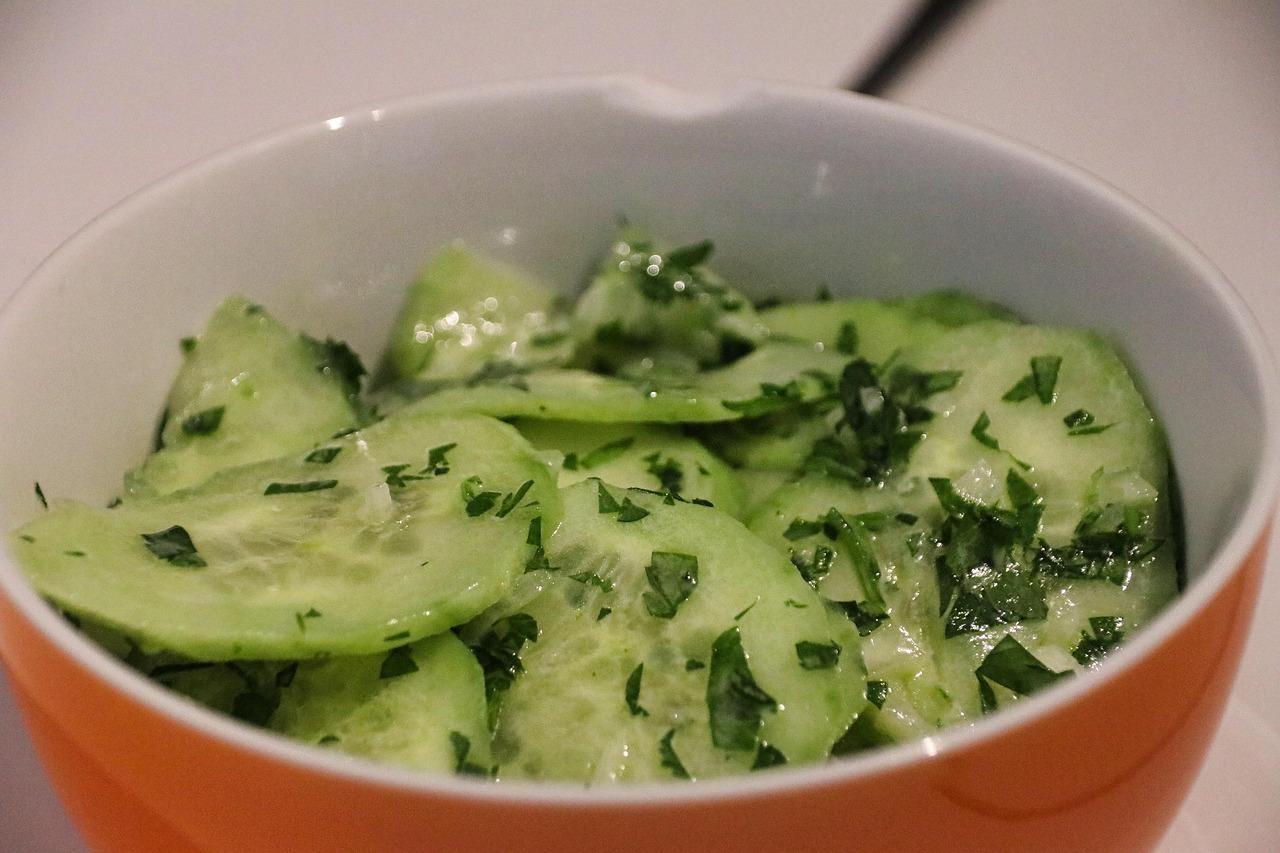
GurkensalatCucumber and dill salad

Gurkensalat is on German tables from Bavaria to Berlin all summer, served alongside potato pancakes, egg dishes or the Sunday roast, and it is just as common at a garden barbecue. Cucumber is sliced almost paper-thin, salted briefly, then dressed with a little vinegar, sugar, onion and lots of fresh dill, so it is cool, sharp and soft-crunchy. Some households stir in soured cream; this vinaigrette version is vegan. It is very light, with about 1 g of protein a portion, so it is purely a side. The most common mistake is skipping the salting: unsalted slices weep water into the bowl and dilute the dressing within minutes. Chef's tip: squeeze the salted slices gently in your hands before dressing; they bend like ribbons and take up the dill dressing much better.

by KrazyBadal 0 views

Chilcano de pescadoClear fish broth

In the fishermen's terminals of Chorrillos and Callao, chilcano is what you drink on a Sunday morning after a long night: a clear, gingery broth made from the heads and bones left over from cleaning fish for ceviche, with chunks of fish, red onion, chilli and a squeeze of lime in the bowl. It is light and warming, around 160 kcal a bowl, and still gives about 24 g of protein from the fish fillet and the broth. The common mistake is squeezing the lime into the pot while it boils, which turns it bitter; add it to each bowl at the table. Don't boil the bones for more than 30 minutes either, or the broth turns cloudy and harsh. Chef's tip: ask the fishmonger for heads and frames from mild white fish like sea bass or cod, and leave out oily fish such as mackerel, which makes the broth strong and fishy.

by KrazyBadal 0 views

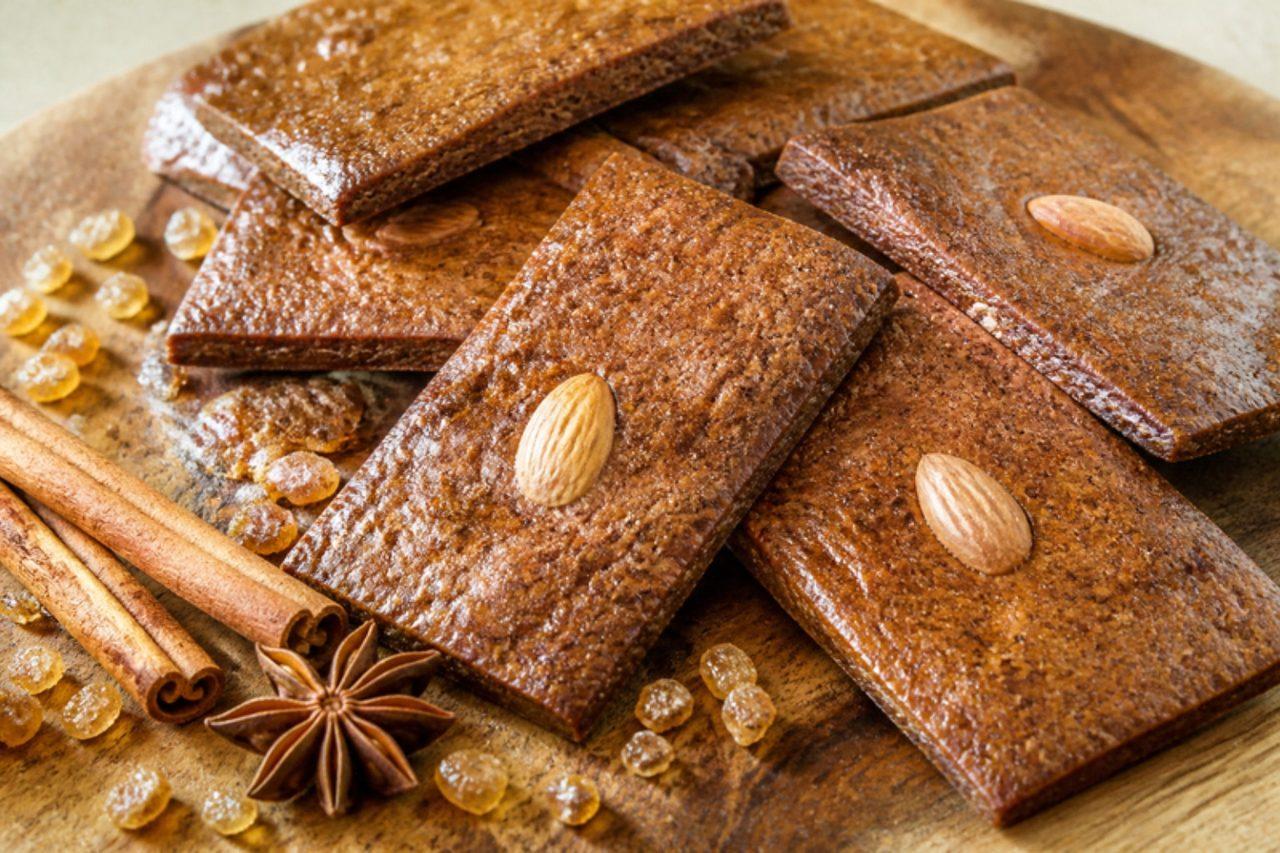
Aachener Printen (Aachen spiced gingerbread slabs)

The bakeries of Aachen have made Printen for centuries, and from late autumn through Christmas the city's shop windows fill with these narrow brown slabs. Unlike soft German Lebkuchen they are firm and snappy, sweetened with dark sugar-beet syrup and studded with little crunchy bits of rock sugar, and they carry a big blend of spices: cinnamon, aniseed, coriander, cloves, cardamom and allspice. The dough rests overnight to develop flavour, then is raised with potash, which gives the dense, crisp texture. Dunk them in coffee or tea, or serve with baked apples. Printen never contained egg: the thick beet syrup is both sweetener and binder, gluing the flour into a stiff dough that sets hard in the oven. Chef's tip: let the syrup cool to lukewarm before mixing in the flour; the common mistake is adding it hot, which starts cooking the flour and gives a tough, rubbery dough.

1465 minGermanBakingVegan
by KrazyBadal 0 views

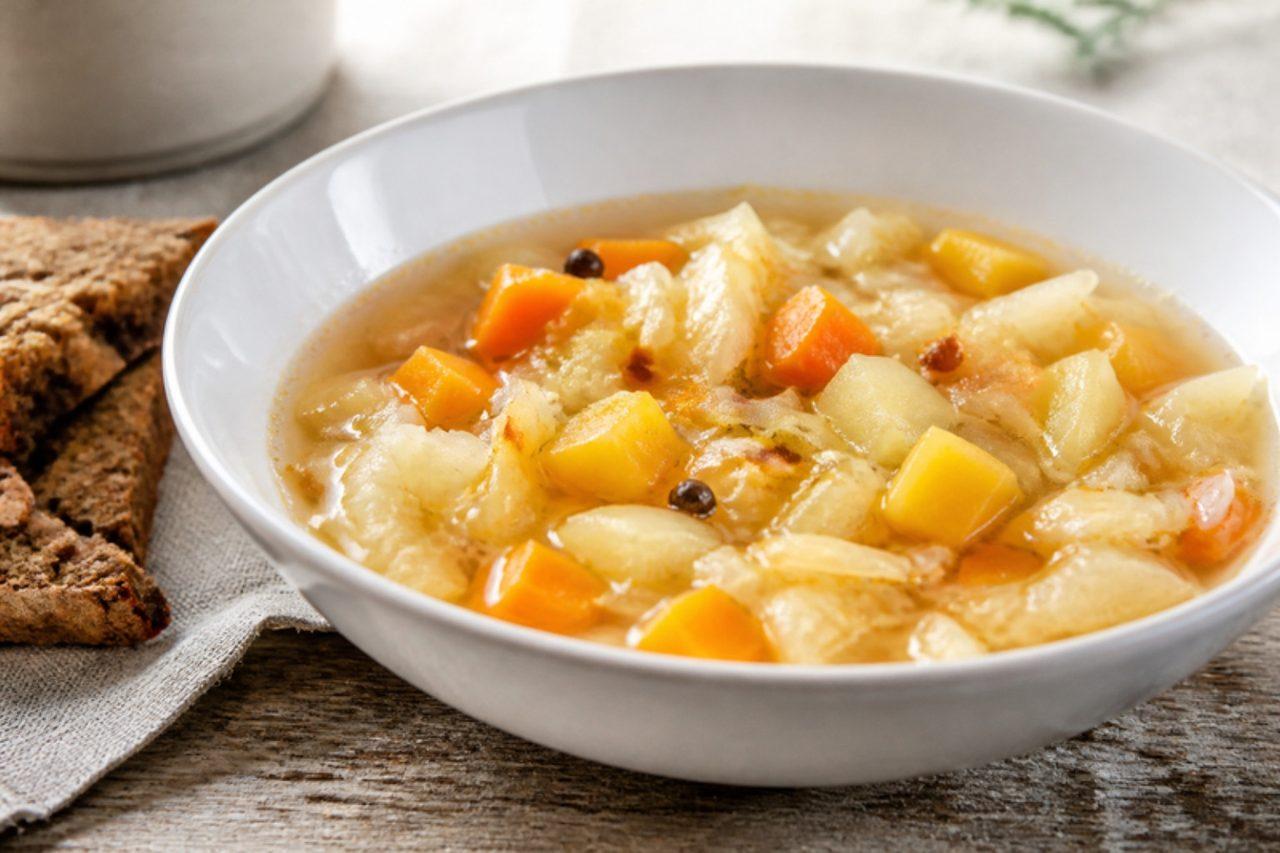
KålsoppaCabbage and root vegetable soup

Kålsoppa is old-fashioned Swedish home cooking, the soup of cold autumn and winter evenings in Skåne and the countryside, when white cabbage and root vegetables fill the cellar. The cabbage is first browned in a little oil with a pinch of syrup, which gives the broth its gentle sweetness and golden colour, then simmered with carrot, swede and potato and seasoned with whole allspice. Many families float small meatballs in it; this is the vegetarian version without them. It has about 4 g of protein per bowl; serve with crispbread and a hard cheese, or add white beans, for more. The common mistake is rushing the browning: the cabbage needs a good 10 minutes of slow frying to caramelise. Chef's tip: crush the allspice berries lightly before adding them, so their warm, clove-like scent fills the soup.

by KrazyBadal 0 views

Showing 24 of 610 recipes

Show more recipes

Page 1 of 26