Skip to content
Recipes

All recipes

Vegetarian, or something you can't eat? Set your diet once and we'll hide recipes that don't fit.

GurkensalatCucumber and dill salad

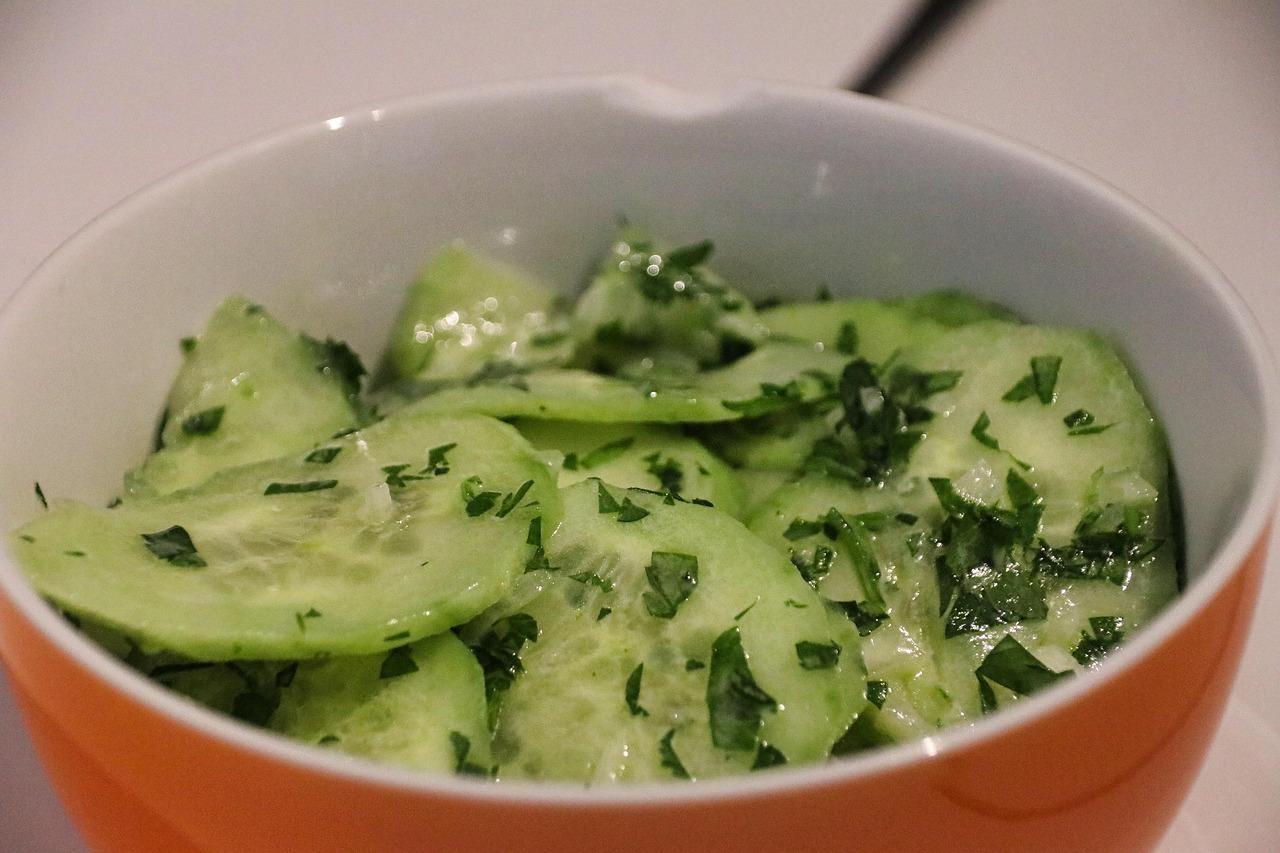
Gurkensalat is on German tables from Bavaria to Berlin all summer, served alongside potato pancakes, egg dishes or the Sunday roast, and it is just as common at a garden barbecue. Cucumber is sliced almost paper-thin, salted briefly, then dressed with a little vinegar, sugar, onion and lots of fresh dill, so it is cool, sharp and soft-crunchy. Some households stir in soured cream; this vinaigrette version is vegan. It is very light, with about 1 g of protein a portion, so it is purely a side. The most common mistake is skipping the salting: unsalted slices weep water into the bowl and dilute the dressing within minutes. Chef's tip: squeeze the salted slices gently in your hands before dressing; they bend like ribbons and take up the dill dressing much better.

by KrazyBadal 0 views

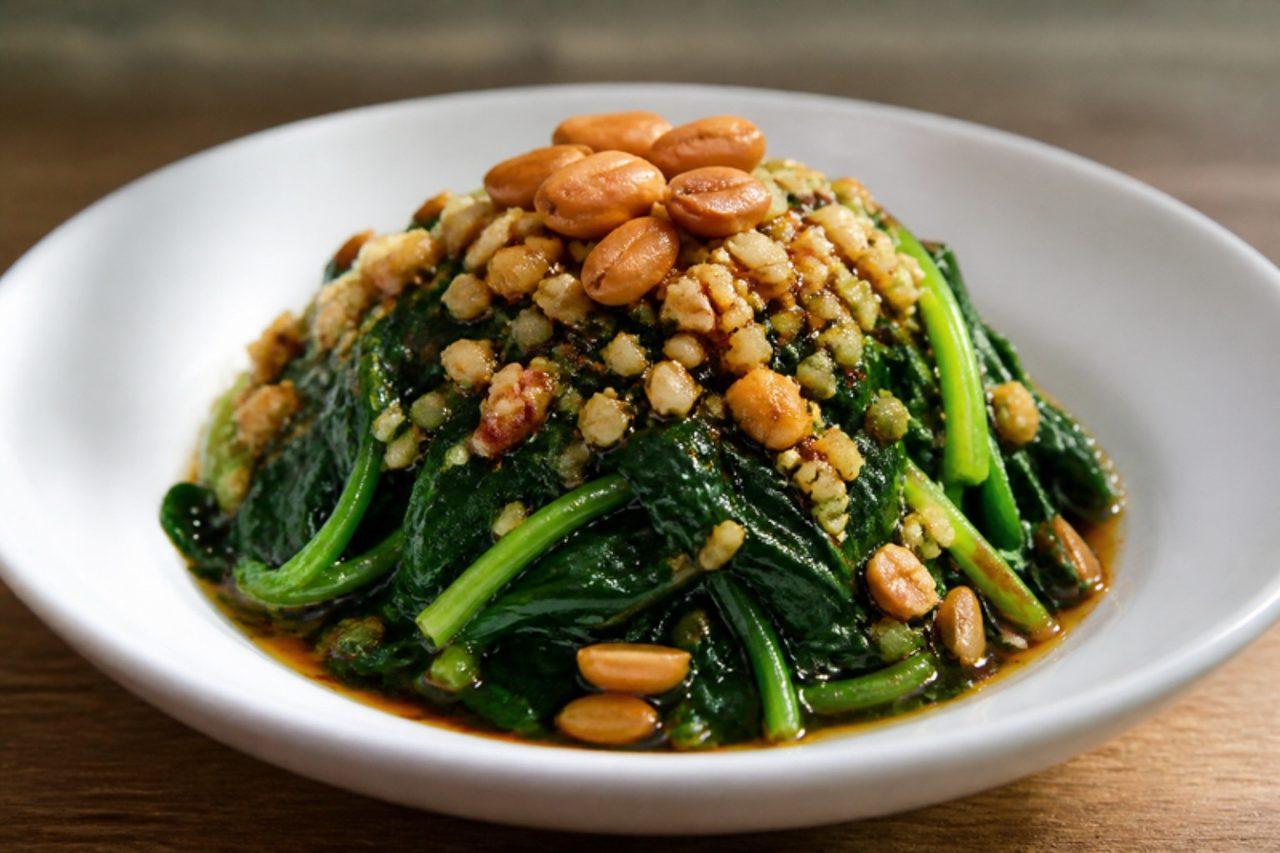
Liangban bocaiCold dressed spinach

Liangban bocai is one of the cold dishes that open a family meal or a restaurant banquet all over China, from Beijing homes to Sichuan noodle shops, and it is made year round but especially in spring when spinach is sweet. The spinach is blanched briefly, squeezed, and dressed with raw garlic, black vinegar, soy and toasted sesame oil, then scattered with crunchy peanuts; it is garlicky, tangy and fresh. A portion gives about 6 g of protein from the spinach and peanuts, so it is a side, good with rice and a tofu dish. The most common mistake is not squeezing the spinach dry, which drowns the dressing; press it firmly in your hands. Chef's tip: pour a spoonful of smoking-hot oil over the garlic before mixing the dressing; it takes the raw edge off and makes the whole dish smell wonderful.

by KrazyBadal 0 views

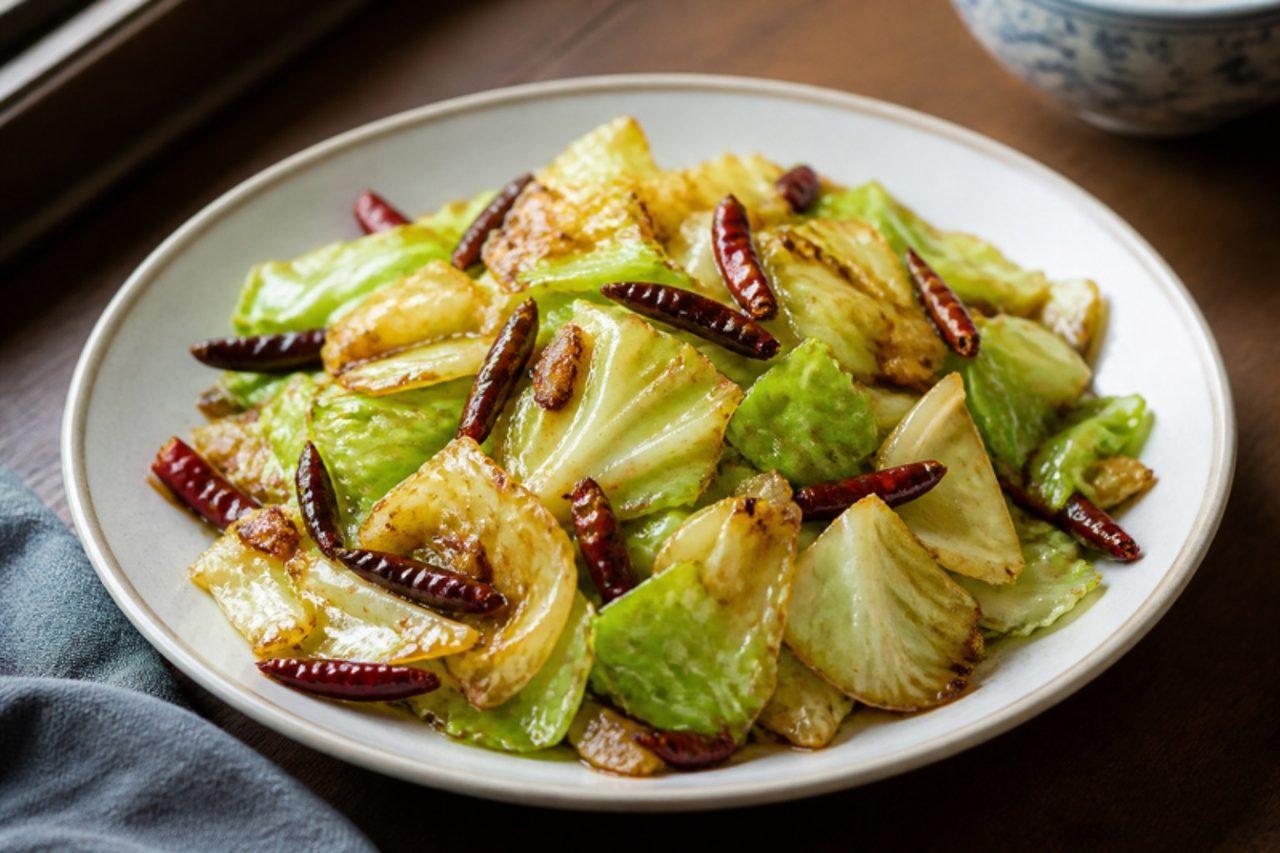
Hand-torn cabbage

Shou si bao cai is a Hunan restaurant classic that every Changsha family also cooks at home: cabbage leaves torn by hand, then flash-fried in a roaring wok with garlic and dried chillies and splashed with black vinegar until smoky, sweet and still crunchy. It goes alongside rice and a meat or tofu dish at dinner. The mistake is putting wet leaves into a lukewarm pan: the cabbage stews and goes limp instead of charring at the edges. Chef's tip: tear rather than cut, because the ragged edges catch the heat and the sauce better than clean knife cuts.

by KrazyBadal 0 views

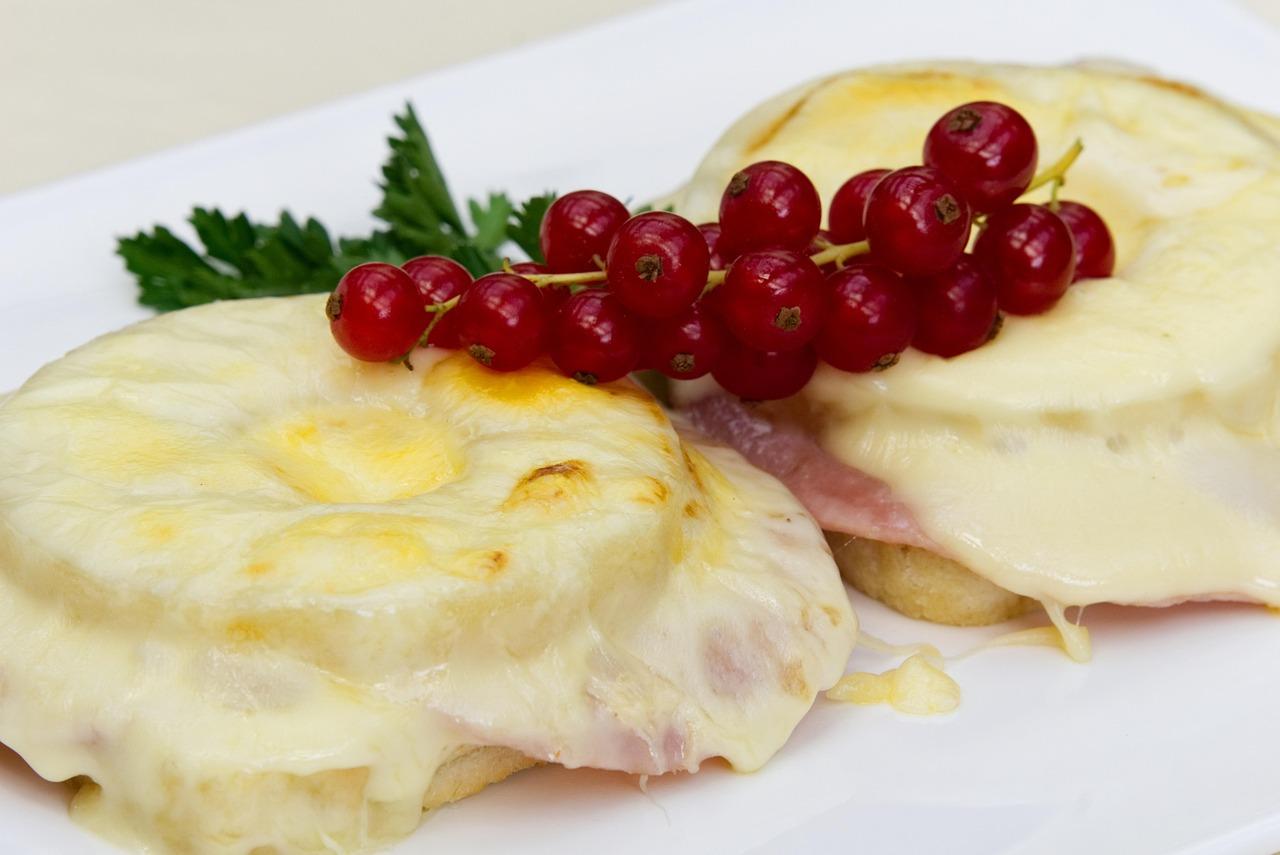
Toast HawaiiHam, pineapple and cheese toast

Toast Hawaii arrived in West German kitchens in the 1950s and never left: a slice of buttered toast layered with cooked ham (pork), a ring of pineapple and a slice of cheese, baked until the cheese melts down over the sides. It is still a nostalgic Saturday supper or party snack from Hamburg to Munich, often crowned with a cocktail cherry in the pineapple's hole. The mistake that ruins it is using pineapple straight from the tin, whose juice soaks the bread; drain the rings well and pat them dry. Chef's tip: toast the bread lightly before topping it, so the base stays crisp under the juicy layers.

by KrazyBadal 0 views

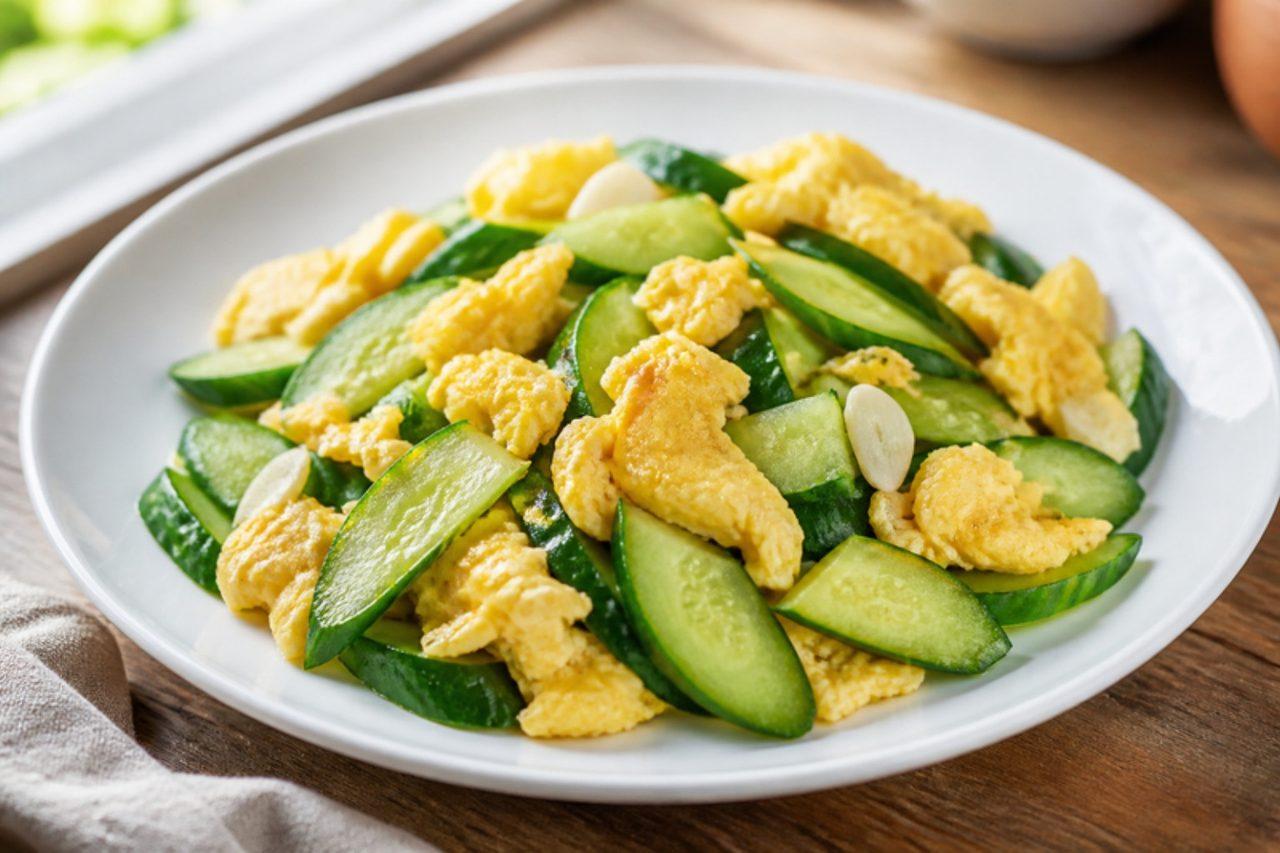
Cucumber and egg stir-fry

Huang gua chao ji dan is a ten-minute dish from northern Chinese home kitchens, made in summer when cucumbers are cheap and nobody wants to stand over the stove. Soft, fluffy scrambled egg and thin cucumber slices are tossed with garlic and salt for just a minute, so the cucumber stays cool and crisp against the warm egg. Eat it with rice or steamed buns. The mistake is cooking the cucumber too long, which turns it watery and dull green. Chef's tip: take the eggs out while they are still a little wet; they finish cooking when they go back in.

by KrazyBadal 0 views

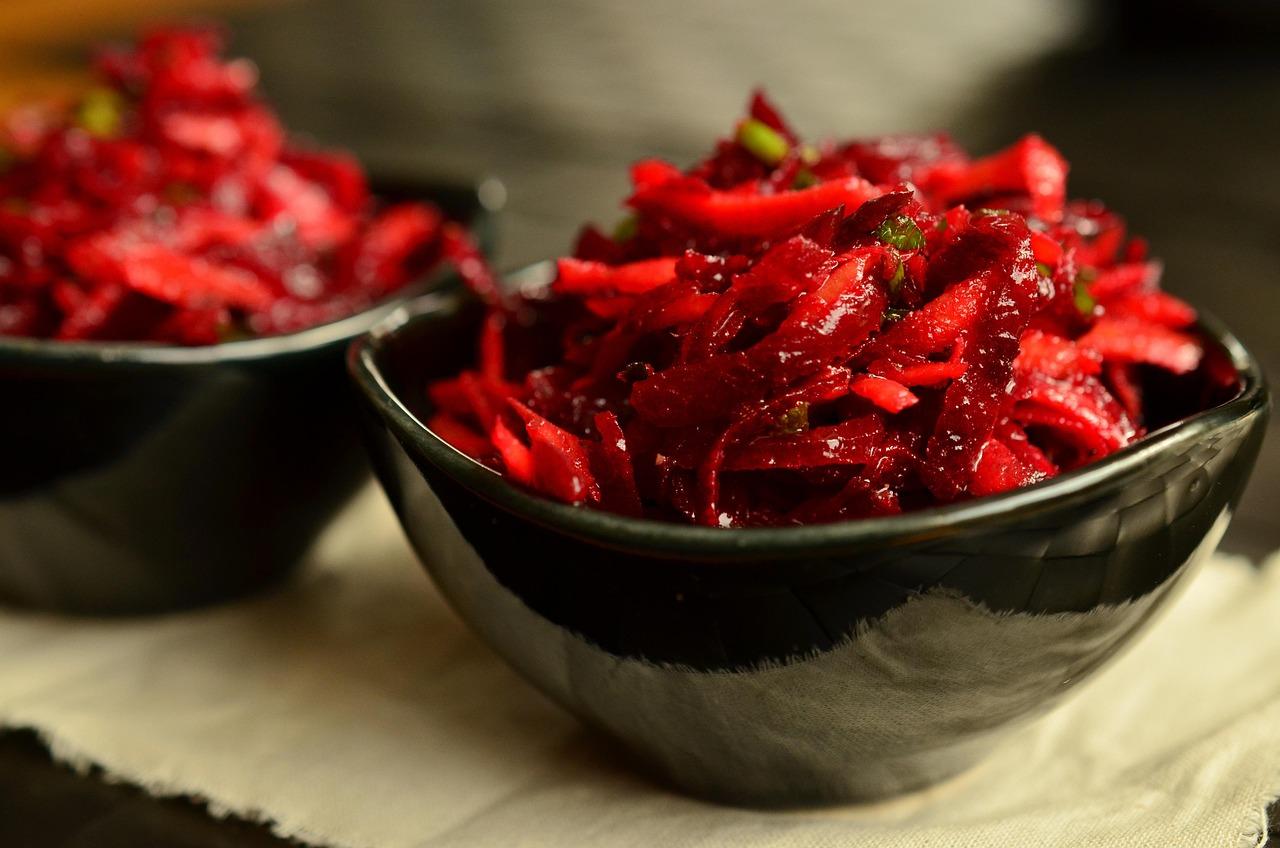
Rote-Bete-SalatBeetroot salad

Rote-Bete-Salat is on the table in German homes through autumn and winter, beside potato pancakes, fried eggs or simply bread and butter. Cooked beetroot is cut into slices or batons and dressed with onion, vinegar, oil and a little caraway or grated horseradish, so it is sweet, earthy and sharp at once. It is vegan, gluten free and keeps for days in the fridge. The most common mistake is serving it straight after dressing: give it at least 10 minutes, or better an hour, so the beetroot soaks up the flavour. Chef's tip: wear gloves or rub your hands with lemon juice afterwards, as beetroot stains everything it touches.

by KrazyBadal 0 views

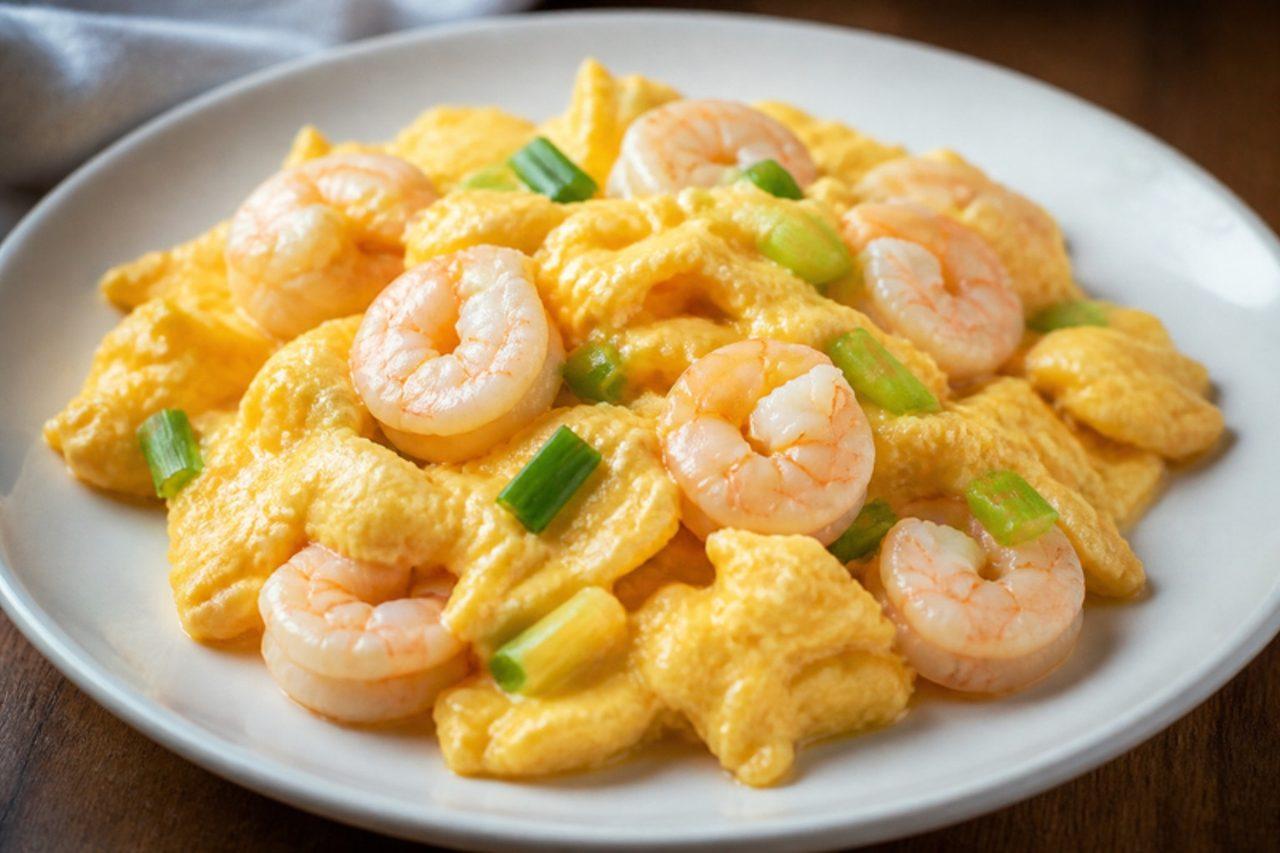
Hua dan xia ren (shrimp with silky scrambled egg)

Hua dan xia ren comes from Guangdong and the Hong Kong cha chaan teng, where it is spooned over rice for a quick lunch or set in the middle of a family dinner: prawns folded into eggs that are barely set, glossy and soft as custard. The classic error is stirring the eggs like a breakfast scramble over a high flame, which gives you dry little curds. Because the eggs are only just set, cook them a little longer for anyone pregnant, very young, older or vulnerable. Chef's tip: a spoon of cornflour slurry and a little oil in the beaten eggs keeps them silky even if you overshoot by a few seconds.

by KrazyBadal 0 views

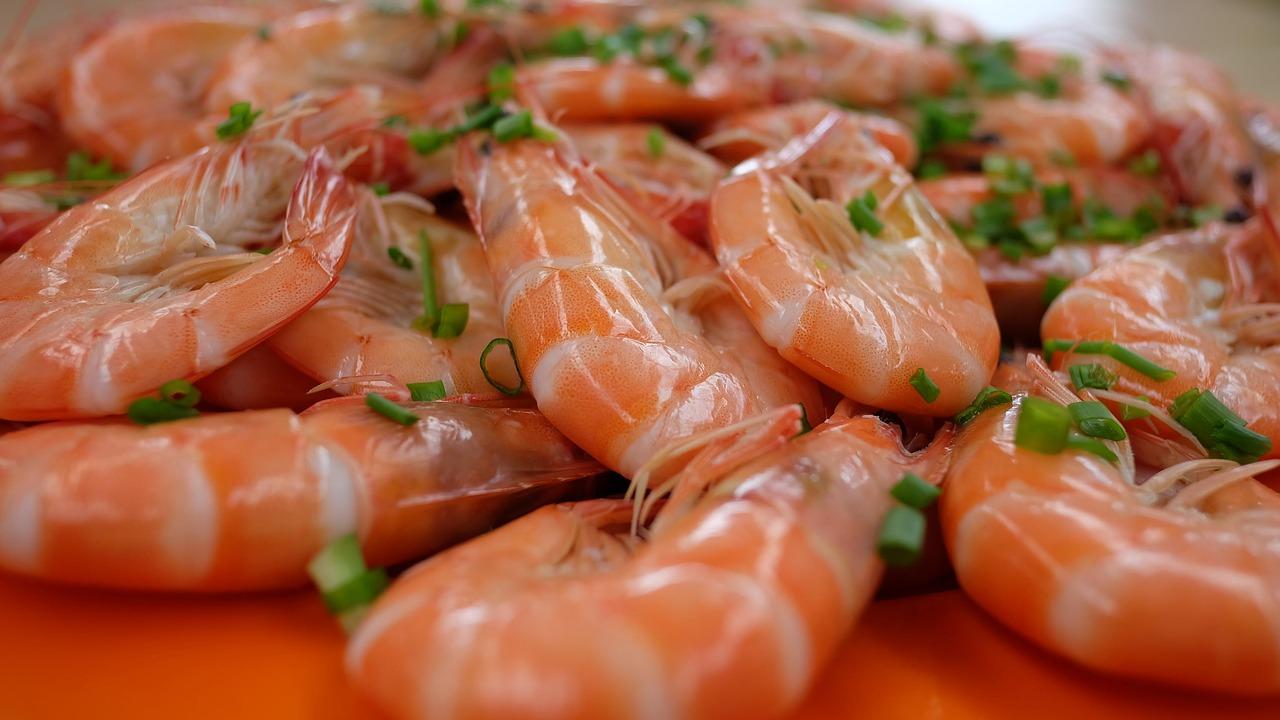
Bai zhuo xiaPoached prawns

Bai zhuo, "plain poaching", is how Cantonese cooks treat seafood they think is too good to sauce, and a plate of whole poached prawns is on the table at almost every family dinner and wedding banquet in Guangzhou and Shunde. The prawns are dropped into boiling water with ginger and spring onion for barely two minutes, then peeled at the table and dipped in a sizzling sauce of soy, chilli and spring onion. They are sweet, springy and very light. A portion is about 130 kcal. In Guangdong the prawns are often bought live; this recipe uses fresh or thawed raw shell-on prawns. Discard any that smell of ammonia, have black heads or slimy, soft shells. The common mistake is overcooking, which makes them rubbery and hard to peel; take them out the moment they curl and turn pink. Chef's tip: plunge the cooked prawns into iced water for 30 seconds; the flesh firms up and shrinks slightly from the shell, so they peel easily.

by KrazyBadal 0 views

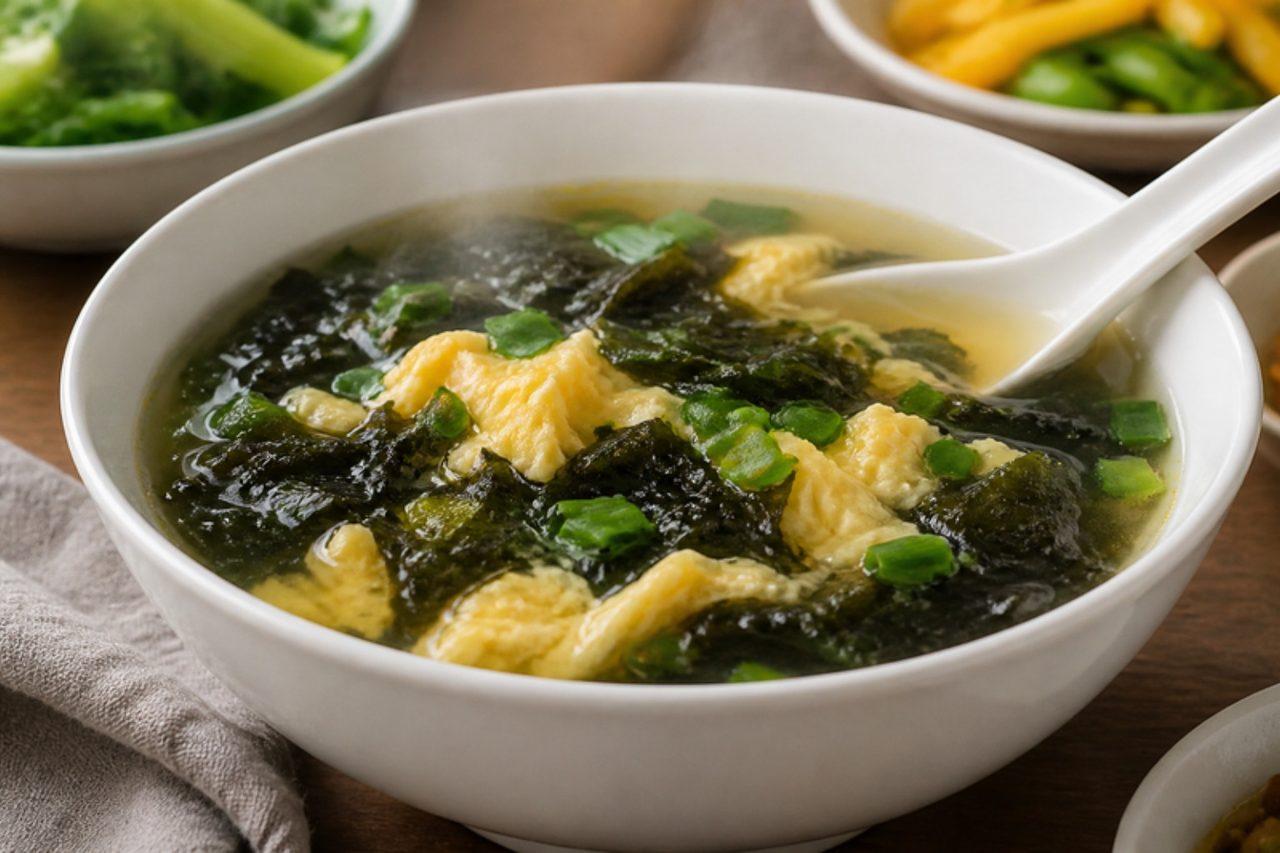
Zicai dan hua tangSeaweed egg drop soup

Zicai dan hua tang is the soup that a busy Chinese home cook can make while the rice is cooking: dried laver seaweed, which dissolves into silky dark green ribbons, and egg swirled into simmering water seasoned with a little soy, white pepper and sesame oil. It is on canteen trays in every Chinese university and on family tables across the country. Many cooks add a few dried shrimp; this vegetarian version leaves them out and uses a pinch of mushroom powder or vegetable stock instead. Eggs are an allergen. A bowl is about 50 kcal. The common mistake is stirring as soon as the egg goes in, which makes it cloudy; wait 10 seconds so it sets into flowers. Chef's tip: tear the seaweed into the bowls, not the pot, and pour the hot soup over; it stays tender and doesn't overcook.

by KrazyBadal 0 views

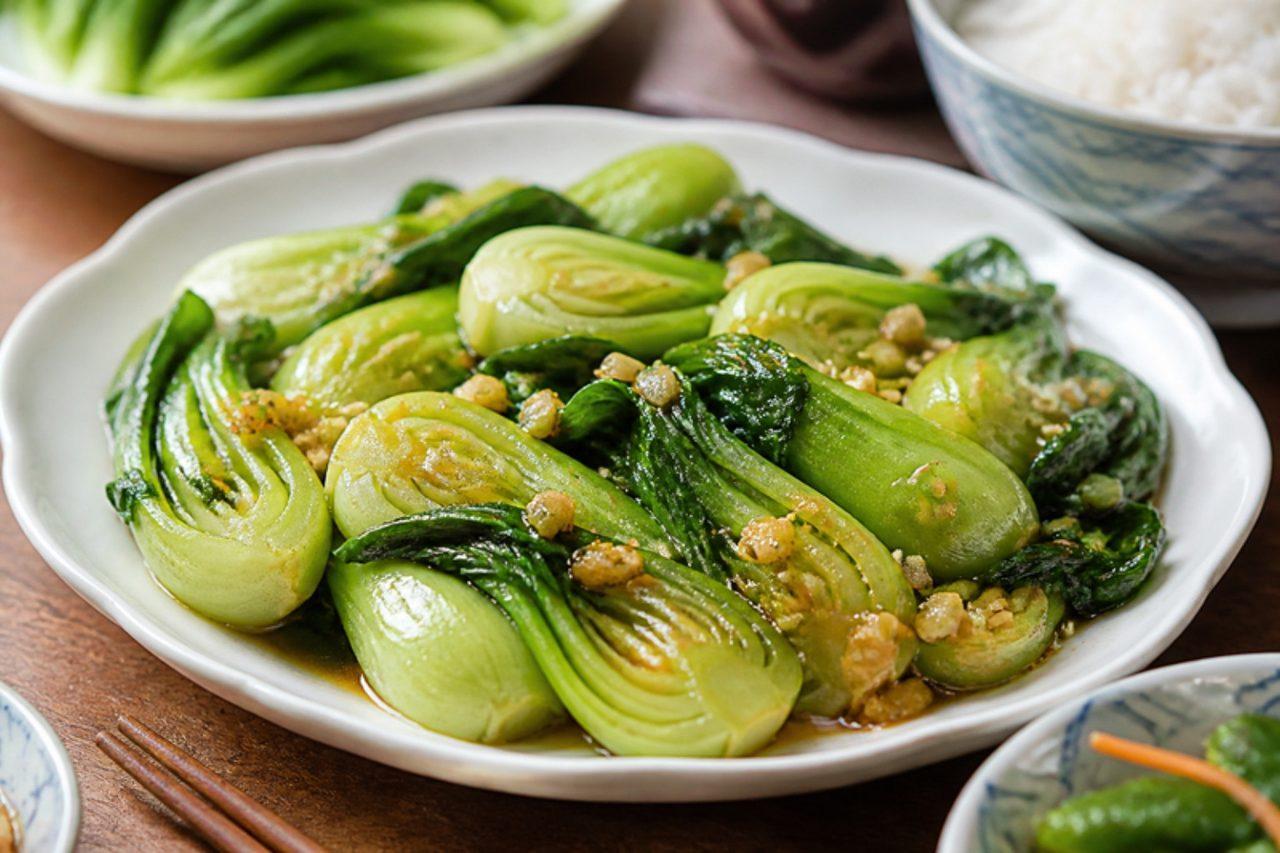
Garlic bok choy

Order a plate of greens in any home kitchen or small restaurant in Guangzhou or Shanghai and it will most likely be this: baby bok choy or xiao bai cai tossed in a smoking wok with a heap of chopped garlic, a pinch of salt and a splash of water, on the table in four minutes. The stems stay juicy and crisp, the leaves silky, and the garlic sweet. It goes with every meal. A portion is about 50 kcal. The most common mistake is a wet, crowded wok, which stews the greens to khaki; dry them well and cook in batches if your pan is small. Chef's tip: add half the garlic at the start and half at the end; you get both mellow, toasty garlic and a fresh punch.

by KrazyBadal 0 views

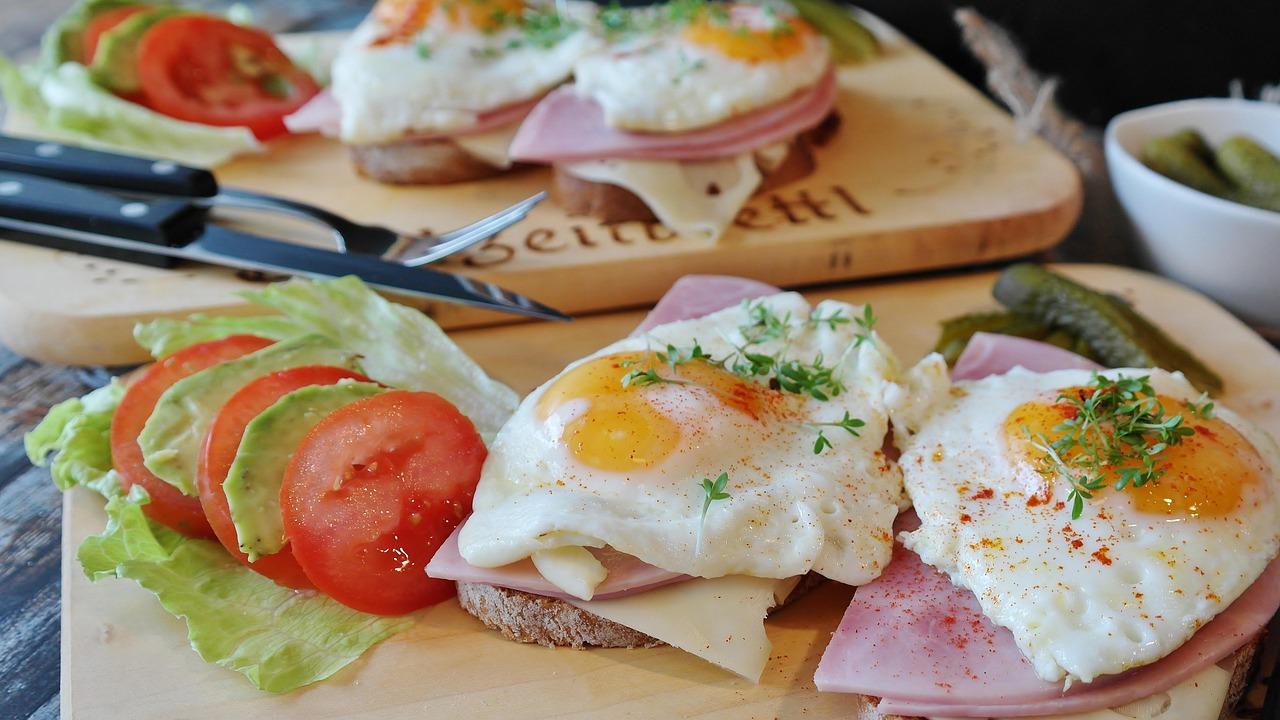
Strammer MaxHam and fried egg on bread

Strammer Max is the Kneipe snack of Saxony and Berlin: a slice of buttered bread, cooked ham and a fried egg with a runny yolk, served with a gherkin at pubs in Leipzig and Dresden and made at home as a fast weeknight supper. The ham is pork. Hot egg on cold ham and soft butter is the whole point, so cook the egg last. For a vegetarian version, swap the ham for thick slices of tomato. A common mistake is frying the egg too hot until the edges go hard and brown. Chef's tip: toast the bread lightly in the same pan first, so it holds the yolk without going soggy.

by KrazyBadal 0 views

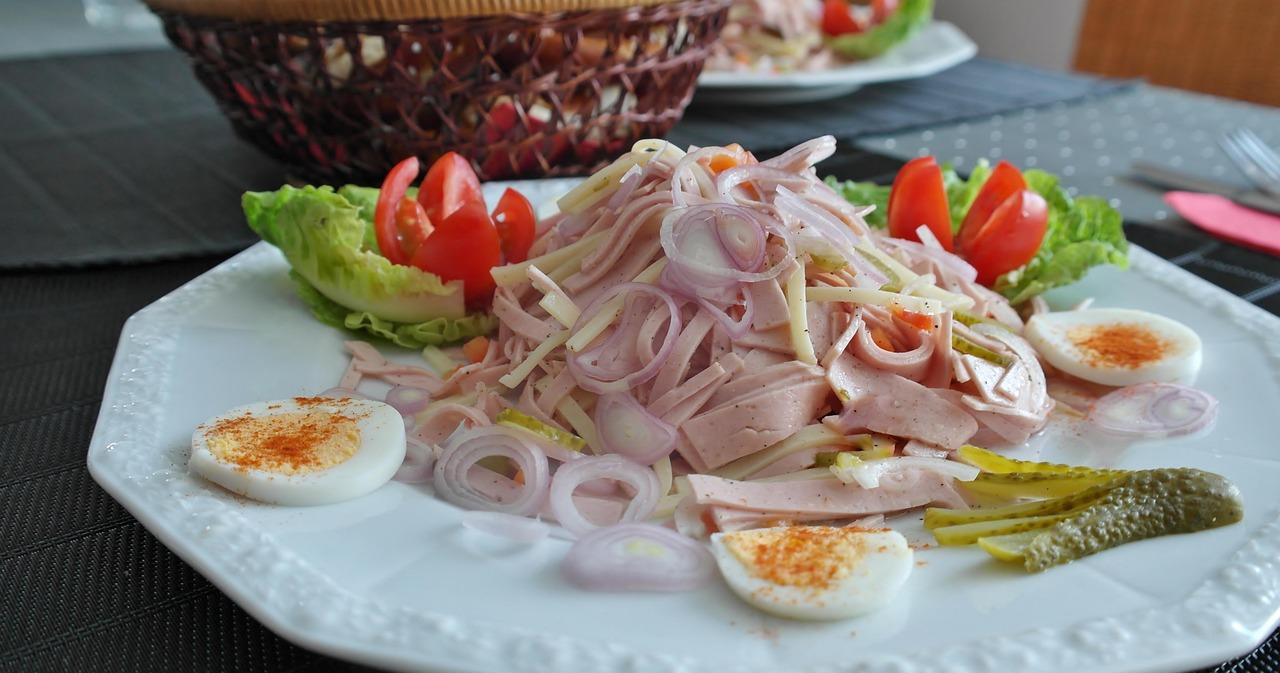
Bayerischer WurstsalatBavarian sausage salad

Bavarian Wurstsalat is the Brotzeit plate of the beer garden: thin strips of Regensburger or Lyoner, mild cooked pork sausages, tossed with onion rings and gherkins in a sharp, slightly sweet vinegar dressing, and eaten with a pretzel in the shade of chestnut trees. At home it is a fast summer supper on a warm evening. Swabians add cheese and call it Schweizer Wurstsalat. A common mistake is drowning it in oil; the dressing should be mostly vinegar and gherkin brine. Chef's tip: leave the dressed salad for 30 minutes in the fridge so the onion softens and the sausage picks up the vinegar.

by KrazyBadal 0 views

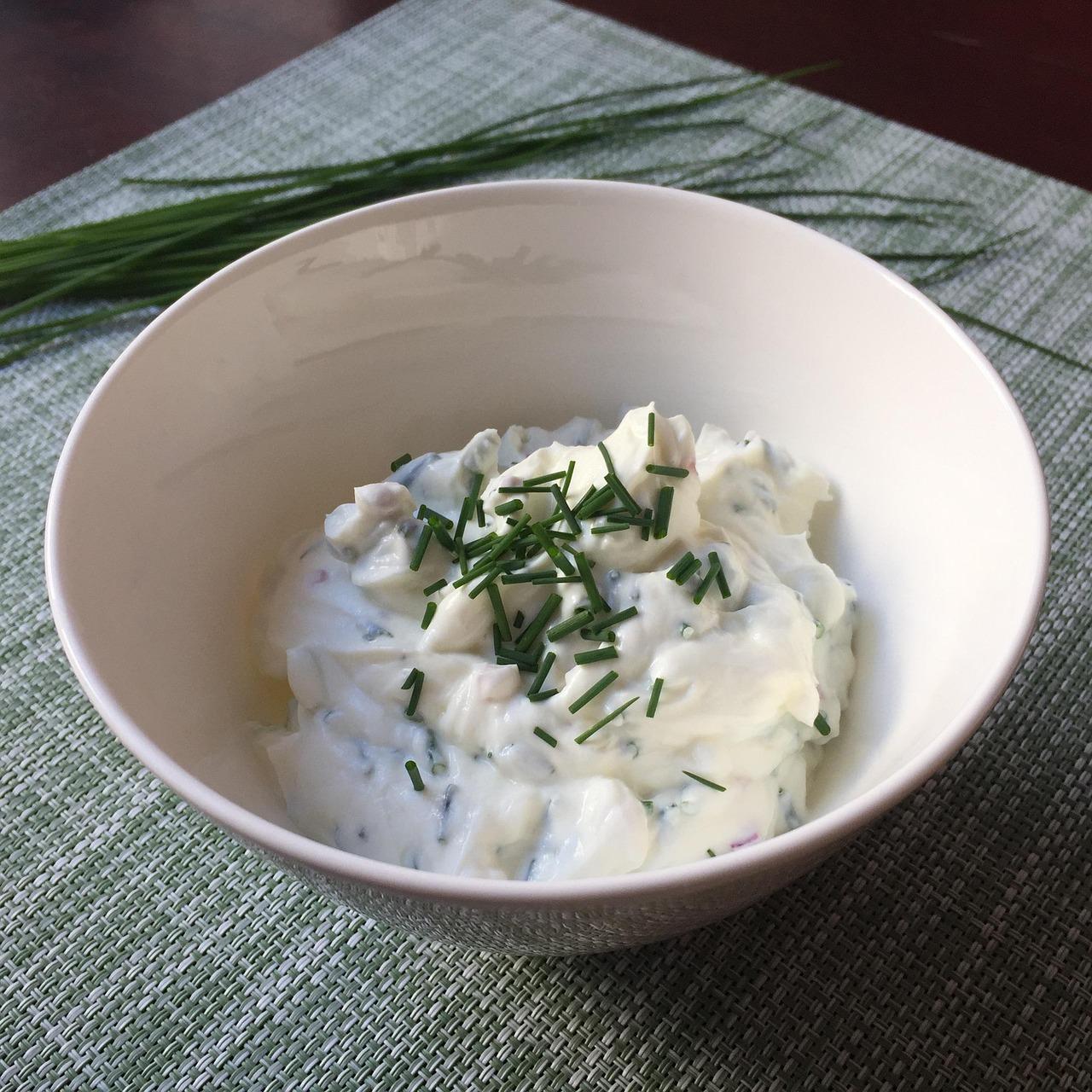
KräuterquarkHerb quark

On summer evenings across Germany, from Hamburg allotments to Swabian farmhouse kitchens, a bowl of herb quark sits in the middle of the Abendbrot table with rye bread, radishes and boiled new potatoes. Fresh low-fat quark is loosened with a little milk and linseed or sunflower oil, then packed with chopped chives, parsley and dill and a hint of garlic, so it tastes cool, tangy and green. It also goes on jacket potatoes at the fair and next to grilled vegetables at a barbecue. The usual mistake is chopping the herbs ahead and letting them sit, which turns them dark and bruised. Chef's tip: let the finished quark rest in the fridge for 20 minutes so the garlic mellows and the herbs flavour the whole bowl.

by KrazyBadal 0 views

KäsesalatCheese salad

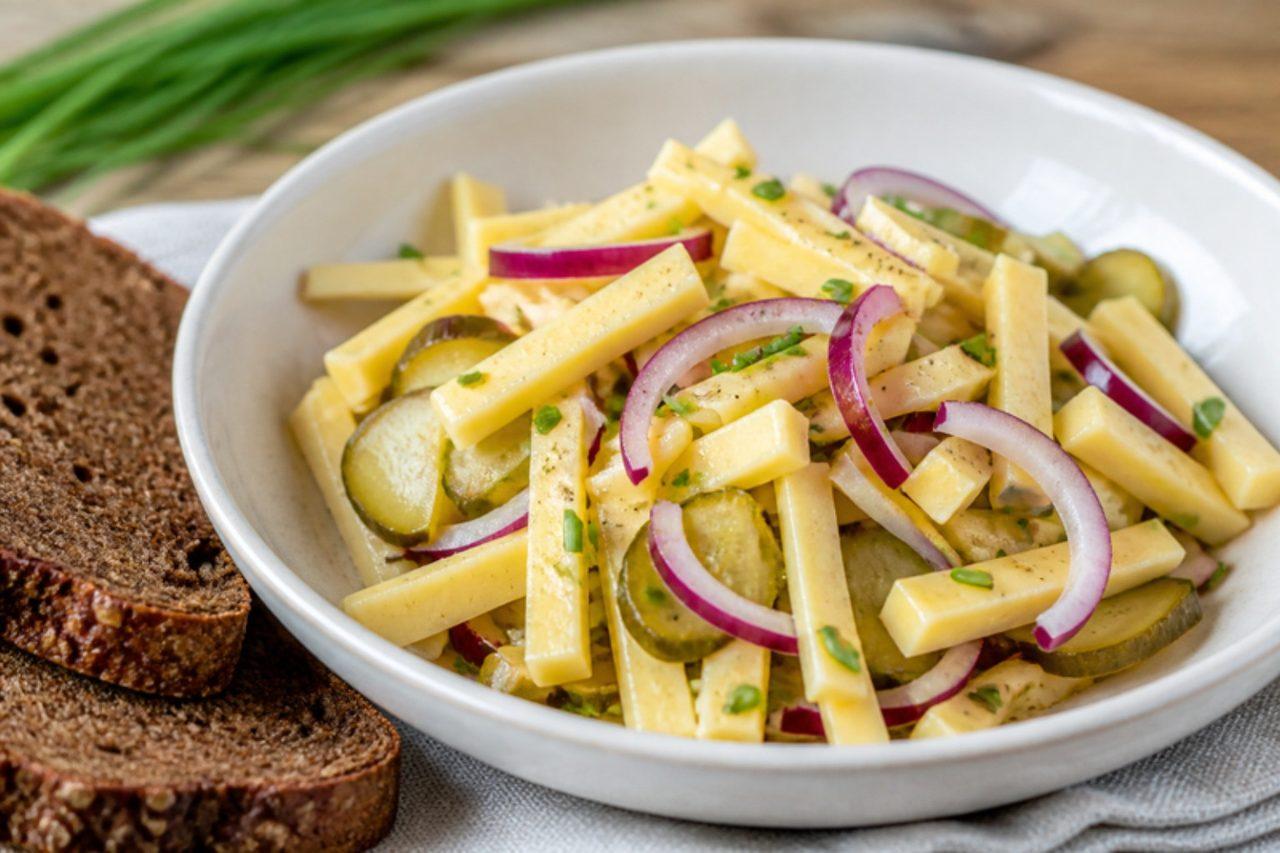
In Bavarian beer gardens and Swabian Vesper stubes, Käsesalat is the cheese lover's answer to sausage salad: matchsticks of Emmental tossed with red onion, gherkins and a sharp vinegar dressing, eaten with a crusty roll or a Breze. It turns up on Saturday evenings at home too, made in ten minutes from what is in the fridge. The cheese soaks up the dressing and goes tender and tangy, while the onion and gherkins keep it crunchy. Traditional Emmental is made with animal rennet, so choose a vegetarian Emmental-style cheese if that matters to you. A common mistake is serving it straight away; the flavours need a short rest. Chef's tip: cut the cheese into thin strips rather than cubes, so the dressing coats every piece.

by KrazyBadal 0 views

SchnittlauchbrotChive bread

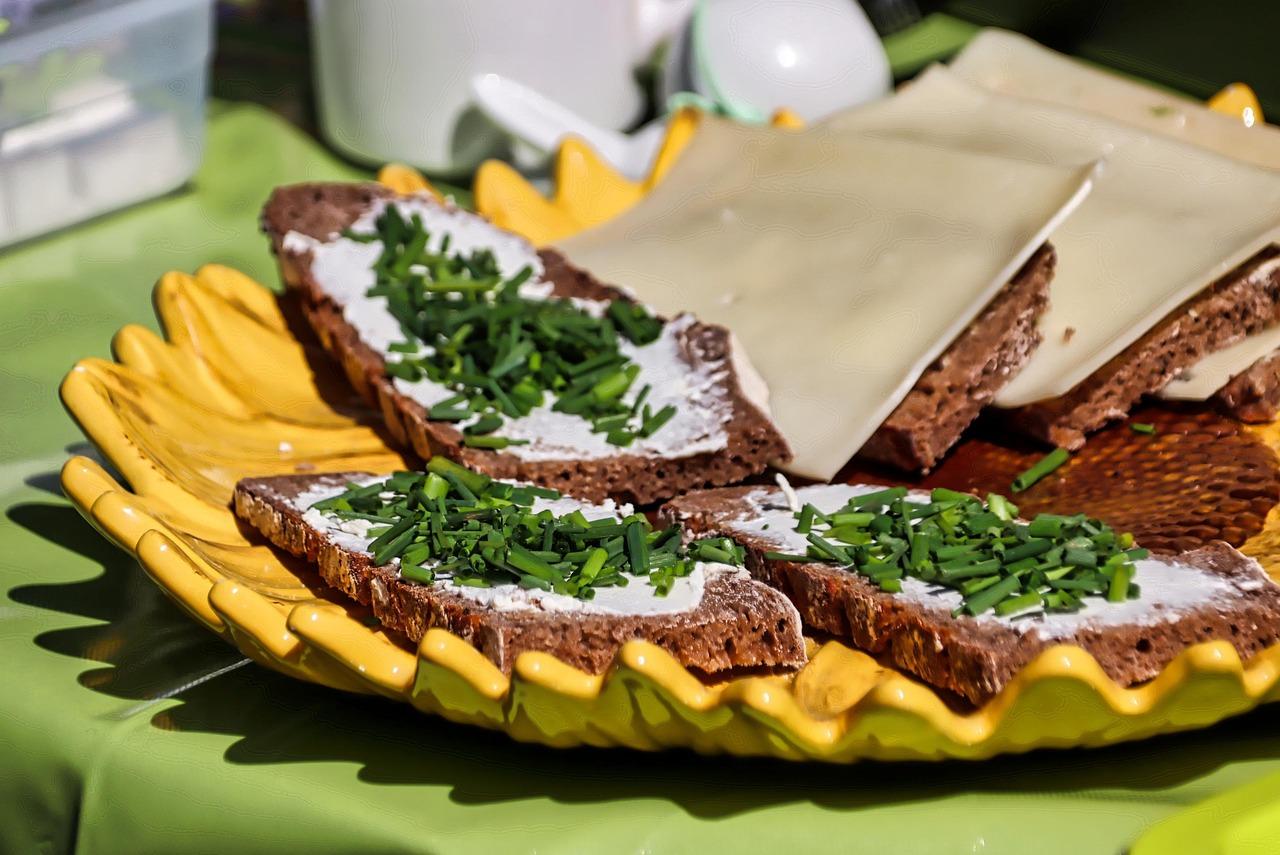
Order a Schnittlauchbrot in a Munich beer garden and you get the simplest Brotzeit there is: a thick slice of sourdough rye, buttered right to the edges and buried under so many chopped chives that the bread disappears. A pinch of coarse salt on top is all it needs. Bavarians eat it with a radish or two in the afternoon, and at home it is a classic Abendbrot when the chives in the garden are growing fast in May and June. The mistake is using fridge-cold butter, which tears the bread and will not hold the chives. Chef's tip: press the bread butter-side down into a plate of chives instead of sprinkling, and every bit gets covered.

by KrazyBadal 0 views

FleischsalatSausage salad

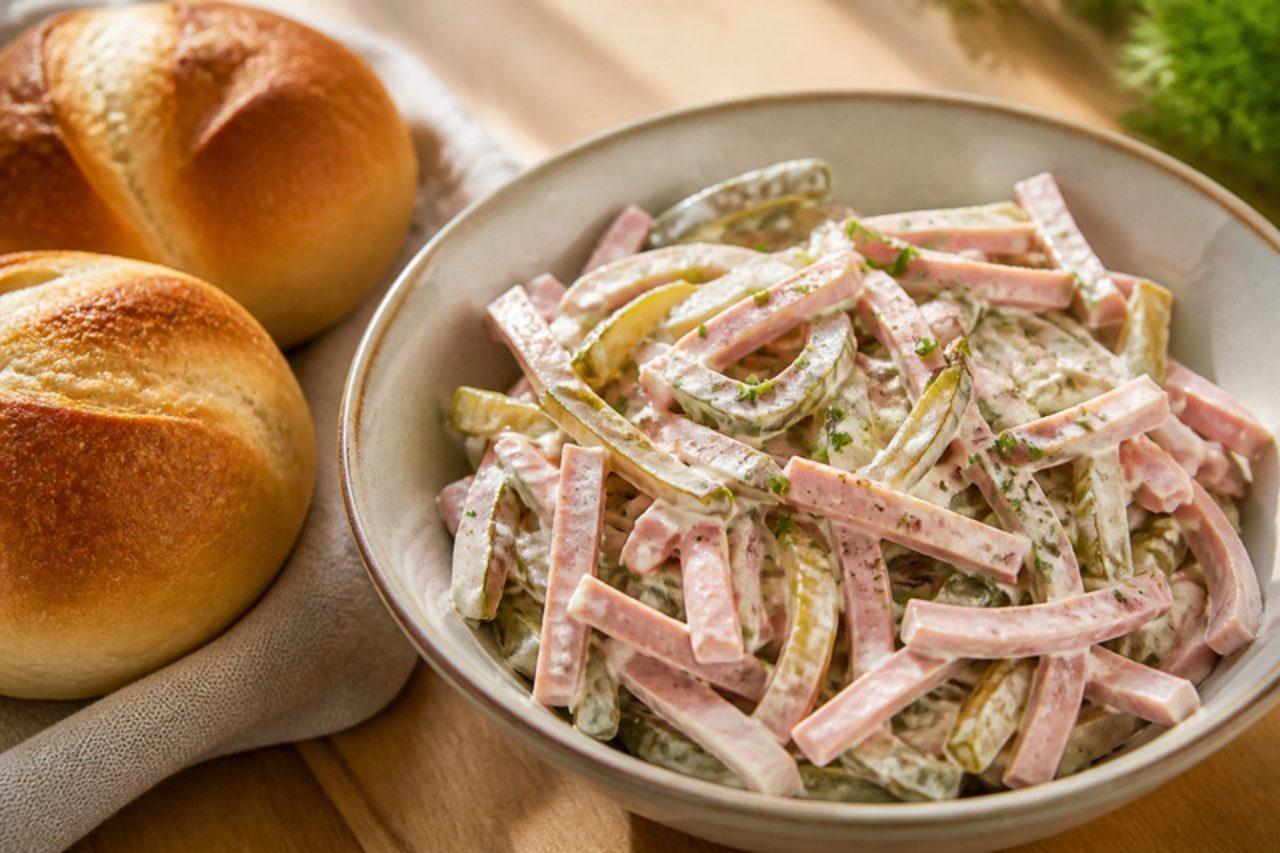
Every German butcher sells Fleischsalat in tubs, and it is spread thickly on bread rolls for Abendbrot or a workday second breakfast from Cologne to Leipzig. It is made from Lyoner or Fleischwurst, a mild cooked pork sausage, cut into fine strips and folded into mayonnaise with gherkins and a little of their brine. Making it at home lets you use less mayonnaise and add yoghurt for freshness. A common mistake is cutting the sausage into thick chunks, which makes it heavy; thin matchsticks are what you want. Chef's tip: chill it for an hour before serving so the gherkin brine flavours the sausage.

by KrazyBadal 0 views

ApfelschorleApple juice spritzer

At any German beer garden, from Munich's Chinese Tower to the cider taverns of Frankfurt, the drink for children, drivers and anyone on a hot afternoon is Apfelschorle: cloudy apple juice topped up with sparkling mineral water. Germans drink it at family lunches, after sport and at school summer parties, and it is far less sweet than juice alone. The usual mix is half and half, but many people go lighter on the juice. The common mistake is pouring the water first, which knocks out the bubbles. Chef's tip: use naturally cloudy apple juice and very cold, strongly sparkling water, and pour the water in slowly down the side of the glass.

by KrazyBadal 0 views

Homemade hoisin sauce

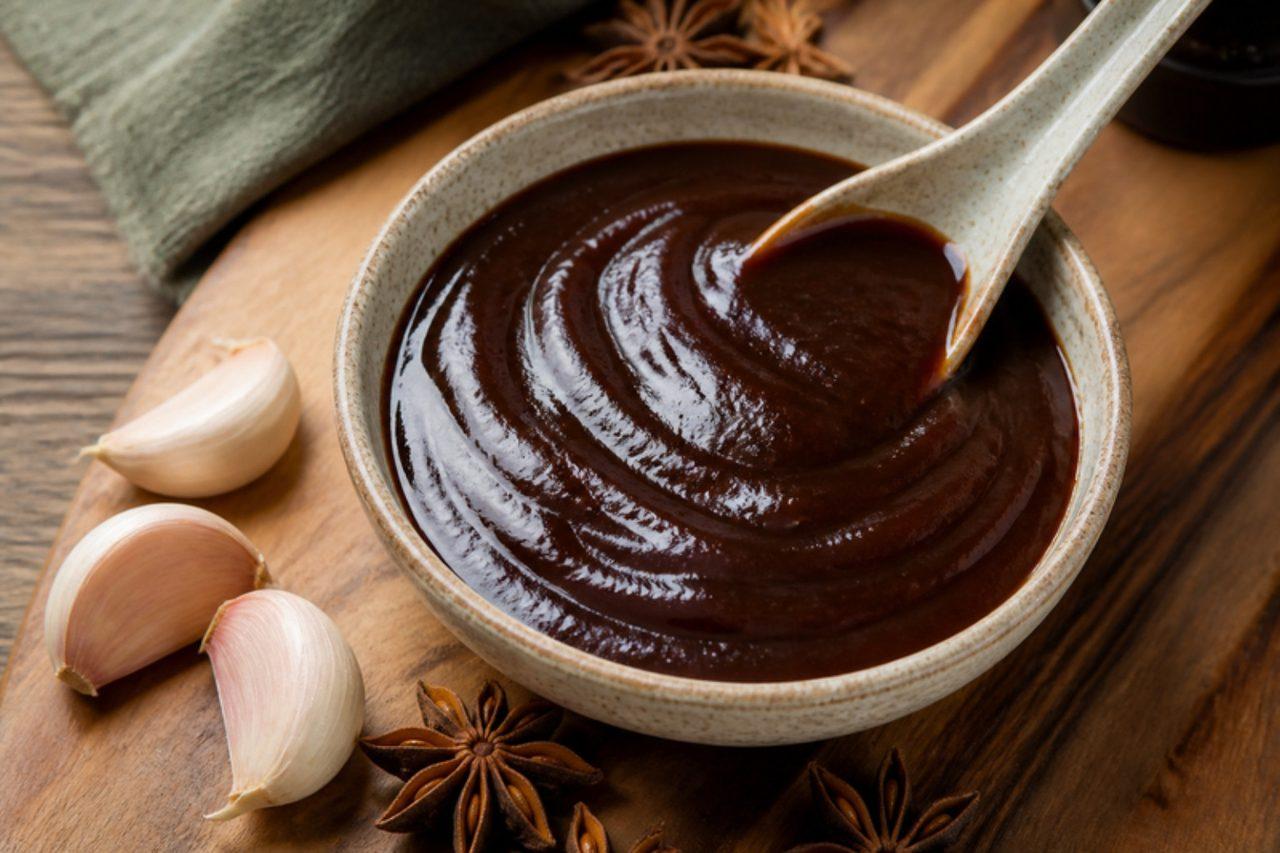
Cantonese cooks in Guangzhou and Hong Kong brush hoisin over char siu, stir it into noodles and put a dish of it on the table with roast duck and spring rolls. Despite the name, which means 'seafood sauce', it contains no seafood at all. Making it yourself takes fifteen minutes and gives a fresher, less sticky sauce that is sweet, salty, garlicky and gently spiced, without thickeners or colourings. Use it for dipping, glazing tofu or vegetables, and in marinades. The usual mistake is boiling it hard, which scorches the sugar and turns it bitter; keep it at a lazy bubble. Chef's tip: fermented yellow soybean paste (huang dou jiang) gives the closest flavour, but white miso works too if that is what you have.

by KrazyBadal 0 views

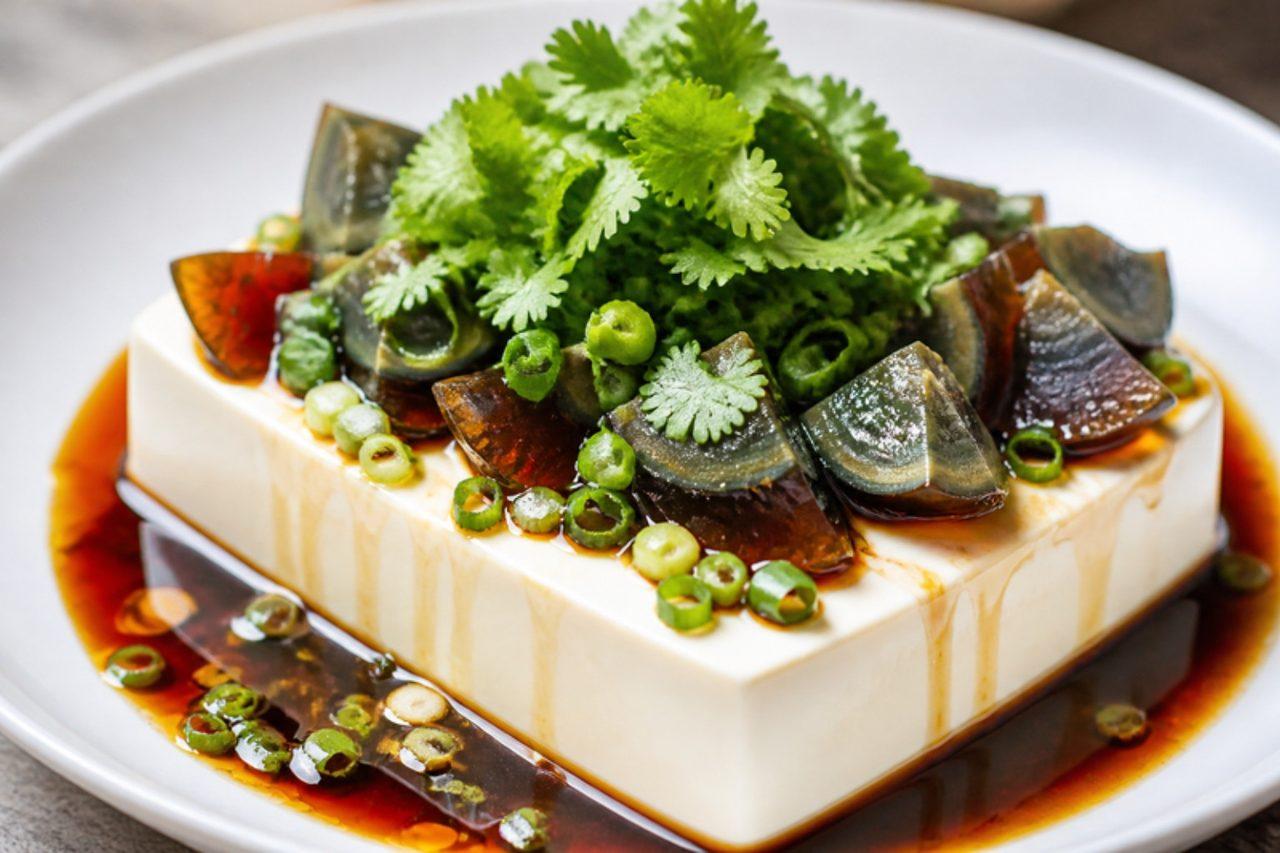
Pidan tofu (century egg tofu)Silken tofu with century egg

This cold plate is a summer standby in homes from Shanghai to Taipei and turns up in nearly every Sichuan and Hunan restaurant as a starter: a block of chilled silken tofu, chopped century egg with its amber white and creamy dark-green yolk, and a sharp dressing of soy, black vinegar and sesame oil. It is cool, silky and deeply savoury, and takes ten minutes. Eat it before a meal or with rice and porridge. Buy century eggs from a shop that sells them labelled lead-free; they are fully preserved and need no cooking. The mistake to avoid is skipping the drain, because water seeping out of the tofu dilutes the dressing into a puddle. Chef's tip: chill the eggs before peeling and cut them with a knife dipped in water, or with thread, so the soft yolk doesn't smear.

by KrazyBadal 0 views

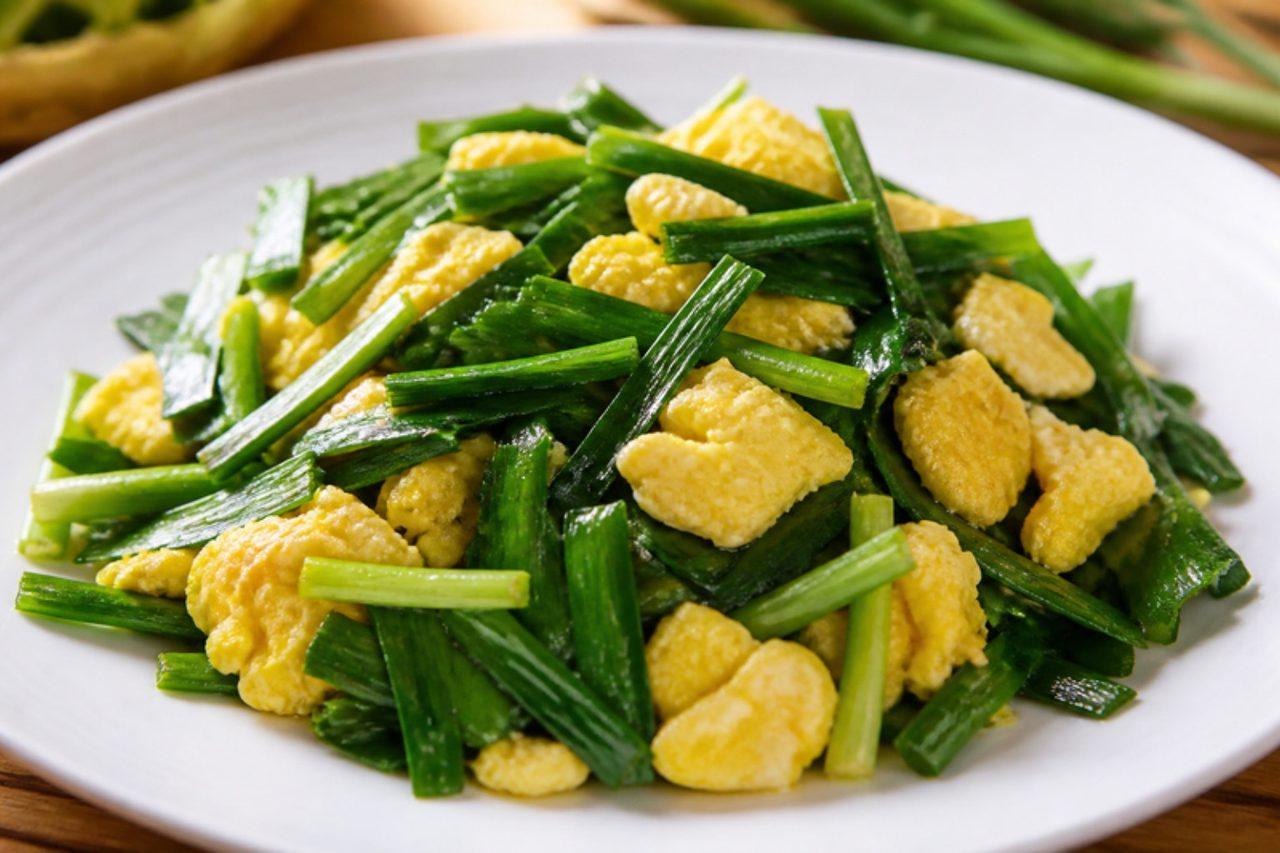
Chive and egg stir-fry

From Shandong farmhouses to student kitchens in Guangzhou, garlic chives fried with egg is one of the first dishes a Chinese child learns to cook and one of the last things a busy parent forgets how to make. The flat chives turn sweet and garlicky in the hot oil and the egg stays in soft, golden curds. It is on the table at ordinary weeknight dinners with rice and a soup, and is also the filling of many chive pockets and dumplings. The most common mistake is cooking the chives and egg together from the start, so the eggs go rubbery while the chives are still raw; cook them separately and bring them together at the end. Chef's tip: dry the chives well after washing, because water in the wok makes them limp and grey.

by KrazyBadal 0 views

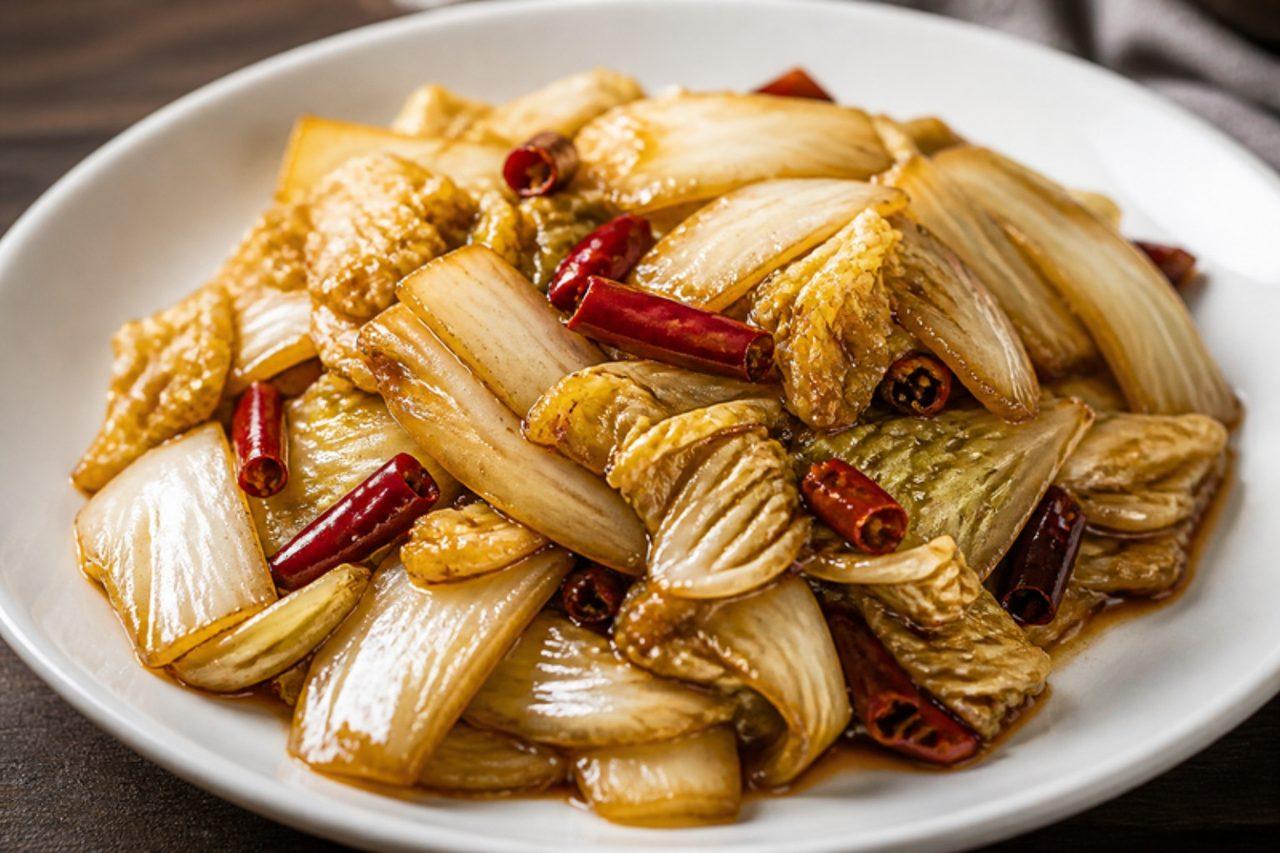
Cu liu baicai (vinegar cabbage)Vinegar-fried cabbage

Through the long winters of Shandong, Hebei and Beijing, napa cabbage was the vegetable stored in every courtyard, and cu liu baicai is how northern homes turn it into a bright, quick dish in ten minutes. The thick white stalks are sliced thin and seared hard in a smoking wok, then splashed with black vinegar so they stay crunchy, juicy and sharp, with a little sweetness and the warmth of dried chilli. It goes with rice, steamed buns or dumplings. The classic mistake is crowding a cool wok, which stews the cabbage in its own water; cook in two batches if your pan is small. Chef's tip: add half the vinegar around the hot edge of the wok so it sizzles and turns fragrant, and the rest at the end for fresh tang.

by KrazyBadal 0 views

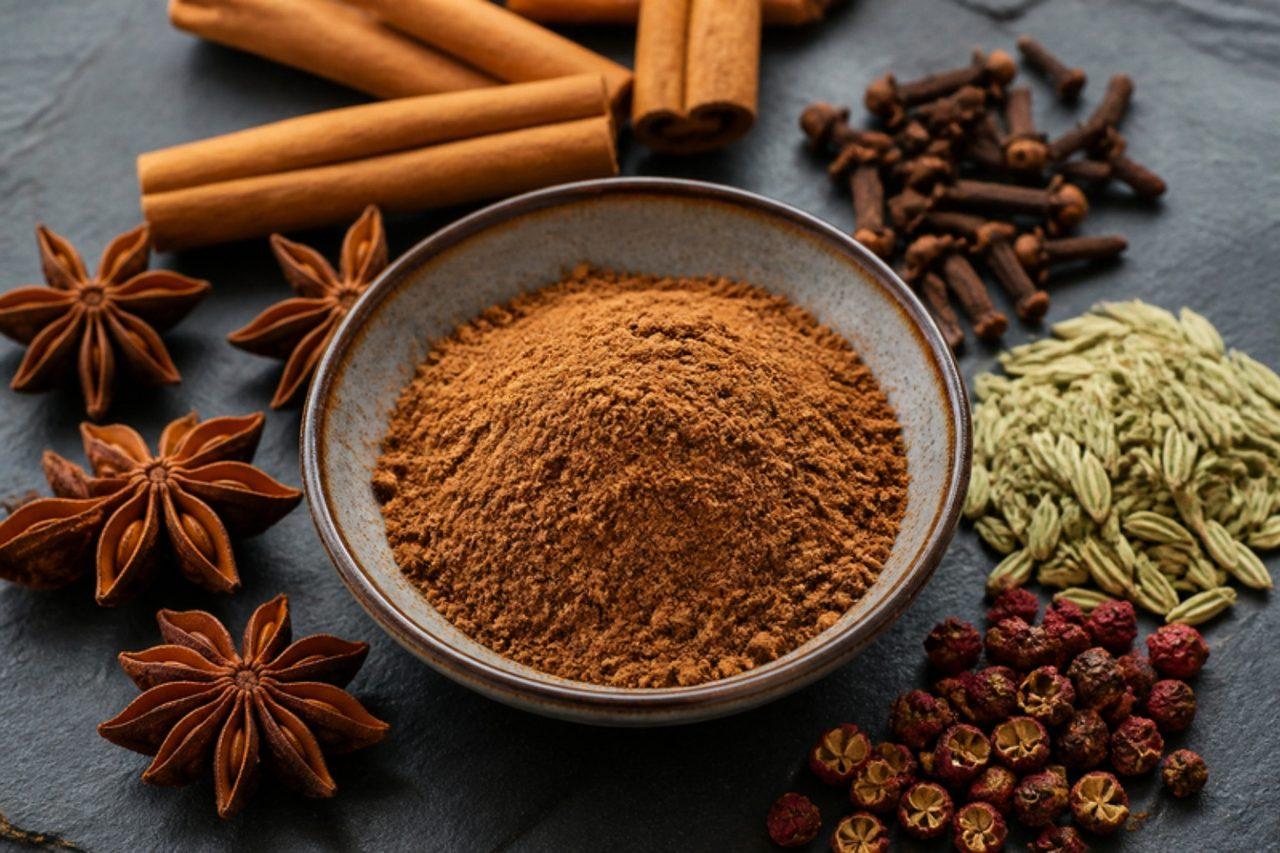
Five-spice powder

Across China, from Cantonese roast meat shops to Sichuan home kitchens, five-spice is the blend that seasons red-braised dishes, tea eggs, roast duck and spiced tofu. Shop-bought powder loses its scent quickly; grinding your own takes ten minutes and gives a sweet, warm aroma with a gentle tingle from the Sichuan pepper. It is used by the pinch, not the spoonful. The classic mistake is grinding the spices raw or toasting them until they smoke; warm them just until fragrant. Chef's tip: pick the black seeds out of the Sichuan peppercorns before toasting, since they are gritty and bitter, and sieve the ground blend so it is silky fine.

by KrazyBadal 0 views

Laba garlic (jade green vinegar garlic)Green vinegar-pickled garlic

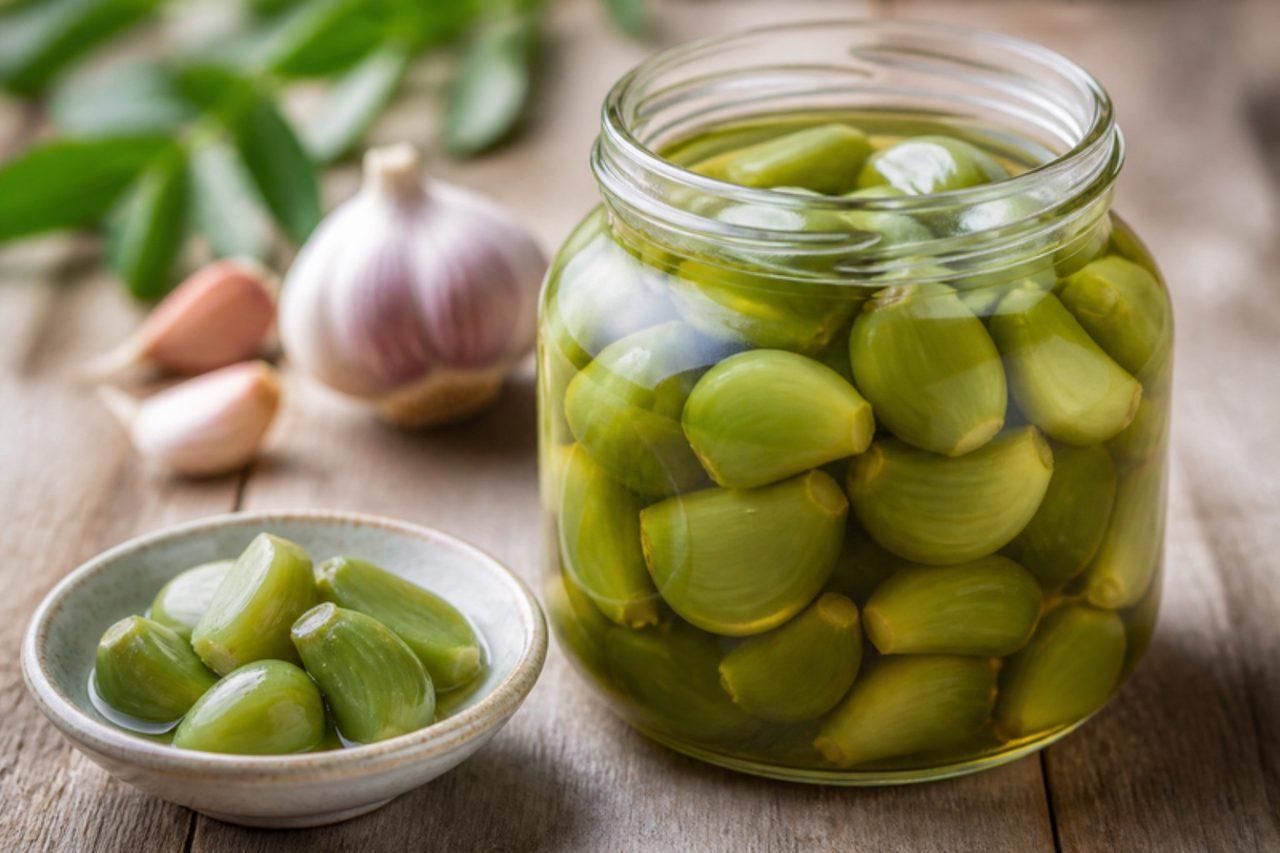
On Laba day, the eighth of the twelfth lunar month, Beijing families peel a jar of garlic, cover it with vinegar and leave it in a cold spot until New Year's Eve, when the cloves have turned a startling jade green. They are eaten with the jiaozi on New Year's Eve, a spoonful of the sharp, garlicky vinegar going into every dipping dish. The cloves lose their raw bite and become crunchy, mellow and sweet-sour. The green colour comes from natural compounds in the garlic reacting with the acid in the cold and is perfectly safe. The usual mistake is keeping the jar somewhere warm, where the garlic stays white; it needs to be below about 10 °C. Chef's tip: use firm, purple-skinned garlic, and leave the jar in the fridge door, which is cold but not too cold.

by KrazyBadal 0 views

Kao leng mian (grilled cold noodle sheets)Griddled noodle sheet wrap

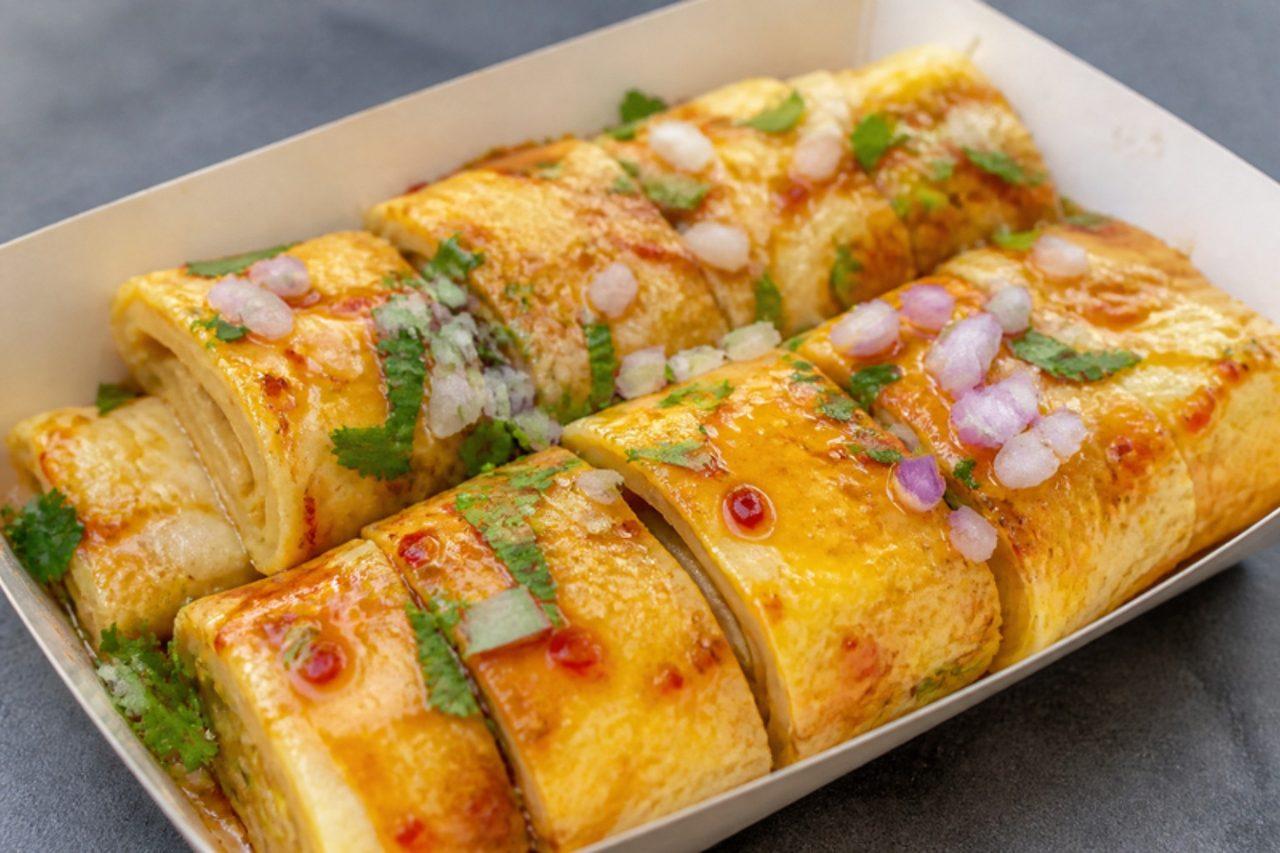
On winter nights outside schools and night markets in Harbin, Heilongjiang, vendors slap thin sheets of pressed cold noodle onto a flat griddle, crack an egg over them, flip, paint them with a sweet-and-hot sauce and fold them around raw onion and coriander. It is a snack from the 1990s that spread across the north-east and now turns up at night markets all over China. The sheet should be chewy with crisp, lacy edges, and the egg should cling to it rather than slide off. The usual mistake is putting the egg on a sheet that is still dry and stiff: sprinkle it with water first so it softens and the egg can grip it. Packets of ready-made kao leng mian sheets are sold in Chinese supermarkets, in the chilled or dried noodle aisle. Chef's tip: keep the heat medium, not high; the sauce has sugar in it and burns long before the egg is set.

by KrazyBadal 0 views

Showing 24 of 74 recipes

Show more recipes

Page 1 of 4