Skip to content
Recipes

All recipes

Vegetarian, or something you can't eat? Set your diet once and we'll hide recipes that don't fit.

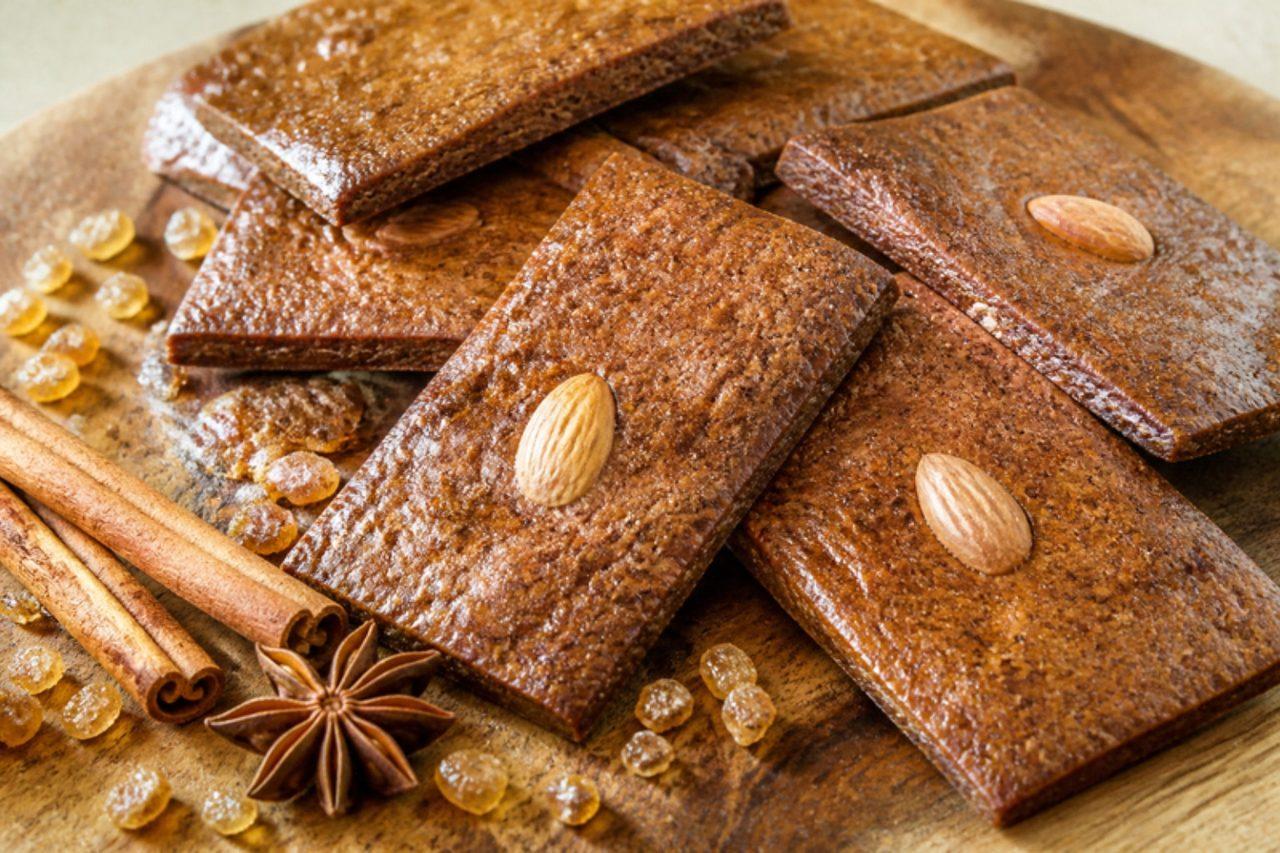
Aachener Printen (Aachen spiced gingerbread slabs)

The bakeries of Aachen have made Printen for centuries, and from late autumn through Christmas the city's shop windows fill with these narrow brown slabs. Unlike soft German Lebkuchen they are firm and snappy, sweetened with dark sugar-beet syrup and studded with little crunchy bits of rock sugar, and they carry a big blend of spices: cinnamon, aniseed, coriander, cloves, cardamom and allspice. The dough rests overnight to develop flavour, then is raised with potash, which gives the dense, crisp texture. Dunk them in coffee or tea, or serve with baked apples. Printen never contained egg: the thick beet syrup is both sweetener and binder, gluing the flour into a stiff dough that sets hard in the oven. Chef's tip: let the syrup cool to lukewarm before mixing in the flour; the common mistake is adding it hot, which starts cooking the flour and gives a tough, rubbery dough.

1465 minGermanBakingVegan
by KrazyBadal 0 views

Xiqin chao baiheCelery and lily bulb stir-fry

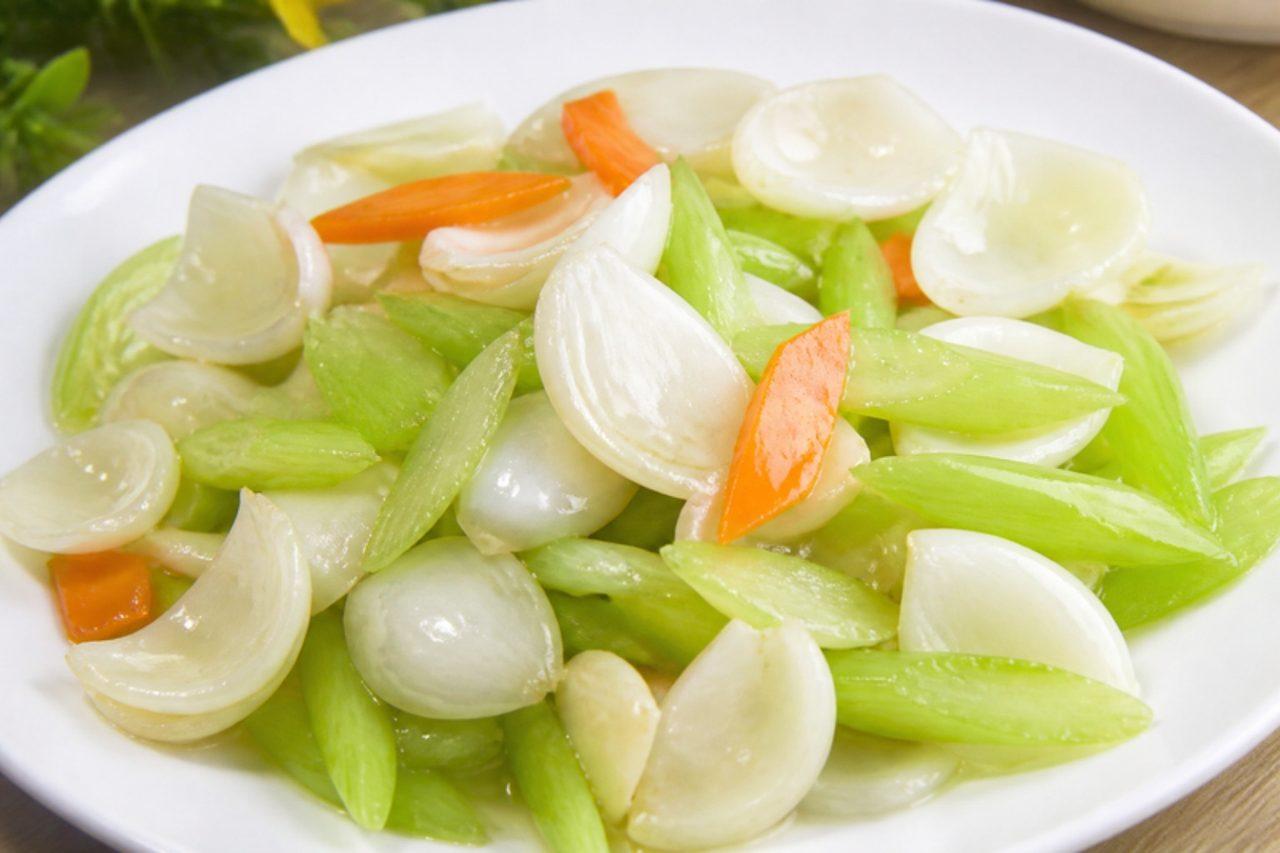
In Guangdong homes and dim sum restaurants this pale green and ivory stir-fry is served as a cooling dish in the dry autumn months, when lily bulb is said to soothe the lungs. Celery is cut on the slant and stir-fried hot with garlic, then the sweet, starchy petals of fresh lily bulb go in for the last minute, with a glossy thin sauce. It is vegan and light, with about 3 g of protein per portion. The common mistake is cooking the lily bulb too long: it turns floury and falls apart, so add it last. If you can't get fresh lily bulb, use soaked dried lily bulb or water chestnuts for crunch. Chef's tip: blanch the celery for 30 seconds first; it keeps its jade colour and only needs a quick toss in the wok.

by KrazyBadal 0 views

Wandouhuang (豌豆黄, Beijing chilled yellow pea cake)

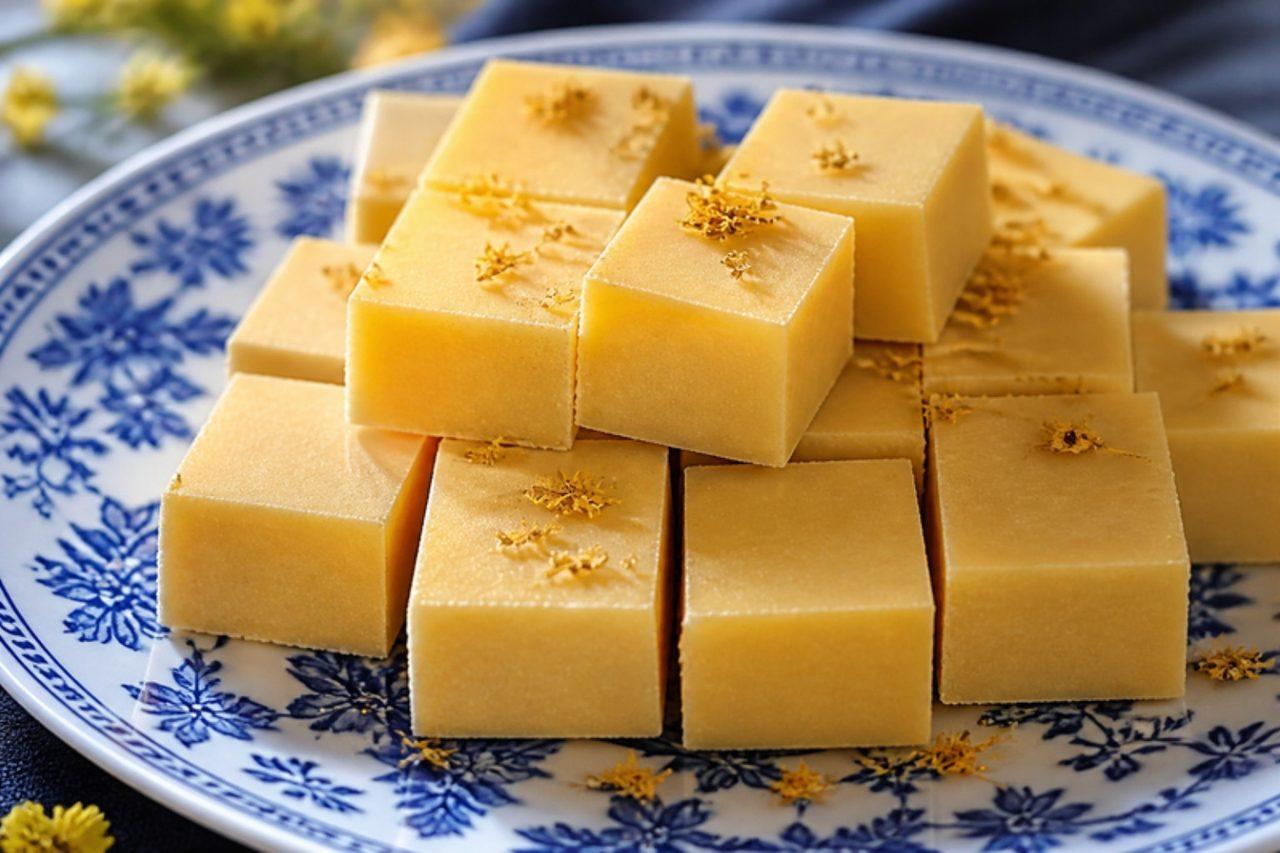
Wandouhuang is a Beijing spring and early-summer sweet, sold from carts around the Qingming festival and once polished into an imperial version for the Qing court that is still served in Beihai Park's old-style restaurants. Yellow split peas are boiled to a mush, pressed through a sieve and cooked down with sugar until thick, then left to set in a tray and cut into neat pale-gold blocks. Chilled, it is cool and smooth with a fine, melting texture and the gentle, nutty taste of peas. Serve on small plates with jasmine tea, or after a rich meal. It is naturally egg-free and needs no setting agent at all: the starch in the peas firms the paste as it cools, like a polenta. Chef's tip: the common mistake is not cooking the paste down far enough; keep stirring until a line drawn through it with a spatula stays open for a few seconds, or it will not slice.

by KrazyBadal 0 views

Feldsalat mit warmem KartoffeldressingLamb's lettuce with warm potato dressing

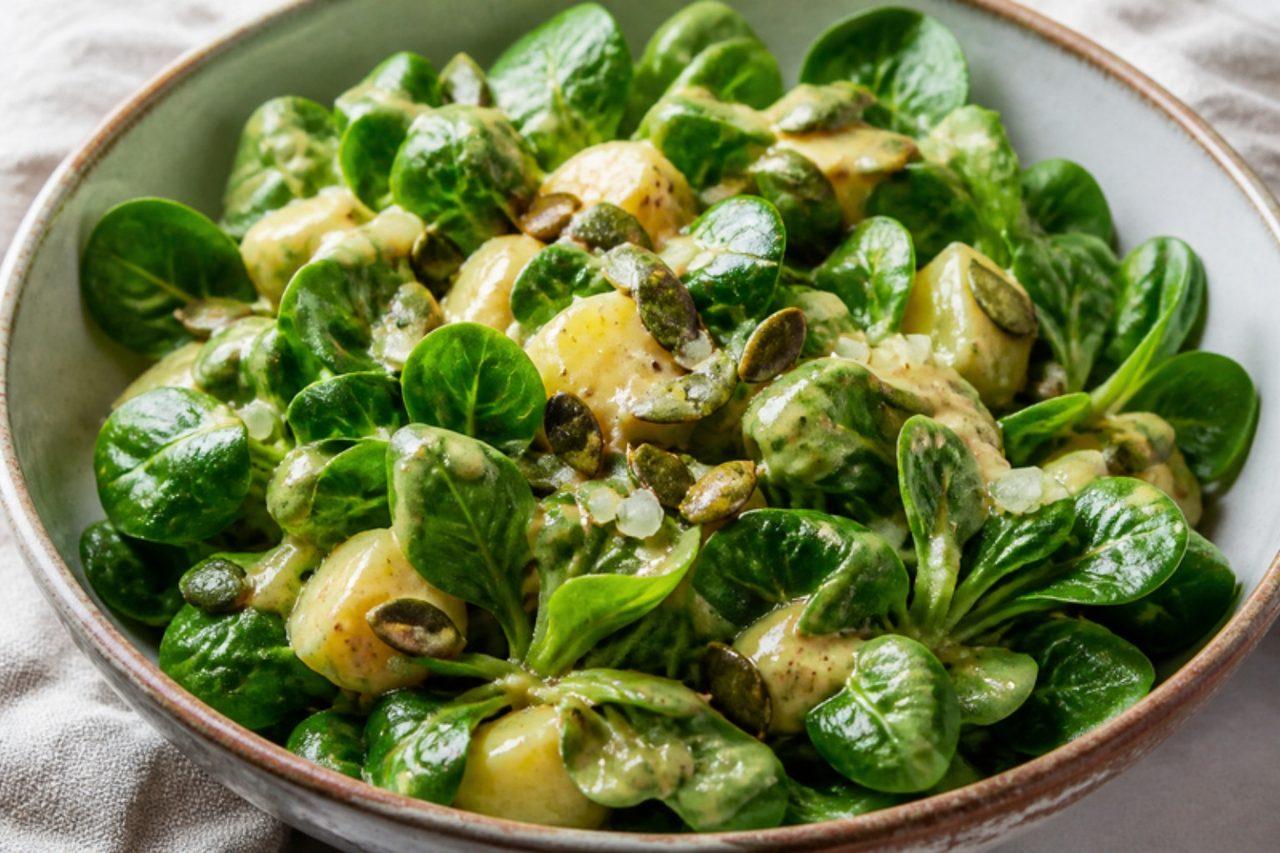
In Baden-Württemberg and Bavaria, Feldsalat (lamb's lettuce, also called Ackersalat or Nüsslisalat) is the winter salad, eaten from October to March as a starter or beside Spätzle and egg dishes. The small, tender rosettes are dressed in a warm, creamy Swabian dressing made from a boiled potato mashed with stock, mustard, vinegar and oil, which coats the leaves without weighing them down. Traditional versions use meat stock and bacon; this one uses vegetable stock and crisp fried onions, so it is vegan. It gives about 3 g of protein a portion, so it is a side; add toasted pumpkin seeds for more. The most common mistake is not washing the leaves well: grit hides deep inside the rosettes, so wash in two or three changes of water. Chef's tip: dress the leaves only at the table; the warm dressing wilts them within minutes.

by KrazyBadal 0 views

GrünkernbratlingeGreen spelt patties

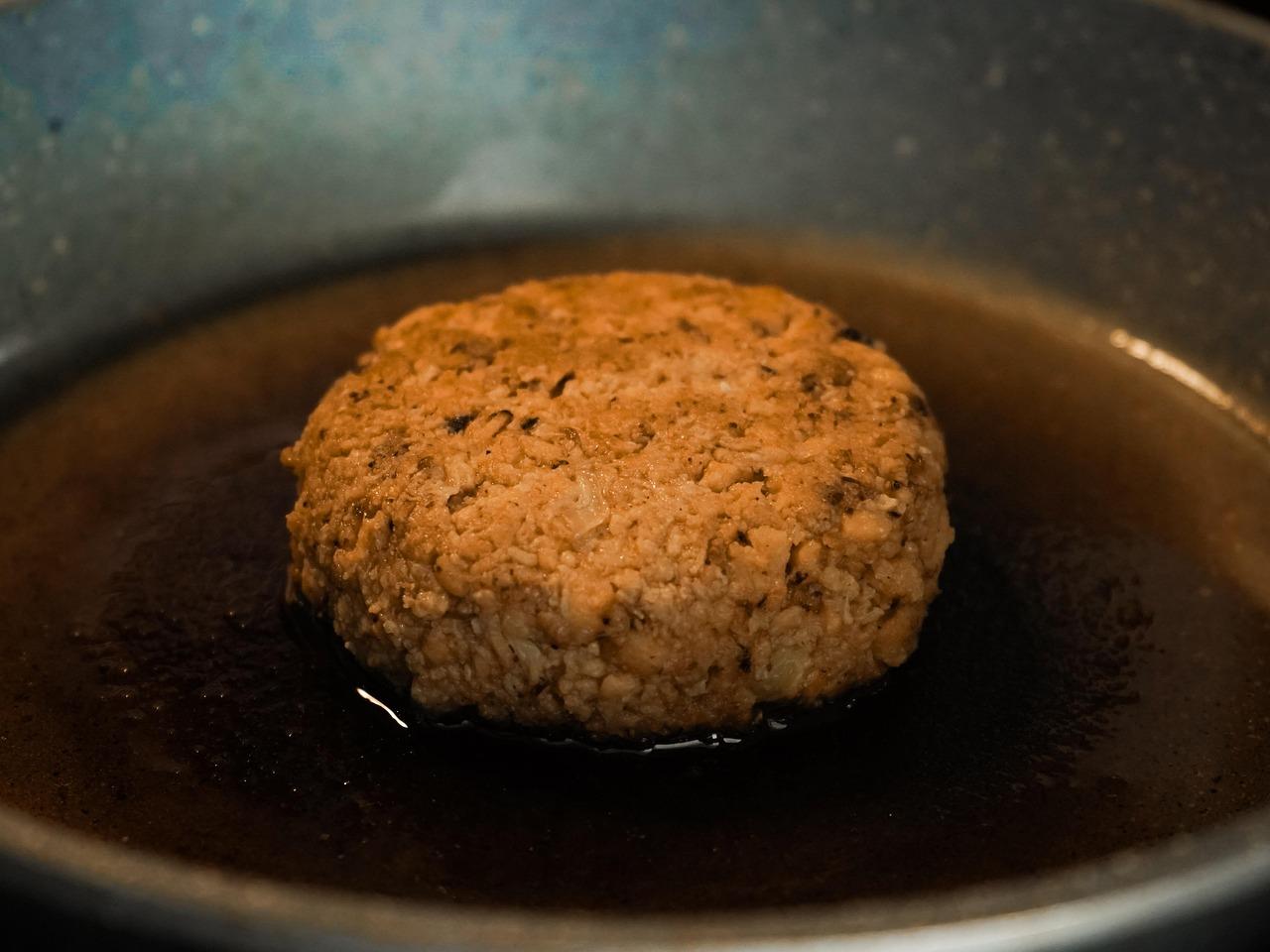
Grünkern is spelt picked while still green and dried over beech smoke, a speciality of the Bauland and Odenwald in northern Baden. Simmered and shaped into Bratlinge, it became the vegetarian patty of German wholefood kitchens and school canteens, eaten for a weekday lunch with potato salad or a crisp green salad. They are nutty and slightly smoky, crisp outside and soft within. With the herb quark, one portion of three patties gives about 23 g of protein, from the spelt, eggs, mountain cheese and quark. Hard mountain cheese is often made with animal rennet, so choose one labelled vegetarian if that matters to you. The usual mistake is frying the mixture while it is still warm and loose; it must cool and firm up first, or the patties fall apart in the pan. Chef's tip: use coarsely cracked green spelt rather than whole grains; it soaks up the stock evenly and binds without any extra flour.

by KrazyBadal 0 views

Bratapfel (German baked apples with almond paste)

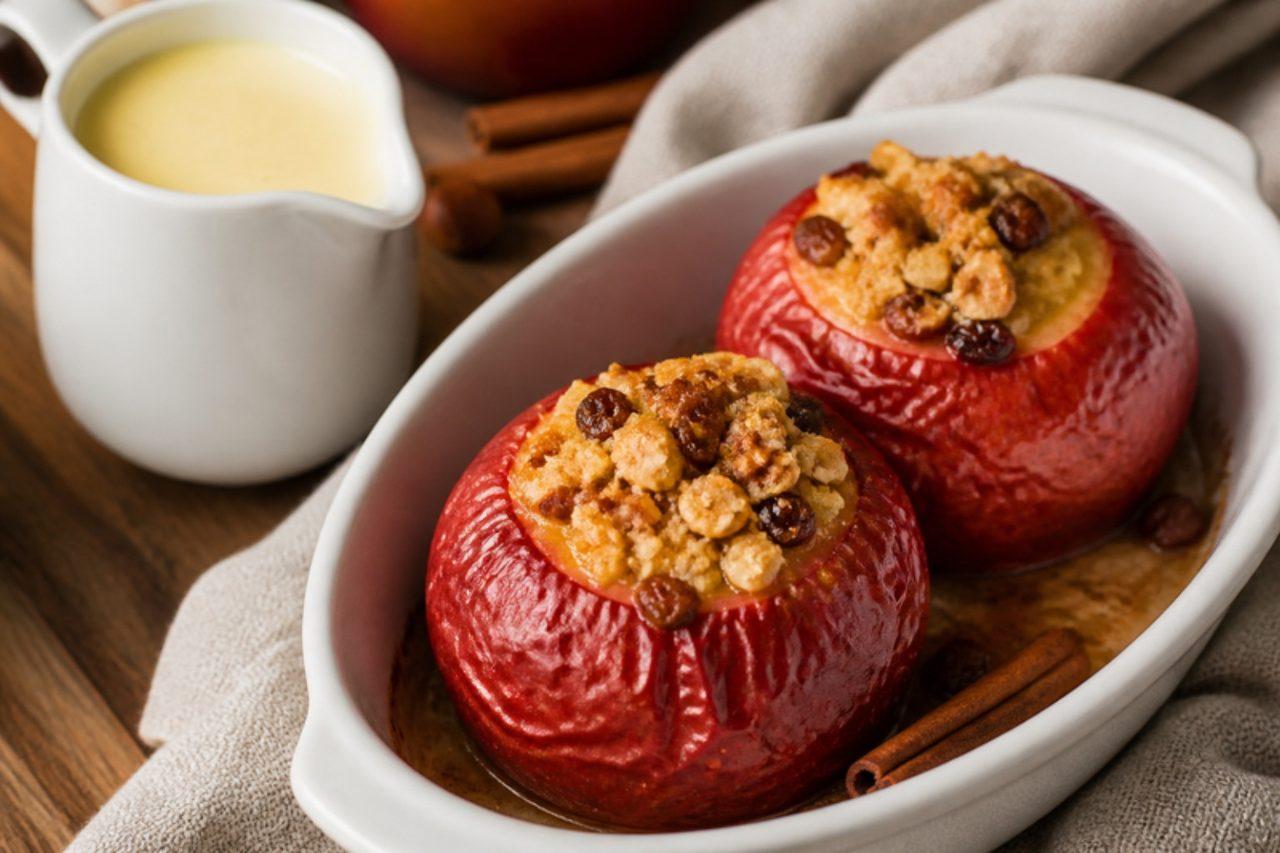
Across Germany, Bratäpfel are the smell of Advent: on cold December afternoons and evenings tart apples go into the oven filled with marzipan, raisins and nuts, and come out puffed, split and bubbling. The skin wrinkles, the flesh turns to a soft, sweet-sour purée and the almond filling melts into the juices. Serve them hot in their dish with the pan juices spooned over, and a plant-based vanilla sauce or a spoon of cold cream if you are not keeping them vegan. Shop marzipan sometimes contains egg white, so here you make a quick egg-free almond paste from ground almonds, icing sugar and a few drops of water, which holds the filling together just as well. The raisins are soaked in apple juice instead of rum. Chef's tip: choose a firm, sharp baking apple and score a ring around its middle; the common mistake is using a sweet eating apple without scoring, which bursts and collapses before the core is tender.

by KrazyBadal 0 views

Baicai dun doufuCabbage and tofu stew

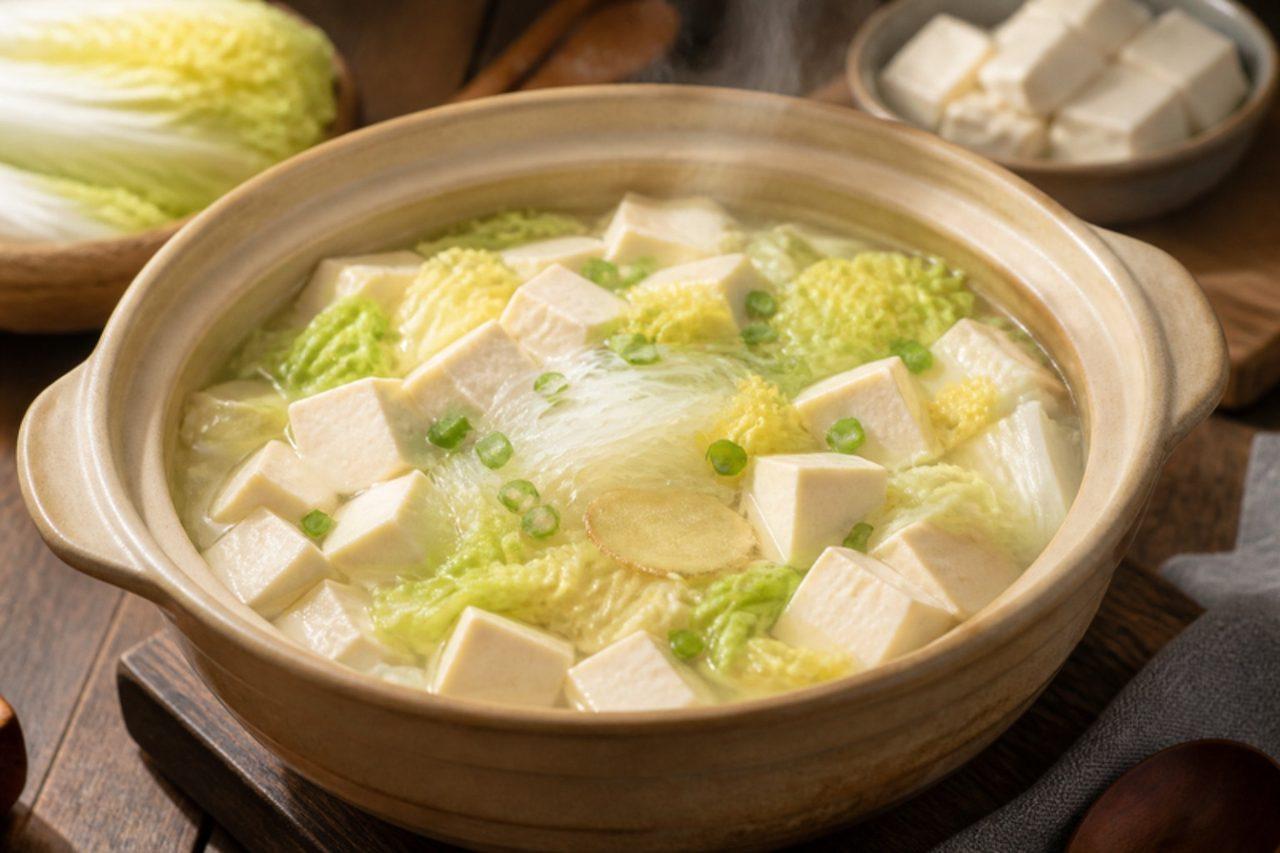
In Beijing, Shenyang and Harbin, napa cabbage is stored by the hundredweight for winter, and this gentle stew of cabbage and tofu is what many families eat on a cold evening with steamed buns or rice. The cabbage softens and sweetens into the broth, while the tofu turns silky and swells with flavour; ginger and white pepper give it warmth. Salt is the only seasoning, so it stays gluten free. Each portion has about 230 kcal and roughly 21 g of protein, from 150 g of firm tofu. The common mistake is adding all the cabbage at once: the leaves overcook while the thick stems stay crunchy. Chef's tip: fry the cabbage stems in the oil until their edges brown before adding water; it gives the broth a sweet, toasty depth.

by KrazyBadal 0 views

Aiwowo (艾窝窝, Beijing stuffed sticky rice balls)

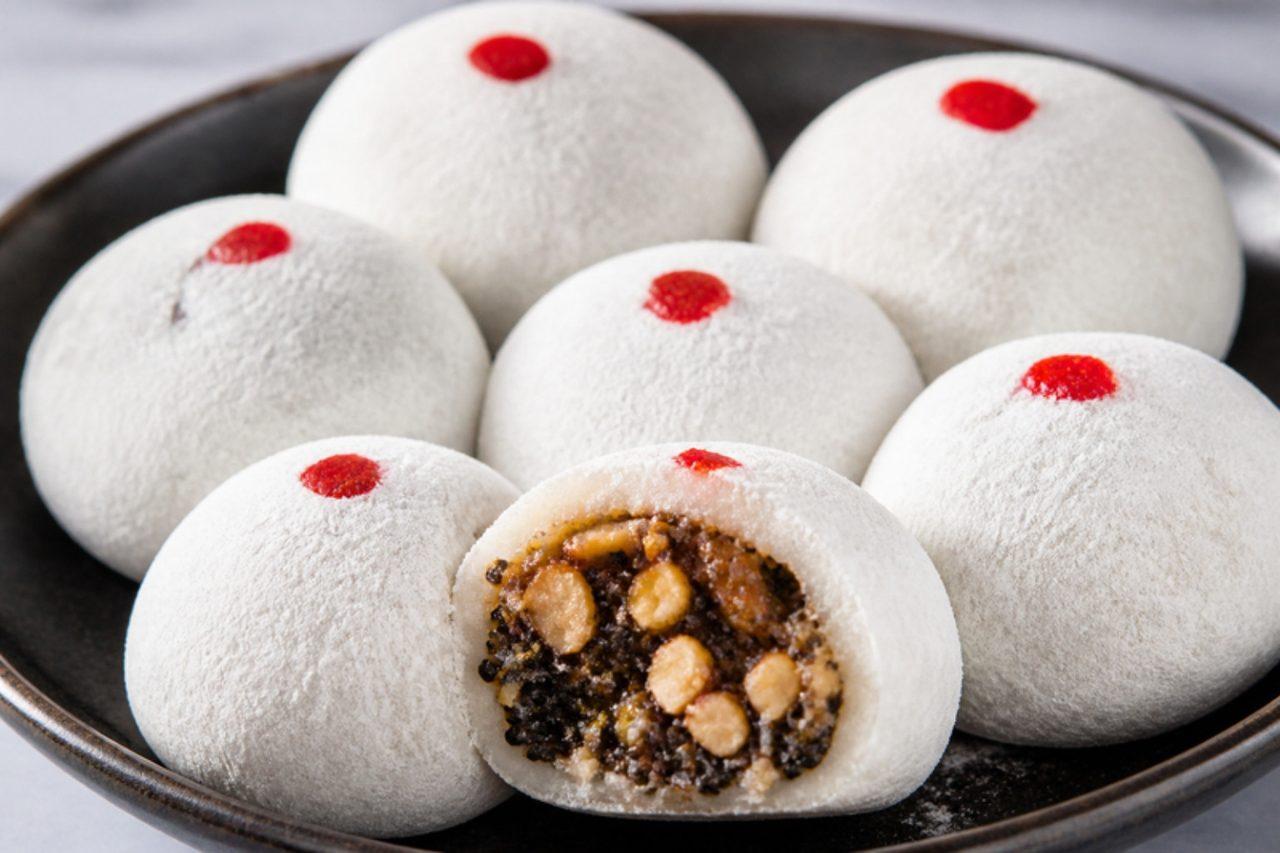
Aiwowo began as a Hui Muslim snack in Beijing and is now a fixture of old Beijing snack shops from Lunar New Year until summer, eaten cool as a mid-afternoon treat. Steamed glutinous rice is pounded until sticky, wrapped around a crunchy filling of toasted sesame, walnuts, sugar and sugared osmanthus, then rolled in cooked rice flour so the balls look like little snowballs. They are soft and chewy outside, crunchy and fragrant inside, and only lightly sweet. Serve them with jasmine or chrysanthemum tea. Aiwowo is naturally egg-free: pounding the steamed rice releases its sticky starch, which binds the dough and seals in the filling. Chef's tip: the common mistake is dusting with raw flour; steam the flour first, or the coating tastes chalky.

by KrazyBadal 0 views

Qingtuan (青团, mugwort rice balls with red bean)

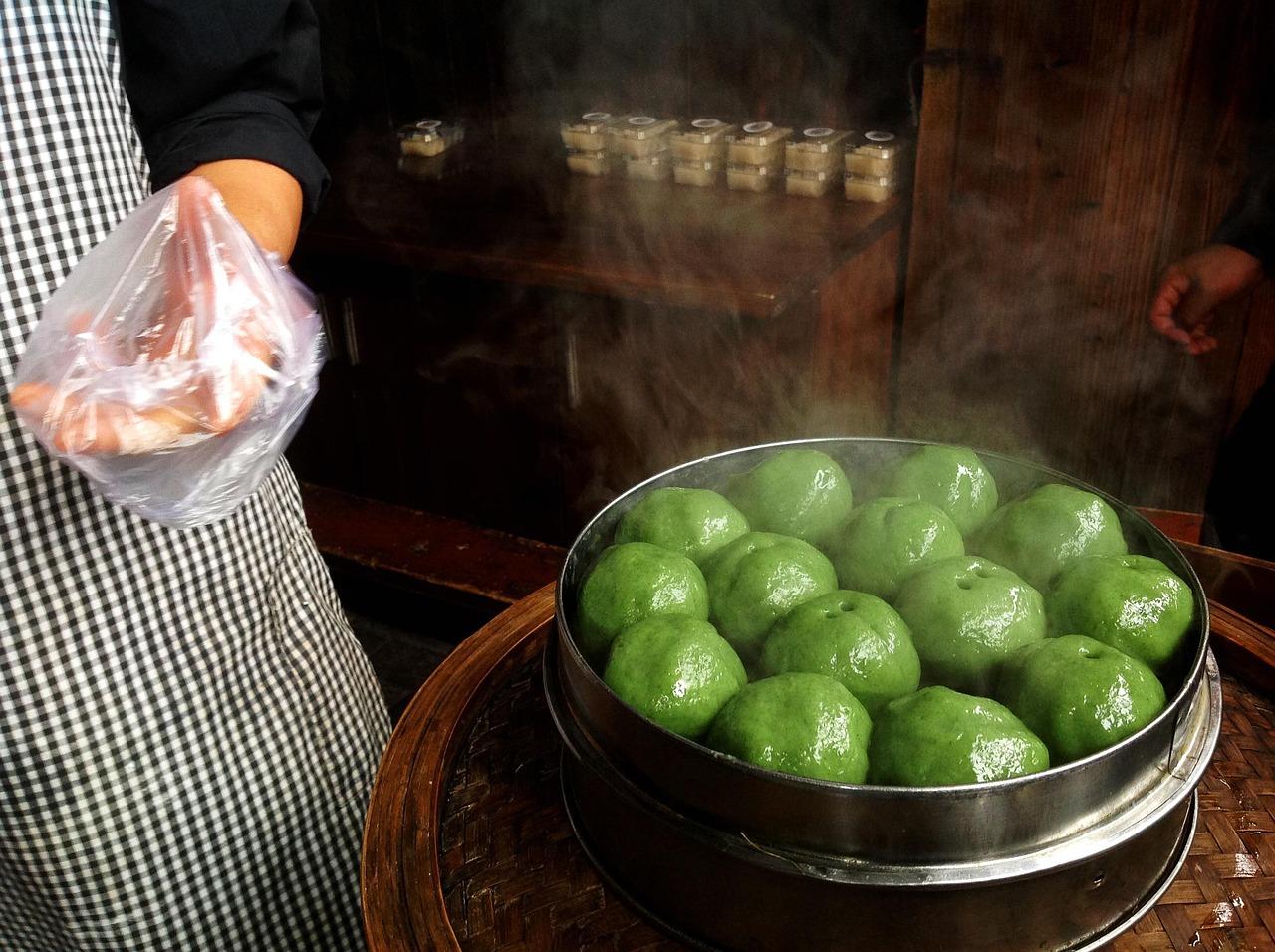
Qingtuan are the taste of spring across Jiangnan: in Shanghai, Hangzhou and the water towns like Wuzhen, steamers of them appear in March and April, and families take them on Qingming tomb-sweeping visits. The dough gets its deep green colour and grassy, slightly bitter scent from young mugwort leaves blanched and blended into glutinous rice flour. Steamed and brushed with oil, the balls are glossy, soft and stretchy, with a smooth sweet red bean centre. Eat them warm or at room temperature with green tea. Qingtuan is naturally egg-free: glutinous rice flour mixed with hot water and mugwort purée forms a pliable dough that steams firm, so no binder is needed. Buy lard-free red bean paste or make your own. Chef's tip: a pinch of soda in the blanching water keeps the mugwort bright green; the common mistake is leaving it out, which gives an olive-grey dough.

by KrazyBadal 0 views

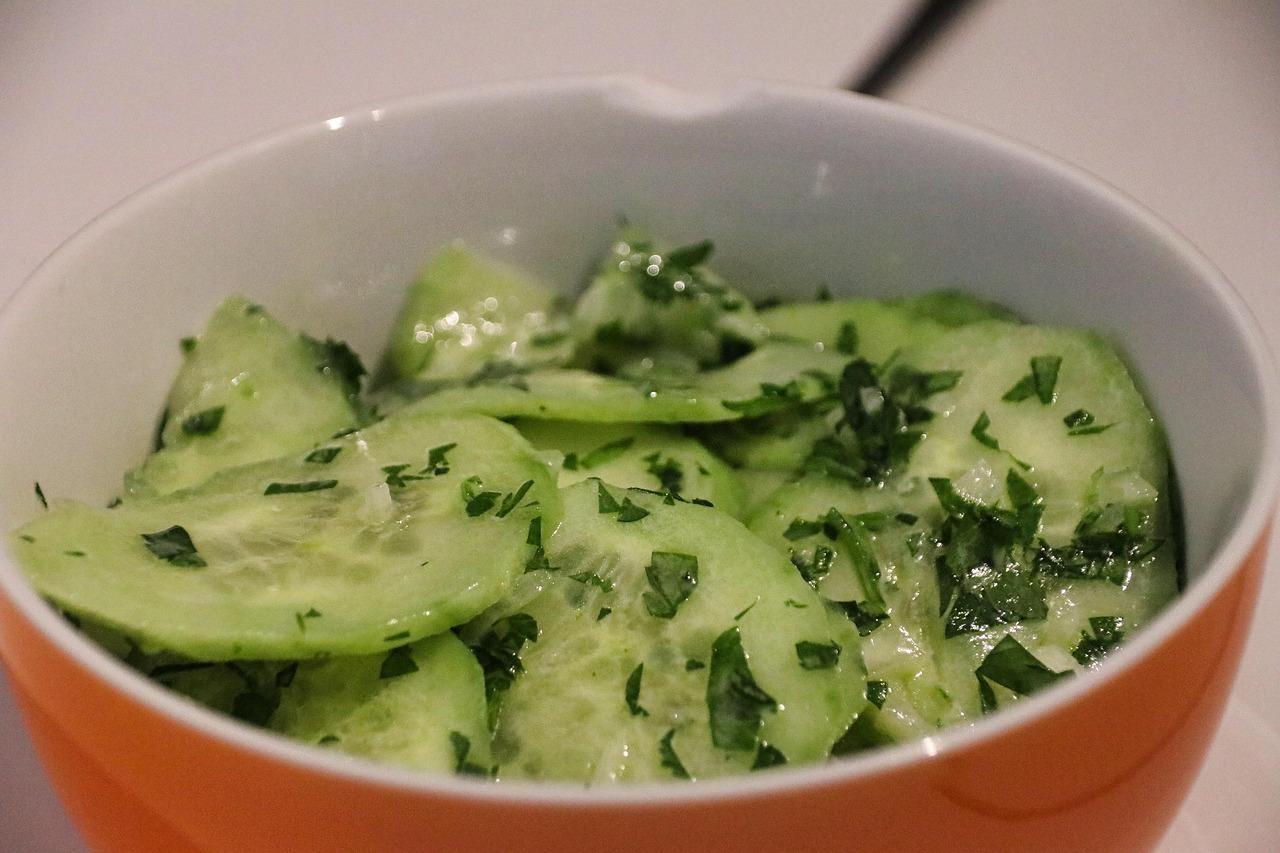
GurkensalatCucumber and dill salad

Gurkensalat is on German tables from Bavaria to Berlin all summer, served alongside potato pancakes, egg dishes or the Sunday roast, and it is just as common at a garden barbecue. Cucumber is sliced almost paper-thin, salted briefly, then dressed with a little vinegar, sugar, onion and lots of fresh dill, so it is cool, sharp and soft-crunchy. Some households stir in soured cream; this vinaigrette version is vegan. It is very light, with about 1 g of protein a portion, so it is purely a side. The most common mistake is skipping the salting: unsalted slices weep water into the bowl and dilute the dressing within minutes. Chef's tip: squeeze the salted slices gently in your hands before dressing; they bend like ribbons and take up the dill dressing much better.

by KrazyBadal 0 views

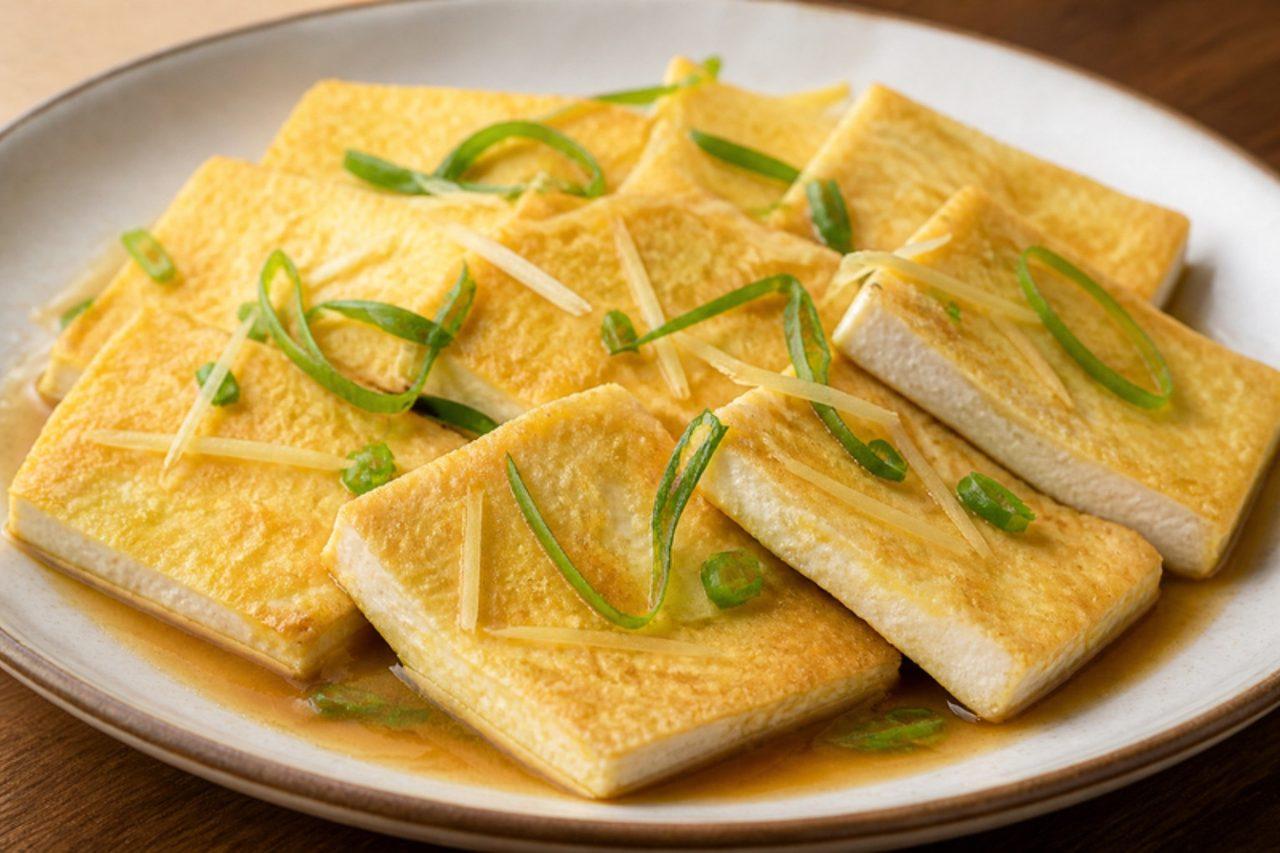
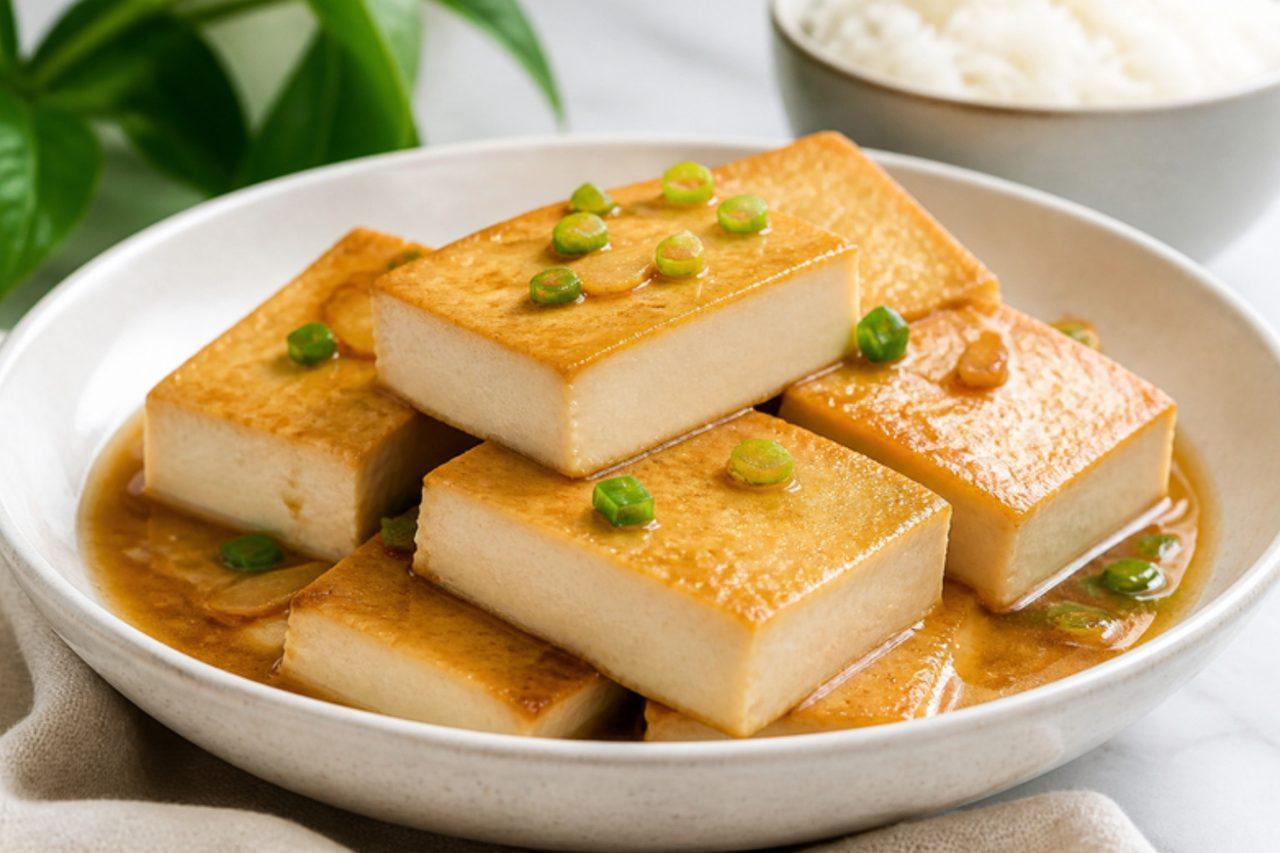
Guota doufuEgg-battered pan-fried tofu

Guota doufu comes from the Lu kitchen of Shandong, where guota means pan-fried and then simmered so the coating soaks up the sauce. It is a banquet dish in Jinan restaurants and a family favourite at home: tofu slices are dusted in flour, dipped in egg, fried golden, then simmered briefly in a savoury stock with ginger and spring onion until the eggy coating turns tender and juicy. This version uses vegetable stock and no cooking wine. A portion gives about 24 g of protein, from the tofu and eggs. The common mistake is too much stock, which turns the coating soggy and loose; add only enough to come halfway up the tofu. Chef's tip: shake off the excess flour well before the egg, or the coating peels away in sheets.

by KrazyBadal 0 views

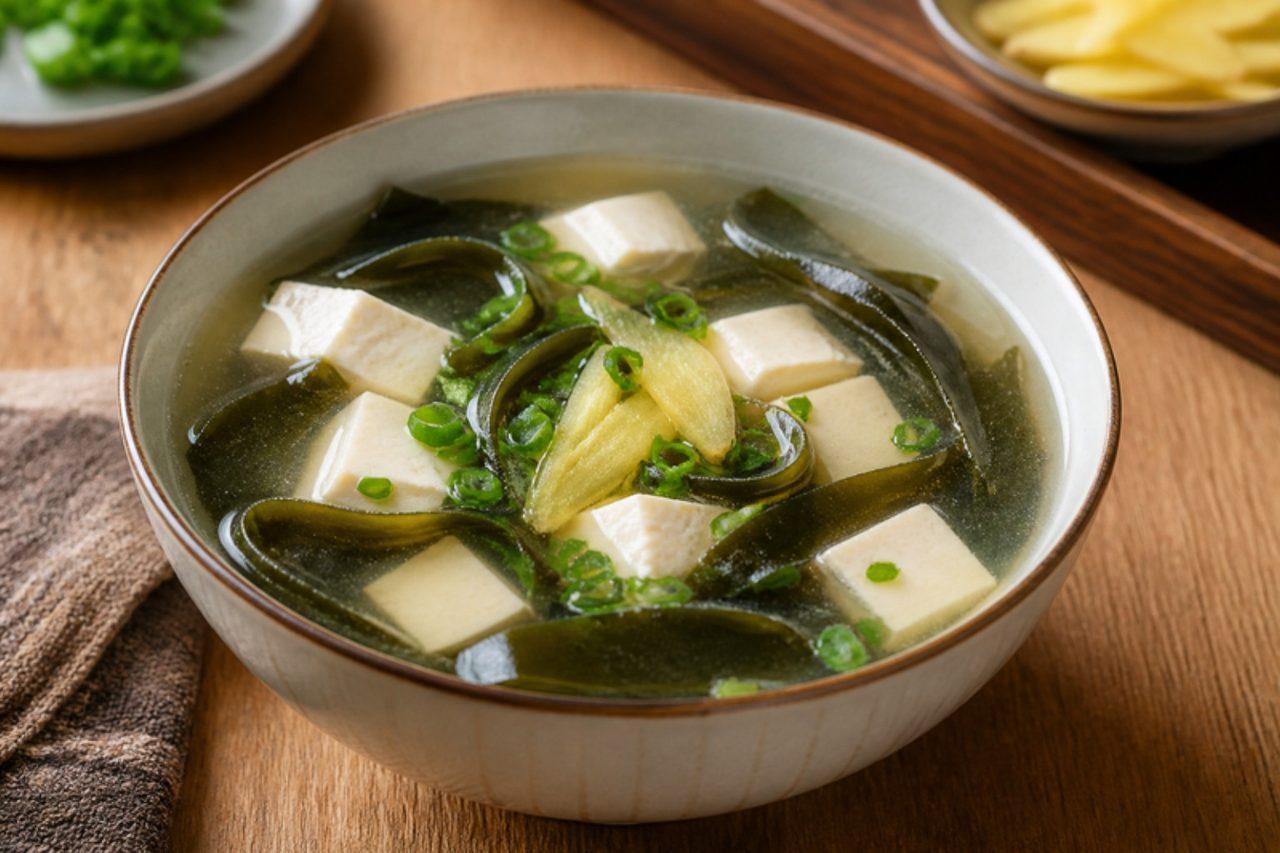
Haidai doufu tangKelp and tofu soup

Kelp and tofu soup is everyday drinking soup across China, ladled out at family dinners in Qingdao, Dalian and inland cities alike, and thought of as cooling and good for the body. Strips of kelp give a savoury sea flavour, cubes of soft tofu turn tender in the broth, and ginger, white pepper and spring onion keep it clean and warming. Each bowl has about 130 kcal and roughly 12 g of protein, from the tofu, so it is a light side soup rather than a high-protein meal. The common mistake is not rinsing dried kelp well: grit and the white salt bloom make the soup cloudy and harsh. Chef's tip: simmer the kelp first on its own for 10 minutes; it softens and seasons the water before the tofu goes in.

by KrazyBadal 0 views

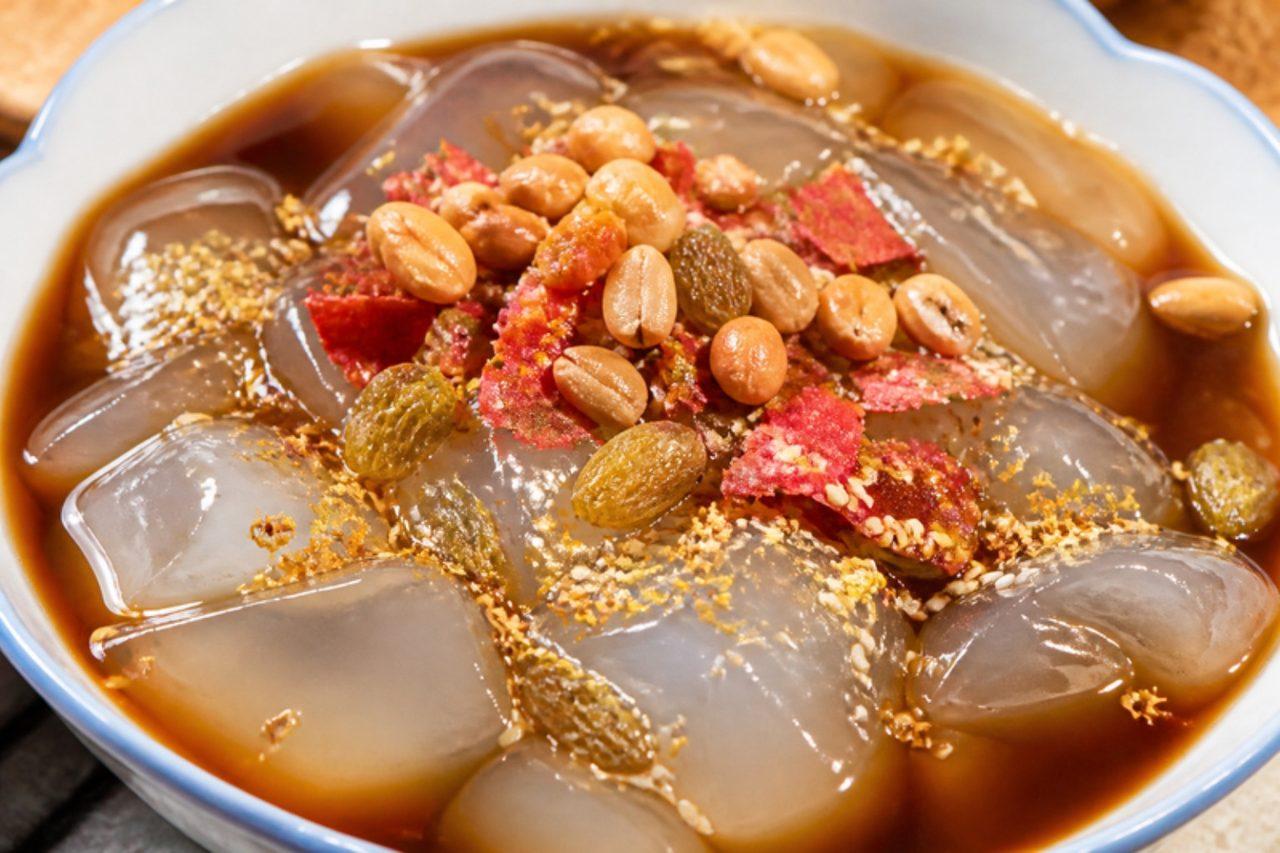
冰粉 (Bingfen, Sichuan ice jelly)Ice jelly with brown sugar syrup

Bingfen is what Chengdu reaches for after a numbing hotpot or on a sticky summer night: a bowl of wobbly, glass-clear jelly, cold from the fridge, splashed with dark brown-sugar syrup and scattered with hawthorn flakes, raisins, peanuts and sesame. It is sold at night markets and hotpot restaurants all over Sichuan and Chongqing, and the jelly itself tastes of almost nothing, just cool and soothing, so the syrup and toppings bring the flavour. It is naturally egg-free and plant-based. The jelly traditionally comes from shoo-fly plant seeds rubbed in water; here it is made with ice-jelly powder, a plant-based setting powder sold in Chinese grocers, which sets clear as it cools. Chef's tip: let the jelly set undisturbed; the common mistake is stirring or moving it while it is half-set, which leaves it cloudy and weeping.

by KrazyBadal 0 views

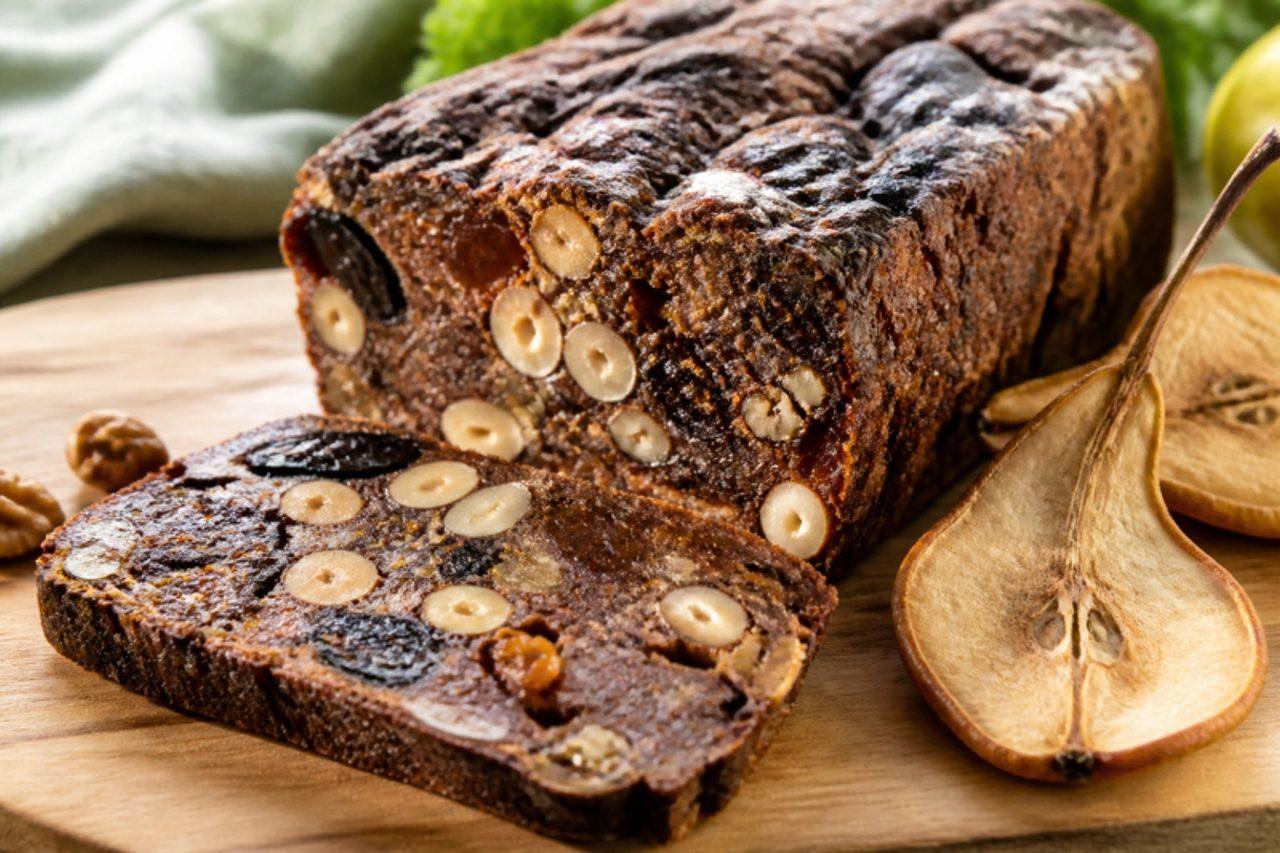
Hutzelbrot (Swabian dried-pear Christmas loaf)

In Swabia and Franconia, Hutzelbrot is baked in early December and sliced through Advent and Christmas, traditionally on St Thomas's Day, 21 December. Hutzeln are dried pears, and they are the heart of the loaf: soaked overnight and simmered, then mixed with figs, prunes, raisins, hazelnuts, walnuts and candied peel, bound with only enough spiced yeast dough to hold everything together. The result is dark, moist and dense, closer to fruit than to bread, fragrant with cinnamon, aniseed and cloves. Slice it thin and eat it plain, spread with butter or a nut butter, with coffee or a hot fruit tea. The loaf is naturally egg-free: the yeast dough, made with the sweet pear soaking water, is the glue, and the sticky fruit holds it moist for weeks. Chef's tip: wrap the cooled loaves tightly and leave them for 3–4 days before slicing; the common mistake is cutting it on day one, when it crumbles and the flavours have not settled.

900 minGermanBakingVegan
by KrazyBadal 0 views

Hongshao doufuRed-braised tofu

Hongshao doufu is the meat-free cousin of red-braised pork, cooked in home kitchens from Shanghai to Sichuan as a weeknight dinner with rice and a green vegetable. Slices of firm tofu are fried until golden, then braised in a glossy, mahogany sauce of light and dark soy, a little sugar, ginger and spring onion until they turn sweet-salty and slightly chewy. This version skips the usual splash of Shaoxing wine. A portion gives about 26 g of protein, from 200 g of firm tofu each. The common mistake is moving the tofu too soon in the pan; leave it until it releases on its own, or it tears. Chef's tip: let the sauce reduce until it bubbles thickly and coats the back of a spoon; that is when the tofu is properly lacquered.

by KrazyBadal 0 views

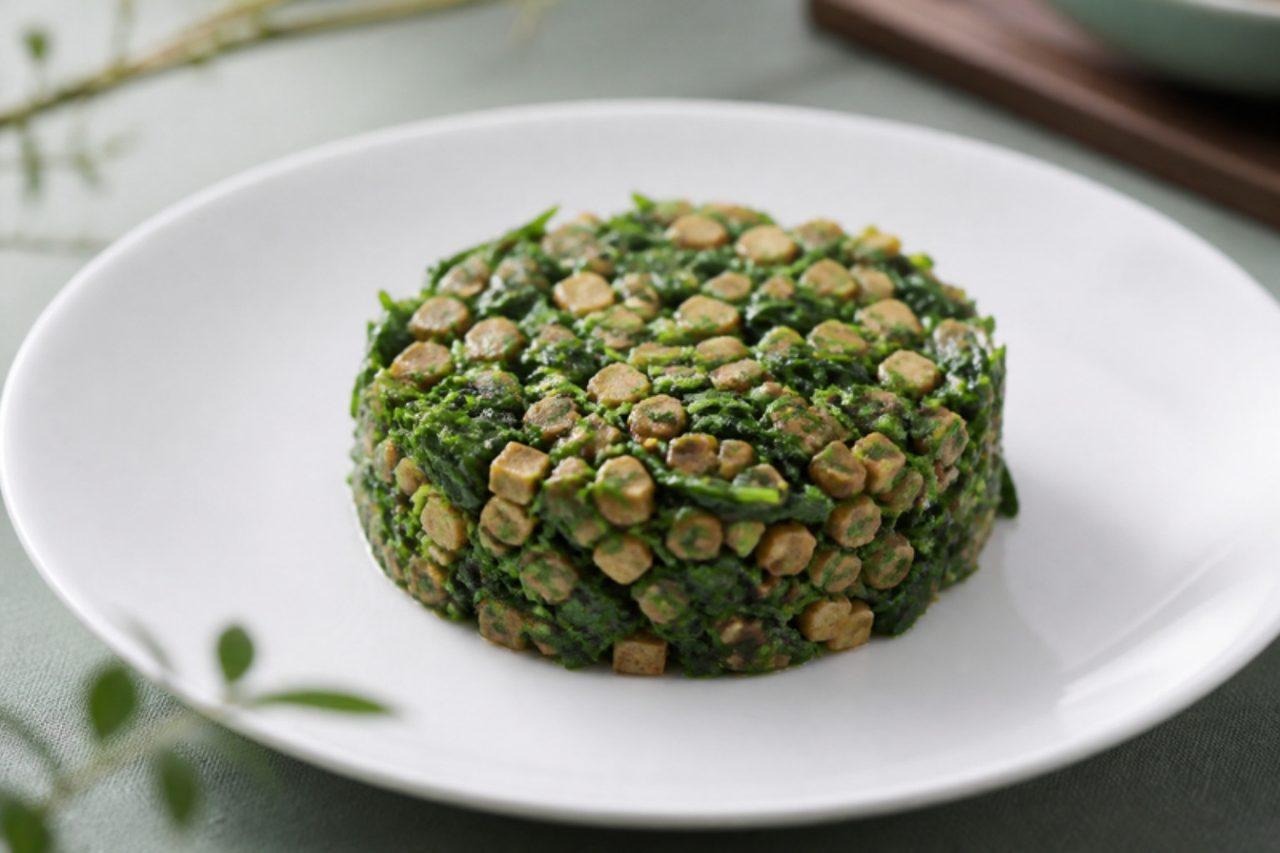
Malan tou with pressed tofuAster greens and pressed tofu salad

When the first malan tou shoots appear in Shanghai, Suzhou and Hangzhou markets in early spring, families make this little cold dish to start a meal: the tender aster leaves are blanched, chopped very fine and mixed with diced smoked pressed tofu, salt, a pinch of sugar and sesame oil. It tastes grassy, nutty and clean. Malan tou can be hard to find outside China; young spinach or shepherd's purse works well. As a side dish for four, each portion has about 120 kcal and roughly 9 g of protein, from the pressed tofu, so it is light rather than high in protein. The common mistake is leaving the greens wet, which dilutes the dressing; squeeze them hard. Chef's tip: press the mixture into a small bowl and turn it out onto the plate for the traditional neat mound.

by KrazyBadal 0 views

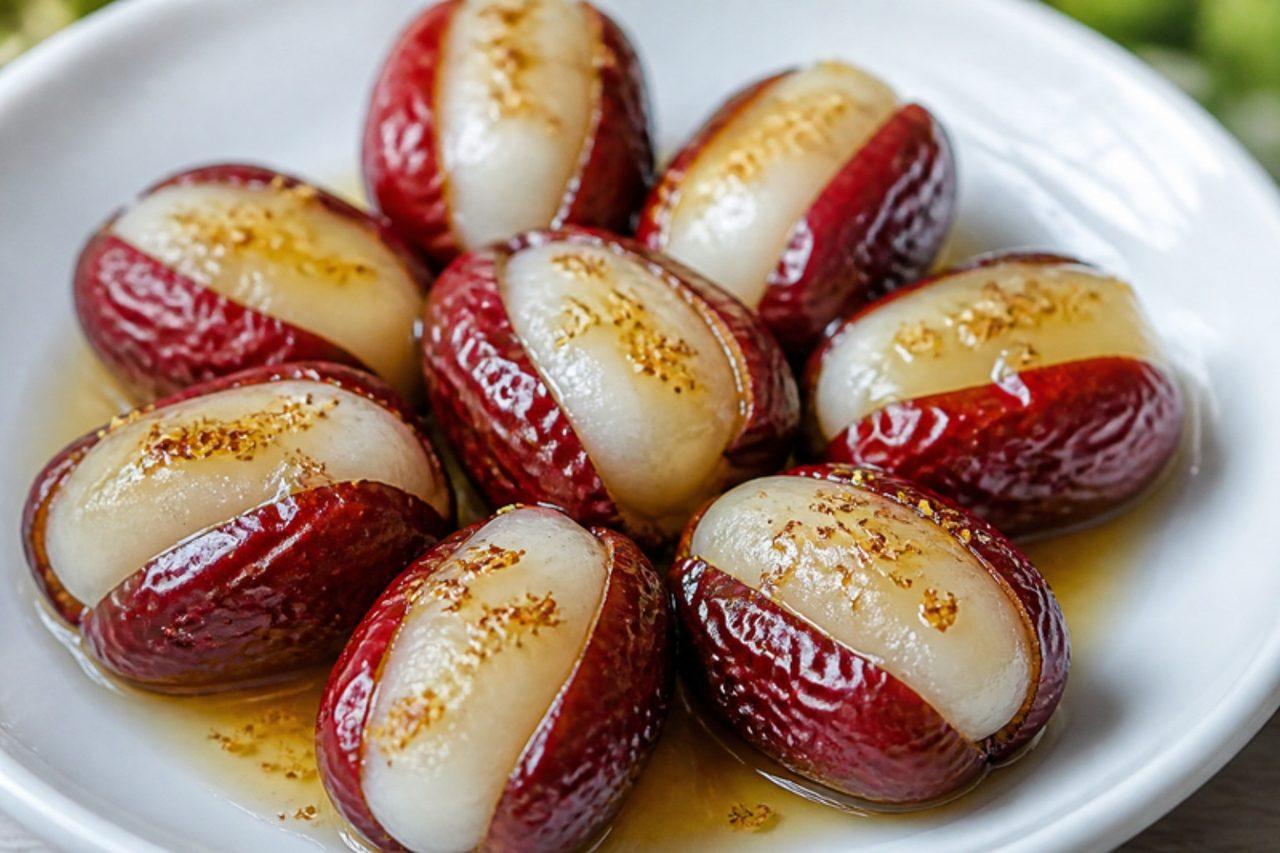
Xin tai ruan (心太软, jujubes stuffed with sticky rice in osmanthus syrup)Sticky rice-stuffed red dates

Xin tai ruan, 'the heart is too soft', is a small sweet plate found in restaurants all over Jiangsu and Zhejiang, often served as a starter or between courses at banquets, and it is especially popular in the cold months when jujubes are said to warm the body. Dried red dates are pitted, stuffed with a little glutinous rice dough, steamed and then glossed with syrup scented with sugared osmanthus flowers. Each bite is chewy, then soft, with the deep caramel taste of the dates and a floral finish. Serve warm or at room temperature with tea. It is naturally egg-free: glutinous rice flour and water make a dough that turns sticky and elastic when steamed, filling the dates and holding them closed. Chef's tip: the common mistake is cutting through the whole date when pitting; slit only one side so it stays in one piece and wraps the dough.

by KrazyBadal 0 views

Liangban bocaiCold dressed spinach

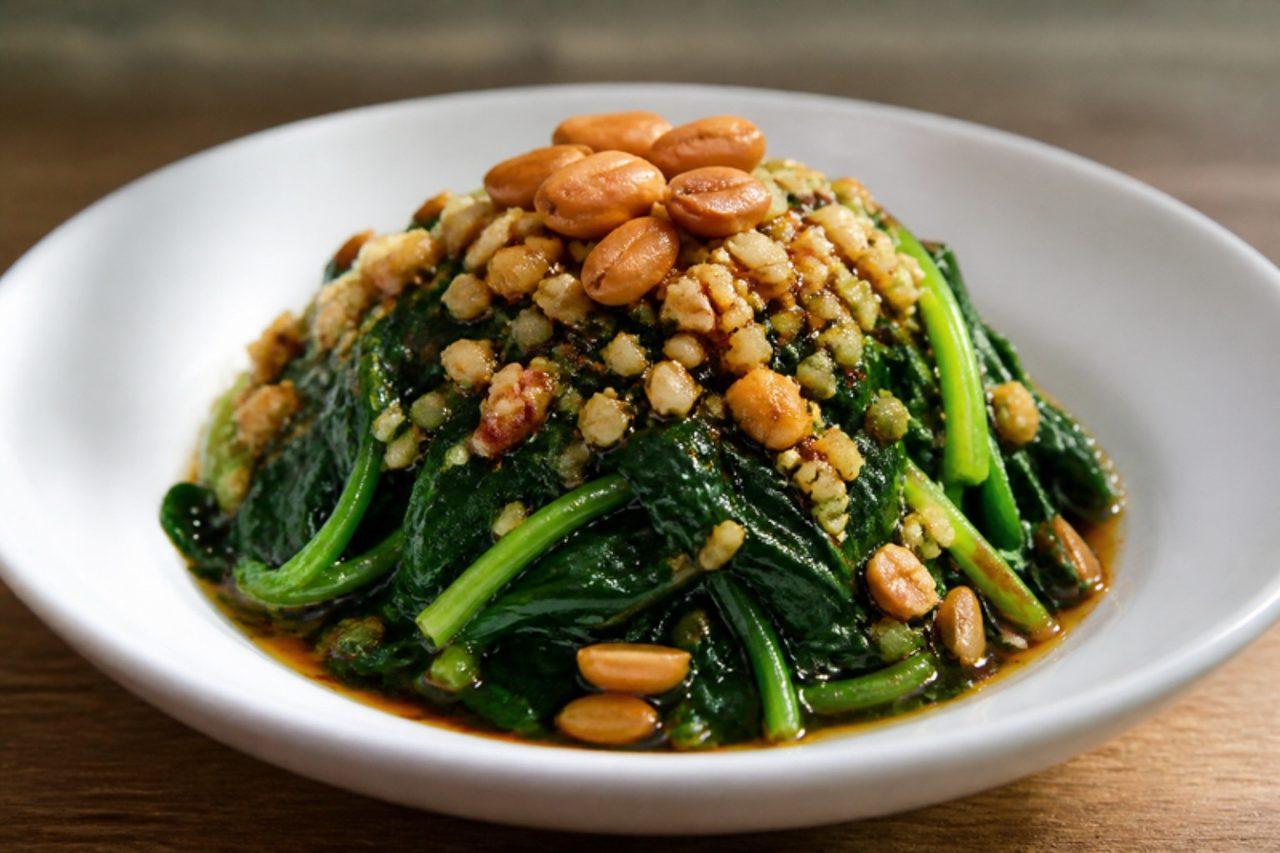
Liangban bocai is one of the cold dishes that open a family meal or a restaurant banquet all over China, from Beijing homes to Sichuan noodle shops, and it is made year round but especially in spring when spinach is sweet. The spinach is blanched briefly, squeezed, and dressed with raw garlic, black vinegar, soy and toasted sesame oil, then scattered with crunchy peanuts; it is garlicky, tangy and fresh. A portion gives about 6 g of protein from the spinach and peanuts, so it is a side, good with rice and a tofu dish. The most common mistake is not squeezing the spinach dry, which drowns the dressing; press it firmly in your hands. Chef's tip: pour a spoonful of smoking-hot oil over the garlic before mixing the dressing; it takes the raw edge off and makes the whole dish smell wonderful.

by KrazyBadal 0 views

WowotouSteamed cornmeal cone buns

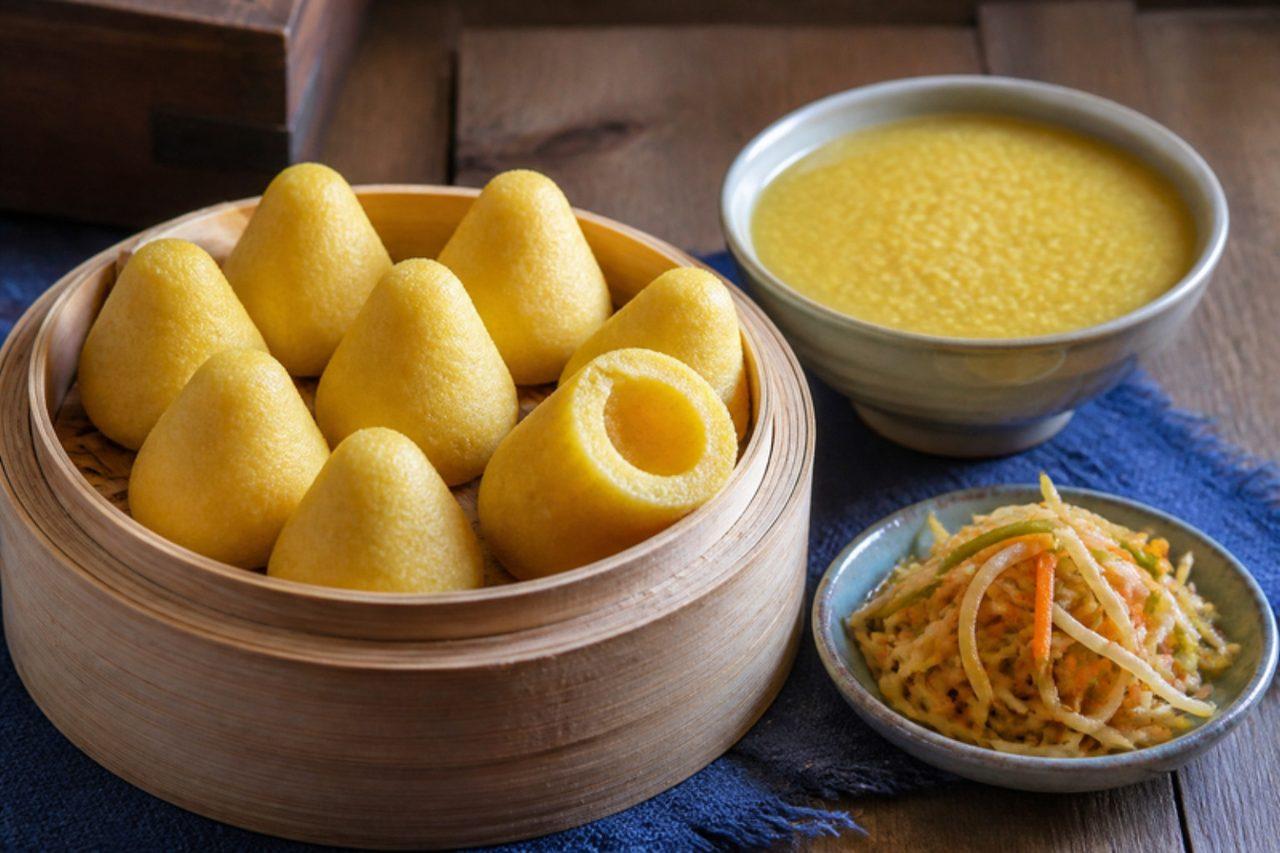
Wowotou are the little golden cones that fed northern China through hard decades, and Beijing restaurants now serve them, made small and slightly sweet, as nostalgic winter food alongside stews and pickles. A hollow is pressed into the base of each with a thumb so they cook through evenly. Soybean flour gives them a nutty taste and about 10 g of protein for three buns, from the soy and corn, so they are not high-protein on their own. They are gluten free if your cornmeal and soy flour are milled where wheat isn't; check the packet. The usual mistake is mixing with cold water: the dough stays crumbly and the cones crack, so scald it with near-boiling water. Chef's tip: wet your hands before shaping each cone; the dough won't stick and the surface steams smooth and shiny.

by KrazyBadal 0 views

Ba bao zhouEight-treasure porridge

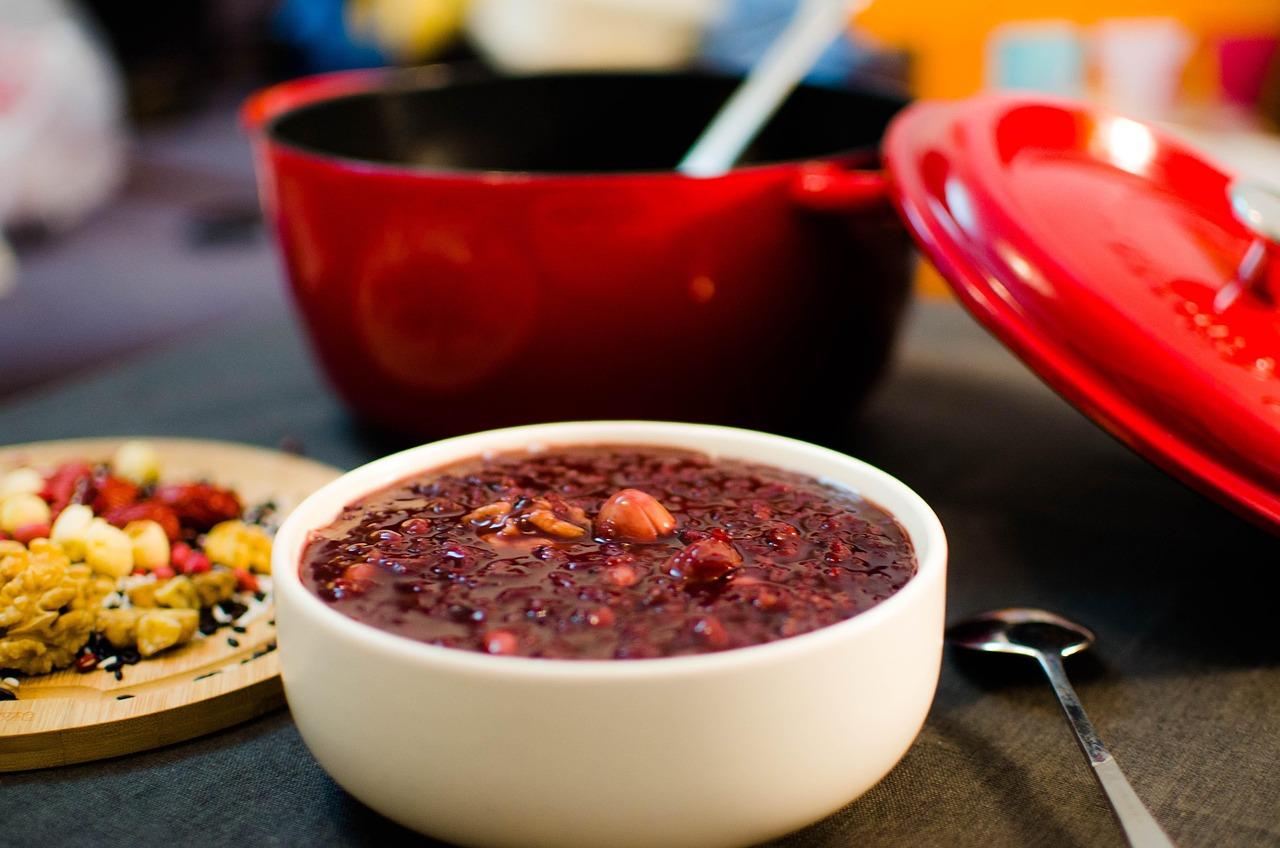
Across China, the eighth day of the twelfth lunar month is Laba, and households and Buddhist temples simmer a big pot of eight-treasure porridge to share: glutinous and black rice cooked slowly with red beans, mung beans, peanuts, lotus seeds, red dates and longan until thick and gently sweet. Beijing families still give bowls to neighbours, and it is a warming winter breakfast all season. A bowl gives about 9 g of protein from the beans, peanuts and lotus seeds, so it is a filling porridge rather than a high-protein one. Soak the beans, peanuts and lotus seeds for at least 4 hours or overnight. The common mistake is putting everything in at once: the rice goes to glue before the beans soften, so the beans get a head start. Chef's tip: add the rock sugar only in the last 10 minutes; sugar added early toughens the bean skins.

by KrazyBadal 0 views

Grüner BohnensalatGreen bean salad

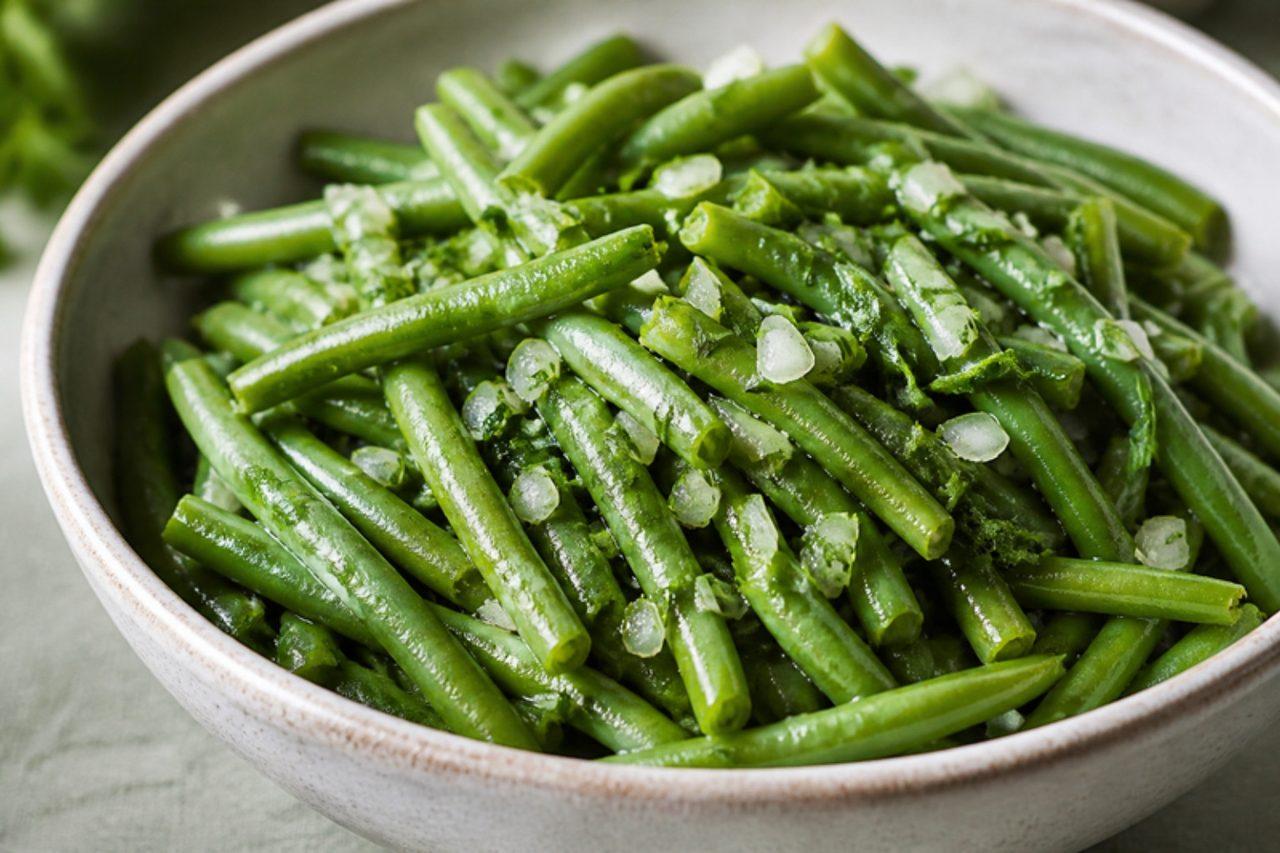
In German kitchens from Swabia to Westphalia, green bean salad comes out in high summer when beans are cheap and plentiful, as a side to fried eggs, potato salad or grilled food, and it travels well to picnics. The beans are cooked until just tender, then dressed warm with vinegar, oil, onion and Bohnenkraut (summer savory), the peppery herb Germans always pair with beans. Many cooks add bacon; this version is vegan. A portion gives about 3 g of protein, so it is a side; add a handful of white beans to make it more filling. The most common mistake is undercooking the beans so they squeak: German bean salad is meant to be tender, not crisp, so cook until a bean bends without snapping. Chef's tip: dress the beans while they are still warm and let them sit for 30 minutes; they absorb the vinegar and taste far better than freshly dressed.

by KrazyBadal 0 views

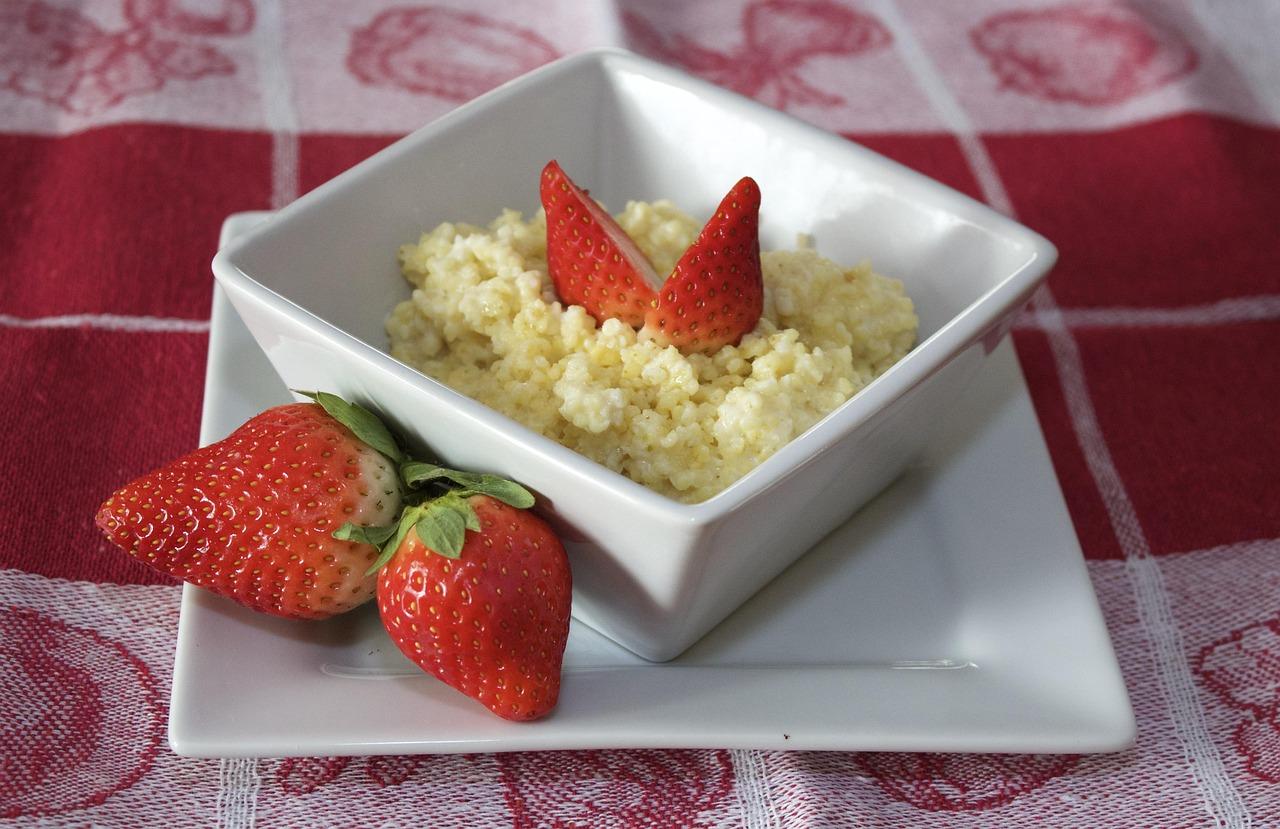
HirsebreiMillet porridge

Hirsebrei is one of the oldest dishes in German cooking, the millet porridge of fairy tales, and it is still made in homes across the country as a warm breakfast or a sweet supper for children on cold evenings. Golden millet is rinsed, then simmered in milk until creamy and soft, and served with stewed apple, berries and a dusting of cinnamon. A bowl gives about 12 g of protein from the milk and millet; stir in a spoon of quark or top with chopped almonds if you want more. The usual mistake is skipping the rinse: unrinsed millet tastes bitter and soapy, so rinse it in hot water until the water runs clear. Chef's tip: toast the rinsed millet in the dry pan for a minute before adding milk; it brings out a lovely nutty flavour.

by KrazyBadal 0 views

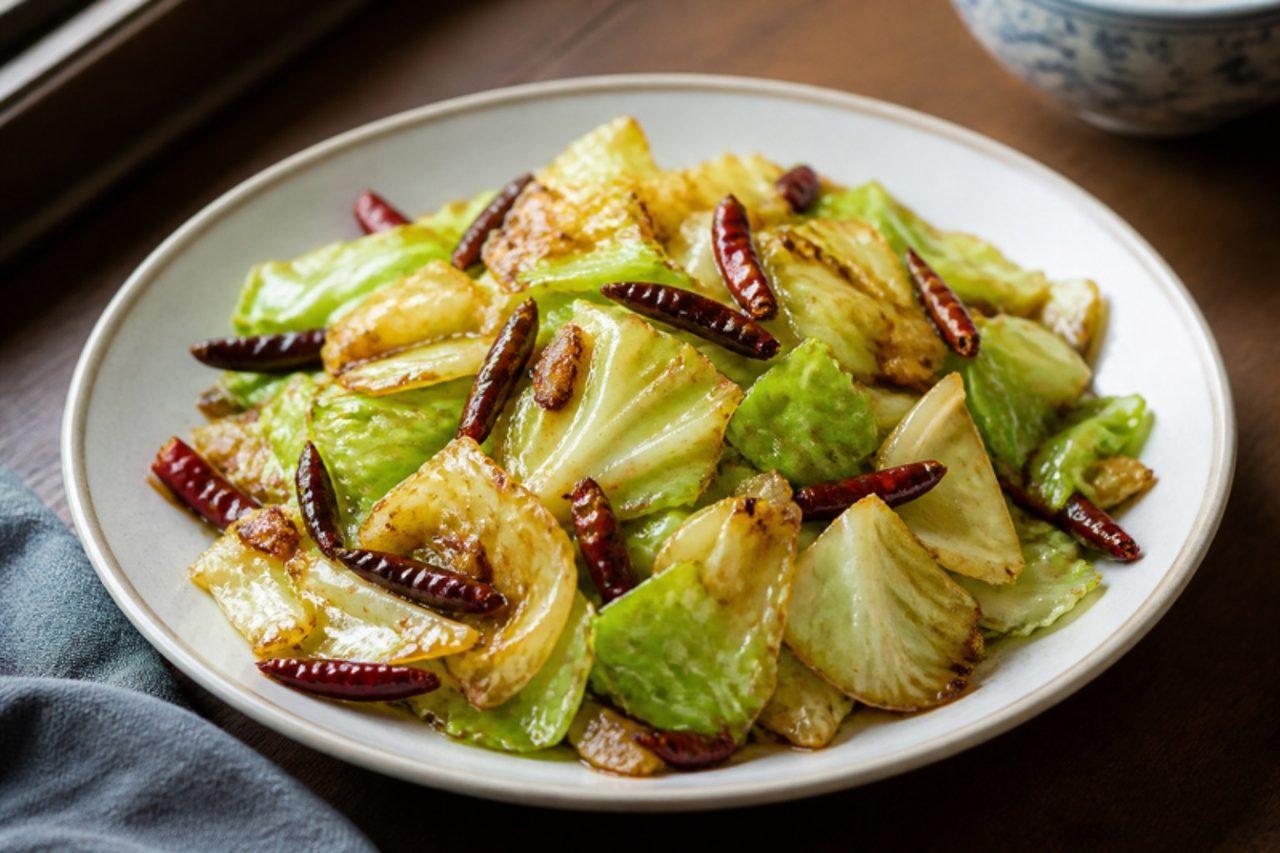
Hand-torn cabbage

Shou si bao cai is a Hunan restaurant classic that every Changsha family also cooks at home: cabbage leaves torn by hand, then flash-fried in a roaring wok with garlic and dried chillies and splashed with black vinegar until smoky, sweet and still crunchy. It goes alongside rice and a meat or tofu dish at dinner. The mistake is putting wet leaves into a lukewarm pan: the cabbage stews and goes limp instead of charring at the edges. Chef's tip: tear rather than cut, because the ragged edges catch the heat and the sauce better than clean knife cuts.

by KrazyBadal 0 views

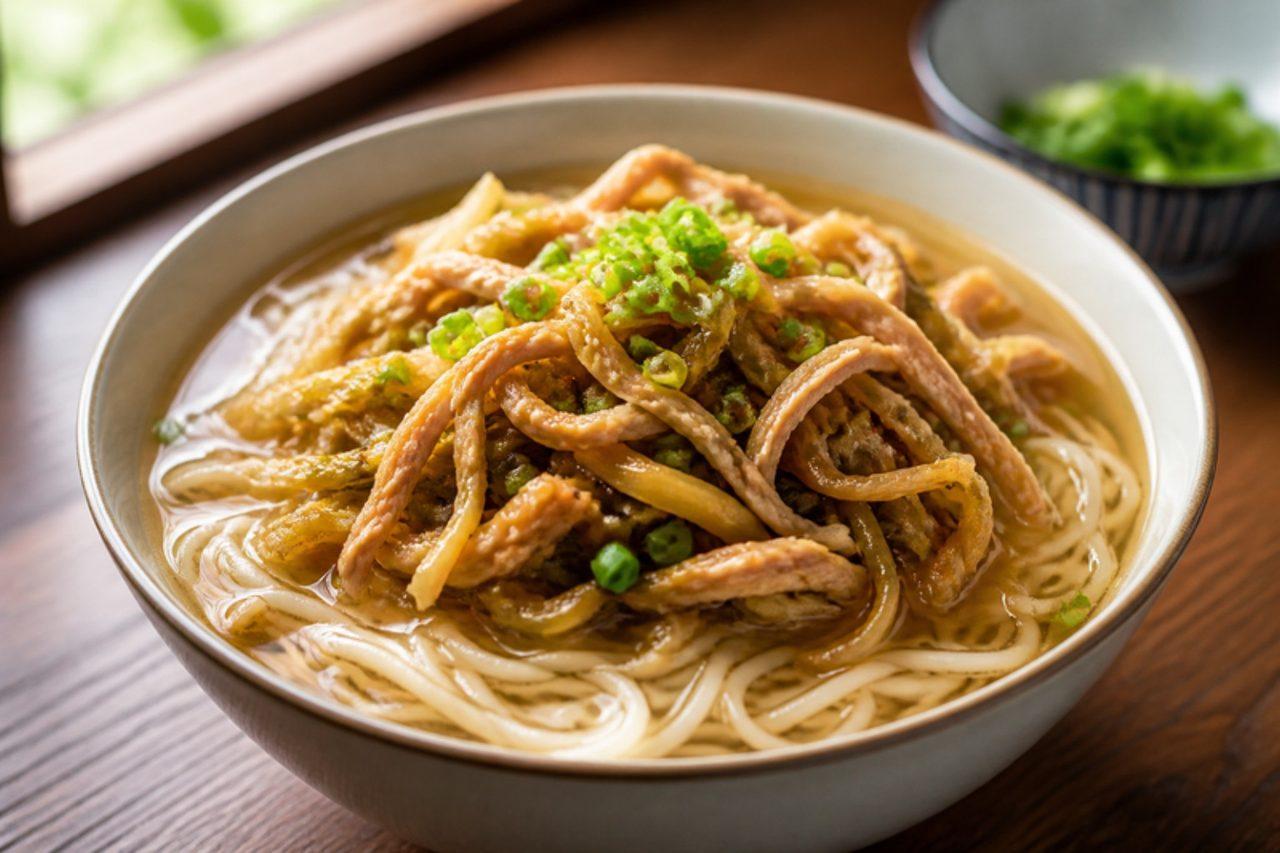
Zhacai rousi mian (pork and pickled mustard noodle soup)

Zhacai rousi mian is a breakfast and late-night bowl from Chongqing to Shanghai noodle shops: plain wheat noodles in a light seasoned broth, topped with shreds of pork stir-fried with crunchy, salty zhacai, the pickled mustard tuber from Fuling. This is a pork dish. The mistake to avoid is salting the topping before you taste it; zhacai is already very salty, and rinsing it briefly saves the bowl. Chef's tip: season the empty bowls with soy, sesame oil and spring onion first, then pour the hot stock over, the way noodle stalls do.

by KrazyBadal 0 views

Showing 24 of 643 recipes

Show more recipes

Page 1 of 27