Skip to content
Recipes

All recipes

Vegetarian, or something you can't eat? Set your diet once and we'll hide recipes that don't fit.

North Shore garlic shrimp

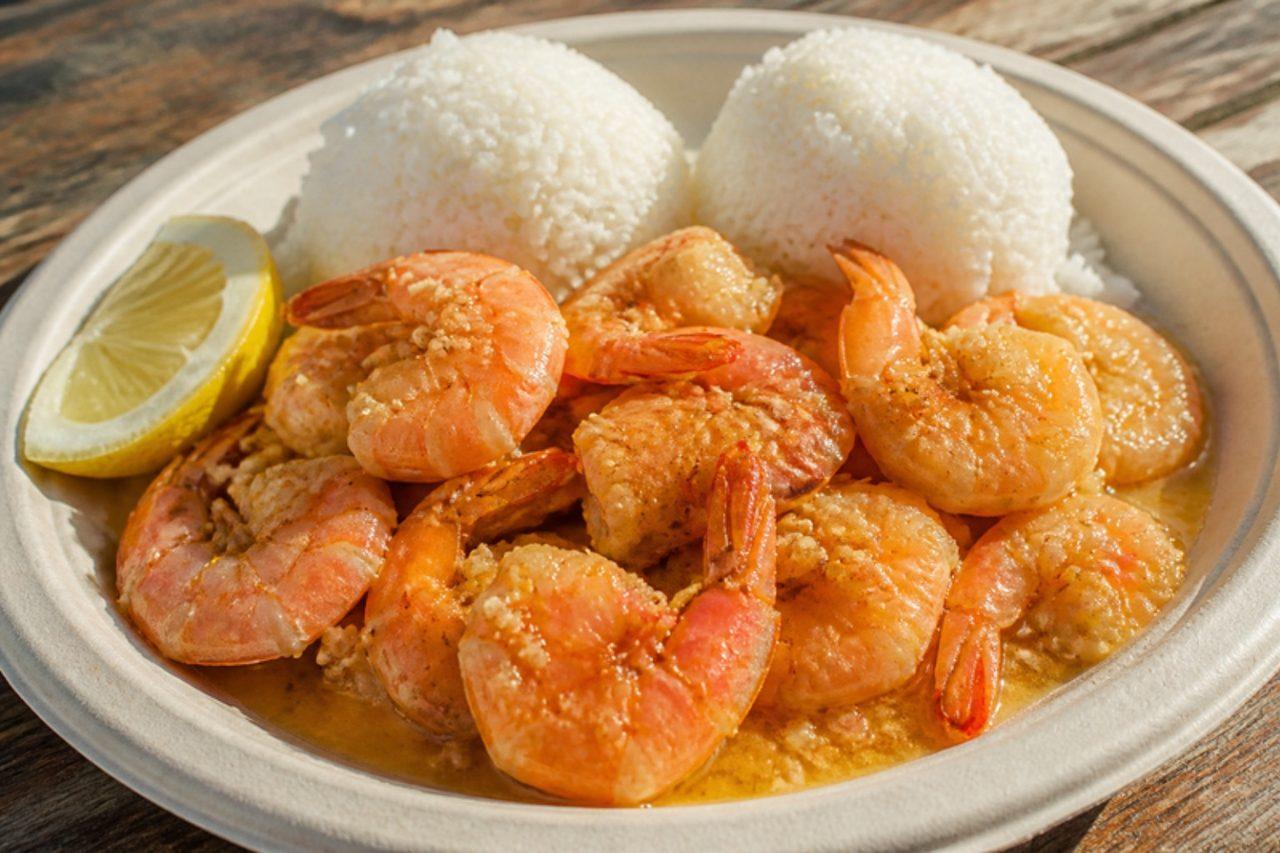
The shrimp trucks parked along Kamehameha Highway in Kahuku, on Oʻahu's North Shore, serve this on paper plates to surfers and day-trippers: shell-on prawns from the local farms fried in a heap of garlic and butter until the shells are crisp enough to eat, with two scoops of rice and lemon. Chef's tip: dust the prawns in a little cornflour before frying; it helps the garlic butter cling and the shells crisp.

by KrazyBadal 0 views

Kerry Dingle pies

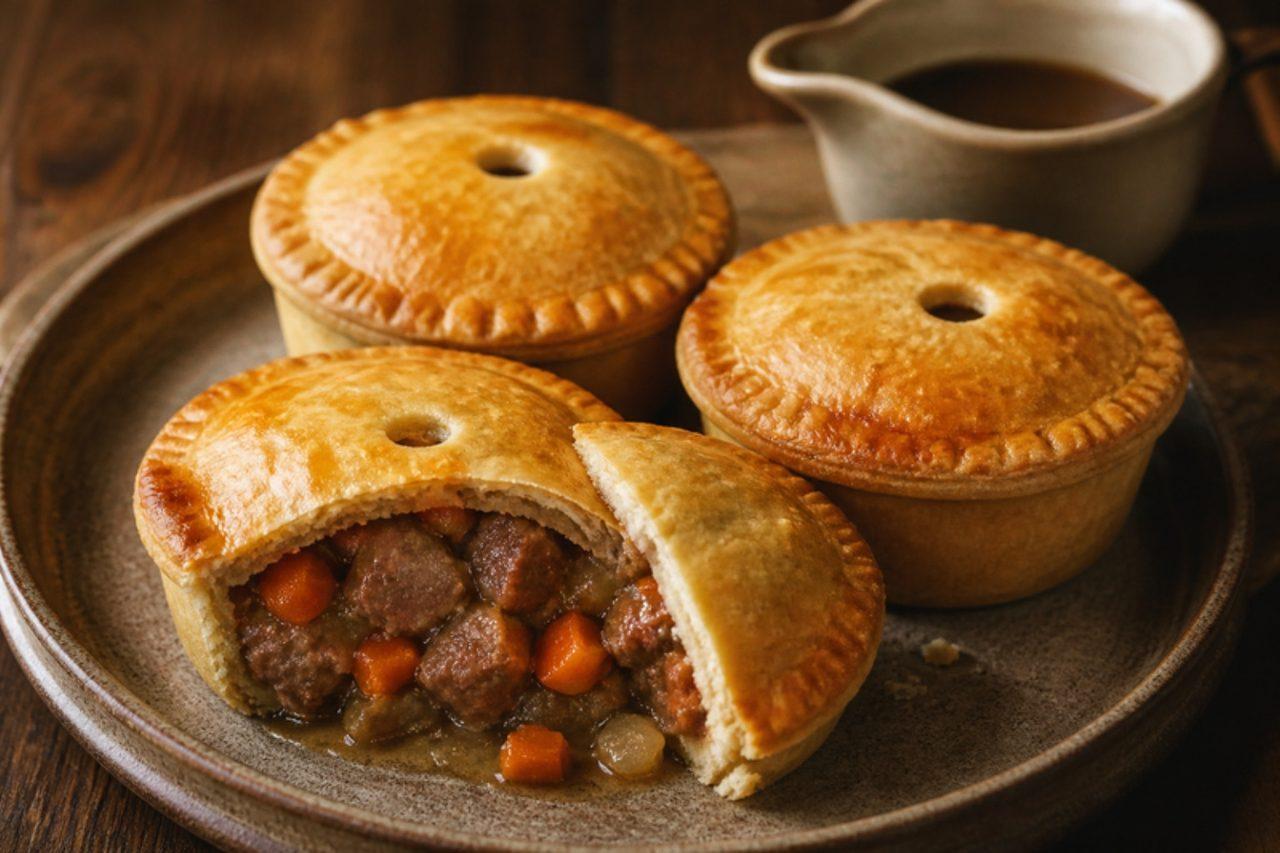
Dingle pies are small, round mutton pies made in west Kerry for the Puck Fair in Killorglin, for fishermen going to sea, and for farmers at the mart, often reheated in a bowl of the mutton broth. A firm hot-water-crust pastry holds a peppery filling of lamb or mutton, onion and carrot, so they travel well and are eaten by hand or with gravy. Chef's tip: shape the pastry while it is still warm; hot-water crust cracks and won't mould once it cools.

120 minIrishMeat
by KrazyBadal 0 views

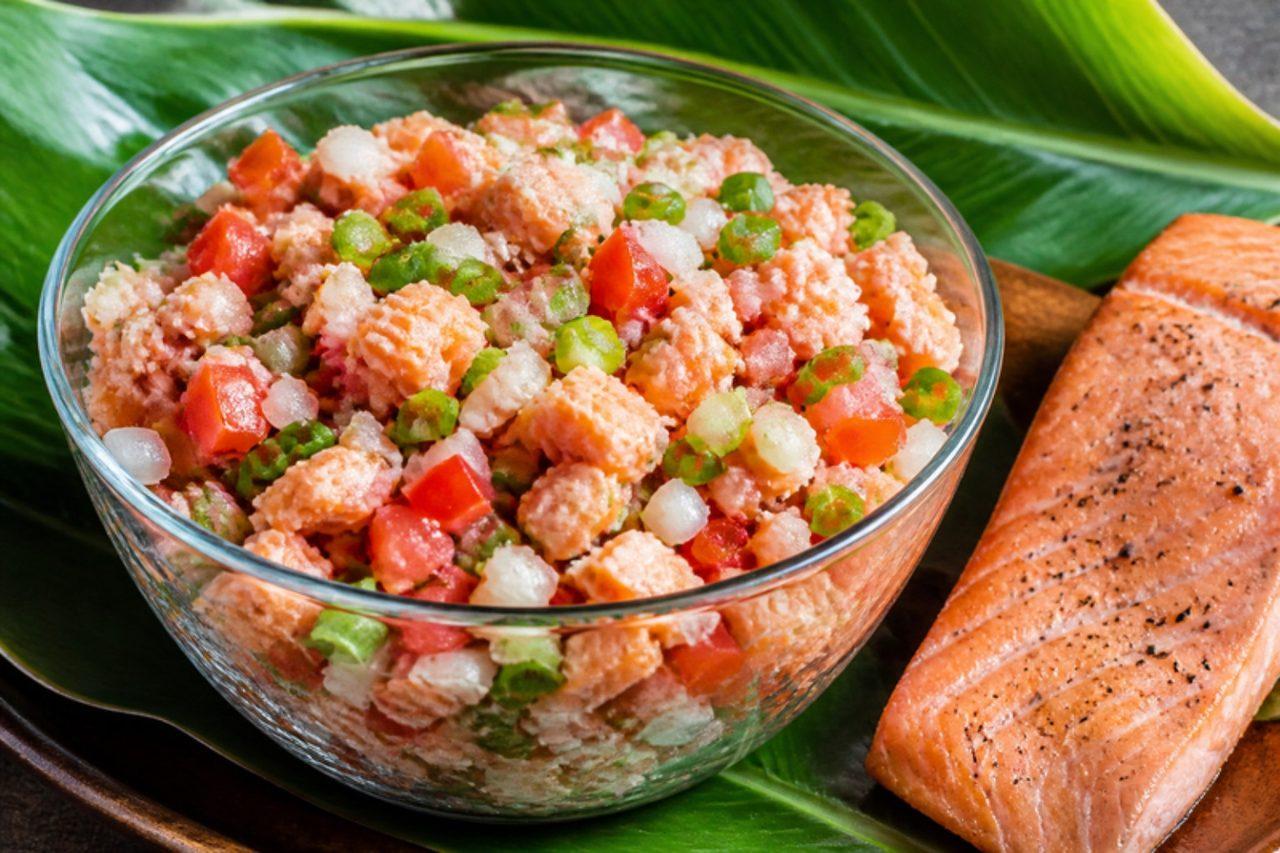
Lomi lomi salmon

Lomi means to massage: at Hawaiian lūʻau and graduation parties, salted salmon is squeezed by hand with diced tomatoes, sweet onion and spring onions into a cold, juicy relish that cuts through rich kalua pig and poi. It arrived with salted salmon traded from the Pacific Northwest by nineteenth-century whalers. The traditional version uses raw salt-cured salmon, which is not for pregnant women, young children or anyone with a weakened immune system; this safer version gently poaches the salmon first. Chef's tip: chill everything well and drain the tomatoes, so the relish stays bright rather than watery.

by KrazyBadal 0 views

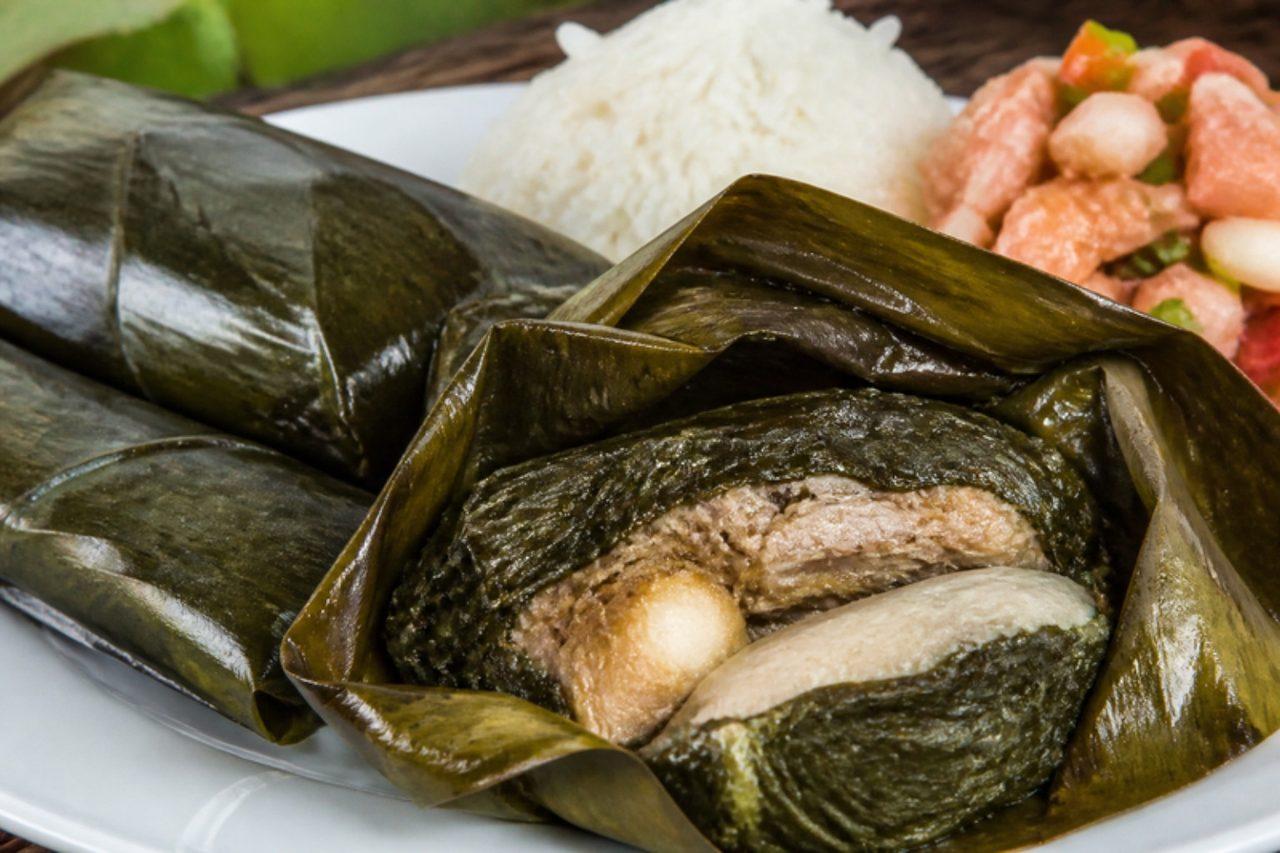
Laulau

Laulau is one of the oldest dishes of Native Hawaiian cooking: fatty pork and salted butterfish are wrapped in young taro (lūʻau) leaves, tied in a ti-leaf parcel and steamed for hours until the leaves turn soft as cooked spinach and the pork is meltingly tender. It is the centrepiece of a plate with poi, lomi lomi salmon and haupia at lūʻau and family celebrations. Taro leaves must be cooked a long time, as they irritate the throat when undercooked; if you can't find them, use large spinach leaves and wrap in banana leaves or foil. Chef's tip: steam the bundles for the full four hours; shortcutting leaves the taro leaves scratchy.

by KrazyBadal 0 views

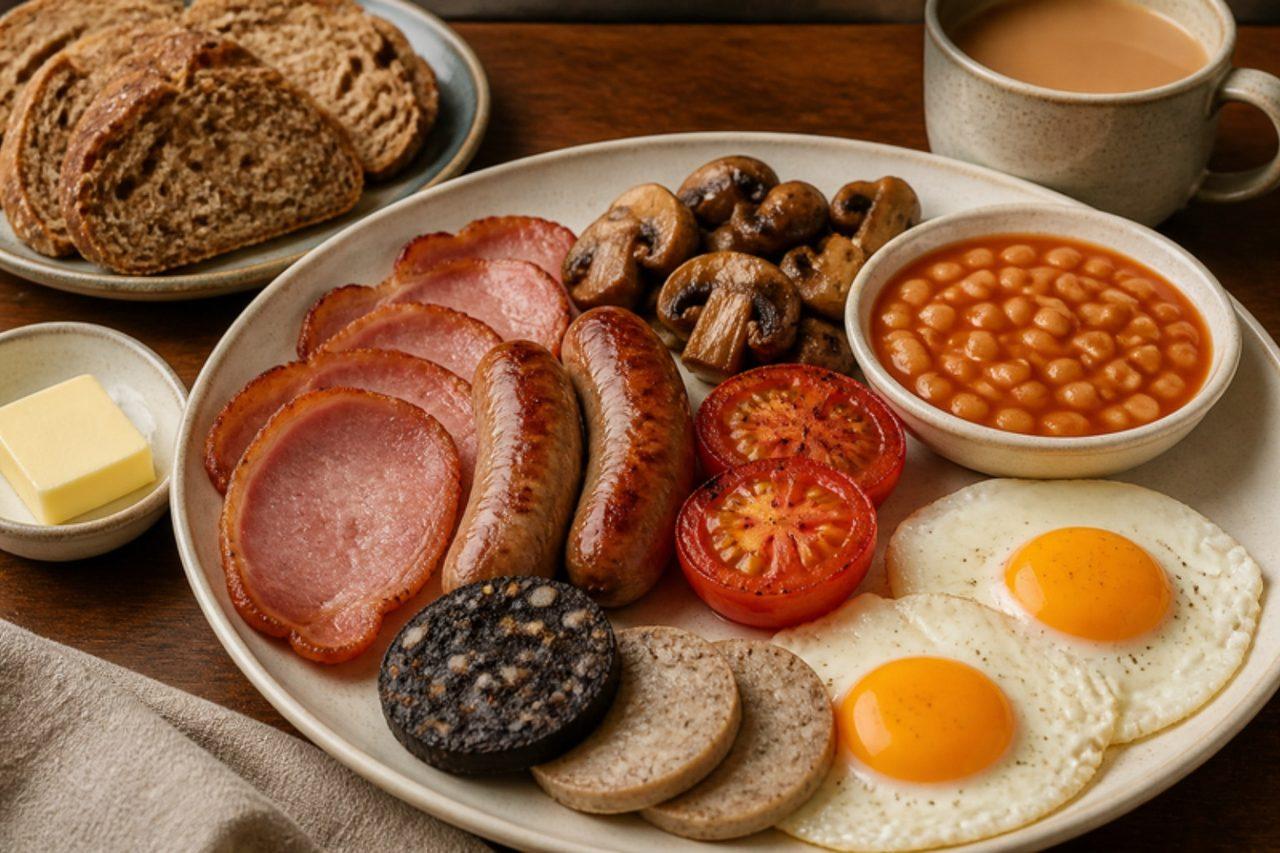
Full Irish breakfast

The full Irish, or simply 'the fry', is the big weekend breakfast served in B&Bs from Donegal to Kerry and in Dublin cafés before the match. It differs from the English breakfast in its back rashers, black and white pudding, and fried soda bread or potato bread to mop up. It contains pork: sausages, rashers and puddings. Chef's tip: cook in stages in one large pan and keep each item warm in a low oven, so everything reaches the plate hot together.

by KrazyBadal 0 views

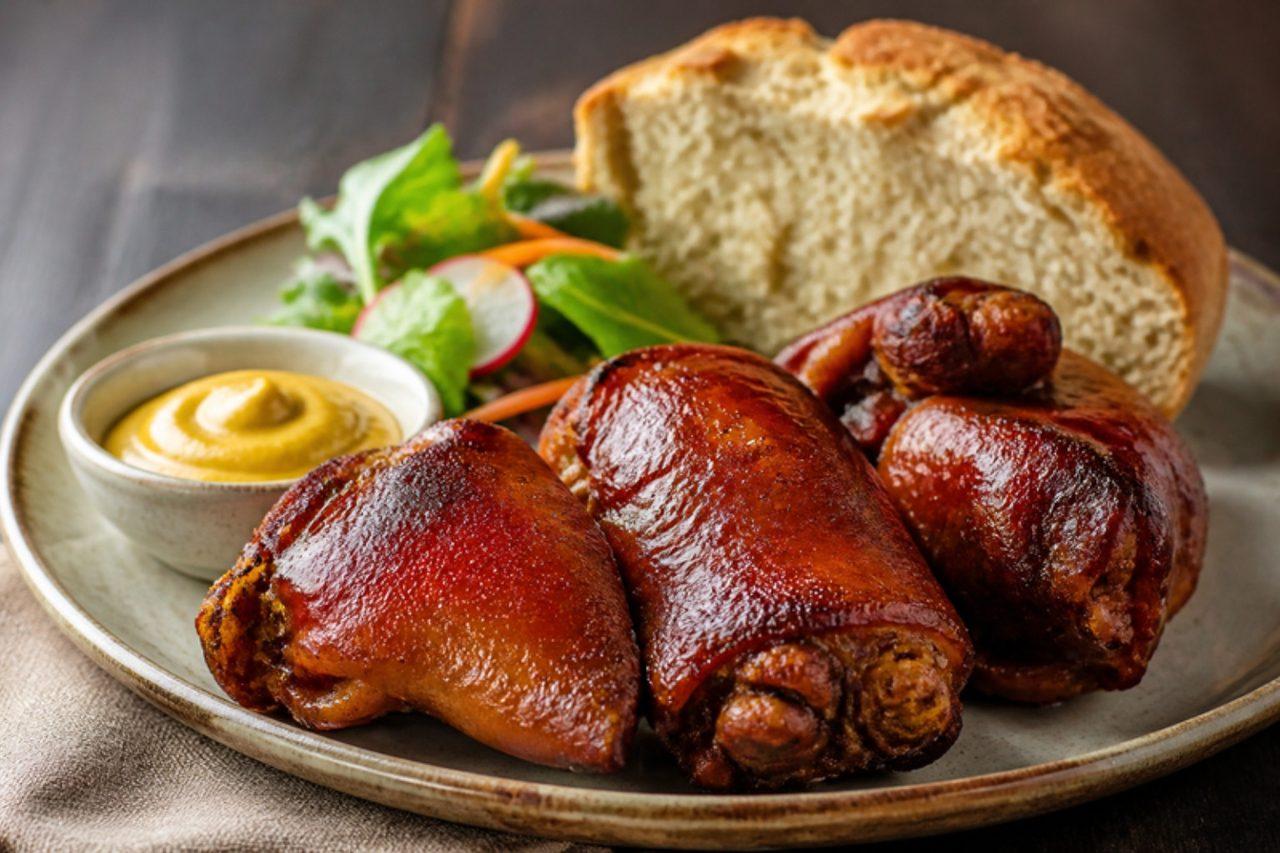
Crubeens

Crubeens are boiled pig's trotters, once sold hot from stalls at fairs and in Cork and Dublin pubs as a salty, sticky snack to go with a pint. They are pork, and very gelatinous: simmered for hours until the meat almost falls from the bone, then crisped in the oven with a mustard and breadcrumb coating, which is how many cooks finish them today. Eat them with your fingers, with brown bread and pickles. Chef's tip: ask your butcher for split, cleaned trotters, and singe off any stray hairs with a kitchen blowtorch before cooking.

220 minIrishMeat
by KrazyBadal 0 views

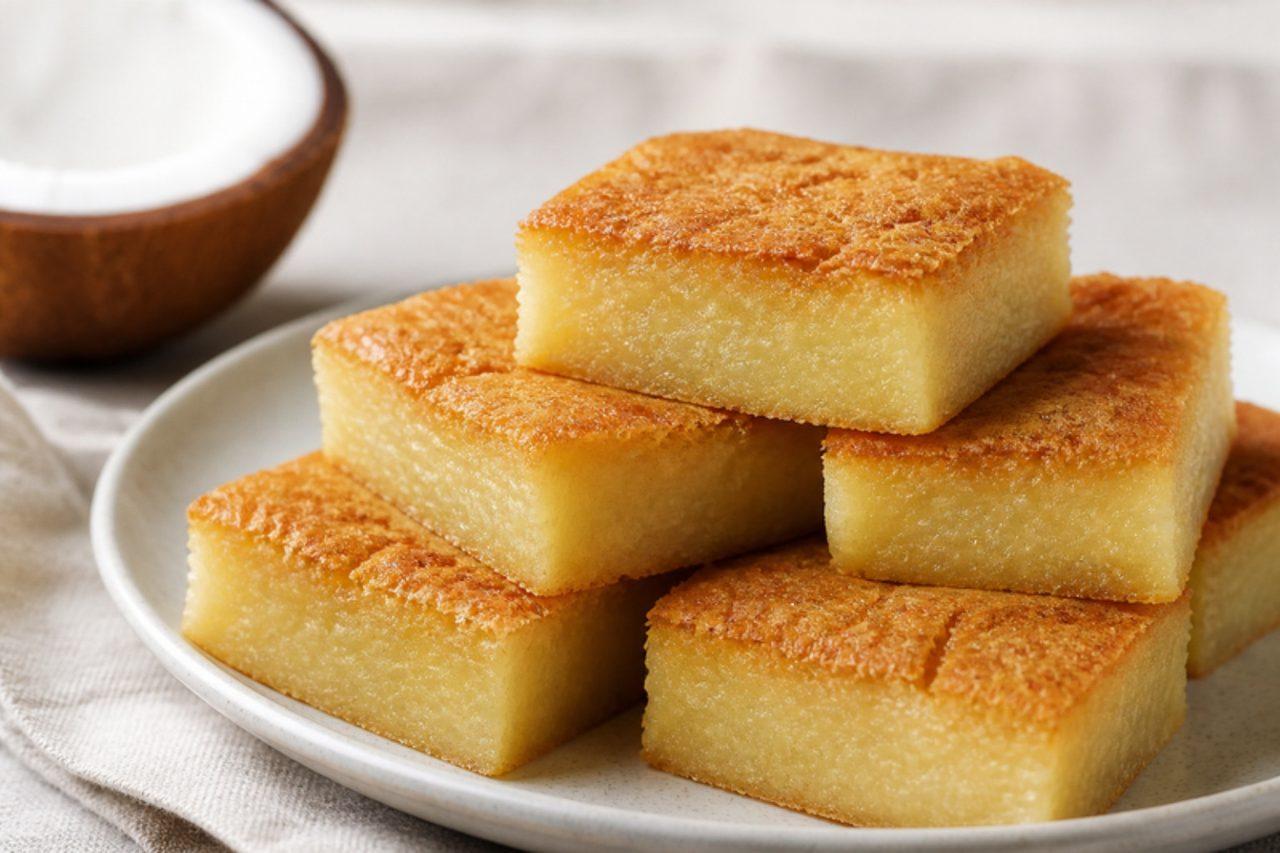
Hawaiian butter mochi

Butter mochi is the sweet of Hawaii's potlucks, school fundraisers and family parties, a local mix of Japanese mochi and the islands' coconut. Glutinous rice flour is baked with coconut milk, evaporated milk, butter and eggs into a golden, chewy cake with crisp edges and a soft, bouncy middle. Chef's tip: cut it with a plastic knife once fully cooled; a metal knife drags and sticks.

by KrazyBadal 0 views

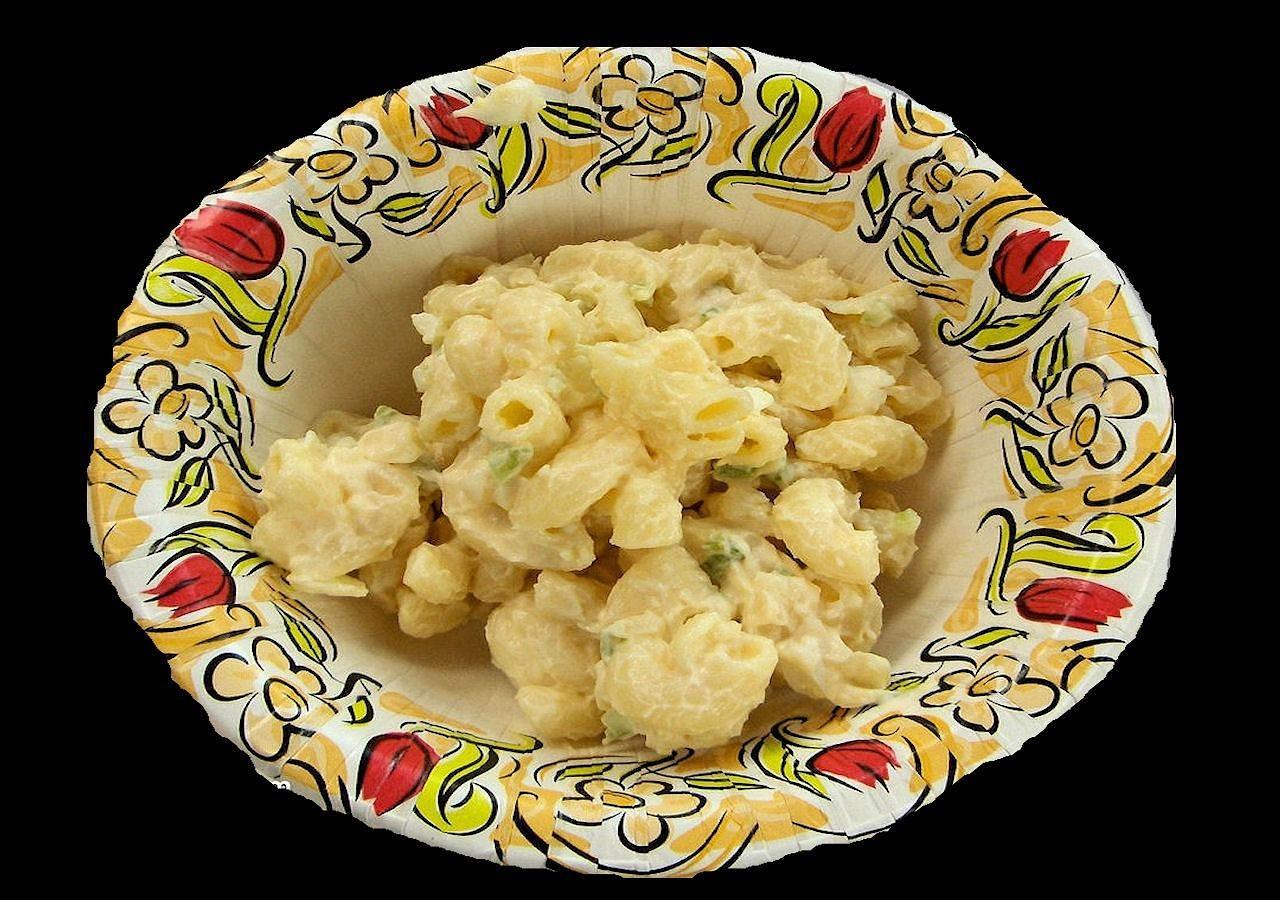
Hawaiian macaroni salad

Every Hawaiian plate lunch, from drive-ins in Hilo to the lunch wagons of Honolulu, comes with two scoops of rice and one of this soft, creamy macaroni salad. It is simpler than American pasta salads: overcooked elbow macaroni soaked in vinegar while hot, then folded with lots of mayonnaise, a little milk and grated carrot. Chef's tip: cook the pasta past al dente, a few minutes longer than the packet says; plate-lunch mac is meant to be soft so it soaks up the dressing.

by KrazyBadal 0 views

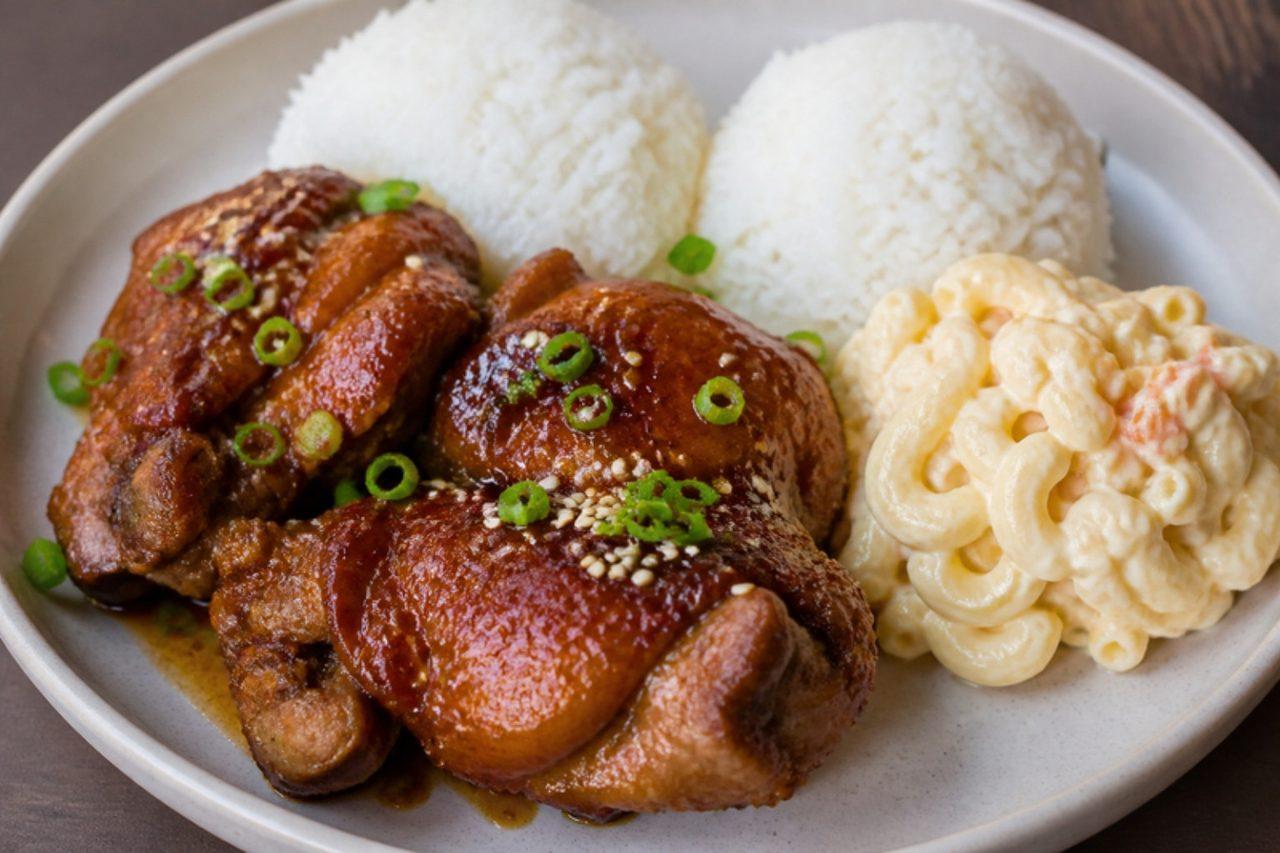
Shoyu chicken

Shoyu chicken is the home-cooked comfort of Hawaii's plantation families, a Japanese-influenced braise of chicken thighs in soy sauce (shoyu), sugar, ginger and garlic, and a staple of the plate lunch: two scoops of rice, a scoop of macaroni salad and chicken with plenty of sauce. Chef's tip: simmer uncovered at the end and spoon the sauce over until it turns glossy and coats the chicken.

by KrazyBadal 0 views

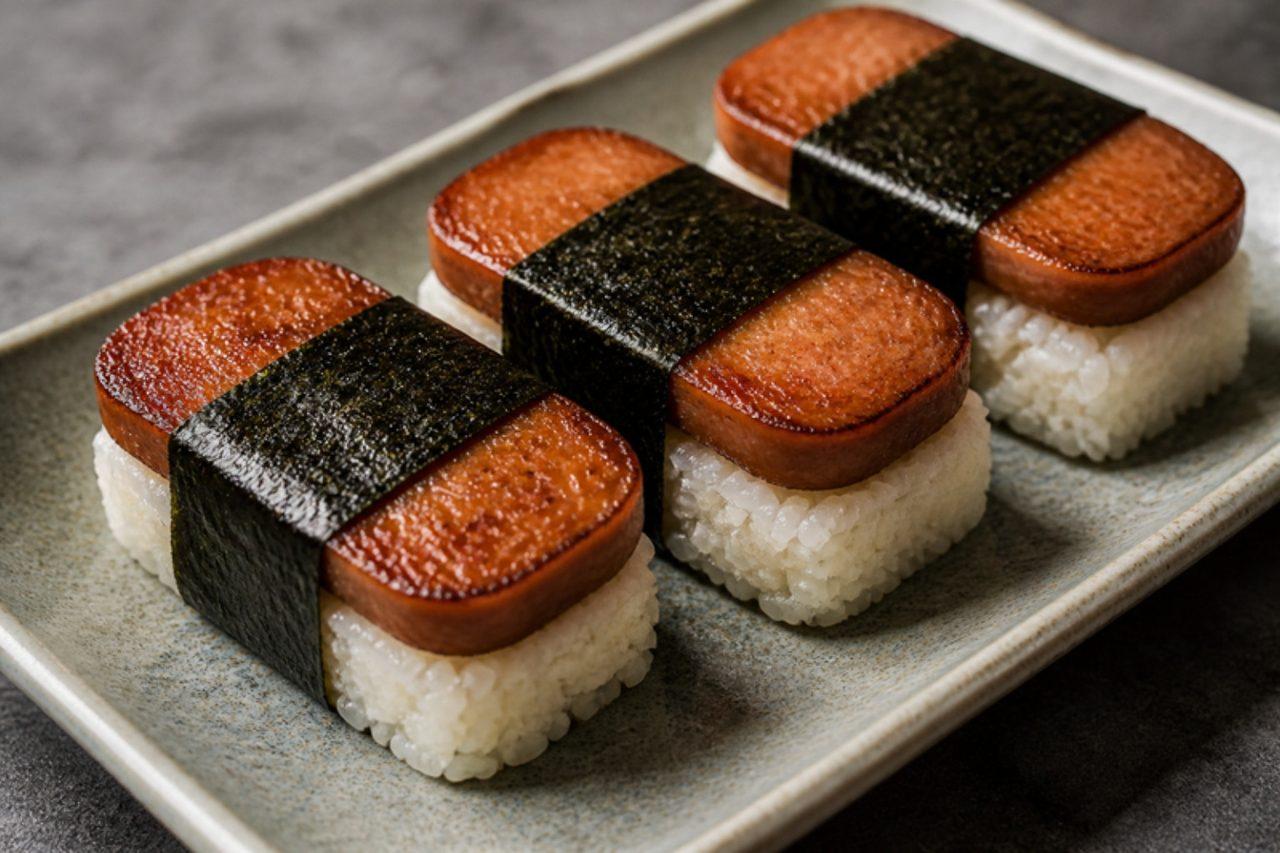
Luncheon meat musubi

Musubi is Hawaii's favourite grab-and-go snack, sold wrapped in cling film by the till in every convenience store from Honolulu to Hilo and packed for beach days and school lunches. A slice of tinned pork luncheon meat is fried in a sweet soy glaze, set on a block of rice and belted with a strip of nori, a Japanese rice-ball idea adapted after the Second World War. Chef's tip: wet the mould and your hands so the rice doesn't stick, and press firmly so the block holds.

by KrazyBadal 0 views

Donegal herring in oatmeal

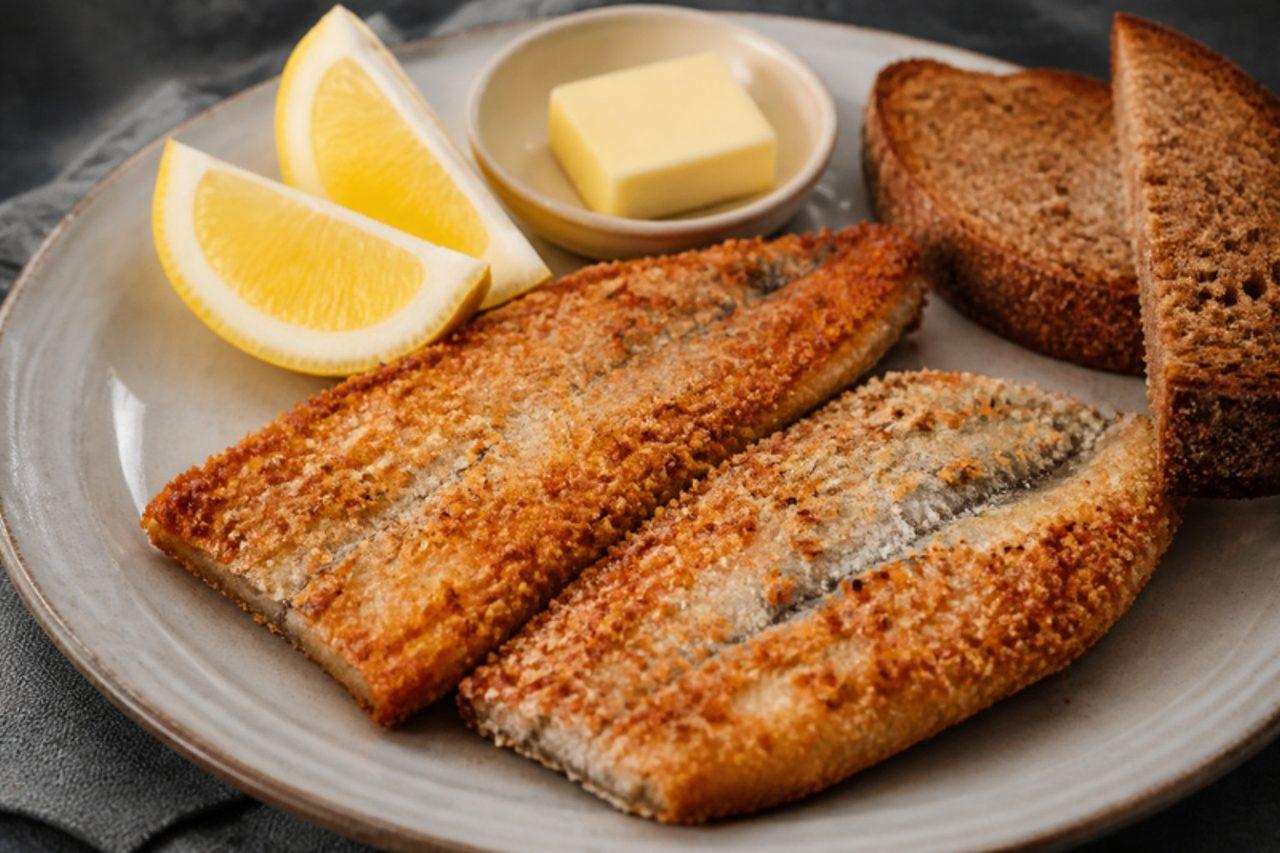
Herring was the silver fortune of Killybegs and the Donegal coast, when the boats came in loaded through the autumn, and the cheapest supper in every fishing village was fresh herring rolled in oatmeal and fried. The oats make a nutty, crunchy crust around the rich, soft fish. Serve with boiled potatoes and a wedge of lemon or a spoonful of mustard. Chef's tip: press the oats on firmly and let the fish sit for 5 minutes before frying, so the coating sticks.

25 minIrishFish
by KrazyBadal 0 views

Bacon and cabbage

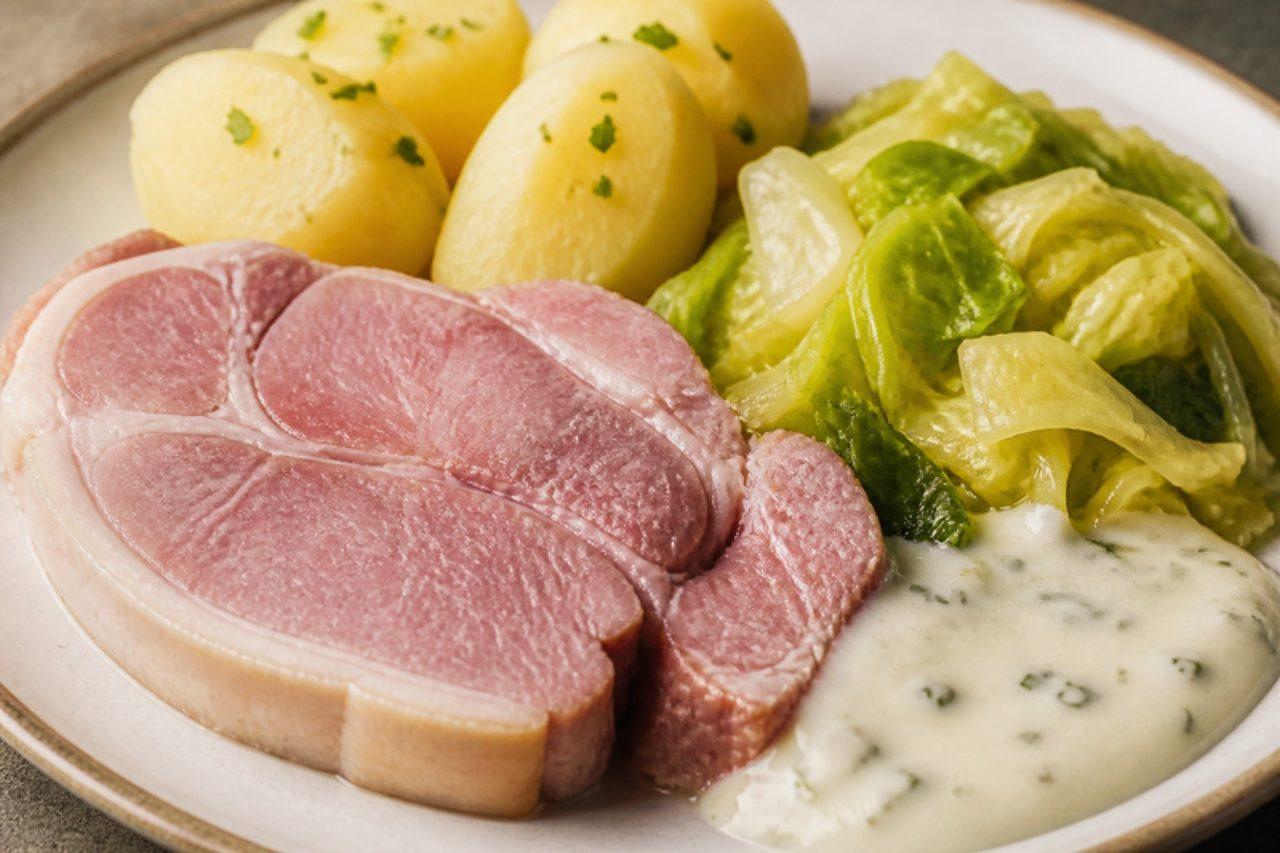
Bacon and cabbage is the Sunday dinner and the everyday dinner of rural Ireland, cooked in farmhouses from Tipperary to Mayo long before corned beef became the emigrants' version. A joint of cured pork, usually collar or loin bacon, is simmered gently, then the cabbage is cooked in the same salty, porky water, and both are served with floury potatoes and a white parsley sauce. Chef's tip: soak the bacon joint overnight in cold water if it is very salty; ask your butcher, as some cures are milder.

135 minIrishMeatGluten free
by KrazyBadal 0 views

Dublin lawyer

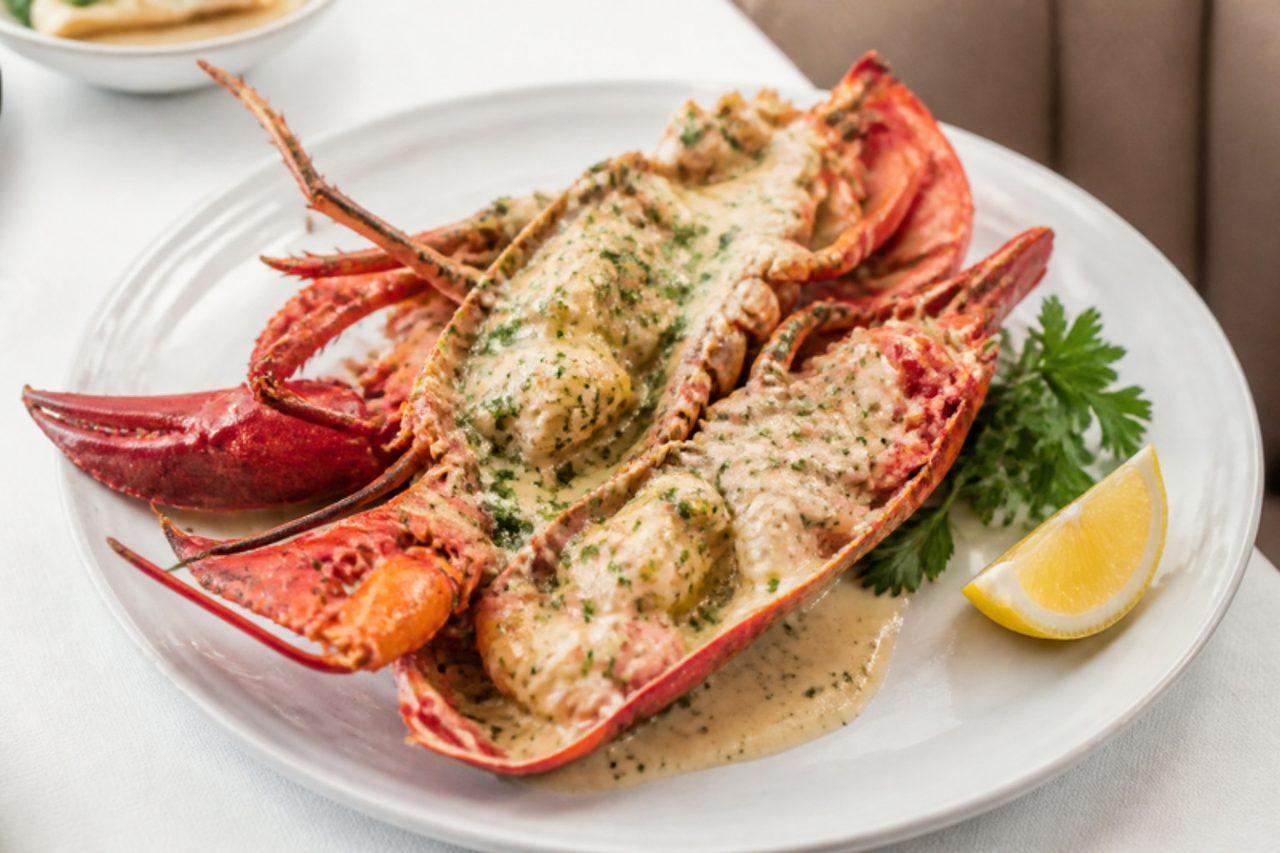
Dublin lawyer is an old Dublin restaurant dish, said to be named because lawyers were rich and fond of drink: lobster meat is cooked in butter, flamed with Irish whiskey and finished with cream, then served back in the shell. It is a special-occasion dish for anniversaries and birthdays. This recipe contains alcohol; for an alcohol-free version replace the whiskey with 2 tablespoons of apple juice and a squeeze of lemon. Chef's tip: buy cooked lobster from a fishmonger if you are unsure about preparing a live one, and add it to the sauce only to heat through.

50 minIrishFishGluten free
by KrazyBadal 0 views

Cork spiced beef

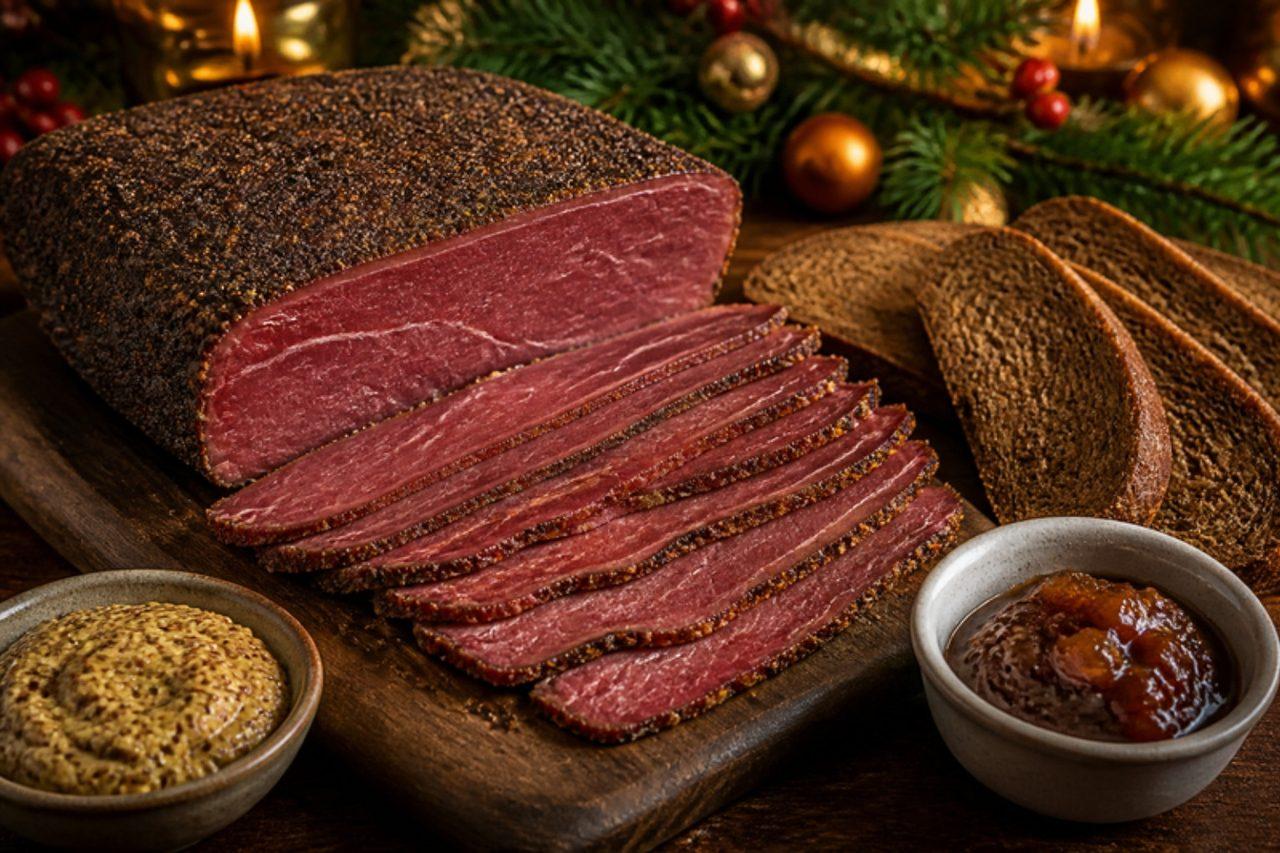
Spiced beef is the Christmas meat of Cork city, sold in the English Market in December and served cold in thin slices on St Stephen's Day with brown bread and chutney. A piece of brisket or silverside is rubbed with salt, brown sugar, allspice, cloves and juniper and turned in the fridge for a week, then simmered slowly and pressed. The meat comes out deep pink, tender and fragrant. Chef's tip: keep it in the fridge the whole week of curing and turn it every day so the cure reaches every side.

270 minIrishMeatGluten free
by KrazyBadal 0 views

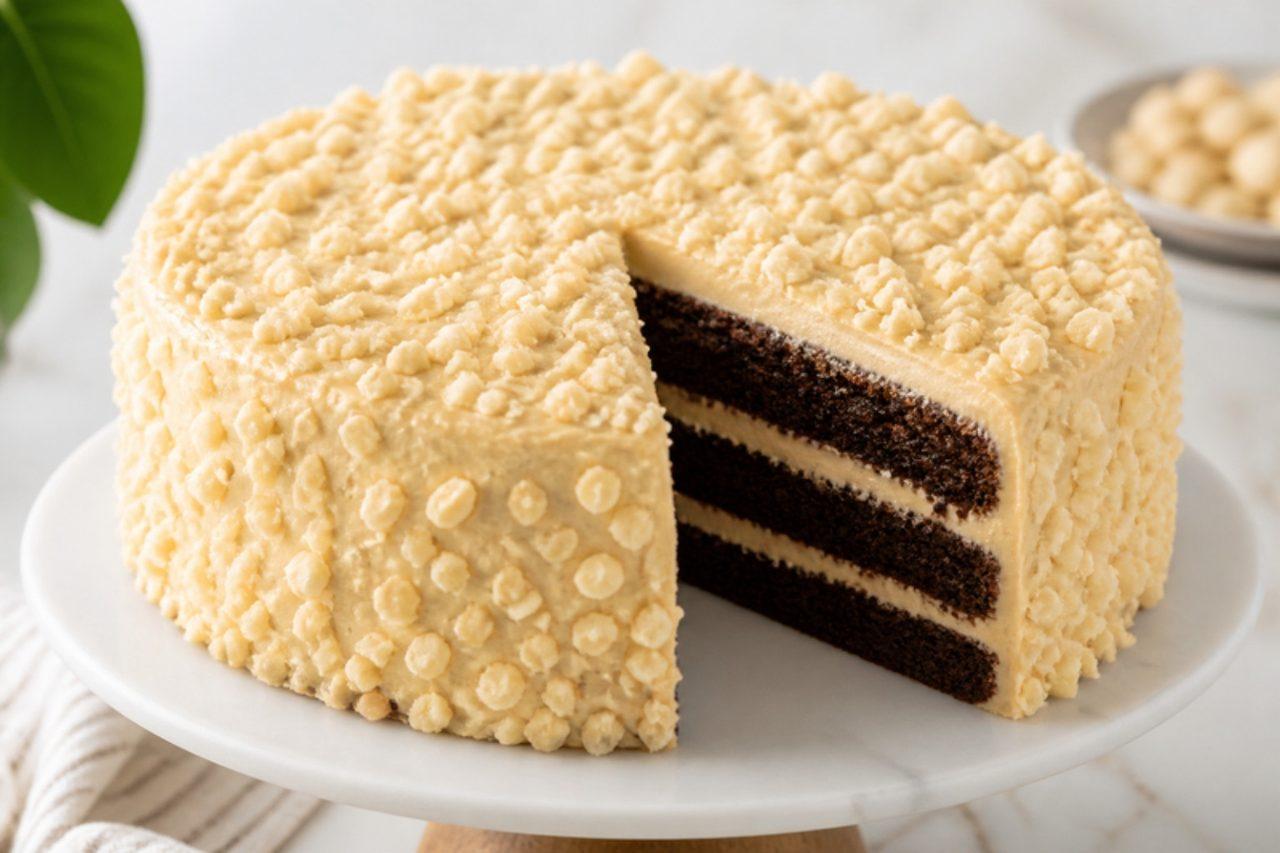
Hawaiian Chantilly cake

In Hawaii, Chantilly cake means a chocolate layer cake covered in a rich, caramel-coloured frosting made from evaporated milk, egg yolks and butter, not the whipped cream the name suggests. Honolulu bakeries have sold it for birthdays and graduations for decades, and it is very different from mainland cakes. Chef's tip: cook the frosting base slowly and stir constantly until it is as thick as pudding; if it is runny, the frosting will slide off the cake.

by KrazyBadal 0 views

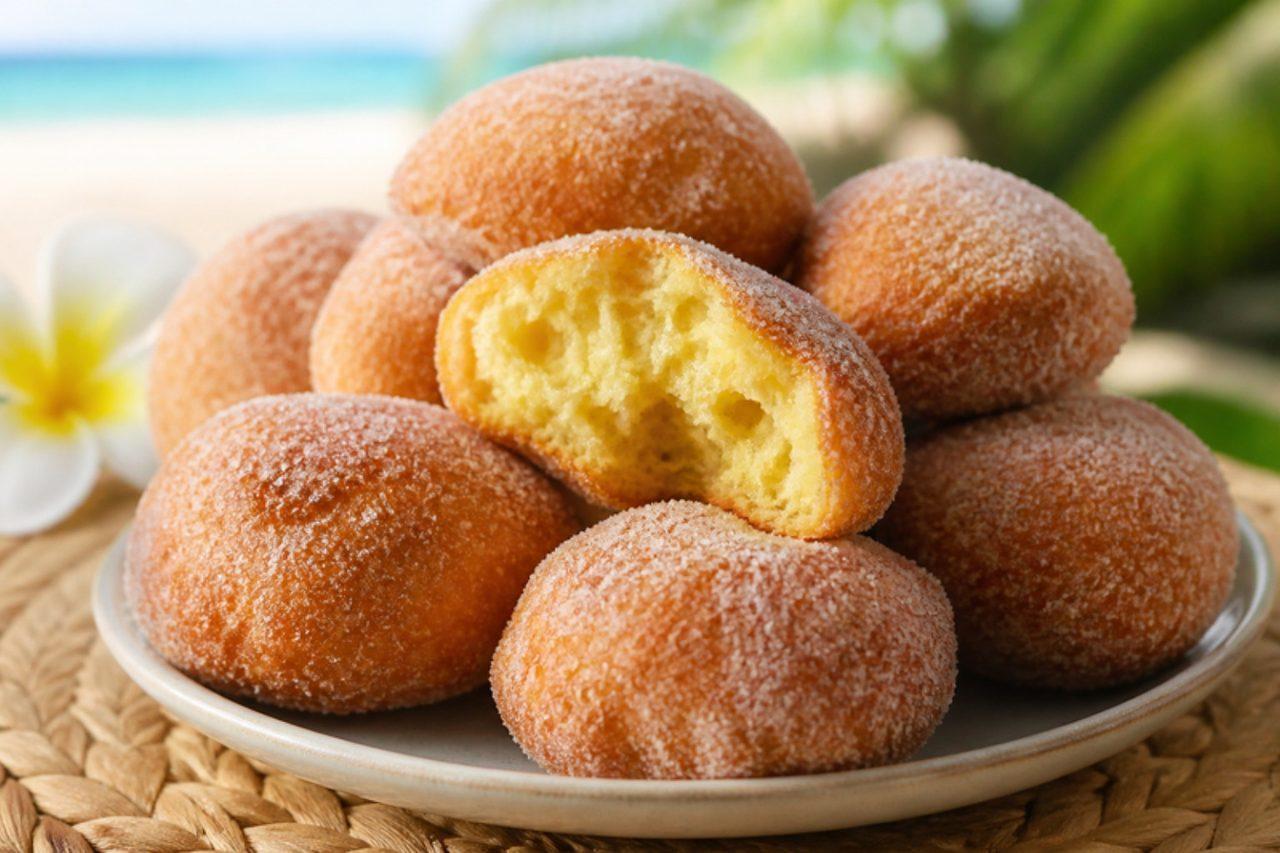
Hawaiian malasadas

Malasadas came to Hawaii with Portuguese workers from Madeira and the Azores in the 1870s, and on Malasada Day, the Tuesday before Lent, bakeries in Honolulu have queues round the block. They are eggy, airy yeast doughnuts with no hole, fried golden and rolled in sugar while hot; some are filled with haupia or custard. Chef's tip: the dough is very soft and sticky, so oil your hands rather than adding more flour, or the malasadas turn heavy.

by KrazyBadal 0 views

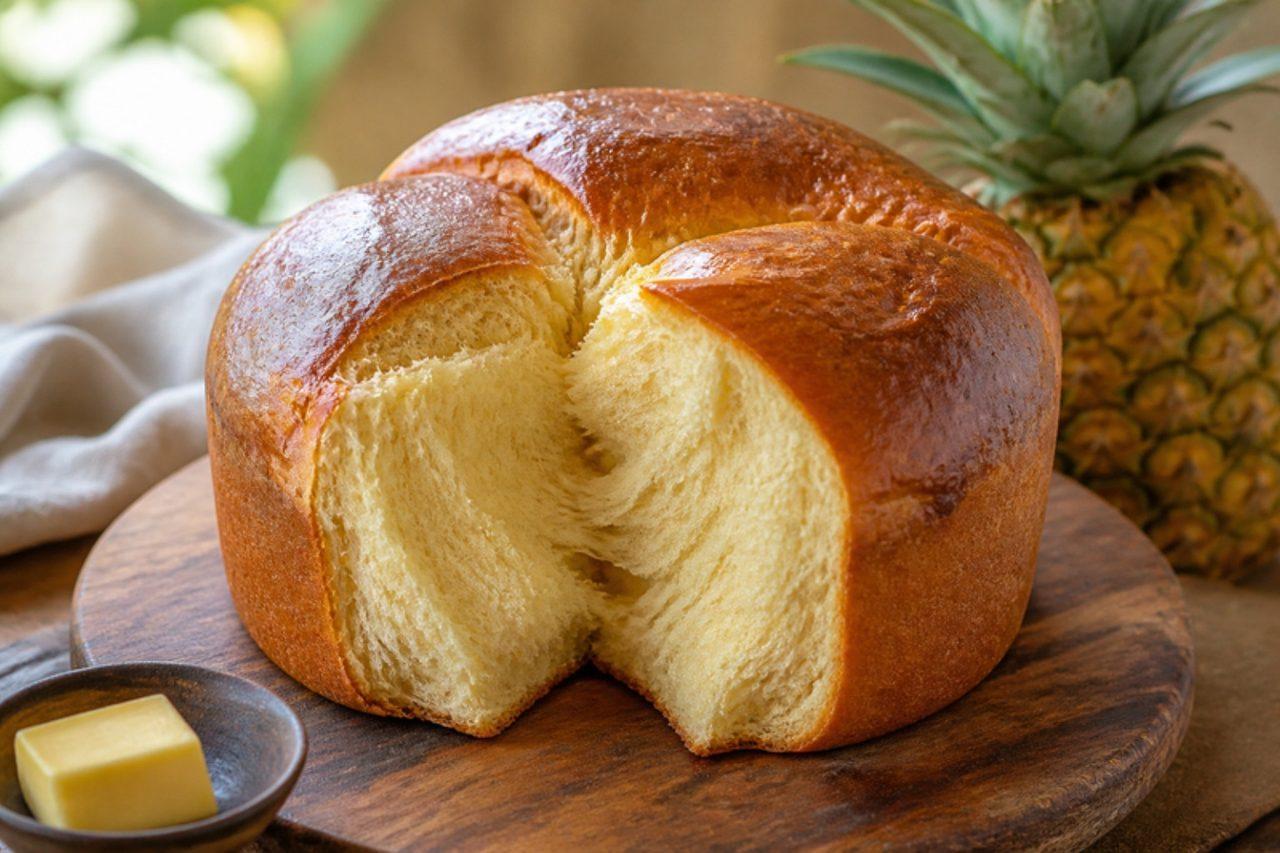
Hawaiian sweet bread

Hawaiian sweet bread grew from the pão doce that Portuguese families baked in the islands at Easter, and bakeries in Hilo made it famous as a soft, golden, faintly tangy loaf. Pineapple juice gives a gentle fruity sweetness, and the crumb is pillowy and pulls apart in strands. Eat it toasted with butter, or use it for French toast. Chef's tip: the dough should be very soft; be patient during kneading instead of adding extra flour.

by KrazyBadal 0 views

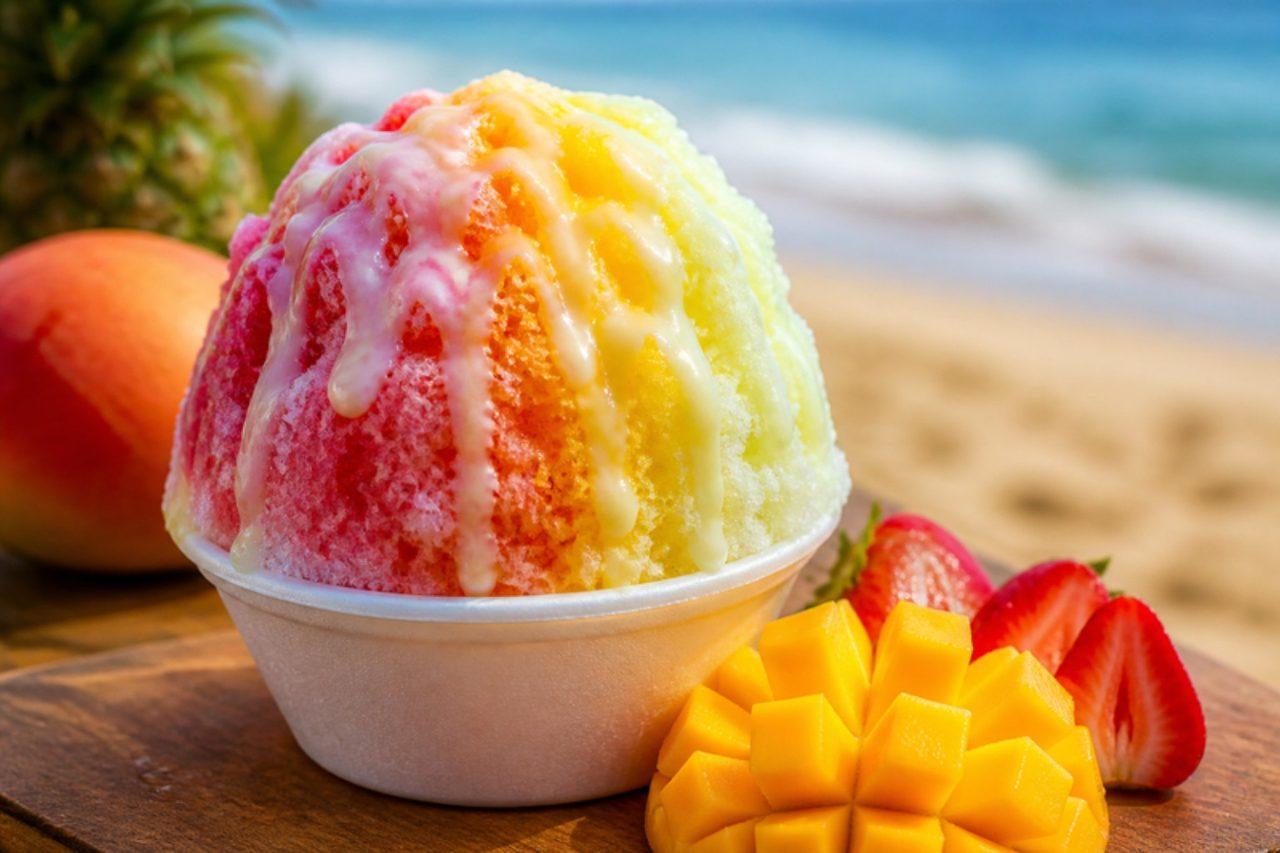
Hawaiian shave ice

Shave ice came to Hawaii with Japanese plantation workers, and on hot afternoons on Oahu's North Shore families still queue at roadside stands for a towering, soft cone of ice soaked in rainbow syrups. The ice is shaved so fine it is like fresh snow and soaks up the syrup instead of letting it run to the bottom. Without a shaver, freeze ice in a block and scrape it with a fork. Chef's tip: let the ice block sit out for 5 minutes before shaving; slightly tempered ice gives fluffier flakes.

by KrazyBadal 0 views

Lilikoi butter

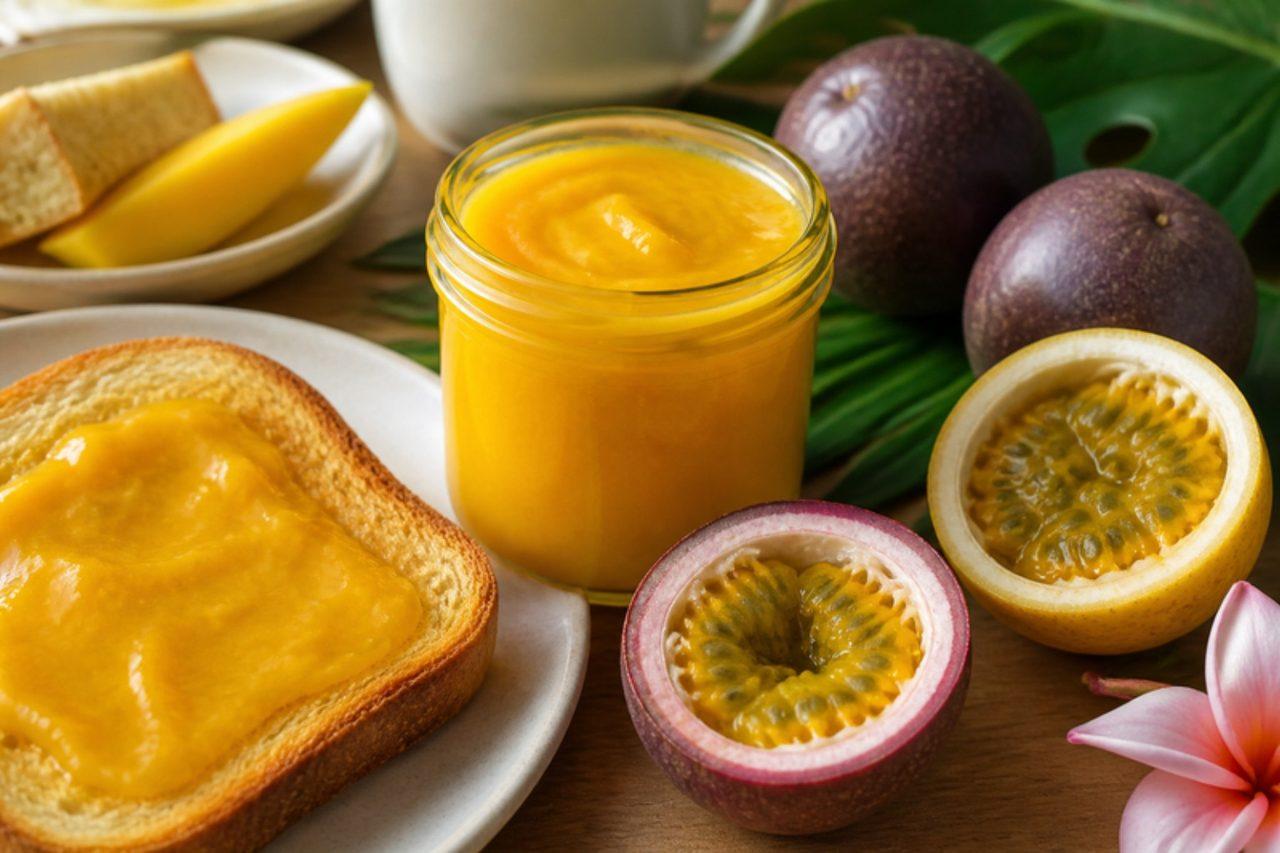
Lilikoi is the Hawaiian name for passion fruit, which grows wild on vines all over the islands, and lilikoi butter is the tangy golden curd that farmers' markets on Maui and Kauai sell in jars. It is spread on toast, sweet bread and scones, or spooned onto shave ice and cakes. Chef's tip: keep the heat low and stir constantly; the curd is ready when it coats the back of a spoon and holds a line drawn through it with your finger.

by KrazyBadal 0 views

Ahi poke

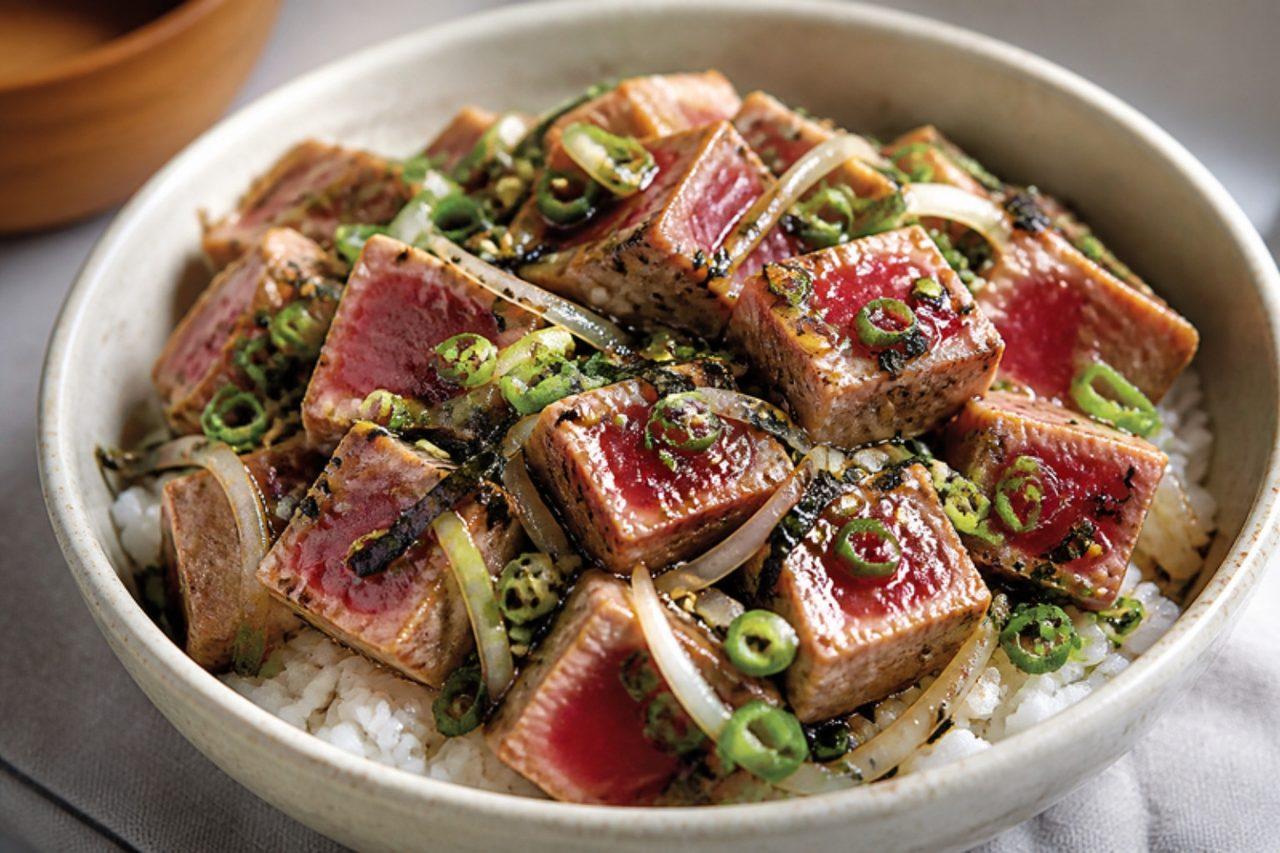
Poke, from the Hawaiian word for cut into pieces, began as fishermen's snack of raw reef fish with sea salt, seaweed and roasted kukui nut, and is now sold by the pound from the deli counters of every Hawaiian supermarket, eaten over rice as a quick lunch or with drinks after work. This shoyu ahi style dresses cubes of yellowfin tuna in soy sauce, sesame oil, sweet onion and chilli. Traditional poke is raw fish, which is not for pregnant women, young children or anyone with a weakened immune system, so this version quickly sears the cubes until cooked through. Chef's tip: dress the tuna just before eating; the soy sauce draws out moisture and turns it soft if it sits for hours.

by KrazyBadal 0 views

Huli huli chicken

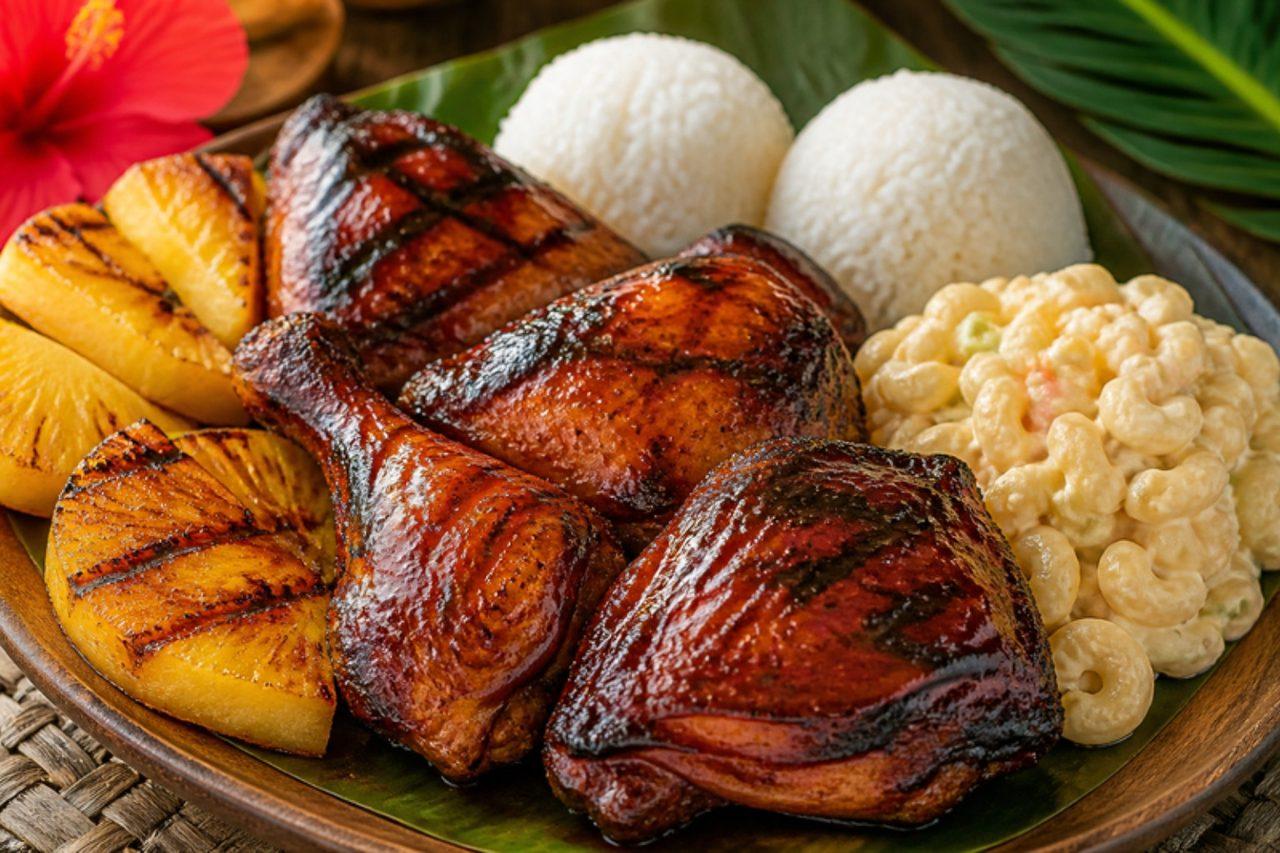
Huli means turn in Hawaiian, and this chicken was named in the 1950s when a farmer on Oʻahu grilled it between two racks and flipped it over the fire; today you smell it from roadside fundraiser stands and North Shore weekend grills. Chicken is marinated in soy sauce, pineapple juice, ginger and brown sugar, then grilled and basted until sticky and charred. Chef's tip: boil the leftover marinade before basting with it, so it is safe and turns into a glaze.

by KrazyBadal 0 views

Chicken long rice

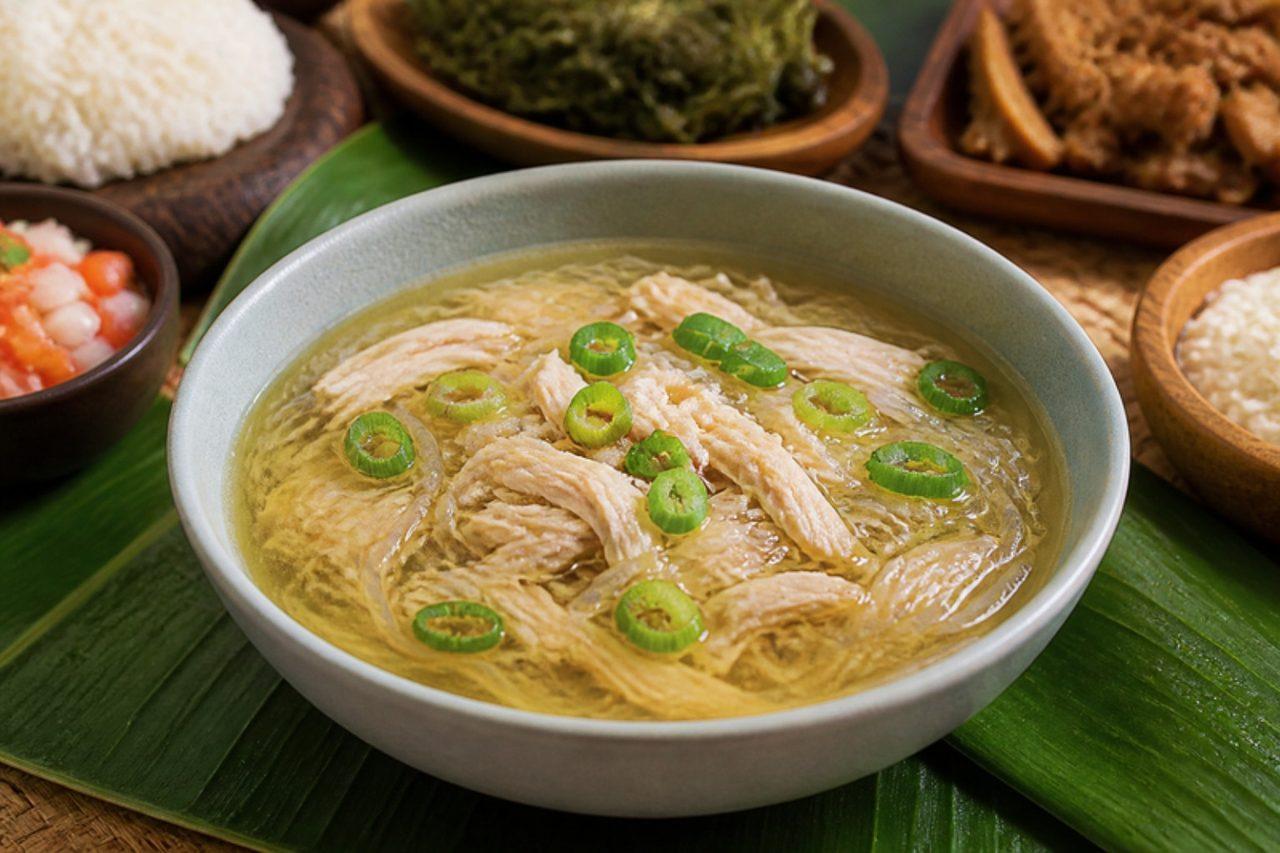
Despite its name there is no rice in it: chicken long rice is a gingery chicken broth with bean thread noodles, brought to Hawaii by Chinese plantation workers and now a fixture at every lūʻau and baby's first-birthday party alongside kalua pig and poi. The glassy noodles soak up the broth until it is almost a stew. Chef's tip: soak the noodles and cut them into short lengths before they go into the pot, or you get one long, tangled clump.

by KrazyBadal 0 views

Saimin

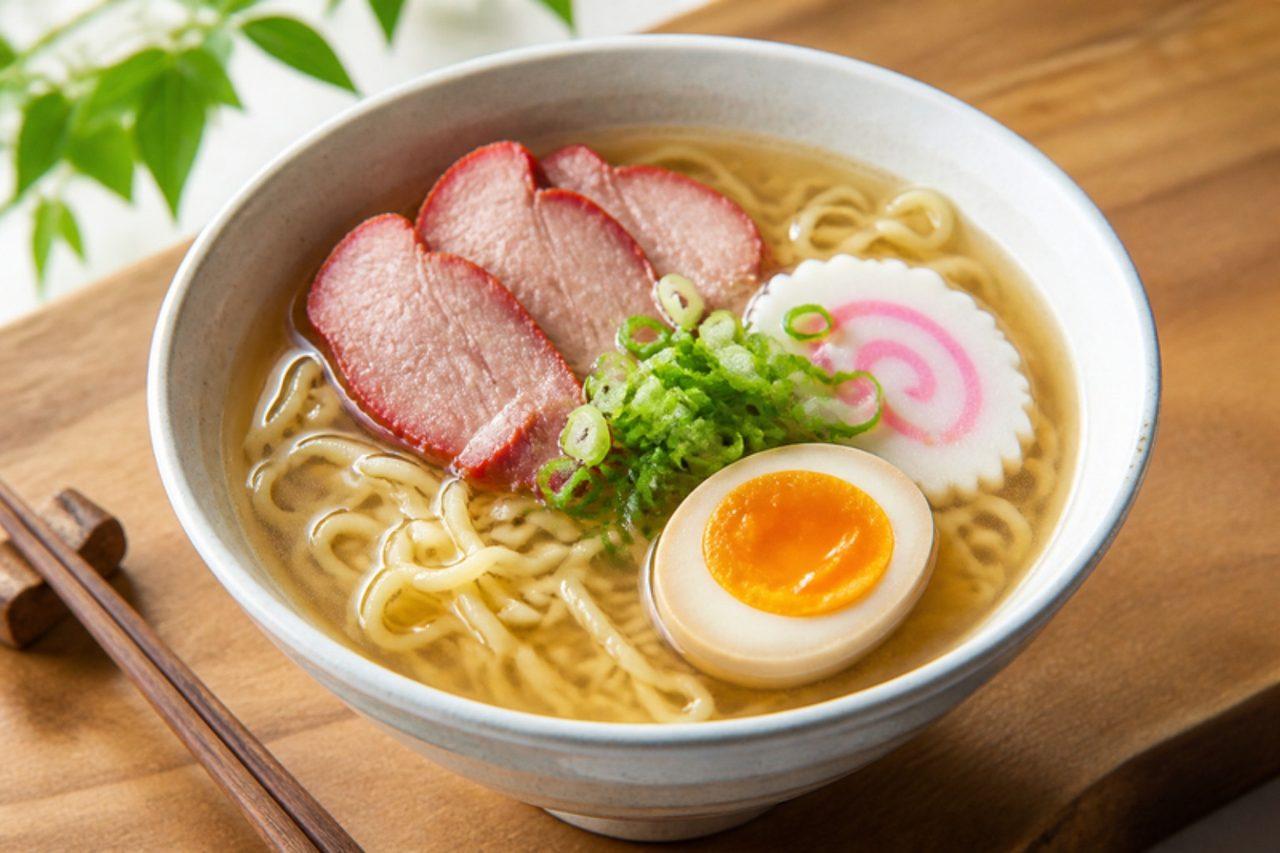
Saimin was born in the sugar plantation camps of Hawaii, where Chinese, Japanese and Filipino workers shared pots and combined their noodle soups into one, and it is still sold everywhere from old Kauaʻi diners to the snack bars at Little League games. Springy wheat noodles sit in a clear dashi and shrimp broth, topped with sliced char siu (roast pork), pink fish cake, egg and spring onion. Chef's tip: cook the noodles separately and rinse them, so their starch doesn't cloud the clear broth.

by KrazyBadal 0 views

Dublin Bay prawns in garlic butter

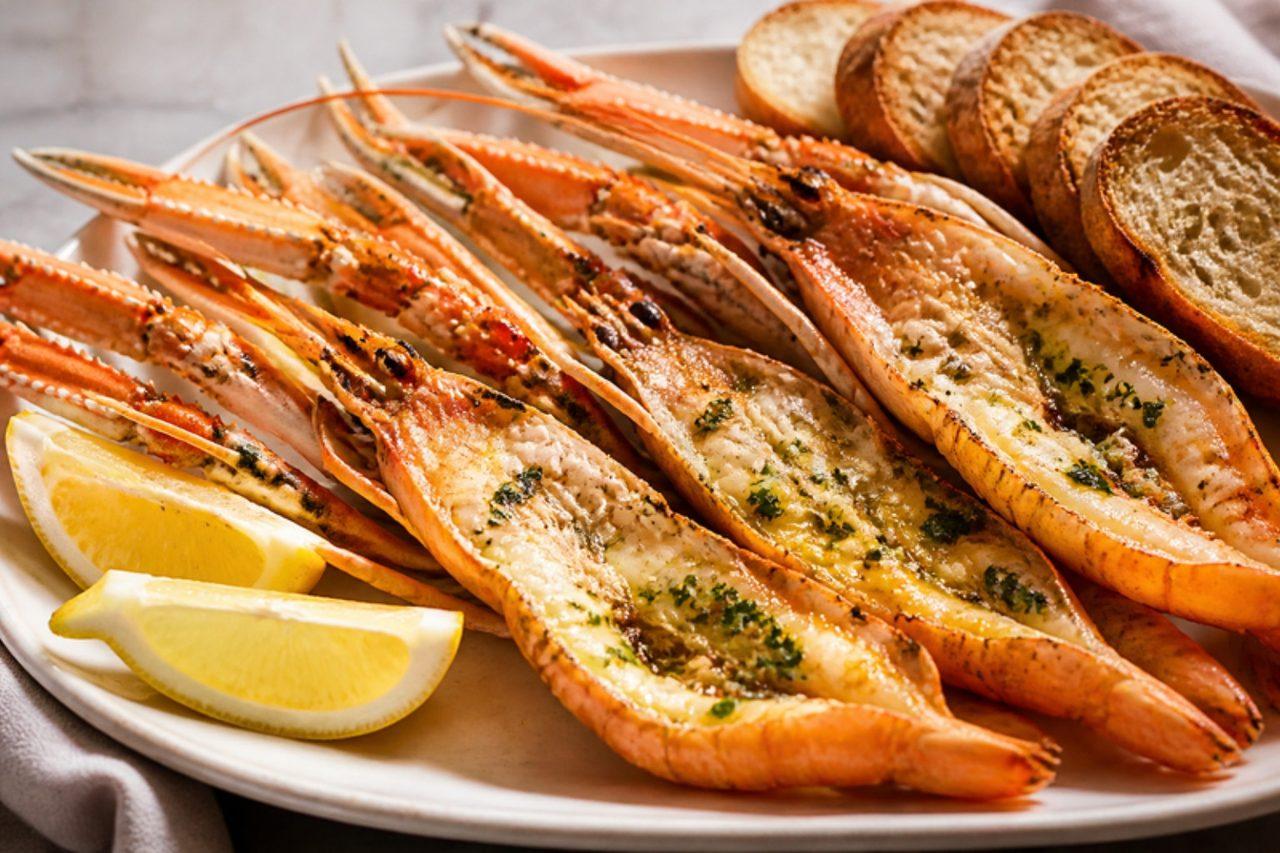
Dublin Bay prawns are not prawns at all but langoustines, the small orange lobsters landed at Howth and Clogherhead and once sold off the boats along the north Dublin coast. Seafood bars in Howth serve them split and grilled under a sizzling garlic, lemon and parsley butter, with brown bread to mop the plate. Chef's tip: they cook in minutes, so take them out as soon as the flesh turns from translucent to white.

25 minIrishFishGluten free
by KrazyBadal 0 views

Showing 24 of 96 recipes

Show more recipes

Page 1 of 4