Skip to content
Recipes

All recipes

Vegetarian, or something you can't eat? Set your diet once and we'll hide recipes that don't fit.

Nauryz kozhe

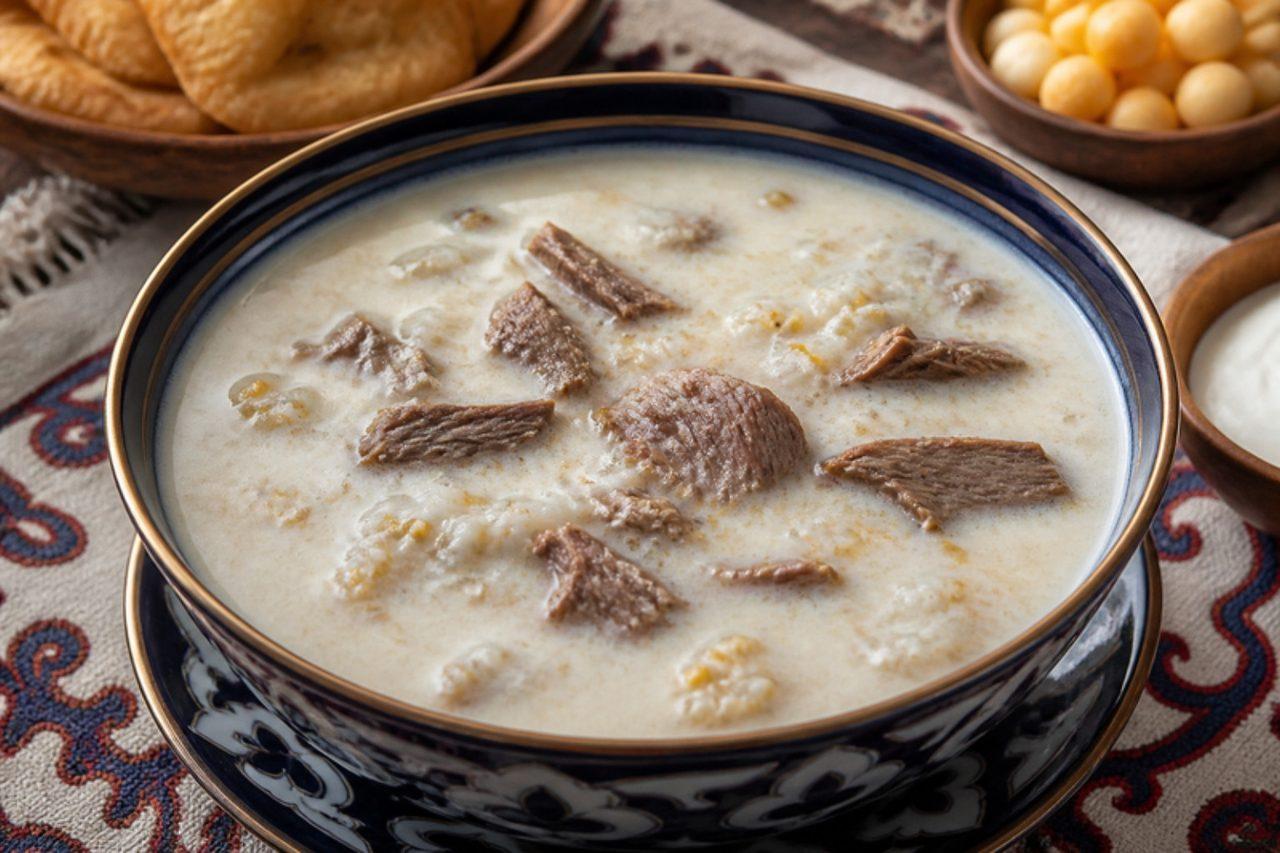
Nauryz kozhe is cooked in every Kazakh home and in big cauldrons on city squares in Almaty and Astana for Nauryz, the spring new year on 22 March. It must contain seven ingredients, standing for the seven blessings: water, meat, salt, grain, a second grain, milk and a sour milk such as ayran, and it is shared with neighbours so the year ahead is full. The meat is traditionally smoked horse meat or kazy kept from winter; this recipe uses beef, as the site does not use horse. A common mistake is adding the milk while the soup is boiling hard, which curdles it. Chef's tip: cool the pot for a few minutes before stirring in the milk and ayran, so the kozhe stays smooth and gently sour.

140 minKazakhSoups
by KrazyBadal 0 views

Balkaimak

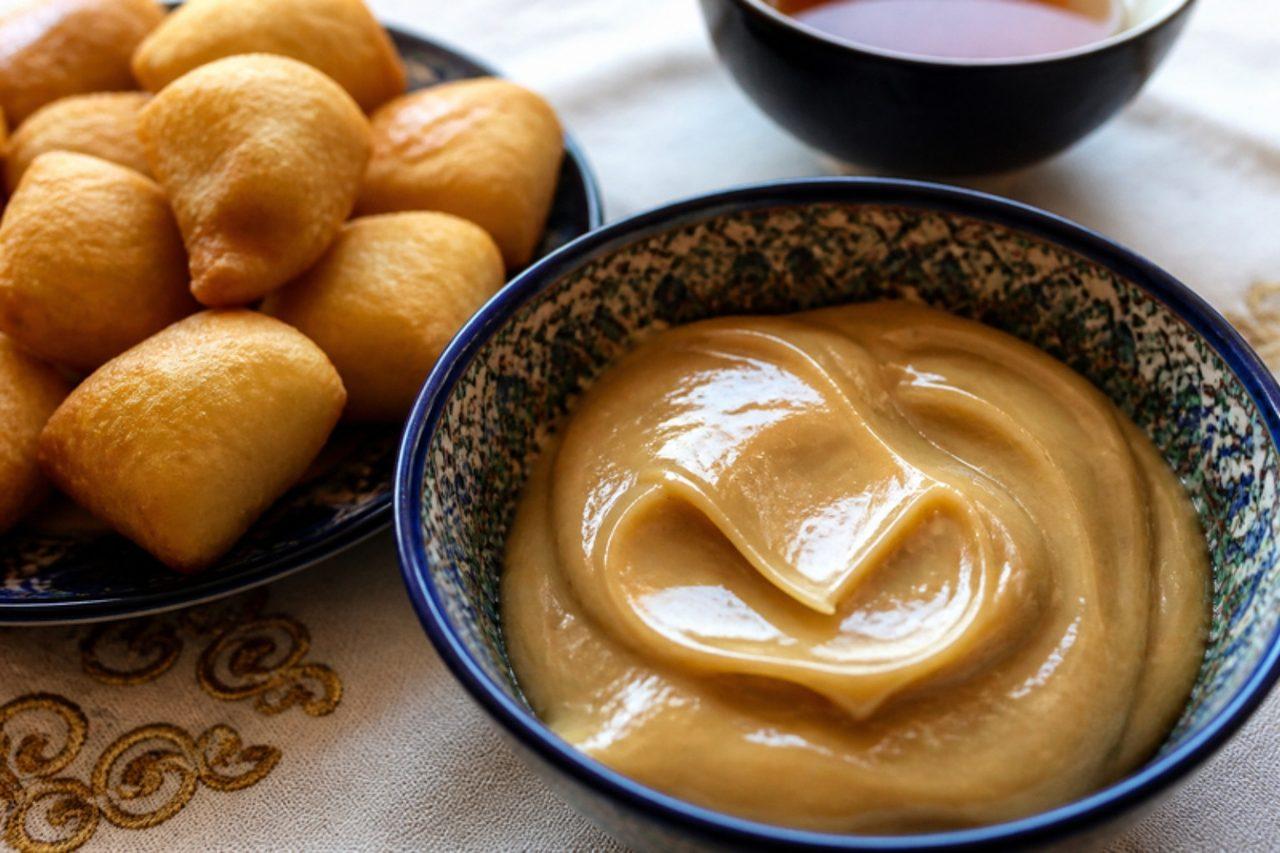
Balkaimak, 'honey cream', is the dessert Kazakh hosts put out for guests with a mountain of baursak dough puffs: thick cream simmered with honey and a little sugar until it turns into a glossy, caramel-flavoured sauce that sets as it cools. It belongs to celebrations like Nauryz and weddings across Kazakhstan, from Almaty to Shymkent. A common mistake is boiling it too hard, which makes the cream split and turn greasy. Chef's tip: thicken it with a teaspoon of flour or cornflour only if your cream is thin; good double cream thickens by itself.

by KrazyBadal 0 views

Zhal-zhaya

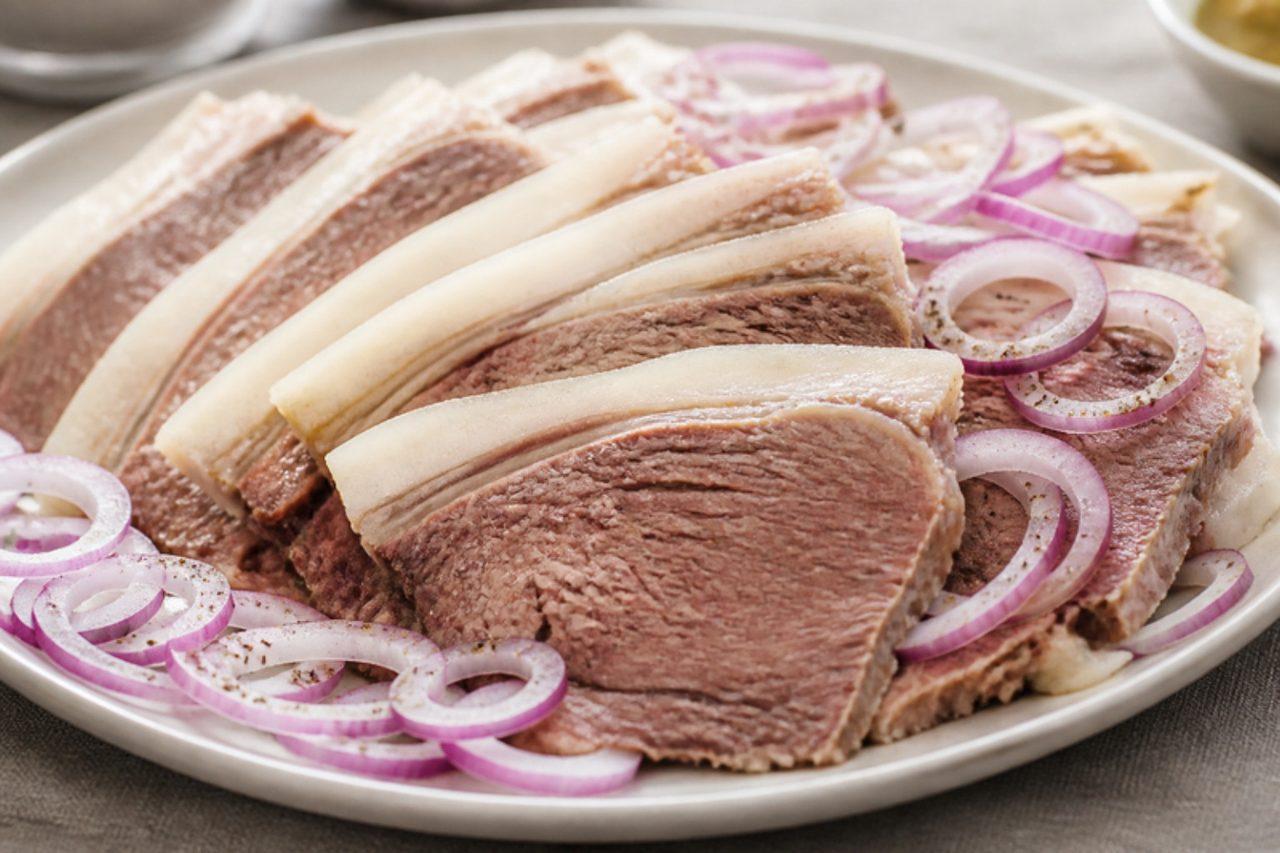
Zhal and zhaya are two prized cuts from the Kazakh feast: zhal is the band of fat from the crest of a horse's neck and zhaya the meaty rump, salted, sometimes smoked, then boiled, pressed and sliced thin to serve cold beside kazy at weddings and Nauryz. They are traditionally horse meat; this recipe uses beef brisket with its fat cap, which gives the same layered slices of meat and fat, as the site does not use horse. A common mistake is slicing it warm, which crumbles the meat and smears the fat. Chef's tip: press it overnight under a weight in the fridge; it sets into a firm block that slices into neat, thin layers.

210 minKazakhMeatGluten free
by KrazyBadal 0 views

Taba nan

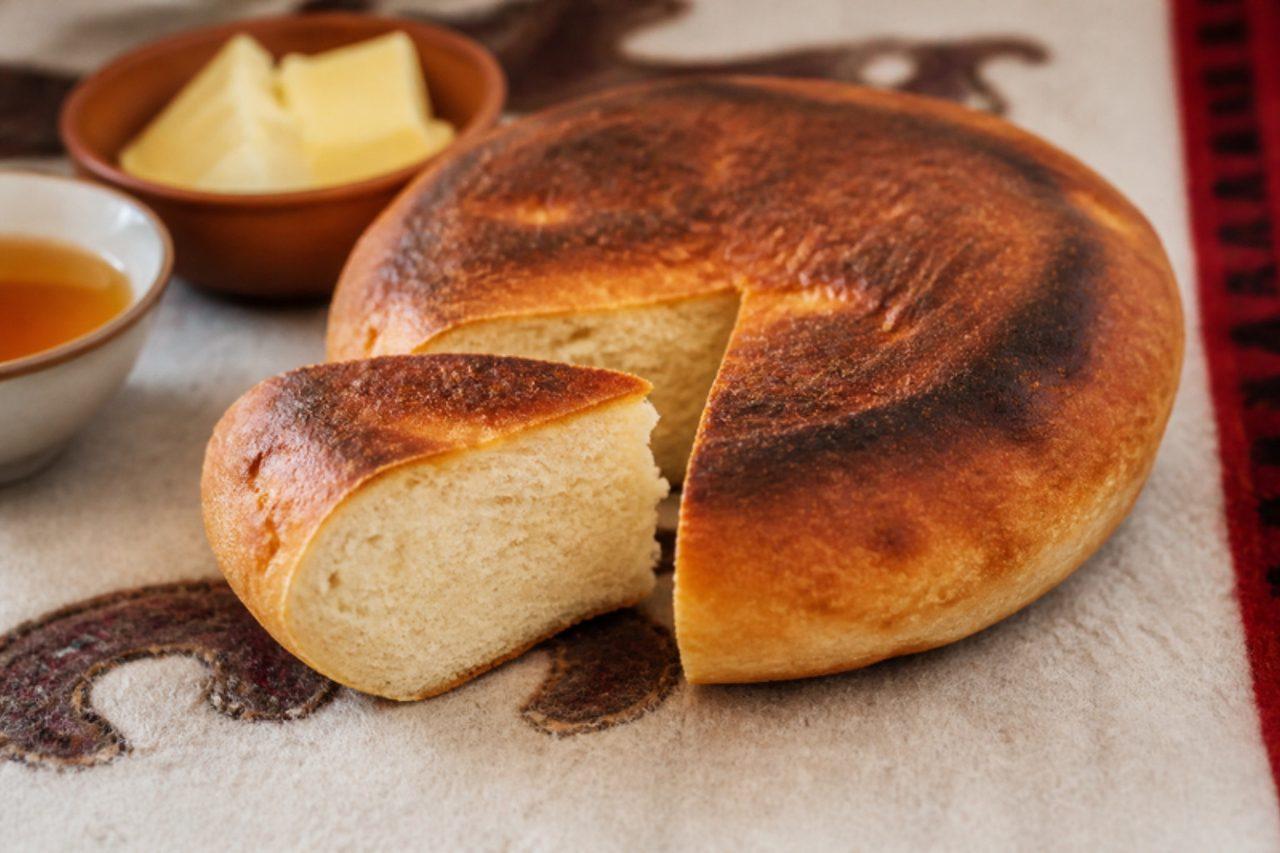
Taba nan is the bread of the Kazakh herders, baked on the move: a round of yeasted dough put into a greased iron pan (taba), covered with a second pan and buried in the hot embers of a dung or wood fire, so it bakes into a domed loaf with a thick, crackly crust. Families still make it at their summer pastures and at festivals. At home, two heavy cast-iron pans on the hob, or a lidded casserole in the oven, give a good result. A common mistake is a high flame, which burns the base before the inside bakes. Chef's tip: keep the heat low and flip the pans halfway, so both crusts brown evenly.

by KrazyBadal 0 views

Irimshik

Irimshik is the sweet, caramel-coloured dried curd that Kazakh herding families make in summer on the jailau pastures: milk is soured with a little starter, heated until it splits, and the curds are cooked slowly in their own whey until they turn golden and fudgy, then dried in the sun. It is nibbled with tea in winter, from Almaty flats to steppe villages. This version needs no rennet, so it is vegetarian. A common mistake is draining the curd too soon; the long cook in the whey is what browns and sweetens it. Chef's tip: stir more often as the whey reduces, because the curd catches easily at the end.

180 minKazakhBasicsGluten free
by KrazyBadal 0 views

Koktal

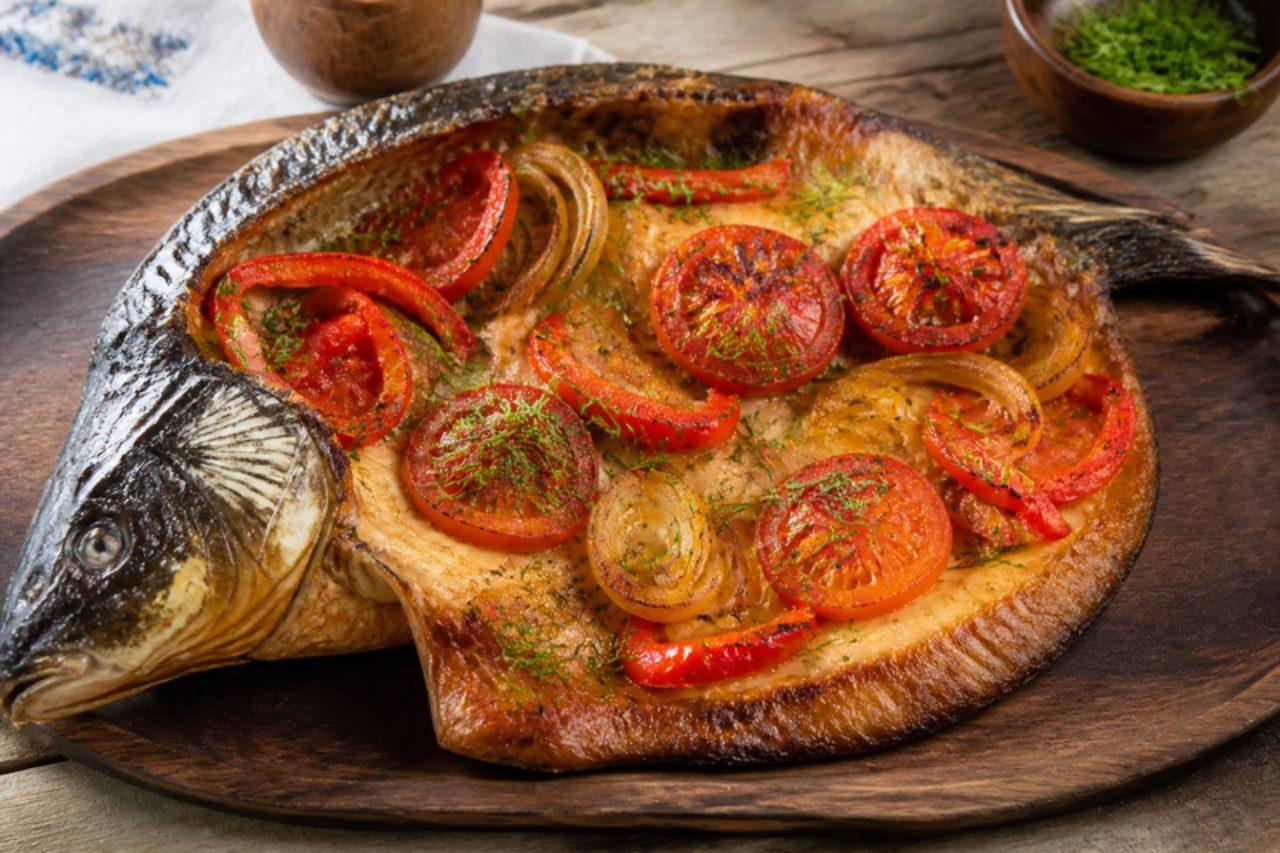
Koktal is the fishermen's dish of Lake Balkhash and the Ili River in south-east Kazakhstan: a large carp split open along the back, salted, scored and roasted skin-side out on a frame over smoky fires, then baked with tomatoes, peppers and onions. In Almaty restaurants it is brought to the table on a wooden board. This version smokes the fish briefly in a covered barbecue and finishes it in the oven. A common mistake is leaving the scales on near the head and tail; scale the fish well, or the skin turns leathery. Chef's tip: score the flesh in a deep diamond pattern so the smoke and seasoning get into the thick fillets. Cook until the flesh is opaque and flakes easily.

80 minKazakhFishGluten free
by KrazyBadal 0 views

Sirne

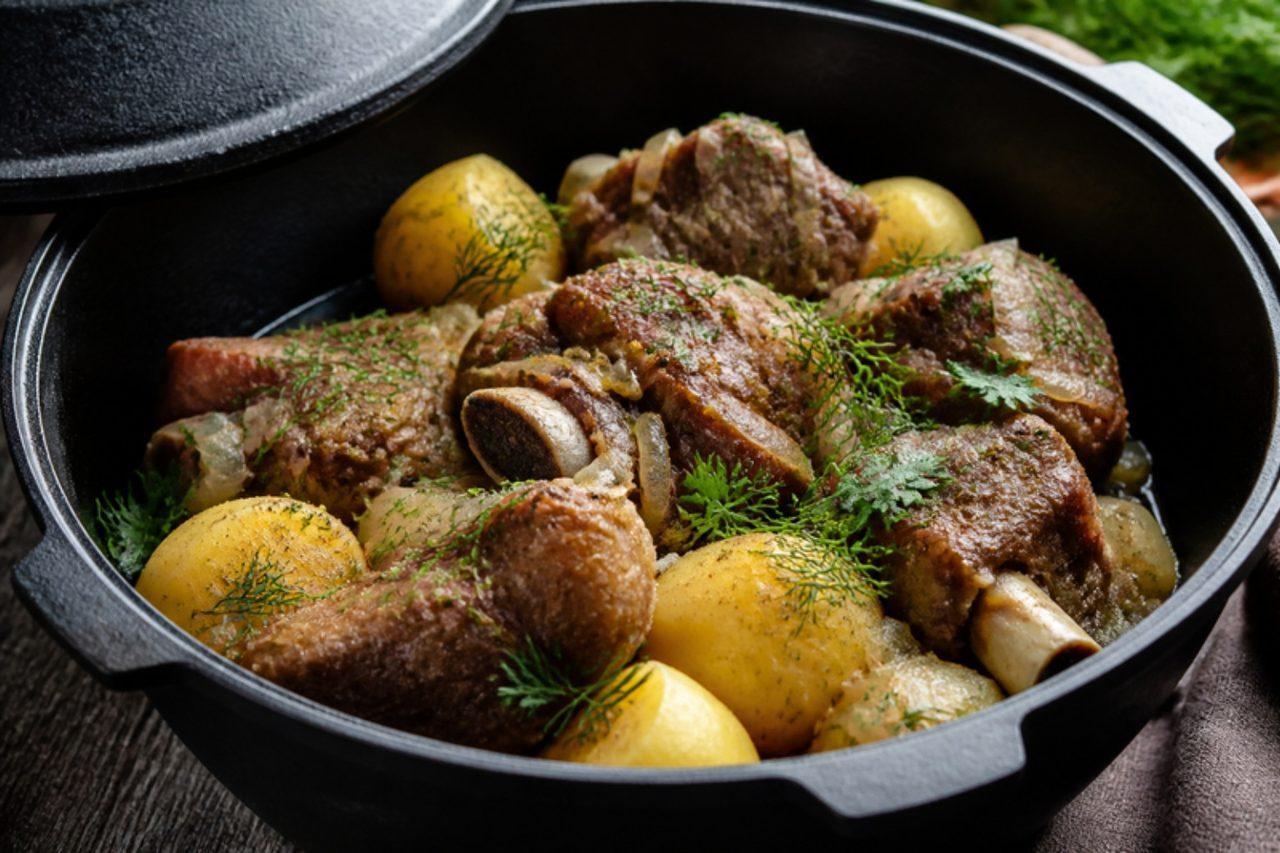
Sirne is a shepherds' dish from western and southern Kazakhstan: young lamb on the bone, onions and potatoes layered in a heavy kazan with almost no water, sealed tightly and cooked slowly so the meat steams and stews in its own juices and fat. It is lifted out onto a big platter for family gatherings. A common mistake is opening the pot during cooking, which lets the steam escape and dries the meat. Chef's tip: Kazakh cooks seal the lid with a rope of flour-and-water dough; at home a double layer of foil under the lid keeps every bit of steam in for the whole two hours.

140 minKazakhMeatGluten free
by KrazyBadal 0 views

Talkan

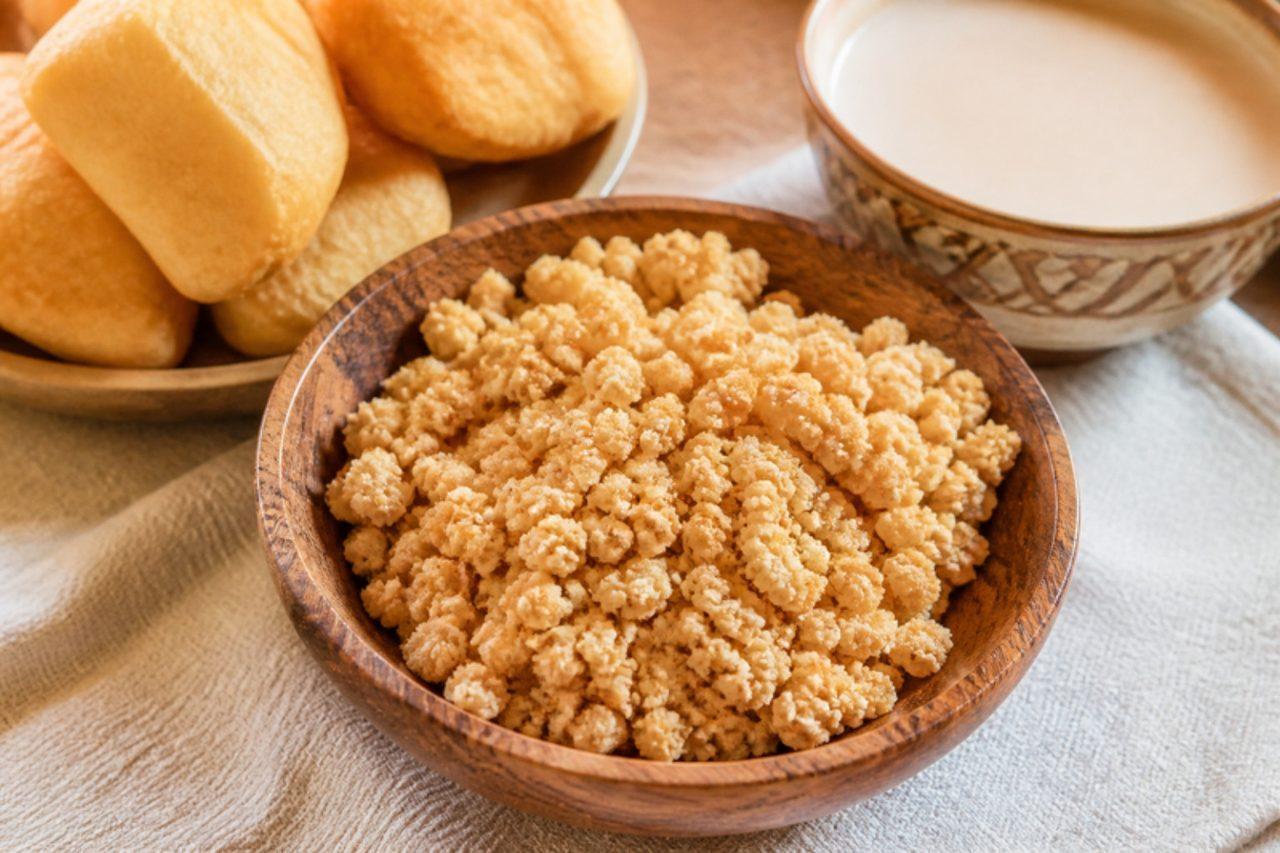
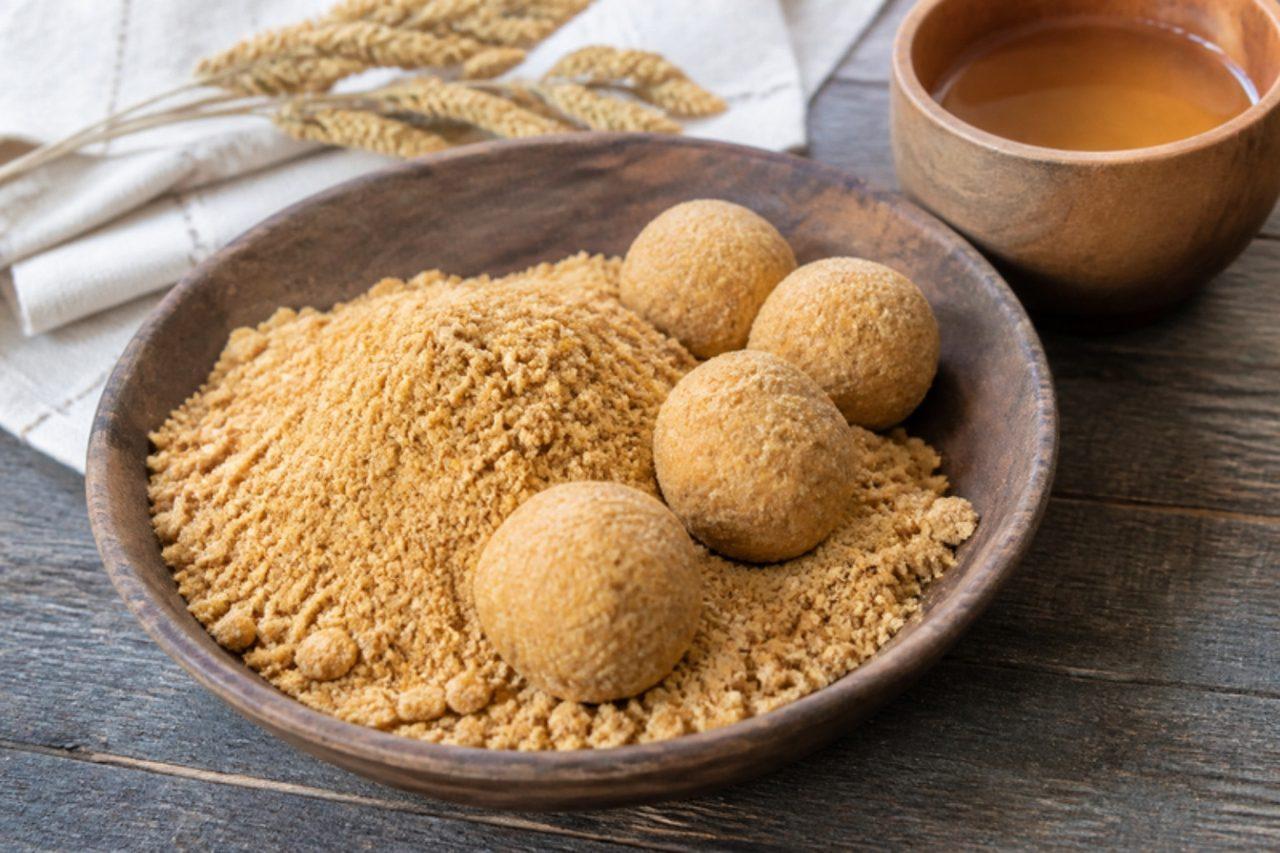
Talkan is an ancient nomad food from the Kazakh steppe: grain roasted in a dry kazan and ground into a fine, nutty flour that keeps for months and needs no cooking. In Kazakh homes it is mixed with melted butter and sugar or honey into crumbly sweets for children, stirred into hot milk tea, or pressed into balls for travel. Ready-made talkan is sold in Kazakh markets; roasting your own millet or wheat flour works well. A common mistake is roasting over high heat, which scorches the outside of the grains and leaves a bitter taste. Chef's tip: roast until it smells like popcorn, then grind finely while warm.

by KrazyBadal 0 views

Kazy

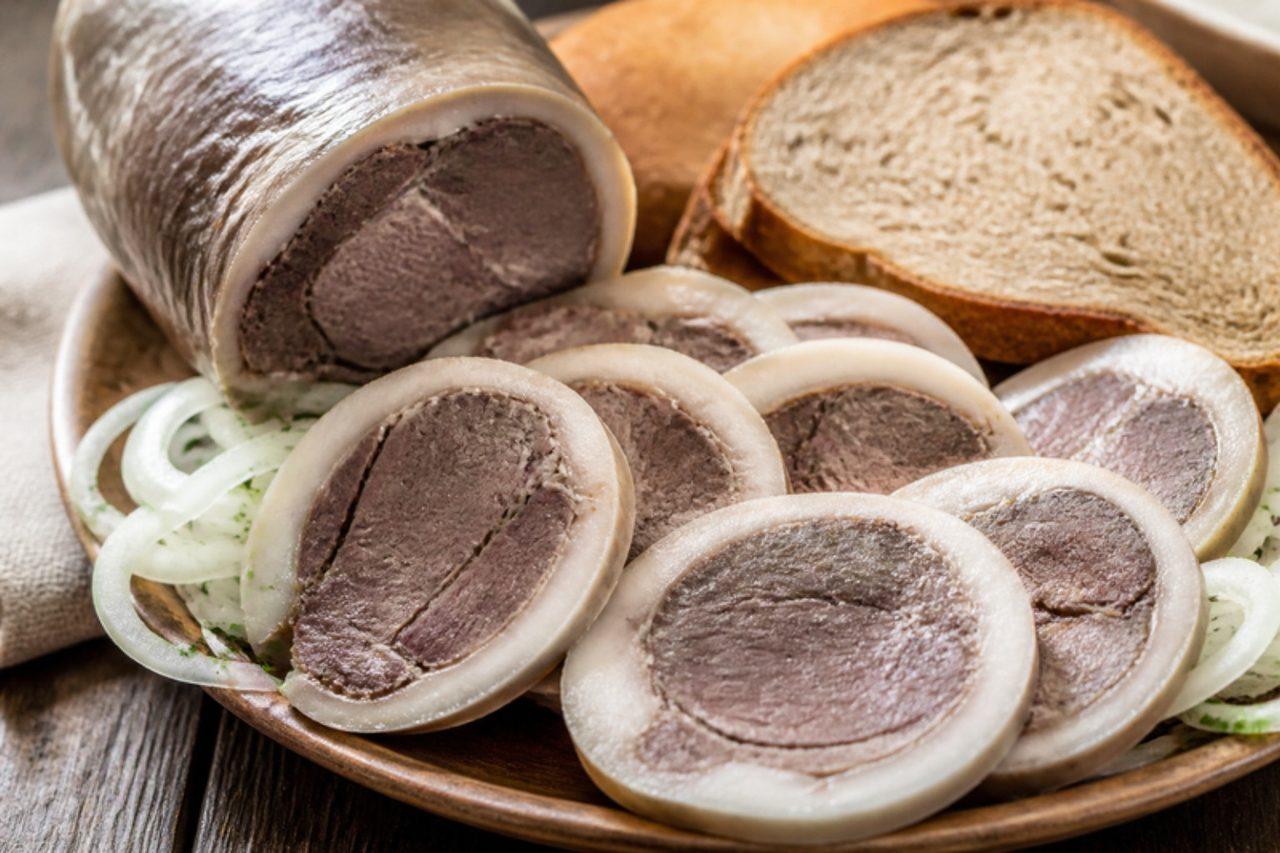
Kazy is the most prized food on a Kazakh feast table: a thick sausage of whole rib meat and rib fat, seasoned with salt, garlic and black pepper, stuffed into a casing, then dried or smoked and boiled for weddings and Nauryz, and sliced into glossy rounds that show the meat and the white fat. It is traditionally made with horse meat; this recipe uses beef short rib meat with a little lamb fat instead, as the site does not use horse, and it is cooked fresh rather than air-dried. A common mistake is mincing the meat; kazy is made from long strips of rib meat, which is what gives its look when sliced. Chef's tip: simmer it very gently; boiling hard bursts the casing and the fat melts away. The centre must reach 71 °C.

210 minKazakhMeatGluten free
by KrazyBadal 0 views

Kazakh radish salad

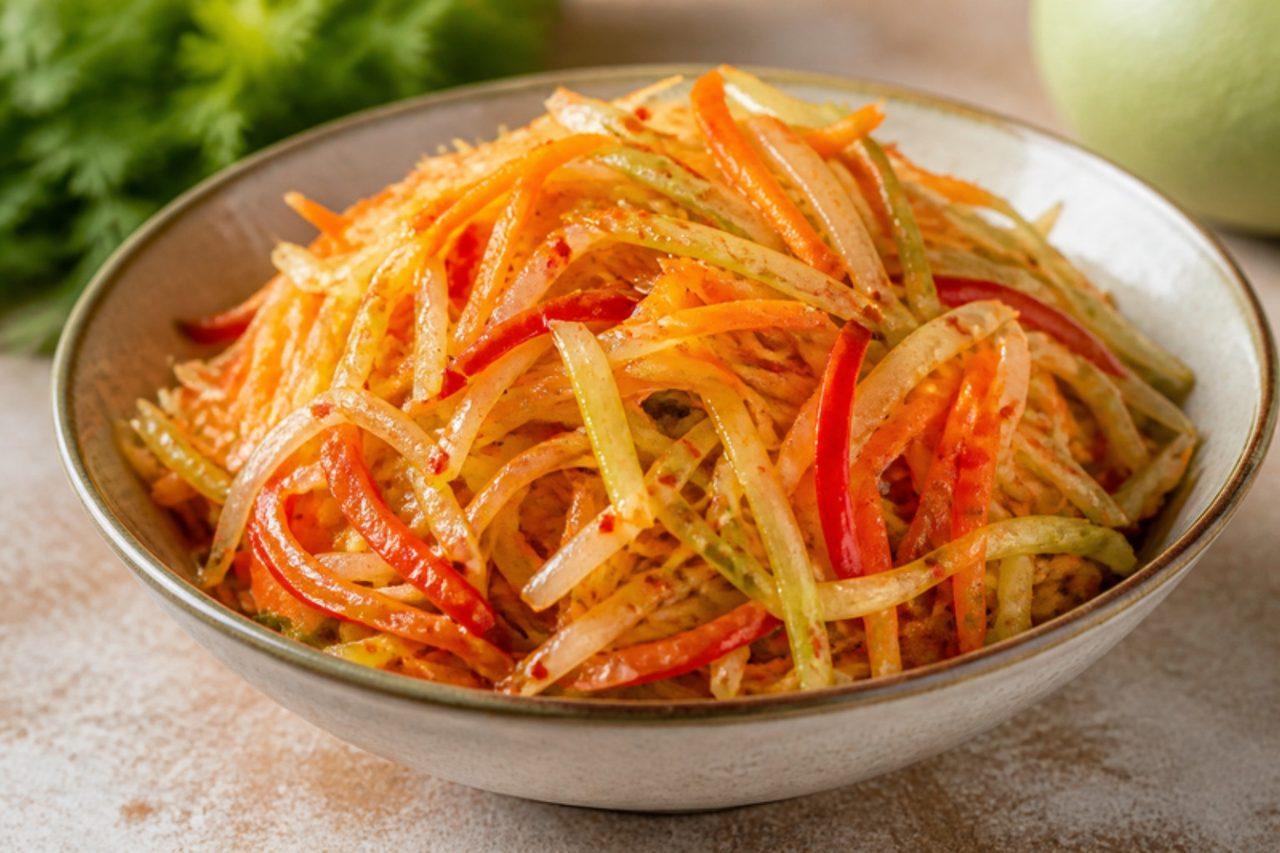
Shalgam is a sharp, crunchy salad found in markets across southern Kazakhstan, from Almaty to Shymkent, sold in big bowls next to Korean-Kazakh carrot salad: green radish and carrot shredded into long strands, seasoned with garlic, hot pepper and vinegar, then sizzled with very hot oil poured over the spices. It sits beside plov, beshbarmak and grilled meat to cut their richness. A common mistake is using cold oil; it is the sizzle of hot oil on the chilli and garlic that gives the flavour. Chef's tip: make it an hour ahead and let it marinate; the radish softens slightly and the flavours mellow.

by KrazyBadal 0 views

Tary

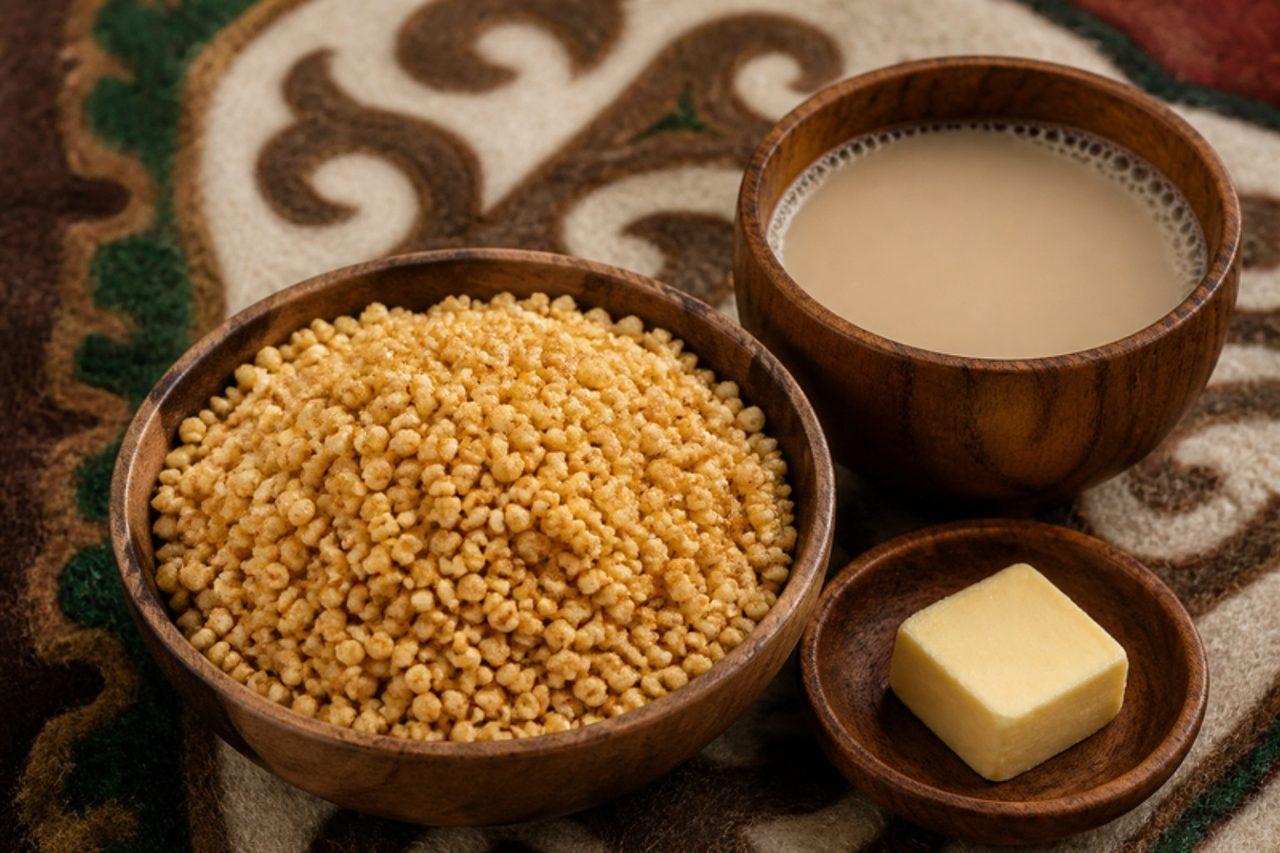
Tary is roasted millet, the oldest grain of the Kazakh steppe: soaked, boiled briefly, then roasted in a kazan until crunchy and golden, so it keeps for months in a leather bag. In Kazakh homes a bowl of tary sits on the dastarkhan tablecloth beside the tea, and people stir a spoonful into their milk tea, sprinkle it over sour cream or eat it with butter and sugar. A common mistake is skipping the pre-cooking, which leaves the grains rock-hard. Chef's tip: steam the millet briefly before roasting; the starch sets and the grains puff and crunch rather than shatter.

by KrazyBadal 0 views

Tiroler Gröstl

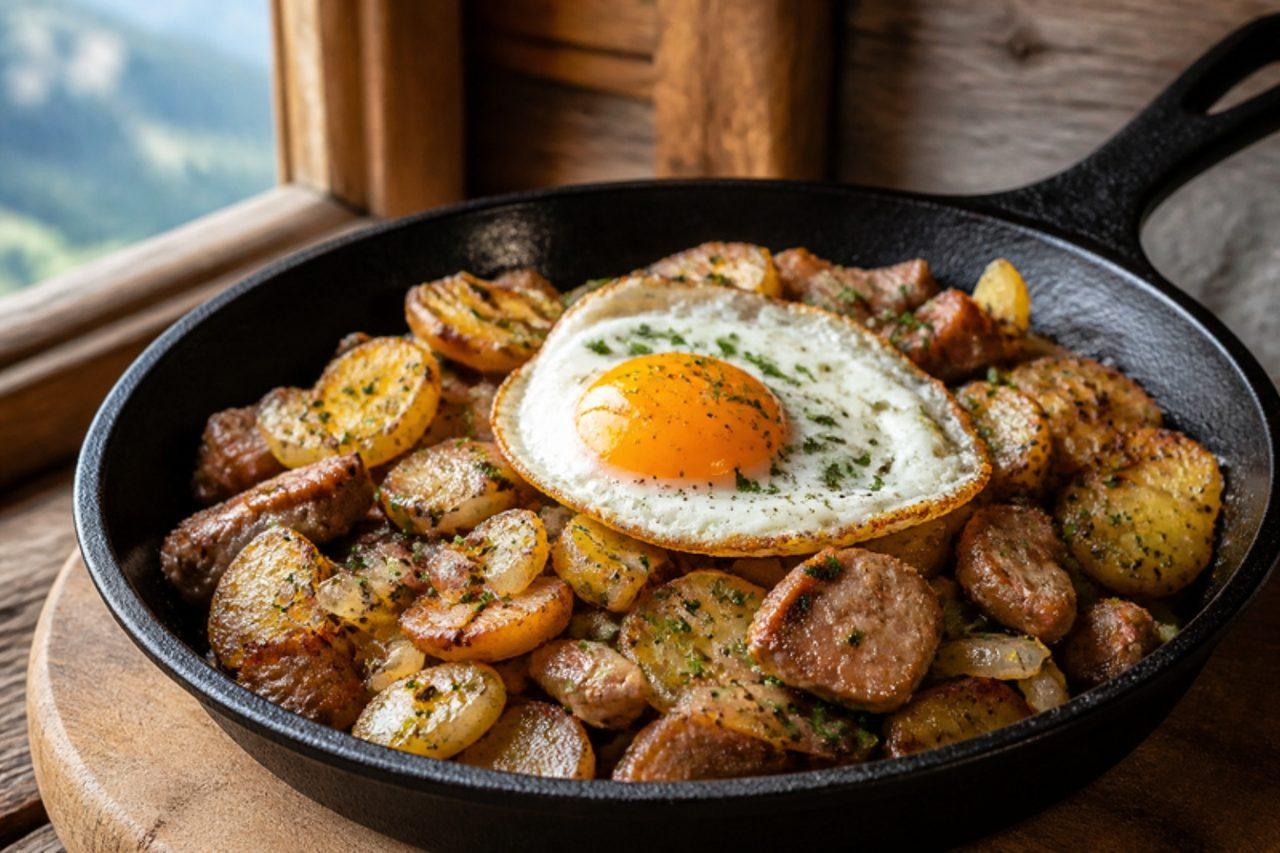
Tiroler Gröstl is what Tyrolean mountain huts serve to skiers and hikers coming in from the cold, and what farmhouse kitchens around Innsbruck make on Monday from Sunday's roast. Cold boiled potatoes are fried until crusty with onions, then tossed with cubes of leftover roast pork or smoked pork, caraway and marjoram, and crowned with a fried egg. It is made in one big pan and brought to the table in it. Chef's tip: let the potatoes fry undisturbed for the first few minutes; the brown crust is the whole dish.

by KrazyBadal 0 views

Steirischer Käferbohnensalat

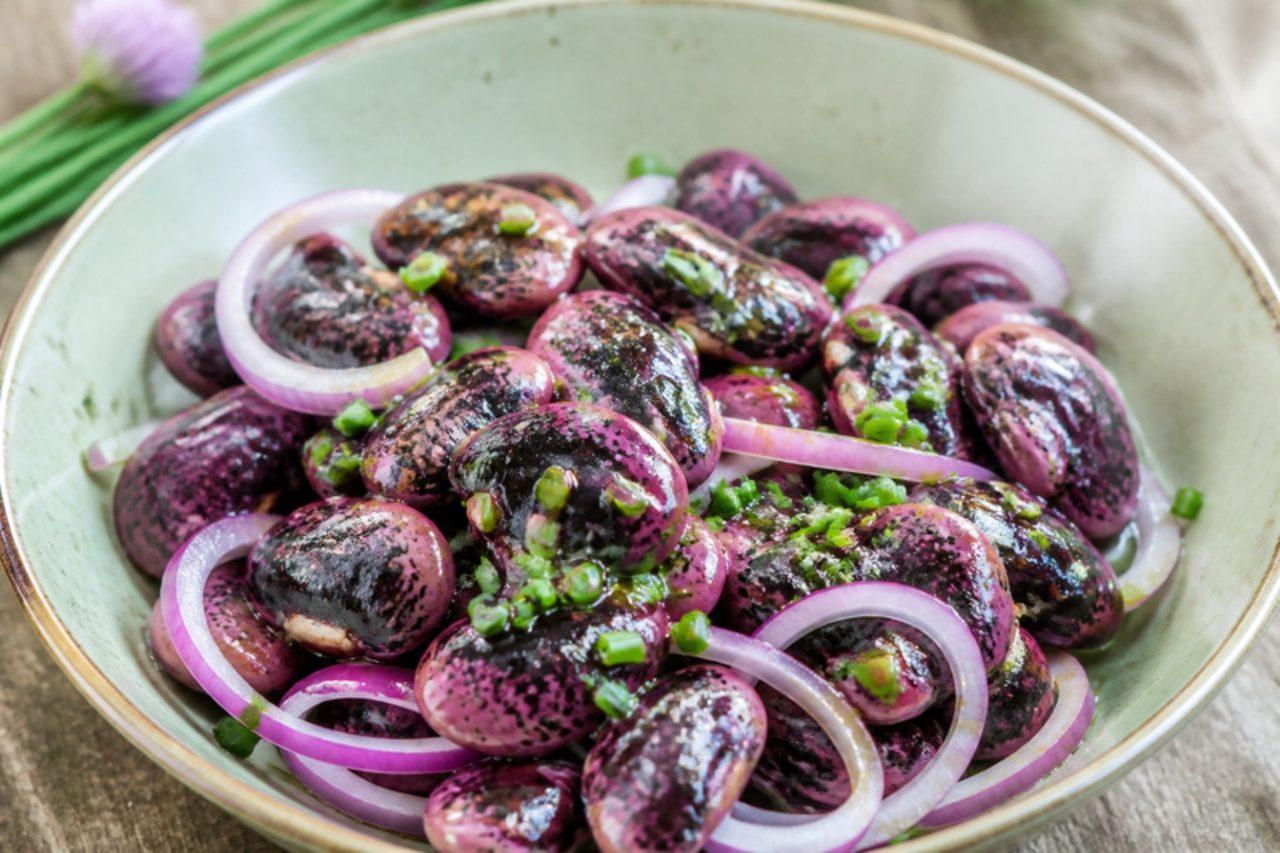
In the hills of south-east Styria, fat purple-speckled runner beans called Käferbohnen, 'beetle beans', are dried every autumn and turned into this simple salad. It is a fixture of the Buschenschank, the farm wine taverns where you sit outdoors with a board of bread, cheese and spreads. The beans are soft and creamy, the red onion and cider vinegar sharp, and the dark green pumpkin seed oil gives a deep, toasty, nutty flavour. A common mistake is dressing cold beans straight from the fridge; dress them lukewarm so they soak up the vinegar. Chef's tip: add the pumpkin seed oil last and do not heat it; it turns bitter when warm.

by KrazyBadal 0 views

Tafelspitz

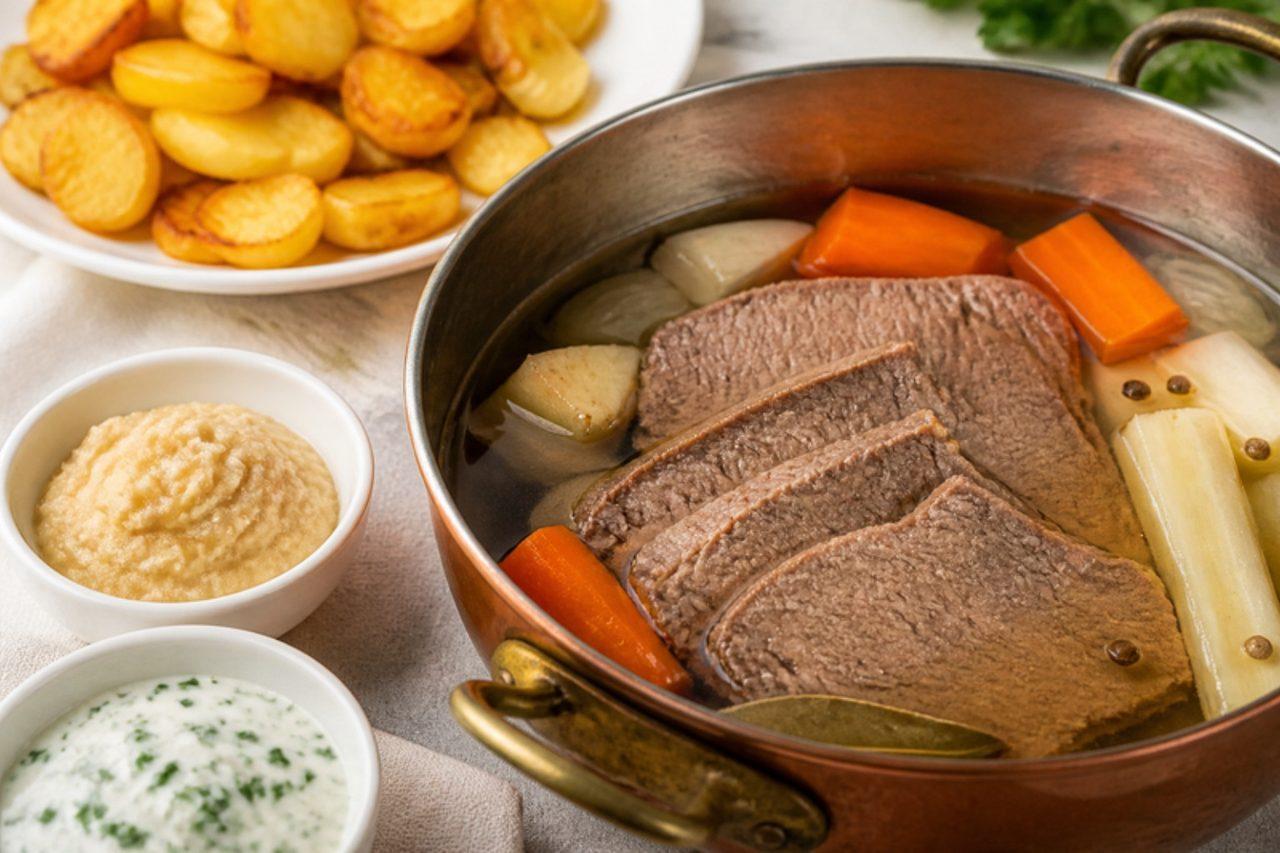
Tafelspitz is Vienna's grand Sunday lunch, the dish the old Beisl taverns and the city's famous beef restaurants built their names on. A whole piece of beef top rump is barely simmered with root vegetables for hours, then served in three acts: first the clear golden broth, then the sliced beef with crisp roast potatoes, sharp Apfelkren (grated apple and horseradish) and a cool chive sauce. Keep any leftover broth for Grießnockerlsuppe or Frittatensuppe. Chef's tip: never let the pot bubble; a slow tremble keeps the meat juicy and the broth clear.

210 minAustrianMeatGluten free
by KrazyBadal 0 views

Steirische Kürbiscremesuppe

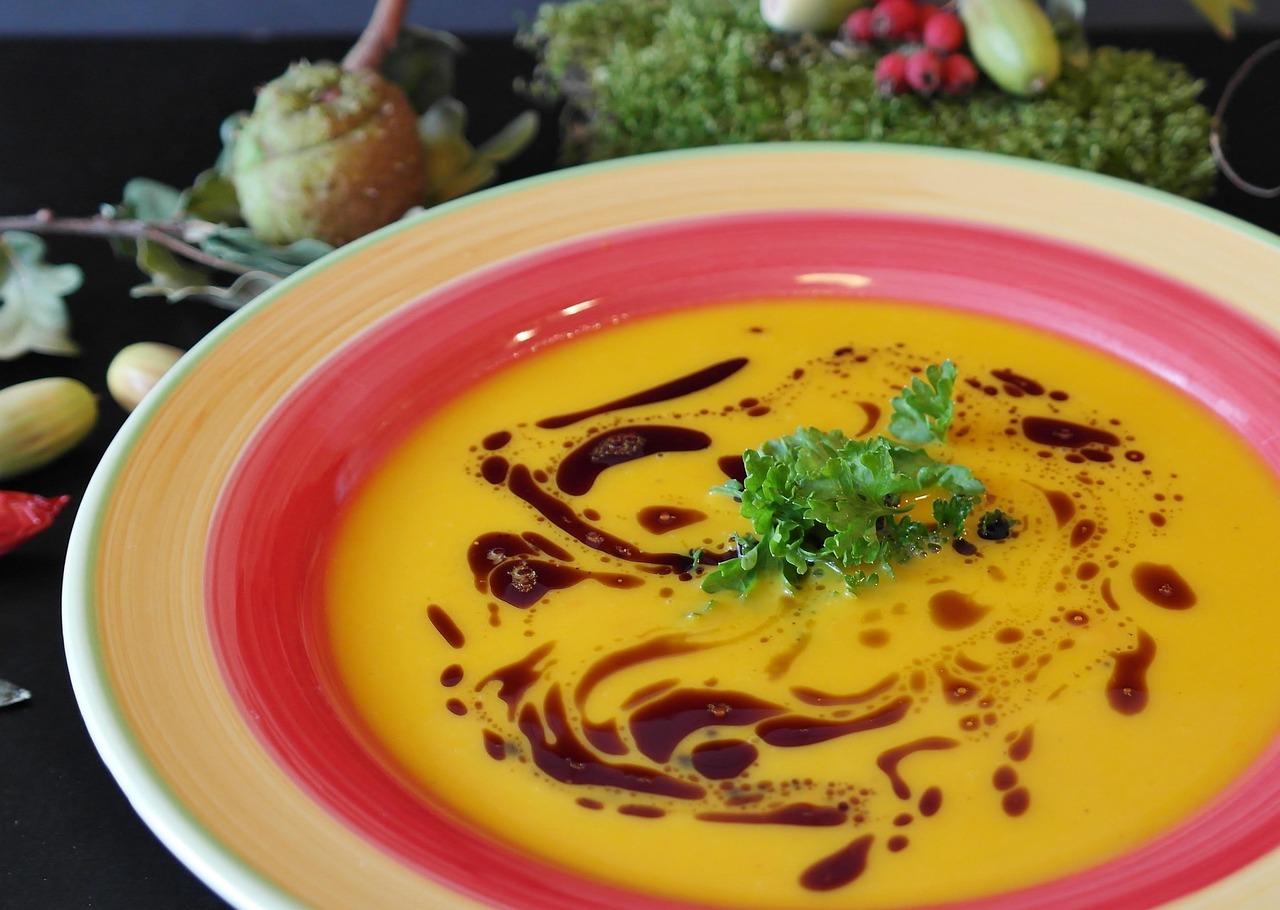
When the pumpkin fields of Styria turn orange in October, every inn from Graz to the Slovenian border puts this soup on the board. It is velvety and gently sweet, with a little nutmeg and a dash of vinegar for lift, and comes to the table with a swirl of almost black pumpkin seed oil and a scattering of toasted seeds. Serve it as a starter before a Sunday roast or with crusty bread for supper. A common mistake is boiling the soup hard after the cream goes in, which can split it and dull the colour. Check the stock if you need it gluten free. Chef's tip: toast the seeds dry in a pan until they puff and pop; it takes 3 minutes and doubles the nutty flavour.

by KrazyBadal 0 views

Eiernockerl

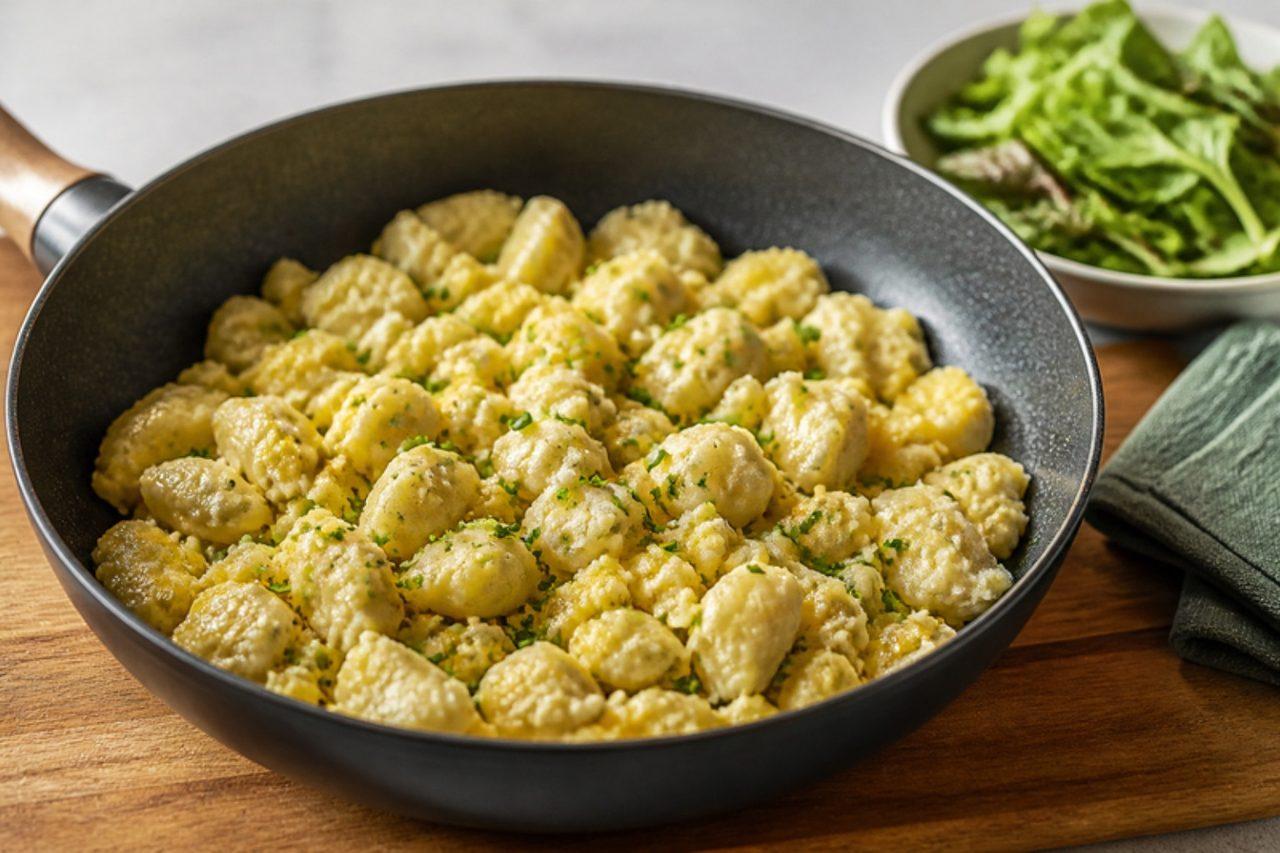
Eiernockerl is what Viennese grandmothers cook when the larder is nearly bare: a loose flour batter is scraped in little nubs into boiling water, then tossed in foaming butter and set with beaten eggs. In Vienna it turns up on weekday lunch tables and in old-fashioned Beisln, usually with a green salad in a sharp vinegar dressing on the side. The nockerl should be soft and slightly chewy, the egg just set and glossy, with lots of chives. A common mistake is cooking the eggs until dry and grainy; take the pan off the heat while they still look a little wet. Chef's tip: let the batter rest for 10 minutes before you cut it into the water, so the flour swells and the nockerl hold their shape.

by KrazyBadal 0 views

Grießnockerlsuppe

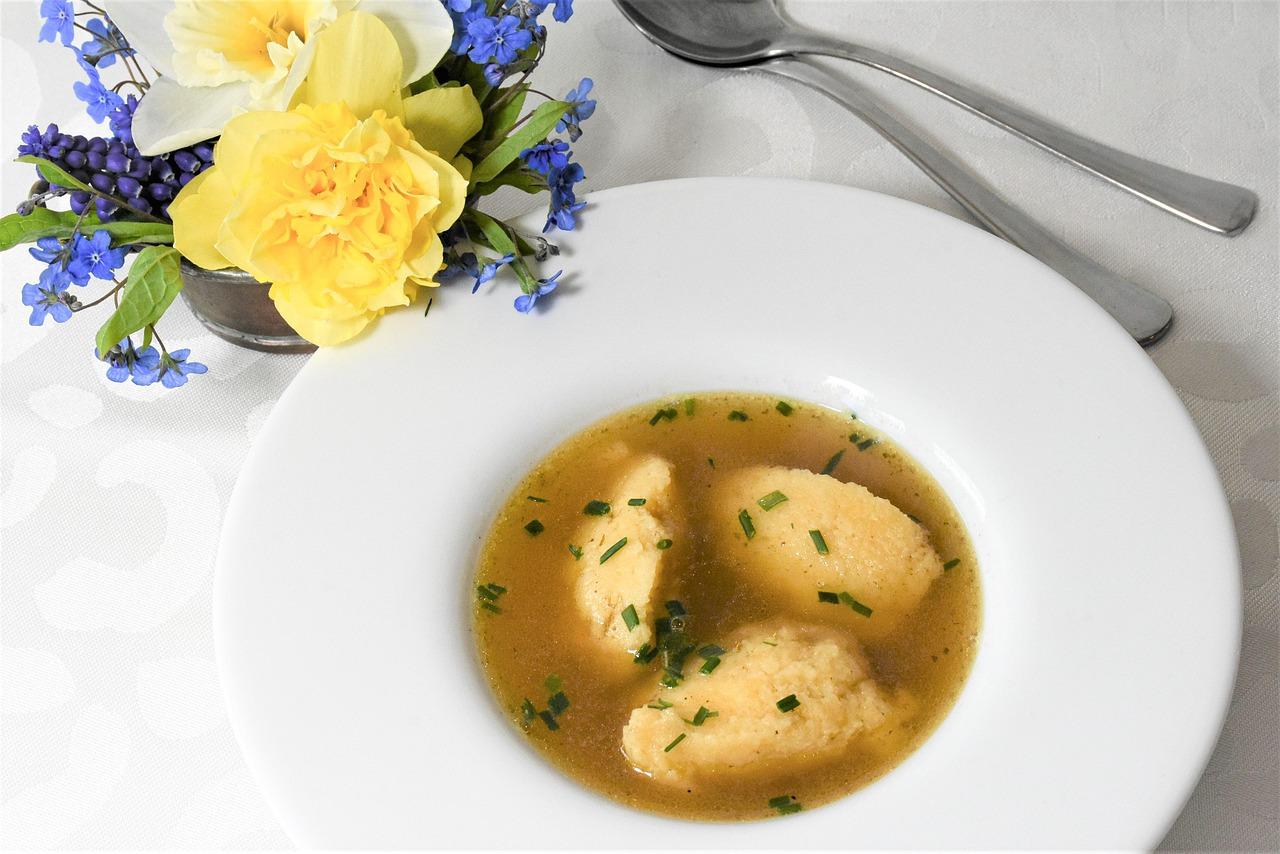
Grießnockerlsuppe is the soup that opens a proper Austrian Sunday lunch, from Viennese grandmothers' tables to village inns in Upper Austria: a clear, deeply savoury beef broth with three or four soft, oval semolina dumplings that should be fluffy enough to cut with a spoon. The broth is made from beef shin and bones, simmered slowly with charred onion; broth left over from Tafelspitz works perfectly too. Chef's tip: let the semolina mix rest for 15 minutes before shaping; the grains swell and the dumplings hold together without going heavy.

by KrazyBadal 0 views

Liptauer

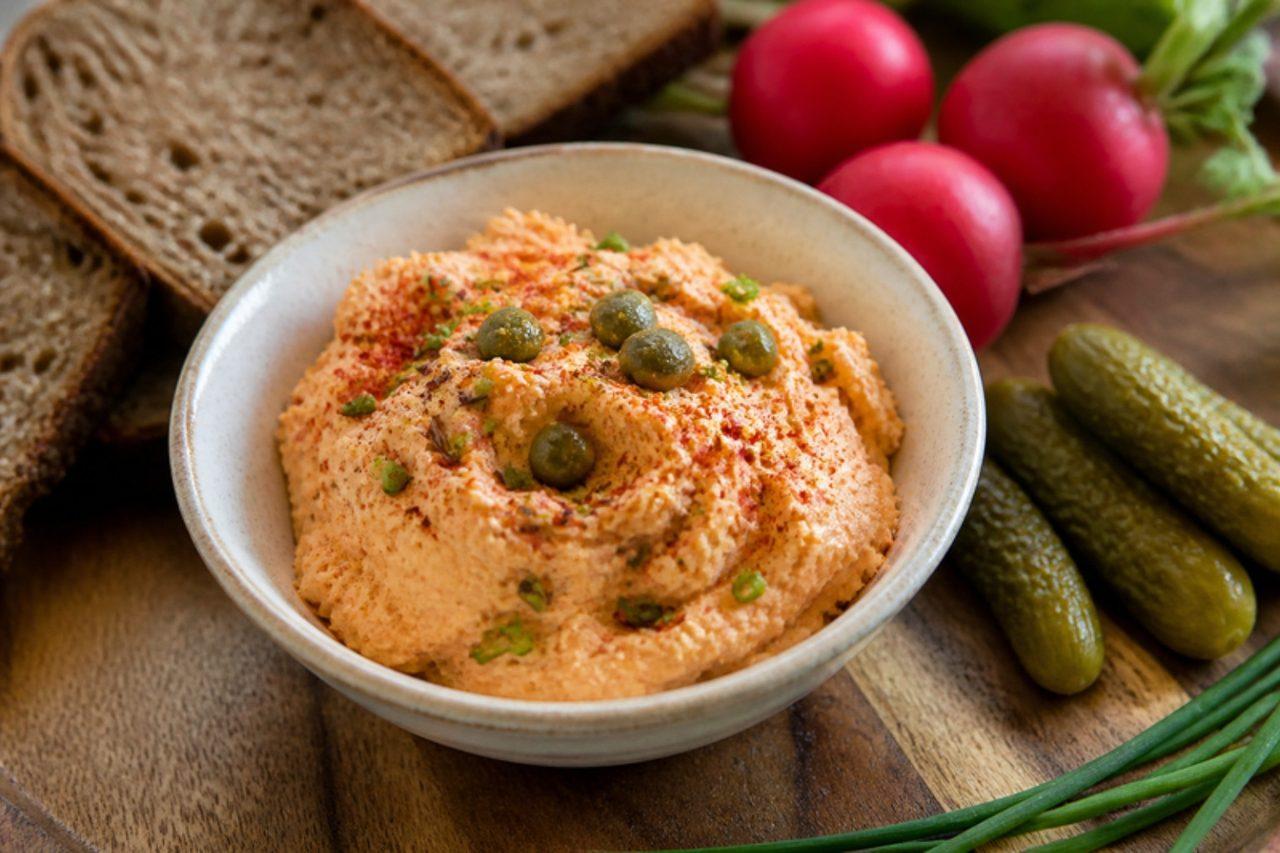
No Heuriger, the wine tavern on the vineyard slopes at the edge of Vienna, is complete without a bowl of rust-red Liptauer next to the bread basket. Quark and soft butter are beaten with sweet paprika, ground caraway, mustard, onion and capers into a spread that is creamy, tangy and gently warm. Spread it thick on dark rye bread with radishes and chives, or pipe it onto halved peppers for a snack board. A common mistake is using wet quark straight from the tub, which makes the spread runny; drain it in a sieve first. Most quark is set without rennet, but some brands use a little animal rennet, so pick one labelled vegetarian. Chef's tip: make it a few hours ahead; the paprika colour deepens and the caraway softens as it sits.

by KrazyBadal 0 views

Viennese Gugelhupf

In Vienna the Gugelhupf is the Sunday cake of home bakers, set out on the table for afternoon Jause with coffee, and every family has its own fluted copper or ceramic mould. Unlike the yeasted ring cakes of Alsace and southern Germany, the everyday Viennese one is a Rührgugelhupf, a buttery sponge lifted with whisked egg whites, scented with lemon and studded with plump raisins. It is tender, light and keeps moist for several days under a cake dome. A common mistake is a badly greased mould; every ridge needs butter and flour or the cake tears as it comes out. Chef's tip: soak the raisins in hot water for 15 minutes, dry them and toss them in a spoon of flour so they don't sink.

by KrazyBadal 0 views

Germknödel

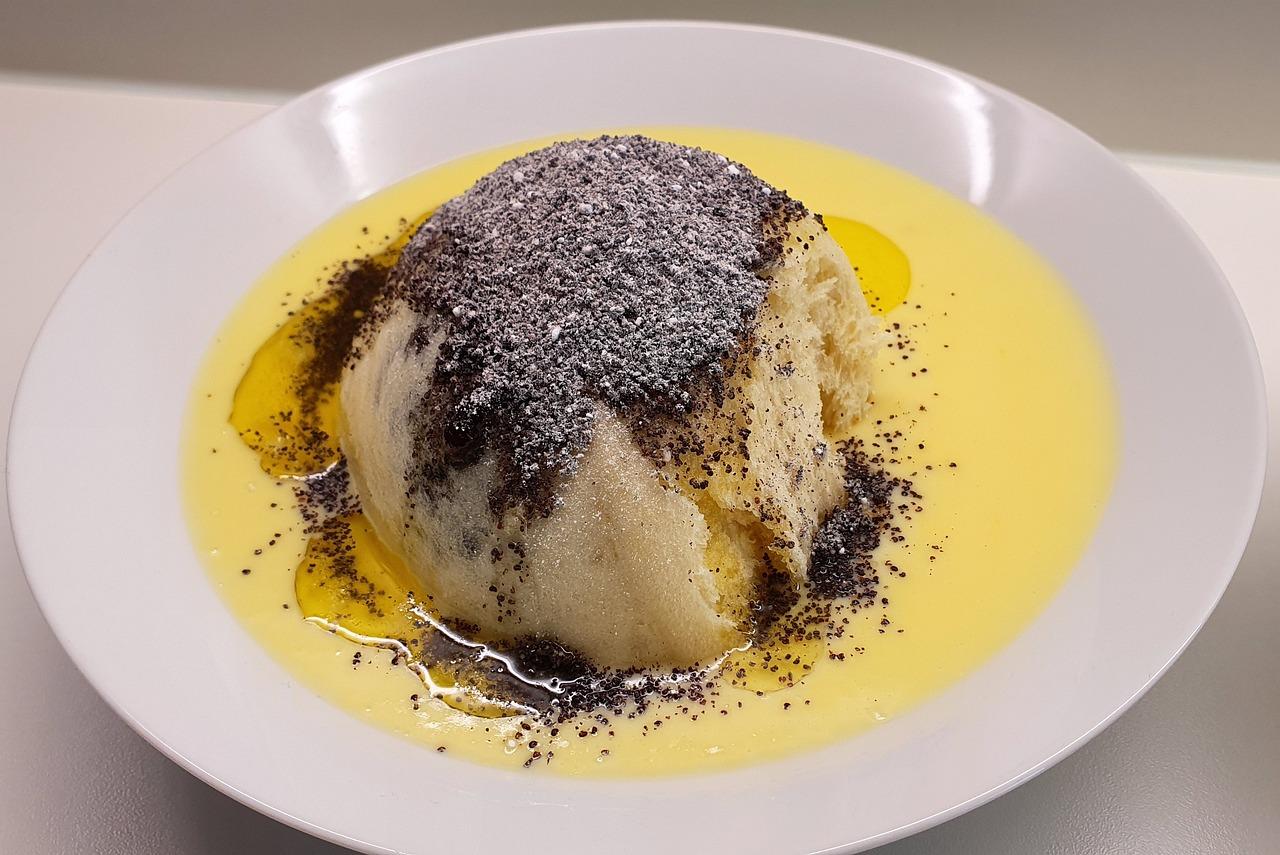
After a morning on the slopes, Austrians head into the mountain huts of Tyrol, Salzburg and Styria for one thing: a Germknödel the size of a fist, steamed until pillowy and split open to reveal dark plum butter. It comes drowned in melted butter, or in vanilla sauce, under a thick snow of ground poppy seeds and icing sugar, and it is eaten as a whole meal. The dough is soft and slightly sweet, and the powidl inside is tart and jammy. A common mistake is lifting the lid while they steam; the dumplings deflate and turn heavy. Chef's tip: seal each dumpling with the seam underneath and let them prove a second time on squares of baking paper, so you can move them without denting them.

by KrazyBadal 0 views

Steirisches Wurzelfleisch

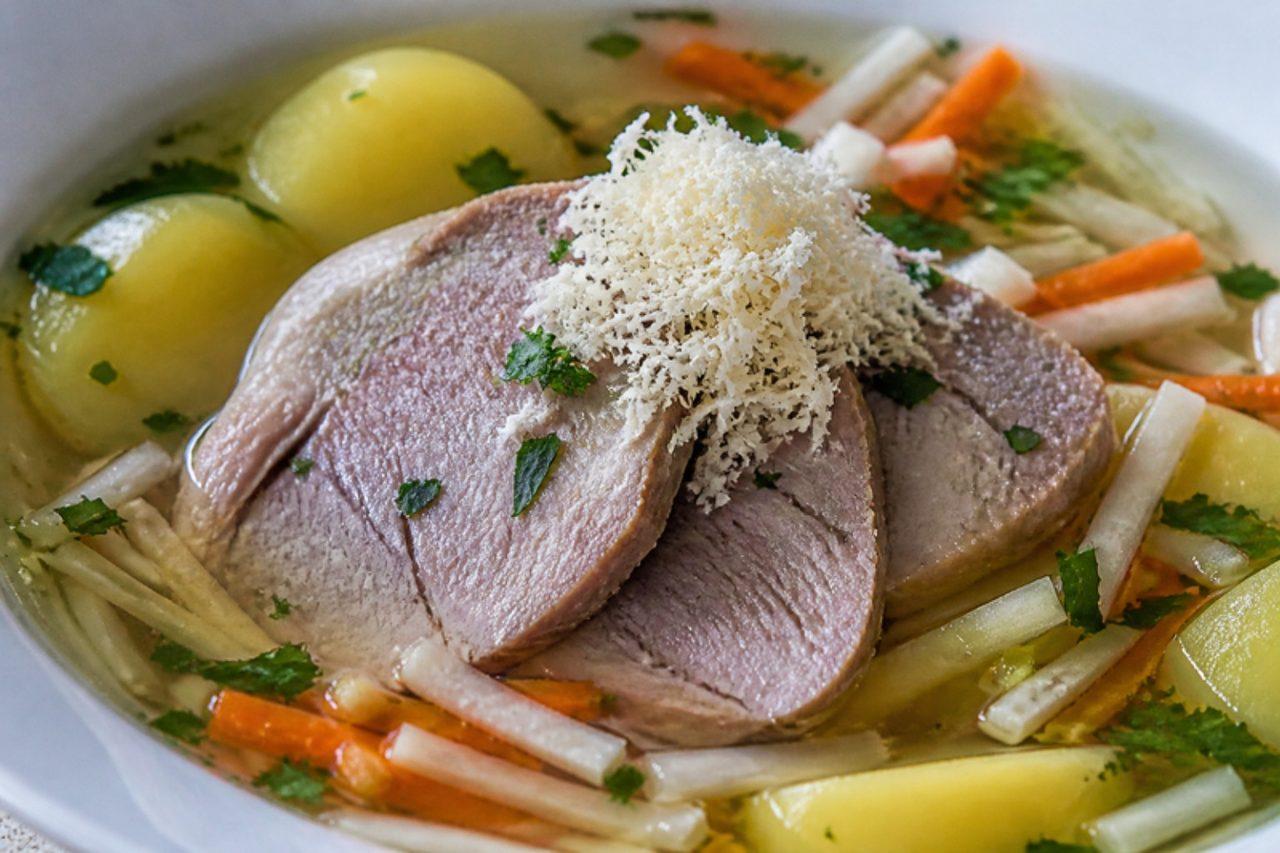
Wurzelfleisch, 'root meat', is a winter dish from the farms of Styria in south-east Austria, cooked in November and December when pigs were killed and the cellar was full of carrots, celeriac and parsley root. Pork shoulder is simmered in a lightly sour broth, then served in deep plates with thin strips of root vegetables, boiled potatoes and a snowfall of freshly grated horseradish. It is a gentle, clean-tasting dish, quite unlike a roast. Chef's tip: grate the horseradish at the table; it loses its bite within minutes.

130 minAustrianMeatGluten free
by KrazyBadal 0 views

Topfenknödel

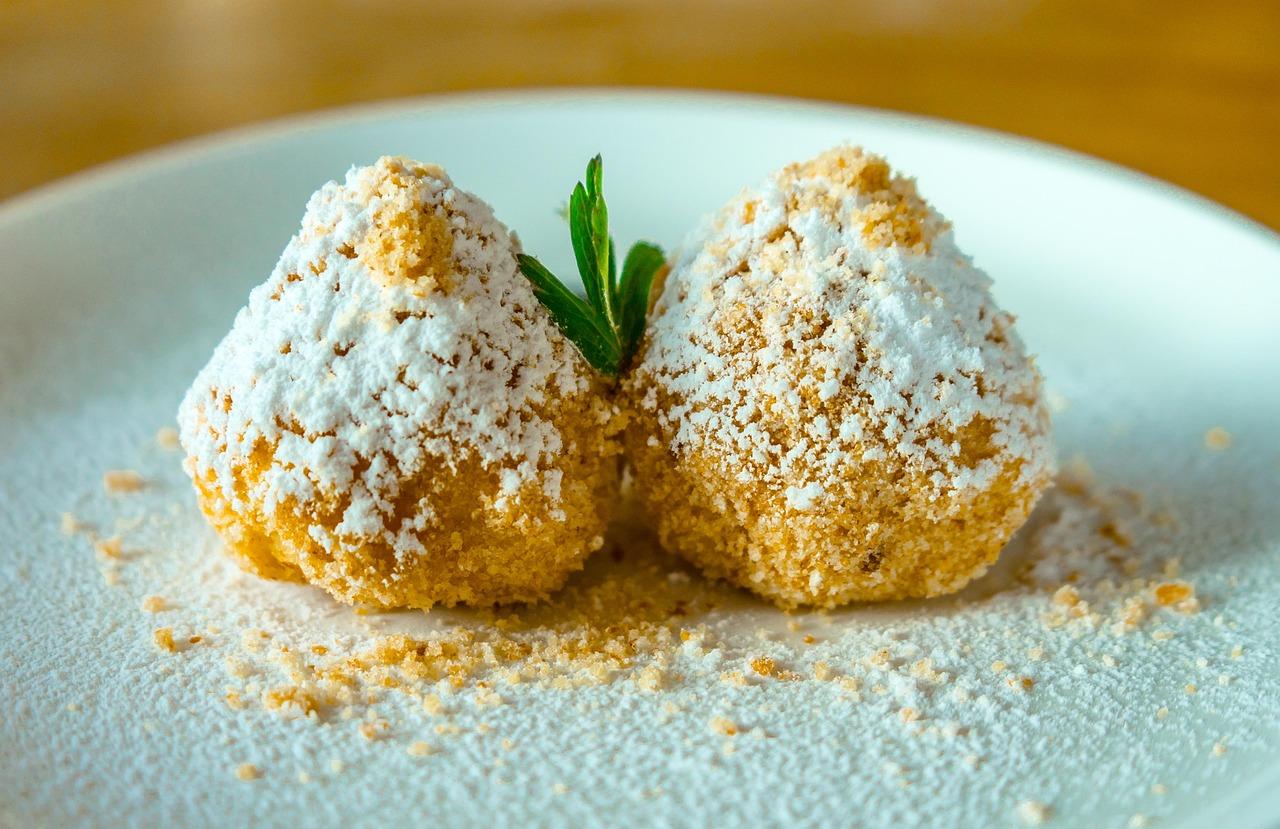
Topfenknödel belong to the long Austrian tradition of sweet main courses: in Viennese homes and Lower Austrian inns they are often served as a light Friday lunch, or as dessert after soup. Fresh quark, butter, egg and semolina make a dough that cooks into soft, tangy, almost cheesecake-like dumplings, which are rolled in breadcrumbs toasted in butter with cinnamon sugar and served with a warm fruit compote. A common mistake is boiling them hard; they puff, crack and fall apart, so keep the water just shivering. Most quark is made without animal rennet, but check the label and choose one marked vegetarian. Chef's tip: rest the dough for at least 30 minutes so the semolina can swell; it makes the dumplings hold together.

by KrazyBadal 0 views

Kärntner Kasnudeln

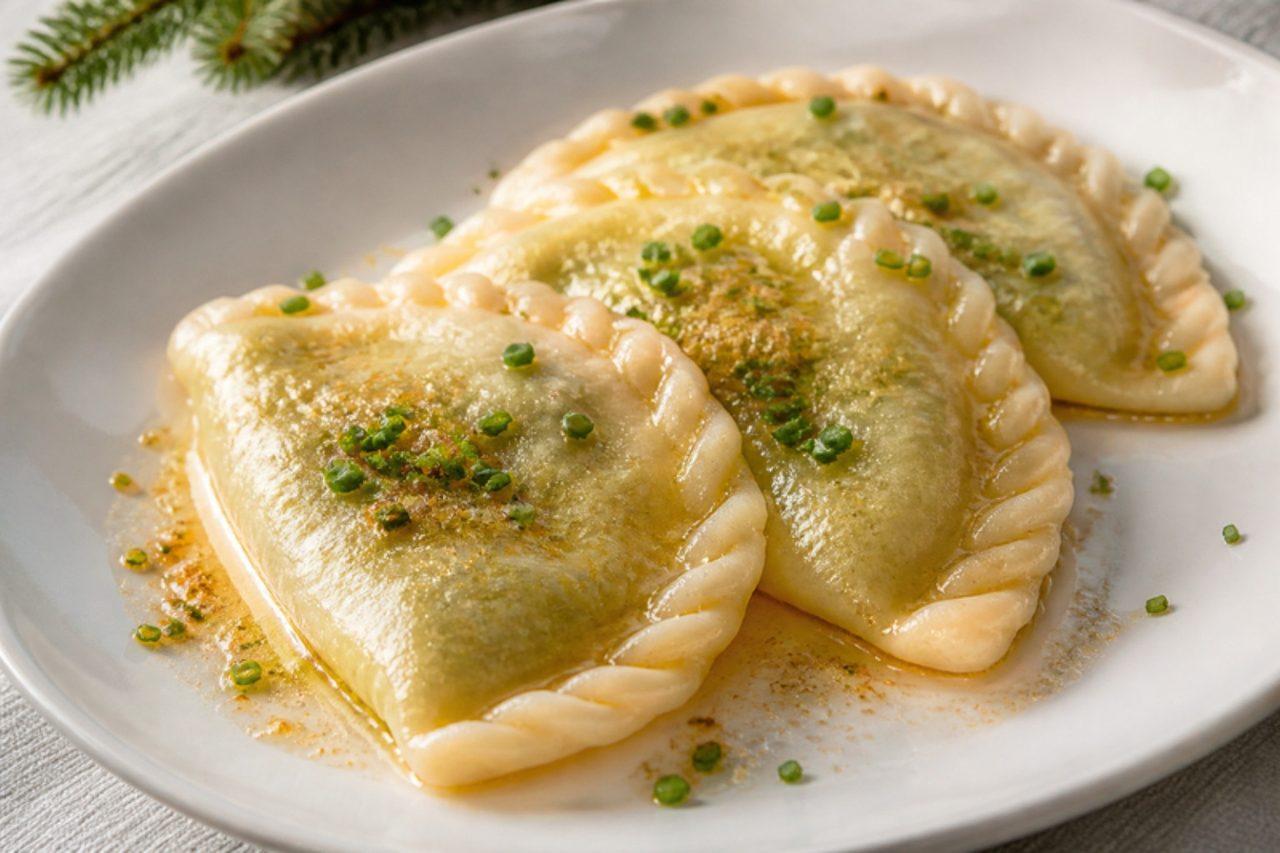
Kasnudeln are the pride of Carinthia in Austria's south, where every village claims the best filling and where they are eaten on Fridays and at church fairs. Big half-moons of thin noodle dough are stuffed with crumbly curd cheese, floury potato, onion and fresh mint, then sealed with a braided edge called 'krendeln' that keeps the filling in as they simmer. They are served with a generous pour of brown butter and chives, often with a green salad. A common mistake is rolling the dough too thick: it should be thin enough to see your hand through, or the folded edges turn stodgy. Carinthian Topfen is usually made without animal rennet, but check the label and pick a vegetarian quark. Chef's tip: if crimping feels tricky, press the edges with a fork first, then practise the braid on the last few.

by KrazyBadal 0 views

Steirische Kernöl-Eierspeis

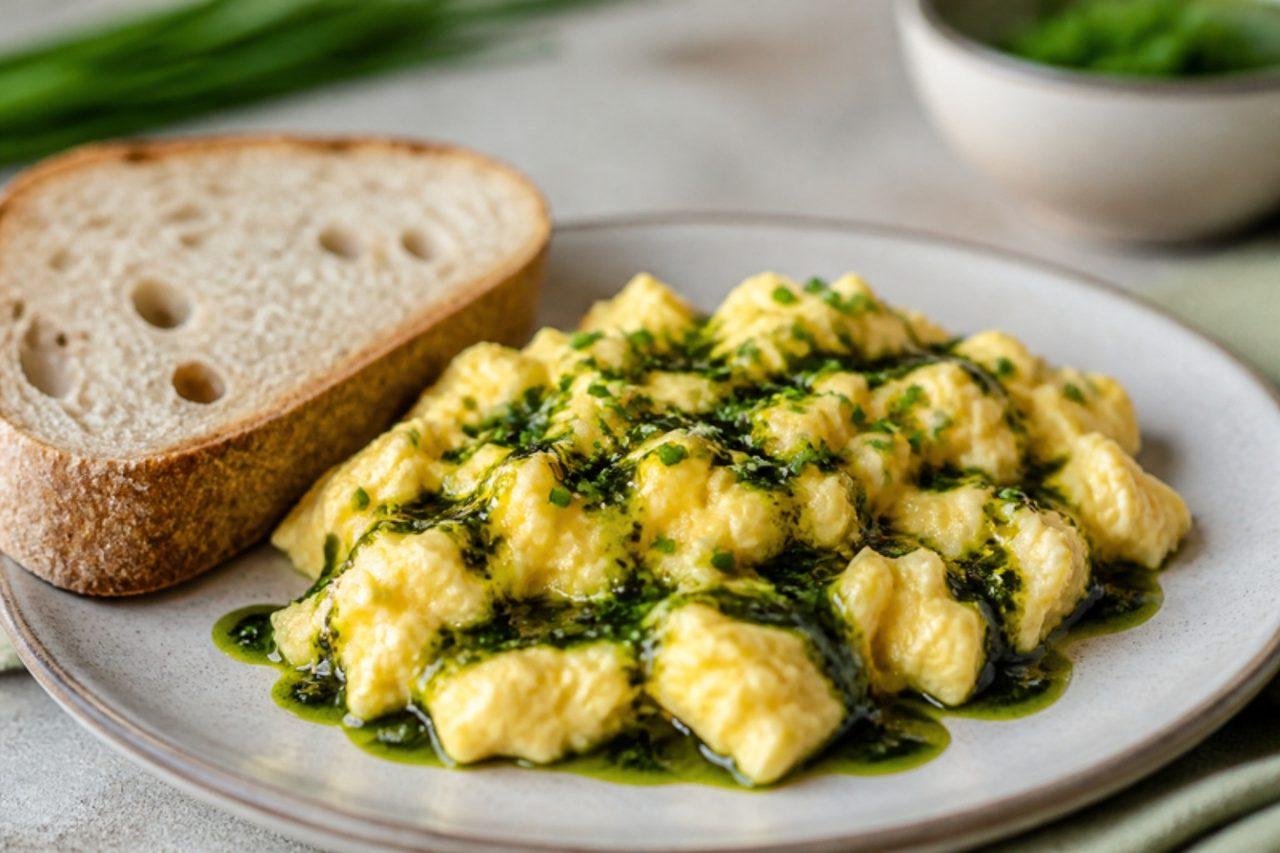
Eierspeis is the Austrian word for scrambled eggs, and in Styria they get a final drizzle of the region's dark green pumpkin seed oil. It is a farmhouse breakfast or a late-night snack after a long evening in a Graz wine bar, eaten straight from the small pan it was cooked in with a slice of rye bread. The eggs are soft and creamy in big folds, and the oil adds a toasted, nutty depth that tastes almost like brown butter. A common mistake is stirring too fast on a high heat, which gives small dry crumbs instead of soft curds. Chef's tip: salt the eggs a few minutes before cooking; it helps them set more tenderly.

by KrazyBadal 0 views

Showing 24 of 81 recipes

Show more recipes

Page 1 of 4