Skip to content
Recipes

All recipes

Vegetarian, or something you can't eat? Set your diet once and we'll hide recipes that don't fit.

ChaplasHollow puffed Andean bread

Walk through Ayacucho's central market at seven in the morning and you will see women selling stacks of chaplas from cloth-lined baskets, still warm from the wood-fired ovens of the Andes. These round wheat breads puff up like pita in the fierce heat, leaving a hollow pocket inside a thin, soft, lightly floury crust. In Ayacucho and Huancavelica they are eaten with sweet coffee or hot emoliente for breakfast, or split and filled with queso fresco, avocado or a spoonful of rocoto sauce. Highland bakers traditionally work in a little lard; vegetable shortening gives the same tenderness and keeps the bread vegan. A cool baking tray is the reason chaplas stay flat, so preheat it thoroughly. Chef's tip: let the rolled rounds rest before baking and flip them upside down onto the tray, so the smooth, dry side meets the heat first and the pocket opens evenly.

by KrazyBadal 0 views

Soboro-ppangPeanut streusel buns

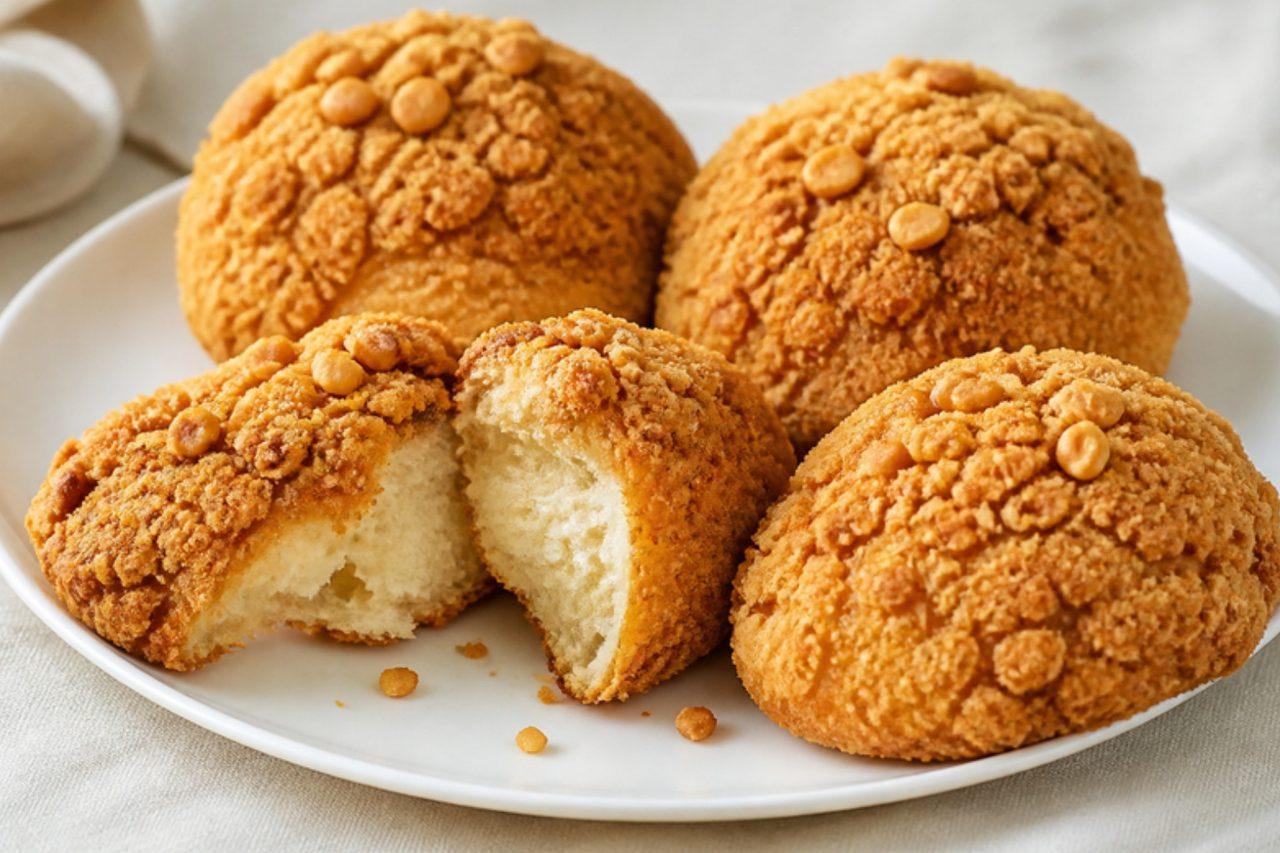
'Soboro' describes something crumbled, and that is exactly what covers these buns: a craggy, peanut-scented streusel that bakes into a sweet, sandy crust over soft milk bread. Soboro-ppang (소보로빵) has been a fixture of Korean neighbourhood bakeries since the 1960s and is still one of the cheapest, most loved buns on the shelf, bought by students after school and eaten with a carton of banana or plain milk. The contrast is the point, crunchy and buttery on top, fluffy and lightly sweet inside. Some bakeries fill them with red bean paste or custard; this is the plain classic. Beating the streusel into a smooth paste is a common mistake, as it melts into a flat lid in the oven, so rub it only into clumpy crumbs and keep it cold. Chef's tip: brush the tops of the dough balls with milk and press them firmly, top down, into a bowl of crumbs; a thick, even coat sticks better than crumbs scattered on afterwards. They contain peanuts.

by KrazyBadal 0 views

Kongbiji jjigaeSoybean pulp stew

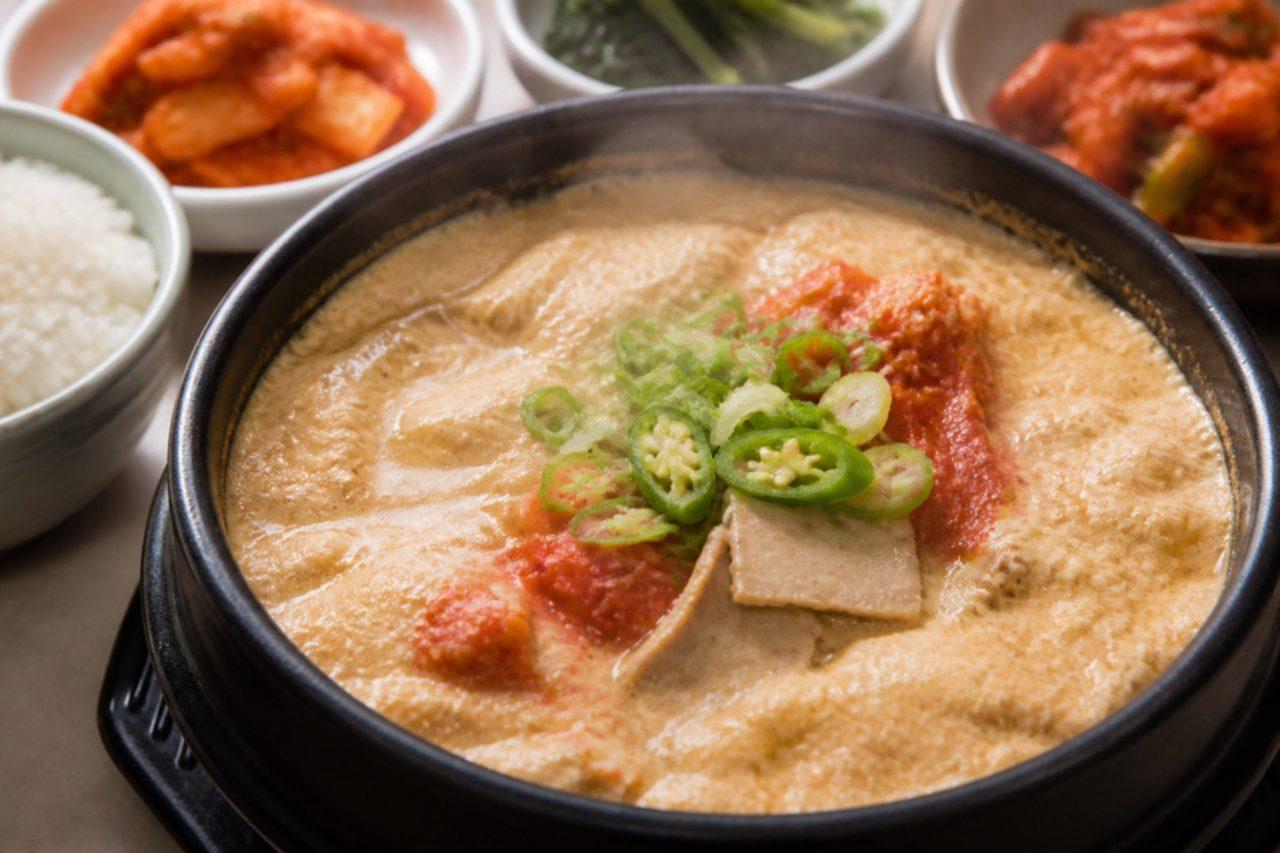
Kongbiji jjigae is the rustic winter stew of Korean farmhouses, once made with the soy pulp left from tofu-making and now with soaked soybeans blended into a creamy, nutty paste: it is simmered with sour kimchi and a little pork belly until thick, and eaten with rice in Gyeonggi and Chungcheong homes when the weather turns cold. It is filling, mildly spicy and full of protein. This recipe contains pork. A portion is about 290 kcal. Soak the soybeans overnight first (not counted). The most common mistake is stirring the stew once the bean paste goes in; it should be left to bubble gently so the beans set into soft curds on top. Chef's tip: use well-aged, sour kimchi; fresh kimchi tastes flat against the rich beans.

by KrazyBadal 0 views

Sotteok sotteok (sausage and rice cake skewers)

Sotteok sotteok, from sausage (so) and rice cake (tteok), is sold at Korean motorway service stations and school-gate snack stalls, and children make it at home with a parent after school: chewy rice cake sticks and sausage pieces threaded in turn, fried until the rice cakes blister, then brushed with a sweet ketchup glaze. Grown-ups like a little gochujang in the sauce. It contains soya and wheat (soy sauce); check your sausages for milk. Take everything off the skewers for younger children. Chef's tip: soak hard rice cakes in hot water first, or they crack when you skewer them.

by KrazyBadal 0 views

Kuay teow nam sai (clear rice noodle soup for toddlers)

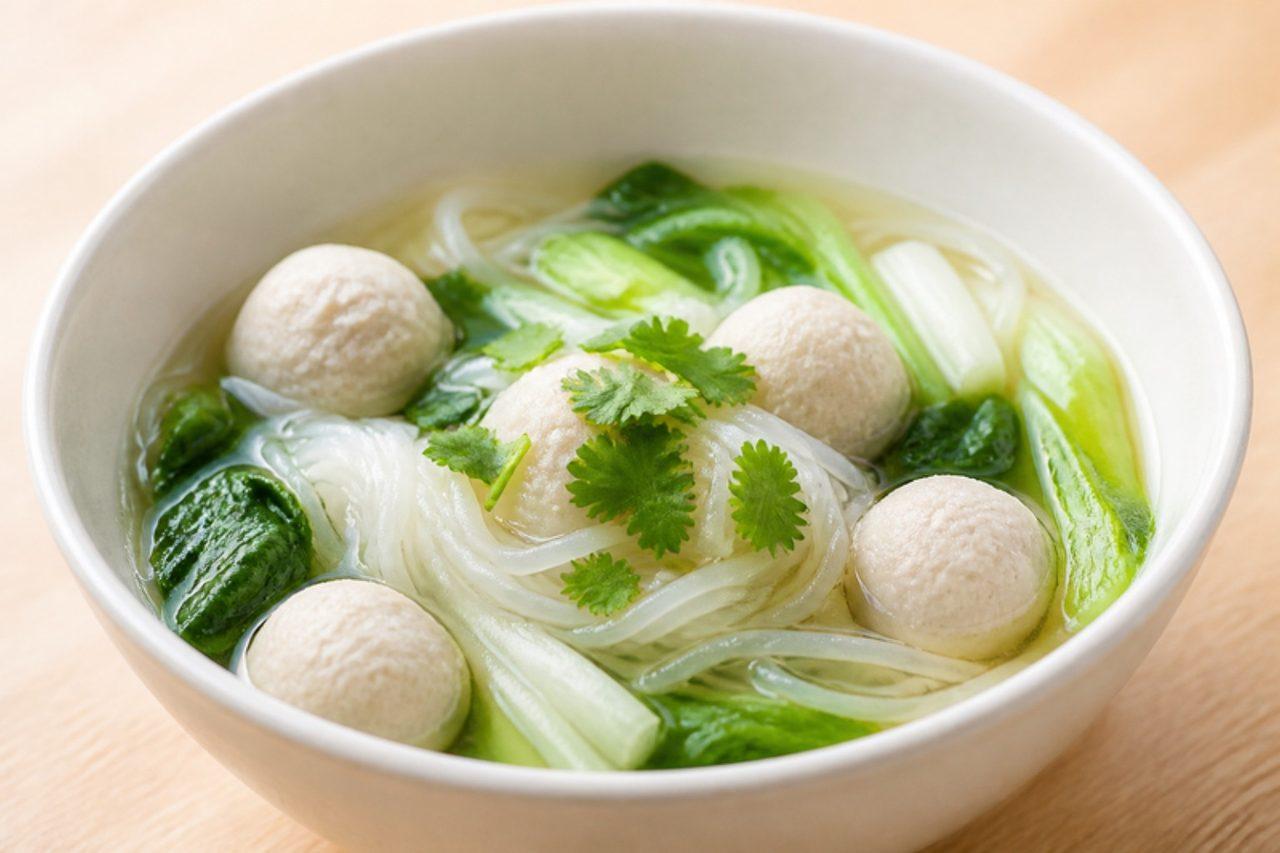
Kuay teow nam sai, clear noodle soup, is ordered for Thai children at noodle shops everywhere because it comes without chilli, sugar or vinegar: thin rice noodles in a light broth with minced pork and blanched greens. At home it is easy to make it even gentler, with no-salt stock fragrant with garlic and coriander root, so that toddlers can have it from a year old and adults season their bowls at the table. It contains none of the common allergens (milk, egg, gluten, peanut, tree nuts, soya, sesame, fish) unless the family adds fish sauce. Chef's tip: soak the noodles in warm water rather than boiling them, then dip in the broth just before serving, so they stay silky.

by KrazyBadal 0 views

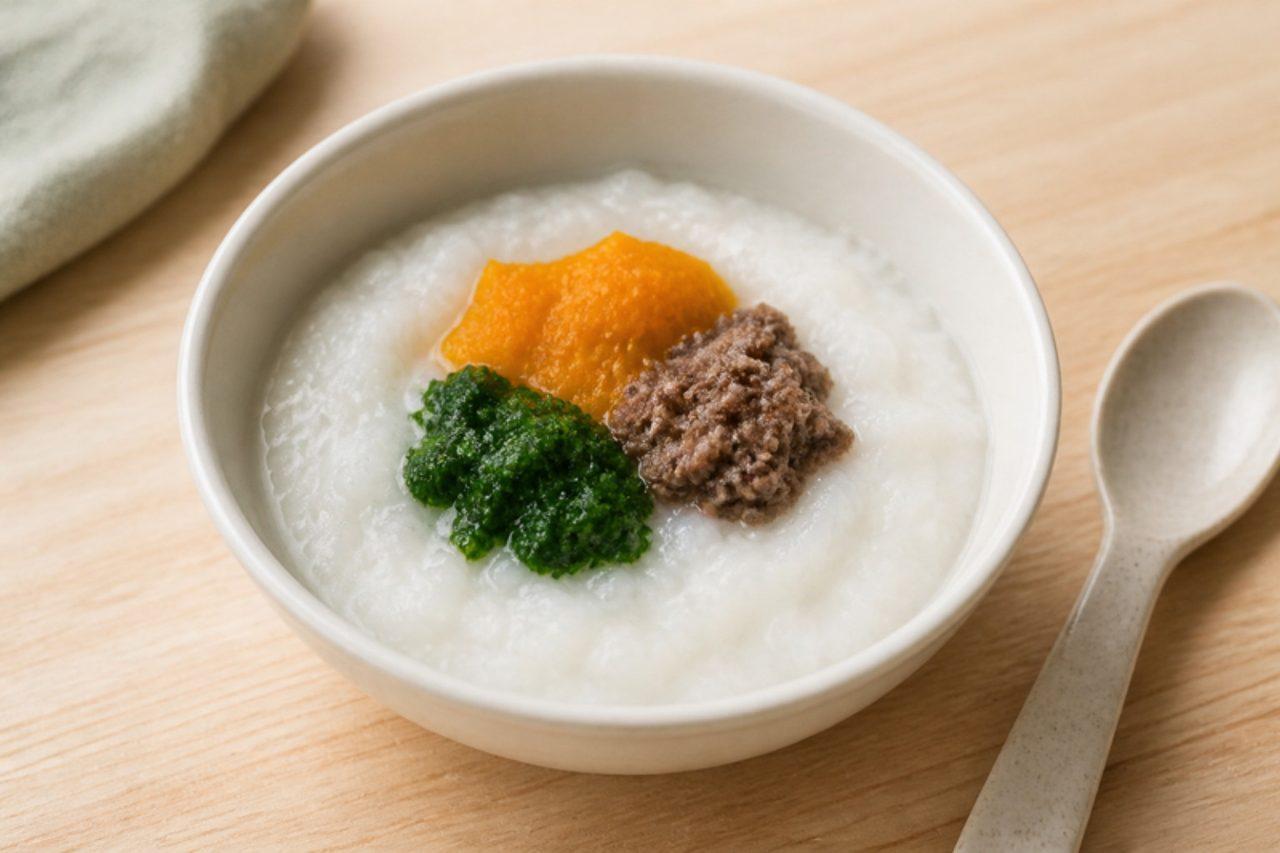
Sogogi yachae-juk (beef and vegetable baby porridge)

In Korea, beef is added to a baby's rice porridge, or ijuksik, within the first weeks of weaning at about six months, because it is rich in iron. This sogogi yachae-juk blends soaked rice with lean beef, carrot and courgette into a smooth, savoury porridge that tastes gently meaty and sweet. It is made without salt, soy sauce or the sesame oil grown-ups would add. It contains none of the common allergens (milk, egg, gluten, peanut, tree nuts, soya, sesame, fish). Chef's tip: soak the beef in cold water for 15 minutes first to draw out the blood, which keeps the porridge clean-tasting and pale.

by KrazyBadal 0 views

Ssal mieum (Korean first rice gruel)

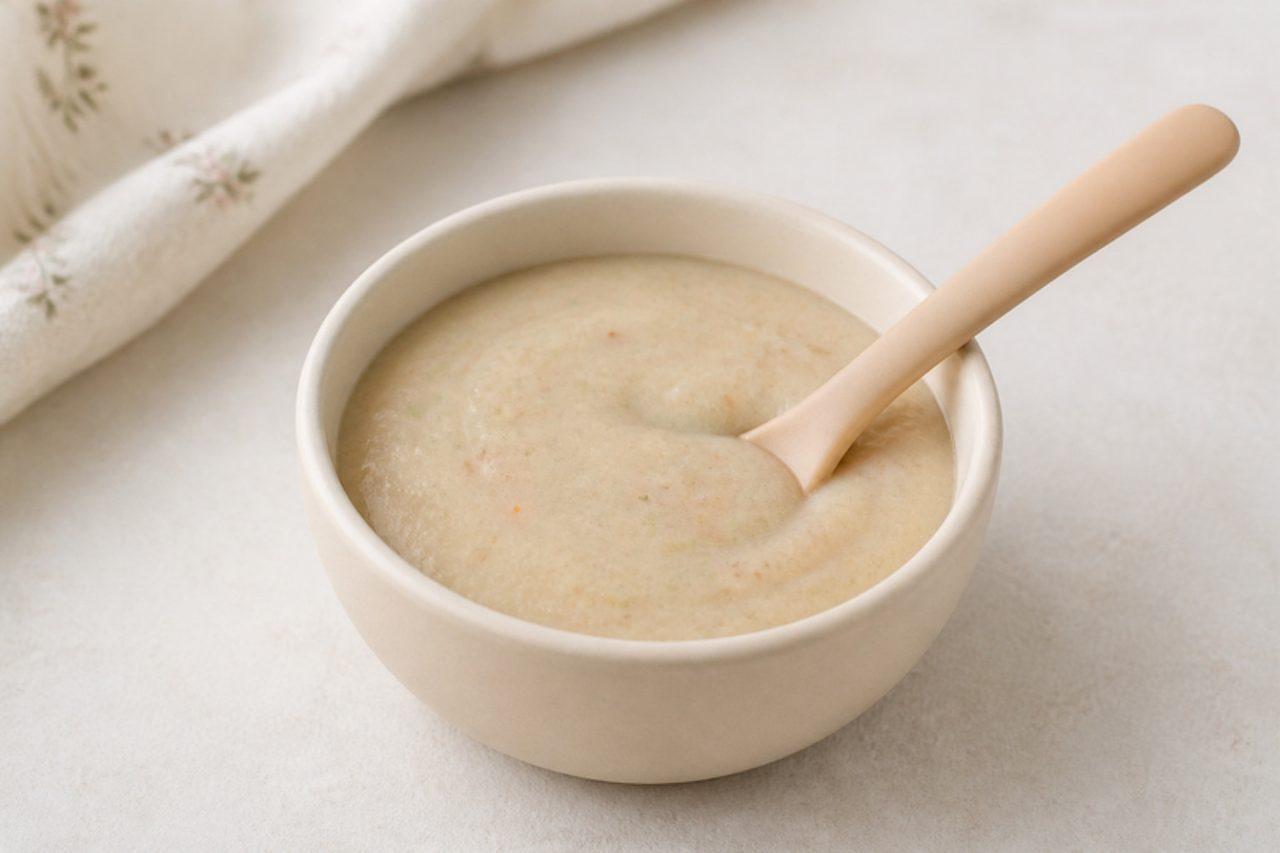
In Korean homes the weaning journey, called iyusik, begins with ssal mieum, a gruel so thin it is almost a drink. The rice is soaked, blended raw with water and then stirred over a low flame, which gives a finer, silkier result than boiling whole grains. Families offer it at around six months, a spoonful in the morning, before moving on to thicker juk with vegetables a few weeks later. It contains none of the common allergens: no milk, egg, gluten, peanut, tree nuts, soya, sesame or fish. Chef's tip: grind the soaked rice with only part of the water first; a thick slurry blends smoother than a watery one.

by KrazyBadal 0 views

AgujjimSpicy steamed monkfish

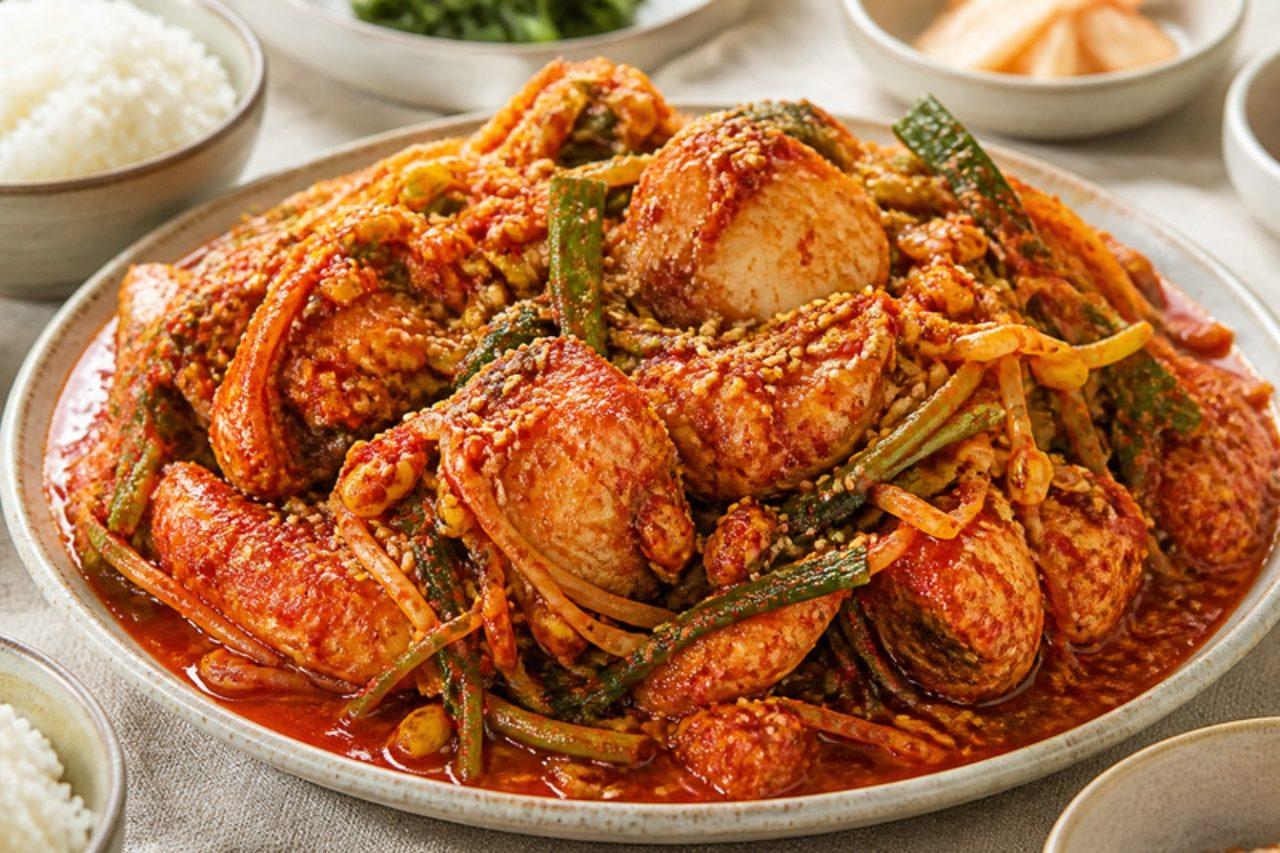
Agu-jjim was invented in the 1960s in the port of Masan in South Gyeongsang, where fishermen's taverns started braising the ugly monkfish they used to throw back, and Masan's "agu-jjim street" is still full of restaurants serving it on huge platters to share. Chunks of firm monkfish are cooked with a mountain of crunchy soybean sprouts and minari in a fiery gochugaru sauce, thickened with starch until glossy. It is spicy, juicy and low in fat. A portion is about 240 kcal. The common mistake is cooking the bean sprouts too long; they should stay crisp, so add them only for the last few minutes. Chef's tip: steam the monkfish before saucing; it releases a lot of water, which you pour off so the sauce stays thick and red.

45 minKoreanFishSpicy
by KrazyBadal 0 views

Khanom khai (Thai egg cakes)

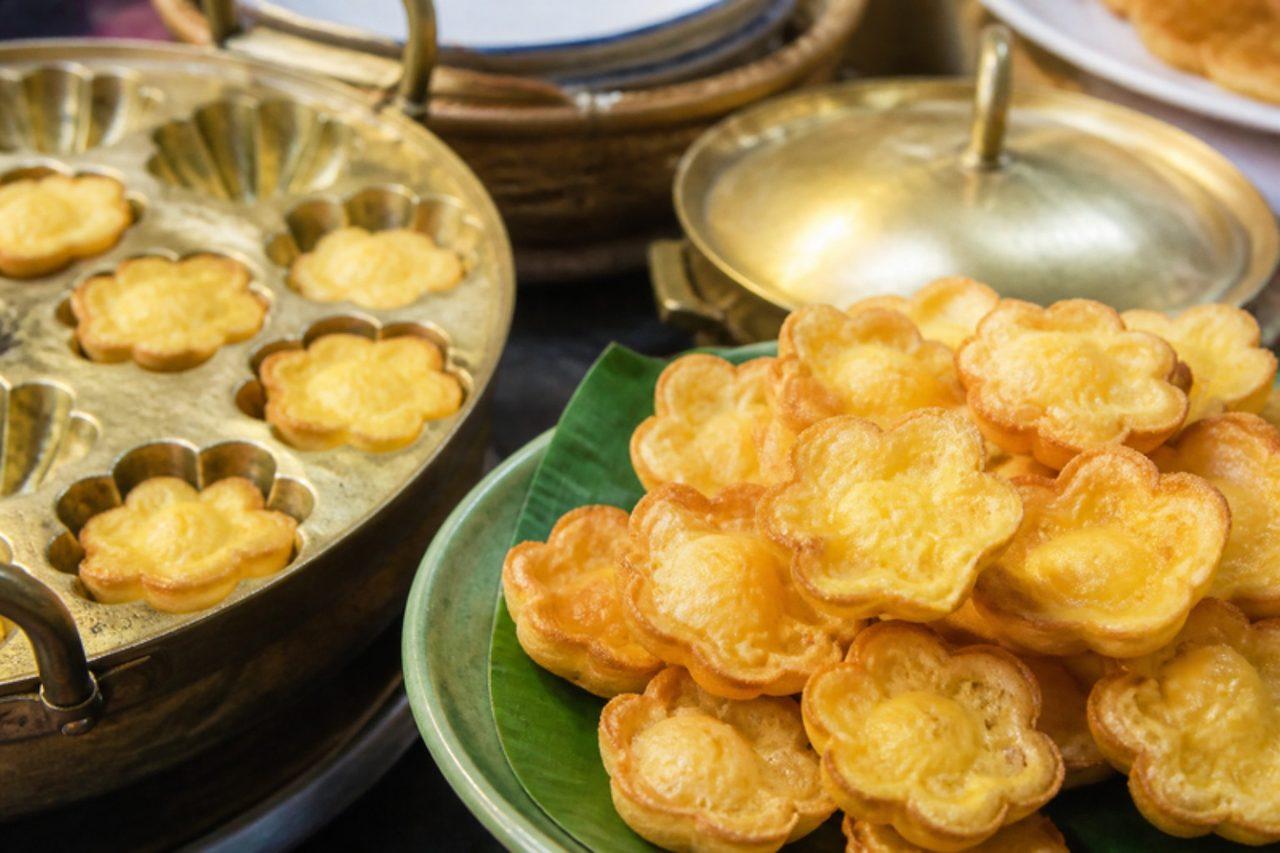
Khanom khai are the tiny golden sponge cakes that Thai market vendors bake in heavy brass moulds, filling the air with a sweet, eggy smell, and Bangkok children buy a paper bag of them after school. They are light and spongy inside with crisp, caramelised edges, and taste of egg and vanilla. They're made with oil rather than butter. They contain egg and gluten. Without a traditional mould, a mini-muffin or madeleine tin works well. Chef's tip: beat the eggs and sugar until really thick and pale; all the lift comes from that air.

30 minThaiBaking
by KrazyBadal 0 views

Yennal dosirak (Korean shaken lunchbox)Shaken rice lunchbox with kimchi

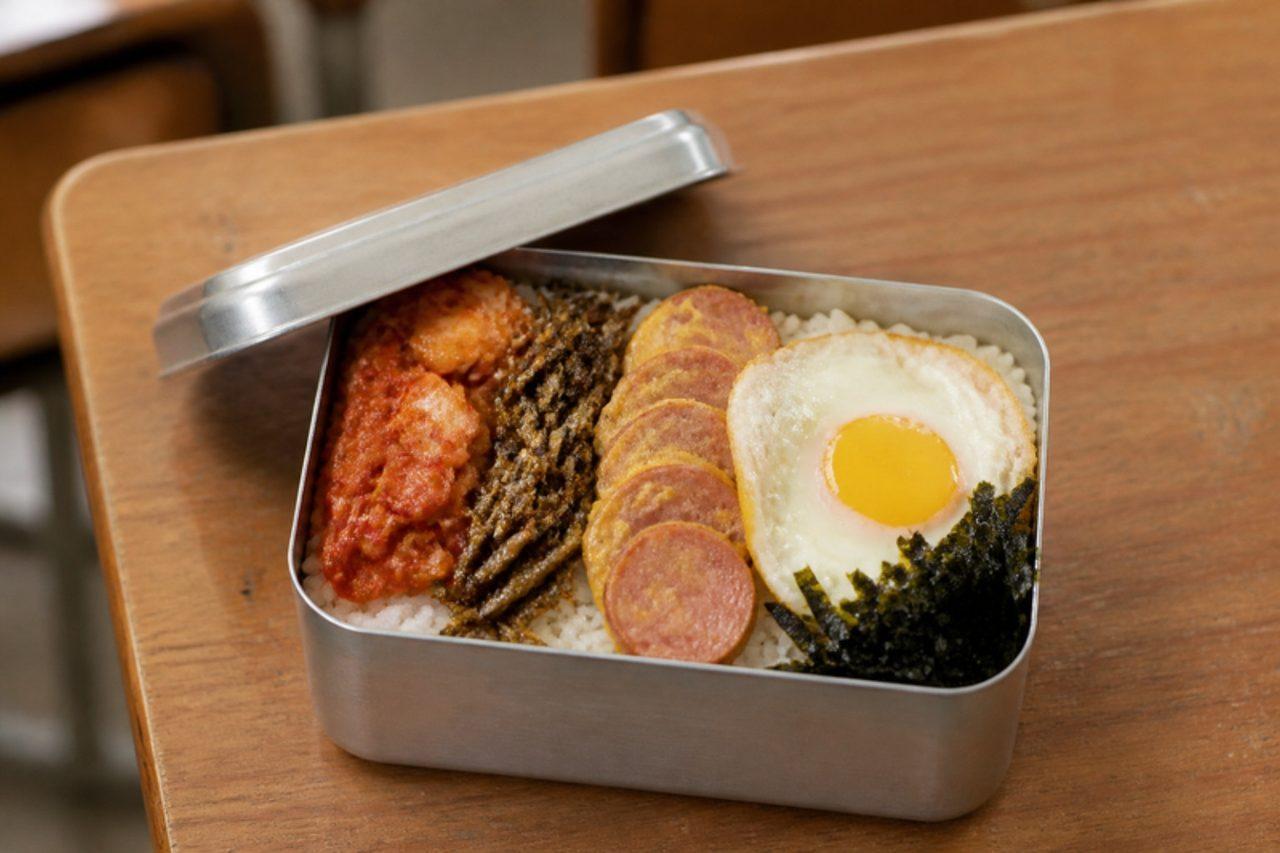
Yennal dosirak, 'the old-days lunchbox', is a slice of nostalgia for Korean parents who carried a dented tin box to school in the 1970s and 80s and warmed it on the classroom stove. Rice goes in first, then stir-fried kimchi, sweet-salty anchovies, egg-dipped sausage slices and a fried egg on top; at lunchtime you close the lid and shake it hard so it all mixes. Restaurants now serve it for fun, and families make it at home for children. It contains egg, fish, soya and wheat (soy sauce) and sesame. Chef's tip: toast the anchovies in a dry pan first so they stay crisp under the glaze.

by KrazyBadal 0 views

Korean corn cheese

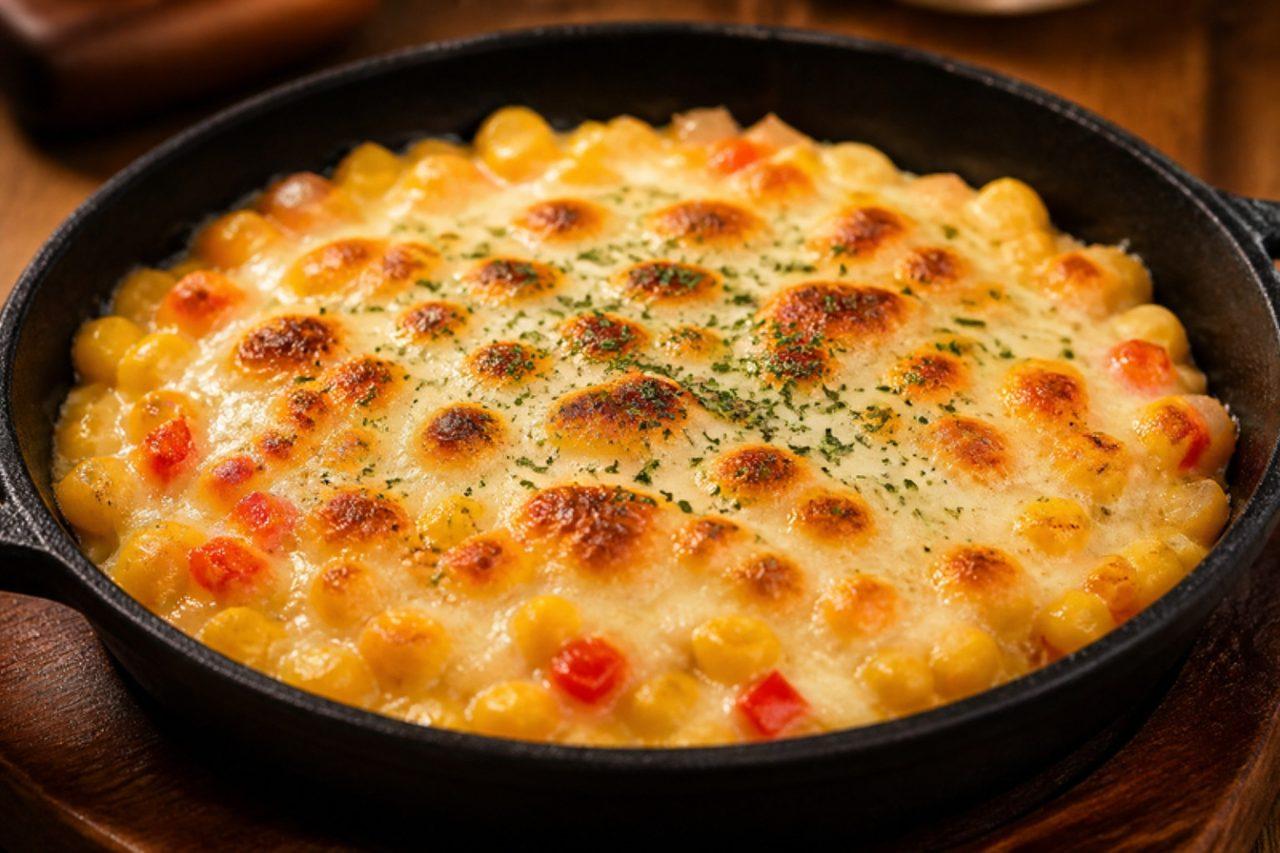
Corn cheese arrives sizzling on a small iron plate as a side at Korean barbecue restaurants, and at home it has become a five-minute after-school snack and a favourite for children's sleepovers in Seoul and beyond. Sweet, juicy corn is stirred with a little butter and mayonnaise, then covered in mozzarella and heated until it melts into long strings. Most versions add sugar; this one lets the corn's own sweetness carry it. It contains milk and egg (mayonnaise). Chef's tip: drain and dry the corn really well, or the dish turns watery under the cheese.

by KrazyBadal 0 views

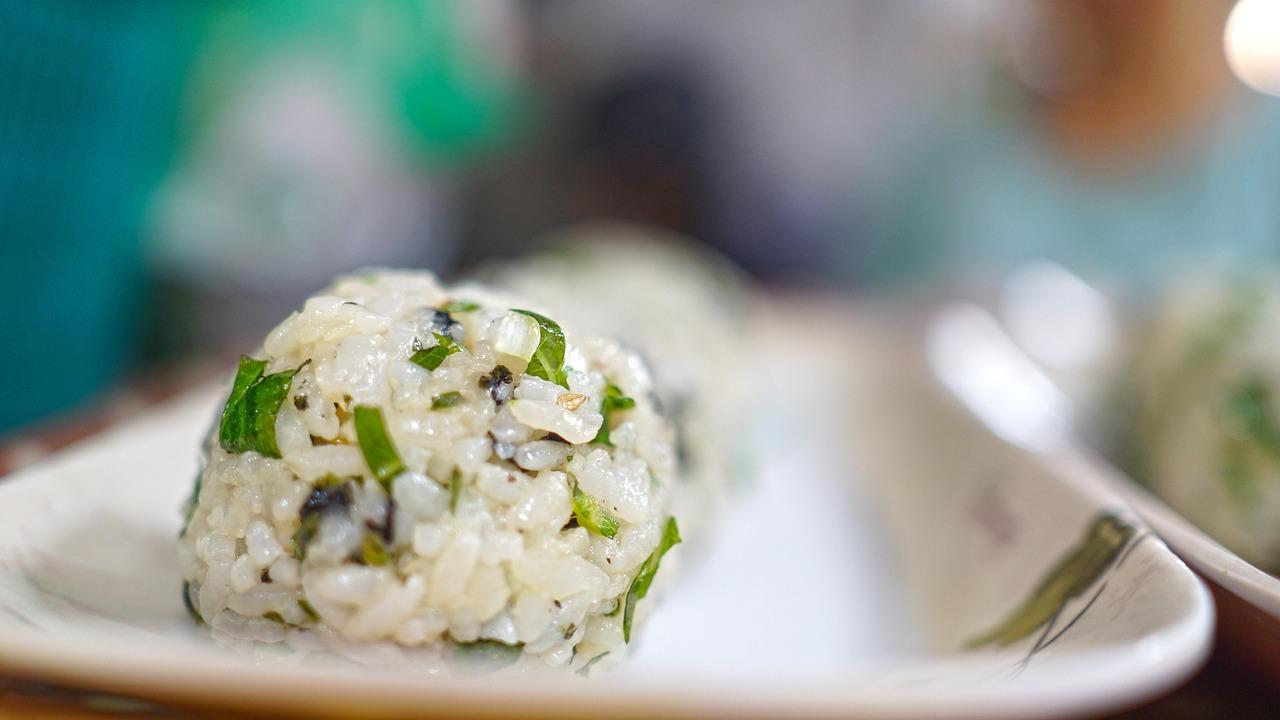
Jumeokbap (Korean vegetable rice balls)

Jumeokbap means 'fist rice', and Korean parents squeeze it together in minutes for picnics, school trips and busy mornings: warm rice tossed with sesame oil, crumbled seasoned laver and tiny pieces of vegetables, then pressed into balls a child can hold. It tastes nutty and gently salty. Tuna with mayonnaise or minced beef is a common addition, but this version is fully vegan. It contains sesame and, from the soy sauce in some seasoned laver, may contain soya and wheat. Chef's tip: mix the rice while it is warm; cold rice won't stick and the balls crumble in the lunchbox.

by KrazyBadal 0 views

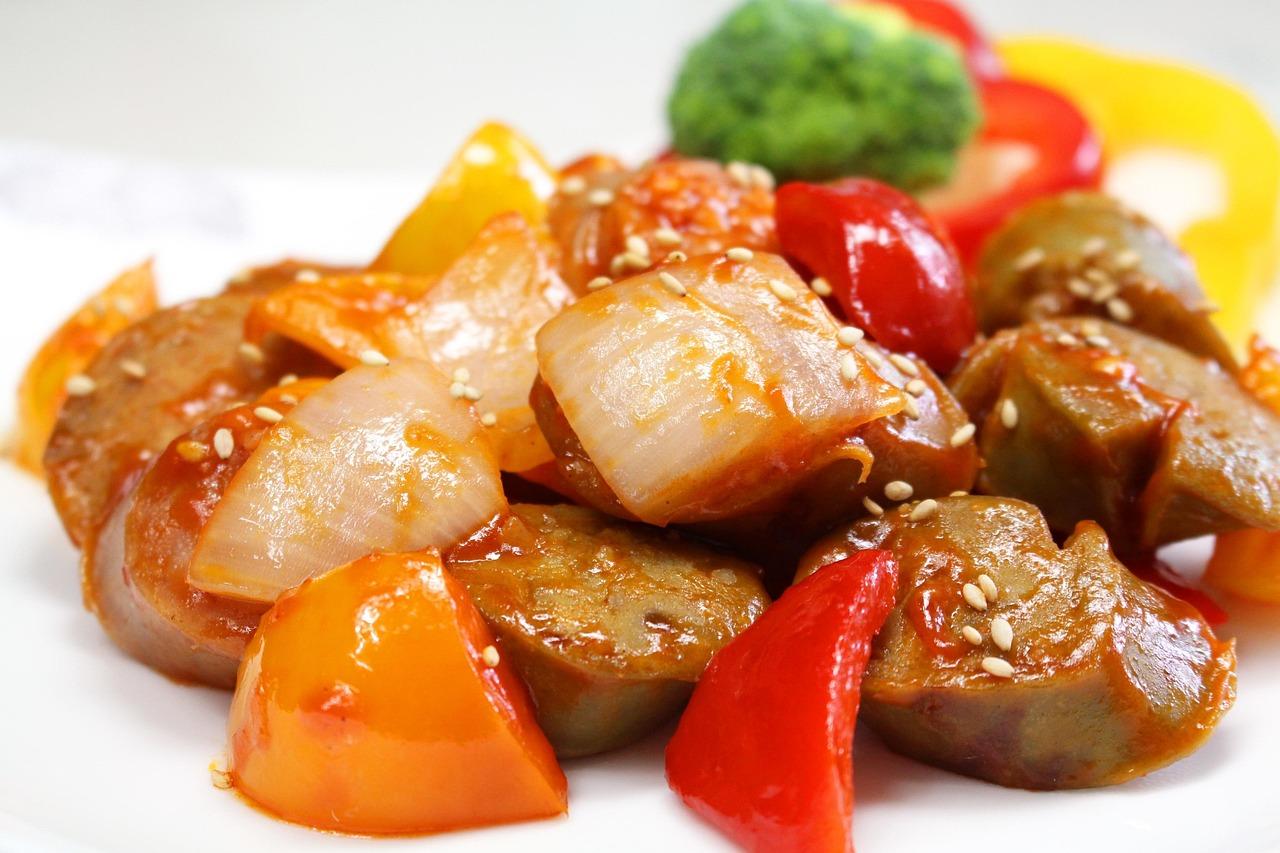
Soya bokkeum (sausage and vegetable stir-fry)

The name joins 'sausage' and 'vegetables' (yachae), and soya bokkeum is a staple banchan in Korean children's lunchboxes and on cheap and cheerful dinner tables: scored sausages and colourful peppers stir-fried in a glossy ketchup and soy glaze. It is sweet, a little tangy and tastes as good cold as hot. Adults often add a spoonful of gochujang. It contains soya and wheat (soy sauce) and sesame; check your sausages for milk. Chef's tip: score the sausages diagonally; the cuts open up in the pan and catch the sauce.

15 minKoreanMeat
by KrazyBadal 0 views

Pan chutaAniseed round bread

The small town of Oropesa, half an hour from Cusco, calls itself Peru's bread capital, and its wood-fired bakeries are famous for chuta: big, flat, round loaves as wide as a dinner plate, glossy on top, with a faint sweetness and the warmth of aniseed. Travellers on the road to Puno and Bolivia stop to buy them by the bagful, and families bring them home for All Saints' Day and for sharing with hot coca tea or coffee, fresh cheese and butter. The bakeries traditionally use lard; this version uses vegetable shortening and butter, so it is vegetarian. The make-or-break moment is the proof: chuta is large and flat, and if it goes in under-risen it bakes dense and splits at the rim. Chef's tip: toast the aniseed for a minute in a dry pan and crush it lightly before adding, for a rounder, sweeter perfume.

by KrazyBadal 0 views

BizcochueloPlain whisked sponge cake

Nearly every Argentine birthday torta starts life as a bizcochuelo: a tall, plain sponge of eggs, sugar, flour and cornflour, with no butter and no baking powder, lifted only by long whisking. Grandmothers bake it on Sunday to split into three and fill with dulce de leche and whipped cream, or eat it plain in the afternoon with mate. The crumb is fine, dry-ish and airy, made to soak up syrup. Opening the oven in the first 20 minutes is the classic way to flatten it, so leave the door shut. Chef's tip: whisk until the mixture reaches 'punto letra', thick enough that a ribbon drawn on the surface holds its shape for a few seconds; that takes a good 8–10 minutes with an electric mixer, and warm eggs get there faster.

by KrazyBadal 0 views

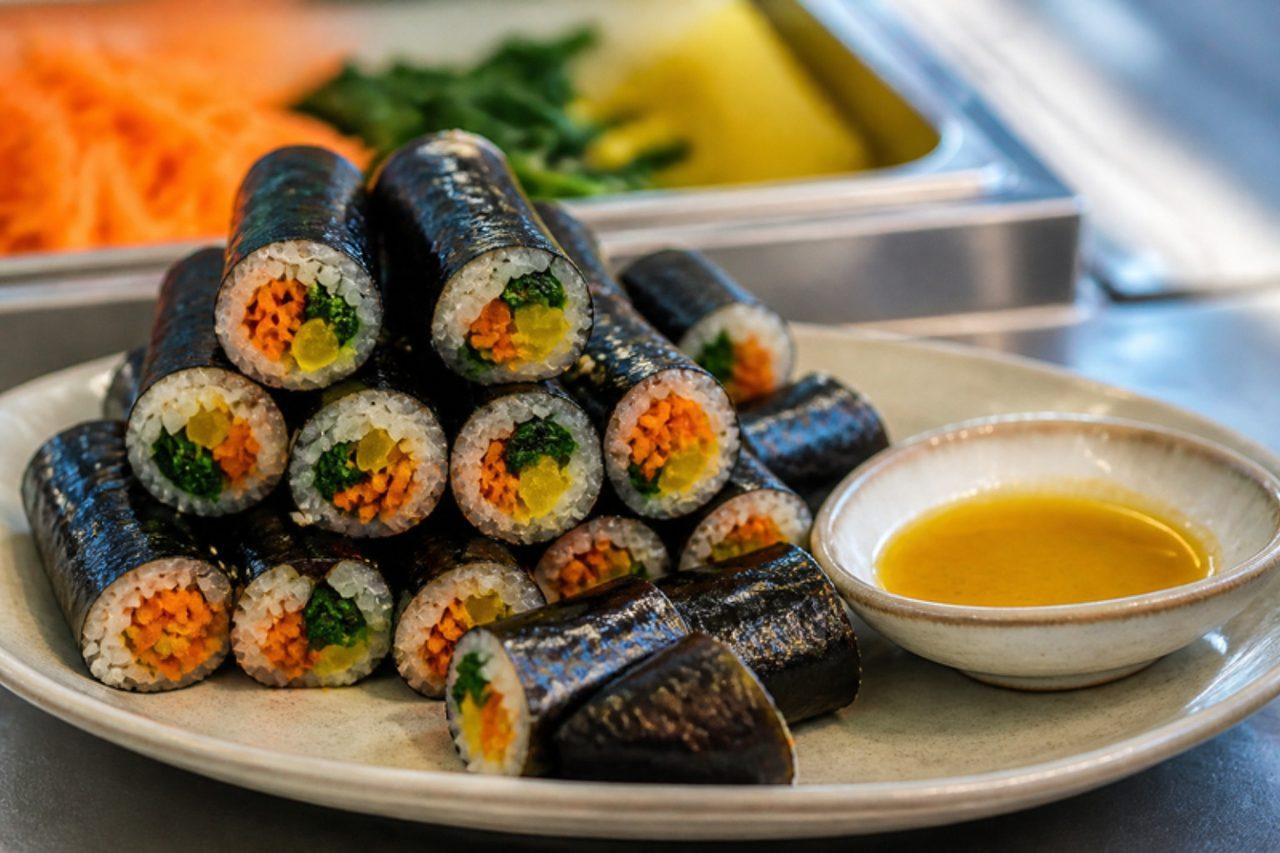
Mayak gimbap (mini gimbap with mustard dip)

Mayak gimbap began at Gwangjang Market in Seoul, where stallholders roll stubby, finger-sized gimbap and sell them by the plate with a tangy mustard and soy dip. The nickname 'mayak' jokes that they are addictive, and the small size makes them a favourite in Korean children's lunchboxes and snack boxes. They are vegan, with sesame, soya and wheat (soy sauce) and mustard in the dip; leave the mustard out of a child's portion if they prefer it mild. Chef's tip: use only a thin layer of rice; with a mini roll, too much rice is what makes them burst.

by KrazyBadal 0 views

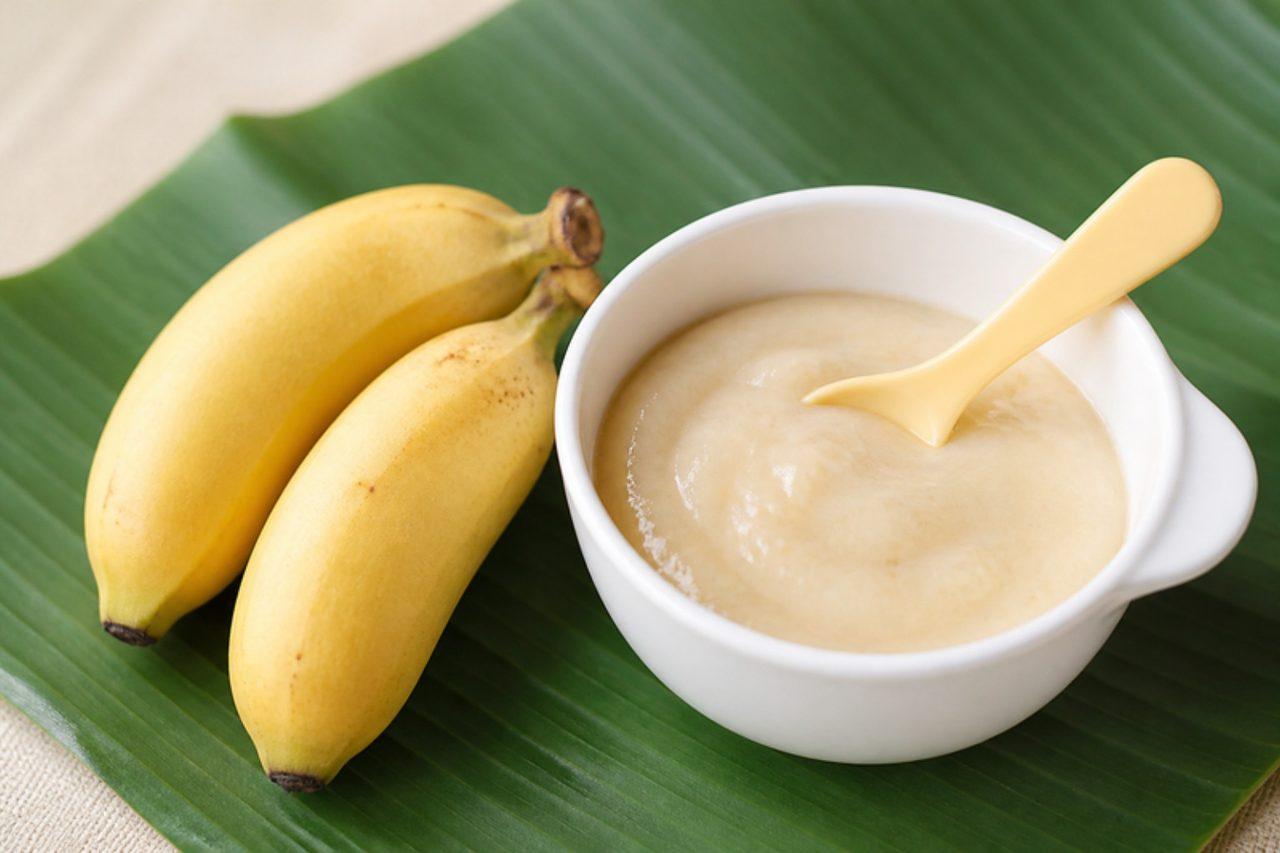
Mashed nam wa banana (kluay nam wa bod)

Ask a Thai grandmother about first foods and she will talk about kluay nam wa, the short, plump banana that grows in nearly every garden in Thailand. Ripe ones are steamed, which softens the slightly astringent edge, then scraped and mashed for a baby's first taste, often in the afternoon. It is sweet, creamy and needs nothing added. There are no common allergens (milk, egg, gluten, peanut, tree nuts, soya, sesame, fish). If you can't find nam wa, use a small, very ripe ordinary banana. Chef's tip: steam the banana in its skin; it keeps the flesh moist and stops it browning.

by KrazyBadal 0 views

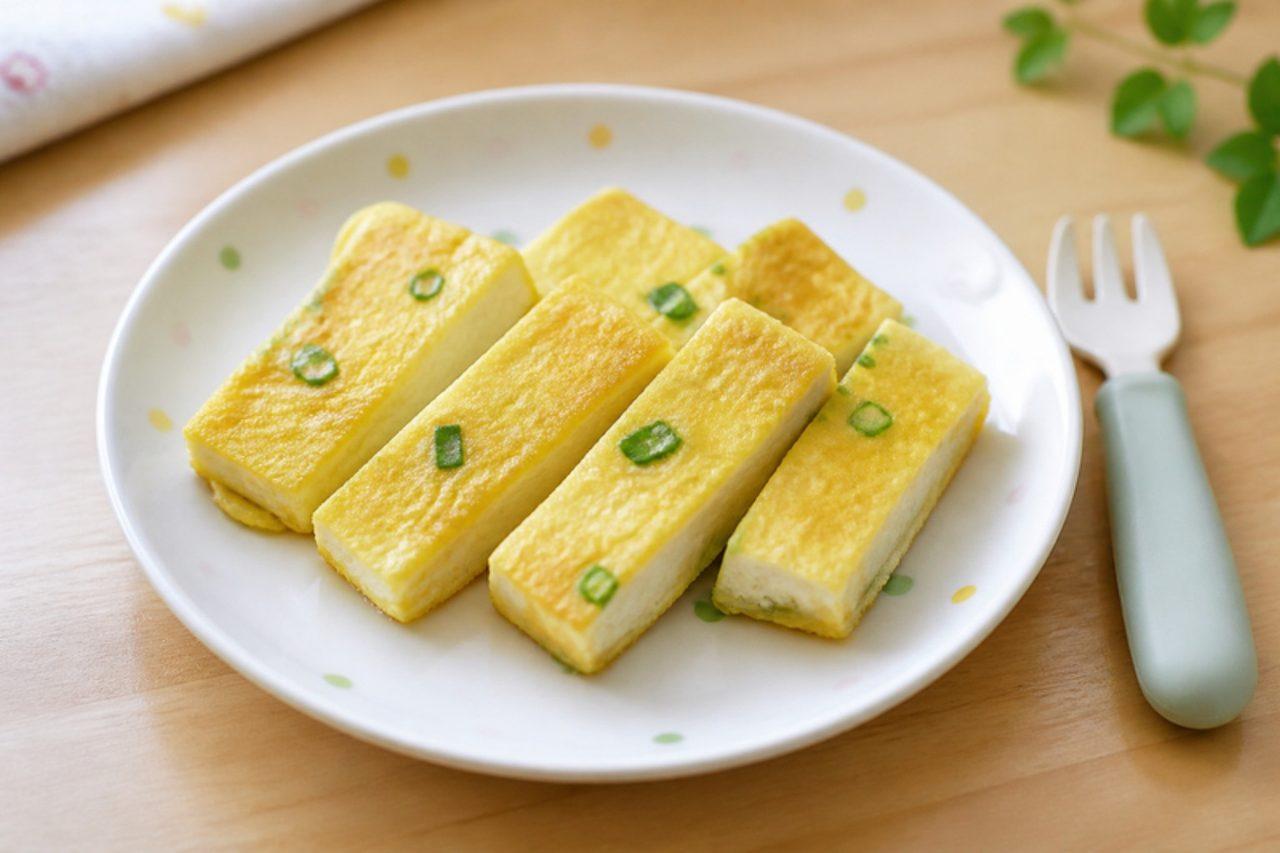
Dubu buchim tofu fingers

Dubu buchim, slices of tofu dipped in beaten egg and fried until golden, is an everyday Korean banchan, and families cut it into fingers for babies from about nine months to hold and gum. The outside is lightly crisp and the inside custard-soft, with a mild, nutty flavour. For babies it is made without salt, soy sauce or the usual sesame-soy dip; older children and adults can add the dip at the table. It contains soya and egg. Chef's tip: press the tofu well first, so it fries rather than steams and the egg coating sticks.

by KrazyBadal 0 views

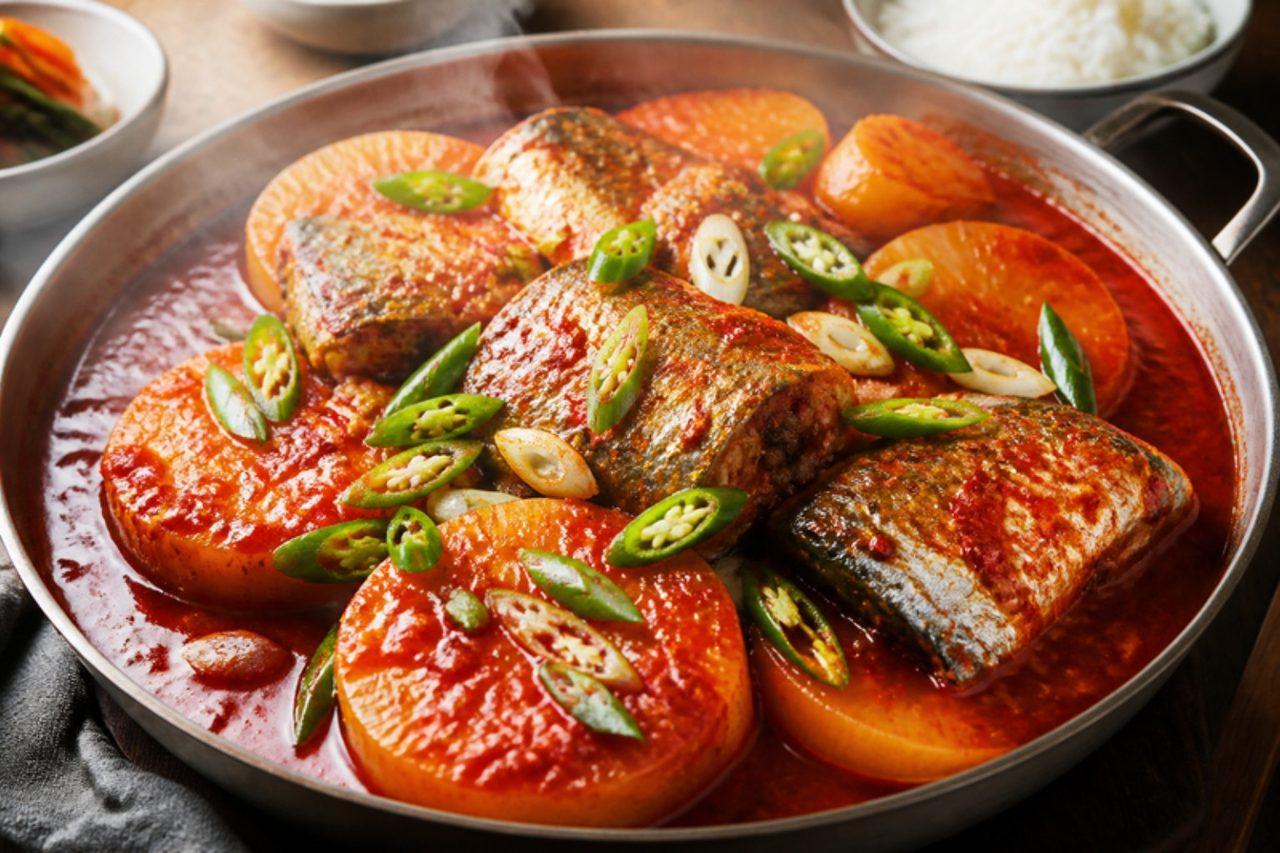
Galchi jorimBraised hairtail with radish

On Jeju island, the silvery hairtail caught on long lines at night by boats off Seogwipo is the pride of the local restaurants, and galchi-jorim is how islanders eat it most: pieces of the long, thin fish braised over thick slices of radish and potato in a bright red sauce of gochugaru, soy and garlic until the radish soaks up all the flavour. It is spicy, sweet and savoury and eaten with lots of rice. A portion is about 260 kcal. Hairtail has a soft, fine flesh and fine bones that lift away when cooked. The common mistake is stirring the pot, which breaks the delicate fish; spoon the sauce over instead. Chef's tip: put the radish on the bottom of the pan and the fish on top; the radish protects the fish from the heat and drinks up the sauce.

40 minKoreanFishSpicy
by KrazyBadal 0 views

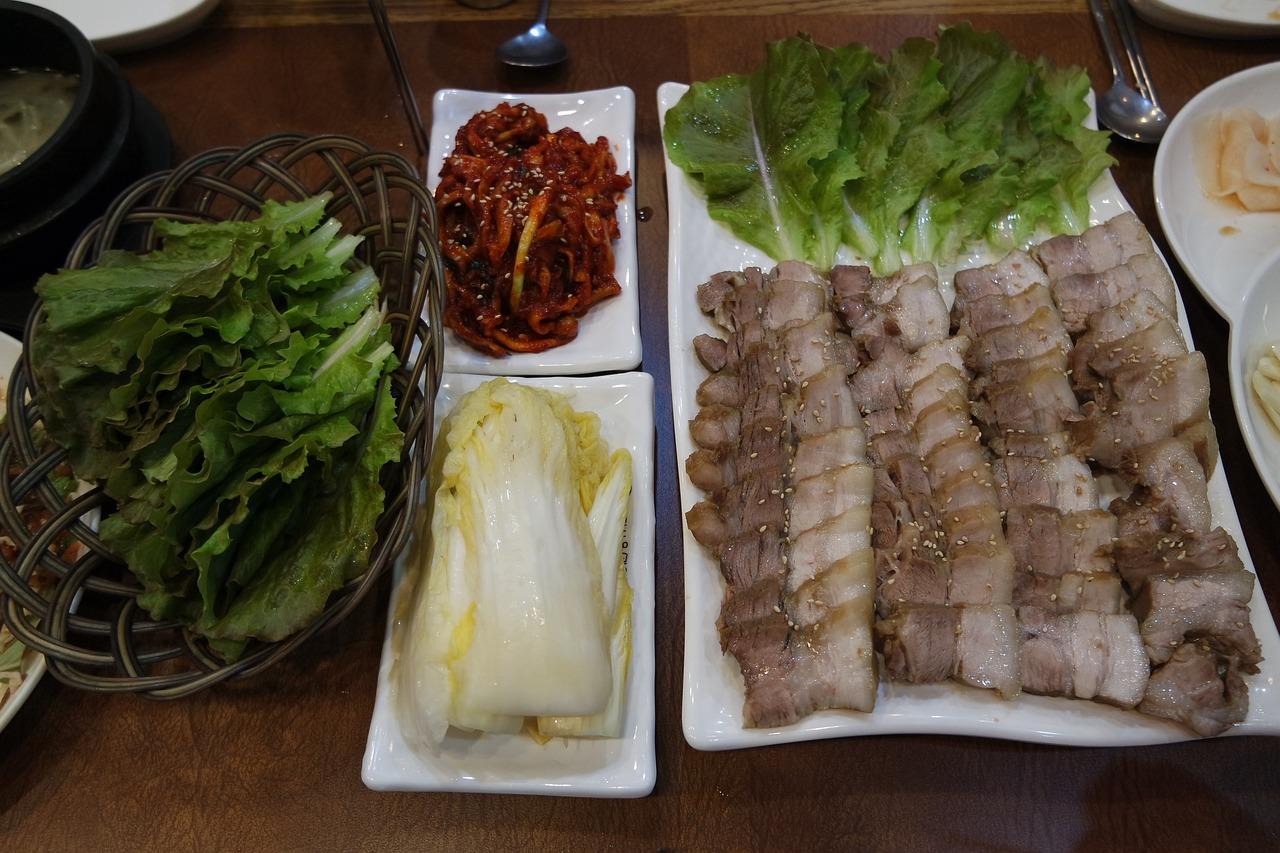
BossamBoiled pork wraps

Bossam started as the dish Korean families made on kimjang day in November, when the whole street gathered to make the winter's kimchi: a slab of pork belly was boiled while everyone worked, sliced and wrapped in the salted cabbage leaves with the fresh, spicy radish filling. Today Seoul's bossam restaurants around Jangchung-dong serve it all year, and it is a favourite takeaway. This is a pork dish, and pork belly is rich, so it is not a low-calorie choice: about 450 kcal a portion. Boiling the pork in water with doenjang, onion, garlic and ginger renders out much of the fat and leaves it tender with no smell. The most common mistake is slicing it hot; rest it for 10 minutes or it falls apart. Chef's tip: let the pork cool in the broth for 10 minutes before lifting it out; it stays much juicier.

90 minKoreanMeat
by KrazyBadal 0 views

Khao bod tap gai (mashed rice with chicken liver)

Khao bod, mashed soft rice, is how Thai babies start eating with the family, and steamed chicken liver is a favourite addition because it is so rich in iron. Here it is mashed with sweet pumpkin and a few morning glory or spinach leaves, so the flavour is mellow rather than strong. Liver is very high in vitamin A, so keep it to a small portion about once a week. It contains none of the common allergens (milk, egg, gluten, peanut, tree nuts, soya, sesame, fish). Chef's tip: trim every white sinew from the livers, and the mash will be silky rather than stringy.

by KrazyBadal 0 views

Kärntner ReindlingCinnamon raisin yeast cake

Carinthia's Easter loaf takes its name from the Reindl, the round, deep pan it is baked in, and in southern Austria no Easter basket goes to church without one. Inside the golden yeast crust is a spiral of butter, cinnamon sugar and plump raisins, so every slice shows a dark swirl. Locals eat it two ways: sweet with coffee on Easter morning, or alongside the savoury Easter platter with horseradish. Many bakers soak the raisins in rum overnight; warm water or tea works just as well and keeps it alcohol-free. A dry, crumbly Reindling usually means too much flour went in during kneading, so keep the dough soft and only lightly floured. Chef's tip: butter the pan well and dust it with sugar, which caramelises into a thin crunchy shell.

by KrazyBadal 0 views

Godeungeo guiGrilled mackerel

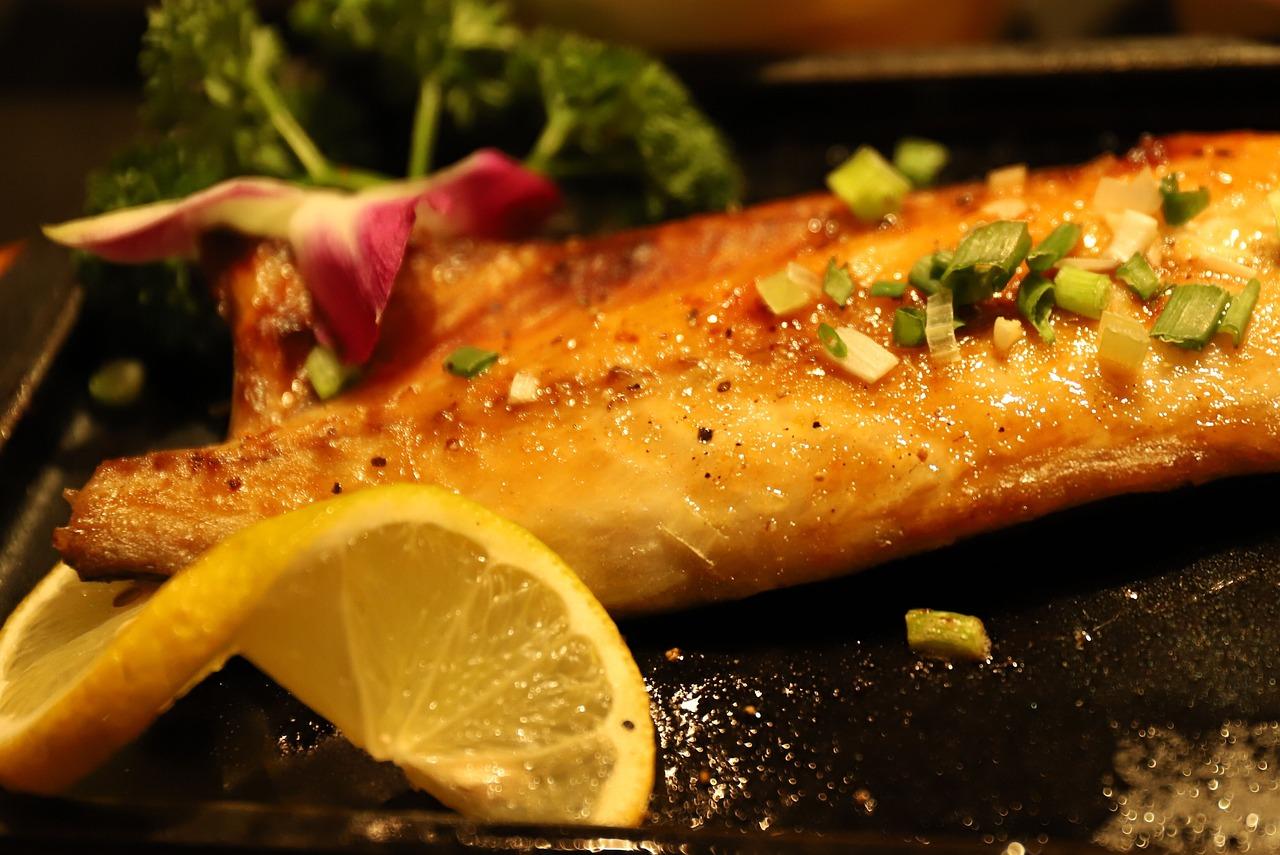
Andong, far inland, is oddly famous for its mackerel: the fish was salted on the coast and carried over the mountains, arriving perfectly seasoned, and Andong gangodeungeo is still sold that way. Across Korea, a salted mackerel fillet pan-grilled until the skin crackles is a staple of home dinners and set-meal restaurants, served with rice, doenjang soup and kimchi. Mackerel is an oily fish, so this is filling rather than low calorie: about 340 kcal a portion. The most common mistake is moving the fish too soon; leave it skin side down until the skin releases on its own, or it tears and sticks. Chef's tip: dust the skin very lightly with flour or starch before grilling, or simply pat it bone-dry; you'll get a crisp, glassy skin.

22 minKoreanFishGluten free
by KrazyBadal 0 views

Gyeongju breadRed bean pastries

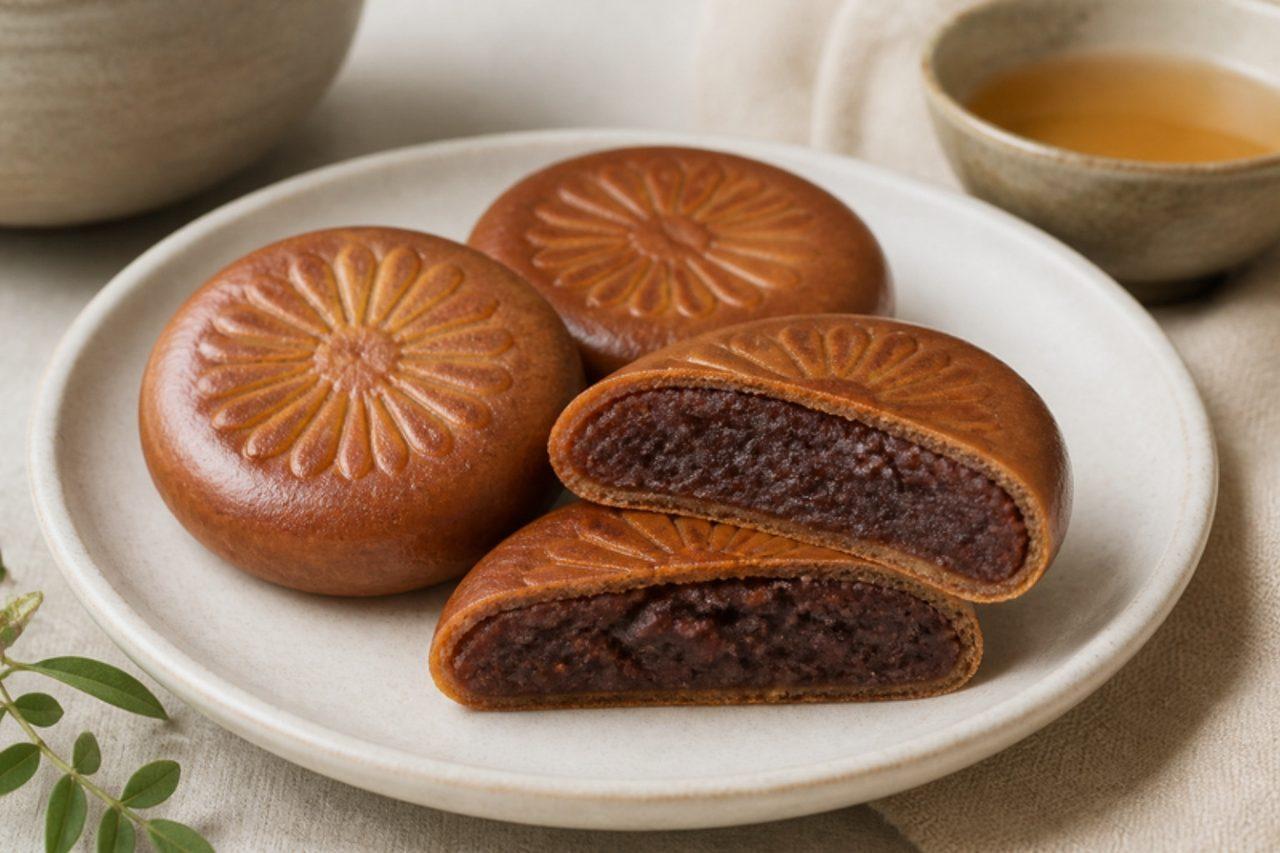
Near the grassy royal tombs of Gyeongju, the ancient Silla capital, a baker in Hwangnam-dong began making these small round pastries in 1939, and the city's shops have sold them by the boxful ever since. Gyeongju bread (황남빵, also called Gyeongju-ppang) is mostly filling: a generous ball of coarse red bean paste in a skin so thin it looks painted on, stamped with a flower pattern and glazed until shiny brown. It tastes gently sweet and nutty, soft and moist rather than bready, and it is the souvenir every visitor carries home, eaten with barley tea or green tea. The usual mistake is a dough shell that is too thick, which bakes into a cookie and hides the bean flavour; aim for roughly one part dough to two and a half parts filling. Chef's tip: press the pattern in with a small cookie stamp or the back of a citrus press dipped in flour, while the buns are cold and firm, so the design stays sharp.

by KrazyBadal 0 views

Showing 24 of 756 recipes

Show more recipes

Page 1 of 32