Skip to content
Recipes

All recipes

Vegetarian, or something you can't eat? Set your diet once and we'll hide recipes that don't fit.

Jeow som

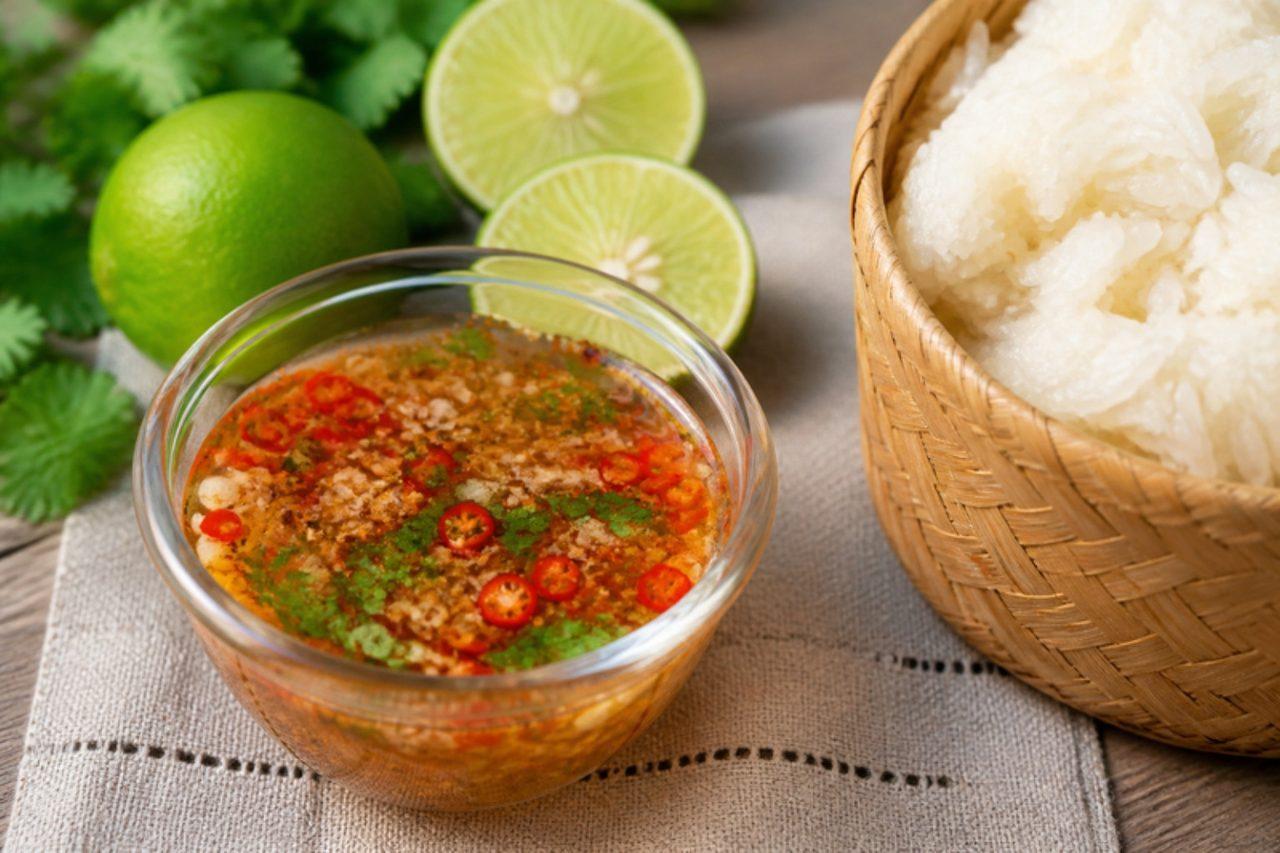
Grilled food in Laos rarely leaves the stall without a little bag of jeow som, the thin, sour-sweet sauce that every street grill from Vientiane's riverside to small-town bus stations ladles out beside the skewers. Unlike the pounded jeows, it is pourable: lime juice, garlic and raw chilli in a light, sweet-salty syrup, sharp enough to cut through anything charred. Dip grilled tofu, corn, aubergine or sticky rice into it, or spoon it over a plate of steamed vegetables. Stall versions lean on fish sauce; salt and tamari keep this one vegetarian. Tipping granulated sugar straight into cold lime juice is the usual fault, since it never fully dissolves and the sauce tastes gritty and unbalanced. Chef's tip: let the sauce sit for 15 minutes before serving so the garlic and chilli mellow into the lime.

by KrazyBadal 0 views

Lao bamboo shoot soup

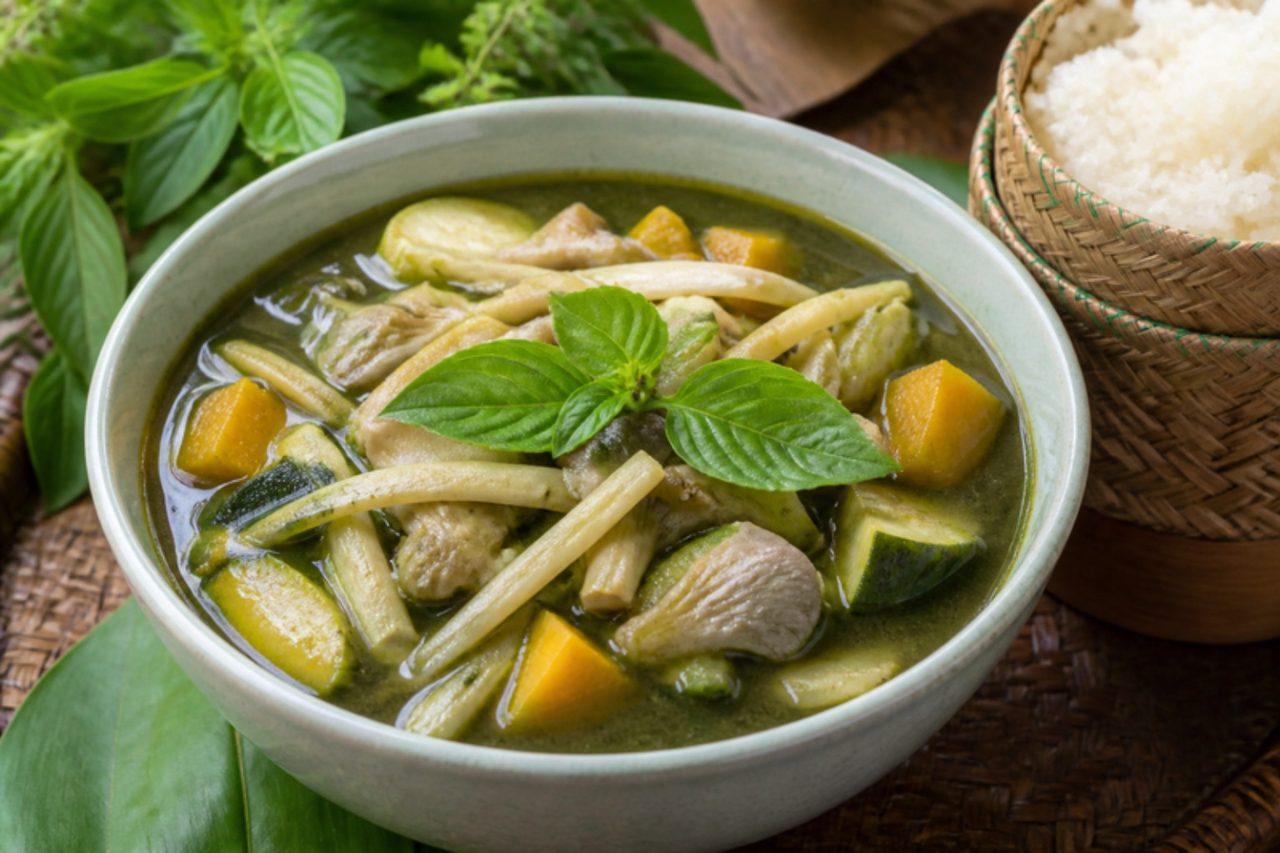
When the rains arrive in June, Vientiane's morning markets fill with pale, freshly dug bamboo shoots, and pots of kaeng nor mai start simmering in kitchens across the city for the family lunch. The broth is a deep olive green, tinted by the juice squeezed from yanang leaves, and thickened with a spoonful of pounded soaked sticky rice so it coats the spoon. Earthy bamboo, sweet pumpkin and slippery mushrooms float in it with lemon basil on top, and a basket of sticky rice and a dish of jeow sit alongside. Skipping the pre-boil of the bamboo is where most cooks go wrong: raw shoots taste bitter and need cooking through to be safe, so always blanch fresh ones and drain. This version leaves out the fermented fish of village kitchens and seasons with salt and tamari. Chef's tip: squeeze the yanang leaves in cold water, never hot, or the broth turns brown and loses its grassy freshness.

60 minLaoSoupsVeganGluten free
by KrazyBadal 0 views

Jeow mak phet

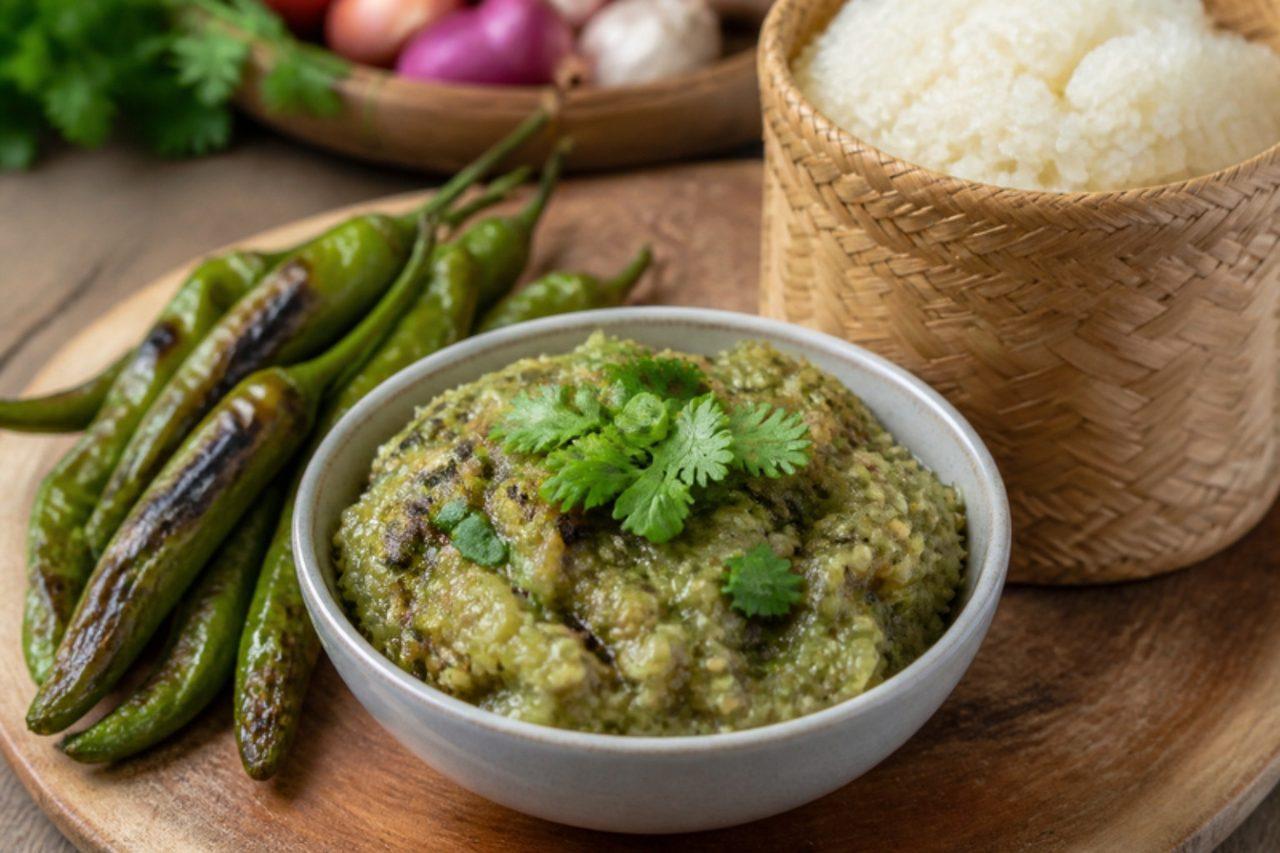
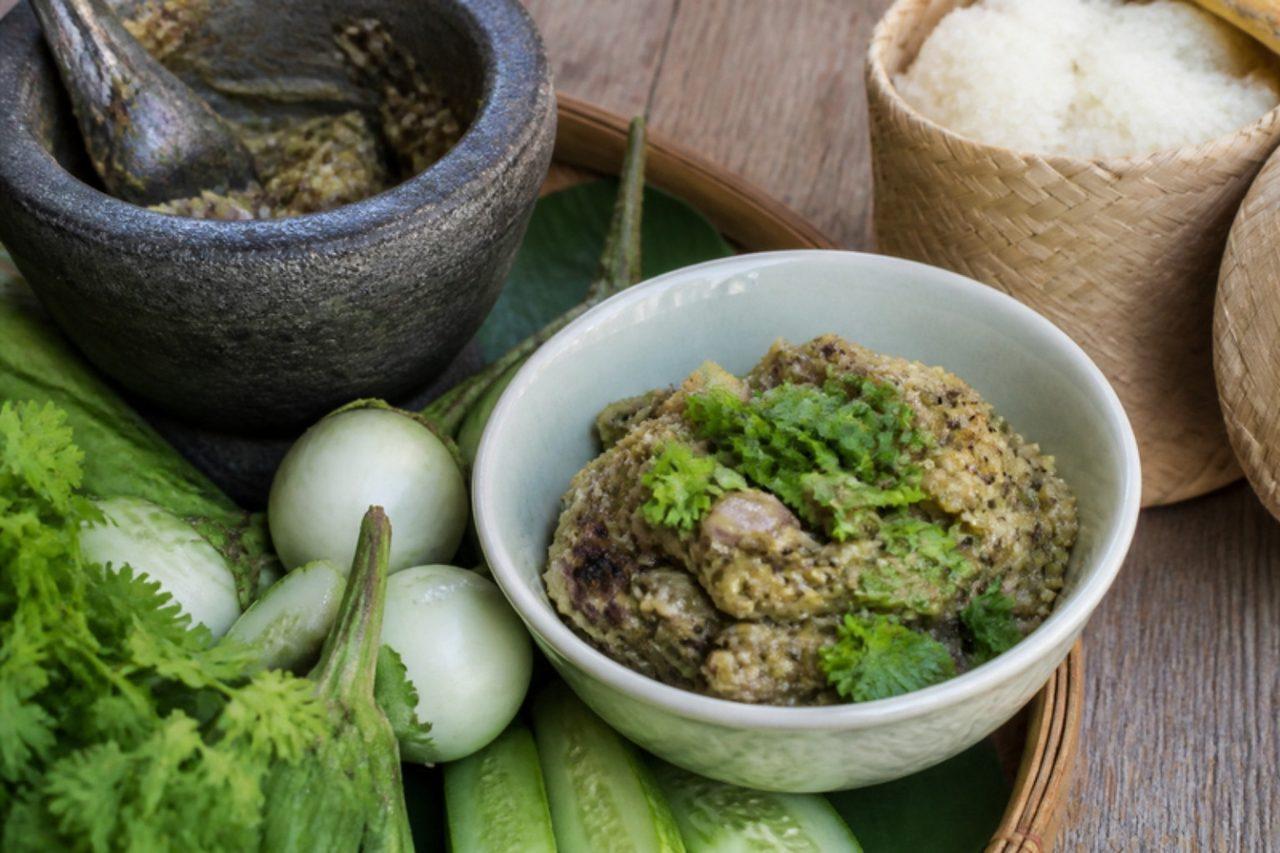
Of all the jeows on a Lao table, this is the most basic and most loved, roasted fresh chillies, garlic and shallots pounded together and eaten with sticky rice at almost every meal, from farm lunches in the rice fields to Vientiane office canteens. Made with long green chillies, as here, it is bright, grassy and more fragrant than fierce, with sweetness from the softened shallot; swap some for bird's eye chillies if you want it hotter. Serve it with sticky rice, boiled pumpkin shoots, steamed vegetables, eggs or grilled tofu. Charring the chillies to carbon is the trap, and burnt skins turn the whole jeow bitter. Fish sauce is the usual seasoning; this version uses salt and a little tamari to stay vegetarian. Chef's tip: wear gloves when peeling hot roasted chillies, and keep your hands away from your eyes for the next hour.

by KrazyBadal 0 views

Mok het

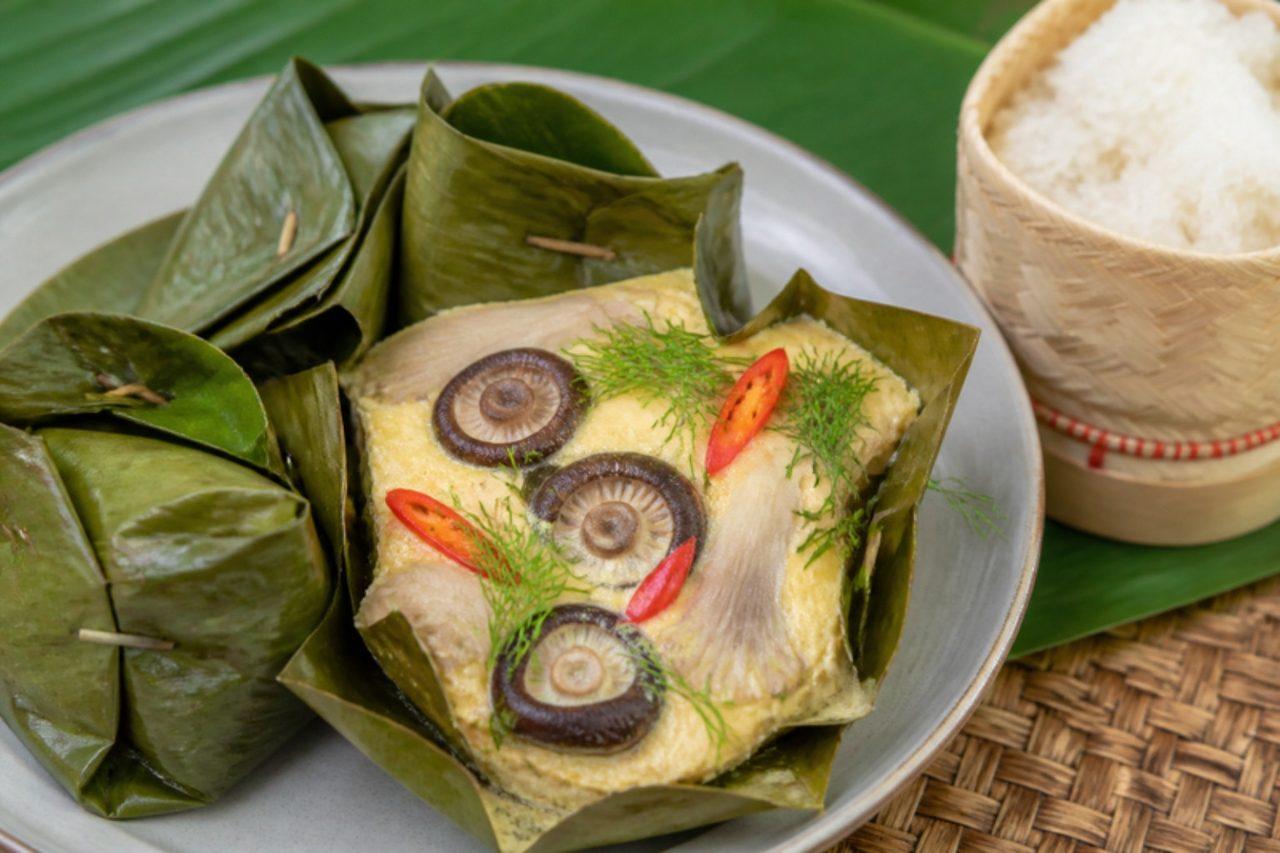
Wild mushrooms pile up at Luang Prabang's Phosy market as soon as the monsoon soaks the hills, from July into September, and families wrap them up as mok het for the evening meal. Mushrooms are bruised with lemongrass, shallot, chilli and a big handful of dill, bound with beaten egg, then folded into banana leaf and steamed until set, so each parcel opens into a soft, fragrant, slightly wobbly cake. It goes on the shared tray with sticky rice, a bowl of soup and some raw greens. Cultivated oyster, shiitake or chestnut mushrooms work beautifully. A watery filling is the common pitfall: mushrooms leak juice, so salt them and squeeze them first or the egg never sets. Chef's tip: grill the steamed parcels over a flame for a few minutes at the end; the charred leaf adds a lovely smoky edge.

by KrazyBadal 0 views

Luang Prabang salad

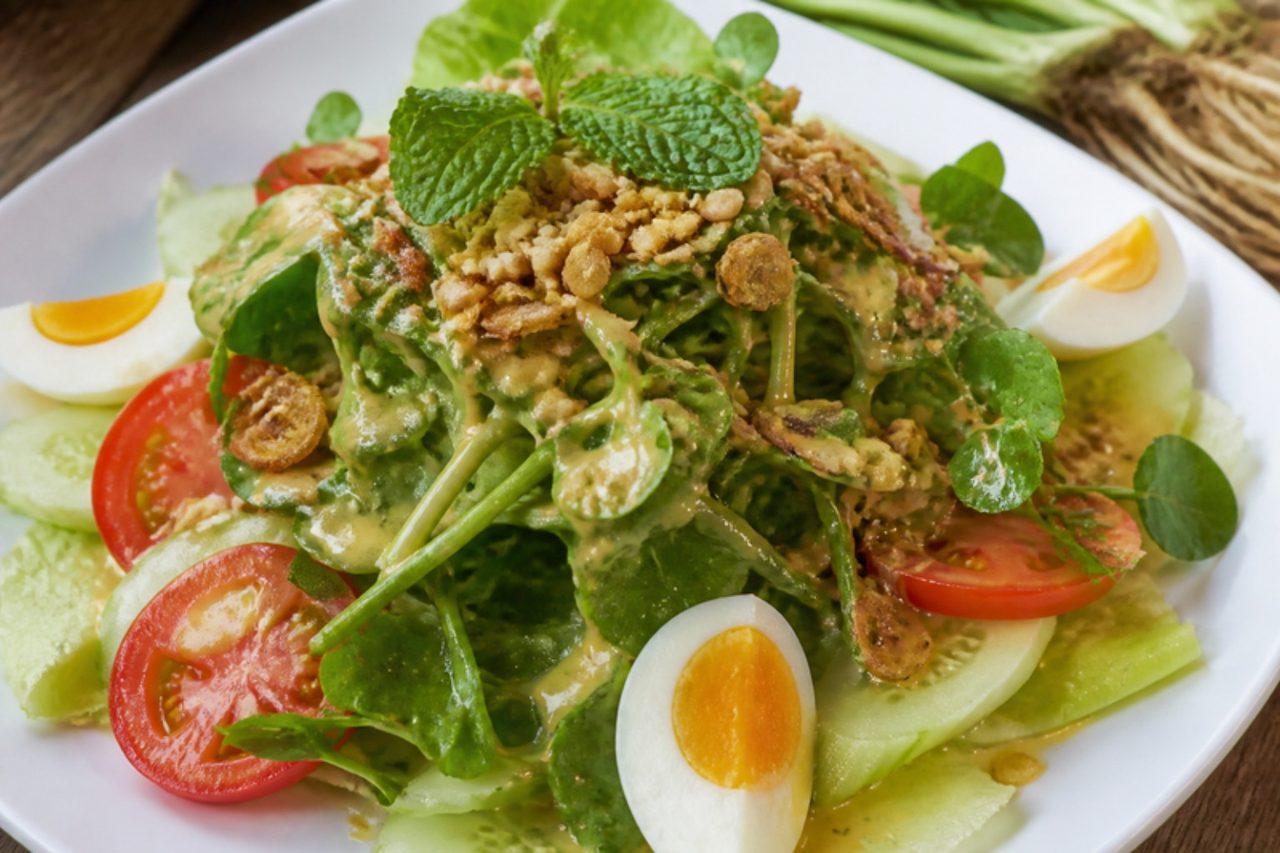
Clear spring-fed beds outside Luang Prabang grow some of the crispest watercress in Laos, and the old royal capital turned it into a salad that shows its French years: peppery cress, tomato and cucumber under a smooth dressing made from mashed hard-boiled yolks. Cafés along the Nam Khan serve it at lunch in the cool season, from November to February, often as the light plate beside grilled river fish or a bowl of sticky rice. It tastes fresh, gently sweet and garlicky, with crunch from fried garlic and peanuts on top. Restaurants sometimes add fish sauce or pork; this version is vegetarian and seasoned with salt. Dressing the cress too early is the mistake to avoid, because it wilts into a soggy heap in minutes. Chef's tip: dry the watercress properly in a salad spinner, or the dressing slides off instead of clinging.

30 minLaoSaladsGluten free
by KrazyBadal 0 views

Lao fish soup with dill

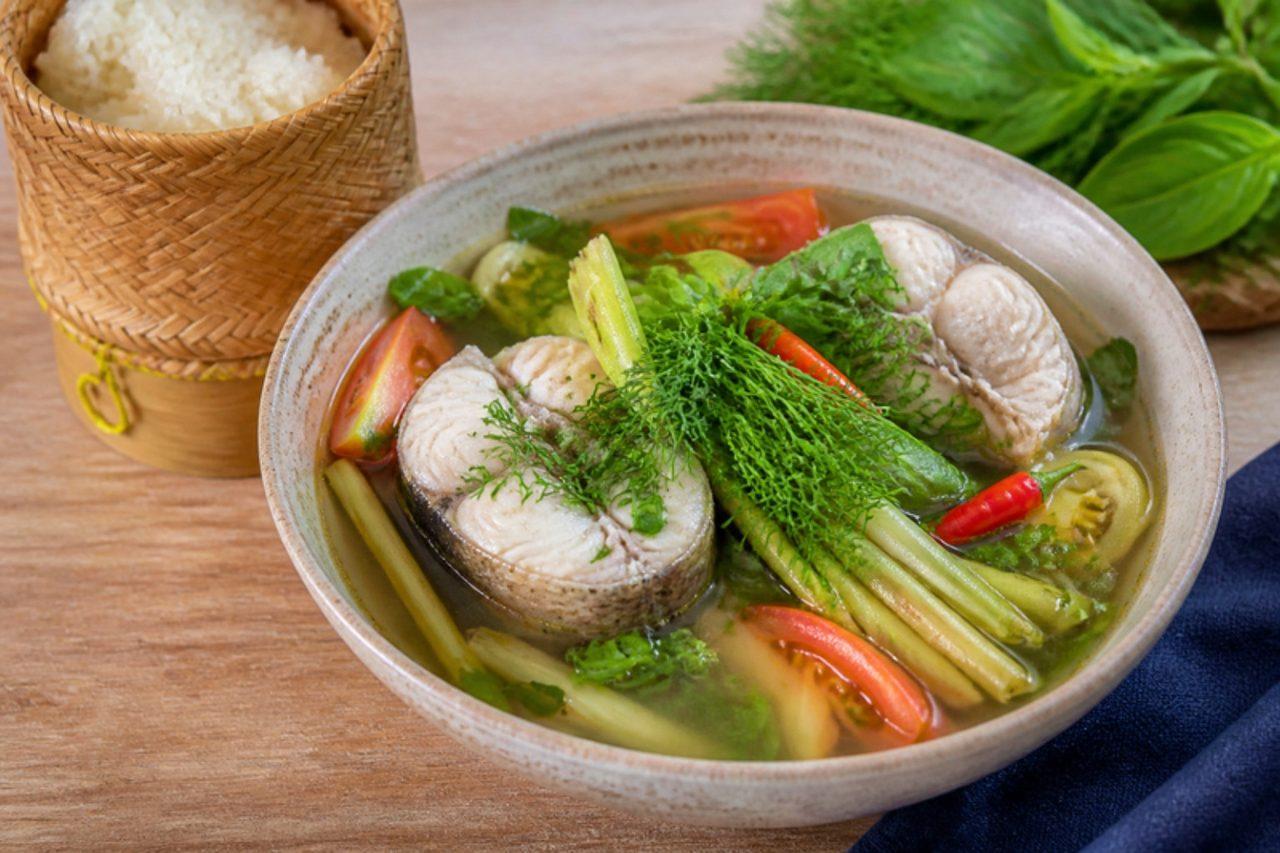
Restaurants on stilts over the Mekong at Pakse, where the Xe Don river joins it, serve tom pa at lunch in big communal bowls, and southern Lao families make it at home whenever the market has fresh river fish. Chunks of fish poach gently in a clear broth fragrant with lemongrass, galangal and lime leaf, soured with tomato and lime and finished with a generous fistful of dill, an herb Lao cooks use far more than their neighbours. The result is light, tangy and aromatic, with soft fish and a whisper of chilli heat; spoon it over sticky rice or sip it between mouthfuls of jeow. Boiling hard once the fish goes in is the mistake to watch, as the pieces break up and the broth turns cloudy. Chef's tip: add the dill only when the pot is off the heat, so it stays green and sweet.

30 minLaoSoupsGluten free
by KrazyBadal 0 views

Koy pa

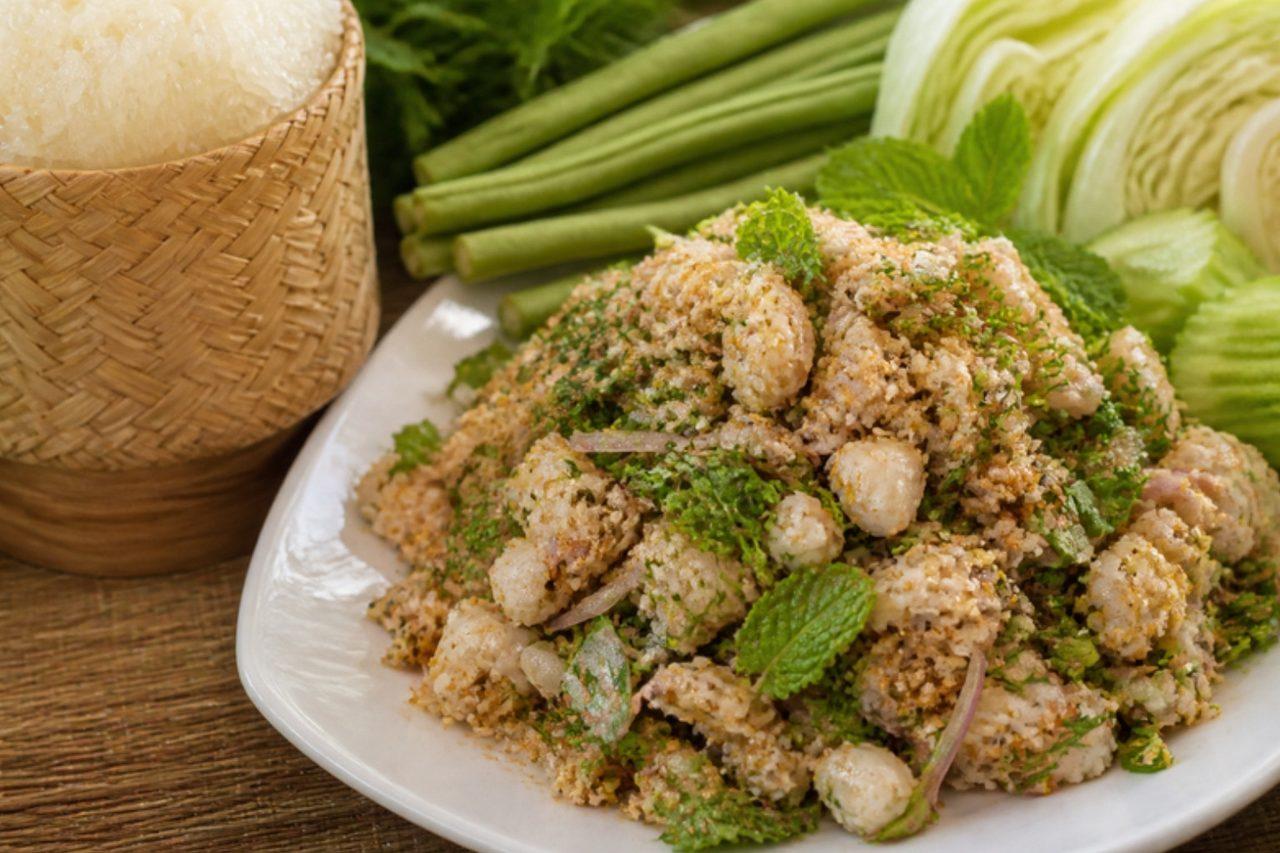
Fishing villages on the Mekong in Champasak, down towards the islands of Si Phan Don, make koy pa from the morning catch and eat it with sticky rice under the stilt houses at lunchtime. It is a fierce, fresh salad: finely chopped fish tossed with lime, roasted chilli, shallot, galangal and toasted rice powder, then buried in mint, dill and sawtooth herb. Traditionally the fish is raw and only 'cooked' by lime, and raw river fish in the region can carry parasites; that raw version is not for pregnant women, young children or anyone with a weakened immune system. Here the fish is poached until opaque and flaking, then chopped, keeping the texture and punch. Stirring the rice powder into hot fish is the mistake that ruins it, turning the salad gluey. Chef's tip: toast your own rice powder with a lemongrass stalk and lime leaf; the shop-bought kind has nothing like the same nutty perfume.

35 minLaoSaladsGluten freeSpicy
by KrazyBadal 0 views

Khai paen

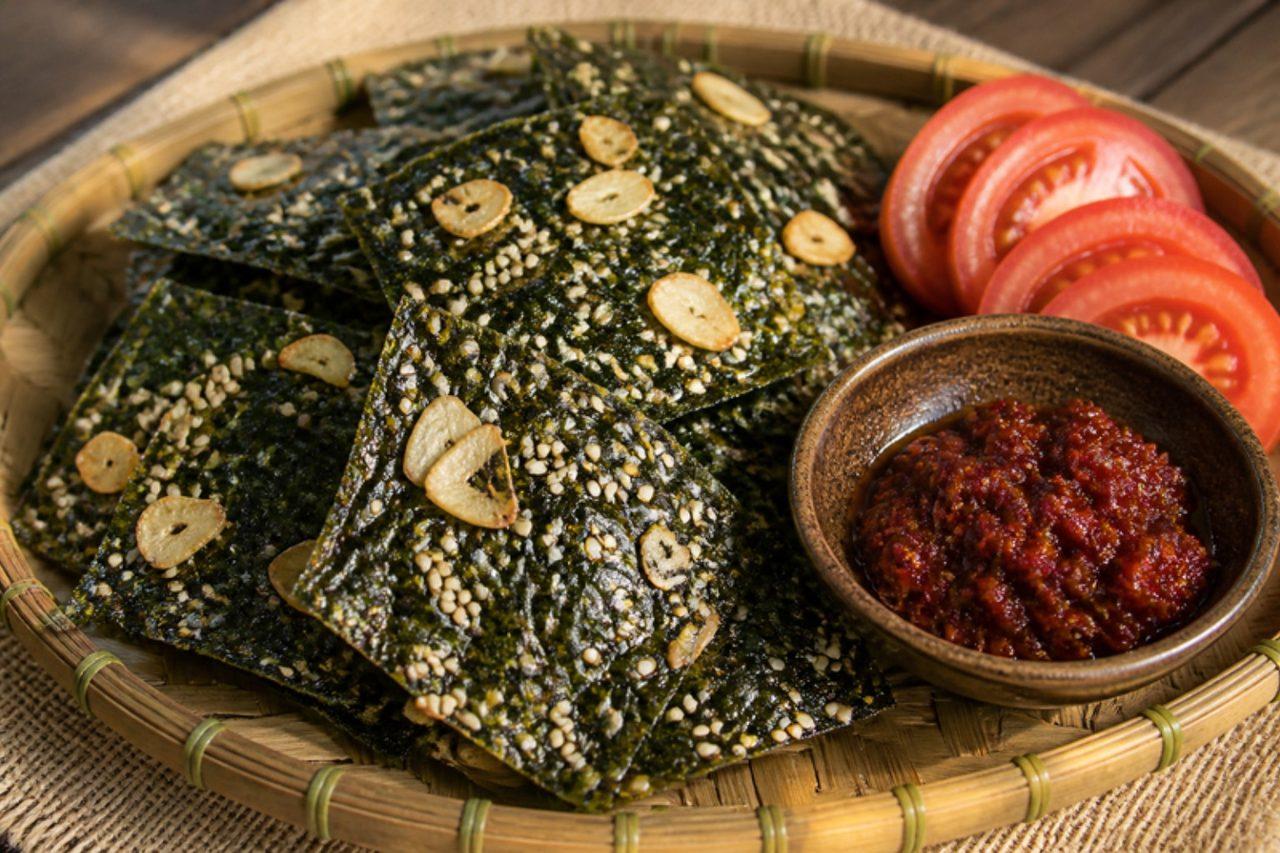
Along the Mekong and Nam Khan below Luang Prabang, women gather silky green river weed in the dry months, when the water runs low and clear, then press it into thin sheets and dry them in the sun. Those sheets turn up everywhere in town, stacked at the morning market and the night market, and a plate of fried khai paen is a favourite nibble with sticky rice and a pot of jeow bong in the late afternoon. Frying takes seconds: the sheets puff, darken and turn shatteringly crisp, tasting of the river, toasted sesame and garlic, a little like nori but earthier. Buy the sheets dried; outside Laos, look in Southeast Asian grocers, and if you can't find them, nori sheets make a stand-in, though they are thinner, sea-salty rather than freshwater and fry even faster. Leaving a sheet in the oil a moment too long is the classic error, as it goes bitter and brown almost instantly. Chef's tip: cut the sheets into squares with scissors before frying, not after, so they don't crumble into dust.

by KrazyBadal 0 views

Lao iced coffee

High on the Bolaven Plateau above Pakse, the coffee towns around Paksong grow most of Laos's beans, and roadside stalls there brew them dark and strong through a long cloth sock, all day long. Ordered cold, it arrives as a glass of ice with a thick layer of sweetened condensed milk at the bottom, the black coffee poured over and stirred to a caramel brown, often with a free cup of weak tea to sip afterwards. It is bitter-sweet, chocolatey and much richer than a café latte, made for hot afternoons on the plateau or a morning stop in Pakse. A French press or a fine sieve lined with a paper filter stands in for the cloth sock. Pouring hot coffee straight onto ice before adding the milk is where it goes flat: the condensed milk won't dissolve in cold coffee and sinks in a gluey lump. Chef's tip: stir the condensed milk into the hot coffee first, then pour over the ice.

10 minLaoDrinksGluten free
by KrazyBadal 0 views

Sin savanh

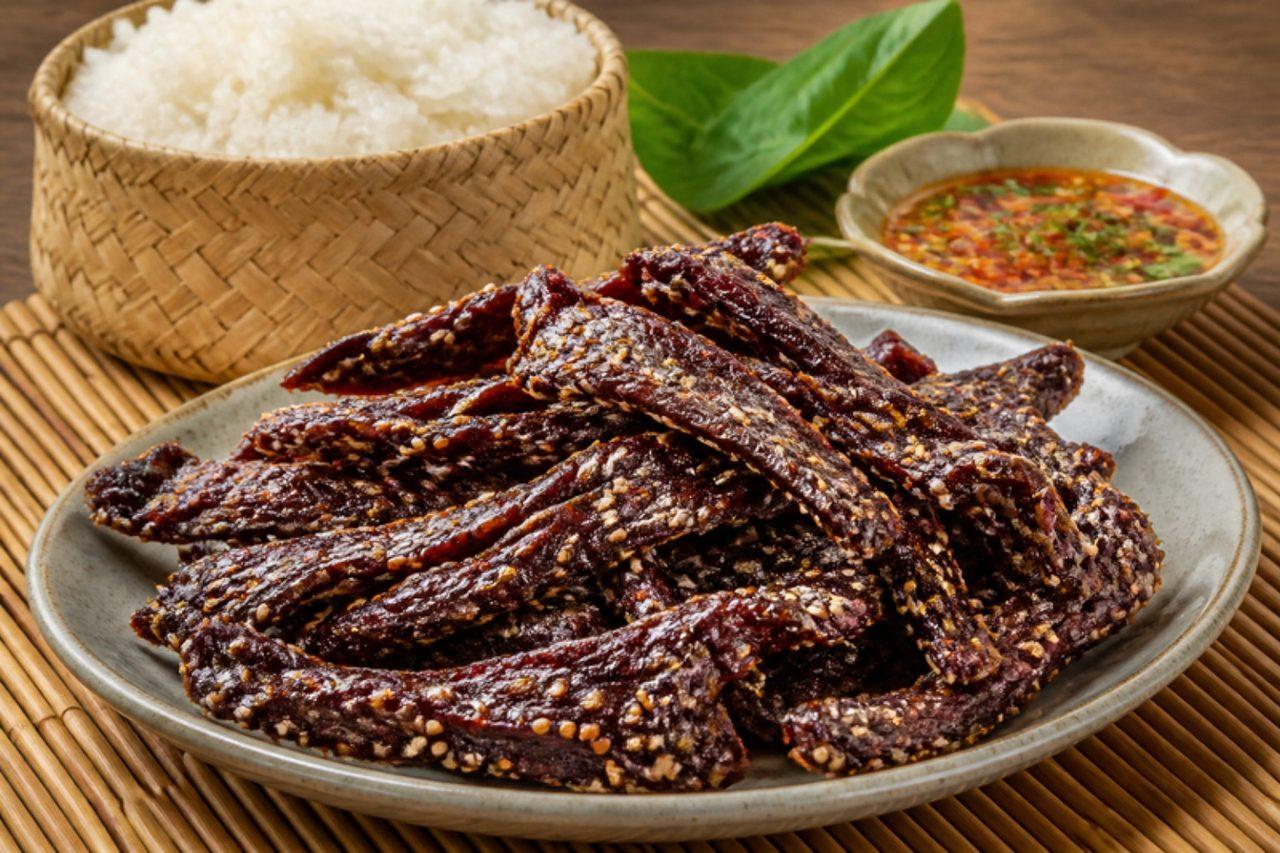
Translated loosely as heavenly meat, sin savanh is the sweet beef jerky of Vientiane, sold in glossy dark strips at the morning market and carried home as a snack, a picnic food or a gift for family upcountry. Thin slices of beef are marinated with garlic, coriander root, sugar and fish sauce, coated in sesame and traditionally dried in the dry-season sun, then flash-fried just before eating, so they turn chewy, caramelised and slightly crisp at the edges. Eat it with sticky rice and a tomato jeow, or alone with cold drinks. Here it dries in a low oven until fully cooked and leathery, which is easier and safer than sun-drying. The common mistake is cutting the beef too thick, so the outside goes hard while the middle stays soft. Chef's tip: freeze the beef for 45 minutes before slicing; it firms up and slices thin as card.

by KrazyBadal 0 views

Luang Prabang khao lam

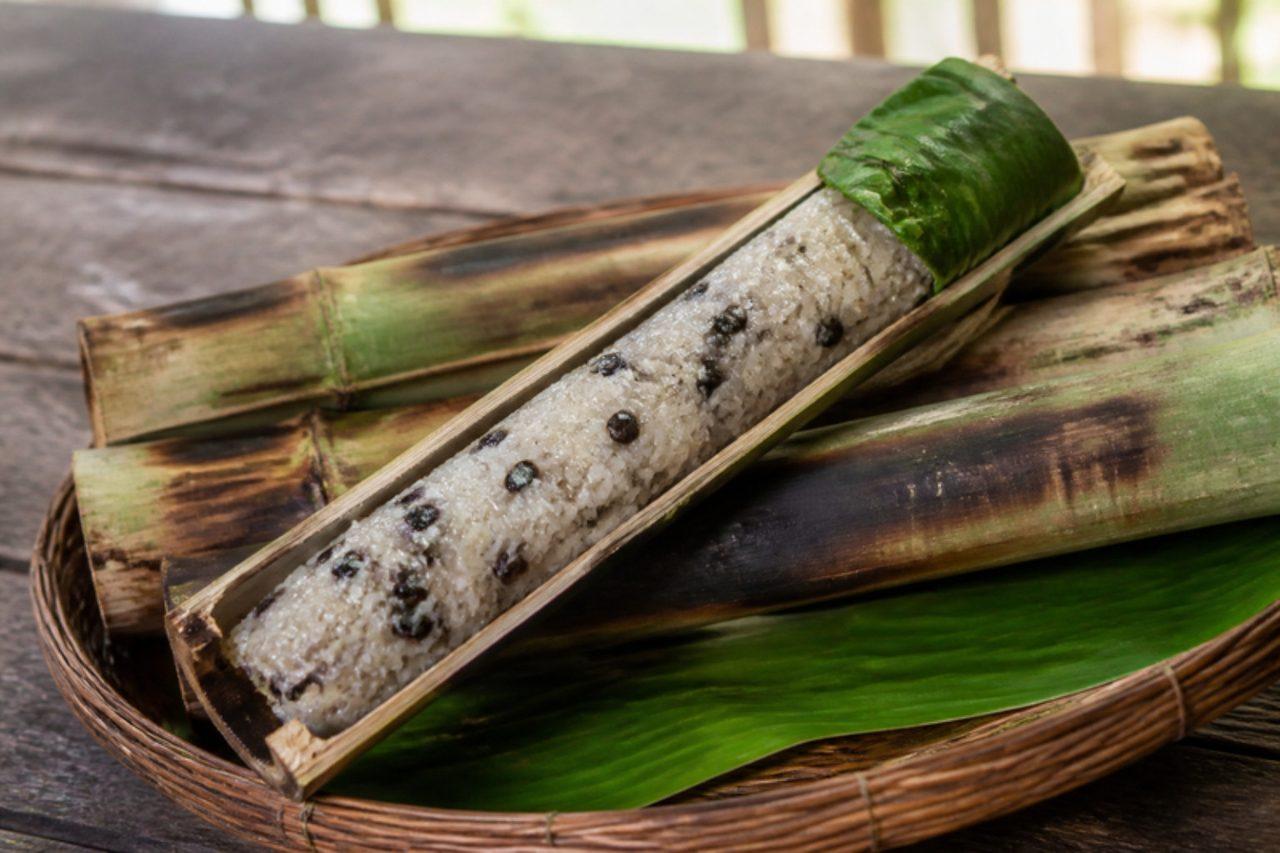
Lines of blackened bamboo tubes propped beside smouldering charcoal mark the khao lam sellers on the roads into Luang Prabang, busiest in the cool season after the November harvest, when new-crop sticky rice is at its sweetest. Inside each tube, rice and black beans have cooked slowly in salted coconut milk, picking up a faint smoky, grassy flavour from the bamboo lining. You split the tube, peel back the thin inner skin and eat the dense, chewy, gently sweet log by hand, often on the morning walk or on a bus journey. At home the tubes roast in the oven or over a barbecue, and a lidded dish lined with banana leaf works if you can't get bamboo. Overfilling the tubes is the usual slip: the rice swells, the plug pops and the coconut milk boils away. Chef's tip: soak the rice overnight; well-soaked grains cook evenly right to the centre of the tube.

by KrazyBadal 0 views

Jeow mak keua

Long purple aubergines laid straight on the embers turn into one of the softest dips on a Lao dinner tray, eaten up and down the country in the hot season when aubergines are cheap and plentiful. The skins blacken and the flesh collapses into a smoky, silky pulp, which is pounded loosely with charred garlic, shallot and green chilli until it is spoonable but still a little stringy. Pinch a ball of sticky rice, press a hollow in it and scoop up the jeow, or dip in cucumber, long beans and cabbage. Families often add fish sauce; here it is seasoned with salt and a little tamari so it suits vegetarians. Rinsing the charred aubergine under the tap is a mistake, as it washes away the very smoke you worked for. Chef's tip: peel with damp fingertips and leave a few flecks of black skin in the dip.

by KrazyBadal 0 views

Nam khao

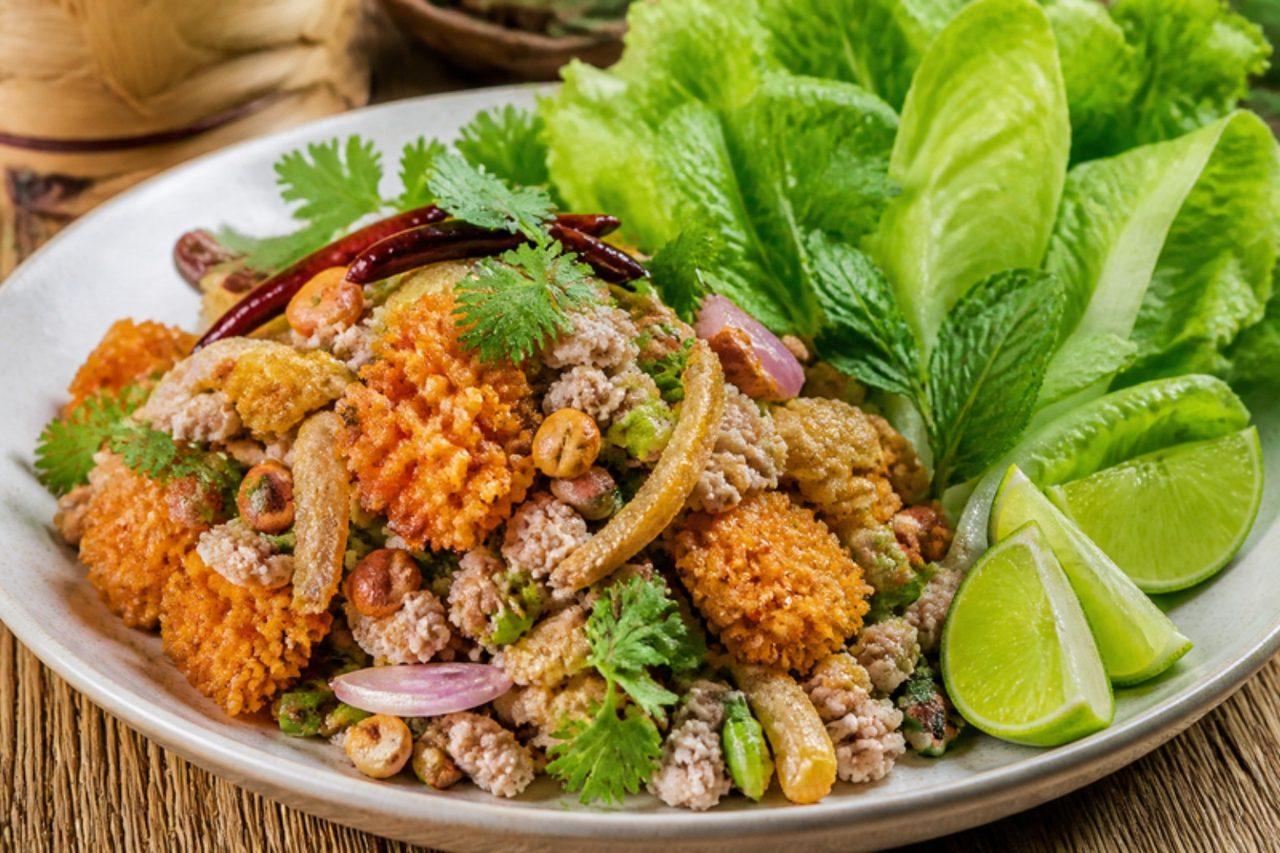
Party food in Vientiane often means a platter of nam khao: golden balls of curry-spiced rice deep-fried until crackling, then smashed and tossed with sour pork, peanuts, shallots, herbs and lime, and scooped into lettuce leaves with a fresh chilli on the side. Evening stalls near the city's markets sell it by the bag, and it's a fixture at weddings and New Year gatherings in April. Traditionally the sour pork is som moo, cured raw fermented pork with shredded skin, which is never cooked; that raw cured version is not for pregnant women, young children or anyone with a weakened immune system. This safer version uses minced pork cooked through and sharpened with lime and garlic, with cooked pork skin for chew if you like. Frying rice balls in oil that isn't hot enough is the usual mistake, as they soak up oil and fall apart. Chef's tip: use rice cooked the day before and chilled; it holds together and fries far crisper.

75 minLaoSaladsGluten free
by KrazyBadal 0 views

Jeow het

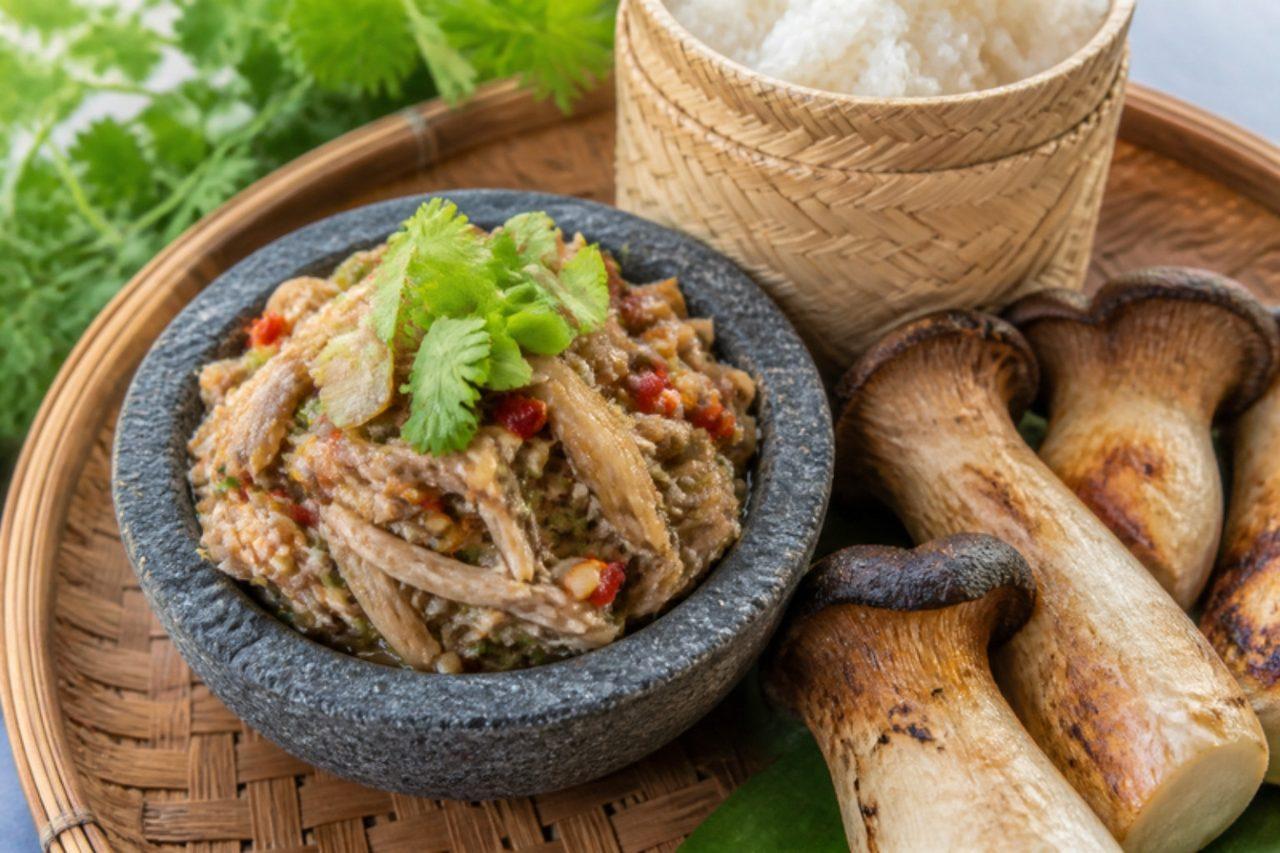
Monsoon jeow, this one: once the rains bring mushrooms to every Lao market from July onwards, cooks grill a basket of them over charcoal and pound them with roasted chilli and garlic for a meaty, smoky dip that disappears with sticky rice at dinner. The texture is shaggy rather than smooth, juicy shreds of mushroom held together by a hot, garlicky paste, with fresh herbs stirred through at the end. It is just as good with steamed greens, cucumber and long beans, or spooned over grilled tofu. Oyster and king oyster mushrooms are the closest match to the wild ones. Many people blitz or pound it to a paste and lose the chew, and that's the thing to avoid. Chef's tip: tear the grilled mushrooms into strips by hand before they go into the mortar, then pound only to bruise them.

by KrazyBadal 0 views

Liptauer

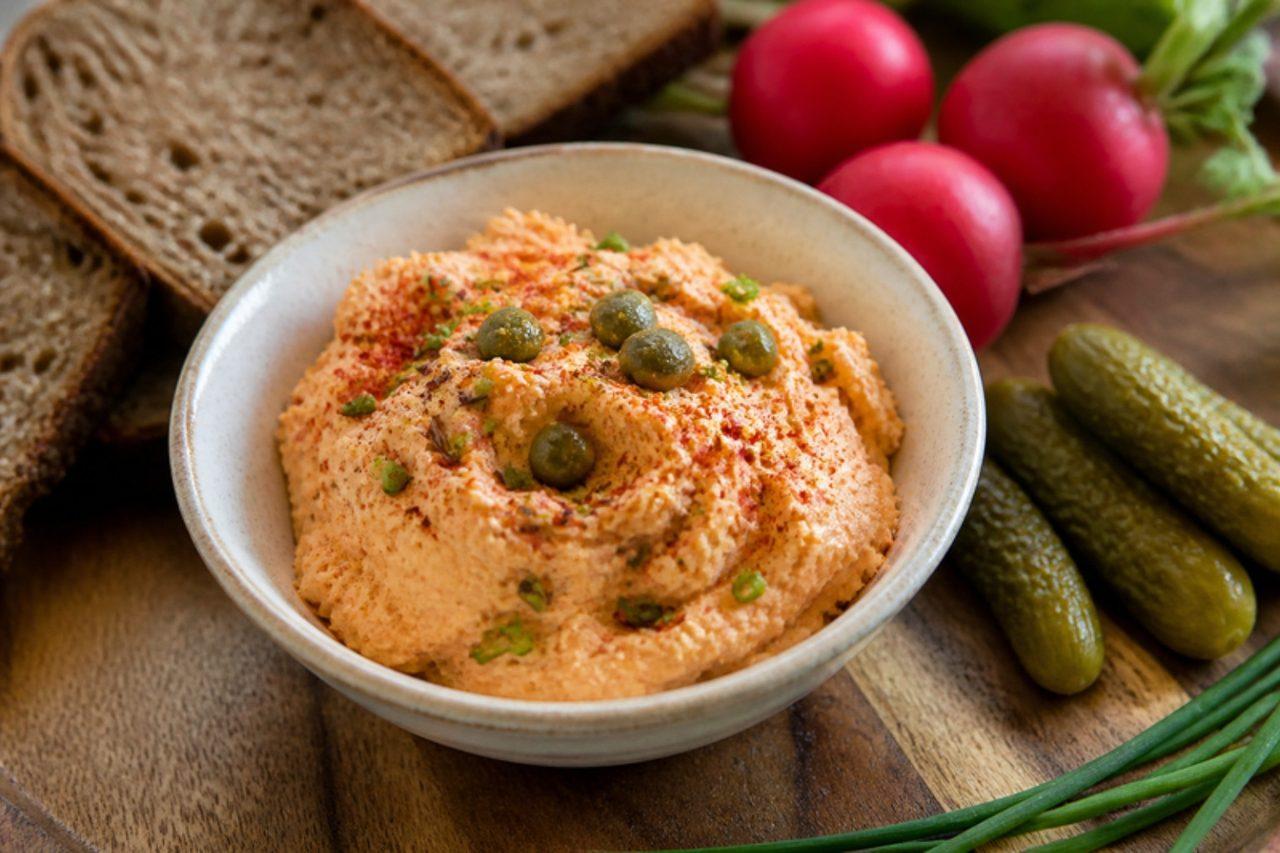
No Heuriger, the wine tavern on the vineyard slopes at the edge of Vienna, is complete without a bowl of rust-red Liptauer next to the bread basket. Quark and soft butter are beaten with sweet paprika, ground caraway, mustard, onion and capers into a spread that is creamy, tangy and gently warm. Spread it thick on dark rye bread with radishes and chives, or pipe it onto halved peppers for a snack board. A common mistake is using wet quark straight from the tub, which makes the spread runny; drain it in a sieve first. Most quark is set without rennet, but some brands use a little animal rennet, so pick one labelled vegetarian. Chef's tip: make it a few hours ahead; the paprika colour deepens and the caraway softens as it sits.

by KrazyBadal 0 views

Kärntner Kasnudeln

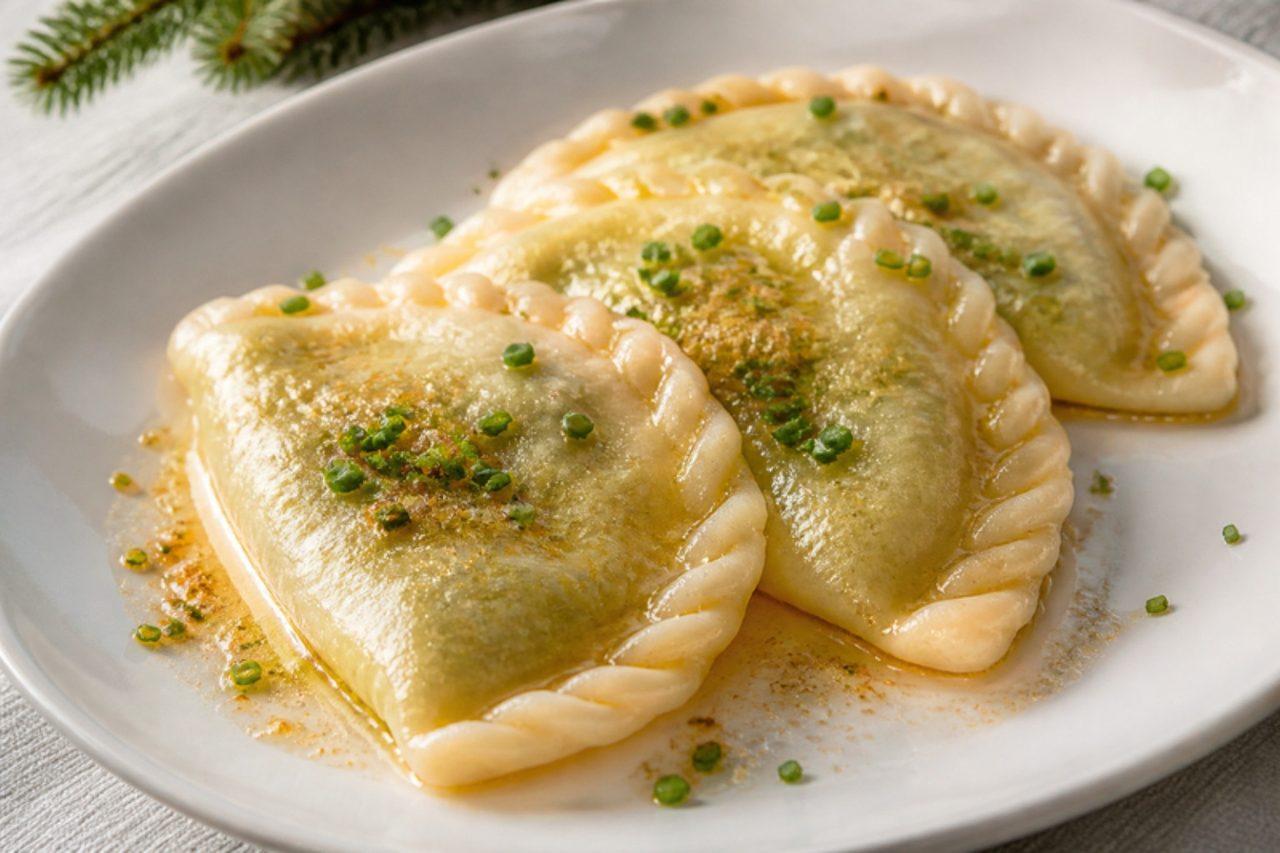
Kasnudeln are the pride of Carinthia in Austria's south, where every village claims the best filling and where they are eaten on Fridays and at church fairs. Big half-moons of thin noodle dough are stuffed with crumbly curd cheese, floury potato, onion and fresh mint, then sealed with a braided edge called 'krendeln' that keeps the filling in as they simmer. They are served with a generous pour of brown butter and chives, often with a green salad. A common mistake is rolling the dough too thick: it should be thin enough to see your hand through, or the folded edges turn stodgy. Carinthian Topfen is usually made without animal rennet, but check the label and pick a vegetarian quark. Chef's tip: if crimping feels tricky, press the edges with a fork first, then practise the braid on the last few.

by KrazyBadal 0 views

Topfenknödel

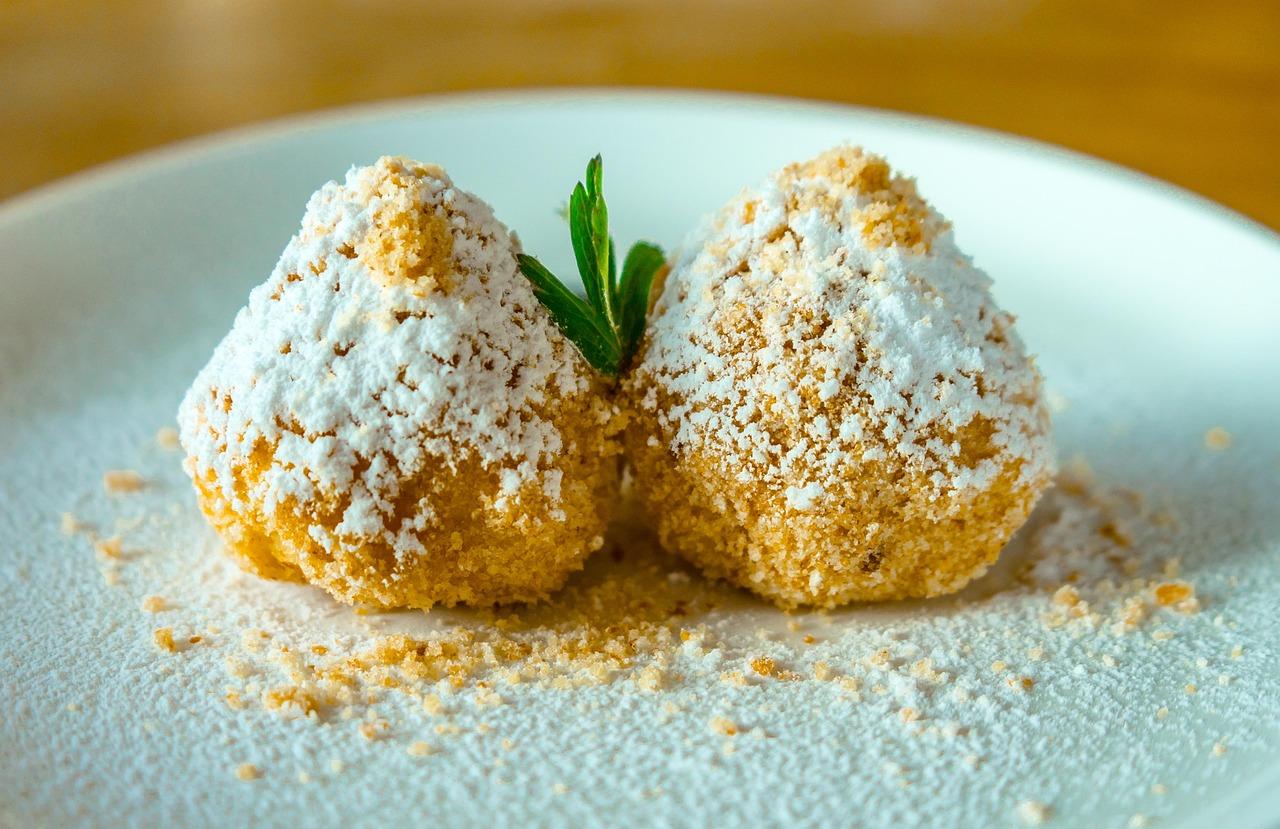
Topfenknödel belong to the long Austrian tradition of sweet main courses: in Viennese homes and Lower Austrian inns they are often served as a light Friday lunch, or as dessert after soup. Fresh quark, butter, egg and semolina make a dough that cooks into soft, tangy, almost cheesecake-like dumplings, which are rolled in breadcrumbs toasted in butter with cinnamon sugar and served with a warm fruit compote. A common mistake is boiling them hard; they puff, crack and fall apart, so keep the water just shivering. Most quark is made without animal rennet, but check the label and choose one marked vegetarian. Chef's tip: rest the dough for at least 30 minutes so the semolina can swell; it makes the dumplings hold together.

by KrazyBadal 0 views

Eiernockerl

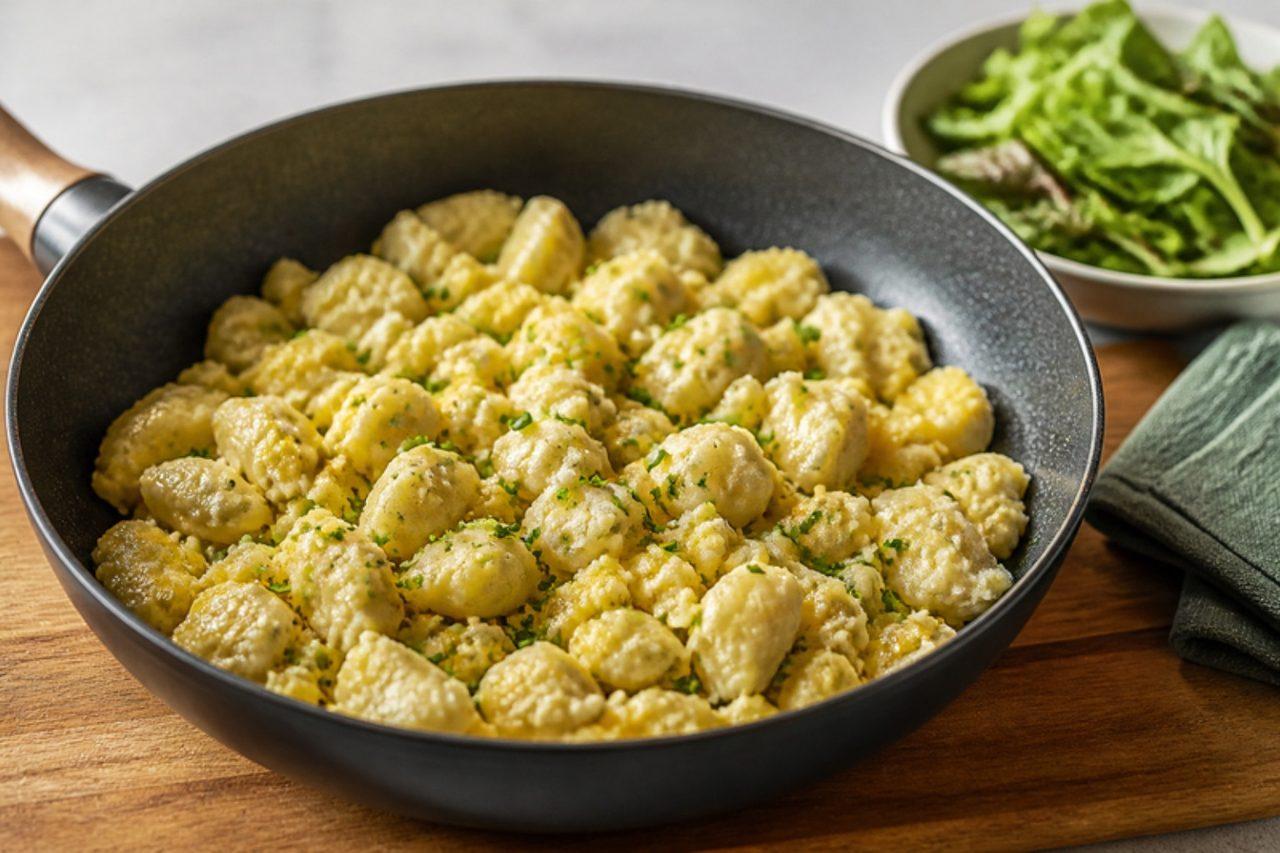
Eiernockerl is what Viennese grandmothers cook when the larder is nearly bare: a loose flour batter is scraped in little nubs into boiling water, then tossed in foaming butter and set with beaten eggs. In Vienna it turns up on weekday lunch tables and in old-fashioned Beisln, usually with a green salad in a sharp vinegar dressing on the side. The nockerl should be soft and slightly chewy, the egg just set and glossy, with lots of chives. A common mistake is cooking the eggs until dry and grainy; take the pan off the heat while they still look a little wet. Chef's tip: let the batter rest for 10 minutes before you cut it into the water, so the flour swells and the nockerl hold their shape.

by KrazyBadal 0 views

Steirischer Käferbohnensalat

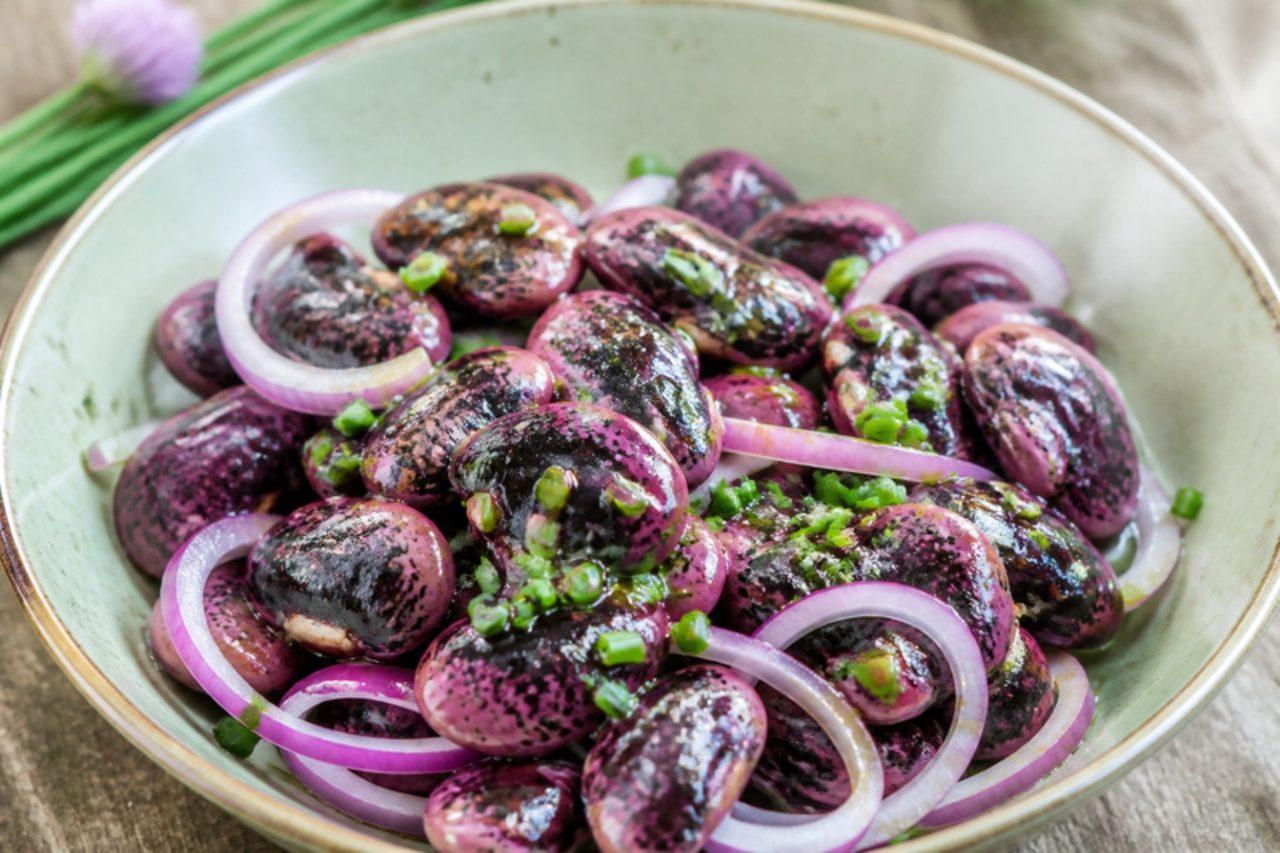
In the hills of south-east Styria, fat purple-speckled runner beans called Käferbohnen, 'beetle beans', are dried every autumn and turned into this simple salad. It is a fixture of the Buschenschank, the farm wine taverns where you sit outdoors with a board of bread, cheese and spreads. The beans are soft and creamy, the red onion and cider vinegar sharp, and the dark green pumpkin seed oil gives a deep, toasty, nutty flavour. A common mistake is dressing cold beans straight from the fridge; dress them lukewarm so they soak up the vinegar. Chef's tip: add the pumpkin seed oil last and do not heat it; it turns bitter when warm.

by KrazyBadal 0 views

Viennese Gugelhupf

In Vienna the Gugelhupf is the Sunday cake of home bakers, set out on the table for afternoon Jause with coffee, and every family has its own fluted copper or ceramic mould. Unlike the yeasted ring cakes of Alsace and southern Germany, the everyday Viennese one is a Rührgugelhupf, a buttery sponge lifted with whisked egg whites, scented with lemon and studded with plump raisins. It is tender, light and keeps moist for several days under a cake dome. A common mistake is a badly greased mould; every ridge needs butter and flour or the cake tears as it comes out. Chef's tip: soak the raisins in hot water for 15 minutes, dry them and toss them in a spoon of flour so they don't sink.

by KrazyBadal 0 views

Germknödel

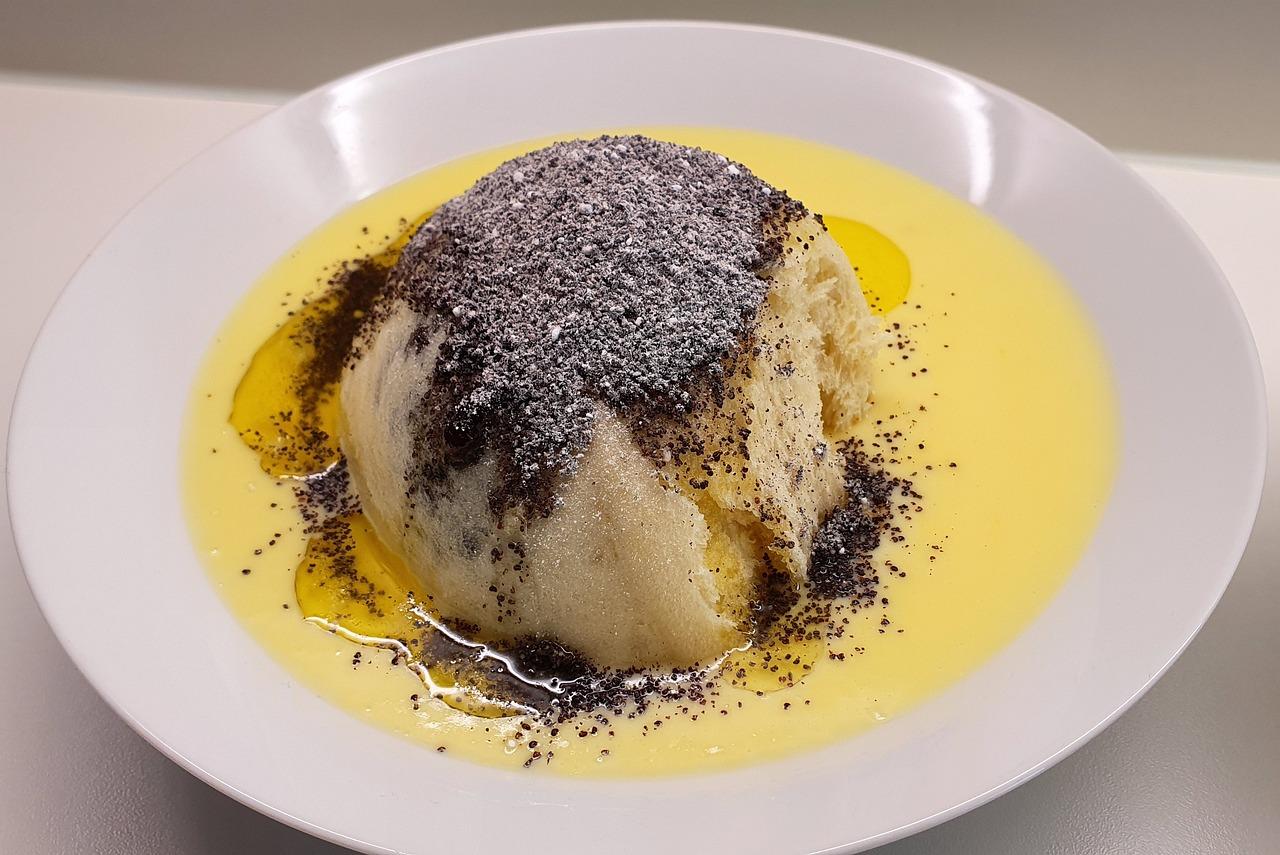
After a morning on the slopes, Austrians head into the mountain huts of Tyrol, Salzburg and Styria for one thing: a Germknödel the size of a fist, steamed until pillowy and split open to reveal dark plum butter. It comes drowned in melted butter, or in vanilla sauce, under a thick snow of ground poppy seeds and icing sugar, and it is eaten as a whole meal. The dough is soft and slightly sweet, and the powidl inside is tart and jammy. A common mistake is lifting the lid while they steam; the dumplings deflate and turn heavy. Chef's tip: seal each dumpling with the seam underneath and let them prove a second time on squares of baking paper, so you can move them without denting them.

by KrazyBadal 0 views

Grießnockerlsuppe

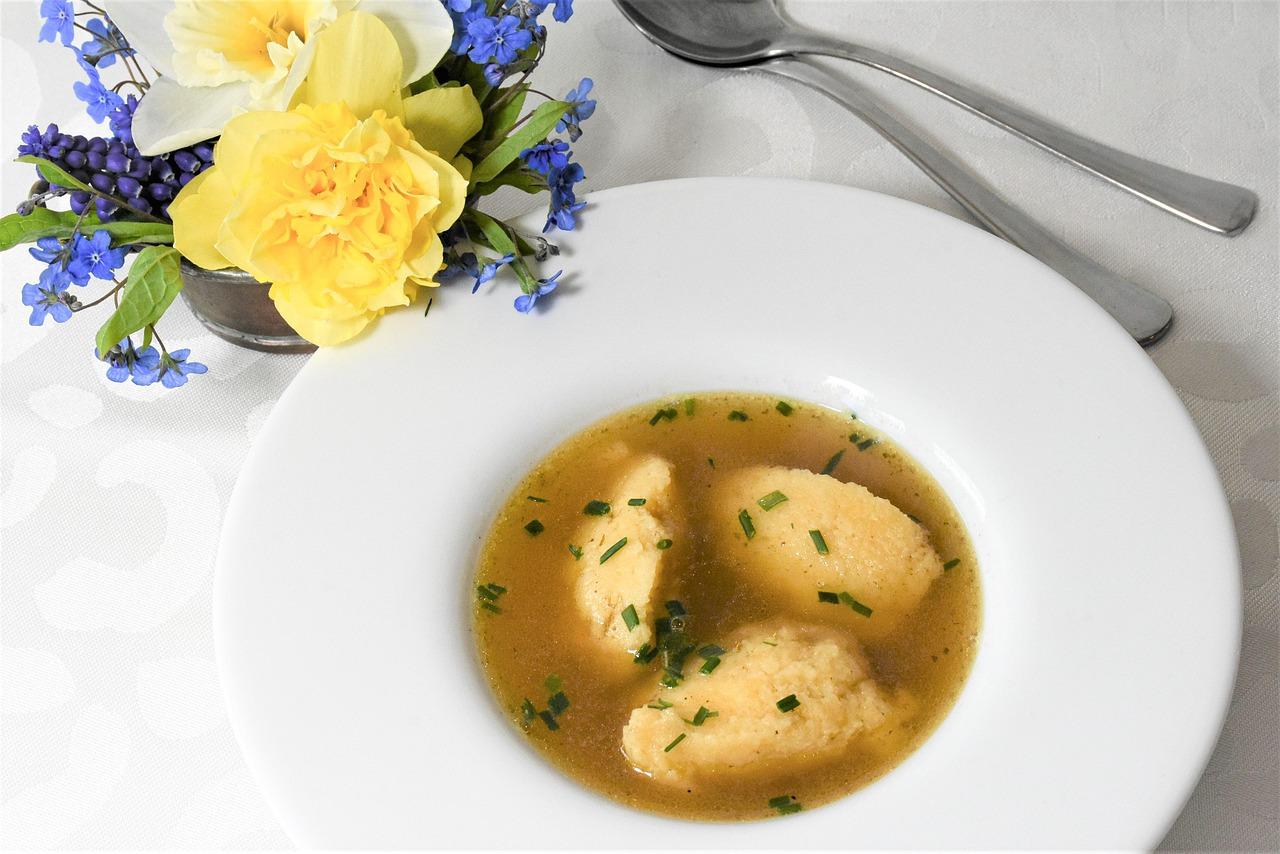
Grießnockerlsuppe is the soup that opens a proper Austrian Sunday lunch, from Viennese grandmothers' tables to village inns in Upper Austria: a clear, deeply savoury beef broth with three or four soft, oval semolina dumplings that should be fluffy enough to cut with a spoon. The broth is made from beef shin and bones, simmered slowly with charred onion; broth left over from Tafelspitz works perfectly too. Chef's tip: let the semolina mix rest for 15 minutes before shaping; the grains swell and the dumplings hold together without going heavy.

by KrazyBadal 0 views

Steirisches Wurzelfleisch

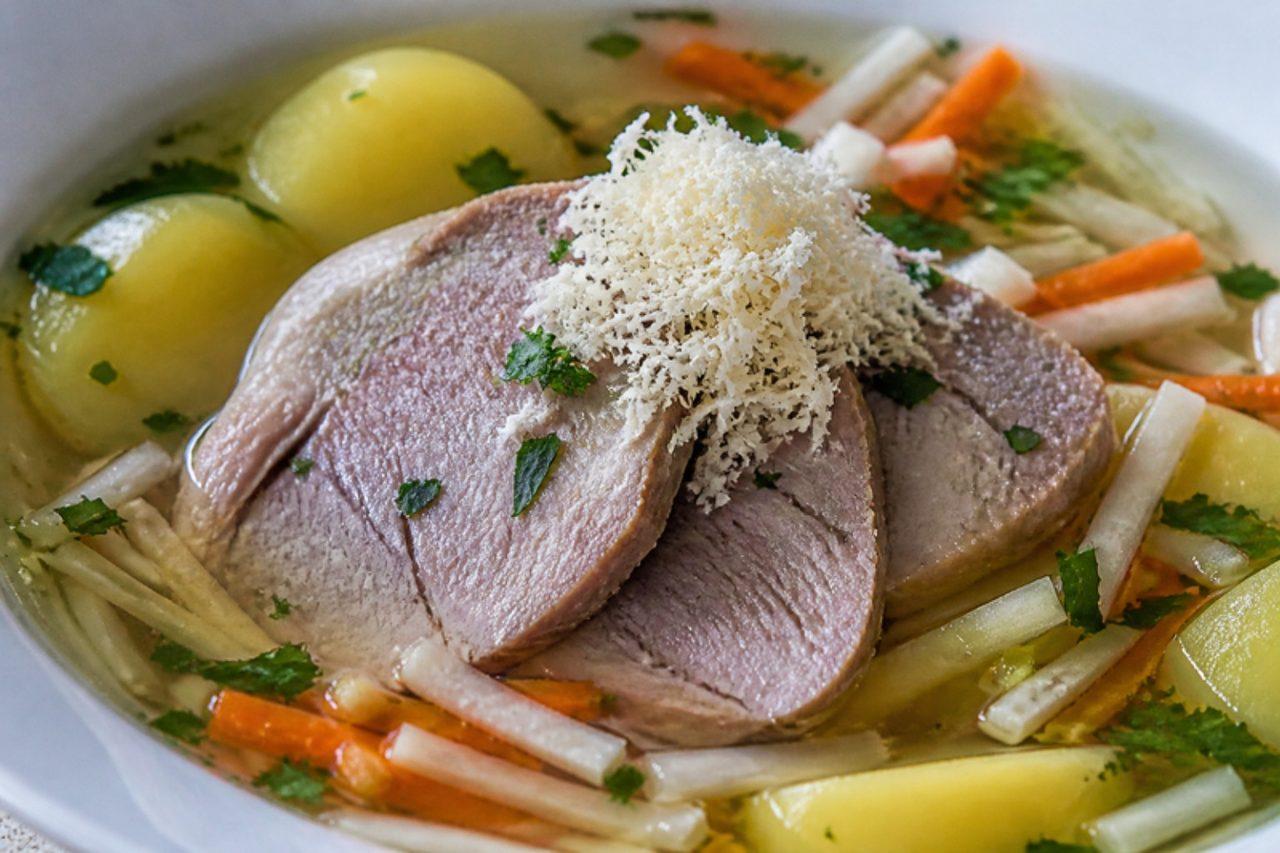
Wurzelfleisch, 'root meat', is a winter dish from the farms of Styria in south-east Austria, cooked in November and December when pigs were killed and the cellar was full of carrots, celeriac and parsley root. Pork shoulder is simmered in a lightly sour broth, then served in deep plates with thin strips of root vegetables, boiled potatoes and a snowfall of freshly grated horseradish. It is a gentle, clean-tasting dish, quite unlike a roast. Chef's tip: grate the horseradish at the table; it loses its bite within minutes.

130 minAustrianMeatGluten free
by KrazyBadal 0 views

Tafelspitz

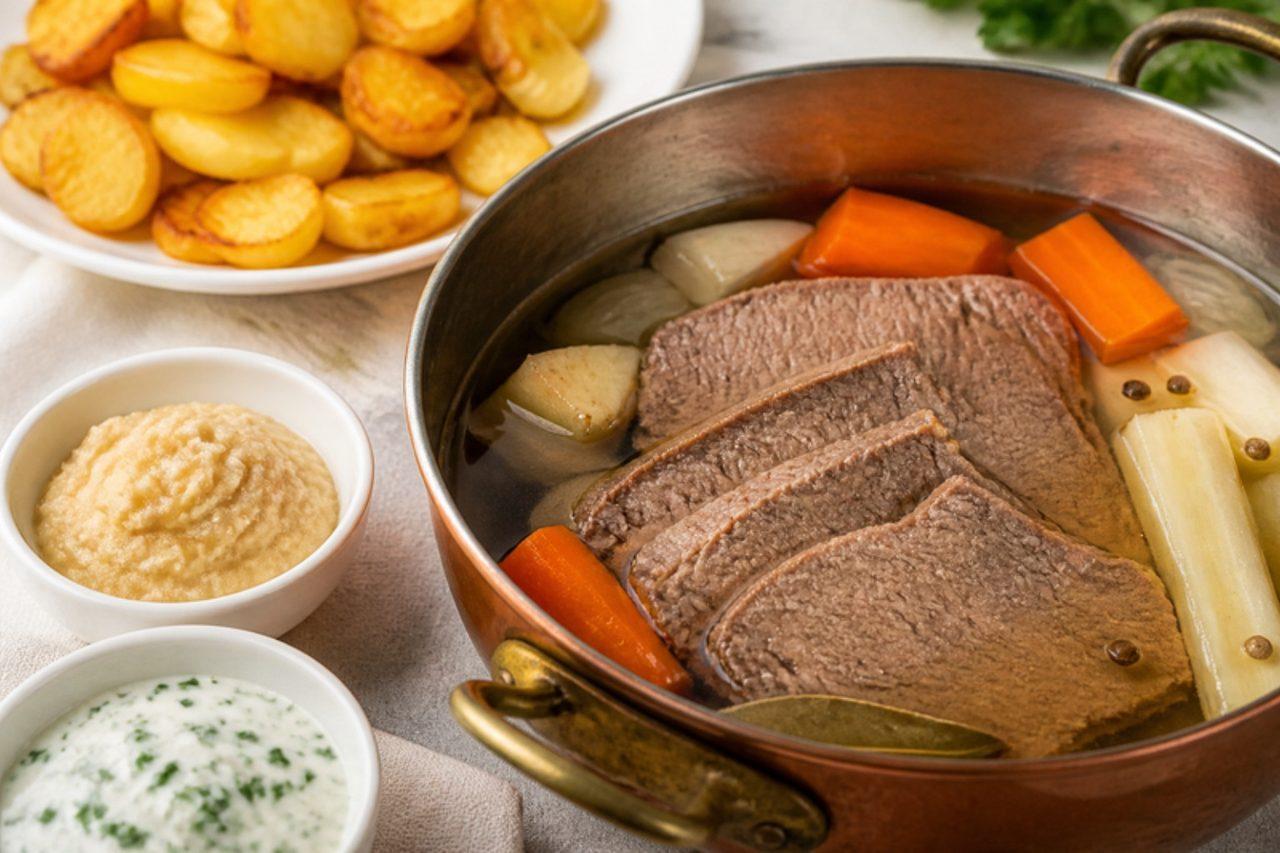
Tafelspitz is Vienna's grand Sunday lunch, the dish the old Beisl taverns and the city's famous beef restaurants built their names on. A whole piece of beef top rump is barely simmered with root vegetables for hours, then served in three acts: first the clear golden broth, then the sliced beef with crisp roast potatoes, sharp Apfelkren (grated apple and horseradish) and a cool chive sauce. Keep any leftover broth for Grießnockerlsuppe or Frittatensuppe. Chef's tip: never let the pot bubble; a slow tremble keeps the meat juicy and the broth clear.

210 minAustrianMeatGluten free
by KrazyBadal 0 views

Showing 24 of 88 recipes

Show more recipes

Page 1 of 4