Skip to content
WhatToEat.Today

All recipes

202

Vegetarian, or something you can't eat? Set your diet once and we'll hide recipes that don't fit.

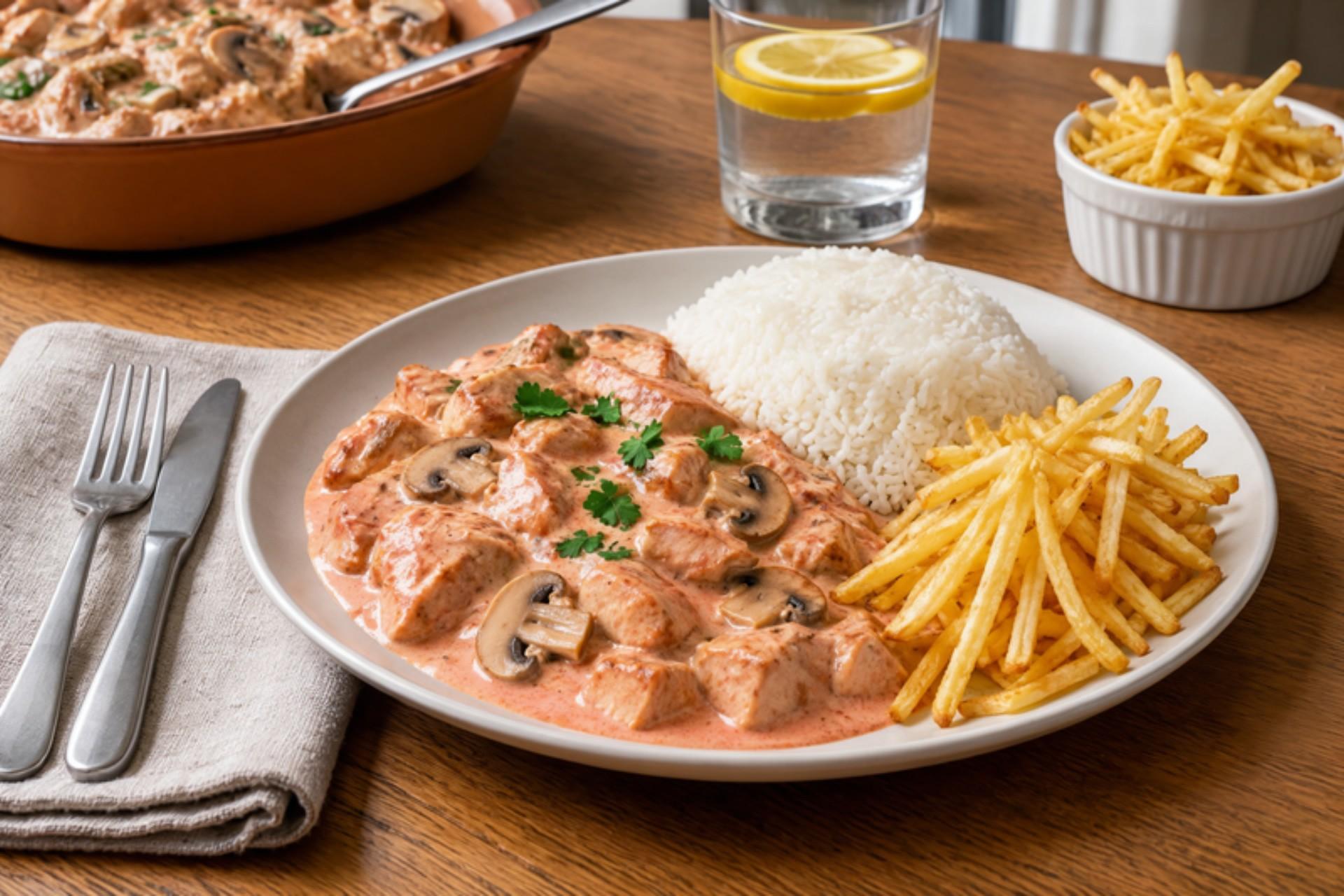
Strogonoff de frangoCreamy chicken stroganoff

Brazil adopted Russia's stroganoff and made it its own: strogonoff de frango is everyday family food in São Paulo, Rio and all over the country, cooked for weeknight dinners and Sunday lunch and served with fluffy white rice and a pile of crunchy potato sticks (batata palha) on top. Strips of chicken are seared, then simmered in a pink, gently tangy sauce of tomato, ketchup, mustard and mushrooms, finished with cream. It is mild, so children love it. The common mistake is boiling the sauce after adding the cream: it can split and turn grainy. Stir it in at the end over a low heat. The chicken is done when no pink remains and the thickest piece reaches 74 °C. Chef's tip: brown the chicken in two batches in a very hot pan; the golden bits on the bottom dissolve into the sauce and give it real depth.

by KrazyBadal 0 views

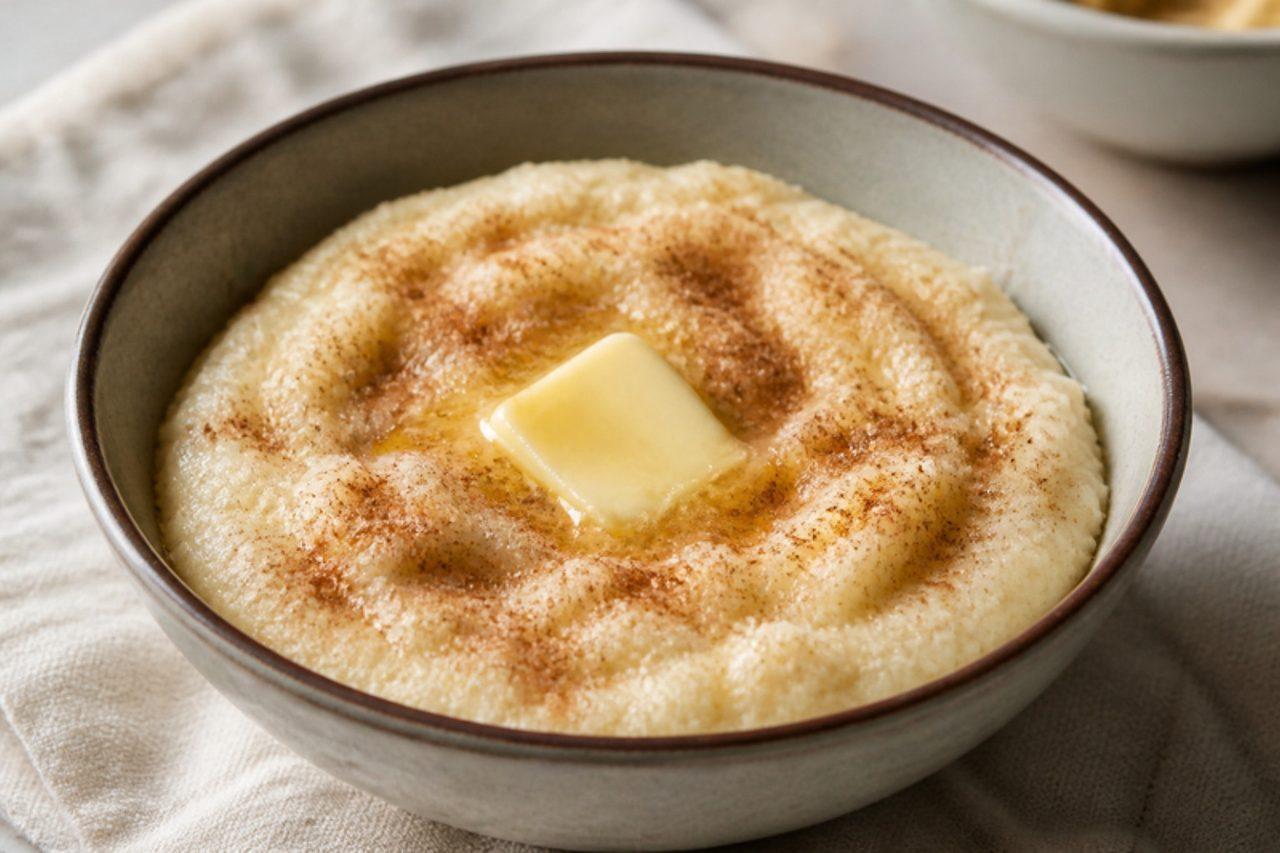
GrießbreiSemolina porridge

Grießbrei is the soft, sweet semolina pudding that German and Austrian families from Bavaria to Vienna eat warm as a light supper on cold evenings, especially when children are tired or someone is under the weather. Semolina is rained into hot milk and stirred until thick and velvety, then topped with cinnamon sugar, a knob of butter or stewed fruit. The classic mistake is tipping the semolina in all at once, which makes lumps that never smooth out. Chef's tip: take it off the heat while it still looks a little runny, because it keeps thickening on the plate.

by KrazyBadal 0 views

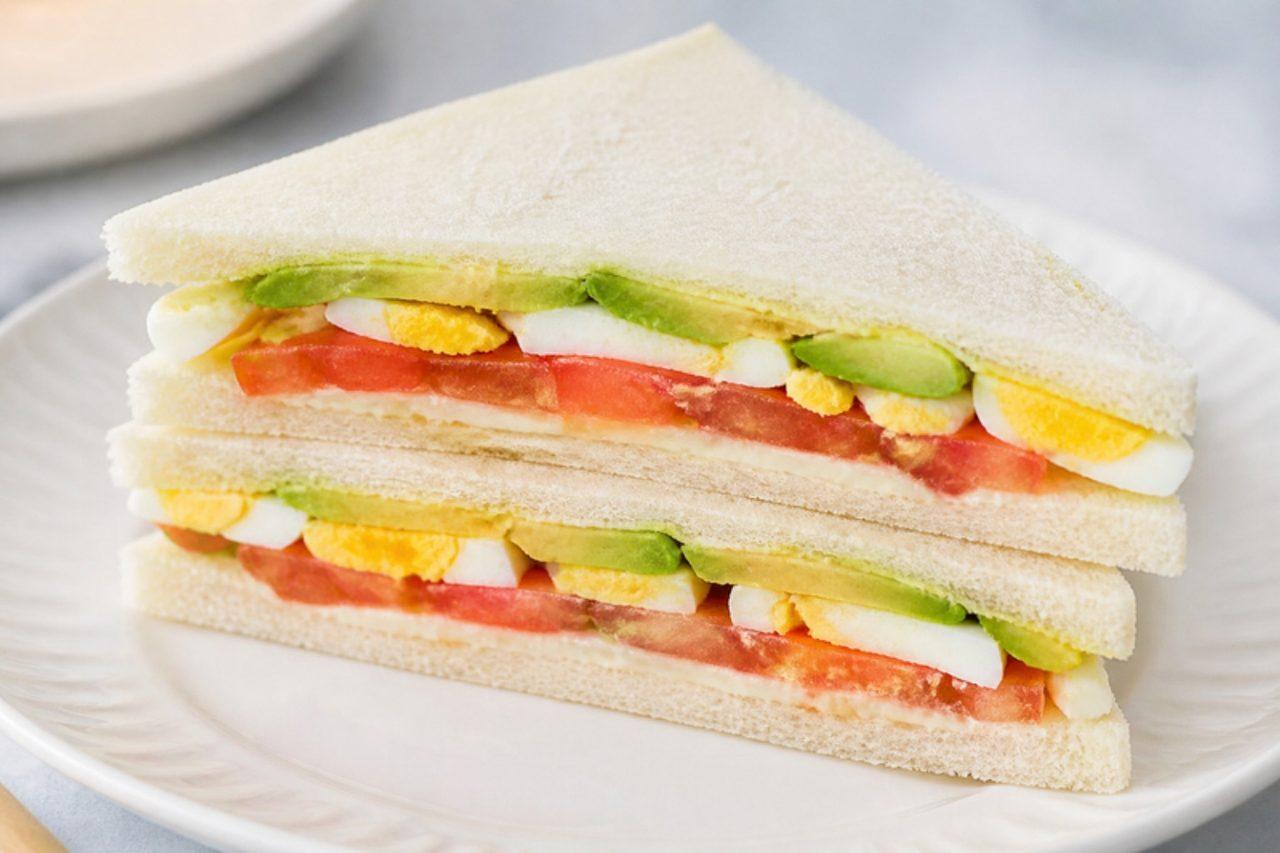
TripleAvocado, tomato and egg sandwich

The triple is the soft, layered sandwich of Lima's cafés and bakeries, eaten at lonche, the Peruvian late-afternoon meal, or as a light supper: three slices of crustless white bread layered with avocado, tomato and sliced hard-boiled egg, all held together with mayonnaise. It looks neat, tastes fresh and is loved by children. Shop-bought mayonnaise is made with pasteurised egg, so it is safe for everyone. The common mistake is letting wet tomato touch the bread, which turns it soggy within minutes. Chef's tip: pat the tomato dry and sit it between the avocado and egg, then press the sandwich under a board for a minute before cutting.

by KrazyBadal 0 views

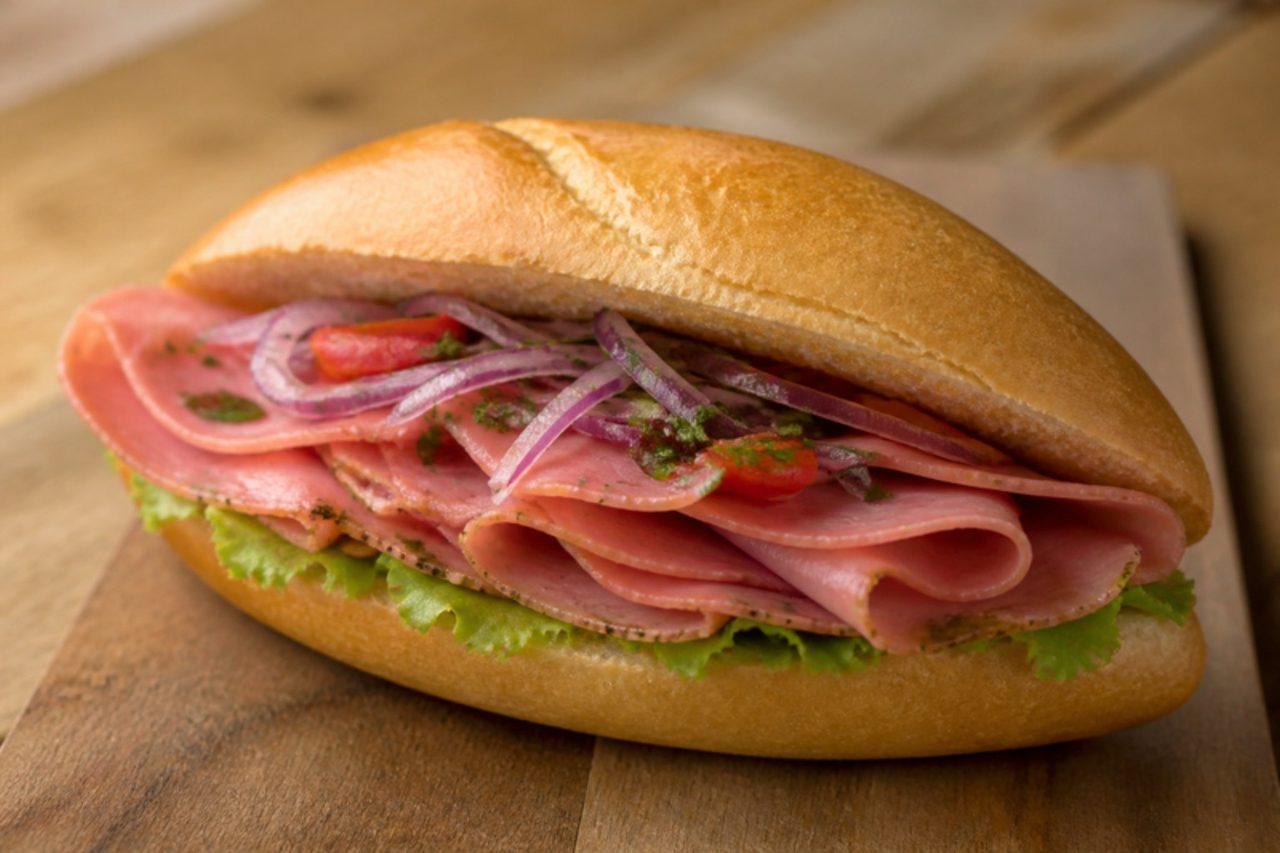
Pan con butifarraHam roll with onion salsa

Pan con butifarra is Lima's evening sandwich, sold in old-school sangucherías and made at home for a light dinner with coffee: a crusty roll filled with jamón del país, a spiced Peruvian pork ham, under a heap of salsa criolla, red onion sliced thin and soaked in lime with chilli. Outside Peru, use a good cooked pork ham. The common mistake is leaving the onion harsh; give it a quick rinse in salted water before dressing it. Chef's tip: a leaf of lettuce under the ham stops the lime juice soaking straight into the bread.

by KrazyBadal 0 views

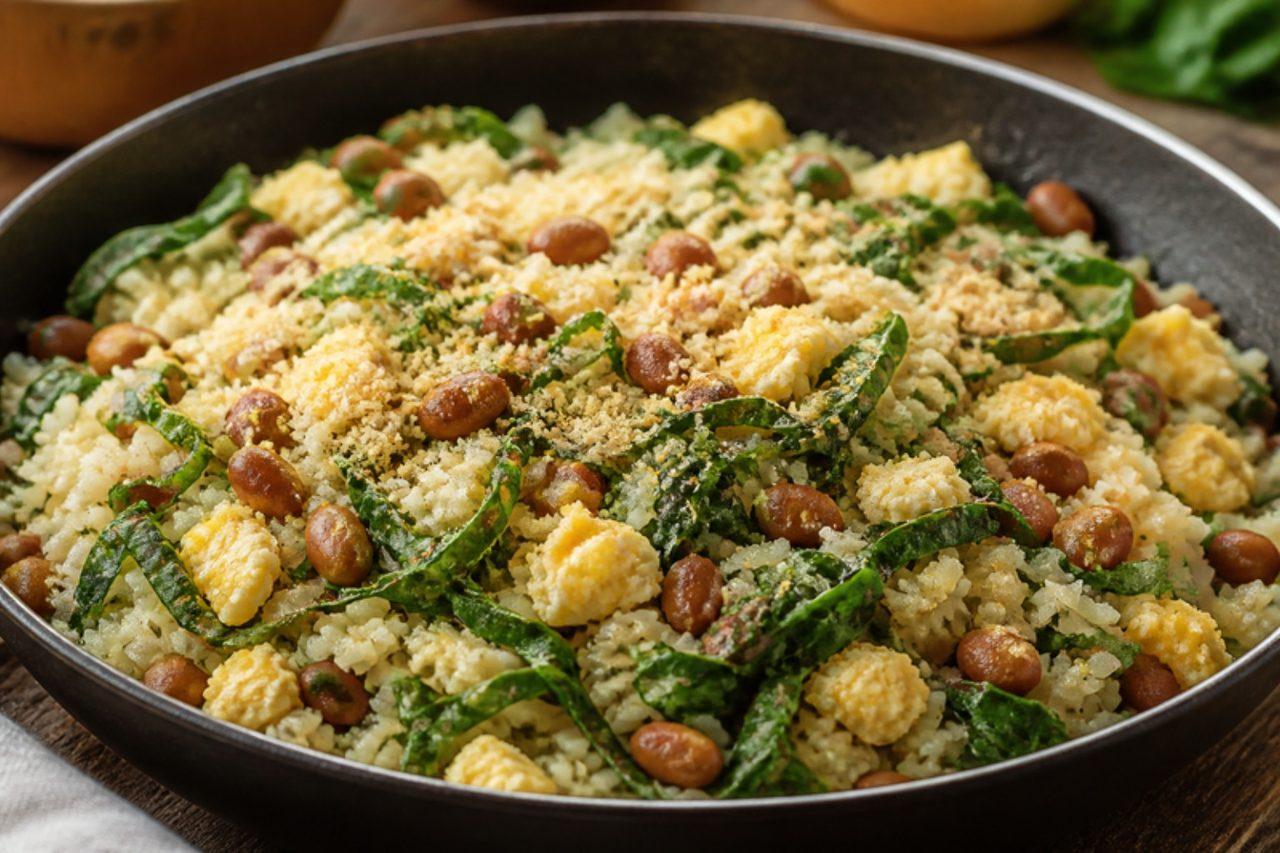
MexidãoRice and beans scrambled with egg

Mexidão, the 'big mix-up', is a late-night favourite in Belo Horizonte and the farm kitchens of Minas Gerais: yesterday's rice and beans fried in one pan with onion and garlic, scrambled with egg, tossed with finely shredded couve and finished with toasted cassava flour. Many versions add bacon or sausage; this one stays vegetarian and is just as satisfying. Leftover rice is only safe if it was cooled within an hour of cooking and kept in the fridge, and it must be reheated until piping hot. The common mistake is piling everything into a cold, crowded pan so it turns mushy instead of crisping at the edges. Chef's tip: toast the cassava flour in the pan until it smells a little like popcorn before adding it.

by KrazyBadal 0 views

Tostado de jamón y quesoPressed ham and cheese sandwich

The tostado is what Buenos Aires orders in a café at merienda or as a light late dinner, and what Uruguayan kids get made at home: thin crustless pan de miga layered with cooked pork ham and mild cheese, buttered outside and pressed until crisp and oozing. The common mistake is too much filling; this sandwich is meant to be thin, so the cheese melts before the bread burns. Chef's tip: if you have no sandwich press, weigh it down in the pan with a second heavy pan so it toasts flat and even.

by KrazyBadal 0 views

BeiruteRoast beef and egg pita sandwich

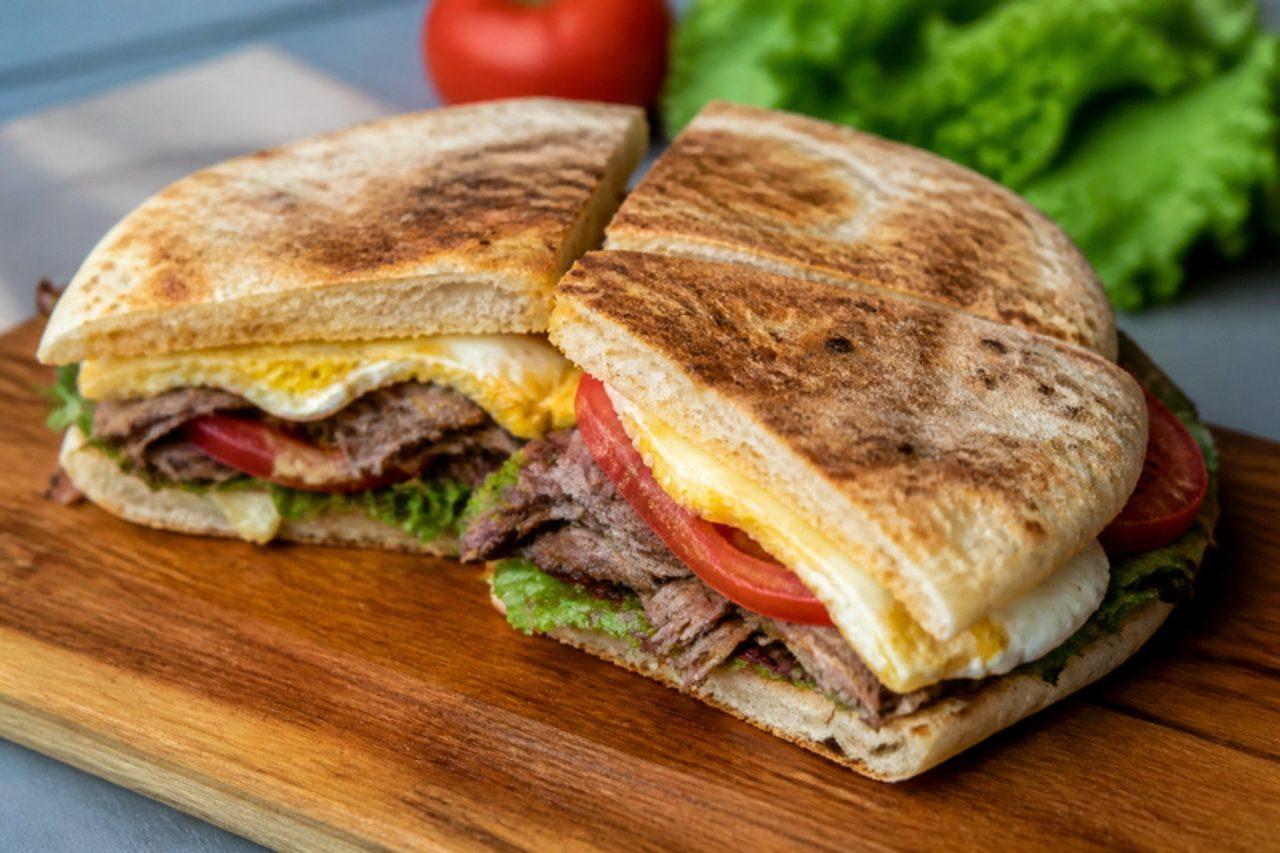
The beirute was born in São Paulo's Lebanese-run lanchonetes and is now a late-night dinner order all over the city: a whole pita split, filled with thin roast beef, melting cheese, tomato, lettuce and a fried egg, toasted on the griddle and cut into wedges with a sprinkle of za'atar or oregano. The common mistake is overloading it with wet lettuce and tomato before toasting, which steams the bread soft; add them after. Chef's tip: toast the pita cut-side down in the pan first so the inside is crisp and keeps the juices out.

by KrazyBadal 0 views

Revuelto de zapallitosCourgettes scrambled with egg and cheese

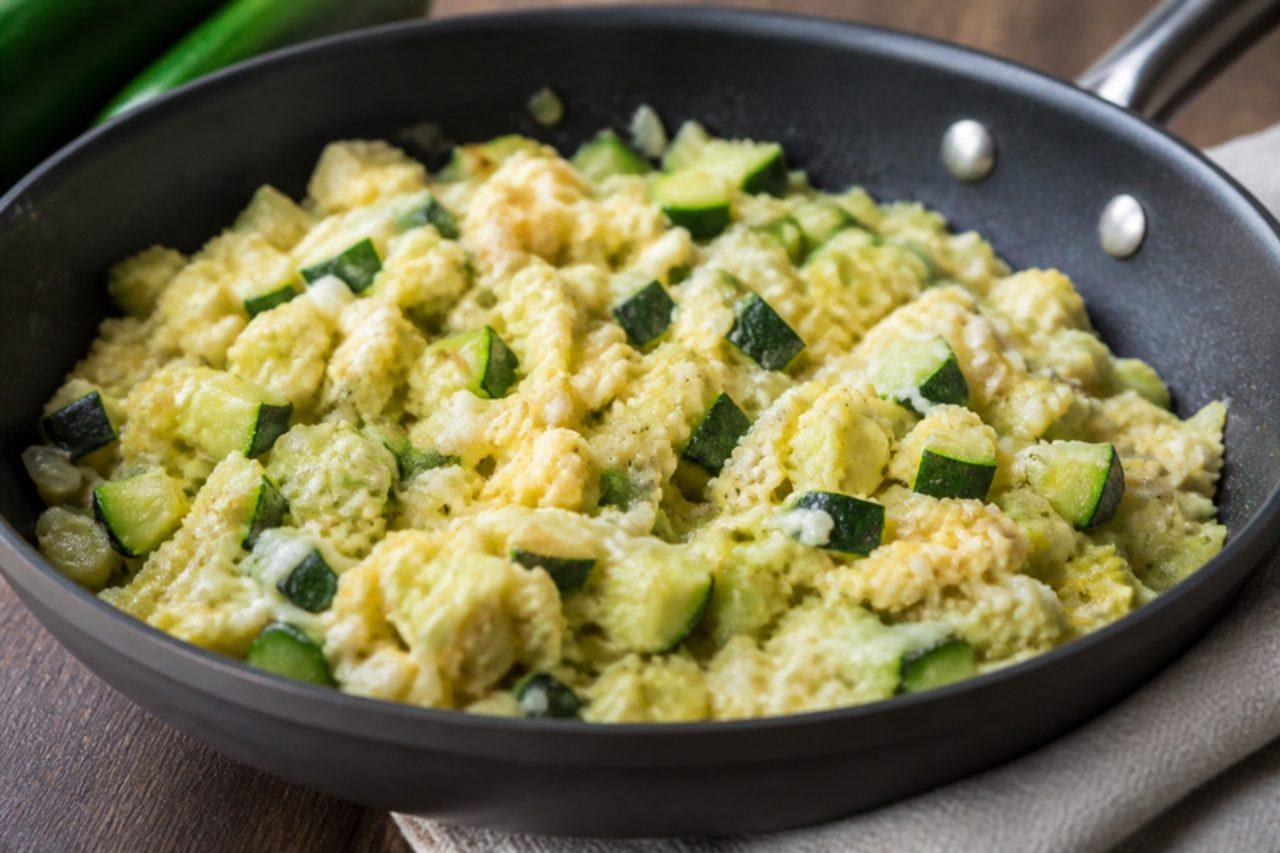
Revuelto de zapallitos is a weeknight dinner in Buenos Aires homes and all over Argentina in summer, when the little round courgettes called zapallitos are cheap: diced courgette and onion cooked down in oil, scrambled with eggs and finished with grated cheese. It is eaten with bread or as a side to a salad. Grated hard cheese like reggianito or Parmesan is usually made with animal rennet, so use a vegetarian hard cheese for a vegetarian dinner. The common mistake is adding the eggs before the courgettes have given up their water, which turns the scramble wet and grey. Chef's tip: salt the courgettes as they go in, so they release their juice early and it cooks away.

by KrazyBadal 0 views

KerbelsuppeChervil soup

In Germany, Maundy Thursday is called Gründonnerstag, 'green Thursday', and many families eat something green that day for health in the coming year: spinach with eggs, herb soup or this creamy chervil soup. Chervil is one of the first herbs of spring, with a delicate taste of aniseed and parsley, and the soup is simply potato, shallot and vegetable stock blended with a big bunch of fresh chervil and finished with cream. It is ready in half an hour and gluten free. Chef's tip: add the chervil only at the very end and blend straight away, because heat quickly dulls its colour and flavour.

by KrazyBadal 0 views

Marzipankartoffeln (German marzipan potatoes)

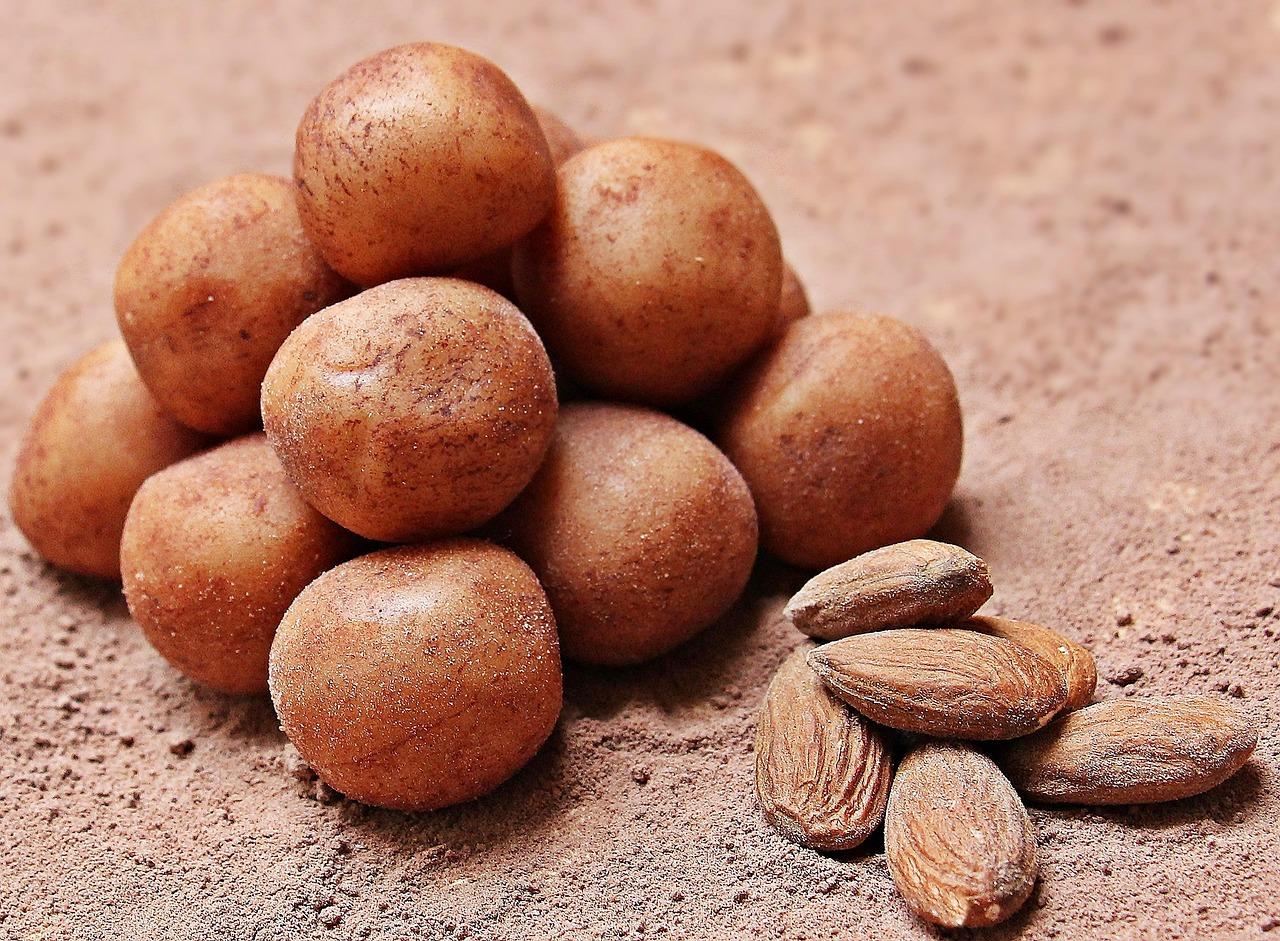
In Germany the run-up to Christmas is when these appear, piled in paper bags at the markets and in bowls on the Advent table; Lübeck, the city most famous for marzipan, makes them by the tonne. They are simply small balls of marzipan dusted in cocoa until they look like freshly dug new potatoes, sometimes with a few pricked 'eyes'. The inside is soft, sweet and fragrant with almond and a hint of rosewater; the cocoa coat is bitter and dry, which keeps the sweetness in check. Serve them with coffee, tuck them into a cookie tin or wrap them as small gifts. Shop marzipan sometimes contains egg white, so this one is made from scratch: a sugar syrup cooked to the soft-ball stage binds the ground almonds into a smooth, pliable paste, doing the job egg white does in some commercial pastes, and the result is naturally egg-free. Chef's tip: the common mistake is kneading the warm paste too long, which squeezes oil out of the almonds and makes it greasy; knead only until it comes together, then let it cool.

by KrazyBadal 0 views

GurkensalatCucumber and dill salad

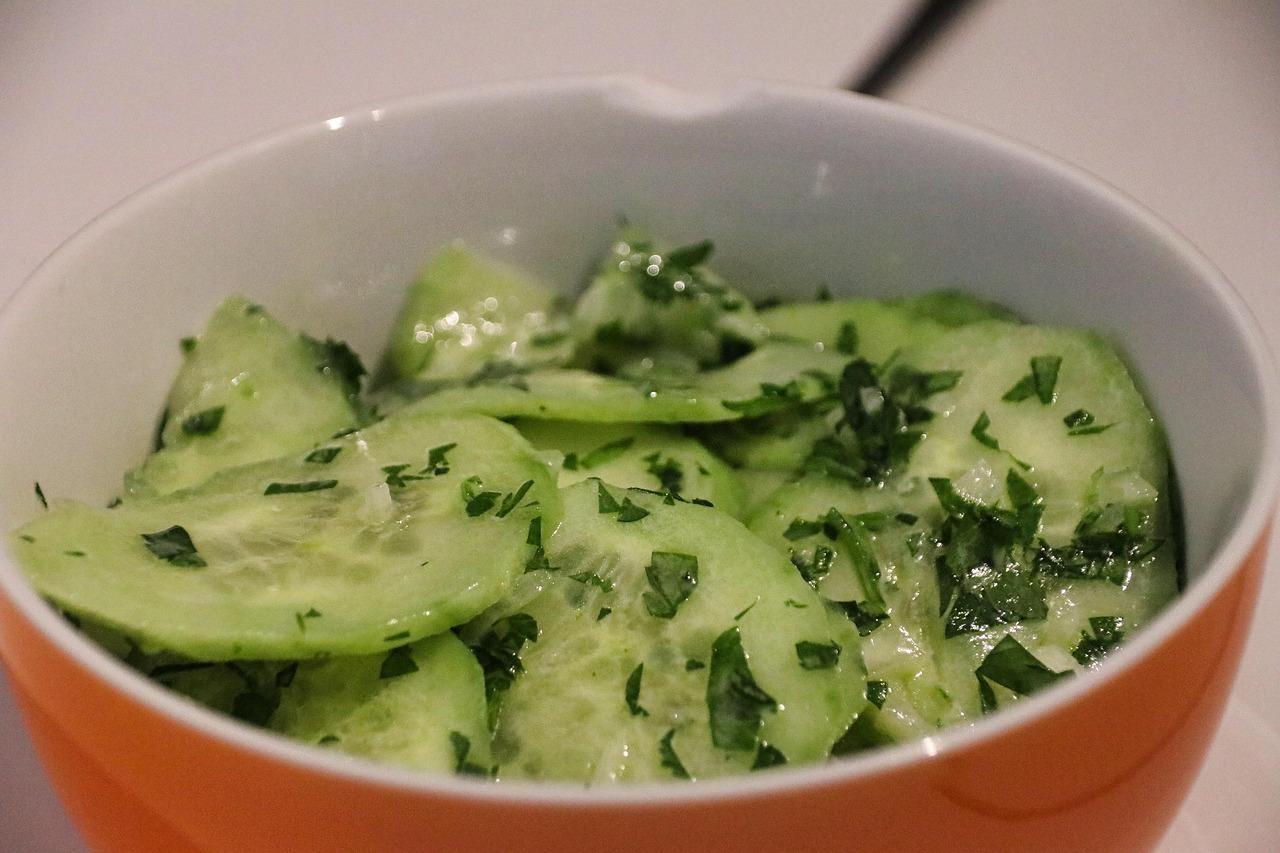
Gurkensalat is on German tables from Bavaria to Berlin all summer, served alongside potato pancakes, egg dishes or the Sunday roast, and it is just as common at a garden barbecue. Cucumber is sliced almost paper-thin, salted briefly, then dressed with a little vinegar, sugar, onion and lots of fresh dill, so it is cool, sharp and soft-crunchy. Some households stir in soured cream; this vinaigrette version is vegan. It is very light, with about 1 g of protein a portion, so it is purely a side. The most common mistake is skipping the salting: unsalted slices weep water into the bowl and dilute the dressing within minutes. Chef's tip: squeeze the salted slices gently in your hands before dressing; they bend like ribbons and take up the dill dressing much better.

by KrazyBadal 0 views

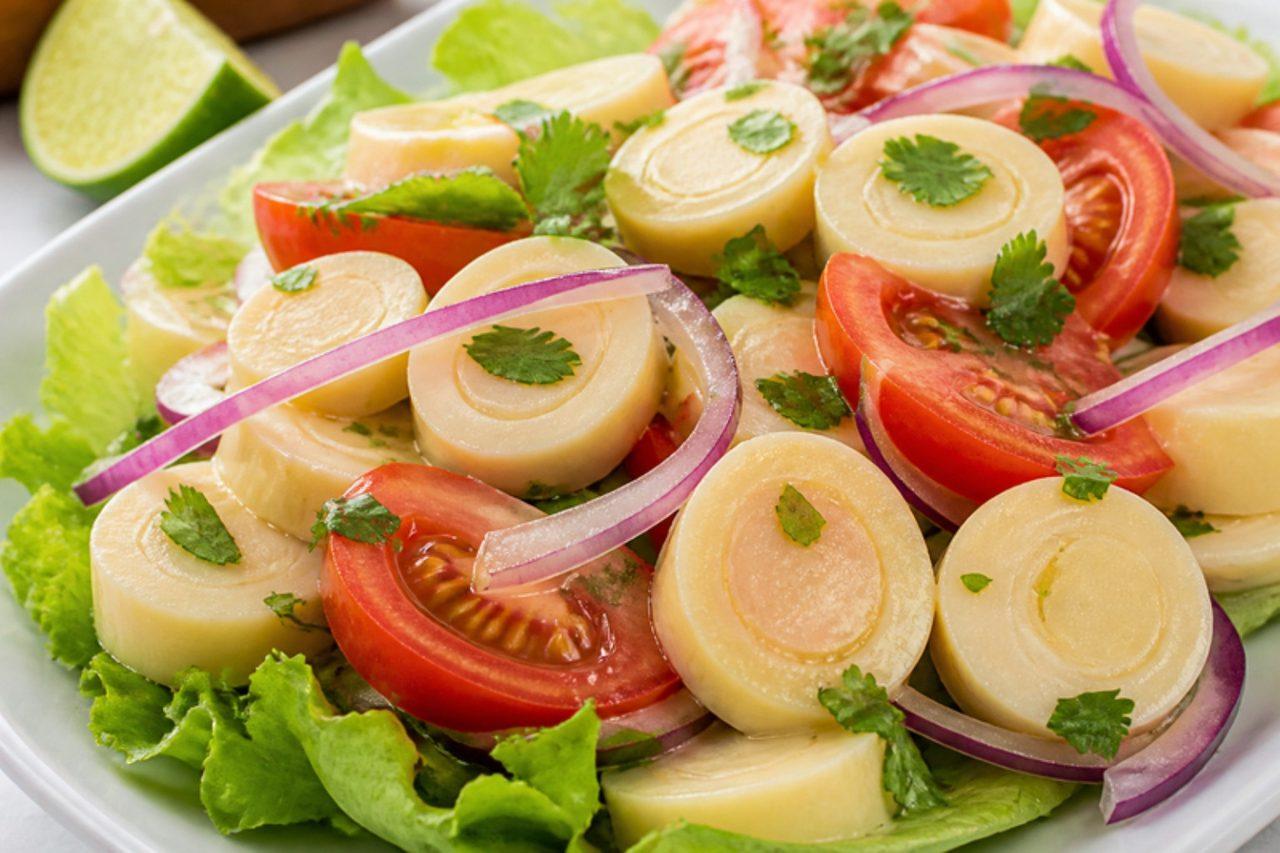
Salada de palmitoHearts of palm salad

Salada de palmito is a fixture of Brazilian lunch buffets, Christmas tables and churrasco sides from São Paulo to Goiás, prized because hearts of palm feel festive. The tender, slightly lemony palm hearts are cut into rounds and tossed with tomato, red onion, coriander or parsley and a quick lime and olive oil dressing; it is cool, soft and crunchy at once. A portion gives about 3 g of protein, so it is a side; serve it with rice and black beans for a full meal. The most common mistake is not draining and rinsing the palm hearts: the brine from the jar makes the salad taste tinny and too salty. Chef's tip: soak the sliced onion in iced water with a pinch of salt for 10 minutes; it stays crisp but loses its bite.

by KrazyBadal 0 views

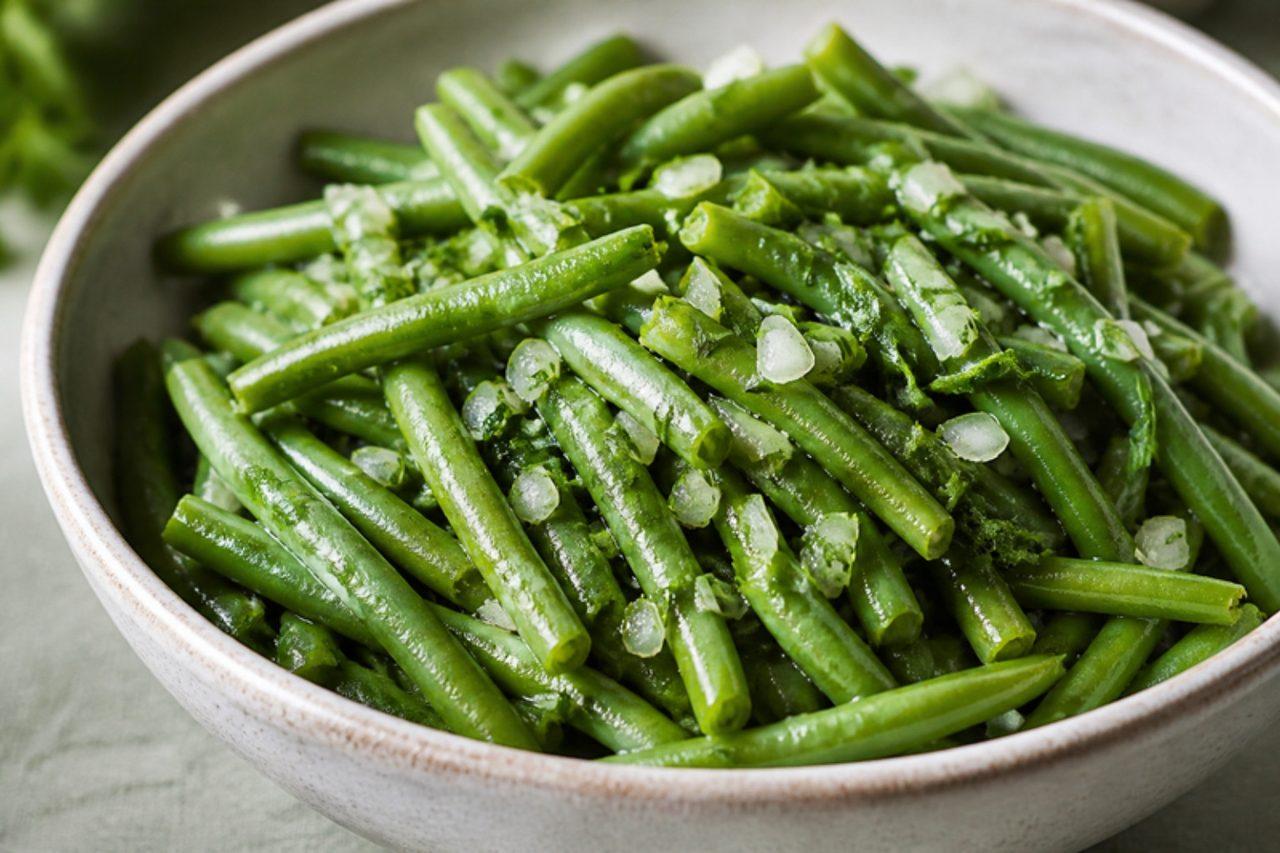
Grüner BohnensalatGreen bean salad

In German kitchens from Swabia to Westphalia, green bean salad comes out in high summer when beans are cheap and plentiful, as a side to fried eggs, potato salad or grilled food, and it travels well to picnics. The beans are cooked until just tender, then dressed warm with vinegar, oil, onion and Bohnenkraut (summer savory), the peppery herb Germans always pair with beans. Many cooks add bacon; this version is vegan. A portion gives about 3 g of protein, so it is a side; add a handful of white beans to make it more filling. The most common mistake is undercooking the beans so they squeak: German bean salad is meant to be tender, not crisp, so cook until a bean bends without snapping. Chef's tip: dress the beans while they are still warm and let them sit for 30 minutes; they absorb the vinegar and taste far better than freshly dressed.

by KrazyBadal 0 views

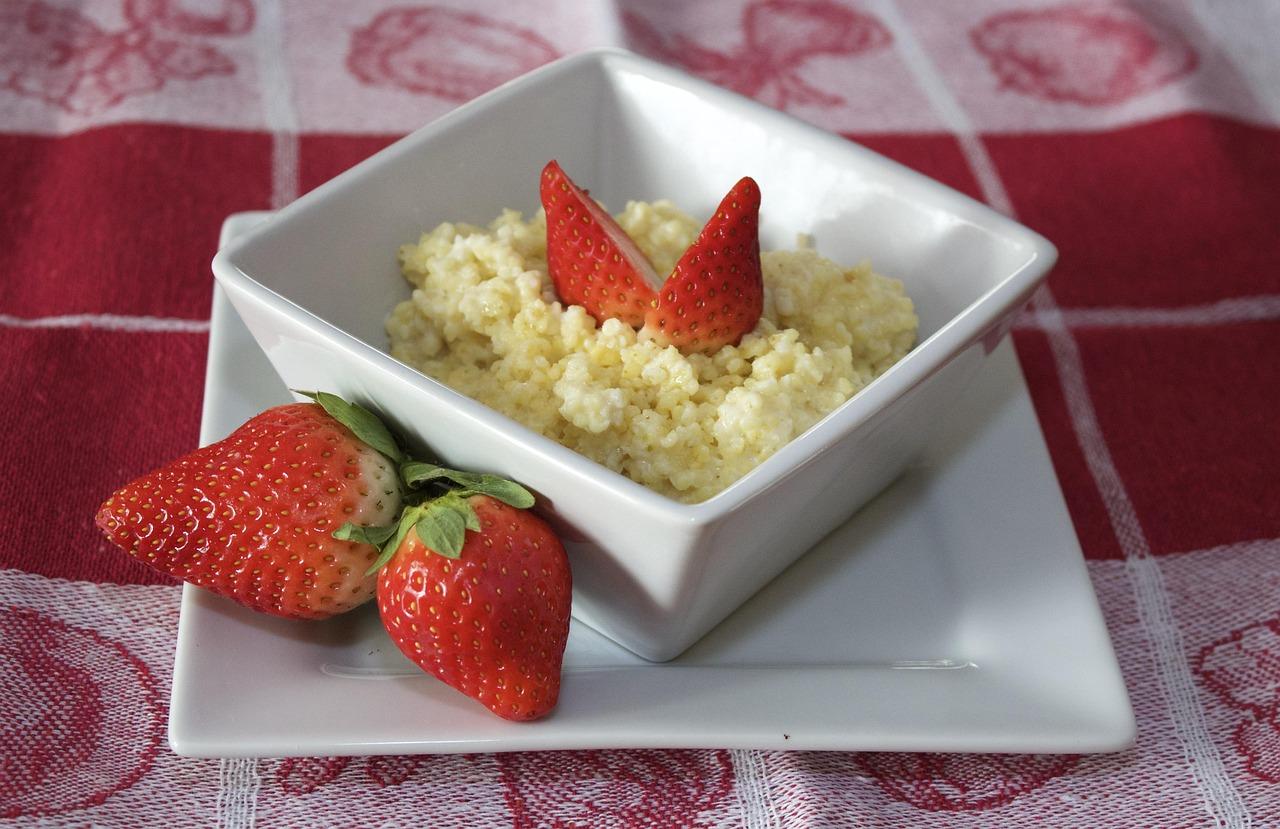
HirsebreiMillet porridge

Hirsebrei is one of the oldest dishes in German cooking, the millet porridge of fairy tales, and it is still made in homes across the country as a warm breakfast or a sweet supper for children on cold evenings. Golden millet is rinsed, then simmered in milk until creamy and soft, and served with stewed apple, berries and a dusting of cinnamon. A bowl gives about 12 g of protein from the milk and millet; stir in a spoon of quark or top with chopped almonds if you want more. The usual mistake is skipping the rinse: unrinsed millet tastes bitter and soapy, so rinse it in hot water until the water runs clear. Chef's tip: toast the rinsed millet in the dry pan for a minute before adding milk; it brings out a lovely nutty flavour.

by KrazyBadal 0 views

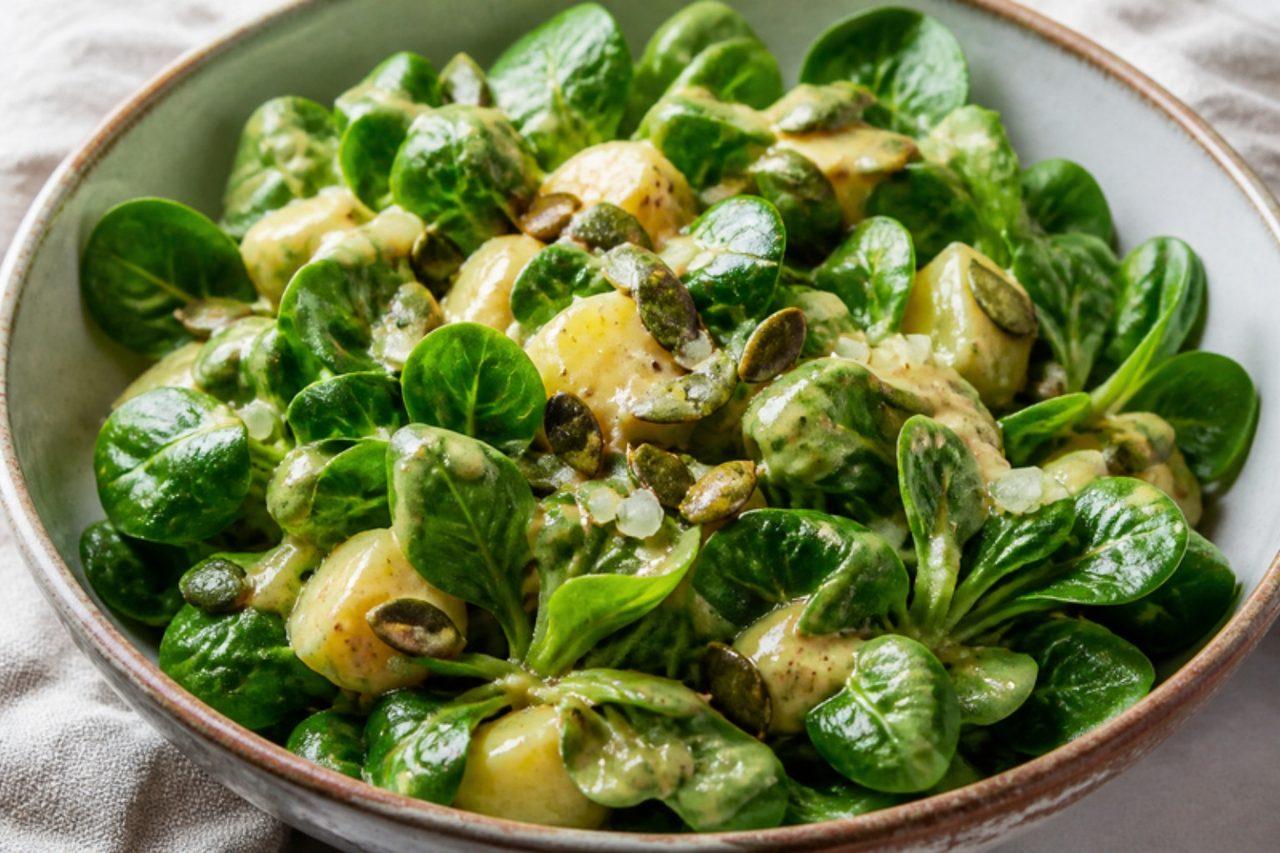
Feldsalat mit warmem KartoffeldressingLamb's lettuce with warm potato dressing

In Baden-Württemberg and Bavaria, Feldsalat (lamb's lettuce, also called Ackersalat or Nüsslisalat) is the winter salad, eaten from October to March as a starter or beside Spätzle and egg dishes. The small, tender rosettes are dressed in a warm, creamy Swabian dressing made from a boiled potato mashed with stock, mustard, vinegar and oil, which coats the leaves without weighing them down. Traditional versions use meat stock and bacon; this one uses vegetable stock and crisp fried onions, so it is vegan. It gives about 3 g of protein a portion, so it is a side; add toasted pumpkin seeds for more. The most common mistake is not washing the leaves well: grit hides deep inside the rosettes, so wash in two or three changes of water. Chef's tip: dress the leaves only at the table; the warm dressing wilts them within minutes.

by KrazyBadal 0 views

Chicharrón de pescadoCrisp fried fish chunks

Up and down the Peruvian coast, from Chorrillos in Lima to the beaches of Piura, chicharrón de pescado is the crunchy plate ordered alongside ceviche at a long seafood lunch: bite-size chunks of firm white fish marinated briefly in garlic and lime, dusted in flour and fried, then served with fried cassava, salsa criolla and tartar or rocoto sauce. Using frozen peeled cassava keeps it to half an hour. The common mistake is leaving the fish in the lime too long: after about ten minutes the acid starts to 'cook' the outside and the coating slips off. Chef's tip: toss the floured pieces in a sieve to shake off every bit of loose flour; a thin coat fries crisp, a thick one turns pasty.

by KrazyBadal 0 views

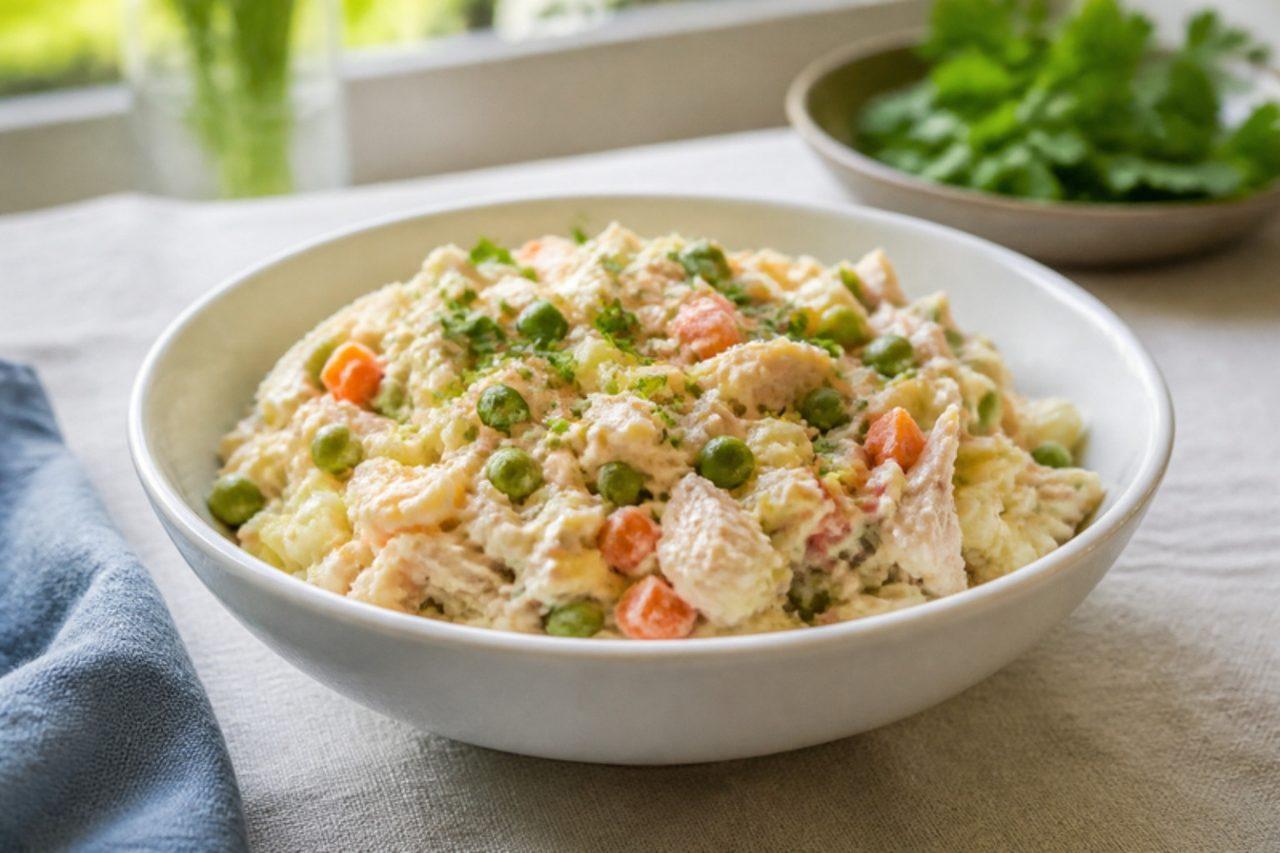
Salpicón de aveCold chicken salad

Salpicón de ave is the cold supper of Argentine summers, made in Buenos Aires flats and on estancias alike when it is too hot to cook much, and a favourite way to use the chicken from a puchero or Sunday roast. Shredded chicken is mixed with diced pepper, tomato, spring onion, sweetcorn and boiled egg, bound with mayonnaise sharpened with lemon and mustard, and served chilled with crusty bread or on lettuce. The common mistake is dressing it while the chicken is still hot, which melts the mayonnaise into an oily puddle; let everything cool first. Chef's tip: dress the chicken with the lemon juice and a pinch of salt before the mayonnaise goes in, so the meat itself is seasoned, not just its coating.

by KrazyBadal 0 views

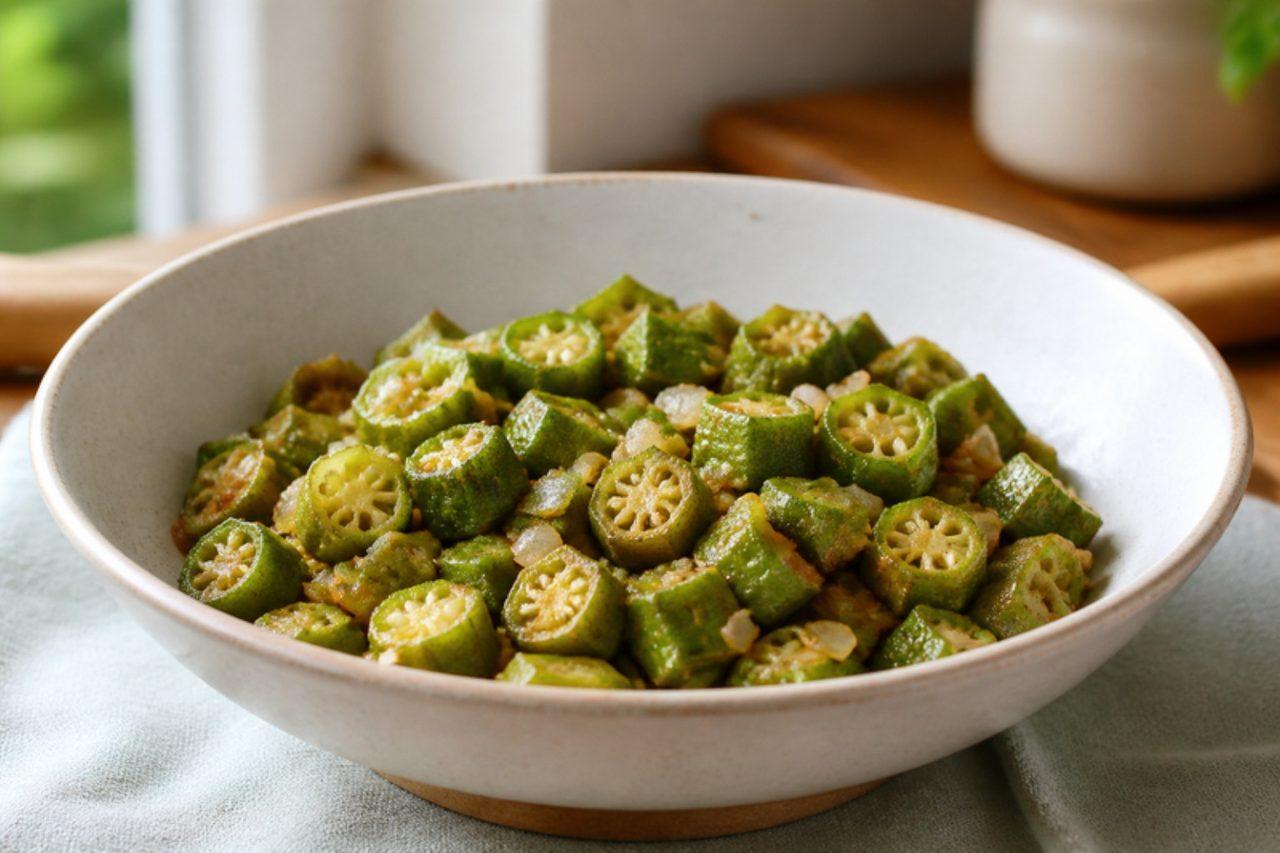
Quiabo refogadoSautéed okra with garlic

In Minas Gerais, quiabo refogado is the green side that sits next to rice, beans and angu on weekday lunch and supper plates, and the cook's pride is okra that is tender but never slimy. The pods are sliced into rounds and sautéed in a wide pan with onion and plenty of garlic until the sticky threads cook away and the edges turn lightly golden. The most common mistake is washing the okra after slicing it: wet cut okra turns gluey, so wash and dry the whole pods first. Serve it with rice and beans, a fried egg or crisp fried tofu. Chef's tip: stir only every couple of minutes and add a few drops of lime at the end; both keep the slices separate.

by KrazyBadal 0 views

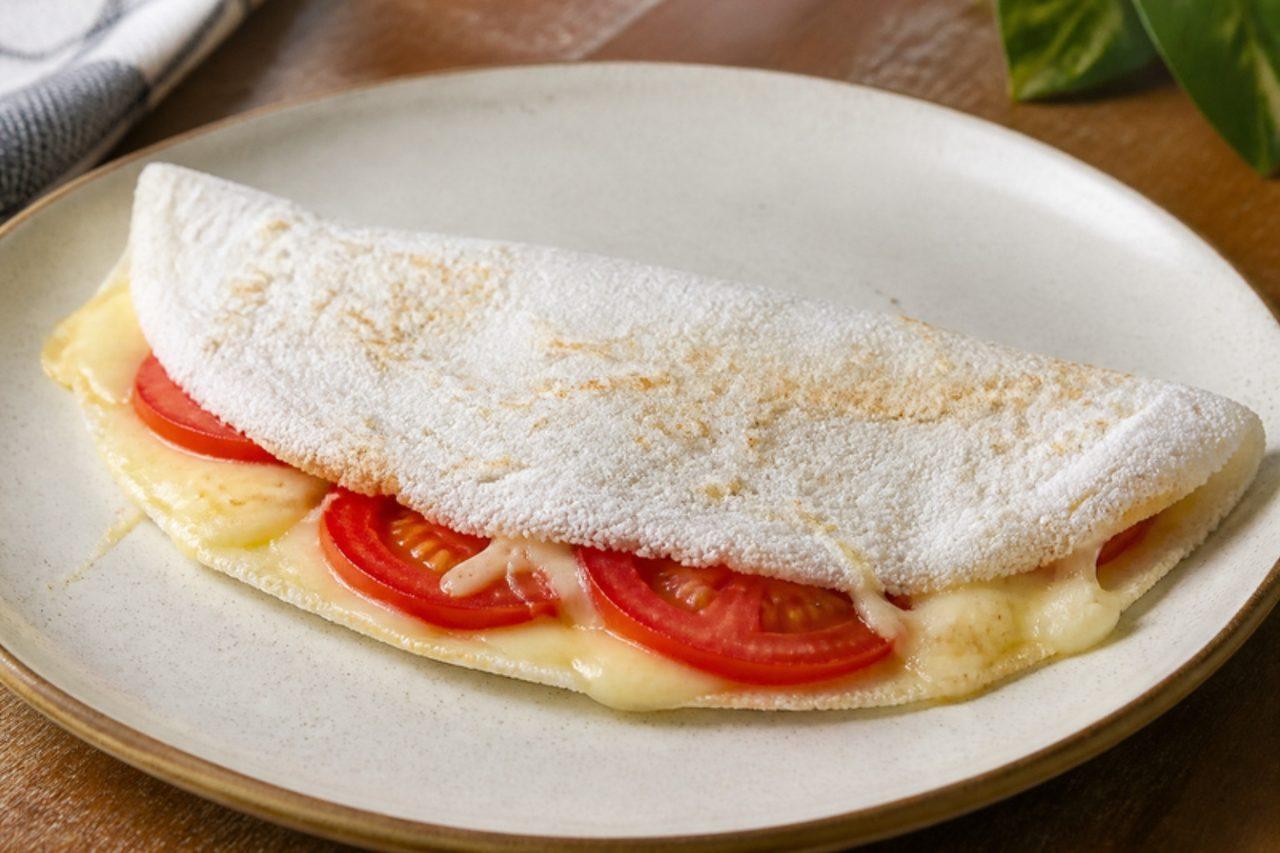
CrepiocaTapioca and egg crêpe

Crepioca is the crêpe that took over Brazilian breakfast tables and gym cafés from São Paulo to Recife: one egg whisked with a spoonful of tapioca starch, cooked thin in a non-stick pan and folded round cheese and tomato. It is naturally gluten free, ready in ten minutes and just as good as a late, light supper as it is with morning coffee. The common mistake is pouring the batter without a last whisk: tapioca starch sinks to the bottom of the bowl in seconds, and the crêpe then comes out patchy and gluey. Mozzarella is often made with animal rennet, so choose a vegetarian mozzarella if that matters to you. Chef's tip: let the pan heat for a full minute before the batter goes in, so the crêpe sets at once and slides free when you shake the pan.

by KrazyBadal 0 views

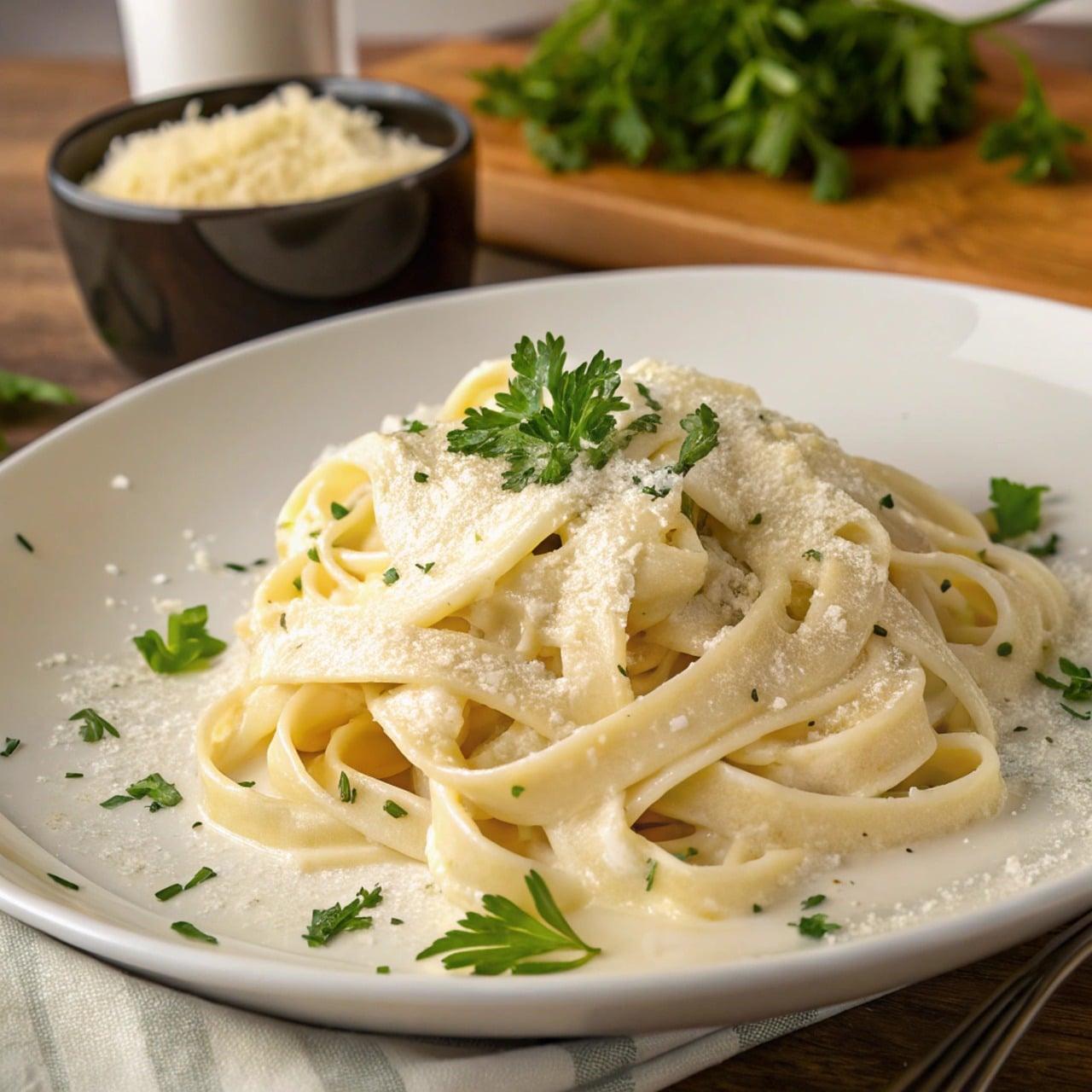
Fideos con mantecaButtered noodles with cheese

Ask anyone from Buenos Aires to Córdoba what they ate when they came home late or felt poorly as a child, and the answer is often fideos con manteca: short pasta tossed with butter and a snowfall of grated queso rallado. It is the plainest dish in the Argentine home kitchen and the one people cook for themselves on a tired weeknight. The mistake that ruins it is draining the pasta bone-dry and adding cold cheese to a hot empty pan, which leaves greasy strands and clumps; a splash of cooking water makes a light, creamy coating instead. Argentine reggianito and Parmesan are made with animal rennet, so use a vegetarian hard cheese if needed. Chef's tip: grate the cheese very finely, like dust, so it melts on contact.

by KrazyBadal 0 views

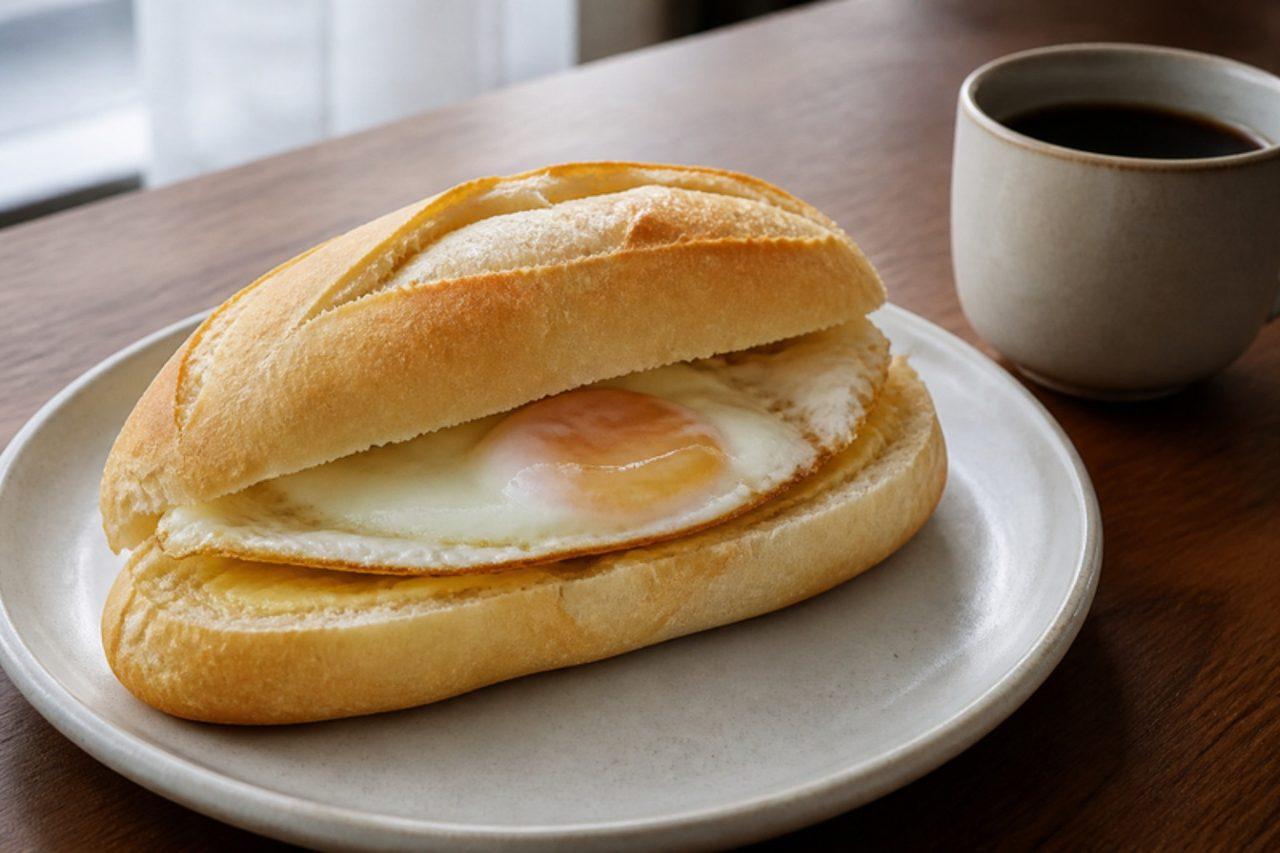
Pão com ovoFried egg in a toasted roll

Every padaria in Brazil, from a São Paulo corner bakery to a beach-town café in Bahia, sells pão com ovo at the counter at breakfast: a crusty French roll, split, buttered and toasted on the griddle, with a fried egg tucked inside. It is eaten standing up with a small coffee or café com leite, and at home it is the quick supper children ask for. The usual mistake is frying the egg on too high a heat, which leaves brown, rubbery edges before the white has set. Brazilians argue over soft or firm yolks; for anyone pregnant, very young, older or with a weakened immune system, break the yolk and cook it through. Chef's tip: toast the cut sides of the roll in the same pan after the butter has foamed, so the bread soaks up the flavour before the egg goes in.

by KrazyBadal 0 views

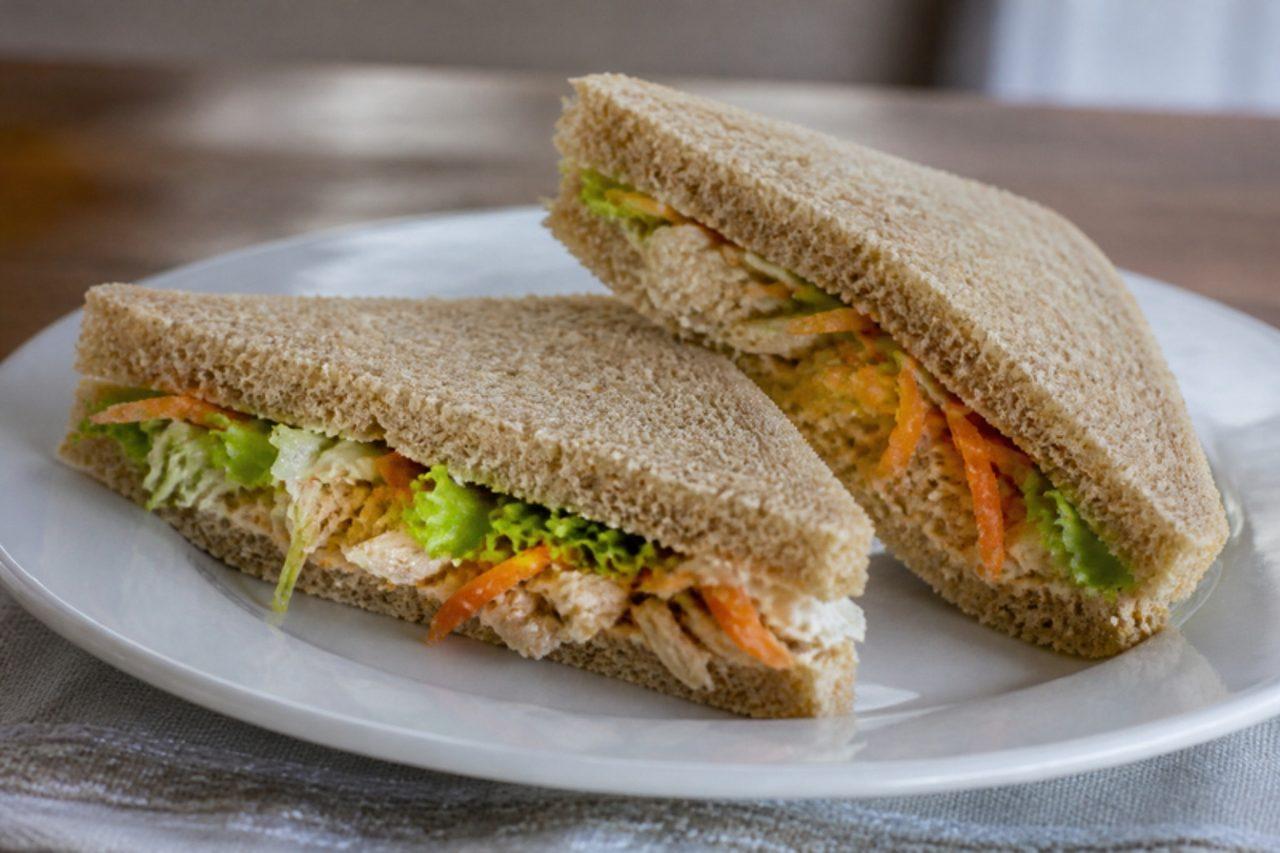
Sanduíche naturalChicken and carrot cold sandwich

In São Paulo and Rio de Janeiro the sanduíche natural is sold wrapped in cling film at beach kiosks, bakeries and office canteens, the light lunch or after-gym snack eaten cold in the afternoon heat. Poached shredded chicken is mixed with grated carrot, sweetcorn and a creamy dressing of requeijão or cream cheese and mayonnaise, then layered with lettuce and tomato in soft wholemeal bread. The common mistake is a soggy sandwich: dry the lettuce and tomato well, and spread the filling right to the edges so it protects the bread. Chef's tip: poach the chicken in salted water with a bay leaf and let it cool in the liquid for a few minutes; it shreds more easily and stays juicy.

by KrazyBadal 0 views

Pejerrey arrebozadoBattered fish fillets with onion salsa

Pejerrey arrebozado is a Lima classic from the cevicherías and home kitchens of the coast, eaten at lunch on a plate with white rice, a heap of sharp salsa criolla and sometimes boiled potato. The pejerrey, a small silverside, is opened into butterflied fillets, dipped in a light egg-and-flour batter and fried golden. Outside Peru, use small fillets of whiting, sole, haddock or tilapia. The batter here uses sparkling water, not beer, so it is alcohol free. The common mistake is frying in oil that isn't hot enough: the batter drinks the oil and turns greasy, so test with a drop of batter first. Chef's tip: make the salsa criolla first and let the onion sit in lime for ten minutes; it softens its bite and turns a pretty pink.

by KrazyBadal 0 views

Tallarines rojosSpaghetti in red sauce with chicken

Tallarines rojos is the Sunday-lunch and weeknight pasta of homes all over Peru, from Lima to Arequipa: spaghetti in a sweet, deep-red sauce of blended tomato, onion and garlic with a little ají panca and oregano, often with pieces of chicken cooked right in it. Children love it, and it is served with a sprinkle of grated cheese and sometimes a spoon of huancaína on the side. The usual mistake is cooking the sauce too briefly, so it tastes of raw onion; let the blended tomato fry until it darkens and the oil shows at the edges. Chef's tip: a bay leaf and a spoon of ají panca paste give the sauce its Peruvian character; paprika will do if you can't find the paste.

by KrazyBadal 0 views

Showing 24 of 202 recipes

Show more recipes

Page 1 of 9