Skip to content
Recipes

All recipes

Vegetarian, or something you can't eat? Set your diet once and we'll hide recipes that don't fit.

KaguyjyWhite corn pudding

On the night of 23–24 June, Paraguayans celebrate San Juan with bonfires, games like walking over hot coals and the 'paso de fuego', and a table of traditional foods, and kaguyjy (also mazamorra) is one of them. It is a soft, creamy pudding of cracked white corn (locro) simmered slowly in water and then milk with sugar or honey, sometimes with orange peel. It is eaten warm or cold. It is gluten free. Chef's tip: soak the corn overnight and cook it until each kernel is tender before adding the milk, or it never turns creamy.

by KrazyBadal 0 views

Lengua a la vinagretaBeef tongue with vinaigrette

Argentina's Nochebuena is a hot summer night, so the table is full of cold dishes, and lengua a la vinagreta is one of the classics: beef tongue simmered until tender, peeled, sliced and covered with a sharp vinaigrette of parsley, garlic, red pepper, onion and chopped hard-boiled egg. It is made a day ahead and served chilled with vitel toné and Russian salad. Chef's tip: peel the tongue while it is still hot, as the skin comes away easily then and clings once it cools.

by KrazyBadal 0 views

AllerheiligenstriezelBraided sweet loaf

In Bavaria and Austria, godparents give their godchildren an Allerheiligenstriezel on All Saints' Day, 1 November: a large braided loaf of sweet yeast dough, brushed with egg and scattered with almonds or pearl sugar. The braid is said to recall the old custom of cutting a plait of hair in mourning, and the size of the loaf once showed how generous the godparent was. It is lightly sweet, with lemon and vanilla, and is eaten sliced with butter or jam. Some recipes add rum-soaked raisins; these are soaked in warm water instead. Chef's tip: braid four strands for an impressive, high loaf.

by KrazyBadal 0 views

Sopa teólogaTurkey broth with bread and cheese

Sopa teóloga ('the theologian's soup') goes back to colonial convents in Lima and Arequipa, where it was cooked for feast days, and it is still served at Holy Week and family celebrations. A rich turkey (or chicken) broth is thickened with soaked bread, milk and fresh cheese, with yellow potatoes and shreds of turkey, and finished with a little ají amarillo and chopped huacatay or parsley. It is thick, comforting and filling. Chef's tip: blend part of the soaked bread with broth before adding it, which gives the soup its creamy body without lumps.

by KrazyBadal 0 views

Pajagua mascadaBeef and cassava patties

Pajagua mascada is a Paraguayan street-food classic that appears on every table for the San Juan festival on 24 June, when bonfires burn and the night is full of games and traditional food. Minced beef is mixed with mashed cassava, onion, garlic and a little egg and flour, shaped into flat patties and fried until crisp. The name comes from Guaraní and refers to the 'chewing' of old Paraguayan cooks, who made it from leftover meat. Chef's tip: dry the boiled cassava well and remove its woody core, which keeps the patties light and crunchy.

by KrazyBadal 0 views

Chipa so'oCheese bread with spiced beef

In Paraguay, families bake chipa in the clay tatakua ovens on Holy Wednesday so there is food for Thursday and Good Friday, when cooking stops. Chipa so'o ('chipa with meat') is a cassava-starch and cheese bread wrapped around a little filling of minced beef cooked with onion and egg, then baked until crisp outside and chewy within. It is naturally gluten free. Chef's tip: knead the dough until it no longer cracks at the edges when pressed; dry dough splits around the filling.

by KrazyBadal 0 views

Boudin blanc aux pommesWhite sausage with apple compote

In Liège and across Wallonia, Christmas Eve supper often begins with boudin blanc: pale, delicate sausages of finely minced pork and milk, sometimes with a little chicken, gently fried in butter until golden and served with warm, chunky apple compote and bread. Butchers make piles of them in December. Buy them fresh from a good butcher, or poached and ready to fry. Chef's tip: prick nothing and cook gently; boudin blanc is fragile, and a hot pan splits the skins.

by KrazyBadal 0 views

OsterpinzeEaster anise brioche

Osterpinze is the Easter bread of Styria, Carinthia and the area around Trieste, a soft, golden brioche dome with three deep cuts on top for the Holy Trinity, so that it opens into a crown as it bakes. The dough is rich with egg yolks and butter and flavoured with anise and lemon; old recipes add a splash of white wine, left out here. It is blessed in the Easter basket on Holy Saturday and eaten on Easter morning with ham, horseradish and eggs, or with butter and jam. Chef's tip: make the three cuts with scissors just before baking, deep enough to reach halfway down, so the crown opens wide.

by KrazyBadal 0 views

Quinotos en almíbar (Argentine kumquats in syrup)

In Buenos Aires and the river provinces of the Litoral, kumquat trees ripen in the middle of winter, between June and August, and the fruit goes straight into jars of syrup. Grandmothers' pantries held quinotos for the whole year, brought out for birthdays and long Sunday lunches. Each little fruit turns glossy orange and translucent, with a soft, bittersweet skin and a sharp, juicy centre. Spoon them over vanilla ice cream, serve them with a slice of fresh cheese in the style of postre vigilante, or eat them straight from the jar. Many bar menus offer them steeped in spirits; this version keeps only the syrup. Naturally egg-free, the quinotos rely on sugar syrup to preserve them, while pectin from the peel gives the syrup a light, jammy body. Chef's tip: blanch the fruit three times from cold water; the common mistake is skipping this, which leaves the skins tough and bitter.

by KrazyBadal 0 views

Turrón de maníPeanut nougat

On an Argentine Christmas Eve, after midnight toasts, the 'mesa dulce' appears with pan dulce, garrapiñadas and turrón de maní: a chewy white nougat of honey, sugar, whipped egg white and roasted peanuts, often set between two sheets of rice paper. Families make it in the days before Nochebuena. The egg white is cooked by the hot syrup. It is gluten free if you use gluten-free wafer paper or none. Chef's tip: work fast once the syrup is in, as the nougat stiffens as it cools and gets hard to spread.

by KrazyBadal 0 views

ParihuelaSpicy seafood soup

Parihuela is the big weekend seafood soup of Callao and the Peruvian coast, eaten at long Sunday lunches in cevicherías and praised as a cure for tiredness and late nights. A deep red broth of ají panca, ají amarillo, tomato and fish stock is loaded with chunks of fish, prawns, squid and mussels. A portion gives about 30 g of protein, from the fish and shellfish, for roughly 300 kcal. Some cooks add chicha de jora or beer; this version has none. The common mistake is adding all the seafood at once: squid and prawns turn rubbery while the fish cooks, so they go in last. Before cooking, discard any mussels that stay open when tapped, and after cooking discard any that stay shut. Chef's tip: fry the chilli pastes in the oil until they darken and smell sweet; that toasted ají is what gives parihuela its depth.

by KrazyBadal 0 views

Chilcano de pescadoClear fish broth

In the fishermen's terminals of Chorrillos and Callao, chilcano is what you drink on a Sunday morning after a long night: a clear, gingery broth made from the heads and bones left over from cleaning fish for ceviche, with chunks of fish, red onion, chilli and a squeeze of lime in the bowl. It is light and warming, around 160 kcal a bowl, and still gives about 24 g of protein from the fish fillet and the broth. The common mistake is squeezing the lime into the pot while it boils, which turns it bitter; add it to each bowl at the table. Don't boil the bones for more than 30 minutes either, or the broth turns cloudy and harsh. Chef's tip: ask the fishmonger for heads and frames from mild white fish like sea bass or cod, and leave out oily fish such as mackerel, which makes the broth strong and fishy.

by KrazyBadal 0 views

Aguadito de polloCoriander chicken rice soup

Aguadito is the soup Lima serves in the small hours: at the end of a wedding, after New Year's Eve and at weekend family lunches, it is ladled out thick and steaming to revive everyone. Rice simmers in chicken broth coloured deep green with blended coriander and warmed with yellow ají amarillo, along with peas, carrot, pepper, sweetcorn and potato. A portion gives about 24 g of protein, from the chicken with a little from the rice and peas, for around 480 kcal. The common mistake is adding the coriander purée too early: cooked for long it turns khaki and loses its fresh taste, so stir it in for the last 10 minutes. The chicken must reach 74 °C at the bone. Chef's tip: blend a handful of spinach with the coriander; it keeps the colour vivid green without changing the flavour.

by KrazyBadal 0 views

Helado de dulce de leche (Buenos Aires dulce de leche ice cream)

Dulce de leche is the flavour Buenos Aires heladerías are judged by, and on a summer night the queues at neighbourhood ice-cream shops stretch out onto the pavement well after dinner. Locals order it plain, with a ripple of extra dulce de leche (dulce de leche granizado adds chocolate flakes), often by the kilo to take home. It is dense, chewy and deeply caramel. This home version is egg-free with no custard: a little cornflour cooked into the milk thickens it the way yolks would, and the dulce de leche itself is milk and sugar cooked down, its sugar and milk solids keeping crystals tiny so it stays smooth and scoopable. Churn it, or still-freeze and stir it every 45 minutes. Chef's tip: chill the extra dulce de leche before rippling it in; the common mistake is folding in a warm one, which melts into the ice cream instead of leaving ribbons.

by KrazyBadal 0 views

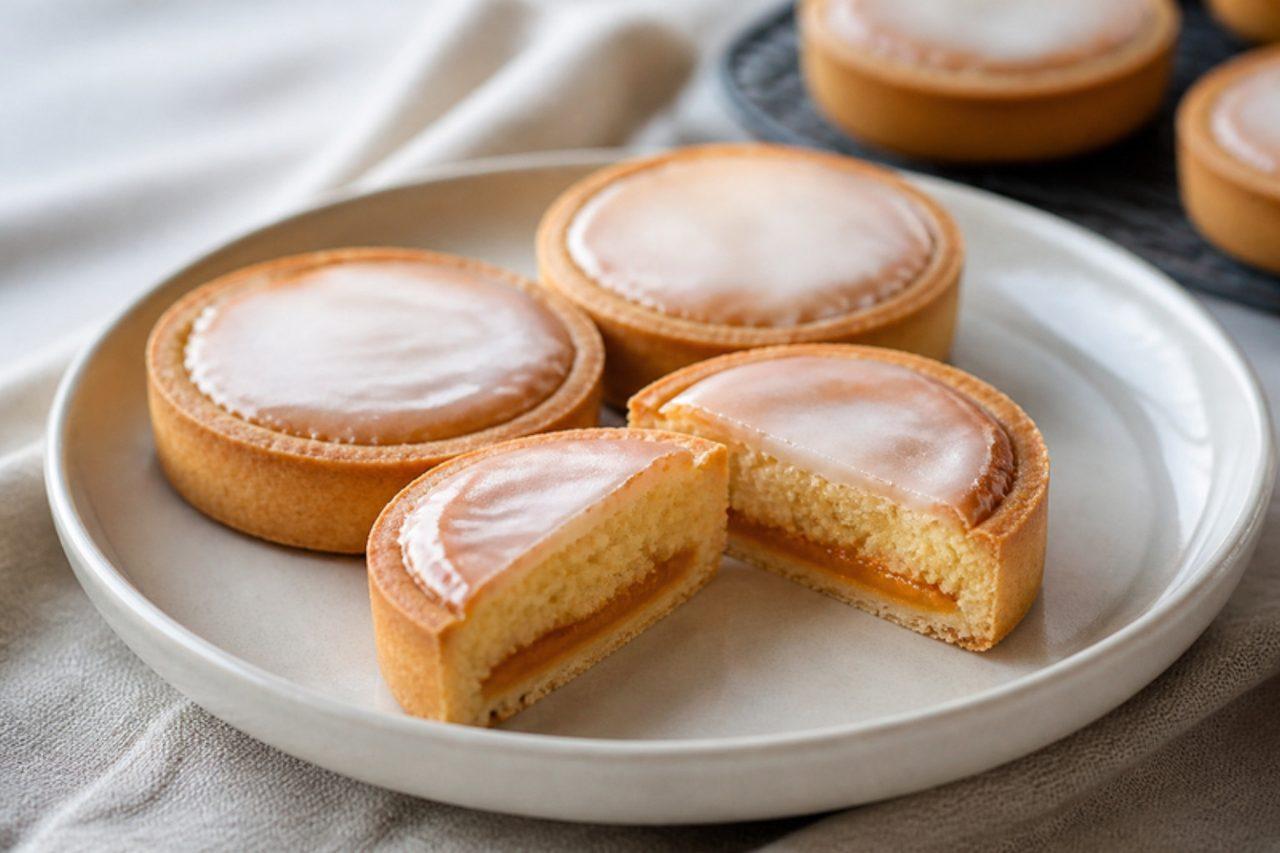
Belgian frangipane tartlets
Look in the glass counter of a Flemish bakery and between the rice tarts and cream puffs sit rows of frangipanetaartjes: small shortcrust cases with a hidden layer of apricot jam, filled with almond frangipane and glazed with a thin, crackly white icing. Belgians pick them up on Saturday mornings or for a birthday at the office and eat them with coffee. They are buttery, nutty and moist, with a sharp fruity note from the jam. Too much jam is the mistake to watch: it bubbles up through the frangipane and glues the tartlets to the tin. Chef's tip: brush the warm tartlets with hot apricot jam first and let it set before the icing goes on; the jam seals the surface so the glaze stays white and shiny.

by KrazyBadal 0 views

Tarta de coco y dulce de lecheCoconut and dulce de leche tart

Ask Argentinians for their favourite tart at a family birthday and this one often wins: a crisp shortcrust spread thickly with dulce de leche, then covered with a coconut, sugar and egg topping that bakes into a golden, chewy crust. Bakeries from Córdoba to Mar del Plata sell it by the slice for the merienda with mate or a café con leche. It is very sweet, so the slices are thin, and it is a good keeper for a few days. Ordinary spreading dulce de leche is the mistake: it runs and bubbles out at the edges. Use the thicker pastry-style kind, sold in Argentina as 'repostero'. Chef's tip: chill the case with the dulce de leche spread on it for 15 minutes before adding the coconut, so the two layers stay distinct.

by KrazyBadal 0 views

TopfengolatschenSweet quark puff pastry squares

A Topfengolatsche is what Viennese office workers grab from the bakery on the way in, and what grandparents order with a Melange in a coffee house on a Sunday afternoon. The corners of a puff pastry square are folded over a lemony, vanilla-scented filling of Topfen (Austrian quark) with plump raisins, and the top gets a thin white glaze. It is flaky, light and not too sweet. Raisins are sometimes soaked in rum; warm water or orange juice works just as well, and the recipe below is alcohol-free. Wet quark is the classic problem, because it turns the filling runny and it leaks out in the oven. Chef's tip: hang the quark in a sieve lined with a clean cloth for an hour, or squeeze it, until it is as thick as soft cream cheese.

by KrazyBadal 0 views

Fideos con mantecaButtered noodles with cheese

Ask anyone from Buenos Aires to Córdoba what they ate when they came home late or felt poorly as a child, and the answer is often fideos con manteca: short pasta tossed with butter and a snowfall of grated queso rallado. It is the plainest dish in the Argentine home kitchen and the one people cook for themselves on a tired weeknight. The mistake that ruins it is draining the pasta bone-dry and adding cold cheese to a hot empty pan, which leaves greasy strands and clumps; a splash of cooking water makes a light, creamy coating instead. Argentine reggianito and Parmesan are made with animal rennet, so use a vegetarian hard cheese if needed. Chef's tip: grate the cheese very finely, like dust, so it melts on contact.

by KrazyBadal 0 views

Tallarines rojosSpaghetti in red sauce with chicken

Tallarines rojos is the Sunday-lunch and weeknight pasta of homes all over Peru, from Lima to Arequipa: spaghetti in a sweet, deep-red sauce of blended tomato, onion and garlic with a little ají panca and oregano, often with pieces of chicken cooked right in it. Children love it, and it is served with a sprinkle of grated cheese and sometimes a spoon of huancaína on the side. The usual mistake is cooking the sauce too briefly, so it tastes of raw onion; let the blended tomato fry until it darkens and the oil shows at the edges. Chef's tip: a bay leaf and a spoon of ají panca paste give the sauce its Peruvian character; paprika will do if you can't find the paste.

by KrazyBadal 0 views

Torta de ricotaLemon ricotta tart

Italian families brought ricotta tarts to Buenos Aires and Rosario, and torta de ricota is now as Argentinian as mate: every panadería has one in the window, with a lattice of sweet, crumbly masa frola over a pale, lemon-scented ricotta filling. It is cut into wedges for the merienda, the late-afternoon snack, or for a birthday where nobody wants a heavy cake. The texture is light and slightly grainy rather than silky, and the pastry tastes of butter and vanilla. Wet ricotta is the biggest risk, giving a weeping, soggy tart. Chef's tip: drain the ricotta overnight in the fridge in a sieve lined with a cloth, and add a few raisins only if they have been soaked, or they draw moisture from the filling.

by KrazyBadal 0 views

Pejerrey arrebozadoBattered fish fillets with onion salsa

Pejerrey arrebozado is a Lima classic from the cevicherías and home kitchens of the coast, eaten at lunch on a plate with white rice, a heap of sharp salsa criolla and sometimes boiled potato. The pejerrey, a small silverside, is opened into butterflied fillets, dipped in a light egg-and-flour batter and fried golden. Outside Peru, use small fillets of whiting, sole, haddock or tilapia. The batter here uses sparkling water, not beer, so it is alcohol free. The common mistake is frying in oil that isn't hot enough: the batter drinks the oil and turns greasy, so test with a drop of batter first. Chef's tip: make the salsa criolla first and let the onion sit in lime for ten minutes; it softens its bite and turns a pretty pink.

by KrazyBadal 0 views

Salpicón de aveCold chicken salad

Salpicón de ave is the cold supper of Argentine summers, made in Buenos Aires flats and on estancias alike when it is too hot to cook much, and a favourite way to use the chicken from a puchero or Sunday roast. Shredded chicken is mixed with diced pepper, tomato, spring onion, sweetcorn and boiled egg, bound with mayonnaise sharpened with lemon and mustard, and served chilled with crusty bread or on lettuce. The common mistake is dressing it while the chicken is still hot, which melts the mayonnaise into an oily puddle; let everything cool first. Chef's tip: dress the chicken with the lemon juice and a pinch of salt before the mayonnaise goes in, so the meat itself is seasoned, not just its coating.

by KrazyBadal 0 views

Chicharrón de pescadoCrisp fried fish chunks

Up and down the Peruvian coast, from Chorrillos in Lima to the beaches of Piura, chicharrón de pescado is the crunchy plate ordered alongside ceviche at a long seafood lunch: bite-size chunks of firm white fish marinated briefly in garlic and lime, dusted in flour and fried, then served with fried cassava, salsa criolla and tartar or rocoto sauce. Using frozen peeled cassava keeps it to half an hour. The common mistake is leaving the fish in the lime too long: after about ten minutes the acid starts to 'cook' the outside and the coating slips off. Chef's tip: toss the floured pieces in a sieve to shake off every bit of loose flour; a thin coat fries crisp, a thick one turns pasty.

by KrazyBadal 0 views

ChaplasHollow puffed Andean bread

Walk through Ayacucho's central market at seven in the morning and you will see women selling stacks of chaplas from cloth-lined baskets, still warm from the wood-fired ovens of the Andes. These round wheat breads puff up like pita in the fierce heat, leaving a hollow pocket inside a thin, soft, lightly floury crust. In Ayacucho and Huancavelica they are eaten with sweet coffee or hot emoliente for breakfast, or split and filled with queso fresco, avocado or a spoonful of rocoto sauce. Highland bakers traditionally work in a little lard; vegetable shortening gives the same tenderness and keeps the bread vegan. A cool baking tray is the reason chaplas stay flat, so preheat it thoroughly. Chef's tip: let the rolled rounds rest before baking and flip them upside down onto the tray, so the smooth, dry side meets the heat first and the pocket opens evenly.

by KrazyBadal 0 views

Pan chutaAniseed round bread

The small town of Oropesa, half an hour from Cusco, calls itself Peru's bread capital, and its wood-fired bakeries are famous for chuta: big, flat, round loaves as wide as a dinner plate, glossy on top, with a faint sweetness and the warmth of aniseed. Travellers on the road to Puno and Bolivia stop to buy them by the bagful, and families bring them home for All Saints' Day and for sharing with hot coca tea or coffee, fresh cheese and butter. The bakeries traditionally use lard; this version uses vegetable shortening and butter, so it is vegetarian. The make-or-break moment is the proof: chuta is large and flat, and if it goes in under-risen it bakes dense and splits at the rim. Chef's tip: toast the aniseed for a minute in a dry pan and crush it lightly before adding, for a rounder, sweeter perfume.

by KrazyBadal 0 views

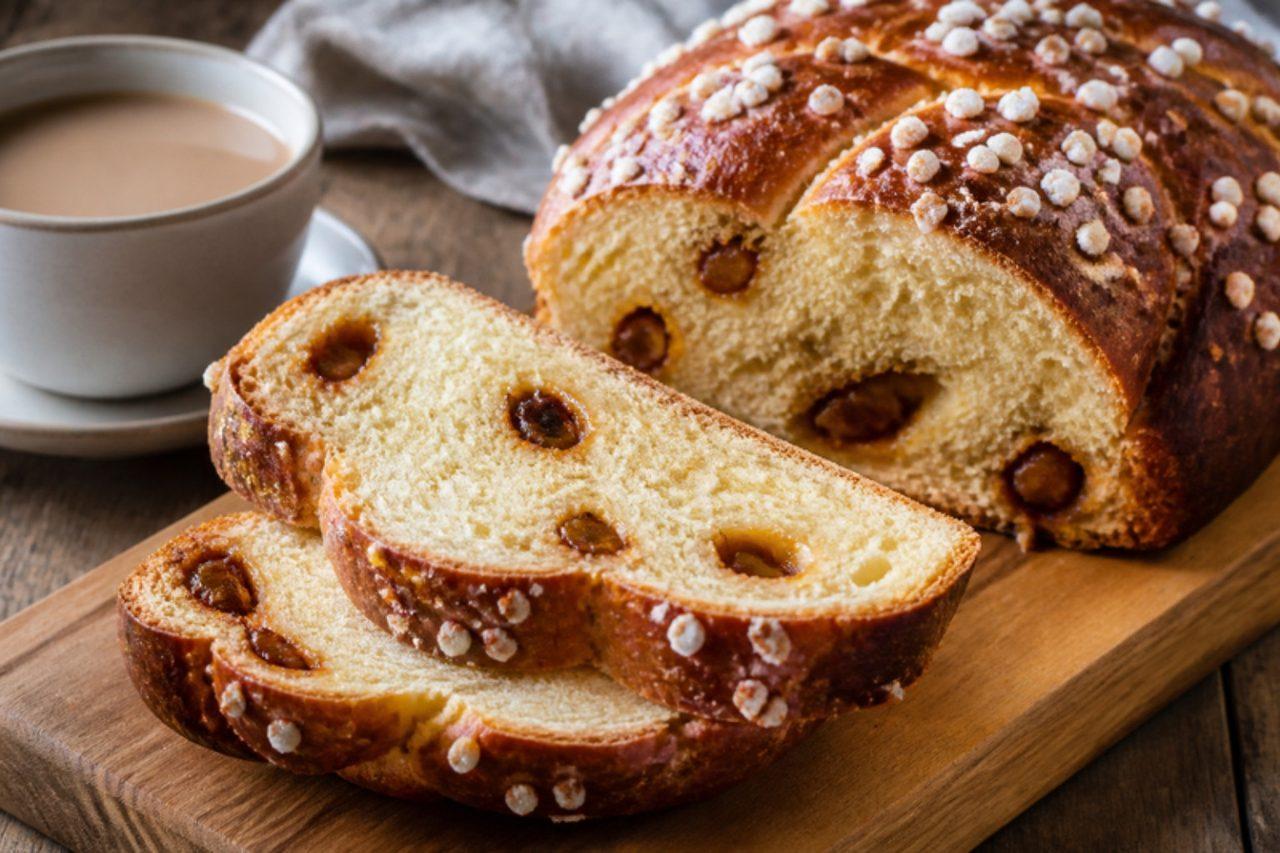
CraquelinBrioche with sugar cube pockets

Sugar cubes, of all things, are the secret of the Belgian craquelin. Bakers in Ghent, Bruges and Brussels wrap broken cubes inside rich brioche, and as the loaf bakes they melt into little wells of syrup that set crunchy, while pearl sugar crackles on the crust (hence the name). It is a Sunday breakfast and weekend bakery loaf, sliced thick and eaten plain or with butter and a bowl of café au lait; Flemish bakers sometimes add orange zest. Leaving sugar pieces exposed on the outside, especially the base, is the usual pitfall: they caramelise, burn and glue the loaf to the tin. Chef's tip: chill the kneaded brioche for at least an hour before you fold in the sugar, so the butter firms and the dough is easy to wrap around the cubes.

by KrazyBadal 0 views

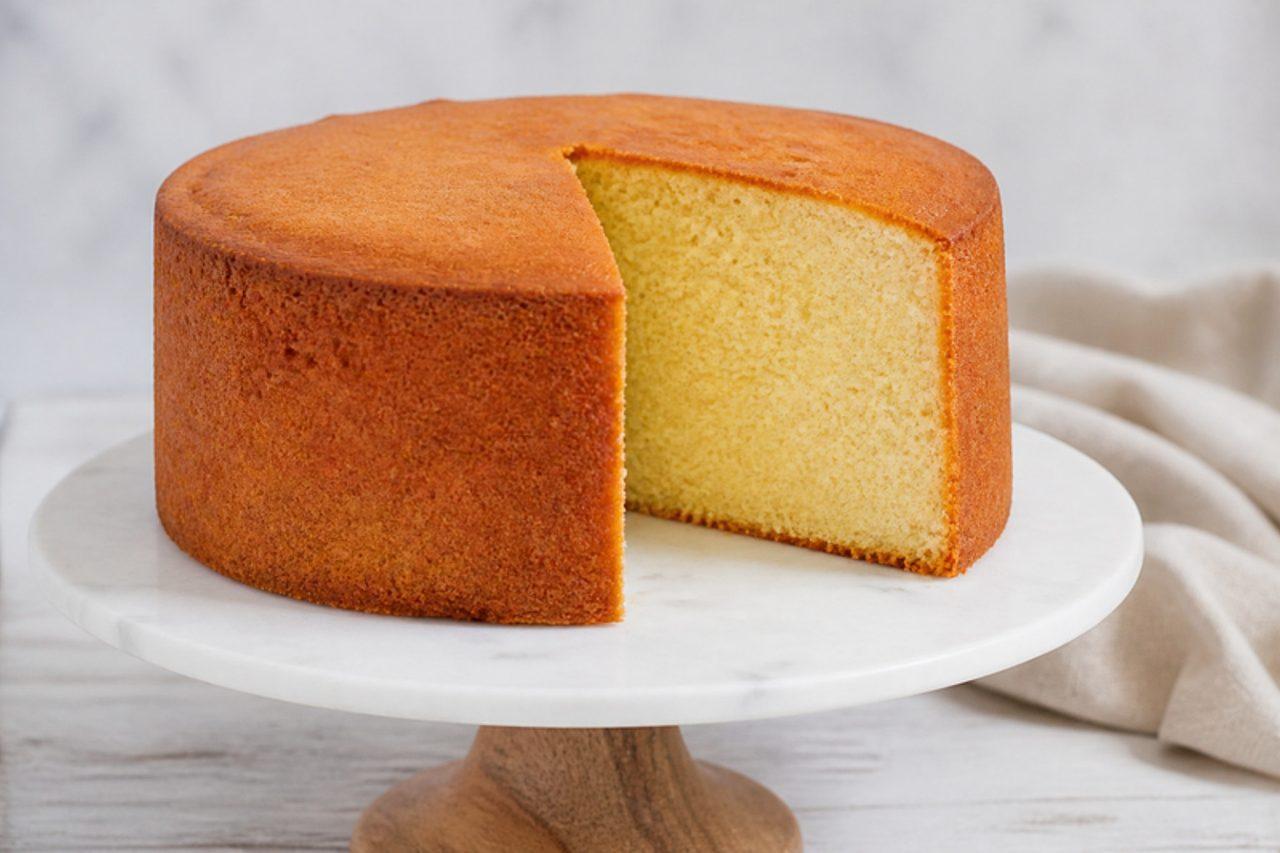
BizcochueloPlain whisked sponge cake

Nearly every Argentine birthday torta starts life as a bizcochuelo: a tall, plain sponge of eggs, sugar, flour and cornflour, with no butter and no baking powder, lifted only by long whisking. Grandmothers bake it on Sunday to split into three and fill with dulce de leche and whipped cream, or eat it plain in the afternoon with mate. The crumb is fine, dry-ish and airy, made to soak up syrup. Opening the oven in the first 20 minutes is the classic way to flatten it, so leave the door shut. Chef's tip: whisk until the mixture reaches 'punto letra', thick enough that a ribbon drawn on the surface holds its shape for a few seconds; that takes a good 8–10 minutes with an electric mixer, and warm eggs get there faster.

by KrazyBadal 0 views

Kärntner ReindlingCinnamon raisin yeast cake

Carinthia's Easter loaf takes its name from the Reindl, the round, deep pan it is baked in, and in southern Austria no Easter basket goes to church without one. Inside the golden yeast crust is a spiral of butter, cinnamon sugar and plump raisins, so every slice shows a dark swirl. Locals eat it two ways: sweet with coffee on Easter morning, or alongside the savoury Easter platter with horseradish. Many bakers soak the raisins in rum overnight; warm water or tea works just as well and keeps it alcohol-free. A dry, crumbly Reindling usually means too much flour went in during kneading, so keep the dough soft and only lightly floured. Chef's tip: butter the pan well and dust it with sugar, which caramelises into a thin crunchy shell.

by KrazyBadal 0 views

ErdäpfelstrudelSavoury potato strudel

Austrians, especially in the Mühlviertel of Upper Austria and the Waldviertel, make savoury strudels as often as sweet ones, and Erdäpfelstrudel is a farmhouse favourite for a meatless Friday or a cold evening. Thin pastry wraps a filling of potatoes, fried onion, sour cream, marjoram and parsley, baked until crisp and golden and sliced with a green salad or a dill and sour-cream dip. Bought filo makes it easy at home. The mistake to avoid is a wet filling, which turns the pastry soggy underneath. Chef's tip: cool the filling completely before rolling; warm filling makes the layers stick and tear.

by KrazyBadal 0 views

Chilcano de piscoPisco and ginger ale highball

When Lima's grey winter finally lifts and summer reaches the beaches south of the city, the chilcano takes over from the pisco sour: lighter, longer and made for an afternoon. Peru even gives it a Semana del Chilcano each January, and it is poured at weekend lunches with chifa or fried fish. This is a highball for adults only: pisco poured over a tall glass of ice with fresh lime and ginger ale, finished with a few drops of bitters. It should taste crisp and fizzy, with the ginger and lime lifting the floral grape notes of the pisco rather than hiding them. The common mistake is using too little ice and warm ginger ale, which gives a sweet, diluted drink that goes flat in minutes. Fill the glass to the top with ice and keep the ginger ale in the fridge until the last second. It is ready when the glass is frosty, the bubbles race up the sides and the bitters drift through the top as a pink haze. Light it may be, but drink responsibly. Chef's tip: try a fruit-infused pisco, made by steeping passion fruit or mandarin peel in the bottle for a few days; Limeños love a chilcano de maracuyá.

by KrazyBadal 0 views

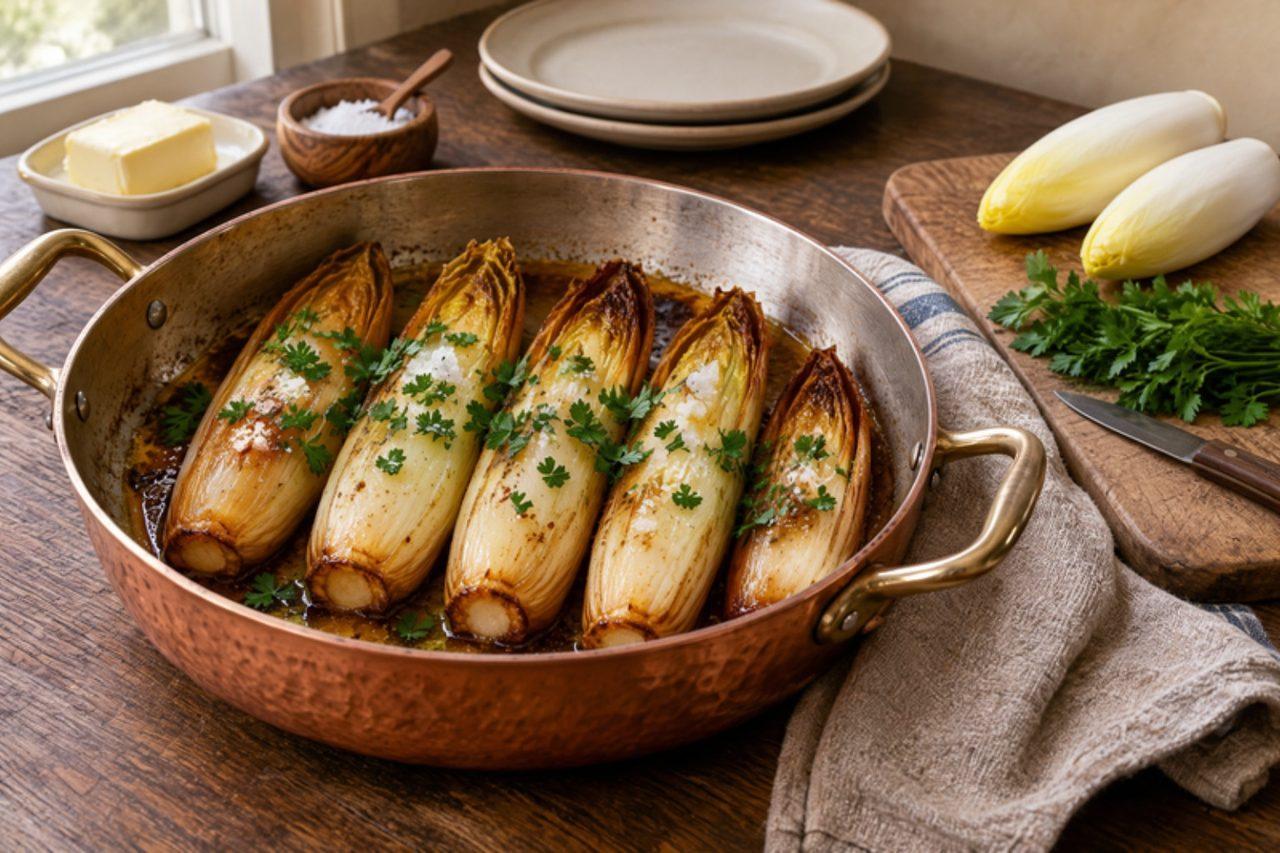
Chicons braisésBraised endives

Belgian endive, called chicon in Wallonia and witloof in Flanders, is grown in the dark around Brussels and eaten all winter, from November to March. Braised slowly in butter with a pinch of sugar and a squeeze of lemon, the pale heads turn golden, soft and gently caramelised, with only a whisper of their raw bitterness left. Serve them beside mashed potatoes and a fried egg, or as a side for a Sunday roast. The usual mistake is crowding the pan and boiling them in their own water, which leaves them grey and bitter. Chef's tip: lay the heads in a single layer and press a round of baking paper on top, so they steam gently and then brown in the butter once the juices cook off.
by KrazyBadal 0 views

Caldo de gallinaHen broth with noodles

In Lima's markets and the all-night caldo stalls of districts like La Victoria, a bowl of caldo de gallina is the dawn breakfast for market porters, taxi drivers and anyone coming home late: a deep, golden broth from a slow-simmered hen (a boiling fowl) with ginger and spring onion, ladled over thick noodles and yellow potato, with a boiled egg, lime and ají chilli on the side. The common mistake is boiling the broth hard, which clouds it and toughens the meat; keep it to a lazy simmer. The chicken must reach 74 °C, though after this long simmer it will be well past that. Chef's tip: cook the noodles separately, then put them in the bowls; cooked in the pot they drink the broth and turn it starchy.

by KrazyBadal 0 views

Estofado de polloChicken stew

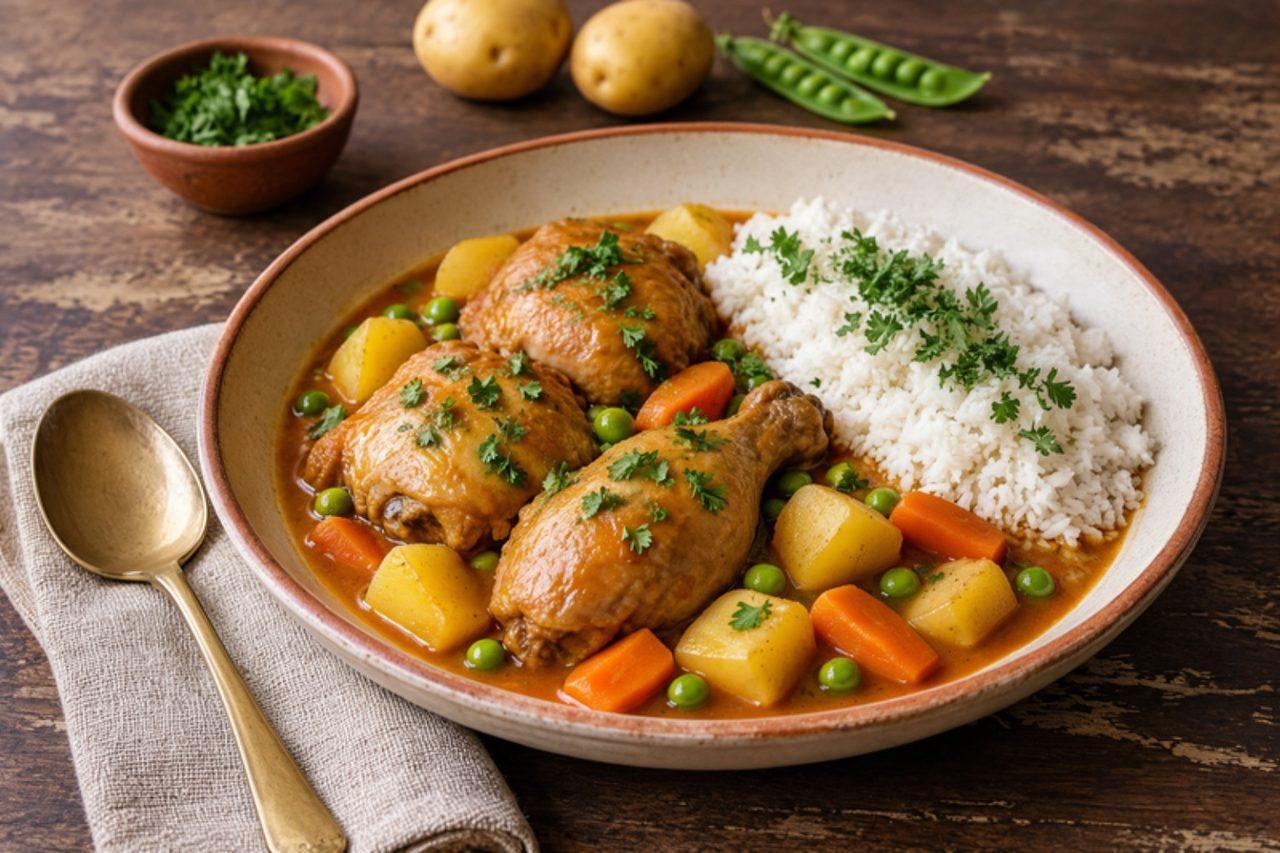
Estofado de pollo is the mild, homely chicken stew of Lima's family kitchens and school lunches, usually on the table on a weekday or a quiet Sunday with white rice. Chicken pieces are browned, then braised in a sauce of onion, garlic, tomato, a little ají panca paste and bay, with carrots, peas and yellow potatoes cooked right in the pot until the sauce is thick and orange. It is comforting rather than hot. The usual mistake is boiling it hard, which shreds the potatoes and dries the chicken; keep it at a lazy bubble. Chef's tip: use a few yellow potatoes along with waxy ones; they collapse slightly and thicken the sauce naturally.

by KrazyBadal 0 views

Capeletis a la CarusoStuffed pasta in cream sauce

Capeletis a la Caruso were created in a Montevideo restaurant in the 1950s and named after the great tenor, and they are still a Sunday lunch favourite in Uruguayan homes: little stuffed pasta hats in a rich sauce of cream, cooked ham (pork), mushrooms and onion, finished with grated cheese. Buy good fresh capeletis or tortellini; the sauce is what you make. The usual mistake is boiling the cream sauce hard, which makes it oily and grainy. Chef's tip: cook the mushrooms in a dry hot pan first until they squeak and brown, before any butter goes in, for a deeper taste.

by KrazyBadal 0 views

Sándwich de bondiolaGrilled pork shoulder sandwich

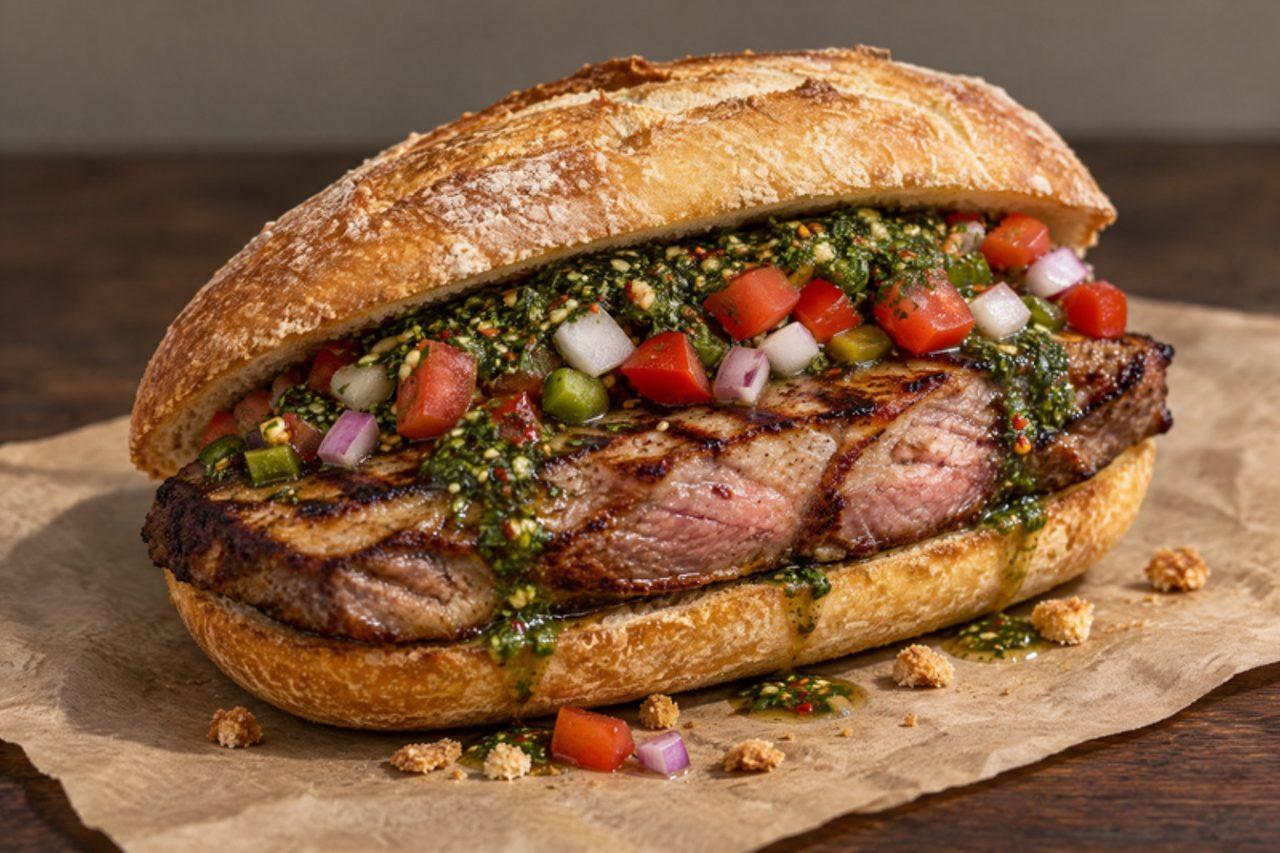
Along the Costanera Sur riverside in Buenos Aires, beside the Reserva Ecológica, the carritos have grilled for cyclists, walkers and taxi drivers for generations, and the bondiola sandwich is their pride: a thick pork shoulder steak, marbled and juicy, grilled until charred and laid in a crusty roll with chimichurri and salsa criolla. Weekend afternoons are the busiest. Chef's tip: leave the fat on the steak and turn it only once; the fat bastes the meat and the crust is the best part.

by KrazyBadal 0 views

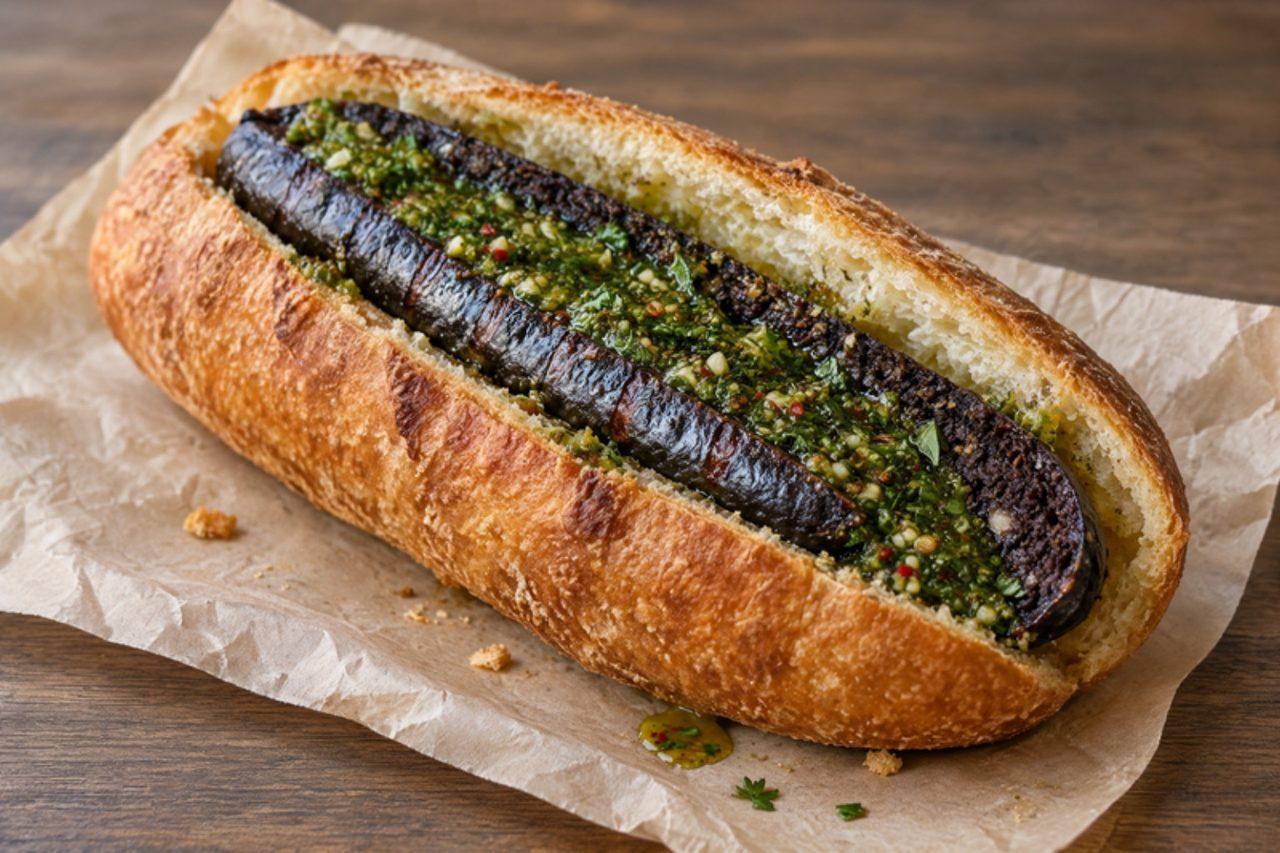
Morcipán (blood sausage roll)

At any Buenos Aires asado, and at the street grills outside football grounds like La Bombonera in La Boca, the choripán has a twin: the morcipán, a soft, rich morcilla split and laid in crusty bread. Argentine morcilla is a pork blood sausage with pork fat, onion and spices, sometimes with nuts or raisins, and it grills to a crisp skin around a soft, spoonable centre that tastes deep and slightly sweet. A sharp chimichurri cuts through it. Chef's tip: grill it over a gentle heat and turn it carefully with tongs; on a fierce grill the casing splits and the filling runs out.

by KrazyBadal 0 views

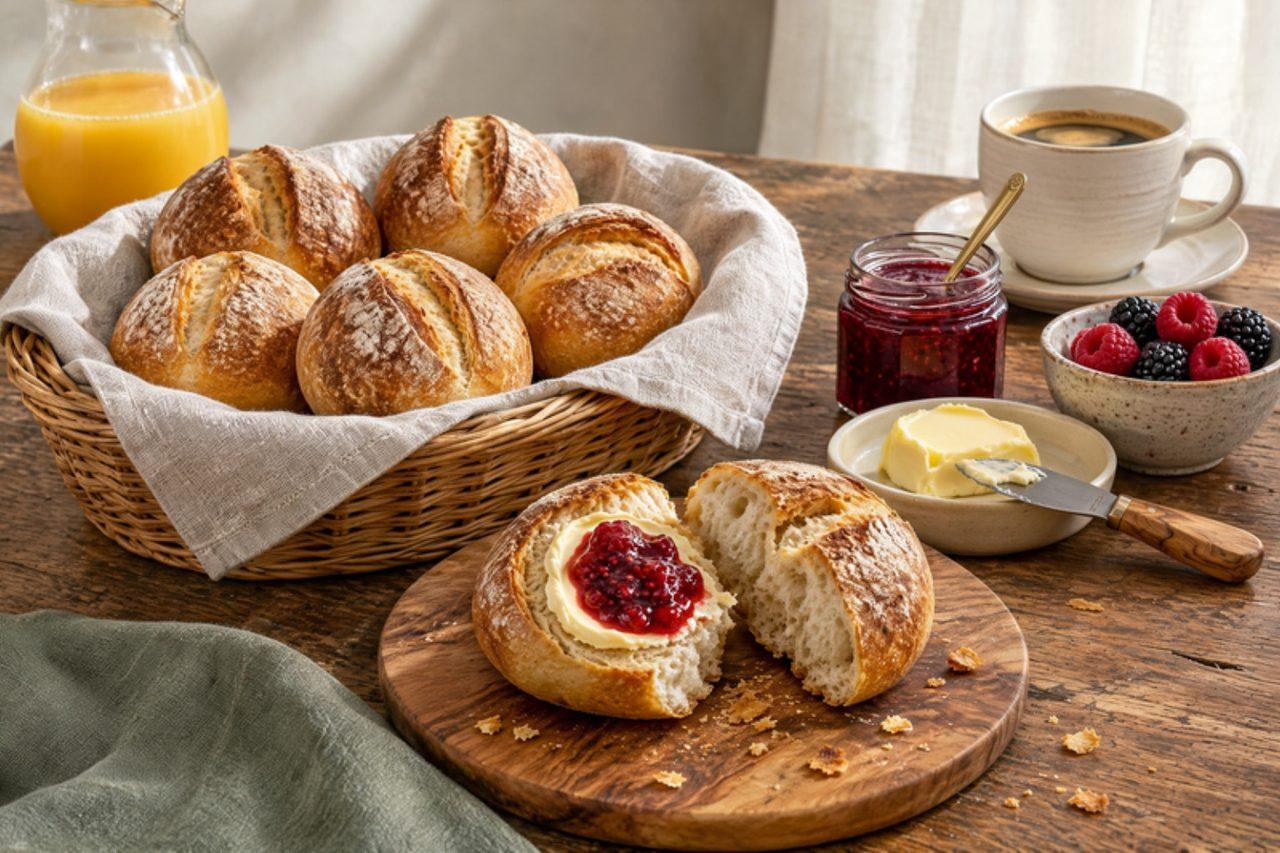
PistoletsCrusty bread rolls

In Brussels and all over Belgium, someone in the family goes to the bakery early on Sunday morning to bring home a paper bag of warm pistolets, the small round rolls with a split down the middle. They are eaten at a long breakfast with butter, jam, chocolate spread, cheese and boiled eggs. The crust shatters and the crumb is light and open. The common mistake is baking in a dry oven, which gives a dull, thick crust; a pan of boiling water in the oven makes the thin, crackly bakery crust. Chef's tip: press the split with a floured wooden spoon handle right after shaping, not just before baking, and it opens cleanly in the oven.

by KrazyBadal 0 views

Jugo de macaWarm maca drink

Before dawn at markets in Huancayo, Cusco and Lima, juice ladies ladle hot jugo de maca from big pots for workers on their way in: maca root, a turnip relative grown above 4,000 metres in the Junín highlands, simmered with milk, cinnamon and cloves and sweetened with honey or sugar. It tastes malty and toasty, a bit like butterscotch. The common mistake is stirring the powder straight into hot milk, which leaves gritty lumps; whisk it into a little cold milk first. Maca is not usually advised in pregnancy, so ask your doctor first if you are pregnant. Chef's tip: use gelatinised (cooked) maca powder if you can find it; it dissolves smoothly and is gentler on the stomach.

by KrazyBadal 0 views

Ají amarillo pasteYellow chilli paste

In Lima's markets ají amarillo is sold fresh all year, and most Peruvian cooks keep a tub of this paste in the fridge the way others keep tomato purée: it is the golden base of causa limeña, ají de gallina, papa a la huancaína, chupe and the sauce for tiraditos. The chillies are seeded, de-veined and blanched in three changes of water, which tames the heat and the raw grassiness, then peeled and blended with oil into a thick, silky, saffron-orange paste. It tastes fruity and sunny, almost like apricot and passion fruit, with a rounded, medium heat. Abroad, buy whole frozen ají amarillo from Latin grocers; dried ají mirasol, soaked, gives a darker, earthier paste. Common mistake: skipping the peeling; the thin skins leave papery flecks and a bitter edge. It is ready when it is completely smooth and holds a soft peak like thick hummus. This is a low-acid paste: keep it in the fridge for a week or freeze it, never on the shelf. Chef's tip: freeze it in an ice-cube tray; one cube is about a tablespoon, just right for a pot of ají de gallina.


by KrazyBadal 0 views

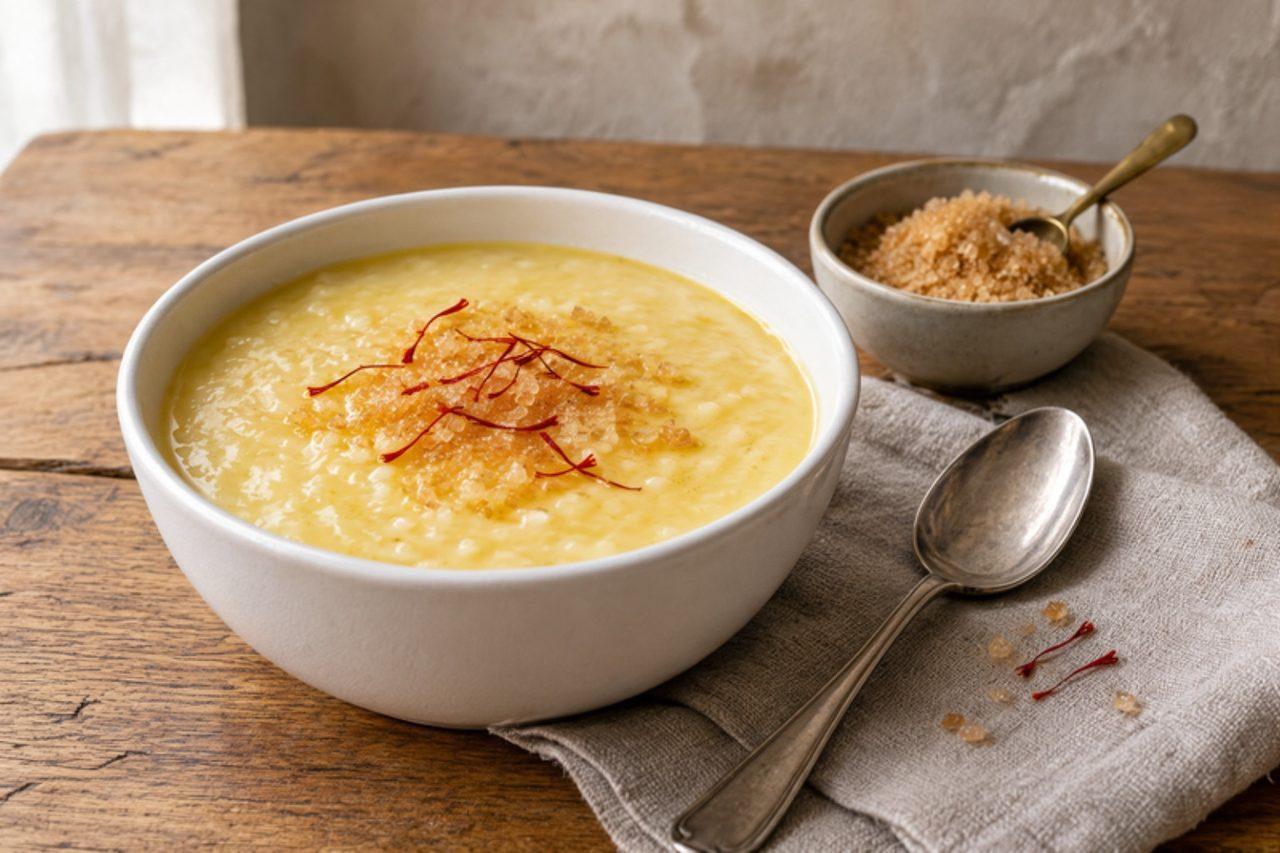
Saffron rijstpapSaffron rice porridge

Flemish rijstpap, rice slowly cooked in milk until thick and creamy, is a breakfast, a pudding and a childhood memory, and in East and West Flanders it is coloured golden with saffron and eaten with a spoonful of brown sugar. Old Flemish sayings even promise that in heaven you eat rijstpap with golden spoons. The mistake is cooking it too fast: the milk catches on the bottom and the rice stays chalky, so keep it at the barest simmer and stir often. Chef's tip: use round pudding rice, not long-grain, because its starch is what makes the porridge thick and silky without any cream.

by KrazyBadal 0 views

Tarta de zapallitosCourgette and cheese tart

In Buenos Aires every rotisería sells tartas by the slice, and at home a tarta de zapallitos is baked on Sunday evening so that a wedge can go into the vianda (packed lunch) for school and work all week. Zapallitos are round green courgettes; ordinary courgettes work just as well. The common mistake is adding the courgette raw, which floods the pastry; sauté it until the liquid has cooked away. Argentine queso rallado and many hard cheeses are made with animal rennet, so use a vegetarian hard cheese. Chef's tip: bake the tart on a preheated baking tray so the base crisps before the filling soaks in.

by KrazyBadal 0 views

Escabeche de polloChicken in vinegar and carrot

Pollo en escabeche is a home classic in Córdoba and Buenos Aires, a legacy of Spanish preserving that Argentines make on a Saturday to eat cold all week. It comes out of the fridge for a picada before the asado, as a summer lunch with a green salad and crusty bread, or packed for a day in the sierras. Chicken is browned, then gently cooked in oil and vinegar with carrot, onion, red pepper, garlic, bay and black peppercorns, and left to rest at least a day. The meat turns tender and lightly tangy, the carrots keep a little crunch, and the oil carries the flavour of bay and pepper. Because garlic sits in oil, safety matters: the liquid is half strong vinegar (at least 5% acidity, never diluted beyond what the recipe says), and the jar always lives in the fridge, never on the shelf. Eat it within 5 days. The common mistake is letting it boil hard, which makes the chicken dry and stringy; it should barely tremble. It is ready the next day, when the chicken tastes seasoned right through and the oil has turned golden. Chef's tip: take it out 20 minutes before serving so the oil melts back to liquid.

by KrazyBadal 0 views

Mate de muñaAndean mint tea

Muña is the minty shrub that grows wild on the slopes around Cusco, Puno and the Sacred Valley, and highland cooks reach for it after a heavy meal of chicharrón or when visitors are struggling with the altitude. Market herb sellers sell it in fresh bunches, and hotels and homes leave it in a flask for anyone coming in from the cold evenings. Steeped simply in hot water, it smells somewhere between spearmint, oregano and pennyroyal, with a cooling, slightly peppery taste and a pale green-gold colour. It is traditionally drunk to settle the stomach. The usual mistake is boiling the leaves hard for a long time, which turns the tea brown and bitter. Pour water just off the boil over the sprigs, cover, and let it steep. It is ready when the cup is pale gold and the aroma rises as soon as you lift the lid. Outside Peru, look for dried muña in Latin shops; failing that, use mostly spearmint with a little fresh oregano. Muña is strong: avoid large amounts in pregnancy, and check with a doctor if you take regular medication. Chef's tip: cover the cup while it steeps so the scented oils stay in the tea.

by KrazyBadal 0 views

Guiso de fideosBeef and pasta stew

Guiso de fideos is the winter weeknight stew of Argentina, cooked in Buenos Aires flats and on estancias alike, and as loved by children as by grandparents. Beef, potatoes and vegetables simmer in a light tomato and sweet-paprika broth, then short pasta cooks straight in the pot and thickens it into something between a soup and a stew. Serve it in deep plates with crusty bread and grated cheese for those who want it. The usual mistake is adding the pasta too early, so it swells and turns mushy; it goes in only for the last 10–12 minutes. Chef's tip: cut the beef into small cubes, about 2 cm, so it is tender in under an hour.

by KrazyBadal 0 views

Cremolada (Lima passion fruit slush)

From January to March, when Lima's coast swelters, queues form at the cremolada counters of Barranco and along the Jirón de la Unión downtown for cups of this thick fruit ice. It sits between a granita and a sorbet: frozen fruit pulp scraped again and again until it is slushy and spoonable, with real bits of fruit through it. Passion fruit (maracuyá) gives a sharp, bright flavour; creamy lúcuma, with its maple and sweet potato taste, is the other favourite. Chef's tip: use a shallow metal tray; it freezes faster and evenly, so you get fine crystals rather than chunks.

by KrazyBadal 0 views

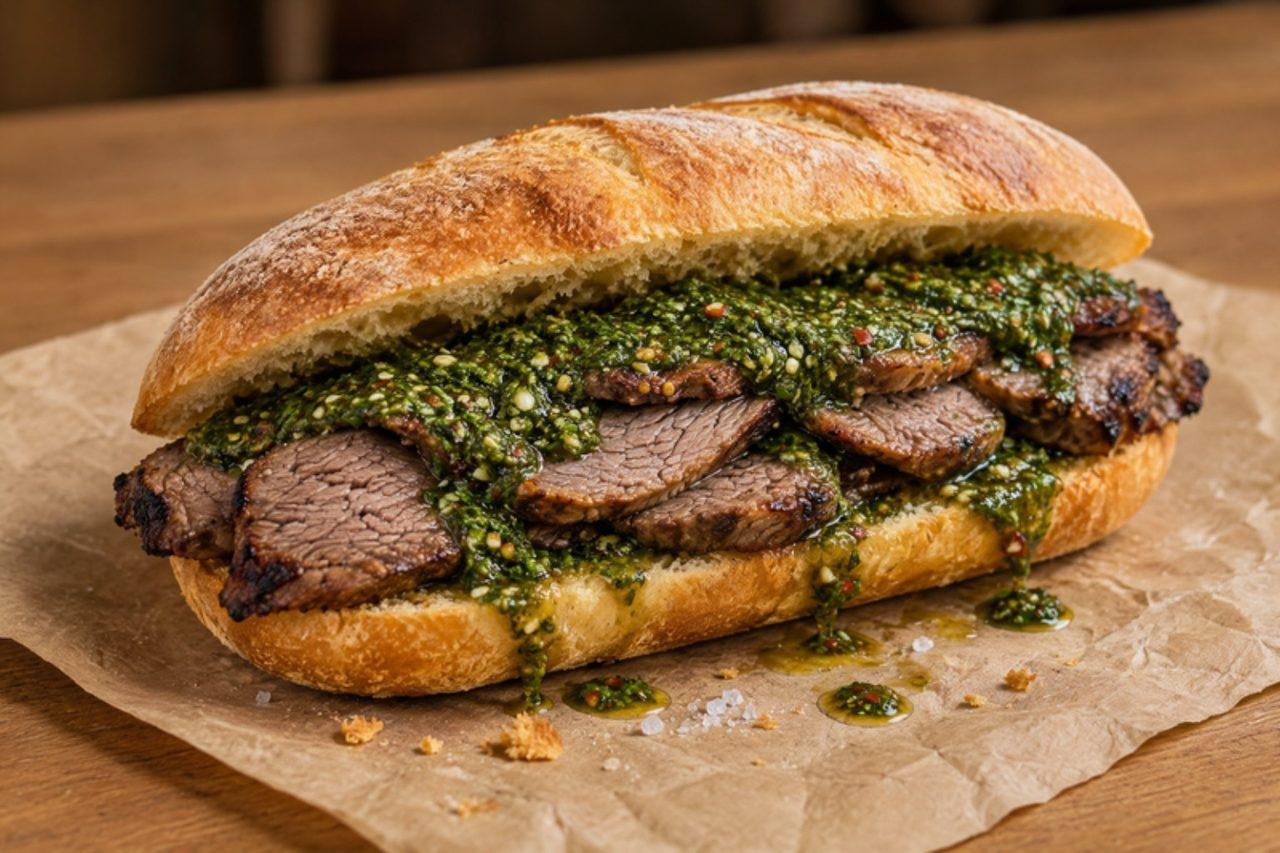
Sándwich de vacíoGrilled flank steak sandwich

Vacío, the flank cut with its layer of fat and membrane, is grilled slowly for a long time at Buenos Aires parrillas, and at the street grills near football grounds and the weekend fairs of Mataderos it ends up sliced into crusty bread for a hearty midday sandwich. Cooked gently, it turns tender and very juicy, with a crisp, salty layer of fat. Chef's tip: grill it membrane side down first for most of the time and do not trim that membrane off; it protects the meat and turns crisp.

by KrazyBadal 0 views

Refresco de coconaCocona cooler

In Iquitos, Pucallpa and the river towns of Loreto, heat and humidity make a cold refresco part of every lunch, and cocona is one of the favourites sold from plastic jugs at the Belén market. The fruit looks like a fuzzy orange tomato and tastes between tomato, lemon and apricot: very sour, aromatic and juicy. Blended with water and sugar it makes a tangy, golden drink with a light pulp, served with juane or tacacho con cecina. The usual mistake is skipping the fuzz: cocona skin is covered in fine hairs that make the drink scratchy, so rub them off under running water before you start. Blend only briefly, too, so the many seeds do not crack. It is ready when the refresco is opaque orange, sour first and sweet after, with no grit. Outside the Amazon, look for frozen cocona pulp in Latin American shops; naranjilla (lulo) pulp is the closest substitute. Chef's tip: a pinch of salt makes the fruit taste sweeter and fruitier without more sugar.

by KrazyBadal 0 views

Pisco sour

Lima drinks its pisco sour as the aperitif before a long ceviche lunch, and celebrates it every year on the first Saturday of February; the recipe took shape in the city's bars in the 1920s. It is for adults only and stronger than its pillowy look suggests. Underneath a thick white foam you get sharp Peruvian lime, a clean sweetness and the floral, grapey warmth of quebranta pisco, with the bitters adding a spicy smell to every sip. The texture should be silky, almost creamy, never thin. The classic mistake is squeezing the limes too hard or too early: the oil from the pith turns the drink bitter within half an hour. Halve the limes, press each half gently by hand just before mixing and stop when the juice slows. The egg white is raw, so use pasteurised egg white for anyone pregnant, for babies, older people or anyone unwell, or swap in 30 ml aquafaba. It is ready when the foam stands about 1 cm high and is firm enough to hold the drops of bitters on its surface. Sip one slowly and drink responsibly. Chef's tip: shake once without ice first to whip the egg white, then again with ice; the foam will be twice as thick.

by KrazyBadal 0 views

Showing 48 of 357 recipes

Show more recipes

Page 2 of 15