Skip to content
Recipes

All recipes

Vegetarian, or something you can't eat? Set your diet once and we'll hide recipes that don't fit.

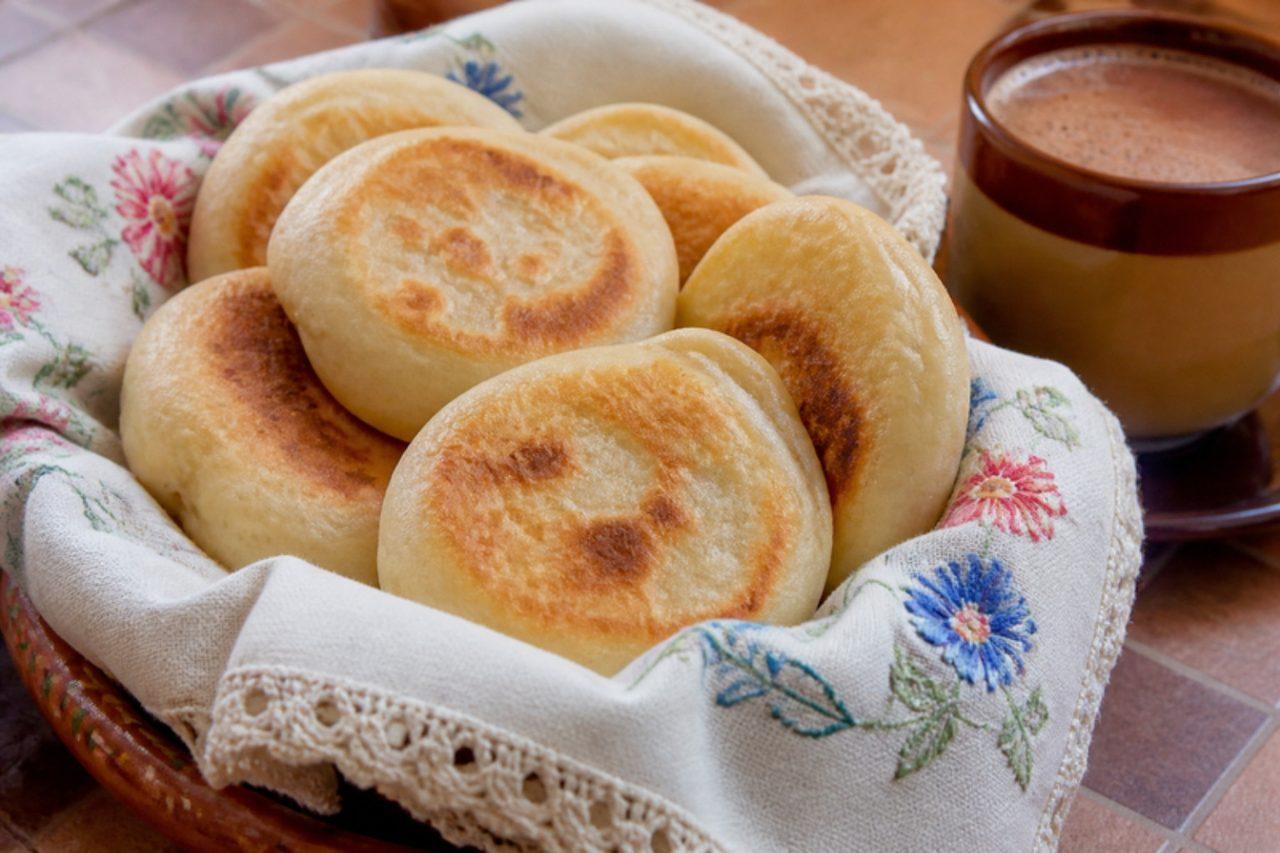
Gorditas de nataSweet cream griddle cakes

In central Mexico, from Mexico City markets to kitchens in Hidalgo and Puebla, gorditas de nata were traditionally made with the thick skin of cream (nata) skimmed from boiled milk, and grandmothers still cook them on the comal for an afternoon merienda with hot chocolate or milky coffee. They are soft and cakey inside with a lightly crisp, golden face, somewhere between a scone and a pancake. Double cream stands in for nata here. They contain gluten, milk and egg. Chef's tip: keep the comal on a low-medium heat; these brown quickly because of the cream and sugar.

by KrazyBadal 0 views

Pain de mieSoft square sandwich loaf

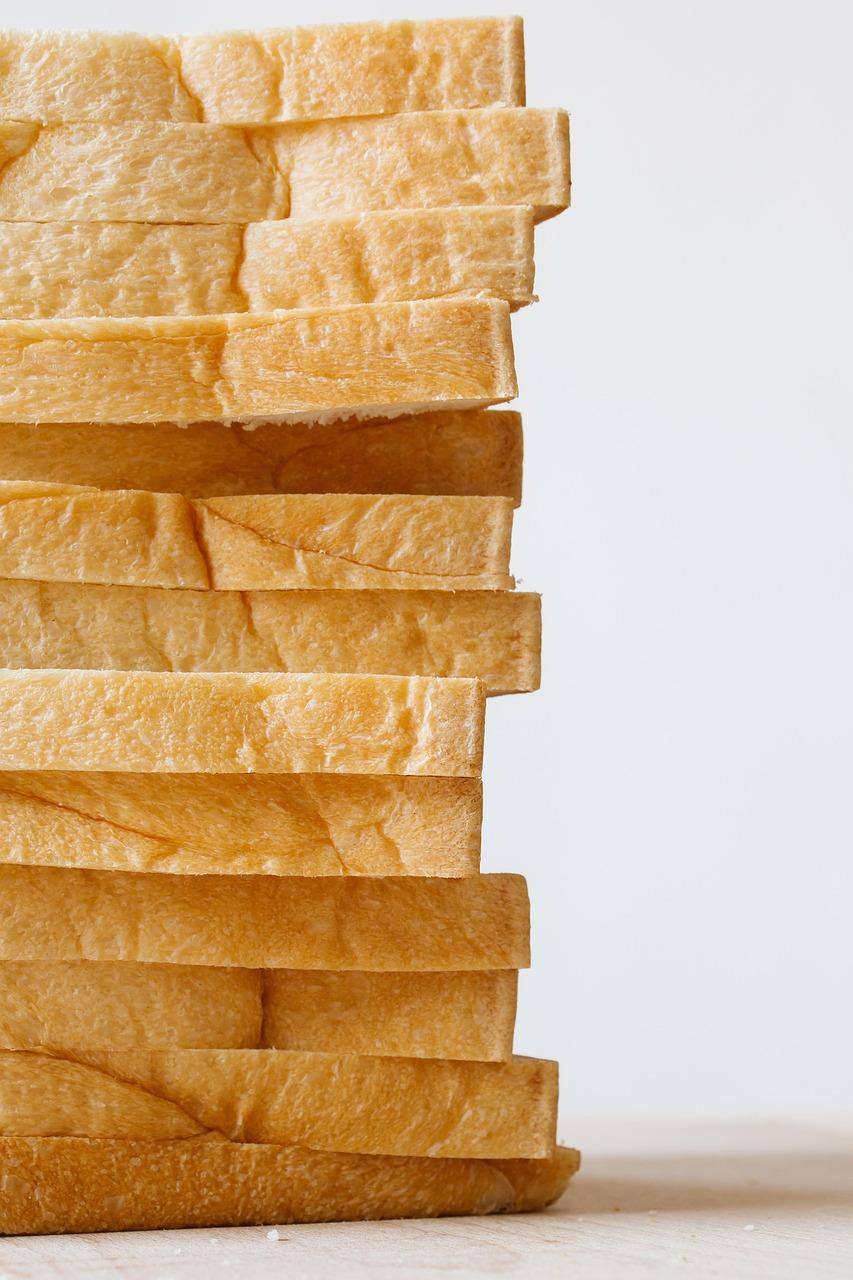
Ask a Paris café what goes into a croque-monsieur and the answer is pain de mie, the 'crumb bread' baked in a lidded tin so it comes out as a neat square block. Shut away from the oven's heat, the dough rises against the lid into a fine, soft, close crumb with a thin, pale golden crust that barely needs trimming. French children take it to school as tartines with butter and chocolate spread, it makes the best croques, French toast and canapés, and it is the loaf to choose for neat cucumber sandwiches. Milk and butter keep it tender for several days. The tricky moment is the final rise: if the dough reaches the rim before the lid goes on, it squeezes out of the seams and bakes with a dense band; too little rise and the corners come out rounded. Chef's tip: put the lid on when the dough is about 1 cm below the rim, and grease the underside of the lid as well as the tin so the block turns out cleanly.

by KrazyBadal 0 views

Bean and cheese burrito

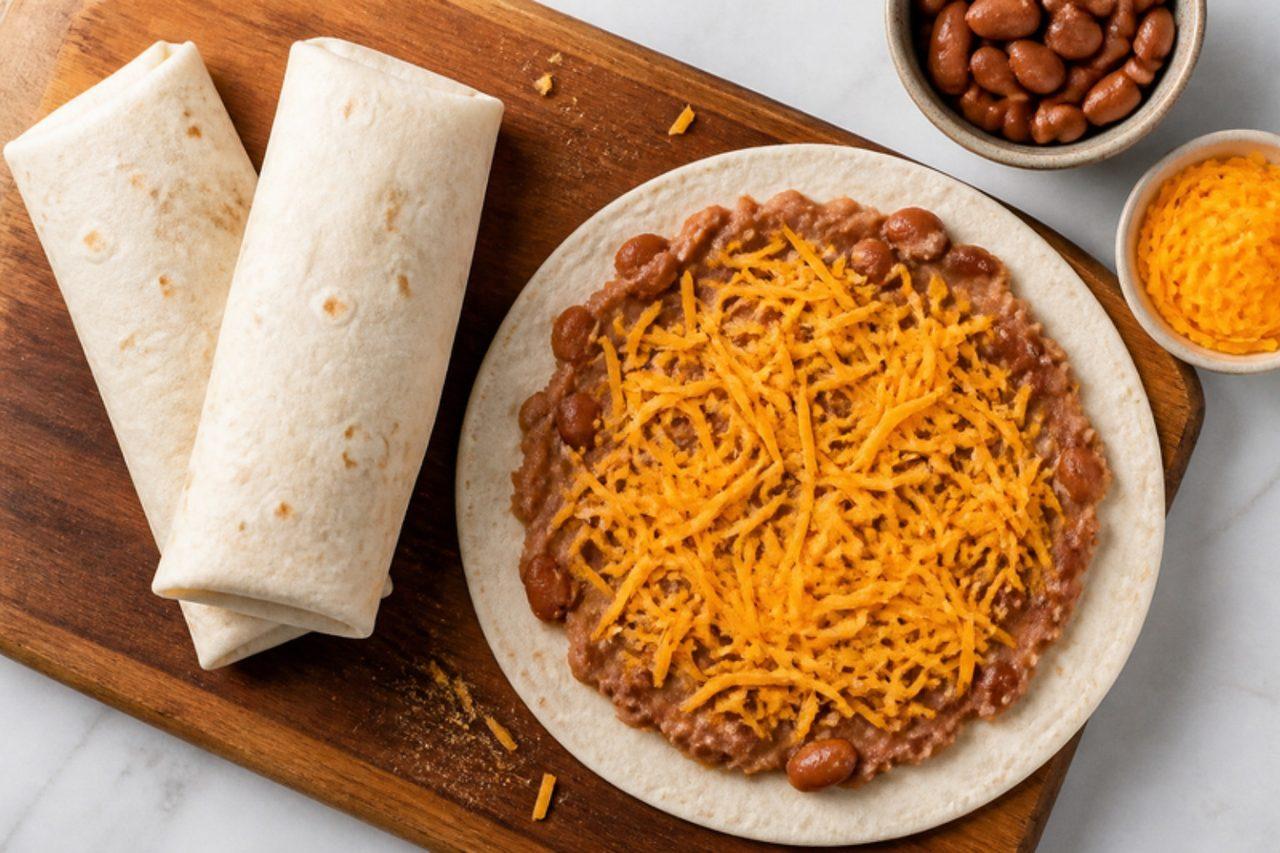
In Sonora and the rest of northern Mexico, where wheat tortillas are an everyday bread, a burrito of refried beans and cheese is one of the simplest things to wrap in foil for a child's school lunch or an after-school snack. The beans are fried with a little onion and cumin until thick and creamy, then rolled up with cheese and toasted so it melts. It contains milk and gluten (wheat tortillas). Chef's tip: warm the tortillas before filling them; cold ones crack when you roll them.

by KrazyBadal 0 views

Rice atole for babies (atole de arroz)

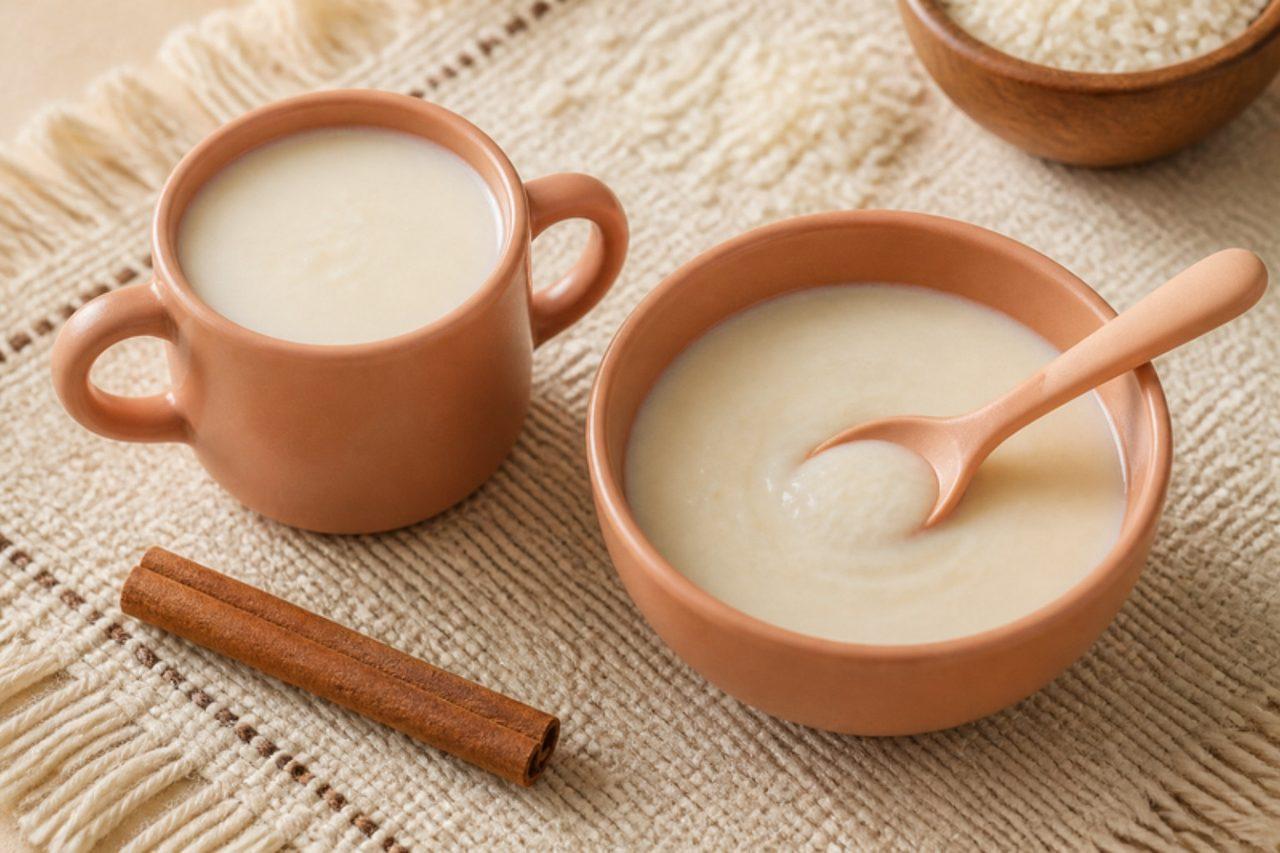
Atole is the warm, thick drink Mexicans have sipped since before the conquest, and in many homes the first version a baby tastes is atole de arroz, ground rice cooked with a stick of true cinnamon. For grown-ups it is sweetened with piloncillo and drunk at breakfast or on cold evenings around Día de Muertos; for babies the sugar stays out and it is thickened enough to eat from a spoon. It contains milk; there is no egg, gluten, nuts, soya, sesame or fish. Chef's tip: grind the rice yourself in a spice grinder; shop-bought rice flour works, but freshly ground rice tastes sweeter.

by KrazyBadal 0 views

Torta de jamón (Mexican ham sandwich)

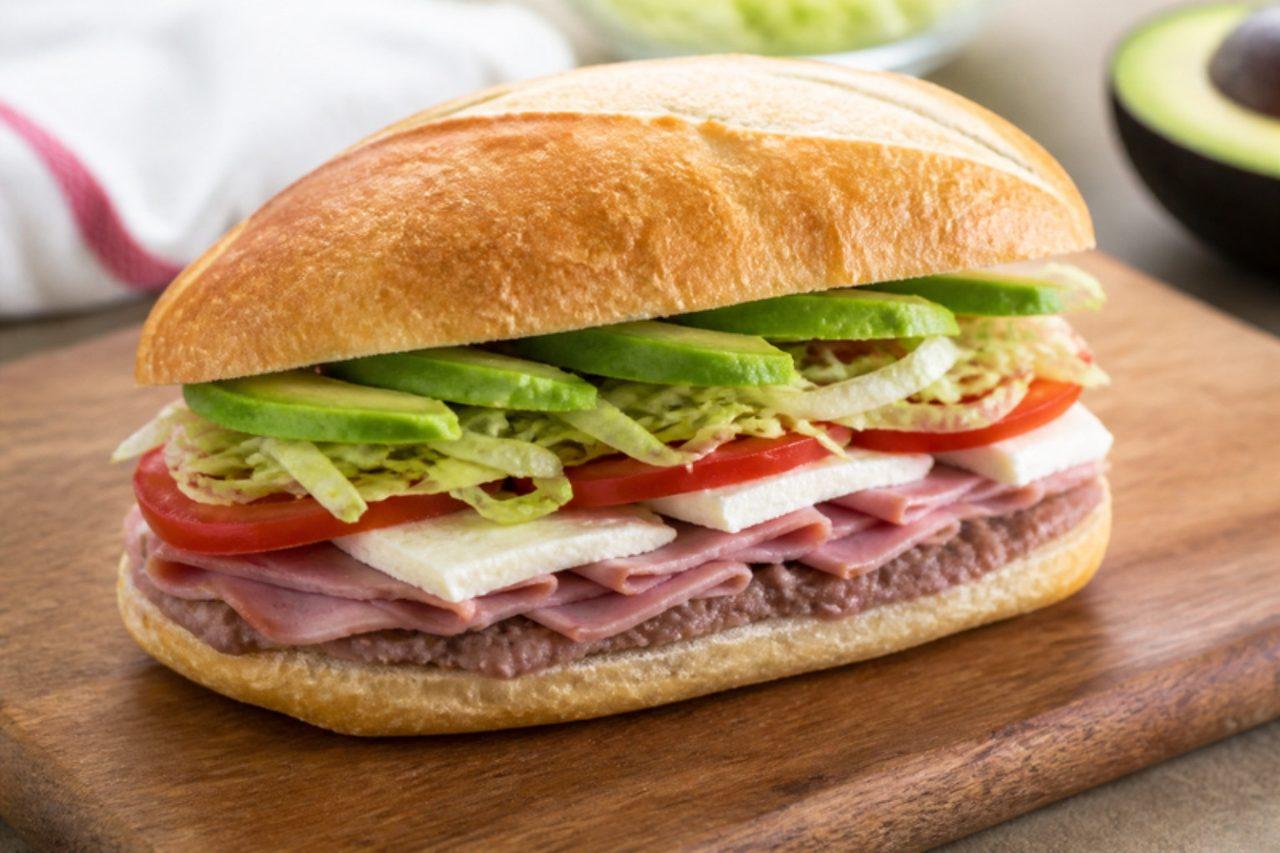
The torta de jamón is the classic recreo (school break) sandwich across Mexico, sold at school gates and made at home before the morning rush: a crusty bolillo roll, toasted on the griddle, spread with refried beans, then layered with ham, fresh cheese, avocado and tomato. Grown-ups add pickled jalapeños. It contains gluten (wheat), milk and egg (mayonnaise). Chef's tip: spread the beans right to the edges of the bottom half; they act as a barrier so tomato juice doesn't soak the bread.

by KrazyBadal 0 views

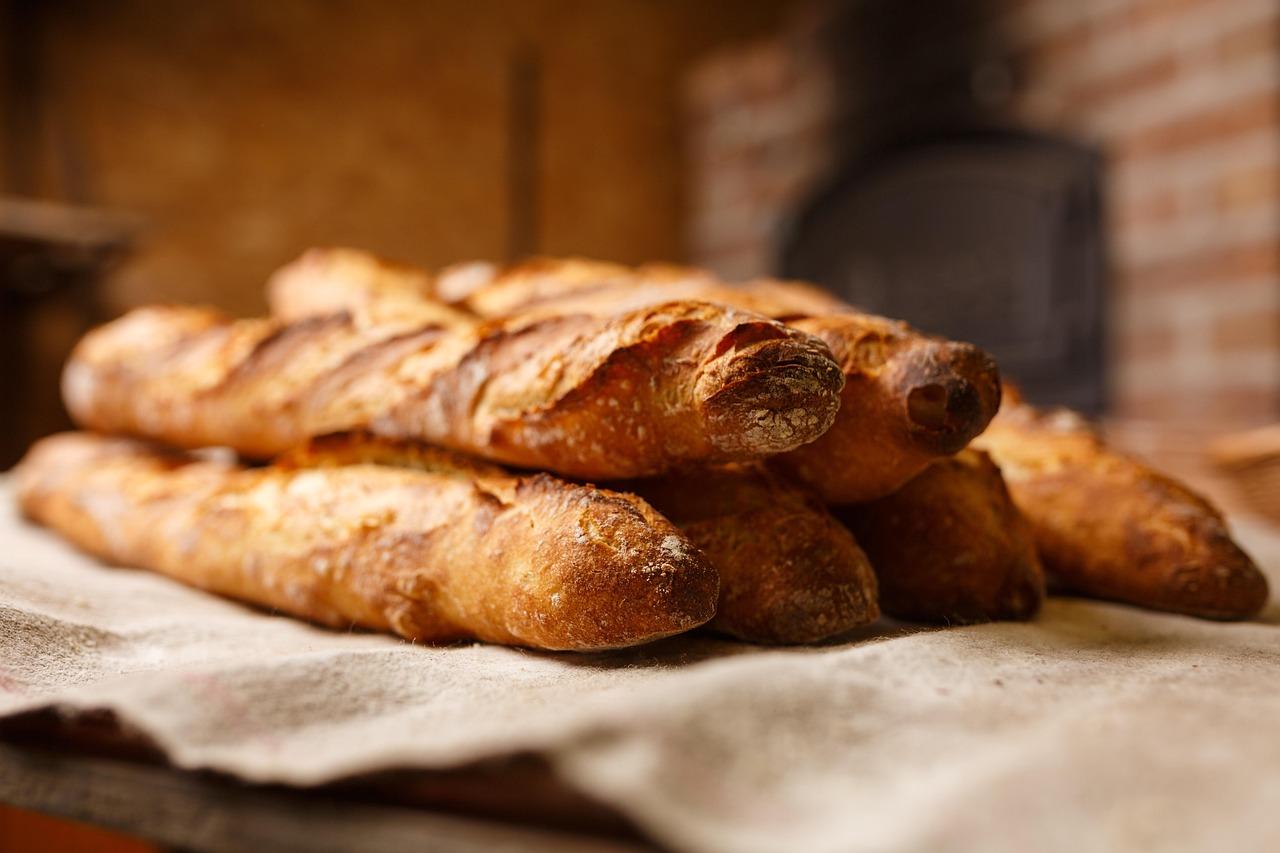
Baguette

Four ingredients and nothing else: since a 1993 decree, a loaf sold in France as a baguette de tradition may contain only flour, water, salt and leavening. Parisians buy one or two a day, warm from the boulangerie, and the end of the loaf rarely makes it home uneaten. A good one has a thin, shattering, deep golden crust, an open, creamy crumb and a faint nutty sweetness from a long, slow rise. Tear it for butter and jam at breakfast, split it for a jambon-beurre or a cheese sandwich, or put it on the table with soup, salad and a cheese board. Shaping is where most home bakers go wrong: pressing all the air out while rolling the dough long gives a tight, cottony crumb, so handle it lightly and let the bench rest do the work. Chef's tip: cut the slashes almost lengthways, at a shallow angle with the blade nearly flat, and overlap each one by a third; straight-down, crosswise cuts just open into flat scars instead of the raised 'ears' you want.

by KrazyBadal 0 views

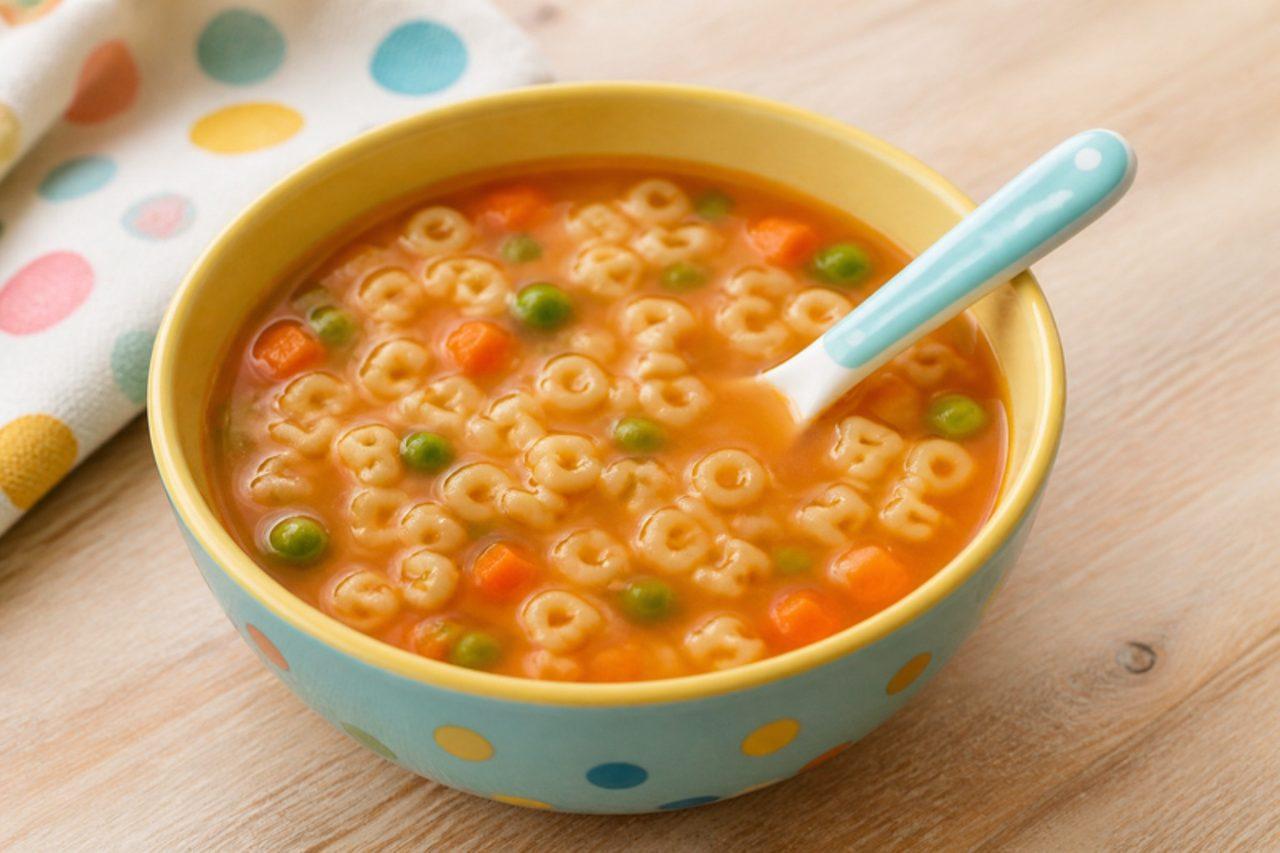
Sopa de letras (Mexican alphabet soup)

Sopa de letras is the soup almost every Mexican child grows up on, served as the 'sopa aguada' course at the midday meal: tiny letter-shaped pasta, toasted golden in oil, then simmered in a broth of blended tomato, onion and garlic with soft diced carrot. For toddlers it is made with a no-salt vegetable stock, so the sweetness of the tomato comes through. It contains gluten (wheat); it has no milk, egg, nuts, soya, sesame or fish. Chef's tip: toast the pasta until it smells nutty and turns light gold; that is where the flavour comes from.

by KrazyBadal 0 views

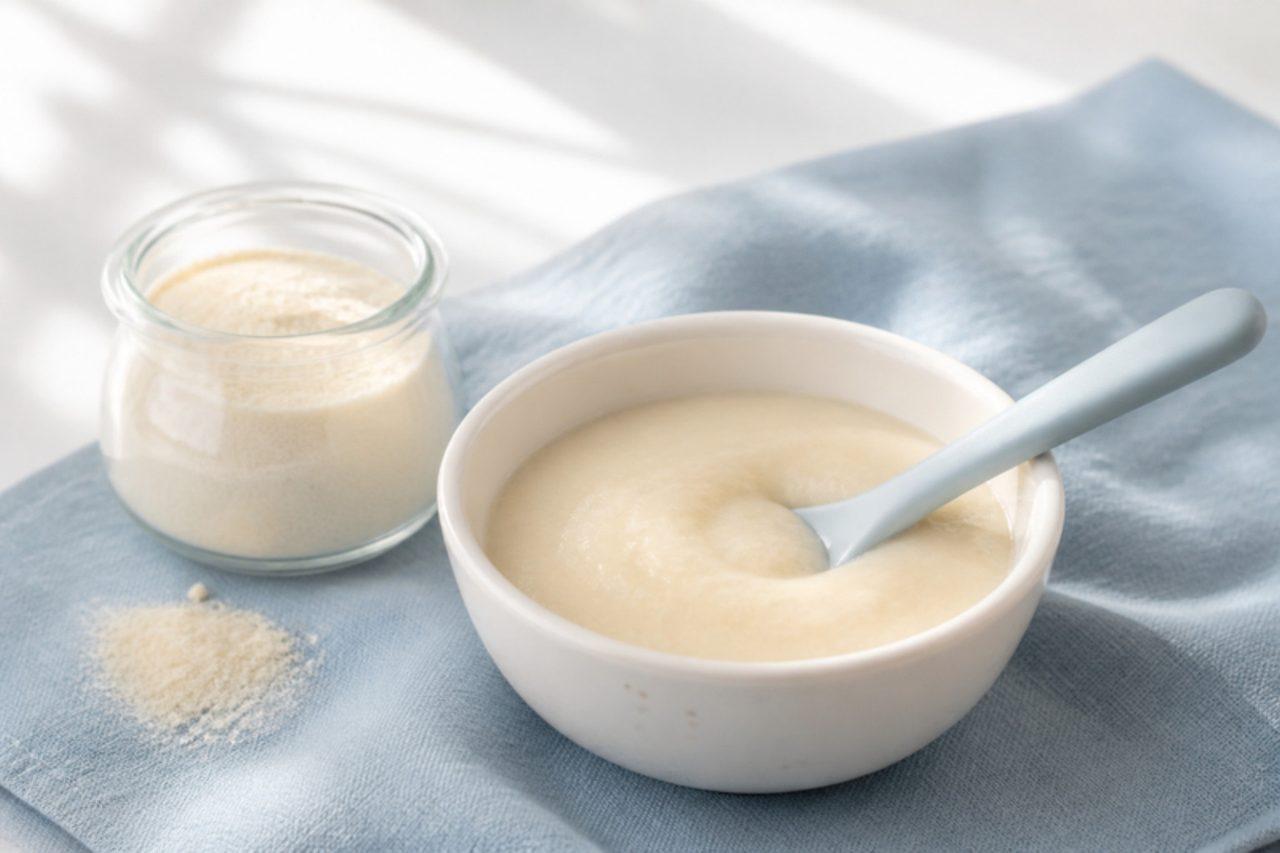
Bouillie (French baby cereal porridge)

In France, la bouillie is the warm cereal porridge that joins a baby's morning or evening milk at around six months. It is simply the baby's usual milk, breast milk or formula, thickened with plain infant cereal or fine oat or rice flour, and given from a spoon, or thinner from a bottle as many French families do at bedtime. It is creamy and mild. It contains milk from the formula, and gluten if you use oat or wheat cereal; there is no egg, nuts, soya, sesame or fish. Chef's tip: choose a cereal with no added sugar or flavourings; you can add a spoon of fruit purée for sweetness later.

by KrazyBadal 0 views

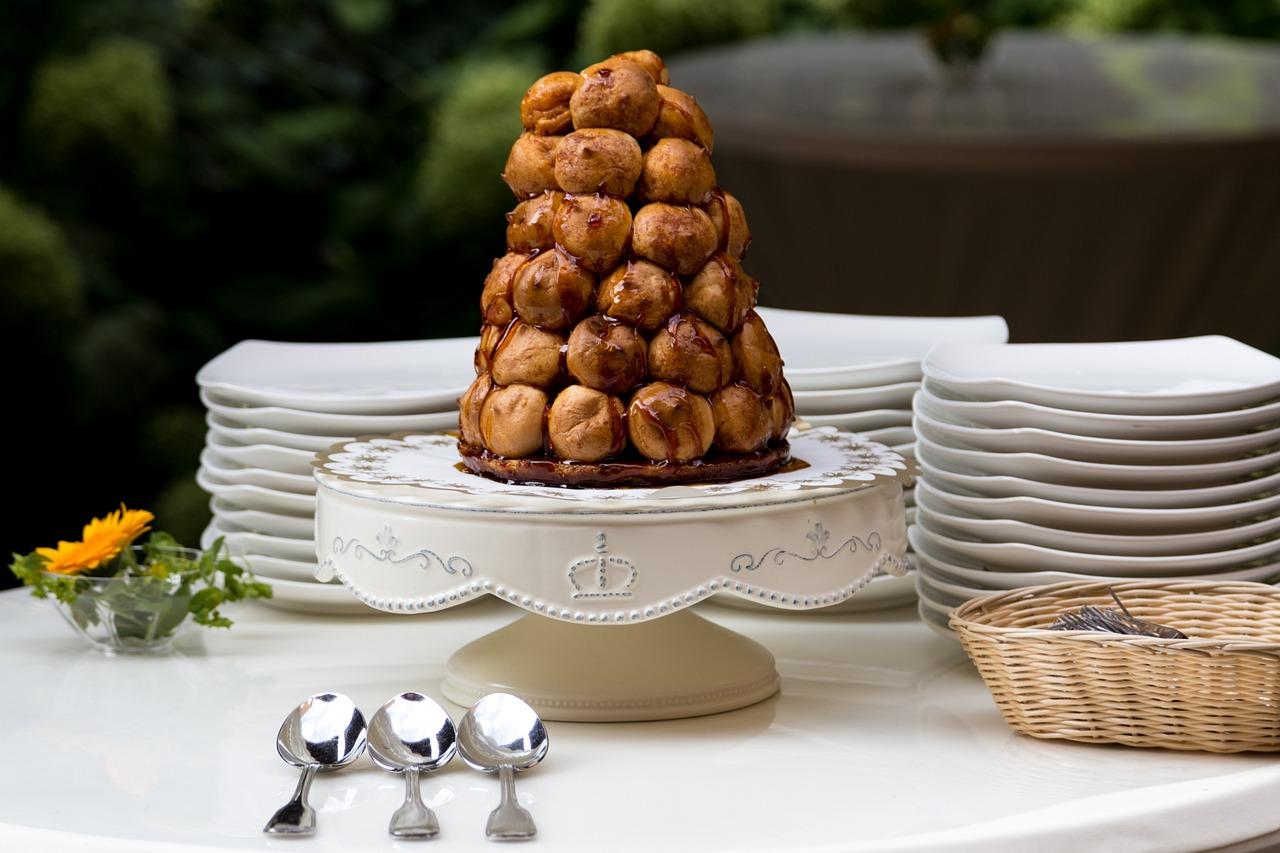
CroquemboucheCaramel-bound choux puff tower

At a French wedding, christening or first communion, the croquembouche ('crunch in the mouth') arrives at the end of the meal: a tall cone of choux puffs filled with vanilla pastry cream, stuck together with amber caramel and wrapped in spun sugar threads. Guests crack puffs off with a knife or the back of a spoon, so each bite is crisp caramel, light pastry and cold, smooth cream. Pâtissiers often flavour the cream with orange liqueur; it is written here with vanilla only, and you can add 2 tablespoons of liqueur to the cooled cream. Underbaked choux is the classic mistake, because pale puffs go soft and collapse under the weight, so bake them until they are deep golden and dry inside; and since hot caramel burns badly, keep a bowl of iced water beside you and work with care. Chef's tip: build the tower on the day, no more than 4 hours before serving; the caramel softens in the fridge and humid air.

210 minFrenchBaking
by KrazyBadal 0 views

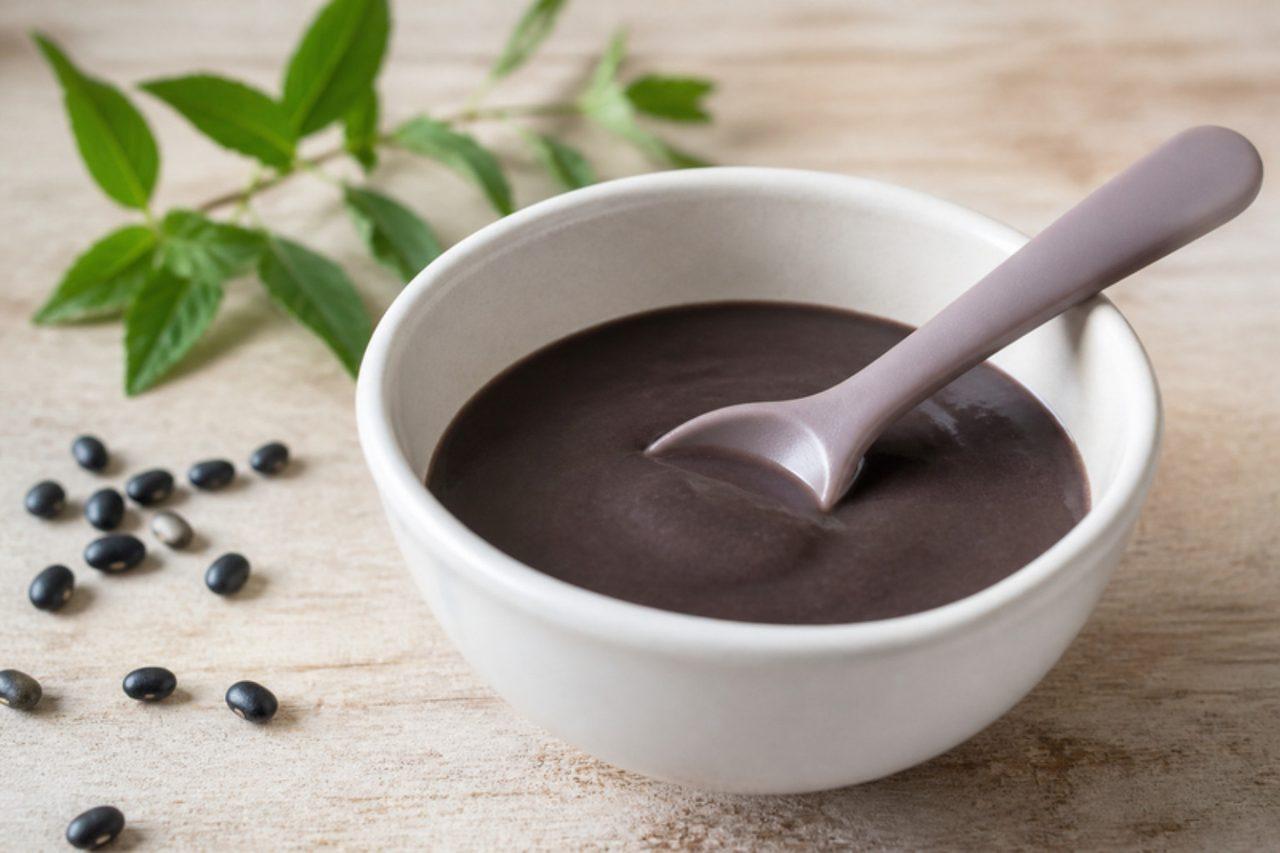
Bean broth for babies (caldito de frijol)

Mexican families nearly always have a pot of frijoles de la olla on the stove, and before the salt goes in a cup of caldito is set aside for the baby. Black or pinto beans are cooked slowly with a piece of onion until they collapse; the broth is offered first on its own and, a week or two later, thickened with the sieved bean flesh into a smooth, earthy purée. Families from Oaxaca to Monterrey give it at midday, the time of the main meal. It has none of the common allergens (milk, egg, gluten, peanut, tree nuts, soya, sesame, fish). Chef's tip: soak the beans overnight and change the water; they cook more evenly and are easier on small tummies.

130 minMexicanSoupsVeganGluten free
by KrazyBadal 0 views

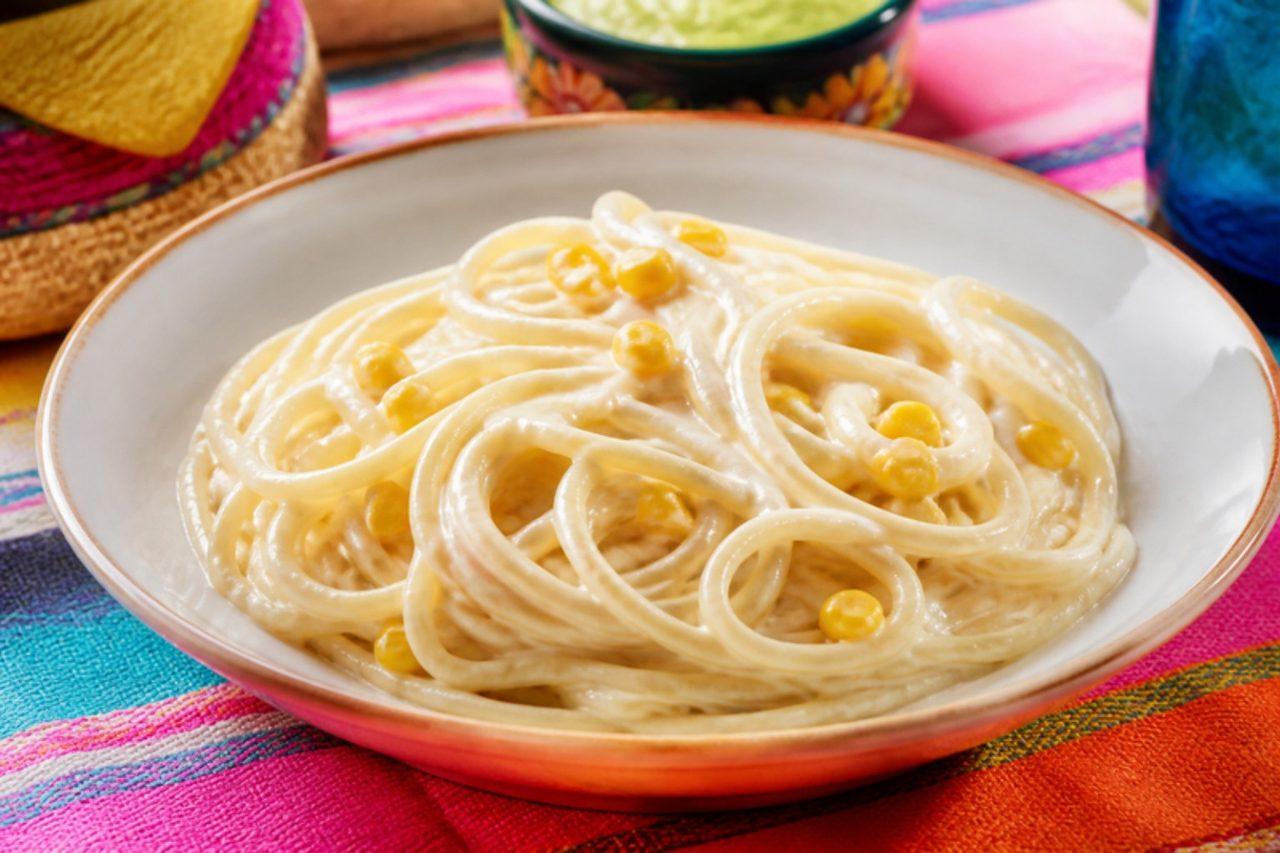
Espagueti blanco (creamy white spaghetti)

At Mexican children's birthday parties and family gatherings, a big tray of espagueti blanco usually sits next to the chicken and the salads: soft spaghetti in a mild, silky sauce of cream, cream cheese and butter, sometimes with a little onion and garlic blended in. Some families add diced ham; this version keeps it vegetarian with sweetcorn. It contains milk and gluten. Chef's tip: blend the sauce while it is warm so it is perfectly smooth, then toss it with the pasta off the heat so it stays creamy.

by KrazyBadal 0 views

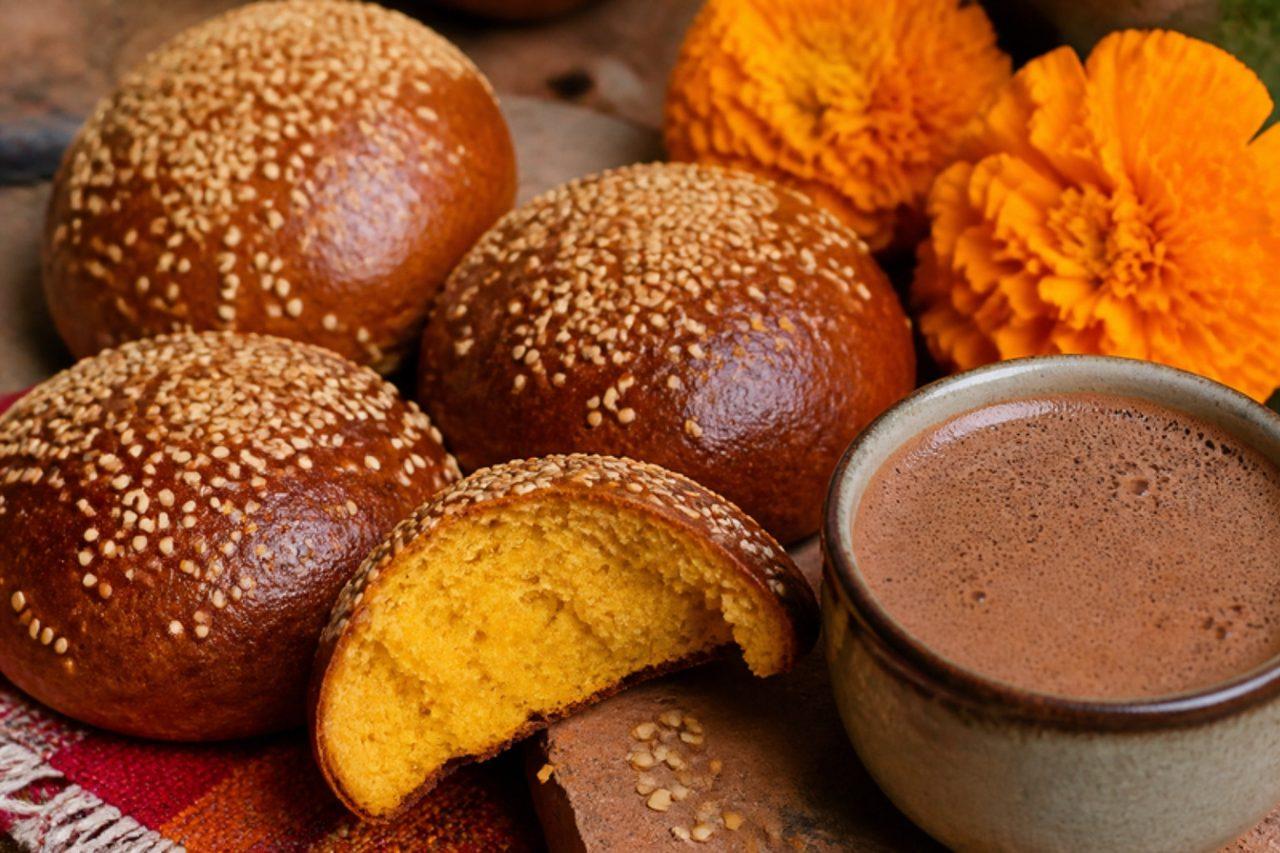
Pan de yemaEgg yolk bread with sesame

Sesame-flecked and burnished almost to mahogany, Oaxaca's pan de yema is made for dunking. Bakeries in the city and in the bread town of San Antonio de la Cal turn it out daily, but it is most loved around Día de Muertos, when it sits on the family altar with marigolds and a painted dough face, and is broken into bowls of frothy Oaxacan hot chocolate made with water or milk. The crumb is dense, yellow and close, with a gentle orange note. Some bakers use lard; butter and vegetable shortening are used here so it stays vegetarian. A pale loaf is the giveaway of skipping the second yolk wash: brush twice for that deep, shiny crust. Chef's tip: the dough is heavy and sticky with yolks, so knead it by machine and resist adding flour; it firms up as it develops.

by KrazyBadal 0 views

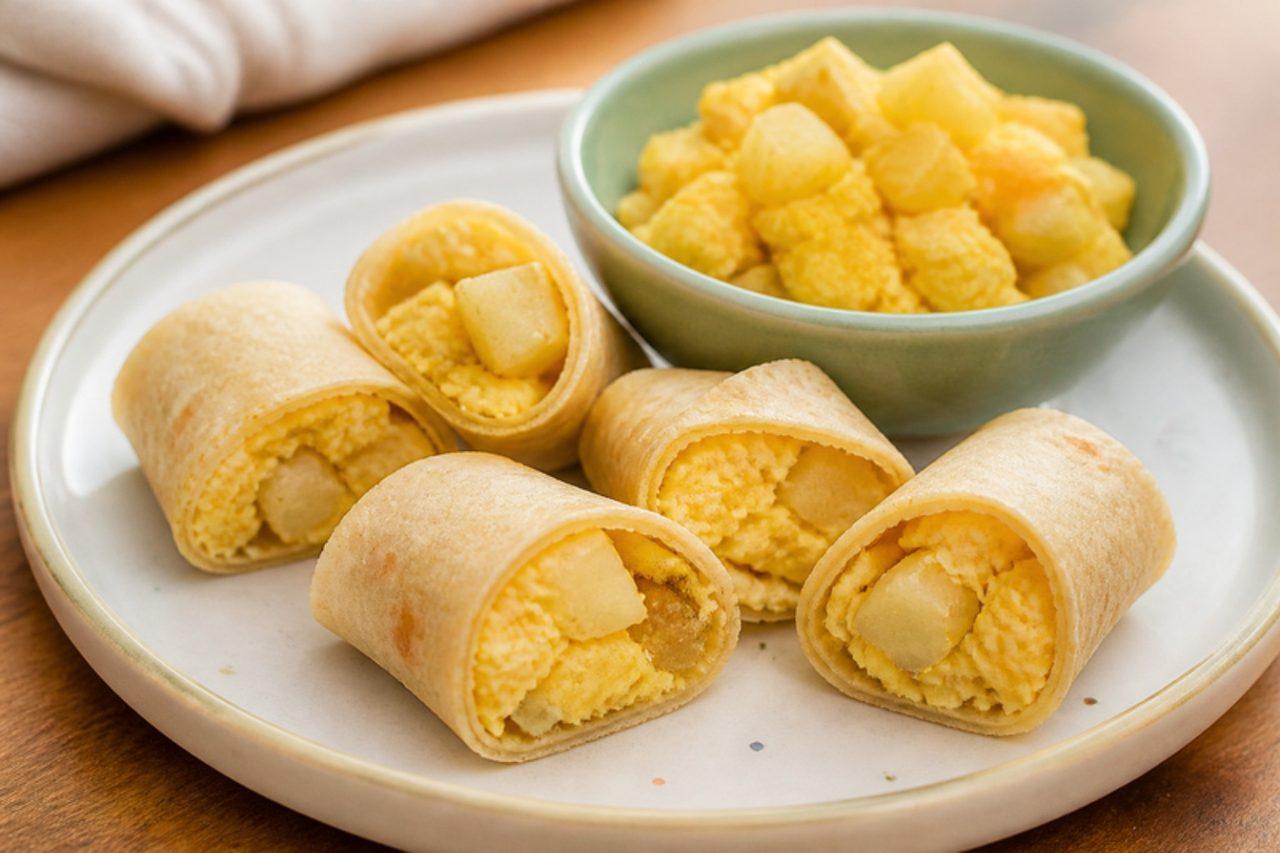
Huevo con papa toddler tacos

Huevo con papa is a breakfast and supper standby in kitchens all over Mexico: small cubes of potato fried until tender, then scrambled with egg and rolled into warm tortillas. Mild, soft and easy to hold, it is a favourite for toddlers from a year old, and the grown-ups add salsa to their own. It contains egg; made with 100% corn tortillas it has no gluten, and it has no milk, nuts, soya, sesame or fish. Chef's tip: cut the potato into small 1 cm cubes and cover the pan for the first few minutes, so it steams tender before it browns.

by KrazyBadal 0 views

TelerasSoft two-groove sandwich rolls

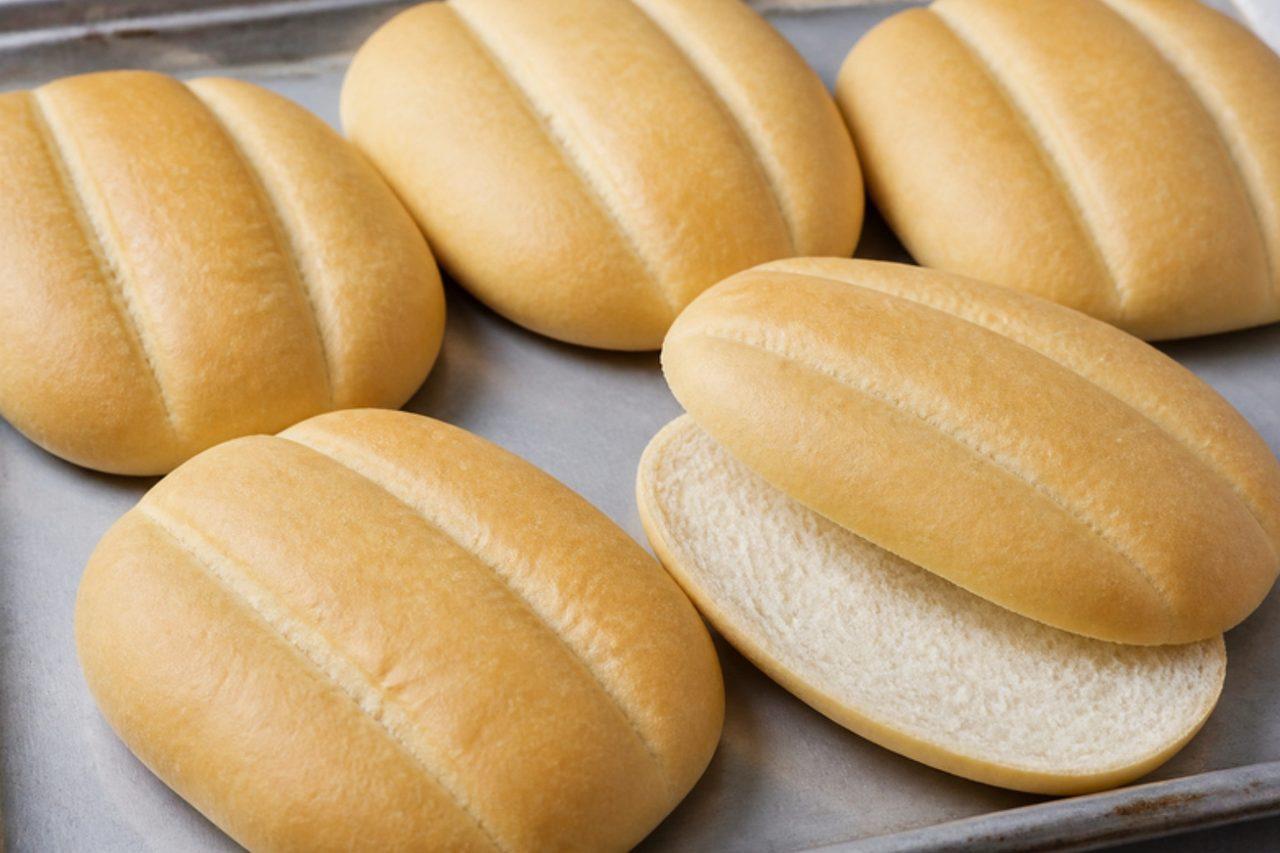
Without teleras there would be no torta, Mexico City's great lunchtime sandwich. These wide, flattish oval rolls, marked with two long grooves, have a thin, tender crust and a soft, close crumb that holds refried beans, avocado, queso and pickled jalapeños without falling apart. Every neighbourhood panadería piles them on metal trays next to the crustier bolillos, and street stalls toast them on a griddle before filling. Some bakers add a spoonful of lard to the dough; vegetable shortening gives the same softness and keeps these vegan. Pressing the grooves too gently is the usual mistake, because they puff closed in the oven and you lose the three-part shape. Chef's tip: for a proper torta, split the roll, pull out a little of the crumb and toast the cut sides on a hot comal with a smear of oil or butter.

by KrazyBadal 0 views

Pain de campagneCountry sourdough loaf

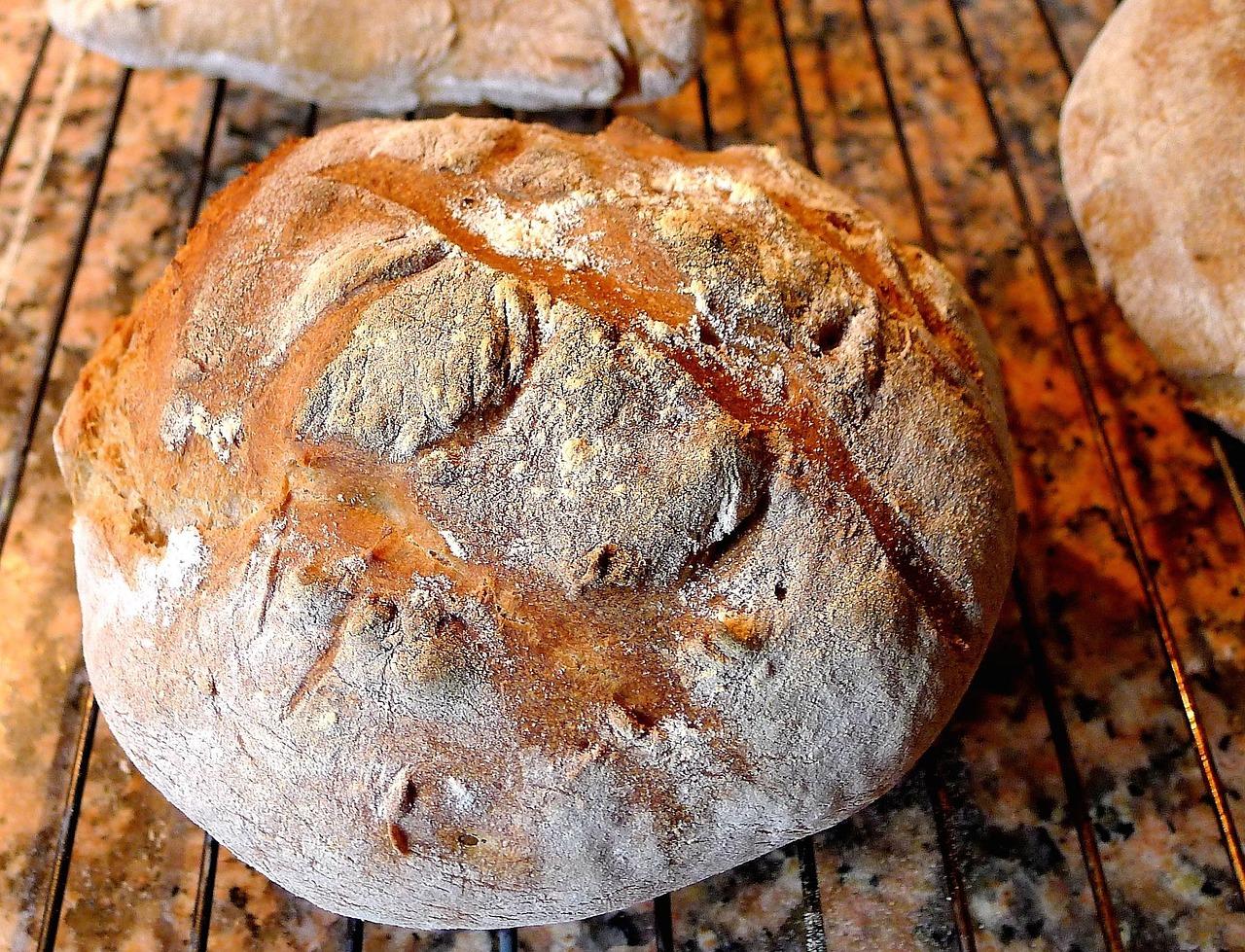
Picture a round, flour-dusted boule on the counter of a village bakery in Burgundy or the Auvergne: that is pain de campagne, the 'country loaf' French families once baked weekly in a shared oven and kept in a cloth for days. A little wholemeal rye in the dough gives a greyish crumb, an earthy, gently sour flavour and a thick, crackling crust that stays good for four or five days. Slice it for tartines with butter and honey, toast it for soup, or serve it with a cheese board, onion soup or a slow vegetable stew. This version builds a fresh leaven in the morning and rests the shaped loaf in the fridge overnight, so you bake first thing the next day. Many home loaves come out pale and soft because they are pulled too early; French bakers call the dark finish 'bien cuit', and that colour is where the flavour lives. Chef's tip: bake straight from the fridge into a screaming-hot lidded casserole; the cold, firm dough is easier to score and springs up higher.

by KrazyBadal 0 views

Œuf et mouillettes (egg and soldiers for toddlers)

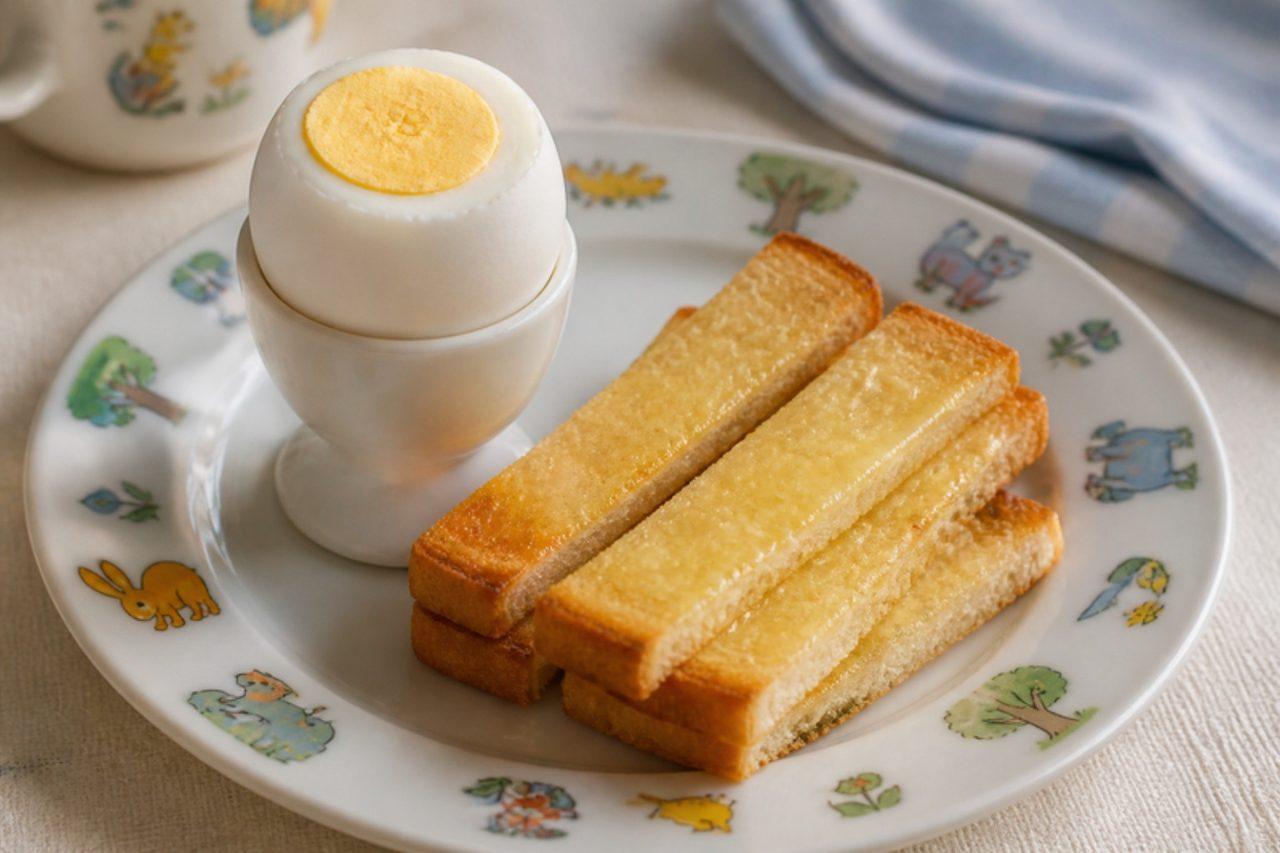
In France, l'œuf à la coque with mouillettes, buttered bread fingers, is the gentle supper or Sunday breakfast every child knows. For babies and toddlers the egg is boiled a little longer, until the white is firm and the yolk is set but still soft and fudgy, so little ones can scoop and spread it rather than dip into a runny centre. It contains egg, gluten (wheat) and milk (butter). Chef's tip: start with eggs at room temperature so they don't crack in the hot water, and lower them in gently on a spoon.

by KrazyBadal 0 views

Gâteau battuTall egg-rich brioche cake

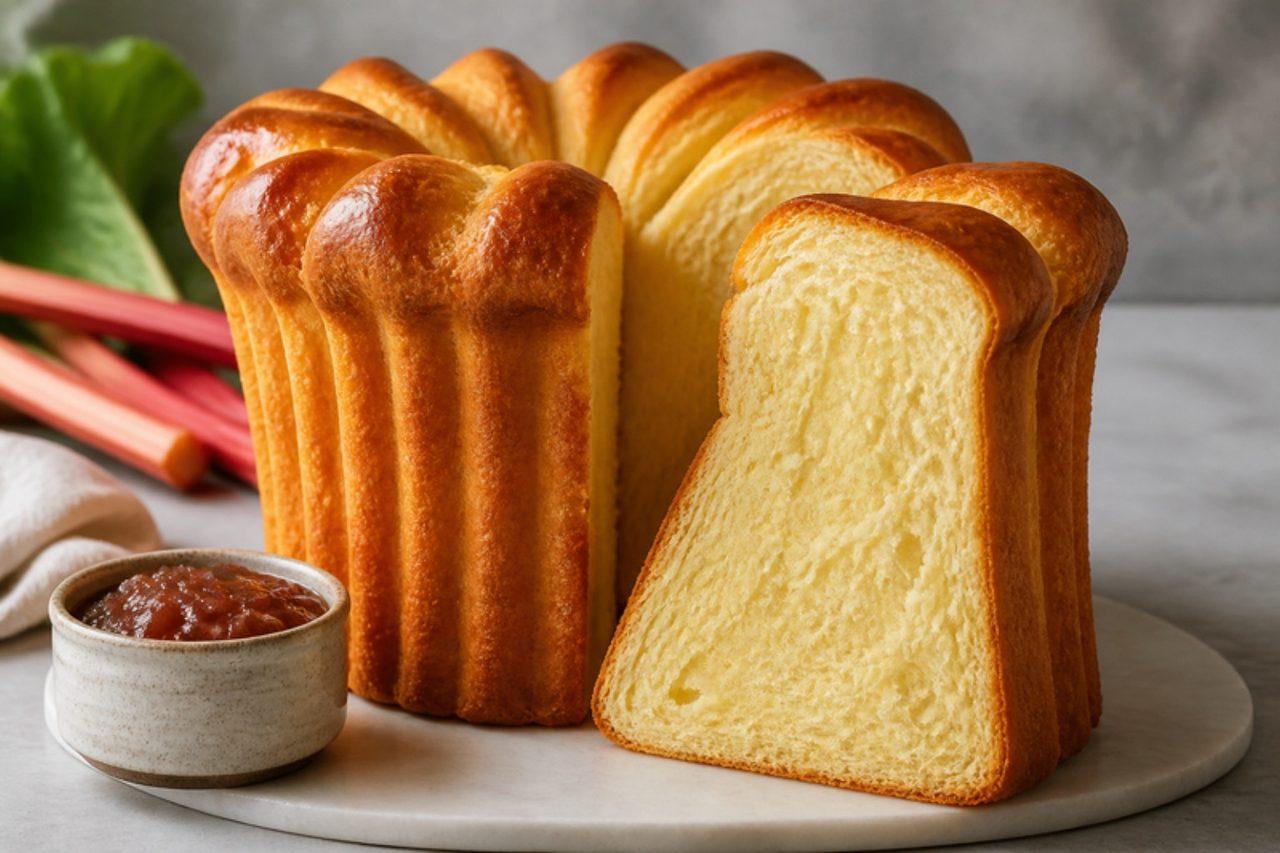
Picardy's tall, fluted gâteau battu ("beaten cake") gets its name from the long beating its dough needs: so many egg yolks and so much butter go in that it is closer to a thick batter than a bread dough. In the Somme it is the cake of family celebrations, first communions and weddings, and of Sunday breakfast, and it is baked in a distinctive tall, ridged mould that gives it the look of a chef's toque. The crumb is yellow, very light, buttery and only gently sweet. Serve it in slices with rhubarb jam, poached fruit or crème anglaise, or toasted the next day. Unmoulding too soon is how it collapses: the crumb is so tender that it needs 10 minutes to firm in the tin. Chef's tip: let the dough rise slowly until it reaches the rim of the mould, even if that takes 3 hours; rushing it gives a dense, cakey bottom.

300 minFrenchBaking
by KrazyBadal 0 views

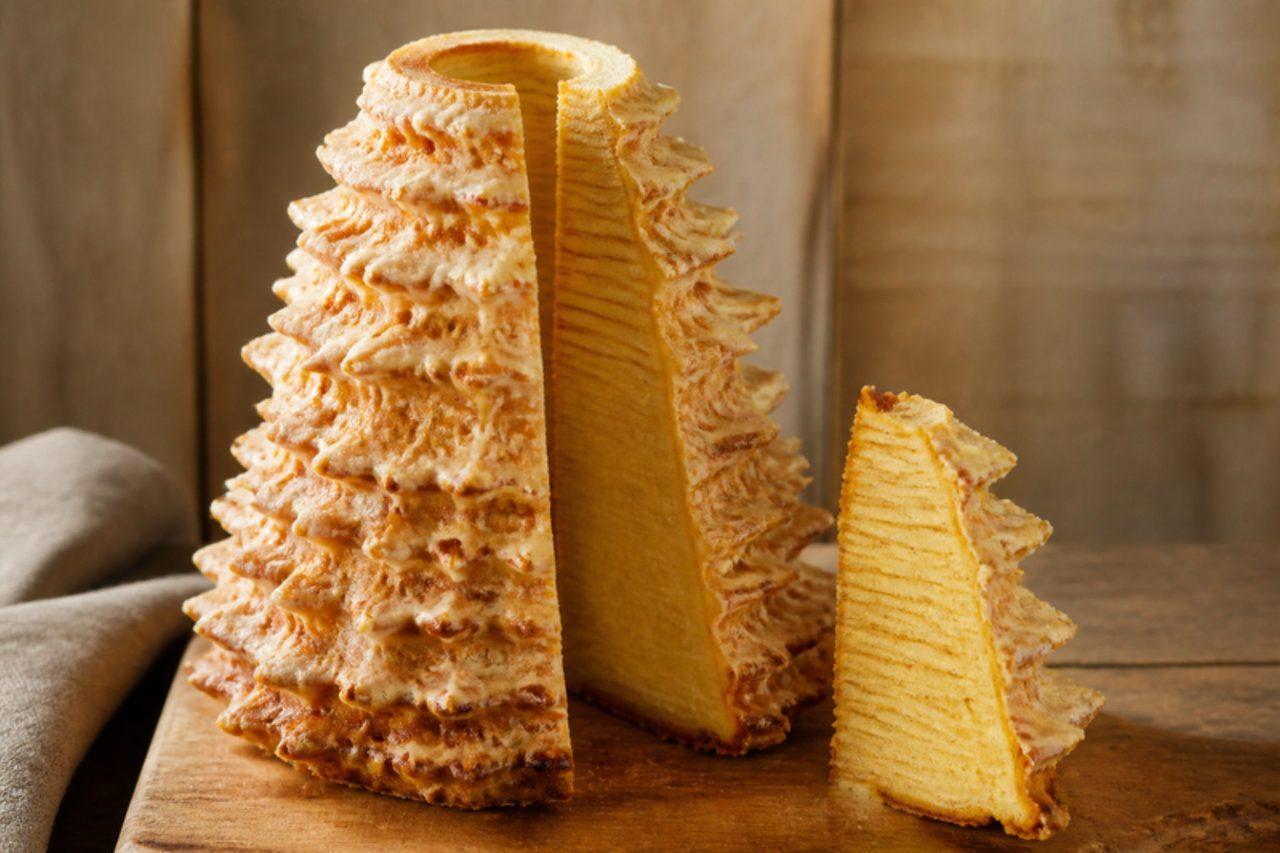
Gâteau à la brocheSpit cake

At weddings and village fairs in the Aveyron and the Pyrenees, gâteau à la broche is a performance: a wooden cone turns on a spit in front of a wood fire while a cook ladles batter over it, layer after layer, for hours. The drips set into the spiky ridges that make the tall, hollow cake look like a fir tree. Slices have thin golden rings, a soft, buttery, eggy crumb and a scent of orange-flower water; it is eaten at the end of the feast with sweet wine for the adults or coffee. Older recipes use rum where this one uses orange-flower water and lemon, and at home a foil-wrapped rolling pin turned under a hot grill does the job of the spit. Pouring too much batter at once is the easy mistake: thick layers stay raw inside, so ladle thinly and let each one colour. Chef's tip: keep the batter at room temperature and stir it each time; cold batter clings badly and drips off in sheets.

140 minFrenchBaking
by KrazyBadal 0 views

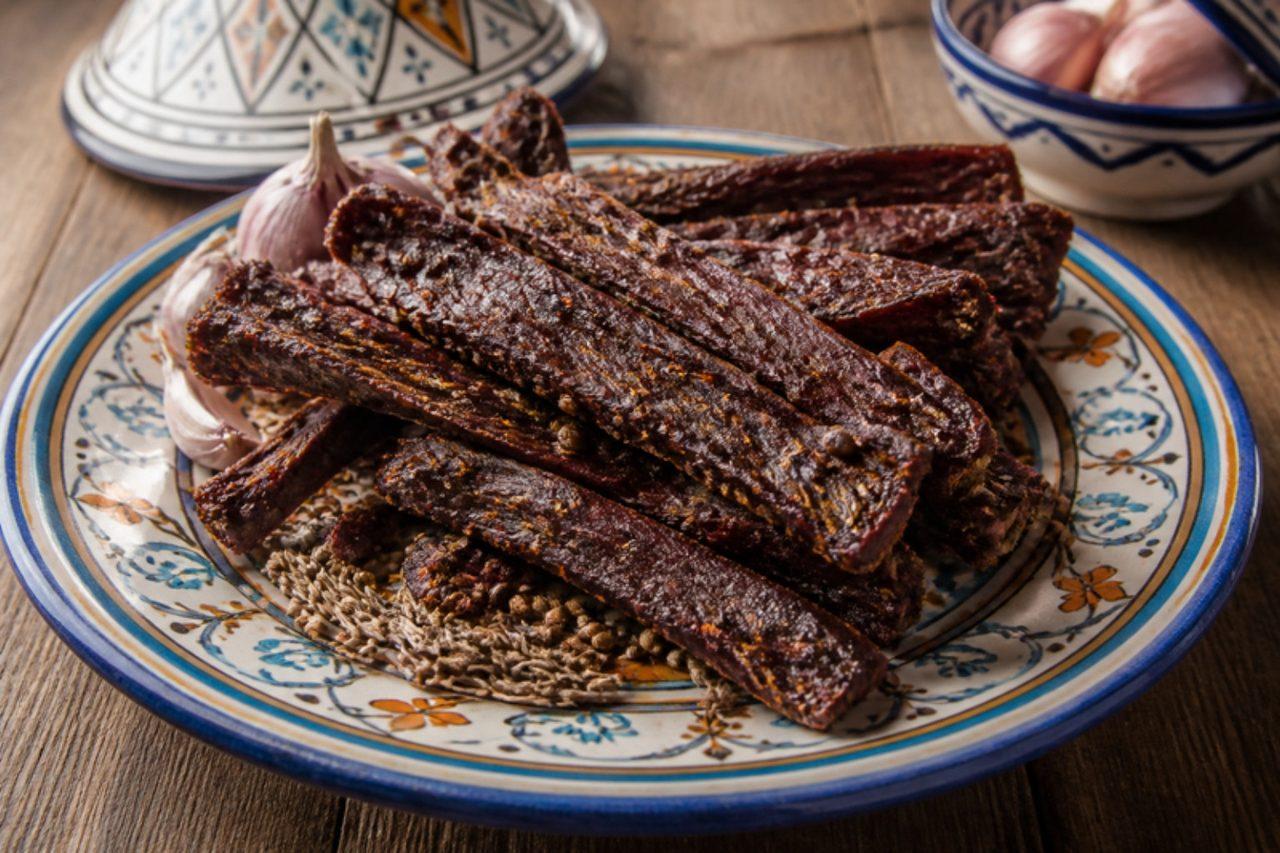
Gueddid (spiced dried lamb, safe oven method)

After Eid al-Adha, families across Morocco traditionally cut part of the sacrificed lamb into strips, rub it with salt, garlic, cumin and coriander and hang it on rooftop lines in the sun for days; the gueddid is then kept for Ashura couscous, lentil stews and eggs. Sun-drying meat at home is not safe without strict control, so this version cures the strips in the fridge, then dries them in a low oven until the meat is cooked through to at least 71 °C and leathery-dry, with the same deep, salty, cumin flavour. The common mistake is cutting thick strips: anything over 1 cm stays moist in the centre. Chef's tip: semi-freeze the meat for an hour first so you can slice it thinly and evenly. Not for anyone on a low-salt diet.

by KrazyBadal 0 views

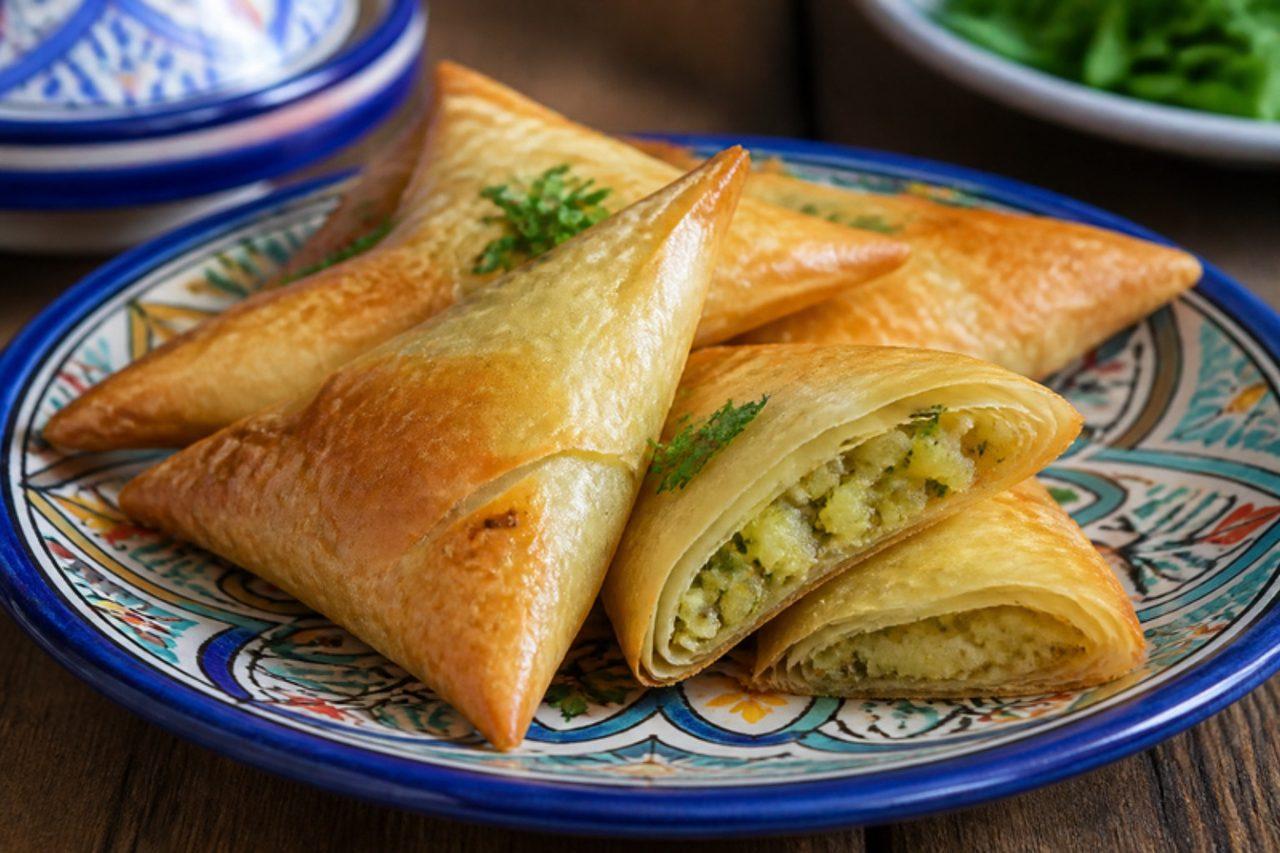
Potato briouats (briwat batata)

During Ramadan, the iftar tables of Casablanca and Marrakech are crowded with little fried pastries, and potato briouats are the budget-friendly favourite. A mash of potato, parsley, coriander, cumin and a little grated cheese is folded into warqa or filo triangles and fried until crackling. Serve them hot with harira or mint tea. The common mistake is a wet, warm filling, which makes the pastry soggy and tear; let the mash cool completely. Chef's tip: seal each triangle with a dab of egg yolk or flour paste; they won't open in the oil. Check cheese labels: some is made with animal rennet. Contains wheat, egg and milk.

by KrazyBadal 0 views

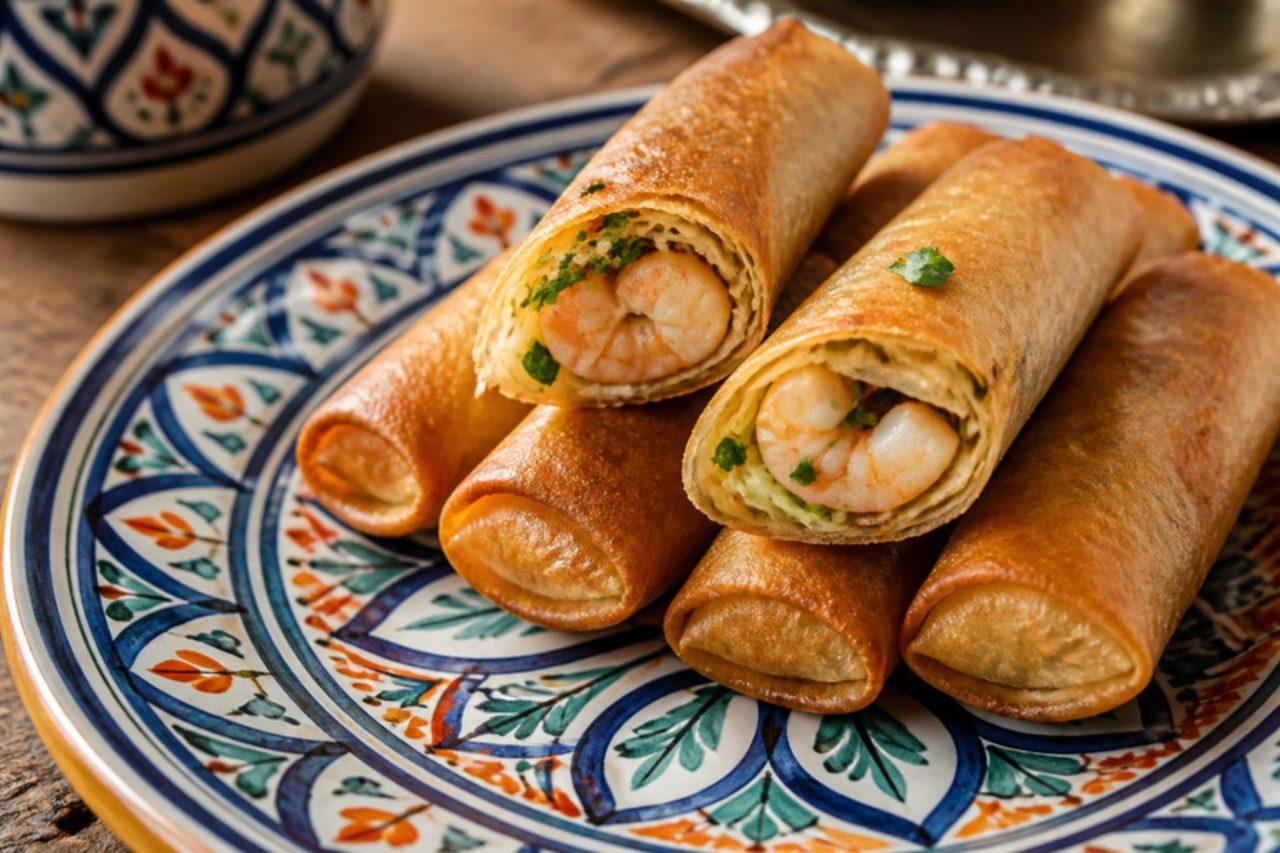
Shrimp and vermicelli briouats

In coastal cities like Agadir and El Jadida, the festive version of briouats is filled with prawns and rice vermicelli tossed in chermoula — a filling borrowed from seafood pastilla, but in a size you can eat in two bites. They come out at weddings, Eid lunches and Ramadan iftars, hot and crackling, with lemon. The usual mistake is a wet filling: cooked prawns and soaked noodles release water, so drain everything well and dry-fry the mix for a minute. Chef's tip: snip the soaked vermicelli into short lengths with scissors so the rolls fill evenly. Contains shellfish, wheat and egg.

by KrazyBadal 0 views

Moroccan party rice salad (shlada rouz)

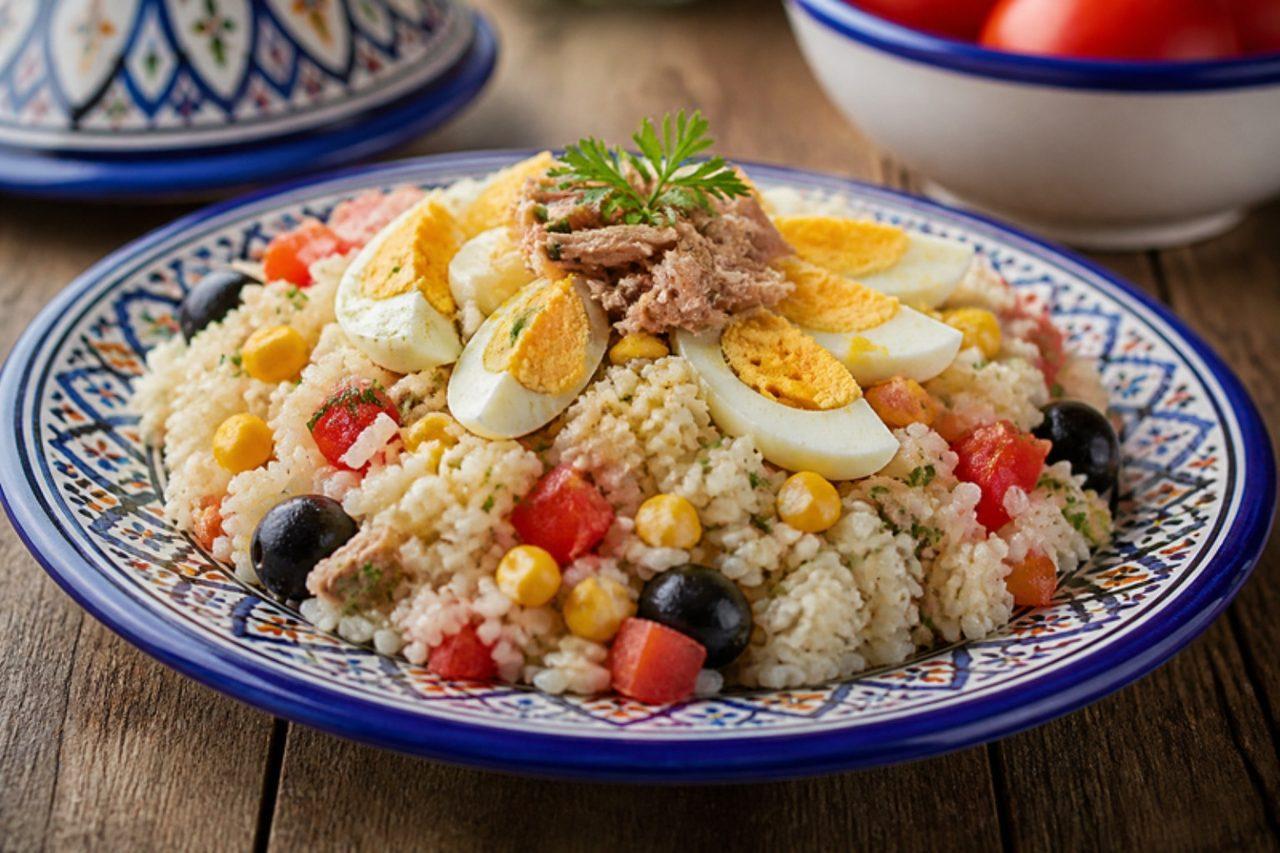
Moroccan weddings, birthday parties and summer picnics in Rabat and Casablanca nearly always have a big platter of shlada rouz, the rice salad decorated in stripes and rings like a mosaic: tomato, sweetcorn, green olives, beetroot, boiled egg and flaked tuna on a bed of lemon-dressed rice. It's eaten cold as a starter. Rice cooked too soft turns to paste once dressed, so drain it while it still has a slight bite. Chef's tip: dress the rice while it's still a little warm; it soaks up the vinaigrette much better.

by KrazyBadal 0 views

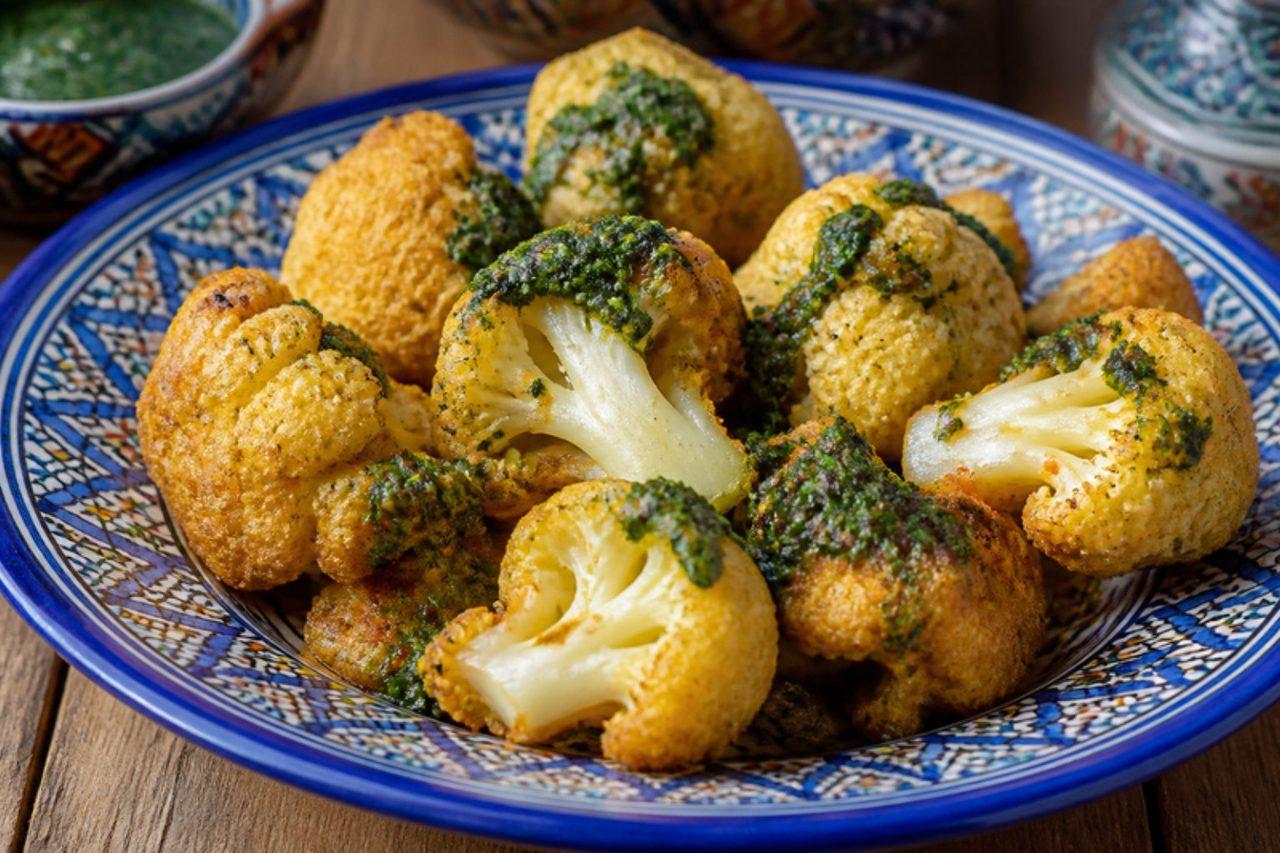
Moroccan fried cauliflower in cumin batter

Casablanca home cooks fry cauliflower this way for Ramadan tables and family lunches alike: parboiled florets dipped in an egg batter heavy with cumin, paprika and parsley, then fried until puffed and golden. They're eaten hot with a squeeze of lemon or a spoon of chermoula, as a side to a tagine or on their own with bread. The common mistake is frying wet cauliflower; the batter slides off and spits, so dry the florets well after boiling. Chef's tip: keep the florets bite-sized and with a bit of stalk, so you can dip them by hand. Contains egg and wheat.

by KrazyBadal 0 views

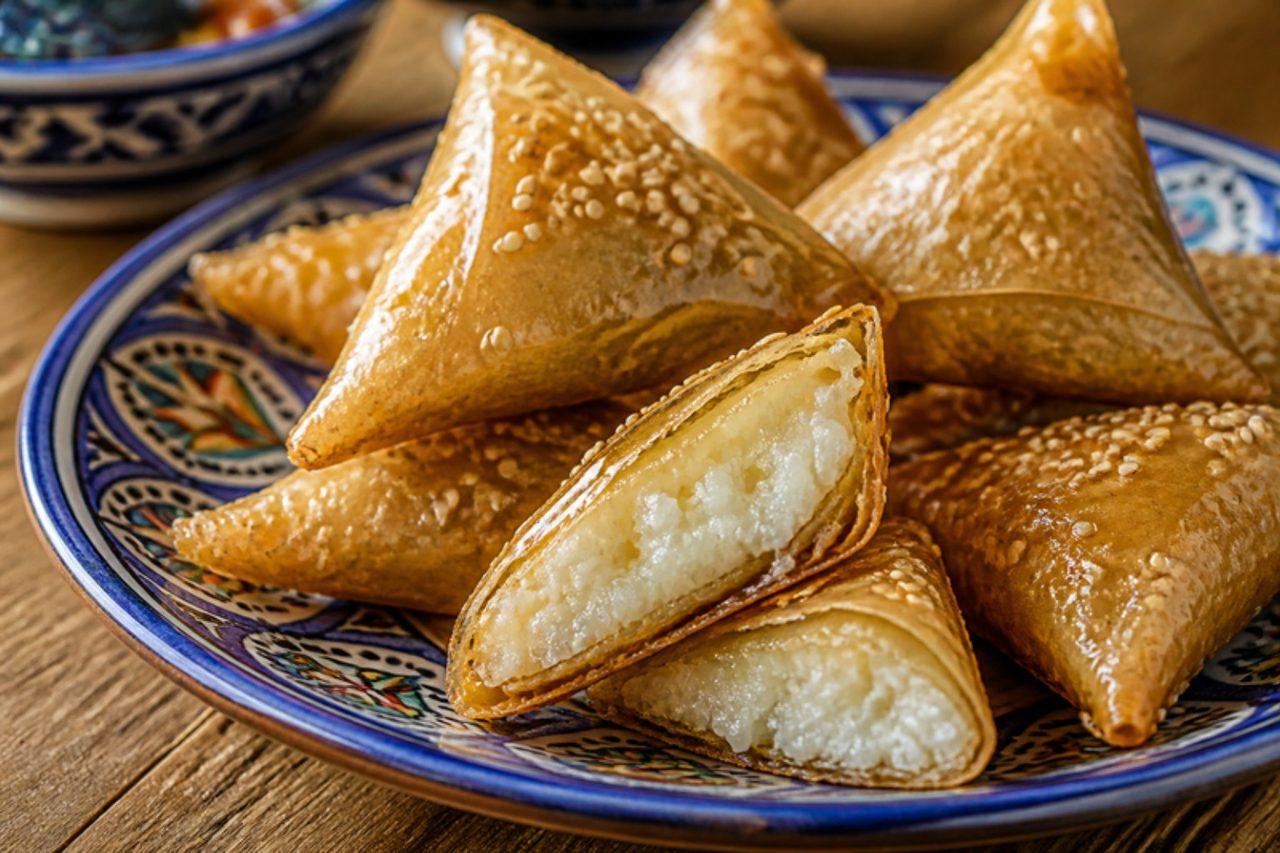
Sweet rice briouats with honey

The old Fassi households and pastry shops of Fes and Rabat make rice briouats for Ramadan and weddings: short-grain rice cooked thick in milk with orange-blossom water, wrapped in warqa, fried and plunged into warm honey. They're crisp outside, creamy within, and served with mint tea. Runny rice pudding makes the pastry burst in the oil, so cook it until a spoon can stand in it, then chill it firm. Chef's tip: warm the honey with a splash of orange-blossom water, and dip the briouats while both are hot so the honey soaks in rather than sitting on top. Contains milk, wheat and almonds.

by KrazyBadal 0 views

Showing 24 of 768 recipes

Show more recipes

Page 1 of 32