Skip to content
Recipes

All recipes

Vegetarian, or something you can't eat? Set your diet once and we'll hide recipes that don't fit.

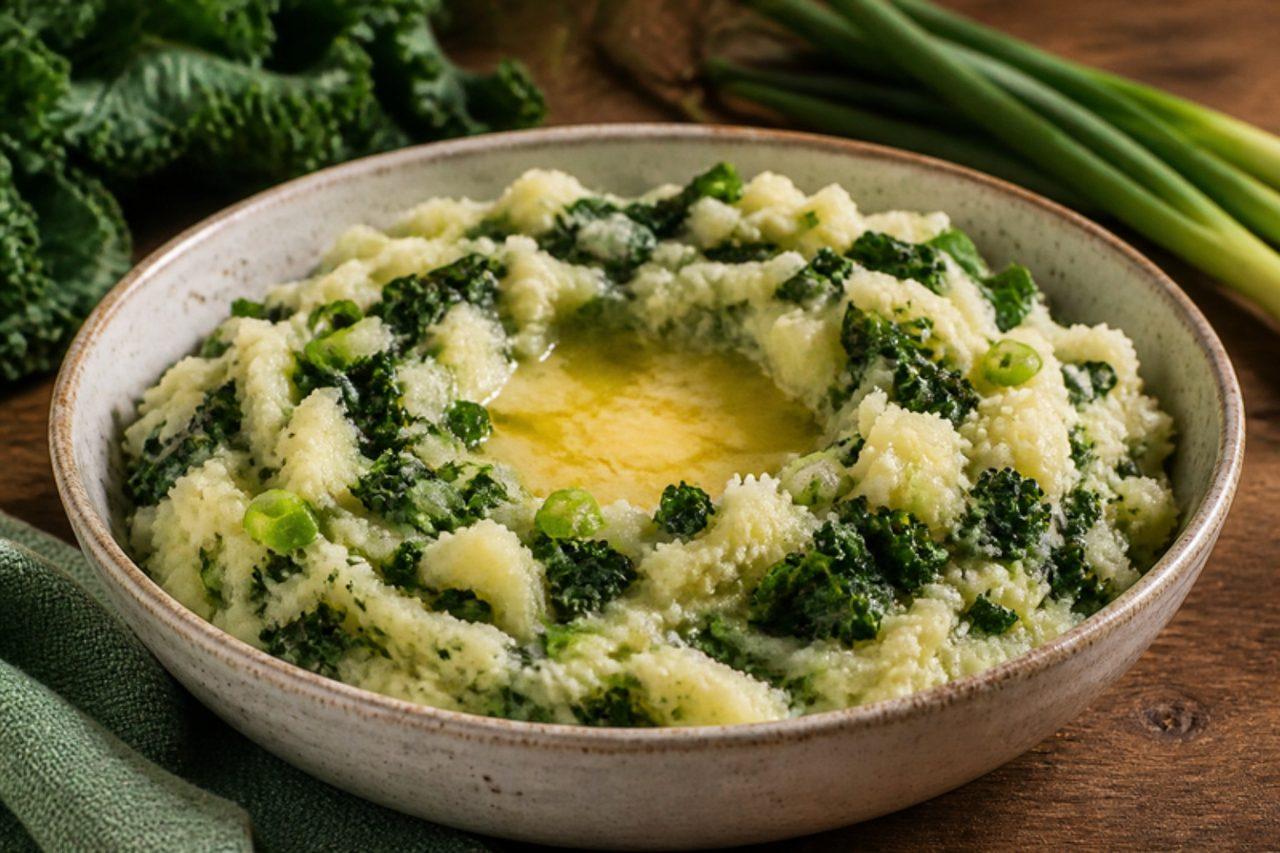
Colcannon

Colcannon is the Halloween potato dish of Ireland, from Munster farmhouses to Dublin kitchens, where a ring or a coin was once hidden in the bowl to tell fortunes. Floury potatoes are mashed with hot milk, a lot of butter and dark leafy kale or green cabbage, so it is creamy, green-flecked and savoury. Serve it with a well of melted butter in the middle, alongside sausages or a nut roast. Chef's tip: warm the milk with the spring onions before mashing; cold milk makes the mash gluey and tastes flat.

40 minIrishSidesGluten free
by KrazyBadal 0 views

Carrageen moss pudding

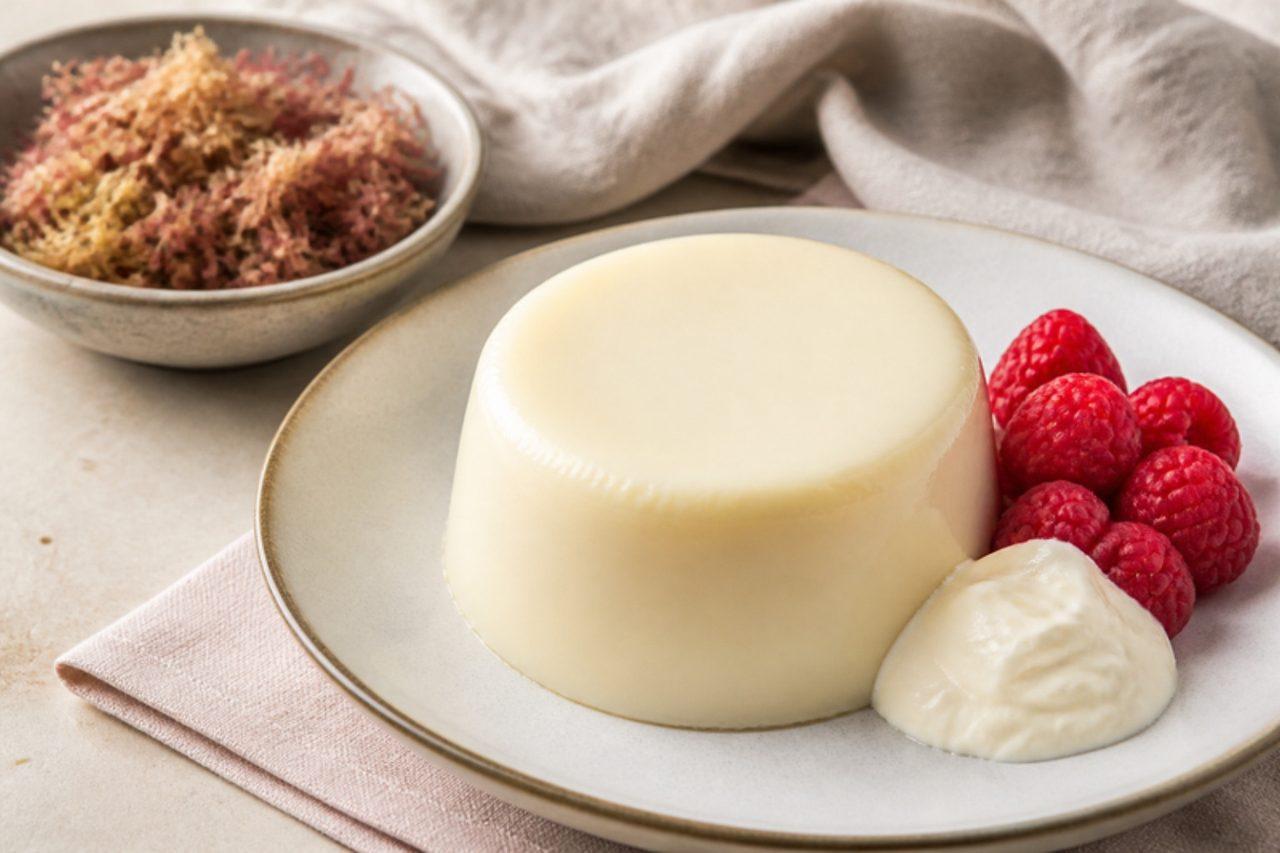
Carrageen is a frilly red seaweed picked from the rocks of the west coast, from Donegal down to Clare, and dried on the grass in the sun. Simmered in milk, it releases a natural setting agent, so this old Irish pudding sets like a soft blancmange without gelatine. It tastes of vanilla and lemon with a faint breath of the sea, and is served chilled with stewed rhubarb or soft fruit. Chef's tip: soak the carrageen well and rinse off the sand before you start; any grit ends up in the pudding.

by KrazyBadal 0 views

Cork spiced beef

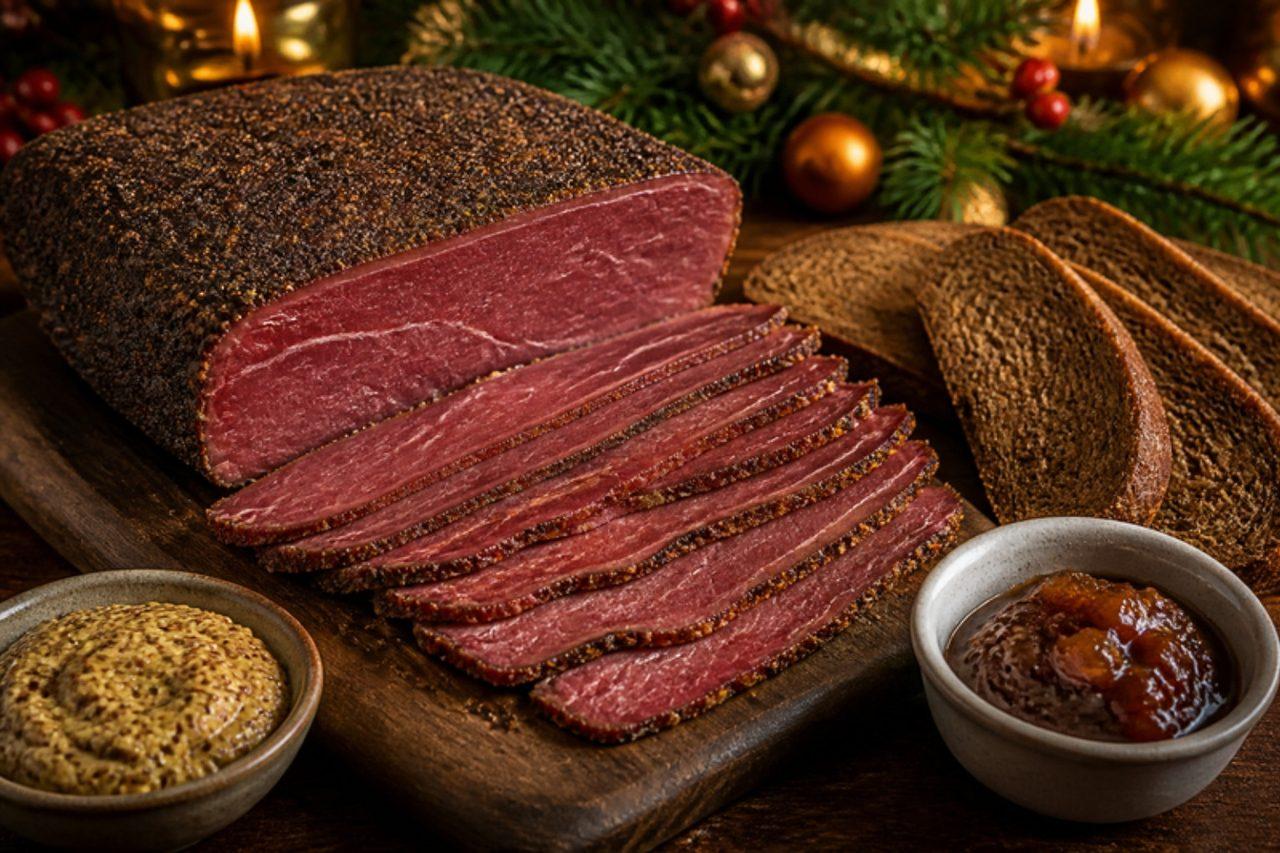
Spiced beef is the Christmas meat of Cork city, sold in the English Market in December and served cold in thin slices on St Stephen's Day with brown bread and chutney. A piece of brisket or silverside is rubbed with salt, brown sugar, allspice, cloves and juniper and turned in the fridge for a week, then simmered slowly and pressed. The meat comes out deep pink, tender and fragrant. Chef's tip: keep it in the fridge the whole week of curing and turn it every day so the cure reaches every side.

270 minIrishMeatGluten free
by KrazyBadal 0 views

Bantry Bay mussels in cider

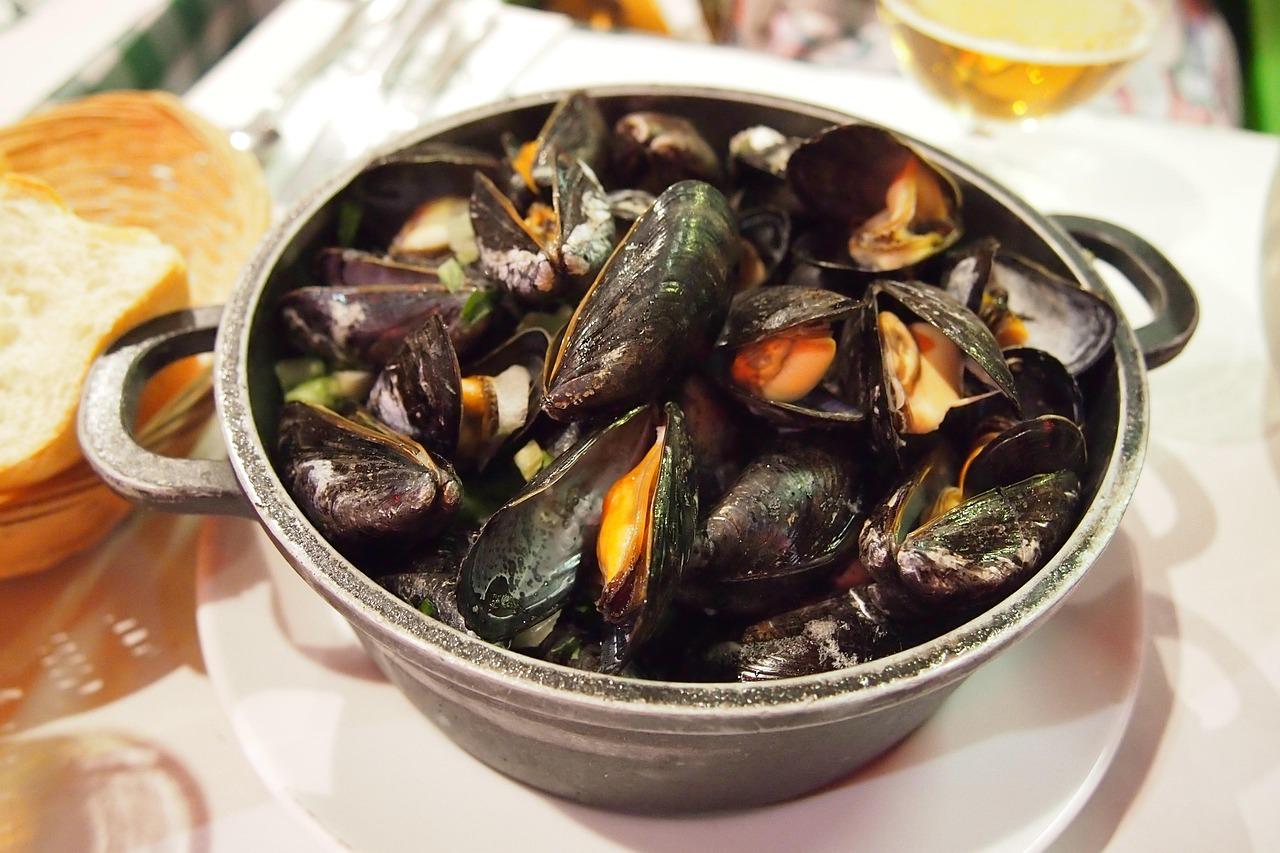
The sheltered waters of Bantry Bay in West Cork grow rope mussels that end up in pots in every harbour pub from Glengarriff to Kinsale. Here they are steamed in Irish dry cider with leek, garlic and thyme, then finished with a spoonful of cream, giving a sweet-sour, apple-scented broth for dipping brown bread. The cider contains alcohol, which mostly cooks off; for an alcohol-free version use cloudy apple juice with a teaspoon of cider vinegar. Chef's tip: the mussels must be alive when cooked, so check every one before they go in.

30 minIrishFishGluten free
by KrazyBadal 0 views

Spotted dog

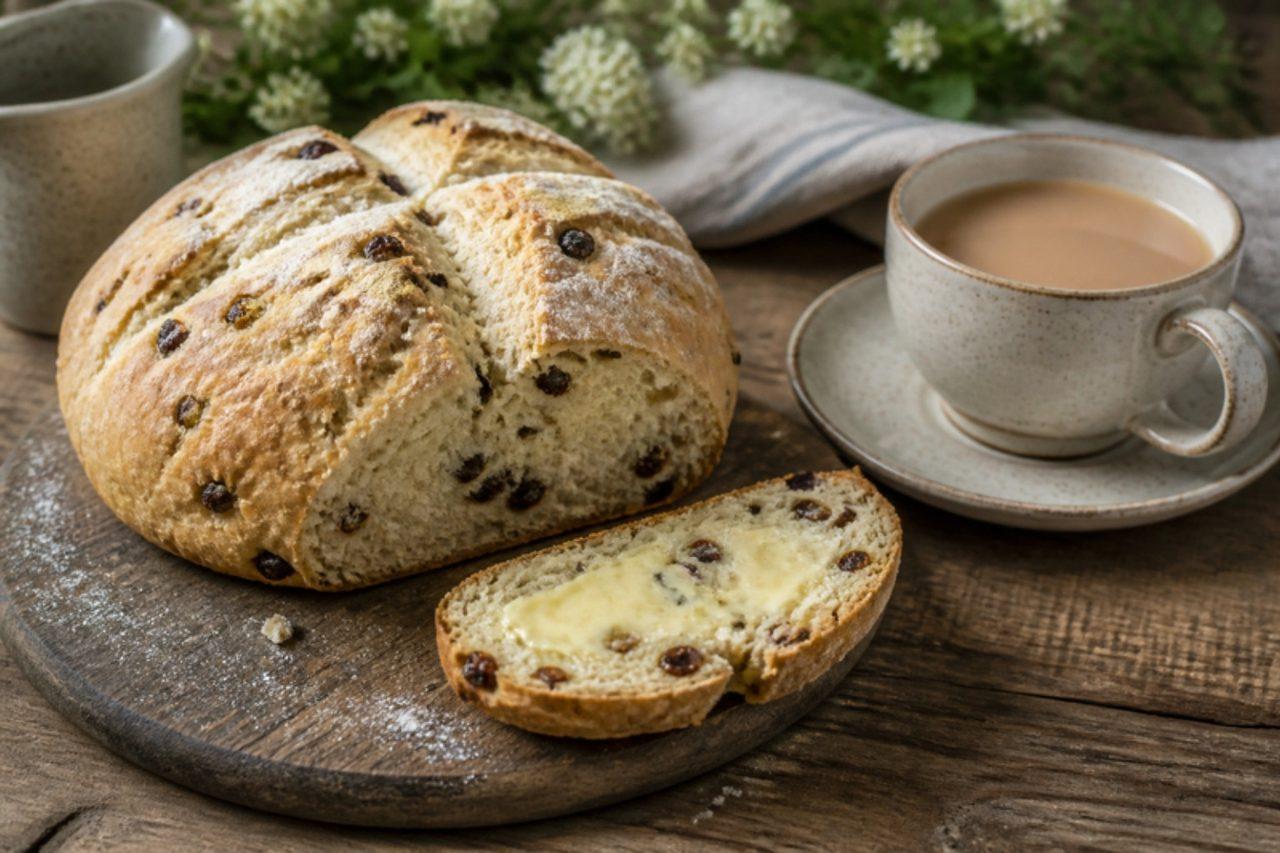
Spotted dog, or 'spotted dick' and 'railway cake' in parts of Leinster, is white soda bread with a handful of raisins and a little sugar, the sweet loaf Irish grandmothers bake for the afternoon tea or Sunday visitors. It is soft, slightly cakey and best warm, split and buttered. Chef's tip: toss the dried fruit in the flour first so it stays spread through the loaf instead of sinking.

by KrazyBadal 0 views

Irish apple cake

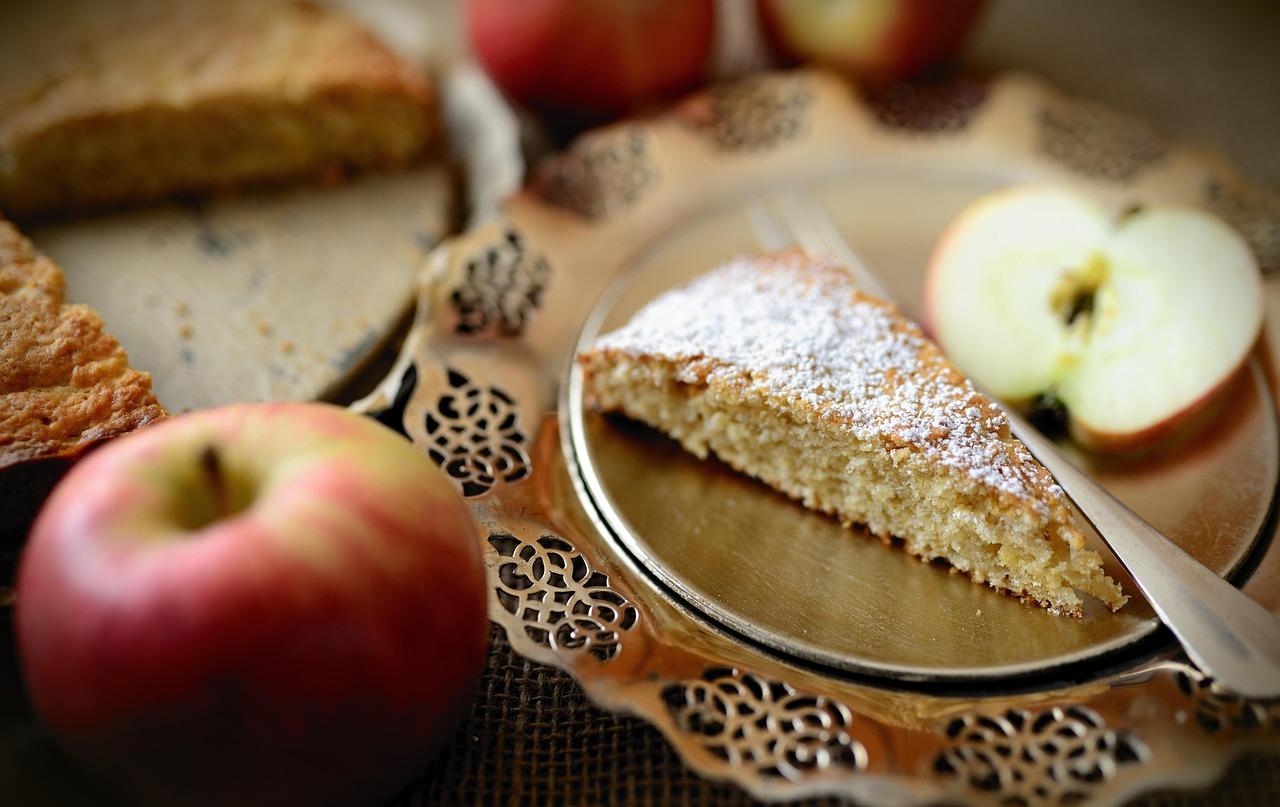
Every Irish county has its apple cake, but it is especially loved in Armagh's orchard country and in Kerry, baked in late September when the Bramleys come in. Sharp cooking apples bake into soft, tart pockets in a buttery sponge, under a crunchy sugar and cinnamon crumb. Serve warm with custard or softly whipped cream. Chef's tip: toss the apple slices in lemon juice and sugar only at the last minute, or they release water into the batter.

by KrazyBadal 0 views

Germknödel

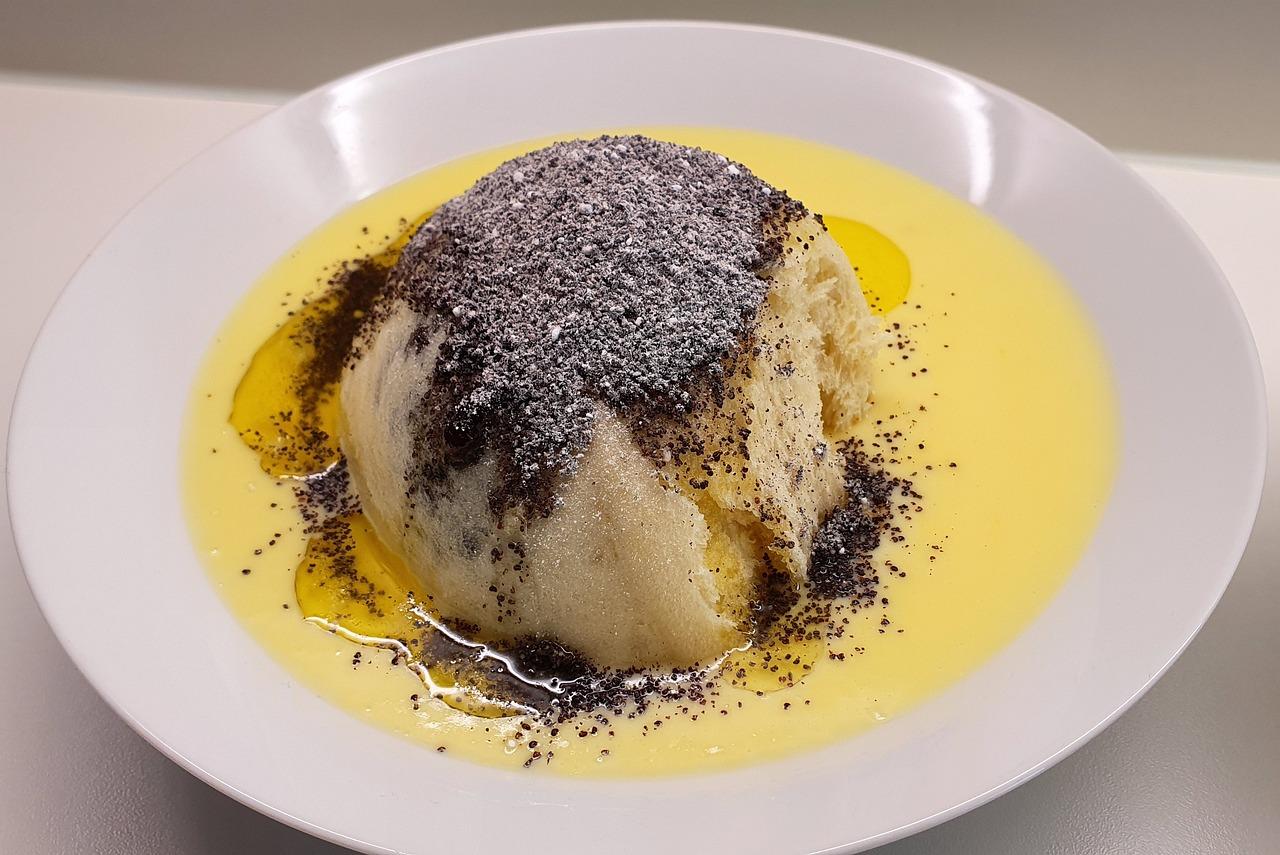
After a morning on the slopes, Austrians head into the mountain huts of Tyrol, Salzburg and Styria for one thing: a Germknödel the size of a fist, steamed until pillowy and split open to reveal dark plum butter. It comes drowned in melted butter, or in vanilla sauce, under a thick snow of ground poppy seeds and icing sugar, and it is eaten as a whole meal. The dough is soft and slightly sweet, and the powidl inside is tart and jammy. A common mistake is lifting the lid while they steam; the dumplings deflate and turn heavy. Chef's tip: seal each dumpling with the seam underneath and let them prove a second time on squares of baking paper, so you can move them without denting them.

by KrazyBadal 0 views

Dublin lawyer

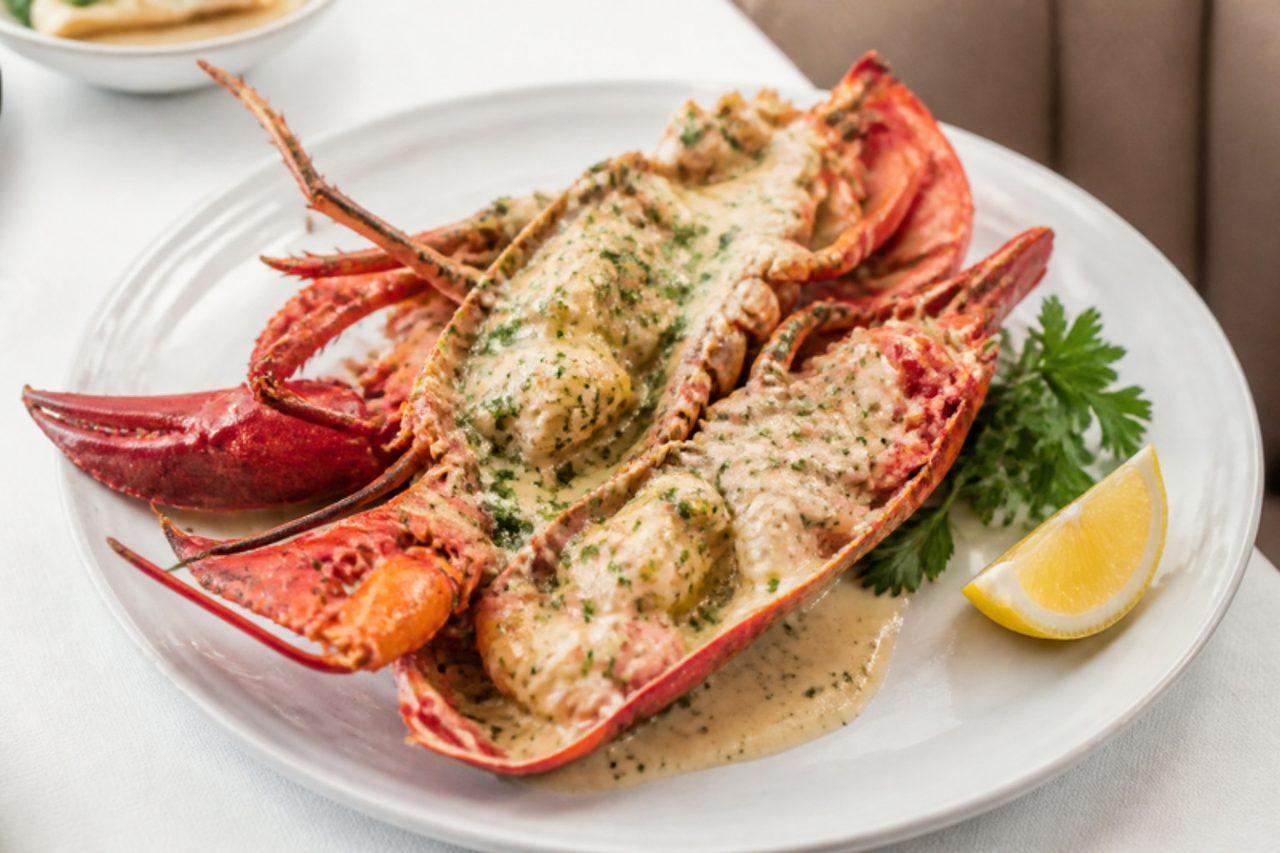
Dublin lawyer is an old Dublin restaurant dish, said to be named because lawyers were rich and fond of drink: lobster meat is cooked in butter, flamed with Irish whiskey and finished with cream, then served back in the shell. It is a special-occasion dish for anniversaries and birthdays. This recipe contains alcohol; for an alcohol-free version replace the whiskey with 2 tablespoons of apple juice and a squeeze of lemon. Chef's tip: buy cooked lobster from a fishmonger if you are unsure about preparing a live one, and add it to the sauce only to heat through.

50 minIrishFishGluten free
by KrazyBadal 0 views

Kerry Dingle pies

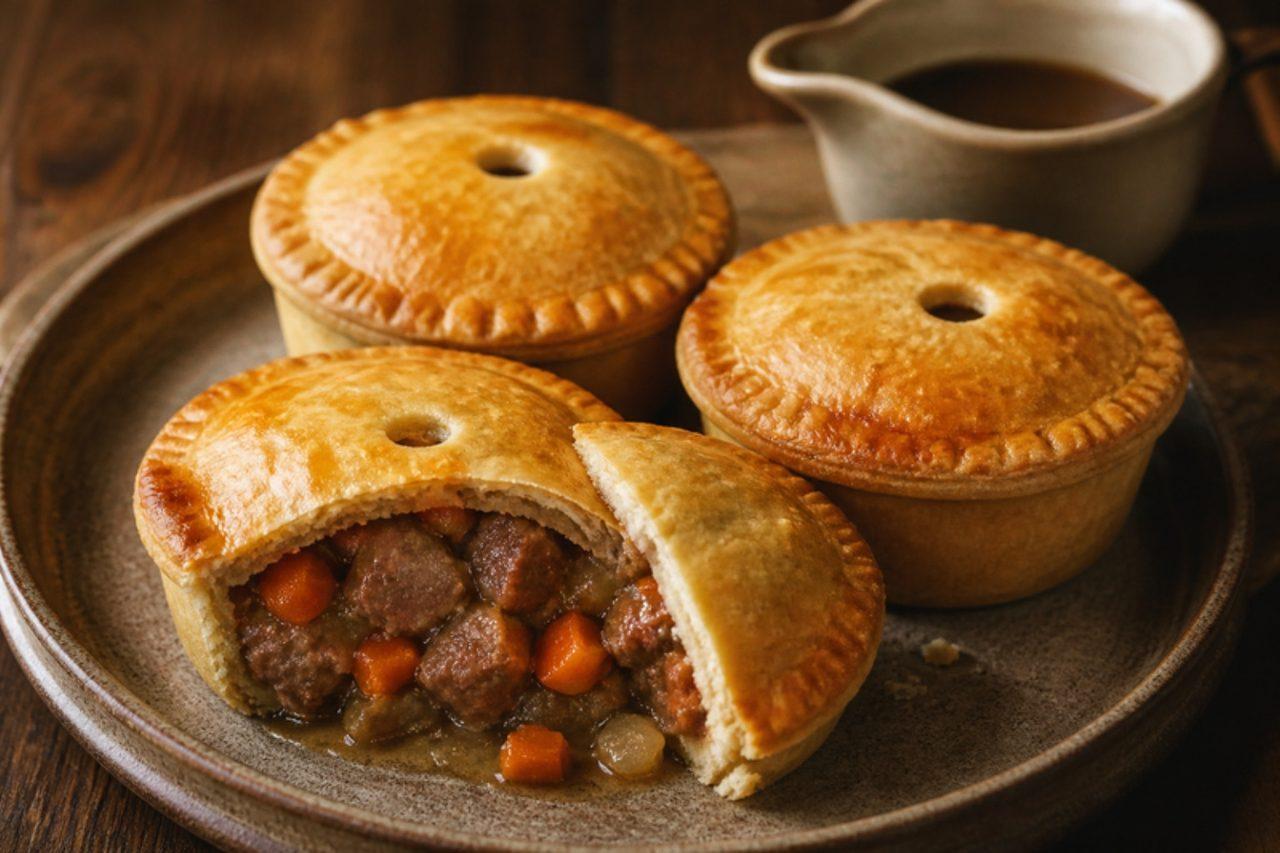
Dingle pies are small, round mutton pies made in west Kerry for the Puck Fair in Killorglin, for fishermen going to sea, and for farmers at the mart, often reheated in a bowl of the mutton broth. A firm hot-water-crust pastry holds a peppery filling of lamb or mutton, onion and carrot, so they travel well and are eaten by hand or with gravy. Chef's tip: shape the pastry while it is still warm; hot-water crust cracks and won't mould once it cools.

120 minIrishMeat
by KrazyBadal 0 views

Dublin Bay prawns in garlic butter

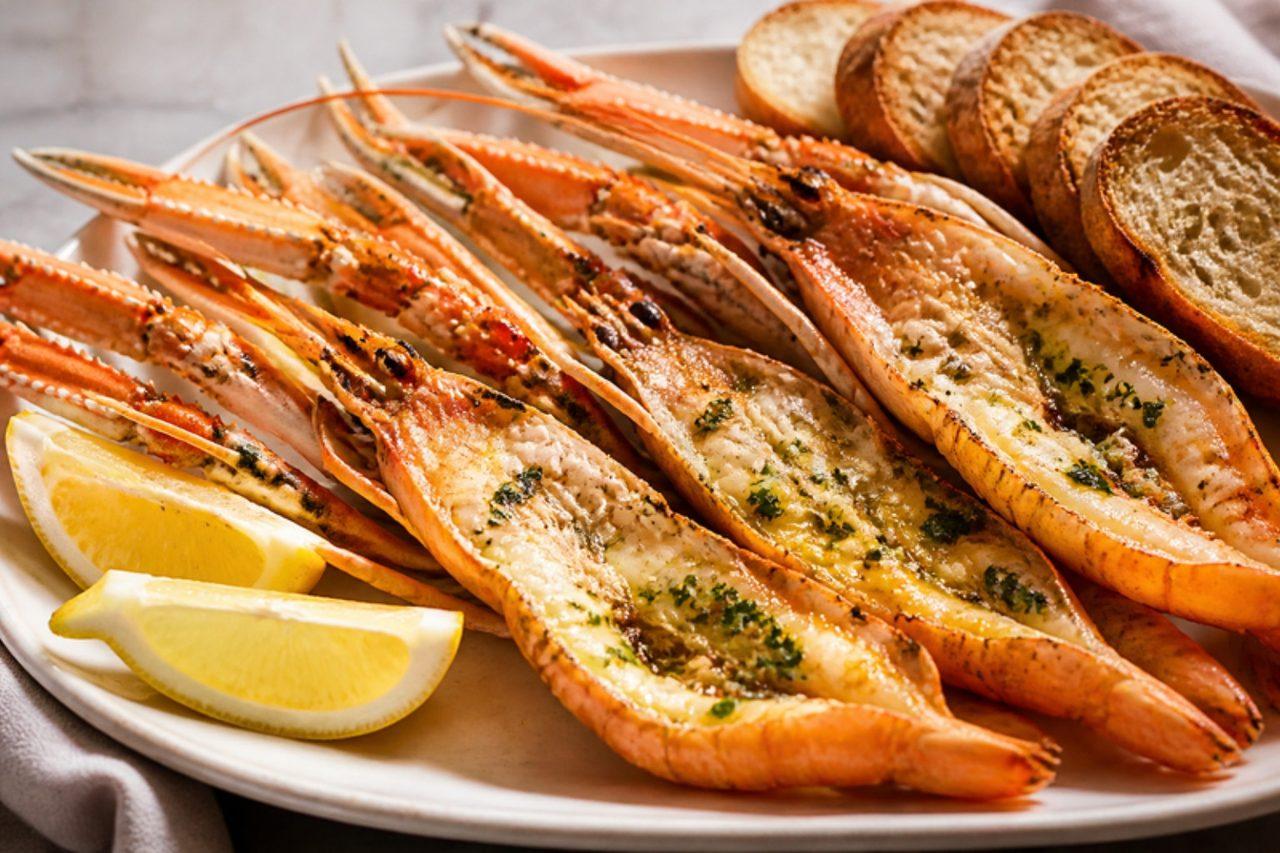
Dublin Bay prawns are not prawns at all but langoustines, the small orange lobsters landed at Howth and Clogherhead and once sold off the boats along the north Dublin coast. Seafood bars in Howth serve them split and grilled under a sizzling garlic, lemon and parsley butter, with brown bread to mop the plate. Chef's tip: they cook in minutes, so take them out as soon as the flesh turns from translucent to white.

25 minIrishFishGluten free
by KrazyBadal 0 views

Boxty

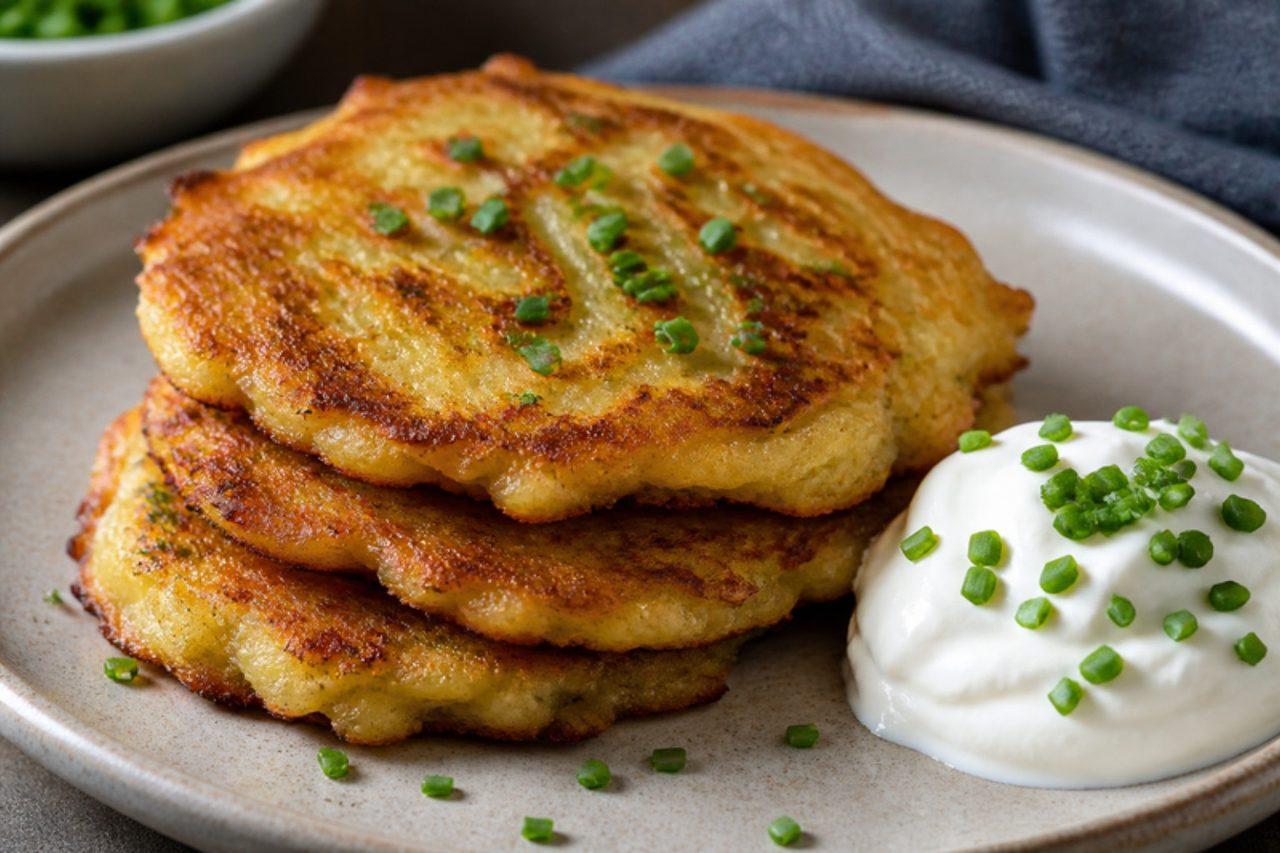
Boxty is the potato pancake of the north midlands, from Leitrim, Cavan and Fermanagh, remembered in the rhyme 'boxty on the griddle, boxty in the pan'. Raw grated potato is mixed with mashed potato, flour and buttermilk, then fried, giving a cake that is crisp and lacy outside and soft and slightly chewy inside. Eat it for breakfast with eggs and tomatoes, or wrapped round a creamy mushroom filling. Chef's tip: squeeze the grated potato hard in a cloth; wet potato gives soggy, grey boxty.

by KrazyBadal 0 views

Irish brown soda bread

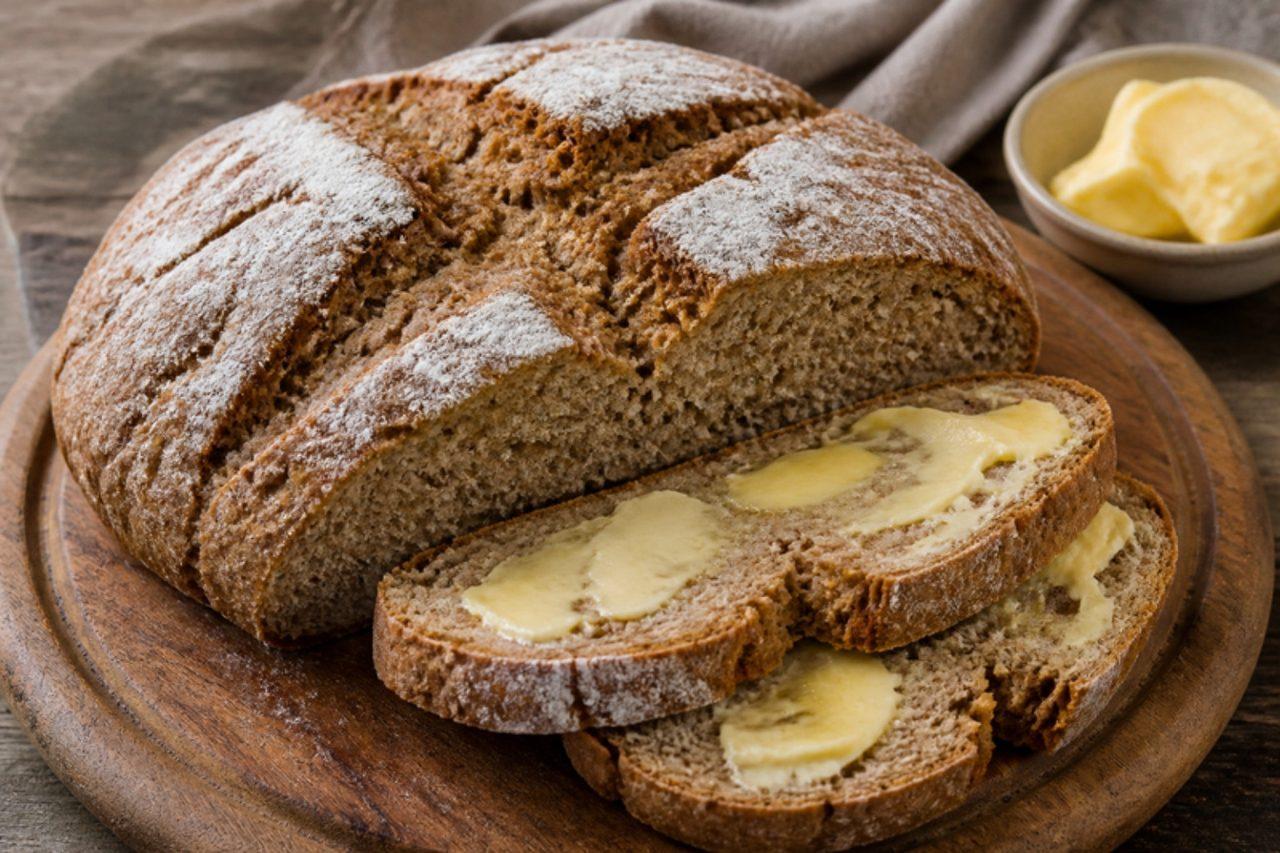
Brown soda bread is on every Irish table, from the Aran Islands to Wexford, sliced thickly at breakfast and served beside soup or smoked salmon in pubs. It is raised with bicarbonate of soda and sour buttermilk instead of yeast, so it is mixed and in the oven in ten minutes, with a nutty, coarse crumb and a hard crust. Chef's tip: mix with a light hand only until it comes together; kneading makes soda bread tough and heavy.

by KrazyBadal 0 views

Bizcochitos de grasa

A paper bag of bizcochitos de grasa sits next to the mate gourd in kitchens, offices and roadside service stations across Argentina, from Buenos Aires to the Andes. These little rounds, a couple of bites each, are layered with beef fat, so they flake and crumble, salty and plain enough to eat by the dozen with bitter mate in the afternoon. The fat is rendered beef fat (grasa vacuna), so they are not vegetarian; ask your butcher for dripping or render suet yourself. A dough worked too warm is the mistake that robs them of their layers; the fat melts into it instead of staying in sheets. Chef's tip: chill the dough for 10 minutes between folds whenever it starts to feel greasy, and prick each round right through so it puffs in flakes rather than domes.

by KrazyBadal 0 views

Barmbrack

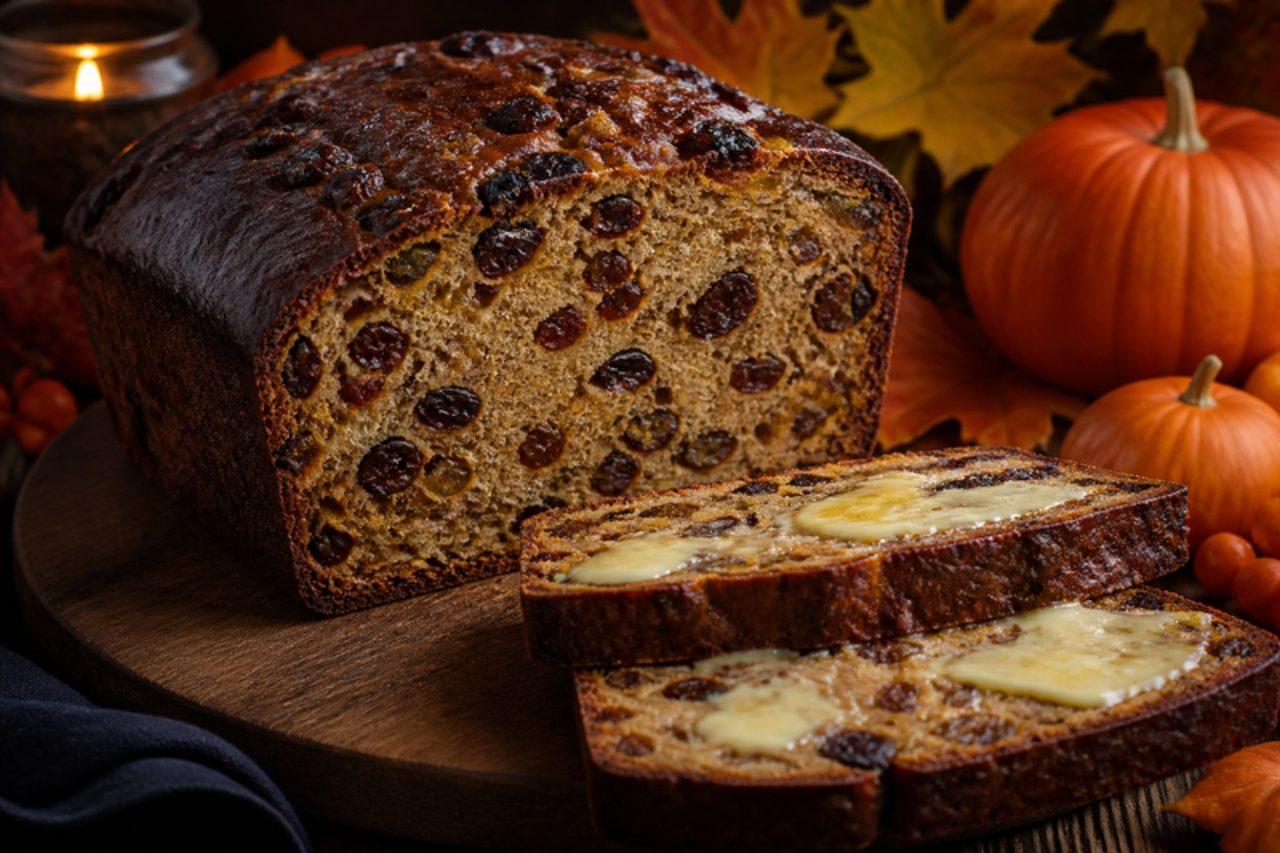
Barmbrack is the speckled fruit loaf eaten in Ireland at Halloween, when a ring wrapped in baking paper is baked inside, and whoever finds it is said to marry within the year. This is the quick tea brack version made all over Connacht and Munster, with the dried fruit soaked overnight in strong tea so the loaf is dark, moist and fragrant with mixed spice. Serve sliced and buttered with a cup of tea. Chef's tip: soak the fruit for a full night; short soaking gives dry, chewy fruit.

by KrazyBadal 0 views

Viennese Gugelhupf

In Vienna the Gugelhupf is the Sunday cake of home bakers, set out on the table for afternoon Jause with coffee, and every family has its own fluted copper or ceramic mould. Unlike the yeasted ring cakes of Alsace and southern Germany, the everyday Viennese one is a Rührgugelhupf, a buttery sponge lifted with whisked egg whites, scented with lemon and studded with plump raisins. It is tender, light and keeps moist for several days under a cake dome. A common mistake is a badly greased mould; every ridge needs butter and flour or the cake tears as it comes out. Chef's tip: soak the raisins in hot water for 15 minutes, dry them and toss them in a spoon of flour so they don't sink.

by KrazyBadal 0 views

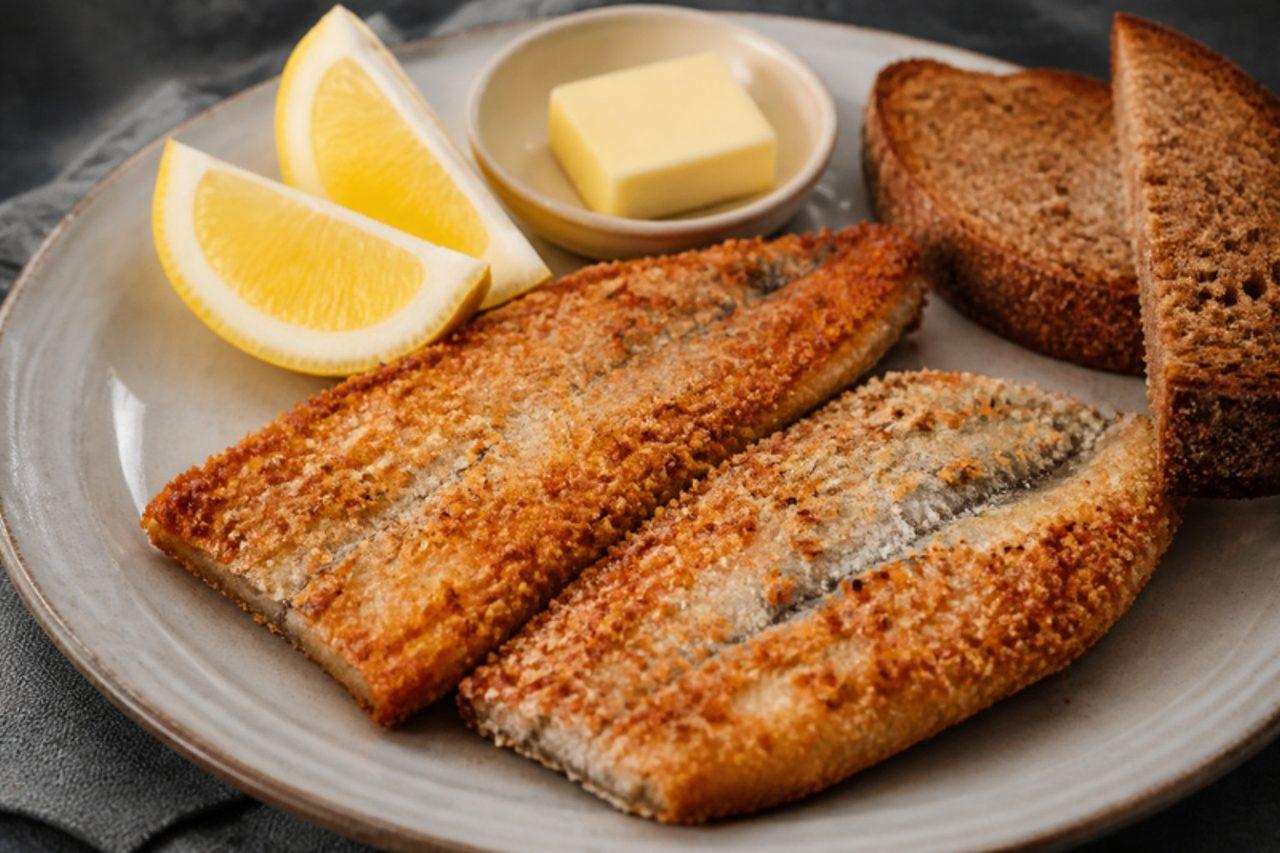
Donegal herring in oatmeal

Herring was the silver fortune of Killybegs and the Donegal coast, when the boats came in loaded through the autumn, and the cheapest supper in every fishing village was fresh herring rolled in oatmeal and fried. The oats make a nutty, crunchy crust around the rich, soft fish. Serve with boiled potatoes and a wedge of lemon or a spoonful of mustard. Chef's tip: press the oats on firmly and let the fish sit for 5 minutes before frying, so the coating sticks.

25 minIrishFish
by KrazyBadal 0 views

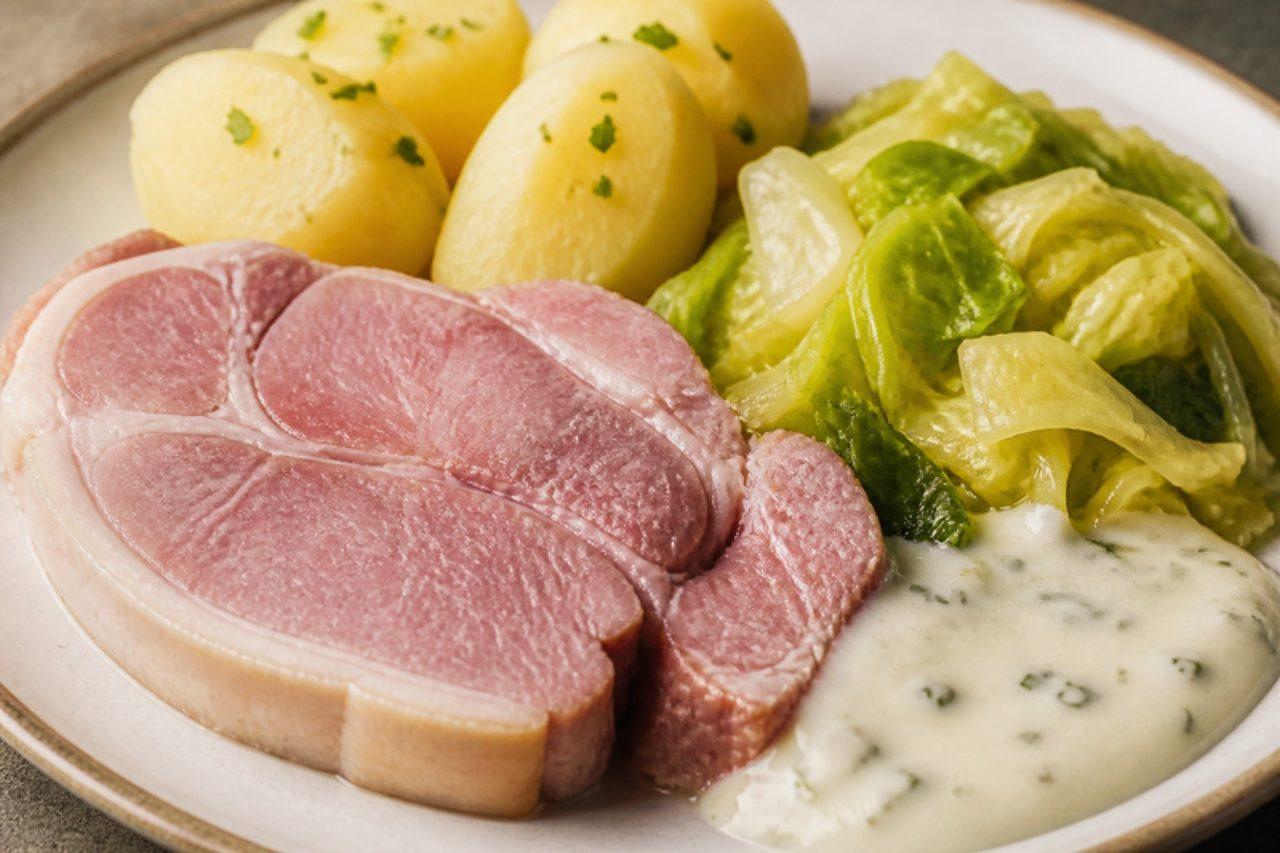
Bacon and cabbage

Bacon and cabbage is the Sunday dinner and the everyday dinner of rural Ireland, cooked in farmhouses from Tipperary to Mayo long before corned beef became the emigrants' version. A joint of cured pork, usually collar or loin bacon, is simmered gently, then the cabbage is cooked in the same salty, porky water, and both are served with floury potatoes and a white parsley sauce. Chef's tip: soak the bacon joint overnight in cold water if it is very salty; ask your butcher, as some cures are milder.

135 minIrishMeatGluten free
by KrazyBadal 0 views

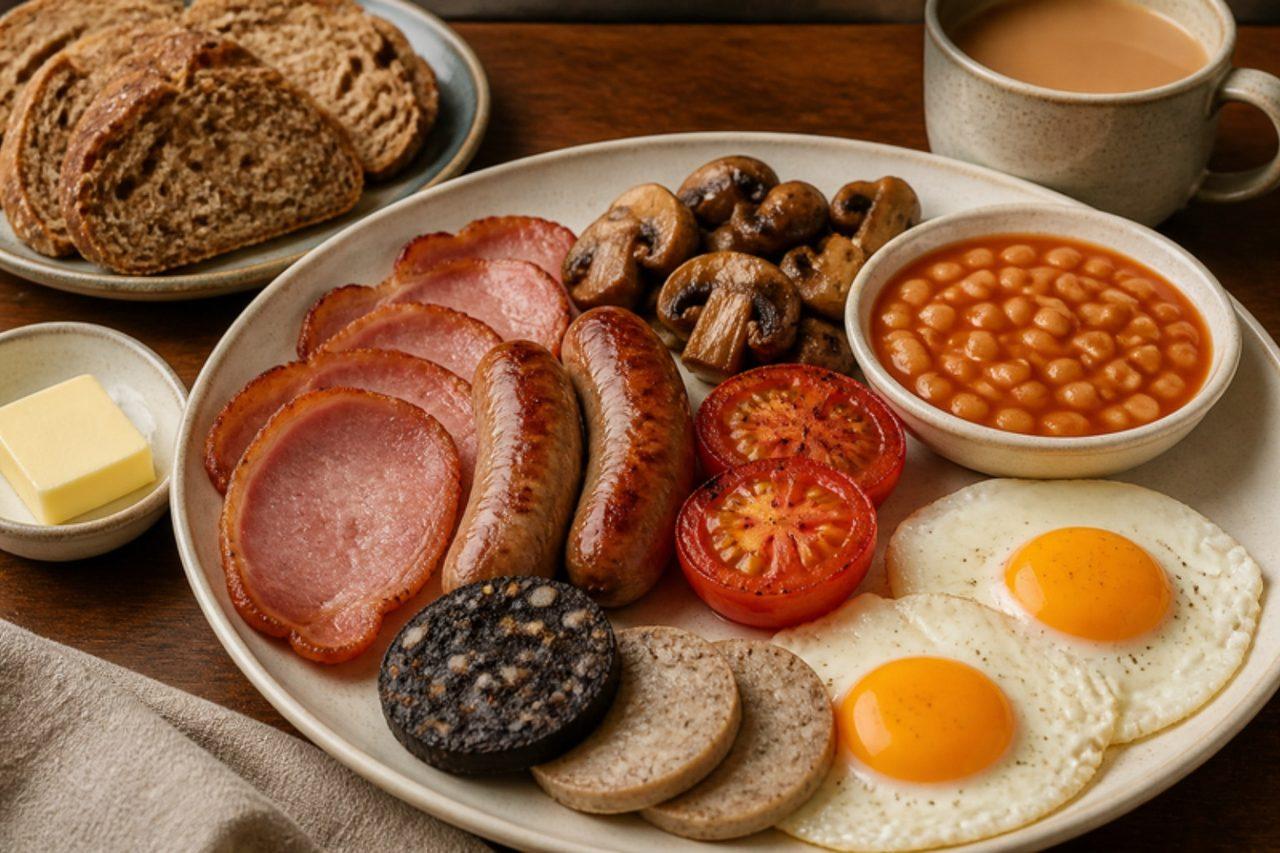
Full Irish breakfast

The full Irish, or simply 'the fry', is the big weekend breakfast served in B&Bs from Donegal to Kerry and in Dublin cafés before the match. It differs from the English breakfast in its back rashers, black and white pudding, and fried soda bread or potato bread to mop up. It contains pork: sausages, rashers and puddings. Chef's tip: cook in stages in one large pan and keep each item warm in a low oven, so everything reaches the plate hot together.

by KrazyBadal 0 views

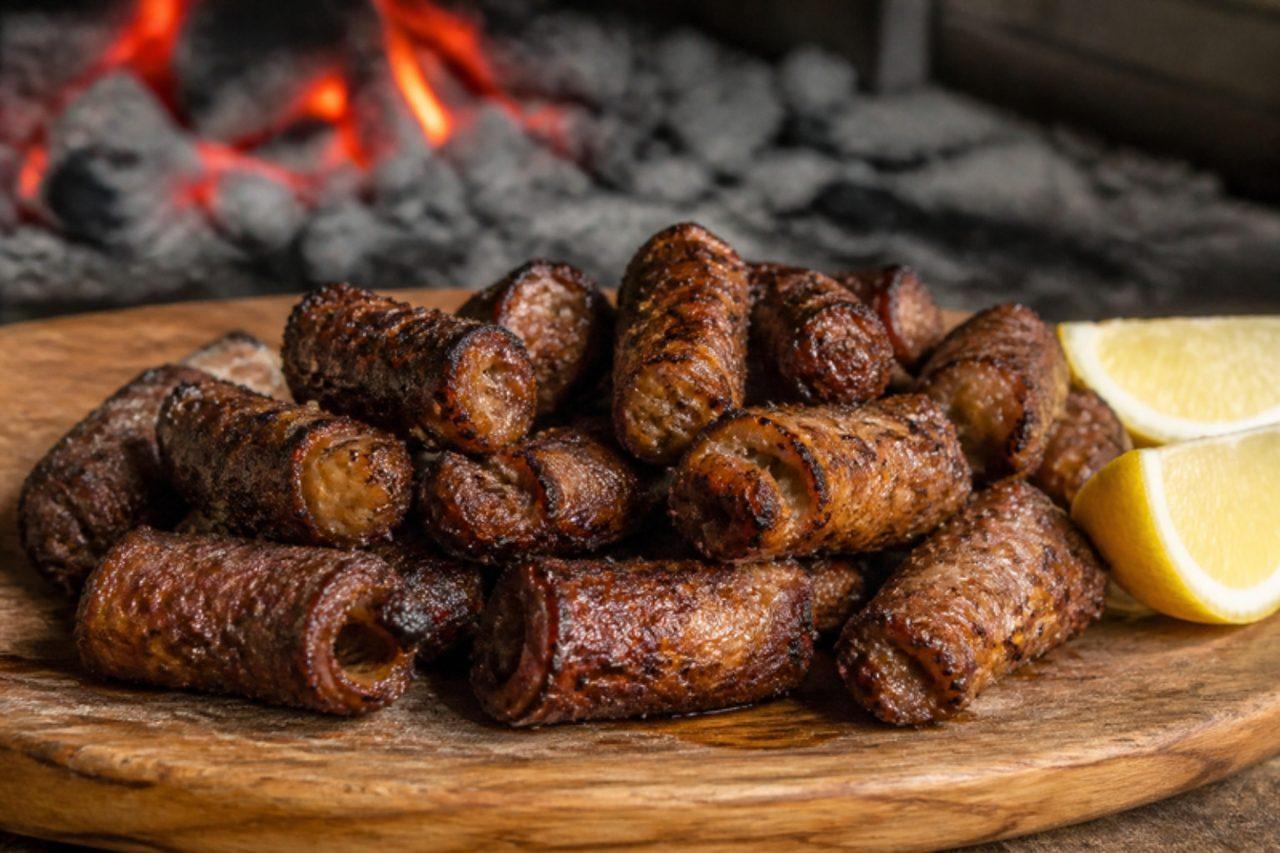
Chinchulines

No proper Sunday asado in Buenos Aires province or the interior is complete without a round of achuras, and chinchulines are the boldest of them: beef small intestine, coiled on the grill and cooked slowly until the outside crackles like pork scratchings and the inside stays soft and rich with its own fat. Pass them round on a board with lemon and bread as a starter while the bigger cuts cook. Buy them already cleaned from a butcher or a Latin American meat counter, and rinse them again well at home. The usual mistake is too much heat: the outside burns long before the inside cooks. Offal must be cooked right through, with no soft, raw-looking parts. Chef's tip: simmer them briefly before grilling; it cleans them further, shortens the time on the coals and gives you a much more even crunch.

by KrazyBadal 0 views

Crubeens

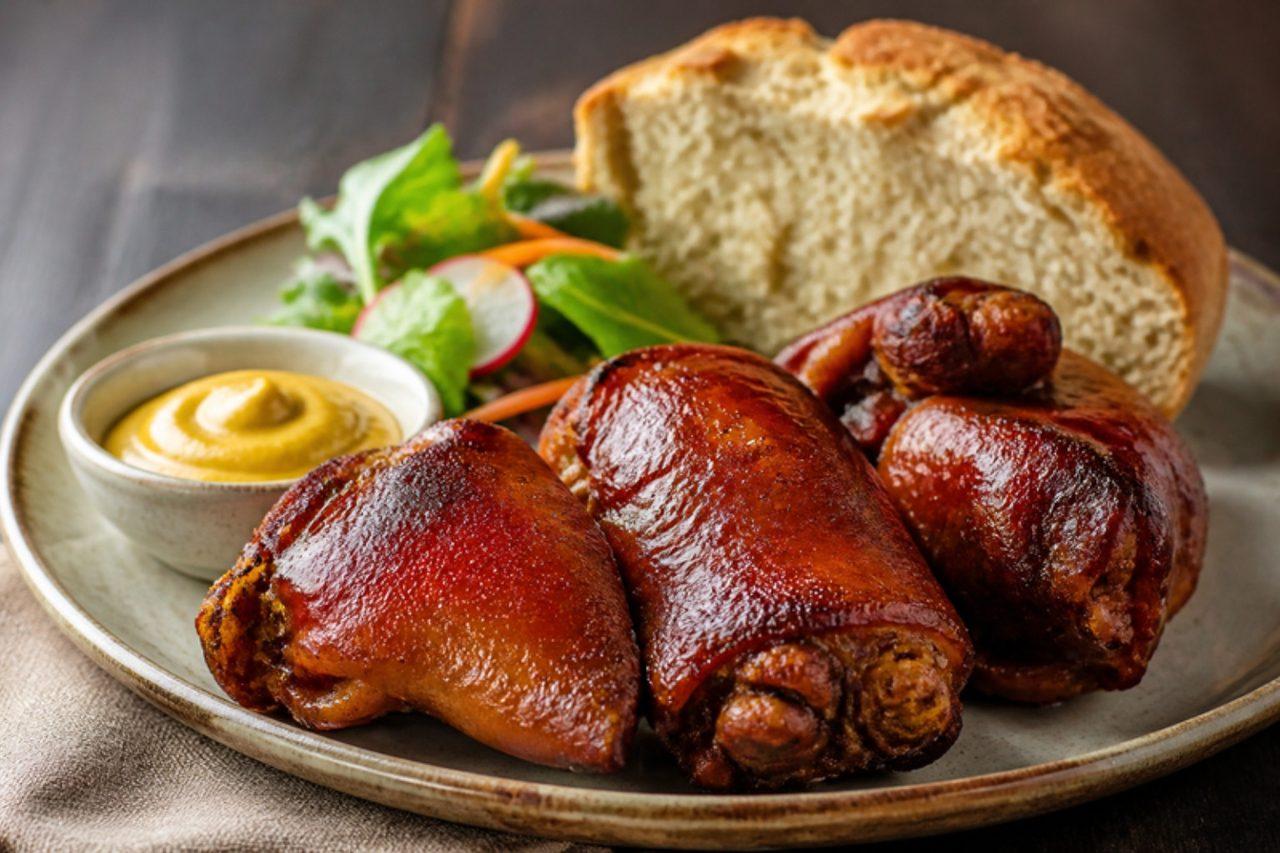
Crubeens are boiled pig's trotters, once sold hot from stalls at fairs and in Cork and Dublin pubs as a salty, sticky snack to go with a pint. They are pork, and very gelatinous: simmered for hours until the meat almost falls from the bone, then crisped in the oven with a mustard and breadcrumb coating, which is how many cooks finish them today. Eat them with your fingers, with brown bread and pickles. Chef's tip: ask your butcher for split, cleaned trotters, and singe off any stray hairs with a kitchen blowtorch before cooking.

220 minIrishMeat
by KrazyBadal 0 views

Trucha a la manteca

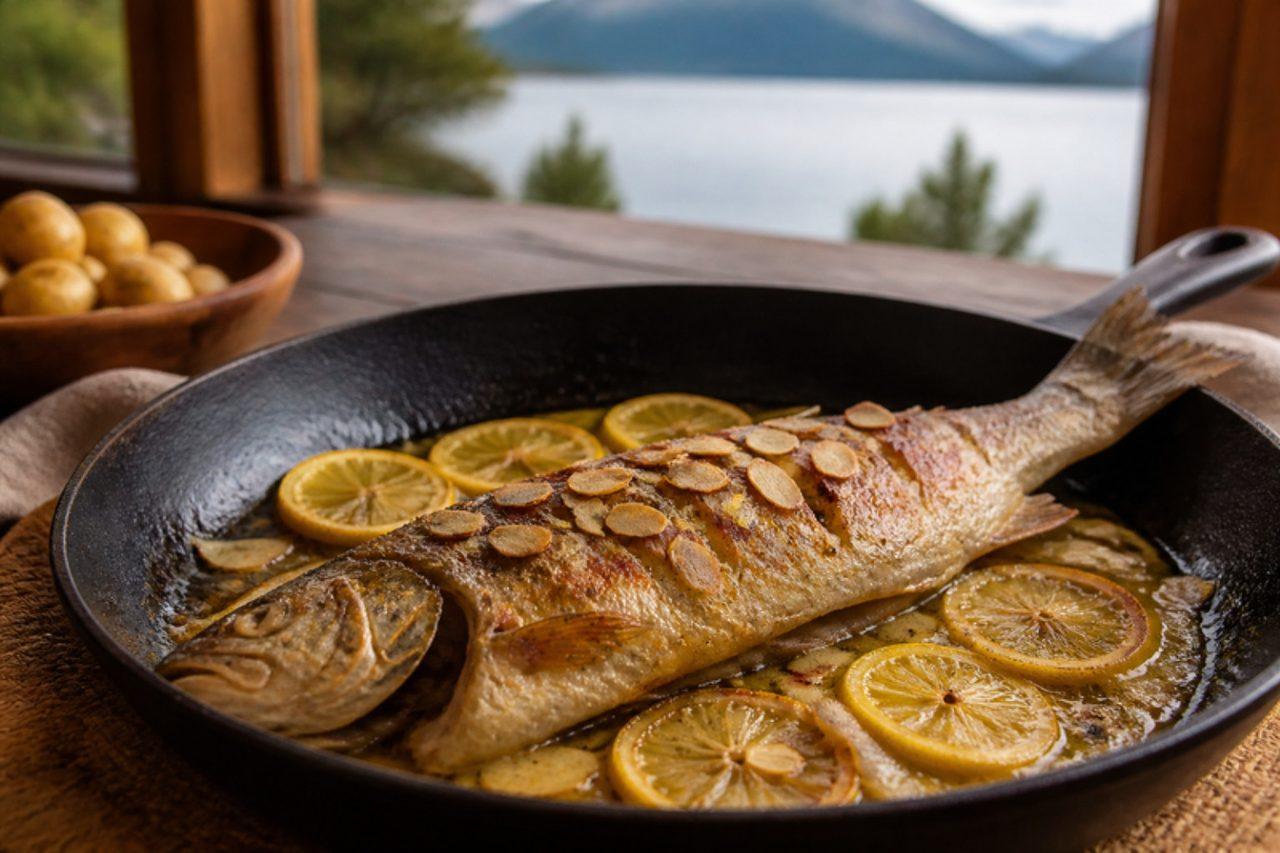
Restaurants on the shores of Nahuel Huapi, in Bariloche and Villa La Angostura, put rainbow trout from the cold Andean lakes on almost every menu, and this butter version is the one locals order most. Fillets are fried with crisp skin, then drenched in butter browned with flaked almonds and sharpened with lemon. Serve with boiled new potatoes and a green salad. Any trout or char works. People commonly start the fish in butter, which burns before the skin crisps; fry it in a film of oil and make the brown butter after. Chef's tip: dry the skin really well and dust it with rice flour; it gives a thin, glassy crust without any gluten.

by KrazyBadal 0 views

Centolla gratinada

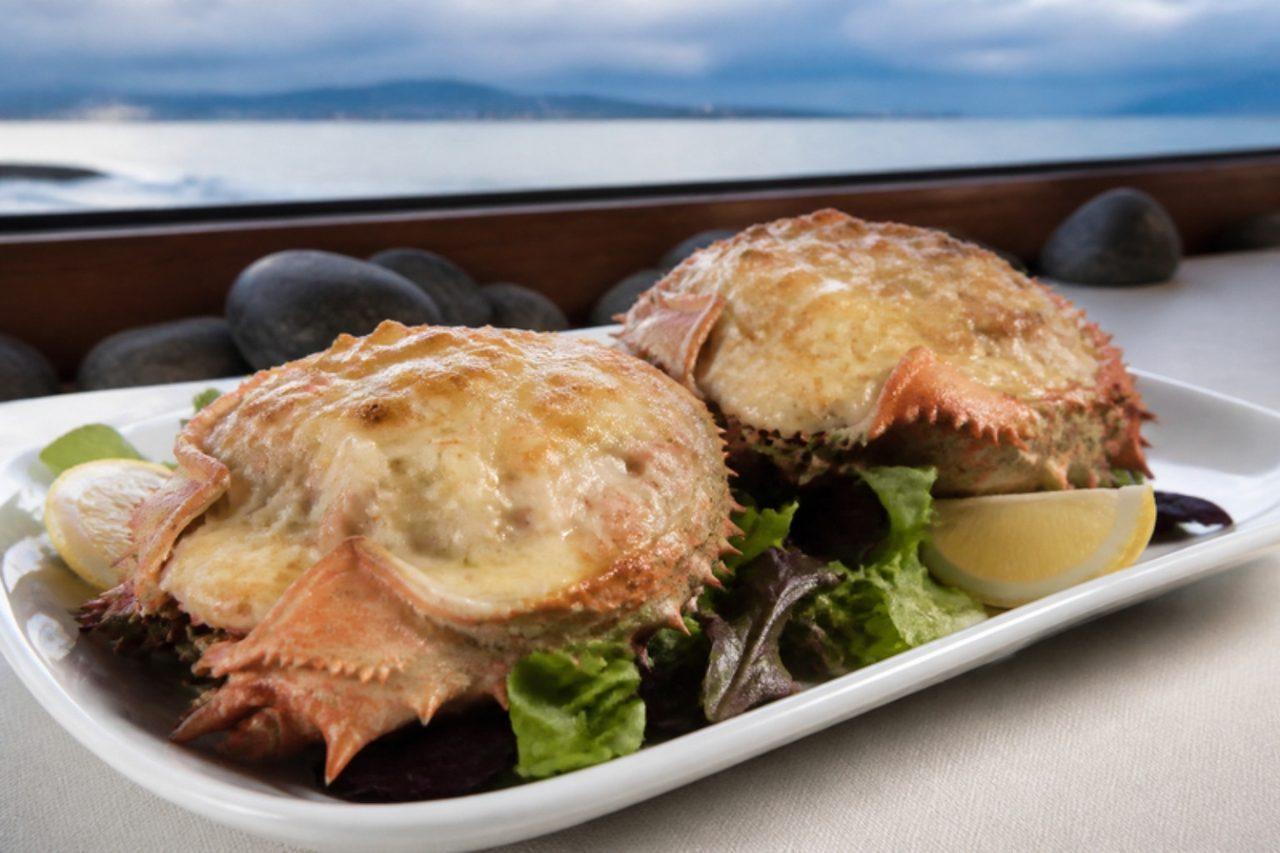
Centolla, the southern king crab hauled from the cold waters of the Beagle Channel, is Ushuaia's pride, and seafood restaurants along the harbour serve it gratinada: sweet chunks of leg meat in a light white sauce, crowned with cheese and browned under a fierce grill. It is rich, so serve it in small dishes as a starter with lemon and a green salad, plus crusty bread for anyone who can eat gluten. Buy cooked, frozen king crab legs or meat and thaw them in the fridge overnight; if you ever cook crab yourself, it must be alive when it goes into the pot. A frequent mistake is a sauce so thick and cheesy that the delicate crab disappears; keep it pourable and the cheese thin. Chef's tip: fold the crab in gently at the end, in big pieces, and let the oven only heat it; it is already cooked and turns stringy if it boils.

by KrazyBadal 0 views

Mejillones a la provenzal

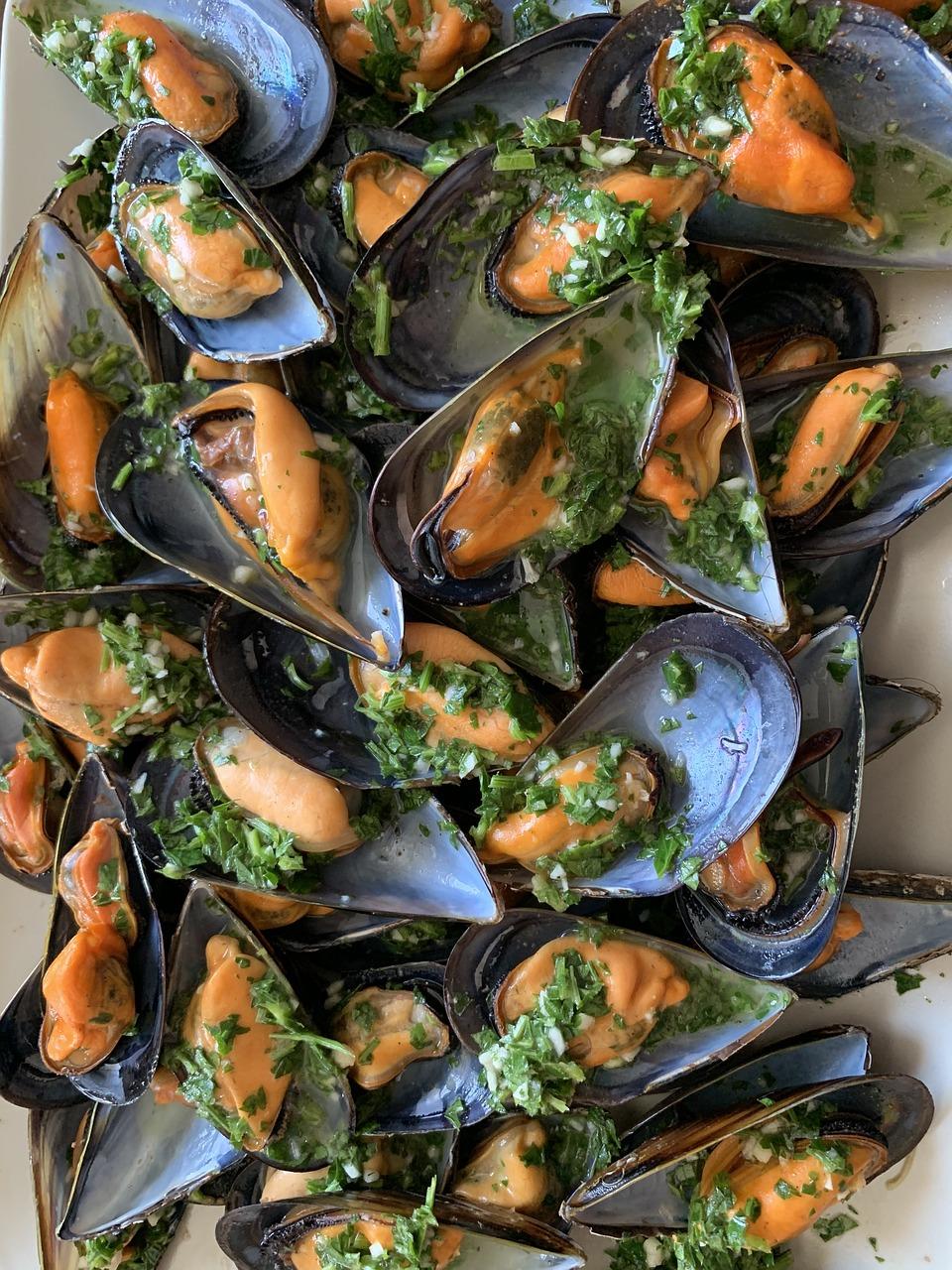
On the Atlantic coast around Puerto Madryn and the Golfo Nuevo, mussels from cold Patagonian waters are farmed and gathered in quantity, and seafood places along the rambla steam them a la provenzal, which in Argentina means lots of garlic and parsley. A splash of dry white wine goes into the pot; the alcohol mostly cooks off, but you can swap it for fish stock with a little lemon for an alcohol-free pot that tastes just as good. Serve with bread or chips to mop up the briny juices. Cooking mussels too long is the usual slip: they shrink and turn rubbery, so lift the lid as soon as most have opened. Before cooking, throw away any mussel with a broken shell or one that stays open when tapped; after cooking, discard any that stay shut. Chef's tip: keep the garlic in gently warm oil until it just smells sweet; brown garlic turns bitter and dominates the mussels.

by KrazyBadal 0 views

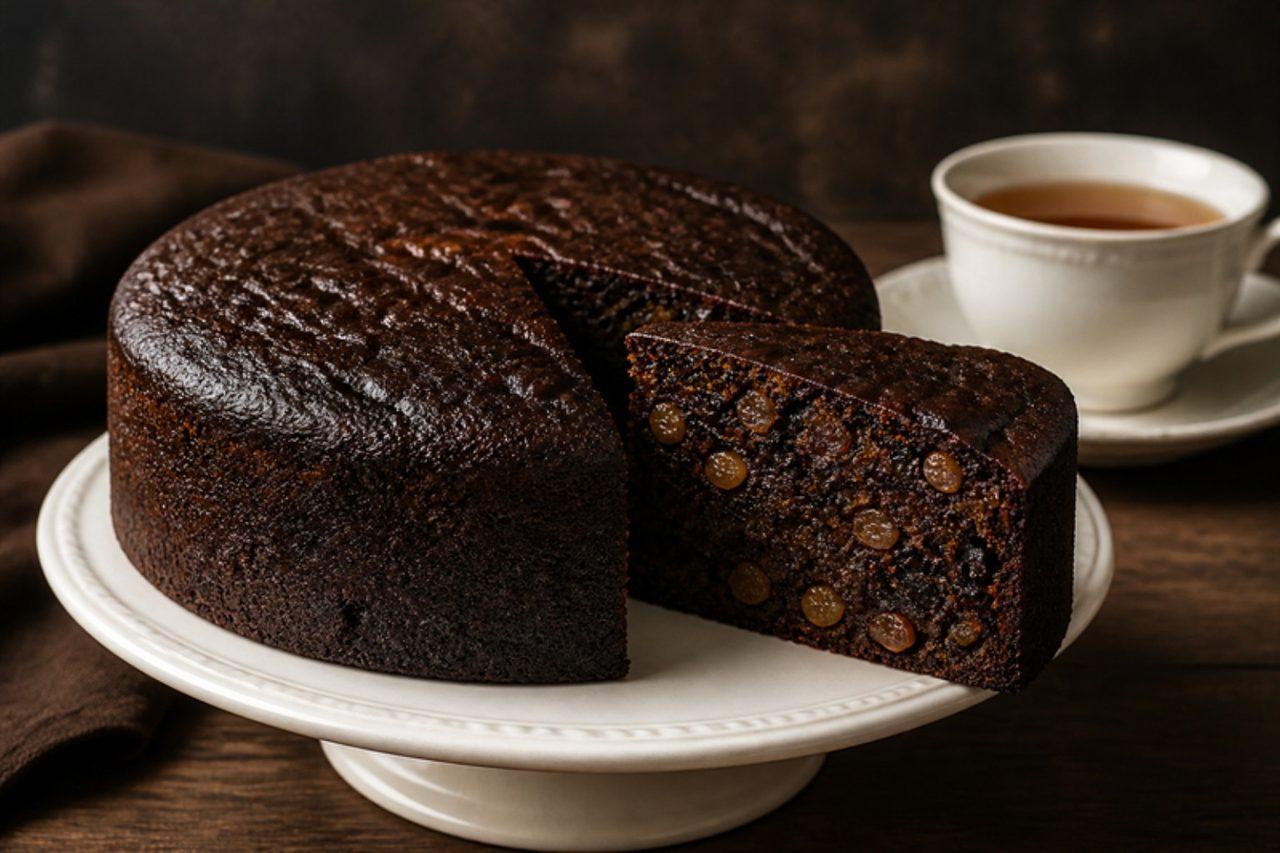
Irish porter cake

Porter cake is the Dublin fruit cake made with stout, the dark beer once drunk by the porters of Dublin's markets and docks; it is baked for Christmas, christenings and wakes across Leinster. The fruit is simmered in the stout, which gives the crumb a deep, malty, slightly bitter flavour and keeps it moist for weeks. This recipe contains alcohol: most of it cooks off, but for an alcohol-free version use strong black tea or alcohol-free stout. Chef's tip: wrap the cooled cake and leave it for 2–3 days before cutting; it slices better and tastes richer.

140 minIrishBaking
by KrazyBadal 0 views

Showing 24 of 284 recipes

Show more recipes

Page 1 of 12