Skip to content
Recipes

All recipes

Vegetarian, or something you can't eat? Set your diet once and we'll hide recipes that don't fit.

GuayusaHolly leaf infusion

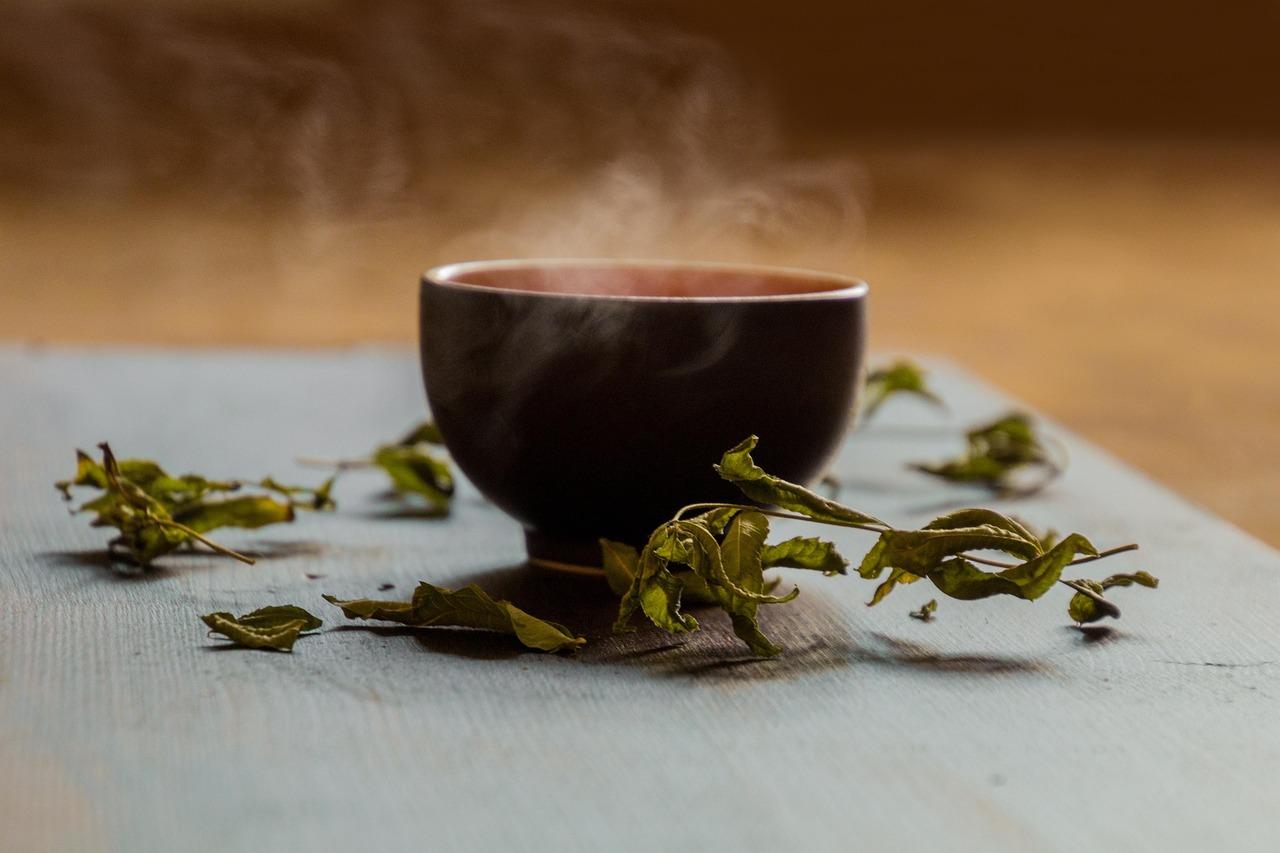
In Kichwa villages along the Napo river around Tena, families rise before dawn, gather around the fire and share a pot of guayusa: an infusion of the large leaves of an Amazon holly tree, passed round while people talk over dreams and plan the day. It tastes smooth, grassy and faintly sweet, with none of the bitterness of black tea, and it carries a steady lift of caffeine, so it is not one for young children or late evenings. Dried guayusa is sold loose in health-food and tea shops. A common mistake is treating it like delicate green tea and steeping it for just a minute; it needs a gentle simmer to draw out its flavour. Chef's tip: add a strip of lemongrass or a slice of ginger for a fragrant twist, and sweeten, if at all, with a little panela.

by KrazyBadal 0 views

MocochinchiDried peach and cinnamon drink

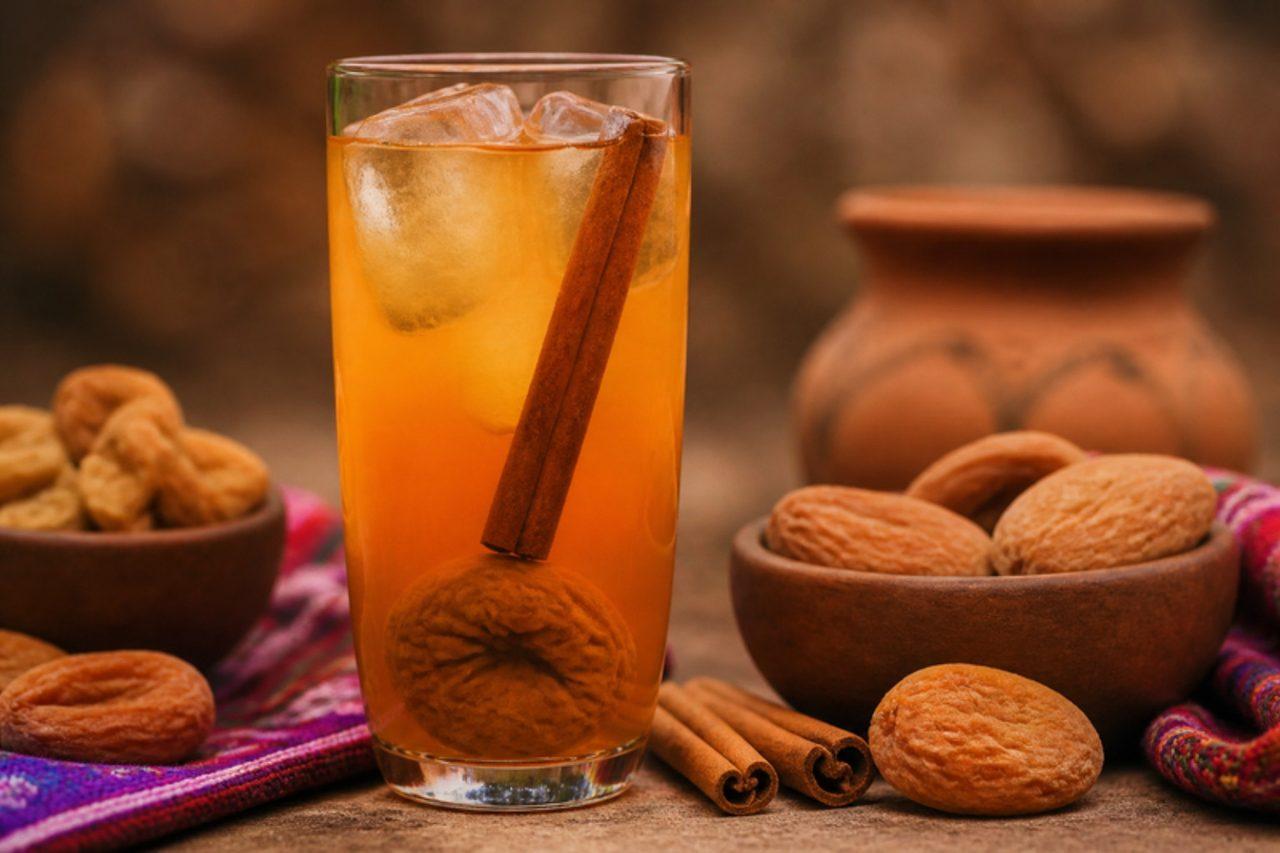
Walk through any Bolivian plaza on a warm afternoon and someone will be selling mocochinchi from a big glass jar: a cool, amber drink of sun-dried peaches simmered with cinnamon and cloves, served with a whole wrinkled peach at the bottom of the glass to eat at the end. It is the classic drink with lunch from Cochabamba to Tarija. People often skip the overnight soak, and then the peaches stay leathery and the drink tastes thin. Chef's tip: rub the soaked peaches between your hands under water to clean off dust and loosen the skins, which also releases more flavour.

by KrazyBadal 0 views

Sándwich de bondiolaGrilled pork shoulder sandwich

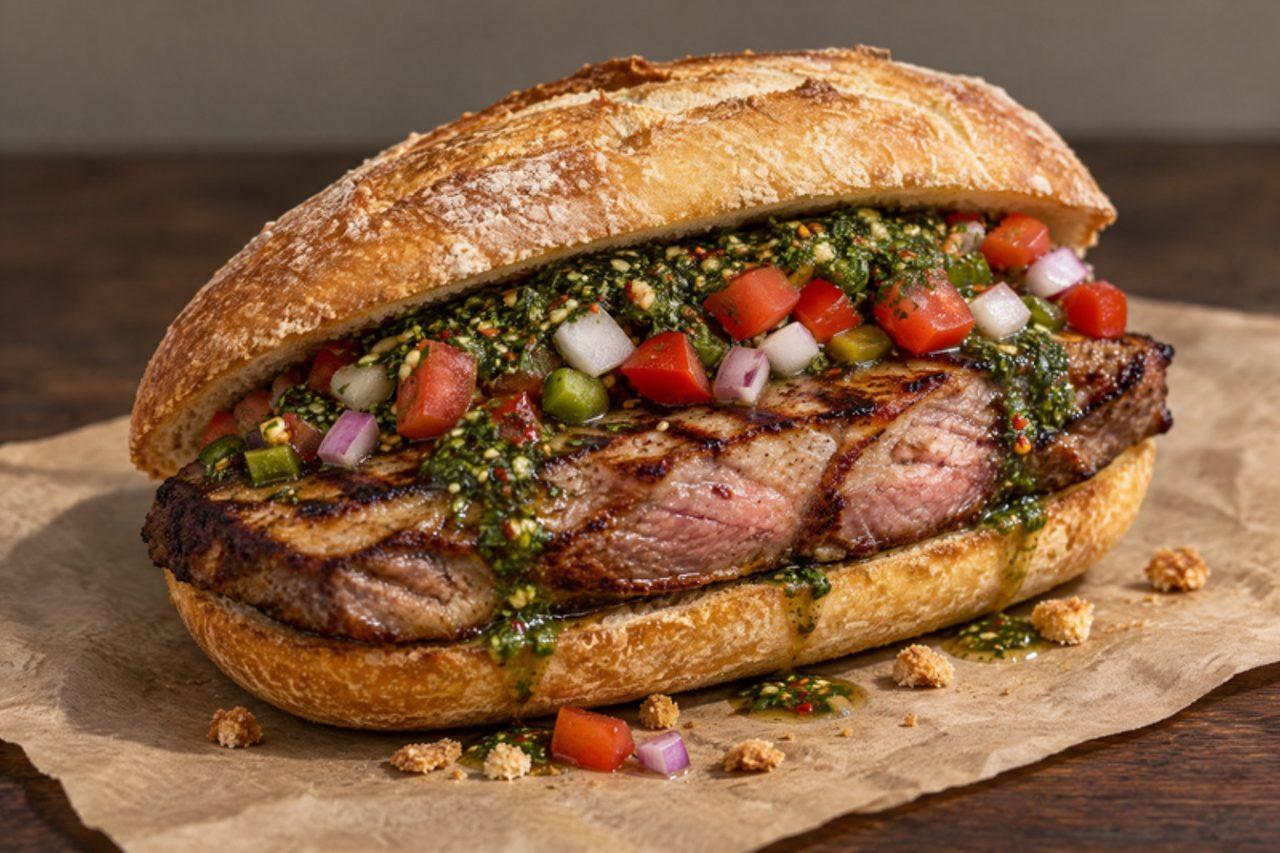
Along the Costanera Sur riverside in Buenos Aires, beside the Reserva Ecológica, the carritos have grilled for cyclists, walkers and taxi drivers for generations, and the bondiola sandwich is their pride: a thick pork shoulder steak, marbled and juicy, grilled until charred and laid in a crusty roll with chimichurri and salsa criolla. Weekend afternoons are the busiest. Chef's tip: leave the fat on the steak and turn it only once; the fat bastes the meat and the crust is the best part.

by KrazyBadal 0 views

Empanadas de vientoFried cheese empanadas

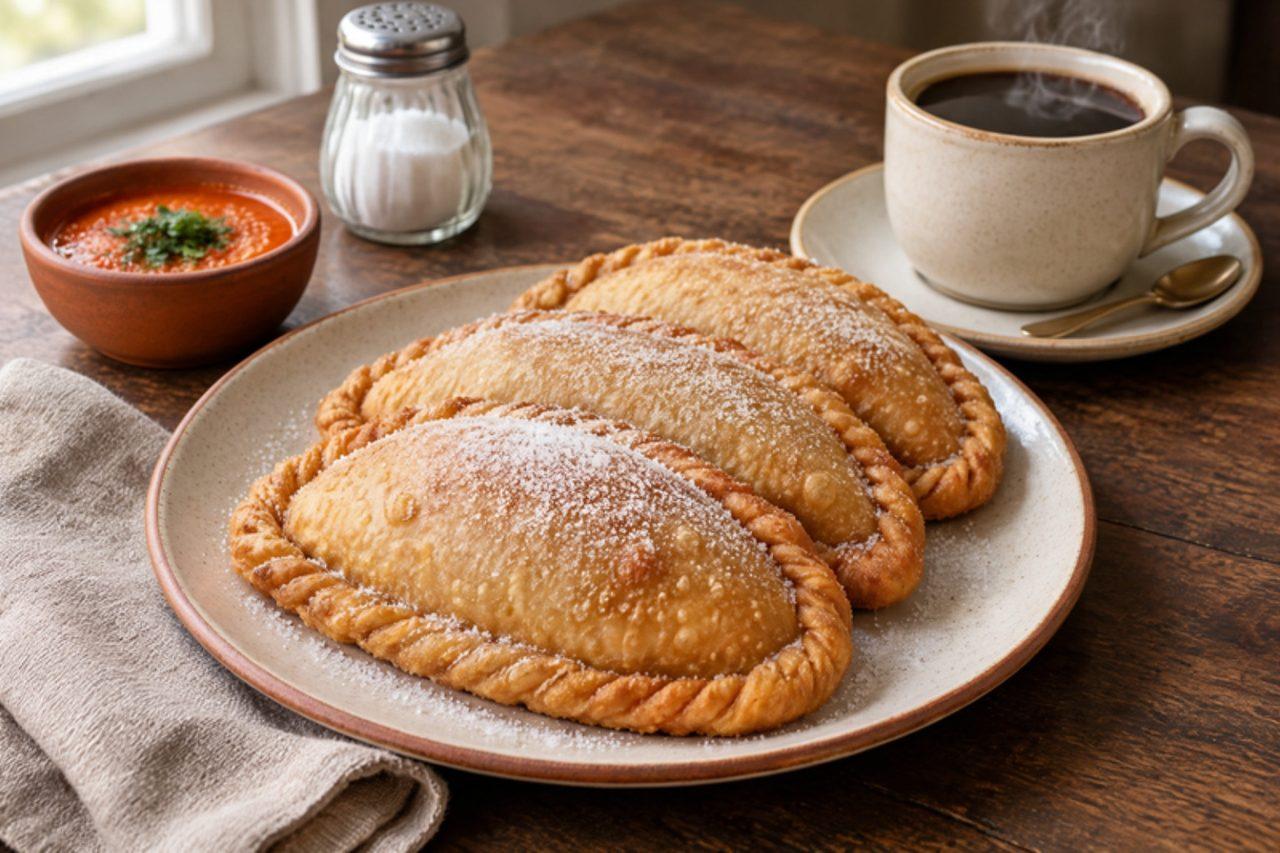
In Quito cafés and markets, empanadas de viento ("wind empanadas") are fried to order: big, thin pastries stuffed with crumbled fresh cheese and onion that puff up like balloons in the hot oil, then get a generous shower of sugar. Ecuadorians eat them for breakfast or afternoon cafecito with coffee or a mug of colada morada. The salty-sweet contrast is the point. The common mistake is overfilling; too much cheese stops them puffing and makes them burst. Some queso fresco is made with animal rennet; choose a vegetarian one made with microbial rennet. Chef's tip: roll the dough very thin, under 2 mm, and press the edges firmly; that's what traps the steam and makes the "wind".

by KrazyBadal 0 views

Maito de tilapiaLeaf-grilled tilapia with cassava

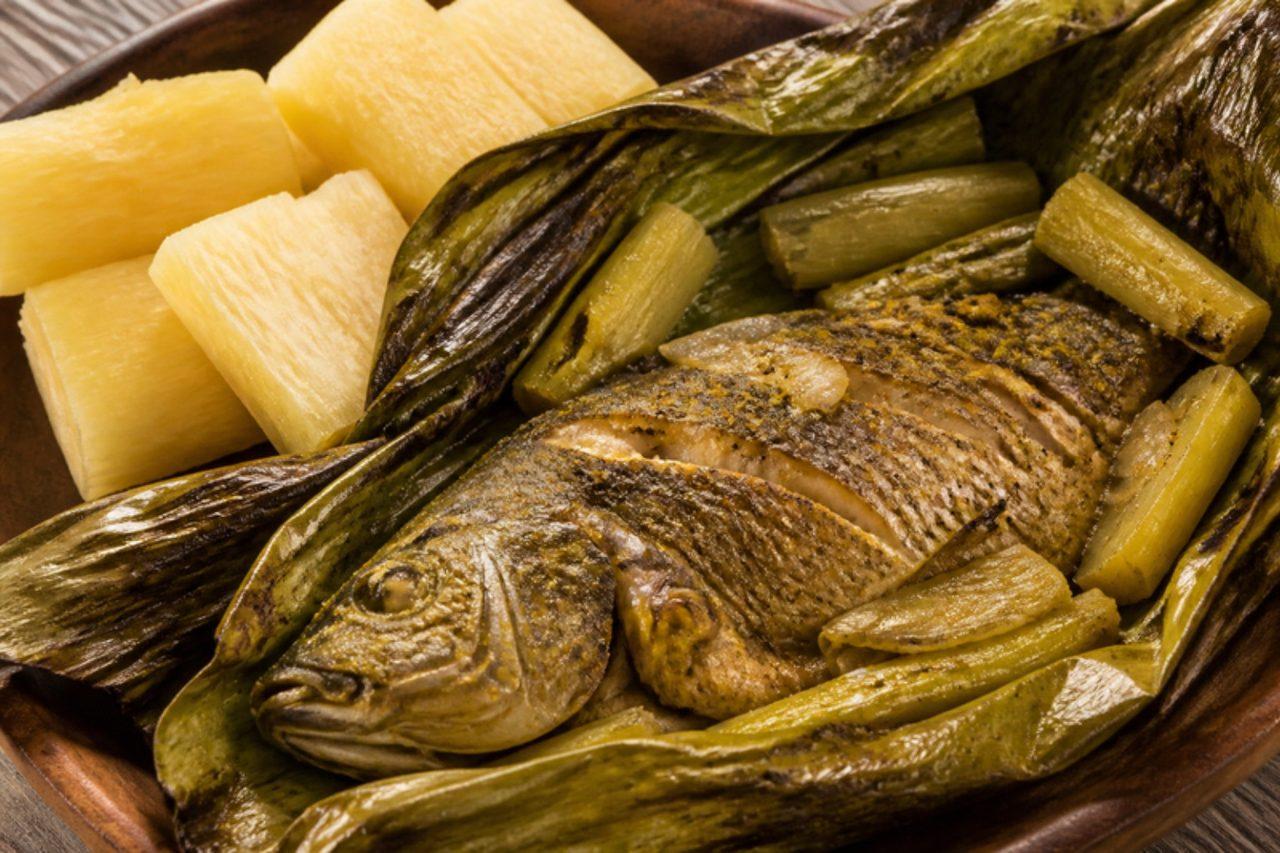
Maito is how Kichwa and Shuar cooks along the rivers around Puyo and Tena prepare fish: seasoned simply with salt, garlic and palm heart, wrapped in big bijao leaves and laid over glowing coals until the parcel blackens and the fish steams in its own juices. Banana leaves, sold frozen in Asian and Latin shops, work just as well at home. It comes to the table in its leaves with boiled sweet cassava, a fiery ají and a cup of guayusa. The common mistake is wrapping the fish in stiff leaves, which split and let the juices escape; soften them over a flame first. Chef's tip: open one parcel to check: the fish is ready when the flesh is opaque and lifts cleanly off the bone.

45 minAndeanFishGluten free
by KrazyBadal 0 views

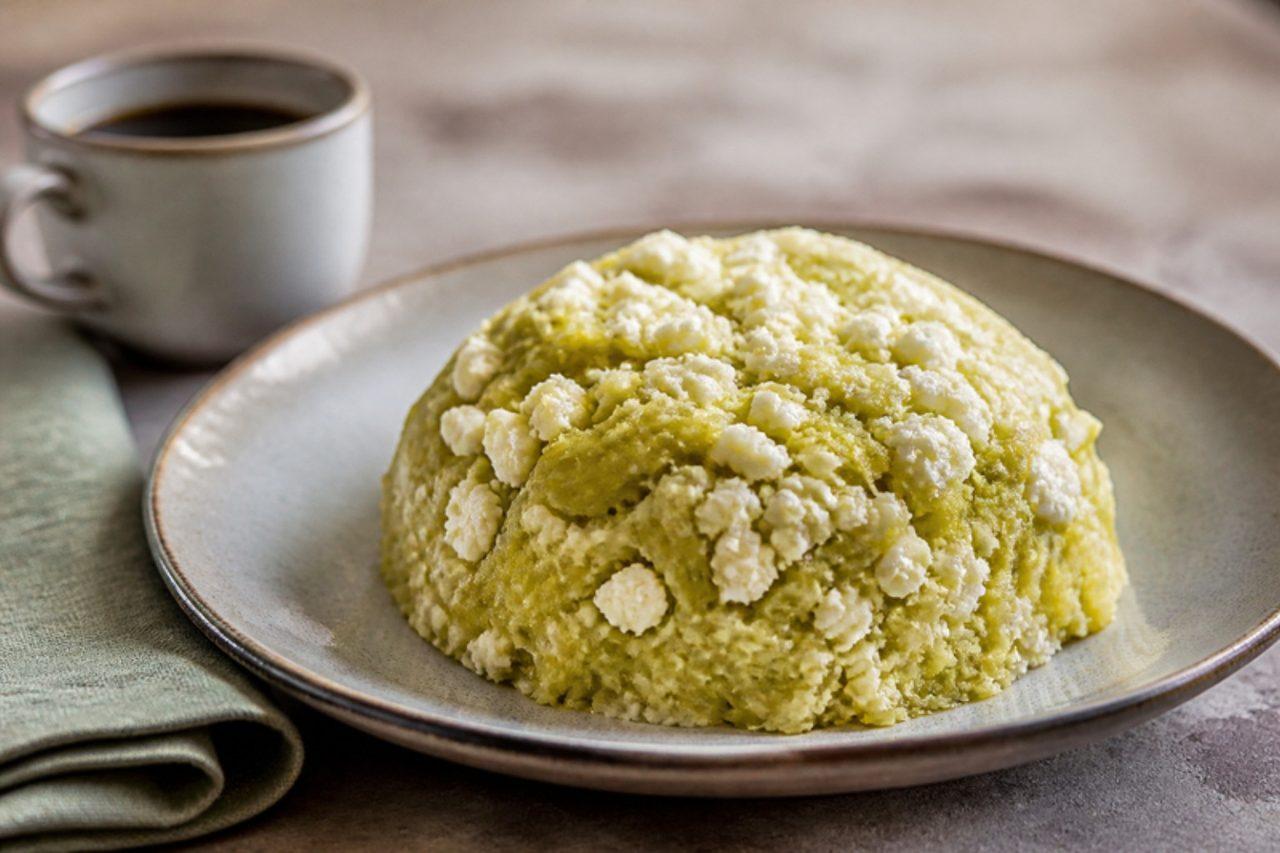
Masaco de plátanoPounded plantain with cheese

Breakfast in Santa Cruz and the Bolivian lowlands often means a mound of masaco with a cup of strong coffee: green plantain fried and then pounded with butter and grated cheese into a dense, savoury mash. Many cruceños mix in shredded dried beef; this vegetarian version uses only cheese, which is how plenty of families make it too. Bolivian lowland cheese is usually set with animal rennet, so use a vegetarian Cheddar-style cheese if that matters to you. The usual mistake is frying the plantain until crisp: it must stay soft inside or it won't mash. Chef's tip: pound the plantain while it is still very hot; once it cools it turns hard and rubbery.

by KrazyBadal 0 views

Mate de muñaAndean mint tea

Muña is the minty shrub that grows wild on the slopes around Cusco, Puno and the Sacred Valley, and highland cooks reach for it after a heavy meal of chicharrón or when visitors are struggling with the altitude. Market herb sellers sell it in fresh bunches, and hotels and homes leave it in a flask for anyone coming in from the cold evenings. Steeped simply in hot water, it smells somewhere between spearmint, oregano and pennyroyal, with a cooling, slightly peppery taste and a pale green-gold colour. It is traditionally drunk to settle the stomach. The usual mistake is boiling the leaves hard for a long time, which turns the tea brown and bitter. Pour water just off the boil over the sprigs, cover, and let it steep. It is ready when the cup is pale gold and the aroma rises as soon as you lift the lid. Outside Peru, look for dried muña in Latin shops; failing that, use mostly spearmint with a little fresh oregano. Muña is strong: avoid large amounts in pregnancy, and check with a doctor if you take regular medication. Chef's tip: cover the cup while it steeps so the scented oils stay in the tea.

by KrazyBadal 0 views

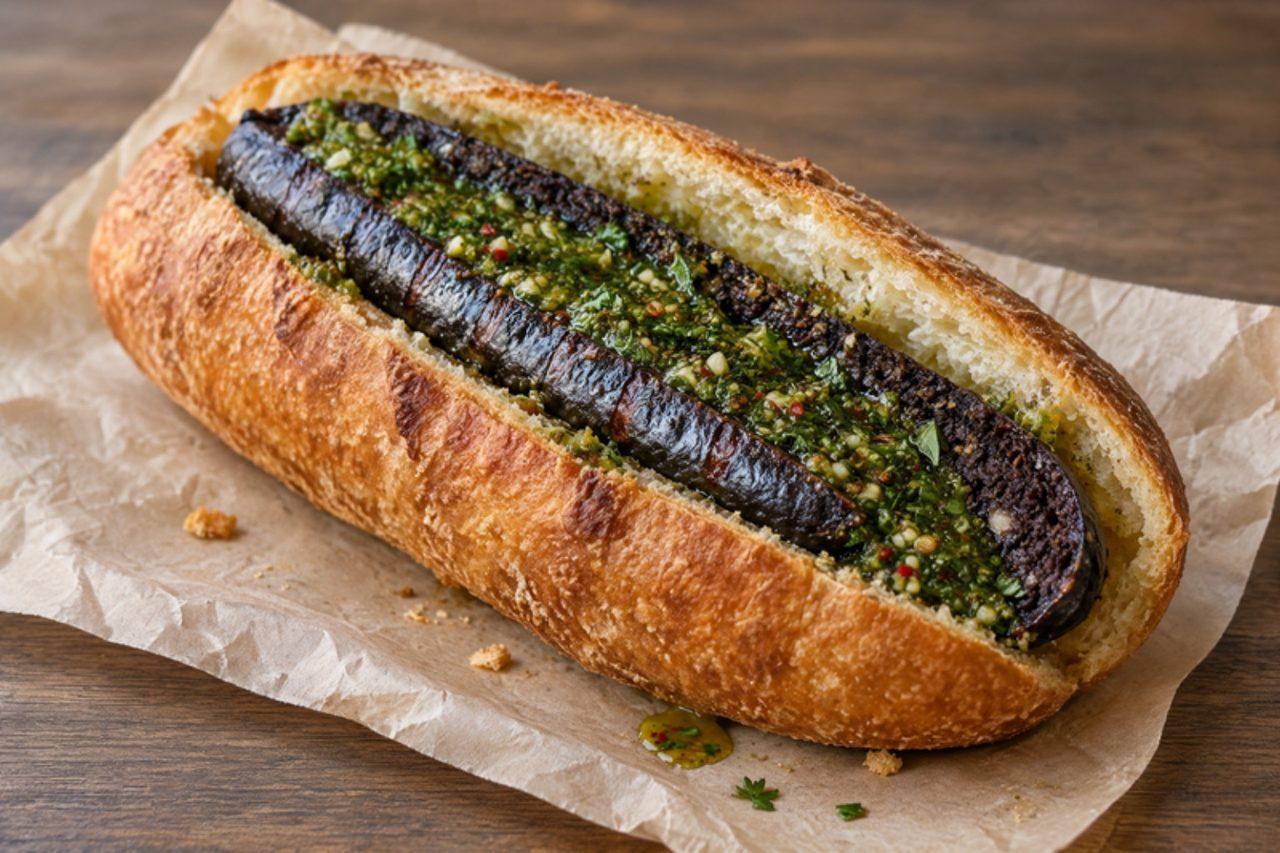
Morcipán (blood sausage roll)

At any Buenos Aires asado, and at the street grills outside football grounds like La Bombonera in La Boca, the choripán has a twin: the morcipán, a soft, rich morcilla split and laid in crusty bread. Argentine morcilla is a pork blood sausage with pork fat, onion and spices, sometimes with nuts or raisins, and it grills to a crisp skin around a soft, spoonable centre that tastes deep and slightly sweet. A sharp chimichurri cuts through it. Chef's tip: grill it over a gentle heat and turn it carefully with tongs; on a fierce grill the casing splits and the filling runs out.

by KrazyBadal 0 views

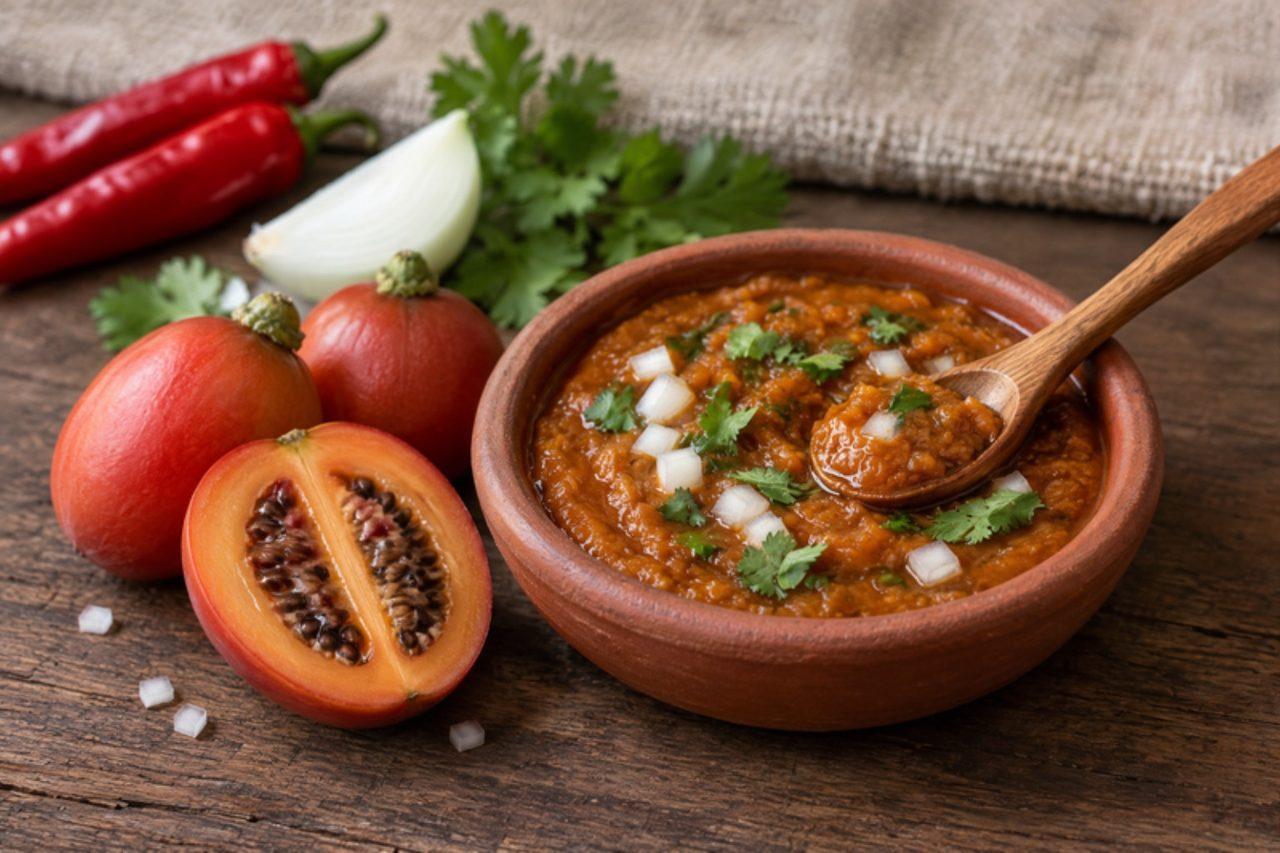
Ají de tomate de árbolTamarillo chilli sauce

No Ecuadorian table in the Sierra, from Quito to Cuenca, is complete without a small bowl of ají, and the tamarillo version is the household favourite. Tomate de árbol, the egg-shaped, wine-red tree tomato, is blanched and peeled, blended with fresh hot chilli, salt and a little water, then finished with finely chopped onion and fresh coriander. It is spooned over locro de papa, llapingachos, empanadas de viento, hornado and fritada at the long Sunday family lunch, and onto everything at the street stalls of the Saturday markets. The flavour is tangy, fruity and slightly bitter-sweet, more sour than a tomato salsa, with a fresh bite of onion and a clean chilli heat. The common mistake is blending the tamarillos with their skins on, which makes the sauce bitter; blanch them until the skins split and slip off. It is ready when it is bright orange-red, loose and juicy, and the onion is still crisp. Abroad, tamarillos turn up in larger supermarkets; ripe plum tomatoes with the pulp of a passion fruit are the best stand-in. Chef's tip: rinse the chopped onion in salted water first, which tames its sharpness, as Ecuadorians do.

by KrazyBadal 0 views

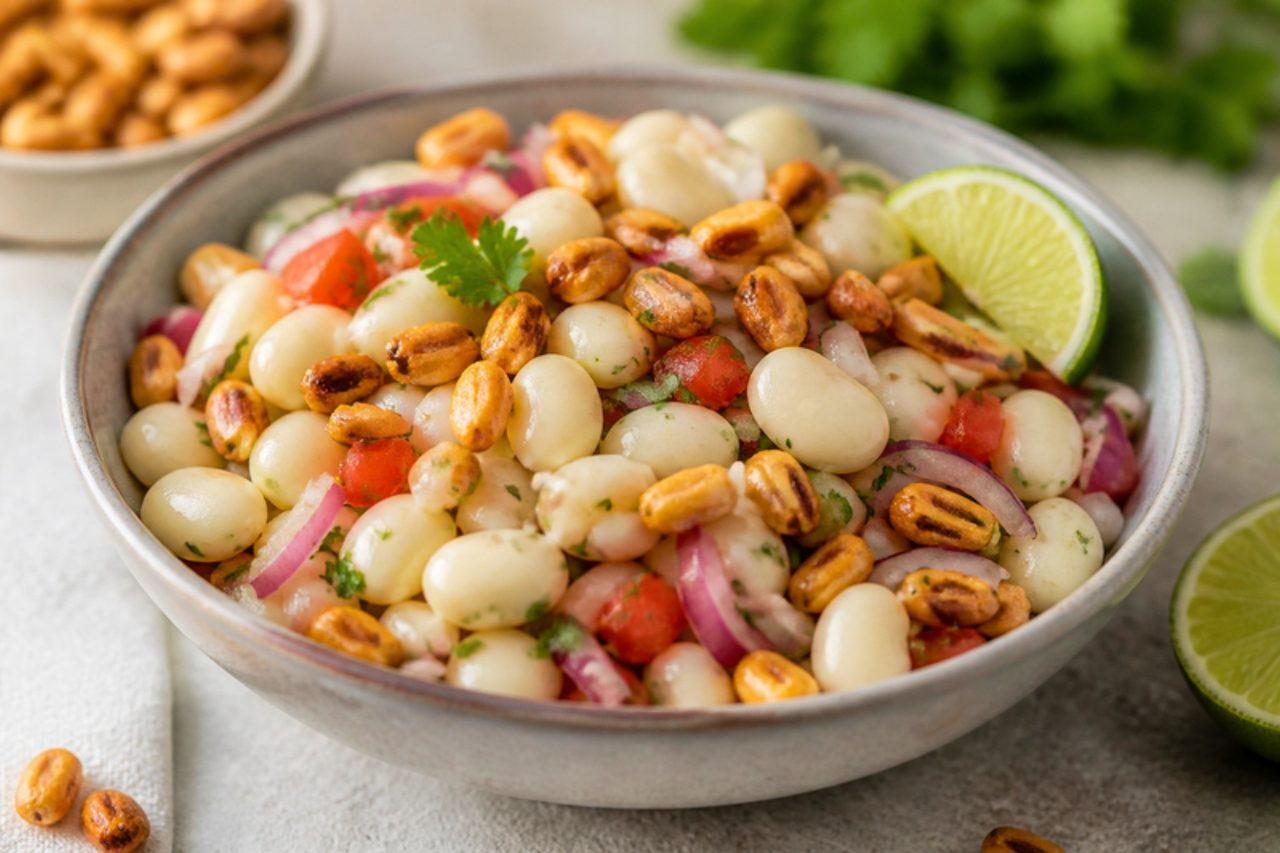
Chochos con tostadoLupin bean and toasted corn salad

On street corners in Quito and Latacunga vendors pile paper cups with chochos, the pale Andean lupin beans, tossed with lime-soaked red onion and tomato and showered with crunchy toasted corn. It is a cheap, filling mid-morning snack, sour and salty with a nutty crunch, and it doubles as a light lunch with a fried plantain on the side. Buy chochos ready debittered, sold cooked in jars or vacuum packs: raw lupins are bitter and contain toxic alkaloids until they have been soaked and boiled for several days, so never use dried ones without that long treatment. Lupin is also a declared allergen and can affect people with peanut allergy. The common mistake is skipping the rinse, which leaves the beans tasting of brine. Chef's tip: salt the onion with the lime juice 10 minutes ahead so it softens and turns pink.

by KrazyBadal 0 views

Horchata lojanaHerbal flower infusion

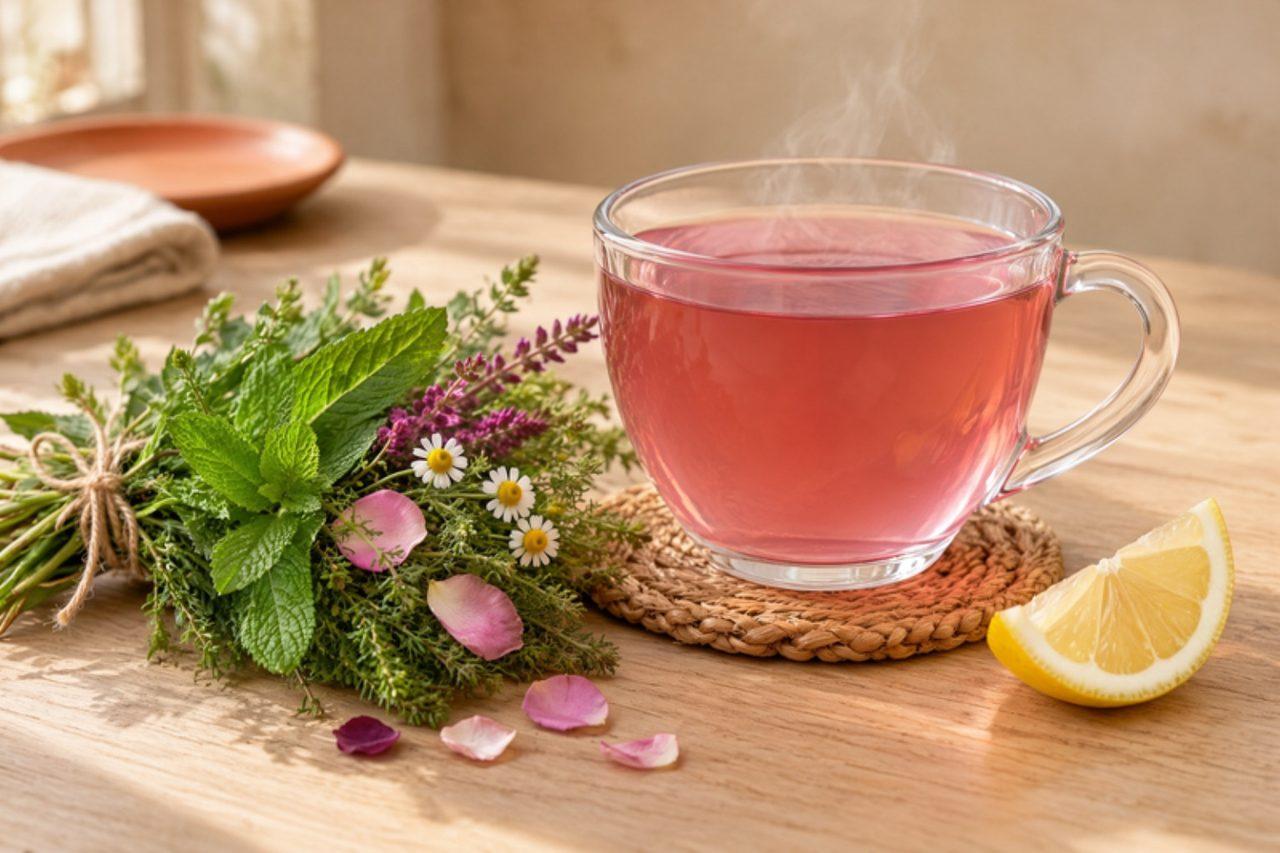
In Loja and the valleys of Vilcabamba and Malacatos, horchata has nothing to do with rice: it is a pink herbal infusion of anything up to twenty garden plants, drunk hot at breakfast and after lunch, or cold from the fridge on warm afternoons. Markets sell the herbs in bundles: cedrón, hierbaluisa, toronjil, mint, chamomile, mallow, and the red-leaved escancel and ataco (red amaranth) that give the colour. It tastes lemony, floral and faintly silky, and turns from ruby to bright pink the moment lemon juice goes in. The common mistake is boiling all the herbs hard, which makes it bitter and grassy; only the tough flaxseed and lemongrass simmer, and the soft leaves steep off the heat. It is ready when the liquid is deep red-pink and smells of lemon and flowers. Abroad, Latin shops sell dried mixes; dried hibiscus gives the colour if you lack amaranth. It is traditionally drunk to settle the stomach; if you are pregnant or on medication, check with a doctor before drinking it daily. Chef's tip: add lemon at the table, glass by glass, to watch the colour change.

by KrazyBadal 0 views

Lawa de chocloFresh corn soup

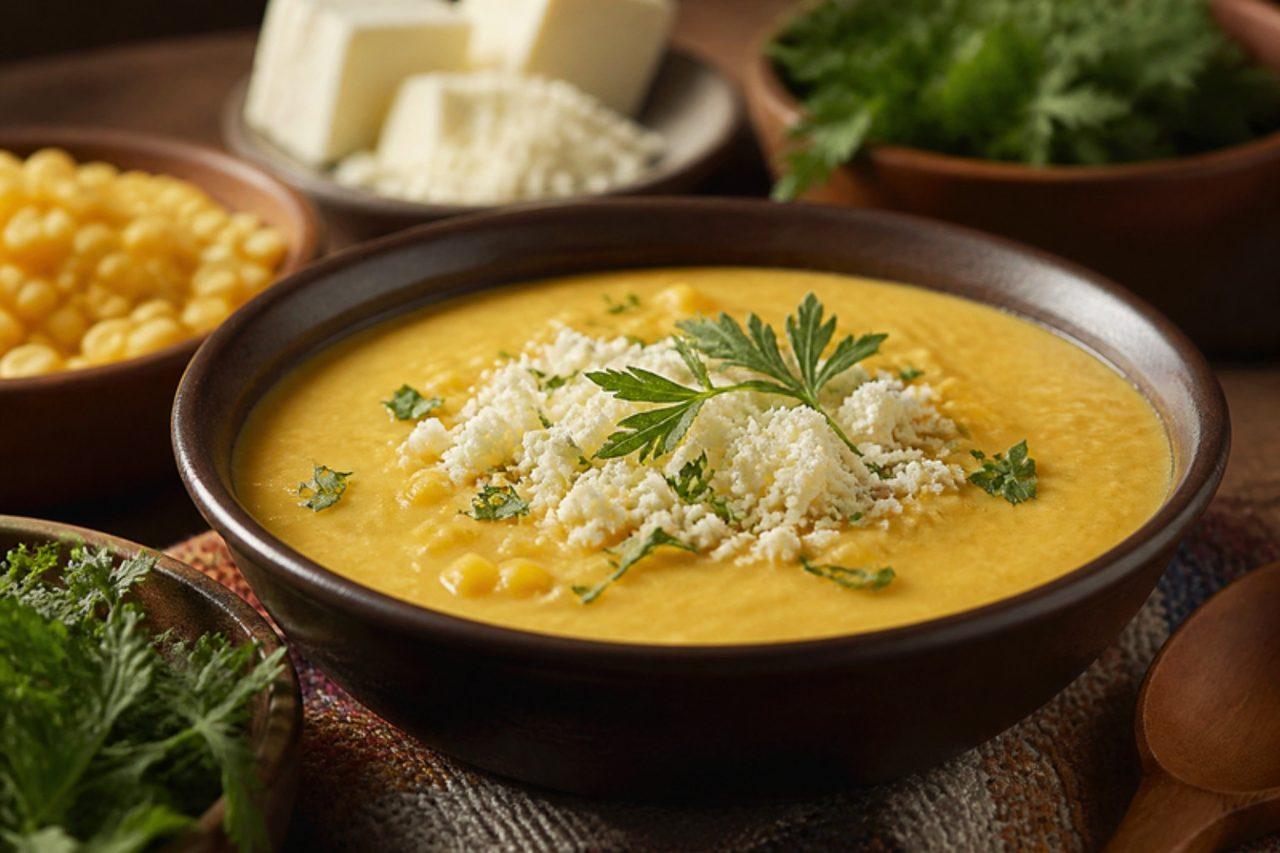
In the valley markets of Cochabamba and up into the cold highland towns, lawa de choclo is the soup that greets early risers: grated fresh corn simmered into a velvety, naturally sweet porridge-like broth with potato, melting cheese and a handful of herbs. Bolivian cooks use huacataya (black mint); mint and parsley together come close. Traditional queso fresco uses animal rennet, so pick a vegetarian fresh cheese if you need one. Most failed lawas are lumpy because the blended corn went into boiling liquid without stirring. Chef's tip: grate the kernels straight off the cob rather than cutting them; the milky pulp is what thickens the soup.

by KrazyBadal 0 views

Escabeche de pescadoFried fish in sweet-sour onion sauce

In Lima, escabeche de pescado belongs to the criollo kitchen of the old city: it turns up on Friday lunch menus, on buffet tables, and above all in Lent and Holy Week, when families eat fish and this dish can be made the day before. Fish is fried until golden, then covered in a warm sauce of thick-cut red onion softened in oil with garlic, ají amarillo, ají panca, cumin and vinegar, and left to cool so the flavours soak in. It is served cold or at room temperature with boiled sweet potato, hard-boiled egg and purple botija olives. It tastes tangy, sweet and gently fruity-hot, with crunchy onion over tender fish. The fish here is fully cooked, but because it is a cold seafood dish, pregnant people, babies, older people and anyone with weak immunity should eat it well chilled and within 2 days. Common mistake: stewing the onions until limp; they should only lose their raw bite. It is ready when the sauce has soaked a little into the fish and smells of vinegar and toasted chilli. Chef's tip: use thick fillets of corvina or bonito; thin fillets break under the sauce.

by KrazyBadal 0 views

Pisco sour

Lima drinks its pisco sour as the aperitif before a long ceviche lunch, and celebrates it every year on the first Saturday of February; the recipe took shape in the city's bars in the 1920s. It is for adults only and stronger than its pillowy look suggests. Underneath a thick white foam you get sharp Peruvian lime, a clean sweetness and the floral, grapey warmth of quebranta pisco, with the bitters adding a spicy smell to every sip. The texture should be silky, almost creamy, never thin. The classic mistake is squeezing the limes too hard or too early: the oil from the pith turns the drink bitter within half an hour. Halve the limes, press each half gently by hand just before mixing and stop when the juice slows. The egg white is raw, so use pasteurised egg white for anyone pregnant, for babies, older people or anyone unwell, or swap in 30 ml aquafaba. It is ready when the foam stands about 1 cm high and is firm enough to hold the drops of bitters on its surface. Sip one slowly and drink responsibly. Chef's tip: shake once without ice first to whip the egg white, then again with ice; the foam will be twice as thick.

by KrazyBadal 0 views

Jugo de macaWarm maca drink

Before dawn at markets in Huancayo, Cusco and Lima, juice ladies ladle hot jugo de maca from big pots for workers on their way in: maca root, a turnip relative grown above 4,000 metres in the Junín highlands, simmered with milk, cinnamon and cloves and sweetened with honey or sugar. It tastes malty and toasty, a bit like butterscotch. The common mistake is stirring the powder straight into hot milk, which leaves gritty lumps; whisk it into a little cold milk first. Maca is not usually advised in pregnancy, so ask your doctor first if you are pregnant. Chef's tip: use gelatinised (cooked) maca powder if you can find it; it dissolves smoothly and is gentler on the stomach.

by KrazyBadal 0 views

Locro de zapallo for toddlersPumpkin stew for toddlers

Locro de zapallo is the golden pumpkin stew of Lima's home kitchens and menú lunch spots, eaten on weekdays with white rice and, for adults, a fried egg and ají on the side. For toddlers from 12 months it is cooked without any ají, the pumpkin is simmered until it melts into a sauce, and just a little crumbled fresh cheese is stirred in, so it is sweet, creamy and easy to mash. It contains milk; there is no gluten, egg, nuts or soya. Queso fresco is often made with animal rennet, so for a vegetarian bowl choose one labelled vegetarian, or use a little paneer, and always a pasteurised cheese. Chef's tip: cut half the pumpkin small so it dissolves into the sauce and the rest larger so it keeps some shape.

by KrazyBadal 0 views

Ají amarillo pasteYellow chilli paste

In Lima's markets ají amarillo is sold fresh all year, and most Peruvian cooks keep a tub of this paste in the fridge the way others keep tomato purée: it is the golden base of causa limeña, ají de gallina, papa a la huancaína, chupe and the sauce for tiraditos. The chillies are seeded, de-veined and blanched in three changes of water, which tames the heat and the raw grassiness, then peeled and blended with oil into a thick, silky, saffron-orange paste. It tastes fruity and sunny, almost like apricot and passion fruit, with a rounded, medium heat. Abroad, buy whole frozen ají amarillo from Latin grocers; dried ají mirasol, soaked, gives a darker, earthier paste. Common mistake: skipping the peeling; the thin skins leave papery flecks and a bitter edge. It is ready when it is completely smooth and holds a soft peak like thick hummus. This is a low-acid paste: keep it in the fridge for a week or freeze it, never on the shelf. Chef's tip: freeze it in an ice-cube tray; one cube is about a tablespoon, just right for a pot of ají de gallina.

by KrazyBadal 0 views

Refresco de coconaCocona cooler

In Iquitos, Pucallpa and the river towns of Loreto, heat and humidity make a cold refresco part of every lunch, and cocona is one of the favourites sold from plastic jugs at the Belén market. The fruit looks like a fuzzy orange tomato and tastes between tomato, lemon and apricot: very sour, aromatic and juicy. Blended with water and sugar it makes a tangy, golden drink with a light pulp, served with juane or tacacho con cecina. The usual mistake is skipping the fuzz: cocona skin is covered in fine hairs that make the drink scratchy, so rub them off under running water before you start. Blend only briefly, too, so the many seeds do not crack. It is ready when the refresco is opaque orange, sour first and sweet after, with no grit. Outside the Amazon, look for frozen cocona pulp in Latin American shops; naranjilla (lulo) pulp is the closest substitute. Chef's tip: a pinch of salt makes the fruit taste sweeter and fruitier without more sugar.

by KrazyBadal 0 views

Ají de arvejasPeas and potatoes in chilli sauce

Ají de arvejas is a homely Bolivian stew from La Paz and Cochabamba, cooked for weekday lunch or on Fridays and in Lent, when many families eat no meat. Green peas and potatoes simmer in a golden sauce of onion, tomato and ají amarillo (yellow chilli), and cubes of fresh white cheese are stirred in at the end so they soften without melting away. It is served with plain white rice and sometimes a boiled egg. Bolivian queso fresco is often made with animal rennet; for vegetarians, use a paneer or a fresh cheese labelled vegetarian. The usual mistake is boiling the cheese, which turns it rubbery. Chef's tip: cook the ají paste with the onion until it darkens slightly, which takes the raw edge off the chilli.

by KrazyBadal 0 views

Ají de papalisaUlluco in yellow chilli

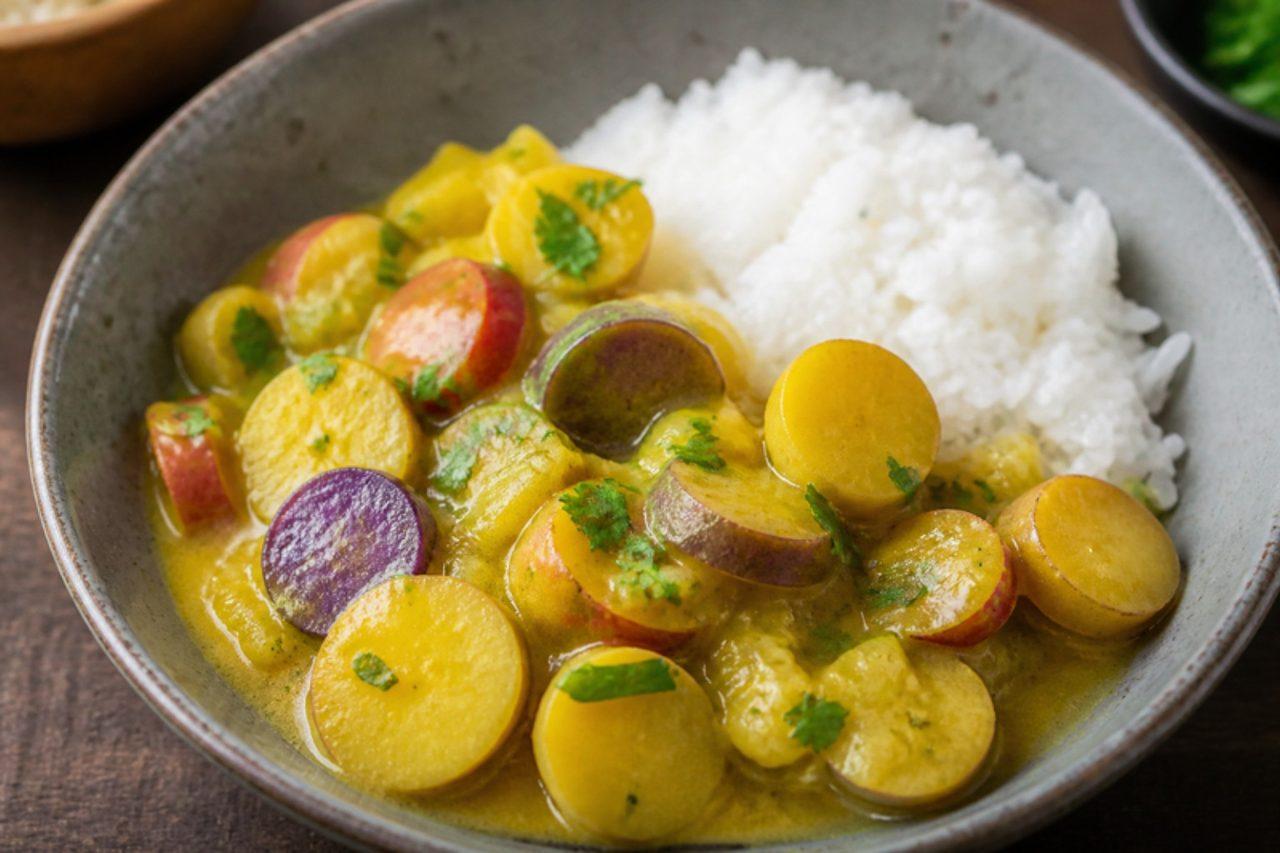
Papalisa, the glossy pink-and-yellow tuber called ulluco in Peru, has a crisp, slightly slippery bite that holds up beautifully in this ají from the La Paz highlands. The tubers are cut into fine sticks and stewed with onion, tomato and yellow chilli until tender, then served with white rice and a boiled potato. Highland cooks often add shredded dried beef; this vegan version keeps all the flavour with extra onion and cumin. Look for papalisa fresh or in jars in Latin American shops; waxy new potatoes cut the same way are a fair stand-in. The mistake most people make is skipping the soaking and rinsing, which leaves the sauce gummy. Chef's tip: cut the papalisa into matchsticks as thin as you can, so they soak up the chilli sauce like noodles.

by KrazyBadal 0 views

Arroz con queso cruceñoCreamy baked cheese rice

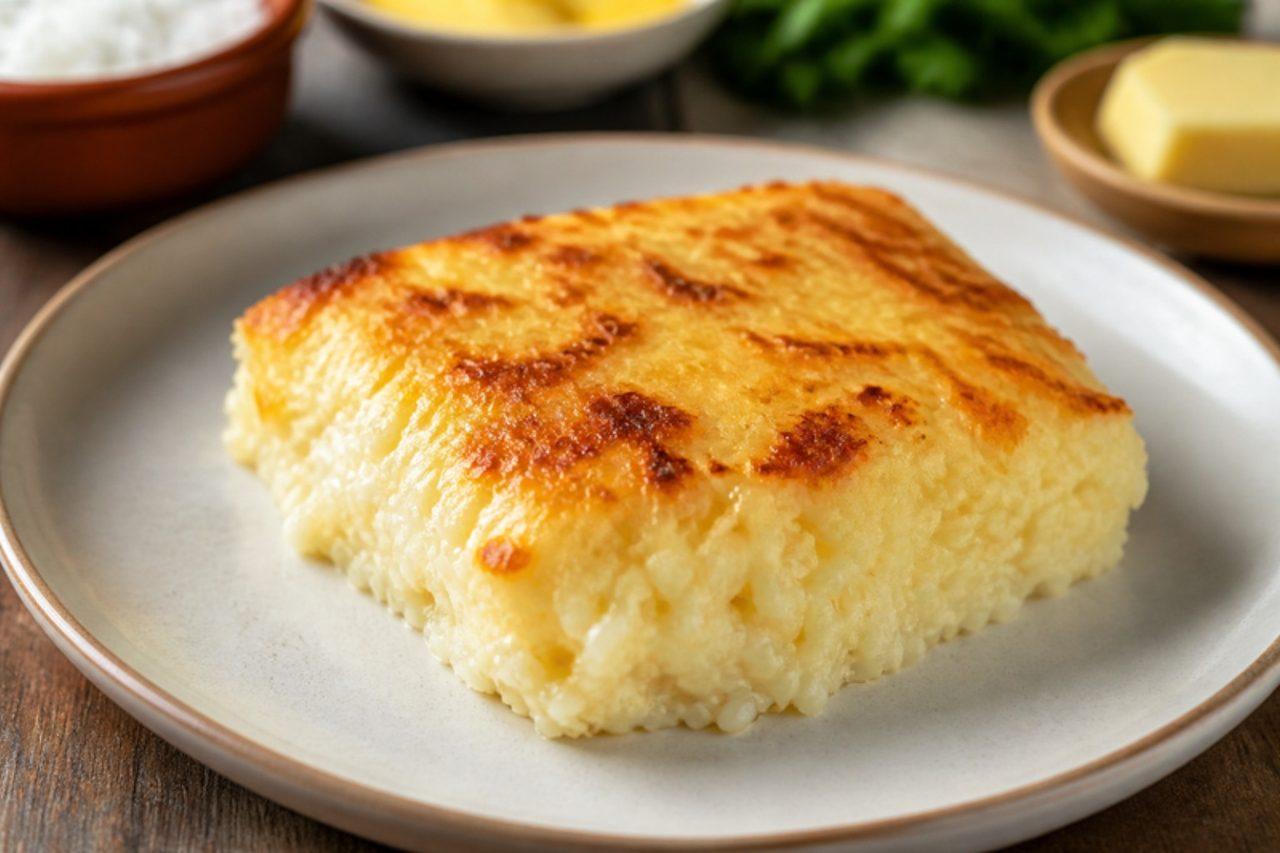
Lunch tables in Santa Cruz and Beni regularly carry a dish of arroz con queso next to the grilled meat: rice cooked soft and stirred with milk, butter and plenty of crumbled lowland cheese, then baked until the top turns golden. Cruceño cooks serve it with fried plantain and a tomato salad. Local cheese is usually made with animal rennet, so use a vegetarian mild Cheddar or a feta-style cheese if you need one. The most common mistake is draining the rice; it needs its starch to turn creamy. Chef's tip: hold back a third of the cheese and scatter it on top just before baking, so you get a melted core and a browned crust.

by KrazyBadal 0 views

Chilcano de piscoPisco and ginger ale highball

When Lima's grey winter finally lifts and summer reaches the beaches south of the city, the chilcano takes over from the pisco sour: lighter, longer and made for an afternoon. Peru even gives it a Semana del Chilcano each January, and it is poured at weekend lunches with chifa or fried fish. This is a highball for adults only: pisco poured over a tall glass of ice with fresh lime and ginger ale, finished with a few drops of bitters. It should taste crisp and fizzy, with the ginger and lime lifting the floral grape notes of the pisco rather than hiding them. The common mistake is using too little ice and warm ginger ale, which gives a sweet, diluted drink that goes flat in minutes. Fill the glass to the top with ice and keep the ginger ale in the fridge until the last second. It is ready when the glass is frosty, the bubbles race up the sides and the bitters drift through the top as a pink haze. Light it may be, but drink responsibly. Chef's tip: try a fruit-infused pisco, made by steeping passion fruit or mandarin peel in the bottle for a few days; Limeños love a chilcano de maracuyá.

by KrazyBadal 0 views

Jugo surtidoMixed fruit juice

Step up to any juguería in Lima's Mercado de Surquillo or a barrio market at breakfast time and order a surtido: the juicer drops papaya, banana, pineapple and freshly squeezed orange into a tall blender, sometimes a slice of cooked beetroot for colour or a splash of milk, and pours you a big glass with the rest left in the jug for your 'yapa', the free refill. It is thick but still pourable, sweet from ripe fruit with a sharp orange edge, the kind of drink that stands in for breakfast before a long day. The common mistake is adding lots of ice and water, which makes it thin and frothy rather than velvety. Use cold fruit and freshly squeezed orange juice as the liquid. It is ready when it coats the glass and no lumps of banana are left. This version is fruit only; stalls also make it with milk if you prefer. Drink it straight away: papaya and banana go brown and bitter within half an hour. Chef's tip: use very ripe papaya with orange flesh; under-ripe papaya tastes of nothing and gives a faintly bitter aftertaste.

by KrazyBadal 0 views

Mote pilloHominy with egg and spring onion

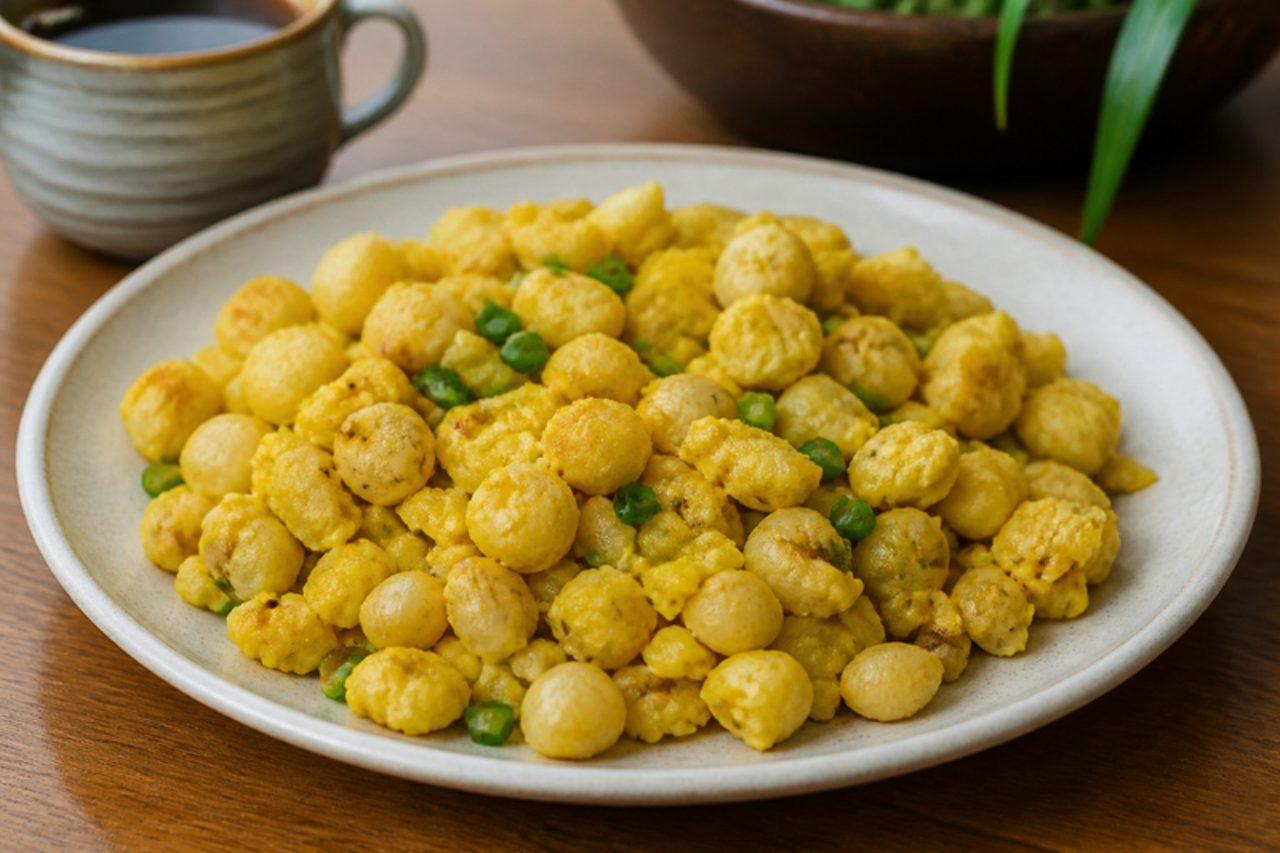
In Cuenca's old cafés mote pillo arrives at breakfast or with the late-afternoon coffee, a plate of fat white hominy kernels fried in achiote butter and folded through with just-set egg and crumbled fresh cheese. The kernels stay chewy and nutty, the egg soft and glossy, and a big cup of black coffee or a slice of grilled cheese bread is all it wants beside it. The usual mistake is leaving the eggs on the heat until they dry into rubbery crumbs; pull the pan off while they still shine. Traditional queso fresco is often set with animal rennet; choose a cheese labelled vegetarian if that matters to you. Chef's tip: dry the drained mote on a tea towel first, so it fries and colours in the butter instead of steaming.

by KrazyBadal 0 views

Showing 24 of 192 recipes

Show more recipes

Page 1 of 8