Skip to content
Recipes

All recipes

Vegetarian, or something you can't eat? Set your diet once and we'll hide recipes that don't fit.

KoserevaCandied bitter orange peel

Kosereva is a Paraguayan home preserve from the days when nothing was wasted: thick strips of bitter-orange peel soaked and boiled to soften their bite, then cooked slowly in dark cane molasses until glossy and nearly black. In the countryside it is eaten after lunch with a slice of fresh cheese or simply on its own. Bitter oranges (Seville oranges) are in season in winter. The most common mistake is not changing the boiling water enough, which leaves the peel unpleasantly bitter. Chef's tip: taste a sliver of peel after the third boil; it should be gently bitter like marmalade, not harsh.

by KrazyBadal 0 views

Cocido quemadoBurnt sugar mate drink

Cocido is how Paraguay starts the day: in Asunción, in the villages of Guairá and Itapúa, and in school kitchens, a pot of burnt yerba is brewed and poured into cups with chipa, the cheesy cassava bread, or with a hard galleta. The old way is to drop a glowing piece of charcoal into a pot with yerba and sugar and stir until the sugar burns. On a home stove you caramelise them together in a dry pan instead, which is safer and gives the same smoky, toffee-like taste. The drink is clear amber-brown, with roasted, slightly bitter mate notes over burnt-sugar sweetness; with milk added it becomes cocido con leche, creamy and coffee-coloured. Yerba mate contains caffeine, so treat it like a cup of coffee. The common mistake is letting the sugar go black: it turns acrid and bitter. Pull it off the heat when the caramel is deep amber and the yerba smells toasted, not burnt. It is ready when the liquid is a clear dark amber and tastes of toffee and smoke. Chef's tip: the water will spit fiercely when it hits the hot caramel, so pour it in from the side, at arm's length.

by KrazyBadal 0 views

Ka'i ladrilloPeanut molasses bricks

Ka'i ladrillo — 'monkey brick' in Guaraní — is the sweet sold by vendors on Asunción buses and at country fiestas: roasted peanuts bound in boiled cane molasses and set in brick-shaped blocks, crunchy and dark with a slightly smoky toffee taste. It contains peanuts, so keep it away from anyone with a peanut allergy. The common mistake is taking the syrup off too soon, so the bricks stay sticky and never set. Chef's tip: test the syrup by dropping a little into cold water; it is ready when it sets into a brittle thread that snaps.

by KrazyBadal 0 views

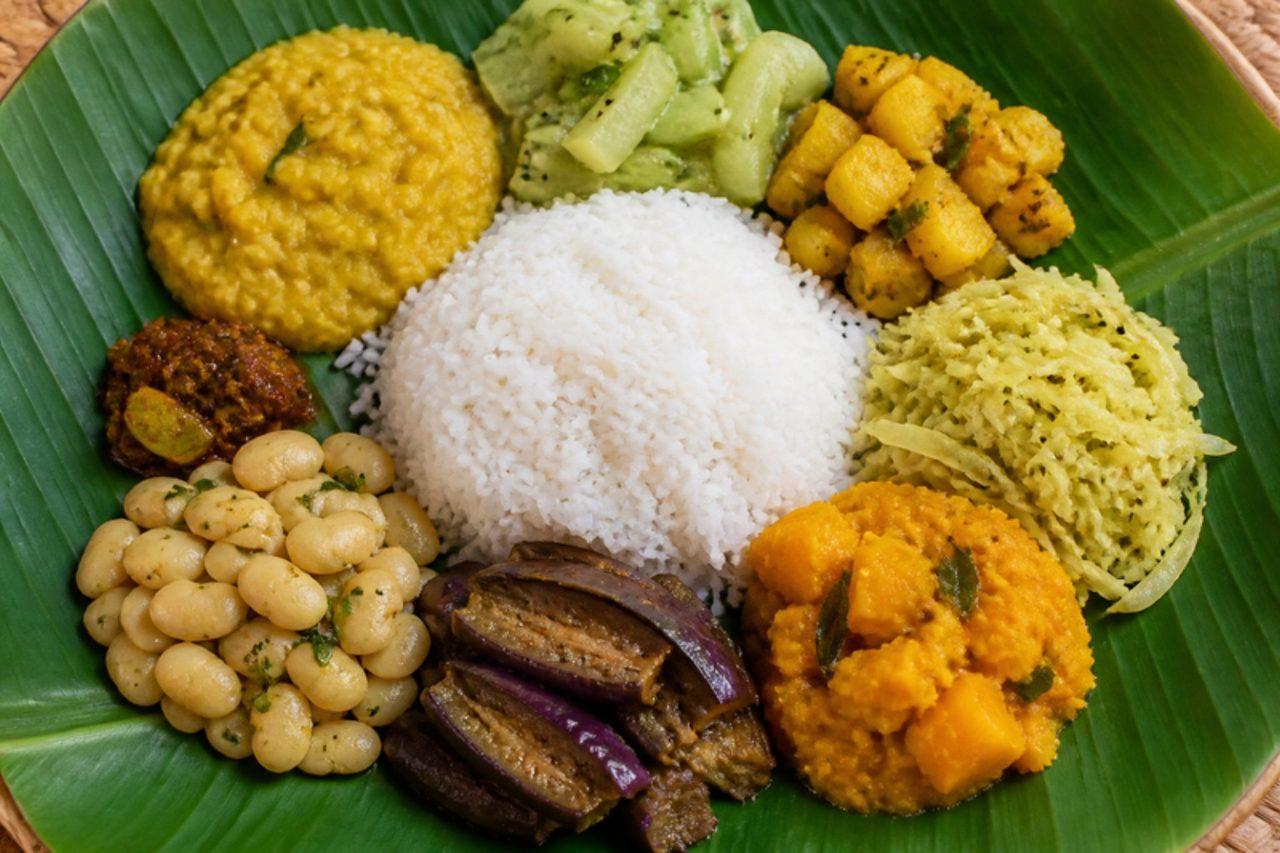
Sept cariSeven vegetable curries

Weddings, Cavadee and the days after a Tamil or Hindu prayer end with guests sitting in rows while volunteers walk past with buckets, spooning rice and seven little curries onto each banana leaf. There is no meat, egg or fish: soft yellow dholl, sweet crushed pumpkin, glossy tamarind aubergine, chayote, green banana with mustard seeds, butter beans in tomato and a curry of cabbage and potato, each with its own texture so the leaf never tastes the same twice. At home it looks daunting, but the trick is a shared base of onion, garlic and ginger prepared once and a cooking order that lets the sturdy curries wait while the delicate ones go last. The usual mistake is to tip curry powder into the pan and add the vegetables straight away, which leaves a dusty, raw taste; fry it with a splash of water until the oil runs red-brown first. Eat it with your right hand if you like, and finish with a spoon of pickle or chatini on the side. Chef's tip: everything except the pumpkin and green banana reheats beautifully, so cook the dholl, beans and cabbage the evening before and the feast day becomes a two-hour job.

by KrazyBadal 0 views

LampreadoCassava starch cheese fritters

Paraguayan grandmothers fry lampreado on Sunday evenings to eat with a mug of cocido, the toasted yerba mate drink: small pan-fried cakes of cassava starch, egg, milk and grated cheese with a little onion, crisp at the edges and stretchy inside. Some families also make it with leftover meat, but this version is all cheese. Queso Paraguay is set with animal rennet; a vegetarian Parmesan-style cheese plus mozzarella works well. The trap is a batter that is too thick, which gives heavy, gluey cakes. Chef's tip: the batter should drop slowly off a spoon like thick pancake batter; add milk a spoonful at a time until it does.

by KrazyBadal 0 views

Buñuelos de algasSea lettuce fritters

On the beaches of Rocha, from La Paloma to Punta del Diablo, vendors walk the sand with baskets of hot buñuelos de algas: puffy, salty fritters speckled green with sea lettuce, eaten with a squeeze of lemon. Use dried sea lettuce or mixed seaweed flakes from a shop, or fresh sea lettuce only from a seller who harvests clean water; never pick it from a harbour or near drains. The usual mistake is frying in oil that isn't hot enough, so the fritters soak it up and turn greasy. Chef's tip: rest the batter for 15 minutes so the seaweed softens and the fritters puff more.

by KrazyBadal 0 views

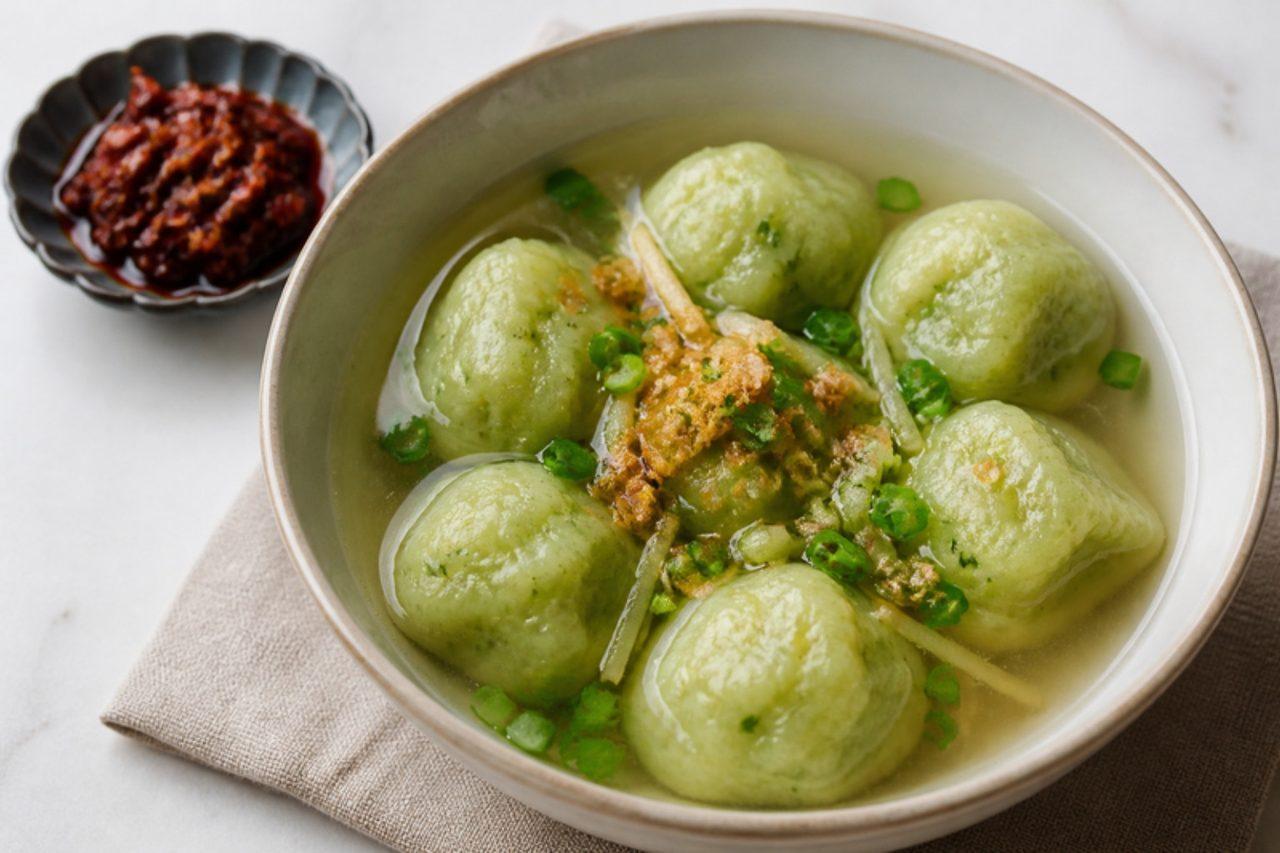
Boulettes chouchouChayote dumplings in broth

The boulette stalls of Port Louis's Chinatown and the night market at Rose-Hill steam trays of little dumplings to order, and diners point at what they want, then get a bowl of clear broth ladled over and a spoon of chilli on the side. Fish, crab and chicken boulettes are on offer too, but chayote ones are the favourite of many: grated chouchou bound with cornflour into soft, slightly bouncy, translucent balls that taste fresh and sweet. This version is fully vegetarian, with a vegetable broth flavoured with ginger, garlic, soy sauce and sesame oil. The mistake that ruins them is skipping the squeeze, because chayote is full of water and the balls slump into a puddle in the steamer. Chef's tip: wring the grated chayote in a clean tea towel until almost no more drips come out, then keep that juice to add to the broth.

by KrazyBadal 0 views

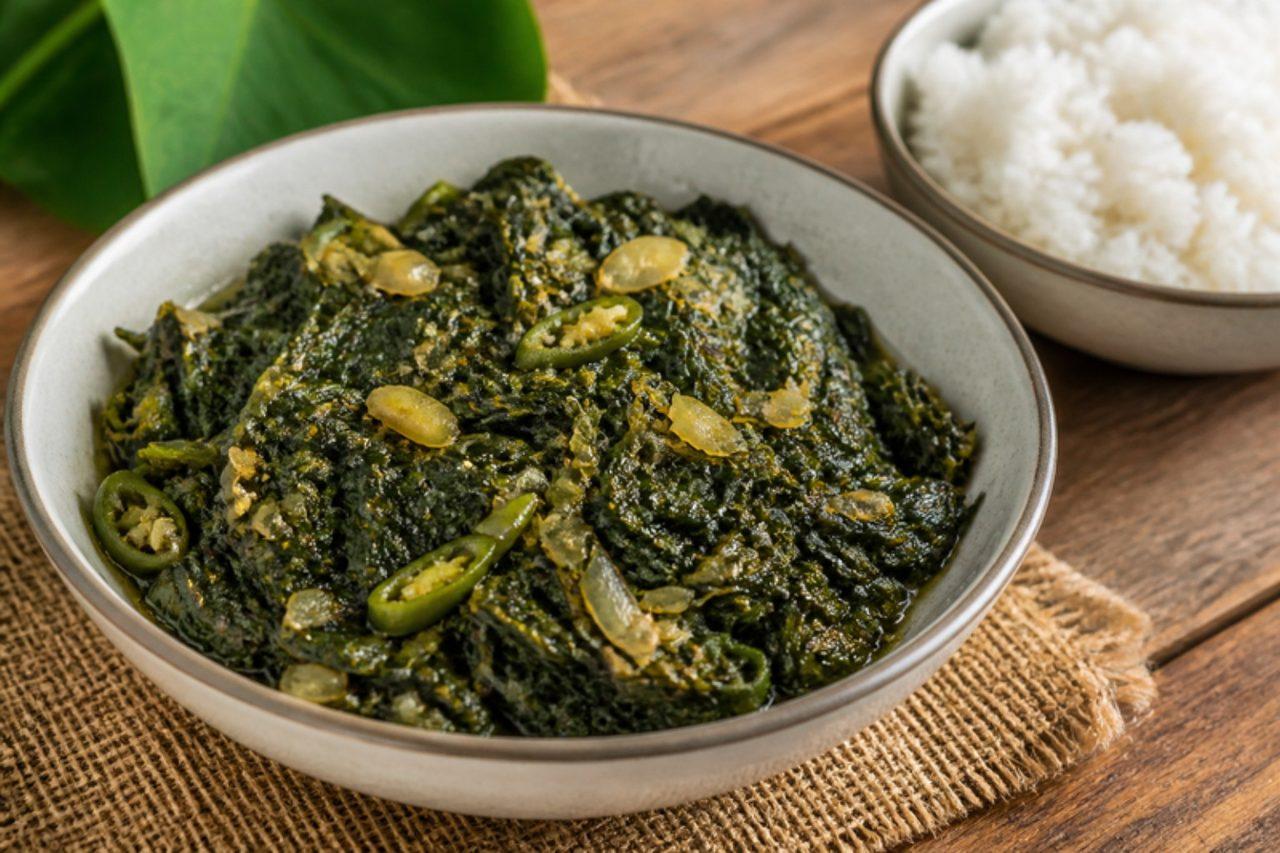
Bred songeBraised taro leaves

Songe is the island's name for the taro plant, and its big heart-shaped leaves end up in many Creole and Indo-Mauritian kitchens on a weekday night, braised down into a dark, silky tangle that tastes somewhere between spinach and artichoke. Buy the leaves from an Indian or Asian grocer, where they are sold as arbi or patra leaves; never pick them wild. Raw taro leaves contain needle-like crystals that make the mouth and throat prickle, and the commonest mistake is pulling them off the heat too soon, so they are blanched first and then cooked until completely soft, with a little tamarind to help. Spoon it next to rice, dholl and a fresh chatini, or tuck it into a farata. Chef's tip: taste a small piece before serving; if you feel even a faint scratch at the back of the throat, cover the pan and give it another five minutes.

by KrazyBadal 0 views

Glaçon râpéShaved ice with syrups

On a hot Sunday at Flic en Flac or Mon Choisy, families queue at the glaçon râpé man, who shaves a block of ice into a cup, then pours over bright red and green syrups and, if you ask, a thick ribbon of sweetened condensed milk. The ice should be fluffy and dry like fresh snow, so the syrup sinks in and streaks the colours together, and the condensed milk turns the bottom of the cup into a sweet, milky slush. A home blender makes a fine version if the ice is very cold; the common mistake is using ice straight from a bag that has half-thawed, which turns to watery slush. Chef's tip: put the cups and the blender jug in the freezer for 20 minutes first, then pulse in short bursts rather than running the motor.

by KrazyBadal 0 views

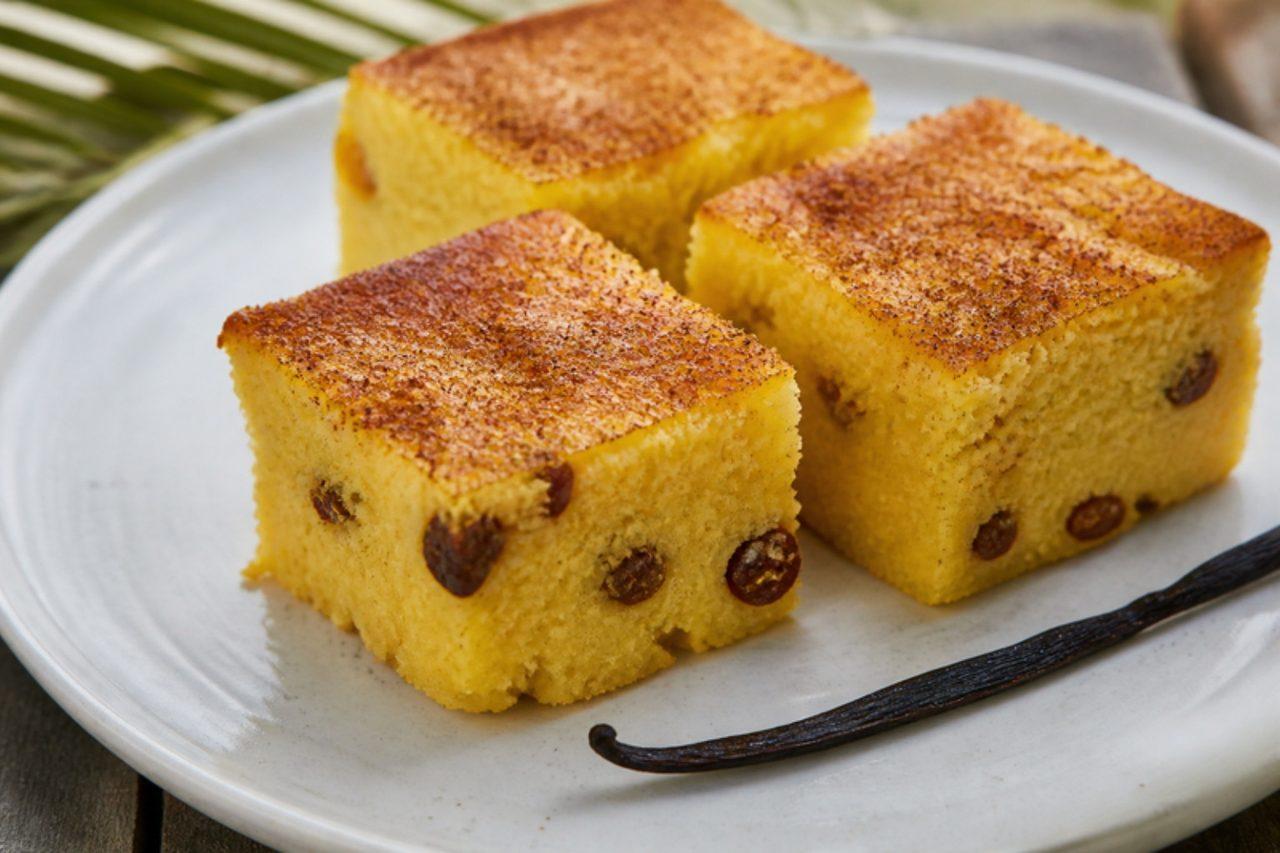
Poudine maïsBaked maize pudding

Grandmothers in Mauritius made poudine maïs from whatever the pantry held, which is why it is still sold by the square in snack shops and at village fairs for a few rupees. Fine yellow maize meal is cooked in sweetened vanilla milk until thick, then baked until the top is freckled brown and the inside sets like a soft, sliceable custard with a faint grainy bite. It is eaten at room temperature or cold from the fridge with a cup of tea, never hot. Lumps are the usual problem, and they come from tipping the maize into hot milk all at once. Chef's tip: whisk the maize meal into the milk while it is still cold, then heat it slowly, and the pudding will be perfectly smooth.

by KrazyBadal 0 views

Kari gros poisButter bean curry

In Mauritius, gros pois (butter beans) are a pantry staple, and kari gros pois is cooked in Creole and Indo-Mauritian homes alike for weekday lunches and Friday meat-free meals. The beans simmer in a curry of onion, tomato, garlic and ginger, flavoured with curry powder, fresh thyme and curry leaves, so it tastes of both India and the island's French side. It is served with rice, farata flatbreads and a tomato or chilli chutney. The usual mistake is frying the curry powder on high heat; it scorches in seconds and turns bitter. Pressure cooker option: cook the soaked beans for 15 minutes at pressure. Chef's tip: crush a few beans into the sauce at the end, which thickens it without any flour.

by KrazyBadal 0 views

Capeletis a la CarusoStuffed pasta in cream sauce

Capeletis a la Caruso were created in a Montevideo restaurant in the 1950s and named after the great tenor, and they are still a Sunday lunch favourite in Uruguayan homes: little stuffed pasta hats in a rich sauce of cream, cooked ham (pork), mushrooms and onion, finished with grated cheese. Buy good fresh capeletis or tortellini; the sauce is what you make. The usual mistake is boiling the cream sauce hard, which makes it oily and grainy. Chef's tip: cook the mushrooms in a dry hot pan first until they squeak and brown, before any butter goes in, for a deeper taste.

by KrazyBadal 0 views

Mandi'o chyryryFried cassava with onion and egg

Mandi'o chyryry means 'fried cassava' in Guaraní, and it is what rural Paraguayan families make from yesterday's boiled mandi'o: chunks crushed and fried in a big pan with onion until crisp in places, then scrambled with eggs. It comes out for breakfast with cocido or for a quick supper, and costs next to nothing. Use sweet cassava, the kind sold in supermarkets. The mistake is stirring constantly, which turns it to mush; let the cassava sit and brown. Chef's tip: the best chyryry starts with cold, day-old boiled cassava, which fries crisper than freshly boiled.

by KrazyBadal 0 views

BusecaTripe and white bean stew

Buseca arrived in Montevideo with Italian immigrants from Lombardy and became a classic winter dish of Uruguayan bodegones and family kitchens, eaten on cold June and July days. Honeycomb tripe is simmered until tender, then stewed with white beans, pork chorizo, bacon, peppers, tomato and paprika into a thick, warming stew served with crusty bread. Buy tripe that is already cleaned and blanched (dressed). The usual mistake is undercooking the tripe: it needs a full 2 hours, until it's soft enough to cut with a spoon. Slow-cooker option: after step 4, cook on low for 8 hours. Chef's tip: a little grated lemon zest and parsley stirred in at the end lifts the rich, gelatinous sauce.

by KrazyBadal 0 views

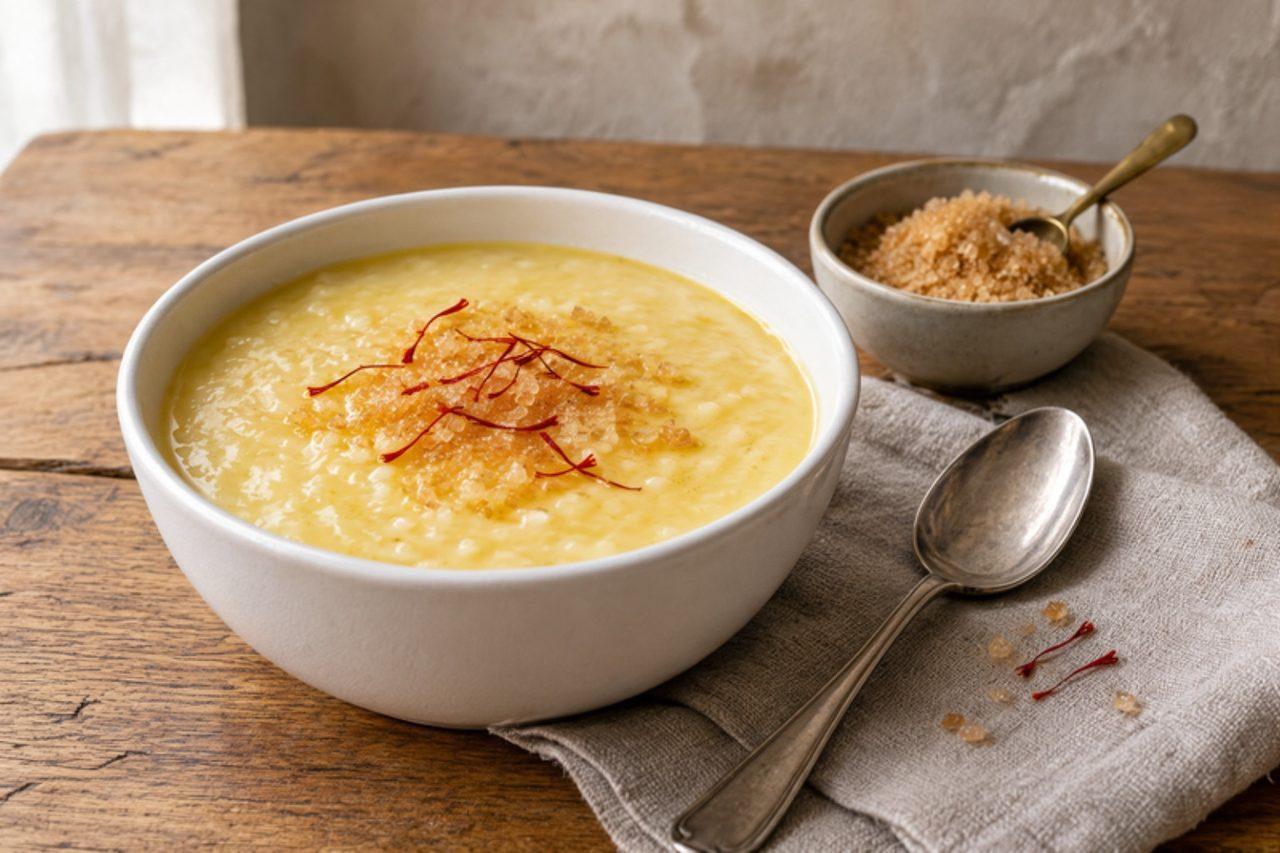
Saffron rijstpapSaffron rice porridge

Flemish rijstpap, rice slowly cooked in milk until thick and creamy, is a breakfast, a pudding and a childhood memory, and in East and West Flanders it is coloured golden with saffron and eaten with a spoonful of brown sugar. Old Flemish sayings even promise that in heaven you eat rijstpap with golden spoons. The mistake is cooking it too fast: the milk catches on the bottom and the rice stays chalky, so keep it at the barest simmer and stir often. Chef's tip: use round pudding rice, not long-grain, because its starch is what makes the porridge thick and silky without any cream.

by KrazyBadal 0 views

Mauritian vanilla tea

In Mauritius the kettle goes on for dité at breakfast and again at four, when the heat of the day breaks and someone brings out gato piment, a packet of biscuits or a slice of gato patate. The tea is grown on the island's central plateau, around Curepipe and the Bois Chéri hills, and the local favourite is black tea perfumed with vanilla, the same vanilla that grows on the neighbouring islands. It is drunk strong, very sweet and milky, often with evaporated or condensed milk: a round, creamy cup with a soft caramel-vanilla scent and no bitterness. The common mistake is boiling the tea leaves with the milk until they stew; brew the tea in water first, then add hot milk. It is ready when the tea is the colour of milky caramel and the kitchen smells of vanilla. A cup has about as much caffeine as ordinary black tea. If you cannot find vanilla-scented Mauritian tea, a strong black tea and a split vanilla pod do the job well. Chef's tip: dry the used vanilla pod and bury it in your sugar jar; next time the sugar alone will scent the tea.

by KrazyBadal 0 views

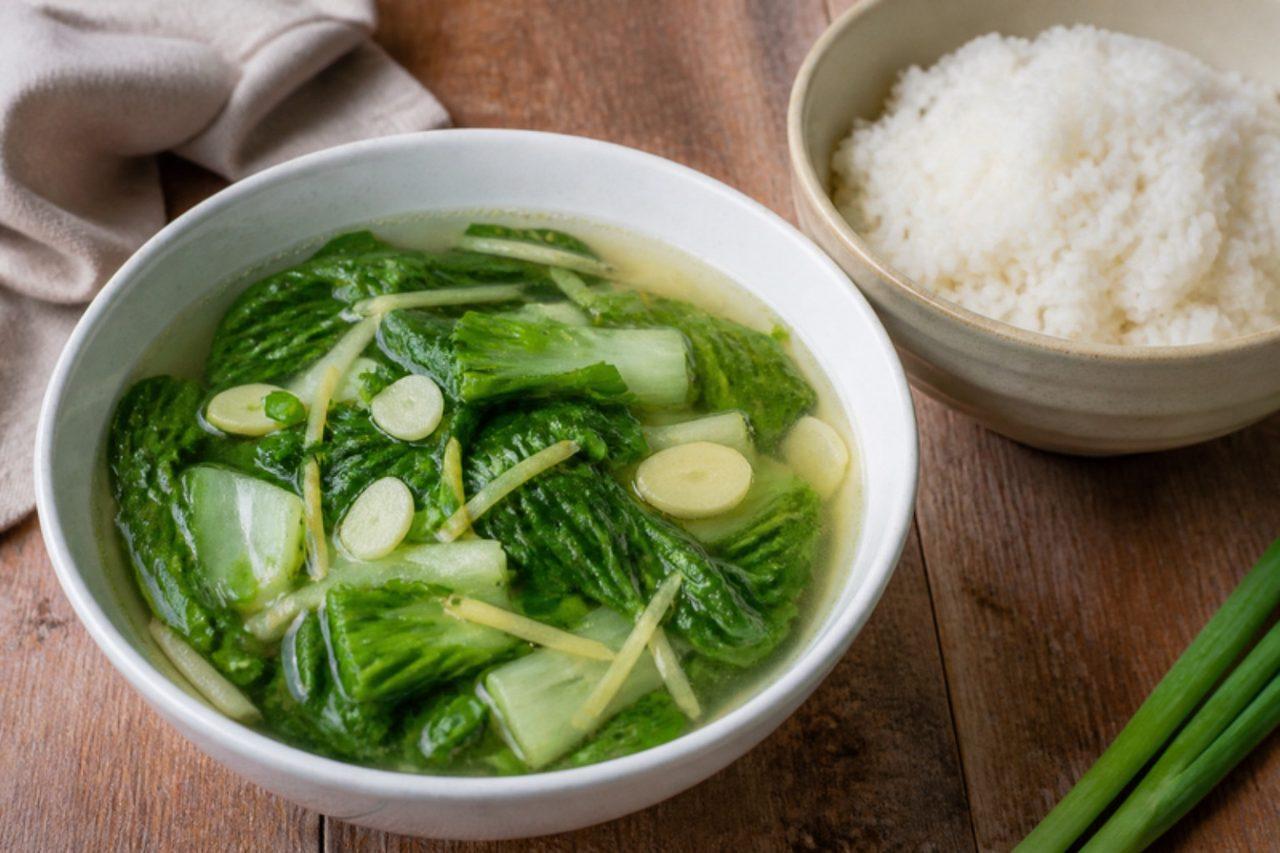
Bouillon brèdeGreens broth

Ask a Mauritian what they eat when they are tired or under the weather and the answer is often a bowl of bouillon brède: a clear, gingery broth with soft greens, poured over plain rice next to a fried fish or a dish of lentils. The greens change with the market, from petsai (Chinese leaves) to watercress, pak choi or the leaves of the chayote vine, and the broth is never thickened, so it stays clean and almost sweet. It is done in under twenty minutes, which is why it turns up on so many weeknight tables from Rose-Hill to Mahébourg. People often boil the greens until they turn khaki and stringy; add them at the end and stop as soon as the stems are just tender. Chef's tip: crush the garlic and ginger, don't chop them, and fry them for just a minute so the broth smells warm without turning brown.

by KrazyBadal 0 views

Chicons braisésBraised endives

Belgian endive, called chicon in Wallonia and witloof in Flanders, is grown in the dark around Brussels and eaten all winter, from November to March. Braised slowly in butter with a pinch of sugar and a squeeze of lemon, the pale heads turn golden, soft and gently caramelised, with only a whisper of their raw bitterness left. Serve them beside mashed potatoes and a fried egg, or as a side for a Sunday roast. The usual mistake is crowding the pan and boiling them in their own water, which leaves them grey and bitter. Chef's tip: lay the heads in a single layer and press a round of baking paper on top, so they steam gently and then brown in the butter once the juices cook off.

by KrazyBadal 0 views

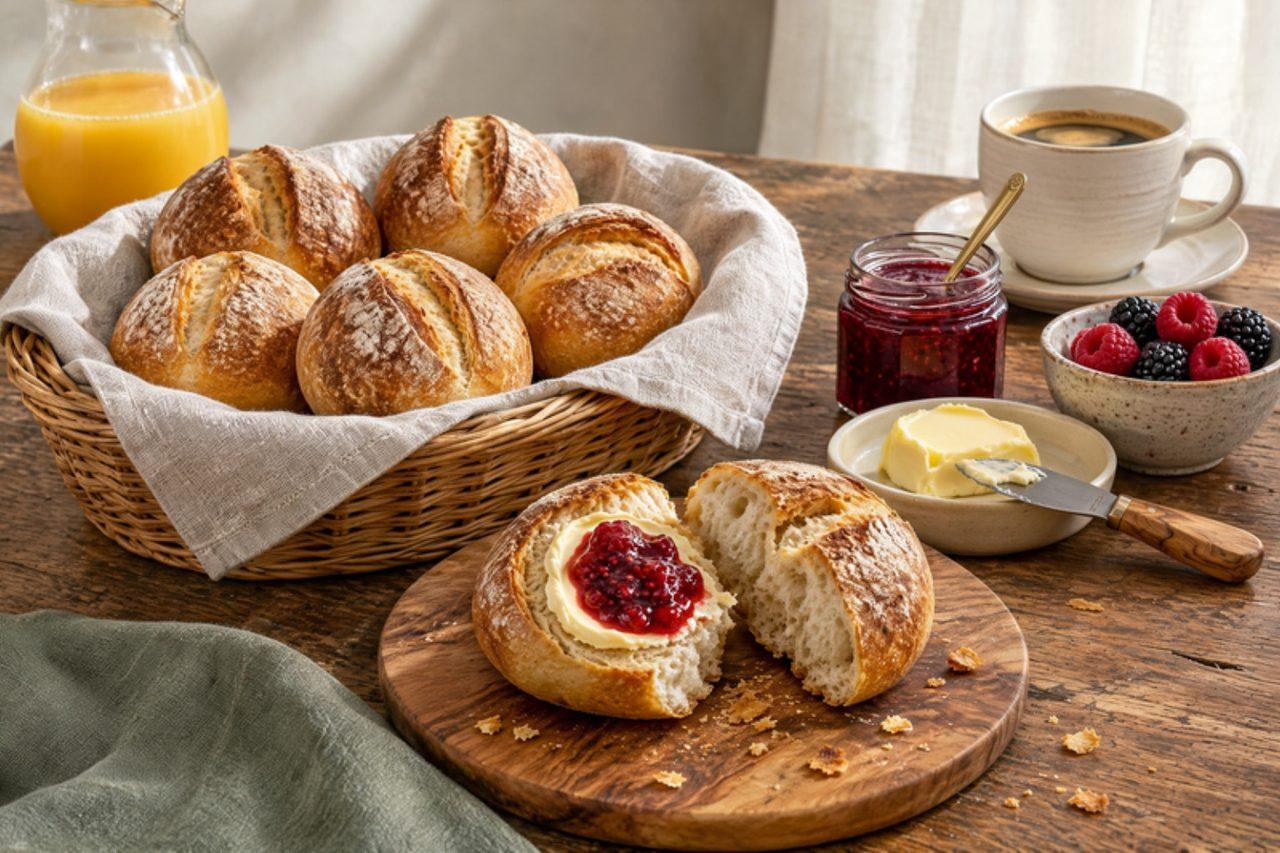
PistoletsCrusty bread rolls

In Brussels and all over Belgium, someone in the family goes to the bakery early on Sunday morning to bring home a paper bag of warm pistolets, the small round rolls with a split down the middle. They are eaten at a long breakfast with butter, jam, chocolate spread, cheese and boiled eggs. The crust shatters and the crumb is light and open. The common mistake is baking in a dry oven, which gives a dull, thick crust; a pan of boiling water in the oven makes the thin, crackly bakery crust. Chef's tip: press the split with a floured wooden spoon handle right after shaping, not just before baking, and it opens cleanly in the oven.

by KrazyBadal 0 views

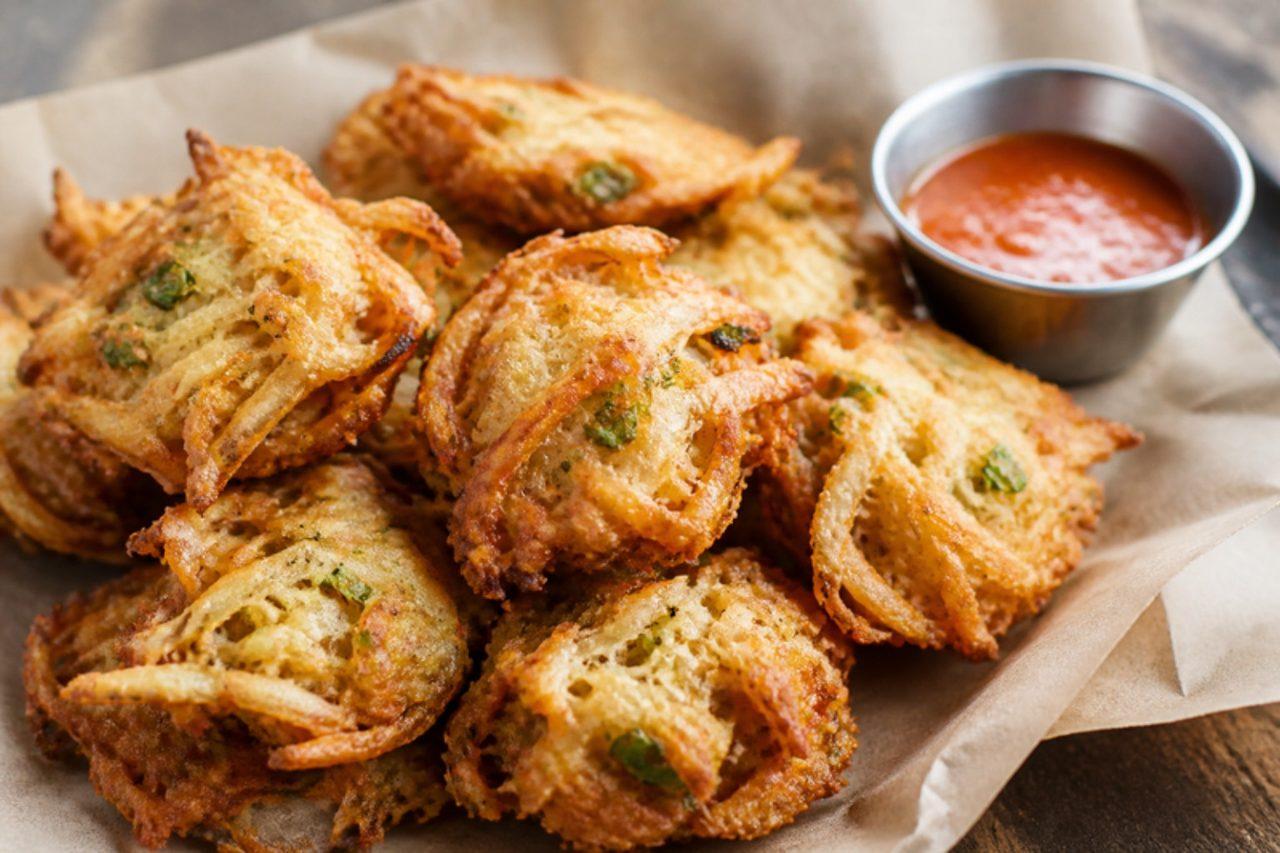
Gâteau arouilleTaro fritters

Glass cases on street carts outside bus stations from Curepipe to Port Louis are piled with fritters, and the craggy, golden gâteau arouille is the one with the shaggy edges and the soft, almost creamy middle. Grated taro (arouille, also sold as eddo or dasheen) is bound with a spoon of rice flour, spring onion and chilli, then dropped into hot oil, where the strands turn crunchy. They are eaten warm from a paper bag with a dab of chilli paste or a coconut chatini, often as an afternoon snack. Taro must be cooked right through, as raw taro irritates the mouth; the common mistake is oil that is too hot, which browns the outside while the centre stays raw and gluey. Chef's tip: wear gloves or oil your hands before grating, because raw taro makes the skin itch for an hour.

by KrazyBadal 0 views

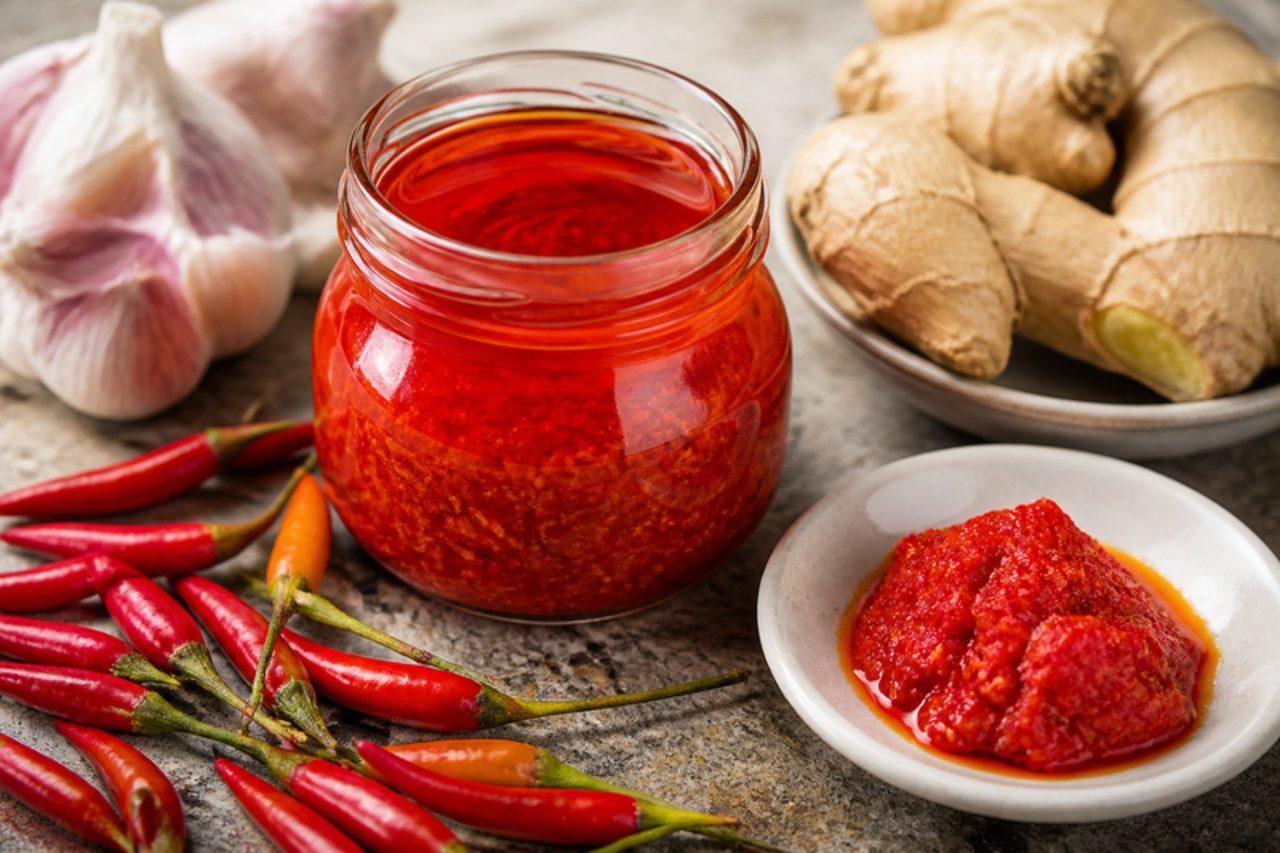
MazavarooChilli paste

Every Mauritian table has a little jar of something red, and mazavaroo is the fiercest of them: bird's-eye chillies crushed with garlic, ginger and salt, then loosened with oil so it keeps. A pinhead goes on a dholl puri, into a bowl of noodle soup or beside fried snacks from a Port Louis vendor, and a teaspoon is enough to wake up a whole pot of lentils. The flavour is sharp and bright rather than smoky, with a garlicky bite. Wear gloves, and keep your hands away from your eyes; the classic mistake is to blitz it in an open blender and breathe the spray. Chef's tip: this is garlic in oil, so keep it in a clean jar in the fridge with the oil covering the surface and use it within two weeks.

by KrazyBadal 0 views

NapolitainesJam shortbread sandwiches with pink icing

Pink, round and glossy, napolitaines sit in the front window of every pâtisserie in Port Louis and Quatre Bornes, and they come out at birthday teas, christenings and school fêtes. Two discs of tender, barely sweet butter shortbread are glued together with strawberry jam and dipped in a thin pink icing that sets to a crisp shell; the biscuit should crumble against the sweet glaze, not snap. The common mistake is baking them until golden: they must stay pale, or the shortbread turns hard and tastes toasted. Look for a vegetarian red food colouring, as many red colourings are made from cochineal insects. Chef's tip: chill the cut rounds for 15 minutes before baking so they keep their sharp edges and do not spread.

by KrazyBadal 0 views

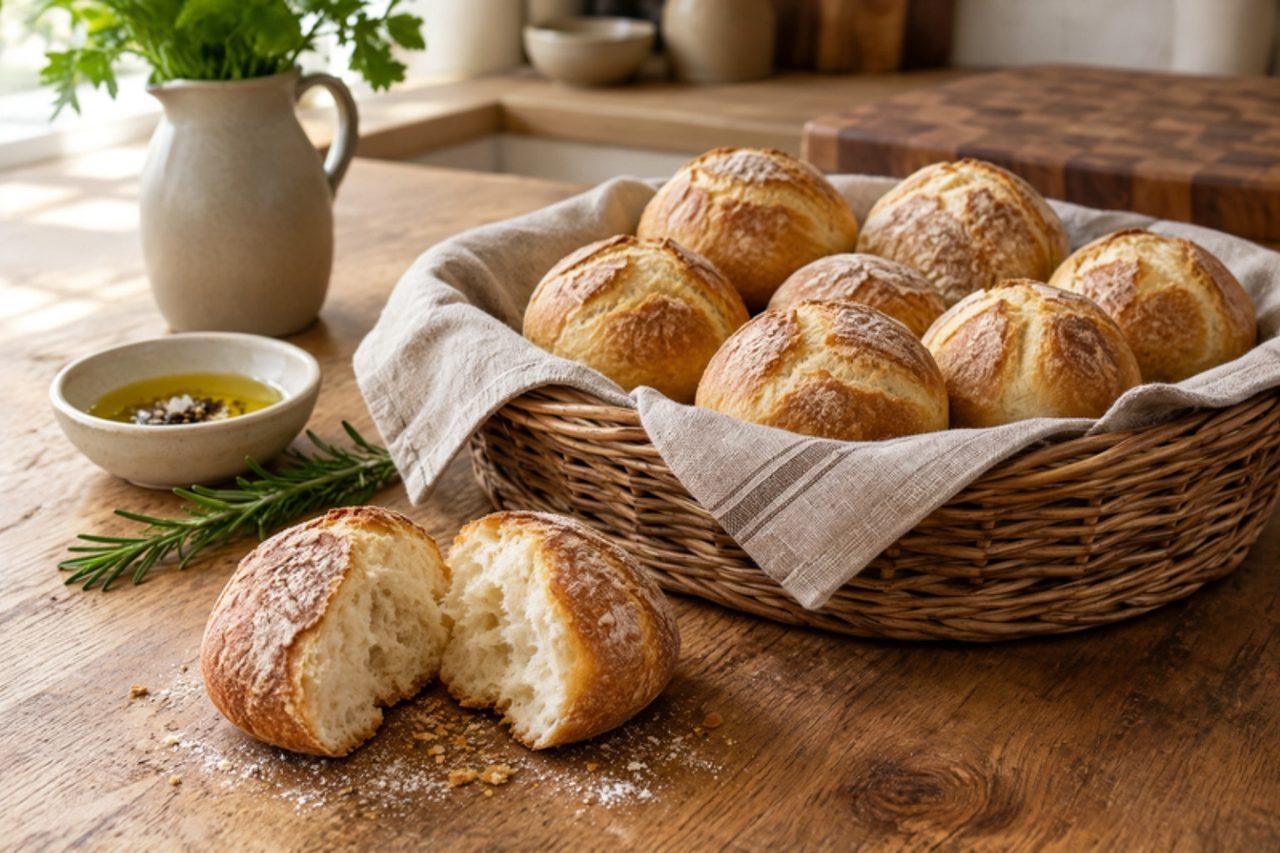
Pain maisonCrusty bread rolls

Every morning in Port Louis, Mahébourg and Rose-Hill, the boulangerie or a man on a bicycle delivers bags of pain maison: small, round white rolls with a thin, crackly crust and soft middle, split and filled with butter and cheese, with chilli-spiked gâteaux piments, or with leftover curry. They're a simple lean dough baked very hot. The common mistake is under-baking because they look golden early; give them the full time so the crust stays crisp after cooling. Chef's tip: spray the oven walls with water as the rolls go in; the burst of steam makes the shiny, cracked crust.

by KrazyBadal 0 views

Martín FierroCheese with quince paste

Ask for dessert in a Montevideo bodegón or a country parador and you may be offered a Martín Fierro: a thick slice of fresh, mild cheese laid with an equal slice of dense quince or sweet-potato paste, named after the gaucho of the epic poem. It's salty against sweet, soft against firm, and takes two minutes to assemble. Uruguayan fresh cheese is usually made with animal rennet, so choose one with vegetarian rennet if that matters to you. The mistake is serving it fridge-cold, which dulls both flavours. Chef's tip: cut the cheese and paste to exactly the same thickness, about 1 cm, so every bite has both.

by KrazyBadal 0 views

Showing 24 of 106 recipes

Show more recipes

Page 1 of 5