Skip to content
Recipes

All recipes

Vegetarian, or something you can't eat? Set your diet once and we'll hide recipes that don't fit.

TopfengolatschenSweet quark puff pastry squares

A Topfengolatsche is what Viennese office workers grab from the bakery on the way in, and what grandparents order with a Melange in a coffee house on a Sunday afternoon. The corners of a puff pastry square are folded over a lemony, vanilla-scented filling of Topfen (Austrian quark) with plump raisins, and the top gets a thin white glaze. It is flaky, light and not too sweet. Raisins are sometimes soaked in rum; warm water or orange juice works just as well, and the recipe below is alcohol-free. Wet quark is the classic problem, because it turns the filling runny and it leaks out in the oven. Chef's tip: hang the quark in a sieve lined with a clean cloth for an hour, or squeeze it, until it is as thick as soft cream cheese.

by KrazyBadal 0 views

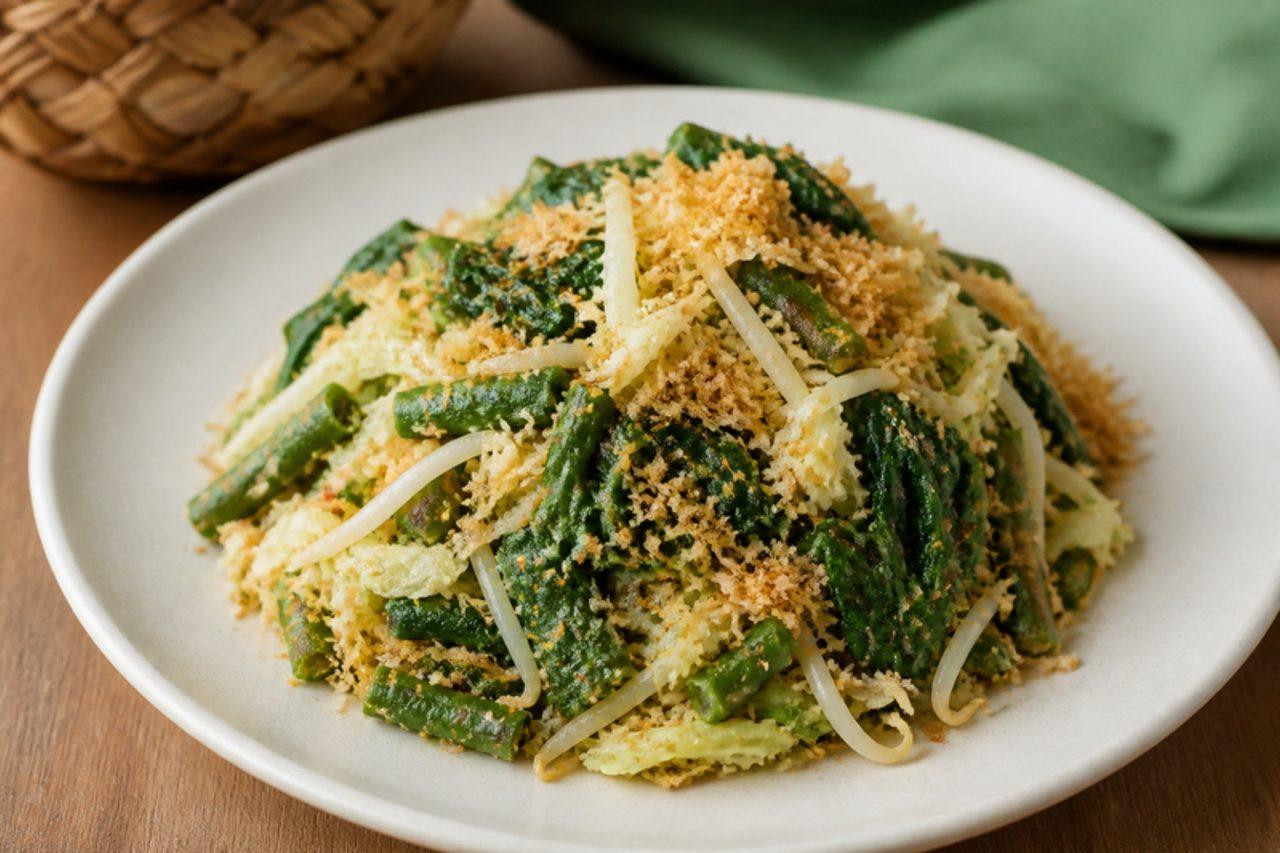
Urap (Javanese vegetables with spiced coconut)

Urap is a Javanese and Balinese side dish served at everyday meals and at slametan gatherings, and it is just as common heaped next to rice and tempeh on a weeknight. Freshly blanched long beans, spinach, cabbage and bean sprouts are tossed with grated coconut that has been steamed with shallot, garlic, chilli and lime leaf, so the vegetables taste bright and the coconut sweet, warm and fragrant. Many cooks add terasi (shrimp paste) to the coconut; this version leaves it out so it stays vegan. The common mistake is mixing the coconut into the vegetables hours ahead, when it turns sour and soggy; toss just before eating. Chef's tip: plunge the vegetables into cold water straight after blanching and squeeze the greens dry, or the dressing will be watery.

by KrazyBadal 0 views

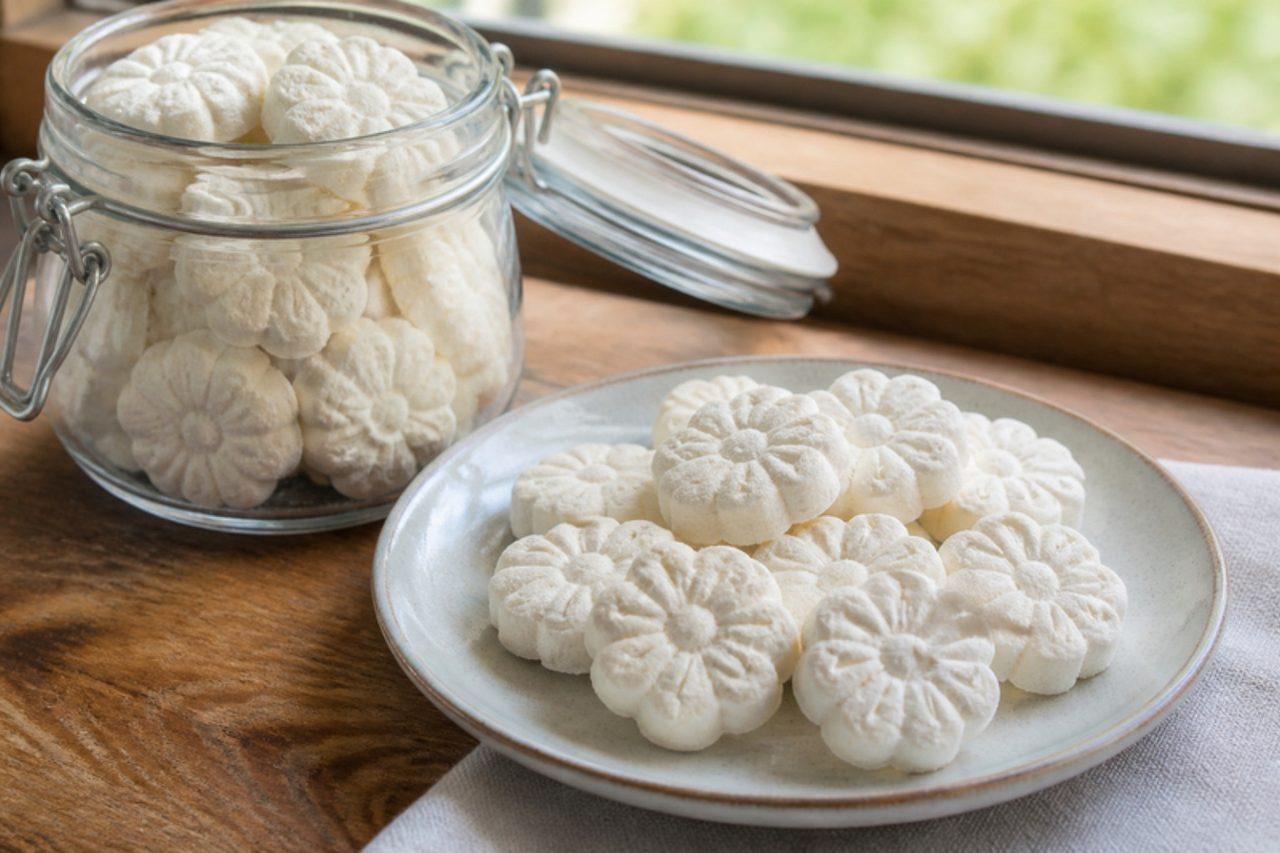
Kue bangkitTapioca coconut flower cookies

Jars of kue bangkit sit on coffee tables across Riau and the Sumatran coast at Lebaran, and Chinese-Indonesian families bake the same little white flowers for Lunar New Year. They are made from tapioca starch slowly roasted with pandan leaves, then bound with sugar, egg yolk and thick coconut milk and pressed into tiny flower shapes. When they are right they feel crisp and light in the hand and then dissolve instantly on the tongue, leaving the taste of coconut and pandan. The step people rush is roasting the starch; it must be dry-fried until feather-light, or the cookies bake hard and chalky. Chef's tip: keep the dough covered with a cloth while you work, because tapioca dough dries in minutes and then crumbles in the mould.

by KrazyBadal 0 views

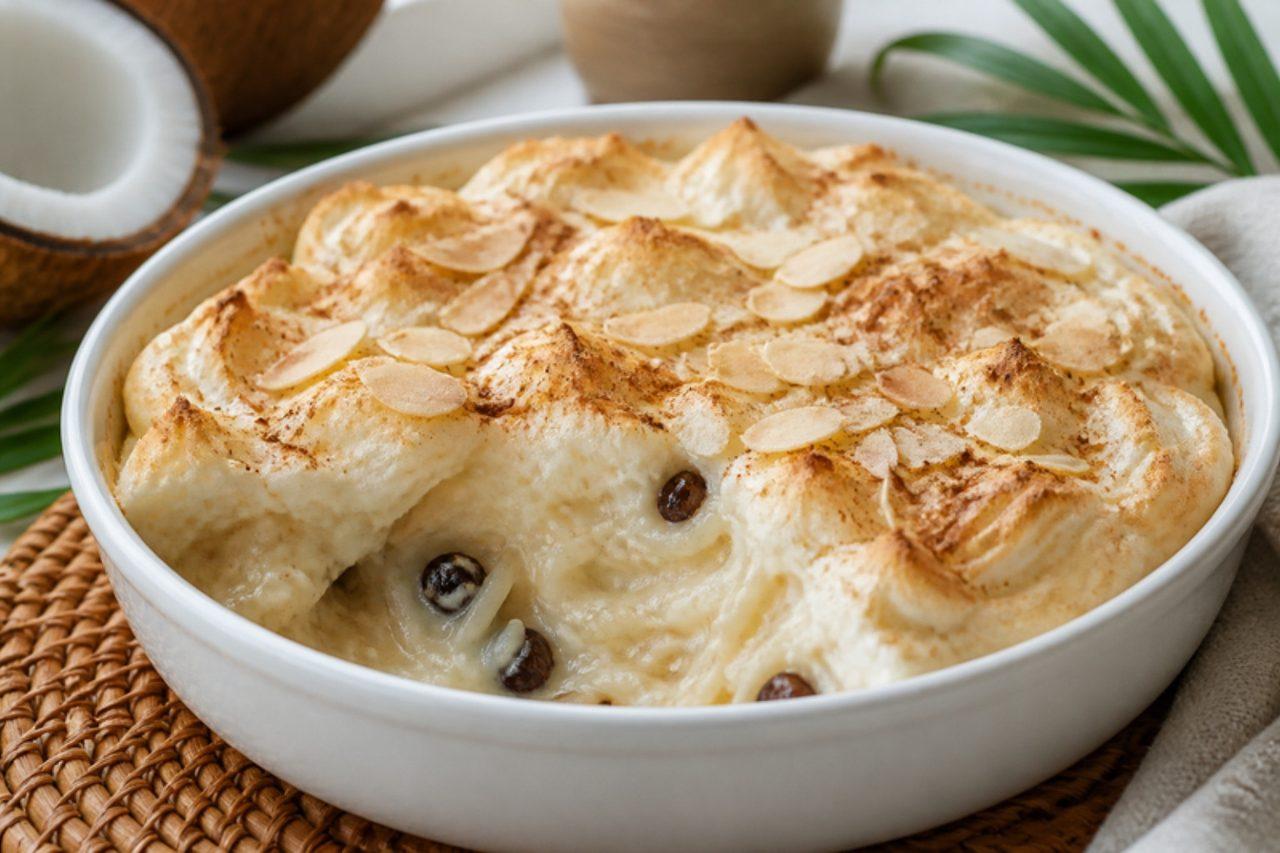
KlappertaartBaked young coconut custard

Manado, at the northern tip of Sulawesi, inherited klappertaart from its Dutch colonial kitchens (klapper is old Dutch for coconut), and it is still the dessert North Sulawesi families bring to birthdays, Christmas and church gatherings. Soft strips of young coconut flesh are folded through a creamy, cinnamon-scented milk custard with raisins, then baked under a sprinkle of almonds until barely set and bronzed on top. It is eaten warm or cold, spooned straight from the dish. Many recipes soak the raisins in rum or add a splash to the custard; this one is alcohol-free, with the rum as an option. Overbaking it until firm is the mistake to avoid; it should be soft and spoonable. Chef's tip: use the jelly-soft flesh of young coconuts (or frozen young coconut strips); grated mature coconut makes the custard dry and chewy.

by KrazyBadal 0 views

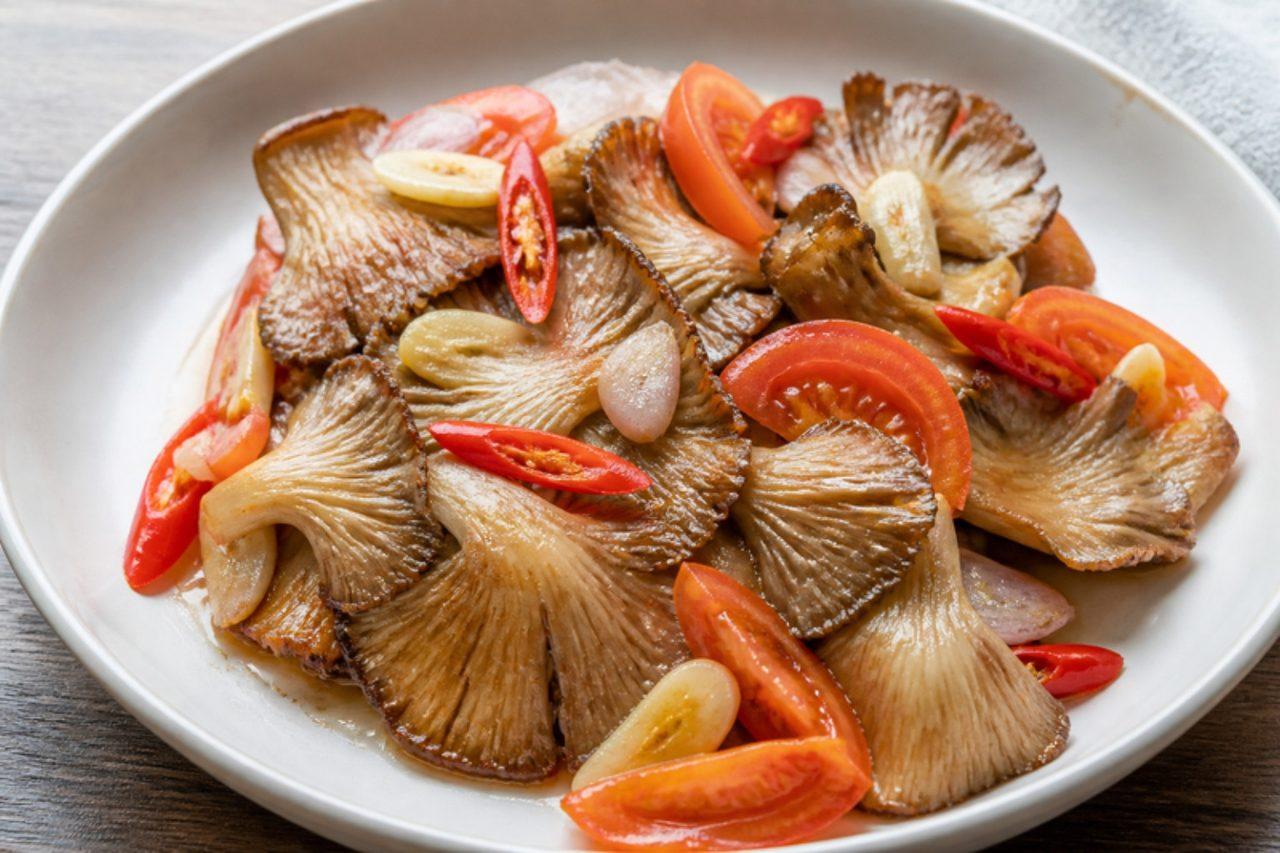
Tumis jamur (Indonesian stir-fried oyster mushrooms)

Tumis jamur tiram is a favourite in Javanese homes and cheap warung kitchens across Indonesia, where grey oyster mushrooms are grown locally and sold by the bag every morning. Cooked fast in a hot wok, the mushrooms turn meaty and juicy, picking up garlic, shallot, a little chilli and the sweetness of kecap manis and tomato. It is eaten with rice as part of an everyday dinner, often next to tempeh or tofu. The usual mistake is crowding the pan, which makes the mushrooms release water and stew instead of browning. Chef's tip: tear the mushrooms by hand along their natural lines rather than slicing them; the ragged edges catch the sauce.

by KrazyBadal 0 views

Spiku (lapis Surabaya)Three-layer butter sponge with jam

Visitors leaving Surabaya are expected to carry home a box of spiku as oleh-oleh, the gift from your travels, and it also turns up for Lebaran and Chinese New Year. The name comes from the Dutch spekkoek, but this is a different cake: three thick layers of rich, yolk-heavy butter sponge, two plain and one chocolate, stuck together with apricot or strawberry jam. The crumb is soft, tight and buttery, best in thin slices with tea. Folding the melted butter in roughly or too fast lets it sink and bake into a greasy band at the bottom, so add it in a thin stream and fold just until it vanishes. Chef's tip: bake the three layers at the same time in three identical tins; weigh the batter into them so the layers come out even.

by KrazyBadal 0 views

BakpiaMung bean pastries

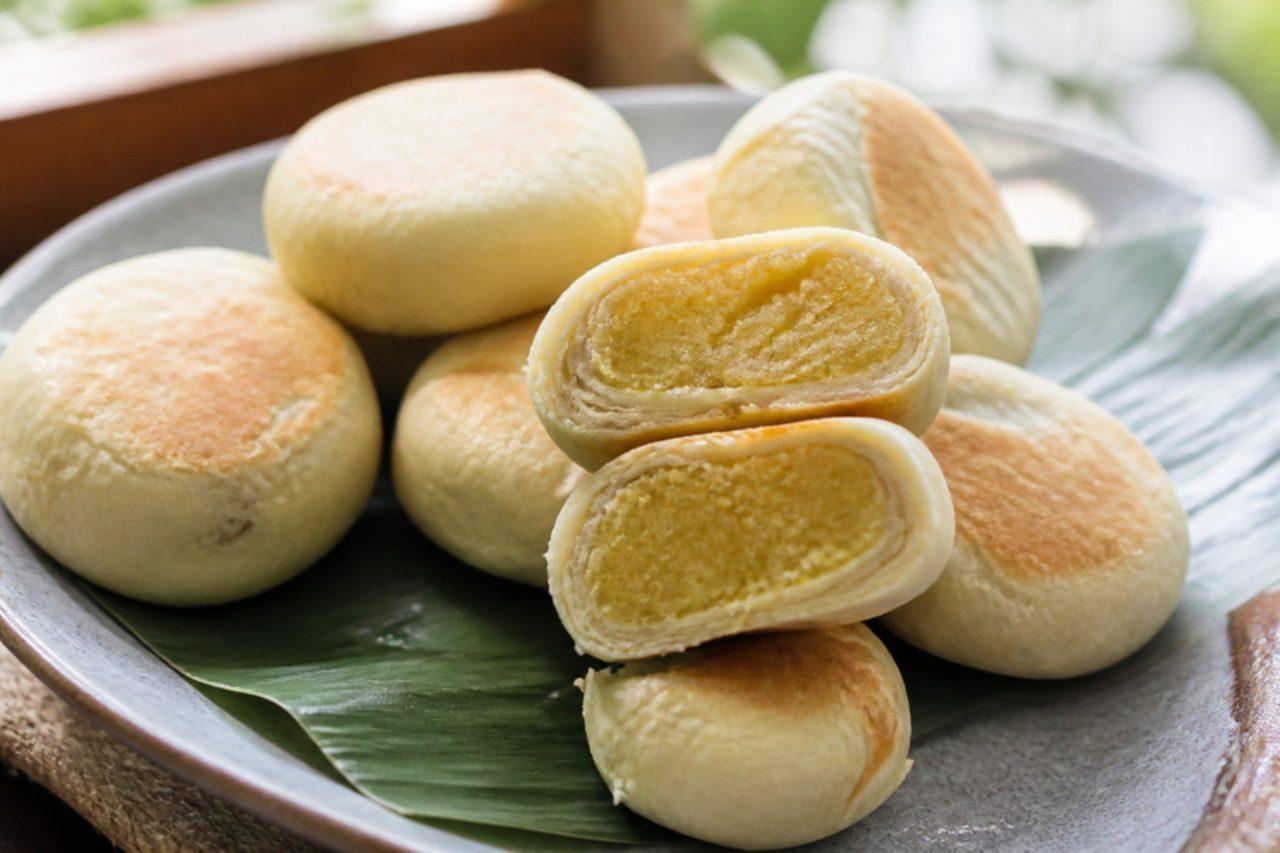
Nobody leaves Yogyakarta without a cardboard box of bakpia; the Pathuk neighbourhood, a short walk from Malioboro, is lined with family bakeries turning them out for visitors as oleh-oleh, the snacks Indonesians bring home from a trip. These are small, round and slightly puffed, with a thin, flaky skin that goes golden in spots and a smooth, lightly salted sweet mung bean centre. They came to Java with Chinese bakers (the name comes from Hokkien bak pia) and are eaten with sweet hot tea or a glass of kopi. Using too much filling is the usual problem; the skin should wrap it with no stretching. Chef's tip: cook the mung beans with a knotted pandan leaf for the classic fragrance, and keep the pastry balls under a damp cloth so the skins stay supple while you work.

by KrazyBadal 0 views

Ayam kecap (sweet soy chicken)

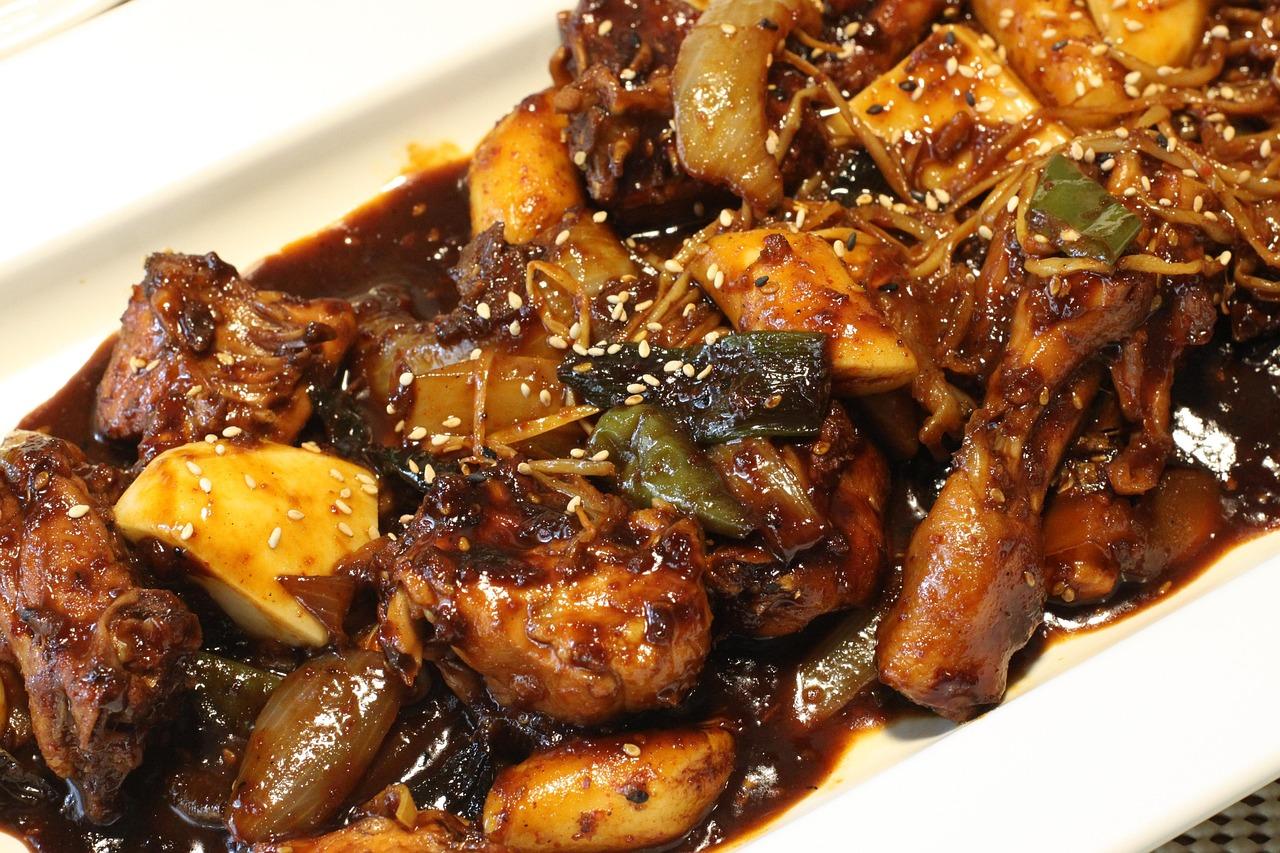
Ayam kecap is everyday Indonesian home cooking, made from Jakarta to Surabaya for family dinners and lunchboxes: bite-size chicken pieces browned, then simmered in kecap manis, the thick palm-sugar soy sauce, with garlic, shallot, ginger and tomato until glossy and sticky. The mistake is adding the kecap manis too early on a high heat; its sugar burns before the chicken is cooked, so add it once the chicken is browned and turn the heat down. Chef's tip: use boneless thighs, which stay juicy and cook in the time the rice takes.

by KrazyBadal 0 views

Orak-arik telur (Indonesian scrambled eggs with vegetables)

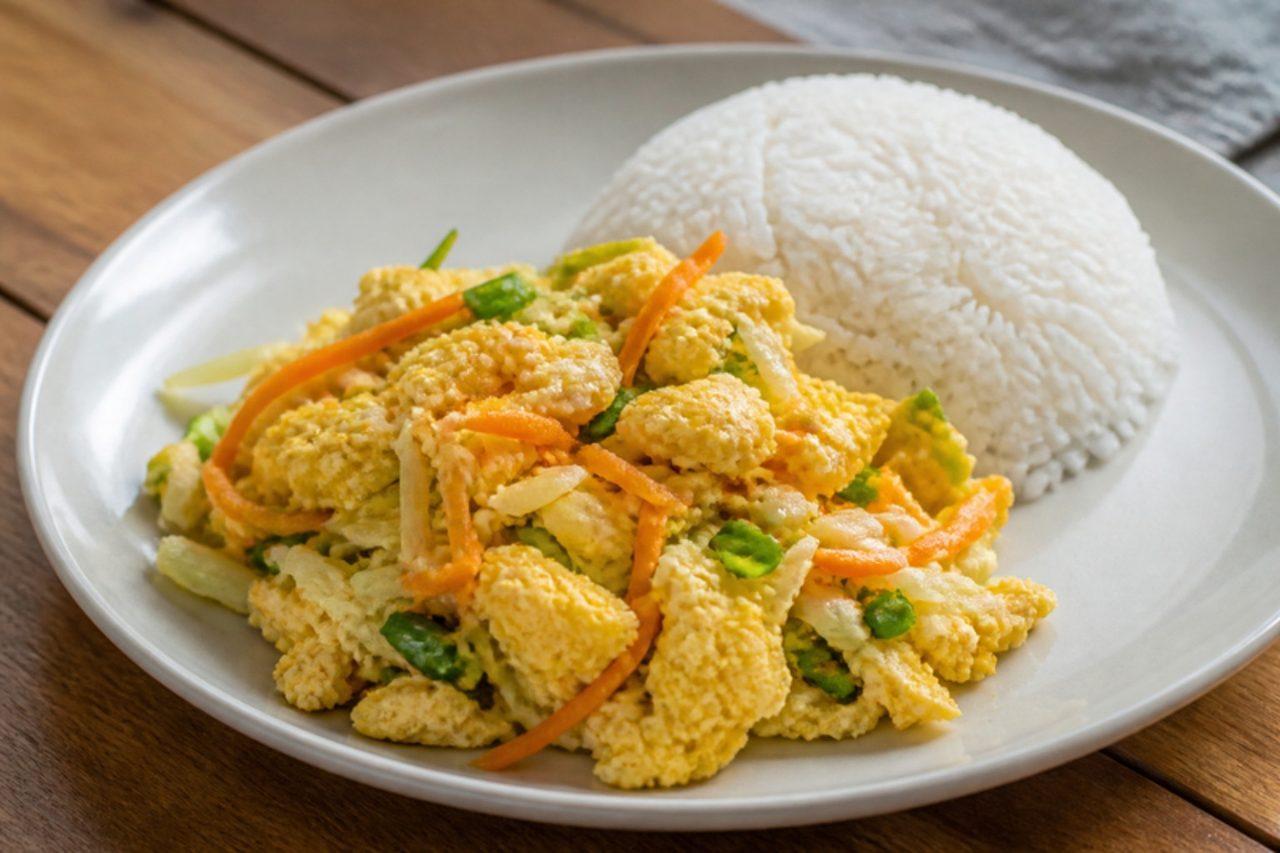
Orak-arik means roughly 'scrambled up', and this Javanese home dish is what students in Yogyakarta and families everywhere in Java make when the fridge is nearly empty: a cheap, filling plate of cabbage, carrot and egg to eat with rice at dinner or pack into a lunchbox. The vegetables stay sweet and slightly crunchy while the egg sets into soft, savoury curds around them. The common mistake is adding the eggs while the vegetables are still wet and watery, which gives a pale, soggy mess; cook the vegetables until the pan is dry first. Chef's tip: let the egg set for 20 seconds before you start stirring, so you get large curds rather than crumbs.

by KrazyBadal 0 views

Tumis kacang panjang (Indonesian stir-fried long beans)

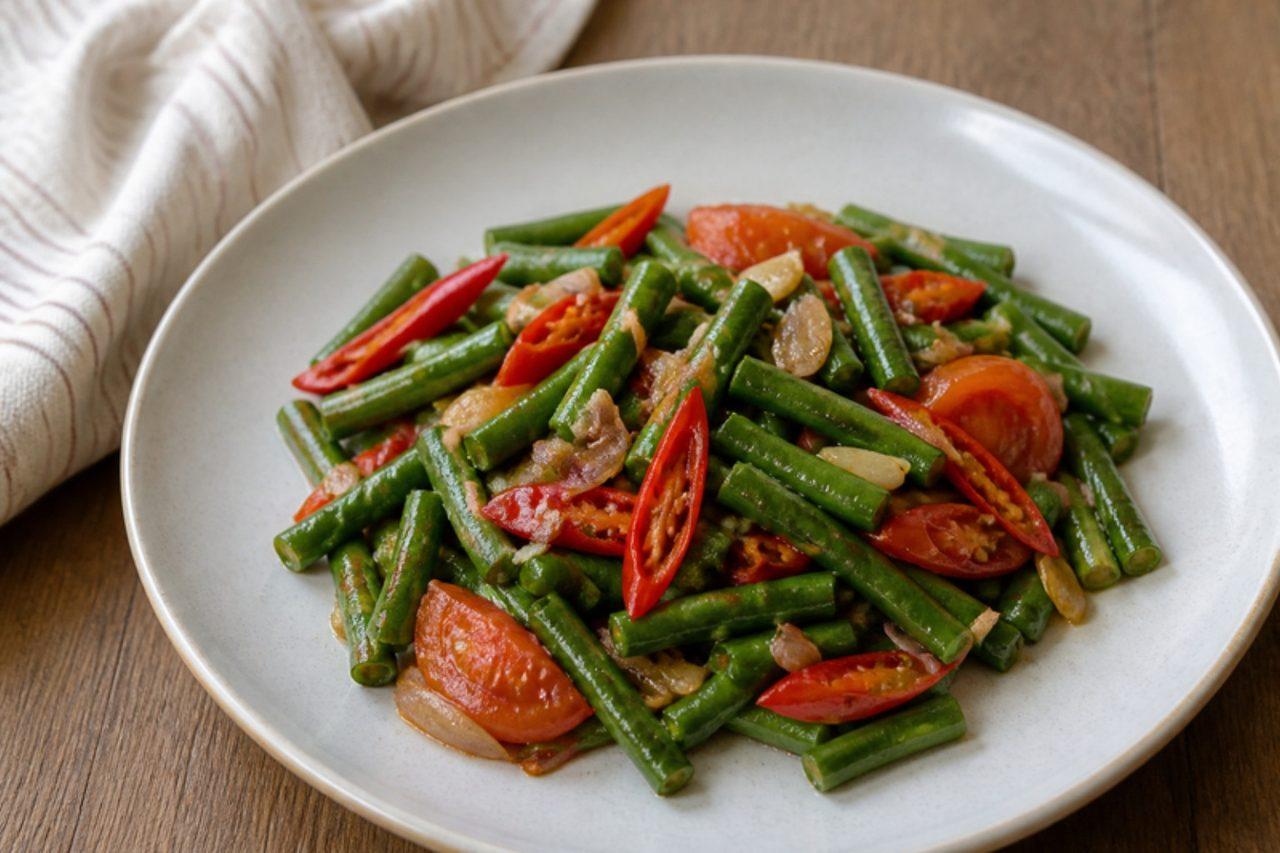
In Javanese homes and warungs, tumis kacang panjang is one of the quickest vegetable dishes on the table, cooked in minutes at dinner time and eaten with rice, fried tempeh and sambal. The beans keep a little bite, the tomato breaks down into a light, savoury gloss, and the chilli gives gentle heat. Plenty of cooks stir in a little terasi (shrimp paste); here it is left out to keep the dish vegan, with a pinch of sugar for balance. The common mistake is adding a lot of water and covering the pan, which boils the beans grey; a splash and a hot pan are enough. Chef's tip: cut the beans on a slant so more surface touches the pan and they cook faster.

by KrazyBadal 0 views

Tempe goreng (Javanese crisp fried tempeh)

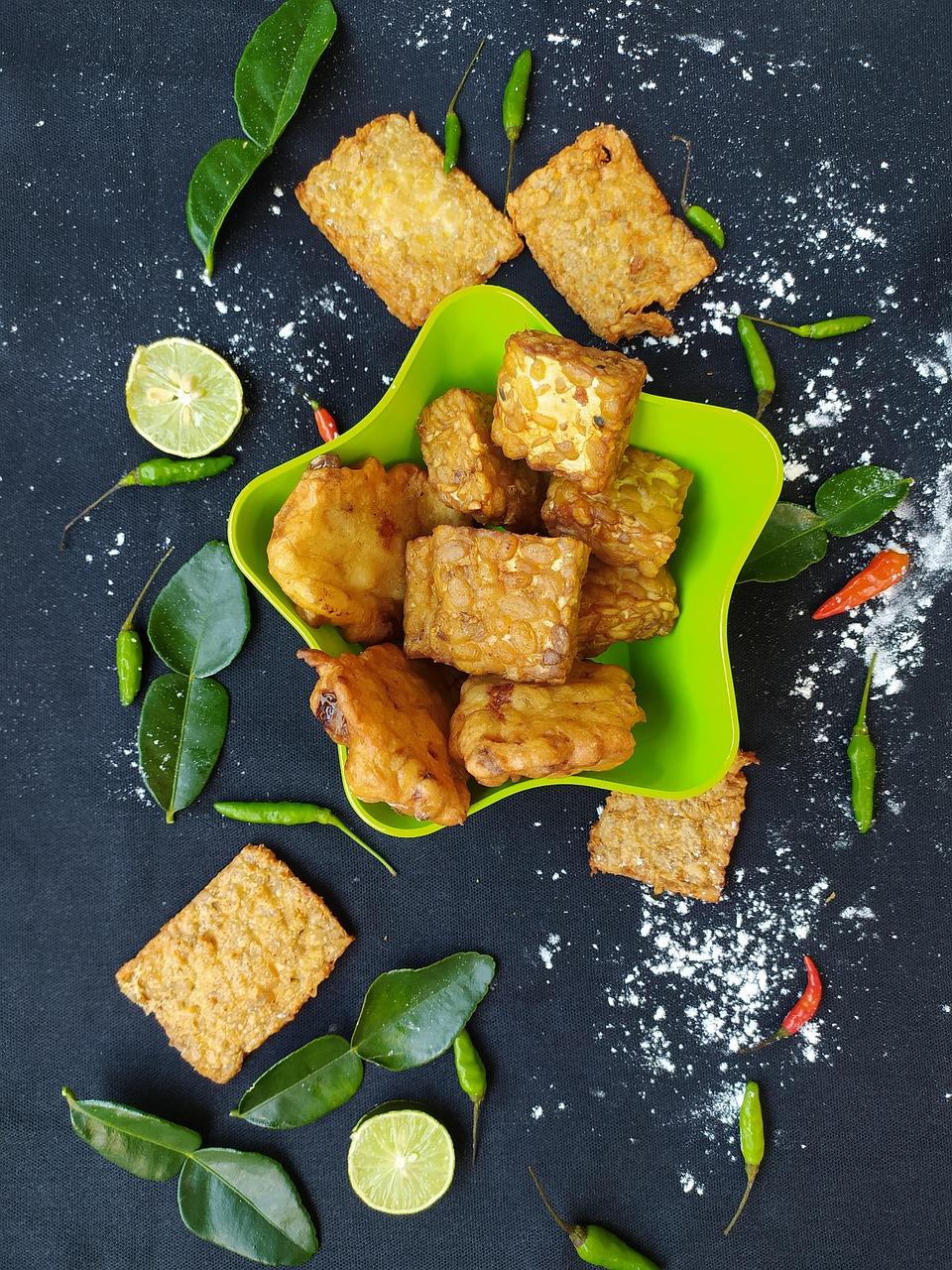
Tempe goreng is the everyday protein of Central and East Java, fried fresh in homes and warungs morning and evening and eaten with rice, sambal and a vegetable such as urap or sayur asem. The tempeh is soaked briefly in a salty garlic and coriander-seed brine, then fried until the outside is crunchy and the inside nutty and firm. The mistake people make is slicing it too thick, which leaves a bitter, raw-tasting centre; keep slices about 5 mm thick. If you soak it for longer than 15 minutes, do it in the fridge. Chef's tip: fry in oil that comes halfway up the slices and turn them only once, so the crust stays whole.

by KrazyBadal 0 views

Kärntner ReindlingCinnamon raisin yeast cake

Carinthia's Easter loaf takes its name from the Reindl, the round, deep pan it is baked in, and in southern Austria no Easter basket goes to church without one. Inside the golden yeast crust is a spiral of butter, cinnamon sugar and plump raisins, so every slice shows a dark swirl. Locals eat it two ways: sweet with coffee on Easter morning, or alongside the savoury Easter platter with horseradish. Many bakers soak the raisins in rum overnight; warm water or tea works just as well and keeps it alcohol-free. A dry, crumbly Reindling usually means too much flour went in during kneading, so keep the dough soft and only lightly floured. Chef's tip: butter the pan well and dust it with sugar, which caramelises into a thin crunchy shell.

by KrazyBadal 0 views

Roti buayaCrocodile-shaped bread

Crocodiles, to the Betawi people of Jakarta, stand for faithfulness: they are said to take one mate for life. So in a Betawi wedding procession the groom's family carries a pair of roti buaya, a large male crocodile bread and a female one, often with a baby crocodile on her back, alongside the other gifts for the bride. Once the ceremony is over the bread is cut and shared among the guests and neighbours. Old-style roti buaya was plain and firm; today's are soft, lightly sweet milk bread, and some are filled with chocolate or kaya. Eat slices with coffee or sweet tea. Snipping the scales too shallowly is a common slip, since they close up as the dough rises; cut decisively at a steep angle. Chef's tip: shape the crocodile straight on the lined tray and build it from one main log, adding only the legs, so it does not crack apart in the oven.

by KrazyBadal 0 views

Bubur ayam for little onesChicken rice porridge for babies

Bubur ayam is breakfast from street carts all over West Java and the rest of Indonesia: soft rice porridge topped with shredded chicken, fried shallots, crackers and sweet soy. At home, families cook one plain pot fragrant with ginger and salam leaf, take out the baby's bowl first, unsalted, with the chicken finely shredded, and add the toppings for everyone else. The baby's portion has none of the common allergens (milk, egg, gluten, peanut, tree nuts, soya, sesame, fish); the family toppings add soya and gluten. Chef's tip: cooking the rice in the chicken poaching liquid gives the baby's bowl plenty of flavour without salt.

by KrazyBadal 0 views

Cilok (Sundanese tapioca balls with peanut sauce)

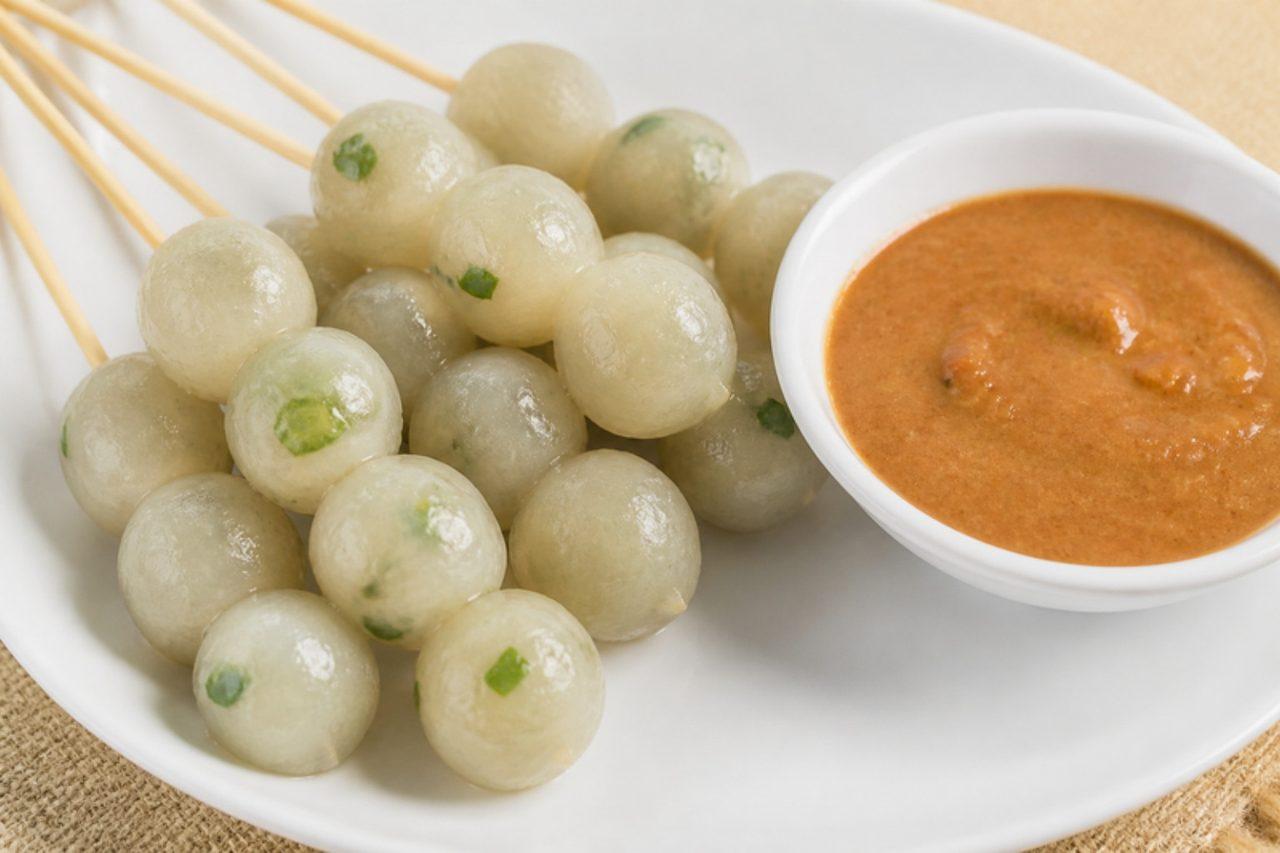
Cilok comes from Bandung in West Java, where its name is short for 'aci dicolok', tapioca you stab with a stick, and vendors sell it outside schools from steaming carts. The little balls are chewy and bouncy with garlic and spring onion through them, dunked in a thick peanut sauce that is sweet, savoury and only gently spicy for children. It contains peanuts, soya and gluten (sweet soy sauce). Chef's tip: pour boiling water onto part of the starch first; that scalded paste is what keeps cilok soft and stretchy instead of hard.

by KrazyBadal 0 views

Nasi tim ayam for toddlersSteamed chicken and mushroom rice

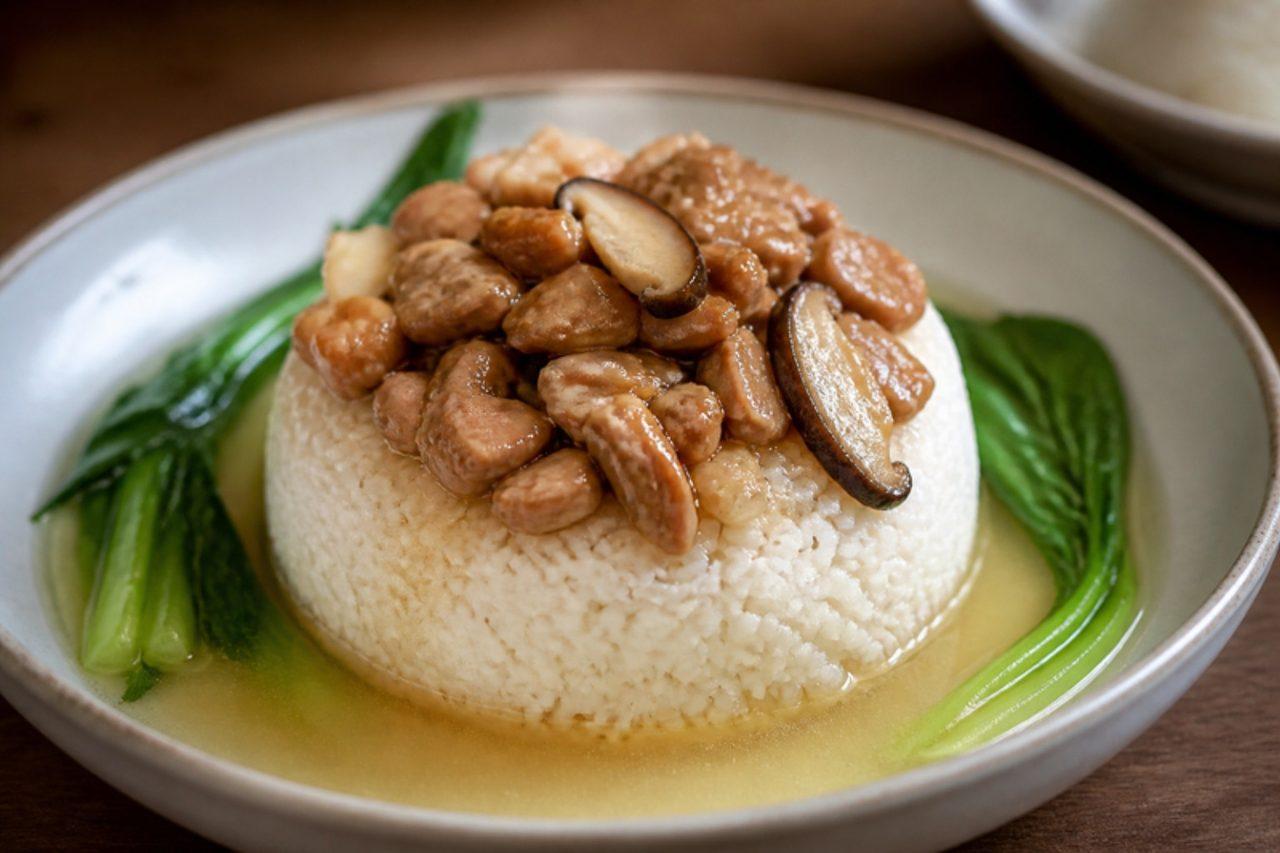
Nasi tim ayam comes from the Chinese-Indonesian kitchens of Java, and is the meal many Indonesian children eat when they first move on from porridge: rice steamed slowly in a bowl over diced chicken and mushrooms until very soft, then turned out like a little dome. For toddlers the seasoning is just garlic, ginger, a few drops of sesame oil and a little low-salt soy sauce. It contains soya and gluten (soy sauce) and sesame. Chef's tip: use no-salt stock in the rice; it soaks up the flavour of the chicken as it steams.

by KrazyBadal 0 views

Nasi tumpengTurmeric coconut rice cone

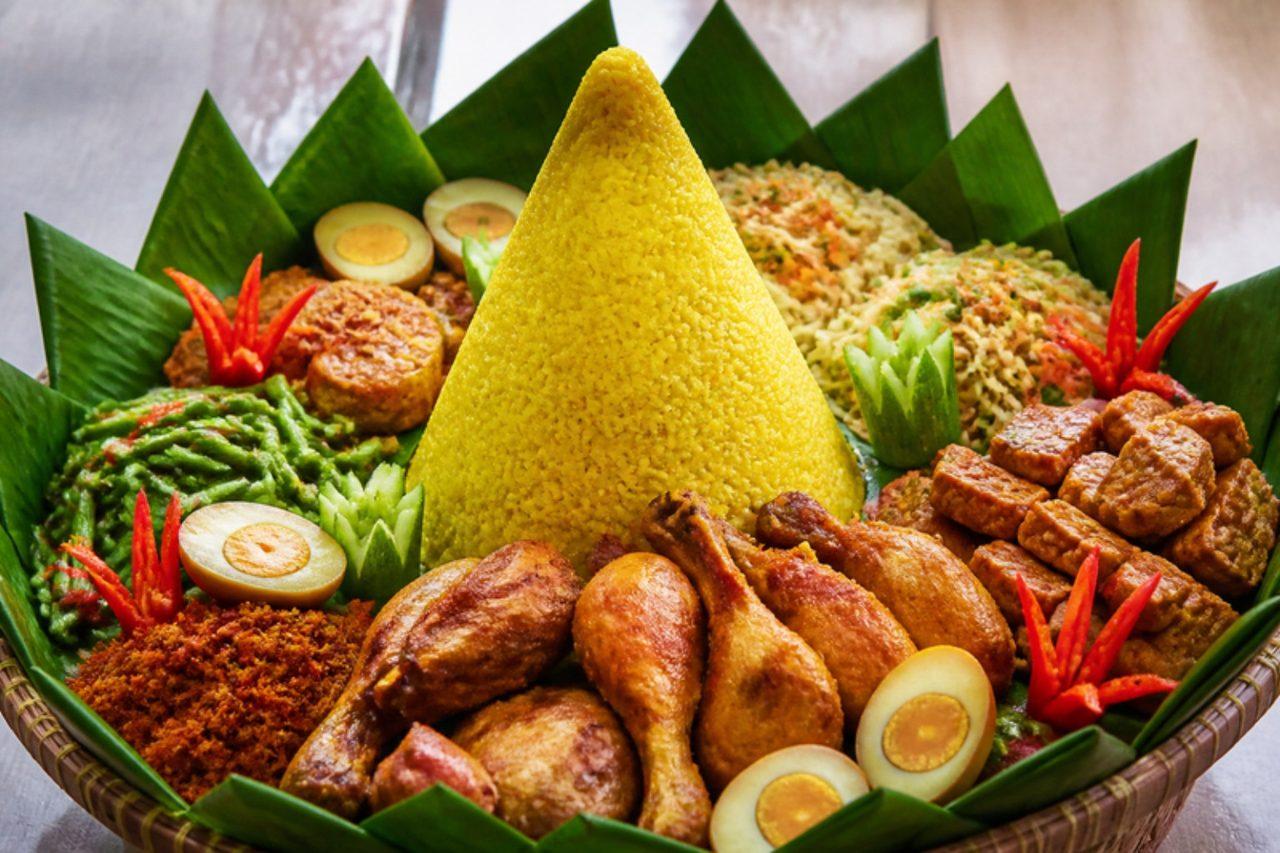
In Java, and now across Indonesia, a birthday, a new house or a child's first school day is marked with a tumpeng: a tall cone of golden turmeric rice cooked in coconut milk, set on a banana leaf and surrounded by side dishes. The top is cut off and handed to the guest of honour, often the birthday child, before everyone shares the rest. This home version keeps the sides mild for children: sweet soy chicken, boiled eggs, crisp tempeh and blanched vegetables. It contains soya and egg. For a vegetarian tumpeng, leave out the chicken and double the tempeh. Chef's tip: pack the rice into a cone made from a rolled sheet of baking paper or a large funnel lined with cling film, then turn it out in one go.

by KrazyBadal 0 views

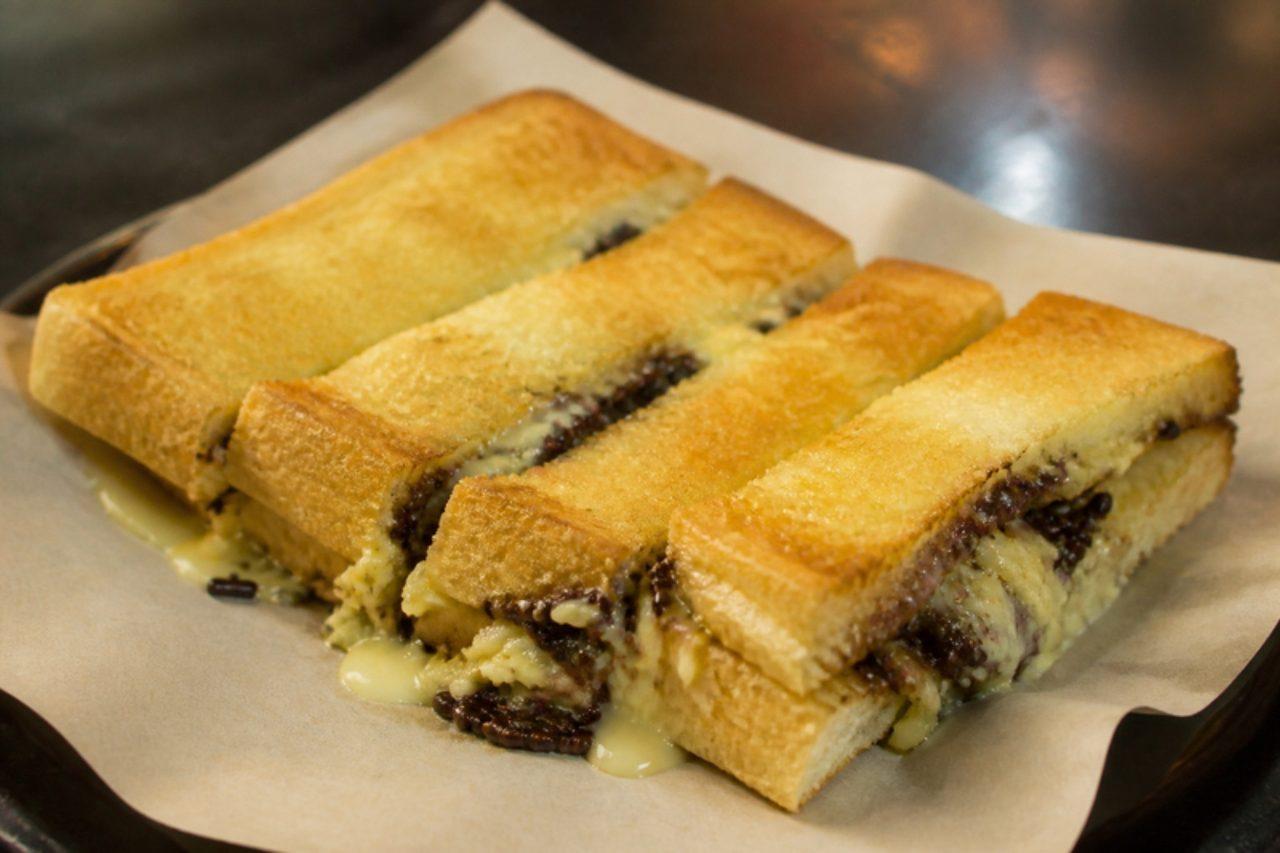
Roti bakar (Indonesian toasted bread)

Roti bakar stalls light up street corners all over Indonesia from late afternoon, and children from Jakarta to Surabaya beg for the classic filling of chocolate sprinkles with grated cheese, an unlikely pairing that works. Thick slices of soft bread are spread with butter, toasted on a hot plate until crisp and golden, filled and cut into fingers. Traditional versions add a lot of condensed milk; here it is an optional drizzle. It contains gluten and milk (and may contain soya in the chocolate). Chef's tip: press the bread flat with a spatula as it toasts so the filling melts into it.

by KrazyBadal 0 views

Telur gulung (Indonesian rolled egg skewers)

Telur gulung is a cheap, cheerful street snack sold from little carts outside primary schools across Java, where children watch the vendor pour beaten egg into hot oil and roll it onto a stick in seconds. The result is a puffy, golden, slightly crisp egg spiral, usually eaten with a squirt of chilli or tomato sauce. At home it is easy to make in a small pan with a little more care. It contains egg. Chef's tip: the oil must be hot enough that a drop of egg puffs up instantly; in cool oil the egg sinks and turns greasy.

by KrazyBadal 0 views

Bubur saring (sieved rice and vegetable porridge)

Indonesian parents call a baby's first solids MPASI, and the first stage is bubur saring: rice porridge cooked with vegetables and pressed through a sieve until velvety. Across Java it is often made each morning in a small pot and given at lunchtime, with a daun salam (Indonesian bay leaf) for a gentle scent. Carrot gives it colour and sweetness, spinach a soft green flavour. There are no common allergens in it (milk, egg, gluten, peanut, tree nuts, soya, sesame, fish). Chef's tip: add the spinach only in the last few minutes, so it stays green and doesn't turn the porridge grey.

by KrazyBadal 0 views

Bubur merah putih (red and white porridge)

In Java, bubur merah putih is cooked for a baby's naming day, a child's birthday or a new house: a red-brown porridge sweetened with palm sugar and a white one rich with coconut milk, spooned side by side into one bowl. The red is said to stand for courage and the white for purity, and the bowls are shared with neighbours as thanks. The family and older children eat the sweetened red half; it is not for babies under one because of the sugar. Free of milk, egg, gluten, nuts and soya. Chef's tip: tie a pandan leaf in a knot and simmer it in both pots for a gentle vanilla-like scent.

by KrazyBadal 0 views

ErdäpfelstrudelSavoury potato strudel

Austrians, especially in the Mühlviertel of Upper Austria and the Waldviertel, make savoury strudels as often as sweet ones, and Erdäpfelstrudel is a farmhouse favourite for a meatless Friday or a cold evening. Thin pastry wraps a filling of potatoes, fried onion, sour cream, marjoram and parsley, baked until crisp and golden and sliced with a green salad or a dill and sour-cream dip. Bought filo makes it easy at home. The mistake to avoid is a wet filling, which turns the pastry soggy underneath. Chef's tip: cool the filling completely before rolling; warm filling makes the layers stick and tear.

by KrazyBadal 0 views

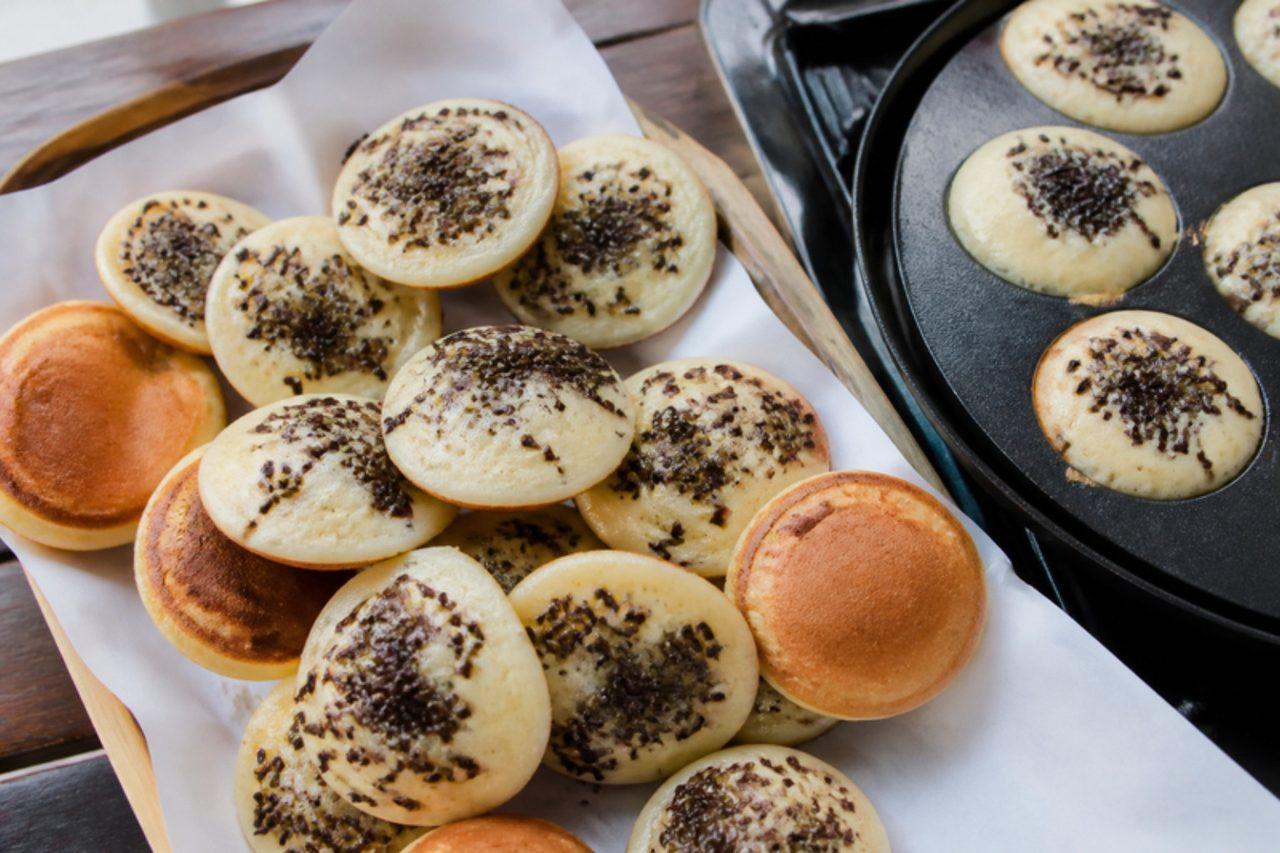
Kue cubitMini soft pancakes

Outside Jakarta's primary schools at home time, kue cubit vendors work a cast-iron pan of tiny scalloped hollows, scooping out the bite-sized cakes with a pick, the 'pinch' (cubit) of the name. The fashion is to serve them setengah matang, half-cooked, so the tops are still soft and molten under a shake of chocolate sprinkles. A poffertjes or æbleskiver pan works well at home. Chef's tip: resist turning the heat up; a hot pan burns the base before the middle rises, so keep it medium-low and cover briefly to set the tops.

by KrazyBadal 0 views

Tahu isiStuffed fried tofu

Bandung commuters and Jakarta schoolchildren grab tahu isi from roadside gorengan stalls on the way home, biting into the crisp batter and the soft, peppery vegetable filling with a fresh green chilli. Squares of fried tofu are slit open, packed with stir-fried cabbage, carrot and bean sprouts, then dipped in a light garlic batter and fried again. They are just as good at room temperature for an afternoon snack. Chef's tip: let the filling cool and squeeze out its juice before stuffing; a wet filling steams inside the tofu and makes the batter slide off in the oil.

by KrazyBadal 0 views

Showing 24 of 385 recipes

Show more recipes

Page 1 of 17