
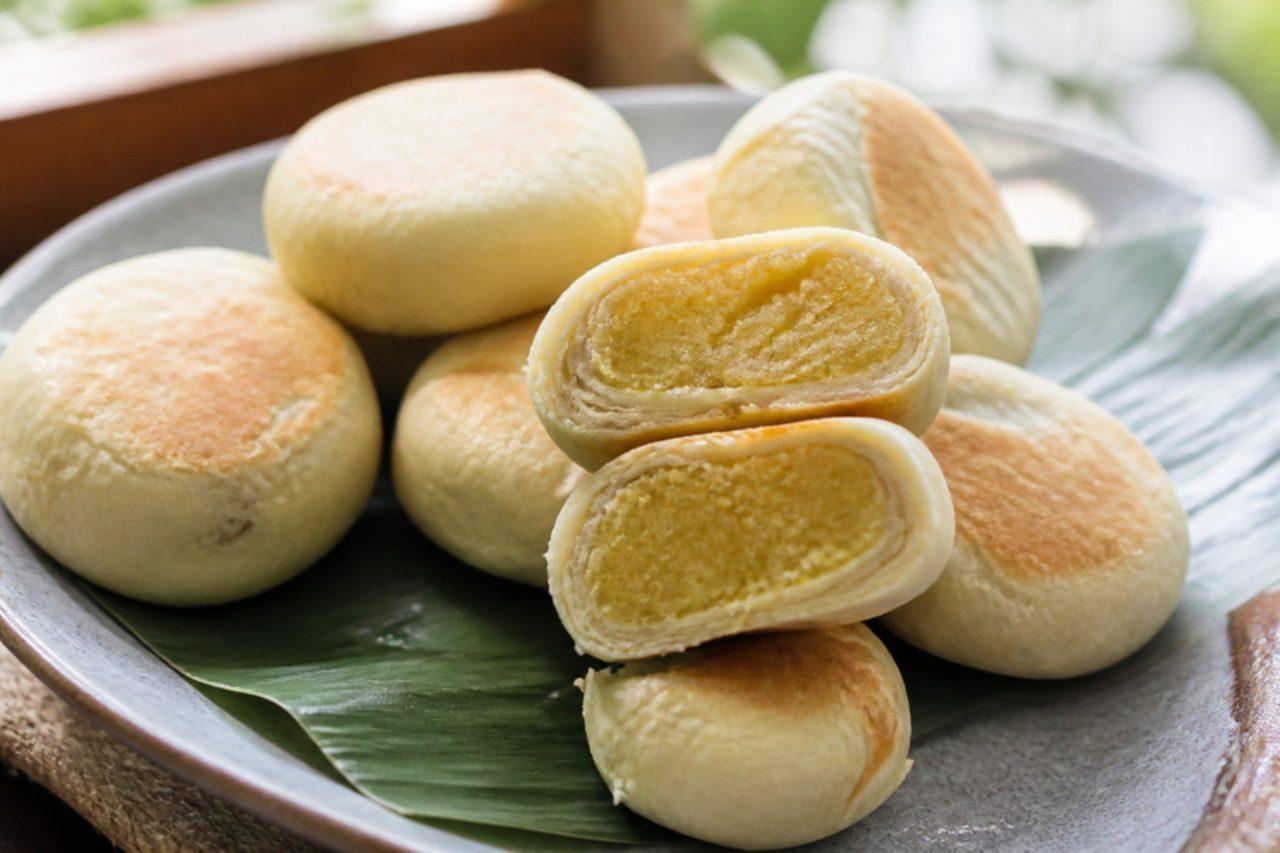
AI-generated image
Bakpia
Mung bean pastries
Yogyakarta's little mung bean pastries


Nobody leaves Yogyakarta without a cardboard box of bakpia; the Pathuk neighbourhood, a short walk from Malioboro, is lined with family bakeries turning them out for visitors as oleh-oleh, the snacks Indonesians bring home from a trip. These are small, round and slightly puffed, with a thin, flaky skin that goes golden in spots and a smooth, lightly salted sweet mung bean centre. They came to Java with Chinese bakers (the name comes from Hokkien bak pia) and are eaten with sweet hot tea or a glass of kopi. Using too much filling is the usual problem; the skin should wrap it with no stretching. Chef's tip: cook the mung beans with a knotted pandan leaf for the classic fragrance, and keep the pastry balls under a damp cloth so the skins stay supple while you work.
- Total time
- 110 min
- Difficulty
- medium
- Serves
- 10
Ingredients
For the filling
- 6 ½ oz peeled split mung beanssoaked for 2 hours
- 2 cups water
- 1 pandan leaf (optional)knotted
- 3 ½ oz caster sugar
- 2 tbsp neutral oil
- ½ tsp salt
For dough A
- 6 ½ oz plain flour
- ⅔ oz icing sugar
- 3 tbsp neutral oil
- ¼ cup water
- 1 pinch salt
For dough B
- 3 ⅛ oz plain flour
- 1 ⅝ oz vegetable shortening
Shop this recipe on Amazon
What you'll need
Fresh ingredients (1)
Links open Amazon in a new tab. As an Amazon Associate, WhatToEat.Today earns from qualifying purchases.
Method
0/9 doneStep 1: Drain 6 ½ oz peeled split mung beans and simmer with 2 cups water and 1 pandan leaf for 20 minutes, until mushy. Remove the pandan and drain well.
22 minStep 2: Blend the beans with 3 ½ oz caster sugar and ½ tsp salt until smooth, then cook in a non-stick pan with 2 tbsp neutral oil over a low heat for about 10 minutes, stirring, until the paste is thick and rolls into a ball without sticking. Cool and roll into 10 balls of about 30 g.
30 minStep 3: Knead 6 ½ oz plain flour, ⅔ oz icing sugar, 1 pinch salt, 3 tbsp neutral oil and ¼ cup water together for 5–6 minutes until smooth and stretchy. Cover and rest for 15 minutes.
20 minStep 4: Rub 1 ⅝ oz vegetable shortening into 3 ⅛ oz plain flour to make a short, soft paste. Divide dough A and dough B each into 10 balls.
Step 5: Flatten a ball of dough A in your palm, set a ball of dough B in the middle, close it up and pinch. Roll into an oval, roll up like a small carpet, roll out lengthways again and roll up again. Rest the coils under a damp cloth for 10 minutes.
15 minStep 6: Heat the oven to 400°F (350°F fan) and line a tray with baking paper.
Step 7: Press each coil into an 8 cm round, wrap it around a filling ball and seal the top. Set seam side down and press lightly into a thick, round puck about 6 cm wide.
12 minStep 8: Bake for 10 minutes, flip the bakpia over and bake for 8–10 minutes more, until golden in patches on both sides and gently puffed.
20 minStep 9: Cool on a rack before boxing. Bakpia keep for 4 days at room temperature.
Nutrition per serving
- Calories
- 280 kcal
- Protein
- 6 g
- Carbs
- 39 g
- Fat
- 11 g
- Fibre
- 3 g
Nutrition values are estimates.
KrazyBadal
Good to know
- How long does bakpia take?
- About 110 minutes in total: 90 minutes to prepare and 20 minutes to cook.
- How many people does it serve?
- 10 as written. Change the servings above the ingredients and every amount scales to match.
- Is it vegan?
- Yes. It has no meat, fish, dairy or eggs.
- Can I make it ahead?
- Yes. It keeps well, so you can cook it earlier in the day or the day before and reheat it.
- What can I use instead of caster sugar?
- Caster sugar, same amount.
- What can I use instead of plain flour?
- Self-raising flour, same amount (then leave out the baking powder).
Reviews
No reviews yet. Be the first to cook it.
Rate this recipe
Sign in to rate and review this recipe.
You might also like

Sayur lodehVegetables in coconut milk
Sayur lodeh is everyday cooking in Central Java, made in big pots in Solo and Semarang kitchens and ladled over rice, with lontong rice cakes at Lebaran, or alongside opor and sambal goreng on festive tables. It's soupy rather than thick: a fragrant broth of coconut milk, galangal, lemongrass and lime leaf that carries chunks of aubergine, long beans, chayote and sweetcorn, plus tempeh and tofu to make it a meal. The flavour is mellow and slightly sweet, so the heat comes from sambal on the side. Chef's tip: keep the pot at a gentle simmer once the coconut milk goes in and stir now and then — a rolling boil splits the coconut milk into oily curds.


LupisSticky rice with coconut sugar
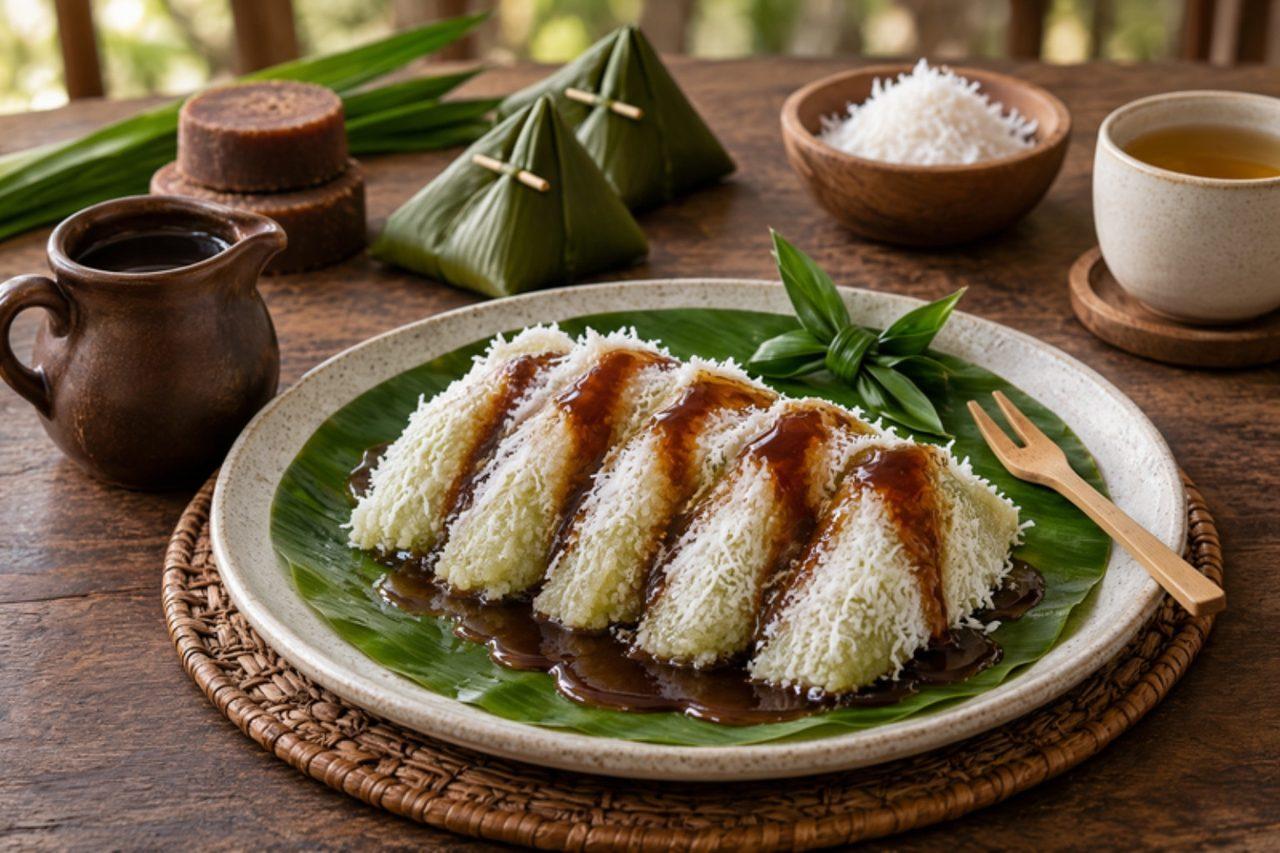
At morning markets across Central and East Java, vendors unwrap banana-leaf triangles of chewy sticky rice, roll them in fresh grated coconut and drench them in dark palm sugar syrup, all served on a square of leaf. Lupis is breakfast and snack at once, eaten with sweet tea. The common mistake is packing the leaves too full: the rice swells as it cooks, so fill each cone only two-thirds, or the parcels split and turn watery. Chef's tip: steam the grated coconut with a pinch of salt for 5 minutes before using it; it keeps longer and the salt sharpens the caramel taste of the syrup.
Basque burnt cheesecake
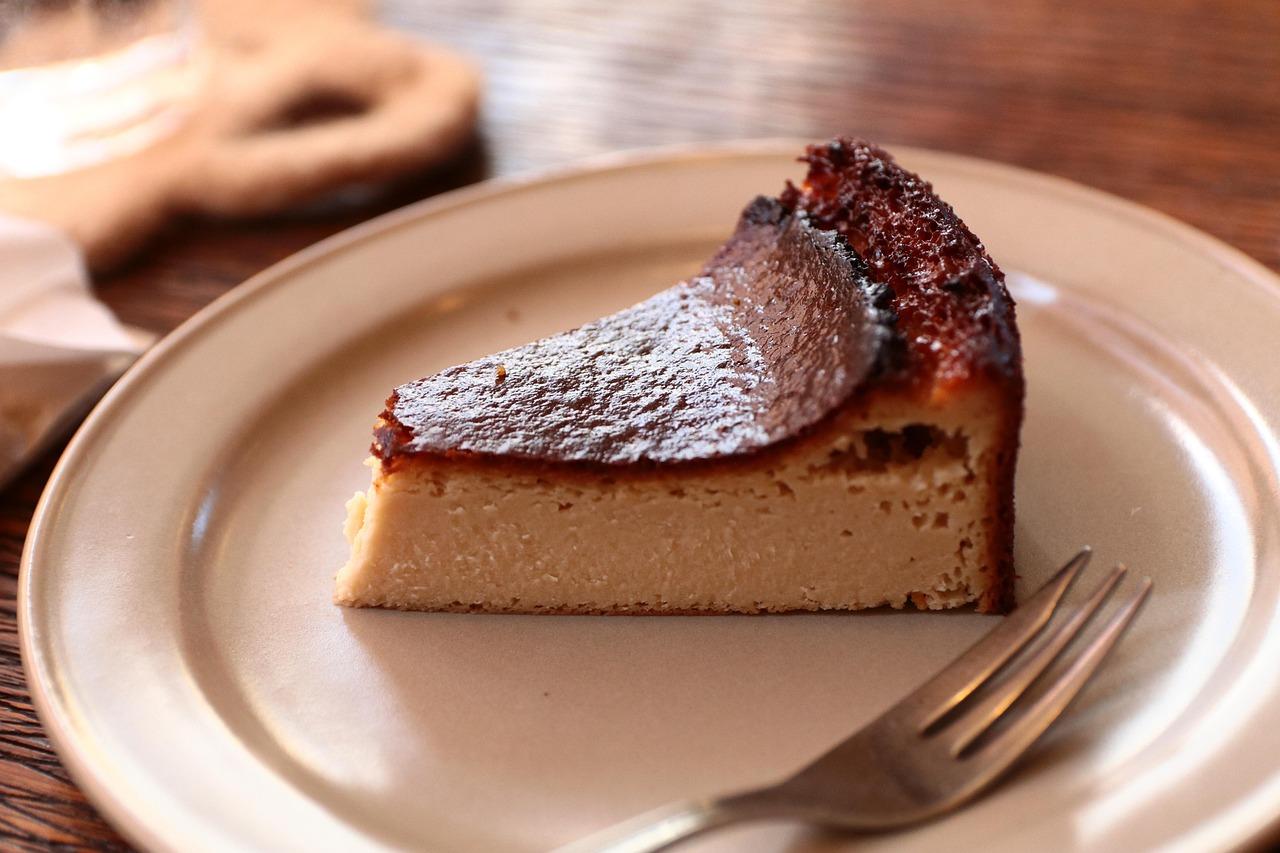
This crustless cheesecake was created in the early 1990s at La Viña, a pintxos bar in the old town of San Sebastián (Donostia) in the Basque Country, and is now famous around the world. It's baked very hot so the top caramelises almost black and the sides rise and crack, while the middle stays soft and creamy, almost runny. There's no base and no water bath, and the rough, rustic look is the point: it's lined with crumpled baking paper. La Viña uses a spoonful of wheat flour; cornflour does the same job and keeps it gluten free. Chef's tip: take it out of the oven while the centre still wobbles like a soft set custard; it firms up as it cools, and if it looks set in the oven, the middle will be dry instead of creamy.
 Spanish