Skip to content
Recipes

All recipes

Vegetarian, or something you can't eat? Set your diet once and we'll hide recipes that don't fit.

Chilcano de piscoPisco and ginger ale highball

When Lima's grey winter finally lifts and summer reaches the beaches south of the city, the chilcano takes over from the pisco sour: lighter, longer and made for an afternoon. Peru even gives it a Semana del Chilcano each January, and it is poured at weekend lunches with chifa or fried fish. This is a highball for adults only: pisco poured over a tall glass of ice with fresh lime and ginger ale, finished with a few drops of bitters. It should taste crisp and fizzy, with the ginger and lime lifting the floral grape notes of the pisco rather than hiding them. The common mistake is using too little ice and warm ginger ale, which gives a sweet, diluted drink that goes flat in minutes. Fill the glass to the top with ice and keep the ginger ale in the fridge until the last second. It is ready when the glass is frosty, the bubbles race up the sides and the bitters drift through the top as a pink haze. Light it may be, but drink responsibly. Chef's tip: try a fruit-infused pisco, made by steeping passion fruit or mandarin peel in the bottle for a few days; Limeños love a chilcano de maracuyá.

by KrazyBadal 0 views

Martín FierroCheese with quince paste

Ask for dessert in a Montevideo bodegón or a country parador and you may be offered a Martín Fierro: a thick slice of fresh, mild cheese laid with an equal slice of dense quince or sweet-potato paste, named after the gaucho of the epic poem. It's salty against sweet, soft against firm, and takes two minutes to assemble. Uruguayan fresh cheese is usually made with animal rennet, so choose one with vegetarian rennet if that matters to you. The mistake is serving it fridge-cold, which dulls both flavours. Chef's tip: cut the cheese and paste to exactly the same thickness, about 1 cm, so every bite has both.

by KrazyBadal 0 views

Pisco sour

Lima drinks its pisco sour as the aperitif before a long ceviche lunch, and celebrates it every year on the first Saturday of February; the recipe took shape in the city's bars in the 1920s. It is for adults only and stronger than its pillowy look suggests. Underneath a thick white foam you get sharp Peruvian lime, a clean sweetness and the floral, grapey warmth of quebranta pisco, with the bitters adding a spicy smell to every sip. The texture should be silky, almost creamy, never thin. The classic mistake is squeezing the limes too hard or too early: the oil from the pith turns the drink bitter within half an hour. Halve the limes, press each half gently by hand just before mixing and stop when the juice slows. The egg white is raw, so use pasteurised egg white for anyone pregnant, for babies, older people or anyone unwell, or swap in 30 ml aquafaba. It is ready when the foam stands about 1 cm high and is firm enough to hold the drops of bitters on its surface. Sip one slowly and drink responsibly. Chef's tip: shake once without ice first to whip the egg white, then again with ice; the foam will be twice as thick.

by KrazyBadal 0 views

Jugo de macaWarm maca drink

Before dawn at markets in Huancayo, Cusco and Lima, juice ladies ladle hot jugo de maca from big pots for workers on their way in: maca root, a turnip relative grown above 4,000 metres in the Junín highlands, simmered with milk, cinnamon and cloves and sweetened with honey or sugar. It tastes malty and toasty, a bit like butterscotch. The common mistake is stirring the powder straight into hot milk, which leaves gritty lumps; whisk it into a little cold milk first. Maca is not usually advised in pregnancy, so ask your doctor first if you are pregnant. Chef's tip: use gelatinised (cooked) maca powder if you can find it; it dissolves smoothly and is gentler on the stomach.

by KrazyBadal 0 views

Refresco de coconaCocona cooler

In Iquitos, Pucallpa and the river towns of Loreto, heat and humidity make a cold refresco part of every lunch, and cocona is one of the favourites sold from plastic jugs at the Belén market. The fruit looks like a fuzzy orange tomato and tastes between tomato, lemon and apricot: very sour, aromatic and juicy. Blended with water and sugar it makes a tangy, golden drink with a light pulp, served with juane or tacacho con cecina. The usual mistake is skipping the fuzz: cocona skin is covered in fine hairs that make the drink scratchy, so rub them off under running water before you start. Blend only briefly, too, so the many seeds do not crack. It is ready when the refresco is opaque orange, sour first and sweet after, with no grit. Outside the Amazon, look for frozen cocona pulp in Latin American shops; naranjilla (lulo) pulp is the closest substitute. Chef's tip: a pinch of salt makes the fruit taste sweeter and fruitier without more sugar.

by KrazyBadal 0 views

TereréIced yerba mate

In Asunción the hottest part of the day stops for tereré: a horn or cup packed with yerba mate, topped up again and again with ice water infused with crushed herbs, and passed round the group through a metal straw. It was recognised by UNESCO as part of Paraguay's cultural heritage, and the herbs (yuyos) change with the season and the drinker's mood. Yerba mate contains caffeine, so it isn't one for small children. The common mistake is pouring water straight into loose yerba, which then clogs the straw; tilt the yerba to one side first. Chef's tip: for tereré ruso, swap the water for cold orange or grapefruit juice.

by KrazyBadal 0 views

Mate de muñaAndean mint tea

Muña is the minty shrub that grows wild on the slopes around Cusco, Puno and the Sacred Valley, and highland cooks reach for it after a heavy meal of chicharrón or when visitors are struggling with the altitude. Market herb sellers sell it in fresh bunches, and hotels and homes leave it in a flask for anyone coming in from the cold evenings. Steeped simply in hot water, it smells somewhere between spearmint, oregano and pennyroyal, with a cooling, slightly peppery taste and a pale green-gold colour. It is traditionally drunk to settle the stomach. The usual mistake is boiling the leaves hard for a long time, which turns the tea brown and bitter. Pour water just off the boil over the sprigs, cover, and let it steep. It is ready when the cup is pale gold and the aroma rises as soon as you lift the lid. Outside Peru, look for dried muña in Latin shops; failing that, use mostly spearmint with a little fresh oregano. Muña is strong: avoid large amounts in pregnancy, and check with a doctor if you take regular medication. Chef's tip: cover the cup while it steeps so the scented oils stay in the tea.

by KrazyBadal 0 views

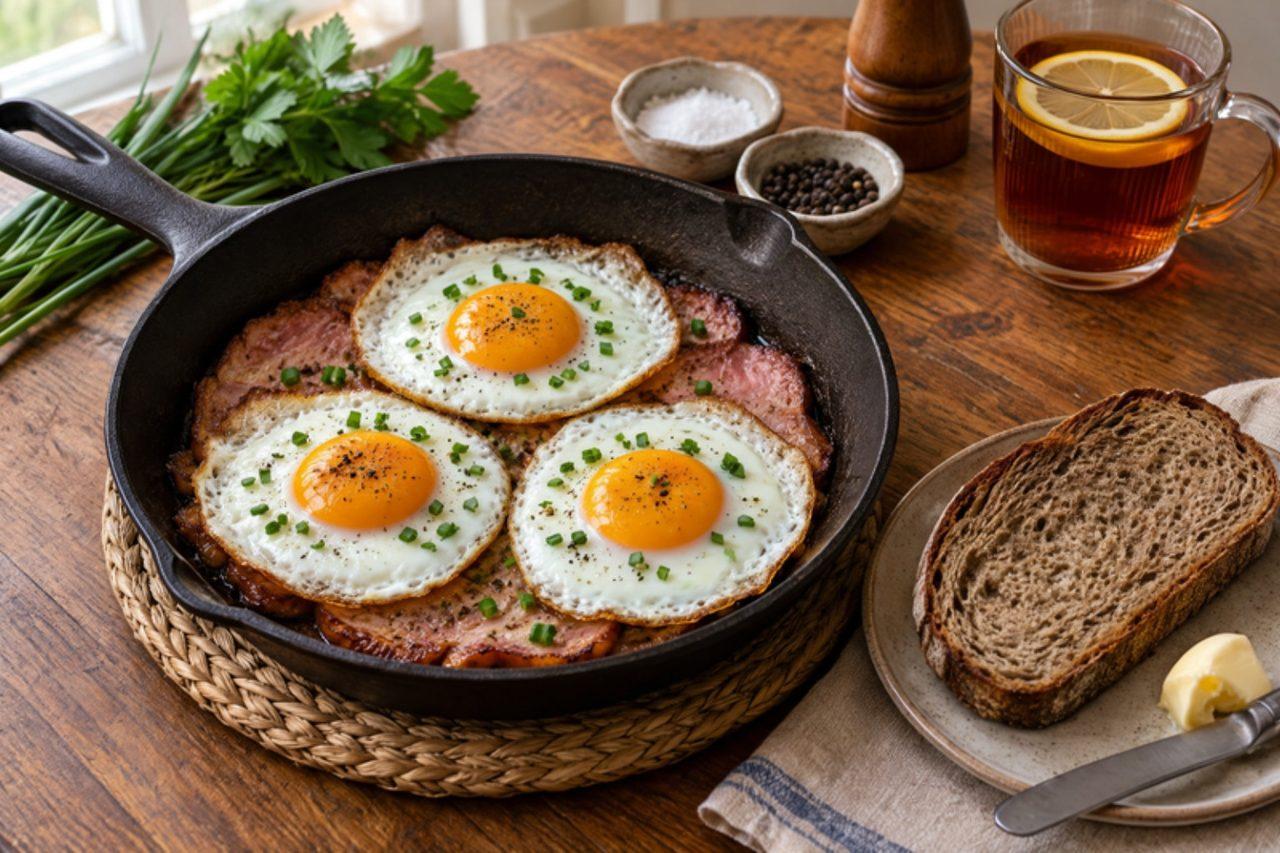
HemenexHam and eggs

Hemenex, the Czech spelling of "ham and eggs", has been a breakfast in Prague cafés and pub kitchens since the First Republic and is still a weekend favourite at home: slices of cooked pork ham warmed in butter, eggs cracked right over them and fried until the whites set, then everything slid out together and eaten with bread and pickled gherkin. The common mistake is frying the ham until crisp; it should just warm and brown a little at the edges. Cook the yolks fully set for pregnant people, young children, older or vulnerable people. Serve with rye bread, or gluten-free bread if needed. Chef's tip: lay the ham in overlapping slices so it forms a "plate" under the eggs and the whites can't stick to the pan.

by KrazyBadal 0 views

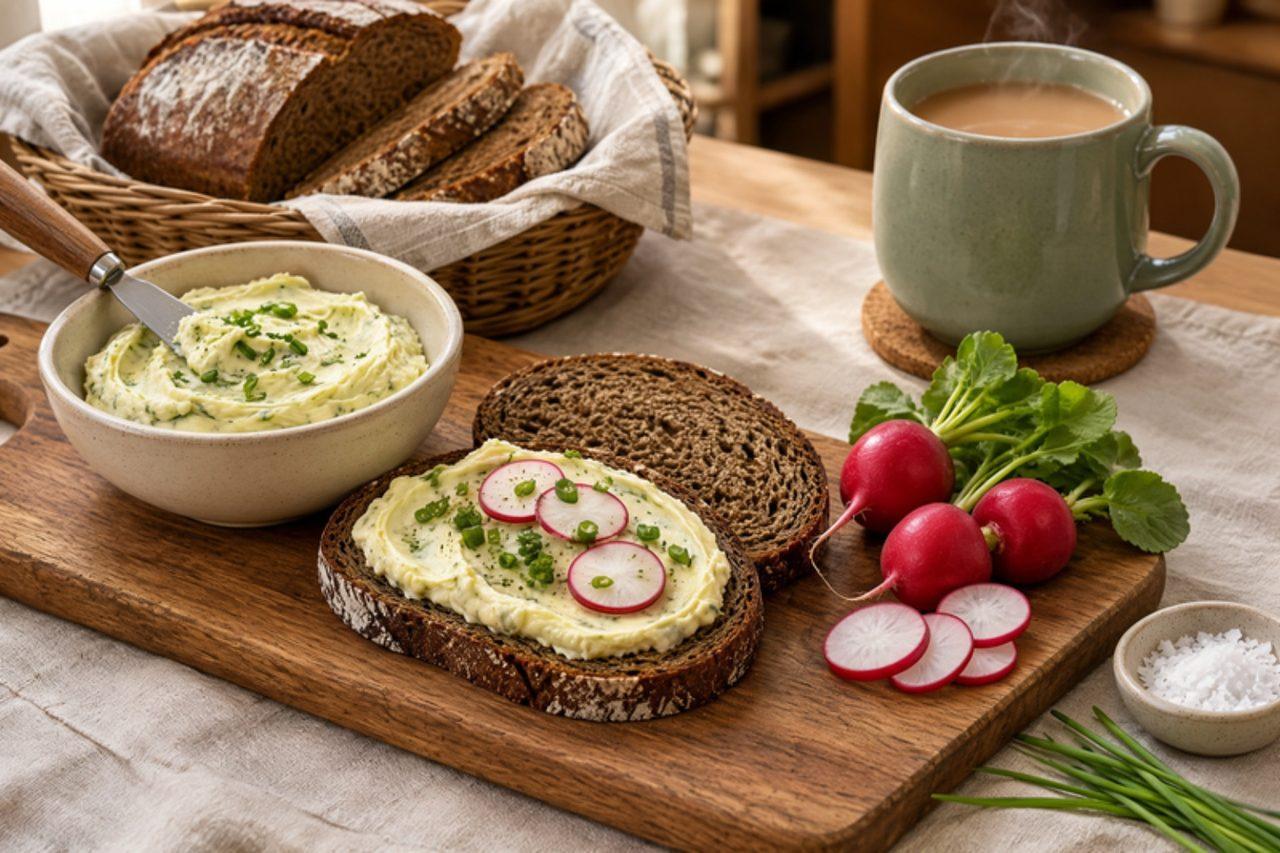
Pomazánkové másloChive butter spread

Pomazánkové máslo is a Czech fridge staple, a soft, mild dairy spread that is lighter than butter and is spread thickly on fresh rye bread for breakfast and school snacks, usually topped with chives or sliced radish. Shops sell it ready-made, but at home it is easily made by beating butter with soft quark and a splash of milk. The common mistake is using butter straight from the fridge, which leaves greasy lumps; it must be soft enough to whip. Chef's tip: beat for a full 3 minutes, until pale and fluffy, and the spread stays soft even when chilled.

by KrazyBadal 0 views

Jugo surtidoMixed fruit juice

Step up to any juguería in Lima's Mercado de Surquillo or a barrio market at breakfast time and order a surtido: the juicer drops papaya, banana, pineapple and freshly squeezed orange into a tall blender, sometimes a slice of cooked beetroot for colour or a splash of milk, and pours you a big glass with the rest left in the jug for your 'yapa', the free refill. It is thick but still pourable, sweet from ripe fruit with a sharp orange edge, the kind of drink that stands in for breakfast before a long day. The common mistake is adding lots of ice and water, which makes it thin and frothy rather than velvety. Use cold fruit and freshly squeezed orange juice as the liquid. It is ready when it coats the glass and no lumps of banana are left. This version is fruit only; stalls also make it with milk if you prefer. Drink it straight away: papaya and banana go brown and bitter within half an hour. Chef's tip: use very ripe papaya with orange flesh; under-ripe papaya tastes of nothing and gives a faintly bitter aftertaste.

by KrazyBadal 0 views

LampreadoCassava starch cheese fritters

Paraguayan grandmothers fry lampreado on Sunday evenings to eat with a mug of cocido, the toasted yerba mate drink: small pan-fried cakes of cassava starch, egg, milk and grated cheese with a little onion, crisp at the edges and stretchy inside. Some families also make it with leftover meat, but this version is all cheese. Queso Paraguay is set with animal rennet; a vegetarian Parmesan-style cheese plus mozzarella works well. The trap is a batter that is too thick, which gives heavy, gluey cakes. Chef's tip: the batter should drop slowly off a spoon like thick pancake batter; add milk a spoonful at a time until it does.

by KrazyBadal 0 views

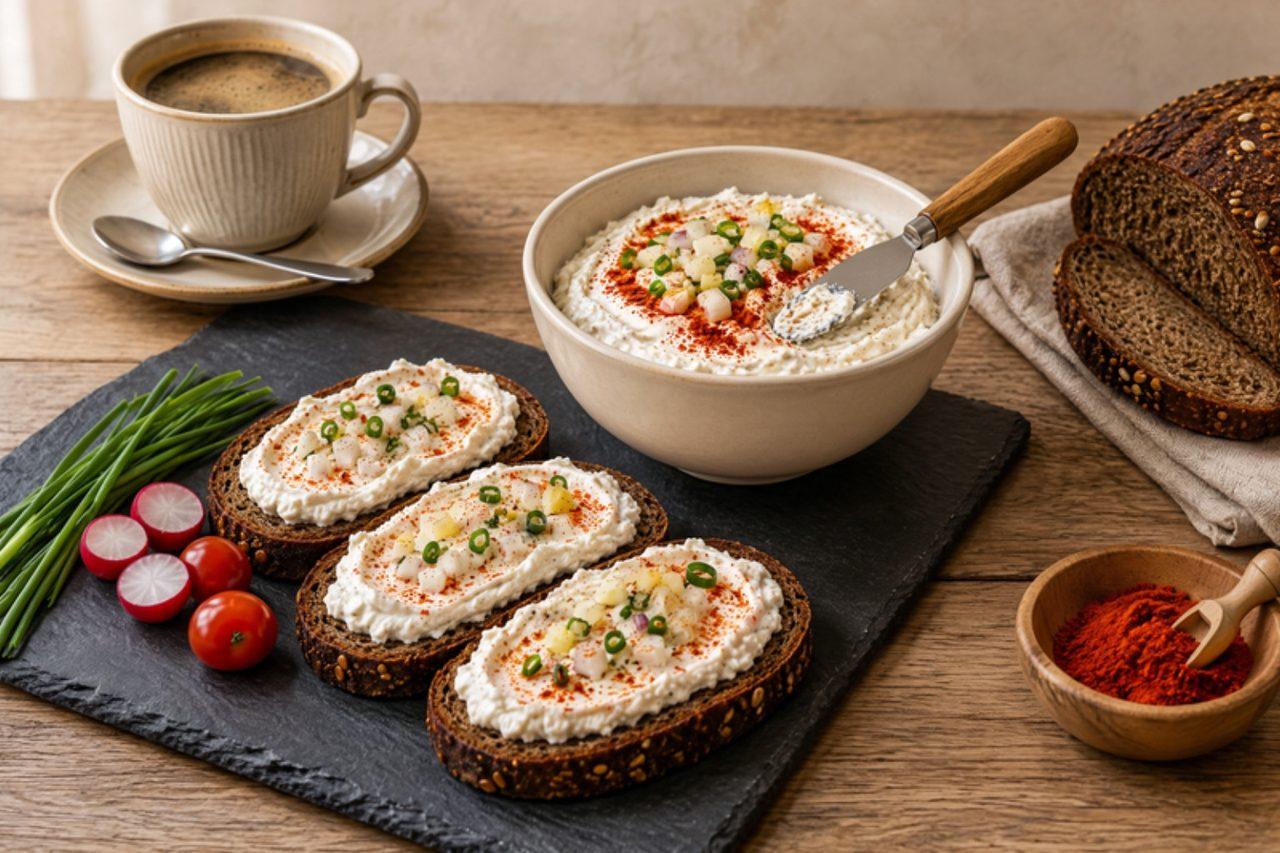
Tvarohová pomazánkaQuark spread

Tvarohová pomazánka is the savoury quark spread made in Czech and Slovak kitchens for breakfast, snacks and the evening bread plate: tvaroh beaten with a little butter, finely chopped onion, sweet paprika and chives, then spread on dark rye bread. It is fresh, tangy and pale orange. The mistake is using raw onion cut too coarsely, which overpowers the mild quark and makes the spread watery; chop it very finely or grate it. Chef's tip: make it 30 minutes ahead and chill it, so the paprika colours the spread and the onion mellows.

by KrazyBadal 0 views

Cocido quemadoBurnt sugar mate drink

Cocido is how Paraguay starts the day: in Asunción, in the villages of Guairá and Itapúa, and in school kitchens, a pot of burnt yerba is brewed and poured into cups with chipa, the cheesy cassava bread, or with a hard galleta. The old way is to drop a glowing piece of charcoal into a pot with yerba and sugar and stir until the sugar burns. On a home stove you caramelise them together in a dry pan instead, which is safer and gives the same smoky, toffee-like taste. The drink is clear amber-brown, with roasted, slightly bitter mate notes over burnt-sugar sweetness; with milk added it becomes cocido con leche, creamy and coffee-coloured. Yerba mate contains caffeine, so treat it like a cup of coffee. The common mistake is letting the sugar go black: it turns acrid and bitter. Pull it off the heat when the caramel is deep amber and the yerba smells toasted, not burnt. It is ready when the liquid is a clear dark amber and tastes of toffee and smoke. Chef's tip: the water will spit fiercely when it hits the hot caramel, so pour it in from the side, at arm's length.

by KrazyBadal 0 views

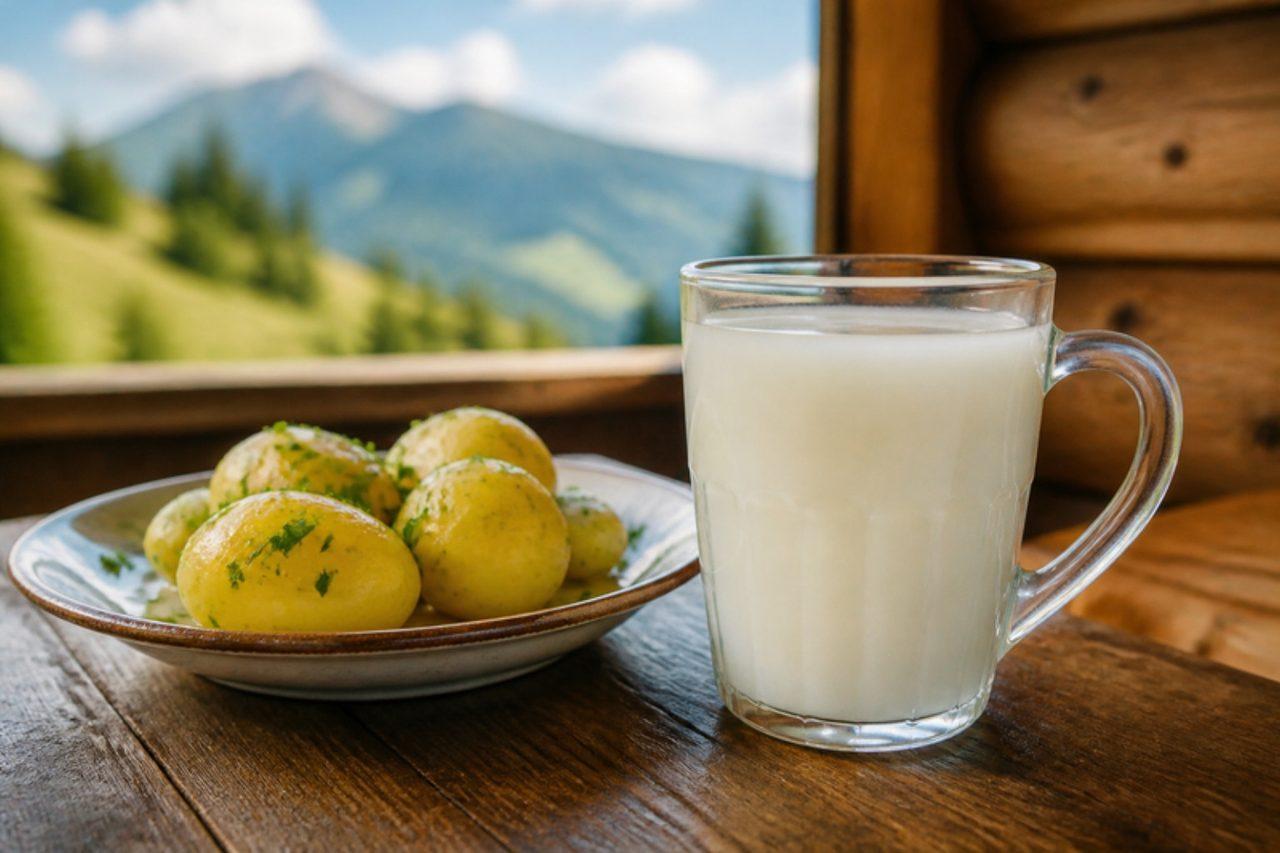
ŽinčicaSoured whey drink

Hikers walking past a salaš, a Slovak shepherds' hut, are often offered a mug of žinčica, the cool, sour whey left over from making bryndza and hrudka cheese. Shepherds heat the whey until fine flakes of cheese float up, then leave it to sour, and drink it with boiled potatoes or on its own on a hot afternoon. It is thin, refreshing and tangy, a little like a light buttermilk. At the salaš it is often made from raw sheep's milk, so at home make it only from the whey of cheese made with pasteurised milk (the korbáčiky recipe gives you plenty) and vegetarian rennet. The common slip is leaving it to sour somewhere warm for too long, where it turns cheesy and harsh; a cool room and 12 hours is enough. Chef's tip: a spoonful of cultured buttermilk gives a clean, reliable sourness every time.

by KrazyBadal 0 views

UtopenciPickled sausages

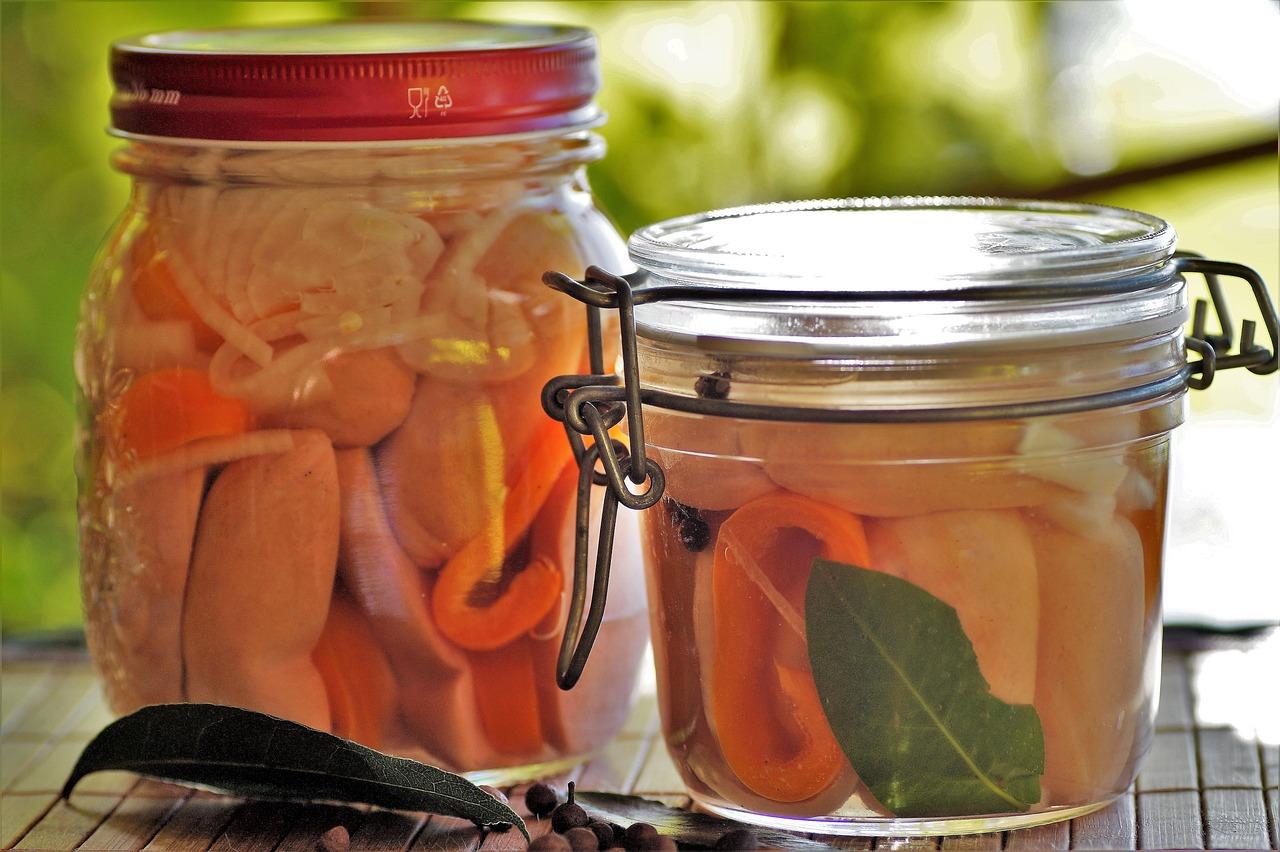
Utopenci means "drowned men": fat pork sausages slit open, stuffed with onion and sunk in a jar of spiced vinegar brine, and they sit in big jars on the bar of almost every Bohemian pivnice, fished out with a fork and eaten with dark bread. The usual sausage is the špekáček, a short, plump pork-and-beef sausage with visible fat. After a few days in the brine they are sharp, garlicky and juicy, with sweet, soft onion and a slow chilli heat. Where most people go wrong is using raw sausages or skipping the cooking: heat the sausages through to 71 °C in the centre first, cool them quickly, and keep the jar in the fridge the whole time, not on the counter. Eat within 10 days, using a clean fork. Chef's tip: let them pickle for at least 3 days; on day one they just taste of vinegar.

by KrazyBadal 0 views

Olomoucké tvarůžkyFried breaded ripened cheese

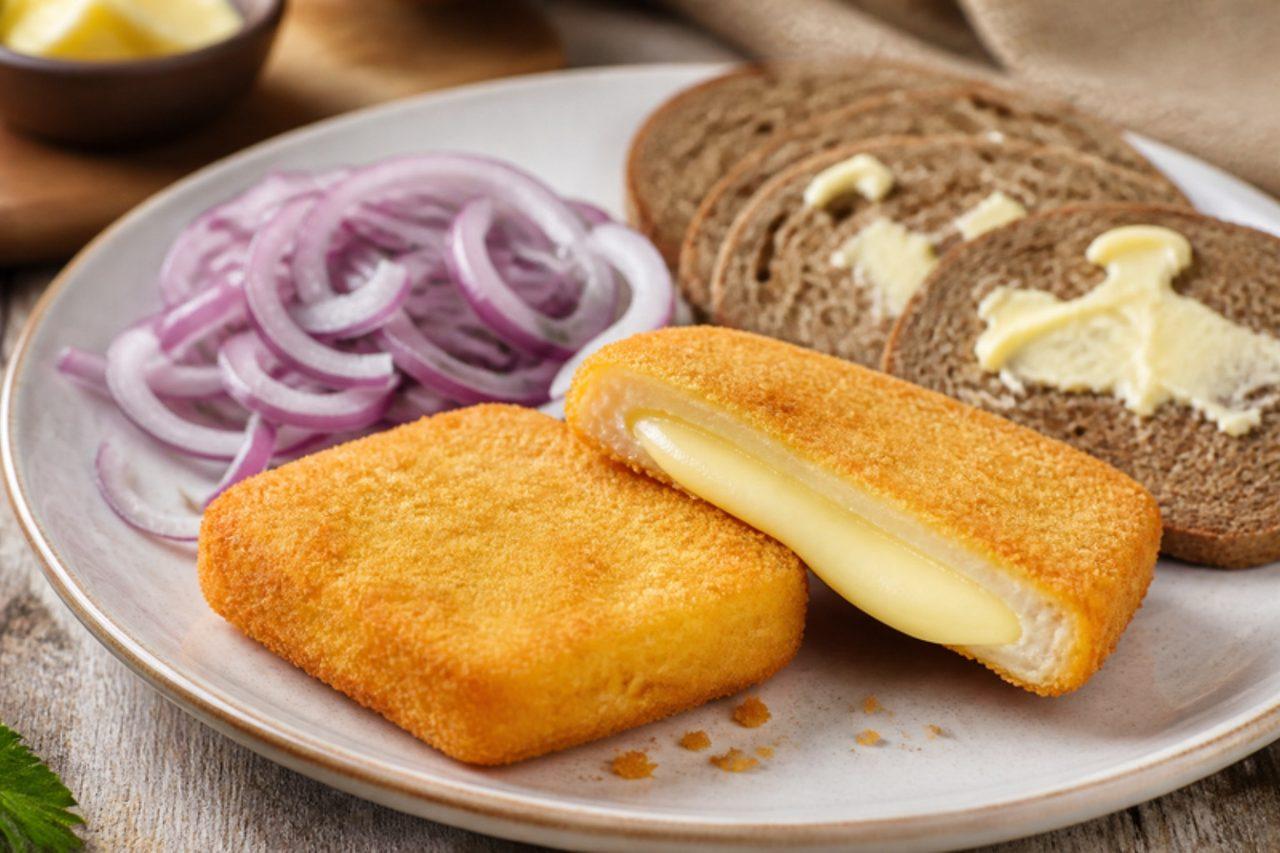
Few foods divide Czechs like Olomoucké tvarůžky, the little golden rounds of ripened quark from Loštice near Olomouc in Moravia. Their smell is famously strong, but the flavour is savoury, salty and surprisingly mild once cooked. Pubs across Moravia serve them breaded and fried, the outside crisp and the inside oozing, with raw red onion and buttered rye bread, and a cold beer for those who drink. Tvarůžky are made from acid-set quark and are usually free of animal rennet, but check the label if it matters to you. The usual mistake is frying them too long: after a minute the cheese bursts out of its crust and the pan fills with molten cheese. Chef's tip: chill the breaded cheeses in the fridge for 10 minutes before frying, and fry them hot and fast.

by KrazyBadal 0 views

KoprovkaDill sauce with potatoes and eggs

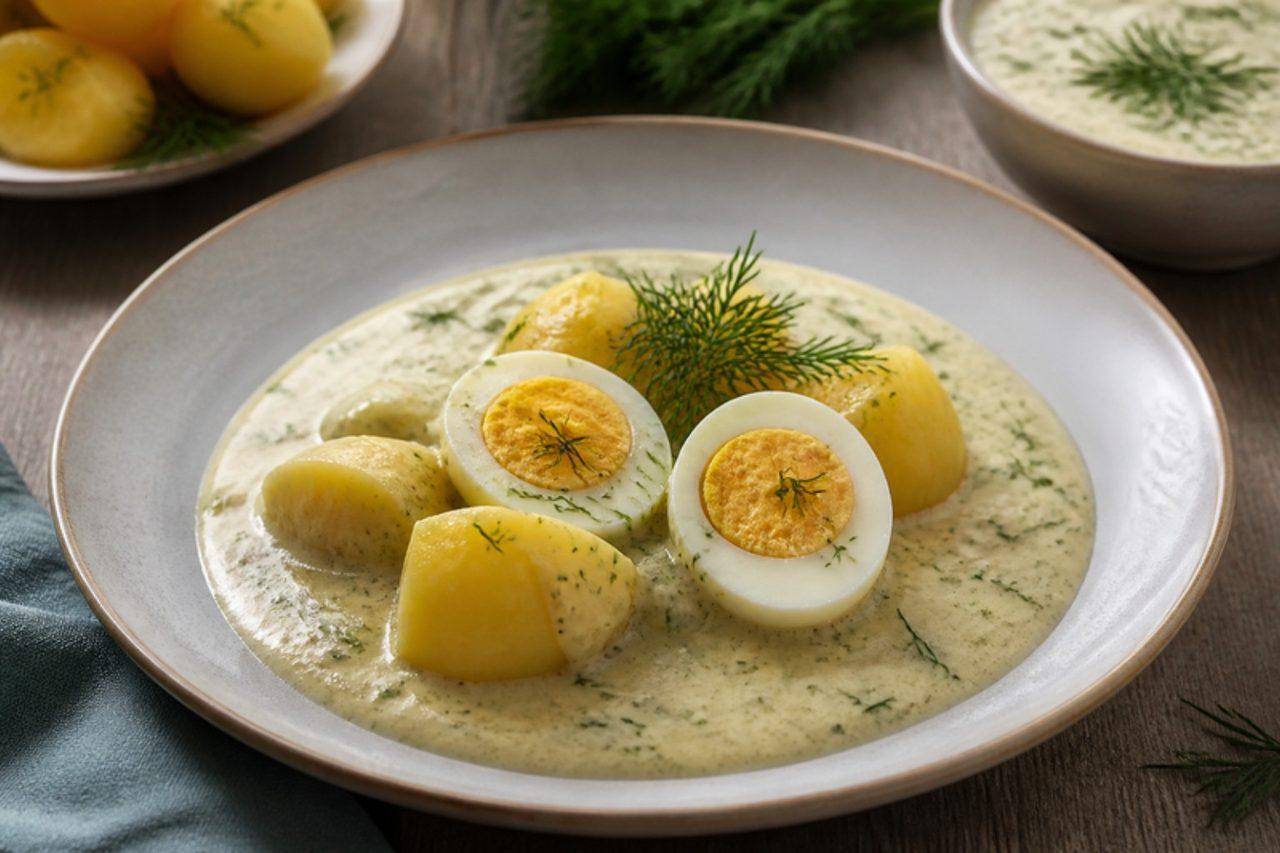
Summer in a Czech garden means dill gone wild between the cucumbers, and koprovka is where most of it ends up. This pale green, gently sour cream sauce is a staple of Bohemian home cooking and of workplace canteens, where it is served over boiled potatoes with halved hard-boiled eggs (or with bread dumplings). It should be smooth, silky and only lightly thick, balanced between cream, a little vinegar and a pinch of sugar. Where it usually goes wrong is boiling the dill: it turns grey and loses its fresh smell, so stir it in at the end, off the heat. Chef's tip: keep the dill stalks, chop them very finely and simmer them in the sauce, then add the soft fronds at the end for a double hit of flavour.

by KrazyBadal 0 views

ChlebíčkyOpen sandwiches

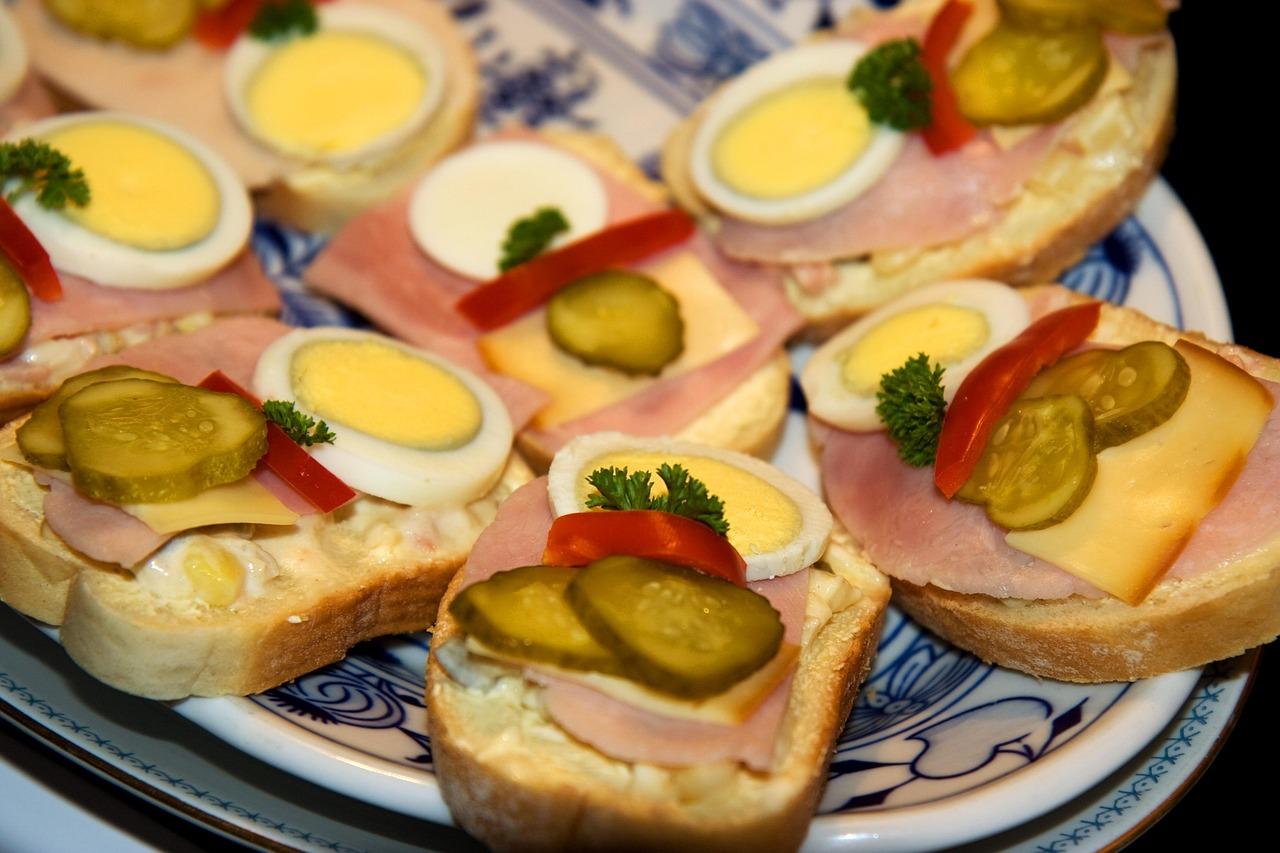
Prague's lahůdky delicatessens have sold chlebíčky since the early twentieth century, and these little open sandwiches are still the first thing laid out for office celebrations, birthdays and New Year's Eve. Diagonal slices of soft white veka bread are spread with potato salad, then decorated with a rolled slice of cooked pork ham, half a hard-boiled egg, cheese, gherkin and a dot of mayonnaise, so each one looks like a small, neat picture. They are creamy, salty and fresh at once. A common mistake is assembling hours ahead on soft bread, which goes soggy; build them no more than an hour before serving and keep them in the fridge, never out for more than 2 hours. Boil the eggs until the yolks are firm. For a meat-free tray, skip the ham and double the egg and cheese. Chef's tip: a firm, day-old baguette slices more cleanly than fresh bread.

by KrazyBadal 0 views

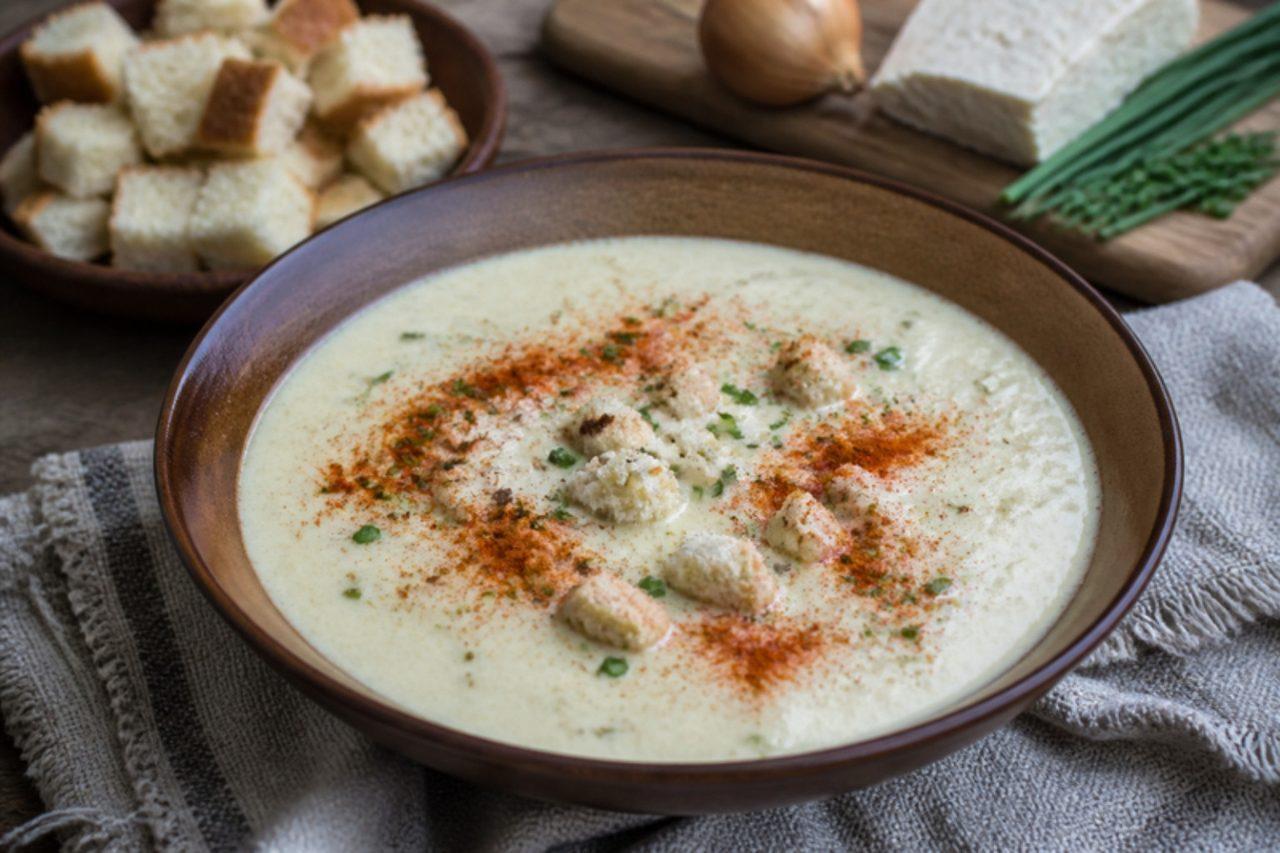
DemikátSheep's cheese soup over bread

Shepherds in the hills of central Slovakia needed only a kettle of water, a lump of bryndza and a loaf of bread to make demikát, a soup that comes together in a quarter of an hour at the salaš, the summer sheep hut. The soft, salty sheep's cheese is mashed with fried onion, paprika and caraway, loosened with boiling water and poured over chunks of bread, then finished with heaps of chives. It is tangy, creamy and very warming. Bryndza is traditionally made with animal rennet and sometimes from raw milk, so for a vegetarian, safer bowl choose a pasteurised sheep's cheese made with vegetarian rennet (a soft feta-style cheese mashed with a little cream cheese works well). The usual slip is boiling the soup after the cheese goes in, which makes it grainy; just bring it to steaming. Chef's tip: use day-old rye bread, toasted, so it soaks up the broth without falling apart.

20 minCzechSoups
by KrazyBadal 0 views

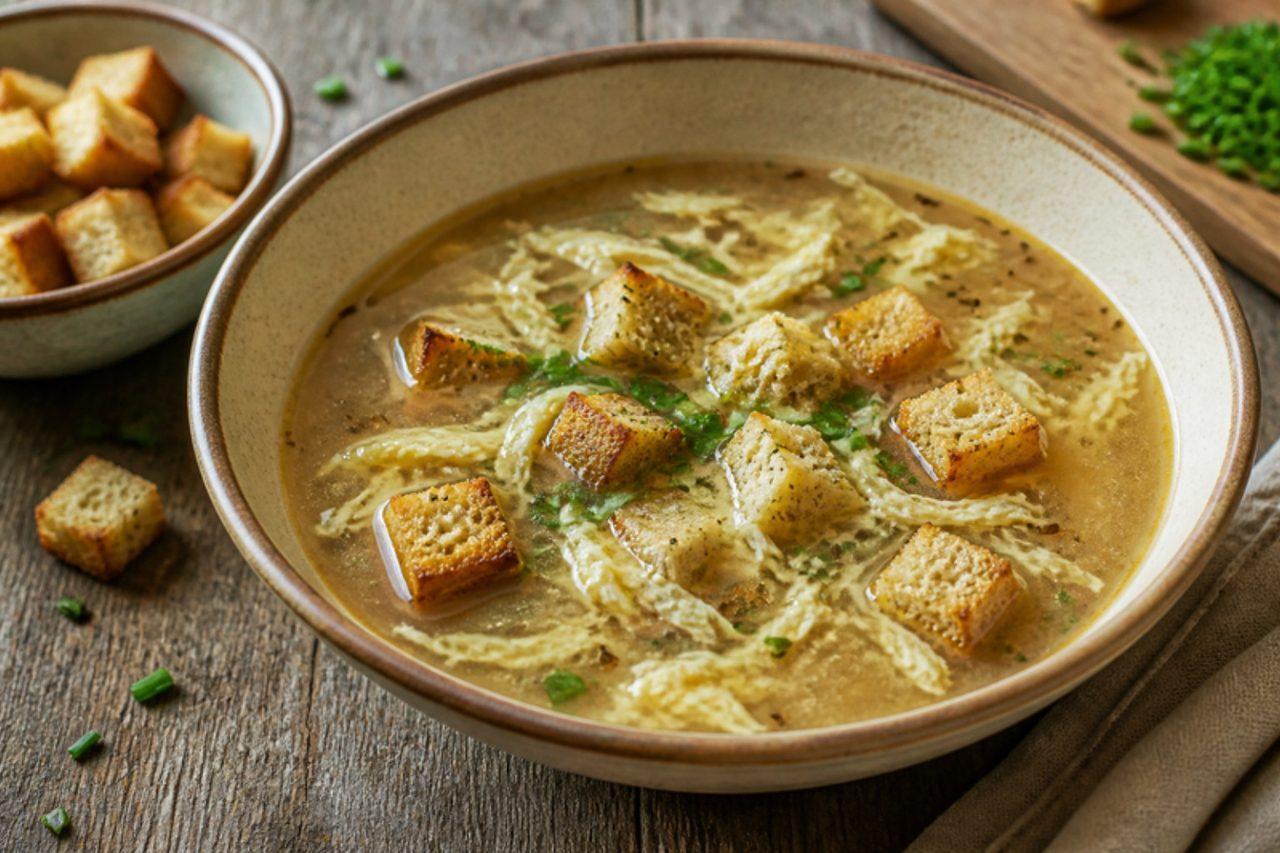
Kmínová polévkaCaraway soup

Few soups are as cheap or as old as this one. Kmínová polévka was the Bohemian peasant's breakfast long before coffee arrived, and Czech mothers still make it for an upset stomach or a hangover. The roux is cooked until it smells of toasted hazelnuts, the caraway is fried in butter until it pops, and the hot soup is poured straight onto crunchy toasted bread so it softens at the edges. Where most people go wrong is taking the roux off the heat while it is still pale: you get a floury, raw-tasting soup instead of a nutty one. A beaten egg trickled in at the end makes it more filling. Chef's tip: crush half the caraway in a mortar first, so the flavour spreads through the broth while the whole seeds give little bursts.

25 minCzechSoups
by KrazyBadal 0 views

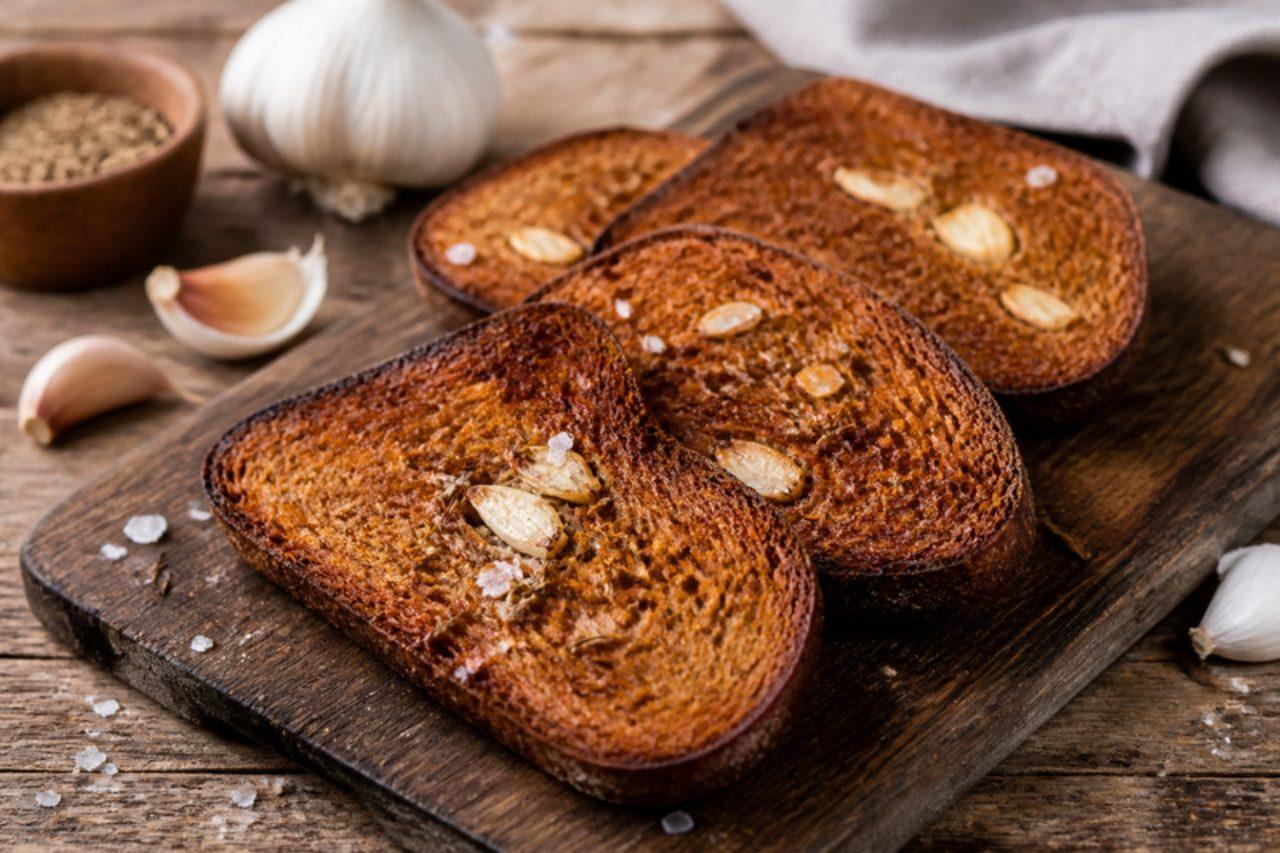
TopinkyGarlic fried rye bread

Midnight in a Prague beer hall, a basket of topinky arrives: thick slabs of rye-wheat bread fried until shatteringly crisp and rubbed hard with raw garlic, so the rough crust grates the clove like sandpaper. Czech pubs serve them as a snack with beer, and at home they are a quick supper with a glass of buttermilk or a bowl of soup. Some old cooks used lard; frying in oil keeps them vegan. The crumb should stay soft inside the golden crust, and the garlic should be sharp and fiery. A common mistake is frying in oil that is not hot enough, which makes the bread greasy instead of crisp. Chef's tip: choose a dense, day-old rye bread with caraway seeds; fresh, airy bread soaks up oil like a sponge.

by KrazyBadal 0 views

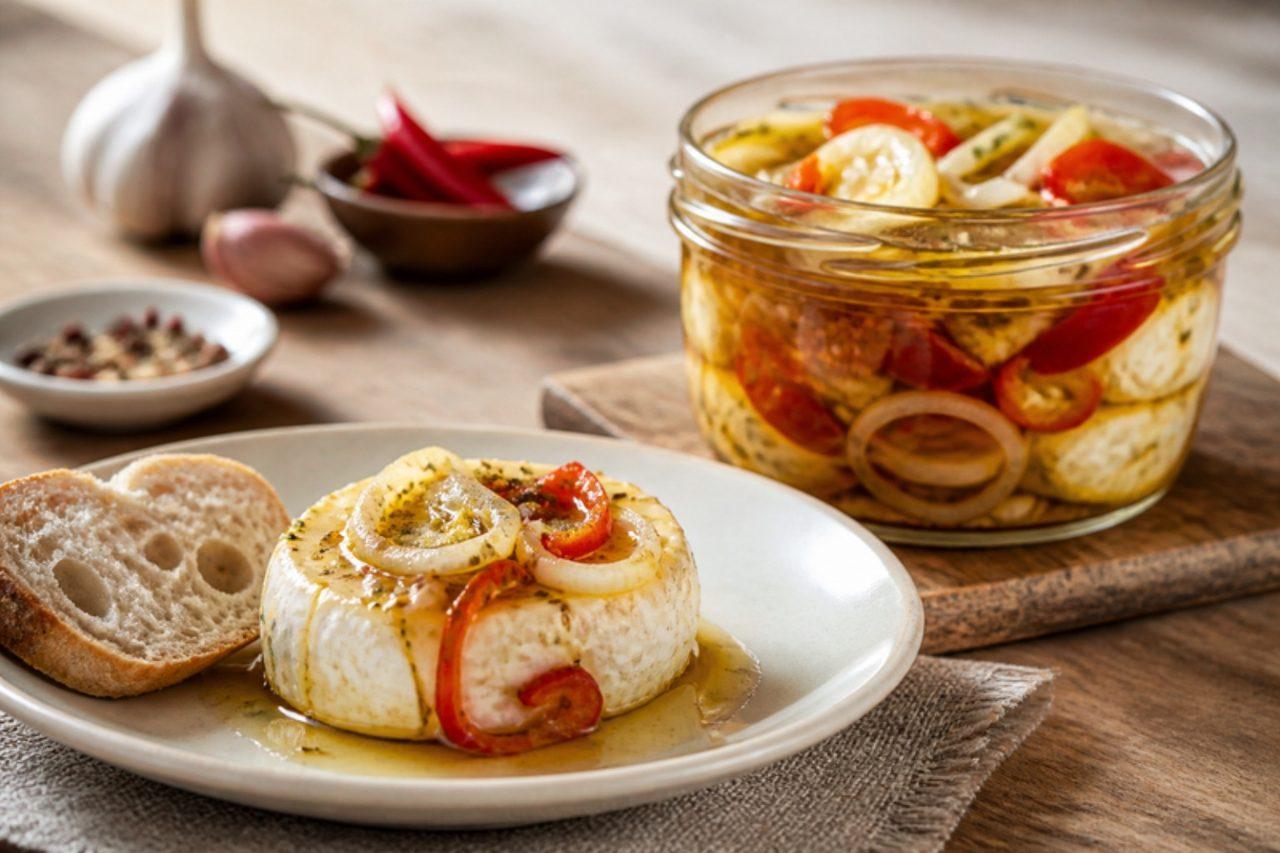
Nakládaný hermelínMarinated white-rind cheese

Behind the bar of almost every Czech hospoda sits a big glass jar of cheeses sunk in oil with onion rings and chillies. Nakládaný hermelín is the classic beer snack: a soft white-rind cheese, split and spread with garlic and paprika, then left to mellow in spiced oil for about a week until it turns rich, tangy and spreadable. It is eaten with thick slices of dark bread (use gluten-free bread if needed) and a few pickled peppers. Hermelín and camembert-style cheeses are usually made with animal rennet, so for a vegetarian jar choose a white-rind cheese labelled as made with vegetarian or microbial rennet. Where it goes wrong is leaving cheese poking above the oil, where it can spoil: keep everything submerged and the jar in the fridge, and eat it within 10 days. Chef's tip: use a cheese that is not fully ripe; it holds its shape in the oil and softens to perfection as it marinates.

by KrazyBadal 0 views

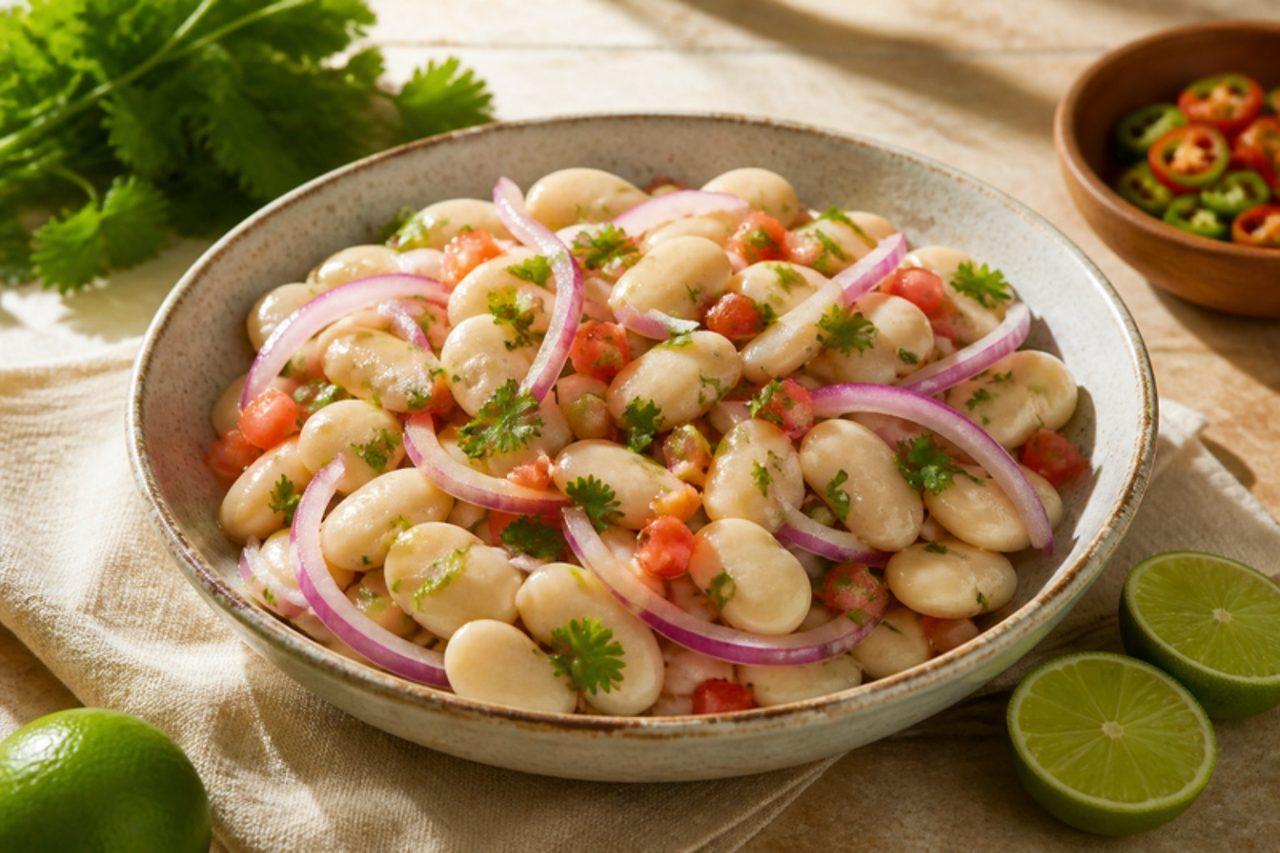
Ensalada de pallaresLima bean and red onion salad

Around Ica, on Peru's southern desert coast, pallares grow in irrigated valleys and dry into fat, flat beans the size of a thumbnail; the region holds them in high regard and sells them by the sack at the Ica market. Cooked until creamy and dressed while warm, they become a filling salad that sits on the table beside fried fish, rice or a plate of boiled sweet potato, and it works as a light lunch on its own. The onion is cut the Peruvian way, in fine half-moons, rinsed so it stays crisp without biting, and the ají limo gives a fruity heat that you can turn up or down. A frequent slip is dressing the beans straight from the fridge: they stay chalky and the lime slides off instead of soaking in. Using dried beans adds an overnight soak; good jarred or canned large lima beans make it a 20-minute dish. Chef's tip: dress the beans while they are still warm with half the lime and salt, then add the onion, tomato and the rest of the lime just before serving.

by KrazyBadal 0 views

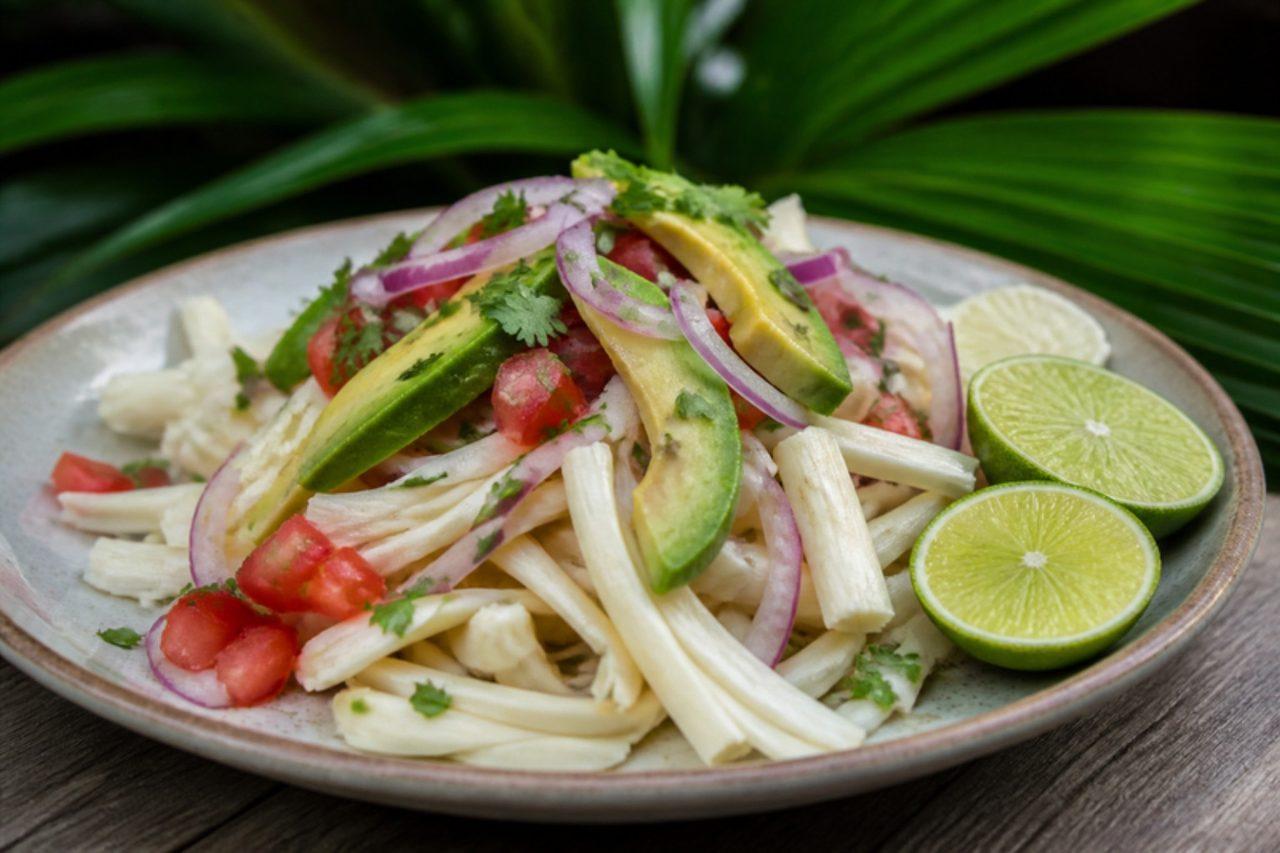
Ensalada de chontaPalm heart salad

Iquitos restaurants and the riverside cafés of the Peruvian Amazon serve ensalada de chonta as a cool counterpoint to grilled fish and juanes: long, pale ribbons of fresh palm heart, crisp and faintly sweet, tossed with tomato, avocado, red onion and lots of lime. At Belén market you can watch sellers shave the chonta into curls with a big knife. Outside the Amazon, fresh palm heart is hard to find, but good jarred hearts of palm cut into thin strips work well, and the salad becomes a ten-minute job. It's crunchy, juicy and sharp, perfect with rice and beans or any fried snack. Where most people go wrong is adding the avocado and salt early, so the salad turns soupy and grey; dress it at the last moment. Chef's tip: slice the palm hearts lengthwise on a mandoline or with a peeler for thin, curling ribbons that look like the Iquitos original.

by KrazyBadal 0 views

Showing 24 of 54 recipes

Show more recipes

Page 1 of 3