Skip to content
Recipes

All recipes

Vegetarian, or something you can't eat? Set your diet once and we'll hide recipes that don't fit.

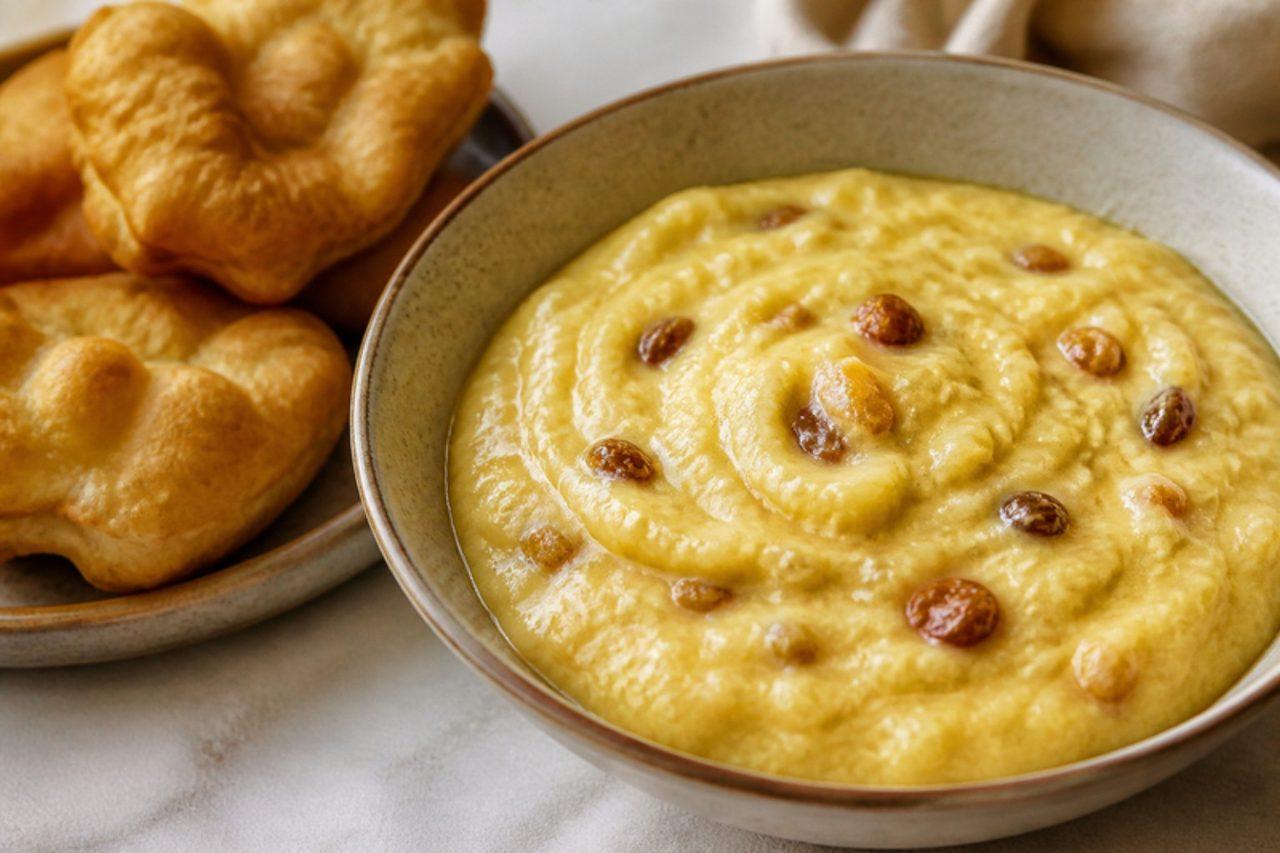
Khailmag (cream and raisin sweet)

Tsagaan Sar, the Mongolian Lunar New Year, means 'White Month', and white dairy foods stand for purity, plenty and a clean start to the year, so homes across the country set out cream, curds and sweets beside the steaming buuz. Khailmag is one of the most luxurious: clotted cream (or Mongolian öröm, the thick skin skimmed from boiled milk) is cooked with butter-toasted flour, sugar and raisins until it turns into a golden, fudgy porridge. It is very rich, so serve small spoonfuls with salty milk tea, or alongside ul boov biscuits and boortsog. There is no alcohol in it. Chef's tip: toast the flour slowly until it smells nutty; that toasting gives khailmag its caramel flavour.

by KrazyBadal 0 views

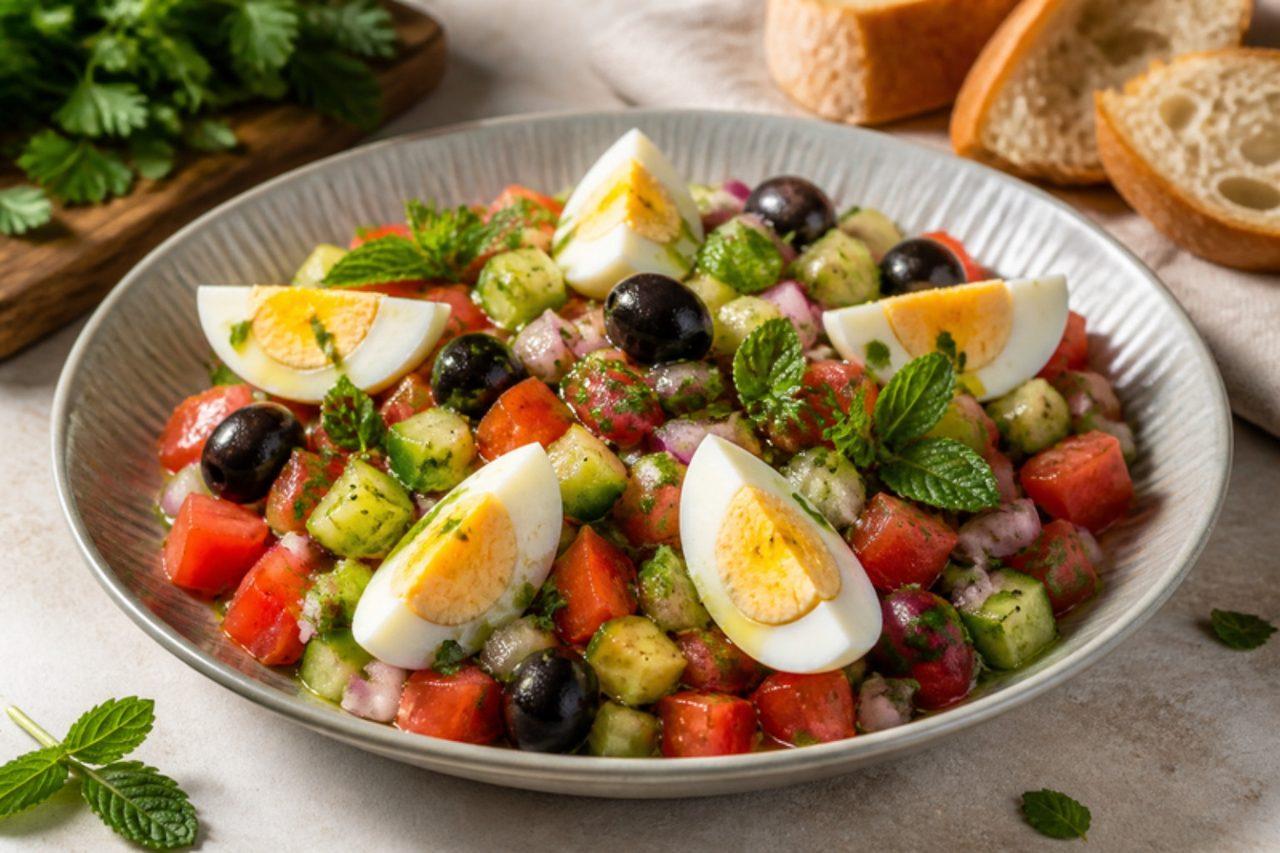
Salade tunisienneDiced tomato and cucumber salad

Every Tunisian table, from Tunis to Sfax, has a plate of slata tounsia on it, especially at lunch in summer and at iftar in Ramadan: tomato, cucumber, green pepper and onion cut into tiny, even dice and dressed with lemon, olive oil and dried mint. It is usually crowned with tuna and hard-boiled egg; this vegetarian version leaves out the tuna and uses a little more egg, plus olives and capers for the salty kick. A portion gives about 8 g of protein, so it is a side salad rather than a high-protein dish. The usual mistake is dressing it too early: the salt draws the juice out of the tomato and the salad swims, so dress it just before serving. Chef's tip: take the time to dice everything to the size of a chickpea; that fine, even cut is what makes it taste like Tunisia rather than a chopped salad.

by KrazyBadal 0 views

TopfengolatschenSweet quark puff pastry squares

A Topfengolatsche is what Viennese office workers grab from the bakery on the way in, and what grandparents order with a Melange in a coffee house on a Sunday afternoon. The corners of a puff pastry square are folded over a lemony, vanilla-scented filling of Topfen (Austrian quark) with plump raisins, and the top gets a thin white glaze. It is flaky, light and not too sweet. Raisins are sometimes soaked in rum; warm water or orange juice works just as well, and the recipe below is alcohol-free. Wet quark is the classic problem, because it turns the filling runny and it leaks out in the oven. Chef's tip: hang the quark in a sieve lined with a clean cloth for an hour, or squeeze it, until it is as thick as soft cream cheese.

by KrazyBadal 0 views

Kärntner ReindlingCinnamon raisin yeast cake

Carinthia's Easter loaf takes its name from the Reindl, the round, deep pan it is baked in, and in southern Austria no Easter basket goes to church without one. Inside the golden yeast crust is a spiral of butter, cinnamon sugar and plump raisins, so every slice shows a dark swirl. Locals eat it two ways: sweet with coffee on Easter morning, or alongside the savoury Easter platter with horseradish. Many bakers soak the raisins in rum overnight; warm water or tea works just as well and keeps it alcohol-free. A dry, crumbly Reindling usually means too much flour went in during kneading, so keep the dough soft and only lightly floured. Chef's tip: butter the pan well and dust it with sugar, which caramelises into a thin crunchy shell.

by KrazyBadal 0 views

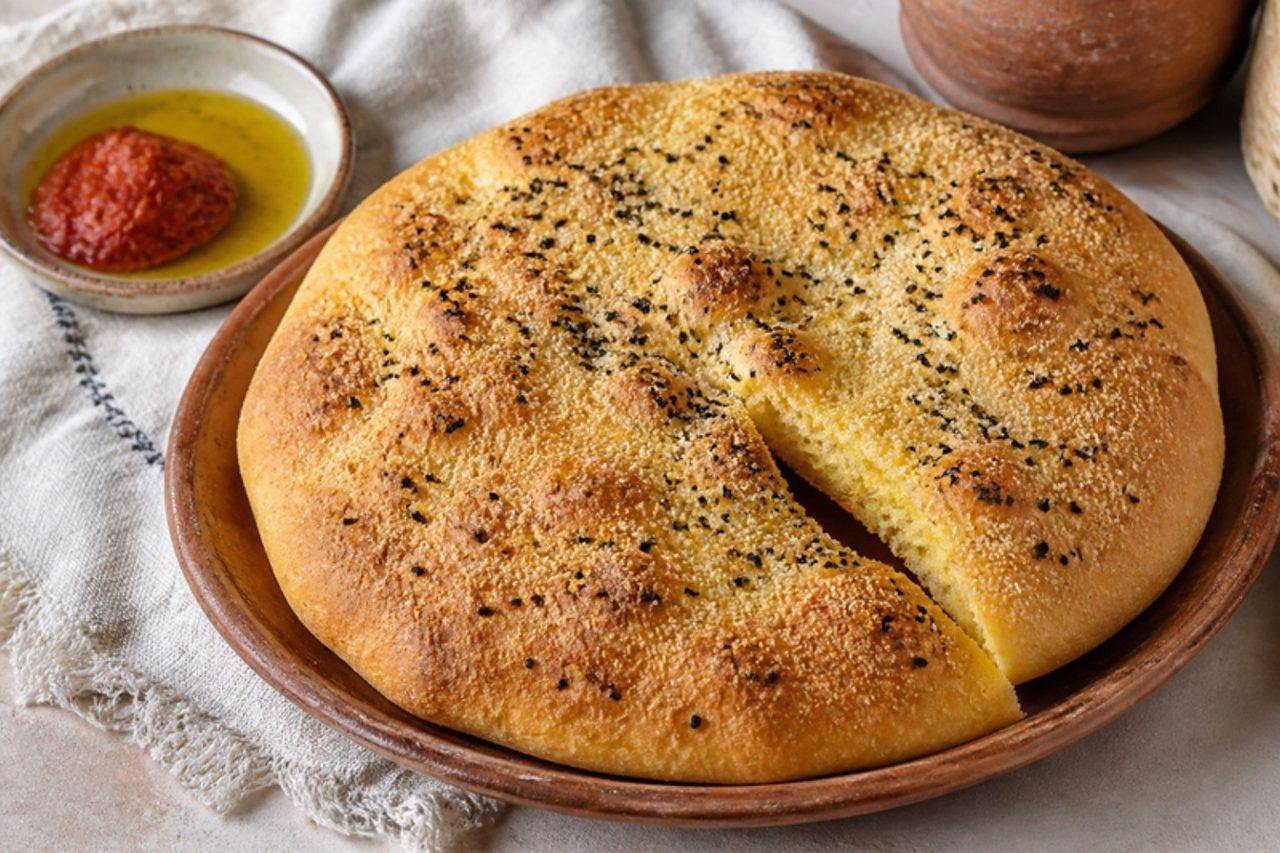
Tabouna breadSemolina clay-oven flatbread

Named after the clay oven it is baked in, tabouna bread is slapped by Tunisian village women against the oven's hot inner wall, where it puffs and blisters in minutes. It is a round semolina bread, golden and slightly gritty outside, tender and yellowish within, with the sweet, nutty taste of durum wheat and a hint of olive oil. Roadside stalls from Kairouan to the Cap Bon sell it warm to wrap around harissa, olive oil and mechouia, the smoky grilled-pepper salad, or to tear into a bowl of lablabi, the garlicky chickpea soup. A hot baking tray does the oven's job at home. Semolina drinks water slowly, and adding extra flour because the dough feels wet at first is the mistake that makes a dry, heavy bread. Chef's tip: shape the rounds with wet hands rather than floury ones; it keeps the dough soft and gives the crust its blistered finish.

by KrazyBadal 0 views

ErdäpfelstrudelSavoury potato strudel

Austrians, especially in the Mühlviertel of Upper Austria and the Waldviertel, make savoury strudels as often as sweet ones, and Erdäpfelstrudel is a farmhouse favourite for a meatless Friday or a cold evening. Thin pastry wraps a filling of potatoes, fried onion, sour cream, marjoram and parsley, baked until crisp and golden and sliced with a green salad or a dill and sour-cream dip. Bought filo makes it easy at home. The mistake to avoid is a wet filling, which turns the pastry soggy underneath. Chef's tip: cool the filling completely before rolling; warm filling makes the layers stick and tear.

by KrazyBadal 0 views

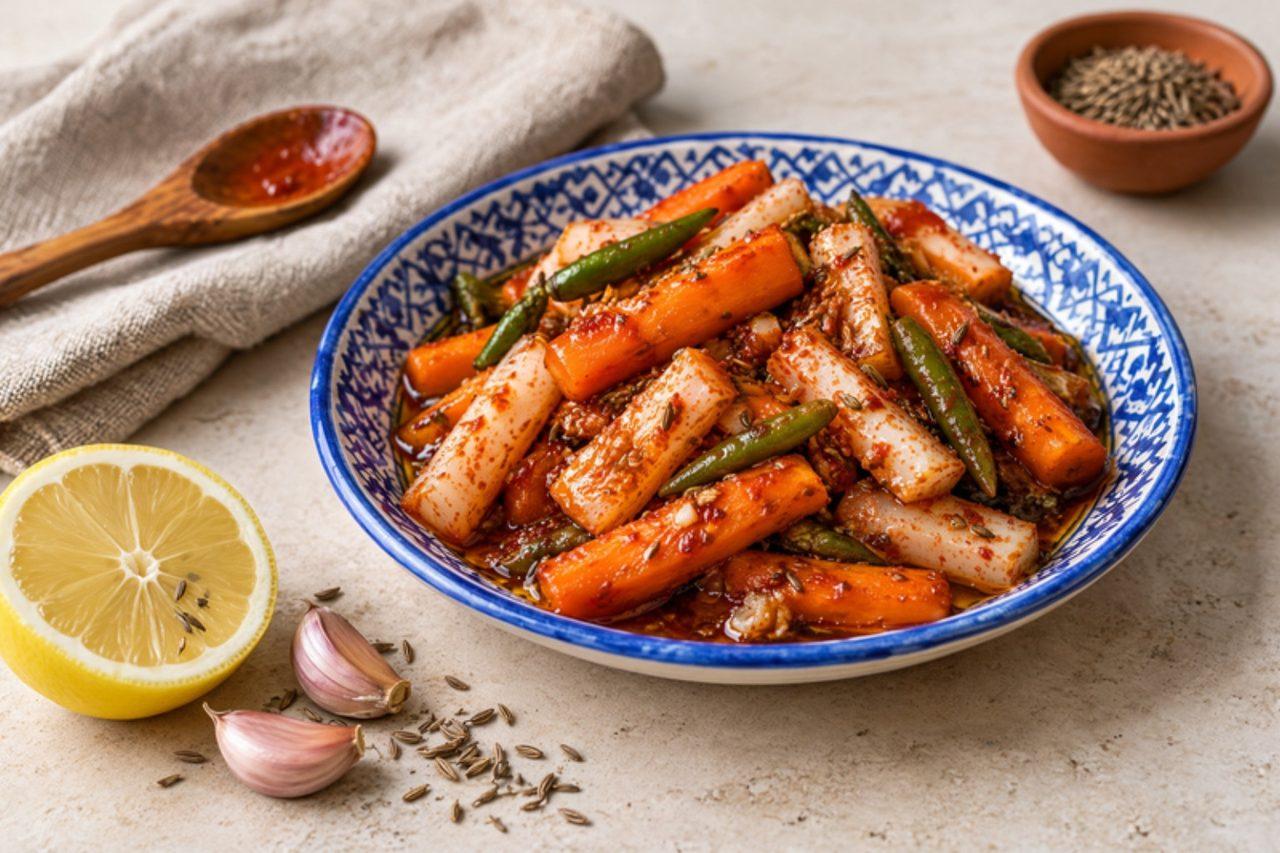
TorchiPickled carrot, turnip and chilli

In Tunisian homes and in the small eateries of Tunis and Sousse, a saucer of torchi lands on the table before anything else, beside olives, bread and a little dish of harissa, to wake up the appetite before a couscous, a brik or grilled fish. This quick pickle takes its name from the Persian torshi but is made fresh the same day: carrots and turnips cut into fine sticks with a few chillies, dressed with lemon juice, salt, harissa, garlic, caraway and a thread of olive oil. Half an hour later the vegetables are crunchy and juicy, salty-sour, garlicky and gently hot, and the red dressing pools at the bottom of the plate for mopping with bread. During Ramadan it is a fixture on the iftar table. The mistake to avoid is salting the vegetables and leaving them for hours, which turns them soft and watery; dress them and eat within the day. It is ready when the turnip has lost its raw edge at the corners but still snaps in half. Chef's tip: cut the turnip a touch thinner than the carrot so both soften at the same pace.

by KrazyBadal 0 views

Postre MassiniCustard sponge with burnt sugar top

Montevideo's birthday cake of choice since the early twentieth century, the Massini is two thin layers of sponge sandwiching a thick filling of whipped cream folded with egg-yolk custard, crowned with a thin glassy crust of torched yolk and sugar. Bakeries across Uruguay sell it on Sundays. Traditional versions sometimes add a sweet fortified wine to the custard; this one is alcohol-free. The custard is cooked to a safe 71 °C. The common mistake is assembling with warm custard, which melts the cream into a puddle. Chef's tip: if you don't have a blowtorch, put the sugared top under a very hot grill for a minute and watch it closely.

by KrazyBadal 0 views

TereréIced yerba mate

In Asunción the hottest part of the day stops for tereré: a horn or cup packed with yerba mate, topped up again and again with ice water infused with crushed herbs, and passed round the group through a metal straw. It was recognised by UNESCO as part of Paraguay's cultural heritage, and the herbs (yuyos) change with the season and the drinker's mood. Yerba mate contains caffeine, so it isn't one for small children. The common mistake is pouring water straight into loose yerba, which then clogs the straw; tilt the yerba to one side first. Chef's tip: for tereré ruso, swap the water for cold orange or grapefruit juice.

by KrazyBadal 0 views

Morcilla dulceSweet blood sausage with walnuts

No Uruguayan parrilla is complete without morcilla dulce: a soft pork blood sausage sweetened with sugar and scented with orange peel, studded with walnuts and raisins, grilled until the skin crisps and served first, as part of the achuras, while the beef is still cooking. It is pork throughout: pork blood, pork back fat and natural pork casings. Making it at home is a project. Buy fresh pork blood with an anticoagulant added from a butcher who supplies it for sausage making, keep it chilled below 4 °C and use it within a day. The common mistake is poaching at a rolling boil, which bursts the casings. Chef's tip: keep the water at 80–85 °C, just shivering, and prick a sausage after 25 minutes: it is done when brown, not red, juice comes out.

by KrazyBadal 0 views

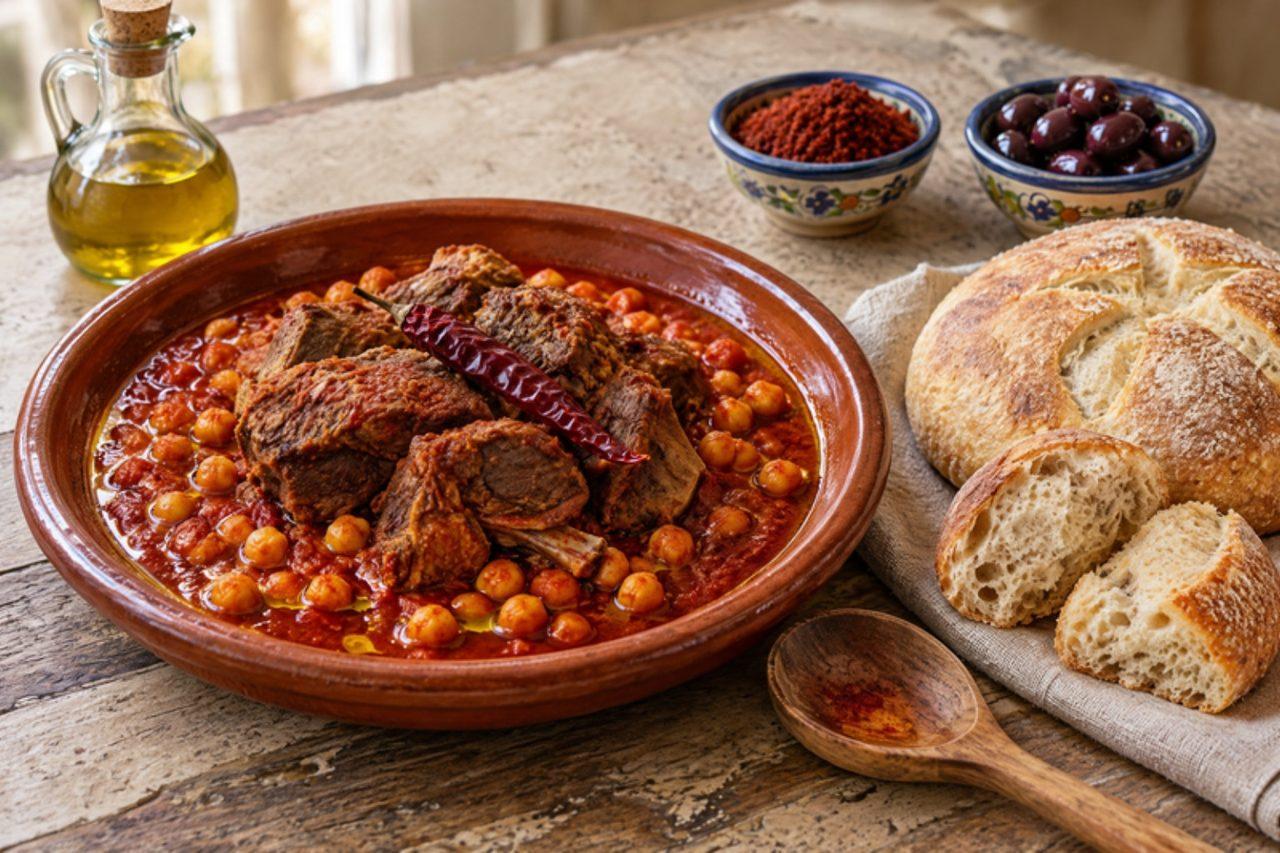
MermezLamb and chickpeas in harissa sauce

Mermez is a Tunis home dish closely tied to Ramadan, when a pot simmers through the afternoon to break the fast at sunset, often after a bowl of chorba. Lamb on the bone is stewed with chickpeas in a bright red sauce of tomato paste, harissa, garlic and Tunisian tabil spice (coriander and caraway), and the broth is mopped up with crusty khobz tabouna. The usual mistake is adding the harissa at the start and letting it scorch with the meat; fry it briefly with the tomato paste over a gentler heat instead. Slow-cooker option: after step 4, cook on low for 7 hours. Chef's tip: mermez tastes even better the day after, when the chickpeas have drunk in the spiced sauce.

100 minTunisianMeatGluten freeSpicy
by KrazyBadal 0 views

Ka'i ladrilloPeanut molasses bricks

Ka'i ladrillo — 'monkey brick' in Guaraní — is the sweet sold by vendors on Asunción buses and at country fiestas: roasted peanuts bound in boiled cane molasses and set in brick-shaped blocks, crunchy and dark with a slightly smoky toffee taste. It contains peanuts, so keep it away from anyone with a peanut allergy. The common mistake is taking the syrup off too soon, so the bricks stay sticky and never set. Chef's tip: test the syrup by dropping a little into cold water; it is ready when it sets into a brittle thread that snaps.

by KrazyBadal 0 views

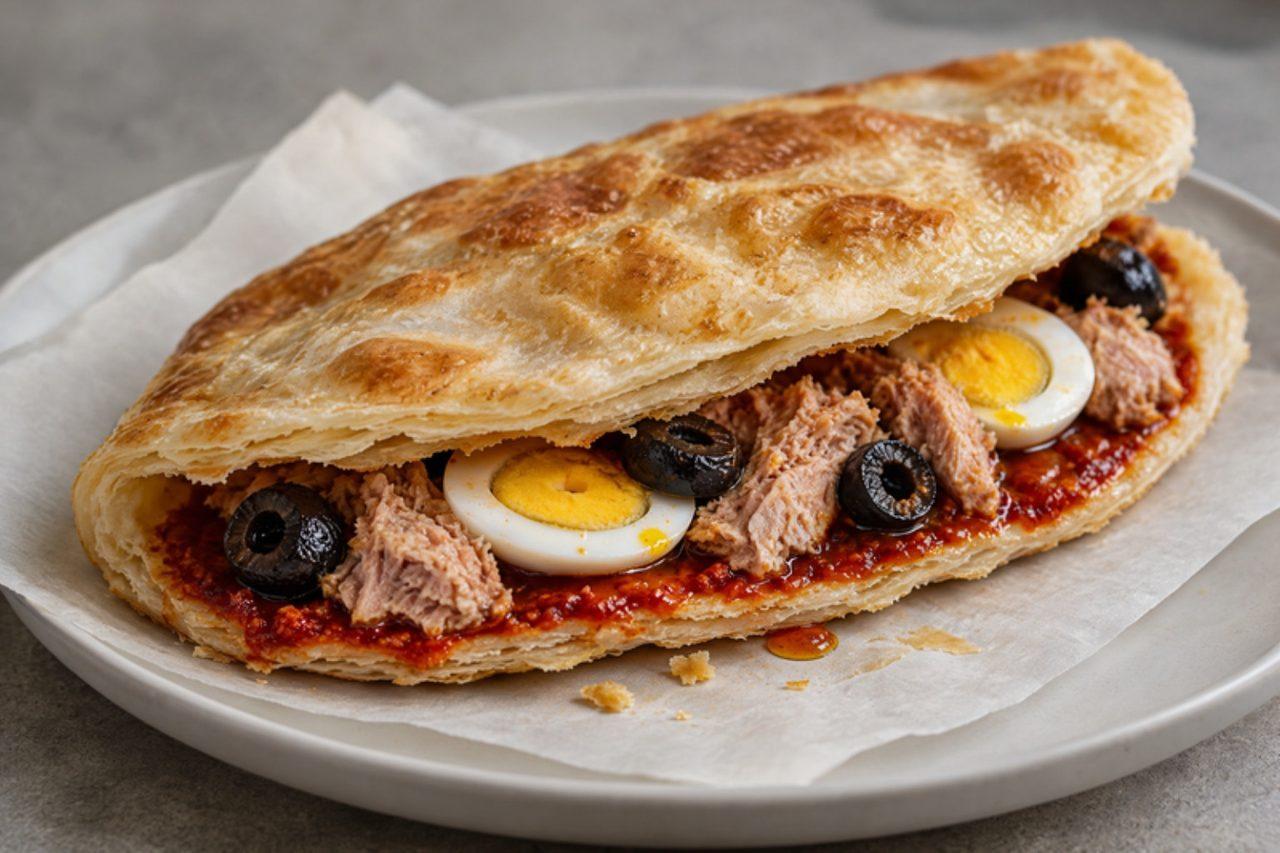
MlawiFolded flatbread with tuna

Mlawi is the flaky griddle bread of Tunisian street corners: a semolina dough oiled, folded and flattened into a square, then cooked on a hot plate until blistered and layered like puff pastry. In the Medina of Tunis, around Bab Bhar and the lanes leading to the Zitouna Mosque, women roll and flip them all morning, and the classic order is a mlawi spread with fiery harissa and rolled around tuna, sliced egg and black olives, eaten hot for breakfast or a mid-morning snack. It contains wheat, fish and egg. Chef's tip: let the folded squares rest for 5 minutes before the final flattening, so they spread without springing back.

by KrazyBadal 0 views

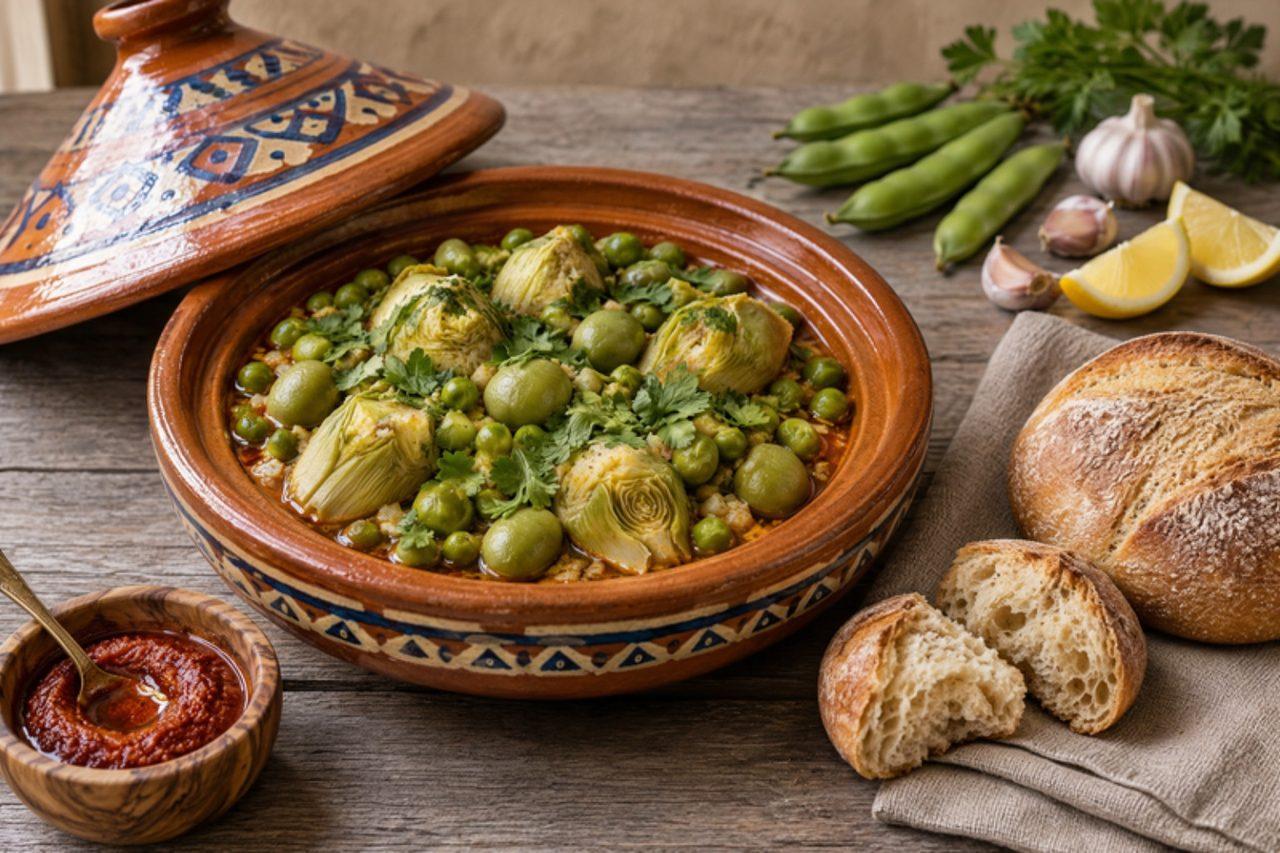
TbikhaBroad bean, pea and artichoke stew

Tbikha is cooked in Tunisian homes in March and April, when market stalls in Tunis, Sfax and the Cap Bon are heaped with fresh broad beans, peas and baby artichokes. The vegetables are stewed together in a little olive oil with garlic, tomato, harissa and caraway until tender, then finished with lots of coriander and dill. It is eaten warm with crusty bread to mop up the reddish, garlicky juices, and often with a few olives on the side. The usual mistake is overcooking the peas into khaki mush: they go in for the last few minutes only. Chef's tip: drop the trimmed artichokes into lemony water as you prepare them so they stay pale and don't turn bitter.

by KrazyBadal 0 views

KoserevaCandied bitter orange peel

Kosereva is a Paraguayan home preserve from the days when nothing was wasted: thick strips of bitter-orange peel soaked and boiled to soften their bite, then cooked slowly in dark cane molasses until glossy and nearly black. In the countryside it is eaten after lunch with a slice of fresh cheese or simply on its own. Bitter oranges (Seville oranges) are in season in winter. The most common mistake is not changing the boiling water enough, which leaves the peel unpleasantly bitter. Chef's tip: taste a sliver of peel after the third boil; it should be gently bitter like marmalade, not harsh.

by KrazyBadal 0 views

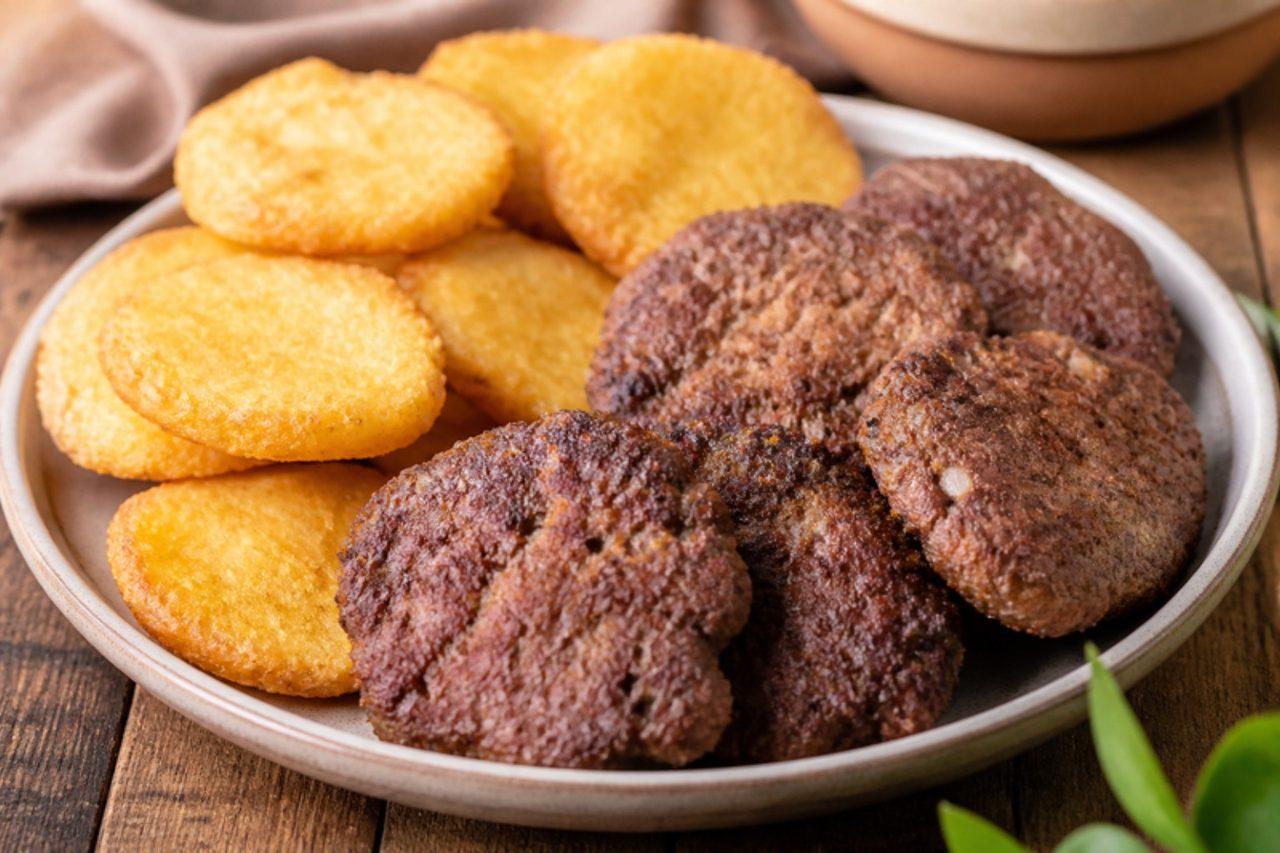
Payaguá mascadaCassava and beef patties

Payaguá mascada is an Asunción family supper and a favourite for using up boiled cassava: mashed mandioca kneaded with minced beef, onion and garlic, shaped into flat cakes and fried until crusty, then eaten with a tomato salad or with mandioca on the side. Use sweet cassava. A common mistake is using watery, freshly boiled cassava, which makes patties that fall apart in the pan. Chef's tip: let the boiled cassava steam dry in the colander for ten minutes before mashing.

by KrazyBadal 0 views

Mandi'o chyryryFried cassava with onion and egg

Mandi'o chyryry means 'fried cassava' in Guaraní, and it is what rural Paraguayan families make from yesterday's boiled mandi'o: chunks crushed and fried in a big pan with onion until crisp in places, then scrambled with eggs. It comes out for breakfast with cocido or for a quick supper, and costs next to nothing. Use sweet cassava, the kind sold in supermarkets. The mistake is stirring constantly, which turns it to mush; let the cassava sit and brown. Chef's tip: the best chyryry starts with cold, day-old boiled cassava, which fries crisper than freshly boiled.

by KrazyBadal 0 views

BusecaTripe and white bean stew

Buseca arrived in Montevideo with Italian immigrants from Lombardy and became a classic winter dish of Uruguayan bodegones and family kitchens, eaten on cold June and July days. Honeycomb tripe is simmered until tender, then stewed with white beans, pork chorizo, bacon, peppers, tomato and paprika into a thick, warming stew served with crusty bread. Buy tripe that is already cleaned and blanched (dressed). The usual mistake is undercooking the tripe: it needs a full 2 hours, until it's soft enough to cut with a spoon. Slow-cooker option: after step 4, cook on low for 8 hours. Chef's tip: a little grated lemon zest and parsley stirred in at the end lifts the rich, gelatinous sauce.

by KrazyBadal 0 views

Cocido quemadoBurnt sugar mate drink

Cocido is how Paraguay starts the day: in Asunción, in the villages of Guairá and Itapúa, and in school kitchens, a pot of burnt yerba is brewed and poured into cups with chipa, the cheesy cassava bread, or with a hard galleta. The old way is to drop a glowing piece of charcoal into a pot with yerba and sugar and stir until the sugar burns. On a home stove you caramelise them together in a dry pan instead, which is safer and gives the same smoky, toffee-like taste. The drink is clear amber-brown, with roasted, slightly bitter mate notes over burnt-sugar sweetness; with milk added it becomes cocido con leche, creamy and coffee-coloured. Yerba mate contains caffeine, so treat it like a cup of coffee. The common mistake is letting the sugar go black: it turns acrid and bitter. Pull it off the heat when the caramel is deep amber and the yerba smells toasted, not burnt. It is ready when the liquid is a clear dark amber and tastes of toffee and smoke. Chef's tip: the water will spit fiercely when it hits the hot caramel, so pour it in from the side, at arm's length.

by KrazyBadal 0 views

Lagmi (fresh palm sap)

In the oases of the Tunisian south, in Gabès, Tozeur, Nefta, Kebili and on Djerba, palm climbers cut a small wound at the crown of an ageing date palm and hang a clay pot under it overnight. By sunrise it holds lagmi: cloudy, ivory-white sap, cool and sweet, with notes of coconut water and fresh dates. It is sold in recycled bottles at the roadside and drunk the same morning, because the wild yeasts in it begin to ferment almost at once. By afternoon it is fizzy and sour, and by the next day it has become an alcoholic palm wine, also called lagmi, which is a different drink altogether. The common mistake is buying more than you can drink by lunchtime or leaving it in the sun: keep it on ice from the moment you get it. Fresh lagmi is ready to drink when it is sweet, smells clean and milky, and only a few tiny bubbles rise; once it tastes sour or prickles on the tongue, it has started to turn. It is raw and unpasteurised, so pregnant people, babies, older people and anyone unwell should skip it. Outside the oases, fresh coconut water is the closest stand-in. Chef's tip: chill the glasses too; lagmi is at its best ice-cold.

by KrazyBadal 0 views

Martín FierroCheese with quince paste

Ask for dessert in a Montevideo bodegón or a country parador and you may be offered a Martín Fierro: a thick slice of fresh, mild cheese laid with an equal slice of dense quince or sweet-potato paste, named after the gaucho of the epic poem. It's salty against sweet, soft against firm, and takes two minutes to assemble. Uruguayan fresh cheese is usually made with animal rennet, so choose one with vegetarian rennet if that matters to you. The mistake is serving it fridge-cold, which dulls both flavours. Chef's tip: cut the cheese and paste to exactly the same thickness, about 1 cm, so every bite has both.

by KrazyBadal 0 views

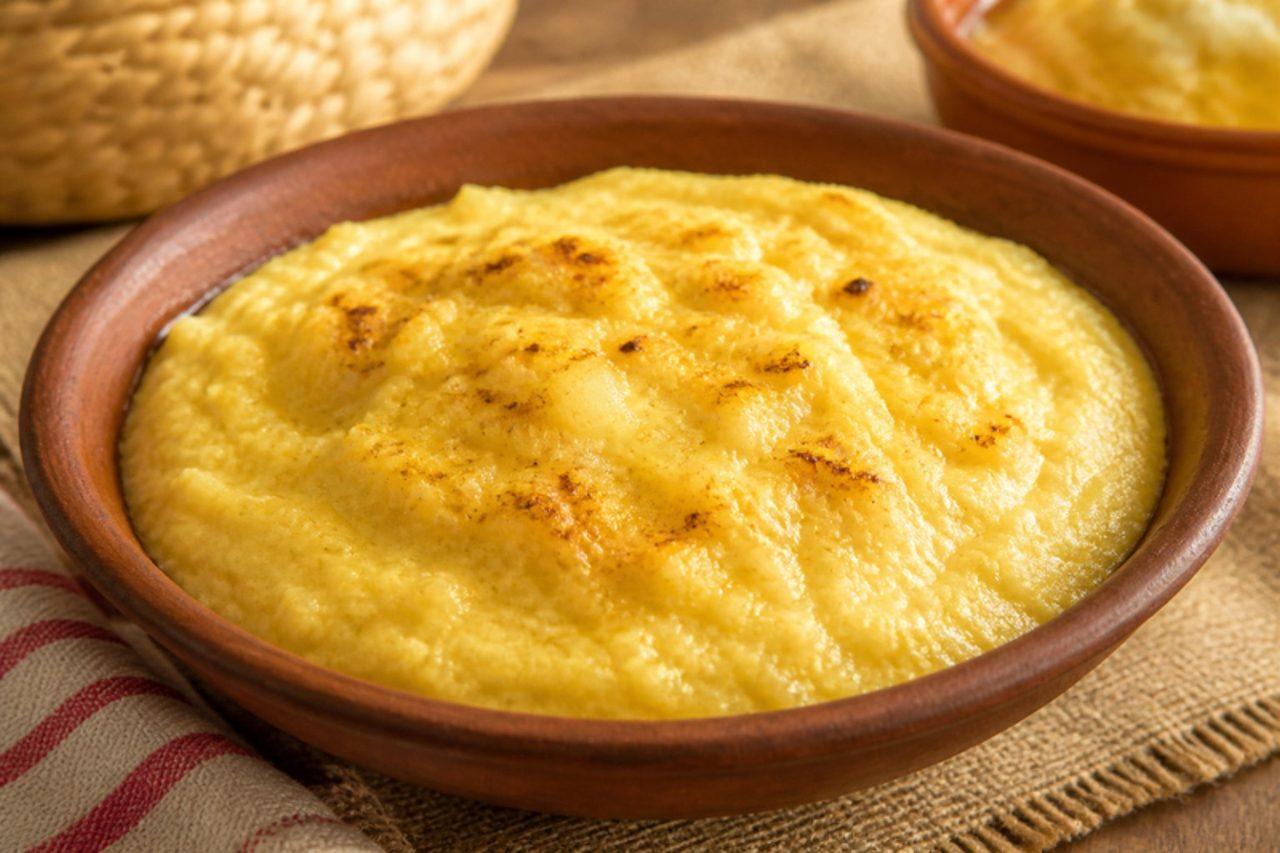
MbaipyCheesy polenta

Mbaipy (say 'mbai-PU') is Guaraní country cooking at its plainest: coarse corn flour stirred into milk and onion fried in oil until it thickens into a soft, spoonable porridge, finished with cubes of fresh cheese that melt into strings. In the Paraguayan countryside it is a cheap winter supper; cooks often stir in shredded chicken to make mbaipy so'o, but this is the meat-free version eaten on fasting days and in plenty of homes. Queso Paraguay is made with animal rennet, so use a vegetarian mozzarella or fresh cheese if you need to. The usual mistake is tipping the corn flour in all at once, which makes lumps that never cook out. Chef's tip: let it sit, covered, off the heat for five minutes before serving; it firms up slightly and the corn swells fully.

by KrazyBadal 0 views

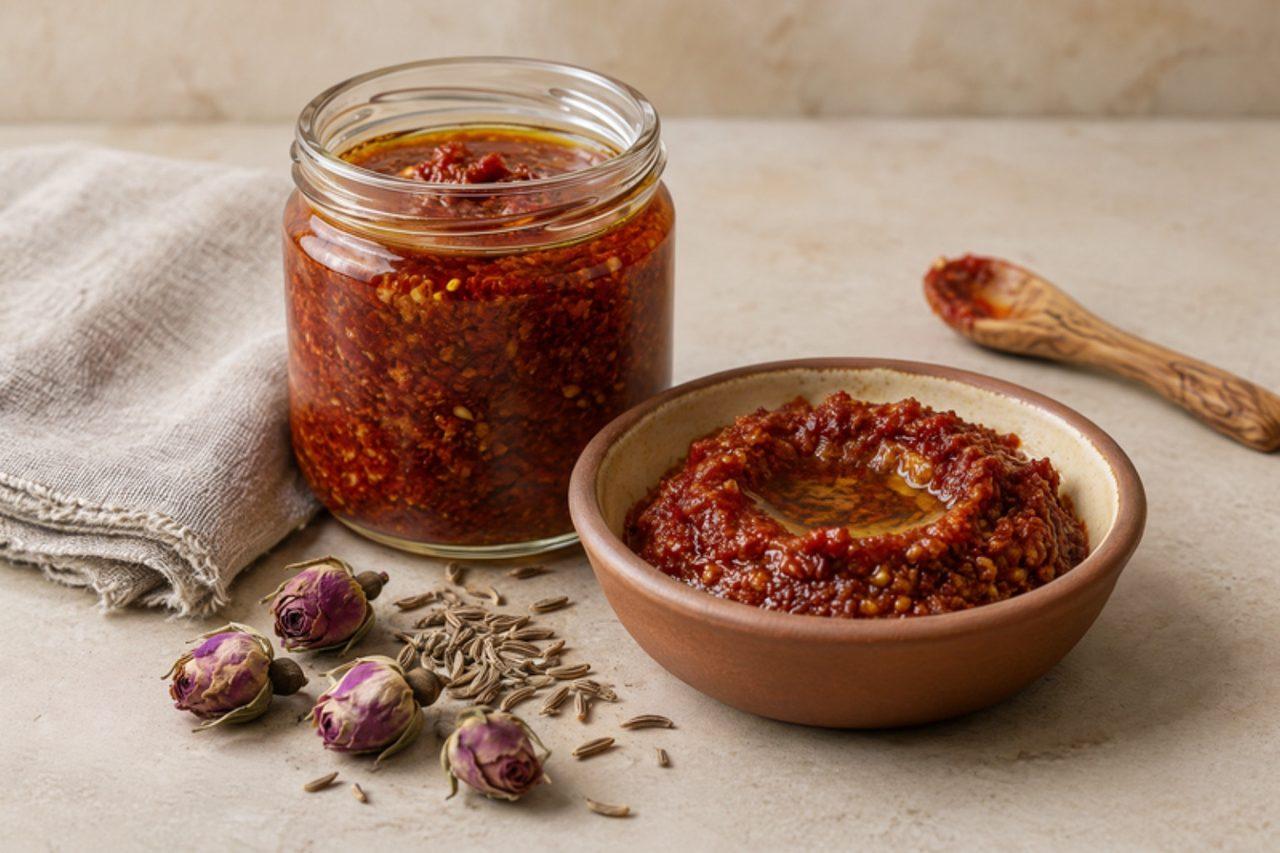
HrousFermented onion chilli paste

Hrous is the old pantry paste of Sfax and Djerba, made in late spring when the sweet onions come out of the ground and stored for months to season the year's fish couscous, stews, lablabi and simple saucers of olive oil for dipping bread. The onions are sliced, salted heavily and left for about a week to wilt and ferment, then squeezed dry and pounded with sweet and hot dried chilli, turmeric, caraway, coriander and crushed dried rosebuds, and packed into a jar under olive oil. A teaspoon goes a long way: it is brick red, salty, sour and fiery, with a funky onion sweetness and a perfumed finish from the roses, earthier and more complex than harissa. Sfaxi families stir it into fish dishes and spread it thinly on bread with olive oil at breakfast. The mistake to avoid is cutting the salt to make it milder, as the salt is what keeps the ferment safe; stick to 10% of the onion weight. The onions are ready when they are limp, smell pleasantly sour and pickled, and the paste turns glossy after a week under oil. Chef's tip: grind the rosebuds fresh, just before mixing, for the full perfume.

by KrazyBadal 0 views

Capeletis a la CarusoStuffed pasta in cream sauce

Capeletis a la Caruso were created in a Montevideo restaurant in the 1950s and named after the great tenor, and they are still a Sunday lunch favourite in Uruguayan homes: little stuffed pasta hats in a rich sauce of cream, cooked ham (pork), mushrooms and onion, finished with grated cheese. Buy good fresh capeletis or tortellini; the sauce is what you make. The usual mistake is boiling the cream sauce hard, which makes it oily and grainy. Chef's tip: cook the mushrooms in a dry hot pan first until they squeak and brown, before any butter goes in, for a deeper taste.

by KrazyBadal 0 views

Showing 24 of 288 recipes

Show more recipes

Page 1 of 12