Skip to content
Recipes

All recipes

Vegetarian, or something you can't eat? Set your diet once and we'll hide recipes that don't fit.

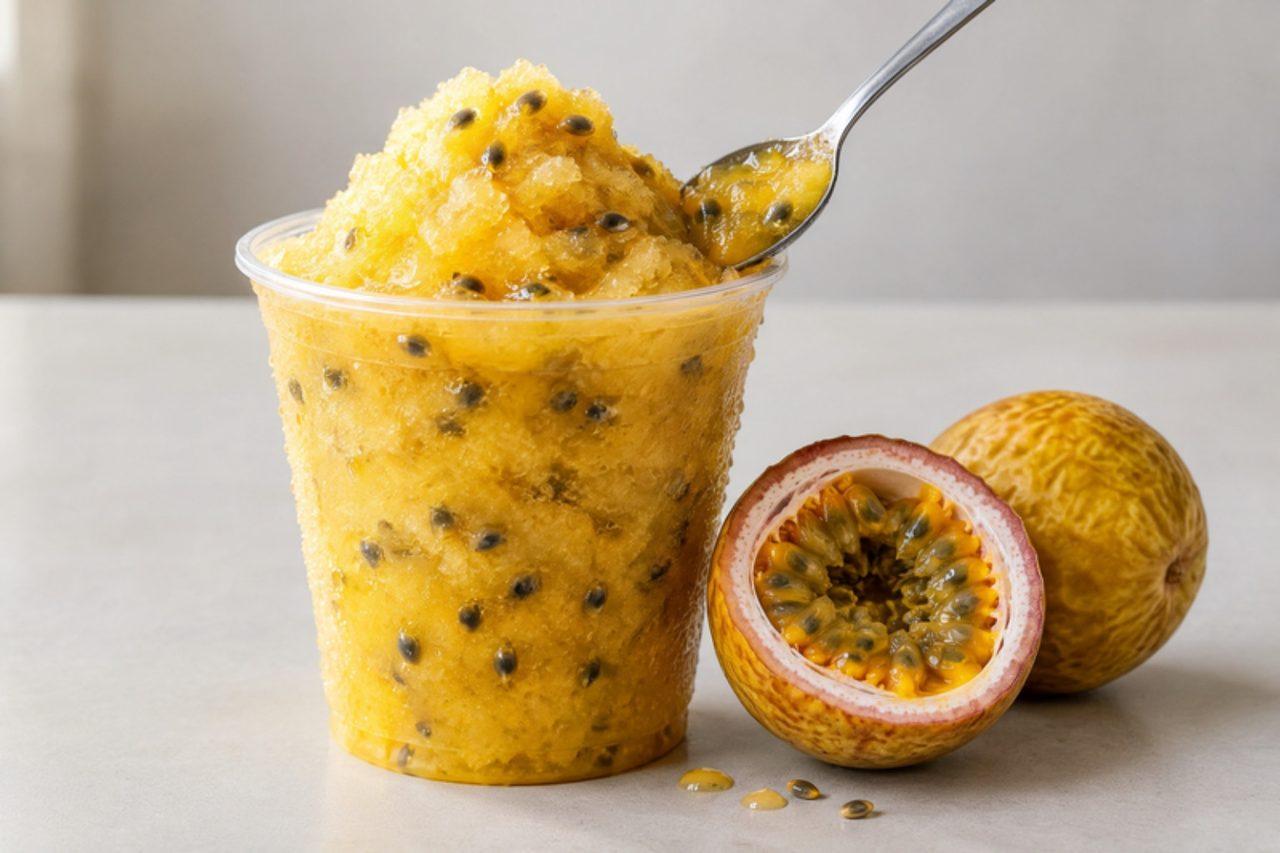
Cremolada (Lima passion fruit slush)

From January to March, when Lima's coast swelters, queues form at the cremolada counters of Barranco and along the Jirón de la Unión downtown for cups of this thick fruit ice. It sits between a granita and a sorbet: frozen fruit pulp scraped again and again until it is slushy and spoonable, with real bits of fruit through it. Passion fruit (maracuyá) gives a sharp, bright flavour; creamy lúcuma, with its maple and sweet potato taste, is the other favourite. Chef's tip: use a shallow metal tray; it freezes faster and evenly, so you get fine crystals rather than chunks.

by KrazyBadal 0 views

QuarkbrötchenQuark bread rolls

In German homes Quarkbrötchen are the Sunday-morning answer to an empty bread bin: no yeast, no rising, just quark, egg, flour and baking powder, shaped and in the oven while the coffee brews. They come out with a thin golden crust and a soft, slightly tangy crumb, best split warm with butter and jam or a slice of cheese. The usual mistake is kneading the dough like bread, which makes the rolls tough and flat; mix only until it comes together. Chef's tip: if your quark is very wet, drain it in a sieve for 10 minutes first, or the dough turns sticky and you end up adding so much flour that the rolls go dry.

by KrazyBadal 0 views

Mate de muñaAndean mint tea

Muña is the minty shrub that grows wild on the slopes around Cusco, Puno and the Sacred Valley, and highland cooks reach for it after a heavy meal of chicharrón or when visitors are struggling with the altitude. Market herb sellers sell it in fresh bunches, and hotels and homes leave it in a flask for anyone coming in from the cold evenings. Steeped simply in hot water, it smells somewhere between spearmint, oregano and pennyroyal, with a cooling, slightly peppery taste and a pale green-gold colour. It is traditionally drunk to settle the stomach. The usual mistake is boiling the leaves hard for a long time, which turns the tea brown and bitter. Pour water just off the boil over the sprigs, cover, and let it steep. It is ready when the cup is pale gold and the aroma rises as soon as you lift the lid. Outside Peru, look for dried muña in Latin shops; failing that, use mostly spearmint with a little fresh oregano. Muña is strong: avoid large amounts in pregnancy, and check with a doctor if you take regular medication. Chef's tip: cover the cup while it steeps so the scented oils stay in the tea.

by KrazyBadal 0 views

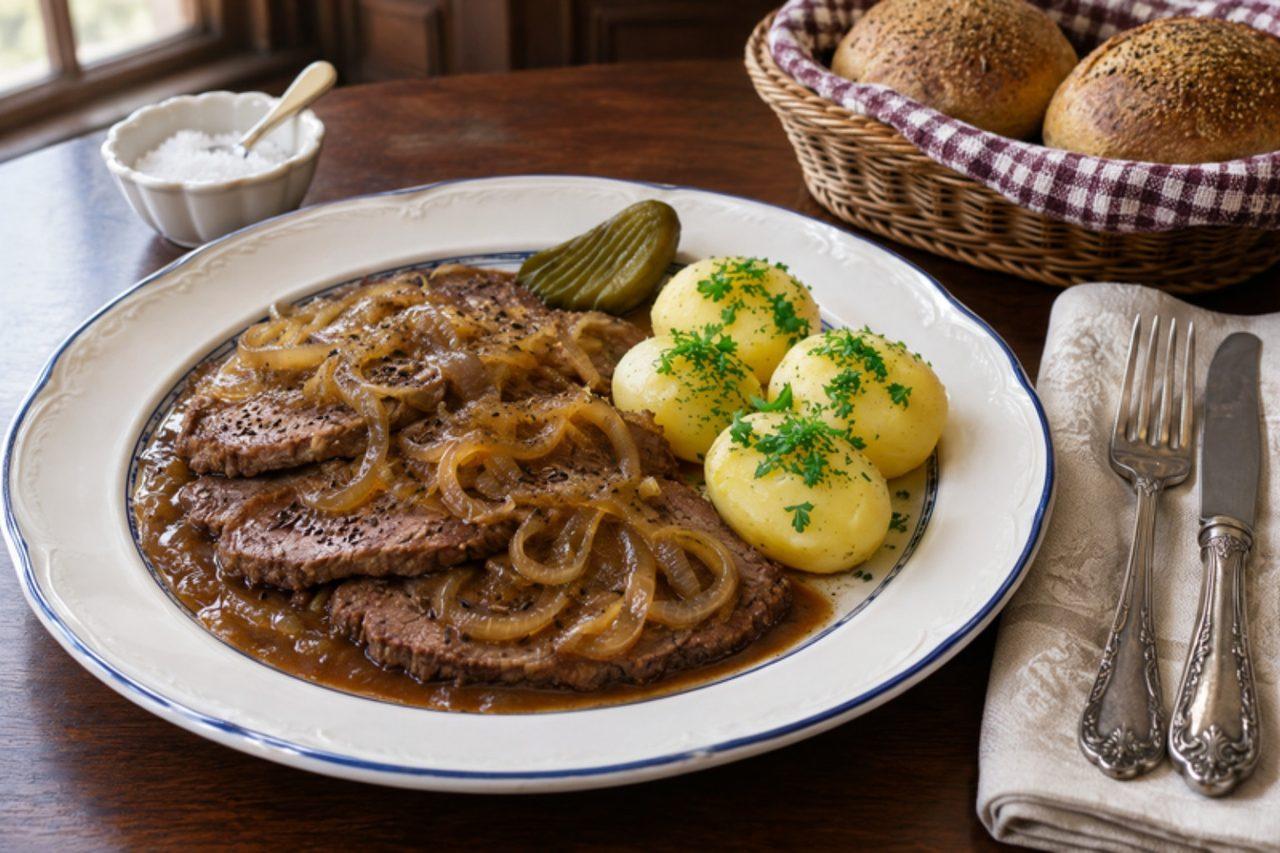
ZwiebelfleischBeef braised with onions

Zwiebelfleisch is an old Viennese Beisl dish, the kind of hearty lunch an inn serves on a cold weekday, with boiled or fried potatoes alongside. Thin slices of beef braise slowly with a mountain of onions, a splash of vinegar, caraway and marjoram until the onions melt into a sweet, tangy gravy. The usual mistake is browning the onions too fast: they turn bitter, so let them colour slowly to a deep gold. Pressure-cooker: 25 minutes at high pressure after browning. Chef's tip: a teaspoon of mustard stirred in at the end rounds out the sauce and brightens the vinegar.

125 minGermanMeat
by KrazyBadal 0 views

Ají amarillo pasteYellow chilli paste

In Lima's markets ají amarillo is sold fresh all year, and most Peruvian cooks keep a tub of this paste in the fridge the way others keep tomato purée: it is the golden base of causa limeña, ají de gallina, papa a la huancaína, chupe and the sauce for tiraditos. The chillies are seeded, de-veined and blanched in three changes of water, which tames the heat and the raw grassiness, then peeled and blended with oil into a thick, silky, saffron-orange paste. It tastes fruity and sunny, almost like apricot and passion fruit, with a rounded, medium heat. Abroad, buy whole frozen ají amarillo from Latin grocers; dried ají mirasol, soaked, gives a darker, earthier paste. Common mistake: skipping the peeling; the thin skins leave papery flecks and a bitter edge. It is ready when it is completely smooth and holds a soft peak like thick hummus. This is a low-acid paste: keep it in the fridge for a week or freeze it, never on the shelf. Chef's tip: freeze it in an ice-cube tray; one cube is about a tablespoon, just right for a pot of ají de gallina.

by KrazyBadal 0 views

Jugo surtidoMixed fruit juice

Step up to any juguería in Lima's Mercado de Surquillo or a barrio market at breakfast time and order a surtido: the juicer drops papaya, banana, pineapple and freshly squeezed orange into a tall blender, sometimes a slice of cooked beetroot for colour or a splash of milk, and pours you a big glass with the rest left in the jug for your 'yapa', the free refill. It is thick but still pourable, sweet from ripe fruit with a sharp orange edge, the kind of drink that stands in for breakfast before a long day. The common mistake is adding lots of ice and water, which makes it thin and frothy rather than velvety. Use cold fruit and freshly squeezed orange juice as the liquid. It is ready when it coats the glass and no lumps of banana are left. This version is fruit only; stalls also make it with milk if you prefer. Drink it straight away: papaya and banana go brown and bitter within half an hour. Chef's tip: use very ripe papaya with orange flesh; under-ripe papaya tastes of nothing and gives a faintly bitter aftertaste.

by KrazyBadal 0 views

Refresco de coconaCocona cooler

In Iquitos, Pucallpa and the river towns of Loreto, heat and humidity make a cold refresco part of every lunch, and cocona is one of the favourites sold from plastic jugs at the Belén market. The fruit looks like a fuzzy orange tomato and tastes between tomato, lemon and apricot: very sour, aromatic and juicy. Blended with water and sugar it makes a tangy, golden drink with a light pulp, served with juane or tacacho con cecina. The usual mistake is skipping the fuzz: cocona skin is covered in fine hairs that make the drink scratchy, so rub them off under running water before you start. Blend only briefly, too, so the many seeds do not crack. It is ready when the refresco is opaque orange, sour first and sweet after, with no grit. Outside the Amazon, look for frozen cocona pulp in Latin American shops; naranjilla (lulo) pulp is the closest substitute. Chef's tip: a pinch of salt makes the fruit taste sweeter and fruitier without more sugar.

by KrazyBadal 0 views

Estofado de polloChicken stew

Estofado de pollo is the mild, homely chicken stew of Lima's family kitchens and school lunches, usually on the table on a weekday or a quiet Sunday with white rice. Chicken pieces are browned, then braised in a sauce of onion, garlic, tomato, a little ají panca paste and bay, with carrots, peas and yellow potatoes cooked right in the pot until the sauce is thick and orange. It is comforting rather than hot. The usual mistake is boiling it hard, which shreds the potatoes and dries the chicken; keep it at a lazy bubble. Chef's tip: use a few yellow potatoes along with waxy ones; they collapse slightly and thicken the sauce naturally.

by KrazyBadal 0 views

BusecaTripe and white bean stew

Buseca arrived in Montevideo with Italian immigrants from Lombardy and became a classic winter dish of Uruguayan bodegones and family kitchens, eaten on cold June and July days. Honeycomb tripe is simmered until tender, then stewed with white beans, pork chorizo, bacon, peppers, tomato and paprika into a thick, warming stew served with crusty bread. Buy tripe that is already cleaned and blanched (dressed). The usual mistake is undercooking the tripe: it needs a full 2 hours, until it's soft enough to cut with a spoon. Slow-cooker option: after step 4, cook on low for 8 hours. Chef's tip: a little grated lemon zest and parsley stirred in at the end lifts the rich, gelatinous sauce.

by KrazyBadal 0 views

Buñuelos de algasSea lettuce fritters

On the beaches of Rocha, from La Paloma to Punta del Diablo, vendors walk the sand with baskets of hot buñuelos de algas: puffy, salty fritters speckled green with sea lettuce, eaten with a squeeze of lemon. Use dried sea lettuce or mixed seaweed flakes from a shop, or fresh sea lettuce only from a seller who harvests clean water; never pick it from a harbour or near drains. The usual mistake is frying in oil that isn't hot enough, so the fritters soak it up and turn greasy. Chef's tip: rest the batter for 15 minutes so the seaweed softens and the fritters puff more.

by KrazyBadal 0 views

Martín FierroCheese with quince paste

Ask for dessert in a Montevideo bodegón or a country parador and you may be offered a Martín Fierro: a thick slice of fresh, mild cheese laid with an equal slice of dense quince or sweet-potato paste, named after the gaucho of the epic poem. It's salty against sweet, soft against firm, and takes two minutes to assemble. Uruguayan fresh cheese is usually made with animal rennet, so choose one with vegetarian rennet if that matters to you. The mistake is serving it fridge-cold, which dulls both flavours. Chef's tip: cut the cheese and paste to exactly the same thickness, about 1 cm, so every bite has both.

by KrazyBadal 0 views

MbaipyCheesy polenta

Mbaipy (say 'mbai-PU') is Guaraní country cooking at its plainest: coarse corn flour stirred into milk and onion fried in oil until it thickens into a soft, spoonable porridge, finished with cubes of fresh cheese that melt into strings. In the Paraguayan countryside it is a cheap winter supper; cooks often stir in shredded chicken to make mbaipy so'o, but this is the meat-free version eaten on fasting days and in plenty of homes. Queso Paraguay is made with animal rennet, so use a vegetarian mozzarella or fresh cheese if you need to. The usual mistake is tipping the corn flour in all at once, which makes lumps that never cook out. Chef's tip: let it sit, covered, off the heat for five minutes before serving; it firms up slightly and the corn swells fully.

by KrazyBadal 0 views

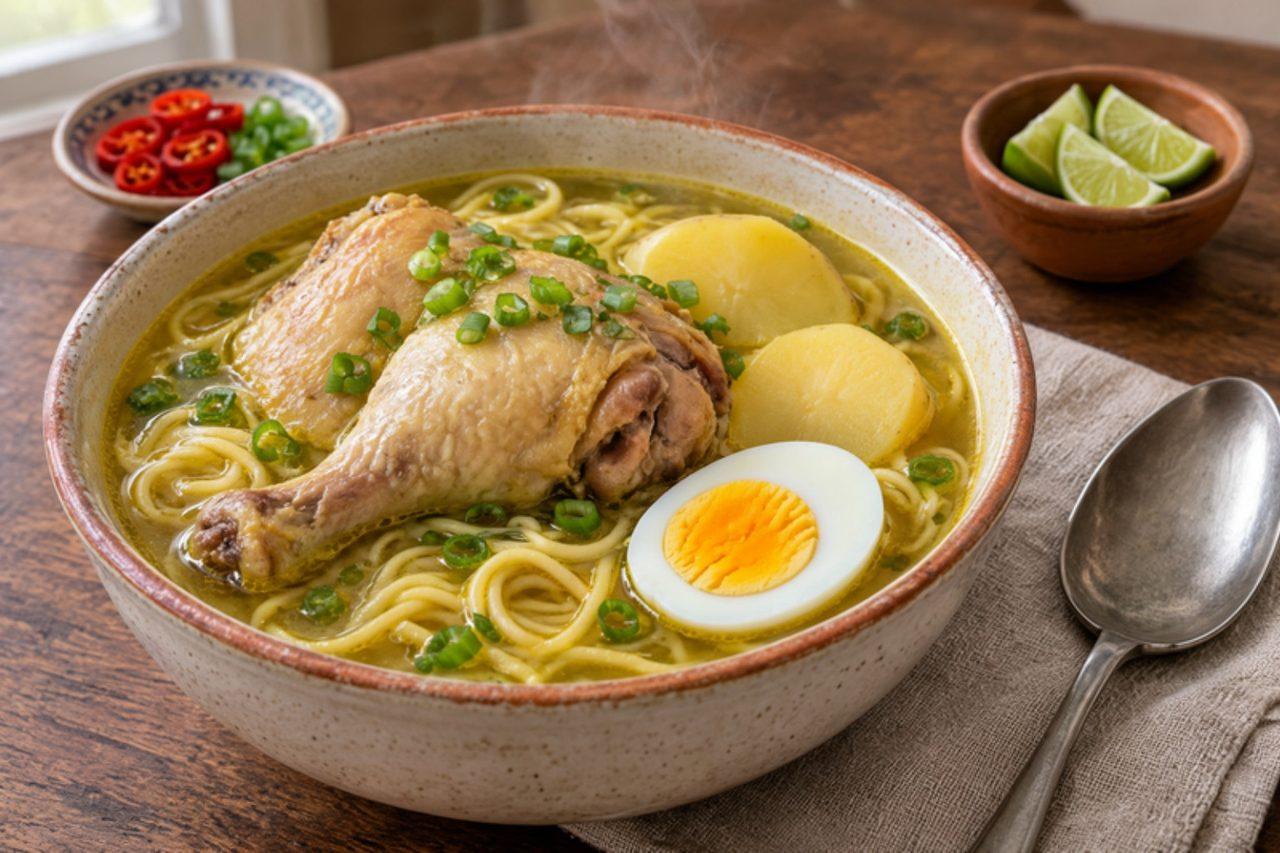
Caldo de gallinaHen broth with noodles

In Lima's markets and the all-night caldo stalls of districts like La Victoria, a bowl of caldo de gallina is the dawn breakfast for market porters, taxi drivers and anyone coming home late: a deep, golden broth from a slow-simmered hen (a boiling fowl) with ginger and spring onion, ladled over thick noodles and yellow potato, with a boiled egg, lime and ají chilli on the side. The common mistake is boiling the broth hard, which clouds it and toughens the meat; keep it to a lazy simmer. The chicken must reach 74 °C, though after this long simmer it will be well past that. Chef's tip: cook the noodles separately, then put them in the bowls; cooked in the pot they drink the broth and turn it starchy.

by KrazyBadal 0 views

Escabeche de pescadoFried fish in sweet-sour onion sauce

In Lima, escabeche de pescado belongs to the criollo kitchen of the old city: it turns up on Friday lunch menus, on buffet tables, and above all in Lent and Holy Week, when families eat fish and this dish can be made the day before. Fish is fried until golden, then covered in a warm sauce of thick-cut red onion softened in oil with garlic, ají amarillo, ají panca, cumin and vinegar, and left to cool so the flavours soak in. It is served cold or at room temperature with boiled sweet potato, hard-boiled egg and purple botija olives. It tastes tangy, sweet and gently fruity-hot, with crunchy onion over tender fish. The fish here is fully cooked, but because it is a cold seafood dish, pregnant people, babies, older people and anyone with weak immunity should eat it well chilled and within 2 days. Common mistake: stewing the onions until limp; they should only lose their raw bite. It is ready when the sauce has soaked a little into the fish and smells of vinegar and toasted chilli. Chef's tip: use thick fillets of corvina or bonito; thin fillets break under the sauce.

by KrazyBadal 0 views

Grünkohl mit PinkelBraised kale with smoked sausage

In Bremen and Oldenburg, Grünkohl mit Pinkel is the dish of the winter Kohlfahrt, when groups walk out into the frosty countryside and finish at an inn for kale, smoked pork and Pinkel, a smoked sausage of pork, bacon and oats. The kale is braised for hours with onions, lard and smoked pork until dark, soft and almost creamy, then the sausages warm through on top. Serve with boiled potatoes or small caramelised ones and mustard. The usual mistake is cooking the kale briefly like a vegetable side; it needs the long braise to lose its bitterness. Chef's tip: kale is best after the first frost, which makes the leaves sweeter; frozen chopped kale is a good shortcut.

160 minGermanMeat
by KrazyBadal 0 views

TereréIced yerba mate

In Asunción the hottest part of the day stops for tereré: a horn or cup packed with yerba mate, topped up again and again with ice water infused with crushed herbs, and passed round the group through a metal straw. It was recognised by UNESCO as part of Paraguay's cultural heritage, and the herbs (yuyos) change with the season and the drinker's mood. Yerba mate contains caffeine, so it isn't one for small children. The common mistake is pouring water straight into loose yerba, which then clogs the straw; tilt the yerba to one side first. Chef's tip: for tereré ruso, swap the water for cold orange or grapefruit juice.

by KrazyBadal 0 views

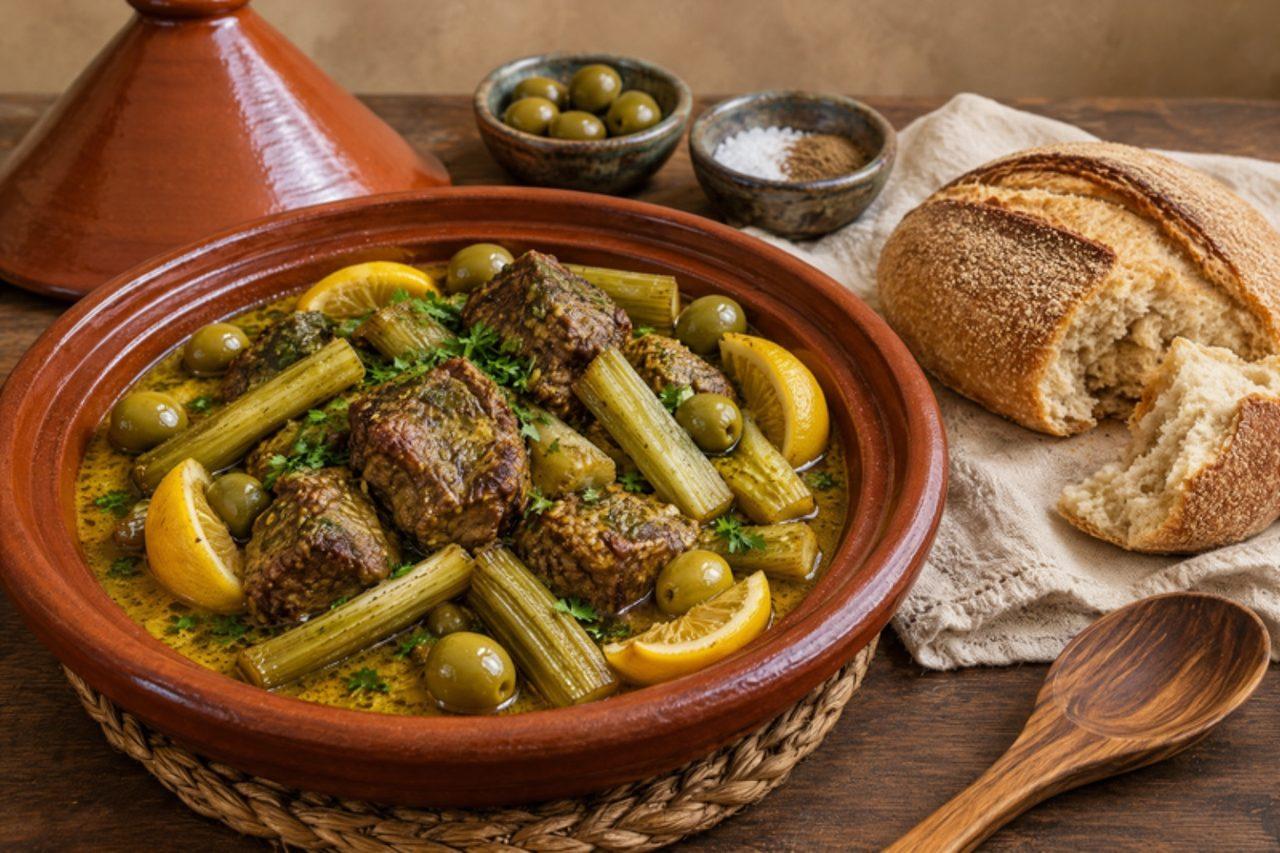
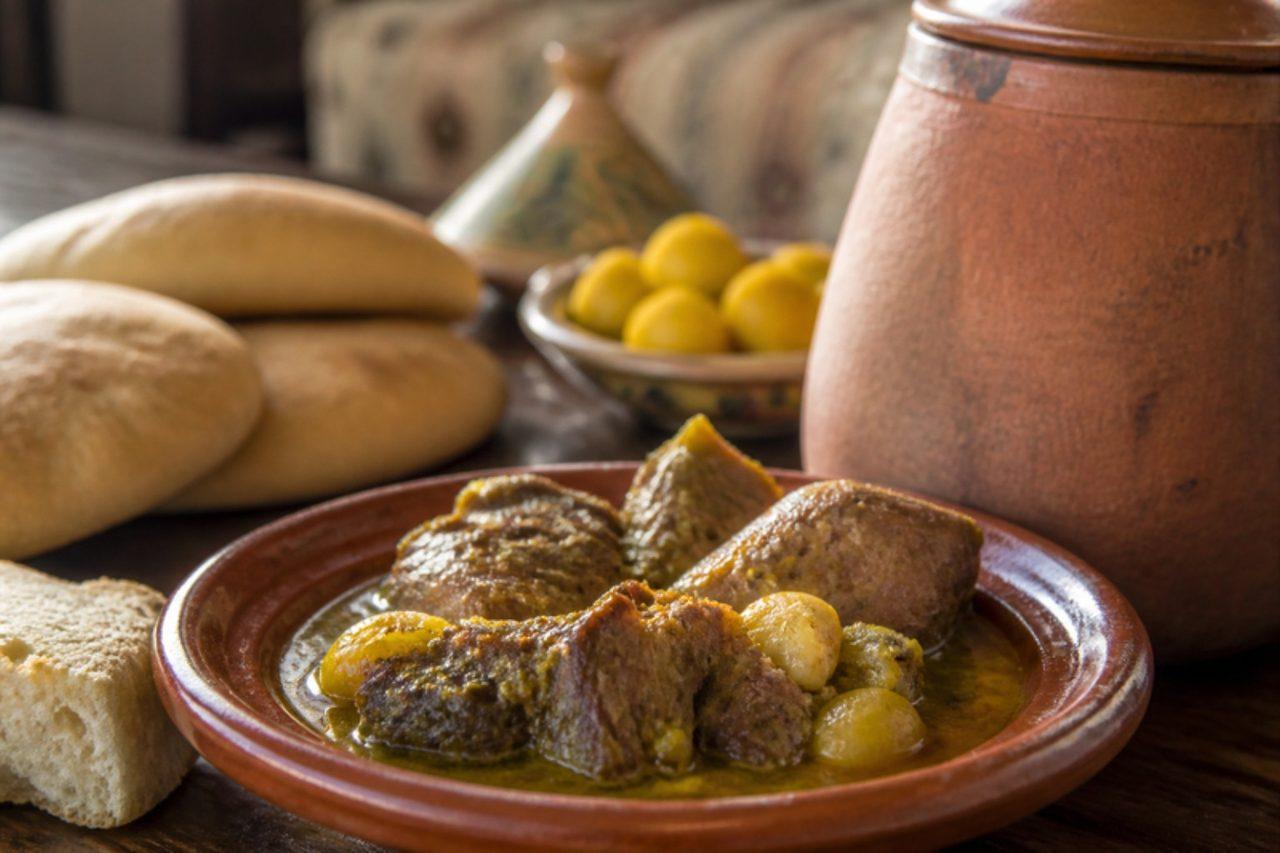
Tagine bil khorchefLamb tagine with cardoons

In late winter and spring, when wild cardoons (khorchef) appear in the markets of Fez, Meknes and Rabat, Moroccan families cook them into this lamb tagine for a family lunch, eaten with bread to mop up the sauce. Lamb shoulder is simmered slowly with onion, ginger, saffron and turmeric until tender, then the peeled cardoon stalks are added and finished with preserved lemon and green olives, giving a tangy, faintly bitter, artichoke-like sauce. The usual mistake is not peeling and soaking the cardoons properly: the stringy outside must come off and the stalks must sit in lemon water, or they go brown and taste harsh. Artichoke hearts are a good stand-in. Chef's tip: reduce the sauce uncovered at the end until it is thick and oily, the sign of a well-made tagine.

155 minMoroccanMeatGluten free
by KrazyBadal 0 views

Ei im GlasSoft-boiled eggs in a glass

In the old coffee houses of Vienna, the breakfast menu still lists Ei im Glas: two very soft-boiled eggs, scooped warm from their shells into a small glass, with a knob of butter, chives, salt and pepper. You stir it into a golden, custardy mess and eat it with a crisp Semmel roll (gluten-free bread if you need it) and a Melange coffee. The mistake almost everyone makes is boiling the eggs a minute too long, so the yolk sets and the dish turns into plain egg salad. Chef's tip: warm the glass with hot water while the eggs cook, so the butter melts on contact and the eggs stay hot to the last spoonful.

by KrazyBadal 0 views

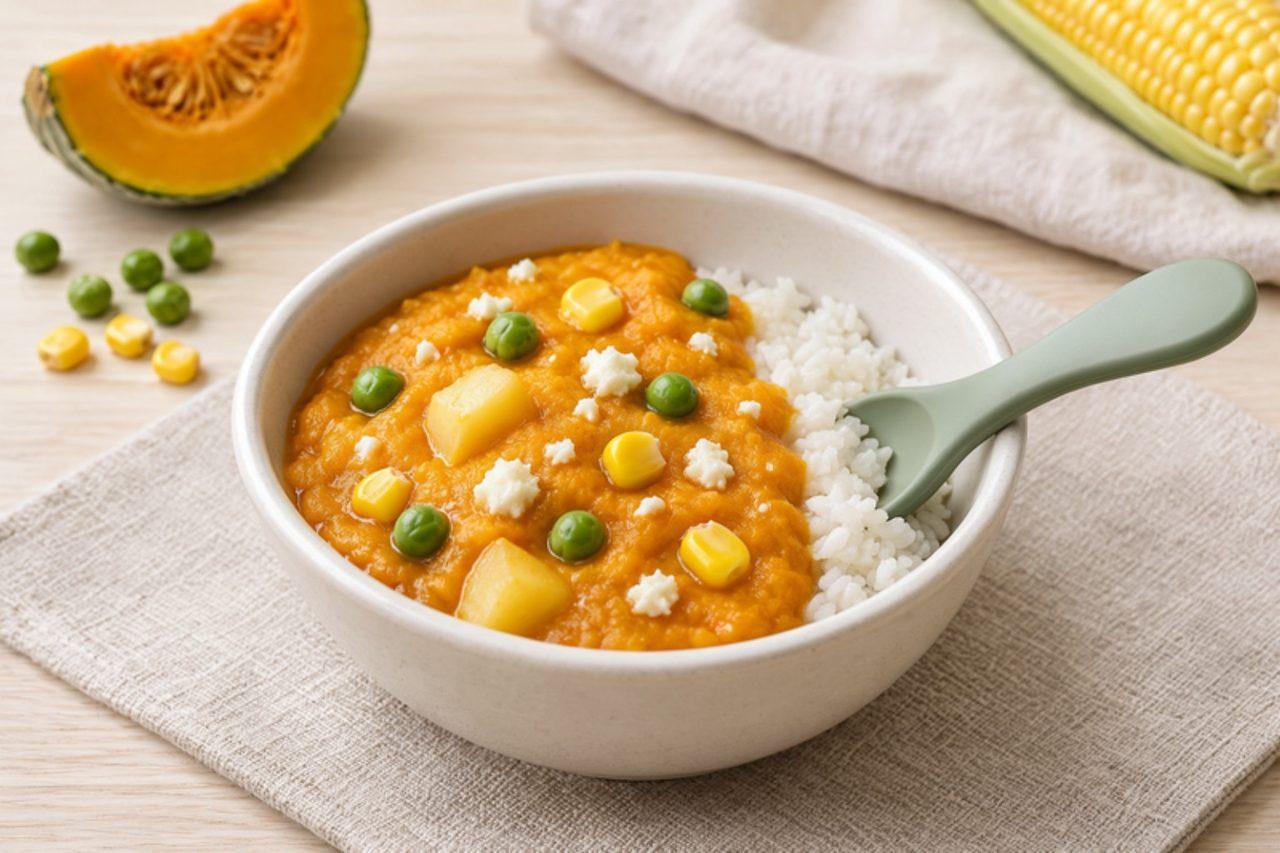
Locro de zapallo for toddlersPumpkin stew for toddlers

Locro de zapallo is the golden pumpkin stew of Lima's home kitchens and menú lunch spots, eaten on weekdays with white rice and, for adults, a fried egg and ají on the side. For toddlers from 12 months it is cooked without any ají, the pumpkin is simmered until it melts into a sauce, and just a little crumbled fresh cheese is stirred in, so it is sweet, creamy and easy to mash. It contains milk; there is no gluten, egg, nuts or soya. Queso fresco is often made with animal rennet, so for a vegetarian bowl choose one labelled vegetarian, or use a little paneer, and always a pasteurised cheese. Chef's tip: cut half the pumpkin small so it dissolves into the sauce and the rest larger so it keeps some shape.

by KrazyBadal 0 views

RinderrouladenStuffed beef rolls

Rinderrouladen are the Sunday and holiday roast of Germany, made by grandmothers from the Rhineland to Saxony and served at Christmas with red cabbage and potato dumplings. Thin slices of beef are spread with mustard and rolled round smoked bacon (pork), onion and gherkin, then browned and braised for two hours in red wine and stock until tender, giving a deep, glossy gravy. For an alcohol-free version use extra stock with a tablespoon of red wine vinegar. The usual mistake is rolls that unravel in the pot; tie them firmly or pin with two cocktail sticks. Slow-cooker: after browning, cook on low for 7 hours, then thicken the sauce in a pan. Chef's tip: ask the butcher for topside sliced 5 mm thick and beat it a little thinner, so it rolls easily without tearing.

165 minGermanMeat
by KrazyBadal 0 views

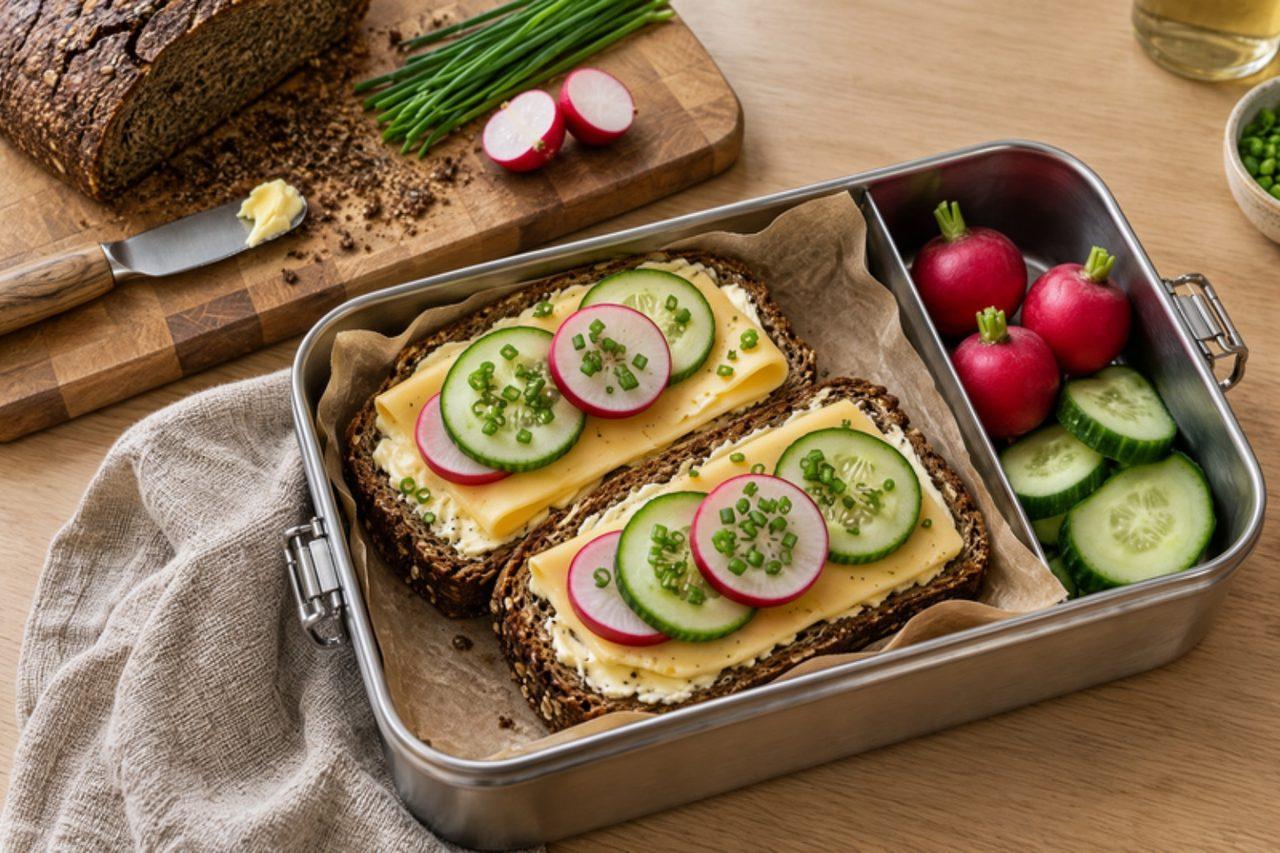
ButterbrotRye bread with cheese and vegetables

Every German schoolchild knows the Pausenbrot: two slices of rye or mixed-grain bread spread with good butter, closed around a slice of cheese, wrapped in paper and eaten in the mid-morning break, with a few cucumber or apple slices on the side. Adults take the same Butterbrot to work. The common mistake is spreading cold, hard butter, which tears the bread and leaves bare patches that let any wet filling soak in. Many Gouda-style cheeses use animal rennet, so choose one marked vegetarian. Chef's tip: butter right to the crust on both slices; the butter is a waterproof layer that keeps the bread fresh until lunchtime.

by KrazyBadal 0 views

Tanjia marrakchiaSlow-cooked beef with preserved lemon

Marrakech men's dish par excellence, tanjia is packed into a tall clay urn on a Friday morning, sealed with paper and string, and carried to the furnace man of the local hammam, who buries it in the warm ashes all day. Nothing is browned and almost no water goes in: the beef shin collapses in its own juices with preserved lemon, a whole head of garlic, cumin, saffron and smen into soft, sticky strands with a sharp, salty, lemony sauce. It comes to the table in the evening with bread and nothing else. At home, a lidded casserole in a low oven gives the same result. Chef's tip: wrap the lid of the pot in foil before closing it; a tight seal keeps in the steam that braises the meat without adding water.

375 minMoroccanMeatGluten free
by KrazyBadal 0 views

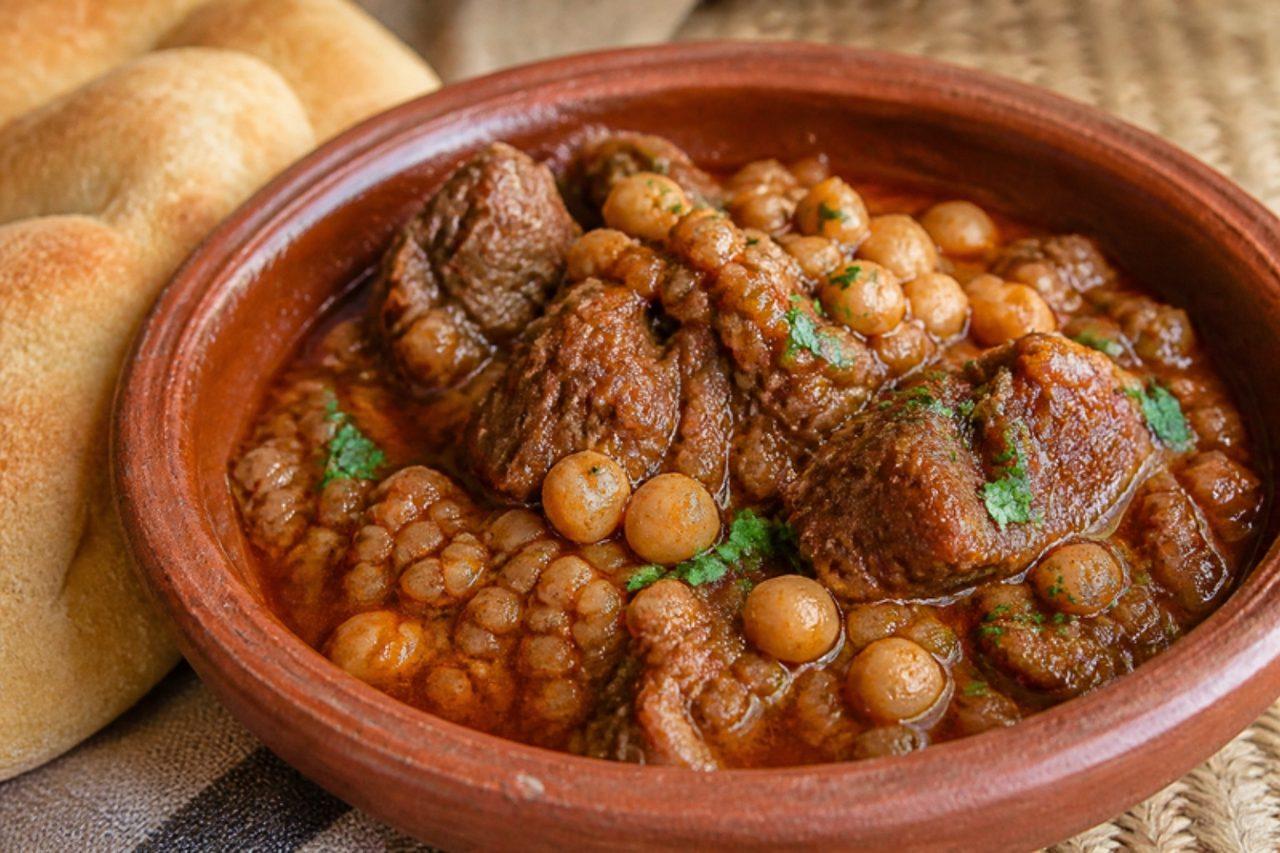
HergmaLamb trotters with chickpeas

Sticky with gelatine and warmed by cumin and ginger, hergma is the winter comfort food of Rabat's working kitchens and the dish families make from the trotters after Eid al-Adha. The feet cook for hours with chickpeas, whole wheat berries, garlic and a warm mix of paprika, cumin and ginger, until the gelatine melts into a sauce so sticky it glues your fingers together. Some cooks add raisins for a sweet edge. Eat it hot with bread, picking the tender meat and soft cartilage from the bones. A butcher who sells halal or Mediterranean cuts will clean, singe and split the trotters for you; ask for that. Chef's tip: blanch the trotters and throw away the first water; it carries off the scum and gives a clean-tasting sauce.

260 minMoroccanMeat
by KrazyBadal 0 views

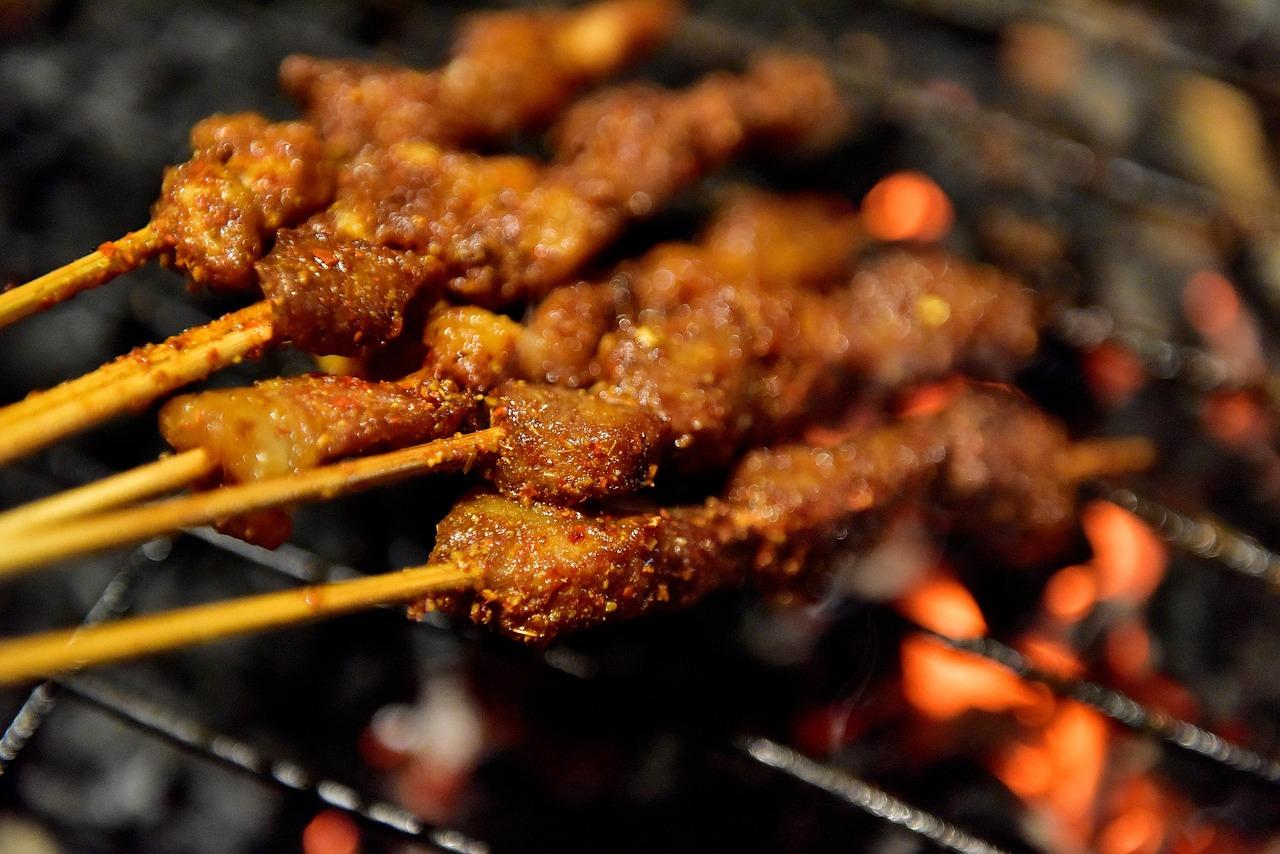
QodbanGrilled lamb skewers

Smoke rising off long braziers marks the qodban sellers of Marrakech, who thread lamb cubes with little pieces of fat so the meat bastes itself over the coals. Cumin, paprika, grated onion and parsley go on before grilling; more cumin and salt go on after. The result is charred and juicy, fragrant rather than fiery, and eaten straight off the skewer, wrapped in khobz with a little harissa and tomato. Leg or shoulder of lamb both work. Chef's tip: alternate every two pieces of lean meat with one small piece of fat; it melts as the skewer turns and keeps the lean pieces moist.

by KrazyBadal 0 views

Showing 24 of 394 recipes

Show more recipes

Page 2 of 17