Skip to content
Recipes

All recipes

Vegetarian, or something you can't eat? Set your diet once and we'll hide recipes that don't fit.

Maftoul

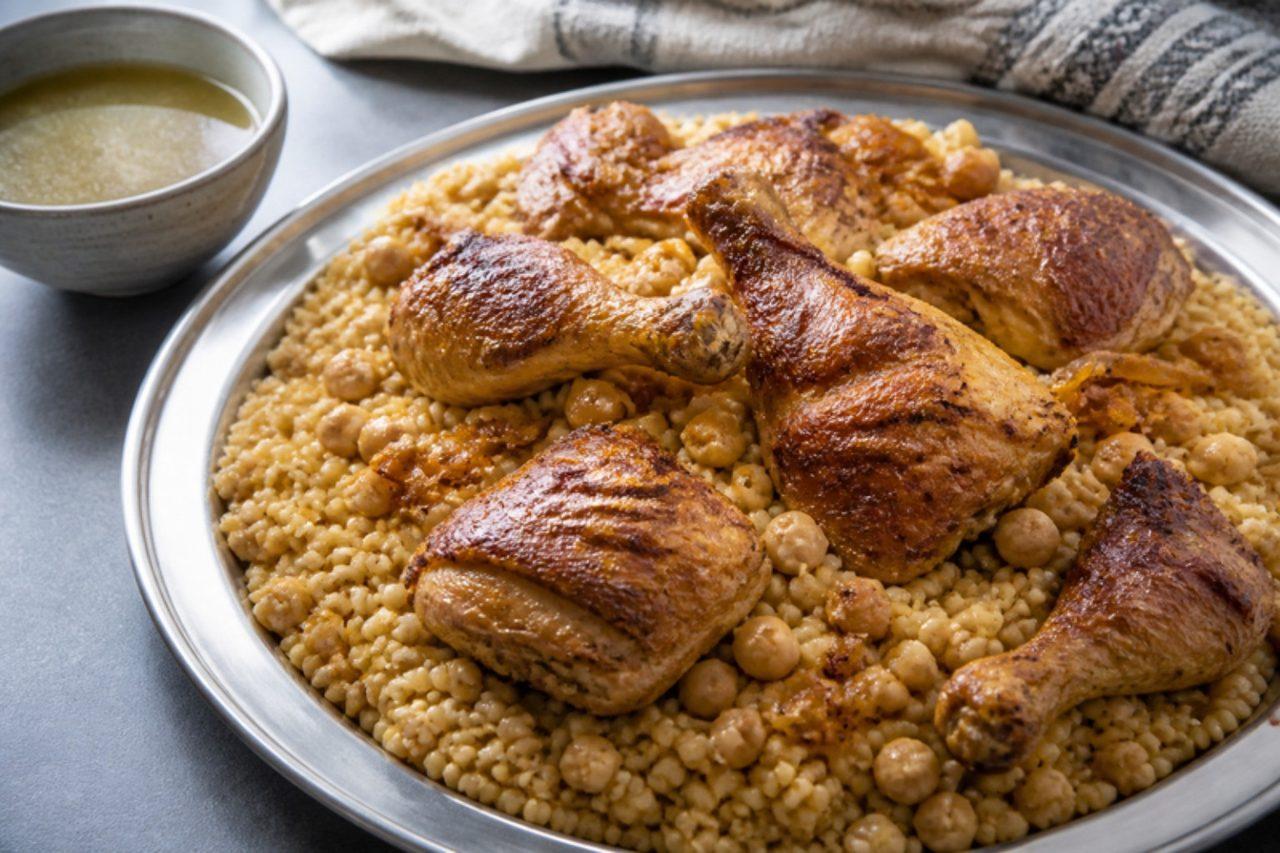
Maftoul means 'rolled', and in Palestinian villages women still sit together in autumn rolling bulgur and flour by hand into pea-sized pearls, drying them in the sun to last the winter. For a family gathering, the maftoul is steamed over a pot of chicken simmering with onions, chickpeas and caraway, then served on a big platter with the chicken on top and the broth in bowls alongside. Bought maftoul or giant couscous is fine. Common mistake: boiling the maftoul like pasta, which makes it gluey; steam it, then moisten with broth. Chef's tip: toss the dry maftoul with oil and spices before steaming so every grain stays separate.

by KrazyBadal 0 views
Shai bil maramiya

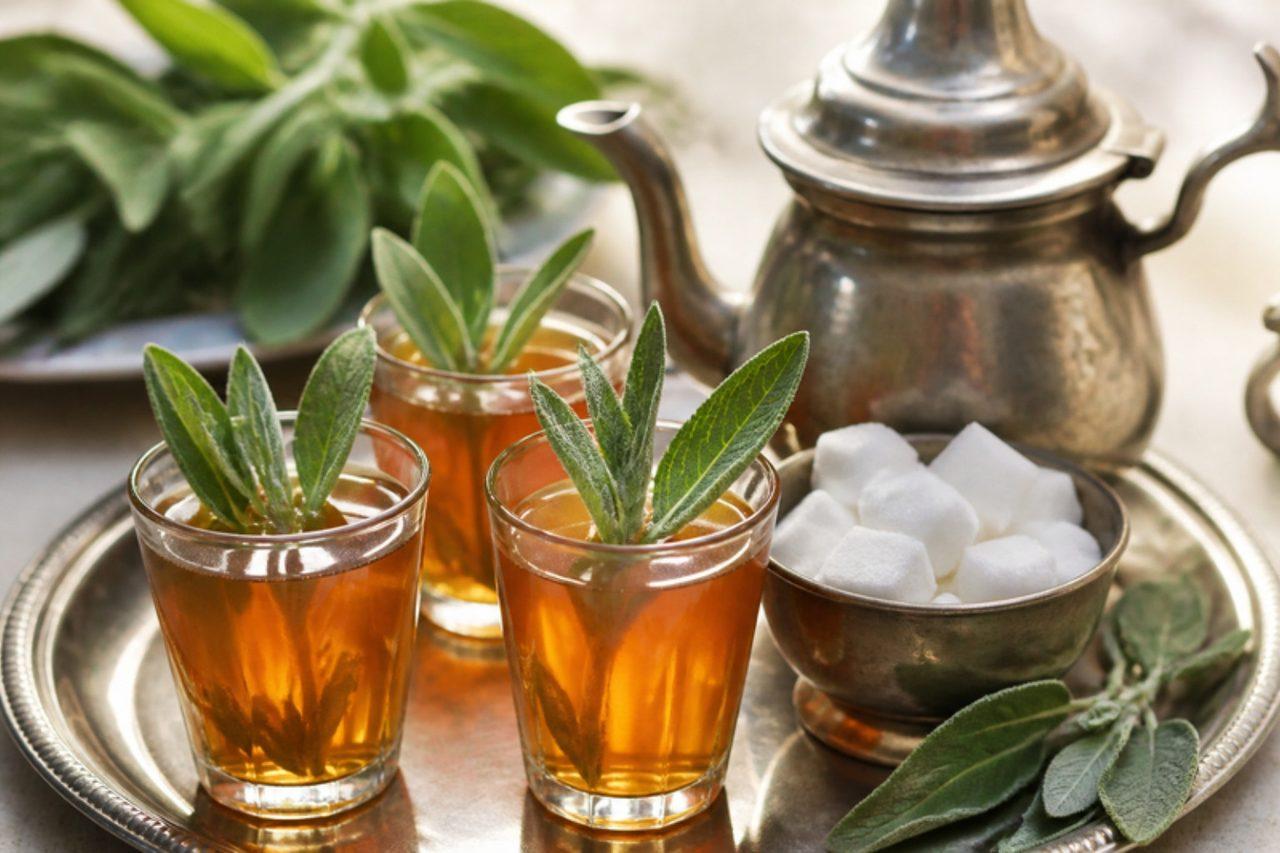
Offer a guest tea in a Palestinian home and it will most likely come in small glasses, sweet, strong and fragrant with maramiya, the soft-leaved sage that grows on every terrace and is said to settle the stomach after a heavy meal. In winter the leaves are dried; in spring they are picked fresh. Common mistake: boiling the sage with the tea, which brings out a medicinal bitterness; it goes in after the heat is off. Chef's tip: bruise the sage leaves between your fingers before dropping them in, and let them steep only 2–3 minutes.

by KrazyBadal 0 views
Shulbato

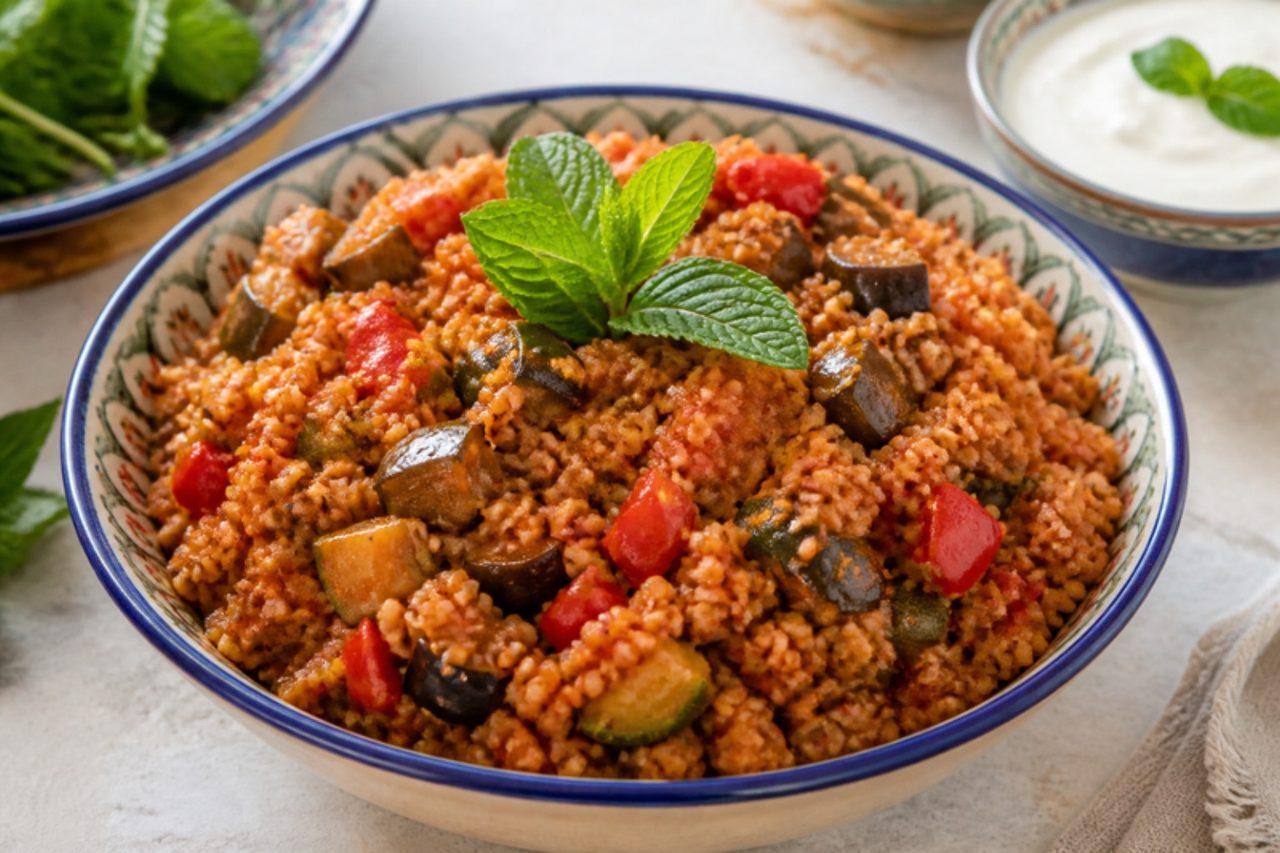
Shulbato is a summer pot from the villages of the West Bank and Galilee, made when the garden overflows: coarse bulgur cooked with aubergine, courgette, peppers, tomato and plenty of onion until the wheat is fluffy and stained red. It is eaten warm or cool on hot days with a bowl of yoghurt or a cucumber salad, and it is also a fasting dish for Christian families. Common mistake: using fine bulgur, which turns mushy; it needs the coarse grade. Chef's tip: let the vegetables catch and brown a little before adding the wheat; that slight char is the flavour of the dish.

by KrazyBadal 0 views
Qidra

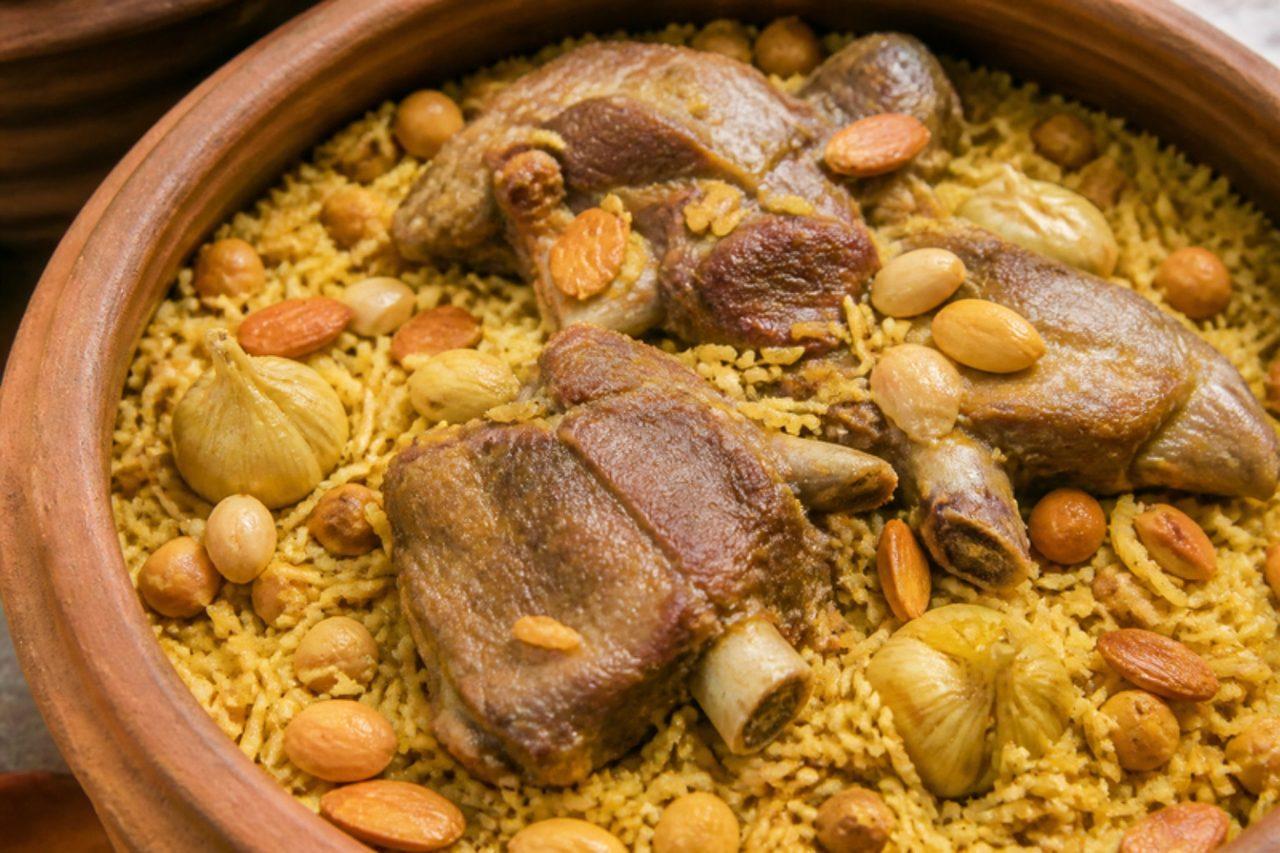
Qidra takes its name from the tall copper or clay pot it is cooked in, which in Hebron is sealed and carried to the neighbourhood bakery to cook slowly in the bread oven for Friday lunch, weddings and Eid. The rice is golden with turmeric and cumin, studded with whole garlic cloves and chickpeas, and the lamb underneath turns meltingly tender. At home, a heavy lidded casserole in the oven does the job. Common mistake: lifting the lid to stir, which breaks the rice and lets the steam escape. Chef's tip: soak the rice for 30 minutes and use only as much broth as the recipe says; the sealed pot loses almost nothing.

by KrazyBadal 0 views
Makmoura

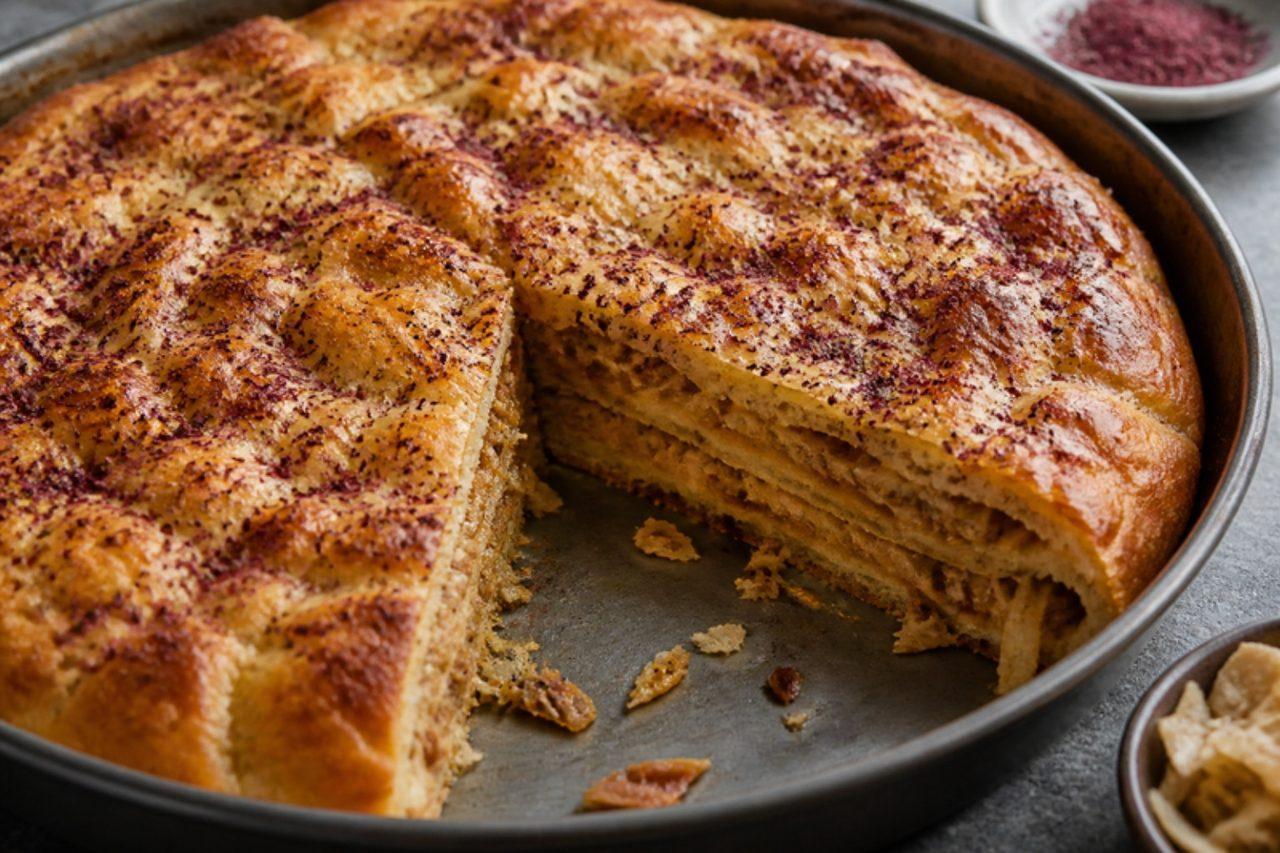
Makmoura (meaning 'buried') is a village dish from around Jenin in the northern West Bank, made in olive harvest season when there is fresh oil to spare: layers of thin bread dough are baked over chicken and a heap of onions slow-cooked in olive oil with sumac and spice, so the bottom soaks up the juices and the top turns crisp. Families tear it apart by hand and eat it with yoghurt and olives. Common mistake: rushing the onions; they need a full half hour to turn sweet and jammy. Chef's tip: use good, fruity olive oil and don't skimp — it is the soul of the dish.

by KrazyBadal 0 views
Zibdiyit gambari

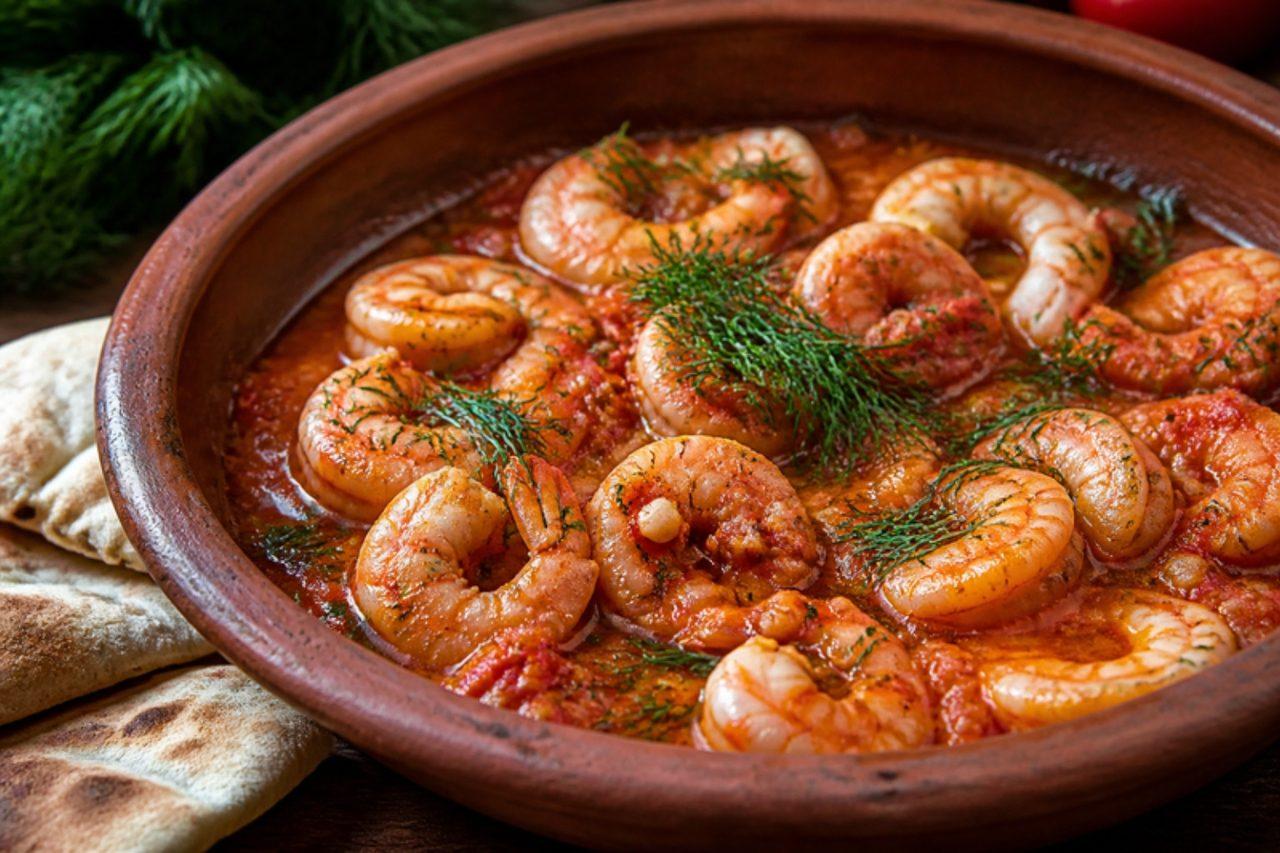
In Gaza's seafront restaurants zibdiyit gambari arrives bubbling in the same clay bowl (zibdiya) in which the sauce was pounded: prawns baked in a fierce tomato sauce full of garlic, green chilli and dill seed, with olive oil pooling at the edges for dipping bread. Families make it at home for special Friday lunches when the catch is good. Common mistake: cooking the prawns as long as the sauce, which makes them tough; they need only a few minutes at the end. Chef's tip: pound the garlic, chilli and dill seed by hand; the rough paste fries into the oil and gives the sauce its punch.

by KrazyBadal 0 views

Salatet za'atar akhdar

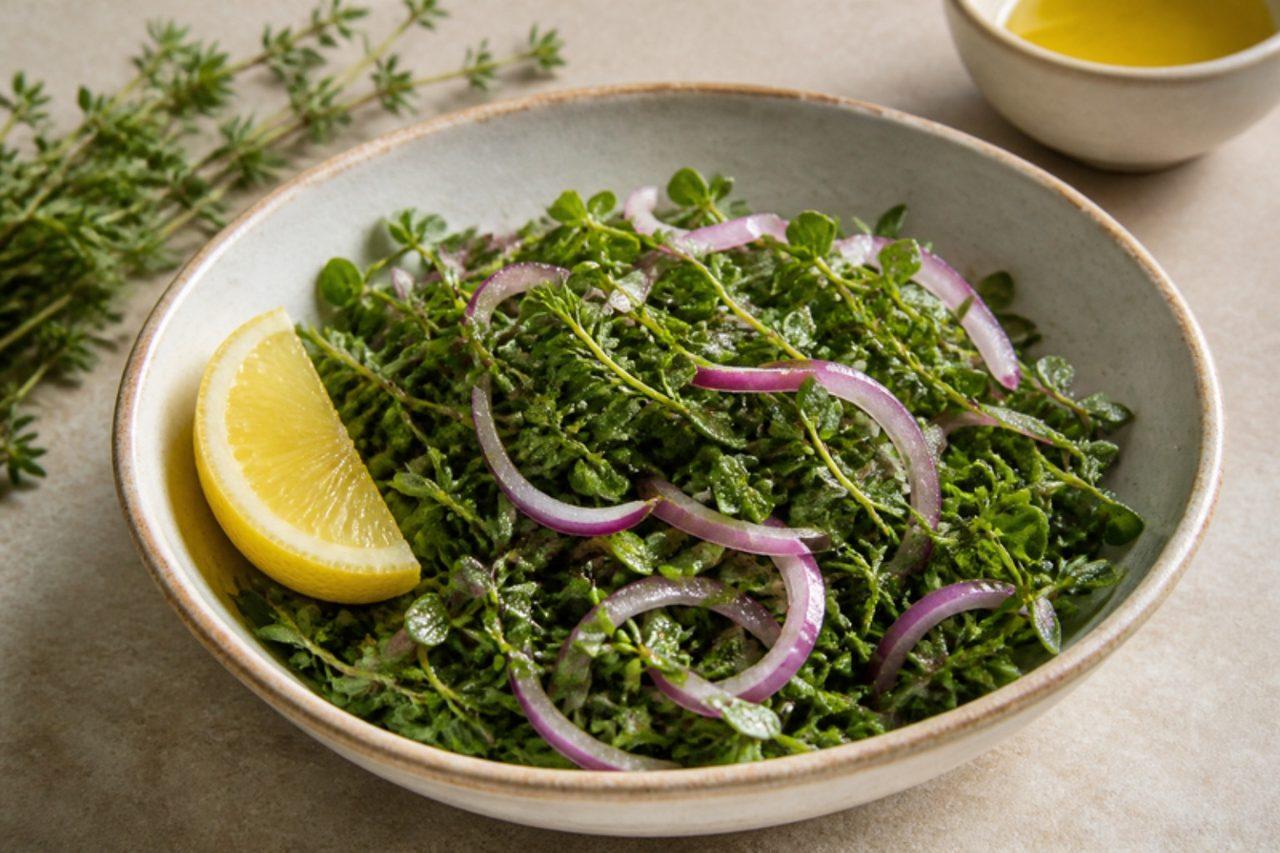
In spring, Palestinian families pick young za'atar (wild hyssop-thyme) from the hills of the West Bank and the Galilee, and the tender leaves are tossed raw with onion, lemon and the year's new olive oil. The salad is sharp, piney and peppery, eaten as part of breakfast with labneh, olives and warm taboon bread, or beside grilled meat. If you can't find fresh za'atar, a mix of fresh oregano, thyme and a little marjoram comes close. Common mistake: chopping the leaves; keep them whole so they stay perky and don't turn dark. Chef's tip: rub the sliced onion with sumac and salt for 5 minutes first; it softens its bite and turns it a pretty pink.

by KrazyBadal 0 views
Ijjeh

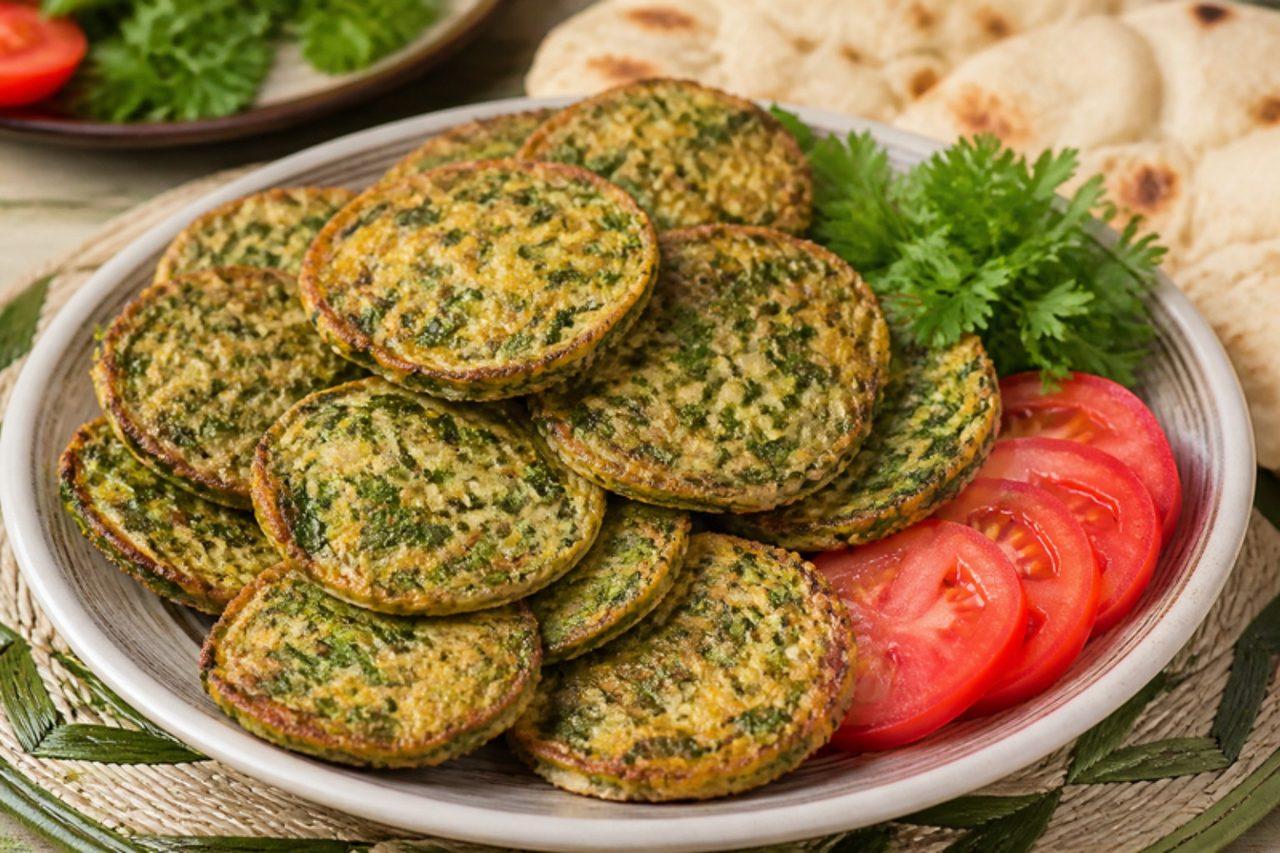
Ijjeh is the quick supper of Palestinian and Levantine homes: eggs beaten with so much parsley, mint and spring onion that they turn green, spiced with a little cinnamon and allspice, then fried as thick little patties. They are tucked into warm bread with tomatoes and pickles for school lunches, or served on a breakfast spread with olives and labneh. Common mistake: frying in too little oil over a high heat, so the outsides burn before the herbs inside cook. Chef's tip: a spoonful of flour and a pinch of baking powder make them puff and stay soft when eaten cold the next day.

by KrazyBadal 0 views

Za'atar spice blend

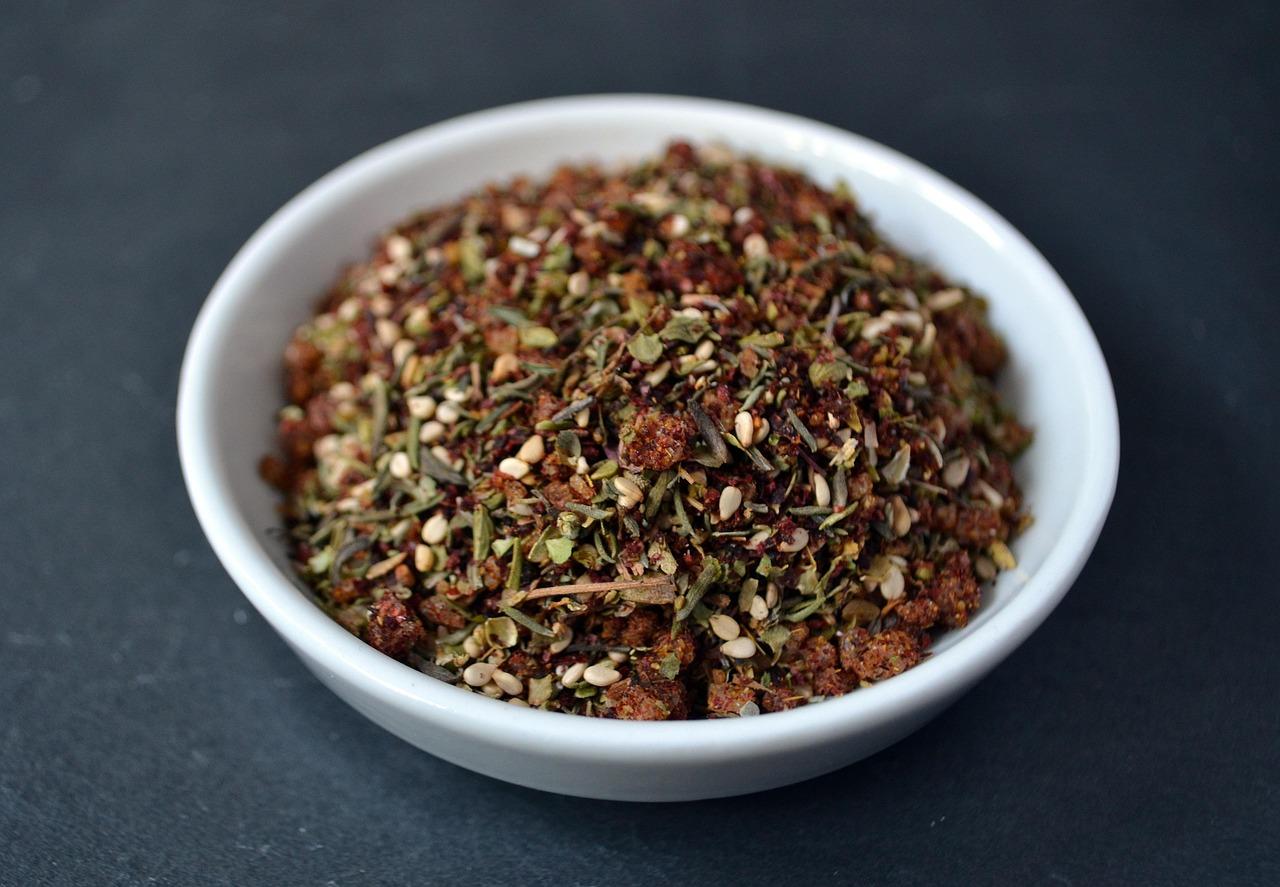
In Palestinian homes za'atar is both a herb and the blend made from it, kept in a jar beside a bowl of olive oil so torn bread can be dipped in one and then the other at breakfast; children grow up on it, and it goes to school in sandwiches. The blend is mostly dried wild za'atar (or thyme and oregano), tangy with sumac, nutty with toasted sesame and seasoned with salt. Common mistake: grinding it to dust; it should be coarse and slightly flaky. Chef's tip: rub the dried leaves with a few drops of olive oil before mixing; it wakes their aroma and helps the sumac cling.

by KrazyBadal 0 views

Sumaghiyyeh

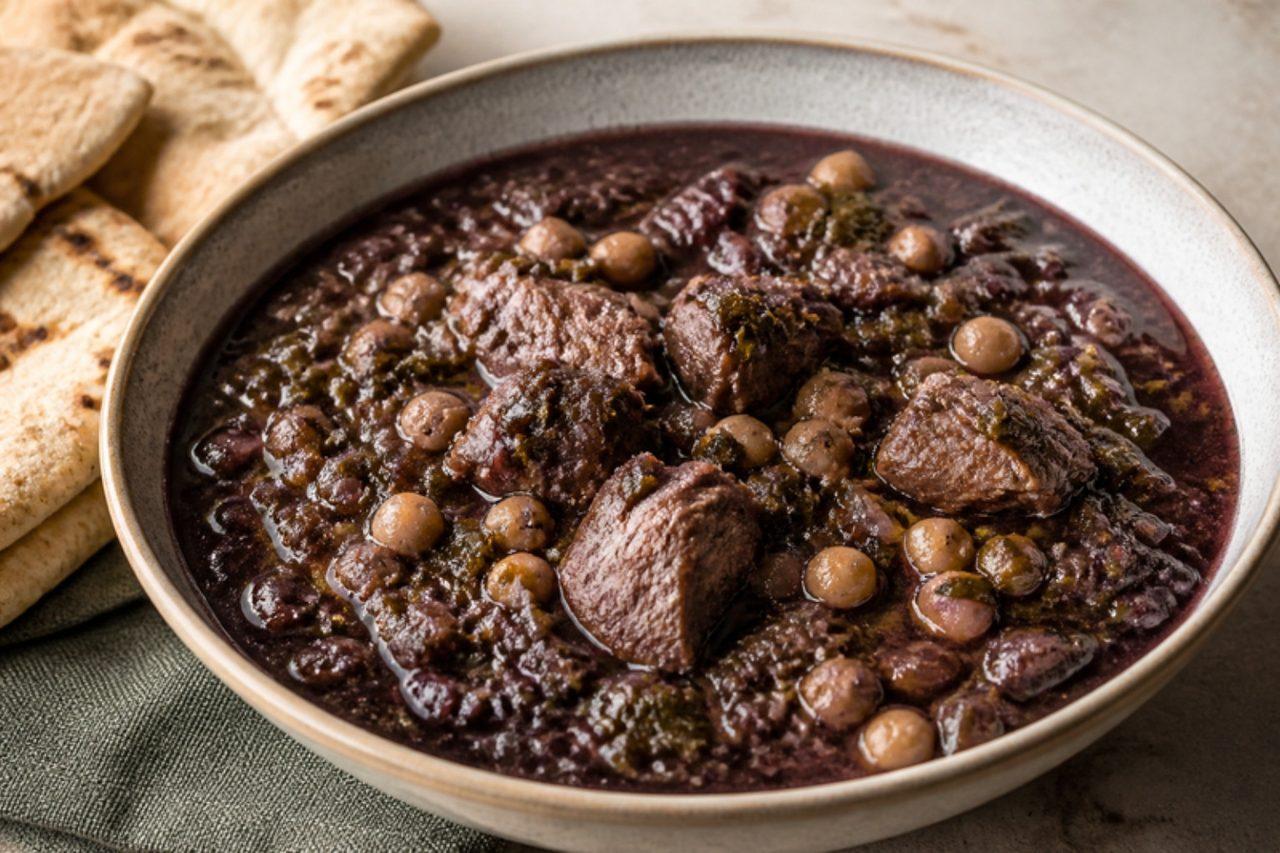
Sumaghiyyeh is Gaza's festive dish, cooked in big pots for Eid al-Fitr and eaten cold the next days with bread: chunks of lamb and chickpeas in a thick, purple-brown sauce of sumac, chard, tahini, garlic, dill and chilli. It tastes sour, nutty and herby all at once and is served at room temperature, sealed under a film of olive oil. Common mistake: using ground sumac straight into the pot, which leaves it gritty; soak the sumac and use the strained liquid. Chef's tip: make it a day ahead; the sauce sets and the flavours deepen, just as Gazan families serve it.

by KrazyBadal 0 views

Djaj mahshi

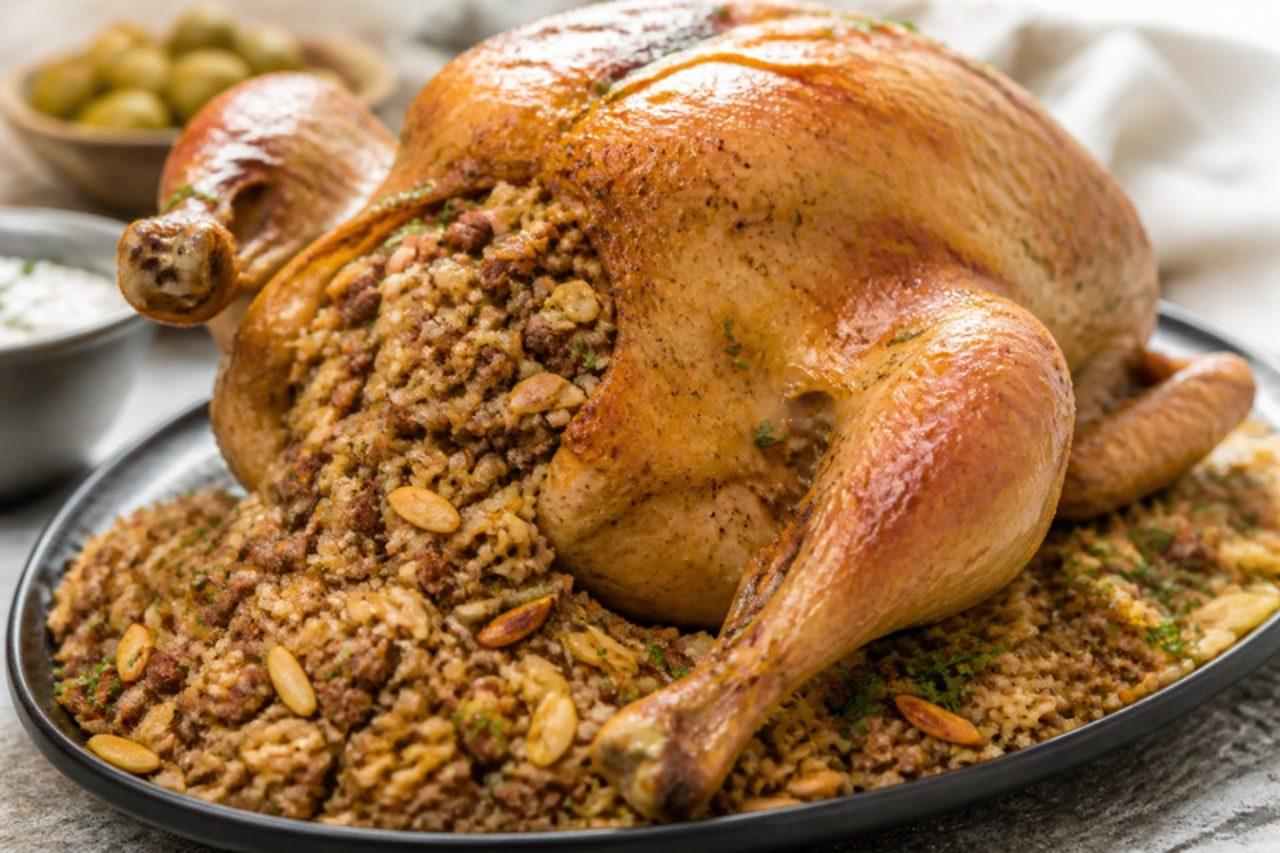
For Eid, Christmas or a wedding lunch in Palestine, a whole chicken stuffed with spiced rice is the centrepiece: the rice cooked with a little minced lamb, seven-spice and cardamom, packed into the bird and roasted until the skin is lacquered brown, then piled on a platter under handfuls of fried almonds and pine nuts. Serve with yoghurt and a chopped salad. Common mistake: packing the cavity tightly with raw rice, which leaves the centre undercooked; part-cook the rice first and stuff loosely. Chef's tip: simmer the chicken briefly in spiced water before roasting, as many Palestinian cooks do; it seasons the meat and keeps it moist.

by KrazyBadal 0 views

Kofta bi tahini

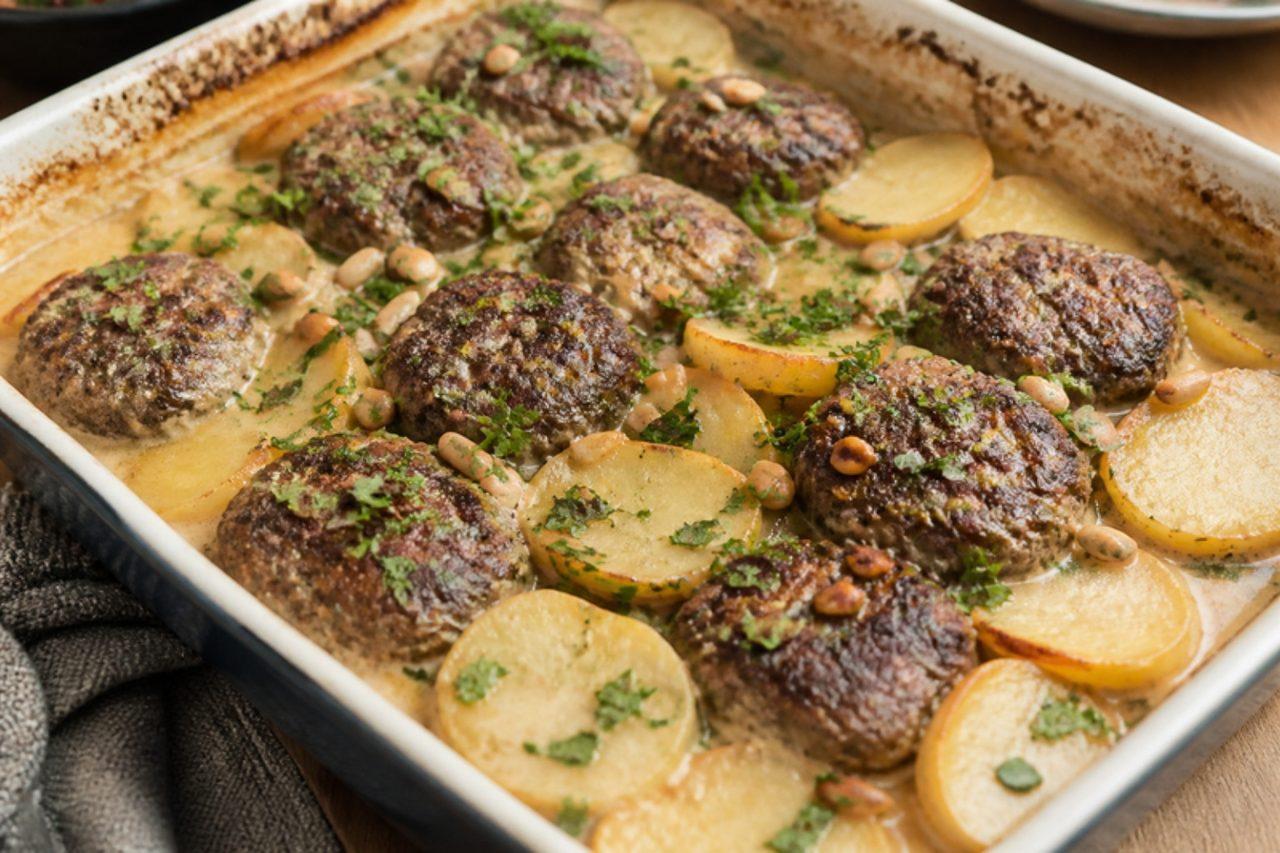
Kofta bi tahini is a family tray-bake from Jerusalem, Nazareth and the West Bank, the kind of dinner that goes into the oven on a weeknight and comes out bubbling and golden: parsley-flecked lamb and beef kofta fingers, sliced potatoes and onions, all covered in a tangy, garlicky tahini sauce. Rice with vermicelli and a chopped salad go alongside. Common mistake: making the tahini sauce too thick; it should pour like single cream, as it thickens a lot in the oven. Chef's tip: brown the kofta and potatoes before they meet the sauce; it keeps the kofta firm and stops the potatoes turning soggy.

by KrazyBadal 0 views

Msabbaha

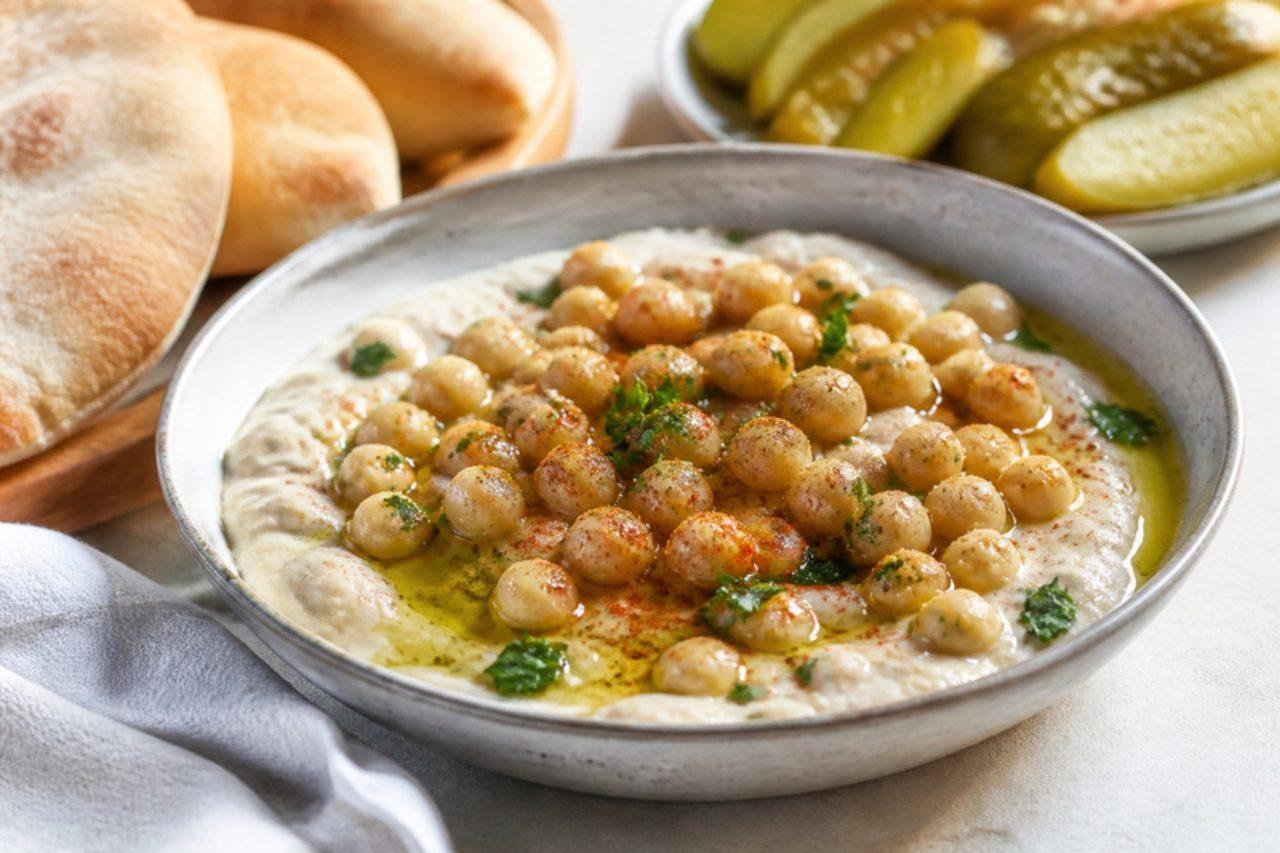
Hummus shops in Jerusalem's Old City and in Nablus open before dawn, and alongside the smooth hummus they ladle out msabbaha: whole, just-cooked chickpeas bathed in a loose, garlicky tahini and lemon sauce, still warm. It is a working breakfast, eaten with raw onion wedges, green chilli and plenty of bread, and it is just as popular in south Lebanon. The texture is the point, soft chickpeas in a creamy pool rather than a purée. The common mistake is making the tahini sauce too thick; it should pour like double cream so it seeps around every chickpea. Chef's tip: crush a handful of the hot chickpeas into the sauce before you spoon it over; it makes the msabbaha richer and creamier.

by KrazyBadal 0 views

Mushabbak

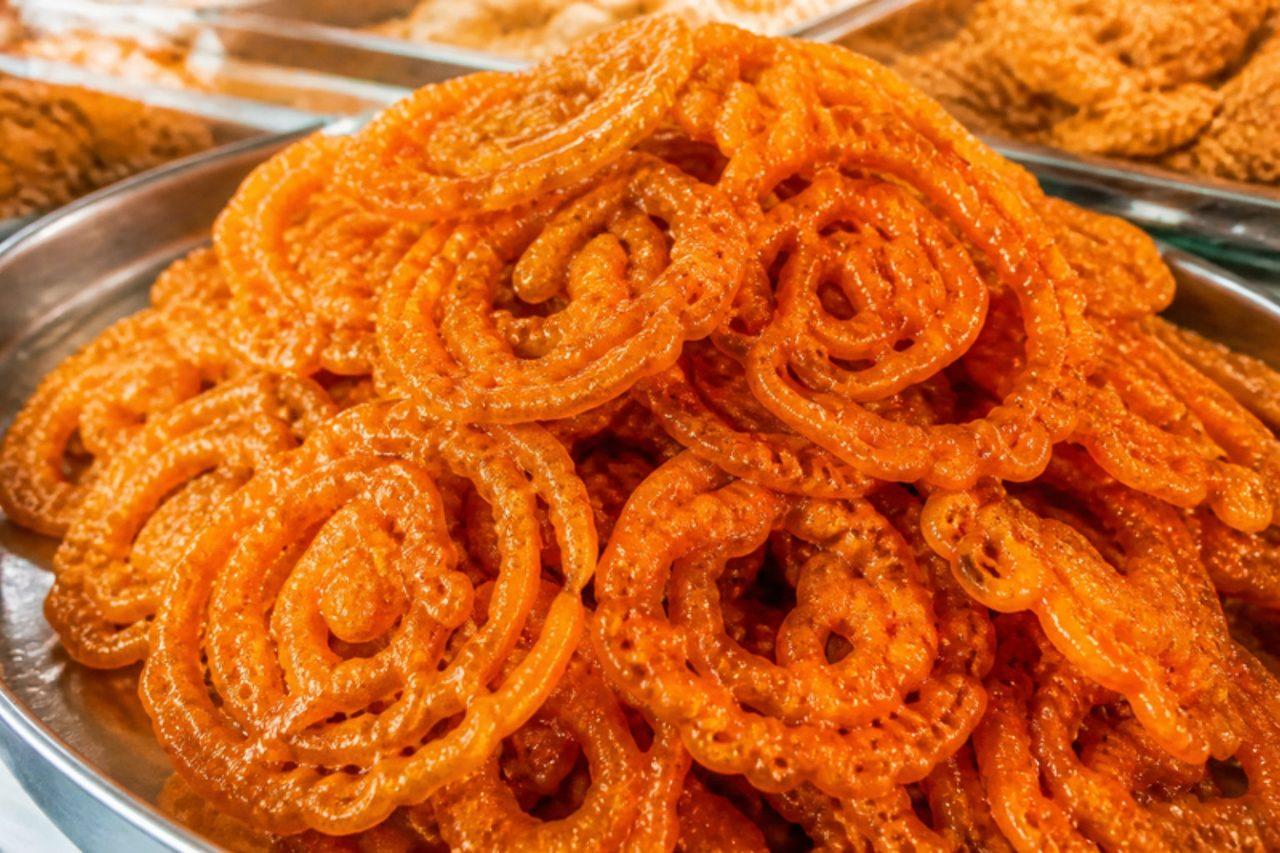
Glass counters in the souks of Nablus and Damascus are stacked with mushabbak, crisp latticed spirals of fried batter dunked in syrup until they glisten. They are bought by the bag for Christian and Muslim feast days, for Ramadan evenings and for no reason at all, and are best eaten within hours while the shells still crack. A lightly fermented batter piped into hot oil gives the hollow, crunchy rings. The mistake to avoid is oil that is not hot enough: the batter soaks up fat and the spirals turn heavy and limp. Chef's tip: the syrup must be cold and the mushabbak hot; dip, count to three and lift, and they stay crisp for hours.

by KrazyBadal 0 views

Lemonana

From café terraces in Ramallah and Jaffa to juice bars along Hamra Street in Beirut, summer means tall glasses of lemonana: lemons and fistfuls of fresh mint blended with ice into a sharp, sweet, electric-green slush. It is the drink handed to you after a walk through the market at noon, and it cools a mezze lunch like nothing else. Everything goes in a blender, but the mint must be fresh and plentiful. The common mistake is blending the mint for too long, which bruises it and turns the drink murky and grassy. Chef's tip: make a lemon-sugar syrup first and chill it; dissolved sugar sweetens evenly and lets you blend for only a few seconds.

by KrazyBadal 0 views

Khubz taboon

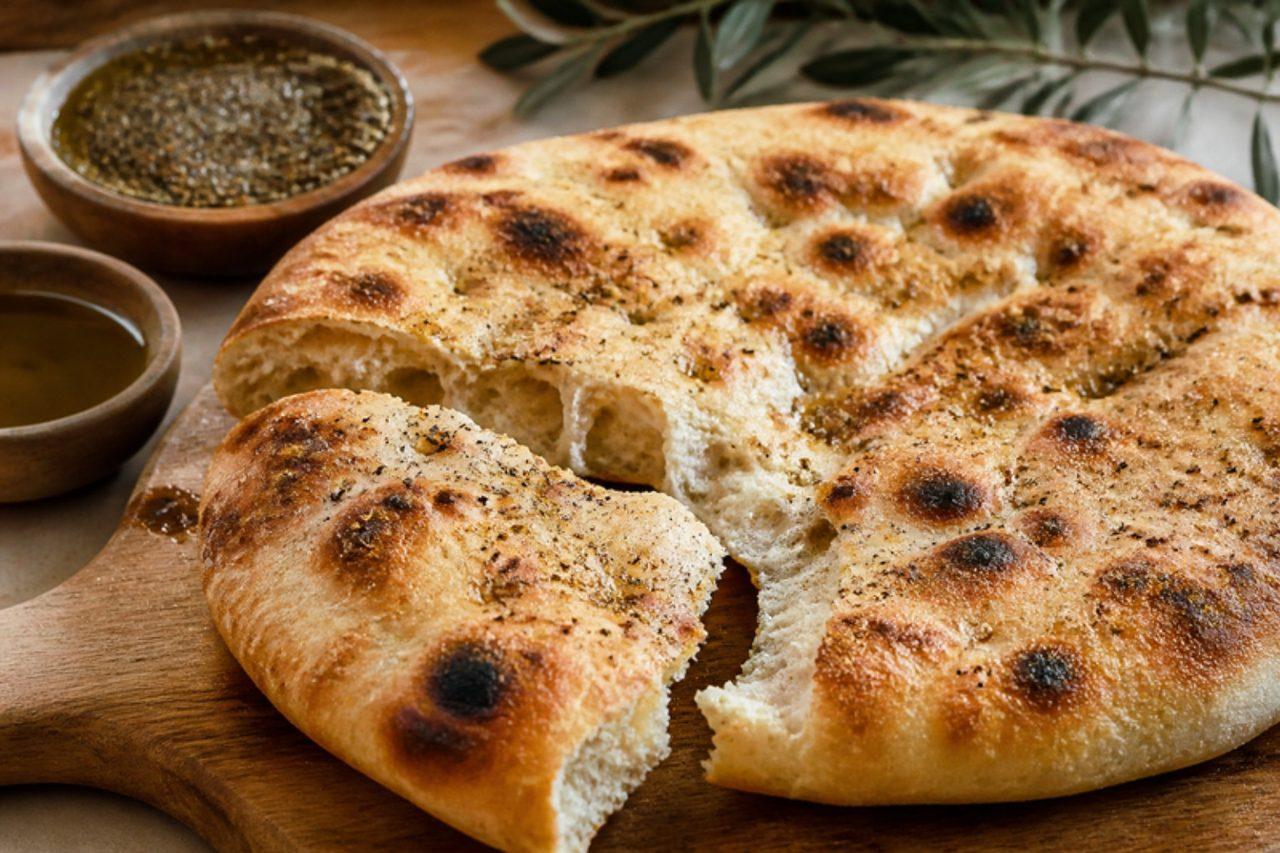
In Palestinian villages the taboon is a small clay oven lined with hot pebbles, and the bread baked on them comes out round, chewy and pocked with dimples where the stones pressed in. Women still bake it at dawn in the Galilee and around Nablus, and it is the bread that wraps musakhan, gets dipped in olive oil and za'atar, and is torn for breakfast with labneh. At home, a tray of clean pebbles or a very hot baking steel gets you close. Common mistake: rolling it too thin, which makes a cracker; it should be about 1 cm thick. Chef's tip: a little wholemeal flour and an overnight rest in the fridge give the nutty, slightly sour taste of village bread.

by KrazyBadal 0 views

Dagga

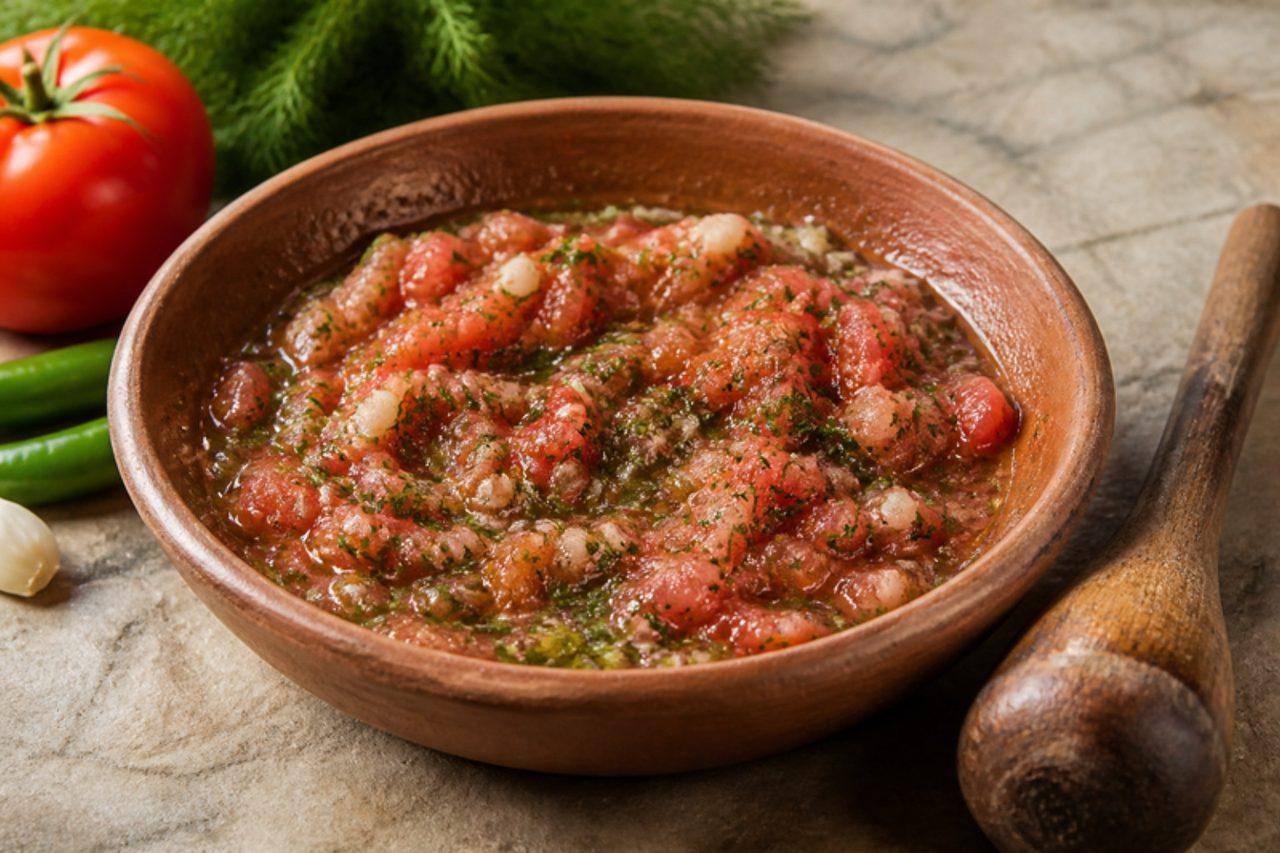
Dagga, sometimes called salata ghazawiyya, is the salad that sits on every table in Gaza, pounded in a clay bowl (zibdiya) with a wooden pestle until the tomatoes collapse into a juicy, chunky relish. Fresh dill, green chilli, garlic and lemon make it sharper and hotter than any salad in the north, and it is spooned over fish, rice and grilled meat or scooped up with bread. Common mistake: using a blender, which turns it into a smooth sauce; you want broken pieces in their own juice. Chef's tip: pound the garlic, chilli and salt to a paste first, then add the dill, so its oils bloom before the tomatoes go in.

by KrazyBadal 0 views

Rummaniyeh

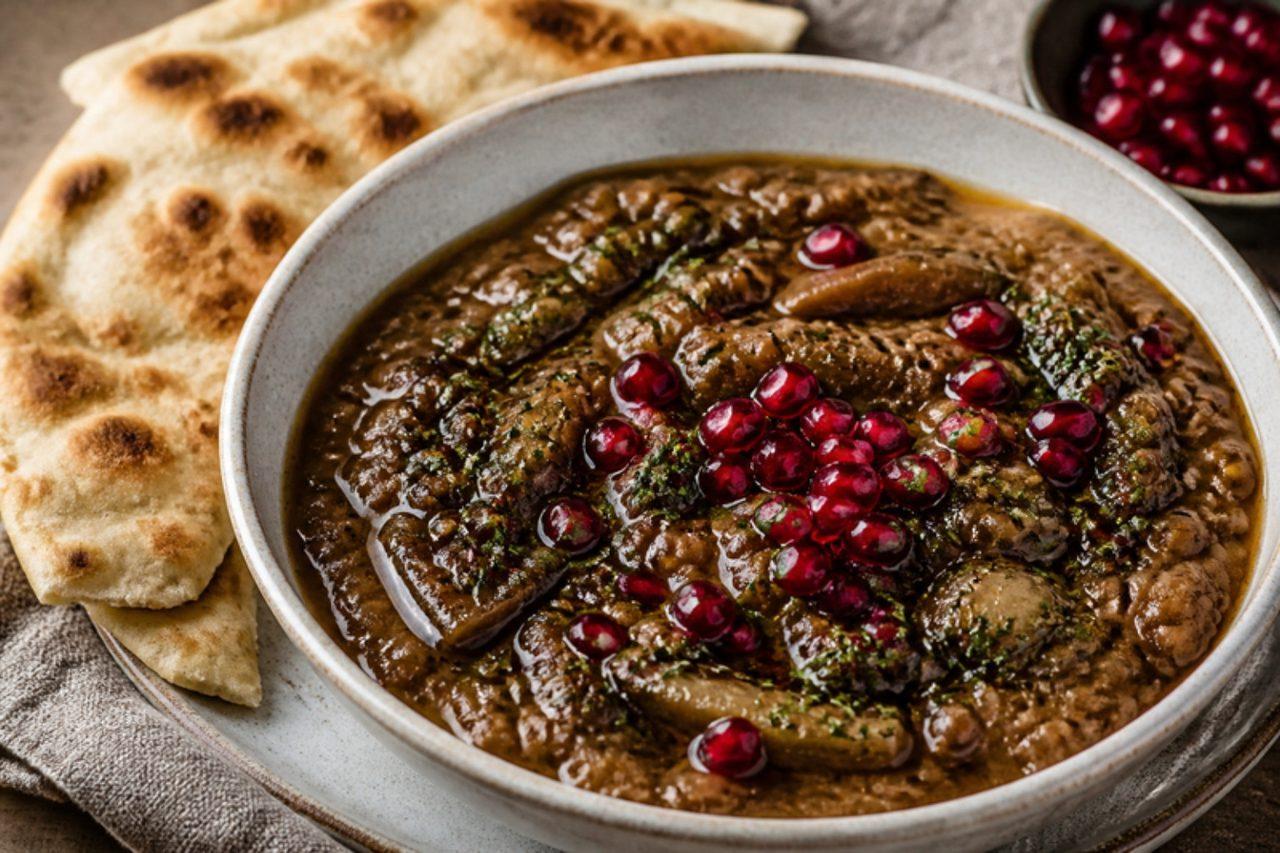
Rummaniyeh, from rumman (pomegranate), is a Gazan autumn dish made when the pomegranates ripen: brown lentils and cubes of aubergine cooked to a thick, earthy stew, soured with pomegranate juice and molasses, enriched with tahini and finished with a sizzling oil of garlic, dill and chilli. It is eaten warm or at room temperature, scooped up with bread, and keeps well for days. Common mistake: adding the tahini over a high heat, where it seizes and turns grainy; stir it in off the boil. Chef's tip: fry the garlic and dill only until the garlic is pale gold; brown garlic tastes bitter against the sour fruit.

by KrazyBadal 0 views

Khubeizeh

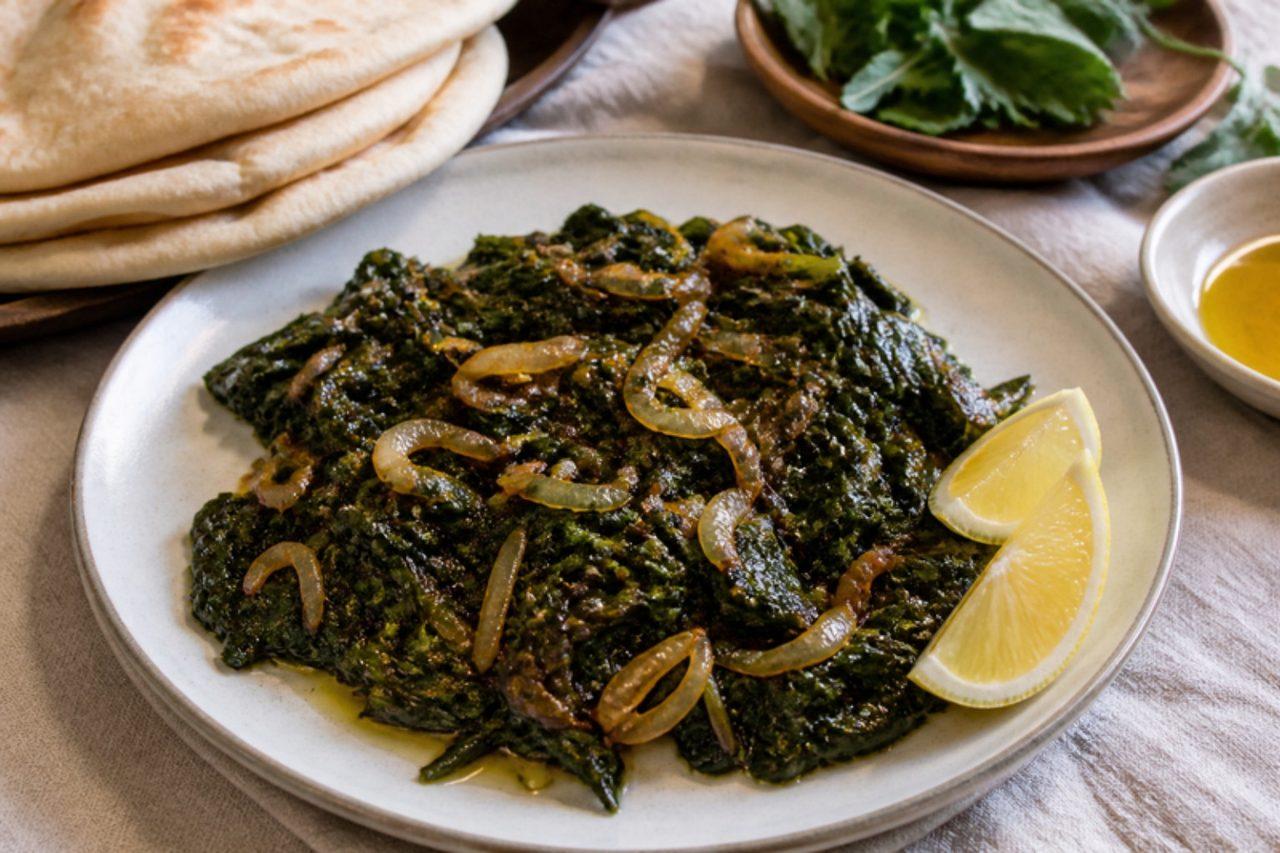
After the winter rains, mallow (khubeizeh) springs up along field edges and roadsides in Palestine, and families gather bags of it for a humble, much-loved dish: the leaves chopped and wilted with lots of onion fried in olive oil, sometimes with a handful of bulgur or rice to stretch it. It is eaten warm with bread and lemon, soft and earthy like spinach with a slightly silky texture. If you can't forage mallow, use chard or spinach with a little baby kale. Common mistake: drowning the greens in water; they release their own and only need a splash. Chef's tip: brown half the onions deeply and keep the rest soft; you get sweetness and crunch together.

by KrazyBadal 0 views

Qizha

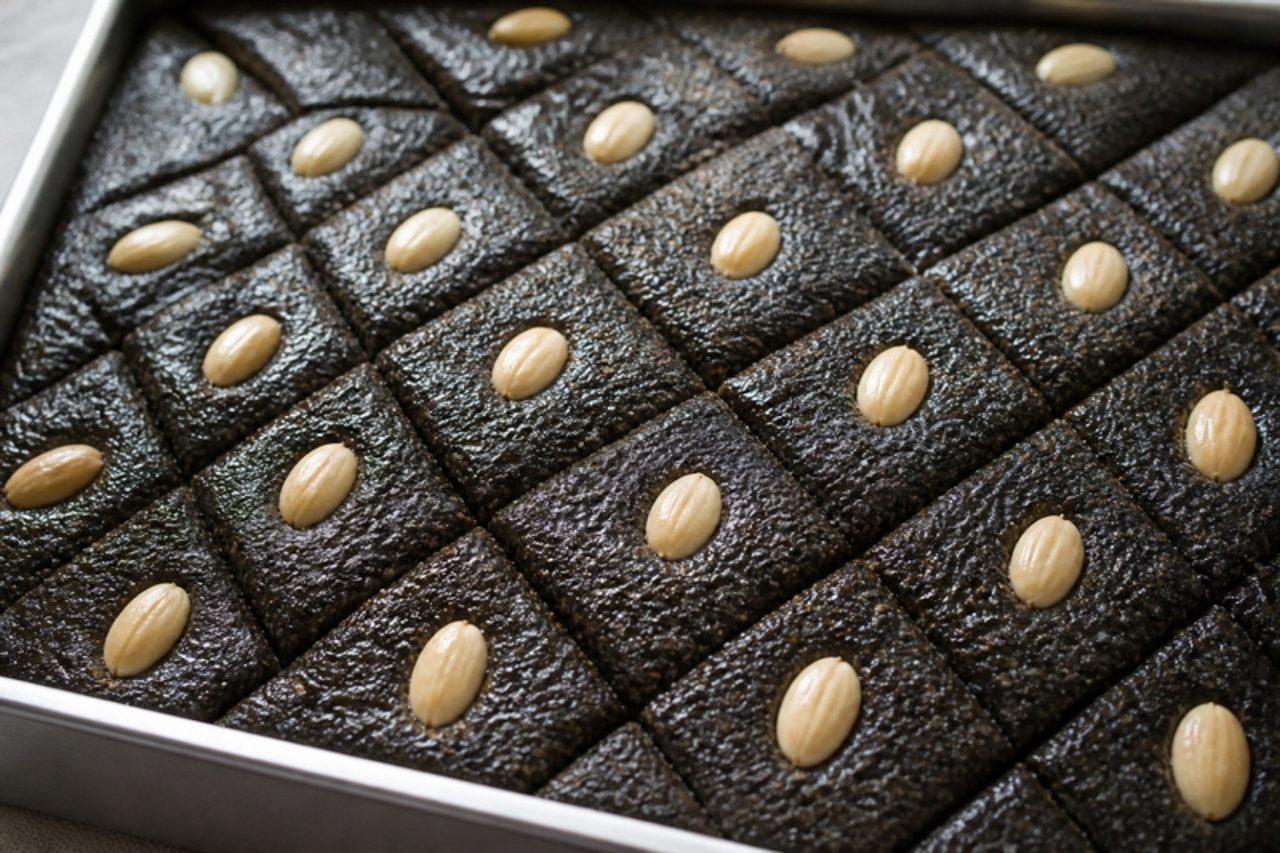
Qizha is Gaza's own sweet: a dense, near-black semolina cake made with a paste of roasted nigella seeds, eaten especially in winter and during Ramadan, when bakeries in Gaza City stack trays of it. It tastes nutty and slightly bitter, a little like dark sesame, softened by syrup and topped with almonds or pistachios. Nigella paste is sold in some Middle Eastern shops; if you can't find it, grind toasted nigella with tahini as below. Common mistake: over-toasting the nigella, which turns it acrid; stop as soon as it smells fragrant. Chef's tip: rest the mixed batter for 30 minutes before baking so the semolina swells and the cake slices cleanly.

by KrazyBadal 0 views

Kharroub

Through Ramadan, street vendors in Jerusalem's Old City and in Nablus walk the alleys with brass urns of kharroub on their backs, clacking cups to announce the cold carob drink that breaks the fast. Made by soaking crushed carob pods (or more easily from carob molasses), it is dark, chocolatey-caramel in taste, lightly sweet and very refreshing over ice. Common mistake: boiling the pods hard, which makes the drink bitter and cloudy; soak and simmer gently. Chef's tip: a few drops of orange-blossom water just before serving lifts the earthy carob flavour.

by KrazyBadal 0 views

Boat noodles

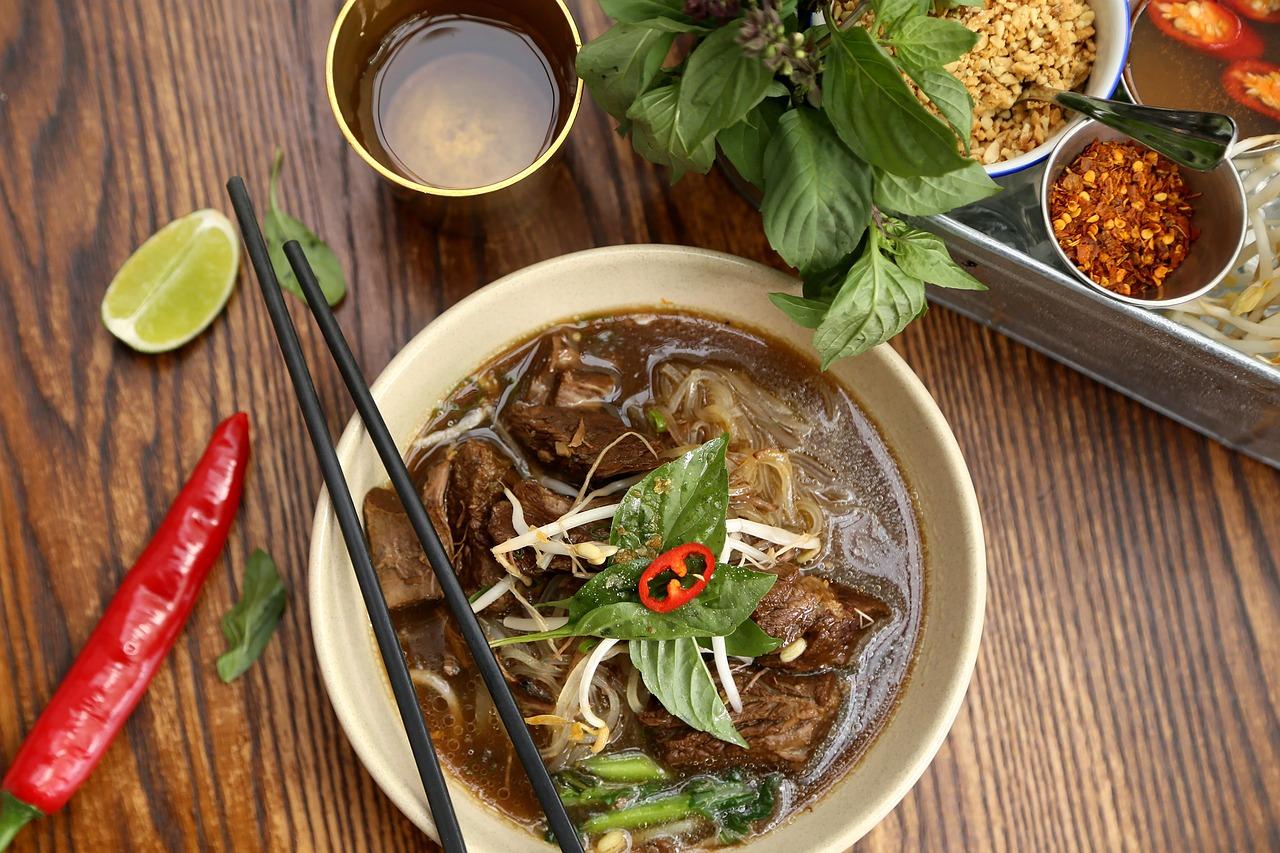
The name goes back to the canals of Ayutthaya and Bangkok, where vendors cooked noodles in narrow wooden boats and passed tiny bowls up to customers on the bank; the bowls are still small, and at Victory Monument diners stack ten or more empties beside them. The broth is what people come for: beef simmered with star anise, cinnamon, galangal and pandan, darkened with soy and red fermented bean curd, then sharpened at the table with chilli vinegar. Stalls traditionally stir in fresh cow's or pig's blood for body; here it is optional and left out by default, and the soup is still rich and deep. Each bowl gets thin rice noodles, tender beef, beef balls, morning glory and Thai basil, finished with crisp garlic and pork crackling. Chef's tip: keep the pot slightly under-salted and let everyone season their own bowl with fish sauce, sugar, chilli and vinegar.

120 minThaiSoupsSpicy
by KrazyBadal 0 views

Pla rad prik

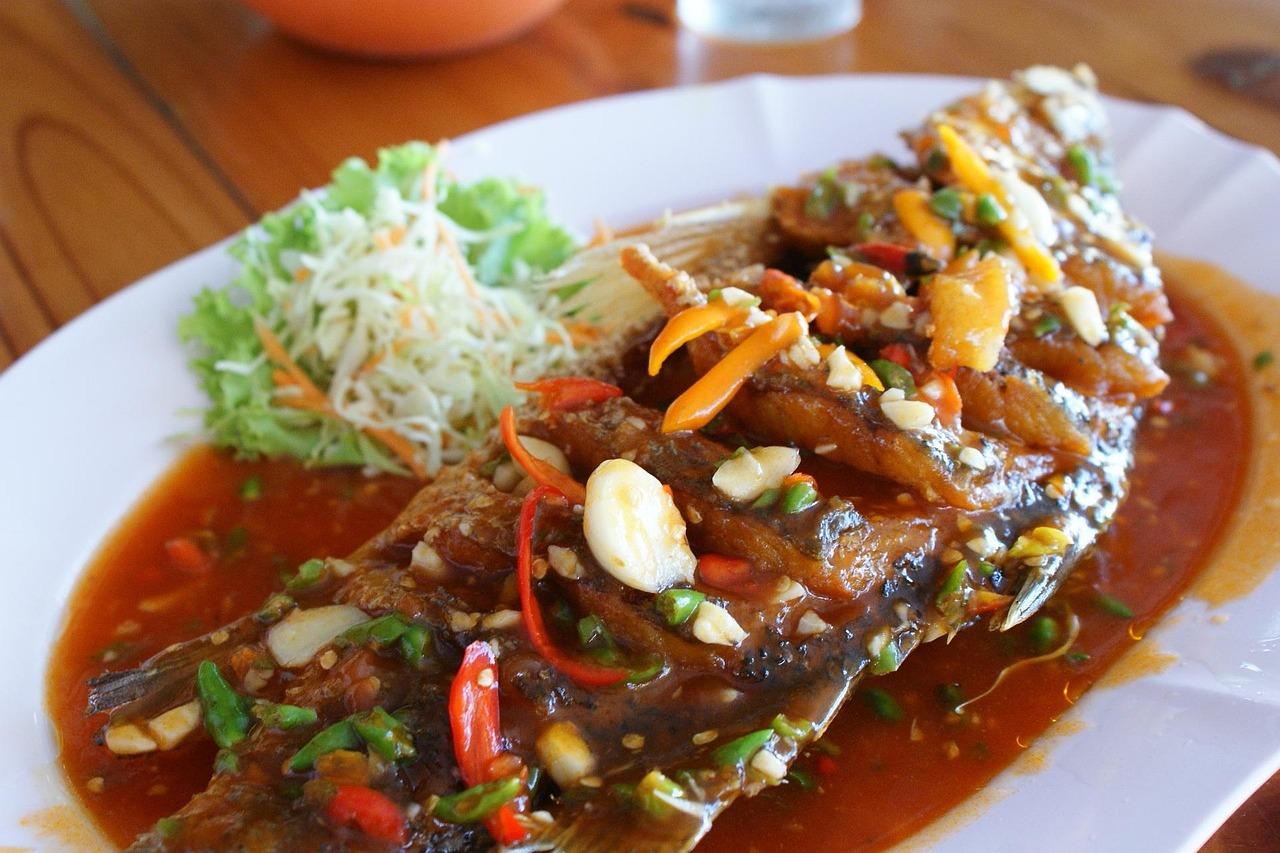
A whole fried fish blanketed in glossy red chilli sauce is the centrepiece of many family celebrations and riverside restaurant meals in central Thailand. The sauce is known as sam rot, 'three flavours', because palm sugar, tamarind and fish sauce are balanced against pounded chillies and garlic; spooned over a fish fried until its skin crackles and the fins crunch like crisps, it turns sticky and shiny. Sea bass (pla kapong) is the usual choice, though snapper or tilapia work well too. Bring it to the table with jasmine rice, a stir-fried green vegetable and a clear soup to share. Chef's tip: score the fish down to the bone on both sides and pat it bone-dry, so the heat reaches the thickest part and the oil doesn't spit.

45 minThaiFishSpicy
by KrazyBadal 0 views

Guay jub with crispy pork

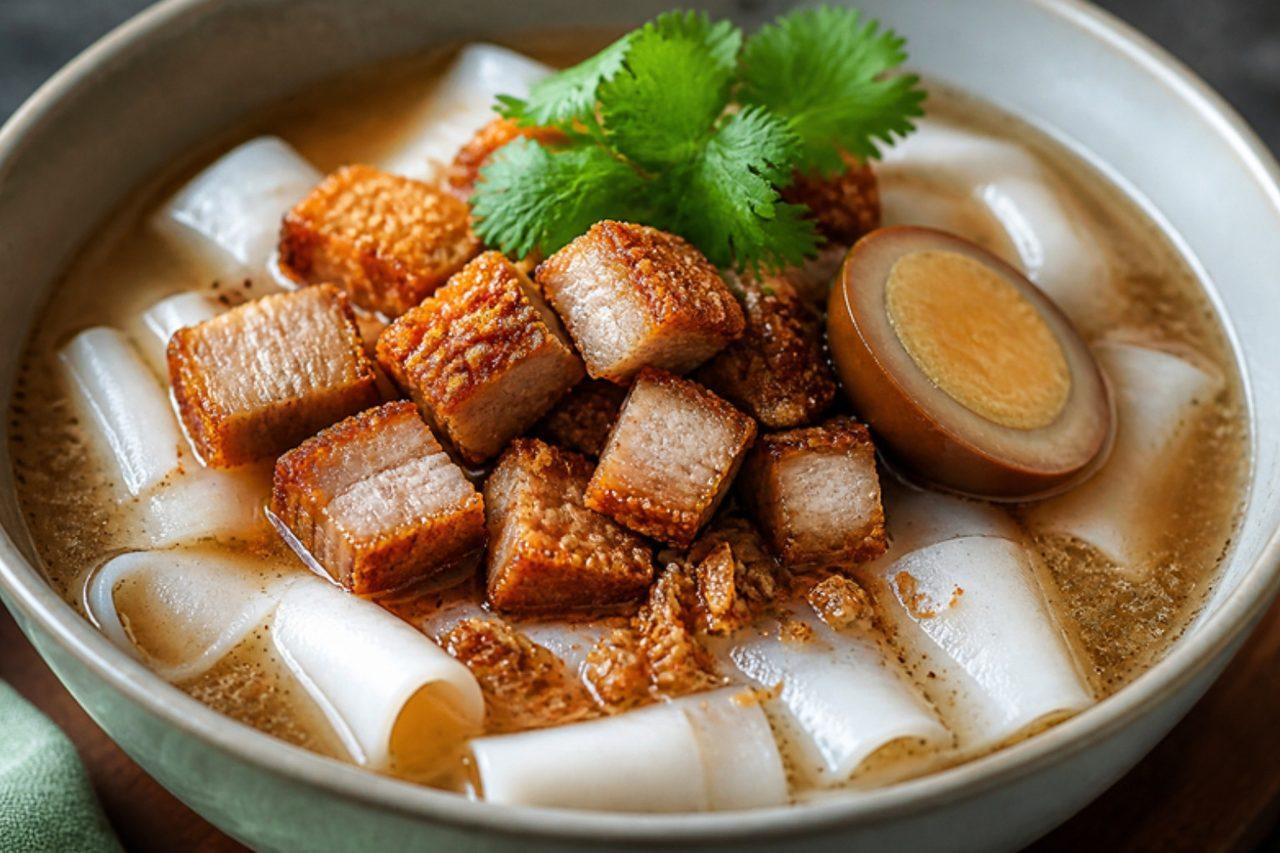
After dark on Yaowarat Road in Bangkok's Chinatown, queues form at the guay jub stalls for bowls of curled rice noodles in a cloudy, peppery broth, topped with crackling pork belly and a soy-stained egg. The noodles roll into little tubes as they cook and turn slippery and soft, the broth bites with white pepper, and the pork shatters before it melts. This is Teochew comfort food, eaten as a late supper or to round off a night out, with a dish of chilli vinegar and extra pepper on the side. Chef's tip: grind white peppercorns fresh over each bowl at the end; ready-ground pepper has lost the floral heat that defines the soup.

90 minThaiSoups
by KrazyBadal 0 views

Showing 24 of 108 recipes

Show more recipes

Page 1 of 5