Skip to content
WhatToEat.Today

All recipes

593

Vegetarian, or something you can't eat? Set your diet once and we'll hide recipes that don't fit.

Yankee pot roast

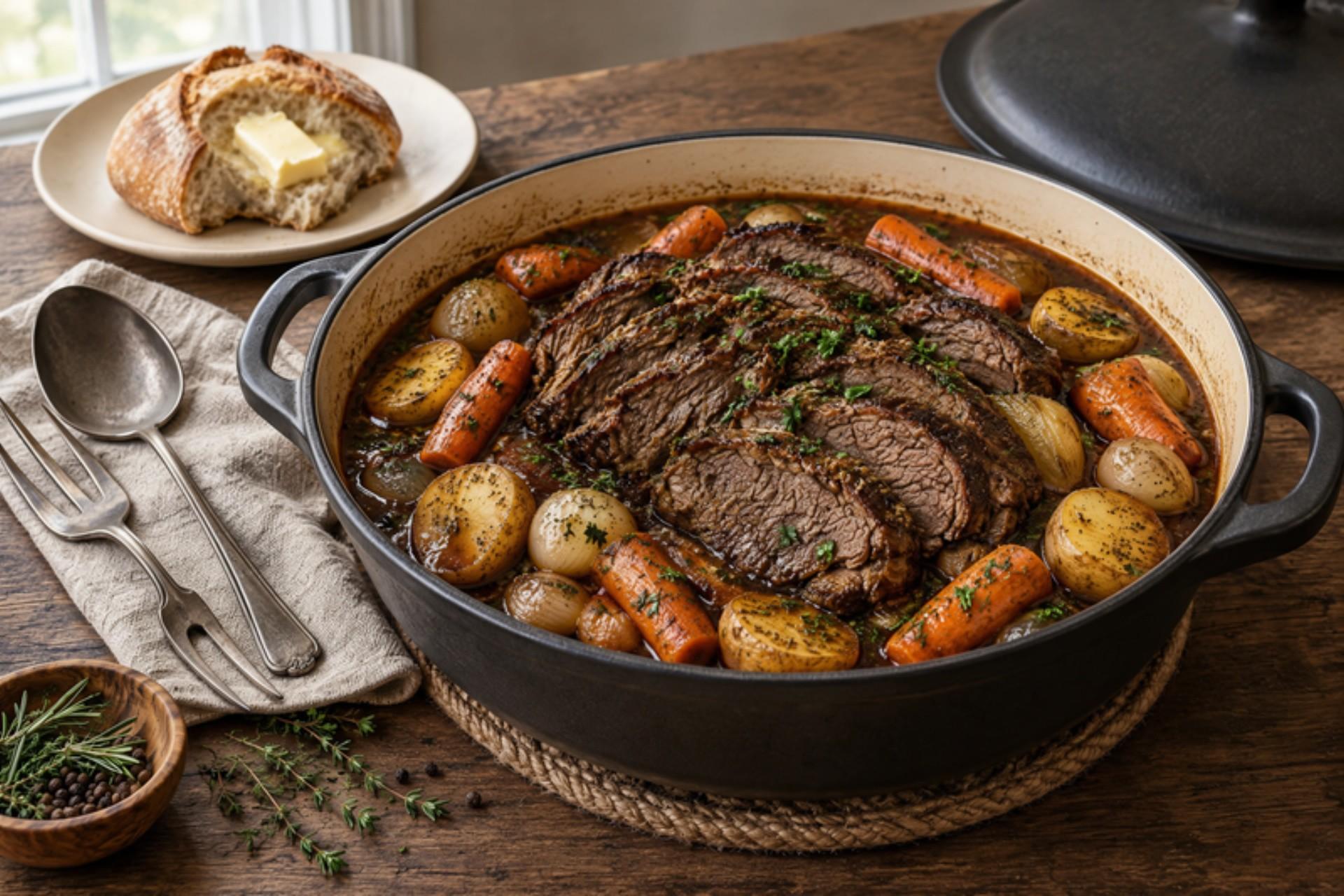
Yankee pot roast is the Sunday dinner of New England, simmering through the afternoon in Vermont farmhouses and Boston family kitchens while the windows steam up on a cold day. A whole chuck roast is browned hard, then braised low with onions, carrots and potatoes until it falls apart under a fork, and the liquid turns into a dark, beefy gravy. The usual mistake is pulling it too soon: chuck at 'cooked' temperature is still tough and stringy, and only softens after about three hours, when the connective tissue melts. It is done when a fork twists easily into the meat and the slices pull apart. Serve with the vegetables, gravy and a hunk of bread; leftovers become hash or sandwiches. Chef's tip: dry the beef very well and brown it in two stages, fat side first, until it is the colour of a dark crust of bread; that crust is where all the gravy's flavour comes from.

235 minAmericanMeat
by KrazyBadal 0 views

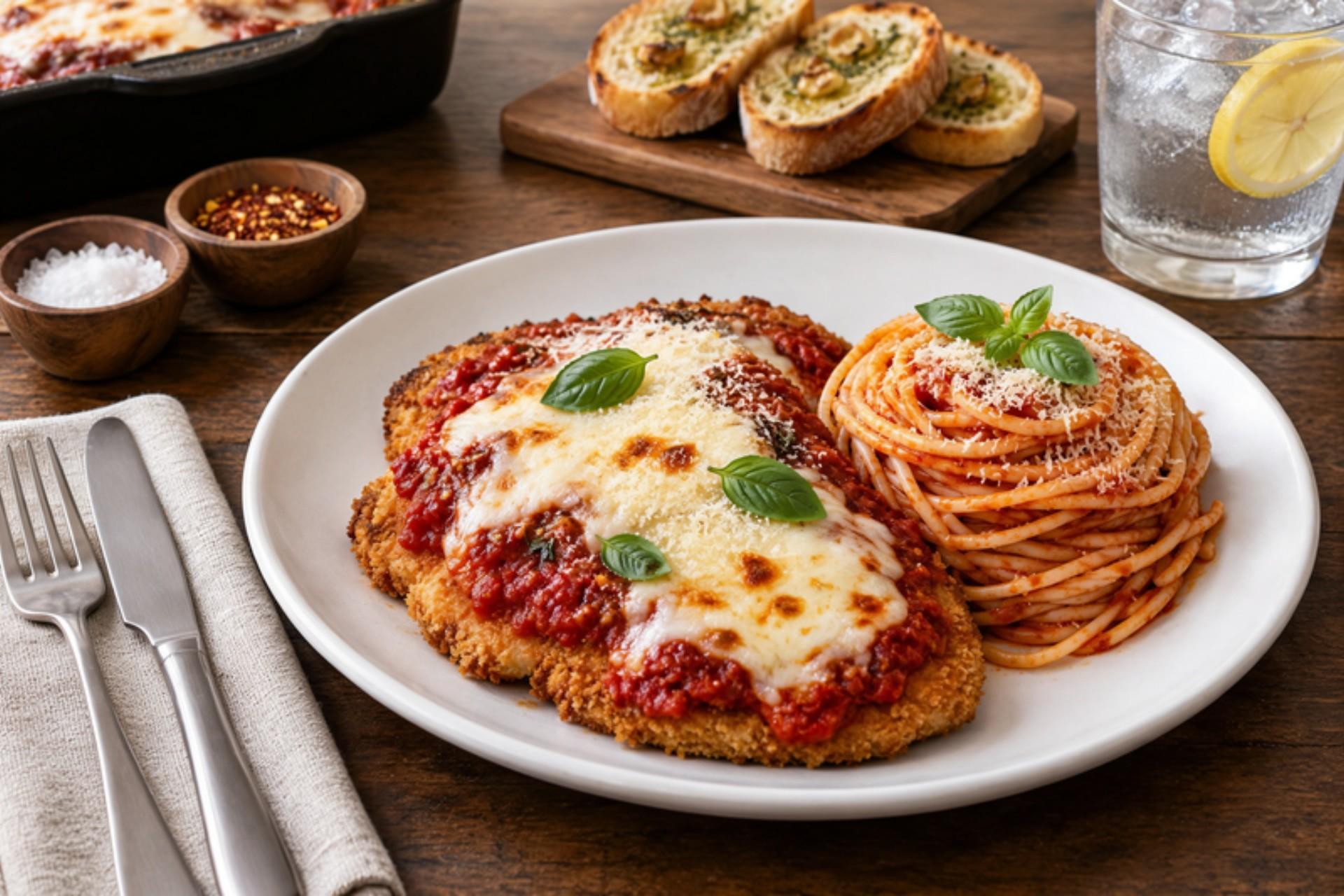
Chicken Parmesan

Chicken Parmesan, or chicken parm, was created by Italian-American cooks in New York and New Jersey, inspired by Southern Italy's aubergine parmigiana, and it is now a fixture of red-sauce restaurants and hero sandwiches across the United States. Chicken breasts are pounded thin, breaded with Parmesan crumbs, fried until crisp, then blanketed with marinara and mozzarella and baked until bubbling. The usual mistake is drowning the cutlets in sauce: the crust turns soggy. Spoon sauce only on the centre and leave a crisp rim. Thin, even cutlets cook through in minutes; they are done at 74 °C, when the centre is white with no pink. Serve with spaghetti in the extra sauce or in a toasted roll. Chef's tip: let the breaded cutlets rest on a rack for 10 minutes before frying; the coating sets and stays on in one piece.

by KrazyBadal 0 views

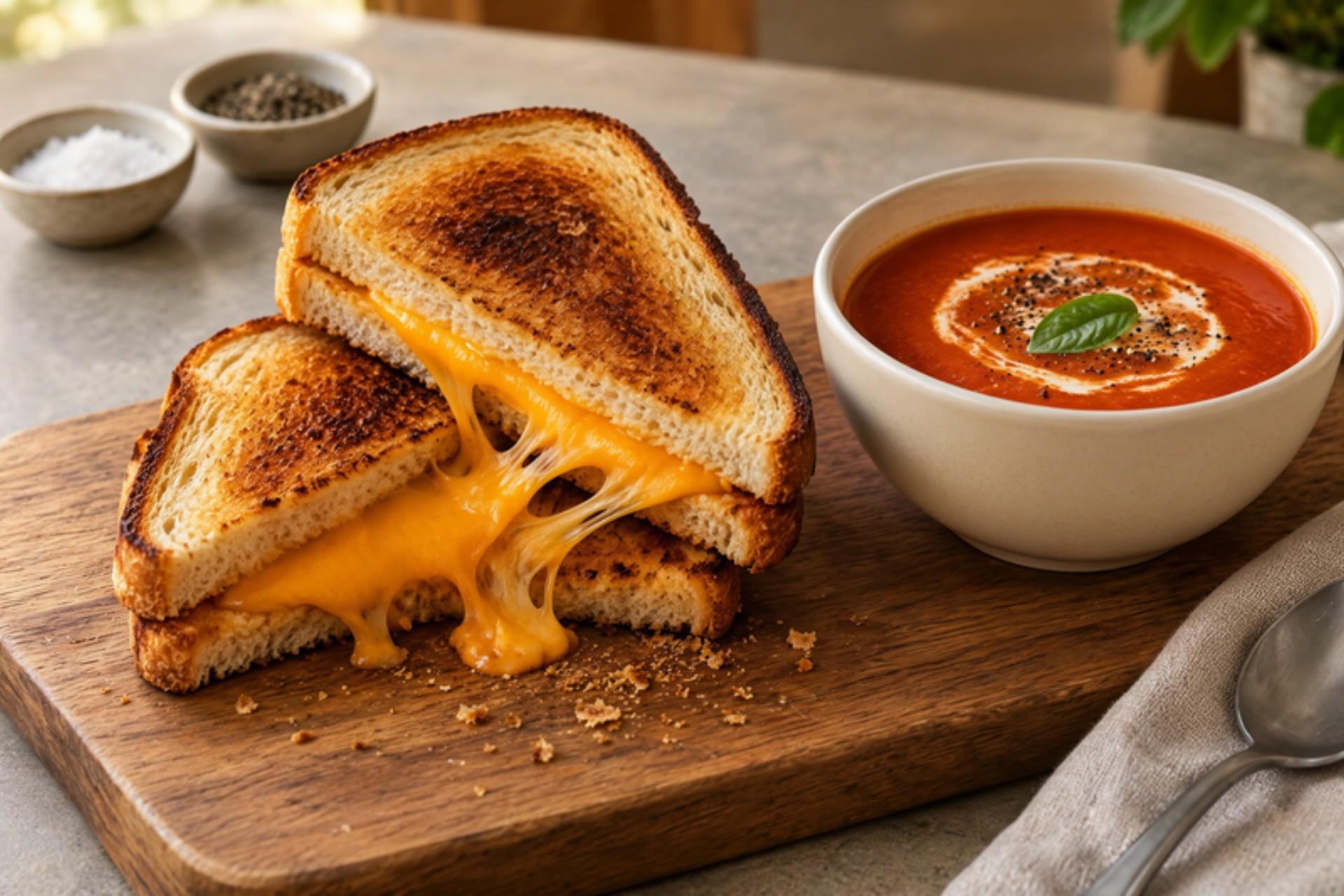
Grilled cheese sandwich

In the United States a grilled cheese is pan-fried, not grilled, and it is the lunch of school canteens, diner counters and snowy days at home, almost always dunked into a bowl of tomato soup. Buttered bread toasts slowly in the pan until deep golden and crisp, while the cheese inside melts into long, gooey strings. It contains wheat and milk. Cheddar is often made with animal rennet, so choose one labelled vegetarian if that matters to you. The usual mistake is a heat that is too high: the bread burns before the cheese has melted. Keep it at medium-low and be patient. Chef's tip: grate the cheese instead of slicing it, and press the sandwich with a lid or a second pan for the first minute; grated cheese melts evenly right to the edges.

by KrazyBadal 0 views

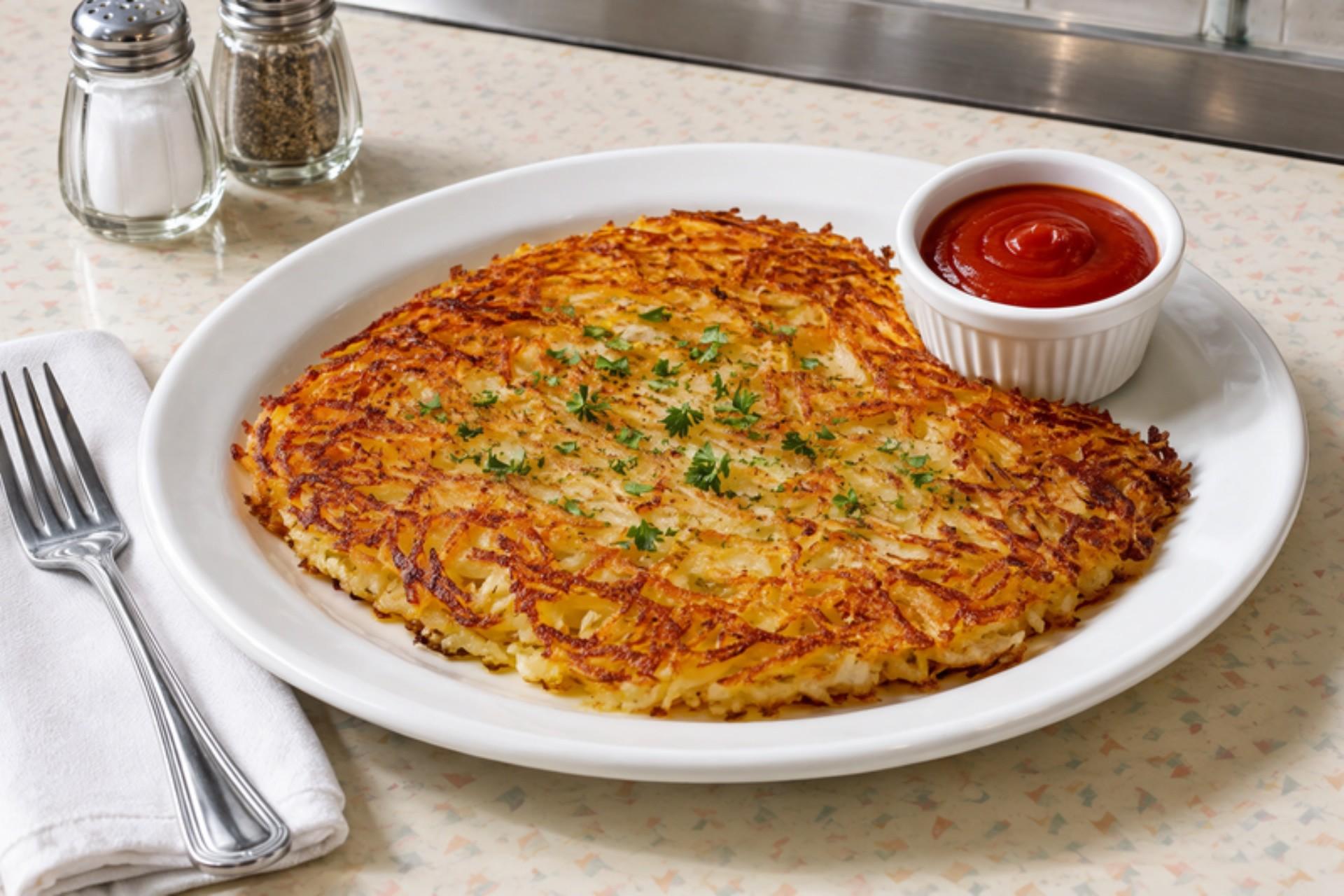
Diner hash browns

Order breakfast anywhere from a Brooklyn diner to a Nevada truck stop and the plate comes with hash browns: a thin, wide cake of shredded potato fried on the griddle until the outside is shatteringly crisp and the inside is soft. They are made from just potato, oil, salt and pepper, so they are naturally vegan and gluten free. Serve with pancakes, fried eggs or beans, and a bottle of hot sauce on the side. The mistake nearly everyone makes is skipping the squeeze: wet potato steams, sticks and turns grey and soggy. Wring the shreds hard in a clean tea towel until no more water drips out. Leave the cake alone in the pan, too; it only crisps if you do not keep stirring it. Chef's tip: rinse the shredded potato in cold water before squeezing; washing off the surface starch stops the shreds clumping into a gluey mass.

by KrazyBadal 0 views

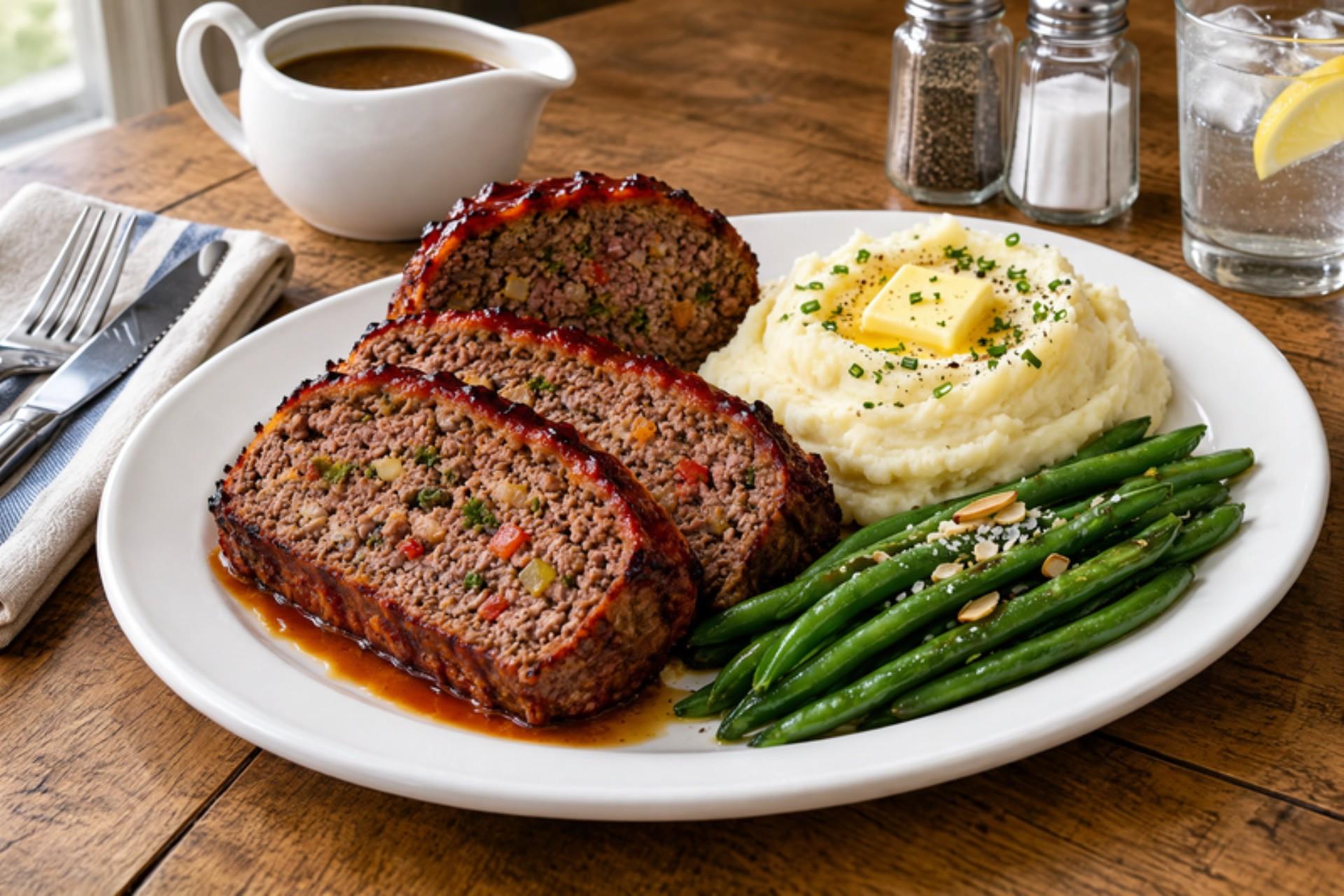
Classic meatloaf

Meatloaf is the Midwest's great weeknight and Sunday-supper dish, served in Ohio and Iowa farmhouse kitchens and in diners from Chicago to Cleveland, always with mashed potatoes, green beans and gravy or ketchup. This version uses beef mince softened with milk-soaked bread and grated onion, baked free-form on a tray so every side gets a sticky, tangy ketchup and brown-sugar glaze. The common mistake is packing the mixture hard in a deep tin: it steams, sits in its own fat and turns dense and rubbery. Mix lightly with your fingertips, shape it loosely on a lined tray and bake until the centre reads 71 °C on a thermometer; the juices run clear and the slices hold together after a 10-minute rest. Leftovers make the best cold meatloaf sandwiches the next day. Chef's tip: brush on half the glaze at the start and the rest for the last 15 minutes, so you get a deep caramelised layer under a glossy fresh one.

by KrazyBadal 0 views

Club sandwich

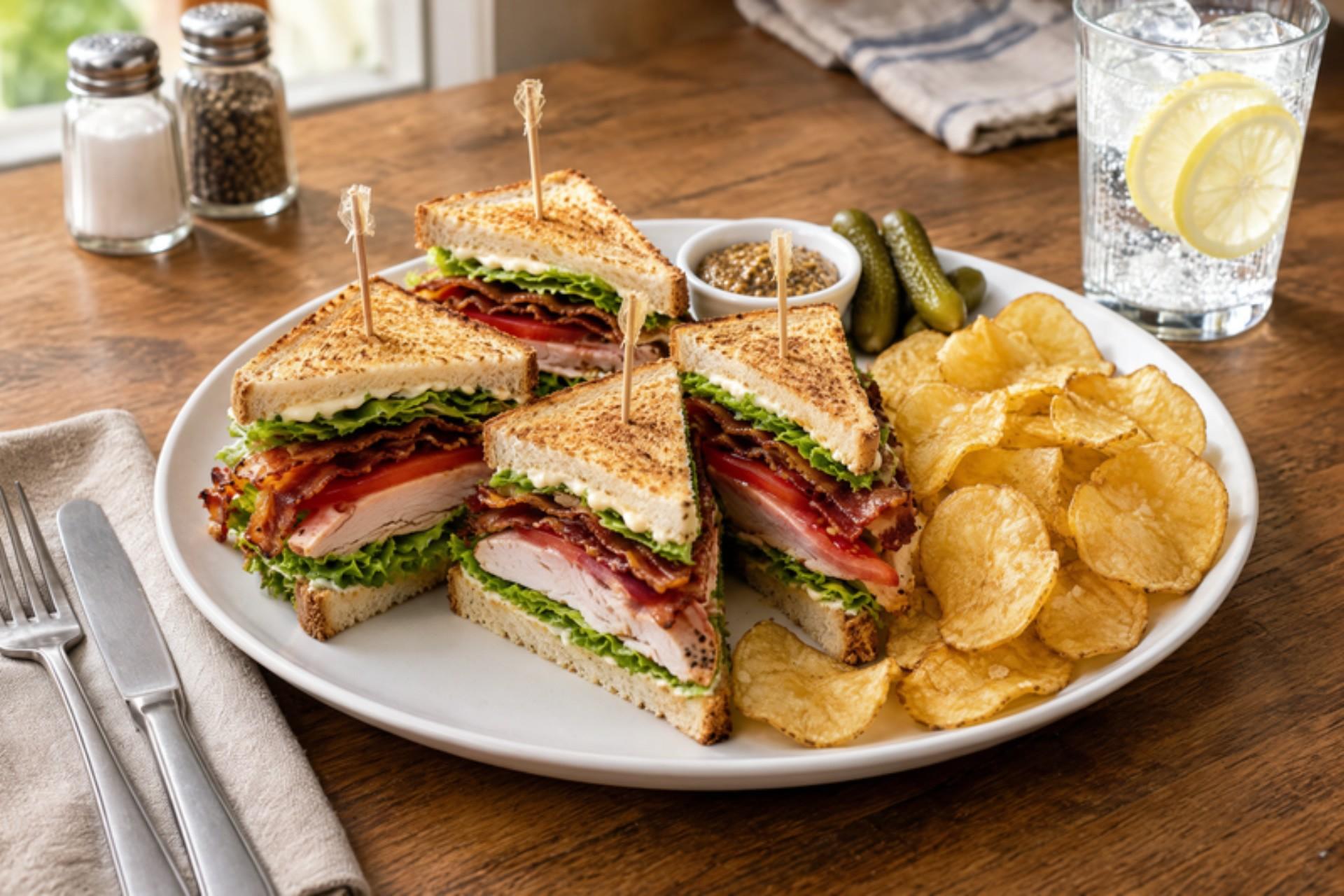
The club sandwich was born in the gentlemen's clubs and grand hotels of New York in the late 1800s and is still on every American hotel room-service menu and diner board. Three slices of toast hold two layers: roast turkey or chicken with mayonnaise in one, crisp pork bacon with lettuce and tomato in the other, held with cocktail sticks and cut into neat triangles. The common mistake is building it on untoasted bread, which goes soggy and slides apart. Toast all three slices until firm and golden, cook the bacon until crisp and rigid, and pat the tomato dry. Serve with chips or crisps and a dill pickle. Chef's tip: spread mayonnaise right to the edges of the middle slice on both sides; it glues the layers so the quarters stand up tall when you cut them.

by KrazyBadal 0 views

Buttermilk chicken tenders

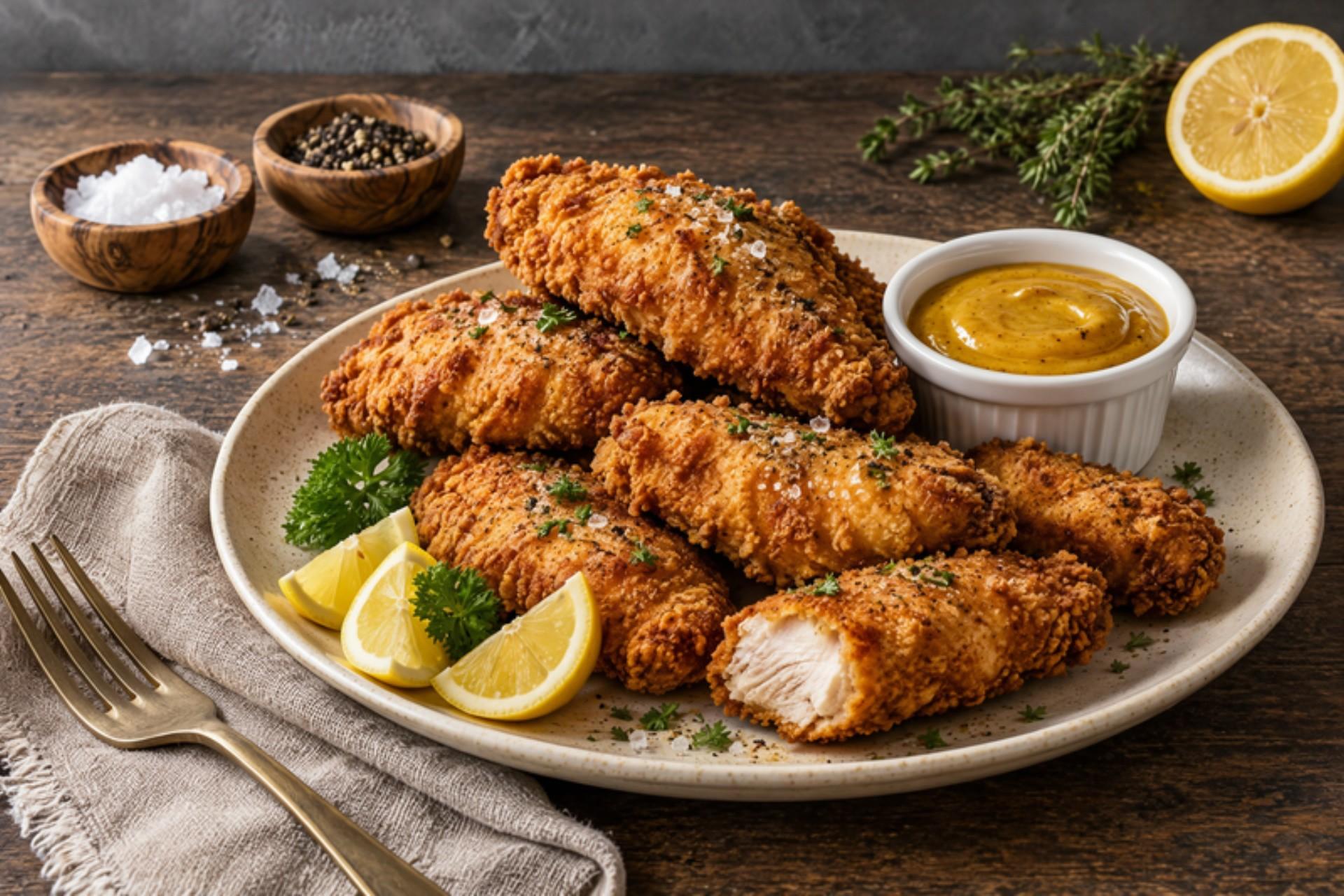
Chicken tenders, also called chicken fingers or strips, are on every American kids' menu, sports bar and fast-casual counter from Georgia to Washington State, eaten with fries and a pot of dipping sauce. Strips of chicken breast soak in seasoned buttermilk in the fridge, which keeps them juicy, then get a double dip in spiced flour and are fried golden. The common mistake is crowding the pan: the oil temperature crashes and the tenders come out pale and greasy. Fry a few at a time at 175 °C until golden and the thickest strip reads 74 °C, with white, juicy meat inside. Serve with honey mustard, ranch or barbecue sauce. Chef's tip: after the first coat of flour, dip the strip back into the buttermilk and flour again; the double coat gives a thick, craggy crunch that stays crisp.

by KrazyBadal 0 views

Tamales peruanosChicken corn tamales in banana leaf

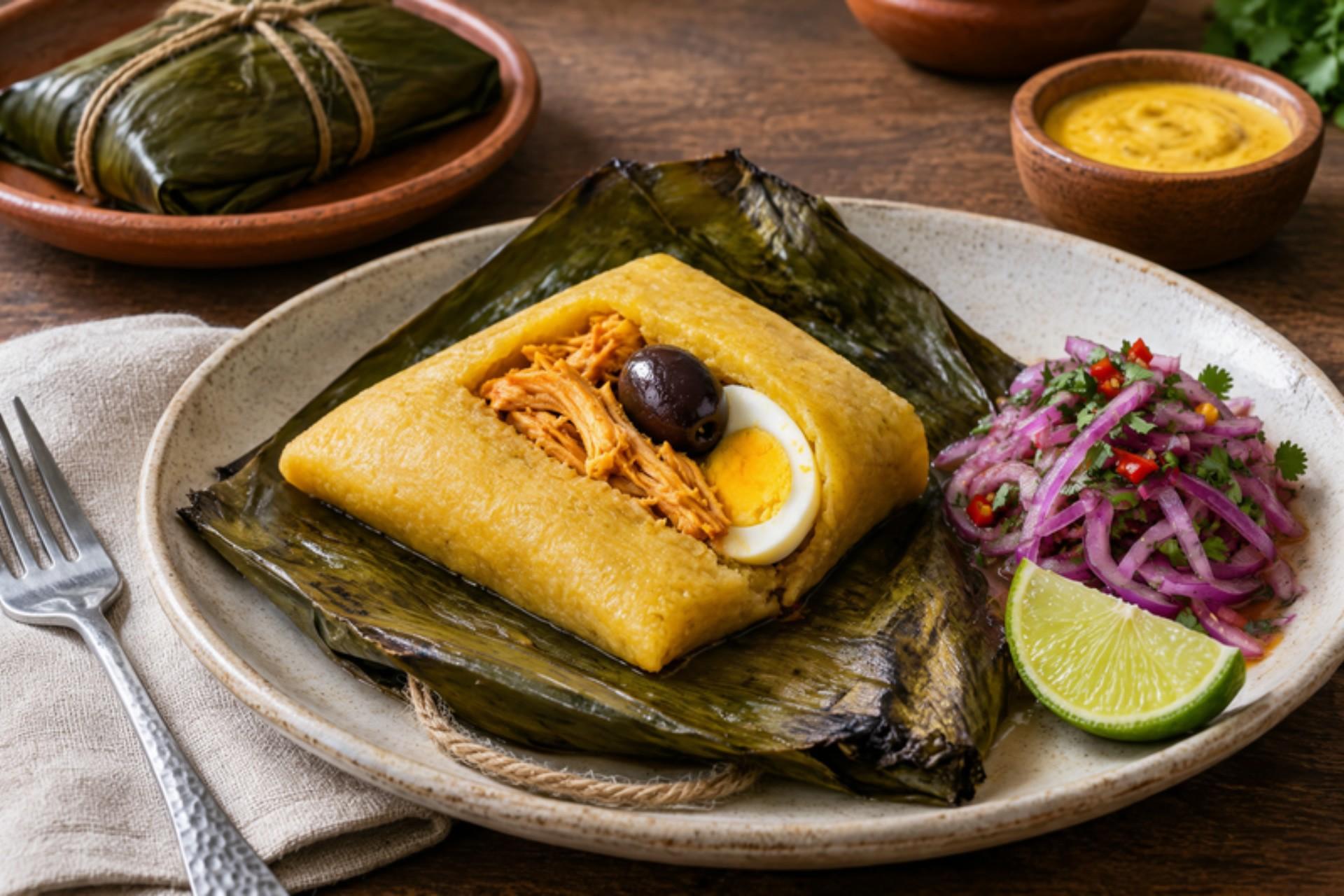
In Lima, tamales are a Sunday breakfast, bought warm from street vendors calling 'tamaleeeeros' or made at home for Christmas, and eaten with crusty bread and a pile of salsa criolla. Peruvian tamales are larger and softer than Mexican ones, made from corn dough coloured with ají and wrapped in banana leaves, hiding chicken, a black olive, a slice of egg and a peanut. Peanuts are an allergen, so leave them out if needed. The usual mistake is a dry dough: the tamales turn crumbly. Beat in enough warm stock to make a soft paste that just holds its shape. The chicken must reach 74 °C before it goes in. Chef's tip: fat makes the dough tender; beat the oil and dough for a full 5 minutes until light, as Lima cooks do with pork lard.

by KrazyBadal 0 views

Chocolate chip cookies

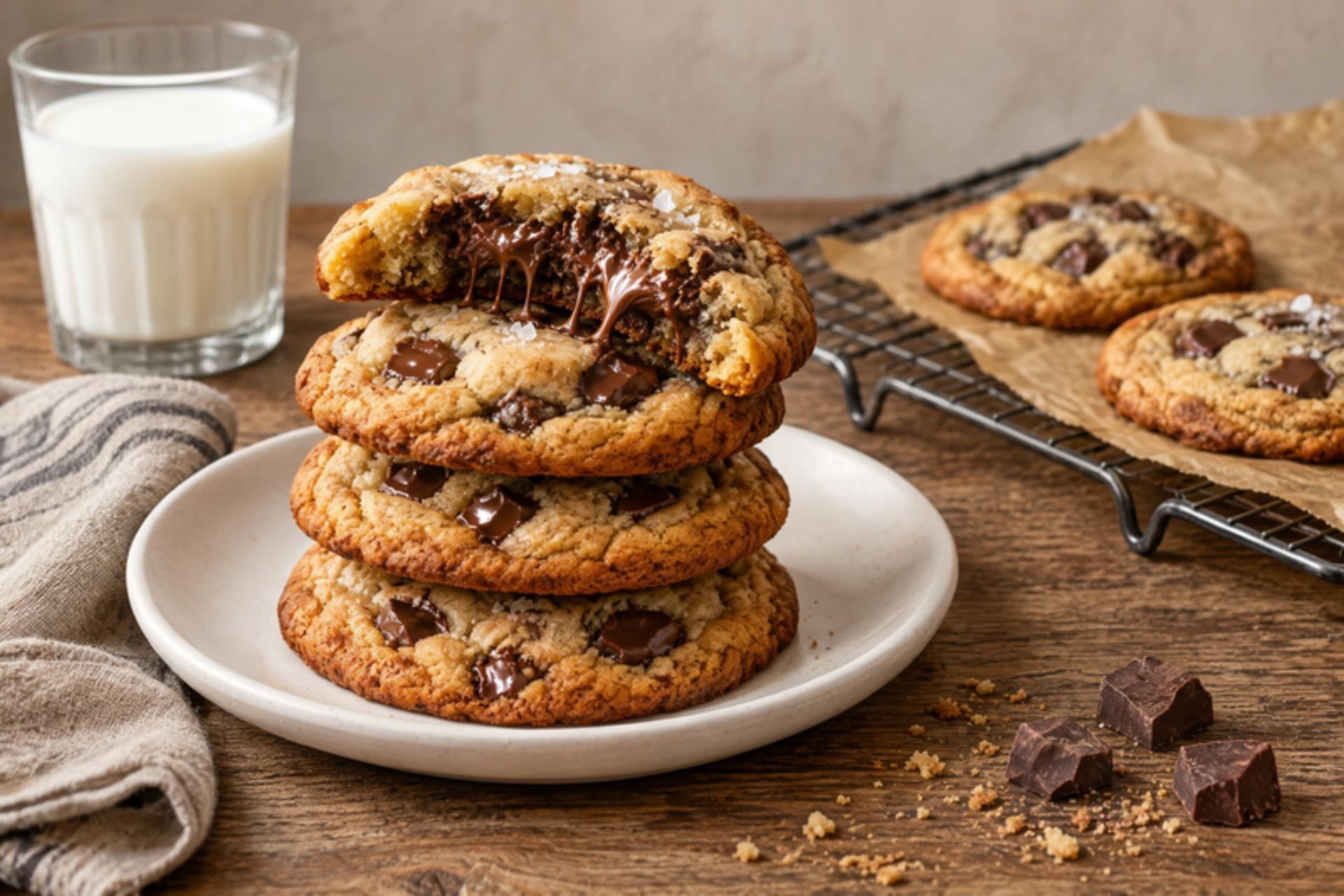
The chocolate chip cookie was invented in a Massachusetts roadside inn kitchen in the 1930s, when a cook stirred chopped chocolate into butter cookie dough, and it has been the cookie of American cookie jars, school lunches and after-school snacks ever since. This version uses more brown sugar than white, so the edges crisp up and caramelise while the centre stays soft and chewy, with pools of melted chocolate. They contain wheat, egg and milk. Eat them warm with cold milk. The usual mistake is baking until they look done in the middle: take them out when the edges are golden and the centres still look pale and puffy, because they firm up on the hot tray. Chef's tip: chill the dough for at least 2 hours, or overnight; the flour soaks up moisture, the cookies spread less and taste more of toffee.

by KrazyBadal 0 views

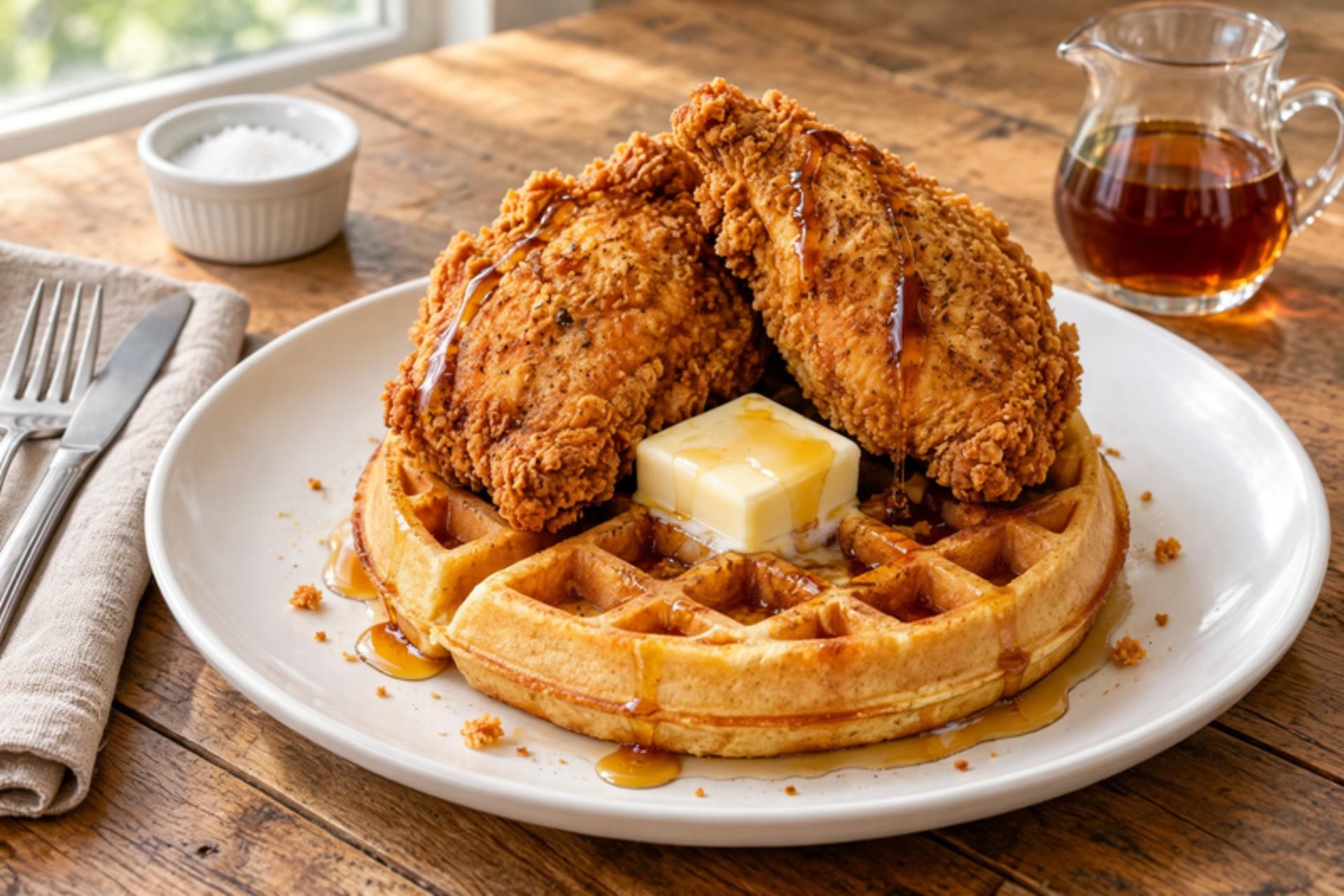
Chicken and waffles

Chicken and waffles became famous in Harlem supper clubs, where jazz musicians finishing late at night ordered something between dinner and breakfast; today it is a weekend brunch star from Baltimore to Los Angeles. Boneless chicken thighs marinate overnight in spiced buttermilk in the fridge, are dredged and fried until craggy and golden, then set on hot, crisp waffles with maple syrup and a splash of hot sauce. The common mistake is frying in oil that is too cool: the coating drinks fat and slides off. Keep the oil at 170–175 °C and fry until the chicken reads 74 °C inside and the crust is deep golden. Chef's tip: drizzle a spoonful of buttermilk into the seasoned flour and rub it in to make small clumps; they fry into the extra-crunchy crags everyone fights over.

by KrazyBadal 0 views

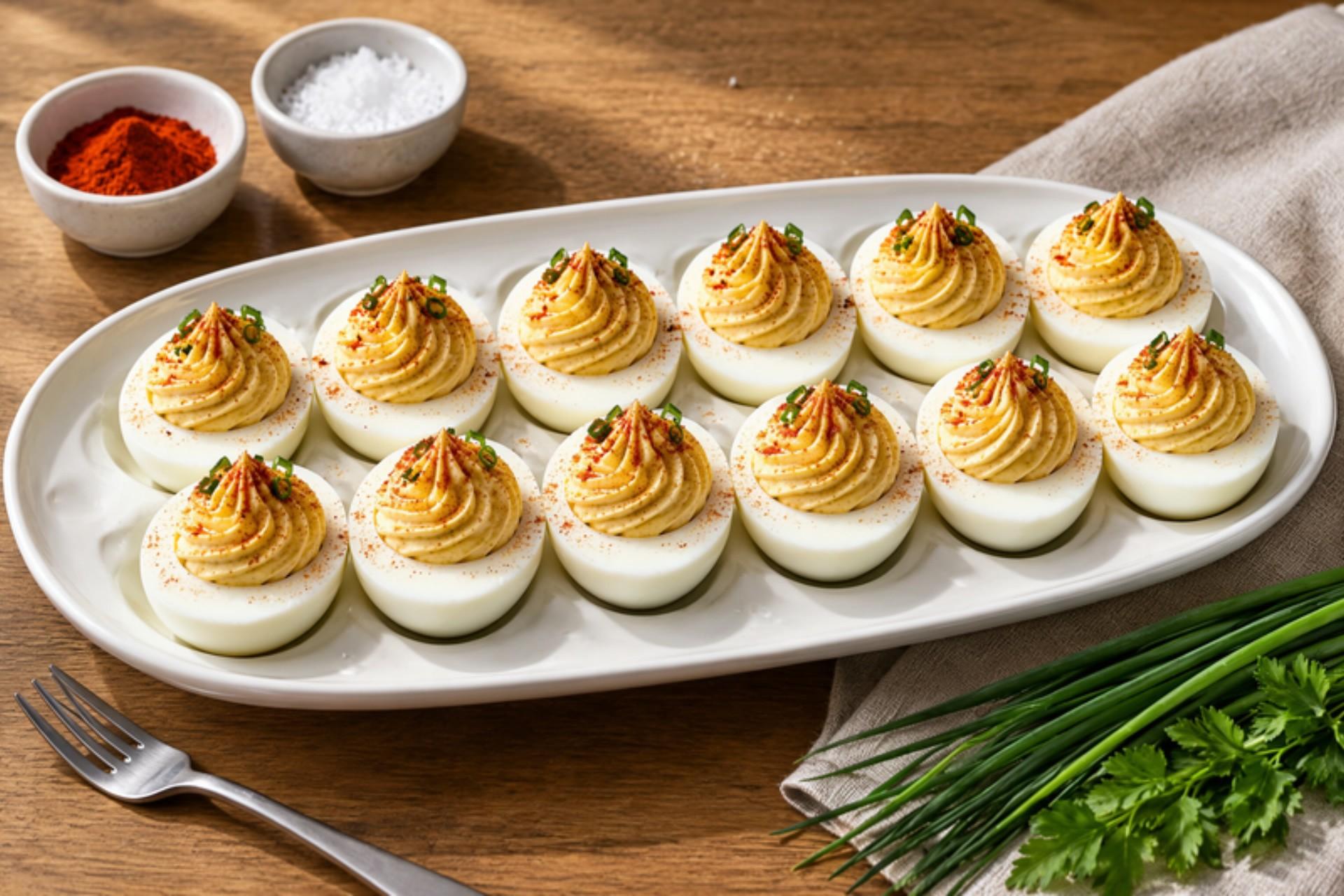
Deviled eggs

Deviled eggs are the first plate to empty at Southern church suppers, Easter lunches, Fourth of July cookouts and family reunions all over the United States. Hard-boiled eggs are halved, and the yolks are mashed with mayonnaise, mustard and a splash of vinegar into a smooth, tangy filling that is piped back in and finished with smoked paprika. They contain egg, and mustard is a common allergen. Serve them chilled as a starter or on a buffet. The usual mistake is overboiling, which gives rubbery whites and a grey-green ring around chalky yolks; 10 minutes in simmering water and a quick ice bath gives bright yellow yolks. Keep them in the fridge, and do not leave them out for more than 2 hours, or 1 hour on a hot day. Chef's tip: use eggs that are about a week old, not fresh from the farm; slightly older eggs peel cleanly so the whites stay smooth.

by KrazyBadal 0 views

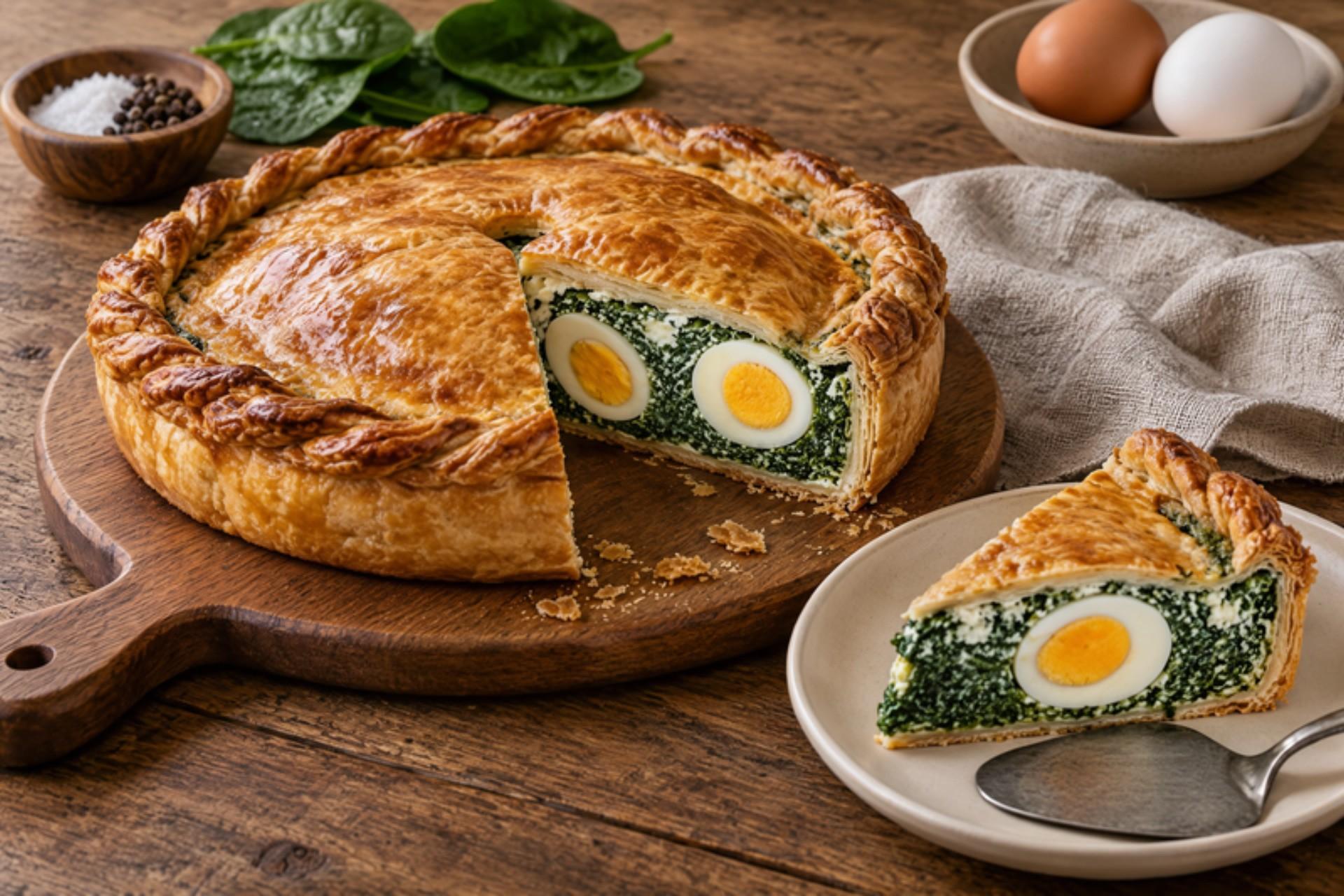
Tarta pascualinaSpinach and egg pie

Tarta pascualina came to Buenos Aires and Montevideo with Ligurian immigrants, and it is still baked for Easter (Pascua, hence the name), though most porteños now buy or make it any weekday for a light supper with a tomato salad. A crisp, olive-oil crust holds chard or spinach bound with ricotta and cheese, with whole eggs baked into hollows so every slice shows a ring of yolk. The usual mistake is not squeezing the greens: the filling floods and the base goes soggy. Wring them in a clean tea towel until no more water drips. Hard cheeses such as Parmesan are usually made with animal rennet; use a vegetarian hard cheese if you prefer. Chef's tip: bake the tart on the lowest shelf on a hot baking sheet so the bottom crust browns as well as the top.

by KrazyBadal 0 views

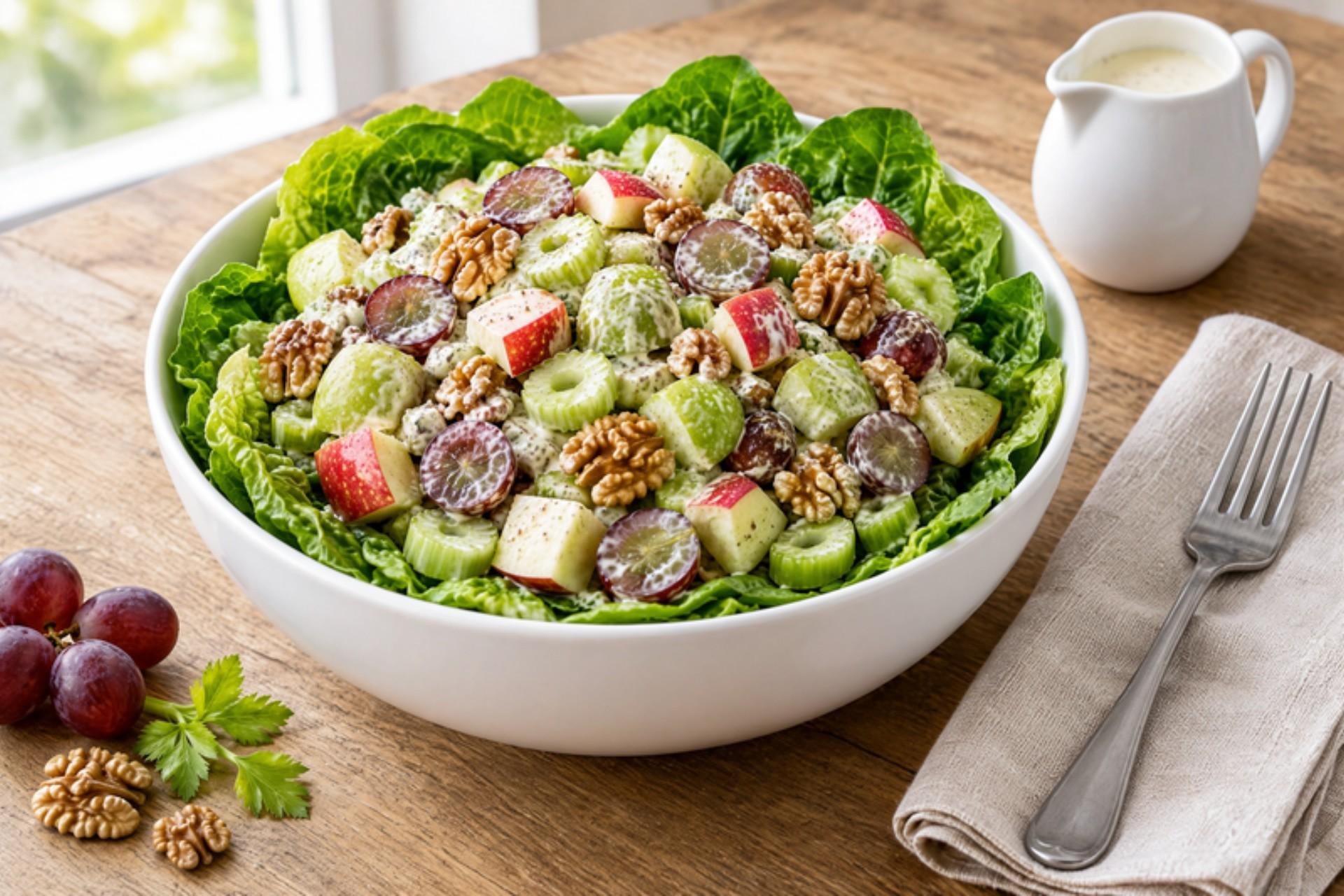
Waldorf saladApple, celery and walnut salad

The Waldorf salad was first served in the 1890s at a grand hotel on Fifth Avenue in New York, and it has stayed on American tables ever since, especially at Thanksgiving buffets, Easter lunches and summer picnics. Crunchy apple and celery, juicy grapes and toasted walnuts are folded into a creamy dressing that is part mayonnaise, part yoghurt, sharpened with lemon. It contains tree nuts (walnuts), egg (mayonnaise) and milk. Serve it on lettuce leaves as a starter or beside a roast. The usual mistake is dressing it hours ahead: the apples weep, the walnuts go soft and the salad turns watery. Dress it no more than 30 minutes before eating. Chef's tip: toss the cut apple in the lemon juice the moment you chop it; it stops browning and seasons the apple from inside.

by KrazyBadal 0 views

Buttermilk pancakes

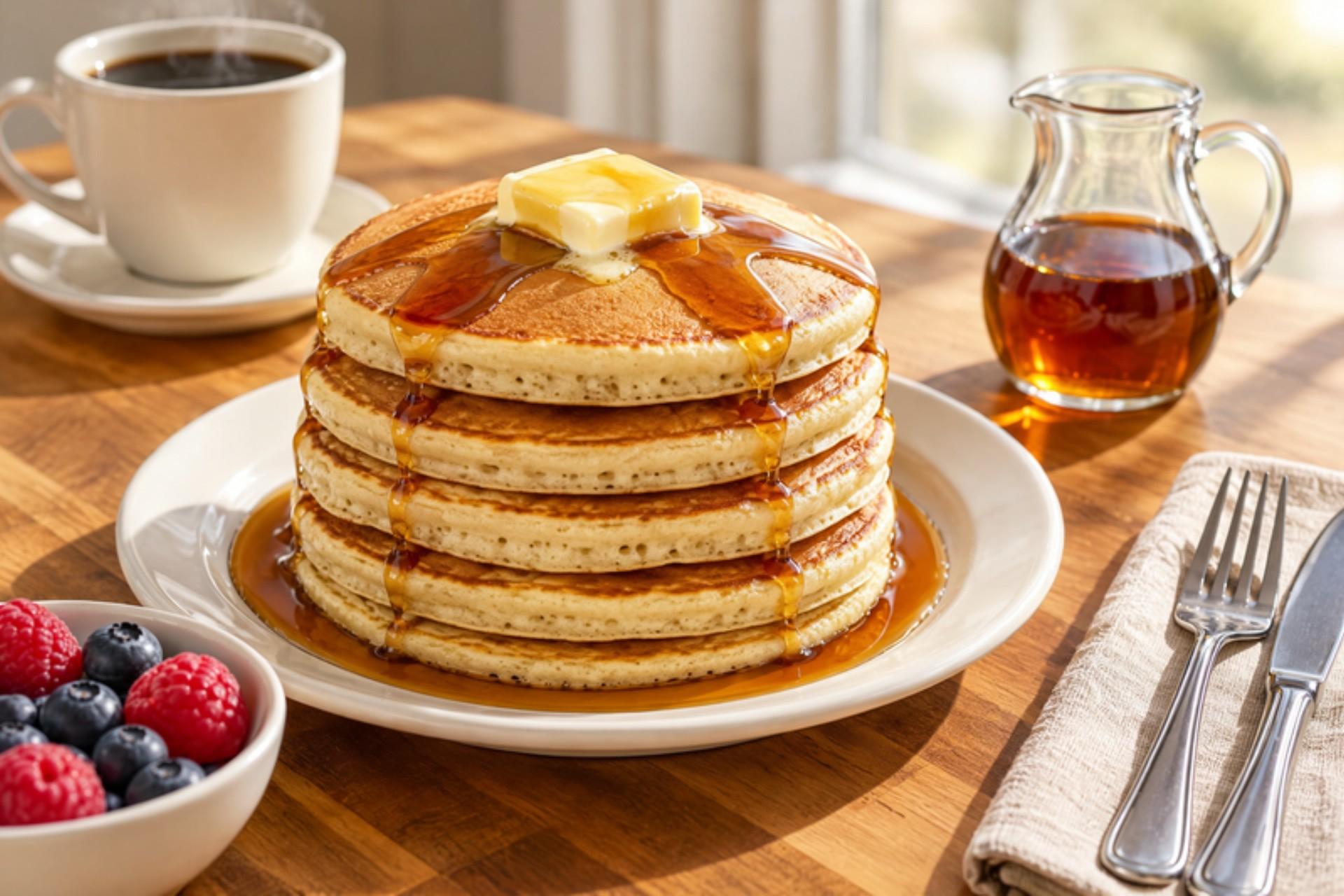
Every American diner, from New Jersey truck stops to California brunch spots, serves a short stack of buttermilk pancakes, and at home they are the classic slow Saturday or Sunday breakfast. Tangy buttermilk reacts with bicarbonate of soda to make them rise tall and soft, with a lacy golden outside and a tender, cakey middle. They contain wheat, egg and milk. Serve with a pat of butter and warm maple syrup, with blueberries or with crisp hash browns on the side. The most common mistake is beating the batter until smooth: that develops gluten and gives flat, rubbery pancakes. Stir only until the flour disappears, and leave the lumps. Chef's tip: let the batter rest for 10 minutes while the pan heats; the bubbles start forming in the bowl and the pancakes come out noticeably thicker.

by KrazyBadal 0 views

Classic diner cheeseburger

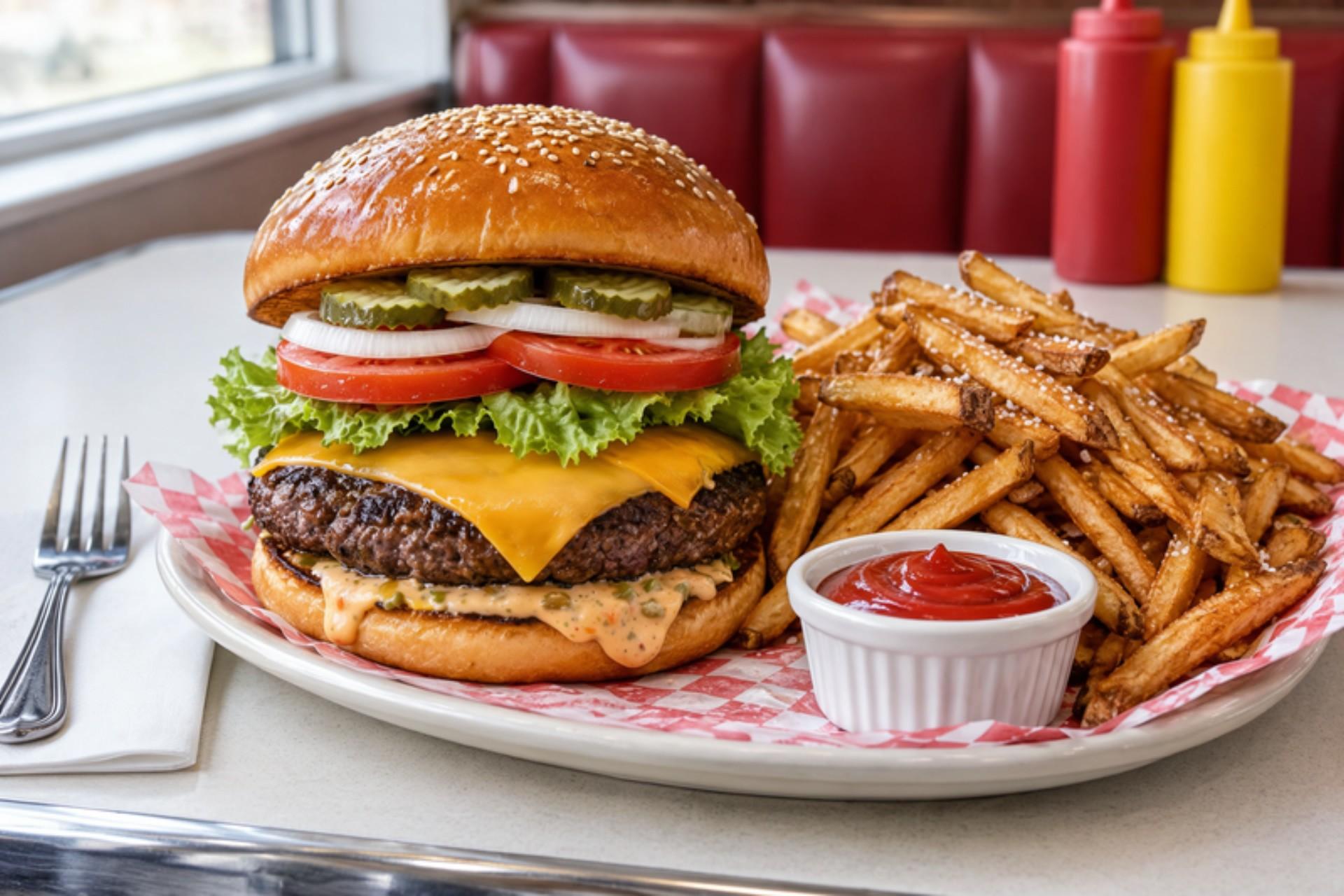
The cheeseburger is the backbone of American roadside diners and summer cookouts, from Los Angeles drive-ins to New Jersey lunch counters. This one is the thick diner style: a loosely packed beef patty seasoned only with salt and pepper, seared hard on a hot griddle, topped with slices of melting cheese and stacked with lettuce, tomato, onion, pickles and a tangy burger sauce in a toasted bun. The usual mistake is overworking the mince and pressing the patty in the pan: it squeezes out the juice and turns tight and dry. Shape gently, press a dimple in the centre so it stays flat, and flip only once. Beef mince must be cooked through to 71 °C, when the juices run clear. Chef's tip: season the patties only on the outside, right before they hit the pan; salt mixed into the mince turns it springy like sausage.

by KrazyBadal 0 views

Spaghetti and meatballs

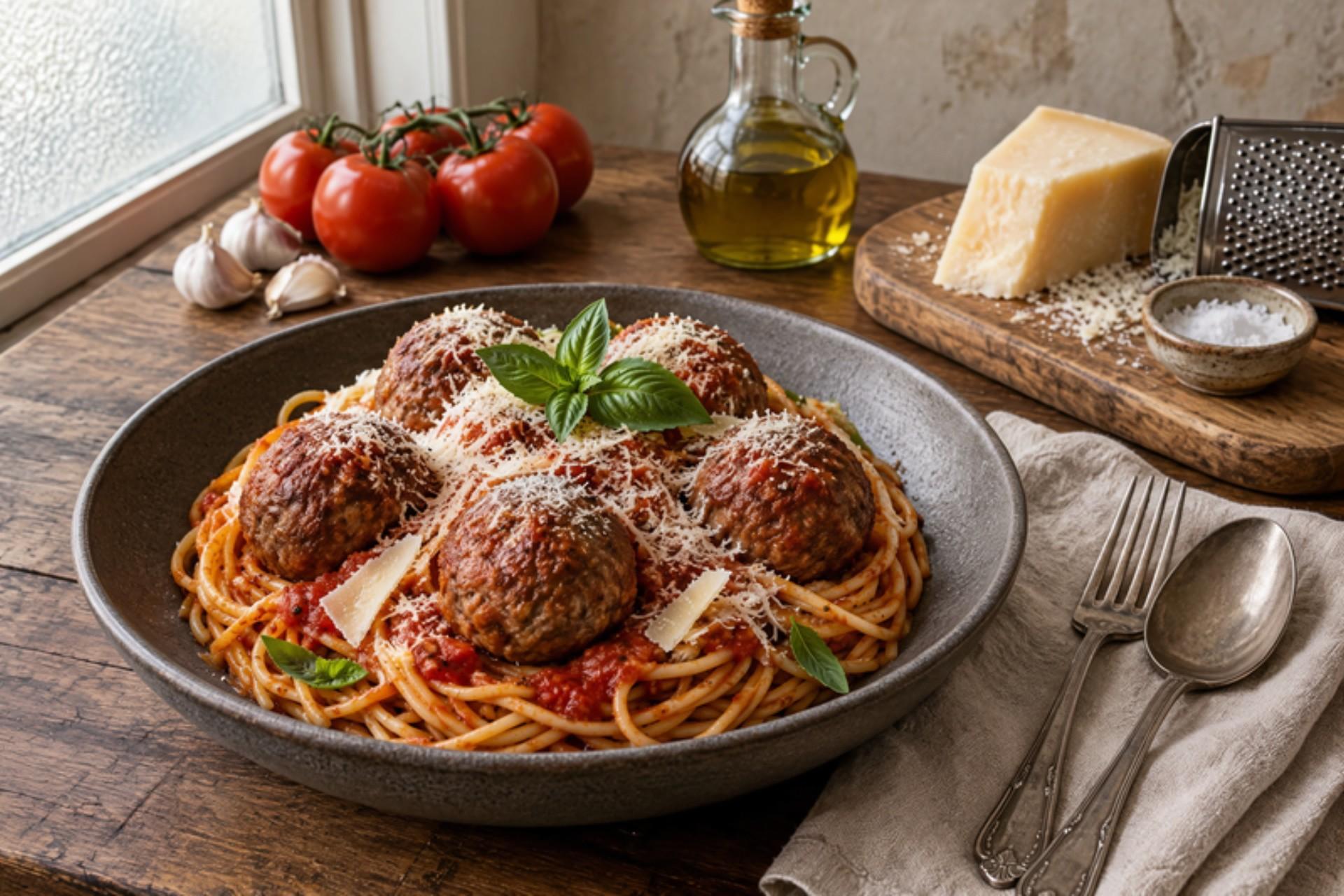
Spaghetti and meatballs is the Sunday 'gravy' dinner of Italian-American families in New York, Philadelphia and Boston, and the dish most Americans picture when they think of an Italian restaurant. The meatballs use beef and pork mince bound with milk-soaked bread, Parmesan and parsley, browned, then simmered gently in tomato sauce until tender and juicy, and served over a mound of spaghetti. The usual mistake is using dry breadcrumbs and squeezing the mix tight: the meatballs bounce like rubber. Soft bread and a light hand keep them tender. They are done when they reach 71 °C in the centre and are no longer pink. Serve with garlic bread and a green salad. Chef's tip: wet your hands with cold water while rolling; the mixture won't stick and the meatballs come out smooth and round.

by KrazyBadal 0 views

Campfire s'moresToasted marshmallow chocolate cracker sandwiches

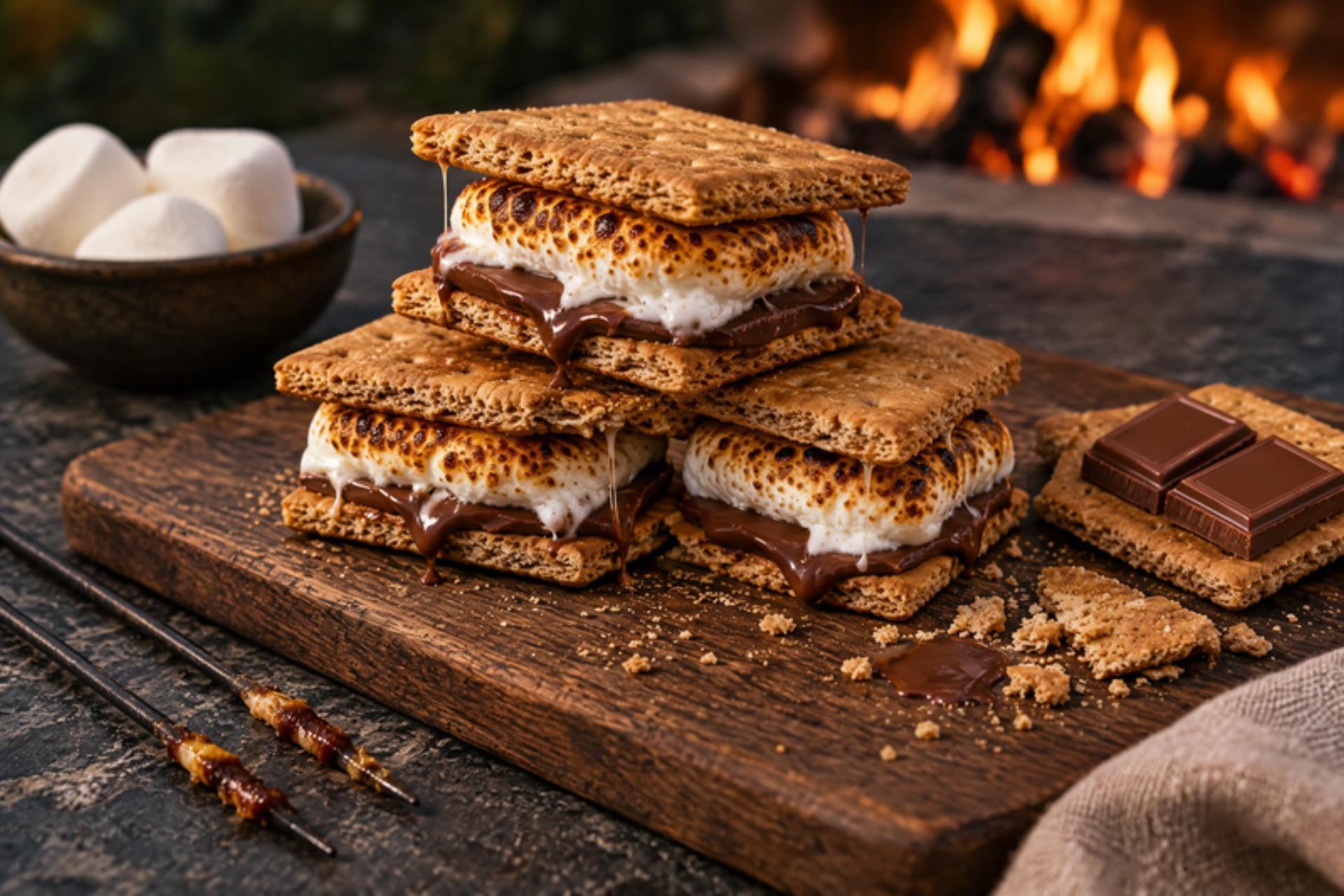
S'mores were printed in an American scouts' handbook in the 1920s, and they are still the first thing children learn to make round a summer campfire, from Yosemite campsites to backyard fire pits on the Fourth of July. A marshmallow is toasted on a stick until golden and gooey, then squashed with a square of chocolate between two sweet wholemeal crackers so the heat melts the chocolate. The name is short for 'some more', which is what everyone asks for. Most marshmallows contain gelatine, which is not vegetarian, so buy marshmallows labelled vegetarian or vegan. They contain wheat and milk, and possibly soya. Melted marshmallow is very hot, so supervise children closely. The usual mistake is holding the marshmallow in the flames, where it catches fire and stays cold inside; toast it slowly over glowing embers, turning all the time. Chef's tip: set the chocolate on the bottom cracker near the fire while you toast, so it is already softening when the hot marshmallow lands.

by KrazyBadal 0 views

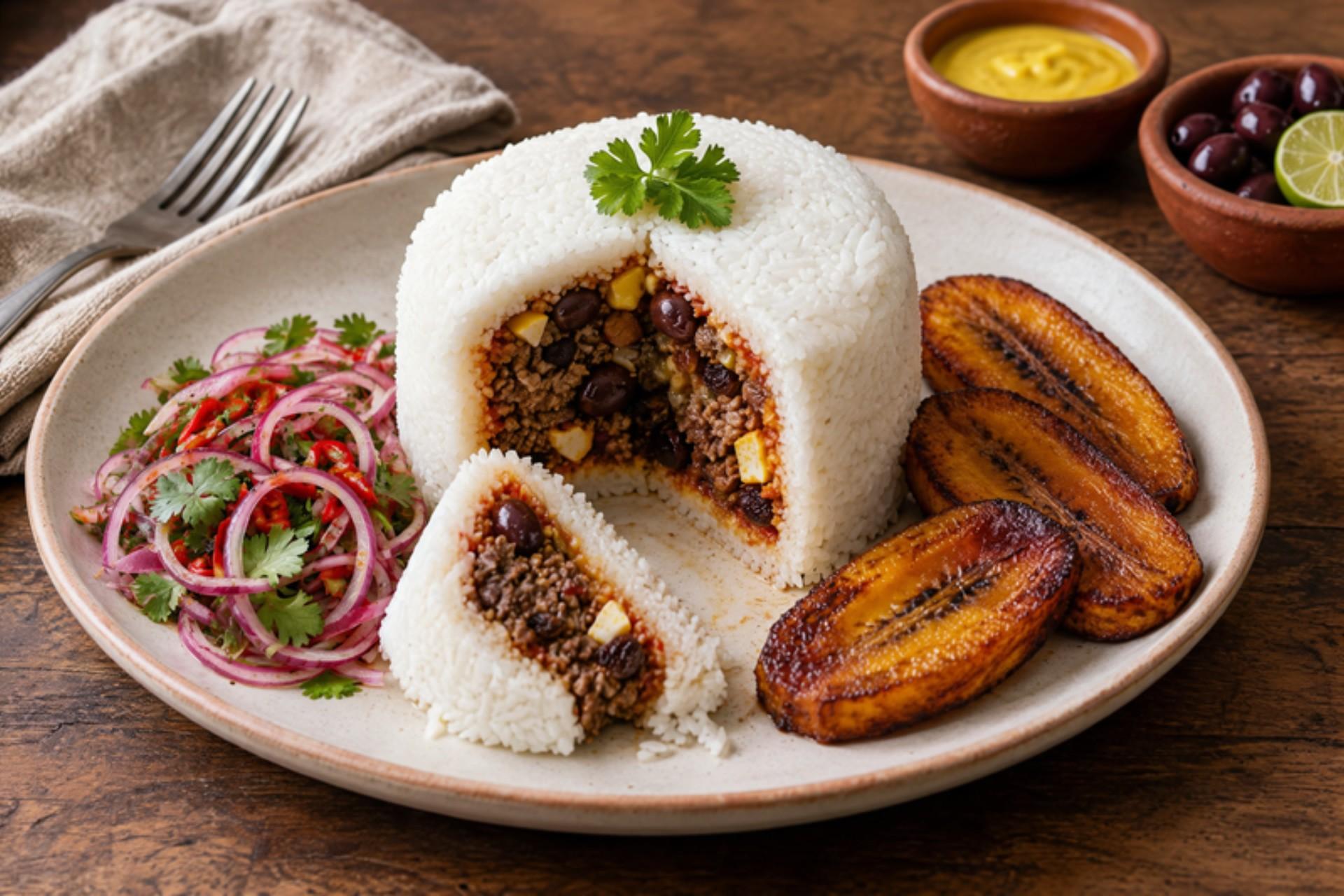
Arroz tapadoRice dome with beef filling

Arroz tapado means covered rice, and it is the thrifty weekday lunch of Lima homes and school canteens: garlic rice pressed into a bowl, filled with a sweet-savoury beef mince and turned out like a dome. The filling of minced beef with onion, ají panca, raisins, black olives and hard-boiled egg is the same picadillo that goes into papas rellenas. The usual mistake is leaving the filling wet: the dome collapses and the rice turns soggy. Simmer it until the pan is almost dry. Minced beef must reach 71 °C, so cook it until no pink remains. Serve with a spoonful of salsa criolla. Chef's tip: brush the bowl with a little oil and pack the rice firmly with the back of a spoon; a well-pressed dome holds its shape on the plate.

by KrazyBadal 0 views

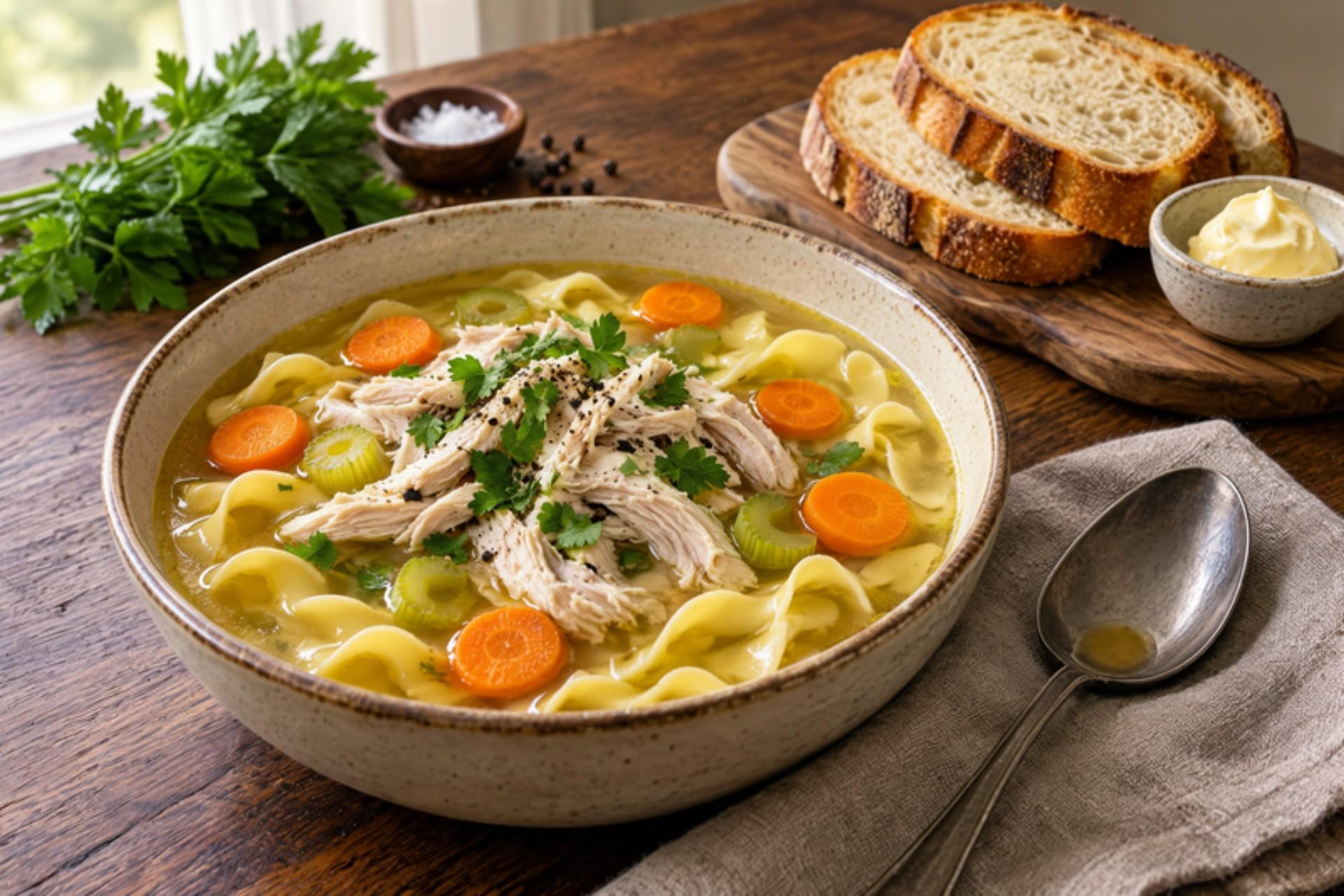
Chicken noodle soup

Chicken noodle soup is what American families cook when someone has a cold or the first snow falls, from Brooklyn delis to Minnesota kitchens. Bone-in chicken thighs simmer with onion, carrot and celery to make a quick golden broth, then the meat is shredded back in with wide egg noodles. The common mistake is boiling the noodles in the soup hours ahead: they swell, turn mushy and drink the broth. Cook them just before serving, or separately if you plan leftovers. The chicken is done when it reaches 74 °C and pulls easily from the bone. Serve with crackers or crusty bread. Chef's tip: finish each bowl with a squeeze of lemon and a handful of dill or parsley; the brightness makes a plain broth taste homemade.

by KrazyBadal 0 views

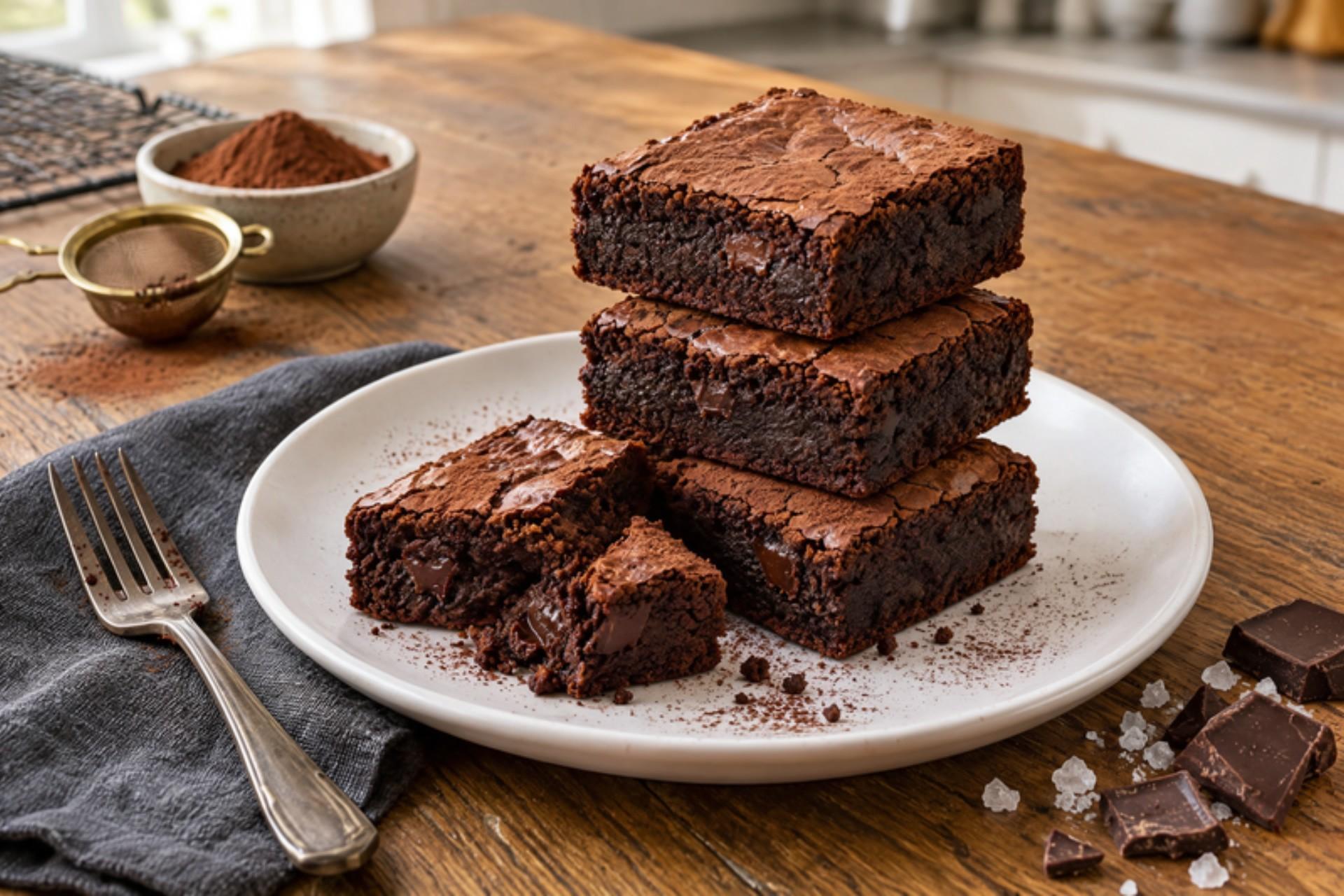
Fudgy chocolate brownies

Brownies are said to have started in a Chicago hotel kitchen in the 1890s, and today they turn up at every American bake sale, school fundraiser, office birthday and late-night craving. This fudgy style uses lots of melted dark chocolate and butter with very little flour, so the middle is dense and almost truffle-like under a thin, shiny, crackled top. They contain egg, milk (butter) and wheat. Serve them just warm with vanilla ice cream, or cold from the tin with a glass of milk. The common mistake is baking until a skewer comes out clean: by then they are cakey and dry, because they keep cooking in the hot tin. Pull them when a skewer pushed in 5 cm from the edge shows moist, sticky crumbs. Chef's tip: beat the eggs and sugar hard for a full 3 minutes before adding the chocolate; the dissolved sugar is what forms that paper-thin crackly crust.

by KrazyBadal 0 views

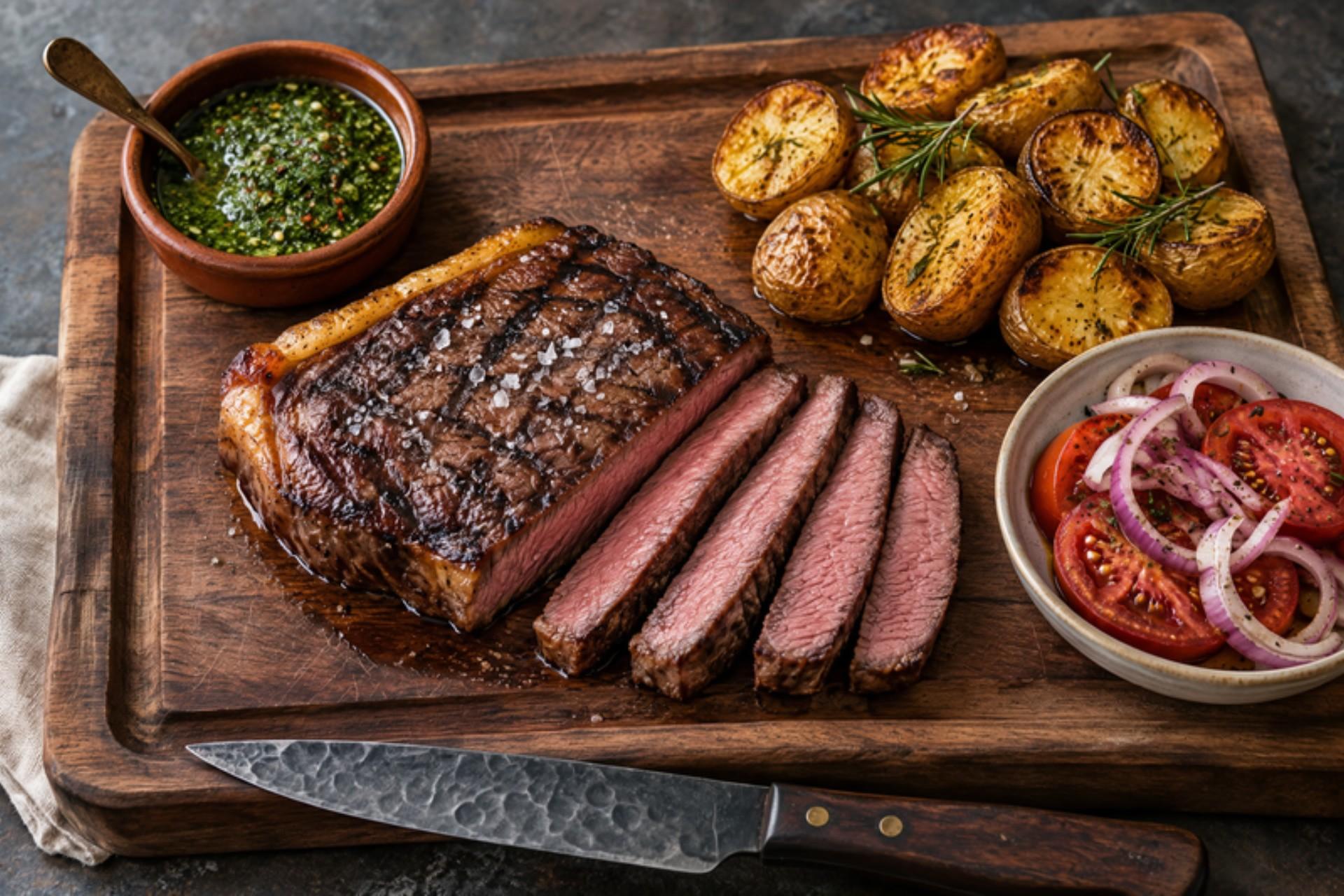
Bife de chorizoGrilled sirloin steak with chimichurri

Bife de chorizo, despite the name, has nothing to do with sausage: it is the thick sirloin (strip loin) steak that every parrilla in Buenos Aires grills, from the steakhouses of Palermo to the roadside grills of the pampas, and it is the Saturday-night order for anyone who wants beef and nothing else. It is cut at least 3 cm thick, seasoned only with coarse salt and grilled over hot embers, then served with chimichurri and a simple tomato and onion salad. The common mistake is cooking it straight from the fridge and turning it constantly; it greys outside and stays raw in the middle. Bring it to room temperature for 30 minutes and turn it only once. Chef's tip: salt the steak with coarse salt only just before it goes on the grill, and cut into it only after a 5-minute rest.

by KrazyBadal 0 views

Pizza de muzzarellaThick-crust mozzarella pizza

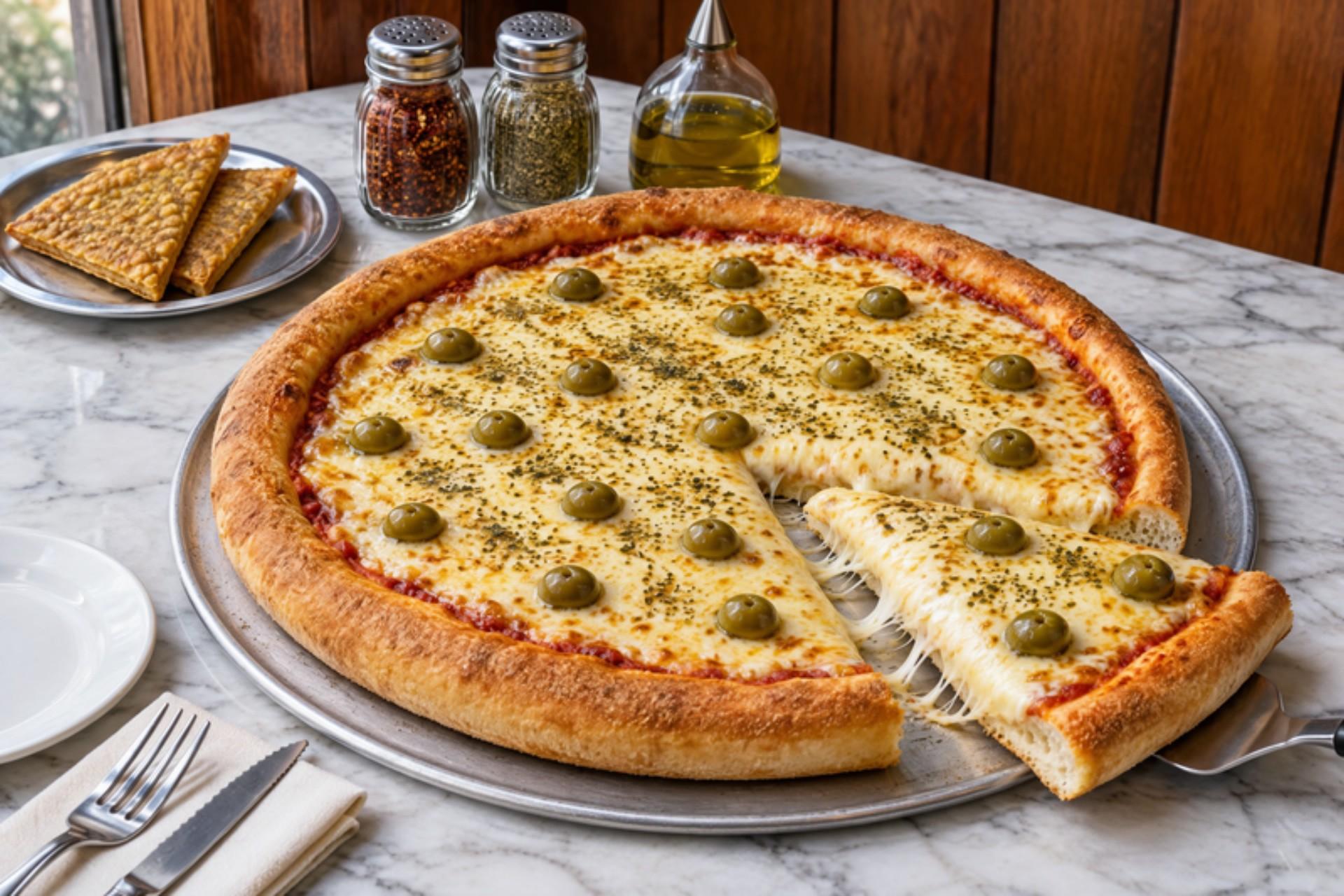
The pizza de muzzarella, or simply muzza, is the pride of Buenos Aires' old pizzerías along Avenida Corrientes, eaten standing at the counter after the theatre, often with a slice of fainá on top. Unlike a Neapolitan pizza it has a thick, soft, bready base baked in a round metal pan, a thin smear of oregano tomato sauce and a deep layer of mozzarella that bubbles and browns, finished with green olives. The common mistake is using fresh mozzarella balls: they release water and the pizza swims. Use firm, low-moisture mozzarella grated or sliced thick. Many mozzarellas use animal rennet; choose a vegetarian one if you prefer. Chef's tip: give the dough a second rise in the oiled pan, so the base bakes airy inside and fried-crisp underneath.

by KrazyBadal 0 views

Pumpkin pie

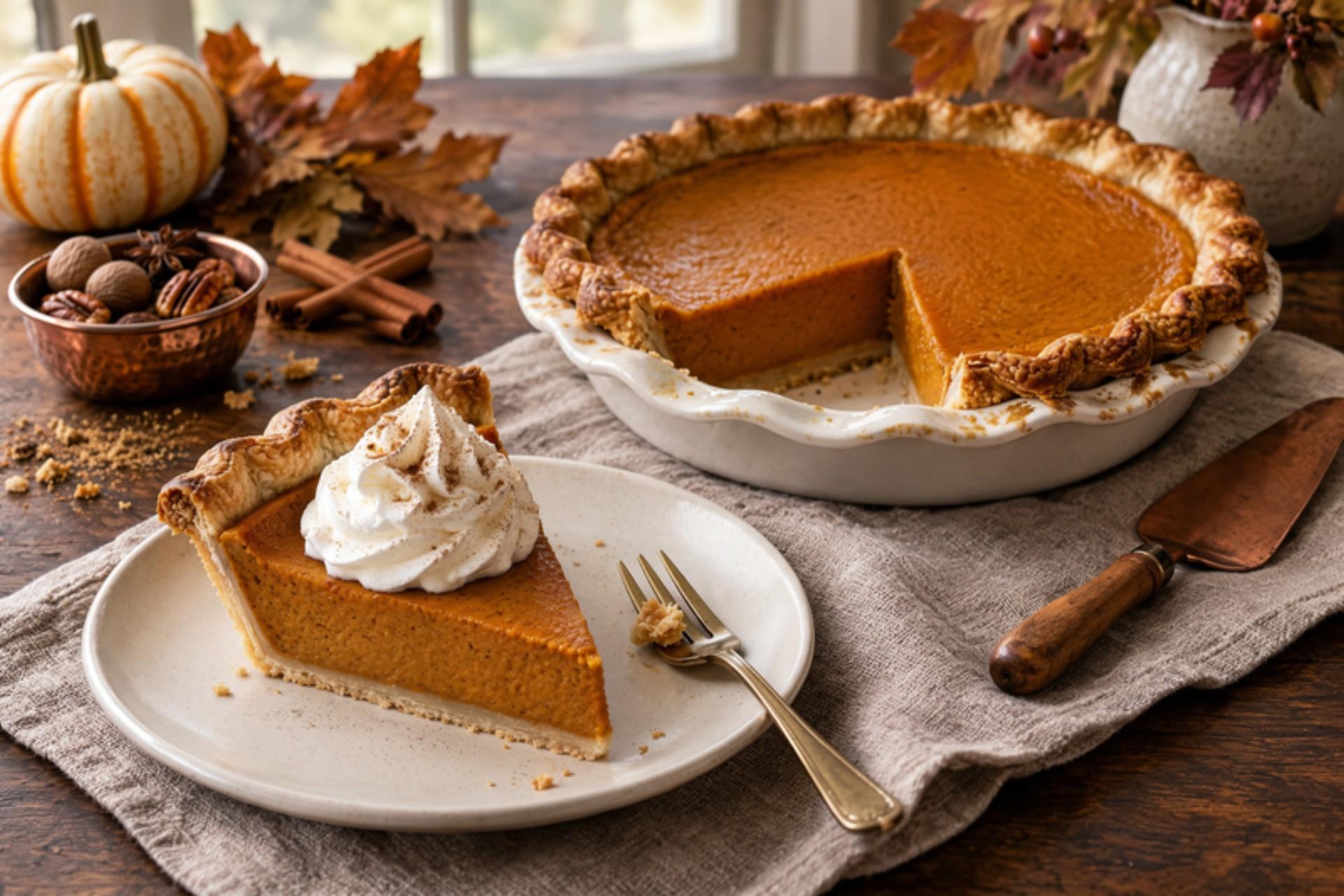
No Thanksgiving table from New England to Texas is complete without pumpkin pie, served on the fourth Thursday of November after the turkey and often again for breakfast the next morning. Smooth pumpkin purée is baked into a custard with evaporated milk, brown sugar, eggs and warm spices, in a crisp, flaky butter crust. It contains wheat, egg and milk. Serve it cool with softly whipped cream. The common mistake is overbaking until the whole surface is firm: the custard then cracks and turns grainy. Take it out when the edges are set but a circle about 5 cm wide in the middle still wobbles like jelly; it finishes setting as it cools. Chef's tip: blind-bake the pastry until it is lightly golden before filling, so the bottom stays crisp instead of soggy under the wet custard.

by KrazyBadal 0 views

Sloppy joes

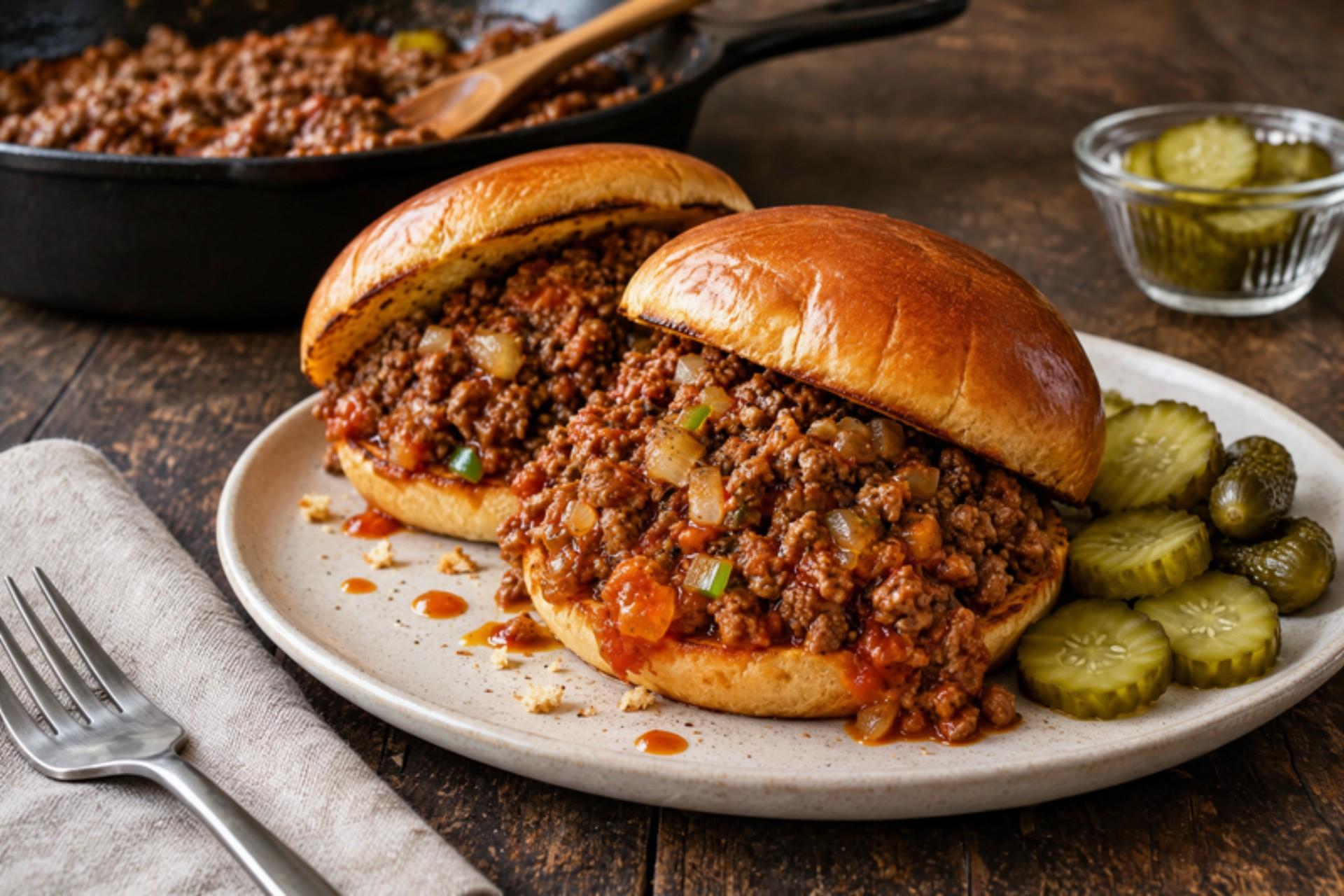
Sloppy joes are a mid-century American family supper, beloved at school cafeterias, scout camps and quick Friday dinners from Iowa to Ohio. Beef mince is browned with onion and green pepper, then simmered in a sweet, tangy tomato sauce until it is thick enough to heap into a soft burger bun without soaking straight through. The usual mistake is leaving it too wet: the bun collapses at the first bite. Simmer until a spoon dragged across the pan leaves a clear trail for a second or two. Brown the mince until no pink remains; it should reach 71 °C. Serve with coleslaw, pickles or crisps, and have napkins ready. Chef's tip: toast the cut sides of the buns in a dry pan first; the crisp surface holds back the sauce long enough to finish the sandwich.

by KrazyBadal 0 views

Showing 24 of 593 recipes

Show more recipes

Page 1 of 25