Skip to content
Recipes

All recipes

Vegetarian, or something you can't eat? Set your diet once and we'll hide recipes that don't fit.

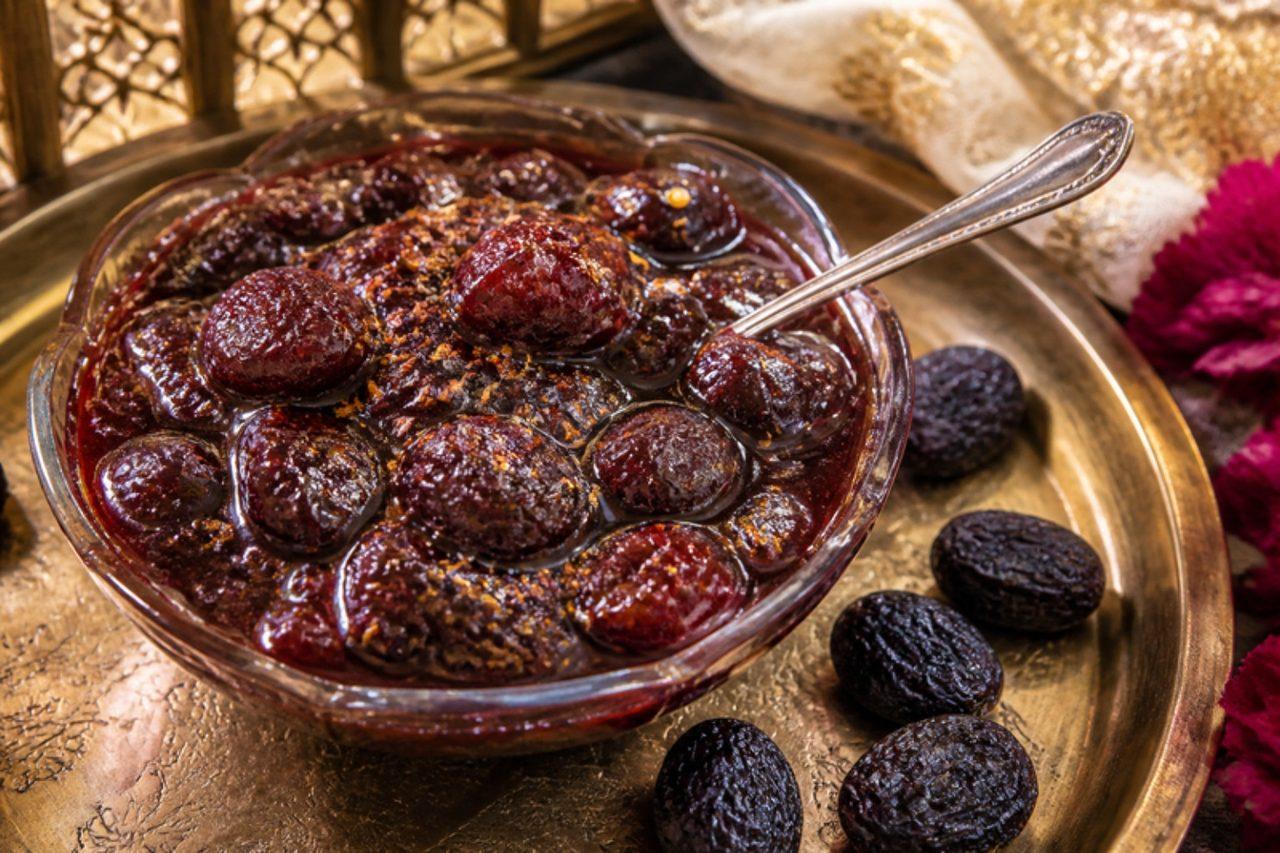
Aloo bukhara chutneyDried plum chutney

Wherever a Pakistani wedding serves biryani and qorma, a little bowl of glossy aloo bukhara chutney sits alongside to cut the richness. Dried sour plums are softened, then cooked with sugar, a touch of vinegar, ginger, chilli and warm spices into a jammy, sweet-sour relish, dark and shining. It keeps for weeks and is made in big jars before the shaadi. Chef's tip: stop cooking while it still looks a little loose; it thickens a lot as it cools.

by KrazyBadal 0 views

Sabeel sharbatRose milk with basil seeds

In the first ten days of Muharram, and above all on Ashura, volunteers in Pakistani towns set up sabeel stalls at the roadside and pour free cups of cold sweet milk for anyone passing, in memory of the thirst of Imam Husain's family at Karbala. The drink is pale pink, lightly rose-scented and dotted with swollen basil seeds, and it is made in huge steel pots at the stalls; this is the home-sized jug. Chef's tip: soak the basil seeds in water first, never straight in the milk, or they stay hard and clump.

by KrazyBadal 0 views

KaguyjyWhite corn pudding

On the night of 23–24 June, Paraguayans celebrate San Juan with bonfires, games like walking over hot coals and the 'paso de fuego', and a table of traditional foods, and kaguyjy (also mazamorra) is one of them. It is a soft, creamy pudding of cracked white corn (locro) simmered slowly in water and then milk with sugar or honey, sometimes with orange peel. It is eaten warm or cold. It is gluten free. Chef's tip: soak the corn overnight and cook it until each kernel is tender before adding the milk, or it never turns creamy.

by KrazyBadal 0 views

Pajagua mascadaBeef and cassava patties

Pajagua mascada is a Paraguayan street-food classic that appears on every table for the San Juan festival on 24 June, when bonfires burn and the night is full of games and traditional food. Minced beef is mixed with mashed cassava, onion, garlic and a little egg and flour, shaped into flat patties and fried until crisp. The name comes from Guaraní and refers to the 'chewing' of old Paraguayan cooks, who made it from leftover meat. Chef's tip: dry the boiled cassava well and remove its woody core, which keeps the patties light and crunchy.

by KrazyBadal 0 views

AllerheiligenstriezelBraided sweet loaf

In Bavaria and Austria, godparents give their godchildren an Allerheiligenstriezel on All Saints' Day, 1 November: a large braided loaf of sweet yeast dough, brushed with egg and scattered with almonds or pearl sugar. The braid is said to recall the old custom of cutting a plait of hair in mourning, and the size of the loaf once showed how generous the godparent was. It is lightly sweet, with lemon and vanilla, and is eaten sliced with butter or jam. Some recipes add rum-soaked raisins; these are soaked in warm water instead. Chef's tip: braid four strands for an impressive, high loaf.

by KrazyBadal 0 views

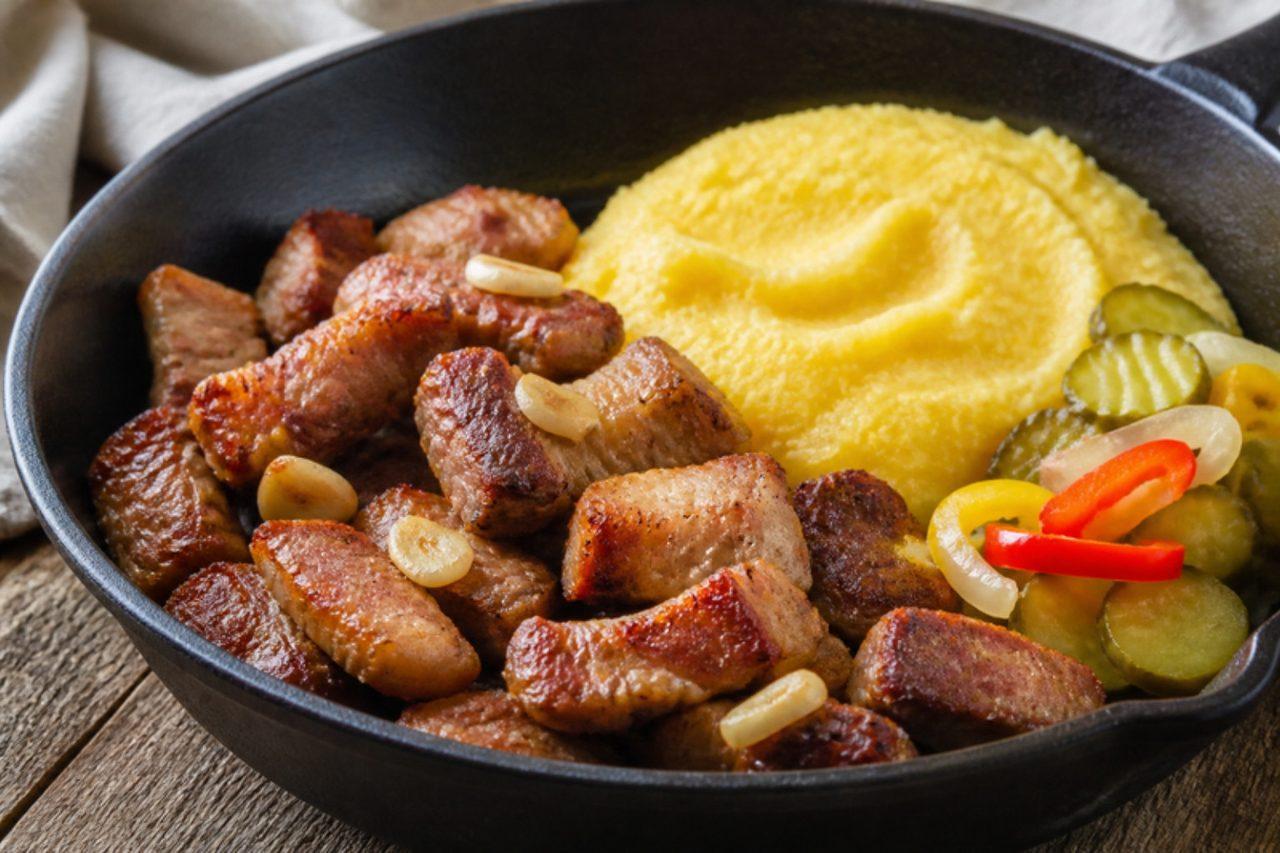
Pomana porculuiFresh pork fry-up

St Ignatius' Day (Ignatul), 20 December, is when Romanian villages traditionally slaughter the pig for Christmas, and the people who help are thanked with pomana porcului: chunks of the freshest pork (neck, belly and loin, sometimes liver) fried in their own fat with salt and garlic, then eaten hot with polenta, pickles and a glass of plum brandy for the adults. At home it is a quick, rustic dish; buy pork shoulder or neck with a good amount of fat. Chef's tip: start the pork in a cold pan so the fat renders slowly and the meat fries in it.

by KrazyBadal 0 views

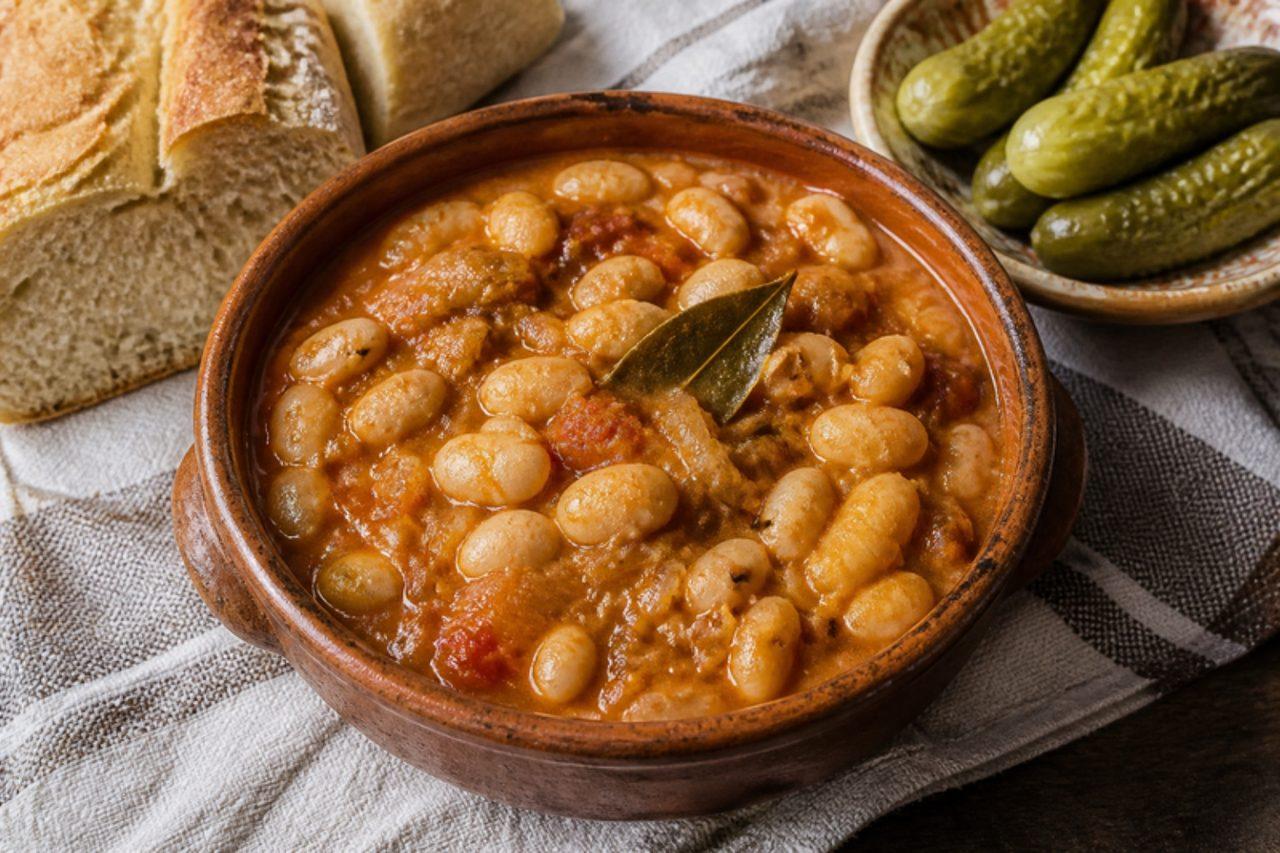
Iahnie de fasoleWhite bean stew

Iahnie de fasole is one of the most loved dishes of the Romanian Orthodox fasting periods: the seven weeks of Great Lent before Easter, and the Christmas fast. White beans are cooked until creamy, then baked or simmered with a lot of slowly fried onion, tomato paste, bay, thyme and paprika until thick and sweet. It is vegan, high in protein and eaten with pickles and bread. Chef's tip: fry the onion slowly in plenty of oil until golden and jammy; the onion is the heart of the stew.

by KrazyBadal 0 views

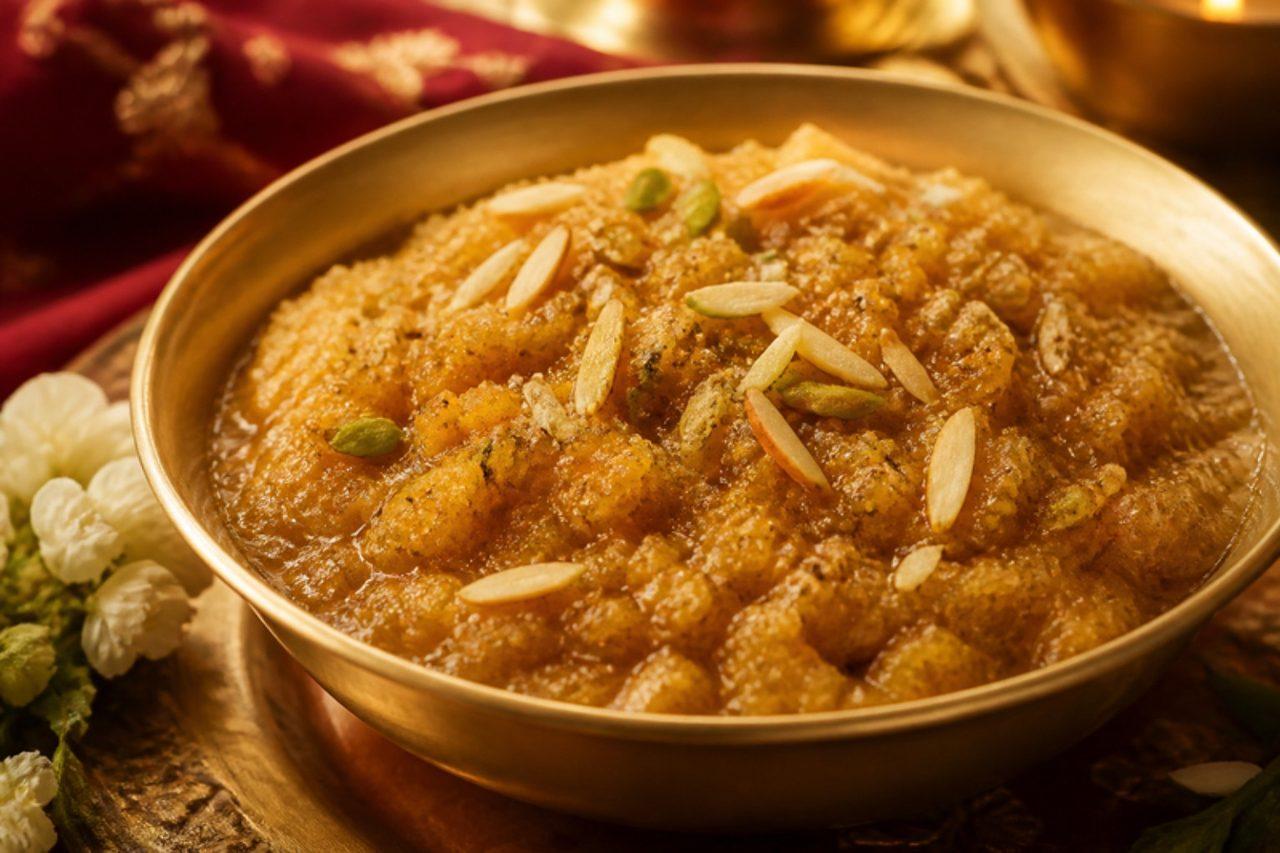
Chana dal halwa

At Punjabi weddings in Lahore and Faisalabad in the cold months, the dessert table often carries a big tray of chana dal halwa beside the gajar halwa. Soaked split chickpeas are ground and fried slowly in ghee until they smell of roasted nuts and turn deep golden, then cooked with milk, sugar and cardamom into a rich, grainy halwa that keeps for days. It takes patience and a strong arm. Chef's tip: keep the heat low and scrape the bottom constantly; the dal catches fast once it starts to brown.

by KrazyBadal 0 views

Chipa so'oCheese bread with spiced beef

In Paraguay, families bake chipa in the clay tatakua ovens on Holy Wednesday so there is food for Thursday and Good Friday, when cooking stops. Chipa so'o ('chipa with meat') is a cassava-starch and cheese bread wrapped around a little filling of minced beef cooked with onion and egg, then baked until crisp outside and chewy within. It is naturally gluten free. Chef's tip: knead the dough until it no longer cracks at the edges when pressed; dry dough splits around the filling.

by KrazyBadal 0 views

KhajlaFried pastry rounds in sweet milk

In the old lanes of Lahore and Karachi's Burns Road, sweet shops fry khajla through the night in Ramadan so families can buy it fresh for sehri, the meal eaten before dawn. Each round is a stack of paper-thin layers of ghee-rubbed dough that shatter when you press them, and it is crumbled into a bowl of hot sweetened milk, often with fine pheni, to give slow energy for the fasting day. Chef's tip: keep the oil only medium-hot; khajla must fry slowly so every inner layer turns crisp before the outside browns.

by KrazyBadal 0 views

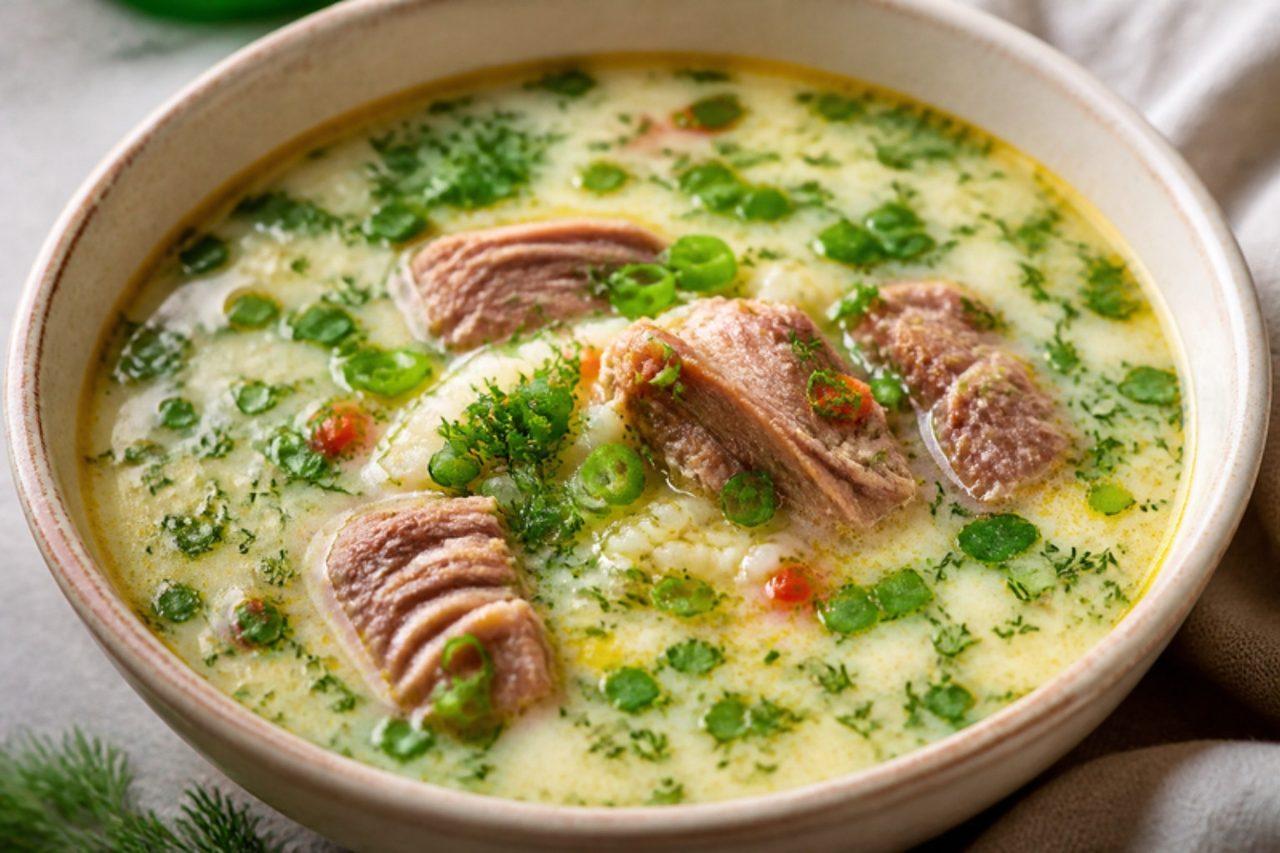
Ciorbă de mielSoured lamb soup

Romanian Easter Sunday lunch, after the Resurrection service at midnight and the long Lenten fast, always includes ciorbă de miel: a sour soup of young lamb with spring onions, green garlic, rice and lovage, soured with borș (fermented bran liquid) or lemon and finished with a liaison of egg and soured cream. It is light, tangy and very green, a taste of spring. Chef's tip: temper the egg and cream with ladlefuls of hot soup before stirring them in, or they will scramble.

by KrazyBadal 0 views

OsterpinzeEaster anise brioche

Osterpinze is the Easter bread of Styria, Carinthia and the area around Trieste, a soft, golden brioche dome with three deep cuts on top for the Holy Trinity, so that it opens into a crown as it bakes. The dough is rich with egg yolks and butter and flavoured with anise and lemon; old recipes add a splash of white wine, left out here. It is blessed in the Easter basket on Holy Saturday and eaten on Easter morning with ham, horseradish and eggs, or with butter and jam. Chef's tip: make the three cuts with scissors just before baking, deep enough to reach halfway down, so the crown opens wide.

by KrazyBadal 0 views

KalanehWild leek stuffed flatbread

In Kurdistan and Kermanshah, Newroz arrives with the first spring greens on the hillsides, and families gather wild leeks to fold into kalaneh, thin griddle breads cooked over a fire or a hot pan and soaked in melted butter. The dough is plain and soft, rolled very thin around a pile of chopped leek or chives with a little salt and pepper, so the greens steam inside as the bread blisters. Eat it hot, torn into strips, with yogurt and tea at a Newroz picnic. The common mistake is wet greens, which turn the dough soggy and make it tear; dry them well after washing. Chef's tip: brush the butter on the moment the bread leaves the pan so it soaks right in.

by KrazyBadal 0 views

Sopa teólogaTurkey broth with bread and cheese

Sopa teóloga ('the theologian's soup') goes back to colonial convents in Lima and Arequipa, where it was cooked for feast days, and it is still served at Holy Week and family celebrations. A rich turkey (or chicken) broth is thickened with soaked bread, milk and fresh cheese, with yellow potatoes and shreds of turkey, and finished with a little ají amarillo and chopped huacatay or parsley. It is thick, comforting and filling. Chef's tip: blend part of the soaked bread with broth before adding it, which gives the soup its creamy body without lumps.

by KrazyBadal 0 views

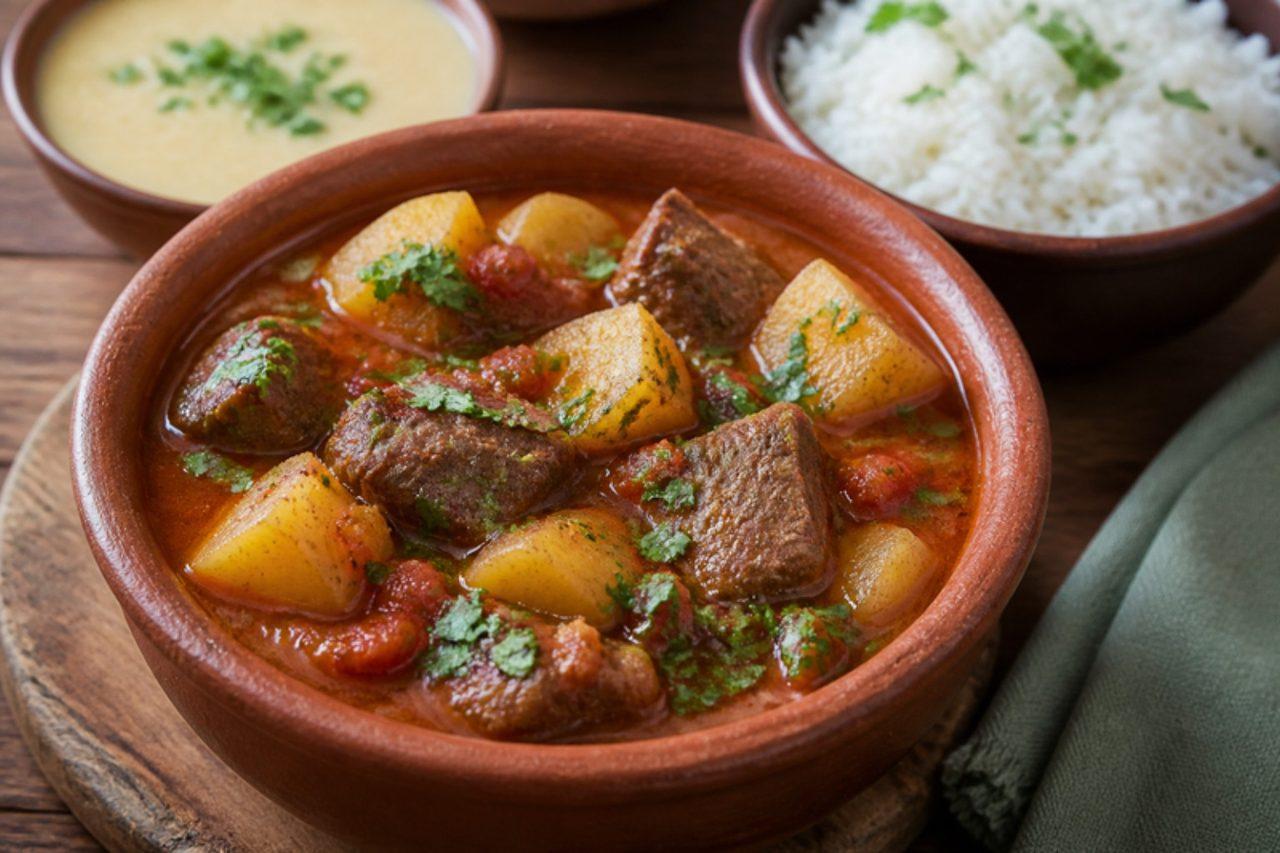
Afogado do DivinoBeef and potato stew

In São Luiz do Paraitinga in the hills of São Paulo state, the Festa do Divino Espírito Santo at Pentecost ends with a meal for everyone: huge pots of afogado, beef 'drowned' in a rich broth with potatoes, tomato, onion, garlic and herbs, served with pirão (a cassava-flour porridge made from the broth) and rice. Volunteers cook it in the town's kitchens through the night, and anyone who comes is fed. Chef's tip: brown the beef in small batches so it sears rather than stews, which gives the broth its deep colour.

by KrazyBadal 0 views

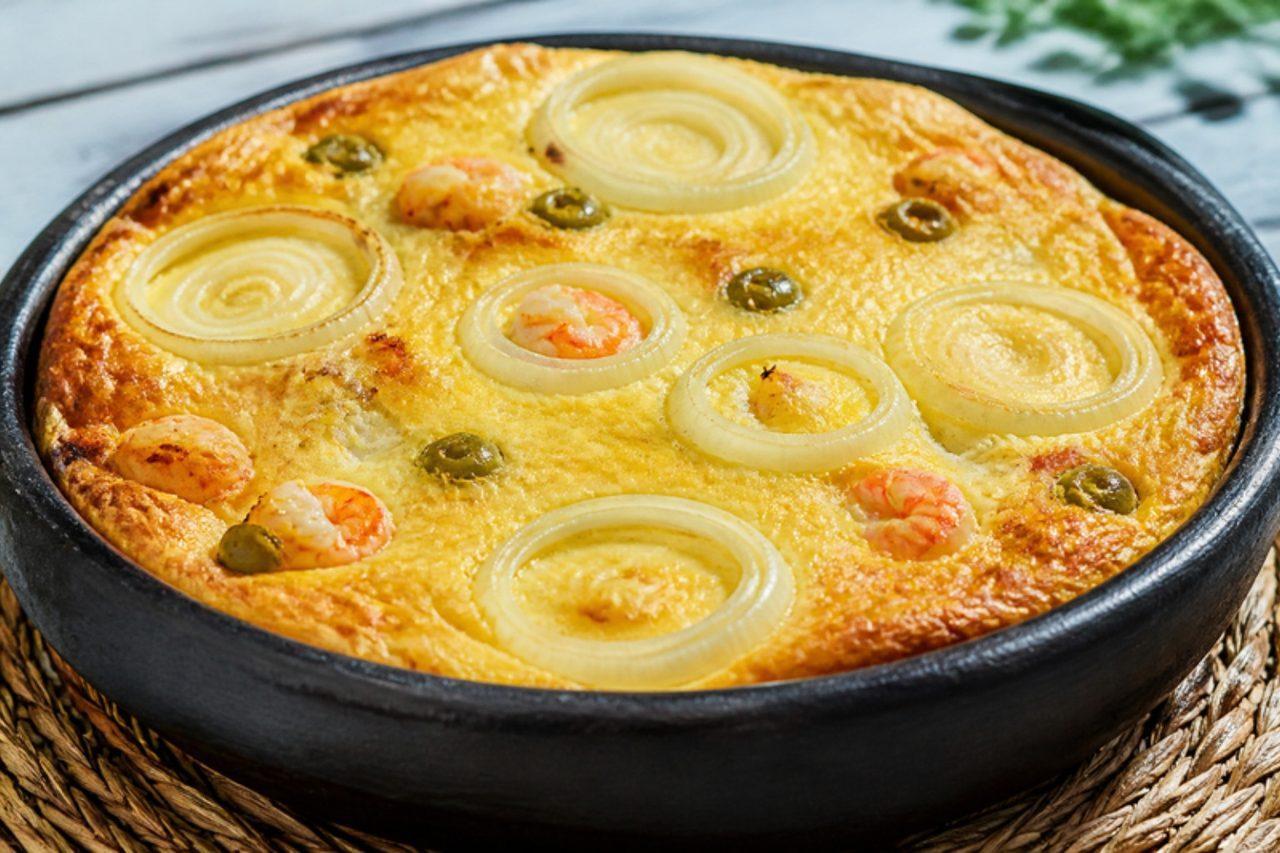
Torta capixabaSeafood and palm heart pie

Torta capixaba is the Good Friday dish of Espírito Santo in south-east Brazil, cooked in the region's black clay pans (panelas de barro). Soaked salt cod, crab meat, prawns, palm hearts and olives are cooked with tomato, onion, coriander and annatto, then bound with beaten egg and baked until puffed and golden under a lid of egg and onion rings. It is served hot or warm with rice. Any ovenproof dish works. Chef's tip: fold in the egg whites last and gently, as they give the torta its light, set texture.

by KrazyBadal 0 views

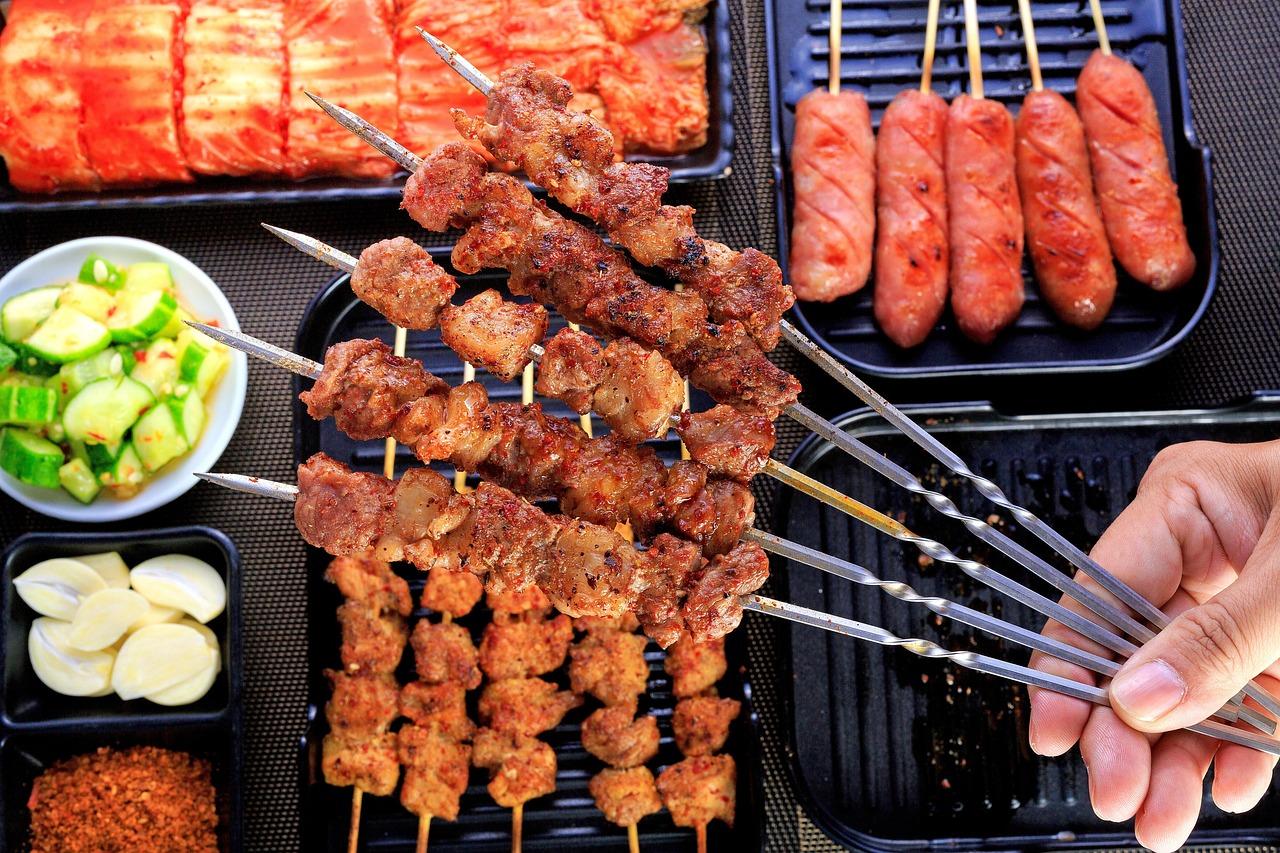
Espetinho de carneGrilled beef skewers

All through Brazilian Carnival, from Salvador's street parties to the blocos of Rio, the smoke of espetinho grills drifts along the pavements, and a skewer of beef with a spoonful of farofa is the snack that keeps revellers dancing all night. Chunks of rump are seasoned with garlic, coarse salt and lime, threaded onto skewers and grilled hard and fast over charcoal. Marinate the beef in the fridge. The common mistake is packing the pieces tightly, which steams them instead of charring. Chef's tip: soak wooden skewers for 30 minutes so they don't burn before the meat is done.

by KrazyBadal 0 views

Dowina (Kurdish yogurt soup)

Dowina, called ash-e doogh in Persian, is warming spring food in Kurdish homes around Newroz, when yogurt is plentiful and the first herbs are cut from the garden. Rice and chickpeas simmer in a tangy, lightly thickened yogurt broth, finished with fresh dill, coriander and a sizzle of dried mint in oil. It is eaten warm, never boiling hot, with flatbread. The common mistake is to heat the yogurt too fast without stirring, which makes it split into grainy curds. Chef's tip: whisk an egg yolk and a spoonful of rice flour into the yogurt before it goes on the heat; it holds the soup smooth all the way to the simmer.

by KrazyBadal 0 views

Bananada (Brazilian banana paste bars)

Bananada comes from the banana country of Minas Gerais and the Vale do Ribeira in São Paulo state, where roadside stalls stack it in wrapped bars beside rapadura and goiabada. Children find it in lunchboxes and it turns up on the sweet tables of the June festivals. Cooked slowly, ripe bananas and sugar darken to a reddish brown and set into a dense, chewy paste with a caramel and baked-banana flavour, finished with a sugary crust. Serve the bars with coffee or a piece of fresh cheese. It is naturally egg-free: the starch and pectin in the bananas, concentrated with sugar over a long, slow cook, set the paste firm enough to slice. Very ripe bananas give the sweetest, darkest result. Chef's tip: keep going until you can see the base of the pan for a second when you drag the spoon through; the common mistake is stopping early, which gives a soft jam that won't cut.

by KrazyBadal 0 views

Rapadura (Brazilian sugarcane blocks)

Rapadura is the sweet of the Brazilian Northeast, made since colonial times in the small sugar mills of Pernambuco, Paraíba and Ceará. Fresh cane juice is boiled down for hours and beaten until it sets into dense golden-brown bricks, sold at every feira and roadside stall and carried by farm workers as quick energy. It is eaten after lunch with a cup of coffee, with farinha or a slice of queijo coalho, and chopped onto the tables of the June festivals. The texture is firm but crumbly, like a hard fudge, and the flavour is deep caramel with a faint grassy note of cane. It is naturally egg-free: nothing binds it but sugar, which crystallises as you beat the hot syrup and sets the block. Use fresh or frozen sugarcane juice; peanuts or coconut make popular variations. Chef's tip: beat until the syrup loses its shine and turns thick and opaque; the common mistake is pouring too soon, which leaves a sticky toffee instead of a block.

by KrazyBadal 0 views

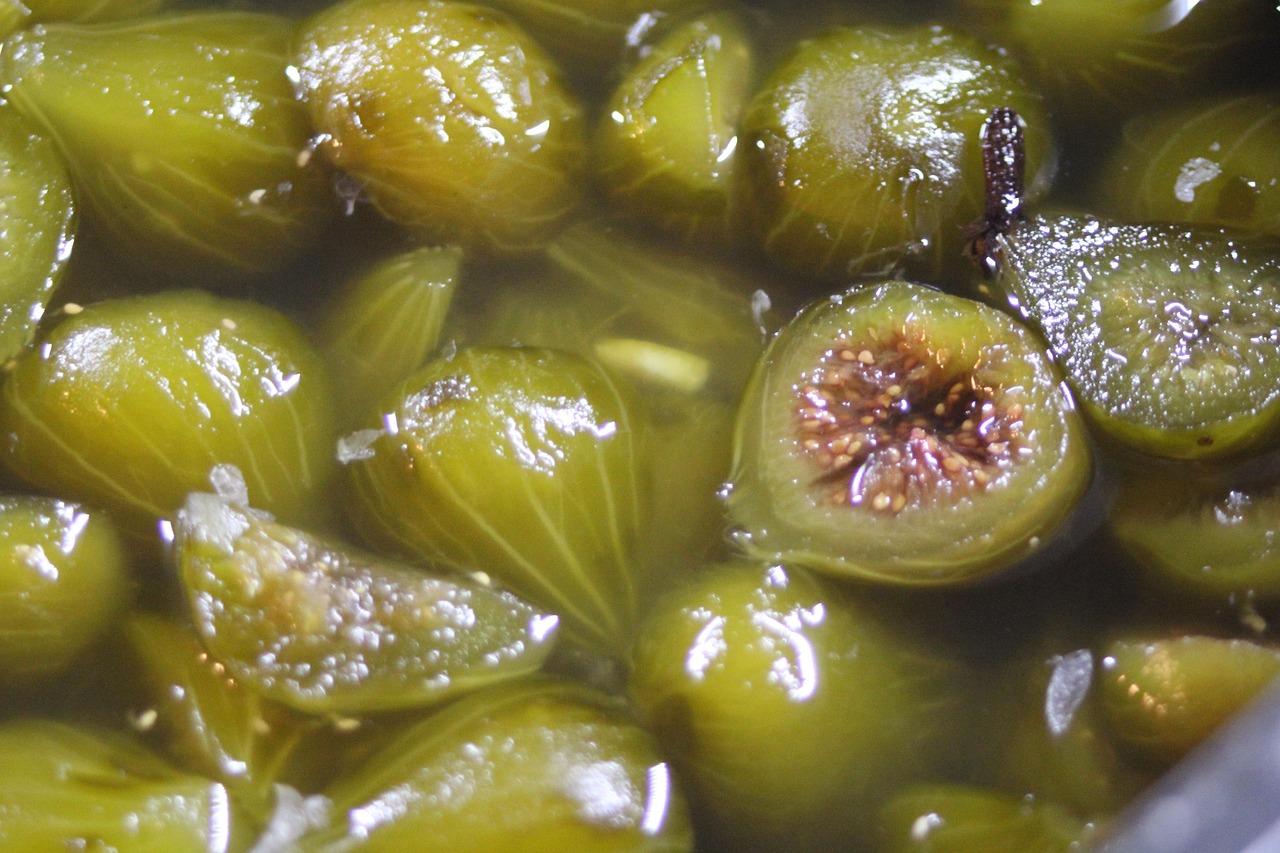
Doce de figo verde (Minas green figs in clove syrup)

On the farms of Minas Gerais, figs picked hard and green at the start of summer are turned into one of the state's proudest doces, made in big copper pans and set out at Christmas, at Festa Junina and after a long Sunday lunch. The whole figs come out dark olive-green, glossy and tender right through, in a thick syrup fragrant with cloves. They are eaten with a slice of fresh queijo minas, the salty cheese making the sweetness sing, or on their own with a small coffee. Like most Brazilian fruit preserves it is naturally egg-free: the long simmer in sugar syrup preserves and firms the fruit, and the figs' own pectin thickens the syrup. The work is in the repeated blanching, which draws out the bitter milky sap. Chef's tip: wear gloves while scraping the figs, because the sap irritates skin, and keep the syrup at a bare simmer; the common mistake is boiling hard, which bursts the figs and toughens their skins.

by KrazyBadal 0 views

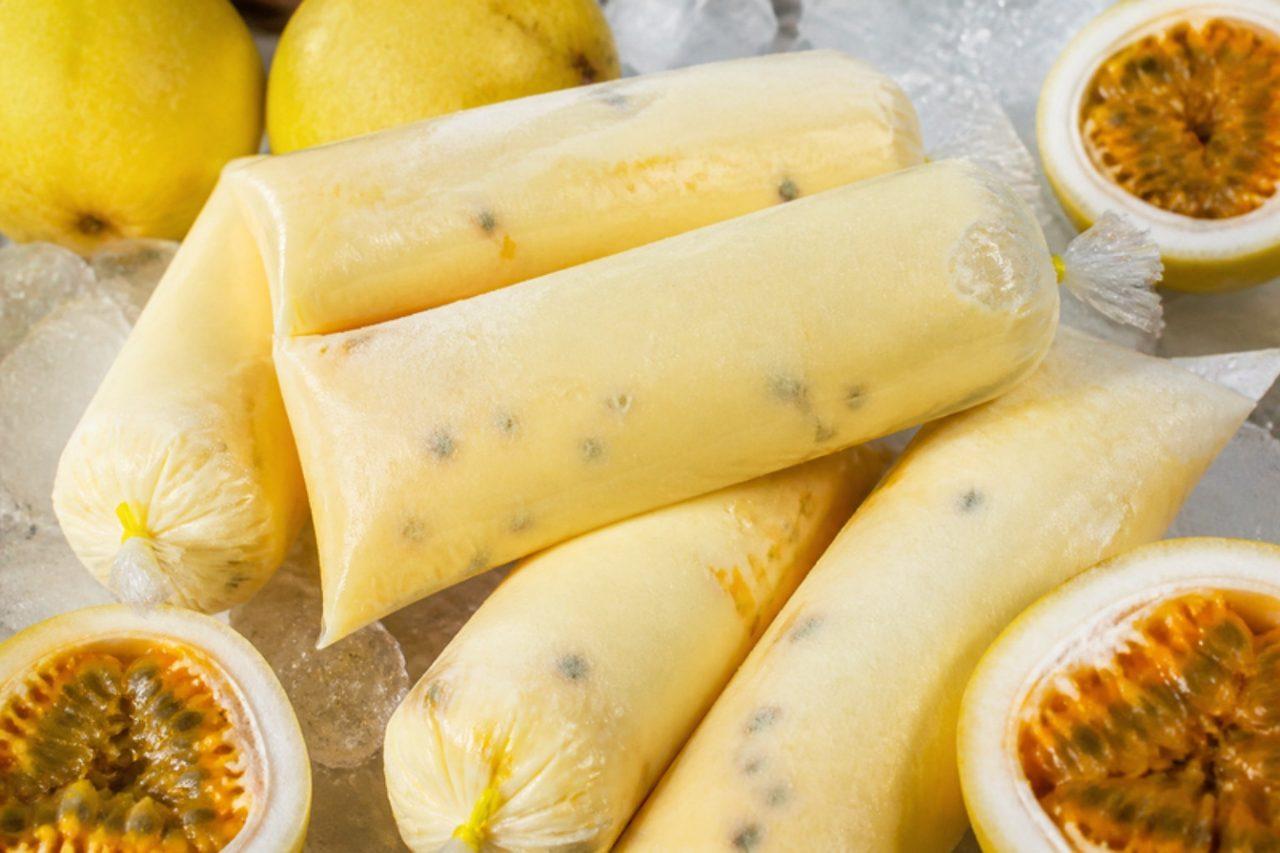
Sacolé de maracujá (Brazilian passion fruit ice pops)

Sacolé, called geladinho or chup-chup in other states, is the homemade ice pop of Brazil: a creamy or fruity mixture tied into slim plastic bags and frozen, sold for a few coins from home freezers in Rio's neighbourhoods and all over the country, especially in summer and during school holidays. You bite off a corner and push the frozen pop up as you eat. This creamy passion fruit version is tangy and smooth. There are no eggs: milk thickened with a little cornflour and sweetened condensed milk make the base, the cooked starch and the condensed milk's sugar keeping the crystals small so the pop is soft enough to bite rather than icy. Coconut, corn and chocolate are other favourites. Chef's tip: stir in the passion fruit only once the base is cold; the common mistake is adding the acid pulp to hot milk, which makes it curdle.

by KrazyBadal 0 views

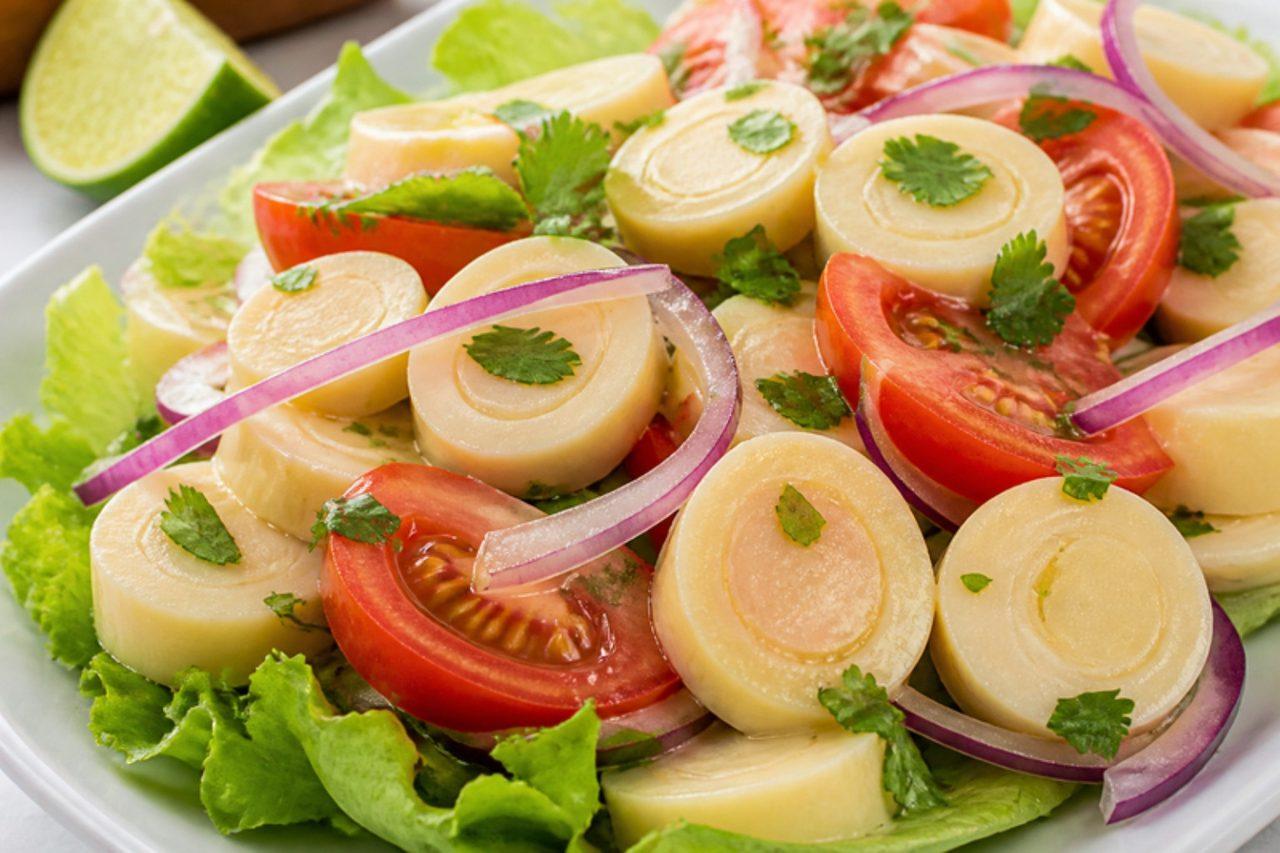
Salada de palmitoHearts of palm salad

Salada de palmito is a fixture of Brazilian lunch buffets, Christmas tables and churrasco sides from São Paulo to Goiás, prized because hearts of palm feel festive. The tender, slightly lemony palm hearts are cut into rounds and tossed with tomato, red onion, coriander or parsley and a quick lime and olive oil dressing; it is cool, soft and crunchy at once. A portion gives about 3 g of protein, so it is a side; serve it with rice and black beans for a full meal. The most common mistake is not draining and rinsing the palm hearts: the brine from the jar makes the salad taste tinny and too salty. Chef's tip: soak the sliced onion in iced water with a pinch of salt for 10 minutes; it stays crisp but loses its bite.

by KrazyBadal 0 views

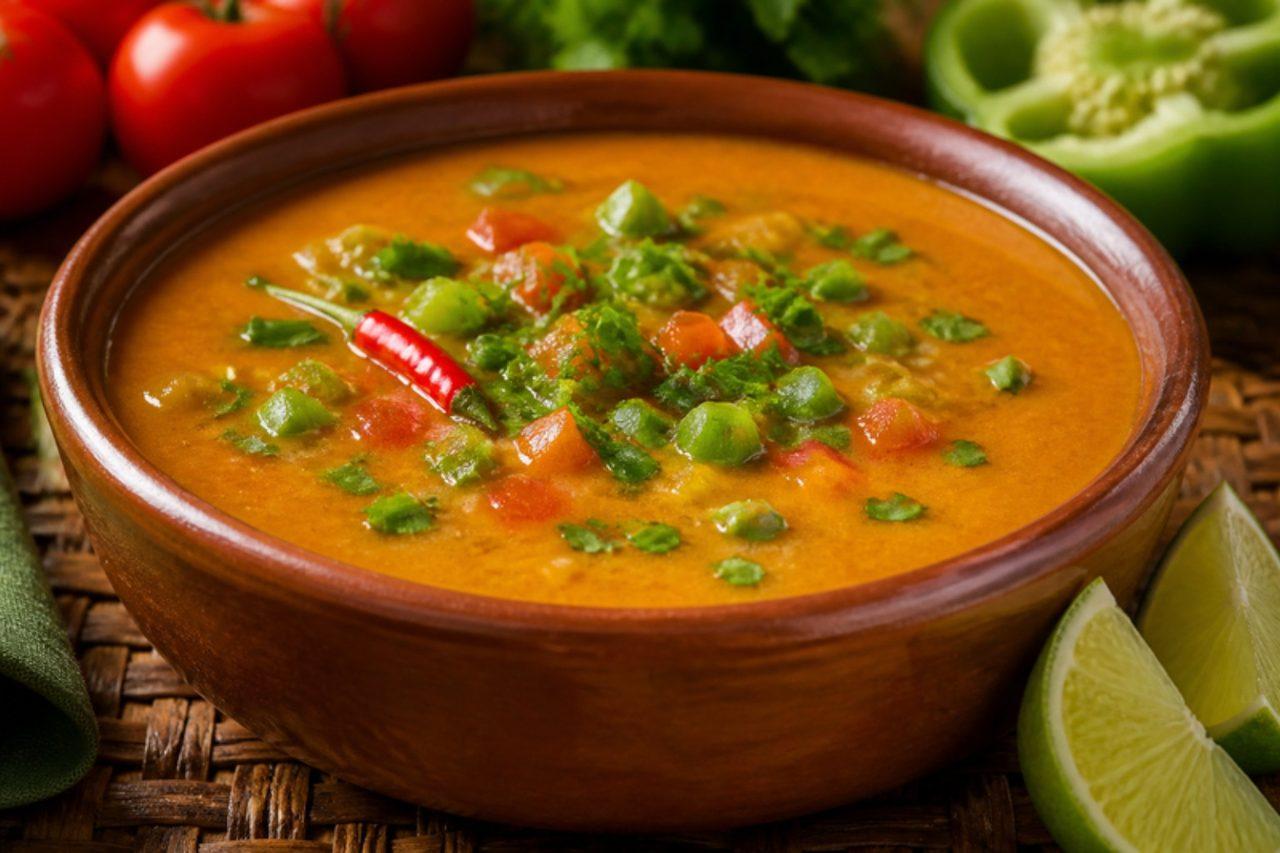
Caldo de piranhaPiranha broth

In Cuiabá and Corumbá, on the edge of the Pantanal wetlands of Mato Grosso, caldo de piranha is served in small cups in bars and at riverside festivals, and is said to restore strength (some say more). The bony little fish are simmered with tomato, onion, peppers and annatto, then the flesh is blended into the broth and strained, so it is thick, smooth and savoury. If you can't get piranha, any firm white river or lake fish such as tilapia or catfish works. A bowl gives about 24 g of protein, from the fish, for about 200 kcal. The common mistake is careless straining: piranha has many fine bones, so pass the soup through a fine sieve twice. Chef's tip: finish with a good handful of cheiro-verde, the Brazilian mix of parsley and chives, and a squeeze of lime just before serving.

by KrazyBadal 0 views

Showing 24 of 643 recipes

Show more recipes

Page 1 of 27