Skip to content
Recipes

All recipes

Vegetarian, or something you can't eat? Set your diet once and we'll hide recipes that don't fit.

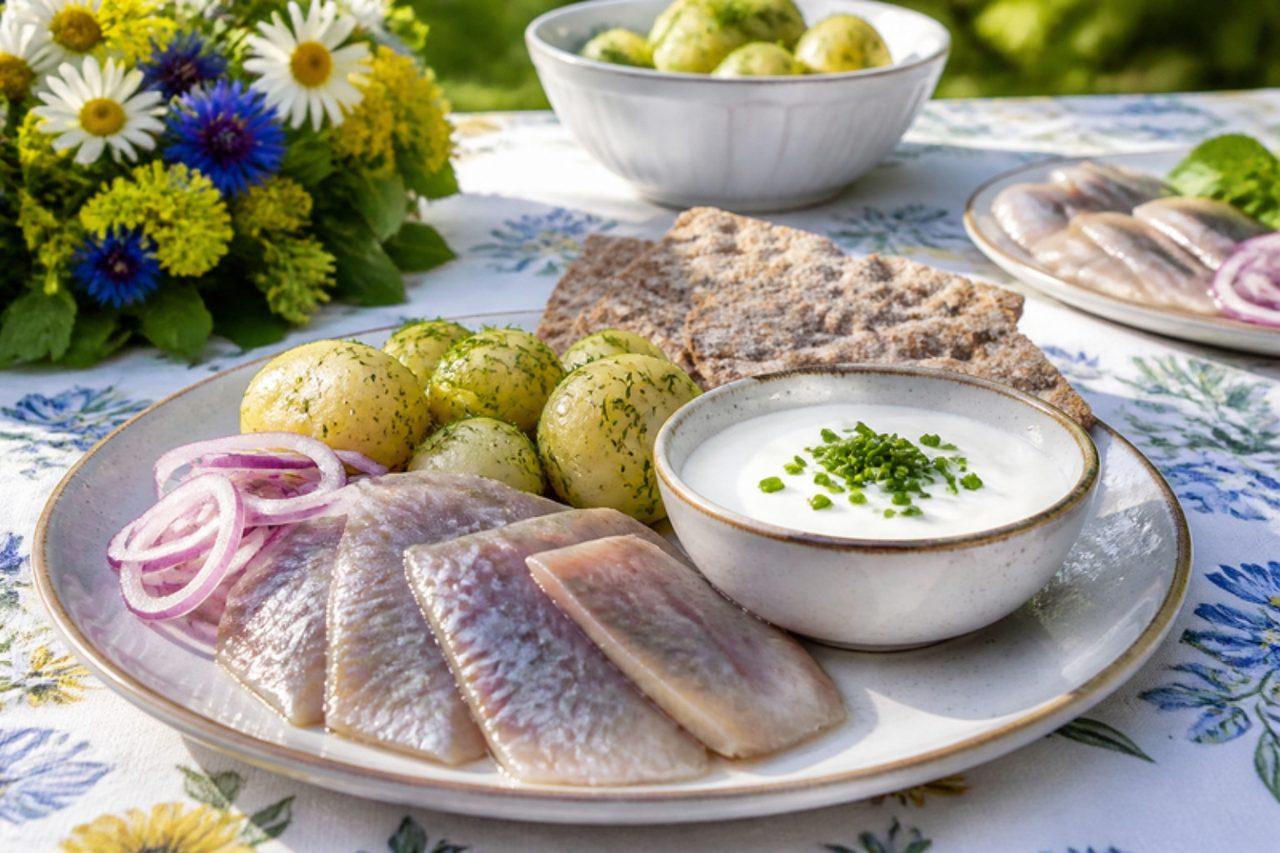
MatjessillMatjes herring with potatoes

No Swedish Midsummer table is complete without sill, and matjessill, the mild, sweet-cured herring, is the favourite: it is laid out on the long table in the garden with gräddfil (sour cream), chopped chives, red onion and a bowl of steaming new potatoes boiled with crown dill. Everyone eats it with crispbread and a little cheese before the strawberries. The herring is bought ready cured in jars or tins, so the only cooking is the potatoes. Cured herring is not cooked, so it is not for pregnant women, young children or anyone with a weakened immune system; buy it from a chilled, sealed pack, keep it in the fridge and serve it within its use-by date. For a safer, cooked option, serve the same plate with hot-smoked or pan-fried fresh herring, cooked until opaque and flaking. Chef's tip: drain the herring well and pat it dry so its brine does not water down the sour cream.


by KrazyBadal 0 views

Sopa teólogaTurkey broth with bread and cheese

Sopa teóloga ('the theologian's soup') goes back to colonial convents in Lima and Arequipa, where it was cooked for feast days, and it is still served at Holy Week and family celebrations. A rich turkey (or chicken) broth is thickened with soaked bread, milk and fresh cheese, with yellow potatoes and shreds of turkey, and finished with a little ají amarillo and chopped huacatay or parsley. It is thick, comforting and filling. Chef's tip: blend part of the soaked bread with broth before adding it, which gives the soup its creamy body without lumps.

by KrazyBadal 0 views

SnobrødBonfire stick bread

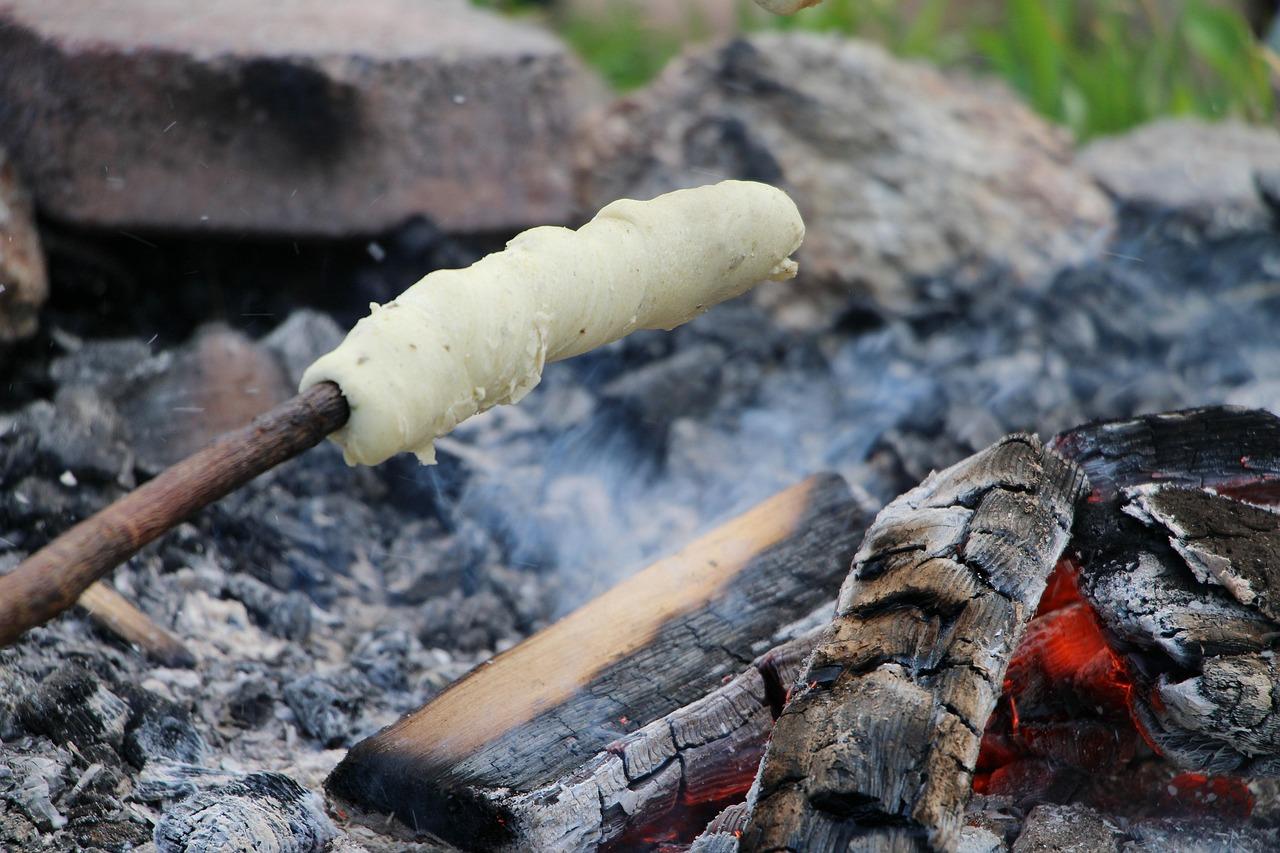
On Sankt Hans Aften, Danish Midsummer Eve on 23 June, people gather round huge bonfires on beaches and in gardens, sing the Midsummer song and burn a straw witch, and the children twist ropes of dough round sticks and bake snobrød over the embers. The bread comes out crisp and smoky outside and soft inside, ready to fill with jam, or butter for those who eat dairy. It is just as much fun at any garden fire or campfire. Chef's tip: hold the bread over glowing embers, not flames, and keep turning; flames blacken the outside long before the inside is done.

by KrazyBadal 0 views

Saltkjöt og baunirSalted lamb with split pea soup

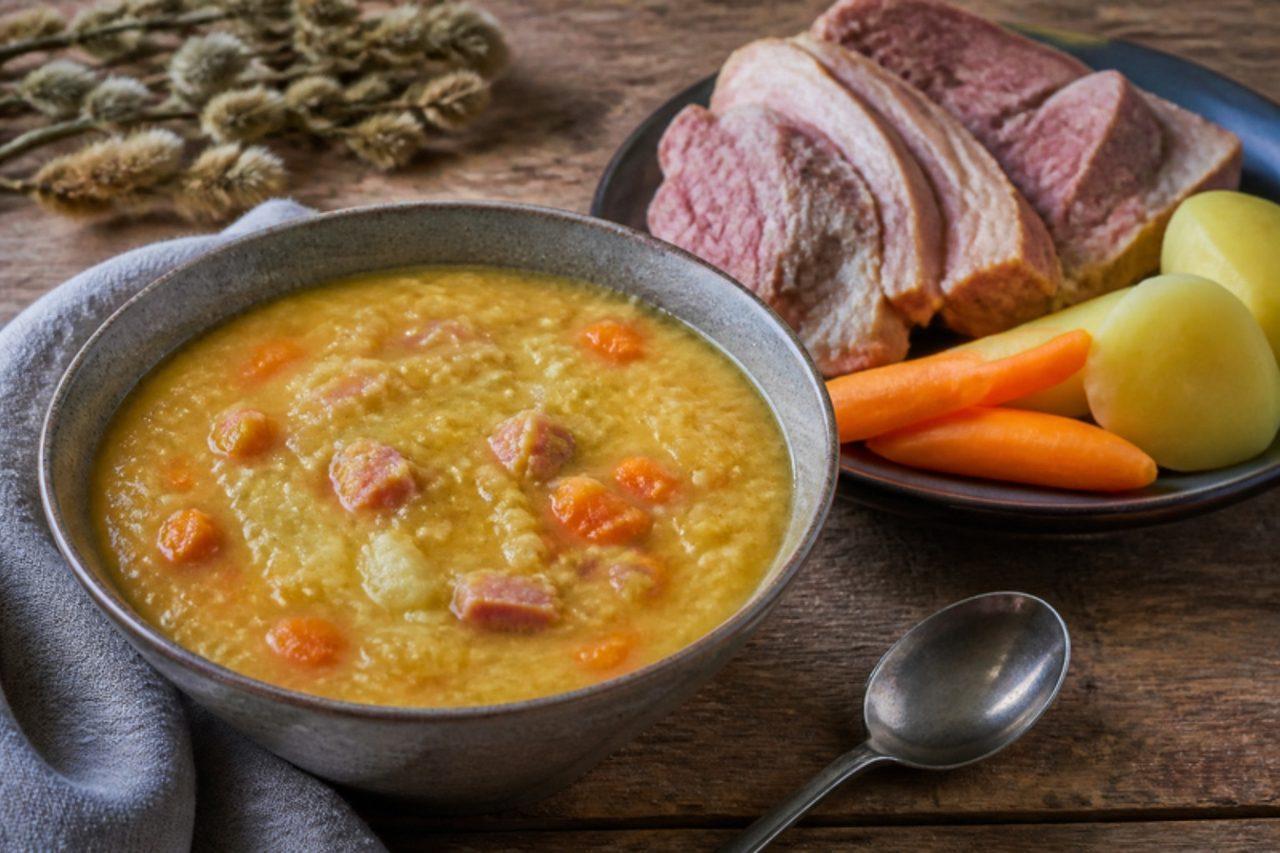
Sprengidagur, 'bursting day', is Iceland's Shrove Tuesday, and the custom is to eat salted lamb and split-pea soup until you can eat no more before Lent begins. Salted lamb is simmered in a thick yellow split-pea soup with onion, carrot, swede and potato, then the meat is sliced and served alongside the soup. The common mistake is skipping the soak, so the meat is too salty to eat; soak it overnight in the fridge. Chef's tip: cook the meat in the soup itself so its flavour seasons the peas, and only add salt at the end, after tasting.

by KrazyBadal 0 views

SpekematCured meat platter

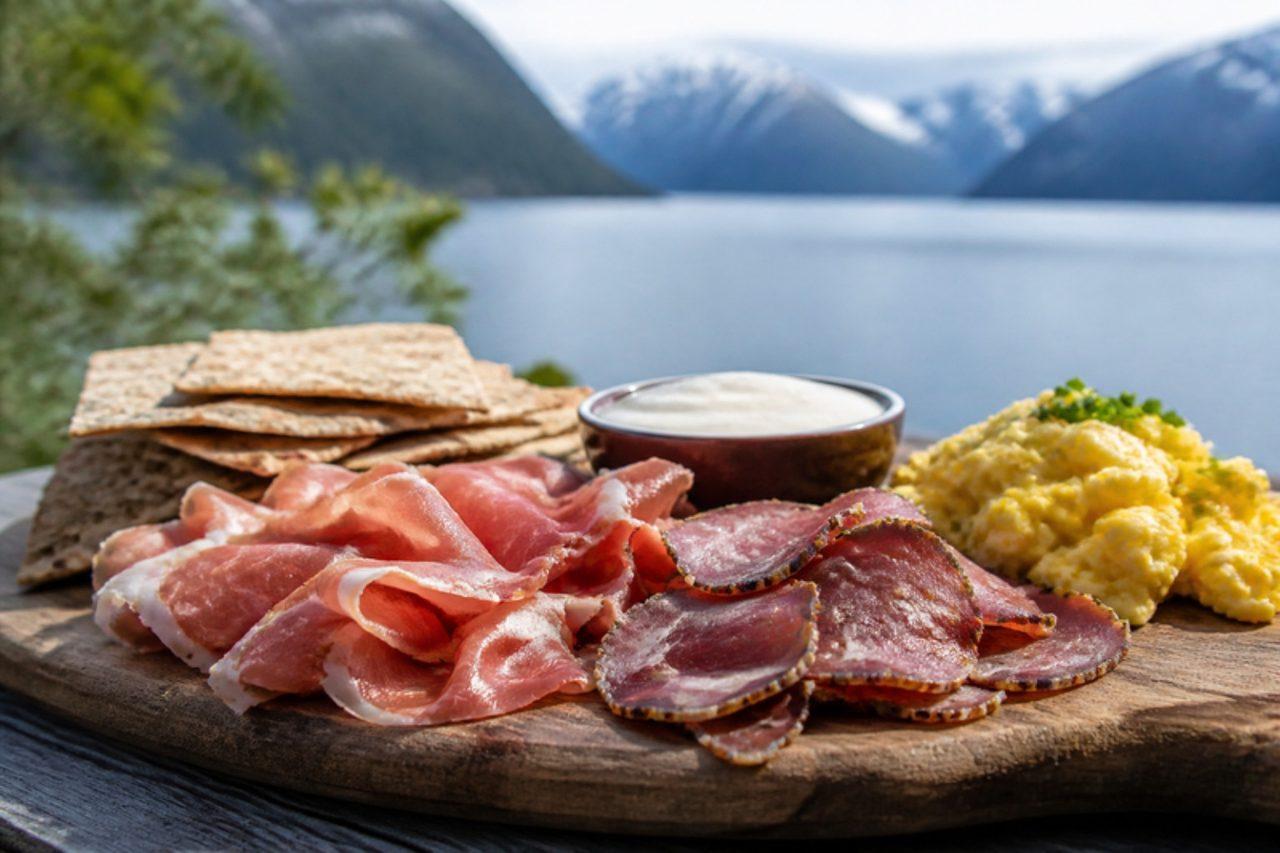
Spekemat is the Norwegian summer celebration table: on 17 May, at confirmations and on light Midsummer evenings at the cabin, platters of thin-sliced cured meats come out with crisp flatbrød, soft lefse, sour cream (rømme), scrambled eggs and cucumber salad. The classics are fenalår (salt-cured, air-dried leg of lamb), spekeskinke (cured pork ham) and morr or other cured sausage. All are bought ready cured and are not cooked, so the platter is not for pregnant women, young children or anyone with a weakened immune system; keep the meats chilled and put them out no more than 2 hours before eating. For a safer version for those guests, serve slices of cooked ham and roast lamb instead. Chef's tip: slice the meat as thin as paper, across the grain, and let it sit out for 15 minutes before serving so the fat softens and the flavour comes through.

by KrazyBadal 0 views

KaguyjyWhite corn pudding

On the night of 23–24 June, Paraguayans celebrate San Juan with bonfires, games like walking over hot coals and the 'paso de fuego', and a table of traditional foods, and kaguyjy (also mazamorra) is one of them. It is a soft, creamy pudding of cracked white corn (locro) simmered slowly in water and then milk with sugar or honey, sometimes with orange peel. It is eaten warm or cold. It is gluten free. Chef's tip: soak the corn overnight and cook it until each kernel is tender before adding the milk, or it never turns creamy.

by KrazyBadal 0 views

MämmiRye and malt Easter pudding

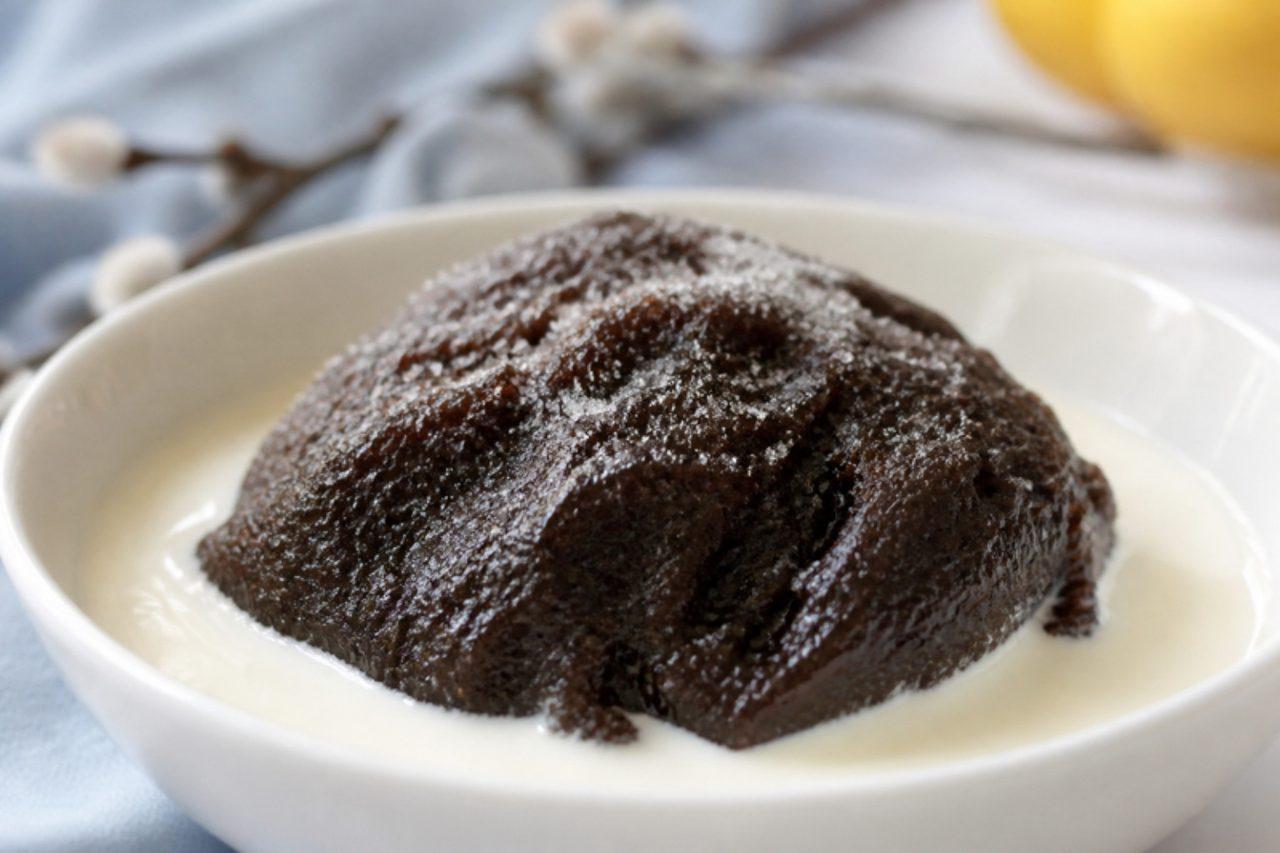
Mämmi is Finland's Easter dessert, a dark, almost black pudding of rye flour and malted rye, sweetened slowly by the malt's own enzymes and by a little molasses, then baked for hours in birch-bark boxes or small dishes. It looks unusual but tastes mild, malty and gently sweet, and is eaten cold with cream and sugar on Easter Sunday. It is vegan, and it was once eaten through Lent. You need powdered rye malt from a baking supplier or Nordic shop. Chef's tip: keep the porridge warm (around 60 °C) for two hours before baking so the malt can sweeten it; skip this and mämmi tastes bitter.

by KrazyBadal 0 views

Pajagua mascadaBeef and cassava patties

Pajagua mascada is a Paraguayan street-food classic that appears on every table for the San Juan festival on 24 June, when bonfires burn and the night is full of games and traditional food. Minced beef is mixed with mashed cassava, onion, garlic and a little egg and flour, shaped into flat patties and fried until crisp. The name comes from Guaraní and refers to the 'chewing' of old Paraguayan cooks, who made it from leftover meat. Chef's tip: dry the boiled cassava well and remove its woody core, which keeps the patties light and crunchy.

by KrazyBadal 0 views

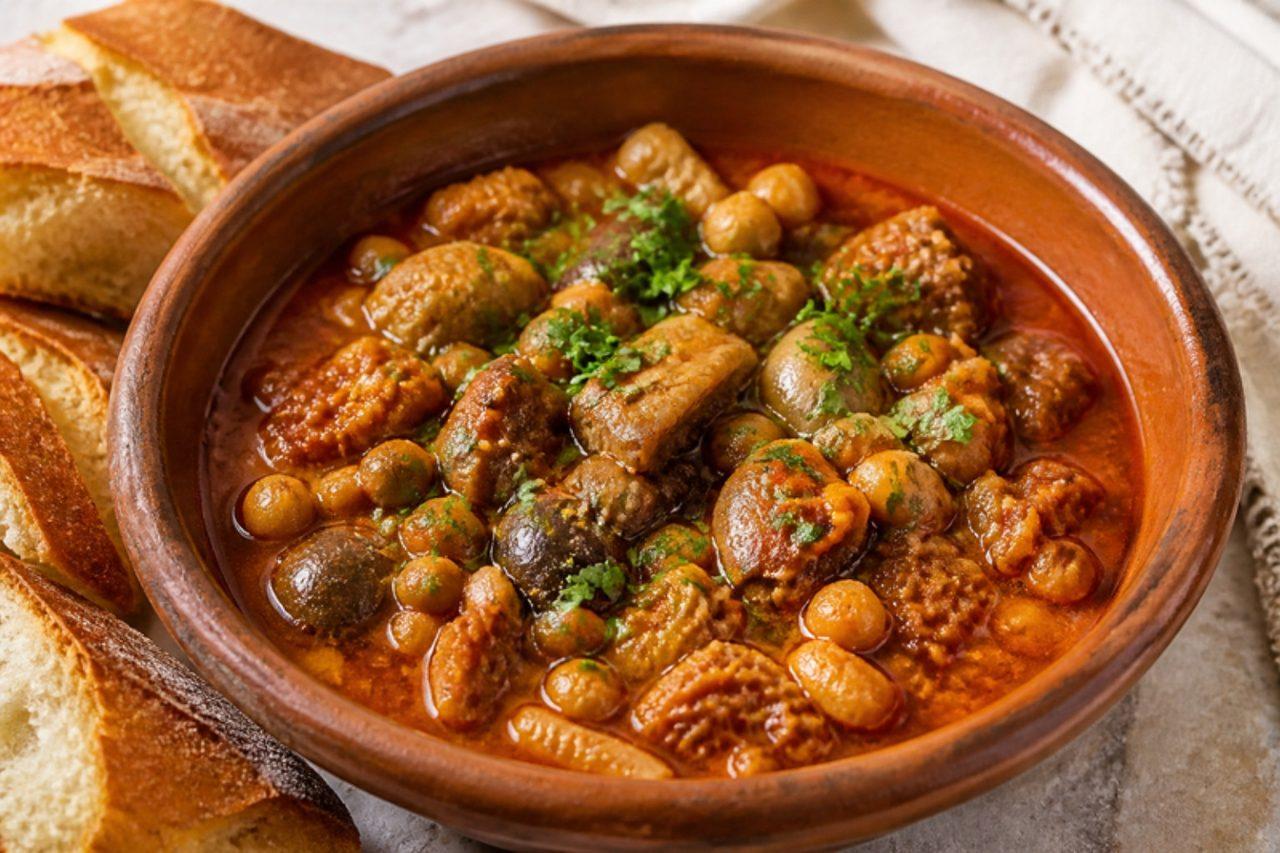
DouaraLamb tripe and chickpea stew

Douara is the dish that fills Algerian kitchens on the second day of Eid al-Adha, when the tripe, intestines and lung from the family's sacrifice are cleaned, cut small and stewed slowly with chickpeas, plenty of garlic, cumin and paprika. The sauce is deep red and peppery and the offal turns tender and rich. At home, cleaned lamb or beef tripe and lamb heart from a halal butcher make an easy start; lung can be added if your butcher sells it. Chef's tip: blanch the tripe first in water with a squeeze of lemon to freshen the flavour before it goes into the stew.

180 minAlgerianMeatGluten freeSpicy
by KrazyBadal 0 views

Dowina (Kurdish yogurt soup)

Dowina, called ash-e doogh in Persian, is warming spring food in Kurdish homes around Newroz, when yogurt is plentiful and the first herbs are cut from the garden. Rice and chickpeas simmer in a tangy, lightly thickened yogurt broth, finished with fresh dill, coriander and a sizzle of dried mint in oil. It is eaten warm, never boiling hot, with flatbread. The common mistake is to heat the yogurt too fast without stirring, which makes it split into grainy curds. Chef's tip: whisk an egg yolk and a spoonful of rice flour into the yogurt before it goes on the heat; it holds the soup smooth all the way to the simmer.

by KrazyBadal 0 views

JordgubbstårtaStrawberry cream layer cake

On Midsummer Eve in June, Swedes dance round the maypole in the countryside, eat herring and new potatoes, and finish with the first Swedish strawberries of the year, very often in a Jordgubbstårta. It is a light sponge split into three layers and filled with vanilla custard, whipped cream and sliced strawberries, then covered in more cream and crowned with whole berries. Make the sponge and custard the day before so you only assemble it on the day. Chef's tip: beat the eggs and sugar until really thick and pale; the air in the eggs is the only thing that makes this sponge rise.

by KrazyBadal 0 views

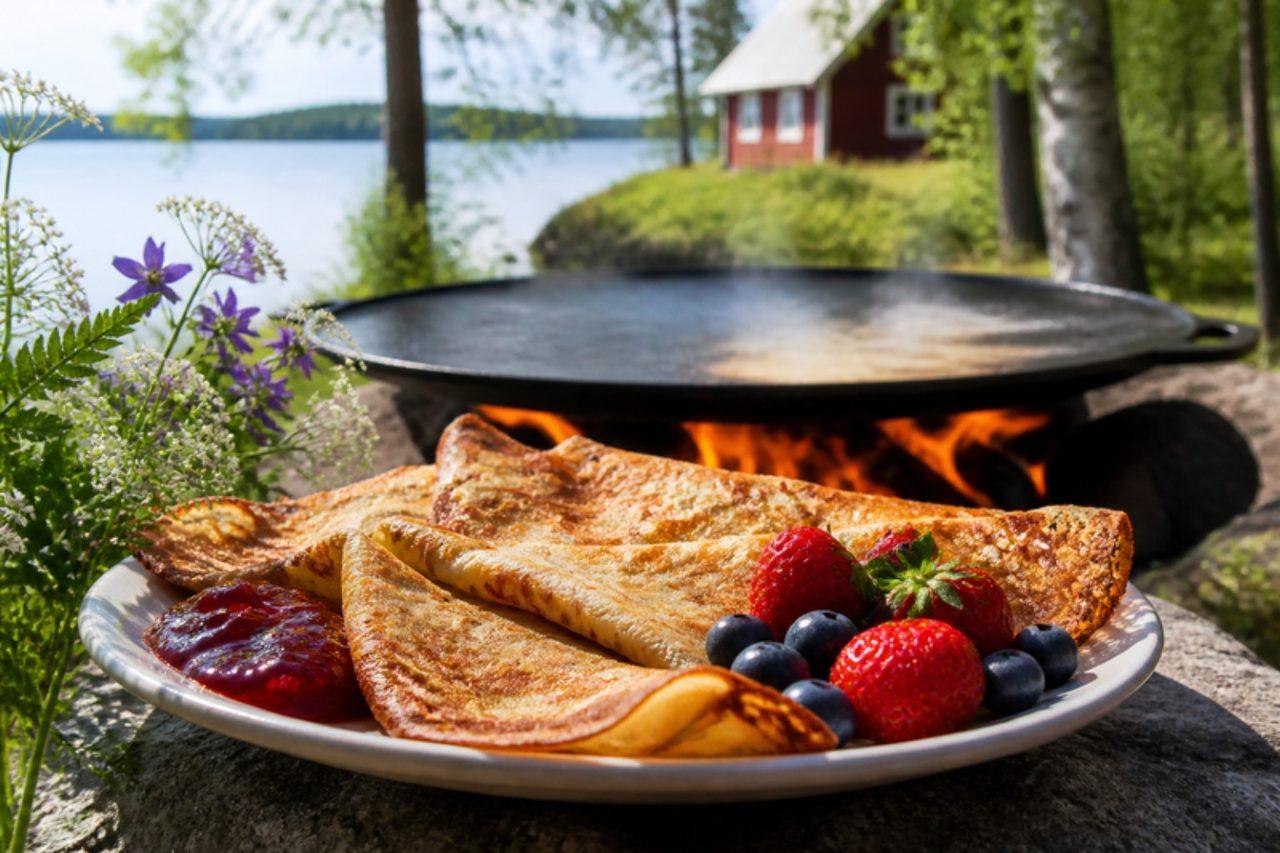
MuurinpohjalettuGriddle pancakes

At Juhannus, Finnish Midsummer, families head to their lakeside cottages, light bonfires and fire up the muurinpohja, a wide, shallow cast-iron pan set over a wood fire, to cook huge, thin pancakes. Muurinpohjalettu are lacy and crisp at the edges, soft in the middle, and are eaten straight from the pan with strawberry jam, sugar or whipped cream, often after the sauna. At home a large frying pan or crêpe pan works well. Chef's tip: let the batter rest for 30 minutes; the flour soaks up the milk and the pancakes stop tearing.

by KrazyBadal 0 views

FastelavnsbollerCustard and cream pastry buns

On Fastelavn, the Danish Shrovetide Sunday, children dress up, knock a barrel full of sweets and are rewarded with fastelavnsboller. The bakery kind is made from laminated Danish pastry, baked into round shells around a spoon of vanilla custard, then split, piped with whipped cream and finished with glossy icing. They are messy, rich and eaten once a year. The common mistake is letting the butter melt into the dough while rolling, which loses the flaky layers; keep everything cold. Chef's tip: a quick home lamination with a block of grated cold butter gives proper layers without a day's work.

by KrazyBadal 0 views

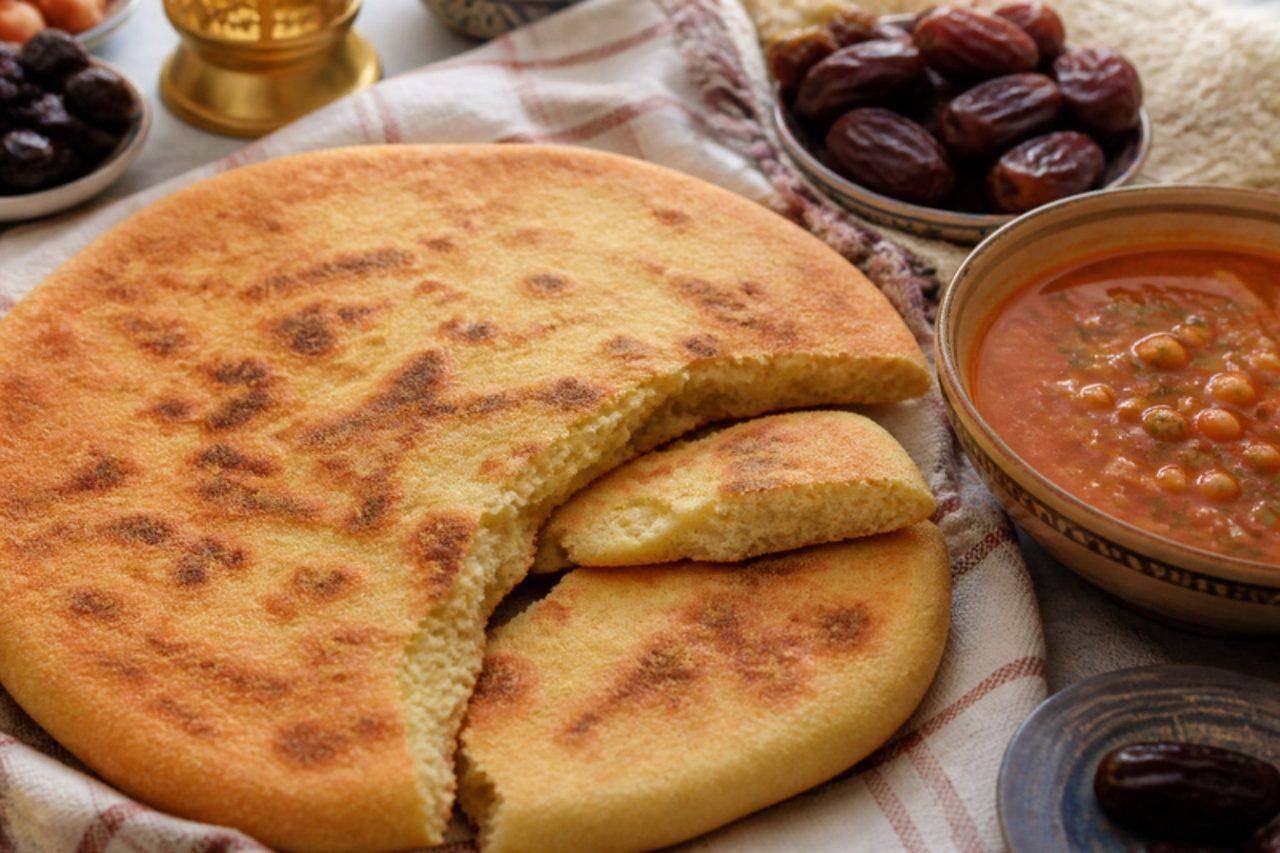
KesraSemolina pan bread

Kesra is the flat semolina bread of Algerian homes, and in Ramadan a fresh round sits on almost every iftar table, cooked on a clay tajine and torn into pieces to dip into hot chorba frik. This unleavened version is a thin, crumbly-edged galette, golden in patches and slightly chewy in the middle, with a nutty taste from the olive oil. It is made in minutes before sunset so it reaches the table still warm. Chef's tip: work the dough only until it holds together; kneading it like a yeast bread makes kesra tough instead of tender.

by KrazyBadal 0 views

Chipa so'oCheese bread with spiced beef

In Paraguay, families bake chipa in the clay tatakua ovens on Holy Wednesday so there is food for Thursday and Good Friday, when cooking stops. Chipa so'o ('chipa with meat') is a cassava-starch and cheese bread wrapped around a little filling of minced beef cooked with onion and egg, then baked until crisp outside and chewy within. It is naturally gluten free. Chef's tip: knead the dough until it no longer cracks at the edges when pressed; dry dough splits around the filling.

by KrazyBadal 0 views

KalanehWild leek stuffed flatbread

In Kurdistan and Kermanshah, Newroz arrives with the first spring greens on the hillsides, and families gather wild leeks to fold into kalaneh, thin griddle breads cooked over a fire or a hot pan and soaked in melted butter. The dough is plain and soft, rolled very thin around a pile of chopped leek or chives with a little salt and pepper, so the greens steam inside as the bread blisters. Eat it hot, torn into strips, with yogurt and tea at a Newroz picnic. The common mistake is wet greens, which turn the dough soggy and make it tear; dry them well after washing. Chef's tip: brush the butter on the moment the bread leaves the pan so it soaks right in.

by KrazyBadal 0 views

AllerheiligenstriezelBraided sweet loaf

In Bavaria and Austria, godparents give their godchildren an Allerheiligenstriezel on All Saints' Day, 1 November: a large braided loaf of sweet yeast dough, brushed with egg and scattered with almonds or pearl sugar. The braid is said to recall the old custom of cutting a plait of hair in mourning, and the size of the loaf once showed how generous the godparent was. It is lightly sweet, with lemon and vanilla, and is eaten sliced with butter or jam. Some recipes add rum-soaked raisins; these are soaked in warm water instead. Chef's tip: braid four strands for an impressive, high loaf.

by KrazyBadal 0 views

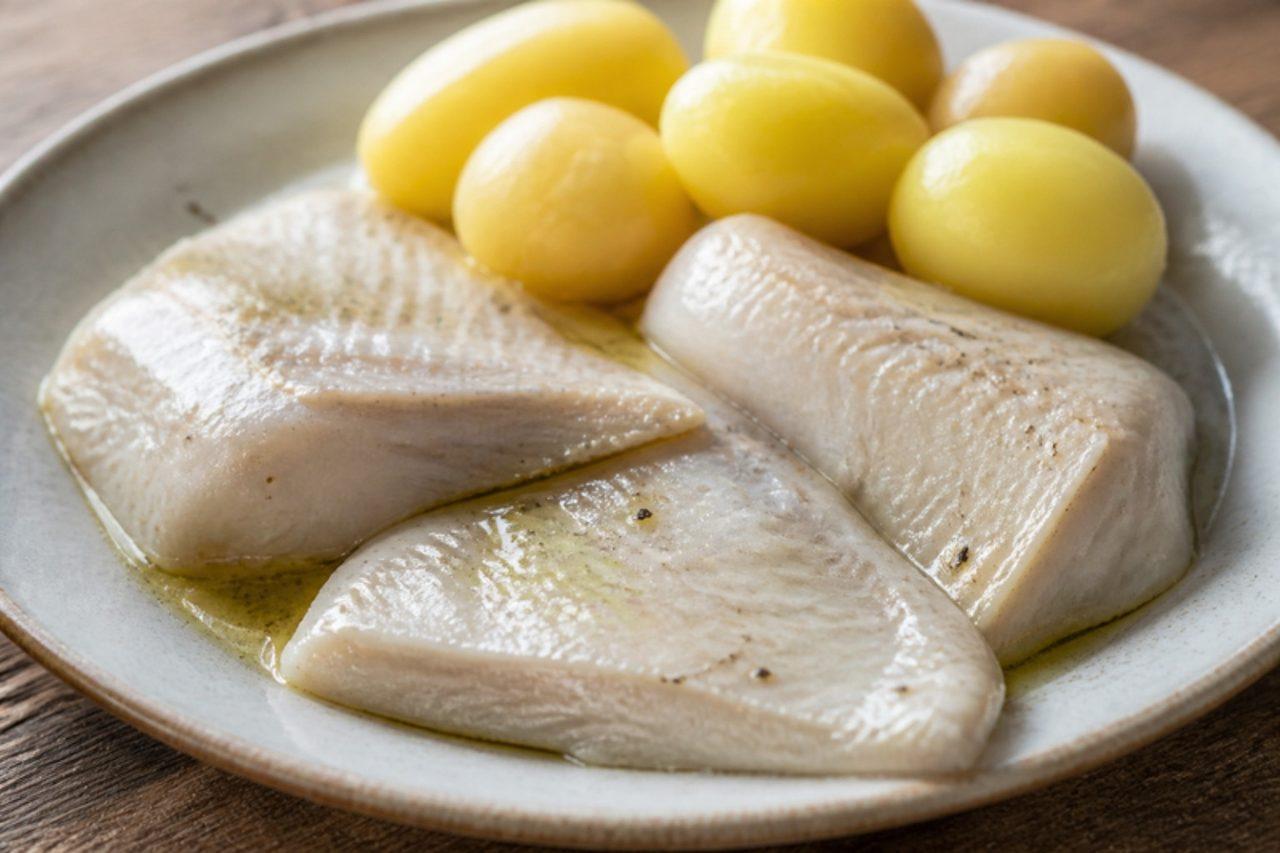
Kæst skataFermented skate

St Thorlak's Day (Þorláksmessa), 23 December, honours Iceland's patron saint, and in the Westfjords and now across the country it is the day for kæst skata: fermented skate, boiled and eaten with potatoes and melted, salty sheep's tallow (hamsatólg) or butter. Its ammonia smell is famous, which is why many families cook it in the garage or eat at a restaurant, then have it the next day as a bracing start to Christmas. Buy skate already fermented from an Icelandic fishmonger; don't try to ferment it at home. Chef's tip: cook it in a lidded pot with a window open, and boil the potatoes in a separate pot.

by KrazyBadal 0 views

OsterpinzeEaster anise brioche

Osterpinze is the Easter bread of Styria, Carinthia and the area around Trieste, a soft, golden brioche dome with three deep cuts on top for the Holy Trinity, so that it opens into a crown as it bakes. The dough is rich with egg yolks and butter and flavoured with anise and lemon; old recipes add a splash of white wine, left out here. It is blessed in the Easter basket on Holy Saturday and eaten on Easter morning with ham, horseradish and eggs, or with butter and jam. Chef's tip: make the three cuts with scissors just before baking, deep enough to reach halfway down, so the crown opens wide.

by KrazyBadal 0 views

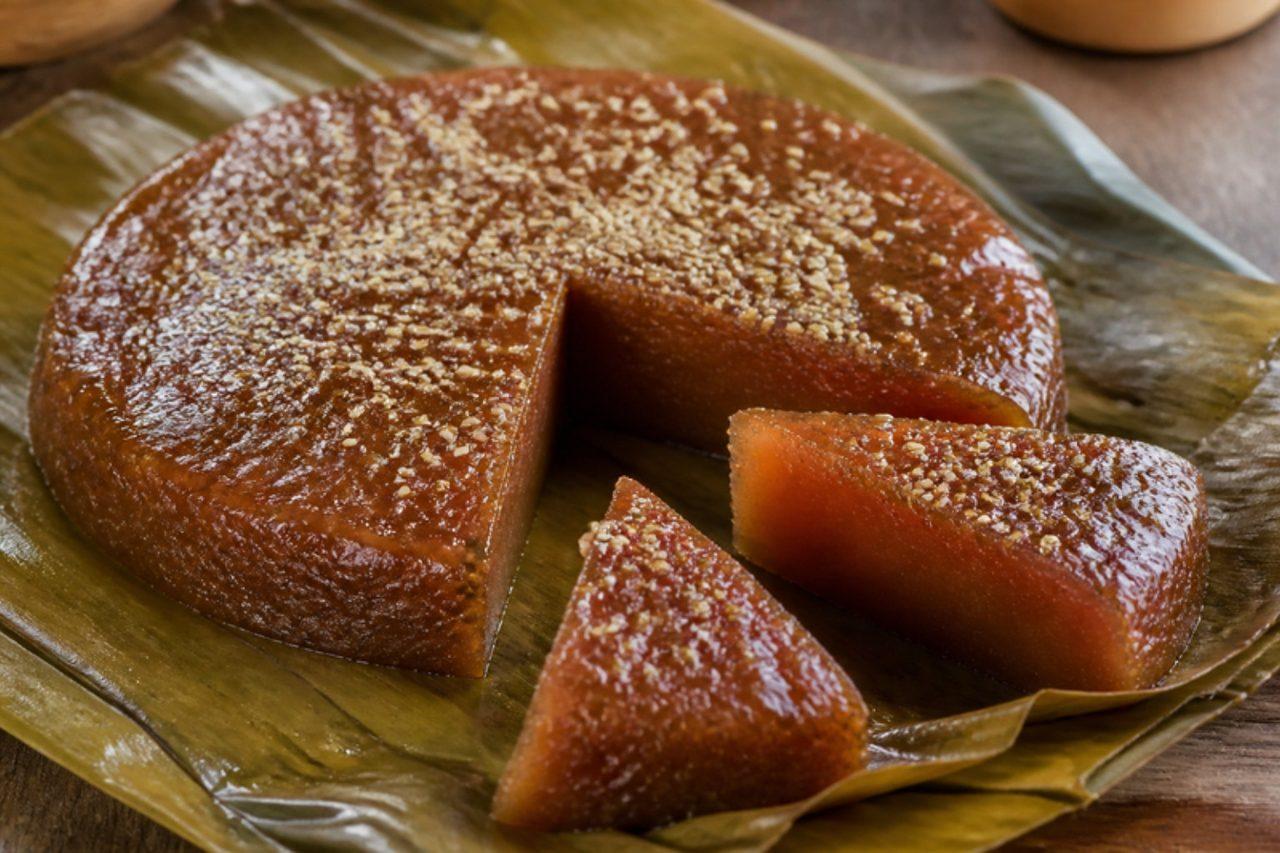
Bánh tổ (Hội An New Year cake)

In Hội An and the rest of Quảng Nam, families steam bánh tổ for Tết and place it on the ancestors' altar; its name echoes 'tổ', the ancestors, and its slow-cooked sweetness is a wish for a smooth, sweet year. The cake is like a darker, ginger-scented cousin of Chinese nian gao: dense, chewy and glossy, with toasted sesame on top. Eat it in thin slices at room temperature, or fry slices until crisp outside and molten within, and serve with tea or sandwiched in rice crackers as locals do. Chef's tip: keep the water at a steady simmer and top it up with boiling water; a steamer that boils dry is the only real way to ruin this cake.

by KrazyBadal 0 views

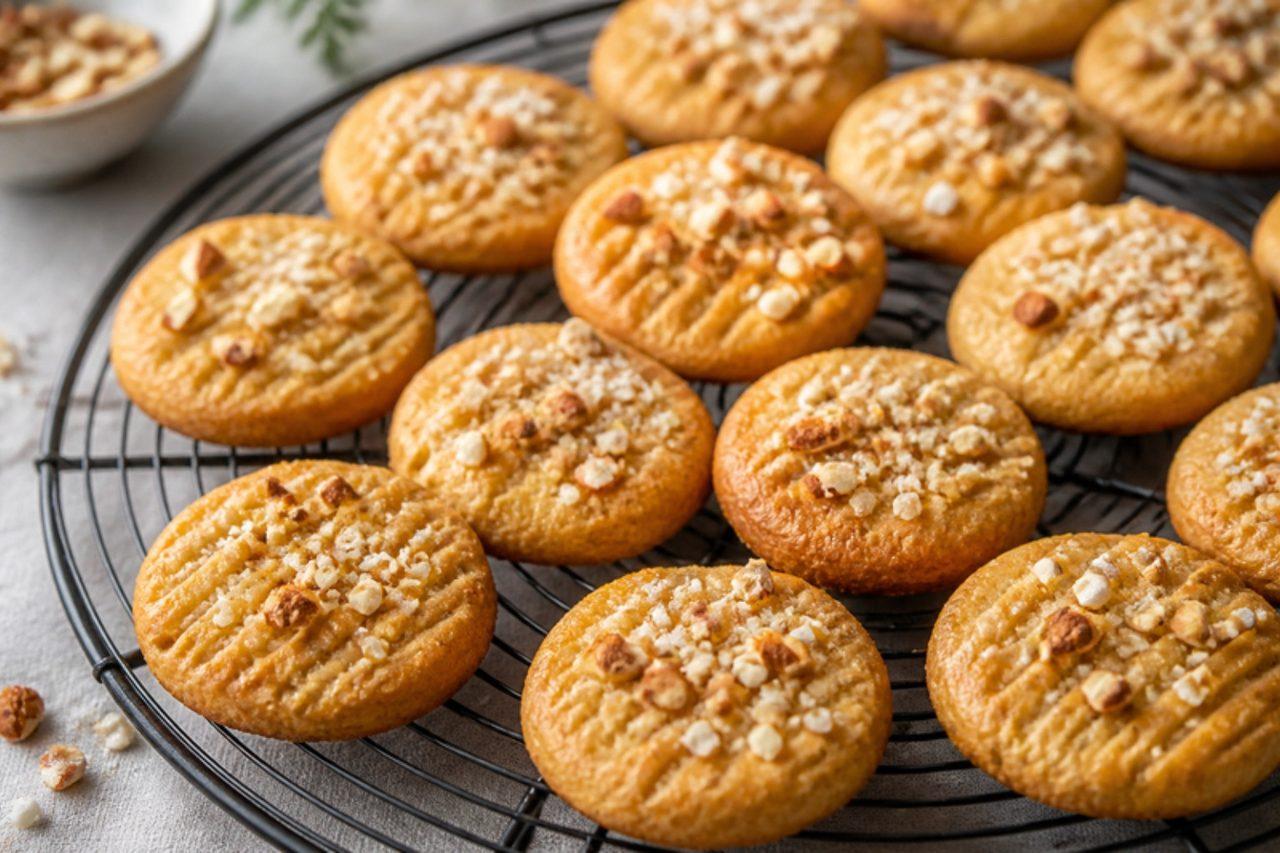
SerinakakerAlmond and pearl sugar butter biscuits

Serinakaker are the easiest of the Norwegian seven Christmas biscuits, so they are often the first one children help to bake in Advent. Small balls of rich butter dough are flattened with a fork, brushed with egg and topped with chopped almonds and pearl sugar, then baked until the edges just colour. They taste of butter and vanilla, with a crunch on top. Chef's tip: use baker's ammonia (hjortetakksalt) if you can find it for the traditional crisp-light snap; baking powder works too but gives a softer biscuit.

by KrazyBadal 0 views

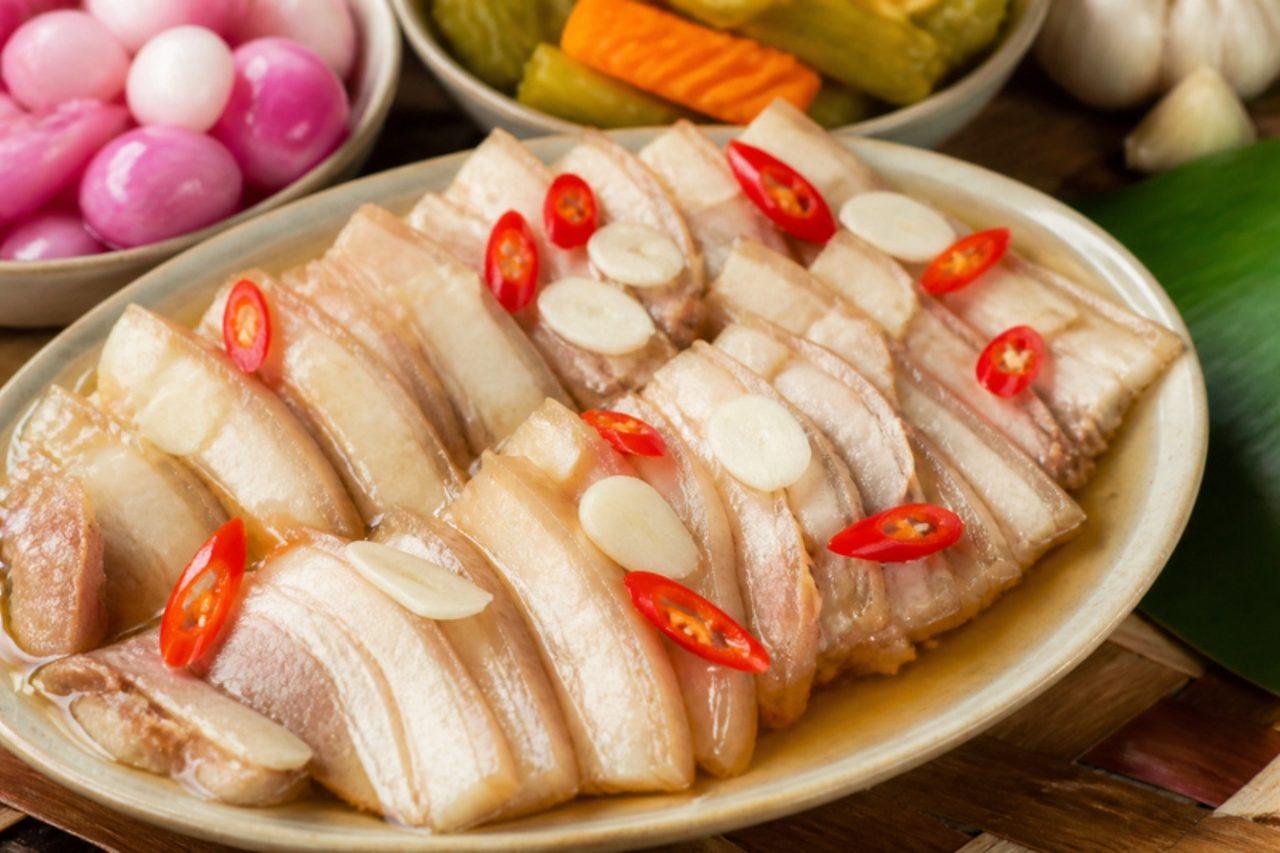
Thịt heo ngâm mắm (fish-sauce cured pork)

In southern Vietnam a jar of thịt heo ngâm mắm is prepared a week before Tết so that hosts always have something ready when relatives drop by; the jar full of pork is a sign of a well-stocked home in the new year. Pork belly is boiled until fully cooked, then submerged in a boiled and cooled brine of fish sauce, sugar, garlic and chilli, where it turns amber, savoury-sweet and firm enough to slice paper thin. Serve it with steamed rice, pickled mustard greens or củ kiệu, and fresh herbs. Chef's tip: make sure the belly and the brine are both completely cold before they meet, and keep the jar in the fridge throughout.

by KrazyBadal 0 views

SörurAlmond meringue cookies with buttercream

Sörur are Iceland's most loved Christmas cookie, named after the French actress Sarah Bernhardt and adapted from a Danish pastry. Icelandic families bake them in batches through Advent and keep them in the freezer, where they are eaten straight from frozen. A chewy-crisp almond meringue disc is spread with silky coffee buttercream made on egg yolks and dipped in dark chocolate. The yolks are cooked by a hot sugar syrup; for anyone pregnant, very young or vulnerable, use pasteurised egg yolks. They are gluten free. Chef's tip: grind the almonds with the sugar, which stops them turning oily, for a finer meringue.

by KrazyBadal 0 views

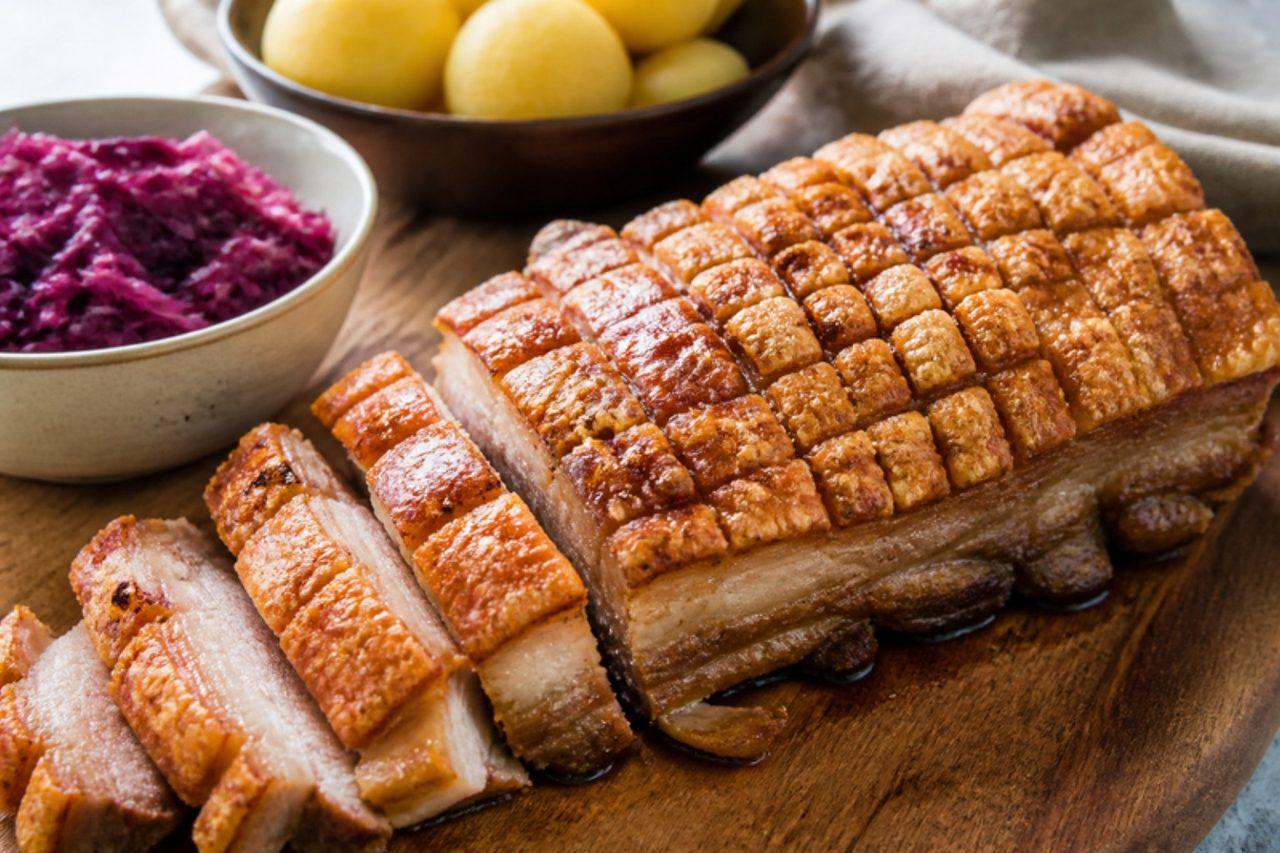
JuleribbeRoast pork belly with crackling

In much of Norway, Christmas Eve means ribbe: a slab of pork belly with the ribs left in, roasted until the scored rind puffs into crackling and the meat beneath is soft and juicy. It is served with medisterkaker, tangy caraway sauerkraut, red cabbage, boiled potatoes and gravy from the pan. Butchers sell ribbe ready scored in squares at Christmas. Chef's tip: salt the rind and leave it uncovered in the fridge for 1–2 days; a dry rind is the secret of the crackling.

by KrazyBadal 0 views

Showing 24 of 840 recipes

Show more recipes

Page 1 of 35