Skip to content
Recipes

All recipes

Vegetarian, or something you can't eat? Set your diet once and we'll hide recipes that don't fit.

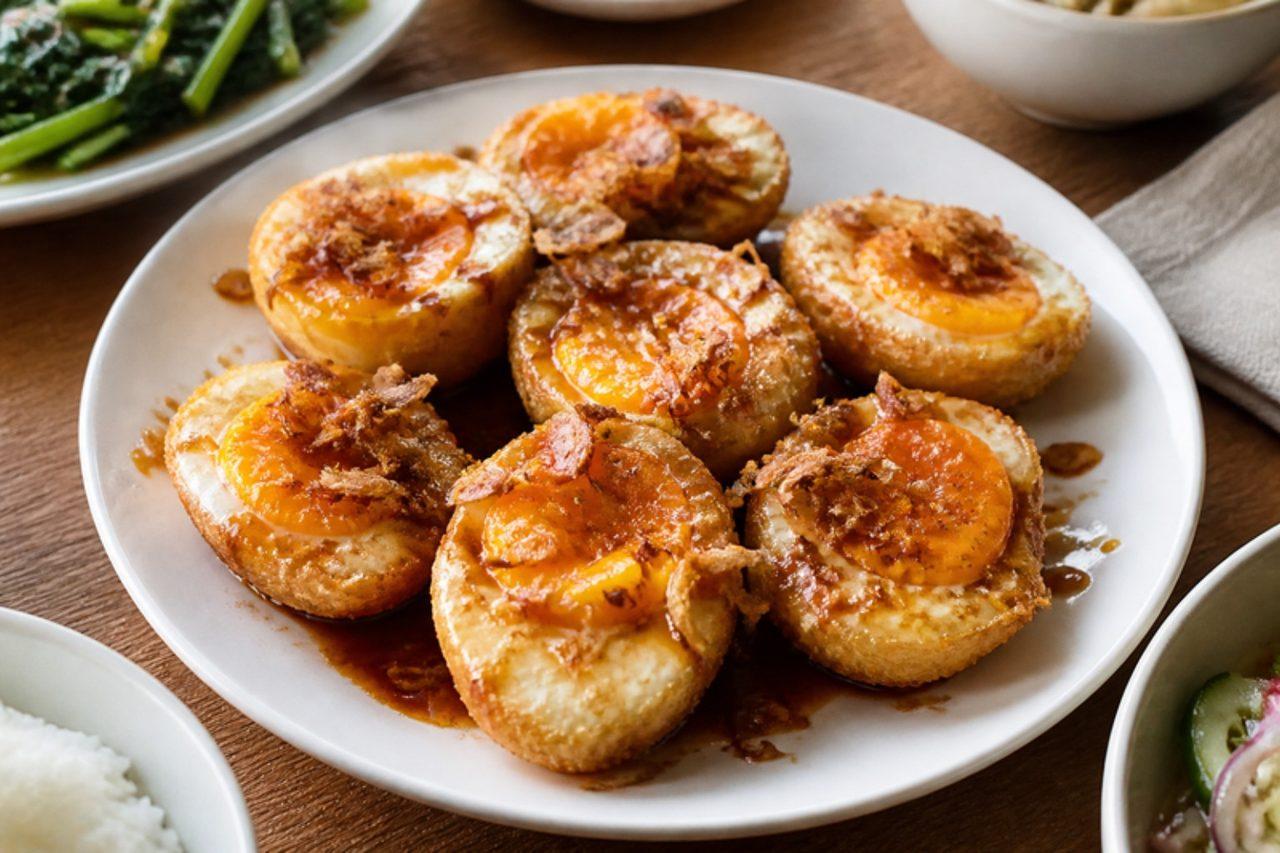
Khai luk khoei (son-in-law eggs)

Khai luk khoei, son-in-law eggs, is a central Thai dish made for family meals and temple fairs, and a favourite way to turn a few eggs into dinner: boiled eggs fried until blistered and golden, halved and spooned over with a sticky tamarind, palm sugar and fish sauce sauce, then finished with crisp shallots and chilli. It contains fish sauce, so it is not vegetarian. The mistake is frying wet eggs in oil that isn't hot enough; dry them well and the skin puffs and crisps instead of spitting. Chef's tip: boil the eggs for 7 minutes for a jammy centre; give 10 minutes and fully set yolks for anyone pregnant, very young, older or vulnerable.

by KrazyBadal 0 views

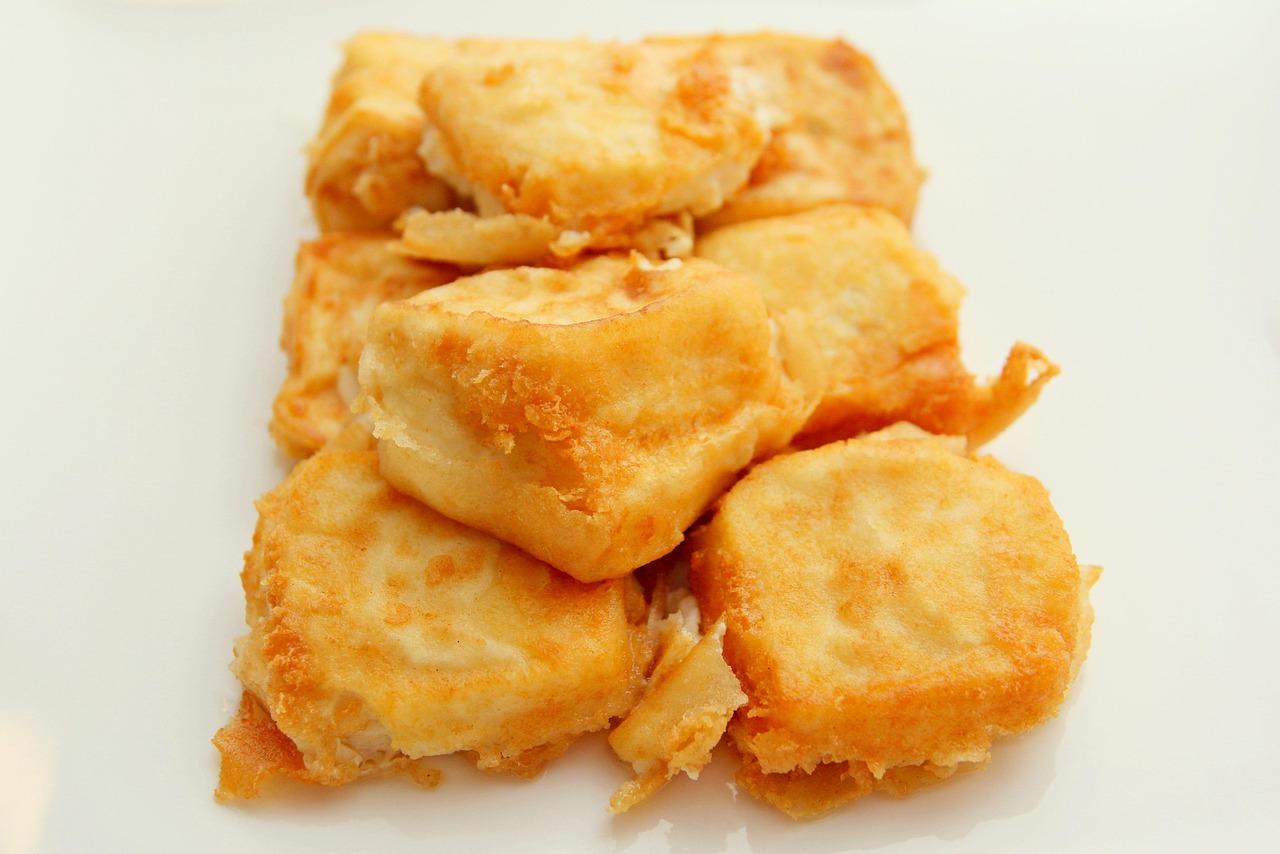
Tao hoo tod (Thai fried tofu with sweet chilli peanut dip)

In Bangkok and towns all over Thailand, tao hoo tod is sold from street-side woks in the late afternoon, scooped into paper bags with a little bag of sweet chilli dip and a spoon of crushed peanuts for snacking on the way home. Done properly, each cube has a thin, blistered, crisp skin and a soft, almost creamy centre. The mistake that ruins it is frying wet tofu in oil that isn't hot enough, so it soaks up fat and never crisps. It makes a good starter or a light supper with sticky rice and cucumber. Chef's tip: press the tofu under a heavy pan for 10 minutes while you make the dip; drier tofu crisps faster and spits less.

by KrazyBadal 0 views

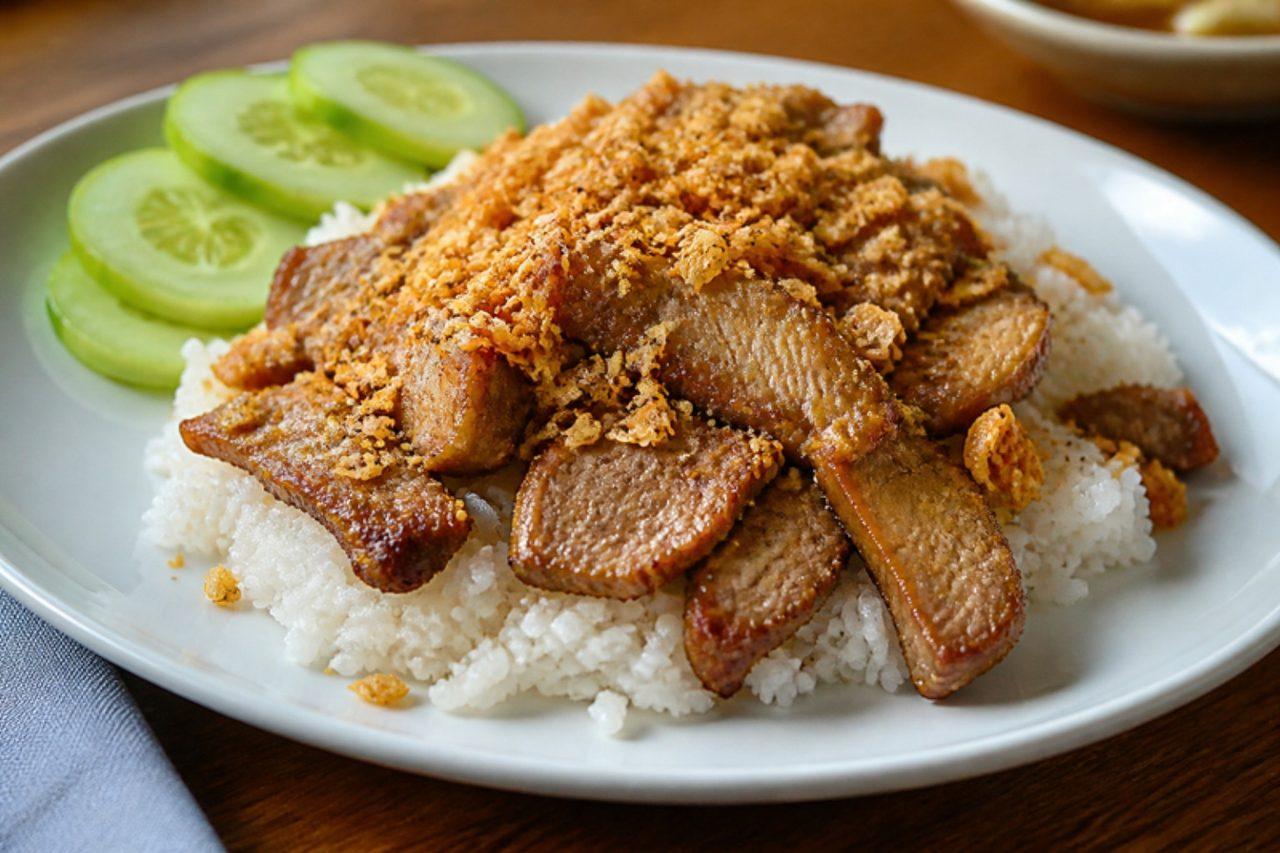
Moo tod kratiem (Thai garlic pepper pork)

Moo tod kratiem is a one-plate dinner sold at made-to-order stalls across Bangkok and the rest of Thailand: slices of pork marinated in garlic, white pepper and soy, fried until the edges caramelise, then showered with crisp golden garlic and served over rice with a fried egg and cucumber. This is a pork dish. The mistake is frying the garlic on high heat; it burns in seconds and turns bitter, so fry it gently and take it out when it is pale gold. Chef's tip: pound the garlic, pepper and coriander root together rather than chopping, so the paste clings to the meat.

22 minThaiMeat
by KrazyBadal 0 views

Tallarines rojosSpaghetti in red sauce with chicken

Tallarines rojos is the Sunday-lunch and weeknight pasta of homes all over Peru, from Lima to Arequipa: spaghetti in a sweet, deep-red sauce of blended tomato, onion and garlic with a little ají panca and oregano, often with pieces of chicken cooked right in it. Children love it, and it is served with a sprinkle of grated cheese and sometimes a spoon of huancaína on the side. The usual mistake is cooking the sauce too briefly, so it tastes of raw onion; let the blended tomato fry until it darkens and the oil shows at the edges. Chef's tip: a bay leaf and a spoon of ají panca paste give the sauce its Peruvian character; paprika will do if you can't find the paste.

by KrazyBadal 0 views

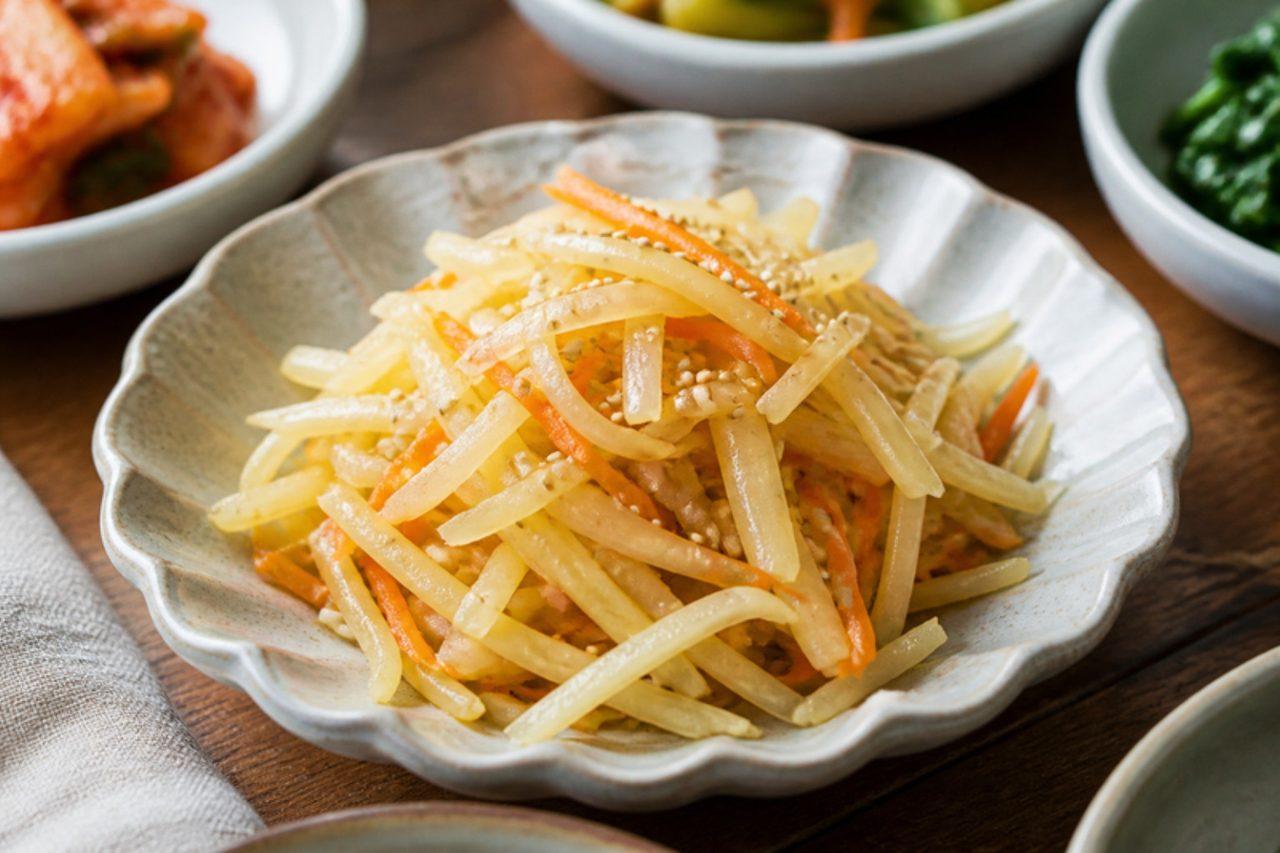
Gamja bokkeumStir-fried potato strips

Gamja bokkeum is one of the banchan Korean mothers pack into lunchboxes and set out at dinner in Seoul and Busan: thin potato strips stir-fried with onion and carrot, seasoned only with salt, a little sesame oil and toasted sesame seeds. The strips should be tender and separate, with a slight bite, not crisp like chips and not mushy. The mistake is skipping the soak, so the surface starch makes the strips stick to each other and the pan and break up. Chef's tip: a quick soak in salted water also seasons the potato through.

by KrazyBadal 0 views

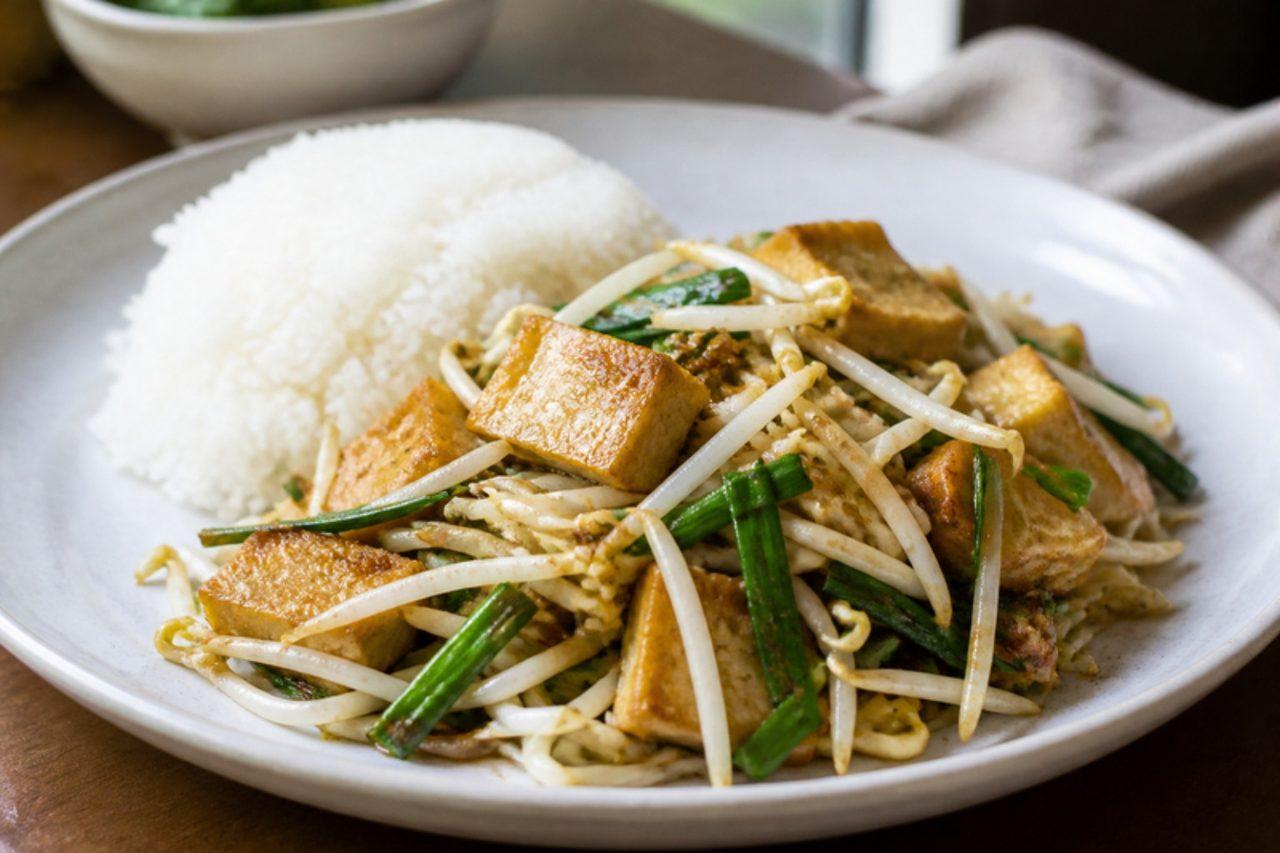
Pad thua ngok tao hoo (Thai bean sprouts and tofu stir-fry)

This plain, fast stir-fry is a fixture of home kitchens and made-to-order rice stalls across central Thailand, where it is eaten as one of two or three dishes shared over jasmine rice at dinner. Firm tofu is browned first, then the sprouts go in for barely a minute so they stay juicy and snap when you bite them. Thai cooks often season it with oyster sauce and fish sauce; this version uses soy and a mushroom-based sauce so it is vegan. The mistake almost everyone makes is cooking the sprouts too long, which turns them limp and watery. Chef's tip: pick off the stringy tails of the sprouts if you have five spare minutes; it makes the dish noticeably crisper.

by KrazyBadal 0 views

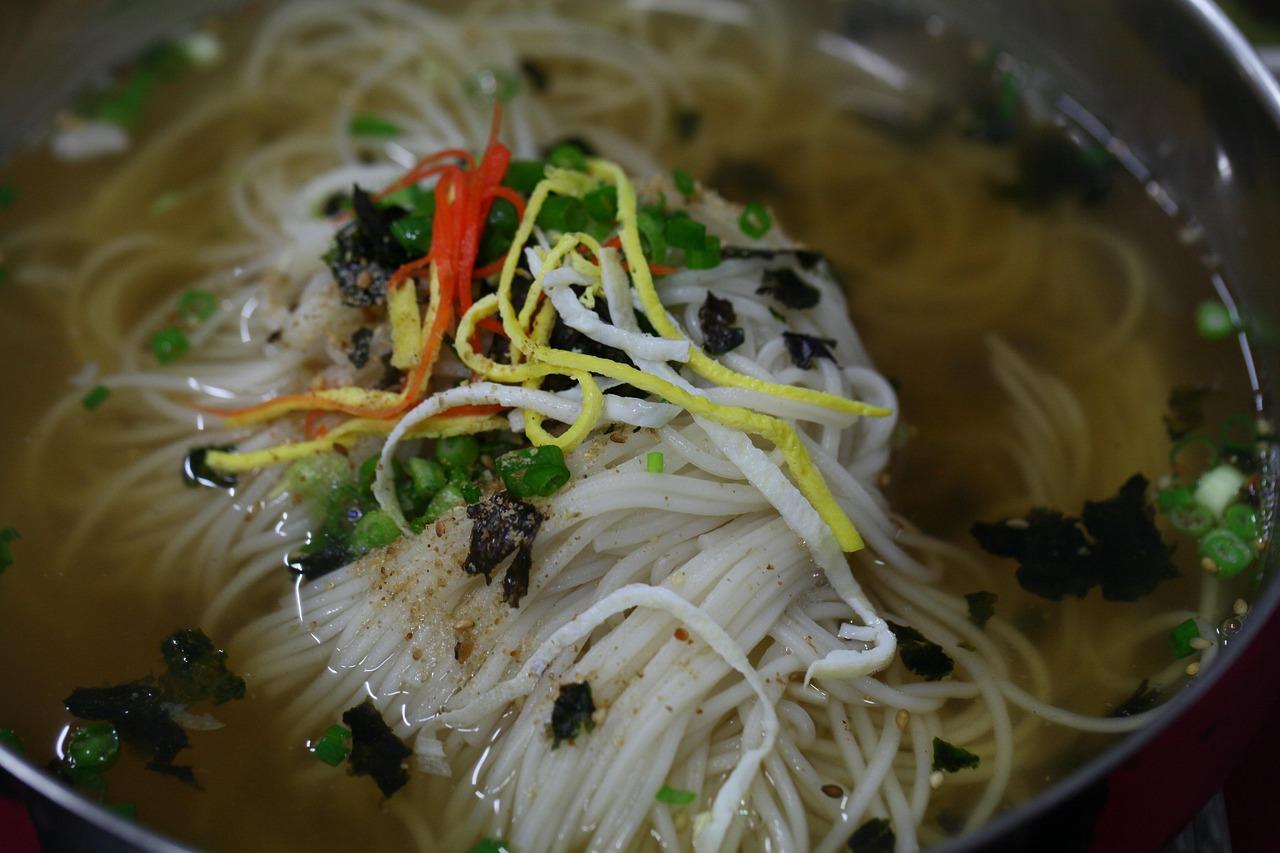
Janchi guksu (Korean banquet noodles)

Janchi guksu means banquet noodles, the bowl once served at Korean weddings and birthdays for long life, and now a quick lunch at markets from Seoul to Busan: thin somyeon in a clear, gently fishy broth of dried anchovy and kelp, topped with egg ribbons, courgette and a spoon of seasoned soy. The mistake is boiling the anchovies hard or too long, which makes the broth bitter and cloudy. Chef's tip: remove the anchovy heads and the dark gut before simmering for a cleaner, sweeter stock.

by KrazyBadal 0 views

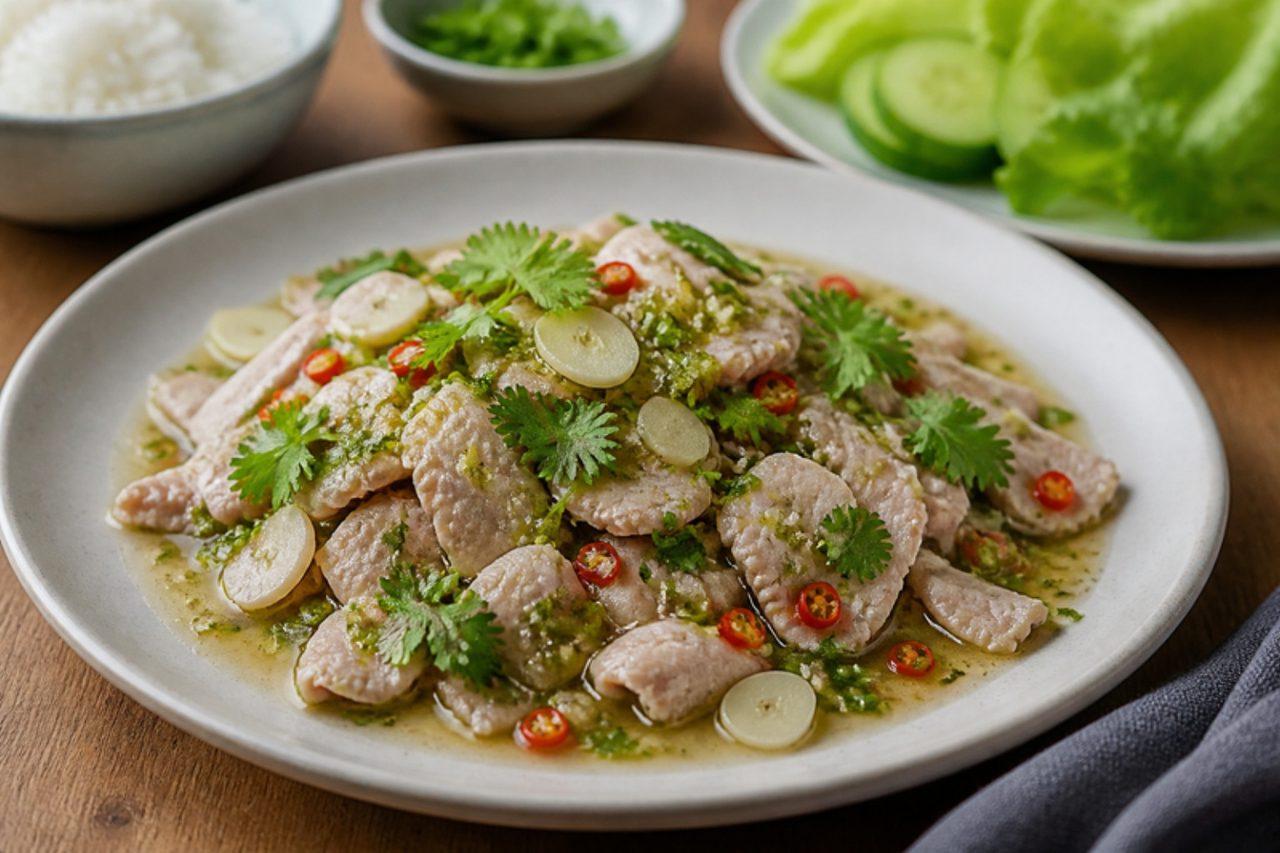
Moo manao (pork in lime and chilli dressing)

Moo manao is a drinking snack and dinner side from central Thailand, served in Bangkok bars and at home with sticky rice: thin slices of pork, blanched until just cooked, laid on ice-cold cabbage or lettuce and drowned in a fierce dressing of lime, raw garlic, bird's eye chilli and fish sauce. This is a pork dish. The mistake is boiling the pork for too long, which makes the thin slices tough and dry; poach them only until they turn white all through. Chef's tip: plunge the cooked slices into iced water for a few seconds, so they stay tender and take the dressing well.

17 minThaiMeatGluten freeSpicy
by KrazyBadal 0 views

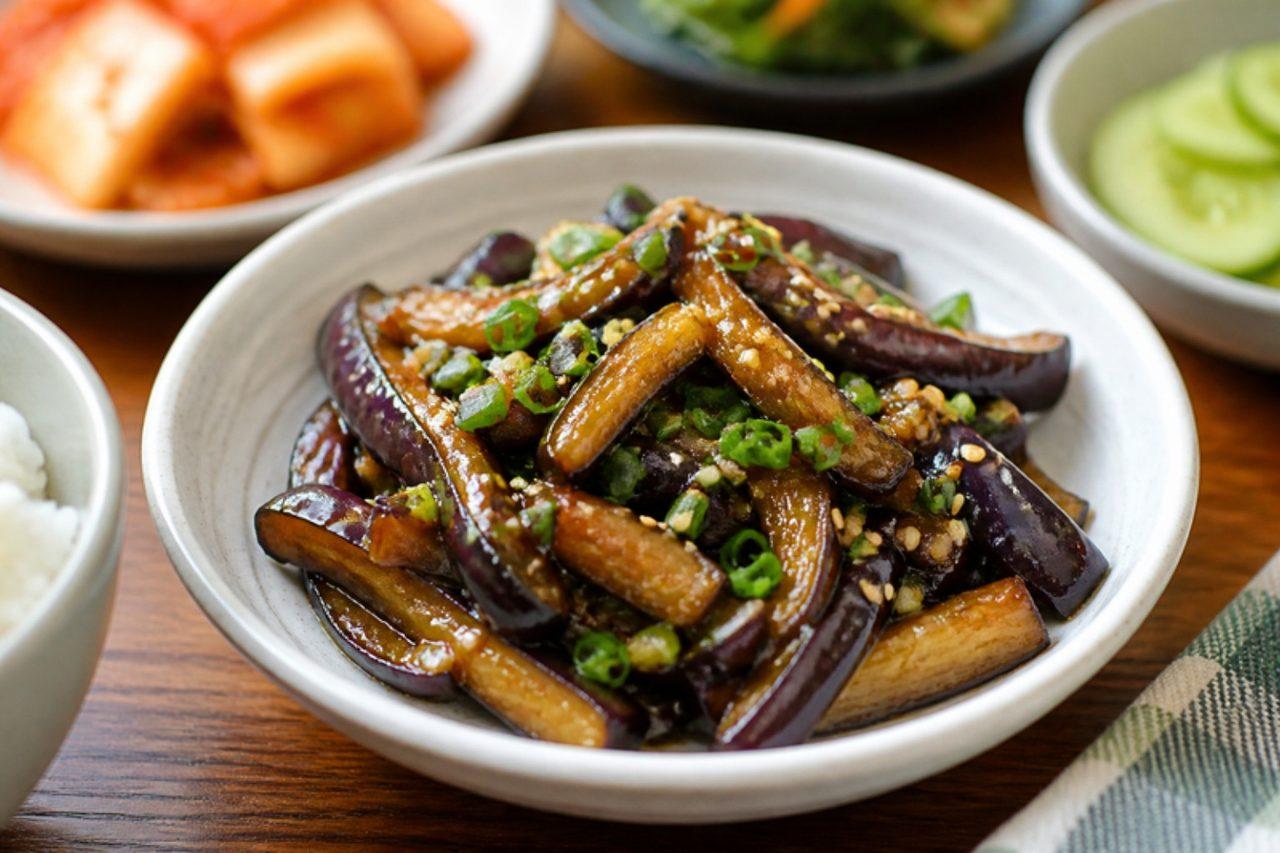
Gaji bokkeumStir-fried aubergine

Gaji bokkeum is a summer banchan in Korean homes, cooked in the weeks when long, thin Korean aubergines fill the markets. Strips of aubergine are seared until soft and caramelised, then tossed in garlic, spring onion, soy sauce and sesame so they turn glossy and savoury-sweet. It sits beside rice and soup at dinner and keeps well in the lunchbox. The mistake is pouring in lots of oil at the start: aubergine soaks it all up and turns greasy. Chef's tip: sear the strips in a moderate amount of oil and add a splash of water if the pan dries; the steam softens them without more oil.

by KrazyBadal 0 views

Chicharrón de pescadoCrisp fried fish chunks

Up and down the Peruvian coast, from Chorrillos in Lima to the beaches of Piura, chicharrón de pescado is the crunchy plate ordered alongside ceviche at a long seafood lunch: bite-size chunks of firm white fish marinated briefly in garlic and lime, dusted in flour and fried, then served with fried cassava, salsa criolla and tartar or rocoto sauce. Using frozen peeled cassava keeps it to half an hour. The common mistake is leaving the fish in the lime too long: after about ten minutes the acid starts to 'cook' the outside and the coating slips off. Chef's tip: toss the floured pieces in a sieve to shake off every bit of loose flour; a thin coat fries crisp, a thick one turns pasty.

by KrazyBadal 0 views

Pejerrey arrebozadoBattered fish fillets with onion salsa

Pejerrey arrebozado is a Lima classic from the cevicherías and home kitchens of the coast, eaten at lunch on a plate with white rice, a heap of sharp salsa criolla and sometimes boiled potato. The pejerrey, a small silverside, is opened into butterflied fillets, dipped in a light egg-and-flour batter and fried golden. Outside Peru, use small fillets of whiting, sole, haddock or tilapia. The batter here uses sparkling water, not beer, so it is alcohol free. The common mistake is frying in oil that isn't hot enough: the batter drinks the oil and turns greasy, so test with a drop of batter first. Chef's tip: make the salsa criolla first and let the onion sit in lime for ten minutes; it softens its bite and turns a pretty pink.

by KrazyBadal 0 views

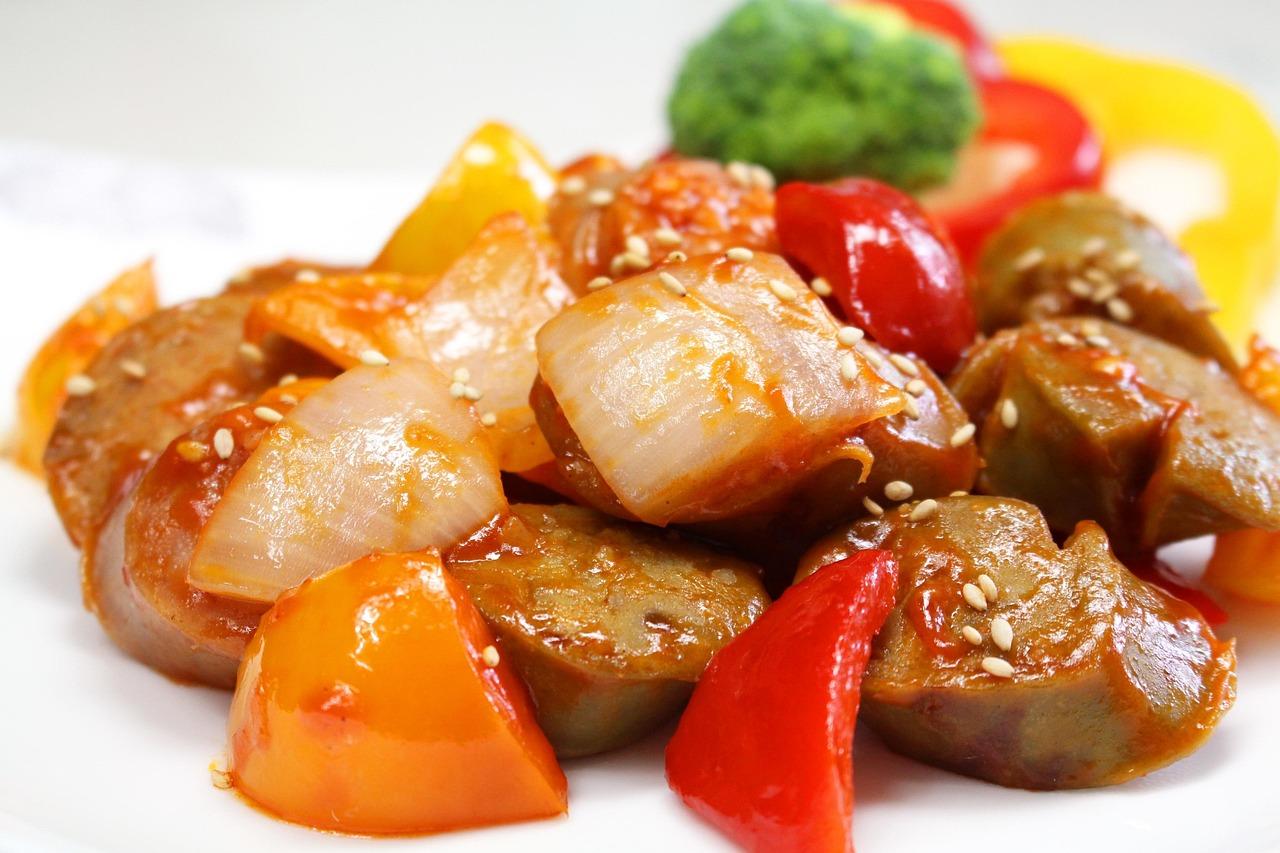
Soya bokkeum (sausage and vegetable stir-fry)

The name joins 'sausage' and 'vegetables' (yachae), and soya bokkeum is a staple banchan in Korean children's lunchboxes and on cheap and cheerful dinner tables: scored sausages and colourful peppers stir-fried in a glossy ketchup and soy glaze. It is sweet, a little tangy and tastes as good cold as hot. Adults often add a spoonful of gochujang. It contains soya and wheat (soy sauce) and sesame; check your sausages for milk. Chef's tip: score the sausages diagonally; the cuts open up in the pan and catch the sauce.

15 minKoreanMeat
by KrazyBadal 0 views

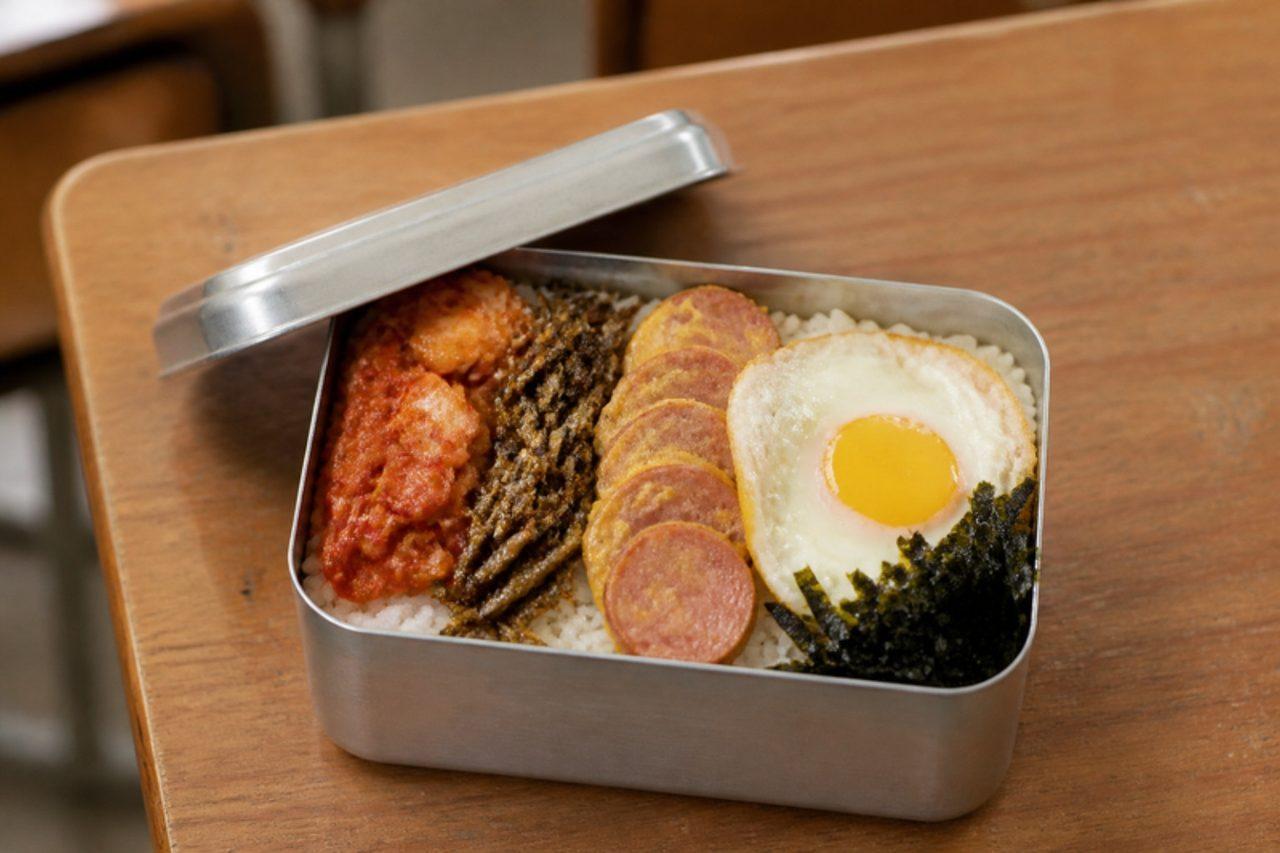
Yennal dosirak (Korean shaken lunchbox)Shaken rice lunchbox with kimchi

Yennal dosirak, 'the old-days lunchbox', is a slice of nostalgia for Korean parents who carried a dented tin box to school in the 1970s and 80s and warmed it on the classroom stove. Rice goes in first, then stir-fried kimchi, sweet-salty anchovies, egg-dipped sausage slices and a fried egg on top; at lunchtime you close the lid and shake it hard so it all mixes. Restaurants now serve it for fun, and families make it at home for children. It contains egg, fish, soya and wheat (soy sauce) and sesame. Chef's tip: toast the anchovies in a dry pan first so they stay crisp under the glaze.

by KrazyBadal 0 views

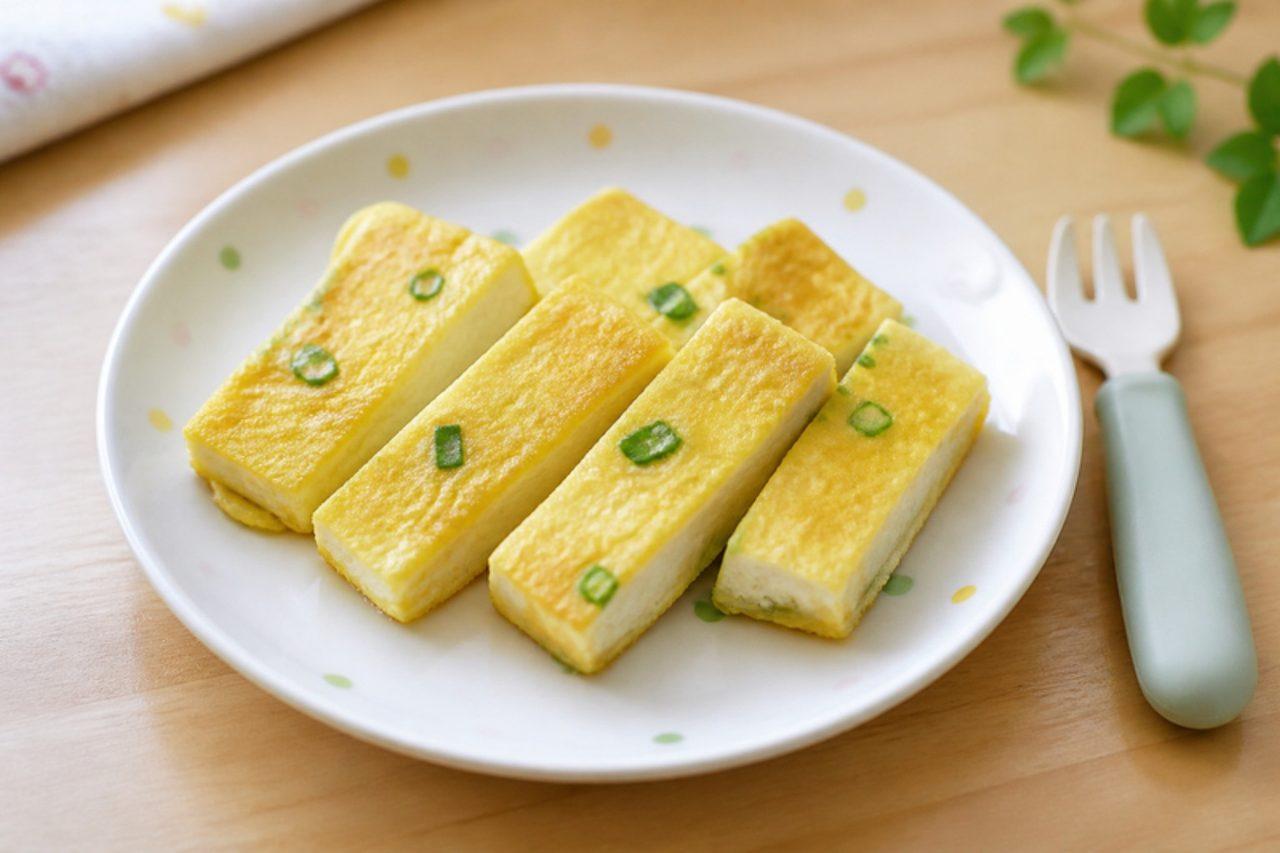
Dubu buchim tofu fingers

Dubu buchim, slices of tofu dipped in beaten egg and fried until golden, is an everyday Korean banchan, and families cut it into fingers for babies from about nine months to hold and gum. The outside is lightly crisp and the inside custard-soft, with a mild, nutty flavour. For babies it is made without salt, soy sauce or the usual sesame-soy dip; older children and adults can add the dip at the table. It contains soya and egg. Chef's tip: press the tofu well first, so it fries rather than steams and the egg coating sticks.

by KrazyBadal 0 views

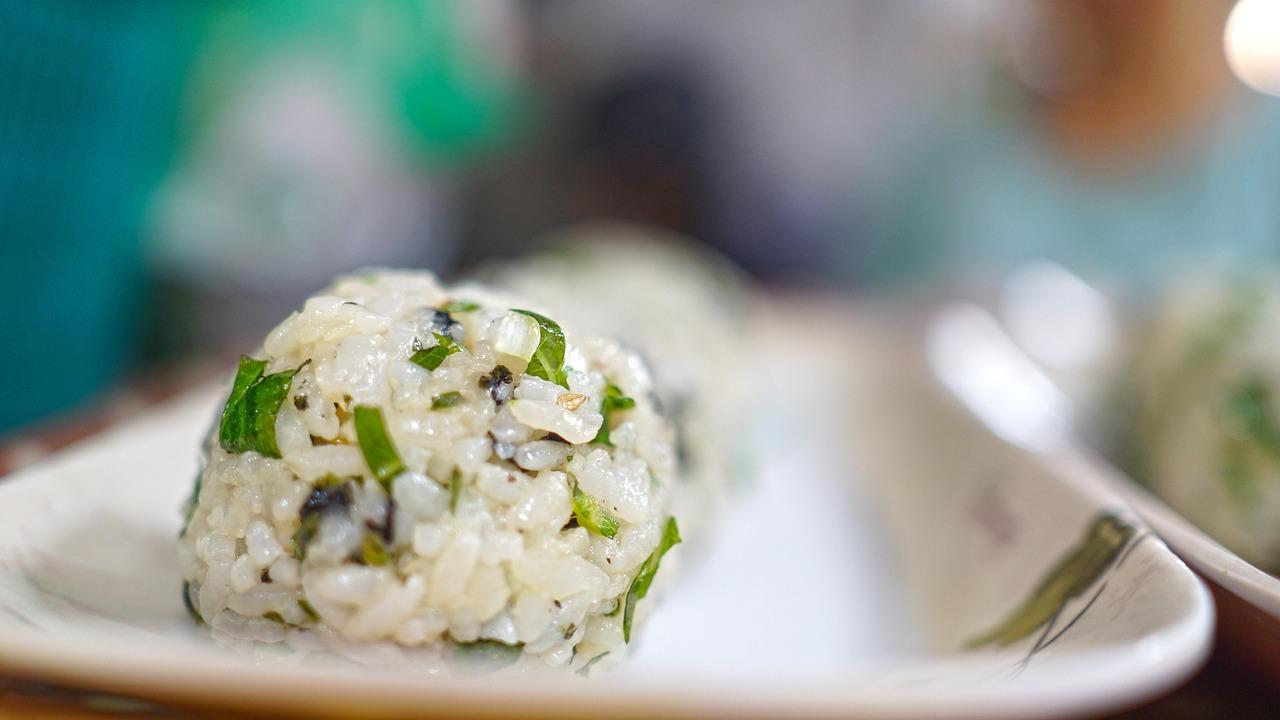
Jumeokbap (Korean vegetable rice balls)

Jumeokbap means 'fist rice', and Korean parents squeeze it together in minutes for picnics, school trips and busy mornings: warm rice tossed with sesame oil, crumbled seasoned laver and tiny pieces of vegetables, then pressed into balls a child can hold. It tastes nutty and gently salty. Tuna with mayonnaise or minced beef is a common addition, but this version is fully vegan. It contains sesame and, from the soy sauce in some seasoned laver, may contain soya and wheat. Chef's tip: mix the rice while it is warm; cold rice won't stick and the balls crumble in the lunchbox.

by KrazyBadal 0 views

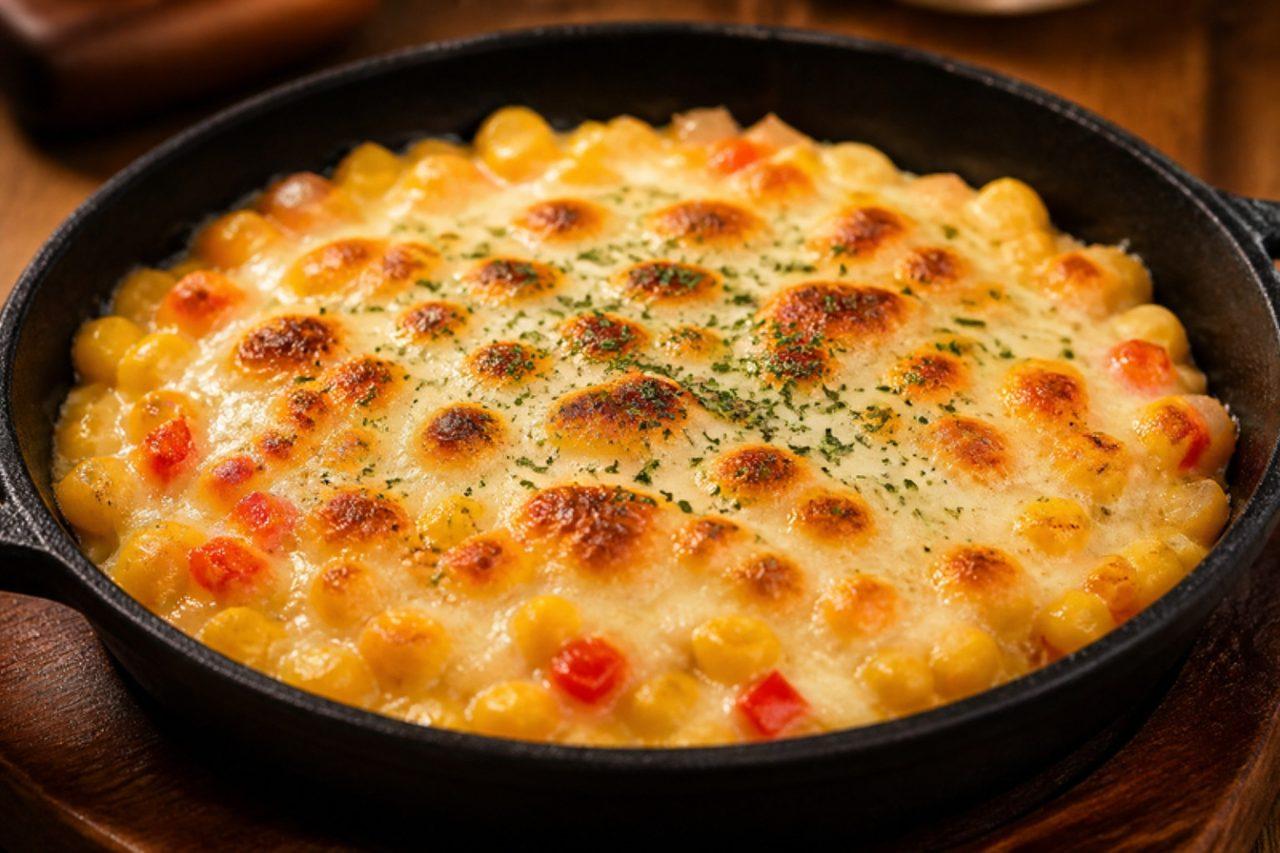
Korean corn cheese

Corn cheese arrives sizzling on a small iron plate as a side at Korean barbecue restaurants, and at home it has become a five-minute after-school snack and a favourite for children's sleepovers in Seoul and beyond. Sweet, juicy corn is stirred with a little butter and mayonnaise, then covered in mozzarella and heated until it melts into long strings. Most versions add sugar; this one lets the corn's own sweetness carry it. It contains milk and egg (mayonnaise). Chef's tip: drain and dry the corn really well, or the dish turns watery under the cheese.

by KrazyBadal 0 views

Sotteok sotteok (sausage and rice cake skewers)

Sotteok sotteok, from sausage (so) and rice cake (tteok), is sold at Korean motorway service stations and school-gate snack stalls, and children make it at home with a parent after school: chewy rice cake sticks and sausage pieces threaded in turn, fried until the rice cakes blister, then brushed with a sweet ketchup glaze. Grown-ups like a little gochujang in the sauce. It contains soya and wheat (soy sauce); check your sausages for milk. Take everything off the skewers for younger children. Chef's tip: soak hard rice cakes in hot water first, or they crack when you skewer them.

by KrazyBadal 0 views

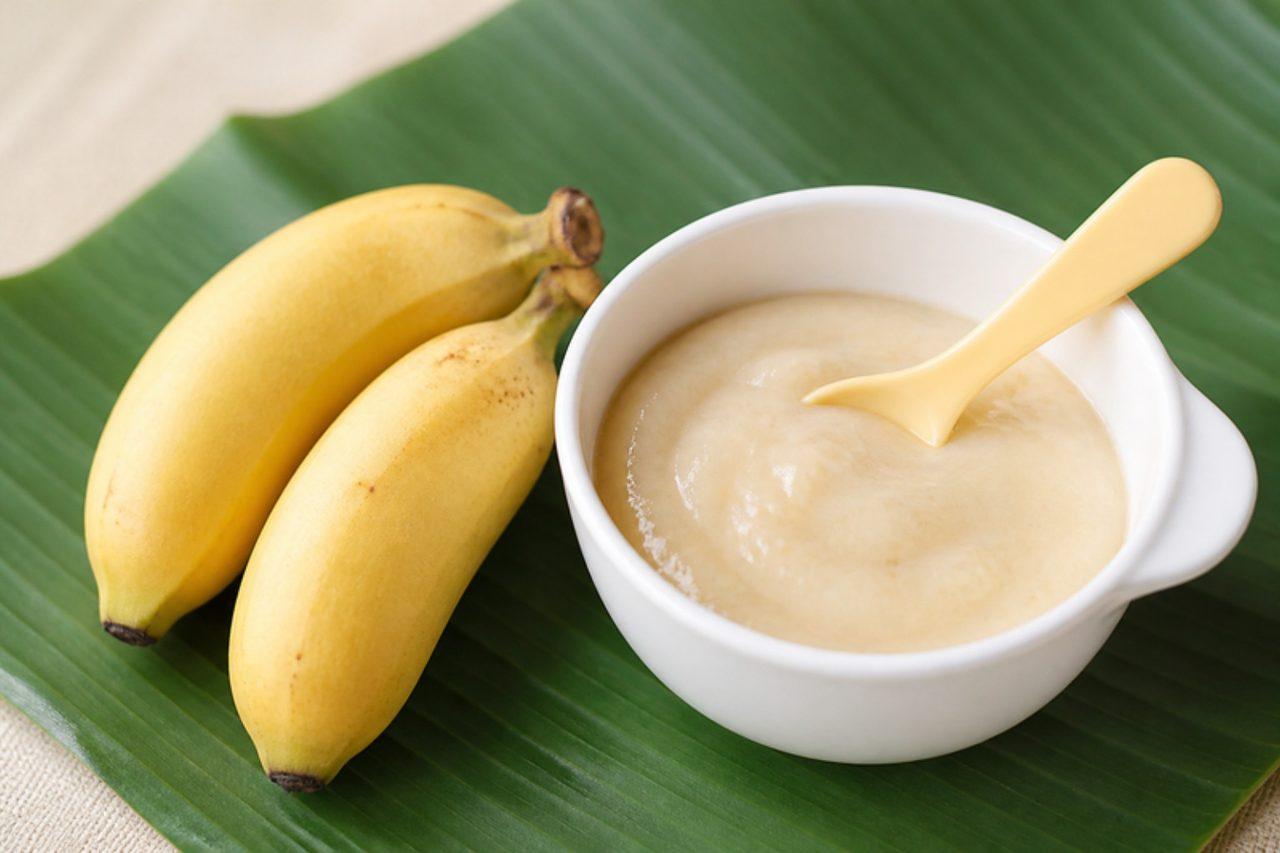
Mashed nam wa banana (kluay nam wa bod)

Ask a Thai grandmother about first foods and she will talk about kluay nam wa, the short, plump banana that grows in nearly every garden in Thailand. Ripe ones are steamed, which softens the slightly astringent edge, then scraped and mashed for a baby's first taste, often in the afternoon. It is sweet, creamy and needs nothing added. There are no common allergens (milk, egg, gluten, peanut, tree nuts, soya, sesame, fish). If you can't find nam wa, use a small, very ripe ordinary banana. Chef's tip: steam the banana in its skin; it keeps the flesh moist and stops it browning.

by KrazyBadal 0 views

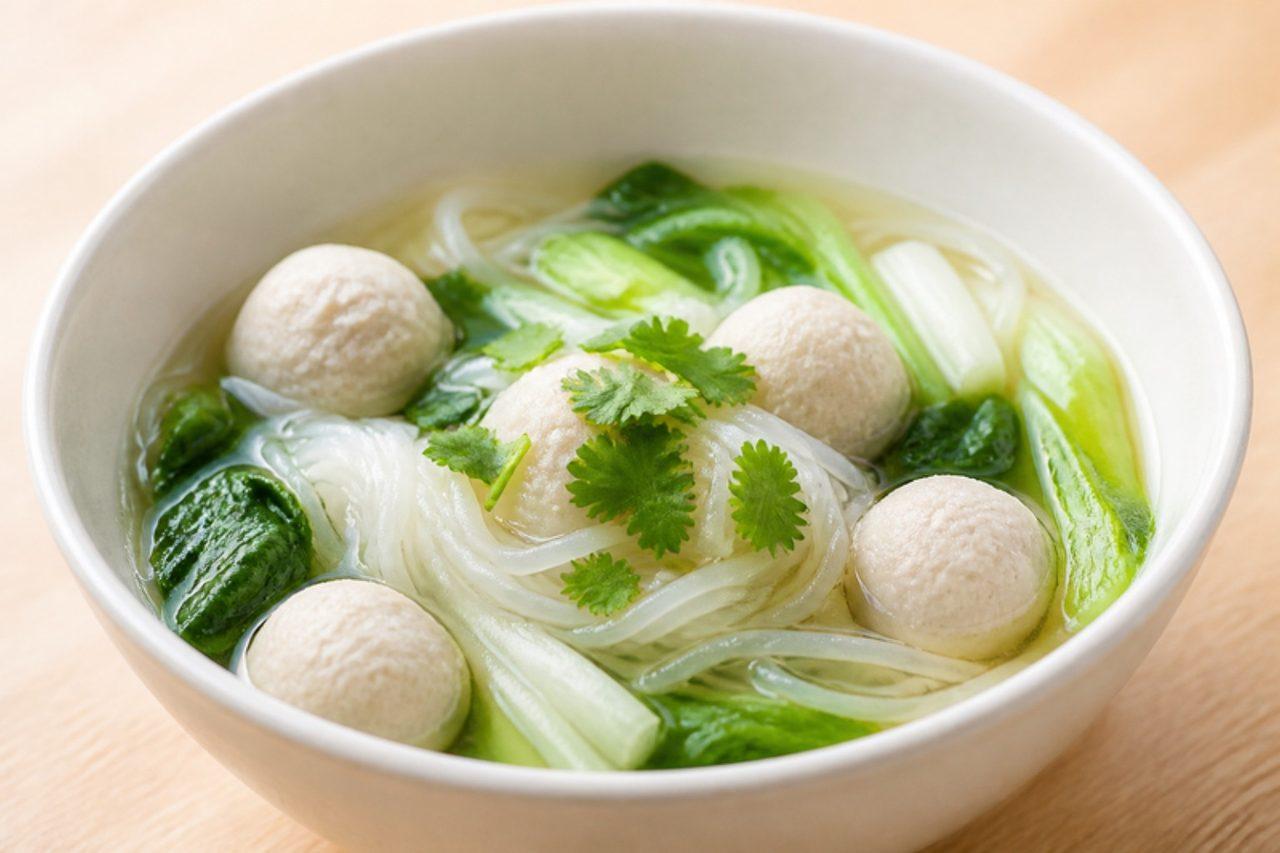
Kuay teow nam sai (clear rice noodle soup for toddlers)

Kuay teow nam sai, clear noodle soup, is ordered for Thai children at noodle shops everywhere because it comes without chilli, sugar or vinegar: thin rice noodles in a light broth with minced pork and blanched greens. At home it is easy to make it even gentler, with no-salt stock fragrant with garlic and coriander root, so that toddlers can have it from a year old and adults season their bowls at the table. It contains none of the common allergens (milk, egg, gluten, peanut, tree nuts, soya, sesame, fish) unless the family adds fish sauce. Chef's tip: soak the noodles in warm water rather than boiling them, then dip in the broth just before serving, so they stay silky.

by KrazyBadal 0 views

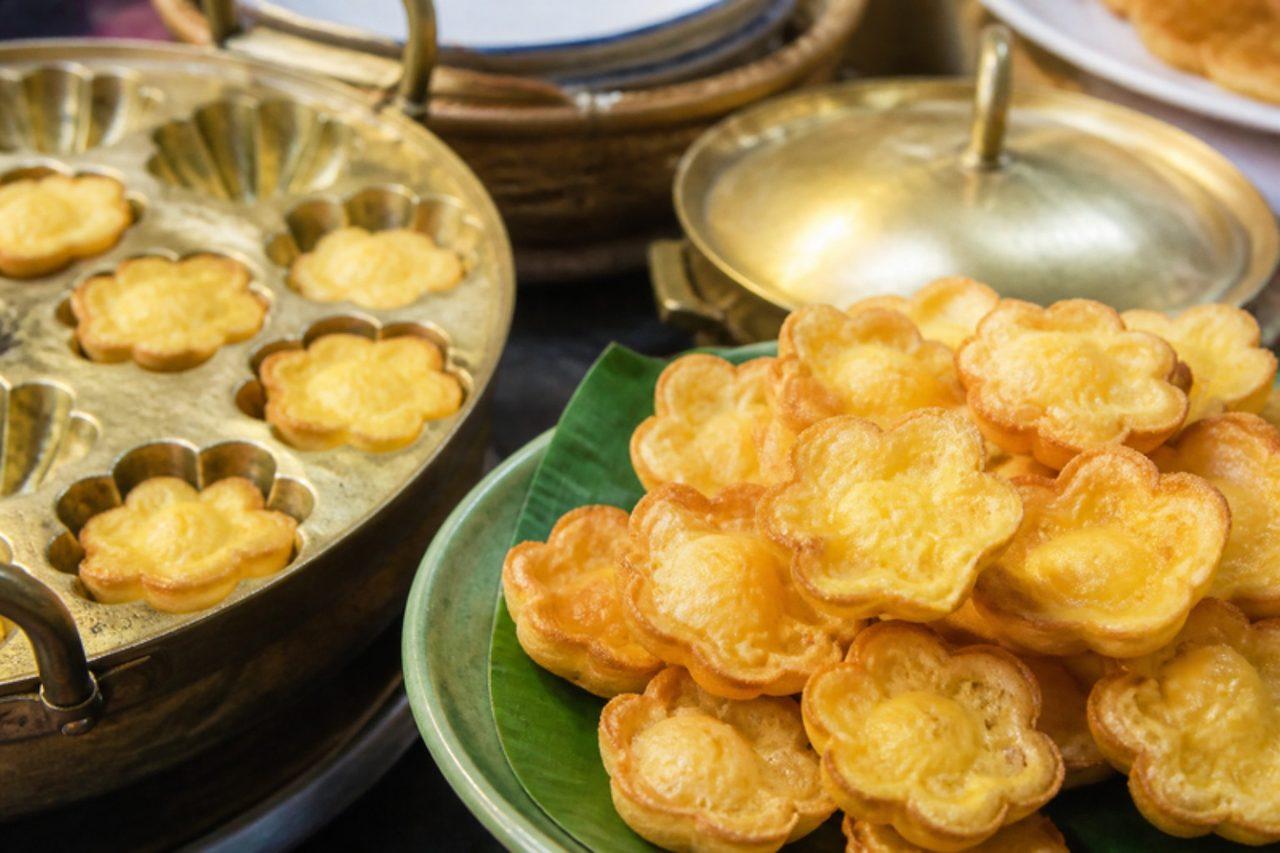
Khanom khai (Thai egg cakes)

Khanom khai are the tiny golden sponge cakes that Thai market vendors bake in heavy brass moulds, filling the air with a sweet, eggy smell, and Bangkok children buy a paper bag of them after school. They are light and spongy inside with crisp, caramelised edges, and taste of egg and vanilla. They're made with oil rather than butter. They contain egg and gluten. Without a traditional mould, a mini-muffin or madeleine tin works well. Chef's tip: beat the eggs and sugar until really thick and pale; all the lift comes from that air.

30 minThaiBaking
by KrazyBadal 0 views

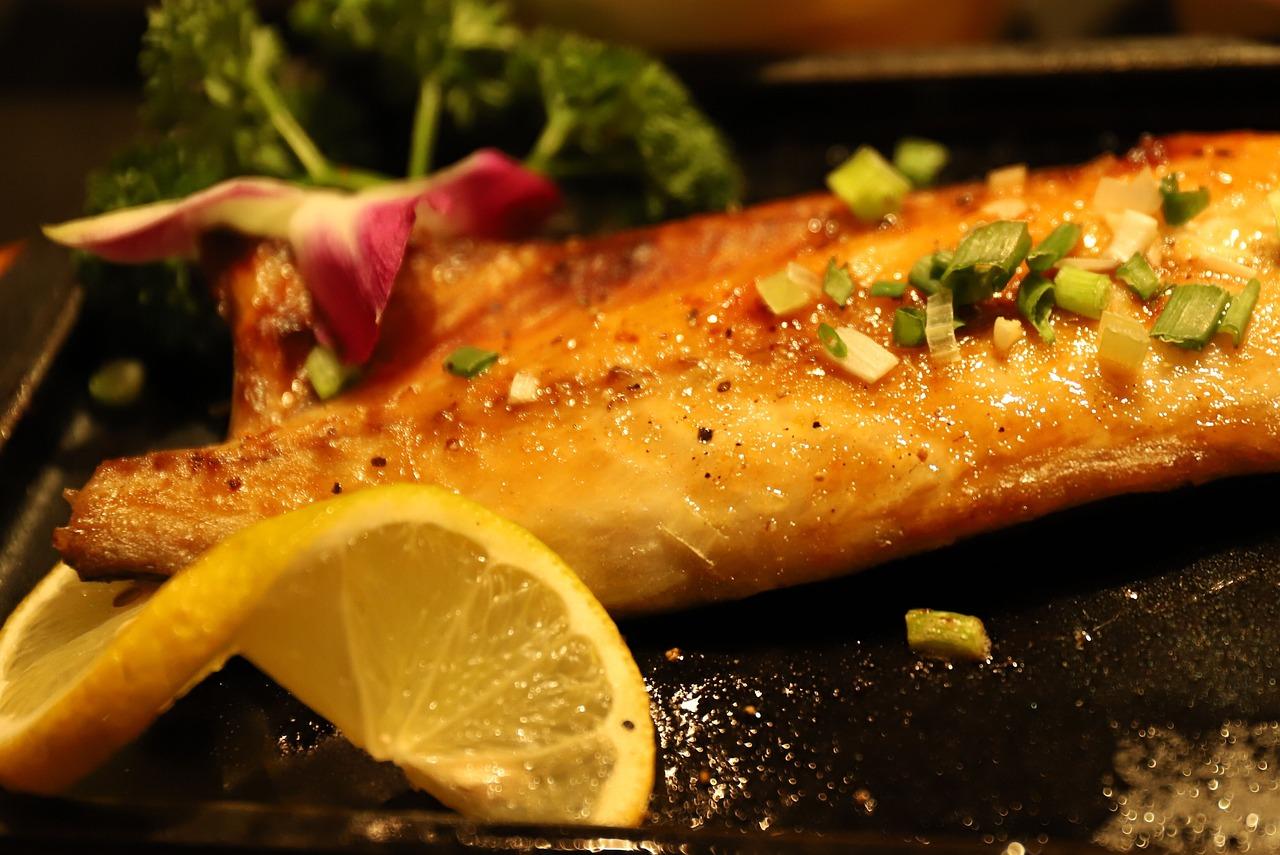
Godeungeo guiGrilled mackerel

Andong, far inland, is oddly famous for its mackerel: the fish was salted on the coast and carried over the mountains, arriving perfectly seasoned, and Andong gangodeungeo is still sold that way. Across Korea, a salted mackerel fillet pan-grilled until the skin crackles is a staple of home dinners and set-meal restaurants, served with rice, doenjang soup and kimchi. Mackerel is an oily fish, so this is filling rather than low calorie: about 340 kcal a portion. The most common mistake is moving the fish too soon; leave it skin side down until the skin releases on its own, or it tears and sticks. Chef's tip: dust the skin very lightly with flour or starch before grilling, or simply pat it bone-dry; you'll get a crisp, glassy skin.

22 minKoreanFishGluten free
by KrazyBadal 0 views

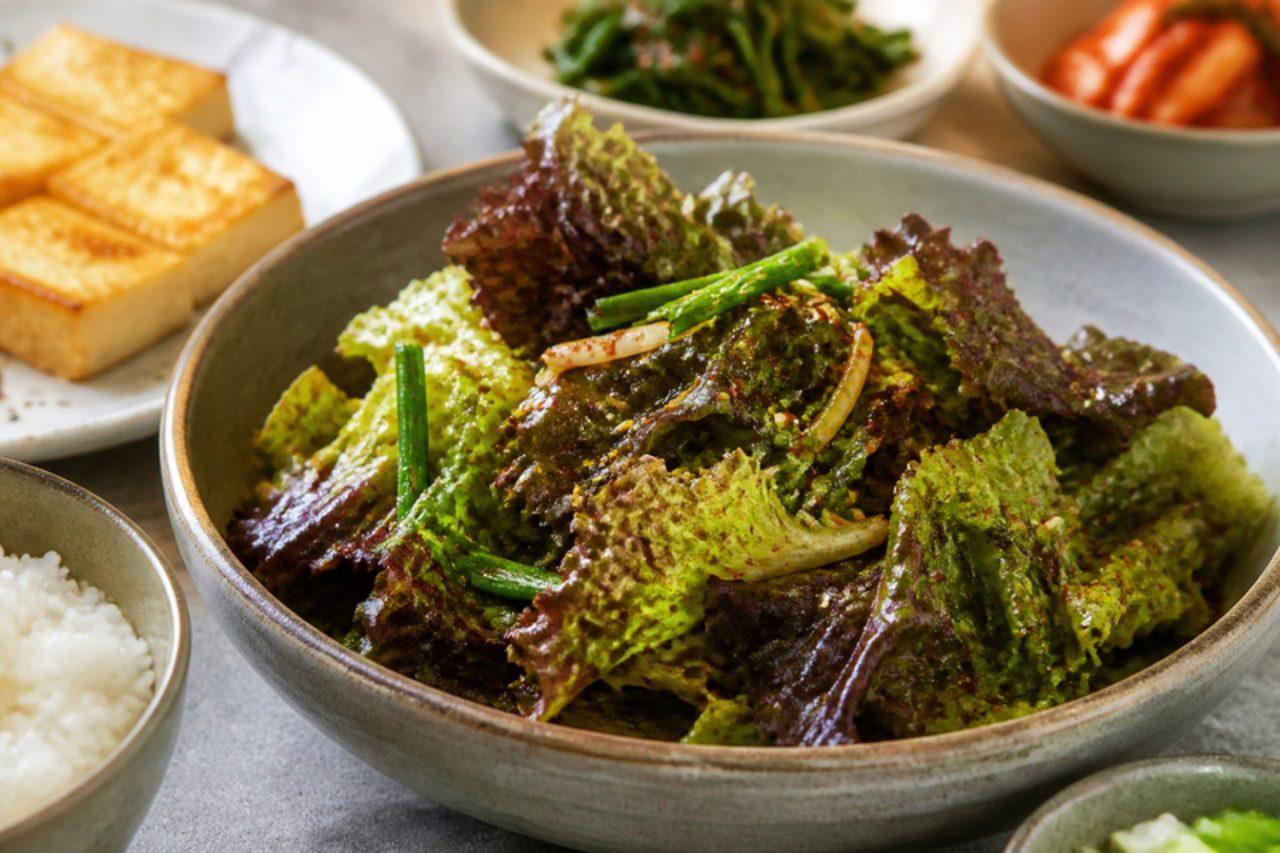
Sangchu geotjeoriFresh lettuce salad

Geotjeori is "fresh kimchi", made to be eaten the same day, and lettuce geotjeori is the summer version Korean families throw together in ten minutes when the leafy red lettuce from the garden or the market in Suwon is piling up: torn leaves and spring onion tossed in a garlicky gochugaru and soy dressing. It goes with grilled meat, bibimbap or just rice. Many homes add fish sauce; this vegan version uses soy and a little more sesame. A portion is about 45 kcal. The most common mistake is dressing it in advance; lettuce goes soggy within minutes, so mix it at the table. Chef's tip: dry the leaves very thoroughly in a salad spinner; any water left on them dilutes the dressing and stops it clinging.

by KrazyBadal 0 views

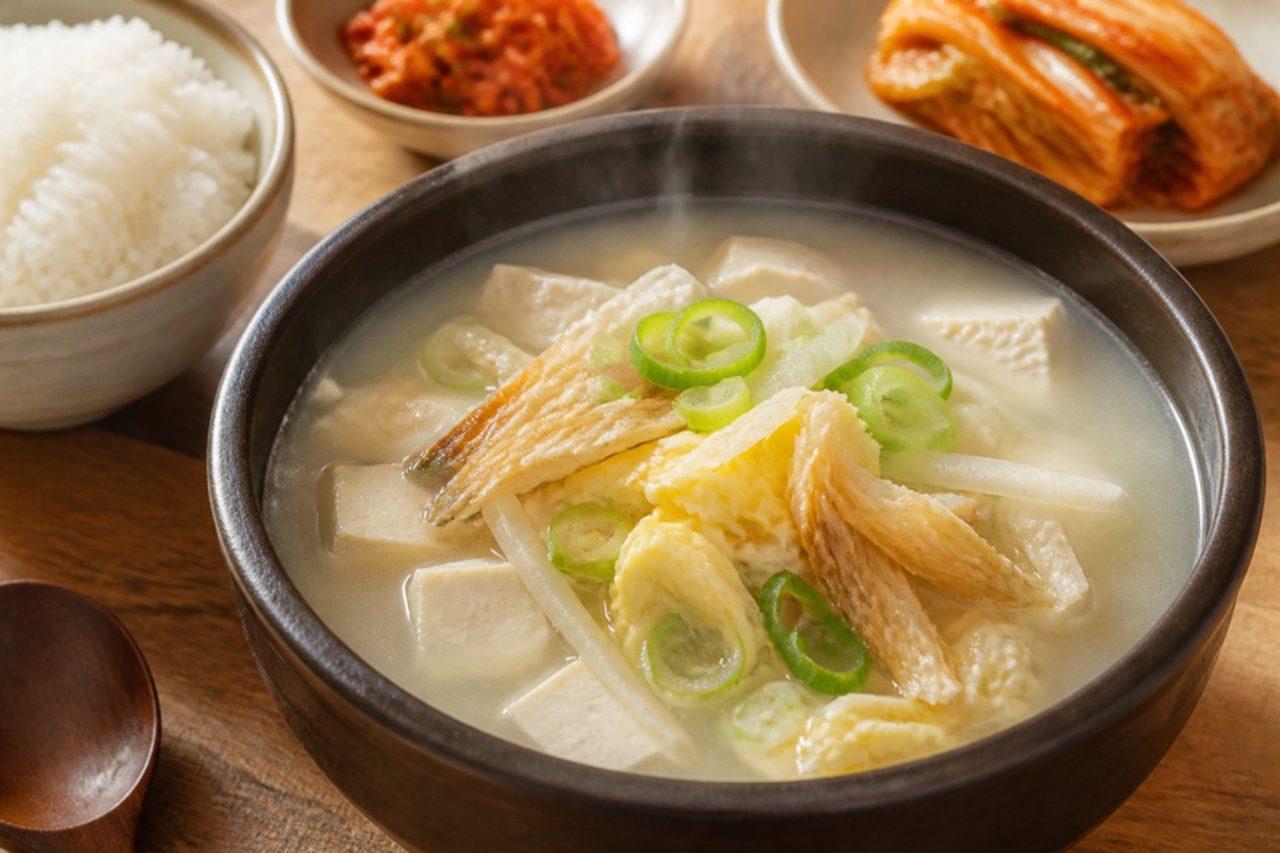
Bugeo gukDried pollack soup

In Seoul, little restaurants near Mugyo-dong have served bugeo-guk since dawn for decades to office workers recovering from the night before, and at home it is the light, fortifying soup for any cold morning: shreds of air-dried Alaska pollack fried briefly in sesame oil, then simmered with radish and tofu into a milky, savoury broth, with beaten egg swirled in at the end. It is clean and comforting. Fish and egg are the allergens. A bowl is about 130 kcal. The most common mistake is using the dried shreds straight from the bag; soak and squeeze them first, or they stay tough and the soup is salty. Chef's tip: fry the pollack in sesame oil until it smells toasty before adding water; it is what turns the broth white and rich.

by KrazyBadal 0 views

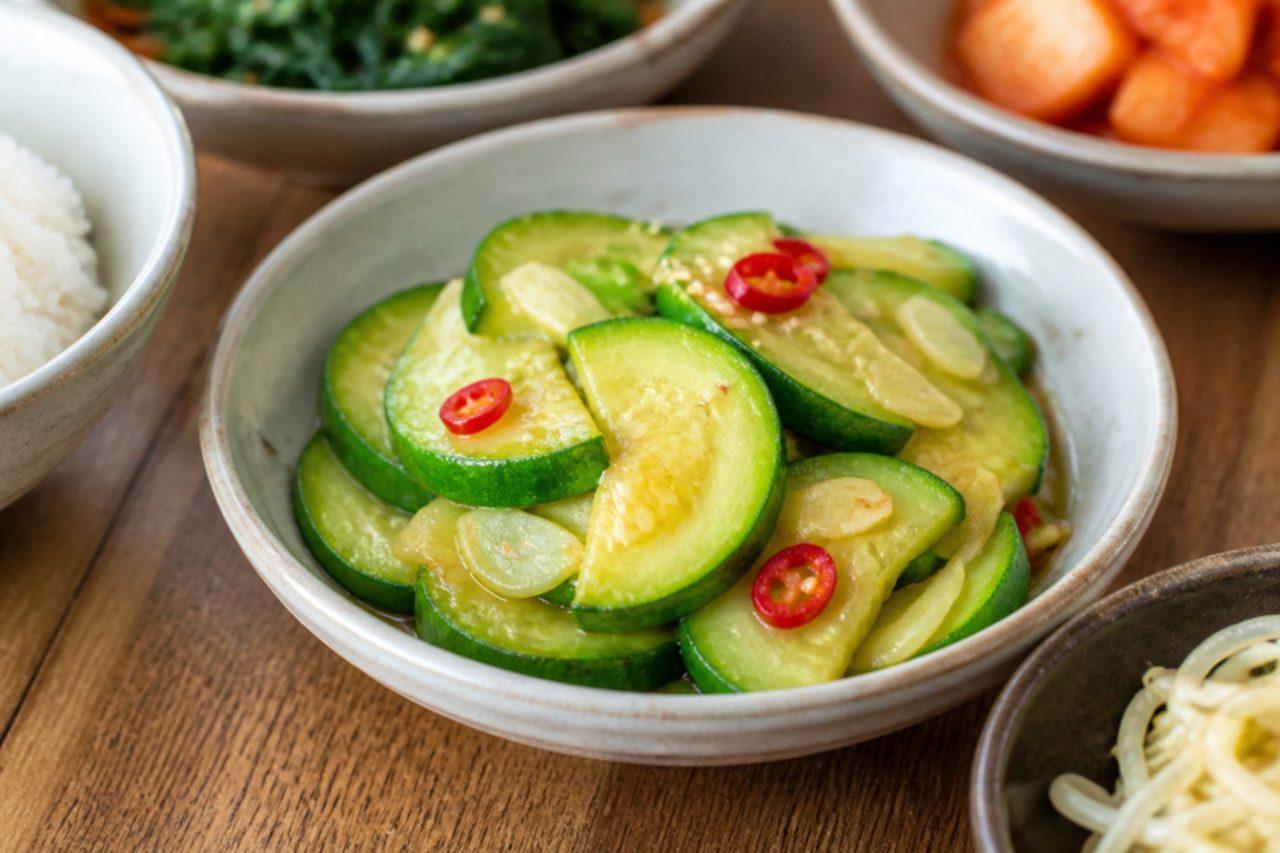
Aehobak bokkeumStir-fried courgette

Aehobak, the pale green Korean courgette, is in every market from Gwangjang in Seoul to Busan's Jagalchi all summer, and a quick stir-fry of it is one of the banchan most often on the family table and in school lunches. Half-moon slices are lightly salted, then stir-fried with garlic until just tender and glossy, and finished with sesame. Many homes season it with saeujeot, salted shrimp; this version uses salt and a little soy instead, so it is vegan. A portion is about 45 kcal. The common mistake is overcooking, which leaves limp, watery slices; cook it hot and fast and take it off while the slices still have a little bite. Chef's tip: salting the slices for 10 minutes and patting them dry keeps them firm and stops the pan filling with liquid.

by KrazyBadal 0 views

Showing 24 of 192 recipes

Show more recipes

Page 1 of 8