Skip to content
Recipes

All recipes

Vegetarian, or something you can't eat? Set your diet once and we'll hide recipes that don't fit.

Bassi salté (festive millet couscous)

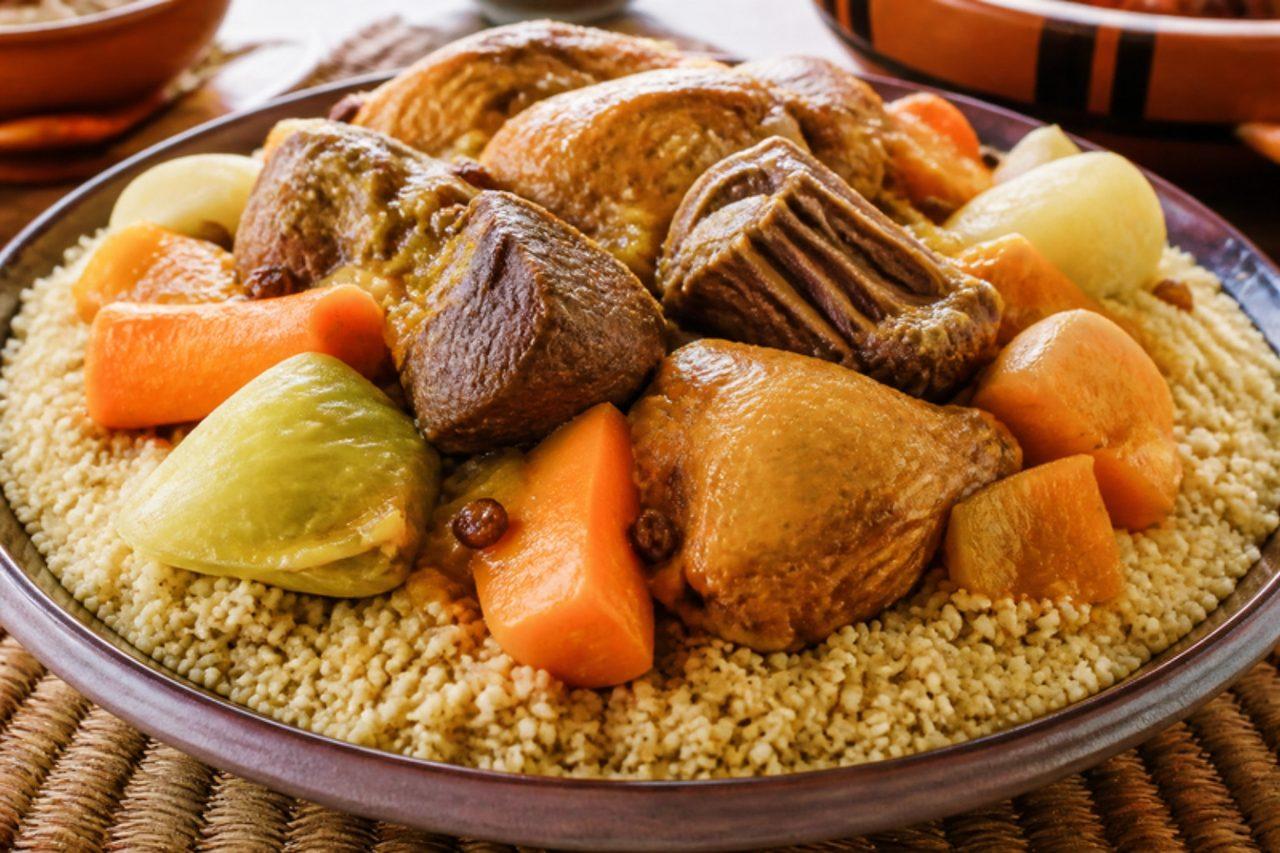
When a Senegalese family celebrates, a wedding, a baptism or a religious feast, bassi salté may well be the dish that comes out in huge enamel bowls. Fine millet couscous is steamed twice until feather-light, then crowned with lamb and chicken in a tomato-onion sauce with carrots, cabbage, turnips and sweet potato, and a sweet note from raisins. It is a long cook but most of it is simmering, and the reward is a dish that feeds a crowd: fluffy grains, rich sauce, tender meat and soft vegetables in every spoonful. Don't drown the millet when moistening it between steamings; it should be damp, not wet, or it turns into porridge. Chef's tip: cook the chicken only for the last 35 minutes and check that the thickest piece reaches 74 °C; added at the start with the lamb, it overcooks to dry shreds while the lamb is still tough.

by KrazyBadal 0 views

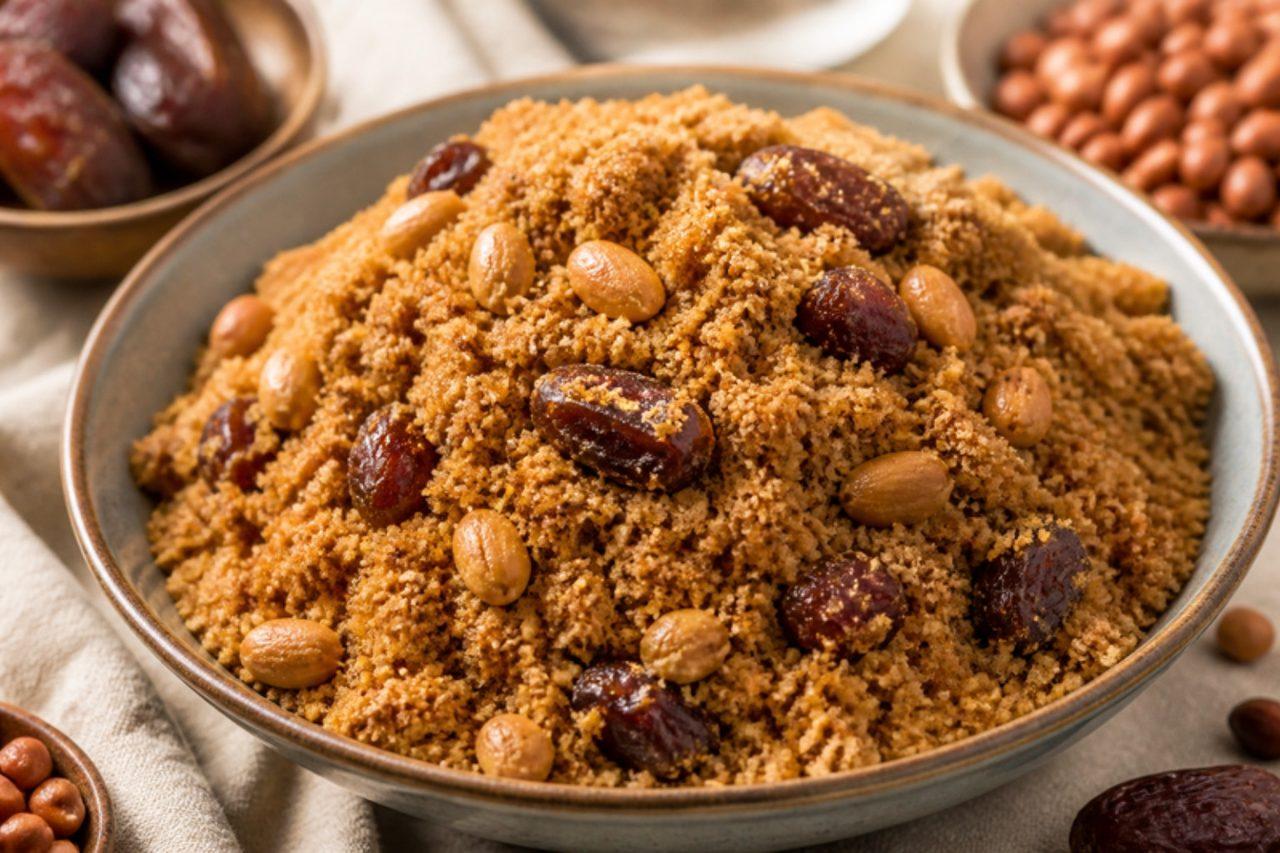
Mbourake (peanut and date bread crumble)

Yesterday's baguette never goes to waste in a Senegalese kitchen during Ramadan. Mbourake turns it into a rich, crumbly sweet: the bread is dried, rubbed to crumbs and pounded with roasted peanut paste and sugar until it clumps, then mixed with chopped dates and pressed into balls or served loose in a bowl at the ndogu, the evening meal that breaks the fast. Some families use steamed millet instead of bread. It tastes like a cross between peanut cookie dough and a date bar, sweet, nutty and filling, and it is good with a glass of café Touba or milk. Chef's tip: dry the bread fully until it snaps; soft bread gives a gummy paste instead of a light crumble.

by KrazyBadal 0 views

Senegalese ginger juice

Nearly every Senegalese party, baptism and wedding table carries a jug of jus de gingembre next to the bissap, and Dakar street sellers keep it in frosted plastic bottles. Fresh ginger is blended with water, left to steep, strained and sweetened, then brightened with lemon and mint. Expect a sweet first sip followed by a strong, warming burn that is surprisingly refreshing when the drink is ice cold. Some cooks add a little pineapple juice or vanilla for a rounder taste. Chef's tip: taste before serving and dilute with cold water if it is too fierce; the most common mistake is serving it undiluted, when it can be strong enough to make people cough.

by KrazyBadal 0 views

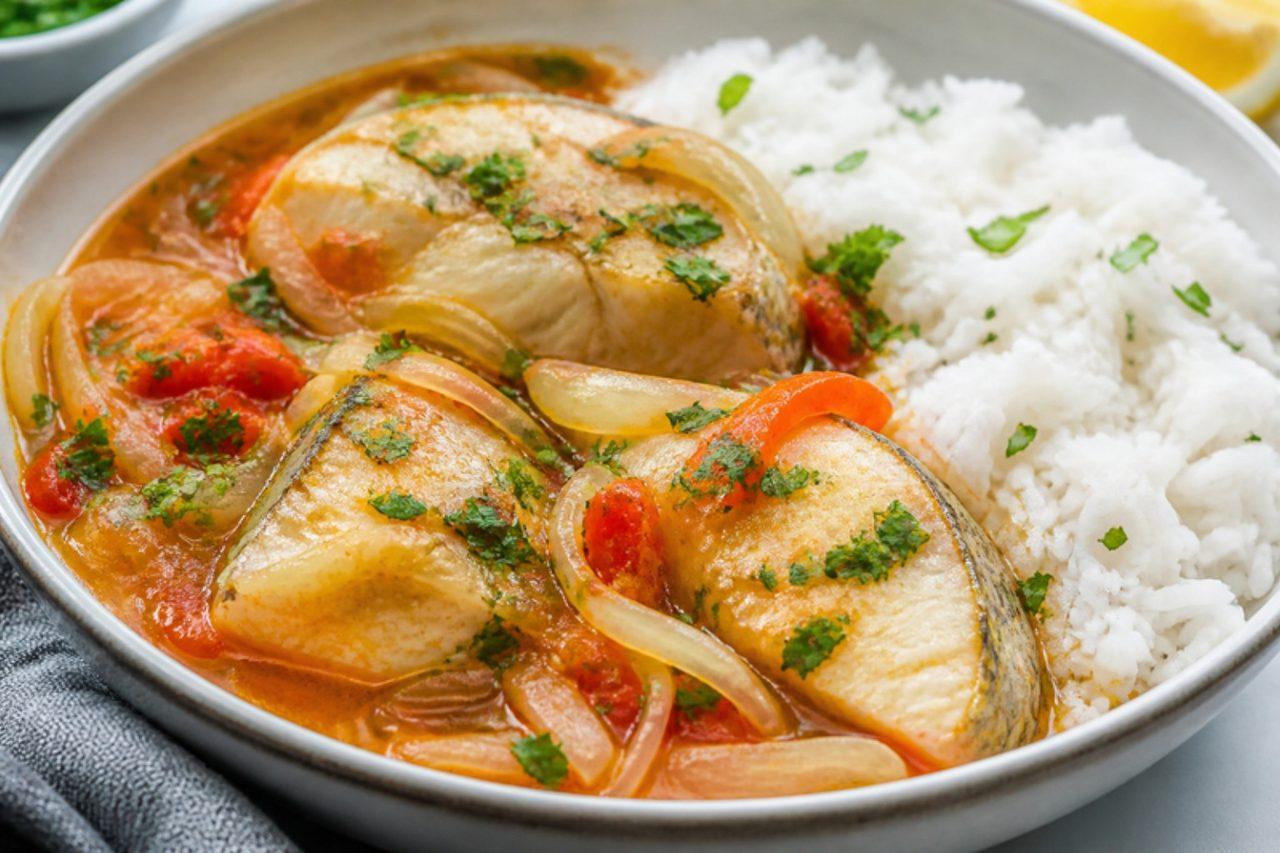
Caldou (Casamance fish in lemon broth)

Light, tangy and clean-tasting, caldou is the fish dish of Ziguinchor and the river towns of Casamance, where fresh catches from the estuary are poached in a broth sharp with lemon, sweet with soft onion and tomato, and warmed by a whole chilli. It is ladled over plain white rice so the grains soak up the broth, with an extra squeeze of lemon at the table. Some cooks add a few okra or a spoon of palm oil; this version keeps it simple and light. Firm white fish such as grouper, sea bream or hake is ideal. Chef's tip: keep the broth at a bare simmer once the fish goes in; boiling it hard is the common mistake and turns delicate fish dry and broken.

by KrazyBadal 0 views

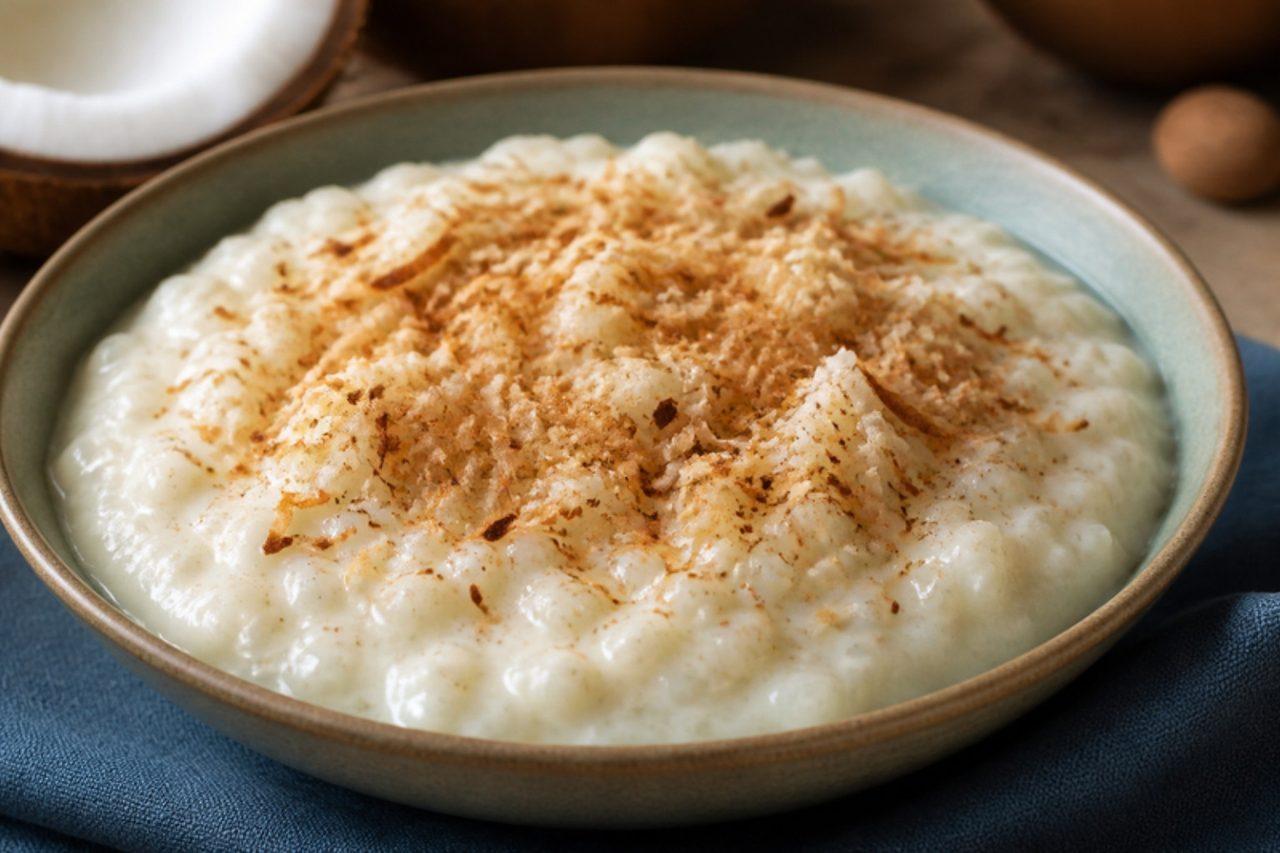
Sombi (Senegalese coconut rice pudding)

Spooned warm from a pot at the Ramadan ndogu, the evening break of the fast, or eaten as a gentle supper on cool Dakar nights, sombi is the Senegalese take on rice pudding. Broken rice is simmered in water first, then in coconut milk and a little dairy milk until it turns soft and creamy, sweetened just enough and finished with vanilla and a pinch of nutmeg. The texture is looser than a baked rice pudding, almost porridge-like, with a clean coconut taste. Broken rice, sold as brisures in African shops, cooks fastest and gives the right silky feel. Avoid boiling hard once the coconut milk goes in, or it splits and turns greasy. Chef's tip: add the coconut milk only after the rice is half cooked in water, because grains boiled from raw in coconut milk stay hard and the fat can split.

by KrazyBadal 0 views

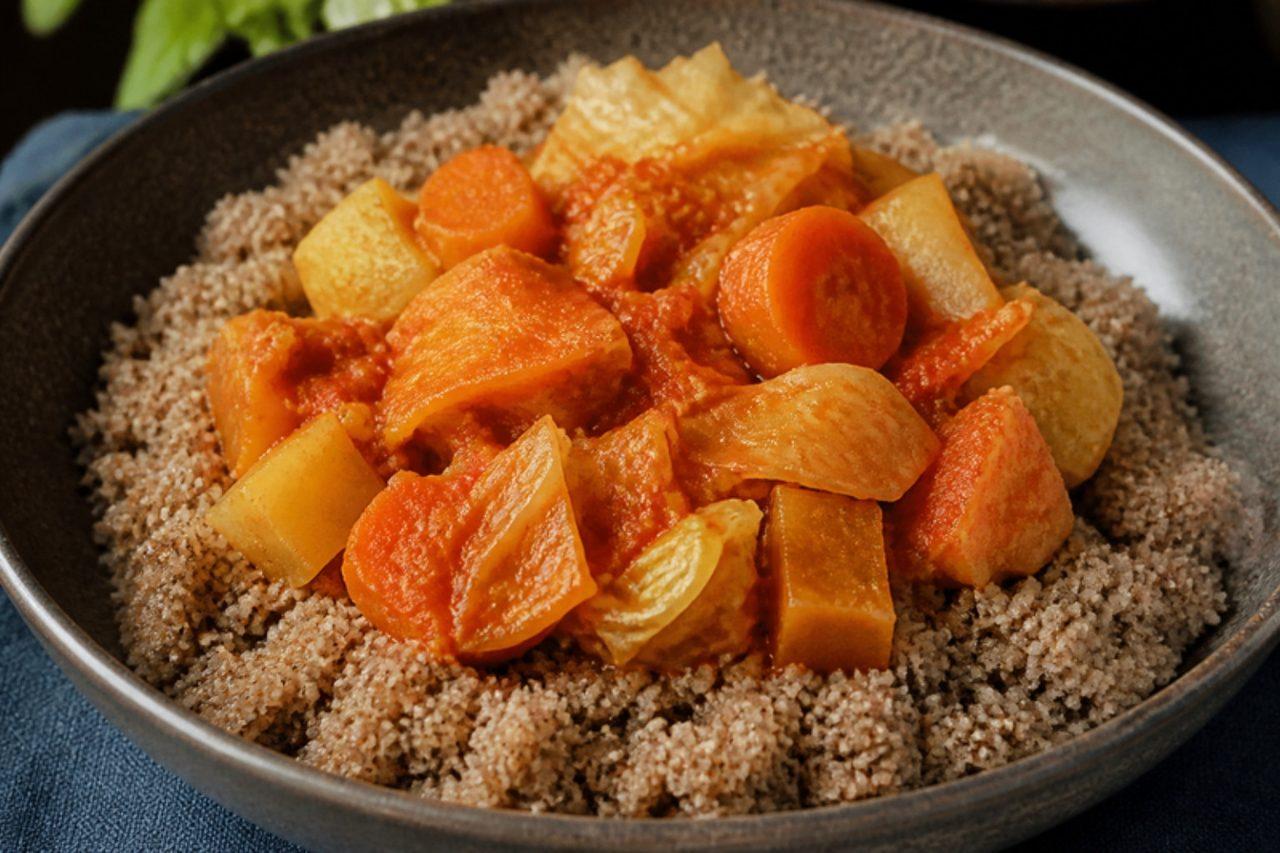
Thiéré with vegetable sauce

On the night of Tamkharit, the Muslim new year, families across Dakar and the Wolof heartland sit down to thiéré: fine millet couscous steamed until light, moistened with a rich sauce and eaten from a shared bowl, while children go door to door in costume afterwards. Most households add lamb or beef; this is the meat-free way, with cabbage, carrot, turnip, sweet potato and chickpeas in a tomato and black pepper broth. The millet is grainy, nutty and soft, the sauce soaks into it, and a whole Scotch bonnet adds perfume rather than burn if left unbroken. The usual mistake is steaming the millet only once, which leaves it gritty; it needs a second steaming after being moistened. Chef's tip: rub the couscous between your palms after the first steaming to break every clump; skipping this is why home thiéré turns heavy and lumpy.

by KrazyBadal 0 views

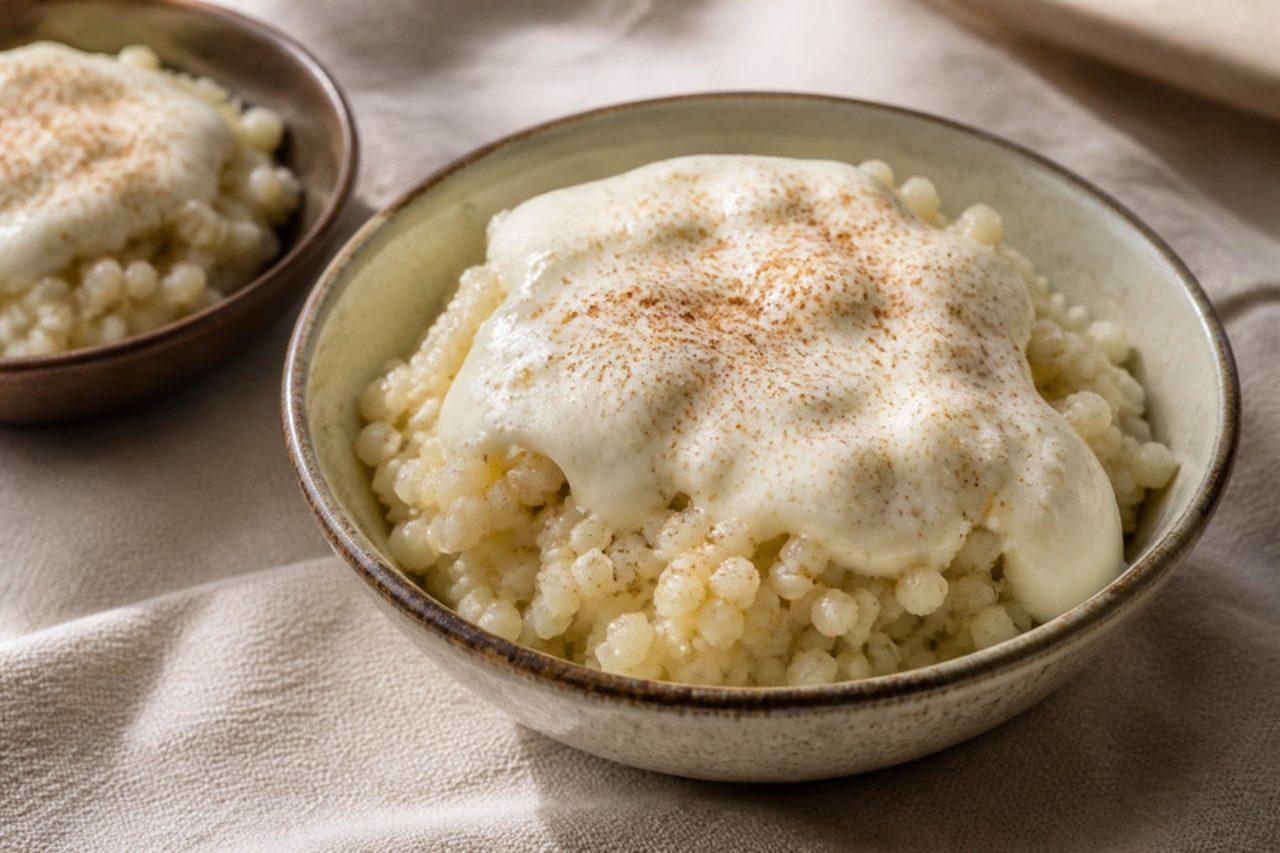
Lakh (millet porridge with sweet curd)

Thick, warm millet porridge topped with cold, sweetened curd: lakh is a Senegalese pairing of contrasts that turns up at naming ceremonies, family gatherings and on Ramadan evenings in Dakar. The millet is rolled into tiny pellets and simmered until it sets like soft polenta, then a creamy sauce of soured milk, sugar and baobab powder is poured over, its tang lifted by vanilla or orange flower water. Each spoonful mixes chewy, nutty grains with something cool and lightly sour. Plain yoghurt mixed with a little cream stands in well for Senegalese soow; use pasteurised dairy and keep leftovers in the fridge. Don't pour the curd over hot porridge; let the lakh cool so the curd stays thick and fresh. Chef's tip: cool the porridge until just warm before adding the curd, so the sauce stays thick instead of thinning out.

by KrazyBadal 0 views

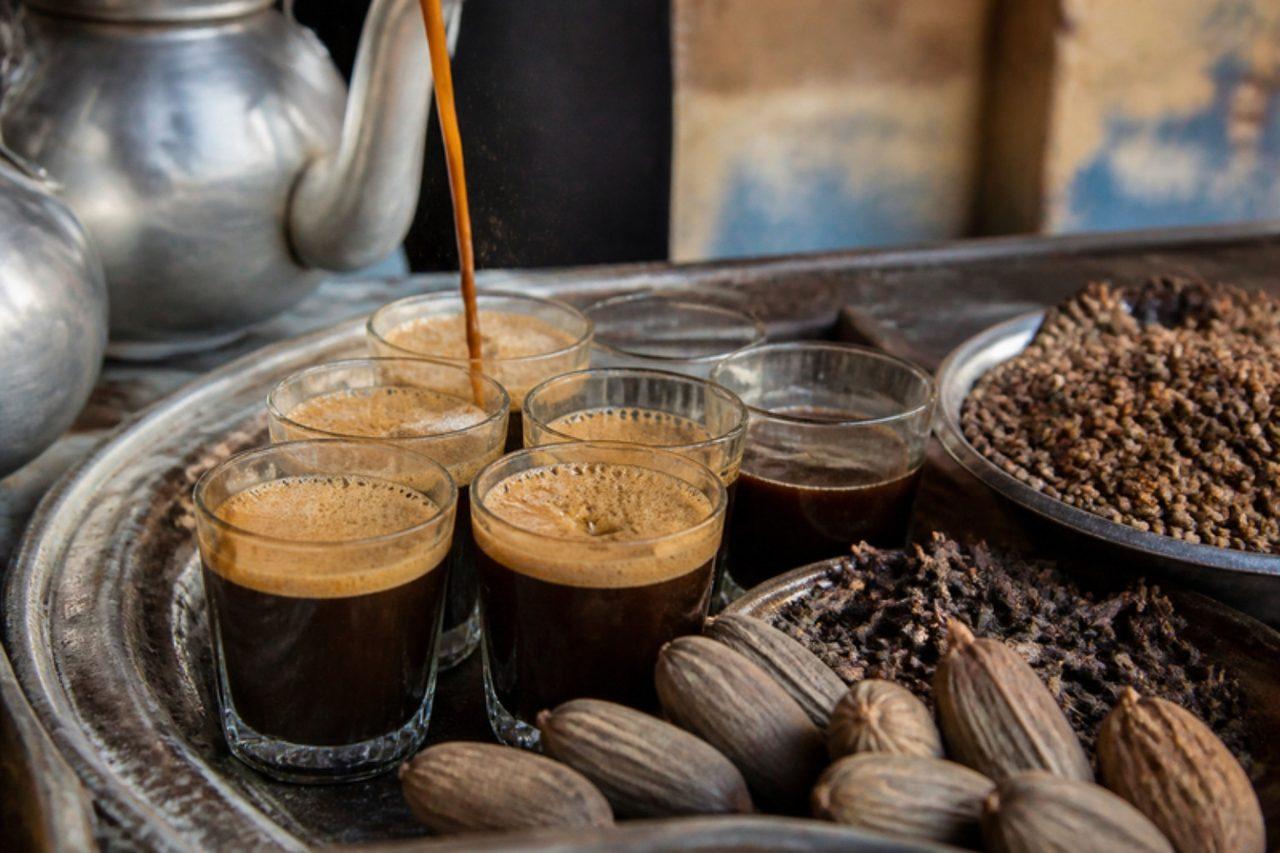
Café Touba (spiced Senegalese coffee)

Poured from tall kettles into small cups on street corners from Dakar to the holy city of Touba, café Touba is coffee roasted together with djar, the smoky, peppery pods also called grains of selim, and often a few cloves. The drink is linked with the Mouride brotherhood and its founder Cheikh Amadou Bamba, and it is drunk sweet and strong at any hour. It has a deep roasted bitterness with a tingle of pepper and clove at the back of the throat. Roasting green beans at home takes about 20 minutes and makes enough for several pots; if you cannot get green beans, toast the spices separately and grind them with medium-roast coffee. Most people go wrong by grinding the djar (selim pepper) too coarsely, so its peppery note never comes through. Chef's tip: roast over a moderate heat and keep the beans moving, since high heat burns the outside while the inside stays raw and sour.

by KrazyBadal 0 views

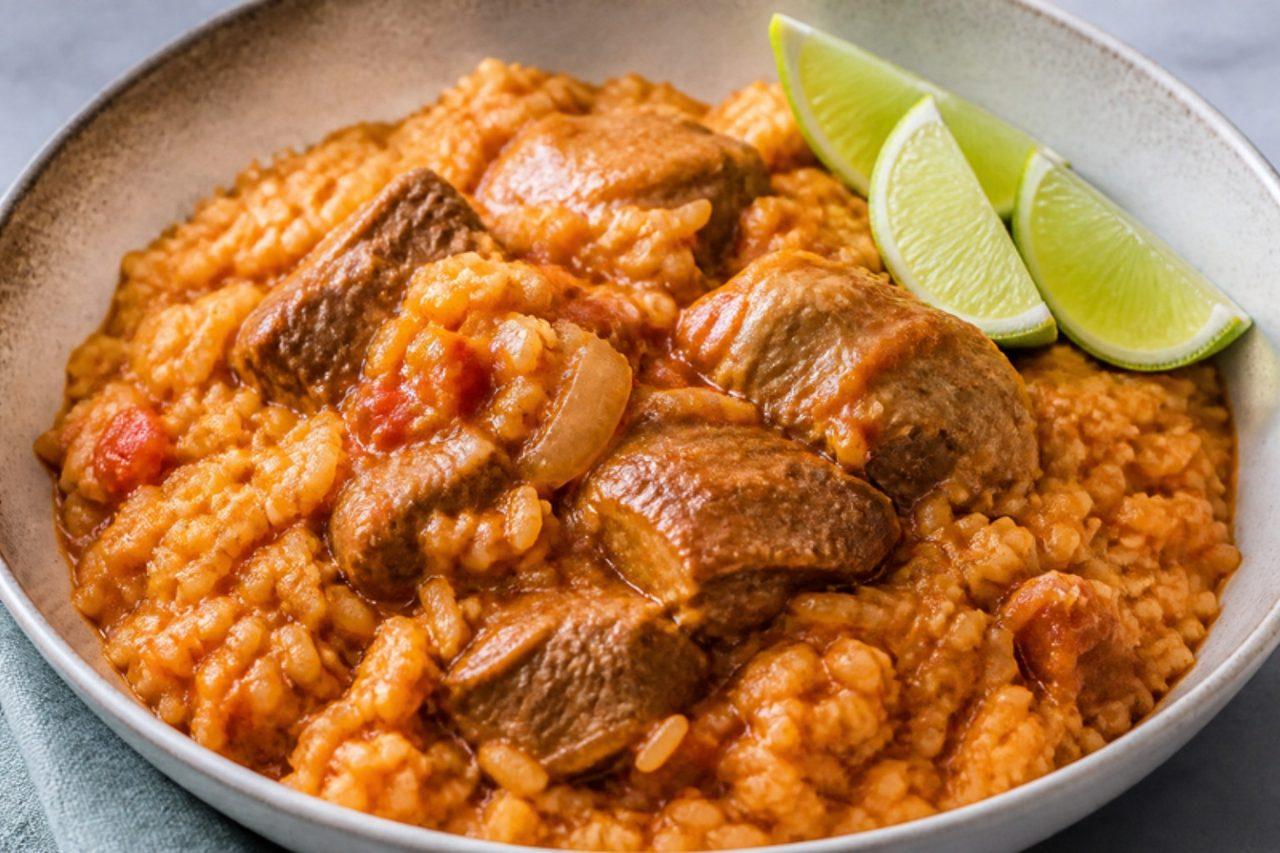
Dakhine (rice with peanut sauce and lamb)

Somewhere between mafé and a risotto, dakhine is everyday Dakar comfort food: lamb or beef simmered in a peanut and tomato sauce, with the rice cooked right in the same pot until it soaks up all that nutty, savoury flavour. The result is thick, rich and very filling, the meat falling apart into the rice and a gentle heat from a whole Scotch bonnet. It is eaten from a shared bowl at lunchtime, with a squeeze of lime or a little chilli sauce on the side. Chef's tip: make sure the lamb is completely tender before the rice goes in, because the rice sets the timetable after that; adding it too early is the common mistake that leaves tough meat in mushy rice.

by KrazyBadal 0 views

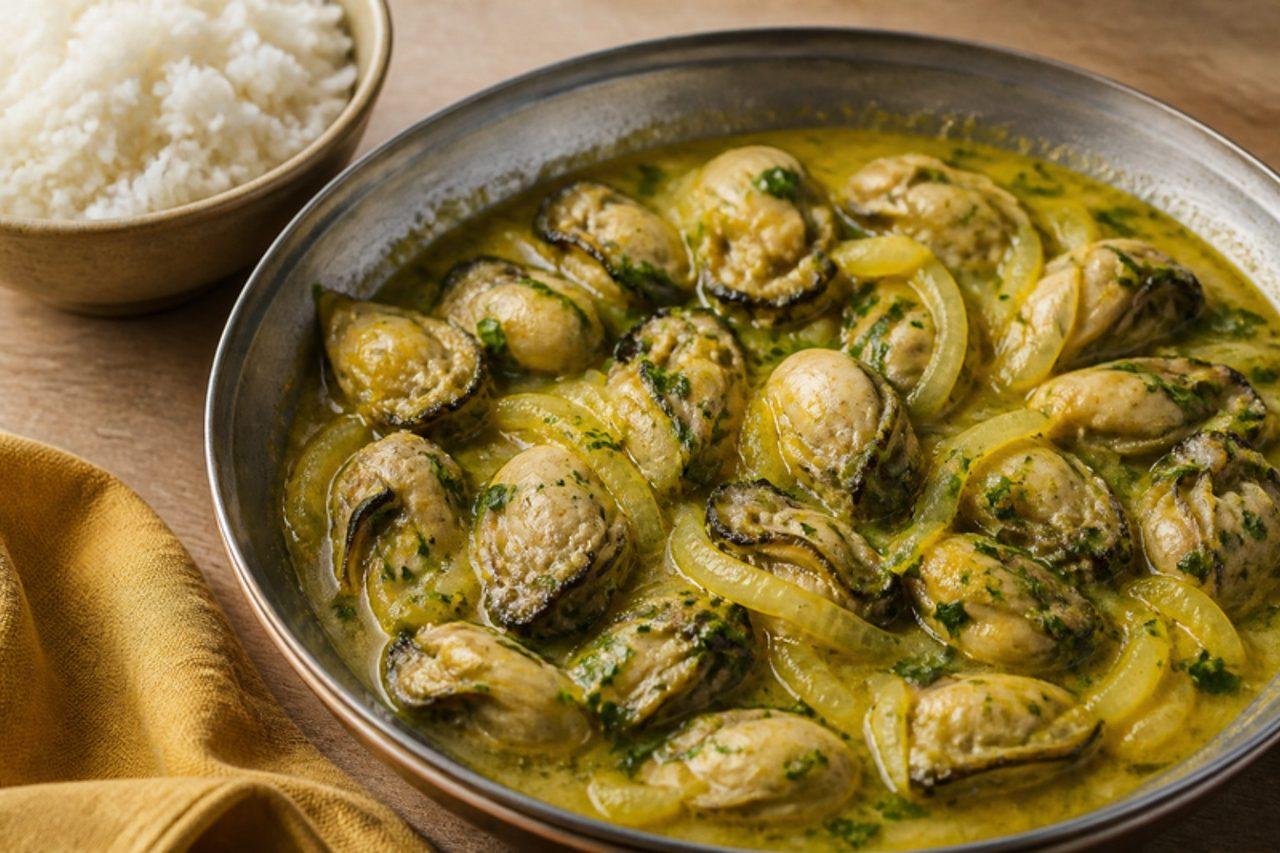
Yokhos (Casamance oysters with onion and lemon)

In the mangrove creeks of Casamance, women gather oysters from the roots at low tide, and in villages around Ziguinchor and Oussouye yokhos are grilled over wood until they pop open, then tossed in a sauce of soft onion, lemon and chilli. The oysters turn plump and firm, briny against the sharp, sweet onions. Eat them with rice or bread as a light meal. Mangrove oysters are rarely sold abroad, so use any fresh rock or Pacific oysters. This dish is always cooked: buy live oysters from a reputable fishmonger, discard any with broken shells or that are open and do not close when tapped, and throw away any that stay shut after grilling. Chef's tip: simmer the oyster meat in the sauce only until the edges curl and the flesh is firm right through; that takes about 3 minutes, and going much longer makes them rubbery.

by KrazyBadal 0 views

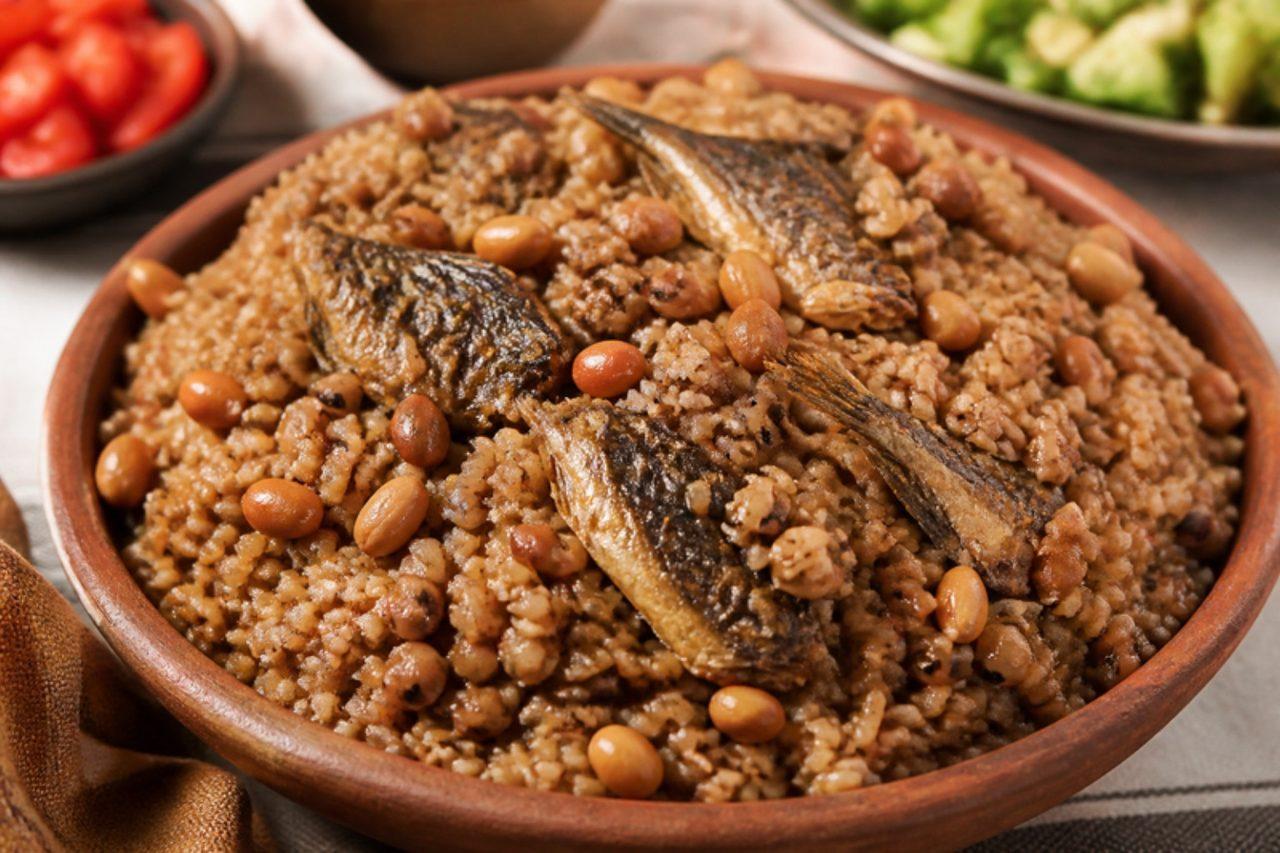
Mbakhal (Saloum rice with peanuts and dried fish)

Mbakhal belongs to the Saloum, the peanut country around Kaolack and the Sine-Saloum delta, where it is cooked for gatherings and the Muslim feast days. Rice is simmered until soft and almost porridge-like in a sauce of ground peanuts, tomato and onion, together with black-eyed beans and guedj, the sun-dried, salted fish of the Senegalese coast. The flavour is deep and savoury, the texture creamy with bursts of bean and chewy flakes of fish. Salt cod or smoked fish are fair substitutes for guedj. Chef's tip: soak and taste the dried fish before you season, and add salt only at the end; over-salting is the most common mistake with mbakhal, since guedj and stock both carry plenty.

by KrazyBadal 0 views

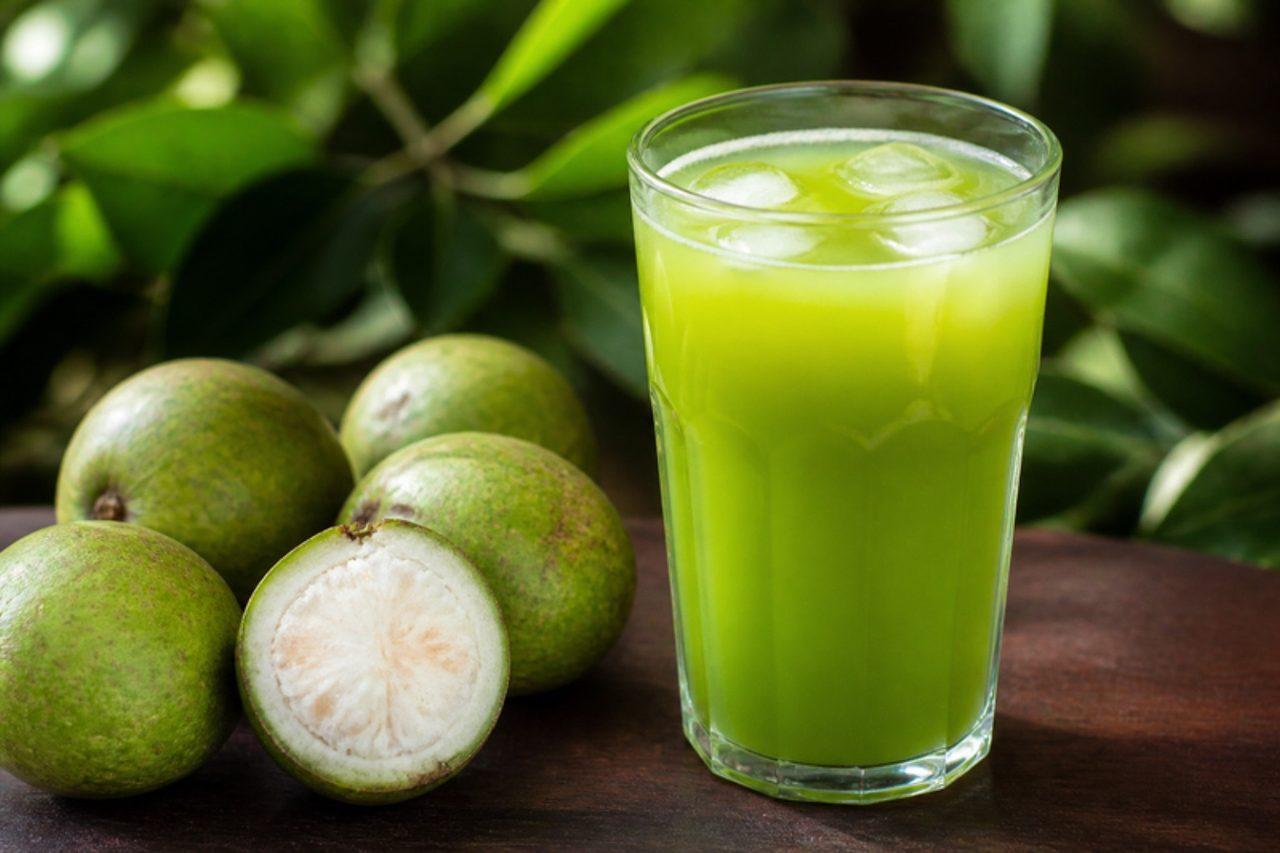
Ditakh juice

When the round, brown-shelled ditakh fruit comes into the markets of Dakar and Casamance, juice sellers turn its bright green, fibrous pulp into one of Senegal's most refreshing drinks. Ditakh grows on a wild tree of the region and is famously rich in vitamin C; its juice is vivid green, tart and fruity, somewhere between green apple, lime and tamarind. The pulp clings to a fibrous stone, so it is soaked and rubbed off by hand, then strained and sweetened. Outside Senegal look for frozen ditakh pulp in African shops; there is no real substitute. A frequent slip is blending the stones with the pulp, which makes the juice bitter. Chef's tip: work the flesh with your fingers rather than a blender, because blending crushes the bitter fibres and stone into the juice.

by KrazyBadal 0 views

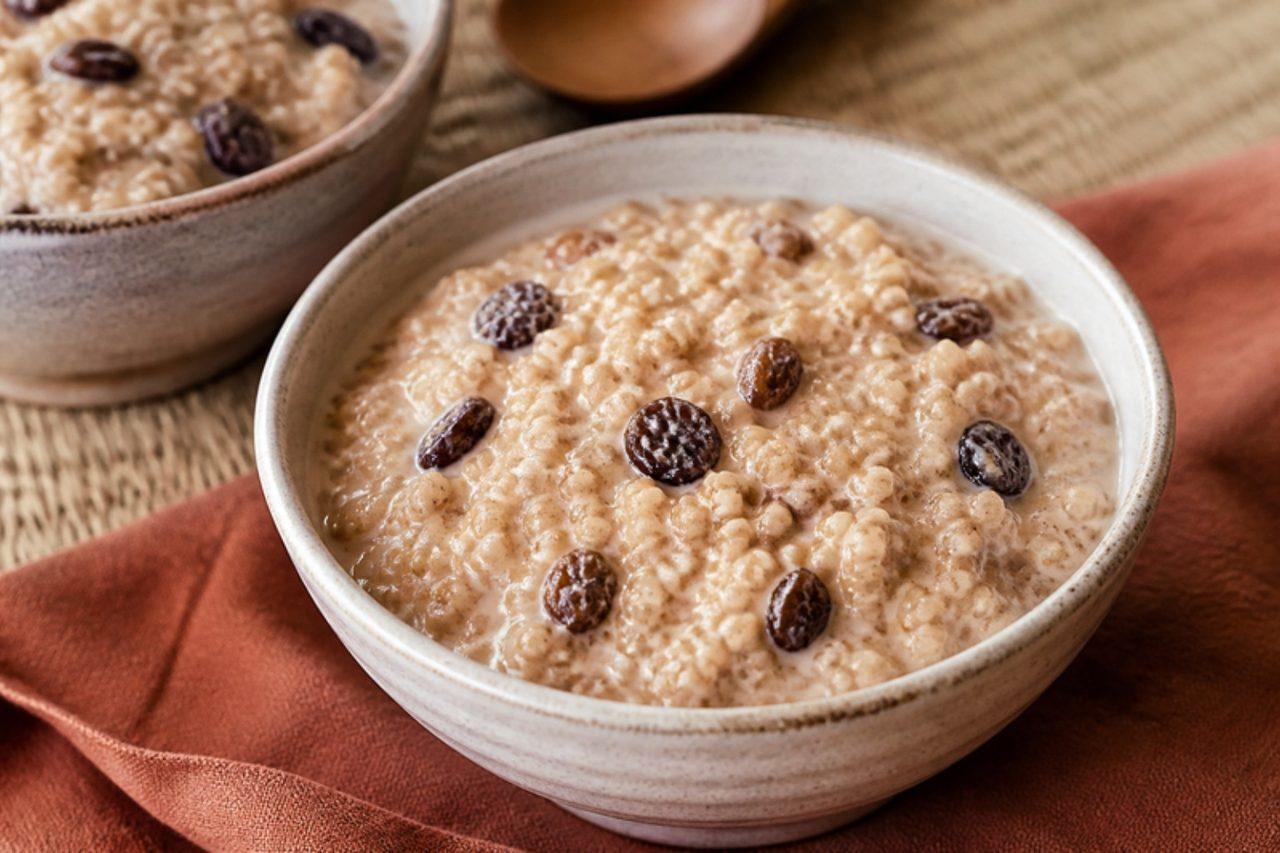
Ngalakh (millet in baobab-peanut cream)

Every Easter, Christian families in Dakar, Thiès and Ziguinchor make big pots of ngalakh and carry bowls of it to Muslim neighbours and friends, a gesture of sharing that many Senegalese treasure. Steamed millet pellets are folded into a thick, tangy cream of baobab pulp and peanut butter, scented with vanilla, orange flower water and nutmeg, and sometimes studded with raisins. It is served chilled, sweet and nutty with a citrus-like sourness from the baobab, and it keeps well for a couple of days. No dairy is used, so it is vegan. Chef's tip: use plain peanut butter with no added sugar or palm oil, and let the dessert rest in the fridge for a few hours, because the flavours only come together once the millet has drunk up some of the cream.

by KrazyBadal 0 views

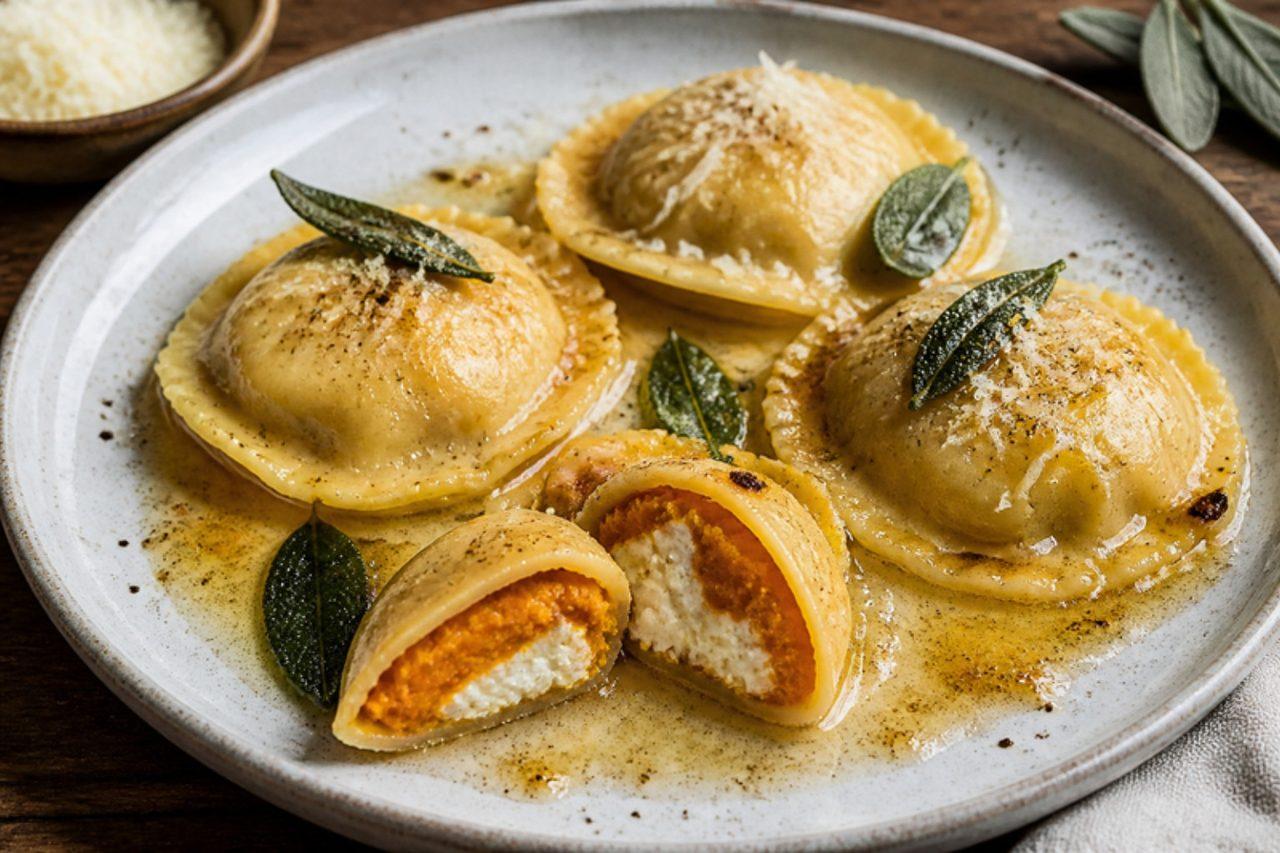
Sorrentinos de calabaza

Mar del Plata claims the sorrentino, a big round stuffed pasta about the size of a jam-jar lid that Italian-Argentine cooks made their own in the mid-20th century; despite the name, you won't find it in Sorrento. Every fresh-pasta shop in Buenos Aires province sells them by the dozen on Sunday mornings, and the squash version, with roasted calabaza, ricotta and nutmeg, is the most loved. The filling is sweet and soft, the pasta thin but sturdy, and the sauce is either brown butter with sage or a plain tomato filetto. The classic mistake is boiled squash: it carries too much water, the filling weeps and the parcels burst in the pot, so the squash is roasted until dry and caramelised. Grated hard cheese is usually made with animal rennet; choose a vegetarian hard cheese if needed. Chef's tip: chill the filling until firm before you shape it; a cold, stiff filling is far easier to seal without air pockets.

by KrazyBadal 0 views

Bizcochitos de grasa

A paper bag of bizcochitos de grasa sits next to the mate gourd in kitchens, offices and roadside service stations across Argentina, from Buenos Aires to the Andes. These little rounds, a couple of bites each, are layered with beef fat, so they flake and crumble, salty and plain enough to eat by the dozen with bitter mate in the afternoon. The fat is rendered beef fat (grasa vacuna), so they are not vegetarian; ask your butcher for dripping or render suet yourself. A dough worked too warm is the mistake that robs them of their layers; the fat melts into it instead of staying in sheets. Chef's tip: chill the dough for 10 minutes between folds whenever it starts to feel greasy, and prick each round right through so it puffs in flakes rather than domes.

by KrazyBadal 0 views

Zapallitos rellenos

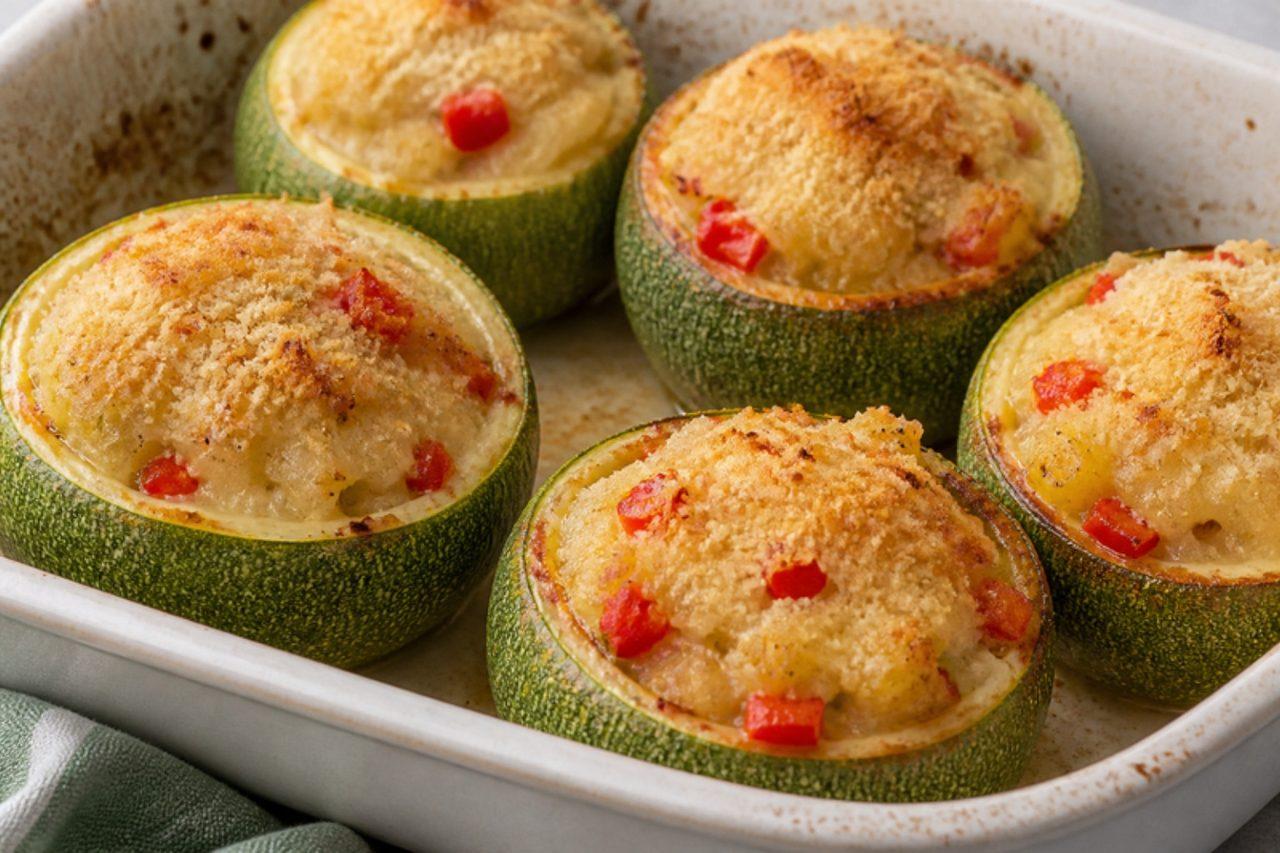
Round green zapallitos, the size of a tennis ball, pile up at every verdulería in Buenos Aires from December to March, and stuffing them is how home cooks turn a cheap summer vegetable into a main course. The shells are blanched, hollowed and refilled with their own flesh fried with onion and red pepper, bound with egg and melting cheese, and topped with breadcrumbs that bake to a crunchy lid. Expect a soft, savoury, slightly creamy filling under a golden crust; serve two per person with a tomato and onion salad or white rice. Overcooking the shells in the first boil is the trap: they collapse in the oven and leak water, so they only get 4 minutes. Round courgettes, eight-ball squash or short fat courgettes all work. The cheeses are usually made with animal rennet; swap in vegetarian versions if needed. Chef's tip: squeeze the chopped flesh in a clean cloth before frying it; drier filling means a firmer, tastier stuffing.

by KrazyBadal 0 views

Chivito al asador

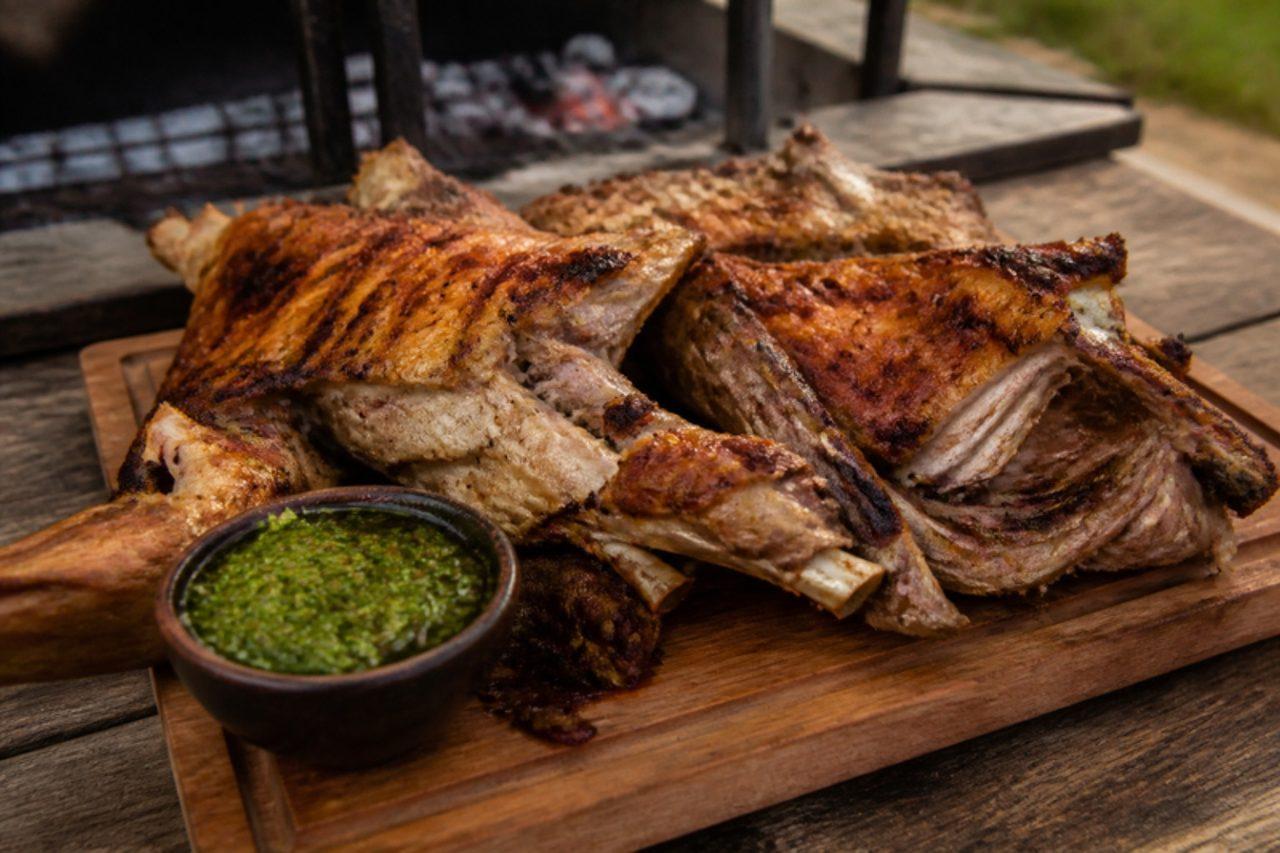
Malargüe, in the dry south of Mendoza, holds a goat festival every summer, and the star is the chivito: a milk-fed kid opened flat, wired to an iron cross and planted at an angle beside a fire of jarilla or other hardwood. It cooks from the side, never over the flames, basted with a garlicky salmuera until the skin turns glassy and crackling and the meat pulls apart. Serve it straight from the cross with salad, bread and chimichurri. Order a whole kid of 5–7 kg dressed weight from a specialist or halal butcher, and check the cross fits it before the day. Most failures come from setting it too close to the fire, which burns the outside while the thick legs stay raw. Kid is lean, so cook it right through, as in Mendoza: the thickest part of the leg should reach at least 70 °C. Chef's tip: cook bone side to the fire for two-thirds of the time; the ribs protect the meat, and the skin goes on last so it crisps instead of scorching.

by KrazyBadal 0 views

Bife a caballo

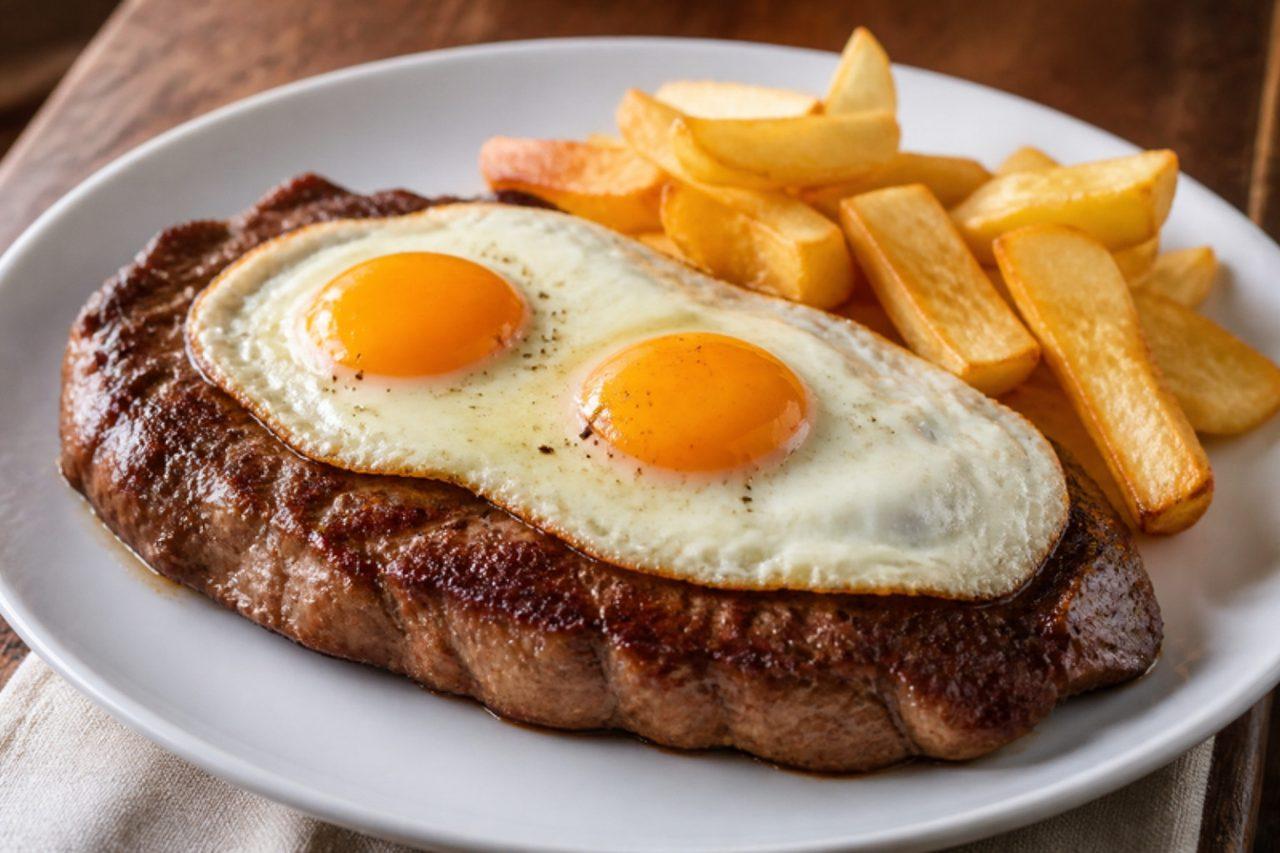
On the chalkboard of any neighbourhood bodegón in Buenos Aires you will find bife a caballo, steak "on horseback": a thick bife de chorizo (sirloin) or rump seared hard in a hot pan, crowned with two fried eggs whose yolks run into the meat juices, and served with a pile of chips. It is the plate for hungry taxi drivers at lunch and for anyone recovering from a long night. Cook the steak to your taste; Argentines usually ask for it jugoso (medium rare, about 55 °C in the centre) or a punto (medium, about 60 °C). Use eggs fried until the whites are fully set, and cook the yolks firm for anyone vulnerable. Crowding a pan that isn't hot enough is the classic mistake, which stews the steak grey, so let the pan smoke first. Chef's tip: rest the steak while you fry the eggs in the same pan; the beef juices in the fat give the whites crisp, savoury edges.

by KrazyBadal 0 views

Empanadas de pescado

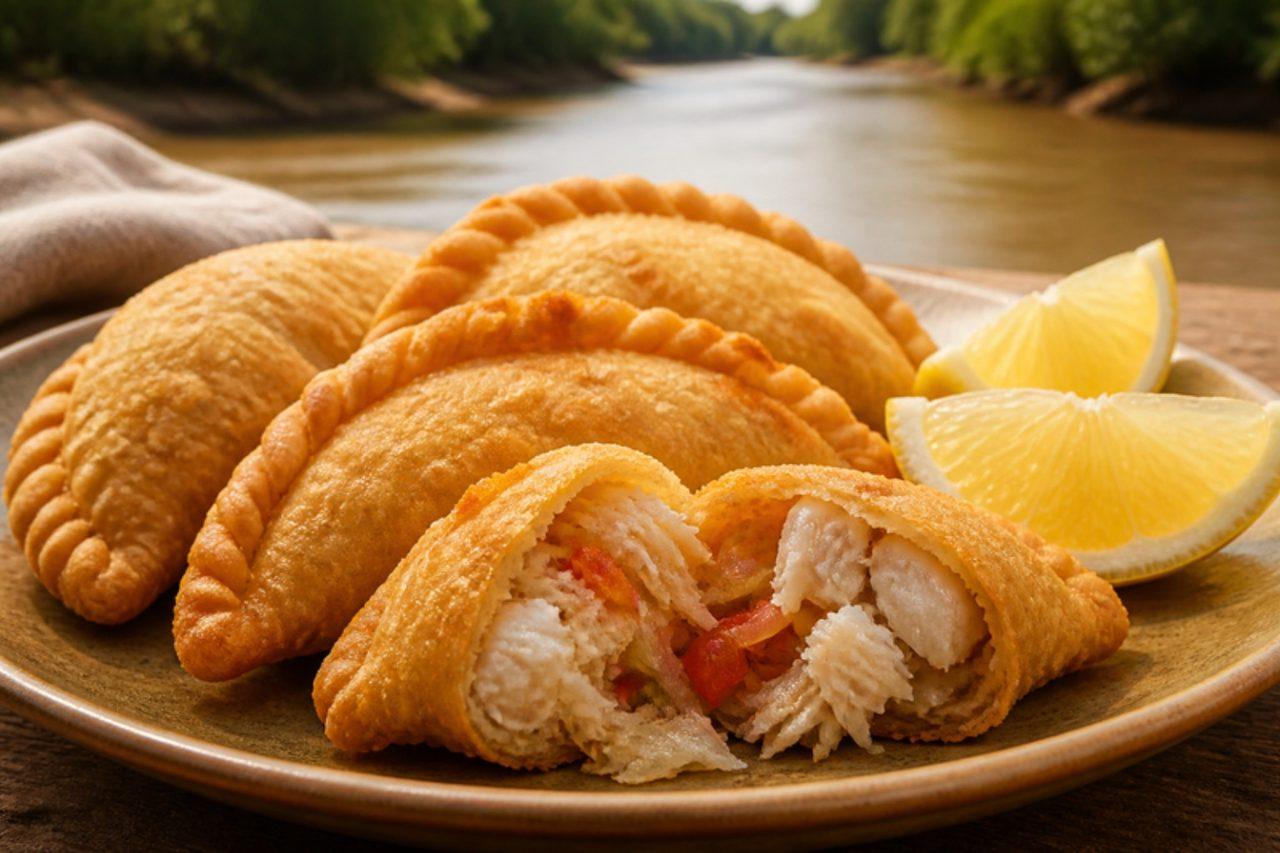
Along the coast of Santa Fe, especially during Lent and Holy Week, fishmongers' stalls and riverside kiosks sell fried empanadas filled with sábalo or surubí. The fish is poached, flaked and folded through soft onion and sweet pepper, then sealed in a thin oil-based dough and fried until blistered and crisp. Squeeze lemon over them and eat them warm, with a green salad or just a paper napkin. Any firm white fish works: hake, cod or a farmed catfish. The mistake people make most is skipping the bone check; river fish such as sábalo hide fine bones, so run your fingers through every flake. Chef's tip: keep the filling quite dry and cold before you fill the discs; extra liquid turns to steam in the hot oil and bursts the seams.

by KrazyBadal 0 views

Salsa golf

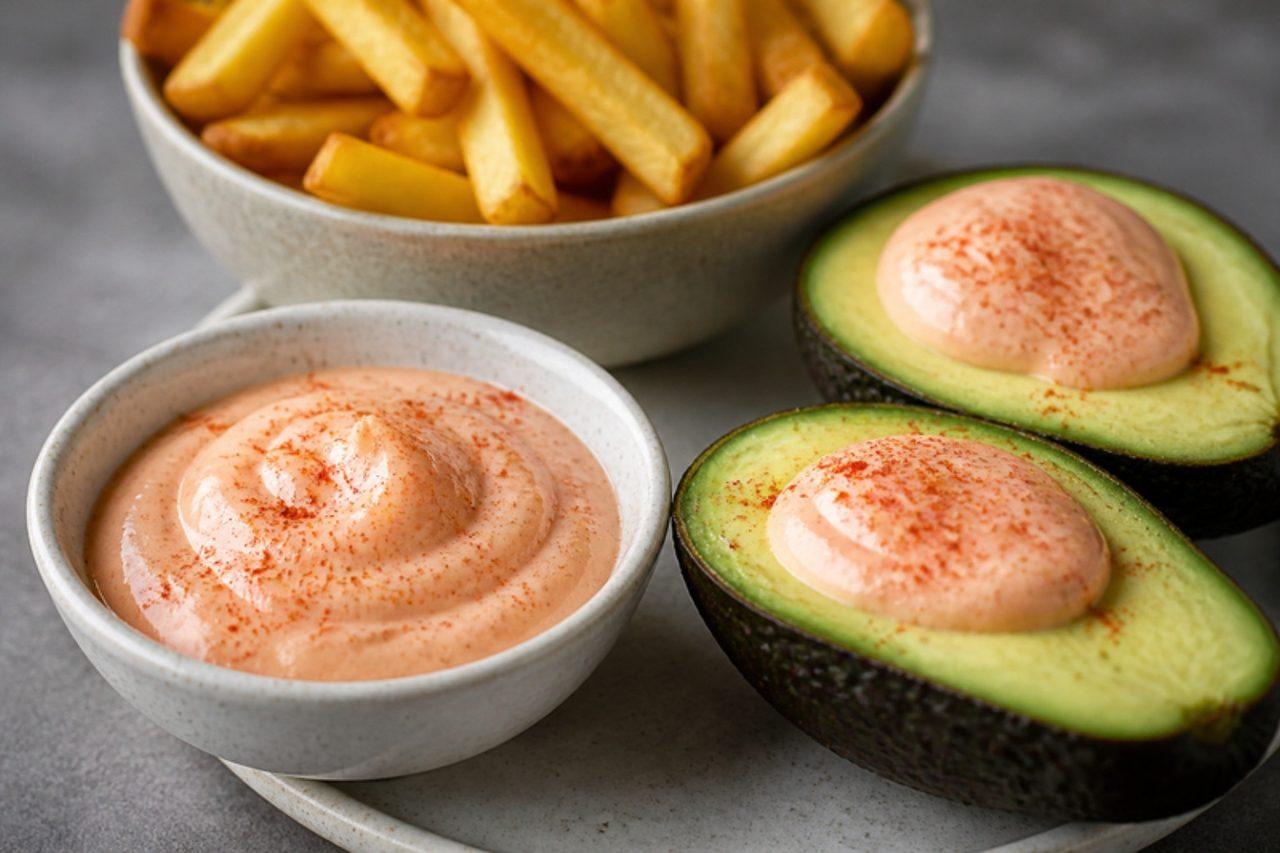
Mar del Plata's golf club gave its name to this sauce in the 1920s, so the story goes, and Argentines have been mixing mayonnaise and ketchup ever since. It is the pink sauce of the 1970s cocktail party and the seaside: spooned into half avocados (palta a la golf), over hearts of palm, onto a cold hard-boiled egg, beside fries or into a prawn cocktail, and every family has its own ratio. A drop of lemon and a dash of mustard lift it from a simple mix to something tangy and creamy. Too much ketchup is the misstep that turns it sweet and orange; it should be a soft salmon pink. Use shop-bought mayonnaise, which is made with pasteurised egg; if you make your own, use pasteurised eggs. Check the labels of the mayonnaise, ketchup and mustard if you need it gluten free. Chef's tip: let it sit in the fridge for 15 minutes before serving; the flavours blend and it thickens slightly.

by KrazyBadal 0 views

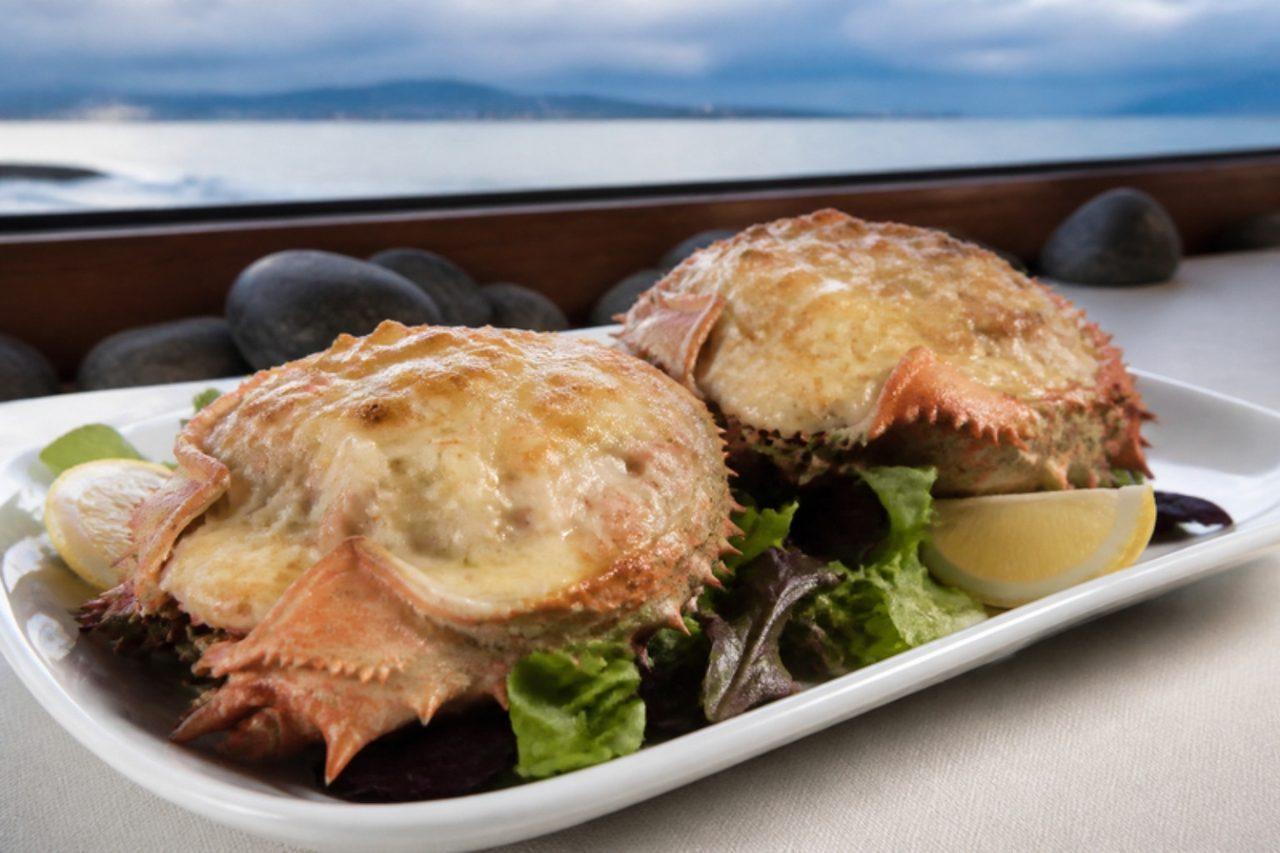
Centolla gratinada

Centolla, the southern king crab hauled from the cold waters of the Beagle Channel, is Ushuaia's pride, and seafood restaurants along the harbour serve it gratinada: sweet chunks of leg meat in a light white sauce, crowned with cheese and browned under a fierce grill. It is rich, so serve it in small dishes as a starter with lemon and a green salad, plus crusty bread for anyone who can eat gluten. Buy cooked, frozen king crab legs or meat and thaw them in the fridge overnight; if you ever cook crab yourself, it must be alive when it goes into the pot. A frequent mistake is a sauce so thick and cheesy that the delicate crab disappears; keep it pourable and the cheese thin. Chef's tip: fold the crab in gently at the end, in big pieces, and let the oven only heat it; it is already cooked and turns stringy if it boils.

by KrazyBadal 0 views

Trucha a la manteca

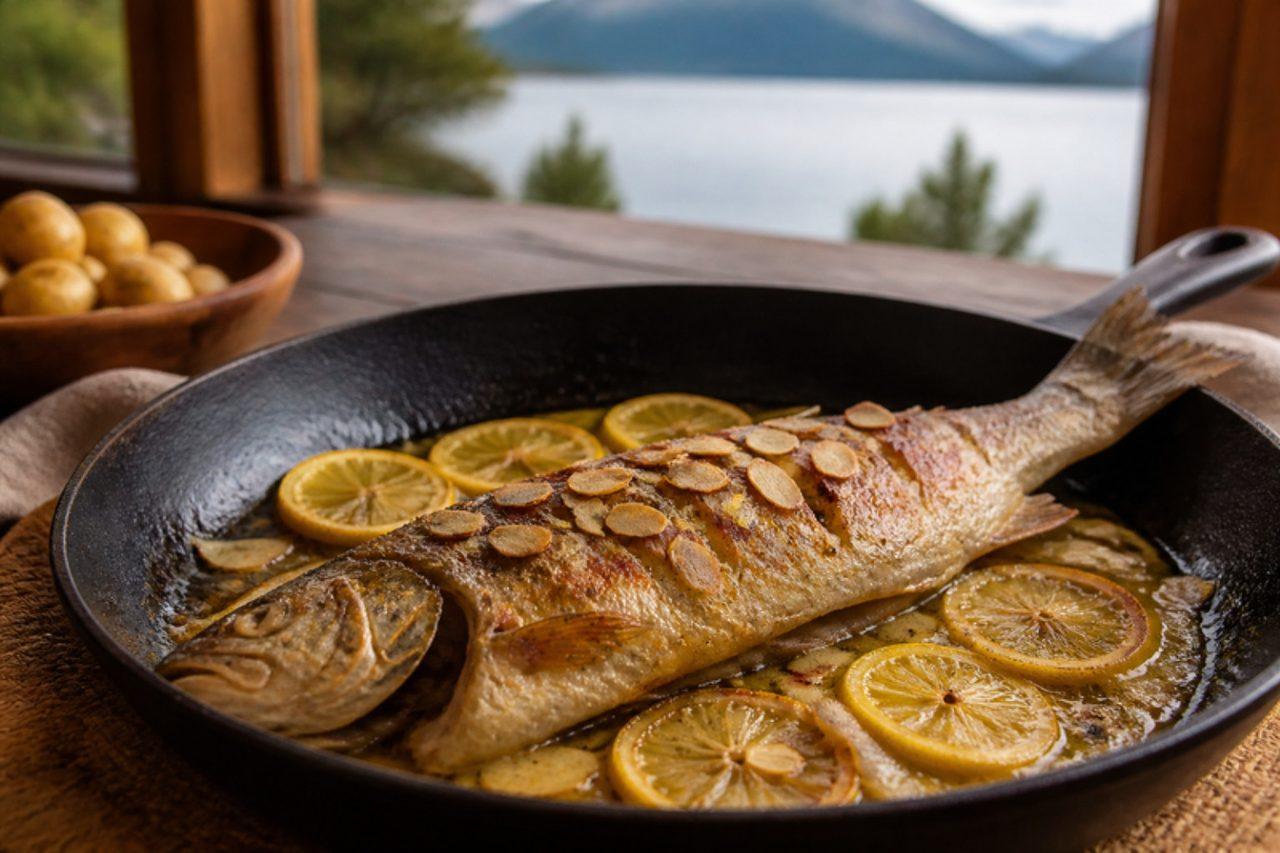
Restaurants on the shores of Nahuel Huapi, in Bariloche and Villa La Angostura, put rainbow trout from the cold Andean lakes on almost every menu, and this butter version is the one locals order most. Fillets are fried with crisp skin, then drenched in butter browned with flaked almonds and sharpened with lemon. Serve with boiled new potatoes and a green salad. Any trout or char works. People commonly start the fish in butter, which burns before the skin crisps; fry it in a film of oil and make the brown butter after. Chef's tip: dry the skin really well and dust it with rice flour; it gives a thin, glassy crust without any gluten.

by KrazyBadal 0 views

Mejillones a la provenzal

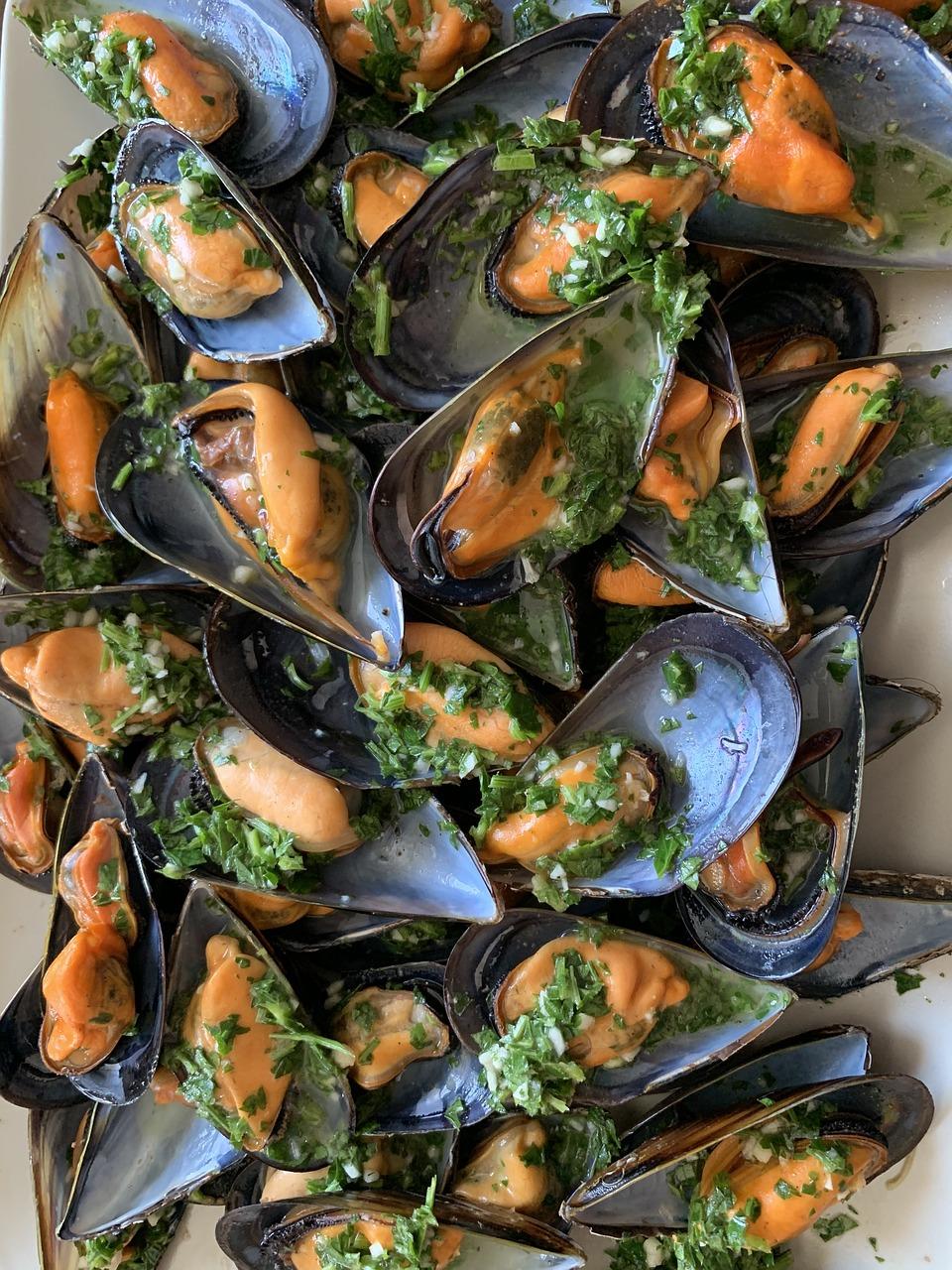
On the Atlantic coast around Puerto Madryn and the Golfo Nuevo, mussels from cold Patagonian waters are farmed and gathered in quantity, and seafood places along the rambla steam them a la provenzal, which in Argentina means lots of garlic and parsley. A splash of dry white wine goes into the pot; the alcohol mostly cooks off, but you can swap it for fish stock with a little lemon for an alcohol-free pot that tastes just as good. Serve with bread or chips to mop up the briny juices. Cooking mussels too long is the usual slip: they shrink and turn rubbery, so lift the lid as soon as most have opened. Before cooking, throw away any mussel with a broken shell or one that stays open when tapped; after cooking, discard any that stay shut. Chef's tip: keep the garlic in gently warm oil until it just smells sweet; brown garlic turns bitter and dominates the mussels.

by KrazyBadal 0 views

Torrejas de acelga

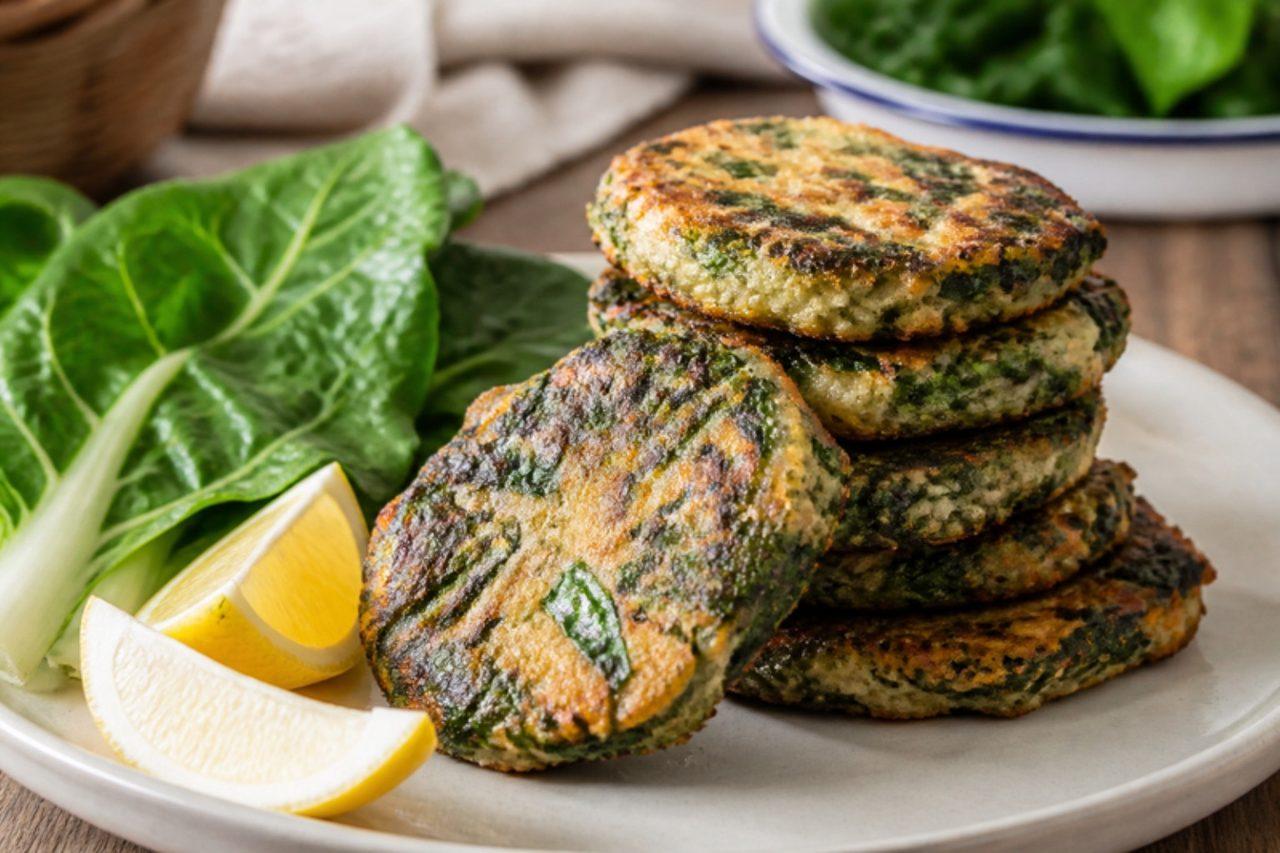
When a bunch of acelga (Swiss chard) is the cheapest thing at the verdulería, Buenos Aires home cooks turn it into torrejas: thin fritters of chopped chard bound with egg, a little flour, garlic and grated cheese, fried in shallow oil until the edges lace up and crisp. They are weekday food, eaten hot from the pan with a squeeze of lemon and a salad, or cold the next day in a sandwich, and children who won't touch greens tend to eat them. Inside they stay tender and green, outside nutty and golden. Wet chard is what ruins them: water left in the leaves makes the batter thin and the fritters spit and fall apart, so wring the blanched chard really dry. Grated hard cheese is often made with animal rennet; pick a vegetarian hard cheese if needed. Chef's tip: fry one small torreja first to check the seasoning and thickness, then adjust with a spoon of flour or a splash of milk.

by KrazyBadal 0 views

Showing 24 of 157 recipes

Show more recipes

Page 1 of 7