Skip to content
Recipes

All recipes

Vegetarian, or something you can't eat? Set your diet once and we'll hide recipes that don't fit.

BorstplaatSugar fondant sweets

Borstplaat is the sweet of Sinterklaas in the Netherlands: small, melt-in-the-mouth discs or hearts of boiled sugar and cream or milk with a little butter, flavoured with coffee, vanilla or strawberry. Children find them in their shoes on the morning of 5 December alongside pepernoten and a chocolate letter. They need only a few ingredients and a little care, and are gluten free. Chef's tip: stir the cooled syrup until it turns cloudy and starts to thicken, then pour at once; that stirring forms the fine crystals that make borstplaat creamy.

by KrazyBadal 0 views

KalanehWild leek stuffed flatbread

In Kurdistan and Kermanshah, Newroz arrives with the first spring greens on the hillsides, and families gather wild leeks to fold into kalaneh, thin griddle breads cooked over a fire or a hot pan and soaked in melted butter. The dough is plain and soft, rolled very thin around a pile of chopped leek or chives with a little salt and pepper, so the greens steam inside as the bread blisters. Eat it hot, torn into strips, with yogurt and tea at a Newroz picnic. The common mistake is wet greens, which turn the dough soggy and make it tear; dry them well after washing. Chef's tip: brush the butter on the moment the bread leaves the pan so it soaks right in.

by KrazyBadal 0 views

MarsepeinShaped almond paste

On pakjesavond, the Sinterklaas present evening on 5 December, Dutch children find marzipan in every shape: little pink pigs for luck, pieces of fruit, potatoes rolled in cocoa, and the first letter of their name. Homemade marsepein is simply finely ground almonds kneaded with icing sugar and a little egg white, then coloured and shaped, a lovely job to share with children. This recipe uses pasteurised egg white so it is safe raw. Chef's tip: knead in the colour with a toothpick's worth at a time; marzipan takes colour very quickly.

by KrazyBadal 0 views

Chipa so'oCheese bread with spiced beef

In Paraguay, families bake chipa in the clay tatakua ovens on Holy Wednesday so there is food for Thursday and Good Friday, when cooking stops. Chipa so'o ('chipa with meat') is a cassava-starch and cheese bread wrapped around a little filling of minced beef cooked with onion and egg, then baked until crisp outside and chewy within. It is naturally gluten free. Chef's tip: knead the dough until it no longer cracks at the edges when pressed; dry dough splits around the filling.

by KrazyBadal 0 views

Sopa teólogaTurkey broth with bread and cheese

Sopa teóloga ('the theologian's soup') goes back to colonial convents in Lima and Arequipa, where it was cooked for feast days, and it is still served at Holy Week and family celebrations. A rich turkey (or chicken) broth is thickened with soaked bread, milk and fresh cheese, with yellow potatoes and shreds of turkey, and finished with a little ají amarillo and chopped huacatay or parsley. It is thick, comforting and filling. Chef's tip: blend part of the soaked bread with broth before adding it, which gives the soup its creamy body without lumps.

by KrazyBadal 0 views

Dowina (Kurdish yogurt soup)

Dowina, called ash-e doogh in Persian, is warming spring food in Kurdish homes around Newroz, when yogurt is plentiful and the first herbs are cut from the garden. Rice and chickpeas simmer in a tangy, lightly thickened yogurt broth, finished with fresh dill, coriander and a sizzle of dried mint in oil. It is eaten warm, never boiling hot, with flatbread. The common mistake is to heat the yogurt too fast without stirring, which makes it split into grainy curds. Chef's tip: whisk an egg yolk and a spoonful of rice flour into the yogurt before it goes on the heat; it holds the soup smooth all the way to the simmer.

by KrazyBadal 0 views

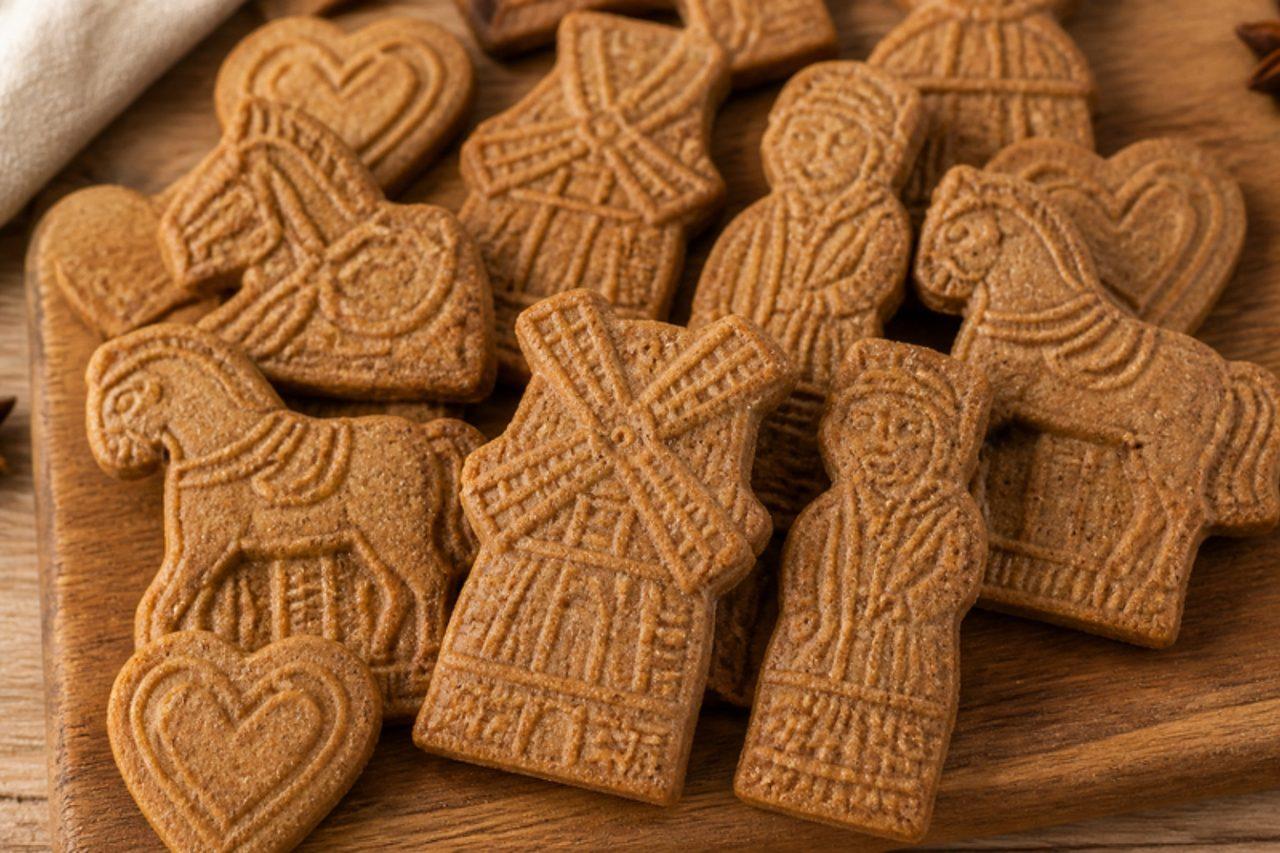
Taai-taaiAnise and honey biscuits

In the Netherlands, taai-taai ('tough-tough') are chewy honey and anise biscuits shaped into figures of Sinterklaas, his horse, windmills, sweethearts and animals, eaten from mid-November until his feast on 5 December. They contain no fat or egg, so they are firm and chewy rather than crisp, and they keep well. Bakers once used carved wooden moulds; cookie cutters work fine. Chef's tip: heat the honey only until runny, then let the dough rest overnight; the rest is what makes the chew.

by KrazyBadal 0 views

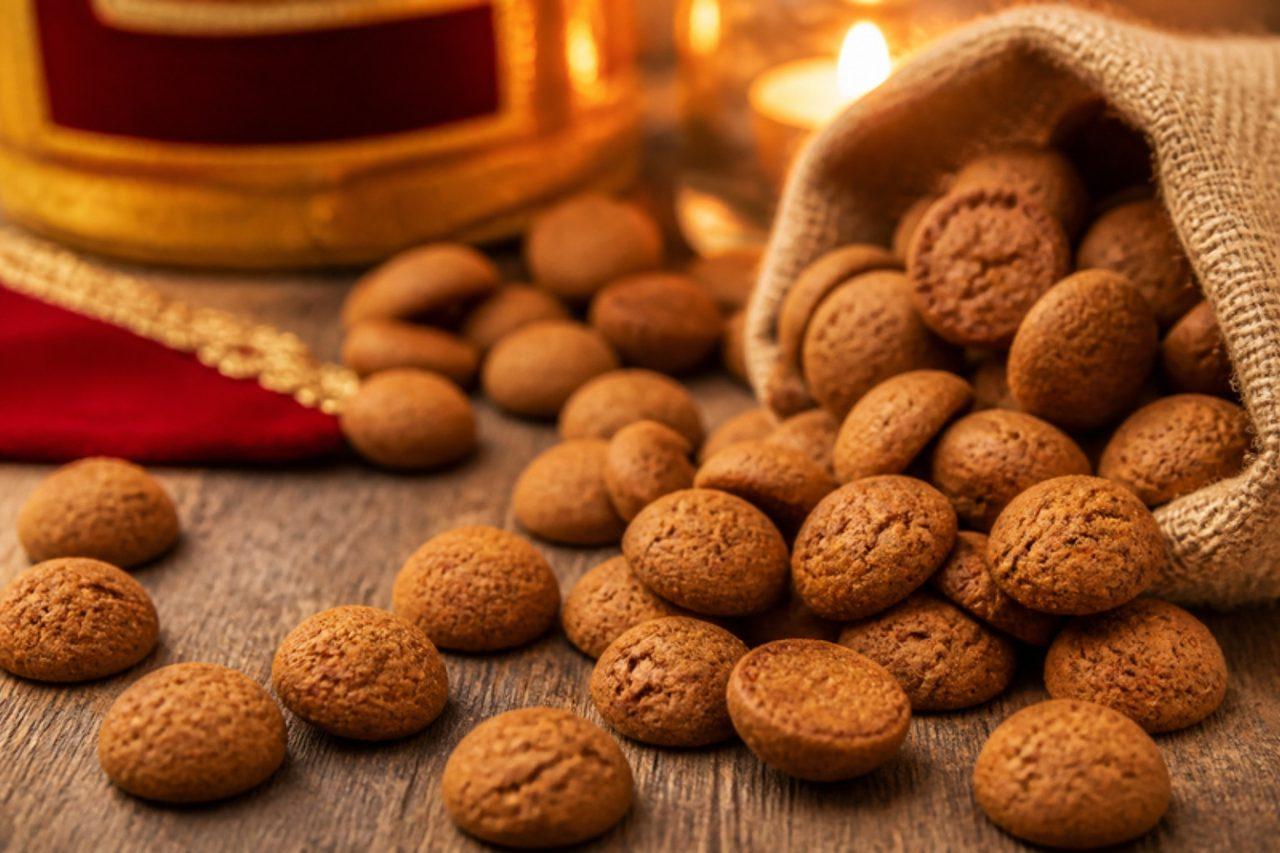
PepernotenAnise and honey spice drops

When Sinterklaas arrives in the Netherlands in mid-November, his helpers throw handfuls of pepernoten into the crowd and children find them in their shoes in the morning, until the big present evening of 5 December. Real pepernoten are the old-fashioned kind: soft, chewy, slightly irregular drops of rye flour, honey, anise and spice, paler and chewier than the crunchy kruidnoten sold today. This egg-free dough comes together in minutes. Chef's tip: let the dough rest for an hour so the honey softens the rye and the drops come out chewy, not cakey.

by KrazyBadal 0 views

KaguyjyWhite corn pudding

On the night of 23–24 June, Paraguayans celebrate San Juan with bonfires, games like walking over hot coals and the 'paso de fuego', and a table of traditional foods, and kaguyjy (also mazamorra) is one of them. It is a soft, creamy pudding of cracked white corn (locro) simmered slowly in water and then milk with sugar or honey, sometimes with orange peel. It is eaten warm or cold. It is gluten free. Chef's tip: soak the corn overnight and cook it until each kernel is tender before adding the milk, or it never turns creamy.

by KrazyBadal 0 views

Pajagua mascadaBeef and cassava patties

Pajagua mascada is a Paraguayan street-food classic that appears on every table for the San Juan festival on 24 June, when bonfires burn and the night is full of games and traditional food. Minced beef is mixed with mashed cassava, onion, garlic and a little egg and flour, shaped into flat patties and fried until crisp. The name comes from Guaraní and refers to the 'chewing' of old Paraguayan cooks, who made it from leftover meat. Chef's tip: dry the boiled cassava well and remove its woody core, which keeps the patties light and crunchy.

by KrazyBadal 0 views

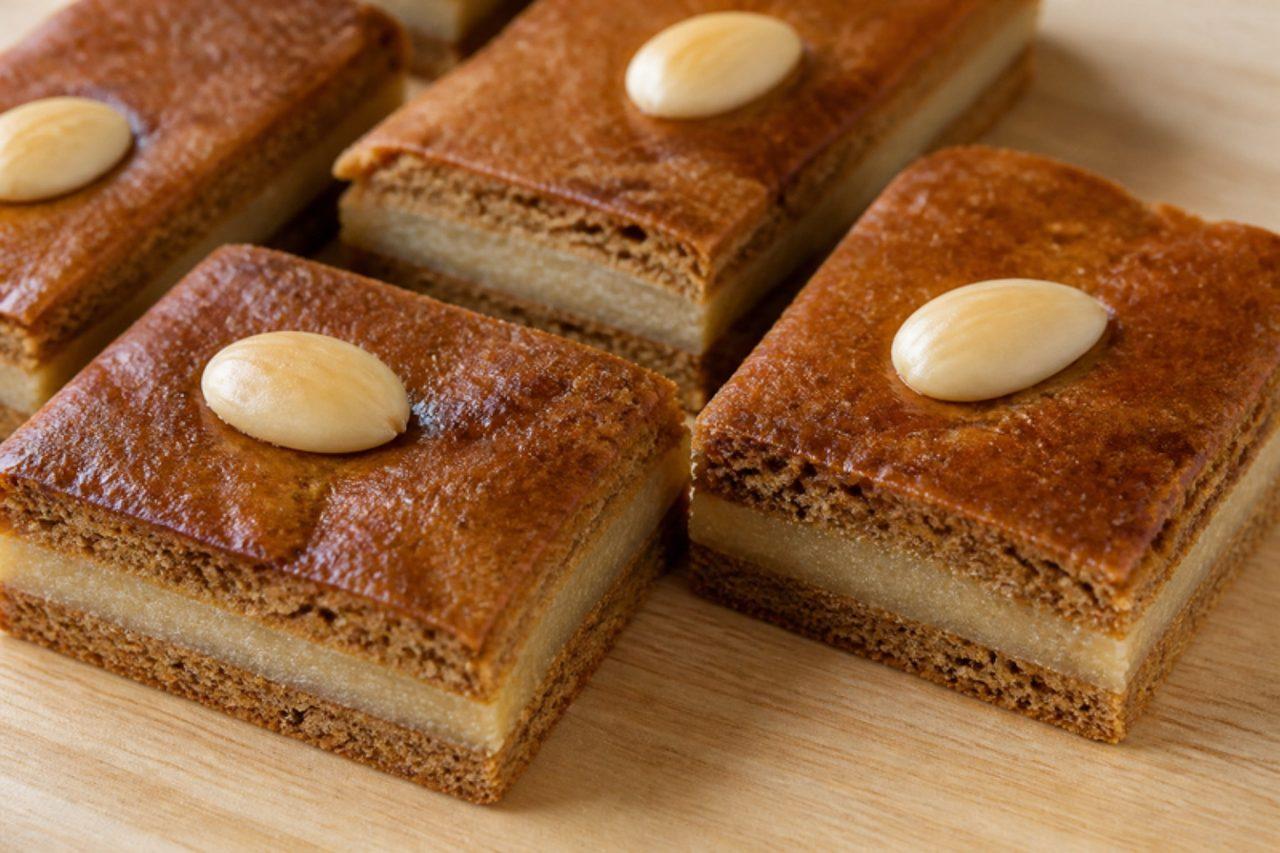
Gevulde speculaasAlmond-filled spiced pastry

Gevulde speculaas is a Sinterklaas favourite in the Netherlands from November to 5 December: a thick layer of almond paste baked between two layers of buttery, brown-sugar speculaas dough full of cinnamon, nutmeg, clove and ginger, decorated with blanched almonds and cut into squares. It is rich and best with a cup of coffee or hot chocolate. Chef's tip: make the almond paste a day ahead and let the dough rest overnight too, so the spices mellow and the layers bake evenly.

by KrazyBadal 0 views

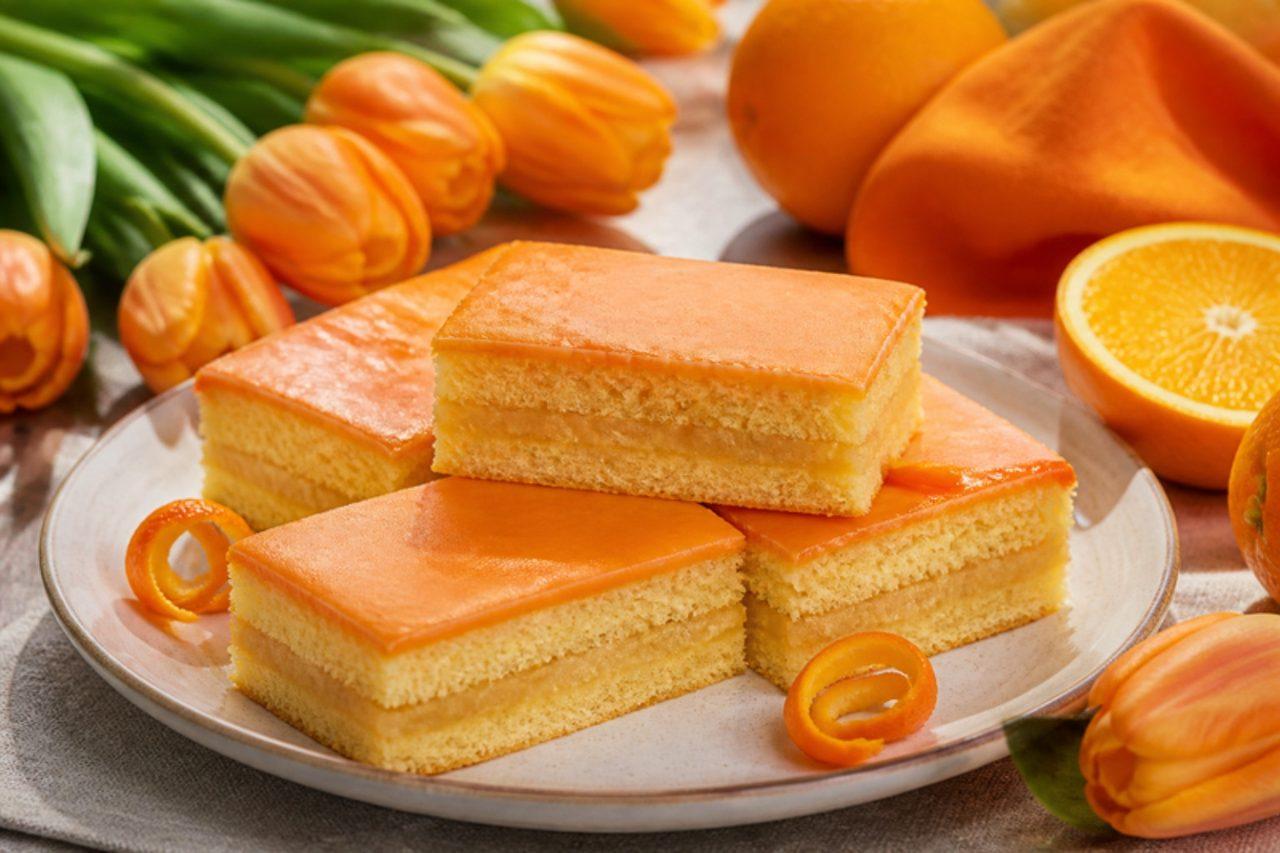
OranjekoekAlmond paste cake with orange icing

On Koningsdag, 27 April, the whole of the Netherlands turns orange: flea markets fill the streets, boats crowd the canals and bakeries sell oranjekoek, a buttery cake with a hidden layer of almond paste under a thick orange glaze. It is cut into neat squares and eaten with coffee between bargain hunting. The almond paste filling is like the one in gevulde koek, sweet and lemony. Chef's tip: let the cake cool fully before icing, or the glaze slides off and goes patchy.

by KrazyBadal 0 views

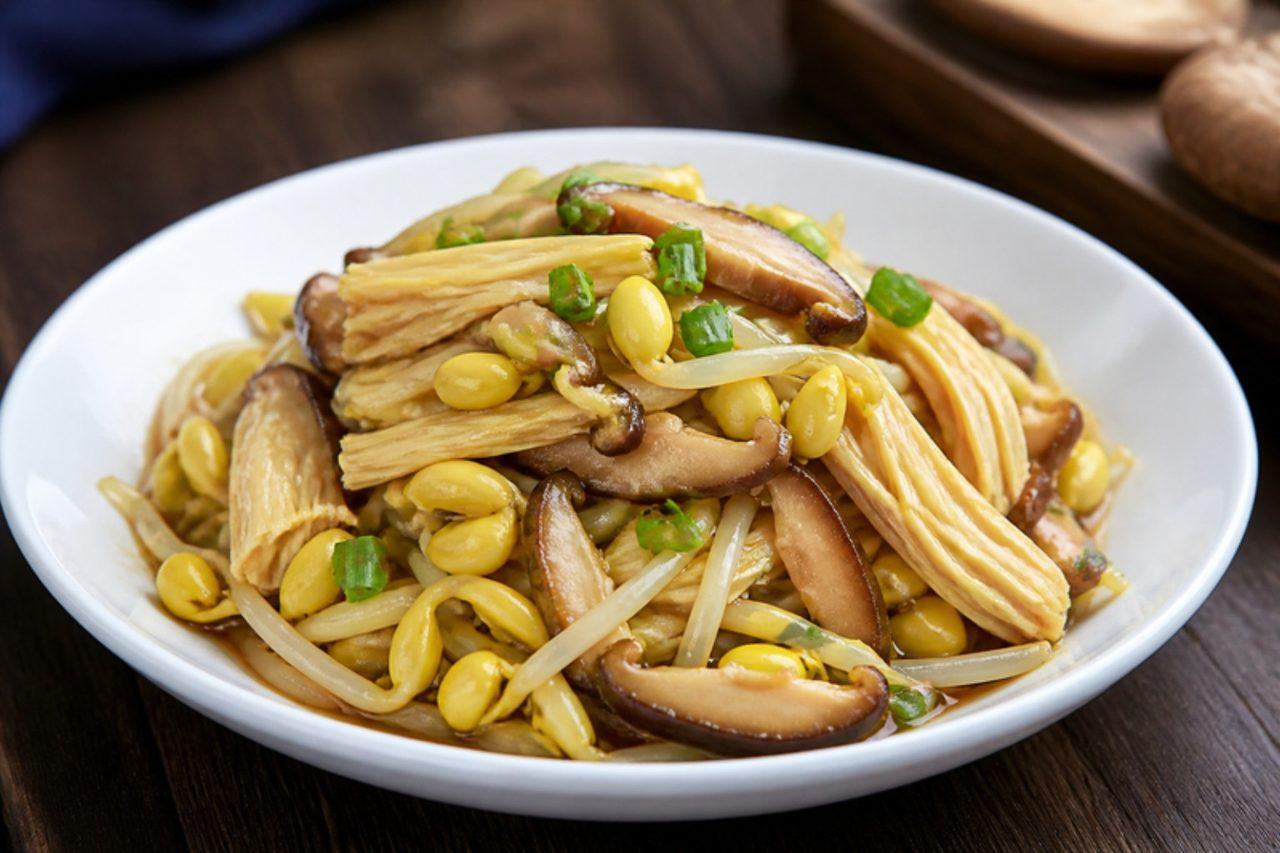
Ruyi cai (soybean sprout stir-fry)

A curled soybean sprout, with its fat yellow head and long tail, looks just like the ruyi sceptre whose name means 'as you wish', so in Shanghai and the Jiangnan region no Spring Festival table is complete without a dish of ruyi cai. It is the gentle, crunchy counterweight to the braised pork and fish of the reunion dinner: nutty sprouts, chewy strips of tofu skin and meaty shiitake in a light soy glaze. Many families cook a big batch on New Year's Eve and eat it cold for days. Serve it with rice, alongside red-braised dishes or as part of a vegetarian New Year spread. Chef's tip: cook the sprouts until the beany raw taste is gone; undercooked soybean sprouts taste grassy and are hard to digest.

by KrazyBadal 0 views

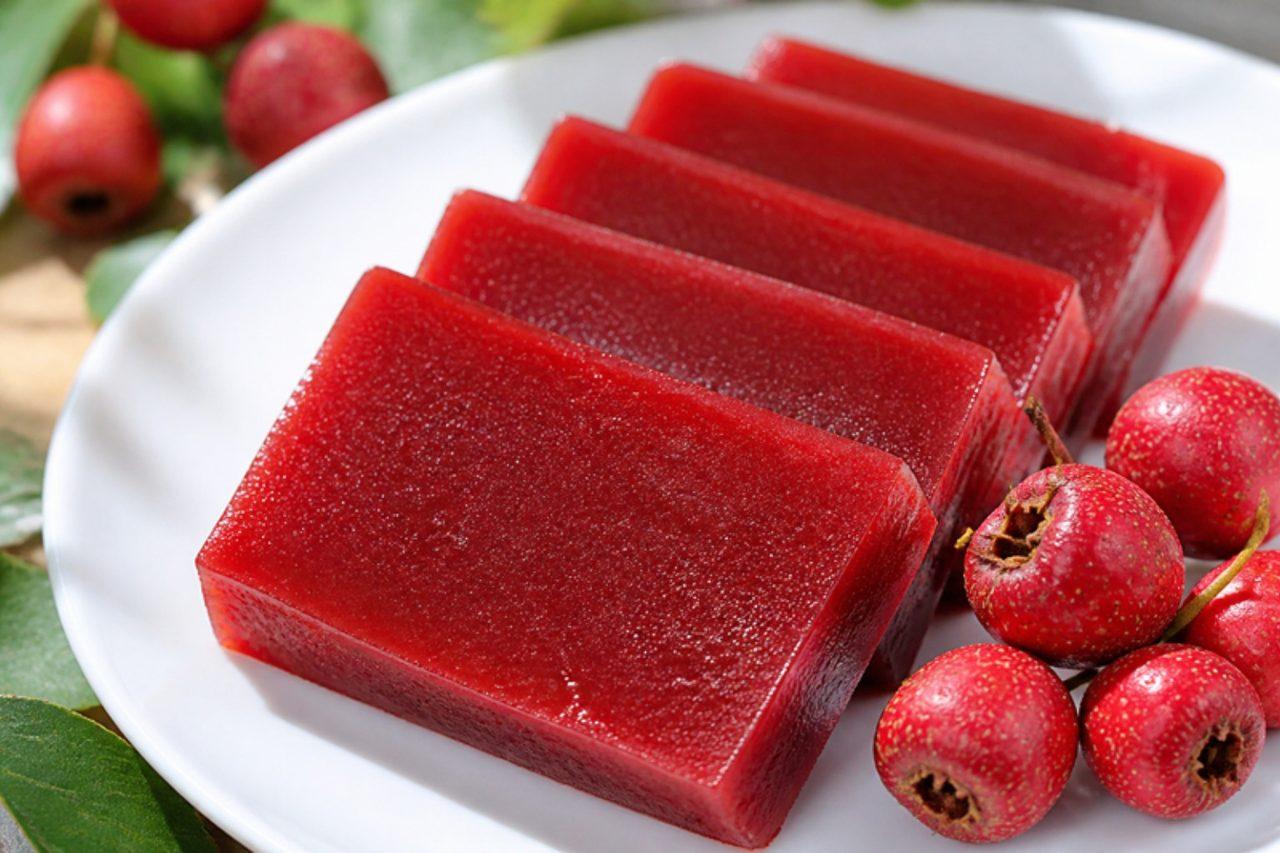
Shanzha gao (hawthorn fruit cake)

When the hawthorn trees of Hebei and Shandong drop their red berries in late autumn, cooks across northern China, and especially in Beijing, boil them down into shanzha gao, a firm fruit cake cut into ruby slices. It is a winter sweet, eaten after rich meals because people say it helps digestion, and it sits beside candied hawthorn skewers at the New Year fairs. The texture is like a firm fruit jelly that cuts cleanly, and the flavour is bright and sour-sweet, like a cross between crab apple and cranberry. Serve thin slices with jasmine tea, or cubes on a fruit plate. It is naturally egg-free and needs no setting agent at all: hawthorn is so rich in pectin that the cooked purée sets firm as it cools. Chef's tip: the common mistake is stopping too soon, so keep stirring until a spoon drawn across the pan leaves a clear trail that does not close up.

by KrazyBadal 0 views

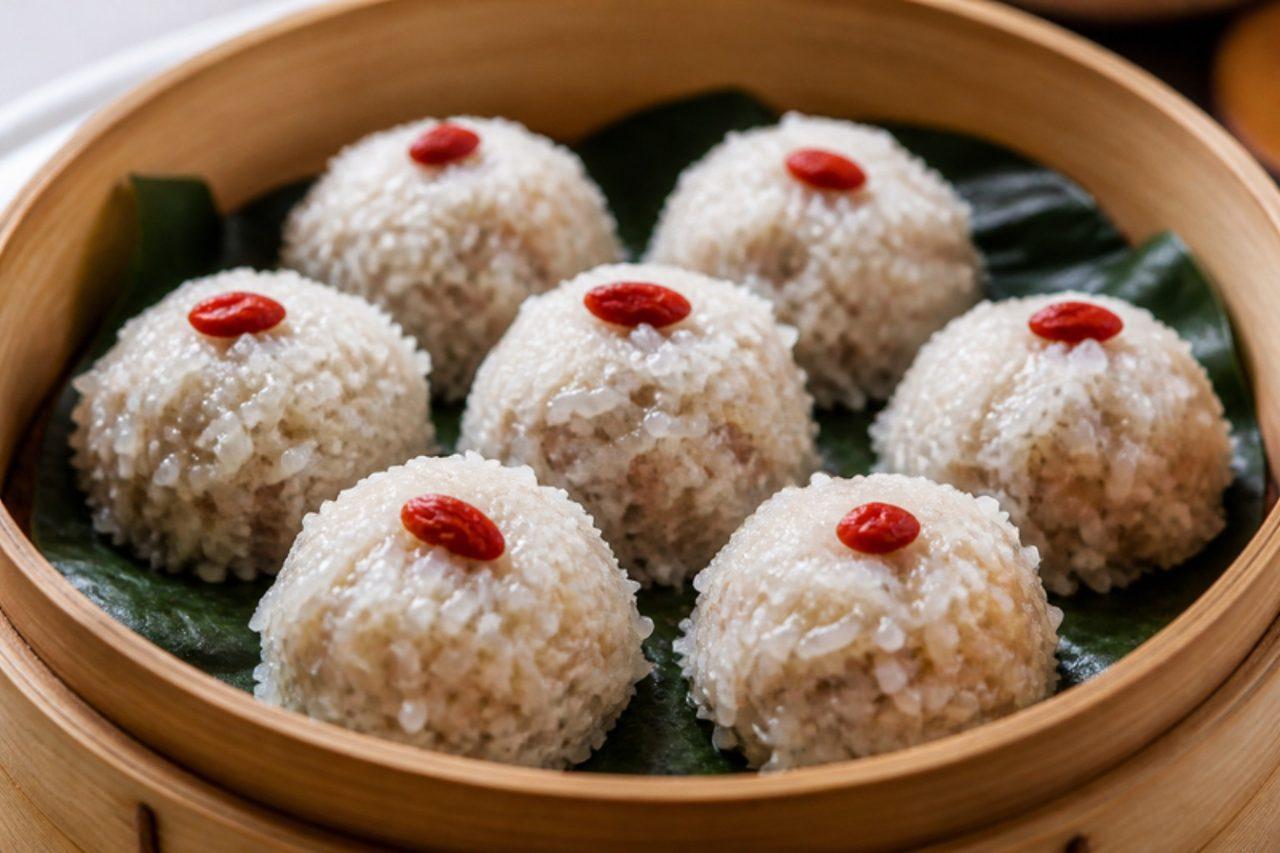
Zhenzhu wanzi (pearl meatballs)

Pearl meatballs come from Mianyang in Hubei, where they are a fixture of the Spring Festival banquet: round shapes stand for a family gathered whole, and the gleaming grains of rice for pearls and wealth. Steaming turns the glutinous rice coating translucent and slightly chewy, while the pork inside stays tender and juicy, with crunch from water chestnuts. They are mild and soft, so children love them, and they look beautiful on a steamer of mixed dim sum or as one of the many dishes at the reunion dinner. Tamari keeps them gluten free; ordinary light soy sauce works if that does not matter to you. Chef's tip: beat the pork in one direction until sticky before shaping; it keeps the meatballs bouncy and stops the rice from falling off.

by KrazyBadal 0 views

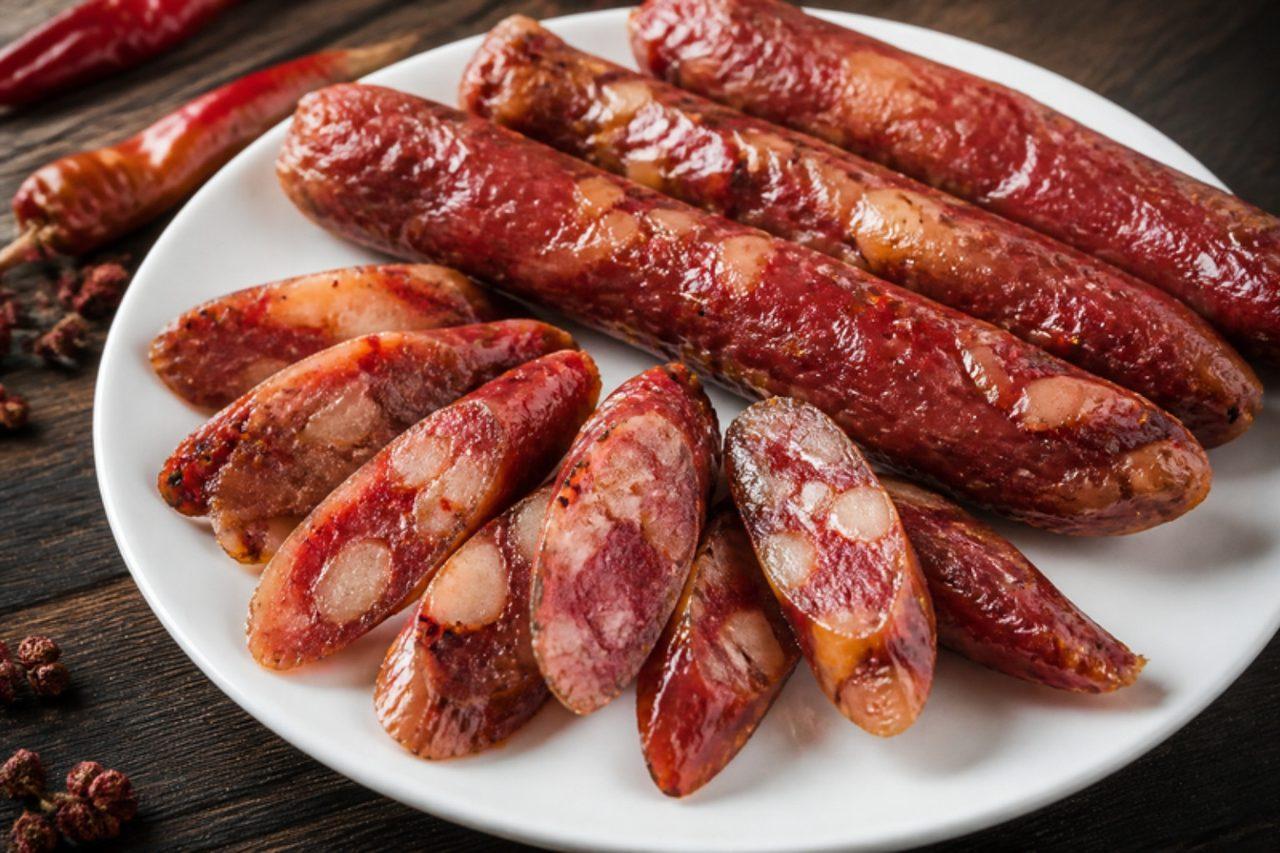
Sichuan xiang chang (spicy cured sausage)

When the weather turns cold in Sichuan, families buy pork by the shoulder, season it with chilli and Sichuan pepper and stuff it into casings, so that xiang chang hang in every home by the Spring Festival. Plates of sliced sausage beside la rou signal plenty for the year to come, and every household swears by its own spice blend. The pork is coarsely chopped, so the sausage is chewy and juicy with pockets of sweet fat, fiery, numbing and a little sweet. Steam and slice it to serve with rice, or stir-fry with cabbage. This home method uses pink curing salt and dries the sausages in the fridge for safety; they must always be cooked before eating. Chef's tip: keep the meat and your equipment cold throughout; warm fat smears and the sausage turns crumbly.

245 minChineseMeatSpicy
by KrazyBadal 0 views

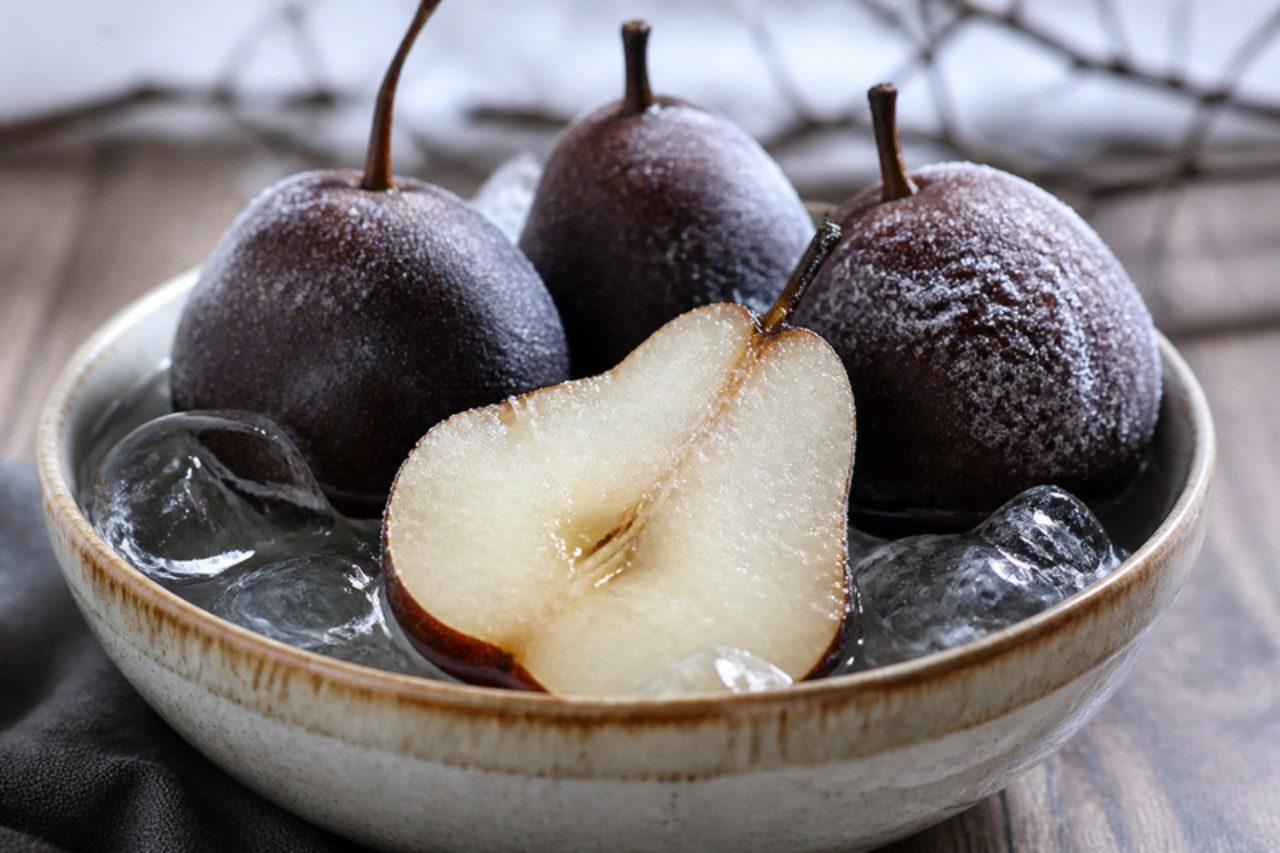
Dong li (Dongbei frozen pears)

In Dongbei, China's far north-east, winter temperatures fall so low that pears left outside freeze rock hard and turn glossy black, and a bowl of dong li thawing in cold water is part of every Spring Festival. They are eaten after the rich New Year's Eve dumplings and meats: cold, very sweet and full of juice, said to soothe a throat dry from heated rooms and to bring a clear, fresh start to the year. Freezing breaks down the flesh so it becomes soft and almost slushy, with a flavour like pear sorbet. You can recreate them in a home freezer; serve them as they are in small bowls, with spoons and napkins. Chef's tip: thaw them in cold water, never warm; the cold water pulls the frost out slowly and leaves an ice shell that cracks away cleanly.

by KrazyBadal 0 views

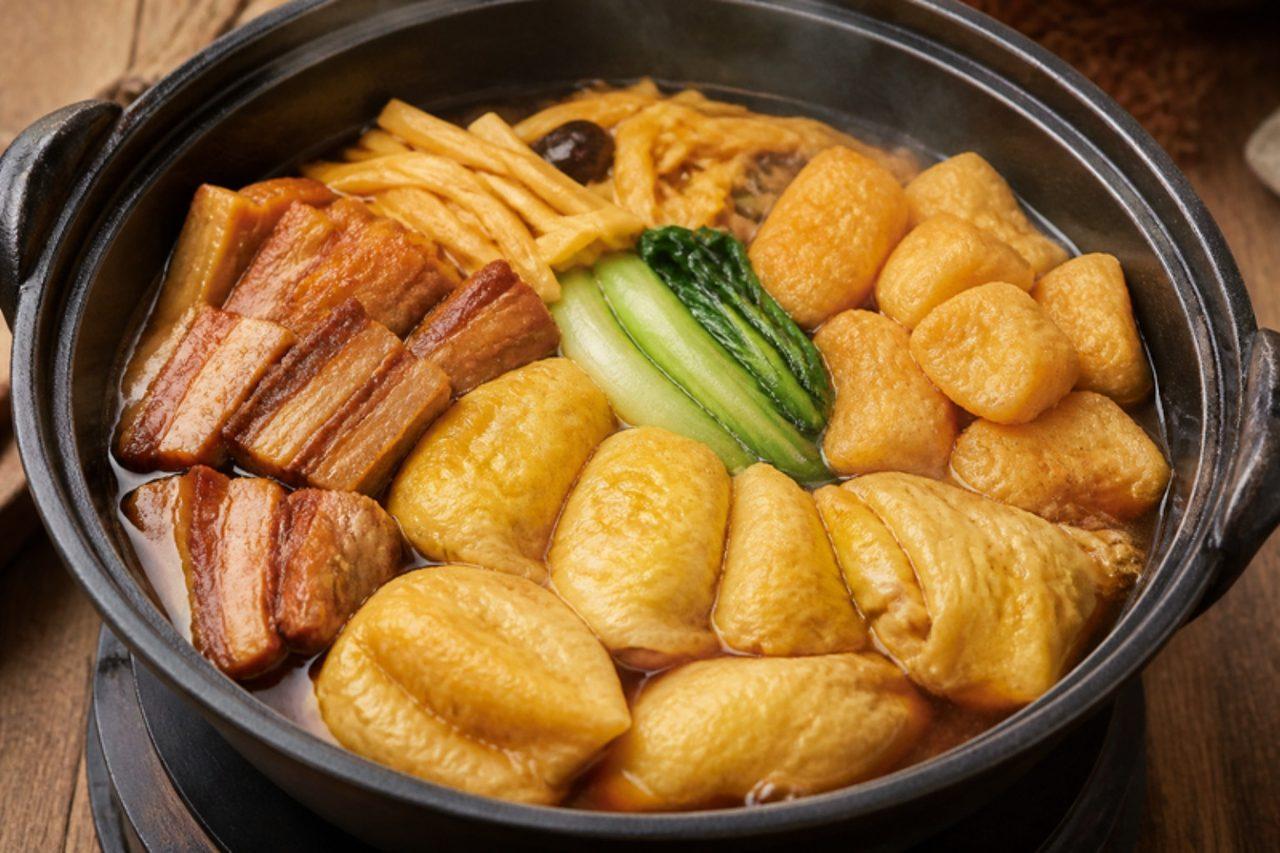
Huizhou yi pin guo (layered New Year one-pot)Layered pork and tofu pot

In the Huizhou hill villages of southern Anhui, the Spring Festival centrepiece is yi pin guo, 'first-rank pot', named after the highest rank of imperial official and served as a wish for success in the coming year. Everything goes into one wide pot in layers: dried bamboo shoots at the bottom, then pork belly, fried tofu, egg dumplings filled with pork, and greens on top, so the juices of each layer drip down and season the one below. The result is rich and savoury, the bamboo soaked with pork fat, the tofu spongy with broth. Bring the pot to the table and let everyone dig down through the layers, with rice on the side. Chef's tip: soak the dried bamboo shoots overnight and boil them well; underprepared dried shoots stay leathery and sour.

180 minChineseMeat
by KrazyBadal 0 views

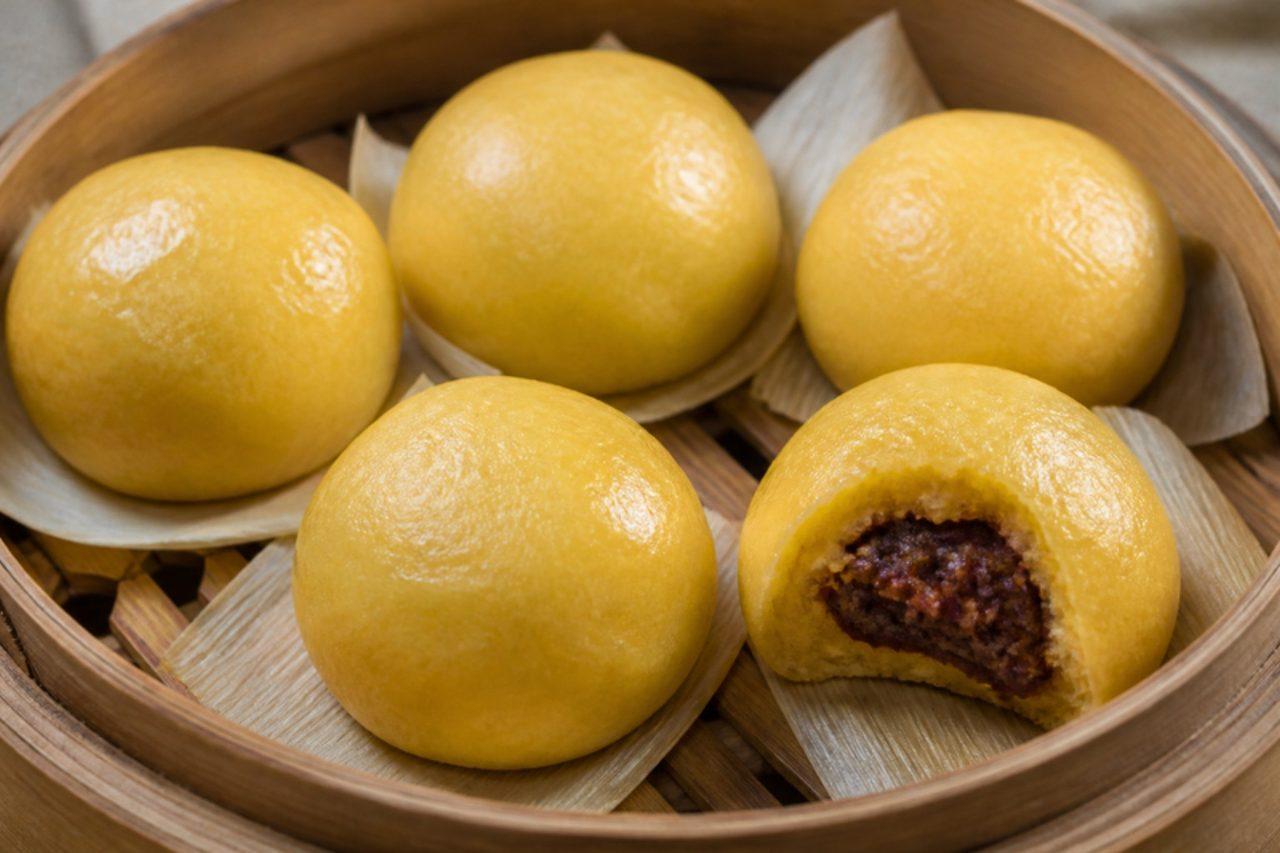
Nian dou bao (sticky bean buns)

Before the Spring Festival, families in Dongbei make nian dou bao by the hundred, steam them and freeze them outside in the snow so there is a stack ready for every visit of the holiday. The name contains 'nian', sticky, which sounds like the word for year, so they are eaten for a year that holds together and rises higher. The dough, traditionally from glutinous millet that has been lightly fermented, is soft, chewy and gently tangy, wrapped round a smooth sweet red bean filling. This version uses glutinous rice flour and fine cornmeal for the golden colour, with a little yeast for that faint sourness. Serve them warm with tea or plain congee. Chef's tip: wet your hands before shaping; the dough clings to dry hands but behaves perfectly once they are damp.

by KrazyBadal 0 views

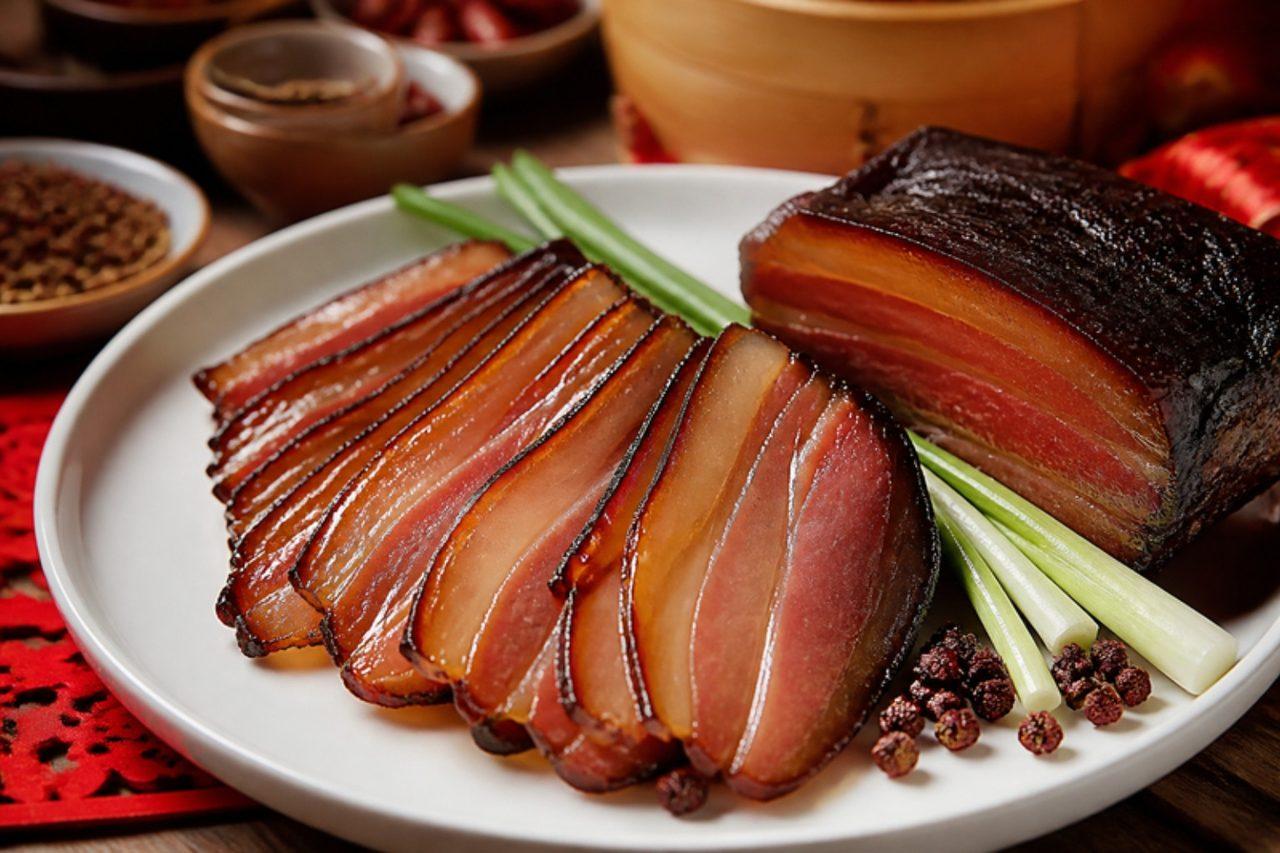
Sichuan la rou (smoked cured pork belly)

In the twelfth lunar month, balconies across Sichuan and Chongqing fill with strips of pork belly hanging to cure, and by the Spring Festival they have become la rou: smoky, salty and deeply savoury, the taste of a full larder and a prosperous year. The pork is rubbed with salt and toasted Sichuan pepper, left to cure, dried, then smoked; traditionally over cypress branches, here in a foil-lined wok with rice, sugar, tea and wood chips. Steamed and sliced thin, the fat turns translucent and the lean a deep ruby red. Serve it on its own with rice, or stir-fry the slices with garlic shoots or leeks. This home version uses pink curing salt for safety, cures and dries in the fridge, and must always be cooked before eating. Chef's tip: weigh the curing salt on scales accurate to 0.1 g; too much is harmful, too little is unsafe.

180 minChineseMeatGluten free
by KrazyBadal 0 views

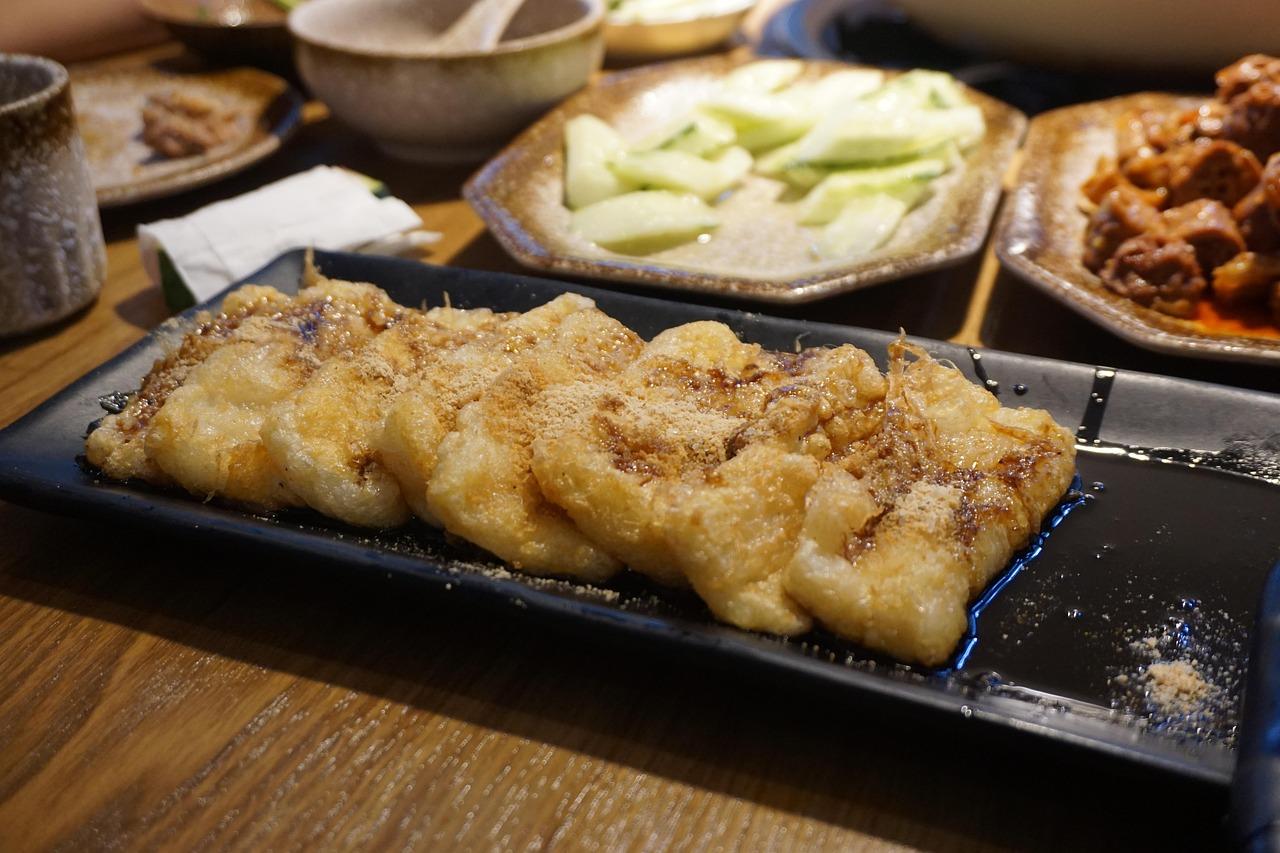
Hong tang ciba (brown sugar glutinous rice cakes)

Pounded glutinous rice cakes are a Spring Festival essential in Sichuan and Chongqing, where 'ci' sounds like a wish for the family to stay close, as stuck together as the rice itself. Fried and drowned in brown sugar syrup, they turn into hong tang ciba, a dessert that closes many reunion dinners and hotpot nights. Outside they are puffed and crackly, inside soft and stretchy, and the dark syrup and nutty soybean flour make every bite taste like toffee. This home version steams a glutinous rice flour dough instead of pounding whole grains, which gives the same chew in far less time. Serve straight from the pan while still crisp. Chef's tip: let the steamed slab cool and firm up completely before cutting; warm dough smears and bursts in the oil.

by KrazyBadal 0 views

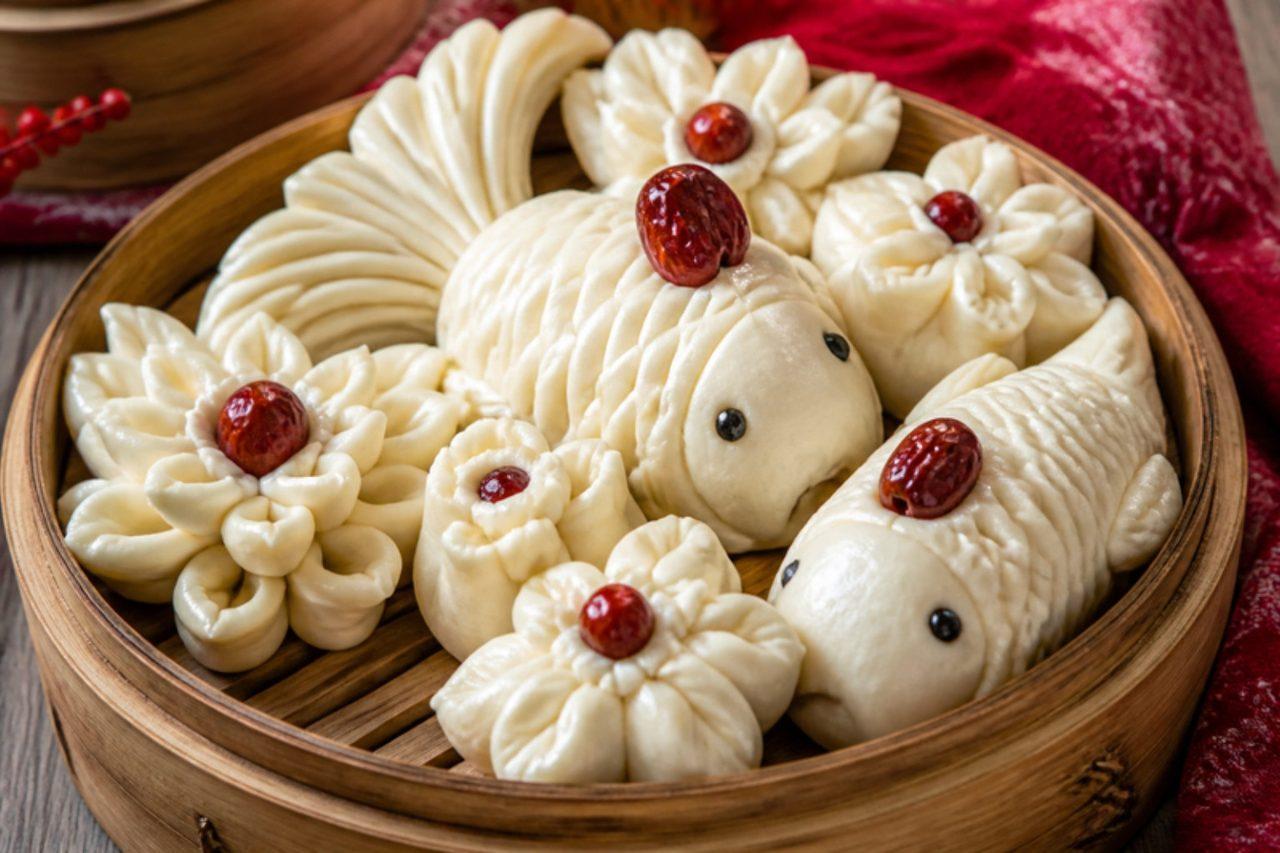
Jiaodong hua bobo (festive flower buns)

On the Jiaodong peninsula in Shandong, the days before the Spring Festival are spent shaping hua bobo: large steamed wheat buns twisted into fish, flowers and lucky knots and dotted with red jujubes. A fish bun stands for surplus in the year ahead, the dates for sweetness and a prosperous red, and a tall bun stacked high for a family that keeps rising. The crumb is dense, springy and faintly sweet, a world away from fluffy bao, because the dough is worked stiff and kneaded long. Set them on the reunion table, give them to neighbours, then slice and re-steam the rest with soups and braises through the holiday. Chef's tip: keep the dough firm, more like modelling clay than bread dough, or the shapes slump in the steamer.

by KrazyBadal 0 views

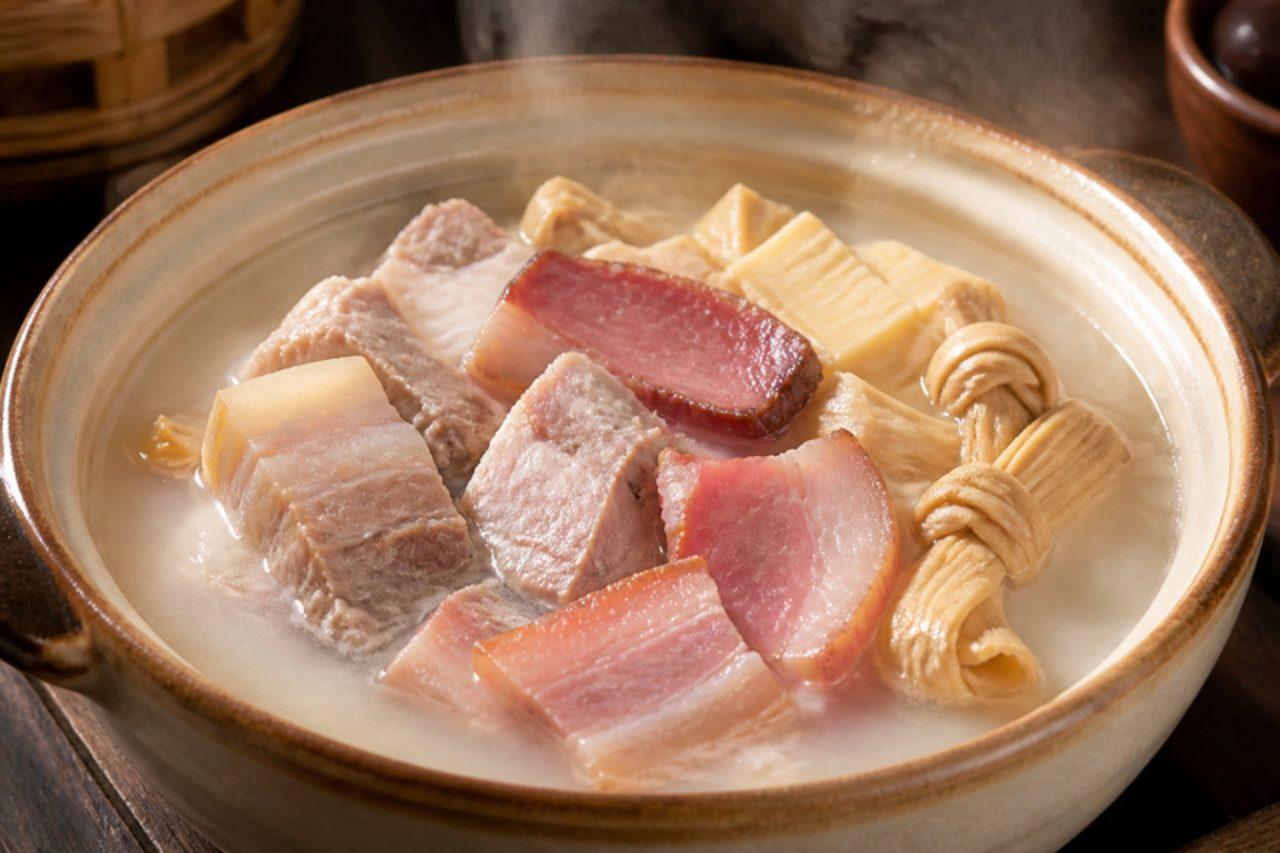
Yan du xian (Shanghai fresh and cured pork soup)

Yan du xian is the soup that tells Shanghai and the Jiangnan region that the Spring Festival has arrived: 'yan' for salted pork, 'du' for the gentle bubbling of a pot left to simmer, and 'xian' for fresh pork and new bamboo shoots. The cured and fresh meat together stand for a year that keeps the good things of the past and welcomes the new. Long, slow cooking turns the broth milky, deeply porky and savoury, with sweet, crunchy bamboo and soft tofu knots that soak up the flavour. Set it in the middle of the reunion table and eat it between the richer dishes with plain rice. Chef's tip: keep the pot at a lazy simmer, never a rolling boil, or the salted pork turns hard and stringy.

125 minChineseSoups
by KrazyBadal 0 views

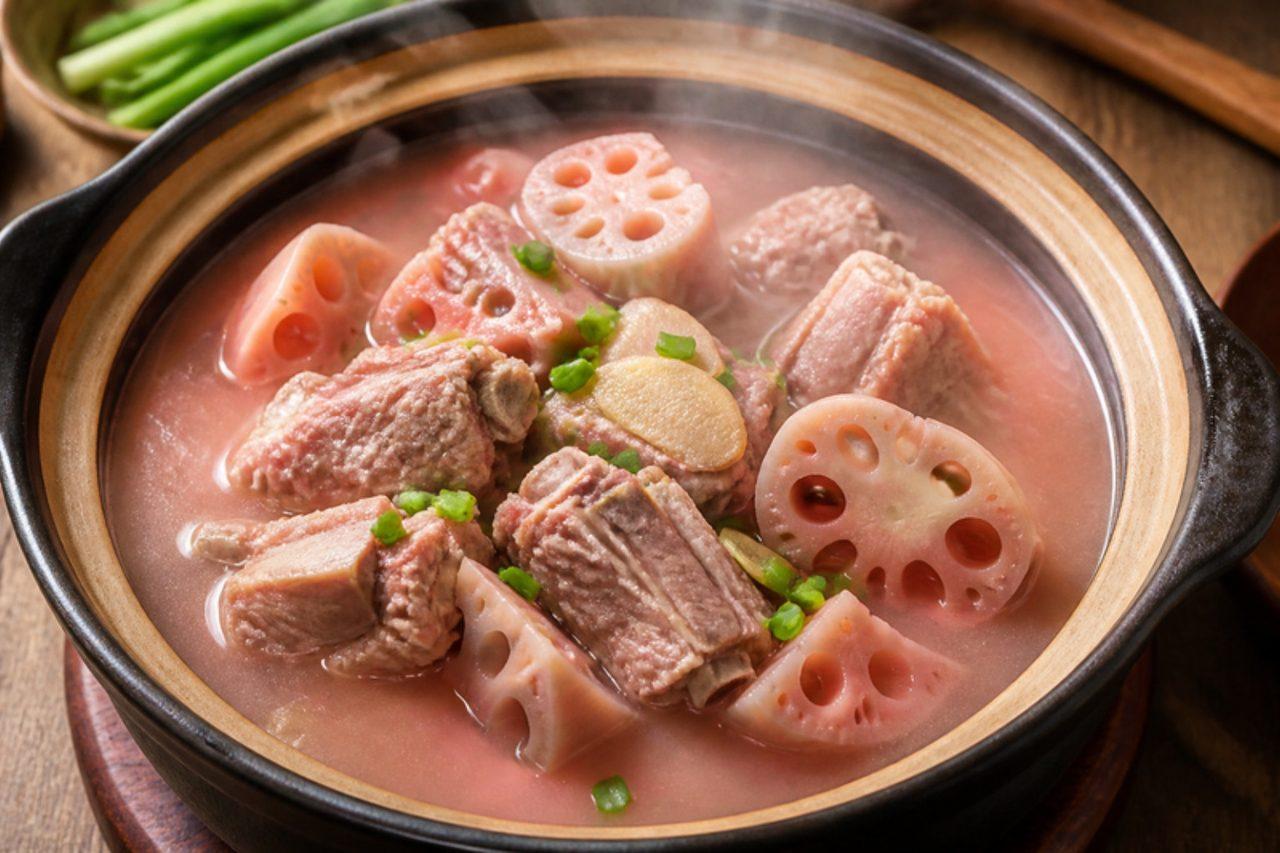
Pai gu ou tang (Hubei pork rib and lotus root soup)

Ask anyone from Wuhan what the Spring Festival tastes like and the answer is pai gu ou tang, a clay pot of pork ribs and lotus root that bubbles on the stove all New Year's Eve. Lotus root grows from the mud into something clean and pure, and its long threads that stretch when you bite a slice are said to keep the family linked even when apart. Hubei's floury lotus root, with nine holes, cooks down until it is soft and starchy and turns the broth a faint rosy pink; the ribs fall from the bone and the soup tastes sweet and mellow. Serve it first at the reunion dinner, in small bowls, with rice and the other dishes to follow. Chef's tip: look for thick, short, rusty-skinned lotus root sections; the slim, white, shiny kind stays crunchy however long you cook it.

180 minChineseSoupsGluten free
by KrazyBadal 0 views

Showing 24 of 633 recipes

Show more recipes

Page 1 of 27