Skip to content
Recipes

All recipes

Vegetarian, or something you can't eat? Set your diet once and we'll hide recipes that don't fit.

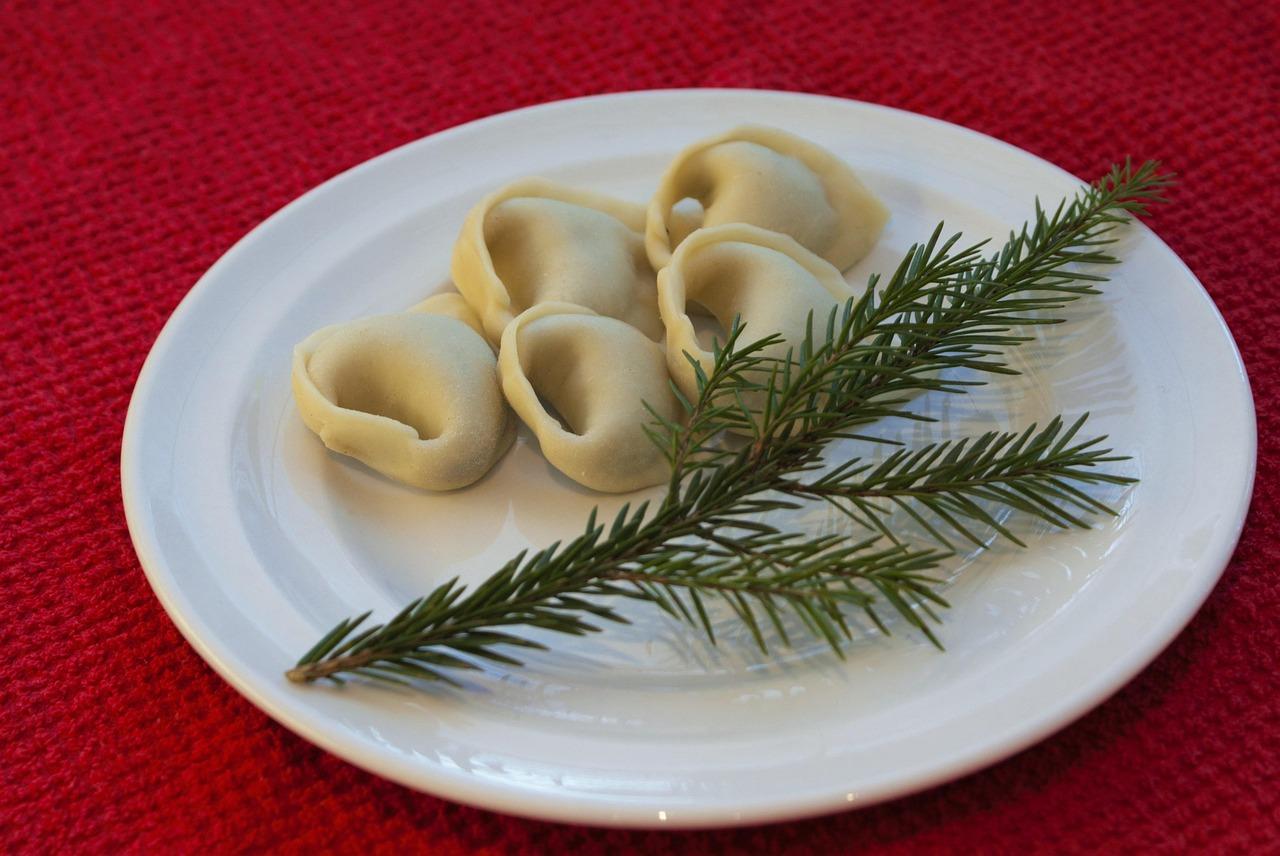
Uszka z grzybamiMushroom dumplings

Wigilia, the Polish Christmas Eve supper, starts when the first star appears and is traditionally meatless, and its first course is clear red barszcz with uszka floating in it. These are tiny dumplings folded into 'little ears' and filled with dried forest mushrooms (usually ceps) and fried onion. They are fiddly, so families make them together in the days before and freeze them. Serve 6–8 in each bowl of hot beetroot broth. Chef's tip: save the mushroom soaking water and add it to the barszcz, as it carries much of the forest flavour.

by KrazyBadal 0 views

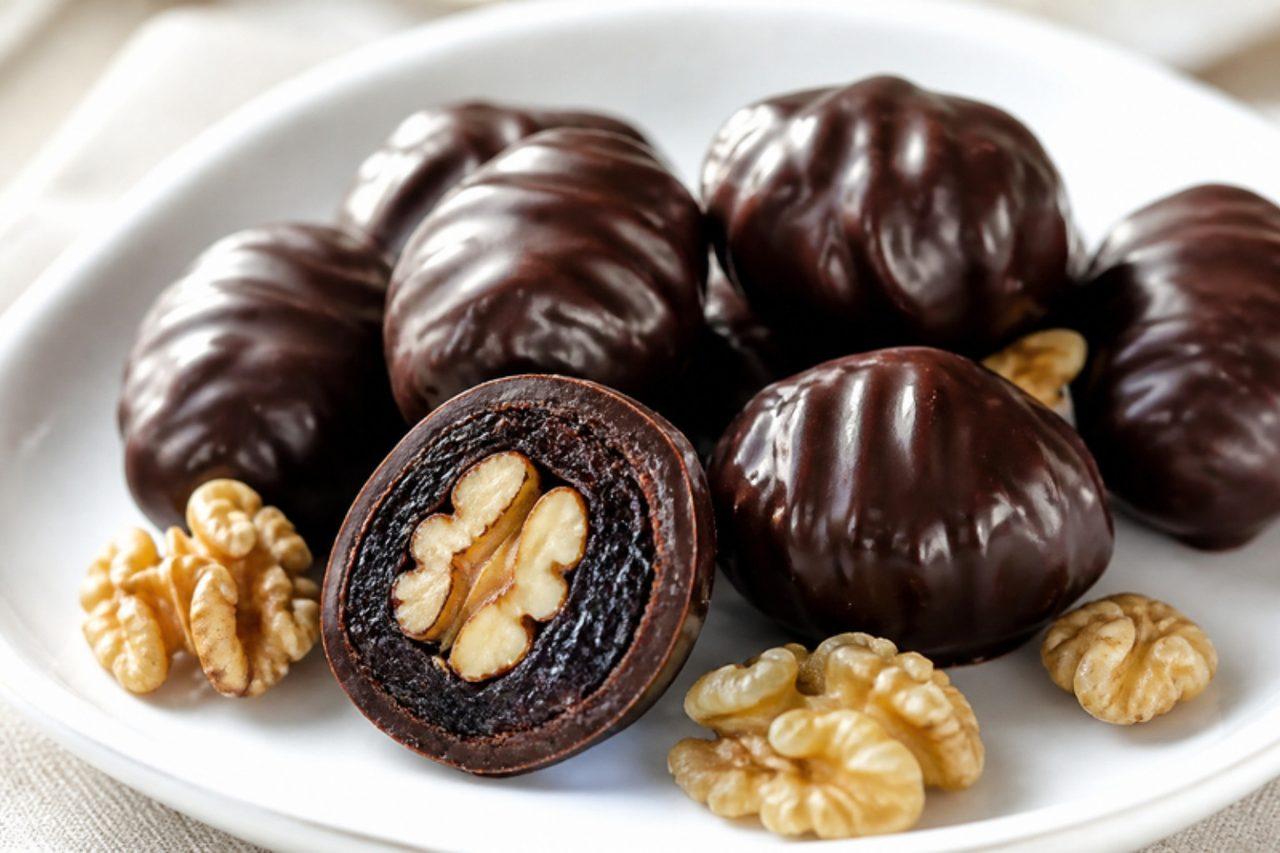
Śliwki w czekoladzie (chocolate-coated prunes with walnuts)

Boxes of chocolate prunes are a classic Polish gift: brought to grandmothers at Christmas, set out on the Wigilia table among the twelve dishes, and passed round on name days. Plump smoked or soft prunes from the south of the country are best. Each one hides a walnut half, so you get chewy, slightly tart fruit, a crunchy bitter nut and a snap of dark chocolate in one bite. Serve them with coffee or tea after a big meal. Nothing here ever needed egg: the prune itself holds the nut, and chocolate sets around it as it cools. Older recipes soak the prunes in spirits; here they are alcohol-free, plumped in warm orange juice instead, which also brightens the flavour. Use a dark chocolate made without milk and the sweets are vegan. Chef's tip: dry the soaked prunes very well before dipping; the common mistake is leaving them damp, and even a few drops of juice will make melted chocolate seize and turn grainy.

by KrazyBadal 0 views

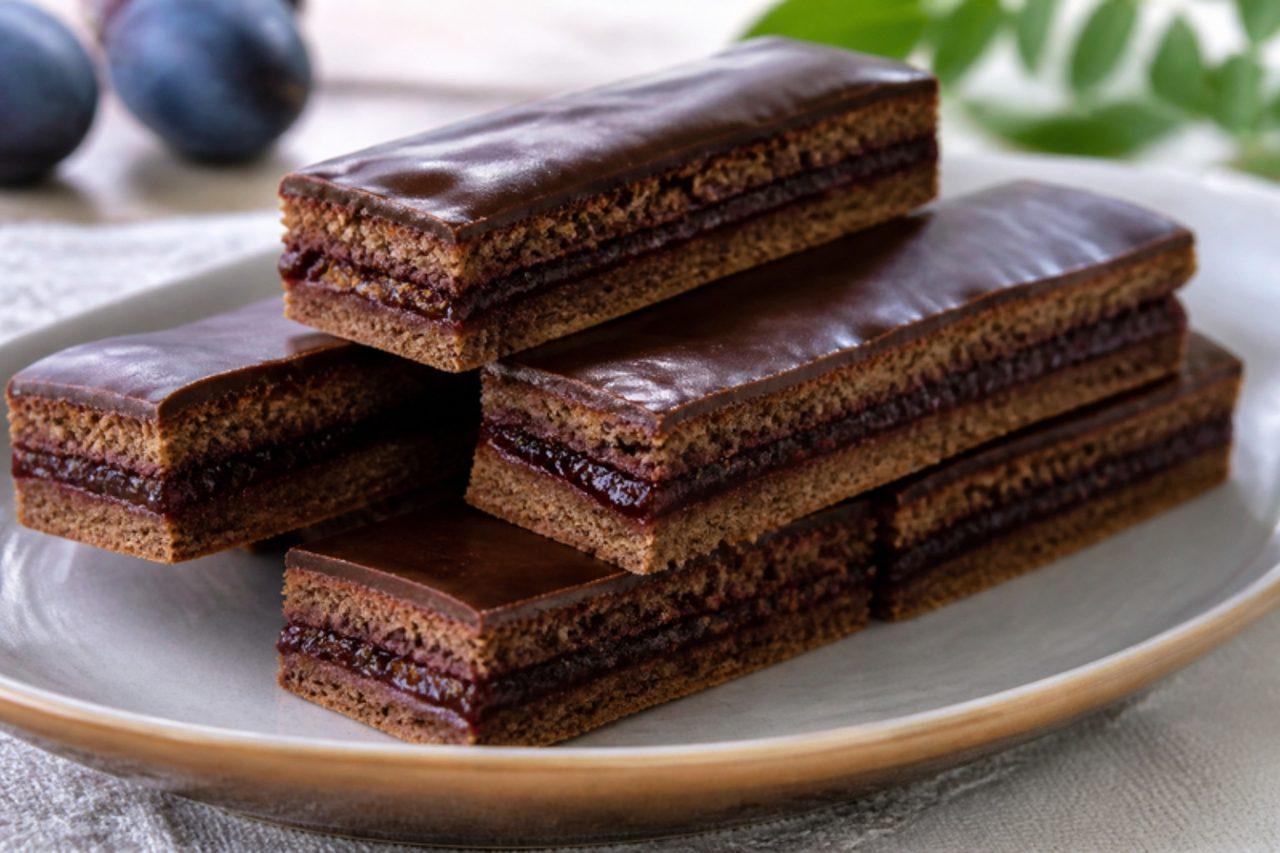
Piernik staropolskiHoney spice cake with plum jam

Piernik staropolski is the grand Polish Christmas gingerbread, and the old tradition is to mix the honey dough in November (once even at a child's birth) and leave it to mature for weeks in a cool place, which deepens the spice and makes the cake tender. It is baked a few weeks before Christmas, split into layers with powidła (thick plum butter), glazed with chocolate and left to soften again. This home version rests the dough for at least 3 days. Chef's tip: wrap the baked layers and let them sit for 3 days before filling; fresh piernik is hard, and it softens as it absorbs moisture from the jam.

by KrazyBadal 0 views

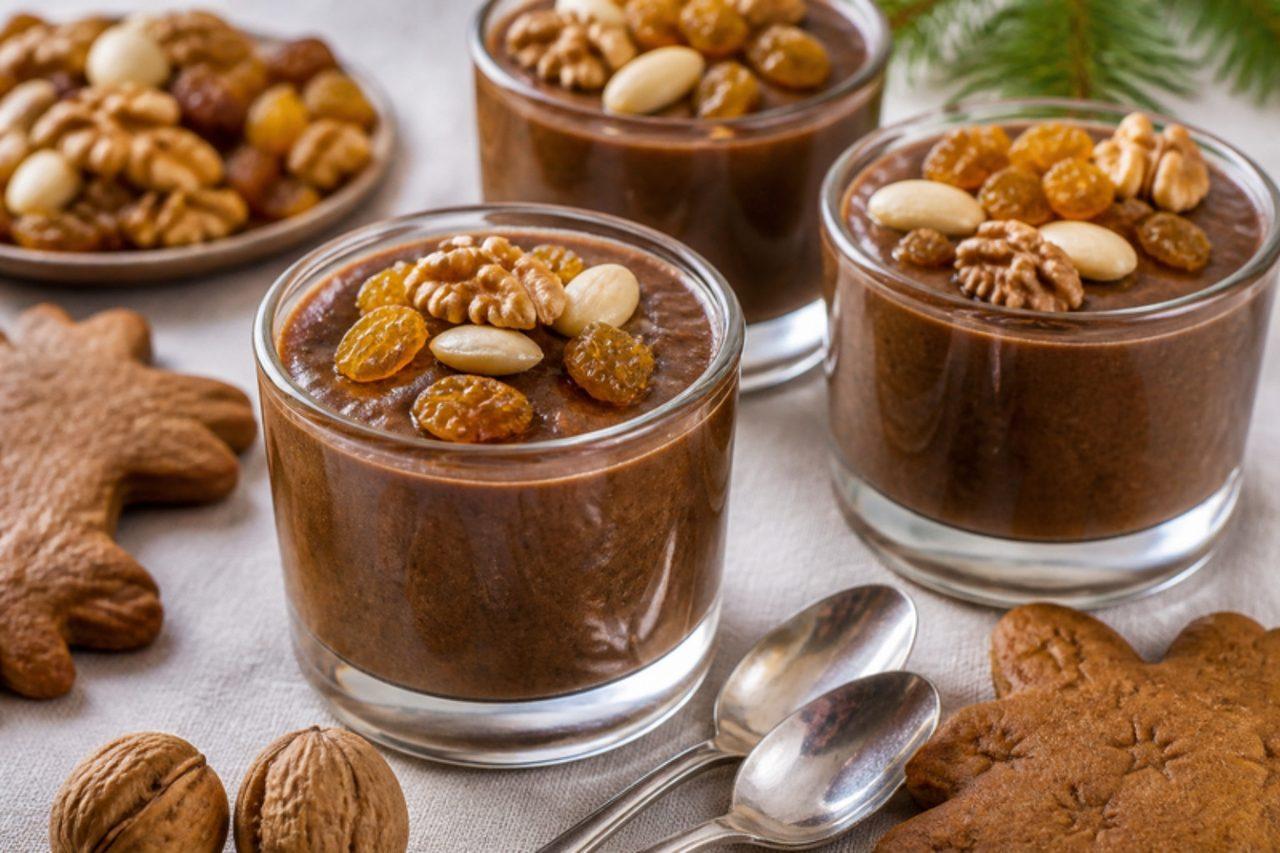
MoczkaGingerbread in dried fruit compote

Moczka is the Christmas Eve dessert of Upper Silesia in southern Poland, a thick, dark, spiced mixture of honey gingerbread dissolved in dried-fruit compote, then loaded with almonds, walnuts, raisins, figs and prunes. Each family has its own version; many add dark beer to the base, which this one leaves out, but adults may stir 100 ml dark beer into the compote while it simmers. It is eaten cold from small bowls and keeps for several days. Chef's tip: use dry, slightly stale gingerbread, which dissolves into a smooth sauce, while fresh cake turns to lumps.

by KrazyBadal 0 views

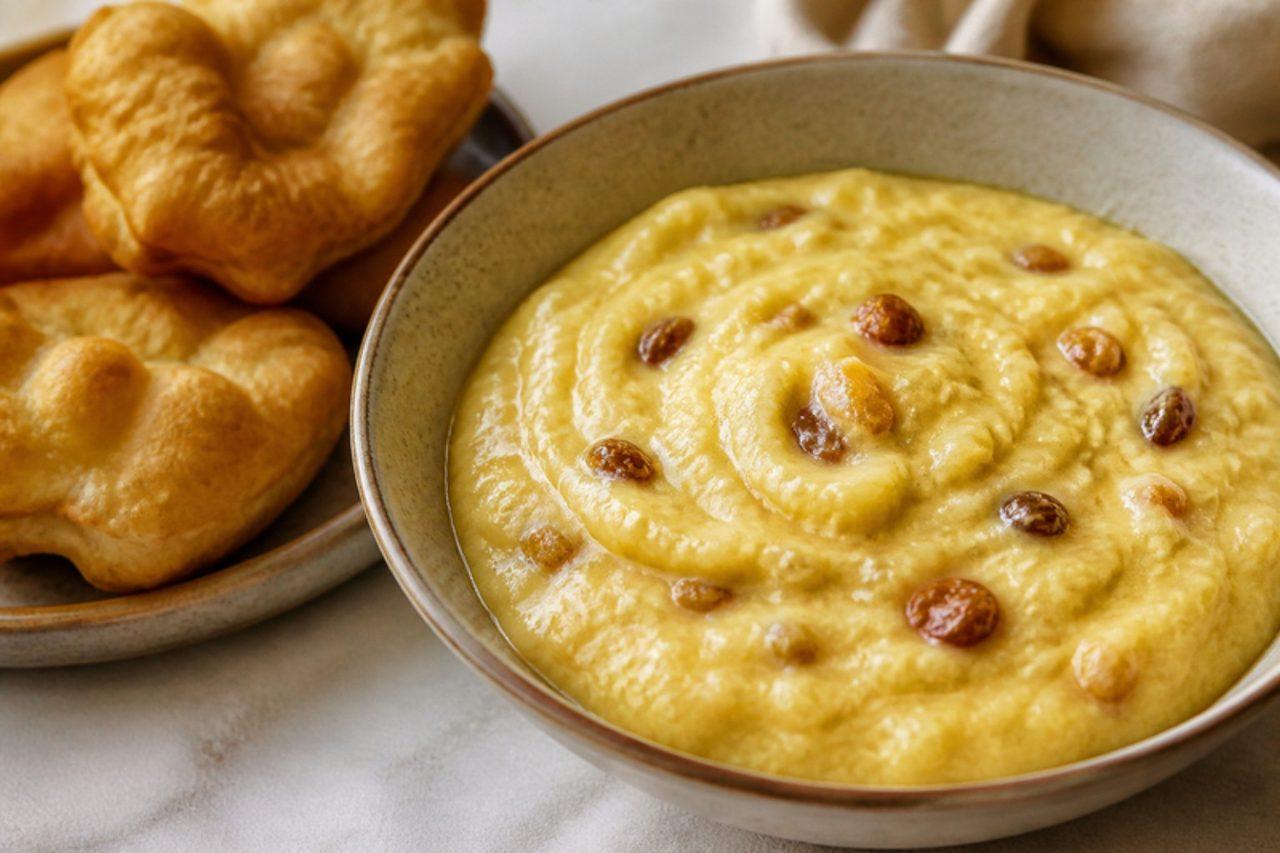
Khailmag (cream and raisin sweet)

Tsagaan Sar, the Mongolian Lunar New Year, means 'White Month', and white dairy foods stand for purity, plenty and a clean start to the year, so homes across the country set out cream, curds and sweets beside the steaming buuz. Khailmag is one of the most luxurious: clotted cream (or Mongolian öröm, the thick skin skimmed from boiled milk) is cooked with butter-toasted flour, sugar and raisins until it turns into a golden, fudgy porridge. It is very rich, so serve small spoonfuls with salty milk tea, or alongside ul boov biscuits and boortsog. There is no alcohol in it. Chef's tip: toast the flour slowly until it smells nutty; that toasting gives khailmag its caramel flavour.

by KrazyBadal 0 views

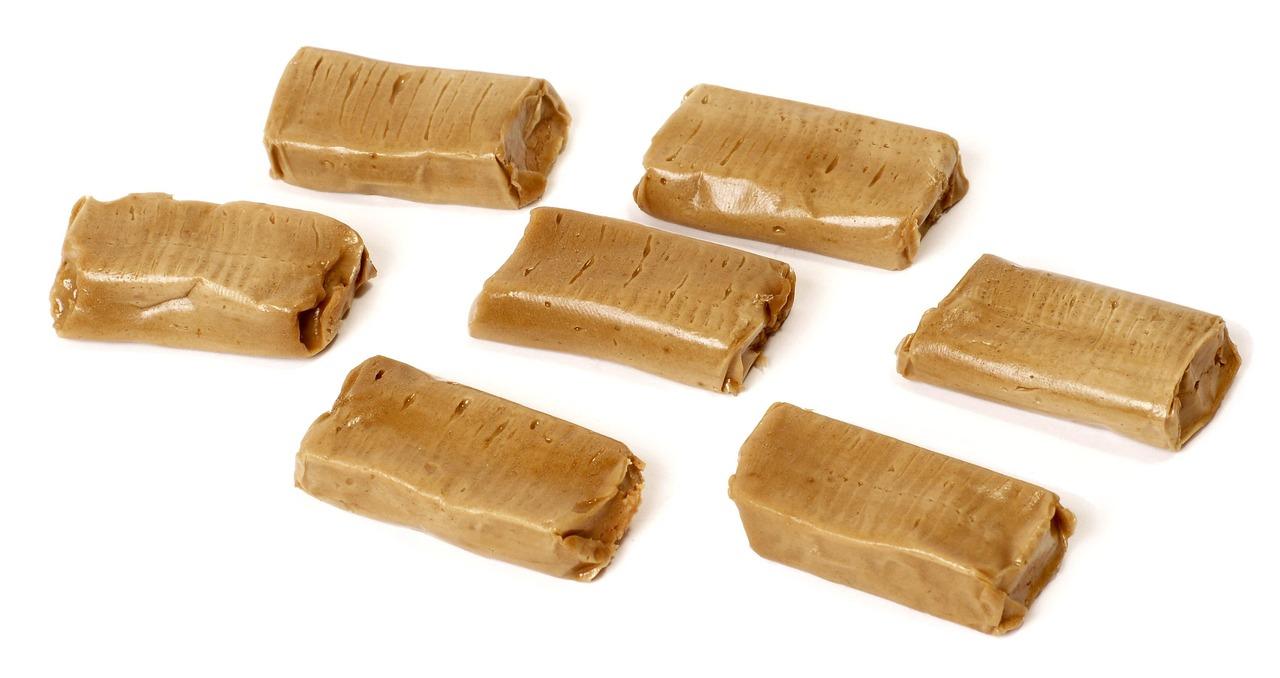
Krówki (Polish milk fudge)

Krówki, 'little cows', are the sweets Polish children grow up with: wrapped in paper with a cow on it, handed out at name days and school parties, and bought by the bag all year round. Fresh ones have a thin, sugary crust that crumbles at the edges while the middle stays soft and almost runny, with a deep taste of cooked milk and butter, close to dulce de leche. Eat them with black tea or coffee, or chop them into ice cream. They are naturally egg-free: milk and cream are boiled with sugar until the milk solids caramelise and the mixture reaches the soft-ball stage, then beating it as it cools starts fine sugar crystals that set the fudge and give that crumbly crust. A spoonful of honey adds its own flavour and keeps the centre soft. Chef's tip: stop beating as soon as the mixture loses its shine and starts to thicken; beating too long is the common mistake, and the fudge then sets in the pan before you can pour it.

by KrazyBadal 0 views

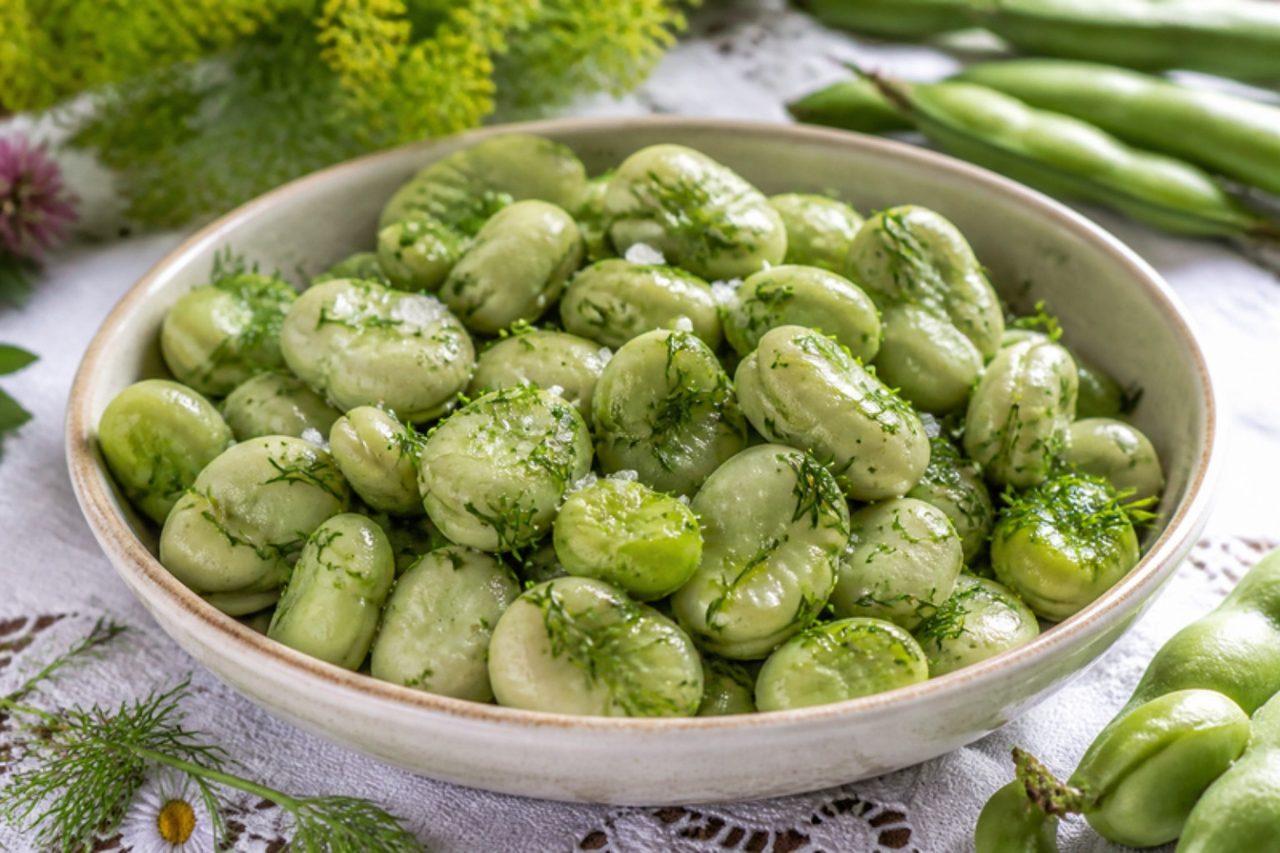
Bób z koperkiemBroad beans with butter and dill

All over Poland, from Kraków's market stalls to allotments outside Warsaw, the short broad bean season in June and July means bowls of bób z koperkiem: young beans boiled in their pale skins, tossed with melted butter, dill and salt, and eaten with your fingers on summer evenings. You squeeze each bean out of its skin with your teeth, or eat the skin too if the beans are very young. A generous bowl of 300 g beans gives about 22 g of protein, all from the broad beans. The most common mistake is overcooking: the skins burst and the beans turn grey and floury. Chef's tip: add a pinch of sugar to the cooking water along with the salt, as Polish cooks do; it keeps the beans sweet and bright.

by KrazyBadal 0 views

Aguadito de polloCoriander chicken rice soup

Aguadito is the soup Lima serves in the small hours: at the end of a wedding, after New Year's Eve and at weekend family lunches, it is ladled out thick and steaming to revive everyone. Rice simmers in chicken broth coloured deep green with blended coriander and warmed with yellow ají amarillo, along with peas, carrot, pepper, sweetcorn and potato. A portion gives about 24 g of protein, from the chicken with a little from the rice and peas, for around 480 kcal. The common mistake is adding the coriander purée too early: cooked for long it turns khaki and loses its fresh taste, so stir it in for the last 10 minutes. The chicken must reach 74 °C at the bone. Chef's tip: blend a handful of spinach with the coriander; it keeps the colour vivid green without changing the flavour.

by KrazyBadal 0 views

Chilcano de pescadoClear fish broth

In the fishermen's terminals of Chorrillos and Callao, chilcano is what you drink on a Sunday morning after a long night: a clear, gingery broth made from the heads and bones left over from cleaning fish for ceviche, with chunks of fish, red onion, chilli and a squeeze of lime in the bowl. It is light and warming, around 160 kcal a bowl, and still gives about 24 g of protein from the fish fillet and the broth. The common mistake is squeezing the lime into the pot while it boils, which turns it bitter; add it to each bowl at the table. Don't boil the bones for more than 30 minutes either, or the broth turns cloudy and harsh. Chef's tip: ask the fishmonger for heads and frames from mild white fish like sea bass or cod, and leave out oily fish such as mackerel, which makes the broth strong and fishy.

by KrazyBadal 0 views

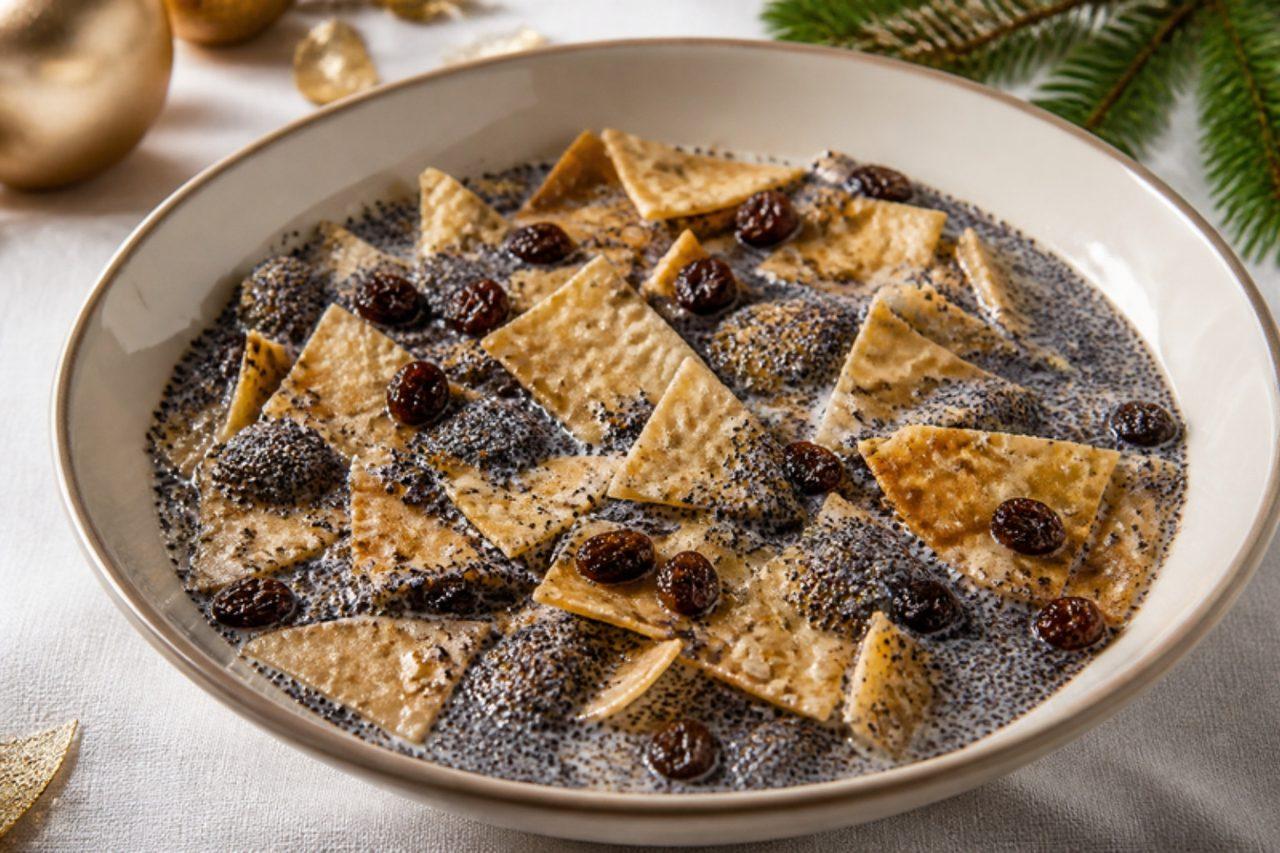
Łamańce z makiem (wafers in sweet poppy-seed milk)

In Podlasie and across eastern Poland, Christmas Eve supper, Wigilia, is meatless, and among the twelve dishes on the table is a bowl of łamańce: thin, crisp wafers broken into milk that has been turned grey-blue with ground poppy seed and sweetened with honey. Poppy seed stands for plenty in the coming year. The wafers soften at the edges but stay crunchy in the middle, and the milk tastes nutty and gently sweet. Serve it at room temperature or slightly warm, at the end of the meal. Bakery łamańce are not always egg-free; these are, a simple dough of flour, water and oil with a pinch of baking powder that bakes crisp without any binding. Chef's tip: roll the dough paper-thin, almost see-through; the common mistake is leaving it thick, which bakes into hard crackers that never soak up the poppy milk.

by KrazyBadal 0 views

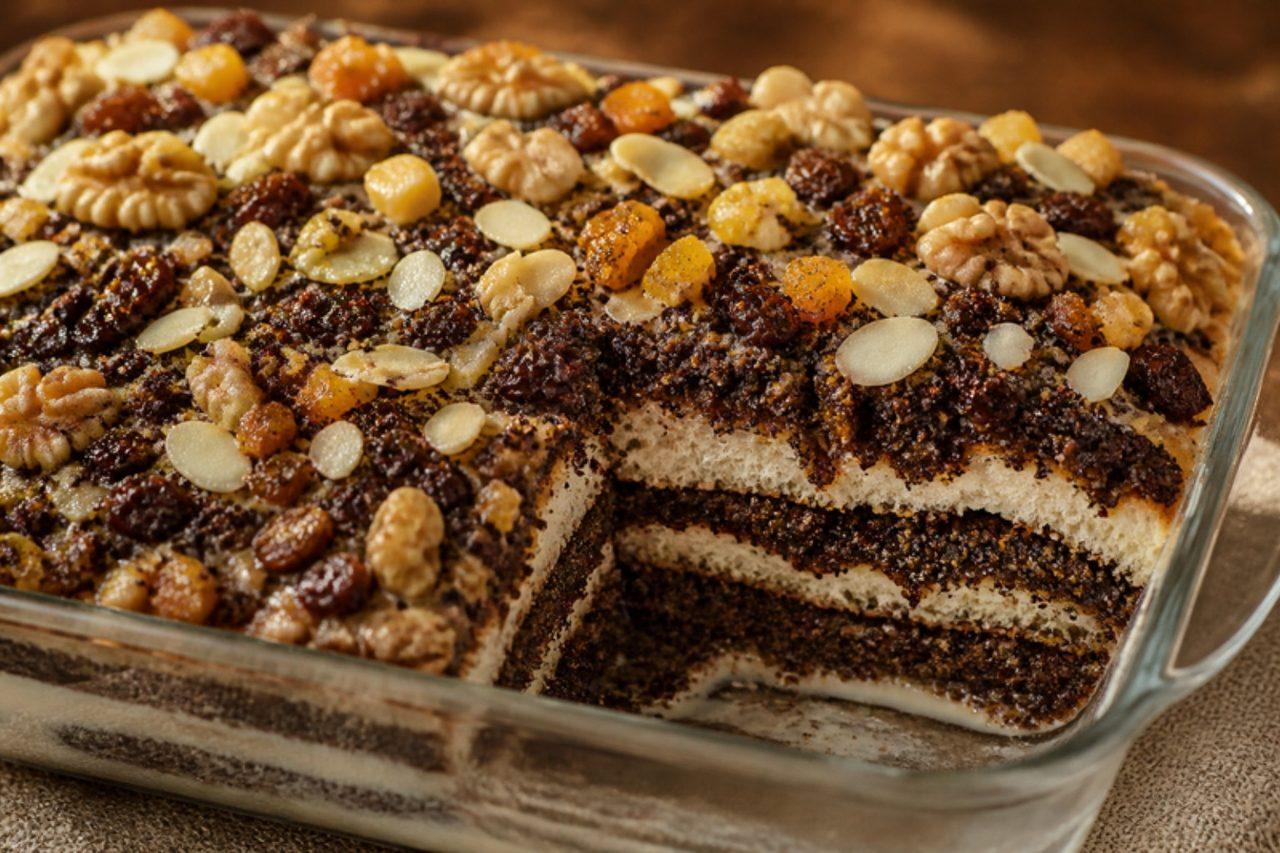
Makówki (Silesian poppy-seed bread pudding)

Makówki are a must on the Christmas Eve table in Silesia, around Katowice and Opole, made the day before so they are ready when the first star appears. Slices of stale white rolls are soaked in sweet milk and layered with a thick mass of ground poppy seed cooked with honey, butter, nuts, raisins and candied peel, then left overnight to settle into a soft, moist, spoonable pudding. It tastes of honey and nuts, rich and not too sweet. Serve it cold, scooped from the dish. Use plain eggless white rolls (kajzerki or a basic white loaf), not brioche or challah, which are enriched doughs. The pudding is otherwise naturally egg-free: the soaked bread and the sticky poppy mass bind each other as they chill, so nothing else is needed. Chef's tip: grind the scalded poppy seed twice until it looks like wet paste; the common mistake is grinding it once, which leaves it gritty and bitter.

by KrazyBadal 0 views

ParihuelaSpicy seafood soup

Parihuela is the big weekend seafood soup of Callao and the Peruvian coast, eaten at long Sunday lunches in cevicherías and praised as a cure for tiredness and late nights. A deep red broth of ají panca, ají amarillo, tomato and fish stock is loaded with chunks of fish, prawns, squid and mussels. A portion gives about 30 g of protein, from the fish and shellfish, for roughly 300 kcal. Some cooks add chicha de jora or beer; this version has none. The common mistake is adding all the seafood at once: squid and prawns turn rubbery while the fish cooks, so they go in last. Before cooking, discard any mussels that stay open when tapped, and after cooking discard any that stay shut. Chef's tip: fry the chilli pastes in the oil until they darken and smell sweet; that toasted ají is what gives parihuela its depth.

by KrazyBadal 0 views

TopfengolatschenSweet quark puff pastry squares

A Topfengolatsche is what Viennese office workers grab from the bakery on the way in, and what grandparents order with a Melange in a coffee house on a Sunday afternoon. The corners of a puff pastry square are folded over a lemony, vanilla-scented filling of Topfen (Austrian quark) with plump raisins, and the top gets a thin white glaze. It is flaky, light and not too sweet. Raisins are sometimes soaked in rum; warm water or orange juice works just as well, and the recipe below is alcohol-free. Wet quark is the classic problem, because it turns the filling runny and it leaks out in the oven. Chef's tip: hang the quark in a sieve lined with a clean cloth for an hour, or squeeze it, until it is as thick as soft cream cheese.

by KrazyBadal 0 views

Gato bèLime and vanilla butter cake

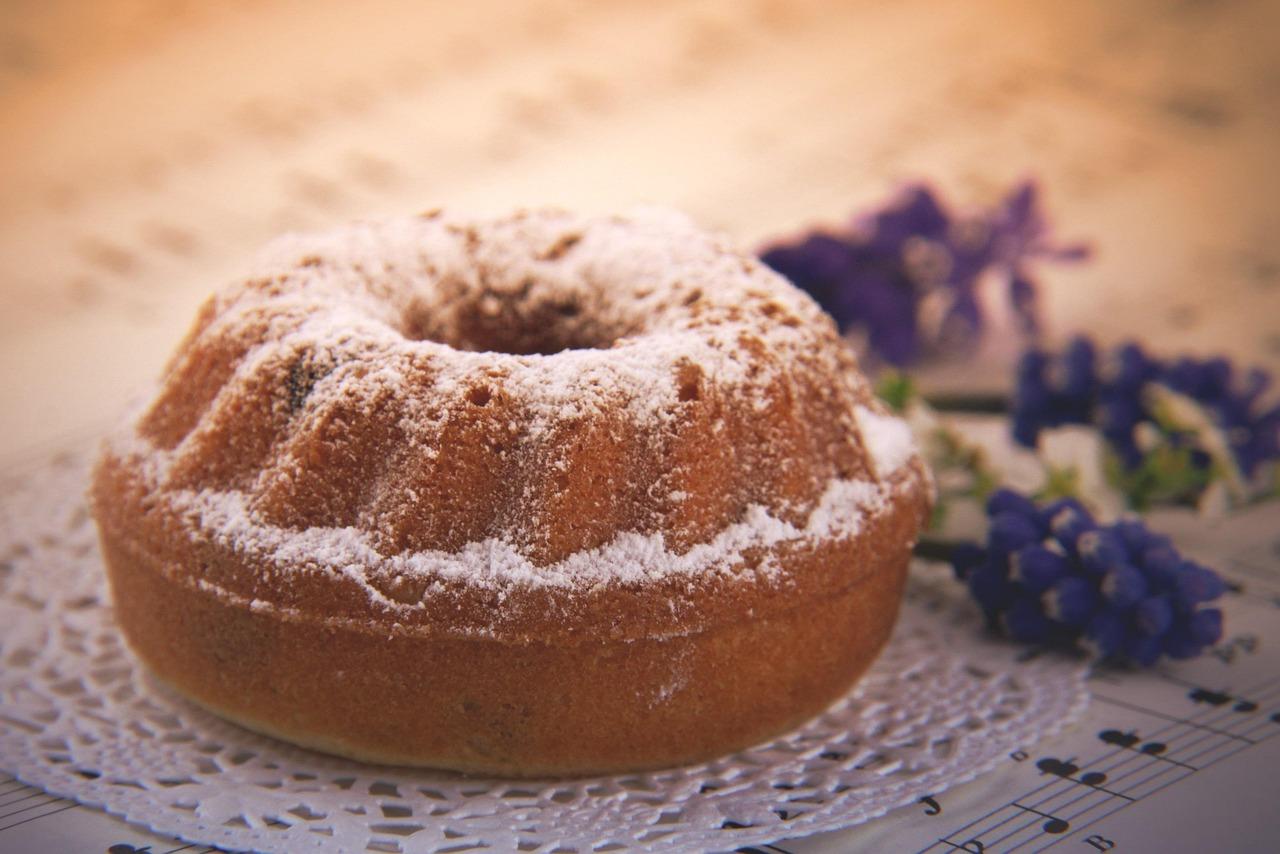
Gato bè ('butter cake' in Kreyòl) is what Haitian families bake for birthdays, first communions and Sunday visits, usually in a fluted ring tin, and serve with a cup of hot chocolate spiced with cinnamon. Evaporated milk makes the crumb tender and rich; lime zest, vanilla, almond and a little nutmeg give it the unmistakably Haitian scent. Many cooks add a spoonful of rum; it's optional here and the cake is just as good without. Cold butter and eggs straight from the fridge make the batter curdle and the cake heavy, so leave everything out for an hour first. Chef's tip: rub the lime zest into the sugar with your fingertips before creaming; the oils come out and perfume the whole cake.

by KrazyBadal 0 views

Jajecznica (Polish scrambled eggs)

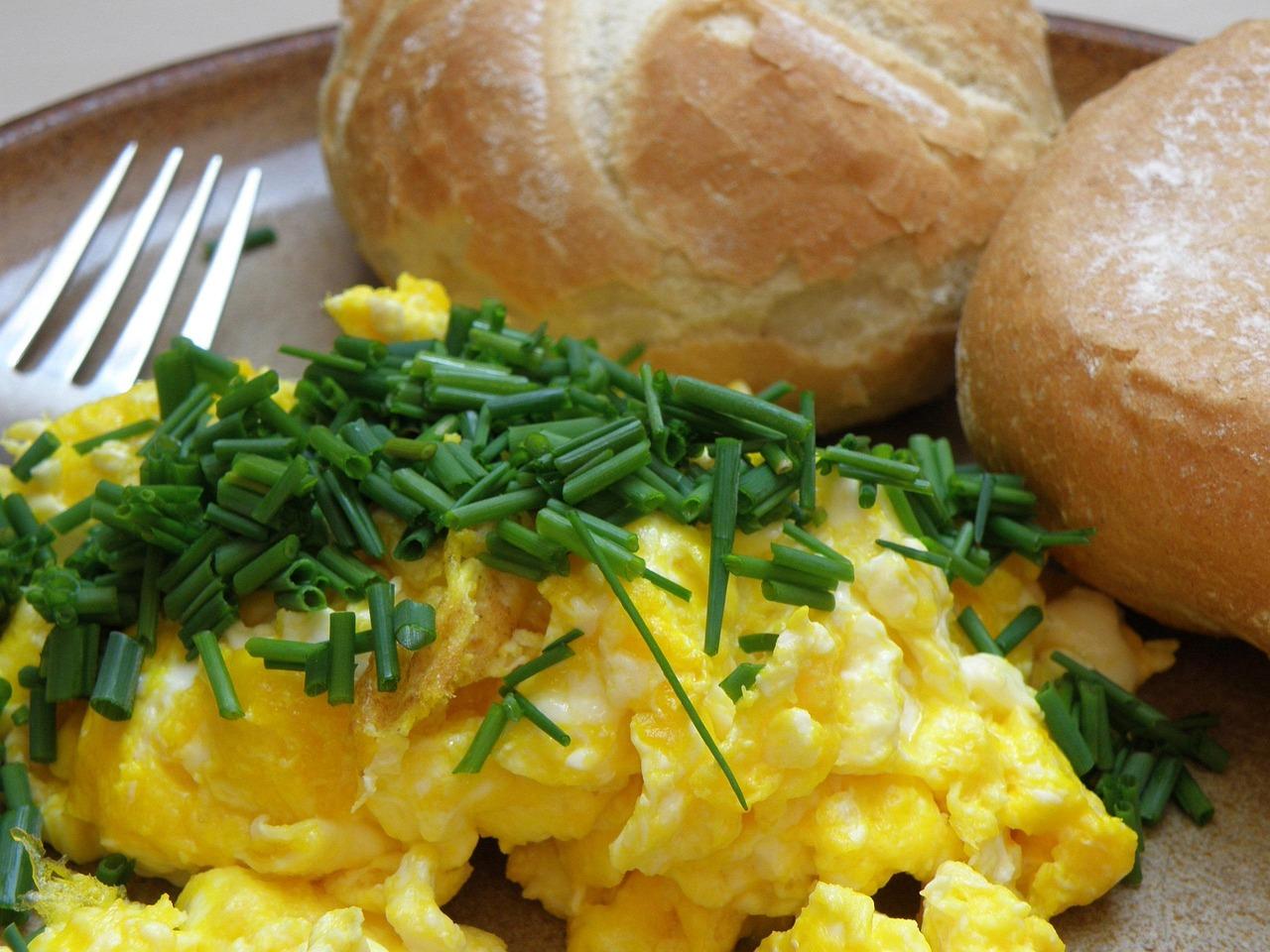
Jajecznica is what a Polish household cooks when there are ten minutes and a box of eggs: soft, large curds stirred slowly in plenty of butter, sometimes with a little onion softened first and always with a shower of chives. It turns up at weekend breakfasts with bread and sliced tomato, and just as often as a light supper after work. The usual mistake is a pan that is too hot, which turns the eggs rubbery and weepy before they have had a chance to go creamy. If you are cooking for anyone pregnant, very young, older or otherwise vulnerable, cook the curds until no liquid egg remains. Chef's tip: take the pan off the heat while the eggs still look slightly underdone; they finish setting on the way to the plate.

by KrazyBadal 0 views

Młode ziemniaki z koperkiem (new potatoes with dill)

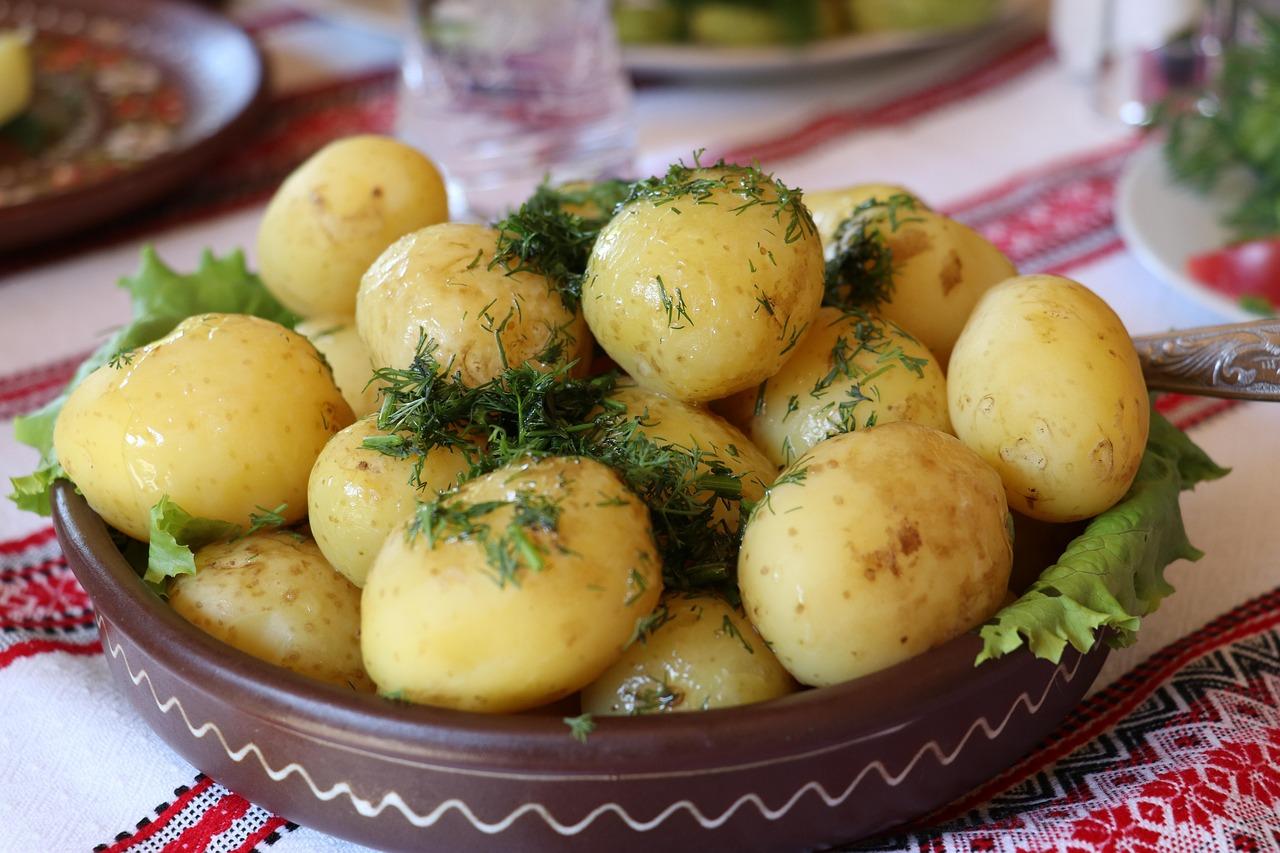
In June, when the first new potatoes reach Polish markets, many families make a whole supper of them: thin-skinned potatoes boiled, tossed in melted butter and a fistful of chopped dill, with a glass or bowl of cold kefir or buttermilk alongside. It is simple, early-summer country food, and it also sits next to fried eggs or cucumber salad. The common mistake is peeling them or boiling them hard; new potatoes should be scrubbed only and simmered gently, or they split and go watery. Chef's tip: add the dill only once the potatoes are off the heat, so it stays bright green and fresh-tasting.

by KrazyBadal 0 views

Gzik (Poznań quark with radish and chives)

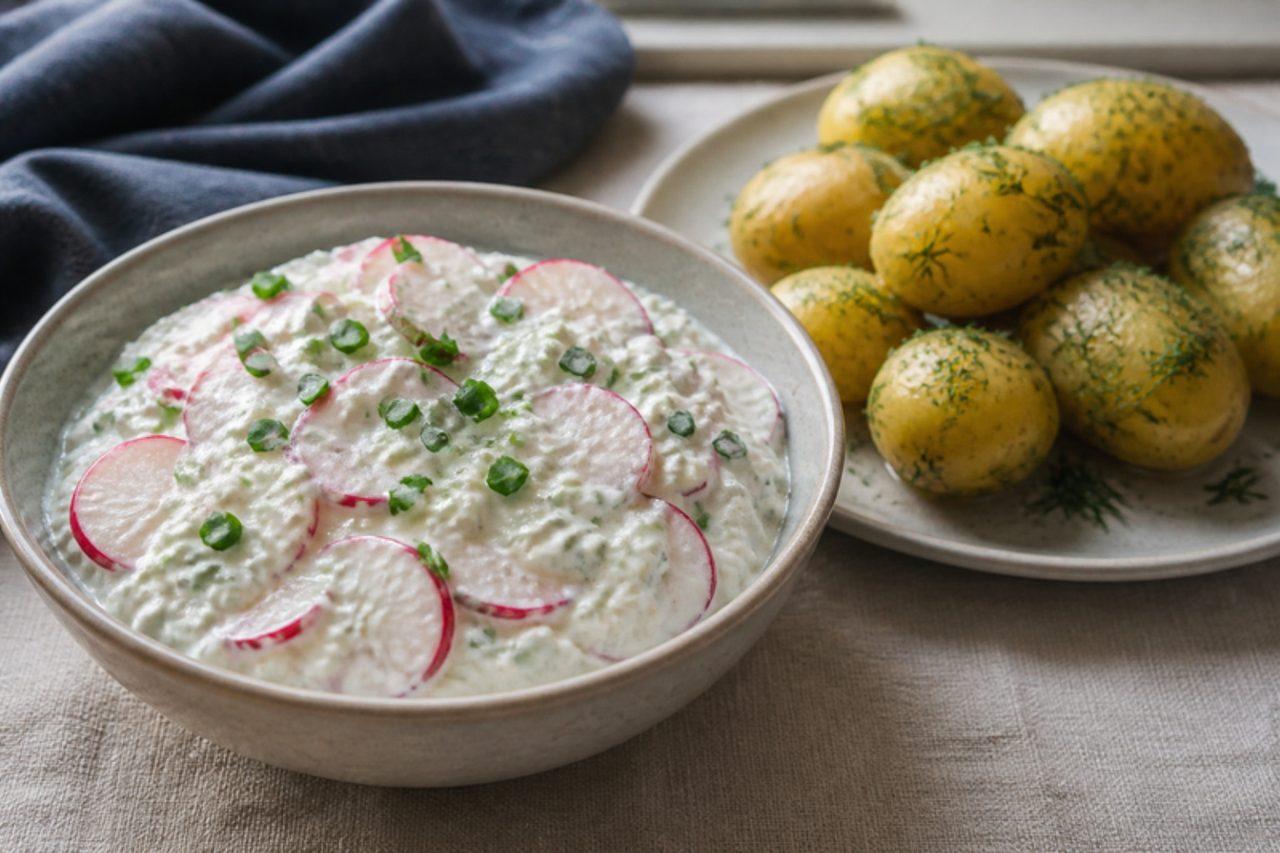
Gzik is a Poznań favourite, so much a part of Greater Poland that the region's potato-and-quark supper, pyry z gzikiem, has its own festival. Soft white quark is beaten with sour cream, then mixed with chopped radish, onion and chives into a cool, tangy, crunchy spread that is spooned over hot boiled potatoes in their skins, or onto rye bread for breakfast. The most common mistake is using dry, crumbly quark without loosening it, which gives a pasty gzik; it should be smooth and just spoonable. Quark and sour cream are made without rennet, so this is a good vegetarian choice. Chef's tip: salt the chopped radish and onion only at the last minute, so they stay crisp instead of weeping into the cheese.

by KrazyBadal 0 views

Tallarines rojosSpaghetti in red sauce with chicken

Tallarines rojos is the Sunday-lunch and weeknight pasta of homes all over Peru, from Lima to Arequipa: spaghetti in a sweet, deep-red sauce of blended tomato, onion and garlic with a little ají panca and oregano, often with pieces of chicken cooked right in it. Children love it, and it is served with a sprinkle of grated cheese and sometimes a spoon of huancaína on the side. The usual mistake is cooking the sauce too briefly, so it tastes of raw onion; let the blended tomato fry until it darkens and the oil shows at the edges. Chef's tip: a bay leaf and a spoon of ají panca paste give the sauce its Peruvian character; paprika will do if you can't find the paste.

by KrazyBadal 0 views

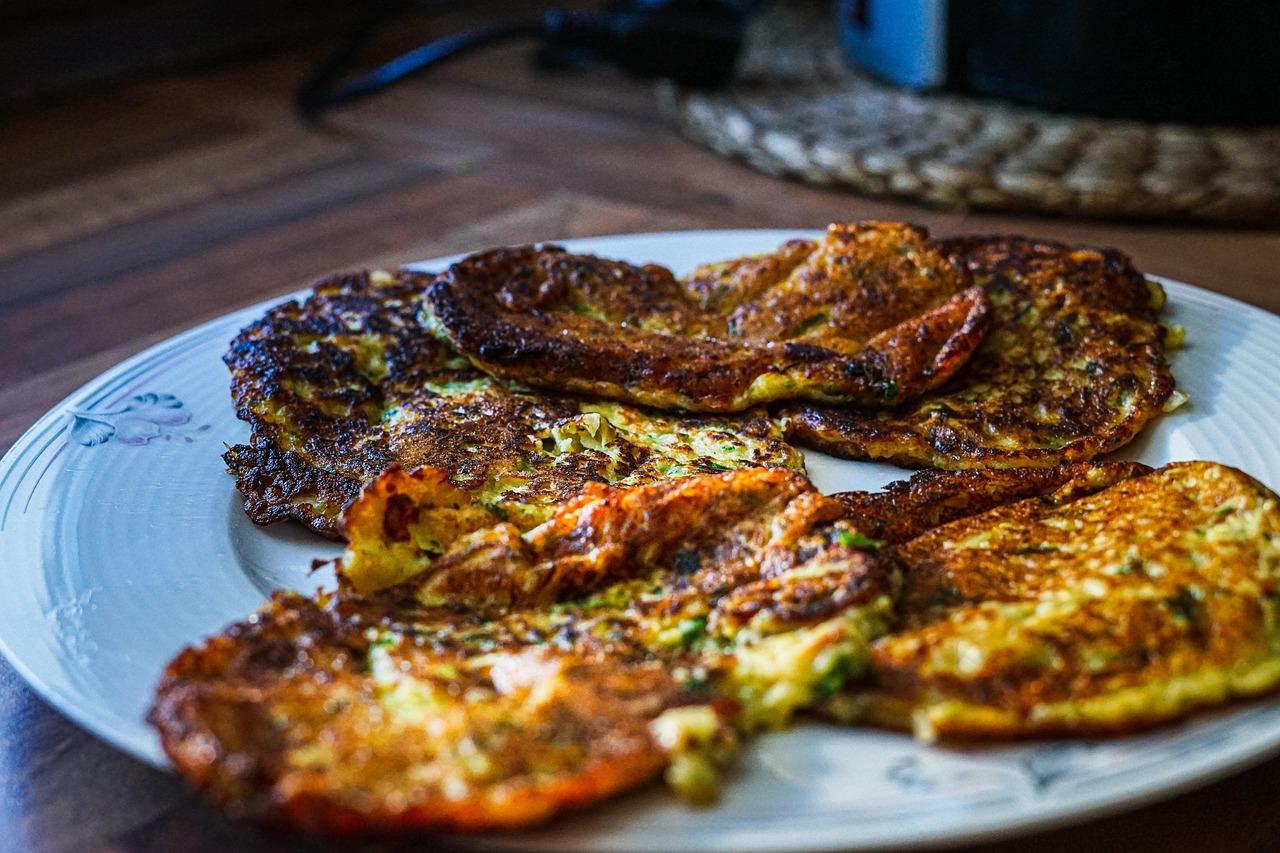
Placki z cukinii (Polish courgette fritters)

Every Polish allotment produces more courgettes in August than anyone can eat, and placki z cukinii is how the glut becomes a weeknight dinner: grated courgette bound with egg, a little flour and plenty of dill, fried into golden, soft-centred fritters. They are eaten hot with a spoon of sour cream or a garlicky yogurt dip, and leftovers go into lunchboxes the next day. The mistake that ruins them is skipping the squeeze: courgette is mostly water, and unwrung it makes a loose batter that spits in the pan and fries up soggy. Chef's tip: salt the grated courgette and leave it for 10 minutes while you get everything else ready, then wring it hard in a clean tea towel.

by KrazyBadal 0 views

Pejerrey arrebozadoBattered fish fillets with onion salsa

Pejerrey arrebozado is a Lima classic from the cevicherías and home kitchens of the coast, eaten at lunch on a plate with white rice, a heap of sharp salsa criolla and sometimes boiled potato. The pejerrey, a small silverside, is opened into butterflied fillets, dipped in a light egg-and-flour batter and fried golden. Outside Peru, use small fillets of whiting, sole, haddock or tilapia. The batter here uses sparkling water, not beer, so it is alcohol free. The common mistake is frying in oil that isn't hot enough: the batter drinks the oil and turns greasy, so test with a drop of batter first. Chef's tip: make the salsa criolla first and let the onion sit in lime for ten minutes; it softens its bite and turns a pretty pink.

by KrazyBadal 0 views

Chicharrón de pescadoCrisp fried fish chunks

Up and down the Peruvian coast, from Chorrillos in Lima to the beaches of Piura, chicharrón de pescado is the crunchy plate ordered alongside ceviche at a long seafood lunch: bite-size chunks of firm white fish marinated briefly in garlic and lime, dusted in flour and fried, then served with fried cassava, salsa criolla and tartar or rocoto sauce. Using frozen peeled cassava keeps it to half an hour. The common mistake is leaving the fish in the lime too long: after about ten minutes the acid starts to 'cook' the outside and the coating slips off. Chef's tip: toss the floured pieces in a sieve to shake off every bit of loose flour; a thin coat fries crisp, a thick one turns pasty.

by KrazyBadal 0 views

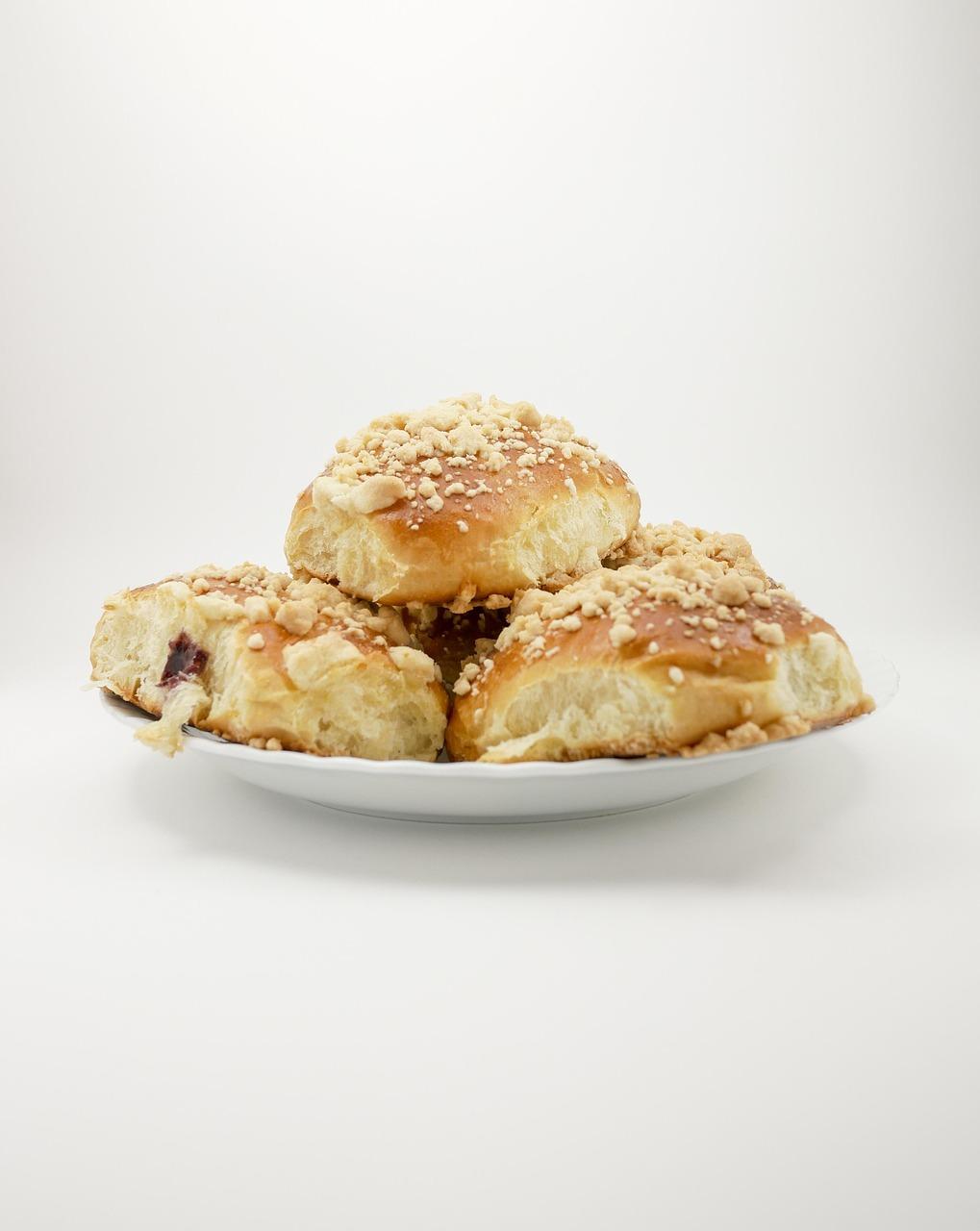
JagodziankiBlueberry crumble buns

When the forest blueberries (jagody) arrive in July, Polish bakeries start selling jagodzianki by the trayful, and queues form for them warm. Each oval bun is soft, buttery yeast dough wrapped around a juicy pocket of blueberries, topped with a crunchy butter crumble and sometimes a drizzle of icing. They are a summer treat for the beach, the train or an afternoon with coffee, and children eat them by the bagful, staining their fingers purple. Berries tossed in sugar alone burst through the seams; the potato starch thickens the juice so it stays inside. Chef's tip: pinch the seams very firmly and set the buns seam side down, then press the crumble on with your palm so it sticks to the egg wash.

145 minPolishBaking
by KrazyBadal 0 views

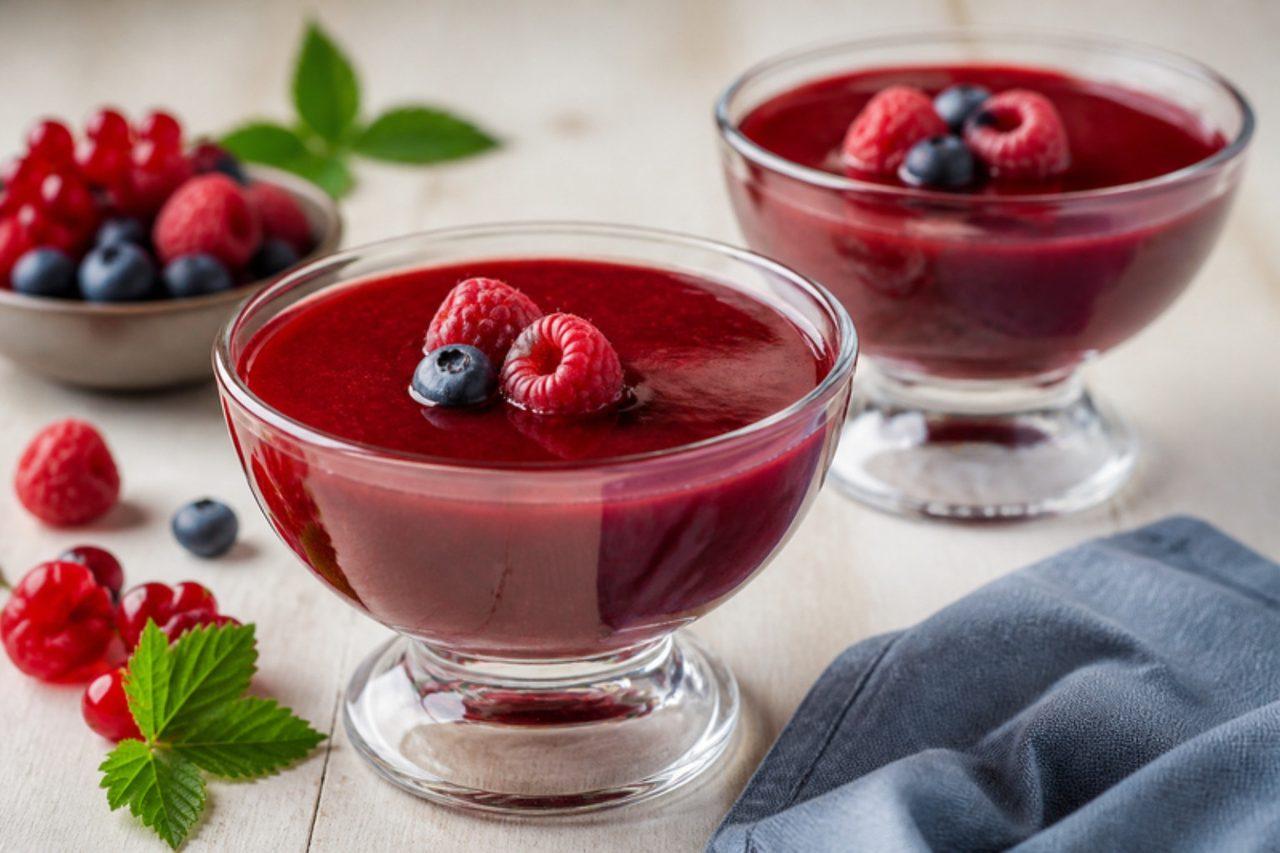
Kisiel (Polish fruit jelly drink)

Kisiel is a Polish childhood staple served in school canteens and at home after school, warm in winter and chilled in summer, somewhere between a thick drink and a soft jelly. Home-made versions use fruit or juice thickened with potato starch, without the bright colours of packet mixes. This one uses mixed berries and only a little sugar. None of the common allergens are in it. Chef's tip: always mix the starch with cold water first and pour it into the boiling fruit while stirring; added dry, it forms lumps that never dissolve.

by KrazyBadal 0 views

Kärntner ReindlingCinnamon raisin yeast cake

Carinthia's Easter loaf takes its name from the Reindl, the round, deep pan it is baked in, and in southern Austria no Easter basket goes to church without one. Inside the golden yeast crust is a spiral of butter, cinnamon sugar and plump raisins, so every slice shows a dark swirl. Locals eat it two ways: sweet with coffee on Easter morning, or alongside the savoury Easter platter with horseradish. Many bakers soak the raisins in rum overnight; warm water or tea works just as well and keeps it alcohol-free. A dry, crumbly Reindling usually means too much flour went in during kneading, so keep the dough soft and only lightly floured. Chef's tip: butter the pan well and dust it with sugar, which caramelises into a thin crunchy shell.

by KrazyBadal 0 views

Showing 24 of 358 recipes

Show more recipes

Page 1 of 15