Skip to content
Recipes

All recipes

Vegetarian, or something you can't eat? Set your diet once and we'll hide recipes that don't fit.

Pajagua mascadaBeef and cassava patties

Pajagua mascada is a Paraguayan street-food classic that appears on every table for the San Juan festival on 24 June, when bonfires burn and the night is full of games and traditional food. Minced beef is mixed with mashed cassava, onion, garlic and a little egg and flour, shaped into flat patties and fried until crisp. The name comes from Guaraní and refers to the 'chewing' of old Paraguayan cooks, who made it from leftover meat. Chef's tip: dry the boiled cassava well and remove its woody core, which keeps the patties light and crunchy.

by KrazyBadal 0 views

Khailmag (cream and raisin sweet)

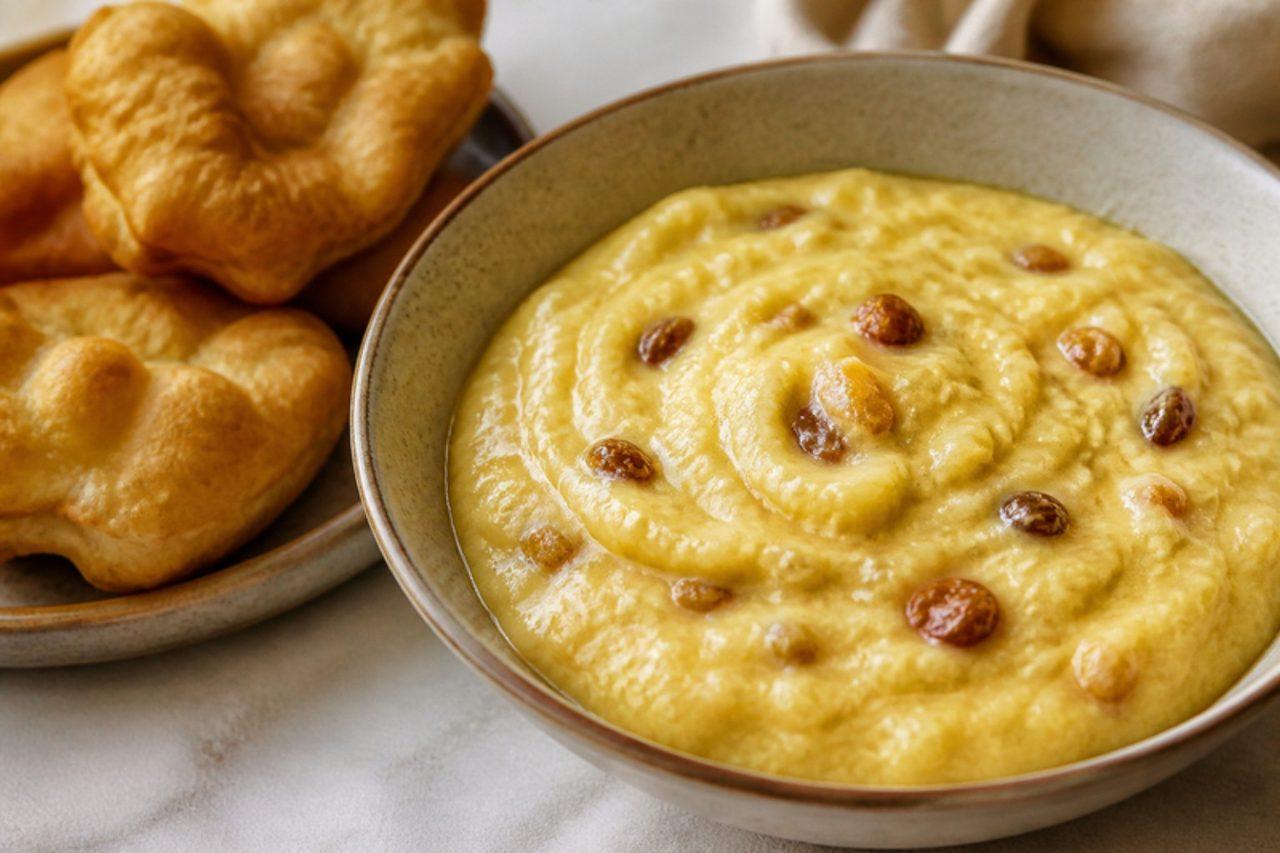
Tsagaan Sar, the Mongolian Lunar New Year, means 'White Month', and white dairy foods stand for purity, plenty and a clean start to the year, so homes across the country set out cream, curds and sweets beside the steaming buuz. Khailmag is one of the most luxurious: clotted cream (or Mongolian öröm, the thick skin skimmed from boiled milk) is cooked with butter-toasted flour, sugar and raisins until it turns into a golden, fudgy porridge. It is very rich, so serve small spoonfuls with salty milk tea, or alongside ul boov biscuits and boortsog. There is no alcohol in it. Chef's tip: toast the flour slowly until it smells nutty; that toasting gives khailmag its caramel flavour.

by KrazyBadal 0 views

Mont let saung (Burmese sago in coconut milk and jaggery)

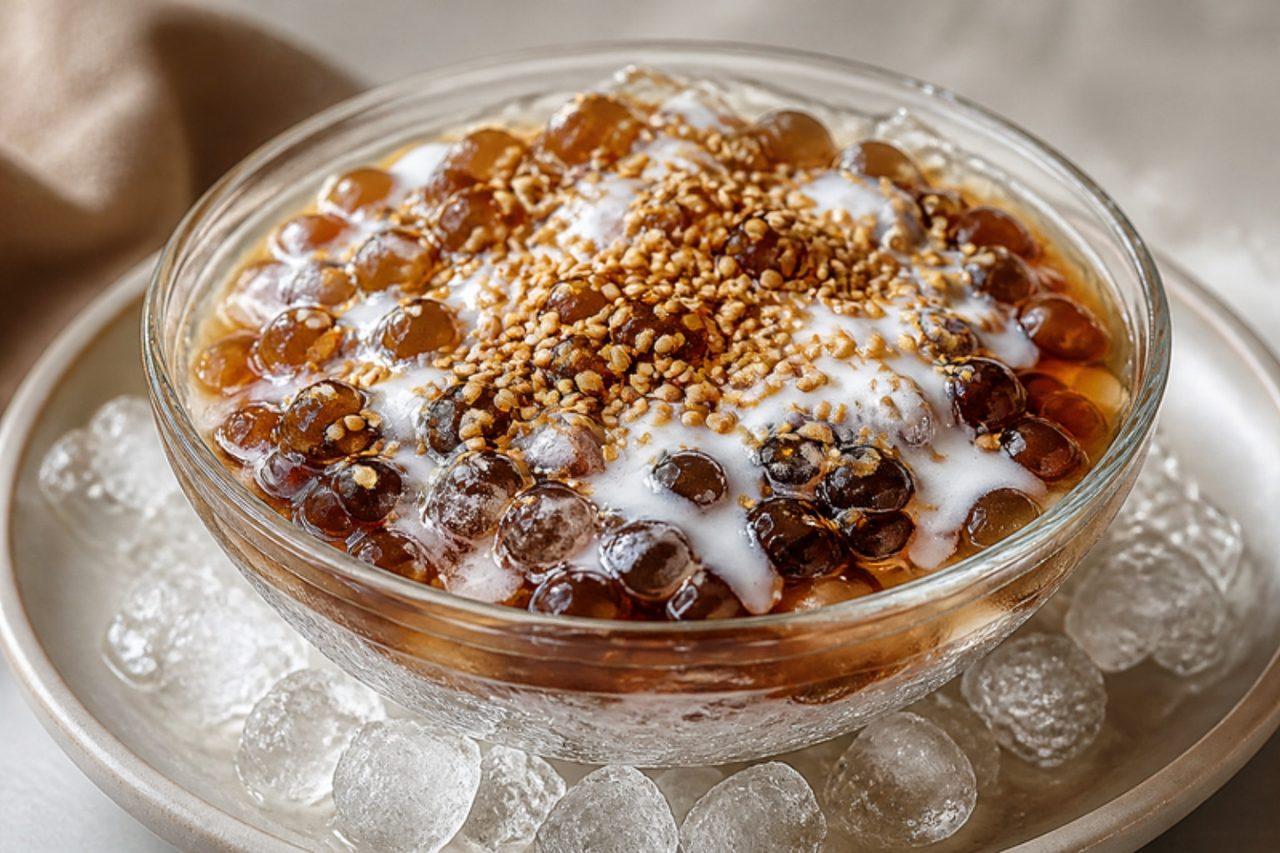
During Thingyan, the Burmese water festival that ends the old year in mid-April, stalls across Myanmar hand out free food and cold drinks as a way of making merit, and mont let saung is one of the best loved. Chewy, glassy sago pearls (or short white rice-flour threads in some towns) sit on crushed ice, soaked in dark jaggery syrup and lightly salted coconut milk, with toasted sesame on top. It is cool, sweet and gently smoky from the jaggery, exactly what you want after a day of being splashed with water. Serve it in glasses or bowls as soon as it is assembled. Chef's tip: a pinch of salt in the coconut milk is what makes the jaggery taste rounder, so don't skip it.

by KrazyBadal 0 views

Tmar mehchi (Moroccan almond-stuffed dates)

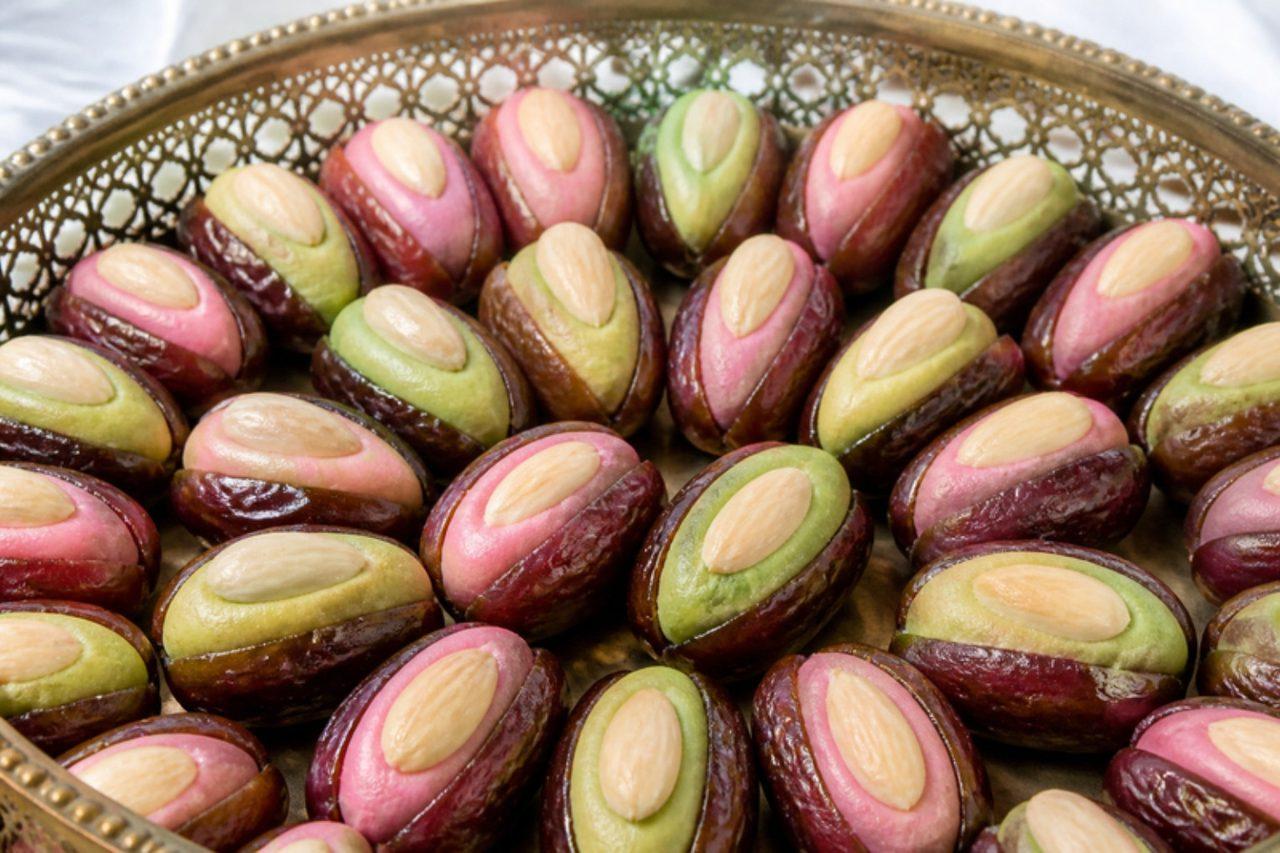
Tmar mehchi is the stuffed date of Fez and Marrakech, piled high on silver trays at weddings, engagements and Eid, and offered to guests with mint tea. Soft dates are filled with a homemade almond paste perfumed with orange-blossom water, often tinted pale green or pink to match the celebration, then scored with a knife so the filling shows. They are soft, rich and caramel-sweet, with a floral, nutty middle. The paste here is mixed from ground almonds and icing sugar, so there is no shop marzipan, which can contain egg white. It is naturally egg-free: the dates' sticky flesh and a few spoonfuls of orange-blossom water bind the almond filling. Chef's tip: add the orange-blossom water a little at a time and stop when the paste is firm like play dough. The common mistake is a wet paste, which oozes out and makes the dates slippery.

by KrazyBadal 0 views

Chilcano de pescadoClear fish broth

In the fishermen's terminals of Chorrillos and Callao, chilcano is what you drink on a Sunday morning after a long night: a clear, gingery broth made from the heads and bones left over from cleaning fish for ceviche, with chunks of fish, red onion, chilli and a squeeze of lime in the bowl. It is light and warming, around 160 kcal a bowl, and still gives about 24 g of protein from the fish fillet and the broth. The common mistake is squeezing the lime into the pot while it boils, which turns it bitter; add it to each bowl at the table. Don't boil the bones for more than 30 minutes either, or the broth turns cloudy and harsh. Chef's tip: ask the fishmonger for heads and frames from mild white fish like sea bass or cod, and leave out oily fish such as mackerel, which makes the broth strong and fishy.

by KrazyBadal 0 views

Chin baung kyawStir-fried roselle leaves

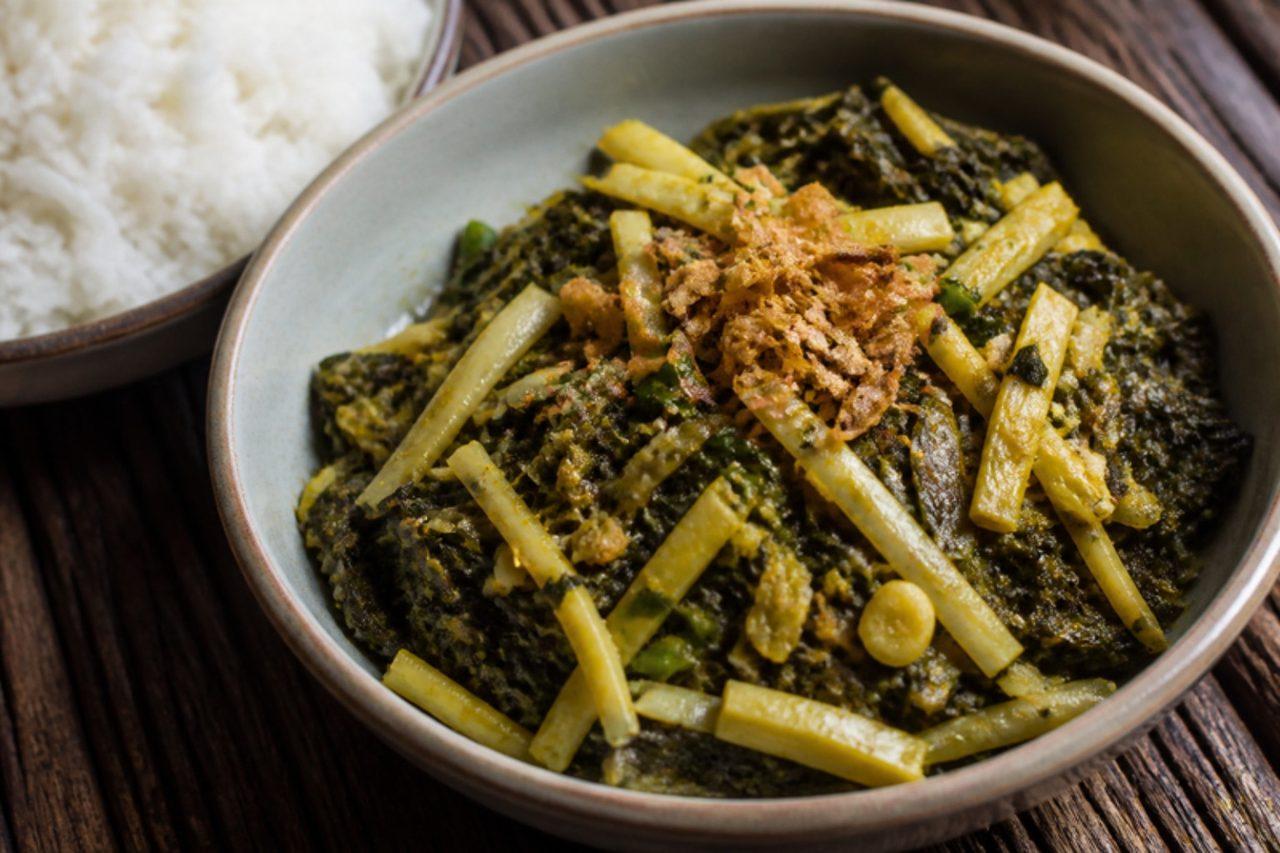
Chin baung, the tart leaf of the roselle plant, is so loved in Myanmar that it is sometimes called the national vegetable, and chin baung kyaw is cooked in homes from Yangon to Mandalay as a sharp, garlicky side for rice and a bowl of light soup. The leaves collapse into a dark, tangy, almost jammy relish with bamboo shoot and chilli. The usual version has dried shrimp or a little fish sauce; this one is vegetarian, using fried shallots and a pinch of salt for savour. It is a side with about 3 g of protein per portion. The common mistake is under-cooking: the leaves should be fried until the liquid has gone and the oil separates, or the sourness tastes raw. If you can't find roselle leaves, use sorrel or spinach with a squeeze of lime. Chef's tip: let the garlic and shallots turn properly golden before the leaves go in; their sweetness balances the sourness.

by KrazyBadal 0 views

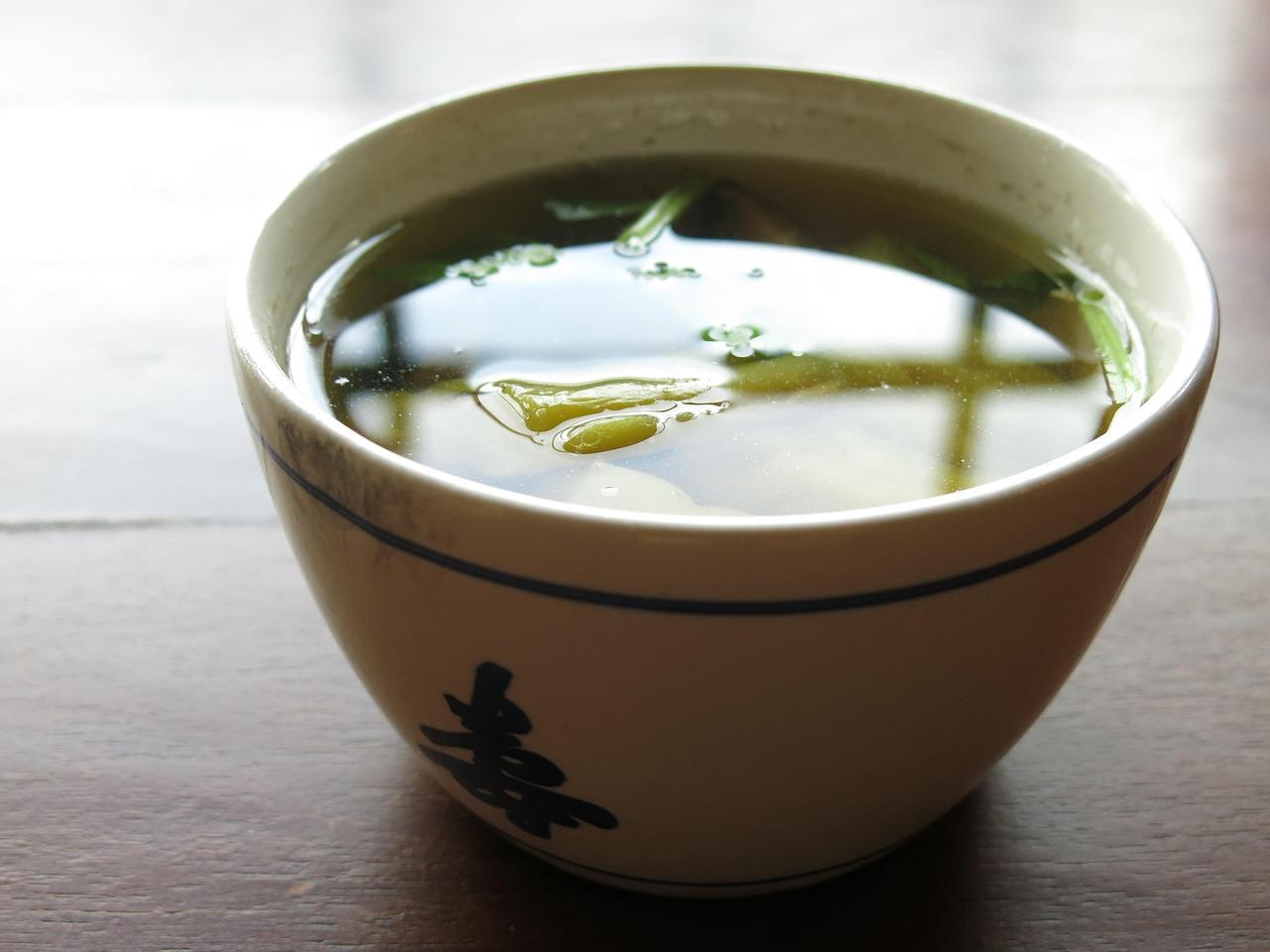
Hin gyoLight clear gourd soup

In Myanmar, no curry lunch or dinner, in Yangon or a village in the Shan hills, is complete without a bowl of hin gyo: a mild, clear 'sweet soup' sipped between mouthfuls of rich, oily curry to refresh the palate. This one uses bottle gourd, simmered with onion, garlic and plenty of black pepper. Homes often season it with dried shrimp or fish sauce; this vegetarian version gets its savoury depth from fried garlic and a little soy sauce instead. It is very light, with about 2 g of protein per bowl. The common mistake is overcooking the gourd until it collapses; take it off when it is translucent but still holds its shape. Chef's tip: crush the peppercorns coarsely just before adding them, because the pepper is the soul of this soup.

by KrazyBadal 0 views

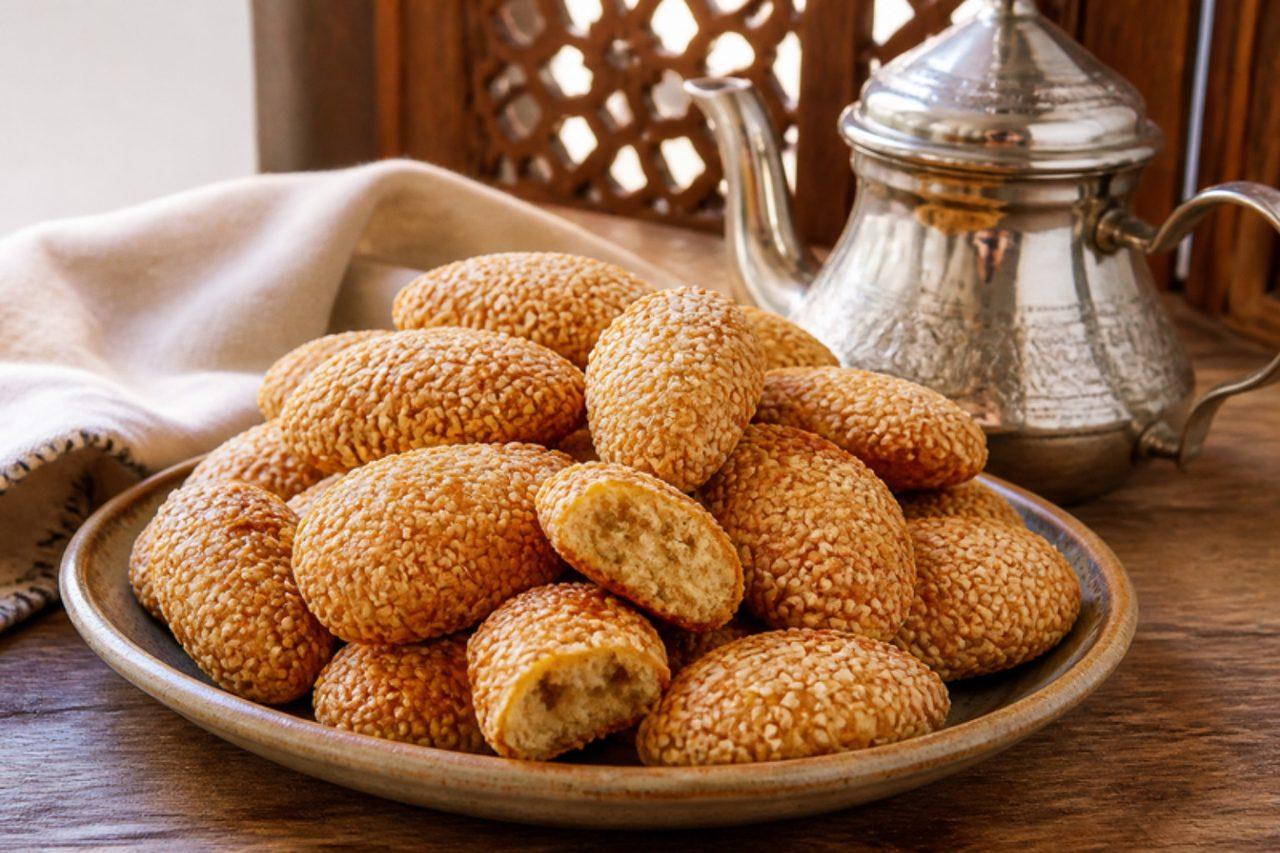
Moroccan bachkoutouOrange and sesame dunking biscuits

Moroccan grandmothers bake bachkoutou by the trayful and keep them in big tins for the afternoon glass of sweet mint tea, and neighbourhood ovens in Fes and Casablanca bake them for families who bring their dough. These are dry, crunchy little biscuits, not rich at all, made with eggs, sugar and oil rather than butter, with orange zest and a coating of toasted sesame; they are meant to be dunked until they soften slightly. Shapes vary from town to town: fingers, rings and rope twists are all common, and some cooks add aniseed. Too much flour is the easy mistake: the dough should stay soft and slightly sticky, or the biscuits bake heavy and hard rather than crisp and light. Chef's tip: once they are cold, put them back in a warm, switched-off oven for 20 minutes; that extra drying is what makes them keep their snap for weeks.

by KrazyBadal 0 views

Tallarines rojosSpaghetti in red sauce with chicken

Tallarines rojos is the Sunday-lunch and weeknight pasta of homes all over Peru, from Lima to Arequipa: spaghetti in a sweet, deep-red sauce of blended tomato, onion and garlic with a little ají panca and oregano, often with pieces of chicken cooked right in it. Children love it, and it is served with a sprinkle of grated cheese and sometimes a spoon of huancaína on the side. The usual mistake is cooking the sauce too briefly, so it tastes of raw onion; let the blended tomato fry until it darkens and the oil shows at the edges. Chef's tip: a bay leaf and a spoon of ají panca paste give the sauce its Peruvian character; paprika will do if you can't find the paste.

by KrazyBadal 0 views

Chicharrón de pescadoCrisp fried fish chunks

Up and down the Peruvian coast, from Chorrillos in Lima to the beaches of Piura, chicharrón de pescado is the crunchy plate ordered alongside ceviche at a long seafood lunch: bite-size chunks of firm white fish marinated briefly in garlic and lime, dusted in flour and fried, then served with fried cassava, salsa criolla and tartar or rocoto sauce. Using frozen peeled cassava keeps it to half an hour. The common mistake is leaving the fish in the lime too long: after about ten minutes the acid starts to 'cook' the outside and the coating slips off. Chef's tip: toss the floured pieces in a sieve to shake off every bit of loose flour; a thin coat fries crisp, a thick one turns pasty.

by KrazyBadal 0 views

Pejerrey arrebozadoBattered fish fillets with onion salsa

Pejerrey arrebozado is a Lima classic from the cevicherías and home kitchens of the coast, eaten at lunch on a plate with white rice, a heap of sharp salsa criolla and sometimes boiled potato. The pejerrey, a small silverside, is opened into butterflied fillets, dipped in a light egg-and-flour batter and fried golden. Outside Peru, use small fillets of whiting, sole, haddock or tilapia. The batter here uses sparkling water, not beer, so it is alcohol free. The common mistake is frying in oil that isn't hot enough: the batter drinks the oil and turns greasy, so test with a drop of batter first. Chef's tip: make the salsa criolla first and let the onion sit in lime for ten minutes; it softens its bite and turns a pretty pink.

by KrazyBadal 0 views

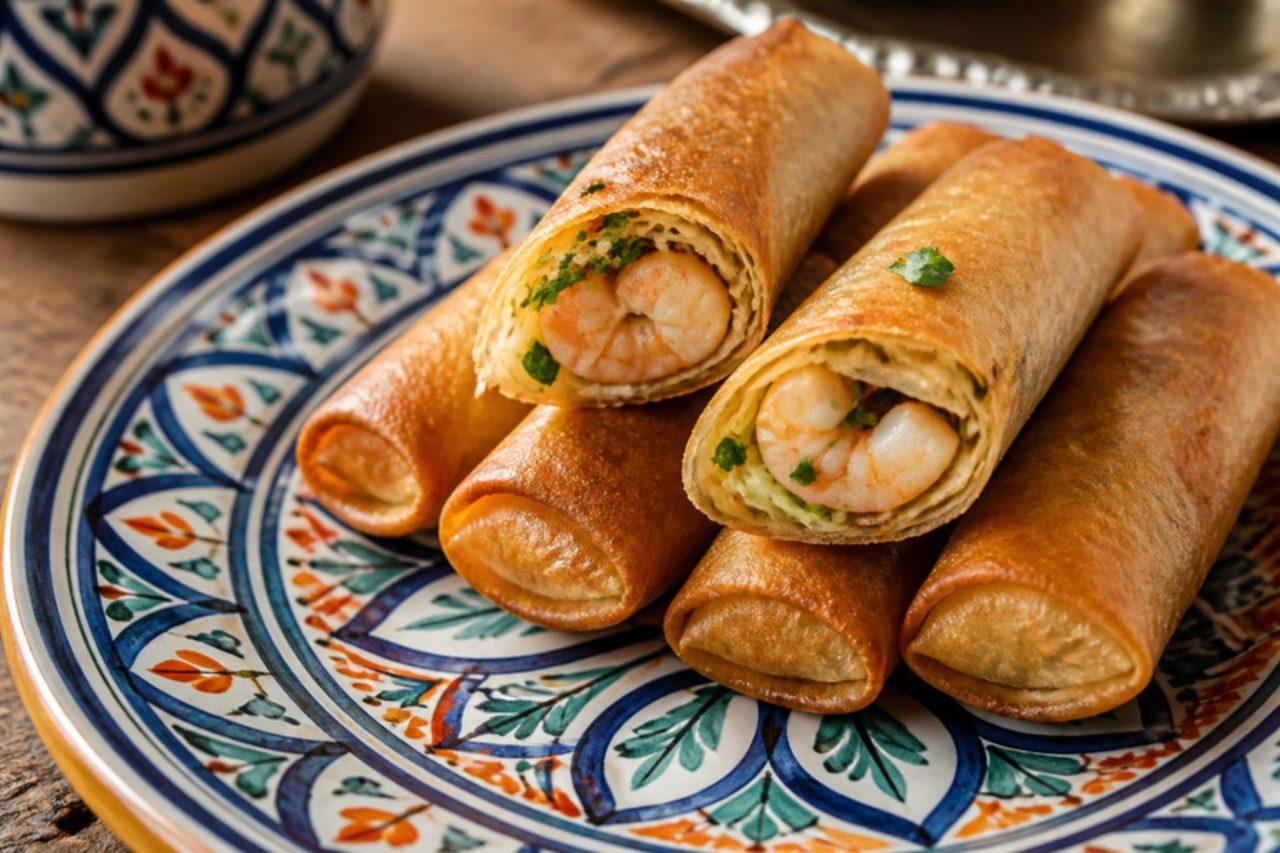
Shrimp and vermicelli briouats

In coastal cities like Agadir and El Jadida, the festive version of briouats is filled with prawns and rice vermicelli tossed in chermoula — a filling borrowed from seafood pastilla, but in a size you can eat in two bites. They come out at weddings, Eid lunches and Ramadan iftars, hot and crackling, with lemon. The usual mistake is a wet filling: cooked prawns and soaked noodles release water, so drain everything well and dry-fry the mix for a minute. Chef's tip: snip the soaked vermicelli into short lengths with scissors so the rolls fill evenly. Contains shellfish, wheat and egg.

by KrazyBadal 0 views

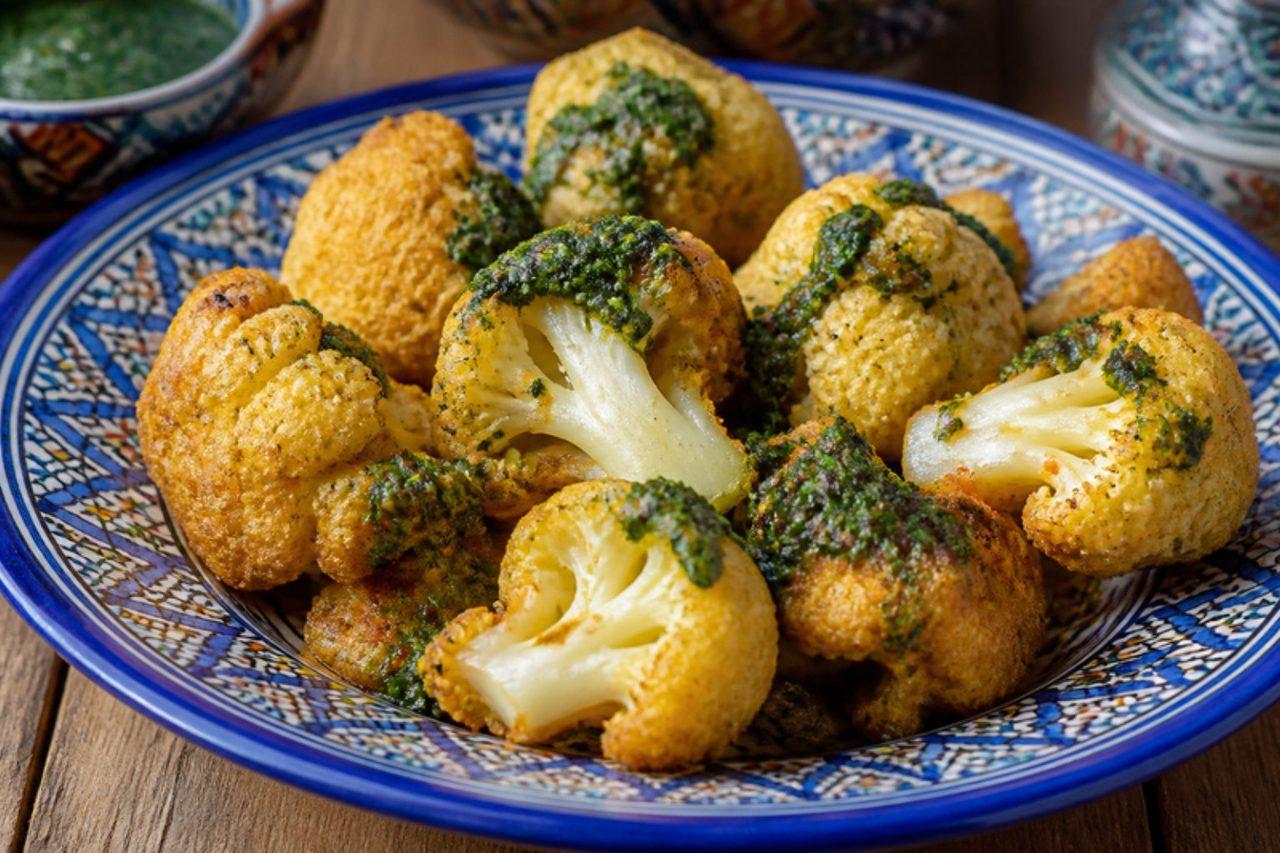
Moroccan fried cauliflower in cumin batter

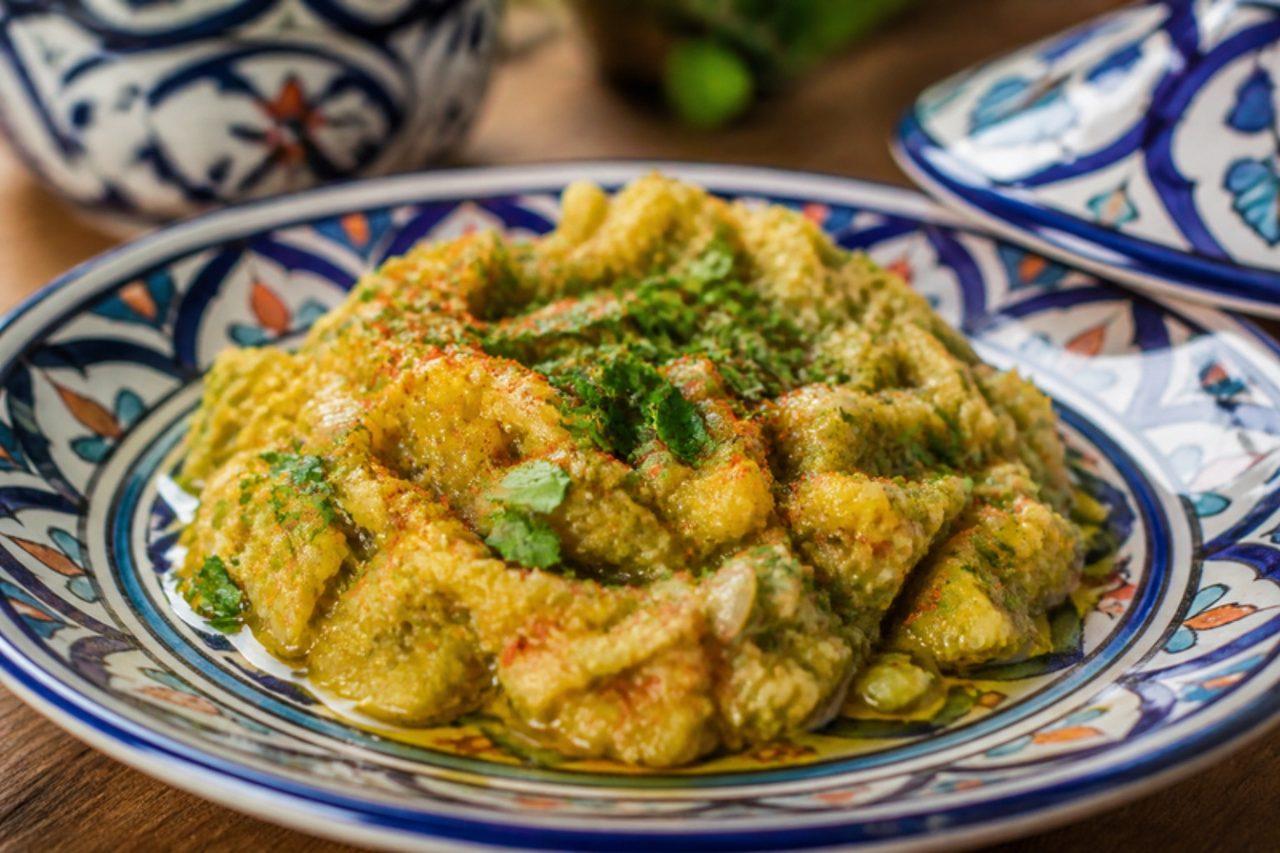
Casablanca home cooks fry cauliflower this way for Ramadan tables and family lunches alike: parboiled florets dipped in an egg batter heavy with cumin, paprika and parsley, then fried until puffed and golden. They're eaten hot with a squeeze of lemon or a spoon of chermoula, as a side to a tagine or on their own with bread. The common mistake is frying wet cauliflower; the batter slides off and spits, so dry the florets well after boiling. Chef's tip: keep the florets bite-sized and with a bit of stalk, so you can dip them by hand. Contains egg and wheat.

by KrazyBadal 0 views

Potato briouats (briwat batata)

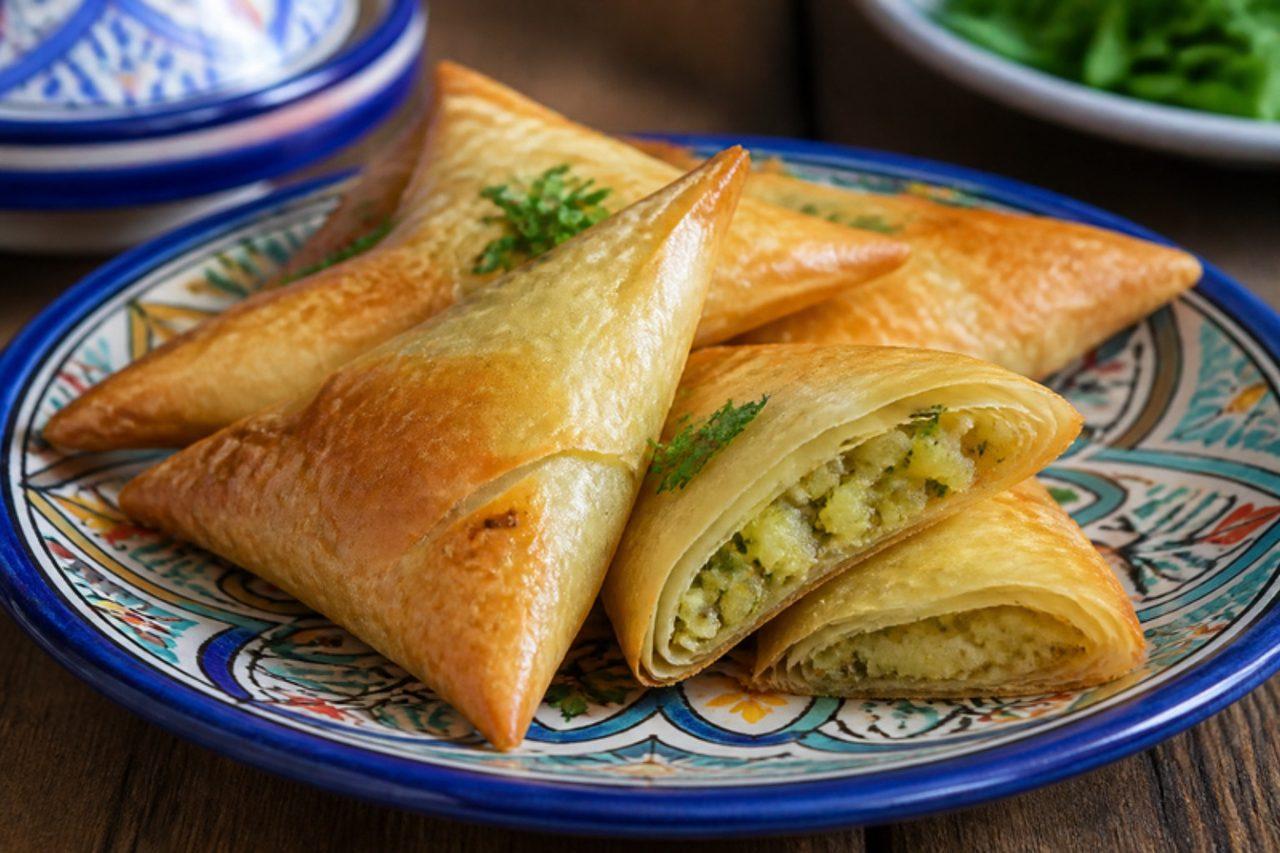
During Ramadan, the iftar tables of Casablanca and Marrakech are crowded with little fried pastries, and potato briouats are the budget-friendly favourite. A mash of potato, parsley, coriander, cumin and a little grated cheese is folded into warqa or filo triangles and fried until crackling. Serve them hot with harira or mint tea. The common mistake is a wet, warm filling, which makes the pastry soggy and tear; let the mash cool completely. Chef's tip: seal each triangle with a dab of egg yolk or flour paste; they won't open in the oil. Check cheese labels: some is made with animal rennet. Contains wheat, egg and milk.

by KrazyBadal 0 views

Kefta briouats (spiced beef triangles)

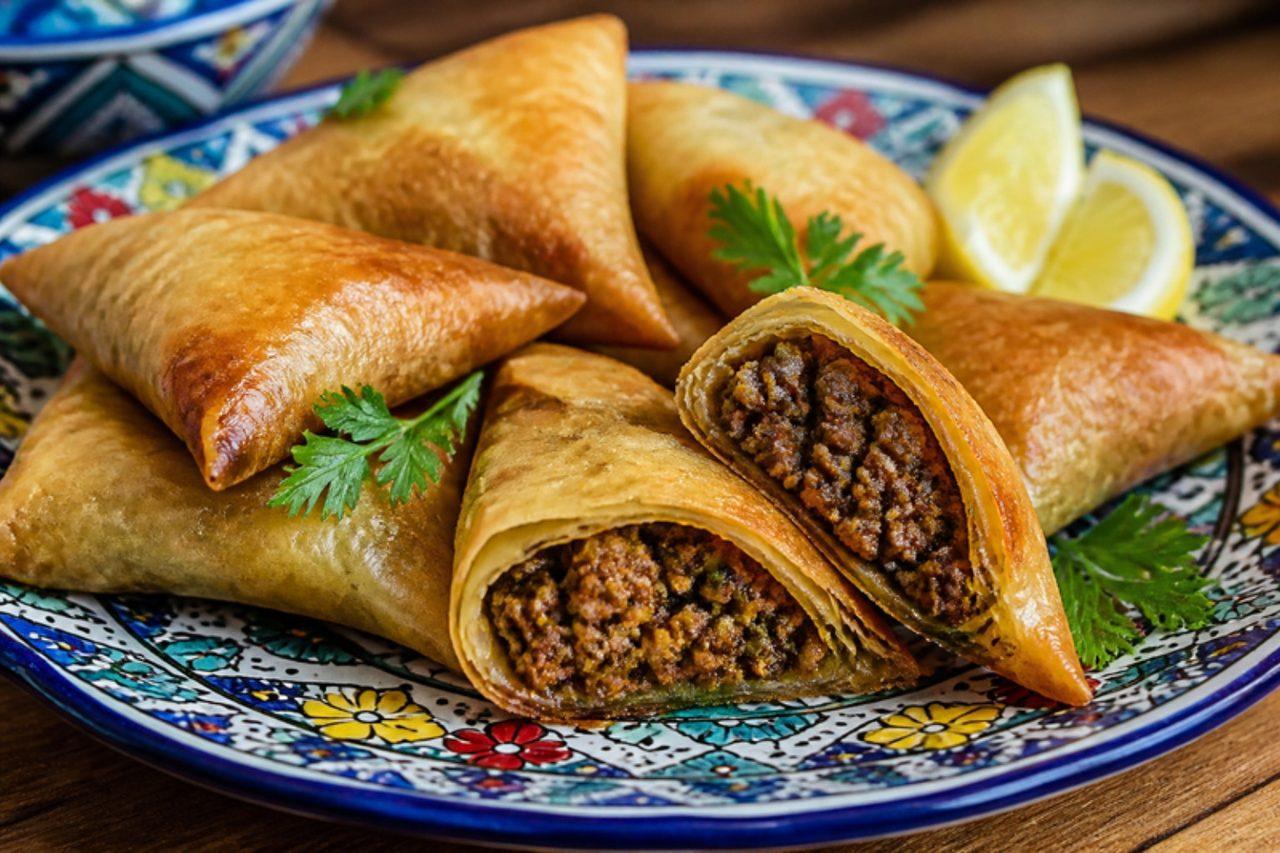
Kefta briouats are the savoury star of Moroccan party trays, from Tetouan weddings to Ramadan iftars in Casablanca: minced beef cooked with onion, cumin, paprika and cinnamon, bound with a little egg and folded into crisp warqa triangles. Serve them hot with a wedge of lemon and mint tea. People often fill the pastry with raw kefta and rely on frying to cook it; the meat won't get hot enough in a minute in the oil, so cook the filling fully first. Chef's tip: a beaten egg stirred into the hot meat right at the end sets into a binder and stops the filling crumbling. Contains wheat and egg.

by KrazyBadal 0 views

Shlada beldia (Moroccan tomato and cucumber salad)

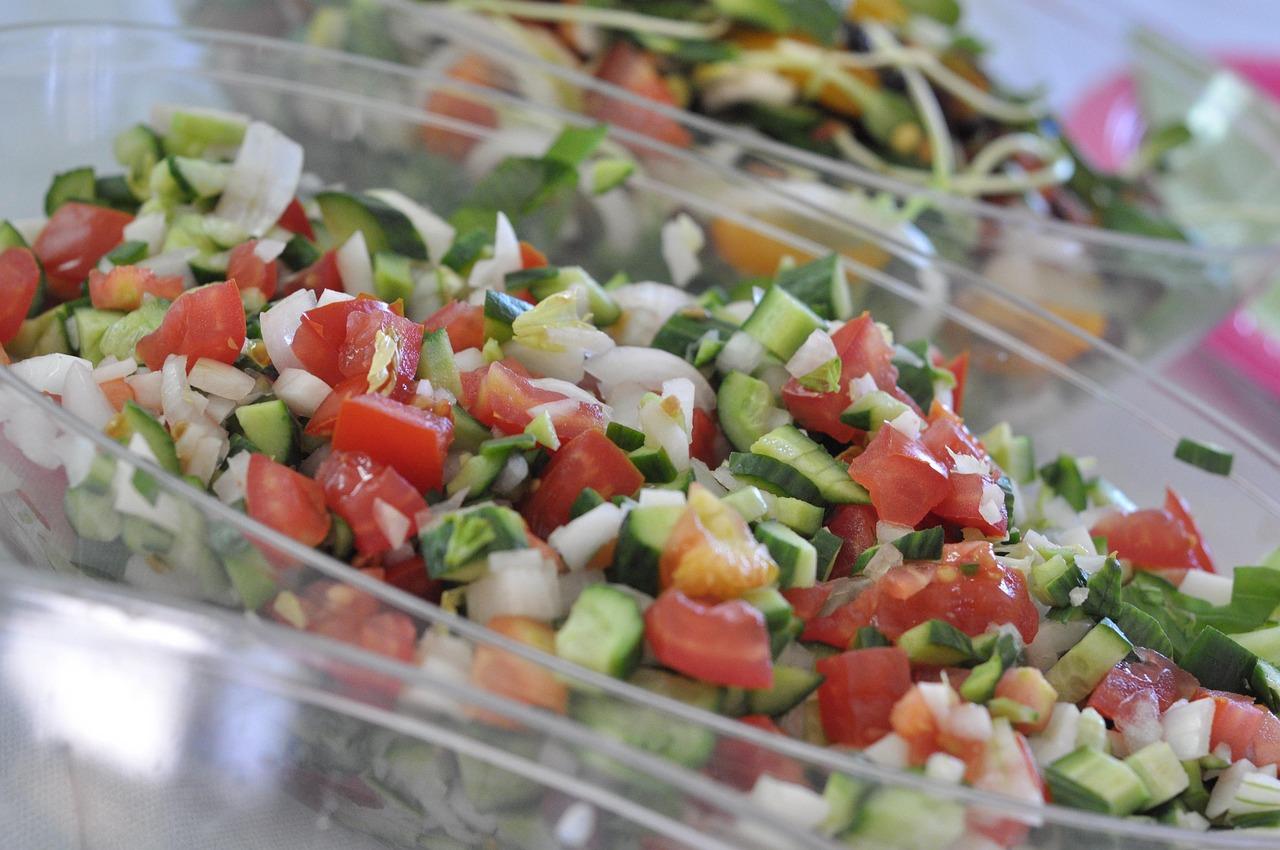
Shlada beldia, "country salad", sits next to the bread on almost every Moroccan table, from Marrakech grill stalls to a Tuesday family lunch in Oujda. Tomato, cucumber, onion and green pepper are diced as small as lentils, then dressed with lemon, olive oil, parsley and a pinch of cumin, so it eats like a fresh relish with grilled meat, tagines or eggs. The common mistake is dressing it too early: the tomatoes weep and it turns to soup, so salt it just before serving. Chef's tip: dice everything to the same tiny size; that's what makes it taste Moroccan rather than like a chopped salad.

by KrazyBadal 0 views

Shlada khiar (grated cucumber salad with oregano)

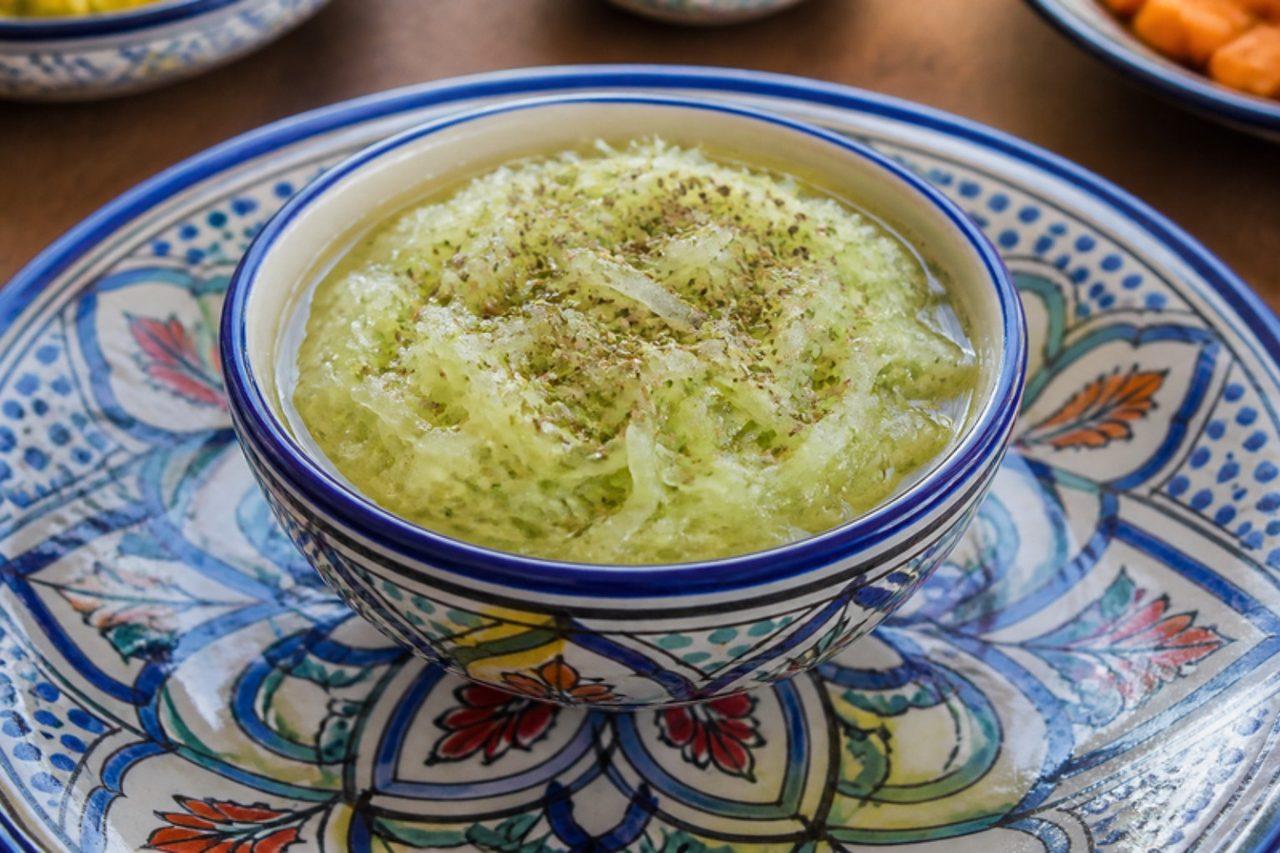
In the heat of a Fes or Marrakech summer, this ice-cold grated cucumber salad is served in bowls with spoons, half salad, half drink, alongside rich tagines or a plate of fried fish. Cucumber is grated and loosened with water, vinegar and a little sugar, then perfumed with crushed dried oregano or zaatar. Grating ahead and leaving it to sit in salt is the usual slip; the cucumber goes limp and bitter. Chef's tip: rub the oregano between your palms over the bowl to wake its oils.

by KrazyBadal 0 views

Shlada batata (Moroccan cumin potato salad)

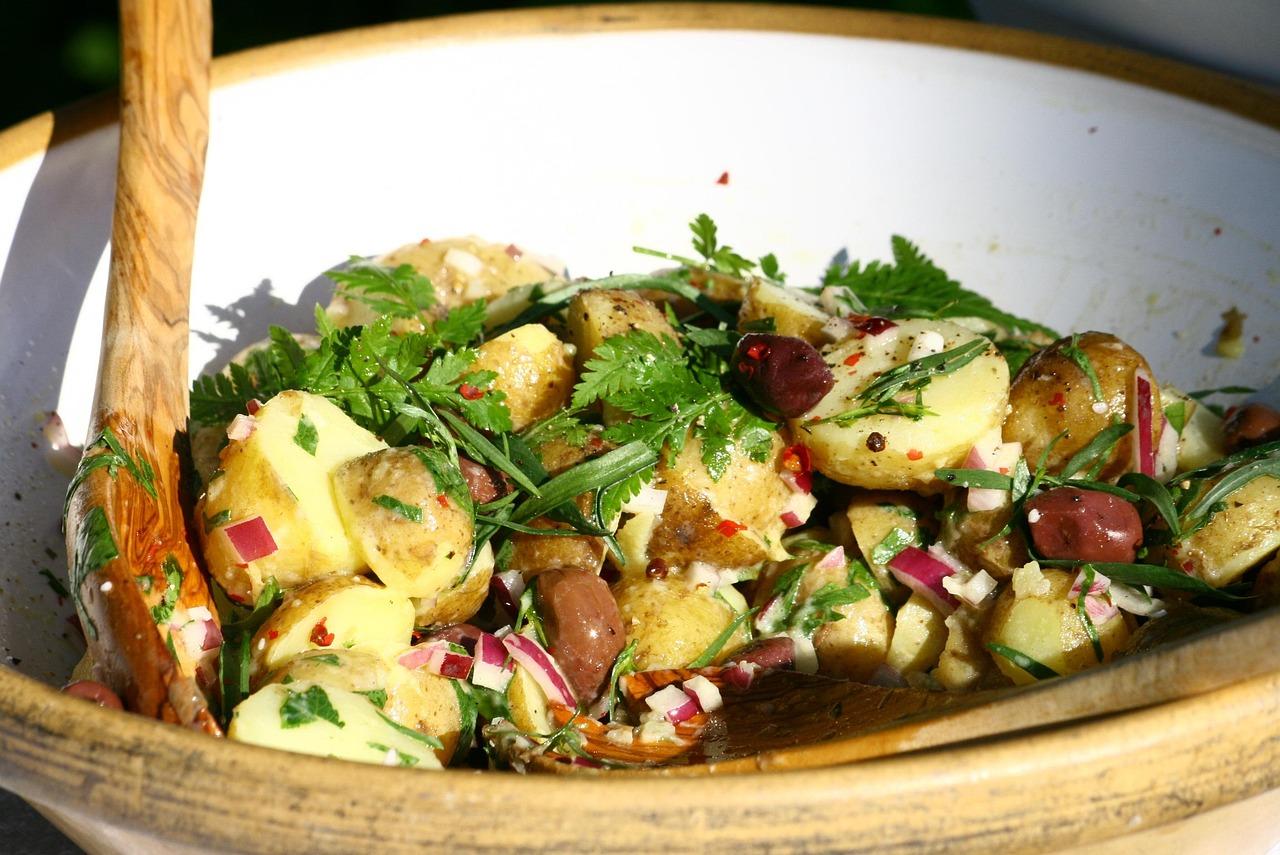
Shlada batata is one of the cooked salads that line up on a Moroccan table before Friday couscous, in Rabat as much as in the Rif: boiled potato chunks dressed while warm with olive oil, lemon, cumin, paprika, garlic and plenty of parsley, with no mayonnaise at all. It's eaten at room temperature with bread, or with grilled sardines. Dressing cold potatoes is the common mistake; they don't absorb the flavours, so toss them while they're still steaming. Chef's tip: a few slivers of preserved lemon peel make it unmistakably Moroccan.

by KrazyBadal 0 views

Cheese briouats (briwat bel fromage)

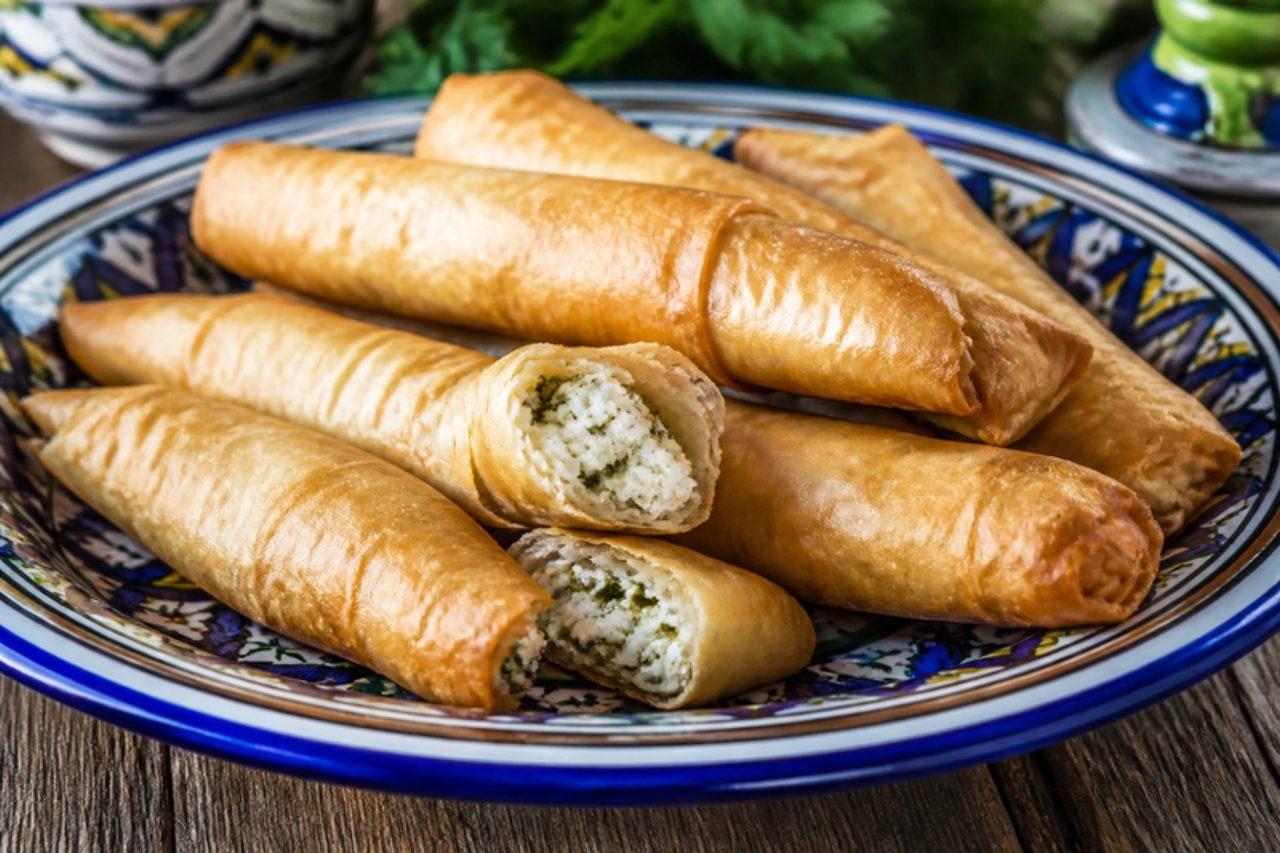
Cheese briouats are the cigars that disappear first from Ramadan tables in Rabat and Tangier: fresh, salty cheese mixed with egg, parsley and a pinch of chilli, rolled tight in warqa and fried until the pastry shatters. They're served hot, at iftar or with mint tea for afternoon guests. Overfilled cigars burst and leak cheese into the oil; a level tablespoon each is enough. Chef's tip: a little grated hard cheese in the mix stops the fresh cheese from going watery. Traditional fresh cheese like jben is made with animal rennet; choose a vegetarian one if needed. Contains milk, egg and wheat.

by KrazyBadal 0 views

Shlada gar'a (cooked courgette salad with cumin)

In Meknes and Casablanca the pale courgettes of early summer are cooked down into this soft, spiced salad, one of several little dishes set out with bread before the main course. The courgettes are steamed with garlic, then crushed lightly with olive oil, cumin, paprika and lemon until spoonable but still chunky. Serve it cool with bread or alongside grilled fish. Watery courgettes are the usual problem; cook off all the liquid before seasoning. Chef's tip: add a handful of chopped coriander only at the end so it stays bright.

by KrazyBadal 0 views

Moroccan sweet pumpkin salad

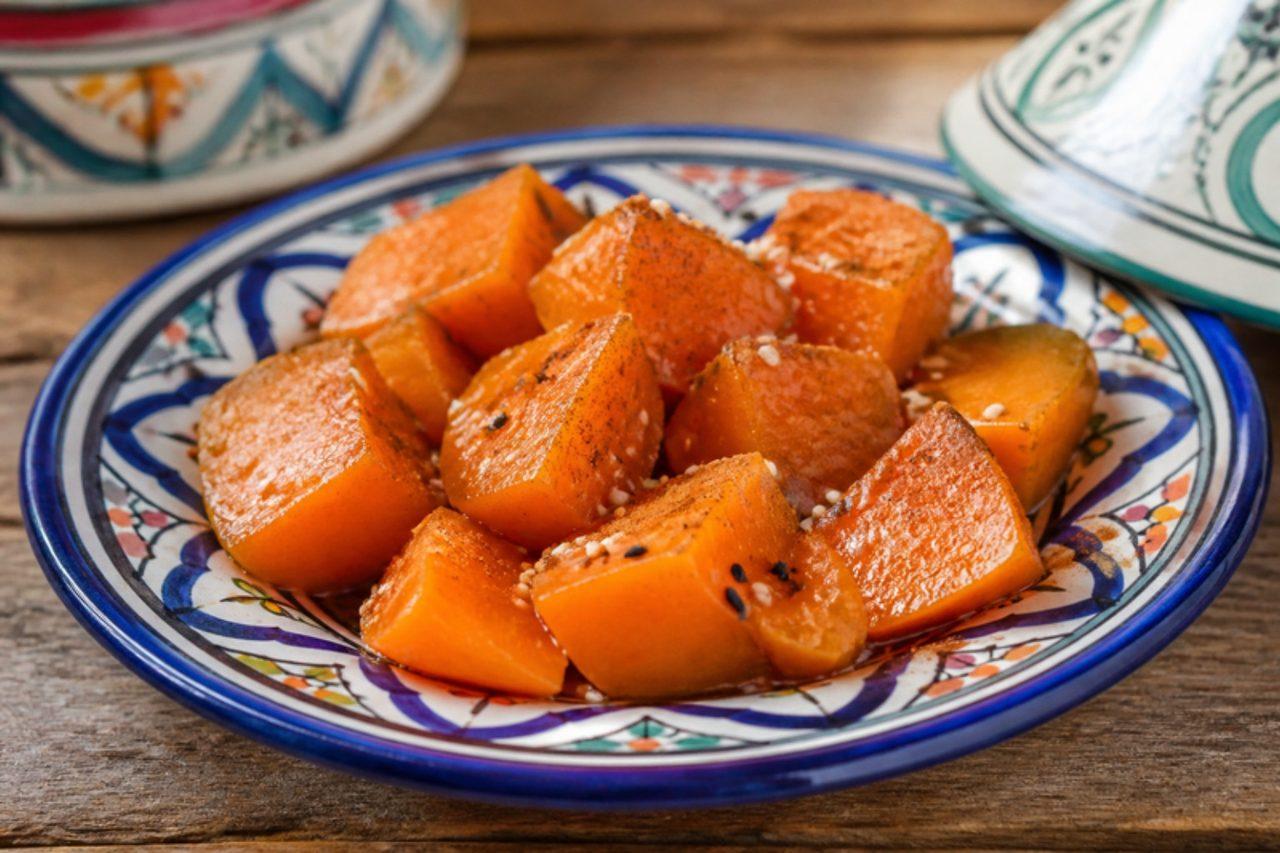
In Fes and Meknes no Friday couscous lunch starts without a ring of little cooked salads, and the sweet red pumpkin one is the children's favourite. Chunks of pumpkin are softened with a little oil, then cooked down with honey, cinnamon and a pinch of ginger until they collapse into a glossy, jammy mash with a few chunks left. Serve it at room temperature with bread, alongside sharper salads like zaalouk or carrots with cumin. Cooks often add too much water and end up with soup; the pumpkin gives off its own juice, so start almost dry. Chef's tip: scatter toasted sesame seeds over just before serving for crunch against the sweetness.

by KrazyBadal 0 views

Chorba khodra (light Moroccan vegetable soup)

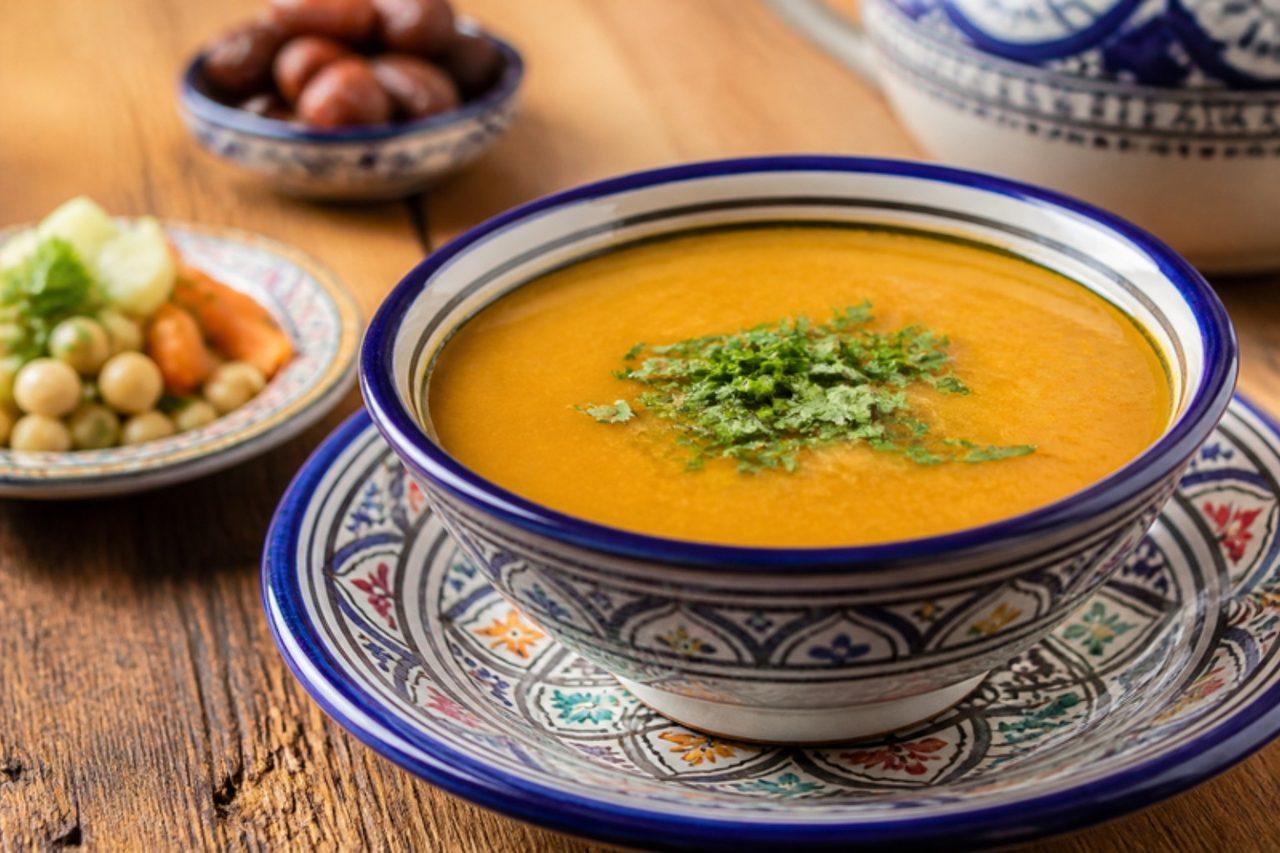
Chorba khodra is the everyday soup of Moroccan homes from Tangier to Agadir, served for supper on cold evenings and to anyone feeling unwell. Carrots, courgettes, potato, turnip and celery simmer with onion, tomato, coriander, parsley, ginger and a little turmeric, then get blended into a smooth, light orange soup thickened with a spoon of fine vermicelli or semolina. Serve with bread and a lemon wedge. Most people boil it too long so the herbs turn dull; add the fresh herbs in the last 10 minutes. Chef's tip: a teaspoon of smen or olive oil stirred in right before serving gives it the roundness of the restaurant version. Contains wheat (vermicelli).

by KrazyBadal 0 views

Moroccan party rice salad (shlada rouz)

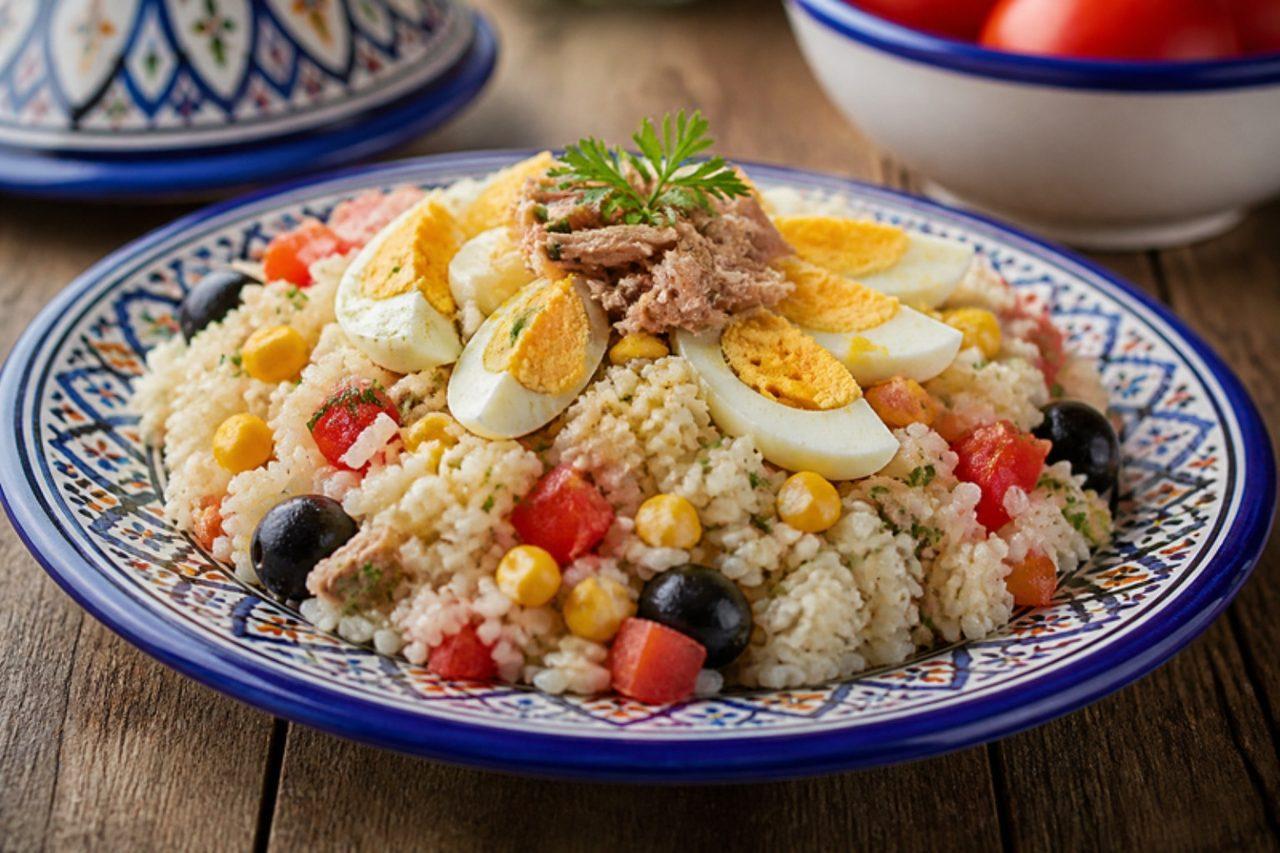
Moroccan weddings, birthday parties and summer picnics in Rabat and Casablanca nearly always have a big platter of shlada rouz, the rice salad decorated in stripes and rings like a mosaic: tomato, sweetcorn, green olives, beetroot, boiled egg and flaked tuna on a bed of lemon-dressed rice. It's eaten cold as a starter. Rice cooked too soft turns to paste once dressed, so drain it while it still has a slight bite. Chef's tip: dress the rice while it's still a little warm; it soaks up the vinaigrette much better.

by KrazyBadal 0 views

Refresco de coconaCocona cooler

In Iquitos, Pucallpa and the river towns of Loreto, heat and humidity make a cold refresco part of every lunch, and cocona is one of the favourites sold from plastic jugs at the Belén market. The fruit looks like a fuzzy orange tomato and tastes between tomato, lemon and apricot: very sour, aromatic and juicy. Blended with water and sugar it makes a tangy, golden drink with a light pulp, served with juane or tacacho con cecina. The usual mistake is skipping the fuzz: cocona skin is covered in fine hairs that make the drink scratchy, so rub them off under running water before you start. Blend only briefly, too, so the many seeds do not crack. It is ready when the refresco is opaque orange, sour first and sweet after, with no grit. Outside the Amazon, look for frozen cocona pulp in Latin American shops; naranjilla (lulo) pulp is the closest substitute. Chef's tip: a pinch of salt makes the fruit taste sweeter and fruitier without more sugar.

by KrazyBadal 0 views

Showing 24 of 204 recipes

Show more recipes

Page 1 of 9