Skip to content
Recipes

All recipes

Vegetarian, or something you can't eat? Set your diet once and we'll hide recipes that don't fit.

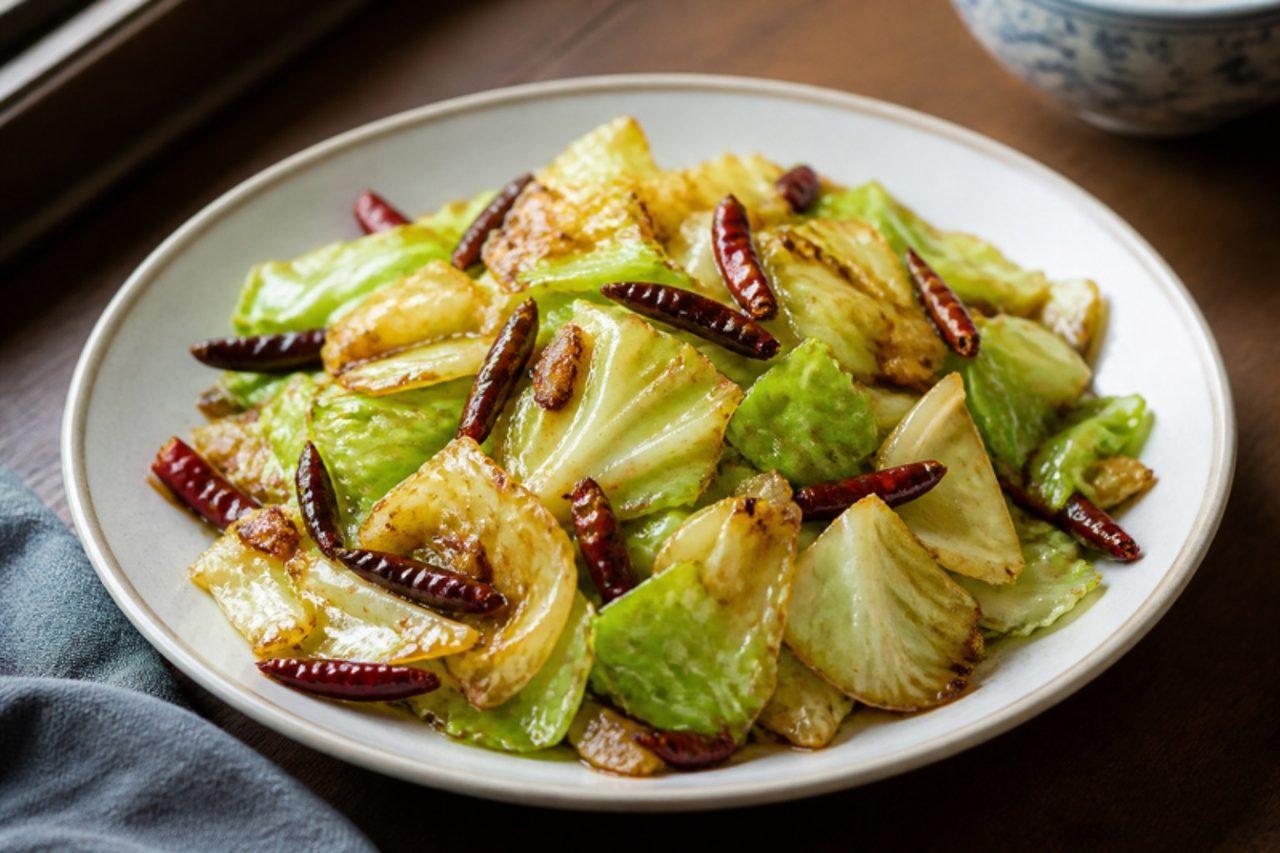
Hand-torn cabbage

Shou si bao cai is a Hunan restaurant classic that every Changsha family also cooks at home: cabbage leaves torn by hand, then flash-fried in a roaring wok with garlic and dried chillies and splashed with black vinegar until smoky, sweet and still crunchy. It goes alongside rice and a meat or tofu dish at dinner. The mistake is putting wet leaves into a lukewarm pan: the cabbage stews and goes limp instead of charring at the edges. Chef's tip: tear rather than cut, because the ragged edges catch the heat and the sauce better than clean knife cuts.

by KrazyBadal 0 views

Chicharrón de pescadoCrisp fried fish chunks

Up and down the Peruvian coast, from Chorrillos in Lima to the beaches of Piura, chicharrón de pescado is the crunchy plate ordered alongside ceviche at a long seafood lunch: bite-size chunks of firm white fish marinated briefly in garlic and lime, dusted in flour and fried, then served with fried cassava, salsa criolla and tartar or rocoto sauce. Using frozen peeled cassava keeps it to half an hour. The common mistake is leaving the fish in the lime too long: after about ten minutes the acid starts to 'cook' the outside and the coating slips off. Chef's tip: toss the floured pieces in a sieve to shake off every bit of loose flour; a thin coat fries crisp, a thick one turns pasty.

by KrazyBadal 0 views

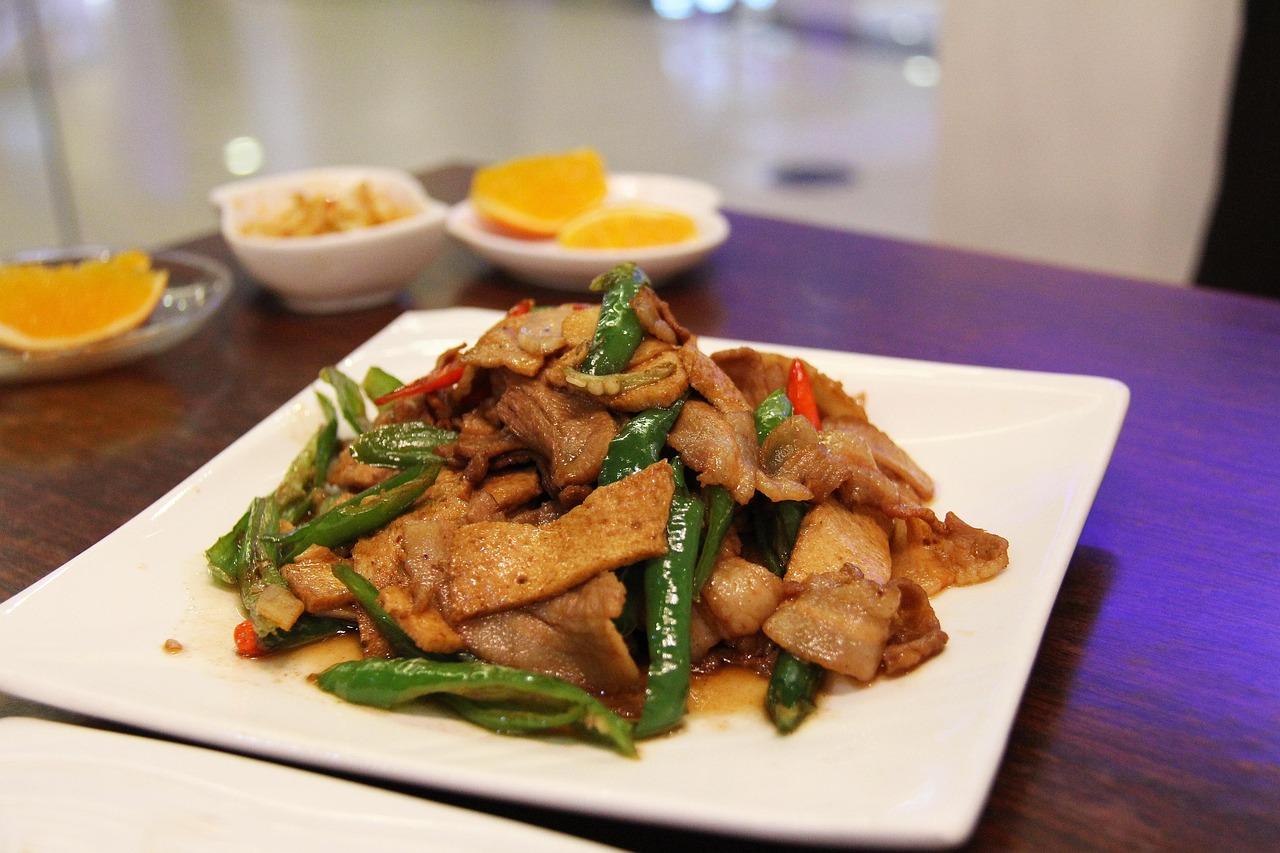
Qing jiao rou si (shredded pork with green pepper)

Qing jiao rou si is one of the first dishes a home cook in China learns, made in a few minutes from Sichuan to the north-east: thin strips of pork loin, velveted with a little cornflour, flashed in a hot wok with green pepper and garlic. This is a pork dish, and the marinade uses a splash of Shaoxing rice wine, which cooks off only partly; an alcohol-free swap is given below. The mistake most people make is cutting the pork too thick or overcrowding the wok, so the meat stews and toughens. Chef's tip: half-freeze the pork for 20 minutes before slicing and you can cut matchstick-thin strips easily.

by KrazyBadal 0 views

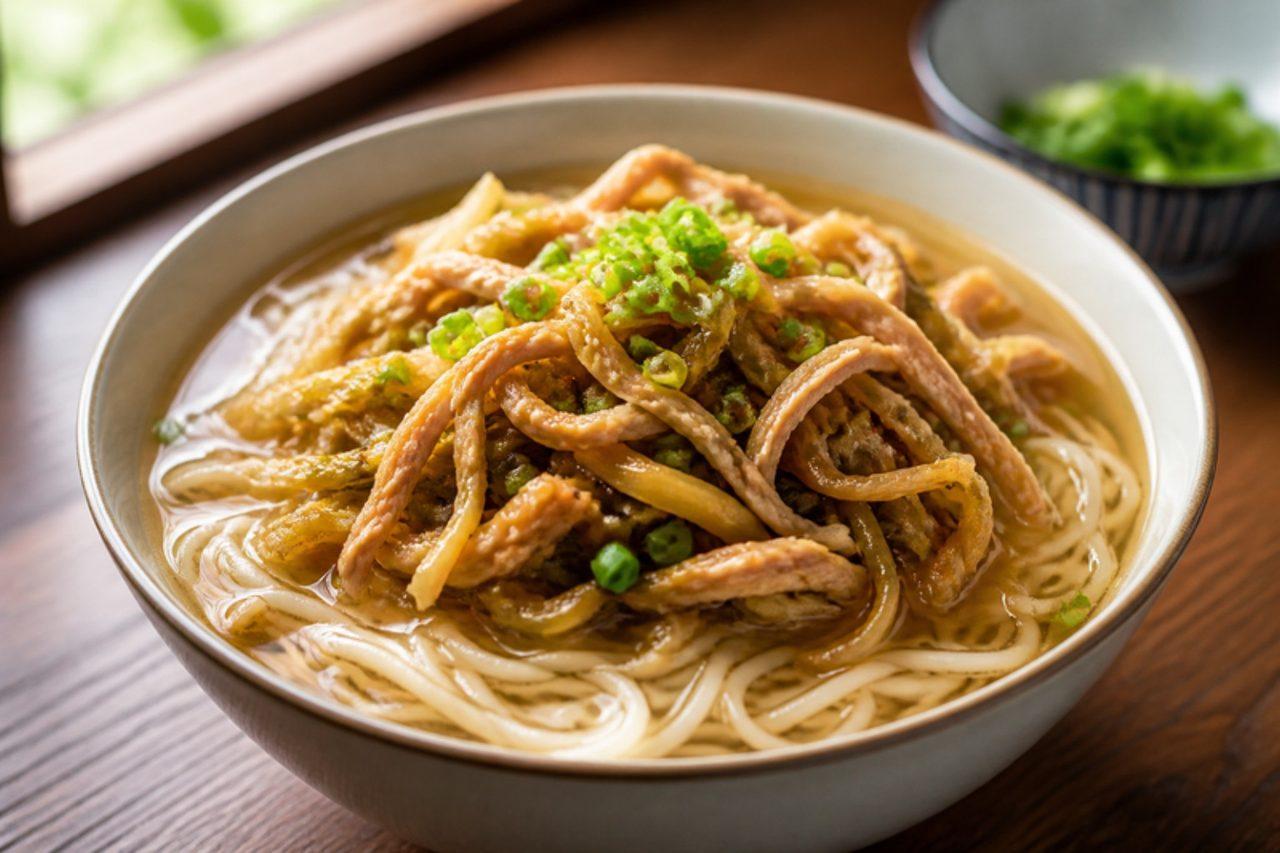
Zhacai rousi mian (pork and pickled mustard noodle soup)

Zhacai rousi mian is a breakfast and late-night bowl from Chongqing to Shanghai noodle shops: plain wheat noodles in a light seasoned broth, topped with shreds of pork stir-fried with crunchy, salty zhacai, the pickled mustard tuber from Fuling. This is a pork dish. The mistake to avoid is salting the topping before you taste it; zhacai is already very salty, and rinsing it briefly saves the bowl. Chef's tip: season the empty bowls with soy, sesame oil and spring onion first, then pour the hot stock over, the way noodle stalls do.

by KrazyBadal 0 views

Pejerrey arrebozadoBattered fish fillets with onion salsa

Pejerrey arrebozado is a Lima classic from the cevicherías and home kitchens of the coast, eaten at lunch on a plate with white rice, a heap of sharp salsa criolla and sometimes boiled potato. The pejerrey, a small silverside, is opened into butterflied fillets, dipped in a light egg-and-flour batter and fried golden. Outside Peru, use small fillets of whiting, sole, haddock or tilapia. The batter here uses sparkling water, not beer, so it is alcohol free. The common mistake is frying in oil that isn't hot enough: the batter drinks the oil and turns greasy, so test with a drop of batter first. Chef's tip: make the salsa criolla first and let the onion sit in lime for ten minutes; it softens its bite and turns a pretty pink.

by KrazyBadal 0 views

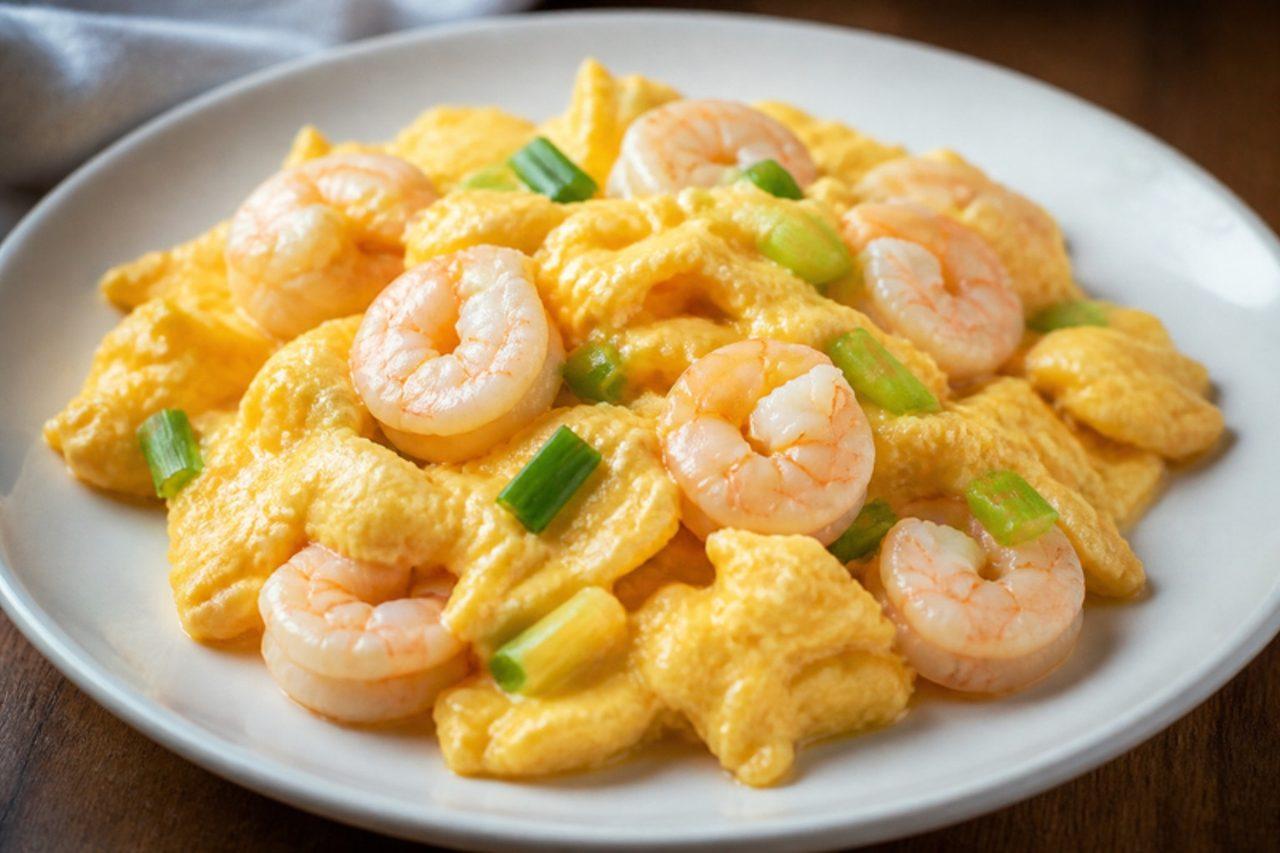
Hua dan xia ren (shrimp with silky scrambled egg)

Hua dan xia ren comes from Guangdong and the Hong Kong cha chaan teng, where it is spooned over rice for a quick lunch or set in the middle of a family dinner: prawns folded into eggs that are barely set, glossy and soft as custard. The classic error is stirring the eggs like a breakfast scramble over a high flame, which gives you dry little curds. Because the eggs are only just set, cook them a little longer for anyone pregnant, very young, older or vulnerable. Chef's tip: a spoon of cornflour slurry and a little oil in the beaten eggs keeps them silky even if you overshoot by a few seconds.

by KrazyBadal 0 views

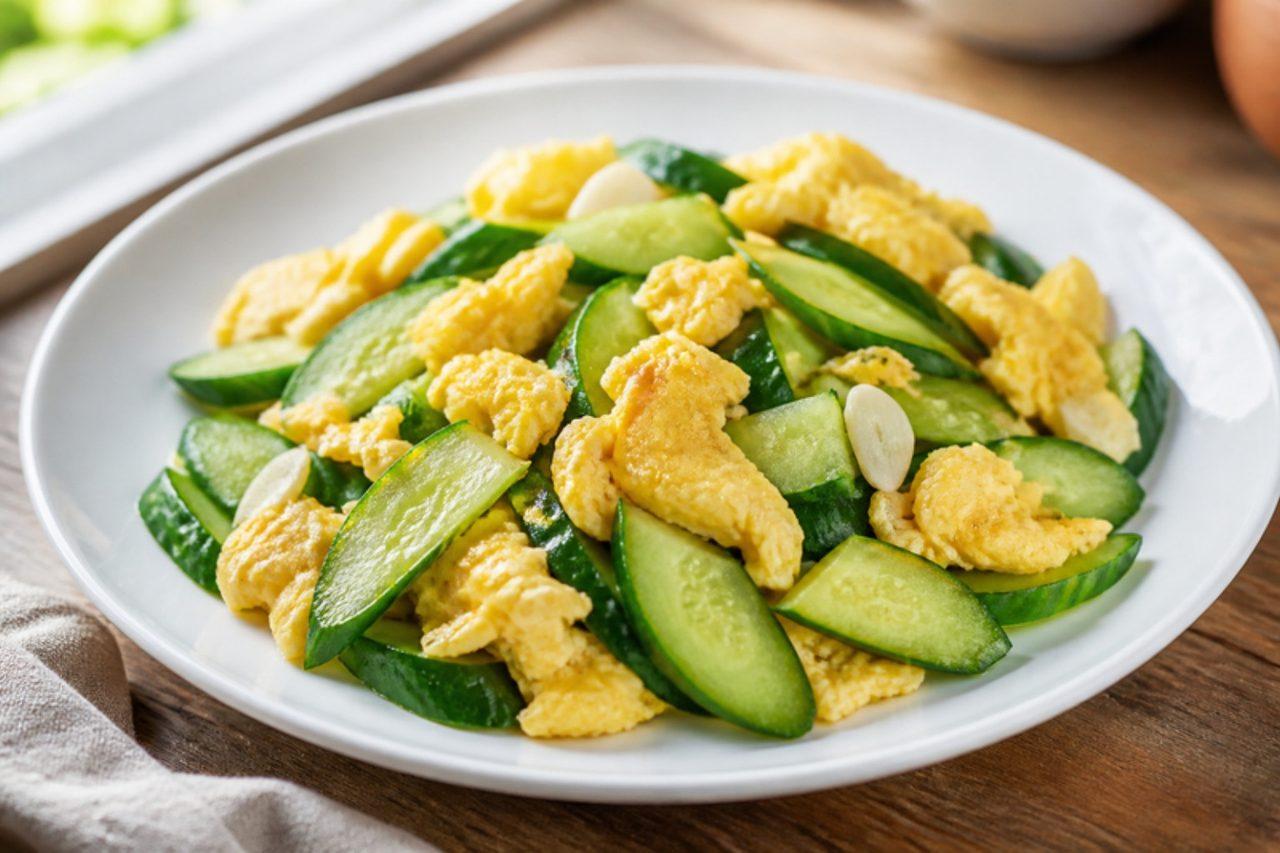
Cucumber and egg stir-fry

Huang gua chao ji dan is a ten-minute dish from northern Chinese home kitchens, made in summer when cucumbers are cheap and nobody wants to stand over the stove. Soft, fluffy scrambled egg and thin cucumber slices are tossed with garlic and salt for just a minute, so the cucumber stays cool and crisp against the warm egg. Eat it with rice or steamed buns. The mistake is cooking the cucumber too long, which turns it watery and dull green. Chef's tip: take the eggs out while they are still a little wet; they finish cooking when they go back in.

by KrazyBadal 0 views

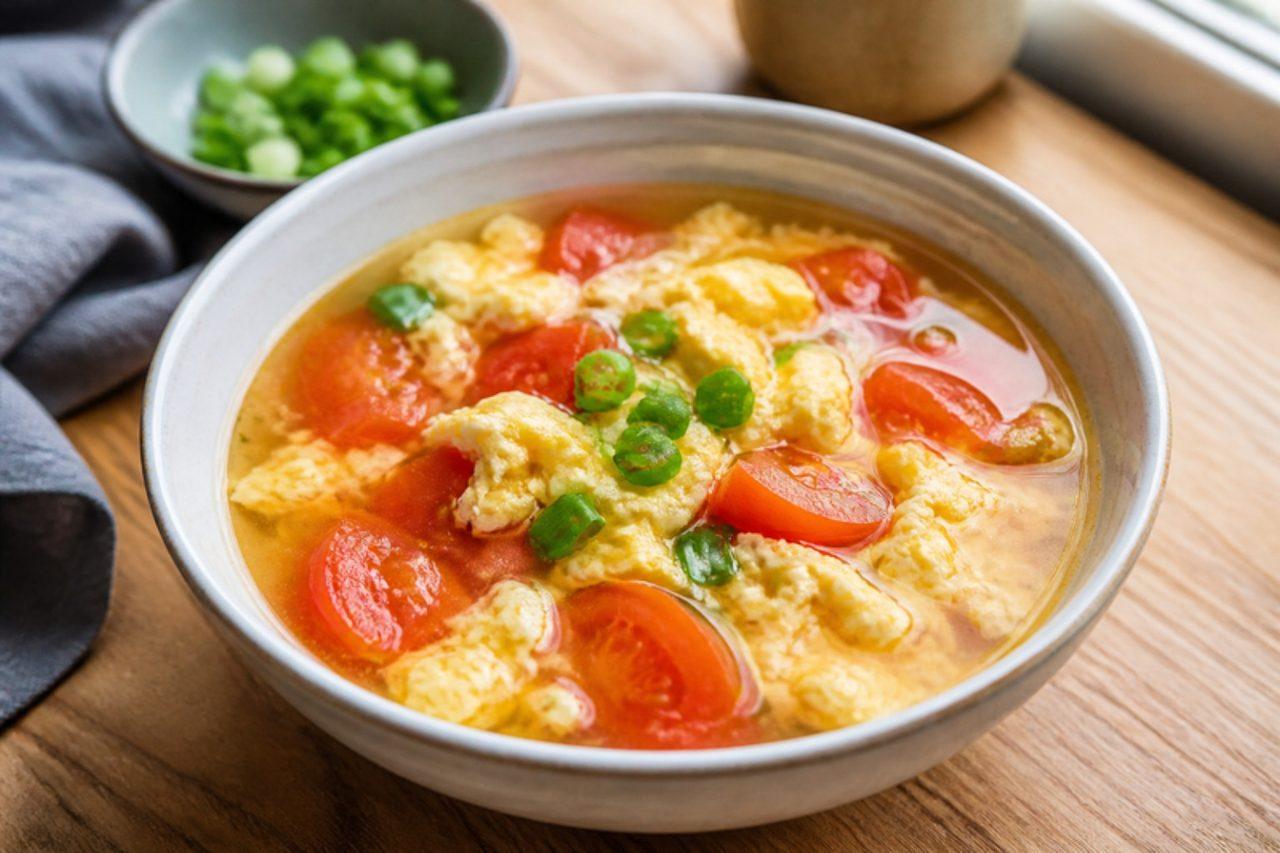
Tomato and egg drop soup

Tomato and egg drop soup, fan qie dan hua tang, is one of the first soups Chinese home cooks learn, made from Shanghai to Chengdu in the ten minutes before rice is ready. Tomatoes cook down into a light, sweet-sour broth and beaten egg is poured in to set into fine yellow ribbons, finished with spring onion and sesame oil. The mistake that makes it cloudy is pouring the egg into a rolling boil and stirring hard; you want a gentle simmer and a slow, thin stream. Chef's tip: fry the tomatoes in a little oil before adding water, so the broth turns rosy and full of flavour.

by KrazyBadal 0 views

Tallarines rojosSpaghetti in red sauce with chicken

Tallarines rojos is the Sunday-lunch and weeknight pasta of homes all over Peru, from Lima to Arequipa: spaghetti in a sweet, deep-red sauce of blended tomato, onion and garlic with a little ají panca and oregano, often with pieces of chicken cooked right in it. Children love it, and it is served with a sprinkle of grated cheese and sometimes a spoon of huancaína on the side. The usual mistake is cooking the sauce too briefly, so it tastes of raw onion; let the blended tomato fry until it darkens and the oil shows at the edges. Chef's tip: a bay leaf and a spoon of ají panca paste give the sauce its Peruvian character; paprika will do if you can't find the paste.

by KrazyBadal 0 views

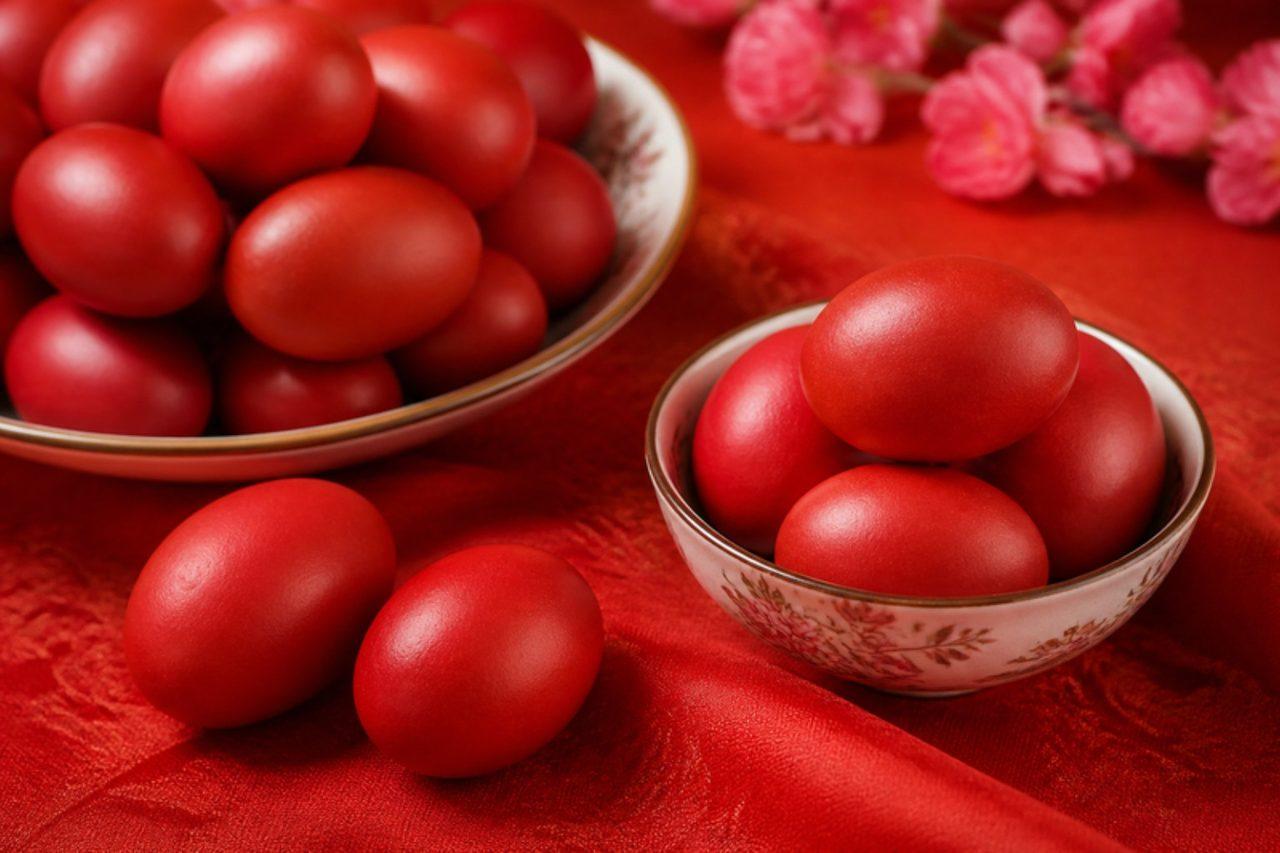
Hong dan (Chinese red eggs)

When a Chinese baby turns one month old, the family holds a full-month party and sends red eggs to relatives and friends: the round egg stands for new life and the red for luck and joy, and an even number is given for a boy in some families and an odd number for a girl in others. The eggs are shared by the guests and older children, peeled and eaten plain or with a little salt. This version dyes them with beetroot rather than food colouring. It contains egg. Chef's tip: dye the eggs while they are still warm and the shells take the colour much more evenly.

by KrazyBadal 0 views

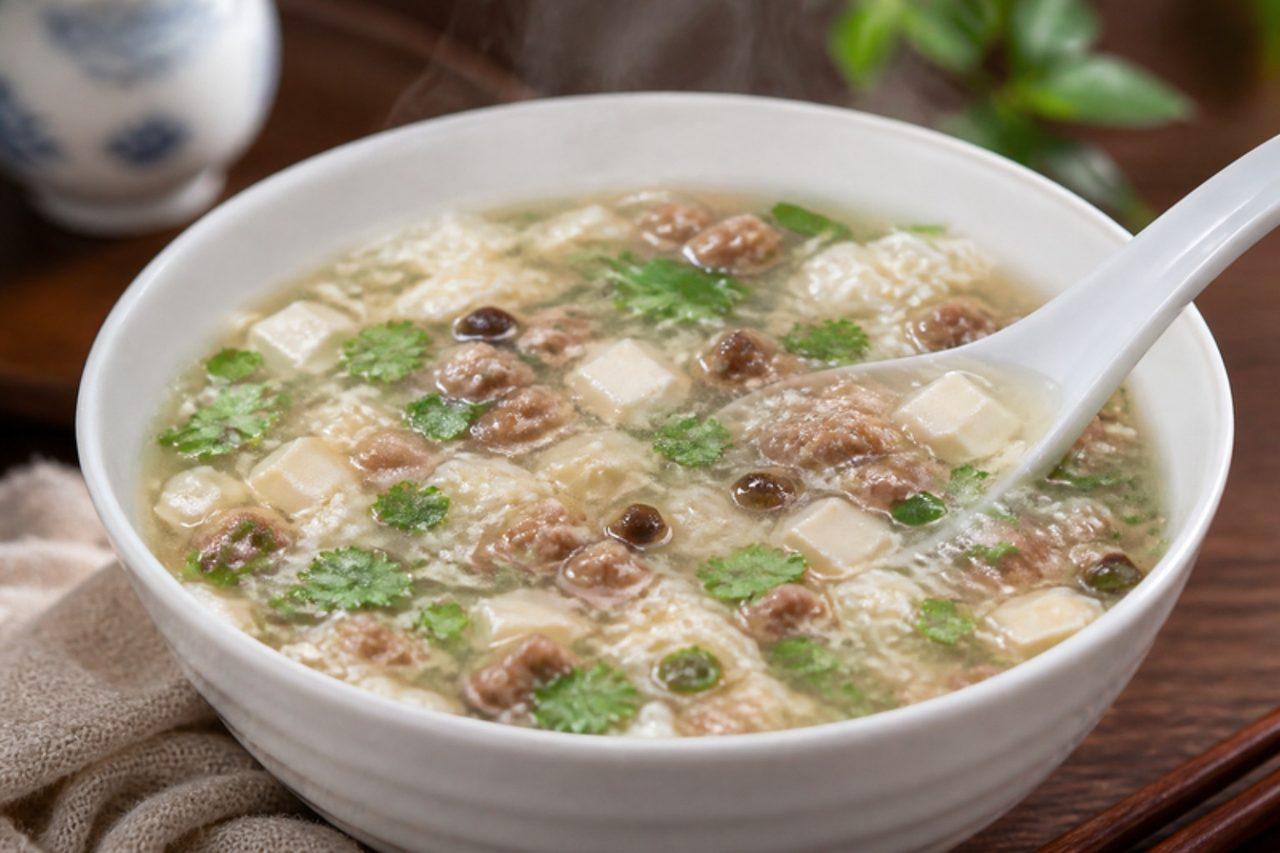
Xihu niurou gengMinced beef and tofu soup

Named after Hangzhou's West Lake, this soup was once on every banquet menu in Zhejiang and is now a favourite in Cantonese restaurants too: finely chopped beef, soft tofu and mushrooms in a broth thickened until silky, with egg white drifted in like mist on the lake and a handful of coriander at the end. It is light, warming and eaten as a starter. Eggs, soy and wheat (in soy sauce) are the allergens. A bowl is about 170 kcal. The common mistake is adding the beef in a clump, so it boils into hard lumps; mix it with a little water first and stir as it goes in. Chef's tip: turn off the heat before you add the egg white and pour it in a thin stream; it sets in delicate white wisps instead of rubbery bits.

by KrazyBadal 0 views

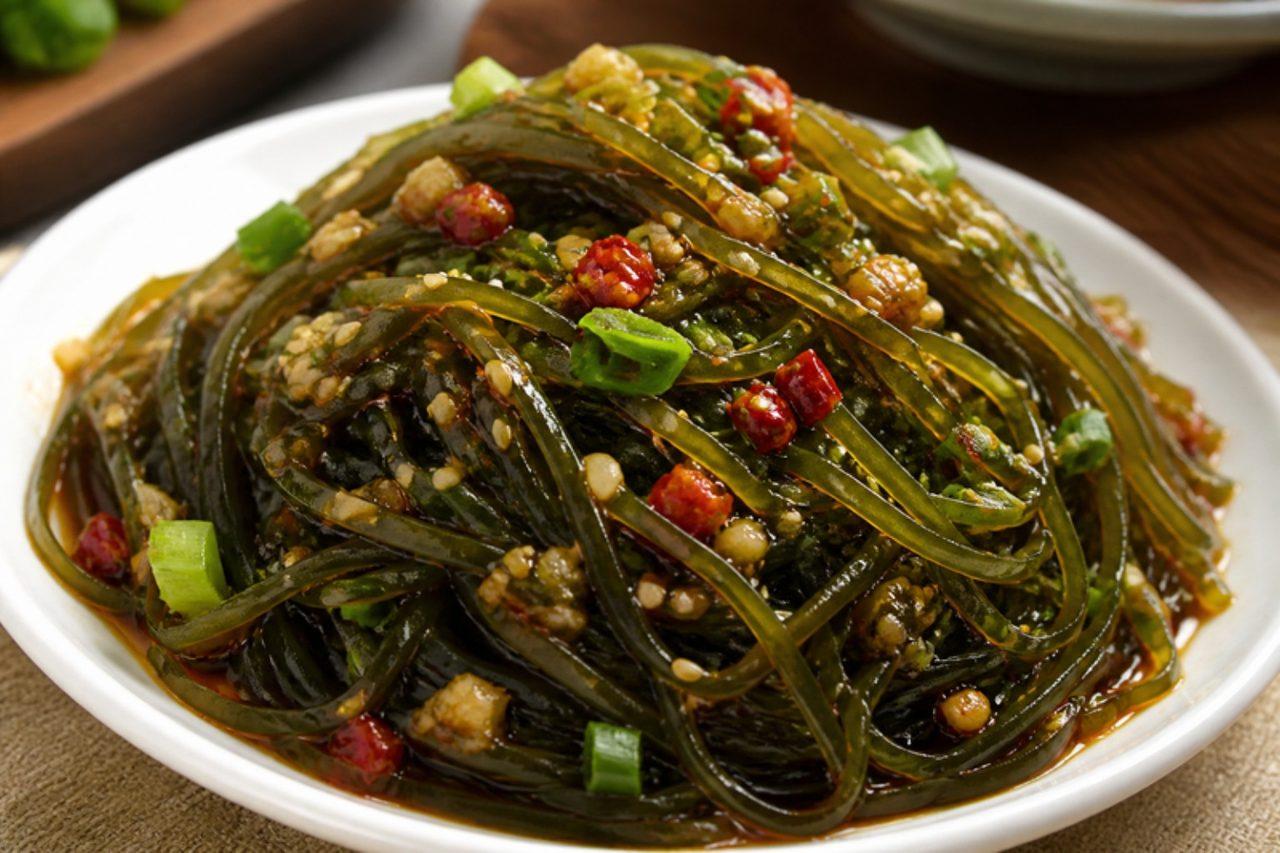
Liangban haidai siShredded kelp salad

Kelp is farmed in huge quantities along the coast of Shandong and Liaoning, and liangban haidai si is the cheap, crunchy cold dish served in every northern canteen, street stall and home: long, thin strands of kelp blanched and dressed in garlic, vinegar, soy, sugar and chilli oil. It is salty-sour, a little spicy and tastes of the sea, and it goes with dumplings, noodles or a bowl of congee. A portion is about 55 kcal. The common mistake is not rinsing the kelp well; it is coated in a salty, slippery film that must be washed off before blanching. Chef's tip: add a few drops of vinegar to the blanching water; it keeps the kelp bright green and crisp.

by KrazyBadal 0 views

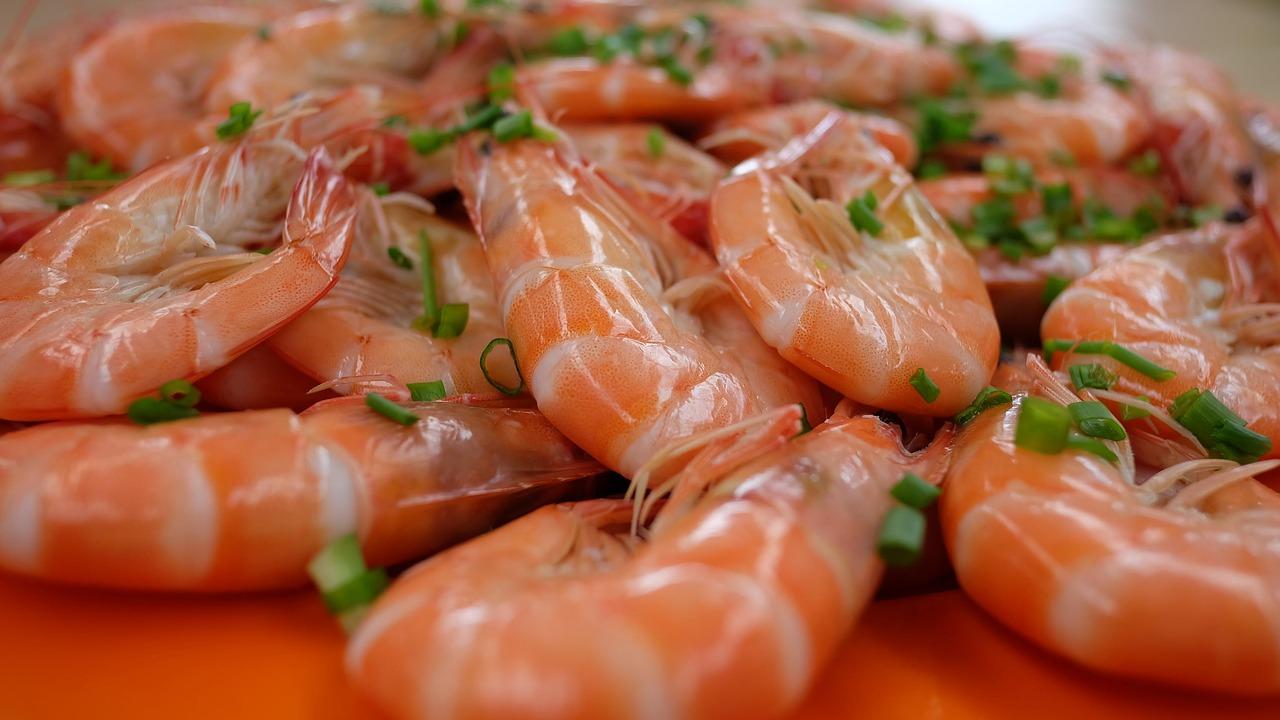
Bai zhuo xiaPoached prawns

Bai zhuo, "plain poaching", is how Cantonese cooks treat seafood they think is too good to sauce, and a plate of whole poached prawns is on the table at almost every family dinner and wedding banquet in Guangzhou and Shunde. The prawns are dropped into boiling water with ginger and spring onion for barely two minutes, then peeled at the table and dipped in a sizzling sauce of soy, chilli and spring onion. They are sweet, springy and very light. A portion is about 130 kcal. In Guangdong the prawns are often bought live; this recipe uses fresh or thawed raw shell-on prawns. Discard any that smell of ammonia, have black heads or slimy, soft shells. The common mistake is overcooking, which makes them rubbery and hard to peel; take them out the moment they curl and turn pink. Chef's tip: plunge the cooked prawns into iced water for 30 seconds; the flesh firms up and shrinks slightly from the shell, so they peel easily.

by KrazyBadal 0 views

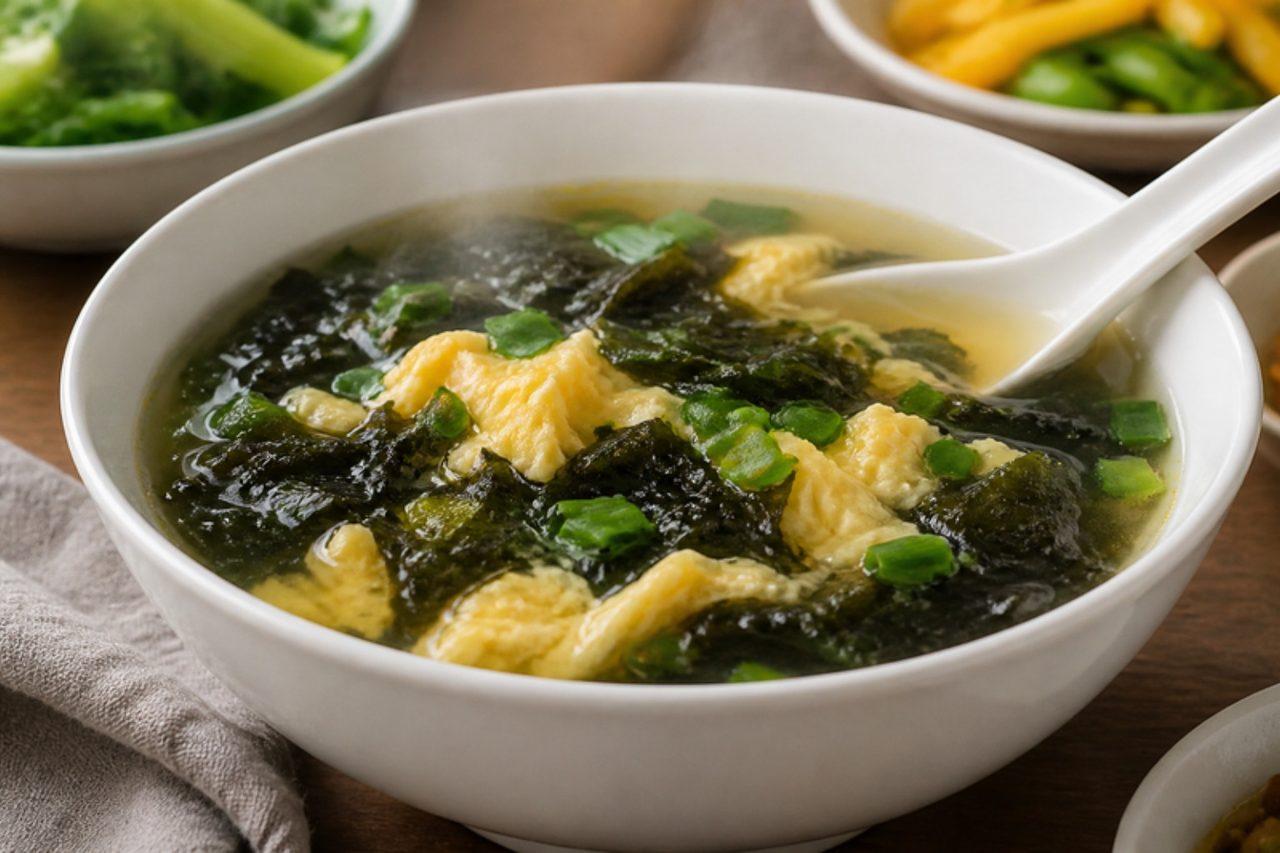
Zicai dan hua tangSeaweed egg drop soup

Zicai dan hua tang is the soup that a busy Chinese home cook can make while the rice is cooking: dried laver seaweed, which dissolves into silky dark green ribbons, and egg swirled into simmering water seasoned with a little soy, white pepper and sesame oil. It is on canteen trays in every Chinese university and on family tables across the country. Many cooks add a few dried shrimp; this vegetarian version leaves them out and uses a pinch of mushroom powder or vegetable stock instead. Eggs are an allergen. A bowl is about 50 kcal. The common mistake is stirring as soon as the egg goes in, which makes it cloudy; wait 10 seconds so it sets into flowers. Chef's tip: tear the seaweed into the bowls, not the pot, and pour the hot soup over; it stays tender and doesn't overcook.

by KrazyBadal 0 views

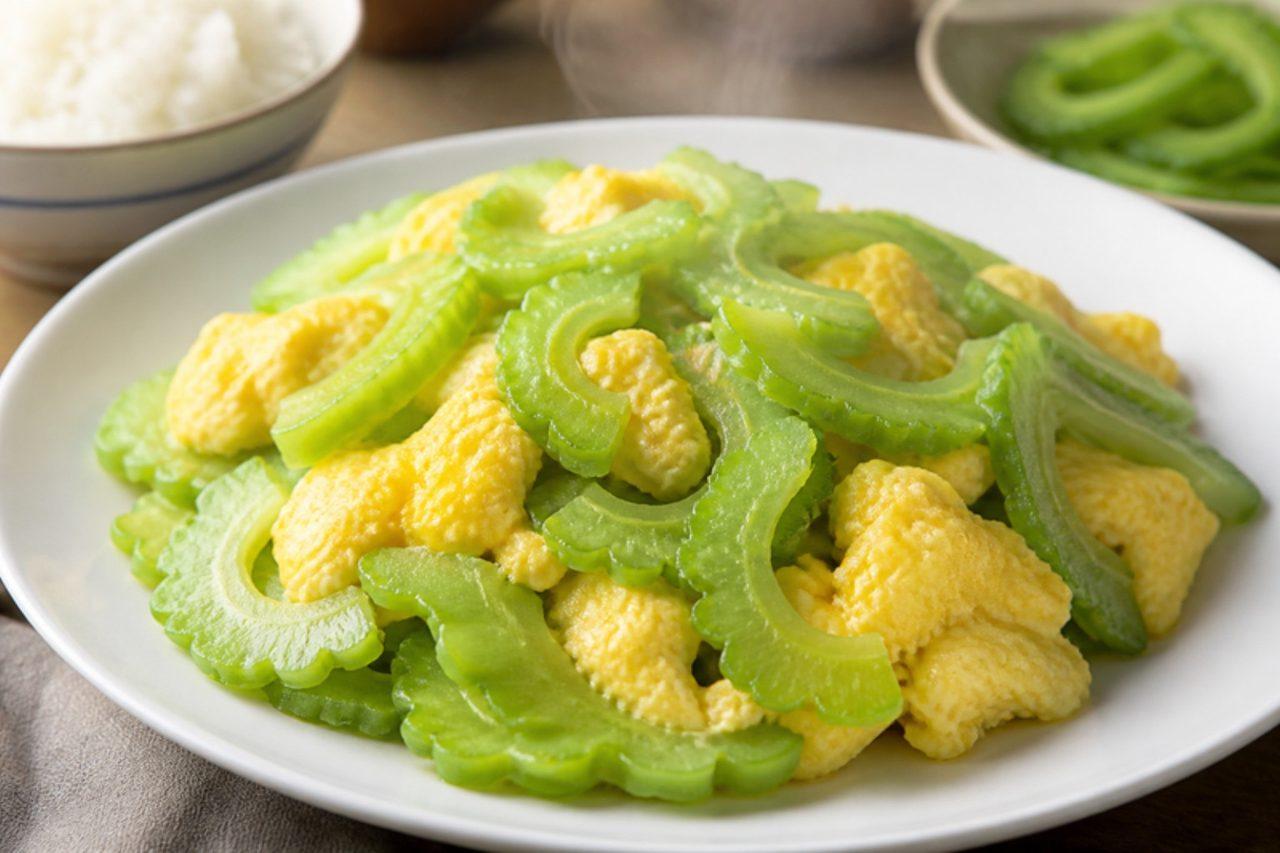
Kugua chao danBitter melon with egg

In the humid summers of Guangdong and Fujian, bitter melon is eaten for its "cooling" quality, and kugua chao dan is the gentlest way to learn to love it: thin slices of the ridged green gourd stir-fried until just tender, then folded into soft scrambled egg, which softens the bitterness. It is a classic dish of Cantonese home dinners, eaten with rice. Eggs are an allergen. A portion is about 140 kcal. The most common mistake is not salting the melon; a 10-minute salt and squeeze draws out much of the bitterness. Chef's tip: scrape out every bit of the white pith inside the melon with a spoon; that is where most of the bitterness lives.

by KrazyBadal 0 views

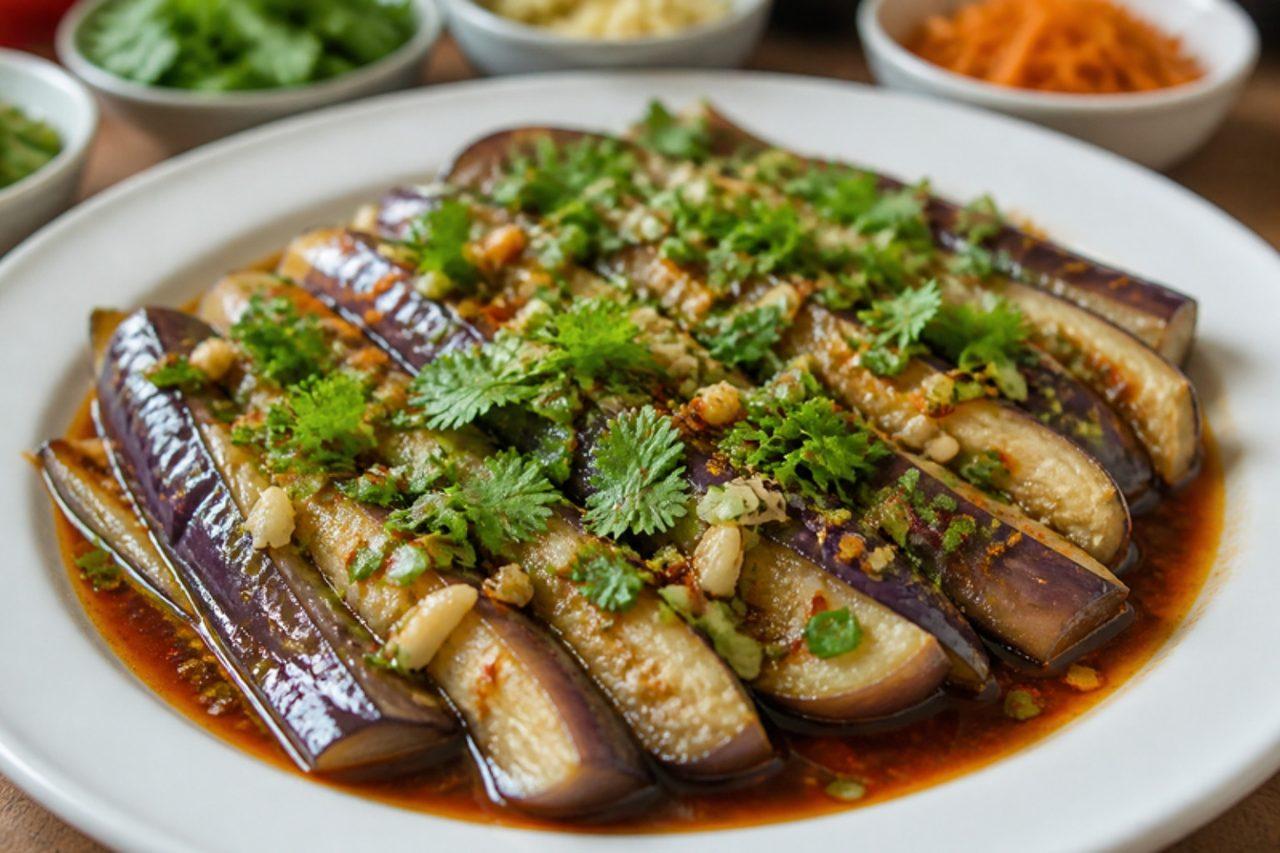
Garlic steamed eggplant

Fried eggplant soaks up oil like a sponge; Chinese home cooks in Sichuan and across the north get round it by steaming long purple eggplants until creamy, then pouring over a sharp dressing of pounded raw garlic, soy, black vinegar and a little chilli oil. It is served warm or cool as a summer side with rice or noodles, and it takes almost no oil at all. A portion is about 70 kcal. The common mistake is steaming them whole, which leaves the centres hard; cut them into fingers first so they cook evenly. Chef's tip: steam the strips skin side up; the purple colour stays brighter and the flesh doesn't go grey.

by KrazyBadal 0 views

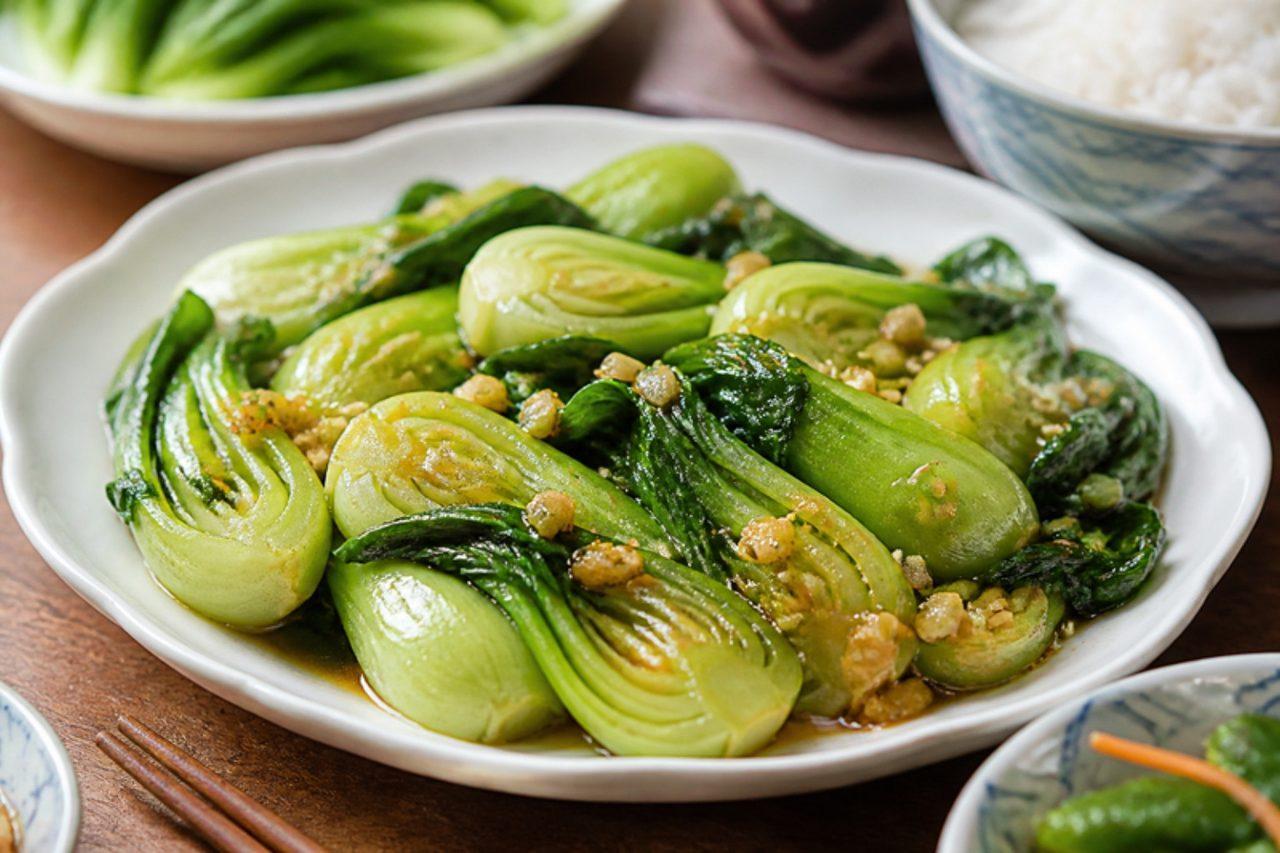
Garlic bok choy

Order a plate of greens in any home kitchen or small restaurant in Guangzhou or Shanghai and it will most likely be this: baby bok choy or xiao bai cai tossed in a smoking wok with a heap of chopped garlic, a pinch of salt and a splash of water, on the table in four minutes. The stems stay juicy and crisp, the leaves silky, and the garlic sweet. It goes with every meal. A portion is about 50 kcal. The most common mistake is a wet, crowded wok, which stews the greens to khaki; dry them well and cook in batches if your pan is small. Chef's tip: add half the garlic at the start and half at the end; you get both mellow, toasty garlic and a fresh punch.

by KrazyBadal 0 views

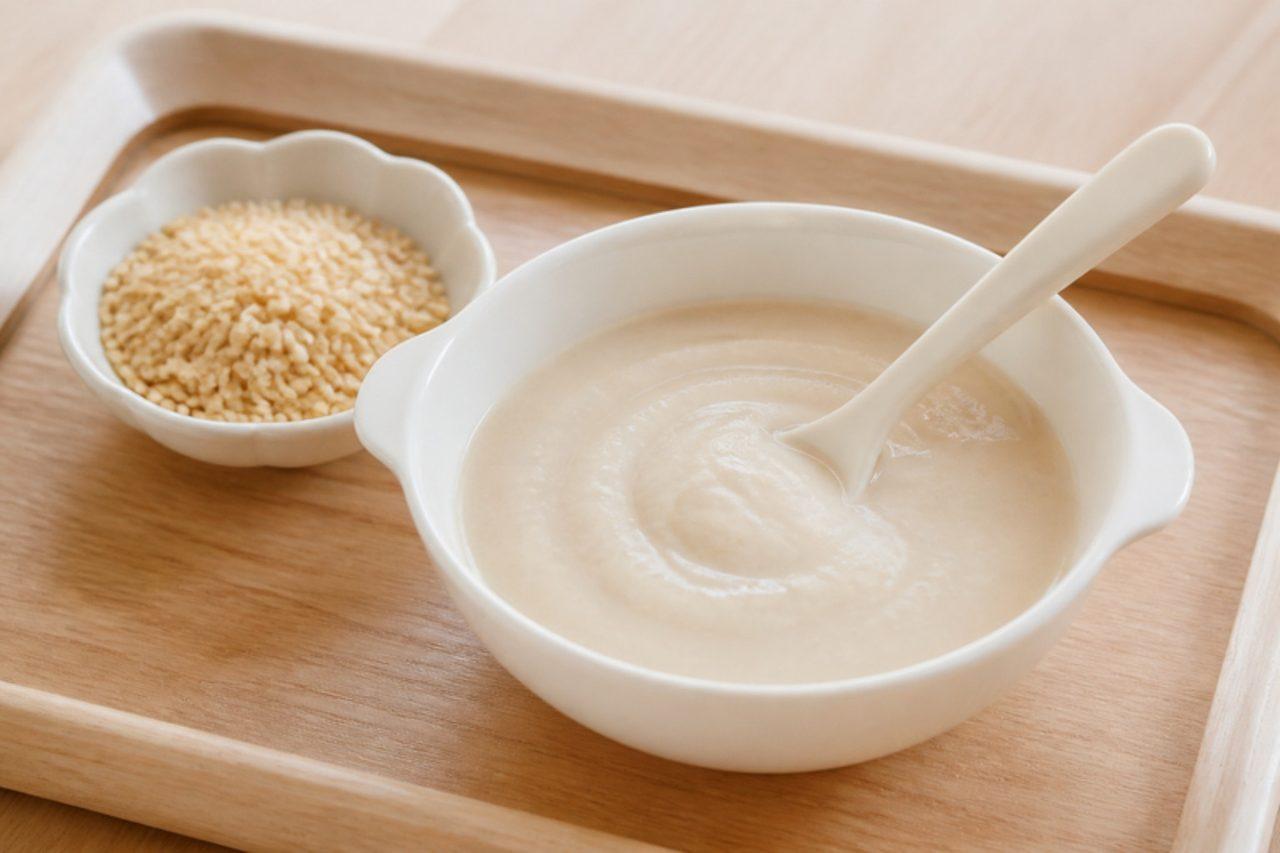
Rice cereal paste (mǐ hú)

Long before boxed cereals, Chinese mothers made mǐ hú, rice paste, by dry-toasting rice in a wok, grinding it fine and cooking it with water. It is still a favourite first food all over China, often served as the baby's breakfast while the family eats congee. Toasting gives it a gentle, biscuity flavour and makes it cook in minutes. There is no salt or sugar, and none of the common allergens (milk, egg, gluten, peanut, tree nuts, soya, sesame, fish). Chef's tip: toast and grind a larger batch, sieve it, and keep the powder in a clean, dry jar for up to two weeks.

by KrazyBadal 0 views

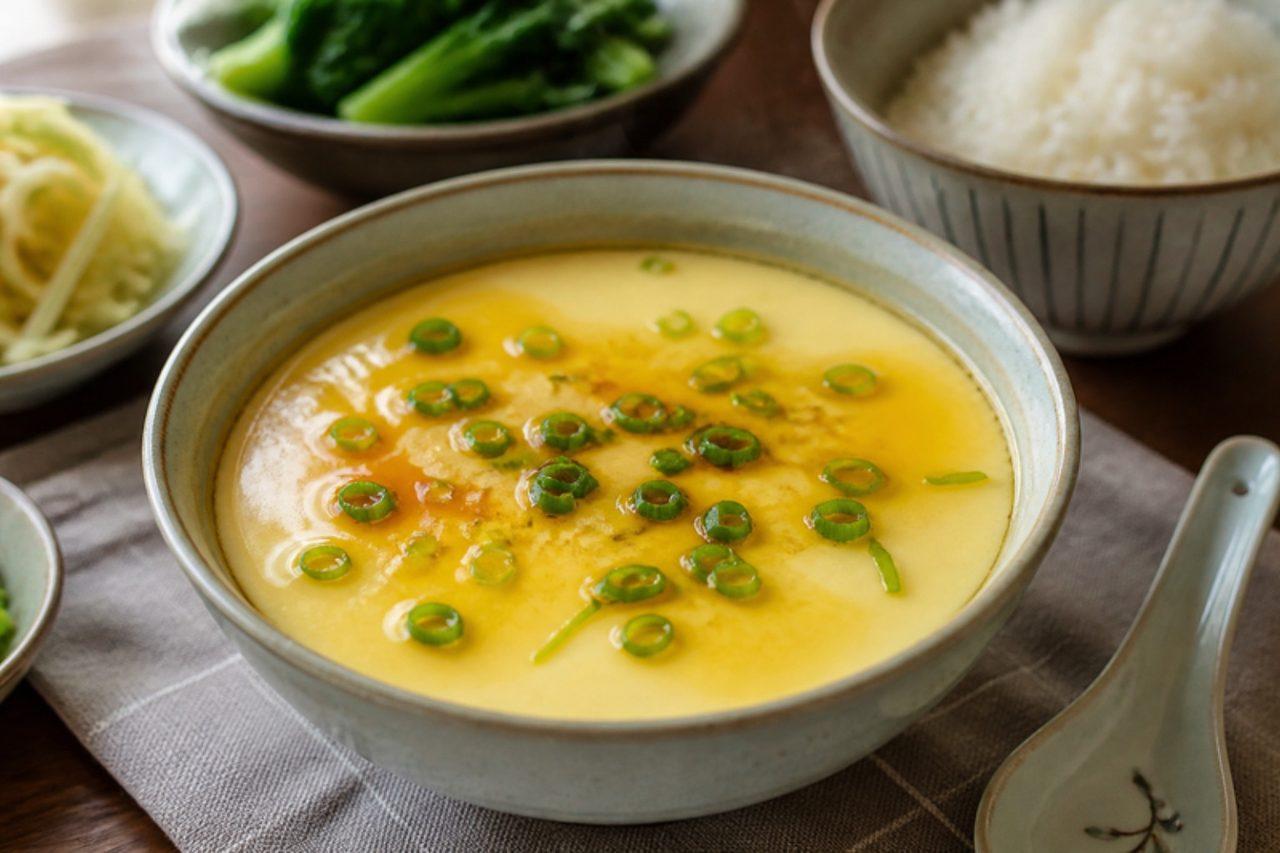
Ji dan gengSteamed egg custard

Ji dan geng is the first "real food" many Chinese children remember: a bowl of steamed egg so smooth it shivers, made by grandmothers from Shanghai to Chengdu for a toddler's lunch, a sick day or a quick side at dinner, and eaten with a spoon over rice. Eggs are beaten with warm water, steamed gently, then finished with a few drops of soy and sesame oil and some spring onion. Eggs are an allergen, and for toddlers under one, leave out the soy. A bowl is about 110 kcal. The most common mistake is using cold water and a fierce heat, which gives a pitted, spongy custard; use warm water and a gentle steam. Chef's tip: cover the bowl with a plate or cling film while it steams, so no condensation drips onto the surface and the top stays like glass.

by KrazyBadal 0 views

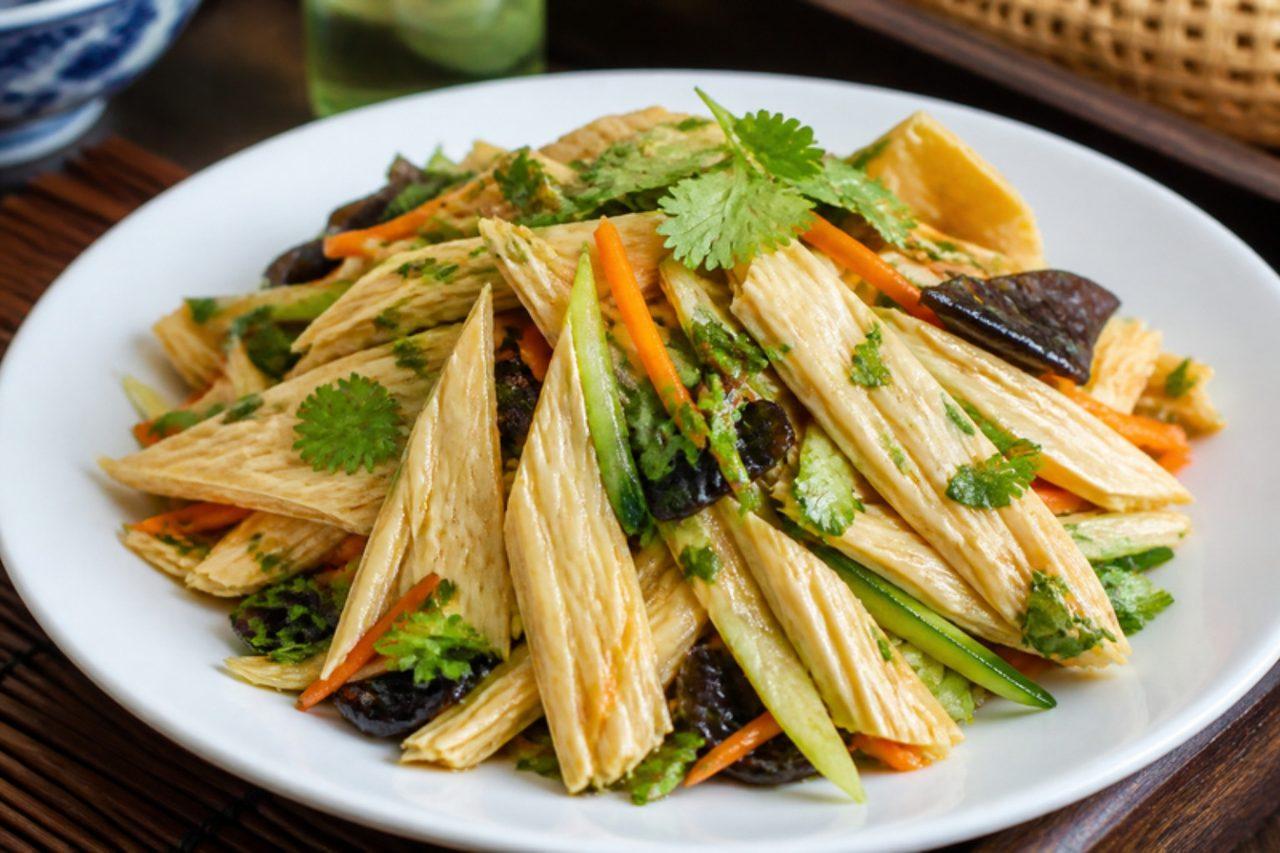
Liangban fuzhuTofu skin and cucumber salad

Fuzhu, the dried sticks made from the skin that forms on simmering soy milk, are a pantry staple in Guangxi and Sichuan and in Buddhist vegetarian kitchens across China. Soaked until soft and chewy, they are tossed in this cold dish with cucumber, carrot and wood ear in a dressing of garlic, vinegar and sesame oil, served in summer with rice or noodles. It is high in protein and very satisfying. A portion is about 170 kcal. Soak the fuzhu in cold water for 2–3 hours or overnight, not counted in the times. The common mistake is soaking in hot water, which leaves the outside mushy and the centre hard. Chef's tip: blanch the soaked sticks briefly; it cleans off the beany taste and makes them softer and juicier.

by KrazyBadal 0 views

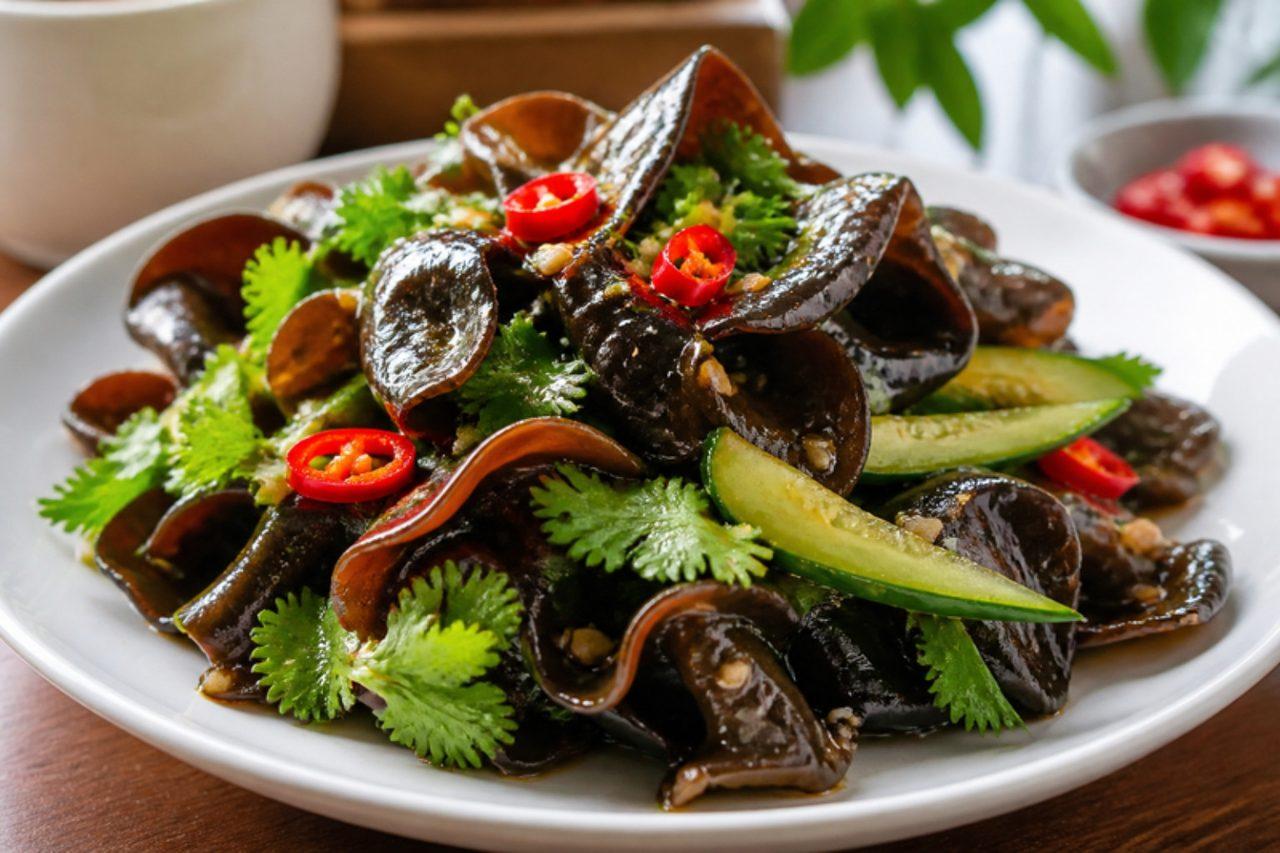
Liangban mu'erWood ear mushroom salad

Every noodle shop and dumpling house in Beijing and Harbin has a fridge of liangcai, the cold dishes ordered alongside the main meal, and liangban mu'er is one of the most popular: black wood ear fungus, which grows wild in the northeastern forests, blanched and tossed with black vinegar, garlic, chilli and coriander. It has almost no taste of its own but a lovely crunchy, bouncy bite, and it soaks up the tangy dressing. A portion is about 60 kcal. The common mistake is soaking the dried fungus in hot water to save time; it comes out limp. Use warm water for 15 minutes, or cold water for an hour, for the best crunch. Chef's tip: plunge the blanched fungus straight into iced water; it firms up and stays snappy.

by KrazyBadal 0 views

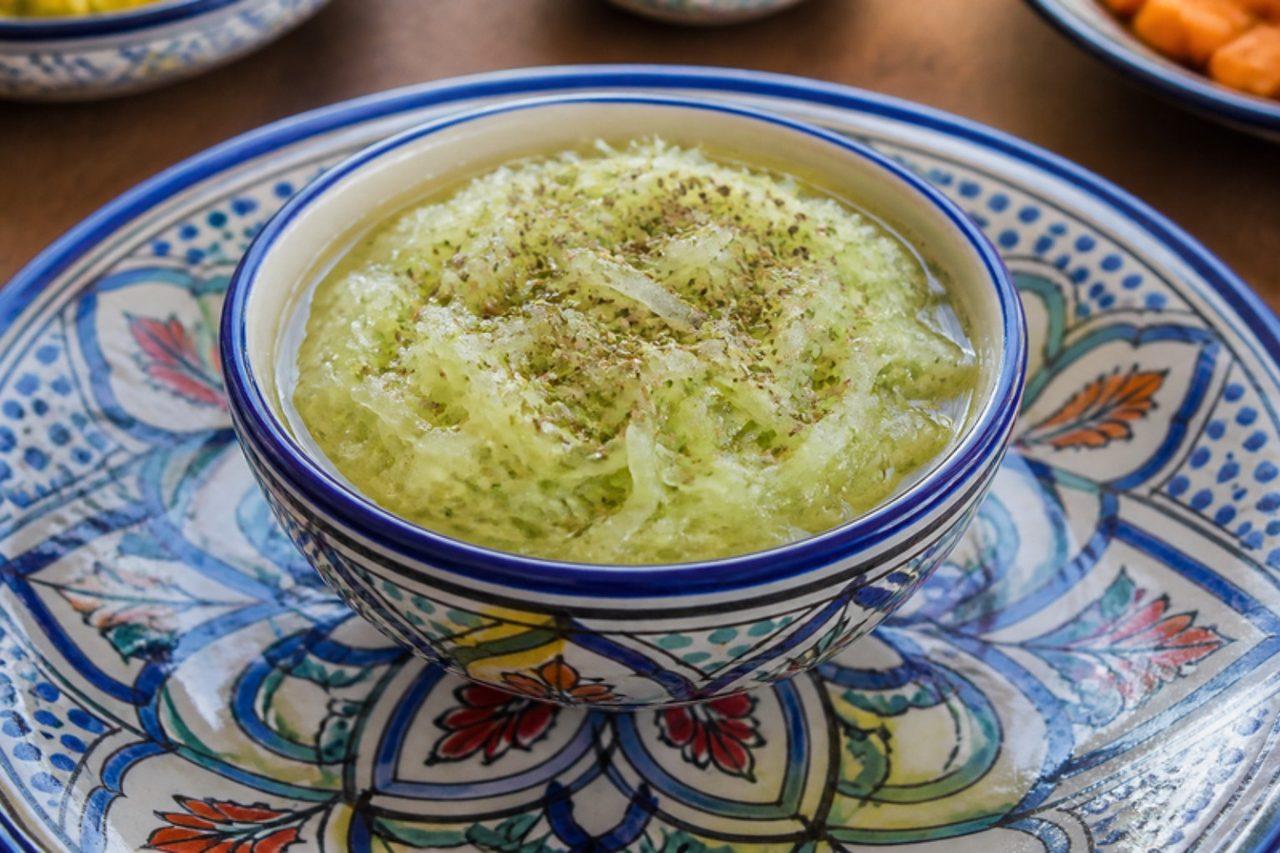
Shlada khiar (grated cucumber salad with oregano)

In the heat of a Fes or Marrakech summer, this ice-cold grated cucumber salad is served in bowls with spoons, half salad, half drink, alongside rich tagines or a plate of fried fish. Cucumber is grated and loosened with water, vinegar and a little sugar, then perfumed with crushed dried oregano or zaatar. Grating ahead and leaving it to sit in salt is the usual slip; the cucumber goes limp and bitter. Chef's tip: rub the oregano between your palms over the bowl to wake its oils.

by KrazyBadal 0 views

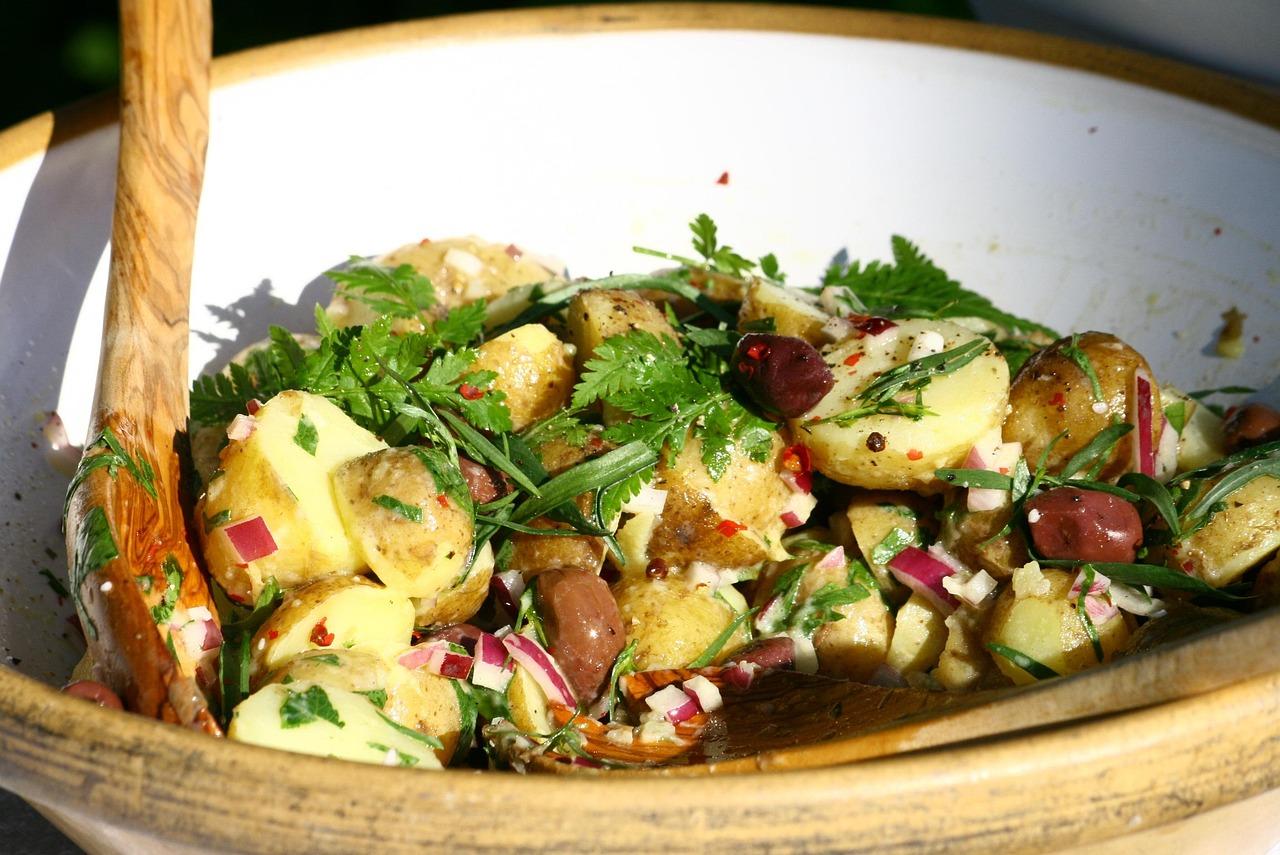
Shlada batata (Moroccan cumin potato salad)

Shlada batata is one of the cooked salads that line up on a Moroccan table before Friday couscous, in Rabat as much as in the Rif: boiled potato chunks dressed while warm with olive oil, lemon, cumin, paprika, garlic and plenty of parsley, with no mayonnaise at all. It's eaten at room temperature with bread, or with grilled sardines. Dressing cold potatoes is the common mistake; they don't absorb the flavours, so toss them while they're still steaming. Chef's tip: a few slivers of preserved lemon peel make it unmistakably Moroccan.

by KrazyBadal 0 views

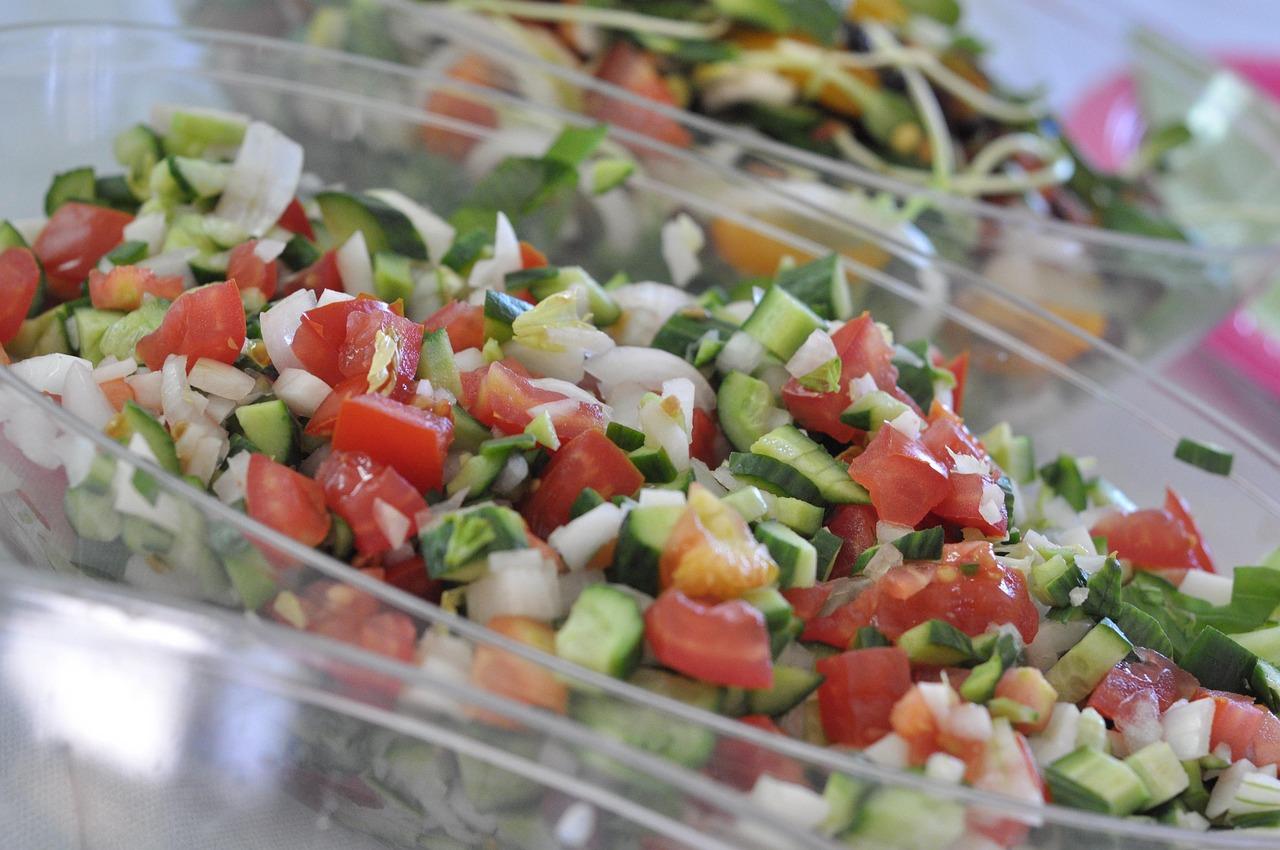
Shlada beldia (Moroccan tomato and cucumber salad)

Shlada beldia, "country salad", sits next to the bread on almost every Moroccan table, from Marrakech grill stalls to a Tuesday family lunch in Oujda. Tomato, cucumber, onion and green pepper are diced as small as lentils, then dressed with lemon, olive oil, parsley and a pinch of cumin, so it eats like a fresh relish with grilled meat, tagines or eggs. The common mistake is dressing it too early: the tomatoes weep and it turns to soup, so salt it just before serving. Chef's tip: dice everything to the same tiny size; that's what makes it taste Moroccan rather than like a chopped salad.

by KrazyBadal 0 views

Showing 24 of 184 recipes

Show more recipes

Page 1 of 8